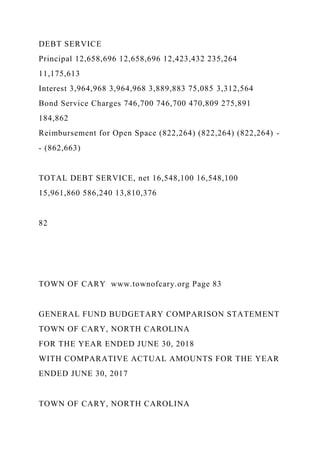
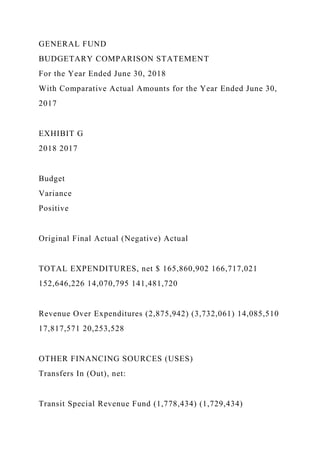
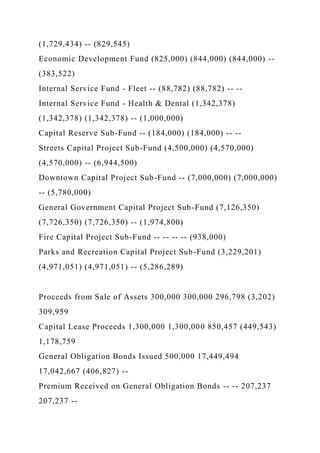
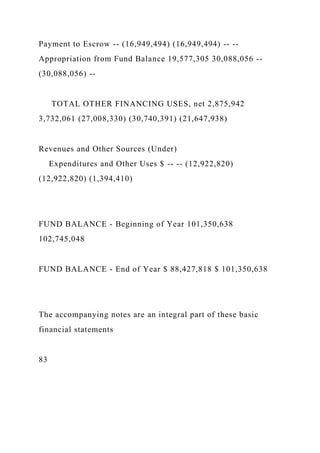
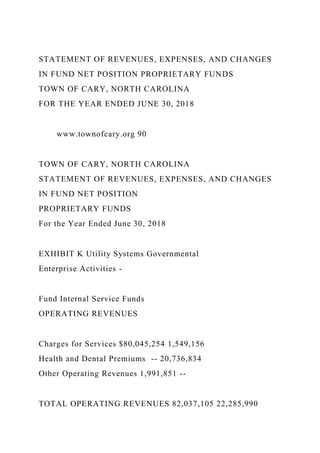
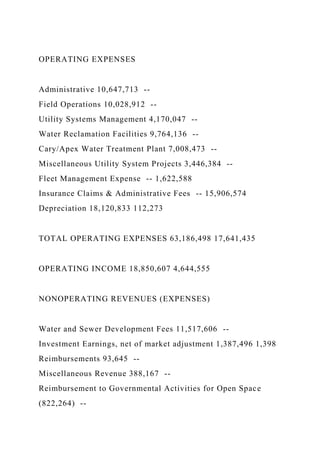
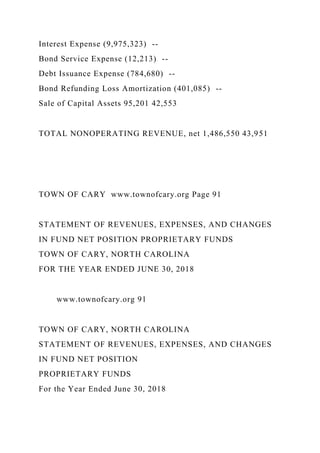
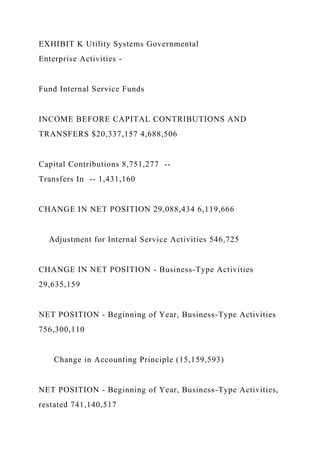
SearchSolidStateStorage.com
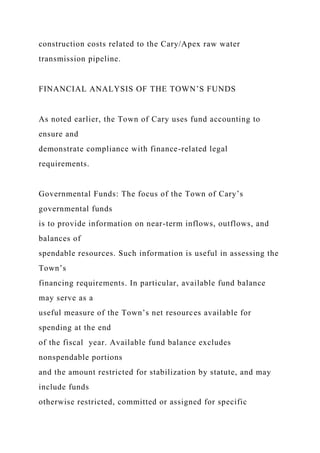
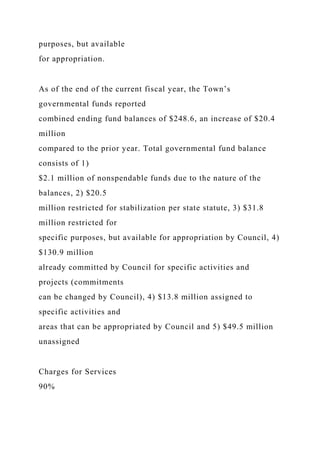
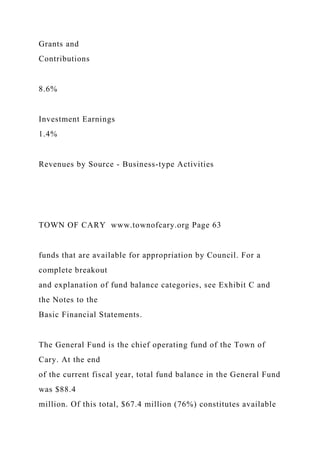
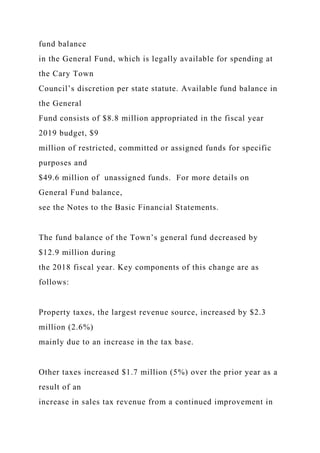
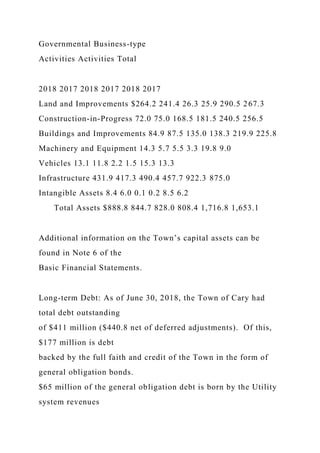
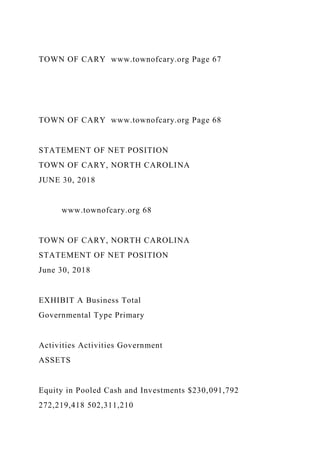
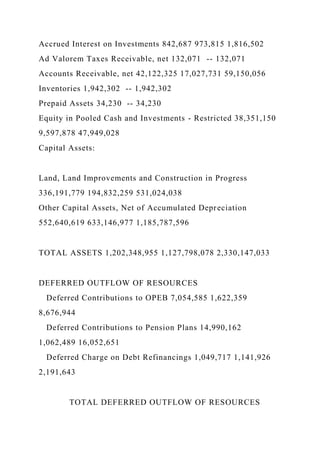
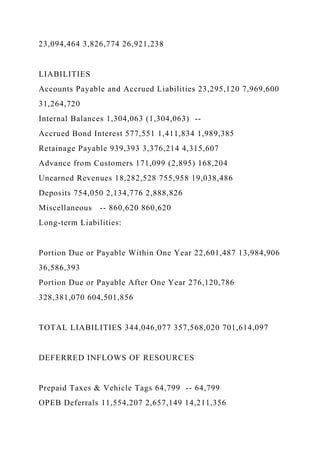
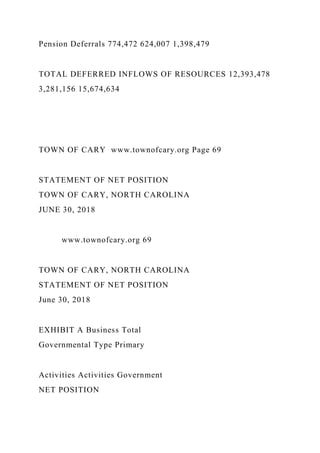
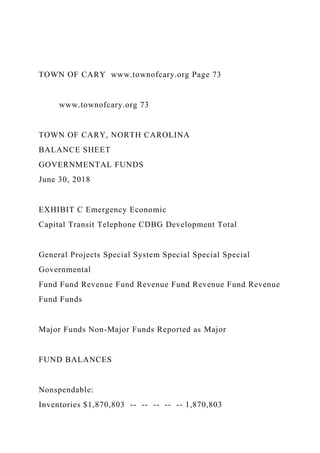
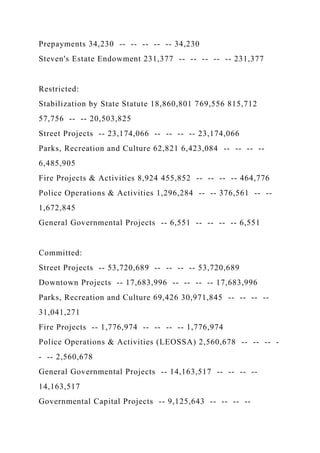
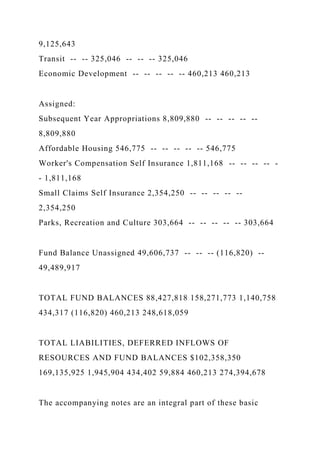
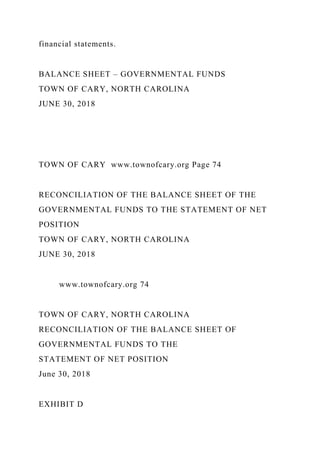
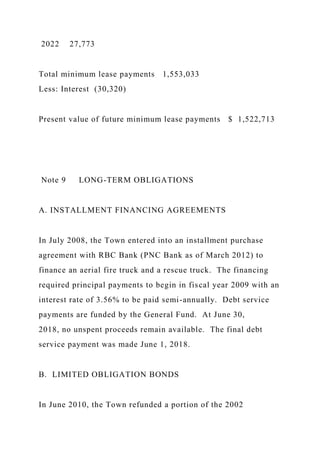
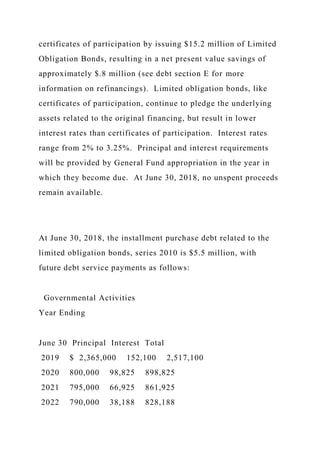
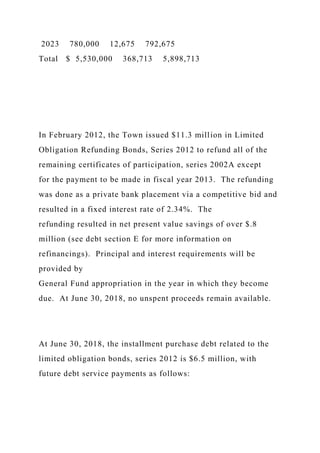
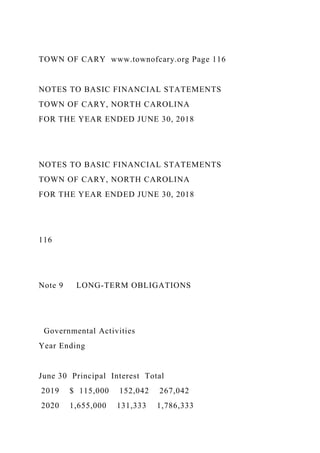
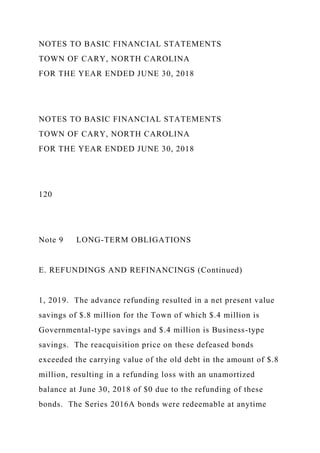
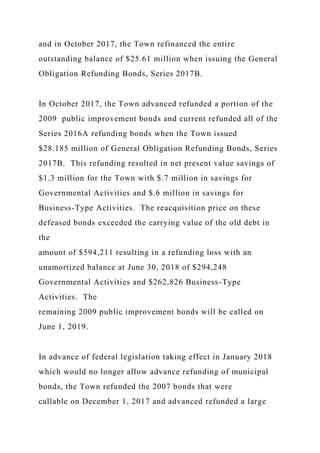
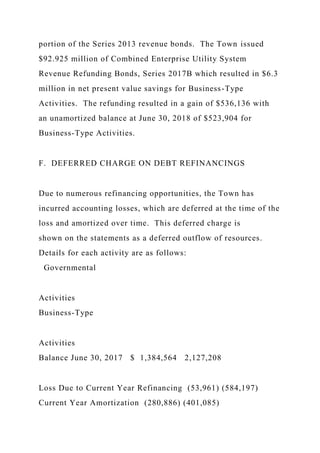
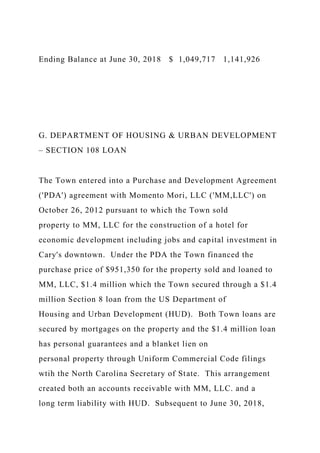
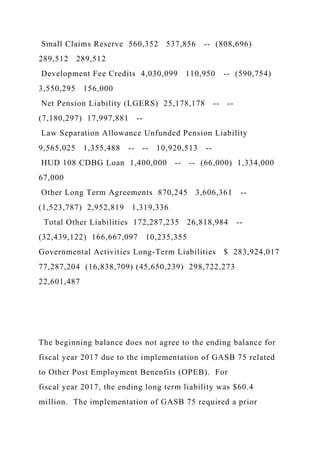
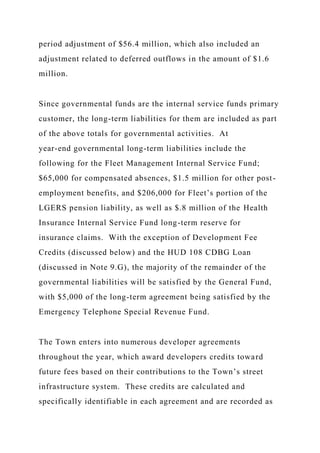
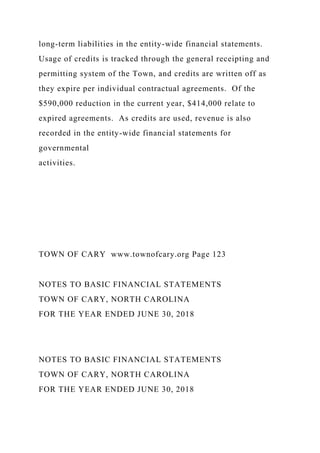
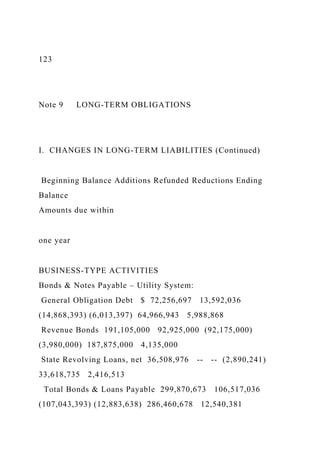
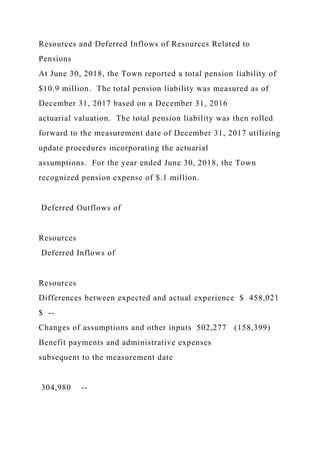
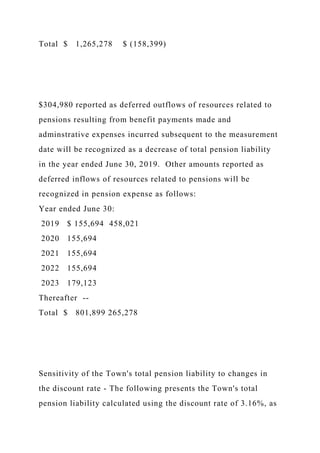
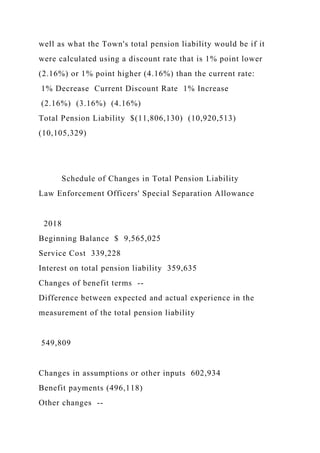
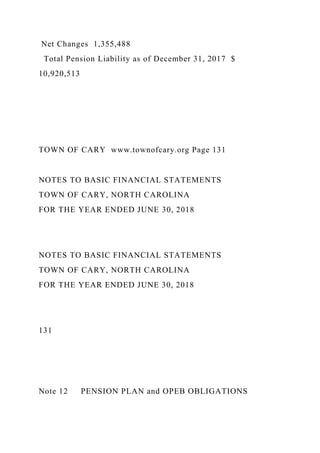
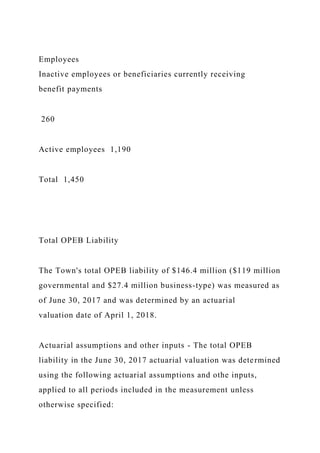
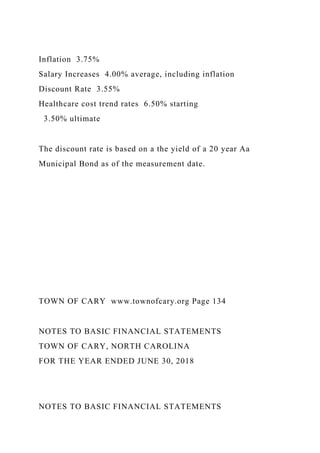
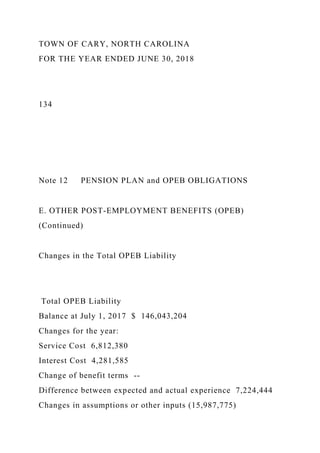
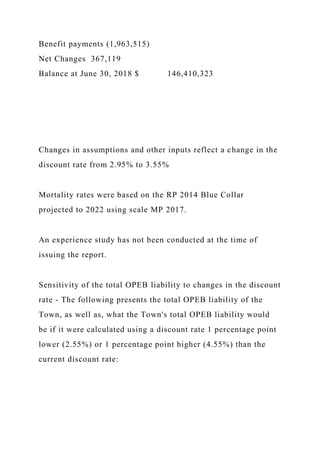
Enterprise IT shops now choose SSD storage
Solid-state storage still factors into only a small percentage of
companies' enterprise capacity, but the
technology is gaining consideration among organizations whose
needs for high performance tend to
offset their cost concerns.
Even budget-conscious government agencies and not-for-profit
institutions are weighing the merits of
the more expensive solid-state storage for their most I/O-
intensive workloads. Ron Wilson, a
technologist supervisor at Delaware Health and Social Services,
said he may choose solid-state drives
(SSDs) if the applications that the state must deploy to comply
with recent health-care legislation
push the limits of the existing systems.
"Our Tier 1 right now is just 15,000 rpm drives," Wilson said.
"A lot more SQL databases and an
increased need for performance with these new applications may
drive the need for us to go SSD."
Disabled American Veterans, a nonprofit organization
headquartered in Cold Spring, Ky., might
choose SAN-based solid-state storage at the time of its next
upgrade if the cost isn't overly
prohibitive, according to Dave Wilson, an operations manager.
"We've looked at it," he said. "We definitely like the idea of
solid state. We use the technology on a
smaller scale, primarily in laptops, and it is extremely
impressive."
According to a recent study from International Data Corp.
(IDC), 72% of 1,014 IT managers surveyed
said their organizations either use or plan to use solid-state
storage in their data centers within 12
months. Jeff Janukowicz, a research director at the Framingham,
Mass., market research firm, said
IDC's research clearly suggests momentum behind solid-state
storage, even though most IT shops
likely fall into the "plan to use" category.
The 2012 first-half report from TheInfoPro (TIP), a service of
New York City-based 451 Research
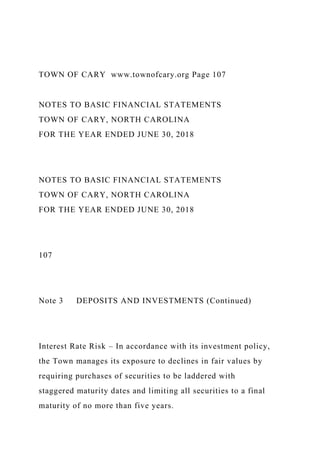
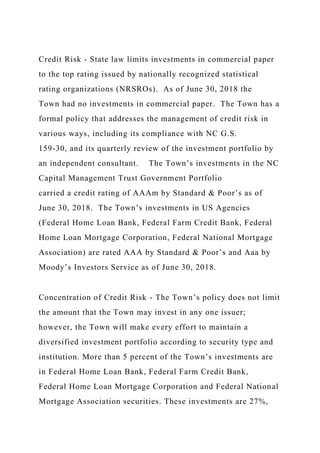
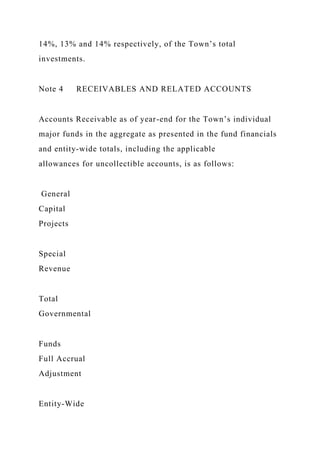
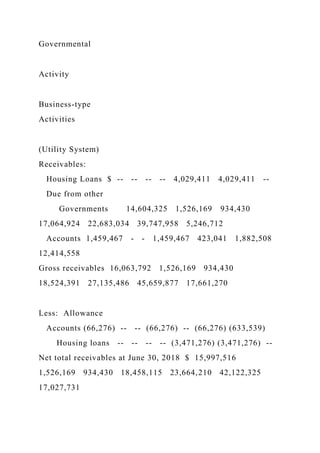
LLC, revealed that solid-state drives/cache accounted for a mere
2% of the storage capacity purchased
last year by some 200 companies and public institutions with
revenues from $100 million to more
than $40 billion.
But, TheInfoPro survey also indicated the growth rate for
SSDs/flash cache could reach 36% this
year. Exploring the solid-state deployment choices users face,
the poll showed that 45% of the
surveyed IT organizations currently use solid state in hybrid
arrays that combine SSDs and hard disks,
while only 11% run solid state in servers and 7% employ all-
solid-state arrays.
"Where we're really seeing solid state today is as a shared
resource in the traditional place in the
storage network," said Marco Coulter, research director of
storage at TheInfoPro. He noted that IT
shops tend to purchase solid state with a specific use case in
mind, such as I/O-intensive databases or
ERP and CRM applications.
Baron Capital Inc. chose single-level cell (SLC) SSDs for the
top tier of its Dell Compellent Series 3
array mainly to boost SQL Server performance. Serge Kovarsky,
a senior system administrator at the
Page 1 of 4Enterprise IT shops now choose SSD storage
6/2/2014http://searchsolidstatestorage.techtarget.com/feature/En
terprise-IT-shops-now-choose-SSD-...
New York City-based financial services firm, said the SSDs are
especially helpful with database
transaction logs.
"This is where the most read/writes happen, and putting them on
SSD really improved the
performance of the database dramatically," Kovarsky said. "My
developer was just amazed."
A storage administrator at a major retailer, who asked not to be
identified, said the company's IT team
purchased a handful of SSDs for its Compellent array rather
than buy 20 or more 15,000 rpm drives
after an Exchange Server expert informed them of the IOPS
requirements for the transaction logs in
the new version of the mail server.
Solid-state storage use breaks up logjams
With some service providers, solid-state storage has become an
essential part of the infrastructure.
Ecommerce Inc. bought SSDs about two years ago for customers
that consume huge amounts of
IOPS, especially businesses that need to send enormous
quantities of email during the day. The
Columbus, Ohio-based service provider has several all-SSD
Dell EqualLogic SANs and also uses
SSDs in some blade servers, according to chief technology
officer Tim Perry.
"The key is putting the SSD where it will relieve the IOPS
bottleneck," Perry said. "We don't need it
on an Apache Web server, but we do want it on a database
server."
Another service provider, Expedient Communications in
Pittsburgh, started to use SSDs about two
years ago to address the needs of a large e-commerce customer
preparing for the holiday season. The
SSDs continue to help the service provider meet stringent
service-level agreements.
"If we fail to meet that performance or reliability commitment,
there's a monetary penalty that goes to
the customer at the end of the day, so we've got to be on our
game," said Alex Rodriguez, vice
president of systems engineering and product development at
Expedient.
Yet another important driver for choosing SSDs is the virtual
desktop infrastructure (VDI) boot storm
that happens when a high volume of end users simultaneously
log into the system. The IT team at a
major university in the Northeast learned during the pilot phase
that its SATA-based Dell EqualLogic
SANs could barely handle 30 concurrent sessions, no matter
how many spindles it included. SAN use
hit 100% IOPS and stayed there, according to Ed Swindelles, a
manager of advanced computing at the
university.
"We were already thinking of SSDs, but that [pilot] really
reinforced it," said Swindelles.
The VDI architecture needed to accommodate 700 concurrent
sessions -- including a maximum of 50
persistent sessions -- through the school's VMware View VDI
client. The IT staff followed a Dell
reference architecture and purchased two EqualLogic
PS6010XVS hybrid arrays with single-level cell
(SLC) SSDs and 15,000 rpm SAS disks.
In June, the school added a third hybrid array, a newer
EqualLogic PS6110XS, with seven enterprise
MLC (eMLC) SSDs and 17 10,000 rpm SAS drives. Through
automated tiering, the storage system
shifts most I/O operations to the SSDs during the VDI boot
storm when the students log in,
Swindelles said.
Page 2 of 4Enterprise IT shops now choose SSD storage
6/2/2014http://searchsolidstatestorage.techtarget.com/feature/En
terprise-IT-shops-now-choose-SSD-...
For the upcoming academic year, the university plans to scale
the architecture to handle 1,000
concurrent nonpersistent sessions and separate the system to
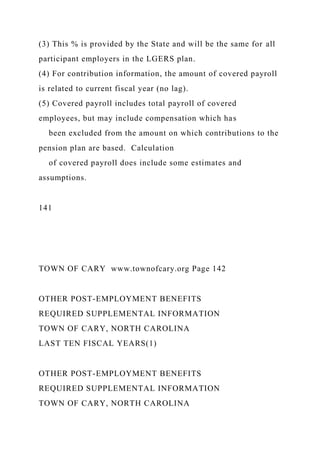
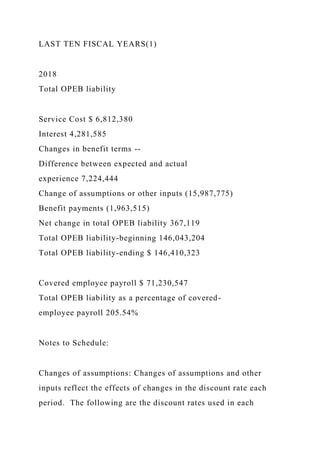
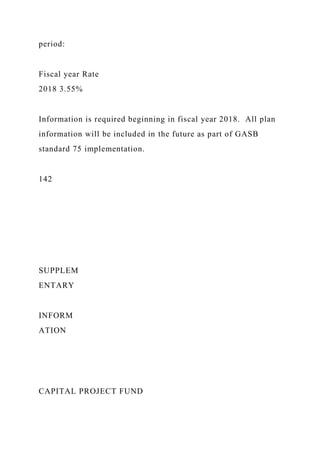
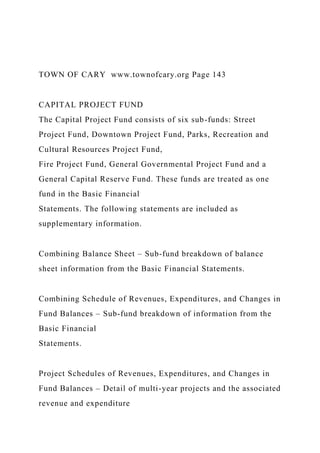
two data centers for redundancy. But,
rather than buy additional hybrid arrays, the IT staff decided on
VMware reference architecture with
SSDs in blade servers for the nonpersistent sessions, in which
the machine refreshes after a user logs
out, with no session data retained. The hybrid EqualLogic SAN
will continue to handle an
undetermined amount of persistent sessions.
"That [setup] will give us all the IOPS performance we need,
but it will be less expensive than
continuing to buy hybrid SANs," Swindelles said.
To save additional money, the university purchased 20 Vertex 4
Series SSDs directly from OCZ
Technology Group Inc., and the IT staff plans to install the
drives in the school's blade servers. The
university opted for MLC drives in the hard disk drive (HDD)
form factor rather than PCI Express
cards because the cost-per-terabyte was lower, Swindelles said.
"The OEMs are really putting a premium on SSD right now," he
said. "We can get them a lot less
expensively ourselves."
MLC drives in place of eMLC
Cost was also the main reason the university chose MLC drives
rather than the more costly eMLC or
SLC drives, even though the latter two options carry the
promise of greater reliability and endurance.
Swindelles said the university couldn't justify the extra expense
for eMLC or SLC in the absence of
solid, independent data on the actual reliability and lifecycle of
the drives in practice. He noted that
vendors haven't sold the technology long enough to know if it
will truly last five years.
"The cost of MLC versus eMLC is so much less that if we have
to do a little bit more work, we feel
that it's worth it," he said.
To address the risks associated with MLC, Swindelles said the
university will set aside four of the 20
MLC SSDs in the event of a drive failure, even though its OCZ
warranty runs for five years. The
university considered the $600 cost for each of the 512 GB
MLC drives as reasonable enough to
justify the purchase of four spares.
If a drive fails, the user session will shift to another machine in
the VMware cluster while the IT staff
takes the node offline to replace the SSD. The university plans
to use eight servers, each with two
SSDs configured together in RAID 0 for optimal performance.
"We feel confident that they're going to perform well and last a
while, but a lot of what we're doing
here is uncharted waters," Swindelles said. "We're going to have
to monitor the performance to make
sure it isn't degrading. If we have failed drives, we're going to
have extra stock on hand to do rebuilds
quickly."
Server-side SSDs are already providing great benefit to a major
Midwestern university. Replacing the
hard disks with SSDs in a Dell PowerEdge server resulted in a
dramatic performance boost for the
school's Multi Router Traffic Grapher (MRTG) software. The
university's goal was to poll roughly a
million network ports at five-minute intervals but could do no
better than seven or eight minutes using
traditional disk. With SSDs, the polls complete in less than 20
seconds, according to Bob Plankers, a
virtualization architect at the university.
Page 3 of 4Enterprise IT shops now choose SSD storage
6/2/2014http://searchsolidstatestorage.techtarget.com/feature/En
terprise-IT-shops-now-choose-SSD-...
"There's a certain level of satisfaction at just throwing hardware
at a problem," Plankers said. "It's
now all-SSD, and it rocks."
Yet another use case for server-based SSDs at the Midwestern
university is boosting the performance
of VMware hosts that require local storage at remote locations.
The school uses LSI Corp.'s
CacheCade caching software with SSDs to service the reads of
hot data and finds the setup also helps
to speed the writes, according to Plankers.
"It basically takes a lot of the read traffic off the other drives so
the writes get faster," Plankers said.
He noted that the server-based caching approach held appeal
because "it's cheap, and it's easy to do."
Plankers expressed interest in additional emerging server-side
caching options, such as the read/write
Fluid Cache that Dell has under development.
"Should I spend $250,000 to put a tray of SSDs in the Hitachi
with all the subsequent licensing? Or,
should I spend 100 grand and put cache on all of my hosts?"
Plankers asked rhetorically. "I don't
know."
TheInfoPro's Coulter said IT organizations no longer debate if
they should use solid state, but rather,
they're exploring how they can optimally use the technology.
"Among large enterprises, the
experience is getting more sophisticated. They're understanding
the decisions and, in essence, they're
looking for guidance," he said.
05 Sep 2012
All Rights Reserved, Copyright 2012 - 2014 , TechTarget | Read
our Privacy Statement
Page 4 of 4Enterprise IT shops now choose SSD storage
6/2/2014http://searchsolidstatestorage.techtarget.com/feature/En
terprise-IT-shops-now-choose-SSD-...
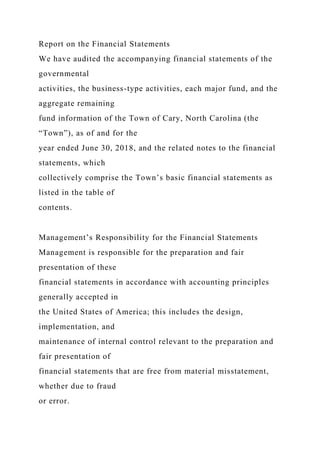
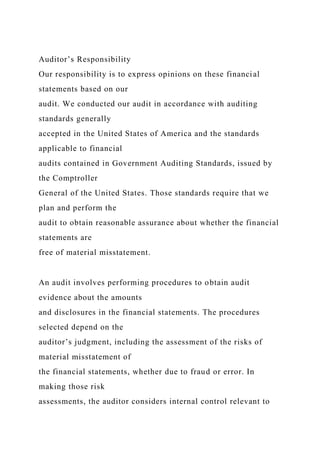
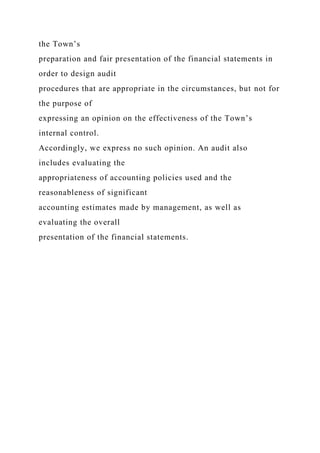
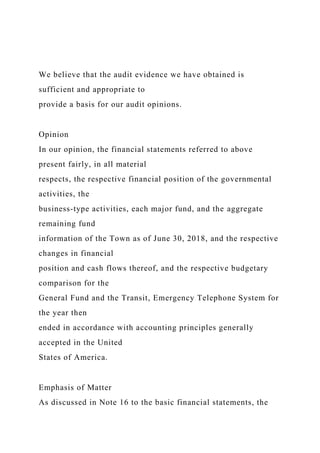
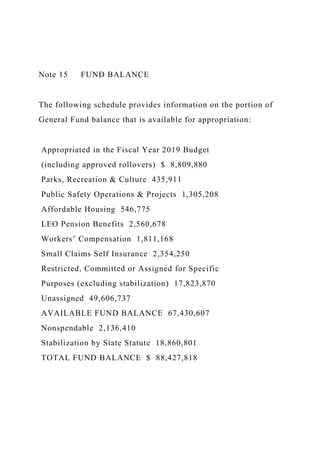
COMPREHENSIVE ANNUAL
FINANCIAL REPORT
FISCAL YEAR ENDING JUNE 30, 2018
NORTH CAROLINA
TOWN OF CARY www.townofcary.org Page 1Page 1
COMPREHENSIVE ANNUAL
FINANCIAL REPORT
TOWN OF CARY, NORTH CAROLINA
AS OF AND FOR THE YEAR ENDED JUNE 30, 2018
PREPARED BY THE TOWN OF CARY FINANCE
DEPARTMENT:
Karen A. Mills, CPA, Chief Financial Officer
Kimberly O. Branch, CPA, Assistant Finance Director
Mary Beth Huber, Deputy Treasurer
Gregory L. Jenkins, II, Revenue Manager
Jessica Murphy-Rhem, CPA, Accounting Supervisor
Seth E. Larson, CPA, Senior Accountant
Michelle C. Brooks, CPA, Financial Operations Analyst
Jessica L. Randal, Accounting Manager
Judith K. DeNardis, Financial Reporting Analyst
TOWN OF CARY www.townofcary.org Page 3
TITLE PAGE
_____________________________________________________
_____________________________________ 1
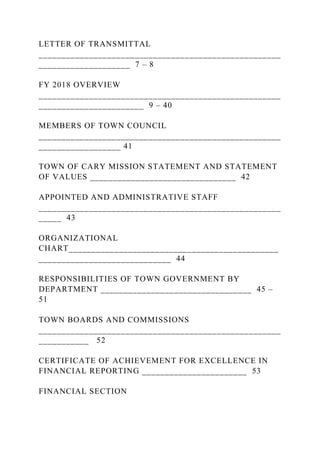
TABLE OF CONTENTS
_____________________________________________________
________________________ 3 – 6
INTRODUCTORY SECTION
LETTER OF TRANSMITTAL
_____________________________________________________
____________________ 7 – 8
FY 2018 OVERVIEW
_____________________________________________________
_______________________ 9 – 40
MEMBERS OF TOWN COUNCIL
_____________________________________________________
__________________ 41
TOWN OF CARY MISSION STATEMENT AND STATEMENT
OF VALUES ________________________________ 42
APPOINTED AND ADMINISTRATIVE STAFF
_____________________________________________________
_____ 43
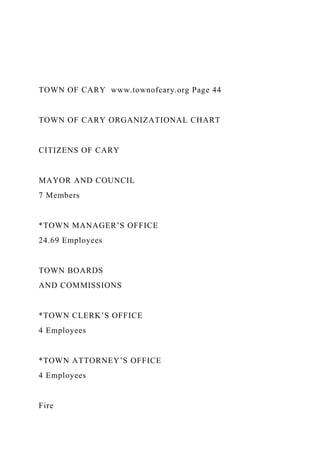
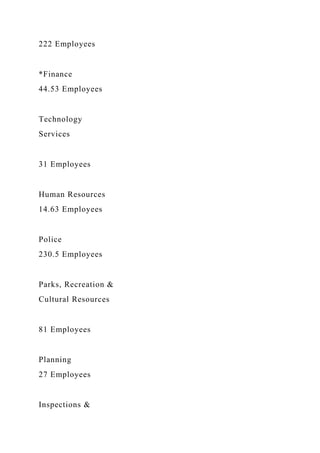
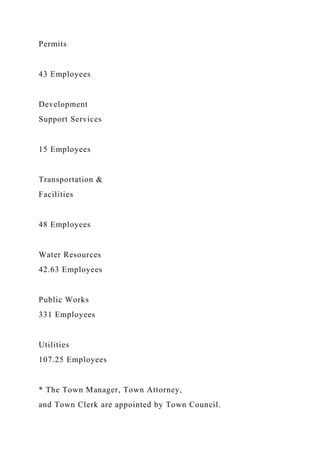
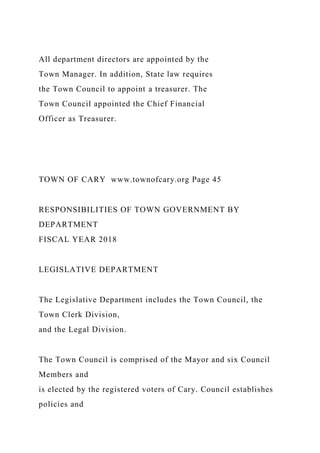
ORGANIZATIONAL
CHART______________________________________________
_____________________________ 44
RESPONSIBILITIES OF TOWN GOVERNMENT BY
DEPARTMENT _________________________________ 45 –
51
TOWN BOARDS AND COMMISSIONS
_____________________________________________________
___________ 52
CERTIFICATE OF ACHIEVEMENT FOR EXCELLENCE IN
FINANCIAL REPORTING _______________________ 53
FINANCIAL SECTION
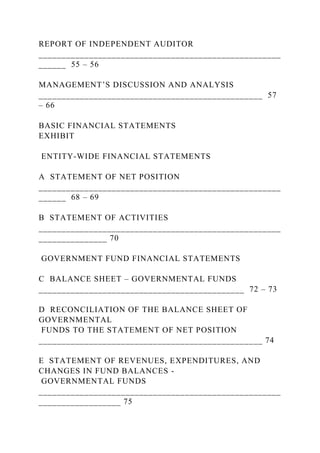
REPORT OF INDEPENDENT AUDITOR
_____________________________________________________
______ 55 – 56
MANAGEMENT’S DISCUSSION AND ANALYSIS
_________________________________________________ 57
– 66
BASIC FINANCIAL STATEMENTS
EXHIBIT
ENTITY-WIDE FINANCIAL STATEMENTS
A STATEMENT OF NET POSITION
_____________________________________________________
______ 68 – 69
B STATEMENT OF ACTIVITIES
_____________________________________________________
_______________ 70
GOVERNMENT FUND FINANCIAL STATEMENTS
C BALANCE SHEET – GOVERNMENTAL FUNDS
_____________________________________________ 72 – 73
D RECONCILIATION OF THE BALANCE SHEET OF
GOVERNMENTAL
FUNDS TO THE STATEMENT OF NET POSITION
_________________________________________________ 74
E STATEMENT OF REVENUES, EXPENDITURES, AND
CHANGES IN FUND BALANCES -
GOVERNMENTAL FUNDS
_____________________________________________________
__________________ 75
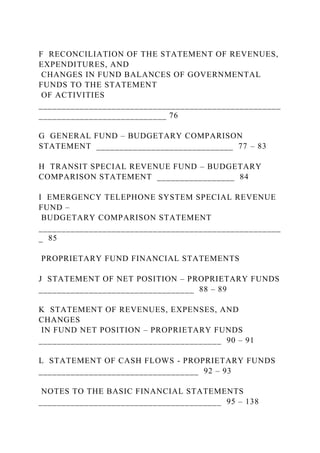
F RECONCILIATION OF THE STATEMENT OF REVENUES,
EXPENDITURES, AND
CHANGES IN FUND BALANCES OF GOVERNMENTAL
FUNDS TO THE STATEMENT
OF ACTIVITIES
_____________________________________________________
____________________________ 76
G GENERAL FUND – BUDGETARY COMPARISON
STATEMENT ______________________________ 77 – 83
H TRANSIT SPECIAL REVENUE FUND – BUDGETARY
COMPARISON STATEMENT _________________ 84
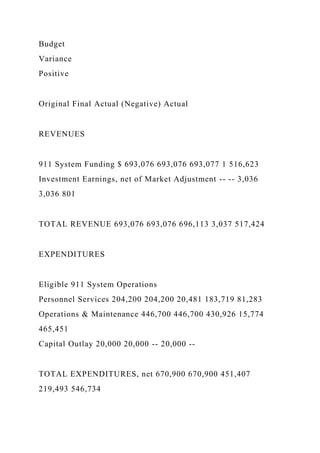
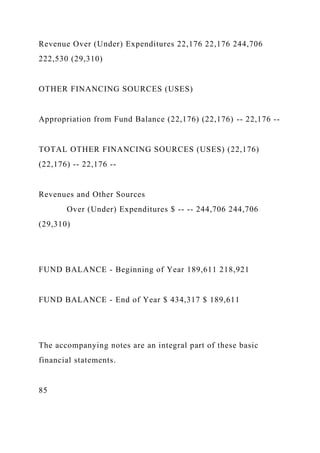
I EMERGENCY TELEPHONE SYSTEM SPECIAL REVENUE
FUND –
BUDGETARY COMPARISON STATEMENT
_____________________________________________________
_ 85
PROPRIETARY FUND FINANCIAL STATEMENTS
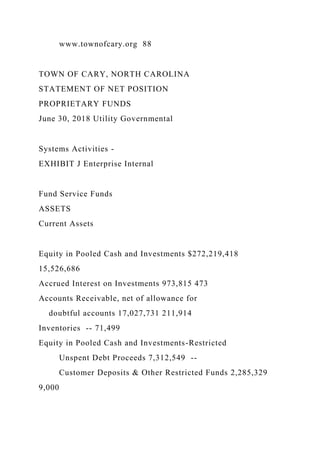
J STATEMENT OF NET POSITION – PROPRIETARY FUNDS
__________________________________ 88 – 89
K STATEMENT OF REVENUES, EXPENSES, AND
CHANGES
IN FUND NET POSITION – PROPRIETARY FUNDS
________________________________________ 90 – 91
L STATEMENT OF CASH FLOWS - PROPRIETARY FUNDS
___________________________________ 92 – 93
NOTES TO THE BASIC FINANCIAL STATEMENTS
________________________________________ 95 – 138
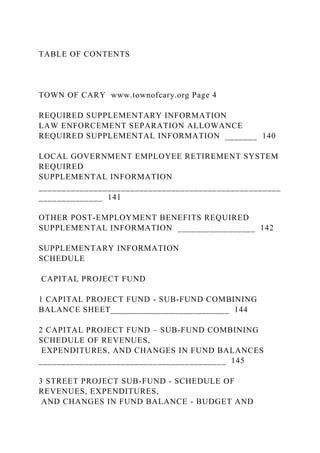
TABLE OF CONTENTS
TOWN OF CARY www.townofcary.org Page 4
REQUIRED SUPPLEMENTARY INFORMATION
LAW ENFORCEMENT SEPARATION ALLOWANCE
REQUIRED SUPPLEMENTAL INFORMATION _______ 140
LOCAL GOVERNMENT EMPLOYEE RETIREMENT SYSTEM
REQUIRED
SUPPLEMENTAL INFORMATION
_____________________________________________________
______________ 141
OTHER POST-EMPLOYMENT BENEFITS REQUIRED
SUPPLEMENTAL INFORMATION _________________ 142
SUPPLEMENTARY INFORMATION
SCHEDULE
CAPITAL PROJECT FUND
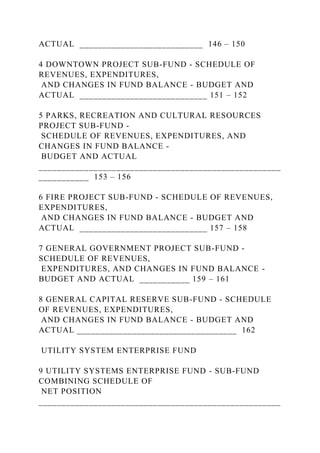
1 CAPITAL PROJECT FUND - SUB-FUND COMBINING
BALANCE SHEET__________________________ 144
2 CAPITAL PROJECT FUND – SUB-FUND COMBINING
SCHEDULE OF REVENUES,
EXPENDITURES, AND CHANGES IN FUND BALANCES
_________________________________________ 145
3 STREET PROJECT SUB-FUND - SCHEDULE OF
REVENUES, EXPENDITURES,
AND CHANGES IN FUND BALANCE - BUDGET AND
ACTUAL ___________________________ 146 – 150
4 DOWNTOWN PROJECT SUB-FUND - SCHEDULE OF
REVENUES, EXPENDITURES,
AND CHANGES IN FUND BALANCE - BUDGET AND
ACTUAL ____________________________ 151 – 152
5 PARKS, RECREATION AND CULTURAL RESOURCES
PROJECT SUB-FUND -
SCHEDULE OF REVENUES, EXPENDITURES, AND
CHANGES IN FUND BALANCE -
BUDGET AND ACTUAL
_____________________________________________________
___________ 153 – 156
6 FIRE PROJECT SUB-FUND - SCHEDULE OF REVENUES,
EXPENDITURES,
AND CHANGES IN FUND BALANCE - BUDGET AND
ACTUAL ____________________________ 157 – 158
7 GENERAL GOVERNMENT PROJECT SUB-FUND -
SCHEDULE OF REVENUES,
EXPENDITURES, AND CHANGES IN FUND BALANCE -
BUDGET AND ACTUAL ___________ 159 – 161
8 GENERAL CAPITAL RESERVE SUB-FUND - SCHEDULE
OF REVENUES, EXPENDITURES,
AND CHANGES IN FUND BALANCE - BUDGET AND
ACTUAL ___________________________________ 162
UTILITY SYSTEM ENTERPRISE FUND
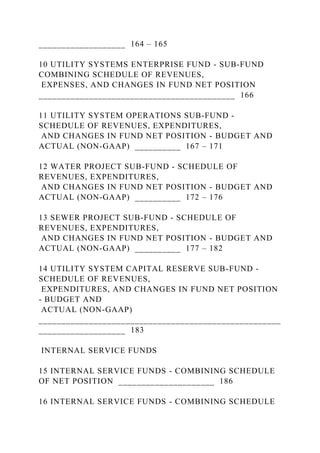
9 UTILITY SYSTEMS ENTERPRISE FUND - SUB-FUND
COMBINING SCHEDULE OF
NET POSITION
_____________________________________________________
___________________ 164 – 165
10 UTILITY SYSTEMS ENTERPRISE FUND - SUB-FUND
COMBINING SCHEDULE OF REVENUES,
EXPENSES, AND CHANGES IN FUND NET POSITION
___________________________________________ 166
11 UTILITY SYSTEM OPERATIONS SUB-FUND -
SCHEDULE OF REVENUES, EXPENDITURES,
AND CHANGES IN FUND NET POSITION - BUDGET AND
ACTUAL (NON-GAAP) __________ 167 – 171
12 WATER PROJECT SUB-FUND - SCHEDULE OF
REVENUES, EXPENDITURES,
AND CHANGES IN FUND NET POSITION - BUDGET AND
ACTUAL (NON-GAAP) __________ 172 – 176
13 SEWER PROJECT SUB-FUND - SCHEDULE OF
REVENUES, EXPENDITURES,
AND CHANGES IN FUND NET POSITION - BUDGET AND
ACTUAL (NON-GAAP) __________ 177 – 182
14 UTILITY SYSTEM CAPITAL RESERVE SUB-FUND -
SCHEDULE OF REVENUES,
EXPENDITURES, AND CHANGES IN FUND NET POSITION
- BUDGET AND
ACTUAL (NON-GAAP)
_____________________________________________________
___________________ 183
INTERNAL SERVICE FUNDS
15 INTERNAL SERVICE FUNDS - COMBINING SCHEDULE
OF NET POSITION _____________________ 186
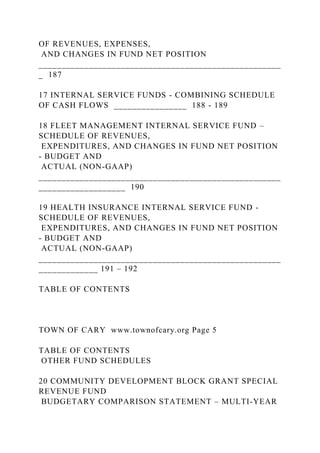
16 INTERNAL SERVICE FUNDS - COMBINING SCHEDULE
OF REVENUES, EXPENSES,
AND CHANGES IN FUND NET POSITION
_____________________________________________________
_ 187
17 INTERNAL SERVICE FUNDS - COMBINING SCHEDULE
OF CASH FLOWS ________________ 188 - 189
18 FLEET MANAGEMENT INTERNAL SERVICE FUND –
SCHEDULE OF REVENUES,
EXPENDITURES, AND CHANGES IN FUND NET POSITION
- BUDGET AND
ACTUAL (NON-GAAP)
_____________________________________________________
___________________ 190
19 HEALTH INSURANCE INTERNAL SERVICE FUND -
SCHEDULE OF REVENUES,
EXPENDITURES, AND CHANGES IN FUND NET POSITION
- BUDGET AND
ACTUAL (NON-GAAP)
_____________________________________________________
_____________ 191 – 192
TABLE OF CONTENTS
TOWN OF CARY www.townofcary.org Page 5
TABLE OF CONTENTS
OTHER FUND SCHEDULES
20 COMMUNITY DEVELOPMENT BLOCK GRANT SPECIAL
REVENUE FUND
BUDGETARY COMPARISON STATEMENT – MULTI-YEAR
_______________________________ 193 – 194
21 ECONOMIC DEVELOPMENT SPECIAL REVENUE FUND
BUDGETARY
COMPARISON STATEMENT – MULTI-YEAR
___________________________________________________
195
STATISTICAL SECTION (UNAUDITED)
TABLE
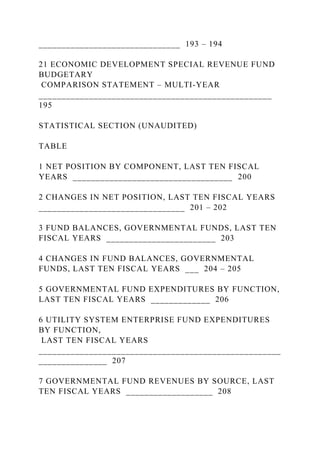
1 NET POSITION BY COMPONENT, LAST TEN FISCAL
YEARS ___________________________________ 200
2 CHANGES IN NET POSITION, LAST TEN FISCAL YEARS
________________________________ 201 – 202
3 FUND BALANCES, GOVERNMENTAL FUNDS, LAST TEN
FISCAL YEARS ________________________ 203
4 CHANGES IN FUND BALANCES, GOVERNMENTAL
FUNDS, LAST TEN FISCAL YEARS ___ 204 – 205
5 GOVERNMENTAL FUND EXPENDITURES BY FUNCTION,
LAST TEN FISCAL YEARS _____________ 206
6 UTILITY SYSTEM ENTERPRISE FUND EXPENDITURES
BY FUNCTION,
LAST TEN FISCAL YEARS
_____________________________________________________
_______________ 207
7 GOVERNMENTAL FUND REVENUES BY SOURCE, LAST
TEN FISCAL YEARS ___________________ 208
8 UTILITY SYSTEM ENTERPRISE FUND REVENUES BY
SOURCE, LAST TEN FISCAL YEARS ______ 209
9 ASSESSED VALUE OF TAXABLE PROPERTY, LAST TEN
FISCAL YEARS ________________________ 212
10 COMPARISON OF TOWN OF CARY AND COUNTY
ASSESSED VALUES,
LAST TEN FISCAL YEARS
_____________________________________________________
________________ 213
11 PROPERTY TAX RATES-DIRECT AND OVERLAPPING
GOVERNMENTS,
LAST TEN FISCAL YEARS
_____________________________________________________
_______________ 214
12 PRINCIPAL PROPERTY TAXPAYERS, NINE YEARS AGO
AND CURRENT YEAR _________________ 215
13 PROPERTY TAX LEVIES AND COLLECTIONS, LAST
TEN FISCAL YEARS ________________________ 216
14 AD VALOREM TAXES RECEIVABLE, CURRENT YEAR
AND LAST NINE FISCAL YEARS __________ 217
15 ANALYSIS OF CURRENT TAX LEVY
_____________________________________________________
______ 218
16 RATIOS OF OUTSTANDING DEBT BY TYPE, LAST TEN
FISCAL YEARS _________________________ 220
17 RATIO OF NET GENERAL BONDED DEBT TO
ASSESSED VALUE AND BONDED DEBT
PER CAPITA, LAST TEN FISCAL YEARS
_____________________________________________________
__ 221
18 COMPUTATION OF LEGAL DEBT MARGIN, LAST TEN
FISCAL YEARS __________________________ 222
19 COMPUTATION OF DIRECT AND OVERLAPPING DEBT
________________________________________ 223
20 BOND COVERAGE COMBINED ENTERPRISE SYSTEM
BONDS, LAST TEN FISCAL YEARS _______ 224
21 RATIO OF ANNUAL DEBT SERVICE EXPENDITURES
FOR BONDED DEBT TO TOTAL
GENERAL EXPENDITURES, LAST TEN FISCAL YEARS
_________________________________________ 225
22 DEMOGRAPHIC STATISTICS, LAST TEN FISCAL YEARS
_______________________________________ 228
23 PRINCIPAL EMPLOYERS, NINE YEARS AGO AND
CURRENT YEAR ____________________________ 229
24 COMMERCIAL ACTIVITY, LAST TEN FISCAL YEARS
___________________________________________ 230
25 EMPLOYEE POSITION AUTHORIZATION BY
DEPARTMENT, LAST TEN FISCAL YEARS __________ 232
26 OPERATING INDICATORS BY FUNCTION/PROGRAM,
LAST TEN FISCAL YEARS ________ 233 – 234
27 CAPITAL ASSETS BY FUNCTION/PROGRAM, LAST TEN
FISCAL YEARS ________________________ 235
28 INSURANCE IN FORCE, JULY 1, 2016 - JUNE 30, 2017
_______________________________ 236 – 238
29 TOP TEN UTILITY CUSTOMERS
_____________________________________________________
__________ 239
30 UTILITY RATE INFORMATION, APPROVED
OPERATING BUDGET ORDINANCE __________ 240 – 243
31 DEVELOPMENT FEE REVENUE
_____________________________________________________
___________ 244
TOWN OF CARY www.townofcary.org Page 6
TABLE OF CONTENTS
COMPLIANCE SECTION
FEDERAL AND STATE AWARDS COMPLIANCE
SCHEDULE OF EXPENDITURES OF FEDERAL AND STATE
AWARDS _____________________ 245 – 247
NOTES TO SCHEDULE OF EXPENDITURES OF FEDERAL
AND STATE AWARDS _________________ 248
REPORT OF INDEPENDENT AUDITOR ON INTERNAL
CONTROL OVER FINANCIAL REPORTING
AND ON COMPLIANCE AND OTHER MATTERS BASED ON
AN AUDIT OF FINANCIAL
STATEMENTS PERFORMED IN ACCORDANCE WITH
GOVERNMENT AUDITING STANDARDS ___ 249
REPORT ON COMPLIANCE FOR EACH MAJOR FEDERAL
PROGRAM; REPORT ON INTERNAL
CONTROL OVER COMPLIANCE; WITH THE OMB
UNIFORM GUIDANCE AND THE STATE
SINGLE AUDIT IMPLEMENTATION ACT
_____________________________________________________
__ 251
REPORT ON COMPLIANCE WITH REQUIREMENTS
APPLICABLE TO EACH MAJOR STATE
PROGRAM AND INTERNAL CONTROL OVER
COMPLIANCE IN ACCORDANCE WITH THE
UNIFORM GUIDANCE AND THE STATE SINGLE AUDIT
IMPLEMENTATION ACT _________________ 253
SCHEDULE OF FINDINGS AND QUESTIONED COSTS
___________________________________ 255 – 258
SUMMARY SCHEDULE OF PRIOR YEAR AUDIT FINDINGS
____________________________________ 259
COVENANT COMPLIANCE
REPORT OF INDEPENDENT AUDITOR ON REVENUE
BOND COVENANT ________________________ 261
REVENUE BOND STATEMENT OF REVENUES, EXPENSES,
DEBT SERVICE,
AND DEBT SERVICE COVERAGE
_____________________________________________________
__ 263 – 264
INTRODUCTORY SECTION
October 31, 2018
The Honorable Mayor Harold Weinbrecht
Members of the Town Council
Citizens
Town of Cary
316 N. Academy
Cary, North Carolina 27513
Dear Mayor, Members of the Town Council, and Citizens:
The Comprehensive Annual Financial Report of the Town of
Cary, North
Carolina (“the Town”) documents the Town’s financial position
and
results of operations as of and for the fiscal year ended June 30,
2018.
This report is published in accordance with Generally Accepted
Accounting Principles (GAAP), set forth by the Governmental
Accounting
Standards Board.
Town management is responsible for both the accuracy of the
data and
the completeness and fairness of the report. To ensure
reliability of
the information, management has established a comprehensive
framework of internal control. Internal controls protect the
Town’s
assets from loss, theft and misuse and help ensure that
information is
reliable for the preparation of this report. Because the cost of
internal
controls should not outweigh their benefits, the Town’s controls
have
been designed to provide reasonable, rather than absolute
assurance
that the financial statements are free of any material
misstatements.
On behalf of the management team, to the best of our
knowledge and
belief, this financial report is complete, accurate and reliable in
all
material respects.
Cherry Bekaert LLP, concluded in an unmodified (commonly
referred to
as “clean”) opinion that the financial statements present fairly
in
conformity with GAAP, in all material respects, the financial
position
and changes in financial position for the Town of Cary, North
Carolina,
as of June 30, 2018. The goal for the audit is to provide
reasonable
assurance that the financial statements of are free of material
misstatement.
To provide further accountability, this report includes notably
more
information and analysis than just the basic financial
statements, and
as such is titled the Comprehensive Annual Financial Report,
commonly referred to as the CAFR. The report is comprised of
four
primary sections.
The Introductory Section includes this letter of transmittal,
Town
Council introductions, an organization chart and responsibilities
of
Town government by department, and a certificate of
achievement for
excellence in financial reporting. New this year is a FY 2018
Overview.
This management overview provides the reader a high level
review of
the financial planning and strategy that affect financial
outcomes for
the Town of Cary. The impacts of the local and national
economy are
also addressed. Additionally, the overview highlights some of
the
year’s best stories that demonstrate how Town resources were
invested in employees, services and projects to support the
vision
outlined in the Imagine Cary Community Plan. These stories are
organized to match the Community Plan sections on Work,
Shop,
Engage, Shape, Move, Serve, and Act.
The Financial Section includes the report of the independent
auditors,
Management’s Discussion and Analysis (MD&A), the basic
financial
statements, including the government-wide financial statements
comprised of the Statement of Net Position and the Statement of
Activities and the accompanying notes to the financial
statements.
www.townofcary.org
TOWN OF CARY www.townofcary.org Page 9
FY 2018 OVERVIEW
New in FY 2018, this overview highlights key financial results
and financial
management practices as well as how Town resources have been
invested to
accomplish the vision set forth in the Imagine Cary Community
Plan.
EXECUTIVE SUMMARY
The Town of Cary remains in excellent financial condition
following another
year of positive financial results. The foundation is in place to
continue to
provide excellent services and future capital investments that
will best fulfill
the vision and highest priorities in the Imagine Cary Community
Plan. This
assessment is consistent with Cary’s top bond ratings which
reflect the opinions
of independent government finance experts on Cary’s financial
management.
Cary has maintained AAA ratings from all three bond rating
agencies for the
Town’s general obligation bonds and the Town’s utility system
revenue bonds.
This crucial benchmark of excellence is a source of pride for
Town Council and
staff. Cary’s financial management is designed to maintain
these high marks.
The Town is in the midst of a transformation to better prepare
for the future.
A strong foundation is in place, but the development growth
patterns that
generated notable revenue growth in the past are changing. The
community
continues to grow, however, at a slower pace. Along with aging
infrastructure,
the pressure on decision makers to choose their highest
priorities for
community improvements will increase. Staff is working with
new energy to
collaboratively break down silos, imagine and implement new
efficiencies,
improve decision making tools, and develop employees to create
a new model
of local government that will ensure Cary remains successful in
the future.
PROFILE OF THE TOWN OF CARY
Cary is a thriving community of approximately 164,000 citizens
in the heart of
the Triangle area of North Carolina. Cary and the Triangle area
have repeatedly
ranked among the top regions in the country to live, work, start
a business,
raise a family and retire. Cary encompasses approximately 60
square miles in
Wake and Chatham counties in the Piedmont region of the state.
Cary adjoins
the City of Raleigh, which is the state capital and the county
seat, at the Town’s
southwestern boundary. At the Town’s northwestern boundary,
the Town
adjoins renowned Research Triangle Park (“RTP”).
TOWN OF CARY www.townofcary.org Page 10
Cary is a diverse community primarily composed of young,
affluent and well-
educated people. According to the 2010 US census, the median
age of Cary’s
population is 35.9 years. According to the American Community
Survey, over
60 percent of Cary’s adult population has a college degree, and
over 19 percent
were born in another country.
Several attributes contribute to continued growth in commercial
and residential
construction. Cary’s attractive development, diversity,
historically strong
employment, higher education opportunities, warm climate, low
crime rates
and easy access to outstanding recreational and cultural
amenities provide
citizens with a high quality of life.
Cary and the surrounding area continue to perform very well in
numerous
rankings such as the best places to launch a new business, best
places for
creating and keeping jobs, and quality of life measures. New
residential
development statistics are highlighted in the Live section of this
overview, and
commercial activity is addressed in the Shape section of this
overview.
HISTORY
A settlement called Bradford’s Ordinary was
founded in this location in 1750. In 1854, a
farmer and lumberman named Allison Francis
“Frank” Page and his wife, Catherine “Kate”
Raboteau Page bought three hundred acres
of land and established several enterprises.
He named his development after Samuel Fenton Cary, a
prohibition leader
from Ohio whom Page admired. Frank Page was Cary’s first
developer, mayor,
postmaster and railroad agent. Page, whose main business was a
sawmill, laid
out the first streets of Cary and built a hotel. What became
known as the Page-
Walker Hotel is now an arts and history center on Town Hall
campus and is
listed on the National Register of Historic Places. The extension
of the railroads
through Cary and a junction of the Seaboard and North Carolina
railroads
enabled the town to flourish, and on April 6, 1871, the Town of
Cary was
incorporated.
One of Frank and Kate Page’s sons is Cary’s most famous son.
Walter Hines Page
(1855-1918) was an editor, publisher, social reformer and
proponent of public
education. He was ambassador to Great Britain during World
War I. The British
honored him with a tablet in Westminster Abbey.
A prestigious, private boarding school developed here in the
late 1800’s and this
school later became famous as the first public high school in
North Carolina.
The school was located on the site now occupied by the Cary
Arts Center, a
vibrant and robust center for arts activity for the residents of
Cary.
With the development of Research Triangle Park in the 1960s,
Cary began to
grow as a bedroom community from a quiet town of a few
thousand people. In
1963, the charter was amended by the State Legislature to
provide for a Council-
Manager form of Government. Growth escalated during the
1970s, with the
population nearly tripling to 21,763. After doubling during the
1980s and 1990s,
the population as of June 30, 2018, is estimated to be 163,930,
representing a
Raleigh
Atlantic Ocean
CARY
Durham
Greensboro
Winston-Salem
Charlotte
Asheville
N
TOWN OF CARY www.townofcary.org Page 11
21% increase from the April 1, 2010, U.S. Census estimate.
TOWN OF CARY GOVERNMENT
The Town has a Council-Manager form of government. The
seven- member
Council is the legislative body of Town government. Two
council members and
the mayor are elected at-large, and one council member is
elected from each
of four voting districts. The Council is responsible for setting
overall policy,
budget approval and appointing the Town Manager, Town
Attorney and Town
Clerk. The Town Manager is responsible for implementing
Council policies and
Town Ordinances, managing daily operations, and appointing
department
directors.
The Town provides its citizens with a full range of services,
including police
and fire protection, solid waste and recycling services, the
construction and
maintenance of streets, curbs, gutters, sidewalks and other
infrastructure,
recreation and cultural activities, fixed route and demand-
response transit
service, and water, reclaimed water and sewer service. This
Comprehensive
Annual Financial Report (CAFR) includes all the Town’s
activities in delivering
and administering these services.
TRANSFORMATION
Careful planning and a proactive approach have been hallmarks
of the Town’s
culture and are responsible for the attractive character of the
Town, adequate
public infrastructure, impressive service levels and fiscal
prudence. The Imagine
Cary Community Plan, adopted January 24, 2017, sets out a
long-term vision,
policies and strategic actions with a time horizon to 2040. The
Imagine Cary
Community Plan can be found on the Town’s website at
www.townofcary.org .
To implement the Imagine Cary Community Plan, Cary is in the
midst of an
exciting challenge: creating a model of local government that
doesn’t yet exist.
Creating next-generation service models based on an adaptive
mindset and a
new way of thinking will ensure that Cary will stay ahead of the
curve on trends
affecting the community.
This bold mission is an opportunity for a community that, by all
objective
measures, is at the top of its game. Cary is defined by
exceptional citizen service.
The Cary Way, as it has come to be known inside the
organization, is defined as,
“Working together to change lives by exceptional service.” Cary
is consistently
ranked one of the safest places to live for a community of its
size and is a
Google Fiber City. The Town has been recognized as a Gold
Medal community
for parks, recreation, and cultural resources and has been
designated an ISO
Class 1 Fire Department.
The techniques that allowed Cary to thrive over the past 30
years will not keep
Cary successful over the next 30 years. To illustrate, Cary’s
leadership has
adopted the concept of an arc. Now, Cary is at the top of that
arc. Cary has
decided to stay at the top rather than risk the path of decline
that characterizes
other once-great communities that did not maintain their place
at the top.
At the same time Cary enjoys a number of positive attributes,
the community
also faces distinct challenges: an aging population, aging
infrastructure, and
limited land for development. These challenges can only be
addressed with
agile, adaptable, and technology-savvy approaches that support
risk-taking and
creativity in the pursuit of innovation. Commitment to
excellence is a defining
characteristic of Cary thanks to a culture of excellence set by
the Council and,
ultimately, Cary citizens.
The Town must remain true to its values while finding ways to
change and grow
to allow Cary to stay ahead of the curve, on top of the arc, and
to become the
local government that does not yet exist.’
TOWN OF CARY www.townofcary.org Page 12
FY 2018 FINANCIAL RESULTS
GENERAL FUND
Cary’s strong finances have long been a pivotal tool in the
development of a
remarkable community. Current year results and resources will
contribute to
continued success. FY 2018 General Fund operating revenues
and expenditures
maintained a positive growth trend as shown in the five-year
perspective below.
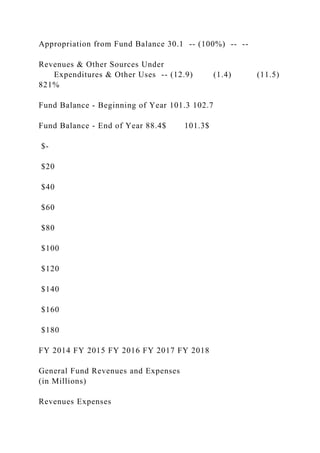
A summary of General Fund results on a budgetary basis
compared to the final
adjusted budget and FY 2017 actual results reflects a complete
picture of the
FY 2018 outcome. Traditional growth factors such as new
development and a
growing economy account for the increases in FY 2018 General
Fund revenues.
Similarly, increases in expenditures reflect expanded and
enhanced programs.
The final FY 2018 budget authorized $30.1 million of
investment from the
General Fund’s fund balance primarily to provide resources for
capital projects.
The positive operating results caused fund balance to decrease
only $12.9
million. As in the past, revenues exceeded budget, and
expenditures came
in under budget for a net positive budget variance of $17.8
million or 10.7%.
Other financing activities accounted for a budget variance of
$.6 million.
The sources and uses of FY 2018 General Fund operating
resources are shown
as a percentage of the whole for perspective. Ten year historical
comparisons
by revenue source are included in the Statistical Section in
Table 7.
FY2018 GENERAL FUND
FY2017 to
FY2018 FY2018 % of FY2017 FY2018 %
Adj. Budget Actual Budget Actual Variance Variance
Revenues 163.0$ 166.7$ 2% 161.7$ 5.0$
3%
Expenditures
General Government 30.4 25.2 (17%) 19.6 5.6
29%
Public Safety 50.2 47.4 (6%) 46 1.4 3%
Operations 51 47.4 (7%) 45.7 1.7 4%
Development & Infrastructure 18.6 16.6 (11%) 16.7 (0.1)
(1%)
Debt Service 16.5 16 (3%) 13.5 2.5 19%
Total Expenditures 166.7 152.6 (8%) 141.5 11.1 8%
Revenues Over (Under) Expenditures (3.7) 14.1
(481%) 20.2 (6.1) (30%)
Other Financing Sources (Uses) (26.4) (27.0) 2%
(21.6) (5.4) 25%
Appropriation from Fund Balance 30.1 -- (100%) -- --
Revenues & Other Sources Under
Expenditures & Other Uses -- (12.9) (1.4) (11.5)
821%
Fund Balance - Beginning of Year 101.3 102.7
Fund Balance - End of Year 88.4$ 101.3$
$-
$20
$40
$60
$80
$100
$120
$140
$160
$180
FY 2014 FY 2015 FY 2016 FY 2017 FY 2018
General Fund Revenues and Expenses
(in Millions)
Revenues Expenses
FY 2018 GENERAL FUND
TOWN OF CARY www.townofcary.org Page 13
Ten year historical comparisons by expenditure function are
included in the
Statistical Section in Table 5.
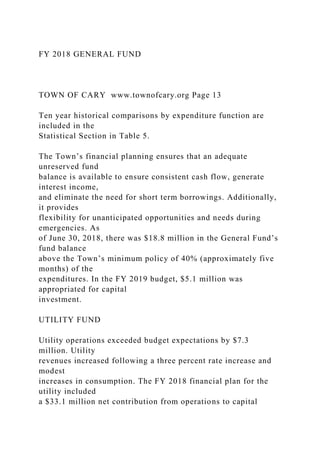
The Town’s financial planning ensures that an adequate
unreserved fund
balance is available to ensure consistent cash flow, generate
interest income,
and eliminate the need for short term borrowings. Additionally,
it provides
flexibility for unanticipated opportunities and needs during
emergencies. As
of June 30, 2018, there was $18.8 million in the General Fund’s
fund balance
above the Town’s minimum policy of 40% (approximately five
months) of the
expenditures. In the FY 2019 budget, $5.1 million was
appropriated for capital
investment.
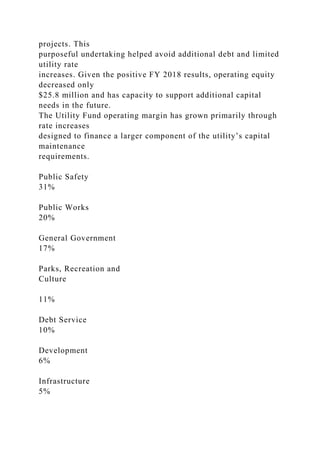
UTILITY FUND
Utility operations exceeded budget expectations by $7.3
million. Utility
revenues increased following a three percent rate increase and
modest
increases in consumption. The FY 2018 financial plan for the
utility included
a $33.1 million net contribution from operations to capital
projects. This
purposeful undertaking helped avoid additional debt and limited
utility rate
increases. Given the positive FY 2018 results, operating equity
decreased only
$25.8 million and has capacity to support additional capital
needs in the future.
The Utility Fund operating margin has grown primarily through
rate increases
designed to finance a larger component of the utility’s capital
maintenance
requirements.
Public Safety
31%
Public Works
20%
General Government
17%
Parks, Recreation and
Culture
11%
Debt Service
10%
Development
6%
Infrastructure
5%
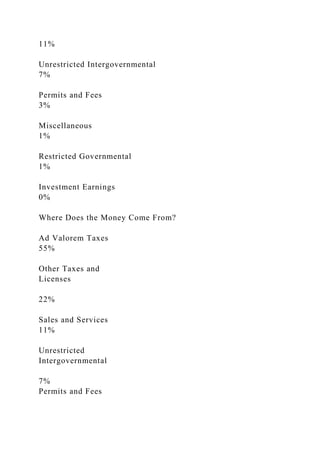
Where Does the Money Go?
$-
$10
$20
$30
$40
$50
$60
$70
$80
$90
FY 2014 FY 2015 FY 2016 FY 2017 FY 2018
Utility Fund Revenues and Expenses
(in Millions)
Revenues Expenses
Ad Valorem Taxes
55%
Other Taxes and Licenses
22%
Sales and Services
11%
Unrestricted Intergovernmental
7%
Permits and Fees
3%
Miscellaneous
1%
Restricted Governmental
1%
Investment Earnings
0%
Where Does the Money Come From?
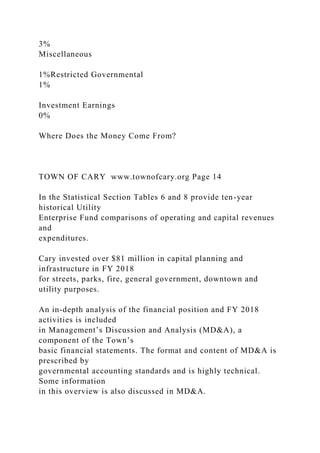
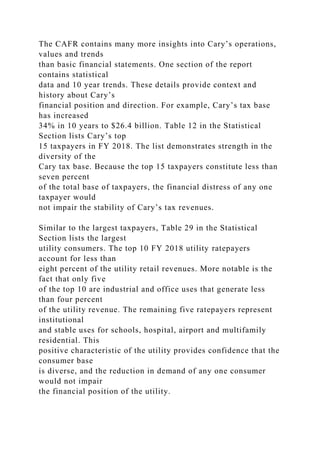
Ad Valorem Taxes
55%
Other Taxes and
Licenses
22%
Sales and Services
11%
Unrestricted
Intergovernmental
7%
Permits and Fees
3%
Miscellaneous
1%Restricted Governmental
1%
Investment Earnings
0%
Where Does the Money Come From?
TOWN OF CARY www.townofcary.org Page 14
In the Statistical Section Tables 6 and 8 provide ten-year
historical Utility
Enterprise Fund comparisons of operating and capital revenues
and
expenditures.
Cary invested over $81 million in capital planning and
infrastructure in FY 2018
for streets, parks, fire, general government, downtown and
utility purposes.
An in-depth analysis of the financial position and FY 2018
activities is included
in Management’s Discussion and Analysis (MD&A), a
component of the Town’s
basic financial statements. The format and content of MD&A is
prescribed by
governmental accounting standards and is highly technical.
Some information
in this overview is also discussed in MD&A.
The CAFR contains many more insights into Cary’s operations,
values and trends
than basic financial statements. One section of the report
contains statistical
data and 10 year trends. These details provide context and
history about Cary’s
financial position and direction. For example, Cary’s tax base
has increased
34% in 10 years to $26.4 billion. Table 12 in the Statistical
Section lists Cary’s top
15 taxpayers in FY 2018. The list demonstrates strength in the
diversity of the
Cary tax base. Because the top 15 taxpayers constitute less than
seven percent
of the total base of taxpayers, the financial distress of any one
taxpayer would
not impair the stability of Cary’s tax revenues.
Similar to the largest taxpayers, Table 29 in the Statistical
Section lists the largest
utility consumers. The top 10 FY 2018 utility ratepayers
account for less than
eight percent of the utility retail revenues. More notable is the
fact that only five
of the top 10 are industrial and office uses that generate less
than four percent
of the utility revenue. The remaining five ratepayers represent
institutional
and stable uses for schools, hospital, airport and multifamily
residential. This
positive characteristic of the utility provides confidence that the
consumer base
is diverse, and the reduction in demand of any one consumer
would not impair
the financial position of the utility.
ECONOMIC GROWTH
Development and population growth have been the main drivers
for Cary’s
revenue growth for many years. An analysis of the development
process and the
volume of activity provides insight to current tax base growth.
Development “in
the pipeline” demonstrates potential for continued growth in the
next few years
because the process for developers from concept to permitted
occupancy can
take three years or more. A more detailed analysis of the
development process
and the FY 2018 activity is included in the Shape section of this
overview. Key
indicators from FY 2018 include:
Cary’s population is estimated at 163,930 at year end, an
increase of 2.2
percent from June 30, 2017.
Assessed value grew $562 million (2.2%), to $26.4 billion,
detailed in Table 9
in the Statistical section of this report.
Chatham County value grew to constitute 2.7% of Cary’s total
compared to
2.2% in FY 2017. See Table 9.
Construction permit value, less certain other permit values, in
FY 2018 was
$662.6 million, a 27% increase over FY 2017. That was the
second highest
annual value in the past 10 years. See Table 24.
Other economic factors affect the Town’s revenue directly or
indirectly, including
the state and national economies.
The local economy improved in FY 2018, and Cary experienced
a 4.8% increase
in sales tax revenue compared to FY 2017.
Cary’s unemployment rate, historically less than the county,
state and national
average, fell to 3.2% in June 2018. See Table 22 and the
discussion of local
employers in the Work section of this report.
The Town continued to bring in visitors for amateur and
professional sports.
The quality of Town facilities and service draw NCAA, ACC,
USA Baseball and
USTA events at its soccer, baseball and tennis venues. NC
Football Club and
the Carolina Courage, an American professional women’s
soccer team, are at
home in Cary at the WakeMed Soccer Park. The Town also
welcomes the SAS
Championship, a golf tournament on the Champions Tour played
annually at
TOWN OF CARY www.townofcary.org Page 15
Prestonwood Country Club.
CARY’S FINANCIAL POSITION
Cary remains in excellent financial condition. Cary has capital
resources,
revenue capacity and an expense management culture that will
provide Council
with choices on how best to fulfill the vision and highest
priorities in the Imagine
Cary Community Plan. The vision and desire to provide even
higher service
levels continues upward on an exponential path. Setting
priorities for capital
investments and the quest for operational efficiencies have
become essential
discipline.
The core building blocks of AAA rated financial management
are in place. Town
finances are based on a solid foundation of fund balance, cash
reserves, and
manageable debt. Well maintained infrastructure and revenue
capacity exists
in the tax base and in model citizens who are here by choice.
These assets
provide Cary’s elected officials the resources to protect Cary’s
position and to
continue to provide quality services.
CASH MANAGEMENT
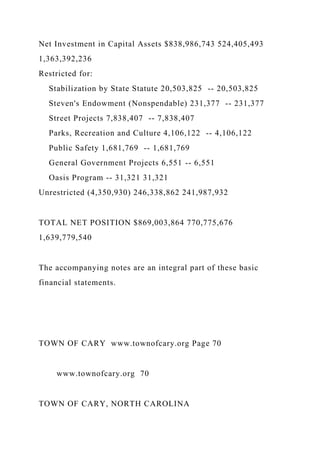
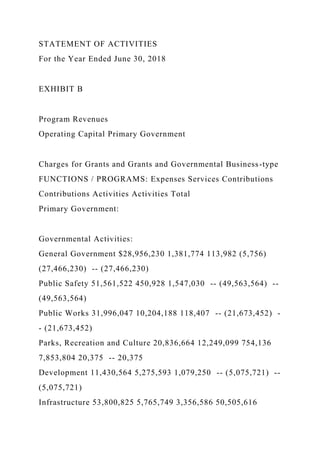
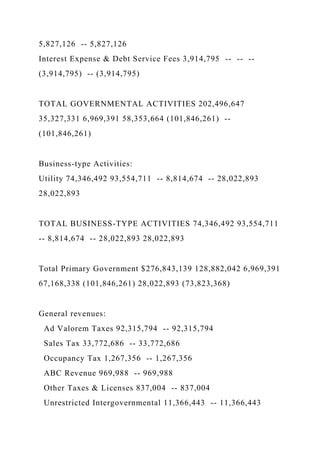
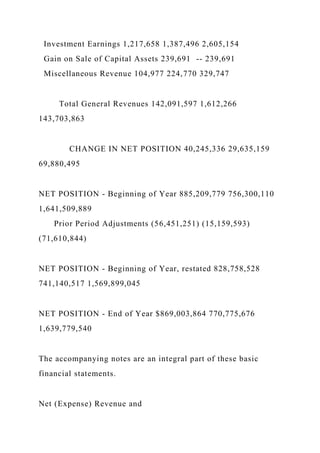
Cary manages the cash resources of all funds in one pool to
maximize investment
earnings and efficiency. At the end of the year the market value
of Cary’s pooled
cash and investments for all funds totaled $550.3 million.
Investment income is
allocated monthly to each fund based on average cash balances.
Throughout the year Cary maintains a minimum of $40 million
in bank accounts
to ensure that Cary has immediate access to funds. The
remainder of the
portfolio is invested in securities that ensure the safety of the
principal and
earn maximum interest income.
Cary’s cash management policy complies with state law, which
specifies the types
of securities that may be purchased for investment. Permissible
investments
essentially include only highly rated securities to ensure the
preservation of
principal. Securities such as treasury obligations of the US
government, its
agencies and sponsored corporations as well as highly rated
corporate and
municipal bonds are allowable. Equity or speculative securities
are not allowed.
Cary’s investments mature in less than five years.
A weekly cash forecasting model and investment plan considers
Cary’s balance
of investments to ensure cash flow and diversity of securities.
This approach
results in a laddered portfolio with 660 average days to
maturity. The portfolio
maturity extends to April 2022 with approximately $3.5 million
maturing
weekly. In all but the rarest of circumstances, investments are
held to maturity.
As a result, the Town does not incur any gains or losses due to
market price
fluctuations that are reported in the financial statements.
This approach prevents Cary’s interest income from decreasing
quickly in a
falling rate environment. Conversely, in a rising rate
environment, Cary’s average
investment portfolio yield rises more slowly than market rates.
The portfolio
investment earnings compare favorably against a benchmark of
a simpler
cash management approach based on investing routinely into
two-year US
Liquid Cash
$70.3
13%
Municipal Bonds
$10.5
2%
Fixed Income
Securities
$369.9
67%
Treasuries
$99.6
18%
Cash and Investments by Type
(in millions)
TOWN OF CARY www.townofcary.org Page 16
Treasury securities. Cary’s managed approach has consistently
outperformed
the benchmark by 10 to 20 basis points. Measured
conservatively on a $400
million portfolio, 10 basis points provides an additional
$400,000 in investment
income for Cary.
The Federal Reserve increased federal funds interest rates twice
during FY 2018.
These rate hikes impacted market interest rates, and the average
rate on Cary’s
investment portfolio increased from 1.03% for FY 2017 to
1.31%. Moreover, the
rate hikes impacted the Town’s earnings on cash accounts.
Cary uses an independent financial advisor to project cash
flow and to monitor
and report quarterly on portfolio management. These financial
advisors also
support Cary’s debt management program.
More details about Cary’s deposits and investments are included
in Note 2 to
the financial statements.
DEBT MANAGEMENT
Cary’s long-term obligations are explained in detail in Note 9 to
the financial
statements. A component of those long-term obligations is in
the form of bonds
issued to finance capital improvements. In FY 2018 Cary
incurred new general
obligation debt and refinanced both general obligation bonds
and revenue
bonds to reduce future interest expense.
GENERAL OBLIGATION BONDS
Certain street, parks and fire capital projects were funded with
debt authorized
by Cary voters in the 2012 referendum. Cary has borrowed
against the $80
million voter authorization three times. The third bond sale
occurred in
September 2017 for $30 million. The competitive bond sale was
conducted
by the NC State Treasurer’s office on behalf of Cary. The bonds
sold in a low
interest rate market with strong competition, demonstrated by
14 financial
institutions that bid on the bonds. The winning bid was for an
average interest
rate of 2.5% for 20 years. For comparison, similar 2014 bonds
bear an average
interest rate of almost 3%.
At the same time, Cary issued $28.8 million of refunding bonds
to refinance
existing general obligation bond debt. The transaction reduced
future interest
expense by approximately $1.4 million that benefits both the
utility fund and
the general fund over the next 11 years.
The bond rating agencies updated and confirmed Cary’s general
obligation
bond AAA ratings as part of the bond sale process.
UTILITY REVENUE BOND SALE
Late in calendar year 2017 new federal legislation was proposed
to limit a specific
type of tax-exempt refinancing bond sale. In anticipation of the
legislation’s
effective date of December 31, 2017, Cary moved quickly to
refinance $92
million of utility revenue bonds. Because Cary bonds are highly
rated and
relatively rare within the total tax-exempt bond market, the
negotiated bond
sale resulted in favorable interest rates. Cary locked in $8.6
million of interest
savings for the utility over the next 20 years. As part of the sale
process, the
bond rating agencies updated and confirmed Cary’s AAA
revenue bond ratings.
TOWN OF CARY www.townofcary.org Page 17
Staff members at Town Hall watched the bond sale as it
progressed.
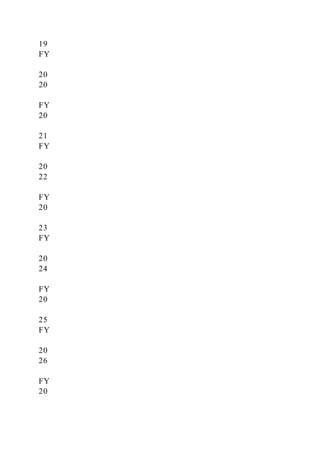
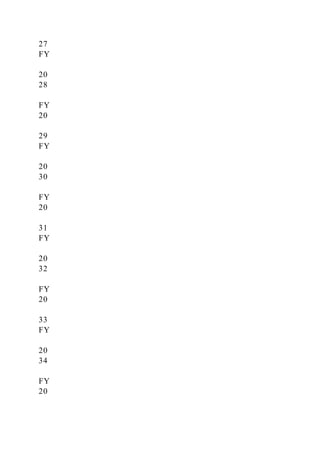
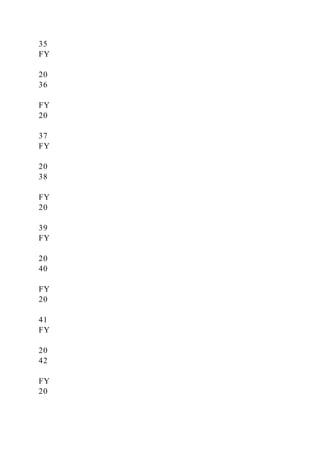
BONDED DEBT AMORTIZATION
Debt payments in the General Fund decline over time because
the debt is repaid
more aggressively than a traditional mortgage structure.
Typically, debt incurred
for general capital projects is repaid within 20 years or less and
the payments
shrink over time because, instead of level debt payments, the
payments are
structured with level principal commitments. As the debt is
repaid, the interest
component of the payments shrinks. This repayment structure,
which is
mandatory under North Carolina statutes for general
government projects,
creates debt capacity for the priorities of future elected
officials. Utility Fund
debt is structured with level payments over a longer term, which
recognizes the
longer life of utility assets and the capacity for future rate
increases for utility
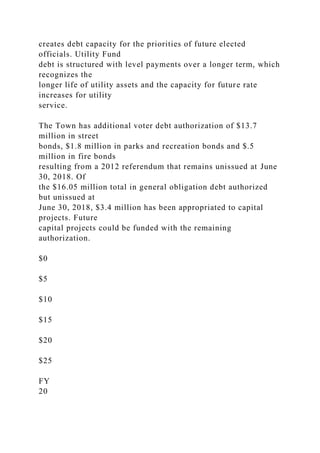
service.
The Town has additional voter debt authorization of $13.7
million in street
bonds, $1.8 million in parks and recreation bonds and $.5
million in fire bonds
resulting from a 2012 referendum that remains unissued at June
30, 2018. Of
the $16.05 million total in general obligation debt authorized
but unissued at
June 30, 2018, $3.4 million has been appropriated to capital
projects. Future
capital projects could be funded with the remaining
authorization.
$0
$5
$10
$15
$20
$25
FY
20
19
FY
20
20
FY
20
21
FY
20
22
FY
20
23
FY
20
24
FY
20
25
FY
20
26
FY
20
27
FY
20
28
FY
20
29
FY
20
30
FY
20
31
FY
20
32
FY
20
33
FY
20
34
FY
20
35
FY
20
36
FY
20
37
FY
20
38
FY
20
39
FY
20
40
FY
20
41
FY
20
42
FY
20
43
FUTURE DEBT SERVICE, in Millions
General Fund Utility Fund
TOWN OF CARY www.townofcary.org Page 18
PENSIONS AND OTHER POST-EMPLOYMENT BENEFITS
Because Cary values employees are one of its most important
resources,
significant dollars (averaging 35%-40% of annual salary per
employee) are
spent each year on a competitive, comprehensive benefit
program.
Cary is a participating employer in the statewide Local
Governmental Employees’
Retirement System (LGERS). The defined benefit pension plan
is administered
by the State of North Carolina. The pension plan is considered
one of the top
plans in the nation because it is well funded and prepared to
meet future
obligations to retirees.
Other Post-Employment Benefits (OPEB) are retiree benefits for
health
insurance. Cary established retiree health insurance benefits to
attract and
retain experienced employees and recognize the significant
value of long-
term service. These benefits include health, dental, vision and
life insurance
coverage to qualified retirees until the retiree reaches the age
when they are
eligible for Medicare. Upon eligibility for Medicare, Cary
provides a Medicare
supplemental policy. Cary funds retiree OPEB annual
expenditures through the
operating budget, and in FY 2018 those expenditures totaled
$2.0 million.
New accounting and reporting rules effective for all
governments regarding
future obligations for OPEB have changed Cary’s financial
statements. Cary’s
$146.4 million obligation for OPEB constitutes a liability which
had previously
been reported in the notes to the financial statements. The new
rules make
the OPEB liability readily apparent on the face of the entity
wide statements.
Note 12 provides details about the program and obligation. The
new reporting
requirements did not change the economic financial position of
Cary or
mandate OPEB funding.
Over the last two fiscal years Cary specifically set aside a total
of $2.3 million
for its OPEB liability in the Health Insurance Internal Service
Fund. Another $1.6
million was set aside in the FY 2019 budget. Additional
resources exist in the
net position of the Health Insurance Internal Service Fund. A
study to examine
alternatives to manage current and future liabilities is
underway. The study is a
collaborative effort considering both financial and human
resources priorities.
Benefits for law enforcement personnel include a separation
allowance. Cary
has a pension liability of almost $10.9 million for this pension
obligation and
funds the separation allowance on a pay-as-you-go basis.
More information about these benefits is included in the
Required Supplementary
Information sub-section of the Financial Section of the CAFR.
RISK MANAGEMENT
Cary manages insurable risks through a combination of self-
insurance and
the purchase of insurance policies. Risk management
consultants and a
competitively selected insurance broker work with Cary to
analyze and establish
risk coverage in a cost-effective manner. Cary also uses a third-
party actuary to
estimate claims incurred but not reported.
Cary self-insures workers compensation coverage and employee
health and
dental claims up to certain limits for risks beyond those limits,
exposure is
covered with third party stop-loss policies. Cary also self-
insures small claims
TOWN OF CARY www.townofcary.org Page 19
and losses under the deductible limits of property and liability
coverage.
Cary’s approximately $20 million health insurance program is
accounted for in
an internal service fund. Schedules 16, 17 and 19 in the Internal
Service Fund
sub-section to the Financial Section of this report provide more
details about
annual activities.
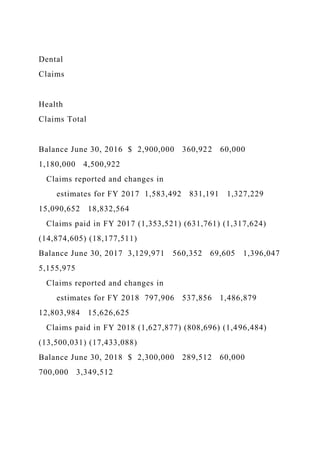
Note 11 to the financial statements provides details about the
self- insured
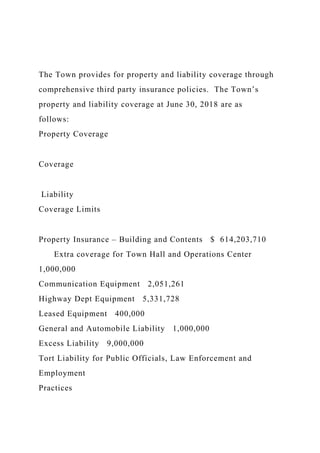
claims, and Table 28 provides details on property and liability
insurance in force
during FY 2018.
CAPITAL INVESTMENTS
Each year the town adopts a capital improvement budget and
prepares a 10-
year capital improvement plan. Annually, newly budgeted
projects are added
to the inventory of work and completed projects are placed into
service. In FY
2018 the Town continued to manage approximately 400 capital
projects. As
the Town’s infrastructure ages, a greater percentage of capital
projects are for
maintenance and rehabilitation.
Cary’s financial commitment to capital planning and
construction is notable.
In FY 2018 total capital spending was over $81 million, an
average of over $1.5
million invested in infrastructure planning and construction
every week. Street,
water and parks projects comprised almost 80 percent of total
spending. The
total budget for active projects in FY 2018 was over $700
million.
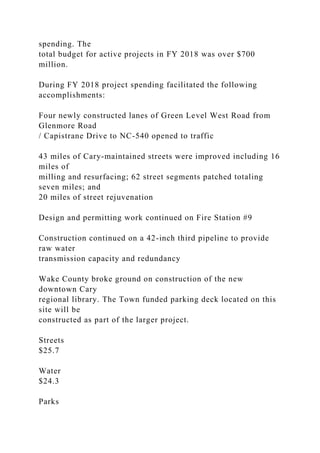
During FY 2018 project spending facilitated the following
accomplishments:
Four newly constructed lanes of Green Level West Road from
Glenmore Road
/ Capistrane Drive to NC-540 opened to traffic
43 miles of Cary-maintained streets were improved including 16
miles of
milling and resurfacing; 62 street segments patched totaling
seven miles; and
20 miles of street rejuvenation
Design and permitting work continued on Fire Station #9
Construction continued on a 42-inch third pipeline to provide
raw water
transmission capacity and redundancy
Wake County broke ground on construction of the new
downtown Cary
regional library. The Town funded parking deck located on this
site will be
constructed as part of the larger project.
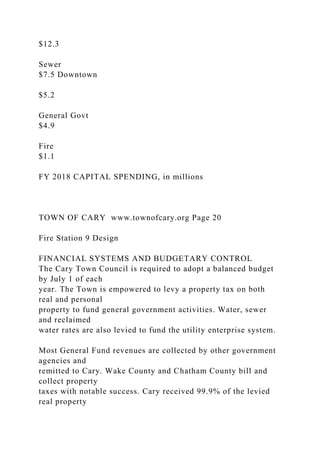
Streets
$25.7
Water
$24.3
Parks
$12.3
Sewer
$7.5 Downtown
$5.2
General Govt
$4.9
Fire
$1.1
FY 2018 CAPITAL SPENDING, in millions
TOWN OF CARY www.townofcary.org Page 20
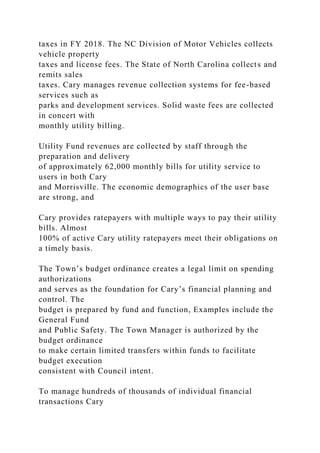
Fire Station 9 Design
FINANCIAL SYSTEMS AND BUDGETARY CONTROL
The Cary Town Council is required to adopt a balanced budget
by July 1 of each
year. The Town is empowered to levy a property tax on both
real and personal
property to fund general government activities. Water, sewer
and reclaimed
water rates are also levied to fund the utility enterprise system.
Most General Fund revenues are collected by other government
agencies and
remitted to Cary. Wake County and Chatham County bill and
collect property
taxes with notable success. Cary received 99.9% of the levied
real property
taxes in FY 2018. The NC Division of Motor Vehicles collects
vehicle property
taxes and license fees. The State of North Carolina collects and
remits sales
taxes. Cary manages revenue collection systems for fee-based
services such as
parks and development services. Solid waste fees are collected
in concert with
monthly utility billing.
Utility Fund revenues are collected by staff through the
preparation and delivery
of approximately 62,000 monthly bills for utility service to
users in both Cary
and Morrisville. The economic demographics of the user base
are strong, and
Cary provides ratepayers with multiple ways to pay their utility
bills. Almost
100% of active Cary utility ratepayers meet their obligations on
a timely basis.
The Town’s budget ordinance creates a legal limit on spending
authorizations
and serves as the foundation for Cary’s financial planning and
control. The
budget is prepared by fund and function, Examples include the
General Fund
and Public Safety. The Town Manager is authorized by the
budget ordinance
to make certain limited transfers within funds to facilitate
budget execution
consistent with Council intent.
To manage hundreds of thousands of individual financial
transactions Cary
maintains a system of internal controls. Leadership from
Council and
management has established an effective internal control
environment with
clear and consistent expectations for ethical, prudent and
transparent financial
management and operations.
FINANCIAL REPORTING
In FY 2018 Cary’s quarterly reports were strengthened with the
addition of
interim financial results and analysis. The reports are available
at www.
townofcary.org. The financial results were also presented at
new quarterly
meetings with Council.
TOWN OF CARY www.townofcary.org Page 21
Carolina, the retailers are already collecting and remitting sales
tax. The NC
Department of Revenue (DOR) reported an intent to collect
sales taxes on most
other internet retail sales beginning November 2018. DOR
estimates an annual
state revenue increase of $75 million, and a corresponding local
increase of $35
million, annually. Given that the local annual increase of $35
million would be
spread to units across the state, the impact on Cary will be
minimal.
Investment earnings are expected to increase for all funds. The
Federal Reserve
raised the federal funds rate three times in calendar year 2018
from 1.50% to
2.25%. Most economists anticipate another rate hike in
December 2018. Rate
increases benefit Cary’s interest income earning potential on the
$500 million
investment portfolio, increase the interest expense on
approximately $29.3
million of Cary’s variable rate debt and increase interest rates
on future debt
financing.
The FY 2019 capital budget relies on additional debt. Cary
plans to borrow
approximately $8.6 million in the fall of 2018 to finance a large
portion of the
construction of Fire Station #9 as well as a portion of the cost
of two replacement
aerial ladder trucks. The new Fire Station will be pledged as
collateral for a
competitively bid installment loan from a single financial
institution. The debt
will be repaid over 15-20 years, not to exceed the life of the
respective new
assets.
The FY 2019 budget document reflects a fresh perspective with
modern
formatting, style and generous use of pictures, charts and
graphics. It represents
a first step in creating a budget that integrates the Imagine Cary
Community
Plan, while conveying information in an inviting and easily-
consumable format.
The FY 2019 Annual Operating Budget and the Capital
Improvements Budget/
Plan can be found on the Town’s website at
www.townofcary.org.
LONG TERM FINANCIAL PLANNING
To ensure Cary maintains its AAA rating and remains in a
strong financial
position, Cary began work in FY 2018 to develop a financial
forecasting model
that projects the general fund financial position for five years.
The model can
LOOKING AHEAD: FY 2019 BUDGET AND ECONOMIC
CONDITIONS
On June 28, 2018, the Cary Town Council approved a $347
million budget for
FY 2019. The budget allocates $252 million for operations and
$95 million for
capital projects. Highlights include:
12 new firefighters to staff a ladder truck for western Cary;
An additional $8.7 million for the Carpenter Fire Station Road
widening;
$7.1 million for street improvements;
$2.7 million for stormwater assistance and drainage
improvements;
$500,000 for continued downtown revitalization
$215,000 to renovate portions of two community centers.
An increased focus on employee training and the
implementation of new
technology to improve organizational efficiency and drive
engagement are also
included.
Cary’s property tax rate remained unchanged at 35 cents per
$100 of real
property value. However, to improve streets and sidewalks, the
vehicle license
fee increased from $15 to $30. And to move toward full cost
recovery, the
monthly solid waste fee increased a dollar – from $16 to $17
per month for
residential service. Utility rates also increased three percent for
a typical
household.
Council adopted the FY 2019 budget based on growth patterns
like 2018, with
slightly increasing sales tax revenues. Subsequent to budget
adoption, the North
Carolina League of Municipalities (NCLM) published a
quarterly revenue report
that focuses on statewide revenues affecting municipalities. The
September
report states that “North Carolina’s economic outlook continues
to be positive,
though with some signs of slowing.” Multiple factors impact the
outlook, but
one key factor was strong job growth in the first six months of
2018.
In June 2018 the Supreme Court ruled that local sales taxes
could be imposed
on internet retailers in states where they have no physical
presence. Because
most of the top e-commerce retailers have a physical presence
in North
TOWN OF CARY www.townofcary.org Page 22
demonstrate the financial impact of significant development, tax
rate increases
and/or capital investments and incorporates inflation indicators
by expense
category. Reports illustrate Cary’s actual and projected fund
balance and debt
capacity compared to Council policies to ensure that Cary
remains in compliance
with these important financial indicators.
Cary’s utility rate strategy is informed by a 10-year utility rate
model. The model
processes projections on consumption, other revenues and
expenditures.
Over the past two years the model has been adjusted to reflect
decreasing
per capita demand based on Cary’s experience and national
trends. Industry
experts attribute changing demand patterns to water efficient
home appliances
and environmental awareness. In Cary, price elasticity may also
be a factor
as well as heightened awareness due to the availability of
hourly usage data
through Aquastar. Reports from the model include a
sophisticated dashboard
of strategic indicators that are used by staff to recommend rates
that meet or
exceed Cary’s policies for day’s cash on hand and debt service
coverage ratios.
Plans are in place to enhance long term financial planning for
financial
sustainability and capital investments. Annually, Cary updates
the 10-year capital
plan as part of the budget process. In FY 2019, the capital plan
will be reviewed
and reconsidered in detail to ensure that the plan matches the
Imagine Cary
Community Plan and priorities outlined in Cary’s Buried
Infrastructure Asset
Management Plan and master plans for transportation, parks,
water, sewer and
stormwater.
SERVICES AND PROJECT ACCOMPLISHMENTS
Town resources fund operations, capital investments and other
initiatives to
serve citizens. Citizen satisfaction with the Town has been
gauged every other
year since 1998 by a consultant in a scientifically valid citizen
survey. In FY 2018
approximately 400 Cary residents were asked to state their
opinions on how
well their government works for them. Specific topics were
addressed including
housing, safety, quality of life, service, flooding,
communications, street repair,
the environment, and recreation facilities. The executive
summary of the
consultant’s report begins with a summary statement that the
results were
“exceptionally positive” and goes on to conclude “This year’s
ratings represent
the best results the Town has earned, exceeding the previous
“gold standard”
of the year 2012.” The Cary Fire Department continued to earn
the highest
marks with A+ ratings for response time, competence,
courteous, fairness and
problem solving. The executive summary as well as the entire
survey can be
found on the Town’s website at www.townofcary.org
Key events and accomplishments are highlighted in the
following eight sections,
which are organized to match the structure of Cary’s guiding
vision set out in
the Imagine Cary Community Plan; Live, Work, Shop, Engage,
Shape, Move,
Serve and Act.
TOWN OF CARY www.townofcary.org Page 23
WORK: ASSURING CONTINUED PROSPERITY
Cary was long considered successful as a bedroom community
to Research
Triangle Park (RTP), and the cities of Raleigh and Durham. As
part of the
development of the Imagine Cary Community Plan, data
analysis confirmed
that Cary had grown into an employment center of its own.
Business days result
in a net migration of citizens into Cary for work.
A highly educated workforce and a competitive cost of doing
business have
drawn major employers. Cary is extremely fortunate to be the
home of SAS
Institute, the world’s largest privately held software company.
SAS Institute,
Inc. has been recognized as one of the best places to work by
Fortune Magazine
for more than 20 years, and has provided stable, growing
employment since its
inception.
Other major employers within the town limits include Met Life,
Verizon Business,
Epic Games, Kellogg’s Snacks, Fidelity Investments, John
Deere Company,
Siemen’s Medical
Solution
s USA, HCL Technologies, ABB, Inc, American Airlines
Reservations Center, and DB Global Technologies.
Notable employment news in FY 2018 included:
Trilliant, a global leader in smart grid technology, announced
they were
relocating their HQ from Silicon Valley to Cary.
MetLife broke ground on MetLife3 to make a place for 500
additional jobs.
Verdesian Life Sciences created 35 new jobs. Verdesian helps
farmers do
more with less in the cutting-edge field of ‘nutrient use
efficiency’
SAS Institute opened a new fraud and security intelligence
division with 70
new employees.
The Cary unemployment rate has historically been extremely
low and
consistently lower than state and national averages. In June
2018, Cary’s
unemployment rate was 3.2%.
Beyond Cary’s borders, citizens benefit from the employment
base in RTP
where there are approximately 50,000 jobs in high-technology
fields at over 200
companies. Throughout the triangle region, state government,
healthcare and
three major universities round out a diverse group of employers
in the region
that has historically been stable and less sensitive to economic
downturns.
The employment community is repeatedly recognized in studies,
rankings and
accolades.
A comparison of Cary’s principal employers in FY 2018 and its
principal
employers 10 years ago in FY 2009 are listed in Table 23 in the
Statistical section.
SAS Institute, Inc, remains the number one employer providing
over six percent
of the jobs in Cary.
Cary’s own employees benefit from a positive environment that
fosters their
growth and job satisfaction. Cary’s Statement of Values, listed
along with the
Mission Statement, recognizes that employees are our most
important resource.
Cary’s Human Resource Department delivers a competitive,
comprehensive
benefits program to serve the needs of employees and their
families.
NEW EMPLOYEE TRAINING ACADEMY
The Town kicked off a refreshed training program, maintaining
Cary’s
commitment to employee development by utilizing trainers and
skills from
across the organization and broadening content. Classes include
topics such as
public speaking, technology use, and emotional and social
intelligence. Subjects
also include introverts and extroverts in the workplace,
women’s safety,
personal budgeting, and supervisory training. Academy Shorts,
a new sharing
and learning concept, features one-hour opportunities for
interested Town
employees to share tips and skills on specific topics such as
time management,
organizational skills, and managing multiple priorities.
CARY
TOWN OF CARY www.townofcary.org Page 24
Since 2003, citizens have been enjoying a hands-on look at
Cary’s operations
behind-the-scenes through the School of Government program.
OneCary
classes make this content available to all employees by offering
a look at the
people, equipment, and facilities providing services to citizens.
Employees
also have access to training on the main concepts of Town’s
organizational
renaissance. Employees completing all OneCary classes earn
recognition for
their dedication to a well-rounded understanding of the Town.
EMPLOYEE RECOGNITION RECEPTION AND LUNCHEON
Cary manages a number of recognition programs, but the largest
is the Town’s
annual Employee Recognition Reception and Employee
Luncheon. Respecting
the “OneCary” effort, employees from all parts of the
organization contributed
time and expertise to develop various aspects of new and
exciting programs in
FY 2018.
In November, over 300 employees gathered in the Cary Arts
Center to celebrate
11 Employee of the Year nominees and 186 service award
recipients. Also
recognized were employees who were celebrating 5, 10, 15, 20,
25, and 30 years
with the Town. Employees appreciated the chance to socialize
and congratulate
their coworkers.
In December, Cary’s Mayor, Town Council members and retiree
guests joined
nearly 700 employees to celebrate and honor the work of staff at
the annual
Employee Luncheon.
SHOP: CREATING VIBRANT DESTINATIONS
SMALL BUSINESS SATURDAY PROCLAMATION
The Town of Cary has officially recognized Small Business
Saturday with a
proclamation for the past four years. Small Business Saturday is
an initiative to
encourage shopping locally in small businesses on the Saturday
following Black
Friday. The national promotion has been successful in bringing
both awareness
and increased sales to small businesses across the country.
Council members
presented the official Small Business Saturday Proclamation as
part of the Cary
Chamber 2017 Business Expo.
WEGMANS
In FY 2018 construction permits were issued for Twin Lakes
Shopping Center, a
158,300 square foot commercial shopping center that includes
the Cary’s first
highly anticipated Wegmans grocery store. A second Wegmans
is planned in the
Fenton development on the Town’s eastern border.
TOWN OF CARY www.townofcary.org Page 25
ENGAGE: EXPERIENCING THE CARY COMMUNITY
BUILDING BRIDGES
In August 2014 an officer-involved shooting took place in
Ferguson, Missouri.
Over time incredible unrest developed throughout the country,
specifically
concerning the relationship of law enforcement and
communities of color. While
Cary did not see problems on this level, the incident did create
conversation in
the black community about the uncertainty. It was that
uncertainty that drove
a Cary resident, Tru Pettigrew, to the Cary Police Department.
This key step was
the beginning of a relationship and a partnership that would
last.
Through the ensuing years, Tru and the members of the Cary
Police Department
have worked with diligence and persistence to ensure there is a
relationship
between communities of color and Cary police officers. Based
on the premise
that consistency builds familiarity and familiarity builds trust,
opportunities
were created through forums, classes, church visits and
cookouts, to build and
maintain close relationships. The most impactful of these efforts
has been the
Barbershop Rap Sessions.
Members of the police department and the black community
began having
regular conversations on the first Saturday morning of every
month. These
relationships grew in trust and familiarity and although these
community
members learned to trust Cary officers their trust only extended
to the Town
limits. To address this perception, police chiefs and police
officers from other
towns were invited to the discussions to help community
members throughout
our entire region. Police Chiefs and officers from Apex,
Fuquay-Varina
Morrisville, Holly Springs, Raleigh, and Knightdale, as well as
Wake County
Sheriff Donnie Harrison, have all attended the Barbershop Rap
Sessions, and
many have taken the concept back to barbershops in their towns.
In October 2017 Tru and the police chiefs from Cary, Apex and
Raleigh
attended the International Association of Chiefs of Police
conference. This
conference, which includes nearly 17,000 police chiefs and
police executives
from around the world, is the largest, most well attended
conference for law
enforcement professionals in the world. Together, Tru and our
local police
chiefs presented a workshop titled, “Barbershop Rap Sessions:
Are They the Key
to Community Engagement”. In addition, the Commission on
Accreditation for
Law Enforcement funded a video that featured four of the area’s
local barbers
talking about how transformative the Barbershop Rap Sessions
had been in
their shops and communities.
Just before the session began, the group learned that the Chief
of Police from
Ferguson was part of the assembled crowd. The workshop was
successful, and
afterwards, the Chief of Police from Ferguson sought advice on
bringing the
program to Ferguson. Since the concerns following riots in
Ferguson drove Tru
through the doors of the Cary Police Department the connection
was incredibly
meaningful and has shaped the world beyond Town limits.
BARBERSHOP RAP SESSIONS’ INFLUENCE GROWS
Based on the success of Barbershop Rap Sessions, Cary spun off
two similar
TOWN OF CARY www.townofcary.org Page 26
initiatives, Town Rap Sessions and the STARTERS Program.
Like the Barbershop
Rap Sessions, these two platforms promote open dialogue and
foster greater
understanding of others’ perspectives.
In January, rap sessions for staff started at Town Hall to
provide employees a
forum to discuss race relations and other sensitive issues such
as generational
differences, the #MeToo movement and managing change. In
addition, the Cary
Police Department kicked off its Students That Are Restoring
Trust, Empathy,
Respect, and Support, or STARTERS program. This youth-
focused mentoring
program was initiated by high school resource officers and
students to provide
a discussion forum that is mediated and moderated by students.
This program
tackles issues that are important to today’s youth and
tomorrow’s leaders.
CARY YOUTH LEADERSHIP TOWN HALL VISIT
In March, the Town welcomed 43 high school juniors
participating in a Cary
Chamber of Commerce Youth Leadership program. Established
in 1998, Youth
Leadership Cary develops the potential of future leaders. The
program helps
students understand how government, business and individual
leaders work
together as integral community members.
CARY TENNIS PARK – ATLANTIC TIRE CHAMPIONSHIPS
The Cary Tennis Park hosted the Atlantic Tire Championships,
an ATP
professional tennis tournament, September 11-17, 2017. The
event featured 19
participants directly from the US Open Tennis Championships
in New York and
brought in players from 13 countries. This created the strongest
field to date
with the top two seeds ranked within the top 100 tennis players
in the world.
The event attracted approximately 5,000 spectators, the highest
attendance in
the three-year history of the event. Kevin King, the winner of
the 2017 Atlantic
Tire Championships, is a product of the strong program at the
Cary Tennis Park,
where he trained between the ages of 13-17.
ENVIRONMENTAL OUTREACH
To commemorate the 9-11 Day of Service, Spruce events
spanned the course of
two weeks. Volunteers worked with our fire fighters to “spruce
up” 20 vegetable
beds at five fire stations town-wide.
TOWN OF CARY www.townofcary.org Page 27
CHINESE LANTERN FESTIVAL
The third annual Chinese Lantern Festival at Booth
Amphitheatre was a success
with over 84,000 attending.
CARY APPROVED TO BECOME CERTIFIED LOCAL
GOVERNMENT
Cary earned a designation as a Certified Local Government
(CLG) under the
National Park Service’s Federal Preservation Program from the
NC Department
of Cultural Resources’ (NCDCR) Historic Preservation Office.
This certification
establishes a partnership between three levels of government
(federal, state
and local) for the identification, evaluation and protection of
historic and
archaeological resources. North Carolina’s CLGs receive expert
technical
historic preservation assistance from the National Park Service,
the State
Historic Preservation Office, and from other North Carolina
CLGs. In addition,
CLGs can apply for historic preservation grants available only
to CLGs. To
become a CLG Cary demonstrated to the State Historic
Preservation Office that
it has built a sound, local preservation program meeting federal
and state laws
and standards and established a professionally-qualified historic
preservation
commission. Close to 2,000 local governments participate in the
CLG program
across the country. In North Carolina, 51 local governments,
including Cary,
have been designated as a CLG.
PARK RENAMING FOR KAY STRUFFOLINO
In November 2017, Council renamed Meeting Place Park after
Kay Struffolino, a
citizen who has dedicated over 40 years of her life to the
improvement of Cary.
This park, near downtown, features the Meeting Place sculpture
and received
some finishing touches to go with its new name such as
sculpture lighting,
additional landscaping, and updated signage.
SHARE & CARE
Share & Care, an event now in its fourth year, provides a
resource fair for
persons with disabilities, their caregivers, families and friends
by hosting
almost 50 organizations and businesses. Agencies offering
programs, services
and resource information were on hand in February to network
with over 200
attendees. This program has grown each year as the demand for
resources for
persons with disabilities increased.
TOWN OF CARY www.townofcary.org Page 28
DOWNTOWN CARY PARK
A cross departmental team worked throughout the year to hire a
renowned
consultant to lead the master planning process for the downtown
park. The
process was evidence of a new culture in the organization where
employees
volunteered to contribute to the process with time outside their
traditional
roles.
WWW.TOWNOFCARY.ORG
Cary’s website continues to evolve to provide information and
allow citizens to
conduct business 24/7. In FY 2018 a feature was added that
allows citizens to
initiate new utility service. This enhancement added to the
traffic that generated
almost five million views in FY 2018.
SHAPE: GUIDING COMMUNITY GROWTH
The process for new development is composed of three
major stages. Land rezoning creates an entitlement for
property. The process can take up to 12 months and
is preceded by a pre-application process with staff to
evaluate how a rezoning proposal fits within the Imagine
Cary Community Plan. Development plan review is another
year long iterative process that, on average, completes
five staff review cycles. Next, developers obtain permits
to initiate construction that must be completed within five
years, including inspections.
At the end of FY 2018, there were 30 cases in the
rezoning process. During FY 2018, the Town approved 92
nonresidential development plans. These plans can range
from a development as small as three townhomes to a
large mixed-use proposal.
Single-family permits
are key indicators of
economic activity in Cary. In FY 2018, the
Town issued 1,128 single family permits,
the highest number since FY 2014, and 4%
greater than the five-year average of 1,087.
Of the 1,128 single-family permits issued
in FY 2018, 382 (34%) were attached/
townhomes.
TOWN OF CARY www.townofcary.org Page 29
Multi-family permits are measured by individual units rather
than the number
of buildings and vary across years as a reflection of apartment
occupancy rates.
In FY 2018, 366 multifamily units were permitted which is
down 17% from the
five-year average of 439.
Non-residential development is measured by square footage, and
for FY 2018,
totaled almost 1.9 million square feet. The permit for the third
MetLife office
and parking structure was a significant project and impacted the
outcome,
which was up 39% from the five-year average of almost 1.3
million.
Permits for additions and alterations also contribute to growth
in the Town’s
tax base. Permitted construction in FY 2018 totaled $662
million in value as
reported by contractors at permit application. Quarterly reports,
available at
TOWN OF CARY www.townofcary.org Page 30
www.townofcary.org include more details about specific
projects throughout
the year. Table 24 in the Statistical section of this report
includes 10 years of
history for building permit counts and values.
Cary is empowered by state statute to extend its corporate limits
by annexation.
Just over 113 acres became part of the Town of Cary through 11
voluntary
annexations in FY 2018, resulting in an increase of $12.7
million to the tax base.
These annexations are typically a step in the development
process during the
development plan review phase.
ELECTRONIC PLAN REVIEW FOR BUILDING PERMITS
GOES LIVE
In FY 2018, Cary implemented electronic plan review for
building permits.
Electronic plan review saves design professionals, contractors
and citizens
printing costs for plans and reduces travel to Town Hall since
plans can be
submitted remotely, 24/7. In addition, the program improves
staff efficiency
during the review process and allows staff to access approved
plans electronically
from the field. This initiative has received overwhelmingly
positive feedback
from everyone involved.
TOTAL INSPECTIONS
Once permits are issued and construction begins, the inspection
process begins.
Inspections in FY 2018 totaled just over 77,200, which is up
just slightly from the
five-year average of approximately 76,049. The chart below
demonstrates the
cyclical nature of inspection activity. Variances in the volume
of work reflect the
impact of outdoor temperatures and weather on construction.
EASTERN CARY GATEWAY
The Eastern Cary Gateway is an 800-acre special planning area
located on the
Town’s eastern border, adjacent to Raleigh along the interstate
40 corridor.
Nearly one third of the area is undeveloped. The Town has
focused on the area
to ensure that new development and redevelopment fulfill the
vision of the
Imagine Cary Community Plan. A web page for the Eastern
Cary Gateway (http://
bit.ly/EasternCaryGateway) was created in FY 2018 to provide
a consolidated
point of information about development activity.
TOWN OF CARY www.townofcary.org Page 31
Eastern Cary Gateway Strategy Team
A multi-departmental Strategy Team is in place to discuss, plan,
and ultimately
implement a strategy that will ensure the success of the Eastern
Cary Gateway
Special Planning Area vision. Sub-groups have been formed to
discuss high
level strategies for implementing the vision. These sub-groups
include Mobility,
Soccer, Development, Relationships, Economic Development,
and Town
Participation. Staff from across the organization and almost
every department
as well as Cary Chamber of Commerce staff participate in the
sub-group
discussions. This team can ultimately be the model for
proactively ensuring
that Council’s vision of the Special Planning Area becomes
reality and a model
for other high priority initiatives.
Fenton Rezoning
Progress toward the construction of Fenton, a proposed mixed-
use development
located in the Eastern Cary Gateway Special Planning Area, was
a major
focus area for the Town throughout the fiscal year. The Fenton
project is an
approximately 92-acre site on the north side of Cary Towne
Boulevard between
I-40 and Adams Elementary School.
The Preliminary Development Plan (PDP) proposes vertically
mixed uses
designed around an “L-shaped” main street where residential
and/or office
uses are located on top of ground-floor retail tenants. The PDP
provides a
variety of pedestrian corridors. A total of eight parking decks
are proposed,
with many of the buildings wrapping around and screening the
decks. Several
office buildings and one or more hotels are proposed as part of
the project. Six
community gathering areas are also integrated into the
development to provide
both passive and active opportunities for residents and visitors.
LIVE: FOSTERING STRONG NEIGHBORHOODS
LAURA DUNCAN ROAD/LAUREL PARK ELEMENTARY
In October 2017, a 10-year-old girl left Laurel Park Elementary
School and was
crossing the street to go home when she was hit by a car on
Laura Duncan
Road. Fortunately, she suffered only minor injuries. There was
no crosswalk
at this location. Laurel Park Elementary School is in Cary; the
neighborhood
across the street is in Apex town limits. Laura Duncan Road is a
state road
in Wake County. The Apex Police Department handled the law
enforcement
response, and the Cary Fire Department assisted as medical first
responders.
Following this near tragedy, citizens requested increased
enforcement efforts
and a crosswalk.
When Apex and Cary were looking at safety improvements in
the aftermath of
this incident, it became clear that neither jurisdiction had
authority to do so.
To ensure that jurisdictional authority is clear and to protect the
safety of the
public in the future, Cary supported an Apex legislative request
to annex this
section of roadway because Apex owns utilities within the right
of way. The
General Assembly approved legislation to make the annexation
effective on
TOWN OF CARY www.townofcary.org Page 32
June 30.
STORMWATER
The Town initiated an adaptive stormwater management pilot
program
downtown in the Walnut Creek Basin, located east of Academy
Street in the
downtown Maynard Road. Future development of the Downtown
Park and
redevelopment opportunities throughout downtown, acted as a
catalyst in
choosing this location to initiate the pilot. The results and
findings of this
program will serve as a template for managing stormwater
throughout Town.
Based on the outcome of the 2018 Council/Staff retreat, an
Adaptive Stormwater
Steering Committee was formed including five strategic work
groups to focus
on:
Downtown Stormwater Citizen Working Group
Basin Model Pilot Development
Stormwater Ordinance Revisions
Stormwater Infrastructure Maintenance Program
Open Space Preservation
The Stormwater Steering Committee strives to achieve a 360-
degree view of
stormwater in Cary by drawing on expertise from a multi-
departmental group
of staff. To break the traditional autonomous program
development mold,
the Town added value by incorporating the perspectives of our
Downtown
Stormwater Citizen Working Group.
BASIN MODEL PILOT DEVELOPMENT
This year, the Town developed and began using the EPA
Stormwater
Management Model to predict stormwater runoff produced in
the downtown
area of the Walnut Creek Basin. This dynamic, computerized
stormwater model
provides an assessment of how rainfall runoff impacts both the
public and
private stormwater conveyance system. This model identifies
current system
performance, highlights underperforming infrastructure, and
quantifies
potential impacts from future development.
DOWNTOWN STORMWATER CITIZEN GROUP
The Downtown Stormwater Citizen Working Group consists of
nine citizens with
stormwater expertise and personal experience with flooding.
Their heightened,
proactive approach examines stormwater from a broader
perspective than the
traditional municipal approach. With a new perspective, the
team looks beyond
the public right-of-way and explores stormwater from a holistic,
watershed
perspective.
STORMWATER INFRASTRUCTURE MAINTENANCE
PROGRAM
In FY 2016, the Town began developing a Stormwater Asset
Management
Program along with other Town owned buried assets: water,
sewer and reclaimed
water. Though stormwater infrastructure is very similar to these
other systems,
it has distinctive factors that warrant a uniquely tailored
approach to manage
the life span of the system. This GIS based program is used to
help transition
our stormwater maintenance program from a reactive to a more
proactive
program. The goal of this systematic approach is to find
problems and address
TOWN OF CARY www.townofcary.org Page 33
them with maintenance before the issues disrupt the lives of
citizens and the
traveling public.
To further advance the maintenance program, the Town
deployed a crew to
clear stormwater pipes in the Downtown Pilot Area. This was
possible without
adding resources in our Public Works Department due to
efficiencies created
using innovative technology. In March, staff began collecting
data for the
Stormwater Condition Assessment tool while also clearing pipes
so that the
stormwater system works better. Public Works quickly
identified a buried outlet
and followed up to clear two catch basins and the associated
pipe segments
full of sediment along the streambanks of Walnut Creek. By
investigating
stormwater pipes upstream of the Town right-of-way, damage
from stormwater
in the right of way was prevented.
OPEN SPACE
The Open Space Group is identifying and documenting existing
data sets and GIS
layers for open space opportunities, while also reviewing the
Town’s policies to
coordinate stormwater initiatives. The staff team expanded to
include citizens
and the Town’s Environmental Advisory Board to holistically
integrate shared
goals relative to open space, tree canopy and stormwater
management.
TOWN OF CARY www.townofcary.org Page 34
ORDINANCE
The Ordinance Group is evaluating existing stormwater-related
ordinances and
polices to determine if or how these inhibit or support the
Town’s adaptive
approach to stormwater. The group has identified opportunities
including the
level and extent of service, private drainage assistance, the
incorporation of
green infrastructure and how the Town manages exempt
subdivisions.
ACCOLADES
Cary continues to receive accolades from multiple organizations
that reflect the
desirability of the community as a place to live and work.
#6 Best Place to Live in America, Cary, HomeSnacks (January
7, 2018)
#25 City Where Millennials Are Buying Homes, Cary,
SmartAsset (January 25,
2018)
#5 Safest City in North Carolina, Cary, HomeSnacks (January
15, 2018)
Umstead Ranked #1 Hotel in North Carolina, Cary, U.S. News
& World Report
(February 8, 2018)
#7 Best Place to Live in the USA, Raleigh-Cary MSA, U.S.
News & World Report
(February 26, 2018)
#4 Safest City in North Carolina, Cary, National Council for
Home Safety and
Security (March 7, 2018)
MOVE: PROVIDING TRANSPORTATION CHOICES
LOCOMOTIVE CHRISTENED IN HONOR OF THE TOWN OF
CARY
Town Council and staff joined NCDOT Secretary, Jim Trogdon,
and First Lady
Cooper in August 2017, to christen the Cary-branded
locomotive #1871. The
locomotive’s number corresponds to the charter date of the
municipality after
which it is named.
TOWN OF CARY www.townofcary.org Page 35
TRANSPORTATION TECHNOLOGY
The Town implemented the first thermal imaging sensor at an
active pedestrian
crossing downtown. Upon detection of pedestrians, technology
automatically
activates a pedestrian crossing in the traffic signal system.
NCDOT selected Cary to implement the first Vehicle to
Infrastructure Technology
called SPaT, Signal Phasing and Timing. This pilot project
technology allows
approaching cars to see traffic signal timing on their
smartphones. Cary will the
first in North Carolina and the fifth in the nation to implement
the technology.
GOCARY OPERATIONS
GoCary continues to see an increase in ridership due to service
enhancements
and expanded operations made possible through Wake Transit
funding. The
addition of Sunday service, 30-minute frequencies on four
routes, and a new
half-fare discount for students has contributed to a 13 percent
increase in fixed
route ridership when compared to the same period last year.
Door-to-door
ridership has also increased 9 percent for the same period.
The Town added the www.GoCary.org URL has improved
marketing and brand
recognition making it easier for citizens to access GoCary
online features. A
Google trip planner widget, better navigation to maps and
schedules and a
translation feature enhanced service in FY 2018.
WAKE TRANSIT
In November 2016, Wake County voters approved a half-cent
sales tax increase
dedicated to expanding the public transit network throughout
Wake County.
Throughout the year the Town participated in planning for the
FY 2019 Wake
Transit Work Plan. Groundwork began for key projects such as
the Downtown
Multimodal Transit Facility Feasibility Study and an Operations
and Maintenance
Facility for GoCary.
NOTABLE CONSTRUCTION
In FY 2018, the project to widen Green Level West was
completed. Four lanes
including outside lanes for bicyclists and sidewalk on both sides
of the street
create a gateway to the Green Level destination center.
Extensive planning and coordination across the organization
minimized
interruptions to travel during the construction of Cary Parkway
and High House
Road intersection improvements.
A project to construct the final section of Morrisville Parkway
is approximately
20 percent complete at fiscal year-end. This connection
between NC Highway
55 and Green Level Church Road will provide a new
interchange at NC Interstate
540 that should open in FY 2020.
Two greenway projects comprised the majority of park capital
spending. The
White Oak Creek Greenway is a 1.8 mile project that connects
to the American
Tobacco trail. The Crabtree Creek Greenway project will add
approximately 1.7
miles to the Cary greenway system.
TOWN OF CARY www.townofcary.org Page 36
NOTABLE TRANSPORTATION PLANNING PROJECTS
Planning for significant future projects occurred throughout the
year. The
following potential projects were studied for consideration as
part of a
connected, well planned transportation system:
McCrimmon Parkway
Green Level Church Road
Trinity Road
Piney Plains Road
Carpenter Fire Station Road/CSX Rail Separation
US Highway 64 corridor
SERVE: MEETING COMMUNITY NEEDS
ADDRESSING THE OPIOID EPIDEMIC
Staff, along with partners from the private sector, Wake
Community Public
Health, NC Department of Health and Human Services, The Poe
Center for
Health Education, and the North Carolina Medical Society
Alliance won a
Bloomberg Philanthropy grant to address the opioid epidemic.
The grant award supports the use of wastewater analysis to
estimate average
opioid use in Cary. The objective is to transform public health
practice through
state-of-the-art analytics in an open-data platform. The platform
can create
opportunities to integrate datasets and develop predictive
analytics. Moreover,
it would promote collaboration across regions, increase civic
engagement and
reduce social stigma.
Since being named a Champion City by the Bloomberg
Philanthropies Mayors
Challenge program, Cary tested and improved the idea to build
a healthier,
stronger community. The Town measured, in near real-time, the
daily collective
concentration of various opioid metabolites in wastewater. This
covered distinct
areas through a contract with Biobot Analytics for sampling,
chemical analysis,
and data analysis.
During May and early June, Biobot Analytics conducted “proof
of concept”
testing. The first round of pilot-sampling began at 10 sample
sites located
throughout Town. Additionally, several workshops were held
with public health,
data analytic, and Bloomberg Foundation partners. Innovative
discussions
addressed how the new dataset will be used to create new, more
effective
programs combatting the opioid epidemic.
Also, an earnest community conversation about the stigma
associated with the
misuse of prescription drugs and drug overdoses began. The
Fire Department
is leading an effort to unmask the extent of the problem in our
neighborhoods
and offer some easily implemented, highly effective practices
for families.
UTILITY PERFORMANCE REPORTING
The Town’s water quality report, also called the Consumer
Confidence Report,
is released in July every year. The report summarizes thousands
of drinking
water tests performed and demonstrates that the Town continues
to provide
high-quality drinking water that meets all state and federal
regulatory
standards. Then, in August the Town provides citizens and
utility consumers an
annual review of activities and regulatory compliance within
our wastewater
treatment facilities and the wastewater collection system. The
Town’s water
reclamation facilities continue to perform exceptionally well at
consistently
treating wastewater to high water quality and permit standards.
There were no
regulatory compliance violations during the reporting period.
In FY 2018, the wastewater plants were recognized for their
high performance.
The Western Wake Regional Water Reclamation Facility,
(WWRWRF), was named
an Exceptional Performing Facility by the NC Department of
Environmental
Quality. The recognition comes from three years of successful
operation since
CLASS OF
2040
TOWN OF CARY www.townofcary.org Page 37
opening, achieving high level nutrient removal standards. As a
result, the
WWRWRF will benefit from reduced monitoring frequencies for
select water
quality parameters throughout the duration of our operating
permit for the
facility.
With a longer operating history, the North Cary and South Cary
Water Reclamation
Facilities are eligible and continue to be recognized as
Exceptional Performing
Facilities by the NC Department of Environmental Quality since
their last permit
renewal in 2014. These facilities are among the best performing
facilities in the
Neuse River Basin. A key indicator of performance, nitrogen
removal, protects
the environment by reducing nutrients in receiving waters and
by recovering the
nitrogen for beneficial reuse in the form of biosolids. Both
facilities continue to
discharge nitrogen concentrations below the Association’s
average of 2.79 parts
per million (ppm). Both facilities continue to remove nitrogen
at exceptional
performance levels
SMART CITIES
In March, the Smart Cities Council (SCC) awarded Cary a 2018
Readiness
Challenge Grant. As a recipient, Cary received international
recognition for
smart city efforts, professional services to develop a customized
roadmap, and
tailored products to accelerate the Town’s smart city initiatives.
In FY 2018, the SCC facilitated Cary’s Smart Cities Readiness
Workshop to
explore Cary’s overall smart and connected community vision,
public-private
partnerships, healthy communities, data management
infrastructure, and
transportation options that integrate new technology. Over 100
municipal
officials, department heads, technology innovators, local
business leaders, non-
profits, university representatives, and community influencers
participated.
The project team will continue to develop a roadmap to present
existing and
planned smart city initiatives in a sharable and collaborative
visual format.
This living document can be refined as new technology is
introduced. It will
use the SCC’s framework to map smart city initiatives to Cary’s
responsibility
areas and to technology and governance enablers to identify
intersection
and opportunities across initiatives. This framework will be
used to inventory
initiative data sources. It will create a mechanism to prioritize
future initiatives
by establishing a set of smart city project criteria against which
initiatives are
rated. It will identify targets, actions, teams and timelines for
priority initiatives.
Also, in FY 2018, the Town was recognized with awards by
both Smart Cities
Dive (Rising Star) and Smart Cities Connect & US Ignite (Smart
50 Award).
Cary earned the awards for the innovative use of testing ‘smart’
technology by
creating a living lab/simulated smart city on Town Hall campus.
Town Hall campus represents a mini-city by utilizing existing
facilities and a cost-
effective ecosystem for experimenting with next generation
Internet of Things
(IoT). This program incubates IoT technologies powered by
community partners.
The group creates an ecosystem to test, develop and showcase
solutions on
our campus at little to no cost. This allows the Town to test
technology before
deploying on a larger scale.
The lessons learned, and the goal from the living lab, will be
used to build the
ultimate citizen connected community. Citizens increasingly
expect the same
level of service, technology, and communication from their
Town government
as they expect from the private sector. These initiatives aim to
meet the
community where they are with the technology they already use
in their daily
lives. Connectivity encompasses sending traffic data and road
closures to Waze,
using Alexa to find open gym times, or reporting a missed trash
collection.
911 CONSOLIDATION
A project to study a consolidation of 911 services for Cary,
Apex and Morrisville
progressed throughout the year. Work is on schedule to meet a
March 2019
deadline for Cary to add responsibility for the public safety
answering point
(PSAP) for Apex and Morrisville.
311
A cross-departmental team of staff worked throughout the year
to foster the
formation of a 311 Center. The Town’s three call centers
provide excellent
TOWN OF CARY www.townofcary.org Page 38
service. However, by bringing together representatives from
each, as well as
staff from other departments within the Town, 311 will uphold
the Town’s role
as a leader in excellent service using cutting-edge technology as
it meets the
short- and long-term needs of the community. The centralized
311 system’s
advanced analytics will also help the Town identify potential
risks and plan for
solutions while adapting to changing conditions over time.
SOLID WASTE ROUTE REBALANCING
The Town rerouted solid waste collections to rebalance the
existing routes,
maintain exemplary service levels, and eliminate the need to
hire additional
staff. The largest component of the schedule change included
adding Monday
collection service and discontinuing Friday collections.
Communication efforts
were extensive and less than one percent of affected households
called with
questions.
ACT: MOVING FROM VISION TO REALITY
BRANDING
The Town is undertaking its first major community branding
initiative. This will
give citizens advantages in the increasingly competitive
regional, national and
global marketplaces to secure the best jobs and opportunities for
generations
to come. Branding for the Town is a recommended action in the
Imagine Cary
Community Plan to uncover the community’s brand identity and
formulate
a compelling brand strategy. North Star Destination Strategies,
a branding
consultant with expertise in government, began work late in the
fiscal year.
NEW REPORTS
In FY 2018 significant progress was made on the development
of a tool on the
Town’s Salesforce platform that will host a complete inventory
of the Town’s
projects and services. Known as the Catalog of Projects and
Services, this
comprehensive list will allow Town leaders to set priorities.
The catalog will hold
multiple data points about each project and service to support
decision making
and reporting. The Catalog will facilitate a more comprehensive
discussion
about the relative value of current and future projects and
services.
2018 COUNCIL/STAFF RETREAT AND QUARTERLY
MEETINGS
During its annual retreat, the Council took an illuminating
pause to reflect on
accomplishments over the past year and to prepare for the
adaptive challenges
that lie ahead. This reflection was crucial to understanding
where Cary is, and
where it wants to go as a community.
TOWN OF CARY www.townofcary.org Page 39
The adoption of the Imagine Cary Community Plan in FY 2017
marked a crucial
starting point for Cary to create new and different service
models to better
serve citizens. The adoption of the community plan was the
ultimate pivot point
for the community.
Dr. John Nalbandian, professor emeritus at the University of
Kansas and former
mayor of Lawrence, Kansas, joined the retreat. He led
discussions relevant to
elected officials and administrative staff including how critical
their perspectives
are both separately and collectively.
Dr. Nalbandian discussed the idea of creating model citizens.
Model citizens
are those individuals who understand that their quality of life
depends on more
than what they can do individually. Model citizens are those
who say they want
to give something back to their community, which is a metric of
a resilient
community.
Council also dedicated important planning time and attention at
new quarterly
meetings. The first meeting in this format was hosted on the
SAS campus to
provide a professional setting to focus on key projects and new
financial and
development updates. The new reporting and resulting
discussions facilitate
and strengthen the process for future decision making for the
community.
CARY’S PIT CREW ACTIVATED
The Imagine Cary Project Implementation Team, or PIT Crew,
is a multi-
departmental team of staff focused on implementation of the
Cary Community
Plan. The PIT Crew has been meeting over the past year to
develop a detailed
understanding of the Strategic Initiatives and Actions in the
Plan. The Imagine
Cary Community Plan articulates Cary’s vision and values and
sets a course
for Cary to continue to be a premier community offering new
opportunities to
citizens. Through thoughtful examination of the multiple
elements of the plan,
staff was able to align multiple focus areas. The four primary
focus areas include
Economic Development, Land Development,
Move/Transportation, and Strong
Neighborhoods. These focus areas connect the Strategic
Initiatives and Actions
of each chapter and were used to organize the PIT Crew into
four Focus Teams.
The Focus Teams have been working to create an Action
Planning Guide. The
Action Planning Guide will connect the Plan’s strategic
initiatives and actions
with projects and services in the Catalog. It will also propose
the following
information for each Action: status, action overview, lead staff,
internal and
external partners, Catalog records, groupings and sequence,
goals, milestones
and performance measures.
The diverse input from each member of the PIT Crew has
created a strong
environment to collaborate and capitalize on existing
opportunities for
implementation of Imagine Cary. The Focus Teams will
continue to meet and
new staff is being added to the Teams to collaborate further on
the Action
Planning Guide. The collaboration of the PIT Crew will
continue to open doors
to share resources and identify cross-departmental opportunities
for staff to
work together to meet the vision of the Imagine Cary
Community Plan.
BURIED ASSETS MANAGEMENT PLAN
A cross-departmental team of employees created a Buried
Assets Management
Plan to serve as a roadmap to protect investments in
underground infrastructure
including water, wastewater, stormwater and reclaimed water
systems. A multi-
year task list defines activities and timelines. Initial tasks
include improving the
quality of GIS and workorder data as well as refining a
prioritization structure
TOWN OF CARY www.townofcary.org Page 40
for pipeline rehabilitation and replacement.
FY 2019 BUDGET DECISION MAKING
In preparation for the FY 2019 budget, for the first time, rather
than having the
priorities set by an executive team, the department directors
worked together
to develop a balanced General Fund operating budget to
recommend to the
Town Manager. Teams of directors and capital projects experts
also worked on
the General Fund and Utility Fund capital budgets to find
resources in current
projects and to prioritize capital requests. By sharing
responsibility for these
tasks, each director gained a better understanding and more
complete picture
of budgetary opportunities and challenges. This exercise
emphasized the
importance of collaboration to find efficiencies across
departmental boundaries
through shared expertise and new perspectives. These high
functioning self-
directed teams worked to create a recommended budget that will
provide
resources to continue to meet our citizens’ expectations and to
focus on tasks
designed to build the community envisioned in Imagine Cary.
TOWN OF CARY www.townofcary.org Page 41
MEMBERS OF TOWN COUNCIL
HAROLD WEINBRECHT, JR.
105 Windspring Court
Mayor
JENNIFER ROBINSON
106 Chertsey Court
District A
DON FRANTZ
706 East Cornwall Road
District B
JACK SMITH
104 Cricket Lane
District C
KEN GEORGE
1312 Brookgreen Drive
District D
ED YERHA
108 Seymour Creek Drive
At-Large
Mayor Pro Tem
LORI BUSH
107 Doric Court
At-Large
TOWN OF CARY www.townofcary.org Page 42
TOWN OF CARY MISSION STATEMENT AND STATEMENT
OF VALUES
MISSION STATEMENT
At the Town of Cary we focus every day on enriching the lives
of our citizens
by creating an exceptional environment and providing
exemplary services that
enable our community to thrive and prosper.
STATEMENT OF VALUES
To achieve our mission, we will uphold the following values:
1. Our organization exists to serve our citizens. We will be
open, ensure access,
encourage involvement and be accountable to our citizens.
2. Employees are our most important resource. We will attract
and retain the
best employees possible and invest in their personal and
professional growth.
3. We will be honest, ethical and diligent. Our actions will
comply with local,
state and federal laws.
4. We will treat everyone with dignity, respect and fairness.
5. We will achieve the best results through effective teamwork,
strategic
partnerships and community participation.
6. We will provide outstanding customer service that is polite,
friendly and
responsive.
7. We value creative thinking and innovation. We will continue
to be nationally
recognized for excellence in local government.
8. We value growth that balances desired service levels,
economic benefits and
continued stability for our community.
9. We are cost conscious. We spend public funds responsibly
and effectively to
ensure the Town’s short and long term financial strength.
10. We are committed to proactive, comprehensive planning to
guide the
future of our community.
11. We will preserve and protect our environment. We will be
good stewards of
our finite natural resources.
Adopted by Town Council August 22, 2006
TOWN OF CARY www.townofcary.org Page 43
APPOINTED AND ADMINSTRATIVE STAFF
SEAN STEGALL
Town Manager(1)
MICHAEL BAJOREK
Deputy Town Manager
RUSS OVERTON
Deputy Town Manager
DANIEL AULT
Assistant Town Manager
RENEE POOLE
Chief Human Resources
Officer
CHRISTINE SIMPSON
Town Attorney(1)
VIRGINIA JOHNSON
Town Clerk(1)
KAREN MILLS
Chief Financial
Officer/Treasurer(1)
DOUG MCRAINEY
Parks, Recreation & Cultural
Resources Director
ALLAN CAIN
Fire Chief
SUSAN MORAN
Chief of Strategic
Communicatons
TONY GODWIN
Police Chief
KEN HAWLEY
Inspections & Permits Director
ALLAN CAIN
Acting Planning Director
NICOLE RAIMUNDO
Chief Information Officer
JAMIE REVELS
Utilities Director
STEVE BROWN
Water Resources Director
SCOTT HECHT
Public Works Director
SCOT BERRY
Development Services Director
JERRY JENSEN
Transportation & Facilities
Director
(1) Appointed by Town Council
TOWN OF CARY www.townofcary.org Page 44
TOWN OF CARY ORGANIZATIONAL CHART
CITIZENS OF CARY
MAYOR AND COUNCIL
7 Members
*TOWN MANAGER’S OFFICE
24.69 Employees
TOWN BOARDS
AND COMMISSIONS
*TOWN CLERK’S OFFICE
4 Employees
*TOWN ATTORNEY’S OFFICE
4 Employees
Fire
222 Employees
*Finance
44.53 Employees
Technology
Services
31 Employees
Human Resources
14.63 Employees
Police
230.5 Employees
Parks, Recreation &
Cultural Resources
81 Employees
Planning
27 Employees
Inspections &
Permits
43 Employees
Development
Support Services
15 Employees
Transportation &
Facilities
48 Employees
Water Resources
42.63 Employees
Public Works
331 Employees
Utilities
107.25 Employees
* The Town Manager, Town Attorney,
and Town Clerk are appointed by Town Council.
All department directors are appointed by the
Town Manager. In addition, State law requires
the Town Council to appoint a treasurer. The
Town Council appointed the Chief Financial
Officer as Treasurer.
TOWN OF CARY www.townofcary.org Page 45
RESPONSIBILITIES OF TOWN GOVERNMENT BY
DEPARTMENT
FISCAL YEAR 2018
LEGISLATIVE DEPARTMENT
The Legislative Department includes the Town Council, the
Town Clerk Division,
and the Legal Division.
The Town Council is comprised of the Mayor and six Council
Members and
is elected by the registered voters of Cary. Council establishes
policies and
programs for effective delivery of Town services, approves the
annual financial
plan, sets the property tax rate and all user fees, and provides
all ordinances,
rules and regulations for the welfare of the Town. The Council
also appoints the
Town Attorney, the Town Clerk, and the Town Manager.
Town Clerk Division ensures accessible and responsive
government by preparing
and keeping minutes and permanent records, providing
administrative support
to Council, and coordinating the Town’s boards, commissions,
committees and
task forces. The Office also maintains the Charter, Code, and
Land Development
Ordinance and oversees the accurate and timely accumulation,
preservation,
and accessibility of public records. The position of Town Clerk
is appointed by
and reports directly to the Town Council. The office is also
supported by one
full- time Deputy Town Clerk.
Legal Division - advises and provides legal services to the
Mayor and Council,
the Town Manager, and Town departmental staff. The
Department serves the
municipal corporation that is the Town of Cary and does not
provide advice
to private citizens. Legal services provided include: drafting
and review of
ordinances, policies, and procedures; drafting, review, and
negotiation of
contracts and other legal instruments; representation of Council
or staff at
open meetings, including quasi-judicial hearings; assistance in
the enforcement
of Town ordinances; and representation in claims and litigation,
by the
Department or through appointed or retained outside counsel.
The Legal Department strives to provide exceptional legal
service in support
of Council policies and initiatives, including the Imagine Cary
Community Plan
and other Town priorities. The Department operates in a
manner that reflects
and supports the Town’s adaptive leadership culture, and that is
efficient,
effective, and responsive. At all times, the Department exercises
independent,
professional judgment in the rendering of candid advice.
The Town Attorney, a Senior Assistant Town Attorney, an
Assistant Town
Attorney, and a Legal Assistant serve in the Legal Department
TOWN MANAGER’S DEPARTMENT
The Town Manager’s Office includes the Town Manager--who
serves as the Chief
Executive Officer of the organization--along with his Deputy
and Assistants as
well as Economic Development and Public Information.
The Town Manager is appointed by the Town Council and is
responsible
for implementing the policies set forth by the Town Council and
exercises
management responsibility over all operational departments.
Through
management of the operational departments, the Town
Manager’s Office
ensures the advancement of the vision, goals, and policies of the
Town Council
and that all local, state and federal laws and regulations are
met.
Only with a sense of purpose and vision, can any organization,
either public
or private, achieve its full potential, and the responsibility for
articulating
and ensuring the strategic implementation of Cary’s purpose and
vision rests
squarely in the Town Manager’s Office. Our job is to reflect on
the most pressing
issues facing our community and how we adapt our people, our
services, our
operations, and our approaches to turn potential liabilities into
strengths.
The Public Information Office develops and executes a
comprehensive
communication program consistent with the organization’s
mission and goals
and is designed to increase citizen awareness and involvement
in their local
government. Responsibilities include overseeing
communications planning, the
Town’s government access channel (CARY TV), the monthly
newsletter (BUD),
web site content (www.townofcary.org), media relations,
advertising, new
media efforts and research.
TOWN OF CARY www.townofcary.org Page 46
Economic Development Office facilitates business location,
relocation,
expansion, and retention activities throughout Cary, including
downtown.
This office works closely with the Cary Chamber of Commerce
– the Town’s
official economic development partner – as well as state and
county economic
development councils, departments, bureaus, and associations
in the Research
Triangle region.
POLICE DEPARTMENT
The Police Department’s mission is to protect life and property
through
community partnerships and the provision of the highest level
of quality
professional services. The department accomplishes its
mission by focusing
on education, prevention, investigation, and enforcement. Major
components
of the department include Field Operations, Investigations,
Support Services,
and Professional Standards. Additional services provided
include animal
control, school resource officers and emergency
communications. The Cary
Police Department has proven itself a leader among law
enforcement agencies.
Proactive policing methods and a great relationship throughout
the community
have allowed the department to continually move forward and
help our
citizens maintain a high quality of life. Cary’s Police
Department has been
internationally accredited since 1992 and has been awarded the
Gold Standard
by the Commission on Accreditation for Law Enforcement
Agencies (CALEA).
FIRE DEPARTMENT
The Fire Department continues the Town’s legacy of excellence
by responding
in an exemplary manner to present-day emergencies while
anticipating future
challenges. In a One Cary approach to community risk reduction
as well as
emergency service response, the Fire Department partners with
other Cary
departments and neighboring fire departments to ensure its fire
suppression
and prevention efforts stay responsive and progressive.
The fire department is comprised of 234 full-time employees
operating out of
nine fire stations located strategically throughout the Town. The
department
has been internationally accredited since 1999 through the
Commission on Fire
Accreditation International and in 2015 the Town received an
ISO rating of 1.
FINANCE DEPARTMENT
The Finance Department administers the financial affairs of the
Town. Financial
functions are organized in four divisions: Accounting, Financial
Strategy,
Procurement, and Utility Accounts.
The Accounting Division maintains accounting and financial
systems, and
provides payroll, accounts payable and accounts receivable
services. The
division provides regulatory and informational reporting and
prepares a
Comprehensive Annual Financial Report. Also managed within
this group are
cash and investments, debt, grants, and risk management. Risk
related to
worker’s compensation and safety are managed by Human
Resources.
The Financial Strategy Division is responsible for the planning,
development,
execution and evaluation of the operating and capital
improvements budgets
and the capital improvements plan. Other responsibilities
include long-term
financial planning, publishing budget documents and managing
special projects.
Special projects include internal performance
measurement/benchmarking,
operational analyses, and policy research and recommendations.
The Procurement Division is responsible for ensuring
procurement
functions are provided to all departments, as per local, state,
and federal
regulatory requirements, to purchase goods (apparatus, supplies,
materials,
and equipment), provide solicitation of services, and bid
construction or repair
work. The division also administers contracts, manages the
Town’s warehoused
inventory, manage internal couriers, and disposes of surplus
property.
The Utility Accounts Division is responsible for utility billing
and collection. The
division provides customer service, manages the water meter
reading system,
and bills and collects for utility services. This function is
accounted for in the
utility fund.
HUMAN RESOURCES DEPARTMENT
The Human Resources Department exists to promote Town of
Cary Value
Statement #2: “Employees are our most important resource. We
will attract and
TOWN OF CARY www.townofcary.org Page 47
retain the best employees possible and invest in their personal
and professional
growth.” Adaptively, the Human Resources Department works
to drive the culture
of the organization. As the Town of Cary continues to move
forward becoming
the local government that doesn’t exist, we must provide an
extraordinary work
environment for employees that enhances their creativity and
contributions
while achieving outcomes identified in the Cary Community
Plan. Technically,
HR oversees a full range of responsibilities including
recruitment and selection,
competitive pay and benefits, organizational development,
employee relations,
and safety and training.
TECHNOLOGY SERVICES DEPARTMENT
The TS Department provides and supports communications,
information, and
technology solutions to enable Town departments to serve our
citizens in the
manner they have come to expect. These technology solutions
include software
applications, geographic information services, public safety
systems, radio
systems, phone systems, voice mail, email, file services,
desktop and laptop
computers, mobile devices and network infrastructure. The TS
Department is
focused on building a secure and connected workforce and
community through
the use of cloud, platform and data management strategies. We
will continue
our digital transformation journey through fostering a culture of
exploring and
testing new concepts and technologies while promoting
creativity and cross
organization collaboration.
PARKS, RECREATION AND CULTURAL RESOURCES
DEPARTMENT
The Parks, Recreation and Cultural Resources Department
consist of
Administration, Community Recreation Programs, Cultural
Resources and
Sports Venues Divisions, as well as handling a wide variety of
day- to-day and
long-range functions.
The Administration Division coordinates the work of all the
Department’s
divisions, which include Sports Venues, Cultural Arts and
Community Recreation.
In addition, responsibilities include management of 32 public
park areas
with unique offerings and 79 miles of greenways; environmental
outreach;
facility planning with the Transportation and Facilities
Department; budget,
grant, and contract administration; volunteer management;
customer service;
sponsorships; policies and procedures; national accreditation;
marketing
and communications; special services, including specialized
recreation and
inclusion, community outreach, including Project Phoenix in
coordination with
the Cary Police Department.
The Community Recreation Division is divided into the
following sections:
community centers, senior programs (age 55+), environment
education, sports,
and outdoor recreation. The division delivers a wide range of
sports and
recreational activities for adults, children, and senior adults
including dance,
exercise, adventure, trips, confidence building, social
interaction, camps, as
well as programs in ecology, environmental stewardship,
preservation and
nature appreciation. The division provides youth and adult
sports leagues,
clinics and camps including basketball, softball, baseball,
volleyball, and golf.
The division hosts the Cary Road Race as well as local and state
level softball
tournaments. The division provides Town citizens with the
opportunity
to rent facilities for group functions, such as picnics, meetings,
and other
social occasions. Programs and rentals are offered at Bond
Park, Hemlock
Bluffs Nature Preserve, Herb Young Community Center, Bond
Park Community
Center, Middle Creek Community Center, Cary Senior Center
and other various
parks throughout the Town. The division also manages the Cary
Teen Council.
The Cultural Arts and Resources Division offers a wide-
ranging schedule of
classes in dance, visual arts, music, theatre history,
architecture, film and
videography to enrich the lives of Town citizens. Division staff
also provides
communication, coordination and support for Town cultural
groups. In
addition, special events such as Lazy Daze and Spring Daze, the
Christmas Tree
Lighting, a variety of other downtown events and programs, the
Fourth of July
Celebration, various cultural festivals and events at the Sertoma
Amphitheatre
are managed by this division to provide an opportunity for
Town citizens to
come together as a community to experience artistic excellence.
Applause!
Cary Youth Theatre provides opportunities for area youth to
participate in
theatrical productions each year. The Town public art program
is administered
through the division as well as coordination of Town
exhibitions. The division
TOWN OF CARY www.townofcary.org Page 48
also has responsibilities in administering the Town’s Public
Art Master Plan.
The division oversees the operation of the Page-Walker Arts
and History Center,
the Cary Arts Center and the Cary Theater and provides general
oversight for
SMG, the facilities management company contracted to
administer the Koka
Booth Amphitheatre.
The Sports Venues Division is responsible for planning,
implementing and
supervising diverse youth and adult programs and special
events. Programs and
camps are offered in softball, baseball, tennis, soccer, lacrosse,
cross country,
and action sports. The division also hosts various special events
such as the
Division II Baseball World Series, the Tennis Campus
Championships, the NCAA
Soccer College Cup, sk8 Cary Contest as well as local, state and
national level
soccer, tennis, baseball and softball tournaments. The Town
manages several
signature parks including the Cary Tennis Park (a 33-court full
service tennis
facility providing instruction, camps, clinics, tournaments and
league play), a
Skate Park (a 12,000 square-foot course with ramps and other
popular skating
obstacles), WakeMed Soccer Park (a 150 acre facility which
includes a nationally
recognized cross country course, 7 multi-purpose soccer fields
and a 10,000
seat stadium home to the North Carolina F. C. professional
soccer team). The
USA Baseball National Training Complex at Thomas Brooks
Park includes 4 full-
size baseball fields featuring a stadium field to complement the
current 4 field
softball/baseball complex at the park.
PUBLIC WORKS DEPARTMENT – (General and Fleet Funds)
There are six non-Utility Fund Public Works divisions: PW/UT
Administration,
Facilities Management, Fleet Management, Operations, Solid
Waste, Recycling,
and Yard Waste.
The Public Works and Utilities Administration Division
coordinates operations
management planning, emergency management planning, work
flow
management, regulatory permit administration, long term
strategic planning,
budget preparation, expenditure system control, operations
analysis, data
collection and analysis, benchmarking report and study
preparation, record-
keeping, and personnel management for both the Public Works
and Utilities
Departments. Additional focus areas include call center
management, telephone
support, direct dispatch, and work order preparation for
customer needs to be
addressed by operational staff.
The Facilities Management Division is tasked with the planning
and
implementation of a comprehensive maintenance and repair
program for all
Town buildings, landscapes, parks, trails, rights-of-way, special
use facilities
and the cemetery. Other responsibilities include; special events
equipment
logistics, street sweeping program, code enforcement pertaining
to overgrown
properties, roadway and sidewalk obstructions, hazardous tree
management
and related safety issues. The division also provides emergency
response
during weather events and logistical support for all Town
events.
The Fleet Management Division is responsible for the repair and
maintenance
of all Town vehicles and equipment. Responsibilities
include planning
preventive maintenance and replacement, providing fuel for all
Town vehicles
and equipment, managing the pool car fleet, analyzing
equipment useful life
and availability rates, and maintaining related cost data for all
departments
utilizing vehicle and equipment assets. The Fleet Management
Division is
accounted for in a separate internal service fund where services,
parts, and
fuels are charged to user departments.
The Operations Division performs a variety of duties serving
both Utility and
General Fund functions. Key areas of responsibility for General
Fund functions
include maintenance and repair of storm water conveyance
systems, streets,
sidewalks, curb and gutter, traffic signals, traffic signs and
traffic markings.
Other responsibilities include inclement weather response
operations such as
snow and ice control, storm recovery and debris removal and
chipping services.
The Operations group also provides program support to other
divisions and
departments across the Town and maintains around-the-clock
response
capabilities with after-hours/weekend response teams for traffic
signals and
construction.
The Solid Waste Management, Recycling and Yard Waste
Division provides
curbside household garbage collection services on a weekly
basis to
TOWN OF CARY www.townofcary.org Page 49
households and small businesses. This division is also
responsible for the
collection of recyclables, yard waste and special and bulky
items, as well as
code enforcement for debris and health and safety related
issues, emptying
downtown litter containers, processing and disposing of debris
resulting from
inclement weather, loose leaf collection and the operation of the
Dixon Avenue
Citizen Convenience Center / Transfer Station. This group also
coordinates
a solid waste education program to increase citizen
understanding of waste
reduction/diversion opportunities, and the development of long
range disposal
operations.
WATER RESOURCES DEPARTMENT – (General and Utility
Funds)
The Water Resources Department plans for the Town’s long-
range strategic
water supply and wastewater treatment needs and protection of
water quality
to ensure that Cary remains highly competitive for
economic development
and quality of life. Water quality protection ensures that
rainwater is managed
well and our drinking water source, Jordan Lake, is protected
from potential
pollutants from both within our jurisdiction and regionally. The
department
prepares thorough master plans to ensure that high performing
and cost-
effective utility and storm water infrastructure is provided to
meet these needs.
Whether infrastructure is provided through Town-funded
capital projects or
private development, the department ensures that cohesive,
quality and
efficient infrastructure systems are provided to meet our utility
and storm
water management needs for a strong future.
TRANSPORTATION AND FACILITIES DEPARTMENT
The Transportation and Facilities Department focuses on project
investments
in transit, transportation and Town-wide facilities. We embrace
a town-wide
collaborative and adaptive effort in the development of capital
projects to ensure
holistic project delivery that is consistent with our Imagine
Cary Community
Plan. Specifically, the department is responsible for the
planning, design, and
construction of all Town facilities including parks, sidewalks,
greenways, Town-
owned buildings, streets, and bicycle routes. Real estate
purchases associated
with Town projects and related surveying and technical services
are also
overseen by this group as well as management of the traffic
signal system. The
Town’s GoCary transit program is also assigned to this
department.
PLANNING DEPARTMENT
The Planning Department applies a combination of Imagine
Cary Community
Plan principles, Cary’s Land Development Ordnance regulations
and adaptive
leadership concepts to respond to the diverse needs of citizens,
business
owners and developers. The staff develops and implements
comprehensive
land use plans, district and corridor plans and manages
annexations,
rezonings, development plan review, plat approvals, variance
requests and
the assigning of addressing. The Development Compliance team
ensures that
sites are developed in compliance with approved plans and
addresses zoning
compliance. Historic preservation and community development
improvement
programs are also supported by the department. Planning staff
assembles
demographic data, maintains and enforces zoning ordinances,
processes sign
and other permits, and prepares maps. The staff makes detailed
presentations
on rezoning and special use cases to the Town Council. The
staff also makes
presentations to and provides administrative staff support for
the Zoning Board
of Adjustment, the Planning and Zoning Board and the Historic
Preservation
Commission.
The Planning Department contributes to the success of the Town
through
its integral role in the implementation of the Imagine Cary
Community Plan.
Planning Department staff, in collaboration with fellow Town
employees,
citizens, and stakeholders strive to realize the values of the
Community
Plan, such as fostering strong neighborhoods, creating vibrant
destinations,
protecting natural resources, managing future land use, and
encouraging
redevelopment and infill, to meet the needs of a growing
population and to
ensure Cary remains great.
INSPECTIONS AND PERMITS DEPARTMENT
The Inspections and Permits Department is responsible for the
administration
and enforcement of all residential and commercial elements of
the North
Carolina State Building Code and local ordinances related to the
construction
TOWN OF CARY www.townofcary.org Page 50
of buildings and other structures. This includes the installation
of plumbing,
electrical, heating, refrigeration, air conditioning, and fire
prevention systems.
This responsibility can be grouped in three main functional
areas; building code
plan review, building code field inspections, and state mandated
fire inspections
for existing commercial and multi-family structures.
Building Code Enforcement is the only municipal service
mandated by the
NC General Assembly (G.S. 160A-411). The department
enforces the NC State
Building Code—which includes Building (commercial),
Accessibility, Residential,
Plumbing, Mechanical, Fuel Gas, Electrical, Fire, and Energy
Conservation
Codes—through the activities of permitting and
inspections. The plan review
group reviews construction drawings for compliance with the
NC State Building
Code and once approved, building permits are issued by the
Development
Services Department staff. The inspection group ensures
buildings and other
structures are constructed and/or altered in accordance with the
approved plans
and in compliance with the NC State Building Code. Lastly,
mandated, routine
fire inspections are completed on commercial and multi-family
structures on a
1-year, 2-year, and 3- year schedule based on occupancy time.
The Inspections and Permits Department promotes life safety by
ensuring state
building code compliance while providing quality service and
responsiveness to
our citizens, contractors, and design professionals. The
department leverages
technology whenever possible to be more efficient and
streamline work as
evidenced by the implementation of electronic plan review for
building permits
in FY 2018.
DEVELOPMENT SERVICES DEPARTMENT
The Development Services Department (DSD) coordinates the
Town’s
development review process, with a focus on providing
accurate, timely,
friendly, clear and consistent service. We offer a professional
presence
throughout development project lifetimes — from site plan to
certificate
of occupancy. DSD continuously examines models where we
can proactively
communicate and collaborate with those we serve, looking for
ways to improve
the development process.
The Department is organized into the following functional
areas:
Development Customer Service Desk and Contact Center
Receives incoming
telephone calls, general emails, and other electronic media,
answers general
questions, and routes calls appropriately. Coordinates and
schedules
inspections for Planning, Zoning, Minimum Housing,
Inspections and Permits,
Fire Code Enforcement, and building permit-related inspections
by other Town departments.
Development Technicians
Process and help facilitate the review of various development,
building, water,
sewer and reclaimed water applications. Calculate appropriate
fees by applying
current fee schedule to submitted plans. Additionally,
development technicians
facilitate the review of sign permits, and real estate plats.
Development
Technicians serve as a resource to citizens and the development
community by
providing assistance with Town applications, policies and
procedures.
Development Liaisons
Help customers successfully navigate the development process.
Serve as
liaisons between Cary and the business community, developers,
architects,
engineers, landowners, attorneys, citizens and contractors who
are conducting
development related business. Development Liaisons are a
customer’s primary
point of contact with the Town throughout the life of a project.
PUBLIC WORKS UTILITY DEPARTMENT – (Utility Fund)
The Utility Fund incorporates ten divisions: Administration,
Utility Systems
Management, Pretreatment, Reclaimed Water, Operations, North
Water
Reclamation Facility, South Cary Water Reclamation Facility,
Western Wake
Water Reclamation Facility, Cary/Apex Water Treatment
Facility, and Remote
Water Infrastructure.
The Public Works and Utilities Administration Division
operates in the General
Fund. Utility-related activity is reimbursed by the Utility Fund.
This division
coordinates operations management planning, emergency
management
TOWN OF CARY www.townofcary.org Page 51
planning, work flow management, regulatory permit
administration, long
term strategic planning, budget preparation, expenditure system
control,
operations analysis, data collection and analysis, benchmarking
report and
study preparation, record-keeping, and personnel management
for both the
Public Works and Utilities Departments. Additional focus areas
include call
center management, telephone support, direct dispatch, and
work order
preparation for customer needs to be addressed by operational
staff.
The Utility Systems Management Division provides regulatory
program oversight,
maintenance management and implementation for wastewater
pumping
facilities, wastewater odor control, pump station SCADA and
instrumentation,
industrial wastewater flow data, and inflow/infiltration
functions. This division
participates in engineering studies and related system review
functions.
The Pretreatment Division implements the Town’s industrial
pretreatment
program, user fee program for industrial and commercial users
of the sewer
system, and the fats, oils, and grease (FOG) program that helps
prevent
blockages and overflows in the sanitary collection system. The
Pretreatment
Division is the primary contact for regulatory agencies that
assess the Town’s
overall regulation and control of what is discharged into the
sanitary sewer
collection system.
The Reclaimed Water Division provides regulatory program
oversight, operations
and maintenance of the Town’s three reclaimed water
distribution systems.
This division participates in engineering studies and provides
education and
training to reclaimed water customers, cooling tower customers,
and landscape
contractors who use reclaimed water.
The Operations Division operates in the General Fund. Utility-
related activity
is reimbursed by the Utility Fund. This division performs a
variety of duties
serving both Utility and General Fund functions. Key areas of
responsibility
for General Fund functions include maintenance and repair of
storm water
conveyance systems, streets, sidewalks, curb and gutter, traffic
signals, traffic
signs and traffic markings. Other responsibilities include
inclement weather
response operations such as snow and ice control, storm
recovery and debris
removal and chipping services. The Operations group also
provides program
support to other divisions and departments across the Town and
maintains
around-the-clock response capabilities with after-
hours/weekend response
teams for traffic signals and construction.
The North and South Cary Water Reclamation Facilities treat
wastewater
generated by Cary’s utility customers. The North Cary facility
is permitted and
maintains the capacity to treat up to 12 million gallons of
wastewater per day.
The South Cary facility is permitted and maintains the capacity
to treat up to
12.8 million gallons of wastewater per day. Operations also
include performing
preventive, predictive, and corrective maintenance for the main
plant site,
biosolids removal and disposal, and reclaimed water production.
The Western Wake Water Reclamation Facility treats
wastewater generated
by western Cary, Morrisville, Apex, and Wake County Research
Triangle Park
utility customers. The facility began accepting wastewater on
July 30, 2014 and
began discharging treated water to the Cape Fear River on
August 11, 2014.
The facility is permitted and maintains the capacity to treat 18
million gallons
of wastewater per day. Ongoing efforts include preventive,
predictive and
corrective maintenance for the facility, biosolids processing
facility, treated
effluent pumping station and associated discharge facilities at
the Cape Fear
River. Operating and future capital costs will be split between
the Towns of
Cary and Apex at a 66% / 34% split, respectively.
The Cary/Apex Water Treatment (CAWTF) mission is to
provide reliable and
safe water service. This is achieved through ongoing efforts
which include
preventive, predictive and corrective maintenance for the
treatment facility,
raw water intake and pumping facility, and the finished water
distribution pump
station. The service area for the Cary/Apex Water Treatment
Facility includes:
Cary, Apex, Morrisville, RDU Airport and the Wake County
portion of Research
Triangle Park. The Town of Apex pays a portion of the
operating costs of the
facility (23% of capital costs and actual usage of other costs) as
23% owner of
the facility. The facility also manages the disposal of water
treatment residuals
and develops and manages alternative residual disposal
methods. Capacity
currently is 40 million gallons per day (MGD), and the current
expansion project
TOWN OF CARY www.townofcary.org Page 52
TOWN BOARDS AND COMMISSIONS
PUBLIC ART ADVISORY BOARD
Mr. Thomas Gruber, Chair
PLANNING AND ZONING BOARD
Mr. Mark Evangelista, Chair
PARKS, RECREATION AND CULTURAL
RESOURCES ADVISORY BOARD
Ms. Sarah Martin, Chair
HISTORIC PRESERVATION COMMISSION
Mr. Brent Miller, Chair
ENVIRONMENTAL ADVISORY BOARD
Mr. Rick Savage, Chair
ZONING BOARD OF ADJUSTMENT
Mr. Richard Roddy, Chair
INFORMATION SERVICES ADVISORY
BOARD
Mr. Robert Campbell, Chair
TOWN OF CARY www.townofcary.org Page 54
FINANCIAL SECTION
Report of Independent Auditor
The Honorable Mayor and
Members of the Town Council
Town of Cary, North Carolina
Report on the Financial Statements
We have audited the accompanying financial statements of the
governmental
activities, the business-type activities, each major fund, and the
aggregate remaining
fund information of the Town of Cary, North Carolina (the
“Town”), as of and for the
year ended June 30, 2018, and the related notes to the financial
statements, which
collectively comprise the Town’s basic financial statements as
listed in the table of
contents.
Management’s Responsibility for the Financial Statements
Management is responsible for the preparation and fair
presentation of these
financial statements in accordance with accounting principles
generally accepted in
the United States of America; this includes the design,
implementation, and
maintenance of internal control relevant to the preparation and
fair presentation of
financial statements that are free from material misstatement,
whether due to fraud
or error.
Auditor’s Responsibility
Our responsibility is to express opinions on these financial
statements based on our
audit. We conducted our audit in accordance with auditing
standards generally
accepted in the United States of America and the standards
applicable to financial
audits contained in Government Auditing Standards, issued by
the Comptroller
General of the United States. Those standards require that we
plan and perform the
audit to obtain reasonable assurance about whether the financial
statements are
free of material misstatement.
An audit involves performing procedures to obtain audit
evidence about the amounts
and disclosures in the financial statements. The procedures
selected depend on the
auditor’s judgment, including the assessment of the risks of
material misstatement of
the financial statements, whether due to fraud or error. In
making those risk
assessments, the auditor considers internal control relevant to
the Town’s
preparation and fair presentation of the financial statements in
order to design audit
procedures that are appropriate in the circumstances, but not for
the purpose of
expressing an opinion on the effectiveness of the Town’s
internal control.
Accordingly, we express no such opinion. An audit also
includes evaluating the
appropriateness of accounting policies used and the
reasonableness of significant
accounting estimates made by management, as well as
evaluating the overall
presentation of the financial statements.
We believe that the audit evidence we have obtained is
sufficient and appropriate to
provide a basis for our audit opinions.
Opinion
In our opinion, the financial statements referred to above
present fairly, in all material
respects, the respective financial position of the governmental
activities, the
business-type activities, each major fund, and the aggregate
remaining fund
information of the Town as of June 30, 2018, and the respective
changes in financial
position and cash flows thereof, and the respective budgetary
comparison for the
General Fund and the Transit, Emergency Telephone System for
the year then
ended in accordance with accounting principles generally
accepted in the United
States of America.
Emphasis of Matter
As discussed in Note 16 to the basic financial statements, the
Town adopted
Governmental Accounting Standards Board Statement No. 75,
Accounting and
Financial Reporting for Postemployment Benefits Other Than
Pensions. As a result,
net position as of June 30, 2017 has been restated. Our opinion
is not modified with
respect to this matter.
Other Matters
Required Supplementary Information
Accounting principles generally accepted in the United States of
America require
that Management’s Discussion and Analysis and the Required
Supplementary
Information as listed in the table of contents be presented to
supplement the basic
financial statements. Such information, although not a required
part of the basic
financial statements, is required by the Governmental
Accounting Standards Board
who considers it to be an essential part of financial reporting
for placing the basic
financial statements in an appropriate operational, economic, or
historical context.
We have applied certain limited procedures to the required
supplementary
information in accordance with auditing standards generally
accepted in the United
States of America, which consisted of inquiries of management
about the methods
of preparing the information and comparing the information for
consistency with
management’s responses to our inquiries, the basic financial
statements, and other
knowledge we obtained during our audit of the basic financial
statements. We do not
express an opinion or provide any assurance on the information
because the limited
procedures do not provide us with sufficient evidence to express
an opinion or
provide any assurance.
Supplementary and Other Information
Our audit was conducted for the purpose of forming opinions on
the financial
statements that collectively comprise the Town’s basic financial
statements. The
Introductory Section, Supplementary Information, Statistical
Section, and Schedule
of Expenditures of Federal and State Awards, as required by
Title 2 U.S. Code of
Federal Regulations (CFR) Part 200, Uniform Administrative
Requirements, Cost
Principles, and Audit Requirements for Federal Awards, and the
State Single Audit
Implementation Act are presented for purposes of additional
analysis and are not a
required part of the basic financial statements.
The Supplementary Information and the Schedule of
Expenditures of Federal and
State Awards are the responsibility of management and were
derived from and
relates directly to the underlying accounting and other records
used to prepare the
basic financial statements. Such information has been subjected
to the auditing
procedures applied in the audit of the basic financial statements
and certain
additional procedures, including comparing and reconciling
such information directly
to the underlying accounting and other records used to prepare
the basic financial
statements or to the basic financial statements themselves, and
other additional
procedures in accordance with auditing standards generally
accepted in the United
States of America. In our opinion, based on our audit, the
procedures performed as
described above, the Supplementary Information and the
Schedule of Expenditures
of Federal and State Awards, are fairly stated, in all material
respects, in relation to
the basic financial statements as a whole.
The Introductory and Statistical Sections have not been
subjected to the auditing
procedures applied in the audit of basic financial statements
and, accordingly, we do
not express an opinion or provide assurance on them.
Other Reporting Required by Government Auditing Standards
In accordance with Government Auditing Standards, we have
also issued our report
dated October 31, 2018 on our consideration of the Town’s
internal control over
financial reporting and our tests of its compliance with certain
provisions of laws,
regulations, contracts, grant agreements and other matters. The
purpose of the
report is to describe the scope of our testing of internal control
over financial
reporting and compliance and the results of that testing, and not
to provide an
opinion on the internal control over financial reporting or on
compliance. That report
is an integral part of an audit performed in accordance with
Government Auditing
Standards in considering the Town’s internal control over
financial reporting and
compliance.
Raleigh, North Carolina
October 31, 2018
TOWN OF CARY www.townofcary.org Page 57
MANAGEMENT’S DISCUSSION AND ANALYSIS
As management of the Town of Cary, we offer readers of the
Town’s financial
statements this narrative overview and analysis of the financial
position and
activities of the Town as of and for the fiscal year ended June
30, 2018. We
encourage readers to consider the information presented here in
conjunction
with additional information that we have furnished in the
Town’s financial
statements, which follow this narrative.
FINANCIAL HIGHLIGHTS
• The Town’s assets and deferred outflows of resources
exceeded its
liabilities and deferred inflows of resources at the close of the
fiscal year
by approximately $1.64 billion (net position). Of this amount,
$242 million
(unrestricted) may be used to meet the Town’s ongoing
obligations to citizens
and creditors.
• The Town’s net position decreased by $1.7 million in fiscal
year 2018. The
governmental net position decreased $16.2 million and the
business-type
net position increased by $14.5 million (including prior period
adjustments).
Excluding these adjustments, the increases in governmental and
business-
type net positions are the result of General Fund and Utility
Systems
Enterprise Fund revenues that exceeded expenses and the
increase in
capital assets, both from Town constructed assets and the
donation of
infrastructure from developers.
• In fiscal year 2018, the Town implemented a new Other Post-
Employment
Benefits (“OPEB”) accounting standard that recorded the full
actuarial
determined long-term liability. This change resulted in a prior
period
adjustment related to a change in accounting principle of $71.6
million
($56.4 million governmental and $15.2 million business-type).
With the prior
period adjustment, the beginning liability was $146 million and
the fiscal
year 2018 ending liability was $146.4 million.
• In fiscal year 2018 the long-term liability associated with the
Town’s portion
of the Local Government Employee Retirement System
(“LGERS”), decreased
from $27.8 million to $19.5 million due to changes in estimates
and actuarial
details.
• As of the close of the fiscal year, the Town’s governmental
funds reported
combined ending fund balances of approximately $248.6
million, an
increase of $20.4 million from the prior year. The total fund
balance in the
General Fund decreased $12.9 million from fiscal year 2017.
Total fund
balance in the Capital Project Fund increased $32.8 million
partially due to
reimbursements received for on-going infrastructure and sports
turf fields
construction. The fund balances in the four special revenue
funds increased
a total of $.6 million. The increase was partially due to timing
of the receipt
of federal and local funds for transit during fiscal year 2018. A
discussion
pertaining to the composition of governmental fund balance is
available in
the Notes to the Financial Statements.
• At the end of the current fiscal year, unassigned fund balance
for the
General Fund was $49.6 million, or 32.5% (3.9 months) of total
general fund
expenditures for the 2018 fiscal year.
• The Town issued $31 million of general obligation public
improvement bonds,
Series 2017A to finance fire, parks and transportation projects
that were
approved as part of the 2012 community investment bond
referendum. The
Town also issued $28.815 million in general obligation bonds to
refinance
$31.5 million in existing bonds. The Town also issued $92.925
million in
combined enterprise system revenue refunding bonds, Series
2017B to
refinance $92.175 million in existing bonds. The Town repaid
$25.3 million
of bond principal and installment financing principal (including
open space)
during the year net of contractual capital project partner
governments’
shares.
• The Town maintained its outstanding AAA bond ratings from
all three major
rating agencies for general obligation bonds and revenue bonds.
The Town
has the highest rating possible from all three rating agencies for
all three
types of debt.
TOWN OF CARY www.townofcary.org Page 58
• The Town’s total investment earnings during the year were
$2.6 million, an
increase of $1.5 million from the prior year. Realized
investment earnings
increased about $2 million from fiscal year 2017, however due
to the mark
to market adjustment a smaller increase in earnings is shown.
The average
yield on the investment portfolio increased from 1.03% to
1.31%. The
average yield on other deposits increased from .41% to .97%.
OVERVIEW OF THE FINANCIAL STATEMENTS
This discussion and analysis is intended to serve as an
introduction to the Town
of Cary’s basic financial statements. The Town’s basic financial
statements
consist of three components: 1) entity-wide financial
statements, 2) fund
financial statements, and 3) notes to the financial statements.
This report
contains other supplemental information in addition to the basic
financial
statements themselves.
Entity-Wide Financial Statements
The entity-wide financial statements, a Statement of Net
Position and a
Statement of Activities, are designed to provide readers with a
broad overview
of the Town’s finances in a manner similar to a private-sector
business. The
entity-wide statements provide short and long-term information
about the
Town’s financial status as a whole.
The two entity-wide statements report the Town’s net position
and how it has
changed. Net position is the difference between the Town’s
total assets and
deferred outflows of resources and total liabilities and deferred
inflows of
resources. Measuring net position is one way to gauge the
Town’s financial
condition.
Both of the entity-wide financial statements distinguish
functions of the Town
that are principally supported by taxes and intergovernmental
revenues
(governmental activities) from other functions that are intended
to recover all
or a significant portion of their costs through user fees and
charges (business-
type activities). The governmental activities of the Town
include most of the
Town’s basic services such as police, fire, solid waste and
recycling, facilities
and operations maintenance, planning, transportation and
facilities, building
inspections, parks, recreation and cultural programs as well as
the administrative
support functions. The business-type activity of the Town
primarily consists of
water and sewer utility services.
The Cary Economic Development Corporation is the Town’s
only component unit,
but has no assets, liabilities or other activity to be recorded.
This corporation
exists in order for the Town to issue and manage certificates of
participation.
In accordance with the Governmental Accounting Standards
Board criteria for
inclusion in the reporting entity, the Town of Cary has no
reportable component
units.
The entity-wide financial statements are Exhibits A and B of
this report.
Fund Financial Statements: The fund financial statements
provide more
detailed information about the Town’s major funds. Funds are
the accounting
tools used to track specific sources of funding such as those
required by law or
for specific purposes. The Town of Cary, like all other
governmental entities in
North Carolina, uses fund accounting to ensure and demonstrate
compliance
with finance-related legal requirements, such as the North
Carolina General
Statutes, the Town’s budget ordinance or revenue bond
covenants. All of the
funds of the Town can be divided into two categories:
governmental funds and
proprietary funds.
Governmental Funds: Most of the Town’s basic services are
included in
governmental funds which are essentially the same functions
reported as
governmental activities in the entity-wide financial statements.
However, unlike
the entity-wide financial statements, governmental fund
financial statements
focus on how cash and other assets are and can be used for near-
term spending
as well as on balances of resources available for spending at the
end of the
fiscal year. This information may be useful in evaluating the
Town’s resources
for near-term financial requirements.
Because the focus of governmental funds is narrower than that
of the entity-
wide financial statements, it is useful to compare the
information presented
TOWN OF CARY www.townofcary.org Page 59
for governmental funds with similar information presented for
governmental
activities in the entity-wide financial statements. By doing so,
readers may
better understand the long-term impact of the Town’s near-term
financing
decisions. Exhibit F describes the differences in the statement
of revenues,
expenditures, and changes in fund balances of governmental
funds to the
entity-wide statement of activities.
The Town of Cary maintains six individual governmental funds.
Information
is presented separately in the governmental fund Balance Sheet
and in the
governmental fund Statement of Revenues, Expenditures, and
Changes in Fund
Balances for each of these funds. The General Fund and the
Capital Project
Fund are considered to be major funds. Although the Transit
Special Revenue
Fund, the Emergency Telephone System Special Revenue Fund,
the CDBG
Special Revenue Fund, and the Economic Development Special
Revenue Fund
are not considered to be major funds, they are being presented
separately as
major funds in the fund financial statements to provide more
transparency.
The Town of Cary adopts an annual appropriated budget for its
General Fund.
Annual budgets have also been adopted for the Transit Special
Revenue Fund,
the Emergency Telephone System Special Revenue Fund and the
General Capital
Reserve Fund, a sub-fund of the Capital Project Fund. Multi-
year budgets are
maintained for the CDBG Special Revenue Fund, the Economic
Development
Special Revenue Fund and all of the sub-funds of the Capital
Project Fund
except the Capital Reserve sub-fund, which is mentioned above.
The basic governmental fund financial statements can be found
on Exhibits C
through I.
Proprietary Funds: The Town’s business type activities are
reported in
proprietary funds. The Town of Cary maintains two different
types of proprietary
funds. An enterprise fund is used to report the same function
presented as
business-type activities in the entity-wide financial statements,
which for the
Town is the water and sewer utility service. Internal service
funds are used to
accumulate and allocate costs internally among the Town’s
various functions.
The Town uses internal service funds to account for its fleet
maintenance
services and employee health insurance. Because both of these
services
predominantly benefit the governmental rather than business-
type functions,
their net positions have been included within governmental
activities in the
entity-wide financial statements.
Proprietary funds provide the same type of information as the
entity-wide
financial statements, only in more detail. The utility systems
enterprise fund
is considered to be a major fund of the Town of Cary. Because
the internal
service funds are not major funds, both internal service funds
are combined in
the proprietary fund financial statements. Individual fund data
for the internal
service funds is provided in combining statements in the
supplementary
information section of this comprehensive annual financial
report.
The basic proprietary fund financial statements can be found on
Exhibits J
through L of this report.
Notes to the Financial Statements: The notes provide additional
information
that is essential to a full understanding of the information
provided in the
entity-wide and fund financial statements.
Other Information: In addition to the basic financial statements
and
accompanying notes, this report also presents certain required
supplementary
information concerning the Town’s progress toward funding its
obligations to
provide pension benefits related to its LEOSSA plan and the
Town’s share of
LGERS and OPEB plan with the latter two benefitting all
qualified employees.
The combining statements are presented immediately following
the required
supplementary information.
ENTITY-WIDE FINANCIAL ANALYSIS
As noted earlier, net position may serve over time as a useful
indicator of a
Town’s financial position. As of June 30, 2018, assets exceeded
liabilities by
$1.64 billion.
TOWN OF CARY www.townofcary.org Page 60
The following tables reflect net position in millions of dollars.
TOWN OF CARY’S NET POSITION
IN MILLIONS OF DOLLARS
By far, the largest portion of the Town’s net position ($1.4
billion or 83%)
represents the Town’s investment in capital assets (land,
buildings, machinery,
and equipment), less any related outstanding debt or existing
obligations
that are related to those assets. The Town of Cary uses these
capital assets
to provide services to citizens and customers; consequently,
these assets are
not available for future spending. Although the Town of Cary’s
net investment
in its capital assets is reported net of related debt, it should be
noted that the
resources needed to repay this debt must be provided from other
sources,
since the capital assets themselves cannot be reasonably used to
liquidate
these liabilities.
An additional portion of the Town’s net position ($34.5 million
or 2%) are
resources that are subject to external restrictions on how they
may be used.
Restrictions include Stabilization by State Statute as dictated by
North Carolina
General Statutes; unspent grant or other revenues with
restrictive purposes and
an endowment related to the Steven’s Nature Center. The
remaining balance
($241.9 million or 15%) is unrestricted and may be used to meet
the Town’s
ongoing obligations to citizens and creditors.
At the end of the current fiscal year, the Town has positive
balances in all three
categories of net position, both for the government as a whole,
as well as for
its separate governmental and business-type activities. The
same situation
has held true for the past sixteen fiscal years since the net
position was first
computed for the entity-wide statements.
The Town’s net position decreased by $1.7 million for the fiscal
year ended June
30, 2018. This included a prior period adjustment of $71.6
million ($56.4 million
governmental and $15.2 million business-type) related to OPEB.
Excluding the
prior period adjustment, an increase was primarily the result of
the General
Fund and Utility System Enterprise Fund revenues exceeding
expenses and the
increase in capital assets, both from Town constructed assets
and the donation
of infrastructure from developers. Assets donated by developers
during the
year are valued at $44.4 million (including developer fee credit
adjustments)
for streets, land, and other general infrastructure and $8.7
million for utility
infrastructure.
Net Investment in
Capital Assets
83%
Restricted
2%
Unrestricted
15%
Breakdown of 2018 Total Net Position
The basic proprietary fund financial statements can be found on
Exhibits J through L
of this report.
Notes to the Financial Statements: The notes provide additional
information that is
essential to a full understanding of the information provided in
the entity-wide and
fund financial statements.
Other Information: In addition to the basic financial statements
and accompanying
notes, this report also presents certain required supplementary
information
concerning the Town’s progress toward funding its obligations
to provide pension
benefits related to its LEOSSA plan and the Town’s share of
LGERS and OPEB plan
with the latter two benefiting all qualified employees.
The combining statements are presented immediately following
the required
supplementary information.
Entity-Wide Financial Analysis
As noted earlier, net position may serve over time as a useful
indicator of a Town’s
financial position. As of June 30, 2018, assets exceeded
liabilities by $1.64 billion.
The following tables reflect net position in millions of dollars.
2018 2017 2018 2017 2018 2017
Current and Other Assets $313.5 283.1 299.8 301.2 613.3 584.3
Capital Assets 888.8 844.7 828.0 808.4 1,716.8 1,653.1
Total Assets 1,202.3 1,127.8 1,127.8 1,109.6 2,330.1 2,237.4
Deferred outflows of resources 23.1 30.4 3.8 6.1 26.9 36.5
Long-Term Liabilities 298.7 225.7 342.3 342.5 641.0 568.2
Other Liabilities 45.3 38.6 15.2 14.5 60.5 53.1
Total Liabilities 344.0 264.3 357.5 357.0 701.5 621.3
Deferred inflows of resources 12.4 8.7 3.3 2.4 15.7 11.1
Net Position:
Net Investment in Capital Assets 839.0 785.3 524.4 503.8
1,363.4 1,289.1
Restricted 34.4 30.6 .1 -- 34.5 30.6
Unrestricted (4.4) 69.3 246.3 252.5 241.9 321.8
Total Net Position $869.0 885.2 770.8 756.3 1,639.8 1,641.5
Total
Town of Cary's Net Position
Activities
Governmental Business-Type
Activities
www.townofcary.org
59
TOWN OF CARY www.townofcary.org Page 61
TOWN OF CARY CHANGES IN NET POSITIONTown of Cary
Changes in Net Position
Governmental Business-type
Activities Activities Total
2018 2017 2018 2017 2018 2017
Revenues:
Program Revenues:
Charges for Services $35.3 33.8 93.6 90.7 128.9 124.5
Operating Grants and Contributions 7.0 6.6 -- -- 7.0 6.6
Capital Grants and Contributions 58.3 34.1 8.8 12.0 67.1 46.1
General Revenues:
Property Taxes 92.3 90.0 -- -- 92.3 90.0
Sales Tax 33.8 32.2 -- -- 33.8 32.2
Occupancy Tax 1.3 1.2 -- -- 1.3 1.2
ABC Revenue 1.0 0.9 -- -- 1.0 0.9
Other Taxes 0.8 0.1 -- -- 0.8 0.1
Grants and contributions not
not restricted to specific programs 11.4 11.2 -- -- 11.4 11.2
Investment Earnings 1.2 0.6 1.4 0.5 2.6 1.1
Other 0.3 0.3 0.2 -- 0.5 0.3
Total Revenues 242.7 211.0 104.0 103.2 346.7 314.2
Expenses:
General Government 29.0 21.7 -- -- 29.0 21.7
Public Safety 51.6 52.0 -- -- 51.6 52.0
Public Works 32.0 32.8 -- -- 32.0 32.8
Parks, Recreation and Culture 20.8 20.5 -- -- 20.8 20.5
Development 11.4 8.7 -- -- 11.4 8.7
Infrastructure 53.8 41.6 -- -- 53.8 41.6
Interest on Long-Term Debt & Fees 3.9 3.2 -- -- 3.9 3.2
Water and Sewer -- -- 74.3 69.4 74.3 69.4
Total Expenses 202.5 180.5 74.3 69.4 276.8 249.9
Increase in Net Position 40.2 30.5 29.7 33.8 69.9 64.3
NET POSITION - Beginning of Year 885.2 863.2 756.3 722.5
1,641.5 1,585.7
Prior Period Adjustment (56.4) (8.5) (15.2) -- (71.6)
(8.5)
NET POSITION - Beginning of Year, restated 828.8 854.7
741.1 722.5 1,569.9 1,577.2
NET POSITION - End of Year $869.0 885.2 770.8 756.3
1,639.8 1,641.5
Governmental Activities: Governmental activities increased the
Town’s net position
by $40.2 million (excluding the prior period adjustment of
$56.4 million), accounting
for 58% of the total growth in net position of the Town of Cary.
Key elements of this
increase are as follows:
• Property taxes, the largest single revenue source, increased by
$2.3 million
(2.6%). The tax rate remained at $.35 per hundred dollars
valuation of taxable
property. The revenue increase, therefore, was due to an
increase in the tax
base primarily from new development.
• Charges for services increased by $1.5 million (4.4%)
partially resulting from
modest increases in revenue from residential and commercial
building permit
activity, transportation development fees and recreation
payment-in-lieu
payments.
• Capital grants and contributions revenue increased $24.2
million (71%) as a
result of an increase in developer donated streets and other
infrastructure.
Grants for highway and greenway projects and revenue from an
interlocal
agreement for construction of sports turf fields also contributed
to the increase.
• Sales tax revenue increased $1.6 million (5%) partially due a
modest population
increase of 2.2% and continued improvement in the local
economic climate.
• Investment earnings increased $.6 million (100%). Realized
earnings, which
does not include the mark to market adjustment, increased over
$.9 million due
to an increase in the earnings rate.
• Expenses increased $22 million (12.2%) partially due to
personnel related costs
(salaries, benefits and other post-employment benefit expenses),
technology
initiatives, increased depreciation on capital assets and
increased construction
expenditures on transportation and parks, recreation and
cultural resources
capital projects.
www.townofcary.org
61
Governmental Activities: Governmental activities increased the
Town’s net
position by $40.2 million (excluding the prior period adjustment
of $56.4
million), accounting for 58% of the total growth in net position
of the Town of
Cary. Key elements of this increase are as follows:
• Property taxes, the largest single revenue source, increased by
$2.3 million
(2.6%). The tax rate remained at $.35 per hundred dollars
valuation of
taxable property. The revenue increase, therefore, was due to an
increase in
the tax base primarily from new development.
• Charges for services increased by $1.5 million (4.4%)
partially resulting from
modest increases in revenue from residential and commercial
building
permit activity, transportation development fees and recreation
payment-
in-lieu payments.
• Capital grants and contributions revenue increased $24.2
million (71%)
as a result of an increase in developer donated streets and
other
infrastructure. Grants for highway and greenway projects
and revenue
from an interlocal agreement for construction of sports turf
fields also
contributed to the increase.
• Sales tax revenue increased $1.6 million (5%) partially due a
modest
Charges for Services
90%
Grants and
Contributions
8.6%
Investment Earnings
1.4%
Revenues by Source - Business-type Activities
Charges for
Services
14.5%
Grants and
Contributions
27%
Property Taxes
38%
Sales and Other
Taxes
15.2%
Unrestricted
Grants and
Contributions
4.7%
Investment
Earnings
.5%
Other
.1%
Revenues by Source - Governmental Activities
TOWN OF CARY www.townofcary.org Page 62
population increase of 2.2% and continued improvement in the
local
economic climate.
• Investment earnings increased $.6 million (100%).
Realized earnings,
which does not include the mark to market adjustment,
increased over $.9
million due to an increase in the earnings rate.
• Expenses increased $22 million (12.2%) partially due to
personnel related
costs (salaries, benefits and other post-employment benefit
expenses,
increased depreciation on capital assets and increased
construction
expenditures on transportation and parks, recreation and
cultural resources
capital projects.
Business-type Activites: Business-type operational activities
increased
the Town of Cary’s net position by $29.7 million (excluding
the prior period
adjustment of $15.2 million), accounting for 42% of the total
growth in the
Town’s net position. Key elements of the Business-type
increase are as follows:
Charges for services revenue increased $2.9 million (3.2%)
primarily from a
utility rate increase of 3% for a typical residential customer.
The utility rates
were increased due to increased operating costs and debt service
for capital
infrastructure. Wholesale water sales to Durham also
contributed to the
increased revenue.
• Capital grants and contributions revenue decreased $3.2
million (26.7%)
partially due to a decrease in developer donated water and
sewer lines.
• Investment earnings increased $.9 million (180%). Realized
earnings, which
does not include the mark to market adjustment, increased over
$1.1 million
due to an increase in the earnings rate.
• Water and sewer expenses increased $4.9 million (7%) from
the prior
year partially due to an increase in personnel related costs and
increased
construction costs related to the Cary/Apex raw water
transmission pipeline.
FINANCIAL ANALYSIS OF THE TOWN’S FUNDS
As noted earlier, the Town of Cary uses fund accounting to
ensure and
demonstrate compliance with finance-related legal
requirements.
Governmental Funds: The focus of the Town of Cary’s
governmental funds
is to provide information on near-term inflows, outflows, and
balances of
spendable resources. Such information is useful in assessing the
Town’s
financing requirements. In particular, available fund balance
may serve as a
useful measure of the Town’s net resources available for
spending at the end
of the fiscal year. Available fund balance excludes
nonspendable portions
and the amount restricted for stabilization by statute, and may
include funds
otherwise restricted, committed or assigned for specific
purposes, but available
for appropriation.
As of the end of the current fiscal year, the Town’s
governmental funds reported
combined ending fund balances of $248.6, an increase of $20.4
million
compared to the prior year. Total governmental fund balance
consists of 1)
$2.1 million of nonspendable funds due to the nature of the
balances, 2) $20.5
million restricted for stabilization per state statute, 3) $31.8
million restricted for
specific purposes, but available for appropriation by Council, 4)
$130.9 million
already committed by Council for specific activities and
projects (commitments
can be changed by Council), 4) $13.8 million assigned to
specific activities and
areas that can be appropriated by Council and 5) $49.5 million
unassigned
Charges for Services
90%
Grants and
Contributions
8.6%
Investment Earnings
1.4%
Revenues by Source - Business-type Activities
TOWN OF CARY www.townofcary.org Page 63
funds that are available for appropriation by Council. For a
complete breakout
and explanation of fund balance categories, see Exhibit C and
the Notes to the
Basic Financial Statements.
The General Fund is the chief operating fund of the Town of
Cary. At the end
of the current fiscal year, total fund balance in the General Fund
was $88.4
million. Of this total, $67.4 million (76%) constitutes available
fund balance
in the General Fund, which is legally available for spending at
the Cary Town
Council’s discretion per state statute. Available fund balance in
the General
Fund consists of $8.8 million appropriated in the fiscal year
2019 budget, $9
million of restricted, committed or assigned funds for specific
purposes and
$49.6 million of unassigned funds. For more details on
General Fund balance,
see the Notes to the Basic Financial Statements.
The fund balance of the Town’s general fund decreased by
$12.9 million during
the 2018 fiscal year. Key components of this change are as
follows:
Property taxes, the largest revenue source, increased by $2.3
million (2.6%)
mainly due to an increase in the tax base.
Other taxes increased $1.7 million (5%) over the prior year as a
result of an
increase in sales tax revenue from a continued improvement in
the economic
climate.
Restricted Intergovernmental revenue increased $.4 million
(66%) primarily
due to increased federal seized drug fund revenue and grant
funds received
from the Federal Emergency Management Administration
(FEMA) for
Hurricane Matthew.
Sales and service revenue increased $.8 million (4.7%) partially
due to
increased revenues from various sports venues.
Operational expenditures increased $11.2 million (8%) from the
prior year
due to expenditures for expanded/enhanced programs and
facilities and
increased personnel costs.
Transfers to the Capital Projects Fund increased $3.5 million
(16.9%) primarily
due to a continued emphasis on downtown related development.
The Capital Projects Fund includes street, downtown, parks and
recreation,
fire, and general government capital projects. At the end of the
current fiscal
year, total fund balance was $158.3 million, an increase of
$32.8 million from
the prior year in part due to revenue received from grants and
development
fees for expenditures associated with mainly street and parks
and recreation
capital projects. In addition, transfers from the General Fund for
Downtown
and facility-related projects increased the Capital Project Fund
fund balance.
The Transit Special Revenue fund had an increase in fund
balance of $.4 million
partially due to revenue received from a county administered
transit tax. The
CDBG Special Revenue fund ended FY2018 with a $.1 million
deficit fund balance
due to the timing of grant funds.
Proprietary Funds: The Town’s proprietary funds provide the
same type
information found in the entity-wide financial statements, but in
more detail.
While the total Net Position of the Utility Systems Enterprise
Fund increased
$14.5 million (including the prior period adjustment for OPEB)
as compared
to previous year, the unrestricted net position decreased $6.8
million (2.7%),
from $251.8 million at June 30, 2017 to $245 million at June
30, 2018. This
decrease is due to increased operating costs, including
depreciation and debt
related interest expense and a decrease in water and sewer
development fee
revenue. There continues to be an increased focus on large
capital areas such
as the Cary/Apex Water Raw Water Transmission Pipeline,
which contributed
$9.1 million to the total increase in net investment in capital
assets of $20.6
million. Refer to the discussion of the Town’s business-type
activities for the
other primary factors that created the various fluctuations.
GENERAL FUND BUDGETARY HIGHLIGHTS
During the year, there was a $10.5 million increase in
appropriations between
the original and final amended budget primarily due to a
transfer to the
downtown capital project fund for a library parking structure in
partnership
with Wake County, transfers to the general government capital
project fund
for storm water related capital purchases and expenditures
incurred for the
replacement of vehicles included in the Takata airbag recall.
The Town maintains
TOWN OF CARY www.townofcary.org Page 64
fund balance in excess of minimal requirements as a fiscal tool
to support Town
goals in several ways. Timely financial flexibility is afforded by
the balances
as evidenced in fiscal year 2018. The original adopted budget
for fiscal year
2018 anticipated an appropriation from fund balance of $19.6
million. Budget
adjustments, discussed above, throughout the year increased
authorized
spending by $10.5 million. Net variances in revenues and
expenditures
resulted in a decrease in fund balance of $12.9 million. Due to
economic
conditions, the Town was very conservative in estimating
numerous revenues
for fiscal year 2018, including ad valorem taxes, other taxes and
unrestricted
intergovernmental revenue which together were $1.6 million
more than the
budgeted amount. Total expenditures were under the revised
budget by $14.1
million. Both the conservative measures in estimating revenues
and the efforts
to reduce expenditures helped to compensate for negative
variances in a few
miscellaneous revenue accounts..
CAPITAL ASSET AND DEBT ADMINISTRATION
Capital assets: The Town of Cary’s investment in capital assets
for its
governmental and business-type activities as of June 30, 2018,
totals $1.71
billion (net of accumulated depreciation). This investment in
capital assets
includes land, buildings, roads, bridges, machinery and
equipment, vehicles,
software, park facilities, utility plants, water distribution
systems and wastewater
collection systems. The increase in total capital assets, net of
depreciation, over
the prior fiscal year was $63.7 million (3.9%). Of this increase,
69.3% was in
governmental activities and 30.7% in business-type activities.
• Addition of general infrastructure and land assets of $44.4
million (including
developer fee credit adjustments) for developer donated streets
and park
land;
• Construction-in-progress decreases for completion of radio
system and
public safety computer-aided dispatch systems and increases for
parks,
downtown, general government and utility projects and
• Addition of utility infrastructure assets of $8.7 million such as
water lines,
sewer collection lines and sewer pump stations.
TOWN OF CARY CAPITAL ASSETS, IN MILLIONS
(NET OF DEPRECIATION)
Capital Asset and Debt Administration
Capital assets: The Town of Cary’s investment in capital assets
for its governmental
and business-type activities as of June 30, 2018, totals $1.71
billion (net of
accumulated depreciation). This investment in capital assets
includes land, buildings,
roads, bridges, machinery and equipment, vehicles, software,
park facilities, utility
plants, water distribution systems and wastewater collection
systems. The increase in
total capital assets, net of depreciation, over the prior fiscal
year was $63.7 million
(3.9%). Of this increase, 69.3% was in governmental activities
and 30.7% in
business-type activities.
Major capital asset changes during the year included the
following:
• Addition of general infrastructure and land assets of $44.4
million (including
developer fee credit adjustments) for developer donated streets
and park
land;
• Construction-in-progress decreases for completion of radio
system and
public safety computer-aided dispatch systems and increases for
parks,
downtown, general government and utility projects and
• Addition of utility infrastructure assets of $8.7 million such as
water lines,
sewer collection lines and sewer pump stations.
Town of Cary Capital Assets, in millions
(net of depreciation)
Governmental Business-type
Activities Activities Total
2018 2017 2018 2017 2018 2017
Land and Improvements $264.2 241.4 26.3 25.9 290.5 267.3
Construction-in-Progress 72.0 75.0 168.5 181.5 240.5 256.5
Buildings and Improvements 84.9 87.5 135.0 138.3 219.9 225.8
Machinery and Equipment 14.3 5.7 5.5 3.3 19.8 9.0
Vehicles 13.1 11.8 2.2 1.5 15.3 13.3
Infrastructure 431.9 417.3 490.4 457.7 922.3 875.0
Intangible Assets 8.4 6.0 0.1 0.2 8.5 6.2
Total Assets $888.8 844.7 828.0 808.4 1,716.8 1,653.1
Additional information on the Town’s capital assets can be
found in Note 6 of the
Basic Financial Statements.
Long-term Debt: As of June 30, 2018, the Town of Cary had
total debt outstanding
of $411 million ($440.8 net of deferred adjustments). Of this,
$177 million is debt
backed by the full faith and credit of the Town in the form of
general obligation bonds.
$65 million of the general obligation debt is born by the Utility
system revenues
although the Town’s taxing authority is the true security to the
bond holders. $12
million in debt is in the form of asset backed debt and is
secured by the town hall
campus and other property. The $188 million of revenue bonds
are secured solely by
the utility system revenues. State Revolving Loans from the
State of North Carolina
represent both federal and state financing for wastewater and
water utility projects.
As of June 30, 2018, the amount due for these loans totaled $34
million, which is net
of interlocal agreements with the Town of Apex to share in
project costs and loan
repayment. Total debt is adjusted for deferred balances related
to discounts,
premiums and refunding accounting losses associated with
specific debt issuances.
www.townofcary.org
64
Additional information on the Town’s capital assets can be
found in Note 6 of
the Basic Financial Statements.
Land and
Improvements
16.9%
Construction-in-
Progress
14%
Buildings and
Improvements
13%
Machinery,
Equipment, &
Vehicles 2%
Intangible Assets
.1%
Infrastructure
54%
Entity-Wide Capital Assets
as of June 30, 2018
TOWN OF CARY www.townofcary.org Page 65
Long-term Debt: As of June 30, 2018, the Town of Cary had
total debt
outstanding of $411 million ($440.8 net of deferred
adjustments). Of this, $177
million is debt backed by the full faith and credit of the Town
in the form of
general obligation bonds. $65 million of the general obligation
debt is born
by the Utility system revenues although the Town’s taxing
authority is the true
security to the bond holders. $12 million in debt is in the form
of asset backed
debt and is secured by the town hall campus and other property.
The $188
million of revenue bonds are secured solely by the utility
system revenues. State
Revolving Loans from the State of North Carolina represent
both federal and
state financing for wastewater and water utility projects. As of
June 30, 2018,
the amount due for these loans totaled $34 million, which is net
of interlocal
agreements with the Town of Apex to share in project costs and
loan repayment.
Total debt is adjusted for deferred balances related to discounts,
premiums and
refunding accounting losses associated with specific debt
issuances.
TOWN OF CARY’S OUTSTANDING DEBT, IN MILLIONS
GENERAL OBLIGATION BONDS, INSTALLMENT
PURCHASES, REVENUE BONDS, AND STATE REVOLVING
LOANS
Town of Cary’s Outstanding Debt, in millions
General Obligation Bonds, Installment Purchases,
Revenue Bonds, and State Revolving Loans
In the current year, the Town issued $31 million of general
obligation bonds to be
financed over 20 years with interest rates ranging from 2% to
5%. The bonds will
fund fire, transportation and parks projects. At the same time,
the Town also issued
$28.8 million of general obligation bonds to ensure $1.3 million
in present value debt
service savings. Governmental activities saved $.7 million and
business-type
activities saved $.6 million. The Town also issued $92.9 million
of revenue bonds to
ensure $6.3 million in present value debt service savings, all to
business-type
activities.
The Town of Cary maintained “AAA” ratings from Standard &
Poor’s, Moody’s
Investors Service, and Fitch Ratings for both the general
obligation bonds and the
Town’s revenue bonds. These bond ratings are a clear indication
of the sound
financial condition of the Town of Cary. The Town of Cary is
one of few municipalities
in the country that maintains the highest ratings possible for all
types of debt issued
from all three major rating agencies. This achievement is a
primary factor in keeping
interest costs low on the Town’s outstanding debt.
North Carolina general statutes limit the amount of general
obligation debt that a unit
of government can issue to 8 percent of the total assessed value
of taxable property
located within that Town’s boundaries. The legal debt margin
for the Town of Cary is
$1.9 billion. Practically, these statutory limits exceed the
Town’s realistic debt
capacity. The Town has additional voter debt authorization of
$13.7 million in street
bonds, $1.8 million in parks and recreation bonds and $.5
million in fire bonds
resulting from a 2012 referenda that remain unissued at June 30,
2018. Of the
$16.05 million total in general obligation debt authorized but
unissued at June 30,
2018, $3.4 million has been appropriated to capital projects.
Additional information regarding the Town of Cary’s long-term
debt can be found in
Note 9 of the Basic Financial Statements.
Economic Factors and Next Year’s Budgets and Rates
The Town’s June, 2018 unemployment rate is 3.2%. Cary’s
unemployment rate
compares favorably to the state’s average unemployment rate of
4.2%. The Town’s
estimated population at June 30, 2018, was 163,930, an increase
of 3,540 during the
year. The number of both single family residential and multi-
family residential new
construction permits issued increased 0.7% from the prior year
while the number of all
nonresidential building permits issued decreased 6.5%. These
factors were
considered in preparing the Town’s budget for fiscal year 2019.
The tax rate in the fiscal year 2019 General Fund budget
remains at $.35 per hundred
dollars valuation of taxable property, the estimated revenue-
neutral tax rate after the
January 1, 2016 real property revaluation. State law requires
that during revaluation
years, each government must publish a tax rate that would keep
total property tax
revenue at the same level as if revaluation had not taken place.
Other key items to note in the fiscal year 2019 budget include:
• an appropriation of $5.1 million from General Fund fund
balance primarily
comprised of transfers to governmental capital projects;
• increase the solid waste fee from $16 to $17 per month for
residential service;
• increase in the vehicle license fee from $15 to $30 to fund
transportation capital
projects and for general use;
• increases in some water and sewer rates to cover increased
costs of related
capital infrastructure improvements. For a typical 5,000 gallon
per month
residential customer, these rate changes will increase a monthly
utility bill by 3%.
This increase will help fund a third raw water pipeline to
increase water treatment
capacity and reliability.
Given the current economic climate and future debt service
obligations, the limited
capital budget for fiscal year 2019 includes $93.7 million in
funding for the following
purposes in addition to the current $589.2 million ongoing
capital project
authorizations:
• $36.2 million for transportation projects;
• $7.5 million for parks and recreation projects;
Governmental Business-type
Activities Activities Total
2018 2017 2018 2017 2018 2017
General Obligation Bonds $112.4 92.5 65.0 72.3 177.4 164.8
Limited Obligation Bonds 12.1 14.6 -- -- 12.1 14.6
Certificates of Participation
and Installment Purchase Contracts -- 0.2 -- -- - 0.2
Revenue Bonds -- -- 187.9 191.1 187.9 191.1
State Revolving Loans, net -- -- 33.6 36.5 33.6 36.5
Total 124.5 107.3 286.5 299.9 411.0 407.2
Deferred Adjustments, net 7.6 4.3 22.2 23.0 29.8 27.3
Total, net $132.1 111.6 308.7 322.9 440.8 434.5
www.townofcary.org
65
In the current year, the Town issued $31 million of general
obligation bonds to
be financed over 20 years with interest rates ranging from 2% to
5%. The bonds
will fund fire, transportation and parks projects. At the same
time, the Town
also issued $28.8 million of general obligation bonds to ensure
$1.3 million in
present value debt service savings. Governmental activities
saved $.7 million
and business-type activities saved $.6 million. The Town also
issued $92.9
million of revenue bonds to ensure $6.3 million in present value
debt service
savings, all to business-type activities.
The Town of Cary maintained “AAA” ratings from Standard &
Poor’s, Moody’s
Investors Service, and Fitch Ratings for both the general
obligation bonds and
the Town’s revenue bonds. These bond ratings are a clear
indication of the
sound financial condition of the Town of Cary. The Town of
Cary is one of few
municipalities in the country that maintains the highest ratings
possible for all
types of debt issued from all three major rating agencies. This
achievement is
a primary factor in keeping interest costs low on the Town’s
outstanding debt.
North Carolina general statutes limit the amount of general
obligation debt
that a unit of government can issue to 8 percent of the total
assessed value of
taxable property located within that Town’s boundaries. The
legal debt margin
for the Town of Cary is $1.9 billion. Practically, these statutory
limits exceed the
Town’s realistic debt capacity. The Town has additional voter
debt authorization
of $13.7 million in street bonds, $1.8 million in parks and
recreation bonds
and $.5 million in fire bonds resulting from a 2012 referenda
that remain
unissued at June 30, 2018. Of the $16.05 million total in
general obligation debt
authorized but unissued at June 30, 2018, $3.4 million has been
appropriated
to capital projects.
Additional information regarding the Town of Cary’s long-term
debt can be
found in Note 9 of the Basic Financial Statements.
ECONOMIC FACTORS AND NEXT YEAR’S BUDGETS AND
RATES
The Town’s June, 2018 unemployment rate is 3.2%. Cary’s
unemployment rate
compares favorably to the state’s average unemployment rate of
4.2%. The
Town’s estimated population at June 30, 2018, was 163,930, an
increase of 3,540
during the year. The number of both single family residential
and multi-family
residential new construction permits issued increased 0.7% from
the prior year
while the number of all nonresidential building permits issued
decreased 6.5%.
These factors were considered in preparing the Town’s budget
for fiscal year
2019.
The tax rate in the fiscal year 2019 General Fund budget
remains at $.35 per
TOWN OF CARY www.townofcary.org Page 66
hundred dollars valuation of taxable property, the estimated
revenue-neutral
tax rate after the January 1, 2016 real property revaluation.
State law requires
that during revaluation years, each government must publish a
tax rate that
would keep total property tax revenue at the same level as if
revaluation had
not taken place.
Other key items to note in the fiscal year 2019 budget include:
an appropriation of $5.1 million from General Fund fund
balance primarily
comprised of transfers to governmental capital projects;
increase the solid waste fee from $16 to $17 per month for
residential service;
increase in the vehicle license fee from $15 to $30 to fund
transportation
capital projects and for general use;
increases in some water and sewer rates to cover increased costs
of related
capital infrastructure improvements. For a typical 5,000 gallon
per month
residential customer, these rate changes will increase a monthly
utility bill by
3%. This increase will help fund a third raw water pipeline to
increase water
treatment capacity and reliability.
Given the current economic climate and future debt service
obligations, the
limited capital budget for fiscal year 2019 includes $93.7
million in funding for
the following purposes in addition to the current $589.2 million
ongoing capital
project authorizations:
$36.2 million for transportation projects;
$7.5 million for parks and recreation projects;
$5.2 million for general government projects;
$2.8 million for fire projects;
$.8 million for downtown projects;
$14.1 million (net of partner reimbursements) for water
projects; and
$27.1 million (net of partner reimbursements) for sewer
projects, primarily
related to pump station and waste water plant improvements.
The Town’s capital improvement plan for ten years beyond
fiscal year 2019
totals $1.6 billion.
REQUESTS FOR INFORMATION
This report is designed to provide a general overview of the
Town’s finances
for those with an interest in the Town of Cary’s finances.
Questions concerning
any of the information found in this report or requests for
additional financial
information should be directed to Karen Mills, Chief Financial
Officer, Town of
Cary, Post Office Box 8005, Cary, North Carolina 27512-8005;
(919) 469-4110 or
[email protected]
BASIC FINANCIAL STATEMENTS
ENTITY-WIDE FINANCIAL STATEMENTS
TOWN OF CARY www.townofcary.org Page 67
TOWN OF CARY www.townofcary.org Page 68
STATEMENT OF NET POSITION
TOWN OF CARY, NORTH CAROLINA
JUNE 30, 2018
www.townofcary.org 68
TOWN OF CARY, NORTH CAROLINA
STATEMENT OF NET POSITION
June 30, 2018
EXHIBIT A Business Total
Governmental Type Primary
Activities Activities Government
ASSETS
Equity in Pooled Cash and Investments $230,091,792
272,219,418 502,311,210
Accrued Interest on Investments 842,687 973,815 1,816,502
Ad Valorem Taxes Receivable, net 132,071 -- 132,071
Accounts Receivable, net 42,122,325 17,027,731 59,150,056
Inventories 1,942,302 -- 1,942,302
Prepaid Assets 34,230 -- 34,230
Equity in Pooled Cash and Investments - Restricted 38,351,150
9,597,878 47,949,028
Capital Assets:
Land, Land Improvements and Construction in Progress
336,191,779 194,832,259 531,024,038
Other Capital Assets, Net of Accumulated Depreciation
552,640,619 633,146,977 1,185,787,596
TOTAL ASSETS 1,202,348,955 1,127,798,078 2,330,147,033
DEFERRED OUTFLOW OF RESOURCES
Deferred Contributions to OPEB 7,054,585 1,622,359
8,676,944
Deferred Contributions to Pension Plans 14,990,162
1,062,489 16,052,651
Deferred Charge on Debt Refinancings 1,049,717 1,141,926
2,191,643
TOTAL DEFERRED OUTFLOW OF RESOURCES
23,094,464 3,826,774 26,921,238
LIABILITIES
Accounts Payable and Accrued Liabilities 23,295,120 7,969,600
31,264,720
Internal Balances 1,304,063 (1,304,063) --
Accrued Bond Interest 577,551 1,411,834 1,989,385
Retainage Payable 939,393 3,376,214 4,315,607
Advance from Customers 171,099 (2,895) 168,204
Unearned Revenues 18,282,528 755,958 19,038,486
Deposits 754,050 2,134,776 2,888,826
Miscellaneous -- 860,620 860,620
Long-term Liabilities:
Portion Due or Payable Within One Year 22,601,487 13,984,906
36,586,393
Portion Due or Payable After One Year 276,120,786
328,381,070 604,501,856
TOTAL LIABILITIES 344,046,077 357,568,020 701,614,097
DEFERRED INFLOWS OF RESOURCES
Prepaid Taxes & Vehicle Tags 64,799 -- 64,799
OPEB Deferrals 11,554,207 2,657,149 14,211,356
Pension Deferrals 774,472 624,007 1,398,479
TOTAL DEFERRED INFLOWS OF RESOURCES 12,393,478
3,281,156 15,674,634
TOWN OF CARY www.townofcary.org Page 69
STATEMENT OF NET POSITION
TOWN OF CARY, NORTH CAROLINA
JUNE 30, 2018
www.townofcary.org 69
TOWN OF CARY, NORTH CAROLINA
STATEMENT OF NET POSITION
June 30, 2018
EXHIBIT A Business Total
Governmental Type Primary
Activities Activities Government
NET POSITION
Net Investment in Capital Assets $838,986,743 524,405,493
1,363,392,236
Restricted for:
Stabilization by State Statute 20,503,825 -- 20,503,825
Steven's Endowment (Nonspendable) 231,377 -- 231,377
Street Projects 7,838,407 -- 7,838,407
Parks, Recreation and Culture 4,106,122 -- 4,106,122
Public Safety 1,681,769 -- 1,681,769
General Government Projects 6,551 -- 6,551
Oasis Program -- 31,321 31,321
Unrestricted (4,350,930) 246,338,862 241,987,932
TOTAL NET POSITION $869,003,864 770,775,676
1,639,779,540
The accompanying notes are an integral part of these basic
financial statements.
TOWN OF CARY www.townofcary.org Page 70
www.townofcary.org 70
TOWN OF CARY, NORTH CAROLINA
STATEMENT OF ACTIVITIES
For the Year Ended June 30, 2018
EXHIBIT B
Program Revenues
Operating Capital Primary Government
Charges for Grants and Grants and Governmental Business-type
FUNCTIONS / PROGRAMS: Expenses Services Contributions
Contributions Activities Activities Total
Primary Government:
Governmental Activities:
General Government $28,956,230 1,381,774 113,982 (5,756)
(27,466,230) -- (27,466,230)
Public Safety 51,561,522 450,928 1,547,030 -- (49,563,564) --
(49,563,564)
Public Works 31,996,047 10,204,188 118,407 -- (21,673,452) -
- (21,673,452)
Parks, Recreation and Culture 20,836,664 12,249,099 754,136
7,853,804 20,375 -- 20,375
Development 11,430,564 5,275,593 1,079,250 -- (5,075,721) --
(5,075,721)
Infrastructure 53,800,825 5,765,749 3,356,586 50,505,616
5,827,126 -- 5,827,126
Interest Expense & Debt Service Fees 3,914,795 -- -- --
(3,914,795) -- (3,914,795)
TOTAL GOVERNMENTAL ACTIVITIES 202,496,647
35,327,331 6,969,391 58,353,664 (101,846,261) --
(101,846,261)
Business-type Activities:
Utility 74,346,492 93,554,711 -- 8,814,674 -- 28,022,893
28,022,893
TOTAL BUSINESS-TYPE ACTIVITIES 74,346,492 93,554,711
-- 8,814,674 -- 28,022,893 28,022,893
Total Primary Government $276,843,139 128,882,042 6,969,391
67,168,338 (101,846,261) 28,022,893 (73,823,368)
General revenues:
Ad Valorem Taxes 92,315,794 -- 92,315,794
Sales Tax 33,772,686 -- 33,772,686
Occupancy Tax 1,267,356 -- 1,267,356
ABC Revenue 969,988 -- 969,988
Other Taxes & Licenses 837,004 -- 837,004
Unrestricted Intergovernmental 11,366,443 -- 11,366,443
Investment Earnings 1,217,658 1,387,496 2,605,154
Gain on Sale of Capital Assets 239,691 -- 239,691
Miscellaneous Revenue 104,977 224,770 329,747
Total General Revenues 142,091,597 1,612,266
143,703,863
CHANGE IN NET POSITION 40,245,336 29,635,159
69,880,495
NET POSITION - Beginning of Year 885,209,779 756,300,110
1,641,509,889
Prior Period Adjustments (56,451,251) (15,159,593)
(71,610,844)
NET POSITION - Beginning of Year, restated 828,758,528
741,140,517 1,569,899,045
NET POSITION - End of Year $869,003,864 770,775,676
1,639,779,540
The accompanying notes are an integral part of these basic
financial statements.
Net (Expense) Revenue and
Changes in Net Position
STATEMENT OF ACTIVITIES
TOWN OF CARY, NORTH CAROLINA
FOR THE YEAR ENDED JUNE 30, 2018
GOVERNM
ENTAL FUNDS
TOWN OF CARY www.townofcary.org Page 71
GOVERNMENTAL FUNDS
FINANCIAL STATEMENTS
TOWN OF CARY www.townofcary.org Page 72
BALANCE SHEET – GOVERNMENTAL FUNDS
TOWN OF CARY, NORTH CAROLINA
JUNE 30, 2018
www.townofcary.org 72
TOWN OF CARY, NORTH CAROLINA
BALANCE SHEET
GOVERNMENTAL FUNDS
June 30, 2018
EXHIBIT C Emergency Economic
Capital Transit Telephone CDBG Development Total
General Projects Special System Special Special Special
Governmental
Fund Fund Revenue Fund Revenue Fund Revenue Fund Revenue
Fund Funds
ASSETS
UNRESTRICTED ASSETS
Equity in Pooled Cash and Investments $77,012,796
135,962,972 1,069,230 -- 59,884 460,213 214,565,095
Accrued Interest on Investments 338,235 503,979 -- -- -- --
842,214
Ad Valorem Taxes Receivable, net of allowance
for doubtful accounts 132,071 -- -- -- -- -- 132,071
Accounts Receivable, net of allowance
for doubtful accounts 15,997,516 1,526,169 876,674 57,756
-- -- 18,458,115
Due from Special Revenue Funds 150,000 -- -- -- -- --
150,000
Inventories 1,870,803 -- -- -- -- -- 1,870,803
Other Assets 34,230 -- -- -- -- -- 34,230
TOTAL UNRESTRICTED ASSETS 95,535,651 137,993,120
1,945,904 57,756 59,884 460,213 236,052,528
RESTRICTED ASSETS
Equity in Pooled Cash and Investments
Unspent Debt Proceeds -- 18,171,294 -- -- -- -- 18,171,294
Unspent Restricted Grants & Intergovernmental 1,267,490
11,194,989 -- 376,646 -- -- 12,839,125
Customer Deposits & Other Funds Held 5,555,209 1,776,522 --
-- -- -- 7,331,731
TOTAL RESTRICTED ASSETS 6,822,699 31,142,805 --
376,646 -- -- 38,342,150
TOTAL ASSETS 102,358,350 169,135,925 1,945,904 434,402
59,884 460,213 274,394,678
LIABILITIES AND FUND BALANCES
LIABILITIES
Accounts Payable 12,576,731 9,744,279 722,118 85 26,704 --
23,069,917
Retainage Payable 4,110 935,283 -- -- -- -- 939,393
Self Insurance Payable 277,578 -- -- -- -- -- 277,578
Advance from Customers 152,564 18,535 -- -- -- -- 171,099
Deposits 745,052 -- -- -- -- -- 745,052
Due to General Fund -- -- -- -- 150,000 -- 150,000
TOTAL LIABILITIES 13,756,035 10,698,097 722,118 85
176,704 -- 25,353,039
DEFERRED INFLOWS OF RESOURCES
Property Taxes Receivable & Prepaid 174,497 -- -- -- -- --
174,497
Vehicle Tags Receivable & Prepaid -- 166,055 83,028 -- -- --
249,083
TOTAL DEFERRED INFLOWS OF RESOURCES 174,497
166,055 83,028 -- -- -- 423,580
Major Funds Non-Major Funds Reported as Major
TOWN OF CARY www.townofcary.org Page 73
www.townofcary.org 73
TOWN OF CARY, NORTH CAROLINA
BALANCE SHEET
GOVERNMENTAL FUNDS
June 30, 2018
EXHIBIT C Emergency Economic
Capital Transit Telephone CDBG Development Total
General Projects Special System Special Special Special
Governmental
Fund Fund Revenue Fund Revenue Fund Revenue Fund Revenue
Fund Funds
Major Funds Non-Major Funds Reported as Major
FUND BALANCES
Nonspendable:
Inventories $1,870,803 -- -- -- -- -- 1,870,803
Prepayments 34,230 -- -- -- -- -- 34,230
Steven's Estate Endowment 231,377 -- -- -- -- -- 231,377
Restricted:
Stabilization by State Statute 18,860,801 769,556 815,712
57,756 -- -- 20,503,825
Street Projects -- 23,174,066 -- -- -- -- 23,174,066
Parks, Recreation and Culture 62,821 6,423,084 -- -- -- --
6,485,905
Fire Projects & Activities 8,924 455,852 -- -- -- -- 464,776
Police Operations & Activities 1,296,284 -- -- 376,561 -- --
1,672,845
General Governmental Projects -- 6,551 -- -- -- -- 6,551
Committed:
Street Projects -- 53,720,689 -- -- -- -- 53,720,689
Downtown Projects -- 17,683,996 -- -- -- -- 17,683,996
Parks, Recreation and Culture 69,426 30,971,845 -- -- -- --
31,041,271
Fire Projects -- 1,776,974 -- -- -- -- 1,776,974
Police Operations & Activities (LEOSSA) 2,560,678 -- -- -- -
- -- 2,560,678
General Governmental Projects -- 14,163,517 -- -- -- --
14,163,517
Governmental Capital Projects -- 9,125,643 -- -- -- --
9,125,643
Transit -- -- 325,046 -- -- -- 325,046
Economic Development -- -- -- -- -- 460,213 460,213
Assigned:
Subsequent Year Appropriations 8,809,880 -- -- -- -- --
8,809,880
Affordable Housing 546,775 -- -- -- -- -- 546,775
Worker's Compensation Self Insurance 1,811,168 -- -- -- -- -
- 1,811,168
Small Claims Self Insurance 2,354,250 -- -- -- -- --
2,354,250
Parks, Recreation and Culture 303,664 -- -- -- -- -- 303,664
Fund Balance Unassigned 49,606,737 -- -- -- (116,820) --
49,489,917
TOTAL FUND BALANCES 88,427,818 158,271,773 1,140,758
434,317 (116,820) 460,213 248,618,059
TOTAL LIABILITIES, DEFERRED INFLOWS OF
RESOURCES AND FUND BALANCES $102,358,350
169,135,925 1,945,904 434,402 59,884 460,213 274,394,678
The accompanying notes are an integral part of these basic
financial statements.
BALANCE SHEET – GOVERNMENTAL FUNDS
TOWN OF CARY, NORTH CAROLINA
JUNE 30, 2018
TOWN OF CARY www.townofcary.org Page 74
RECONCILIATION OF THE BALANCE SHEET OF THE
GOVERNMENTAL FUNDS TO THE STATEMENT OF NET
POSITION
TOWN OF CARY, NORTH CAROLINA
JUNE 30, 2018
www.townofcary.org 74
TOWN OF CARY, NORTH CAROLINA
RECONCILIATION OF THE BALANCE SHEET OF
GOVERNMENTAL FUNDS TO THE
STATEMENT OF NET POSITION
June 30, 2018
EXHIBIT D
Amounts reported for governmental activities in the statement
of net position are different because:
Governmental
Funds
Internal Service
Funds Total
ENDING FUND BALANCE - GOVERNMENTAL FUNDS
$248,618,059 -- 248,618,059
887,714,013 1,118,385 888,832,398
5,169,768 211,914 5,381,682
-- 15,607,658 15,607,658
472,166 -- 472,166
-- (495,685) (495,685)
(755,990) (9,000) (764,990)
(296,207,917) (2,514,356) (298,722,273)
14,059,110 156,580 14,215,690
(4,443,597) (56,025) (4,499,622)
358,781 -- 358,781
NET POSITION OF GOVERNMENTAL ACTIVITIES
$854,984,393 14,019,471 869,003,864
The accompanying notes are an integral part of these basic
financial statements.
Internal service fund current assets (cash and inventory)
included as governmental activities. Current internal
service fund receivables are included in number above.
Long-term receivables (net of related unearned revenues) are
not available to pay for current-period
expenditures and are not included in the funds. This also
includes internal service fund current receivables that
have been added to governmental activities.
Non-current accrued bond interest and deferred outflows
(deferred charge on debt refinancing) are not available
or due in the current period and, therefore, are not reported in
the funds. This is a net amount.
Certain non-current liabilities are not due in the current period
and, therefore, not reported in the funds. This also
includes an internal balance (liability) related to internal service
funds, miscellaneous adjustments for short-term
liabilities that are included with long-term liabilities for
readability and reporting purposes, as well as an internal
service fund deposit.
Long-term liabilities, including bonds payable, are not due and
payable in the current period and, therefore, are
not reported in the funds.
Internal service fund current liabilities included as
governmental activities (accounts payable and other accrued
liabilities).
Pension activity relating to deferred outflows and deferred
inflows is not used or reported in the funds.
Deferred inflows of resources related to property tax and
vehicle tag fees that are not available to pay for current
period expenditures and are not included in the funds.
Capital assets used in governmental activities are not financial
resources and, therefore, are not reported in the
funds.
OPEB activity relating to deferred outflows and deferred
inflows in not used or reported in the funds
TOWN OF CARY www.townofcary.org Page 75
STATEMENT OF REVENUES, EXPENDITURES, AND
CHANGES IN FUND BALANCES GOVERNMENTAL FUNDS
TOWN OF CARY, NORTH CAROLINA
FOR THE YEAR ENDED JUNE 30, 2018
www.townofcary.org 75
TOWN OF CARY, NORTH CAROLINA
STATEMENT OF REVENUES, EXPENDITURES, AND
CHANGES IN FUND BALANCES
GOVERNMENTAL FUNDS
For the Year Ended June 30, 2018
EXHIBIT E
Emergency Economic
Capital Transit Telephone CDBG Development Total
General Projects Special System Special Special Special
Governmental
Fund Fund Revenue Fund Revenue Fund Revenue Fund Revenue
Fund Funds
REVENUES
Ad Valorem Taxes $92,316,526 -- -- -- -- -- 92,316,526
Other Taxes and Licenses 36,141,693 -- 705,341 693,077 -- --
37,540,111
Unrestricted Intergovernmental 10,763,146 603,297 -- -- -- --
11,366,443
Restricted Intergovernmental 1,108,817 11,968,731 1,730,800 -
- 918,429 21,000 15,747,777
Permits and Fees 5,504,544 10,196,238 706,238 -- -- --
16,407,020
Sales and Services 18,776,152 -- 458,703 -- -- -- 19,234,855
Investment Earnings, net of market adjustment 594,962 730,404
-- 3,036 110 -- 1,328,512
Miscellaneous 1,525,896 648,681 -- -- -- -- 2,174,577
TOTAL REVENUES 166,731,736 24,147,351 3,601,082
696,113 918,539 21,000 196,115,821
EXPENDITURES
Current:
General Government, net 25,249,241 10,079,203 -- -- --
757,987 36,086,431
Public Safety, net 47,371,838 1,131,577 -- 451,407 -- --
48,954,822
Public Works, net 30,589,874 -- -- -- -- -- 30,589,874
Parks, Recreation and Culture 16,829,819 12,293,275 -- -- --
-- 29,123,094
Development 8,516,410 -- -- -- 1,036,599 -- 9,553,009
Infrastructure 8,127,184 25,719,520 4,952,386 -- -- --
38,799,090
Debt service:
Principal 12,423,432 -- -- -- -- -- 12,423,432
Interest 3,889,883 -- -- -- -- -- 3,889,883
Bond Service Charges 470,809 -- -- -- -- -- 470,809
Reimbursement for Open Space (822,264) -- -- -- -- --
(822,264)
TOTAL EXPENDITURES 152,646,226 49,223,575 4,952,386
451,407 1,036,599 757,987 209,068,180
REVENUES OVER (UNDER) EXPENDITURES 14,085,510
(25,076,224) (1,351,304) 244,706 (118,060) (736,987)
(12,952,359)
OTHER FINANCING SOURCES (USES)
Transfers In 49,000 24,451,401 1,778,434 -- -- 844,000
27,122,835
Transfers Out (28,504,995) -- (49,000) -- -- -- (28,553,995)
Sale of Assets & Material 296,798 -- -- -- -- -- 296,798
Capital Lease Obligations Issued 850,457 -- -- -- -- --
850,457
General Obligation Bonds Issued 17,042,667 31,035,000 -- --
-- -- 48,077,667
Premium Received on General Obligation Bonds 207,237
2,348,062 -- -- -- -- 2,555,299
Payment to Escrow for Defeasance of Debt (16,949,494) -- --
-- -- -- (16,949,494)
TOTAL OTHER FINANCING SOURCES (USES) (27,008,330)
57,834,463 1,729,434 -- -- 844,000 33,399,567
NET CHANGE IN FUND BALANCE (12,922,820) 32,758,239
378,130 244,706 (118,060) 107,013 20,447,208
FUND BALANCE - Beginning of Year 101,350,638
125,513,534 762,628 189,611 1,240 353,200 228,170,851
FUND BALANCE - End of Year $88,427,818 158,271,773
1,140,758 434,317 (116,820) 460,213 248,618,059
The accompanying notes are an integral part of these basic
financial statements.
Major Funds Non-Major Funds Reported as Major
TOWN OF CARY www.townofcary.org Page 76
RECONCILIATION OF THE STATEMENT OF REVENUES,
EXPENDITURES, AND CHANGES IN FUND BALANCES OF
GOVERNMENTAL FUNDS TO THE STATEMENT OF
ACTIVITIES
TOWN OF CARY, NORTH CAROLINA
FOR THE YEAR ENDED JUNE 30, 2018
www.townofcary.org 76
TOWN OF CARY, NORTH CAROLINA
RECONCILIATION OF THE STATEMENT OF REVENUES,
EXPENDITURES, AND
CHANGES IN FUND BALANCES OF GOVERNMENTAL
FUNDS TO THE
STATEMENT OF ACTIVITIES
For the Year Ended June 30, 2018
EXHIBIT F
Amounts reported for governmental activities in the Statement
of Activities are different because:
NET CHANGE IN FUND BALANCES - TOTAL
GOVERNMENTAL FUNDS $20,447,208
24,547,105
(28,385,300)
44,423,513
1,904,454
12,423,432
(34,533,929)
Other Post Employment Benefits expense adjustment
(6,314,872)
Local Government Employee Retirement System expense
adjustment (185,095)
Law Enforcement Separation Allowance expense adjustment
(436,688)
315,073
445,897
5,594,540
CHANGE IN NET POSITION OF GOVERNMENTAL
ACTIVITIES $40,245,336
The accompanying notes are an integral part of these basic
financial statements.
As stated above, in the Statement of Activities the cost of assets
is allocated over their estimated useful lives and reported as
depreciation expense. This amount does not include
depreciation related to the internal service funds of
approximately
$112,000 (see separate item below for combined internal
service fund activity).
Contracts for long-term capital lease obligations and net
activity related to GO Bond refinancing are included as current
financial resources in the Governmental Funds, but should be
removed since they are included as a long-term liability on the
Statement of Net Position.
The repayment of the principal of long-term debt consumes the
current financial resources of Governmental Funds, but does
not have an effect on the Statement of Activities and should be
added back.
Donated general infrastructure and other capital contributions
related to developer agreements do not affect the Governmental
Funds, but should be included as a revenue on the Statement of
Activities.
Governmental funds report capital outlays and construction in
progress as expenditures. In the Statement of Activities the cost
of those assets is allocated over their estimated useful lives
(through depreciation, see below) and should be added back.
The remaining net expense of activities in the internal service
funds for fleet and health insurance services, not included
above,
that relate to governmental activities (based on participation)
are not reported in the Governmental Funds, but need to be
included in the Statement of Activities. This includes a transfer
to the health insurance internal service fund for $1.3 million
related to future catastrophic losses.
Certain revenues are not included in the Governmental Funds
since they do not provide current financial resources. These
need to be recognized and included in the Statement of
Activities.
Debt interest expense and annual amortization of the deferred
charge on debt refinancings (deferred outflow) are not reported
in the Governmental Funds, but need to be included on the
Statement of Activities.
Certain other operational expense adjustments are not related to
expenditures in the Governmental Funds, but should be
included in the Statement of Activities. This includes
payments on capital leases and long-term committments that are
not
considered expenses on the Statement of Activities.
A portion of expense activity related to the Local Government
Employee Retirement System and other post employment
benefits (not including fleet internal service fund portion), as
well as all of the Law Enforcement Separation Allowance
retirement expense are not reported in the Governmental funds
and should be included in the Statement of Activities:
TOWN OF CARY www.townofcary.org Page 77
GENERAL FUND BUDGETARY COMPARISON STATEMENT
TOWN OF CARY, NORTH CAROLINA
FOR THE YEAR ENDED JUNE 30, 2018
WITH COMPARATIVE ACTUAL AMOUNTS FOR THE YEAR
ENDED JUNE 30, 2017
TOWN OF CARY, NORTH CAROLINA
GENERAL FUND
BUDGETARY COMPARISON STATEMENT
For the Year Ended June 30, 2018
With Comparative Actual Amounts for the Year Ended June 30,
2017
EXHIBIT G
2018 2017
Budget
Variance
Positive
Original Final Actual (Negative) Actual
REVENUES
Ad Valorem Taxes
Current Year $ 90,766,060 90,766,060 91,851,308 1,085,248
89,328,983
Prior Years 150,000 150,000 400,272 250,272 582,287
Penalties and Interest 65,000 65,000 64,946 (54) 62,217
TOTAL 90,981,060 90,981,060 92,316,526 1,335,466
89,973,487
Other Taxes and Licenses
ABC Revenue 960,953 960,953 977,114 16,161 915,344
Wake County Sales Tax 15,326,401 15,326,401 15,223,210
(103,191) 14,678,520
One Half Cent Sales Tax 18,295,215 18,295,215 18,549,476
254,261 17,556,298
Occupancy Tax 1,300,000 1,300,000 1,267,356 (32,644)
1,198,422
Animal Licenses 7,739 7,739 7,680 (59) 9,190
Rental Vehicle Tax 110,000 110,000 116,857 6,857 130,383
TOTAL 36,000,308 36,000,308 36,141,693 141,385 34,488,157
Unrestricted Intergovernmental
Utility and Piped Natural Gas Sales Tax 9,943,328 9,943,328
10,091,457 148,129 9,931,205
Wine and Beer Tax 690,814 690,814 671,689 (19,125) 690,814
TOTAL 10,634,142 10,634,142 10,763,146 129,004 10,622,019
Restricted Intergovernmental
Federal Grants -- -- 739,609 739,609 335,016
State Grants -- -- 57,011 57,011 65,784
County Grants and Other Restricted Funding 276,769 276,769
312,197 35,428 265,194
TOTAL 276,769 276,769 1,108,817 832,048 665,994
Permits and Fees
Building Permits 2,691,453 2,691,453 3,446,718 755,265
3,307,935
Rezoning/Variance Request Fees 40,125 40,125 37,100 (3,025)
50,575
Site/Final Plan Review Fees 275,000 275,000 269,375 (5,625)
340,014
Inspection Fees 492,152 492,152 500,601 8,449 462,206
Traffic Impact Analysis Fee 225,000 225,000 228,950 3,950
289,608
Grading Permits 230,000 230,000 192,148 (37,852) 197,424
Miscellaneous Permits and Fees 425,986 425,986 829,652
403,666 773,307
TOTAL 4,379,716 4,379,716 5,504,544 1,124,828 5,421,069
77
TOWN OF CARY www.townofcary.org Page 78
GENERAL FUND BUDGETARY COMPARISON STATEMENT
TOWN OF CARY, NORTH CAROLINA
FOR THE YEAR ENDED JUNE 30, 2018
WITH COMPARATIVE ACTUAL AMOUNTS FOR THE YEAR
ENDED JUNE 30, 2017
TOWN OF CARY, NORTH CAROLINA
GENERAL FUND
BUDGETARY COMPARISON STATEMENT
For the Year Ended June 30, 2018
With Comparative Actual Amounts for the Year Ended June 30,
2017
EXHIBIT G
2018 2017
Budget
Variance
Positive
Original Final Actual (Negative) Actual
Sales and Services
Sanitation Fees $ 9,375,133 9,375,133 9,341,552 (33,581)
9,214,096
Rental Revenue 92,201 92,201 104,985 12,784 120,604
Cellular Tower Lease Proceeds 804,000 804,000 877,467 73,467
880,888
Community Rec Misc Program Revenues 25,500 25,500 36,784
11,284 34,512
Sports Program Revenues 528,000 528,000 552,054 24,054
564,200
Senior Program Revenues 198,300 198,300 219,034 20,734
191,199
Community Center Program Revenues 1,489,000 1,489,000
1,558,131 69,131 1,476,760
Outdoor Recreation Program Revenues 186,000 186,000
263,715 77,715 251,585
Environmental (Steven's Nature) Program Revenues 39,800
39,800 34,144 (5,656) 36,298
Cary Art Center Program Revenues 774,500 774,500 890,182
115,682 815,431
The Cary Theater Program Revenues 108,500 108,500 159,851
51,351 132,412
Downtown Events Program Revenues 19,000 19,000 20,121
1,121 16,472
Festival and Outdoor Program Revenues 176,000 176,000
162,539 (13,461) 169,145
Historic (Page-Walker) Program Revenues 117,000 117,000
135,194 18,194 133,198
Sports Venue Misc Program Revenues 378,933 378,933 330,226
(48,707) 173,581
Tennis Park Revenues 1,880,383 1,880,383 2,083,152 202,769
1,816,059
Skate Park Revenues 131,600 131,600 112,200 (19,400)
110,904
Soccer Park Revenues 699,826 699,826 747,993 48,167 706,512
USA Baseball Revenues 608,870 608,870 703,333 94,463
609,240
Misc Parks and Rec Program Revenues 56,500 56,500 65,612
9,112 70,349
Miscellaneous Sales and Services 275,000 275,000 377,883
102,883 409,112
TOTAL 17,964,046 17,964,046 18,776,152 812,106 17,932,557
Investment Earnings, net of Market Adjustment 1,144,440
1,144,440 594,962 (549,478) 309,067
Investment Earnings, net 1,144,440 1,144,440 594,962
(549,478) 309,067
Miscellaneous
Donations 187,000 187,000 89,673 (97,327) 39,757
Wake County Reimbursement 604,100 604,100 521,023
(83,077) 617,973
NCDOT Traffic Signal Reimbursement 462,390 462,390
511,636 49,246 844,410
Miscellaneous Revenues 350,989 350,989 403,564 52,575
820,758
TOTAL 1,604,479 1,604,479 1,525,896 (78,583) 2,322,898
TOTAL REVENUES 162,984,960 162,984,960 166,731,736
3,746,776 161,735,248
78
TOWN OF CARY www.townofcary.org Page 79
GENERAL FUND BUDGETARY COMPARISON STATEMENT
TOWN OF CARY, NORTH CAROLINA
FOR THE YEAR ENDED JUNE 30, 2018
WITH COMPARATIVE ACTUAL AMOUNTS FOR THE YEAR
ENDED JUNE 30, 2017
TOWN OF CARY, NORTH CAROLINA
GENERAL FUND
BUDGETARY COMPARISON STATEMENT
For the Year Ended June 30, 2018
With Comparative Actual Amounts for the Year Ended June 30,
2017
EXHIBIT G
2018 2017
Budget
Variance
Positive
Original Final Actual (Negative) Actual
EXPENDITURES
GENERAL GOVERNMENT
Legislative (4110) $ 813,356 815,419 760,173 55,246 707,184
Town Clerk (4130) 684,121 668,547 466,068 202,479 264,992
Legal (4140) 1,370,401 1,378,561 1,160,011 218,550 976,352
Town Manager (4200,4250) 2,858,783 4,036,782 3,273,550
763,232 1,915,072
Public Information (4220) 1,363,794 1,414,458 1,086,211
328,247 1,014,321
Technology Services (4500) 11,403,974 12,429,902 10,750,181
1,679,721 8,408,378
Capital Lease Purchases (4520) 1,300,000 1,300,000 850,457
449,543 1,178,759
Accounting (4410) 3,477,325 3,488,981 3,233,905 255,076
2,852,621
Purchasing (4420) 987,810 1,017,396 963,295 54,101 1,000,340
Budget (4450) 665,842 565,474 453,875 111,599 621,448
Human Resources (4600) 2,011,036 1,986,381 1,790,944
195,437 1,732,892
Town-Wide Expenses (4610) 1,958,566 2,059,566 2,059,241
325 725,283
Workers' Compensation 1,646,816 1,646,816 1,935,496
(288,680) 1,727,220
Small Claims 1,888,904 1,252,621 265,178 987,443 249,883
Reimbursement -- -- -- -- (7,218)
Contingencies 90,000 90,000 169 89,831 --
Reimbursement from Fleet Management Internal
Service Fund (263,504) (263,504) (263,504) -- (267,454)
Reimbursement from Utility System Enterprise Fund
(3,536,009) (3,536,009) (3,536,009) -- (3,548,625)
TOTAL GENERAL GOVERNMENT, net 28,721,215 30,351,391
25,249,241 5,102,150 19,551,448
79
TOWN OF CARY www.townofcary.org Page 80
GENERAL FUND BUDGETARY COMPARISON STATEMENT
TOWN OF CARY, NORTH CAROLINA
FOR THE YEAR ENDED JUNE 30, 2018
WITH COMPARATIVE ACTUAL AMOUNTS FOR THE YEAR
ENDED JUNE 30, 2017
TOWN OF CARY, NORTH CAROLINA
GENERAL FUND
BUDGETARY COMPARISON STATEMENT
For the Year Ended June 30, 2018
With Comparative Actual Amounts for the Year Ended June 30,
2017
EXHIBIT G
2018 2017
Budget
Variance
Positive
Original Final Actual (Negative) Actual
PUBLIC SAFETY
Police (5110, 5120) $ 25,973,588 26,083,196 24,942,888
1,140,308 23,766,248
Fire (5300) 22,954,982 22,878,103 21,912,349 965,754
21,744,753
Law Enforcement Separation Allowance Benefit 1,230,341
1,230,341 552,114 678,227 495,206
Reimbursement from Parks, Recreation & Culture (35,410)
(35,410) (35,513) 103 (37,784)
TOTAL PUBLIC SAFETY, net 50,123,501 50,156,230
47,371,838 2,784,392 45,968,423
OPERATIONS
Public Works
Public Works Administration (7010) 1,441,093 1,434,234
1,366,582 67,652 1,300,668
Facilities (7015) 18,994,017 19,062,945 18,870,141 192,804
17,439,513
Field Operations (7020) 16,382,192 16,290,877 14,178,876
2,112,001 14,952,967
Solid Waste Management (7025) 5,227,238 5,245,605 5,063,059
182,546 4,892,610
Recycling (7026) 2,144,237 2,173,581 2,011,377 162,204
1,704,463
Yard Waste Division (7027) 3,034,163 3,031,283 2,505,879
525,404 2,368,541
Reimbursement (784,132) (784,132) (750,934) (33,198)
(699,521)
Reimbursement from Other Parks, Recreation & Culture
(2,969,418) (3,022,827) (2,201,871) (820,956) (2,262,382)
Reimbursement from Utility System Enterprise Fund
(11,571,010) (11,571,010) (10,453,235) (1,117,775) (9,975,834)
Total Public Works, net 31,898,380 31,860,556 30,589,874
1,270,682 29,721,025
80
TOWN OF CARY www.townofcary.org Page 81
GENERAL FUND BUDGETARY COMPARISON STATEMENT
TOWN OF CARY, NORTH CAROLINA
FOR THE YEAR ENDED JUNE 30, 2018
WITH COMPARATIVE ACTUAL AMOUNTS FOR THE YEAR
ENDED JUNE 30, 2017
TOWN OF CARY, NORTH CAROLINA
GENERAL FUND
BUDGETARY COMPARISON STATEMENT
For the Year Ended June 30, 2018
With Comparative Actual Amounts for the Year Ended June 30,
2017
EXHIBIT G
2018 2017
Budget
Variance
Positive
Original Final Actual (Negative) Actual
Parks, Recreation & Cultural Arts
Administration (6210) $ 2,312,597 1,981,557 1,921,578 59,979
1,618,274
Community Recreation
Community Recreation (6250) 507,191 448,116 431,265 16,851
400,004
Sports Programs (6251) 1,589,005 1,447,665 1,360,707 86,958
1,274,115
Senior Programs (6252) 626,121 600,352 589,133 11,219
532,627
Community Centers (6253) 2,444,994 2,270,579 1,959,572
311,007 1,858,385
Outdoor Recreation Program (6254) 611,561 557,917 426,563
131,354 430,033
Environmental Program (6255) 426,614 392,975 316,336 76,639
285,651
Total Community Recreation 6,205,486 5,717,604
5,083,576 634,028 4,780,815
Cultural Arts & Downtown
Cultural Arts Administration (6355) 1,270,145 1,326,731
1,206,479 120,252 1,131,394
Cary Arts Center (6350) 2,090,084 1,999,462 1,853,841 145,621
1,771,932
The Cary Theatre (6351) 668,873 645,660 623,814 21,846
558,067
Special Downtown Events (6352) 238,465 233,465 109,736
123,729 126,722
Festivals and Outdoor (6353) 223,422 232,922 188,591 44,331
177,976
Historic Programs (6354) 364,408 366,284 351,544 14,740
333,944
Regency Amphitheatre (6356) 898,546 803,818 410,073
393,745 778,510
Total Cultural Arts & Downtown 5,753,943 5,608,342
4,744,078 864,264 4,878,545
Sports Venue
Sports Venue Administration (6305) 479,808 475,352 467,117
8,235 443,159
Tennis Park (6310) 2,218,840 2,420,279 2,309,926 110,353
2,140,424
Skate Park (6320) 307,401 300,240 247,096 53,144 243,626
Soccer Park (6330) 1,441,870 1,415,677 1,144,031 271,646
1,180,853
USA Baseball (6340) 1,311,362 1,232,458 912,417 320,041
707,441
Total Sports Venue 5,759,281 5,844,006 5,080,587 763,419
4,715,503
Total Parks, Recreation & Cultural Arts 20,031,307 19,151,509
16,829,819 2,321,690 15,993,137
TOTAL OPERATIONS, net 51,929,687 51,012,065 47,419,693
3,592,372 45,714,162
81
TOWN OF CARY www.townofcary.org Page 82
GENERAL FUND BUDGETARY COMPARISON STATEMENT
TOWN OF CARY, NORTH CAROLINA
FOR THE YEAR ENDED JUNE 30, 2018
WITH COMPARATIVE ACTUAL AMOUNTS FOR THE YEAR
ENDED JUNE 30, 2017
TOWN OF CARY, NORTH CAROLINA
GENERAL FUND
BUDGETARY COMPARISON STATEMENT
For the Year Ended June 30, 2018
With Comparative Actual Amounts for the Year Ended June 30,
2017
EXHIBIT G
2018 2017
Budget
Variance
Positive
Original Final Actual (Negative) Actual
DEVELOPMENT AND INFRASTRUCTURE
Development
Planning (5505) $ 2,735,554 2,832,609 2,510,098 322,511
2,512,972
Affordable Housing (5507) 184,509 185,069 182,125 2,944
174,897
Inspections and Permits (5510) 4,712,834 4,708,182 4,409,893
298,289 4,333,116
Development Support Services (5515) 1,401,925 1,418,919
1,414,294 4,625 1,129,809
Total Development 9,034,822 9,144,779 8,516,410 628,369
8,150,794
Infrastructure
Facility Design (3600) 6,383,055 6,321,523 5,166,699
1,154,824 5,629,614
Water Resources (3500) 2,925,711 2,963,122 2,799,131 163,991
2,656,903
Sustainability (3610) 194,811 219,811 161,354 58,457 --
Total Infrastructure 9,503,577 9,504,456 8,127,184 1,377,272
8,286,517
TOTAL DEVELOPMENT AND INFRASTRUCTURE
18,538,399 18,649,235 16,643,594 2,005,641 16,437,311
DEBT SERVICE
Principal 12,658,696 12,658,696 12,423,432 235,264
11,175,613
Interest 3,964,968 3,964,968 3,889,883 75,085 3,312,564
Bond Service Charges 746,700 746,700 470,809 275,891
184,862
Reimbursement for Open Space (822,264) (822,264) (822,264) -
- (862,663)
TOTAL DEBT SERVICE, net 16,548,100 16,548,100
15,961,860 586,240 13,810,376
82
TOWN OF CARY www.townofcary.org Page 83
GENERAL FUND BUDGETARY COMPARISON STATEMENT
TOWN OF CARY, NORTH CAROLINA
FOR THE YEAR ENDED JUNE 30, 2018
WITH COMPARATIVE ACTUAL AMOUNTS FOR THE YEAR
ENDED JUNE 30, 2017
TOWN OF CARY, NORTH CAROLINA
GENERAL FUND
BUDGETARY COMPARISON STATEMENT
For the Year Ended June 30, 2018
With Comparative Actual Amounts for the Year Ended June 30,
2017
EXHIBIT G
2018 2017
Budget
Variance
Positive
Original Final Actual (Negative) Actual
TOTAL EXPENDITURES, net $ 165,860,902 166,717,021
152,646,226 14,070,795 141,481,720
Revenue Over Expenditures (2,875,942) (3,732,061) 14,085,510
17,817,571 20,253,528
OTHER FINANCING SOURCES (USES)
Transfers In (Out), net:
Transit Special Revenue Fund (1,778,434) (1,729,434)
(1,729,434) -- (829,545)
Economic Development Fund (825,000) (844,000) (844,000) --
(383,522)
Internal Service Fund - Fleet -- (88,782) (88,782) -- --
Internal Service Fund - Health & Dental (1,342,378)
(1,342,378) (1,342,378) -- (1,000,000)
Capital Reserve Sub-Fund -- (184,000) (184,000) -- --
Streets Capital Project Sub-Fund (4,500,000) (4,570,000)
(4,570,000) -- (6,944,500)
Downtown Capital Project Sub-Fund -- (7,000,000) (7,000,000)
-- (5,780,000)
General Government Capital Project Sub-Fund (7,126,350)
(7,726,350) (7,726,350) -- (1,974,800)
Fire Capital Project Sub-Fund -- -- -- -- (938,000)
Parks and Recreation Capital Project Sub-Fund (3,229,201)
(4,971,051) (4,971,051) -- (5,286,289)
Proceeds from Sale of Assets 300,000 300,000 296,798 (3,202)
309,959
Capital Lease Proceeds 1,300,000 1,300,000 850,457 (449,543)
1,178,759
General Obligation Bonds Issued 500,000 17,449,494
17,042,667 (406,827) --
Premium Received on General Obligation Bonds -- -- 207,237
207,237 --
Payment to Escrow -- (16,949,494) (16,949,494) -- --
Appropriation from Fund Balance 19,577,305 30,088,056 --
(30,088,056) --
TOTAL OTHER FINANCING USES, net 2,875,942
3,732,061 (27,008,330) (30,740,391) (21,647,938)
Revenues and Other Sources (Under)
Expenditures and Other Uses $ -- -- (12,922,820)
(12,922,820) (1,394,410)
FUND BALANCE - Beginning of Year 101,350,638
102,745,048
FUND BALANCE - End of Year $ 88,427,818 $ 101,350,638
The accompanying notes are an integral part of these basic
financial statements
83
TOWN OF CARY www.townofcary.org Page 84
TRANSIT SPECIAL REVENUE FUND BUDGETARY
COMPARISON STATEMENT
TOWN OF CARY, NORTH CAROLINA
FOR THE YEAR ENDED JUNE 30, 2018
WITH COMPARATIVE ACTUAL AMOUNTS FOR THE YEAR
ENDED JUNE 30, 2017
TOWN OF CARY, NORTH CAROLINA
TRANSIT SPECIAL REVENUE FUND
BUDGETARY COMPARISON STATEMENT
For the Year Ended June 30, 2018
With Comparative Actual Amounts for the Year Ended June 30,
2017
EXHIBIT H
2018 2017
Budget
Variance
Positive
Original Final Actual (Negative) Actual
REVENUES
Federal Transit Administration Grant $ 1,675,991 1,675,991
1,513,313 (162,678) 979,498
State Maintenance Assistance Program Grant 290,709 290,709
217,487 (73,222) 310,146
Wake County Transit Tax 1,415,706 1,415,706 705,341
(710,365) --
Vehicle License Fee 650,000 650,000 706,238 56,238 647,798
C-Tran Ticket Sales 353,510 353,510 458,703 105,193 325,249
Miscellaneous Revenues 44,942 44,942 -- (44,942) --
TOTAL REVENUE 4,430,858 4,430,858 3,601,082 (829,776)
2,262,691
EXPENDITURES
Transit Operations (5700)
Personnel Services 484,943 484,943 401,935 83,008 328,651
Operations & Maintenance 5,730,549 5,683,023 4,550,451
1,132,572 3,901,753
TOTAL EXPENDITURES, net 6,215,492 6,167,966 4,952,386
1,215,580 4,230,404
Revenue Over (Under) Expenditures (1,784,634) (1,737,108)
(1,351,304) 385,804 (1,967,713)
OTHER FINANCING SOURCES (USES)
Transfers in from General Fund 1,778,434 1,778,434 1,778,434
-- 829,545
Transfers out to General Fund -- (49,000) (49,000) -- --
Appropriation from Fund Balance 6,200 7,674 -- (7,674) --
TOTAL OTHER FINANCING SOURCES (USES) 1,784,634
1,737,108 1,729,434 (7,674) 829,545
Revenues and Other Sources
Over (Under) Expenditures $ -- -- 378,130 378,130
(1,138,168)
FUND BALANCE - Beginning of Year 762,628 1,900,796
FUND BALANCE - End of Year $ 1,140,758 $ 762,628
The accompanying notes are an integral part of these basic
financial statements.
84
TOWN OF CARY www.townofcary.org Page 85
EMERGENCY TELEPHONE SYSTEM SPECIAL REVENUE
FUND BUDGETARY COMPARISON STATEMENT
TOWN OF CARY, NORTH CAROLINA
FOR THE YEAR ENDED JUNE 30, 2018
WITH COMPARATIVE ACTUAL AMOUNTS FOR THE YEAR
ENDED JUNE 30, 2017
TOWN OF CARY, NORTH CAROLINA
EMERGENCY TELEPHONE SYSTEM SPECIAL REVENUE
FUND
BUDGETARY COMPARISON STATEMENT
For the Year Ended June 30, 2018
With Comparative Actual Amounts for the Year Ended June 30,
2017
EXHIBIT I
2018 2017
Budget
Variance
Positive
Original Final Actual (Negative) Actual
REVENUES
911 System Funding $ 693,076 693,076 693,077 1 516,623
Investment Earnings, net of Market Adjustment -- -- 3,036
3,036 801
TOTAL REVENUE 693,076 693,076 696,113 3,037 517,424
EXPENDITURES
Eligible 911 System Operations
Personnel Services 204,200 204,200 20,481 183,719 81,283
Operations & Maintenance 446,700 446,700 430,926 15,774
465,451
Capital Outlay 20,000 20,000 -- 20,000 --
TOTAL EXPENDITURES, net 670,900 670,900 451,407
219,493 546,734
Revenue Over (Under) Expenditures 22,176 22,176 244,706
222,530 (29,310)
OTHER FINANCING SOURCES (USES)
Appropriation from Fund Balance (22,176) (22,176) -- 22,176 --
TOTAL OTHER FINANCING SOURCES (USES) (22,176)
(22,176) -- 22,176 --
Revenues and Other Sources
Over (Under) Expenditures $ -- -- 244,706 244,706
(29,310)
FUND BALANCE - Beginning of Year 189,611 218,921
FUND BALANCE - End of Year $ 434,317 $ 189,611
The accompanying notes are an integral part of these basic
financial statements.
85
TOWN OF CARY www.townofcary.org Page 86
PROPRIETARY FUNDS
TOWN OF CARY www.townofcary.org Page 87
PROPRIETARY FUNDS
FINANCIAL STATEMENTS
TOWN OF CARY www.townofcary.org Page 88
STATEMENT OF NET POSITION – PROPRIETARY FUNDS
TOWN OF CARY, NORTH CAROLINA
JUNE 30, 2018
www.townofcary.org 88
TOWN OF CARY, NORTH CAROLINA
STATEMENT OF NET POSITION
PROPRIETARY FUNDS
June 30, 2018 Utility Governmental
Systems Activities -
EXHIBIT J Enterprise Internal
Fund Service Funds
ASSETS
Current Assets
Equity in Pooled Cash and Investments $272,219,418
15,526,686
Accrued Interest on Investments 973,815 473
Accounts Receivable, net of allowance for
doubtful accounts 17,027,731 211,914
Inventories -- 71,499
Equity in Pooled Cash and Investments-Restricted
Unspent Debt Proceeds 7,312,549 --
Customer Deposits & Other Restricted Funds 2,285,329
9,000
TOTAL CURRENT ASSETS 299,818,842 15,819,572
Non-Current Assets
Capital Assets
Land, Land Improvements and Construction-in-Progress
194,832,259 --
Other Capital Assets, net of accumulated depreciation
633,146,977 1,118,385
Total Capital Assets, net 827,979,236 1,118,385
TOTAL NON-CURRENT ASSETS, net 827,979,236 1,118,385
TOTAL ASSETS 1,127,798,078 16,937,957
DEFERRED OUTFLOW OF RESOURCES
Deferred Contributions to Pension Plans 1,062,489 136,912
Deferred Contributions to OPEB 1,622,359 87,835
Deferred Charge on Debt Refinancings 1,141,926 --
TOTAL DEFERRED OUTFLOW OF RESOURCES 3,826,774
224,747
LIABILITIES AND NET POSITION
Current liabilities
Accounts Payable and Accrued Liabilities 7,969,600 495,685
Debt Payable 12,540,381 --
Accrued Debt Interest Payable 1,411,834 --
Retainage Payable 3,376,214 --
Compensated Absences 1,079,025 51,157
Developer Fee Credits 206,000 --
Advance from Customers (2,895) --
Miscellaneous Liabilities 1,020,120 --
TOTAL CURRENT LIABILITIES 27,600,279 546,842
TOWN OF CARY www.townofcary.org Page 89
STATEMENT OF NET POSITION – PROPRIETARY FUNDS
TOWN OF CARY, NORTH CAROLINA
JUNE 30, 2018
www.townofcary.org 89
TOWN OF CARY, NORTH CAROLINA
STATEMENT OF NET POSITION
PROPRIETARY FUNDS
June 30, 2018 Utility Governmental
Systems Activities -
EXHIBIT J Enterprise Internal
Fund Service Funds
Non-Current liabilities
Debt Payable, net of deferred premium/discount $296,159,765 -
-
Deposits 2,134,776 9,000
Unearned Revenue 755,958 --
Compensated Absences 302,039 14,320
Developer Fee Credits 2,985,677 --
Claims Incurred But Not Reported -- 760,000
Unfunded Pension Obligation 1,512,517 206,778
Unfunded Other Post-Employment Benefits 27,374,872
1,482,101
Miscellaneous 46,200 --
TOTAL NON-CURRENT LIABILITIES 331,271,804 2,472,199
TOTAL LIABILITIES 358,872,083 3,019,041
DEFERRED INFLOW OF RESOURCES
Pension Deferrals 624,007 (19,668)
OPEB Deferrals 2,657,149 143,860
TOTAL DEFERRED INFLOWS OF RESOURCES 3,281,156
124,192
NET POSITION
Net Investment in Capital Assets 524,405,493 1,118,385
Restricted for Oasis Assistance Program 31,321 --
Unrestricted Net Position 245,034,799 12,901,086
TOTAL NET POSITION 769,471,613 14,019,471
Adjustment for Internal Service Fund Activities 1,304,063
TOTAL NET POSITION - Business-Type Activities
$770,775,676
The accompanying notes are an integral part of these basic
financial statements.
TOWN OF CARY www.townofcary.org Page 90
STATEMENT OF REVENUES, EXPENSES, AND CHANGES
IN FUND NET POSITION PROPRIETARY FUNDS
TOWN OF CARY, NORTH CAROLINA
FOR THE YEAR ENDED JUNE 30, 2018
www.townofcary.org 90
TOWN OF CARY, NORTH CAROLINA
STATEMENT OF REVENUES, EXPENSES, AND CHANGES
IN FUND NET POSITION
PROPRIETARY FUNDS
For the Year Ended June 30, 2018
EXHIBIT K Utility Systems Governmental
Enterprise Activities -
Fund Internal Service Funds
OPERATING REVENUES
Charges for Services $80,045,254 1,549,156
Health and Dental Premiums -- 20,736,834
Other Operating Revenues 1,991,851 --
TOTAL OPERATING REVENUES 82,037,105 22,285,990
OPERATING EXPENSES
Administrative 10,647,713 --
Field Operations 10,028,912 --
Utility Systems Management 4,170,047 --
Water Reclamation Facilities 9,764,136 --
Cary/Apex Water Treatment Plant 7,008,473 --
Miscellaneous Utility System Projects 3,446,384 --
Fleet Management Expense -- 1,622,588
Insurance Claims & Administrative Fees -- 15,906,574
Depreciation 18,120,833 112,273
TOTAL OPERATING EXPENSES 63,186,498 17,641,435
OPERATING INCOME 18,850,607 4,644,555
NONOPERATING REVENUES (EXPENSES)
Water and Sewer Development Fees 11,517,606 --
Investment Earnings, net of market adjustment 1,387,496 1,398
Reimbursements 93,645 --
Miscellaneous Revenue 388,167 --
Reimbursement to Governmental Activities for Open Space
(822,264) --
Interest Expense (9,975,323) --
Bond Service Expense (12,213) --
Debt Issuance Expense (784,680) --
Bond Refunding Loss Amortization (401,085) --
Sale of Capital Assets 95,201 42,553
TOTAL NONOPERATING REVENUE, net 1,486,550 43,951
TOWN OF CARY www.townofcary.org Page 91
STATEMENT OF REVENUES, EXPENSES, AND CHANGES
IN FUND NET POSITION PROPRIETARY FUNDS
TOWN OF CARY, NORTH CAROLINA
FOR THE YEAR ENDED JUNE 30, 2018
www.townofcary.org 91
TOWN OF CARY, NORTH CAROLINA
STATEMENT OF REVENUES, EXPENSES, AND CHANGES
IN FUND NET POSITION
PROPRIETARY FUNDS
For the Year Ended June 30, 2018
EXHIBIT K Utility Systems Governmental
Enterprise Activities -
Fund Internal Service Funds
INCOME BEFORE CAPITAL CONTRIBUTIONS AND
TRANSFERS $20,337,157 4,688,506
Capital Contributions 8,751,277 --
Transfers In -- 1,431,160
CHANGE IN NET POSITION 29,088,434 6,119,666
Adjustment for Internal Service Activities 546,725
CHANGE IN NET POSITION - Business-Type Activities
29,635,159
NET POSITION - Beginning of Year, Business-Type Activities
756,300,110
Change in Accounting Principle (15,159,593)
NET POSITION - Beginning of Year, Business-Type Activities,
restated 741,140,517
TOTAL NET POSITION - End of Year, Business-Type
Activities $770,775,676
TOTAL NET POSITION - Beginning of Year, Internal Service
Funds 9,131,210
Change in Accounting Principle (1,231,405)
NET POSITION - Beginning of Year, Internal Service Funds,
restated 7,899,805
TOTAL NET POSITION - End of Year, Internal Service Funds
$14,019,471
The accompanying notes are an integral part of these basic
financial statements.
TOWN OF CARY www.townofcary.org Page 92
STATEMENT OF CASH FLOWS PROPRIETARY FUNDS
TOWN OF CARY, NORTH CAROLINA
FOR THE YEAR ENDED JUNE 30, 2018
www.townofcary.org 92
TOWN OF CARY, NORTH CAROLINA
STATEMENT OF CASH FLOWS
PROPRIETARY FUNDS
For the Year Ended June 30, 2018
EXHIBIT L Utility Governmental
Systems Activities -
Enterprise Internal
Fund Service Funds
OPERATING ACTIVITIES
Cash Received from Customers $78,050,636 22,452,062
Cash Paid for Goods and Services (22,000,079) (654,779)
Cash Paid To or On Behalf of Employees for Services
(19,815,209) (941,715)
Cash Paid for Health and Dental Insurance Claims --
(16,353,555)
Other Operating Revenues Received 388,167 --
NET CASH PROVIDED BY OPERATING ACTIVITIES
36,623,515 4,502,013
NET CASH PROVIDED BY NONCAPITAL FINANCING
ACTIVITIES
Transfers In -- 1,431,160
CAPITAL AND RELATED FINANCING ACTIVITIES
Proceeds Received from Sale of Debt, including premium
117,734,236 --
Bond Issuance Costs & Debt Service Fees Paid (796,893) --
Payment to Escrow (116,927,552) --
Principal Payments on Long-term Debt, net of partner
reimbursement (12,883,638) --
Interest Paid on Long-term Debt, net of partner
reimbursement (11,536,772) --
Reimbursement to General Fund & Capital Project Fund for
Open Space (822,264) --
Water & Sewer Development Fees Received 11,302,498 --
Acquisition and Construction of Capital Assets (29,538,068)
(211,255)
Proceeds Received from Sale of Assets 95,201 42,553
NET CASH PROVIDED BY (USED IN) CAPITAL AND
RELATED FINANCING ACTIVITIES (43,373,252)
(168,702)
NET CASH PROVIDED BY INVESTING ACTIVITIES
Investment Earnings Received, net of Unrealized Loss
1,198,981 2,040
NET INCREASE (DECREASE) IN CASH AND
INVESTMENTS (5,550,756) 5,766,511
CASH AND INVESTMENTS AT BEGINNING OF YEAR
287,368,052 9,769,175
CASH AND INVESTMENTS AT END OF YEAR $281,817,296
15,535,686
TOWN OF CARY www.townofcary.org Page 93
STATEMENT OF CASH FLOWS PROPRIETARY FUNDS
TOWN OF CARY, NORTH CAROLINA
FOR THE YEAR ENDED JUNE 30, 2018
www.townofcary.org 93
TOWN OF CARY, NORTH CAROLINA
STATEMENT OF CASH FLOWS
PROPRIETARY FUNDS
For the Year Ended June 30, 2018
EXHIBIT L Utility Governmental
Systems Activities -
Enterprise Internal
Fund Service Funds
RECONCILIATION OF OPERATING INCOME TO NET CASH
PROVIDED BY OPERATING ACTIVITIES
Operating Income $18,850,607 4,644,555
Adjustments to Reconcile Operating Income to Net
Cash Provided by Operating Activities
Depreciation 18,120,833 112,273
Adjustment for LGERS Pension Expense 43,104 2,334
Adjustment for Unfunded Other Post Employment Benefits
1,470,556 79,618
Adjustment for Construction in Progress Write-off
1,085,499 --
Changes in Assets and Liabilities -
(Increase) Decrease in Accounts Receivable (3,983,788)
166,071
(Increase) in Inventory -- (26,472)
Increase in Accounts Payable and Accrued Liabilities
943,221 218,898
Increase in Compensated Absenses Liability 129,496
10,387
Decrease in Miscellaneous Liability (421,500) (705,651)
Increase in Deposits 33,178 --
Decrease in Advance from Customers (35,858) --
Increase in Miscellaneous Revenue 388,167 --
TOTAL ADJUSTMENTS 17,772,908 (142,542)
NET CASH PROVIDED BY OPERATING ACTIVITIES
$36,623,515 4,502,013
NONCASH TRANSACTIONS
Contributed Capital ($8,751,277) --
Developer Fee Writeoff (5,262) --
Deferred Loss on Refunding Amortization 413,317 --
Refunding Activity 580,201 --
Amortization of Deferred Premium & Discount (1,500,219) --
Effect of change in accounting principal related to OPEB
15,159,593 1,231,405
Net Change in Net Position from
Noncash Transactions (5,896,353) (1,231,405)
NET EFFECT OF NONCASH TRANSACTIONS $ -- --
The accompanying notes are an integral part of these basic
financial statements.
TOWN OF CARY www.townofcary.org Page 94
NOTES
TOWN OF CARY www.townofcary.org Page 95
NOTES TO BASIC FINANCIAL STATEMENTS
TOWN OF CARY, NORTH CAROLINA
FOR THE YEAR ENDED JUNE 30, 2018
NOTES TO BASIC FINANCIAL STATEMENTS
TOWN OF CARY, NORTH CAROLINA
FOR THE YEAR ENDED JUNE 30, 2018
95
The Town of Cary, North Carolina (the "Town") is located in
the central part of the State and at June 30, 2018, has an
estimated population of 163,930. The Town is governed by an
elected mayor and six-member council. The Town's major
operations include police and fire protection, sanitation
services, recycling services, parks and recreation, transit, water
and sewer systems, planning and general administration
services.
Note 1 SUMMARY OF SIGNIFICANT ACCOUNTING
POLICIES
The basic financial statements of the Town have been prepared
in conformity with accounting principles generally accepted in
the United States of America as applied to government
units. The Governmental Accounting Standards Board (GASB)
is the accepted standard-setting body for establishing
governmental accounting and financial reporting principles.
The Town's significant accounting policies are described below.
The Town has implemented all applicable GASB
pronouncements as required and as applicable in previous years.
Included herein is a summary of implementations from the last
few years. In fiscal year 2014 GASB Statement 67, Financial
Reporting for Pension Plans, became effective. Although it did
not require implementation by the Town, it did affect the
local government retirement system and directly related to the
Town’s implementation of GASB Statement 68, Accounting and
Financial Reporting for Pensions and GASB Statement
71, Governmental Accounting Standards Board Pension
Transition for Contributions Made Subsequent to the
Measurement Date, in fiscal year 2015, which resulted in a net
pension
asset and deferred inflows and outflows within the entity-wide
statements for all activities.
In fiscal year 2016 several GASB Statements became effective.
GASB Statement 72, Fair Value Measurement and Application,
required some changes to the deposit Note 3
regarding how investments are valued and presented. This
GASB Statement also requires donated capital assets received
after June 15, 2015 to be recorded at acquisition value
instead of estimated fair value. Since the Town has always
recorded donated infrastructure at acquisition value, these latter
changes had little effect. GASB Statement 76, The
Hierarchy of Generally Accepted Principles for State and Local
Governments did not require any reporting changes, but
established guidance regarding the authority of statements
and other publishing for governments. GASB Statement 79,
Certain External Investment Pools and Pool Participants had no
effect on the Town due to the restrictions that exist in
state statutes.
For fiscal year 2017 two GASB Statements became effective
that had an impact on the Town. The most significant change
was GASB Statement 73, Accounting and Financial
Reporting for Pensions and Related Assets That Are Not within
the Scope of GASB Statement 68, and Amendments to Certain
Provisions of GASB Statements 67 and 68, which had
been partially implemented in fiscal year 2016, with the
remaining portion implemented in fiscal year 2017. For fiscal
year 2016, GASB Statement 73 clarified and changed
guidelines for how the Law Enforcement Officers' Special
Separation Allowance (LEOSSA) should be reported resulting
in the LEOSSA being reported in the general fund, rather
than a pension trust fund. For fiscal year 2017, the full LEOSSA
pension liability was applied to the beginning net position for
the General Fund, resulting in a prior period adjustment.
The LEOSSA details will still be managed separately and the
remaining fund balance associated with these activities will be
classified as committed. GASB Statement 82, Pension
Issues, clarifies some lingering issues associated with GASB
Statements 67, 68, and 73, including the definition of covered
payroll.
The following were statements effective during fiscal year
2017, but not applicable to the Town: GASB Statement 74,
Financial Reporting for Postemployment Benefit Plans Other
Than Pension Plans, changes how Other Post Employment
Benefits (OPEB) plans are reported and is applicable for units
that have their OPEB in a qualifying trust. The Town does
not currently have this type of arrangement. GASB Statement
77, Tax Abatement Disclosures, aims to require units to disclose
when the government has foregone tax revenue to
which the unit is entitled in exchange for an individual or
entity's promise to take specific action that contributes to
economic development or otherwise benefits the community.
The
North Carolina Constitution does not allow government units to
abate taxes. GASB Statement 78, Pensions Provided through
Certain Multiple-Employer Defined Benefit Pension
Plans, sets guidance for pensions outside of local or state
government that provide benefits to local or state government
employees. GASB Statement 79, Certain External
Investment Pools and Pool Participants had no effect on the
Town due to the restrictions that exist in state statutes. GASB
Statement 80, Blending Requirements for Certain
Component Units, clarifies when to use the blending method for
component units. The Town does have a component unit, the
Cary Economic Development Corporation, however, it
does not have any assets or liabilities so there is no change to
how it is currently presented in the Town's financial statements.
Fiscal year 2018 introduced several new GASB
pronouncements. GASB 75, Accounting and Financial
Reporting for Postemployment Benefits Other than Pensions
closely relates to
GASB 74 and applies to the employer part of government units
who have Other Post-Employment Benefits (OPEB). GASB 75
clarified and changed guidelines for how OPEB should
be reported for fiscal year 2018. The full actuarial determined
OPEB liability was applied proportionally to the beginning net
position for the General and Utility fund, resulting in a prior
period adjustment. GASB Statement 81, Irrevocable Split
Interest Agreements applies to governments that are the
beneficiary of an agreement such as charitable lead trusts,
charitable remainder trusts and life-interests in real estate. At
this time, the Town does not have this type of agreement,
therefore the standard does not apply. GASB Standard 85,
Omnibus 2017, addresses a few inconsistencies that have
developed in practice and clarifies previous guidance on a range
of subjects. This standard has little impact on the Town
TOWN OF CARY www.townofcary.org Page 96
NOTES TO BASIC FINANCIAL STATEMENTS
TOWN OF CARY, NORTH CAROLINA
FOR THE YEAR ENDED JUNE 30, 2018
NOTES TO BASIC FINANCIAL STATEMENTS
TOWN OF CARY, NORTH CAROLINA
FOR THE YEAR ENDED JUNE 30, 2018
96
Note 1 SUMMARY OF SIGNIFICANT ACCOUNTING
POLICIES
and was implemented. GASB Standard 86, Certain Debt
Extinguishment Issues clarifies accounting for in-substance
defeasance transactions where only assets acquired with only
existing resources are placed in an irrevocable trust for the
purpose of extinguishing the debt. Historically, the Town uses
the refunding proceeds to extinguish the debt, a situation
for which this standard does not apply. This standard also
includes a few additional disclosures related to extinguished
debt that the Town has implemented. Finally, GASB
Standard 89, Accounting for Interest Cost Incurred before the
End of a Construction Period has been fully implemented in
fiscal year 2018. Interest cost before the end of the
construction period had previously been accounted for based on
GASB Standard 62, which this standard supersedes. Interest
cost incurred before the end of the construction period
will now be expensed in the period in which the cost is incurred
for fiscal year 2018 and going forward.
A. REPORTING ENTITY
The Town of Cary is a municipal corporation that is governed
by an elected mayor and a six-member council. The Town's
basic financial statements include all funds over which the
Town has accountability. The Cary Economic Development
Corporation is the only component unit for the Town and it has
no assets, liabilities or other activity to be recorded. It
was created in 2002 as a mechanism for the Town to issue
certificates of participation (COP’s) and Limited Obligation
Bonds (LOB’s). It will remain in existence until all related debt
is fully paid and can be used for future COP or LOB issuances.
B. ENTITY-WIDE AND FUND FINANCIAL STATEMENTS
The entity-wide financial statements (i.e., the Statement of Net
Position and the Statement of Activities) report information for
all of the activities of the Town. Eliminations have been
made to minimize the double reporting of internal activities.
Governmental activities, which normally are supported by taxes
and intergovernmental revenues, are reported separately
from business-type activities, which rely, to a significant
extent, on customer demand-based fees and charges for support.
The Statement of Activities demonstrates the degree to which
the direct expenses of a given function are offset by program
revenues. Direct expenses are those that are clearly
identifiable with a specific function. Program Revenues include
1) charges to customers or applicants who purchase, use, or
directly benefit from goods, services, or privileges
provided by a given function or segment and 2) grants and
contributions that are restricted to meeting the operational or
capital requirements of a particular function or segment.
Taxes and other items not included among program revenues are
reported instead as general revenues.
The accounts of the Town are organized and operated on the
basis of funds. A fund is an independent fiscal and accounting
entity with a self-balancing set of accounts comprised of
assets, liabilities, fund equity, revenues, and expenditures or
expenses, as applicable. Fund accounting segregates funds
according to their intended purpose and is used to aid
management in demonstrating compliance with financial, legal
and contractual provisions. The minimum number of funds is
maintained consistent with legal and managerial
requirements. Funds are defined as major or non-major in the
basic financial statements according to GASB reporting
standards, which categorize funds based on relative size and
materiality.
Proprietary fund operating revenues, such as charges for
services, result from exchange transactions associated with the
principal activity of the fund. Exchange transactions are
those in which each party receives and gives up essentially
equal values. Non-operating revenues, such as investment
earnings, result from non-exchange transactions or ancillary
activities.
Separate financial statements are provided for governmental
funds and proprietary funds. Major individual governmental
funds and major individual enterprise funds are reported as
separate columns in the fund financial statements. The Town
has several non-major governmental funds; however, they are
all reported as major funds in separate columns in the
fund financial statements. There are no non-major business-
type funds.
C. MEASUREMENT FOCUS, BASIS OF ACCOUNTING AND
FINANCIAL STATEMENT PRESENTATION
In accordance with North Carolina General Statutes, all funds of
the Town are maintained during the year using the modified
accrual basis of accounting.
The entity-wide financial statements are reported using the
economic resources measurement focus and the accrual basis of
accounting, as are the proprietary fund financial
statements. Revenues are recorded when earned and expenses
are recorded when a liability is incurred, regardless of the
timing of related cash flows. Non-exchange transactions,
TOWN OF CARY www.townofcary.org Page 97
NOTES TO BASIC FINANCIAL STATEMENTS
TOWN OF CARY, NORTH CAROLINA
FOR THE YEAR ENDED JUNE 30, 2018
NOTES TO BASIC FINANCIAL STATEMENTS
TOWN OF CARY, NORTH CAROLINA
FOR THE YEAR ENDED JUNE 30, 2018
97
Note 1 SUMMARY OF SIGNIFICANT ACCOUNTING
POLICIES
C. MEASUREMENT FOCUS, BASIS OF ACCOUNTING AND
FINANCIAL STATEMENT PRESENTATION (Continued)
in which the Town gives (or receives) value without directly
receiving (or giving) equal value in exchange, include property
taxes, grants and donations. Property taxes are recorded
on an accrual basis and are recognized as revenues in the year
for which they are levied. Grants and similar items are
recognized as revenue as soon as all eligibility requirements
imposed by the provider have been met.
Governmental fund financial statements are reported using the
current financial resources measurement focus and the modified
accrual basis of accounting. Revenues are
recognized as soon as they are both measurable and available.
Revenues are considered to be available when they are
collectible within the current period or soon enough
thereafter to pay liabilities of the current period. For this
purpose, the Town considers revenues to be available if they are
collected within 90 days of the end of the current fiscal
period, except for property taxes. Expenditures are generally
recorded when a liability is incurred, which is the same as
accrual accounting. However, debt service expenditures, as
well as expenditures related to compensated absences and
claims and judgments, are recorded only when payment is due.
General capital asset acquisitions are reported as
expenditures in governmental funds. Proceeds from general
long-term debt and acquisitions under capital leases are
reported as other financing sources.
Ad valorem taxes receivable are not accrued as revenue because
the amount is not susceptible to accrual. At June 30, taxes
receivable for property other than motor vehicles are
materially past due and are not considered to be an available
resource to finance the operations of the current year. Also, as
of September 1, 2013, State law altered the procedures
for the assessment and collection of property taxes on registered
motor vehicles in North Carolina. Effective with this change in
the law, the State of North Carolina is responsible for
billing and collecting the property taxes on registered motor
vehicles on behalf of all municipalities and special tax districts.
Property taxes are due when vehicles are registered. The
billed taxes are applicable to the fiscal year in which the bills
are paid.
Sales taxes and certain intergovernmental revenues that are
collected and held by the State at year-end on behalf of the
Town are recognized as revenue. Sales taxes are
considered a shared revenue for the Town because the tax is
levied by Wake and Chatham Counties and then remitted to and
distributed by the State. Intergovernmental revenues
and sales and services are not subject to full accrual because
they are generally not measurable until received in cash. Grant
revenues, which are unearned at year-end, are
recorded as unearned revenues. Under the terms of the grant
agreements, the Town funds certain programs in combination of
specific cost-reimbursement grants, categorical block
grants and general revenues. Thus, when program expenses are
incurred, there are both restricted and unrestricted net position
available to finance the program. Excluding debt
funding, it is the Town’s policy to first apply cost-
reimbursement grant resources to such programs, followed by
categorical block grants and then by general revenues. In the
event
that debt proceeds are included, the Town will spend debt
proceeds first unless there is an agreement tying specific
expenditures to grant proceeds. When both restricted and
unrestricted resources are available for use, it is the Town’s
policy to use restricted resources first, then unrestricted
resources, as they are needed.
The preparation of financial statements in conformity with
generally accepted accounting principles in the United States of
America requires management to make estimates and
assumptions that affect the reported amounts of assets,
liabilities and disclosure of contingent assets and liabilities at
the date of the financial statements and the reported amounts of
revenues and expenses during the reported period. Actual
results could differ from those estimates.
The Town reports the following major governmental funds:
General Fund - The General Fund is the general operating fund
of the Town. It is used to account for all financial resources
except those required to be accounted for in another
fund. The primary revenue sources are ad valorem taxes,
various other taxes and licenses and state-shared revenues. The
primary expenditures are for public safety, streets and
highways, infrastructure planning, sanitation, recycling, parks
and recreation, development activities, general government
services, and debt service for the payment of general long-
term principal, interest and related costs. It also includes all
activities related to the Law Enforcement Officers Separation
Allowance.
Capital Projects Fund - The Capital Projects Fund is used to
account for financial resources to be used for the acquisition
and/or construction of major capital facilities (other than
those financed by proprietary funds) and infrastructure. The
Town has six sub-funds within the Capital Projects Fund: Street
Projects, Parks and Recreation Projects, Fire Projects,
General Governmental Projects, Downtown Projects, and
General Capital Reserve.
TOWN OF CARY www.townofcary.org Page 98
NOTES TO BASIC FINANCIAL STATEMENTS
TOWN OF CARY, NORTH CAROLINA
FOR THE YEAR ENDED JUNE 30, 2018
NOTES TO BASIC FINANCIAL STATEMENTS
TOWN OF CARY, NORTH CAROLINA
FOR THE YEAR ENDED JUNE 30, 2018
98
Note 1 SUMMARY OF SIGNIFICANT ACCOUNTING
POLICIES
C. MEASUREMENT FOCUS, BASIS OF ACCOUNTING AND
FINANCIAL STATEMENT PRESENTATION (Continued)
Special Revenue Funds – The Town operated four special
revenue funds during fiscal year 2018. The Transit Special
Revenue Fund is used to account for the operations of
GoCary, the Town’s transit system, which is partially funded by
federal and state grants, and Wake County sales tax. The
Emergency Telephone System Special Revenue Fund is
used to account for all allowable 911 expenditures reimbursable
by the State from telecommunication fees remitted by providers.
The Community Development Block Grant (CDBG)
Special Revenue Fund is used to account for activity related to
the CDBG Federal entitlement grant received from the
Department of Housing and Urban Development. The
Economic Development Special Revenue Fund is used to
account for special economic related activities in the Town and
may be partially funded by grant activity. All funds are
annually budgeted, except the CDBG and Economic
Development Special Revenue Funds, which have multi-year
budgets. To provide better transparency, the Town has
voluntarily
chosen to report all these funds as major in the basic financial
statements.
The Town reports the following major enterprise fund:
Utility System - An enterprise fund is used to account for
operations and maintenance of the utility system which includes
three wastewater treatment facilities, the jointly owned
Cary/Apex Water Treatment Plant and related infrastructure and
the newly opened jointly owned Western Wake Regional Water
Reclamation Facility and related infrastructure. This
fund also covers acquisition and/or construction of other major
utility capital facilities and infrastructure, as well as the debt
service for the payment of utility long-term debt principal,
interest and related costs. The fund is comprised of four sub-
funds: Utility System Operations, Water Projects, Sewer
Projects and Utility Capital Reserve. This is the Town’s only
enterprise fund.
The Town reports the following internal service funds:
Fleet Internal Service Funds – This fund is used to account for
the activity of fleet services provided by the Public Works
Department and charged to other departments of the Town
on a cost-reimbursement basis. The primary activity is
governmental, and all balances are allocated accordingly for the
entity-wide financial statements.
Health Insurance Internal Service Funds – This fund is used to
account for employee and retiree health and dental claims
expense incurred by the Town related to the decision to
self-insure for these benefits. This fund also collects premiums
from Town employees and retirees to cover claims expense for
elected spouse and/or family coverage. The primary
activity is governmental, and all balances are allocated
accordingly for the entity-wide financial statements.
As a general rule, the effect of interfund activity has been
eliminated from the entity-wide financial statements.
Exceptions to this general rule are reimbursements to the
General
Fund and other charges between the Town’s utility system
function and various other functions of the Town. Elimination
of these charges would distort the direct costs and program
revenues reported for the various functions concerned.
Amounts reported as program revenues include 1) charges to
customers or applicants for goods, services or privileges
provided, 2) operating grants and contributions, and 3) capital
grants and contributions. Internally dedicated resources are
reported as general revenues rather than as program revenues.
Likewise, general revenues include all taxes.
D. BUDGETARY
The Town’s budgets are adopted as required by the North
Carolina General Statutes. An annual budget is adopted for the
General Fund, the General Capital Reserve Fund (a sub-
fund of the Capital Project Fund), the Transit Special Revenue
Fund, the Emergency Telephone System Special Revenue Fund,
the Health Insurance Internal Service Fund, the
Fleet Management Internal Service Fund and the Utility System
Operations Fund and Utility Capital Reserve Fund (both of
which are sub-funds of the Utility System Enterprise
Fund). All annual appropriations lapse at the fiscal year-end.
However, based on Town ordinance, funds for unpaid purchase
orders or delayed projects may be rolled over to the
subsequent year. Multi-year project ordinances are adopted for
the Parks, Street, Fire, General Governmental, and Downtown
Project Funds (all sub-funds of the Capital Project
Fund), for the Water and Sewer Project Funds (both sub-funds
of the Utility Systems Enterprise Fund) the Community
Development Block Grant Special Revenue Fund and the
Economic Development Special Revenue Fund.
TOWN OF CARY www.townofcary.org Page 99
NOTES TO BASIC FINANCIAL STATEMENTS
TOWN OF CARY, NORTH CAROLINA
FOR THE YEAR ENDED JUNE 30, 2018
NOTES TO BASIC FINANCIAL STATEMENTS
TOWN OF CARY, NORTH CAROLINA
FOR THE YEAR ENDED JUNE 30, 2018
99
Note 1 SUMMARY OF SIGNIFICANT ACCOUNTING
POLICIES
D. BUDGETARY (Continued)
All budgets are prepared using the modified accrual basis of
accounting. Expenditures may not legally exceed appropriations
at a functional level for all annually budgeted funds and
a project-type level for the multi-year project funds.
Amendments are required for any revisions that alter the total
fund or project-type budget and must be approved by Town
Council. Cross-functional amendments may be made by Town
Management and reported to Town Council on a quarterly basis.
The Town internally manages expenditures on a
line item, departmental and project basis and, although not
legally required, budget amendments may occur between line
items and between departments of the same function or
project type. All internal budget amendments must be approved
by the Finance and Budget departments with some of these
amendments being forwarded to the Town Manager for
additional approval. During the year numerous budget
amendments to the original budget were necessary. The original
budget ordinance was adopted by July 1 of the fiscal year in
accordance with State law.
E. ASSETS, LIABILITIES, DEFERRED
OUTFLOWS/INFLOWS OF RESOURCES AND FUND EQUITY
(NET POSITION)
1. Deposits and investments
The deposits of the Town are secured as required by North
Carolina General Statute ("G.S.") 159-31. The Town may
establish official depositories with any bank or savings and loan
association whose principal office is located in North Carolina.
G.S. 159-30(c) authorizes the Town to invest in obligations of
the U.S. Treasury; obligations of any agency of the United
States of Am erica, provided the payment of interest and
principal of such obligations is fully guaranteed by the United
States; obligations of the State of North Carolina; bonds and
notes of any North Carolina local government or public
authority; obligations of certain non-guaranteed federal
agencies; certain high quality issues of commercial paper and
bankers' acceptances; and the North Carolina Capital
Management Trust (NCCMT), an SEC registered mutual fund
dedicated to serving North Carolina public units.
The Town’s investments with a maturity of more than one year
at acquisition and non-money market investments are reported
at fair value as determined by quoted market prices
and in accordance with GASB Statement 31, Accounting and
Financial Reporting for Certain Investments and External
Investment Pools. The securities of the NCCMT Government
Portfolio, a SEC-registered (2a-7) external investment pool, is
measured at amortized cost, which is the NCCMT’s share price.
The NCCMT-term portfolio’s securities are valued at
fair value. For the majority of investments, the Town both
intends and has the ability to hold all securities to maturity.
However, due to economic conditions and when it is beneficial
to the Town, the Town may elect to sell investments prior to
maturity on the secondary market. In accordance with State
law, the Town has invested in securities which are callable
and which provide for periodic interest rate increases in specific
increments until maturity. These investments are reported at
fair value as determined by quoted market prices.
The Town pools most moneys from all funds to facilitate
disbursement and investment and maximize investment income.
Exceptions of non-pooled funds may include, but are not
limited to, unspent bond proceeds and escrowed or endowed
funds restricted for specific purposes. For purposes of the
Statement of Cash Flows, the Town's proprietary funds
consider equity in pooled cash and investments to be cash
equivalents as they are essentially demand deposit accounts and
short term investments. Investment income is allocated
based on each fund’s monthly balance in relation to the total
pooled cash balance.
2. Receivables and payables
According to the North Carolina General Statutes, ad valorem
taxes levied on July 1, the beginning of the fiscal year, are due
September 1. Interest and penalties do not accrue until
the following January 6, the lien date. Property taxes on certain
registered motor vehicles are assessed and collected throughout
the year. The taxes levied for fiscal year 2018 are
based on the assessed values as of January 1, 2017.
Within the fund financials ad valorem taxes receivable are not
accrued as revenue because the amount is not considered
"available." At June 30, taxes receivable are significantly
past due and are not considered to be an available resource to
finance the operations of the subsequent year. Accounting
principles generally accepted in the United States of
America state that property tax revenues, which are measurable
but not available should be recorded as deferred inflow of
resources. The receivable amount is reduced by an
TOWN OF CARY www.townofcary.org Page 100
NOTES TO BASIC FINANCIAL STATEMENTS
TOWN OF CARY, NORTH CAROLINA
FOR THE YEAR ENDED JUNE 30, 2018
NOTES TO BASIC FINANCIAL STATEMENTS
TOWN OF CARY, NORTH CAROLINA
FOR THE YEAR ENDED JUNE 30, 2018
100
Note 1 SUMMARY OF SIGNIFICANT ACCOUNTING
POLICIES
E. ASSETS, LIABILITIES, DEFERRED
OUTFLOWS/INFLOWS OF RESOURCES AND FUND EQUITY
(NET POSITION) (Continued)
allowance for doubtful accounts and an amount equal to the net
receivable is included in the governmental Balance Sheet and
the Statement of Net Position. Any property taxes
collected in advance of the fiscal year to which they apply are
recorded as deferred inflow of resources.
An allowance for doubtful accounts is maintained on the ad
valorem taxes receivable as described above. The Town also
maintains an allowance for doubtful accounts for the
sanitation receivable, utility service accounts receivable, and
other miscellaneous receivables.
The General Fund loaned funds to the CDBG special revenue
fund (see note 7) in fiscal year 2018. The loan was for cash
flow purposes until grant funds were received and a fiscal
year 2019 appropriation was available on July 1, 2018. The
funds have been paid back in early fiscal year 2019. There were
no other lending/borrowing activity arrangements
between funds for fiscal year 2018. However, for the entity-
wide financial statements, residual balances outstanding
between the governmental activities and business-type activities
are reported as due to or due from other activities.
3. Inventories and prepaid items
Inventory is determined by physical count and valued at cost
using the first-in, first-out method. Inventory in the
governmental fund types consists of expendable supplies held
for
consumption and retail items held for resale.
For consumable items, the cost thereof has been recorded in
inventory at the time items were purchased. Expenditure occurs
when items are issued from inventory. These
inventories are accounted for in the central warehouse, which is
managed by the Purchasing Division of the Finance Department.
Total inventory is reported in the General Fund and
Fleet Management Internal Service Fund, which is considered a
governmental activity in the entity-wide Statement of Net
Position. The Town also holds several inventories intended
for retail resale. These are considered immaterial and inventory
items are expensed as purchases are made and revenues are
recorded when items are sold.
Certain payments to vendors reflect costs applicable to future
accounting periods and are reported as prepaid items in both
entity-wide and fund financial statements and are
expensed as balances are used.
4. Restricted assets
Certain cash balances, which are managed as a part of pooled
cash, are restricted by purpose and source. Cash balances in the
Utility Systems Fund and General Fund related to
customer deposits are not available for appropriations or
expenditures and are segregated on the Statement of Net
Position and classified as restricted cash. Other cash balances in
the major funds (Utility System Enterprise Fund and Capital
Project Fund) are restricted for unspent debt proceeds and
unspent grant or donation funding and are only available for
designated projects as described in the individual official
statements, grant agreements and as approved by Council.
5. Capital assets
Capital assets, which include land, buildings, equipment,
vehicles and infrastructure assets (e.g., water & sewer lines,
water tanks, roads, sidewalks, and similar items), are reported
in the applicable governmental or business-type activities
columns in the entity-wide financial statements.
Capital assets are generally defined by the Town as assets with
an initial, individual cost greater than $5,000 and an estimated
useful life in excess of two years. Exceptions include
general infrastructure assets, which are defined by the Town as
assets with an initial cost greater than $50,000, and certain
other intangible assets (including software) with a
cost/value greater than $25,000. Assets are recorded at
historical cost or estimated historical cost if purchased or
constructed. Donated capital assets are recorded at acquisition
value, while certain intangible assets are recorded at estimated
fair value.
TOWN OF CARY www.townofcary.org Page 101
NOTES TO BASIC FINANCIAL STATEMENTS
TOWN OF CARY, NORTH CAROLINA
FOR THE YEAR ENDED JUNE 30, 2018
NOTES TO BASIC FINANCIAL STATEMENTS
TOWN OF CARY, NORTH CAROLINA
FOR THE YEAR ENDED JUNE 30, 2018
101
Note 1 SUMMARY OF SIGNIFICANT ACCOUNTING
POLICIES
E. ASSETS, LIABILITIES, DEFERRED
OUTFLOWS/INFLOWS OF RESOURCES AND FUND EQUITY
(NET POSITION) (Continued)
Governmental infrastructure assets (roads, sidewalks, bridges,
etc) acquired prior to July 1, 2001, consist of assets acquired or
that received substantial improvements subsequent to
July 1, 1980, and are reported at estimated historical cost based
on deflated estimated replacement costs. The cost of normal
maintenance and repairs that do not add to the value
to the asset or materially extend assets’ lives are not
capitalized.
Major outlays for capital assets and improvements are
capitalized as projects are constructed. Interest incurred during
the construction phase of capital assets of business-type
activities are expensed in the period in which they are incurred.
The total interest expense paid by the Town during the current
fiscal year was almost $11.6 million (net of partner
reimbursements) in the Utility Systems Fund.
Capital assets of the Town are depreciated using the straight-
line method over the following estimated useful lives:
Capital asset Life
Automobiles and Light Trucks 3-5 years
Heavy Trucks 6-10 years
Office Furniture and Equipment 5-10 years
Maintenance and Construction Equipment 3-10 years
Utility System 50 years
Buildings 50 years
Streets, Sidewalks and Bridges 50 years
Other Infrastructure 25-50 years
Software and Other Intangible Assets Based on individual
useful life of the asset
6. Deferred outflows/inflows of resources
In addition to assets, the Statement of Net Position includes a
separate section for deferred outflows of resources. This
separate element represents a consumption of net position
that applies to a future period and so will not be recognized as
an expense or expenditure until then. The Town has three items
that meet this criterion, contributions made to a
pension plan (LGERS & LEOSSA), contributions made to other
post-employment benefits (OPEB) and deferred charge on debt
financings (unamortized loss on a bond defeasance).
Prior to fiscal year 2013, this deferred charge on debt
financings was netted against the related long-term debt but is
now reported separately. In addition to liabilities, the
Statement
of Net Position includes a separate section for deferred inflows
of resources. This separate element represents an acquisition of
net position that applies to a future period and so will
not be recognized as revenue until then. Deferred inflows
include prepaid taxes related to property tax receivable,
deferrals of pension expense, and deferrals of OPEB expense.
The deferred inflow related to prepaid taxes is also included in
the General Fund’s Statement of Revenues, Expenditures and
Changes in Fund Balance. The pension related
deferred outflow and deferred inflow are a direct result of the
Town’s implementation of GASB Statement 68 and 71 in fiscal
year 2015, GASB Statement 73 in fiscal year 2017, and
those related to OPEB, GASB Statement 75 in the current fiscal
year.
7. Compensated absences
The vacation policy of the Town provides for the accumulation
of up to thirty days earned vacation leave, with such leave being
fully vested when earned. Also, unlimited
compensatory time for non-exempt employees, if not taken, is
paid to the employee upon termination of employment. All
vacation leave is accrued when incurred in the entity-wide
and proprietary fund financial statements. Vacation leave
accrued over the 30 day limit is converted to sick leave
annually.
TOWN OF CARY www.townofcary.org Page 102
NOTES TO BASIC FINANCIAL STATEMENTS
TOWN OF CARY, NORTH CAROLINA
FOR THE YEAR ENDED JUNE 30, 2018
NOTES TO BASIC FINANCIAL STATEMENTS
TOWN OF CARY, NORTH CAROLINA
FOR THE YEAR ENDED JUNE 30, 2018
102
Note 1 SUMMARY OF SIGNIFICANT ACCOUNTING
POLICIES
E. ASSETS, LIABILITIES, DEFERRED
OUTFLOWS/INFLOWS OF RESOURCES AND FUND EQUITY
(NET POSITION) (Continued)
The Town's sick leave policy provides for an unlimited
accumulation of earned sick leave. Sick leave does not vest, but
any unused sick leave accumulated at the time of retirement
may be used in the determination of length of service for
retirement benefit purposes. Since the Town has no obligation
for the accumulated sick leave until it is actually taken, no
liability for sick leave has been recorded.
8. Long-term obligations
In the entity-wide financial statements, and proprietary fund
types in the fund financial statements, long-term debt and other
long-term obligations are reported as liabilities in the
applicable governmental activities, business-type activities, or
proprietary fund type Statement of Net Position. Bond
premiums and discounts are deferred and amortized over the
life of the bonds using the effective interest method. Bond
refunding losses are amortized to expense over the life of the
bonds. Bonds payable are reported net of the applicable
bond premium and discount with the refunding loss being
reported as a deferred outflow of resources (starting fiscal year
2013). Bond issuance costs are expensed in the period
incurred (beginning in fiscal year 2013).
In the fund financial statements, governmental fund types
recognize bond premiums and discounts, as well as bond
issuance costs, during the current period. The face amount of
debt issued is reported as other financing sources. Premiums
received on debt issuances are reported as other financing
sources while discounts on debt issuances are reported as
other financing uses. Issuance costs, whether or not withheld
from the actual debt proceeds received, are reported as debt
related expenditures.
In April 2015 Town Council adopted a Debt Management
Policy, which restricts the use of long-term debt to financing
capital projects and certain equipment that provide value to
current and future citizens. Per the policy, debt will not be used
for operational needs. Terms for debt instruments will typically
be 20 years or less for non-utility debt and 30 years or
less for utility related debt. In addition to state statute
regulations, the policy outlines that tax supported debt service
as a percentage of the approved General Fund operating budget
will be 15% or less (limited flexibility is given to go up to
20%). Coverage ratios for the utility system debt will be
maintained at 1.4 times for parity debt service and 1.1 times for
all
debt service. This is above the levels required in the current
debt covenants, which is included in Note 9(D). For the fiscal
year ending June 30, 2018, debt amounts (including debt
service) and ratios are in accordance with the policy.
9. Fund equity – Net Position
Net position in entity-wide and proprietary fund financial
statements are classified as net investment in capital assets;
restricted; or unrestricted. Restricted net position represents
constraints on resources that are either externally imposed by
creditors, grantors, contributors, or laws or regulations of other
governments or imposed by law through State statute.
10. Fund equity – Fund Balances
In the governmental fund financial statements, fund balance is
composed of five classifications designed to disclose the
hierarchy of constraints placed on how fund balance can be
spent. For information on fund balance policy for the General
Fund, see Note 15.
The governmental fund types classify fund balances as follows:
Nonspendable Fund Balance
This classification includes amounts that cannot be spent
because they are either (a) not in spendable form or (b) legally
or contractually required to be maintained intact.
Inventories – portion of fund balance that is not an available
resource because it represents the year-end balance of ending
inventories, which are not spendable resources.
TOWN OF CARY www.townofcary.org Page 103
NOTES TO BASIC FINANCIAL STATEMENTS
TOWN OF CARY, NORTH CAROLINA
FOR THE YEAR ENDED JUNE 30, 2018
NOTES TO BASIC FINANCIAL STATEMENTS
TOWN OF CARY, NORTH CAROLINA
FOR THE YEAR ENDED JUNE 30, 2018
103
Note 1 SUMMARY OF SIGNIFICANT ACCOUNTING
POLICIES
E. ASSETS, LIABILITIES, DEFERRED
OUTFLOWS/INFLOWS OF RESOURCES AND FUND EQUITY
(NET POSITION) (Continued)
Prepayments – portion of fund balance that is not an available
resource because it represents resources that have already been
spent for expenditures that will be incurred
in future periods and is therefore not spendable.
Steven’s Estate Endowment – portion of fund balance that is not
an available resource due to estate requirements. The principal
amount is nonspendable; however, interest
earned on these funds is considered spendable and restricted,
and therefore handled differently.
Restricted Fund Balance
This classification includes amounts that are restricted to
specific purposes externally imposed by donors, grantors,
creditors or by state statute.
Restricted for Stabilization by State Statute – portion of fund
balance that is restricted by G.S. 159-13(b)(16) and basically
represents the amount of fund balance (in addition to
the non-spendable portion) that is not liquid. This restriction is
only applied to annually budgeted governmental funds.
Restricted for Street Projects – portion of fund balance that
represents unspent Powell Bill funding, which is considered a
restricted revenue source for street construction and
maintenance expenditures. Unspent balance is split between the
street project fund (appropriated to specific projects), the
downtown project fund (appropriated to specific
projects) and capital reserve fund (available for use). All of
these funds are sub-funds of the Capital Project fund.
Restricted for Parks, Recreation and Culture – portion of fund
balance restricted by grantors, donors or endowment or
restricted by bond order as it relates to unspent debt, for
parks, recreation & cultural resource related programs and
activities.
Restricted for Fire Projects & Activities – portion of fund
balance restricted by donors for fire department related
activities.
Restricted for Police Operations & Activities – portion of fund
balance that represents unspent drug forfeiture funds and
donations targeted to police that are restricted for
specific police operations and activities. This restriction also
includes unspent funds in the Emergency Telephone System
Special Revenue Fund as dictated by the NC 911
Board.
Restricted for General Governmental Projects – portion of fund
balance that represents unspent private grant funding related to
a specific General Governmental project.
Committed Fund Balance
This classification includes portion of fund balance that can
only be used for specific purposes imposed by majority vote by
quorum of Town Council (highest level of decision-making
authority) through a budget ordinance amendment. Once
adopted, the limitation imposed by the ordinance remains in
place until a similar action is taken to remove or revise it.
Committed for Street Projects – includes (1) the entire non-
restricted fund balance in the Street Project Fund (sub-fund of
the Capital Project Fund), which is appropriated to
specific street projects or (2) a portion of non-restricted fund
balance in the Capital Reserve Fund (sub-fund of the Capital
Project Fund) that is committed to street projects per
Town ordinances or fee schedules.
Committed for Downtown Projects – includes entire non-
restricted fund balance in the new Downtown Project Fund (sub-
fund of Capital Project Fund), which is appropriated to
specific downtown projects.
TOWN OF CARY www.townofcary.org Page 104
NOTES TO BASIC FINANCIAL STATEMENTS
TOWN OF CARY, NORTH CAROLINA
FOR THE YEAR ENDED JUNE 30, 2018
NOTES TO BASIC FINANCIAL STATEMENTS
TOWN OF CARY, NORTH CAROLINA
FOR THE YEAR ENDED JUNE 30, 2018
104
Note 1 SUMMARY OF SIGNIFICANT ACCOUNTING
POLICIES
E. ASSETS, LIABILITIES, DEFERRED
OUTFLOWS/INFLOWS OF RESOURCES AND FUND EQUITY
(NET POSITION) (Continued)
Committed for Parks, Recreation and Culture – includes (1)
entire non-restricted fund balance in the Parks Project Fund
(sub-fund of the Capital Project Fund), which is
appropriated to specific parks, recreation and cultural resources
projects or (2) a portion of non-restricted fund balance in the
Capital Reserve Fund (sub-fund of the Capital
Project Fund) that is committed to these same type of projects
per Town ordinances or fee schedules or (3) a portion of fund
balance in the General Fund specifically committed
to a parks, recreation and cultural resources activity by Council
action.
Committed for Fire Projects – entire non-restricted fund balance
in the Fire Project Fund (sub-fund of Capital Project Fund),
which is appropriated to specific fire projects.
Committed for Police Operations & Activities (LEOSSA) –
portion of General Fund fund balance which is committed for
payment of future retirement benefits associated with the
Law Enforcement Offers’ Special Separation Allowance. Prior
to fiscal year 2016, these funds were retained in a Pension Trust
Fund, but due to implementation of GASB 73
(see Note 1), starting in fiscal year 2016 these funds and other
related activity are now reported in the General Fund.
Committed for General Governmental Projects – includes (1)
entire non-restricted fund balance in the General Governmental
Project Fund (sub-fund of the Capital Project
Fund), which is appropriated to specific general governmental
projects or (2) a portion of non-restricted fund balance in the
General Fund specifically committed to a general
governmental activity by Council action.
Committed for Governmental Capital Projects – portion of non-
restricted fund balance in the Capital Reserve Fund (sub-fund of
the Capital Projects Fund) that is available for
any governmental project and is considered committed to this
area per Town ordinances or fee schedules, and by definition of
a capital reserve fund.
Committed for Transit – portion of non-restricted fund balance
in the Transit Special Revenue Fund that is considered
committed by Council and considered committed due to
guidelines related to special revenue fund balance. This amount
generally represents unspent transfers from the General Fund.
Committed for Economic Development – total non-restricted
fund balance in the Economic Development Special Revenue
Fund is considered committed by Council and
considered committed due to guidelines related to special
revenue fund balance. This amount general represents unspent
transfers from the General Fund.
Assigned Fund Balance
This classification includes portion of fund balance that the
Town intends to use for specific purposes. Assignments may be
created, amended or eliminated by the Town Manager’s
office. Although managed as dedicated to specific areas,
amounts are available for appropriation by council.
Assigned for Subsequent Year Appropriations - portion of total
fund balance not already classified in restricted or committed
that is (1) appropriated in fiscal year 2019 budget or
(2) appropriated through the rollover process from fiscal year
2018 to 2019 as allowed by the Town’s budget ordinance.
Assigned for Affordable Housing - portion of fund balance not
already classified in restricted or committed that is assigned to
affordable housing projects and activities, including
rehabilitation, façade improvement and grants or loans to non-
profit agencies who provide related services. These funds may
be included in the Town’s Annual Action Plan for
the U.S. Department of Housing and Urban Development
(HUD), but are not restricted like the Community Development
Block Grant funds from HUD, that are accounted for in
the CDBG Special Revenue Fund.
Assigned for Workers’ Compensation Self Insurance – portion
of fund balance in the General Fund not already classified in
restricted or committed that is assigned to the
workers compensation self-insurance program for the payment
of claims and the administration of the program.
TOWN OF CARY www.townofcary.org Page 105
NOTES TO BASIC FINANCIAL STATEMENTS
TOWN OF CARY, NORTH CAROLINA
FOR THE YEAR ENDED JUNE 30, 2018
NOTES TO BASIC FINANCIAL STATEMENTS
TOWN OF CARY, NORTH CAROLINA
FOR THE YEAR ENDED JUNE 30, 2018
105
Note 1 SUMMARY OF SIGNIFICANT ACCOUNTING
POLICIES
E. ASSETS, LIABILITIES, DEFERRED
OUTFLOWS/INFLOWS OF RESOURCES AND FUND EQUITY
(NET POSITION) (Continued)
Assigned for Small Claims Self Insurance – portion of fund
balance in the General Fund not already classified in restricted
or committed that is assigned to the self-insurance
program for small claims, which covers claims expense, co-
payments and deductibles not covered by the Town’s insurance
policy.
Assigned for Parks, Recreation and Culture – portion of fund
balance in the General Fund not already classified in restricted
or committed that is assigned to various parks,
recreation and cultural resources projects or activities,
including Town festivals and some Teen Council activities.
Unassigned Fund Balance
This classification includes the portion of fund balance that has
not been restricted, committed or assigned to specific purposes
and is available for general appropriation by Town
Council. Only the General Fund may have a positive
unassigned fund balance, while other government funds may
have a negative unassigned fund balance if applicable.
For projects that include multiple revenue sources, the Town’s
standard practice is that resources will be used in the following
hierarchy: bond proceeds, federal funds, state funds,
local non-town funds, town funds. For purposes of fund balance
classification, expenditures are to be spent from restricted fund
balance first, followed in order by committed,
assigned and lastly unassigned fund balance. The Chief
Financial Officer or their appointee has the authority to deviate
from this policy in order to comply with grant agreements,
bond orders or if it is in the best interest of the Town.
In April 2015, the Town adopted a fund balance policy for the
General Fund. At a minimum, assigned and unassigned fund
balance (referred to as “accessible” in the policy) will be
at least 25% of budgeted General Fund expenditures. Total
fund balance shall be at least 40% of budgeted General Fund
expenditures, which equates to approximately five months
of operations. Amounts of assigned and unassigned over the
minimum will be considered as a potential funding source for
one-time capital needs. Accessible fund balance (as
defined in the policy) can only be used in excess of these limits
in order to provide for unforeseen shortfalls in revenues or for
emergencies such as a natural disaster. In the event
balances fall below these minimums, Council will adopt a plan
to restore balances to meet the policy within a three-year period
at most. For the fiscal year ending June 30, 2018,
fund balances and related practices remain in accordance with
the policy.
11. Pensions
For the purpose of measuring the net pension liability, deferred
outflows of resources and deferred inflows of resources related
to pensions, and pension expense, information about
the fiduciary net position of the Local Governmental
Employees’ Retirement System (LGERS) and additions
to/deductions from LGERS’ fiduciary net position have been
determined
on the same basis as they are reported by LGERS. For this
purpose, plan member contributions are recognized in the period
in which the contributions are due. The Town’s
employer contributions are recognized when due and the Town
has a legal requirement to provide the contributions. Benefits
and refunds are recognized when due and payable in
accordance with the terms of LGERS. Investments are reported
at fair value.
The Law Enforcement Officers Special Separation Allowance
(LEOSSA) operates in a similar manner. The annual actuary
analysis measures net pension liability, deferred outflows
of resources and deferred inflows of resources related to
pensions, and pension expense. The plan currently operates on
a pay-as-you-go basis, so it has no net position. Plan
member contributions are recognized in the period in which the
contributions are due. The Town's employer contributions are
recognized when due. Benefits and refunds are
recognized when due and payable in accordance with the terms
of LEOSSA. Since the plan is operated on a pay-as-you-go
basis with no legal trust, there are no investments.
12. Comparative data/reclassifications
Comparative total data for the prior year have been presented in
the fund financial statements for the annually budgeted
governmental and proprietary funds in order to provide an
understanding of the changes in the financial position and
operations of these funds. Certain amounts presented in the
prior year data have been reclassified in order to be
consistent with the current year’s presentation.
TOWN OF CARY www.townofcary.org Page 106
NOTES TO BASIC FINANCIAL STATEMENTS
TOWN OF CARY, NORTH CAROLINA
FOR THE YEAR ENDED JUNE 30, 2018
NOTES TO BASIC FINANCIAL STATEMENTS
TOWN OF CARY, NORTH CAROLINA
FOR THE YEAR ENDED JUNE 30, 2018
106
Note 2 STEWARDSHIP, COMPLIANCE AND
ACCOUNTABILITY
The CDBG fund has a negative fund balance as of June 30, 2018
in the amount of $116,820. This is the result of timing of grant
reimbursement and unrealized program income
related to the Section 8 HUD loan, as referenced in Note 9.G.
and Note 17. A temporary cash loan was recorded at year end
to cover expenditures and was paid off in full in early
fiscal year 2019.
Note 3 DEPOSITS AND INVESTMENTS
Deposits
All of the Town’s deposits are either insured or collateralized
using one of two methods. Under the Dedicated Method, all
deposits that exceed the federal depository insurance
coverage level are collateralized with securities held by the
Town’s agent in the Town’s name. Under the Pooling Method,
which is a collateral pool, all uninsured deposits are
collateralized with securities held by the State Treasurer's agent
in the name of the State Treasurer. Since the State Treas urer is
acting in a fiduciary capacity for the Town, these
deposits are considered to be held by the Town’s agent in the
Town’s name. The amount of the pledged collateral is based on
an approved averaging method for non-interest
bearing deposits and the actual current balance for interest-
bearing deposits. Depositories using the Pooling Method report
to the State Treasurer the adequacy of their pooled
collateral covering uninsured deposits. The State Treasurer
does not confirm this information with the Town or the escrow
ag ent. Because of the inability to measure the exact
amounts of collateral pledged for the Town under the Pooling
Method, the potential exists for under-collateralization, and this
risk may increase in periods of high cash flows.
However, the State Treasurer of North Carolina enforces strict
standards of financial stability for each depository that
collateralizes public deposits under the Pooling Method. The
Town has no policy regarding custodial credit risk for deposits
but relies on the State Treasurer to enforce standards of
minimum capitalization for all pooling method financial
institutions and to monitor them for compliance. The Town
complies with the provisions of G.S. 159-31 when designating
official depositories and verifying that deposits are properly
secured.
At June 30, 2018, the Town's deposits (including certificates of
deposit) had a carrying amount of $13.3 million and a bank
balance of $14.9 million. Of the bank balance, $1 million
was covered by federal depository insurance and the remainder
was covered by collateral held under the pooling method. At
June 30, 2018, the Town’s petty cash fund totaled
approximately $16,825.
Investments
Valuation
Measurement
Method
Fair Value Less than 1 Year 1-2 Years 2-3 Years 3-5 Years
US Treasuries Fair Value Level 1 $ 99,584,712 25,915,207
33,208,557 25,986,417 14,474,531
US Agencies -
FFCB Fair Value Level 1 76,918,485 31,524,078
18,393,124 14,360,948 12,640,335
FHLB Fair Value Level 2 147,108,249 24,094,119
41,217,563 63,797,465 17,999,102
FHLMC Fair Value Level 1 68,426,937 23,124,942
34,331,863 5,135,578 5,834,554
FNMA Fair Value Level 1 77,462,623 22,134,863
18,343,173 22,634,947 14,349,640
Municipal Paper Fair Value Level 1 10,470,689 3,801,750
5,546,090 1,122,849 --
NCCMT Government
Portfolio Amortized Cost 57,010,281 57,010,281 -- -- --
Total $ 536,981,976 187,605,240 151,040,370
133,038,204 65,298,162
All investments are measured using the market approach: using
prices and other relevant information generated by market
transactions involving identical or comparable assets or a
group of assets. Level of fair value hierarchy: Fair Value Level
1 debt securities are valued using directly observable, quoted
prices (unadjusted) in active markets for identical assets.
Fair Value Level 2 debt securities are valued using matrix
pricing technique. Matrix pricing is used to value securities
based on the securities' benchmark quoted prices. Funds
invested in the NCCMT Government Portfolio, a SEC-registered
(2a-7) external investment pool, are measured at amortized cost,
which is the NCCMT's share price.
TOWN OF CARY www.townofcary.org Page 107
NOTES TO BASIC FINANCIAL STATEMENTS
TOWN OF CARY, NORTH CAROLINA
FOR THE YEAR ENDED JUNE 30, 2018
NOTES TO BASIC FINANCIAL STATEMENTS
TOWN OF CARY, NORTH CAROLINA
FOR THE YEAR ENDED JUNE 30, 2018
107
Note 3 DEPOSITS AND INVESTMENTS (Continued)
Interest Rate Risk – In accordance with its investment policy,
the Town manages its exposure to declines in fair values by
requiring purchases of securities to be laddered with
staggered maturity dates and limiting all securities to a final
maturity of no more than five years.
Credit Risk - State law limits investments in commercial paper
to the top rating issued by nationally recognized statistical
rating organizations (NRSROs). As of June 30, 2018 the
Town had no investments in commercial paper. The Town has a
formal policy that addresses the management of credit risk in
various ways, including its compliance with NC G.S.
159-30, and its quarterly review of the investment portfolio by
an independent consultant. The Town’s investments in the NC
Capital Management Trust Government Portfolio
carried a credit rating of AAAm by Standard & Poor’s as of
June 30, 2018. The Town’s investments in US Agencies
(Federal Home Loan Bank, Federal Farm Credit Bank, Federal
Home Loan Mortgage Corporation, Federal National Mortgage
Association) are rated AAA by Standard & Poor’s and Aaa by
Moody’s Investors Service as of June 30, 2018.
Concentration of Credit Risk - The Town’s policy does not limit
the amount that the Town may invest in any one issuer;
however, the Town will make every effort to maintain a
diversified investment portfolio according to security type and
institution. More than 5 percent of the Town’s investments are
in Federal Home Loan Bank, Federal Farm Credit Bank,
Federal Home Loan Mortgage Corporation and Federal National
Mortgage Association securities. These investments are 27%,
14%, 13% and 14% respectively, of the Town’s total
investments.
Note 4 RECEIVABLES AND RELATED ACCOUNTS
Accounts Receivable as of year-end for the Town’s individual
major funds in the aggregate as presented in the fund financials
and entity-wide totals, including the applicable
allowances for uncollectible accounts, is as follows:
General
Capital
Projects
Special
Revenue
Total
Governmental
Funds
Full Accrual
Adjustment
Entity-Wide
Governmental
Activity
Business-type
Activities
(Utility System)
Receivables:
Housing Loans $ -- -- -- -- 4,029,411 4,029,411 --
Due from other
Governments 14,604,325 1,526,169 934,430
17,064,924 22,683,034 39,747,958 5,246,712
Accounts 1,459,467 - - 1,459,467 423,041 1,882,508
12,414,558
Gross receivables 16,063,792 1,526,169 934,430
18,524,391 27,135,486 45,659,877 17,661,270
Less: Allowance
Accounts (66,276) -- -- (66,276) -- (66,276) (633,539)
Housing loans -- -- -- -- (3,471,276) (3,471,276) --
Net total receivables at June 30, 2018 $ 15,997,516
1,526,169 934,430 18,458,115 23,664,210 42,122,325
17,027,731
The amounts above do not include accrued interest receivable
and ad valorem taxes receivable which are listed separately in
the Basic Financial Statements. Taxes receivable of
$288,000, as listed in the Basic Financial Statements, is net of a
$156,000 allowance for doubtful accounts.
Special Revenue Fund receivables include $877,000 related to
the Transit Fund, $57,000 related to the Emergency Telephone
System Fund. Health Insurance Internal Service Fund
receivables of $211,914 is included in Governmental Activities
(primary customer) in the entity-wide financial statements.
For governmental activities, $24 million of the $45.7 million
accounts receivable balance is recorded as due from other
governments and is related to grants or other financial
assistance that was awarded. Of this grant total, $18.3 million is
considered unearned, which is the full balance of unearned
revenue at June 30, 2018 for governmental activities.
The remainder of the governmental receivables is related to
sales tax and other similar allocations that relate to fiscal year
2018 and were received within the 90-day window after
June 30, 2018. Within the housing loans are two loans to
Memento Mori, LLC. totaling $2.8 million. It was determined
that payments to the Town from Memento Mori, LLC. are
uncertain. Therefore, to be conservative an allowance was
recorded for the full amount of both loans. See Note 17 for
additional information.
TOWN OF CARY www.townofcary.org Page 108
NOTES TO BASIC FINANCIAL STATEMENTS
TOWN OF CARY, NORTH CAROLINA
FOR THE YEAR ENDED JUNE 30, 2018
NOTES TO BASIC FINANCIAL STATEMENTS
TOWN OF CARY, NORTH CAROLINA
FOR THE YEAR ENDED JUNE 30, 2018
108
Note 4 RECEIVABLES AND RELATED ACCOUNTS
(continued)
For Business-type activities due from other governments
include $4.5 million related to partner receivables from the
Town of Apex related to shared water and reclamation facilities,
including their portion of capital projects; $.6 million related to
a mutual aid agreement with the City of Durham for backup
water supply; and $41,000 related to Chatham County for
raw water purchases. All the $12.4 million recorded as
accounts receivable is related to customer utility services.
In conformity with accounting principles generally accepted in
the United States of America, revenues that are measurable but
not available are reported as either an advance from
customers/grantors or a deferred inflow of resources in the fund
financials. The $171,000 of advance from customers in the
Governmental Funds is mostly comprised of prepaid fees
related to parks, recreation and culture activities. For Business-
type activities the ($3,000) advance from customers relates to
utility annexation agreements and the $756,000 in
unearned revenues is related to the Town of Apex’s portion of
the state revolving loan that also resides in long-term
receivables. See Note 5 for details on deferred inflow of
resources.
Note 5 DEFERRED OUTFLOWS AND INFLOWS OF
RESOURCES
At June 30, 2018, the various components of deferred outflows
of resources related to the entity-wide statements are as follows:
Governmental
Activities
Business-Type
Activities
Total
Deferred Outflow Related to Pensions (Note 12.A.) $
14,990,162 23,094,464 1,062,489 16,052,651
Deferred Outflow Related to OPEB (Note 12. E) 7,054,585
1,622,359 8,676,944
Deferred Charge on Debt Refinancing 1,049,717 1,141,926
2,191,643
Total Deferred Outflows $ 23,094,464 3,826,774
26,921,238
At June 30, 2018, the various components of deferred inflows of
resources are as follows:
Earned but
Unavailable
Received and
Unearned
Governmental
Fund Financial
Balance
Net Unearned
(Earned)
Portion of
Receivables
Entity-Wide
Governmental
Activity
Business-type
Activities
(Utility System)
Governmental Deferred Inflows:
Ad Valorem Taxes $ 174,497 -- 174,497 154,455 328,952
--
Vehicle Tag Revenue 249,083 -- 249,083 (513,236)
(264,153) --
Total Deferred Inflows Related to
Property Taxes & Vehicle Tag Fees $ 423,580 -- 423,580
(358,781) 64,799 --
Pension Activity (Note 12.A & B.) 774,472 624,007
OPEB Activity (Note 12.C.) $ 11,554,207 2,657,149
Total Deferred Inflows of Resources
at June 30, 2018 $ 12,393,478 3,281,156
TOWN OF CARY www.townofcary.org Page 109
NOTES TO BASIC FINANCIAL STATEMENTS
TOWN OF CARY, NORTH CAROLINA
FOR THE YEAR ENDED JUNE 30, 2018
NOTES TO BASIC FINANCIAL STATEMENTS
TOWN OF CARY, NORTH CAROLINA
FOR THE YEAR ENDED JUNE 30, 2018
109
Note 6 CAPITAL ASSETS
Capital asset activity for the year ended June 30, 2018, was as
follows:
Beginning Transfers Ending
Balance Additions Retirements In (Out) Balance
Government Activities:
Capital assets, Non-depreciable:
Land & Improvements $ 241,413,500 10,516,886 --
12,236,271 264,166,657
Construction-in-Progress 74,937,755 26,420,685 (3,903,796)
(25,429,522) 72,025,122
Total Capital Assets, Non-depreciable 316,351,255
36,937,571 (3,903,796) (13,193,251) 336,191,779
Capital Assets, Depreciable:
Buildings & Improvements 120,717,544 -- -- --
120,717,544
Machinery & Equipment 22,900,776 647,306 (620,512)
10,273,951 33,201,521
Vehicles 33,249,234 1,767,435 (1,407,578) 2,621,214
36,230,305
Infrastructure 754,568,485 33,575,168 -- 308,320
788,451,973
Intangible Assets 7,424,396 3,606,360 -- -- 11,030,756
Total Capital Assets, Depreciable 938,860,435 39,596,269
(2,028,090) 13,203,485 989,632,099
Less Accumulated Depreciation for:
Buildings & Improvements 33,219,746 2,584,238 -- --
35,803,984
Machinery & Equipment 17,230,892 2,306,995 (620,512) --
18,917,375
Vehicles 21,472,007 3,052,353 (1,407,578) 10,234
23,127,016
Infrastructure 337,263,895 19,257,030 -- -- 356,520,925
Intangible Assets 1,325,223 1,296,957 -- -- 2,622,180
Total Accumulated Depreciation 410,511,763 28,497,573
(2,028,090) 10,234 436,991,480
Total Capital Assets, Depreciable, Net 528,348,672
11,098,696 -- 13,193,251 552,640,619
Governmental Activities Capital Assets, Net $ 844,699,927
48,036,267 (3,903,796) -- 888,832,398
Total Governmental assets include Internal Service Fund book
value of $1.6 million. General infrastructure constructed and
donated by area developers (and acquired through
annexations) with a value of $44.4 million is included in
governmental additions. Included in this amount is $.3 million
in developer agreement adjustments.
TOWN OF CARY www.townofcary.org Page 110
NOTES TO BASIC FINANCIAL STATEMENTS
TOWN OF CARY, NORTH CAROLINA
FOR THE YEAR ENDED JUNE 30, 2018
NOTES TO BASIC FINANCIAL STATEMENTS
TOWN OF CARY, NORTH CAROLINA
FOR THE YEAR ENDED JUNE 30, 2018
110
Note 6 CAPITAL ASSETS (Continued)
Beginning Transfers Ending
Balance Additions Retirements In (Out) Balance
Business-type Activities:
Capital assets, Non-depreciable:
Land & Improvements $ 25,879,742 -- -- 469,194
26,348,936
Construction-in-Progress 181,512,737 29,458,660
(1,085,499) (41,402,575) 168,483,323
Total Capital Assets, Non-depreciable 207,392,479
29,458,660 (1,085,499) (40,933,381) 194,832,259
Capital assets, Depreciable:
Buildings & Improvements 172,886,477 -- -- 104,830
172,991,307
Machinery & Equipment 9,479,546 81,143 -- 2,685,028
12,245,717
Vehicles 5,123,667 463,981 (314,811) 782,120 6,054,957
Infrastructure 622,690,646 8,751,276 -- 37,351,170
668,793,092
Intangible Assets 1,532,038 -- -- -- 1,532,038
Total Capital Assets, Depreciable 811,712,374 9,296,400
(314,811) 40,923,148 861,617,111
Less Accumulated Depreciation for:
Buildings & Improvements 34,577,762 3,458,977 -- --
38,036,739
Machinery & Equipment 6,135,607 658,687 -- --
6,794,294
Vehicles 3,633,211 552,384 (314,811) (10,233) 3,860,551
Infrastructure 165,030,637 13,359,852 -- -- 178,390,489
Intangible Assets 1,297,128 90,933 -- -- 1,388,061
Total Accumulated Depreciation 210,674,345 18,120,833
(314,811) (10,233) 228,470,134
Total Capital Assets, Depreciable, Net 601,038,029
(8,824,433) -- 40,933,381 633,146,977
Business-type Activities Capital Assets, Net $ 808,430,508
20,634,227 (1,085,499) -- 827,979,236
Area developers donated utility infrastructure with a gross value
of $8.7 million, which is included in the business-type asset
additions.
TOWN OF CARY www.townofcary.org Page 111
NOTES TO BASIC FINANCIAL STATEMENTS
TOWN OF CARY, NORTH CAROLINA
FOR THE YEAR ENDED JUNE 30, 2018
NOTES TO BASIC FINANCIAL STATEMENTS
TOWN OF CARY, NORTH CAROLINA
FOR THE YEAR ENDED JUNE 30, 2018
111
Note 6 CAPITAL ASSETS (Continued)
Depreciation expense was charged to functions of the Town as
follows:
Governmental Activities:
General Governmental $ 2,956,430
Development 71,728
Facilities & Infrastructure 19,452,601
Public Safety 2,025,353
Public Works 937,239
Environmental Protection 1,100,270
Parks, Recreation and Culture 1,841,679
Total depreciation expense (excluding internal service)
28,385,300
Capital assets held by the Town’s Fleet Management
internal service fund are charged to the various
functions based on their usage of assets 112,273
Total depreciation expense – governmental activities $
28,497,573
Business-type Activities:
Utility System $ 18,120,833
The Town has numerous active construction projects as of June
30, 2018. These projects include new street construction,
widening and improvements of existing streets, new parks
and related facilities, fire stations, fire trucks and pumpers,
utility system improvements and new construction, utility plant
expansions and other Town facilities and equipment. At
year-end, the Town’s significant commitments with contractors
are as follows:
Spent-to-date Contract Commitments
Capital project fund:
Carpenter Fire Station Road / CSX Rail Grade
Separation (NEPA / Design) $ 6,207,425
3,330,000
Cary Parkway (Evans to North Harrison) 1,831,437 1,386,000
Cary Parkway/High House Road Intersection 1,805,529
3,120,000
Crabtree Creek Greenway 4,338,899 937,000
Downtown Park Master Plan 45,043 692,000
Garmon Operations Center - Facility Improvements - Phase II
536,312 1,828,000
Library Lower Level -- 630,000
Library Parking Structure 5,572,856 8,467,000
Morrisville Parkway and Carpenter Upchurch Road Intersection
Improvements 346,928
851,000
Morrisville Pkwy Extension - Phase III Carpenter Upchurch Rd
to Green Level Church Rd 13,496,229
3,339,000
Reduce Congestion Through Intersection Improvements
(Based on LOS) - Bond Funded 1,628,359
2,341,000
TOWN OF CARY www.townofcary.org Page 112
NOTES TO BASIC FINANCIAL STATEMENTS
TOWN OF CARY, NORTH CAROLINA
FOR THE YEAR ENDED JUNE 30, 2018
NOTES TO BASIC FINANCIAL STATEMENTS
TOWN OF CARY, NORTH CAROLINA
FOR THE YEAR ENDED JUNE 30, 2018
112
Note 6 CAPITAL ASSETS (Continued)
Spent-to-date Contract Commitments
Sanitation & Recycling Trucks 1,759,916 1,666,000
Street Improvements - FY 2018 1,309,723 4,100,000
Transportation Feasibility Studies 71,457 570,000
White Oak Creek Greenway- American Tobacco Trail Segment
4,060,304 1,116,000
All Other Parks 35,976,737 2,080,000
All Other Streets 61,533,500 4,629,000
All other GG 18,492,375 1,477,000
Other Fire and Downtown Projects 5,023,706 409,000
TOTAL CAPITAL PROJECT COMMITMENTS $
164,036,735 42,968,000
Utilitiy system enterprise fund:
Cary/Apex Water Treatment Facility – Process Basin
Rehabilitation/Restoration, Net $ 533,911
629,000
Cary/Apex Water Treatment Plant - Phase III Expansion, Net
57,470,058 4,821,000
Cary/Apex Water Treatment Plant - Raw Water Transmission
Pipeline, Net 8,924,551 8,865,000
Force Main Inspection & Rehabilitation - FY 2008 2,779,828
815,000
Green Level West Road Water Line - Phase III 444,673
1,832,000
Holly Brook – Phase I, II and III Sewer Extension 1,286,396
1,335,000
Holly Brook Subdivision Water Lines 1,060,824 1,051,000
Kilmayne Water Storage Tank 5,076,058 1,000,000
NC55 Water Line Extension - Phase II 9,678 2,000,000
NCWRF - Diffused Air System 314,580 992,000
SCADA Conversion - North Cary Water Reclamation Facility
356,626 637,000
Sewer System Repair/Replacement - FY 2018 28,933 612,000
Upgrade Water Lines - FY 2017 2,445,590 1,242,000
Upgrade Water Lines - FY 2018 25,774 2,285,000
Western Cary Water Storage Tank 4,918,165 4,017,000
Wimberly Road Water Line 528,405 3,422,000
Winding Pine Regional Pump Station, Gravity Sewer and Force
Main 309,218 667,000
WWRWMF - New Water Reclamation Facility, Net 119,483
3,175,000
Other Utility Projects, Net 119,209,240 10,788,000
TOTAL UTILITY PROJECT COMMITMENTS $ 205,841,991
50,185,000
TOWN OF CARY www.townofcary.org Page 113
NOTES TO BASIC FINANCIAL STATEMENTS
TOWN OF CARY, NORTH CAROLINA
FOR THE YEAR ENDED JUNE 30, 2018
NOTES TO BASIC FINANCIAL STATEMENTS
TOWN OF CARY, NORTH CAROLINA
FOR THE YEAR ENDED JUNE 30, 2018
113
Note 7 INTERFUND RECEIVABLES AND PAYABLES
The Town has several interfund receivable/payable accounts.
The allocation of internal profits and losses to the Utility
System Enterprise Fund from the Health Insurance and Fleet
Management Internal Service Funds amounted to $1.3 million.
In the entity-wide financial statements, this amount is a net
receivable for business-type activity and a net payable for
governmental activities. The Town has a fund financial
receivable in the General Fund for $150,000, with a
corresponding payable in the Community Development Block
Grant
Special Revenue Fund. This temporary cash loan was recorded
at year end to cover expenditures and was paid off in full in
early fiscal year 2019. No other interfund receivable or
payable activity was recorded as of June 30, 2018.
Note 8 LEASES
A. OPERATING LEASES
The Town leases and rents numerous pieces of equipment,
facilities and supplies on a regular basis. Most of these
agreements are short term in nature with no long-term
commitments and or significant financial impacts. Lease or
rental agreements that are financially significant (either
annually or over a multiple year commitment) are discussed
specifically herein.
In fiscal year 2015 the Town entered into a seven-year lease
agreement with Air Liquide with the total cost being $.2
million. In fiscal year 2018 lease payments of $30,000 were
made. As part of the joint ownership agreement and related
inter-local agreement, Apex shared approximately twenty-three
percent (23%) of the total cost. Apex’s cost over the life
of the lease is approximately $42,000. Apex’s part of the
annual lease payment is $6,900. The remaining commitment for
is approximately $90,000 at June 30, 2018 ($28,000
related to Apex) with the expected annual lease payment for
future years to be $30,000 ($6,900 related to Apex). Lease
payment expense, as well as the related long-term liability,
are included in the utility enterprise fund statements.
In fiscal year 2014 the Town entered into an agreement with
Toshiba that ended during fiscal year 2018. Monthly charges
averaged slightly over $14,000 in fiscal year 2018, which
includes a base charge of approximately $6,000 with the
remaining being a variable charge per copy. Approximately
$170,000 was paid in fiscal year 2018 ($160,000 General Fund,
$10,000 Utility Enterprise Fund). Lease payments are allocated
to operating departments throughout the Town and are therefore
included as expenses in the General Fund and the
operations sub-fund of the Utility Enterprise Fund. The
expected annual lease payment for the subsequent year is
expected to not exceed $200,000 ($180,000 General Fund,
$20,000 Utility Enterprise Fund). Due to the way the contract
is structured, there is no related long-term liability recorded.
The Town has numerous agreements with Wake County Public
Schools for the use of their facilities and equipment related to
Town programs. The Town is required to pay certain
rental fees according to the school fee schedule. Availability
agreements exist for individual schools and are typically for a
25-year period. There is no minimum obligation for rental
amounts since fees are based on specific needs, which are
organized collectively with the Town and the school system on
a periodic basis. Approximately $107,000 was paid to
Wake County Public Schools during fiscal year 2018 for this
purpose and is included in General Fund expenditures. Amount
to be paid in fiscal year 2019 is not expected to exceed
$110,000.
Starting in fiscal year 2015, the Town entered into a five-year
lease agreement with the Carolina Recording for call recording
equipment at the Town’s backup 911 center. Annual
payments (including what was paid in fiscal year 2018) are
$5,000 with the last payment due in fiscal year 2019. The total
cost of this lease is $26,000 over the life of the lease.
Payments related to the lease are included as expenditures in the
Emergency Telephone Special Revenue Fund. There is a
remaining commitment of $5,000 at June 30, 2018 and
the maximum payment expected in fiscal year 2019 is $5,000.
A related long-term liability is recorded in the entity-wide
statements for Governmental activities.
TOWN OF CARY www.townofcary.org Page 114
NOTES TO BASIC FINANCIAL STATEMENTS
TOWN OF CARY, NORTH CAROLINA
FOR THE YEAR ENDED JUNE 30, 2018
NOTES TO BASIC FINANCIAL STATEMENTS
TOWN OF CARY, NORTH CAROLINA
FOR THE YEAR ENDED JUNE 30, 2018
114
Note 8 LEASES
A. OPERATING LEASES (Continued)
After completing some of the Ontario capital leases in previous
fiscal years and during fiscal year 2018, the Town opted to
enter into a month-to-month operating lease agreement for
various pieces of technical equipment and software. Although
some specific pieces of equipment may have been purchased, in
general, titles were not transferred to the Town for the
related equipment after the respective capital leases were
complete. Some of these operating leases ended during fiscal
year 2018 and some are still active as of the date of this
report (on a month-to-month basis). In fiscal year 2018,
payments of approximately $35,000 were made related to these
operating lease agreements. Based on the decrease in
current activity, the expected maximum future annual
commitment on Ontario active operating leases should not
exceed $35,000. These lease payments are included as
expenditures in the General Fund with certain qualified pieces
included as expenditures in the Emergency Telephone System
Special Revenue Fund.
During December 2016, the Town entered into a 10-year
operating lease with SUSO 4 Wellington, LP beginning April 1,
2017 for facilities intended to be used for Police Substation 3.
Base payments for fiscal year 2018 were slightly under $39,000
and the approximate total cost of payments expected over the
life of the 10-year lease is $441,000. Other fees and
charges related to this property is approximately 23 percent of
the base lease payment, which brings the total paid for fiscal
year 2018 to $50,000. The maximum total lease amount
with fees is $550,000. At the end of the 10-year lease period,
there are two options to renew for an additional five years each
renewal period, though renewal is not reasonably
assured. The approximate cost to renew for years 11-15 is
$274,000 and years 16-20 is $318,000. The future minimum
lease payments for non-cancelable portion of the operating
lease are $392,000 and for fiscal year 2019 the maximum base
commitment is $40,000. The lease payments are included as
expenditures in the police operations within the
General Fund. A related long-term liability is recorded in the
entity-wide statements for Governmental activities.
B. CAPITAL LEASES
Over the past several years the Town has entered into numerous
lease agreements with Ontario Leasing (later assigned to Bank
Financial). The Town typically enters into a
minimum of one new lease per year, but usually more. In fiscal
year 2018, the Town entered into nineteen new capital leases
with Ontario. For leases, only assets meeting the
$5,000 threshold for equipment or $25,000 for software are
added to asset inventory. The book value of leased assets at
June 30, 2018 is $.6 million with $.2 million related to new
capital leases started in fiscal year 2018. These are recorded as
governmental-activity capital assets in the entity-wide financial
statements, as well as the related long-term
obligations.
The Ontario leases are typically for three years and at the end of
the lease, the old equipment is usually replaced with the new
equipment that will be financed through a similar lease
or kept for a short-term through an operating lease (month-to-
month). Imputed interest rates on these leases range from
0.25% to 5%. Title to the equipment does not transfer
automatically to the Town upon completion of these leases;
however, these leases meet the capital lease criteria due to the
ratio of present value (of payments) to the fair value of
the leased equipment. The Town may choose to purchase
certain equipment at the end of the lease. The annual amount
paid for active Ontario leases for fiscal year 2018, was $1
million, which includes interest. Monthly debt service
(including interest) on active Ontario leases was approximately
$.1 million at June 30, 2018.
TOWN OF CARY www.townofcary.org Page 115
NOTES TO BASIC FINANCIAL STATEMENTS
TOWN OF CARY, NORTH CAROLINA
FOR THE YEAR ENDED JUNE 30, 2018
NOTES TO BASIC FINANCIAL STATEMENTS
TOWN OF CARY, NORTH CAROLINA
FOR THE YEAR ENDED JUNE 30, 2018
115
Note 8 LEASES
A. CAPITAL LEASES (Continued)
Most of these technology related capital lease payments are
funded by the General Fund, with certain eligible pieces being
funded by the Emergency Telephone System Special
Revenue Fund. The future minimum lease obligations and the
net present value of these future minimum lease payments as of
June 30, 2018, are as follows:
Year Ending June 30 Ontario
2019 $ 776,213
2020 550,769
2021 198,278
2022 27,773
Total minimum lease payments 1,553,033
Less: Interest (30,320)
Present value of future minimum lease payments $ 1,522,713
Note 9 LONG-TERM OBLIGATIONS
A. INSTALLMENT FINANCING AGREEMENTS
In July 2008, the Town entered into an installment purchase
agreement with RBC Bank (PNC Bank as of March 2012) to
finance an aerial fire truck and a rescue truck. The financing
required principal payments to begin in fiscal year 2009 with an
interest rate of 3.56% to be paid semi-annually. Debt service
payments are funded by the General Fund. At June 30,
2018, no unspent proceeds remain available. The final debt
service payment was made June 1, 2018.
B. LIMITED OBLIGATION BONDS
In June 2010, the Town refunded a portion of the 2002
certificates of participation by issuing $15.2 million of Limited
Obligation Bonds, resulting in a net present value savings of
approximately $.8 million (see debt section E for more
information on refinancings). Limited obligation bonds, like
certificates of participation, continue to pledge the underlying
assets related to the original financing, but result in lower
interest rates than certificates of participation. Interest rates
range from 2% to 3.25%. Principal and interest requirements
will be provided by General Fund appropriation in the year in
which they become due. At June 30, 2018, no unspent proceeds
remain available.
At June 30, 2018, the installment purchase debt related to the
limited obligation bonds, series 2010 is $5.5 million, with
future debt service payments as follows:
Governmental Activities
Year Ending
June 30 Principal Interest Total
2019 $ 2,365,000 152,100 2,517,100
2020 800,000 98,825 898,825
2021 795,000 66,925 861,925
2022 790,000 38,188 828,188
2023 780,000 12,675 792,675
Total $ 5,530,000 368,713 5,898,713
In February 2012, the Town issued $11.3 million in Limited
Obligation Refunding Bonds, Series 2012 to refund all of the
remaining certificates of participation, series 2002A except
for the payment to be made in fiscal year 2013. The refunding
was done as a private bank placement via a competitive bid and
resulted in a fixed interest rate of 2.34%. The
refunding resulted in net present value savings of over $.8
million (see debt section E for more information on
refinancings). Principal and interest requirements will be
provided by
General Fund appropriation in the year in which they become
due. At June 30, 2018, no unspent proceeds remain available.
At June 30, 2018, the installment purchase debt related to the
limited obligation bonds, series 2012 is $6.5 million, with
future debt service payments as follows:
TOWN OF CARY www.townofcary.org Page 116
NOTES TO BASIC FINANCIAL STATEMENTS
TOWN OF CARY, NORTH CAROLINA
FOR THE YEAR ENDED JUNE 30, 2018
NOTES TO BASIC FINANCIAL STATEMENTS
TOWN OF CARY, NORTH CAROLINA
FOR THE YEAR ENDED JUNE 30, 2018
116
Note 9 LONG-TERM OBLIGATIONS
Governmental Activities
Year Ending
June 30 Principal Interest Total
2019 $ 115,000 152,042 267,042
2020 1,655,000 131,333 1,786,333
2021 1,625,000 92,957 1,717,957
2022 1,595,000 55,283 1,650,283
2023 1,565,000 18,311 1,583,311
Total $ 6,555,000 449,926 7,004,926
C. GENERAL OBLIGATION BONDS
The Town issues general obligation bonds to provide funds for
the acquisition and construction of major capital facilities.
General obligation bonds have been issued for both
governmental and business-type activities.
All of the Town’s general obligation bonds are issued with a
fixed rate, except for the Public Improvement, Series 2006,
which is the Town’s first and currently the only variable rate
general obligation bonds held. Interest on these variable rate
bonds is determined by a remarketing agent based upon market
conditions. Average interest rate throughout fiscal
year 2018 was 1.04%. In October 2017 the Town issued
$31,035,000 of general obligation bonds to fund fire, parks and
streets projects. In addition, the Town issued $28,815,000
to refinance a portion of the Series 2009 public improvement
bonds and all of the Series 2016A refunding bonds (see debt
section E for more information on refinancings). Interest
on the bonds ranges from 2-5% with the bonds being paid back
over 20 years for the new money portion and the term remains
the same for the bonds refunded. As of June 30,
2018, there is $18.1 million outstanding unspent proceeds
related to the Series 2017A general obligation bonds, which is
included in the net position calculation.
General obligation bonds are direct obligations and pledge the
full faith and credit of the government. These bonds generally
are issued as 20-year serial bonds with equal amounts
of principal maturing each year. General obligation bonds
outstanding at June 30, 2018 are as follows:
Date Amount of Balance
Interest Date Series Original Outstanding
Purpose Rates Issued Matures Issue June 30, 2018
Governmental Activities
Public Improvement, Series 2006 Variable 7/12/2006 6/1/2027
$ 47,255,000 $ 29,255,000
Public Improvement, Series 2009 3% - 5% 6/1/2009 6/1/2021
28,000,000 1,555,849
Refunding Bonds, Series 2009 2% - 5.25% 6/1/2009 6/1/2020
12,650,000 2,125,000
Refunding Bonds, Series 2010B 4% 10/5/2010 6/1/2022
14,670,000 10,390,000
Public Improvement, Series 2014 3% - 5% 3/4/2014 3/1/2034
32,915,000 24,220,000
Public Improvement, Series 2017A 2% - 5% 10/11/17 6/1/2037
31,035,000 29,680,000
Refunding Bonds, Series 2017B 2% - 5% 10/11/17 6/1/2029
15,222,965 15,162,210
Total Governmental Activities 112,388,059
Business-Type Activities
Public Improvement, Series 2009 3% - 5% 6/1/2009 6/1/2021 $
25,000,000 $ 1,389,151
Refunding Bonds, Series 2009 2% - 5.25% 6/1/2009 6/1/2020
27,370,000 6,890,000
Refunding Bonds, Series 2010A 3% - 5% 6/15/2010 3/1/2022
9,278,605 5,760,000
Public Improvement, Series 2014 3% - 5% 3/4/2014 3/1/2039
41,405,000 37,390,000
Refunding Bonds, Series 2017B 2% - 5% 10/11/17 6/1/2029
12,233,959 13,537,792
Total Business-Type Activities 64,966,943
TOWN OF CARY www.townofcary.org Page 117
NOTES TO BASIC FINANCIAL STATEMENTS
TOWN OF CARY, NORTH CAROLINA
FOR THE YEAR ENDED JUNE 30, 2018
NOTES TO BASIC FINANCIAL STATEMENTS
TOWN OF CARY, NORTH CAROLINA
FOR THE YEAR ENDED JUNE 30, 2018
117
Note 9 LONG-TERM OBLIGATIONS
C. GENERAL OBLIGATION BONDS (Continued)
Annual debt service requirements to maturity for general
obligation bonds are as follows:
Year Ending Governmental Activities Business-type Activities
June 30 Principal Interest Principal Interest
2019 $ 9,886,132 4,145,315 5,988,868 2,568,720
2020 9,823,014 3,722,845 5,966,987 2,303,924
2021 9,815,372 3,317,272 5,989,628 2,053,294
2022 9,770,938 2,912,005 5,029,062 1,801,159
2023 9,304,146 2,514,800 2,740,855 1,573,356
2024 – 2028 39,194,217 7,373,487 14,690,783 6,058,845
2029 – 2033 16,844,240 2,787,396 10,680,760 3,823,805
2034 – 2038 7,750,000 534,250 11,340,000 1,817,938
2039 – 2043 -- -- 2,540,000 95,250
TOTAL $ 112,388,059 27,307,370 64,966,943 22,096,291
D. REVENUE BONDS
The Town issued the first series of revenue bonds in fiscal year
2001, the second series in fiscal year 2004, the third series in
the latter part of fiscal year 2007, the fourth series in
fiscal year 2013, fifth series in fiscal year 2015, sixth series in
fiscal year 2017 and a refunding series 2017B in fiscal year
2018. The first three series issued have been paid off or
refinanced which is discussed below in Section E. In March
2017, the Town issued $31.9 million of revenue bonds to fund
water and wastewater projects. With these bonds, the
Town pledges income derived from the acquired or constructed
assets to pay debt service. As of June 30, 2018, $7.3 million
remains unspent of the 2017 proceeds. The refunding
Series 2017B which were issued in December 2017, will be
discussed in more detail in Section E. Revenue bonds
outstanding at year-end are as follows:
Purpose Interest Rates Date Issued
Date Series
Matures
Amount of Original
Issue
Balance
Outstanding
June 30, 2018
Series 2013 Combined Utility System 2.00% - 5.00% 1/29/2013
12/1/2042 $ 98,400,000 $ 12,765,000
Series 2015 Combined Utility System 3.00% - 5.00% 3/11/2015
12/1/2039 53,785,000 50,975,000
Series 2017 Combined Utilty System 1.00% - 5.00% 3/16/17
12/1/2041 31,955,000 31,210,000
Series 2017B Revenue Refunding 1.75% - 5.00% 12/21/2017
12/1/2042 92,925,000 92,925,000
Total Revenue Bonds $ 187,875,000
TOWN OF CARY www.townofcary.org Page 118
NOTES TO BASIC FINANCIAL STATEMENTS
TOWN OF CARY, NORTH CAROLINA
FOR THE YEAR ENDED JUNE 30, 2018
NOTES TO BASIC FINANCIAL STATEMENTS
TOWN OF CARY, NORTH CAROLINA
FOR THE YEAR ENDED JUNE 30, 2018
118
Note 9 LONG-TERM OBLIGATIONS
D. REVENUE BONDS (Continued)
Revenue bond debt service requirements to maturity are as
follows:
Year ending
June 30 Principal Interest Total
2019 $ 4,135,000 7,582,481 11,717,481
2020 4,350,000 7,429,006 11,779,006
2021 4,590,000 7,250,056 11,840,056
2022 5,020,000 7,042,775 12,062,775
2023 5,265,000 6,799,869 12,064,869
2024 – 2028 30,660,000 29,763,169 60,423,169
2029 – 2033 38,715,000 22,161,744 60,876,744
2034 – 2038 47,450,000 13,787,497 61,237,497
2039 – 2043 47,690,000 4,593,356 52,283,356
TOTAL $ 187,875,000 106,409,953 294,284,953
The total principal and interest remaining to be paid on all
outstanding series of revenue bonds was $294.3 million as of
June 30, 2018. These revenue bonds are secured by a
covenant to budget and collect revenues in the utility enterprise
system sufficient enough to pay the principal and interest
requirements. The Town has been in compliance with the
covenants for all series of revenue bonds, which require the
debt service coverage for parity indebtedness (revenue bonds
only) to be 1.200 and for all indebtedness to be 1.000.
Financial information below is from the Utility System
Enterprise Fund. Unrestricted net position is prior to internal
service adjustment.
Net Income $ 20,883,882
Adjustments:
Depreciation Expense 18,120,833
Water & Sewer Development Fees (11,517,606)
Reimbursements (93,645)
Sale of Capital Assets (95,201)
Bond Interest Expense 9,975,323
Bond Service Expenses & Refunding Loss 1,185,765
Payment to General Fund for Open Space 822,264
Administrative Costs Paid to the Other Funds 3,572,336
Income Available for Debt Service 42,853,951
15% of Unrestricted Net Position 36,755,220
Total Sources Available for Debt Service $ 79,609,171
Coverage
Parity Debt Service (Revenue Bonds Only) 11,907,118 6.686
Other Utility Debt Service (gross of partner reimbursement)
12,606,937
Total Debt Service $ 24,514,055 1.748
TOWN OF CARY www.townofcary.org Page 119
NOTES TO BASIC FINANCIAL STATEMENTS
TOWN OF CARY, NORTH CAROLINA
FOR THE YEAR ENDED JUNE 30, 2018
NOTES TO BASIC FINANCIAL STATEMENTS
TOWN OF CARY, NORTH CAROLINA
FOR THE YEAR ENDED JUNE 30, 2018
119
Note 9 LONG-TERM OBLIGATIONS
E. REFUNDINGS AND REFINANCINGS
The Town has defeased numerous Utility Systems Bonds over
the years by placing the proceeds of the new bonds in an
irrevocable trust to provide for future debt service payments
on the old bonds. Accordingly, all related trust account assets
and liabilities for the defeased bonds are not included in the
Town’s financial statements.
In June 2009, the Town issued $40 million in Refunding, Series
2009 bonds, which refunded the Park & Recreation Facilities,
Series 1996 and Series 1998, a portion of the Public
Improvement, Series 2001 and Water Bonds, Series 2001. The
Series 1996 and 1998 bonds were fully called on July 1, 2009,
qualifying as a current refund during fiscal year 2009.
A portion of the Public Improvement, Series 2001 and Water
Bonds, Series 2001 were advanced refunded. The reacquisition
price on these defeased bonds exceeded the carrying
value of the old debt in the amount of $3.8 million, resulting in
a refunding loss with an unamortized balance at June 30, 2018,
of $91,901 for Governmental-type and $257,258 for
Business-type for a total of $349,159 to be amortized over the
remaining life of the bonds. The Town completed this
refunding to reduce its total debt service payments and to obtain
an economic gain (the difference between the present values of
the old debt and new debt service payments) of $2.7 million, of
which $.9 million is Governmental-type savings and
$1.8 million is Business-type savings.
In June 2010, the Town issued $10.2 million in General
Obligation Public Improvement Refunding Bonds, Series
2010A, which refunded a portion of the Public Improvement
Bonds,
Series 2001 and Water Bonds, Series 2001. $.9 million of this
debt is Governmental and the remaining $9.3 million is
Business-Type Activities. The bonds were advanced refunded
and were redeemed on March 1, 2011. The advance refunding
resulted in a net present value savings of $.6 million for the
Town of which $55,000 is Governmental Activities
savings and $.5 million is Business-Type Activities savings.
The reacquisition price on these defeased bonds exceeded the
carrying value of the old debt in the amount of $561,000,
resulting in a refunding loss with an unamortized balance at
June 30, 2018 of $137,756 for Business-Type Activities and
$25,069 for Governmental Activities, to be amortized over
the remaining life of the bonds.
In addition, in June 2010, the Town issued $15.2 in Limited
Obligation Refunding Bonds, Series 2010 to refund a portion of
the Certificates of Participation, Series 2002A and all of
the remaining Series 2002B. The Series 2002B were fully
called on June 15, 2010, and the Series 2002A were called on
December 1, 2012. The refunding resulted in a net present
value savings of $.8 million all Governmental Activities
savings. The reacquisition price on the defeased bonds
exceeded the carrying value of the old debt in the amount of $.3
million, resulting in a refunding loss with an unamortized
balance at June 30, 2018, of $76,250 Governmental Activities,
to be amortized over the remaining life of the bonds.
In October, 2010, the Town issued $14.7 million in General
Obligation Public Improvement Refunding Bonds, Series
2010B, which refunded a portion of the Public Improvement
Bonds, Series 2003. The bonds were advanced refunded and
were redeemed on June 1, 2013. The advance refunding
resulted in a net present value savings of $.6 million all
Governmental Activities savings. The reacquisition price on
these defeased bonds exceeded the carrying value of the old
debt in the amount of $1.5 million, resulting in a refunding
loss with an unamortized balance at June 30, 2018 of $.5
million Governmental Activities, to be amortized over the
remaining life of the bonds.
In February 2012, the Town issued $11.3 million in Limited
Obligation Refunding Bonds, Series 2012 to refund $10.9
million (all but the FY 2013 portion of the Certificates of
Participation, Series 2002A). The Series 2002A were called on
December 1, 2012. The refunding resulted in a net present
value savings of $.8 million all Governmental Activities
savings. The reacquisition price on the defeased bonds
exceeded the carrying value of the old debt in the amount of $.2
million, resulting in a refunding loss with an unamortized
balance at June 30, 2018 of $49,160 Governmental Activities, to
be amortized over the remaining life of the bonds.
The Town refunded a portion of the 2004 revenue bonds when
the Town issued the Combined Enterprise System Revenue and
Revenue Refunding Bonds, Series 2013. As part of
this transaction, the Town issued $12.7 million of utility system
revenue bonds to advance refund $14.1 million of the 2004
revenue bonds. This advance refunding resulted in a net
present value savings of $1.8 million for the Town. The
reacquisition price on these defeased bonds exceeded the
carrying value of the old debt in the amount of $1.1 million,
resulting in a refunding loss with an unamortized balance at
June 30, 2018 of $0. The remaining 2004 Revenue Bonds were
called on 12/1/14 and the trust accounts have been
closed.
In March 2015, the Town refunded a portion of the 2007
revenue bonds when the Town issued the Combined Enterprise
System Revenue and Revenue Refunding Bonds, Series
2015. The Town issued $15.8 million of utility system revenue
bonds to advance refund $16.1 million of the 2007 revenue
bonds that were eligible to be refunded. The advance
refunding resulted in a net present value savings of $1.3 million
for the Town. The reacquisition price on the defeased bonds
exceeded the carrying value of the old debt in the
amount of $1.4 million, resulting in a refunding loss with an
unamortized balance at June 30, 2018 of $1 million for
Business-Type Activities. The 2007 Revenue Bonds that were
eligible to be advanced refunded were called on December 1,
2017.
In February 2016, the Town issued $25.9 million in General
Obligation Public Improvement Refunding Bonds, Series
2016A, which refunded a portion of the Public Improvement
Bonds, Series 2009. $13.7 million of this debt is governmental
and the remaining $12.2 million is business-type. The bonds
were advanced refunded and will be redeemed on June
TOWN OF CARY www.townofcary.org Page 120
NOTES TO BASIC FINANCIAL STATEMENTS
TOWN OF CARY, NORTH CAROLINA
FOR THE YEAR ENDED JUNE 30, 2018
NOTES TO BASIC FINANCIAL STATEMENTS
TOWN OF CARY, NORTH CAROLINA
FOR THE YEAR ENDED JUNE 30, 2018
120
Note 9 LONG-TERM OBLIGATIONS
E. REFUNDINGS AND REFINANCINGS (Continued)
1, 2019. The advance refunding resulted in a net present value
savings of $.8 million for the Town of which $.4 million is
Governmental-type savings and $.4 million is Business-type
savings. The reacquisition price on these defeased bonds
exceeded the carrying value of the old debt in the amount of $.8
million, resulting in a refunding loss with an unamortized
balance at June 30, 2018 of $0 due to the refunding of these
bonds. The Series 2016A bonds were redeemable at anytime
and in October 2017, the Town refinanced the entire
outstanding balance of $25.61 million when issuing the General
Obligation Refunding Bonds, Series 2017B.
In October 2017, the Town advanced refunded a portion of the
2009 public improvement bonds and current refunded all of the
Series 2016A refunding bonds when the Town issued
$28.185 million of General Obligation Refunding Bonds, Series
2017B. This refunding resulted in net present value savings of
$1.3 million for the Town with $.7 million in savings for
Governmental Activities and $.6 million in savings for
Business-Type Activities. The reacquisition price on these
defeased bonds exceeded the carrying value of the old debt in
the
amount of $594,211 resulting in a refunding loss with an
unamortized balance at June 30, 2018 of $294,248
Governmental Activities and $262,826 Business-Type
Activities. The
remaining 2009 public improvement bonds will be called on
June 1, 2019.
In advance of federal legislation taking effect in January 2018
which would no longer allow advance refunding of municipal
bonds, the Town refunded the 2007 bonds that were
callable on December 1, 2017 and advanced refunded a large
portion of the Series 2013 revenue bonds. The Town issued
$92.925 million of Combined Enterprise Utility System
Revenue Refunding Bonds, Series 2017B which resulted in $6.3
million in net present value savings for Business-Type
Activities. The refunding resulted in a gain of $536,136 with
an unamortized balance at June 30, 2018 of $523,904 for
Business-Type Activities.
F. DEFERRED CHARGE ON DEBT REFINANCINGS
Due to numerous refinancing opportunities, the Town has
incurred accounting losses, which are deferred at the time of the
loss and amortized over time. This deferred charge is
shown on the statements as a deferred outflow of resources.
Details for each activity are as follows:
Governmental
Activities
Business-Type
Activities
Balance June 30, 2017 $ 1,384,564 2,127,208
Loss Due to Current Year Refinancing (53,961) (584,197)
Current Year Amortization (280,886) (401,085)
Ending Balance at June 30, 2018 $ 1,049,717 1,141,926
G. DEPARTMENT OF HOUSING & URBAN DEVELOPMENT
– SECTION 108 LOAN
The Town entered into a Purchase and Development Agreement
('PDA') agreement with Momento Mori, LLC ('MM,LLC') on
October 26, 2012 pursuant to which the Town sold
property to MM, LLC for the construction of a hotel for
economic development including jobs and capital investment in
Cary's downtown. Under the PDA the Town financed the
purchase price of $951,350 for the property sold and loaned to
MM, LLC, $1.4 million which the Town secured through a $1.4
million Section 8 loan from the US Department of
Housing and Urban Development (HUD). Both Town loans are
secured by mortgages on the property and the $1.4 million loan
has personal guarantees and a blanket lien on
personal property through Uniform Commercial Code filings
wtih the North Carolina Secretary of State. This arrangement
created both an accounts receivable with MM, LLC. and a
long term liability with HUD. Subsequent to June 30, 2018,
Momento Mori, LLC. filed Chapter 11 bankruptcy protection.
Based on an appraisal of the property, the property value
exceeds the value of all secured loans, including the Town's
secured loans. The Town will pursue collection of these
receivables in full as a creditor of MM, LLC, however to remain
consistent with the Town's conservative financial management
and transparent reporting practices, the Town has recorded an
allowance of $1.6 million for the HUD loan with interest
and $1.2 million for the land loan with interest. As part of the
loan agreement the Town will be required to use its future
CDBG entitlement to repay the outstanding loan amount to
HUD or fund the loan through an appropriation. The total
amount due to HUD as of June 30, 2018 is $1.3 million. See
Notes 4 and 17 for additional details. Both the long-term
liability and long-term receivable are recorded in the entity-
wide statements for governmental activities.
TOWN OF CARY www.townofcary.org Page 121
NOTES TO BASIC FINANCIAL STATEMENTS
TOWN OF CARY, NORTH CAROLINA
FOR THE YEAR ENDED JUNE 30, 2018
NOTES TO BASIC FINANCIAL STATEMENTS
TOWN OF CARY, NORTH CAROLINA
FOR THE YEAR ENDED JUNE 30, 2018
121
Note 9 LONG-TERM OBLIGATIONS
H. STATE REVOLVING LOAN
During fiscal year 2004, the Town entered into a State
Revolving Loan (SRL) to finance a biosolids dryer project. The
draws for this loan were finalized during fiscal year 2007 for a
total principal amount of $10.2 million at a fixed interest rate of
2.42%. Repayment of this loan commenced on May 1, 2007,
with annual principal and semi-annual interest payments
through May 1, 2026. At June 30, 2018, the outstanding
balance is $4.1 million.
During fiscal year 2005, the Town entered into a State
Revolving Loan to finance the planning, permitting, a portion of
the design and other projects related to the new Western Wake
Regional Wastewater Management Facility (WWRWMF). The
initial loan was approved at $5 million; however the loan draws
were finalized during fiscal year 2007 based on actual
costs for a total principal of $4 million at a fixed interest rate of
2.205%. Repayment of the loan commenced during fiscal year
2008 and will continue through fiscal year 2027.
Although this loan is the Town’s debt, the Town has an
interlocal agreement with the Town of Apex to pay a portion of
the debt service (principal and interest) equal to their
proportionate share of the project. There was also an interlocal
agreement with the Town of Holly Springs to pay their
proportionate share of the loan, however Holly Springs
withdrew from the project and a settlement agreement was
approved by Council at the February 13, 2013 meeting. A
portion of the settlement payment made by Holly Springs was
pre-payment of their liability for future state revolving fund
loan payments. The Town applied the funds of $.3 million in
May of 2013 against the principal of the loan and reduced
Holly Springs’ liability to zero. The principal amount has been
recorded as a long-term receivable and will be netted against
the SRL long-term liability on the face of the financial
statements. At June 30, 2018, the outstanding balance is $1.1
million (net of $.53 million partner receivable).
In February 2011, the Town received a State Revolving Loan
for $1 million which was the balance of the $5 million State
Revolving Loan that was approved in 2005, but not fully
distributed at that time. The interest rate is 2.205% with
payments over 20 years and the first payment was due in May
2012. Like the original loan, the Town of Apex will pay a
portion of the debt service (principal and interest) equal to their
proportionate share of the project. At June 30, 2018, the
outstanding balance is $.45 million (net of $.2 million partner
receivable).
In April 2011, the Town formally accepted a $35 million State
Revolving Loan to finance a portion of the construction of the
WWRWMF. Repayment is over a 20 year period, with an
interest rate of 2.22% and principal and interest payments began
in May 2015. As of June 30, 2018, the outstanding balance is
$28 million with all $35 million in loan draws
completed.
In January 2013, the Town formally accepted a $2.7 million
State Revolving planning loan to finance the design for the
expansion of the Cary/Apex Water Treatment Plant from 40
million gallons per day to 56 million gallons per day. In August
2015, the loan amount was reduced by $.2 million to $2.5
million as all design payments were made and the final draw
on the loan was not completed. The planning loan will be repaid
over a 5 year period, with a zero percent interest rate and the
principal payments began in May 2014. As of June 30,
2018, the balance on the loan is $0 with the final payment being
made on May 1, 2018.
State revolving loan debt service requirements to maturity are
as follows:
Year Ending Biosolids Dryer 2005 WWRWMF #1 2011
WWRWMF #2 2011 Construction Total SRL
June 30 Principal Interest Principal Interest Principal Interest
Principal Interest Principal Interest
2019 $ 511,161 98,961 178,734 35,470 52,061 14,923
1,750,000 621,600 2,491,956 770,954
2020 511,161 86,591 178,734 31,529 52,061 13,775
1,750,000 582,750 2,491,956 714,645
2021 511,161 74,221 178,734 27,588 52,061 12,628
1,750,000 543,900 2,491,956 658,337
2022 511,161 61,851 178,734 23,647 52,061 11,480
1,750,000 505,050 2,491,956 602,028
2023 511,161 49,480 178,734 19,705 52,061 10,332
1,750,000 466,200 2,491,956 545,717
2024 - 2028 1,533,483 74,221 714,937 39,411 260,308
34,439 8,750,000 1,748,250 11,258,728 1,896,321
2029 - 2033 -- -- -- -- 156,185 6,888 8,750,000
777,000 8,906,185 783,888
2034 - 2038 -- -- -- -- -- -- 1,750,000 38,350
1,750,000 38,350
Sub-total 4,089,288 445,325 1,608,607 177,350 676,798
104,465 28,000,000 5,283,100 34,374,693 6,010,240
Interlocal
Agreements -- -- (525,170) (57,244) (230,788) (35,622) -- -
- (755,958) (92,866)
TOTAL $ 4,089,288 445,325 1,083,437 120,106 446,010
68,843 28,000,000 5,283,100 33,618,735 5,917,374
TOWN OF CARY www.townofcary.org Page 122
NOTES TO BASIC FINANCIAL STATEMENTS
TOWN OF CARY, NORTH CAROLINA
FOR THE YEAR ENDED JUNE 30, 2018
NOTES TO BASIC FINANCIAL STATEMENTS
TOWN OF CARY, NORTH CAROLINA
FOR THE YEAR ENDED JUNE 30, 2018
122
Note 9 LONG-TERM OBLIGATIONS
I. CHANGES IN LONG-TERM LIABILITIES
Beginning
Balance Additions Refunded Reductions Ending Balance
Amounts due
within one year
GOVERNMENTAL ACTIVITIES
Bonds & Notes Payable:
General Obligation Debt $ 92,534,305 46,257,965
(16,652,607) (9,751,604) 112,388,059 9,886,132
Limited Obligation Bonds 14,605,000 -- -- (2,520,000)
12,085,000 2,480,000
Installment Financing Agreements 151,828 -- -- (151,828)
-- --
Total Bonds & Loans Payable 107,291,133 46,257,965
(16,652,607) (12,423,432) 124,473,059 12,366,132
Deferred Adjustments:
Premium 4,345,649 4,210,255 (186,102) (787,685)
7,582,117 --
Total Bonds & Notes Payable, Net 111,636,782 50,468,220
(16,838,709) (13,211,117) 132,055,176 12,366,132
Other Liabilities:
Capital Leases 1,639,470 850,457 -- (967,214) 1,522,713
746,477
Compensated Absences 5,711,270 4,970,625 -- (4,677,982)
6,003,913 4,597,030
Unfunded OPEB Liability, restated 118,736,973 298,478 --
-- 119,035,451 --
Workers' Compensation Long-Term Reserve 3,129,971
797,906 -- (1,627,877) 2,300,000 2,300,000
Health Insurance Long-Term Reserve 1,465,652 14,290,863
-- (14,996,515) 760,000 760,000
Small Claims Reserve 560,352 537,856 -- (808,696)
289,512 289,512
Development Fee Credits 4,030,099 110,950 -- (590,754)
3,550,295 156,000
Net Pension Liability (LGERS) 25,178,178 -- --
(7,180,297) 17,997,881 --
Law Separation Allowance Unfunded Pension Liability
9,565,025 1,355,488 -- -- 10,920,513 --
HUD 108 CDBG Loan 1,400,000 -- -- (66,000) 1,334,000
67,000
Other Long Term Agreements 870,245 3,606,361 --
(1,523,787) 2,952,819 1,319,336
Total Other Liabilities 172,287,235 26,818,984 --
(32,439,122) 166,667,097 10,235,355
Governmental Activities Long-Term Liabilities $ 283,924,017
77,287,204 (16,838,709) (45,650,239) 298,722,273
22,601,487
The beginning balance does not agree to the ending balance for
fiscal year 2017 due to the implementation of GASB 75 related
to Other Post Employment Benenfits (OPEB). For
fiscal year 2017, the ending long term liability was $60.4
million. The implementation of GASB 75 required a prior
period adjustment of $56.4 million, which also included an
adjustment related to deferred outflows in the amount of $1.6
million.
Since governmental funds are the internal service funds primary
customer, the long-term liabilities for them are included as part
of the above totals for governmental activities. At
year-end governmental long-term liabilities include the
following for the Fleet Management Internal Service Fund;
$65,000 for compensated absences, $1.5 million for other post-
employment benefits, and $206,000 for Fleet’s portion of the
LGERS pension liability, as well as $.8 million of the Health
Insurance Internal Service Fund long-term reserve for
insurance claims. With the exception of Development Fee
Credits (discussed below) and the HUD 108 CDBG Loan
(discussed in Note 9.G), the majority of the remainder of the
governmental liabilities will be satisfied by the General Fund,
with $5,000 of the long-term agreement being satisfied by the
Emergency Telephone Special Revenue Fund.
The Town enters into numerous developer agreements
throughout the year, which award developers credits toward
future fees based on their contributions to the Town’s street
infrastructure system. These credits are calculated and
specifically identifiable in each agreement and are recorded as
long-term liabilities in the entity-wide financial statements.
Usage of credits is tracked through the general receipting and
permitting system of the Town, and credits are written off as
they expire per individual contractual agreements. Of the
$590,000 reduction in the current year, $414,000 relate to
expired agreements. As credits are used, revenue is also
recorded in the entity-wide financial statements for
governmental
activities.
TOWN OF CARY www.townofcary.org Page 123
NOTES TO BASIC FINANCIAL STATEMENTS
TOWN OF CARY, NORTH CAROLINA
FOR THE YEAR ENDED JUNE 30, 2018
NOTES TO BASIC FINANCIAL STATEMENTS
TOWN OF CARY, NORTH CAROLINA
FOR THE YEAR ENDED JUNE 30, 2018
123
Note 9 LONG-TERM OBLIGATIONS
I. CHANGES IN LONG-TERM LIABILITIES (Continued)
Beginning Balance Additions Refunded Reductions Ending
Balance
Amounts due within
one year
BUSINESS-TYPE ACTIVITIES
Bonds & Notes Payable – Utility System:
General Obligation Debt $ 72,256,697 13,592,036
(14,868,393) (6,013,397) 64,966,943 5,988,868
Revenue Bonds 191,105,000 92,925,000 (92,175,000)
(3,980,000) 187,875,000 4,135,000
State Revolving Loans, net 36,508,976 -- -- (2,890,241)
33,618,735 2,416,513
Total Bonds & Loans Payable 299,870,673 106,517,036
(107,043,393) (12,883,638) 286,460,678 12,540,381
Deferred Adjustments:
Discount (8,470) -- 8,236 234 -- --
Premium 22,999,310 10,840,820 (10,100,207) (1,500,455)
22,239,468 --
Total Bonds & Notes Payable, Net 322,861,513
117,357,856 (117,135,364) (14,383,859) 308,700,146
12,540,381
Other Liabilities – Utility System:
Compensated Absences 1,251,571 1,102,744 -- (973,251)
1,381,064 1,079,025
Unfunded OPEB Liability, restated 27,306,231 68,641 -- --
27,374,872 --
Development Fee Credits 3,412,047 -- -- (220,370)
3,191,677 206,000
Net Pension Liability (LGERS) 2,608,917 -- -- (1,096,400)
1,512,517 --
Durham Water Liability 262,000 -- (262,000) -- -- --
Other Long Term Agreements 365,200 -- -- (159,500)
205,700 159,500
Total Other Liabilities 35,205,966 1,171,385 (262,000)
(2,449,521) 33,665,830 1,444,525
Business-Type Activities Long-Term Liabilities $
358,067,479 118,529,241 (117,397,364) (16,833,380)
342,365,976 13,984,906
All business-type liabilities will be liquidated by the Utility
Systems Enterprise Fund.
The beginning balance does not agree to the ending balance for
fiscal year 2017 due to the implementation of GASB 75 related
to Other Post Employment Benenfits (OPEB). For
fiscal year 2017, the ending long term liability was $11.8
million. The implementation of GASB 75 required a prior
period adjustment of $15.2 million, which also included an
adjustment related to deferred outflows in the amount of $.4
million.
The Town enters into numerous developer agreements
throughout the year, which award developers credits toward
future fees based on their contributions to the Town’s utility
infrastructure system (water, sewer and reclaimed). These
credits are calculated and specifically identifiable in each
agreement and are recorded as long-term liabilities in both the
entity-wide and fund financial statements. Usage of credits is
tracked through the general receipting and permitting system of
the Town, and credits are written off as they expire per
individual contractual agreements. As credits are used, revenue
is also recorded.
Discussion on liabilities related to LGERS and OPEB can be
found in notes 12.A and 12.E, respectively.
J. AUTHORIZED UNISSUED BONDS AND LEGAL DEBT
MARGIN
The Town is subject to the Local Government Bond Act of
North Carolina, which limits the amount of net bonded debt the
Town may have outstanding to 8 percent of the appraised
value of property subject to taxation. At June 30, 2018, such
statutory limit for the Town was $2.1 billion providing a legal
debt margin of approximately $1.9 billion. The Town does
not intend to extend its debt to any amount near the legal debt
limit.
At June 30, 2018, the Town had authorized but not issued
general obligation bonds of $13.7 million, $1.8 million, and $.5
million, designated for streets, parks/recreational facilities
and fire facilities respectively for a total of $16 million.
TOWN OF CARY www.townofcary.org Page 124
NOTES TO BASIC FINANCIAL STATEMENTS
TOWN OF CARY, NORTH CAROLINA
FOR THE YEAR ENDED JUNE 30, 2018
NOTES TO BASIC FINANCIAL STATEMENTS
TOWN OF CARY, NORTH CAROLINA
FOR THE YEAR ENDED JUNE 30, 2018
124
Note 10 ACCOUNTS PAYABLE, AND OTHER ACCRUED
LIABILITIES
Accounts payable and other accrued liabilities as of year-end
for the Town’s individual major funds in the aggregate as
presented in the fund financials and entity-wide statements are
as follows:
General Capital Projects
Special
Revenue
Total
Governmental
Funds
Full Accrual
Adjustment
Entity-Wide
Governmental
Activity
Business-type
Activities
(Utility System)
Salaries and employee benefits $ 4,793,837 -- 7,409
4,801,246 16,812 4,818,058 245,819
Due to other governments 4,380,985 -- -- 4,380,985 --
4,380,985 --
Due to Vendors 3,018,168 8,657,955 741,498 12,417,621
208,391 12,626,012 7,601,364
Miscellaneous 383,741 1,086,324 -- 1,470,065 --
1,470,065 122,417
$ 12,576,731 9,744,279 748,907 23,069,917 225,203
23,295,120 7,969,600
The governmental amount for the Special Revenue Funds is
comprised of approximately $27,000 for the CDBG Fund and
$722,000 for the Transit Fund. The full accrual adjustment
represents the Fleet Management Internal Service Fund accounts
payable and accrued liabilities. For presentation purposes, the
accounts payable portion of the worker’s
compensation and small claims liability is included with the
long-term liabilities on the Entity-Wide financial statements and
in the supporting note.
Note 11 RISK MANAGEMENT
The Town is exposed to various risks of loss related to torts;
theft of, damage to, and destruction of assets; errors and
omissions; on-the-job injuries to employees; and natural
disasters. The Town administers three self-funded programs
that cover small claims and losses, employee, spouse and
dependent health and dental claims, and workers'
compensation. The Town contracted with a third-party to
perform an actuarial valuation for an estimate of claims
incurred, but not reported for workers compensation and health
and
dental as of June 30, 2018.
Workers' Compensation – The Town is self-insured for statutory
workers’ compensation coverage with a retention per occurrence
of $.6 million for all employee classifications, a
maximum limit of indemnity per occurrence of $1 million, and a
maximum limit of indemnity of $1 million for aggregate claims
losses. Based on historical trends, the third party
administrator and actuarial information from the prior year, a
reserve of $2.3 million was calculated as of June 30, 2018, for
claims incurred but not reported and for items reported but
not paid. $214,000 of this liability is considered a current
liability within the fund financials; however, it is included in
long-term liabilities for readability purposes. The full amount
of
the liability is estimated to be paid within the next fiscal year
and included in the current portion of long-term liabilities
within the entity wide statements.
Small Claims and Losses - The Town self-funds small claims
and losses incurred during the year that fall below the Town's
insurance deductible. Claims are administered by an
internal Risk Manager. Based on historical data and
information available, management estimated and reserved $.3
million for claims incurred but not reported and for claims
reported but not paid. $64,000 of this liability is considered a
current liability within the fund financials; however, it is
included in long-term liabilities for readability purposes. The
full
amount of the liability is estimated to be paid within the next
fiscal year and included in the current portion of long-term
liabilities within the entity wide statements.
Health and Dental Claims – Since fiscal year 2003, the Town
has self-funded health and dental coverage for all permanent
employees, which is handled by a third party
administrator. Employees can also pay a portion of the
premium to add a spouse or dependent(s). These claims are also
administered by the third party administrator. Based on
the information available, the third party administrator and
actuarial information from the prior year a reserve of $.8
million was calculated, as of June 30, 2018 for health claims
incurred but not reported and for items reported but not paid. A
reserve of $60,000 was calculated for dental claims incurred but
not reported and for items reported but not paid. $1.2
million (of which $49,000 relates to dental) is considered a
current liability within the fund financials; however, it is
included in long-term liabilities for readability purposes. The
full
amount of the liability is estimated to be paid within the next
fiscal year and included in the current portion of long-term
liabilities within the entity wide statements.
All reserves and estimated claims reported but not paid and
incurred but not recorded are accrued and reported within the
General Fund and the Health Insurance Internal Service
Fund in the fund financials and in governmental activities in the
entity-wide financials.
TOWN OF CARY www.townofcary.org Page 125
NOTES TO BASIC FINANCIAL STATEMENTS
TOWN OF CARY, NORTH CAROLINA
FOR THE YEAR ENDED JUNE 30, 2018
NOTES TO BASIC FINANCIAL STATEMENTS
TOWN OF CARY, NORTH CAROLINA
FOR THE YEAR ENDED JUNE 30, 2018
125
Note 11 RISK MANAGEMENT
The following is a reconciliation of changes in liabilities for
claims from amounts reported June 30, 2016 to the current
fiscal year ended June 30, 2018:
?
Workers’
Compensation
Small Claims
and Losses
Dental
Claims
Health
Claims Total
Balance June 30, 2016 $ 2,900,000 360,922 60,000
1,180,000 4,500,922
Claims reported and changes in
estimates for FY 2017 1,583,492 831,191 1,327,229
15,090,652 18,832,564
Claims paid in FY 2017 (1,353,521) (631,761) (1,317,624)
(14,874,605) (18,177,511)
Balance June 30, 2017 3,129,971 560,352 69,605 1,396,047
5,155,975
Claims reported and changes in
estimates for FY 2018 797,906 537,856 1,486,879
12,803,984 15,626,625
Claims paid in FY 2018 (1,627,877) (808,696) (1,496,484)
(13,500,031) (17,433,088)
Balance June 30, 2018 $ 2,300,000 289,512 60,000
700,000 3,349,512
The Town provides for property and liability coverage through
comprehensive third party insurance policies. The Town’s
property and liability coverage at June 30, 2018 are as
follows:
Property Coverage
Coverage
Liability
Coverage Limits
Property Insurance – Building and Contents $ 614,203,710
Extra coverage for Town Hall and Operations Center
1,000,000
Communication Equipment 2,051,261
Highway Dept Equipment 5,331,728
Leased Equipment 400,000
General and Automobile Liability 1,000,000
Excess Liability 9,000,000
Tort Liability for Public Officials, Law Enforcement and
Employment
Practices
3,000,000
Workers’ Compensation Statutory
Per Retention per Accident and/or Disease 600,000
Employers’ Liability per occurrence 1,000,000
Aggregate Retention 1,000,000
Deductibles are established at appropriate levels as determined
by management and an independent insurance consultant. For
fiscal year 2018, the self-insured retention was
$25,000 per incident for automobile catastrophic damage,
$100,000 per claim for Public Officials and $100,000 per claim
for Law Enforcement and Employment practices, and
deductibles for other damages ranged from $5,000 to $10,000
per year. The Town’s Chief Financial Officer, Assistant
Finance Director, Wake County’s and Chatham County's Tax
Collectors and Revenue Collectors are covered by individual
bonds of $100,000 each. The Town carries no separate flood
insurance.
TOWN OF CARY www.townofcary.org Page 126
NOTES TO BASIC FINANCIAL STATEMENTS
TOWN OF CARY, NORTH CAROLINA
FOR THE YEAR ENDED JUNE 30, 2018
NOTES TO BASIC FINANCIAL STATEMENTS
TOWN OF CARY, NORTH CAROLINA
FOR THE YEAR ENDED JUNE 30, 2018
126
Note 12 PENSION PLAN and OPEB OBLIGATIONS
A. LOCAL GOVERNMENT EMPLOYEES’ RETIREMENT
SYSTEM
Plan Description: The Town is a participating employer in the
statewide Local Governmental Employees’ Retirement System
(LGERS), a cost-sharing multiple-employer defined
benefit pension plan administered by the State of North
Carolina. LGERS membership is comprised of general
employees and local law enforcement officers (LEOs) of
participating
local governmental entities. Article 3 of General Statute
Chapter 128 assigns the authority to establish and amend benefit
provisions to the North Carolina General Assembly.
Management of the plan is vested in the LGERS Board of
Trustees, which consists of 13 members – nine appointed by the
Governor, one appointed by the State Senate, one
appointed by the State House of Representatives, and the State
Treasurer and State Superintendent, who serve as ex-officio
members. LGERS is included in the Comprehensive
Annual Financial Report (CAFR) for the State of North
Carolina. The State’s CAFR includes financial statements and
required supplementary information for LGERS. That report
may be obtained by writing to the Office of the State Controller,
1410 Mail Service Center, Raleigh, North Carolina 27699-1410,
by calling (919) 981-5454, or by visiting their website
at www.osc.nc.gov.
Benefits Provided: LGERS provides retirement and survivor
benefits. Retirement benefits are determined as 1.85% of the
member’s average final compensation times the member’s
years of creditable service. A member’s average final
compensation is calculated as the average of a member’s four
highest consecutive years of compensation. Plan members are
eligible to retire with full retirement benefits at age 65 with five
years of creditable service, at age 60 with 25 years of creditable
service, or at any age with 30 years of creditable
service. Plan members are eligible to retire with partial
retirement benefits at age 50 with 20 years of creditable service
or at age 60 with five years of c reditable service (age 55 for
firefighters). Survivor benefits are available to eligible
beneficiaries of members who die while in active service or
within 180 days of their last day of service and who have either
completed 20 years of creditable service regardless of age (15
years of creditable service for firefighters and rescue squad
members who are killed in the line of duty) or have
completed five years of service and have reached age 60.
Eligible beneficiaries may elect to receive a monthly Survivor’s
Alternate Benefit for life or a return of the member’s
contributions. The plan does not provide for automatic post-
retirement benefit increases. Increases are contingent upon
actuarial gains of the plan.
LGERS plan members who are LEOs are eligible to retire with
full retirement benefits at age 55 with five years of creditable
service as an officer, or at any age with 30 years of
creditable service. LEO plan members are eligible to retire with
partial retirement benefits at age 50 with 15 years of creditable
service as an officer. Survivor benefits are available
to eligible beneficiaries of LEO members who die while in
active service or within 180 days of their last day of service and
who also have either completed 20 years of creditable
service regardless of age, or have completed 15 years of service
as a LEO and have reached age 50, or have completed five years
of creditable service as a LEO and have reached
age 55, or have completed 15 years of creditable service as a
LEO if killed in the line of duty. Eligible beneficiaries may
elect to receive a monthly Survivor’s Alternate Benefit for life
or a return of the member’s contributions.
Contributions: Contribution provisions are established by
General Statute 128-30 and may be amended only by the North
Carolina General Assembly. Town employees are required
to contribute 6% of their compensation. Employer contributions
are actuarially determined and set annually by the LGERS
Board of Trustees. The Town’s contractually required
contribution rate for the year ended June 30, 2018, was 8.25%
of compensation for law enforcement officers and 7.55% for
general employees and firefighters, actuarially determined
as an amount that, when combined with employee contributions,
is expected to finance the costs of benefits earned by employees
during the year. The Town’s contributions to
LGERS for the years ended June 30, 2018, 2017 and 2016 were
$6.1, $5.9 and $5.0 million, respectively. The contributions
made by the Town equaled the required contributions for
each year.
Refunds of Contributions: Town employees who have
terminated service as a contributing member of LGERS, may
file an application for a refund of their contributions. By state
law, refunds to members with at least five years of service
include 4% interest. State law requires a 60 day waiting period
after service termination before the refund may be paid.
The acceptance of a refund payment cancels the individual’s
right to employer contributions or any other benefit provided by
LGERS.
Pension Liabilities, Pension Expense, and Deferred Outflows of
Resources and Deferred Inflows of Resources Related to
Pensions: At June 30, 2018, the Town reported a liability of
$19.5 million for its proportionate share of the net pension
liability ($18 million governmental, $1.5 million business-type).
The net pension liability was measured as of June 30, 2017.
The total pension liability used to calculate the net pension
liability was determined by an actuarial valuation as of
December 31, 2016. The total pension liability was then rolled
forward to the measurement date of June 30, 2017 utilizing
update procedures incorporating the actuarial assumptions. The
Town’s proportion of the net pension liability was based
on a projection of the Town’s long-term share of future payroll
covered by the pension plan, relative to the projected future
payroll covered by the pension plan of all participating
LGERS employers, actuarially determined. At June 30, 2017,
the Town’s proportion was 1.28%, which was an decrease of
.03% from its proportion measured as of June 30, 2016.
TOWN OF CARY www.townofcary.org Page 127
NOTES TO BASIC FINANCIAL STATEMENTS
TOWN OF CARY, NORTH CAROLINA
FOR THE YEAR ENDED JUNE 30, 2018
NOTES TO BASIC FINANCIAL STATEMENTS
TOWN OF CARY, NORTH CAROLINA
FOR THE YEAR ENDED JUNE 30, 2018
127
Note 12 PENSION PLAN and OPEB OBLIGATIONS
A. LOCAL GOVERNMENT EMPLOYEES’ RETIREMENT
SYSTEM (Continued)
For the year ended June 30, 2018, the Town recognized pension
expense of approximately $.3 million ($.2 million
governmental, $.1 million business-type). At June 30, 2018, the
Town reported deferred outflows of resources and deferred
inflows of resources related to pensions from the following
sources:
Deferred Outflows
of Resources
Deferred
Inflows of
Resources
Differences Between Expected and Actual Experience $
1,123,980 (552,278)
Changes of Assumptions 2,786,355 --
Net Difference Between Projected and Actual Earning on
Pension Plan Investments 4,737,148 --
Changes in Proportion and Differences Between Town
Contributions and Proportionate Share of Contributions --
(687,802)
Town Contributions Subsequent to the Measurement Date
6,139,890 --
$ 14,787,373 (1,240,080)
$6.1 million reported as deferred outflows (listed above)
resulted from Town contributions made subsequent to the
measurement date of June 30, 2017. This will be recognized as
a
decrease to the net pension liability in fiscal year 2019. Other
amounts reported as deferred outflows/(inflows) will be
recognized as an addition to pension expense as follows:
Expense
Adjustment
Fiscal Year Debit(Credit)
2019 $ 766,596
2020 5,451,669
2021 2,694,313
2022 (1,505,175)
2023 --
Thereafter --
Total $ 7,407,403
Actuarial Assumptions: The total pension liability in the
December 31, 2016 actuarial valuation was determined using
the following actuarial assumptions, applied to all periods
included in the measurement:
Inflation 3.0%
Salary Increases
3.50 – 8.10%, including inflation and
productivity factor
Investment rate of return
7.20%, net of pension plan investment
expense, including inflation
The plan currently uses mortality tables that vary by age,
gender, employee group (i.e. general, law enforcement officer)
and health status (i.e. disabled and healthy). The current
mortality rates are based on published tables and based on
studies that cover significant portion of the U.S. population.
The healthy mortality rates also contain a provision to reflect
future mortality improvements. The actuarial assumptions used
in the December 31, 2016 valuation were based on the results of
an actuarial experience study for the period January
1, 2010 through December 31, 2014. Future ad hoc COLA
amounts are not considered to be substantively automatic and
are therefore not included in the measurement.
TOWN OF CARY www.townofcary.org Page 128
NOTES TO BASIC FINANCIAL STATEMENTS
TOWN OF CARY, NORTH CAROLINA
FOR THE YEAR ENDED JUNE 30, 2018
NOTES TO BASIC FINANCIAL STATEMENTS
TOWN OF CARY, NORTH CAROLINA
FOR THE YEAR ENDED JUNE 30, 2018
128
Note 12 PENSION PLAN and OPEB OBLIGATIONS
A. LOCAL GOVERNMENT EMPLOYEES’ RETIREMENT
SYSTEM (Continued)
The projected long-term investment returns and inflation
assumptions are developed through review of current and
historical capital markets data, sell-side investment research,
consultant whitepapers, and historical performance of
investment strategies. Fixed income return projections reflect
current yields across the U.S. Treasury yield curve and market
expectations of forward yields projected and interpolated for
multiple tenors and over multiple year horizons. Global public
equity return projections are established through analysis
of the equity risk premium and the fixed income return
projections. Other asset categories and strategies’ return
projections reflect the foregoing and historical data analysis.
These
projections are combined to produce the long-term expected rate
of return by weighing the expected future real rates of return by
the target asset allocation percentage and by
adding expected inflation. The target allocation and best
estimates of arithmetic real rates of return for each major asset
class as of June 30, 2017 are summarized in the fol lowing
table:
Asset Class
Target
Allocation
Long-Term Expected
Real Rate of Return
Fixed Income 29.0% 1.4%
Global Equity 42.0 5.3
Real Estate 8.0 4.3
Alternatives 8.0 8.9
Credit 7.0 6.0
Inflation Protection 6.0 4.0
100.0%
The information above is based on 30 year expectation
developed with the consulting actuary for the 2016 asset,
liability, and investment policy study for the North Carolina
Retirement Systems, including LGERS. The long-term nominal
rates of return underlying the real rates of return are arithmetic
annualized figures. The real rates of return are
calculated from nominal rates by multiplicatively subtracting a
long-term inflation assumption of 3.0%. All rates of return and
inflation are annualized.
Discount Rate: The discount rate used to measure the total
pension liability was 7.20%. The projection of cash flows used
to determine the discount rate assumed that contributions
from plan members will be made at the current contribution rate
and that contributions from employers will be made at
statutorily required rates, actuarially determined. Based on
these assumptions, the pension plan’s fiduciary net position was
projected to be available to make all projected future benefit
payments of the current plan members. Therefore, the
long-term expected rate of return on pension plan investments
was applied to all periods of projected benefit payments to
determine the total pension liability.
Sensitivity of the Town’s Proportionate Share of the Net
Pension Asset to Changes in the Discount Rate: The table
below presents the Town’s proportionate share of the net
pension
asset calculated using the discount rate of 7.20%, as well as
what the Town’s proportionate share of the net pension
asset/liability would be if it were calculated using a discount
rate
that is one percentage point lower (6.20%) or one percentage
point higher (8.20 percent) than the current rate:
1% Decrease
(6.20%)
Discount Rate
(7.20%)
1% Increase
(8.20%)
Town’s Proportionate Share of the Net
Pension Asset (Liability) $ (58,570,655) (19,510,398)
13,092,586
Pension Plan Fiduciary Net Position: Detailed information
about the pension plan’s fiduciary net position is available in
the separately issued CAFR for the State of North Carolina.
TOWN OF CARY www.townofcary.org Page 129
NOTES TO BASIC FINANCIAL STATEMENTS
TOWN OF CARY, NORTH CAROLINA
FOR THE YEAR ENDED JUNE 30, 2018
NOTES TO BASIC FINANCIAL STATEMENTS
TOWN OF CARY, NORTH CAROLINA
FOR THE YEAR ENDED JUNE 30, 2018
129
Note 12 PENSION PLAN and OPEB OBLIGATIONS
B. LAW ENFORCEMENT OFFICERS SPECIAL SEPARATION
ALLOWANCE
Plan Description - The Town of Cary administers a public
employee retirement system (the “Separation Allowance”), a
single-employer defined benefit pension plan that provides
retirement benefits to the Town’s qualified sworn law
enforcement officers under the age of 62 who have completed at
least 30 years of creditable service or have attained 55 years
of age and completed five or more years of creditable service.
The Separation Allowance is equal to .85 percent of the annual
equivalent of the base rate of compensation most
recently applicable to the officer for each year of creditable
service. The retirement benefits are not subject to any increases
in salary or retirement allowances that may be
authorized by the General Assembly. Article 12D of G.S.
Chapter 143 assigns the authority to establish and amend benefit
provisions to the North Carolina General Assembly. The
plan does not issue a separate standalone financial report.
All full-time law enforcement officers of the Town are covered
by the Separation Allowance. At December 31, 2016, the
Separation Allowance’s membership consisted of:
Retirees receiving benefits 22
Terminated plan members entitled to
but not yet receiving benefits --
Active plan members 188
Total 210
Summary of Significant Accounting Policies - The Town has
chosen to fund the Separation Allowance on a pay-as-you-go
basis. Pension expenditures are made from the General
Fund, which is maintained on a modified accrual basis of
accounting. Benefits and refunds are recognized when due and
payable in accordance with the terms of the plan.
The Separation Allowance has no assets accumulated in a trust
that meets the criteria outlined in GASB Statement 73, which
states that contributions and earnings of the plan must
be irrevocable, pension assets must be dedicated to providing
benefits to plan members, and assets are legally protected from
the creditors and other parties. Although the Town
does dedicate funds by segregating these activities in a separate
sub-fund of the General Fund for accounting purposes, since the
assets are not invested in a qualifying trust, they
must be presented and recorded as part of General Fund activity
and cannot be considered in the actuarial valuation that
calculates the long-term liability. Fund balance related to
this sub-fund is considered committed and displayed as such on
the governmental fund balance sheet. Investments related to
these committed funds are handled in accordance with
standard investment practices of the Town.
Actuarial Assumptions – The entry age actuarial cost method
was used in the December 31, 2016 valuation. This method
allocates the actuarial present value of each member's
projected benefits on a level basis over the member's
compensation between the entry age of the member and the
expected exit age. The total pension liability in the December
31,
2016 actuarial valuation was determined using the following
actuarial assumptions, applied to all periods included in the
measurement:
Inflation 2.50%
Salary Increases 3.50% to 7.35%, including inflation
Discount rate 3.16%
The discount rate is based on the yield of the S&P Municipal
Bond 20 Year High Grade Rate Index as of December 31, 2016.
Mortality rates are based on the RP-2015 Mortality tables.
Contributions – The Town is required by Article 12D of G.S.
Chapter 143 to provide these retirement benefits and has chosen
to fund the amounts necessary to cover the benefits
earned on a pay as you go basis through appropriations made in
the General Fund operating budget. There were no
contributions made by employees. The Town’s obligation to
contribute to this plan is established and may be amended by the
North Carolina General Assembly. The Town paid $.5 million
as benefits came due for the reporting period.
TOWN OF CARY www.townofcary.org Page 130
NOTES TO BASIC FINANCIAL STATEMENTS
TOWN OF CARY, NORTH CAROLINA
FOR THE YEAR ENDED JUNE 30, 2018
NOTES TO BASIC FINANCIAL STATEMENTS
TOWN OF CARY, NORTH CAROLINA
FOR THE YEAR ENDED JUNE 30, 2018
130
Note 12 PENSION PLAN and OPEB OBLIGATIONS
B. LAW ENFORCEMENT OFFICERS SPECIAL
SEPARATION ALLOWANCE (Continued)
Pension Liabilities, Pension Expense, and Deferred Outflows of
Resources and Deferred Inflows of Resources Related to
Pensions
At June 30, 2018, the Town reported a total pension liability of
$10.9 million. The total pension liability was measured as of
December 31, 2017 based on a December 31, 2016
actuarial valuation. The total pension liability was then rolled
forward to the measurement date of December 31, 2017 utilizing
update procedures incorporating the actuarial
assumptions. For the year ended June 30, 2018, the Town
recognized pension expense of $.1 million.
Deferred Outflows of
Resources
Deferred Inflows of
Resources
Differences between expected and actual experience $ 458,021
$ --
Changes of assumptions and other inputs 502,277 (158,399)
Benefit payments and administrative expenses
subsequent to the measurement date
304,980 --
Total $ 1,265,278 $ (158,399)
$304,980 reported as deferred outflows of resources related to
pensions resulting from benefit payments made and
adminstrative expenses incurred subsequent to the measurement
date will be recognized as a decrease of total pension liability
in the year ended June 30, 2019. Other amounts reported as
deferred inflows of resources related to pensions will be
recognized in pension expense as follows:
Year ended June 30:
2019 $ 155,694 458,021
2020 155,694
2021 155,694
2022 155,694
2023 179,123
Thereafter --
Total $ 801,899 265,278
Sensitivity of the Town's total pension liability to changes in
the discount rate - The following presents the Town's total
pension liability calculated using the discount rate of 3.16%, as
well as what the Town's total pension liability would be if it
were calculated using a discount rate that is 1% point lower
(2.16%) or 1% point higher (4.16%) than the current rate:
1% Decrease Current Discount Rate 1% Increase
(2.16%) (3.16%) (4.16%)
Total Pension Liability $(11,806,130) (10,920,513)
(10,105,329)
Schedule of Changes in Total Pension Liability
Law Enforcement Officers' Special Separation Allowance
2018
Beginning Balance $ 9,565,025
Service Cost 339,228
Interest on total pension liability 359,635
Changes of benefit terms --
Difference between expected and actual experience in the
measurement of the total pension liability
549,809
Changes in assumptions or other inputs 602,934
Benefit payments (496,118)
Other changes --
Net Changes 1,355,488
Total Pension Liability as of December 31, 2017 $
10,920,513
TOWN OF CARY www.townofcary.org Page 131
NOTES TO BASIC FINANCIAL STATEMENTS
TOWN OF CARY, NORTH CAROLINA
FOR THE YEAR ENDED JUNE 30, 2018
NOTES TO BASIC FINANCIAL STATEMENTS
TOWN OF CARY, NORTH CAROLINA
FOR THE YEAR ENDED JUNE 30, 2018
131
Note 12 PENSION PLAN and OPEB OBLIGATIONS
B. LAW ENFORCEMENT OFFICERS SPECIAL SEPARATION
ALLOWANCE (Continued)
The beginning balance and benefit payments made relate to the
prior period adjustment in the General Fund as mentioned in
Note 9.I. and Note 16.
The plan currently uses mortality tables that vary by age, and
health status (i.e. disabled and healthy). The current mortaliity
rates are based on published tables and based on
studies that cover significant portions of the U.S. population.
The healthy mortality rates also contain a provision to reflect
future mortality improvements.
The actuarial assumptions used in the December 31, 2015
valuation were based on the results of an actuarial experience
study for the period January 1, 2010 through December 31,
2014.
Total Expense, Liabilities, and Deferred Outflows and Inflows
of Resources Related to Pensions
The following information is related to the proportionate share
and pension expense for all pension plans:
LGERS LEOSSA Total
Pension Expense $ 230,533 53,459 283,992
Pension Liability 19,510,398 10,920,513 30,430,911
Proportionate share of the net pension liability 1.28% N/A
Deferred Outflow of Resources
Differences between expected and actual experience 1,123,980
458,021 1,582,001
Changes of assumptions 2,786,355 502,277 3,288,632
Net difference between projected and actual earnings on plan
investments 4,737,148 -- 4,737,148
Changes in proportion and differences between contributions
and proportionate
share of contributions -- -- --
Benefit payments and administrative costs paid subsequent to
the measurement
date 6,139,890 304,980 6,444,870
Deferred Inflow of Resources
Differences between expected and actual experience 552,278 -
- 552,278
Changes of assumptions -- 158,399 158,399
Net difference between projected and actual earnings on plan
investments -- -- --
Changes in proportion and differences between contributions
and proportionate
share of contributions 687,802 -- 687,802
TOWN OF CARY www.townofcary.org Page 132
NOTES TO BASIC FINANCIAL STATEMENTS
TOWN OF CARY, NORTH CAROLINA
FOR THE YEAR ENDED JUNE 30, 2018
NOTES TO BASIC FINANCIAL STATEMENTS
TOWN OF CARY, NORTH CAROLINA
FOR THE YEAR ENDED JUNE 30, 2018
132
Note 12 PENSION PLAN and OPEB OBLIGATIONS
C. SUPPLEMENTAL RETIREMENT INCOME PLAN (401K
and 401A)
Plan Description - The Town contributes to the Supplemental
Retirement Income Plan (Plan), a defined contribution pension
plan administered by the Department of State Treasurer
and a Board of Trustees. The Plan provides retirement benefits
to all permanent full-time employees, as well as law
enforcement officers employed by the Town. All employees,
with
the exception of law enforcement officers, are given a choice
between the plan statutorily defined for officers (401k) and a
401A plan. Article 5 of G.S. Chapter 135 assigns the
authority to establish and amend benefit provisions to the North
Carolina General Assembly. All employees begin participation
at the date of employment. The Supplemental
Retirement Income Plan for Law Enforcement Officers is
included in the CAFR for the State of North Carolina. The
State’s CAFR includes the pension trust fund financial
statements
for the Internal Revenue Code Section 401(k) plan that includes
the Supplemental Retirement Income Plan for Law Enforcement
Officers. That report may be obtained by writing to
the Office of the State Controller, 1410 Mail Service Center,
Raleigh, NC 27699-1410, or by calling (919)981-5454.
Funding Policy - Article 12E of G.S. Chapter 143 requires the
Town to contribute each month an amount equal to five percent
of each officer’s salary, and all amounts contributed are
vested immediately. The Town makes an equal contribution of
5% of monthly salary to all other permanent employees. Also,
all employees may make voluntary contributions to the
plan. Contributions for law enforcement officers for the year
ended June 30, 2018, were $1.2 million which consisted of $.8
million from the Town and $.4 million voluntary
contributions from the law enforcement officers. Contributions
for all other employees were $4.4 million, which consisted of
$3.2 million from the Town and $1.2 million voluntary
contributions from other employees.
D. DEATH BENEFIT PLAN
The Town has elected to provide death benefits to employees
through the Death Benefit Plan for member of LGERS and
through group-term life insurance from a private provider.
Plan Description - The Death Benefit Plan through LGERS
(Death Benefit Plan) is a multiple-employer, State-
administered, cost-sharing plan funded on a one-year term cost
basis.
The beneficiaries of those employees who die in active service
after one year of contributing membership in the System, or
who die within 180 days after retirement or termination of
service and have at least one year of contributing membership
service in the System at the time of death are eligible for death
benefits. Lump sum death benefit payments to
beneficiaries are equal to the employee’s 12 highest month’s
salary in a row during the 24 months prior to the employee’s
death, but the benefit may not exceed $50,000 or be less
than $25,000. For the additional group-term life insurance plan,
the Town provides at no cost coverage to all active employees
working 20 or more hours per week at one times
salary (up to maximum of $250,000). Employees can further
elect to participate in various voluntary insurance programs
with no cost to the Town.
Funding Policy – For the Death Benefit Plan, contributions are
determined as a percentage of monthly payroll, based upon rates
established annually by the State. Separate rates
are set for employees not engaged in law enforcement and law
enforcement officers. Because the benefit payments are made
by the Death Benefit Plan and not by the Town, the
Town does not determine the number of eligible participants.
For the fiscal year ended June 30, 2018, the Town made
contributions to the State for death benefits of $52,500. The
Town’s required contributions for employees not engaged in law
enforcement and for law enforcement officers represented .05%
and .14% of covered payroll, respectively. The
contributions to the Death Benefit Plan cannot be separated
between the post-employment benefit amount and the other
benefit amount. The contributions to the Death Benefit Plan
cannot be separated between the post-employment benefit
amount and the other benefit amount. For the additional group-
term life insurance plan, the Town funds on a pay-as-you-
go basis.
TOWN OF CARY www.townofcary.org Page 133
NOTES TO BASIC FINANCIAL STATEMENTS
TOWN OF CARY, NORTH CAROLINA
FOR THE YEAR ENDED JUNE 30, 2018
NOTES TO BASIC FINANCIAL STATEMENTS
TOWN OF CARY, NORTH CAROLINA
FOR THE YEAR ENDED JUNE 30, 2018
133
Note 12 PENSION PLAN and OPEB OBLIGATIONS
E. OTHER POST-EMPLOYMENT BENEFITS (OPEB)
Plan Description - The Town administers a single-employer
defined benefit healthcare plan (“the health plan”). The Town
Council has the authority to establish and amend the
benefit terms and financing requirements. No assets are
accumulated in a trust that meet the criteria in paragraph 4 of
GASB statement 75.
Benefits Provided - The health plan provides post-retirement
health care benefits to retirees of the Town, provided they meet
any of the retirement options available through the North
Carolina Local Governmental Employees’ Retirement System
(NCLGERS) and reach the 15 year service level of creditable
service with the Town. Upon reaching the 15 year
service level, the Town will pay 50% of the group plan
individual premium and will increase that amount 5% for each
additional year of service to the 25 year service level.
Healthcare, prescription drugs, pre-65 dental and vision
coverage are provided in the health plan. When the eligible
retiree has turned 65 and is no longer covered by the health
plan, the Town will continue to provide a substantially equal
monetary benefit to the post-65 retiree to cover a premium
Medicare supplement and the prescription drug plan. If the
benefit is higher than the premium, the excess credit is
forfeited. In addition to this, a lump sum life insurance benefit
of $10,000 is provided to those retirees who have at least 25
years of service at the time of retirement. Dependent or spouse
coverage in the health plan must be paid in full by the retiree.
A separate report was not issued for the plan.
At June 30, 2017, the date of the last actuarial valuation (used
in these calculations), membership of the plan consisted of the
following:
General
Employees
Inactive employees or beneficiaries currently receiving
benefit payments
260
Active employees 1,190
Total 1,450
Total OPEB Liability
The Town's total OPEB liability of $146.4 million ($119 million
governmental and $27.4 million business-type) was measured as
of June 30, 2017 and was determined by an actuarial
valuation date of April 1, 2018.
Actuarial assumptions and other inputs - The total OPEB
liability in the June 30, 2017 actuarial valuation was determined
using the following actuarial assumptions and othe inputs,
applied to all periods included in the measurement unless
otherwise specified:
Inflation 3.75%
Salary Increases 4.00% average, including inflation
Discount Rate 3.55%
Healthcare cost trend rates 6.50% starting
3.50% ultimate
The discount rate is based on a the yield of a 20 year Aa
Municipal Bond as of the measurement date.
TOWN OF CARY www.townofcary.org Page 134
NOTES TO BASIC FINANCIAL STATEMENTS
TOWN OF CARY, NORTH CAROLINA
FOR THE YEAR ENDED JUNE 30, 2018
NOTES TO BASIC FINANCIAL STATEMENTS
TOWN OF CARY, NORTH CAROLINA
FOR THE YEAR ENDED JUNE 30, 2018
134
Note 12 PENSION PLAN and OPEB OBLIGATIONS
E. OTHER POST-EMPLOYMENT BENEFITS (OPEB)
(Continued)
Changes in the Total OPEB Liability
Total OPEB Liability
Balance at July 1, 2017 $ 146,043,204
Changes for the year:
Service Cost 6,812,380
Interest Cost 4,281,585
Change of benefit terms --
Difference between expected and actual experience 7,224,444
Changes in assumptions or other inputs (15,987,775)
Benefit payments (1,963,515)
Net Changes 367,119
Balance at June 30, 2018 $ 146,410,323
Changes in assumptions and other inputs reflect a change in the
discount rate from 2.95% to 3.55%
Mortality rates were based on the RP 2014 Blue Collar
projected to 2022 using scale MP 2017.
An experience study has not been conducted at the time of
issuing the report.
Sensitivity of the total OPEB liability to changes in the discount
rate - The following presents the total OPEB liability of the
Town, as well as, what the Town's total OPEB liability would
be if it were calculated using a discount rate 1 percentage point
lower (2.55%) or 1 percentage point higher (4.55%) than the
current discount rate:
1% Decrease (2.55%)
Current Discount Rate
(3.55%) 1% Increase (4.55%)
Total OPEB Liability $ 179,333,136 $ 146,410,323 $
121,006,645
Sensitivity of the total OPEB liability to changes in the
healthcare cost trend rates - The following presents the total
OPEB liability of the Town, as well as, what the Town's total
OPEB
liability would be if it were calculated using a healthcare cost
trend rate 1 percentage point lower (2.55%) or 1 percentage
point higher (4.55%) than the current discount rate:
1% Decrease (Starting
5.50%, ultimate 2.50%)
Current Rate (Starting 6.50%,
ultimate 3.50%)
1% Decrease (Starting
7.50%, ultimate 4.50%)
Total OPEB Liability $ 112,628,462 $ 146,410,323 $
253,583,637
TOWN OF CARY www.townofcary.org Page 135
NOTES TO BASIC FINANCIAL STATEMENTS
TOWN OF CARY, NORTH CAROLINA
FOR THE YEAR ENDED JUNE 30, 2018
NOTES TO BASIC FINANCIAL STATEMENTS
TOWN OF CARY, NORTH CAROLINA
FOR THE YEAR ENDED JUNE 30, 2018
135
Note 12 PENSION PLAN and OPEB OBLIGATIONS
E. OTHER POST-EMPLOYMENT BENEFITS (OPEB)
(Continued)
OPEB Expense and Deferred Outflows of Resources and
Deferred Inflows of Resources Related to OPEB
For the year ended June 30, 2018, the Town recognized OPEB
expense of $7.9 million ($6.4 milllion governmental and $1.5
million business-type). At June 30, 2018, the Town
reported deferred outflows of resources and deferred inflows of
resources related to OPEB from the following sources:
Deferred Outflows
of Resources
Deferred Inflows
of Resources
Differences between expected and actual
experience $ 6,421,728 --
Changes of assumptions -- (14,211,356)
Benefit payments and administrative costs
made subsequent to the measurement date 2,255,216 --
Total
$ 8,676,944 (14,211,356)
$2,255,216 reported as deferred outflows of resources related to
OPEB resulting from benefit payments made and administrative
expenses incurred subsequent to the measurement
date will be recognized as a decrease of the total OPEB liability
in the year ended June 30, 2019. Other amounts reported as
deferred inflows of resources related to OPEB will be
recognized in pension expense as follows:
Year ended June 30:
2019 $ (973,701)
2020 (973,701)
2021 (973,701)
2022 (973,701)
2023 (973,701)
Thereafter (2,921,123)
Total $ (7,789,628)
TOWN OF CARY www.townofcary.org Page 136
NOTES TO BASIC FINANCIAL STATEMENTS
TOWN OF CARY, NORTH CAROLINA
FOR THE YEAR ENDED JUNE 30, 2018
NOTES TO BASIC FINANCIAL STATEMENTS
TOWN OF CARY, NORTH CAROLINA
FOR THE YEAR ENDED JUNE 30, 2018
136
Note 13 INTERFUND TRANSFERS
A summary of interfund transfers by fund for the year ended
June 30, 2018, is as follows:
TRANSFERS FROM:
Governmental
General Transit
Fund Special Revenue Fund TOTAL
TRANSFERS TO:
Governmental:
General Fund $ -- 49,000 49,000
Capital Project Fund 24,451,401 -- 24,451,401
Transit Special Revenue 1,778,434 -- 1,778,434
Economic Development
Special Revenue 844,000 -- 844,000
Business:
Internal Service Funds
Fleet 88,782 -- 88,782
Health and Dental 1,342,378 -- 1,342,378
TOTAL $ 28,504,995 49,000 28,553,995
Transfers to the Capital Project Fund are for funding of specific
capital needs. Transfers to the Special Revenue Funds are for
operations pertaining to those specific purposes.
Transfers to the General Fund are for transit services that were
originally budgeted in the Transit Fund but actually paid for in
the General Fund. Transfers to the Fleet Internal
Service Fund are for vehicle replacement due to a Takata airbag
recall. Transfers to the Health and Dental Internal Service fund
are intended to mitigate future catastrophic losses
related to other post employment benefits (OPEB).
TOWN OF CARY www.townofcary.org Page 137
NOTES TO BASIC FINANCIAL STATEMENTS
TOWN OF CARY, NORTH CAROLINA
FOR THE YEAR ENDED JUNE 30, 2018
NOTES TO BASIC FINANCIAL STATEMENTS
TOWN OF CARY, NORTH CAROLINA
FOR THE YEAR ENDED JUNE 30, 2018
137
Note 14 NET INVESTMENT IN CAPITAL ASSETS
The following table provides detail information regarding the
Net Investment in Capital Assets that is presented in the entity-
wide financial statements:
Governmental
Activities
Business-Type
Activities
Capital Assets, net of accumulated depreciation $ 888,832,398
827,979,236
Deduct:
Debt (net of deferred premium & discount) (132,055,176)
(308,700,141)
Deferred Refunding Loss 1,049,717 1,141,926
Capital Leases portion related to assets (603,286) --
Developer Fee Credits (3,550,295) (3,191,677)
LT Obligations related to Intangible Assets (2,555,729)
(136,400)
Add:
Long-term debt not related to assets 69,697,820 --
Unspent debt proceeds 18,171,294 7,312,549
Net Investment in Capital Assets $ 838,986,743 524,405,493
Note 15 FUND BALANCE
The following schedule provides information on the portion of
General Fund balance that is available for appropriation:
Appropriated in the Fiscal Year 2019 Budget
(including approved rollovers) $ 8,809,880
Parks, Recreation & Culture 435,911
Public Safety Operations & Projects 1,305,208
Affordable Housing 546,775
LEO Pension Benefits 2,560,678
Workers’ Compensation 1,811,168
Small Claims Self Insurance 2,354,250
Restricted, Committed or Assigned for Specific
Purposes (excluding stabilization) 17,823,870
Unassigned 49,606,737
AVAILABLE FUND BALANCE 67,430,607
Nonspendable 2,136,410
Stabilization by State Statute 18,860,801
TOTAL FUND BALANCE $ 88,427,818
TOWN OF CARY www.townofcary.org Page 138
NOTES TO BASIC FINANCIAL STATEMENTS
TOWN OF CARY, NORTH CAROLINA
FOR THE YEAR ENDED JUNE 30, 2018
NOTES TO BASIC FINANCIAL STATEMENTS
TOWN OF CARY, NORTH CAROLINA
FOR THE YEAR ENDED JUNE 30, 2018
138
Note 15 FUND BALANCE (Continued)
Nonspendable fund balance includes balances in inventory,
prepaid assets and endowments at June 30, 2018. For a
breakdown of the Nonspendable portion and of what is
restricted, committed and assigned within available fund
balance, see detail presented in Exhibit C.
Stabilization by State Statute is calculated on all Governmental
funds that operate under an annual budget. Outstanding
encumbrances of $2.4 million related to the General Fund
and $22,000 related to the Transit Special Revenue Fund are
included in this calculation and are considered amounts needed
to pay any commitments related to purchase orders,
contracts and other obligations that remain unperformed at year
end.
In April 2015, Town Council approved a fund balance policy for
the General Fund to maintain “accessible” fund balance at a
level of at least 25% and total fund balance at a level of
40% of budgeted general fund expenditures (approximately five
months of expenditures). Accessible fund balance is defined as
the total of assigned and unassigned fund balance.
Use of fund balance over these limits is limited to pay-as-you-
go capital expenditures and other one-time only expenditures.
Flexibility is given to go below policy levels to
accommodate emergencies or dire financial circumstances. In
the event limits are breached, Town Council will adopt a plan of
specific actions to be taken to restore fund balance to
levels according to the policy within a maximum of three fiscal
years. Balances at June 30, 2018 are in conformity with this
policy.
Note 16 PRIOR PERIOD ADJUSTMENTS
As discussed in Notes 1 and 12e, the Town adopted GASB
statement 75, Accounting and Financial Reporting for
Postemployment Benefits Other Than Pensions, in fiscal year
2018.
This standard relates to reporting of the Town's retiree
healthcare. The implementation of this statement required that
the Town record the beginning pension liability in full, as well
as, the effects on net position of benefit payments and
administrative expenses paid by the Town related to OPEB
during the measurement period (fiscal year ending June 30,
2017).
As a result, beginning net position of the Governmental
activities has been restated, resulting in a prior period
adjustment of $56.4 million for governmental activities and
$15.2
million for business-type activiites.
Note 17 SUBSEQUENT EVENTS
The Town has evaluated subsequent events through October 31,
2018, in connection with the preparation of these financial
statements, which is the date the financial statements
were available to be issued and the following significant items
occurred after June 30, 2018 and prior to the report date:
The Town entered into a Purchase and Development Agreement
('PDA') agreement with Momento Mori, LLC ('MM,LLC') on
October 26, 2012 pursuant to which the Town sold
property to MM, LLC for the construction of a hotel for
economic development including jobs and capital investment in
Cary's downtown. Under the PDA the Town financed the
purchase price of $951,350 for the property sold and loaned to
MM, LLC, $1.4 million which the Town secured through a $1.4
million Section 8 loan from the US Department of
Housing and Urban Development (HUD). Both Town loans are
secured by mortgages on the property and the $1.4 million loan
has personal guarantees and a blanket lien on
personal property through Uniform Commercial Code filings
wtih the North Carolina Secretary of State. This arrangement
created both an accounts receivable with MM, LLC. and a
long term liability with HUD. Subsequent to June 30, 2018,
Momento Mori, LLC. filed Chapter 11 bankruptcy protection.
Based on an appraisal of the property, the property value
exceeds the value of all secured loans, including the Town's
secured loans. The Town will pursue collection of these
receivables in full as a creditor of MM, LLC, however to remain
consistent with the Town's conservative financial management
and transparent reporting practices, the Town has recorded an
allowance of $1.6 million for the HUD loan with interest
and $1.2 million for the land loan with interest. See notes 4 and
9.G for additional information.
Note 18 CONTINGENT LIABILITIES
The Town receives amounts from federal, state, and local
government agencies in the form of grants. The disbursement
of funds under these programs is subject to audit in
accordance with Office of Management and Budget Uniform
Guidance. The Town expects the amount, if any, of
expenditures that may be disallowed by the granting agencies as
a
result of these audits to be immaterial.
The Town is a defendant in other various lawsuits. Although
the outcome of these lawsuits is not presently determinable, it is
the opinion of the Town Attorney and management that
the resolution of these matters will not have a material adverse
effect on the financial condition of the Town.
TOWN OF CARY www.townofcary.org Page 139
NOTES TO BASIC FINANCIAL STATEMENTS
TOWN OF CARY, NORTH CAROLINA
FOR THE YEAR ENDED JUNE 30, 2018
THIS SECTION CONTAINS ADDITIONAL INFORMATION
REQUIRED BY ACCOUNTING PRINCIPLES GENERALLY
ACCEPTED
IN THE UNITED STATES OF AMERICA.
LAW ENFORCEMENT OFFICERS’ SPECIAL SEPARATION
ALLOWANCE
• Schedule of Changes in Total Pension Liability
• Schedule of Total Pension Liability as a Percentage of
Covered Payroll
• Notes to the Required Schedules
LOCAL GOVERNMENT EMPLOYEE RETIREMENT SYSTEM
• Schedule of Proportionate Share of Net Pension Liability
(Asset) & Contribution Information
• Notes to the Required Schedules
OTHER POST-EMPLOYMENT BENEFITS
• Total OPEB Liability
• Notes to the Schedule
REQUIRED SUPPLEMENTARY INFORMATION
TOWN OF CARY www.townofcary.org Page 140
LAW ENFORCEMENT SEPARATION ALLOWANCE
REQUIRED SUPPLEMENTAL INFORMATION (A)
TOWN OF CARY, NORTH CAROLINA
LAST TEN FISCAL YEARS
LAW ENFORCEMENT SEPARATION ALLOWANCE
REQUIRED SUPPLEMENTAL INFORMATION (A)
TOWN OF CARY, NORTH CAROLINA
LAST TEN FISCAL YEARS
Schedule of Changes in Total Pension Liability and Total
Pension Liability as a Percentage of Covered Payroll
2018 2017
Service cost $ 339,228 382,760
Interest on total pension liability 359,635 330,966
Changes of benefit terms - -
Difference between expected and actual experience 549,809 -
Changes of assumptions and other inputs 602,934 (231,901)
Benefit payments (496,118) (375,117)
Other changes - -
Net change in total LEOSSA pension liability 1,355,488
106,708
Total LEOSSA pension liability-beginning 9,565,025 9,458,317
Total LEOSSA pension liability-ending $ 10,920,513 9,565,025
Covered-employee payroll $ 13,576,799 14,471,527
Total pension liability as a percentag of covered
payroll 80.44% 66.10%
(1) Information is only required starting in fiscal year 2017;
however, information has been provided where available. All
plan information will be included in the future as part of GASB
73 implementation.
Notes to the Required Schedules:
(A) The information presented in the required supplementary
schedules was determined as part of the
actuarial valuations at the dates indicated. Additional
information as of the latest actuarial valuation
follows:
Valuation 12/31/2016
Actuarial cost method Entry Age Normal
Actuarial assumptions:
Discount rate (1) 3.16%
Projected salary increases(1) 3.50 - 7.35%
Cost of living adjustments None
(1)Includes inflation at 2.50%
(B) Related to implementation of GASB 73, the contributions
previously made and the assets that are held in
the General Fund fund balance, cannot be used to offset the
liability. These funds are committed in the
General Fund, but no assets are accumulated in a trust that
meets the criteria in paragraph 4 of GASB Statement 73
to pay related benefits. Historic info prior to fiscal year
2017will remain as previously reported.
140
TOWN OF CARY www.townofcary.org Page 141
LOCAL GOVERNMENT EMPLOYEE RETIREMENT SYSTEM
(LGERS)
REQUIRED SUPPLEMENTAL INFORMATION
TOWN OF CARY, NORTH CAROLINA
LAST TEN FISCAL YEARS(1)
LOCAL GOVERNMENT EMPLOYEE RETIREMENT SYSTEM
(LGERS)
REQUIRED SUPPLEMENTAL INFORMATION
TOWN OF CARY, NORTH CAROLINA
LAST TEN FISCAL YEARS(1)
Schedule of Proportionate Share of Net Pension Liability
(Asset) & Contribution Information
Total Plan
Fiduciary
Net Position Contributions
Town % LGERS Town Portion Ratio of Share as % of Total
Contractually as a % of
Net Pension LGERS Net Pension Covered to Covered Pension
Required Actual Deficiency Covered Covered
Fiscal Year Liability(Asset) Asset(Liability) Payroll2,5 Payroll
Liability3 Contribution Contributions (Excess) Payroll 4,5
Payroll
2018 1.28 % $ 19,510,398 80,016,854 24.38 % 94.18 % $
6,139,890 6,139,890 -- 80,044,211 7.67 %
2017 1.31 27,787,095 75,026,000 37.04 91.47 5,943,794
5,943,794 -- 80,016,854 7.43
2016 1.33 5,979,417 72,700,000 8.22 98.09 5,006,042 5,006,042
-- 75,026,000 6.67
2015 1.31 (7,741,950) 63,804,015 (12.13) 102.64 5,073,735
5,073,735 -- 72,700,000 6.98
2014 1.30 15,707,359 62,177,970 25.26 94.35 4,784,512
4,784,512 -- 63,804,015 7.50
2013 (1) (1) 59,966,991 (1) (1) 4,402,313 4,402,313 --
62,177,970 7.08
2012 (1) (1) 58,907,760 (1) (1) 4,445,550 4,445,550 --
59,966,991 7.41
2011 (1) (1) 58,825,772 (1) (1) 3,948,832 3,948,832 --
58,907,760 6.70
2010 (1) (1) 59,350,682 (1) (1) 2,914,999 2,914,999 --
58,825,772 4.96
2009 (1) (1) 50,926,701 (1) (1) 2,864,607 2,864,607 --
59,350,682 4.83
Notes to the Required Schedules:
(1) Information is only required starting in Fiscal Year 2015;
however, information has been provided where available.
All plan information will be included in the future as part of
GASB standard 68 implementation.
(2) For pension plan information, the amount of covered payroll
used for the ratio is related to prior fiscal year due to the
1 year lag in measurement date.
(3) This % is provided by the State and will be the same for all
participant employers in the LGERS plan.
(4) For contribution information, the amount of covered payroll
is related to current fiscal year (no lag).
(5) Covered payroll includes total payroll of covered
employees, but may include compensation which has
been excluded from the amount on which contributions to the
pension plan are based. Calculation
of covered payroll does include some estimates and
assumptions.
141
TOWN OF CARY www.townofcary.org Page 142
OTHER POST-EMPLOYMENT BENEFITS
REQUIRED SUPPLEMENTAL INFORMATION
TOWN OF CARY, NORTH CAROLINA
LAST TEN FISCAL YEARS(1)
OTHER POST-EMPLOYMENT BENEFITS
REQUIRED SUPPLEMENTAL INFORMATION
TOWN OF CARY, NORTH CAROLINA
LAST TEN FISCAL YEARS(1)
2018
Total OPEB liability
Service Cost $ 6,812,380
Interest 4,281,585
Changes in benefit terms --
Difference between expected and actual
experience 7,224,444
Change of assumptions or other inputs (15,987,775)
Benefit payments (1,963,515)
Net change in total OPEB liability 367,119
Total OPEB liability-beginning 146,043,204
Total OPEB liability-ending $ 146,410,323
Covered employee payroll $ 71,230,547
Total OPEB liability as a percentage of covered-
employee payroll 205.54%
Notes to Schedule:
Changes of assumptions: Changes of assumptions and other
inputs reflect the effects of changes in the discount rate each
period. The following are the discount rates used in each
period:
Fiscal year Rate
2018 3.55%
Information is required beginning in fiscal year 2018. All plan
information will be included in the future as part of GASB
standard 75 implementation.
142
SUPPLEM
ENTARY
INFORM
ATION
CAPITAL PROJECT FUND
TOWN OF CARY www.townofcary.org Page 143
CAPITAL PROJECT FUND
The Capital Project Fund consists of six sub-funds: Street
Project Fund, Downtown Project Fund, Parks, Recreation and
Cultural Resources Project Fund,
Fire Project Fund, General Governmental Project Fund and a
General Capital Reserve Fund. These funds are treated as one
fund in the Basic Financial
Statements. The following statements are included as
supplementary information.
Combining Balance Sheet – Sub-fund breakdown of balance
sheet information from the Basic Financial Statements.
Combining Schedule of Revenues, Expenditures, and Changes in
Fund Balances – Sub-fund breakdown of information from the
Basic Financial
Statements.
Project Schedules of Revenues, Expenditures, and Changes in
Fund Balances – Detail of multi-year projects and the associated
revenue and expenditure
budget to actual comparisons. Each sub-fund is presented
separately.
General Capital Reserve - Schedule of Revenues, Expenditures,
and Changes in Fund Balance – Budget to actual comparison for
the annually budgeted
General Capital Reserve Fund.
TOWN OF CARY www.townofcary.org Page 144
CAPITAL PROJECT FUND – SUB-FUND COMBINING
BALANCE SHEET
TOWN OF CARY, NORTH CAROLINA
JUNE 30, 2018
WITH COMPARATIVE TOTALS AS OF JUNE 30, 2017
www.townofcary.org 144
TOWN OF CARY, NORTH CAROLINA
CAPITAL PROJECT FUND
SUB-FUND COMBINING BALANCE SHEET
June 30, 2018
With Comparative Totals As of June 30, 2017
Parks,
Recreation General
Schedule 1 Street and Cultural Fire General Capital June 30,
Project Downtown Resources Project Governmental Reserve
Fund Project Fund Project Fund Fund Project Fund Fund 2018
2017
ASSETS
UNRESTRICTED ASSETS
Equity in Pooled Cash and Investments $42,753,743 20,731,333
20,481,295 1,790,444 14,585,849 35,620,308 135,962,972
114,278,991
Accrued Interest on Investments -- -- -- -- -- 503,979
503,979 357,401
Accounts Receivable, net of allowance
for doubtful accounts 11,313 -- 1,083,224 -- -- 431,632
1,526,169 1,608,479
TOTAL UNRESTRICTED ASSETS 42,765,056 20,731,333
21,564,519 1,790,444 14,585,849 36,555,919 137,993,120
116,244,871
RESTRICTED ASSETS
Equity in Pooled Cash and Investments
Unspent Debt Proceeds 15,335,659 -- 2,379,783 455,852 -- --
18,171,294 ---
Unspent Restricted Grants & Intergovernmental 3,982,646
10,438 3,350,031 -- 6,551 3,845,323 11,194,989 11,518,579
Customer Deposits & Other Funds Held -- -- 2,808 -- --
1,773,714 1,776,522 1,299,598
TOTAL RESTRICTED ASSETS 19,318,305 10,438 5,732,622
455,852 6,551 5,619,037 31,142,805 12,818,177
TOTAL ASSETS 62,083,361 20,741,771 27,297,141 2,246,296
14,592,400 42,174,956 169,135,925 129,063,048
LIABILITIES AND FUND BALANCES
LIABILITIES
Accounts Payable 3,138,285 3,047,337 2,066,278 13,470
392,585 1,086,324 9,744,279 2,191,821
Retainage Payable 725,210 -- 198,861 -- 11,212 -- 935,283
1,024,544
Advance from Customers -- -- -- -- 18,535 -- 18,535 18,535
TOTAL LIABILITIES 3,863,495 3,047,337 2,265,139 13,470
422,332 1,086,324 10,698,097 3,234,900
DEFERRED INFLOWS OF RESOURCES
Vehicle Tags Receivable & Prepaid -- -- -- -- -- 166,055
166,055 314,614
FUND BALANCES
Restricted:
Stabilization by State Statute -- -- -- -- -- 769,556
769,556 513,262
Street Projects 19,318,305 10,438 -- -- -- 3,845,323
23,174,066 9,654,645
Parks, Recreation and Cultural Projects -- -- 5,732,621 --
-- 690,463 6,423,084 2,375,041
Fire -- -- -- 455,852 -- -- 455,852 ---
General Governmental -- -- -- -- 6,551 -- 6,551 696
Committed:
Street Projects 38,901,561 -- -- -- -- 14,819,128
53,720,689 47,963,407
Downtown Projects -- 17,683,996 -- -- -- -- 17,683,996
15,834,647
Parks, Recreation and Cultural Projects -- -- 19,299,381 --
-- 11,672,464 30,971,845 27,138,877
Fire Projects -- -- -- 1,776,974 -- -- 1,776,974 2,315,173
General Governmental Projects -- -- -- -- 14,163,517 --
14,163,517 12,490,868
Governmental Capital Projects -- -- -- -- -- 9,125,643
9,125,643 7,226,918
TOTAL FUND BALANCES 58,219,866 17,694,434 25,032,002
2,232,826 14,170,068 40,922,577 158,271,773 125,513,534
TOTAL LIABILITIES, DEFERRED INFLOWS OF
RESOURCES AND FUND BALANCES $62,083,361 20,741,771
27,297,141 2,246,296 14,592,400 42,174,956 169,135,925
129,063,048
TOWN OF CARY www.townofcary.org Page 145
CAPITAL PROJECT FUND – SUB-FUND COMBINING
SCHEDULE OF REVENUES, EXPENDITURES, AND
CHANGES IN FUND BALANCES
TOWN OF CARY, NORTH CAROLINA
FOR THE YEAR ENDED JUNE 30, 2018
WITH COMPARATIVE TOTALS FOR THE YEAR ENDED
JUNE 30, 2017
www.townofcary.org 145
TOWN OF CARY, NORTH CAROLINA
CAPITAL PROJECT FUND
SUB-FUND COMBINING SCHEDULE OF REVENUES,
EXPENDITURES,
AND CHANGES IN FUND BALANCES
For the Year Ended June 30, 2018
With Comparative Totals For the Year Ended June 30, 2017
Parks,
Recreation General
Schedule 2 Street and Cultural Fire General Capital June 30,
Project Downtown Resources Project Governmental Reserve
Fund Project Fund Project Fund Fund Project Fund Fund 2018
2017
REVENUES
Unrestricted Intergovernmental $ -- -- -- -- -- 603,297
603,297 617,909
Restricted Intergovernmental 2,226,647 -- 5,892,484 -- --
3,849,600 11,968,731 7,892,920
Permits and Fees -- -- -- -- -- 10,196,238 10,196,238
8,428,154
Investment Earnings, net of market adjustment 223,352 -- -- --
-- 507,052 730,404 262,863
Reimbursements from Developers & Others --- -- -- -- -- -- --
- 3,647,100
Miscellaneous 100 -- 446,170 -- 15,725 186,686 648,681
1,821,890
TOTAL REVENUES 2,450,099 -- 6,338,654 -- 15,725
15,342,873 24,147,351 22,670,836
EXPENDITURES
General Government, net -- 5,150,651 -- -- 4,928,552 --
10,079,203 6,166,528
Public Safety, net -- -- -- 1,131,577 -- -- 1,131,577
2,476,200
Parks, Recreation and Culture -- -- 12,293,275 -- -- --
12,293,275 10,655,105
Infrastructure 25,719,520 -- -- -- -- -- 25,719,520 20,155,723
TOTAL EXPENDITURES 25,719,520 5,150,651 12,293,275
1,131,577 4,928,552 -- 49,223,575 39,453,556
REVENUES OVER (UNDER) EXPENDITURES (23,269,421)
(5,150,651) (5,954,621) (1,131,577) (4,912,827) 15,342,873
(25,076,224) (16,782,720)
OTHER FINANCING SOURCES (USES)
Transfers In 4,570,000 7,000,000 4,971,051 --- 7,726,350
184,000 24,451,401 20,923,589
Transfers Between Sub-Funds, net 5,939,562 --- 2,756,327
44,286 (1,135,019) (7,605,156) -- --
General Obligation Bonds Issued 26,500,000 --- 3,605,000
930,000 --- --- 31,035,000 ---
Premium Received on General Obligation Bonds 2,003,341 ---
269,777 74,944 --- --- 2,348,062 ---
TOTAL OTHER FINANCING SOURCES (USES) 39,012,903
7,000,000 11,602,155 1,049,230 6,591,331 (7,421,156)
57,834,463 20,923,589
NET CHANGE IN FUND BALANCE 15,743,482 1,849,349
5,647,534 (82,347) 1,678,504 7,921,717 32,758,239 4,140,869
FUND BALANCE - Beginning of year 42,476,384 15,845,085
19,384,468 2,315,173 12,491,564 33,000,860 125,513,534
121,372,665
FUND BALANCE - End of Year $58,219,866 17,694,434
25,032,002 2,232,826 14,170,068 40,922,577 158,271,773
125,513,534
TOWN OF CARY www.townofcary.org Page 146
STREET PROJECT SUB-FUND – SCHEDULE OF REVENUES,
EXPENDITURES,AND CHANGES IN FUND BALANCE-
BUDGET AND ACTUAL
TOWN OF CARY, NORTH CAROLINA
FROM INCEPTION TO JUNE 30, 2018
www.townofcary.org 146
TOWN OF CARY, NORTH CAROLINA
STREET PROJECT SUB-FUND
SCHEDULE OF REVENUES, EXPENDITURES,
AND CHANGES IN FUND BALANCE-BUDGET AND
ACTUAL
From Inception To June 30, 2018
Schedule 3
Actual
Project Prior Current Total
Authorization Years Year To Date
REVENUES
NCDOT Municipal Agreements $1,231,201 1,231,201 --
1,231,201
State and Federal Grants 21,624,649 3,475,262 2,226,647
5,701,909
Non Governmental Grants 1,000,000 -- -- --
Investment Earnings 250,000 -- 223,352 223,352
Other Taxes 1,538,000 -- -- --
Developer Reimbursement (Paid by Developers) 450,000
424,000 -- 424,000
State Reimbursement 3,647,100 3,647,100 -- 3,647,100
Miscellaneous 1,252,808 1,262,404 100 1,262,504
TOTAL REVENUES 30,993,758 10,039,967 2,450,099
12,490,066
Less: Completed Projects (7,969,201)
(2,666,427) -- (2,666,427)
Total Revenues, net of completed projects 23,024,557
7,373,540 2,450,099 9,823,639
EXPENDITURES
Asset-Related Projects Project #
Annual Sidewalk Improvements - FY 2009 ST1179 1,000,000
990,958 -- 990,958
Annual Sidewalk Improvements - FY 2012 ST1210 500,000
492,808 -- 492,808
Annual Sidewalk Improvements - FY 2013 ST1223 500,000
250,557 6,086 256,643
Cary Parkway (Evans to North Harrison) ST1230 2,800,000
76,448 1,754,989 1,831,437
Cary Transit (C-Tran) - FY 2013 - Cary Transit Land
Acquisition - Transit Facility Site * ST1222 1,255,000
1,255,000 -- 1,255,000
DT - Streetscape Improvements Along South
Academy St and Dry Ave ST1238 8,000,000 7,382,686
281,905 7,664,591
GoCary Capital Amenities ST1266 75,000 -- -- --
GoCary Regional Operations and Maintenance Facility ST1267
1,000,000 -- -- --
Morrisville Pkwy Extension - Phase III Carpenter Upchurch Rd
to Green Level Church Rd ST1123 16,835,383 9,927,626
3,568,603 13,496,229
Sidewalk and Pedestrian Improvements - FY 2015 ST1244
600,000 81,617 4,320 85,937
Sidewalk and Pedestrian Improvements – FY 2016 ST1253
780,000 84,474 4,465 88,939
Sidewalk and Pedestrian Improvements - FY 2017 ST1260
1,000,000 17 66,950 66,967
Sidewalk and Pedestrian Improvements - FY 2018 ST1268
1,070,000 -- 5,840 5,840
Sidewalk Improvements - FY 2007 ST1147 1,000,000 972,671 -
- 972,671
TOWN OF CARY www.townofcary.org Page 147
STREET PROJECT SUB-FUND – SCHEDULE OF REVENUES,
EXPENDITURES, AND CHANGES IN FUND BALANCE-
BUDGET AND ACTUAL
TOWN OF CARY, NORTH CAROLINA
FROM INCEPTION TO JUNE 30, 2018
www.townofcary.org 147
TOWN OF CARY, NORTH CAROLINA
STREET PROJECT SUB-FUND
SCHEDULE OF REVENUES, EXPENDITURES,
AND CHANGES IN FUND BALANCE-BUDGET AND
ACTUAL
From Inception To June 30, 2018
Schedule 3
Actual
Project Prior Current Total
Authorization Years Year To Date
Asset-Related Projects Project #
Sidewalk Improvements - FY 2011 ST1196 $500,000 494,088 -
- 494,088
Sidewalk Improvements FY 2004 ST1116 500,000 492,879 --
492,879
Sidewalks - Bond Funded ST1240 1,832,000 147,966 11,850
159,816
Signal System - Bond Funds ST1239 2,900,000 2,405,958
48,900 2,454,858
Signal System – Camera Coverage Expansion * ST1254
350,000 257,068 -- 257,068
STM - Arbor Brook ST6041 563,000 -- 14,222 14,222
STM - Bowden Street Drainage Improvements * ST6036 7,890
7,890 -- 7,890
STM - Bridle Creek Culvert Assessment * ST6037 81,885 2,160
79,725 81,885
STM - Green Level Church * ST6025 35,701 35,701 -- 35,701
STM - Greg Dr at Key West Mews * ST6029 54,000 -- 54,000
54,000
STM - Kilarney 1600B ST6039 25,000 -- -- --
STM - Pamlico SCM Easement ST6042 1,000 -- -- --
STM - Queensferry Drainage * ST6033 1,226 1,226 -- 1,226
STM - Stonewater Glen * ST6032 123,708 123,708 -- 123,708
STM - Storm Drainage - MAIN ST6000 124,235 -- -- --
STM - Trailing Fig Culvert Repair * ST6034 13,028 13,028 --
13,028
STM - Two Creeks ST6040 550,000 -- -- --
STM - Vinecrest Court ST6035 69,000 13,201 608 13,809
STM - Walnut Near Warren Avenue * ST6030 3,200 3,200 --
3,200
TCAP - Walker Street Extension * ST1158 7,438,308 1,695,691
237,676 1,933,367
Traffic Signalization FY2005 ST1129 200,000 175,881 --
175,881
Traffic Signalization FY2006 ST1143 243,818 212,676 --
212,676
Traffic Signalization FY2007 ST1157 300,000 179,865 22,773
202,638
Traffic Signalization FY2008 ST1173 229,967 5,375 -- 5,375
Traffic Signalization FY2009 * ST1187 300,000 266,582 --
266,582
Traffic Signalization FY2011 ST1198 400,000 84,103 53,863
137,966
Traffic Signalization FY2012 ST1217 200,000 36,477 -- 36,477
Total Expenditures 53,462,349 28,169,585 6,216,775
34,386,360
Less: Completed Projects (noted by *) (9,663,946)
(3,661,254) (371,401) (4,032,655)
Construction-in-Progress 43,798,403 24,508,331
5,845,374 30,353,705
TOWN OF CARY www.townofcary.org Page 148
STREET PROJECT SUB-FUND – SCHEDULE OF REVENUES,
EXPENDITURES, AND CHANGES IN FUND BALANCE-
BUDGET AND ACTUAL
TOWN OF CARY, NORTH CAROLINA
FROM INCEPTION TO JUNE 30, 2018
www.townofcary.org 148
TOWN OF CARY, NORTH CAROLINA
STREET PROJECT SUB-FUND
SCHEDULE OF REVENUES, EXPENDITURES,
AND CHANGES IN FUND BALANCE-BUDGET AND
ACTUAL
From Inception To June 30, 2018
Schedule 3
Actual
Project Prior Current Total
Authorization Years Year To Date
Expense Projects Project#
Annexation Areas - Street Repaving * ST1146 $400,000
376,954 14,636 391,590
Aviation Parkway Sidewalk Reimbursement - NE Quadrant
at I-40 Interchange ST1262 56,000 -- -- --
Bicycle Facilities - Bond Funded ST1241 975,700 697,093 394
697,487
Bicycle Facilities Implementation - FY 2012 ST1211 20,000
8,867 -- 8,867
Bicycle Facilities Implementation - FY 2013 ST1224 20,000
16,018 750 16,768
Bicycle Facilities Implementation - FY 2018 ST1263 25,000 --
-- --
Bridge & Culvert Repairs FY 2018 ST1272 85,000 -- -- --
Carpenter Fire Station Road / CSX Rail Grade
Separation (NEPA / Design) ST1204 21,220,000 1,725,203
4,482,222 6,207,425
Carpenter Fire Station Road Widening
NC 55 to East of Cameron Pond ST1273 1,100,000 -- -- --
Cary Parkway/High House Road Intersection ST1231 4,910,089
831,542 973,987 1,805,529
Cary Transit - FY 2017 * ST1258 15,000 12,724 -- 12,724
GoCary ADA Bus Stop Improvements ST1264 895,000 -- -- --
GoCary Bus Stop Sign Replacement ST1265 43,000 -- -- --
Green Level Church at Horton Creek * ST1257 300,000 25,632
23,861 49,493
Green Level West Bridge Replacement Sidewalk * ST1234
25,000 13,796 -- 13,796
Green Level West Road Widening (NEPA / Design) ST1206
10,000,000 2,341,152 3,173,769 5,514,921
Intersection Improvements - FY 2016 ST1251 1,000,000 53,382
280,434 333,816
Intersection Improvements - FY 2017 ST1259 3,250,000
200,000 -- 200,000
Kildaire Farm Road Widening * ST1084 9,657,201 9,490,872 -
- 9,490,872
Lake Pine Road Widening and Sidewalk Improvements ST1245
133,000 -- -- --
Morrisville Parkway and Carpenter Upchurch Road Intersection
Improvements ST1252 1,264,310 73,931 272,996 346,927
Morrisville Parkway Interchange - NCTA ST1248 5,100,000 --
-- --
NC 540 Interchange with Morrisville Parkway ST1220
3,121,717 1,120,036 404,712 1,524,748
Reduce Congestion Through Intersection Improvements
(Based on LOS) - Bond Funded ST1237 4,813,515 817,517
810,842 1,628,359
Reedy Creek Road Improvements (NEPA / Design) ST1207
7,067,500 596,615 333,987 930,602
Spot Improvements (Based on Levels of Service, Safety
and Citizen Concerns) - FY 2015 ST1246 250,000 29,433
9,011 38,444
Spot Improvements (Based on Levels of Service, Safety
and Citizen Concerns) - FY 2016 ST1255 200,000 18,054
4,898 22,952
Spot Improvements (Based on Levels of Service, Safety
and Citizen Concerns) - FY 2018 ST1269 225,000 -- 15,904
15,904
TOWN OF CARY www.townofcary.org Page 149
STREET PROJECT SUB-FUND – SCHEDULE OF REVENUES,
EXPENDITURES, AND CHANGES IN FUND BALANCE-
BUDGET AND ACTUAL
TOWN OF CARY, NORTH CAROLINA
FROM INCEPTION TO JUNE 30, 2018
www.townofcary.org 149
TOWN OF CARY, NORTH CAROLINA
STREET PROJECT SUB-FUND
SCHEDULE OF REVENUES, EXPENDITURES,
AND CHANGES IN FUND BALANCE-BUDGET AND
ACTUAL
From Inception To June 30, 2018
Schedule 3
Actual
Project Prior Current Total
Authorization Years Year To Date
Expense Projects (cont'd) Project#
Street Improvements - FY 2015 * ST1243 $5,000,000
4,546,938 422,720 4,969,658
Street Improvements - FY 2016 ST1256 5,619,000 5,347,080
226,622 5,573,702
Street Improvements - FY 2017 ST1261 6,927,000 108,627
6,537,658 6,646,285
Street Improvements - FY 2018 ST1270 6,500,000 -- 1,309,723
1,309,723
Thoroughfare Street Lights ST1131 250,000 106,921 1,627
108,548
Traffic Calming ST1107 927,808 535,380 18,602 553,982
Traffic Signal - Cary Glen/Carpenter Fire Station * ST1235
250,000 107,574 42,000 149,574
Traffic Signalization FY2013 ST1226 250,000 -- 26,565 26,565
Traffic Signalization Projects - FY 2015 ST1247 250,000 -- --
--
Traffic Signalization Projects - FY 2018 ST1271 400,000 -- --
--
Transportation Feasibility Studies ST1274 600,000 -- 71,457
71,457
Walnut Street Pedestrian and Traffic Improvements
(US1/64 Overpass) ST1208 7,000,000 5,140,141 43,368
5,183,509
Yates Store Road through Montvale ST1249 500,000 -- -- --
Total Expenditures 110,645,840 34,341,482 19,502,745
53,844,227
Less: Completed Projects (noted by *) (15,647,201)
(14,574,490) (503,215) (15,077,705)
Other Projects-in-Progress 94,998,639 19,766,992
18,999,530 38,766,522
TOTAL EXPENDITURES 164,108,189 62,511,067 25,719,520
88,230,587
Total Completed Projects (25,311,147) (18,235,744)
(874,616) (19,110,360)
TOTAL PROJECTS IN PROGRESS 138,797,042 44,275,323
24,844,904 69,120,227
Revenues Under Expenditures, net of completed projects
(115,772,485) (36,901,783) (22,394,805) (59,296,588)
TOWN OF CARY www.townofcary.org Page 150
STREET PROJECT SUB-FUND – SCHEDULE OF REVENUES,
EXPENDITURES, AND CHANGES IN FUND BALANCE-
BUDGET AND ACTUAL
TOWN OF CARY, NORTH CAROLINA
FROM INCEPTION TO JUNE 30, 2018
www.townofcary.org 150
TOWN OF CARY, NORTH CAROLINA
STREET PROJECT SUB-FUND
SCHEDULE OF REVENUES, EXPENDITURES,
AND CHANGES IN FUND BALANCE-BUDGET AND
ACTUAL
From Inception To June 30, 2018
Schedule 3
Actual
Project Prior Current Total
Authorization Years Year To Date
OTHER FINANCING SOURCES
General Obligation Bonds Issued $44,300,276 19,544,245
26,500,000 46,044,245
General Obligation Bond Premium Received 2,003,341 --
2,003,341 2,003,341
Transfers In, net
General Fund 21,063,731 16,493,731 4,570,000
21,063,731
Capital Reserve Sub-Fund -
NCDOT Loan Payment 1,922,617 1,922,617 --
1,922,617
Capital Reserve Sub-Fund 63,824,466 56,986,891
5,939,562 62,926,453
TOTAL OTHER FINANCING SOURCES 133,114,431
94,947,484 39,012,903 133,960,387
Less: Completed Projects (17,341,946) (17,299,633)
855,700 (16,443,933)
Total Other Financing Sources, net of completed
projects 115,772,485 77,647,851 39,868,603 117,516,454
Increase -- 40,746,068 17,473,798 58,219,866
Adjustment for Completed Projects -- 1,730,316 (1,730,316) --
FUND BALANCE $ -- 42,476,384 15,743,482 58,219,866
TOWN OF CARY www.townofcary.org Page 151
DOWNTOWN PROJECT SUB-FUND – SCHEDULE OF
REVENUES, EXPENDITURES, AND CHANGES IN FUND
BALANCE-BUDGET AND ACTUAL
TOWN OF CARY, NORTH CAROLINA
FROM INCEPTION TO JUNE 30, 2018
151
TOWN OF CARY, NORTH CAROLINA
DOWNTOWN PROJECT SUB-FUND
SCHEDULE OF REVENUES, EXPENDITURES,
AND CHANGES IN FUND BALANCE-BUDGET AND
ACTUAL
From Inception To June 30, 2018
Schedule 4
Actual
Project Prior Current Total
Authorization Years Year To Date
EXPENDITURES
Asset-Related Projects Project #
212 E Cedar Parking Lot * DT1124 $158,514 158,514 --
158,514
Chatham Street Parking Spaces DT1135 15,000 -- 11,795 11,795
Downtown Development Opportunity DT1131 5,000,000 -- -- --
Library Lower Level DT1132 630,000 -- -- --
Library Parking Structure DT1129 14,150,000 826,236
4,746,620 5,572,856
Mayton Inn Access Road DT1117 106,124 105,353 -- 105,353
Midtown Square Sidewalk DT1128 292,660 243,203 47,337
290,540
Regional Stormwater DT1123 1,214,590 55,011 1,610 56,621
Total Expenditures 21,566,888 1,388,317 4,807,362
6,195,679
Less: Completed Projects (noted by *) (158,514)
(158,514) --- (158,514)
Construction-in-Progress 21,408,374 1,229,803
4,807,362 6,037,165
Expense Projects
118, 120 and 124 Park Street Demolition DT1130 45,000 43,550
-- 43,550
Business Improvement District Development Fees DT1108
700,399 200,346 334,218 534,564
Development Around Park DT1134 25,000 -- -- --
Downtown Available Funds (Parent Project) DT1000 2,027,239
-- -- --
Downtown Façade Assistance DT1133 9,070 -- 9,070 9,070
Jones House Updates DT1136 100,000 -- -- --
Land - Downtown Park DT1127 5,000 1,299 -- 1,299
Other Projects-in-Progress 2,911,708 245,195 343,288
588,483
TOWN OF CARY www.townofcary.org Page 152
DOWNTOWN PROJECT SUB-FUND – SCHEDULE OF
REVENUES, EXPENDITURES, AND CHANGES IN FUND
BALANCE-BUDGET AND ACTUAL
TOWN OF CARY, NORTH CAROLINA
FROM INCEPTION TO JUNE 30, 2018
152
TOWN OF CARY, NORTH CAROLINA
DOWNTOWN PROJECT SUB-FUND
SCHEDULE OF REVENUES, EXPENDITURES,
AND CHANGES IN FUND BALANCE-BUDGET AND
ACTUAL
From Inception To June 30, 2018
Schedule 4
Actual
Project Prior Current Total
Authorization Years Year To Date
TOTAL EXPENDITURES $24,478,596 1,633,512 5,150,650
6,784,162
Total Completed Projects (158,514) (158,514) -- (158,514)
TOTAL PROJECTS IN PROGRESS 24,320,082 1,474,998
5,150,650 6,625,648
Revenues Under Expenditures, net of completed projects
(24,320,082) (1,474,998) (5,150,650) (6,625,648)
OTHER FINANCING SOURCES
Transfers In, net
General Fund 23,352,068 16,352,067 7,000,000 23,352,067
Capital Reserve Sub-Fund 1,126,528 1,126,529 --
1,126,529
TOTAL OTHER FINANCING SOURCES 24,478,596
17,478,596 7,000,000 24,478,596
Less: Completed Projects (158,514) (158,514) -- (158,514)
Total Other Financing Sources, net of completed projects
24,320,082 17,320,082 7,000,000 24,320,082
Increase -- 15,845,084 1,849,350 17,694,434
FUND BALANCE $ -- 15,845,085 1,849,349 17,694,434
TOWN OF CARY www.townofcary.org Page 153
PARKS, RECREATION AND CULTURAL RESOURCES
PROJECT SUB-FUND – SCHEDULE OF REVENUES,
EXPENDITURES, AND CHANGES IN FUND BALANCE -
BUDGET AND ACTUAL
TOWN OF CARY, NORTH CAROLINA
FROM INCEPTION TO JUNE 30, 2018
www.townofcary.org 153
TOWN OF CARY, NORTH CAROLINA
PARKS, RECREATION AND CULTURAL RESOURCES
PROJECT SUB-FUND
SCHEDULE OF REVENUES, EXPENDITURES,
AND CHANGES IN FUND BALANCE-BUDGET AND
ACTUAL
From Inception To June 30, 2018
Schedule 5
Actual
Project Prior Current Total
Authorization Years Year To Date
REVENUES
Wake County Grant $8,107,350 3,250,000 2,600,000 5,850,000
State and Federal Grants 17,339,240 2,094,299 3,292,484
5,386,783
Rental Payments 1,500,000 760,341 380,170 1,140,511
Investment Earnings 13,537 13,537 -- 13,537
Reimbursement from Apex 284,608 -- -- --
Reimbursement from Chatham County 60,000 60,000 15,000
75,000
Contributions 350,000 288,500 51,000 339,500
TOTAL REVENUES 27,654,735 6,466,677 6,338,654
12,805,331
Less: Completed Projects (932,000)
(932,500) (15,000) (947,500)
Total Revenues, net of completed projects
26,722,735 5,534,177 6,323,654
11,857,831
EXPENDITURES
Asset-Related Projects Project #
Artificial Turf Fields PR1190 1,918,450 1,679,442 15,466
1,694,908
Black Creek Greenway Renovation - Phases I & II -
Phase V New Construction PR1129 5,626,000 316,728
20,920 337,648
Carpenter Fire Station Rd. Neighborhood Park PR1242 600,000
16,200 60,099 76,299
Carpenter Neighborhood Park * PR1144 2,983,000 2,929,270
38,311 2,967,581
Cary Tennis Park Court Renovations * PR1155 100,000
100,000 -- 100,000
Cary Tennis Park Expansion - Interlocal PR1193 7,380,500
4,254,272 515,470 4,769,742
Cary Tennis Park Lighting & Bleacher Enhancements PR1269
1,115,000 -- 216,182 216,182
Crabtree Creek Greenway PR1166 5,398,000 928,595 3,410,304
4,338,899
Downtown Park PR1185 5,639,000 4,687,703 573,740
5,261,443
DT - Public Art - Parking Deck PR1232 168,100 120,600 47,500
168,100
Good Hope Farm PR1128 179,789 100,027 47,304 147,331
Greenway & Open Space Acquisition PR1039 1,480,300
1,265,988 -- 1,265,988
TOWN OF CARY www.townofcary.org Page 154
PARKS, RECREATION AND CULTURAL RESOURCES
PROJECT SUB-FUND – SCHEDULE OF REVENUES,
EXPENDITURES, AND CHANGES IN FUND BALANCE -
BUDGET AND ACTUAL
TOWN OF CARY, NORTH CAROLINA
FROM INCEPTION TO JUNE 30, 2018
www.townofcary.org 154
TOWN OF CARY, NORTH CAROLINA
PARKS, RECREATION AND CULTURAL RESOURCES
PROJECT SUB-FUND
SCHEDULE OF REVENUES, EXPENDITURES,
AND CHANGES IN FUND BALANCE-BUDGET AND
ACTUAL
From Inception To June 30, 2018
Schedule 5
Actual
Project Prior Current Total
Authorization Years Year To Date
Asset-Related Projects (cont'd) Project #
Higgins Greenway PR1267 $200,000 -- -- --
Hinshaw Greenway Renovations PR1218 200,000 -- -- --
Jack Smith Park * PR1074 4,540,345 4,314,977 8,476
4,323,453
Kids Together Playground - Misting Garden PR1239 130,000 --
79,072 79,072
Koka Booth Amphitheatre Lighting Replacement * PR1265
303,000 -- 303,000 303,000
MacDonald Woods Park Restrooms PR1240 300,000 42,755
216,389 259,144
Mills Park - Phase II PR1184 1,070,000 106,758 9,769 116,527
Mills School-Park PR1111 1,810,000 1,618,329 150 1,618,479
New Hope Church Road Trailhead Park * PR1095 2,075,431
1,953,669 91,797 2,045,466
New Hope Disc Golf Course PR1252 50,000 -- 9,315 9,315
P-010 Neighborhood Park PR1255 850,000 -- 59,750 59,750
Panther Branch Greenway (Cameron Pond/540
Segment to Mills Park) PR1187 4,856,939 106,598 4,288
110,886
Public Art - Carpenter Park PR1245 60,000 -- 30,000 30,000
Public Art - Kids Together Playground - Misting Garden
PR1246 40,000 10,000 30,000 40,000
Public Art - P-006 Neighborhood Park PR1259 10,000 -- 3,600
3,600
Public Art - P-010 Neighborhood Park PR1260 10,000 -- 10,000
10,000
Public Art - Park and Greenway Amenities PR1261 20,000 -- --
--
Public Art- Black Creek Greenway PR1258 35,000 -- 20,054
20,054
Recreational Facility Improvements PR1247 330,000 60,711
58,975 119,686
Recreational Facility Sound System Replacements PR1248
90,000 -- -- --
Restroom Replacement adjacent to Sertoma Amphitheater
PR1146 200,000 5,100 90,831 95,931
Roberts Road Community Park PR1143 250,000 -- -- --
Sports Turf Fields PR1188 2,601,355 2,282,010 13,845
2,295,855
Swift Creek Greenway Construction PR1268 300,000 -- -- --
TCAP/Public Art - Walker Street Extension * PR1140 100,000
68,300 -- 68,300
Thomas Brooks Drainage/USAB NTF Field Replacement
PR1236 1,000,000 272,067 64,844 336,911
USA Baseball National Training Complex Improvements -
Interlocal PR1164 6,455,000 110,500 170,690 281,190
WakeMed Soccer Park Facility Improvements - Phase II -
Interlocal PR1202 3,520,000 704,262 42,017 746,279
White Oak Creek Greenway - MacArthur Park Section PR1251
7,007,500 406,586 481,089 887,675
TOWN OF CARY www.townofcary.org Page 155
PARKS, RECREATION AND CULTURAL RESOURCES
PROJECT SUB-FUND – SCHEDULE OF REVENUES,
EXPENDITURES, AND CHANGES IN FUND BALANCE -
BUDGET AND ACTUAL
TOWN OF CARY, NORTH CAROLINA
FROM INCEPTION TO JUNE 30, 2018
www.townofcary.org 155
TOWN OF CARY, NORTH CAROLINA
PARKS, RECREATION AND CULTURAL RESOURCES
PROJECT SUB-FUND
SCHEDULE OF REVENUES, EXPENDITURES,
AND CHANGES IN FUND BALANCE-BUDGET AND
ACTUAL
From Inception To June 30, 2018
Schedule 5
Actual
Project Prior Current Total
Authorization Years Year To Date
Asset-Related Projects (cont'd) Project #
White Oak Creek Greenway- American Tobacco Trail Segment
PR1186 $5,630,070 116,447 3,943,857 4,060,304
White Oak Creek Greenway Trailhead PR1213 185,000 2,000
12,060 14,060
Total Expenditures 76,817,779 28,579,894 10,699,164
39,279,058
Less: Completed Projects (noted by *) (10,101,776)
(9,366,216) (441,585) (9,807,801)
Construction-in-Progress 66,716,003 19,213,678
10,257,579 29,471,257
Expense Projects Project #
Annie Jones and Dunham Park Tennis Ct. Renovations PR1263
200,000 -- -- --
Athletic Field Bleacher Replacement - FY2018 * PR1254
48,000 -- -- --
Cary Tennis Park - Lighting and Scoreboard * PR1231 55,000
50,685 -- 50,685
Cary Tennis Park Court Renovations PR1182 925,000 1,058,447
(214,183) 844,264
DT - Downtown Park - Future Phases Master Plan PR1237
861,900 -- 45,043 45,043
Greenway Pedestrian Structure Repair and
Resurfacing Projects FY2018 PR1264 350,000 -- -- --
Greenway Resurfacing - FY 2017 PR1238 262,000 -- 234,765
234,765
Greenway Storm Damage Repair PR1253 550,000 168,591
380,979 549,570
Koka Booth Amphitheatre Improvements - FY 2016 PR1220
350,000 12,650 190,217 202,867
Meeting Place Pocket Park * PR1221 75,000 66,445 8,554
74,999
Mills Park Community Center Planning Funding PR1241 50,000
-- -- --
Old Reedy Creek Road Traihead Parking Lot PR1151 1,105,000
704,000 222,415 926,415
Park and Greenway Renovations - FY 2013 PR1180 130,000
113,248 1,457 114,705
Park and Greenway Renovations - FY 2014 PR1197 140,000
81,638 19,294 100,932
Park and Greenway Renovations - FY 2015 PR1211 226,000
200,716 3,449 204,165
Park and Greenway Renovations - FY 2016 PR1222 255,000 500
179,803 180,303
Park and Greenway Renovations - FY 2017 * PR1243 125,000
82,802 39,213 122,015
Park and Greenway Renovations - FY 2018 PR1256 270,000 --
40,559 40,559
Park, Greenway and Facility Sign Plan Implementation PR1159
445,000 316,776 23,336 340,112
Playground Surface Repairs/Replacement PR1257 83,000 --
80,716 80,716
TOWN OF CARY www.townofcary.org Page 156
PARKS, RECREATION AND CULTURAL RESOURCES
PROJECT SUB-FUND – SCHEDULE OF REVENUES,
EXPENDITURES, AND CHANGES IN FUND BALANCE -
BUDGET AND ACTUAL
TOWN OF CARY, NORTH CAROLINA
FROM INCEPTION TO JUNE 30, 2018
www.townofcary.org 156
TOWN OF CARY, NORTH CAROLINA
PARKS, RECREATION AND CULTURAL RESOURCES
PROJECT SUB-FUND
SCHEDULE OF REVENUES, EXPENDITURES,
AND CHANGES IN FUND BALANCE-BUDGET AND
ACTUAL
From Inception To June 30, 2018
Schedule 5
Actual
Project Prior Current Total
Authorization Years Year To Date
Expense Projects (cont'd) Project #
PRCR Venue Wayfinding Signage PR1158 $243,000 153,379 --
153,379
Sertoma Amphitheater Improvements PR1227 200,000 28,836
165,374 194,210
Sports Venue Assessment PR1266 130,000 -- 110,700 110,700
Landscape Architect - Bonds PR1189 362,510 361,311 --
361,311
Tennis Court Renovations - FY 2017 * PR1250 160,000
112,780 3,200 115,980
Tennis Court Renovations - FY 2018 PR1262 72,000 -- 59,220
59,220
WakeMed Soccer Park Improvements - FY 2016 PR1230
220,000 35,010 -- 35,010
Total Expenditures 7,893,410 3,547,814 1,594,111
5,141,925
Less: Completed Projects (noted by *) (463,000)
(312,712) (50,967) (363,679)
Other Projects-in-Progress 7,430,410 3,235,102
1,543,144 4,778,246
TOTAL EXPENDITURES 84,711,189 32,127,708 12,293,275
44,420,983
Total Completed Projects (10,564,776) (9,678,928)
(492,552) (10,171,480)
TOTAL PROJECTS IN PROGRESS 74,146,413 22,448,780
11,800,723 34,249,503
Revenues Under Expenditures, net of completed projects
(47,423,678) (16,914,603) (5,477,069) (22,391,672)
OTHER FINANCING SOURCES
General Obligation Bonds Issued 15,863,988 12,258,988
3,605,000 15,863,988
General Obligation Bond Premium Received 269,777 --
269,777 269,777
Transfers In, net
General Fund 18,572,390 13,601,339 4,971,051 18,572,390
Capital Reserve Sub-Fund 22,350,299 19,185,178
2,756,327 21,941,505
TOTAL OTHER FINANCING SOURCES 57,056,454
45,045,505 11,602,155 56,647,660
Less: Completed Projects (9,632,776) (9,281,776) 57,790
(9,223,986)
Total Other Financing Sources, net of completed projects
47,423,678 35,763,729 11,659,945 47,423,674
Increase -- 18,849,126 6,182,876 25,032,002
Adjustment for Completed Projects -- 535,342 (535,342) --
FUND BALANCE $ -- 19,384,468 5,647,534 25,032,002
TOWN OF CARY www.townofcary.org Page 157
FIRE PROJECT SUB-FUND - SCHEDULE OF REVENUES,
EXPENDITURES, AND CHANGES IN FUND BALANCE -
BUDGET AND ACTUAL
TOWN OF CARY, NORTH CAROLINA
FROM INCEPTION TO JUNE 30, 2018
157
TOWN OF CARY, NORTH CAROLINA
FIRE PROJECT SUB-FUND
SCHEDULE OF REVENUES, EXPENDITURES,
AND CHANGES IN FUND BALANCE-BUDGET AND
ACTUAL
From Inception To June 30, 2018
Schedule 6
Actual
Project Prior Current Total
Authorization Years Year To Date
EXPENDITURES
Asset-Related Projects Project #
Aerial Ladder Truck (New Company Northwestern Area)
FR1051 $1,400,000 989,908 103,461
1,093,369
Fire Pumper Replacement * FR1052 650,000 591,888
4,897 596,785
Fire Pumper Replacement - #1706 FR1054 650,000 --
616,373 616,373
Fire Station - Southwestern Cary FR1047 800,000 3,200
-- 3,200
Fire Station #10 - Northwestern Cary FR1044 925,000
802,361 10,714 813,075
Fire Station #9 - Walnut Street Area FR1048 7,900,000
170,059 379,032 549,091
Traffic Signal Pre-emption - Phase II FR1038 221,000
102,905 -- 102,905
Total Expenditures 12,546,000 2,660,321
1,114,477 3,774,798
Less: Completed Projects (noted by *) (650,000)
(591,888) (4,897) (596,785)
Construction-in-Progress 11,896,000 2,068,433
1,109,580 3,178,013
Expense Projects
Fire Station #2 Foundation Repairs FR1050 250,000
20,501 17,100 37,601
Other Projects-in-Progress 250,000 20,501
17,100 37,601
TOTAL EXPENDITURES 12,796,000 2,680,822
1,131,577 3,812,399
Total Completed Projects (650,000) (591,888)
(4,897) (596,785)
TOTAL PROJECTS IN PROGRESS 12,146,000 2,088,934
1,126,680 3,215,614
Revenues Under Expenditures (12,146,000) (2,088,934)
(1,126,680) (3,215,614)
TOWN OF CARY www.townofcary.org Page 158
FIRE PROJECT SUB-FUND - SCHEDULE OF REVENUES,
EXPENDITURES, AND CHANGES IN FUND BALANCE -
BUDGET AND ACTUAL
TOWN OF CARY, NORTH CAROLINA
FROM INCEPTION TO JUNE 30, 2018
158
TOWN OF CARY, NORTH CAROLINA
FIRE PROJECT SUB-FUND
SCHEDULE OF REVENUES, EXPENDITURES,
AND CHANGES IN FUND BALANCE-BUDGET AND
ACTUAL
From Inception To June 30, 2018
Schedule 6
Actual
Project Prior Current Total
Authorization Years Year To Date
OTHER FINANCING SOURCES (USES)
General Obligation Bonds Issued $2,107,674 1,177,674 930,000
2,107,674
General Obligation Bond Premium Received 74,944 -- 74,944
74,944
Transfers In, net
General Fund 2,947,326 2,947,326 -- 2,947,326
Capital Reserve Sub-Fund 968,500 870,995
44,286 915,281
Installment Purchase Proceeds 6,697,556 -- -- --
TOTAL OTHER FINANCING SOURCES, net 12,796,000
4,995,995 1,049,230 6,045,225
Less: Completed Projects (650,000) (649,999) 53,214
(596,785)
Total Other Financing Sources, net of completed projects
12,146,000 4,345,996 1,102,444 5,448,440
Increase (Decrease) -- 2,257,062 (24,236)
2,232,826
Adjustment for Completed Projects -- 58,111 (58,111) --
FUND BALANCE $ -- 2,315,173 (82,347)
2,232,826
TOWN OF CARY www.townofcary.org Page 159
GENERAL GOVERNMENTAL PROJECT SUB-FUND -
SCHEDULE OF REVENUES, EXPENDITURES, AND
CHANGES IN FUND BALANCE - BUDGET AND ACTUAL
TOWN OF CARY, NORTH CAROLINA
FROM INCEPTION TO JUNE 30, 2018
www.townofcary.org 159
TOWN OF CARY, NORTH CAROLINA
GENERAL GOVERNMENTAL PROJECT SUB-FUND
SCHEDULE OF REVENUES, EXPENDITURES,
AND CHANGES IN FUND BALANCE-BUDGET AND
ACTUAL
From Inception to June 30, 2018
Schedule 7
Actual
Project Prior Current Total
Authorization Years Year To Date
REVENUES
Nextel Payments $ -- 159,688 -- 159,688
Miscellaneous 18,370 116,845 -- 116,845
Miscellaneous Grants 64,078 48,224 15,725 63,949
TOTAL REVENUES 82,448 324,757 15,725 340,482
Less: Completed Projects (28,370) (276,535) (9,869)
(286,404)
Total Revenues, net of completed projects 54,078
48,222 5,856 54,078
EXPENDITURES
Asset-Related Projects Project #
Application Software Replacement CLASS and FASTER - FY
2017 GG1144 800,000 165,920 436,263 602,183
Conference Room Technology Upgrades GG1113 215,400
112,449 33,678 146,127
Electric Vehicle Charging Stations - Duke Grant * GG1148
12,800 -- 9,869 9,869
Electric Vehicle Charging Stations for Library Parking Deck
GG1150 110,000 -- -- --
Evidence Room Expansion or Relocation GG1146 2,200,000 --
49,000 49,000
Fiber Optics Cable Plan GG1106 100,000 61,236 -- 61,236
Garmon Operations Center - Facility Improvements - Phase II
GG1126 2,250,000 34,282 502,030 536,312
Heavy Equipment Replacement Project * GG1139 778,734 --
299,350 299,350
Historic Town Facility Preservation GG1152 1,000,000 -- -- --
Land - 7117 Carpenter Fire Station Road GG5018 5,000 900 --
900
Land - Land Banking (Main) GG5000 1,076,046 -- -- --
One

SearchSolidStateStorage.comEnterprise IT shops now choose .docx

  • 1.
    SearchSolidStateStorage.com Enterprise IT shopsnow choose SSD storage Solid-state storage still factors into only a small percentage of companies' enterprise capacity, but the technology is gaining consideration among organizations whose needs for high performance tend to offset their cost concerns. Even budget-conscious government agencies and not-for-profit institutions are weighing the merits of the more expensive solid-state storage for their most I/O- intensive workloads. Ron Wilson, a technologist supervisor at Delaware Health and Social Services, said he may choose solid-state drives (SSDs) if the applications that the state must deploy to comply with recent health-care legislation push the limits of the existing systems. "Our Tier 1 right now is just 15,000 rpm drives," Wilson said. "A lot more SQL databases and an increased need for performance with these new applications may drive the need for us to go SSD." Disabled American Veterans, a nonprofit organization headquartered in Cold Spring, Ky., might choose SAN-based solid-state storage at the time of its next upgrade if the cost isn't overly prohibitive, according to Dave Wilson, an operations manager. "We've looked at it," he said. "We definitely like the idea of
  • 2.
    solid state. Weuse the technology on a smaller scale, primarily in laptops, and it is extremely impressive." According to a recent study from International Data Corp. (IDC), 72% of 1,014 IT managers surveyed said their organizations either use or plan to use solid-state storage in their data centers within 12 months. Jeff Janukowicz, a research director at the Framingham, Mass., market research firm, said IDC's research clearly suggests momentum behind solid-state storage, even though most IT shops likely fall into the "plan to use" category. The 2012 first-half report from TheInfoPro (TIP), a service of New York City-based 451 Research LLC, revealed that solid-state drives/cache accounted for a mere 2% of the storage capacity purchased last year by some 200 companies and public institutions with revenues from $100 million to more than $40 billion. But, TheInfoPro survey also indicated the growth rate for SSDs/flash cache could reach 36% this year. Exploring the solid-state deployment choices users face, the poll showed that 45% of the surveyed IT organizations currently use solid state in hybrid arrays that combine SSDs and hard disks, while only 11% run solid state in servers and 7% employ all- solid-state arrays. "Where we're really seeing solid state today is as a shared resource in the traditional place in the storage network," said Marco Coulter, research director of storage at TheInfoPro. He noted that IT shops tend to purchase solid state with a specific use case in
  • 3.
    mind, such asI/O-intensive databases or ERP and CRM applications. Baron Capital Inc. chose single-level cell (SLC) SSDs for the top tier of its Dell Compellent Series 3 array mainly to boost SQL Server performance. Serge Kovarsky, a senior system administrator at the Page 1 of 4Enterprise IT shops now choose SSD storage 6/2/2014http://searchsolidstatestorage.techtarget.com/feature/En terprise-IT-shops-now-choose-SSD-... New York City-based financial services firm, said the SSDs are especially helpful with database transaction logs. "This is where the most read/writes happen, and putting them on SSD really improved the performance of the database dramatically," Kovarsky said. "My developer was just amazed." A storage administrator at a major retailer, who asked not to be identified, said the company's IT team purchased a handful of SSDs for its Compellent array rather than buy 20 or more 15,000 rpm drives after an Exchange Server expert informed them of the IOPS requirements for the transaction logs in the new version of the mail server. Solid-state storage use breaks up logjams With some service providers, solid-state storage has become an essential part of the infrastructure.
  • 4.
    Ecommerce Inc. boughtSSDs about two years ago for customers that consume huge amounts of IOPS, especially businesses that need to send enormous quantities of email during the day. The Columbus, Ohio-based service provider has several all-SSD Dell EqualLogic SANs and also uses SSDs in some blade servers, according to chief technology officer Tim Perry. "The key is putting the SSD where it will relieve the IOPS bottleneck," Perry said. "We don't need it on an Apache Web server, but we do want it on a database server." Another service provider, Expedient Communications in Pittsburgh, started to use SSDs about two years ago to address the needs of a large e-commerce customer preparing for the holiday season. The SSDs continue to help the service provider meet stringent service-level agreements. "If we fail to meet that performance or reliability commitment, there's a monetary penalty that goes to the customer at the end of the day, so we've got to be on our game," said Alex Rodriguez, vice president of systems engineering and product development at Expedient. Yet another important driver for choosing SSDs is the virtual desktop infrastructure (VDI) boot storm that happens when a high volume of end users simultaneously log into the system. The IT team at a major university in the Northeast learned during the pilot phase that its SATA-based Dell EqualLogic SANs could barely handle 30 concurrent sessions, no matter how many spindles it included. SAN use
  • 5.
    hit 100% IOPSand stayed there, according to Ed Swindelles, a manager of advanced computing at the university. "We were already thinking of SSDs, but that [pilot] really reinforced it," said Swindelles. The VDI architecture needed to accommodate 700 concurrent sessions -- including a maximum of 50 persistent sessions -- through the school's VMware View VDI client. The IT staff followed a Dell reference architecture and purchased two EqualLogic PS6010XVS hybrid arrays with single-level cell (SLC) SSDs and 15,000 rpm SAS disks. In June, the school added a third hybrid array, a newer EqualLogic PS6110XS, with seven enterprise MLC (eMLC) SSDs and 17 10,000 rpm SAS drives. Through automated tiering, the storage system shifts most I/O operations to the SSDs during the VDI boot storm when the students log in, Swindelles said. Page 2 of 4Enterprise IT shops now choose SSD storage 6/2/2014http://searchsolidstatestorage.techtarget.com/feature/En terprise-IT-shops-now-choose-SSD-... For the upcoming academic year, the university plans to scale the architecture to handle 1,000 concurrent nonpersistent sessions and separate the system to two data centers for redundancy. But, rather than buy additional hybrid arrays, the IT staff decided on VMware reference architecture with
  • 6.
    SSDs in bladeservers for the nonpersistent sessions, in which the machine refreshes after a user logs out, with no session data retained. The hybrid EqualLogic SAN will continue to handle an undetermined amount of persistent sessions. "That [setup] will give us all the IOPS performance we need, but it will be less expensive than continuing to buy hybrid SANs," Swindelles said. To save additional money, the university purchased 20 Vertex 4 Series SSDs directly from OCZ Technology Group Inc., and the IT staff plans to install the drives in the school's blade servers. The university opted for MLC drives in the hard disk drive (HDD) form factor rather than PCI Express cards because the cost-per-terabyte was lower, Swindelles said. "The OEMs are really putting a premium on SSD right now," he said. "We can get them a lot less expensively ourselves." MLC drives in place of eMLC Cost was also the main reason the university chose MLC drives rather than the more costly eMLC or SLC drives, even though the latter two options carry the promise of greater reliability and endurance. Swindelles said the university couldn't justify the extra expense for eMLC or SLC in the absence of solid, independent data on the actual reliability and lifecycle of the drives in practice. He noted that vendors haven't sold the technology long enough to know if it will truly last five years. "The cost of MLC versus eMLC is so much less that if we have
  • 7.
    to do alittle bit more work, we feel that it's worth it," he said. To address the risks associated with MLC, Swindelles said the university will set aside four of the 20 MLC SSDs in the event of a drive failure, even though its OCZ warranty runs for five years. The university considered the $600 cost for each of the 512 GB MLC drives as reasonable enough to justify the purchase of four spares. If a drive fails, the user session will shift to another machine in the VMware cluster while the IT staff takes the node offline to replace the SSD. The university plans to use eight servers, each with two SSDs configured together in RAID 0 for optimal performance. "We feel confident that they're going to perform well and last a while, but a lot of what we're doing here is uncharted waters," Swindelles said. "We're going to have to monitor the performance to make sure it isn't degrading. If we have failed drives, we're going to have extra stock on hand to do rebuilds quickly." Server-side SSDs are already providing great benefit to a major Midwestern university. Replacing the hard disks with SSDs in a Dell PowerEdge server resulted in a dramatic performance boost for the school's Multi Router Traffic Grapher (MRTG) software. The university's goal was to poll roughly a million network ports at five-minute intervals but could do no better than seven or eight minutes using traditional disk. With SSDs, the polls complete in less than 20 seconds, according to Bob Plankers, a virtualization architect at the university.
  • 8.
    Page 3 of4Enterprise IT shops now choose SSD storage 6/2/2014http://searchsolidstatestorage.techtarget.com/feature/En terprise-IT-shops-now-choose-SSD-... "There's a certain level of satisfaction at just throwing hardware at a problem," Plankers said. "It's now all-SSD, and it rocks." Yet another use case for server-based SSDs at the Midwestern university is boosting the performance of VMware hosts that require local storage at remote locations. The school uses LSI Corp.'s CacheCade caching software with SSDs to service the reads of hot data and finds the setup also helps to speed the writes, according to Plankers. "It basically takes a lot of the read traffic off the other drives so the writes get faster," Plankers said. He noted that the server-based caching approach held appeal because "it's cheap, and it's easy to do." Plankers expressed interest in additional emerging server-side caching options, such as the read/write Fluid Cache that Dell has under development. "Should I spend $250,000 to put a tray of SSDs in the Hitachi with all the subsequent licensing? Or, should I spend 100 grand and put cache on all of my hosts?" Plankers asked rhetorically. "I don't know." TheInfoPro's Coulter said IT organizations no longer debate if
  • 9.
    they should usesolid state, but rather, they're exploring how they can optimally use the technology. "Among large enterprises, the experience is getting more sophisticated. They're understanding the decisions and, in essence, they're looking for guidance," he said. 05 Sep 2012 All Rights Reserved, Copyright 2012 - 2014 , TechTarget | Read our Privacy Statement Page 4 of 4Enterprise IT shops now choose SSD storage 6/2/2014http://searchsolidstatestorage.techtarget.com/feature/En terprise-IT-shops-now-choose-SSD-... COMPREHENSIVE ANNUAL FINANCIAL REPORT FISCAL YEAR ENDING JUNE 30, 2018 NORTH CAROLINA TOWN OF CARY www.townofcary.org Page 1Page 1 COMPREHENSIVE ANNUAL FINANCIAL REPORT
  • 10.
    TOWN OF CARY,NORTH CAROLINA AS OF AND FOR THE YEAR ENDED JUNE 30, 2018 PREPARED BY THE TOWN OF CARY FINANCE DEPARTMENT: Karen A. Mills, CPA, Chief Financial Officer Kimberly O. Branch, CPA, Assistant Finance Director Mary Beth Huber, Deputy Treasurer Gregory L. Jenkins, II, Revenue Manager Jessica Murphy-Rhem, CPA, Accounting Supervisor Seth E. Larson, CPA, Senior Accountant Michelle C. Brooks, CPA, Financial Operations Analyst Jessica L. Randal, Accounting Manager Judith K. DeNardis, Financial Reporting Analyst TOWN OF CARY www.townofcary.org Page 3 TITLE PAGE _____________________________________________________ _____________________________________ 1 TABLE OF CONTENTS _____________________________________________________ ________________________ 3 – 6 INTRODUCTORY SECTION
  • 11.
    LETTER OF TRANSMITTAL _____________________________________________________ ____________________7 – 8 FY 2018 OVERVIEW _____________________________________________________ _______________________ 9 – 40 MEMBERS OF TOWN COUNCIL _____________________________________________________ __________________ 41 TOWN OF CARY MISSION STATEMENT AND STATEMENT OF VALUES ________________________________ 42 APPOINTED AND ADMINISTRATIVE STAFF _____________________________________________________ _____ 43 ORGANIZATIONAL CHART______________________________________________ _____________________________ 44 RESPONSIBILITIES OF TOWN GOVERNMENT BY DEPARTMENT _________________________________ 45 – 51 TOWN BOARDS AND COMMISSIONS _____________________________________________________ ___________ 52 CERTIFICATE OF ACHIEVEMENT FOR EXCELLENCE IN FINANCIAL REPORTING _______________________ 53 FINANCIAL SECTION
  • 12.
    REPORT OF INDEPENDENTAUDITOR _____________________________________________________ ______ 55 – 56 MANAGEMENT’S DISCUSSION AND ANALYSIS _________________________________________________ 57 – 66 BASIC FINANCIAL STATEMENTS EXHIBIT ENTITY-WIDE FINANCIAL STATEMENTS A STATEMENT OF NET POSITION _____________________________________________________ ______ 68 – 69 B STATEMENT OF ACTIVITIES _____________________________________________________ _______________ 70 GOVERNMENT FUND FINANCIAL STATEMENTS C BALANCE SHEET – GOVERNMENTAL FUNDS _____________________________________________ 72 – 73 D RECONCILIATION OF THE BALANCE SHEET OF GOVERNMENTAL FUNDS TO THE STATEMENT OF NET POSITION _________________________________________________ 74 E STATEMENT OF REVENUES, EXPENDITURES, AND CHANGES IN FUND BALANCES - GOVERNMENTAL FUNDS _____________________________________________________ __________________ 75
  • 13.
    F RECONCILIATION OFTHE STATEMENT OF REVENUES, EXPENDITURES, AND CHANGES IN FUND BALANCES OF GOVERNMENTAL FUNDS TO THE STATEMENT OF ACTIVITIES _____________________________________________________ ____________________________ 76 G GENERAL FUND – BUDGETARY COMPARISON STATEMENT ______________________________ 77 – 83 H TRANSIT SPECIAL REVENUE FUND – BUDGETARY COMPARISON STATEMENT _________________ 84 I EMERGENCY TELEPHONE SYSTEM SPECIAL REVENUE FUND – BUDGETARY COMPARISON STATEMENT _____________________________________________________ _ 85 PROPRIETARY FUND FINANCIAL STATEMENTS J STATEMENT OF NET POSITION – PROPRIETARY FUNDS __________________________________ 88 – 89 K STATEMENT OF REVENUES, EXPENSES, AND CHANGES IN FUND NET POSITION – PROPRIETARY FUNDS ________________________________________ 90 – 91 L STATEMENT OF CASH FLOWS - PROPRIETARY FUNDS ___________________________________ 92 – 93 NOTES TO THE BASIC FINANCIAL STATEMENTS ________________________________________ 95 – 138
  • 14.
    TABLE OF CONTENTS TOWNOF CARY www.townofcary.org Page 4 REQUIRED SUPPLEMENTARY INFORMATION LAW ENFORCEMENT SEPARATION ALLOWANCE REQUIRED SUPPLEMENTAL INFORMATION _______ 140 LOCAL GOVERNMENT EMPLOYEE RETIREMENT SYSTEM REQUIRED SUPPLEMENTAL INFORMATION _____________________________________________________ ______________ 141 OTHER POST-EMPLOYMENT BENEFITS REQUIRED SUPPLEMENTAL INFORMATION _________________ 142 SUPPLEMENTARY INFORMATION SCHEDULE CAPITAL PROJECT FUND 1 CAPITAL PROJECT FUND - SUB-FUND COMBINING BALANCE SHEET__________________________ 144 2 CAPITAL PROJECT FUND – SUB-FUND COMBINING SCHEDULE OF REVENUES, EXPENDITURES, AND CHANGES IN FUND BALANCES _________________________________________ 145 3 STREET PROJECT SUB-FUND - SCHEDULE OF REVENUES, EXPENDITURES, AND CHANGES IN FUND BALANCE - BUDGET AND
  • 15.
    ACTUAL ___________________________ 146– 150 4 DOWNTOWN PROJECT SUB-FUND - SCHEDULE OF REVENUES, EXPENDITURES, AND CHANGES IN FUND BALANCE - BUDGET AND ACTUAL ____________________________ 151 – 152 5 PARKS, RECREATION AND CULTURAL RESOURCES PROJECT SUB-FUND - SCHEDULE OF REVENUES, EXPENDITURES, AND CHANGES IN FUND BALANCE - BUDGET AND ACTUAL _____________________________________________________ ___________ 153 – 156 6 FIRE PROJECT SUB-FUND - SCHEDULE OF REVENUES, EXPENDITURES, AND CHANGES IN FUND BALANCE - BUDGET AND ACTUAL ____________________________ 157 – 158 7 GENERAL GOVERNMENT PROJECT SUB-FUND - SCHEDULE OF REVENUES, EXPENDITURES, AND CHANGES IN FUND BALANCE - BUDGET AND ACTUAL ___________ 159 – 161 8 GENERAL CAPITAL RESERVE SUB-FUND - SCHEDULE OF REVENUES, EXPENDITURES, AND CHANGES IN FUND BALANCE - BUDGET AND ACTUAL ___________________________________ 162 UTILITY SYSTEM ENTERPRISE FUND 9 UTILITY SYSTEMS ENTERPRISE FUND - SUB-FUND COMBINING SCHEDULE OF NET POSITION _____________________________________________________
  • 16.
    ___________________ 164 –165 10 UTILITY SYSTEMS ENTERPRISE FUND - SUB-FUND COMBINING SCHEDULE OF REVENUES, EXPENSES, AND CHANGES IN FUND NET POSITION ___________________________________________ 166 11 UTILITY SYSTEM OPERATIONS SUB-FUND - SCHEDULE OF REVENUES, EXPENDITURES, AND CHANGES IN FUND NET POSITION - BUDGET AND ACTUAL (NON-GAAP) __________ 167 – 171 12 WATER PROJECT SUB-FUND - SCHEDULE OF REVENUES, EXPENDITURES, AND CHANGES IN FUND NET POSITION - BUDGET AND ACTUAL (NON-GAAP) __________ 172 – 176 13 SEWER PROJECT SUB-FUND - SCHEDULE OF REVENUES, EXPENDITURES, AND CHANGES IN FUND NET POSITION - BUDGET AND ACTUAL (NON-GAAP) __________ 177 – 182 14 UTILITY SYSTEM CAPITAL RESERVE SUB-FUND - SCHEDULE OF REVENUES, EXPENDITURES, AND CHANGES IN FUND NET POSITION - BUDGET AND ACTUAL (NON-GAAP) _____________________________________________________ ___________________ 183 INTERNAL SERVICE FUNDS 15 INTERNAL SERVICE FUNDS - COMBINING SCHEDULE OF NET POSITION _____________________ 186 16 INTERNAL SERVICE FUNDS - COMBINING SCHEDULE
  • 17.
    OF REVENUES, EXPENSES, ANDCHANGES IN FUND NET POSITION _____________________________________________________ _ 187 17 INTERNAL SERVICE FUNDS - COMBINING SCHEDULE OF CASH FLOWS ________________ 188 - 189 18 FLEET MANAGEMENT INTERNAL SERVICE FUND – SCHEDULE OF REVENUES, EXPENDITURES, AND CHANGES IN FUND NET POSITION - BUDGET AND ACTUAL (NON-GAAP) _____________________________________________________ ___________________ 190 19 HEALTH INSURANCE INTERNAL SERVICE FUND - SCHEDULE OF REVENUES, EXPENDITURES, AND CHANGES IN FUND NET POSITION - BUDGET AND ACTUAL (NON-GAAP) _____________________________________________________ _____________ 191 – 192 TABLE OF CONTENTS TOWN OF CARY www.townofcary.org Page 5 TABLE OF CONTENTS OTHER FUND SCHEDULES 20 COMMUNITY DEVELOPMENT BLOCK GRANT SPECIAL REVENUE FUND BUDGETARY COMPARISON STATEMENT – MULTI-YEAR
  • 18.
    _______________________________ 193 –194 21 ECONOMIC DEVELOPMENT SPECIAL REVENUE FUND BUDGETARY COMPARISON STATEMENT – MULTI-YEAR ___________________________________________________ 195 STATISTICAL SECTION (UNAUDITED) TABLE 1 NET POSITION BY COMPONENT, LAST TEN FISCAL YEARS ___________________________________ 200 2 CHANGES IN NET POSITION, LAST TEN FISCAL YEARS ________________________________ 201 – 202 3 FUND BALANCES, GOVERNMENTAL FUNDS, LAST TEN FISCAL YEARS ________________________ 203 4 CHANGES IN FUND BALANCES, GOVERNMENTAL FUNDS, LAST TEN FISCAL YEARS ___ 204 – 205 5 GOVERNMENTAL FUND EXPENDITURES BY FUNCTION, LAST TEN FISCAL YEARS _____________ 206 6 UTILITY SYSTEM ENTERPRISE FUND EXPENDITURES BY FUNCTION, LAST TEN FISCAL YEARS _____________________________________________________ _______________ 207 7 GOVERNMENTAL FUND REVENUES BY SOURCE, LAST TEN FISCAL YEARS ___________________ 208
  • 19.
    8 UTILITY SYSTEMENTERPRISE FUND REVENUES BY SOURCE, LAST TEN FISCAL YEARS ______ 209 9 ASSESSED VALUE OF TAXABLE PROPERTY, LAST TEN FISCAL YEARS ________________________ 212 10 COMPARISON OF TOWN OF CARY AND COUNTY ASSESSED VALUES, LAST TEN FISCAL YEARS _____________________________________________________ ________________ 213 11 PROPERTY TAX RATES-DIRECT AND OVERLAPPING GOVERNMENTS, LAST TEN FISCAL YEARS _____________________________________________________ _______________ 214 12 PRINCIPAL PROPERTY TAXPAYERS, NINE YEARS AGO AND CURRENT YEAR _________________ 215 13 PROPERTY TAX LEVIES AND COLLECTIONS, LAST TEN FISCAL YEARS ________________________ 216 14 AD VALOREM TAXES RECEIVABLE, CURRENT YEAR AND LAST NINE FISCAL YEARS __________ 217 15 ANALYSIS OF CURRENT TAX LEVY _____________________________________________________ ______ 218 16 RATIOS OF OUTSTANDING DEBT BY TYPE, LAST TEN FISCAL YEARS _________________________ 220 17 RATIO OF NET GENERAL BONDED DEBT TO ASSESSED VALUE AND BONDED DEBT
  • 20.
    PER CAPITA, LASTTEN FISCAL YEARS _____________________________________________________ __ 221 18 COMPUTATION OF LEGAL DEBT MARGIN, LAST TEN FISCAL YEARS __________________________ 222 19 COMPUTATION OF DIRECT AND OVERLAPPING DEBT ________________________________________ 223 20 BOND COVERAGE COMBINED ENTERPRISE SYSTEM BONDS, LAST TEN FISCAL YEARS _______ 224 21 RATIO OF ANNUAL DEBT SERVICE EXPENDITURES FOR BONDED DEBT TO TOTAL GENERAL EXPENDITURES, LAST TEN FISCAL YEARS _________________________________________ 225 22 DEMOGRAPHIC STATISTICS, LAST TEN FISCAL YEARS _______________________________________ 228 23 PRINCIPAL EMPLOYERS, NINE YEARS AGO AND CURRENT YEAR ____________________________ 229 24 COMMERCIAL ACTIVITY, LAST TEN FISCAL YEARS ___________________________________________ 230 25 EMPLOYEE POSITION AUTHORIZATION BY DEPARTMENT, LAST TEN FISCAL YEARS __________ 232 26 OPERATING INDICATORS BY FUNCTION/PROGRAM, LAST TEN FISCAL YEARS ________ 233 – 234 27 CAPITAL ASSETS BY FUNCTION/PROGRAM, LAST TEN FISCAL YEARS ________________________ 235
  • 21.
    28 INSURANCE INFORCE, JULY 1, 2016 - JUNE 30, 2017 _______________________________ 236 – 238 29 TOP TEN UTILITY CUSTOMERS _____________________________________________________ __________ 239 30 UTILITY RATE INFORMATION, APPROVED OPERATING BUDGET ORDINANCE __________ 240 – 243 31 DEVELOPMENT FEE REVENUE _____________________________________________________ ___________ 244 TOWN OF CARY www.townofcary.org Page 6 TABLE OF CONTENTS COMPLIANCE SECTION FEDERAL AND STATE AWARDS COMPLIANCE SCHEDULE OF EXPENDITURES OF FEDERAL AND STATE AWARDS _____________________ 245 – 247 NOTES TO SCHEDULE OF EXPENDITURES OF FEDERAL AND STATE AWARDS _________________ 248 REPORT OF INDEPENDENT AUDITOR ON INTERNAL CONTROL OVER FINANCIAL REPORTING AND ON COMPLIANCE AND OTHER MATTERS BASED ON AN AUDIT OF FINANCIAL STATEMENTS PERFORMED IN ACCORDANCE WITH GOVERNMENT AUDITING STANDARDS ___ 249
  • 22.
    REPORT ON COMPLIANCEFOR EACH MAJOR FEDERAL PROGRAM; REPORT ON INTERNAL CONTROL OVER COMPLIANCE; WITH THE OMB UNIFORM GUIDANCE AND THE STATE SINGLE AUDIT IMPLEMENTATION ACT _____________________________________________________ __ 251 REPORT ON COMPLIANCE WITH REQUIREMENTS APPLICABLE TO EACH MAJOR STATE PROGRAM AND INTERNAL CONTROL OVER COMPLIANCE IN ACCORDANCE WITH THE UNIFORM GUIDANCE AND THE STATE SINGLE AUDIT IMPLEMENTATION ACT _________________ 253 SCHEDULE OF FINDINGS AND QUESTIONED COSTS ___________________________________ 255 – 258 SUMMARY SCHEDULE OF PRIOR YEAR AUDIT FINDINGS ____________________________________ 259 COVENANT COMPLIANCE REPORT OF INDEPENDENT AUDITOR ON REVENUE BOND COVENANT ________________________ 261 REVENUE BOND STATEMENT OF REVENUES, EXPENSES, DEBT SERVICE, AND DEBT SERVICE COVERAGE _____________________________________________________ __ 263 – 264 INTRODUCTORY SECTION
  • 23.
    October 31, 2018 TheHonorable Mayor Harold Weinbrecht Members of the Town Council Citizens Town of Cary 316 N. Academy Cary, North Carolina 27513 Dear Mayor, Members of the Town Council, and Citizens: The Comprehensive Annual Financial Report of the Town of Cary, North Carolina (“the Town”) documents the Town’s financial position and results of operations as of and for the fiscal year ended June 30, 2018. This report is published in accordance with Generally Accepted Accounting Principles (GAAP), set forth by the Governmental Accounting Standards Board. Town management is responsible for both the accuracy of the data and the completeness and fairness of the report. To ensure reliability of the information, management has established a comprehensive framework of internal control. Internal controls protect the Town’s assets from loss, theft and misuse and help ensure that information is
  • 24.
    reliable for thepreparation of this report. Because the cost of internal controls should not outweigh their benefits, the Town’s controls have been designed to provide reasonable, rather than absolute assurance that the financial statements are free of any material misstatements. On behalf of the management team, to the best of our knowledge and belief, this financial report is complete, accurate and reliable in all material respects. Cherry Bekaert LLP, concluded in an unmodified (commonly referred to as “clean”) opinion that the financial statements present fairly in conformity with GAAP, in all material respects, the financial position and changes in financial position for the Town of Cary, North Carolina, as of June 30, 2018. The goal for the audit is to provide reasonable assurance that the financial statements of are free of material misstatement. To provide further accountability, this report includes notably more information and analysis than just the basic financial statements, and as such is titled the Comprehensive Annual Financial Report, commonly referred to as the CAFR. The report is comprised of four primary sections.
  • 25.
    The Introductory Sectionincludes this letter of transmittal, Town Council introductions, an organization chart and responsibilities of Town government by department, and a certificate of achievement for excellence in financial reporting. New this year is a FY 2018 Overview. This management overview provides the reader a high level review of the financial planning and strategy that affect financial outcomes for the Town of Cary. The impacts of the local and national economy are also addressed. Additionally, the overview highlights some of the year’s best stories that demonstrate how Town resources were invested in employees, services and projects to support the vision outlined in the Imagine Cary Community Plan. These stories are organized to match the Community Plan sections on Work, Shop, Engage, Shape, Move, Serve, and Act. The Financial Section includes the report of the independent auditors, Management’s Discussion and Analysis (MD&A), the basic financial statements, including the government-wide financial statements comprised of the Statement of Net Position and the Statement of Activities and the accompanying notes to the financial statements. www.townofcary.org
  • 26.
    TOWN OF CARYwww.townofcary.org Page 9 FY 2018 OVERVIEW New in FY 2018, this overview highlights key financial results and financial management practices as well as how Town resources have been invested to accomplish the vision set forth in the Imagine Cary Community Plan. EXECUTIVE SUMMARY The Town of Cary remains in excellent financial condition following another year of positive financial results. The foundation is in place to continue to provide excellent services and future capital investments that will best fulfill the vision and highest priorities in the Imagine Cary Community Plan. This assessment is consistent with Cary’s top bond ratings which reflect the opinions of independent government finance experts on Cary’s financial management. Cary has maintained AAA ratings from all three bond rating agencies for the Town’s general obligation bonds and the Town’s utility system revenue bonds. This crucial benchmark of excellence is a source of pride for Town Council and staff. Cary’s financial management is designed to maintain these high marks.
  • 27.
    The Town isin the midst of a transformation to better prepare for the future. A strong foundation is in place, but the development growth patterns that generated notable revenue growth in the past are changing. The community continues to grow, however, at a slower pace. Along with aging infrastructure, the pressure on decision makers to choose their highest priorities for community improvements will increase. Staff is working with new energy to collaboratively break down silos, imagine and implement new efficiencies, improve decision making tools, and develop employees to create a new model of local government that will ensure Cary remains successful in the future. PROFILE OF THE TOWN OF CARY Cary is a thriving community of approximately 164,000 citizens in the heart of the Triangle area of North Carolina. Cary and the Triangle area have repeatedly ranked among the top regions in the country to live, work, start a business, raise a family and retire. Cary encompasses approximately 60 square miles in Wake and Chatham counties in the Piedmont region of the state. Cary adjoins the City of Raleigh, which is the state capital and the county seat, at the Town’s southwestern boundary. At the Town’s northwestern boundary, the Town adjoins renowned Research Triangle Park (“RTP”).
  • 28.
    TOWN OF CARYwww.townofcary.org Page 10 Cary is a diverse community primarily composed of young, affluent and well- educated people. According to the 2010 US census, the median age of Cary’s population is 35.9 years. According to the American Community Survey, over 60 percent of Cary’s adult population has a college degree, and over 19 percent were born in another country. Several attributes contribute to continued growth in commercial and residential construction. Cary’s attractive development, diversity, historically strong employment, higher education opportunities, warm climate, low crime rates and easy access to outstanding recreational and cultural amenities provide citizens with a high quality of life. Cary and the surrounding area continue to perform very well in numerous rankings such as the best places to launch a new business, best places for creating and keeping jobs, and quality of life measures. New residential development statistics are highlighted in the Live section of this overview, and commercial activity is addressed in the Shape section of this overview.
  • 29.
    HISTORY A settlement calledBradford’s Ordinary was founded in this location in 1750. In 1854, a farmer and lumberman named Allison Francis “Frank” Page and his wife, Catherine “Kate” Raboteau Page bought three hundred acres of land and established several enterprises. He named his development after Samuel Fenton Cary, a prohibition leader from Ohio whom Page admired. Frank Page was Cary’s first developer, mayor, postmaster and railroad agent. Page, whose main business was a sawmill, laid out the first streets of Cary and built a hotel. What became known as the Page- Walker Hotel is now an arts and history center on Town Hall campus and is listed on the National Register of Historic Places. The extension of the railroads through Cary and a junction of the Seaboard and North Carolina railroads enabled the town to flourish, and on April 6, 1871, the Town of Cary was incorporated. One of Frank and Kate Page’s sons is Cary’s most famous son. Walter Hines Page (1855-1918) was an editor, publisher, social reformer and proponent of public education. He was ambassador to Great Britain during World War I. The British honored him with a tablet in Westminster Abbey. A prestigious, private boarding school developed here in the late 1800’s and this
  • 30.
    school later becamefamous as the first public high school in North Carolina. The school was located on the site now occupied by the Cary Arts Center, a vibrant and robust center for arts activity for the residents of Cary. With the development of Research Triangle Park in the 1960s, Cary began to grow as a bedroom community from a quiet town of a few thousand people. In 1963, the charter was amended by the State Legislature to provide for a Council- Manager form of Government. Growth escalated during the 1970s, with the population nearly tripling to 21,763. After doubling during the 1980s and 1990s, the population as of June 30, 2018, is estimated to be 163,930, representing a Raleigh Atlantic Ocean CARY Durham Greensboro Winston-Salem Charlotte Asheville N
  • 31.
    TOWN OF CARYwww.townofcary.org Page 11 21% increase from the April 1, 2010, U.S. Census estimate. TOWN OF CARY GOVERNMENT The Town has a Council-Manager form of government. The seven- member Council is the legislative body of Town government. Two council members and the mayor are elected at-large, and one council member is elected from each of four voting districts. The Council is responsible for setting overall policy, budget approval and appointing the Town Manager, Town Attorney and Town Clerk. The Town Manager is responsible for implementing Council policies and Town Ordinances, managing daily operations, and appointing department directors. The Town provides its citizens with a full range of services, including police and fire protection, solid waste and recycling services, the construction and maintenance of streets, curbs, gutters, sidewalks and other infrastructure, recreation and cultural activities, fixed route and demand- response transit service, and water, reclaimed water and sewer service. This Comprehensive Annual Financial Report (CAFR) includes all the Town’s activities in delivering and administering these services.
  • 32.
    TRANSFORMATION Careful planning anda proactive approach have been hallmarks of the Town’s culture and are responsible for the attractive character of the Town, adequate public infrastructure, impressive service levels and fiscal prudence. The Imagine Cary Community Plan, adopted January 24, 2017, sets out a long-term vision, policies and strategic actions with a time horizon to 2040. The Imagine Cary Community Plan can be found on the Town’s website at www.townofcary.org . To implement the Imagine Cary Community Plan, Cary is in the midst of an exciting challenge: creating a model of local government that doesn’t yet exist. Creating next-generation service models based on an adaptive mindset and a new way of thinking will ensure that Cary will stay ahead of the curve on trends affecting the community. This bold mission is an opportunity for a community that, by all objective measures, is at the top of its game. Cary is defined by exceptional citizen service. The Cary Way, as it has come to be known inside the organization, is defined as, “Working together to change lives by exceptional service.” Cary is consistently ranked one of the safest places to live for a community of its size and is a Google Fiber City. The Town has been recognized as a Gold
  • 33.
    Medal community for parks,recreation, and cultural resources and has been designated an ISO Class 1 Fire Department. The techniques that allowed Cary to thrive over the past 30 years will not keep Cary successful over the next 30 years. To illustrate, Cary’s leadership has adopted the concept of an arc. Now, Cary is at the top of that arc. Cary has decided to stay at the top rather than risk the path of decline that characterizes other once-great communities that did not maintain their place at the top. At the same time Cary enjoys a number of positive attributes, the community also faces distinct challenges: an aging population, aging infrastructure, and limited land for development. These challenges can only be addressed with agile, adaptable, and technology-savvy approaches that support risk-taking and creativity in the pursuit of innovation. Commitment to excellence is a defining characteristic of Cary thanks to a culture of excellence set by the Council and, ultimately, Cary citizens. The Town must remain true to its values while finding ways to change and grow to allow Cary to stay ahead of the curve, on top of the arc, and to become the local government that does not yet exist.’
  • 34.
    TOWN OF CARYwww.townofcary.org Page 12 FY 2018 FINANCIAL RESULTS GENERAL FUND Cary’s strong finances have long been a pivotal tool in the development of a remarkable community. Current year results and resources will contribute to continued success. FY 2018 General Fund operating revenues and expenditures maintained a positive growth trend as shown in the five-year perspective below. A summary of General Fund results on a budgetary basis compared to the final adjusted budget and FY 2017 actual results reflects a complete picture of the FY 2018 outcome. Traditional growth factors such as new development and a growing economy account for the increases in FY 2018 General Fund revenues. Similarly, increases in expenditures reflect expanded and enhanced programs. The final FY 2018 budget authorized $30.1 million of investment from the General Fund’s fund balance primarily to provide resources for capital projects. The positive operating results caused fund balance to decrease only $12.9 million. As in the past, revenues exceeded budget, and expenditures came in under budget for a net positive budget variance of $17.8
  • 35.
    million or 10.7%. Otherfinancing activities accounted for a budget variance of $.6 million. The sources and uses of FY 2018 General Fund operating resources are shown as a percentage of the whole for perspective. Ten year historical comparisons by revenue source are included in the Statistical Section in Table 7. FY2018 GENERAL FUND FY2017 to FY2018 FY2018 % of FY2017 FY2018 % Adj. Budget Actual Budget Actual Variance Variance Revenues 163.0$ 166.7$ 2% 161.7$ 5.0$ 3% Expenditures General Government 30.4 25.2 (17%) 19.6 5.6 29% Public Safety 50.2 47.4 (6%) 46 1.4 3% Operations 51 47.4 (7%) 45.7 1.7 4% Development & Infrastructure 18.6 16.6 (11%) 16.7 (0.1) (1%) Debt Service 16.5 16 (3%) 13.5 2.5 19% Total Expenditures 166.7 152.6 (8%) 141.5 11.1 8% Revenues Over (Under) Expenditures (3.7) 14.1 (481%) 20.2 (6.1) (30%) Other Financing Sources (Uses) (26.4) (27.0) 2% (21.6) (5.4) 25%
  • 36.
    Appropriation from FundBalance 30.1 -- (100%) -- -- Revenues & Other Sources Under Expenditures & Other Uses -- (12.9) (1.4) (11.5) 821% Fund Balance - Beginning of Year 101.3 102.7 Fund Balance - End of Year 88.4$ 101.3$ $- $20 $40 $60 $80 $100 $120 $140 $160 $180 FY 2014 FY 2015 FY 2016 FY 2017 FY 2018 General Fund Revenues and Expenses (in Millions) Revenues Expenses
  • 37.
    FY 2018 GENERALFUND TOWN OF CARY www.townofcary.org Page 13 Ten year historical comparisons by expenditure function are included in the Statistical Section in Table 5. The Town’s financial planning ensures that an adequate unreserved fund balance is available to ensure consistent cash flow, generate interest income, and eliminate the need for short term borrowings. Additionally, it provides flexibility for unanticipated opportunities and needs during emergencies. As of June 30, 2018, there was $18.8 million in the General Fund’s fund balance above the Town’s minimum policy of 40% (approximately five months) of the expenditures. In the FY 2019 budget, $5.1 million was appropriated for capital investment. UTILITY FUND Utility operations exceeded budget expectations by $7.3 million. Utility revenues increased following a three percent rate increase and modest increases in consumption. The FY 2018 financial plan for the utility included a $33.1 million net contribution from operations to capital
  • 38.
    projects. This purposeful undertakinghelped avoid additional debt and limited utility rate increases. Given the positive FY 2018 results, operating equity decreased only $25.8 million and has capacity to support additional capital needs in the future. The Utility Fund operating margin has grown primarily through rate increases designed to finance a larger component of the utility’s capital maintenance requirements. Public Safety 31% Public Works 20% General Government 17% Parks, Recreation and Culture 11% Debt Service 10% Development 6% Infrastructure 5%
  • 39.
    Where Does theMoney Go? $- $10 $20 $30 $40 $50 $60 $70 $80 $90 FY 2014 FY 2015 FY 2016 FY 2017 FY 2018 Utility Fund Revenues and Expenses (in Millions) Revenues Expenses Ad Valorem Taxes 55% Other Taxes and Licenses 22% Sales and Services
  • 40.
    11% Unrestricted Intergovernmental 7% Permits andFees 3% Miscellaneous 1% Restricted Governmental 1% Investment Earnings 0% Where Does the Money Come From? Ad Valorem Taxes 55% Other Taxes and Licenses 22% Sales and Services 11% Unrestricted Intergovernmental 7% Permits and Fees
  • 41.
    3% Miscellaneous 1%Restricted Governmental 1% Investment Earnings 0% WhereDoes the Money Come From? TOWN OF CARY www.townofcary.org Page 14 In the Statistical Section Tables 6 and 8 provide ten-year historical Utility Enterprise Fund comparisons of operating and capital revenues and expenditures. Cary invested over $81 million in capital planning and infrastructure in FY 2018 for streets, parks, fire, general government, downtown and utility purposes. An in-depth analysis of the financial position and FY 2018 activities is included in Management’s Discussion and Analysis (MD&A), a component of the Town’s basic financial statements. The format and content of MD&A is prescribed by governmental accounting standards and is highly technical. Some information in this overview is also discussed in MD&A.
  • 42.
    The CAFR containsmany more insights into Cary’s operations, values and trends than basic financial statements. One section of the report contains statistical data and 10 year trends. These details provide context and history about Cary’s financial position and direction. For example, Cary’s tax base has increased 34% in 10 years to $26.4 billion. Table 12 in the Statistical Section lists Cary’s top 15 taxpayers in FY 2018. The list demonstrates strength in the diversity of the Cary tax base. Because the top 15 taxpayers constitute less than seven percent of the total base of taxpayers, the financial distress of any one taxpayer would not impair the stability of Cary’s tax revenues. Similar to the largest taxpayers, Table 29 in the Statistical Section lists the largest utility consumers. The top 10 FY 2018 utility ratepayers account for less than eight percent of the utility retail revenues. More notable is the fact that only five of the top 10 are industrial and office uses that generate less than four percent of the utility revenue. The remaining five ratepayers represent institutional and stable uses for schools, hospital, airport and multifamily residential. This positive characteristic of the utility provides confidence that the consumer base is diverse, and the reduction in demand of any one consumer would not impair the financial position of the utility.
  • 43.
    ECONOMIC GROWTH Development andpopulation growth have been the main drivers for Cary’s revenue growth for many years. An analysis of the development process and the volume of activity provides insight to current tax base growth. Development “in the pipeline” demonstrates potential for continued growth in the next few years because the process for developers from concept to permitted occupancy can take three years or more. A more detailed analysis of the development process and the FY 2018 activity is included in the Shape section of this overview. Key indicators from FY 2018 include: Cary’s population is estimated at 163,930 at year end, an increase of 2.2 percent from June 30, 2017. Assessed value grew $562 million (2.2%), to $26.4 billion, detailed in Table 9 in the Statistical section of this report. Chatham County value grew to constitute 2.7% of Cary’s total compared to 2.2% in FY 2017. See Table 9. Construction permit value, less certain other permit values, in FY 2018 was $662.6 million, a 27% increase over FY 2017. That was the second highest annual value in the past 10 years. See Table 24. Other economic factors affect the Town’s revenue directly or
  • 44.
    indirectly, including the stateand national economies. The local economy improved in FY 2018, and Cary experienced a 4.8% increase in sales tax revenue compared to FY 2017. Cary’s unemployment rate, historically less than the county, state and national average, fell to 3.2% in June 2018. See Table 22 and the discussion of local employers in the Work section of this report. The Town continued to bring in visitors for amateur and professional sports. The quality of Town facilities and service draw NCAA, ACC, USA Baseball and USTA events at its soccer, baseball and tennis venues. NC Football Club and the Carolina Courage, an American professional women’s soccer team, are at home in Cary at the WakeMed Soccer Park. The Town also welcomes the SAS Championship, a golf tournament on the Champions Tour played annually at TOWN OF CARY www.townofcary.org Page 15 Prestonwood Country Club. CARY’S FINANCIAL POSITION Cary remains in excellent financial condition. Cary has capital resources, revenue capacity and an expense management culture that will
  • 45.
    provide Council with choiceson how best to fulfill the vision and highest priorities in the Imagine Cary Community Plan. The vision and desire to provide even higher service levels continues upward on an exponential path. Setting priorities for capital investments and the quest for operational efficiencies have become essential discipline. The core building blocks of AAA rated financial management are in place. Town finances are based on a solid foundation of fund balance, cash reserves, and manageable debt. Well maintained infrastructure and revenue capacity exists in the tax base and in model citizens who are here by choice. These assets provide Cary’s elected officials the resources to protect Cary’s position and to continue to provide quality services. CASH MANAGEMENT Cary manages the cash resources of all funds in one pool to maximize investment earnings and efficiency. At the end of the year the market value of Cary’s pooled cash and investments for all funds totaled $550.3 million. Investment income is allocated monthly to each fund based on average cash balances. Throughout the year Cary maintains a minimum of $40 million in bank accounts to ensure that Cary has immediate access to funds. The remainder of the
  • 46.
    portfolio is investedin securities that ensure the safety of the principal and earn maximum interest income. Cary’s cash management policy complies with state law, which specifies the types of securities that may be purchased for investment. Permissible investments essentially include only highly rated securities to ensure the preservation of principal. Securities such as treasury obligations of the US government, its agencies and sponsored corporations as well as highly rated corporate and municipal bonds are allowable. Equity or speculative securities are not allowed. Cary’s investments mature in less than five years. A weekly cash forecasting model and investment plan considers Cary’s balance of investments to ensure cash flow and diversity of securities. This approach results in a laddered portfolio with 660 average days to maturity. The portfolio maturity extends to April 2022 with approximately $3.5 million maturing weekly. In all but the rarest of circumstances, investments are held to maturity. As a result, the Town does not incur any gains or losses due to market price fluctuations that are reported in the financial statements. This approach prevents Cary’s interest income from decreasing quickly in a falling rate environment. Conversely, in a rising rate environment, Cary’s average
  • 47.
    investment portfolio yieldrises more slowly than market rates. The portfolio investment earnings compare favorably against a benchmark of a simpler cash management approach based on investing routinely into two-year US Liquid Cash $70.3 13% Municipal Bonds $10.5 2% Fixed Income Securities $369.9 67% Treasuries $99.6 18% Cash and Investments by Type (in millions) TOWN OF CARY www.townofcary.org Page 16 Treasury securities. Cary’s managed approach has consistently outperformed the benchmark by 10 to 20 basis points. Measured
  • 48.
    conservatively on a$400 million portfolio, 10 basis points provides an additional $400,000 in investment income for Cary. The Federal Reserve increased federal funds interest rates twice during FY 2018. These rate hikes impacted market interest rates, and the average rate on Cary’s investment portfolio increased from 1.03% for FY 2017 to 1.31%. Moreover, the rate hikes impacted the Town’s earnings on cash accounts. Cary uses an independent financial advisor to project cash flow and to monitor and report quarterly on portfolio management. These financial advisors also support Cary’s debt management program. More details about Cary’s deposits and investments are included in Note 2 to the financial statements. DEBT MANAGEMENT Cary’s long-term obligations are explained in detail in Note 9 to the financial statements. A component of those long-term obligations is in the form of bonds issued to finance capital improvements. In FY 2018 Cary incurred new general obligation debt and refinanced both general obligation bonds and revenue bonds to reduce future interest expense. GENERAL OBLIGATION BONDS
  • 49.
    Certain street, parksand fire capital projects were funded with debt authorized by Cary voters in the 2012 referendum. Cary has borrowed against the $80 million voter authorization three times. The third bond sale occurred in September 2017 for $30 million. The competitive bond sale was conducted by the NC State Treasurer’s office on behalf of Cary. The bonds sold in a low interest rate market with strong competition, demonstrated by 14 financial institutions that bid on the bonds. The winning bid was for an average interest rate of 2.5% for 20 years. For comparison, similar 2014 bonds bear an average interest rate of almost 3%. At the same time, Cary issued $28.8 million of refunding bonds to refinance existing general obligation bond debt. The transaction reduced future interest expense by approximately $1.4 million that benefits both the utility fund and the general fund over the next 11 years. The bond rating agencies updated and confirmed Cary’s general obligation bond AAA ratings as part of the bond sale process. UTILITY REVENUE BOND SALE Late in calendar year 2017 new federal legislation was proposed to limit a specific type of tax-exempt refinancing bond sale. In anticipation of the
  • 50.
    legislation’s effective date ofDecember 31, 2017, Cary moved quickly to refinance $92 million of utility revenue bonds. Because Cary bonds are highly rated and relatively rare within the total tax-exempt bond market, the negotiated bond sale resulted in favorable interest rates. Cary locked in $8.6 million of interest savings for the utility over the next 20 years. As part of the sale process, the bond rating agencies updated and confirmed Cary’s AAA revenue bond ratings. TOWN OF CARY www.townofcary.org Page 17 Staff members at Town Hall watched the bond sale as it progressed. BONDED DEBT AMORTIZATION Debt payments in the General Fund decline over time because the debt is repaid more aggressively than a traditional mortgage structure. Typically, debt incurred for general capital projects is repaid within 20 years or less and the payments shrink over time because, instead of level debt payments, the payments are structured with level principal commitments. As the debt is repaid, the interest component of the payments shrinks. This repayment structure, which is mandatory under North Carolina statutes for general government projects,
  • 51.
    creates debt capacityfor the priorities of future elected officials. Utility Fund debt is structured with level payments over a longer term, which recognizes the longer life of utility assets and the capacity for future rate increases for utility service. The Town has additional voter debt authorization of $13.7 million in street bonds, $1.8 million in parks and recreation bonds and $.5 million in fire bonds resulting from a 2012 referendum that remains unissued at June 30, 2018. Of the $16.05 million total in general obligation debt authorized but unissued at June 30, 2018, $3.4 million has been appropriated to capital projects. Future capital projects could be funded with the remaining authorization. $0 $5 $10 $15 $20 $25 FY 20
  • 52.
  • 53.
  • 54.
  • 55.
    43 FUTURE DEBT SERVICE,in Millions General Fund Utility Fund TOWN OF CARY www.townofcary.org Page 18 PENSIONS AND OTHER POST-EMPLOYMENT BENEFITS Because Cary values employees are one of its most important resources, significant dollars (averaging 35%-40% of annual salary per employee) are spent each year on a competitive, comprehensive benefit program. Cary is a participating employer in the statewide Local Governmental Employees’ Retirement System (LGERS). The defined benefit pension plan is administered by the State of North Carolina. The pension plan is considered one of the top plans in the nation because it is well funded and prepared to meet future obligations to retirees. Other Post-Employment Benefits (OPEB) are retiree benefits for health insurance. Cary established retiree health insurance benefits to attract and retain experienced employees and recognize the significant value of long- term service. These benefits include health, dental, vision and life insurance
  • 56.
    coverage to qualifiedretirees until the retiree reaches the age when they are eligible for Medicare. Upon eligibility for Medicare, Cary provides a Medicare supplemental policy. Cary funds retiree OPEB annual expenditures through the operating budget, and in FY 2018 those expenditures totaled $2.0 million. New accounting and reporting rules effective for all governments regarding future obligations for OPEB have changed Cary’s financial statements. Cary’s $146.4 million obligation for OPEB constitutes a liability which had previously been reported in the notes to the financial statements. The new rules make the OPEB liability readily apparent on the face of the entity wide statements. Note 12 provides details about the program and obligation. The new reporting requirements did not change the economic financial position of Cary or mandate OPEB funding. Over the last two fiscal years Cary specifically set aside a total of $2.3 million for its OPEB liability in the Health Insurance Internal Service Fund. Another $1.6 million was set aside in the FY 2019 budget. Additional resources exist in the net position of the Health Insurance Internal Service Fund. A study to examine alternatives to manage current and future liabilities is underway. The study is a
  • 57.
    collaborative effort consideringboth financial and human resources priorities. Benefits for law enforcement personnel include a separation allowance. Cary has a pension liability of almost $10.9 million for this pension obligation and funds the separation allowance on a pay-as-you-go basis. More information about these benefits is included in the Required Supplementary Information sub-section of the Financial Section of the CAFR. RISK MANAGEMENT Cary manages insurable risks through a combination of self- insurance and the purchase of insurance policies. Risk management consultants and a competitively selected insurance broker work with Cary to analyze and establish risk coverage in a cost-effective manner. Cary also uses a third- party actuary to estimate claims incurred but not reported. Cary self-insures workers compensation coverage and employee health and dental claims up to certain limits for risks beyond those limits, exposure is covered with third party stop-loss policies. Cary also self- insures small claims TOWN OF CARY www.townofcary.org Page 19 and losses under the deductible limits of property and liability
  • 58.
    coverage. Cary’s approximately $20million health insurance program is accounted for in an internal service fund. Schedules 16, 17 and 19 in the Internal Service Fund sub-section to the Financial Section of this report provide more details about annual activities. Note 11 to the financial statements provides details about the self- insured claims, and Table 28 provides details on property and liability insurance in force during FY 2018. CAPITAL INVESTMENTS Each year the town adopts a capital improvement budget and prepares a 10- year capital improvement plan. Annually, newly budgeted projects are added to the inventory of work and completed projects are placed into service. In FY 2018 the Town continued to manage approximately 400 capital projects. As the Town’s infrastructure ages, a greater percentage of capital projects are for maintenance and rehabilitation. Cary’s financial commitment to capital planning and construction is notable. In FY 2018 total capital spending was over $81 million, an average of over $1.5 million invested in infrastructure planning and construction every week. Street, water and parks projects comprised almost 80 percent of total
  • 59.
    spending. The total budgetfor active projects in FY 2018 was over $700 million. During FY 2018 project spending facilitated the following accomplishments: Four newly constructed lanes of Green Level West Road from Glenmore Road / Capistrane Drive to NC-540 opened to traffic 43 miles of Cary-maintained streets were improved including 16 miles of milling and resurfacing; 62 street segments patched totaling seven miles; and 20 miles of street rejuvenation Design and permitting work continued on Fire Station #9 Construction continued on a 42-inch third pipeline to provide raw water transmission capacity and redundancy Wake County broke ground on construction of the new downtown Cary regional library. The Town funded parking deck located on this site will be constructed as part of the larger project. Streets $25.7 Water $24.3 Parks
  • 60.
    $12.3 Sewer $7.5 Downtown $5.2 General Govt $4.9 Fire $1.1 FY2018 CAPITAL SPENDING, in millions TOWN OF CARY www.townofcary.org Page 20 Fire Station 9 Design FINANCIAL SYSTEMS AND BUDGETARY CONTROL The Cary Town Council is required to adopt a balanced budget by July 1 of each year. The Town is empowered to levy a property tax on both real and personal property to fund general government activities. Water, sewer and reclaimed water rates are also levied to fund the utility enterprise system. Most General Fund revenues are collected by other government agencies and remitted to Cary. Wake County and Chatham County bill and collect property taxes with notable success. Cary received 99.9% of the levied real property
  • 61.
    taxes in FY2018. The NC Division of Motor Vehicles collects vehicle property taxes and license fees. The State of North Carolina collects and remits sales taxes. Cary manages revenue collection systems for fee-based services such as parks and development services. Solid waste fees are collected in concert with monthly utility billing. Utility Fund revenues are collected by staff through the preparation and delivery of approximately 62,000 monthly bills for utility service to users in both Cary and Morrisville. The economic demographics of the user base are strong, and Cary provides ratepayers with multiple ways to pay their utility bills. Almost 100% of active Cary utility ratepayers meet their obligations on a timely basis. The Town’s budget ordinance creates a legal limit on spending authorizations and serves as the foundation for Cary’s financial planning and control. The budget is prepared by fund and function, Examples include the General Fund and Public Safety. The Town Manager is authorized by the budget ordinance to make certain limited transfers within funds to facilitate budget execution consistent with Council intent. To manage hundreds of thousands of individual financial transactions Cary
  • 62.
    maintains a systemof internal controls. Leadership from Council and management has established an effective internal control environment with clear and consistent expectations for ethical, prudent and transparent financial management and operations. FINANCIAL REPORTING In FY 2018 Cary’s quarterly reports were strengthened with the addition of interim financial results and analysis. The reports are available at www. townofcary.org. The financial results were also presented at new quarterly meetings with Council. TOWN OF CARY www.townofcary.org Page 21 Carolina, the retailers are already collecting and remitting sales tax. The NC Department of Revenue (DOR) reported an intent to collect sales taxes on most other internet retail sales beginning November 2018. DOR estimates an annual state revenue increase of $75 million, and a corresponding local increase of $35 million, annually. Given that the local annual increase of $35 million would be spread to units across the state, the impact on Cary will be minimal. Investment earnings are expected to increase for all funds. The Federal Reserve
  • 63.
    raised the federalfunds rate three times in calendar year 2018 from 1.50% to 2.25%. Most economists anticipate another rate hike in December 2018. Rate increases benefit Cary’s interest income earning potential on the $500 million investment portfolio, increase the interest expense on approximately $29.3 million of Cary’s variable rate debt and increase interest rates on future debt financing. The FY 2019 capital budget relies on additional debt. Cary plans to borrow approximately $8.6 million in the fall of 2018 to finance a large portion of the construction of Fire Station #9 as well as a portion of the cost of two replacement aerial ladder trucks. The new Fire Station will be pledged as collateral for a competitively bid installment loan from a single financial institution. The debt will be repaid over 15-20 years, not to exceed the life of the respective new assets. The FY 2019 budget document reflects a fresh perspective with modern formatting, style and generous use of pictures, charts and graphics. It represents a first step in creating a budget that integrates the Imagine Cary Community Plan, while conveying information in an inviting and easily- consumable format. The FY 2019 Annual Operating Budget and the Capital Improvements Budget/
  • 64.
    Plan can befound on the Town’s website at www.townofcary.org. LONG TERM FINANCIAL PLANNING To ensure Cary maintains its AAA rating and remains in a strong financial position, Cary began work in FY 2018 to develop a financial forecasting model that projects the general fund financial position for five years. The model can LOOKING AHEAD: FY 2019 BUDGET AND ECONOMIC CONDITIONS On June 28, 2018, the Cary Town Council approved a $347 million budget for FY 2019. The budget allocates $252 million for operations and $95 million for capital projects. Highlights include: 12 new firefighters to staff a ladder truck for western Cary; An additional $8.7 million for the Carpenter Fire Station Road widening; $7.1 million for street improvements; $2.7 million for stormwater assistance and drainage improvements; $500,000 for continued downtown revitalization $215,000 to renovate portions of two community centers. An increased focus on employee training and the implementation of new technology to improve organizational efficiency and drive
  • 65.
    engagement are also included. Cary’sproperty tax rate remained unchanged at 35 cents per $100 of real property value. However, to improve streets and sidewalks, the vehicle license fee increased from $15 to $30. And to move toward full cost recovery, the monthly solid waste fee increased a dollar – from $16 to $17 per month for residential service. Utility rates also increased three percent for a typical household. Council adopted the FY 2019 budget based on growth patterns like 2018, with slightly increasing sales tax revenues. Subsequent to budget adoption, the North Carolina League of Municipalities (NCLM) published a quarterly revenue report that focuses on statewide revenues affecting municipalities. The September report states that “North Carolina’s economic outlook continues to be positive, though with some signs of slowing.” Multiple factors impact the outlook, but one key factor was strong job growth in the first six months of 2018. In June 2018 the Supreme Court ruled that local sales taxes could be imposed on internet retailers in states where they have no physical presence. Because most of the top e-commerce retailers have a physical presence in North
  • 66.
    TOWN OF CARYwww.townofcary.org Page 22 demonstrate the financial impact of significant development, tax rate increases and/or capital investments and incorporates inflation indicators by expense category. Reports illustrate Cary’s actual and projected fund balance and debt capacity compared to Council policies to ensure that Cary remains in compliance with these important financial indicators. Cary’s utility rate strategy is informed by a 10-year utility rate model. The model processes projections on consumption, other revenues and expenditures. Over the past two years the model has been adjusted to reflect decreasing per capita demand based on Cary’s experience and national trends. Industry experts attribute changing demand patterns to water efficient home appliances and environmental awareness. In Cary, price elasticity may also be a factor as well as heightened awareness due to the availability of hourly usage data through Aquastar. Reports from the model include a sophisticated dashboard of strategic indicators that are used by staff to recommend rates that meet or exceed Cary’s policies for day’s cash on hand and debt service coverage ratios.
  • 67.
    Plans are inplace to enhance long term financial planning for financial sustainability and capital investments. Annually, Cary updates the 10-year capital plan as part of the budget process. In FY 2019, the capital plan will be reviewed and reconsidered in detail to ensure that the plan matches the Imagine Cary Community Plan and priorities outlined in Cary’s Buried Infrastructure Asset Management Plan and master plans for transportation, parks, water, sewer and stormwater. SERVICES AND PROJECT ACCOMPLISHMENTS Town resources fund operations, capital investments and other initiatives to serve citizens. Citizen satisfaction with the Town has been gauged every other year since 1998 by a consultant in a scientifically valid citizen survey. In FY 2018 approximately 400 Cary residents were asked to state their opinions on how well their government works for them. Specific topics were addressed including housing, safety, quality of life, service, flooding, communications, street repair, the environment, and recreation facilities. The executive summary of the consultant’s report begins with a summary statement that the results were “exceptionally positive” and goes on to conclude “This year’s ratings represent the best results the Town has earned, exceeding the previous “gold standard” of the year 2012.” The Cary Fire Department continued to earn
  • 68.
    the highest marks withA+ ratings for response time, competence, courteous, fairness and problem solving. The executive summary as well as the entire survey can be found on the Town’s website at www.townofcary.org Key events and accomplishments are highlighted in the following eight sections, which are organized to match the structure of Cary’s guiding vision set out in the Imagine Cary Community Plan; Live, Work, Shop, Engage, Shape, Move, Serve and Act. TOWN OF CARY www.townofcary.org Page 23 WORK: ASSURING CONTINUED PROSPERITY Cary was long considered successful as a bedroom community to Research Triangle Park (RTP), and the cities of Raleigh and Durham. As part of the development of the Imagine Cary Community Plan, data analysis confirmed that Cary had grown into an employment center of its own. Business days result in a net migration of citizens into Cary for work. A highly educated workforce and a competitive cost of doing business have drawn major employers. Cary is extremely fortunate to be the home of SAS Institute, the world’s largest privately held software company. SAS Institute,
  • 69.
    Inc. has beenrecognized as one of the best places to work by Fortune Magazine for more than 20 years, and has provided stable, growing employment since its inception. Other major employers within the town limits include Met Life, Verizon Business, Epic Games, Kellogg’s Snacks, Fidelity Investments, John Deere Company, Siemen’s Medical Solution s USA, HCL Technologies, ABB, Inc, American Airlines Reservations Center, and DB Global Technologies. Notable employment news in FY 2018 included: Trilliant, a global leader in smart grid technology, announced they were relocating their HQ from Silicon Valley to Cary. MetLife broke ground on MetLife3 to make a place for 500 additional jobs. Verdesian Life Sciences created 35 new jobs. Verdesian helps farmers do
  • 70.
    more with lessin the cutting-edge field of ‘nutrient use efficiency’ SAS Institute opened a new fraud and security intelligence division with 70 new employees. The Cary unemployment rate has historically been extremely low and consistently lower than state and national averages. In June 2018, Cary’s unemployment rate was 3.2%. Beyond Cary’s borders, citizens benefit from the employment base in RTP where there are approximately 50,000 jobs in high-technology fields at over 200 companies. Throughout the triangle region, state government, healthcare and three major universities round out a diverse group of employers in the region that has historically been stable and less sensitive to economic downturns. The employment community is repeatedly recognized in studies,
  • 71.
    rankings and accolades. A comparisonof Cary’s principal employers in FY 2018 and its principal employers 10 years ago in FY 2009 are listed in Table 23 in the Statistical section. SAS Institute, Inc, remains the number one employer providing over six percent of the jobs in Cary. Cary’s own employees benefit from a positive environment that fosters their growth and job satisfaction. Cary’s Statement of Values, listed along with the Mission Statement, recognizes that employees are our most important resource. Cary’s Human Resource Department delivers a competitive, comprehensive benefits program to serve the needs of employees and their families. NEW EMPLOYEE TRAINING ACADEMY The Town kicked off a refreshed training program, maintaining
  • 72.
    Cary’s commitment to employeedevelopment by utilizing trainers and skills from across the organization and broadening content. Classes include topics such as public speaking, technology use, and emotional and social intelligence. Subjects also include introverts and extroverts in the workplace, women’s safety, personal budgeting, and supervisory training. Academy Shorts, a new sharing and learning concept, features one-hour opportunities for interested Town employees to share tips and skills on specific topics such as time management, organizational skills, and managing multiple priorities. CARY TOWN OF CARY www.townofcary.org Page 24 Since 2003, citizens have been enjoying a hands-on look at Cary’s operations
  • 73.
    behind-the-scenes through theSchool of Government program. OneCary classes make this content available to all employees by offering a look at the people, equipment, and facilities providing services to citizens. Employees also have access to training on the main concepts of Town’s organizational renaissance. Employees completing all OneCary classes earn recognition for their dedication to a well-rounded understanding of the Town. EMPLOYEE RECOGNITION RECEPTION AND LUNCHEON Cary manages a number of recognition programs, but the largest is the Town’s annual Employee Recognition Reception and Employee Luncheon. Respecting the “OneCary” effort, employees from all parts of the organization contributed time and expertise to develop various aspects of new and exciting programs in FY 2018. In November, over 300 employees gathered in the Cary Arts
  • 74.
    Center to celebrate 11Employee of the Year nominees and 186 service award recipients. Also recognized were employees who were celebrating 5, 10, 15, 20, 25, and 30 years with the Town. Employees appreciated the chance to socialize and congratulate their coworkers. In December, Cary’s Mayor, Town Council members and retiree guests joined nearly 700 employees to celebrate and honor the work of staff at the annual Employee Luncheon. SHOP: CREATING VIBRANT DESTINATIONS SMALL BUSINESS SATURDAY PROCLAMATION The Town of Cary has officially recognized Small Business Saturday with a proclamation for the past four years. Small Business Saturday is an initiative to encourage shopping locally in small businesses on the Saturday following Black Friday. The national promotion has been successful in bringing
  • 75.
    both awareness and increasedsales to small businesses across the country. Council members presented the official Small Business Saturday Proclamation as part of the Cary Chamber 2017 Business Expo. WEGMANS In FY 2018 construction permits were issued for Twin Lakes Shopping Center, a 158,300 square foot commercial shopping center that includes the Cary’s first highly anticipated Wegmans grocery store. A second Wegmans is planned in the Fenton development on the Town’s eastern border. TOWN OF CARY www.townofcary.org Page 25 ENGAGE: EXPERIENCING THE CARY COMMUNITY BUILDING BRIDGES In August 2014 an officer-involved shooting took place in
  • 76.
    Ferguson, Missouri. Over timeincredible unrest developed throughout the country, specifically concerning the relationship of law enforcement and communities of color. While Cary did not see problems on this level, the incident did create conversation in the black community about the uncertainty. It was that uncertainty that drove a Cary resident, Tru Pettigrew, to the Cary Police Department. This key step was the beginning of a relationship and a partnership that would last. Through the ensuing years, Tru and the members of the Cary Police Department have worked with diligence and persistence to ensure there is a relationship between communities of color and Cary police officers. Based on the premise that consistency builds familiarity and familiarity builds trust, opportunities were created through forums, classes, church visits and cookouts, to build and maintain close relationships. The most impactful of these efforts
  • 77.
    has been the BarbershopRap Sessions. Members of the police department and the black community began having regular conversations on the first Saturday morning of every month. These relationships grew in trust and familiarity and although these community members learned to trust Cary officers their trust only extended to the Town limits. To address this perception, police chiefs and police officers from other towns were invited to the discussions to help community members throughout our entire region. Police Chiefs and officers from Apex, Fuquay-Varina Morrisville, Holly Springs, Raleigh, and Knightdale, as well as Wake County Sheriff Donnie Harrison, have all attended the Barbershop Rap Sessions, and many have taken the concept back to barbershops in their towns. In October 2017 Tru and the police chiefs from Cary, Apex and
  • 78.
    Raleigh attended the InternationalAssociation of Chiefs of Police conference. This conference, which includes nearly 17,000 police chiefs and police executives from around the world, is the largest, most well attended conference for law enforcement professionals in the world. Together, Tru and our local police chiefs presented a workshop titled, “Barbershop Rap Sessions: Are They the Key to Community Engagement”. In addition, the Commission on Accreditation for Law Enforcement funded a video that featured four of the area’s local barbers talking about how transformative the Barbershop Rap Sessions had been in their shops and communities. Just before the session began, the group learned that the Chief of Police from Ferguson was part of the assembled crowd. The workshop was successful, and afterwards, the Chief of Police from Ferguson sought advice on bringing the
  • 79.
    program to Ferguson.Since the concerns following riots in Ferguson drove Tru through the doors of the Cary Police Department the connection was incredibly meaningful and has shaped the world beyond Town limits. BARBERSHOP RAP SESSIONS’ INFLUENCE GROWS Based on the success of Barbershop Rap Sessions, Cary spun off two similar TOWN OF CARY www.townofcary.org Page 26 initiatives, Town Rap Sessions and the STARTERS Program. Like the Barbershop Rap Sessions, these two platforms promote open dialogue and foster greater understanding of others’ perspectives. In January, rap sessions for staff started at Town Hall to provide employees a forum to discuss race relations and other sensitive issues such as generational
  • 80.
    differences, the #MeToomovement and managing change. In addition, the Cary Police Department kicked off its Students That Are Restoring Trust, Empathy, Respect, and Support, or STARTERS program. This youth- focused mentoring program was initiated by high school resource officers and students to provide a discussion forum that is mediated and moderated by students. This program tackles issues that are important to today’s youth and tomorrow’s leaders. CARY YOUTH LEADERSHIP TOWN HALL VISIT In March, the Town welcomed 43 high school juniors participating in a Cary Chamber of Commerce Youth Leadership program. Established in 1998, Youth Leadership Cary develops the potential of future leaders. The program helps students understand how government, business and individual leaders work together as integral community members.
  • 81.
    CARY TENNIS PARK– ATLANTIC TIRE CHAMPIONSHIPS The Cary Tennis Park hosted the Atlantic Tire Championships, an ATP professional tennis tournament, September 11-17, 2017. The event featured 19 participants directly from the US Open Tennis Championships in New York and brought in players from 13 countries. This created the strongest field to date with the top two seeds ranked within the top 100 tennis players in the world. The event attracted approximately 5,000 spectators, the highest attendance in the three-year history of the event. Kevin King, the winner of the 2017 Atlantic Tire Championships, is a product of the strong program at the Cary Tennis Park, where he trained between the ages of 13-17. ENVIRONMENTAL OUTREACH To commemorate the 9-11 Day of Service, Spruce events spanned the course of two weeks. Volunteers worked with our fire fighters to “spruce
  • 82.
    up” 20 vegetable bedsat five fire stations town-wide. TOWN OF CARY www.townofcary.org Page 27 CHINESE LANTERN FESTIVAL The third annual Chinese Lantern Festival at Booth Amphitheatre was a success with over 84,000 attending. CARY APPROVED TO BECOME CERTIFIED LOCAL GOVERNMENT Cary earned a designation as a Certified Local Government (CLG) under the National Park Service’s Federal Preservation Program from the NC Department of Cultural Resources’ (NCDCR) Historic Preservation Office. This certification establishes a partnership between three levels of government (federal, state and local) for the identification, evaluation and protection of
  • 83.
    historic and archaeological resources.North Carolina’s CLGs receive expert technical historic preservation assistance from the National Park Service, the State Historic Preservation Office, and from other North Carolina CLGs. In addition, CLGs can apply for historic preservation grants available only to CLGs. To become a CLG Cary demonstrated to the State Historic Preservation Office that it has built a sound, local preservation program meeting federal and state laws and standards and established a professionally-qualified historic preservation commission. Close to 2,000 local governments participate in the CLG program across the country. In North Carolina, 51 local governments, including Cary, have been designated as a CLG. PARK RENAMING FOR KAY STRUFFOLINO In November 2017, Council renamed Meeting Place Park after Kay Struffolino, a
  • 84.
    citizen who hasdedicated over 40 years of her life to the improvement of Cary. This park, near downtown, features the Meeting Place sculpture and received some finishing touches to go with its new name such as sculpture lighting, additional landscaping, and updated signage. SHARE & CARE Share & Care, an event now in its fourth year, provides a resource fair for persons with disabilities, their caregivers, families and friends by hosting almost 50 organizations and businesses. Agencies offering programs, services and resource information were on hand in February to network with over 200 attendees. This program has grown each year as the demand for resources for persons with disabilities increased. TOWN OF CARY www.townofcary.org Page 28
  • 85.
    DOWNTOWN CARY PARK Across departmental team worked throughout the year to hire a renowned consultant to lead the master planning process for the downtown park. The process was evidence of a new culture in the organization where employees volunteered to contribute to the process with time outside their traditional roles. WWW.TOWNOFCARY.ORG Cary’s website continues to evolve to provide information and allow citizens to conduct business 24/7. In FY 2018 a feature was added that allows citizens to initiate new utility service. This enhancement added to the traffic that generated almost five million views in FY 2018. SHAPE: GUIDING COMMUNITY GROWTH The process for new development is composed of three
  • 86.
    major stages. Landrezoning creates an entitlement for property. The process can take up to 12 months and is preceded by a pre-application process with staff to evaluate how a rezoning proposal fits within the Imagine Cary Community Plan. Development plan review is another year long iterative process that, on average, completes five staff review cycles. Next, developers obtain permits to initiate construction that must be completed within five years, including inspections. At the end of FY 2018, there were 30 cases in the rezoning process. During FY 2018, the Town approved 92 nonresidential development plans. These plans can range from a development as small as three townhomes to a large mixed-use proposal. Single-family permits are key indicators of economic activity in Cary. In FY 2018, the Town issued 1,128 single family permits, the highest number since FY 2014, and 4% greater than the five-year average of 1,087. Of the 1,128 single-family permits issued in FY 2018, 382 (34%) were attached/
  • 87.
    townhomes. TOWN OF CARYwww.townofcary.org Page 29 Multi-family permits are measured by individual units rather than the number of buildings and vary across years as a reflection of apartment occupancy rates. In FY 2018, 366 multifamily units were permitted which is down 17% from the five-year average of 439. Non-residential development is measured by square footage, and for FY 2018, totaled almost 1.9 million square feet. The permit for the third MetLife office and parking structure was a significant project and impacted the outcome, which was up 39% from the five-year average of almost 1.3 million. Permits for additions and alterations also contribute to growth in the Town’s
  • 88.
    tax base. Permittedconstruction in FY 2018 totaled $662 million in value as reported by contractors at permit application. Quarterly reports, available at TOWN OF CARY www.townofcary.org Page 30 www.townofcary.org include more details about specific projects throughout the year. Table 24 in the Statistical section of this report includes 10 years of history for building permit counts and values. Cary is empowered by state statute to extend its corporate limits by annexation. Just over 113 acres became part of the Town of Cary through 11 voluntary annexations in FY 2018, resulting in an increase of $12.7 million to the tax base. These annexations are typically a step in the development process during the development plan review phase.
  • 89.
    ELECTRONIC PLAN REVIEWFOR BUILDING PERMITS GOES LIVE In FY 2018, Cary implemented electronic plan review for building permits. Electronic plan review saves design professionals, contractors and citizens printing costs for plans and reduces travel to Town Hall since plans can be submitted remotely, 24/7. In addition, the program improves staff efficiency during the review process and allows staff to access approved plans electronically from the field. This initiative has received overwhelmingly positive feedback from everyone involved. TOTAL INSPECTIONS Once permits are issued and construction begins, the inspection process begins. Inspections in FY 2018 totaled just over 77,200, which is up just slightly from the five-year average of approximately 76,049. The chart below demonstrates the
  • 90.
    cyclical nature ofinspection activity. Variances in the volume of work reflect the impact of outdoor temperatures and weather on construction. EASTERN CARY GATEWAY The Eastern Cary Gateway is an 800-acre special planning area located on the Town’s eastern border, adjacent to Raleigh along the interstate 40 corridor. Nearly one third of the area is undeveloped. The Town has focused on the area to ensure that new development and redevelopment fulfill the vision of the Imagine Cary Community Plan. A web page for the Eastern Cary Gateway (http:// bit.ly/EasternCaryGateway) was created in FY 2018 to provide a consolidated point of information about development activity. TOWN OF CARY www.townofcary.org Page 31 Eastern Cary Gateway Strategy Team
  • 91.
    A multi-departmental StrategyTeam is in place to discuss, plan, and ultimately implement a strategy that will ensure the success of the Eastern Cary Gateway Special Planning Area vision. Sub-groups have been formed to discuss high level strategies for implementing the vision. These sub-groups include Mobility, Soccer, Development, Relationships, Economic Development, and Town Participation. Staff from across the organization and almost every department as well as Cary Chamber of Commerce staff participate in the sub-group discussions. This team can ultimately be the model for proactively ensuring that Council’s vision of the Special Planning Area becomes reality and a model for other high priority initiatives. Fenton Rezoning Progress toward the construction of Fenton, a proposed mixed- use development
  • 92.
    located in theEastern Cary Gateway Special Planning Area, was a major focus area for the Town throughout the fiscal year. The Fenton project is an approximately 92-acre site on the north side of Cary Towne Boulevard between I-40 and Adams Elementary School. The Preliminary Development Plan (PDP) proposes vertically mixed uses designed around an “L-shaped” main street where residential and/or office uses are located on top of ground-floor retail tenants. The PDP provides a variety of pedestrian corridors. A total of eight parking decks are proposed, with many of the buildings wrapping around and screening the decks. Several office buildings and one or more hotels are proposed as part of the project. Six community gathering areas are also integrated into the development to provide both passive and active opportunities for residents and visitors. LIVE: FOSTERING STRONG NEIGHBORHOODS
  • 93.
    LAURA DUNCAN ROAD/LAURELPARK ELEMENTARY In October 2017, a 10-year-old girl left Laurel Park Elementary School and was crossing the street to go home when she was hit by a car on Laura Duncan Road. Fortunately, she suffered only minor injuries. There was no crosswalk at this location. Laurel Park Elementary School is in Cary; the neighborhood across the street is in Apex town limits. Laura Duncan Road is a state road in Wake County. The Apex Police Department handled the law enforcement response, and the Cary Fire Department assisted as medical first responders. Following this near tragedy, citizens requested increased enforcement efforts and a crosswalk. When Apex and Cary were looking at safety improvements in the aftermath of this incident, it became clear that neither jurisdiction had authority to do so. To ensure that jurisdictional authority is clear and to protect the
  • 94.
    safety of the publicin the future, Cary supported an Apex legislative request to annex this section of roadway because Apex owns utilities within the right of way. The General Assembly approved legislation to make the annexation effective on TOWN OF CARY www.townofcary.org Page 32 June 30. STORMWATER The Town initiated an adaptive stormwater management pilot program downtown in the Walnut Creek Basin, located east of Academy Street in the downtown Maynard Road. Future development of the Downtown Park and redevelopment opportunities throughout downtown, acted as a catalyst in choosing this location to initiate the pilot. The results and
  • 95.
    findings of this programwill serve as a template for managing stormwater throughout Town. Based on the outcome of the 2018 Council/Staff retreat, an Adaptive Stormwater Steering Committee was formed including five strategic work groups to focus on: Downtown Stormwater Citizen Working Group Basin Model Pilot Development Stormwater Ordinance Revisions Stormwater Infrastructure Maintenance Program Open Space Preservation The Stormwater Steering Committee strives to achieve a 360- degree view of stormwater in Cary by drawing on expertise from a multi- departmental group of staff. To break the traditional autonomous program
  • 96.
    development mold, the Townadded value by incorporating the perspectives of our Downtown Stormwater Citizen Working Group. BASIN MODEL PILOT DEVELOPMENT This year, the Town developed and began using the EPA Stormwater Management Model to predict stormwater runoff produced in the downtown area of the Walnut Creek Basin. This dynamic, computerized stormwater model provides an assessment of how rainfall runoff impacts both the public and private stormwater conveyance system. This model identifies current system performance, highlights underperforming infrastructure, and quantifies potential impacts from future development. DOWNTOWN STORMWATER CITIZEN GROUP The Downtown Stormwater Citizen Working Group consists of nine citizens with
  • 97.
    stormwater expertise andpersonal experience with flooding. Their heightened, proactive approach examines stormwater from a broader perspective than the traditional municipal approach. With a new perspective, the team looks beyond the public right-of-way and explores stormwater from a holistic, watershed perspective. STORMWATER INFRASTRUCTURE MAINTENANCE PROGRAM In FY 2016, the Town began developing a Stormwater Asset Management Program along with other Town owned buried assets: water, sewer and reclaimed water. Though stormwater infrastructure is very similar to these other systems, it has distinctive factors that warrant a uniquely tailored approach to manage the life span of the system. This GIS based program is used to help transition our stormwater maintenance program from a reactive to a more proactive
  • 98.
    program. The goalof this systematic approach is to find problems and address TOWN OF CARY www.townofcary.org Page 33 them with maintenance before the issues disrupt the lives of citizens and the traveling public. To further advance the maintenance program, the Town deployed a crew to clear stormwater pipes in the Downtown Pilot Area. This was possible without adding resources in our Public Works Department due to efficiencies created using innovative technology. In March, staff began collecting data for the Stormwater Condition Assessment tool while also clearing pipes so that the stormwater system works better. Public Works quickly identified a buried outlet and followed up to clear two catch basins and the associated pipe segments
  • 99.
    full of sedimentalong the streambanks of Walnut Creek. By investigating stormwater pipes upstream of the Town right-of-way, damage from stormwater in the right of way was prevented. OPEN SPACE The Open Space Group is identifying and documenting existing data sets and GIS layers for open space opportunities, while also reviewing the Town’s policies to coordinate stormwater initiatives. The staff team expanded to include citizens and the Town’s Environmental Advisory Board to holistically integrate shared goals relative to open space, tree canopy and stormwater management. TOWN OF CARY www.townofcary.org Page 34 ORDINANCE
  • 100.
    The Ordinance Groupis evaluating existing stormwater-related ordinances and polices to determine if or how these inhibit or support the Town’s adaptive approach to stormwater. The group has identified opportunities including the level and extent of service, private drainage assistance, the incorporation of green infrastructure and how the Town manages exempt subdivisions. ACCOLADES Cary continues to receive accolades from multiple organizations that reflect the desirability of the community as a place to live and work. #6 Best Place to Live in America, Cary, HomeSnacks (January 7, 2018) #25 City Where Millennials Are Buying Homes, Cary, SmartAsset (January 25, 2018) #5 Safest City in North Carolina, Cary, HomeSnacks (January
  • 101.
    15, 2018) Umstead Ranked#1 Hotel in North Carolina, Cary, U.S. News & World Report (February 8, 2018) #7 Best Place to Live in the USA, Raleigh-Cary MSA, U.S. News & World Report (February 26, 2018) #4 Safest City in North Carolina, Cary, National Council for Home Safety and Security (March 7, 2018) MOVE: PROVIDING TRANSPORTATION CHOICES LOCOMOTIVE CHRISTENED IN HONOR OF THE TOWN OF CARY Town Council and staff joined NCDOT Secretary, Jim Trogdon, and First Lady Cooper in August 2017, to christen the Cary-branded locomotive #1871. The locomotive’s number corresponds to the charter date of the municipality after which it is named.
  • 102.
    TOWN OF CARYwww.townofcary.org Page 35 TRANSPORTATION TECHNOLOGY The Town implemented the first thermal imaging sensor at an active pedestrian crossing downtown. Upon detection of pedestrians, technology automatically activates a pedestrian crossing in the traffic signal system. NCDOT selected Cary to implement the first Vehicle to Infrastructure Technology called SPaT, Signal Phasing and Timing. This pilot project technology allows approaching cars to see traffic signal timing on their smartphones. Cary will the first in North Carolina and the fifth in the nation to implement the technology. GOCARY OPERATIONS GoCary continues to see an increase in ridership due to service
  • 103.
    enhancements and expanded operationsmade possible through Wake Transit funding. The addition of Sunday service, 30-minute frequencies on four routes, and a new half-fare discount for students has contributed to a 13 percent increase in fixed route ridership when compared to the same period last year. Door-to-door ridership has also increased 9 percent for the same period. The Town added the www.GoCary.org URL has improved marketing and brand recognition making it easier for citizens to access GoCary online features. A Google trip planner widget, better navigation to maps and schedules and a translation feature enhanced service in FY 2018. WAKE TRANSIT In November 2016, Wake County voters approved a half-cent sales tax increase dedicated to expanding the public transit network throughout Wake County.
  • 104.
    Throughout the yearthe Town participated in planning for the FY 2019 Wake Transit Work Plan. Groundwork began for key projects such as the Downtown Multimodal Transit Facility Feasibility Study and an Operations and Maintenance Facility for GoCary. NOTABLE CONSTRUCTION In FY 2018, the project to widen Green Level West was completed. Four lanes including outside lanes for bicyclists and sidewalk on both sides of the street create a gateway to the Green Level destination center. Extensive planning and coordination across the organization minimized interruptions to travel during the construction of Cary Parkway and High House Road intersection improvements. A project to construct the final section of Morrisville Parkway is approximately
  • 105.
    20 percent completeat fiscal year-end. This connection between NC Highway 55 and Green Level Church Road will provide a new interchange at NC Interstate 540 that should open in FY 2020. Two greenway projects comprised the majority of park capital spending. The White Oak Creek Greenway is a 1.8 mile project that connects to the American Tobacco trail. The Crabtree Creek Greenway project will add approximately 1.7 miles to the Cary greenway system. TOWN OF CARY www.townofcary.org Page 36 NOTABLE TRANSPORTATION PLANNING PROJECTS Planning for significant future projects occurred throughout the year. The following potential projects were studied for consideration as part of a connected, well planned transportation system:
  • 106.
    McCrimmon Parkway Green LevelChurch Road Trinity Road Piney Plains Road Carpenter Fire Station Road/CSX Rail Separation US Highway 64 corridor SERVE: MEETING COMMUNITY NEEDS ADDRESSING THE OPIOID EPIDEMIC Staff, along with partners from the private sector, Wake Community Public Health, NC Department of Health and Human Services, The Poe Center for Health Education, and the North Carolina Medical Society Alliance won a Bloomberg Philanthropy grant to address the opioid epidemic. The grant award supports the use of wastewater analysis to
  • 107.
    estimate average opioid usein Cary. The objective is to transform public health practice through state-of-the-art analytics in an open-data platform. The platform can create opportunities to integrate datasets and develop predictive analytics. Moreover, it would promote collaboration across regions, increase civic engagement and reduce social stigma. Since being named a Champion City by the Bloomberg Philanthropies Mayors Challenge program, Cary tested and improved the idea to build a healthier, stronger community. The Town measured, in near real-time, the daily collective concentration of various opioid metabolites in wastewater. This covered distinct areas through a contract with Biobot Analytics for sampling, chemical analysis, and data analysis. During May and early June, Biobot Analytics conducted “proof of concept”
  • 108.
    testing. The firstround of pilot-sampling began at 10 sample sites located throughout Town. Additionally, several workshops were held with public health, data analytic, and Bloomberg Foundation partners. Innovative discussions addressed how the new dataset will be used to create new, more effective programs combatting the opioid epidemic. Also, an earnest community conversation about the stigma associated with the misuse of prescription drugs and drug overdoses began. The Fire Department is leading an effort to unmask the extent of the problem in our neighborhoods and offer some easily implemented, highly effective practices for families. UTILITY PERFORMANCE REPORTING The Town’s water quality report, also called the Consumer Confidence Report, is released in July every year. The report summarizes thousands of drinking
  • 109.
    water tests performedand demonstrates that the Town continues to provide high-quality drinking water that meets all state and federal regulatory standards. Then, in August the Town provides citizens and utility consumers an annual review of activities and regulatory compliance within our wastewater treatment facilities and the wastewater collection system. The Town’s water reclamation facilities continue to perform exceptionally well at consistently treating wastewater to high water quality and permit standards. There were no regulatory compliance violations during the reporting period. In FY 2018, the wastewater plants were recognized for their high performance. The Western Wake Regional Water Reclamation Facility, (WWRWRF), was named an Exceptional Performing Facility by the NC Department of Environmental Quality. The recognition comes from three years of successful operation since
  • 110.
    CLASS OF 2040 TOWN OFCARY www.townofcary.org Page 37 opening, achieving high level nutrient removal standards. As a result, the WWRWRF will benefit from reduced monitoring frequencies for select water quality parameters throughout the duration of our operating permit for the facility. With a longer operating history, the North Cary and South Cary Water Reclamation Facilities are eligible and continue to be recognized as Exceptional Performing Facilities by the NC Department of Environmental Quality since their last permit renewal in 2014. These facilities are among the best performing facilities in the Neuse River Basin. A key indicator of performance, nitrogen removal, protects
  • 111.
    the environment byreducing nutrients in receiving waters and by recovering the nitrogen for beneficial reuse in the form of biosolids. Both facilities continue to discharge nitrogen concentrations below the Association’s average of 2.79 parts per million (ppm). Both facilities continue to remove nitrogen at exceptional performance levels SMART CITIES In March, the Smart Cities Council (SCC) awarded Cary a 2018 Readiness Challenge Grant. As a recipient, Cary received international recognition for smart city efforts, professional services to develop a customized roadmap, and tailored products to accelerate the Town’s smart city initiatives. In FY 2018, the SCC facilitated Cary’s Smart Cities Readiness Workshop to explore Cary’s overall smart and connected community vision, public-private partnerships, healthy communities, data management
  • 112.
    infrastructure, and transportation optionsthat integrate new technology. Over 100 municipal officials, department heads, technology innovators, local business leaders, non- profits, university representatives, and community influencers participated. The project team will continue to develop a roadmap to present existing and planned smart city initiatives in a sharable and collaborative visual format. This living document can be refined as new technology is introduced. It will use the SCC’s framework to map smart city initiatives to Cary’s responsibility areas and to technology and governance enablers to identify intersection and opportunities across initiatives. This framework will be used to inventory initiative data sources. It will create a mechanism to prioritize future initiatives by establishing a set of smart city project criteria against which initiatives are
  • 113.
    rated. It willidentify targets, actions, teams and timelines for priority initiatives. Also, in FY 2018, the Town was recognized with awards by both Smart Cities Dive (Rising Star) and Smart Cities Connect & US Ignite (Smart 50 Award). Cary earned the awards for the innovative use of testing ‘smart’ technology by creating a living lab/simulated smart city on Town Hall campus. Town Hall campus represents a mini-city by utilizing existing facilities and a cost- effective ecosystem for experimenting with next generation Internet of Things (IoT). This program incubates IoT technologies powered by community partners. The group creates an ecosystem to test, develop and showcase solutions on our campus at little to no cost. This allows the Town to test technology before deploying on a larger scale. The lessons learned, and the goal from the living lab, will be used to build the
  • 114.
    ultimate citizen connectedcommunity. Citizens increasingly expect the same level of service, technology, and communication from their Town government as they expect from the private sector. These initiatives aim to meet the community where they are with the technology they already use in their daily lives. Connectivity encompasses sending traffic data and road closures to Waze, using Alexa to find open gym times, or reporting a missed trash collection. 911 CONSOLIDATION A project to study a consolidation of 911 services for Cary, Apex and Morrisville progressed throughout the year. Work is on schedule to meet a March 2019 deadline for Cary to add responsibility for the public safety answering point (PSAP) for Apex and Morrisville. 311
  • 115.
    A cross-departmental teamof staff worked throughout the year to foster the formation of a 311 Center. The Town’s three call centers provide excellent TOWN OF CARY www.townofcary.org Page 38 service. However, by bringing together representatives from each, as well as staff from other departments within the Town, 311 will uphold the Town’s role as a leader in excellent service using cutting-edge technology as it meets the short- and long-term needs of the community. The centralized 311 system’s advanced analytics will also help the Town identify potential risks and plan for solutions while adapting to changing conditions over time. SOLID WASTE ROUTE REBALANCING The Town rerouted solid waste collections to rebalance the existing routes,
  • 116.
    maintain exemplary servicelevels, and eliminate the need to hire additional staff. The largest component of the schedule change included adding Monday collection service and discontinuing Friday collections. Communication efforts were extensive and less than one percent of affected households called with questions. ACT: MOVING FROM VISION TO REALITY BRANDING The Town is undertaking its first major community branding initiative. This will give citizens advantages in the increasingly competitive regional, national and global marketplaces to secure the best jobs and opportunities for generations to come. Branding for the Town is a recommended action in the Imagine Cary Community Plan to uncover the community’s brand identity and formulate a compelling brand strategy. North Star Destination Strategies, a branding
  • 117.
    consultant with expertisein government, began work late in the fiscal year. NEW REPORTS In FY 2018 significant progress was made on the development of a tool on the Town’s Salesforce platform that will host a complete inventory of the Town’s projects and services. Known as the Catalog of Projects and Services, this comprehensive list will allow Town leaders to set priorities. The catalog will hold multiple data points about each project and service to support decision making and reporting. The Catalog will facilitate a more comprehensive discussion about the relative value of current and future projects and services. 2018 COUNCIL/STAFF RETREAT AND QUARTERLY MEETINGS During its annual retreat, the Council took an illuminating pause to reflect on
  • 118.
    accomplishments over thepast year and to prepare for the adaptive challenges that lie ahead. This reflection was crucial to understanding where Cary is, and where it wants to go as a community. TOWN OF CARY www.townofcary.org Page 39 The adoption of the Imagine Cary Community Plan in FY 2017 marked a crucial starting point for Cary to create new and different service models to better serve citizens. The adoption of the community plan was the ultimate pivot point for the community. Dr. John Nalbandian, professor emeritus at the University of Kansas and former mayor of Lawrence, Kansas, joined the retreat. He led discussions relevant to elected officials and administrative staff including how critical their perspectives are both separately and collectively.
  • 119.
    Dr. Nalbandian discussedthe idea of creating model citizens. Model citizens are those individuals who understand that their quality of life depends on more than what they can do individually. Model citizens are those who say they want to give something back to their community, which is a metric of a resilient community. Council also dedicated important planning time and attention at new quarterly meetings. The first meeting in this format was hosted on the SAS campus to provide a professional setting to focus on key projects and new financial and development updates. The new reporting and resulting discussions facilitate and strengthen the process for future decision making for the community. CARY’S PIT CREW ACTIVATED The Imagine Cary Project Implementation Team, or PIT Crew,
  • 120.
    is a multi- departmentalteam of staff focused on implementation of the Cary Community Plan. The PIT Crew has been meeting over the past year to develop a detailed understanding of the Strategic Initiatives and Actions in the Plan. The Imagine Cary Community Plan articulates Cary’s vision and values and sets a course for Cary to continue to be a premier community offering new opportunities to citizens. Through thoughtful examination of the multiple elements of the plan, staff was able to align multiple focus areas. The four primary focus areas include Economic Development, Land Development, Move/Transportation, and Strong Neighborhoods. These focus areas connect the Strategic Initiatives and Actions of each chapter and were used to organize the PIT Crew into four Focus Teams. The Focus Teams have been working to create an Action Planning Guide. The Action Planning Guide will connect the Plan’s strategic initiatives and actions
  • 121.
    with projects andservices in the Catalog. It will also propose the following information for each Action: status, action overview, lead staff, internal and external partners, Catalog records, groupings and sequence, goals, milestones and performance measures. The diverse input from each member of the PIT Crew has created a strong environment to collaborate and capitalize on existing opportunities for implementation of Imagine Cary. The Focus Teams will continue to meet and new staff is being added to the Teams to collaborate further on the Action Planning Guide. The collaboration of the PIT Crew will continue to open doors to share resources and identify cross-departmental opportunities for staff to work together to meet the vision of the Imagine Cary Community Plan. BURIED ASSETS MANAGEMENT PLAN
  • 122.
    A cross-departmental teamof employees created a Buried Assets Management Plan to serve as a roadmap to protect investments in underground infrastructure including water, wastewater, stormwater and reclaimed water systems. A multi- year task list defines activities and timelines. Initial tasks include improving the quality of GIS and workorder data as well as refining a prioritization structure TOWN OF CARY www.townofcary.org Page 40 for pipeline rehabilitation and replacement. FY 2019 BUDGET DECISION MAKING In preparation for the FY 2019 budget, for the first time, rather than having the priorities set by an executive team, the department directors worked together to develop a balanced General Fund operating budget to recommend to the
  • 123.
    Town Manager. Teamsof directors and capital projects experts also worked on the General Fund and Utility Fund capital budgets to find resources in current projects and to prioritize capital requests. By sharing responsibility for these tasks, each director gained a better understanding and more complete picture of budgetary opportunities and challenges. This exercise emphasized the importance of collaboration to find efficiencies across departmental boundaries through shared expertise and new perspectives. These high functioning self- directed teams worked to create a recommended budget that will provide resources to continue to meet our citizens’ expectations and to focus on tasks designed to build the community envisioned in Imagine Cary. TOWN OF CARY www.townofcary.org Page 41 MEMBERS OF TOWN COUNCIL
  • 124.
    HAROLD WEINBRECHT, JR. 105Windspring Court Mayor JENNIFER ROBINSON 106 Chertsey Court District A DON FRANTZ 706 East Cornwall Road District B JACK SMITH 104 Cricket Lane District C KEN GEORGE 1312 Brookgreen Drive District D
  • 125.
    ED YERHA 108 SeymourCreek Drive At-Large Mayor Pro Tem LORI BUSH 107 Doric Court At-Large TOWN OF CARY www.townofcary.org Page 42 TOWN OF CARY MISSION STATEMENT AND STATEMENT OF VALUES MISSION STATEMENT At the Town of Cary we focus every day on enriching the lives of our citizens by creating an exceptional environment and providing exemplary services that enable our community to thrive and prosper.
  • 126.
    STATEMENT OF VALUES Toachieve our mission, we will uphold the following values: 1. Our organization exists to serve our citizens. We will be open, ensure access, encourage involvement and be accountable to our citizens. 2. Employees are our most important resource. We will attract and retain the best employees possible and invest in their personal and professional growth. 3. We will be honest, ethical and diligent. Our actions will comply with local, state and federal laws. 4. We will treat everyone with dignity, respect and fairness. 5. We will achieve the best results through effective teamwork, strategic partnerships and community participation. 6. We will provide outstanding customer service that is polite, friendly and
  • 127.
    responsive. 7. We valuecreative thinking and innovation. We will continue to be nationally recognized for excellence in local government. 8. We value growth that balances desired service levels, economic benefits and continued stability for our community. 9. We are cost conscious. We spend public funds responsibly and effectively to ensure the Town’s short and long term financial strength. 10. We are committed to proactive, comprehensive planning to guide the future of our community. 11. We will preserve and protect our environment. We will be good stewards of our finite natural resources. Adopted by Town Council August 22, 2006
  • 128.
    TOWN OF CARYwww.townofcary.org Page 43 APPOINTED AND ADMINSTRATIVE STAFF SEAN STEGALL Town Manager(1) MICHAEL BAJOREK Deputy Town Manager RUSS OVERTON Deputy Town Manager DANIEL AULT Assistant Town Manager RENEE POOLE Chief Human Resources Officer CHRISTINE SIMPSON Town Attorney(1)
  • 129.
    VIRGINIA JOHNSON Town Clerk(1) KARENMILLS Chief Financial Officer/Treasurer(1) DOUG MCRAINEY Parks, Recreation & Cultural Resources Director ALLAN CAIN Fire Chief SUSAN MORAN Chief of Strategic Communicatons TONY GODWIN Police Chief KEN HAWLEY Inspections & Permits Director
  • 130.
    ALLAN CAIN Acting PlanningDirector NICOLE RAIMUNDO Chief Information Officer JAMIE REVELS Utilities Director STEVE BROWN Water Resources Director SCOTT HECHT Public Works Director SCOT BERRY Development Services Director JERRY JENSEN Transportation & Facilities Director (1) Appointed by Town Council
  • 131.
    TOWN OF CARYwww.townofcary.org Page 44 TOWN OF CARY ORGANIZATIONAL CHART CITIZENS OF CARY MAYOR AND COUNCIL 7 Members *TOWN MANAGER’S OFFICE 24.69 Employees TOWN BOARDS AND COMMISSIONS *TOWN CLERK’S OFFICE 4 Employees *TOWN ATTORNEY’S OFFICE 4 Employees Fire
  • 132.
    222 Employees *Finance 44.53 Employees Technology Services 31Employees Human Resources 14.63 Employees Police 230.5 Employees Parks, Recreation & Cultural Resources 81 Employees Planning 27 Employees Inspections &
  • 133.
    Permits 43 Employees Development Support Services 15Employees Transportation & Facilities 48 Employees Water Resources 42.63 Employees Public Works 331 Employees Utilities 107.25 Employees * The Town Manager, Town Attorney, and Town Clerk are appointed by Town Council.
  • 134.
    All department directorsare appointed by the Town Manager. In addition, State law requires the Town Council to appoint a treasurer. The Town Council appointed the Chief Financial Officer as Treasurer. TOWN OF CARY www.townofcary.org Page 45 RESPONSIBILITIES OF TOWN GOVERNMENT BY DEPARTMENT FISCAL YEAR 2018 LEGISLATIVE DEPARTMENT The Legislative Department includes the Town Council, the Town Clerk Division, and the Legal Division. The Town Council is comprised of the Mayor and six Council Members and is elected by the registered voters of Cary. Council establishes policies and
  • 135.
    programs for effectivedelivery of Town services, approves the annual financial plan, sets the property tax rate and all user fees, and provides all ordinances, rules and regulations for the welfare of the Town. The Council also appoints the Town Attorney, the Town Clerk, and the Town Manager. Town Clerk Division ensures accessible and responsive government by preparing and keeping minutes and permanent records, providing administrative support to Council, and coordinating the Town’s boards, commissions, committees and task forces. The Office also maintains the Charter, Code, and Land Development Ordinance and oversees the accurate and timely accumulation, preservation, and accessibility of public records. The position of Town Clerk is appointed by and reports directly to the Town Council. The office is also supported by one full- time Deputy Town Clerk. Legal Division - advises and provides legal services to the
  • 136.
    Mayor and Council, theTown Manager, and Town departmental staff. The Department serves the municipal corporation that is the Town of Cary and does not provide advice to private citizens. Legal services provided include: drafting and review of ordinances, policies, and procedures; drafting, review, and negotiation of contracts and other legal instruments; representation of Council or staff at open meetings, including quasi-judicial hearings; assistance in the enforcement of Town ordinances; and representation in claims and litigation, by the Department or through appointed or retained outside counsel. The Legal Department strives to provide exceptional legal service in support of Council policies and initiatives, including the Imagine Cary Community Plan and other Town priorities. The Department operates in a manner that reflects and supports the Town’s adaptive leadership culture, and that is
  • 137.
    efficient, effective, and responsive.At all times, the Department exercises independent, professional judgment in the rendering of candid advice. The Town Attorney, a Senior Assistant Town Attorney, an Assistant Town Attorney, and a Legal Assistant serve in the Legal Department TOWN MANAGER’S DEPARTMENT The Town Manager’s Office includes the Town Manager--who serves as the Chief Executive Officer of the organization--along with his Deputy and Assistants as well as Economic Development and Public Information. The Town Manager is appointed by the Town Council and is responsible for implementing the policies set forth by the Town Council and exercises management responsibility over all operational departments. Through management of the operational departments, the Town Manager’s Office
  • 138.
    ensures the advancementof the vision, goals, and policies of the Town Council and that all local, state and federal laws and regulations are met. Only with a sense of purpose and vision, can any organization, either public or private, achieve its full potential, and the responsibility for articulating and ensuring the strategic implementation of Cary’s purpose and vision rests squarely in the Town Manager’s Office. Our job is to reflect on the most pressing issues facing our community and how we adapt our people, our services, our operations, and our approaches to turn potential liabilities into strengths. The Public Information Office develops and executes a comprehensive communication program consistent with the organization’s mission and goals and is designed to increase citizen awareness and involvement in their local government. Responsibilities include overseeing
  • 139.
    communications planning, the Town’sgovernment access channel (CARY TV), the monthly newsletter (BUD), web site content (www.townofcary.org), media relations, advertising, new media efforts and research. TOWN OF CARY www.townofcary.org Page 46 Economic Development Office facilitates business location, relocation, expansion, and retention activities throughout Cary, including downtown. This office works closely with the Cary Chamber of Commerce – the Town’s official economic development partner – as well as state and county economic development councils, departments, bureaus, and associations in the Research Triangle region. POLICE DEPARTMENT
  • 140.
    The Police Department’smission is to protect life and property through community partnerships and the provision of the highest level of quality professional services. The department accomplishes its mission by focusing on education, prevention, investigation, and enforcement. Major components of the department include Field Operations, Investigations, Support Services, and Professional Standards. Additional services provided include animal control, school resource officers and emergency communications. The Cary Police Department has proven itself a leader among law enforcement agencies. Proactive policing methods and a great relationship throughout the community have allowed the department to continually move forward and help our citizens maintain a high quality of life. Cary’s Police Department has been internationally accredited since 1992 and has been awarded the Gold Standard by the Commission on Accreditation for Law Enforcement
  • 141.
    Agencies (CALEA). FIRE DEPARTMENT TheFire Department continues the Town’s legacy of excellence by responding in an exemplary manner to present-day emergencies while anticipating future challenges. In a One Cary approach to community risk reduction as well as emergency service response, the Fire Department partners with other Cary departments and neighboring fire departments to ensure its fire suppression and prevention efforts stay responsive and progressive. The fire department is comprised of 234 full-time employees operating out of nine fire stations located strategically throughout the Town. The department has been internationally accredited since 1999 through the Commission on Fire Accreditation International and in 2015 the Town received an ISO rating of 1.
  • 142.
    FINANCE DEPARTMENT The FinanceDepartment administers the financial affairs of the Town. Financial functions are organized in four divisions: Accounting, Financial Strategy, Procurement, and Utility Accounts. The Accounting Division maintains accounting and financial systems, and provides payroll, accounts payable and accounts receivable services. The division provides regulatory and informational reporting and prepares a Comprehensive Annual Financial Report. Also managed within this group are cash and investments, debt, grants, and risk management. Risk related to worker’s compensation and safety are managed by Human Resources. The Financial Strategy Division is responsible for the planning, development, execution and evaluation of the operating and capital improvements budgets
  • 143.
    and the capitalimprovements plan. Other responsibilities include long-term financial planning, publishing budget documents and managing special projects. Special projects include internal performance measurement/benchmarking, operational analyses, and policy research and recommendations. The Procurement Division is responsible for ensuring procurement functions are provided to all departments, as per local, state, and federal regulatory requirements, to purchase goods (apparatus, supplies, materials, and equipment), provide solicitation of services, and bid construction or repair work. The division also administers contracts, manages the Town’s warehoused inventory, manage internal couriers, and disposes of surplus property. The Utility Accounts Division is responsible for utility billing and collection. The division provides customer service, manages the water meter reading system,
  • 144.
    and bills andcollects for utility services. This function is accounted for in the utility fund. HUMAN RESOURCES DEPARTMENT The Human Resources Department exists to promote Town of Cary Value Statement #2: “Employees are our most important resource. We will attract and TOWN OF CARY www.townofcary.org Page 47 retain the best employees possible and invest in their personal and professional growth.” Adaptively, the Human Resources Department works to drive the culture of the organization. As the Town of Cary continues to move forward becoming the local government that doesn’t exist, we must provide an extraordinary work environment for employees that enhances their creativity and contributions
  • 145.
    while achieving outcomesidentified in the Cary Community Plan. Technically, HR oversees a full range of responsibilities including recruitment and selection, competitive pay and benefits, organizational development, employee relations, and safety and training. TECHNOLOGY SERVICES DEPARTMENT The TS Department provides and supports communications, information, and technology solutions to enable Town departments to serve our citizens in the manner they have come to expect. These technology solutions include software applications, geographic information services, public safety systems, radio systems, phone systems, voice mail, email, file services, desktop and laptop computers, mobile devices and network infrastructure. The TS Department is focused on building a secure and connected workforce and community through the use of cloud, platform and data management strategies. We
  • 146.
    will continue our digitaltransformation journey through fostering a culture of exploring and testing new concepts and technologies while promoting creativity and cross organization collaboration. PARKS, RECREATION AND CULTURAL RESOURCES DEPARTMENT The Parks, Recreation and Cultural Resources Department consist of Administration, Community Recreation Programs, Cultural Resources and Sports Venues Divisions, as well as handling a wide variety of day- to-day and long-range functions. The Administration Division coordinates the work of all the Department’s divisions, which include Sports Venues, Cultural Arts and Community Recreation. In addition, responsibilities include management of 32 public park areas with unique offerings and 79 miles of greenways; environmental
  • 147.
    outreach; facility planning withthe Transportation and Facilities Department; budget, grant, and contract administration; volunteer management; customer service; sponsorships; policies and procedures; national accreditation; marketing and communications; special services, including specialized recreation and inclusion, community outreach, including Project Phoenix in coordination with the Cary Police Department. The Community Recreation Division is divided into the following sections: community centers, senior programs (age 55+), environment education, sports, and outdoor recreation. The division delivers a wide range of sports and recreational activities for adults, children, and senior adults including dance, exercise, adventure, trips, confidence building, social interaction, camps, as well as programs in ecology, environmental stewardship,
  • 148.
    preservation and nature appreciation.The division provides youth and adult sports leagues, clinics and camps including basketball, softball, baseball, volleyball, and golf. The division hosts the Cary Road Race as well as local and state level softball tournaments. The division provides Town citizens with the opportunity to rent facilities for group functions, such as picnics, meetings, and other social occasions. Programs and rentals are offered at Bond Park, Hemlock Bluffs Nature Preserve, Herb Young Community Center, Bond Park Community Center, Middle Creek Community Center, Cary Senior Center and other various parks throughout the Town. The division also manages the Cary Teen Council. The Cultural Arts and Resources Division offers a wide- ranging schedule of classes in dance, visual arts, music, theatre history, architecture, film and videography to enrich the lives of Town citizens. Division staff
  • 149.
    also provides communication, coordinationand support for Town cultural groups. In addition, special events such as Lazy Daze and Spring Daze, the Christmas Tree Lighting, a variety of other downtown events and programs, the Fourth of July Celebration, various cultural festivals and events at the Sertoma Amphitheatre are managed by this division to provide an opportunity for Town citizens to come together as a community to experience artistic excellence. Applause! Cary Youth Theatre provides opportunities for area youth to participate in theatrical productions each year. The Town public art program is administered through the division as well as coordination of Town exhibitions. The division TOWN OF CARY www.townofcary.org Page 48 also has responsibilities in administering the Town’s Public
  • 150.
    Art Master Plan. Thedivision oversees the operation of the Page-Walker Arts and History Center, the Cary Arts Center and the Cary Theater and provides general oversight for SMG, the facilities management company contracted to administer the Koka Booth Amphitheatre. The Sports Venues Division is responsible for planning, implementing and supervising diverse youth and adult programs and special events. Programs and camps are offered in softball, baseball, tennis, soccer, lacrosse, cross country, and action sports. The division also hosts various special events such as the Division II Baseball World Series, the Tennis Campus Championships, the NCAA Soccer College Cup, sk8 Cary Contest as well as local, state and national level soccer, tennis, baseball and softball tournaments. The Town manages several signature parks including the Cary Tennis Park (a 33-court full service tennis
  • 151.
    facility providing instruction,camps, clinics, tournaments and league play), a Skate Park (a 12,000 square-foot course with ramps and other popular skating obstacles), WakeMed Soccer Park (a 150 acre facility which includes a nationally recognized cross country course, 7 multi-purpose soccer fields and a 10,000 seat stadium home to the North Carolina F. C. professional soccer team). The USA Baseball National Training Complex at Thomas Brooks Park includes 4 full- size baseball fields featuring a stadium field to complement the current 4 field softball/baseball complex at the park. PUBLIC WORKS DEPARTMENT – (General and Fleet Funds) There are six non-Utility Fund Public Works divisions: PW/UT Administration, Facilities Management, Fleet Management, Operations, Solid Waste, Recycling, and Yard Waste. The Public Works and Utilities Administration Division
  • 152.
    coordinates operations management planning,emergency management planning, work flow management, regulatory permit administration, long term strategic planning, budget preparation, expenditure system control, operations analysis, data collection and analysis, benchmarking report and study preparation, record- keeping, and personnel management for both the Public Works and Utilities Departments. Additional focus areas include call center management, telephone support, direct dispatch, and work order preparation for customer needs to be addressed by operational staff. The Facilities Management Division is tasked with the planning and implementation of a comprehensive maintenance and repair program for all Town buildings, landscapes, parks, trails, rights-of-way, special use facilities and the cemetery. Other responsibilities include; special events
  • 153.
    equipment logistics, street sweepingprogram, code enforcement pertaining to overgrown properties, roadway and sidewalk obstructions, hazardous tree management and related safety issues. The division also provides emergency response during weather events and logistical support for all Town events. The Fleet Management Division is responsible for the repair and maintenance of all Town vehicles and equipment. Responsibilities include planning preventive maintenance and replacement, providing fuel for all Town vehicles and equipment, managing the pool car fleet, analyzing equipment useful life and availability rates, and maintaining related cost data for all departments utilizing vehicle and equipment assets. The Fleet Management Division is accounted for in a separate internal service fund where services, parts, and fuels are charged to user departments.
  • 154.
    The Operations Divisionperforms a variety of duties serving both Utility and General Fund functions. Key areas of responsibility for General Fund functions include maintenance and repair of storm water conveyance systems, streets, sidewalks, curb and gutter, traffic signals, traffic signs and traffic markings. Other responsibilities include inclement weather response operations such as snow and ice control, storm recovery and debris removal and chipping services. The Operations group also provides program support to other divisions and departments across the Town and maintains around-the-clock response capabilities with after-hours/weekend response teams for traffic signals and construction. The Solid Waste Management, Recycling and Yard Waste Division provides curbside household garbage collection services on a weekly basis to
  • 155.
    TOWN OF CARYwww.townofcary.org Page 49 households and small businesses. This division is also responsible for the collection of recyclables, yard waste and special and bulky items, as well as code enforcement for debris and health and safety related issues, emptying downtown litter containers, processing and disposing of debris resulting from inclement weather, loose leaf collection and the operation of the Dixon Avenue Citizen Convenience Center / Transfer Station. This group also coordinates a solid waste education program to increase citizen understanding of waste reduction/diversion opportunities, and the development of long range disposal operations. WATER RESOURCES DEPARTMENT – (General and Utility Funds)
  • 156.
    The Water ResourcesDepartment plans for the Town’s long- range strategic water supply and wastewater treatment needs and protection of water quality to ensure that Cary remains highly competitive for economic development and quality of life. Water quality protection ensures that rainwater is managed well and our drinking water source, Jordan Lake, is protected from potential pollutants from both within our jurisdiction and regionally. The department prepares thorough master plans to ensure that high performing and cost- effective utility and storm water infrastructure is provided to meet these needs. Whether infrastructure is provided through Town-funded capital projects or private development, the department ensures that cohesive, quality and efficient infrastructure systems are provided to meet our utility and storm water management needs for a strong future.
  • 157.
    TRANSPORTATION AND FACILITIESDEPARTMENT The Transportation and Facilities Department focuses on project investments in transit, transportation and Town-wide facilities. We embrace a town-wide collaborative and adaptive effort in the development of capital projects to ensure holistic project delivery that is consistent with our Imagine Cary Community Plan. Specifically, the department is responsible for the planning, design, and construction of all Town facilities including parks, sidewalks, greenways, Town- owned buildings, streets, and bicycle routes. Real estate purchases associated with Town projects and related surveying and technical services are also overseen by this group as well as management of the traffic signal system. The Town’s GoCary transit program is also assigned to this department. PLANNING DEPARTMENT
  • 158.
    The Planning Departmentapplies a combination of Imagine Cary Community Plan principles, Cary’s Land Development Ordnance regulations and adaptive leadership concepts to respond to the diverse needs of citizens, business owners and developers. The staff develops and implements comprehensive land use plans, district and corridor plans and manages annexations, rezonings, development plan review, plat approvals, variance requests and the assigning of addressing. The Development Compliance team ensures that sites are developed in compliance with approved plans and addresses zoning compliance. Historic preservation and community development improvement programs are also supported by the department. Planning staff assembles demographic data, maintains and enforces zoning ordinances, processes sign and other permits, and prepares maps. The staff makes detailed presentations
  • 159.
    on rezoning andspecial use cases to the Town Council. The staff also makes presentations to and provides administrative staff support for the Zoning Board of Adjustment, the Planning and Zoning Board and the Historic Preservation Commission. The Planning Department contributes to the success of the Town through its integral role in the implementation of the Imagine Cary Community Plan. Planning Department staff, in collaboration with fellow Town employees, citizens, and stakeholders strive to realize the values of the Community Plan, such as fostering strong neighborhoods, creating vibrant destinations, protecting natural resources, managing future land use, and encouraging redevelopment and infill, to meet the needs of a growing population and to ensure Cary remains great. INSPECTIONS AND PERMITS DEPARTMENT
  • 160.
    The Inspections andPermits Department is responsible for the administration and enforcement of all residential and commercial elements of the North Carolina State Building Code and local ordinances related to the construction TOWN OF CARY www.townofcary.org Page 50 of buildings and other structures. This includes the installation of plumbing, electrical, heating, refrigeration, air conditioning, and fire prevention systems. This responsibility can be grouped in three main functional areas; building code plan review, building code field inspections, and state mandated fire inspections for existing commercial and multi-family structures. Building Code Enforcement is the only municipal service mandated by the NC General Assembly (G.S. 160A-411). The department
  • 161.
    enforces the NCState Building Code—which includes Building (commercial), Accessibility, Residential, Plumbing, Mechanical, Fuel Gas, Electrical, Fire, and Energy Conservation Codes—through the activities of permitting and inspections. The plan review group reviews construction drawings for compliance with the NC State Building Code and once approved, building permits are issued by the Development Services Department staff. The inspection group ensures buildings and other structures are constructed and/or altered in accordance with the approved plans and in compliance with the NC State Building Code. Lastly, mandated, routine fire inspections are completed on commercial and multi-family structures on a 1-year, 2-year, and 3- year schedule based on occupancy time. The Inspections and Permits Department promotes life safety by ensuring state building code compliance while providing quality service and responsiveness to
  • 162.
    our citizens, contractors,and design professionals. The department leverages technology whenever possible to be more efficient and streamline work as evidenced by the implementation of electronic plan review for building permits in FY 2018. DEVELOPMENT SERVICES DEPARTMENT The Development Services Department (DSD) coordinates the Town’s development review process, with a focus on providing accurate, timely, friendly, clear and consistent service. We offer a professional presence throughout development project lifetimes — from site plan to certificate of occupancy. DSD continuously examines models where we can proactively communicate and collaborate with those we serve, looking for ways to improve the development process.
  • 163.
    The Department isorganized into the following functional areas: Development Customer Service Desk and Contact Center Receives incoming telephone calls, general emails, and other electronic media, answers general questions, and routes calls appropriately. Coordinates and schedules inspections for Planning, Zoning, Minimum Housing, Inspections and Permits, Fire Code Enforcement, and building permit-related inspections by other Town departments. Development Technicians Process and help facilitate the review of various development, building, water, sewer and reclaimed water applications. Calculate appropriate fees by applying current fee schedule to submitted plans. Additionally, development technicians facilitate the review of sign permits, and real estate plats. Development
  • 164.
    Technicians serve asa resource to citizens and the development community by providing assistance with Town applications, policies and procedures. Development Liaisons Help customers successfully navigate the development process. Serve as liaisons between Cary and the business community, developers, architects, engineers, landowners, attorneys, citizens and contractors who are conducting development related business. Development Liaisons are a customer’s primary point of contact with the Town throughout the life of a project. PUBLIC WORKS UTILITY DEPARTMENT – (Utility Fund) The Utility Fund incorporates ten divisions: Administration, Utility Systems Management, Pretreatment, Reclaimed Water, Operations, North Water Reclamation Facility, South Cary Water Reclamation Facility, Western Wake
  • 165.
    Water Reclamation Facility,Cary/Apex Water Treatment Facility, and Remote Water Infrastructure. The Public Works and Utilities Administration Division operates in the General Fund. Utility-related activity is reimbursed by the Utility Fund. This division coordinates operations management planning, emergency management TOWN OF CARY www.townofcary.org Page 51 planning, work flow management, regulatory permit administration, long term strategic planning, budget preparation, expenditure system control, operations analysis, data collection and analysis, benchmarking report and study preparation, record-keeping, and personnel management for both the Public Works and Utilities Departments. Additional focus areas include call
  • 166.
    center management, telephonesupport, direct dispatch, and work order preparation for customer needs to be addressed by operational staff. The Utility Systems Management Division provides regulatory program oversight, maintenance management and implementation for wastewater pumping facilities, wastewater odor control, pump station SCADA and instrumentation, industrial wastewater flow data, and inflow/infiltration functions. This division participates in engineering studies and related system review functions. The Pretreatment Division implements the Town’s industrial pretreatment program, user fee program for industrial and commercial users of the sewer system, and the fats, oils, and grease (FOG) program that helps prevent blockages and overflows in the sanitary collection system. The Pretreatment Division is the primary contact for regulatory agencies that
  • 167.
    assess the Town’s overallregulation and control of what is discharged into the sanitary sewer collection system. The Reclaimed Water Division provides regulatory program oversight, operations and maintenance of the Town’s three reclaimed water distribution systems. This division participates in engineering studies and provides education and training to reclaimed water customers, cooling tower customers, and landscape contractors who use reclaimed water. The Operations Division operates in the General Fund. Utility- related activity is reimbursed by the Utility Fund. This division performs a variety of duties serving both Utility and General Fund functions. Key areas of responsibility for General Fund functions include maintenance and repair of storm water conveyance systems, streets, sidewalks, curb and gutter, traffic signals, traffic
  • 168.
    signs and trafficmarkings. Other responsibilities include inclement weather response operations such as snow and ice control, storm recovery and debris removal and chipping services. The Operations group also provides program support to other divisions and departments across the Town and maintains around-the-clock response capabilities with after- hours/weekend response teams for traffic signals and construction. The North and South Cary Water Reclamation Facilities treat wastewater generated by Cary’s utility customers. The North Cary facility is permitted and maintains the capacity to treat up to 12 million gallons of wastewater per day. The South Cary facility is permitted and maintains the capacity to treat up to 12.8 million gallons of wastewater per day. Operations also include performing preventive, predictive, and corrective maintenance for the main plant site,
  • 169.
    biosolids removal anddisposal, and reclaimed water production. The Western Wake Water Reclamation Facility treats wastewater generated by western Cary, Morrisville, Apex, and Wake County Research Triangle Park utility customers. The facility began accepting wastewater on July 30, 2014 and began discharging treated water to the Cape Fear River on August 11, 2014. The facility is permitted and maintains the capacity to treat 18 million gallons of wastewater per day. Ongoing efforts include preventive, predictive and corrective maintenance for the facility, biosolids processing facility, treated effluent pumping station and associated discharge facilities at the Cape Fear River. Operating and future capital costs will be split between the Towns of Cary and Apex at a 66% / 34% split, respectively. The Cary/Apex Water Treatment (CAWTF) mission is to provide reliable and safe water service. This is achieved through ongoing efforts
  • 170.
    which include preventive, predictiveand corrective maintenance for the treatment facility, raw water intake and pumping facility, and the finished water distribution pump station. The service area for the Cary/Apex Water Treatment Facility includes: Cary, Apex, Morrisville, RDU Airport and the Wake County portion of Research Triangle Park. The Town of Apex pays a portion of the operating costs of the facility (23% of capital costs and actual usage of other costs) as 23% owner of the facility. The facility also manages the disposal of water treatment residuals and develops and manages alternative residual disposal methods. Capacity currently is 40 million gallons per day (MGD), and the current expansion project TOWN OF CARY www.townofcary.org Page 52 TOWN BOARDS AND COMMISSIONS
  • 171.
    PUBLIC ART ADVISORYBOARD Mr. Thomas Gruber, Chair PLANNING AND ZONING BOARD Mr. Mark Evangelista, Chair PARKS, RECREATION AND CULTURAL RESOURCES ADVISORY BOARD Ms. Sarah Martin, Chair HISTORIC PRESERVATION COMMISSION Mr. Brent Miller, Chair ENVIRONMENTAL ADVISORY BOARD Mr. Rick Savage, Chair ZONING BOARD OF ADJUSTMENT Mr. Richard Roddy, Chair INFORMATION SERVICES ADVISORY BOARD Mr. Robert Campbell, Chair
  • 172.
    TOWN OF CARYwww.townofcary.org Page 54 FINANCIAL SECTION Report of Independent Auditor The Honorable Mayor and Members of the Town Council Town of Cary, North Carolina
  • 173.
    Report on theFinancial Statements We have audited the accompanying financial statements of the governmental activities, the business-type activities, each major fund, and the aggregate remaining fund information of the Town of Cary, North Carolina (the “Town”), as of and for the year ended June 30, 2018, and the related notes to the financial statements, which collectively comprise the Town’s basic financial statements as listed in the table of contents. Management’s Responsibility for the Financial Statements Management is responsible for the preparation and fair presentation of these financial statements in accordance with accounting principles generally accepted in the United States of America; this includes the design, implementation, and maintenance of internal control relevant to the preparation and fair presentation of financial statements that are free from material misstatement, whether due to fraud or error.
  • 174.
    Auditor’s Responsibility Our responsibilityis to express opinions on these financial statements based on our audit. We conducted our audit in accordance with auditing standards generally accepted in the United States of America and the standards applicable to financial audits contained in Government Auditing Standards, issued by the Comptroller General of the United States. Those standards require that we plan and perform the audit to obtain reasonable assurance about whether the financial statements are free of material misstatement. An audit involves performing procedures to obtain audit evidence about the amounts and disclosures in the financial statements. The procedures selected depend on the auditor’s judgment, including the assessment of the risks of material misstatement of the financial statements, whether due to fraud or error. In making those risk assessments, the auditor considers internal control relevant to
  • 175.
    the Town’s preparation andfair presentation of the financial statements in order to design audit procedures that are appropriate in the circumstances, but not for the purpose of expressing an opinion on the effectiveness of the Town’s internal control. Accordingly, we express no such opinion. An audit also includes evaluating the appropriateness of accounting policies used and the reasonableness of significant accounting estimates made by management, as well as evaluating the overall presentation of the financial statements.
  • 176.
    We believe thatthe audit evidence we have obtained is sufficient and appropriate to provide a basis for our audit opinions. Opinion In our opinion, the financial statements referred to above present fairly, in all material respects, the respective financial position of the governmental activities, the business-type activities, each major fund, and the aggregate remaining fund information of the Town as of June 30, 2018, and the respective changes in financial position and cash flows thereof, and the respective budgetary comparison for the General Fund and the Transit, Emergency Telephone System for the year then ended in accordance with accounting principles generally accepted in the United States of America. Emphasis of Matter As discussed in Note 16 to the basic financial statements, the
  • 177.
    Town adopted Governmental AccountingStandards Board Statement No. 75, Accounting and Financial Reporting for Postemployment Benefits Other Than Pensions. As a result, net position as of June 30, 2017 has been restated. Our opinion is not modified with respect to this matter. Other Matters Required Supplementary Information Accounting principles generally accepted in the United States of America require that Management’s Discussion and Analysis and the Required Supplementary Information as listed in the table of contents be presented to supplement the basic financial statements. Such information, although not a required part of the basic financial statements, is required by the Governmental Accounting Standards Board who considers it to be an essential part of financial reporting for placing the basic financial statements in an appropriate operational, economic, or historical context.
  • 178.
    We have appliedcertain limited procedures to the required supplementary information in accordance with auditing standards generally accepted in the United States of America, which consisted of inquiries of management about the methods of preparing the information and comparing the information for consistency with management’s responses to our inquiries, the basic financial statements, and other knowledge we obtained during our audit of the basic financial statements. We do not express an opinion or provide any assurance on the information because the limited procedures do not provide us with sufficient evidence to express an opinion or provide any assurance. Supplementary and Other Information Our audit was conducted for the purpose of forming opinions on
  • 179.
    the financial statements thatcollectively comprise the Town’s basic financial statements. The Introductory Section, Supplementary Information, Statistical Section, and Schedule of Expenditures of Federal and State Awards, as required by Title 2 U.S. Code of Federal Regulations (CFR) Part 200, Uniform Administrative Requirements, Cost Principles, and Audit Requirements for Federal Awards, and the State Single Audit Implementation Act are presented for purposes of additional analysis and are not a required part of the basic financial statements. The Supplementary Information and the Schedule of Expenditures of Federal and State Awards are the responsibility of management and were derived from and relates directly to the underlying accounting and other records used to prepare the basic financial statements. Such information has been subjected to the auditing procedures applied in the audit of the basic financial statements and certain
  • 180.
    additional procedures, includingcomparing and reconciling such information directly to the underlying accounting and other records used to prepare the basic financial statements or to the basic financial statements themselves, and other additional procedures in accordance with auditing standards generally accepted in the United States of America. In our opinion, based on our audit, the procedures performed as described above, the Supplementary Information and the Schedule of Expenditures of Federal and State Awards, are fairly stated, in all material respects, in relation to the basic financial statements as a whole. The Introductory and Statistical Sections have not been subjected to the auditing procedures applied in the audit of basic financial statements and, accordingly, we do not express an opinion or provide assurance on them. Other Reporting Required by Government Auditing Standards In accordance with Government Auditing Standards, we have also issued our report
  • 181.
    dated October 31,2018 on our consideration of the Town’s internal control over financial reporting and our tests of its compliance with certain provisions of laws, regulations, contracts, grant agreements and other matters. The purpose of the report is to describe the scope of our testing of internal control over financial reporting and compliance and the results of that testing, and not to provide an opinion on the internal control over financial reporting or on compliance. That report is an integral part of an audit performed in accordance with Government Auditing Standards in considering the Town’s internal control over financial reporting and compliance. Raleigh, North Carolina October 31, 2018
  • 182.
    TOWN OF CARYwww.townofcary.org Page 57 MANAGEMENT’S DISCUSSION AND ANALYSIS MANAGEMENT’S DISCUSSION AND ANALYSIS As management of the Town of Cary, we offer readers of the Town’s financial statements this narrative overview and analysis of the financial position and activities of the Town as of and for the fiscal year ended June 30, 2018. We encourage readers to consider the information presented here in conjunction with additional information that we have furnished in the Town’s financial statements, which follow this narrative. FINANCIAL HIGHLIGHTS • The Town’s assets and deferred outflows of resources exceeded its liabilities and deferred inflows of resources at the close of the fiscal year by approximately $1.64 billion (net position). Of this amount, $242 million
  • 183.
    (unrestricted) may beused to meet the Town’s ongoing obligations to citizens and creditors. • The Town’s net position decreased by $1.7 million in fiscal year 2018. The governmental net position decreased $16.2 million and the business-type net position increased by $14.5 million (including prior period adjustments). Excluding these adjustments, the increases in governmental and business- type net positions are the result of General Fund and Utility Systems Enterprise Fund revenues that exceeded expenses and the increase in capital assets, both from Town constructed assets and the donation of infrastructure from developers. • In fiscal year 2018, the Town implemented a new Other Post- Employment Benefits (“OPEB”) accounting standard that recorded the full actuarial determined long-term liability. This change resulted in a prior
  • 184.
    period adjustment related toa change in accounting principle of $71.6 million ($56.4 million governmental and $15.2 million business-type). With the prior period adjustment, the beginning liability was $146 million and the fiscal year 2018 ending liability was $146.4 million. • In fiscal year 2018 the long-term liability associated with the Town’s portion of the Local Government Employee Retirement System (“LGERS”), decreased from $27.8 million to $19.5 million due to changes in estimates and actuarial details. • As of the close of the fiscal year, the Town’s governmental funds reported combined ending fund balances of approximately $248.6 million, an increase of $20.4 million from the prior year. The total fund balance in the General Fund decreased $12.9 million from fiscal year 2017.
  • 185.
    Total fund balance inthe Capital Project Fund increased $32.8 million partially due to reimbursements received for on-going infrastructure and sports turf fields construction. The fund balances in the four special revenue funds increased a total of $.6 million. The increase was partially due to timing of the receipt of federal and local funds for transit during fiscal year 2018. A discussion pertaining to the composition of governmental fund balance is available in the Notes to the Financial Statements. • At the end of the current fiscal year, unassigned fund balance for the General Fund was $49.6 million, or 32.5% (3.9 months) of total general fund expenditures for the 2018 fiscal year. • The Town issued $31 million of general obligation public improvement bonds, Series 2017A to finance fire, parks and transportation projects that were
  • 186.
    approved as partof the 2012 community investment bond referendum. The Town also issued $28.815 million in general obligation bonds to refinance $31.5 million in existing bonds. The Town also issued $92.925 million in combined enterprise system revenue refunding bonds, Series 2017B to refinance $92.175 million in existing bonds. The Town repaid $25.3 million of bond principal and installment financing principal (including open space) during the year net of contractual capital project partner governments’ shares. • The Town maintained its outstanding AAA bond ratings from all three major rating agencies for general obligation bonds and revenue bonds. The Town has the highest rating possible from all three rating agencies for all three types of debt.
  • 187.
    TOWN OF CARYwww.townofcary.org Page 58 • The Town’s total investment earnings during the year were $2.6 million, an increase of $1.5 million from the prior year. Realized investment earnings increased about $2 million from fiscal year 2017, however due to the mark to market adjustment a smaller increase in earnings is shown. The average yield on the investment portfolio increased from 1.03% to 1.31%. The average yield on other deposits increased from .41% to .97%. OVERVIEW OF THE FINANCIAL STATEMENTS This discussion and analysis is intended to serve as an introduction to the Town of Cary’s basic financial statements. The Town’s basic financial statements consist of three components: 1) entity-wide financial statements, 2) fund financial statements, and 3) notes to the financial statements. This report contains other supplemental information in addition to the basic
  • 188.
    financial statements themselves. Entity-Wide FinancialStatements The entity-wide financial statements, a Statement of Net Position and a Statement of Activities, are designed to provide readers with a broad overview of the Town’s finances in a manner similar to a private-sector business. The entity-wide statements provide short and long-term information about the Town’s financial status as a whole. The two entity-wide statements report the Town’s net position and how it has changed. Net position is the difference between the Town’s total assets and deferred outflows of resources and total liabilities and deferred inflows of resources. Measuring net position is one way to gauge the Town’s financial condition. Both of the entity-wide financial statements distinguish
  • 189.
    functions of theTown that are principally supported by taxes and intergovernmental revenues (governmental activities) from other functions that are intended to recover all or a significant portion of their costs through user fees and charges (business- type activities). The governmental activities of the Town include most of the Town’s basic services such as police, fire, solid waste and recycling, facilities and operations maintenance, planning, transportation and facilities, building inspections, parks, recreation and cultural programs as well as the administrative support functions. The business-type activity of the Town primarily consists of water and sewer utility services. The Cary Economic Development Corporation is the Town’s only component unit, but has no assets, liabilities or other activity to be recorded. This corporation exists in order for the Town to issue and manage certificates of
  • 190.
    participation. In accordance withthe Governmental Accounting Standards Board criteria for inclusion in the reporting entity, the Town of Cary has no reportable component units. The entity-wide financial statements are Exhibits A and B of this report. Fund Financial Statements: The fund financial statements provide more detailed information about the Town’s major funds. Funds are the accounting tools used to track specific sources of funding such as those required by law or for specific purposes. The Town of Cary, like all other governmental entities in North Carolina, uses fund accounting to ensure and demonstrate compliance with finance-related legal requirements, such as the North Carolina General Statutes, the Town’s budget ordinance or revenue bond covenants. All of the funds of the Town can be divided into two categories:
  • 191.
    governmental funds and proprietaryfunds. Governmental Funds: Most of the Town’s basic services are included in governmental funds which are essentially the same functions reported as governmental activities in the entity-wide financial statements. However, unlike the entity-wide financial statements, governmental fund financial statements focus on how cash and other assets are and can be used for near- term spending as well as on balances of resources available for spending at the end of the fiscal year. This information may be useful in evaluating the Town’s resources for near-term financial requirements. Because the focus of governmental funds is narrower than that of the entity- wide financial statements, it is useful to compare the information presented
  • 192.
    TOWN OF CARYwww.townofcary.org Page 59 for governmental funds with similar information presented for governmental activities in the entity-wide financial statements. By doing so, readers may better understand the long-term impact of the Town’s near-term financing decisions. Exhibit F describes the differences in the statement of revenues, expenditures, and changes in fund balances of governmental funds to the entity-wide statement of activities. The Town of Cary maintains six individual governmental funds. Information is presented separately in the governmental fund Balance Sheet and in the governmental fund Statement of Revenues, Expenditures, and Changes in Fund Balances for each of these funds. The General Fund and the Capital Project Fund are considered to be major funds. Although the Transit Special Revenue
  • 193.
    Fund, the EmergencyTelephone System Special Revenue Fund, the CDBG Special Revenue Fund, and the Economic Development Special Revenue Fund are not considered to be major funds, they are being presented separately as major funds in the fund financial statements to provide more transparency. The Town of Cary adopts an annual appropriated budget for its General Fund. Annual budgets have also been adopted for the Transit Special Revenue Fund, the Emergency Telephone System Special Revenue Fund and the General Capital Reserve Fund, a sub-fund of the Capital Project Fund. Multi- year budgets are maintained for the CDBG Special Revenue Fund, the Economic Development Special Revenue Fund and all of the sub-funds of the Capital Project Fund except the Capital Reserve sub-fund, which is mentioned above. The basic governmental fund financial statements can be found on Exhibits C
  • 194.
    through I. Proprietary Funds:The Town’s business type activities are reported in proprietary funds. The Town of Cary maintains two different types of proprietary funds. An enterprise fund is used to report the same function presented as business-type activities in the entity-wide financial statements, which for the Town is the water and sewer utility service. Internal service funds are used to accumulate and allocate costs internally among the Town’s various functions. The Town uses internal service funds to account for its fleet maintenance services and employee health insurance. Because both of these services predominantly benefit the governmental rather than business- type functions, their net positions have been included within governmental activities in the entity-wide financial statements.
  • 195.
    Proprietary funds providethe same type of information as the entity-wide financial statements, only in more detail. The utility systems enterprise fund is considered to be a major fund of the Town of Cary. Because the internal service funds are not major funds, both internal service funds are combined in the proprietary fund financial statements. Individual fund data for the internal service funds is provided in combining statements in the supplementary information section of this comprehensive annual financial report. The basic proprietary fund financial statements can be found on Exhibits J through L of this report. Notes to the Financial Statements: The notes provide additional information that is essential to a full understanding of the information provided in the entity-wide and fund financial statements.
  • 196.
    Other Information: Inaddition to the basic financial statements and accompanying notes, this report also presents certain required supplementary information concerning the Town’s progress toward funding its obligations to provide pension benefits related to its LEOSSA plan and the Town’s share of LGERS and OPEB plan with the latter two benefitting all qualified employees. The combining statements are presented immediately following the required supplementary information. ENTITY-WIDE FINANCIAL ANALYSIS As noted earlier, net position may serve over time as a useful indicator of a Town’s financial position. As of June 30, 2018, assets exceeded liabilities by $1.64 billion.
  • 197.
    TOWN OF CARYwww.townofcary.org Page 60 The following tables reflect net position in millions of dollars. TOWN OF CARY’S NET POSITION IN MILLIONS OF DOLLARS By far, the largest portion of the Town’s net position ($1.4 billion or 83%) represents the Town’s investment in capital assets (land, buildings, machinery, and equipment), less any related outstanding debt or existing obligations that are related to those assets. The Town of Cary uses these capital assets to provide services to citizens and customers; consequently, these assets are not available for future spending. Although the Town of Cary’s net investment in its capital assets is reported net of related debt, it should be noted that the resources needed to repay this debt must be provided from other sources, since the capital assets themselves cannot be reasonably used to liquidate
  • 198.
    these liabilities. An additionalportion of the Town’s net position ($34.5 million or 2%) are resources that are subject to external restrictions on how they may be used. Restrictions include Stabilization by State Statute as dictated by North Carolina General Statutes; unspent grant or other revenues with restrictive purposes and an endowment related to the Steven’s Nature Center. The remaining balance ($241.9 million or 15%) is unrestricted and may be used to meet the Town’s ongoing obligations to citizens and creditors. At the end of the current fiscal year, the Town has positive balances in all three categories of net position, both for the government as a whole, as well as for its separate governmental and business-type activities. The same situation has held true for the past sixteen fiscal years since the net position was first computed for the entity-wide statements.
  • 199.
    The Town’s netposition decreased by $1.7 million for the fiscal year ended June 30, 2018. This included a prior period adjustment of $71.6 million ($56.4 million governmental and $15.2 million business-type) related to OPEB. Excluding the prior period adjustment, an increase was primarily the result of the General Fund and Utility System Enterprise Fund revenues exceeding expenses and the increase in capital assets, both from Town constructed assets and the donation of infrastructure from developers. Assets donated by developers during the year are valued at $44.4 million (including developer fee credit adjustments) for streets, land, and other general infrastructure and $8.7 million for utility infrastructure. Net Investment in Capital Assets 83%
  • 200.
    Restricted 2% Unrestricted 15% Breakdown of 2018Total Net Position The basic proprietary fund financial statements can be found on Exhibits J through L of this report. Notes to the Financial Statements: The notes provide additional information that is essential to a full understanding of the information provided in the entity-wide and fund financial statements. Other Information: In addition to the basic financial statements and accompanying notes, this report also presents certain required supplementary information concerning the Town’s progress toward funding its obligations to provide pension
  • 201.
    benefits related toits LEOSSA plan and the Town’s share of LGERS and OPEB plan with the latter two benefiting all qualified employees. The combining statements are presented immediately following the required supplementary information. Entity-Wide Financial Analysis As noted earlier, net position may serve over time as a useful indicator of a Town’s financial position. As of June 30, 2018, assets exceeded liabilities by $1.64 billion. The following tables reflect net position in millions of dollars. 2018 2017 2018 2017 2018 2017 Current and Other Assets $313.5 283.1 299.8 301.2 613.3 584.3 Capital Assets 888.8 844.7 828.0 808.4 1,716.8 1,653.1 Total Assets 1,202.3 1,127.8 1,127.8 1,109.6 2,330.1 2,237.4 Deferred outflows of resources 23.1 30.4 3.8 6.1 26.9 36.5 Long-Term Liabilities 298.7 225.7 342.3 342.5 641.0 568.2
  • 202.
    Other Liabilities 45.338.6 15.2 14.5 60.5 53.1 Total Liabilities 344.0 264.3 357.5 357.0 701.5 621.3 Deferred inflows of resources 12.4 8.7 3.3 2.4 15.7 11.1 Net Position: Net Investment in Capital Assets 839.0 785.3 524.4 503.8 1,363.4 1,289.1 Restricted 34.4 30.6 .1 -- 34.5 30.6 Unrestricted (4.4) 69.3 246.3 252.5 241.9 321.8 Total Net Position $869.0 885.2 770.8 756.3 1,639.8 1,641.5 Total Town of Cary's Net Position Activities Governmental Business-Type Activities www.townofcary.org 59
  • 203.
    TOWN OF CARYwww.townofcary.org Page 61 TOWN OF CARY CHANGES IN NET POSITIONTown of Cary Changes in Net Position Governmental Business-type Activities Activities Total 2018 2017 2018 2017 2018 2017 Revenues: Program Revenues: Charges for Services $35.3 33.8 93.6 90.7 128.9 124.5 Operating Grants and Contributions 7.0 6.6 -- -- 7.0 6.6 Capital Grants and Contributions 58.3 34.1 8.8 12.0 67.1 46.1 General Revenues: Property Taxes 92.3 90.0 -- -- 92.3 90.0 Sales Tax 33.8 32.2 -- -- 33.8 32.2 Occupancy Tax 1.3 1.2 -- -- 1.3 1.2 ABC Revenue 1.0 0.9 -- -- 1.0 0.9 Other Taxes 0.8 0.1 -- -- 0.8 0.1 Grants and contributions not not restricted to specific programs 11.4 11.2 -- -- 11.4 11.2
  • 204.
    Investment Earnings 1.20.6 1.4 0.5 2.6 1.1 Other 0.3 0.3 0.2 -- 0.5 0.3 Total Revenues 242.7 211.0 104.0 103.2 346.7 314.2 Expenses: General Government 29.0 21.7 -- -- 29.0 21.7 Public Safety 51.6 52.0 -- -- 51.6 52.0 Public Works 32.0 32.8 -- -- 32.0 32.8 Parks, Recreation and Culture 20.8 20.5 -- -- 20.8 20.5 Development 11.4 8.7 -- -- 11.4 8.7 Infrastructure 53.8 41.6 -- -- 53.8 41.6 Interest on Long-Term Debt & Fees 3.9 3.2 -- -- 3.9 3.2 Water and Sewer -- -- 74.3 69.4 74.3 69.4 Total Expenses 202.5 180.5 74.3 69.4 276.8 249.9 Increase in Net Position 40.2 30.5 29.7 33.8 69.9 64.3 NET POSITION - Beginning of Year 885.2 863.2 756.3 722.5 1,641.5 1,585.7 Prior Period Adjustment (56.4) (8.5) (15.2) -- (71.6) (8.5) NET POSITION - Beginning of Year, restated 828.8 854.7
  • 205.
    741.1 722.5 1,569.91,577.2 NET POSITION - End of Year $869.0 885.2 770.8 756.3 1,639.8 1,641.5 Governmental Activities: Governmental activities increased the Town’s net position by $40.2 million (excluding the prior period adjustment of $56.4 million), accounting for 58% of the total growth in net position of the Town of Cary. Key elements of this increase are as follows: • Property taxes, the largest single revenue source, increased by $2.3 million (2.6%). The tax rate remained at $.35 per hundred dollars valuation of taxable property. The revenue increase, therefore, was due to an increase in the tax base primarily from new development. • Charges for services increased by $1.5 million (4.4%) partially resulting from modest increases in revenue from residential and commercial building permit activity, transportation development fees and recreation
  • 206.
    payment-in-lieu payments. • Capital grantsand contributions revenue increased $24.2 million (71%) as a result of an increase in developer donated streets and other infrastructure. Grants for highway and greenway projects and revenue from an interlocal agreement for construction of sports turf fields also contributed to the increase. • Sales tax revenue increased $1.6 million (5%) partially due a modest population increase of 2.2% and continued improvement in the local economic climate. • Investment earnings increased $.6 million (100%). Realized earnings, which does not include the mark to market adjustment, increased over $.9 million due to an increase in the earnings rate. • Expenses increased $22 million (12.2%) partially due to personnel related costs
  • 207.
    (salaries, benefits andother post-employment benefit expenses), technology initiatives, increased depreciation on capital assets and increased construction expenditures on transportation and parks, recreation and cultural resources capital projects. www.townofcary.org 61 Governmental Activities: Governmental activities increased the Town’s net position by $40.2 million (excluding the prior period adjustment of $56.4 million), accounting for 58% of the total growth in net position of the Town of Cary. Key elements of this increase are as follows: • Property taxes, the largest single revenue source, increased by $2.3 million (2.6%). The tax rate remained at $.35 per hundred dollars valuation of taxable property. The revenue increase, therefore, was due to an increase in
  • 208.
    the tax baseprimarily from new development. • Charges for services increased by $1.5 million (4.4%) partially resulting from modest increases in revenue from residential and commercial building permit activity, transportation development fees and recreation payment- in-lieu payments. • Capital grants and contributions revenue increased $24.2 million (71%) as a result of an increase in developer donated streets and other infrastructure. Grants for highway and greenway projects and revenue from an interlocal agreement for construction of sports turf fields also contributed to the increase. • Sales tax revenue increased $1.6 million (5%) partially due a modest Charges for Services 90%
  • 209.
    Grants and Contributions 8.6% Investment Earnings 1.4% Revenuesby Source - Business-type Activities Charges for Services 14.5% Grants and Contributions 27% Property Taxes 38% Sales and Other Taxes
  • 210.
    15.2% Unrestricted Grants and Contributions 4.7% Investment Earnings .5% Other .1% Revenues bySource - Governmental Activities TOWN OF CARY www.townofcary.org Page 62 population increase of 2.2% and continued improvement in the local economic climate.
  • 211.
    • Investment earningsincreased $.6 million (100%). Realized earnings, which does not include the mark to market adjustment, increased over $.9 million due to an increase in the earnings rate. • Expenses increased $22 million (12.2%) partially due to personnel related costs (salaries, benefits and other post-employment benefit expenses, increased depreciation on capital assets and increased construction expenditures on transportation and parks, recreation and cultural resources capital projects. Business-type Activites: Business-type operational activities increased the Town of Cary’s net position by $29.7 million (excluding the prior period adjustment of $15.2 million), accounting for 42% of the total growth in the Town’s net position. Key elements of the Business-type increase are as follows:
  • 212.
    Charges for servicesrevenue increased $2.9 million (3.2%) primarily from a utility rate increase of 3% for a typical residential customer. The utility rates were increased due to increased operating costs and debt service for capital infrastructure. Wholesale water sales to Durham also contributed to the increased revenue. • Capital grants and contributions revenue decreased $3.2 million (26.7%) partially due to a decrease in developer donated water and sewer lines. • Investment earnings increased $.9 million (180%). Realized earnings, which does not include the mark to market adjustment, increased over $1.1 million due to an increase in the earnings rate. • Water and sewer expenses increased $4.9 million (7%) from the prior year partially due to an increase in personnel related costs and increased
  • 213.
    construction costs relatedto the Cary/Apex raw water transmission pipeline. FINANCIAL ANALYSIS OF THE TOWN’S FUNDS As noted earlier, the Town of Cary uses fund accounting to ensure and demonstrate compliance with finance-related legal requirements. Governmental Funds: The focus of the Town of Cary’s governmental funds is to provide information on near-term inflows, outflows, and balances of spendable resources. Such information is useful in assessing the Town’s financing requirements. In particular, available fund balance may serve as a useful measure of the Town’s net resources available for spending at the end of the fiscal year. Available fund balance excludes nonspendable portions and the amount restricted for stabilization by statute, and may include funds otherwise restricted, committed or assigned for specific
  • 214.
    purposes, but available forappropriation. As of the end of the current fiscal year, the Town’s governmental funds reported combined ending fund balances of $248.6, an increase of $20.4 million compared to the prior year. Total governmental fund balance consists of 1) $2.1 million of nonspendable funds due to the nature of the balances, 2) $20.5 million restricted for stabilization per state statute, 3) $31.8 million restricted for specific purposes, but available for appropriation by Council, 4) $130.9 million already committed by Council for specific activities and projects (commitments can be changed by Council), 4) $13.8 million assigned to specific activities and areas that can be appropriated by Council and 5) $49.5 million unassigned Charges for Services 90%
  • 215.
    Grants and Contributions 8.6% Investment Earnings 1.4% Revenuesby Source - Business-type Activities TOWN OF CARY www.townofcary.org Page 63 funds that are available for appropriation by Council. For a complete breakout and explanation of fund balance categories, see Exhibit C and the Notes to the Basic Financial Statements. The General Fund is the chief operating fund of the Town of Cary. At the end of the current fiscal year, total fund balance in the General Fund was $88.4 million. Of this total, $67.4 million (76%) constitutes available
  • 216.
    fund balance in theGeneral Fund, which is legally available for spending at the Cary Town Council’s discretion per state statute. Available fund balance in the General Fund consists of $8.8 million appropriated in the fiscal year 2019 budget, $9 million of restricted, committed or assigned funds for specific purposes and $49.6 million of unassigned funds. For more details on General Fund balance, see the Notes to the Basic Financial Statements. The fund balance of the Town’s general fund decreased by $12.9 million during the 2018 fiscal year. Key components of this change are as follows: Property taxes, the largest revenue source, increased by $2.3 million (2.6%) mainly due to an increase in the tax base. Other taxes increased $1.7 million (5%) over the prior year as a result of an increase in sales tax revenue from a continued improvement in
  • 217.
    the economic climate. Restricted Intergovernmentalrevenue increased $.4 million (66%) primarily due to increased federal seized drug fund revenue and grant funds received from the Federal Emergency Management Administration (FEMA) for Hurricane Matthew. Sales and service revenue increased $.8 million (4.7%) partially due to increased revenues from various sports venues. Operational expenditures increased $11.2 million (8%) from the prior year due to expenditures for expanded/enhanced programs and facilities and increased personnel costs. Transfers to the Capital Projects Fund increased $3.5 million (16.9%) primarily due to a continued emphasis on downtown related development.
  • 218.
    The Capital ProjectsFund includes street, downtown, parks and recreation, fire, and general government capital projects. At the end of the current fiscal year, total fund balance was $158.3 million, an increase of $32.8 million from the prior year in part due to revenue received from grants and development fees for expenditures associated with mainly street and parks and recreation capital projects. In addition, transfers from the General Fund for Downtown and facility-related projects increased the Capital Project Fund fund balance. The Transit Special Revenue fund had an increase in fund balance of $.4 million partially due to revenue received from a county administered transit tax. The CDBG Special Revenue fund ended FY2018 with a $.1 million deficit fund balance due to the timing of grant funds. Proprietary Funds: The Town’s proprietary funds provide the same type
  • 219.
    information found inthe entity-wide financial statements, but in more detail. While the total Net Position of the Utility Systems Enterprise Fund increased $14.5 million (including the prior period adjustment for OPEB) as compared to previous year, the unrestricted net position decreased $6.8 million (2.7%), from $251.8 million at June 30, 2017 to $245 million at June 30, 2018. This decrease is due to increased operating costs, including depreciation and debt related interest expense and a decrease in water and sewer development fee revenue. There continues to be an increased focus on large capital areas such as the Cary/Apex Water Raw Water Transmission Pipeline, which contributed $9.1 million to the total increase in net investment in capital assets of $20.6 million. Refer to the discussion of the Town’s business-type activities for the other primary factors that created the various fluctuations.
  • 220.
    GENERAL FUND BUDGETARYHIGHLIGHTS During the year, there was a $10.5 million increase in appropriations between the original and final amended budget primarily due to a transfer to the downtown capital project fund for a library parking structure in partnership with Wake County, transfers to the general government capital project fund for storm water related capital purchases and expenditures incurred for the replacement of vehicles included in the Takata airbag recall. The Town maintains TOWN OF CARY www.townofcary.org Page 64 fund balance in excess of minimal requirements as a fiscal tool to support Town goals in several ways. Timely financial flexibility is afforded by the balances as evidenced in fiscal year 2018. The original adopted budget for fiscal year
  • 221.
    2018 anticipated anappropriation from fund balance of $19.6 million. Budget adjustments, discussed above, throughout the year increased authorized spending by $10.5 million. Net variances in revenues and expenditures resulted in a decrease in fund balance of $12.9 million. Due to economic conditions, the Town was very conservative in estimating numerous revenues for fiscal year 2018, including ad valorem taxes, other taxes and unrestricted intergovernmental revenue which together were $1.6 million more than the budgeted amount. Total expenditures were under the revised budget by $14.1 million. Both the conservative measures in estimating revenues and the efforts to reduce expenditures helped to compensate for negative variances in a few miscellaneous revenue accounts.. CAPITAL ASSET AND DEBT ADMINISTRATION Capital assets: The Town of Cary’s investment in capital assets
  • 222.
    for its governmental andbusiness-type activities as of June 30, 2018, totals $1.71 billion (net of accumulated depreciation). This investment in capital assets includes land, buildings, roads, bridges, machinery and equipment, vehicles, software, park facilities, utility plants, water distribution systems and wastewater collection systems. The increase in total capital assets, net of depreciation, over the prior fiscal year was $63.7 million (3.9%). Of this increase, 69.3% was in governmental activities and 30.7% in business-type activities. • Addition of general infrastructure and land assets of $44.4 million (including developer fee credit adjustments) for developer donated streets and park land; • Construction-in-progress decreases for completion of radio system and public safety computer-aided dispatch systems and increases for parks,
  • 223.
    downtown, general governmentand utility projects and • Addition of utility infrastructure assets of $8.7 million such as water lines, sewer collection lines and sewer pump stations. TOWN OF CARY CAPITAL ASSETS, IN MILLIONS (NET OF DEPRECIATION) Capital Asset and Debt Administration Capital assets: The Town of Cary’s investment in capital assets for its governmental and business-type activities as of June 30, 2018, totals $1.71 billion (net of accumulated depreciation). This investment in capital assets includes land, buildings, roads, bridges, machinery and equipment, vehicles, software, park facilities, utility plants, water distribution systems and wastewater collection systems. The increase in total capital assets, net of depreciation, over the prior fiscal year was $63.7 million (3.9%). Of this increase, 69.3% was in governmental activities and 30.7% in
  • 224.
    business-type activities. Major capitalasset changes during the year included the following: • Addition of general infrastructure and land assets of $44.4 million (including developer fee credit adjustments) for developer donated streets and park land; • Construction-in-progress decreases for completion of radio system and public safety computer-aided dispatch systems and increases for parks, downtown, general government and utility projects and • Addition of utility infrastructure assets of $8.7 million such as water lines, sewer collection lines and sewer pump stations. Town of Cary Capital Assets, in millions (net of depreciation)
  • 225.
    Governmental Business-type Activities ActivitiesTotal 2018 2017 2018 2017 2018 2017 Land and Improvements $264.2 241.4 26.3 25.9 290.5 267.3 Construction-in-Progress 72.0 75.0 168.5 181.5 240.5 256.5 Buildings and Improvements 84.9 87.5 135.0 138.3 219.9 225.8 Machinery and Equipment 14.3 5.7 5.5 3.3 19.8 9.0 Vehicles 13.1 11.8 2.2 1.5 15.3 13.3 Infrastructure 431.9 417.3 490.4 457.7 922.3 875.0 Intangible Assets 8.4 6.0 0.1 0.2 8.5 6.2 Total Assets $888.8 844.7 828.0 808.4 1,716.8 1,653.1 Additional information on the Town’s capital assets can be found in Note 6 of the Basic Financial Statements. Long-term Debt: As of June 30, 2018, the Town of Cary had total debt outstanding of $411 million ($440.8 net of deferred adjustments). Of this, $177 million is debt backed by the full faith and credit of the Town in the form of general obligation bonds. $65 million of the general obligation debt is born by the Utility system revenues
  • 226.
    although the Town’staxing authority is the true security to the bond holders. $12 million in debt is in the form of asset backed debt and is secured by the town hall campus and other property. The $188 million of revenue bonds are secured solely by the utility system revenues. State Revolving Loans from the State of North Carolina represent both federal and state financing for wastewater and water utility projects. As of June 30, 2018, the amount due for these loans totaled $34 million, which is net of interlocal agreements with the Town of Apex to share in project costs and loan repayment. Total debt is adjusted for deferred balances related to discounts, premiums and refunding accounting losses associated with specific debt issuances. www.townofcary.org 64 Additional information on the Town’s capital assets can be found in Note 6 of the Basic Financial Statements.
  • 227.
  • 228.
    Entity-Wide Capital Assets asof June 30, 2018 TOWN OF CARY www.townofcary.org Page 65 Long-term Debt: As of June 30, 2018, the Town of Cary had total debt outstanding of $411 million ($440.8 net of deferred adjustments). Of this, $177 million is debt backed by the full faith and credit of the Town in the form of general obligation bonds. $65 million of the general obligation debt is born by the Utility system revenues although the Town’s taxing authority is the true security to the bond holders. $12 million in debt is in the form of asset backed debt and is secured by the town hall campus and other property. The $188 million of revenue bonds are secured solely by the utility system revenues. State Revolving Loans from the State of North Carolina represent
  • 229.
    both federal and statefinancing for wastewater and water utility projects. As of June 30, 2018, the amount due for these loans totaled $34 million, which is net of interlocal agreements with the Town of Apex to share in project costs and loan repayment. Total debt is adjusted for deferred balances related to discounts, premiums and refunding accounting losses associated with specific debt issuances. TOWN OF CARY’S OUTSTANDING DEBT, IN MILLIONS GENERAL OBLIGATION BONDS, INSTALLMENT PURCHASES, REVENUE BONDS, AND STATE REVOLVING LOANS Town of Cary’s Outstanding Debt, in millions General Obligation Bonds, Installment Purchases, Revenue Bonds, and State Revolving Loans In the current year, the Town issued $31 million of general obligation bonds to be financed over 20 years with interest rates ranging from 2% to
  • 230.
    5%. The bondswill fund fire, transportation and parks projects. At the same time, the Town also issued $28.8 million of general obligation bonds to ensure $1.3 million in present value debt service savings. Governmental activities saved $.7 million and business-type activities saved $.6 million. The Town also issued $92.9 million of revenue bonds to ensure $6.3 million in present value debt service savings, all to business-type activities. The Town of Cary maintained “AAA” ratings from Standard & Poor’s, Moody’s Investors Service, and Fitch Ratings for both the general obligation bonds and the Town’s revenue bonds. These bond ratings are a clear indication of the sound financial condition of the Town of Cary. The Town of Cary is one of few municipalities in the country that maintains the highest ratings possible for all types of debt issued from all three major rating agencies. This achievement is a primary factor in keeping
  • 231.
    interest costs lowon the Town’s outstanding debt. North Carolina general statutes limit the amount of general obligation debt that a unit of government can issue to 8 percent of the total assessed value of taxable property located within that Town’s boundaries. The legal debt margin for the Town of Cary is $1.9 billion. Practically, these statutory limits exceed the Town’s realistic debt capacity. The Town has additional voter debt authorization of $13.7 million in street bonds, $1.8 million in parks and recreation bonds and $.5 million in fire bonds resulting from a 2012 referenda that remain unissued at June 30, 2018. Of the $16.05 million total in general obligation debt authorized but unissued at June 30, 2018, $3.4 million has been appropriated to capital projects. Additional information regarding the Town of Cary’s long-term debt can be found in Note 9 of the Basic Financial Statements.
  • 232.
    Economic Factors andNext Year’s Budgets and Rates The Town’s June, 2018 unemployment rate is 3.2%. Cary’s unemployment rate compares favorably to the state’s average unemployment rate of 4.2%. The Town’s estimated population at June 30, 2018, was 163,930, an increase of 3,540 during the year. The number of both single family residential and multi- family residential new construction permits issued increased 0.7% from the prior year while the number of all nonresidential building permits issued decreased 6.5%. These factors were considered in preparing the Town’s budget for fiscal year 2019. The tax rate in the fiscal year 2019 General Fund budget remains at $.35 per hundred dollars valuation of taxable property, the estimated revenue- neutral tax rate after the January 1, 2016 real property revaluation. State law requires that during revaluation years, each government must publish a tax rate that would keep total property tax revenue at the same level as if revaluation had not taken place.
  • 233.
    Other key itemsto note in the fiscal year 2019 budget include: • an appropriation of $5.1 million from General Fund fund balance primarily comprised of transfers to governmental capital projects; • increase the solid waste fee from $16 to $17 per month for residential service; • increase in the vehicle license fee from $15 to $30 to fund transportation capital projects and for general use; • increases in some water and sewer rates to cover increased costs of related capital infrastructure improvements. For a typical 5,000 gallon per month residential customer, these rate changes will increase a monthly utility bill by 3%. This increase will help fund a third raw water pipeline to increase water treatment capacity and reliability. Given the current economic climate and future debt service
  • 234.
    obligations, the limited capitalbudget for fiscal year 2019 includes $93.7 million in funding for the following purposes in addition to the current $589.2 million ongoing capital project authorizations: • $36.2 million for transportation projects; • $7.5 million for parks and recreation projects; Governmental Business-type Activities Activities Total 2018 2017 2018 2017 2018 2017 General Obligation Bonds $112.4 92.5 65.0 72.3 177.4 164.8 Limited Obligation Bonds 12.1 14.6 -- -- 12.1 14.6 Certificates of Participation and Installment Purchase Contracts -- 0.2 -- -- - 0.2 Revenue Bonds -- -- 187.9 191.1 187.9 191.1 State Revolving Loans, net -- -- 33.6 36.5 33.6 36.5 Total 124.5 107.3 286.5 299.9 411.0 407.2 Deferred Adjustments, net 7.6 4.3 22.2 23.0 29.8 27.3 Total, net $132.1 111.6 308.7 322.9 440.8 434.5
  • 235.
    www.townofcary.org 65 In the currentyear, the Town issued $31 million of general obligation bonds to be financed over 20 years with interest rates ranging from 2% to 5%. The bonds will fund fire, transportation and parks projects. At the same time, the Town also issued $28.8 million of general obligation bonds to ensure $1.3 million in present value debt service savings. Governmental activities saved $.7 million and business-type activities saved $.6 million. The Town also issued $92.9 million of revenue bonds to ensure $6.3 million in present value debt service savings, all to business-type activities. The Town of Cary maintained “AAA” ratings from Standard & Poor’s, Moody’s Investors Service, and Fitch Ratings for both the general obligation bonds and
  • 236.
    the Town’s revenuebonds. These bond ratings are a clear indication of the sound financial condition of the Town of Cary. The Town of Cary is one of few municipalities in the country that maintains the highest ratings possible for all types of debt issued from all three major rating agencies. This achievement is a primary factor in keeping interest costs low on the Town’s outstanding debt. North Carolina general statutes limit the amount of general obligation debt that a unit of government can issue to 8 percent of the total assessed value of taxable property located within that Town’s boundaries. The legal debt margin for the Town of Cary is $1.9 billion. Practically, these statutory limits exceed the Town’s realistic debt capacity. The Town has additional voter debt authorization of $13.7 million in street bonds, $1.8 million in parks and recreation bonds and $.5 million in fire bonds resulting from a 2012 referenda that remain
  • 237.
    unissued at June30, 2018. Of the $16.05 million total in general obligation debt authorized but unissued at June 30, 2018, $3.4 million has been appropriated to capital projects. Additional information regarding the Town of Cary’s long-term debt can be found in Note 9 of the Basic Financial Statements. ECONOMIC FACTORS AND NEXT YEAR’S BUDGETS AND RATES The Town’s June, 2018 unemployment rate is 3.2%. Cary’s unemployment rate compares favorably to the state’s average unemployment rate of 4.2%. The Town’s estimated population at June 30, 2018, was 163,930, an increase of 3,540 during the year. The number of both single family residential and multi-family residential new construction permits issued increased 0.7% from the prior year while the number of all nonresidential building permits issued decreased 6.5%.
  • 238.
    These factors wereconsidered in preparing the Town’s budget for fiscal year 2019. The tax rate in the fiscal year 2019 General Fund budget remains at $.35 per TOWN OF CARY www.townofcary.org Page 66 hundred dollars valuation of taxable property, the estimated revenue-neutral tax rate after the January 1, 2016 real property revaluation. State law requires that during revaluation years, each government must publish a tax rate that would keep total property tax revenue at the same level as if revaluation had not taken place. Other key items to note in the fiscal year 2019 budget include: an appropriation of $5.1 million from General Fund fund balance primarily
  • 239.
    comprised of transfersto governmental capital projects; increase the solid waste fee from $16 to $17 per month for residential service; increase in the vehicle license fee from $15 to $30 to fund transportation capital projects and for general use; increases in some water and sewer rates to cover increased costs of related capital infrastructure improvements. For a typical 5,000 gallon per month residential customer, these rate changes will increase a monthly utility bill by 3%. This increase will help fund a third raw water pipeline to increase water treatment capacity and reliability. Given the current economic climate and future debt service obligations, the limited capital budget for fiscal year 2019 includes $93.7 million in funding for the following purposes in addition to the current $589.2 million ongoing capital
  • 240.
    project authorizations: $36.2 millionfor transportation projects; $7.5 million for parks and recreation projects; $5.2 million for general government projects; $2.8 million for fire projects; $.8 million for downtown projects; $14.1 million (net of partner reimbursements) for water projects; and $27.1 million (net of partner reimbursements) for sewer projects, primarily related to pump station and waste water plant improvements. The Town’s capital improvement plan for ten years beyond fiscal year 2019 totals $1.6 billion. REQUESTS FOR INFORMATION
  • 241.
    This report isdesigned to provide a general overview of the Town’s finances for those with an interest in the Town of Cary’s finances. Questions concerning any of the information found in this report or requests for additional financial information should be directed to Karen Mills, Chief Financial Officer, Town of Cary, Post Office Box 8005, Cary, North Carolina 27512-8005; (919) 469-4110 or [email protected] BASIC FINANCIAL STATEMENTS ENTITY-WIDE FINANCIAL STATEMENTS
  • 242.
    TOWN OF CARYwww.townofcary.org Page 67 TOWN OF CARY www.townofcary.org Page 68 STATEMENT OF NET POSITION TOWN OF CARY, NORTH CAROLINA JUNE 30, 2018 www.townofcary.org 68 TOWN OF CARY, NORTH CAROLINA STATEMENT OF NET POSITION June 30, 2018 EXHIBIT A Business Total Governmental Type Primary Activities Activities Government ASSETS Equity in Pooled Cash and Investments $230,091,792 272,219,418 502,311,210
  • 243.
    Accrued Interest onInvestments 842,687 973,815 1,816,502 Ad Valorem Taxes Receivable, net 132,071 -- 132,071 Accounts Receivable, net 42,122,325 17,027,731 59,150,056 Inventories 1,942,302 -- 1,942,302 Prepaid Assets 34,230 -- 34,230 Equity in Pooled Cash and Investments - Restricted 38,351,150 9,597,878 47,949,028 Capital Assets: Land, Land Improvements and Construction in Progress 336,191,779 194,832,259 531,024,038 Other Capital Assets, Net of Accumulated Depreciation 552,640,619 633,146,977 1,185,787,596 TOTAL ASSETS 1,202,348,955 1,127,798,078 2,330,147,033 DEFERRED OUTFLOW OF RESOURCES Deferred Contributions to OPEB 7,054,585 1,622,359 8,676,944 Deferred Contributions to Pension Plans 14,990,162 1,062,489 16,052,651 Deferred Charge on Debt Refinancings 1,049,717 1,141,926 2,191,643 TOTAL DEFERRED OUTFLOW OF RESOURCES
  • 244.
    23,094,464 3,826,774 26,921,238 LIABILITIES AccountsPayable and Accrued Liabilities 23,295,120 7,969,600 31,264,720 Internal Balances 1,304,063 (1,304,063) -- Accrued Bond Interest 577,551 1,411,834 1,989,385 Retainage Payable 939,393 3,376,214 4,315,607 Advance from Customers 171,099 (2,895) 168,204 Unearned Revenues 18,282,528 755,958 19,038,486 Deposits 754,050 2,134,776 2,888,826 Miscellaneous -- 860,620 860,620 Long-term Liabilities: Portion Due or Payable Within One Year 22,601,487 13,984,906 36,586,393 Portion Due or Payable After One Year 276,120,786 328,381,070 604,501,856 TOTAL LIABILITIES 344,046,077 357,568,020 701,614,097 DEFERRED INFLOWS OF RESOURCES Prepaid Taxes & Vehicle Tags 64,799 -- 64,799 OPEB Deferrals 11,554,207 2,657,149 14,211,356
  • 245.
    Pension Deferrals 774,472624,007 1,398,479 TOTAL DEFERRED INFLOWS OF RESOURCES 12,393,478 3,281,156 15,674,634 TOWN OF CARY www.townofcary.org Page 69 STATEMENT OF NET POSITION TOWN OF CARY, NORTH CAROLINA JUNE 30, 2018 www.townofcary.org 69 TOWN OF CARY, NORTH CAROLINA STATEMENT OF NET POSITION June 30, 2018 EXHIBIT A Business Total Governmental Type Primary Activities Activities Government NET POSITION
  • 246.
    Net Investment inCapital Assets $838,986,743 524,405,493 1,363,392,236 Restricted for: Stabilization by State Statute 20,503,825 -- 20,503,825 Steven's Endowment (Nonspendable) 231,377 -- 231,377 Street Projects 7,838,407 -- 7,838,407 Parks, Recreation and Culture 4,106,122 -- 4,106,122 Public Safety 1,681,769 -- 1,681,769 General Government Projects 6,551 -- 6,551 Oasis Program -- 31,321 31,321 Unrestricted (4,350,930) 246,338,862 241,987,932 TOTAL NET POSITION $869,003,864 770,775,676 1,639,779,540 The accompanying notes are an integral part of these basic financial statements. TOWN OF CARY www.townofcary.org Page 70 www.townofcary.org 70 TOWN OF CARY, NORTH CAROLINA
  • 247.
    STATEMENT OF ACTIVITIES Forthe Year Ended June 30, 2018 EXHIBIT B Program Revenues Operating Capital Primary Government Charges for Grants and Grants and Governmental Business-type FUNCTIONS / PROGRAMS: Expenses Services Contributions Contributions Activities Activities Total Primary Government: Governmental Activities: General Government $28,956,230 1,381,774 113,982 (5,756) (27,466,230) -- (27,466,230) Public Safety 51,561,522 450,928 1,547,030 -- (49,563,564) -- (49,563,564) Public Works 31,996,047 10,204,188 118,407 -- (21,673,452) - - (21,673,452) Parks, Recreation and Culture 20,836,664 12,249,099 754,136 7,853,804 20,375 -- 20,375 Development 11,430,564 5,275,593 1,079,250 -- (5,075,721) -- (5,075,721) Infrastructure 53,800,825 5,765,749 3,356,586 50,505,616
  • 248.
    5,827,126 -- 5,827,126 InterestExpense & Debt Service Fees 3,914,795 -- -- -- (3,914,795) -- (3,914,795) TOTAL GOVERNMENTAL ACTIVITIES 202,496,647 35,327,331 6,969,391 58,353,664 (101,846,261) -- (101,846,261) Business-type Activities: Utility 74,346,492 93,554,711 -- 8,814,674 -- 28,022,893 28,022,893 TOTAL BUSINESS-TYPE ACTIVITIES 74,346,492 93,554,711 -- 8,814,674 -- 28,022,893 28,022,893 Total Primary Government $276,843,139 128,882,042 6,969,391 67,168,338 (101,846,261) 28,022,893 (73,823,368) General revenues: Ad Valorem Taxes 92,315,794 -- 92,315,794 Sales Tax 33,772,686 -- 33,772,686 Occupancy Tax 1,267,356 -- 1,267,356 ABC Revenue 969,988 -- 969,988 Other Taxes & Licenses 837,004 -- 837,004 Unrestricted Intergovernmental 11,366,443 -- 11,366,443
  • 249.
    Investment Earnings 1,217,6581,387,496 2,605,154 Gain on Sale of Capital Assets 239,691 -- 239,691 Miscellaneous Revenue 104,977 224,770 329,747 Total General Revenues 142,091,597 1,612,266 143,703,863 CHANGE IN NET POSITION 40,245,336 29,635,159 69,880,495 NET POSITION - Beginning of Year 885,209,779 756,300,110 1,641,509,889 Prior Period Adjustments (56,451,251) (15,159,593) (71,610,844) NET POSITION - Beginning of Year, restated 828,758,528 741,140,517 1,569,899,045 NET POSITION - End of Year $869,003,864 770,775,676 1,639,779,540 The accompanying notes are an integral part of these basic financial statements. Net (Expense) Revenue and
  • 250.
    Changes in NetPosition STATEMENT OF ACTIVITIES TOWN OF CARY, NORTH CAROLINA FOR THE YEAR ENDED JUNE 30, 2018 GOVERNM ENTAL FUNDS TOWN OF CARY www.townofcary.org Page 71 GOVERNMENTAL FUNDS FINANCIAL STATEMENTS TOWN OF CARY www.townofcary.org Page 72 BALANCE SHEET – GOVERNMENTAL FUNDS
  • 251.
    TOWN OF CARY,NORTH CAROLINA JUNE 30, 2018 www.townofcary.org 72 TOWN OF CARY, NORTH CAROLINA BALANCE SHEET GOVERNMENTAL FUNDS June 30, 2018 EXHIBIT C Emergency Economic Capital Transit Telephone CDBG Development Total General Projects Special System Special Special Special Governmental Fund Fund Revenue Fund Revenue Fund Revenue Fund Revenue Fund Funds ASSETS UNRESTRICTED ASSETS Equity in Pooled Cash and Investments $77,012,796 135,962,972 1,069,230 -- 59,884 460,213 214,565,095 Accrued Interest on Investments 338,235 503,979 -- -- -- -- 842,214
  • 252.
    Ad Valorem TaxesReceivable, net of allowance for doubtful accounts 132,071 -- -- -- -- -- 132,071 Accounts Receivable, net of allowance for doubtful accounts 15,997,516 1,526,169 876,674 57,756 -- -- 18,458,115 Due from Special Revenue Funds 150,000 -- -- -- -- -- 150,000 Inventories 1,870,803 -- -- -- -- -- 1,870,803 Other Assets 34,230 -- -- -- -- -- 34,230 TOTAL UNRESTRICTED ASSETS 95,535,651 137,993,120 1,945,904 57,756 59,884 460,213 236,052,528 RESTRICTED ASSETS Equity in Pooled Cash and Investments Unspent Debt Proceeds -- 18,171,294 -- -- -- -- 18,171,294 Unspent Restricted Grants & Intergovernmental 1,267,490 11,194,989 -- 376,646 -- -- 12,839,125 Customer Deposits & Other Funds Held 5,555,209 1,776,522 -- -- -- -- 7,331,731 TOTAL RESTRICTED ASSETS 6,822,699 31,142,805 -- 376,646 -- -- 38,342,150 TOTAL ASSETS 102,358,350 169,135,925 1,945,904 434,402
  • 253.
    59,884 460,213 274,394,678 LIABILITIESAND FUND BALANCES LIABILITIES Accounts Payable 12,576,731 9,744,279 722,118 85 26,704 -- 23,069,917 Retainage Payable 4,110 935,283 -- -- -- -- 939,393 Self Insurance Payable 277,578 -- -- -- -- -- 277,578 Advance from Customers 152,564 18,535 -- -- -- -- 171,099 Deposits 745,052 -- -- -- -- -- 745,052 Due to General Fund -- -- -- -- 150,000 -- 150,000 TOTAL LIABILITIES 13,756,035 10,698,097 722,118 85 176,704 -- 25,353,039 DEFERRED INFLOWS OF RESOURCES Property Taxes Receivable & Prepaid 174,497 -- -- -- -- -- 174,497 Vehicle Tags Receivable & Prepaid -- 166,055 83,028 -- -- -- 249,083 TOTAL DEFERRED INFLOWS OF RESOURCES 174,497 166,055 83,028 -- -- -- 423,580 Major Funds Non-Major Funds Reported as Major
  • 254.
    TOWN OF CARYwww.townofcary.org Page 73 www.townofcary.org 73 TOWN OF CARY, NORTH CAROLINA BALANCE SHEET GOVERNMENTAL FUNDS June 30, 2018 EXHIBIT C Emergency Economic Capital Transit Telephone CDBG Development Total General Projects Special System Special Special Special Governmental Fund Fund Revenue Fund Revenue Fund Revenue Fund Revenue Fund Funds Major Funds Non-Major Funds Reported as Major FUND BALANCES Nonspendable: Inventories $1,870,803 -- -- -- -- -- 1,870,803
  • 255.
    Prepayments 34,230 ---- -- -- -- 34,230 Steven's Estate Endowment 231,377 -- -- -- -- -- 231,377 Restricted: Stabilization by State Statute 18,860,801 769,556 815,712 57,756 -- -- 20,503,825 Street Projects -- 23,174,066 -- -- -- -- 23,174,066 Parks, Recreation and Culture 62,821 6,423,084 -- -- -- -- 6,485,905 Fire Projects & Activities 8,924 455,852 -- -- -- -- 464,776 Police Operations & Activities 1,296,284 -- -- 376,561 -- -- 1,672,845 General Governmental Projects -- 6,551 -- -- -- -- 6,551 Committed: Street Projects -- 53,720,689 -- -- -- -- 53,720,689 Downtown Projects -- 17,683,996 -- -- -- -- 17,683,996 Parks, Recreation and Culture 69,426 30,971,845 -- -- -- -- 31,041,271 Fire Projects -- 1,776,974 -- -- -- -- 1,776,974 Police Operations & Activities (LEOSSA) 2,560,678 -- -- -- - - -- 2,560,678 General Governmental Projects -- 14,163,517 -- -- -- -- 14,163,517 Governmental Capital Projects -- 9,125,643 -- -- -- --
  • 256.
    9,125,643 Transit -- --325,046 -- -- -- 325,046 Economic Development -- -- -- -- -- 460,213 460,213 Assigned: Subsequent Year Appropriations 8,809,880 -- -- -- -- -- 8,809,880 Affordable Housing 546,775 -- -- -- -- -- 546,775 Worker's Compensation Self Insurance 1,811,168 -- -- -- -- - - 1,811,168 Small Claims Self Insurance 2,354,250 -- -- -- -- -- 2,354,250 Parks, Recreation and Culture 303,664 -- -- -- -- -- 303,664 Fund Balance Unassigned 49,606,737 -- -- -- (116,820) -- 49,489,917 TOTAL FUND BALANCES 88,427,818 158,271,773 1,140,758 434,317 (116,820) 460,213 248,618,059 TOTAL LIABILITIES, DEFERRED INFLOWS OF RESOURCES AND FUND BALANCES $102,358,350 169,135,925 1,945,904 434,402 59,884 460,213 274,394,678 The accompanying notes are an integral part of these basic
  • 257.
    financial statements. BALANCE SHEET– GOVERNMENTAL FUNDS TOWN OF CARY, NORTH CAROLINA JUNE 30, 2018 TOWN OF CARY www.townofcary.org Page 74 RECONCILIATION OF THE BALANCE SHEET OF THE GOVERNMENTAL FUNDS TO THE STATEMENT OF NET POSITION TOWN OF CARY, NORTH CAROLINA JUNE 30, 2018 www.townofcary.org 74 TOWN OF CARY, NORTH CAROLINA RECONCILIATION OF THE BALANCE SHEET OF GOVERNMENTAL FUNDS TO THE STATEMENT OF NET POSITION June 30, 2018 EXHIBIT D
  • 258.
    Amounts reported forgovernmental activities in the statement of net position are different because: Governmental Funds Internal Service Funds Total ENDING FUND BALANCE - GOVERNMENTAL FUNDS $248,618,059 -- 248,618,059 887,714,013 1,118,385 888,832,398 5,169,768 211,914 5,381,682 -- 15,607,658 15,607,658 472,166 -- 472,166 -- (495,685) (495,685) (755,990) (9,000) (764,990)
  • 259.
    (296,207,917) (2,514,356) (298,722,273) 14,059,110156,580 14,215,690 (4,443,597) (56,025) (4,499,622) 358,781 -- 358,781 NET POSITION OF GOVERNMENTAL ACTIVITIES $854,984,393 14,019,471 869,003,864 The accompanying notes are an integral part of these basic financial statements. Internal service fund current assets (cash and inventory) included as governmental activities. Current internal service fund receivables are included in number above. Long-term receivables (net of related unearned revenues) are not available to pay for current-period expenditures and are not included in the funds. This also includes internal service fund current receivables that have been added to governmental activities. Non-current accrued bond interest and deferred outflows
  • 260.
    (deferred charge ondebt refinancing) are not available or due in the current period and, therefore, are not reported in the funds. This is a net amount. Certain non-current liabilities are not due in the current period and, therefore, not reported in the funds. This also includes an internal balance (liability) related to internal service funds, miscellaneous adjustments for short-term liabilities that are included with long-term liabilities for readability and reporting purposes, as well as an internal service fund deposit. Long-term liabilities, including bonds payable, are not due and payable in the current period and, therefore, are not reported in the funds. Internal service fund current liabilities included as governmental activities (accounts payable and other accrued liabilities). Pension activity relating to deferred outflows and deferred inflows is not used or reported in the funds. Deferred inflows of resources related to property tax and vehicle tag fees that are not available to pay for current
  • 261.
    period expenditures andare not included in the funds. Capital assets used in governmental activities are not financial resources and, therefore, are not reported in the funds. OPEB activity relating to deferred outflows and deferred inflows in not used or reported in the funds TOWN OF CARY www.townofcary.org Page 75 STATEMENT OF REVENUES, EXPENDITURES, AND CHANGES IN FUND BALANCES GOVERNMENTAL FUNDS TOWN OF CARY, NORTH CAROLINA FOR THE YEAR ENDED JUNE 30, 2018 www.townofcary.org 75 TOWN OF CARY, NORTH CAROLINA STATEMENT OF REVENUES, EXPENDITURES, AND CHANGES IN FUND BALANCES GOVERNMENTAL FUNDS For the Year Ended June 30, 2018
  • 262.
    EXHIBIT E Emergency Economic CapitalTransit Telephone CDBG Development Total General Projects Special System Special Special Special Governmental Fund Fund Revenue Fund Revenue Fund Revenue Fund Revenue Fund Funds REVENUES Ad Valorem Taxes $92,316,526 -- -- -- -- -- 92,316,526 Other Taxes and Licenses 36,141,693 -- 705,341 693,077 -- -- 37,540,111 Unrestricted Intergovernmental 10,763,146 603,297 -- -- -- -- 11,366,443 Restricted Intergovernmental 1,108,817 11,968,731 1,730,800 - - 918,429 21,000 15,747,777 Permits and Fees 5,504,544 10,196,238 706,238 -- -- -- 16,407,020 Sales and Services 18,776,152 -- 458,703 -- -- -- 19,234,855 Investment Earnings, net of market adjustment 594,962 730,404 -- 3,036 110 -- 1,328,512 Miscellaneous 1,525,896 648,681 -- -- -- -- 2,174,577
  • 263.
    TOTAL REVENUES 166,731,73624,147,351 3,601,082 696,113 918,539 21,000 196,115,821 EXPENDITURES Current: General Government, net 25,249,241 10,079,203 -- -- -- 757,987 36,086,431 Public Safety, net 47,371,838 1,131,577 -- 451,407 -- -- 48,954,822 Public Works, net 30,589,874 -- -- -- -- -- 30,589,874 Parks, Recreation and Culture 16,829,819 12,293,275 -- -- -- -- 29,123,094 Development 8,516,410 -- -- -- 1,036,599 -- 9,553,009 Infrastructure 8,127,184 25,719,520 4,952,386 -- -- -- 38,799,090 Debt service: Principal 12,423,432 -- -- -- -- -- 12,423,432 Interest 3,889,883 -- -- -- -- -- 3,889,883 Bond Service Charges 470,809 -- -- -- -- -- 470,809 Reimbursement for Open Space (822,264) -- -- -- -- -- (822,264) TOTAL EXPENDITURES 152,646,226 49,223,575 4,952,386
  • 264.
    451,407 1,036,599 757,987209,068,180 REVENUES OVER (UNDER) EXPENDITURES 14,085,510 (25,076,224) (1,351,304) 244,706 (118,060) (736,987) (12,952,359) OTHER FINANCING SOURCES (USES) Transfers In 49,000 24,451,401 1,778,434 -- -- 844,000 27,122,835 Transfers Out (28,504,995) -- (49,000) -- -- -- (28,553,995) Sale of Assets & Material 296,798 -- -- -- -- -- 296,798 Capital Lease Obligations Issued 850,457 -- -- -- -- -- 850,457 General Obligation Bonds Issued 17,042,667 31,035,000 -- -- -- -- 48,077,667 Premium Received on General Obligation Bonds 207,237 2,348,062 -- -- -- -- 2,555,299 Payment to Escrow for Defeasance of Debt (16,949,494) -- -- -- -- -- (16,949,494) TOTAL OTHER FINANCING SOURCES (USES) (27,008,330) 57,834,463 1,729,434 -- -- 844,000 33,399,567 NET CHANGE IN FUND BALANCE (12,922,820) 32,758,239 378,130 244,706 (118,060) 107,013 20,447,208
  • 265.
    FUND BALANCE -Beginning of Year 101,350,638 125,513,534 762,628 189,611 1,240 353,200 228,170,851 FUND BALANCE - End of Year $88,427,818 158,271,773 1,140,758 434,317 (116,820) 460,213 248,618,059 The accompanying notes are an integral part of these basic financial statements. Major Funds Non-Major Funds Reported as Major TOWN OF CARY www.townofcary.org Page 76 RECONCILIATION OF THE STATEMENT OF REVENUES, EXPENDITURES, AND CHANGES IN FUND BALANCES OF GOVERNMENTAL FUNDS TO THE STATEMENT OF ACTIVITIES TOWN OF CARY, NORTH CAROLINA FOR THE YEAR ENDED JUNE 30, 2018 www.townofcary.org 76 TOWN OF CARY, NORTH CAROLINA
  • 266.
    RECONCILIATION OF THESTATEMENT OF REVENUES, EXPENDITURES, AND CHANGES IN FUND BALANCES OF GOVERNMENTAL FUNDS TO THE STATEMENT OF ACTIVITIES For the Year Ended June 30, 2018 EXHIBIT F Amounts reported for governmental activities in the Statement of Activities are different because: NET CHANGE IN FUND BALANCES - TOTAL GOVERNMENTAL FUNDS $20,447,208 24,547,105 (28,385,300) 44,423,513 1,904,454 12,423,432
  • 267.
    (34,533,929) Other Post EmploymentBenefits expense adjustment (6,314,872) Local Government Employee Retirement System expense adjustment (185,095) Law Enforcement Separation Allowance expense adjustment (436,688) 315,073 445,897 5,594,540 CHANGE IN NET POSITION OF GOVERNMENTAL ACTIVITIES $40,245,336 The accompanying notes are an integral part of these basic financial statements. As stated above, in the Statement of Activities the cost of assets is allocated over their estimated useful lives and reported as depreciation expense. This amount does not include depreciation related to the internal service funds of
  • 268.
    approximately $112,000 (see separateitem below for combined internal service fund activity). Contracts for long-term capital lease obligations and net activity related to GO Bond refinancing are included as current financial resources in the Governmental Funds, but should be removed since they are included as a long-term liability on the Statement of Net Position. The repayment of the principal of long-term debt consumes the current financial resources of Governmental Funds, but does not have an effect on the Statement of Activities and should be added back. Donated general infrastructure and other capital contributions related to developer agreements do not affect the Governmental Funds, but should be included as a revenue on the Statement of Activities. Governmental funds report capital outlays and construction in progress as expenditures. In the Statement of Activities the cost of those assets is allocated over their estimated useful lives (through depreciation, see below) and should be added back.
  • 269.
    The remaining netexpense of activities in the internal service funds for fleet and health insurance services, not included above, that relate to governmental activities (based on participation) are not reported in the Governmental Funds, but need to be included in the Statement of Activities. This includes a transfer to the health insurance internal service fund for $1.3 million related to future catastrophic losses. Certain revenues are not included in the Governmental Funds since they do not provide current financial resources. These need to be recognized and included in the Statement of Activities. Debt interest expense and annual amortization of the deferred charge on debt refinancings (deferred outflow) are not reported in the Governmental Funds, but need to be included on the Statement of Activities. Certain other operational expense adjustments are not related to expenditures in the Governmental Funds, but should be included in the Statement of Activities. This includes payments on capital leases and long-term committments that are not considered expenses on the Statement of Activities.
  • 270.
    A portion ofexpense activity related to the Local Government Employee Retirement System and other post employment benefits (not including fleet internal service fund portion), as well as all of the Law Enforcement Separation Allowance retirement expense are not reported in the Governmental funds and should be included in the Statement of Activities: TOWN OF CARY www.townofcary.org Page 77 GENERAL FUND BUDGETARY COMPARISON STATEMENT TOWN OF CARY, NORTH CAROLINA FOR THE YEAR ENDED JUNE 30, 2018 WITH COMPARATIVE ACTUAL AMOUNTS FOR THE YEAR ENDED JUNE 30, 2017 TOWN OF CARY, NORTH CAROLINA GENERAL FUND BUDGETARY COMPARISON STATEMENT For the Year Ended June 30, 2018 With Comparative Actual Amounts for the Year Ended June 30, 2017
  • 271.
    EXHIBIT G 2018 2017 Budget Variance Positive OriginalFinal Actual (Negative) Actual REVENUES Ad Valorem Taxes Current Year $ 90,766,060 90,766,060 91,851,308 1,085,248 89,328,983 Prior Years 150,000 150,000 400,272 250,272 582,287 Penalties and Interest 65,000 65,000 64,946 (54) 62,217 TOTAL 90,981,060 90,981,060 92,316,526 1,335,466 89,973,487 Other Taxes and Licenses ABC Revenue 960,953 960,953 977,114 16,161 915,344 Wake County Sales Tax 15,326,401 15,326,401 15,223,210 (103,191) 14,678,520 One Half Cent Sales Tax 18,295,215 18,295,215 18,549,476 254,261 17,556,298 Occupancy Tax 1,300,000 1,300,000 1,267,356 (32,644)
  • 272.
    1,198,422 Animal Licenses 7,7397,739 7,680 (59) 9,190 Rental Vehicle Tax 110,000 110,000 116,857 6,857 130,383 TOTAL 36,000,308 36,000,308 36,141,693 141,385 34,488,157 Unrestricted Intergovernmental Utility and Piped Natural Gas Sales Tax 9,943,328 9,943,328 10,091,457 148,129 9,931,205 Wine and Beer Tax 690,814 690,814 671,689 (19,125) 690,814 TOTAL 10,634,142 10,634,142 10,763,146 129,004 10,622,019 Restricted Intergovernmental Federal Grants -- -- 739,609 739,609 335,016 State Grants -- -- 57,011 57,011 65,784 County Grants and Other Restricted Funding 276,769 276,769 312,197 35,428 265,194 TOTAL 276,769 276,769 1,108,817 832,048 665,994 Permits and Fees Building Permits 2,691,453 2,691,453 3,446,718 755,265 3,307,935 Rezoning/Variance Request Fees 40,125 40,125 37,100 (3,025) 50,575 Site/Final Plan Review Fees 275,000 275,000 269,375 (5,625) 340,014
  • 273.
    Inspection Fees 492,152492,152 500,601 8,449 462,206 Traffic Impact Analysis Fee 225,000 225,000 228,950 3,950 289,608 Grading Permits 230,000 230,000 192,148 (37,852) 197,424 Miscellaneous Permits and Fees 425,986 425,986 829,652 403,666 773,307 TOTAL 4,379,716 4,379,716 5,504,544 1,124,828 5,421,069 77 TOWN OF CARY www.townofcary.org Page 78 GENERAL FUND BUDGETARY COMPARISON STATEMENT TOWN OF CARY, NORTH CAROLINA FOR THE YEAR ENDED JUNE 30, 2018 WITH COMPARATIVE ACTUAL AMOUNTS FOR THE YEAR ENDED JUNE 30, 2017 TOWN OF CARY, NORTH CAROLINA GENERAL FUND BUDGETARY COMPARISON STATEMENT For the Year Ended June 30, 2018 With Comparative Actual Amounts for the Year Ended June 30,
  • 274.
    2017 EXHIBIT G 2018 2017 Budget Variance Positive OriginalFinal Actual (Negative) Actual Sales and Services Sanitation Fees $ 9,375,133 9,375,133 9,341,552 (33,581) 9,214,096 Rental Revenue 92,201 92,201 104,985 12,784 120,604 Cellular Tower Lease Proceeds 804,000 804,000 877,467 73,467 880,888 Community Rec Misc Program Revenues 25,500 25,500 36,784 11,284 34,512 Sports Program Revenues 528,000 528,000 552,054 24,054 564,200 Senior Program Revenues 198,300 198,300 219,034 20,734 191,199 Community Center Program Revenues 1,489,000 1,489,000
  • 275.
    1,558,131 69,131 1,476,760 OutdoorRecreation Program Revenues 186,000 186,000 263,715 77,715 251,585 Environmental (Steven's Nature) Program Revenues 39,800 39,800 34,144 (5,656) 36,298 Cary Art Center Program Revenues 774,500 774,500 890,182 115,682 815,431 The Cary Theater Program Revenues 108,500 108,500 159,851 51,351 132,412 Downtown Events Program Revenues 19,000 19,000 20,121 1,121 16,472 Festival and Outdoor Program Revenues 176,000 176,000 162,539 (13,461) 169,145 Historic (Page-Walker) Program Revenues 117,000 117,000 135,194 18,194 133,198 Sports Venue Misc Program Revenues 378,933 378,933 330,226 (48,707) 173,581 Tennis Park Revenues 1,880,383 1,880,383 2,083,152 202,769 1,816,059 Skate Park Revenues 131,600 131,600 112,200 (19,400) 110,904 Soccer Park Revenues 699,826 699,826 747,993 48,167 706,512 USA Baseball Revenues 608,870 608,870 703,333 94,463 609,240
  • 276.
    Misc Parks andRec Program Revenues 56,500 56,500 65,612 9,112 70,349 Miscellaneous Sales and Services 275,000 275,000 377,883 102,883 409,112 TOTAL 17,964,046 17,964,046 18,776,152 812,106 17,932,557 Investment Earnings, net of Market Adjustment 1,144,440 1,144,440 594,962 (549,478) 309,067 Investment Earnings, net 1,144,440 1,144,440 594,962 (549,478) 309,067 Miscellaneous Donations 187,000 187,000 89,673 (97,327) 39,757 Wake County Reimbursement 604,100 604,100 521,023 (83,077) 617,973 NCDOT Traffic Signal Reimbursement 462,390 462,390 511,636 49,246 844,410 Miscellaneous Revenues 350,989 350,989 403,564 52,575 820,758 TOTAL 1,604,479 1,604,479 1,525,896 (78,583) 2,322,898
  • 277.
    TOTAL REVENUES 162,984,960162,984,960 166,731,736 3,746,776 161,735,248 78 TOWN OF CARY www.townofcary.org Page 79 GENERAL FUND BUDGETARY COMPARISON STATEMENT TOWN OF CARY, NORTH CAROLINA FOR THE YEAR ENDED JUNE 30, 2018 WITH COMPARATIVE ACTUAL AMOUNTS FOR THE YEAR ENDED JUNE 30, 2017 TOWN OF CARY, NORTH CAROLINA GENERAL FUND BUDGETARY COMPARISON STATEMENT For the Year Ended June 30, 2018 With Comparative Actual Amounts for the Year Ended June 30, 2017 EXHIBIT G 2018 2017
  • 278.
    Budget Variance Positive Original Final Actual(Negative) Actual EXPENDITURES GENERAL GOVERNMENT Legislative (4110) $ 813,356 815,419 760,173 55,246 707,184 Town Clerk (4130) 684,121 668,547 466,068 202,479 264,992 Legal (4140) 1,370,401 1,378,561 1,160,011 218,550 976,352 Town Manager (4200,4250) 2,858,783 4,036,782 3,273,550 763,232 1,915,072 Public Information (4220) 1,363,794 1,414,458 1,086,211 328,247 1,014,321 Technology Services (4500) 11,403,974 12,429,902 10,750,181 1,679,721 8,408,378 Capital Lease Purchases (4520) 1,300,000 1,300,000 850,457 449,543 1,178,759 Accounting (4410) 3,477,325 3,488,981 3,233,905 255,076 2,852,621 Purchasing (4420) 987,810 1,017,396 963,295 54,101 1,000,340 Budget (4450) 665,842 565,474 453,875 111,599 621,448 Human Resources (4600) 2,011,036 1,986,381 1,790,944 195,437 1,732,892
  • 279.
    Town-Wide Expenses (4610)1,958,566 2,059,566 2,059,241 325 725,283 Workers' Compensation 1,646,816 1,646,816 1,935,496 (288,680) 1,727,220 Small Claims 1,888,904 1,252,621 265,178 987,443 249,883 Reimbursement -- -- -- -- (7,218) Contingencies 90,000 90,000 169 89,831 -- Reimbursement from Fleet Management Internal Service Fund (263,504) (263,504) (263,504) -- (267,454) Reimbursement from Utility System Enterprise Fund (3,536,009) (3,536,009) (3,536,009) -- (3,548,625) TOTAL GENERAL GOVERNMENT, net 28,721,215 30,351,391 25,249,241 5,102,150 19,551,448 79 TOWN OF CARY www.townofcary.org Page 80 GENERAL FUND BUDGETARY COMPARISON STATEMENT TOWN OF CARY, NORTH CAROLINA FOR THE YEAR ENDED JUNE 30, 2018 WITH COMPARATIVE ACTUAL AMOUNTS FOR THE YEAR
  • 280.
    ENDED JUNE 30,2017 TOWN OF CARY, NORTH CAROLINA GENERAL FUND BUDGETARY COMPARISON STATEMENT For the Year Ended June 30, 2018 With Comparative Actual Amounts for the Year Ended June 30, 2017 EXHIBIT G 2018 2017 Budget Variance Positive Original Final Actual (Negative) Actual PUBLIC SAFETY Police (5110, 5120) $ 25,973,588 26,083,196 24,942,888 1,140,308 23,766,248 Fire (5300) 22,954,982 22,878,103 21,912,349 965,754 21,744,753 Law Enforcement Separation Allowance Benefit 1,230,341 1,230,341 552,114 678,227 495,206
  • 281.
    Reimbursement from Parks,Recreation & Culture (35,410) (35,410) (35,513) 103 (37,784) TOTAL PUBLIC SAFETY, net 50,123,501 50,156,230 47,371,838 2,784,392 45,968,423 OPERATIONS Public Works Public Works Administration (7010) 1,441,093 1,434,234 1,366,582 67,652 1,300,668 Facilities (7015) 18,994,017 19,062,945 18,870,141 192,804 17,439,513 Field Operations (7020) 16,382,192 16,290,877 14,178,876 2,112,001 14,952,967 Solid Waste Management (7025) 5,227,238 5,245,605 5,063,059 182,546 4,892,610 Recycling (7026) 2,144,237 2,173,581 2,011,377 162,204 1,704,463 Yard Waste Division (7027) 3,034,163 3,031,283 2,505,879 525,404 2,368,541 Reimbursement (784,132) (784,132) (750,934) (33,198) (699,521) Reimbursement from Other Parks, Recreation & Culture (2,969,418) (3,022,827) (2,201,871) (820,956) (2,262,382)
  • 282.
    Reimbursement from UtilitySystem Enterprise Fund (11,571,010) (11,571,010) (10,453,235) (1,117,775) (9,975,834) Total Public Works, net 31,898,380 31,860,556 30,589,874 1,270,682 29,721,025 80 TOWN OF CARY www.townofcary.org Page 81 GENERAL FUND BUDGETARY COMPARISON STATEMENT TOWN OF CARY, NORTH CAROLINA FOR THE YEAR ENDED JUNE 30, 2018 WITH COMPARATIVE ACTUAL AMOUNTS FOR THE YEAR ENDED JUNE 30, 2017 TOWN OF CARY, NORTH CAROLINA GENERAL FUND BUDGETARY COMPARISON STATEMENT For the Year Ended June 30, 2018 With Comparative Actual Amounts for the Year Ended June 30, 2017
  • 283.
    EXHIBIT G 2018 2017 Budget Variance Positive OriginalFinal Actual (Negative) Actual Parks, Recreation & Cultural Arts Administration (6210) $ 2,312,597 1,981,557 1,921,578 59,979 1,618,274 Community Recreation Community Recreation (6250) 507,191 448,116 431,265 16,851 400,004 Sports Programs (6251) 1,589,005 1,447,665 1,360,707 86,958 1,274,115 Senior Programs (6252) 626,121 600,352 589,133 11,219 532,627 Community Centers (6253) 2,444,994 2,270,579 1,959,572 311,007 1,858,385 Outdoor Recreation Program (6254) 611,561 557,917 426,563 131,354 430,033 Environmental Program (6255) 426,614 392,975 316,336 76,639
  • 284.
    285,651 Total Community Recreation6,205,486 5,717,604 5,083,576 634,028 4,780,815 Cultural Arts & Downtown Cultural Arts Administration (6355) 1,270,145 1,326,731 1,206,479 120,252 1,131,394 Cary Arts Center (6350) 2,090,084 1,999,462 1,853,841 145,621 1,771,932 The Cary Theatre (6351) 668,873 645,660 623,814 21,846 558,067 Special Downtown Events (6352) 238,465 233,465 109,736 123,729 126,722 Festivals and Outdoor (6353) 223,422 232,922 188,591 44,331 177,976 Historic Programs (6354) 364,408 366,284 351,544 14,740 333,944 Regency Amphitheatre (6356) 898,546 803,818 410,073 393,745 778,510 Total Cultural Arts & Downtown 5,753,943 5,608,342 4,744,078 864,264 4,878,545 Sports Venue
  • 285.
    Sports Venue Administration(6305) 479,808 475,352 467,117 8,235 443,159 Tennis Park (6310) 2,218,840 2,420,279 2,309,926 110,353 2,140,424 Skate Park (6320) 307,401 300,240 247,096 53,144 243,626 Soccer Park (6330) 1,441,870 1,415,677 1,144,031 271,646 1,180,853 USA Baseball (6340) 1,311,362 1,232,458 912,417 320,041 707,441 Total Sports Venue 5,759,281 5,844,006 5,080,587 763,419 4,715,503 Total Parks, Recreation & Cultural Arts 20,031,307 19,151,509 16,829,819 2,321,690 15,993,137 TOTAL OPERATIONS, net 51,929,687 51,012,065 47,419,693 3,592,372 45,714,162 81 TOWN OF CARY www.townofcary.org Page 82
  • 286.
    GENERAL FUND BUDGETARYCOMPARISON STATEMENT TOWN OF CARY, NORTH CAROLINA FOR THE YEAR ENDED JUNE 30, 2018 WITH COMPARATIVE ACTUAL AMOUNTS FOR THE YEAR ENDED JUNE 30, 2017 TOWN OF CARY, NORTH CAROLINA GENERAL FUND BUDGETARY COMPARISON STATEMENT For the Year Ended June 30, 2018 With Comparative Actual Amounts for the Year Ended June 30, 2017 EXHIBIT G 2018 2017 Budget Variance Positive Original Final Actual (Negative) Actual DEVELOPMENT AND INFRASTRUCTURE Development
  • 287.
    Planning (5505) $2,735,554 2,832,609 2,510,098 322,511 2,512,972 Affordable Housing (5507) 184,509 185,069 182,125 2,944 174,897 Inspections and Permits (5510) 4,712,834 4,708,182 4,409,893 298,289 4,333,116 Development Support Services (5515) 1,401,925 1,418,919 1,414,294 4,625 1,129,809 Total Development 9,034,822 9,144,779 8,516,410 628,369 8,150,794 Infrastructure Facility Design (3600) 6,383,055 6,321,523 5,166,699 1,154,824 5,629,614 Water Resources (3500) 2,925,711 2,963,122 2,799,131 163,991 2,656,903 Sustainability (3610) 194,811 219,811 161,354 58,457 -- Total Infrastructure 9,503,577 9,504,456 8,127,184 1,377,272 8,286,517 TOTAL DEVELOPMENT AND INFRASTRUCTURE 18,538,399 18,649,235 16,643,594 2,005,641 16,437,311
  • 288.
    DEBT SERVICE Principal 12,658,69612,658,696 12,423,432 235,264 11,175,613 Interest 3,964,968 3,964,968 3,889,883 75,085 3,312,564 Bond Service Charges 746,700 746,700 470,809 275,891 184,862 Reimbursement for Open Space (822,264) (822,264) (822,264) - - (862,663) TOTAL DEBT SERVICE, net 16,548,100 16,548,100 15,961,860 586,240 13,810,376 82 TOWN OF CARY www.townofcary.org Page 83 GENERAL FUND BUDGETARY COMPARISON STATEMENT TOWN OF CARY, NORTH CAROLINA FOR THE YEAR ENDED JUNE 30, 2018 WITH COMPARATIVE ACTUAL AMOUNTS FOR THE YEAR ENDED JUNE 30, 2017 TOWN OF CARY, NORTH CAROLINA
  • 289.
    GENERAL FUND BUDGETARY COMPARISONSTATEMENT For the Year Ended June 30, 2018 With Comparative Actual Amounts for the Year Ended June 30, 2017 EXHIBIT G 2018 2017 Budget Variance Positive Original Final Actual (Negative) Actual TOTAL EXPENDITURES, net $ 165,860,902 166,717,021 152,646,226 14,070,795 141,481,720 Revenue Over Expenditures (2,875,942) (3,732,061) 14,085,510 17,817,571 20,253,528 OTHER FINANCING SOURCES (USES) Transfers In (Out), net: Transit Special Revenue Fund (1,778,434) (1,729,434)
  • 290.
    (1,729,434) -- (829,545) EconomicDevelopment Fund (825,000) (844,000) (844,000) -- (383,522) Internal Service Fund - Fleet -- (88,782) (88,782) -- -- Internal Service Fund - Health & Dental (1,342,378) (1,342,378) (1,342,378) -- (1,000,000) Capital Reserve Sub-Fund -- (184,000) (184,000) -- -- Streets Capital Project Sub-Fund (4,500,000) (4,570,000) (4,570,000) -- (6,944,500) Downtown Capital Project Sub-Fund -- (7,000,000) (7,000,000) -- (5,780,000) General Government Capital Project Sub-Fund (7,126,350) (7,726,350) (7,726,350) -- (1,974,800) Fire Capital Project Sub-Fund -- -- -- -- (938,000) Parks and Recreation Capital Project Sub-Fund (3,229,201) (4,971,051) (4,971,051) -- (5,286,289) Proceeds from Sale of Assets 300,000 300,000 296,798 (3,202) 309,959 Capital Lease Proceeds 1,300,000 1,300,000 850,457 (449,543) 1,178,759 General Obligation Bonds Issued 500,000 17,449,494 17,042,667 (406,827) -- Premium Received on General Obligation Bonds -- -- 207,237 207,237 --
  • 291.
    Payment to Escrow-- (16,949,494) (16,949,494) -- -- Appropriation from Fund Balance 19,577,305 30,088,056 -- (30,088,056) -- TOTAL OTHER FINANCING USES, net 2,875,942 3,732,061 (27,008,330) (30,740,391) (21,647,938) Revenues and Other Sources (Under) Expenditures and Other Uses $ -- -- (12,922,820) (12,922,820) (1,394,410) FUND BALANCE - Beginning of Year 101,350,638 102,745,048 FUND BALANCE - End of Year $ 88,427,818 $ 101,350,638 The accompanying notes are an integral part of these basic financial statements 83
  • 292.
    TOWN OF CARYwww.townofcary.org Page 84 TRANSIT SPECIAL REVENUE FUND BUDGETARY COMPARISON STATEMENT TOWN OF CARY, NORTH CAROLINA FOR THE YEAR ENDED JUNE 30, 2018 WITH COMPARATIVE ACTUAL AMOUNTS FOR THE YEAR ENDED JUNE 30, 2017 TOWN OF CARY, NORTH CAROLINA TRANSIT SPECIAL REVENUE FUND BUDGETARY COMPARISON STATEMENT For the Year Ended June 30, 2018 With Comparative Actual Amounts for the Year Ended June 30, 2017 EXHIBIT H 2018 2017 Budget Variance Positive Original Final Actual (Negative) Actual
  • 293.
    REVENUES Federal Transit AdministrationGrant $ 1,675,991 1,675,991 1,513,313 (162,678) 979,498 State Maintenance Assistance Program Grant 290,709 290,709 217,487 (73,222) 310,146 Wake County Transit Tax 1,415,706 1,415,706 705,341 (710,365) -- Vehicle License Fee 650,000 650,000 706,238 56,238 647,798 C-Tran Ticket Sales 353,510 353,510 458,703 105,193 325,249 Miscellaneous Revenues 44,942 44,942 -- (44,942) -- TOTAL REVENUE 4,430,858 4,430,858 3,601,082 (829,776) 2,262,691 EXPENDITURES Transit Operations (5700) Personnel Services 484,943 484,943 401,935 83,008 328,651 Operations & Maintenance 5,730,549 5,683,023 4,550,451 1,132,572 3,901,753 TOTAL EXPENDITURES, net 6,215,492 6,167,966 4,952,386 1,215,580 4,230,404
  • 294.
    Revenue Over (Under)Expenditures (1,784,634) (1,737,108) (1,351,304) 385,804 (1,967,713) OTHER FINANCING SOURCES (USES) Transfers in from General Fund 1,778,434 1,778,434 1,778,434 -- 829,545 Transfers out to General Fund -- (49,000) (49,000) -- -- Appropriation from Fund Balance 6,200 7,674 -- (7,674) -- TOTAL OTHER FINANCING SOURCES (USES) 1,784,634 1,737,108 1,729,434 (7,674) 829,545 Revenues and Other Sources Over (Under) Expenditures $ -- -- 378,130 378,130 (1,138,168) FUND BALANCE - Beginning of Year 762,628 1,900,796 FUND BALANCE - End of Year $ 1,140,758 $ 762,628 The accompanying notes are an integral part of these basic financial statements.
  • 295.
    84 TOWN OF CARYwww.townofcary.org Page 85 EMERGENCY TELEPHONE SYSTEM SPECIAL REVENUE FUND BUDGETARY COMPARISON STATEMENT TOWN OF CARY, NORTH CAROLINA FOR THE YEAR ENDED JUNE 30, 2018 WITH COMPARATIVE ACTUAL AMOUNTS FOR THE YEAR ENDED JUNE 30, 2017 TOWN OF CARY, NORTH CAROLINA EMERGENCY TELEPHONE SYSTEM SPECIAL REVENUE FUND BUDGETARY COMPARISON STATEMENT For the Year Ended June 30, 2018 With Comparative Actual Amounts for the Year Ended June 30, 2017 EXHIBIT I 2018 2017
  • 296.
    Budget Variance Positive Original Final Actual(Negative) Actual REVENUES 911 System Funding $ 693,076 693,076 693,077 1 516,623 Investment Earnings, net of Market Adjustment -- -- 3,036 3,036 801 TOTAL REVENUE 693,076 693,076 696,113 3,037 517,424 EXPENDITURES Eligible 911 System Operations Personnel Services 204,200 204,200 20,481 183,719 81,283 Operations & Maintenance 446,700 446,700 430,926 15,774 465,451 Capital Outlay 20,000 20,000 -- 20,000 -- TOTAL EXPENDITURES, net 670,900 670,900 451,407 219,493 546,734
  • 297.
    Revenue Over (Under)Expenditures 22,176 22,176 244,706 222,530 (29,310) OTHER FINANCING SOURCES (USES) Appropriation from Fund Balance (22,176) (22,176) -- 22,176 -- TOTAL OTHER FINANCING SOURCES (USES) (22,176) (22,176) -- 22,176 -- Revenues and Other Sources Over (Under) Expenditures $ -- -- 244,706 244,706 (29,310) FUND BALANCE - Beginning of Year 189,611 218,921 FUND BALANCE - End of Year $ 434,317 $ 189,611 The accompanying notes are an integral part of these basic financial statements. 85
  • 298.
    TOWN OF CARYwww.townofcary.org Page 86 PROPRIETARY FUNDS TOWN OF CARY www.townofcary.org Page 87 PROPRIETARY FUNDS FINANCIAL STATEMENTS TOWN OF CARY www.townofcary.org Page 88 STATEMENT OF NET POSITION – PROPRIETARY FUNDS TOWN OF CARY, NORTH CAROLINA JUNE 30, 2018
  • 299.
    www.townofcary.org 88 TOWN OFCARY, NORTH CAROLINA STATEMENT OF NET POSITION PROPRIETARY FUNDS June 30, 2018 Utility Governmental Systems Activities - EXHIBIT J Enterprise Internal Fund Service Funds ASSETS Current Assets Equity in Pooled Cash and Investments $272,219,418 15,526,686 Accrued Interest on Investments 973,815 473 Accounts Receivable, net of allowance for doubtful accounts 17,027,731 211,914 Inventories -- 71,499 Equity in Pooled Cash and Investments-Restricted Unspent Debt Proceeds 7,312,549 -- Customer Deposits & Other Restricted Funds 2,285,329 9,000
  • 300.
    TOTAL CURRENT ASSETS299,818,842 15,819,572 Non-Current Assets Capital Assets Land, Land Improvements and Construction-in-Progress 194,832,259 -- Other Capital Assets, net of accumulated depreciation 633,146,977 1,118,385 Total Capital Assets, net 827,979,236 1,118,385 TOTAL NON-CURRENT ASSETS, net 827,979,236 1,118,385 TOTAL ASSETS 1,127,798,078 16,937,957 DEFERRED OUTFLOW OF RESOURCES Deferred Contributions to Pension Plans 1,062,489 136,912 Deferred Contributions to OPEB 1,622,359 87,835 Deferred Charge on Debt Refinancings 1,141,926 -- TOTAL DEFERRED OUTFLOW OF RESOURCES 3,826,774 224,747 LIABILITIES AND NET POSITION
  • 301.
    Current liabilities Accounts Payableand Accrued Liabilities 7,969,600 495,685 Debt Payable 12,540,381 -- Accrued Debt Interest Payable 1,411,834 -- Retainage Payable 3,376,214 -- Compensated Absences 1,079,025 51,157 Developer Fee Credits 206,000 -- Advance from Customers (2,895) -- Miscellaneous Liabilities 1,020,120 -- TOTAL CURRENT LIABILITIES 27,600,279 546,842 TOWN OF CARY www.townofcary.org Page 89 STATEMENT OF NET POSITION – PROPRIETARY FUNDS TOWN OF CARY, NORTH CAROLINA JUNE 30, 2018 www.townofcary.org 89 TOWN OF CARY, NORTH CAROLINA STATEMENT OF NET POSITION
  • 302.
    PROPRIETARY FUNDS June 30,2018 Utility Governmental Systems Activities - EXHIBIT J Enterprise Internal Fund Service Funds Non-Current liabilities Debt Payable, net of deferred premium/discount $296,159,765 - - Deposits 2,134,776 9,000 Unearned Revenue 755,958 -- Compensated Absences 302,039 14,320 Developer Fee Credits 2,985,677 -- Claims Incurred But Not Reported -- 760,000 Unfunded Pension Obligation 1,512,517 206,778 Unfunded Other Post-Employment Benefits 27,374,872 1,482,101 Miscellaneous 46,200 -- TOTAL NON-CURRENT LIABILITIES 331,271,804 2,472,199 TOTAL LIABILITIES 358,872,083 3,019,041
  • 303.
    DEFERRED INFLOW OFRESOURCES Pension Deferrals 624,007 (19,668) OPEB Deferrals 2,657,149 143,860 TOTAL DEFERRED INFLOWS OF RESOURCES 3,281,156 124,192 NET POSITION Net Investment in Capital Assets 524,405,493 1,118,385 Restricted for Oasis Assistance Program 31,321 -- Unrestricted Net Position 245,034,799 12,901,086 TOTAL NET POSITION 769,471,613 14,019,471 Adjustment for Internal Service Fund Activities 1,304,063 TOTAL NET POSITION - Business-Type Activities $770,775,676 The accompanying notes are an integral part of these basic financial statements. TOWN OF CARY www.townofcary.org Page 90
  • 304.
    STATEMENT OF REVENUES,EXPENSES, AND CHANGES IN FUND NET POSITION PROPRIETARY FUNDS TOWN OF CARY, NORTH CAROLINA FOR THE YEAR ENDED JUNE 30, 2018 www.townofcary.org 90 TOWN OF CARY, NORTH CAROLINA STATEMENT OF REVENUES, EXPENSES, AND CHANGES IN FUND NET POSITION PROPRIETARY FUNDS For the Year Ended June 30, 2018 EXHIBIT K Utility Systems Governmental Enterprise Activities - Fund Internal Service Funds OPERATING REVENUES Charges for Services $80,045,254 1,549,156 Health and Dental Premiums -- 20,736,834 Other Operating Revenues 1,991,851 -- TOTAL OPERATING REVENUES 82,037,105 22,285,990
  • 305.
    OPERATING EXPENSES Administrative 10,647,713-- Field Operations 10,028,912 -- Utility Systems Management 4,170,047 -- Water Reclamation Facilities 9,764,136 -- Cary/Apex Water Treatment Plant 7,008,473 -- Miscellaneous Utility System Projects 3,446,384 -- Fleet Management Expense -- 1,622,588 Insurance Claims & Administrative Fees -- 15,906,574 Depreciation 18,120,833 112,273 TOTAL OPERATING EXPENSES 63,186,498 17,641,435 OPERATING INCOME 18,850,607 4,644,555 NONOPERATING REVENUES (EXPENSES) Water and Sewer Development Fees 11,517,606 -- Investment Earnings, net of market adjustment 1,387,496 1,398 Reimbursements 93,645 -- Miscellaneous Revenue 388,167 -- Reimbursement to Governmental Activities for Open Space (822,264) --
  • 306.
    Interest Expense (9,975,323)-- Bond Service Expense (12,213) -- Debt Issuance Expense (784,680) -- Bond Refunding Loss Amortization (401,085) -- Sale of Capital Assets 95,201 42,553 TOTAL NONOPERATING REVENUE, net 1,486,550 43,951 TOWN OF CARY www.townofcary.org Page 91 STATEMENT OF REVENUES, EXPENSES, AND CHANGES IN FUND NET POSITION PROPRIETARY FUNDS TOWN OF CARY, NORTH CAROLINA FOR THE YEAR ENDED JUNE 30, 2018 www.townofcary.org 91 TOWN OF CARY, NORTH CAROLINA STATEMENT OF REVENUES, EXPENSES, AND CHANGES IN FUND NET POSITION PROPRIETARY FUNDS For the Year Ended June 30, 2018
  • 307.
    EXHIBIT K UtilitySystems Governmental Enterprise Activities - Fund Internal Service Funds INCOME BEFORE CAPITAL CONTRIBUTIONS AND TRANSFERS $20,337,157 4,688,506 Capital Contributions 8,751,277 -- Transfers In -- 1,431,160 CHANGE IN NET POSITION 29,088,434 6,119,666 Adjustment for Internal Service Activities 546,725 CHANGE IN NET POSITION - Business-Type Activities 29,635,159 NET POSITION - Beginning of Year, Business-Type Activities 756,300,110 Change in Accounting Principle (15,159,593) NET POSITION - Beginning of Year, Business-Type Activities, restated 741,140,517
  • 308.
    TOTAL NET POSITION- End of Year, Business-Type Activities $770,775,676 TOTAL NET POSITION - Beginning of Year, Internal Service Funds 9,131,210 Change in Accounting Principle (1,231,405) NET POSITION - Beginning of Year, Internal Service Funds, restated 7,899,805 TOTAL NET POSITION - End of Year, Internal Service Funds $14,019,471 The accompanying notes are an integral part of these basic financial statements. TOWN OF CARY www.townofcary.org Page 92 STATEMENT OF CASH FLOWS PROPRIETARY FUNDS TOWN OF CARY, NORTH CAROLINA FOR THE YEAR ENDED JUNE 30, 2018
  • 309.
    www.townofcary.org 92 TOWN OFCARY, NORTH CAROLINA STATEMENT OF CASH FLOWS PROPRIETARY FUNDS For the Year Ended June 30, 2018 EXHIBIT L Utility Governmental Systems Activities - Enterprise Internal Fund Service Funds OPERATING ACTIVITIES Cash Received from Customers $78,050,636 22,452,062 Cash Paid for Goods and Services (22,000,079) (654,779) Cash Paid To or On Behalf of Employees for Services (19,815,209) (941,715) Cash Paid for Health and Dental Insurance Claims -- (16,353,555) Other Operating Revenues Received 388,167 -- NET CASH PROVIDED BY OPERATING ACTIVITIES 36,623,515 4,502,013
  • 310.
    NET CASH PROVIDEDBY NONCAPITAL FINANCING ACTIVITIES Transfers In -- 1,431,160 CAPITAL AND RELATED FINANCING ACTIVITIES Proceeds Received from Sale of Debt, including premium 117,734,236 -- Bond Issuance Costs & Debt Service Fees Paid (796,893) -- Payment to Escrow (116,927,552) -- Principal Payments on Long-term Debt, net of partner reimbursement (12,883,638) -- Interest Paid on Long-term Debt, net of partner reimbursement (11,536,772) -- Reimbursement to General Fund & Capital Project Fund for Open Space (822,264) -- Water & Sewer Development Fees Received 11,302,498 -- Acquisition and Construction of Capital Assets (29,538,068) (211,255) Proceeds Received from Sale of Assets 95,201 42,553 NET CASH PROVIDED BY (USED IN) CAPITAL AND RELATED FINANCING ACTIVITIES (43,373,252) (168,702)
  • 311.
    NET CASH PROVIDEDBY INVESTING ACTIVITIES Investment Earnings Received, net of Unrealized Loss 1,198,981 2,040 NET INCREASE (DECREASE) IN CASH AND INVESTMENTS (5,550,756) 5,766,511 CASH AND INVESTMENTS AT BEGINNING OF YEAR 287,368,052 9,769,175 CASH AND INVESTMENTS AT END OF YEAR $281,817,296 15,535,686 TOWN OF CARY www.townofcary.org Page 93 STATEMENT OF CASH FLOWS PROPRIETARY FUNDS TOWN OF CARY, NORTH CAROLINA FOR THE YEAR ENDED JUNE 30, 2018 www.townofcary.org 93 TOWN OF CARY, NORTH CAROLINA STATEMENT OF CASH FLOWS
  • 312.
    PROPRIETARY FUNDS For theYear Ended June 30, 2018 EXHIBIT L Utility Governmental Systems Activities - Enterprise Internal Fund Service Funds RECONCILIATION OF OPERATING INCOME TO NET CASH PROVIDED BY OPERATING ACTIVITIES Operating Income $18,850,607 4,644,555 Adjustments to Reconcile Operating Income to Net Cash Provided by Operating Activities Depreciation 18,120,833 112,273 Adjustment for LGERS Pension Expense 43,104 2,334 Adjustment for Unfunded Other Post Employment Benefits 1,470,556 79,618 Adjustment for Construction in Progress Write-off 1,085,499 -- Changes in Assets and Liabilities - (Increase) Decrease in Accounts Receivable (3,983,788) 166,071 (Increase) in Inventory -- (26,472)
  • 313.
    Increase in AccountsPayable and Accrued Liabilities 943,221 218,898 Increase in Compensated Absenses Liability 129,496 10,387 Decrease in Miscellaneous Liability (421,500) (705,651) Increase in Deposits 33,178 -- Decrease in Advance from Customers (35,858) -- Increase in Miscellaneous Revenue 388,167 -- TOTAL ADJUSTMENTS 17,772,908 (142,542) NET CASH PROVIDED BY OPERATING ACTIVITIES $36,623,515 4,502,013 NONCASH TRANSACTIONS Contributed Capital ($8,751,277) -- Developer Fee Writeoff (5,262) -- Deferred Loss on Refunding Amortization 413,317 -- Refunding Activity 580,201 -- Amortization of Deferred Premium & Discount (1,500,219) -- Effect of change in accounting principal related to OPEB 15,159,593 1,231,405 Net Change in Net Position from Noncash Transactions (5,896,353) (1,231,405)
  • 314.
    NET EFFECT OFNONCASH TRANSACTIONS $ -- -- The accompanying notes are an integral part of these basic financial statements. TOWN OF CARY www.townofcary.org Page 94 NOTES TOWN OF CARY www.townofcary.org Page 95 NOTES TO BASIC FINANCIAL STATEMENTS TOWN OF CARY, NORTH CAROLINA FOR THE YEAR ENDED JUNE 30, 2018 NOTES TO BASIC FINANCIAL STATEMENTS
  • 315.
    TOWN OF CARY,NORTH CAROLINA FOR THE YEAR ENDED JUNE 30, 2018 95 The Town of Cary, North Carolina (the "Town") is located in the central part of the State and at June 30, 2018, has an estimated population of 163,930. The Town is governed by an elected mayor and six-member council. The Town's major operations include police and fire protection, sanitation services, recycling services, parks and recreation, transit, water and sewer systems, planning and general administration services. Note 1 SUMMARY OF SIGNIFICANT ACCOUNTING POLICIES The basic financial statements of the Town have been prepared in conformity with accounting principles generally accepted in the United States of America as applied to government units. The Governmental Accounting Standards Board (GASB) is the accepted standard-setting body for establishing governmental accounting and financial reporting principles.
  • 316.
    The Town's significantaccounting policies are described below. The Town has implemented all applicable GASB pronouncements as required and as applicable in previous years. Included herein is a summary of implementations from the last few years. In fiscal year 2014 GASB Statement 67, Financial Reporting for Pension Plans, became effective. Although it did not require implementation by the Town, it did affect the local government retirement system and directly related to the Town’s implementation of GASB Statement 68, Accounting and Financial Reporting for Pensions and GASB Statement 71, Governmental Accounting Standards Board Pension Transition for Contributions Made Subsequent to the Measurement Date, in fiscal year 2015, which resulted in a net pension asset and deferred inflows and outflows within the entity-wide statements for all activities. In fiscal year 2016 several GASB Statements became effective. GASB Statement 72, Fair Value Measurement and Application, required some changes to the deposit Note 3 regarding how investments are valued and presented. This GASB Statement also requires donated capital assets received after June 15, 2015 to be recorded at acquisition value instead of estimated fair value. Since the Town has always
  • 317.
    recorded donated infrastructureat acquisition value, these latter changes had little effect. GASB Statement 76, The Hierarchy of Generally Accepted Principles for State and Local Governments did not require any reporting changes, but established guidance regarding the authority of statements and other publishing for governments. GASB Statement 79, Certain External Investment Pools and Pool Participants had no effect on the Town due to the restrictions that exist in state statutes. For fiscal year 2017 two GASB Statements became effective that had an impact on the Town. The most significant change was GASB Statement 73, Accounting and Financial Reporting for Pensions and Related Assets That Are Not within the Scope of GASB Statement 68, and Amendments to Certain Provisions of GASB Statements 67 and 68, which had been partially implemented in fiscal year 2016, with the remaining portion implemented in fiscal year 2017. For fiscal year 2016, GASB Statement 73 clarified and changed guidelines for how the Law Enforcement Officers' Special Separation Allowance (LEOSSA) should be reported resulting in the LEOSSA being reported in the general fund, rather than a pension trust fund. For fiscal year 2017, the full LEOSSA pension liability was applied to the beginning net position for the General Fund, resulting in a prior period adjustment.
  • 318.
    The LEOSSA detailswill still be managed separately and the remaining fund balance associated with these activities will be classified as committed. GASB Statement 82, Pension Issues, clarifies some lingering issues associated with GASB Statements 67, 68, and 73, including the definition of covered payroll. The following were statements effective during fiscal year 2017, but not applicable to the Town: GASB Statement 74, Financial Reporting for Postemployment Benefit Plans Other Than Pension Plans, changes how Other Post Employment Benefits (OPEB) plans are reported and is applicable for units that have their OPEB in a qualifying trust. The Town does not currently have this type of arrangement. GASB Statement 77, Tax Abatement Disclosures, aims to require units to disclose when the government has foregone tax revenue to which the unit is entitled in exchange for an individual or entity's promise to take specific action that contributes to economic development or otherwise benefits the community. The North Carolina Constitution does not allow government units to abate taxes. GASB Statement 78, Pensions Provided through Certain Multiple-Employer Defined Benefit Pension Plans, sets guidance for pensions outside of local or state government that provide benefits to local or state government
  • 319.
    employees. GASB Statement79, Certain External Investment Pools and Pool Participants had no effect on the Town due to the restrictions that exist in state statutes. GASB Statement 80, Blending Requirements for Certain Component Units, clarifies when to use the blending method for component units. The Town does have a component unit, the Cary Economic Development Corporation, however, it does not have any assets or liabilities so there is no change to how it is currently presented in the Town's financial statements. Fiscal year 2018 introduced several new GASB pronouncements. GASB 75, Accounting and Financial Reporting for Postemployment Benefits Other than Pensions closely relates to GASB 74 and applies to the employer part of government units who have Other Post-Employment Benefits (OPEB). GASB 75 clarified and changed guidelines for how OPEB should be reported for fiscal year 2018. The full actuarial determined OPEB liability was applied proportionally to the beginning net position for the General and Utility fund, resulting in a prior period adjustment. GASB Statement 81, Irrevocable Split Interest Agreements applies to governments that are the beneficiary of an agreement such as charitable lead trusts, charitable remainder trusts and life-interests in real estate. At this time, the Town does not have this type of agreement,
  • 320.
    therefore the standarddoes not apply. GASB Standard 85, Omnibus 2017, addresses a few inconsistencies that have developed in practice and clarifies previous guidance on a range of subjects. This standard has little impact on the Town TOWN OF CARY www.townofcary.org Page 96 NOTES TO BASIC FINANCIAL STATEMENTS TOWN OF CARY, NORTH CAROLINA FOR THE YEAR ENDED JUNE 30, 2018 NOTES TO BASIC FINANCIAL STATEMENTS TOWN OF CARY, NORTH CAROLINA FOR THE YEAR ENDED JUNE 30, 2018 96 Note 1 SUMMARY OF SIGNIFICANT ACCOUNTING POLICIES
  • 321.
    and was implemented.GASB Standard 86, Certain Debt Extinguishment Issues clarifies accounting for in-substance defeasance transactions where only assets acquired with only existing resources are placed in an irrevocable trust for the purpose of extinguishing the debt. Historically, the Town uses the refunding proceeds to extinguish the debt, a situation for which this standard does not apply. This standard also includes a few additional disclosures related to extinguished debt that the Town has implemented. Finally, GASB Standard 89, Accounting for Interest Cost Incurred before the End of a Construction Period has been fully implemented in fiscal year 2018. Interest cost before the end of the construction period had previously been accounted for based on GASB Standard 62, which this standard supersedes. Interest cost incurred before the end of the construction period will now be expensed in the period in which the cost is incurred for fiscal year 2018 and going forward. A. REPORTING ENTITY The Town of Cary is a municipal corporation that is governed by an elected mayor and a six-member council. The Town's basic financial statements include all funds over which the Town has accountability. The Cary Economic Development Corporation is the only component unit for the Town and it has
  • 322.
    no assets, liabilitiesor other activity to be recorded. It was created in 2002 as a mechanism for the Town to issue certificates of participation (COP’s) and Limited Obligation Bonds (LOB’s). It will remain in existence until all related debt is fully paid and can be used for future COP or LOB issuances. B. ENTITY-WIDE AND FUND FINANCIAL STATEMENTS The entity-wide financial statements (i.e., the Statement of Net Position and the Statement of Activities) report information for all of the activities of the Town. Eliminations have been made to minimize the double reporting of internal activities. Governmental activities, which normally are supported by taxes and intergovernmental revenues, are reported separately from business-type activities, which rely, to a significant extent, on customer demand-based fees and charges for support. The Statement of Activities demonstrates the degree to which the direct expenses of a given function are offset by program revenues. Direct expenses are those that are clearly identifiable with a specific function. Program Revenues include 1) charges to customers or applicants who purchase, use, or directly benefit from goods, services, or privileges provided by a given function or segment and 2) grants and contributions that are restricted to meeting the operational or
  • 323.
    capital requirements ofa particular function or segment. Taxes and other items not included among program revenues are reported instead as general revenues. The accounts of the Town are organized and operated on the basis of funds. A fund is an independent fiscal and accounting entity with a self-balancing set of accounts comprised of assets, liabilities, fund equity, revenues, and expenditures or expenses, as applicable. Fund accounting segregates funds according to their intended purpose and is used to aid management in demonstrating compliance with financial, legal and contractual provisions. The minimum number of funds is maintained consistent with legal and managerial requirements. Funds are defined as major or non-major in the basic financial statements according to GASB reporting standards, which categorize funds based on relative size and materiality. Proprietary fund operating revenues, such as charges for services, result from exchange transactions associated with the principal activity of the fund. Exchange transactions are those in which each party receives and gives up essentially equal values. Non-operating revenues, such as investment earnings, result from non-exchange transactions or ancillary activities.
  • 324.
    Separate financial statementsare provided for governmental funds and proprietary funds. Major individual governmental funds and major individual enterprise funds are reported as separate columns in the fund financial statements. The Town has several non-major governmental funds; however, they are all reported as major funds in separate columns in the fund financial statements. There are no non-major business- type funds. C. MEASUREMENT FOCUS, BASIS OF ACCOUNTING AND FINANCIAL STATEMENT PRESENTATION In accordance with North Carolina General Statutes, all funds of the Town are maintained during the year using the modified accrual basis of accounting. The entity-wide financial statements are reported using the economic resources measurement focus and the accrual basis of accounting, as are the proprietary fund financial statements. Revenues are recorded when earned and expenses are recorded when a liability is incurred, regardless of the timing of related cash flows. Non-exchange transactions,
  • 325.
    TOWN OF CARYwww.townofcary.org Page 97 NOTES TO BASIC FINANCIAL STATEMENTS TOWN OF CARY, NORTH CAROLINA FOR THE YEAR ENDED JUNE 30, 2018 NOTES TO BASIC FINANCIAL STATEMENTS TOWN OF CARY, NORTH CAROLINA FOR THE YEAR ENDED JUNE 30, 2018 97 Note 1 SUMMARY OF SIGNIFICANT ACCOUNTING POLICIES C. MEASUREMENT FOCUS, BASIS OF ACCOUNTING AND FINANCIAL STATEMENT PRESENTATION (Continued) in which the Town gives (or receives) value without directly
  • 326.
    receiving (or giving)equal value in exchange, include property taxes, grants and donations. Property taxes are recorded on an accrual basis and are recognized as revenues in the year for which they are levied. Grants and similar items are recognized as revenue as soon as all eligibility requirements imposed by the provider have been met. Governmental fund financial statements are reported using the current financial resources measurement focus and the modified accrual basis of accounting. Revenues are recognized as soon as they are both measurable and available. Revenues are considered to be available when they are collectible within the current period or soon enough thereafter to pay liabilities of the current period. For this purpose, the Town considers revenues to be available if they are collected within 90 days of the end of the current fiscal period, except for property taxes. Expenditures are generally recorded when a liability is incurred, which is the same as accrual accounting. However, debt service expenditures, as well as expenditures related to compensated absences and claims and judgments, are recorded only when payment is due. General capital asset acquisitions are reported as expenditures in governmental funds. Proceeds from general long-term debt and acquisitions under capital leases are reported as other financing sources.
  • 327.
    Ad valorem taxesreceivable are not accrued as revenue because the amount is not susceptible to accrual. At June 30, taxes receivable for property other than motor vehicles are materially past due and are not considered to be an available resource to finance the operations of the current year. Also, as of September 1, 2013, State law altered the procedures for the assessment and collection of property taxes on registered motor vehicles in North Carolina. Effective with this change in the law, the State of North Carolina is responsible for billing and collecting the property taxes on registered motor vehicles on behalf of all municipalities and special tax districts. Property taxes are due when vehicles are registered. The billed taxes are applicable to the fiscal year in which the bills are paid. Sales taxes and certain intergovernmental revenues that are collected and held by the State at year-end on behalf of the Town are recognized as revenue. Sales taxes are considered a shared revenue for the Town because the tax is levied by Wake and Chatham Counties and then remitted to and distributed by the State. Intergovernmental revenues and sales and services are not subject to full accrual because they are generally not measurable until received in cash. Grant revenues, which are unearned at year-end, are
  • 328.
    recorded as unearnedrevenues. Under the terms of the grant agreements, the Town funds certain programs in combination of specific cost-reimbursement grants, categorical block grants and general revenues. Thus, when program expenses are incurred, there are both restricted and unrestricted net position available to finance the program. Excluding debt funding, it is the Town’s policy to first apply cost- reimbursement grant resources to such programs, followed by categorical block grants and then by general revenues. In the event that debt proceeds are included, the Town will spend debt proceeds first unless there is an agreement tying specific expenditures to grant proceeds. When both restricted and unrestricted resources are available for use, it is the Town’s policy to use restricted resources first, then unrestricted resources, as they are needed. The preparation of financial statements in conformity with generally accepted accounting principles in the United States of America requires management to make estimates and assumptions that affect the reported amounts of assets, liabilities and disclosure of contingent assets and liabilities at the date of the financial statements and the reported amounts of revenues and expenses during the reported period. Actual results could differ from those estimates.
  • 329.
    The Town reportsthe following major governmental funds: General Fund - The General Fund is the general operating fund of the Town. It is used to account for all financial resources except those required to be accounted for in another fund. The primary revenue sources are ad valorem taxes, various other taxes and licenses and state-shared revenues. The primary expenditures are for public safety, streets and highways, infrastructure planning, sanitation, recycling, parks and recreation, development activities, general government services, and debt service for the payment of general long- term principal, interest and related costs. It also includes all activities related to the Law Enforcement Officers Separation Allowance. Capital Projects Fund - The Capital Projects Fund is used to account for financial resources to be used for the acquisition and/or construction of major capital facilities (other than those financed by proprietary funds) and infrastructure. The Town has six sub-funds within the Capital Projects Fund: Street Projects, Parks and Recreation Projects, Fire Projects, General Governmental Projects, Downtown Projects, and General Capital Reserve.
  • 330.
    TOWN OF CARYwww.townofcary.org Page 98 NOTES TO BASIC FINANCIAL STATEMENTS TOWN OF CARY, NORTH CAROLINA FOR THE YEAR ENDED JUNE 30, 2018 NOTES TO BASIC FINANCIAL STATEMENTS TOWN OF CARY, NORTH CAROLINA FOR THE YEAR ENDED JUNE 30, 2018 98 Note 1 SUMMARY OF SIGNIFICANT ACCOUNTING POLICIES C. MEASUREMENT FOCUS, BASIS OF ACCOUNTING AND FINANCIAL STATEMENT PRESENTATION (Continued) Special Revenue Funds – The Town operated four special revenue funds during fiscal year 2018. The Transit Special
  • 331.
    Revenue Fund isused to account for the operations of GoCary, the Town’s transit system, which is partially funded by federal and state grants, and Wake County sales tax. The Emergency Telephone System Special Revenue Fund is used to account for all allowable 911 expenditures reimbursable by the State from telecommunication fees remitted by providers. The Community Development Block Grant (CDBG) Special Revenue Fund is used to account for activity related to the CDBG Federal entitlement grant received from the Department of Housing and Urban Development. The Economic Development Special Revenue Fund is used to account for special economic related activities in the Town and may be partially funded by grant activity. All funds are annually budgeted, except the CDBG and Economic Development Special Revenue Funds, which have multi-year budgets. To provide better transparency, the Town has voluntarily chosen to report all these funds as major in the basic financial statements. The Town reports the following major enterprise fund: Utility System - An enterprise fund is used to account for operations and maintenance of the utility system which includes three wastewater treatment facilities, the jointly owned
  • 332.
    Cary/Apex Water TreatmentPlant and related infrastructure and the newly opened jointly owned Western Wake Regional Water Reclamation Facility and related infrastructure. This fund also covers acquisition and/or construction of other major utility capital facilities and infrastructure, as well as the debt service for the payment of utility long-term debt principal, interest and related costs. The fund is comprised of four sub- funds: Utility System Operations, Water Projects, Sewer Projects and Utility Capital Reserve. This is the Town’s only enterprise fund. The Town reports the following internal service funds: Fleet Internal Service Funds – This fund is used to account for the activity of fleet services provided by the Public Works Department and charged to other departments of the Town on a cost-reimbursement basis. The primary activity is governmental, and all balances are allocated accordingly for the entity-wide financial statements. Health Insurance Internal Service Funds – This fund is used to account for employee and retiree health and dental claims expense incurred by the Town related to the decision to self-insure for these benefits. This fund also collects premiums from Town employees and retirees to cover claims expense for
  • 333.
    elected spouse and/orfamily coverage. The primary activity is governmental, and all balances are allocated accordingly for the entity-wide financial statements. As a general rule, the effect of interfund activity has been eliminated from the entity-wide financial statements. Exceptions to this general rule are reimbursements to the General Fund and other charges between the Town’s utility system function and various other functions of the Town. Elimination of these charges would distort the direct costs and program revenues reported for the various functions concerned. Amounts reported as program revenues include 1) charges to customers or applicants for goods, services or privileges provided, 2) operating grants and contributions, and 3) capital grants and contributions. Internally dedicated resources are reported as general revenues rather than as program revenues. Likewise, general revenues include all taxes. D. BUDGETARY The Town’s budgets are adopted as required by the North Carolina General Statutes. An annual budget is adopted for the General Fund, the General Capital Reserve Fund (a sub-
  • 334.
    fund of theCapital Project Fund), the Transit Special Revenue Fund, the Emergency Telephone System Special Revenue Fund, the Health Insurance Internal Service Fund, the Fleet Management Internal Service Fund and the Utility System Operations Fund and Utility Capital Reserve Fund (both of which are sub-funds of the Utility System Enterprise Fund). All annual appropriations lapse at the fiscal year-end. However, based on Town ordinance, funds for unpaid purchase orders or delayed projects may be rolled over to the subsequent year. Multi-year project ordinances are adopted for the Parks, Street, Fire, General Governmental, and Downtown Project Funds (all sub-funds of the Capital Project Fund), for the Water and Sewer Project Funds (both sub-funds of the Utility Systems Enterprise Fund) the Community Development Block Grant Special Revenue Fund and the Economic Development Special Revenue Fund. TOWN OF CARY www.townofcary.org Page 99 NOTES TO BASIC FINANCIAL STATEMENTS TOWN OF CARY, NORTH CAROLINA FOR THE YEAR ENDED JUNE 30, 2018
  • 335.
    NOTES TO BASICFINANCIAL STATEMENTS TOWN OF CARY, NORTH CAROLINA FOR THE YEAR ENDED JUNE 30, 2018 99 Note 1 SUMMARY OF SIGNIFICANT ACCOUNTING POLICIES D. BUDGETARY (Continued) All budgets are prepared using the modified accrual basis of accounting. Expenditures may not legally exceed appropriations at a functional level for all annually budgeted funds and a project-type level for the multi-year project funds. Amendments are required for any revisions that alter the total fund or project-type budget and must be approved by Town Council. Cross-functional amendments may be made by Town Management and reported to Town Council on a quarterly basis. The Town internally manages expenditures on a line item, departmental and project basis and, although not legally required, budget amendments may occur between line
  • 336.
    items and betweendepartments of the same function or project type. All internal budget amendments must be approved by the Finance and Budget departments with some of these amendments being forwarded to the Town Manager for additional approval. During the year numerous budget amendments to the original budget were necessary. The original budget ordinance was adopted by July 1 of the fiscal year in accordance with State law. E. ASSETS, LIABILITIES, DEFERRED OUTFLOWS/INFLOWS OF RESOURCES AND FUND EQUITY (NET POSITION) 1. Deposits and investments The deposits of the Town are secured as required by North Carolina General Statute ("G.S.") 159-31. The Town may establish official depositories with any bank or savings and loan association whose principal office is located in North Carolina. G.S. 159-30(c) authorizes the Town to invest in obligations of the U.S. Treasury; obligations of any agency of the United States of Am erica, provided the payment of interest and principal of such obligations is fully guaranteed by the United States; obligations of the State of North Carolina; bonds and
  • 337.
    notes of anyNorth Carolina local government or public authority; obligations of certain non-guaranteed federal agencies; certain high quality issues of commercial paper and bankers' acceptances; and the North Carolina Capital Management Trust (NCCMT), an SEC registered mutual fund dedicated to serving North Carolina public units. The Town’s investments with a maturity of more than one year at acquisition and non-money market investments are reported at fair value as determined by quoted market prices and in accordance with GASB Statement 31, Accounting and Financial Reporting for Certain Investments and External Investment Pools. The securities of the NCCMT Government Portfolio, a SEC-registered (2a-7) external investment pool, is measured at amortized cost, which is the NCCMT’s share price. The NCCMT-term portfolio’s securities are valued at fair value. For the majority of investments, the Town both intends and has the ability to hold all securities to maturity. However, due to economic conditions and when it is beneficial to the Town, the Town may elect to sell investments prior to maturity on the secondary market. In accordance with State law, the Town has invested in securities which are callable and which provide for periodic interest rate increases in specific increments until maturity. These investments are reported at fair value as determined by quoted market prices.
  • 338.
    The Town poolsmost moneys from all funds to facilitate disbursement and investment and maximize investment income. Exceptions of non-pooled funds may include, but are not limited to, unspent bond proceeds and escrowed or endowed funds restricted for specific purposes. For purposes of the Statement of Cash Flows, the Town's proprietary funds consider equity in pooled cash and investments to be cash equivalents as they are essentially demand deposit accounts and short term investments. Investment income is allocated based on each fund’s monthly balance in relation to the total pooled cash balance. 2. Receivables and payables According to the North Carolina General Statutes, ad valorem taxes levied on July 1, the beginning of the fiscal year, are due September 1. Interest and penalties do not accrue until the following January 6, the lien date. Property taxes on certain registered motor vehicles are assessed and collected throughout the year. The taxes levied for fiscal year 2018 are based on the assessed values as of January 1, 2017. Within the fund financials ad valorem taxes receivable are not accrued as revenue because the amount is not considered
  • 339.
    "available." At June30, taxes receivable are significantly past due and are not considered to be an available resource to finance the operations of the subsequent year. Accounting principles generally accepted in the United States of America state that property tax revenues, which are measurable but not available should be recorded as deferred inflow of resources. The receivable amount is reduced by an TOWN OF CARY www.townofcary.org Page 100 NOTES TO BASIC FINANCIAL STATEMENTS TOWN OF CARY, NORTH CAROLINA FOR THE YEAR ENDED JUNE 30, 2018 NOTES TO BASIC FINANCIAL STATEMENTS TOWN OF CARY, NORTH CAROLINA FOR THE YEAR ENDED JUNE 30, 2018 100
  • 340.
    Note 1 SUMMARYOF SIGNIFICANT ACCOUNTING POLICIES E. ASSETS, LIABILITIES, DEFERRED OUTFLOWS/INFLOWS OF RESOURCES AND FUND EQUITY (NET POSITION) (Continued) allowance for doubtful accounts and an amount equal to the net receivable is included in the governmental Balance Sheet and the Statement of Net Position. Any property taxes collected in advance of the fiscal year to which they apply are recorded as deferred inflow of resources. An allowance for doubtful accounts is maintained on the ad valorem taxes receivable as described above. The Town also maintains an allowance for doubtful accounts for the sanitation receivable, utility service accounts receivable, and other miscellaneous receivables. The General Fund loaned funds to the CDBG special revenue fund (see note 7) in fiscal year 2018. The loan was for cash flow purposes until grant funds were received and a fiscal year 2019 appropriation was available on July 1, 2018. The
  • 341.
    funds have beenpaid back in early fiscal year 2019. There were no other lending/borrowing activity arrangements between funds for fiscal year 2018. However, for the entity- wide financial statements, residual balances outstanding between the governmental activities and business-type activities are reported as due to or due from other activities. 3. Inventories and prepaid items Inventory is determined by physical count and valued at cost using the first-in, first-out method. Inventory in the governmental fund types consists of expendable supplies held for consumption and retail items held for resale. For consumable items, the cost thereof has been recorded in inventory at the time items were purchased. Expenditure occurs when items are issued from inventory. These inventories are accounted for in the central warehouse, which is managed by the Purchasing Division of the Finance Department. Total inventory is reported in the General Fund and Fleet Management Internal Service Fund, which is considered a governmental activity in the entity-wide Statement of Net Position. The Town also holds several inventories intended for retail resale. These are considered immaterial and inventory
  • 342.
    items are expensedas purchases are made and revenues are recorded when items are sold. Certain payments to vendors reflect costs applicable to future accounting periods and are reported as prepaid items in both entity-wide and fund financial statements and are expensed as balances are used. 4. Restricted assets Certain cash balances, which are managed as a part of pooled cash, are restricted by purpose and source. Cash balances in the Utility Systems Fund and General Fund related to customer deposits are not available for appropriations or expenditures and are segregated on the Statement of Net Position and classified as restricted cash. Other cash balances in the major funds (Utility System Enterprise Fund and Capital Project Fund) are restricted for unspent debt proceeds and unspent grant or donation funding and are only available for designated projects as described in the individual official statements, grant agreements and as approved by Council. 5. Capital assets Capital assets, which include land, buildings, equipment,
  • 343.
    vehicles and infrastructureassets (e.g., water & sewer lines, water tanks, roads, sidewalks, and similar items), are reported in the applicable governmental or business-type activities columns in the entity-wide financial statements. Capital assets are generally defined by the Town as assets with an initial, individual cost greater than $5,000 and an estimated useful life in excess of two years. Exceptions include general infrastructure assets, which are defined by the Town as assets with an initial cost greater than $50,000, and certain other intangible assets (including software) with a cost/value greater than $25,000. Assets are recorded at historical cost or estimated historical cost if purchased or constructed. Donated capital assets are recorded at acquisition value, while certain intangible assets are recorded at estimated fair value. TOWN OF CARY www.townofcary.org Page 101 NOTES TO BASIC FINANCIAL STATEMENTS TOWN OF CARY, NORTH CAROLINA FOR THE YEAR ENDED JUNE 30, 2018
  • 344.
    NOTES TO BASICFINANCIAL STATEMENTS TOWN OF CARY, NORTH CAROLINA FOR THE YEAR ENDED JUNE 30, 2018 101 Note 1 SUMMARY OF SIGNIFICANT ACCOUNTING POLICIES E. ASSETS, LIABILITIES, DEFERRED OUTFLOWS/INFLOWS OF RESOURCES AND FUND EQUITY (NET POSITION) (Continued) Governmental infrastructure assets (roads, sidewalks, bridges, etc) acquired prior to July 1, 2001, consist of assets acquired or that received substantial improvements subsequent to July 1, 1980, and are reported at estimated historical cost based on deflated estimated replacement costs. The cost of normal maintenance and repairs that do not add to the value to the asset or materially extend assets’ lives are not capitalized.
  • 345.
    Major outlays forcapital assets and improvements are capitalized as projects are constructed. Interest incurred during the construction phase of capital assets of business-type activities are expensed in the period in which they are incurred. The total interest expense paid by the Town during the current fiscal year was almost $11.6 million (net of partner reimbursements) in the Utility Systems Fund. Capital assets of the Town are depreciated using the straight- line method over the following estimated useful lives: Capital asset Life Automobiles and Light Trucks 3-5 years Heavy Trucks 6-10 years Office Furniture and Equipment 5-10 years Maintenance and Construction Equipment 3-10 years Utility System 50 years Buildings 50 years Streets, Sidewalks and Bridges 50 years Other Infrastructure 25-50 years Software and Other Intangible Assets Based on individual useful life of the asset
  • 346.
    6. Deferred outflows/inflowsof resources In addition to assets, the Statement of Net Position includes a separate section for deferred outflows of resources. This separate element represents a consumption of net position that applies to a future period and so will not be recognized as an expense or expenditure until then. The Town has three items that meet this criterion, contributions made to a pension plan (LGERS & LEOSSA), contributions made to other post-employment benefits (OPEB) and deferred charge on debt financings (unamortized loss on a bond defeasance). Prior to fiscal year 2013, this deferred charge on debt financings was netted against the related long-term debt but is now reported separately. In addition to liabilities, the Statement of Net Position includes a separate section for deferred inflows of resources. This separate element represents an acquisition of net position that applies to a future period and so will not be recognized as revenue until then. Deferred inflows include prepaid taxes related to property tax receivable, deferrals of pension expense, and deferrals of OPEB expense. The deferred inflow related to prepaid taxes is also included in the General Fund’s Statement of Revenues, Expenditures and Changes in Fund Balance. The pension related deferred outflow and deferred inflow are a direct result of the
  • 347.
    Town’s implementation ofGASB Statement 68 and 71 in fiscal year 2015, GASB Statement 73 in fiscal year 2017, and those related to OPEB, GASB Statement 75 in the current fiscal year. 7. Compensated absences The vacation policy of the Town provides for the accumulation of up to thirty days earned vacation leave, with such leave being fully vested when earned. Also, unlimited compensatory time for non-exempt employees, if not taken, is paid to the employee upon termination of employment. All vacation leave is accrued when incurred in the entity-wide and proprietary fund financial statements. Vacation leave accrued over the 30 day limit is converted to sick leave annually. TOWN OF CARY www.townofcary.org Page 102 NOTES TO BASIC FINANCIAL STATEMENTS TOWN OF CARY, NORTH CAROLINA FOR THE YEAR ENDED JUNE 30, 2018
  • 348.
    NOTES TO BASICFINANCIAL STATEMENTS TOWN OF CARY, NORTH CAROLINA FOR THE YEAR ENDED JUNE 30, 2018 102 Note 1 SUMMARY OF SIGNIFICANT ACCOUNTING POLICIES E. ASSETS, LIABILITIES, DEFERRED OUTFLOWS/INFLOWS OF RESOURCES AND FUND EQUITY (NET POSITION) (Continued) The Town's sick leave policy provides for an unlimited accumulation of earned sick leave. Sick leave does not vest, but any unused sick leave accumulated at the time of retirement may be used in the determination of length of service for retirement benefit purposes. Since the Town has no obligation for the accumulated sick leave until it is actually taken, no liability for sick leave has been recorded. 8. Long-term obligations
  • 349.
    In the entity-widefinancial statements, and proprietary fund types in the fund financial statements, long-term debt and other long-term obligations are reported as liabilities in the applicable governmental activities, business-type activities, or proprietary fund type Statement of Net Position. Bond premiums and discounts are deferred and amortized over the life of the bonds using the effective interest method. Bond refunding losses are amortized to expense over the life of the bonds. Bonds payable are reported net of the applicable bond premium and discount with the refunding loss being reported as a deferred outflow of resources (starting fiscal year 2013). Bond issuance costs are expensed in the period incurred (beginning in fiscal year 2013). In the fund financial statements, governmental fund types recognize bond premiums and discounts, as well as bond issuance costs, during the current period. The face amount of debt issued is reported as other financing sources. Premiums received on debt issuances are reported as other financing sources while discounts on debt issuances are reported as other financing uses. Issuance costs, whether or not withheld from the actual debt proceeds received, are reported as debt related expenditures.
  • 350.
    In April 2015Town Council adopted a Debt Management Policy, which restricts the use of long-term debt to financing capital projects and certain equipment that provide value to current and future citizens. Per the policy, debt will not be used for operational needs. Terms for debt instruments will typically be 20 years or less for non-utility debt and 30 years or less for utility related debt. In addition to state statute regulations, the policy outlines that tax supported debt service as a percentage of the approved General Fund operating budget will be 15% or less (limited flexibility is given to go up to 20%). Coverage ratios for the utility system debt will be maintained at 1.4 times for parity debt service and 1.1 times for all debt service. This is above the levels required in the current debt covenants, which is included in Note 9(D). For the fiscal year ending June 30, 2018, debt amounts (including debt service) and ratios are in accordance with the policy. 9. Fund equity – Net Position Net position in entity-wide and proprietary fund financial statements are classified as net investment in capital assets; restricted; or unrestricted. Restricted net position represents constraints on resources that are either externally imposed by creditors, grantors, contributors, or laws or regulations of other
  • 351.
    governments or imposedby law through State statute. 10. Fund equity – Fund Balances In the governmental fund financial statements, fund balance is composed of five classifications designed to disclose the hierarchy of constraints placed on how fund balance can be spent. For information on fund balance policy for the General Fund, see Note 15. The governmental fund types classify fund balances as follows: Nonspendable Fund Balance This classification includes amounts that cannot be spent because they are either (a) not in spendable form or (b) legally or contractually required to be maintained intact. Inventories – portion of fund balance that is not an available resource because it represents the year-end balance of ending inventories, which are not spendable resources. TOWN OF CARY www.townofcary.org Page 103
  • 352.
    NOTES TO BASICFINANCIAL STATEMENTS TOWN OF CARY, NORTH CAROLINA FOR THE YEAR ENDED JUNE 30, 2018 NOTES TO BASIC FINANCIAL STATEMENTS TOWN OF CARY, NORTH CAROLINA FOR THE YEAR ENDED JUNE 30, 2018 103 Note 1 SUMMARY OF SIGNIFICANT ACCOUNTING POLICIES E. ASSETS, LIABILITIES, DEFERRED OUTFLOWS/INFLOWS OF RESOURCES AND FUND EQUITY (NET POSITION) (Continued) Prepayments – portion of fund balance that is not an available resource because it represents resources that have already been spent for expenditures that will be incurred
  • 353.
    in future periodsand is therefore not spendable. Steven’s Estate Endowment – portion of fund balance that is not an available resource due to estate requirements. The principal amount is nonspendable; however, interest earned on these funds is considered spendable and restricted, and therefore handled differently. Restricted Fund Balance This classification includes amounts that are restricted to specific purposes externally imposed by donors, grantors, creditors or by state statute. Restricted for Stabilization by State Statute – portion of fund balance that is restricted by G.S. 159-13(b)(16) and basically represents the amount of fund balance (in addition to the non-spendable portion) that is not liquid. This restriction is only applied to annually budgeted governmental funds. Restricted for Street Projects – portion of fund balance that represents unspent Powell Bill funding, which is considered a restricted revenue source for street construction and maintenance expenditures. Unspent balance is split between the
  • 354.
    street project fund(appropriated to specific projects), the downtown project fund (appropriated to specific projects) and capital reserve fund (available for use). All of these funds are sub-funds of the Capital Project fund. Restricted for Parks, Recreation and Culture – portion of fund balance restricted by grantors, donors or endowment or restricted by bond order as it relates to unspent debt, for parks, recreation & cultural resource related programs and activities. Restricted for Fire Projects & Activities – portion of fund balance restricted by donors for fire department related activities. Restricted for Police Operations & Activities – portion of fund balance that represents unspent drug forfeiture funds and donations targeted to police that are restricted for specific police operations and activities. This restriction also includes unspent funds in the Emergency Telephone System Special Revenue Fund as dictated by the NC 911 Board. Restricted for General Governmental Projects – portion of fund balance that represents unspent private grant funding related to
  • 355.
    a specific GeneralGovernmental project. Committed Fund Balance This classification includes portion of fund balance that can only be used for specific purposes imposed by majority vote by quorum of Town Council (highest level of decision-making authority) through a budget ordinance amendment. Once adopted, the limitation imposed by the ordinance remains in place until a similar action is taken to remove or revise it. Committed for Street Projects – includes (1) the entire non- restricted fund balance in the Street Project Fund (sub-fund of the Capital Project Fund), which is appropriated to specific street projects or (2) a portion of non-restricted fund balance in the Capital Reserve Fund (sub-fund of the Capital Project Fund) that is committed to street projects per Town ordinances or fee schedules. Committed for Downtown Projects – includes entire non- restricted fund balance in the new Downtown Project Fund (sub- fund of Capital Project Fund), which is appropriated to specific downtown projects.
  • 356.
    TOWN OF CARYwww.townofcary.org Page 104 NOTES TO BASIC FINANCIAL STATEMENTS TOWN OF CARY, NORTH CAROLINA FOR THE YEAR ENDED JUNE 30, 2018 NOTES TO BASIC FINANCIAL STATEMENTS TOWN OF CARY, NORTH CAROLINA FOR THE YEAR ENDED JUNE 30, 2018 104 Note 1 SUMMARY OF SIGNIFICANT ACCOUNTING POLICIES
  • 357.
    E. ASSETS, LIABILITIES,DEFERRED OUTFLOWS/INFLOWS OF RESOURCES AND FUND EQUITY (NET POSITION) (Continued) Committed for Parks, Recreation and Culture – includes (1) entire non-restricted fund balance in the Parks Project Fund (sub-fund of the Capital Project Fund), which is appropriated to specific parks, recreation and cultural resources projects or (2) a portion of non-restricted fund balance in the Capital Reserve Fund (sub-fund of the Capital Project Fund) that is committed to these same type of projects per Town ordinances or fee schedules or (3) a portion of fund balance in the General Fund specifically committed to a parks, recreation and cultural resources activity by Council action. Committed for Fire Projects – entire non-restricted fund balance in the Fire Project Fund (sub-fund of Capital Project Fund), which is appropriated to specific fire projects. Committed for Police Operations & Activities (LEOSSA) – portion of General Fund fund balance which is committed for payment of future retirement benefits associated with the Law Enforcement Offers’ Special Separation Allowance. Prior
  • 358.
    to fiscal year2016, these funds were retained in a Pension Trust Fund, but due to implementation of GASB 73 (see Note 1), starting in fiscal year 2016 these funds and other related activity are now reported in the General Fund. Committed for General Governmental Projects – includes (1) entire non-restricted fund balance in the General Governmental Project Fund (sub-fund of the Capital Project Fund), which is appropriated to specific general governmental projects or (2) a portion of non-restricted fund balance in the General Fund specifically committed to a general governmental activity by Council action. Committed for Governmental Capital Projects – portion of non- restricted fund balance in the Capital Reserve Fund (sub-fund of the Capital Projects Fund) that is available for any governmental project and is considered committed to this area per Town ordinances or fee schedules, and by definition of a capital reserve fund. Committed for Transit – portion of non-restricted fund balance in the Transit Special Revenue Fund that is considered committed by Council and considered committed due to guidelines related to special revenue fund balance. This amount generally represents unspent transfers from the General Fund.
  • 359.
    Committed for EconomicDevelopment – total non-restricted fund balance in the Economic Development Special Revenue Fund is considered committed by Council and considered committed due to guidelines related to special revenue fund balance. This amount general represents unspent transfers from the General Fund. Assigned Fund Balance This classification includes portion of fund balance that the Town intends to use for specific purposes. Assignments may be created, amended or eliminated by the Town Manager’s office. Although managed as dedicated to specific areas, amounts are available for appropriation by council. Assigned for Subsequent Year Appropriations - portion of total fund balance not already classified in restricted or committed that is (1) appropriated in fiscal year 2019 budget or (2) appropriated through the rollover process from fiscal year 2018 to 2019 as allowed by the Town’s budget ordinance. Assigned for Affordable Housing - portion of fund balance not already classified in restricted or committed that is assigned to
  • 360.
    affordable housing projectsand activities, including rehabilitation, façade improvement and grants or loans to non- profit agencies who provide related services. These funds may be included in the Town’s Annual Action Plan for the U.S. Department of Housing and Urban Development (HUD), but are not restricted like the Community Development Block Grant funds from HUD, that are accounted for in the CDBG Special Revenue Fund. Assigned for Workers’ Compensation Self Insurance – portion of fund balance in the General Fund not already classified in restricted or committed that is assigned to the workers compensation self-insurance program for the payment of claims and the administration of the program. TOWN OF CARY www.townofcary.org Page 105 NOTES TO BASIC FINANCIAL STATEMENTS TOWN OF CARY, NORTH CAROLINA FOR THE YEAR ENDED JUNE 30, 2018 NOTES TO BASIC FINANCIAL STATEMENTS
  • 361.
    TOWN OF CARY,NORTH CAROLINA FOR THE YEAR ENDED JUNE 30, 2018 105 Note 1 SUMMARY OF SIGNIFICANT ACCOUNTING POLICIES E. ASSETS, LIABILITIES, DEFERRED OUTFLOWS/INFLOWS OF RESOURCES AND FUND EQUITY (NET POSITION) (Continued) Assigned for Small Claims Self Insurance – portion of fund balance in the General Fund not already classified in restricted or committed that is assigned to the self-insurance program for small claims, which covers claims expense, co- payments and deductibles not covered by the Town’s insurance policy. Assigned for Parks, Recreation and Culture – portion of fund balance in the General Fund not already classified in restricted or committed that is assigned to various parks,
  • 362.
    recreation and culturalresources projects or activities, including Town festivals and some Teen Council activities. Unassigned Fund Balance This classification includes the portion of fund balance that has not been restricted, committed or assigned to specific purposes and is available for general appropriation by Town Council. Only the General Fund may have a positive unassigned fund balance, while other government funds may have a negative unassigned fund balance if applicable. For projects that include multiple revenue sources, the Town’s standard practice is that resources will be used in the following hierarchy: bond proceeds, federal funds, state funds, local non-town funds, town funds. For purposes of fund balance classification, expenditures are to be spent from restricted fund balance first, followed in order by committed, assigned and lastly unassigned fund balance. The Chief Financial Officer or their appointee has the authority to deviate from this policy in order to comply with grant agreements, bond orders or if it is in the best interest of the Town. In April 2015, the Town adopted a fund balance policy for the General Fund. At a minimum, assigned and unassigned fund
  • 363.
    balance (referred toas “accessible” in the policy) will be at least 25% of budgeted General Fund expenditures. Total fund balance shall be at least 40% of budgeted General Fund expenditures, which equates to approximately five months of operations. Amounts of assigned and unassigned over the minimum will be considered as a potential funding source for one-time capital needs. Accessible fund balance (as defined in the policy) can only be used in excess of these limits in order to provide for unforeseen shortfalls in revenues or for emergencies such as a natural disaster. In the event balances fall below these minimums, Council will adopt a plan to restore balances to meet the policy within a three-year period at most. For the fiscal year ending June 30, 2018, fund balances and related practices remain in accordance with the policy. 11. Pensions For the purpose of measuring the net pension liability, deferred outflows of resources and deferred inflows of resources related to pensions, and pension expense, information about the fiduciary net position of the Local Governmental Employees’ Retirement System (LGERS) and additions to/deductions from LGERS’ fiduciary net position have been determined
  • 364.
    on the samebasis as they are reported by LGERS. For this purpose, plan member contributions are recognized in the period in which the contributions are due. The Town’s employer contributions are recognized when due and the Town has a legal requirement to provide the contributions. Benefits and refunds are recognized when due and payable in accordance with the terms of LGERS. Investments are reported at fair value. The Law Enforcement Officers Special Separation Allowance (LEOSSA) operates in a similar manner. The annual actuary analysis measures net pension liability, deferred outflows of resources and deferred inflows of resources related to pensions, and pension expense. The plan currently operates on a pay-as-you-go basis, so it has no net position. Plan member contributions are recognized in the period in which the contributions are due. The Town's employer contributions are recognized when due. Benefits and refunds are recognized when due and payable in accordance with the terms of LEOSSA. Since the plan is operated on a pay-as-you-go basis with no legal trust, there are no investments. 12. Comparative data/reclassifications
  • 365.
    Comparative total datafor the prior year have been presented in the fund financial statements for the annually budgeted governmental and proprietary funds in order to provide an understanding of the changes in the financial position and operations of these funds. Certain amounts presented in the prior year data have been reclassified in order to be consistent with the current year’s presentation. TOWN OF CARY www.townofcary.org Page 106 NOTES TO BASIC FINANCIAL STATEMENTS TOWN OF CARY, NORTH CAROLINA FOR THE YEAR ENDED JUNE 30, 2018 NOTES TO BASIC FINANCIAL STATEMENTS TOWN OF CARY, NORTH CAROLINA FOR THE YEAR ENDED JUNE 30, 2018 106
  • 366.
    Note 2 STEWARDSHIP,COMPLIANCE AND ACCOUNTABILITY The CDBG fund has a negative fund balance as of June 30, 2018 in the amount of $116,820. This is the result of timing of grant reimbursement and unrealized program income related to the Section 8 HUD loan, as referenced in Note 9.G. and Note 17. A temporary cash loan was recorded at year end to cover expenditures and was paid off in full in early fiscal year 2019. Note 3 DEPOSITS AND INVESTMENTS Deposits All of the Town’s deposits are either insured or collateralized using one of two methods. Under the Dedicated Method, all deposits that exceed the federal depository insurance coverage level are collateralized with securities held by the Town’s agent in the Town’s name. Under the Pooling Method, which is a collateral pool, all uninsured deposits are collateralized with securities held by the State Treasurer's agent in the name of the State Treasurer. Since the State Treas urer is acting in a fiduciary capacity for the Town, these
  • 367.
    deposits are consideredto be held by the Town’s agent in the Town’s name. The amount of the pledged collateral is based on an approved averaging method for non-interest bearing deposits and the actual current balance for interest- bearing deposits. Depositories using the Pooling Method report to the State Treasurer the adequacy of their pooled collateral covering uninsured deposits. The State Treasurer does not confirm this information with the Town or the escrow ag ent. Because of the inability to measure the exact amounts of collateral pledged for the Town under the Pooling Method, the potential exists for under-collateralization, and this risk may increase in periods of high cash flows. However, the State Treasurer of North Carolina enforces strict standards of financial stability for each depository that collateralizes public deposits under the Pooling Method. The Town has no policy regarding custodial credit risk for deposits but relies on the State Treasurer to enforce standards of minimum capitalization for all pooling method financial institutions and to monitor them for compliance. The Town complies with the provisions of G.S. 159-31 when designating official depositories and verifying that deposits are properly secured. At June 30, 2018, the Town's deposits (including certificates of deposit) had a carrying amount of $13.3 million and a bank
  • 368.
    balance of $14.9million. Of the bank balance, $1 million was covered by federal depository insurance and the remainder was covered by collateral held under the pooling method. At June 30, 2018, the Town’s petty cash fund totaled approximately $16,825. Investments Valuation Measurement Method Fair Value Less than 1 Year 1-2 Years 2-3 Years 3-5 Years US Treasuries Fair Value Level 1 $ 99,584,712 25,915,207 33,208,557 25,986,417 14,474,531 US Agencies - FFCB Fair Value Level 1 76,918,485 31,524,078 18,393,124 14,360,948 12,640,335 FHLB Fair Value Level 2 147,108,249 24,094,119 41,217,563 63,797,465 17,999,102 FHLMC Fair Value Level 1 68,426,937 23,124,942 34,331,863 5,135,578 5,834,554 FNMA Fair Value Level 1 77,462,623 22,134,863
  • 369.
    18,343,173 22,634,947 14,349,640 MunicipalPaper Fair Value Level 1 10,470,689 3,801,750 5,546,090 1,122,849 -- NCCMT Government Portfolio Amortized Cost 57,010,281 57,010,281 -- -- -- Total $ 536,981,976 187,605,240 151,040,370 133,038,204 65,298,162 All investments are measured using the market approach: using prices and other relevant information generated by market transactions involving identical or comparable assets or a group of assets. Level of fair value hierarchy: Fair Value Level 1 debt securities are valued using directly observable, quoted prices (unadjusted) in active markets for identical assets. Fair Value Level 2 debt securities are valued using matrix pricing technique. Matrix pricing is used to value securities based on the securities' benchmark quoted prices. Funds invested in the NCCMT Government Portfolio, a SEC-registered (2a-7) external investment pool, are measured at amortized cost, which is the NCCMT's share price.
  • 370.
    TOWN OF CARYwww.townofcary.org Page 107 NOTES TO BASIC FINANCIAL STATEMENTS TOWN OF CARY, NORTH CAROLINA FOR THE YEAR ENDED JUNE 30, 2018 NOTES TO BASIC FINANCIAL STATEMENTS TOWN OF CARY, NORTH CAROLINA FOR THE YEAR ENDED JUNE 30, 2018 107 Note 3 DEPOSITS AND INVESTMENTS (Continued) Interest Rate Risk – In accordance with its investment policy, the Town manages its exposure to declines in fair values by requiring purchases of securities to be laddered with staggered maturity dates and limiting all securities to a final maturity of no more than five years.
  • 371.
    Credit Risk -State law limits investments in commercial paper to the top rating issued by nationally recognized statistical rating organizations (NRSROs). As of June 30, 2018 the Town had no investments in commercial paper. The Town has a formal policy that addresses the management of credit risk in various ways, including its compliance with NC G.S. 159-30, and its quarterly review of the investment portfolio by an independent consultant. The Town’s investments in the NC Capital Management Trust Government Portfolio carried a credit rating of AAAm by Standard & Poor’s as of June 30, 2018. The Town’s investments in US Agencies (Federal Home Loan Bank, Federal Farm Credit Bank, Federal Home Loan Mortgage Corporation, Federal National Mortgage Association) are rated AAA by Standard & Poor’s and Aaa by Moody’s Investors Service as of June 30, 2018. Concentration of Credit Risk - The Town’s policy does not limit the amount that the Town may invest in any one issuer; however, the Town will make every effort to maintain a diversified investment portfolio according to security type and institution. More than 5 percent of the Town’s investments are in Federal Home Loan Bank, Federal Farm Credit Bank, Federal Home Loan Mortgage Corporation and Federal National Mortgage Association securities. These investments are 27%,
  • 372.
    14%, 13% and14% respectively, of the Town’s total investments. Note 4 RECEIVABLES AND RELATED ACCOUNTS Accounts Receivable as of year-end for the Town’s individual major funds in the aggregate as presented in the fund financials and entity-wide totals, including the applicable allowances for uncollectible accounts, is as follows: General Capital Projects Special Revenue Total Governmental Funds Full Accrual Adjustment Entity-Wide
  • 373.
    Governmental Activity Business-type Activities (Utility System) Receivables: Housing Loans$ -- -- -- -- 4,029,411 4,029,411 -- Due from other Governments 14,604,325 1,526,169 934,430 17,064,924 22,683,034 39,747,958 5,246,712 Accounts 1,459,467 - - 1,459,467 423,041 1,882,508 12,414,558 Gross receivables 16,063,792 1,526,169 934,430 18,524,391 27,135,486 45,659,877 17,661,270 Less: Allowance Accounts (66,276) -- -- (66,276) -- (66,276) (633,539) Housing loans -- -- -- -- (3,471,276) (3,471,276) -- Net total receivables at June 30, 2018 $ 15,997,516 1,526,169 934,430 18,458,115 23,664,210 42,122,325 17,027,731
  • 374.
    The amounts abovedo not include accrued interest receivable and ad valorem taxes receivable which are listed separately in the Basic Financial Statements. Taxes receivable of $288,000, as listed in the Basic Financial Statements, is net of a $156,000 allowance for doubtful accounts. Special Revenue Fund receivables include $877,000 related to the Transit Fund, $57,000 related to the Emergency Telephone System Fund. Health Insurance Internal Service Fund receivables of $211,914 is included in Governmental Activities (primary customer) in the entity-wide financial statements. For governmental activities, $24 million of the $45.7 million accounts receivable balance is recorded as due from other governments and is related to grants or other financial assistance that was awarded. Of this grant total, $18.3 million is considered unearned, which is the full balance of unearned revenue at June 30, 2018 for governmental activities. The remainder of the governmental receivables is related to sales tax and other similar allocations that relate to fiscal year 2018 and were received within the 90-day window after June 30, 2018. Within the housing loans are two loans to
  • 375.
    Memento Mori, LLC.totaling $2.8 million. It was determined that payments to the Town from Memento Mori, LLC. are uncertain. Therefore, to be conservative an allowance was recorded for the full amount of both loans. See Note 17 for additional information. TOWN OF CARY www.townofcary.org Page 108 NOTES TO BASIC FINANCIAL STATEMENTS TOWN OF CARY, NORTH CAROLINA FOR THE YEAR ENDED JUNE 30, 2018 NOTES TO BASIC FINANCIAL STATEMENTS TOWN OF CARY, NORTH CAROLINA FOR THE YEAR ENDED JUNE 30, 2018 108 Note 4 RECEIVABLES AND RELATED ACCOUNTS (continued)
  • 376.
    For Business-type activitiesdue from other governments include $4.5 million related to partner receivables from the Town of Apex related to shared water and reclamation facilities, including their portion of capital projects; $.6 million related to a mutual aid agreement with the City of Durham for backup water supply; and $41,000 related to Chatham County for raw water purchases. All the $12.4 million recorded as accounts receivable is related to customer utility services. In conformity with accounting principles generally accepted in the United States of America, revenues that are measurable but not available are reported as either an advance from customers/grantors or a deferred inflow of resources in the fund financials. The $171,000 of advance from customers in the Governmental Funds is mostly comprised of prepaid fees related to parks, recreation and culture activities. For Business- type activities the ($3,000) advance from customers relates to utility annexation agreements and the $756,000 in unearned revenues is related to the Town of Apex’s portion of the state revolving loan that also resides in long-term receivables. See Note 5 for details on deferred inflow of resources. Note 5 DEFERRED OUTFLOWS AND INFLOWS OF
  • 377.
    RESOURCES At June 30,2018, the various components of deferred outflows of resources related to the entity-wide statements are as follows: Governmental Activities Business-Type Activities Total Deferred Outflow Related to Pensions (Note 12.A.) $ 14,990,162 23,094,464 1,062,489 16,052,651 Deferred Outflow Related to OPEB (Note 12. E) 7,054,585 1,622,359 8,676,944 Deferred Charge on Debt Refinancing 1,049,717 1,141,926 2,191,643 Total Deferred Outflows $ 23,094,464 3,826,774 26,921,238
  • 378.
    At June 30,2018, the various components of deferred inflows of resources are as follows: Earned but Unavailable Received and Unearned Governmental Fund Financial Balance Net Unearned (Earned) Portion of Receivables
  • 379.
    Entity-Wide Governmental Activity Business-type Activities (Utility System) Governmental DeferredInflows: Ad Valorem Taxes $ 174,497 -- 174,497 154,455 328,952 -- Vehicle Tag Revenue 249,083 -- 249,083 (513,236) (264,153) -- Total Deferred Inflows Related to Property Taxes & Vehicle Tag Fees $ 423,580 -- 423,580 (358,781) 64,799 --
  • 380.
    Pension Activity (Note12.A & B.) 774,472 624,007 OPEB Activity (Note 12.C.) $ 11,554,207 2,657,149 Total Deferred Inflows of Resources at June 30, 2018 $ 12,393,478 3,281,156 TOWN OF CARY www.townofcary.org Page 109 NOTES TO BASIC FINANCIAL STATEMENTS TOWN OF CARY, NORTH CAROLINA FOR THE YEAR ENDED JUNE 30, 2018 NOTES TO BASIC FINANCIAL STATEMENTS TOWN OF CARY, NORTH CAROLINA FOR THE YEAR ENDED JUNE 30, 2018
  • 381.
    109 Note 6 CAPITALASSETS Capital asset activity for the year ended June 30, 2018, was as follows: Beginning Transfers Ending Balance Additions Retirements In (Out) Balance Government Activities: Capital assets, Non-depreciable: Land & Improvements $ 241,413,500 10,516,886 -- 12,236,271 264,166,657 Construction-in-Progress 74,937,755 26,420,685 (3,903,796) (25,429,522) 72,025,122 Total Capital Assets, Non-depreciable 316,351,255 36,937,571 (3,903,796) (13,193,251) 336,191,779 Capital Assets, Depreciable: Buildings & Improvements 120,717,544 -- -- -- 120,717,544 Machinery & Equipment 22,900,776 647,306 (620,512) 10,273,951 33,201,521
  • 382.
    Vehicles 33,249,234 1,767,435(1,407,578) 2,621,214 36,230,305 Infrastructure 754,568,485 33,575,168 -- 308,320 788,451,973 Intangible Assets 7,424,396 3,606,360 -- -- 11,030,756 Total Capital Assets, Depreciable 938,860,435 39,596,269 (2,028,090) 13,203,485 989,632,099 Less Accumulated Depreciation for: Buildings & Improvements 33,219,746 2,584,238 -- -- 35,803,984 Machinery & Equipment 17,230,892 2,306,995 (620,512) -- 18,917,375 Vehicles 21,472,007 3,052,353 (1,407,578) 10,234 23,127,016 Infrastructure 337,263,895 19,257,030 -- -- 356,520,925 Intangible Assets 1,325,223 1,296,957 -- -- 2,622,180 Total Accumulated Depreciation 410,511,763 28,497,573 (2,028,090) 10,234 436,991,480 Total Capital Assets, Depreciable, Net 528,348,672 11,098,696 -- 13,193,251 552,640,619 Governmental Activities Capital Assets, Net $ 844,699,927 48,036,267 (3,903,796) -- 888,832,398
  • 383.
    Total Governmental assetsinclude Internal Service Fund book value of $1.6 million. General infrastructure constructed and donated by area developers (and acquired through annexations) with a value of $44.4 million is included in governmental additions. Included in this amount is $.3 million in developer agreement adjustments. TOWN OF CARY www.townofcary.org Page 110 NOTES TO BASIC FINANCIAL STATEMENTS TOWN OF CARY, NORTH CAROLINA FOR THE YEAR ENDED JUNE 30, 2018 NOTES TO BASIC FINANCIAL STATEMENTS TOWN OF CARY, NORTH CAROLINA FOR THE YEAR ENDED JUNE 30, 2018
  • 384.
    110 Note 6 CAPITALASSETS (Continued) Beginning Transfers Ending Balance Additions Retirements In (Out) Balance Business-type Activities: Capital assets, Non-depreciable: Land & Improvements $ 25,879,742 -- -- 469,194 26,348,936 Construction-in-Progress 181,512,737 29,458,660 (1,085,499) (41,402,575) 168,483,323 Total Capital Assets, Non-depreciable 207,392,479 29,458,660 (1,085,499) (40,933,381) 194,832,259 Capital assets, Depreciable: Buildings & Improvements 172,886,477 -- -- 104,830 172,991,307 Machinery & Equipment 9,479,546 81,143 -- 2,685,028 12,245,717 Vehicles 5,123,667 463,981 (314,811) 782,120 6,054,957 Infrastructure 622,690,646 8,751,276 -- 37,351,170 668,793,092 Intangible Assets 1,532,038 -- -- -- 1,532,038
  • 385.
    Total Capital Assets,Depreciable 811,712,374 9,296,400 (314,811) 40,923,148 861,617,111 Less Accumulated Depreciation for: Buildings & Improvements 34,577,762 3,458,977 -- -- 38,036,739 Machinery & Equipment 6,135,607 658,687 -- -- 6,794,294 Vehicles 3,633,211 552,384 (314,811) (10,233) 3,860,551 Infrastructure 165,030,637 13,359,852 -- -- 178,390,489 Intangible Assets 1,297,128 90,933 -- -- 1,388,061 Total Accumulated Depreciation 210,674,345 18,120,833 (314,811) (10,233) 228,470,134 Total Capital Assets, Depreciable, Net 601,038,029 (8,824,433) -- 40,933,381 633,146,977 Business-type Activities Capital Assets, Net $ 808,430,508 20,634,227 (1,085,499) -- 827,979,236 Area developers donated utility infrastructure with a gross value of $8.7 million, which is included in the business-type asset additions.
  • 386.
    TOWN OF CARYwww.townofcary.org Page 111 NOTES TO BASIC FINANCIAL STATEMENTS TOWN OF CARY, NORTH CAROLINA FOR THE YEAR ENDED JUNE 30, 2018 NOTES TO BASIC FINANCIAL STATEMENTS TOWN OF CARY, NORTH CAROLINA FOR THE YEAR ENDED JUNE 30, 2018 111 Note 6 CAPITAL ASSETS (Continued) Depreciation expense was charged to functions of the Town as follows: Governmental Activities: General Governmental $ 2,956,430 Development 71,728 Facilities & Infrastructure 19,452,601
  • 387.
    Public Safety 2,025,353 PublicWorks 937,239 Environmental Protection 1,100,270 Parks, Recreation and Culture 1,841,679 Total depreciation expense (excluding internal service) 28,385,300 Capital assets held by the Town’s Fleet Management internal service fund are charged to the various functions based on their usage of assets 112,273 Total depreciation expense – governmental activities $ 28,497,573 Business-type Activities: Utility System $ 18,120,833 The Town has numerous active construction projects as of June 30, 2018. These projects include new street construction, widening and improvements of existing streets, new parks and related facilities, fire stations, fire trucks and pumpers,
  • 388.
    utility system improvementsand new construction, utility plant expansions and other Town facilities and equipment. At year-end, the Town’s significant commitments with contractors are as follows: Spent-to-date Contract Commitments Capital project fund: Carpenter Fire Station Road / CSX Rail Grade Separation (NEPA / Design) $ 6,207,425 3,330,000 Cary Parkway (Evans to North Harrison) 1,831,437 1,386,000 Cary Parkway/High House Road Intersection 1,805,529 3,120,000 Crabtree Creek Greenway 4,338,899 937,000 Downtown Park Master Plan 45,043 692,000 Garmon Operations Center - Facility Improvements - Phase II 536,312 1,828,000 Library Lower Level -- 630,000 Library Parking Structure 5,572,856 8,467,000 Morrisville Parkway and Carpenter Upchurch Road Intersection Improvements 346,928
  • 389.
    851,000 Morrisville Pkwy Extension- Phase III Carpenter Upchurch Rd to Green Level Church Rd 13,496,229 3,339,000 Reduce Congestion Through Intersection Improvements (Based on LOS) - Bond Funded 1,628,359 2,341,000 TOWN OF CARY www.townofcary.org Page 112 NOTES TO BASIC FINANCIAL STATEMENTS TOWN OF CARY, NORTH CAROLINA FOR THE YEAR ENDED JUNE 30, 2018 NOTES TO BASIC FINANCIAL STATEMENTS TOWN OF CARY, NORTH CAROLINA
  • 390.
    FOR THE YEARENDED JUNE 30, 2018 112 Note 6 CAPITAL ASSETS (Continued) Spent-to-date Contract Commitments Sanitation & Recycling Trucks 1,759,916 1,666,000 Street Improvements - FY 2018 1,309,723 4,100,000 Transportation Feasibility Studies 71,457 570,000 White Oak Creek Greenway- American Tobacco Trail Segment 4,060,304 1,116,000 All Other Parks 35,976,737 2,080,000 All Other Streets 61,533,500 4,629,000 All other GG 18,492,375 1,477,000 Other Fire and Downtown Projects 5,023,706 409,000 TOTAL CAPITAL PROJECT COMMITMENTS $ 164,036,735 42,968,000
  • 391.
    Utilitiy system enterprisefund: Cary/Apex Water Treatment Facility – Process Basin Rehabilitation/Restoration, Net $ 533,911 629,000 Cary/Apex Water Treatment Plant - Phase III Expansion, Net 57,470,058 4,821,000 Cary/Apex Water Treatment Plant - Raw Water Transmission Pipeline, Net 8,924,551 8,865,000 Force Main Inspection & Rehabilitation - FY 2008 2,779,828 815,000 Green Level West Road Water Line - Phase III 444,673 1,832,000 Holly Brook – Phase I, II and III Sewer Extension 1,286,396 1,335,000 Holly Brook Subdivision Water Lines 1,060,824 1,051,000 Kilmayne Water Storage Tank 5,076,058 1,000,000 NC55 Water Line Extension - Phase II 9,678 2,000,000 NCWRF - Diffused Air System 314,580 992,000 SCADA Conversion - North Cary Water Reclamation Facility 356,626 637,000 Sewer System Repair/Replacement - FY 2018 28,933 612,000
  • 392.
    Upgrade Water Lines- FY 2017 2,445,590 1,242,000 Upgrade Water Lines - FY 2018 25,774 2,285,000 Western Cary Water Storage Tank 4,918,165 4,017,000 Wimberly Road Water Line 528,405 3,422,000 Winding Pine Regional Pump Station, Gravity Sewer and Force Main 309,218 667,000 WWRWMF - New Water Reclamation Facility, Net 119,483 3,175,000 Other Utility Projects, Net 119,209,240 10,788,000 TOTAL UTILITY PROJECT COMMITMENTS $ 205,841,991 50,185,000 TOWN OF CARY www.townofcary.org Page 113 NOTES TO BASIC FINANCIAL STATEMENTS TOWN OF CARY, NORTH CAROLINA FOR THE YEAR ENDED JUNE 30, 2018
  • 393.
    NOTES TO BASICFINANCIAL STATEMENTS TOWN OF CARY, NORTH CAROLINA FOR THE YEAR ENDED JUNE 30, 2018 113 Note 7 INTERFUND RECEIVABLES AND PAYABLES The Town has several interfund receivable/payable accounts. The allocation of internal profits and losses to the Utility System Enterprise Fund from the Health Insurance and Fleet Management Internal Service Funds amounted to $1.3 million. In the entity-wide financial statements, this amount is a net receivable for business-type activity and a net payable for governmental activities. The Town has a fund financial receivable in the General Fund for $150,000, with a corresponding payable in the Community Development Block Grant Special Revenue Fund. This temporary cash loan was recorded at year end to cover expenditures and was paid off in full in early fiscal year 2019. No other interfund receivable or payable activity was recorded as of June 30, 2018.
  • 394.
    Note 8 LEASES A.OPERATING LEASES The Town leases and rents numerous pieces of equipment, facilities and supplies on a regular basis. Most of these agreements are short term in nature with no long-term commitments and or significant financial impacts. Lease or rental agreements that are financially significant (either annually or over a multiple year commitment) are discussed specifically herein. In fiscal year 2015 the Town entered into a seven-year lease agreement with Air Liquide with the total cost being $.2 million. In fiscal year 2018 lease payments of $30,000 were made. As part of the joint ownership agreement and related inter-local agreement, Apex shared approximately twenty-three percent (23%) of the total cost. Apex’s cost over the life of the lease is approximately $42,000. Apex’s part of the annual lease payment is $6,900. The remaining commitment for is approximately $90,000 at June 30, 2018 ($28,000 related to Apex) with the expected annual lease payment for future years to be $30,000 ($6,900 related to Apex). Lease payment expense, as well as the related long-term liability, are included in the utility enterprise fund statements.
  • 395.
    In fiscal year2014 the Town entered into an agreement with Toshiba that ended during fiscal year 2018. Monthly charges averaged slightly over $14,000 in fiscal year 2018, which includes a base charge of approximately $6,000 with the remaining being a variable charge per copy. Approximately $170,000 was paid in fiscal year 2018 ($160,000 General Fund, $10,000 Utility Enterprise Fund). Lease payments are allocated to operating departments throughout the Town and are therefore included as expenses in the General Fund and the operations sub-fund of the Utility Enterprise Fund. The expected annual lease payment for the subsequent year is expected to not exceed $200,000 ($180,000 General Fund, $20,000 Utility Enterprise Fund). Due to the way the contract is structured, there is no related long-term liability recorded. The Town has numerous agreements with Wake County Public Schools for the use of their facilities and equipment related to Town programs. The Town is required to pay certain rental fees according to the school fee schedule. Availability agreements exist for individual schools and are typically for a 25-year period. There is no minimum obligation for rental amounts since fees are based on specific needs, which are
  • 396.
    organized collectively withthe Town and the school system on a periodic basis. Approximately $107,000 was paid to Wake County Public Schools during fiscal year 2018 for this purpose and is included in General Fund expenditures. Amount to be paid in fiscal year 2019 is not expected to exceed $110,000. Starting in fiscal year 2015, the Town entered into a five-year lease agreement with the Carolina Recording for call recording equipment at the Town’s backup 911 center. Annual payments (including what was paid in fiscal year 2018) are $5,000 with the last payment due in fiscal year 2019. The total cost of this lease is $26,000 over the life of the lease. Payments related to the lease are included as expenditures in the Emergency Telephone Special Revenue Fund. There is a remaining commitment of $5,000 at June 30, 2018 and the maximum payment expected in fiscal year 2019 is $5,000. A related long-term liability is recorded in the entity-wide statements for Governmental activities. TOWN OF CARY www.townofcary.org Page 114
  • 397.
    NOTES TO BASICFINANCIAL STATEMENTS TOWN OF CARY, NORTH CAROLINA FOR THE YEAR ENDED JUNE 30, 2018 NOTES TO BASIC FINANCIAL STATEMENTS TOWN OF CARY, NORTH CAROLINA FOR THE YEAR ENDED JUNE 30, 2018 114 Note 8 LEASES A. OPERATING LEASES (Continued) After completing some of the Ontario capital leases in previous fiscal years and during fiscal year 2018, the Town opted to enter into a month-to-month operating lease agreement for various pieces of technical equipment and software. Although some specific pieces of equipment may have been purchased, in general, titles were not transferred to the Town for the related equipment after the respective capital leases were
  • 398.
    complete. Some ofthese operating leases ended during fiscal year 2018 and some are still active as of the date of this report (on a month-to-month basis). In fiscal year 2018, payments of approximately $35,000 were made related to these operating lease agreements. Based on the decrease in current activity, the expected maximum future annual commitment on Ontario active operating leases should not exceed $35,000. These lease payments are included as expenditures in the General Fund with certain qualified pieces included as expenditures in the Emergency Telephone System Special Revenue Fund. During December 2016, the Town entered into a 10-year operating lease with SUSO 4 Wellington, LP beginning April 1, 2017 for facilities intended to be used for Police Substation 3. Base payments for fiscal year 2018 were slightly under $39,000 and the approximate total cost of payments expected over the life of the 10-year lease is $441,000. Other fees and charges related to this property is approximately 23 percent of the base lease payment, which brings the total paid for fiscal year 2018 to $50,000. The maximum total lease amount with fees is $550,000. At the end of the 10-year lease period, there are two options to renew for an additional five years each renewal period, though renewal is not reasonably assured. The approximate cost to renew for years 11-15 is
  • 399.
    $274,000 and years16-20 is $318,000. The future minimum lease payments for non-cancelable portion of the operating lease are $392,000 and for fiscal year 2019 the maximum base commitment is $40,000. The lease payments are included as expenditures in the police operations within the General Fund. A related long-term liability is recorded in the entity-wide statements for Governmental activities. B. CAPITAL LEASES Over the past several years the Town has entered into numerous lease agreements with Ontario Leasing (later assigned to Bank Financial). The Town typically enters into a minimum of one new lease per year, but usually more. In fiscal year 2018, the Town entered into nineteen new capital leases with Ontario. For leases, only assets meeting the $5,000 threshold for equipment or $25,000 for software are added to asset inventory. The book value of leased assets at June 30, 2018 is $.6 million with $.2 million related to new capital leases started in fiscal year 2018. These are recorded as governmental-activity capital assets in the entity-wide financial statements, as well as the related long-term obligations.
  • 400.
    The Ontario leasesare typically for three years and at the end of the lease, the old equipment is usually replaced with the new equipment that will be financed through a similar lease or kept for a short-term through an operating lease (month-to- month). Imputed interest rates on these leases range from 0.25% to 5%. Title to the equipment does not transfer automatically to the Town upon completion of these leases; however, these leases meet the capital lease criteria due to the ratio of present value (of payments) to the fair value of the leased equipment. The Town may choose to purchase certain equipment at the end of the lease. The annual amount paid for active Ontario leases for fiscal year 2018, was $1 million, which includes interest. Monthly debt service (including interest) on active Ontario leases was approximately $.1 million at June 30, 2018. TOWN OF CARY www.townofcary.org Page 115 NOTES TO BASIC FINANCIAL STATEMENTS TOWN OF CARY, NORTH CAROLINA FOR THE YEAR ENDED JUNE 30, 2018
  • 401.
    NOTES TO BASICFINANCIAL STATEMENTS TOWN OF CARY, NORTH CAROLINA FOR THE YEAR ENDED JUNE 30, 2018 115 Note 8 LEASES A. CAPITAL LEASES (Continued) Most of these technology related capital lease payments are funded by the General Fund, with certain eligible pieces being funded by the Emergency Telephone System Special Revenue Fund. The future minimum lease obligations and the net present value of these future minimum lease payments as of June 30, 2018, are as follows: Year Ending June 30 Ontario 2019 $ 776,213 2020 550,769 2021 198,278
  • 402.
    2022 27,773 Total minimumlease payments 1,553,033 Less: Interest (30,320) Present value of future minimum lease payments $ 1,522,713 Note 9 LONG-TERM OBLIGATIONS A. INSTALLMENT FINANCING AGREEMENTS In July 2008, the Town entered into an installment purchase agreement with RBC Bank (PNC Bank as of March 2012) to finance an aerial fire truck and a rescue truck. The financing required principal payments to begin in fiscal year 2009 with an interest rate of 3.56% to be paid semi-annually. Debt service payments are funded by the General Fund. At June 30, 2018, no unspent proceeds remain available. The final debt service payment was made June 1, 2018. B. LIMITED OBLIGATION BONDS In June 2010, the Town refunded a portion of the 2002
  • 403.
    certificates of participationby issuing $15.2 million of Limited Obligation Bonds, resulting in a net present value savings of approximately $.8 million (see debt section E for more information on refinancings). Limited obligation bonds, like certificates of participation, continue to pledge the underlying assets related to the original financing, but result in lower interest rates than certificates of participation. Interest rates range from 2% to 3.25%. Principal and interest requirements will be provided by General Fund appropriation in the year in which they become due. At June 30, 2018, no unspent proceeds remain available. At June 30, 2018, the installment purchase debt related to the limited obligation bonds, series 2010 is $5.5 million, with future debt service payments as follows: Governmental Activities Year Ending June 30 Principal Interest Total 2019 $ 2,365,000 152,100 2,517,100 2020 800,000 98,825 898,825 2021 795,000 66,925 861,925 2022 790,000 38,188 828,188
  • 404.
    2023 780,000 12,675792,675 Total $ 5,530,000 368,713 5,898,713 In February 2012, the Town issued $11.3 million in Limited Obligation Refunding Bonds, Series 2012 to refund all of the remaining certificates of participation, series 2002A except for the payment to be made in fiscal year 2013. The refunding was done as a private bank placement via a competitive bid and resulted in a fixed interest rate of 2.34%. The refunding resulted in net present value savings of over $.8 million (see debt section E for more information on refinancings). Principal and interest requirements will be provided by General Fund appropriation in the year in which they become due. At June 30, 2018, no unspent proceeds remain available. At June 30, 2018, the installment purchase debt related to the limited obligation bonds, series 2012 is $6.5 million, with future debt service payments as follows:
  • 405.
    TOWN OF CARYwww.townofcary.org Page 116 NOTES TO BASIC FINANCIAL STATEMENTS TOWN OF CARY, NORTH CAROLINA FOR THE YEAR ENDED JUNE 30, 2018 NOTES TO BASIC FINANCIAL STATEMENTS TOWN OF CARY, NORTH CAROLINA FOR THE YEAR ENDED JUNE 30, 2018 116 Note 9 LONG-TERM OBLIGATIONS Governmental Activities Year Ending June 30 Principal Interest Total 2019 $ 115,000 152,042 267,042 2020 1,655,000 131,333 1,786,333
  • 406.
    2021 1,625,000 92,9571,717,957 2022 1,595,000 55,283 1,650,283 2023 1,565,000 18,311 1,583,311 Total $ 6,555,000 449,926 7,004,926 C. GENERAL OBLIGATION BONDS The Town issues general obligation bonds to provide funds for the acquisition and construction of major capital facilities. General obligation bonds have been issued for both governmental and business-type activities. All of the Town’s general obligation bonds are issued with a fixed rate, except for the Public Improvement, Series 2006, which is the Town’s first and currently the only variable rate general obligation bonds held. Interest on these variable rate bonds is determined by a remarketing agent based upon market conditions. Average interest rate throughout fiscal year 2018 was 1.04%. In October 2017 the Town issued $31,035,000 of general obligation bonds to fund fire, parks and streets projects. In addition, the Town issued $28,815,000 to refinance a portion of the Series 2009 public improvement bonds and all of the Series 2016A refunding bonds (see debt
  • 407.
    section E formore information on refinancings). Interest on the bonds ranges from 2-5% with the bonds being paid back over 20 years for the new money portion and the term remains the same for the bonds refunded. As of June 30, 2018, there is $18.1 million outstanding unspent proceeds related to the Series 2017A general obligation bonds, which is included in the net position calculation. General obligation bonds are direct obligations and pledge the full faith and credit of the government. These bonds generally are issued as 20-year serial bonds with equal amounts of principal maturing each year. General obligation bonds outstanding at June 30, 2018 are as follows: Date Amount of Balance Interest Date Series Original Outstanding Purpose Rates Issued Matures Issue June 30, 2018 Governmental Activities Public Improvement, Series 2006 Variable 7/12/2006 6/1/2027 $ 47,255,000 $ 29,255,000 Public Improvement, Series 2009 3% - 5% 6/1/2009 6/1/2021 28,000,000 1,555,849 Refunding Bonds, Series 2009 2% - 5.25% 6/1/2009 6/1/2020
  • 408.
    12,650,000 2,125,000 Refunding Bonds,Series 2010B 4% 10/5/2010 6/1/2022 14,670,000 10,390,000 Public Improvement, Series 2014 3% - 5% 3/4/2014 3/1/2034 32,915,000 24,220,000 Public Improvement, Series 2017A 2% - 5% 10/11/17 6/1/2037 31,035,000 29,680,000 Refunding Bonds, Series 2017B 2% - 5% 10/11/17 6/1/2029 15,222,965 15,162,210 Total Governmental Activities 112,388,059 Business-Type Activities Public Improvement, Series 2009 3% - 5% 6/1/2009 6/1/2021 $ 25,000,000 $ 1,389,151 Refunding Bonds, Series 2009 2% - 5.25% 6/1/2009 6/1/2020 27,370,000 6,890,000 Refunding Bonds, Series 2010A 3% - 5% 6/15/2010 3/1/2022 9,278,605 5,760,000 Public Improvement, Series 2014 3% - 5% 3/4/2014 3/1/2039 41,405,000 37,390,000 Refunding Bonds, Series 2017B 2% - 5% 10/11/17 6/1/2029
  • 409.
    12,233,959 13,537,792 Total Business-TypeActivities 64,966,943 TOWN OF CARY www.townofcary.org Page 117 NOTES TO BASIC FINANCIAL STATEMENTS TOWN OF CARY, NORTH CAROLINA FOR THE YEAR ENDED JUNE 30, 2018 NOTES TO BASIC FINANCIAL STATEMENTS TOWN OF CARY, NORTH CAROLINA FOR THE YEAR ENDED JUNE 30, 2018 117 Note 9 LONG-TERM OBLIGATIONS
  • 410.
    C. GENERAL OBLIGATIONBONDS (Continued) Annual debt service requirements to maturity for general obligation bonds are as follows: Year Ending Governmental Activities Business-type Activities June 30 Principal Interest Principal Interest 2019 $ 9,886,132 4,145,315 5,988,868 2,568,720 2020 9,823,014 3,722,845 5,966,987 2,303,924 2021 9,815,372 3,317,272 5,989,628 2,053,294 2022 9,770,938 2,912,005 5,029,062 1,801,159 2023 9,304,146 2,514,800 2,740,855 1,573,356 2024 – 2028 39,194,217 7,373,487 14,690,783 6,058,845 2029 – 2033 16,844,240 2,787,396 10,680,760 3,823,805 2034 – 2038 7,750,000 534,250 11,340,000 1,817,938 2039 – 2043 -- -- 2,540,000 95,250 TOTAL $ 112,388,059 27,307,370 64,966,943 22,096,291
  • 411.
    D. REVENUE BONDS TheTown issued the first series of revenue bonds in fiscal year 2001, the second series in fiscal year 2004, the third series in the latter part of fiscal year 2007, the fourth series in fiscal year 2013, fifth series in fiscal year 2015, sixth series in fiscal year 2017 and a refunding series 2017B in fiscal year 2018. The first three series issued have been paid off or refinanced which is discussed below in Section E. In March 2017, the Town issued $31.9 million of revenue bonds to fund water and wastewater projects. With these bonds, the Town pledges income derived from the acquired or constructed assets to pay debt service. As of June 30, 2018, $7.3 million remains unspent of the 2017 proceeds. The refunding Series 2017B which were issued in December 2017, will be discussed in more detail in Section E. Revenue bonds outstanding at year-end are as follows: Purpose Interest Rates Date Issued Date Series Matures Amount of Original Issue
  • 412.
    Balance Outstanding June 30, 2018 Series2013 Combined Utility System 2.00% - 5.00% 1/29/2013 12/1/2042 $ 98,400,000 $ 12,765,000 Series 2015 Combined Utility System 3.00% - 5.00% 3/11/2015 12/1/2039 53,785,000 50,975,000 Series 2017 Combined Utilty System 1.00% - 5.00% 3/16/17 12/1/2041 31,955,000 31,210,000 Series 2017B Revenue Refunding 1.75% - 5.00% 12/21/2017 12/1/2042 92,925,000 92,925,000 Total Revenue Bonds $ 187,875,000 TOWN OF CARY www.townofcary.org Page 118
  • 413.
    NOTES TO BASICFINANCIAL STATEMENTS TOWN OF CARY, NORTH CAROLINA FOR THE YEAR ENDED JUNE 30, 2018 NOTES TO BASIC FINANCIAL STATEMENTS TOWN OF CARY, NORTH CAROLINA FOR THE YEAR ENDED JUNE 30, 2018 118 Note 9 LONG-TERM OBLIGATIONS D. REVENUE BONDS (Continued) Revenue bond debt service requirements to maturity are as follows: Year ending June 30 Principal Interest Total 2019 $ 4,135,000 7,582,481 11,717,481
  • 414.
    2020 4,350,000 7,429,00611,779,006 2021 4,590,000 7,250,056 11,840,056 2022 5,020,000 7,042,775 12,062,775 2023 5,265,000 6,799,869 12,064,869 2024 – 2028 30,660,000 29,763,169 60,423,169 2029 – 2033 38,715,000 22,161,744 60,876,744 2034 – 2038 47,450,000 13,787,497 61,237,497 2039 – 2043 47,690,000 4,593,356 52,283,356 TOTAL $ 187,875,000 106,409,953 294,284,953 The total principal and interest remaining to be paid on all outstanding series of revenue bonds was $294.3 million as of June 30, 2018. These revenue bonds are secured by a covenant to budget and collect revenues in the utility enterprise system sufficient enough to pay the principal and interest requirements. The Town has been in compliance with the covenants for all series of revenue bonds, which require the debt service coverage for parity indebtedness (revenue bonds only) to be 1.200 and for all indebtedness to be 1.000. Financial information below is from the Utility System
  • 415.
    Enterprise Fund. Unrestrictednet position is prior to internal service adjustment. Net Income $ 20,883,882 Adjustments: Depreciation Expense 18,120,833 Water & Sewer Development Fees (11,517,606) Reimbursements (93,645) Sale of Capital Assets (95,201) Bond Interest Expense 9,975,323 Bond Service Expenses & Refunding Loss 1,185,765 Payment to General Fund for Open Space 822,264 Administrative Costs Paid to the Other Funds 3,572,336 Income Available for Debt Service 42,853,951 15% of Unrestricted Net Position 36,755,220 Total Sources Available for Debt Service $ 79,609,171 Coverage Parity Debt Service (Revenue Bonds Only) 11,907,118 6.686 Other Utility Debt Service (gross of partner reimbursement) 12,606,937 Total Debt Service $ 24,514,055 1.748
  • 416.
    TOWN OF CARYwww.townofcary.org Page 119 NOTES TO BASIC FINANCIAL STATEMENTS TOWN OF CARY, NORTH CAROLINA FOR THE YEAR ENDED JUNE 30, 2018 NOTES TO BASIC FINANCIAL STATEMENTS TOWN OF CARY, NORTH CAROLINA FOR THE YEAR ENDED JUNE 30, 2018 119 Note 9 LONG-TERM OBLIGATIONS E. REFUNDINGS AND REFINANCINGS
  • 417.
    The Town hasdefeased numerous Utility Systems Bonds over the years by placing the proceeds of the new bonds in an irrevocable trust to provide for future debt service payments on the old bonds. Accordingly, all related trust account assets and liabilities for the defeased bonds are not included in the Town’s financial statements. In June 2009, the Town issued $40 million in Refunding, Series 2009 bonds, which refunded the Park & Recreation Facilities, Series 1996 and Series 1998, a portion of the Public Improvement, Series 2001 and Water Bonds, Series 2001. The Series 1996 and 1998 bonds were fully called on July 1, 2009, qualifying as a current refund during fiscal year 2009. A portion of the Public Improvement, Series 2001 and Water Bonds, Series 2001 were advanced refunded. The reacquisition price on these defeased bonds exceeded the carrying value of the old debt in the amount of $3.8 million, resulting in a refunding loss with an unamortized balance at June 30, 2018, of $91,901 for Governmental-type and $257,258 for Business-type for a total of $349,159 to be amortized over the remaining life of the bonds. The Town completed this refunding to reduce its total debt service payments and to obtain an economic gain (the difference between the present values of the old debt and new debt service payments) of $2.7 million, of
  • 418.
    which $.9 millionis Governmental-type savings and $1.8 million is Business-type savings. In June 2010, the Town issued $10.2 million in General Obligation Public Improvement Refunding Bonds, Series 2010A, which refunded a portion of the Public Improvement Bonds, Series 2001 and Water Bonds, Series 2001. $.9 million of this debt is Governmental and the remaining $9.3 million is Business-Type Activities. The bonds were advanced refunded and were redeemed on March 1, 2011. The advance refunding resulted in a net present value savings of $.6 million for the Town of which $55,000 is Governmental Activities savings and $.5 million is Business-Type Activities savings. The reacquisition price on these defeased bonds exceeded the carrying value of the old debt in the amount of $561,000, resulting in a refunding loss with an unamortized balance at June 30, 2018 of $137,756 for Business-Type Activities and $25,069 for Governmental Activities, to be amortized over the remaining life of the bonds. In addition, in June 2010, the Town issued $15.2 in Limited Obligation Refunding Bonds, Series 2010 to refund a portion of the Certificates of Participation, Series 2002A and all of
  • 419.
    the remaining Series2002B. The Series 2002B were fully called on June 15, 2010, and the Series 2002A were called on December 1, 2012. The refunding resulted in a net present value savings of $.8 million all Governmental Activities savings. The reacquisition price on the defeased bonds exceeded the carrying value of the old debt in the amount of $.3 million, resulting in a refunding loss with an unamortized balance at June 30, 2018, of $76,250 Governmental Activities, to be amortized over the remaining life of the bonds. In October, 2010, the Town issued $14.7 million in General Obligation Public Improvement Refunding Bonds, Series 2010B, which refunded a portion of the Public Improvement Bonds, Series 2003. The bonds were advanced refunded and were redeemed on June 1, 2013. The advance refunding resulted in a net present value savings of $.6 million all Governmental Activities savings. The reacquisition price on these defeased bonds exceeded the carrying value of the old debt in the amount of $1.5 million, resulting in a refunding loss with an unamortized balance at June 30, 2018 of $.5 million Governmental Activities, to be amortized over the remaining life of the bonds. In February 2012, the Town issued $11.3 million in Limited Obligation Refunding Bonds, Series 2012 to refund $10.9
  • 420.
    million (all butthe FY 2013 portion of the Certificates of Participation, Series 2002A). The Series 2002A were called on December 1, 2012. The refunding resulted in a net present value savings of $.8 million all Governmental Activities savings. The reacquisition price on the defeased bonds exceeded the carrying value of the old debt in the amount of $.2 million, resulting in a refunding loss with an unamortized balance at June 30, 2018 of $49,160 Governmental Activities, to be amortized over the remaining life of the bonds. The Town refunded a portion of the 2004 revenue bonds when the Town issued the Combined Enterprise System Revenue and Revenue Refunding Bonds, Series 2013. As part of this transaction, the Town issued $12.7 million of utility system revenue bonds to advance refund $14.1 million of the 2004 revenue bonds. This advance refunding resulted in a net present value savings of $1.8 million for the Town. The reacquisition price on these defeased bonds exceeded the carrying value of the old debt in the amount of $1.1 million, resulting in a refunding loss with an unamortized balance at June 30, 2018 of $0. The remaining 2004 Revenue Bonds were called on 12/1/14 and the trust accounts have been closed. In March 2015, the Town refunded a portion of the 2007
  • 421.
    revenue bonds whenthe Town issued the Combined Enterprise System Revenue and Revenue Refunding Bonds, Series 2015. The Town issued $15.8 million of utility system revenue bonds to advance refund $16.1 million of the 2007 revenue bonds that were eligible to be refunded. The advance refunding resulted in a net present value savings of $1.3 million for the Town. The reacquisition price on the defeased bonds exceeded the carrying value of the old debt in the amount of $1.4 million, resulting in a refunding loss with an unamortized balance at June 30, 2018 of $1 million for Business-Type Activities. The 2007 Revenue Bonds that were eligible to be advanced refunded were called on December 1, 2017. In February 2016, the Town issued $25.9 million in General Obligation Public Improvement Refunding Bonds, Series 2016A, which refunded a portion of the Public Improvement Bonds, Series 2009. $13.7 million of this debt is governmental and the remaining $12.2 million is business-type. The bonds were advanced refunded and will be redeemed on June TOWN OF CARY www.townofcary.org Page 120
  • 422.
    NOTES TO BASICFINANCIAL STATEMENTS TOWN OF CARY, NORTH CAROLINA FOR THE YEAR ENDED JUNE 30, 2018 NOTES TO BASIC FINANCIAL STATEMENTS TOWN OF CARY, NORTH CAROLINA FOR THE YEAR ENDED JUNE 30, 2018 120 Note 9 LONG-TERM OBLIGATIONS E. REFUNDINGS AND REFINANCINGS (Continued) 1, 2019. The advance refunding resulted in a net present value savings of $.8 million for the Town of which $.4 million is Governmental-type savings and $.4 million is Business-type savings. The reacquisition price on these defeased bonds exceeded the carrying value of the old debt in the amount of $.8 million, resulting in a refunding loss with an unamortized balance at June 30, 2018 of $0 due to the refunding of these bonds. The Series 2016A bonds were redeemable at anytime
  • 423.
    and in October2017, the Town refinanced the entire outstanding balance of $25.61 million when issuing the General Obligation Refunding Bonds, Series 2017B. In October 2017, the Town advanced refunded a portion of the 2009 public improvement bonds and current refunded all of the Series 2016A refunding bonds when the Town issued $28.185 million of General Obligation Refunding Bonds, Series 2017B. This refunding resulted in net present value savings of $1.3 million for the Town with $.7 million in savings for Governmental Activities and $.6 million in savings for Business-Type Activities. The reacquisition price on these defeased bonds exceeded the carrying value of the old debt in the amount of $594,211 resulting in a refunding loss with an unamortized balance at June 30, 2018 of $294,248 Governmental Activities and $262,826 Business-Type Activities. The remaining 2009 public improvement bonds will be called on June 1, 2019. In advance of federal legislation taking effect in January 2018 which would no longer allow advance refunding of municipal bonds, the Town refunded the 2007 bonds that were callable on December 1, 2017 and advanced refunded a large
  • 424.
    portion of theSeries 2013 revenue bonds. The Town issued $92.925 million of Combined Enterprise Utility System Revenue Refunding Bonds, Series 2017B which resulted in $6.3 million in net present value savings for Business-Type Activities. The refunding resulted in a gain of $536,136 with an unamortized balance at June 30, 2018 of $523,904 for Business-Type Activities. F. DEFERRED CHARGE ON DEBT REFINANCINGS Due to numerous refinancing opportunities, the Town has incurred accounting losses, which are deferred at the time of the loss and amortized over time. This deferred charge is shown on the statements as a deferred outflow of resources. Details for each activity are as follows: Governmental Activities Business-Type Activities Balance June 30, 2017 $ 1,384,564 2,127,208 Loss Due to Current Year Refinancing (53,961) (584,197) Current Year Amortization (280,886) (401,085)
  • 425.
    Ending Balance atJune 30, 2018 $ 1,049,717 1,141,926 G. DEPARTMENT OF HOUSING & URBAN DEVELOPMENT – SECTION 108 LOAN The Town entered into a Purchase and Development Agreement ('PDA') agreement with Momento Mori, LLC ('MM,LLC') on October 26, 2012 pursuant to which the Town sold property to MM, LLC for the construction of a hotel for economic development including jobs and capital investment in Cary's downtown. Under the PDA the Town financed the purchase price of $951,350 for the property sold and loaned to MM, LLC, $1.4 million which the Town secured through a $1.4 million Section 8 loan from the US Department of Housing and Urban Development (HUD). Both Town loans are secured by mortgages on the property and the $1.4 million loan has personal guarantees and a blanket lien on personal property through Uniform Commercial Code filings wtih the North Carolina Secretary of State. This arrangement created both an accounts receivable with MM, LLC. and a long term liability with HUD. Subsequent to June 30, 2018,
  • 426.
    Momento Mori, LLC.filed Chapter 11 bankruptcy protection. Based on an appraisal of the property, the property value exceeds the value of all secured loans, including the Town's secured loans. The Town will pursue collection of these receivables in full as a creditor of MM, LLC, however to remain consistent with the Town's conservative financial management and transparent reporting practices, the Town has recorded an allowance of $1.6 million for the HUD loan with interest and $1.2 million for the land loan with interest. As part of the loan agreement the Town will be required to use its future CDBG entitlement to repay the outstanding loan amount to HUD or fund the loan through an appropriation. The total amount due to HUD as of June 30, 2018 is $1.3 million. See Notes 4 and 17 for additional details. Both the long-term liability and long-term receivable are recorded in the entity- wide statements for governmental activities. TOWN OF CARY www.townofcary.org Page 121 NOTES TO BASIC FINANCIAL STATEMENTS
  • 427.
    TOWN OF CARY,NORTH CAROLINA FOR THE YEAR ENDED JUNE 30, 2018 NOTES TO BASIC FINANCIAL STATEMENTS TOWN OF CARY, NORTH CAROLINA FOR THE YEAR ENDED JUNE 30, 2018 121 Note 9 LONG-TERM OBLIGATIONS H. STATE REVOLVING LOAN During fiscal year 2004, the Town entered into a State Revolving Loan (SRL) to finance a biosolids dryer project. The draws for this loan were finalized during fiscal year 2007 for a total principal amount of $10.2 million at a fixed interest rate of 2.42%. Repayment of this loan commenced on May 1, 2007, with annual principal and semi-annual interest payments through May 1, 2026. At June 30, 2018, the outstanding balance is $4.1 million.
  • 428.
    During fiscal year2005, the Town entered into a State Revolving Loan to finance the planning, permitting, a portion of the design and other projects related to the new Western Wake Regional Wastewater Management Facility (WWRWMF). The initial loan was approved at $5 million; however the loan draws were finalized during fiscal year 2007 based on actual costs for a total principal of $4 million at a fixed interest rate of 2.205%. Repayment of the loan commenced during fiscal year 2008 and will continue through fiscal year 2027. Although this loan is the Town’s debt, the Town has an interlocal agreement with the Town of Apex to pay a portion of the debt service (principal and interest) equal to their proportionate share of the project. There was also an interlocal agreement with the Town of Holly Springs to pay their proportionate share of the loan, however Holly Springs withdrew from the project and a settlement agreement was approved by Council at the February 13, 2013 meeting. A portion of the settlement payment made by Holly Springs was pre-payment of their liability for future state revolving fund loan payments. The Town applied the funds of $.3 million in May of 2013 against the principal of the loan and reduced Holly Springs’ liability to zero. The principal amount has been recorded as a long-term receivable and will be netted against the SRL long-term liability on the face of the financial statements. At June 30, 2018, the outstanding balance is $1.1
  • 429.
    million (net of$.53 million partner receivable). In February 2011, the Town received a State Revolving Loan for $1 million which was the balance of the $5 million State Revolving Loan that was approved in 2005, but not fully distributed at that time. The interest rate is 2.205% with payments over 20 years and the first payment was due in May 2012. Like the original loan, the Town of Apex will pay a portion of the debt service (principal and interest) equal to their proportionate share of the project. At June 30, 2018, the outstanding balance is $.45 million (net of $.2 million partner receivable). In April 2011, the Town formally accepted a $35 million State Revolving Loan to finance a portion of the construction of the WWRWMF. Repayment is over a 20 year period, with an interest rate of 2.22% and principal and interest payments began in May 2015. As of June 30, 2018, the outstanding balance is $28 million with all $35 million in loan draws completed. In January 2013, the Town formally accepted a $2.7 million State Revolving planning loan to finance the design for the expansion of the Cary/Apex Water Treatment Plant from 40 million gallons per day to 56 million gallons per day. In August
  • 430.
    2015, the loanamount was reduced by $.2 million to $2.5 million as all design payments were made and the final draw on the loan was not completed. The planning loan will be repaid over a 5 year period, with a zero percent interest rate and the principal payments began in May 2014. As of June 30, 2018, the balance on the loan is $0 with the final payment being made on May 1, 2018. State revolving loan debt service requirements to maturity are as follows: Year Ending Biosolids Dryer 2005 WWRWMF #1 2011 WWRWMF #2 2011 Construction Total SRL June 30 Principal Interest Principal Interest Principal Interest Principal Interest Principal Interest 2019 $ 511,161 98,961 178,734 35,470 52,061 14,923 1,750,000 621,600 2,491,956 770,954 2020 511,161 86,591 178,734 31,529 52,061 13,775 1,750,000 582,750 2,491,956 714,645 2021 511,161 74,221 178,734 27,588 52,061 12,628 1,750,000 543,900 2,491,956 658,337 2022 511,161 61,851 178,734 23,647 52,061 11,480 1,750,000 505,050 2,491,956 602,028 2023 511,161 49,480 178,734 19,705 52,061 10,332 1,750,000 466,200 2,491,956 545,717
  • 431.
    2024 - 20281,533,483 74,221 714,937 39,411 260,308 34,439 8,750,000 1,748,250 11,258,728 1,896,321 2029 - 2033 -- -- -- -- 156,185 6,888 8,750,000 777,000 8,906,185 783,888 2034 - 2038 -- -- -- -- -- -- 1,750,000 38,350 1,750,000 38,350 Sub-total 4,089,288 445,325 1,608,607 177,350 676,798 104,465 28,000,000 5,283,100 34,374,693 6,010,240 Interlocal Agreements -- -- (525,170) (57,244) (230,788) (35,622) -- - - (755,958) (92,866) TOTAL $ 4,089,288 445,325 1,083,437 120,106 446,010 68,843 28,000,000 5,283,100 33,618,735 5,917,374 TOWN OF CARY www.townofcary.org Page 122 NOTES TO BASIC FINANCIAL STATEMENTS
  • 432.
    TOWN OF CARY,NORTH CAROLINA FOR THE YEAR ENDED JUNE 30, 2018 NOTES TO BASIC FINANCIAL STATEMENTS TOWN OF CARY, NORTH CAROLINA FOR THE YEAR ENDED JUNE 30, 2018 122 Note 9 LONG-TERM OBLIGATIONS I. CHANGES IN LONG-TERM LIABILITIES Beginning Balance Additions Refunded Reductions Ending Balance Amounts due within one year GOVERNMENTAL ACTIVITIES
  • 433.
    Bonds & NotesPayable: General Obligation Debt $ 92,534,305 46,257,965 (16,652,607) (9,751,604) 112,388,059 9,886,132 Limited Obligation Bonds 14,605,000 -- -- (2,520,000) 12,085,000 2,480,000 Installment Financing Agreements 151,828 -- -- (151,828) -- -- Total Bonds & Loans Payable 107,291,133 46,257,965 (16,652,607) (12,423,432) 124,473,059 12,366,132 Deferred Adjustments: Premium 4,345,649 4,210,255 (186,102) (787,685) 7,582,117 -- Total Bonds & Notes Payable, Net 111,636,782 50,468,220 (16,838,709) (13,211,117) 132,055,176 12,366,132 Other Liabilities: Capital Leases 1,639,470 850,457 -- (967,214) 1,522,713 746,477 Compensated Absences 5,711,270 4,970,625 -- (4,677,982) 6,003,913 4,597,030 Unfunded OPEB Liability, restated 118,736,973 298,478 -- -- 119,035,451 -- Workers' Compensation Long-Term Reserve 3,129,971 797,906 -- (1,627,877) 2,300,000 2,300,000 Health Insurance Long-Term Reserve 1,465,652 14,290,863 -- (14,996,515) 760,000 760,000
  • 434.
    Small Claims Reserve560,352 537,856 -- (808,696) 289,512 289,512 Development Fee Credits 4,030,099 110,950 -- (590,754) 3,550,295 156,000 Net Pension Liability (LGERS) 25,178,178 -- -- (7,180,297) 17,997,881 -- Law Separation Allowance Unfunded Pension Liability 9,565,025 1,355,488 -- -- 10,920,513 -- HUD 108 CDBG Loan 1,400,000 -- -- (66,000) 1,334,000 67,000 Other Long Term Agreements 870,245 3,606,361 -- (1,523,787) 2,952,819 1,319,336 Total Other Liabilities 172,287,235 26,818,984 -- (32,439,122) 166,667,097 10,235,355 Governmental Activities Long-Term Liabilities $ 283,924,017 77,287,204 (16,838,709) (45,650,239) 298,722,273 22,601,487 The beginning balance does not agree to the ending balance for fiscal year 2017 due to the implementation of GASB 75 related to Other Post Employment Benenfits (OPEB). For fiscal year 2017, the ending long term liability was $60.4 million. The implementation of GASB 75 required a prior
  • 435.
    period adjustment of$56.4 million, which also included an adjustment related to deferred outflows in the amount of $1.6 million. Since governmental funds are the internal service funds primary customer, the long-term liabilities for them are included as part of the above totals for governmental activities. At year-end governmental long-term liabilities include the following for the Fleet Management Internal Service Fund; $65,000 for compensated absences, $1.5 million for other post- employment benefits, and $206,000 for Fleet’s portion of the LGERS pension liability, as well as $.8 million of the Health Insurance Internal Service Fund long-term reserve for insurance claims. With the exception of Development Fee Credits (discussed below) and the HUD 108 CDBG Loan (discussed in Note 9.G), the majority of the remainder of the governmental liabilities will be satisfied by the General Fund, with $5,000 of the long-term agreement being satisfied by the Emergency Telephone Special Revenue Fund. The Town enters into numerous developer agreements throughout the year, which award developers credits toward future fees based on their contributions to the Town’s street infrastructure system. These credits are calculated and specifically identifiable in each agreement and are recorded as
  • 436.
    long-term liabilities inthe entity-wide financial statements. Usage of credits is tracked through the general receipting and permitting system of the Town, and credits are written off as they expire per individual contractual agreements. Of the $590,000 reduction in the current year, $414,000 relate to expired agreements. As credits are used, revenue is also recorded in the entity-wide financial statements for governmental activities. TOWN OF CARY www.townofcary.org Page 123 NOTES TO BASIC FINANCIAL STATEMENTS TOWN OF CARY, NORTH CAROLINA FOR THE YEAR ENDED JUNE 30, 2018 NOTES TO BASIC FINANCIAL STATEMENTS TOWN OF CARY, NORTH CAROLINA FOR THE YEAR ENDED JUNE 30, 2018
  • 437.
    123 Note 9 LONG-TERMOBLIGATIONS I. CHANGES IN LONG-TERM LIABILITIES (Continued) Beginning Balance Additions Refunded Reductions Ending Balance Amounts due within one year BUSINESS-TYPE ACTIVITIES Bonds & Notes Payable – Utility System: General Obligation Debt $ 72,256,697 13,592,036 (14,868,393) (6,013,397) 64,966,943 5,988,868 Revenue Bonds 191,105,000 92,925,000 (92,175,000) (3,980,000) 187,875,000 4,135,000 State Revolving Loans, net 36,508,976 -- -- (2,890,241) 33,618,735 2,416,513 Total Bonds & Loans Payable 299,870,673 106,517,036 (107,043,393) (12,883,638) 286,460,678 12,540,381
  • 438.
    Deferred Adjustments: Discount (8,470)-- 8,236 234 -- -- Premium 22,999,310 10,840,820 (10,100,207) (1,500,455) 22,239,468 -- Total Bonds & Notes Payable, Net 322,861,513 117,357,856 (117,135,364) (14,383,859) 308,700,146 12,540,381 Other Liabilities – Utility System: Compensated Absences 1,251,571 1,102,744 -- (973,251) 1,381,064 1,079,025 Unfunded OPEB Liability, restated 27,306,231 68,641 -- -- 27,374,872 -- Development Fee Credits 3,412,047 -- -- (220,370) 3,191,677 206,000 Net Pension Liability (LGERS) 2,608,917 -- -- (1,096,400) 1,512,517 -- Durham Water Liability 262,000 -- (262,000) -- -- -- Other Long Term Agreements 365,200 -- -- (159,500) 205,700 159,500 Total Other Liabilities 35,205,966 1,171,385 (262,000) (2,449,521) 33,665,830 1,444,525 Business-Type Activities Long-Term Liabilities $ 358,067,479 118,529,241 (117,397,364) (16,833,380) 342,365,976 13,984,906
  • 439.
    All business-type liabilitieswill be liquidated by the Utility Systems Enterprise Fund. The beginning balance does not agree to the ending balance for fiscal year 2017 due to the implementation of GASB 75 related to Other Post Employment Benenfits (OPEB). For fiscal year 2017, the ending long term liability was $11.8 million. The implementation of GASB 75 required a prior period adjustment of $15.2 million, which also included an adjustment related to deferred outflows in the amount of $.4 million. The Town enters into numerous developer agreements throughout the year, which award developers credits toward future fees based on their contributions to the Town’s utility infrastructure system (water, sewer and reclaimed). These credits are calculated and specifically identifiable in each agreement and are recorded as long-term liabilities in both the entity-wide and fund financial statements. Usage of credits is tracked through the general receipting and permitting system of the Town, and credits are written off as they expire per individual contractual agreements. As credits are used, revenue
  • 440.
    is also recorded. Discussionon liabilities related to LGERS and OPEB can be found in notes 12.A and 12.E, respectively. J. AUTHORIZED UNISSUED BONDS AND LEGAL DEBT MARGIN The Town is subject to the Local Government Bond Act of North Carolina, which limits the amount of net bonded debt the Town may have outstanding to 8 percent of the appraised value of property subject to taxation. At June 30, 2018, such statutory limit for the Town was $2.1 billion providing a legal debt margin of approximately $1.9 billion. The Town does not intend to extend its debt to any amount near the legal debt limit. At June 30, 2018, the Town had authorized but not issued general obligation bonds of $13.7 million, $1.8 million, and $.5 million, designated for streets, parks/recreational facilities and fire facilities respectively for a total of $16 million.
  • 441.
    TOWN OF CARYwww.townofcary.org Page 124 NOTES TO BASIC FINANCIAL STATEMENTS TOWN OF CARY, NORTH CAROLINA FOR THE YEAR ENDED JUNE 30, 2018 NOTES TO BASIC FINANCIAL STATEMENTS TOWN OF CARY, NORTH CAROLINA FOR THE YEAR ENDED JUNE 30, 2018 124 Note 10 ACCOUNTS PAYABLE, AND OTHER ACCRUED LIABILITIES Accounts payable and other accrued liabilities as of year-end for the Town’s individual major funds in the aggregate as
  • 442.
    presented in thefund financials and entity-wide statements are as follows: General Capital Projects Special Revenue Total Governmental Funds Full Accrual Adjustment Entity-Wide Governmental Activity Business-type Activities (Utility System) Salaries and employee benefits $ 4,793,837 -- 7,409
  • 443.
    4,801,246 16,812 4,818,058245,819 Due to other governments 4,380,985 -- -- 4,380,985 -- 4,380,985 -- Due to Vendors 3,018,168 8,657,955 741,498 12,417,621 208,391 12,626,012 7,601,364 Miscellaneous 383,741 1,086,324 -- 1,470,065 -- 1,470,065 122,417 $ 12,576,731 9,744,279 748,907 23,069,917 225,203 23,295,120 7,969,600 The governmental amount for the Special Revenue Funds is comprised of approximately $27,000 for the CDBG Fund and $722,000 for the Transit Fund. The full accrual adjustment represents the Fleet Management Internal Service Fund accounts payable and accrued liabilities. For presentation purposes, the accounts payable portion of the worker’s compensation and small claims liability is included with the long-term liabilities on the Entity-Wide financial statements and in the supporting note. Note 11 RISK MANAGEMENT
  • 444.
    The Town isexposed to various risks of loss related to torts; theft of, damage to, and destruction of assets; errors and omissions; on-the-job injuries to employees; and natural disasters. The Town administers three self-funded programs that cover small claims and losses, employee, spouse and dependent health and dental claims, and workers' compensation. The Town contracted with a third-party to perform an actuarial valuation for an estimate of claims incurred, but not reported for workers compensation and health and dental as of June 30, 2018. Workers' Compensation – The Town is self-insured for statutory workers’ compensation coverage with a retention per occurrence of $.6 million for all employee classifications, a maximum limit of indemnity per occurrence of $1 million, and a maximum limit of indemnity of $1 million for aggregate claims losses. Based on historical trends, the third party administrator and actuarial information from the prior year, a reserve of $2.3 million was calculated as of June 30, 2018, for claims incurred but not reported and for items reported but not paid. $214,000 of this liability is considered a current liability within the fund financials; however, it is included in long-term liabilities for readability purposes. The full amount of
  • 445.
    the liability isestimated to be paid within the next fiscal year and included in the current portion of long-term liabilities within the entity wide statements. Small Claims and Losses - The Town self-funds small claims and losses incurred during the year that fall below the Town's insurance deductible. Claims are administered by an internal Risk Manager. Based on historical data and information available, management estimated and reserved $.3 million for claims incurred but not reported and for claims reported but not paid. $64,000 of this liability is considered a current liability within the fund financials; however, it is included in long-term liabilities for readability purposes. The full amount of the liability is estimated to be paid within the next fiscal year and included in the current portion of long-term liabilities within the entity wide statements. Health and Dental Claims – Since fiscal year 2003, the Town has self-funded health and dental coverage for all permanent employees, which is handled by a third party administrator. Employees can also pay a portion of the premium to add a spouse or dependent(s). These claims are also administered by the third party administrator. Based on the information available, the third party administrator and
  • 446.
    actuarial information fromthe prior year a reserve of $.8 million was calculated, as of June 30, 2018 for health claims incurred but not reported and for items reported but not paid. A reserve of $60,000 was calculated for dental claims incurred but not reported and for items reported but not paid. $1.2 million (of which $49,000 relates to dental) is considered a current liability within the fund financials; however, it is included in long-term liabilities for readability purposes. The full amount of the liability is estimated to be paid within the next fiscal year and included in the current portion of long-term liabilities within the entity wide statements. All reserves and estimated claims reported but not paid and incurred but not recorded are accrued and reported within the General Fund and the Health Insurance Internal Service Fund in the fund financials and in governmental activities in the entity-wide financials. TOWN OF CARY www.townofcary.org Page 125
  • 447.
    NOTES TO BASICFINANCIAL STATEMENTS TOWN OF CARY, NORTH CAROLINA FOR THE YEAR ENDED JUNE 30, 2018 NOTES TO BASIC FINANCIAL STATEMENTS TOWN OF CARY, NORTH CAROLINA FOR THE YEAR ENDED JUNE 30, 2018 125 Note 11 RISK MANAGEMENT The following is a reconciliation of changes in liabilities for claims from amounts reported June 30, 2016 to the current fiscal year ended June 30, 2018: ? Workers’ Compensation Small Claims and Losses
  • 448.
    Dental Claims Health Claims Total Balance June30, 2016 $ 2,900,000 360,922 60,000 1,180,000 4,500,922 Claims reported and changes in estimates for FY 2017 1,583,492 831,191 1,327,229 15,090,652 18,832,564 Claims paid in FY 2017 (1,353,521) (631,761) (1,317,624) (14,874,605) (18,177,511) Balance June 30, 2017 3,129,971 560,352 69,605 1,396,047 5,155,975 Claims reported and changes in estimates for FY 2018 797,906 537,856 1,486,879 12,803,984 15,626,625 Claims paid in FY 2018 (1,627,877) (808,696) (1,496,484) (13,500,031) (17,433,088) Balance June 30, 2018 $ 2,300,000 289,512 60,000 700,000 3,349,512
  • 449.
    The Town providesfor property and liability coverage through comprehensive third party insurance policies. The Town’s property and liability coverage at June 30, 2018 are as follows: Property Coverage Coverage Liability Coverage Limits Property Insurance – Building and Contents $ 614,203,710 Extra coverage for Town Hall and Operations Center 1,000,000 Communication Equipment 2,051,261 Highway Dept Equipment 5,331,728 Leased Equipment 400,000 General and Automobile Liability 1,000,000 Excess Liability 9,000,000 Tort Liability for Public Officials, Law Enforcement and Employment Practices
  • 450.
    3,000,000 Workers’ Compensation Statutory PerRetention per Accident and/or Disease 600,000 Employers’ Liability per occurrence 1,000,000 Aggregate Retention 1,000,000 Deductibles are established at appropriate levels as determined by management and an independent insurance consultant. For fiscal year 2018, the self-insured retention was $25,000 per incident for automobile catastrophic damage, $100,000 per claim for Public Officials and $100,000 per claim for Law Enforcement and Employment practices, and deductibles for other damages ranged from $5,000 to $10,000 per year. The Town’s Chief Financial Officer, Assistant Finance Director, Wake County’s and Chatham County's Tax Collectors and Revenue Collectors are covered by individual bonds of $100,000 each. The Town carries no separate flood insurance.
  • 451.
    TOWN OF CARYwww.townofcary.org Page 126 NOTES TO BASIC FINANCIAL STATEMENTS TOWN OF CARY, NORTH CAROLINA FOR THE YEAR ENDED JUNE 30, 2018 NOTES TO BASIC FINANCIAL STATEMENTS TOWN OF CARY, NORTH CAROLINA FOR THE YEAR ENDED JUNE 30, 2018 126 Note 12 PENSION PLAN and OPEB OBLIGATIONS A. LOCAL GOVERNMENT EMPLOYEES’ RETIREMENT
  • 452.
    SYSTEM Plan Description: TheTown is a participating employer in the statewide Local Governmental Employees’ Retirement System (LGERS), a cost-sharing multiple-employer defined benefit pension plan administered by the State of North Carolina. LGERS membership is comprised of general employees and local law enforcement officers (LEOs) of participating local governmental entities. Article 3 of General Statute Chapter 128 assigns the authority to establish and amend benefit provisions to the North Carolina General Assembly. Management of the plan is vested in the LGERS Board of Trustees, which consists of 13 members – nine appointed by the Governor, one appointed by the State Senate, one appointed by the State House of Representatives, and the State Treasurer and State Superintendent, who serve as ex-officio members. LGERS is included in the Comprehensive Annual Financial Report (CAFR) for the State of North Carolina. The State’s CAFR includes financial statements and required supplementary information for LGERS. That report may be obtained by writing to the Office of the State Controller, 1410 Mail Service Center, Raleigh, North Carolina 27699-1410, by calling (919) 981-5454, or by visiting their website at www.osc.nc.gov.
  • 453.
    Benefits Provided: LGERSprovides retirement and survivor benefits. Retirement benefits are determined as 1.85% of the member’s average final compensation times the member’s years of creditable service. A member’s average final compensation is calculated as the average of a member’s four highest consecutive years of compensation. Plan members are eligible to retire with full retirement benefits at age 65 with five years of creditable service, at age 60 with 25 years of creditable service, or at any age with 30 years of creditable service. Plan members are eligible to retire with partial retirement benefits at age 50 with 20 years of creditable service or at age 60 with five years of c reditable service (age 55 for firefighters). Survivor benefits are available to eligible beneficiaries of members who die while in active service or within 180 days of their last day of service and who have either completed 20 years of creditable service regardless of age (15 years of creditable service for firefighters and rescue squad members who are killed in the line of duty) or have completed five years of service and have reached age 60. Eligible beneficiaries may elect to receive a monthly Survivor’s Alternate Benefit for life or a return of the member’s contributions. The plan does not provide for automatic post- retirement benefit increases. Increases are contingent upon actuarial gains of the plan.
  • 454.
    LGERS plan memberswho are LEOs are eligible to retire with full retirement benefits at age 55 with five years of creditable service as an officer, or at any age with 30 years of creditable service. LEO plan members are eligible to retire with partial retirement benefits at age 50 with 15 years of creditable service as an officer. Survivor benefits are available to eligible beneficiaries of LEO members who die while in active service or within 180 days of their last day of service and who also have either completed 20 years of creditable service regardless of age, or have completed 15 years of service as a LEO and have reached age 50, or have completed five years of creditable service as a LEO and have reached age 55, or have completed 15 years of creditable service as a LEO if killed in the line of duty. Eligible beneficiaries may elect to receive a monthly Survivor’s Alternate Benefit for life or a return of the member’s contributions. Contributions: Contribution provisions are established by General Statute 128-30 and may be amended only by the North Carolina General Assembly. Town employees are required to contribute 6% of their compensation. Employer contributions are actuarially determined and set annually by the LGERS Board of Trustees. The Town’s contractually required contribution rate for the year ended June 30, 2018, was 8.25%
  • 455.
    of compensation forlaw enforcement officers and 7.55% for general employees and firefighters, actuarially determined as an amount that, when combined with employee contributions, is expected to finance the costs of benefits earned by employees during the year. The Town’s contributions to LGERS for the years ended June 30, 2018, 2017 and 2016 were $6.1, $5.9 and $5.0 million, respectively. The contributions made by the Town equaled the required contributions for each year. Refunds of Contributions: Town employees who have terminated service as a contributing member of LGERS, may file an application for a refund of their contributions. By state law, refunds to members with at least five years of service include 4% interest. State law requires a 60 day waiting period after service termination before the refund may be paid. The acceptance of a refund payment cancels the individual’s right to employer contributions or any other benefit provided by LGERS. Pension Liabilities, Pension Expense, and Deferred Outflows of Resources and Deferred Inflows of Resources Related to Pensions: At June 30, 2018, the Town reported a liability of $19.5 million for its proportionate share of the net pension liability ($18 million governmental, $1.5 million business-type).
  • 456.
    The net pensionliability was measured as of June 30, 2017. The total pension liability used to calculate the net pension liability was determined by an actuarial valuation as of December 31, 2016. The total pension liability was then rolled forward to the measurement date of June 30, 2017 utilizing update procedures incorporating the actuarial assumptions. The Town’s proportion of the net pension liability was based on a projection of the Town’s long-term share of future payroll covered by the pension plan, relative to the projected future payroll covered by the pension plan of all participating LGERS employers, actuarially determined. At June 30, 2017, the Town’s proportion was 1.28%, which was an decrease of .03% from its proportion measured as of June 30, 2016. TOWN OF CARY www.townofcary.org Page 127 NOTES TO BASIC FINANCIAL STATEMENTS TOWN OF CARY, NORTH CAROLINA FOR THE YEAR ENDED JUNE 30, 2018 NOTES TO BASIC FINANCIAL STATEMENTS
  • 457.
    TOWN OF CARY,NORTH CAROLINA FOR THE YEAR ENDED JUNE 30, 2018 127 Note 12 PENSION PLAN and OPEB OBLIGATIONS A. LOCAL GOVERNMENT EMPLOYEES’ RETIREMENT SYSTEM (Continued) For the year ended June 30, 2018, the Town recognized pension expense of approximately $.3 million ($.2 million governmental, $.1 million business-type). At June 30, 2018, the Town reported deferred outflows of resources and deferred inflows of resources related to pensions from the following sources: Deferred Outflows of Resources Deferred Inflows of
  • 458.
    Resources Differences Between Expectedand Actual Experience $ 1,123,980 (552,278) Changes of Assumptions 2,786,355 -- Net Difference Between Projected and Actual Earning on Pension Plan Investments 4,737,148 -- Changes in Proportion and Differences Between Town Contributions and Proportionate Share of Contributions -- (687,802) Town Contributions Subsequent to the Measurement Date 6,139,890 -- $ 14,787,373 (1,240,080) $6.1 million reported as deferred outflows (listed above) resulted from Town contributions made subsequent to the measurement date of June 30, 2017. This will be recognized as a decrease to the net pension liability in fiscal year 2019. Other amounts reported as deferred outflows/(inflows) will be recognized as an addition to pension expense as follows: Expense
  • 459.
    Adjustment Fiscal Year Debit(Credit) 2019$ 766,596 2020 5,451,669 2021 2,694,313 2022 (1,505,175) 2023 -- Thereafter -- Total $ 7,407,403 Actuarial Assumptions: The total pension liability in the December 31, 2016 actuarial valuation was determined using the following actuarial assumptions, applied to all periods included in the measurement: Inflation 3.0% Salary Increases 3.50 – 8.10%, including inflation and
  • 460.
    productivity factor Investment rateof return 7.20%, net of pension plan investment expense, including inflation The plan currently uses mortality tables that vary by age, gender, employee group (i.e. general, law enforcement officer) and health status (i.e. disabled and healthy). The current mortality rates are based on published tables and based on studies that cover significant portion of the U.S. population. The healthy mortality rates also contain a provision to reflect future mortality improvements. The actuarial assumptions used in the December 31, 2016 valuation were based on the results of an actuarial experience study for the period January 1, 2010 through December 31, 2014. Future ad hoc COLA amounts are not considered to be substantively automatic and are therefore not included in the measurement. TOWN OF CARY www.townofcary.org Page 128
  • 461.
    NOTES TO BASICFINANCIAL STATEMENTS TOWN OF CARY, NORTH CAROLINA FOR THE YEAR ENDED JUNE 30, 2018 NOTES TO BASIC FINANCIAL STATEMENTS TOWN OF CARY, NORTH CAROLINA FOR THE YEAR ENDED JUNE 30, 2018 128 Note 12 PENSION PLAN and OPEB OBLIGATIONS A. LOCAL GOVERNMENT EMPLOYEES’ RETIREMENT SYSTEM (Continued) The projected long-term investment returns and inflation assumptions are developed through review of current and historical capital markets data, sell-side investment research, consultant whitepapers, and historical performance of investment strategies. Fixed income return projections reflect current yields across the U.S. Treasury yield curve and market
  • 462.
    expectations of forwardyields projected and interpolated for multiple tenors and over multiple year horizons. Global public equity return projections are established through analysis of the equity risk premium and the fixed income return projections. Other asset categories and strategies’ return projections reflect the foregoing and historical data analysis. These projections are combined to produce the long-term expected rate of return by weighing the expected future real rates of return by the target asset allocation percentage and by adding expected inflation. The target allocation and best estimates of arithmetic real rates of return for each major asset class as of June 30, 2017 are summarized in the fol lowing table: Asset Class Target Allocation Long-Term Expected Real Rate of Return Fixed Income 29.0% 1.4% Global Equity 42.0 5.3
  • 463.
    Real Estate 8.04.3 Alternatives 8.0 8.9 Credit 7.0 6.0 Inflation Protection 6.0 4.0 100.0% The information above is based on 30 year expectation developed with the consulting actuary for the 2016 asset, liability, and investment policy study for the North Carolina Retirement Systems, including LGERS. The long-term nominal rates of return underlying the real rates of return are arithmetic annualized figures. The real rates of return are calculated from nominal rates by multiplicatively subtracting a long-term inflation assumption of 3.0%. All rates of return and inflation are annualized. Discount Rate: The discount rate used to measure the total pension liability was 7.20%. The projection of cash flows used to determine the discount rate assumed that contributions from plan members will be made at the current contribution rate and that contributions from employers will be made at statutorily required rates, actuarially determined. Based on
  • 464.
    these assumptions, thepension plan’s fiduciary net position was projected to be available to make all projected future benefit payments of the current plan members. Therefore, the long-term expected rate of return on pension plan investments was applied to all periods of projected benefit payments to determine the total pension liability. Sensitivity of the Town’s Proportionate Share of the Net Pension Asset to Changes in the Discount Rate: The table below presents the Town’s proportionate share of the net pension asset calculated using the discount rate of 7.20%, as well as what the Town’s proportionate share of the net pension asset/liability would be if it were calculated using a discount rate that is one percentage point lower (6.20%) or one percentage point higher (8.20 percent) than the current rate: 1% Decrease (6.20%) Discount Rate
  • 465.
    (7.20%) 1% Increase (8.20%) Town’s ProportionateShare of the Net Pension Asset (Liability) $ (58,570,655) (19,510,398) 13,092,586 Pension Plan Fiduciary Net Position: Detailed information about the pension plan’s fiduciary net position is available in the separately issued CAFR for the State of North Carolina. TOWN OF CARY www.townofcary.org Page 129 NOTES TO BASIC FINANCIAL STATEMENTS TOWN OF CARY, NORTH CAROLINA FOR THE YEAR ENDED JUNE 30, 2018 NOTES TO BASIC FINANCIAL STATEMENTS TOWN OF CARY, NORTH CAROLINA FOR THE YEAR ENDED JUNE 30, 2018
  • 466.
    129 Note 12 PENSIONPLAN and OPEB OBLIGATIONS B. LAW ENFORCEMENT OFFICERS SPECIAL SEPARATION ALLOWANCE Plan Description - The Town of Cary administers a public employee retirement system (the “Separation Allowance”), a single-employer defined benefit pension plan that provides retirement benefits to the Town’s qualified sworn law enforcement officers under the age of 62 who have completed at least 30 years of creditable service or have attained 55 years of age and completed five or more years of creditable service. The Separation Allowance is equal to .85 percent of the annual equivalent of the base rate of compensation most recently applicable to the officer for each year of creditable service. The retirement benefits are not subject to any increases in salary or retirement allowances that may be authorized by the General Assembly. Article 12D of G.S. Chapter 143 assigns the authority to establish and amend benefit provisions to the North Carolina General Assembly. The
  • 467.
    plan does notissue a separate standalone financial report. All full-time law enforcement officers of the Town are covered by the Separation Allowance. At December 31, 2016, the Separation Allowance’s membership consisted of: Retirees receiving benefits 22 Terminated plan members entitled to but not yet receiving benefits -- Active plan members 188 Total 210 Summary of Significant Accounting Policies - The Town has chosen to fund the Separation Allowance on a pay-as-you-go basis. Pension expenditures are made from the General Fund, which is maintained on a modified accrual basis of accounting. Benefits and refunds are recognized when due and payable in accordance with the terms of the plan. The Separation Allowance has no assets accumulated in a trust that meets the criteria outlined in GASB Statement 73, which states that contributions and earnings of the plan must
  • 468.
    be irrevocable, pensionassets must be dedicated to providing benefits to plan members, and assets are legally protected from the creditors and other parties. Although the Town does dedicate funds by segregating these activities in a separate sub-fund of the General Fund for accounting purposes, since the assets are not invested in a qualifying trust, they must be presented and recorded as part of General Fund activity and cannot be considered in the actuarial valuation that calculates the long-term liability. Fund balance related to this sub-fund is considered committed and displayed as such on the governmental fund balance sheet. Investments related to these committed funds are handled in accordance with standard investment practices of the Town. Actuarial Assumptions – The entry age actuarial cost method was used in the December 31, 2016 valuation. This method allocates the actuarial present value of each member's projected benefits on a level basis over the member's compensation between the entry age of the member and the expected exit age. The total pension liability in the December 31, 2016 actuarial valuation was determined using the following actuarial assumptions, applied to all periods included in the measurement:
  • 469.
    Inflation 2.50% Salary Increases3.50% to 7.35%, including inflation Discount rate 3.16% The discount rate is based on the yield of the S&P Municipal Bond 20 Year High Grade Rate Index as of December 31, 2016. Mortality rates are based on the RP-2015 Mortality tables. Contributions – The Town is required by Article 12D of G.S. Chapter 143 to provide these retirement benefits and has chosen to fund the amounts necessary to cover the benefits earned on a pay as you go basis through appropriations made in the General Fund operating budget. There were no contributions made by employees. The Town’s obligation to contribute to this plan is established and may be amended by the North Carolina General Assembly. The Town paid $.5 million as benefits came due for the reporting period.
  • 470.
    TOWN OF CARYwww.townofcary.org Page 130 NOTES TO BASIC FINANCIAL STATEMENTS TOWN OF CARY, NORTH CAROLINA FOR THE YEAR ENDED JUNE 30, 2018 NOTES TO BASIC FINANCIAL STATEMENTS TOWN OF CARY, NORTH CAROLINA FOR THE YEAR ENDED JUNE 30, 2018 130 Note 12 PENSION PLAN and OPEB OBLIGATIONS B. LAW ENFORCEMENT OFFICERS SPECIAL SEPARATION ALLOWANCE (Continued) Pension Liabilities, Pension Expense, and Deferred Outflows of
  • 471.
    Resources and DeferredInflows of Resources Related to Pensions At June 30, 2018, the Town reported a total pension liability of $10.9 million. The total pension liability was measured as of December 31, 2017 based on a December 31, 2016 actuarial valuation. The total pension liability was then rolled forward to the measurement date of December 31, 2017 utilizing update procedures incorporating the actuarial assumptions. For the year ended June 30, 2018, the Town recognized pension expense of $.1 million. Deferred Outflows of Resources Deferred Inflows of Resources Differences between expected and actual experience $ 458,021 $ -- Changes of assumptions and other inputs 502,277 (158,399) Benefit payments and administrative expenses subsequent to the measurement date 304,980 --
  • 472.
    Total $ 1,265,278$ (158,399) $304,980 reported as deferred outflows of resources related to pensions resulting from benefit payments made and adminstrative expenses incurred subsequent to the measurement date will be recognized as a decrease of total pension liability in the year ended June 30, 2019. Other amounts reported as deferred inflows of resources related to pensions will be recognized in pension expense as follows: Year ended June 30: 2019 $ 155,694 458,021 2020 155,694 2021 155,694 2022 155,694 2023 179,123 Thereafter -- Total $ 801,899 265,278 Sensitivity of the Town's total pension liability to changes in the discount rate - The following presents the Town's total pension liability calculated using the discount rate of 3.16%, as
  • 473.
    well as whatthe Town's total pension liability would be if it were calculated using a discount rate that is 1% point lower (2.16%) or 1% point higher (4.16%) than the current rate: 1% Decrease Current Discount Rate 1% Increase (2.16%) (3.16%) (4.16%) Total Pension Liability $(11,806,130) (10,920,513) (10,105,329) Schedule of Changes in Total Pension Liability Law Enforcement Officers' Special Separation Allowance 2018 Beginning Balance $ 9,565,025 Service Cost 339,228 Interest on total pension liability 359,635 Changes of benefit terms -- Difference between expected and actual experience in the measurement of the total pension liability 549,809 Changes in assumptions or other inputs 602,934 Benefit payments (496,118) Other changes --
  • 474.
    Net Changes 1,355,488 TotalPension Liability as of December 31, 2017 $ 10,920,513 TOWN OF CARY www.townofcary.org Page 131 NOTES TO BASIC FINANCIAL STATEMENTS TOWN OF CARY, NORTH CAROLINA FOR THE YEAR ENDED JUNE 30, 2018 NOTES TO BASIC FINANCIAL STATEMENTS TOWN OF CARY, NORTH CAROLINA FOR THE YEAR ENDED JUNE 30, 2018 131 Note 12 PENSION PLAN and OPEB OBLIGATIONS
  • 475.
    B. LAW ENFORCEMENTOFFICERS SPECIAL SEPARATION ALLOWANCE (Continued) The beginning balance and benefit payments made relate to the prior period adjustment in the General Fund as mentioned in Note 9.I. and Note 16. The plan currently uses mortality tables that vary by age, and health status (i.e. disabled and healthy). The current mortaliity rates are based on published tables and based on studies that cover significant portions of the U.S. population. The healthy mortality rates also contain a provision to reflect future mortality improvements. The actuarial assumptions used in the December 31, 2015 valuation were based on the results of an actuarial experience study for the period January 1, 2010 through December 31, 2014. Total Expense, Liabilities, and Deferred Outflows and Inflows of Resources Related to Pensions The following information is related to the proportionate share and pension expense for all pension plans:
  • 476.
    LGERS LEOSSA Total PensionExpense $ 230,533 53,459 283,992 Pension Liability 19,510,398 10,920,513 30,430,911 Proportionate share of the net pension liability 1.28% N/A Deferred Outflow of Resources Differences between expected and actual experience 1,123,980 458,021 1,582,001 Changes of assumptions 2,786,355 502,277 3,288,632 Net difference between projected and actual earnings on plan investments 4,737,148 -- 4,737,148 Changes in proportion and differences between contributions and proportionate share of contributions -- -- -- Benefit payments and administrative costs paid subsequent to the measurement date 6,139,890 304,980 6,444,870 Deferred Inflow of Resources Differences between expected and actual experience 552,278 -
  • 477.
    - 552,278 Changes ofassumptions -- 158,399 158,399 Net difference between projected and actual earnings on plan investments -- -- -- Changes in proportion and differences between contributions and proportionate share of contributions 687,802 -- 687,802 TOWN OF CARY www.townofcary.org Page 132 NOTES TO BASIC FINANCIAL STATEMENTS TOWN OF CARY, NORTH CAROLINA FOR THE YEAR ENDED JUNE 30, 2018 NOTES TO BASIC FINANCIAL STATEMENTS TOWN OF CARY, NORTH CAROLINA FOR THE YEAR ENDED JUNE 30, 2018
  • 478.
    132 Note 12 PENSIONPLAN and OPEB OBLIGATIONS C. SUPPLEMENTAL RETIREMENT INCOME PLAN (401K and 401A) Plan Description - The Town contributes to the Supplemental Retirement Income Plan (Plan), a defined contribution pension plan administered by the Department of State Treasurer and a Board of Trustees. The Plan provides retirement benefits to all permanent full-time employees, as well as law enforcement officers employed by the Town. All employees, with the exception of law enforcement officers, are given a choice between the plan statutorily defined for officers (401k) and a 401A plan. Article 5 of G.S. Chapter 135 assigns the authority to establish and amend benefit provisions to the North Carolina General Assembly. All employees begin participation at the date of employment. The Supplemental Retirement Income Plan for Law Enforcement Officers is included in the CAFR for the State of North Carolina. The State’s CAFR includes the pension trust fund financial
  • 479.
    statements for the InternalRevenue Code Section 401(k) plan that includes the Supplemental Retirement Income Plan for Law Enforcement Officers. That report may be obtained by writing to the Office of the State Controller, 1410 Mail Service Center, Raleigh, NC 27699-1410, or by calling (919)981-5454. Funding Policy - Article 12E of G.S. Chapter 143 requires the Town to contribute each month an amount equal to five percent of each officer’s salary, and all amounts contributed are vested immediately. The Town makes an equal contribution of 5% of monthly salary to all other permanent employees. Also, all employees may make voluntary contributions to the plan. Contributions for law enforcement officers for the year ended June 30, 2018, were $1.2 million which consisted of $.8 million from the Town and $.4 million voluntary contributions from the law enforcement officers. Contributions for all other employees were $4.4 million, which consisted of $3.2 million from the Town and $1.2 million voluntary contributions from other employees. D. DEATH BENEFIT PLAN The Town has elected to provide death benefits to employees through the Death Benefit Plan for member of LGERS and
  • 480.
    through group-term lifeinsurance from a private provider. Plan Description - The Death Benefit Plan through LGERS (Death Benefit Plan) is a multiple-employer, State- administered, cost-sharing plan funded on a one-year term cost basis. The beneficiaries of those employees who die in active service after one year of contributing membership in the System, or who die within 180 days after retirement or termination of service and have at least one year of contributing membership service in the System at the time of death are eligible for death benefits. Lump sum death benefit payments to beneficiaries are equal to the employee’s 12 highest month’s salary in a row during the 24 months prior to the employee’s death, but the benefit may not exceed $50,000 or be less than $25,000. For the additional group-term life insurance plan, the Town provides at no cost coverage to all active employees working 20 or more hours per week at one times salary (up to maximum of $250,000). Employees can further elect to participate in various voluntary insurance programs with no cost to the Town. Funding Policy – For the Death Benefit Plan, contributions are determined as a percentage of monthly payroll, based upon rates established annually by the State. Separate rates
  • 481.
    are set foremployees not engaged in law enforcement and law enforcement officers. Because the benefit payments are made by the Death Benefit Plan and not by the Town, the Town does not determine the number of eligible participants. For the fiscal year ended June 30, 2018, the Town made contributions to the State for death benefits of $52,500. The Town’s required contributions for employees not engaged in law enforcement and for law enforcement officers represented .05% and .14% of covered payroll, respectively. The contributions to the Death Benefit Plan cannot be separated between the post-employment benefit amount and the other benefit amount. The contributions to the Death Benefit Plan cannot be separated between the post-employment benefit amount and the other benefit amount. For the additional group- term life insurance plan, the Town funds on a pay-as-you- go basis. TOWN OF CARY www.townofcary.org Page 133 NOTES TO BASIC FINANCIAL STATEMENTS TOWN OF CARY, NORTH CAROLINA
  • 482.
    FOR THE YEARENDED JUNE 30, 2018 NOTES TO BASIC FINANCIAL STATEMENTS TOWN OF CARY, NORTH CAROLINA FOR THE YEAR ENDED JUNE 30, 2018 133 Note 12 PENSION PLAN and OPEB OBLIGATIONS E. OTHER POST-EMPLOYMENT BENEFITS (OPEB) Plan Description - The Town administers a single-employer defined benefit healthcare plan (“the health plan”). The Town Council has the authority to establish and amend the benefit terms and financing requirements. No assets are accumulated in a trust that meet the criteria in paragraph 4 of GASB statement 75. Benefits Provided - The health plan provides post-retirement health care benefits to retirees of the Town, provided they meet
  • 483.
    any of theretirement options available through the North Carolina Local Governmental Employees’ Retirement System (NCLGERS) and reach the 15 year service level of creditable service with the Town. Upon reaching the 15 year service level, the Town will pay 50% of the group plan individual premium and will increase that amount 5% for each additional year of service to the 25 year service level. Healthcare, prescription drugs, pre-65 dental and vision coverage are provided in the health plan. When the eligible retiree has turned 65 and is no longer covered by the health plan, the Town will continue to provide a substantially equal monetary benefit to the post-65 retiree to cover a premium Medicare supplement and the prescription drug plan. If the benefit is higher than the premium, the excess credit is forfeited. In addition to this, a lump sum life insurance benefit of $10,000 is provided to those retirees who have at least 25 years of service at the time of retirement. Dependent or spouse coverage in the health plan must be paid in full by the retiree. A separate report was not issued for the plan. At June 30, 2017, the date of the last actuarial valuation (used in these calculations), membership of the plan consisted of the following: General
  • 484.
    Employees Inactive employees orbeneficiaries currently receiving benefit payments 260 Active employees 1,190 Total 1,450 Total OPEB Liability The Town's total OPEB liability of $146.4 million ($119 million governmental and $27.4 million business-type) was measured as of June 30, 2017 and was determined by an actuarial valuation date of April 1, 2018. Actuarial assumptions and other inputs - The total OPEB liability in the June 30, 2017 actuarial valuation was determined using the following actuarial assumptions and othe inputs, applied to all periods included in the measurement unless otherwise specified:
  • 485.
    Inflation 3.75% Salary Increases4.00% average, including inflation Discount Rate 3.55% Healthcare cost trend rates 6.50% starting 3.50% ultimate The discount rate is based on a the yield of a 20 year Aa Municipal Bond as of the measurement date. TOWN OF CARY www.townofcary.org Page 134 NOTES TO BASIC FINANCIAL STATEMENTS TOWN OF CARY, NORTH CAROLINA FOR THE YEAR ENDED JUNE 30, 2018 NOTES TO BASIC FINANCIAL STATEMENTS
  • 486.
    TOWN OF CARY,NORTH CAROLINA FOR THE YEAR ENDED JUNE 30, 2018 134 Note 12 PENSION PLAN and OPEB OBLIGATIONS E. OTHER POST-EMPLOYMENT BENEFITS (OPEB) (Continued) Changes in the Total OPEB Liability Total OPEB Liability Balance at July 1, 2017 $ 146,043,204 Changes for the year: Service Cost 6,812,380 Interest Cost 4,281,585 Change of benefit terms -- Difference between expected and actual experience 7,224,444 Changes in assumptions or other inputs (15,987,775)
  • 487.
    Benefit payments (1,963,515) NetChanges 367,119 Balance at June 30, 2018 $ 146,410,323 Changes in assumptions and other inputs reflect a change in the discount rate from 2.95% to 3.55% Mortality rates were based on the RP 2014 Blue Collar projected to 2022 using scale MP 2017. An experience study has not been conducted at the time of issuing the report. Sensitivity of the total OPEB liability to changes in the discount rate - The following presents the total OPEB liability of the Town, as well as, what the Town's total OPEB liability would be if it were calculated using a discount rate 1 percentage point lower (2.55%) or 1 percentage point higher (4.55%) than the current discount rate:
  • 488.
    1% Decrease (2.55%) CurrentDiscount Rate (3.55%) 1% Increase (4.55%) Total OPEB Liability $ 179,333,136 $ 146,410,323 $ 121,006,645 Sensitivity of the total OPEB liability to changes in the healthcare cost trend rates - The following presents the total OPEB liability of the Town, as well as, what the Town's total OPEB liability would be if it were calculated using a healthcare cost trend rate 1 percentage point lower (2.55%) or 1 percentage point higher (4.55%) than the current discount rate: 1% Decrease (Starting 5.50%, ultimate 2.50%) Current Rate (Starting 6.50%, ultimate 3.50%) 1% Decrease (Starting
  • 489.
    7.50%, ultimate 4.50%) TotalOPEB Liability $ 112,628,462 $ 146,410,323 $ 253,583,637 TOWN OF CARY www.townofcary.org Page 135 NOTES TO BASIC FINANCIAL STATEMENTS TOWN OF CARY, NORTH CAROLINA FOR THE YEAR ENDED JUNE 30, 2018 NOTES TO BASIC FINANCIAL STATEMENTS TOWN OF CARY, NORTH CAROLINA FOR THE YEAR ENDED JUNE 30, 2018 135
  • 490.
    Note 12 PENSIONPLAN and OPEB OBLIGATIONS E. OTHER POST-EMPLOYMENT BENEFITS (OPEB) (Continued) OPEB Expense and Deferred Outflows of Resources and Deferred Inflows of Resources Related to OPEB For the year ended June 30, 2018, the Town recognized OPEB expense of $7.9 million ($6.4 milllion governmental and $1.5 million business-type). At June 30, 2018, the Town reported deferred outflows of resources and deferred inflows of resources related to OPEB from the following sources: Deferred Outflows of Resources Deferred Inflows of Resources Differences between expected and actual experience $ 6,421,728 --
  • 491.
    Changes of assumptions-- (14,211,356) Benefit payments and administrative costs made subsequent to the measurement date 2,255,216 -- Total $ 8,676,944 (14,211,356) $2,255,216 reported as deferred outflows of resources related to OPEB resulting from benefit payments made and administrative expenses incurred subsequent to the measurement date will be recognized as a decrease of the total OPEB liability in the year ended June 30, 2019. Other amounts reported as deferred inflows of resources related to OPEB will be recognized in pension expense as follows: Year ended June 30: 2019 $ (973,701) 2020 (973,701) 2021 (973,701) 2022 (973,701) 2023 (973,701) Thereafter (2,921,123) Total $ (7,789,628)
  • 492.
    TOWN OF CARYwww.townofcary.org Page 136 NOTES TO BASIC FINANCIAL STATEMENTS TOWN OF CARY, NORTH CAROLINA FOR THE YEAR ENDED JUNE 30, 2018 NOTES TO BASIC FINANCIAL STATEMENTS TOWN OF CARY, NORTH CAROLINA FOR THE YEAR ENDED JUNE 30, 2018 136 Note 13 INTERFUND TRANSFERS A summary of interfund transfers by fund for the year ended June 30, 2018, is as follows:
  • 493.
    TRANSFERS FROM: Governmental General Transit FundSpecial Revenue Fund TOTAL TRANSFERS TO: Governmental: General Fund $ -- 49,000 49,000 Capital Project Fund 24,451,401 -- 24,451,401 Transit Special Revenue 1,778,434 -- 1,778,434 Economic Development Special Revenue 844,000 -- 844,000 Business: Internal Service Funds Fleet 88,782 -- 88,782 Health and Dental 1,342,378 -- 1,342,378 TOTAL $ 28,504,995 49,000 28,553,995 Transfers to the Capital Project Fund are for funding of specific capital needs. Transfers to the Special Revenue Funds are for operations pertaining to those specific purposes. Transfers to the General Fund are for transit services that were
  • 494.
    originally budgeted inthe Transit Fund but actually paid for in the General Fund. Transfers to the Fleet Internal Service Fund are for vehicle replacement due to a Takata airbag recall. Transfers to the Health and Dental Internal Service fund are intended to mitigate future catastrophic losses related to other post employment benefits (OPEB). TOWN OF CARY www.townofcary.org Page 137 NOTES TO BASIC FINANCIAL STATEMENTS TOWN OF CARY, NORTH CAROLINA FOR THE YEAR ENDED JUNE 30, 2018 NOTES TO BASIC FINANCIAL STATEMENTS TOWN OF CARY, NORTH CAROLINA FOR THE YEAR ENDED JUNE 30, 2018 137 Note 14 NET INVESTMENT IN CAPITAL ASSETS
  • 495.
    The following tableprovides detail information regarding the Net Investment in Capital Assets that is presented in the entity- wide financial statements: Governmental Activities Business-Type Activities Capital Assets, net of accumulated depreciation $ 888,832,398 827,979,236 Deduct: Debt (net of deferred premium & discount) (132,055,176) (308,700,141) Deferred Refunding Loss 1,049,717 1,141,926 Capital Leases portion related to assets (603,286) -- Developer Fee Credits (3,550,295) (3,191,677) LT Obligations related to Intangible Assets (2,555,729) (136,400) Add: Long-term debt not related to assets 69,697,820 -- Unspent debt proceeds 18,171,294 7,312,549 Net Investment in Capital Assets $ 838,986,743 524,405,493
  • 496.
    Note 15 FUNDBALANCE The following schedule provides information on the portion of General Fund balance that is available for appropriation: Appropriated in the Fiscal Year 2019 Budget (including approved rollovers) $ 8,809,880 Parks, Recreation & Culture 435,911 Public Safety Operations & Projects 1,305,208 Affordable Housing 546,775 LEO Pension Benefits 2,560,678 Workers’ Compensation 1,811,168 Small Claims Self Insurance 2,354,250 Restricted, Committed or Assigned for Specific Purposes (excluding stabilization) 17,823,870 Unassigned 49,606,737 AVAILABLE FUND BALANCE 67,430,607 Nonspendable 2,136,410 Stabilization by State Statute 18,860,801 TOTAL FUND BALANCE $ 88,427,818
  • 497.
    TOWN OF CARYwww.townofcary.org Page 138 NOTES TO BASIC FINANCIAL STATEMENTS TOWN OF CARY, NORTH CAROLINA FOR THE YEAR ENDED JUNE 30, 2018 NOTES TO BASIC FINANCIAL STATEMENTS TOWN OF CARY, NORTH CAROLINA FOR THE YEAR ENDED JUNE 30, 2018 138 Note 15 FUND BALANCE (Continued) Nonspendable fund balance includes balances in inventory, prepaid assets and endowments at June 30, 2018. For a breakdown of the Nonspendable portion and of what is restricted, committed and assigned within available fund
  • 498.
    balance, see detailpresented in Exhibit C. Stabilization by State Statute is calculated on all Governmental funds that operate under an annual budget. Outstanding encumbrances of $2.4 million related to the General Fund and $22,000 related to the Transit Special Revenue Fund are included in this calculation and are considered amounts needed to pay any commitments related to purchase orders, contracts and other obligations that remain unperformed at year end. In April 2015, Town Council approved a fund balance policy for the General Fund to maintain “accessible” fund balance at a level of at least 25% and total fund balance at a level of 40% of budgeted general fund expenditures (approximately five months of expenditures). Accessible fund balance is defined as the total of assigned and unassigned fund balance. Use of fund balance over these limits is limited to pay-as-you- go capital expenditures and other one-time only expenditures. Flexibility is given to go below policy levels to accommodate emergencies or dire financial circumstances. In the event limits are breached, Town Council will adopt a plan of specific actions to be taken to restore fund balance to levels according to the policy within a maximum of three fiscal years. Balances at June 30, 2018 are in conformity with this
  • 499.
    policy. Note 16 PRIORPERIOD ADJUSTMENTS As discussed in Notes 1 and 12e, the Town adopted GASB statement 75, Accounting and Financial Reporting for Postemployment Benefits Other Than Pensions, in fiscal year 2018. This standard relates to reporting of the Town's retiree healthcare. The implementation of this statement required that the Town record the beginning pension liability in full, as well as, the effects on net position of benefit payments and administrative expenses paid by the Town related to OPEB during the measurement period (fiscal year ending June 30, 2017). As a result, beginning net position of the Governmental activities has been restated, resulting in a prior period adjustment of $56.4 million for governmental activities and $15.2 million for business-type activiites. Note 17 SUBSEQUENT EVENTS The Town has evaluated subsequent events through October 31,
  • 500.
    2018, in connectionwith the preparation of these financial statements, which is the date the financial statements were available to be issued and the following significant items occurred after June 30, 2018 and prior to the report date: The Town entered into a Purchase and Development Agreement ('PDA') agreement with Momento Mori, LLC ('MM,LLC') on October 26, 2012 pursuant to which the Town sold property to MM, LLC for the construction of a hotel for economic development including jobs and capital investment in Cary's downtown. Under the PDA the Town financed the purchase price of $951,350 for the property sold and loaned to MM, LLC, $1.4 million which the Town secured through a $1.4 million Section 8 loan from the US Department of Housing and Urban Development (HUD). Both Town loans are secured by mortgages on the property and the $1.4 million loan has personal guarantees and a blanket lien on personal property through Uniform Commercial Code filings wtih the North Carolina Secretary of State. This arrangement created both an accounts receivable with MM, LLC. and a long term liability with HUD. Subsequent to June 30, 2018, Momento Mori, LLC. filed Chapter 11 bankruptcy protection. Based on an appraisal of the property, the property value exceeds the value of all secured loans, including the Town's secured loans. The Town will pursue collection of these
  • 501.
    receivables in fullas a creditor of MM, LLC, however to remain consistent with the Town's conservative financial management and transparent reporting practices, the Town has recorded an allowance of $1.6 million for the HUD loan with interest and $1.2 million for the land loan with interest. See notes 4 and 9.G for additional information. Note 18 CONTINGENT LIABILITIES The Town receives amounts from federal, state, and local government agencies in the form of grants. The disbursement of funds under these programs is subject to audit in accordance with Office of Management and Budget Uniform Guidance. The Town expects the amount, if any, of expenditures that may be disallowed by the granting agencies as a result of these audits to be immaterial. The Town is a defendant in other various lawsuits. Although the outcome of these lawsuits is not presently determinable, it is the opinion of the Town Attorney and management that the resolution of these matters will not have a material adverse effect on the financial condition of the Town.
  • 502.
    TOWN OF CARYwww.townofcary.org Page 139 NOTES TO BASIC FINANCIAL STATEMENTS TOWN OF CARY, NORTH CAROLINA FOR THE YEAR ENDED JUNE 30, 2018 THIS SECTION CONTAINS ADDITIONAL INFORMATION REQUIRED BY ACCOUNTING PRINCIPLES GENERALLY ACCEPTED IN THE UNITED STATES OF AMERICA. LAW ENFORCEMENT OFFICERS’ SPECIAL SEPARATION ALLOWANCE • Schedule of Changes in Total Pension Liability • Schedule of Total Pension Liability as a Percentage of Covered Payroll • Notes to the Required Schedules LOCAL GOVERNMENT EMPLOYEE RETIREMENT SYSTEM
  • 503.
    • Schedule ofProportionate Share of Net Pension Liability (Asset) & Contribution Information • Notes to the Required Schedules OTHER POST-EMPLOYMENT BENEFITS • Total OPEB Liability • Notes to the Schedule REQUIRED SUPPLEMENTARY INFORMATION TOWN OF CARY www.townofcary.org Page 140 LAW ENFORCEMENT SEPARATION ALLOWANCE REQUIRED SUPPLEMENTAL INFORMATION (A) TOWN OF CARY, NORTH CAROLINA LAST TEN FISCAL YEARS LAW ENFORCEMENT SEPARATION ALLOWANCE REQUIRED SUPPLEMENTAL INFORMATION (A) TOWN OF CARY, NORTH CAROLINA
  • 504.
    LAST TEN FISCALYEARS Schedule of Changes in Total Pension Liability and Total Pension Liability as a Percentage of Covered Payroll 2018 2017 Service cost $ 339,228 382,760 Interest on total pension liability 359,635 330,966 Changes of benefit terms - - Difference between expected and actual experience 549,809 - Changes of assumptions and other inputs 602,934 (231,901) Benefit payments (496,118) (375,117) Other changes - - Net change in total LEOSSA pension liability 1,355,488 106,708 Total LEOSSA pension liability-beginning 9,565,025 9,458,317
  • 505.
    Total LEOSSA pensionliability-ending $ 10,920,513 9,565,025 Covered-employee payroll $ 13,576,799 14,471,527 Total pension liability as a percentag of covered payroll 80.44% 66.10% (1) Information is only required starting in fiscal year 2017; however, information has been provided where available. All plan information will be included in the future as part of GASB 73 implementation. Notes to the Required Schedules: (A) The information presented in the required supplementary schedules was determined as part of the actuarial valuations at the dates indicated. Additional information as of the latest actuarial valuation follows: Valuation 12/31/2016 Actuarial cost method Entry Age Normal Actuarial assumptions: Discount rate (1) 3.16% Projected salary increases(1) 3.50 - 7.35%
  • 506.
    Cost of livingadjustments None (1)Includes inflation at 2.50% (B) Related to implementation of GASB 73, the contributions previously made and the assets that are held in the General Fund fund balance, cannot be used to offset the liability. These funds are committed in the General Fund, but no assets are accumulated in a trust that meets the criteria in paragraph 4 of GASB Statement 73 to pay related benefits. Historic info prior to fiscal year 2017will remain as previously reported. 140 TOWN OF CARY www.townofcary.org Page 141 LOCAL GOVERNMENT EMPLOYEE RETIREMENT SYSTEM (LGERS) REQUIRED SUPPLEMENTAL INFORMATION TOWN OF CARY, NORTH CAROLINA LAST TEN FISCAL YEARS(1)
  • 507.
    LOCAL GOVERNMENT EMPLOYEERETIREMENT SYSTEM (LGERS) REQUIRED SUPPLEMENTAL INFORMATION TOWN OF CARY, NORTH CAROLINA LAST TEN FISCAL YEARS(1) Schedule of Proportionate Share of Net Pension Liability (Asset) & Contribution Information Total Plan Fiduciary Net Position Contributions Town % LGERS Town Portion Ratio of Share as % of Total Contractually as a % of Net Pension LGERS Net Pension Covered to Covered Pension Required Actual Deficiency Covered Covered Fiscal Year Liability(Asset) Asset(Liability) Payroll2,5 Payroll Liability3 Contribution Contributions (Excess) Payroll 4,5 Payroll 2018 1.28 % $ 19,510,398 80,016,854 24.38 % 94.18 % $ 6,139,890 6,139,890 -- 80,044,211 7.67 % 2017 1.31 27,787,095 75,026,000 37.04 91.47 5,943,794 5,943,794 -- 80,016,854 7.43
  • 508.
    2016 1.33 5,979,41772,700,000 8.22 98.09 5,006,042 5,006,042 -- 75,026,000 6.67 2015 1.31 (7,741,950) 63,804,015 (12.13) 102.64 5,073,735 5,073,735 -- 72,700,000 6.98 2014 1.30 15,707,359 62,177,970 25.26 94.35 4,784,512 4,784,512 -- 63,804,015 7.50 2013 (1) (1) 59,966,991 (1) (1) 4,402,313 4,402,313 -- 62,177,970 7.08 2012 (1) (1) 58,907,760 (1) (1) 4,445,550 4,445,550 -- 59,966,991 7.41 2011 (1) (1) 58,825,772 (1) (1) 3,948,832 3,948,832 -- 58,907,760 6.70 2010 (1) (1) 59,350,682 (1) (1) 2,914,999 2,914,999 -- 58,825,772 4.96 2009 (1) (1) 50,926,701 (1) (1) 2,864,607 2,864,607 -- 59,350,682 4.83 Notes to the Required Schedules: (1) Information is only required starting in Fiscal Year 2015; however, information has been provided where available. All plan information will be included in the future as part of GASB standard 68 implementation. (2) For pension plan information, the amount of covered payroll used for the ratio is related to prior fiscal year due to the 1 year lag in measurement date.
  • 509.
    (3) This %is provided by the State and will be the same for all participant employers in the LGERS plan. (4) For contribution information, the amount of covered payroll is related to current fiscal year (no lag). (5) Covered payroll includes total payroll of covered employees, but may include compensation which has been excluded from the amount on which contributions to the pension plan are based. Calculation of covered payroll does include some estimates and assumptions. 141 TOWN OF CARY www.townofcary.org Page 142 OTHER POST-EMPLOYMENT BENEFITS REQUIRED SUPPLEMENTAL INFORMATION TOWN OF CARY, NORTH CAROLINA LAST TEN FISCAL YEARS(1) OTHER POST-EMPLOYMENT BENEFITS REQUIRED SUPPLEMENTAL INFORMATION TOWN OF CARY, NORTH CAROLINA
  • 510.
    LAST TEN FISCALYEARS(1) 2018 Total OPEB liability Service Cost $ 6,812,380 Interest 4,281,585 Changes in benefit terms -- Difference between expected and actual experience 7,224,444 Change of assumptions or other inputs (15,987,775) Benefit payments (1,963,515) Net change in total OPEB liability 367,119 Total OPEB liability-beginning 146,043,204 Total OPEB liability-ending $ 146,410,323 Covered employee payroll $ 71,230,547 Total OPEB liability as a percentage of covered- employee payroll 205.54% Notes to Schedule: Changes of assumptions: Changes of assumptions and other inputs reflect the effects of changes in the discount rate each period. The following are the discount rates used in each
  • 511.
    period: Fiscal year Rate 20183.55% Information is required beginning in fiscal year 2018. All plan information will be included in the future as part of GASB standard 75 implementation. 142 SUPPLEM ENTARY INFORM ATION CAPITAL PROJECT FUND
  • 512.
    TOWN OF CARYwww.townofcary.org Page 143 CAPITAL PROJECT FUND The Capital Project Fund consists of six sub-funds: Street Project Fund, Downtown Project Fund, Parks, Recreation and Cultural Resources Project Fund, Fire Project Fund, General Governmental Project Fund and a General Capital Reserve Fund. These funds are treated as one fund in the Basic Financial Statements. The following statements are included as supplementary information. Combining Balance Sheet – Sub-fund breakdown of balance sheet information from the Basic Financial Statements. Combining Schedule of Revenues, Expenditures, and Changes in Fund Balances – Sub-fund breakdown of information from the Basic Financial Statements. Project Schedules of Revenues, Expenditures, and Changes in Fund Balances – Detail of multi-year projects and the associated revenue and expenditure
  • 513.
    budget to actualcomparisons. Each sub-fund is presented separately. General Capital Reserve - Schedule of Revenues, Expenditures, and Changes in Fund Balance – Budget to actual comparison for the annually budgeted General Capital Reserve Fund. TOWN OF CARY www.townofcary.org Page 144 CAPITAL PROJECT FUND – SUB-FUND COMBINING BALANCE SHEET TOWN OF CARY, NORTH CAROLINA JUNE 30, 2018 WITH COMPARATIVE TOTALS AS OF JUNE 30, 2017 www.townofcary.org 144 TOWN OF CARY, NORTH CAROLINA CAPITAL PROJECT FUND SUB-FUND COMBINING BALANCE SHEET June 30, 2018 With Comparative Totals As of June 30, 2017
  • 514.
    Parks, Recreation General Schedule 1Street and Cultural Fire General Capital June 30, Project Downtown Resources Project Governmental Reserve Fund Project Fund Project Fund Fund Project Fund Fund 2018 2017 ASSETS UNRESTRICTED ASSETS Equity in Pooled Cash and Investments $42,753,743 20,731,333 20,481,295 1,790,444 14,585,849 35,620,308 135,962,972 114,278,991 Accrued Interest on Investments -- -- -- -- -- 503,979 503,979 357,401 Accounts Receivable, net of allowance for doubtful accounts 11,313 -- 1,083,224 -- -- 431,632 1,526,169 1,608,479 TOTAL UNRESTRICTED ASSETS 42,765,056 20,731,333 21,564,519 1,790,444 14,585,849 36,555,919 137,993,120 116,244,871 RESTRICTED ASSETS
  • 515.
    Equity in PooledCash and Investments Unspent Debt Proceeds 15,335,659 -- 2,379,783 455,852 -- -- 18,171,294 --- Unspent Restricted Grants & Intergovernmental 3,982,646 10,438 3,350,031 -- 6,551 3,845,323 11,194,989 11,518,579 Customer Deposits & Other Funds Held -- -- 2,808 -- -- 1,773,714 1,776,522 1,299,598 TOTAL RESTRICTED ASSETS 19,318,305 10,438 5,732,622 455,852 6,551 5,619,037 31,142,805 12,818,177 TOTAL ASSETS 62,083,361 20,741,771 27,297,141 2,246,296 14,592,400 42,174,956 169,135,925 129,063,048 LIABILITIES AND FUND BALANCES LIABILITIES Accounts Payable 3,138,285 3,047,337 2,066,278 13,470 392,585 1,086,324 9,744,279 2,191,821 Retainage Payable 725,210 -- 198,861 -- 11,212 -- 935,283 1,024,544 Advance from Customers -- -- -- -- 18,535 -- 18,535 18,535 TOTAL LIABILITIES 3,863,495 3,047,337 2,265,139 13,470 422,332 1,086,324 10,698,097 3,234,900
  • 516.
    DEFERRED INFLOWS OFRESOURCES Vehicle Tags Receivable & Prepaid -- -- -- -- -- 166,055 166,055 314,614 FUND BALANCES Restricted: Stabilization by State Statute -- -- -- -- -- 769,556 769,556 513,262 Street Projects 19,318,305 10,438 -- -- -- 3,845,323 23,174,066 9,654,645 Parks, Recreation and Cultural Projects -- -- 5,732,621 -- -- 690,463 6,423,084 2,375,041 Fire -- -- -- 455,852 -- -- 455,852 --- General Governmental -- -- -- -- 6,551 -- 6,551 696 Committed: Street Projects 38,901,561 -- -- -- -- 14,819,128 53,720,689 47,963,407 Downtown Projects -- 17,683,996 -- -- -- -- 17,683,996 15,834,647 Parks, Recreation and Cultural Projects -- -- 19,299,381 -- -- 11,672,464 30,971,845 27,138,877 Fire Projects -- -- -- 1,776,974 -- -- 1,776,974 2,315,173 General Governmental Projects -- -- -- -- 14,163,517 -- 14,163,517 12,490,868
  • 517.
    Governmental Capital Projects-- -- -- -- -- 9,125,643 9,125,643 7,226,918 TOTAL FUND BALANCES 58,219,866 17,694,434 25,032,002 2,232,826 14,170,068 40,922,577 158,271,773 125,513,534 TOTAL LIABILITIES, DEFERRED INFLOWS OF RESOURCES AND FUND BALANCES $62,083,361 20,741,771 27,297,141 2,246,296 14,592,400 42,174,956 169,135,925 129,063,048 TOWN OF CARY www.townofcary.org Page 145 CAPITAL PROJECT FUND – SUB-FUND COMBINING SCHEDULE OF REVENUES, EXPENDITURES, AND CHANGES IN FUND BALANCES TOWN OF CARY, NORTH CAROLINA FOR THE YEAR ENDED JUNE 30, 2018 WITH COMPARATIVE TOTALS FOR THE YEAR ENDED JUNE 30, 2017 www.townofcary.org 145 TOWN OF CARY, NORTH CAROLINA
  • 518.
    CAPITAL PROJECT FUND SUB-FUNDCOMBINING SCHEDULE OF REVENUES, EXPENDITURES, AND CHANGES IN FUND BALANCES For the Year Ended June 30, 2018 With Comparative Totals For the Year Ended June 30, 2017 Parks, Recreation General Schedule 2 Street and Cultural Fire General Capital June 30, Project Downtown Resources Project Governmental Reserve Fund Project Fund Project Fund Fund Project Fund Fund 2018 2017 REVENUES Unrestricted Intergovernmental $ -- -- -- -- -- 603,297 603,297 617,909 Restricted Intergovernmental 2,226,647 -- 5,892,484 -- -- 3,849,600 11,968,731 7,892,920 Permits and Fees -- -- -- -- -- 10,196,238 10,196,238 8,428,154 Investment Earnings, net of market adjustment 223,352 -- -- -- -- 507,052 730,404 262,863 Reimbursements from Developers & Others --- -- -- -- -- -- --
  • 519.
    - 3,647,100 Miscellaneous 100-- 446,170 -- 15,725 186,686 648,681 1,821,890 TOTAL REVENUES 2,450,099 -- 6,338,654 -- 15,725 15,342,873 24,147,351 22,670,836 EXPENDITURES General Government, net -- 5,150,651 -- -- 4,928,552 -- 10,079,203 6,166,528 Public Safety, net -- -- -- 1,131,577 -- -- 1,131,577 2,476,200 Parks, Recreation and Culture -- -- 12,293,275 -- -- -- 12,293,275 10,655,105 Infrastructure 25,719,520 -- -- -- -- -- 25,719,520 20,155,723 TOTAL EXPENDITURES 25,719,520 5,150,651 12,293,275 1,131,577 4,928,552 -- 49,223,575 39,453,556 REVENUES OVER (UNDER) EXPENDITURES (23,269,421) (5,150,651) (5,954,621) (1,131,577) (4,912,827) 15,342,873 (25,076,224) (16,782,720) OTHER FINANCING SOURCES (USES) Transfers In 4,570,000 7,000,000 4,971,051 --- 7,726,350 184,000 24,451,401 20,923,589
  • 520.
    Transfers Between Sub-Funds,net 5,939,562 --- 2,756,327 44,286 (1,135,019) (7,605,156) -- -- General Obligation Bonds Issued 26,500,000 --- 3,605,000 930,000 --- --- 31,035,000 --- Premium Received on General Obligation Bonds 2,003,341 --- 269,777 74,944 --- --- 2,348,062 --- TOTAL OTHER FINANCING SOURCES (USES) 39,012,903 7,000,000 11,602,155 1,049,230 6,591,331 (7,421,156) 57,834,463 20,923,589 NET CHANGE IN FUND BALANCE 15,743,482 1,849,349 5,647,534 (82,347) 1,678,504 7,921,717 32,758,239 4,140,869 FUND BALANCE - Beginning of year 42,476,384 15,845,085 19,384,468 2,315,173 12,491,564 33,000,860 125,513,534 121,372,665 FUND BALANCE - End of Year $58,219,866 17,694,434 25,032,002 2,232,826 14,170,068 40,922,577 158,271,773 125,513,534 TOWN OF CARY www.townofcary.org Page 146
  • 521.
    STREET PROJECT SUB-FUND– SCHEDULE OF REVENUES, EXPENDITURES,AND CHANGES IN FUND BALANCE- BUDGET AND ACTUAL TOWN OF CARY, NORTH CAROLINA FROM INCEPTION TO JUNE 30, 2018 www.townofcary.org 146 TOWN OF CARY, NORTH CAROLINA STREET PROJECT SUB-FUND SCHEDULE OF REVENUES, EXPENDITURES, AND CHANGES IN FUND BALANCE-BUDGET AND ACTUAL From Inception To June 30, 2018 Schedule 3 Actual Project Prior Current Total Authorization Years Year To Date REVENUES NCDOT Municipal Agreements $1,231,201 1,231,201 -- 1,231,201
  • 522.
    State and FederalGrants 21,624,649 3,475,262 2,226,647 5,701,909 Non Governmental Grants 1,000,000 -- -- -- Investment Earnings 250,000 -- 223,352 223,352 Other Taxes 1,538,000 -- -- -- Developer Reimbursement (Paid by Developers) 450,000 424,000 -- 424,000 State Reimbursement 3,647,100 3,647,100 -- 3,647,100 Miscellaneous 1,252,808 1,262,404 100 1,262,504 TOTAL REVENUES 30,993,758 10,039,967 2,450,099 12,490,066 Less: Completed Projects (7,969,201) (2,666,427) -- (2,666,427) Total Revenues, net of completed projects 23,024,557 7,373,540 2,450,099 9,823,639 EXPENDITURES Asset-Related Projects Project # Annual Sidewalk Improvements - FY 2009 ST1179 1,000,000 990,958 -- 990,958 Annual Sidewalk Improvements - FY 2012 ST1210 500,000
  • 523.
    492,808 -- 492,808 AnnualSidewalk Improvements - FY 2013 ST1223 500,000 250,557 6,086 256,643 Cary Parkway (Evans to North Harrison) ST1230 2,800,000 76,448 1,754,989 1,831,437 Cary Transit (C-Tran) - FY 2013 - Cary Transit Land Acquisition - Transit Facility Site * ST1222 1,255,000 1,255,000 -- 1,255,000 DT - Streetscape Improvements Along South Academy St and Dry Ave ST1238 8,000,000 7,382,686 281,905 7,664,591 GoCary Capital Amenities ST1266 75,000 -- -- -- GoCary Regional Operations and Maintenance Facility ST1267 1,000,000 -- -- -- Morrisville Pkwy Extension - Phase III Carpenter Upchurch Rd to Green Level Church Rd ST1123 16,835,383 9,927,626 3,568,603 13,496,229 Sidewalk and Pedestrian Improvements - FY 2015 ST1244 600,000 81,617 4,320 85,937 Sidewalk and Pedestrian Improvements – FY 2016 ST1253 780,000 84,474 4,465 88,939
  • 524.
    Sidewalk and PedestrianImprovements - FY 2017 ST1260 1,000,000 17 66,950 66,967 Sidewalk and Pedestrian Improvements - FY 2018 ST1268 1,070,000 -- 5,840 5,840 Sidewalk Improvements - FY 2007 ST1147 1,000,000 972,671 - - 972,671 TOWN OF CARY www.townofcary.org Page 147 STREET PROJECT SUB-FUND – SCHEDULE OF REVENUES, EXPENDITURES, AND CHANGES IN FUND BALANCE- BUDGET AND ACTUAL TOWN OF CARY, NORTH CAROLINA FROM INCEPTION TO JUNE 30, 2018 www.townofcary.org 147 TOWN OF CARY, NORTH CAROLINA STREET PROJECT SUB-FUND SCHEDULE OF REVENUES, EXPENDITURES, AND CHANGES IN FUND BALANCE-BUDGET AND ACTUAL From Inception To June 30, 2018
  • 525.
    Schedule 3 Actual Project PriorCurrent Total Authorization Years Year To Date Asset-Related Projects Project # Sidewalk Improvements - FY 2011 ST1196 $500,000 494,088 - - 494,088 Sidewalk Improvements FY 2004 ST1116 500,000 492,879 -- 492,879 Sidewalks - Bond Funded ST1240 1,832,000 147,966 11,850 159,816 Signal System - Bond Funds ST1239 2,900,000 2,405,958 48,900 2,454,858 Signal System – Camera Coverage Expansion * ST1254 350,000 257,068 -- 257,068 STM - Arbor Brook ST6041 563,000 -- 14,222 14,222 STM - Bowden Street Drainage Improvements * ST6036 7,890 7,890 -- 7,890 STM - Bridle Creek Culvert Assessment * ST6037 81,885 2,160 79,725 81,885 STM - Green Level Church * ST6025 35,701 35,701 -- 35,701 STM - Greg Dr at Key West Mews * ST6029 54,000 -- 54,000
  • 526.
    54,000 STM - Kilarney1600B ST6039 25,000 -- -- -- STM - Pamlico SCM Easement ST6042 1,000 -- -- -- STM - Queensferry Drainage * ST6033 1,226 1,226 -- 1,226 STM - Stonewater Glen * ST6032 123,708 123,708 -- 123,708 STM - Storm Drainage - MAIN ST6000 124,235 -- -- -- STM - Trailing Fig Culvert Repair * ST6034 13,028 13,028 -- 13,028 STM - Two Creeks ST6040 550,000 -- -- -- STM - Vinecrest Court ST6035 69,000 13,201 608 13,809 STM - Walnut Near Warren Avenue * ST6030 3,200 3,200 -- 3,200 TCAP - Walker Street Extension * ST1158 7,438,308 1,695,691 237,676 1,933,367 Traffic Signalization FY2005 ST1129 200,000 175,881 -- 175,881 Traffic Signalization FY2006 ST1143 243,818 212,676 -- 212,676 Traffic Signalization FY2007 ST1157 300,000 179,865 22,773 202,638 Traffic Signalization FY2008 ST1173 229,967 5,375 -- 5,375 Traffic Signalization FY2009 * ST1187 300,000 266,582 -- 266,582 Traffic Signalization FY2011 ST1198 400,000 84,103 53,863 137,966
  • 527.
    Traffic Signalization FY2012ST1217 200,000 36,477 -- 36,477 Total Expenditures 53,462,349 28,169,585 6,216,775 34,386,360 Less: Completed Projects (noted by *) (9,663,946) (3,661,254) (371,401) (4,032,655) Construction-in-Progress 43,798,403 24,508,331 5,845,374 30,353,705 TOWN OF CARY www.townofcary.org Page 148 STREET PROJECT SUB-FUND – SCHEDULE OF REVENUES, EXPENDITURES, AND CHANGES IN FUND BALANCE- BUDGET AND ACTUAL TOWN OF CARY, NORTH CAROLINA FROM INCEPTION TO JUNE 30, 2018 www.townofcary.org 148 TOWN OF CARY, NORTH CAROLINA STREET PROJECT SUB-FUND
  • 528.
    SCHEDULE OF REVENUES,EXPENDITURES, AND CHANGES IN FUND BALANCE-BUDGET AND ACTUAL From Inception To June 30, 2018 Schedule 3 Actual Project Prior Current Total Authorization Years Year To Date Expense Projects Project# Annexation Areas - Street Repaving * ST1146 $400,000 376,954 14,636 391,590 Aviation Parkway Sidewalk Reimbursement - NE Quadrant at I-40 Interchange ST1262 56,000 -- -- -- Bicycle Facilities - Bond Funded ST1241 975,700 697,093 394 697,487 Bicycle Facilities Implementation - FY 2012 ST1211 20,000 8,867 -- 8,867 Bicycle Facilities Implementation - FY 2013 ST1224 20,000 16,018 750 16,768 Bicycle Facilities Implementation - FY 2018 ST1263 25,000 -- -- -- Bridge & Culvert Repairs FY 2018 ST1272 85,000 -- -- --
  • 529.
    Carpenter Fire StationRoad / CSX Rail Grade Separation (NEPA / Design) ST1204 21,220,000 1,725,203 4,482,222 6,207,425 Carpenter Fire Station Road Widening NC 55 to East of Cameron Pond ST1273 1,100,000 -- -- -- Cary Parkway/High House Road Intersection ST1231 4,910,089 831,542 973,987 1,805,529 Cary Transit - FY 2017 * ST1258 15,000 12,724 -- 12,724 GoCary ADA Bus Stop Improvements ST1264 895,000 -- -- -- GoCary Bus Stop Sign Replacement ST1265 43,000 -- -- -- Green Level Church at Horton Creek * ST1257 300,000 25,632 23,861 49,493 Green Level West Bridge Replacement Sidewalk * ST1234 25,000 13,796 -- 13,796 Green Level West Road Widening (NEPA / Design) ST1206 10,000,000 2,341,152 3,173,769 5,514,921 Intersection Improvements - FY 2016 ST1251 1,000,000 53,382 280,434 333,816 Intersection Improvements - FY 2017 ST1259 3,250,000 200,000 -- 200,000 Kildaire Farm Road Widening * ST1084 9,657,201 9,490,872 - - 9,490,872 Lake Pine Road Widening and Sidewalk Improvements ST1245 133,000 -- -- -- Morrisville Parkway and Carpenter Upchurch Road Intersection
  • 530.
    Improvements ST1252 1,264,31073,931 272,996 346,927 Morrisville Parkway Interchange - NCTA ST1248 5,100,000 -- -- -- NC 540 Interchange with Morrisville Parkway ST1220 3,121,717 1,120,036 404,712 1,524,748 Reduce Congestion Through Intersection Improvements (Based on LOS) - Bond Funded ST1237 4,813,515 817,517 810,842 1,628,359 Reedy Creek Road Improvements (NEPA / Design) ST1207 7,067,500 596,615 333,987 930,602 Spot Improvements (Based on Levels of Service, Safety and Citizen Concerns) - FY 2015 ST1246 250,000 29,433 9,011 38,444 Spot Improvements (Based on Levels of Service, Safety and Citizen Concerns) - FY 2016 ST1255 200,000 18,054 4,898 22,952 Spot Improvements (Based on Levels of Service, Safety and Citizen Concerns) - FY 2018 ST1269 225,000 -- 15,904 15,904 TOWN OF CARY www.townofcary.org Page 149 STREET PROJECT SUB-FUND – SCHEDULE OF REVENUES,
  • 531.
    EXPENDITURES, AND CHANGESIN FUND BALANCE- BUDGET AND ACTUAL TOWN OF CARY, NORTH CAROLINA FROM INCEPTION TO JUNE 30, 2018 www.townofcary.org 149 TOWN OF CARY, NORTH CAROLINA STREET PROJECT SUB-FUND SCHEDULE OF REVENUES, EXPENDITURES, AND CHANGES IN FUND BALANCE-BUDGET AND ACTUAL From Inception To June 30, 2018 Schedule 3 Actual Project Prior Current Total Authorization Years Year To Date Expense Projects (cont'd) Project# Street Improvements - FY 2015 * ST1243 $5,000,000 4,546,938 422,720 4,969,658 Street Improvements - FY 2016 ST1256 5,619,000 5,347,080 226,622 5,573,702
  • 532.
    Street Improvements -FY 2017 ST1261 6,927,000 108,627 6,537,658 6,646,285 Street Improvements - FY 2018 ST1270 6,500,000 -- 1,309,723 1,309,723 Thoroughfare Street Lights ST1131 250,000 106,921 1,627 108,548 Traffic Calming ST1107 927,808 535,380 18,602 553,982 Traffic Signal - Cary Glen/Carpenter Fire Station * ST1235 250,000 107,574 42,000 149,574 Traffic Signalization FY2013 ST1226 250,000 -- 26,565 26,565 Traffic Signalization Projects - FY 2015 ST1247 250,000 -- -- -- Traffic Signalization Projects - FY 2018 ST1271 400,000 -- -- -- Transportation Feasibility Studies ST1274 600,000 -- 71,457 71,457 Walnut Street Pedestrian and Traffic Improvements (US1/64 Overpass) ST1208 7,000,000 5,140,141 43,368 5,183,509 Yates Store Road through Montvale ST1249 500,000 -- -- -- Total Expenditures 110,645,840 34,341,482 19,502,745 53,844,227
  • 533.
    Less: Completed Projects(noted by *) (15,647,201) (14,574,490) (503,215) (15,077,705) Other Projects-in-Progress 94,998,639 19,766,992 18,999,530 38,766,522 TOTAL EXPENDITURES 164,108,189 62,511,067 25,719,520 88,230,587 Total Completed Projects (25,311,147) (18,235,744) (874,616) (19,110,360) TOTAL PROJECTS IN PROGRESS 138,797,042 44,275,323 24,844,904 69,120,227 Revenues Under Expenditures, net of completed projects (115,772,485) (36,901,783) (22,394,805) (59,296,588) TOWN OF CARY www.townofcary.org Page 150 STREET PROJECT SUB-FUND – SCHEDULE OF REVENUES, EXPENDITURES, AND CHANGES IN FUND BALANCE- BUDGET AND ACTUAL
  • 534.
    TOWN OF CARY,NORTH CAROLINA FROM INCEPTION TO JUNE 30, 2018 www.townofcary.org 150 TOWN OF CARY, NORTH CAROLINA STREET PROJECT SUB-FUND SCHEDULE OF REVENUES, EXPENDITURES, AND CHANGES IN FUND BALANCE-BUDGET AND ACTUAL From Inception To June 30, 2018 Schedule 3 Actual Project Prior Current Total Authorization Years Year To Date OTHER FINANCING SOURCES General Obligation Bonds Issued $44,300,276 19,544,245 26,500,000 46,044,245 General Obligation Bond Premium Received 2,003,341 -- 2,003,341 2,003,341 Transfers In, net General Fund 21,063,731 16,493,731 4,570,000
  • 535.
    21,063,731 Capital Reserve Sub-Fund- NCDOT Loan Payment 1,922,617 1,922,617 -- 1,922,617 Capital Reserve Sub-Fund 63,824,466 56,986,891 5,939,562 62,926,453 TOTAL OTHER FINANCING SOURCES 133,114,431 94,947,484 39,012,903 133,960,387 Less: Completed Projects (17,341,946) (17,299,633) 855,700 (16,443,933) Total Other Financing Sources, net of completed projects 115,772,485 77,647,851 39,868,603 117,516,454 Increase -- 40,746,068 17,473,798 58,219,866 Adjustment for Completed Projects -- 1,730,316 (1,730,316) -- FUND BALANCE $ -- 42,476,384 15,743,482 58,219,866 TOWN OF CARY www.townofcary.org Page 151
  • 536.
    DOWNTOWN PROJECT SUB-FUND– SCHEDULE OF REVENUES, EXPENDITURES, AND CHANGES IN FUND BALANCE-BUDGET AND ACTUAL TOWN OF CARY, NORTH CAROLINA FROM INCEPTION TO JUNE 30, 2018 151 TOWN OF CARY, NORTH CAROLINA DOWNTOWN PROJECT SUB-FUND SCHEDULE OF REVENUES, EXPENDITURES, AND CHANGES IN FUND BALANCE-BUDGET AND ACTUAL From Inception To June 30, 2018 Schedule 4 Actual Project Prior Current Total Authorization Years Year To Date EXPENDITURES Asset-Related Projects Project #
  • 537.
    212 E CedarParking Lot * DT1124 $158,514 158,514 -- 158,514 Chatham Street Parking Spaces DT1135 15,000 -- 11,795 11,795 Downtown Development Opportunity DT1131 5,000,000 -- -- -- Library Lower Level DT1132 630,000 -- -- -- Library Parking Structure DT1129 14,150,000 826,236 4,746,620 5,572,856 Mayton Inn Access Road DT1117 106,124 105,353 -- 105,353 Midtown Square Sidewalk DT1128 292,660 243,203 47,337 290,540 Regional Stormwater DT1123 1,214,590 55,011 1,610 56,621 Total Expenditures 21,566,888 1,388,317 4,807,362 6,195,679 Less: Completed Projects (noted by *) (158,514) (158,514) --- (158,514) Construction-in-Progress 21,408,374 1,229,803 4,807,362 6,037,165 Expense Projects 118, 120 and 124 Park Street Demolition DT1130 45,000 43,550 -- 43,550 Business Improvement District Development Fees DT1108 700,399 200,346 334,218 534,564 Development Around Park DT1134 25,000 -- -- --
  • 538.
    Downtown Available Funds(Parent Project) DT1000 2,027,239 -- -- -- Downtown Façade Assistance DT1133 9,070 -- 9,070 9,070 Jones House Updates DT1136 100,000 -- -- -- Land - Downtown Park DT1127 5,000 1,299 -- 1,299 Other Projects-in-Progress 2,911,708 245,195 343,288 588,483 TOWN OF CARY www.townofcary.org Page 152 DOWNTOWN PROJECT SUB-FUND – SCHEDULE OF REVENUES, EXPENDITURES, AND CHANGES IN FUND BALANCE-BUDGET AND ACTUAL TOWN OF CARY, NORTH CAROLINA FROM INCEPTION TO JUNE 30, 2018 152 TOWN OF CARY, NORTH CAROLINA DOWNTOWN PROJECT SUB-FUND SCHEDULE OF REVENUES, EXPENDITURES, AND CHANGES IN FUND BALANCE-BUDGET AND ACTUAL
  • 539.
    From Inception ToJune 30, 2018 Schedule 4 Actual Project Prior Current Total Authorization Years Year To Date TOTAL EXPENDITURES $24,478,596 1,633,512 5,150,650 6,784,162 Total Completed Projects (158,514) (158,514) -- (158,514) TOTAL PROJECTS IN PROGRESS 24,320,082 1,474,998 5,150,650 6,625,648 Revenues Under Expenditures, net of completed projects (24,320,082) (1,474,998) (5,150,650) (6,625,648) OTHER FINANCING SOURCES Transfers In, net General Fund 23,352,068 16,352,067 7,000,000 23,352,067 Capital Reserve Sub-Fund 1,126,528 1,126,529 -- 1,126,529
  • 540.
    TOTAL OTHER FINANCINGSOURCES 24,478,596 17,478,596 7,000,000 24,478,596 Less: Completed Projects (158,514) (158,514) -- (158,514) Total Other Financing Sources, net of completed projects 24,320,082 17,320,082 7,000,000 24,320,082 Increase -- 15,845,084 1,849,350 17,694,434 FUND BALANCE $ -- 15,845,085 1,849,349 17,694,434 TOWN OF CARY www.townofcary.org Page 153 PARKS, RECREATION AND CULTURAL RESOURCES PROJECT SUB-FUND – SCHEDULE OF REVENUES, EXPENDITURES, AND CHANGES IN FUND BALANCE - BUDGET AND ACTUAL TOWN OF CARY, NORTH CAROLINA FROM INCEPTION TO JUNE 30, 2018 www.townofcary.org 153
  • 541.
    TOWN OF CARY,NORTH CAROLINA PARKS, RECREATION AND CULTURAL RESOURCES PROJECT SUB-FUND SCHEDULE OF REVENUES, EXPENDITURES, AND CHANGES IN FUND BALANCE-BUDGET AND ACTUAL From Inception To June 30, 2018 Schedule 5 Actual Project Prior Current Total Authorization Years Year To Date REVENUES Wake County Grant $8,107,350 3,250,000 2,600,000 5,850,000 State and Federal Grants 17,339,240 2,094,299 3,292,484 5,386,783 Rental Payments 1,500,000 760,341 380,170 1,140,511 Investment Earnings 13,537 13,537 -- 13,537 Reimbursement from Apex 284,608 -- -- -- Reimbursement from Chatham County 60,000 60,000 15,000 75,000
  • 542.
    Contributions 350,000 288,50051,000 339,500 TOTAL REVENUES 27,654,735 6,466,677 6,338,654 12,805,331 Less: Completed Projects (932,000) (932,500) (15,000) (947,500) Total Revenues, net of completed projects 26,722,735 5,534,177 6,323,654 11,857,831 EXPENDITURES Asset-Related Projects Project # Artificial Turf Fields PR1190 1,918,450 1,679,442 15,466 1,694,908 Black Creek Greenway Renovation - Phases I & II - Phase V New Construction PR1129 5,626,000 316,728 20,920 337,648 Carpenter Fire Station Rd. Neighborhood Park PR1242 600,000 16,200 60,099 76,299 Carpenter Neighborhood Park * PR1144 2,983,000 2,929,270
  • 543.
    38,311 2,967,581 Cary TennisPark Court Renovations * PR1155 100,000 100,000 -- 100,000 Cary Tennis Park Expansion - Interlocal PR1193 7,380,500 4,254,272 515,470 4,769,742 Cary Tennis Park Lighting & Bleacher Enhancements PR1269 1,115,000 -- 216,182 216,182 Crabtree Creek Greenway PR1166 5,398,000 928,595 3,410,304 4,338,899 Downtown Park PR1185 5,639,000 4,687,703 573,740 5,261,443 DT - Public Art - Parking Deck PR1232 168,100 120,600 47,500 168,100 Good Hope Farm PR1128 179,789 100,027 47,304 147,331 Greenway & Open Space Acquisition PR1039 1,480,300 1,265,988 -- 1,265,988 TOWN OF CARY www.townofcary.org Page 154 PARKS, RECREATION AND CULTURAL RESOURCES PROJECT SUB-FUND – SCHEDULE OF REVENUES, EXPENDITURES, AND CHANGES IN FUND BALANCE - BUDGET AND ACTUAL
  • 544.
    TOWN OF CARY,NORTH CAROLINA FROM INCEPTION TO JUNE 30, 2018 www.townofcary.org 154 TOWN OF CARY, NORTH CAROLINA PARKS, RECREATION AND CULTURAL RESOURCES PROJECT SUB-FUND SCHEDULE OF REVENUES, EXPENDITURES, AND CHANGES IN FUND BALANCE-BUDGET AND ACTUAL From Inception To June 30, 2018 Schedule 5 Actual Project Prior Current Total Authorization Years Year To Date Asset-Related Projects (cont'd) Project # Higgins Greenway PR1267 $200,000 -- -- -- Hinshaw Greenway Renovations PR1218 200,000 -- -- -- Jack Smith Park * PR1074 4,540,345 4,314,977 8,476 4,323,453 Kids Together Playground - Misting Garden PR1239 130,000 --
  • 545.
    79,072 79,072 Koka BoothAmphitheatre Lighting Replacement * PR1265 303,000 -- 303,000 303,000 MacDonald Woods Park Restrooms PR1240 300,000 42,755 216,389 259,144 Mills Park - Phase II PR1184 1,070,000 106,758 9,769 116,527 Mills School-Park PR1111 1,810,000 1,618,329 150 1,618,479 New Hope Church Road Trailhead Park * PR1095 2,075,431 1,953,669 91,797 2,045,466 New Hope Disc Golf Course PR1252 50,000 -- 9,315 9,315 P-010 Neighborhood Park PR1255 850,000 -- 59,750 59,750 Panther Branch Greenway (Cameron Pond/540 Segment to Mills Park) PR1187 4,856,939 106,598 4,288 110,886 Public Art - Carpenter Park PR1245 60,000 -- 30,000 30,000 Public Art - Kids Together Playground - Misting Garden PR1246 40,000 10,000 30,000 40,000 Public Art - P-006 Neighborhood Park PR1259 10,000 -- 3,600 3,600 Public Art - P-010 Neighborhood Park PR1260 10,000 -- 10,000 10,000 Public Art - Park and Greenway Amenities PR1261 20,000 -- -- -- Public Art- Black Creek Greenway PR1258 35,000 -- 20,054
  • 546.
    20,054 Recreational Facility ImprovementsPR1247 330,000 60,711 58,975 119,686 Recreational Facility Sound System Replacements PR1248 90,000 -- -- -- Restroom Replacement adjacent to Sertoma Amphitheater PR1146 200,000 5,100 90,831 95,931 Roberts Road Community Park PR1143 250,000 -- -- -- Sports Turf Fields PR1188 2,601,355 2,282,010 13,845 2,295,855 Swift Creek Greenway Construction PR1268 300,000 -- -- -- TCAP/Public Art - Walker Street Extension * PR1140 100,000 68,300 -- 68,300 Thomas Brooks Drainage/USAB NTF Field Replacement PR1236 1,000,000 272,067 64,844 336,911 USA Baseball National Training Complex Improvements - Interlocal PR1164 6,455,000 110,500 170,690 281,190 WakeMed Soccer Park Facility Improvements - Phase II - Interlocal PR1202 3,520,000 704,262 42,017 746,279 White Oak Creek Greenway - MacArthur Park Section PR1251 7,007,500 406,586 481,089 887,675
  • 547.
    TOWN OF CARYwww.townofcary.org Page 155 PARKS, RECREATION AND CULTURAL RESOURCES PROJECT SUB-FUND – SCHEDULE OF REVENUES, EXPENDITURES, AND CHANGES IN FUND BALANCE - BUDGET AND ACTUAL TOWN OF CARY, NORTH CAROLINA FROM INCEPTION TO JUNE 30, 2018 www.townofcary.org 155 TOWN OF CARY, NORTH CAROLINA PARKS, RECREATION AND CULTURAL RESOURCES PROJECT SUB-FUND SCHEDULE OF REVENUES, EXPENDITURES, AND CHANGES IN FUND BALANCE-BUDGET AND ACTUAL From Inception To June 30, 2018 Schedule 5 Actual Project Prior Current Total Authorization Years Year To Date
  • 548.
    Asset-Related Projects (cont'd)Project # White Oak Creek Greenway- American Tobacco Trail Segment PR1186 $5,630,070 116,447 3,943,857 4,060,304 White Oak Creek Greenway Trailhead PR1213 185,000 2,000 12,060 14,060 Total Expenditures 76,817,779 28,579,894 10,699,164 39,279,058 Less: Completed Projects (noted by *) (10,101,776) (9,366,216) (441,585) (9,807,801) Construction-in-Progress 66,716,003 19,213,678 10,257,579 29,471,257 Expense Projects Project # Annie Jones and Dunham Park Tennis Ct. Renovations PR1263 200,000 -- -- -- Athletic Field Bleacher Replacement - FY2018 * PR1254 48,000 -- -- -- Cary Tennis Park - Lighting and Scoreboard * PR1231 55,000 50,685 -- 50,685 Cary Tennis Park Court Renovations PR1182 925,000 1,058,447
  • 549.
    (214,183) 844,264 DT -Downtown Park - Future Phases Master Plan PR1237 861,900 -- 45,043 45,043 Greenway Pedestrian Structure Repair and Resurfacing Projects FY2018 PR1264 350,000 -- -- -- Greenway Resurfacing - FY 2017 PR1238 262,000 -- 234,765 234,765 Greenway Storm Damage Repair PR1253 550,000 168,591 380,979 549,570 Koka Booth Amphitheatre Improvements - FY 2016 PR1220 350,000 12,650 190,217 202,867 Meeting Place Pocket Park * PR1221 75,000 66,445 8,554 74,999 Mills Park Community Center Planning Funding PR1241 50,000 -- -- -- Old Reedy Creek Road Traihead Parking Lot PR1151 1,105,000 704,000 222,415 926,415 Park and Greenway Renovations - FY 2013 PR1180 130,000 113,248 1,457 114,705 Park and Greenway Renovations - FY 2014 PR1197 140,000 81,638 19,294 100,932 Park and Greenway Renovations - FY 2015 PR1211 226,000 200,716 3,449 204,165 Park and Greenway Renovations - FY 2016 PR1222 255,000 500 179,803 180,303
  • 550.
    Park and GreenwayRenovations - FY 2017 * PR1243 125,000 82,802 39,213 122,015 Park and Greenway Renovations - FY 2018 PR1256 270,000 -- 40,559 40,559 Park, Greenway and Facility Sign Plan Implementation PR1159 445,000 316,776 23,336 340,112 Playground Surface Repairs/Replacement PR1257 83,000 -- 80,716 80,716 TOWN OF CARY www.townofcary.org Page 156 PARKS, RECREATION AND CULTURAL RESOURCES PROJECT SUB-FUND – SCHEDULE OF REVENUES, EXPENDITURES, AND CHANGES IN FUND BALANCE - BUDGET AND ACTUAL TOWN OF CARY, NORTH CAROLINA FROM INCEPTION TO JUNE 30, 2018 www.townofcary.org 156 TOWN OF CARY, NORTH CAROLINA PARKS, RECREATION AND CULTURAL RESOURCES PROJECT SUB-FUND
  • 551.
    SCHEDULE OF REVENUES,EXPENDITURES, AND CHANGES IN FUND BALANCE-BUDGET AND ACTUAL From Inception To June 30, 2018 Schedule 5 Actual Project Prior Current Total Authorization Years Year To Date Expense Projects (cont'd) Project # PRCR Venue Wayfinding Signage PR1158 $243,000 153,379 -- 153,379 Sertoma Amphitheater Improvements PR1227 200,000 28,836 165,374 194,210 Sports Venue Assessment PR1266 130,000 -- 110,700 110,700 Landscape Architect - Bonds PR1189 362,510 361,311 -- 361,311 Tennis Court Renovations - FY 2017 * PR1250 160,000 112,780 3,200 115,980 Tennis Court Renovations - FY 2018 PR1262 72,000 -- 59,220 59,220 WakeMed Soccer Park Improvements - FY 2016 PR1230 220,000 35,010 -- 35,010
  • 552.
    Total Expenditures 7,893,4103,547,814 1,594,111 5,141,925 Less: Completed Projects (noted by *) (463,000) (312,712) (50,967) (363,679) Other Projects-in-Progress 7,430,410 3,235,102 1,543,144 4,778,246 TOTAL EXPENDITURES 84,711,189 32,127,708 12,293,275 44,420,983 Total Completed Projects (10,564,776) (9,678,928) (492,552) (10,171,480) TOTAL PROJECTS IN PROGRESS 74,146,413 22,448,780 11,800,723 34,249,503 Revenues Under Expenditures, net of completed projects (47,423,678) (16,914,603) (5,477,069) (22,391,672) OTHER FINANCING SOURCES General Obligation Bonds Issued 15,863,988 12,258,988
  • 553.
    3,605,000 15,863,988 General ObligationBond Premium Received 269,777 -- 269,777 269,777 Transfers In, net General Fund 18,572,390 13,601,339 4,971,051 18,572,390 Capital Reserve Sub-Fund 22,350,299 19,185,178 2,756,327 21,941,505 TOTAL OTHER FINANCING SOURCES 57,056,454 45,045,505 11,602,155 56,647,660 Less: Completed Projects (9,632,776) (9,281,776) 57,790 (9,223,986) Total Other Financing Sources, net of completed projects 47,423,678 35,763,729 11,659,945 47,423,674 Increase -- 18,849,126 6,182,876 25,032,002 Adjustment for Completed Projects -- 535,342 (535,342) -- FUND BALANCE $ -- 19,384,468 5,647,534 25,032,002
  • 554.
    TOWN OF CARYwww.townofcary.org Page 157 FIRE PROJECT SUB-FUND - SCHEDULE OF REVENUES, EXPENDITURES, AND CHANGES IN FUND BALANCE - BUDGET AND ACTUAL TOWN OF CARY, NORTH CAROLINA FROM INCEPTION TO JUNE 30, 2018 157 TOWN OF CARY, NORTH CAROLINA FIRE PROJECT SUB-FUND SCHEDULE OF REVENUES, EXPENDITURES, AND CHANGES IN FUND BALANCE-BUDGET AND ACTUAL From Inception To June 30, 2018 Schedule 6 Actual Project Prior Current Total Authorization Years Year To Date
  • 555.
    EXPENDITURES Asset-Related Projects Project# Aerial Ladder Truck (New Company Northwestern Area) FR1051 $1,400,000 989,908 103,461 1,093,369 Fire Pumper Replacement * FR1052 650,000 591,888 4,897 596,785 Fire Pumper Replacement - #1706 FR1054 650,000 -- 616,373 616,373 Fire Station - Southwestern Cary FR1047 800,000 3,200 -- 3,200 Fire Station #10 - Northwestern Cary FR1044 925,000 802,361 10,714 813,075 Fire Station #9 - Walnut Street Area FR1048 7,900,000 170,059 379,032 549,091 Traffic Signal Pre-emption - Phase II FR1038 221,000 102,905 -- 102,905 Total Expenditures 12,546,000 2,660,321 1,114,477 3,774,798 Less: Completed Projects (noted by *) (650,000) (591,888) (4,897) (596,785) Construction-in-Progress 11,896,000 2,068,433
  • 556.
    1,109,580 3,178,013 Expense Projects FireStation #2 Foundation Repairs FR1050 250,000 20,501 17,100 37,601 Other Projects-in-Progress 250,000 20,501 17,100 37,601 TOTAL EXPENDITURES 12,796,000 2,680,822 1,131,577 3,812,399 Total Completed Projects (650,000) (591,888) (4,897) (596,785) TOTAL PROJECTS IN PROGRESS 12,146,000 2,088,934 1,126,680 3,215,614 Revenues Under Expenditures (12,146,000) (2,088,934) (1,126,680) (3,215,614) TOWN OF CARY www.townofcary.org Page 158 FIRE PROJECT SUB-FUND - SCHEDULE OF REVENUES,
  • 557.
    EXPENDITURES, AND CHANGESIN FUND BALANCE - BUDGET AND ACTUAL TOWN OF CARY, NORTH CAROLINA FROM INCEPTION TO JUNE 30, 2018 158 TOWN OF CARY, NORTH CAROLINA FIRE PROJECT SUB-FUND SCHEDULE OF REVENUES, EXPENDITURES, AND CHANGES IN FUND BALANCE-BUDGET AND ACTUAL From Inception To June 30, 2018 Schedule 6 Actual Project Prior Current Total Authorization Years Year To Date OTHER FINANCING SOURCES (USES) General Obligation Bonds Issued $2,107,674 1,177,674 930,000 2,107,674 General Obligation Bond Premium Received 74,944 -- 74,944
  • 558.
    74,944 Transfers In, net GeneralFund 2,947,326 2,947,326 -- 2,947,326 Capital Reserve Sub-Fund 968,500 870,995 44,286 915,281 Installment Purchase Proceeds 6,697,556 -- -- -- TOTAL OTHER FINANCING SOURCES, net 12,796,000 4,995,995 1,049,230 6,045,225 Less: Completed Projects (650,000) (649,999) 53,214 (596,785) Total Other Financing Sources, net of completed projects 12,146,000 4,345,996 1,102,444 5,448,440 Increase (Decrease) -- 2,257,062 (24,236) 2,232,826 Adjustment for Completed Projects -- 58,111 (58,111) -- FUND BALANCE $ -- 2,315,173 (82,347) 2,232,826
  • 559.
    TOWN OF CARYwww.townofcary.org Page 159 GENERAL GOVERNMENTAL PROJECT SUB-FUND - SCHEDULE OF REVENUES, EXPENDITURES, AND CHANGES IN FUND BALANCE - BUDGET AND ACTUAL TOWN OF CARY, NORTH CAROLINA FROM INCEPTION TO JUNE 30, 2018 www.townofcary.org 159 TOWN OF CARY, NORTH CAROLINA GENERAL GOVERNMENTAL PROJECT SUB-FUND SCHEDULE OF REVENUES, EXPENDITURES, AND CHANGES IN FUND BALANCE-BUDGET AND ACTUAL From Inception to June 30, 2018 Schedule 7 Actual Project Prior Current Total Authorization Years Year To Date
  • 560.
    REVENUES Nextel Payments $-- 159,688 -- 159,688 Miscellaneous 18,370 116,845 -- 116,845 Miscellaneous Grants 64,078 48,224 15,725 63,949 TOTAL REVENUES 82,448 324,757 15,725 340,482 Less: Completed Projects (28,370) (276,535) (9,869) (286,404) Total Revenues, net of completed projects 54,078 48,222 5,856 54,078 EXPENDITURES Asset-Related Projects Project # Application Software Replacement CLASS and FASTER - FY 2017 GG1144 800,000 165,920 436,263 602,183 Conference Room Technology Upgrades GG1113 215,400 112,449 33,678 146,127 Electric Vehicle Charging Stations - Duke Grant * GG1148 12,800 -- 9,869 9,869 Electric Vehicle Charging Stations for Library Parking Deck GG1150 110,000 -- -- -- Evidence Room Expansion or Relocation GG1146 2,200,000 --
  • 561.
    49,000 49,000 Fiber OpticsCable Plan GG1106 100,000 61,236 -- 61,236 Garmon Operations Center - Facility Improvements - Phase II GG1126 2,250,000 34,282 502,030 536,312 Heavy Equipment Replacement Project * GG1139 778,734 -- 299,350 299,350 Historic Town Facility Preservation GG1152 1,000,000 -- -- -- Land - 7117 Carpenter Fire Station Road GG5018 5,000 900 -- 900 Land - Land Banking (Main) GG5000 1,076,046 -- -- -- One