1 st  M. Period 2011-2012 Teacher: Hans Quevedo
GLOSSARY
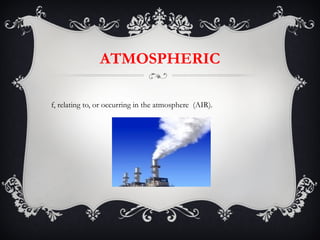
ATMOSPHERIC Of, relating to, or occurring in the atmosphere  (AIR).
ATOM The smallest particle of an element that can exist either alone or in combination.
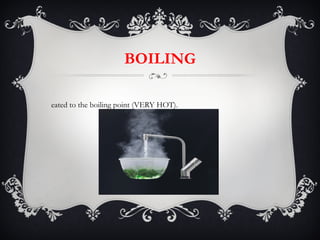
BOILING Heated to the boiling point (VERY HOT).
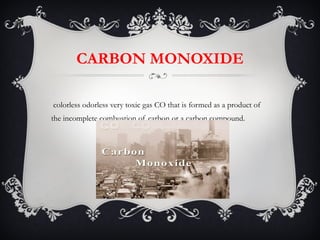
CARBON MONOXIDE A colorless odorless very toxic gas CO that is formed as a product of the incomplete combustion of carbon or a carbon compound.
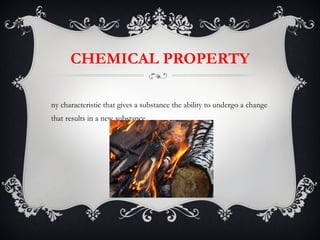
CHEMICAL PROPERTY Any characteristic that gives a substance the ability to undergo a change that results in a new substance.
CONDENSATION Is the change of the physical state of matter from gaseous phase into liquid phase, and is the reverse of evaporation.
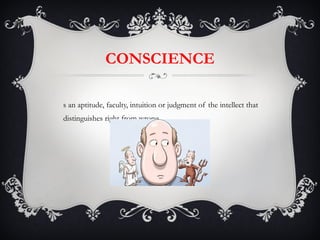
CONSCIENCE Is an aptitude, faculty, intuition or judgment of the intellect that distinguishes right from wrong.
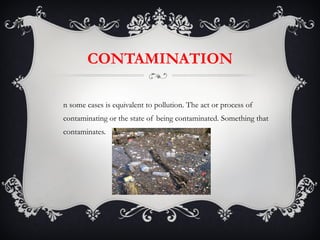
CONTAMINATION In some cases is equivalent to pollution. The act or process of contaminating or the state of being contaminated. Something that contaminates.
CONTRIBUTE To give or supply in common with others.
ENVIRONMENT The circumstances, objects, or conditions by which one is surrounded .
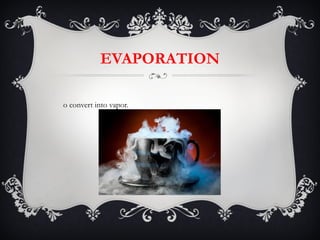
EVAPORATION To convert into vapor.
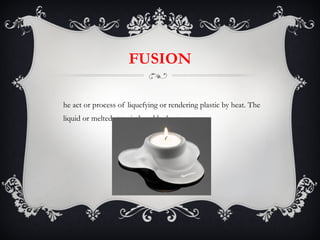
FUSION The act or process of liquefying or rendering plastic by heat. The liquid or melted state induced by heat.
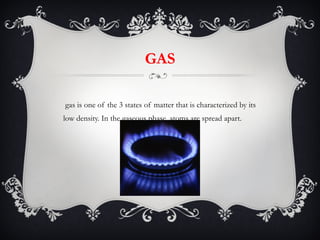
GAS A gas is one of the 3 states of matter that is characterized by its low density. In the gaseous phase, atoms are spread apart.
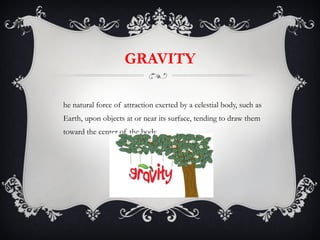
GRAVITY The natural force of attraction exerted by a celestial body, such as Earth, upon objects at or near its surface, tending to draw them toward the center of the body.
IMPACT The effect or impression of one thing on another.
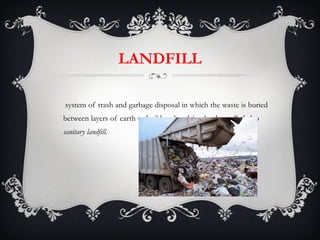
LANDFILL A system of trash and garbage disposal in which the waste is buried between layers of earth to build up low-lying land —called also  sanitary landfill.
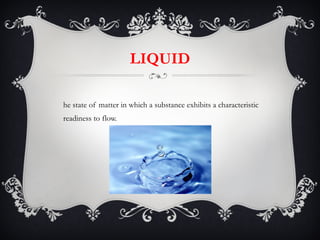
LIQUID The state of matter in which a substance exhibits a characteristic readiness to flow.
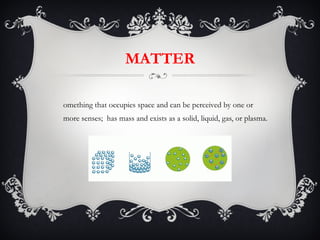
MATTER Something that occupies space and can be perceived by one or more senses;  has mass and exists as a solid, liquid, gas, or plasma.
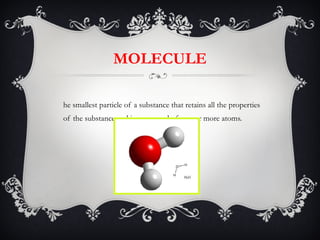
MOLECULE The smallest particle of a substance that retains all the properties of the substance and is composed of one or more atoms.
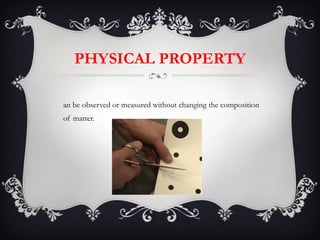
PHYSICAL PROPERTY Can be observed or measured without changing the composition of matter.
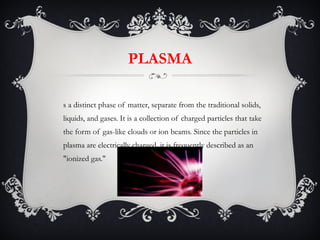
PLASMA Is a distinct phase of matter, separate from the traditional solids, liquids, and gases. It is a collection of charged particles that take the form of gas-like clouds or ion beams. Since the particles in plasma are electrically charged, it is frequently described as an "ionized gas."
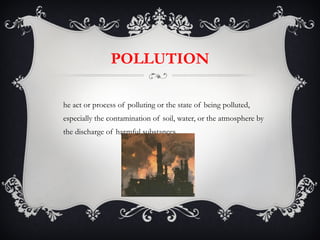
POLLUTION The act or process of polluting or the state of being polluted, especially the contamination of soil, water, or the atmosphere by the discharge of harmful substances.
PROPERTY A quality or trait belonging and especially peculiar to an individual or thing.
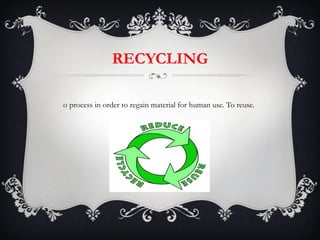
RECYCLING To process in order to regain material for human use. To reuse.
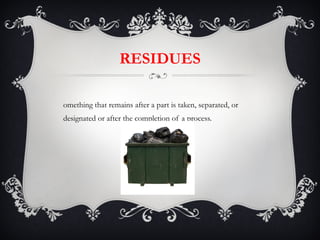
RESIDUES Something that remains after a part is taken, separated, or designated or after the completion of a process.
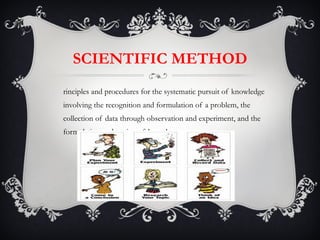
SCIENTIFIC METHOD Principles and procedures for the systematic pursuit of knowledge involving the recognition and formulation of a problem, the collection of data through observation and experiment, and the formulation and testing of hypotheses.
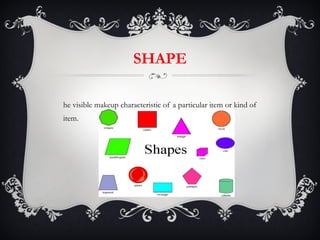
SHAPE The visible makeup characteristic of a particular item or kind of item.
SIZE Physical magnitude, extent, or bulk  :  relative or proportionate dimensions.
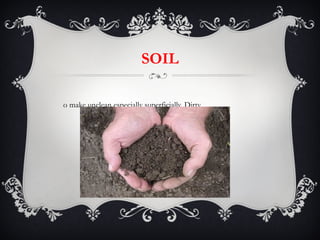
SOIL To make unclean especially superficially. Dirty.
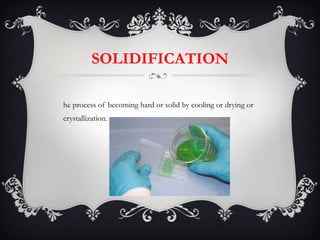
SOLIDIFICATION The process of becoming hard or solid by cooling or drying or crystallization.
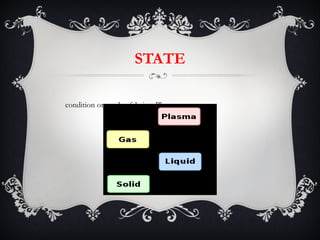
STATE A condition or mode of being. Phase.
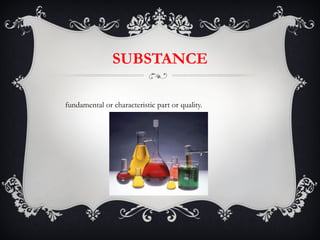
SUBSTANCE A fundamental or characteristic part or quality.
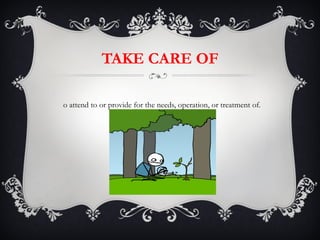
TAKE CARE OF To attend to or provide for the needs, operation, or treatment of.
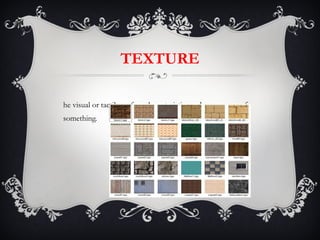
TEXTURE The visual or tactile surface characteristics and appearance of something.

Science vocabulary

  • 1.
    1 st M. Period 2011-2012 Teacher: Hans Quevedo
  • 2.
  • 3.
    ATMOSPHERIC Of, relatingto, or occurring in the atmosphere (AIR).
  • 4.
    ATOM The smallestparticle of an element that can exist either alone or in combination.
  • 5.
    BOILING Heated tothe boiling point (VERY HOT).
  • 6.
    CARBON MONOXIDE Acolorless odorless very toxic gas CO that is formed as a product of the incomplete combustion of carbon or a carbon compound.
  • 7.
    CHEMICAL PROPERTY Anycharacteristic that gives a substance the ability to undergo a change that results in a new substance.
  • 8.
    CONDENSATION Is thechange of the physical state of matter from gaseous phase into liquid phase, and is the reverse of evaporation.
  • 9.
    CONSCIENCE Is anaptitude, faculty, intuition or judgment of the intellect that distinguishes right from wrong.
  • 10.
    CONTAMINATION In somecases is equivalent to pollution. The act or process of contaminating or the state of being contaminated. Something that contaminates.
  • 11.
    CONTRIBUTE To giveor supply in common with others.
  • 12.
    ENVIRONMENT The circumstances,objects, or conditions by which one is surrounded .
  • 13.
  • 14.
    FUSION The actor process of liquefying or rendering plastic by heat. The liquid or melted state induced by heat.
  • 15.
    GAS A gasis one of the 3 states of matter that is characterized by its low density. In the gaseous phase, atoms are spread apart.
  • 16.
    GRAVITY The naturalforce of attraction exerted by a celestial body, such as Earth, upon objects at or near its surface, tending to draw them toward the center of the body.
  • 17.
    IMPACT The effector impression of one thing on another.
  • 18.
    LANDFILL A systemof trash and garbage disposal in which the waste is buried between layers of earth to build up low-lying land —called also sanitary landfill.
  • 19.
    LIQUID The stateof matter in which a substance exhibits a characteristic readiness to flow.
  • 20.
    MATTER Something thatoccupies space and can be perceived by one or more senses; has mass and exists as a solid, liquid, gas, or plasma.
  • 21.
    MOLECULE The smallestparticle of a substance that retains all the properties of the substance and is composed of one or more atoms.
  • 22.
    PHYSICAL PROPERTY Canbe observed or measured without changing the composition of matter.
  • 23.
    PLASMA Is adistinct phase of matter, separate from the traditional solids, liquids, and gases. It is a collection of charged particles that take the form of gas-like clouds or ion beams. Since the particles in plasma are electrically charged, it is frequently described as an "ionized gas."
  • 24.
    POLLUTION The actor process of polluting or the state of being polluted, especially the contamination of soil, water, or the atmosphere by the discharge of harmful substances.
  • 25.
    PROPERTY A qualityor trait belonging and especially peculiar to an individual or thing.
  • 26.
    RECYCLING To processin order to regain material for human use. To reuse.
  • 27.
    RESIDUES Something thatremains after a part is taken, separated, or designated or after the completion of a process.
  • 28.
    SCIENTIFIC METHOD Principlesand procedures for the systematic pursuit of knowledge involving the recognition and formulation of a problem, the collection of data through observation and experiment, and the formulation and testing of hypotheses.
  • 29.
    SHAPE The visiblemakeup characteristic of a particular item or kind of item.
  • 30.
    SIZE Physical magnitude,extent, or bulk : relative or proportionate dimensions.
  • 31.
    SOIL To makeunclean especially superficially. Dirty.
  • 32.
    SOLIDIFICATION The processof becoming hard or solid by cooling or drying or crystallization.
  • 33.
    STATE A conditionor mode of being. Phase.
  • 34.
    SUBSTANCE A fundamentalor characteristic part or quality.
  • 35.
    TAKE CARE OFTo attend to or provide for the needs, operation, or treatment of.
  • 36.
    TEXTURE The visualor tactile surface characteristics and appearance of something.