







SCALING 
GILT 
From Monolith Ruby App to Distributed 
Scala Micro·Services 
QCon · Brooklyn · 2014
Watch the video with slide 
synchronization on InfoQ.com! 
http://www.infoq.com/presentations/ 
scale-gilt 
InfoQ.com: News & Community Site 
• 750,000 unique visitors/month 
• Published in 4 languages (English, Chinese, Japanese and Brazilian 
Portuguese) 
• Post content from our QCon conferences 
• News 15-20 / week 
• Articles 3-4 / week 
• Presentations (videos) 12-15 / week 
• Interviews 2-3 / week 
• Books 1 / month
Presented at QCon New York 
www.qconnewyork.com 
Purpose of QCon 
- to empower software development by facilitating the spread of 
knowledge and innovation 
Strategy 
- practitioner-driven conference designed for YOU: influencers of 
change and innovation in your teams 
- speakers and topics driving the evolution and innovation 
- connecting and catalyzing the influencers and innovators 
Highlights 
- attended by more than 12,000 delegates since 2007 
- held in 9 cities worldwide
- GiltDirect, Sale Personalization, Loyalty, 
SED, Post-purchase, Login/Registration 
- MIT eS BS/Meng I Google I IBM I IDF 
- Israel I Brooklyn I eoffee I JS/Node I 
Arduino I Running I Kite Surfing I Poker
The lessons and challenges that we 
had/have with 
micro·service architecture
WHAT IS 
GILT? 
Flash Sales Business 
Founded in 2007 
Top 50 Internet-Retailer 
~150 Engineers
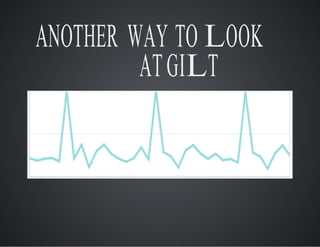
ANOTHER WAY TO LOOK 
AT GILT
THE CLASSIC 
STARTUP STORY
THE EARLY 
DAYS 
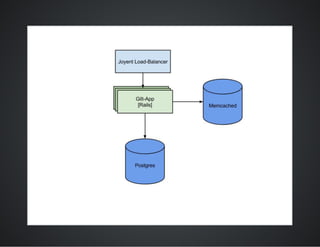
2007 - Ruby on Rails 
the hottest new thing 
The goal was to get to market fast
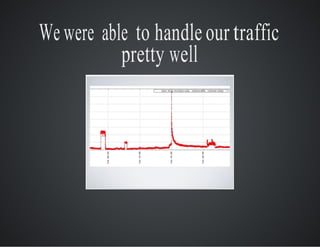
We were able to handle our traffic 
pretty well
UNTIL LOUBOUTIN CAME 
TO GILT
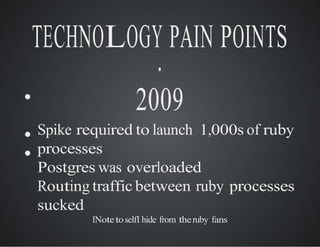
TECHNOLOGY PAIN POINTS 
· 
2009 
Spike required to launch 1,000s of ruby 
processes 
Postgres was overloaded 
Routing traffic between ruby processes 
sucked 
INote to selfI hide from the ruby fans
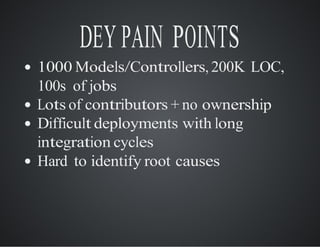
DEY PAIN POINTS 
1000 Models/Controllers, 200K LOC, 
100s of jobs 
Lots of contributors + no ownership 
Difficult deployments with long 
integration cycles 
Hard to identify root causes
WE NEEDED TO 
SOLVE THE 
PROBLEM FAST
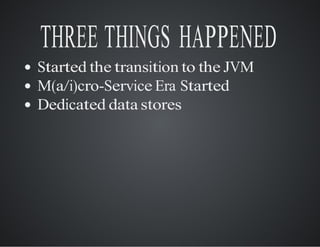
THREE THINGS HAPPENED 
Started the transition to the JVM 
M(a/i)cro-Service Era Started 
Dedicated data stores
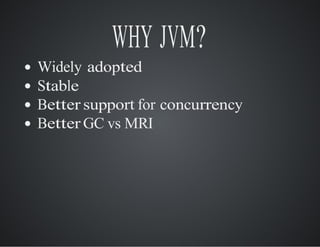
WHY JVM? 
Widely adopted 
Stable 
Better support for concurrency 
Better GC vs MRI
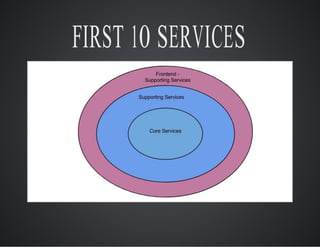
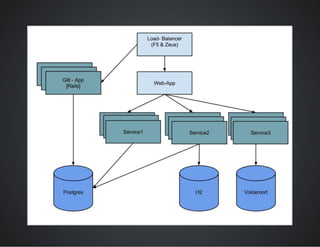
FIRST 10 SERVICES
We solved 90% of our arch scaling 
problem 
But not the Dev points
SOLVED PAIN POINTS 
Spike required to launch 1,000s of 
ruby 
processes 
Postgres was overloaded 
Routing traffic between ruby 
processes 
sucked
STILL OPEN PAIN 
POINTS 
New services became semi-monolithic 
1000Models/Controllers, 200K LOC, 
100s of jobs 
Lots of contributors + no ownership 
Difficult deployments with long 
integration cycles
WHY WE DOUBLED DOWN 
ON MICRO·SERVICES 
Empower teams and ownership 
Smaller scope 
Simpler and Easier deployments and 
rollbacks
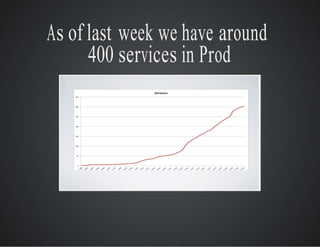
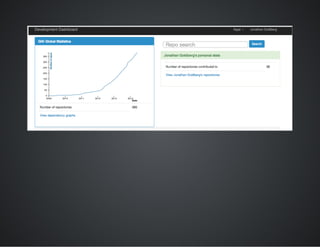
As of last week we have around 
400 services in Prod
We began the transition to Scala and 
Play 
LOSA • Lots Of Small (Web) 
Apps 
Same as micro-services but for web-apps
DEMO
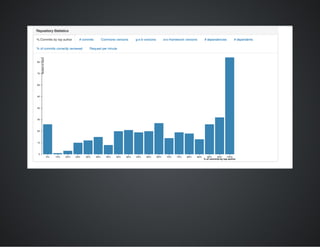
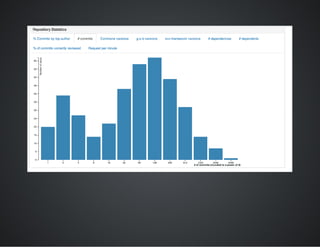
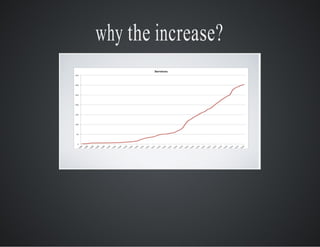
why the increase?
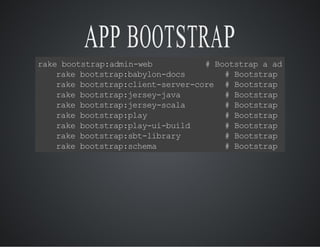
APP BOOTSTRAP 
rake bootstrap:admin-web # Bootstrap a ad 
rake bootstrap:babylon-docs # Bootstrap 
rake bootstrap:client-server-core # Bootstrap 
rake bootstrap:jersey-java # Bootstrap 
rake bootstrap:jersey-scala # Bootstrap 
rake bootstrap:play # Bootstrap 
rake bootstrap:play-ui-build # Bootstrap 
rake bootstrap:sbt-library # Bootstrap 
rake bootstrap:schema # Bootstrap
HOW TO DEFINE A 
MICROSERVICE? 
Functionality scope 
Number of devs involved
NEW CHALLENGES 
Deployments and Testing 
(Functional/lntegration) 
Dev/lntegration Environments 
Who owns this service!? 
Monitoring
ON DEPLOYMENTS 
AND TESTING 
"Testing isHARD" - 
the dev that sits on your left
T HE C H A LLENG ES TH A T 
WE FACED: 
Hard to execute functional tests between 
services 
Frustrating to deploy semi-manually 
(Capistrano) 
Scary to deploy other teams services
SBT 
Motivation: Scala adaption 
Complex Scala syntax 
Cool features: ~test, shell, console 
Hard to debug
GILT·SBT·BUILD 
Simple config for all the services 
Pulls many plugins: 
[nexus, testing,RPMs, run scripts, 
Monitoring, SemVer, ...] 
Custom commands (e.g 'sbt release')
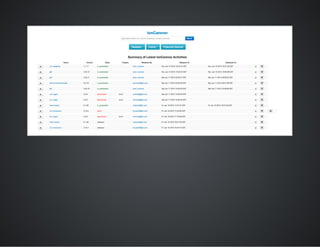
ION·CANNON + SBT 
Run tests on dedicated Env 
Supports Canary releases 
Easy rollbacks 
Integrated health checks
On Dev/lntegration Environments 
The hardware is not strong enough 
No one wants to compile 20 services 
Service Dependencies
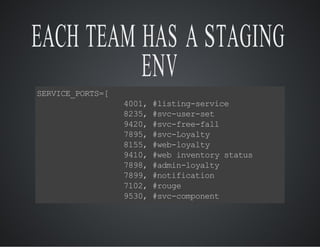
EACH TEAM HAS A STAGING 
ENV 
SERVICE_PORTS=[ 
4001, #listing-service 
8235, #svc-user-set 
9420, #svc-free-fall 
7895, #svc-Loyalty 
8155, #web-loyalty 
9410, #web inventory status 
7898, #admin-loyalty 
7899, #notification 
7102, #rouge 
9530, #svc-component
STAGING DIFFICULTIES: 
Hard to keep all the services up to date 
Maxed our staging env capacities 
Requires to have internet connection for 
some of the services (e.g LOSA-apps)
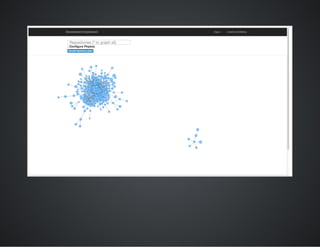
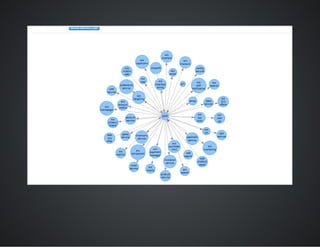
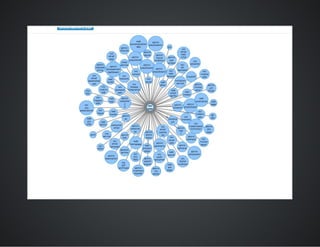
Dependency Fun [Demo]
THE FUTURE 
GO Reactive
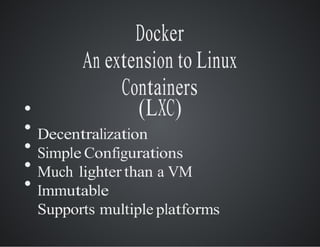
Docker 
An extension to Linux 
Containers 
(LXC) 
Decentralization 
SimpleConfigurations 
Much lighter than a VM 
Immutable 
Supports multiple platforms
ON OWNERSHIP 
"code stays much longer than people" - SB
CODE OWNERSHIP
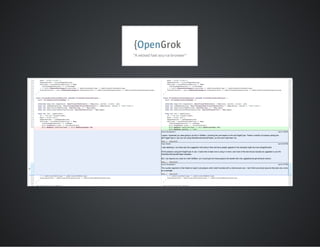
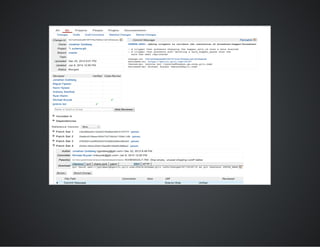
CURRENT APPROACH 
Code Review!Code Review!Code 
Review! 
Team owns services, not individual 
developers 
Ownership transfer
DATA OWNERSHIP
WE TRANSITIONED TO MICRO· 
DBS 
Third of the services have their own 
MongoDB I Postgres I Voldemort
MANAGE 
MICRO·RELATIONAL DBS 
SCHEMA 
EVOLUTION 
MANAGER 
https://github.com/gilt/schema-evolution- 
manager
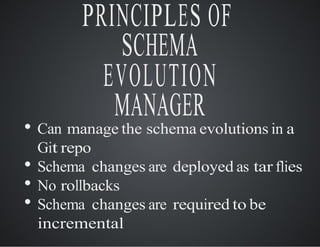
PRINCIPLES OF 
SCHEMA 
EVOLUTION 
MANAGER 
Can manage the schema evolutions in a 
Git repo 
Schema changes are deployed as tar flies 
No rollbacks 
Schema changes are required to be 
incremental
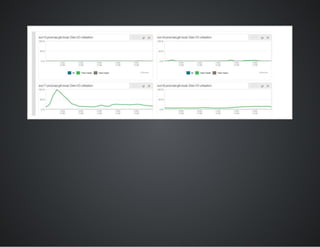
ON MONITORING
THE TOOLS WE USE 
graphite / openTSDB
Cheat Sheet 
Your organization has > 30 developers 
Deployments and integrations are 
difficult [You need a team for that] 
You can abstractly separate features and 
parts of your site 
Special hardware or performance needs 
for some features
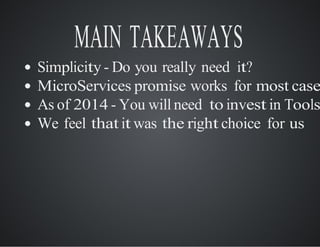
MAIN TAKEAWAYS 
Simplicity - Do you really need it? 
MicroServices promise works for most case 
As of 2014 - You will need to invest in Tools 
We feel that it was the right choice for us
WHAT'S NEXT ? 
BUILD YOUR NEXT 
FEATURE IN A NEW SERVICE
QUESTION TIME 
We are hiring... 
@yoni_goldberg 
jgoldberg@gilt.com 
www.yonigoldberg.com
SCALA BREAK
Why switch to Scala from Java 
Object-Functional Programming 
Akka 
Immutability that leads to easier 
concurrency 
Great libraries: like Salat, Scalaz 
Less boilerplate code - e.g Case classes, 
App 
Scala's Collections
Traits 
Cake Pattern 
Console 
SBT (in scala, release process) 
Option
Watch the video with slide synchronization on 
InfoQ.com! 
http://www.infoq.com/presentations/scale-gilt

Scaling Gilt: from Monolithic Ruby Application to Distributed Scala Micro-Services Architecture

  • 1.
    SCALING GILT FromMonolith Ruby App to Distributed Scala Micro·Services QCon · Brooklyn · 2014
  • 2.
    Watch the videowith slide synchronization on InfoQ.com! http://www.infoq.com/presentations/ scale-gilt InfoQ.com: News & Community Site • 750,000 unique visitors/month • Published in 4 languages (English, Chinese, Japanese and Brazilian Portuguese) • Post content from our QCon conferences • News 15-20 / week • Articles 3-4 / week • Presentations (videos) 12-15 / week • Interviews 2-3 / week • Books 1 / month
  • 3.
    Presented at QConNew York www.qconnewyork.com Purpose of QCon - to empower software development by facilitating the spread of knowledge and innovation Strategy - practitioner-driven conference designed for YOU: influencers of change and innovation in your teams - speakers and topics driving the evolution and innovation - connecting and catalyzing the influencers and innovators Highlights - attended by more than 12,000 delegates since 2007 - held in 9 cities worldwide
  • 4.
    - GiltDirect, SalePersonalization, Loyalty, SED, Post-purchase, Login/Registration - MIT eS BS/Meng I Google I IBM I IDF - Israel I Brooklyn I eoffee I JS/Node I Arduino I Running I Kite Surfing I Poker
  • 5.
    The lessons andchallenges that we had/have with micro·service architecture
  • 7.
    WHAT IS GILT? Flash Sales Business Founded in 2007 Top 50 Internet-Retailer ~150 Engineers
  • 9.
    ANOTHER WAY TOLOOK AT GILT
  • 10.
  • 11.
    THE EARLY DAYS 2007 - Ruby on Rails the hottest new thing The goal was to get to market fast
  • 13.
    We were ableto handle our traffic pretty well
  • 14.
  • 15.
    TECHNOLOGY PAIN POINTS · 2009 Spike required to launch 1,000s of ruby processes Postgres was overloaded Routing traffic between ruby processes sucked INote to selfI hide from the ruby fans
  • 16.
    DEY PAIN POINTS 1000 Models/Controllers, 200K LOC, 100s of jobs Lots of contributors + no ownership Difficult deployments with long integration cycles Hard to identify root causes
  • 17.
    WE NEEDED TO SOLVE THE PROBLEM FAST
  • 18.
    THREE THINGS HAPPENED Started the transition to the JVM M(a/i)cro-Service Era Started Dedicated data stores
  • 19.
    WHY JVM? Widelyadopted Stable Better support for concurrency Better GC vs MRI
  • 20.
  • 22.
    We solved 90%of our arch scaling problem But not the Dev points
  • 23.
    SOLVED PAIN POINTS Spike required to launch 1,000s of ruby processes Postgres was overloaded Routing traffic between ruby processes sucked
  • 24.
    STILL OPEN PAIN POINTS New services became semi-monolithic 1000Models/Controllers, 200K LOC, 100s of jobs Lots of contributors + no ownership Difficult deployments with long integration cycles
  • 25.
    WHY WE DOUBLEDDOWN ON MICRO·SERVICES Empower teams and ownership Smaller scope Simpler and Easier deployments and rollbacks
  • 26.
    As of lastweek we have around 400 services in Prod
  • 27.
    We began thetransition to Scala and Play LOSA • Lots Of Small (Web) Apps Same as micro-services but for web-apps
  • 28.
  • 36.
  • 37.
    APP BOOTSTRAP rakebootstrap:admin-web # Bootstrap a ad rake bootstrap:babylon-docs # Bootstrap rake bootstrap:client-server-core # Bootstrap rake bootstrap:jersey-java # Bootstrap rake bootstrap:jersey-scala # Bootstrap rake bootstrap:play # Bootstrap rake bootstrap:play-ui-build # Bootstrap rake bootstrap:sbt-library # Bootstrap rake bootstrap:schema # Bootstrap
  • 38.
    HOW TO DEFINEA MICROSERVICE? Functionality scope Number of devs involved
  • 40.
    NEW CHALLENGES Deploymentsand Testing (Functional/lntegration) Dev/lntegration Environments Who owns this service!? Monitoring
  • 41.
    ON DEPLOYMENTS ANDTESTING "Testing isHARD" - the dev that sits on your left
  • 42.
    T HE CH A LLENG ES TH A T WE FACED: Hard to execute functional tests between services Frustrating to deploy semi-manually (Capistrano) Scary to deploy other teams services
  • 43.
    SBT Motivation: Scalaadaption Complex Scala syntax Cool features: ~test, shell, console Hard to debug
  • 44.
    GILT·SBT·BUILD Simple configfor all the services Pulls many plugins: [nexus, testing,RPMs, run scripts, Monitoring, SemVer, ...] Custom commands (e.g 'sbt release')
  • 45.
    ION·CANNON + SBT Run tests on dedicated Env Supports Canary releases Easy rollbacks Integrated health checks
  • 47.
    On Dev/lntegration Environments The hardware is not strong enough No one wants to compile 20 services Service Dependencies
  • 48.
    EACH TEAM HASA STAGING ENV SERVICE_PORTS=[ 4001, #listing-service 8235, #svc-user-set 9420, #svc-free-fall 7895, #svc-Loyalty 8155, #web-loyalty 9410, #web inventory status 7898, #admin-loyalty 7899, #notification 7102, #rouge 9530, #svc-component
  • 49.
    STAGING DIFFICULTIES: Hardto keep all the services up to date Maxed our staging env capacities Requires to have internet connection for some of the services (e.g LOSA-apps)
  • 50.
  • 54.
    THE FUTURE GOReactive
  • 55.
    Docker An extensionto Linux Containers (LXC) Decentralization SimpleConfigurations Much lighter than a VM Immutable Supports multiple platforms
  • 56.
    ON OWNERSHIP "codestays much longer than people" - SB
  • 57.
  • 58.
    CURRENT APPROACH CodeReview!Code Review!Code Review! Team owns services, not individual developers Ownership transfer
  • 61.
  • 62.
    WE TRANSITIONED TOMICRO· DBS Third of the services have their own MongoDB I Postgres I Voldemort
  • 63.
    MANAGE MICRO·RELATIONAL DBS SCHEMA EVOLUTION MANAGER https://github.com/gilt/schema-evolution- manager
  • 64.
    PRINCIPLES OF SCHEMA EVOLUTION MANAGER Can manage the schema evolutions in a Git repo Schema changes are deployed as tar flies No rollbacks Schema changes are required to be incremental
  • 65.
  • 67.
    THE TOOLS WEUSE graphite / openTSDB
  • 73.
    Cheat Sheet Yourorganization has > 30 developers Deployments and integrations are difficult [You need a team for that] You can abstractly separate features and parts of your site Special hardware or performance needs for some features
  • 74.
    MAIN TAKEAWAYS Simplicity- Do you really need it? MicroServices promise works for most case As of 2014 - You will need to invest in Tools We feel that it was the right choice for us
  • 75.
    WHAT'S NEXT ? BUILD YOUR NEXT FEATURE IN A NEW SERVICE
  • 76.
    QUESTION TIME Weare hiring... @yoni_goldberg jgoldberg@gilt.com www.yonigoldberg.com
  • 77.
  • 78.
    Why switch toScala from Java Object-Functional Programming Akka Immutability that leads to easier concurrency Great libraries: like Salat, Scalaz Less boilerplate code - e.g Case classes, App Scala's Collections
  • 79.
    Traits Cake Pattern Console SBT (in scala, release process) Option
  • 80.
    Watch the videowith slide synchronization on InfoQ.com! http://www.infoq.com/presentations/scale-gilt