Sanskriti
ROUND 1
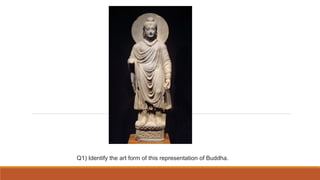
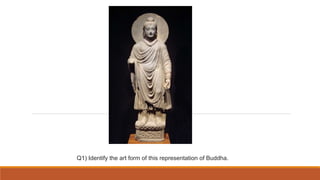
Q1) Identify the art form of this representation of Buddha.
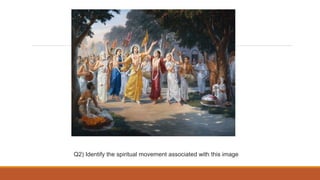
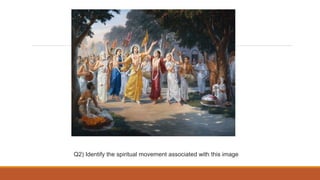
Q2) Identify the spiritual movement associated with this image
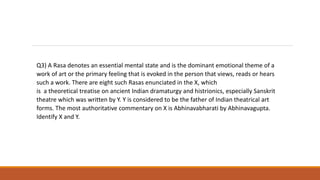
Q3) A Rasa denotes an essential mental state and is the dominant emotional theme of a
work of art or the primary feeling that is evoked in the person that views, reads or hears
such a work. There are eight such rasas enunciated in the X, which
is a theoretical treatise on ancient Indian dramaturgy and histrionics, especially Sanskrit
theatre which was written by Y. Y is considered to be the father of Indian theatrical art
forms. The most authoritative commentary on X is Abhinavabharati by Abhinavagupta.
Identify X and Y.
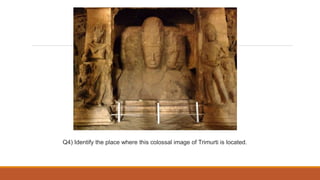
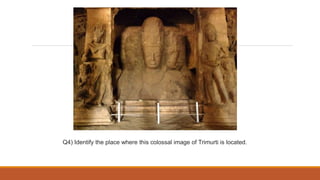
Q4) Identify the place where this colossal image of Trimurti is located.
Q5) Name the oldest surviving dance form of India on the basis of archaeological
evidences. It has been included in Indian Institute of Technology
Bhubaneswar's B.Tech. syllabus since 2015 as the first Indian national technical institute to
introduce any classical dance in syllabus. The history of this dance has been traced to early
sculptures found in the Ranigumpha caves at Udaygiri. It was also performed at Jagannath
temple.
Q6) Mudrarakshasa is a historical play in Sanskrit by Vishakhadatta and its plot involves
Chandragupta Maurya, who rules from Pataliputra, after having deposed the last of the
Nanda kings. Rakshasa the minister of Nanda, attempts to avenge his late master. Name the
minister of Chandragupta who succeeds in winning over Rakshasa to his master's side.
Q7) X is regarded as the "father of Qawwali" (a devotional music form of the Sufis
in the Indian subcontinent), and introduced the ghazal style of song into India.
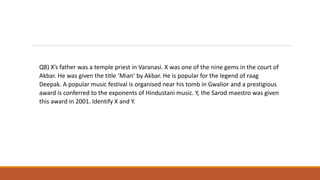
Q8) X’s father was a temple priest in Varanasi. X was one of the nine gems in the court of
Akbar. He was given the title ‘Mian’ by Akbar. He is popular for the legend of raag
Deepak. A popular music festival is organised near his tomb in Gwalior and a prestigious
award is conferred to the exponents of Hindustani music. Y, the Sarod maestro was given
this award in 2001. Identify X and Y.
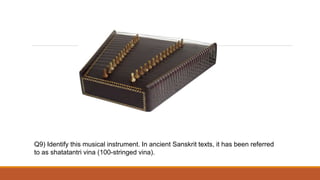
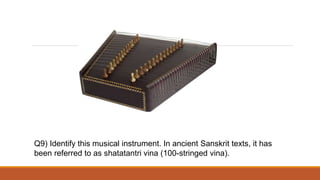
Q9) Identify this musical instrument. In ancient Sanskrit texts, it has been referred
to as shatatantri vina (100-stringed vina).
Q 10) Chitto Jetha Bhayshunyo (Where the mind is without fear) is one of the most
quoted poems in India and Bangladesh. It was written by X before India's independence, it
represents X’s dream of how the new, awakened India should fight and chase the British from
India. The original poem was published in 1910 and was included in the collection of poems Y.
Identify X and Y.
Q 11) Name the author of the monumental four-volume work Hindustani Sangeetha Padhathi.
These volumes form today the standard text on Hindustani music, an indispensable starting point
for any student of Hindustani Classical Music.
Q12) X was one of the best-known exponents of sitar in the second half of the 20th century as a
composer of Hindustani classical music. In 1956 X began to tour Europe and the Americas
playing Indian classical music and increased its popularity there in the 1960s through teaching,
performance, and X’s association with violinist Yehudi Menuhin and Beatles guitarist George
Harrison. From 1986 to 1992, X served as a nominated member of Rajya Sabha, In 1999, X was
awarded India's highest civilian honour, the Bharat Ratna.
Q13) Lavani, a Marathi dance for, derives its theme from a traditional form of Marathi theatre.
This form of theatre has two types, namely, dholki bhaari and the older form, sangeet
baari which contains more dance and music than drama. This theatrical form acquired its distinct
form during the rule of Peshwas in the 18th century. Name this theatrical form.
Q14) This dance form is almost always accompanied with a Dhol, which is a double-headed drum
and Chimta, which literally means tongs and is basically a percussion instrument. Most of the
area in which it was practiced (before 1947) became contained within Pakistan, however when
people moved to Punjab, India the free form of this traditional dance form was developed. Some
of the steps of this dance form mimic actions related to harvesting.
Q15) X is a well-known Sanskrit play by Kālidāsa, dramatizing a story told in the epic Mahabharata. The
protagonist Y, is a daughter of the sage Vishwamitra and the apsara Menaka. Our country is named after
an emperor, who was the son of Y. Identify X and Y.
Answers
Q1) Identify the art form of this representation of Buddha.
Ans 1. Greco-Buddhist art
Q2) Identify the spiritual movement associated with this image
Ans 2) Bhakti movement
Q3) A Rasa denotes an essential mental state and is the dominant emotional theme of a
work of art or the primary feeling that is evoked in the person that views, reads or hears
such a work. There are eight such Rasas enunciated in the X, which
is a theoretical treatise on ancient Indian dramaturgy and histrionics, especially Sanskrit
theatre which was written by Y. Y is considered to be the father of Indian theatrical art
forms. The most authoritative commentary on X is Abhinavabharati by Abhinavagupta.
Identify X and Y.
Ans 3) X = Nātyasāstra, Y= Bharat Muni
Q4) Identify the place where this colossal image of Trimurti is located.
Ans 4) Elephanta caves
Q5) Name the oldest surviving dance form of India on the basis of archaeological
evidences. IT has been included in Indian Institute of Technology
Bhubaneswar's BTech syllabus since 2015 as the first Indian national technical institute to
introduce any classical dance in syllabus. The history of this dance has been traced to early
sculptures found in the Ranigumpha caves at Udaygiri. It was also performed at Jagannath
temple.
Ans 5) Odissi
Q6) Mudrarakshasa is a historical play in Sanskrit by Vishakhadatta whose plot involves
Chandragupta Maurya, who is ruling from Pataliputra, after having deposed the last of the
Nanda kings. Rakshasa the minister of Nanda, attempts to avenge his late master. Name the
minister of Chandragupta who succeeds in winning over Rakshasa to his master's side.
Ans 6) Chanakya ( or Kautilya or Vishnu Gupta)
Q7) X is regarded as the "father of Qawwali" (a devotional music form of the Sufis in
the Indian subcontinent), and introduced the ghazal style of song into India.
Ans 7) Amir Khusrow
Q8) X’s father was a temple priest in Varanasi. X was one of the nine gems in the court of
Akbar. He was given the title ‘Mian’ by Akbar. He is popular for the legend of raag
Deepak. A popular music festival is organised near his tomb in Gwalior and a prestigious
award is conferred to the exponents of Hindustani music. Y, the Sarod maestro was given
this award in 2001. Identify X and Y.
Ans 8) X = Tansen (Ramtanu Misra) and Y = Ustad Amjad Ali Khan
Q9) Identify this musical instrument. In ancient Sanskrit texts, it has
been referred to as shatatantri vina (100-stringed vina).
Ans 9) Santoor
Q 10) Chitto Jetha Bhayshunyo (Where the mind is without fear) is one of the most
quoted poems in India and Bangladesh. It was written by X before India's independence, it
represents X’s dream of how the new, awakened India should fight and chase the British from
India. The original poem was published in 1910 and was included in the collection of poems Y.
Identify X and Y.
Ans 10) X=Rabindranath Tagore, Y=Gitanjali
Q 11) Name the author of the monumental four-volume work Hindustani Sangeetha Padhathi.
These volumes form today the standard text on Hindustani music, an indispensable starting point
for any student of Hindustani Classical Music.
Ans 11) Pandit Vishnu Narayan Bhatkhande
Q12) X was one of the best-known exponents of sitar in the second half of the 20th century as a
composer of Hindustani classical music. In 1956 X began to tour Europe and the Americas
playing Indian classical music and increased its popularity there in the 1960s through teaching,
performance, and X’s association with violinist Yehudi Menuhin and Beatles guitarist George
Harrison. From 1986 to 1992, X served as a nominated member of Rajya Sabha, In 1999, X was
awarded India's highest civilian honour, the Bharat Ratna.
Ans 12) Pandit Ravi Shankar (born Robindro Shaunkor Chowdhury)
Q13) Lavani, a Marathi dance for, derives its theme from a traditional form of Marathi theatre.
This form of theatre has two types, namely, dholki bhaari and the older form, sangeet
baari which contains more dance and music than drama. This theatrical form acquired its distinct
form during the rule of Peshwas in the 18th century. Name this theatrical form.
Ans 13) Tamasha
Q14) This dance form is almost always accompanied with a Dhol, which is a double-headed drum
and Chimta, which literally means tongs and is basically a percussion instrument. Most of the
area in which it was practiced (before 1947) became contained within Pakistan, however when
people moved to Punjab, India the free form of this traditional dance form was developed. Some
of the steps of this dance form mimic actions related to harvesting.
Ans 14) Bhangra
Q15) X is a well-known Sanskrit play by Kālidāsa, dramatizing a story told in the epic
Mahabharata. The protagonist Y, is a daughter of the sage Vishwamitra and the apsara
Menaka. Our country is named after an emperor, who was the son of Y. Identify X and
Y.
Q15) X= Abhijñānaśākuntalam Y=Shakuntala
Pounce
Q1) X is a form of Indian classical dance that originated in the temples of Tamil Nadu. Lord Shiva
in his Nataraja form is considered the God of this dance. it is more commonly danced by women.
It’s also known by names such as adir, Chinnamelan and most commonly Dasi Attam. The word X
comprises of Sanskrit words which mean expression, music, rhythm and dance.
Bharatnatyam
Q2) X is a type of silver Filigree work from Cuttack, a city from Odisha in the eastern part
of India. The jewelry worn in Odissi are made using X technique. During Durga Puja in Cuttack,
pandals, ornaments and backdrop are made by artisans using X technique.
Ans 2) Tarakasi or Tarakashi
Q 3) Seethalakshmi Doraiswamy and Nemani Somayajulu are accomplished players of which
musical instrument?
Ans 3) Jal tarang
Q4) In St.Petersburg, Russia, a music festival is organised every year, to promote Indian classical
music and one particular Indian musical instrument.
Ans 4) Sitar
Q5) Name the state(X) in which Shigmo or Shishirotsava is celebrated during Holi and by which
community (Y).
Ans 5) X= Goa, Y= Konkani diaspora
Q18) Name the folk theatre which is partly entertainment and partly a ritual offering made to
Goddess Amba. This form of theatre belongs to Western India, especially Gujarat.
Ans 5) Bhavai, also known as Vesha or Swang
Image Connect
+50/-40
+40/-30
+30/-20
+20/-10
+10/0
Solution
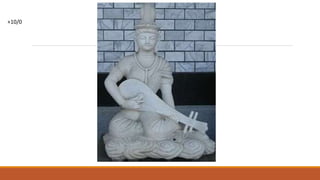
Solution : Saraswati
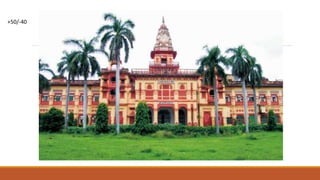
Image 1) Benaras Hindu University, its logo is the image of Saraswati
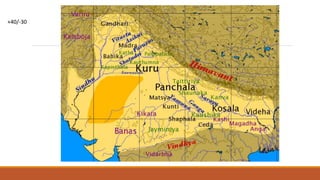
Image 2) This map shows where ancient, but now extinct “Saraswati” river might have been
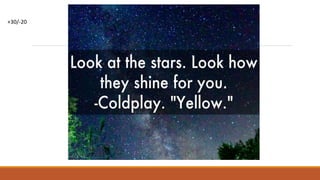
Image 3) Saraswati Puja occurs on Vasant Panchami and the colour Yellow plays an important
role in it. The celebrants wear yellow dress and offerings such as sweet saffron rice and yellow
sweets are consumed.
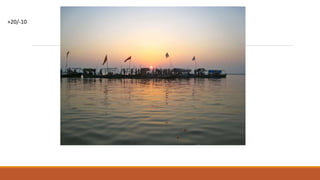
Image 4) Sangam Triveni where Ganga, Yamuna and “mythical” Saraswati meet
Image 5) Saraswati is known as “Benzaiten” in Japan.

Sanskriti

  • 1.
  • 2.
    Q1) Identify theart form of this representation of Buddha.
  • 3.
    Q2) Identify thespiritual movement associated with this image
  • 4.
    Q3) A Rasadenotes an essential mental state and is the dominant emotional theme of a work of art or the primary feeling that is evoked in the person that views, reads or hears such a work. There are eight such rasas enunciated in the X, which is a theoretical treatise on ancient Indian dramaturgy and histrionics, especially Sanskrit theatre which was written by Y. Y is considered to be the father of Indian theatrical art forms. The most authoritative commentary on X is Abhinavabharati by Abhinavagupta. Identify X and Y.
  • 5.
    Q4) Identify theplace where this colossal image of Trimurti is located.
  • 6.
    Q5) Name theoldest surviving dance form of India on the basis of archaeological evidences. It has been included in Indian Institute of Technology Bhubaneswar's B.Tech. syllabus since 2015 as the first Indian national technical institute to introduce any classical dance in syllabus. The history of this dance has been traced to early sculptures found in the Ranigumpha caves at Udaygiri. It was also performed at Jagannath temple.
  • 7.
    Q6) Mudrarakshasa isa historical play in Sanskrit by Vishakhadatta and its plot involves Chandragupta Maurya, who rules from Pataliputra, after having deposed the last of the Nanda kings. Rakshasa the minister of Nanda, attempts to avenge his late master. Name the minister of Chandragupta who succeeds in winning over Rakshasa to his master's side.
  • 8.
    Q7) X isregarded as the "father of Qawwali" (a devotional music form of the Sufis in the Indian subcontinent), and introduced the ghazal style of song into India.
  • 9.
    Q8) X’s fatherwas a temple priest in Varanasi. X was one of the nine gems in the court of Akbar. He was given the title ‘Mian’ by Akbar. He is popular for the legend of raag Deepak. A popular music festival is organised near his tomb in Gwalior and a prestigious award is conferred to the exponents of Hindustani music. Y, the Sarod maestro was given this award in 2001. Identify X and Y.
  • 10.
    Q9) Identify thismusical instrument. In ancient Sanskrit texts, it has been referred to as shatatantri vina (100-stringed vina).
  • 11.
    Q 10) ChittoJetha Bhayshunyo (Where the mind is without fear) is one of the most quoted poems in India and Bangladesh. It was written by X before India's independence, it represents X’s dream of how the new, awakened India should fight and chase the British from India. The original poem was published in 1910 and was included in the collection of poems Y. Identify X and Y.
  • 12.
    Q 11) Namethe author of the monumental four-volume work Hindustani Sangeetha Padhathi. These volumes form today the standard text on Hindustani music, an indispensable starting point for any student of Hindustani Classical Music.
  • 13.
    Q12) X wasone of the best-known exponents of sitar in the second half of the 20th century as a composer of Hindustani classical music. In 1956 X began to tour Europe and the Americas playing Indian classical music and increased its popularity there in the 1960s through teaching, performance, and X’s association with violinist Yehudi Menuhin and Beatles guitarist George Harrison. From 1986 to 1992, X served as a nominated member of Rajya Sabha, In 1999, X was awarded India's highest civilian honour, the Bharat Ratna.
  • 14.
    Q13) Lavani, aMarathi dance for, derives its theme from a traditional form of Marathi theatre. This form of theatre has two types, namely, dholki bhaari and the older form, sangeet baari which contains more dance and music than drama. This theatrical form acquired its distinct form during the rule of Peshwas in the 18th century. Name this theatrical form.
  • 15.
    Q14) This danceform is almost always accompanied with a Dhol, which is a double-headed drum and Chimta, which literally means tongs and is basically a percussion instrument. Most of the area in which it was practiced (before 1947) became contained within Pakistan, however when people moved to Punjab, India the free form of this traditional dance form was developed. Some of the steps of this dance form mimic actions related to harvesting.
  • 16.
    Q15) X isa well-known Sanskrit play by Kālidāsa, dramatizing a story told in the epic Mahabharata. The protagonist Y, is a daughter of the sage Vishwamitra and the apsara Menaka. Our country is named after an emperor, who was the son of Y. Identify X and Y.
  • 17.
  • 18.
    Q1) Identify theart form of this representation of Buddha.
  • 19.
  • 20.
    Q2) Identify thespiritual movement associated with this image
  • 21.
    Ans 2) Bhaktimovement
  • 22.
    Q3) A Rasadenotes an essential mental state and is the dominant emotional theme of a work of art or the primary feeling that is evoked in the person that views, reads or hears such a work. There are eight such Rasas enunciated in the X, which is a theoretical treatise on ancient Indian dramaturgy and histrionics, especially Sanskrit theatre which was written by Y. Y is considered to be the father of Indian theatrical art forms. The most authoritative commentary on X is Abhinavabharati by Abhinavagupta. Identify X and Y.
  • 23.
    Ans 3) X= Nātyasāstra, Y= Bharat Muni
  • 24.
    Q4) Identify theplace where this colossal image of Trimurti is located.
  • 25.
  • 26.
    Q5) Name theoldest surviving dance form of India on the basis of archaeological evidences. IT has been included in Indian Institute of Technology Bhubaneswar's BTech syllabus since 2015 as the first Indian national technical institute to introduce any classical dance in syllabus. The history of this dance has been traced to early sculptures found in the Ranigumpha caves at Udaygiri. It was also performed at Jagannath temple.
  • 27.
  • 28.
    Q6) Mudrarakshasa isa historical play in Sanskrit by Vishakhadatta whose plot involves Chandragupta Maurya, who is ruling from Pataliputra, after having deposed the last of the Nanda kings. Rakshasa the minister of Nanda, attempts to avenge his late master. Name the minister of Chandragupta who succeeds in winning over Rakshasa to his master's side.
  • 29.
    Ans 6) Chanakya( or Kautilya or Vishnu Gupta)
  • 30.
    Q7) X isregarded as the "father of Qawwali" (a devotional music form of the Sufis in the Indian subcontinent), and introduced the ghazal style of song into India.
  • 31.
    Ans 7) AmirKhusrow
  • 32.
    Q8) X’s fatherwas a temple priest in Varanasi. X was one of the nine gems in the court of Akbar. He was given the title ‘Mian’ by Akbar. He is popular for the legend of raag Deepak. A popular music festival is organised near his tomb in Gwalior and a prestigious award is conferred to the exponents of Hindustani music. Y, the Sarod maestro was given this award in 2001. Identify X and Y.
  • 33.
    Ans 8) X= Tansen (Ramtanu Misra) and Y = Ustad Amjad Ali Khan
  • 34.
    Q9) Identify thismusical instrument. In ancient Sanskrit texts, it has been referred to as shatatantri vina (100-stringed vina).
  • 35.
  • 36.
    Q 10) ChittoJetha Bhayshunyo (Where the mind is without fear) is one of the most quoted poems in India and Bangladesh. It was written by X before India's independence, it represents X’s dream of how the new, awakened India should fight and chase the British from India. The original poem was published in 1910 and was included in the collection of poems Y. Identify X and Y.
  • 37.
    Ans 10) X=RabindranathTagore, Y=Gitanjali
  • 38.
    Q 11) Namethe author of the monumental four-volume work Hindustani Sangeetha Padhathi. These volumes form today the standard text on Hindustani music, an indispensable starting point for any student of Hindustani Classical Music.
  • 39.
    Ans 11) PanditVishnu Narayan Bhatkhande
  • 40.
    Q12) X wasone of the best-known exponents of sitar in the second half of the 20th century as a composer of Hindustani classical music. In 1956 X began to tour Europe and the Americas playing Indian classical music and increased its popularity there in the 1960s through teaching, performance, and X’s association with violinist Yehudi Menuhin and Beatles guitarist George Harrison. From 1986 to 1992, X served as a nominated member of Rajya Sabha, In 1999, X was awarded India's highest civilian honour, the Bharat Ratna.
  • 41.
    Ans 12) PanditRavi Shankar (born Robindro Shaunkor Chowdhury)
  • 42.
    Q13) Lavani, aMarathi dance for, derives its theme from a traditional form of Marathi theatre. This form of theatre has two types, namely, dholki bhaari and the older form, sangeet baari which contains more dance and music than drama. This theatrical form acquired its distinct form during the rule of Peshwas in the 18th century. Name this theatrical form.
  • 43.
  • 44.
    Q14) This danceform is almost always accompanied with a Dhol, which is a double-headed drum and Chimta, which literally means tongs and is basically a percussion instrument. Most of the area in which it was practiced (before 1947) became contained within Pakistan, however when people moved to Punjab, India the free form of this traditional dance form was developed. Some of the steps of this dance form mimic actions related to harvesting.
  • 45.
  • 46.
    Q15) X isa well-known Sanskrit play by Kālidāsa, dramatizing a story told in the epic Mahabharata. The protagonist Y, is a daughter of the sage Vishwamitra and the apsara Menaka. Our country is named after an emperor, who was the son of Y. Identify X and Y.
  • 47.
  • 48.
    Pounce Q1) X isa form of Indian classical dance that originated in the temples of Tamil Nadu. Lord Shiva in his Nataraja form is considered the God of this dance. it is more commonly danced by women. It’s also known by names such as adir, Chinnamelan and most commonly Dasi Attam. The word X comprises of Sanskrit words which mean expression, music, rhythm and dance.
  • 49.
  • 50.
    Q2) X isa type of silver Filigree work from Cuttack, a city from Odisha in the eastern part of India. The jewelry worn in Odissi are made using X technique. During Durga Puja in Cuttack, pandals, ornaments and backdrop are made by artisans using X technique.
  • 51.
    Ans 2) Tarakasior Tarakashi
  • 52.
    Q 3) SeethalakshmiDoraiswamy and Nemani Somayajulu are accomplished players of which musical instrument?
  • 53.
    Ans 3) Jaltarang
  • 54.
    Q4) In St.Petersburg,Russia, a music festival is organised every year, to promote Indian classical music and one particular Indian musical instrument.
  • 55.
  • 56.
    Q5) Name thestate(X) in which Shigmo or Shishirotsava is celebrated during Holi and by which community (Y).
  • 57.
    Ans 5) X=Goa, Y= Konkani diaspora
  • 58.
    Q18) Name thefolk theatre which is partly entertainment and partly a ritual offering made to Goddess Amba. This form of theatre belongs to Western India, especially Gujarat.
  • 59.
    Ans 5) Bhavai,also known as Vesha or Swang
  • 60.
  • 61.
  • 62.
  • 63.
  • 64.
  • 65.
  • 66.
  • 67.
    Solution : Saraswati Image1) Benaras Hindu University, its logo is the image of Saraswati Image 2) This map shows where ancient, but now extinct “Saraswati” river might have been Image 3) Saraswati Puja occurs on Vasant Panchami and the colour Yellow plays an important role in it. The celebrants wear yellow dress and offerings such as sweet saffron rice and yellow sweets are consumed. Image 4) Sangam Triveni where Ganga, Yamuna and “mythical” Saraswati meet Image 5) Saraswati is known as “Benzaiten” in Japan.