IAES International Journal of Artificial Intelligence (IJ-AI)
Vol. 14, No. 3, June 2025, pp. 2123~2131
ISSN: 2252-8938, DOI: 10.11591/ijai.v14.i3.pp2123-2131  2123
Journal homepage: http://ijai.iaescore.com
SaaS reusability assessment using machine learning techniques
Deepika, Om Prakash Sangwan, Jai Bhagwan
Department of Computer Science and Engineering, Guru Jambheshwar University of Science and Technology, Hisar, India
Article Info ABSTRACT
Article history:
Received Aug 1, 2024
Revised Feb 13, 2025
Accepted Mar 15, 2025
With the aid of internet, cloud computing offers hardware and software
resources as cloud service. Cloud computing is developing as an effective
criterion for reusing. Software-as-a-service (SaaS) is one of the three cloud
deployment models that provide on-demand software on a charge basis. A
reusability model for SaaS needs to be developed in order to increase its
benefits and effectively help end users. A product’s ability to be reused is
essential to its easy and effective development. We have presented a
software reusability estimation model in this paper. We have assessed the
SaaS reusability using machine learning techniques such as adaptive neuro-
fuzzy inference system (ANFIS), linear regression, support vector machine
(SVM), ensemble, and neural networks. We compared machine learning
models using commonality, accessibility, availability, customizability, and
efficiency, as the SaaS reusability criteria. The root mean squared error
(RMSE), mean squared error (MSE), and mean absolute error (MAE) are
used to validate the findings from recommended methodologies with the
required level of accuracy. The evaluation's findings have shown that
machine learning algorithms yield estimations with a better degree of
accuracy, making them more advantageous and practical for SaaS service
providers as well as customers.
Keywords:
Adaptive neuro-fuzzy inference
system
Ensemble trees
Neural networks
Regression tree
Support vector machine
This is an open access article under the CC BY-SA license.
Corresponding Author:
Deepika
Department of Computer Science and Engineering, Guru Jambheshwar University of Science and Technology
Hisar, Haryana, India
Email: deepikagodara92@gmail.com
1. INTRODUCTION
Software-as-a-service (SaaS) is an on-demand software service that allows subscribers to use
approved, centrally supported software. It enables users to offer online cloud-based services. SaaS is the new
form of identification for any organization undertaking a digitalisation. SaaS is how businesses make money,
change course in response to client demand, improve already-existing apps, drive innovation, and launch fast
enough to outperform rivals. SaaS is a marketing strategies discussion, that we have with clients that focuses
on company development, monetization factors, and it also discusses opportunity for effective as well as
speedier customer onboarding to create money [1]. There should be efficient processes to assist the creation
of SaaS services with high reusability and applicability if we are to fully reap the benefits of SaaS. A reusable
cloud service is usually made broadly available to a variety of cloud users using the SaaS delivery paradigm.
Traditional techniques, such object-oriented methods, are ill-suited to handle SaaS-specific engineering tasks
like modelling shared features, managing unpredictability, and creating high-quality service designs [2].
Software reusability promotes cost and time efficiency in software design. Therefore, estimating software
reusability metrics is crucial in the software business, and machine learning approaches enable improved
forecasting and decision-making. Machine learning methods are rapidly replacing classic mathematical
statistics models. Digitalization solutions attracted a lot of attention to machine learning.
 ISSN: 2252-8938
Int J Artif Intell, Vol. 14, No. 3, June 2025: 2123-2131
2124
Prior to grasping the problem statement, it is crucial to comprehend the rationale behind our
assessment of cloud services. Estimation of cloud services is important because of the transit gap that exists
between cloud users and cloud services. It is imperative to establish a trust model for cloud services due to
the numerous security vulnerabilities pertaining to data integrity and confidentiality that cloud services face
[3]. The management of cloud computing necessitates the consideration of several key factors, including
resource utilization, throughput, and availability. Customers want services that are both efficient and
economical in this new era of artificial intelligence and machine learning. It takes more time and money to
create a software product or service from scratch. Numerous unrelated parameters influence these factors,
making it challenging to derive a model using these parameters. Building a model for reusability estimation
is now required since SaaS has shown to be a useful foundation for assessing reusability and building a
product quickly, effectively, and flexibly, depends heavily on machine learning techniques. Although other
cloud services have been examined in earlier studies, software reusability and SaaS have received
comparatively lesser consideration. Research into the topic of SaaS reusability is necessary since it offers
several advantages, including the ability to construct SaaS applications within the required time frame, lower
development costs, and a reduction in software crisis issues.
In the past years, a number of contributory study models have evolved to address the issues
mentioned above and a number of other unexplored issues. For this purpose, a variety of pertinent literatures
have been introduced. Iterative methods were employed by Ali et al. [4] to develop a customization model
for SaaS quality. Three stages comprise the work: the conceptualization, analysis, and validity test phases.
We can easily analyze the impact of software customization on SaaS quality based on the obtained results.
Wang et al. [5] evaluated cloud service providers using fuzzy logic control and computed the uncertainty of
cloud service quality using fuzzy logic approach. From 2010 to 2021, Alaswad and Poovammal [6] examined
machine learning methods and software metrics. The best methods for predicting software quality and
reusability are machine learning approaches. Software with a machine learning foundation aids in the
effective completion of tasks by software engineers. The fundamental classification methods, such as
Bayesian networks, k-nearest neighbors (KNN), support vector machine (SVM), and decision tree induction,
were introduced and contrasted by Soofi and Awan [7]. They also spoke about the benefits and downsides of
each of these methods. Machine learning produces the best results for assessing the reusability of software
components [8]. For reusability estimation and validation, they employed the random forest method and
gradient boosting technique, measuring performance measures such as accuracy, error rate, and mean absolute
error (MAE). Subha et al. [9] have suggested an artificial intelligence approach for software reusability
prediction. They discovered that the flexible random fit-artificial neural network (ANN) method works better
than other machine learning approaches and provides a better estimate of reusability. Prediction accuracy is
increased using ensemble-based learning models [10]. Neural networks, SVM, random forest, Bayesian
networks, and decision trees are a few of them. Geertsema and Jansen [11] defined the different kinds of
software artifacts and spoke about ways to improve software sustainability and reuse. Sethi and Kumar [12]
have investigated SaaS quality characteristics and reusability measurements. Hassan et al. [13] have provided
a comprehensive services analysis on cloud computing, including the most recent developments, related
difficulties, and security-related solutions. Ikram et al. [14] employed fuzzy logic and technique for order
preference by similarity to ideal solution (TOPSIS) multi-criteria decision making (MCDM) techniques for
linguistically based SaaS quality attribute evaluation. The suggested method has enhanced the assessment
and aids in choosing the best service provider. Trabay et al. [15] have employed a hybrid fuzzy logic and
MCDM technique to assess trust of cloud services. Huang et al. [16] have utilized back propagation (BP)
neural networks, SVM, and extreme learning machine algorithms for regression issues.
The suggested models discussed in this work address the efficacy of machine learning techniques
related to software reusability assessment. Together with included insights to the present state of research
trends, the offered models help to emphasize the efficacy of machine learning approaches employed for SaaS
reusability evaluation. Based on the findings of [17], we identified several measures and variables that
influence the reusability of SaaS services and presented metrics for assessing SaaS reusability. Continuing
previous work, we provide in this study a software reusability model for evaluating the reusability of SaaS
utilizing adaptive neuro-fuzzy inference system (ANFIS), linear regression, SVM, ensemble trees, and neural
network. There is no or little effort being done in the subject of software reusability and SaaS. Based on the
previously discussed analysis of measurements, models, and difficulties related to cloud computing services,
SaaS service providers will find great use for the suggested SaaS reusability estimation. To emphasize the
open-ended problems that have not yet been addressed by any recent research papers, a concise summary of
the research questions is also provided. The more sophisticated deep learning and machine learning models
may be examined and contrasted in future research. In our future work, we are currently gathering real-world
data related to different SaaS services and will use more sophisticated machine learning models to estimate
Int J Artif Intell ISSN: 2252-8938 
SaaS reusability assessment using machine learning techniques (Deepika)
2125
SaaS reusability. A brief overview of the method used to conduct the current investigation is provided in the
next section.
2. METHOD
Numerous studies have been conducted on the use of machine learning techniques. Given the
variety of methods that are being provided, a special technique is needed to make the conversation more
organized. Figure 1 illustrates the several steps required in crafting the suggested approach, which is the
technique used in the proposed study.
Figure 1. Flowchart of proposed methodology
According to Figure 1, the identification of SaaS reusability attributes is associated with the first
step. We have determined the five most crucial elements: commonality, accessibility, availability,
customizability, and efficiency that influence SaaS reusability, based on the research of [17]. In second step
for dataset preparation, the research data was obtained from the fuzzy logic toolbox in MATLAB. There are
150 entries in all in the data, which was gathered via the fuzzy logic toolbox's rule base editor. Six
characteristics, or five input attributes and one output attribute, were used to create the rule base system.
These attributes were obtained from [17]. Every characteristic has a range inside [0–1]. In step third, with
MATLAB R2023b, a comparative comparison of several machine learning algorithms was performed. To get
the findings, we utilized the ANFIS toolbox, the fuzzy logic toolbox, the classification learner app, and the
regression learner app in MATLAB. In step 4, the models were evaluated and trained using the designated
MATLAB programs. Using validation metrics like root mean squared error (RMSE), mean squared error
(MSE), R-squared (R2
), and MAE, all of the models were compared at the final stage. The next section
discusses model implementation, results, and discussions.
3. RESULTS AND DISCUSSION
The impact of reusability on SaaS applications is examined in this study. Although previous
research has looked at how reusability affects cloud services, it hasn't specifically addressed how reusability
affects SaaS, platform as a service (PaaS), and infrastructure as a service (IaaS) separately. Since different
cloud services must concentrate on distinct features in order to create reusable services, focusing on and
taking into account the effects of reusability on various cloud apps independently will produce more
improved and efficient outcomes and assist software developers in reusing specific cloud applications.
Therefore, the reusability of SaaS applications is the main emphasis of our work. In this section, the attributes
selected, the dataset being used, and the machine learning techniques utilized for SaaS reusability evaluation
and the results of research is explained.
3.1. Attribute selection
Based on the finding of [17], we identified five important attributes of SaaS i.e., commonality,
customizability, accessibility, availability, and efficiency for estimation of SaaS reusability. The
aforementioned SaaS reusability attributes are used in the implementation of machine learning models.
3.2. Dataset used
In this paper, we are using a custom-designed dataset. With MATLAB, the fuzzy logic toolbox is
used to create the dataset. To determine the value of software reusability of SaaS based on the values of five
input attributes-commonality, accessibility, availability, customizability, and efficiency- the rule base editor
Compare Results using RMSE, R2, MSE and MAE
Train and Test Model
Model Implementation using ANFIS, SVM, Regression, Ensemble, Neural Network
Dataset Preparation
Identify SaaS Reusability Attributes
 ISSN: 2252-8938
Int J Artif Intell, Vol. 14, No. 3, June 2025: 2123-2131
2126
of fuzzy logic toolbox is used. This toolbox is used to create a Microsoft Excel file of 150 record sets that is
used for estimation and comparison of software reusability of SaaS using various machine learning models
used in our research work.
3.3. Model implementation
The suggested supervised machine learning models, which are based on the above-mentioned SaaS
reusability attributes of commonality, accessibility, availability, customizability, and efficiency, are presented
next. The models are compared in order to verify the effectiveness of the suggested techniques. The models'
explanations and outcomes are provided as follows:
3.3.1. Adaptive neuro-fuzzy inference system
Neuro-fuzzy models can manage inaccurate or partial input and are effective at recognizing patterns.
When compared to other machine learning models, the normalized error, or RMSE, achieved by ANFIS is
lower [18]. Compared to previous neural networks, these models are more resilient, quicker to train, and have
tremendous parallelism. Compared to multiple regression analysis, ANFIS has wider acceptability and
greater accuracy [19]. The dataset mentioned above is put into the Neuro-fuzzy editor to train an ANFIS.
There are 150 entries in the dataset; 80% are utilized for training and 20% are used for testing. Grid
portioning is used for generating the proposed ANFIS and hybrid is used as optimization method. The
number of training epochs is set to 100. The training error reduces after each epoch and stabilizes at an error
value of 0.0014862. As shown in Figure 2, when testing data is loaded against training data the average
testing error or RMSE obtained is 0.0014. The results demonstrate how well-trained and predictive is the
suggested ANFIS model. Therefore, it could be recommended for SaaS reusability estimation.
Figure 2. Plot of testing data against training data
3.3.2. Linear regression
One kind of supervised machine learning method is linear regression, which uses labelled datasets to
teach its algorithms. A dataset that has a known goal value is labelled. Based on an independent input
variable, regression produces a continuous output variable as the outcome. An example might be a housing
price forecast using several parameters. One dependent variable and one or more independent variables are
correlated using linear regression. Univariate linear regression is used when the independent variable is 1,
while multivariate linear regression is used when there are more than one independent variables. As seen in
Figure 3, a total of 150 records were collected, of which 100 were utilized for training and 50 for testing, in
order to analyse the response in the linear regression model. In the response plot, the genuine reaction is
indicated by blue dots, while the projected response is indicated by yellow dots. The validation data resulted
in an RMSE of 0.11812.
Int J Artif Intell ISSN: 2252-8938 
SaaS reusability assessment using machine learning techniques (Deepika)
2127
Figure 3. Linear regression response plot in regression learner app
3.3.3. Support vector machines
SVM function best when there is a distinct boundary or division between classes. They are
employed in high dimensional spaces-where dimensions exceed the number of samples-and are memory-
efficient. SVM provides respectable accuracy, but it may be costly to train on big datasets. It is less prone to
overfitting and analyses data for regression and classification. The majority of SVM effort is on
classification. According to [20], [21], SVM is used to determine the optimal decision boundary for tiny and
manageable data and provides greater accuracy when compared to other machine learning methods. The
dataset used is same as used in ANFIS. Here, in Figure 4, the RMSE obtained for SVM (medium Gaussian)
is 0.11621 which is comparable to linear regression model.
Figure 4. SVM response plot
3.3.4. Ensemble tree
Multiple regression trees make up the ensemble, which improves prediction performance. The
models perform faster when numerous categorization ensembles are combined. Numerous ineffective
learners are combined into ensemble trees in order to achieve high accuracy [22], [23]. There are two
subcategories of classification ensembles: boosted trees and bagged trees. Multiple characteristics are
employed by boosted trees, a supervised learning algorithm, to predict the target variable. Bootstrap
 ISSN: 2252-8938
Int J Artif Intell, Vol. 14, No. 3, June 2025: 2123-2131
2128
aggregation, or "bagging," lessens overfitting and enhances generalization in ensemble trees. In Figure 5, the
RMSE obtained using boosted ensemble trees is 0.089 and RMSE obtained using bagged trees is 0.105. Here
boosted trees performed better than bagged trees.
Figure 5. Ensemble trees response plot
3.3.5. Neural network
One kind of machine learning technique that learns by connecting nodes in a way that mimics the
structure of the human brain is the neural network. In the past several years, academics and practitioners have
been interested in machine learning, particularly neural networks, and its potential to construct intelligent
systems like voice, natural language processing, and image processing [24], [25]. Neural networks have the
ability to predict future occurrences and identify patterns in data with ease. Regression and classification are
two uses for it. As seen in Figure 6, the RMSE obtained in this case utilizing neural networks in the
categorization learner app is 0.14813, with blue dots denoting the genuine answer and yellow dots the
projected response.
Figure 6. Response plot of neural networks
Int J Artif Intell ISSN: 2252-8938 
SaaS reusability assessment using machine learning techniques (Deepika)
2129
3.4. Comparison
In this paper, we presented machine learning techniques that outperform the other techniques and
provided efficient and reliable outcomes, despite the fact that we performed with and implemented a variety
of classification and regression techniques in our original research that were pertinent to our dataset. The
models mentioned above are compared in this part using test and validation datasets. Model performance
may be measured using a wide range of parameters. Four fundamental parameters are being used in this
research work: RMSE, MAE, R2
, and MAE.
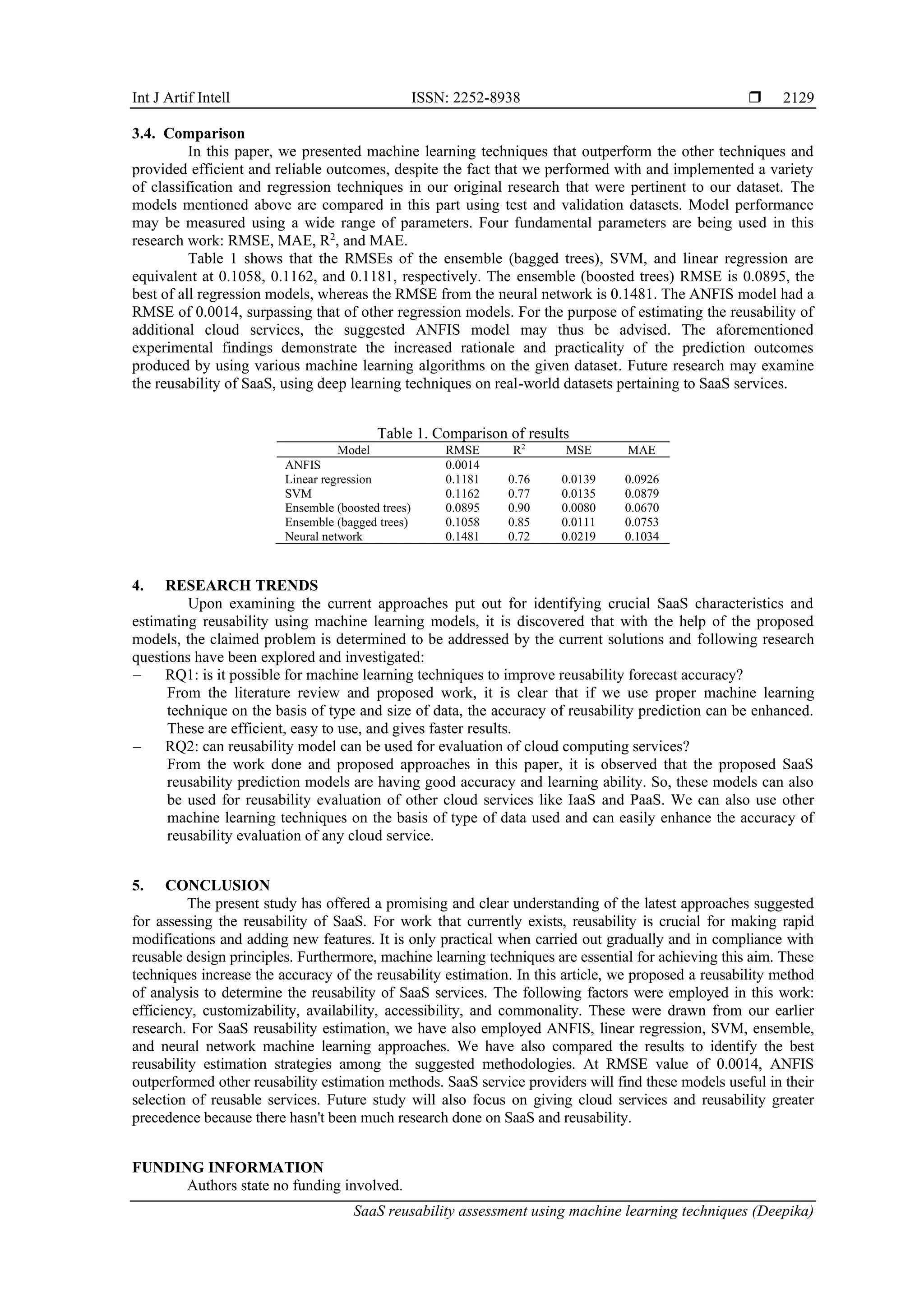
Table 1 shows that the RMSEs of the ensemble (bagged trees), SVM, and linear regression are
equivalent at 0.1058, 0.1162, and 0.1181, respectively. The ensemble (boosted trees) RMSE is 0.0895, the
best of all regression models, whereas the RMSE from the neural network is 0.1481. The ANFIS model had a
RMSE of 0.0014, surpassing that of other regression models. For the purpose of estimating the reusability of
additional cloud services, the suggested ANFIS model may thus be advised. The aforementioned
experimental findings demonstrate the increased rationale and practicality of the prediction outcomes
produced by using various machine learning algorithms on the given dataset. Future research may examine
the reusability of SaaS, using deep learning techniques on real-world datasets pertaining to SaaS services.
Table 1. Comparison of results
Model RMSE R2
MSE MAE
ANFIS 0.0014
Linear regression 0.1181 0.76 0.0139 0.0926
SVM 0.1162 0.77 0.0135 0.0879
Ensemble (boosted trees) 0.0895 0.90 0.0080 0.0670
Ensemble (bagged trees) 0.1058 0.85 0.0111 0.0753
Neural network 0.1481 0.72 0.0219 0.1034
4. RESEARCH TRENDS
Upon examining the current approaches put out for identifying crucial SaaS characteristics and
estimating reusability using machine learning models, it is discovered that with the help of the proposed
models, the claimed problem is determined to be addressed by the current solutions and following research
questions have been explored and investigated:
‒ RQ1: is it possible for machine learning techniques to improve reusability forecast accuracy?
From the literature review and proposed work, it is clear that if we use proper machine learning
technique on the basis of type and size of data, the accuracy of reusability prediction can be enhanced.
These are efficient, easy to use, and gives faster results.
‒ RQ2: can reusability model can be used for evaluation of cloud computing services?
From the work done and proposed approaches in this paper, it is observed that the proposed SaaS
reusability prediction models are having good accuracy and learning ability. So, these models can also
be used for reusability evaluation of other cloud services like IaaS and PaaS. We can also use other
machine learning techniques on the basis of type of data used and can easily enhance the accuracy of
reusability evaluation of any cloud service.
5. CONCLUSION
The present study has offered a promising and clear understanding of the latest approaches suggested
for assessing the reusability of SaaS. For work that currently exists, reusability is crucial for making rapid
modifications and adding new features. It is only practical when carried out gradually and in compliance with
reusable design principles. Furthermore, machine learning techniques are essential for achieving this aim. These
techniques increase the accuracy of the reusability estimation. In this article, we proposed a reusability method
of analysis to determine the reusability of SaaS services. The following factors were employed in this work:
efficiency, customizability, availability, accessibility, and commonality. These were drawn from our earlier
research. For SaaS reusability estimation, we have also employed ANFIS, linear regression, SVM, ensemble,
and neural network machine learning approaches. We have also compared the results to identify the best
reusability estimation strategies among the suggested methodologies. At RMSE value of 0.0014, ANFIS
outperformed other reusability estimation methods. SaaS service providers will find these models useful in their
selection of reusable services. Future study will also focus on giving cloud services and reusability greater
precedence because there hasn't been much research done on SaaS and reusability.
FUNDING INFORMATION
Authors state no funding involved.
 ISSN: 2252-8938
Int J Artif Intell, Vol. 14, No. 3, June 2025: 2123-2131
2130
AUTHOR CONTRIBUTIONS STATEMENT
This journal uses the Contributor Roles Taxonomy (CRediT) to recognize individual author
contributions, reduce authorship disputes, and facilitate collaboration.
Name of Author C M So Va Fo I R D O E Vi Su P Fu
Deepika ✓ ✓ ✓ ✓ ✓ ✓ ✓ ✓ ✓ ✓ ✓
Om Prakash Sangwan ✓ ✓ ✓ ✓ ✓ ✓ ✓ ✓ ✓ ✓ ✓ ✓
Jai Bhagwan ✓ ✓ ✓
C : Conceptualization
M : Methodology
So : Software
Va : Validation
Fo : Formal analysis
I : Investigation
R : Resources
D : Data Curation
O : Writing - Original Draft
E : Writing - Review & Editing
Vi : Visualization
Su : Supervision
P : Project administration
Fu : Funding acquisition
CONFLICT OF INTEREST STATEMENT
Authors state no conflict of interest.
DATA AVAILABILITY
The data that support the findings of this study is available in [Github] at
https://github.com/DeepikaGodara/Software-Reusability/blob/main/Dataset.xlsx and also available from the
corresponding author [D] on request.
REFERENCES
[1] Google Cloud, “What is software as a service (SaaS),” Google Cloud. Accessed: Mar. 19, 2024. [Online]. Available:
https://cloud.google.com/saas
[2] H. J. La and S. D. Kim, “A systematic process for developing high quality SaaS cloud services,” in Cloud Computing, Springer,
2009, pp. 278–289, doi: 10.1007/978-3-642-10665-1_25.
[3] J. Mitchell, S. Rizvi, and J. Ryoo, “A fuzzy-logic approach for evaluating a cloud service provider,” in 2015 1st International
Conference on Software Security and Assurance (ICSSA), IEEE, Jul. 2015, pp. 19–24, doi: 10.1109/ICSSA.2015.014.
[4] A. Q. Ali, A. B. M. Sultan, A. A. A. Ghani, and H. Zulzalil, “Development of a valid and reliable software customization model
for SaaS quality through iterative method: perspectives from academia,” PeerJ Computer Science, vol. 6, Sep. 2020,
doi: 10.7717/peerj-cs.294.
[5] S. Wang, Z. Liu, Q. Sun, H. Zou, and F. Yang, “Towards an accurate evaluation of quality of cloud service in service-oriented cloud
computing,” Journal of Intelligent Manufacturing, vol. 25, no. 2, pp. 283–291, Apr. 2014, doi: 10.1007/s10845-012-0661-6.
[6] F. Alaswad and E. Poovammal, “Software quality prediction using machine learning,” in Materials Today: Proceedings, 2022,
pp. 4714–4720, doi: 10.1016/j.matpr.2022.03.165.
[7] A. A. Soofi and A. Awan, “Classification techniques in machine learning: applications and issues,” Journal of Basic & Applied
Sciences, vol. 13, pp. 459–465, Jan. 2017, doi: 10.6000/1927-5129.2017.13.76.
[8] A. K. Sandhu and R. S. Batth, “Software reuse analytics using integrated random forest and gradient boosting machine learning
algorithm,” Software: Practice and Experience, vol. 51, no. 4, pp. 735–747, Apr. 2021, doi: 10.1002/spe.2921.
[9] R. Subha, A. Haldorai, and A. Ramu, “Artificial intelligence model for software reusability prediction system,” Intelligent
Automation & Soft Computing, vol. 35, no. 3, pp. 2639–2654, 2023, doi: 10.32604/iasc.2023.028153.
[10] R. Chennappan and Vidyaathulasiraman, “An automated software failure prediction technique using hybrid machine learning
algorithms,” Journal of Engineering Research, vol. 11, no. 1, Mar. 2023, doi: 10.1016/j.jer.2023.100002.
[11] B. Geertsema and S. Jansen, “Increasing software product reusability and variability using active components,” in Proceedings of
the Fourth European Conference on Software Architecture: Companion Volume, New York, USA: ACM, Aug. 2010,
pp. 336–343, doi: 10.1145/1842752.1842814.
[12] M. Sethi and J. Kumar, “Evaluation framework of reusability qos metrics for cloud based SaaS an empirical study,” International
Journal of Computer Sciences and Engineering, vol. 6, no. 9, pp. 445–450, Sep. 2018, doi: 10.26438/ijcse/v6i9.445450.
[13] W. Hassan, T.-S. Chou, X. Li, P. Appiah-Kubi, and T. Omar, “Latest trends, challenges and solutions in security in the era of
cloud computing and software defined networks,” International Journal of Informatics and Communication Technology, vol. 8,
no. 3, Dec. 2019, doi: 10.11591/ijict.v8i3.pp162-183.
[14] M. A. Ikram, R. Alturki, and F. K. Hussain, “Towards linguistic-based evaluation system of cloud software as a service (SaaS)
provider,” International Journal of Advanced Computer Science and Applications, vol. 13, no. 2, 2022, doi:
10.14569/IJACSA.2022.0130284.
[15] D. Trabay, A. Asem, I. El-Henawy, and W. Gharibi, “A hybrid technique for evaluating the trust of cloud services,” International
Journal of Information Technology, vol. 13, no. 2, pp. 687–695, Apr. 2021, doi: 10.1007/s41870-020-00609-3.
[16] J.-C. Huang, K.-M. Ko, M.-H. Shu, and B.-M. Hsu, “Application and comparison of several machine learning algorithms and
their integration models in regression problems,” Neural Computing and Applications, vol. 32, no. 10, pp. 5461–5469,
May 2020, doi: 10.1007/s00521-019-04644-5.
[17] D. Godara and O. P. Sangwan, “A software reusability paradigm for assessing software-as-a-service for cloud computing,” in
Congress on Intelligent Systems, 2021, pp. 463–473, doi: 10.1007/978-981-33-6981-8_37.
[18] D. Karaboga and E. Kaya, “Adaptive network based fuzzy inference system (ANFIS) training approaches: a comprehensive
survey,” Artificial Intelligence Review, vol. 52, no. 4, pp. 2263–2293, Dec. 2019, doi: 10.1007/s10462-017-9610-2.
Int J Artif Intell ISSN: 2252-8938 
SaaS reusability assessment using machine learning techniques (Deepika)
2131
[19] J.-S. R. Jang, “ANFIS: adaptive-network-based fuzzy inference system,” IEEE Transactions on Systems, Man, and Cybernetics,
vol. 23, no. 3, pp. 665–685, 1993, doi: 10.1109/21.256541.
[20] F. Khan and G. Lingala, “Machine learning techniques for software component reusability,” in 2022 3rd International Conference
for Emerging Technology (INCET), IEEE, May 2022, pp. 1–6, doi: 10.1109/INCET54531.2022.9824063.
[21] F.Y. Osisanwo, J.E.T. Akinsola, O. Awodele, J. O. Hinmikaiye, O. Olakanmi, andJ. Akinjobi, “Supervised machine learning
algorithms: classification and comparison,” International Journal of Computer Trends and Technology, vol. 48, no. 3,
pp. 128–138, Jun. 2017, doi: 10.14445/22312803/IJCTT-V48P126.
[22] A. Mohammed and R. Kora, “A comprehensive review on ensemble deep learning: opportunities and challenges,” Journal of
King Saud University - Computer and Information Sciences, vol. 35, no. 2, pp. 757–774, Feb. 2023, doi:
10.1016/j.jksuci.2023.01.014.
[23] M. Hammad and M. Amin, “Assuring software reuse success using ensemble machinelearning algorithms,” International Journal
of Computing and Digital Systems, vol. 13, no. 1, pp. 69–81, Jan. 2023, doi: 10.12785/ijcds/130107.
[24] J. Ghofrani, E. Kozegar, A. Bozorgmehr, and M. D. Soorati, “Reusability in artificial neural networks,” in Proceedings of the
23rd International Systems and Software Product Line Conference, New York, USA: ACM, Sep. 2019, pp. 122–129, doi:
10.1145/3307630.3342419.
[25] J. Andreas, M. Rohrbach, T. Darrell, and D. Klein, “Neural module networks,” in 2016 IEEE Conference on Computer Vision and
Pattern Recognition (CVPR), IEEE, Jun. 2016, pp. 39–48, doi: 10.1109/CVPR.2016.12.
BIOGRAPHIES OF AUTHORS
Deepika received the B.Tech. and M.Tech. degrees in computer science and
engineering from the Guru Jambheshwar University of Science and Technology (GJU S&T),
Hisar, Haryana, India, in 2014 and 2016, respectively, where she is currently pursuing the
Ph.D. degree in computer science and engineering. Her current research interests are within
software engineering and machine learning topics and include software reusability, software
quality, applications of neural networks, neuro-fuzzy, fuzzy logic, classification, and
regression analysis. She can be contacted at email: deepikagodara92@gmail.com.
Dr. Om Prakash Sangwan received the M.Tech. degree (Hons.) in computer
science and engineering and the Ph.D. degree in computer science and engineering from the
Guru Jambheshwar University of Science and Technology, Hisar, Haryana, India, where he is
currently a Chairperson and Professor at the Department of Computer Science and
Engineering. He was the deputy director with the Amity Resource Centre for Information
Technology and Head, Cisco Regional Networking Academy, Amity Institute of Information
Technology, Amity University, Uttar Pradesh. He was an Assistant Professor with the
Department of Computer Science and Engineering, School of Information and
Communication Technology, Gautam Buddha University, Greater Noida, Uttar Pradesh. He is
also a CISCO certified network associate (CCNA) and a CISCO certified academic instructor
(CCAI). He has number of publications in international and national journals and conferences.
His research interests include software engineering focusing on planning, designing, testing,
metrics, and application of neural networks, and fuzzy logic and neuro-fuzzy. He is a member
of computer science teacher association (CSTA), New York, USA, international association of
engineer (IAENG), Hong Kong, and international association of computer science and
information technology (IACIST), USA, a professional member of association of computing
machinery, IEEE, and a life member of computer society of India, India. He can be contacted
at email: sangwan0863@gmail.com.
Dr. Jai Bhagwan received the M.Tech. degree in computer science and
engineering from Maharishi Markandeshwar University (Deemed University), Mullana,
Haryana, India and the Ph.D. degree in computer science and engineering from Guru
Jambheshwar University of Science and Technology, Hisar, Haryana, India. He is currently an
assistant professor at the Department of Computer Science and Engineering in Guru
Jambheshwar University of Science and Technology, Hisar, Haryana, India. His research
interest includes artificial intelligence, machine learning, cloud computing, and swam
intelligence. He has published more than 25 research papers in international journals. He can
be contacted at email: drjaiboora@gmail.com.

SaaS reusability assessment using machine learning techniques

  • 1.
    IAES International Journalof Artificial Intelligence (IJ-AI) Vol. 14, No. 3, June 2025, pp. 2123~2131 ISSN: 2252-8938, DOI: 10.11591/ijai.v14.i3.pp2123-2131  2123 Journal homepage: http://ijai.iaescore.com SaaS reusability assessment using machine learning techniques Deepika, Om Prakash Sangwan, Jai Bhagwan Department of Computer Science and Engineering, Guru Jambheshwar University of Science and Technology, Hisar, India Article Info ABSTRACT Article history: Received Aug 1, 2024 Revised Feb 13, 2025 Accepted Mar 15, 2025 With the aid of internet, cloud computing offers hardware and software resources as cloud service. Cloud computing is developing as an effective criterion for reusing. Software-as-a-service (SaaS) is one of the three cloud deployment models that provide on-demand software on a charge basis. A reusability model for SaaS needs to be developed in order to increase its benefits and effectively help end users. A product’s ability to be reused is essential to its easy and effective development. We have presented a software reusability estimation model in this paper. We have assessed the SaaS reusability using machine learning techniques such as adaptive neuro- fuzzy inference system (ANFIS), linear regression, support vector machine (SVM), ensemble, and neural networks. We compared machine learning models using commonality, accessibility, availability, customizability, and efficiency, as the SaaS reusability criteria. The root mean squared error (RMSE), mean squared error (MSE), and mean absolute error (MAE) are used to validate the findings from recommended methodologies with the required level of accuracy. The evaluation's findings have shown that machine learning algorithms yield estimations with a better degree of accuracy, making them more advantageous and practical for SaaS service providers as well as customers. Keywords: Adaptive neuro-fuzzy inference system Ensemble trees Neural networks Regression tree Support vector machine This is an open access article under the CC BY-SA license. Corresponding Author: Deepika Department of Computer Science and Engineering, Guru Jambheshwar University of Science and Technology Hisar, Haryana, India Email: deepikagodara92@gmail.com 1. INTRODUCTION Software-as-a-service (SaaS) is an on-demand software service that allows subscribers to use approved, centrally supported software. It enables users to offer online cloud-based services. SaaS is the new form of identification for any organization undertaking a digitalisation. SaaS is how businesses make money, change course in response to client demand, improve already-existing apps, drive innovation, and launch fast enough to outperform rivals. SaaS is a marketing strategies discussion, that we have with clients that focuses on company development, monetization factors, and it also discusses opportunity for effective as well as speedier customer onboarding to create money [1]. There should be efficient processes to assist the creation of SaaS services with high reusability and applicability if we are to fully reap the benefits of SaaS. A reusable cloud service is usually made broadly available to a variety of cloud users using the SaaS delivery paradigm. Traditional techniques, such object-oriented methods, are ill-suited to handle SaaS-specific engineering tasks like modelling shared features, managing unpredictability, and creating high-quality service designs [2]. Software reusability promotes cost and time efficiency in software design. Therefore, estimating software reusability metrics is crucial in the software business, and machine learning approaches enable improved forecasting and decision-making. Machine learning methods are rapidly replacing classic mathematical statistics models. Digitalization solutions attracted a lot of attention to machine learning.
  • 2.
     ISSN: 2252-8938 IntJ Artif Intell, Vol. 14, No. 3, June 2025: 2123-2131 2124 Prior to grasping the problem statement, it is crucial to comprehend the rationale behind our assessment of cloud services. Estimation of cloud services is important because of the transit gap that exists between cloud users and cloud services. It is imperative to establish a trust model for cloud services due to the numerous security vulnerabilities pertaining to data integrity and confidentiality that cloud services face [3]. The management of cloud computing necessitates the consideration of several key factors, including resource utilization, throughput, and availability. Customers want services that are both efficient and economical in this new era of artificial intelligence and machine learning. It takes more time and money to create a software product or service from scratch. Numerous unrelated parameters influence these factors, making it challenging to derive a model using these parameters. Building a model for reusability estimation is now required since SaaS has shown to be a useful foundation for assessing reusability and building a product quickly, effectively, and flexibly, depends heavily on machine learning techniques. Although other cloud services have been examined in earlier studies, software reusability and SaaS have received comparatively lesser consideration. Research into the topic of SaaS reusability is necessary since it offers several advantages, including the ability to construct SaaS applications within the required time frame, lower development costs, and a reduction in software crisis issues. In the past years, a number of contributory study models have evolved to address the issues mentioned above and a number of other unexplored issues. For this purpose, a variety of pertinent literatures have been introduced. Iterative methods were employed by Ali et al. [4] to develop a customization model for SaaS quality. Three stages comprise the work: the conceptualization, analysis, and validity test phases. We can easily analyze the impact of software customization on SaaS quality based on the obtained results. Wang et al. [5] evaluated cloud service providers using fuzzy logic control and computed the uncertainty of cloud service quality using fuzzy logic approach. From 2010 to 2021, Alaswad and Poovammal [6] examined machine learning methods and software metrics. The best methods for predicting software quality and reusability are machine learning approaches. Software with a machine learning foundation aids in the effective completion of tasks by software engineers. The fundamental classification methods, such as Bayesian networks, k-nearest neighbors (KNN), support vector machine (SVM), and decision tree induction, were introduced and contrasted by Soofi and Awan [7]. They also spoke about the benefits and downsides of each of these methods. Machine learning produces the best results for assessing the reusability of software components [8]. For reusability estimation and validation, they employed the random forest method and gradient boosting technique, measuring performance measures such as accuracy, error rate, and mean absolute error (MAE). Subha et al. [9] have suggested an artificial intelligence approach for software reusability prediction. They discovered that the flexible random fit-artificial neural network (ANN) method works better than other machine learning approaches and provides a better estimate of reusability. Prediction accuracy is increased using ensemble-based learning models [10]. Neural networks, SVM, random forest, Bayesian networks, and decision trees are a few of them. Geertsema and Jansen [11] defined the different kinds of software artifacts and spoke about ways to improve software sustainability and reuse. Sethi and Kumar [12] have investigated SaaS quality characteristics and reusability measurements. Hassan et al. [13] have provided a comprehensive services analysis on cloud computing, including the most recent developments, related difficulties, and security-related solutions. Ikram et al. [14] employed fuzzy logic and technique for order preference by similarity to ideal solution (TOPSIS) multi-criteria decision making (MCDM) techniques for linguistically based SaaS quality attribute evaluation. The suggested method has enhanced the assessment and aids in choosing the best service provider. Trabay et al. [15] have employed a hybrid fuzzy logic and MCDM technique to assess trust of cloud services. Huang et al. [16] have utilized back propagation (BP) neural networks, SVM, and extreme learning machine algorithms for regression issues. The suggested models discussed in this work address the efficacy of machine learning techniques related to software reusability assessment. Together with included insights to the present state of research trends, the offered models help to emphasize the efficacy of machine learning approaches employed for SaaS reusability evaluation. Based on the findings of [17], we identified several measures and variables that influence the reusability of SaaS services and presented metrics for assessing SaaS reusability. Continuing previous work, we provide in this study a software reusability model for evaluating the reusability of SaaS utilizing adaptive neuro-fuzzy inference system (ANFIS), linear regression, SVM, ensemble trees, and neural network. There is no or little effort being done in the subject of software reusability and SaaS. Based on the previously discussed analysis of measurements, models, and difficulties related to cloud computing services, SaaS service providers will find great use for the suggested SaaS reusability estimation. To emphasize the open-ended problems that have not yet been addressed by any recent research papers, a concise summary of the research questions is also provided. The more sophisticated deep learning and machine learning models may be examined and contrasted in future research. In our future work, we are currently gathering real-world data related to different SaaS services and will use more sophisticated machine learning models to estimate
  • 3.
    Int J ArtifIntell ISSN: 2252-8938  SaaS reusability assessment using machine learning techniques (Deepika) 2125 SaaS reusability. A brief overview of the method used to conduct the current investigation is provided in the next section. 2. METHOD Numerous studies have been conducted on the use of machine learning techniques. Given the variety of methods that are being provided, a special technique is needed to make the conversation more organized. Figure 1 illustrates the several steps required in crafting the suggested approach, which is the technique used in the proposed study. Figure 1. Flowchart of proposed methodology According to Figure 1, the identification of SaaS reusability attributes is associated with the first step. We have determined the five most crucial elements: commonality, accessibility, availability, customizability, and efficiency that influence SaaS reusability, based on the research of [17]. In second step for dataset preparation, the research data was obtained from the fuzzy logic toolbox in MATLAB. There are 150 entries in all in the data, which was gathered via the fuzzy logic toolbox's rule base editor. Six characteristics, or five input attributes and one output attribute, were used to create the rule base system. These attributes were obtained from [17]. Every characteristic has a range inside [0–1]. In step third, with MATLAB R2023b, a comparative comparison of several machine learning algorithms was performed. To get the findings, we utilized the ANFIS toolbox, the fuzzy logic toolbox, the classification learner app, and the regression learner app in MATLAB. In step 4, the models were evaluated and trained using the designated MATLAB programs. Using validation metrics like root mean squared error (RMSE), mean squared error (MSE), R-squared (R2 ), and MAE, all of the models were compared at the final stage. The next section discusses model implementation, results, and discussions. 3. RESULTS AND DISCUSSION The impact of reusability on SaaS applications is examined in this study. Although previous research has looked at how reusability affects cloud services, it hasn't specifically addressed how reusability affects SaaS, platform as a service (PaaS), and infrastructure as a service (IaaS) separately. Since different cloud services must concentrate on distinct features in order to create reusable services, focusing on and taking into account the effects of reusability on various cloud apps independently will produce more improved and efficient outcomes and assist software developers in reusing specific cloud applications. Therefore, the reusability of SaaS applications is the main emphasis of our work. In this section, the attributes selected, the dataset being used, and the machine learning techniques utilized for SaaS reusability evaluation and the results of research is explained. 3.1. Attribute selection Based on the finding of [17], we identified five important attributes of SaaS i.e., commonality, customizability, accessibility, availability, and efficiency for estimation of SaaS reusability. The aforementioned SaaS reusability attributes are used in the implementation of machine learning models. 3.2. Dataset used In this paper, we are using a custom-designed dataset. With MATLAB, the fuzzy logic toolbox is used to create the dataset. To determine the value of software reusability of SaaS based on the values of five input attributes-commonality, accessibility, availability, customizability, and efficiency- the rule base editor Compare Results using RMSE, R2, MSE and MAE Train and Test Model Model Implementation using ANFIS, SVM, Regression, Ensemble, Neural Network Dataset Preparation Identify SaaS Reusability Attributes
  • 4.
     ISSN: 2252-8938 IntJ Artif Intell, Vol. 14, No. 3, June 2025: 2123-2131 2126 of fuzzy logic toolbox is used. This toolbox is used to create a Microsoft Excel file of 150 record sets that is used for estimation and comparison of software reusability of SaaS using various machine learning models used in our research work. 3.3. Model implementation The suggested supervised machine learning models, which are based on the above-mentioned SaaS reusability attributes of commonality, accessibility, availability, customizability, and efficiency, are presented next. The models are compared in order to verify the effectiveness of the suggested techniques. The models' explanations and outcomes are provided as follows: 3.3.1. Adaptive neuro-fuzzy inference system Neuro-fuzzy models can manage inaccurate or partial input and are effective at recognizing patterns. When compared to other machine learning models, the normalized error, or RMSE, achieved by ANFIS is lower [18]. Compared to previous neural networks, these models are more resilient, quicker to train, and have tremendous parallelism. Compared to multiple regression analysis, ANFIS has wider acceptability and greater accuracy [19]. The dataset mentioned above is put into the Neuro-fuzzy editor to train an ANFIS. There are 150 entries in the dataset; 80% are utilized for training and 20% are used for testing. Grid portioning is used for generating the proposed ANFIS and hybrid is used as optimization method. The number of training epochs is set to 100. The training error reduces after each epoch and stabilizes at an error value of 0.0014862. As shown in Figure 2, when testing data is loaded against training data the average testing error or RMSE obtained is 0.0014. The results demonstrate how well-trained and predictive is the suggested ANFIS model. Therefore, it could be recommended for SaaS reusability estimation. Figure 2. Plot of testing data against training data 3.3.2. Linear regression One kind of supervised machine learning method is linear regression, which uses labelled datasets to teach its algorithms. A dataset that has a known goal value is labelled. Based on an independent input variable, regression produces a continuous output variable as the outcome. An example might be a housing price forecast using several parameters. One dependent variable and one or more independent variables are correlated using linear regression. Univariate linear regression is used when the independent variable is 1, while multivariate linear regression is used when there are more than one independent variables. As seen in Figure 3, a total of 150 records were collected, of which 100 were utilized for training and 50 for testing, in order to analyse the response in the linear regression model. In the response plot, the genuine reaction is indicated by blue dots, while the projected response is indicated by yellow dots. The validation data resulted in an RMSE of 0.11812.
  • 5.
    Int J ArtifIntell ISSN: 2252-8938  SaaS reusability assessment using machine learning techniques (Deepika) 2127 Figure 3. Linear regression response plot in regression learner app 3.3.3. Support vector machines SVM function best when there is a distinct boundary or division between classes. They are employed in high dimensional spaces-where dimensions exceed the number of samples-and are memory- efficient. SVM provides respectable accuracy, but it may be costly to train on big datasets. It is less prone to overfitting and analyses data for regression and classification. The majority of SVM effort is on classification. According to [20], [21], SVM is used to determine the optimal decision boundary for tiny and manageable data and provides greater accuracy when compared to other machine learning methods. The dataset used is same as used in ANFIS. Here, in Figure 4, the RMSE obtained for SVM (medium Gaussian) is 0.11621 which is comparable to linear regression model. Figure 4. SVM response plot 3.3.4. Ensemble tree Multiple regression trees make up the ensemble, which improves prediction performance. The models perform faster when numerous categorization ensembles are combined. Numerous ineffective learners are combined into ensemble trees in order to achieve high accuracy [22], [23]. There are two subcategories of classification ensembles: boosted trees and bagged trees. Multiple characteristics are employed by boosted trees, a supervised learning algorithm, to predict the target variable. Bootstrap
  • 6.
     ISSN: 2252-8938 IntJ Artif Intell, Vol. 14, No. 3, June 2025: 2123-2131 2128 aggregation, or "bagging," lessens overfitting and enhances generalization in ensemble trees. In Figure 5, the RMSE obtained using boosted ensemble trees is 0.089 and RMSE obtained using bagged trees is 0.105. Here boosted trees performed better than bagged trees. Figure 5. Ensemble trees response plot 3.3.5. Neural network One kind of machine learning technique that learns by connecting nodes in a way that mimics the structure of the human brain is the neural network. In the past several years, academics and practitioners have been interested in machine learning, particularly neural networks, and its potential to construct intelligent systems like voice, natural language processing, and image processing [24], [25]. Neural networks have the ability to predict future occurrences and identify patterns in data with ease. Regression and classification are two uses for it. As seen in Figure 6, the RMSE obtained in this case utilizing neural networks in the categorization learner app is 0.14813, with blue dots denoting the genuine answer and yellow dots the projected response. Figure 6. Response plot of neural networks
  • 7.
    Int J ArtifIntell ISSN: 2252-8938  SaaS reusability assessment using machine learning techniques (Deepika) 2129 3.4. Comparison In this paper, we presented machine learning techniques that outperform the other techniques and provided efficient and reliable outcomes, despite the fact that we performed with and implemented a variety of classification and regression techniques in our original research that were pertinent to our dataset. The models mentioned above are compared in this part using test and validation datasets. Model performance may be measured using a wide range of parameters. Four fundamental parameters are being used in this research work: RMSE, MAE, R2 , and MAE. Table 1 shows that the RMSEs of the ensemble (bagged trees), SVM, and linear regression are equivalent at 0.1058, 0.1162, and 0.1181, respectively. The ensemble (boosted trees) RMSE is 0.0895, the best of all regression models, whereas the RMSE from the neural network is 0.1481. The ANFIS model had a RMSE of 0.0014, surpassing that of other regression models. For the purpose of estimating the reusability of additional cloud services, the suggested ANFIS model may thus be advised. The aforementioned experimental findings demonstrate the increased rationale and practicality of the prediction outcomes produced by using various machine learning algorithms on the given dataset. Future research may examine the reusability of SaaS, using deep learning techniques on real-world datasets pertaining to SaaS services. Table 1. Comparison of results Model RMSE R2 MSE MAE ANFIS 0.0014 Linear regression 0.1181 0.76 0.0139 0.0926 SVM 0.1162 0.77 0.0135 0.0879 Ensemble (boosted trees) 0.0895 0.90 0.0080 0.0670 Ensemble (bagged trees) 0.1058 0.85 0.0111 0.0753 Neural network 0.1481 0.72 0.0219 0.1034 4. RESEARCH TRENDS Upon examining the current approaches put out for identifying crucial SaaS characteristics and estimating reusability using machine learning models, it is discovered that with the help of the proposed models, the claimed problem is determined to be addressed by the current solutions and following research questions have been explored and investigated: ‒ RQ1: is it possible for machine learning techniques to improve reusability forecast accuracy? From the literature review and proposed work, it is clear that if we use proper machine learning technique on the basis of type and size of data, the accuracy of reusability prediction can be enhanced. These are efficient, easy to use, and gives faster results. ‒ RQ2: can reusability model can be used for evaluation of cloud computing services? From the work done and proposed approaches in this paper, it is observed that the proposed SaaS reusability prediction models are having good accuracy and learning ability. So, these models can also be used for reusability evaluation of other cloud services like IaaS and PaaS. We can also use other machine learning techniques on the basis of type of data used and can easily enhance the accuracy of reusability evaluation of any cloud service. 5. CONCLUSION The present study has offered a promising and clear understanding of the latest approaches suggested for assessing the reusability of SaaS. For work that currently exists, reusability is crucial for making rapid modifications and adding new features. It is only practical when carried out gradually and in compliance with reusable design principles. Furthermore, machine learning techniques are essential for achieving this aim. These techniques increase the accuracy of the reusability estimation. In this article, we proposed a reusability method of analysis to determine the reusability of SaaS services. The following factors were employed in this work: efficiency, customizability, availability, accessibility, and commonality. These were drawn from our earlier research. For SaaS reusability estimation, we have also employed ANFIS, linear regression, SVM, ensemble, and neural network machine learning approaches. We have also compared the results to identify the best reusability estimation strategies among the suggested methodologies. At RMSE value of 0.0014, ANFIS outperformed other reusability estimation methods. SaaS service providers will find these models useful in their selection of reusable services. Future study will also focus on giving cloud services and reusability greater precedence because there hasn't been much research done on SaaS and reusability. FUNDING INFORMATION Authors state no funding involved.
  • 8.
     ISSN: 2252-8938 IntJ Artif Intell, Vol. 14, No. 3, June 2025: 2123-2131 2130 AUTHOR CONTRIBUTIONS STATEMENT This journal uses the Contributor Roles Taxonomy (CRediT) to recognize individual author contributions, reduce authorship disputes, and facilitate collaboration. Name of Author C M So Va Fo I R D O E Vi Su P Fu Deepika ✓ ✓ ✓ ✓ ✓ ✓ ✓ ✓ ✓ ✓ ✓ Om Prakash Sangwan ✓ ✓ ✓ ✓ ✓ ✓ ✓ ✓ ✓ ✓ ✓ ✓ Jai Bhagwan ✓ ✓ ✓ C : Conceptualization M : Methodology So : Software Va : Validation Fo : Formal analysis I : Investigation R : Resources D : Data Curation O : Writing - Original Draft E : Writing - Review & Editing Vi : Visualization Su : Supervision P : Project administration Fu : Funding acquisition CONFLICT OF INTEREST STATEMENT Authors state no conflict of interest. DATA AVAILABILITY The data that support the findings of this study is available in [Github] at https://github.com/DeepikaGodara/Software-Reusability/blob/main/Dataset.xlsx and also available from the corresponding author [D] on request. REFERENCES [1] Google Cloud, “What is software as a service (SaaS),” Google Cloud. Accessed: Mar. 19, 2024. [Online]. Available: https://cloud.google.com/saas [2] H. J. La and S. D. Kim, “A systematic process for developing high quality SaaS cloud services,” in Cloud Computing, Springer, 2009, pp. 278–289, doi: 10.1007/978-3-642-10665-1_25. [3] J. Mitchell, S. Rizvi, and J. Ryoo, “A fuzzy-logic approach for evaluating a cloud service provider,” in 2015 1st International Conference on Software Security and Assurance (ICSSA), IEEE, Jul. 2015, pp. 19–24, doi: 10.1109/ICSSA.2015.014. [4] A. Q. Ali, A. B. M. Sultan, A. A. A. Ghani, and H. Zulzalil, “Development of a valid and reliable software customization model for SaaS quality through iterative method: perspectives from academia,” PeerJ Computer Science, vol. 6, Sep. 2020, doi: 10.7717/peerj-cs.294. [5] S. Wang, Z. Liu, Q. Sun, H. Zou, and F. Yang, “Towards an accurate evaluation of quality of cloud service in service-oriented cloud computing,” Journal of Intelligent Manufacturing, vol. 25, no. 2, pp. 283–291, Apr. 2014, doi: 10.1007/s10845-012-0661-6. [6] F. Alaswad and E. Poovammal, “Software quality prediction using machine learning,” in Materials Today: Proceedings, 2022, pp. 4714–4720, doi: 10.1016/j.matpr.2022.03.165. [7] A. A. Soofi and A. Awan, “Classification techniques in machine learning: applications and issues,” Journal of Basic & Applied Sciences, vol. 13, pp. 459–465, Jan. 2017, doi: 10.6000/1927-5129.2017.13.76. [8] A. K. Sandhu and R. S. Batth, “Software reuse analytics using integrated random forest and gradient boosting machine learning algorithm,” Software: Practice and Experience, vol. 51, no. 4, pp. 735–747, Apr. 2021, doi: 10.1002/spe.2921. [9] R. Subha, A. Haldorai, and A. Ramu, “Artificial intelligence model for software reusability prediction system,” Intelligent Automation & Soft Computing, vol. 35, no. 3, pp. 2639–2654, 2023, doi: 10.32604/iasc.2023.028153. [10] R. Chennappan and Vidyaathulasiraman, “An automated software failure prediction technique using hybrid machine learning algorithms,” Journal of Engineering Research, vol. 11, no. 1, Mar. 2023, doi: 10.1016/j.jer.2023.100002. [11] B. Geertsema and S. Jansen, “Increasing software product reusability and variability using active components,” in Proceedings of the Fourth European Conference on Software Architecture: Companion Volume, New York, USA: ACM, Aug. 2010, pp. 336–343, doi: 10.1145/1842752.1842814. [12] M. Sethi and J. Kumar, “Evaluation framework of reusability qos metrics for cloud based SaaS an empirical study,” International Journal of Computer Sciences and Engineering, vol. 6, no. 9, pp. 445–450, Sep. 2018, doi: 10.26438/ijcse/v6i9.445450. [13] W. Hassan, T.-S. Chou, X. Li, P. Appiah-Kubi, and T. Omar, “Latest trends, challenges and solutions in security in the era of cloud computing and software defined networks,” International Journal of Informatics and Communication Technology, vol. 8, no. 3, Dec. 2019, doi: 10.11591/ijict.v8i3.pp162-183. [14] M. A. Ikram, R. Alturki, and F. K. Hussain, “Towards linguistic-based evaluation system of cloud software as a service (SaaS) provider,” International Journal of Advanced Computer Science and Applications, vol. 13, no. 2, 2022, doi: 10.14569/IJACSA.2022.0130284. [15] D. Trabay, A. Asem, I. El-Henawy, and W. Gharibi, “A hybrid technique for evaluating the trust of cloud services,” International Journal of Information Technology, vol. 13, no. 2, pp. 687–695, Apr. 2021, doi: 10.1007/s41870-020-00609-3. [16] J.-C. Huang, K.-M. Ko, M.-H. Shu, and B.-M. Hsu, “Application and comparison of several machine learning algorithms and their integration models in regression problems,” Neural Computing and Applications, vol. 32, no. 10, pp. 5461–5469, May 2020, doi: 10.1007/s00521-019-04644-5. [17] D. Godara and O. P. Sangwan, “A software reusability paradigm for assessing software-as-a-service for cloud computing,” in Congress on Intelligent Systems, 2021, pp. 463–473, doi: 10.1007/978-981-33-6981-8_37. [18] D. Karaboga and E. Kaya, “Adaptive network based fuzzy inference system (ANFIS) training approaches: a comprehensive survey,” Artificial Intelligence Review, vol. 52, no. 4, pp. 2263–2293, Dec. 2019, doi: 10.1007/s10462-017-9610-2.
  • 9.
    Int J ArtifIntell ISSN: 2252-8938  SaaS reusability assessment using machine learning techniques (Deepika) 2131 [19] J.-S. R. Jang, “ANFIS: adaptive-network-based fuzzy inference system,” IEEE Transactions on Systems, Man, and Cybernetics, vol. 23, no. 3, pp. 665–685, 1993, doi: 10.1109/21.256541. [20] F. Khan and G. Lingala, “Machine learning techniques for software component reusability,” in 2022 3rd International Conference for Emerging Technology (INCET), IEEE, May 2022, pp. 1–6, doi: 10.1109/INCET54531.2022.9824063. [21] F.Y. Osisanwo, J.E.T. Akinsola, O. Awodele, J. O. Hinmikaiye, O. Olakanmi, andJ. Akinjobi, “Supervised machine learning algorithms: classification and comparison,” International Journal of Computer Trends and Technology, vol. 48, no. 3, pp. 128–138, Jun. 2017, doi: 10.14445/22312803/IJCTT-V48P126. [22] A. Mohammed and R. Kora, “A comprehensive review on ensemble deep learning: opportunities and challenges,” Journal of King Saud University - Computer and Information Sciences, vol. 35, no. 2, pp. 757–774, Feb. 2023, doi: 10.1016/j.jksuci.2023.01.014. [23] M. Hammad and M. Amin, “Assuring software reuse success using ensemble machinelearning algorithms,” International Journal of Computing and Digital Systems, vol. 13, no. 1, pp. 69–81, Jan. 2023, doi: 10.12785/ijcds/130107. [24] J. Ghofrani, E. Kozegar, A. Bozorgmehr, and M. D. Soorati, “Reusability in artificial neural networks,” in Proceedings of the 23rd International Systems and Software Product Line Conference, New York, USA: ACM, Sep. 2019, pp. 122–129, doi: 10.1145/3307630.3342419. [25] J. Andreas, M. Rohrbach, T. Darrell, and D. Klein, “Neural module networks,” in 2016 IEEE Conference on Computer Vision and Pattern Recognition (CVPR), IEEE, Jun. 2016, pp. 39–48, doi: 10.1109/CVPR.2016.12. BIOGRAPHIES OF AUTHORS Deepika received the B.Tech. and M.Tech. degrees in computer science and engineering from the Guru Jambheshwar University of Science and Technology (GJU S&T), Hisar, Haryana, India, in 2014 and 2016, respectively, where she is currently pursuing the Ph.D. degree in computer science and engineering. Her current research interests are within software engineering and machine learning topics and include software reusability, software quality, applications of neural networks, neuro-fuzzy, fuzzy logic, classification, and regression analysis. She can be contacted at email: deepikagodara92@gmail.com. Dr. Om Prakash Sangwan received the M.Tech. degree (Hons.) in computer science and engineering and the Ph.D. degree in computer science and engineering from the Guru Jambheshwar University of Science and Technology, Hisar, Haryana, India, where he is currently a Chairperson and Professor at the Department of Computer Science and Engineering. He was the deputy director with the Amity Resource Centre for Information Technology and Head, Cisco Regional Networking Academy, Amity Institute of Information Technology, Amity University, Uttar Pradesh. He was an Assistant Professor with the Department of Computer Science and Engineering, School of Information and Communication Technology, Gautam Buddha University, Greater Noida, Uttar Pradesh. He is also a CISCO certified network associate (CCNA) and a CISCO certified academic instructor (CCAI). He has number of publications in international and national journals and conferences. His research interests include software engineering focusing on planning, designing, testing, metrics, and application of neural networks, and fuzzy logic and neuro-fuzzy. He is a member of computer science teacher association (CSTA), New York, USA, international association of engineer (IAENG), Hong Kong, and international association of computer science and information technology (IACIST), USA, a professional member of association of computing machinery, IEEE, and a life member of computer society of India, India. He can be contacted at email: sangwan0863@gmail.com. Dr. Jai Bhagwan received the M.Tech. degree in computer science and engineering from Maharishi Markandeshwar University (Deemed University), Mullana, Haryana, India and the Ph.D. degree in computer science and engineering from Guru Jambheshwar University of Science and Technology, Hisar, Haryana, India. He is currently an assistant professor at the Department of Computer Science and Engineering in Guru Jambheshwar University of Science and Technology, Hisar, Haryana, India. His research interest includes artificial intelligence, machine learning, cloud computing, and swam intelligence. He has published more than 25 research papers in international journals. He can be contacted at email: drjaiboora@gmail.com.