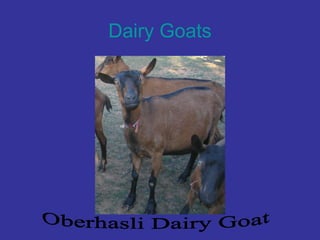
Dairy Goats
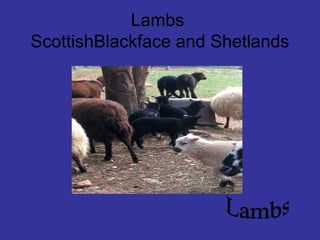
Lambs
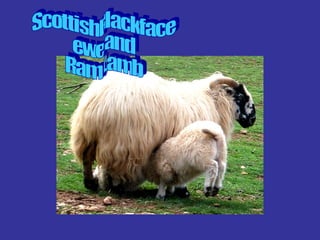
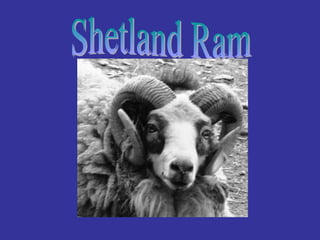
ScottishBlackface and Shetlands
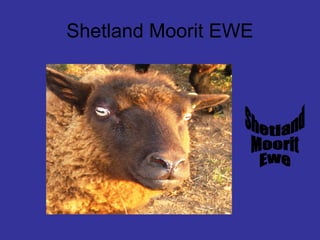
Shetland Moorit EWE
Research
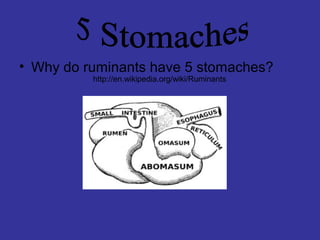
• Why do ruminants have 5 stomaches?
http://en.wikipedia.org/wiki/Ruminants
What is a Ruminant?
• The process of rechewing the cud to further break down
plant matter and stimulate digestion is called
"ruminating". Ruminating mammals include cattle, goats,
sheep, giraffes, bison, yaks, water buffalo, deer, camels,
alpacas, llamas, wildebeest, antelope, pronghorn, and
nilgai. Taxonomically, the suborder Ruminantia includes
all those species except the camels, llamas, and
alpacas, which are Tylopoda. Therefore, the term
'ruminant' is not synonymous with Ruminantia. The word
"ruminant" comes from the Latin ruminare, which means
"to chew over again".

Ruminants[1]

  • 2.
  • 3.
  • 4.
  • 7.
    Research • Why doruminants have 5 stomaches? http://en.wikipedia.org/wiki/Ruminants
  • 8.
    What is aRuminant? • The process of rechewing the cud to further break down plant matter and stimulate digestion is called "ruminating". Ruminating mammals include cattle, goats, sheep, giraffes, bison, yaks, water buffalo, deer, camels, alpacas, llamas, wildebeest, antelope, pronghorn, and nilgai. Taxonomically, the suborder Ruminantia includes all those species except the camels, llamas, and alpacas, which are Tylopoda. Therefore, the term 'ruminant' is not synonymous with Ruminantia. The word "ruminant" comes from the Latin ruminare, which means "to chew over again".