Friend or Foe?
App-based, on-demand ride services
(ride-sourcing) and transit in Shanghai
UC Berkeley
Ruoying Xu
PhD student at the Department of City and Regional planning
Yiyan Ge
Concurrent Masters student at DCRP and Transportation Engineering
Friend or Foe?
App-based, on-demand ride services
(ride-sourcing) and transit in Shanghai
Transportation Planning & Urban Data Science
UC Berkeley
Ruoying Xu
PhD student at the Department of City and Regional planning
Yiyan Ge
Concurrent Masters student at DCRP and Transportation Engineering
What question are we trying to
answer and why?
How do we approach the
question?
How do we implement the
approach?
What can we do with the findings?
OUTLINE
Is ride-sourcing (TNC service)
competing with transit in cities?
Why do we care?
Because how we travel
shapes our experiences living
in the cities.
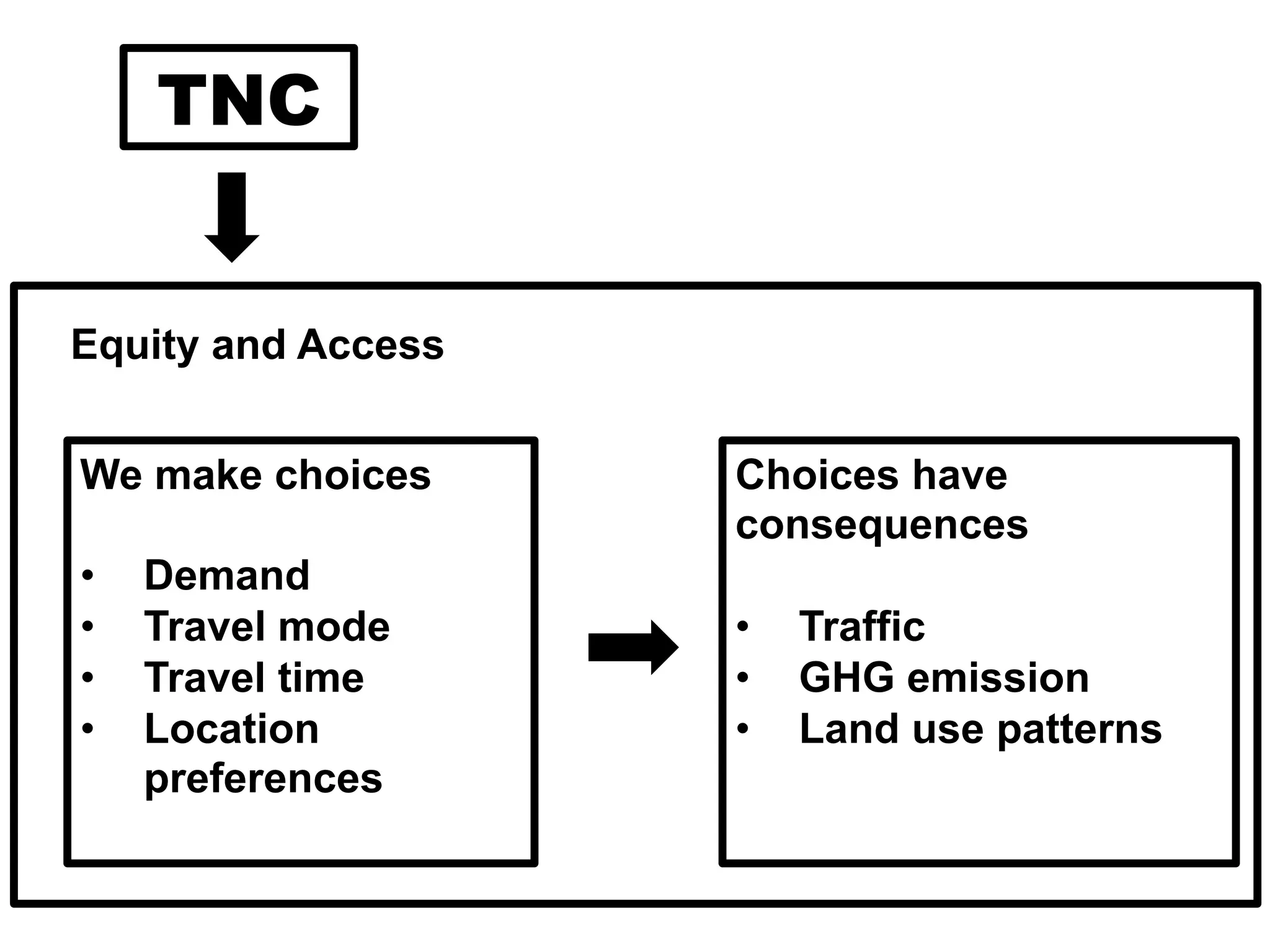
We make choices
•  Demand
•  Travel mode
•  Travel time
•  Location
preferences
Choices have
consequences
•  Traffic
•  GHG emission
•  Land use patterns
TNC
Equity and Access
Is ride-sourcing (TNC) competing with
transit in cities?
Traditional approach:
Whether people actually switched from a transit
mode that they were previously using to the
new mode TNC for the same trip purpose?
Technology-enabled,
data-rich,
fast-paced changes
Quick understanding of
changes & responsive
and responsible policies
Quick understanding of
changes & responsive
and responsible policies
Technology-enabled,
data-rich,
fast-paced changes
Analytical + Confirmatory approach
Broad patterns and
correlations
Theories & known
underlying mechanisms
Analytical + Confirmatory approach
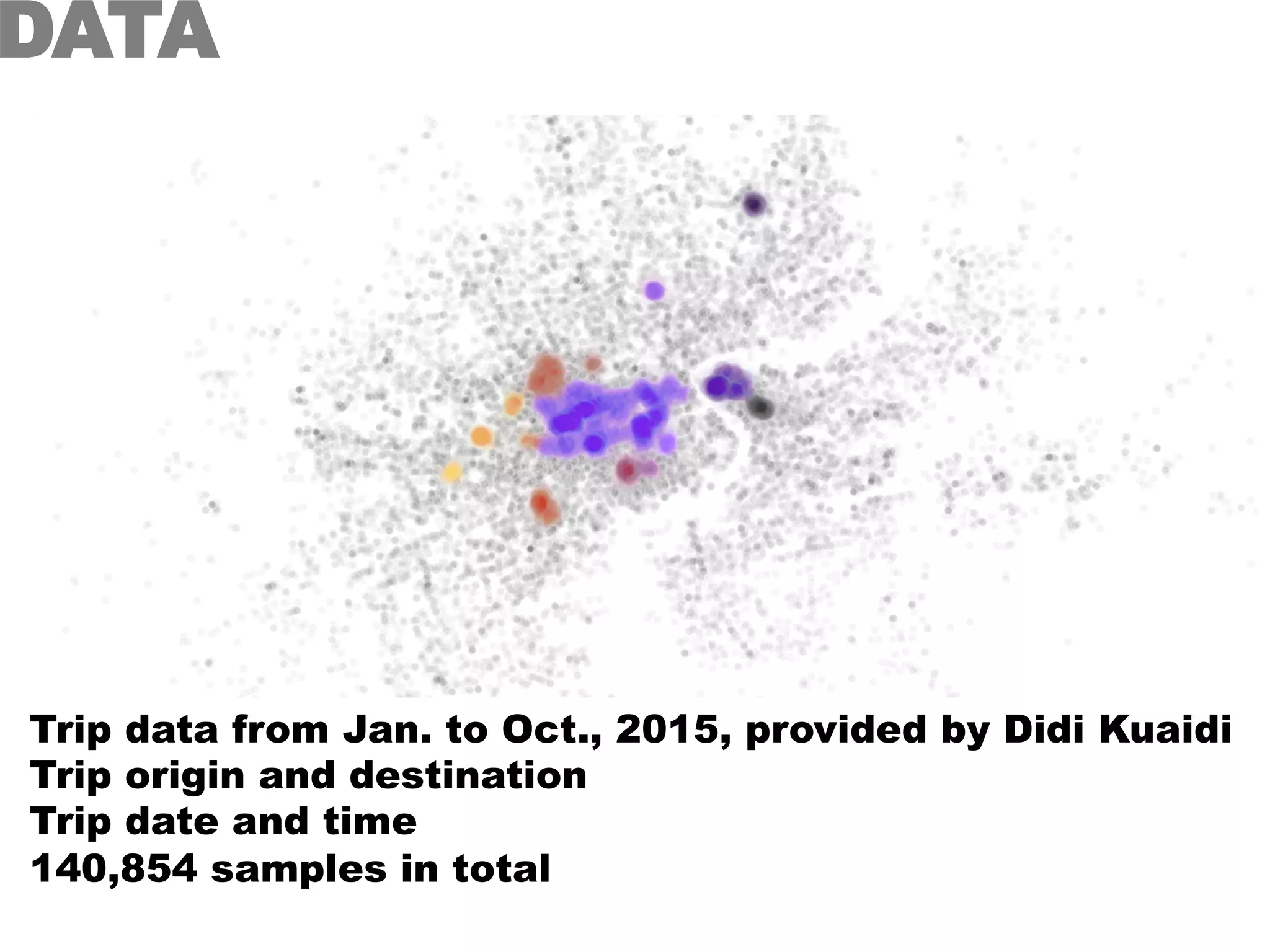
DATA
Trip data from Jan. to Oct., 2015, provided by Didi Kuaidi
Trip origin and destination
Trip date and time
140,854 samples in total
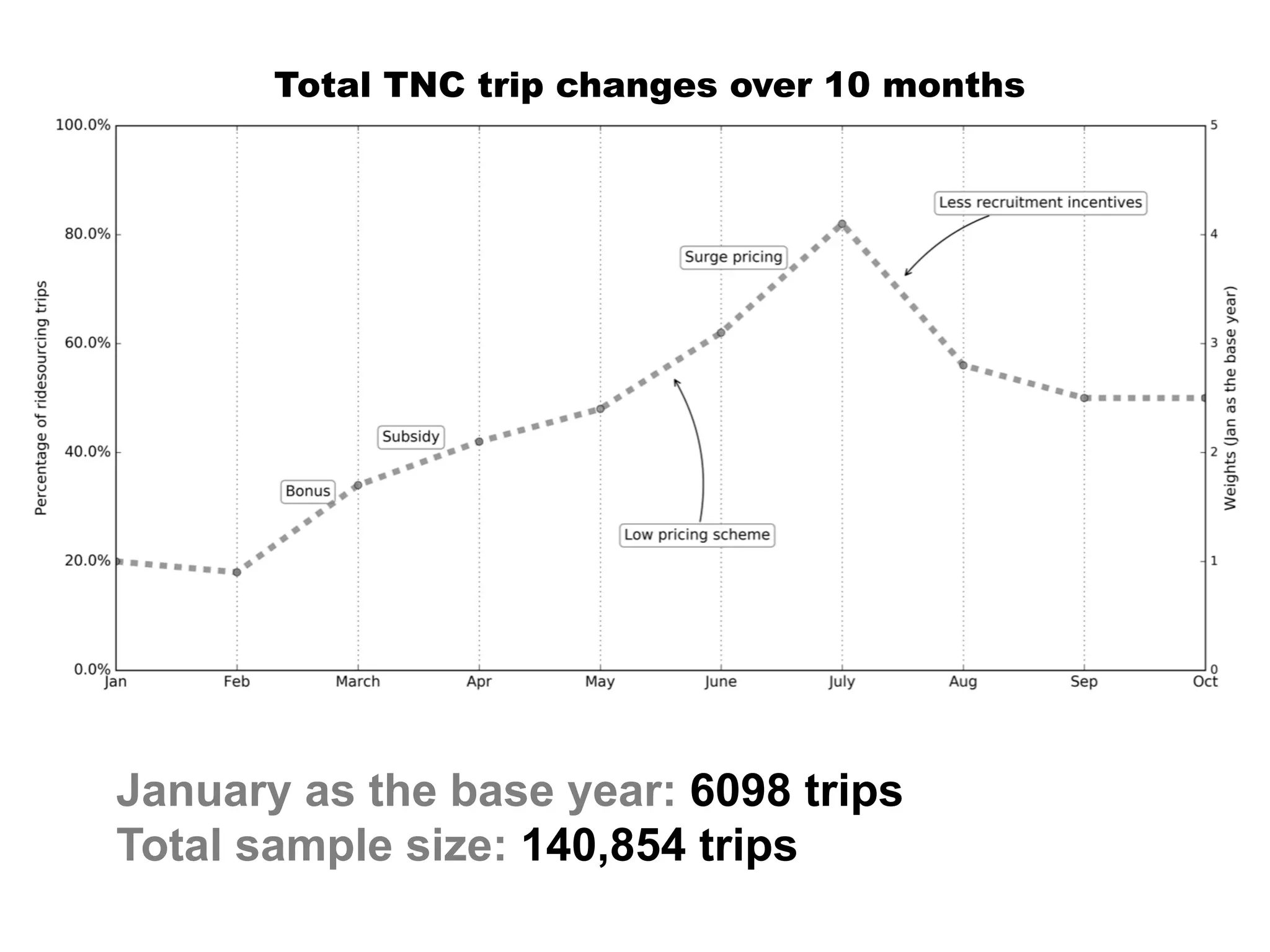
January as the base year: 6098 trips
Total sample size: 140,854 trips
Total TNC trip changes over 10 months
Assumption 1
When TNC trip price decreases,
people take more TNC trips,
including trips with transit
alternatives.
TNC
TRANSIT INDUCED
DEMAND
If there is a
reasonable transit
alternative available
for the TNC trip OD
[Competition?]
No reasonable
transit alternative
available
Assumption 2
•  Low car ownership
(~15%)
•  High transit usage
(50% of trips)
•  Limited taxi supply
(20 per 10000 ppl)
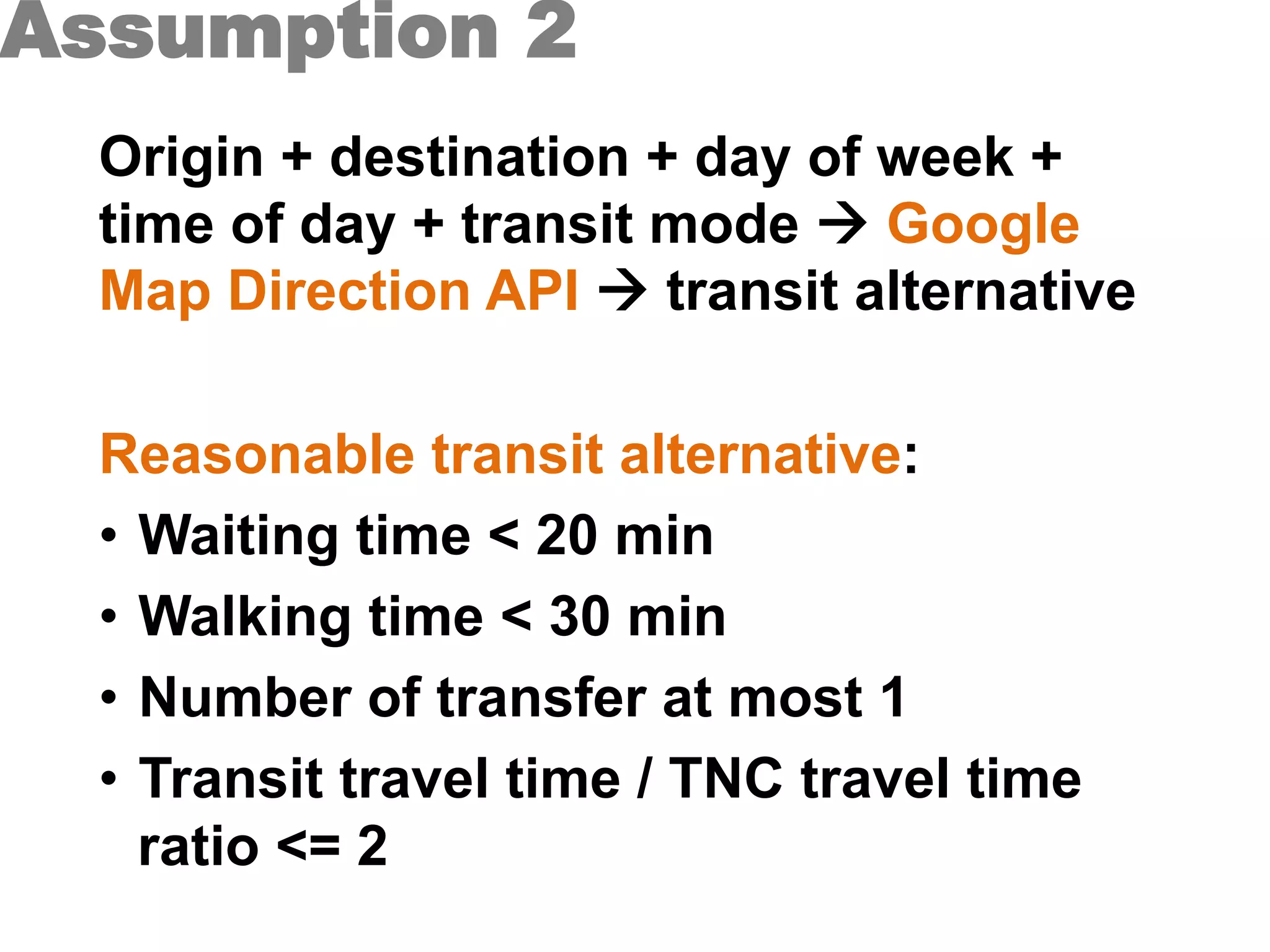
Assumption 2
Origin + destination + day of week +
time of day + transit mode à Google
Map Direction API à transit alternative
Reasonable transit alternative:
•  Waiting time < 20 min
•  Walking time < 30 min
•  Number of transfer at most 1
•  Transit travel time / TNC travel time
ratio <= 2
Is ride-sourcing (TNC) competing with transit in cities?
Individual level:
Assumptions on travel behaviors
Is ride-sourcing (TNC) competing with transit in cities?
Individual level:
Assumptions on travel behaviors
Hypothesis:
e.g. people are more likely to use TNC service for
short-distant trips
Is ride-sourcing (TNC) competing with transit in cities?
Individual level:
Assumptions on travel behaviors
Hypothesis:
e.g. people are more likely to use TNC service for
short-distant trips
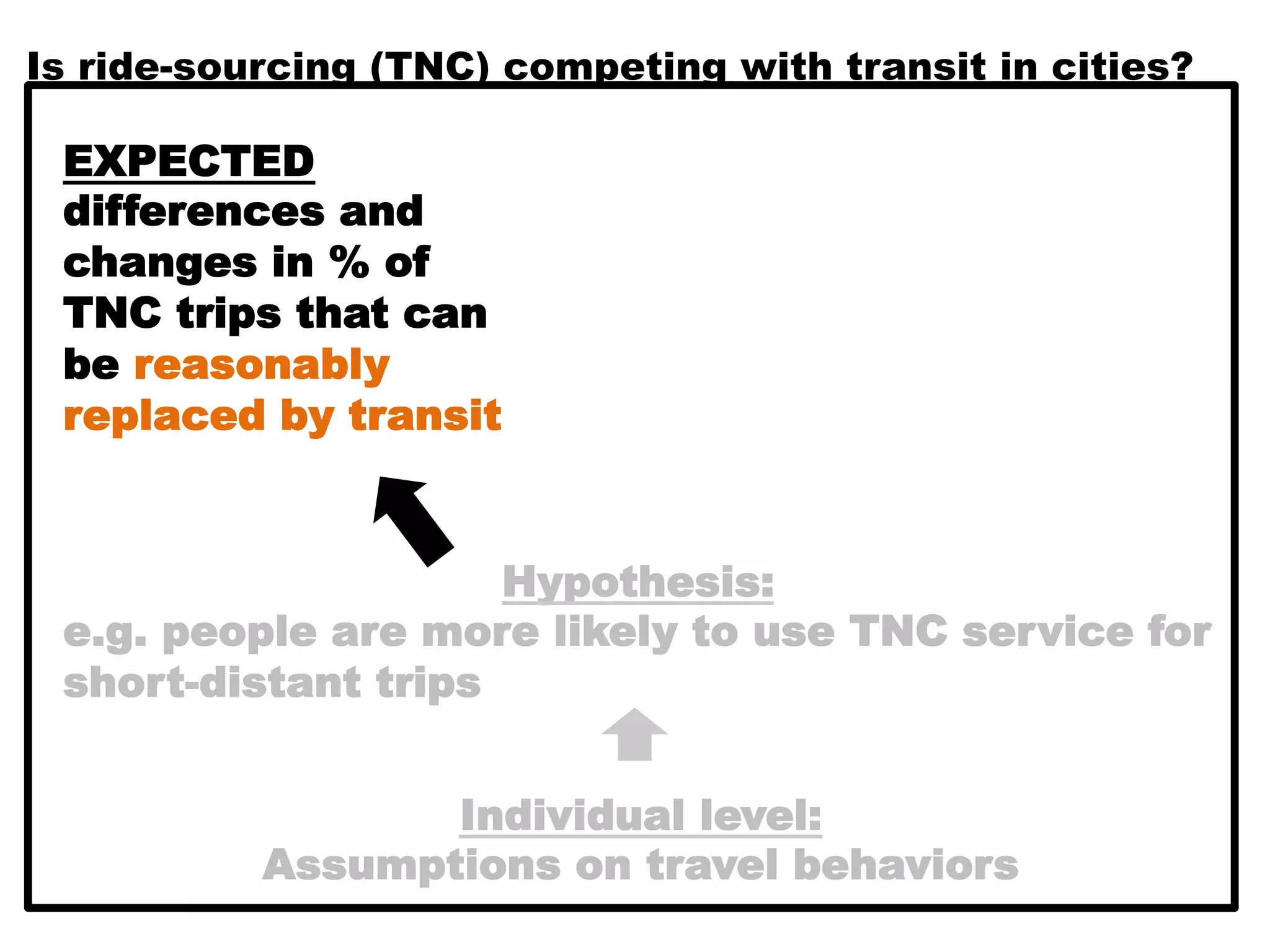
EXPECTED
differences and
changes in % of
TNC trips that can
be reasonably
replaced by transit
Is ride-sourcing (TNC) competing with transit in cities?
Individual level:
Assumptions on travel behaviors
Hypothesis:
e.g. people are more likely to use TNC service for
short-distant trips
EXPECTED
differences and
changes in % of
TNC trips that can
be reasonably
replaced by transit
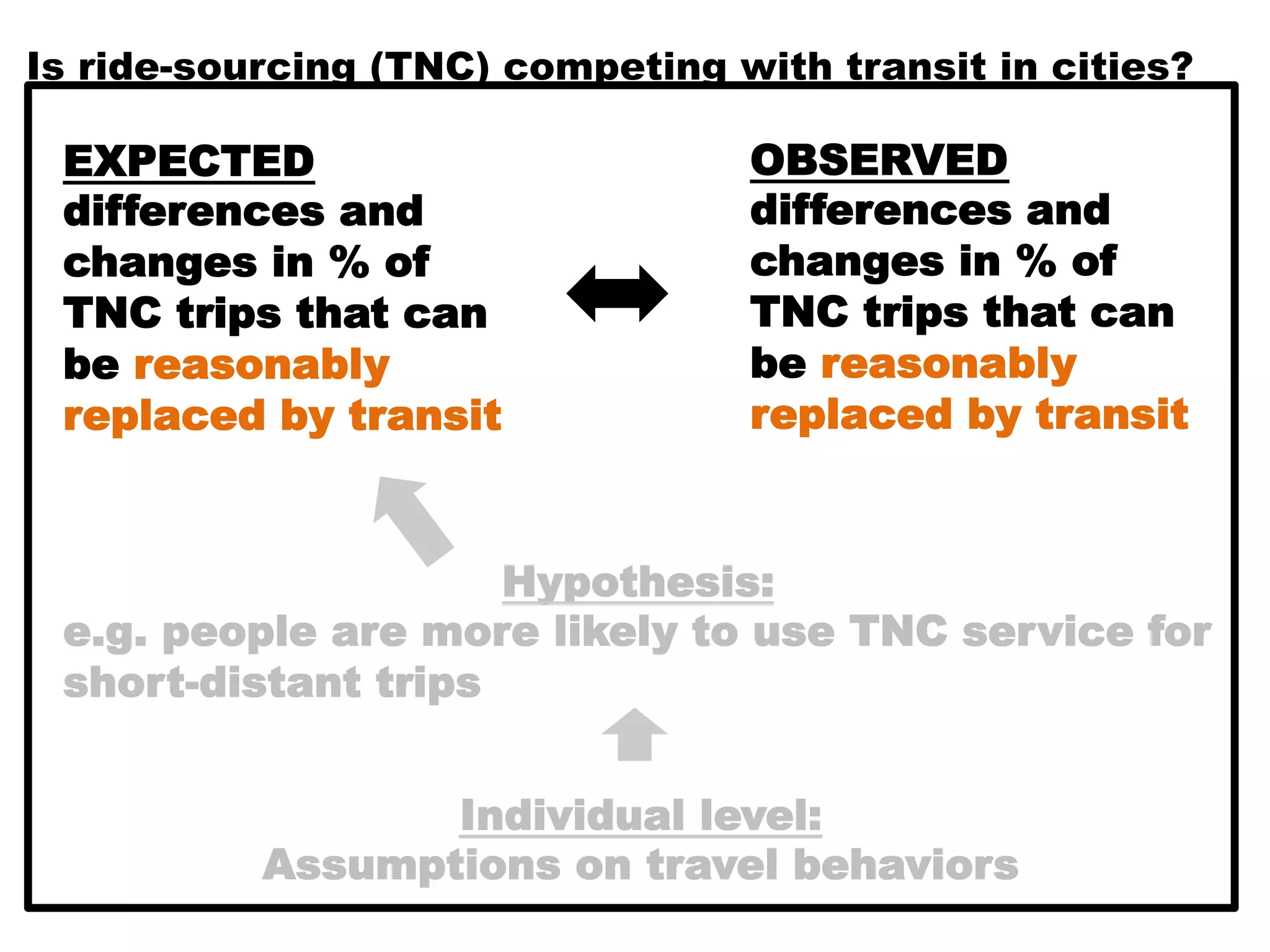
OBSERVED
differences and
changes in % of
TNC trips that can
be reasonably
replaced by transit
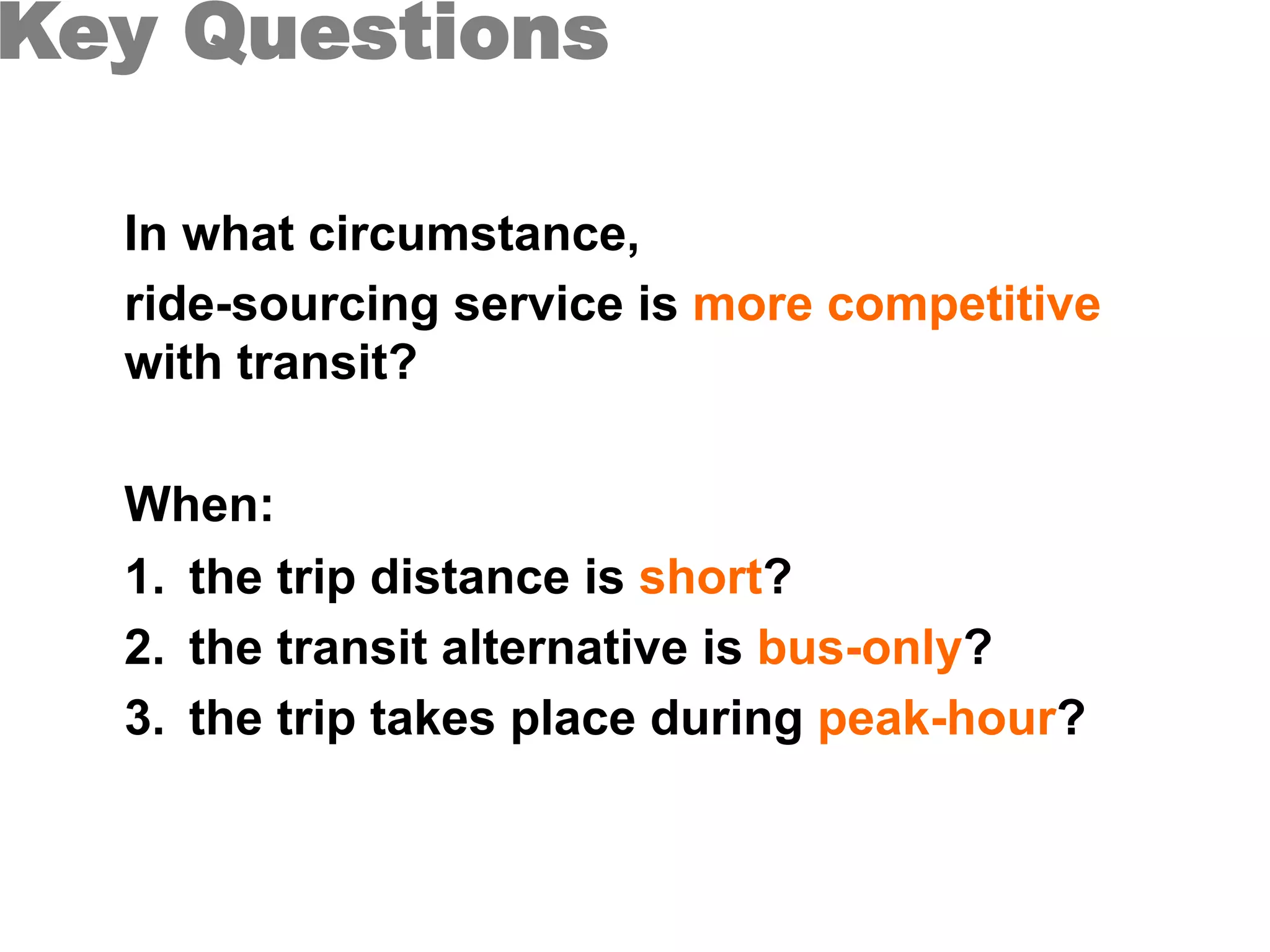
Key Questions
In what circumstance,
ride-sourcing service is more competitive
with transit?
When:
1.  the trip distance is short?
2.  the transit alternative is bus-only?
3.  the trip takes place during peak-hour?
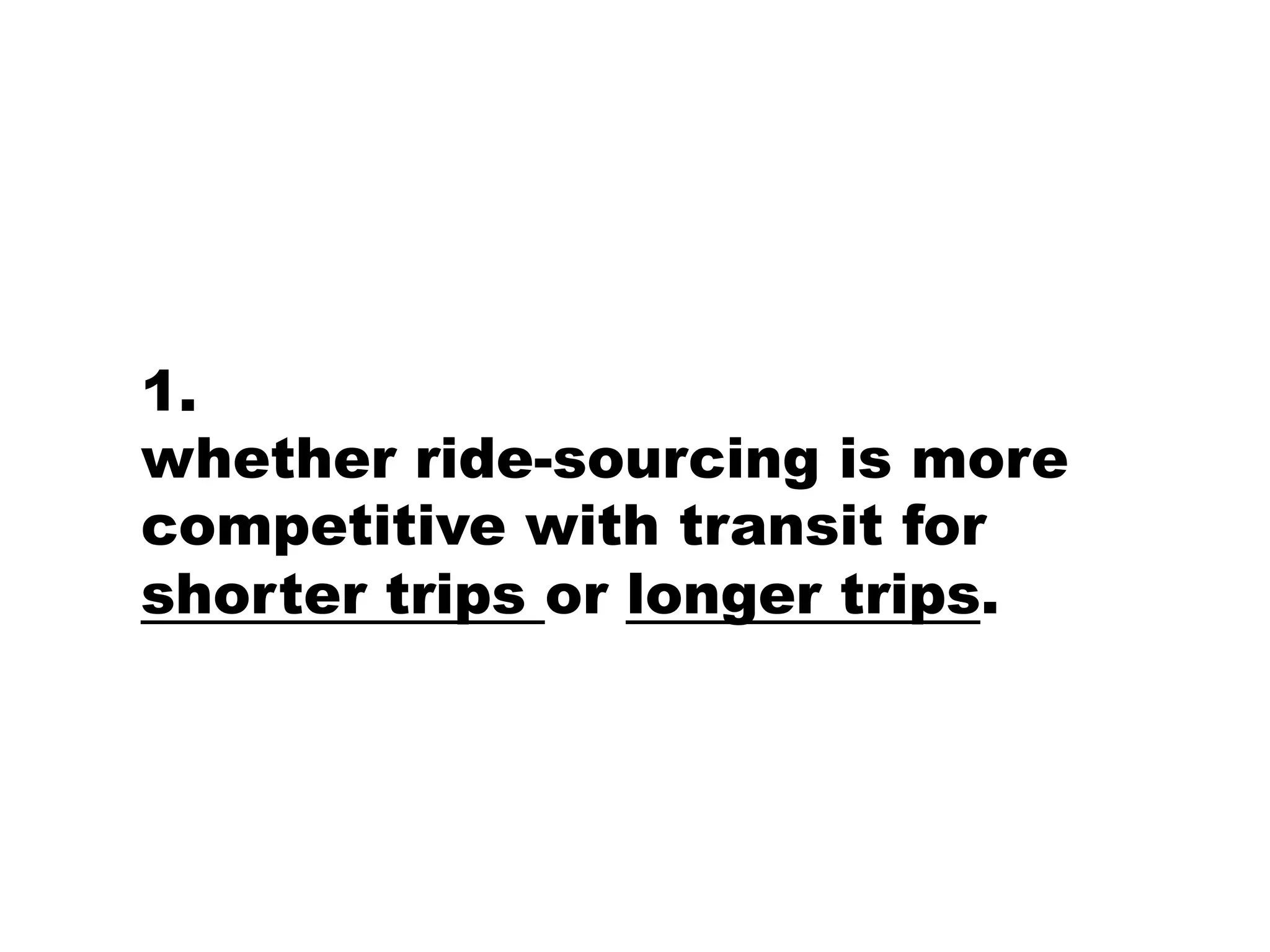
1.
whether ride-sourcing is more
competitive with transit for
shorter trips or longer trips.
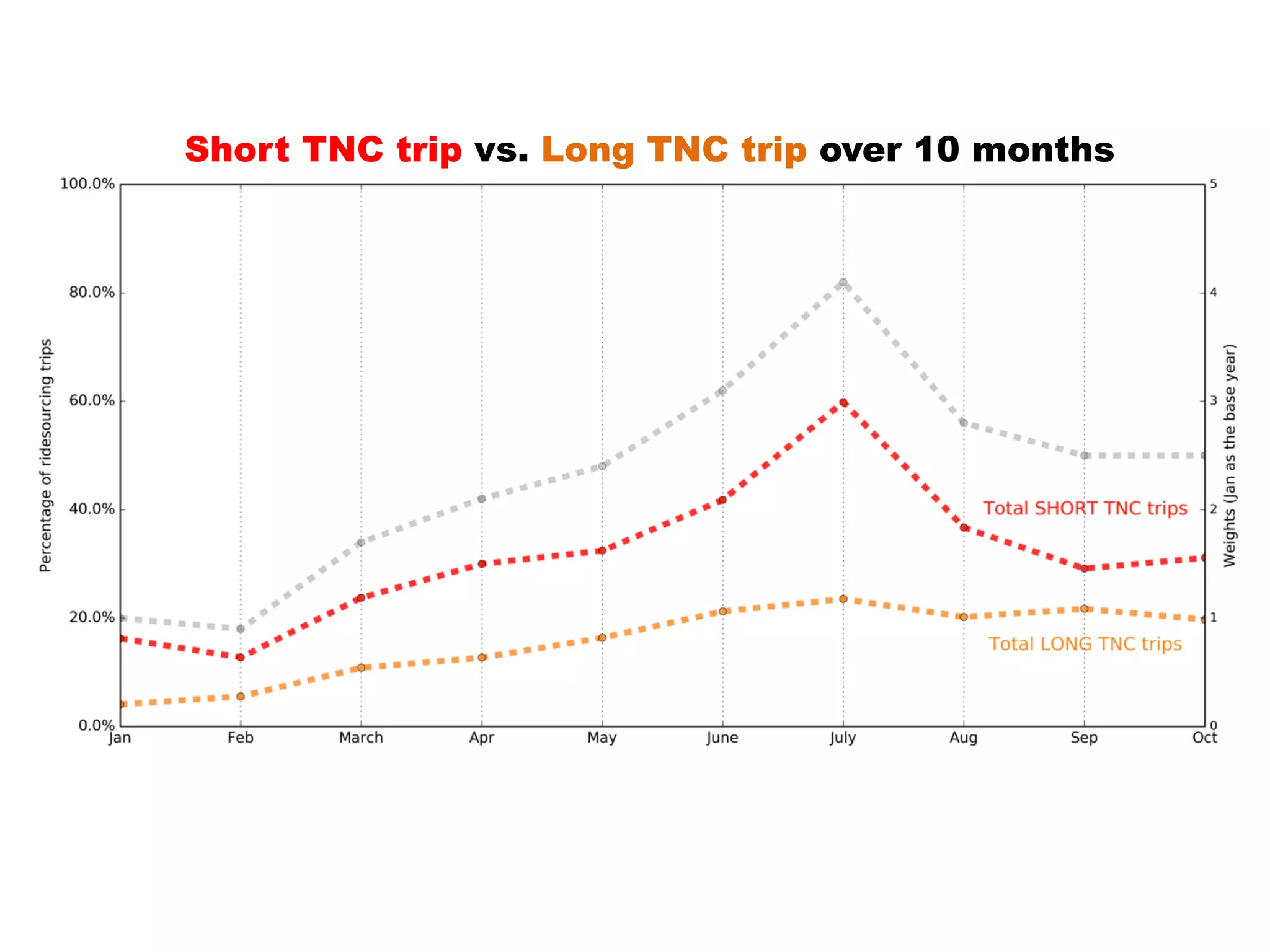
Short TNC trip vs. Long TNC trip over 10 months
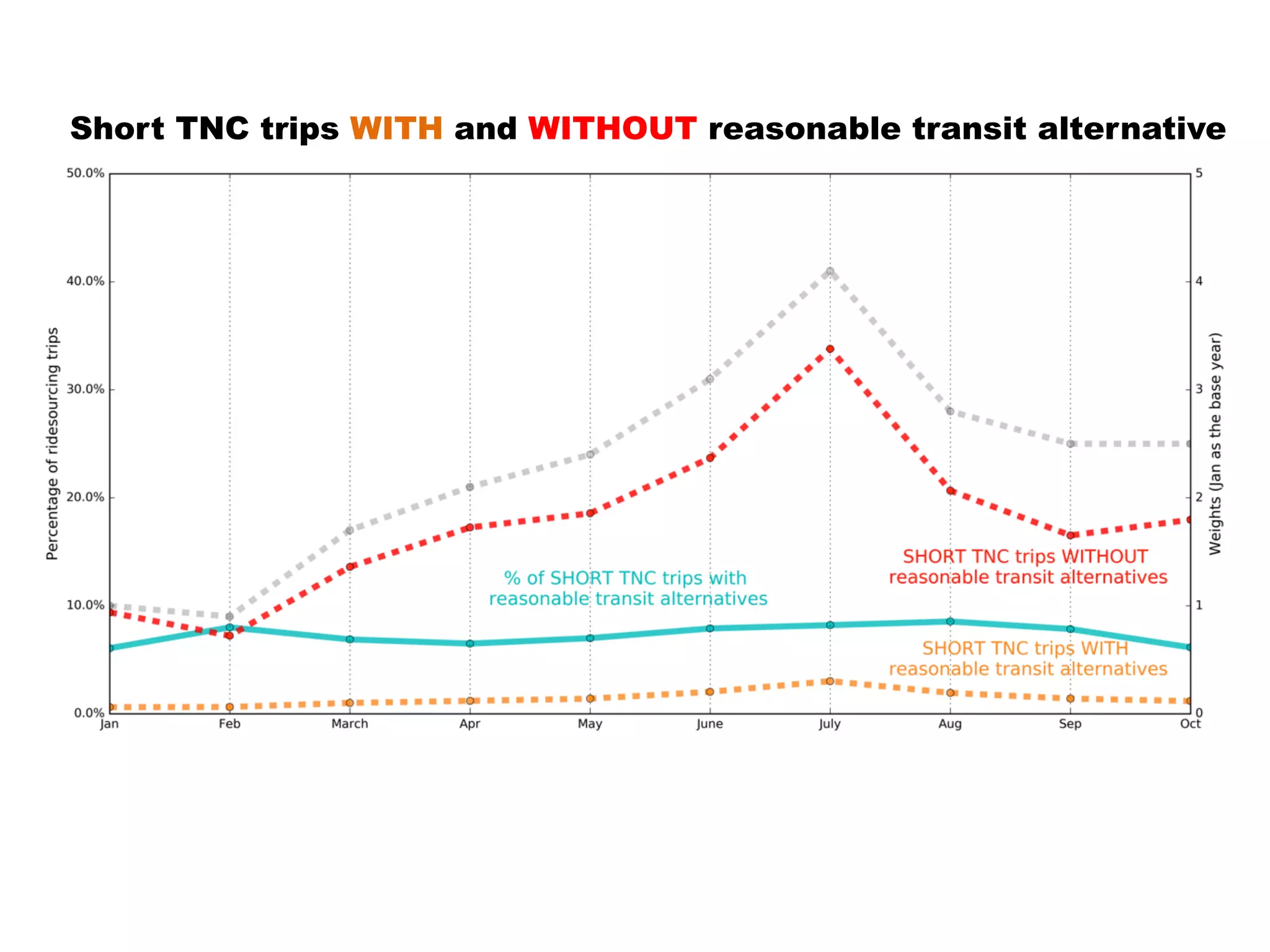
Short TNC trips WITH and WITHOUT reasonable transit alternative
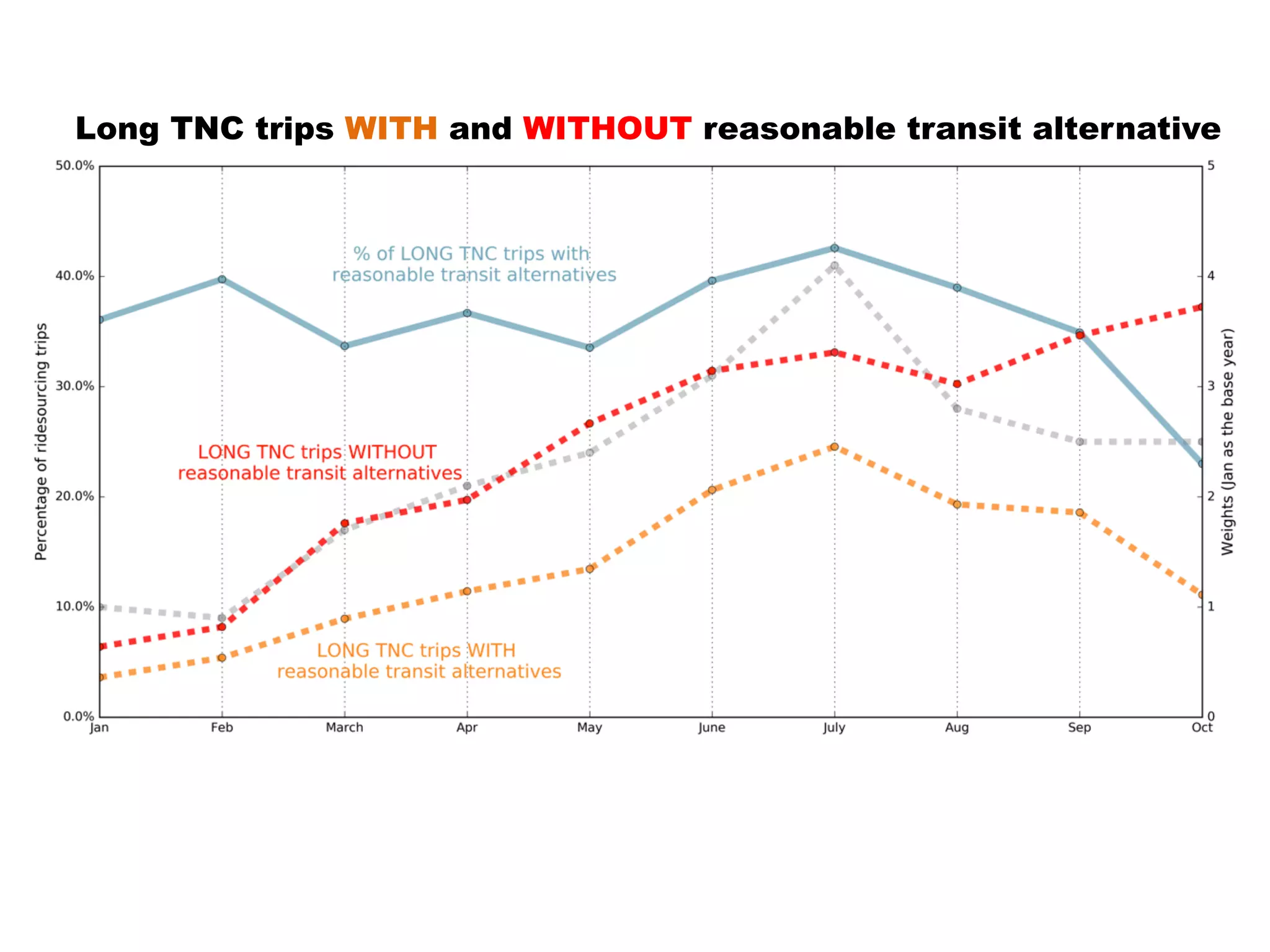
Long TNC trips WITH and WITHOUT reasonable transit alternative
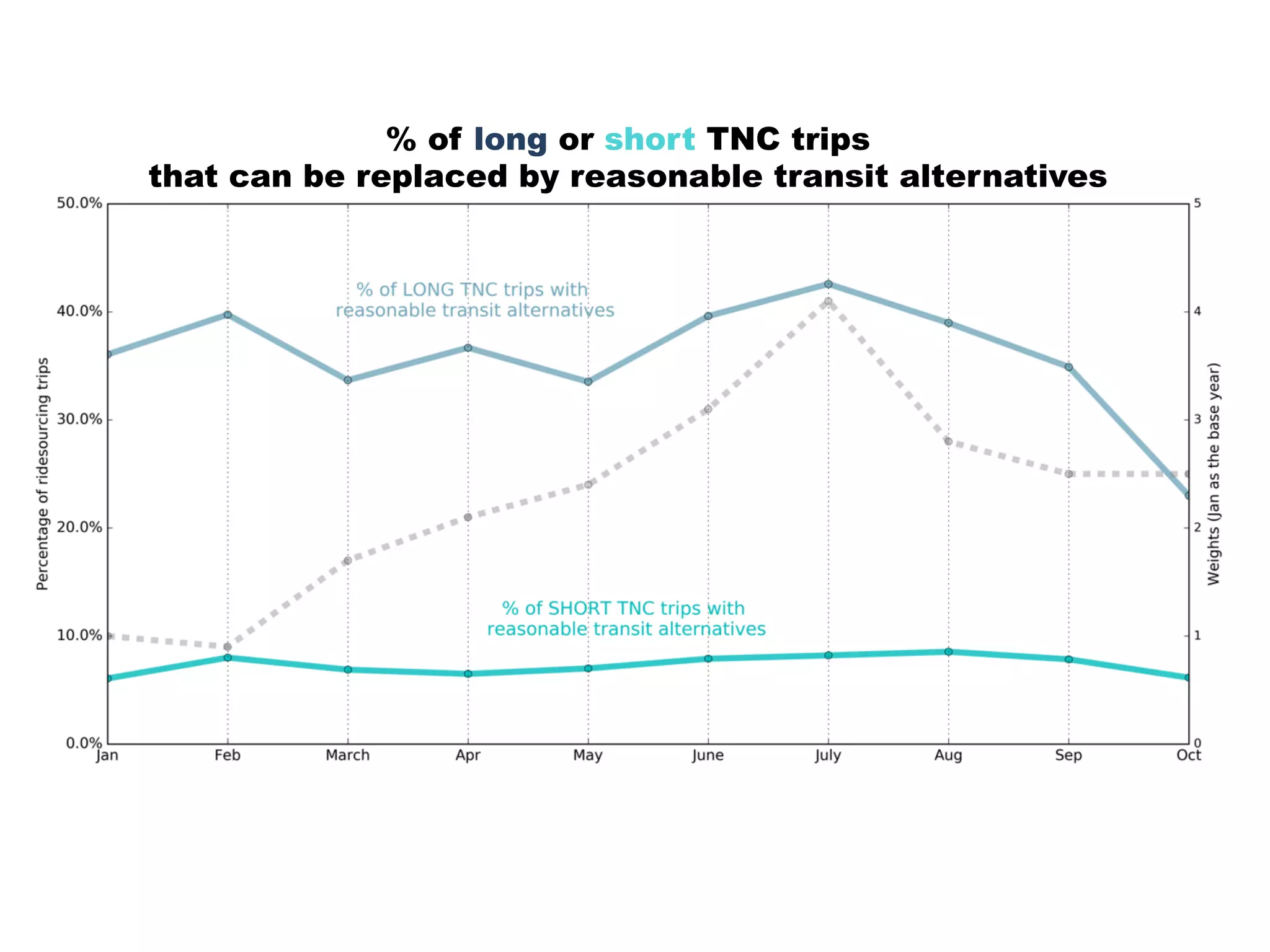
% of long or short TNC trips
that can be replaced by reasonable transit alternatives
2.
whether ride-sourcing is more
competitive with bus or metro.
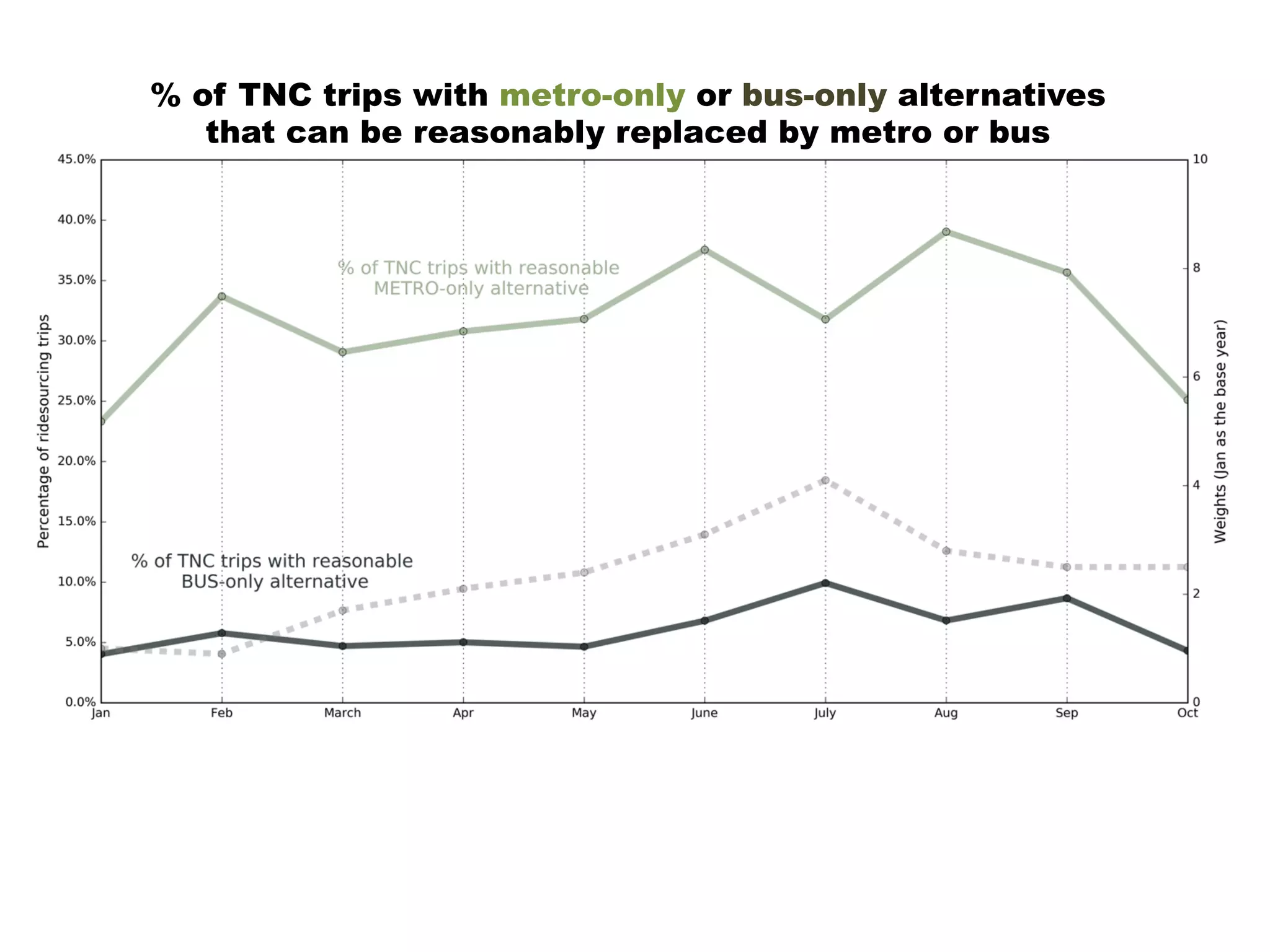
% of TNC trips with metro-only or bus-only alternatives
that can be reasonably replaced by metro or bus
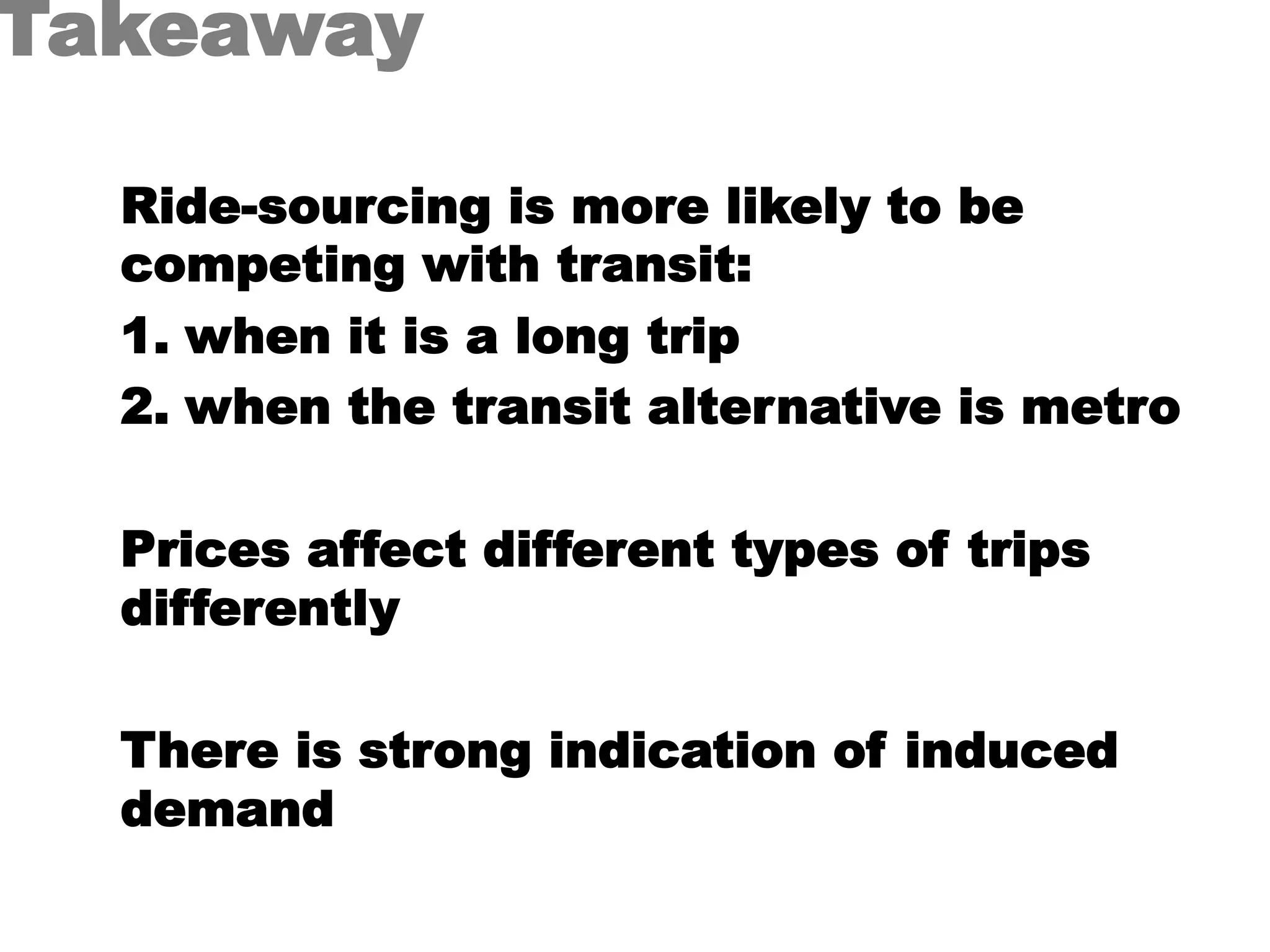
Takeaway
Ride-sourcing is more likely to be
competing with transit:
1.  when it is a long trip
2.  when the transit alternative is metro
Prices affect different types of trips
differently
There is strong indication of induced
demand
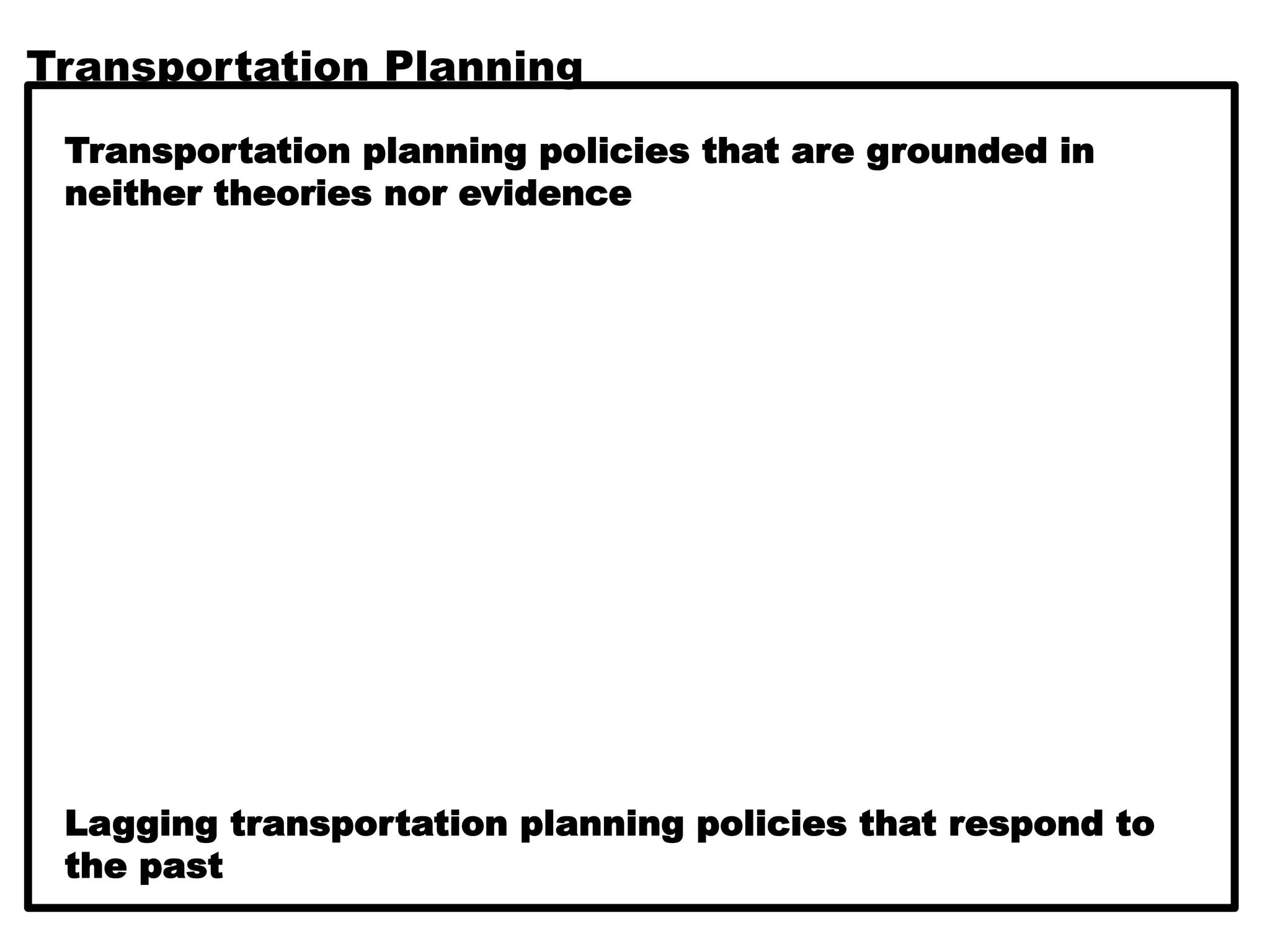
Transportation Planning
Transportation planning policies that are grounded in
neither theories nor evidence
Lagging transportation planning policies that respond to
the past
Transportation planning policies that are grounded in
neither theories nor evidence
Lagging transportation planning policies that respond to
the past
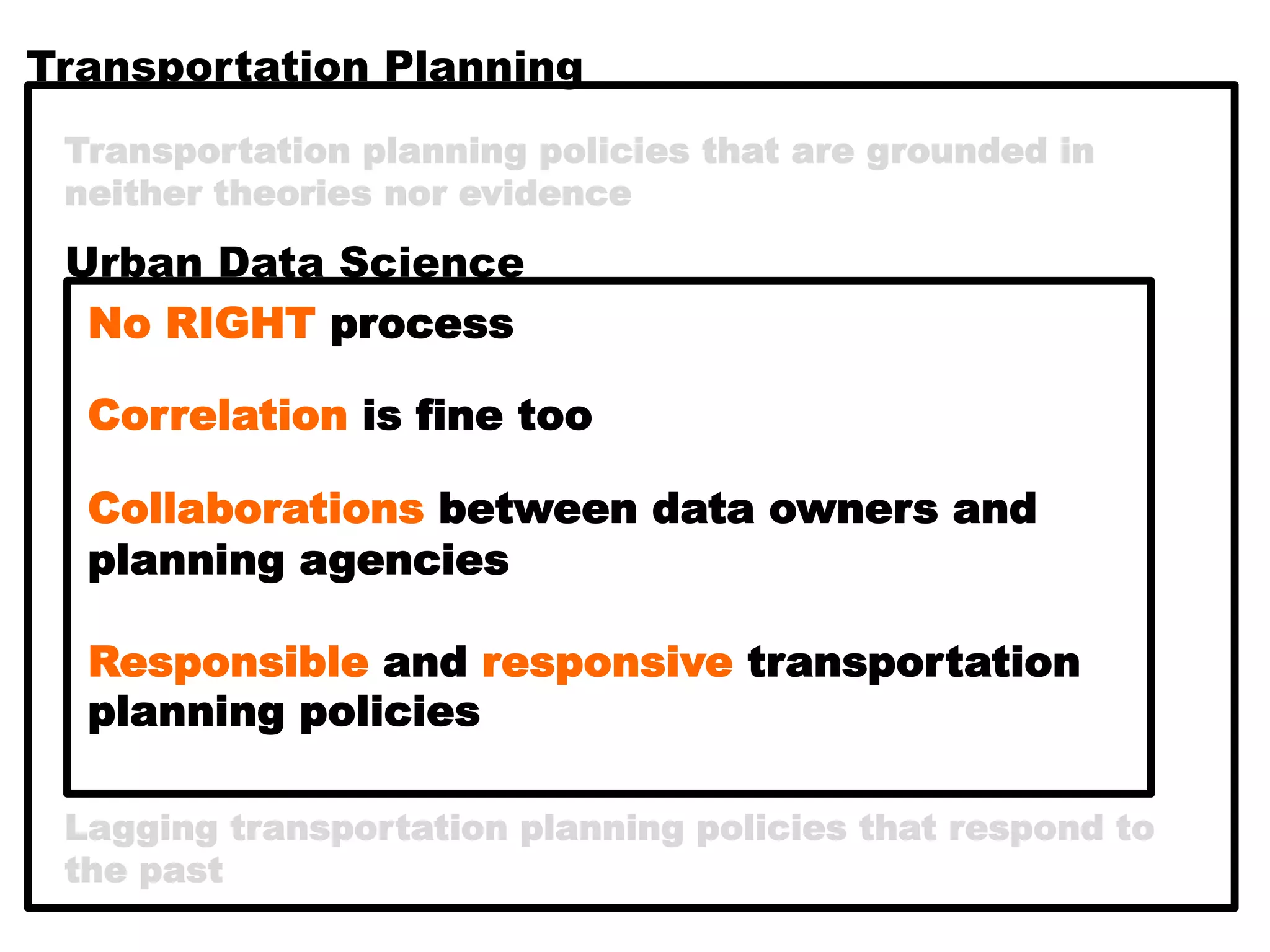
No RIGHT process
Correlation is fine too
Collaborations between data owners and
planning agencies
Responsible and responsive transportation
planning policies
Transportation Planning
Urban Data Science
Thank you.
Contacts:
Ruoying Xu: xuruoying@berkeley.edu
Yiyan Ge: geyiyan@berkeley.edu

Ride-sourcing (TNC service) and transit in Shanghai

  • 1.
    Friend or Foe? App-based,on-demand ride services (ride-sourcing) and transit in Shanghai UC Berkeley Ruoying Xu PhD student at the Department of City and Regional planning Yiyan Ge Concurrent Masters student at DCRP and Transportation Engineering
  • 2.
    Friend or Foe? App-based,on-demand ride services (ride-sourcing) and transit in Shanghai Transportation Planning & Urban Data Science UC Berkeley Ruoying Xu PhD student at the Department of City and Regional planning Yiyan Ge Concurrent Masters student at DCRP and Transportation Engineering
  • 3.
    What question arewe trying to answer and why? How do we approach the question? How do we implement the approach? What can we do with the findings? OUTLINE
  • 4.
    Is ride-sourcing (TNCservice) competing with transit in cities?
  • 5.
    Why do wecare? Because how we travel shapes our experiences living in the cities.
  • 6.
    We make choices • Demand •  Travel mode •  Travel time •  Location preferences Choices have consequences •  Traffic •  GHG emission •  Land use patterns TNC Equity and Access
  • 7.
    Is ride-sourcing (TNC)competing with transit in cities? Traditional approach: Whether people actually switched from a transit mode that they were previously using to the new mode TNC for the same trip purpose?
  • 8.
    Technology-enabled, data-rich, fast-paced changes Quick understandingof changes & responsive and responsible policies
  • 9.
    Quick understanding of changes& responsive and responsible policies Technology-enabled, data-rich, fast-paced changes Analytical + Confirmatory approach
  • 10.
    Broad patterns and correlations Theories& known underlying mechanisms Analytical + Confirmatory approach
  • 11.
    DATA Trip data fromJan. to Oct., 2015, provided by Didi Kuaidi Trip origin and destination Trip date and time 140,854 samples in total
  • 12.
    January as thebase year: 6098 trips Total sample size: 140,854 trips Total TNC trip changes over 10 months
  • 13.
    Assumption 1 When TNCtrip price decreases, people take more TNC trips, including trips with transit alternatives.
  • 14.
    TNC TRANSIT INDUCED DEMAND If thereis a reasonable transit alternative available for the TNC trip OD [Competition?] No reasonable transit alternative available Assumption 2 •  Low car ownership (~15%) •  High transit usage (50% of trips) •  Limited taxi supply (20 per 10000 ppl)
  • 15.
    Assumption 2 Origin +destination + day of week + time of day + transit mode à Google Map Direction API à transit alternative Reasonable transit alternative: •  Waiting time < 20 min •  Walking time < 30 min •  Number of transfer at most 1 •  Transit travel time / TNC travel time ratio <= 2
  • 16.
    Is ride-sourcing (TNC)competing with transit in cities? Individual level: Assumptions on travel behaviors
  • 17.
    Is ride-sourcing (TNC)competing with transit in cities? Individual level: Assumptions on travel behaviors Hypothesis: e.g. people are more likely to use TNC service for short-distant trips
  • 18.
    Is ride-sourcing (TNC)competing with transit in cities? Individual level: Assumptions on travel behaviors Hypothesis: e.g. people are more likely to use TNC service for short-distant trips EXPECTED differences and changes in % of TNC trips that can be reasonably replaced by transit
  • 19.
    Is ride-sourcing (TNC)competing with transit in cities? Individual level: Assumptions on travel behaviors Hypothesis: e.g. people are more likely to use TNC service for short-distant trips EXPECTED differences and changes in % of TNC trips that can be reasonably replaced by transit OBSERVED differences and changes in % of TNC trips that can be reasonably replaced by transit
  • 20.
    Key Questions In whatcircumstance, ride-sourcing service is more competitive with transit? When: 1.  the trip distance is short? 2.  the transit alternative is bus-only? 3.  the trip takes place during peak-hour?
  • 21.
    1. whether ride-sourcing ismore competitive with transit for shorter trips or longer trips.
  • 22.
    Short TNC tripvs. Long TNC trip over 10 months
  • 23.
    Short TNC tripsWITH and WITHOUT reasonable transit alternative
  • 24.
    Long TNC tripsWITH and WITHOUT reasonable transit alternative
  • 25.
    % of longor short TNC trips that can be replaced by reasonable transit alternatives
  • 26.
    2. whether ride-sourcing ismore competitive with bus or metro.
  • 27.
    % of TNCtrips with metro-only or bus-only alternatives that can be reasonably replaced by metro or bus
  • 28.
    Takeaway Ride-sourcing is morelikely to be competing with transit: 1.  when it is a long trip 2.  when the transit alternative is metro Prices affect different types of trips differently There is strong indication of induced demand
  • 29.
    Transportation Planning Transportation planningpolicies that are grounded in neither theories nor evidence Lagging transportation planning policies that respond to the past
  • 30.
    Transportation planning policiesthat are grounded in neither theories nor evidence Lagging transportation planning policies that respond to the past No RIGHT process Correlation is fine too Collaborations between data owners and planning agencies Responsible and responsive transportation planning policies Transportation Planning Urban Data Science
  • 31.
    Thank you. Contacts: Ruoying Xu:xuruoying@berkeley.edu Yiyan Ge: geyiyan@berkeley.edu