Internet Of
Things
" It's the beginning of machines taking
over the world !!"
Agenda
WEEK 1 :
• What is IoT ?
• Why IoT ?
• Components of IoT
• benefits of IoT
• IoT Characteristics
• Application of IoT
What is IoT ?
The Internet of Things (IoT) describes the network
of physical objects—“things”—that are embedded
with sensors, software, and other technologies for
the purpose of connecting and exchanging data
with other devices and systems over the internet.
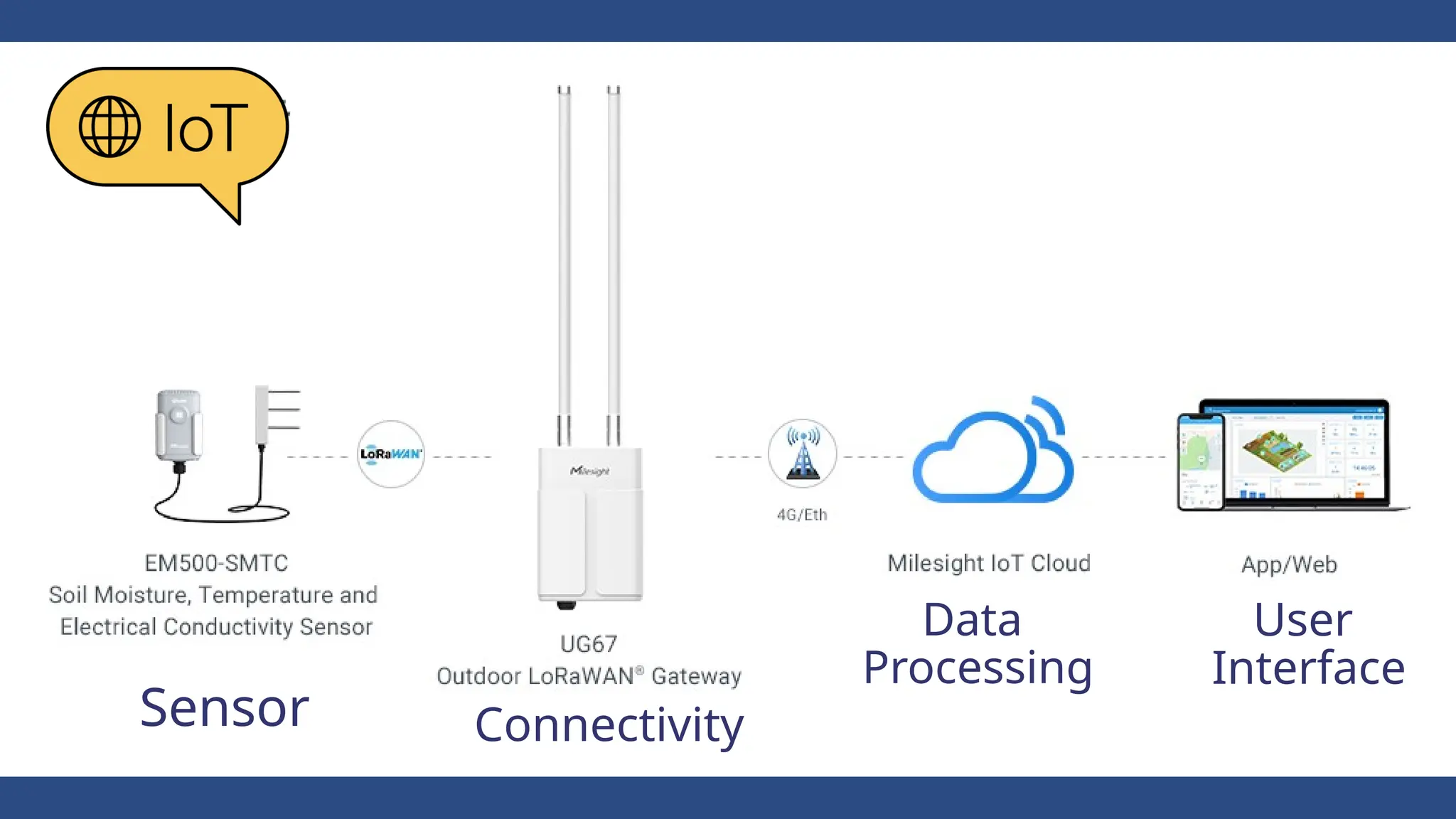
Component's of IoT
• Sensors
• connectivity
• Data Processing
• User Interface
• These are the devices that collect data from the environment and
carry out actions based on that data. They are sometimes
referred to as “things” in IoT.
• Sensors are used to collect data, such as temperature, light,
sound, or pressure. Actuators, on the other hand, are used to
carry out an action based on the data that has been collected,
such as turning on a light or opening a door.
Sensors
• After the data is collected, it needs a way to get to the cloud (or
other data storage location) so it can be processed and analyzed.
This is where connectivity comes in.
• Connectivity refers to the various technologies that are used to
connect devices to the internet, such as WiFi, Bluetooth, cellular,
or satellite. The data that was gathered through the sensors is
then transmitted over the internet using one of these
technologies.
Connectivity
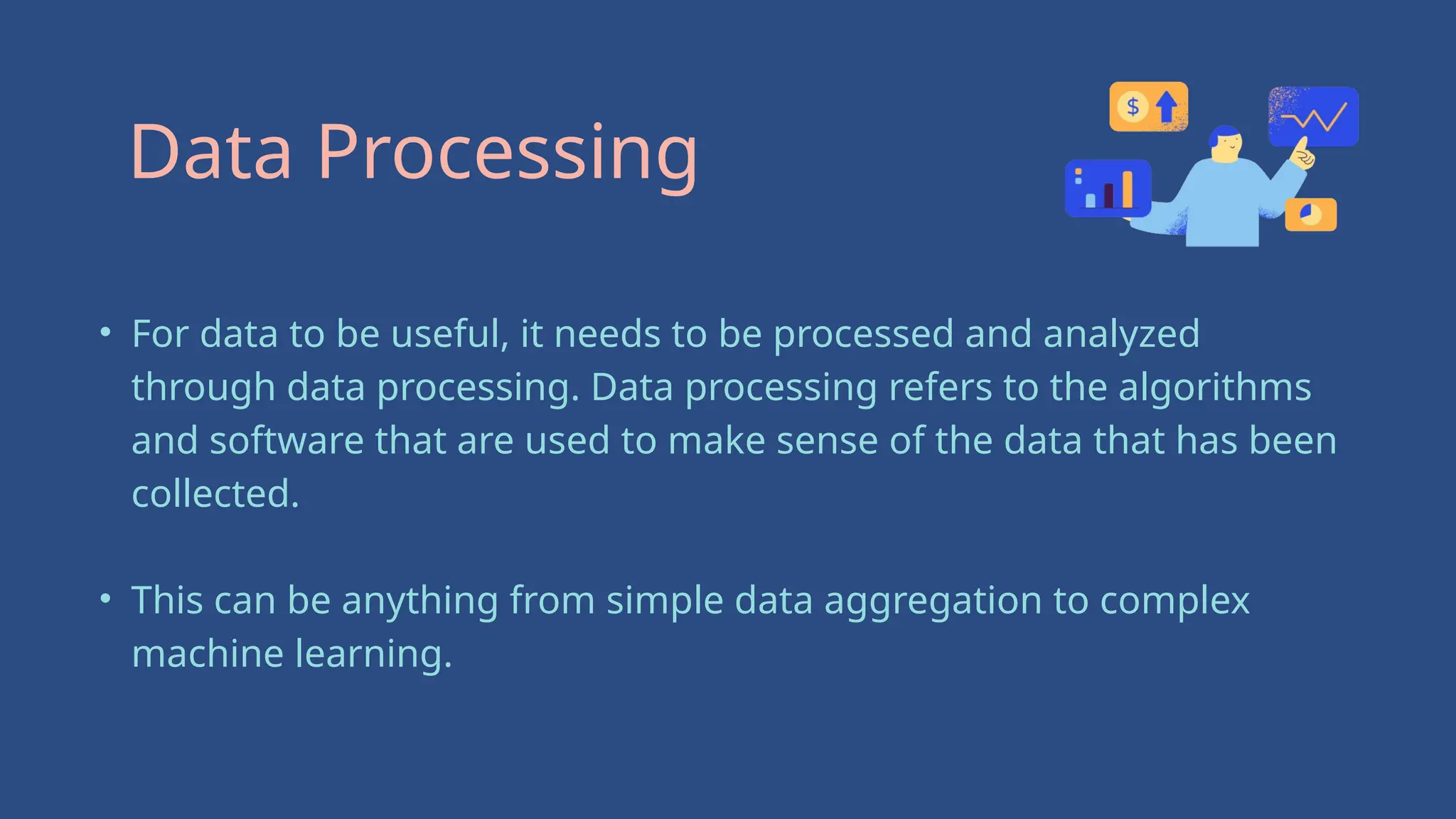
• For data to be useful, it needs to be processed and analyzed
through data processing. Data processing refers to the algorithms
and software that are used to make sense of the data that has been
collected.
• This can be anything from simple data aggregation to complex
machine learning.
Data Processing
• Last but not least, we have the user interface. The user interface is
what allows humans to interact with IoT devices and systems. This is
the last stage of the data processing pipeline and is what allows us
to control the devices or see the data that has been collected.
• After all, the data collected has to serve some purpose for us,
whether it’s helping us make a decision or simply providing us with
information.
User Interface
Sensor Connectivity
Data
Processing
User
Interface
4 Stages of Problem Solving
• Identification of general
problem
• Root of problem
• Layman solution
• Converting layman solution to a
IoT device
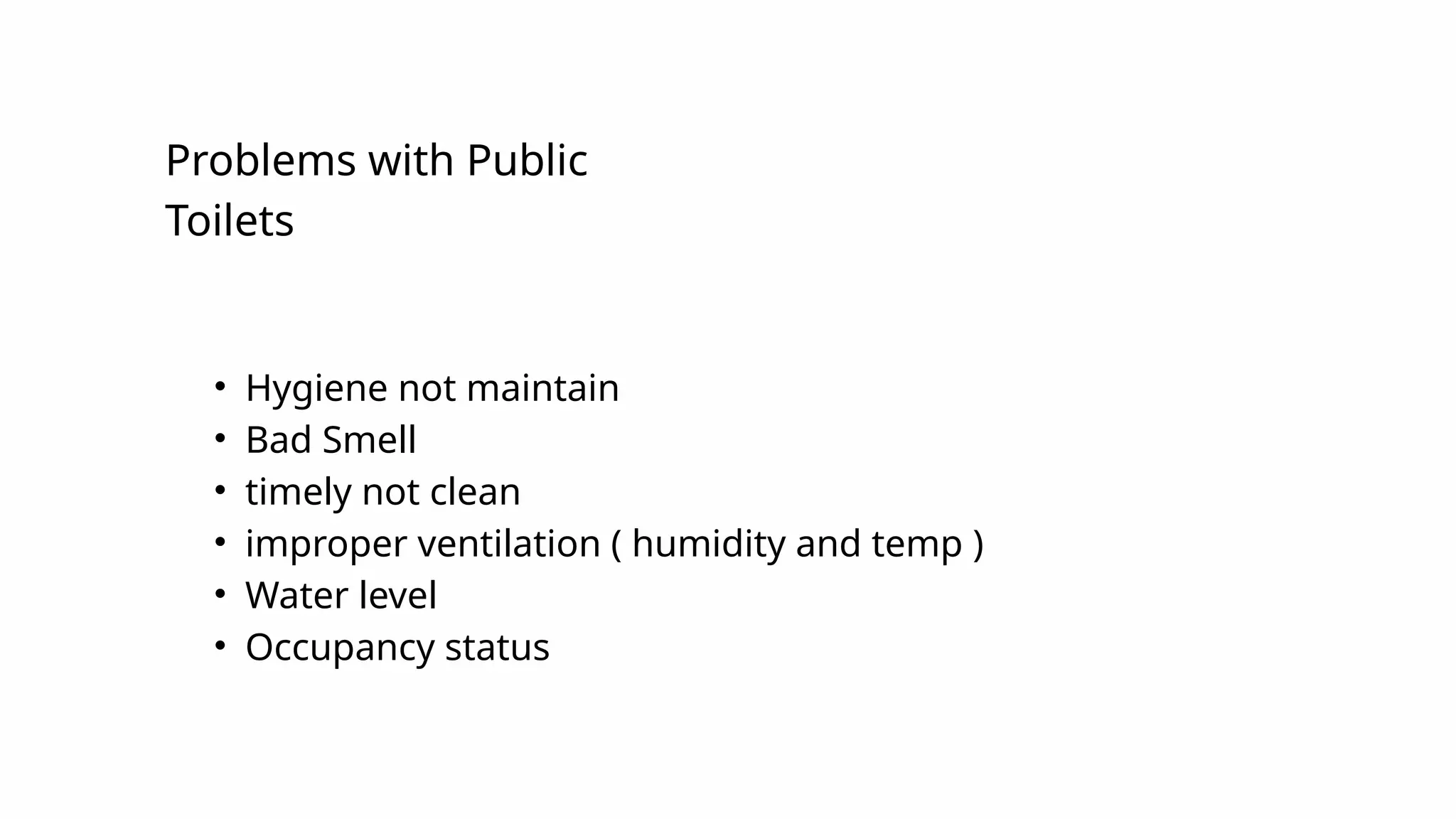
• Hygiene not maintain
• Bad Smell
• timely not clean
• improper ventilation ( humidity and temp )
• Water level
• Occupancy status
problems ........
Problems with Public
Toilets
• Miscommunication between workforce and
authority
• Mismanagement or ignorance of workforce
problems ........
Problems with
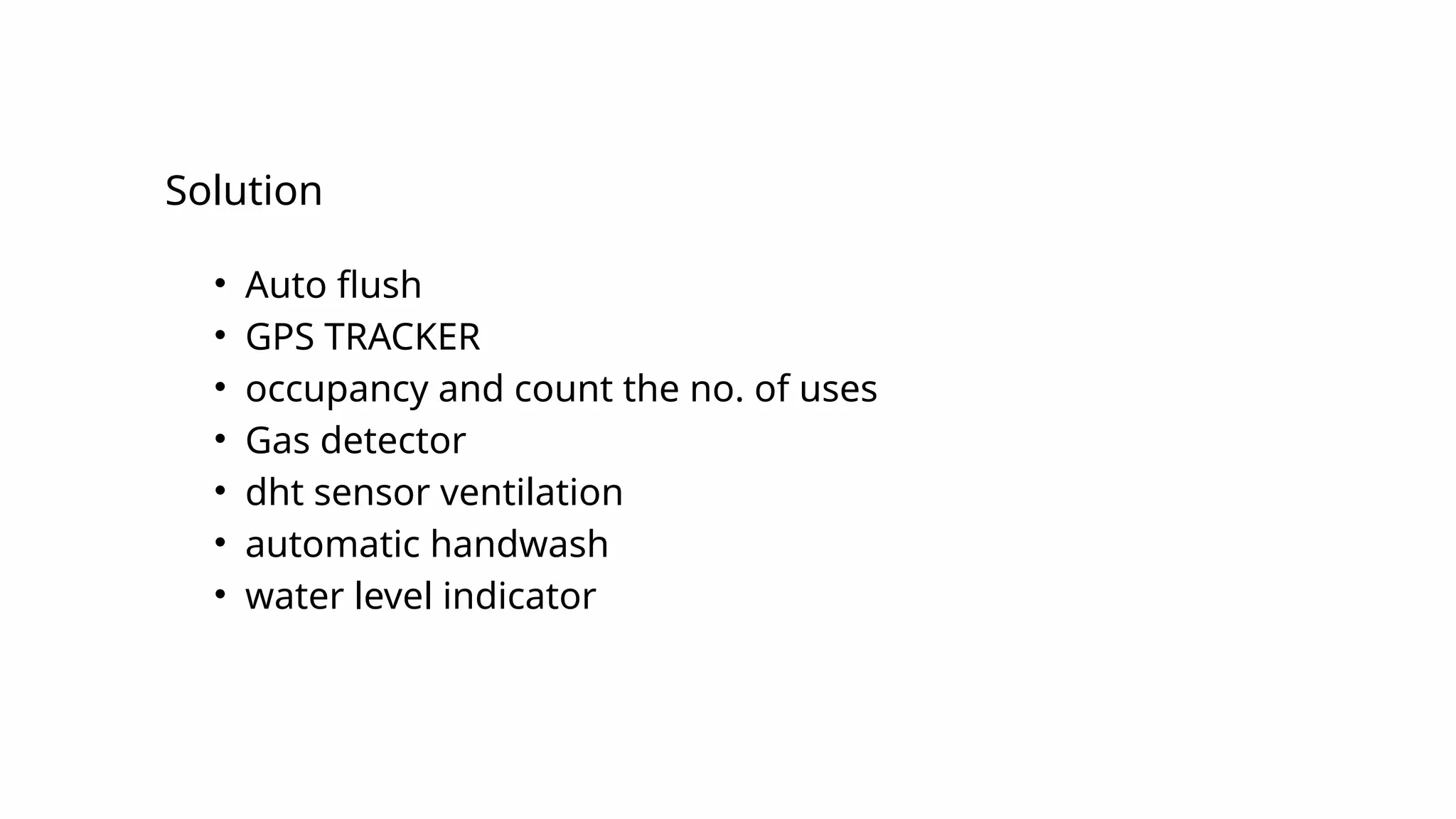
• Auto flush
• GPS TRACKER
• occupancy and count the no. of uses
• Gas detector
• dht sensor ventilation
• automatic handwash
• water level indicator
problems ........
Solution
Solution should be
• Saves Time
• Accuracy/efficient
• Practically possible
• Cost save
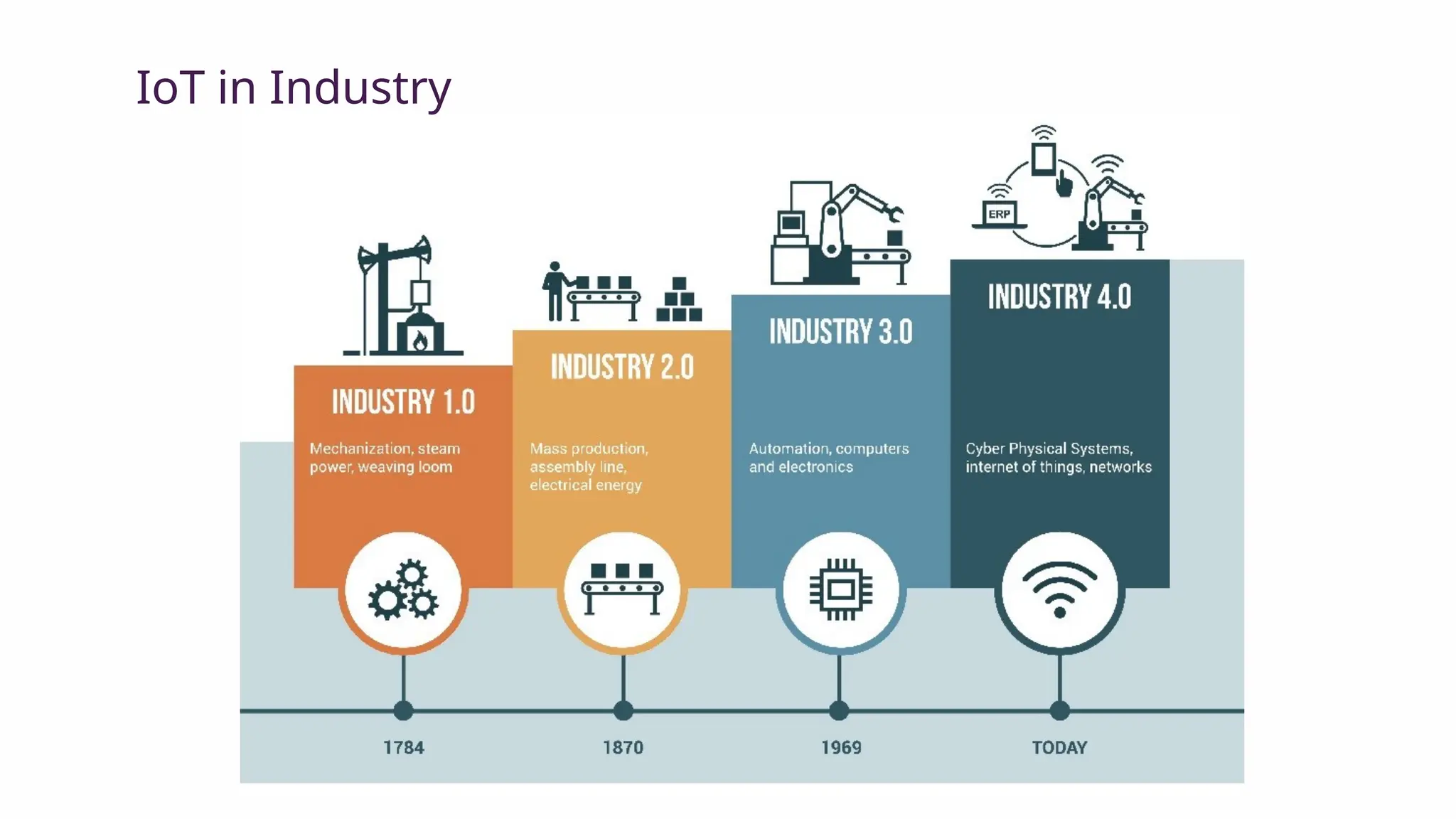
IoT in Industry
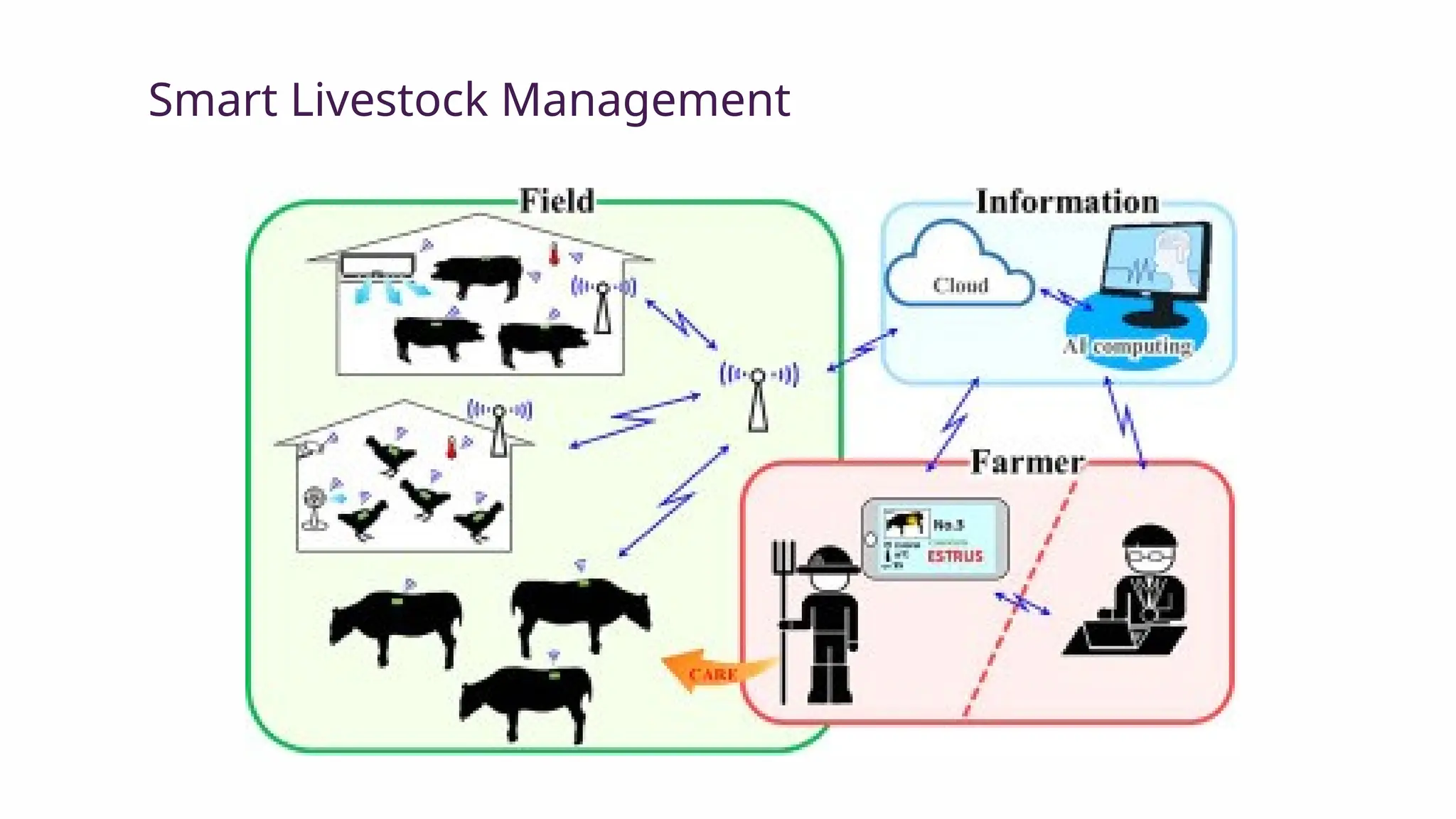
Smart Livestock Management
Challenges of IoT Technology
• Security and Privacy
• Interoperability
• Power and Energy Efficiency
• Reliability and Resilience
• Scalability
• Security is one of the most significant challenges in IoT. With billions
of interconnected devices, the potential attack surface for hackers
increases significantly. Weak security measures can lead to
unauthorized access, data breaches, privacy violations, and even
physical harm.
• This data can be highly personal and sensitive, raising concerns
about privacy. Striking the right balance between data collection for
useful insights and protecting user privacy is crucial.
Security and Privacy
• Interoperability is the ability of equipment, systems, apps or
products from different vendors to operate together in a
coordinated way, without an end user's involvement.
• IoT devices are manufactured by different vendors, using various
protocols, standards, and communication technologies. This
fragmentation creates compatibility issues, making it difficult for
devices from different manufacturers to communicate and work
together seamlessly.
Interoperability
• Many IoT devices are small, battery-powered devices designed for
long-term operation in remote or inaccessible locations. Balancing
the functionality and energy efficiency of these devices is crucial to
ensure their longevity and reliability.
• Maximizing battery life and optimizing energy consumption in IoT
devices is an ongoing challenge.
Power and Energy Efficiency
• IoT systems often operate in critical domains where failures can
have severe consequences, such as healthcare, transportation, and
infrastructure. Ensuring the reliability, resilience, and availability of
IoT systems is crucial to prevent disruptions and potential harm.
• Redundancy, fault tolerance, and disaster recovery strategies are
essential to address these challenges.
Reliability and Resilience
• IoT involves connecting a massive number of devices, ranging from
small sensors to large industrial equipment. Managing and scaling
such a vast network of interconnected devices can be challenging.
• Infrastructure limitations, network congestion, and the ability to
handle the sheer volume of data generated by IoT devices pose
scalability challenges that need to be addressed.
Scalability
Benefits of IoT
• Dynamic
• Efficient use of resources
• Saves Time
• Human efforts and errors
• Security
• Easy to use
Future of IoT
• AI & ML and IoT
• Voice User Interface
• Making “Things” small
• Power (Low)
• Big Data and IoT
Agenda
WEEK 2 :
• What is IoT development boards ?
• Need IoT development boards ?
• Types of boards
• Starting with boards
IoT development boards
• A development board is essentially a
printed circuit board with circuitry and
hardware for experimenting with
specific microcontrollers,
microprocessors
Properties of development
boards
• Supports different types of connectivity
• Support different communication
protocol
• Scalability options
• Peripherals support
• Processing power and Board memory
Types of development boards
• Microcontroller Boards
• Single board Computer
• System on Chipboards
An IoT development board includes:
• A programming interface to program the
microcontroller from a computer.
• A power circuit used to provide stable DC
power to the microcontroller.
• Input components: buttons, switches, etc.
• Output components such as LEDs.
• Various I/O pins used for compatibility with
sensors, motors, screens, and any other
components.
• A system-on-a-chip (SoC) is a microchip with all the necessary
electronic circuits and parts for a given system, such as a
smartphone or wearable computer, on a single integrated circuit
(IC).
• An SoC for a sound-detecting device, for example, might include
an audio receiver, an analog-to-digital converter (ADC), a
microprocessor, memory, and the input/output logic control for
a user - all on a single chip.
System on Chip (SoC)boards
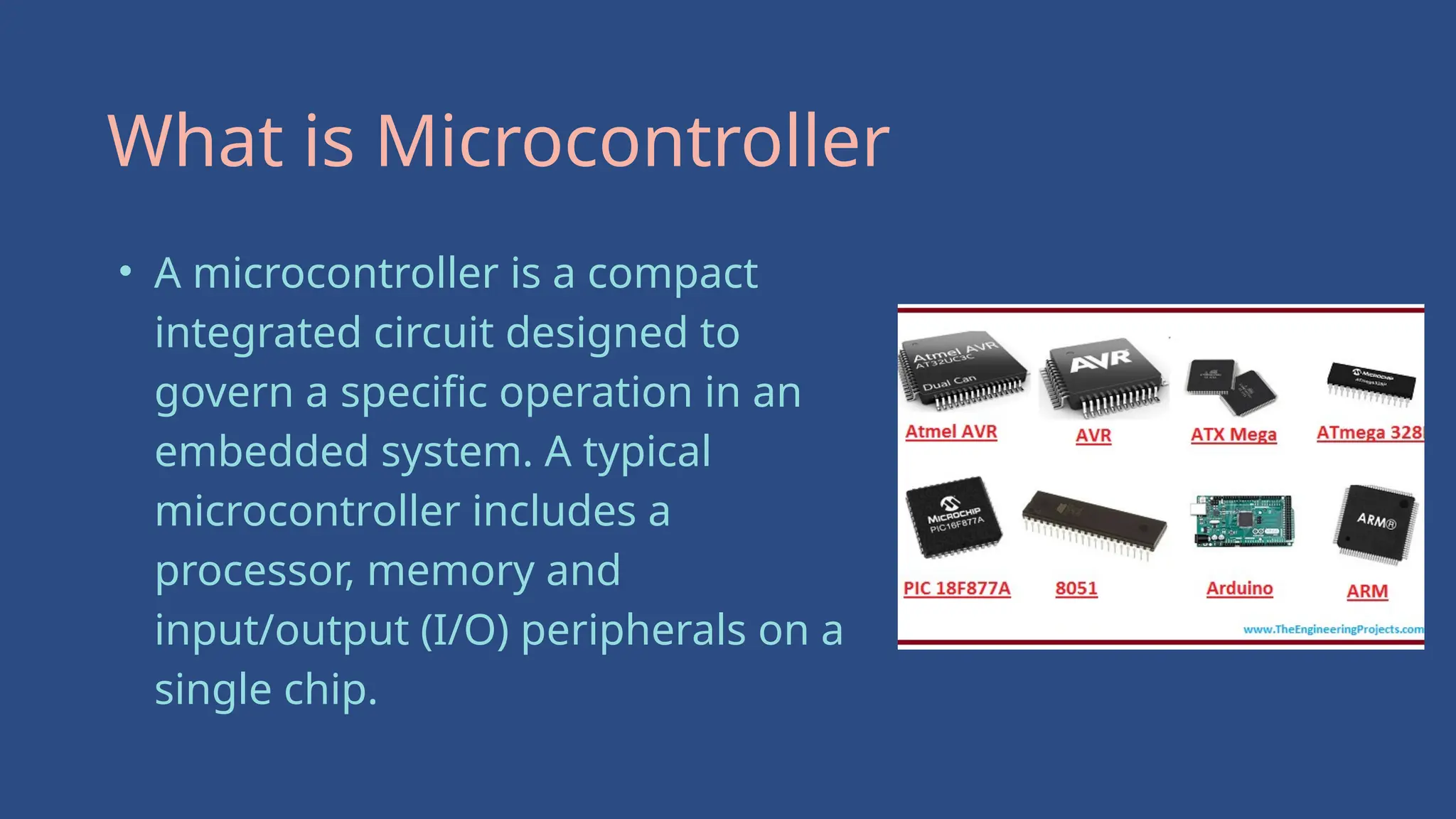
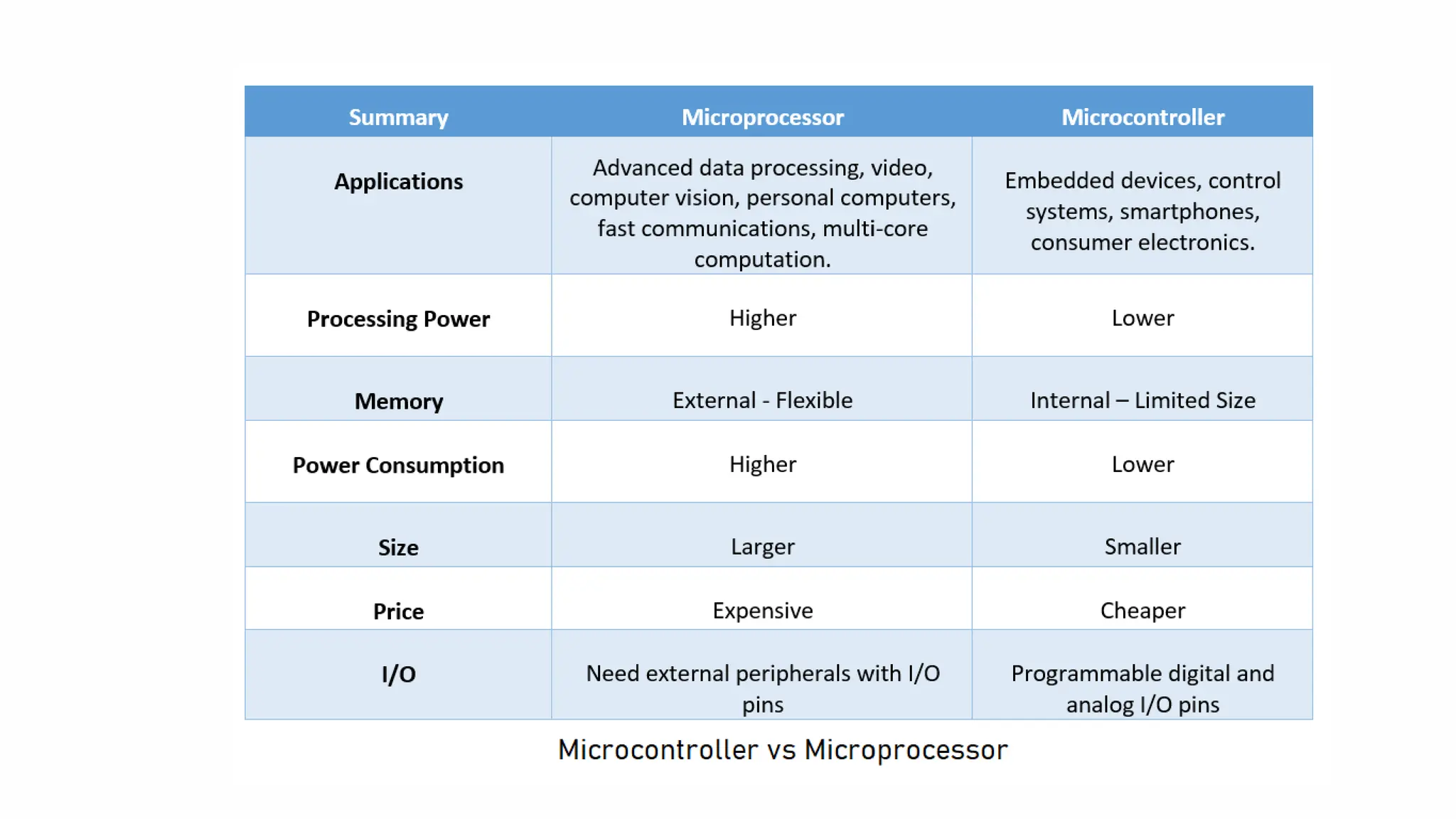
• A microcontroller is a compact
integrated circuit designed to
govern a specific operation in an
embedded system. A typical
microcontroller includes a
processor, memory and
input/output (I/O) peripherals on a
single chip.
What is Microcontroller
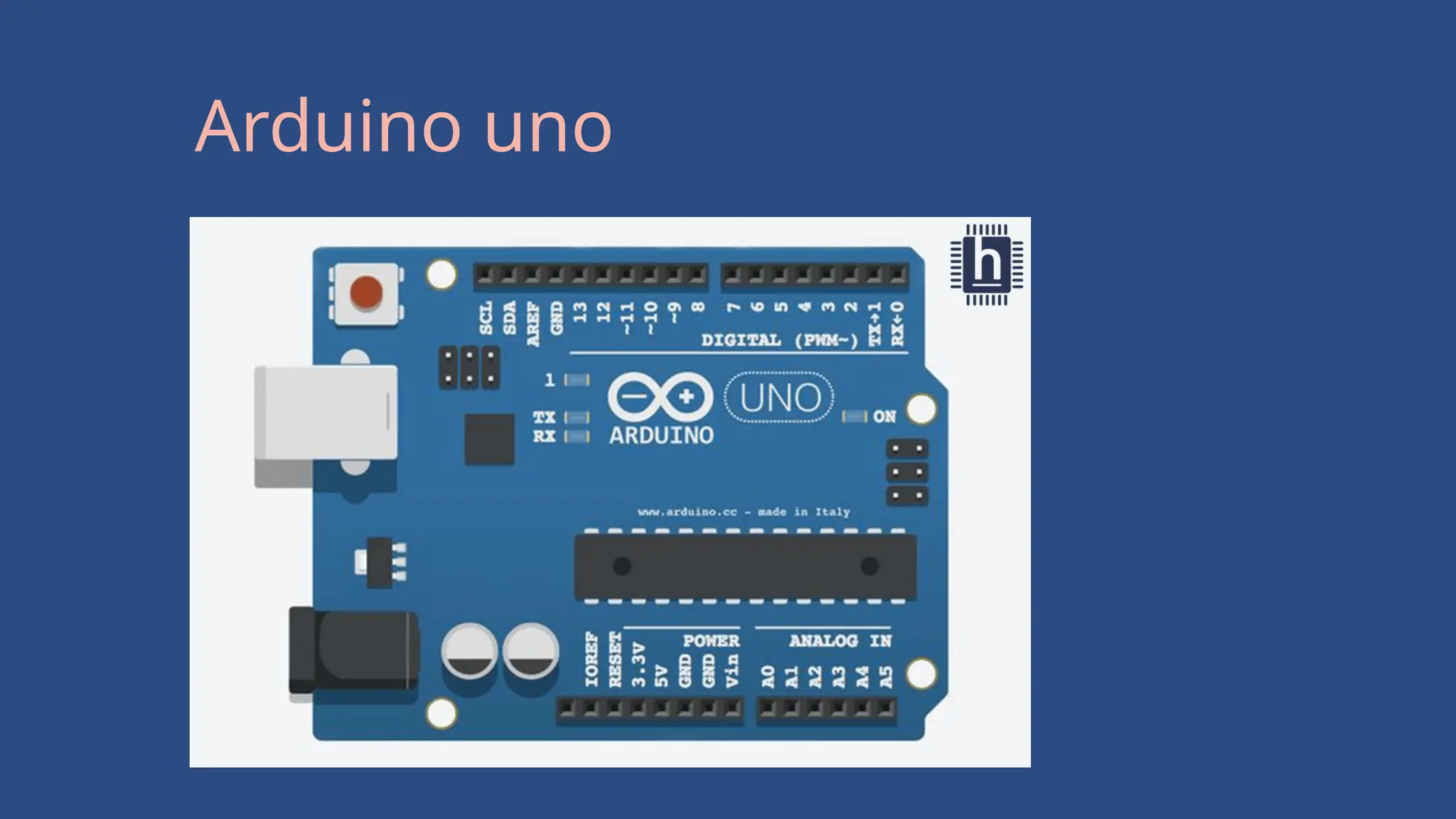
Arduino uno
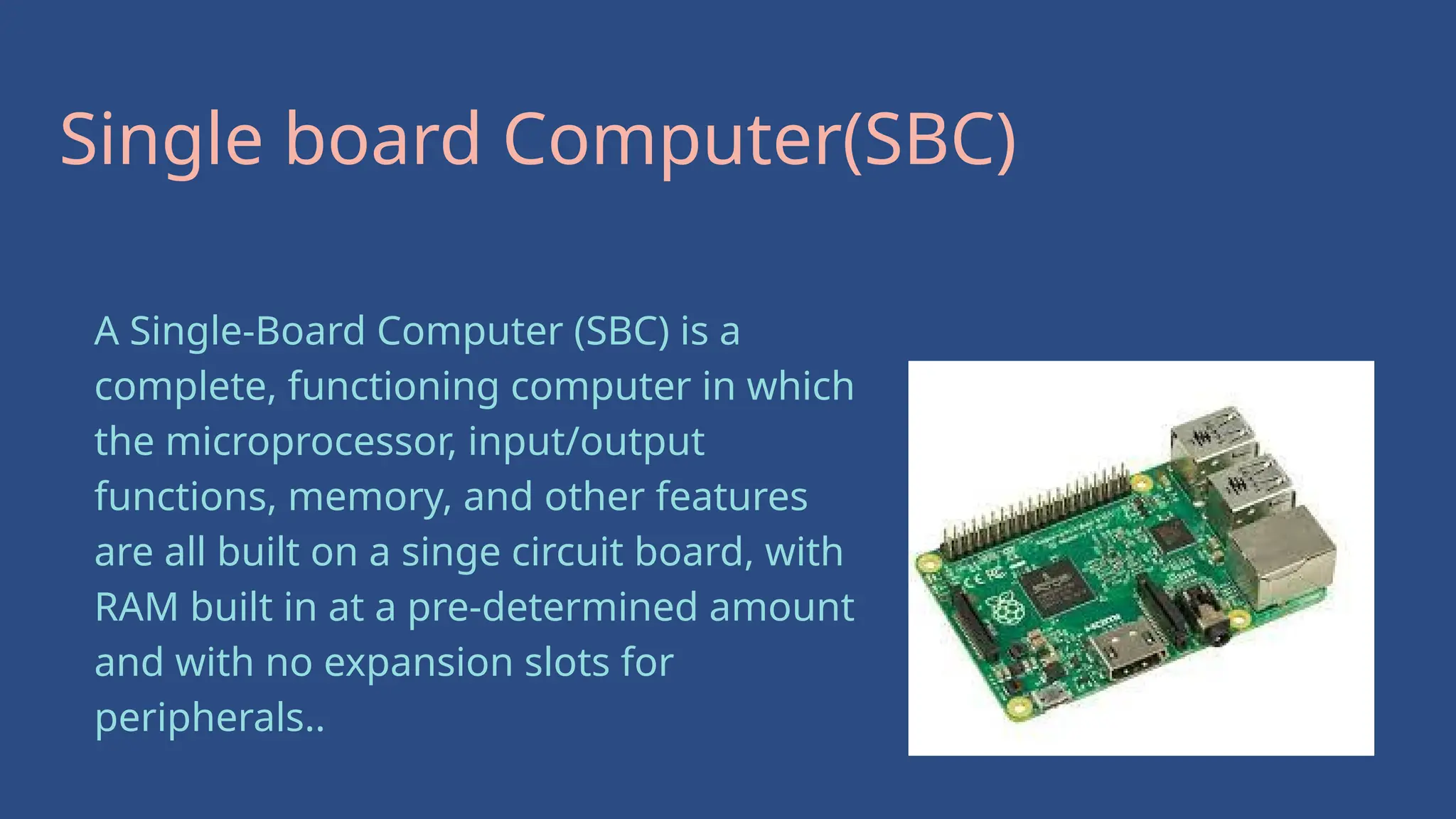
Single board Computer(SBC)
A Single-Board Computer (SBC) is a
complete, functioning computer in which
the microprocessor, input/output
functions, memory, and other features
are all built on a singe circuit board, with
RAM built in at a pre-determined amount
and with no expansion slots for
peripherals..
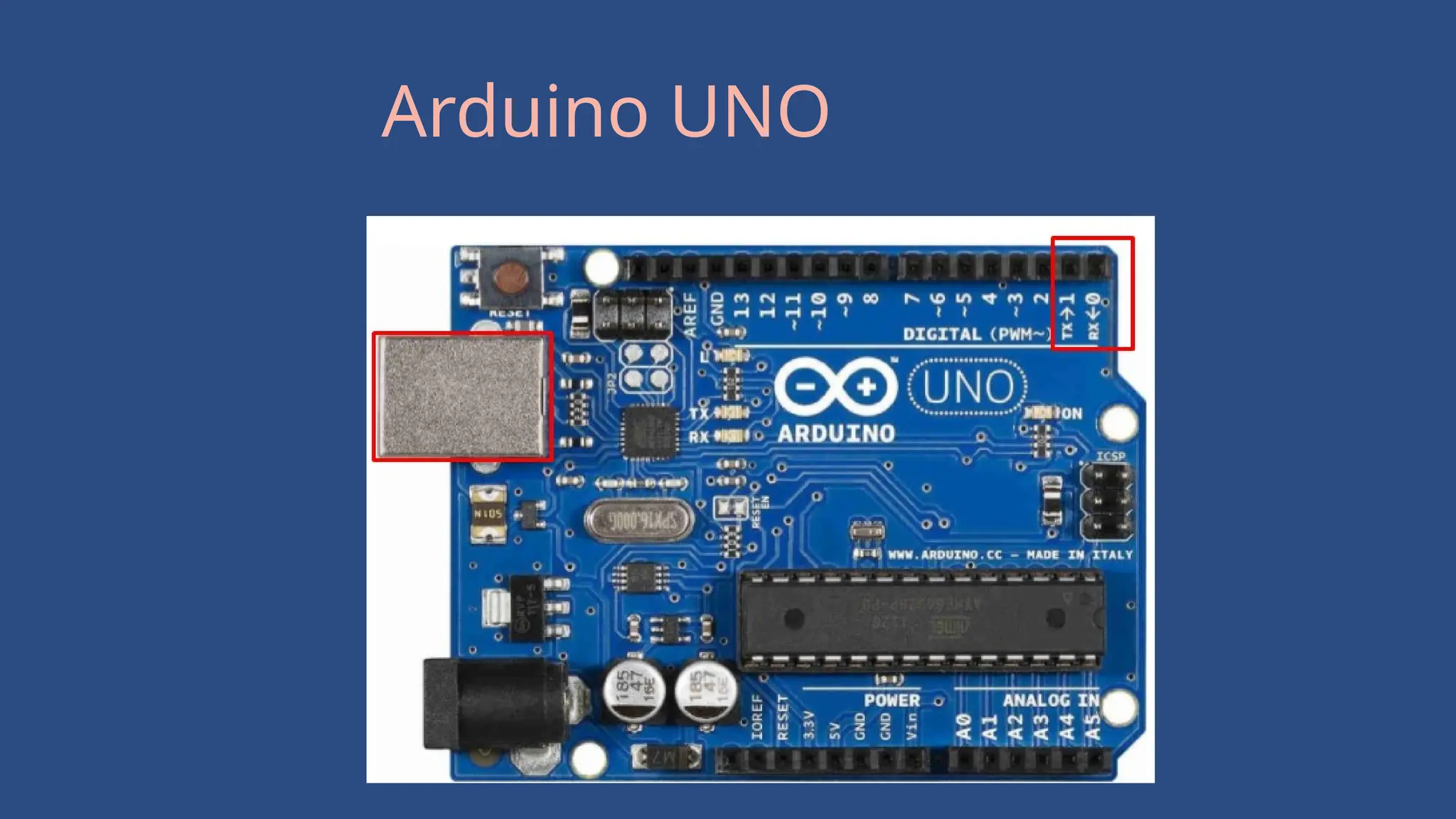
Arduino UNO
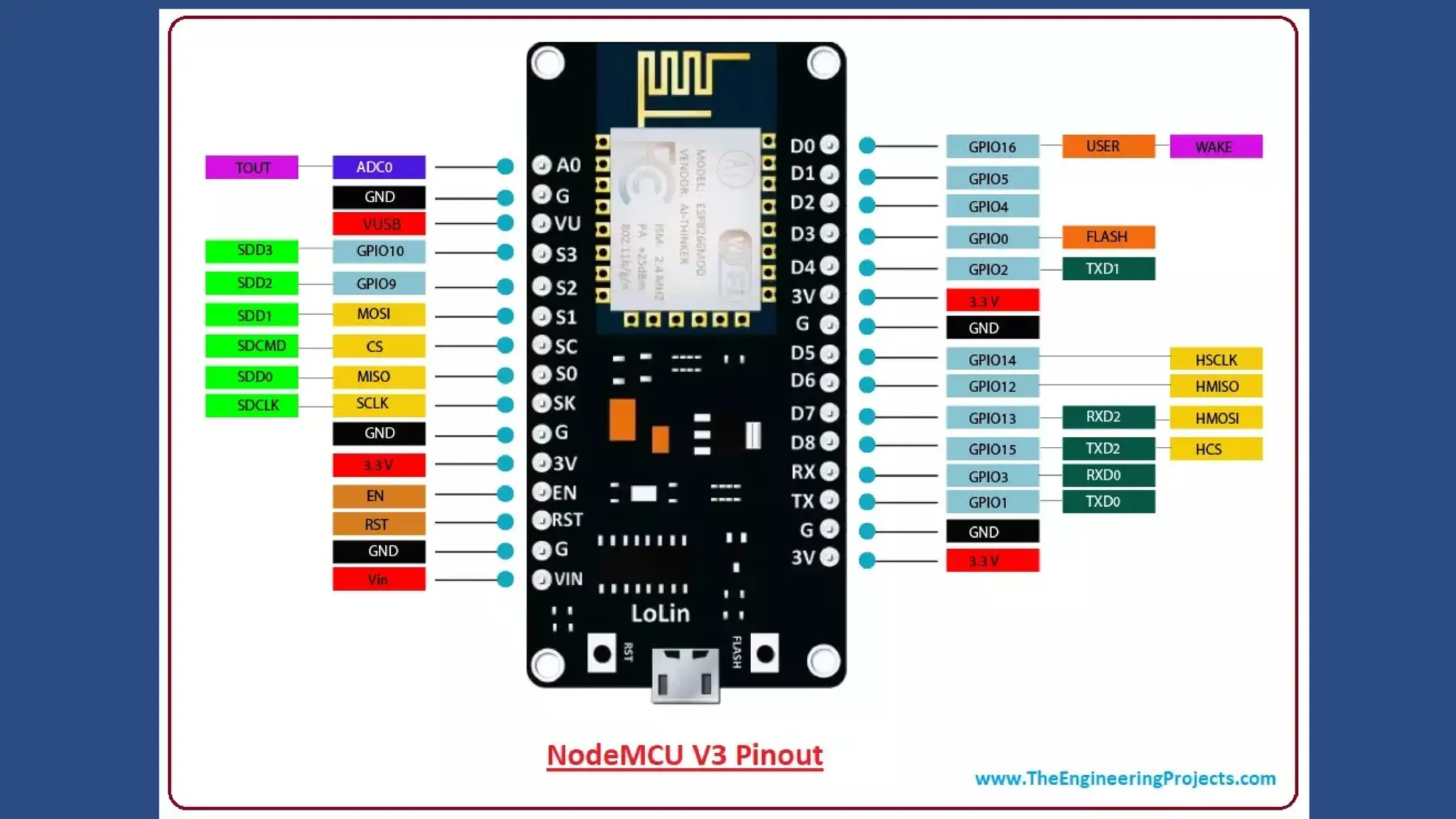
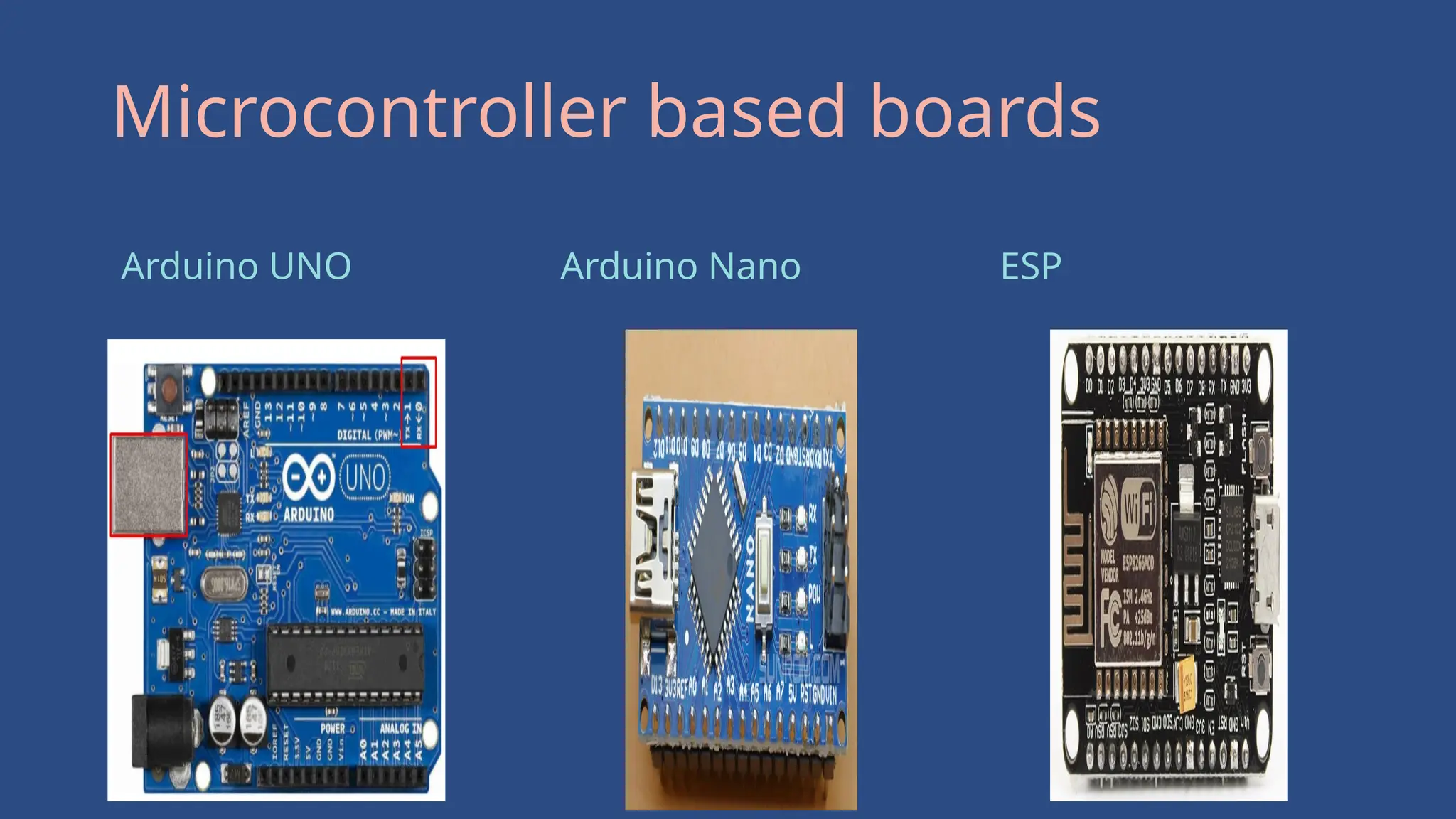
Microcontroller based boards
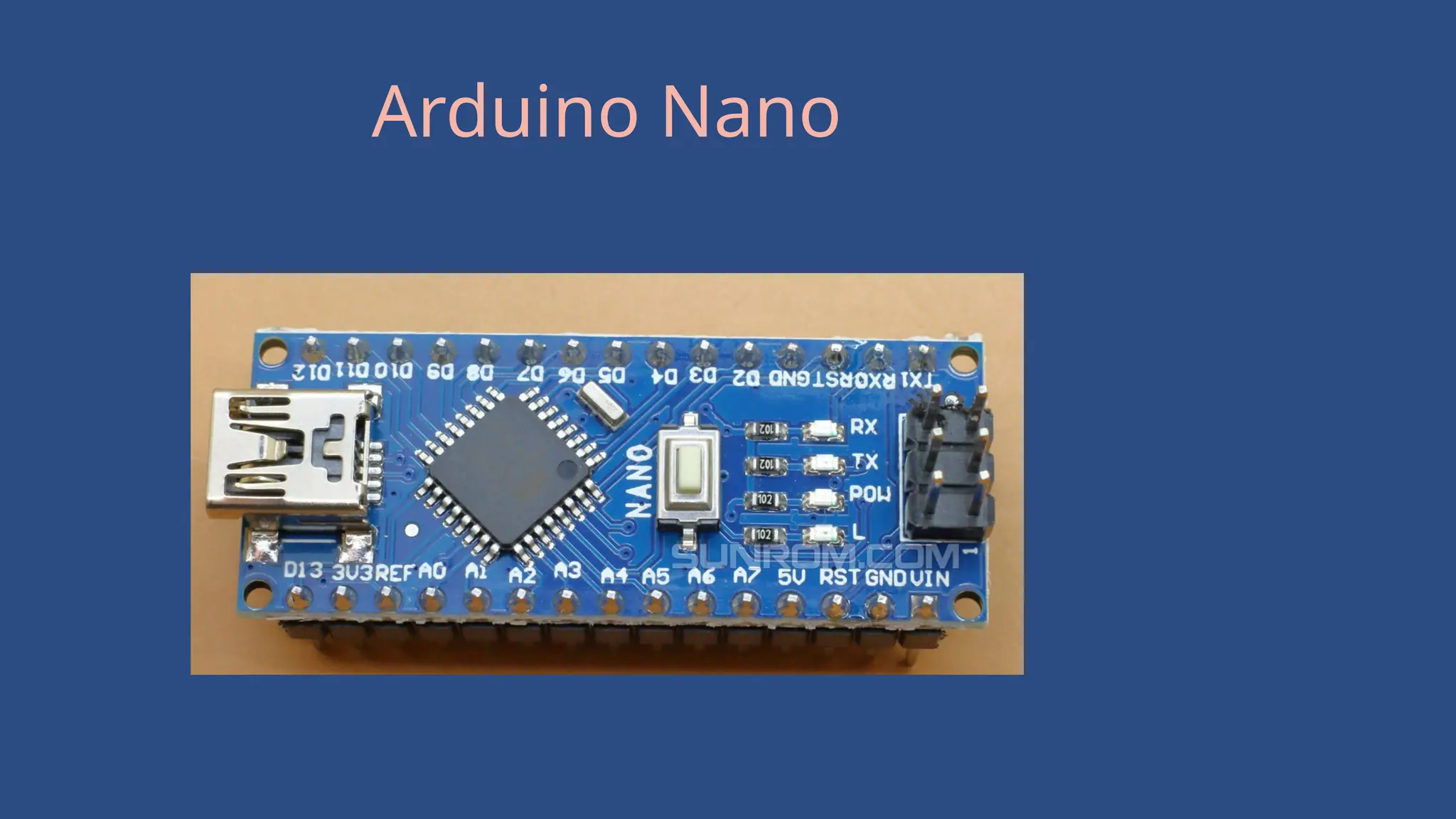
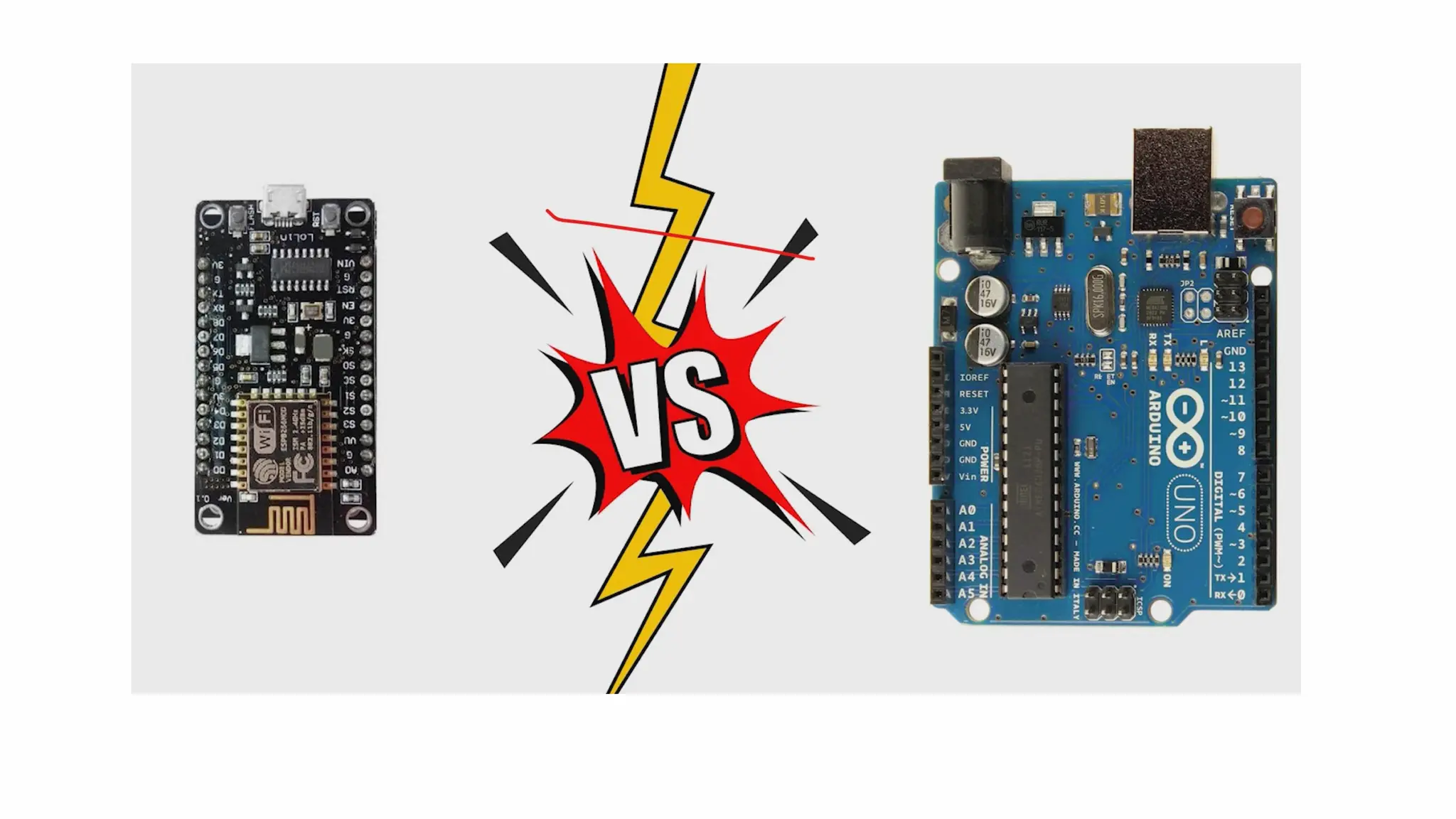
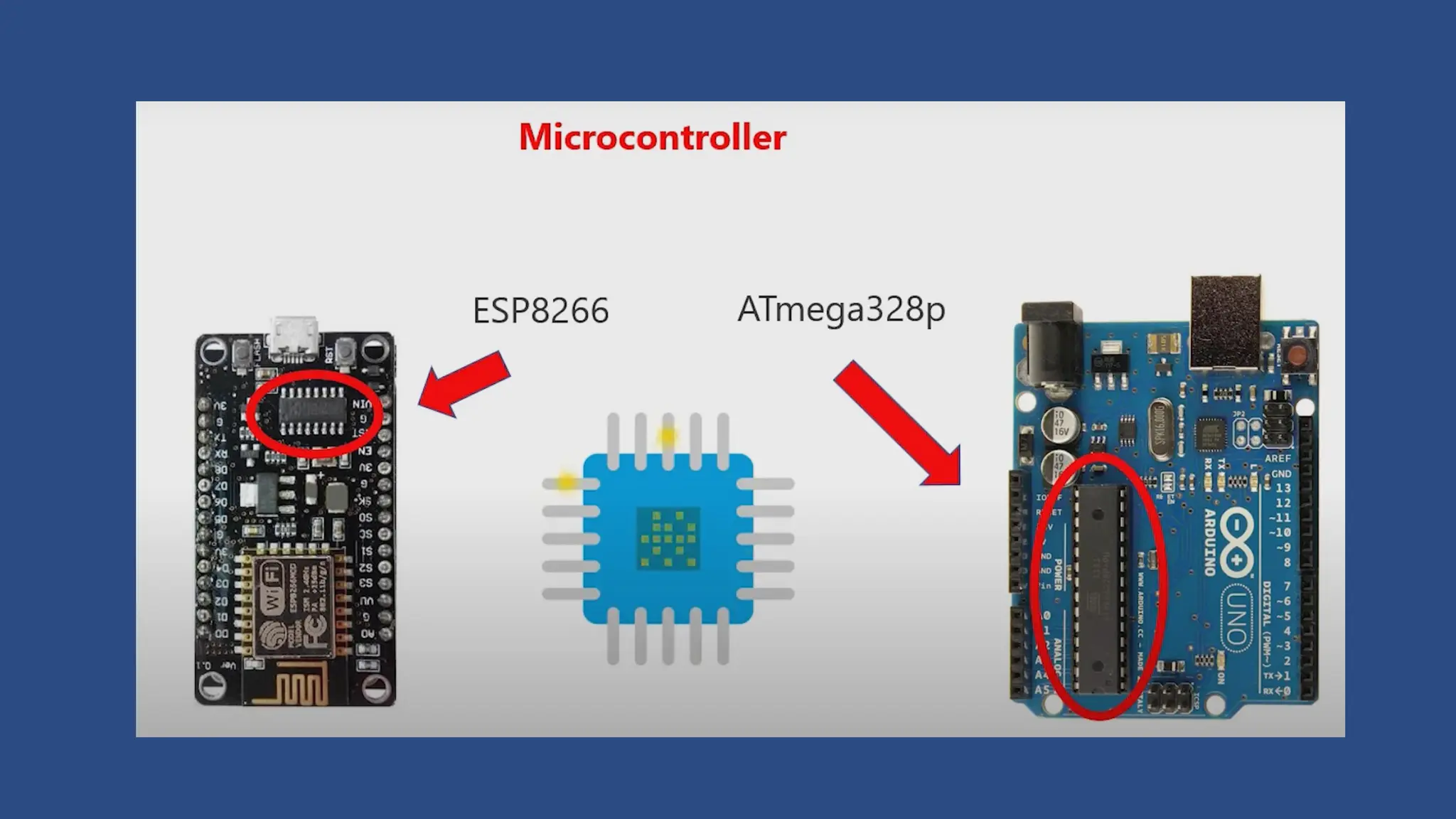
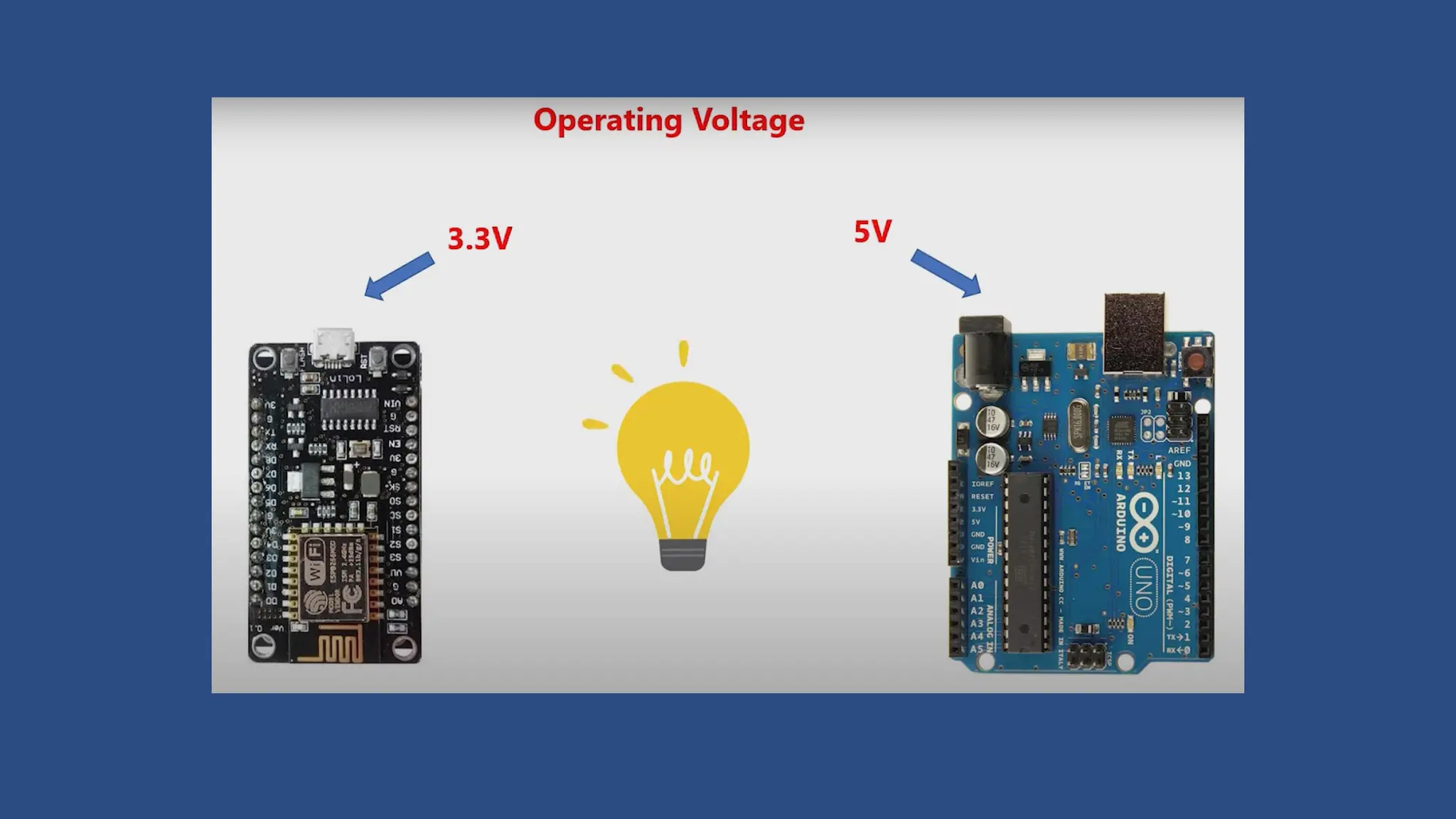
Arduino Nano ESP
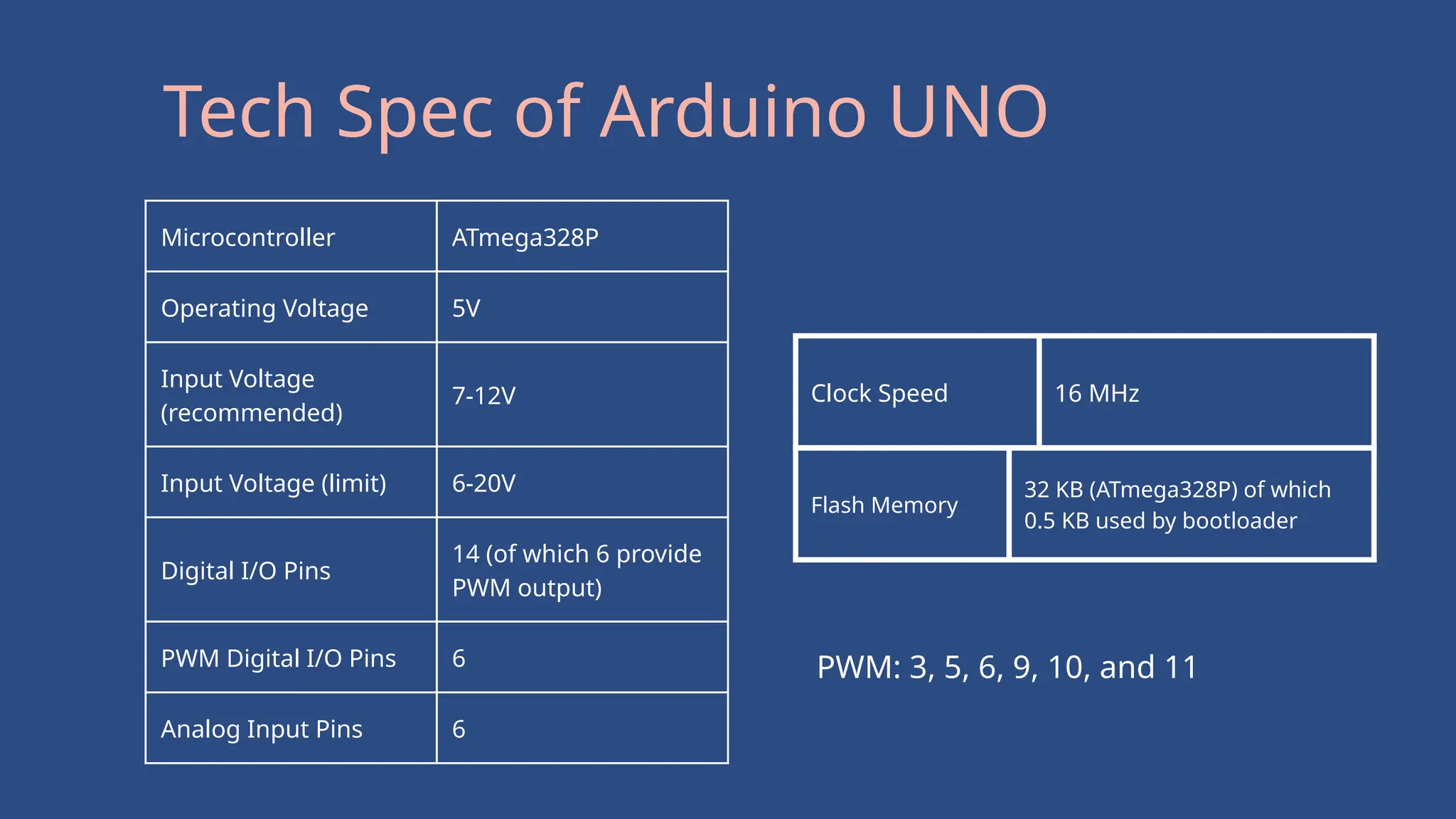
Arduino UNO
Microcontroller ATmega328P
Operating Voltage 5V
Input Voltage
(recommended)
7-12V
Input Voltage (limit) 6-20V
Digital I/O Pins
14 (of which 6 provide
PWM output)
PWM Digital I/O Pins 6
Analog Input Pins 6
Clock Speed 16 MHz
Flash Memory
32 KB (ATmega328P) of which
0.5 KB used by bootloader
Tech Spec of Arduino UNO
PWM: 3, 5, 6, 9, 10, and 11
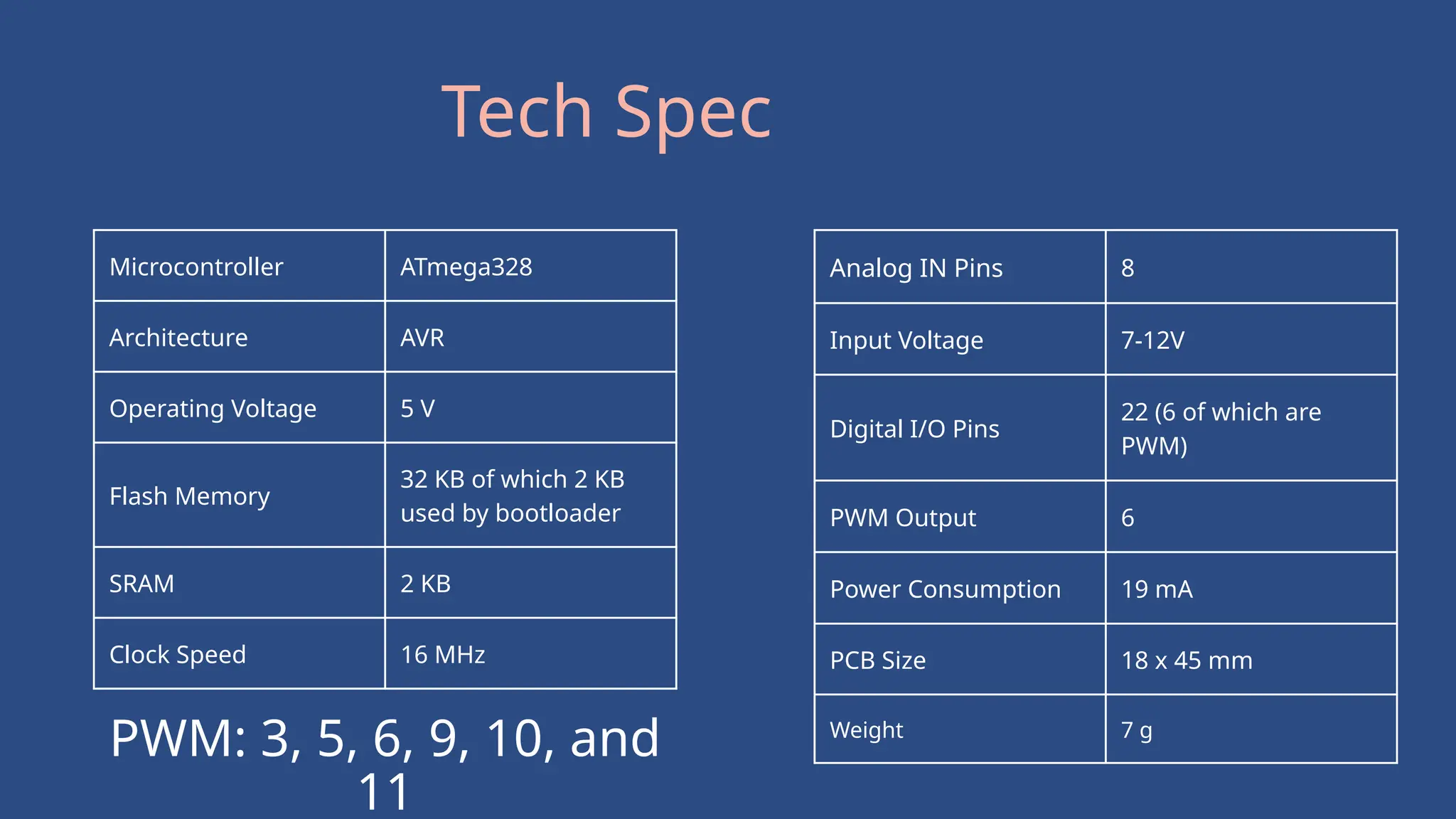
Arduino Nano
Microcontroller ATmega328
Architecture AVR
Operating Voltage 5 V
Flash Memory
32 KB of which 2 KB
used by bootloader
SRAM 2 KB
Clock Speed 16 MHz
Analog IN Pins 8
Input Voltage 7-12V
Digital I/O Pins
22 (6 of which are
PWM)
PWM Output 6
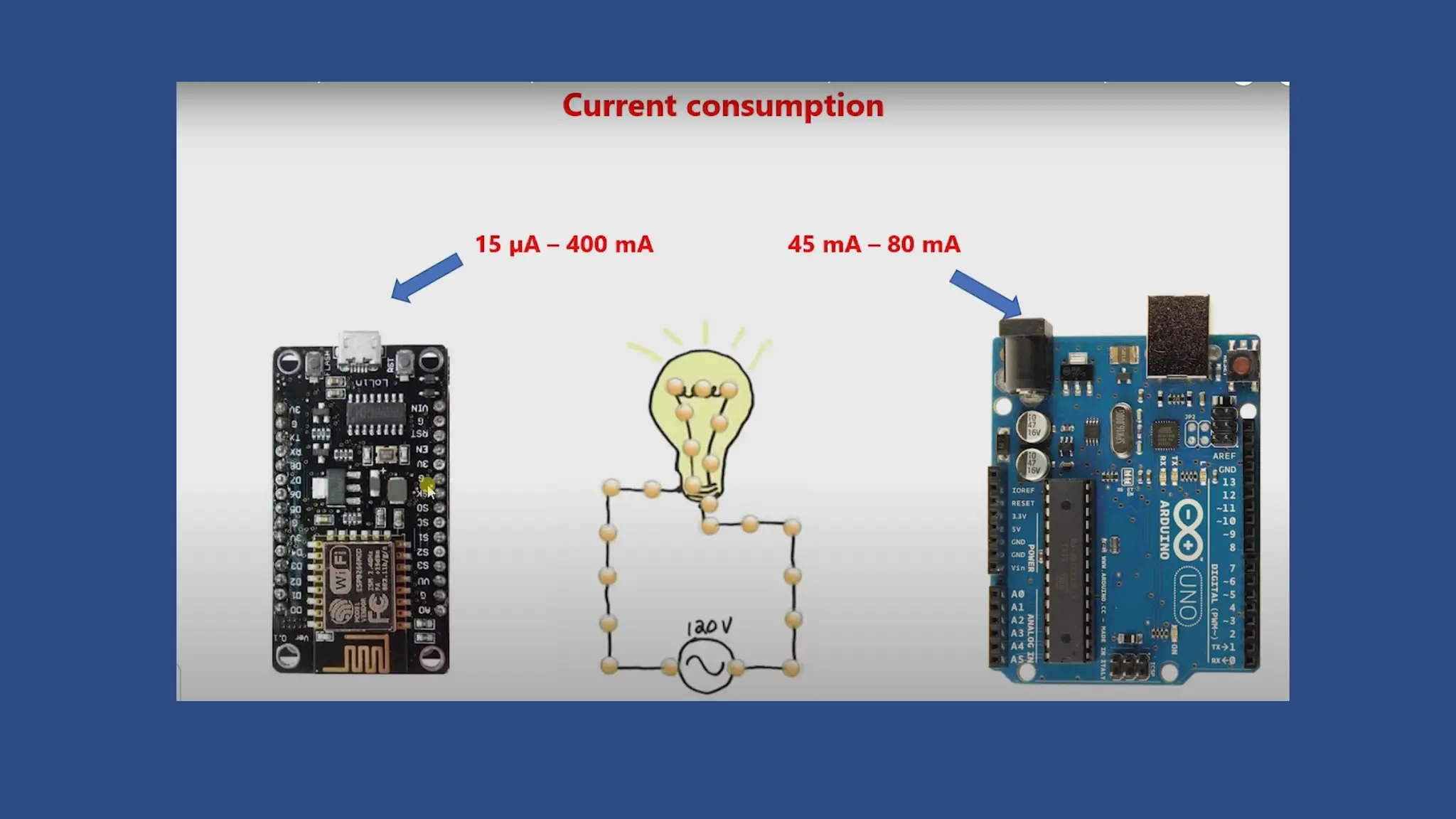
Power Consumption 19 mA
PCB Size 18 x 45 mm
Weight 7 g
Tech Spec
PWM: 3, 5, 6, 9, 10, and
11
Radio Frequency Identification
Technology ( RFID )
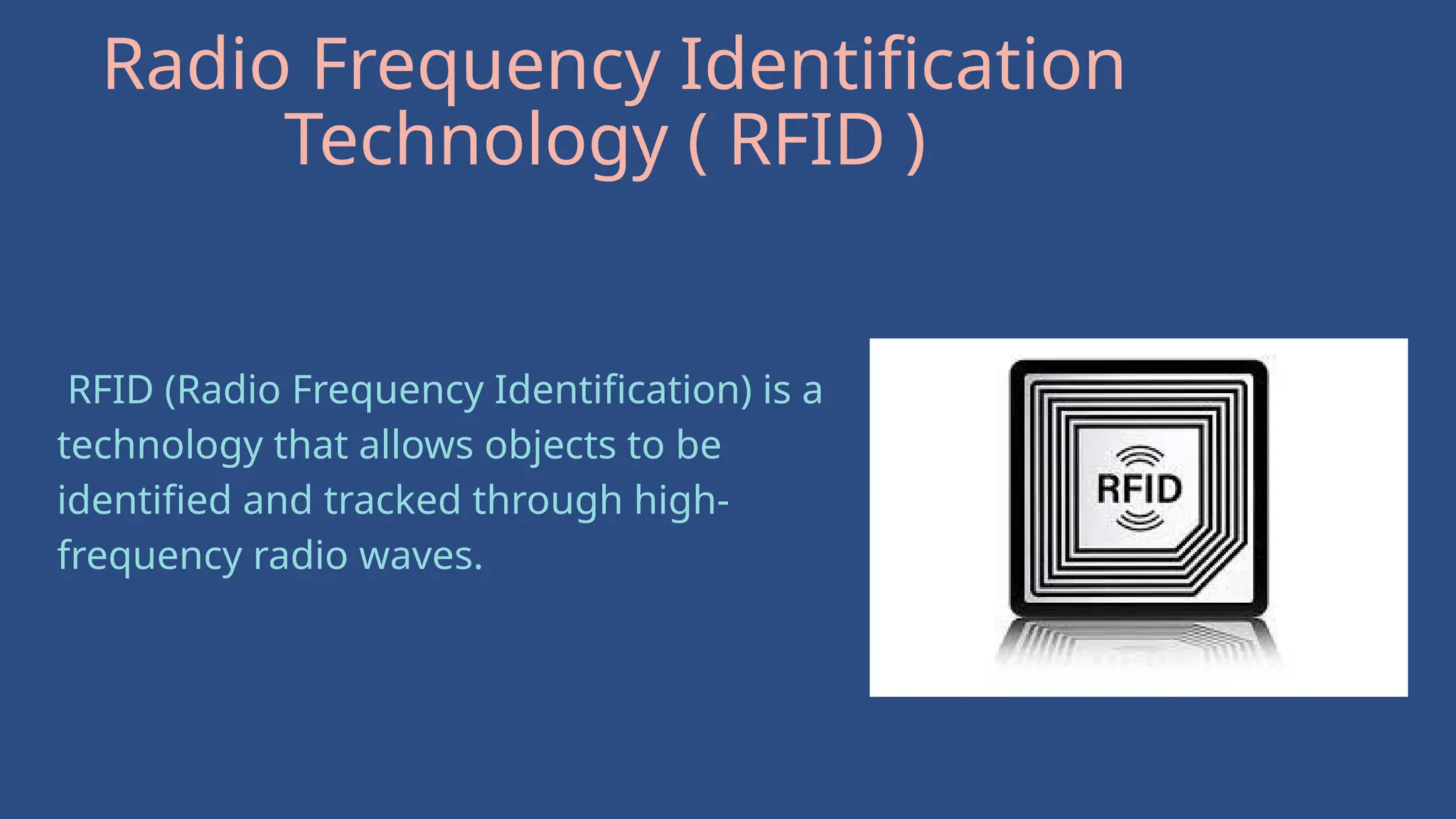
RFID (Radio Frequency Identification) is a
technology that allows objects to be
identified and tracked through high-
frequency radio waves.
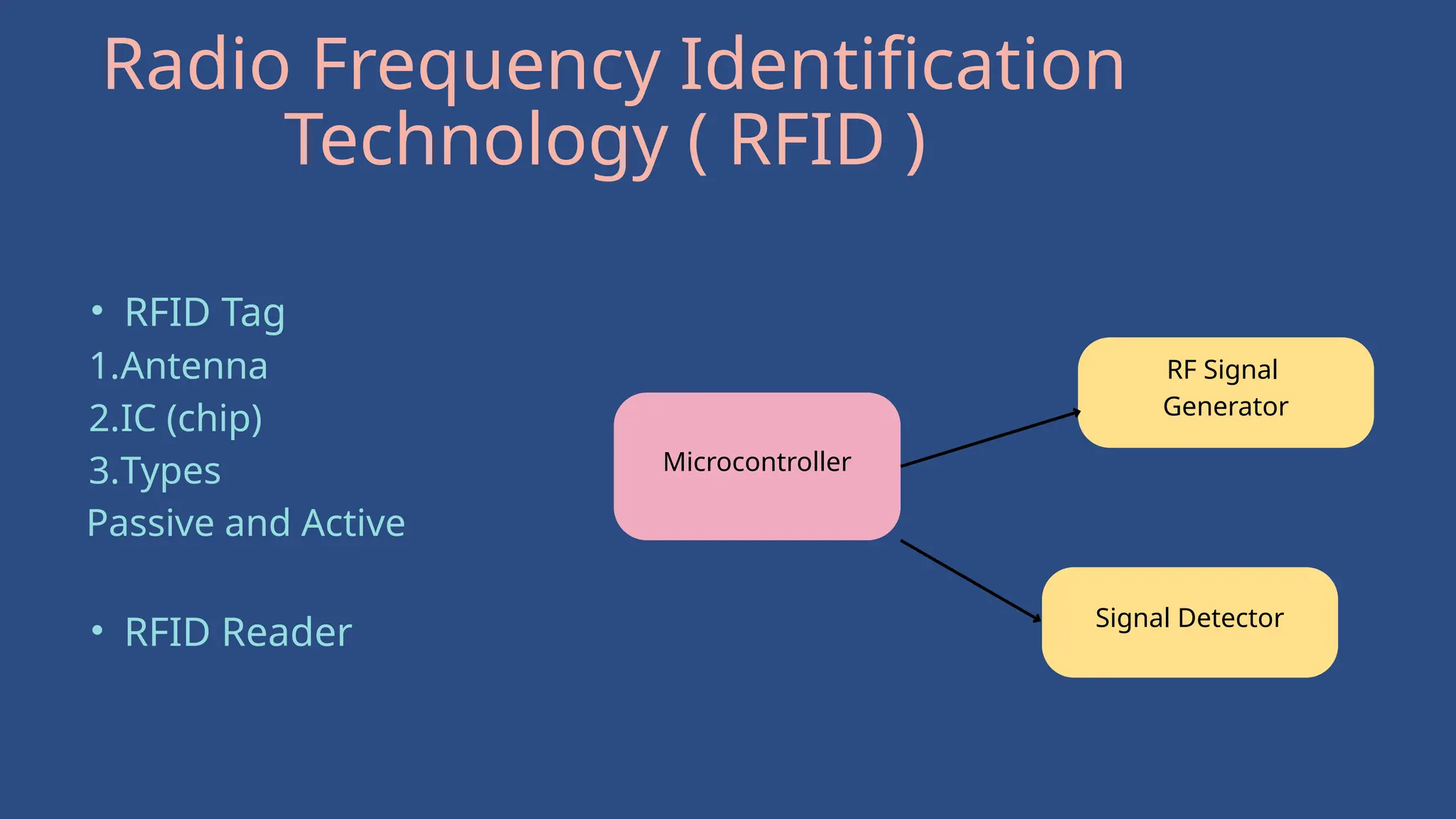
• RFID Tag
1.Antenna
2.IC (chip)
3.Types
Passive and Active
• RFID Reader
Microcontroller
RF Signal
Generator
Radio Frequency Identification
Technology ( RFID )
Signal Detector
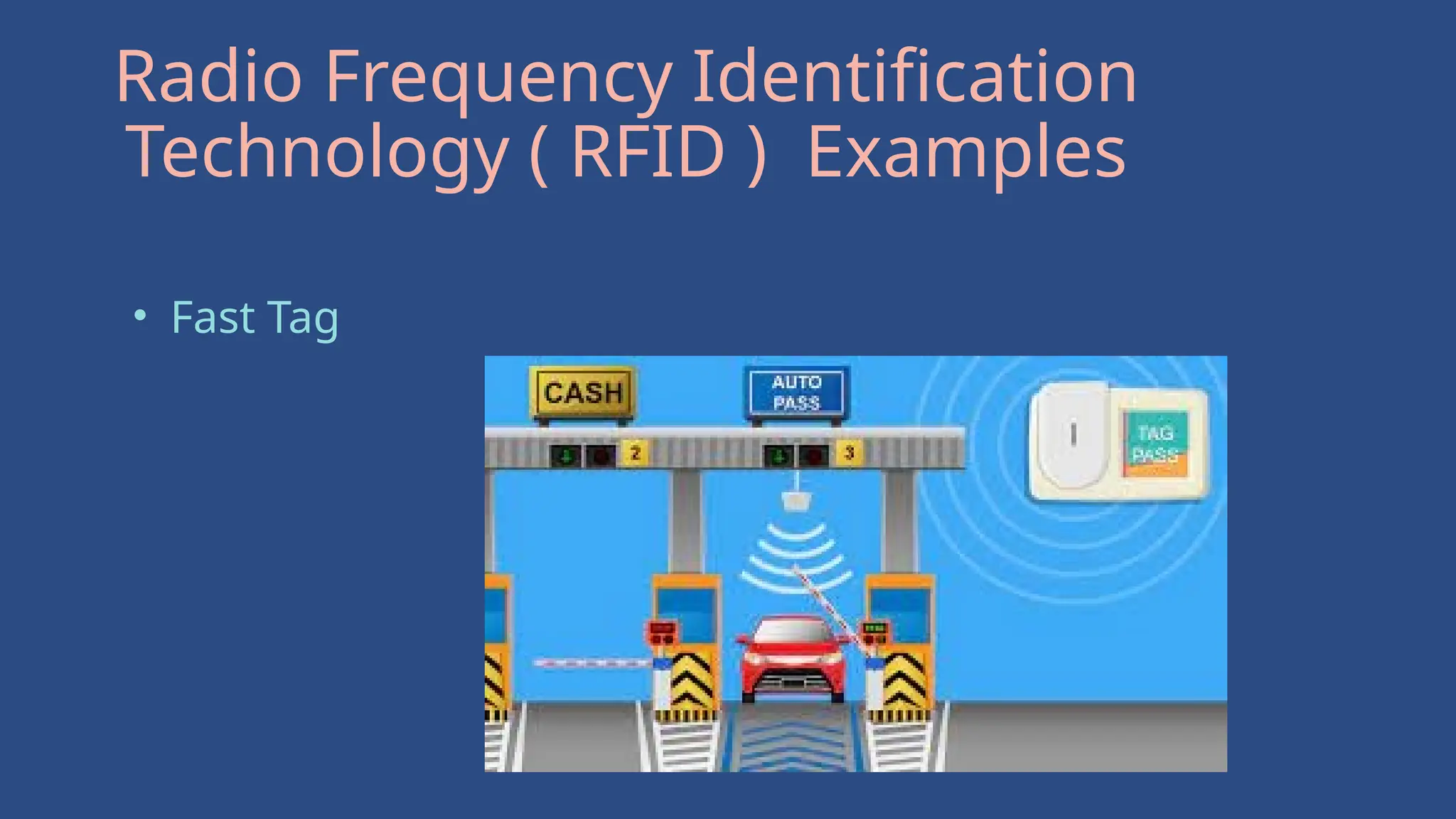
• Fast Tag
Radio Frequency Identification
Technology ( RFID ) Examples
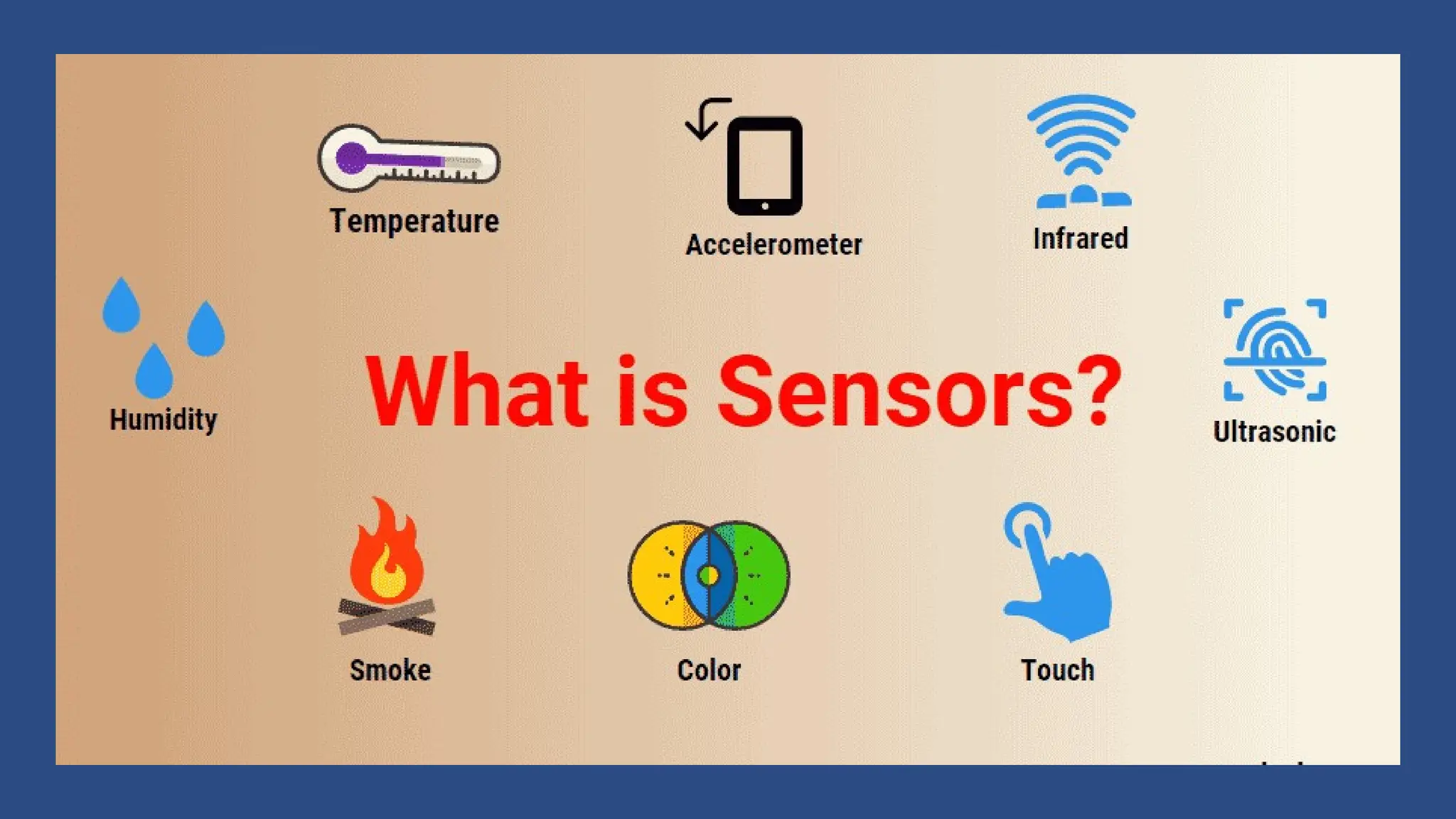
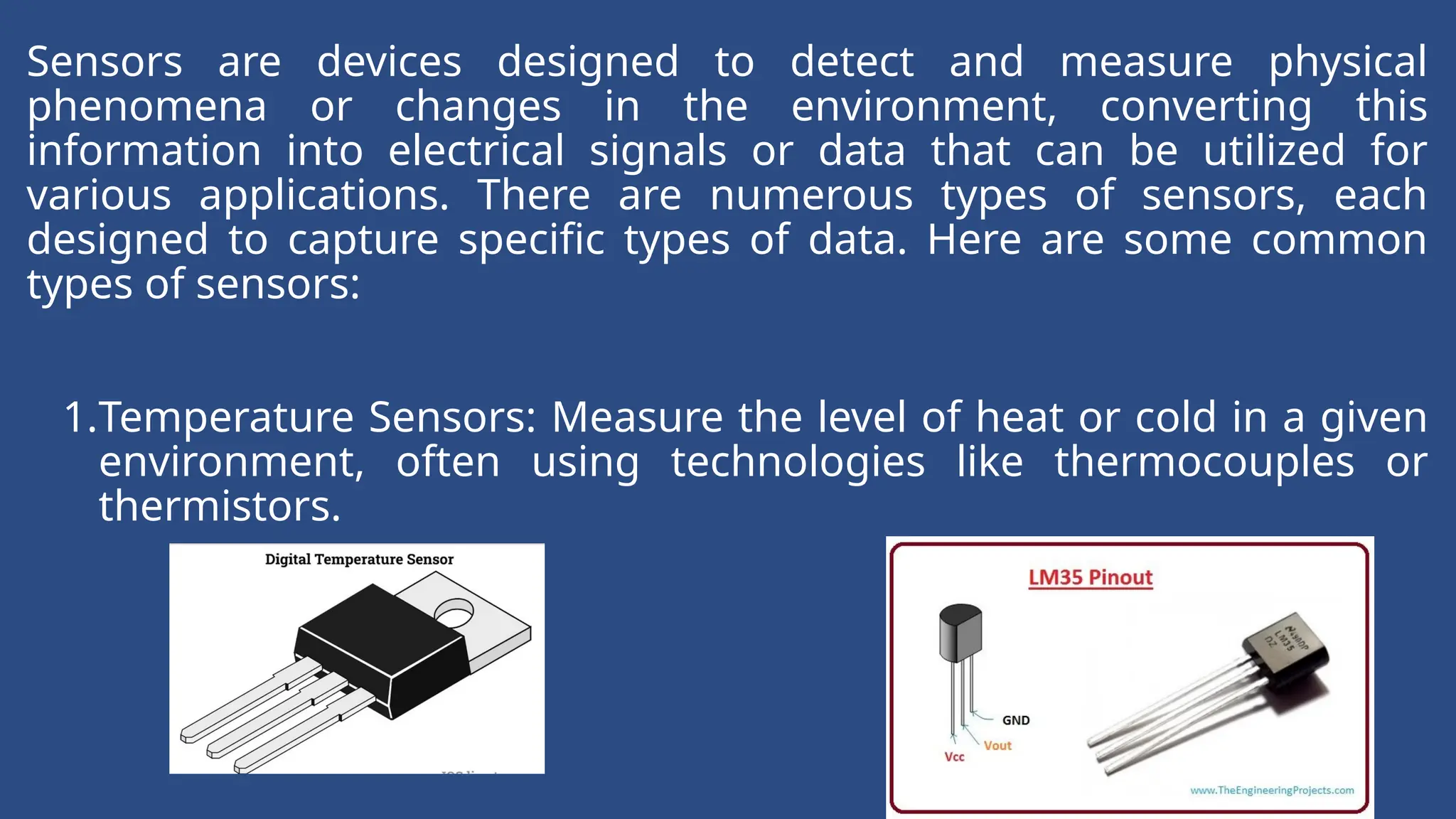
Sensors are devices designed to detect and measure physical
phenomena or changes in the environment, converting this
information into electrical signals or data that can be utilized for
various applications. There are numerous types of sensors, each
designed to capture specific types of data. Here are some common
types of sensors:
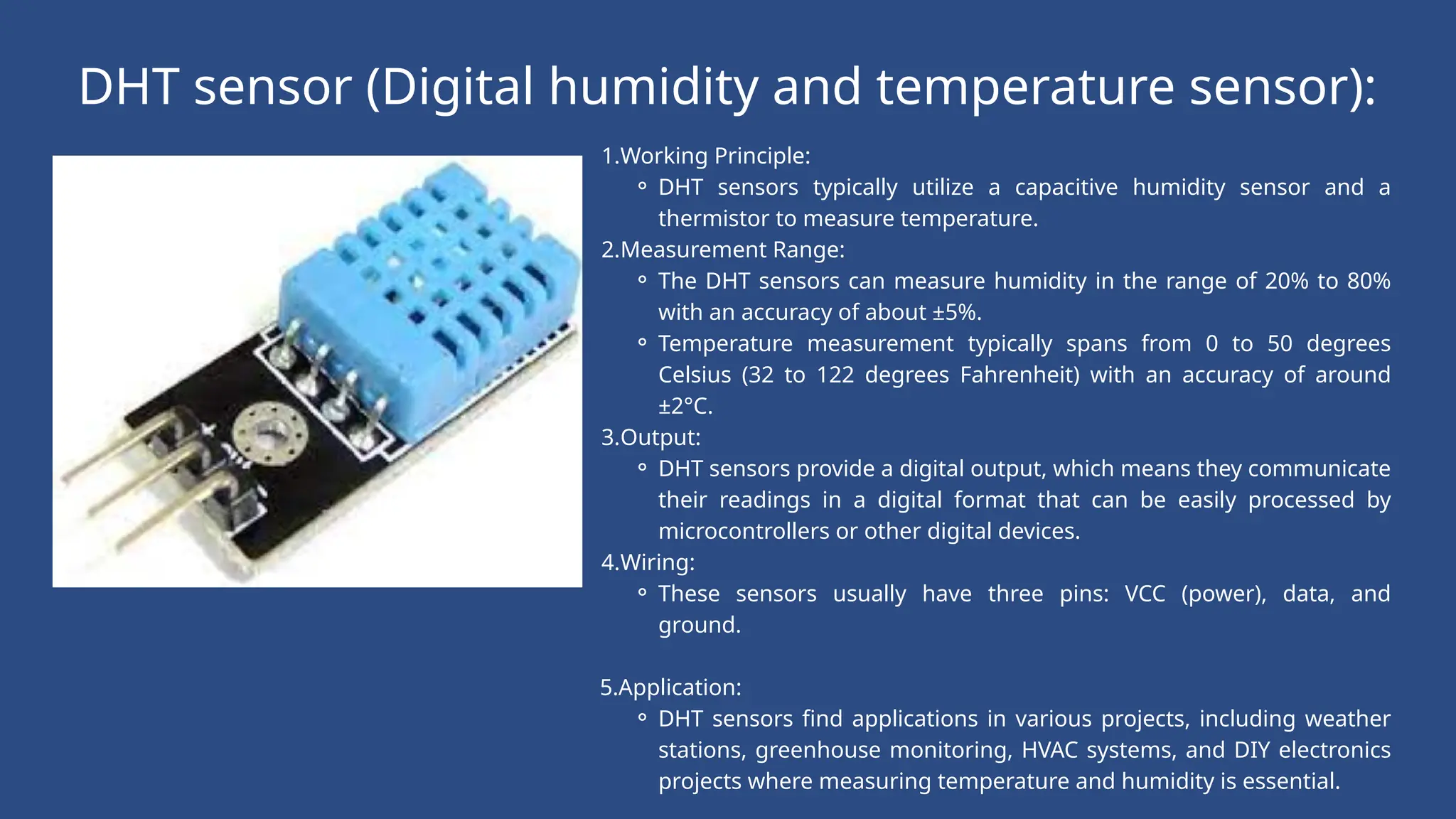
1.Temperature Sensors: Measure the level of heat or cold in a given
environment, often using technologies like thermocouples or
thermistors.
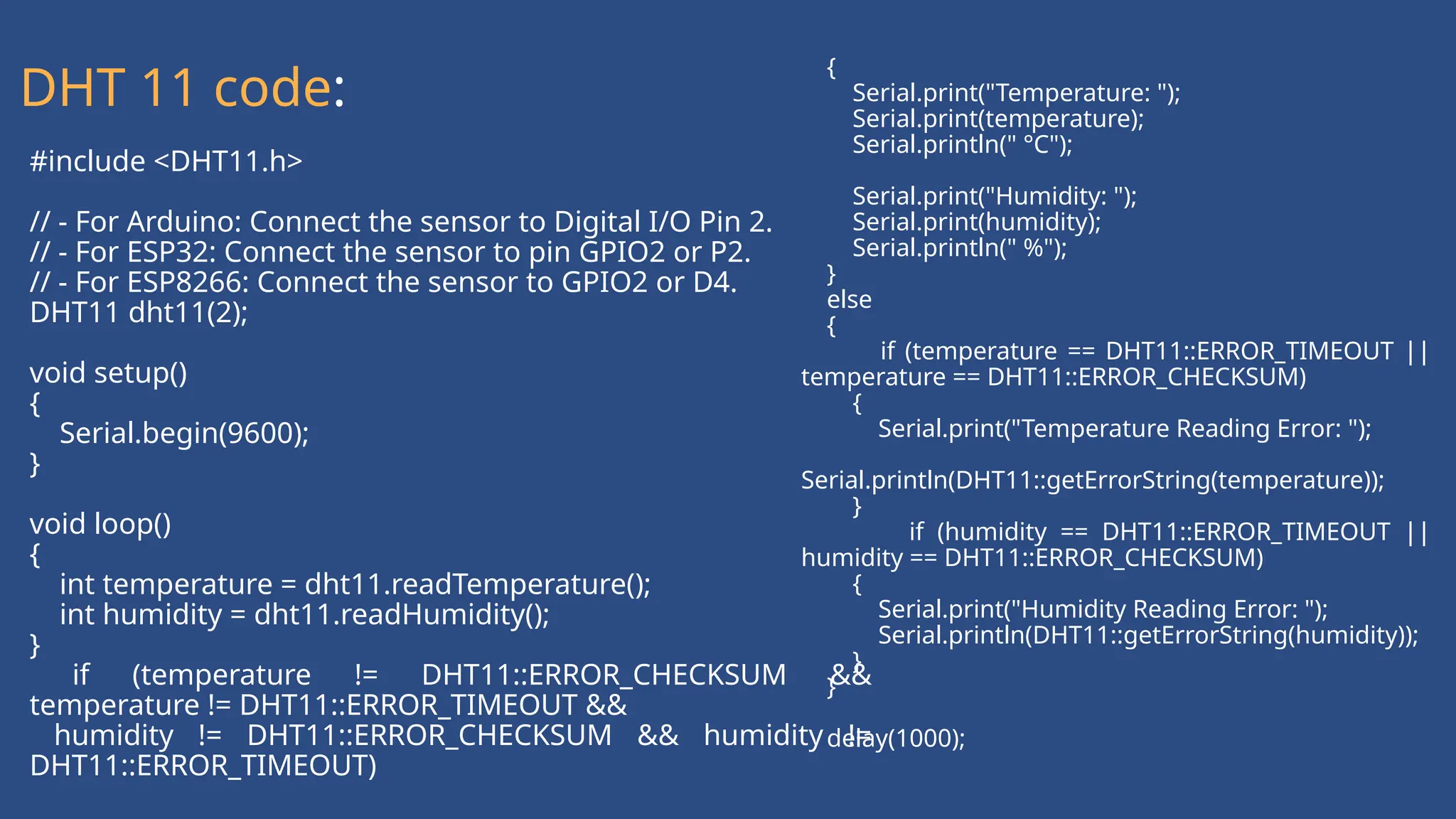
DHT sensor (Digital humidity and temperature sensor):
1.Working Principle:
⚬ DHT sensors typically utilize a capacitive humidity sensor and a
thermistor to measure temperature.
2.Measurement Range:
⚬ The DHT sensors can measure humidity in the range of 20% to 80%
with an accuracy of about ±5%.
⚬ Temperature measurement typically spans from 0 to 50 degrees
Celsius (32 to 122 degrees Fahrenheit) with an accuracy of around
±2°C.
3.Output:
⚬ DHT sensors provide a digital output, which means they communicate
their readings in a digital format that can be easily processed by
microcontrollers or other digital devices.
4.Wiring:
⚬ These sensors usually have three pins: VCC (power), data, and
ground.
5.Application:
⚬ DHT sensors find applications in various projects, including weather
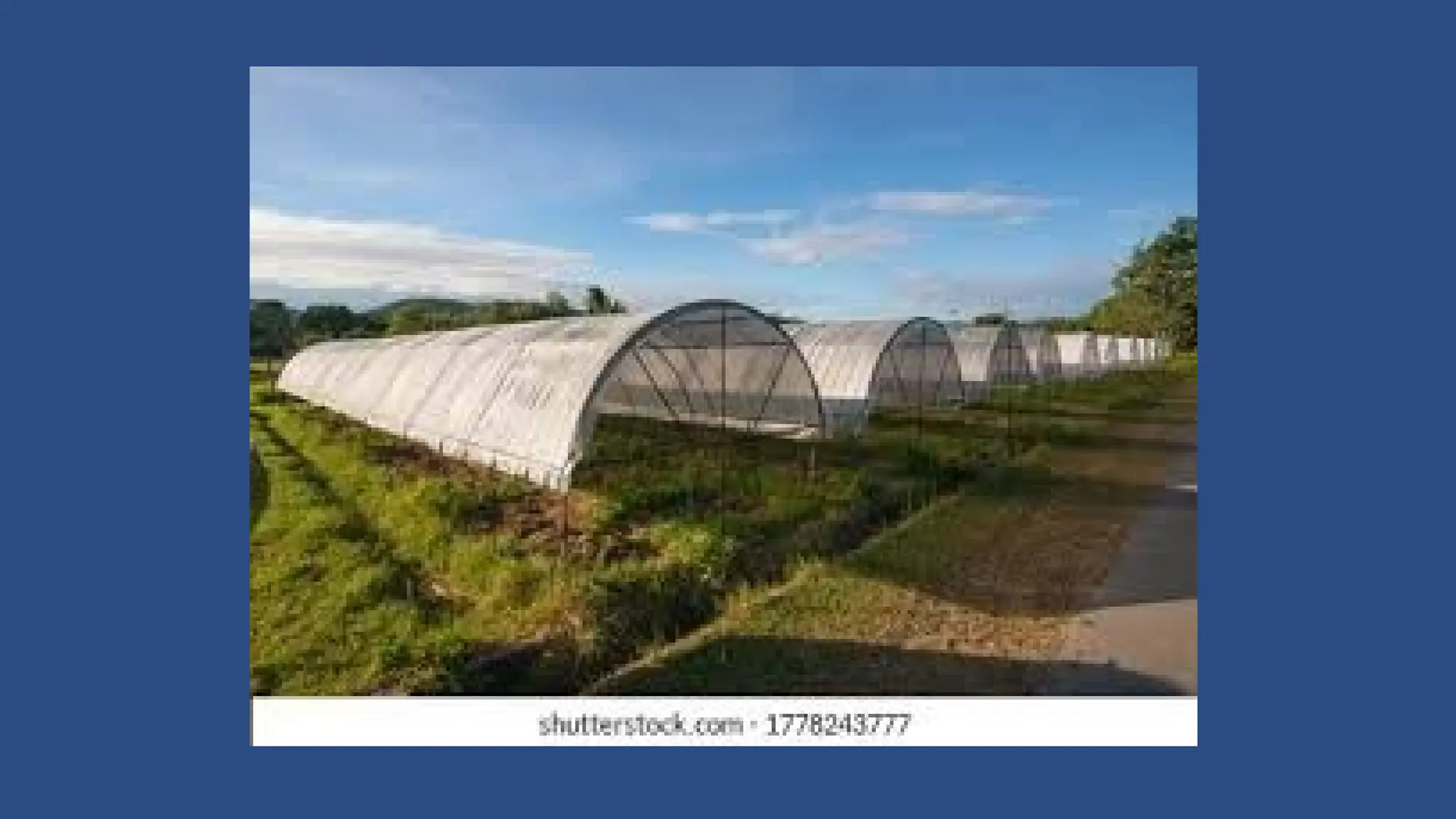
stations, greenhouse monitoring, HVAC systems, and DIY electronics
projects where measuring temperature and humidity is essential.
#include <DHT11.h>
// - For Arduino: Connect the sensor to Digital I/O Pin 2.
// - For ESP32: Connect the sensor to pin GPIO2 or P2.
// - For ESP8266: Connect the sensor to GPIO2 or D4.
DHT11 dht11(2);
void setup()
{
Serial.begin(9600);
}
void loop()
{
int temperature = dht11.readTemperature();
int humidity = dht11.readHumidity();
}
if (temperature != DHT11::ERROR_CHECKSUM &&
temperature != DHT11::ERROR_TIMEOUT &&
humidity != DHT11::ERROR_CHECKSUM && humidity !=
DHT11::ERROR_TIMEOUT)
{
Serial.print("Temperature: ");
Serial.print(temperature);
Serial.println(" °C");
Serial.print("Humidity: ");
Serial.print(humidity);
Serial.println(" %");
}
else
{
if (temperature == DHT11::ERROR_TIMEOUT ||
temperature == DHT11::ERROR_CHECKSUM)
{
Serial.print("Temperature Reading Error: ");
Serial.println(DHT11::getErrorString(temperature));
}
if (humidity == DHT11::ERROR_TIMEOUT ||
humidity == DHT11::ERROR_CHECKSUM)
{
Serial.print("Humidity Reading Error: ");
Serial.println(DHT11::getErrorString(humidity));
}
}
delay(1000);
DHT 11 code:
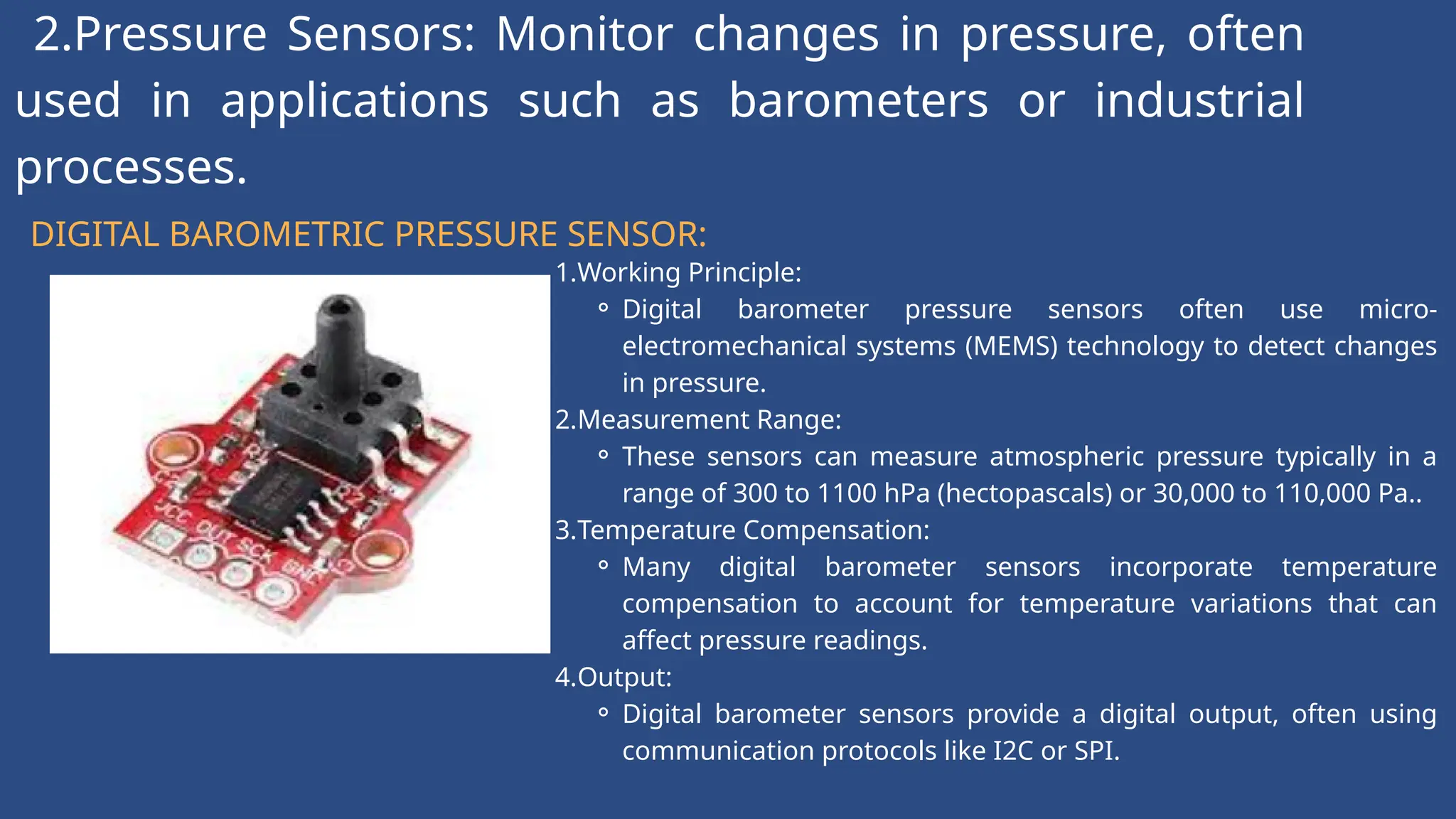
2.Pressure Sensors: Monitor changes in pressure, often
used in applications such as barometers or industrial
processes.
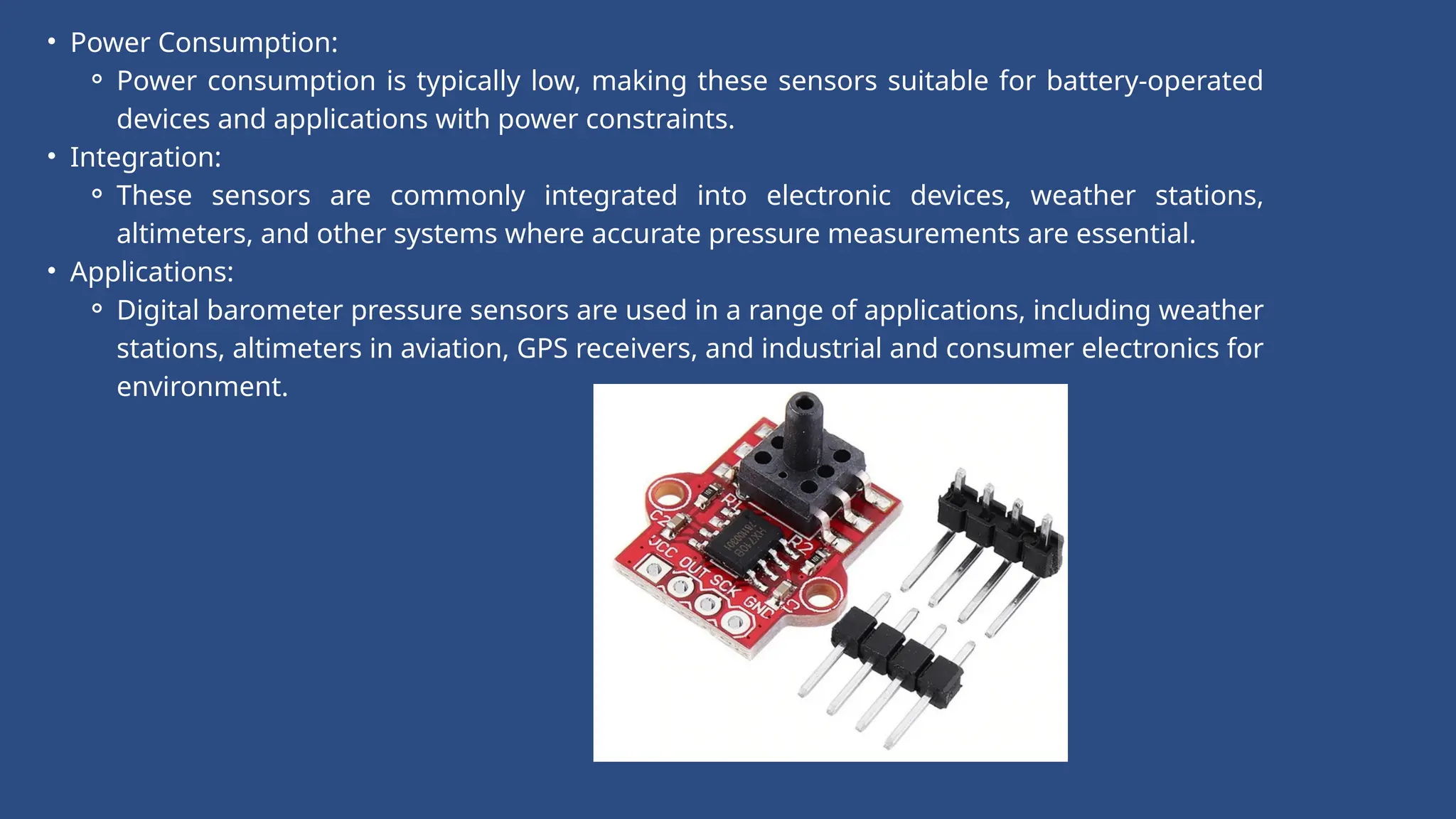
DIGITAL BAROMETRIC PRESSURE SENSOR:
1.Working Principle:
⚬ Digital barometer pressure sensors often use micro-
electromechanical systems (MEMS) technology to detect changes
in pressure.
2.Measurement Range:
⚬ These sensors can measure atmospheric pressure typically in a
range of 300 to 1100 hPa (hectopascals) or 30,000 to 110,000 Pa..
3.Temperature Compensation:
⚬ Many digital barometer sensors incorporate temperature
compensation to account for temperature variations that can
affect pressure readings.
4.Output:
⚬ Digital barometer sensors provide a digital output, often using
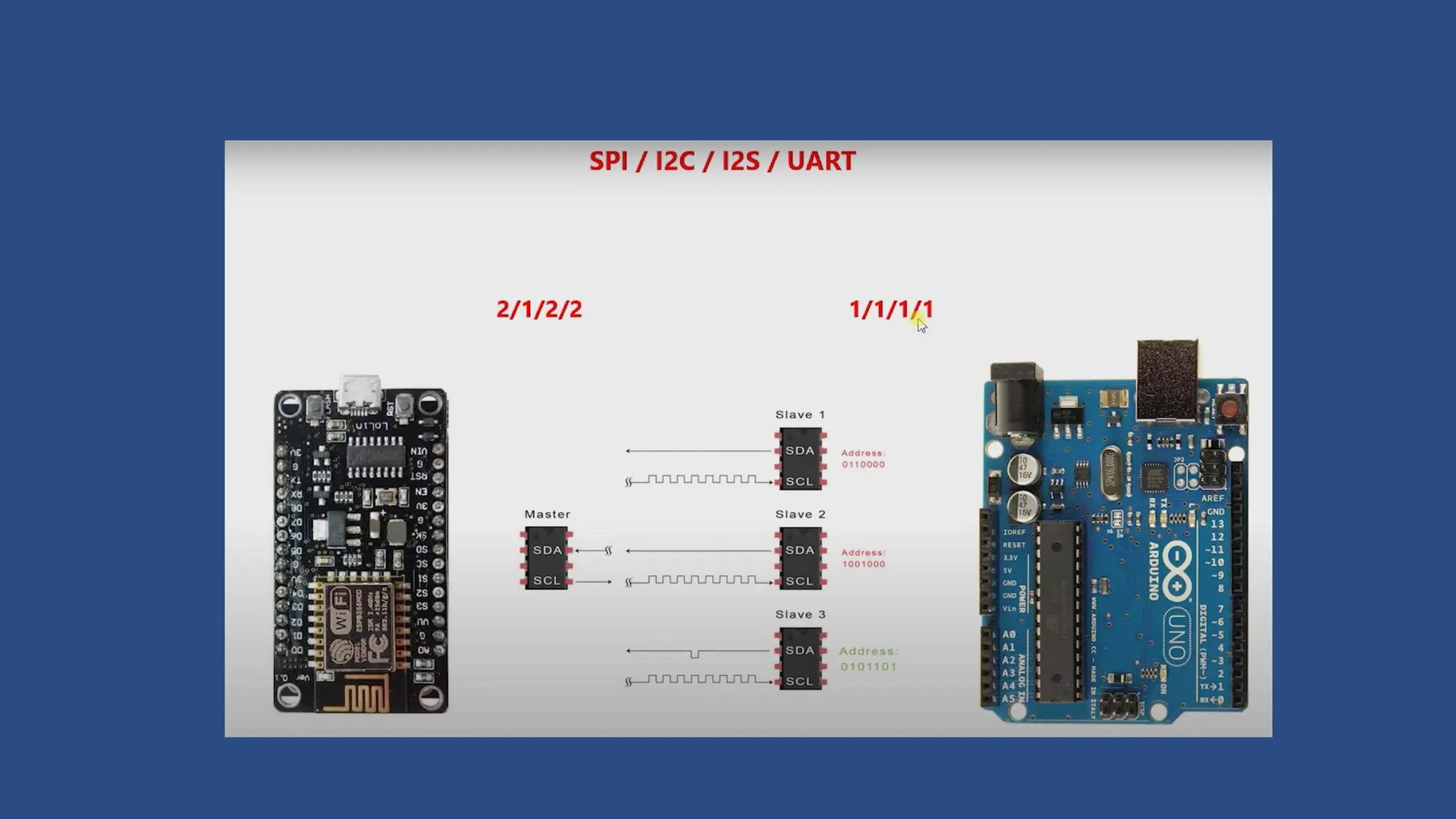
communication protocols like I2C or SPI.
• Power Consumption:
⚬ Power consumption is typically low, making these sensors suitable for battery-operated
devices and applications with power constraints.
• Integration:
⚬ These sensors are commonly integrated into electronic devices, weather stations,
altimeters, and other systems where accurate pressure measurements are essential.
• Applications:
⚬ Digital barometer pressure sensors are used in a range of applications, including weather
stations, altimeters in aviation, GPS receivers, and industrial and consumer electronics for
environment.
3. Motion Sensors: Capture movement or acceleration and
Detect the presence or absence of an object or an obstacle in
close proximity, frequently used in touchscreen devices and
robotics.
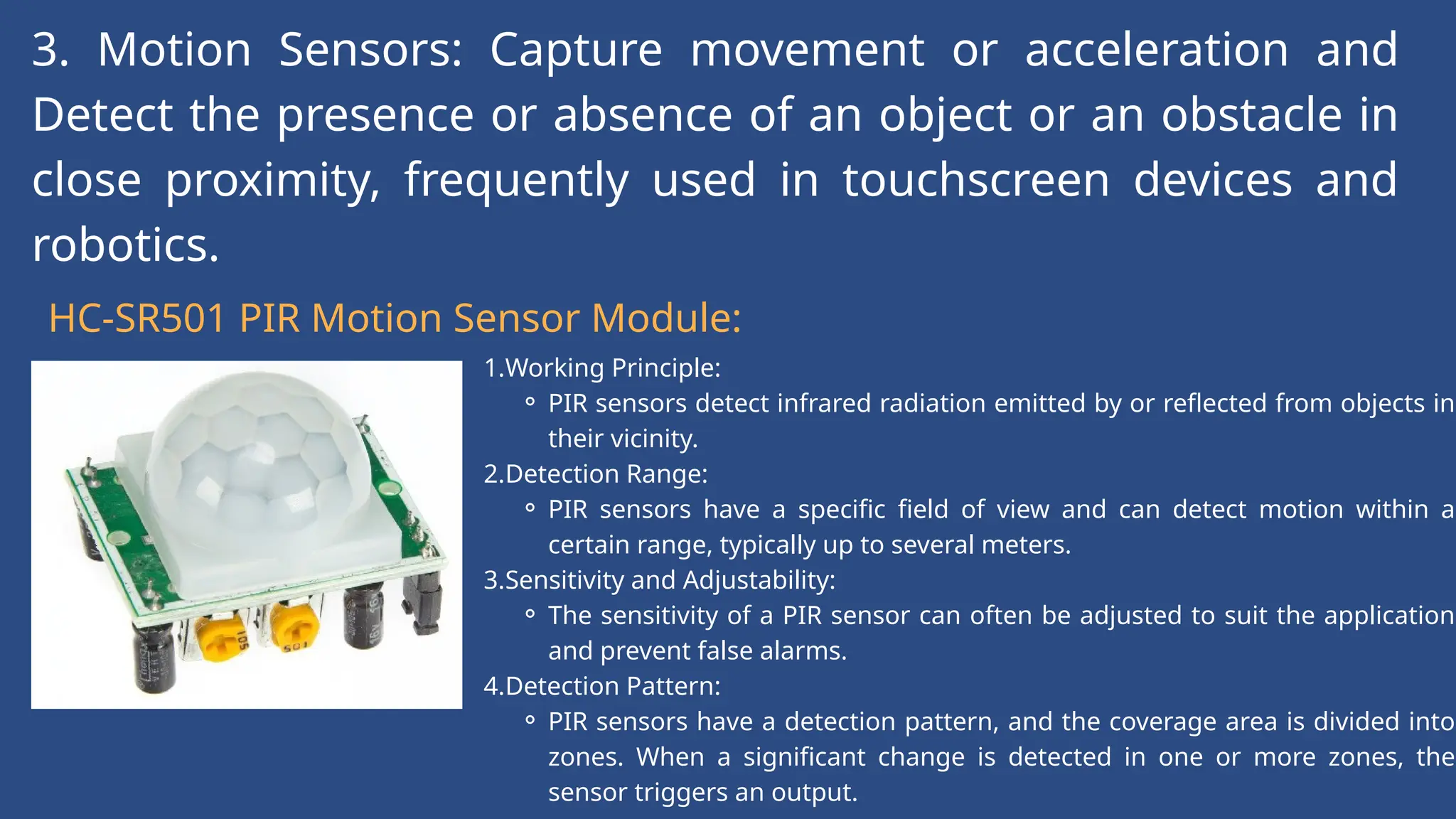
HC-SR501 PIR Motion Sensor Module:
1.Working Principle:
⚬ PIR sensors detect infrared radiation emitted by or reflected from objects in
their vicinity.
2.Detection Range:
⚬ PIR sensors have a specific field of view and can detect motion within a
certain range, typically up to several meters.
3.Sensitivity and Adjustability:
⚬ The sensitivity of a PIR sensor can often be adjusted to suit the application
and prevent false alarms.
4.Detection Pattern:
⚬ PIR sensors have a detection pattern, and the coverage area is divided into
zones. When a significant change is detected in one or more zones, the
sensor triggers an output.
• Output Signal:
⚬ PIR sensors generate a digital output signal when motion is detected. This signal can be
used to trigger alarms, turn on lights, or activate other devices.
• Power Consumption:
⚬ PIR sensors are known for their low power consumption, making them suitable for
battery-operated devices and energy-efficient applications.
• Application:
⚬ PIR sensors are widely used in security systems for intruder detection, automatic lighting
systems, occupancy detection in buildings, and smart home applications.
• Dual Technology Sensors:
⚬ Some advanced PIR sensors combine PIR technology with other sensor technologies like
ultrasonic or microwave sensors for improved accuracy and reduced false alarms.
• Mounting and Installation:
⚬ PIR sensors can be wall or ceiling-mounted, and their installation height and orientation
affect their performance.
4.Sound Sensors (Microphones): Convert sound waves into
electrical signals, used in applications like voice recognition
systems and audio devices.
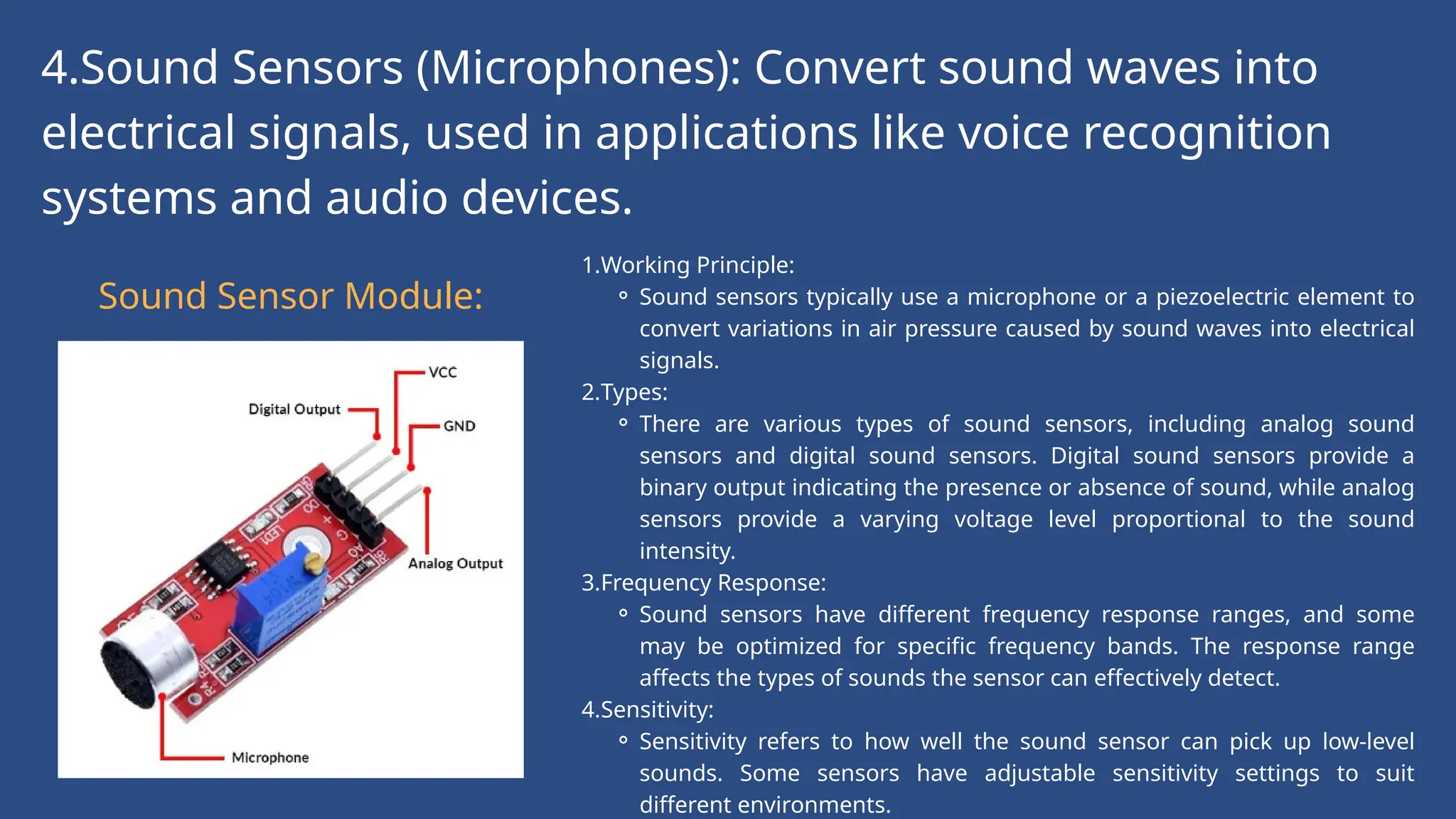
Sound Sensor Module:
1.Working Principle:
⚬ Sound sensors typically use a microphone or a piezoelectric element to
convert variations in air pressure caused by sound waves into electrical
signals.
2.Types:
⚬ There are various types of sound sensors, including analog sound
sensors and digital sound sensors. Digital sound sensors provide a
binary output indicating the presence or absence of sound, while analog
sensors provide a varying voltage level proportional to the sound
intensity.
3.Frequency Response:
⚬ Sound sensors have different frequency response ranges, and some
may be optimized for specific frequency bands. The response range
affects the types of sounds the sensor can effectively detect.
4.Sensitivity:
⚬ Sensitivity refers to how well the sound sensor can pick up low-level
sounds. Some sensors have adjustable sensitivity settings to suit
different environments.
• Output Signal:
Analog sound sensors provide a continuous voltage or current output
• Application:
⚬ Sound sensors are used in applications such as noise monitoring, security alarms, smart home
systems, voice-activated devices, and robotics.
• Integration:
⚬ Sound sensors can be easily integrated into microcontroller-based projects, Arduino, Raspberry
Pi, or other digital platforms for further processing and decision-making based on sound levels.
• Power Consumption:
⚬ Power consumption varies among different sound sensors, but they are generally designed to
be energy-efficient, making them suitable for battery-powered applications.
• Calibration:
⚬ Some high-precision sound sensors may require calibration for accurate measurement of sound
intensity.
5.Gas Sensors: Monitor the presence and concentration of
gases in the air, employed in environmental monitoring,
industrial safety, and gas detection systems.
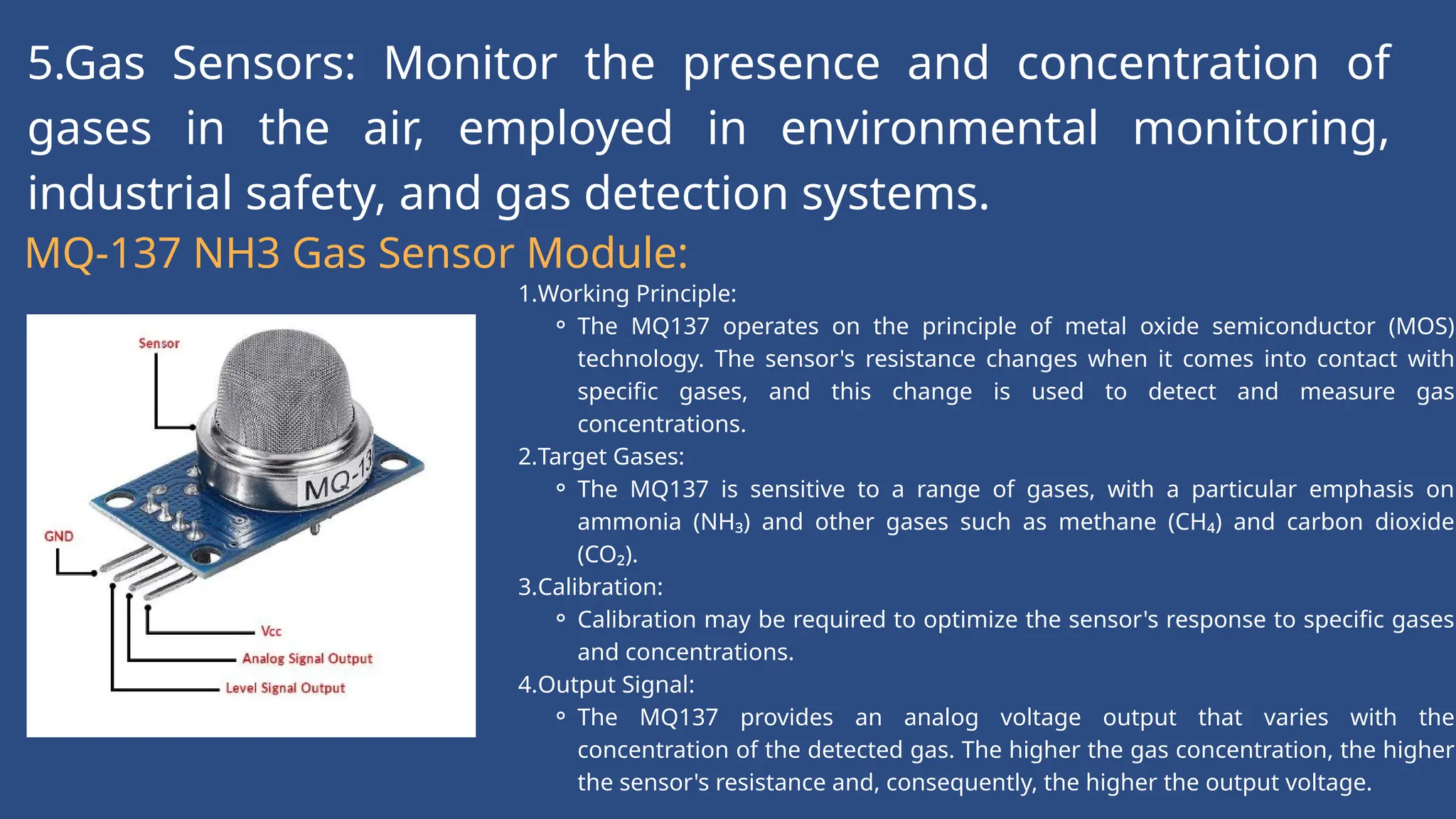
MQ-137 NH3 Gas Sensor Module:
1.Working Principle:
⚬ The MQ137 operates on the principle of metal oxide semiconductor (MOS)
technology. The sensor's resistance changes when it comes into contact with
specific gases, and this change is used to detect and measure gas
concentrations.
2.Target Gases:
⚬ The MQ137 is sensitive to a range of gases, with a particular emphasis on
ammonia (NH₃) and other gases such as methane (CH₄) and carbon dioxide
(CO₂).
3.Calibration:
⚬ Calibration may be required to optimize the sensor's response to specific gases
and concentrations.
4.Output Signal:
⚬ The MQ137 provides an analog voltage output that varies with the
concentration of the detected gas. The higher the gas concentration, the higher
the sensor's resistance and, consequently, the higher the output voltage.
• Sensitivity and Selectivity:
⚬ The sensitivity and selectivity of the MQ137 may vary for different gases. Calibration and
testing are crucial to ensure accurate readings.
• Temperature and Humidity Sensitivity:
⚬ Like many gas sensors, the MQ137's performance can be influenced by temperature and
humidity. Compensation mechanisms or environmental control may be necessary for
accurate readings.
• Application:
⚬ MQ137 gas sensors are used in applications such as air quality monitoring, gas leak
detection, environmental monitoring, and industrial safety systems.
• Power Supply:
⚬ The sensor typically operates on low voltage and low power, making it suitable for use in
portable or battery-powered devices.
• Integration:
⚬ The MQ137 can be integrated into various electronic systems and microcontroller-based
projects. It is often used with Arduino or Raspberry Pi for data processing and display
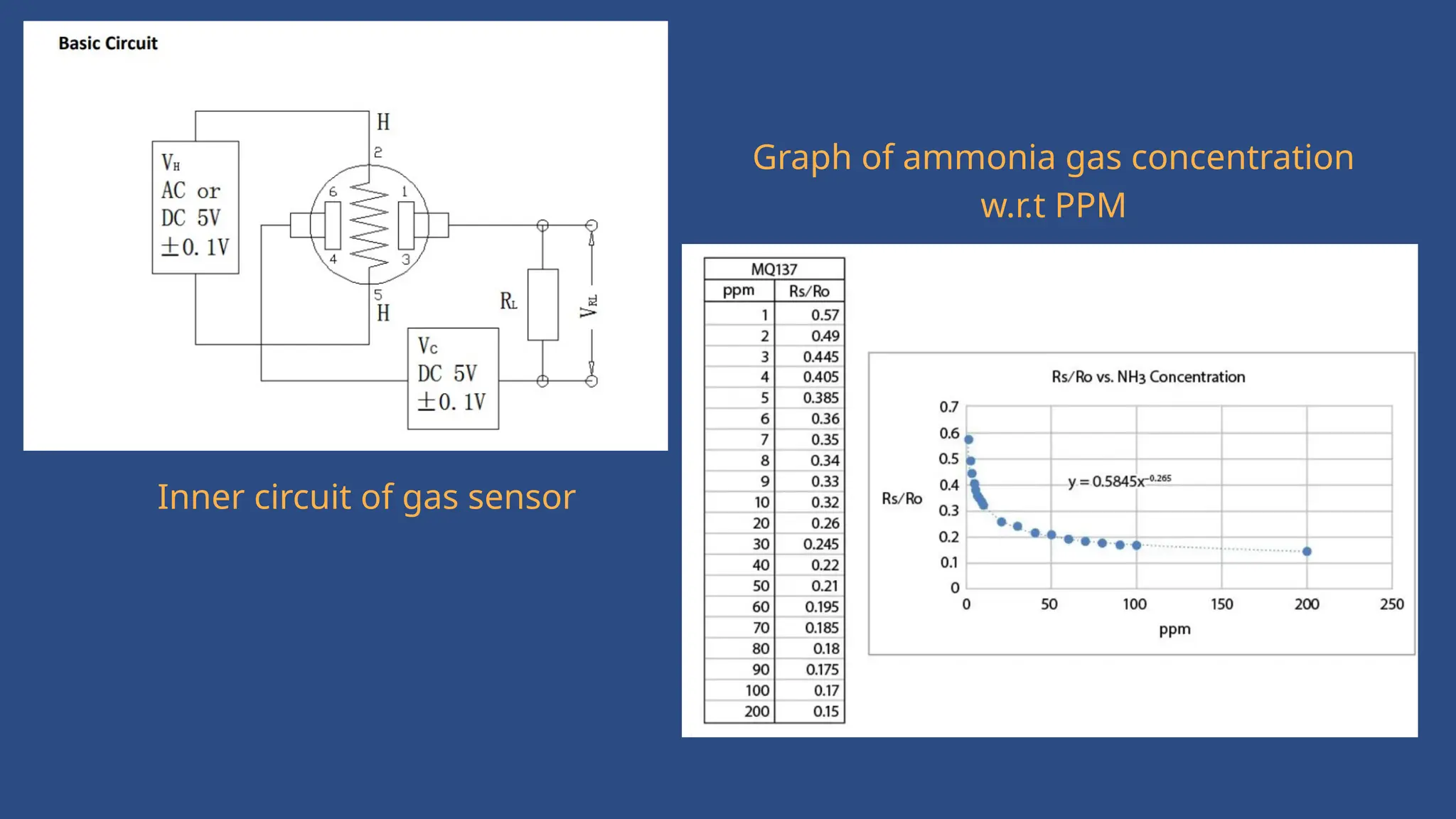
Graph of ammonia gas concentration
w.r.t PPM
Inner circuit of gas sensor
Report on internship evaluation on topic iot

Report on internship evaluation on topic iot

  • 1.
    Internet Of Things " It'sthe beginning of machines taking over the world !!"
  • 2.
    Agenda WEEK 1 : •What is IoT ? • Why IoT ? • Components of IoT • benefits of IoT • IoT Characteristics • Application of IoT
  • 3.
    What is IoT? The Internet of Things (IoT) describes the network of physical objects—“things”—that are embedded with sensors, software, and other technologies for the purpose of connecting and exchanging data with other devices and systems over the internet.
  • 5.
    Component's of IoT •Sensors • connectivity • Data Processing • User Interface
  • 6.
    • These arethe devices that collect data from the environment and carry out actions based on that data. They are sometimes referred to as “things” in IoT. • Sensors are used to collect data, such as temperature, light, sound, or pressure. Actuators, on the other hand, are used to carry out an action based on the data that has been collected, such as turning on a light or opening a door. Sensors
  • 7.
    • After thedata is collected, it needs a way to get to the cloud (or other data storage location) so it can be processed and analyzed. This is where connectivity comes in. • Connectivity refers to the various technologies that are used to connect devices to the internet, such as WiFi, Bluetooth, cellular, or satellite. The data that was gathered through the sensors is then transmitted over the internet using one of these technologies. Connectivity
  • 8.
    • For datato be useful, it needs to be processed and analyzed through data processing. Data processing refers to the algorithms and software that are used to make sense of the data that has been collected. • This can be anything from simple data aggregation to complex machine learning. Data Processing
  • 9.
    • Last butnot least, we have the user interface. The user interface is what allows humans to interact with IoT devices and systems. This is the last stage of the data processing pipeline and is what allows us to control the devices or see the data that has been collected. • After all, the data collected has to serve some purpose for us, whether it’s helping us make a decision or simply providing us with information. User Interface
  • 10.
  • 11.
    4 Stages ofProblem Solving • Identification of general problem • Root of problem • Layman solution • Converting layman solution to a IoT device
  • 13.
    • Hygiene notmaintain • Bad Smell • timely not clean • improper ventilation ( humidity and temp ) • Water level • Occupancy status problems ........ Problems with Public Toilets
  • 14.
    • Miscommunication betweenworkforce and authority • Mismanagement or ignorance of workforce problems ........ Problems with
  • 15.
    • Auto flush •GPS TRACKER • occupancy and count the no. of uses • Gas detector • dht sensor ventilation • automatic handwash • water level indicator problems ........ Solution
  • 16.
    Solution should be •Saves Time • Accuracy/efficient • Practically possible • Cost save
  • 17.
  • 19.
  • 20.
    Challenges of IoTTechnology • Security and Privacy • Interoperability • Power and Energy Efficiency • Reliability and Resilience • Scalability
  • 22.
    • Security isone of the most significant challenges in IoT. With billions of interconnected devices, the potential attack surface for hackers increases significantly. Weak security measures can lead to unauthorized access, data breaches, privacy violations, and even physical harm. • This data can be highly personal and sensitive, raising concerns about privacy. Striking the right balance between data collection for useful insights and protecting user privacy is crucial. Security and Privacy
  • 23.
    • Interoperability isthe ability of equipment, systems, apps or products from different vendors to operate together in a coordinated way, without an end user's involvement. • IoT devices are manufactured by different vendors, using various protocols, standards, and communication technologies. This fragmentation creates compatibility issues, making it difficult for devices from different manufacturers to communicate and work together seamlessly. Interoperability
  • 24.
    • Many IoTdevices are small, battery-powered devices designed for long-term operation in remote or inaccessible locations. Balancing the functionality and energy efficiency of these devices is crucial to ensure their longevity and reliability. • Maximizing battery life and optimizing energy consumption in IoT devices is an ongoing challenge. Power and Energy Efficiency
  • 25.
    • IoT systemsoften operate in critical domains where failures can have severe consequences, such as healthcare, transportation, and infrastructure. Ensuring the reliability, resilience, and availability of IoT systems is crucial to prevent disruptions and potential harm. • Redundancy, fault tolerance, and disaster recovery strategies are essential to address these challenges. Reliability and Resilience
  • 26.
    • IoT involvesconnecting a massive number of devices, ranging from small sensors to large industrial equipment. Managing and scaling such a vast network of interconnected devices can be challenging. • Infrastructure limitations, network congestion, and the ability to handle the sheer volume of data generated by IoT devices pose scalability challenges that need to be addressed. Scalability
  • 27.
    Benefits of IoT •Dynamic • Efficient use of resources • Saves Time • Human efforts and errors • Security • Easy to use
  • 28.
    Future of IoT •AI & ML and IoT • Voice User Interface • Making “Things” small • Power (Low) • Big Data and IoT
  • 29.
    Agenda WEEK 2 : •What is IoT development boards ? • Need IoT development boards ? • Types of boards • Starting with boards
  • 30.
    IoT development boards •A development board is essentially a printed circuit board with circuitry and hardware for experimenting with specific microcontrollers, microprocessors
  • 31.
    Properties of development boards •Supports different types of connectivity • Support different communication protocol • Scalability options • Peripherals support • Processing power and Board memory
  • 32.
    Types of developmentboards • Microcontroller Boards • Single board Computer • System on Chipboards
  • 33.
    An IoT developmentboard includes: • A programming interface to program the microcontroller from a computer. • A power circuit used to provide stable DC power to the microcontroller. • Input components: buttons, switches, etc. • Output components such as LEDs. • Various I/O pins used for compatibility with sensors, motors, screens, and any other components.
  • 34.
    • A system-on-a-chip(SoC) is a microchip with all the necessary electronic circuits and parts for a given system, such as a smartphone or wearable computer, on a single integrated circuit (IC). • An SoC for a sound-detecting device, for example, might include an audio receiver, an analog-to-digital converter (ADC), a microprocessor, memory, and the input/output logic control for a user - all on a single chip. System on Chip (SoC)boards
  • 35.
    • A microcontrolleris a compact integrated circuit designed to govern a specific operation in an embedded system. A typical microcontroller includes a processor, memory and input/output (I/O) peripherals on a single chip. What is Microcontroller
  • 36.
  • 37.
    Single board Computer(SBC) ASingle-Board Computer (SBC) is a complete, functioning computer in which the microprocessor, input/output functions, memory, and other features are all built on a singe circuit board, with RAM built in at a pre-determined amount and with no expansion slots for peripherals..
  • 39.
    Arduino UNO Microcontroller basedboards Arduino Nano ESP
  • 40.
  • 41.
    Microcontroller ATmega328P Operating Voltage5V Input Voltage (recommended) 7-12V Input Voltage (limit) 6-20V Digital I/O Pins 14 (of which 6 provide PWM output) PWM Digital I/O Pins 6 Analog Input Pins 6 Clock Speed 16 MHz Flash Memory 32 KB (ATmega328P) of which 0.5 KB used by bootloader Tech Spec of Arduino UNO PWM: 3, 5, 6, 9, 10, and 11
  • 42.
  • 43.
    Microcontroller ATmega328 Architecture AVR OperatingVoltage 5 V Flash Memory 32 KB of which 2 KB used by bootloader SRAM 2 KB Clock Speed 16 MHz Analog IN Pins 8 Input Voltage 7-12V Digital I/O Pins 22 (6 of which are PWM) PWM Output 6 Power Consumption 19 mA PCB Size 18 x 45 mm Weight 7 g Tech Spec PWM: 3, 5, 6, 9, 10, and 11
  • 50.
    Radio Frequency Identification Technology( RFID ) RFID (Radio Frequency Identification) is a technology that allows objects to be identified and tracked through high- frequency radio waves.
  • 51.
    • RFID Tag 1.Antenna 2.IC(chip) 3.Types Passive and Active • RFID Reader Microcontroller RF Signal Generator Radio Frequency Identification Technology ( RFID ) Signal Detector
  • 52.
    • Fast Tag RadioFrequency Identification Technology ( RFID ) Examples
  • 54.
    Sensors are devicesdesigned to detect and measure physical phenomena or changes in the environment, converting this information into electrical signals or data that can be utilized for various applications. There are numerous types of sensors, each designed to capture specific types of data. Here are some common types of sensors: 1.Temperature Sensors: Measure the level of heat or cold in a given environment, often using technologies like thermocouples or thermistors.
  • 55.
    DHT sensor (Digitalhumidity and temperature sensor): 1.Working Principle: ⚬ DHT sensors typically utilize a capacitive humidity sensor and a thermistor to measure temperature. 2.Measurement Range: ⚬ The DHT sensors can measure humidity in the range of 20% to 80% with an accuracy of about ±5%. ⚬ Temperature measurement typically spans from 0 to 50 degrees Celsius (32 to 122 degrees Fahrenheit) with an accuracy of around ±2°C. 3.Output: ⚬ DHT sensors provide a digital output, which means they communicate their readings in a digital format that can be easily processed by microcontrollers or other digital devices. 4.Wiring: ⚬ These sensors usually have three pins: VCC (power), data, and ground. 5.Application: ⚬ DHT sensors find applications in various projects, including weather stations, greenhouse monitoring, HVAC systems, and DIY electronics projects where measuring temperature and humidity is essential.
  • 56.
    #include <DHT11.h> // -For Arduino: Connect the sensor to Digital I/O Pin 2. // - For ESP32: Connect the sensor to pin GPIO2 or P2. // - For ESP8266: Connect the sensor to GPIO2 or D4. DHT11 dht11(2); void setup() { Serial.begin(9600); } void loop() { int temperature = dht11.readTemperature(); int humidity = dht11.readHumidity(); } if (temperature != DHT11::ERROR_CHECKSUM && temperature != DHT11::ERROR_TIMEOUT && humidity != DHT11::ERROR_CHECKSUM && humidity != DHT11::ERROR_TIMEOUT) { Serial.print("Temperature: "); Serial.print(temperature); Serial.println(" °C"); Serial.print("Humidity: "); Serial.print(humidity); Serial.println(" %"); } else { if (temperature == DHT11::ERROR_TIMEOUT || temperature == DHT11::ERROR_CHECKSUM) { Serial.print("Temperature Reading Error: "); Serial.println(DHT11::getErrorString(temperature)); } if (humidity == DHT11::ERROR_TIMEOUT || humidity == DHT11::ERROR_CHECKSUM) { Serial.print("Humidity Reading Error: "); Serial.println(DHT11::getErrorString(humidity)); } } delay(1000); DHT 11 code:
  • 57.
    2.Pressure Sensors: Monitorchanges in pressure, often used in applications such as barometers or industrial processes. DIGITAL BAROMETRIC PRESSURE SENSOR: 1.Working Principle: ⚬ Digital barometer pressure sensors often use micro- electromechanical systems (MEMS) technology to detect changes in pressure. 2.Measurement Range: ⚬ These sensors can measure atmospheric pressure typically in a range of 300 to 1100 hPa (hectopascals) or 30,000 to 110,000 Pa.. 3.Temperature Compensation: ⚬ Many digital barometer sensors incorporate temperature compensation to account for temperature variations that can affect pressure readings. 4.Output: ⚬ Digital barometer sensors provide a digital output, often using communication protocols like I2C or SPI.
  • 58.
    • Power Consumption: ⚬Power consumption is typically low, making these sensors suitable for battery-operated devices and applications with power constraints. • Integration: ⚬ These sensors are commonly integrated into electronic devices, weather stations, altimeters, and other systems where accurate pressure measurements are essential. • Applications: ⚬ Digital barometer pressure sensors are used in a range of applications, including weather stations, altimeters in aviation, GPS receivers, and industrial and consumer electronics for environment.
  • 59.
    3. Motion Sensors:Capture movement or acceleration and Detect the presence or absence of an object or an obstacle in close proximity, frequently used in touchscreen devices and robotics. HC-SR501 PIR Motion Sensor Module: 1.Working Principle: ⚬ PIR sensors detect infrared radiation emitted by or reflected from objects in their vicinity. 2.Detection Range: ⚬ PIR sensors have a specific field of view and can detect motion within a certain range, typically up to several meters. 3.Sensitivity and Adjustability: ⚬ The sensitivity of a PIR sensor can often be adjusted to suit the application and prevent false alarms. 4.Detection Pattern: ⚬ PIR sensors have a detection pattern, and the coverage area is divided into zones. When a significant change is detected in one or more zones, the sensor triggers an output.
  • 60.
    • Output Signal: ⚬PIR sensors generate a digital output signal when motion is detected. This signal can be used to trigger alarms, turn on lights, or activate other devices. • Power Consumption: ⚬ PIR sensors are known for their low power consumption, making them suitable for battery-operated devices and energy-efficient applications. • Application: ⚬ PIR sensors are widely used in security systems for intruder detection, automatic lighting systems, occupancy detection in buildings, and smart home applications. • Dual Technology Sensors: ⚬ Some advanced PIR sensors combine PIR technology with other sensor technologies like ultrasonic or microwave sensors for improved accuracy and reduced false alarms. • Mounting and Installation: ⚬ PIR sensors can be wall or ceiling-mounted, and their installation height and orientation affect their performance.
  • 61.
    4.Sound Sensors (Microphones):Convert sound waves into electrical signals, used in applications like voice recognition systems and audio devices. Sound Sensor Module: 1.Working Principle: ⚬ Sound sensors typically use a microphone or a piezoelectric element to convert variations in air pressure caused by sound waves into electrical signals. 2.Types: ⚬ There are various types of sound sensors, including analog sound sensors and digital sound sensors. Digital sound sensors provide a binary output indicating the presence or absence of sound, while analog sensors provide a varying voltage level proportional to the sound intensity. 3.Frequency Response: ⚬ Sound sensors have different frequency response ranges, and some may be optimized for specific frequency bands. The response range affects the types of sounds the sensor can effectively detect. 4.Sensitivity: ⚬ Sensitivity refers to how well the sound sensor can pick up low-level sounds. Some sensors have adjustable sensitivity settings to suit different environments.
  • 62.
    • Output Signal: Analogsound sensors provide a continuous voltage or current output • Application: ⚬ Sound sensors are used in applications such as noise monitoring, security alarms, smart home systems, voice-activated devices, and robotics. • Integration: ⚬ Sound sensors can be easily integrated into microcontroller-based projects, Arduino, Raspberry Pi, or other digital platforms for further processing and decision-making based on sound levels. • Power Consumption: ⚬ Power consumption varies among different sound sensors, but they are generally designed to be energy-efficient, making them suitable for battery-powered applications. • Calibration: ⚬ Some high-precision sound sensors may require calibration for accurate measurement of sound intensity.
  • 63.
    5.Gas Sensors: Monitorthe presence and concentration of gases in the air, employed in environmental monitoring, industrial safety, and gas detection systems. MQ-137 NH3 Gas Sensor Module: 1.Working Principle: ⚬ The MQ137 operates on the principle of metal oxide semiconductor (MOS) technology. The sensor's resistance changes when it comes into contact with specific gases, and this change is used to detect and measure gas concentrations. 2.Target Gases: ⚬ The MQ137 is sensitive to a range of gases, with a particular emphasis on ammonia (NH₃) and other gases such as methane (CH₄) and carbon dioxide (CO₂). 3.Calibration: ⚬ Calibration may be required to optimize the sensor's response to specific gases and concentrations. 4.Output Signal: ⚬ The MQ137 provides an analog voltage output that varies with the concentration of the detected gas. The higher the gas concentration, the higher the sensor's resistance and, consequently, the higher the output voltage.
  • 64.
    • Sensitivity andSelectivity: ⚬ The sensitivity and selectivity of the MQ137 may vary for different gases. Calibration and testing are crucial to ensure accurate readings. • Temperature and Humidity Sensitivity: ⚬ Like many gas sensors, the MQ137's performance can be influenced by temperature and humidity. Compensation mechanisms or environmental control may be necessary for accurate readings. • Application: ⚬ MQ137 gas sensors are used in applications such as air quality monitoring, gas leak detection, environmental monitoring, and industrial safety systems. • Power Supply: ⚬ The sensor typically operates on low voltage and low power, making it suitable for use in portable or battery-powered devices. • Integration: ⚬ The MQ137 can be integrated into various electronic systems and microcontroller-based projects. It is often used with Arduino or Raspberry Pi for data processing and display
  • 65.
    Graph of ammoniagas concentration w.r.t PPM Inner circuit of gas sensor