Reflection
B.Sc. B.Ed. Integrated
How does light help us to
see objects in dark?
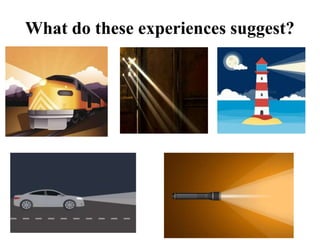
What do these experiences suggest?
What is light ?
• Light is a radiation or a form of energy
that our eyes can detect. Light enables
us to view our surroundings.
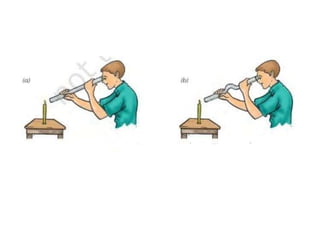
• Light travels from one place to another
in a straight line.
QUESTION
• The path of light is
a)Always a straight line.
b)A curved line
c) A zig zag line
d)Depends on the
medium
•What is rectilinear
propagation?
How we can change the pathof
light???
What is shiny surface ?
Write few e.g. Of shiny
surface .
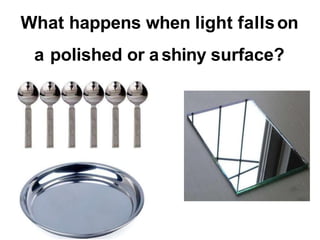
What happens when light fallson
a polished or ashiny surface?
Reflection of light
• There are some certain situations in
which a mirror or shiny surfaces like
stainless steel plate or spoon act as a
mirror, can change in direction of light
that falls on it. So, this process of
change in direction of light by a mirror is
called a reflection of light.
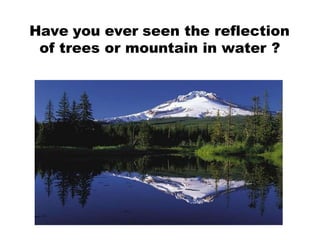
Have you ever seen the reflection
of trees or mountain in water ?
Activity
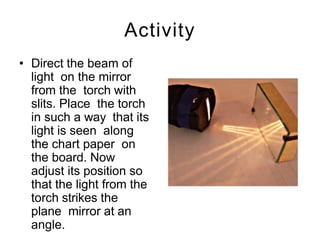
• Direct the beam of
light on the mirror
from the torch with
slits. Place the torch
in such a way that its
light is seen along
the chart paper on
the board. Now
adjust its position so
that the light from the
torch strikes the
plane mirror at an
angle.
Questions
• Change in the path of
light after striking a
mirror is called
a) Reflection of light
b)Rectilinear propagation
of light
c) lateral inversion
d)Dispersion
• Is the change of
direction of light that is
falling on a mirror.
a) Direction
b)Conversion.
c) Reflection
d)None of these
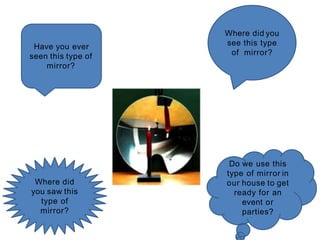
Where did you
see this type
of mirror?
Have you ever
seen this type of
mirror?
Do we use this
type of mirror in
our house to get
ready for an
event or
parties?
Where did
you saw this
type of
mirror?
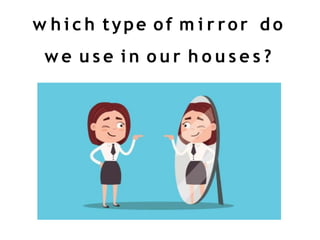
w h i c h type of m i r ror d o
w e u s e i n o u r h o u s e s ?
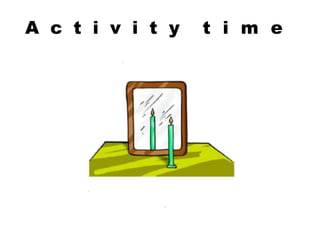
A c t i v i t y t i m e
Characteristics
An image is said to be erect if the image
is formed the same side up as that of the
object.
The image will be called inverted if it is
formed upside-down compared to the
object..
• Image---- virtual(not real)
• Image---- erect/upright
• Image size = object size
• Image distance = object distance.
V i d e o
https://youtu.be/x4XmyE1p8SE
Did you find any relation between the
distance of the image from the mirror
and that of the object in front of it ?
Questions
•The image which can be
caught on screen is called
a) Real image
b) Virtual image
c) Shadow
d)Impression
•An image being in such
a position that top &
bottom are reversed is:
a) Erect
b) Virtual
c) Concave
d)Inverted
Question
•An image formed by plane mirror which is
upright is :
a)Virtual
b)Concave
c)Erect
d)convex
R E C APITULAT I O N :
 What is light?
 How light travels.
 Explain reflection of light.
 What is an image?
 What is real and virtual image?
Home work
1)state difference between luminous object &
non-luminous objects. With suitable
example.
2)Suppose we wish to obtain the real image of
a distant tree. Explain two possible ways in
which we can do it.

Reflection .pptx

  • 1.
  • 3.
    How does lighthelp us to see objects in dark?
  • 4.
    What do theseexperiences suggest?
  • 5.
    What is light? • Light is a radiation or a form of energy that our eyes can detect. Light enables us to view our surroundings. • Light travels from one place to another in a straight line.
  • 7.
    QUESTION • The pathof light is a)Always a straight line. b)A curved line c) A zig zag line d)Depends on the medium •What is rectilinear propagation?
  • 8.
    How we canchange the pathof light???
  • 9.
    What is shinysurface ? Write few e.g. Of shiny surface .
  • 10.
    What happens whenlight fallson a polished or ashiny surface?
  • 11.
    Reflection of light •There are some certain situations in which a mirror or shiny surfaces like stainless steel plate or spoon act as a mirror, can change in direction of light that falls on it. So, this process of change in direction of light by a mirror is called a reflection of light.
  • 12.
    Have you everseen the reflection of trees or mountain in water ?
  • 14.
    Activity • Direct thebeam of light on the mirror from the torch with slits. Place the torch in such a way that its light is seen along the chart paper on the board. Now adjust its position so that the light from the torch strikes the plane mirror at an angle.
  • 15.
    Questions • Change inthe path of light after striking a mirror is called a) Reflection of light b)Rectilinear propagation of light c) lateral inversion d)Dispersion • Is the change of direction of light that is falling on a mirror. a) Direction b)Conversion. c) Reflection d)None of these
  • 16.
    Where did you seethis type of mirror? Have you ever seen this type of mirror? Do we use this type of mirror in our house to get ready for an event or parties? Where did you saw this type of mirror?
  • 17.
    w h ic h type of m i r ror d o w e u s e i n o u r h o u s e s ?
  • 18.
    A c ti v i t y t i m e
  • 19.
    Characteristics An image issaid to be erect if the image is formed the same side up as that of the object. The image will be called inverted if it is formed upside-down compared to the object.. • Image---- virtual(not real) • Image---- erect/upright • Image size = object size • Image distance = object distance.
  • 20.
    V i de o https://youtu.be/x4XmyE1p8SE Did you find any relation between the distance of the image from the mirror and that of the object in front of it ?
  • 21.
    Questions •The image whichcan be caught on screen is called a) Real image b) Virtual image c) Shadow d)Impression •An image being in such a position that top & bottom are reversed is: a) Erect b) Virtual c) Concave d)Inverted
  • 22.
    Question •An image formedby plane mirror which is upright is : a)Virtual b)Concave c)Erect d)convex
  • 23.
    R E CAPITULAT I O N :  What is light?  How light travels.  Explain reflection of light.  What is an image?  What is real and virtual image?
  • 24.
    Home work 1)state differencebetween luminous object & non-luminous objects. With suitable example. 2)Suppose we wish to obtain the real image of a distant tree. Explain two possible ways in which we can do it.