

Reading for Pleasure
Ideas from the UK
www.goodkeenlibrarian.blogspot.co.nz
@MSimmsNZ
NZEI Scholarship Trip to England and Scotland
● Ten primary schools
● Two secondary schools
● IBBY UK
● Reading Agency
● Book Trust
● Seven Stories
● School Library Association
● Patron of Reading
● The Reader
● Norfolk Children’s Book Centre
● Tower Hamlets Schools Library
Services
● Literacy Books and Reading Teams
for Schools
● British Values in Children’s
Literature conference (CLPE)
● World Book Day Launch
● Developing a Reading for
Pleasure School and Library
course (CLPE)
● Pioneer Schools’ Day (Empathy
Lab)
● UKLA National Conference -
Finding and Sharing Pleasure in
Reading
Research
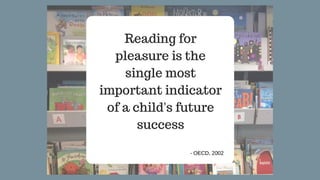
Benefits of Reading for Pleasure
● Increases attainment in literacy and numeracy (Anderson et
al., 1988; OECD, 2010; PIRLS, 2006; Sullivan & Brown, 2013)
● Improves general knowledge, (Cunningham & Stanovich, 1998)
provides a richer vocabulary and increased accuracy in
spelling (Sullivan & Brown, 2013), and an improved capacity for
comprehension (Cox & Guthrie, 2001)
● Encourages imagination, empathy and mindfulness of
others (Kidd & Costano, 2013)
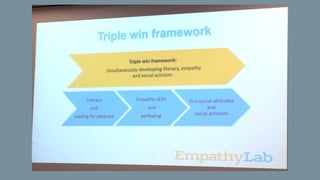
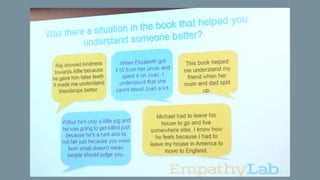
Empathy Lab
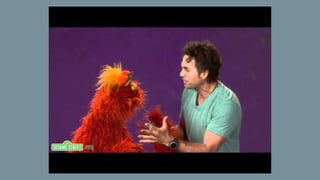
“Neuroscience
research shows us that
identifying with book
characters’ emotions
makes us more
empathetic”
Miranda McKearney, Founder
Found that a focus on empathy:
● improved comprehension and inference,
● produced more expressive and emotive
writing,
● children were more able to recognise and
share feelings.
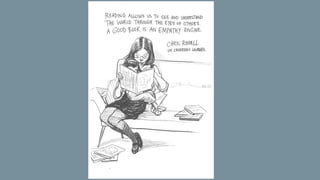
“The biggest deficit that we have in our
society and in the world right now is an
empathy deficit. We are in great need of
people being able to stand in somebody else's
shoes and see the world through their eyes”
- Barack Obama
Empathy Lab
http://www.empathylab.uk/
http://www.empathylab.uk/read-for-empathy-guide
Teachers as Readers
Teresa Cremin, Professor of Education,
Open University
Teachers as Readers Research - Phase One
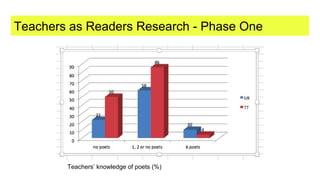
● A survey of teachers’ knowledge of children’s literature (1,200 teachers)
Teachers’ knowledge of writers (%)
Teachers as Readers Research - Phase One
Teachers’ knowledge of poets (%)
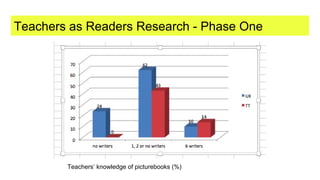
Teachers as Readers Research - Phase One
Teachers’ knowledge of picturebooks (%)
“In considering their ability to name six children’s authors,
poets and picturebook makers, it is questionable whether
[the teachers] know a sufficiently diverse range of writers to
enable them to foster reader development and make
informed recommendations to emerging readers with
different needs and interests”
-Cremin, Mottram, Bearne and Goodwin, 2008
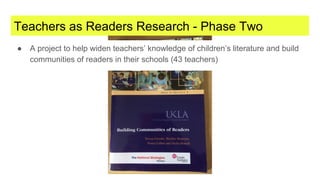
Teachers as Readers Research - Phase Two
● A project to help widen teachers’ knowledge of children’s literature and build
communities of readers in their schools (43 teachers)
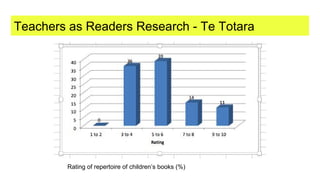
Teachers as Readers Research - Te Totara
Rating of repertoire of children’s books (%)
Te Totara Teachers as Readers Project
● Voluntary!
● Choose a time and schedule that works for you
● Meet to widen knowledge of children’s literature and explore reading for
pleasure pedagogy
● Discussing & reading books, taking away one idea to try in class
● Action research project - short teacher and student questionnaires at
beginning and end (I will help administer them).
● Runs from next week until middle of Term 4
What’s Next?!!!!
● Reply to my email by Thursday if you are interested in being part of the Te
Totara Teachers as Readers Project
● Other things you can do:
○ Stop and look at the poems and author displays in the library
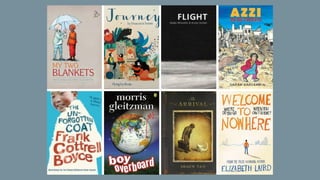
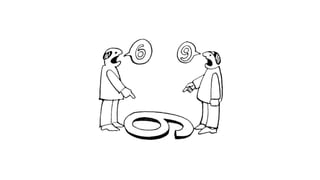
○ Talk about empathy and examine a book from that perspective
Te Totara Teachers as Readers Project
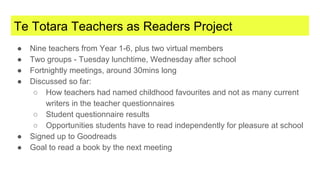
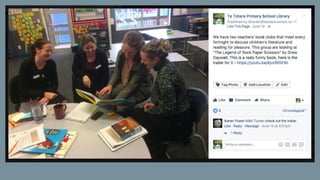
● Nine teachers from Year 1-6, plus two virtual members
● Two groups - Tuesday lunchtime, Wednesday after school
● Fortnightly meetings, around 30mins long
● Discussed so far:
○ How teachers had named childhood favourites and not as many current
writers in the teacher questionnaires
○ Student questionnaire results
○ Opportunities students have to read independently for pleasure at school
● Signed up to Goodreads
● Goal to read a book by the next meeting
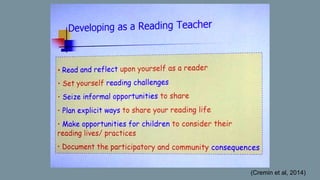
UKLA Conference: Building
Communities of Readers
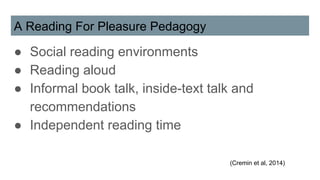
A Reading For Pleasure Pedagogy
● Social reading environments
● Reading aloud
● Informal book talk, inside-text talk and
recommendations
● Independent reading time
(Cremin et al, 2014)
Reading for Pleasure Research
https://researchrichpedagogies.org/research/reading-for-pleasure
Reading for Pleasure for
Diverse Communities
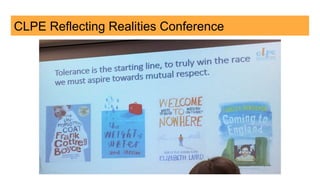
CLPE Reflecting Realities Conference
Letterbox Library
Letterbox Library
http://www.letterboxlibrary.com/
CLPE Reading for Pleasure Course
“Reading gives us somewhere to go
when we have to stay where we are”
-Mason Cooley
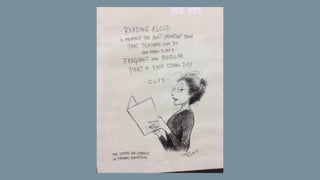
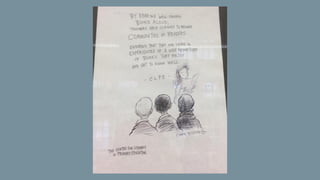
(CLPE)
(CLPE)
Key Points
● Libraries need a wide and diverse range of authors, illustrators, genres and
forms
● There is an over focus on tangibly measurable components of reading
● Teacher as reading role model
● How are we creating a culture of book gossip?
● We are more engaged if we can talk about a book, hearing other people helps
deepen our understanding of a book
● It is important to take time over text and illustrations
● Ask what children notice about an illustration in a book
● Drama opens books up for kids
CLPE Power of Pictures Website
Power of Pictures
https://www.clpe.org.uk/powerofpictures
Patron of Reading
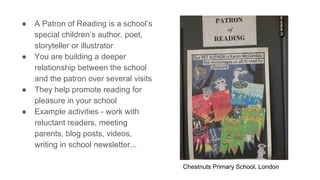
● A Patron of Reading is a school’s
special children’s author, poet,
storyteller or illustrator
● You are building a deeper
relationship between the school
and the patron over several visits
● They help promote reading for
pleasure in your school
● Example activities - work with
reluctant readers, meeting
parents, blog posts, videos,
writing in school newsletter...
Chestnuts Primary School, London
Patron of Reading
www.patronofreading.co.uk
Librarian Groups
FLAPS
● Forum for Library Assistants in Primary Schools (Ipswich/Suffolk)
● Led by their Schools Library Service (LBaRTS)
● Meet once a term, in a different school each time so they can see different
libraries and gain new ideas
● 9.30am-12pm
● LBaRTS news, events, training courses, roundup of news from children’s
book world
● Everyone shares a short, informal report about their libraries and any
successful reading initiatives, author visits, competitions etc
● Occasionally have a guest - a local author, library service provider, publisher
Scottish Schools
● Visited schools in deprived areas
● No primary school librarians
● Ran a six week programme with the public librarian
● Librarian showcased books and modelled reading aloud for teachers
● Visited the public library
● Emphasised different kinds of reading e.g. recipes
● Connected via Twitter with NZ author, Peter Millett
● Increased amount of book talk around the school
● Ended with a showcase, BIG turnout
● Head, teachers, parents and librarian working together was the key to
success
● Letter home to parents about reading for pleasure, kids presenting about it
Book Club Activities
Book Shadowing
● Where you ‘shadow’ the judging process of an
award, reading all of the shortlisted books and
predicting your own winner
● Helps introduce students to new books
● Increases conversations about books and time
spent reading
● CILIP Carnegie & Kate Greenaway
Shadowing Scheme
● Can also vote in own awards e.g. Haringey
Children’s Book Award, Federation of
Children’s Book Groups
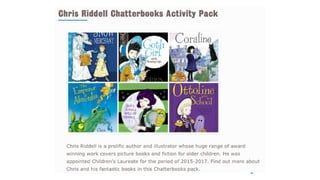
Chatterbooks
Chatterbooks
https://readingagency.org.uk/resources/?programme=chat
Does having reading for pleasure in the
curriculum benefit librarians?
Background
● Primary school librarians are not very common
● School librarian positions have been cut drastically
● School budgets are very tight, there is not much spending on libraries or
books
● Public libraries are also under threat, a quarter of the workforce has been
made redundant across England and Wales since 2010
● Many teachers are overwhelmed by the amount of topics that need to be
covered in the curriculum
● Year 6 SATs interfere with promoting reading for pleasure, overwhelming
focus is on getting ready for the tests
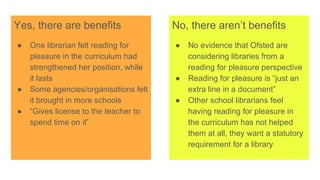
Yes, there are benefits
● One librarian felt reading for
pleasure in the curriculum had
strengthened her position, while
it lasts
● Some agencies/organisations felt
it brought in more schools
● “Gives license to the teacher to
spend time on it”
No, there aren’t benefits
● No evidence that Ofsted are
considering libraries from a
reading for pleasure perspective
● Reading for pleasure is “just an
extra line in a document”
● Other school librarians feel
having reading for pleasure in
the curriculum has not helped
them at all, they want a statutory
requirement for a library
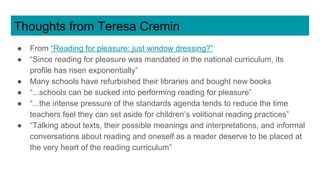
Thoughts from Teresa Cremin
● From “Reading for pleasure: just window dressing?”
● “Since reading for pleasure was mandated in the national curriculum, its
profile has risen exponentially”
● Many schools have refurbished their libraries and bought new books
● “...schools can be sucked into performing reading for pleasure”
● “...the intense pressure of the standards agenda tends to reduce the time
teachers feel they can set aside for children’s volitional reading practices”
● “Talking about texts, their possible meanings and interpretations, and informal
conversations about reading and oneself as a reader deserve to be placed at
the very heart of the reading curriculum”
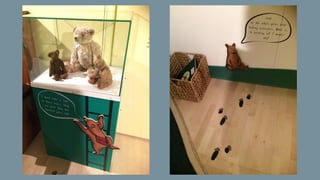
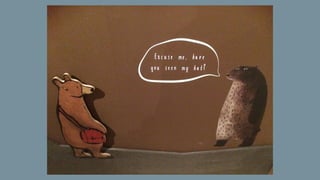
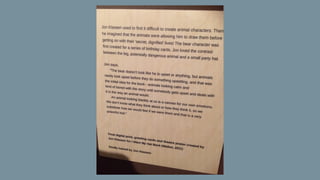
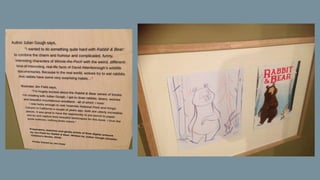
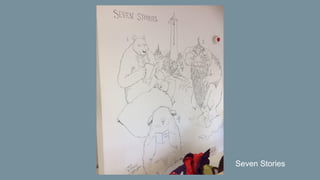
Seven Stories
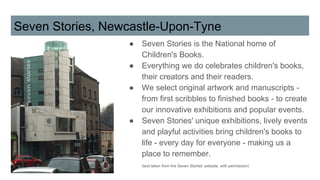
Seven Stories, Newcastle-Upon-Tyne
● Seven Stories is the National home of
Children's Books.
● Everything we do celebrates children's books,
their creators and their readers.
● We select original artwork and manuscripts -
from first scribbles to finished books - to create
our innovative exhibitions and popular events.
● Seven Stories' unique exhibitions, lively events
and playful activities bring children's books to
life - every day for everyone - making us a
place to remember.
(text taken from the Seven Stories’ website, with permission)
School Displays/Activities
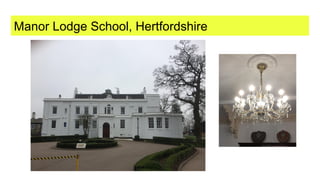
Manor Lodge School, Hertfordshire
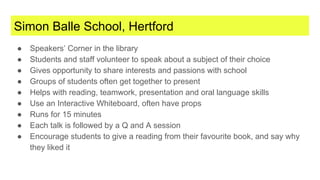
Simon Balle School, Hertford
● Speakers’ Corner in the library
● Students and staff volunteer to speak about a subject of their choice
● Gives opportunity to share interests and passions with school
● Groups of students often get together to present
● Helps with reading, teamwork, presentation and oral language skills
● Use an Interactive Whiteboard, often have props
● Runs for 15 minutes
● Each talk is followed by a Q and A session
● Encourage students to give a reading from their favourite book, and say why
they liked it
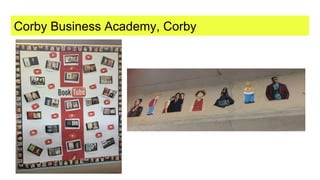
Corby Business Academy, Corby
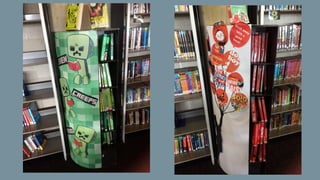
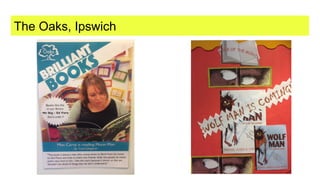
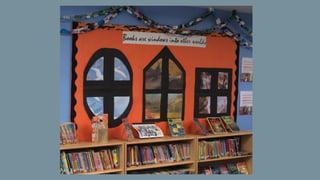
The Oaks, Ipswich
Recommended Reading
UK Websites/Resources
Love My Books
http://www.lovemybooks.co.uk/
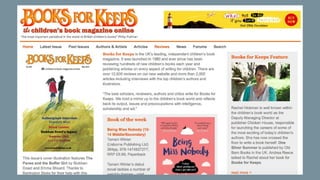
Books for Keeps
http://booksforkeeps.co.uk/
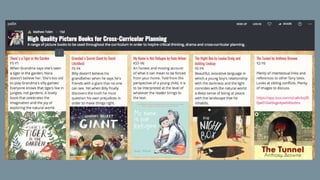
High Quality Picture Books for
Cross-Curricular Planning
https://padlet.com/p0077346/PictureBookPlan
Useful Resources for Picturebook
Enthusiasts
https://padlet.com/marygtroche/usefulresources
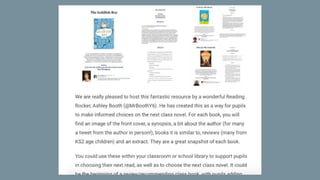
Need a Novel?
https://wherereadingrocks.wordpress.com/need-a-novel/
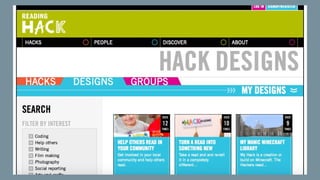
Reading Hack
http://readinghack.org.uk/
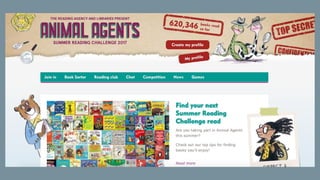
Summer Reading Challenge
https://summerreadingchallenge.org.uk/
msimmsnz@gmail.com
@MSimmsNZ
www.goodkeenlibrarian.blogspot.co.nz
Bonus Slides!
(no time for these in my presentation)
Seven Stories
(more art)
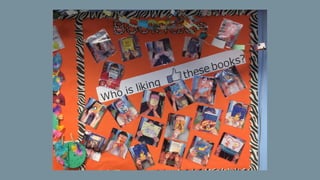
School Displays/Activities
The Oaks, Ipswich
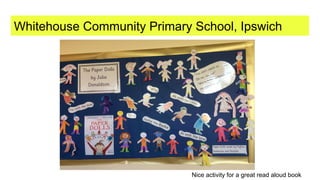
Whitehouse Community Primary School, Ipswich
Nice activity for a great read aloud book
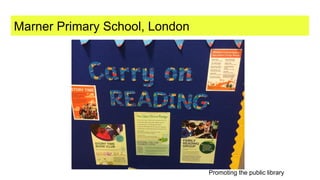
Marner Primary School, London
Promoting the public library
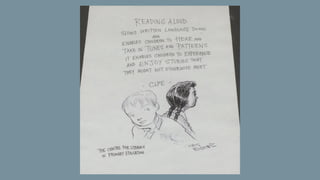
Reading Aloud
(from CLPE)
Wall Art
(I want some!)
Seven Stories
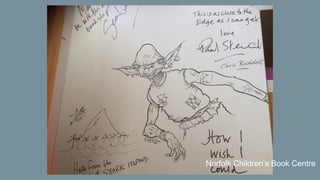
Norfolk Children’s Book Centre
CLPE
CLPE
CLPE
Storytelling
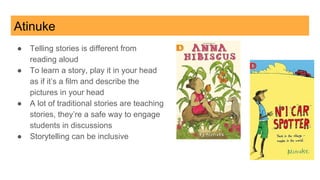
Atinuke
● Telling stories is different from
reading aloud
● To learn a story, play it in your head
as if it’s a film and describe the
pictures in your head
● A lot of traditional stories are teaching
stories, they’re a safe way to engage
students in discussions
● Storytelling can be inclusive
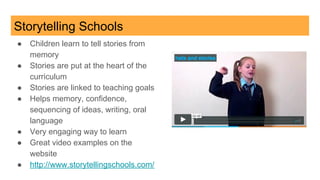
Storytelling Schools
● Children learn to tell stories from
memory
● Stories are put at the heart of the
curriculum
● Stories are linked to teaching goals
● Helps memory, confidence,
sequencing of ideas, writing, oral
language
● Very engaging way to learn
● Great video examples on the
website
● http://www.storytellingschools.com/
Tower Hamlets Schools Library Services
Lending historical and multicultural artefacts, puppets and costumes
● School library services in England are run by local
authorities
● They’ve gone from 168 local authorities with school library
services down to 65
● Many that remain are worried about funding
● Tower Hamlets bills schools directly for their services
● Peripatetic librarians - Tower Hamlets employs them and
they spend regular, scheduled days in different schools
Haringey Librarians
● Primary and secondary librarians collaborate to run the Haringey Children’s
Book Award, for Years 5,6 & 7
● Encourages children to read several books and encourages a broader scope
of genre and themes
● Children read allocated books, participate in a number of creative writing
workshops with the nominated authors, vote
● Are book signings and discounted books to buy, goody bags to take home
● Awards evening where winning author is announced (most nominated authors
attend)
● Supported by Haringey Literature Live and the Arts Council
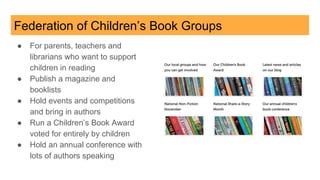
Federation of Children’s Book Groups
● For parents, teachers and
librarians who want to support
children in reading
● Publish a magazine and
booklists
● Hold events and competitions
and bring in authors
● Run a Children’s Book Award
voted for entirely by children
● Hold an annual conference with
lots of authors speaking
Federation of Children’s Book Groups
http://www.fcbg.org.uk/

Reading for Pleasure - Ideas from the UK

  • 2.
    Reading for Pleasure Ideasfrom the UK www.goodkeenlibrarian.blogspot.co.nz @MSimmsNZ
  • 3.
    NZEI Scholarship Tripto England and Scotland ● Ten primary schools ● Two secondary schools ● IBBY UK ● Reading Agency ● Book Trust ● Seven Stories ● School Library Association ● Patron of Reading ● The Reader ● Norfolk Children’s Book Centre ● Tower Hamlets Schools Library Services ● Literacy Books and Reading Teams for Schools ● British Values in Children’s Literature conference (CLPE) ● World Book Day Launch ● Developing a Reading for Pleasure School and Library course (CLPE) ● Pioneer Schools’ Day (Empathy Lab) ● UKLA National Conference - Finding and Sharing Pleasure in Reading
  • 4.
  • 6.
    Benefits of Readingfor Pleasure ● Increases attainment in literacy and numeracy (Anderson et al., 1988; OECD, 2010; PIRLS, 2006; Sullivan & Brown, 2013) ● Improves general knowledge, (Cunningham & Stanovich, 1998) provides a richer vocabulary and increased accuracy in spelling (Sullivan & Brown, 2013), and an improved capacity for comprehension (Cox & Guthrie, 2001) ● Encourages imagination, empathy and mindfulness of others (Kidd & Costano, 2013)
  • 7.
  • 8.
    “Neuroscience research shows usthat identifying with book characters’ emotions makes us more empathetic” Miranda McKearney, Founder
  • 10.
    Found that afocus on empathy: ● improved comprehension and inference, ● produced more expressive and emotive writing, ● children were more able to recognise and share feelings.
  • 17.
    “The biggest deficitthat we have in our society and in the world right now is an empathy deficit. We are in great need of people being able to stand in somebody else's shoes and see the world through their eyes” - Barack Obama
  • 18.
  • 19.
  • 20.
    Teresa Cremin, Professorof Education, Open University
  • 21.
    Teachers as ReadersResearch - Phase One ● A survey of teachers’ knowledge of children’s literature (1,200 teachers) Teachers’ knowledge of writers (%)
  • 22.
    Teachers as ReadersResearch - Phase One Teachers’ knowledge of poets (%)
  • 23.
    Teachers as ReadersResearch - Phase One Teachers’ knowledge of picturebooks (%)
  • 24.
    “In considering theirability to name six children’s authors, poets and picturebook makers, it is questionable whether [the teachers] know a sufficiently diverse range of writers to enable them to foster reader development and make informed recommendations to emerging readers with different needs and interests” -Cremin, Mottram, Bearne and Goodwin, 2008
  • 25.
    Teachers as ReadersResearch - Phase Two ● A project to help widen teachers’ knowledge of children’s literature and build communities of readers in their schools (43 teachers)
  • 26.
    Teachers as ReadersResearch - Te Totara Rating of repertoire of children’s books (%)
  • 27.
    Te Totara Teachersas Readers Project ● Voluntary! ● Choose a time and schedule that works for you ● Meet to widen knowledge of children’s literature and explore reading for pleasure pedagogy ● Discussing & reading books, taking away one idea to try in class ● Action research project - short teacher and student questionnaires at beginning and end (I will help administer them). ● Runs from next week until middle of Term 4
  • 28.
    What’s Next?!!!! ● Replyto my email by Thursday if you are interested in being part of the Te Totara Teachers as Readers Project ● Other things you can do: ○ Stop and look at the poems and author displays in the library ○ Talk about empathy and examine a book from that perspective
  • 29.
    Te Totara Teachersas Readers Project ● Nine teachers from Year 1-6, plus two virtual members ● Two groups - Tuesday lunchtime, Wednesday after school ● Fortnightly meetings, around 30mins long ● Discussed so far: ○ How teachers had named childhood favourites and not as many current writers in the teacher questionnaires ○ Student questionnaire results ○ Opportunities students have to read independently for pleasure at school ● Signed up to Goodreads ● Goal to read a book by the next meeting
  • 31.
  • 32.
    A Reading ForPleasure Pedagogy ● Social reading environments ● Reading aloud ● Informal book talk, inside-text talk and recommendations ● Independent reading time (Cremin et al, 2014)
  • 33.
  • 35.
    Reading for PleasureResearch https://researchrichpedagogies.org/research/reading-for-pleasure
  • 36.
    Reading for Pleasurefor Diverse Communities
  • 37.
  • 38.
  • 40.
  • 41.
    CLPE Reading forPleasure Course
  • 42.
    “Reading gives ussomewhere to go when we have to stay where we are” -Mason Cooley
  • 43.
  • 44.
  • 45.
    Key Points ● Librariesneed a wide and diverse range of authors, illustrators, genres and forms ● There is an over focus on tangibly measurable components of reading ● Teacher as reading role model ● How are we creating a culture of book gossip? ● We are more engaged if we can talk about a book, hearing other people helps deepen our understanding of a book ● It is important to take time over text and illustrations ● Ask what children notice about an illustration in a book ● Drama opens books up for kids
  • 46.
    CLPE Power ofPictures Website
  • 47.
  • 48.
  • 49.
    ● A Patronof Reading is a school’s special children’s author, poet, storyteller or illustrator ● You are building a deeper relationship between the school and the patron over several visits ● They help promote reading for pleasure in your school ● Example activities - work with reluctant readers, meeting parents, blog posts, videos, writing in school newsletter... Chestnuts Primary School, London
  • 50.
  • 51.
  • 52.
    FLAPS ● Forum forLibrary Assistants in Primary Schools (Ipswich/Suffolk) ● Led by their Schools Library Service (LBaRTS) ● Meet once a term, in a different school each time so they can see different libraries and gain new ideas ● 9.30am-12pm ● LBaRTS news, events, training courses, roundup of news from children’s book world ● Everyone shares a short, informal report about their libraries and any successful reading initiatives, author visits, competitions etc ● Occasionally have a guest - a local author, library service provider, publisher
  • 53.
  • 54.
    ● Visited schoolsin deprived areas ● No primary school librarians ● Ran a six week programme with the public librarian ● Librarian showcased books and modelled reading aloud for teachers ● Visited the public library ● Emphasised different kinds of reading e.g. recipes ● Connected via Twitter with NZ author, Peter Millett ● Increased amount of book talk around the school ● Ended with a showcase, BIG turnout ● Head, teachers, parents and librarian working together was the key to success ● Letter home to parents about reading for pleasure, kids presenting about it
  • 55.
  • 56.
    Book Shadowing ● Whereyou ‘shadow’ the judging process of an award, reading all of the shortlisted books and predicting your own winner ● Helps introduce students to new books ● Increases conversations about books and time spent reading ● CILIP Carnegie & Kate Greenaway Shadowing Scheme ● Can also vote in own awards e.g. Haringey Children’s Book Award, Federation of Children’s Book Groups
  • 57.
  • 59.
  • 60.
    Does having readingfor pleasure in the curriculum benefit librarians?
  • 61.
    Background ● Primary schoollibrarians are not very common ● School librarian positions have been cut drastically ● School budgets are very tight, there is not much spending on libraries or books ● Public libraries are also under threat, a quarter of the workforce has been made redundant across England and Wales since 2010 ● Many teachers are overwhelmed by the amount of topics that need to be covered in the curriculum ● Year 6 SATs interfere with promoting reading for pleasure, overwhelming focus is on getting ready for the tests
  • 62.
    Yes, there arebenefits ● One librarian felt reading for pleasure in the curriculum had strengthened her position, while it lasts ● Some agencies/organisations felt it brought in more schools ● “Gives license to the teacher to spend time on it” No, there aren’t benefits ● No evidence that Ofsted are considering libraries from a reading for pleasure perspective ● Reading for pleasure is “just an extra line in a document” ● Other school librarians feel having reading for pleasure in the curriculum has not helped them at all, they want a statutory requirement for a library
  • 63.
    Thoughts from TeresaCremin ● From “Reading for pleasure: just window dressing?” ● “Since reading for pleasure was mandated in the national curriculum, its profile has risen exponentially” ● Many schools have refurbished their libraries and bought new books ● “...schools can be sucked into performing reading for pleasure” ● “...the intense pressure of the standards agenda tends to reduce the time teachers feel they can set aside for children’s volitional reading practices” ● “Talking about texts, their possible meanings and interpretations, and informal conversations about reading and oneself as a reader deserve to be placed at the very heart of the reading curriculum”
  • 64.
  • 65.
    Seven Stories, Newcastle-Upon-Tyne ●Seven Stories is the National home of Children's Books. ● Everything we do celebrates children's books, their creators and their readers. ● We select original artwork and manuscripts - from first scribbles to finished books - to create our innovative exhibitions and popular events. ● Seven Stories' unique exhibitions, lively events and playful activities bring children's books to life - every day for everyone - making us a place to remember. (text taken from the Seven Stories’ website, with permission)
  • 78.
  • 79.
    Manor Lodge School,Hertfordshire
  • 83.
    Simon Balle School,Hertford ● Speakers’ Corner in the library ● Students and staff volunteer to speak about a subject of their choice ● Gives opportunity to share interests and passions with school ● Groups of students often get together to present ● Helps with reading, teamwork, presentation and oral language skills ● Use an Interactive Whiteboard, often have props ● Runs for 15 minutes ● Each talk is followed by a Q and A session ● Encourage students to give a reading from their favourite book, and say why they liked it
  • 84.
  • 86.
  • 88.
  • 92.
  • 93.
  • 95.
  • 97.
    High Quality PictureBooks for Cross-Curricular Planning https://padlet.com/p0077346/PictureBookPlan
  • 99.
    Useful Resources forPicturebook Enthusiasts https://padlet.com/marygtroche/usefulresources
  • 101.
  • 103.
  • 105.
  • 107.
  • 108.
    Bonus Slides! (no timefor these in my presentation)
  • 109.
  • 114.
  • 115.
  • 118.
    Whitehouse Community PrimarySchool, Ipswich Nice activity for a great read aloud book
  • 119.
    Marner Primary School,London Promoting the public library
  • 120.
  • 124.
  • 125.
  • 126.
  • 127.
  • 128.
  • 129.
  • 130.
  • 131.
    Atinuke ● Telling storiesis different from reading aloud ● To learn a story, play it in your head as if it’s a film and describe the pictures in your head ● A lot of traditional stories are teaching stories, they’re a safe way to engage students in discussions ● Storytelling can be inclusive
  • 132.
    Storytelling Schools ● Childrenlearn to tell stories from memory ● Stories are put at the heart of the curriculum ● Stories are linked to teaching goals ● Helps memory, confidence, sequencing of ideas, writing, oral language ● Very engaging way to learn ● Great video examples on the website ● http://www.storytellingschools.com/
  • 133.
    Tower Hamlets SchoolsLibrary Services
  • 134.
    Lending historical andmulticultural artefacts, puppets and costumes
  • 135.
    ● School libraryservices in England are run by local authorities ● They’ve gone from 168 local authorities with school library services down to 65 ● Many that remain are worried about funding ● Tower Hamlets bills schools directly for their services ● Peripatetic librarians - Tower Hamlets employs them and they spend regular, scheduled days in different schools
  • 136.
    Haringey Librarians ● Primaryand secondary librarians collaborate to run the Haringey Children’s Book Award, for Years 5,6 & 7 ● Encourages children to read several books and encourages a broader scope of genre and themes ● Children read allocated books, participate in a number of creative writing workshops with the nominated authors, vote ● Are book signings and discounted books to buy, goody bags to take home ● Awards evening where winning author is announced (most nominated authors attend) ● Supported by Haringey Literature Live and the Arts Council
  • 137.
    Federation of Children’sBook Groups ● For parents, teachers and librarians who want to support children in reading ● Publish a magazine and booklists ● Hold events and competitions and bring in authors ● Run a Children’s Book Award voted for entirely by children ● Hold an annual conference with lots of authors speaking
  • 138.
    Federation of Children’sBook Groups http://www.fcbg.org.uk/