Effectively using data
QLA Your Way
Afternoon Inset
Wednesday 2nd December 2015
What is QLA?
Question
Level
Analysis
 Key Stage 4
 End of Unit assessments conducted in
class (60 marks)
 Marked by Teacher
 Scores for each question are input to
an excel spread sheet
 Data for the whole class is calculated.
Compares to other classes.
 Identifies problem areas which require
reteach (Skill and Content)
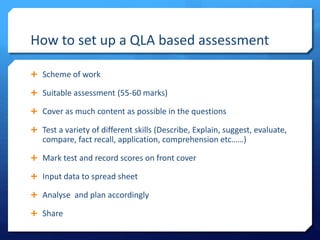
How to set up a QLA based assessment
 Scheme of work
 Suitable assessment (55-60 marks)
 Cover as much content as possible in the questions
 Test a variety of different skills (Describe, Explain, suggest, evaluate,
compare, fact recall, application, comprehension etc……)
 Mark test and record scores on front cover
 Input data to spread sheet
 Analyse and plan accordingly
 Share
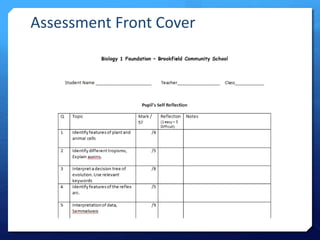
Assessment Front Cover
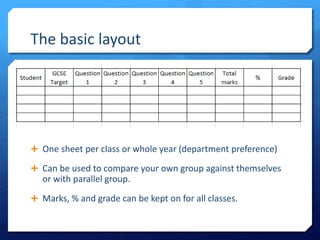
The basic layout
 One sheet per class or whole year (department preference)
 Can be used to compare your own group against themselves
or with parallel group.
 Marks, % and grade can be kept on for all classes.
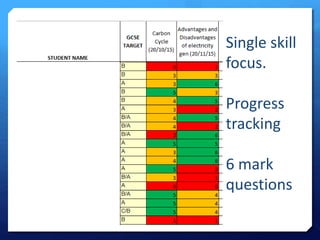
Single skill
focus.
Progress
tracking
6 mark
questions
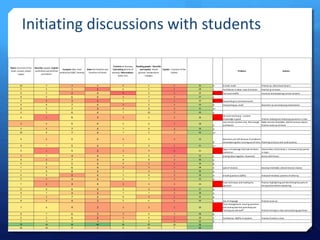
Name structure of the
heart, vessels, blood
supply
Describe a graph, Explain
ventilation and artificial
ventilation
Compare data, food
production QWC, farming
State the features and
functions of blood
Function of stomata,
Calculating density of
stomata, Data analysis -
water loss.
Reading graphs - Describe
and explain -blood
glucose, temperature
changes
Explain - Function of the
kidney
Problem Actions
10 7 3 4 4 5 2 35 B 6 mark/ recall Practice qs, afterschool drop in
5 5 4 1 6 7 1 29 C Confidence in ideas. Lack of revision Practice qs at home.
6 5 2 4 0 5 1 23 D Too much waffle structure and preparing concise answers
8 6 6 4 4 7 2 37 A
6 2 3 1 7 5 1 25 D Responding to command words
6 8 7 4 2 5 2 34 B Interpreting qs, recall Rewriiten qs and analysing markscheme
8 9 7 3 4 8 2 41 A*
6 5 6 4 7 10 2 40 A
6 1 6 3 3 5 2 26
D
All exam technique - content
knowledge is good Practice reading and analysing questions in class
3 4 5 4 5 6 1 28
C
Last minute revision only. Not enough
confidence
Make revision timetable, attend revision classes.
Practice exam qs at home
9 4 7 4 7 6 2 39 A
10 8 7 4 7 5 3 44 A*
9 4 5 4 4 5 2 33
B
Questions are left because of problems
remembering then running out of time Planning structure and recall practice.
8 7 5 4 7 9 1 41 A*
6 1 5 2 3 4 0 21
D
Gaps in knowledge that had not been
worked on
Attend after school drop in. Summarise key points
in topic.
4 7 4 4 5 6 2 32 C Linking ideas together. Keywords Revise definitions.
8 3 7 4 8 8 2 40 A
9 8 5 4 4 3 1 34 B
7 4 6 4 3 3 1 28 C Lack of revision . Develop timetable, attend revision classes.
7 8 8 4 7 4 2 40 A
9 9 2 4 5 8 2 39 A 6 mark questions (QWC) Analysed mistakes, practice of other qs.
9 3 4 4 6 7 2 35 B
7 2 3 4 2 4 2 24
D
Exam technique and reading the
question
Practice highlighting and identifying key parts of
the question before answering
8 8 6 4 6 4 1 37 A
8 7 4 3 7 7 2 38 A
7 4 7 4 8 3 1 34 B
8 4 4 3 5 6 2 32 C Use of language Practice exam qs
7 6 4 2 3 3 1 26
D
Time management. Leaving questions
and coming back but panicking and
"writing any old stuff" Practice timings in class and analysing questions
8 7 6 3 3 6 3 36 B
6 5 6 2 3 6 1 29 C Confidence. Waffle in answers Practice 6 marks in class
7 5 5 3 5 6 2 33 B
73 54 64 86 54 47 23 56
10 10 8 4 9 12 7 60
Initiating discussions with students
Making QLA work for you
 Not just another thing to do
 Can be personalised as needed.
 Decide on a focus and tailor your QLA to that. Helps with
BlueSky.
 Makes it easier to identify weaknesses in students knowledge
and skills.
 Weaknesses addressed in the following lessons and before the
next assessment. Planning becomes quicker.
 Helps with OTFG, report writing and subject evenings.

QLA optional inset presentation jpw

  • 1.
    Effectively using data QLAYour Way Afternoon Inset Wednesday 2nd December 2015
  • 2.
    What is QLA? Question Level Analysis Key Stage 4  End of Unit assessments conducted in class (60 marks)  Marked by Teacher  Scores for each question are input to an excel spread sheet  Data for the whole class is calculated. Compares to other classes.  Identifies problem areas which require reteach (Skill and Content)
  • 3.
    How to setup a QLA based assessment  Scheme of work  Suitable assessment (55-60 marks)  Cover as much content as possible in the questions  Test a variety of different skills (Describe, Explain, suggest, evaluate, compare, fact recall, application, comprehension etc……)  Mark test and record scores on front cover  Input data to spread sheet  Analyse and plan accordingly  Share
  • 4.
  • 5.
    The basic layout One sheet per class or whole year (department preference)  Can be used to compare your own group against themselves or with parallel group.  Marks, % and grade can be kept on for all classes.
  • 6.
  • 7.
    Name structure ofthe heart, vessels, blood supply Describe a graph, Explain ventilation and artificial ventilation Compare data, food production QWC, farming State the features and functions of blood Function of stomata, Calculating density of stomata, Data analysis - water loss. Reading graphs - Describe and explain -blood glucose, temperature changes Explain - Function of the kidney Problem Actions 10 7 3 4 4 5 2 35 B 6 mark/ recall Practice qs, afterschool drop in 5 5 4 1 6 7 1 29 C Confidence in ideas. Lack of revision Practice qs at home. 6 5 2 4 0 5 1 23 D Too much waffle structure and preparing concise answers 8 6 6 4 4 7 2 37 A 6 2 3 1 7 5 1 25 D Responding to command words 6 8 7 4 2 5 2 34 B Interpreting qs, recall Rewriiten qs and analysing markscheme 8 9 7 3 4 8 2 41 A* 6 5 6 4 7 10 2 40 A 6 1 6 3 3 5 2 26 D All exam technique - content knowledge is good Practice reading and analysing questions in class 3 4 5 4 5 6 1 28 C Last minute revision only. Not enough confidence Make revision timetable, attend revision classes. Practice exam qs at home 9 4 7 4 7 6 2 39 A 10 8 7 4 7 5 3 44 A* 9 4 5 4 4 5 2 33 B Questions are left because of problems remembering then running out of time Planning structure and recall practice. 8 7 5 4 7 9 1 41 A* 6 1 5 2 3 4 0 21 D Gaps in knowledge that had not been worked on Attend after school drop in. Summarise key points in topic. 4 7 4 4 5 6 2 32 C Linking ideas together. Keywords Revise definitions. 8 3 7 4 8 8 2 40 A 9 8 5 4 4 3 1 34 B 7 4 6 4 3 3 1 28 C Lack of revision . Develop timetable, attend revision classes. 7 8 8 4 7 4 2 40 A 9 9 2 4 5 8 2 39 A 6 mark questions (QWC) Analysed mistakes, practice of other qs. 9 3 4 4 6 7 2 35 B 7 2 3 4 2 4 2 24 D Exam technique and reading the question Practice highlighting and identifying key parts of the question before answering 8 8 6 4 6 4 1 37 A 8 7 4 3 7 7 2 38 A 7 4 7 4 8 3 1 34 B 8 4 4 3 5 6 2 32 C Use of language Practice exam qs 7 6 4 2 3 3 1 26 D Time management. Leaving questions and coming back but panicking and "writing any old stuff" Practice timings in class and analysing questions 8 7 6 3 3 6 3 36 B 6 5 6 2 3 6 1 29 C Confidence. Waffle in answers Practice 6 marks in class 7 5 5 3 5 6 2 33 B 73 54 64 86 54 47 23 56 10 10 8 4 9 12 7 60 Initiating discussions with students
  • 8.
    Making QLA workfor you  Not just another thing to do  Can be personalised as needed.  Decide on a focus and tailor your QLA to that. Helps with BlueSky.  Makes it easier to identify weaknesses in students knowledge and skills.  Weaknesses addressed in the following lessons and before the next assessment. Planning becomes quicker.  Helps with OTFG, report writing and subject evenings.