
Product Development Life cycle
        ( Ideas to Reality )


         Sridhar Ponugupati

       Blaze Automation
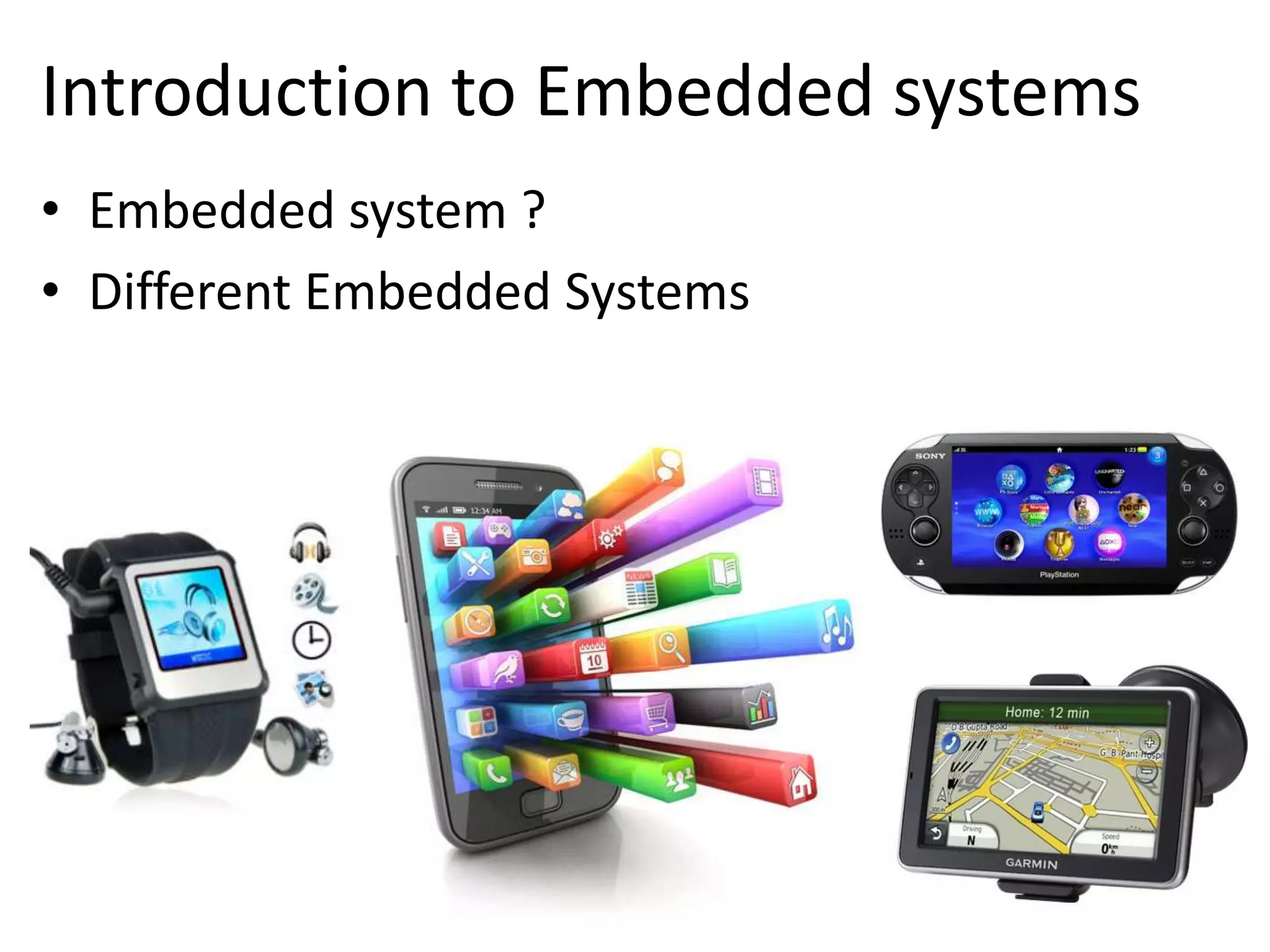
Introduction to Embedded systems
• Embedded system ?
• Different Embedded Systems
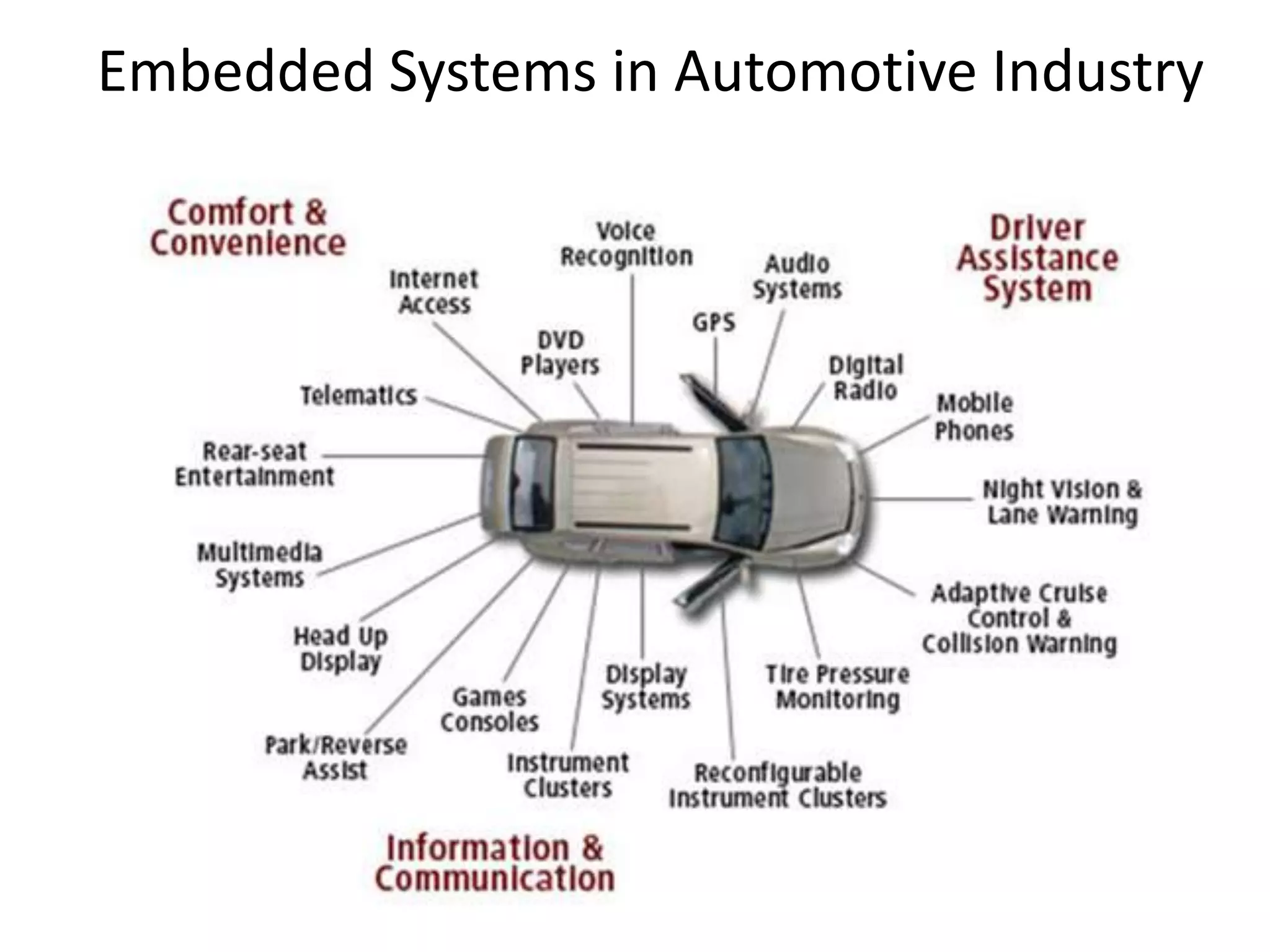
Embedded Systems in Automotive Industry
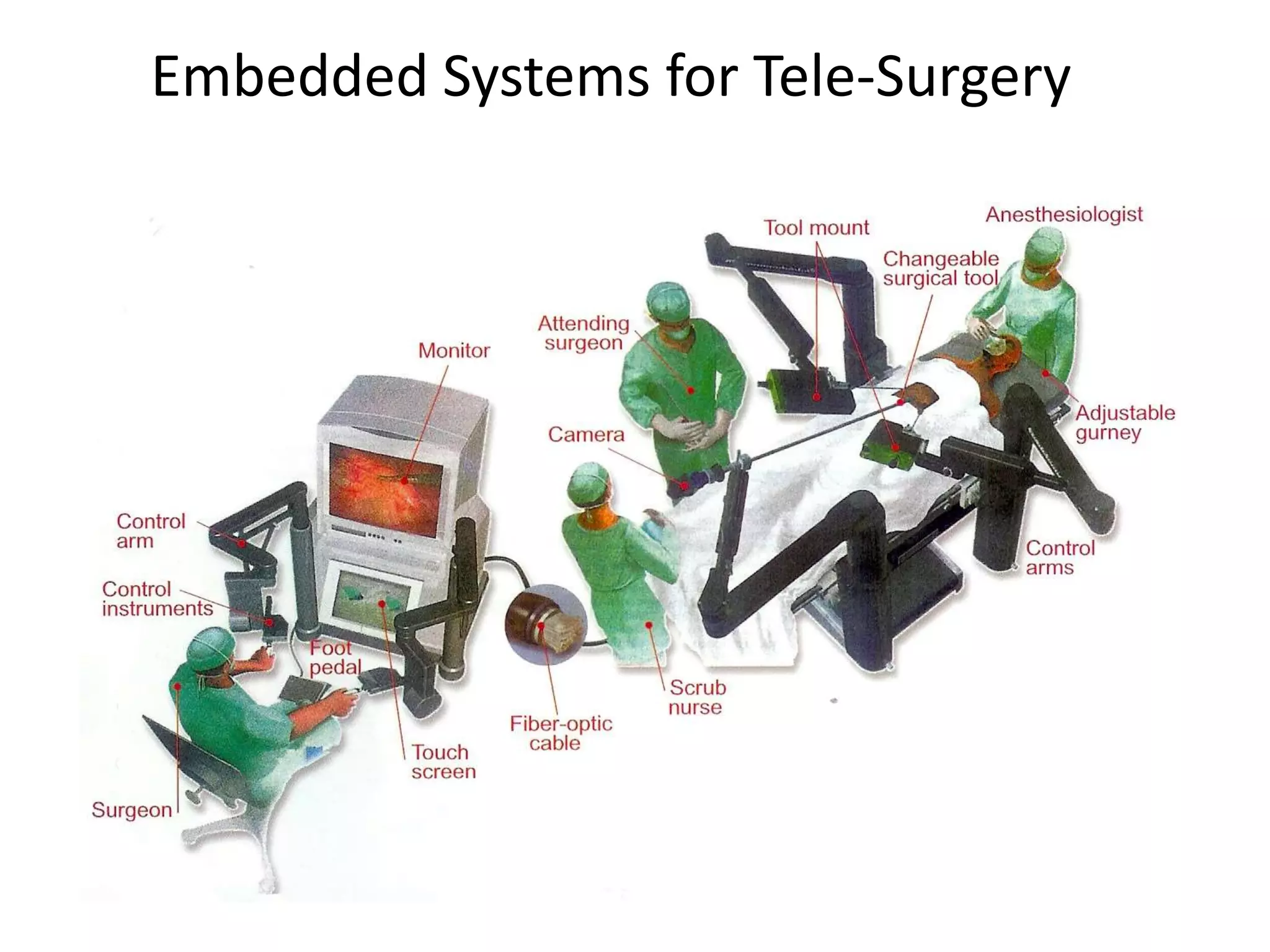
Embedded Systems for Tele-Surgery
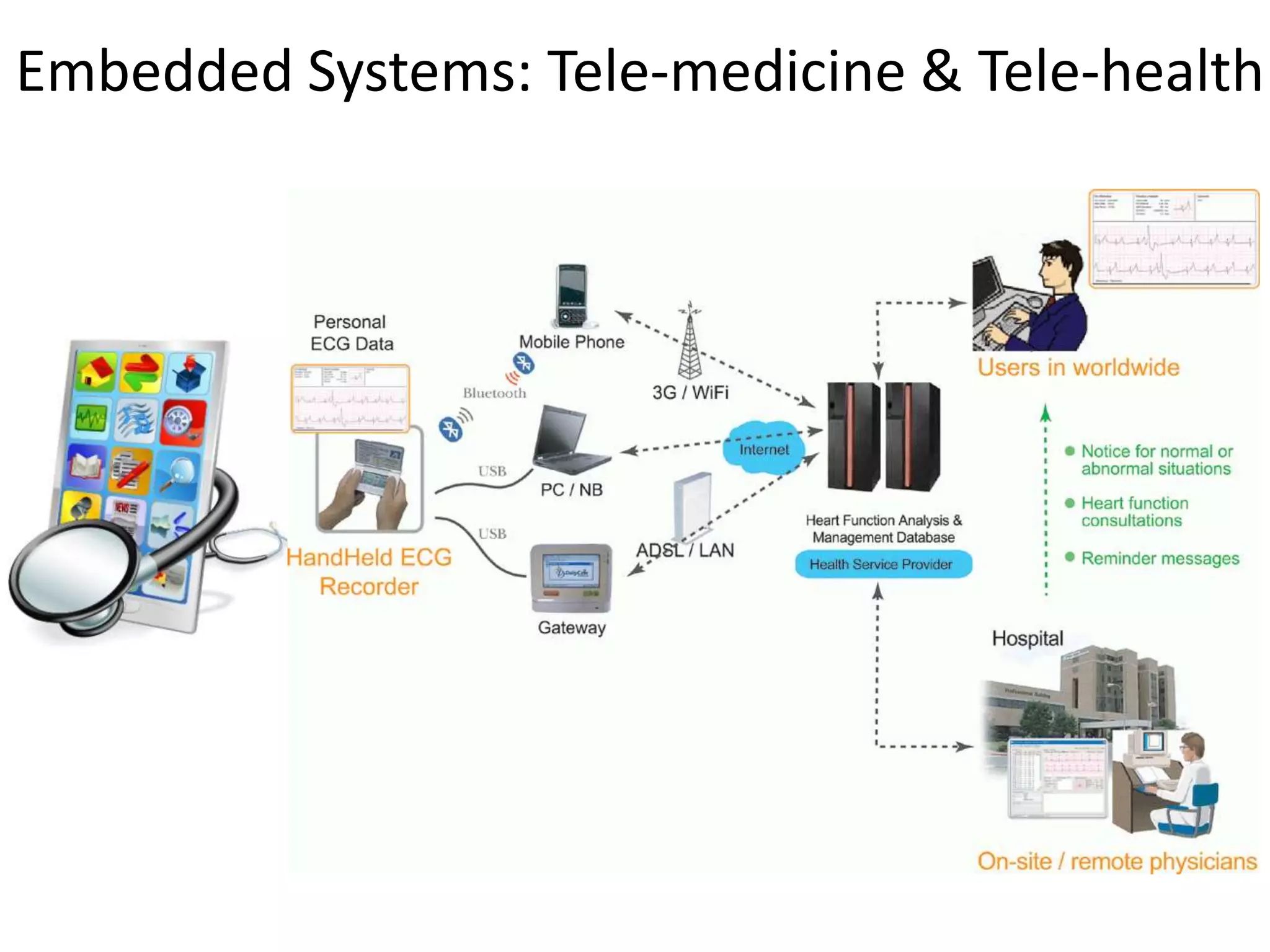
Embedded Systems: Tele-medicine & Tele-health
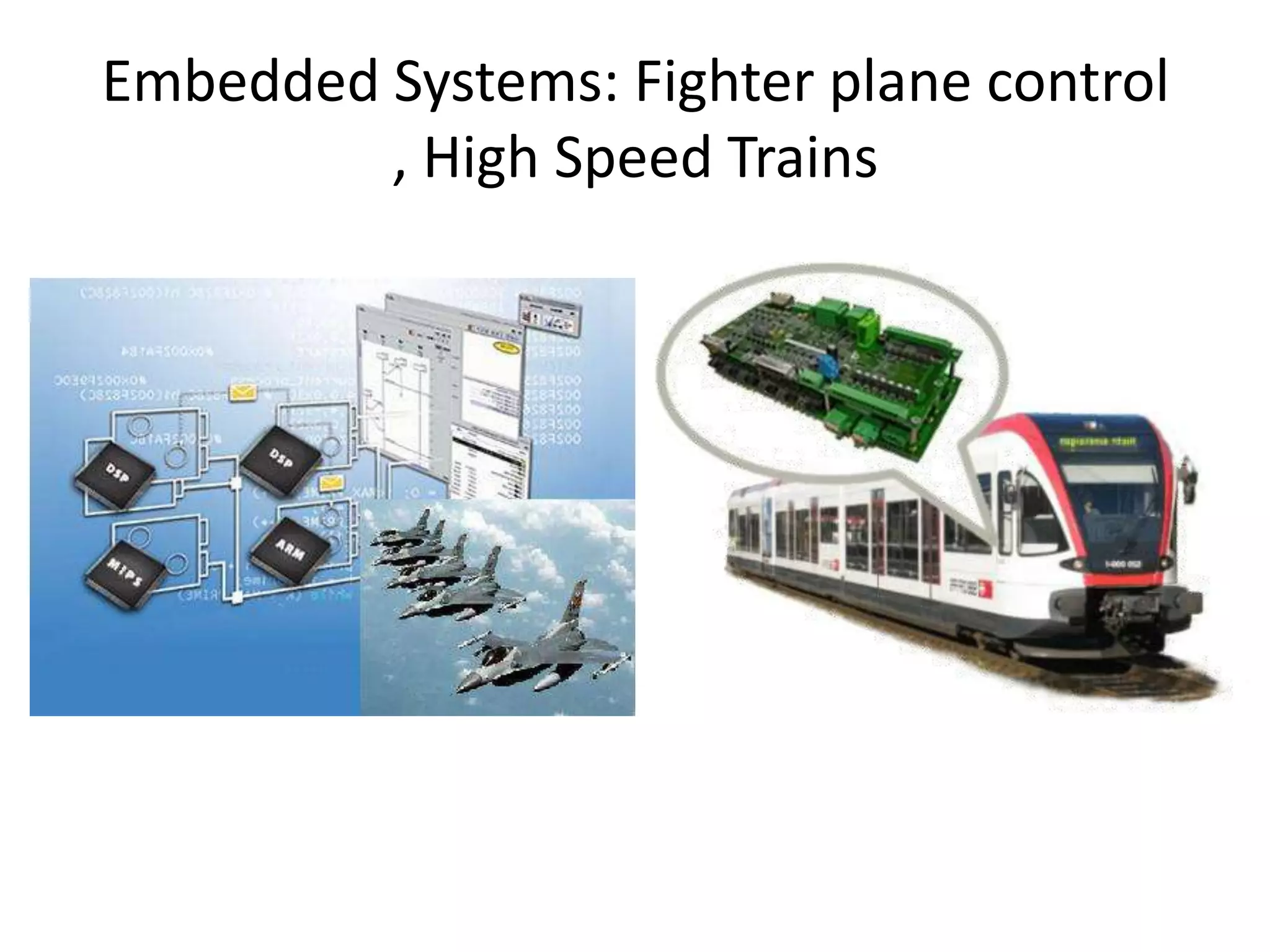
Embedded Systems: Fighter plane control
         , High Speed Trains
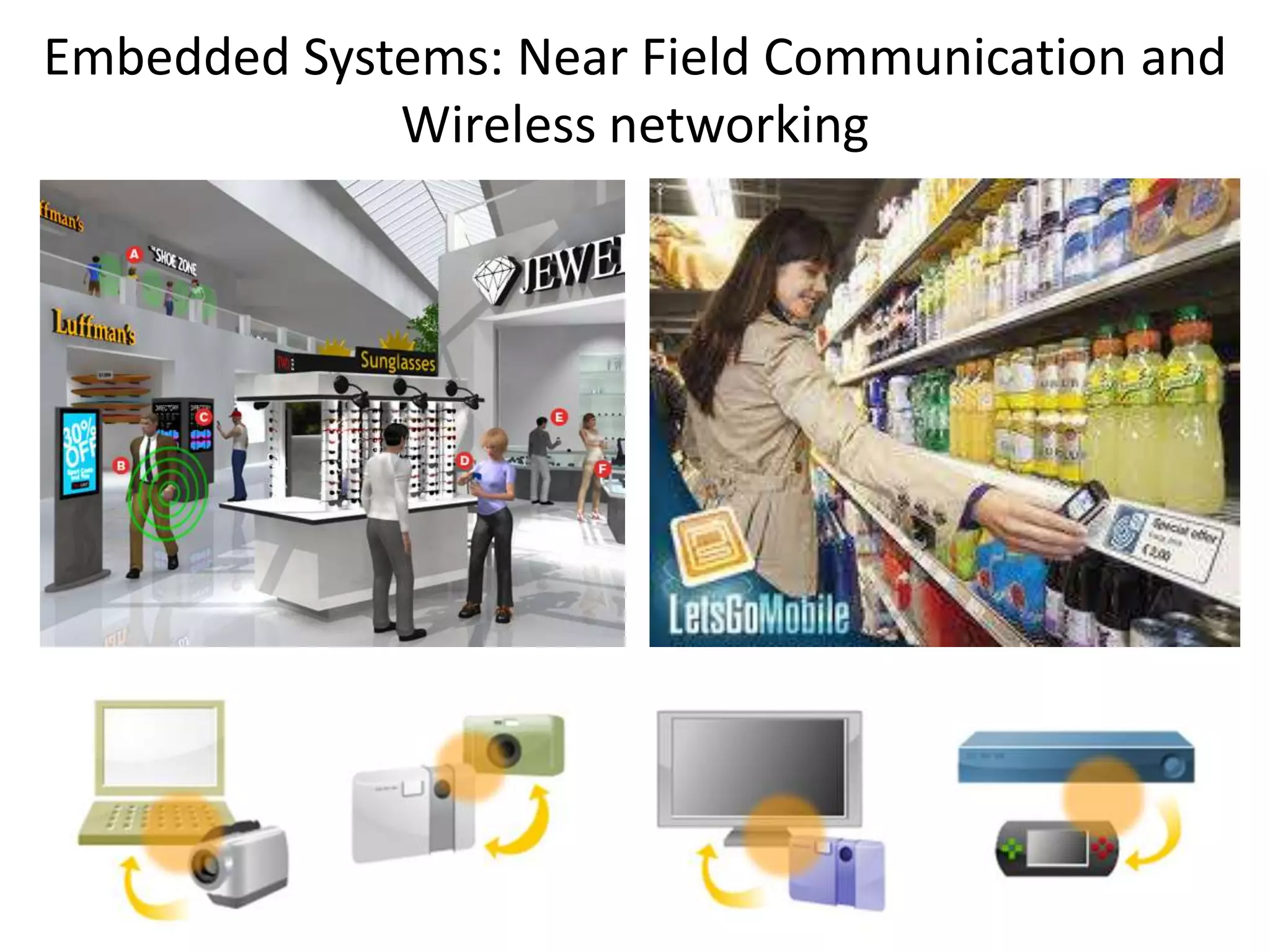
Embedded Systems: Near Field Communication and
             Wireless networking
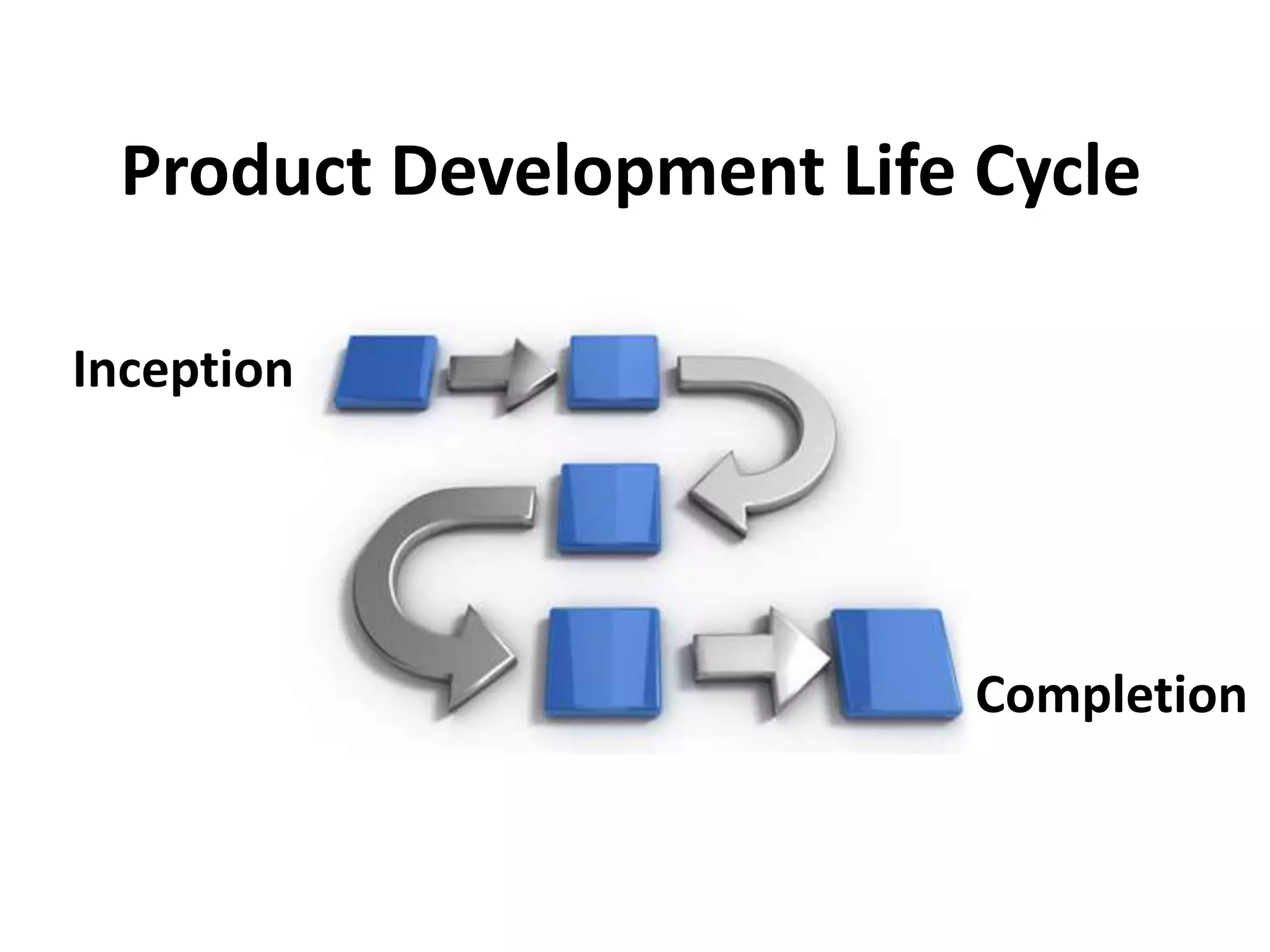
Product Development Life Cycle

Inception


                          Completion
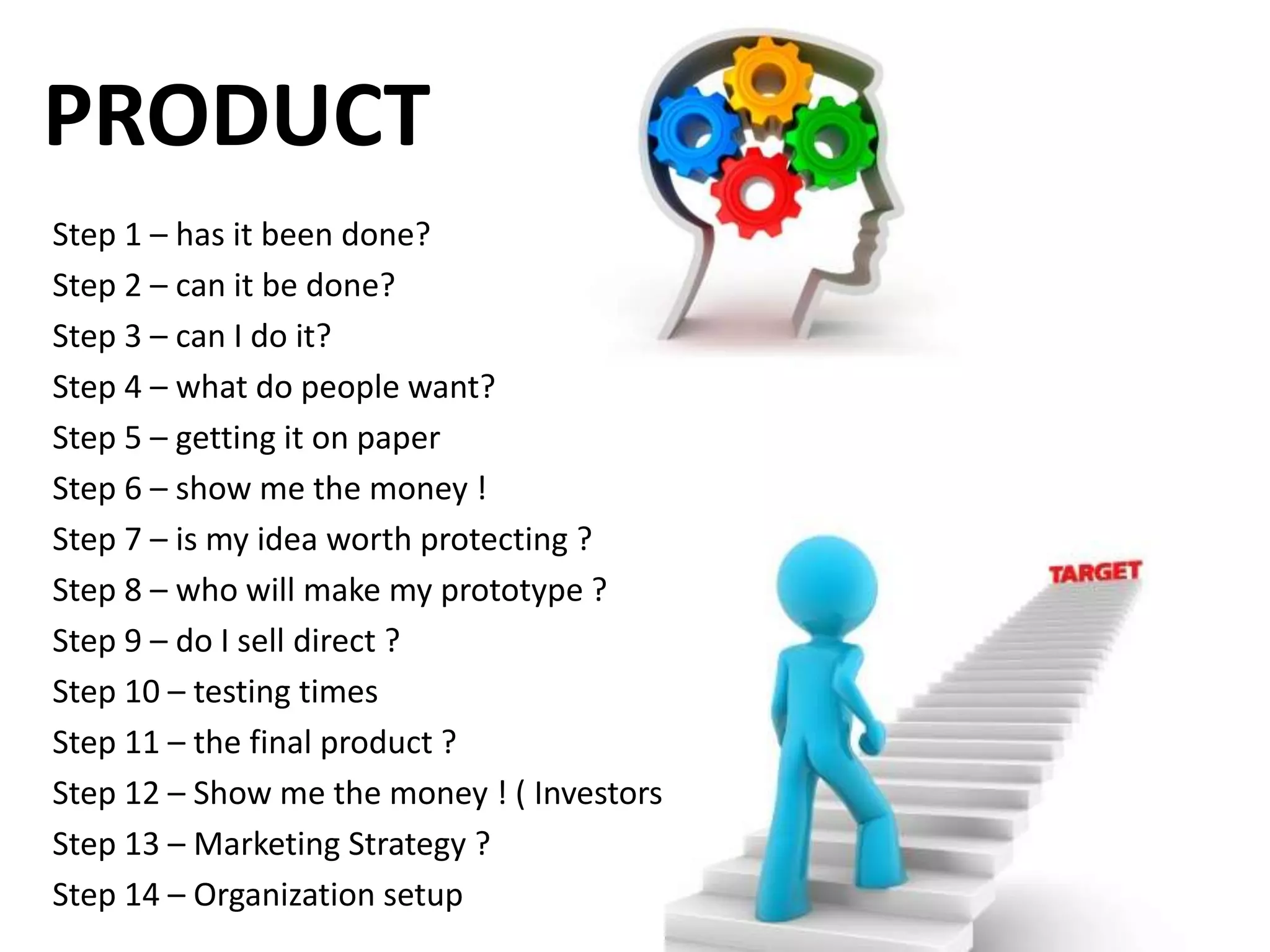
PRODUCT
Step 1 – has it been done?
Step 2 – can it be done?
Step 3 – can I do it?
Step 4 – what do people want?
Step 5 – getting it on paper
Step 6 – show me the money !
Step 7 – is my idea worth protecting ?
Step 8 – who will make my prototype ?
Step 9 – do I sell direct ?
Step 10 – testing times
Step 11 – the final product ?
Step 12 – Show me the money ! ( Investors )
Step 13 – Marketing Strategy ?
Step 14 – Organization setup
Development Cycle

   Concept Research Circuit Design
    Packaging & Printed Circuit Design
      Prototyping or Trial Production
                Design Review
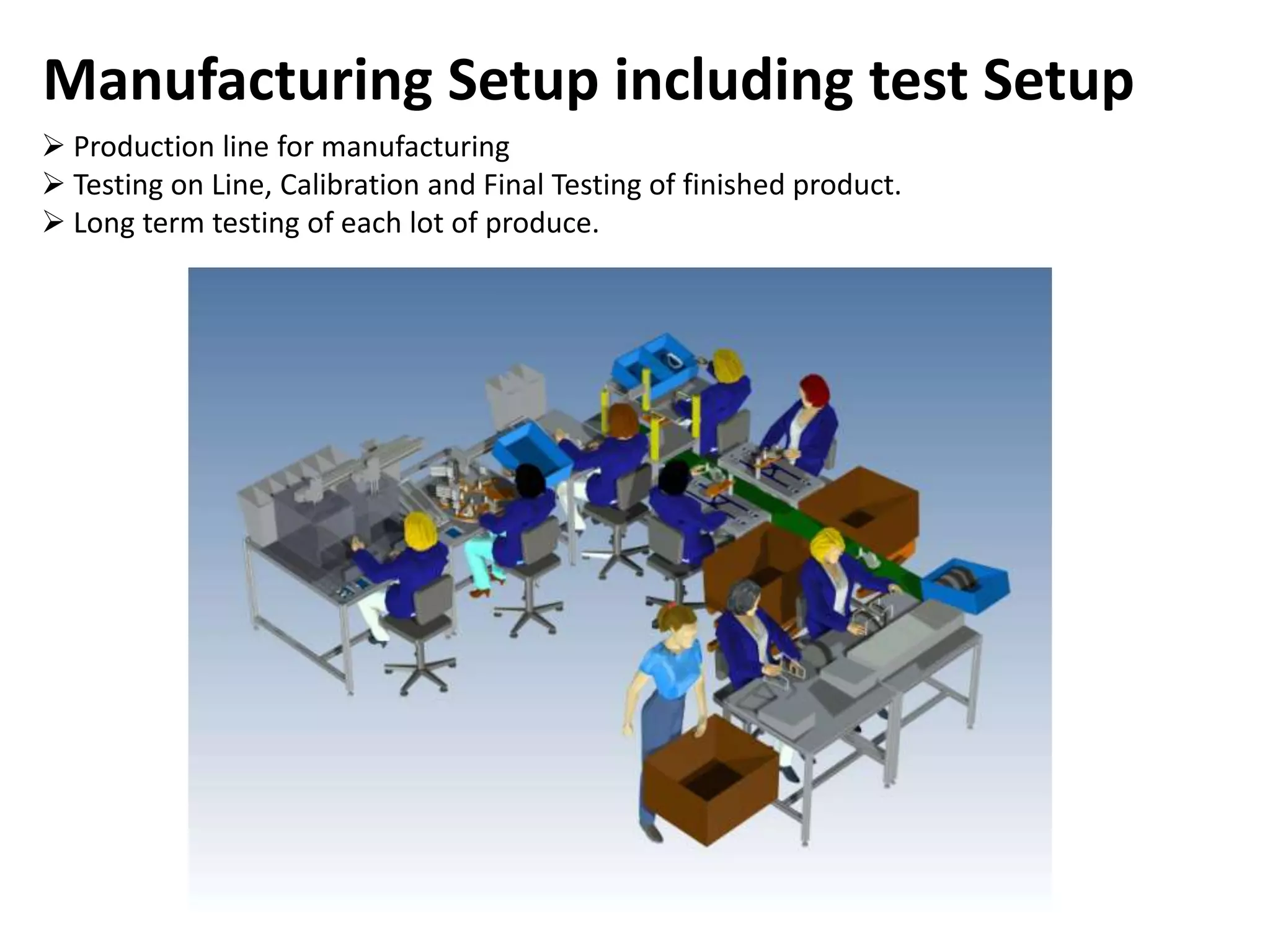
   Manufacturing Setup including test Setup
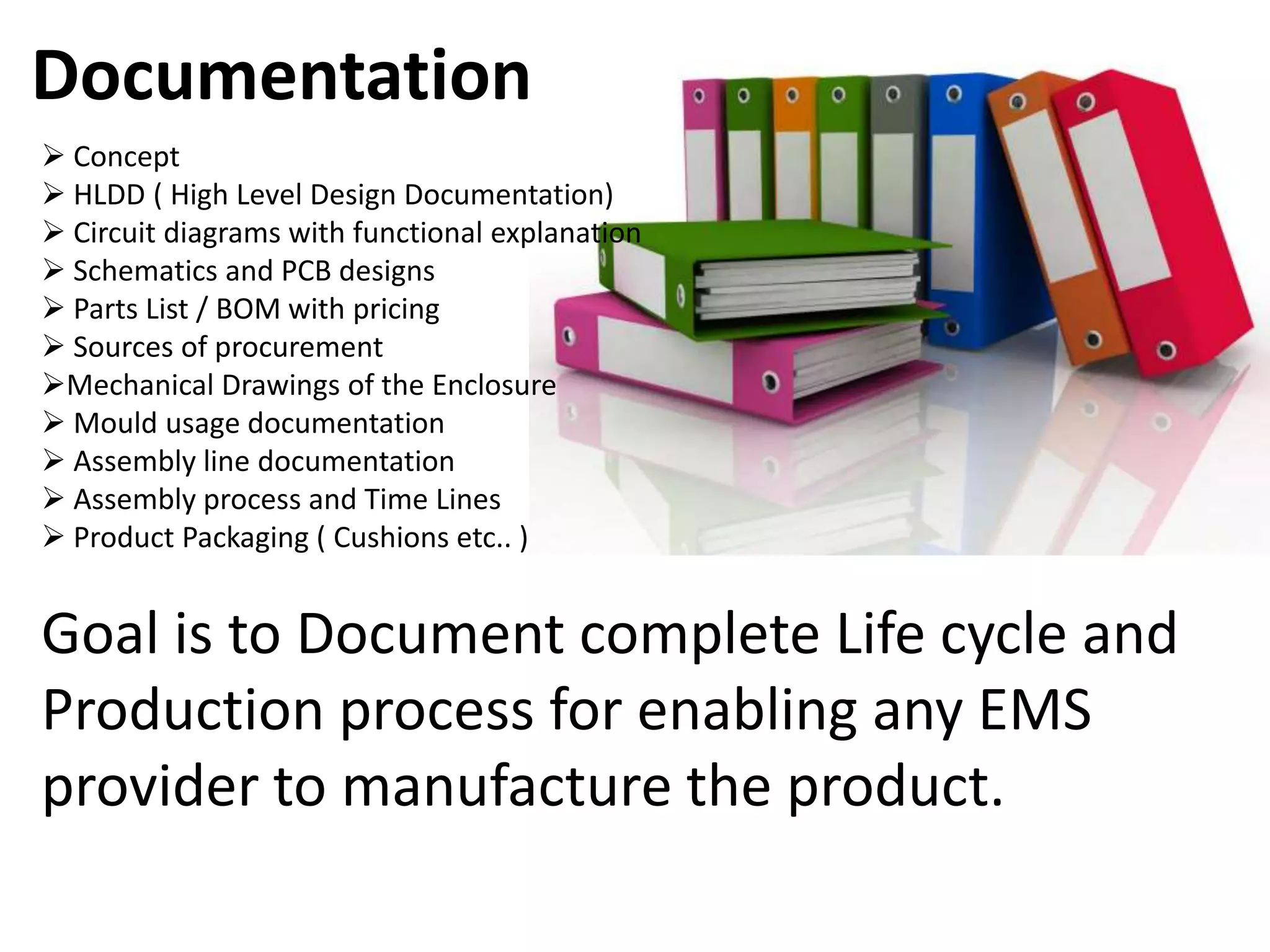
             Documentation
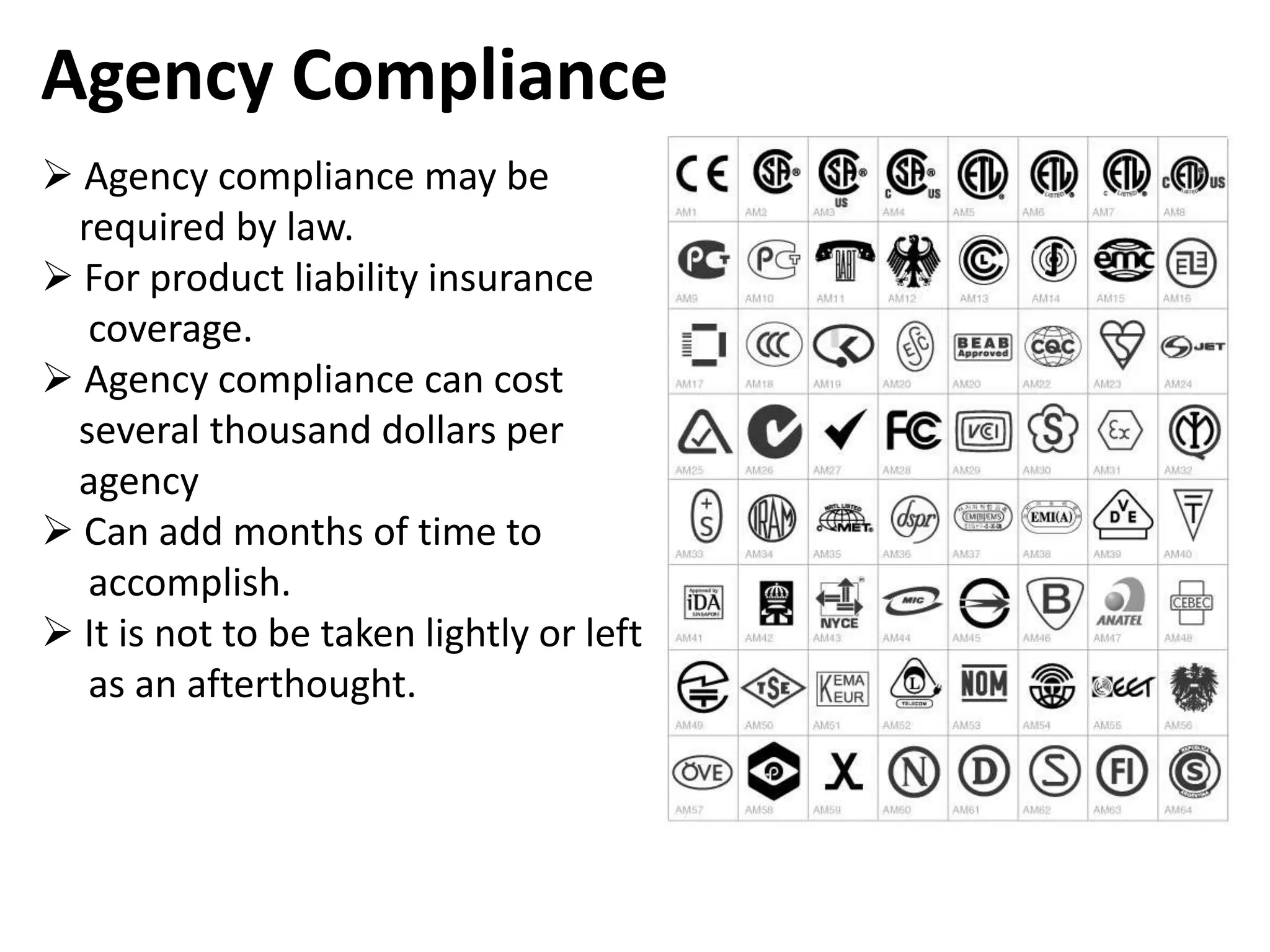
              Agency Compliance
   Follow up Sizing up the task
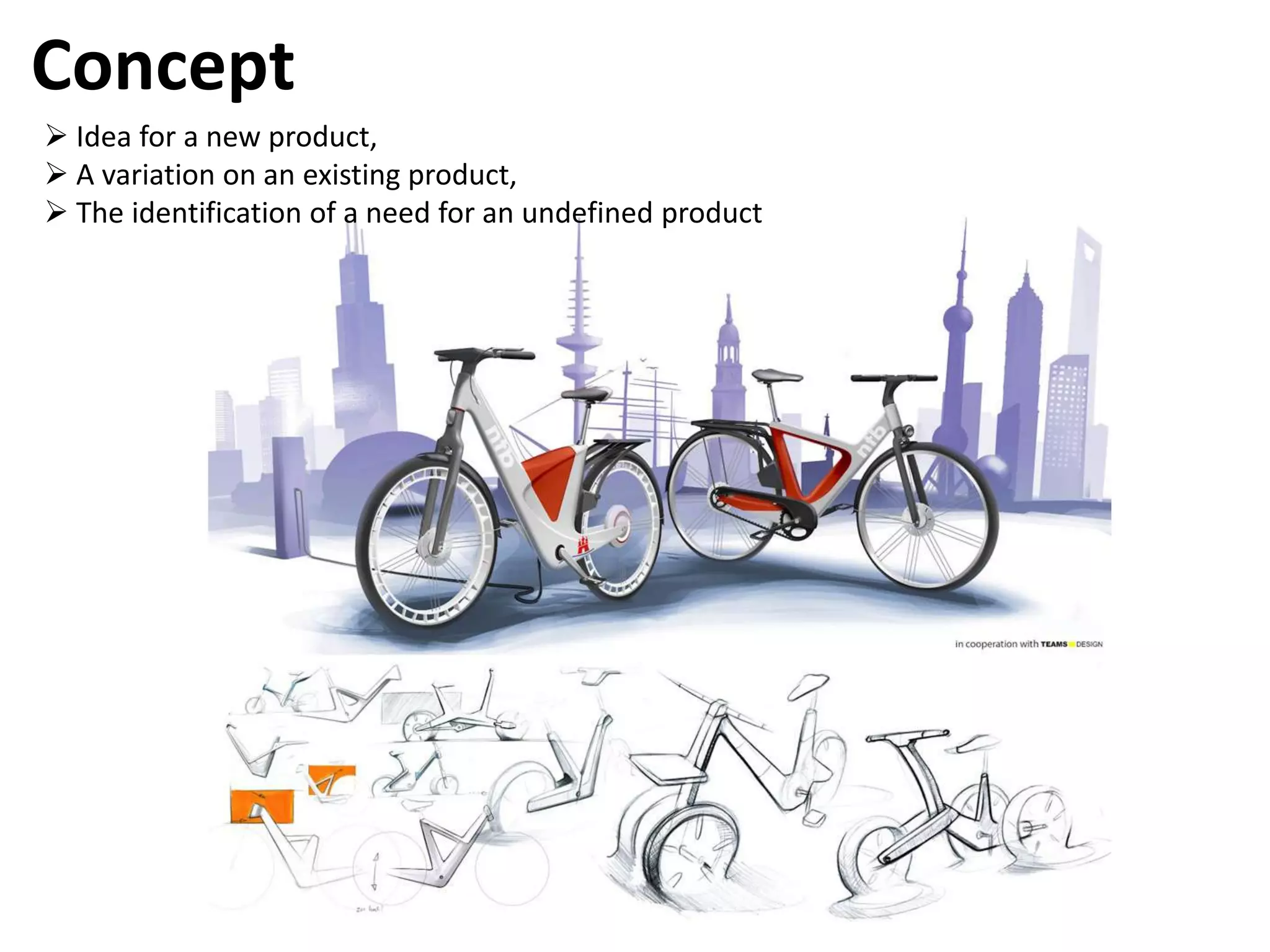
Concept
 Idea for a new product,
 A variation on an existing product,
 The identification of a need for an undefined product
Research
Research is to drive realisation of Concept by Identifying
 Technology
 Finding Methods
 People/Company Producing
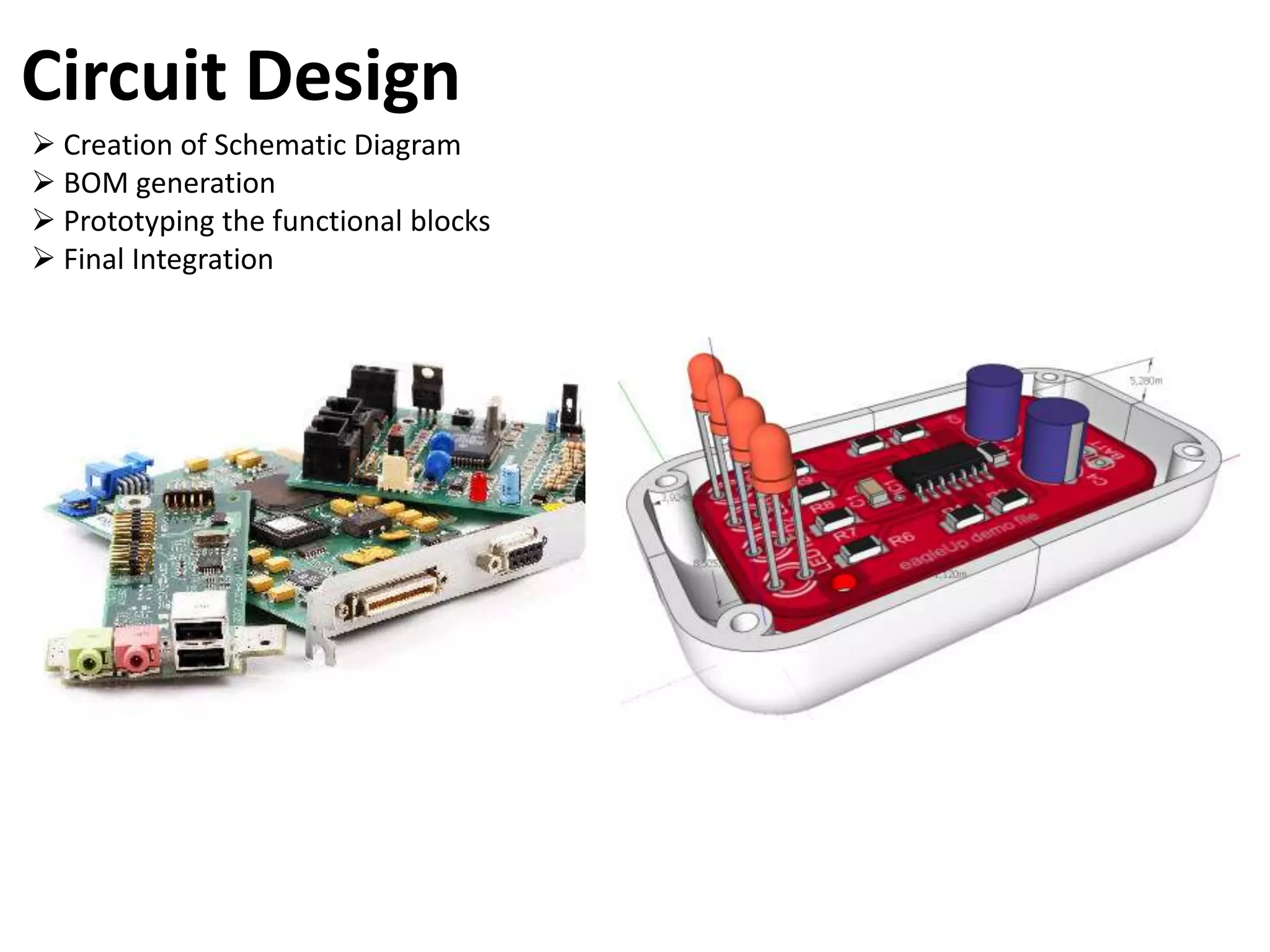
Circuit Design
 Creation of Schematic Diagram
 BOM generation
 Prototyping the functional blocks
 Final Integration
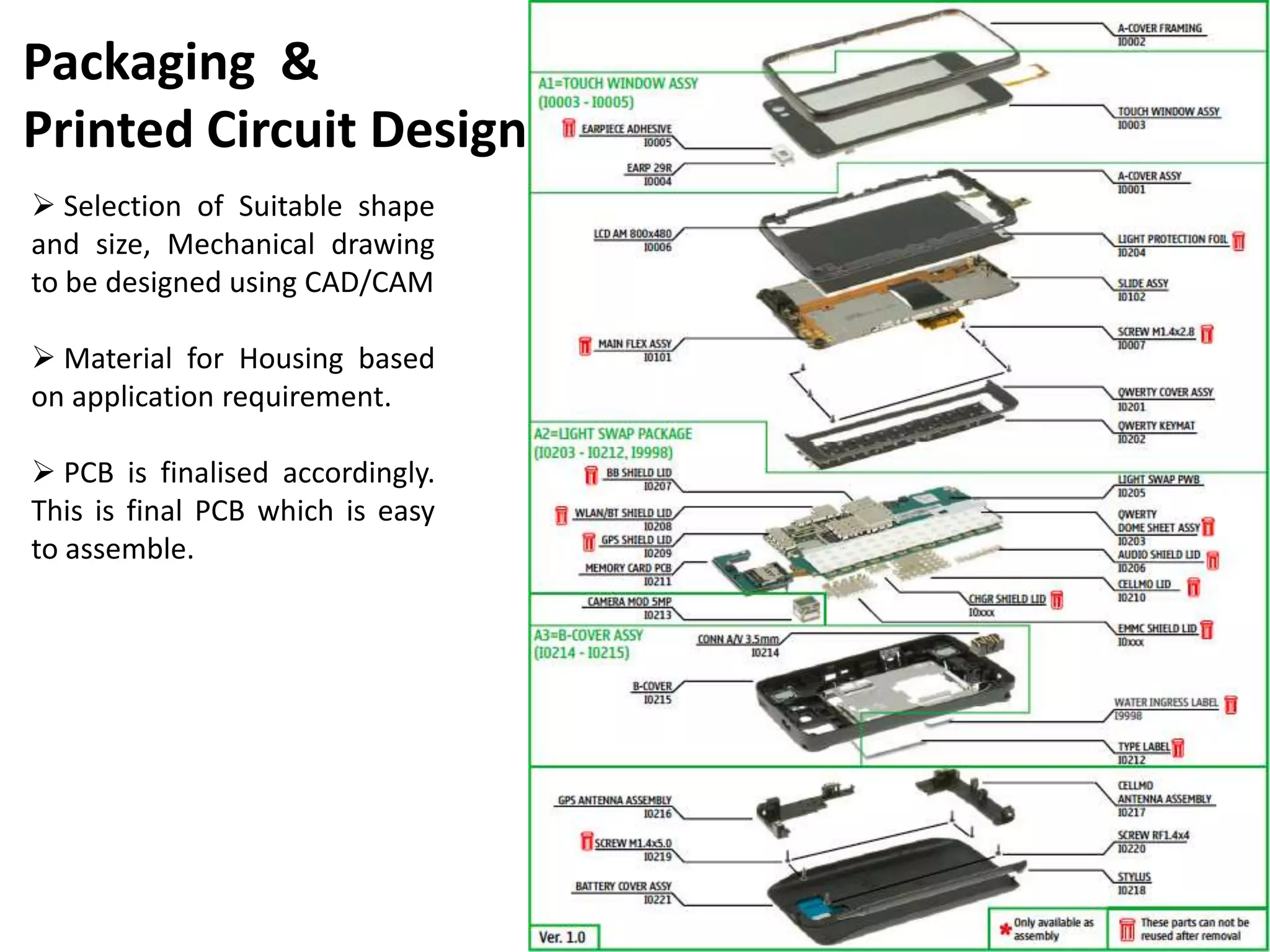
Packaging &
Printed Circuit Design
 Selection of Suitable shape
and size, Mechanical drawing
to be designed using CAD/CAM

 Material for Housing based
on application requirement.

 PCB is finalised accordingly.
This is final PCB which is easy
to assemble.
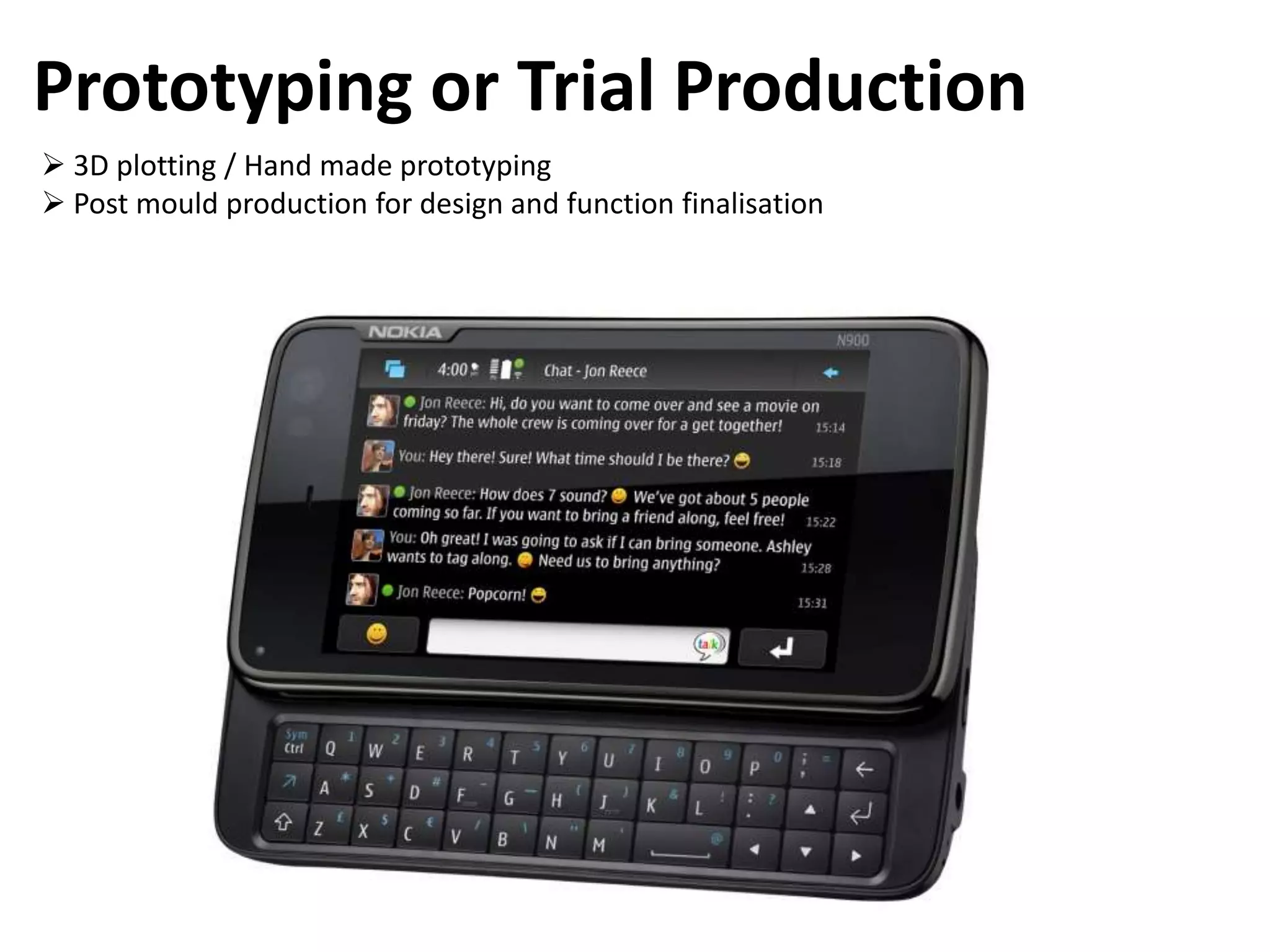
Prototyping or Trial Production
 3D plotting / Hand made prototyping
 Post mould production for design and function finalisation
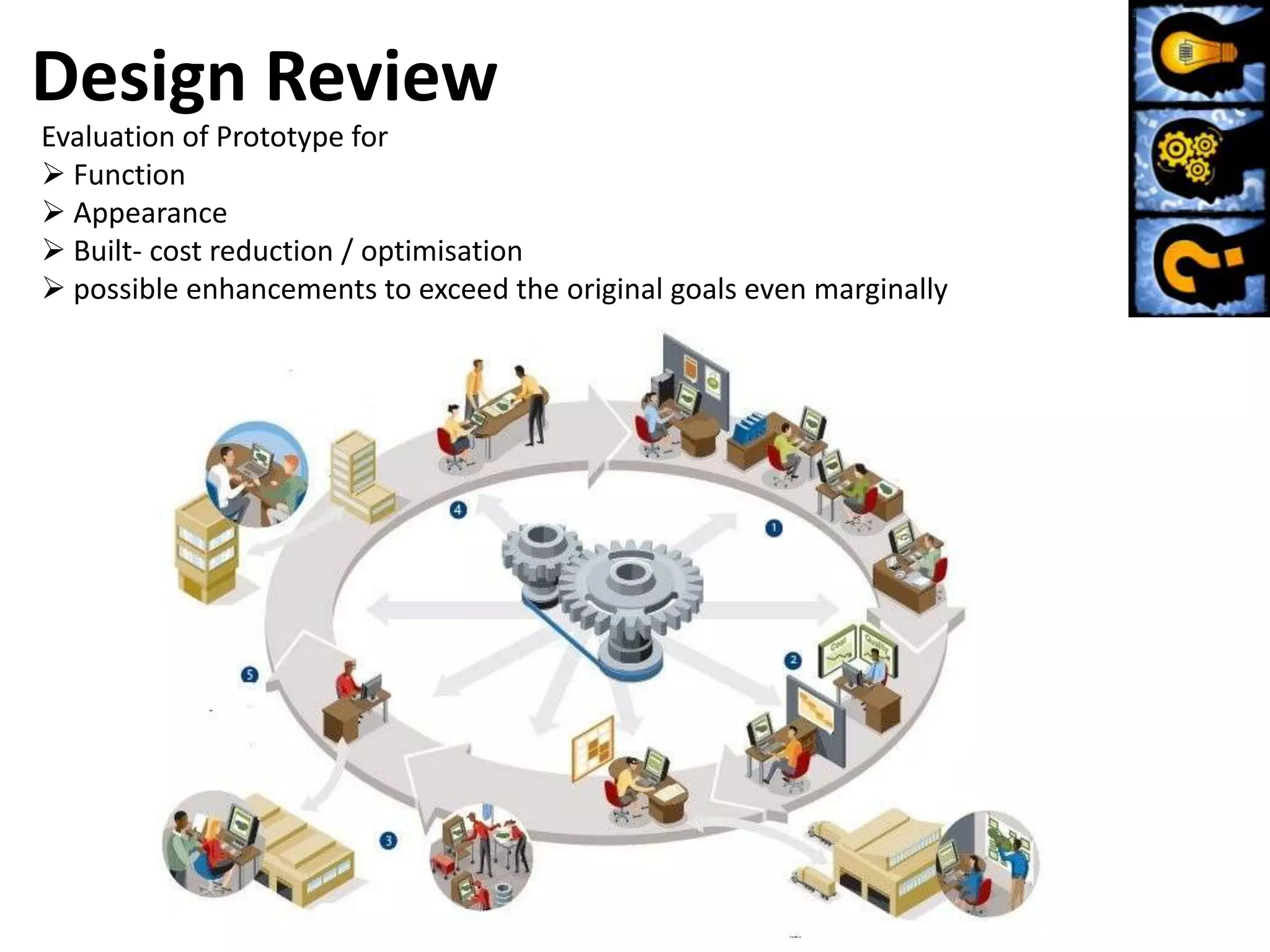
Design Review
Evaluation of Prototype for
 Function
 Appearance
 Built- cost reduction / optimisation
 possible enhancements to exceed the original goals even marginally
Manufacturing Setup including test Setup
 Production line for manufacturing
 Testing on Line, Calibration and Final Testing of finished product.
 Long term testing of each lot of produce.
Documentation
 Concept
 HLDD ( High Level Design Documentation)
 Circuit diagrams with functional explanation
 Schematics and PCB designs
 Parts List / BOM with pricing
 Sources of procurement
Mechanical Drawings of the Enclosure
 Mould usage documentation
 Assembly line documentation
 Assembly process and Time Lines
 Product Packaging ( Cushions etc.. )


Goal is to Document complete Life cycle and
Production process for enabling any EMS
provider to manufacture the product.
Agency Compliance
 Agency compliance may be
 required by law.
 For product liability insurance
  coverage.
 Agency compliance can cost
 several thousand dollars per
 agency
 Can add months of time to
  accomplish.
 It is not to be taken lightly or left
  as an afterthought.
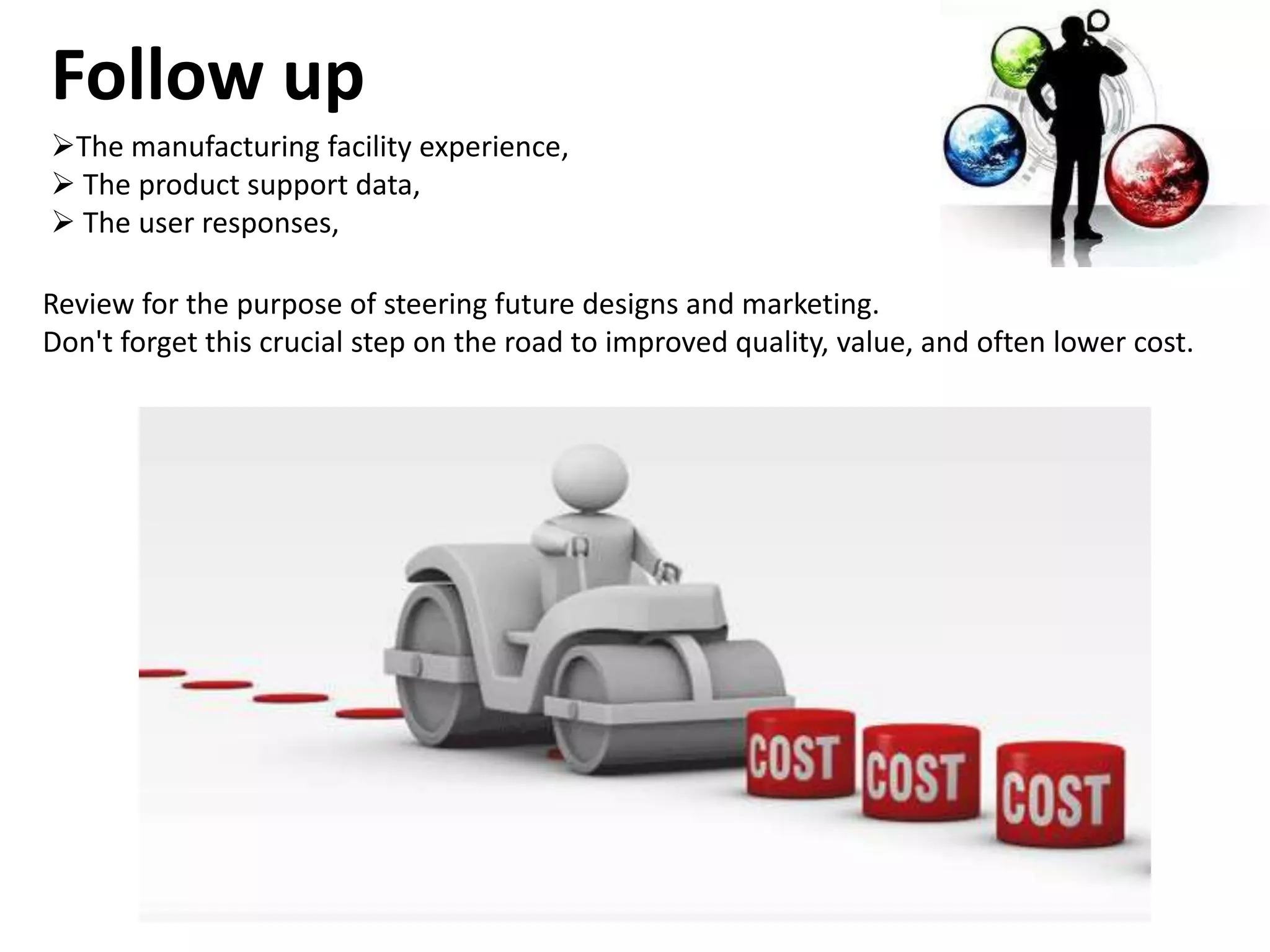
Follow up
The manufacturing facility experience,
 The product support data,
 The user responses,

Review for the purpose of steering future designs and marketing.
Don't forget this crucial step on the road to improved quality, value, and often lower cost.
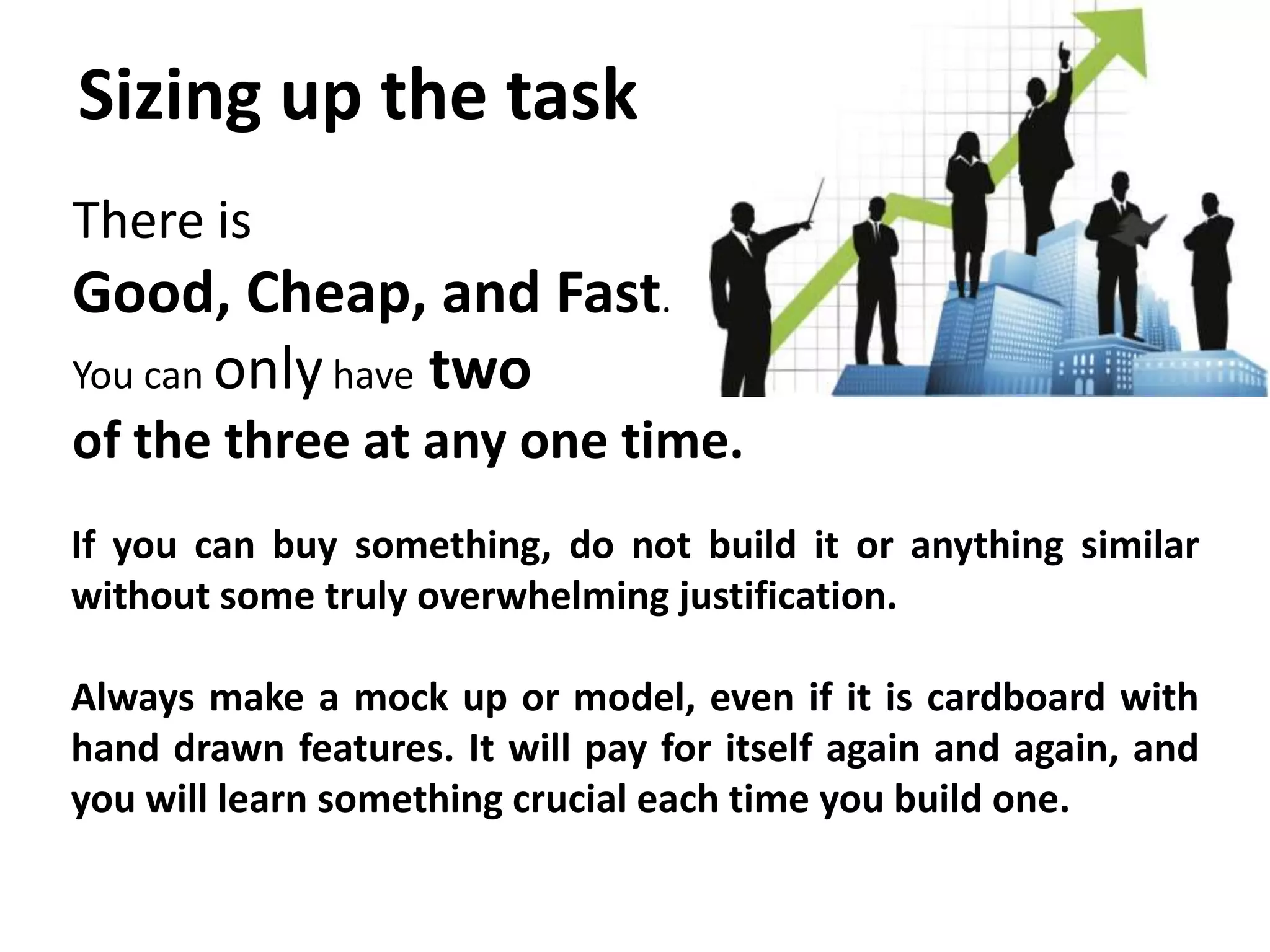
Sizing up the task
There is
Good, Cheap, and Fast.
You can only have two
of the three at any one time.
If you can buy something, do not build it or anything similar
without some truly overwhelming justification.

Always make a mock up or model, even if it is cardboard with
hand drawn features. It will pay for itself again and again, and
you will learn something crucial each time you build one.
Product development life cycle  by blaze automation

Product development life cycle by blaze automation

  • 1.
    Product Development Lifecycle ( Ideas to Reality ) Sridhar Ponugupati Blaze Automation
  • 2.
    Introduction to Embeddedsystems • Embedded system ? • Different Embedded Systems
  • 3.
    Embedded Systems inAutomotive Industry
  • 4.
  • 5.
  • 6.
    Embedded Systems: Fighterplane control , High Speed Trains
  • 7.
    Embedded Systems: NearField Communication and Wireless networking
  • 8.
    Product Development LifeCycle Inception Completion
  • 9.
    PRODUCT Step 1 –has it been done? Step 2 – can it be done? Step 3 – can I do it? Step 4 – what do people want? Step 5 – getting it on paper Step 6 – show me the money ! Step 7 – is my idea worth protecting ? Step 8 – who will make my prototype ? Step 9 – do I sell direct ? Step 10 – testing times Step 11 – the final product ? Step 12 – Show me the money ! ( Investors ) Step 13 – Marketing Strategy ? Step 14 – Organization setup
  • 10.
    Development Cycle Concept Research Circuit Design Packaging & Printed Circuit Design Prototyping or Trial Production Design Review Manufacturing Setup including test Setup Documentation Agency Compliance Follow up Sizing up the task
  • 11.
    Concept  Idea fora new product,  A variation on an existing product,  The identification of a need for an undefined product
  • 12.
    Research Research is todrive realisation of Concept by Identifying  Technology  Finding Methods  People/Company Producing
  • 13.
    Circuit Design  Creationof Schematic Diagram  BOM generation  Prototyping the functional blocks  Final Integration
  • 14.
    Packaging & Printed CircuitDesign  Selection of Suitable shape and size, Mechanical drawing to be designed using CAD/CAM  Material for Housing based on application requirement.  PCB is finalised accordingly. This is final PCB which is easy to assemble.
  • 15.
    Prototyping or TrialProduction  3D plotting / Hand made prototyping  Post mould production for design and function finalisation
  • 16.
    Design Review Evaluation ofPrototype for  Function  Appearance  Built- cost reduction / optimisation  possible enhancements to exceed the original goals even marginally
  • 17.
    Manufacturing Setup includingtest Setup  Production line for manufacturing  Testing on Line, Calibration and Final Testing of finished product.  Long term testing of each lot of produce.
  • 18.
    Documentation  Concept  HLDD( High Level Design Documentation)  Circuit diagrams with functional explanation  Schematics and PCB designs  Parts List / BOM with pricing  Sources of procurement Mechanical Drawings of the Enclosure  Mould usage documentation  Assembly line documentation  Assembly process and Time Lines  Product Packaging ( Cushions etc.. ) Goal is to Document complete Life cycle and Production process for enabling any EMS provider to manufacture the product.
  • 19.
    Agency Compliance  Agencycompliance may be required by law.  For product liability insurance coverage.  Agency compliance can cost several thousand dollars per agency  Can add months of time to accomplish.  It is not to be taken lightly or left as an afterthought.
  • 20.
    Follow up The manufacturingfacility experience,  The product support data,  The user responses, Review for the purpose of steering future designs and marketing. Don't forget this crucial step on the road to improved quality, value, and often lower cost.
  • 21.
    Sizing up thetask There is Good, Cheap, and Fast. You can only have two of the three at any one time. If you can buy something, do not build it or anything similar without some truly overwhelming justification. Always make a mock up or model, even if it is cardboard with hand drawn features. It will pay for itself again and again, and you will learn something crucial each time you build one.