
Product Design Process
at Sorabel
JDV, APRIL 8, 2019
Halo halo halo!
Rayi aka @mumolabs is here.
Pripun kabar e?
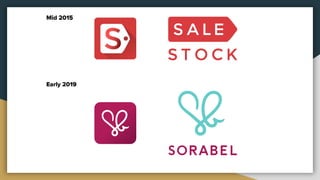
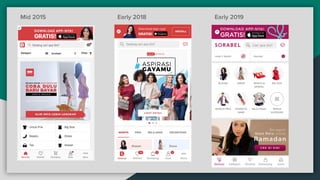
Early 2019
Mid 2015
Customer Facing Product,
Product Design
Product Designer @Sorabel | 2015 - now
Mid 2015 Early 2018 Early 2019
Agenda
● Role of Product Designer & Our Culture
● Four Key Elements of the UX Process
● Sorabel Design Process
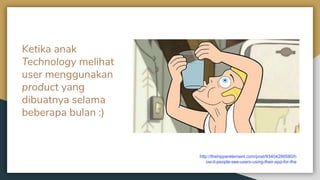
Ketika anak
Technology melihat
user menggunakan
product yang
dibuatnya selama
beberapa bulan :)
http://thehipperelement.com/post/93404286580/h
ow-it-people-see-users-using-their-app-for-the
https://thedesignteam.io/if-screen-product-designe
rs-designed-physical-products-10cdd3ac4fdc
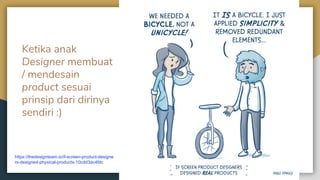
Ketika anak
Designer membuat
/ mendesain
product sesuai
prinsip dari dirinya
sendiri :)
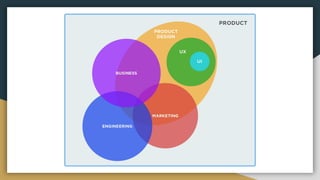
Role & Culture Product Designer
Combine art, science and technology to
create products that people can use.
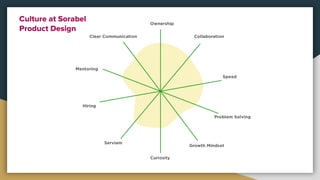
Culture at Sorabel
Product Design
Four Key Elements of
the UX Process
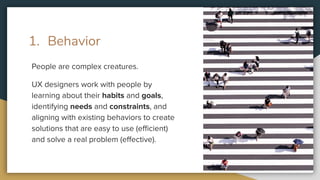
1. Behavior
People are complex creatures.
UX designers work with people by
learning about their habits and goals,
identifying needs and constraints, and
aligning with existing behaviors to create
solutions that are easy to use (efficient)
and solve a real problem (effective).
How to learn about user behavior?
1. User Interview
2. Customer Journey Map
3. Task Analysis
4. Affinity Mapping, learn about user pain points,
motivations, preferences
2. Strategy / Concept
Utilize quantitative & qualitative insights
to craft design concept. This concept is
visualized with user flows (how a user
moves through a system to achieve a
goal), wireframes (schematics that show
how a digital interface will look and
function), and high-fidelity prototypes (a
working model of a design) that can be
tested with users.
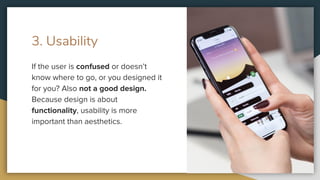
3. Usability
If the user is confused or doesn’t
know where to go, or you designed it
for you? Also not a good design.
Because design is about
functionality, usability is more
important than aesthetics.
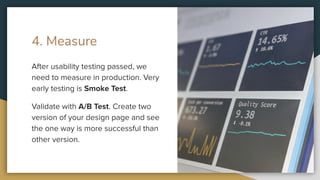
4. Measure
After usability testing passed, we
need to measure in production. Very
early testing is Smoke Test.
Validate with A/B Test. Create two
version of your design page and see
the one way is more successful than
other version.
Go quickly go alone,
Go far go together
Sorabel
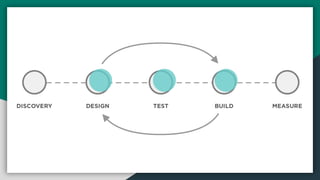
Design
Process
Tools: Figma, Quip, Slack, Sticky Notes, Pen
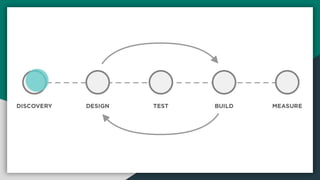
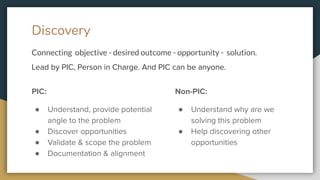
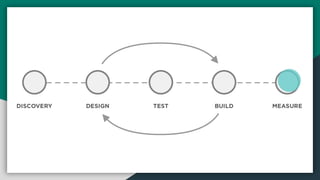
Discovery
Connecting objective - desired outcome - opportunity - solution.
Lead by PIC, Person in Charge. And PIC can be anyone.
PIC:
● Understand, provide potential
angle to the problem
● Discover opportunities
● Validate & scope the problem
● Documentation & alignment
Non-PIC:
● Understand why are we
solving this problem
● Help discovering other
opportunities
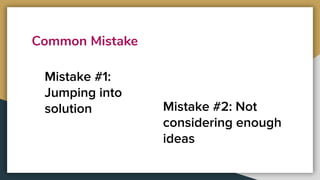
Common Mistake
Mistake #1:
Jumping into
solution Mistake #2: Not
considering enough
ideas
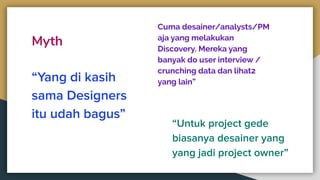
Myth
“Yang di kasih
sama Designers
itu udah bagus”
Cuma desainer/analysts/PM
aja yang melakukan
Discovery. Mereka yang
banyak do user interview /
crunching data dan lihat2
yang lain”
“Untuk project gede
biasanya desainer yang
yang jadi project owner”
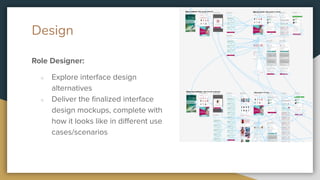
Design
Role Designer:
○ Explore interface design
alternatives
○ Deliver the finalized interface
design mockups, complete with
how it looks like in different use
cases/scenarios
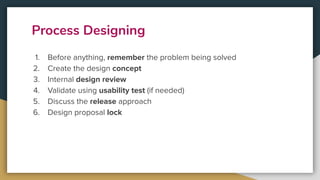
Process Designing
1. Before anything, remember the problem being solved
2. Create the design concept
3. Internal design review
4. Validate using usability test (if needed)
5. Discuss the release approach
6. Design proposal lock
Build
Role Designer:
Assist in Test, give implementation feedback
● Help build test case and provide feedback on
early implementation e.g. ui prototype or data
● Help testing the prototype/implemented feature,
● Give time to engineer to focus on the
implementation
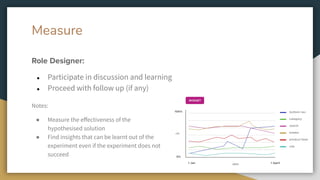
Measure
Role Designer:
● Participate in discussion and learning
● Proceed with follow up (if any)
Notes:
● Measure the effectiveness of the
hypothesised solution
● Find insights that can be learnt out of the
experiment even if the experiment does not
succeed
anchor.fm/sinaubareng
Podcast hosted by mumolabs
Matur Nuwun 😊🙏
Kalau ada pertanyaan,
dipersilahkan...
@mumolabs
c.2019-RayiChristianWicaksono

Product Design Process at Sorabel

  • 1.
    Product Design Process atSorabel JDV, APRIL 8, 2019
  • 2.
    Halo halo halo! Rayiaka @mumolabs is here. Pripun kabar e?
  • 3.
  • 4.
    Customer Facing Product, ProductDesign Product Designer @Sorabel | 2015 - now
  • 5.
    Mid 2015 Early2018 Early 2019
  • 6.
    Agenda ● Role ofProduct Designer & Our Culture ● Four Key Elements of the UX Process ● Sorabel Design Process
  • 7.
    Ketika anak Technology melihat usermenggunakan product yang dibuatnya selama beberapa bulan :) http://thehipperelement.com/post/93404286580/h ow-it-people-see-users-using-their-app-for-the
  • 8.
  • 9.
    Role & CultureProduct Designer Combine art, science and technology to create products that people can use.
  • 11.
  • 12.
    Four Key Elementsof the UX Process
  • 13.
    1. Behavior People arecomplex creatures. UX designers work with people by learning about their habits and goals, identifying needs and constraints, and aligning with existing behaviors to create solutions that are easy to use (efficient) and solve a real problem (effective).
  • 14.
    How to learnabout user behavior? 1. User Interview 2. Customer Journey Map 3. Task Analysis 4. Affinity Mapping, learn about user pain points, motivations, preferences
  • 15.
    2. Strategy /Concept Utilize quantitative & qualitative insights to craft design concept. This concept is visualized with user flows (how a user moves through a system to achieve a goal), wireframes (schematics that show how a digital interface will look and function), and high-fidelity prototypes (a working model of a design) that can be tested with users.
  • 16.
    3. Usability If theuser is confused or doesn’t know where to go, or you designed it for you? Also not a good design. Because design is about functionality, usability is more important than aesthetics.
  • 17.
    4. Measure After usabilitytesting passed, we need to measure in production. Very early testing is Smoke Test. Validate with A/B Test. Create two version of your design page and see the one way is more successful than other version.
  • 18.
    Go quickly goalone, Go far go together
  • 19.
  • 20.
    Tools: Figma, Quip,Slack, Sticky Notes, Pen
  • 22.
    Discovery Connecting objective -desired outcome - opportunity - solution. Lead by PIC, Person in Charge. And PIC can be anyone. PIC: ● Understand, provide potential angle to the problem ● Discover opportunities ● Validate & scope the problem ● Documentation & alignment Non-PIC: ● Understand why are we solving this problem ● Help discovering other opportunities
  • 23.
    Common Mistake Mistake #1: Jumpinginto solution Mistake #2: Not considering enough ideas
  • 24.
    Myth “Yang di kasih samaDesigners itu udah bagus” Cuma desainer/analysts/PM aja yang melakukan Discovery. Mereka yang banyak do user interview / crunching data dan lihat2 yang lain” “Untuk project gede biasanya desainer yang yang jadi project owner”
  • 26.
    Design Role Designer: ○ Exploreinterface design alternatives ○ Deliver the finalized interface design mockups, complete with how it looks like in different use cases/scenarios
  • 27.
    Process Designing 1. Beforeanything, remember the problem being solved 2. Create the design concept 3. Internal design review 4. Validate using usability test (if needed) 5. Discuss the release approach 6. Design proposal lock
  • 28.
    Build Role Designer: Assist inTest, give implementation feedback ● Help build test case and provide feedback on early implementation e.g. ui prototype or data ● Help testing the prototype/implemented feature, ● Give time to engineer to focus on the implementation
  • 30.
    Measure Role Designer: ● Participatein discussion and learning ● Proceed with follow up (if any) Notes: ● Measure the effectiveness of the hypothesised solution ● Find insights that can be learnt out of the experiment even if the experiment does not succeed
  • 31.
  • 32.
    Matur Nuwun 😊🙏 Kalauada pertanyaan, dipersilahkan... @mumolabs c.2019-RayiChristianWicaksono