INTRODUCTION
• Genetic diseases make-up a large proportion of
the total disease burden both in pediatric and adult
populations. Modern medicine is placing
increasing emphasis on the importance and
prevention. Because genetics provides a basis for
understanding the fundamental biological make up
of the organism, it naturally leads to better
understanding of the disease process. In many
cases knowledge can lead to the actual prevention
of the disorder and will lead to more effective
treatment
GENITIC DISORDERS
• A genetic disorder is a disease that is
caused by a change ,or mutation, in an
individual’s DNA sequence. These
mutations can occur randomly due to
various causes. A mutated gene is
passed down through a family and each
generation of children can inherit the
gene that causes the disease.
CAUSES
• Mutations
• Aneuploidy.
• Deletions
• Duplications
• Inversions
• Translocations
TYPES OF GENETIC DISORDERS
• Autosomal dominant genetic disorders:
These disorders are caused when an
individual has inherited the defective gene
from single parent like PCKD
• Autosomal recessive genetic disorders:
Such disorders manifest only when an
individual has got two defective alleles of
the same gene, one from each parent. These
genetic disorders are inherited via the
autosomal recessive pattern of inheritance.
CONTD…
• Sex- linked disorders
• X-linked dominant:.
• X-linked recessive:.
• Multi factorial genetic disorder:
Such disorders are the result of genetic
as well as environmental factors
COMMON GENETIC
DISORDERS
• Down syndrome( Trisomy 21): One of the
most commonest genetic disorders affecting 1
in 800 live births. It is chromosomal
condition related to chromosome 21.Most
cases of down syndrome result from Trisomy
21 which means each cell in the body has
three copies of chromosome 21 instead of 2
copies, this extra genetic material disturbs the
normal course of development causes
characteristics features of down syndrome.
CLINICAL FEATURES
• Hypotonic: Low IQ, developmental
delay.
• Neurologic: Hypotonic, Premature
senility, Alzhemer’s onset in 40’s
• Facies: Flat occiput, microcephaly,
small mandible, and maxillae, up
slanting palpebral fissures, epicanthal
folds, brush field’s spots in iris
• ENT: Furrowed prominent tongue,
high arched palate, ear anomalies,
frequent acute otitis media
• CVS: 40% have congenital heart
defects, particularly endocardial
cushion defects
Contd…
• GI: Duodenal, anal atresia and TE fistula
• MSK: Lax joints including dysplastic hips,
vertebral anomalies
• Skin: Simian (palmar) crease, abnormal
dermatoglyphics
• Hematologic: Leukemias (1% lifetime risk)
• Endocrine: Hypothyroidism
• Prognosis: Shorter life expectancy
Turner Syndrome
It is genetic disorder in girls caused by missing or
defective x chromosome. It occurs in 1 of 2000-2500
live births. Not all girls but some of them will show
the following signs
• Short stature
• Hearing disorders
• Failure of ovaries to develop
• Webbed neck or short neck
• Frequent ear infection in childhood
• Shortening of bones in hands
• Lower jaw smaller than normal
• Drooping eyelids, wandering eyes
Sickle cell anemia
• Sickle cell anemia
is a disease
passed down
through families in
which red blood
cells form an
abnormal sickle
shape
Symptoms
• Attacks of abdominal pain
• Bone pain
• Breathlessness
• Delayed growth and puberty
• Fatigue
• Fever
• Paleness
• Rapid heart rate
• Yellowing of eye and skin
Hemophilia
• It is a hereditary genetic disorder,
where there is congenital deficiency of
plasma coagulation factors that impair
the body’s ability to control blood
clotting or coagulation. It is an
inherited in x linked recessive pattern.
It is quite rare only 1/10000 births.
Thalassemia
• It is an inherited autosomal recessive
blood disorder. In Thalassemia, the
genetic defect , which could be either
mutation or deletion, results in reduced
rate of synthesis or no synthesis of one of
the globin chain that makes up
haemoglobin.This can cause the
formation of abnormal hemoglobin
molecules, thus causing anemia
Therapeutic Approaches
• Approach is closer in meaning to “treat”
• Metabolic Manipulation: Physicians have developed
approaches to regulate the metabolic pathways
associated with a number of disorders, including
phenylketonuria ( PKU), sickle cell anemia,
thalassemia and many others. Often , this form of
metabolic manipulation can be accomplished by
modifying a patient’s diet.
• In other cases , metabolic manipulation involves
the use of small molecules or drugs to the target
activity of protein linked disease.
Reducing the accumulation of toxins
• The intake of substances , which can not be
metabolized by the body, should be reduced,
especially if there is accumulation is potentially
toxic, e.g. in galactosemia, galactose can not be
metabolized adequately. As lactose in the milk
is hydrolyzed in the body to glucose and
galactose , milk in the diet of affected infant is
substituted by nonlactose containing dietary
formula to obviate damage due to excess of
galactose in tissue.
Contd…
• The phenylketonuric infant is placed
on a low protein diet to prevent
irreversible neurological damage.
Certain drugs like allopurinol inhibits
xanthine oxidase and thus reduces the
synthesis of uric acid and hence is
useful in case of gout.
Promoting excretion of toxin
• The excretion of certain toxic metabolites
can be promoted by chelating agents. For
example , pencillamine promotes excretion
of copper patients with Wilson disease
which is a genetic disorder that prevents the
body from getting rid of extra copper.
• In wilson disease, copper builds up in the
liver , brain, eyes and other organs.
Overtime , high copper levels can cause life
threatening damage.
Induction or stabilization of enzymes
• Certain enzyme systems, which may be immature
or reduced at certain phase of life may be induced
or stabilized by the use of chemical agents. For
example phenobarbitone is used for inducing the
hepatic microsomal enzyme glucuronyl
transferase in cases of neonatal
hyperbillirubinemia which is yellow coloration of
the skin and sclera in newborn with jaundice is
the result of unconjugated billirubin.
Avoiding Drugs
• Certain drugs which precipitate
adverse symptoms in metabolic
disorders such as barbiturates in
porphyria hepatica and oxidative
agents in glucose -6 phophate
dehydrogenase deficiency, should
never be administered in these
patients
• Environmental protection
Patient with hemophilia and osteogenesis
imperfect should be protected from trauma and
other environmental hazards to prevent
excessive blessing and fractures.
• Replacement Therapy
The deficiency of the metabolic end products may
be made up by the replacement or administration
of the product. Thus Thyroxine restores the
thyroid function in familial goitergenous
cretinism, adminstration of factor
Protein Augmentation
• In this approach physician treat patient by
providing them with a purified form of
missing or depleted protein. This protein
add back approach has been used
successfully to treat the patient suffering
from a wide range of diseases including
various membrane transport disorders like
cystic fibrosis.
• In this approach protein be added to the out
side of cells. This approach work best for
replacing proteins that are normally present
in the extracellular space.
Surgical Approaches
• Although more invasive, organ
transplantation is also used to treat certain
genetic disorder that affect particular
organs.
• In some cases surgery can be used to
repair an organ or tissue that has been
targated by disease. For example Cleft lip
Therapeutic Applications of
recombinant DNA Technology
• Biosynthesis of gene products
Insulin used in the treatment of diabetes
mellitus was previously obtained from pig
pancreas. This has to be purified has to be
used very carefully and even then it
sometimes produced sensitivity reactions in
patients. However with recombinant DNA
technology microorganism can be used to
synthesize insulin from human insulin gene.
Contd…
• This is inserted along with appropriate
sequences to ensure efficient
transcription and translation in to
recombinant DNA vector such as
plasmid and cloned in a microorganism
such as E. coli. In this way large quantity
of insulin can be produced.
• Recombinant DNA technology is being
employed in the production of number
of other biosynthetic products.
Contd…
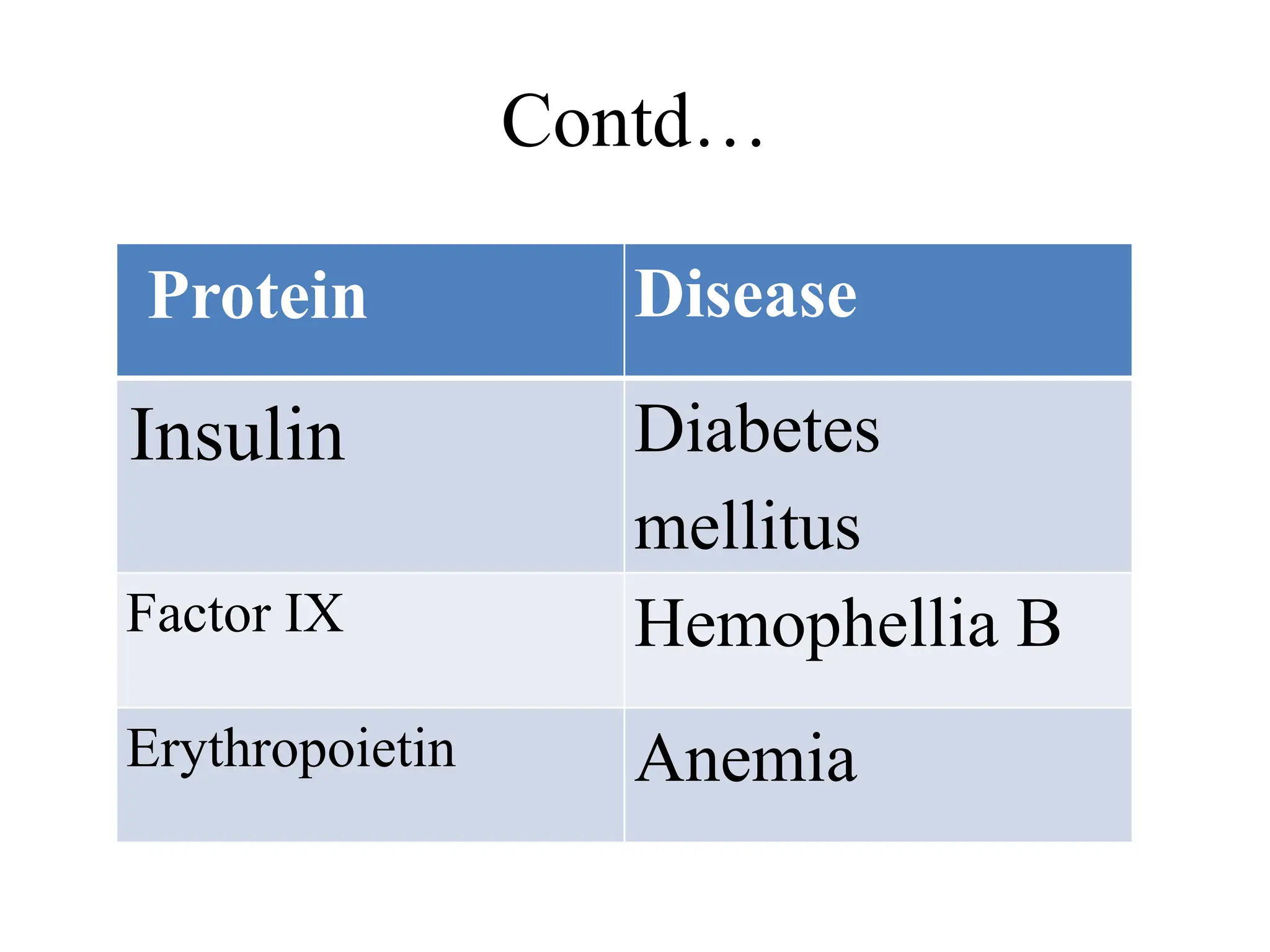
Protein Disease
Insulin Diabetes
mellitus
Factor IX Hemophellia B
Erythropoietin Anemia
Gene Therapy
• The deliberate introduction of genetic
material into human somatic cells for
therapeutic,prophylactic or diagnostic
purposes. It includes techniques for
delivering synthetic or recombinant
nucleic acids,genetic vaccines ,DNA
or RNA technologies such as RNA
interference xenotransplantation of
animal cells
Regulatory Requirements
• There has been publicity about the potential uses
and abuses of genr therapy. Regulatory bodies
have been established in several countries to
oversee the therapeutic, technical and safety
aspect of the gene could be distributed to both
somatic and germ cells and thereby be
transmitted to future generations,is morally and
ethically unacceptable. Therefore all programs
are focusing only on somatic cell gene therapy, in
which the alternation in the genetic information is
targated to specific cells tissues or organs in
which the disorder is manifested.
Technical aspects
1. Gene Characterization: One of the
basic prerequisites of gene therapy is that
gene involved should have been cloned.
This should include not only the
structured gene but also the DNA
sequences involved in the control and
regulation of expression of that gene.
Contd…
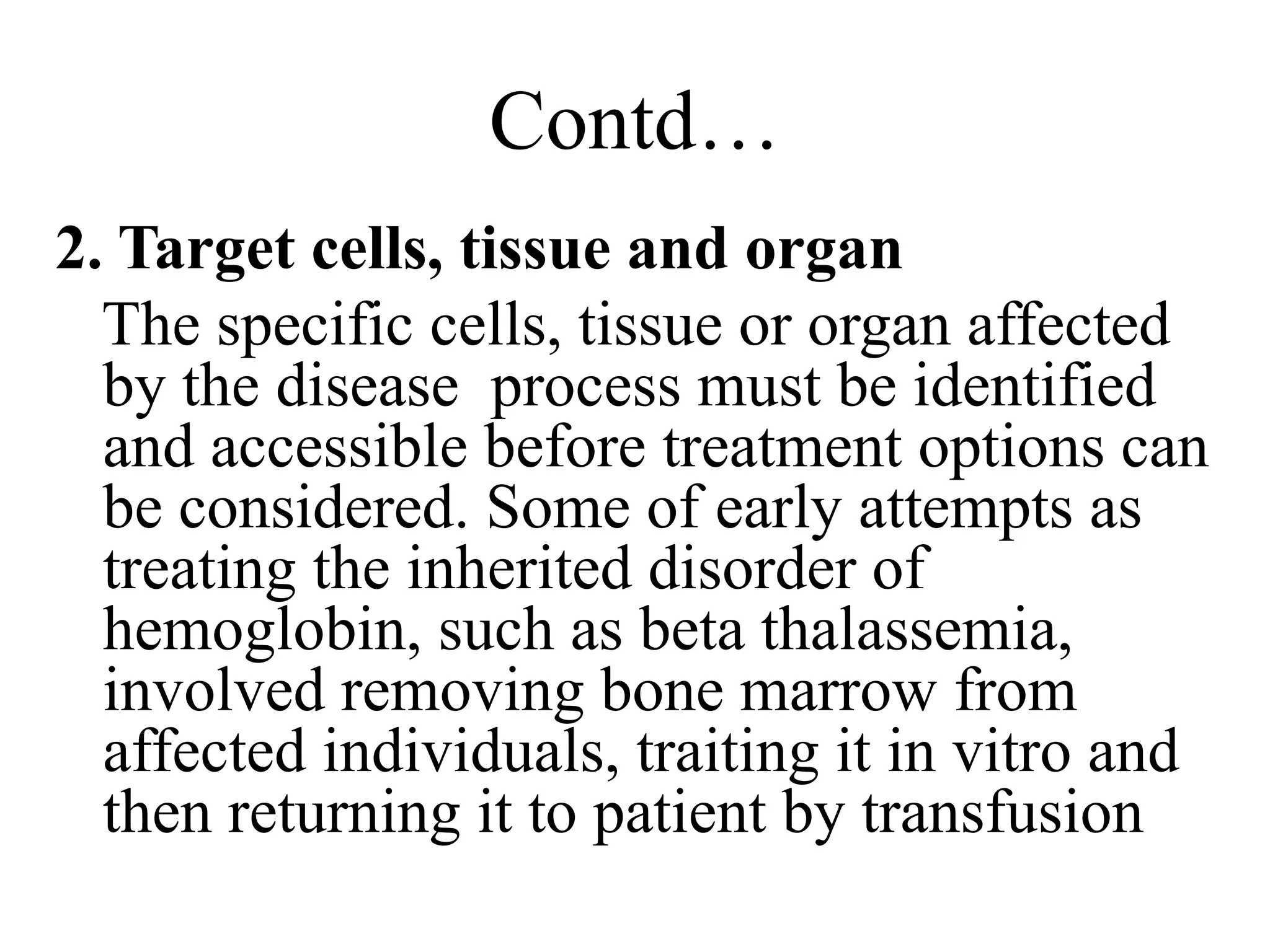
2. Target cells, tissue and organ
The specific cells, tissue or organ affected
by the disease process must be identified
and accessible before treatment options can
be considered. Some of early attempts as
treating the inherited disorder of
hemoglobin, such as beta thalassemia,
involved removing bone marrow from
affected individuals, traiting it in vitro and
then returning it to patient by transfusion
Contd…
3.Vector system
• This means by which a foreign gene is
introduced need to be both safe and
efficient.Vector is a DNA molecule used as a
vechile to artificially carry the foreign genetic
material into another cell.
4.Target organ:
• In many instances , gene therapy will need to be
and should be directed and limited to a
particular organ, tissue or body system
contd
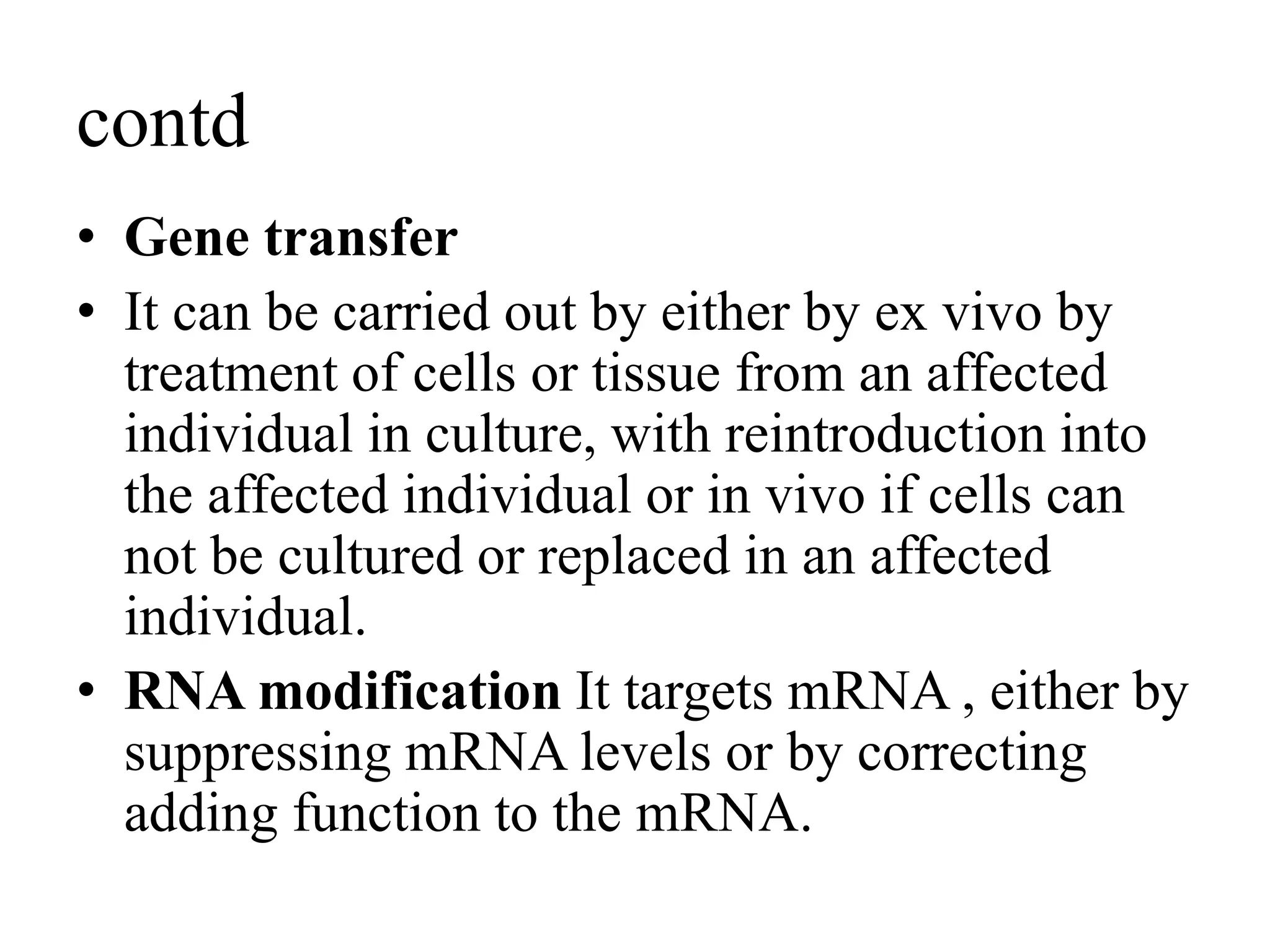
• Gene transfer
• It can be carried out by either by ex vivo by
treatment of cells or tissue from an affected
individual in culture, with reintroduction into
the affected individual or in vivo if cells can
not be cultured or replaced in an affected
individual.
• RNA modification It targets mRNA , either by
suppressing mRNA levels or by correcting
adding function to the mRNA.
Contd…
• Targated gene correction
A promosing approach is to repair genes
in situ through cellular DNA machinery.
• Somatic cell therapy Somatic cells can
differentiate into cell types found in the
tissue from which they are derive ed.
They are usually described by reference
to the organ of origin. For example BMT.
Research input
• Abstract Recombinant activated factor VII (rFVIIa,
NovoSeven®) represents an effective treatment for hemophilia
patients with inhibitors, but no consensus as to the best dosing
regimen exists. We assessed the efficacy and safety of a rFVIIa
‘megadose’ (300 µg kg−1 bolus) as treatment for bleeds in
three young inhibitor patients. Of 114 bleeds, 95 responded to
a single dose. Pain relief was faster and therapy duration
significantly shorter than with continuous infusion (CI)
regimens or standard boluses (90 µg kg−1 every 3 h).
Rebleeding occurred in 9.6% of cases and 19/114 episodes
required a second bolus injection. Although rFVIIa
consumption per bleed (median: 300 µg kg−1) was higher than
with standard boluses (180–270 µg kg−1), patients found single
bolus administration more convenient than recurrent injections
or CI. With two exceptions, no complications occurred within
3 h of treatment, despite high FVII:C levels (median:
27.4 U mL−1; range: 19.8–54 U mL−1). Treatment of bleeds
with a rFVIIa megadose in young inhibitor patients is effective
and well tolerated
Materials and methods
• This was an open-label, single center (National Israeli
Hemophilia Center) study carried out between October 1999
and November 2001.Eligible patients were recruited by the
National Hemophilia Center. Patients with hemophilia A or B,
an inhibitor titer greater than 5 BU, and who presented with an
acute hemarthroses, intramuscular or soft tissue bleeding
episode were enrolled in the study. Exclusion criteria were:
age above 40 years, presence of other hemostatic disease,
personal or family history of thrombosis or thrombophilia,
clinically significant abnormal blood biochemistry, previous
treatment with rFVIIa or any other hemostatic agent during the
24 h prior to the first study dose, and previous evidence for
hypersensitivity to rFVIIa. All patients (or their guardians)
gave informed consent before entering the study. The
concomitant use of hemostatic or antifibrinolytic agents other
than rFVIIa was not permitted in patients treated with the
megadose protocol.
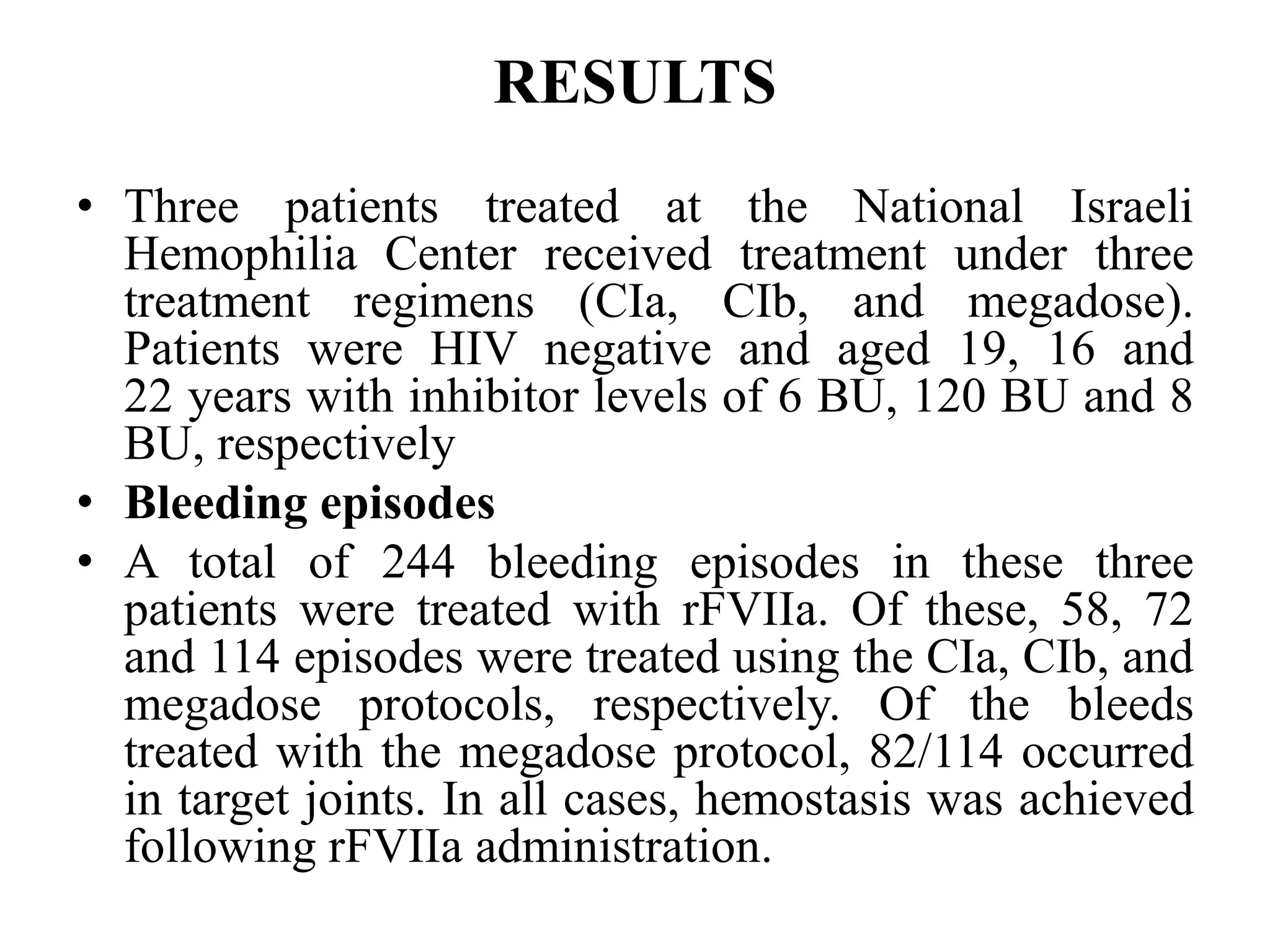
RESULTS
• Three patients treated at the National Israeli
Hemophilia Center received treatment under three
treatment regimens (CIa, CIb, and megadose).
Patients were HIV negative and aged 19, 16 and
22 years with inhibitor levels of 6 BU, 120 BU and 8
BU, respectively
• Bleeding episodes
• A total of 244 bleeding episodes in these three
patients were treated with rFVIIa. Of these, 58, 72
and 114 episodes were treated using the CIa, CIb, and
megadose protocols, respectively. Of the bleeds
treated with the megadose protocol, 82/114 occurred
in target joints. In all cases, hemostasis was achieved
following rFVIIa administration.
CONCLUSION
• As we know that Genetic diseases make-up a
large proportion of the total disease burden
both in pediatric and adult populations.
Modern medicine is placing increasing
emphasis on the importance and prevention
by implementing the different approaches by
proper knowledge we can treat some of
gnetic disorders which will be great
achievement in reducing the large
proportation of disease burden on population.

powerpoint presentation GENETICS PPT1.pptx

  • 1.
    INTRODUCTION • Genetic diseasesmake-up a large proportion of the total disease burden both in pediatric and adult populations. Modern medicine is placing increasing emphasis on the importance and prevention. Because genetics provides a basis for understanding the fundamental biological make up of the organism, it naturally leads to better understanding of the disease process. In many cases knowledge can lead to the actual prevention of the disorder and will lead to more effective treatment
  • 2.
    GENITIC DISORDERS • Agenetic disorder is a disease that is caused by a change ,or mutation, in an individual’s DNA sequence. These mutations can occur randomly due to various causes. A mutated gene is passed down through a family and each generation of children can inherit the gene that causes the disease.
  • 3.
    CAUSES • Mutations • Aneuploidy. •Deletions • Duplications • Inversions • Translocations
  • 4.
    TYPES OF GENETICDISORDERS • Autosomal dominant genetic disorders: These disorders are caused when an individual has inherited the defective gene from single parent like PCKD • Autosomal recessive genetic disorders: Such disorders manifest only when an individual has got two defective alleles of the same gene, one from each parent. These genetic disorders are inherited via the autosomal recessive pattern of inheritance.
  • 5.
    CONTD… • Sex- linkeddisorders • X-linked dominant:. • X-linked recessive:. • Multi factorial genetic disorder: Such disorders are the result of genetic as well as environmental factors
  • 6.
    COMMON GENETIC DISORDERS • Downsyndrome( Trisomy 21): One of the most commonest genetic disorders affecting 1 in 800 live births. It is chromosomal condition related to chromosome 21.Most cases of down syndrome result from Trisomy 21 which means each cell in the body has three copies of chromosome 21 instead of 2 copies, this extra genetic material disturbs the normal course of development causes characteristics features of down syndrome.
  • 7.
    CLINICAL FEATURES • Hypotonic:Low IQ, developmental delay. • Neurologic: Hypotonic, Premature senility, Alzhemer’s onset in 40’s • Facies: Flat occiput, microcephaly, small mandible, and maxillae, up slanting palpebral fissures, epicanthal folds, brush field’s spots in iris • ENT: Furrowed prominent tongue, high arched palate, ear anomalies, frequent acute otitis media • CVS: 40% have congenital heart defects, particularly endocardial cushion defects
  • 8.
    Contd… • GI: Duodenal,anal atresia and TE fistula • MSK: Lax joints including dysplastic hips, vertebral anomalies • Skin: Simian (palmar) crease, abnormal dermatoglyphics • Hematologic: Leukemias (1% lifetime risk) • Endocrine: Hypothyroidism • Prognosis: Shorter life expectancy
  • 9.
    Turner Syndrome It isgenetic disorder in girls caused by missing or defective x chromosome. It occurs in 1 of 2000-2500 live births. Not all girls but some of them will show the following signs • Short stature • Hearing disorders • Failure of ovaries to develop • Webbed neck or short neck • Frequent ear infection in childhood • Shortening of bones in hands • Lower jaw smaller than normal • Drooping eyelids, wandering eyes
  • 10.
    Sickle cell anemia •Sickle cell anemia is a disease passed down through families in which red blood cells form an abnormal sickle shape
  • 11.
    Symptoms • Attacks ofabdominal pain • Bone pain • Breathlessness • Delayed growth and puberty • Fatigue • Fever • Paleness • Rapid heart rate • Yellowing of eye and skin
  • 12.
    Hemophilia • It isa hereditary genetic disorder, where there is congenital deficiency of plasma coagulation factors that impair the body’s ability to control blood clotting or coagulation. It is an inherited in x linked recessive pattern. It is quite rare only 1/10000 births.
  • 13.
    Thalassemia • It isan inherited autosomal recessive blood disorder. In Thalassemia, the genetic defect , which could be either mutation or deletion, results in reduced rate of synthesis or no synthesis of one of the globin chain that makes up haemoglobin.This can cause the formation of abnormal hemoglobin molecules, thus causing anemia
  • 14.
    Therapeutic Approaches • Approachis closer in meaning to “treat” • Metabolic Manipulation: Physicians have developed approaches to regulate the metabolic pathways associated with a number of disorders, including phenylketonuria ( PKU), sickle cell anemia, thalassemia and many others. Often , this form of metabolic manipulation can be accomplished by modifying a patient’s diet. • In other cases , metabolic manipulation involves the use of small molecules or drugs to the target activity of protein linked disease.
  • 15.
    Reducing the accumulationof toxins • The intake of substances , which can not be metabolized by the body, should be reduced, especially if there is accumulation is potentially toxic, e.g. in galactosemia, galactose can not be metabolized adequately. As lactose in the milk is hydrolyzed in the body to glucose and galactose , milk in the diet of affected infant is substituted by nonlactose containing dietary formula to obviate damage due to excess of galactose in tissue.
  • 16.
    Contd… • The phenylketonuricinfant is placed on a low protein diet to prevent irreversible neurological damage. Certain drugs like allopurinol inhibits xanthine oxidase and thus reduces the synthesis of uric acid and hence is useful in case of gout.
  • 17.
    Promoting excretion oftoxin • The excretion of certain toxic metabolites can be promoted by chelating agents. For example , pencillamine promotes excretion of copper patients with Wilson disease which is a genetic disorder that prevents the body from getting rid of extra copper. • In wilson disease, copper builds up in the liver , brain, eyes and other organs. Overtime , high copper levels can cause life threatening damage.
  • 18.
    Induction or stabilizationof enzymes • Certain enzyme systems, which may be immature or reduced at certain phase of life may be induced or stabilized by the use of chemical agents. For example phenobarbitone is used for inducing the hepatic microsomal enzyme glucuronyl transferase in cases of neonatal hyperbillirubinemia which is yellow coloration of the skin and sclera in newborn with jaundice is the result of unconjugated billirubin.
  • 19.
    Avoiding Drugs • Certaindrugs which precipitate adverse symptoms in metabolic disorders such as barbiturates in porphyria hepatica and oxidative agents in glucose -6 phophate dehydrogenase deficiency, should never be administered in these patients
  • 20.
    • Environmental protection Patientwith hemophilia and osteogenesis imperfect should be protected from trauma and other environmental hazards to prevent excessive blessing and fractures. • Replacement Therapy The deficiency of the metabolic end products may be made up by the replacement or administration of the product. Thus Thyroxine restores the thyroid function in familial goitergenous cretinism, adminstration of factor
  • 21.
    Protein Augmentation • Inthis approach physician treat patient by providing them with a purified form of missing or depleted protein. This protein add back approach has been used successfully to treat the patient suffering from a wide range of diseases including various membrane transport disorders like cystic fibrosis. • In this approach protein be added to the out side of cells. This approach work best for replacing proteins that are normally present in the extracellular space.
  • 22.
    Surgical Approaches • Althoughmore invasive, organ transplantation is also used to treat certain genetic disorder that affect particular organs. • In some cases surgery can be used to repair an organ or tissue that has been targated by disease. For example Cleft lip
  • 23.
    Therapeutic Applications of recombinantDNA Technology • Biosynthesis of gene products Insulin used in the treatment of diabetes mellitus was previously obtained from pig pancreas. This has to be purified has to be used very carefully and even then it sometimes produced sensitivity reactions in patients. However with recombinant DNA technology microorganism can be used to synthesize insulin from human insulin gene.
  • 24.
    Contd… • This isinserted along with appropriate sequences to ensure efficient transcription and translation in to recombinant DNA vector such as plasmid and cloned in a microorganism such as E. coli. In this way large quantity of insulin can be produced. • Recombinant DNA technology is being employed in the production of number of other biosynthetic products.
  • 25.
    Contd… Protein Disease Insulin Diabetes mellitus FactorIX Hemophellia B Erythropoietin Anemia
  • 26.
    Gene Therapy • Thedeliberate introduction of genetic material into human somatic cells for therapeutic,prophylactic or diagnostic purposes. It includes techniques for delivering synthetic or recombinant nucleic acids,genetic vaccines ,DNA or RNA technologies such as RNA interference xenotransplantation of animal cells
  • 27.
    Regulatory Requirements • Therehas been publicity about the potential uses and abuses of genr therapy. Regulatory bodies have been established in several countries to oversee the therapeutic, technical and safety aspect of the gene could be distributed to both somatic and germ cells and thereby be transmitted to future generations,is morally and ethically unacceptable. Therefore all programs are focusing only on somatic cell gene therapy, in which the alternation in the genetic information is targated to specific cells tissues or organs in which the disorder is manifested.
  • 28.
    Technical aspects 1. GeneCharacterization: One of the basic prerequisites of gene therapy is that gene involved should have been cloned. This should include not only the structured gene but also the DNA sequences involved in the control and regulation of expression of that gene.
  • 29.
    Contd… 2. Target cells,tissue and organ The specific cells, tissue or organ affected by the disease process must be identified and accessible before treatment options can be considered. Some of early attempts as treating the inherited disorder of hemoglobin, such as beta thalassemia, involved removing bone marrow from affected individuals, traiting it in vitro and then returning it to patient by transfusion
  • 30.
    Contd… 3.Vector system • Thismeans by which a foreign gene is introduced need to be both safe and efficient.Vector is a DNA molecule used as a vechile to artificially carry the foreign genetic material into another cell. 4.Target organ: • In many instances , gene therapy will need to be and should be directed and limited to a particular organ, tissue or body system
  • 31.
    contd • Gene transfer •It can be carried out by either by ex vivo by treatment of cells or tissue from an affected individual in culture, with reintroduction into the affected individual or in vivo if cells can not be cultured or replaced in an affected individual. • RNA modification It targets mRNA , either by suppressing mRNA levels or by correcting adding function to the mRNA.
  • 32.
    Contd… • Targated genecorrection A promosing approach is to repair genes in situ through cellular DNA machinery. • Somatic cell therapy Somatic cells can differentiate into cell types found in the tissue from which they are derive ed. They are usually described by reference to the organ of origin. For example BMT.
  • 33.
    Research input • AbstractRecombinant activated factor VII (rFVIIa, NovoSeven®) represents an effective treatment for hemophilia patients with inhibitors, but no consensus as to the best dosing regimen exists. We assessed the efficacy and safety of a rFVIIa ‘megadose’ (300 µg kg−1 bolus) as treatment for bleeds in three young inhibitor patients. Of 114 bleeds, 95 responded to a single dose. Pain relief was faster and therapy duration significantly shorter than with continuous infusion (CI) regimens or standard boluses (90 µg kg−1 every 3 h). Rebleeding occurred in 9.6% of cases and 19/114 episodes required a second bolus injection. Although rFVIIa consumption per bleed (median: 300 µg kg−1) was higher than with standard boluses (180–270 µg kg−1), patients found single bolus administration more convenient than recurrent injections or CI. With two exceptions, no complications occurred within 3 h of treatment, despite high FVII:C levels (median: 27.4 U mL−1; range: 19.8–54 U mL−1). Treatment of bleeds with a rFVIIa megadose in young inhibitor patients is effective and well tolerated
  • 34.
    Materials and methods •This was an open-label, single center (National Israeli Hemophilia Center) study carried out between October 1999 and November 2001.Eligible patients were recruited by the National Hemophilia Center. Patients with hemophilia A or B, an inhibitor titer greater than 5 BU, and who presented with an acute hemarthroses, intramuscular or soft tissue bleeding episode were enrolled in the study. Exclusion criteria were: age above 40 years, presence of other hemostatic disease, personal or family history of thrombosis or thrombophilia, clinically significant abnormal blood biochemistry, previous treatment with rFVIIa or any other hemostatic agent during the 24 h prior to the first study dose, and previous evidence for hypersensitivity to rFVIIa. All patients (or their guardians) gave informed consent before entering the study. The concomitant use of hemostatic or antifibrinolytic agents other than rFVIIa was not permitted in patients treated with the megadose protocol.
  • 35.
    RESULTS • Three patientstreated at the National Israeli Hemophilia Center received treatment under three treatment regimens (CIa, CIb, and megadose). Patients were HIV negative and aged 19, 16 and 22 years with inhibitor levels of 6 BU, 120 BU and 8 BU, respectively • Bleeding episodes • A total of 244 bleeding episodes in these three patients were treated with rFVIIa. Of these, 58, 72 and 114 episodes were treated using the CIa, CIb, and megadose protocols, respectively. Of the bleeds treated with the megadose protocol, 82/114 occurred in target joints. In all cases, hemostasis was achieved following rFVIIa administration.
  • 36.
    CONCLUSION • As weknow that Genetic diseases make-up a large proportion of the total disease burden both in pediatric and adult populations. Modern medicine is placing increasing emphasis on the importance and prevention by implementing the different approaches by proper knowledge we can treat some of gnetic disorders which will be great achievement in reducing the large proportation of disease burden on population.