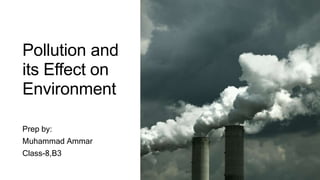
Pollution and
its Effect on
Environment
Prep by:
Muhammad Ammar
Class-8,B3
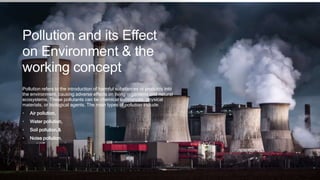
Pollution and its Effect
on Environment & the
working concept
Pollution refers to the introduction of harmful substances or products into
the environment, causing adverse effects on living organisms and natural
ecosystems. These pollutants can be chemical substances, physical
materials, or biological agents. The main types of pollution include
• Air pollution,
• Water pollution,
• Soil pollution,&
• Noise pollution,
Pollution and its Effect on Environment &
the working concept
Each affecting the environment in distinct ways.
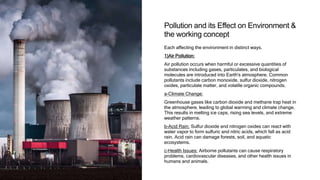
1)Air Pollution:
Air pollution occurs when harmful or excessive quantities of
substances including gases, particulates, and biological
molecules are introduced into Earth's atmosphere. Common
pollutants include carbon monoxide, sulfur dioxide, nitrogen
oxides, particulate matter, and volatile organic compounds.
a-Climate Change:
Greenhouse gases like carbon dioxide and methane trap heat in
the atmosphere, leading to global warming and climate change.
This results in melting ice caps, rising sea levels, and extreme
weather patterns.
b-Acid Rain: Sulfur dioxide and nitrogen oxides can react with
water vapor to form sulfuric and nitric acids, which fall as acid
rain. Acid rain can damage forests, soil, and aquatic
ecosystems.
c-Health Issues: Airborne pollutants can cause respiratory
problems, cardiovascular diseases, and other health issues in
humans and animals.
Effects on the Environment:
2-Water Pollution:
Concept: Water pollution involves the contamination of water bodies such as rivers, lakes, oceans, and
groundwater by harmful substances. Common pollutants include industrial waste, sewage, pesticides, and
heavy metals.
a-Ecosystem Damage:
Pollutants can kill aquatic life, disrupt food chains, and destroy habitats. For example, oil spills coat marine
animals and plants, leading to widespread death and habitat destruction.
b-Health Risks:
Contaminated water can cause diseases such as cholera and dysentery in humans and animals. Chemicals
like lead and mercury can accumulate in the food chain, causing long-term health problems.
c-Eutrophication:
Nutrient pollution from fertilizers can lead to excessive growth of algae, depleting oxygen in the water and
causing dead zones where aquatic life cannot survive.
3-Soil Pollution
Concept: Soil pollution occurs when hazardous chemicals, waste materials, and other contaminants are
introduced into the soil, degrading its quality and health. Common sources include agricultural chemicals,
industrial waste, and improper disposal of waste.
Reduced Soil Fertility: Pollutants can alter soil composition, reducing its ability to support plant life. This
affects crop yields and the health of ecosystems.
Contaminated Food Chain:
Plants grown in polluted soil can absorb harmful substances, which then enter the food chain, affecting
animals and humans who consume these plants.
Effects on the
Environment
4-Noise Pollution
Concept: Noise pollution refers to harmful or excessive levels of noise in the environment, typically from industrial activities,
transportation, and urban development.
k-Wildlife Disturbance:
Excessive noise can disrupt the communication, mating rituals, and migration patterns of wildlife, leading to population declines.
L-Human Health:
Persistent noise pollution can cause stress, hearing loss, and sleep disturbances in humans, affecting overall well-being and
productivity.
Summary
Pollution significantly impacts the environment by altering ecosystems, harming wildlife, and posing health risks to humans. The
intricate balance of natural processes is disrupted, leading to long-term ecological and economic consequences. Efforts to
mitigate pollution involve regulatory measures, technological advancements, and public awareness to protect and restore the
environment.
The operation of Pollution and its Effect on Environment in Bahrain
In Bahrain, like many other countries, pollution poses significant challenges to the environment and public health. The Kingdom of Bahrain faces
various types of pollution, including air, water, and soil pollution, primarily driven by industrial activities, urban development, and transportation. Here’s
an overview of the specific operations and impacts of pollution in Bahrain:
1-Air Pollution
Sources:
Industrial Emissions: Bahrain has a substantial industrial sector, including oil refineries and aluminum smelters, which release pollutants such as sulfur
dioxide (SO₂), nitrogen oxides (NOₓ), and particulate matter (PM) into the atmosphere.
Vehicle Emissions: The high density of vehicles contributes significantly to air pollution, with emissions of carbon monoxide (CO), NOₓ, and volatile
organic compounds (VOCs).
Construction Activities: Dust and particulate matter from construction sites add to air quality degradation.
Effects:
Health Issues: Increased cases of respiratory and cardiovascular diseases among the population due to poor air quality.
Climate Impact: Contributions to global warming and climate change through the release of greenhouse gases like CO₂ and methane (CH₄).
2-Water Pollution
Sources:
Industrial Discharges: Effluents from industrial facilities can contaminate water bodies with heavy metals, chemicals, and other hazardous substances.
Oil Spills: Given Bahrain’s extensive oil industry, accidental oil spills can lead to significant marine pollution.
Wastewater Treatment: Inadequate treatment of sewage and wastewater can result in the discharge of pollutants into the Gulf.
Effects:
Marine Ecosystems: Damage to marine life, including fish and coral reefs, affecting biodiversity and fisheries.
Public Health: Risks of waterborne diseases and contamination of drinking water sources
The operation of Pollution & its Effects on Environment in Bahrain
Soil Pollution
Sources:
Industrial Waste: Improper disposal of industrial waste can lead to soil contamination with heavy metals
and toxic chemicals.
Agricultural Practices: Use of pesticides and fertilizers can lead to the accumulation of harmful
substances in the soil.
Effects:
Reduced Fertility: Degradation of soil quality, affecting agricultural productivity.
Food Safety: Contamination of crops with hazardous chemicals, impacting food safety and human
health.
Noise Pollution
Sources:
Urbanization: Rapid urban development leads to increased construction activities, generating significant
noise pollution.
Traffic: High volumes of road traffic contribute to elevated noise levels in urban areas.
Effects:
Human Health: Increased stress, hearing loss, and sleep disturbances among residents.
Wildlife: Disruption of local wildlife habitats and behaviors.
Mitigation Efforts
Government Initiatives:
Regulations: The Bahraini government has implemented various environmental
regulations to control emissions and discharge from industrial activities.
Monitoring Systems: Establishment of air and water quality monitoring systems to
track pollution levels and enforce standards.
Public Awareness Campaigns: Efforts to raise awareness about the importance of
environmental protection and sustainable practices among the population.
Sustainable Development Goals (SDGs):
Renewable Energy: Promoting the use of renewable energy sources to reduce
dependence on fossil fuels and lower greenhouse gas emissions.
Waste Management: Enhancing waste management systems to ensure proper
disposal and recycling of waste materials.
In summary, Bahrain is addressing pollution through regulatory frameworks,
monitoring systems, and public awareness initiatives. While challenges remain,
ongoing efforts aim to mitigate the adverse effects of pollution on the environment
and public health in the Kingdom.
Interesting Information about Pollution & its Effect on Environment with Reference
Here are some interesting pieces of information about pollution and its effects on the environment, along with
references:
Micro plastics in Marine Life
Interesting Information: Micro plastics, which are tiny plastic particles less than 5mm in diameter, have been found
in the guts of marine organisms across the world's oceans, from plankton to whales. These micro plastics come
from a variety of sources, including the breakdown of larger plastic debris, microbeads in cosmetics, and fibers
from synthetic fabrics.
Effects: Micro plastics can cause physical harm to marine animals, block digestive tracts, and lead to starvation.
They can also carry toxic chemicals that may accumulate in the food chain, posing risks to human health when
seafood is consumed.
Reference: "Micro plastics in marine : Enviro implications and toxicological effects" by Barbosa, L.G.A., & Gamines,
B.C.G. (2015).
Acid Rain and Forest Damage
Interesting Information: Acid rain, primarily caused by sulfur dioxide (SO₂) and nitrogen oxides (NOₓ) emissions, has
severe effects on forests. It leaches important nutrients like calcium and magnesium from the soil, weakens trees,
and makes them more susceptible to disease, extreme weather, and pests.
Effects: Acid rain has caused the decline of forest health in many regions, particularly in parts of Europe and North
America. It can lead to reduced forest biodiversity and affect species that depend on healthy forest ecosystems.
Reference: "Acid Rain and its Environmental Effects: Recent Scientific Advances" by Likens, G.E., & Driscoll, C.T.
(1996). The Great Smog of London (1952)Interesting Information: One of the most infamous air pollution events in
history is the Great Smog of London in December 1952. A combination of cold weather, windless conditions, and
airborne pollutants from coal burning created a thick layer of smog that lasted for several days badly effecting the
daily life & healthcare.
Research about the Impact of the Pollution & its Effects on World Environment.
Pollution has profound and far-reaching impacts on the environment globally, affecting air, water, soil, and the overall
health of ecosystems and human populations. Here’s a comprehensive look at how different types of pollution affect the
environment worldwide:
1-Air Pollution Global Impact:
Climate Change: Air pollution significantly contributes to global warming through the emission of greenhouse
gases like carbon dioxide (CO₂), methane (CH₄), and nitrous oxide (N₂O). This leads to rising global
temperatures, melting polar ice, and extreme weather events such as hurricanes, droughts, and floods.
Health Issues: According to the World Health Organization (WHO), outdoor air pollution caused an estimated 4.2
million premature deaths worldwide in 2016.
Ecosystem Damage: Airborne pollutants like sulfur dioxide (SO₂) and nitrogen oxides (NOₓ) can lead to acid
rain, which damages forests, soils, and aquatic ecosystems.
2-Water Pollution Global Impact:
Marine Ecosystems: Water pollution from industrial discharge, agricultural runoff, and plastic waste severely
impacts marine life. Plastic pollution is particularly, affecting over 800 marine species through ingestion and
entanglement .
Human Health: Contaminated water sources can lead to serious health problems, including gastrointestinal
diseases, neurological disorders, and reproductive issues.
Economic Costs: Water pollution impacts industries such as fishing and tourism, leading to significant economic
losses.
Research about the Impact of the Pollution & its Effects on World Environment
3-Soil Pollution Global Impact:
Agricultural Productivity: Soil pollution from pesticides, heavy metals, and industrial waste reduces soil fertility and crop yields.
Contaminated soils can lead to the uptake of harmful substances by plants, entering the food chain and posing risks to human
health.
Food Security: Decreased agricultural productivity due to soil pollution threatens global food security, particularly in regions heavily
dependent on agriculture for livelihood. The presence of toxic substances in food products can lead to food safety concerns and
health risks for consumers.
Biodiversity Loss: Pollutants in the soil can disrupt the natural habitat of various organisms, leading to a decline in biodiversity. Soil
organisms play crucial roles in nutrient cycling and maintaining soil health, and their loss can have cascading effects on entire
ecosystems.
4-Noise Pollution Global Impact:
Wildlife: Noise pollution disrupts communication, breeding, and feeding behaviors in wildlife. Chronic noise exposure can lead to
habitat abandonment and population declines.
Human Health: Prolonged exposure to high noise levels can cause hearing loss, stress, sleep disturbances, and cardiovascular
issues in humans. Urban areas with high traffic, industrial activities, and construction are major sources of noise pollution.
Mitigation and Global Efforts & initiatives: Paris Agreement: An international treaty aimed at reducing greenhouse gas emissions to
limit global warming to well below 2 degrees Celsius above pre-industrial levels. Countries are committed to adopting sustainable
practices and transitioning to renewable energy sources.
Sustainable Development Goals (SDGs): The United Nations' 17 SDGs include targets for clean water and sanitation, affordable
and clean energy, sustainable cities and communities,
Policy and Regulation: Governments worldwide are implementing policies to regulate emissions, manage waste, and protect natural
resources also including vehicles and industrial emissions.
Conclusion: Comprehensive efforts involving policy regulation, technological innovation, and public awareness are crucial to mitigate
pollution and protect the planet for future generations. Addressing pollution requires coordinated action at local, national, and
international levels to achieve sustainable development and environmental conservation.
Contribution of Pollution & its Effects on Environment in our life
Pollution and its effects on the environment have profound implications for my life, reflecting a broad
spectrum of impacts on health, lifestyle, and overall well-being. Here's a breakdown of how these aspects
manifest:
Health Impacts
Air Quality: Poor air quality, especially in urban areas, can lead to respiratory problems such as asthma,
bronchitis, and other chronic respiratory diseases. Long-term exposure to polluted air increases the risk of
cardiovascular diseases and cancer
Water Quality: Access to clean water is crucial for health. Contaminated water sources can lead to
gastrointestinal diseases and other health issues.
Lifestyle Adjustments: Diet and Food Safety: Soil pollution and water contamination affect food safety.
Awareness of micro plastics in seafood and heavy metals in certain crops also influences dietary choices.
Environmental Consciousness: Sustainability Practices: Pollution awareness fosters a greater commitment
to sustainable living practices. This includes reducing plastic use, recycling, supporting clean energy
initiatives, and advocating for environmental protection policies.
Conclusion
Pollution and its effects on the environment shape various aspects of my life, from health and lifestyle
choices to mental well-being and future planning. Addressing pollution involves personal actions and
community involvement, highlighting the interconnectedness of individual well-being and environmental
health. Recognizing these impacts fosters a deeper commitment to sustainable living and advocacy for a
cleaner, healthier planet.

Pollution and its Effect on Environment.pptx

  • 1.
    Pollution and its Effecton Environment Prep by: Muhammad Ammar Class-8,B3
  • 2.
    Pollution and itsEffect on Environment & the working concept Pollution refers to the introduction of harmful substances or products into the environment, causing adverse effects on living organisms and natural ecosystems. These pollutants can be chemical substances, physical materials, or biological agents. The main types of pollution include • Air pollution, • Water pollution, • Soil pollution,& • Noise pollution,
  • 3.
    Pollution and itsEffect on Environment & the working concept Each affecting the environment in distinct ways. 1)Air Pollution: Air pollution occurs when harmful or excessive quantities of substances including gases, particulates, and biological molecules are introduced into Earth's atmosphere. Common pollutants include carbon monoxide, sulfur dioxide, nitrogen oxides, particulate matter, and volatile organic compounds. a-Climate Change: Greenhouse gases like carbon dioxide and methane trap heat in the atmosphere, leading to global warming and climate change. This results in melting ice caps, rising sea levels, and extreme weather patterns. b-Acid Rain: Sulfur dioxide and nitrogen oxides can react with water vapor to form sulfuric and nitric acids, which fall as acid rain. Acid rain can damage forests, soil, and aquatic ecosystems. c-Health Issues: Airborne pollutants can cause respiratory problems, cardiovascular diseases, and other health issues in humans and animals.
  • 4.
    Effects on theEnvironment: 2-Water Pollution: Concept: Water pollution involves the contamination of water bodies such as rivers, lakes, oceans, and groundwater by harmful substances. Common pollutants include industrial waste, sewage, pesticides, and heavy metals. a-Ecosystem Damage: Pollutants can kill aquatic life, disrupt food chains, and destroy habitats. For example, oil spills coat marine animals and plants, leading to widespread death and habitat destruction. b-Health Risks: Contaminated water can cause diseases such as cholera and dysentery in humans and animals. Chemicals like lead and mercury can accumulate in the food chain, causing long-term health problems. c-Eutrophication: Nutrient pollution from fertilizers can lead to excessive growth of algae, depleting oxygen in the water and causing dead zones where aquatic life cannot survive. 3-Soil Pollution Concept: Soil pollution occurs when hazardous chemicals, waste materials, and other contaminants are introduced into the soil, degrading its quality and health. Common sources include agricultural chemicals, industrial waste, and improper disposal of waste. Reduced Soil Fertility: Pollutants can alter soil composition, reducing its ability to support plant life. This affects crop yields and the health of ecosystems. Contaminated Food Chain: Plants grown in polluted soil can absorb harmful substances, which then enter the food chain, affecting animals and humans who consume these plants.
  • 5.
    Effects on the Environment 4-NoisePollution Concept: Noise pollution refers to harmful or excessive levels of noise in the environment, typically from industrial activities, transportation, and urban development. k-Wildlife Disturbance: Excessive noise can disrupt the communication, mating rituals, and migration patterns of wildlife, leading to population declines. L-Human Health: Persistent noise pollution can cause stress, hearing loss, and sleep disturbances in humans, affecting overall well-being and productivity. Summary Pollution significantly impacts the environment by altering ecosystems, harming wildlife, and posing health risks to humans. The intricate balance of natural processes is disrupted, leading to long-term ecological and economic consequences. Efforts to mitigate pollution involve regulatory measures, technological advancements, and public awareness to protect and restore the environment.
  • 6.
    The operation ofPollution and its Effect on Environment in Bahrain In Bahrain, like many other countries, pollution poses significant challenges to the environment and public health. The Kingdom of Bahrain faces various types of pollution, including air, water, and soil pollution, primarily driven by industrial activities, urban development, and transportation. Here’s an overview of the specific operations and impacts of pollution in Bahrain: 1-Air Pollution Sources: Industrial Emissions: Bahrain has a substantial industrial sector, including oil refineries and aluminum smelters, which release pollutants such as sulfur dioxide (SO₂), nitrogen oxides (NOₓ), and particulate matter (PM) into the atmosphere. Vehicle Emissions: The high density of vehicles contributes significantly to air pollution, with emissions of carbon monoxide (CO), NOₓ, and volatile organic compounds (VOCs). Construction Activities: Dust and particulate matter from construction sites add to air quality degradation. Effects: Health Issues: Increased cases of respiratory and cardiovascular diseases among the population due to poor air quality. Climate Impact: Contributions to global warming and climate change through the release of greenhouse gases like CO₂ and methane (CH₄). 2-Water Pollution Sources: Industrial Discharges: Effluents from industrial facilities can contaminate water bodies with heavy metals, chemicals, and other hazardous substances. Oil Spills: Given Bahrain’s extensive oil industry, accidental oil spills can lead to significant marine pollution. Wastewater Treatment: Inadequate treatment of sewage and wastewater can result in the discharge of pollutants into the Gulf. Effects: Marine Ecosystems: Damage to marine life, including fish and coral reefs, affecting biodiversity and fisheries. Public Health: Risks of waterborne diseases and contamination of drinking water sources
  • 7.
    The operation ofPollution & its Effects on Environment in Bahrain Soil Pollution Sources: Industrial Waste: Improper disposal of industrial waste can lead to soil contamination with heavy metals and toxic chemicals. Agricultural Practices: Use of pesticides and fertilizers can lead to the accumulation of harmful substances in the soil. Effects: Reduced Fertility: Degradation of soil quality, affecting agricultural productivity. Food Safety: Contamination of crops with hazardous chemicals, impacting food safety and human health. Noise Pollution Sources: Urbanization: Rapid urban development leads to increased construction activities, generating significant noise pollution. Traffic: High volumes of road traffic contribute to elevated noise levels in urban areas. Effects: Human Health: Increased stress, hearing loss, and sleep disturbances among residents. Wildlife: Disruption of local wildlife habitats and behaviors.
  • 8.
    Mitigation Efforts Government Initiatives: Regulations:The Bahraini government has implemented various environmental regulations to control emissions and discharge from industrial activities. Monitoring Systems: Establishment of air and water quality monitoring systems to track pollution levels and enforce standards. Public Awareness Campaigns: Efforts to raise awareness about the importance of environmental protection and sustainable practices among the population. Sustainable Development Goals (SDGs): Renewable Energy: Promoting the use of renewable energy sources to reduce dependence on fossil fuels and lower greenhouse gas emissions. Waste Management: Enhancing waste management systems to ensure proper disposal and recycling of waste materials. In summary, Bahrain is addressing pollution through regulatory frameworks, monitoring systems, and public awareness initiatives. While challenges remain, ongoing efforts aim to mitigate the adverse effects of pollution on the environment and public health in the Kingdom.
  • 9.
    Interesting Information aboutPollution & its Effect on Environment with Reference Here are some interesting pieces of information about pollution and its effects on the environment, along with references: Micro plastics in Marine Life Interesting Information: Micro plastics, which are tiny plastic particles less than 5mm in diameter, have been found in the guts of marine organisms across the world's oceans, from plankton to whales. These micro plastics come from a variety of sources, including the breakdown of larger plastic debris, microbeads in cosmetics, and fibers from synthetic fabrics. Effects: Micro plastics can cause physical harm to marine animals, block digestive tracts, and lead to starvation. They can also carry toxic chemicals that may accumulate in the food chain, posing risks to human health when seafood is consumed. Reference: "Micro plastics in marine : Enviro implications and toxicological effects" by Barbosa, L.G.A., & Gamines, B.C.G. (2015). Acid Rain and Forest Damage Interesting Information: Acid rain, primarily caused by sulfur dioxide (SO₂) and nitrogen oxides (NOₓ) emissions, has severe effects on forests. It leaches important nutrients like calcium and magnesium from the soil, weakens trees, and makes them more susceptible to disease, extreme weather, and pests. Effects: Acid rain has caused the decline of forest health in many regions, particularly in parts of Europe and North America. It can lead to reduced forest biodiversity and affect species that depend on healthy forest ecosystems. Reference: "Acid Rain and its Environmental Effects: Recent Scientific Advances" by Likens, G.E., & Driscoll, C.T. (1996). The Great Smog of London (1952)Interesting Information: One of the most infamous air pollution events in history is the Great Smog of London in December 1952. A combination of cold weather, windless conditions, and airborne pollutants from coal burning created a thick layer of smog that lasted for several days badly effecting the daily life & healthcare.
  • 10.
    Research about theImpact of the Pollution & its Effects on World Environment. Pollution has profound and far-reaching impacts on the environment globally, affecting air, water, soil, and the overall health of ecosystems and human populations. Here’s a comprehensive look at how different types of pollution affect the environment worldwide: 1-Air Pollution Global Impact: Climate Change: Air pollution significantly contributes to global warming through the emission of greenhouse gases like carbon dioxide (CO₂), methane (CH₄), and nitrous oxide (N₂O). This leads to rising global temperatures, melting polar ice, and extreme weather events such as hurricanes, droughts, and floods. Health Issues: According to the World Health Organization (WHO), outdoor air pollution caused an estimated 4.2 million premature deaths worldwide in 2016. Ecosystem Damage: Airborne pollutants like sulfur dioxide (SO₂) and nitrogen oxides (NOₓ) can lead to acid rain, which damages forests, soils, and aquatic ecosystems. 2-Water Pollution Global Impact: Marine Ecosystems: Water pollution from industrial discharge, agricultural runoff, and plastic waste severely impacts marine life. Plastic pollution is particularly, affecting over 800 marine species through ingestion and entanglement . Human Health: Contaminated water sources can lead to serious health problems, including gastrointestinal diseases, neurological disorders, and reproductive issues. Economic Costs: Water pollution impacts industries such as fishing and tourism, leading to significant economic losses.
  • 11.
    Research about theImpact of the Pollution & its Effects on World Environment 3-Soil Pollution Global Impact: Agricultural Productivity: Soil pollution from pesticides, heavy metals, and industrial waste reduces soil fertility and crop yields. Contaminated soils can lead to the uptake of harmful substances by plants, entering the food chain and posing risks to human health. Food Security: Decreased agricultural productivity due to soil pollution threatens global food security, particularly in regions heavily dependent on agriculture for livelihood. The presence of toxic substances in food products can lead to food safety concerns and health risks for consumers. Biodiversity Loss: Pollutants in the soil can disrupt the natural habitat of various organisms, leading to a decline in biodiversity. Soil organisms play crucial roles in nutrient cycling and maintaining soil health, and their loss can have cascading effects on entire ecosystems. 4-Noise Pollution Global Impact: Wildlife: Noise pollution disrupts communication, breeding, and feeding behaviors in wildlife. Chronic noise exposure can lead to habitat abandonment and population declines. Human Health: Prolonged exposure to high noise levels can cause hearing loss, stress, sleep disturbances, and cardiovascular issues in humans. Urban areas with high traffic, industrial activities, and construction are major sources of noise pollution. Mitigation and Global Efforts & initiatives: Paris Agreement: An international treaty aimed at reducing greenhouse gas emissions to limit global warming to well below 2 degrees Celsius above pre-industrial levels. Countries are committed to adopting sustainable practices and transitioning to renewable energy sources. Sustainable Development Goals (SDGs): The United Nations' 17 SDGs include targets for clean water and sanitation, affordable and clean energy, sustainable cities and communities, Policy and Regulation: Governments worldwide are implementing policies to regulate emissions, manage waste, and protect natural resources also including vehicles and industrial emissions. Conclusion: Comprehensive efforts involving policy regulation, technological innovation, and public awareness are crucial to mitigate pollution and protect the planet for future generations. Addressing pollution requires coordinated action at local, national, and international levels to achieve sustainable development and environmental conservation.
  • 12.
    Contribution of Pollution& its Effects on Environment in our life Pollution and its effects on the environment have profound implications for my life, reflecting a broad spectrum of impacts on health, lifestyle, and overall well-being. Here's a breakdown of how these aspects manifest: Health Impacts Air Quality: Poor air quality, especially in urban areas, can lead to respiratory problems such as asthma, bronchitis, and other chronic respiratory diseases. Long-term exposure to polluted air increases the risk of cardiovascular diseases and cancer Water Quality: Access to clean water is crucial for health. Contaminated water sources can lead to gastrointestinal diseases and other health issues. Lifestyle Adjustments: Diet and Food Safety: Soil pollution and water contamination affect food safety. Awareness of micro plastics in seafood and heavy metals in certain crops also influences dietary choices. Environmental Consciousness: Sustainability Practices: Pollution awareness fosters a greater commitment to sustainable living practices. This includes reducing plastic use, recycling, supporting clean energy initiatives, and advocating for environmental protection policies. Conclusion Pollution and its effects on the environment shape various aspects of my life, from health and lifestyle choices to mental well-being and future planning. Addressing pollution involves personal actions and community involvement, highlighting the interconnectedness of individual well-being and environmental health. Recognizing these impacts fosters a deeper commitment to sustainable living and advocacy for a cleaner, healthier planet.