







Optimizing Your Health through
Proper Nutrition and Exercise
John E. Lewis, Ph.D.

Associate Professor
University of Miami Miller School of Medicine
Department of Psychiatry & Behavioral Sciences
1120 NW 14th Street
Suite #1474 (D28)
Phone: 305-243-6227
Fax: 305-243-1619
E-mail: jelewis@miami.edu
What are we doing?
We have the following ongoing studies:

1.
2.
3.

4.

Aerobic and strengthening exercise training and nutrition
education on metabolic syndrome variables in HIV
Vitamin D on nutrient status, QOL, and bone mineral density in
the elderly
A broad-spectrum nutrient supplement on oxidative stress,
inflammation, immune functioning, and telomeres and
telomerase in healthy adults
Magnesium sulfate infusion in treatment-resistant depression
What are we doing?
5. Low-level class IV laser therapy on peripheral
neuropathy in type 2 diabetes
6. A polysaccharide (rice bran and Shiitake mushroom) on
immunological functioning and metabolic syndrome in
HIV
7. Assessment of HbA1c and blood pressure with
bioelectrical impedance in healthy adults and in persons
with type 2 diabetes
8. Hydroxy beta-methylbutyrate on re-hospitalization in
MI, heart failure, COPD, and pneumonia
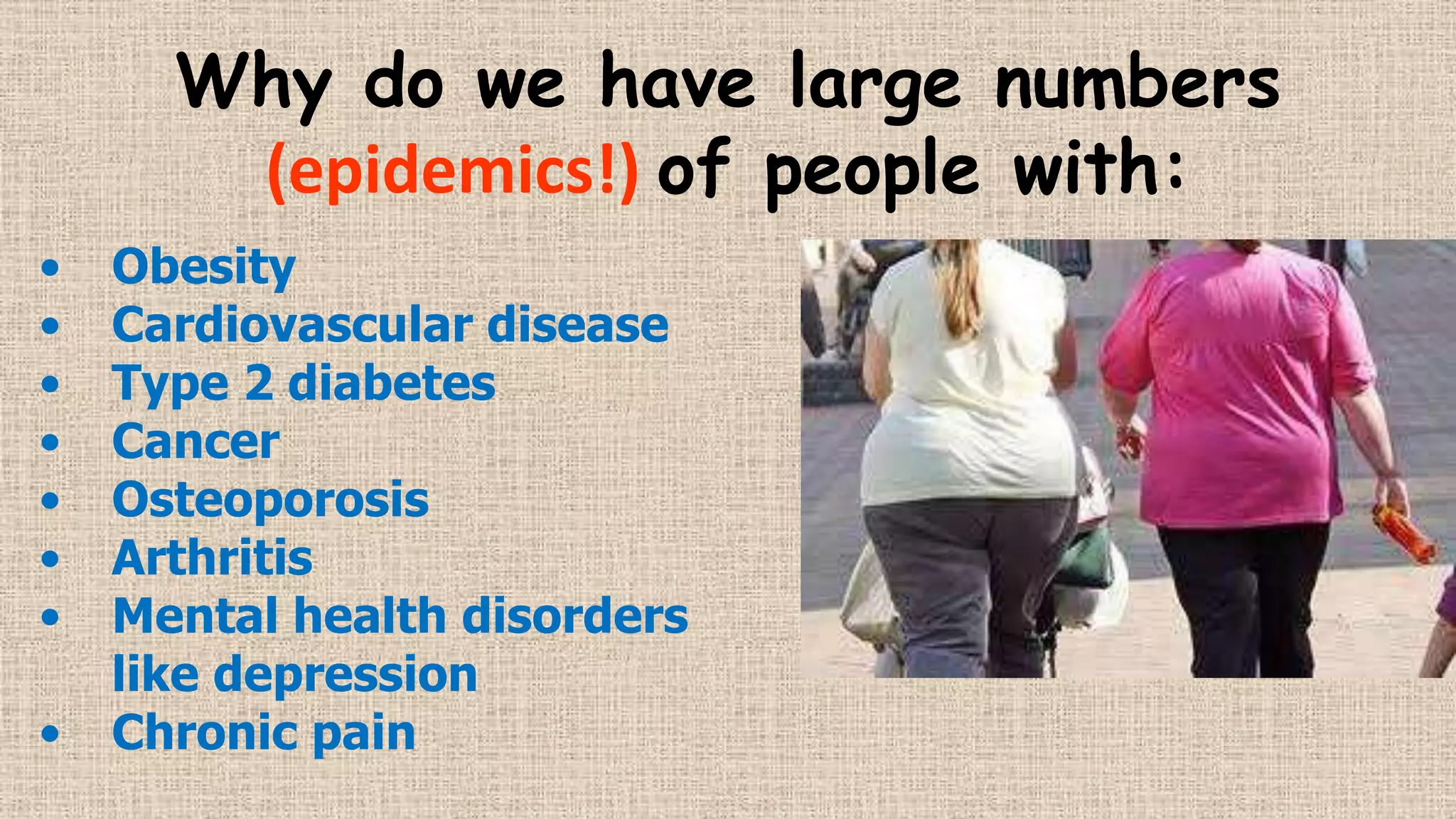
Why do we have large numbers
(epidemics!) of people with:
•
•
•
•
•
•
•
•

Obesity
Cardiovascular disease
Type 2 diabetes
Cancer
Osteoporosis
Arthritis
Mental health disorders
like depression
Chronic pain
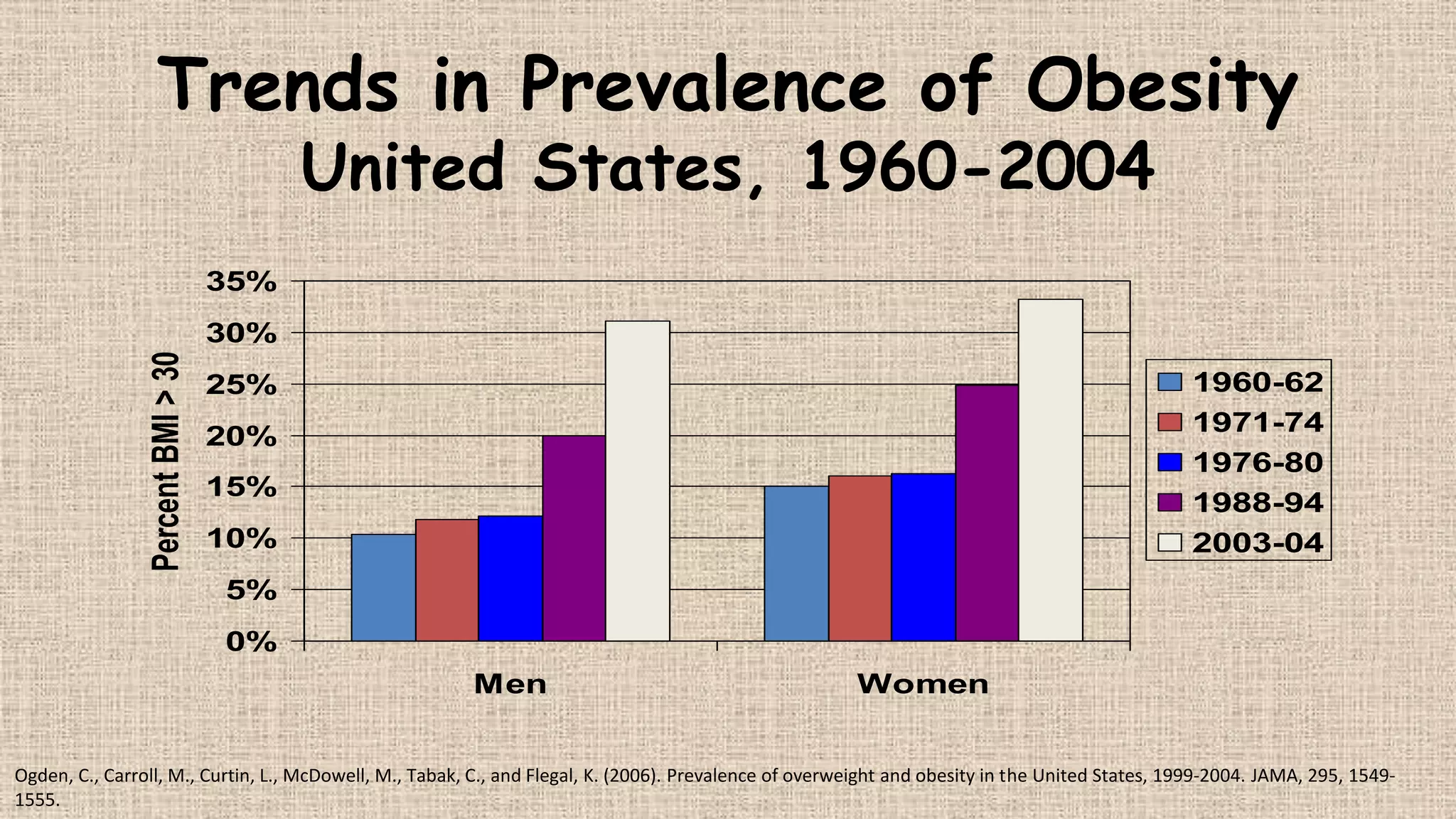
Trends in Prevalence of Obesity
United States, 1960-2004

35%

Percent BMI > 30

30%
1960-62
1971-74
1976-80
1988-94
2003-04

25%
20%
15%
10%
5%
0%
Men

Women

Ogden, C., Carroll, M., Curtin, L., McDowell, M., Tabak, C., and Flegal, K. (2006). Prevalence of overweight and obesity in the United States, 1999-2004. JAMA, 295, 15491555.
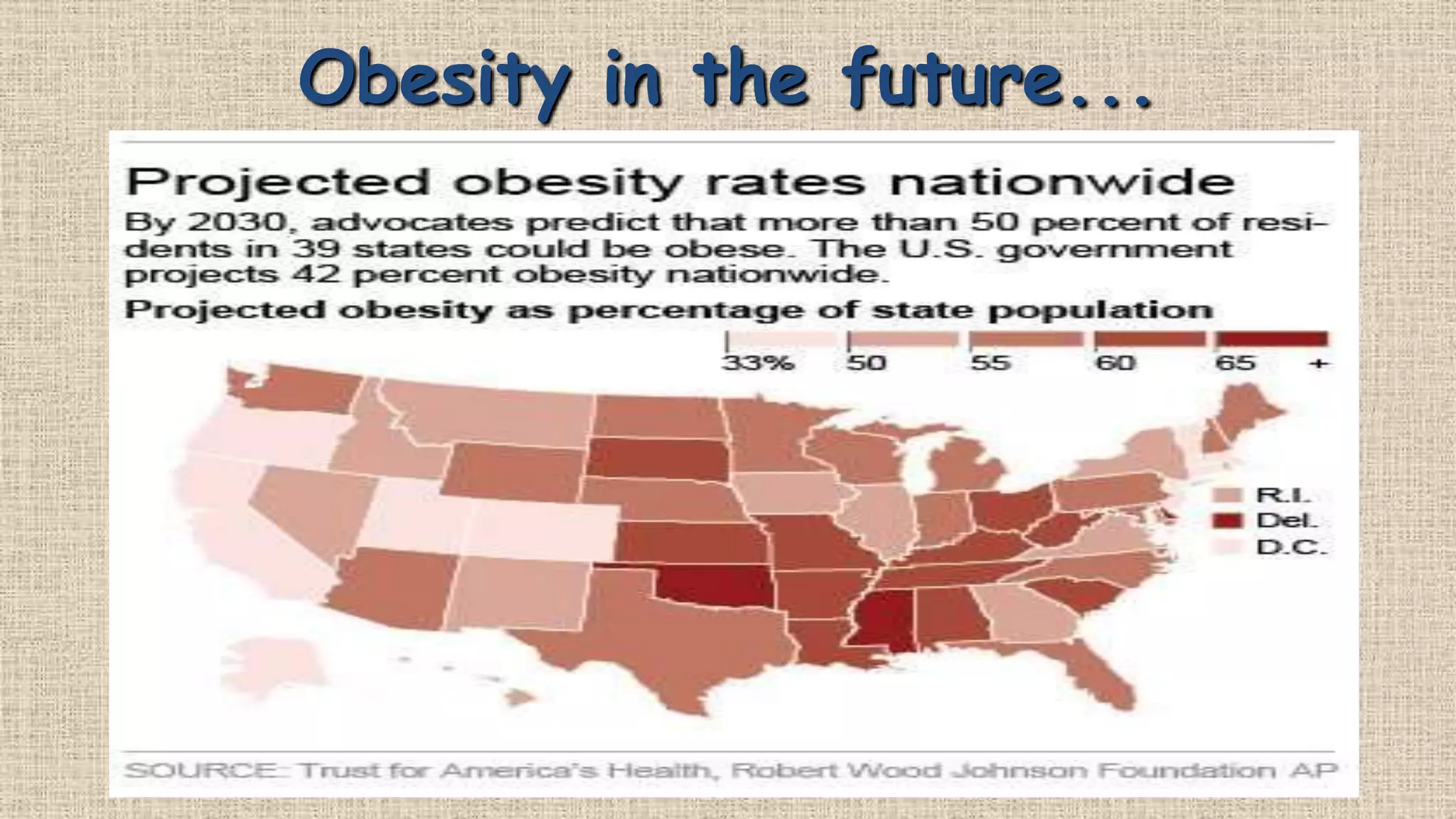
Obesity in the future...
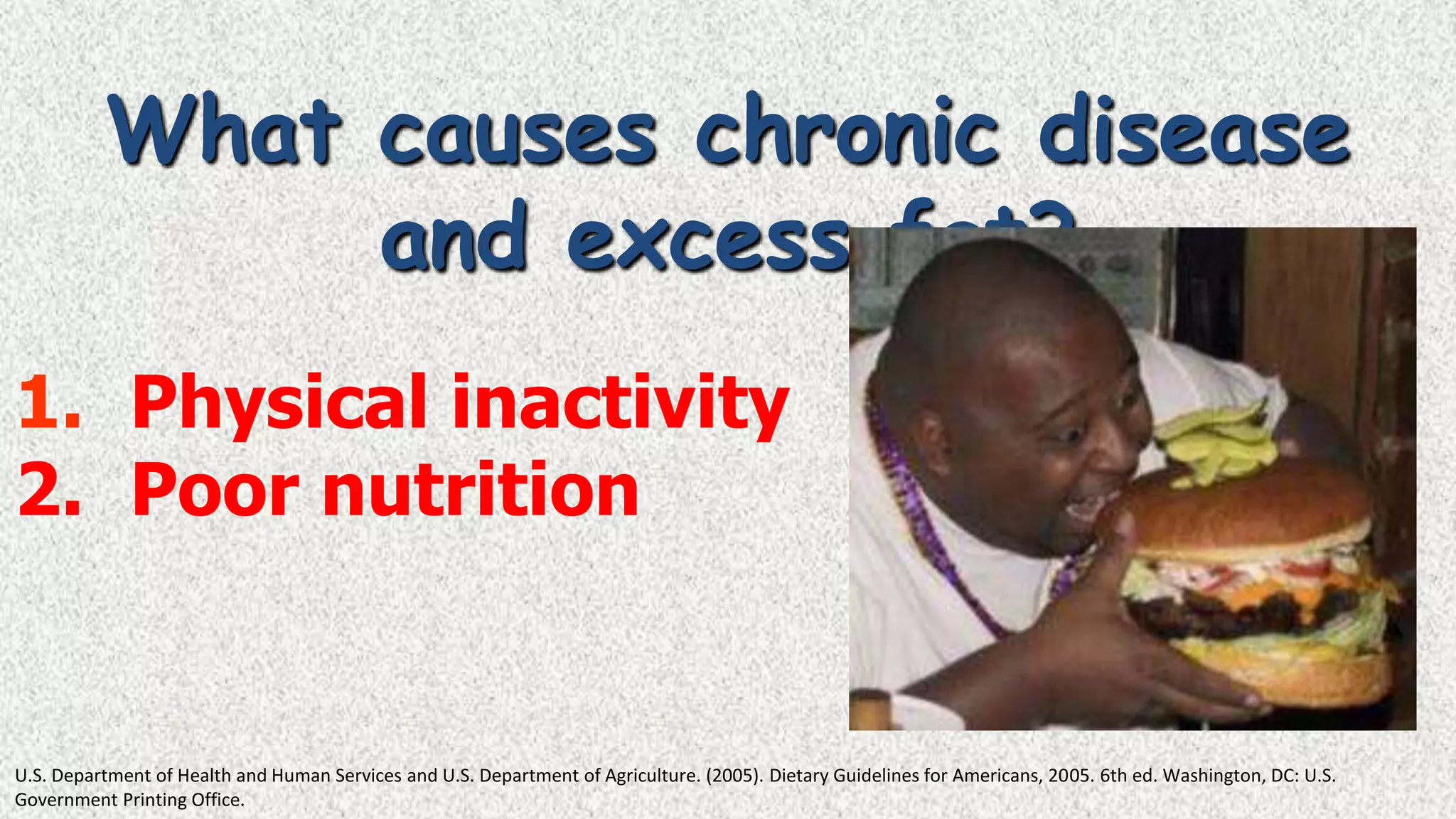
What causes chronic disease
and excess fat?
1. Physical inactivity
2. Poor nutrition

U.S. Department of Health and Human Services and U.S. Department of Agriculture. (2005). Dietary Guidelines for Americans, 2005. 6th ed. Washington, DC: U.S.
Government Printing Office.
So what can you do to prevent
chronic disease and optimize your
health?
The answer lies in a very simple
approach to your dietary and
physical activity behaviors.
For your nutrition, remember a few
very simple maxims...
1. Eat foods as close to the way they appear in
their natural state (i.e., either in the ground or on
a tree).
2. Eat a predominantly whole-food, plant-based
diet.
3. If you follow the first two maxims, then do
NOT count calories. It’s a waste of time.
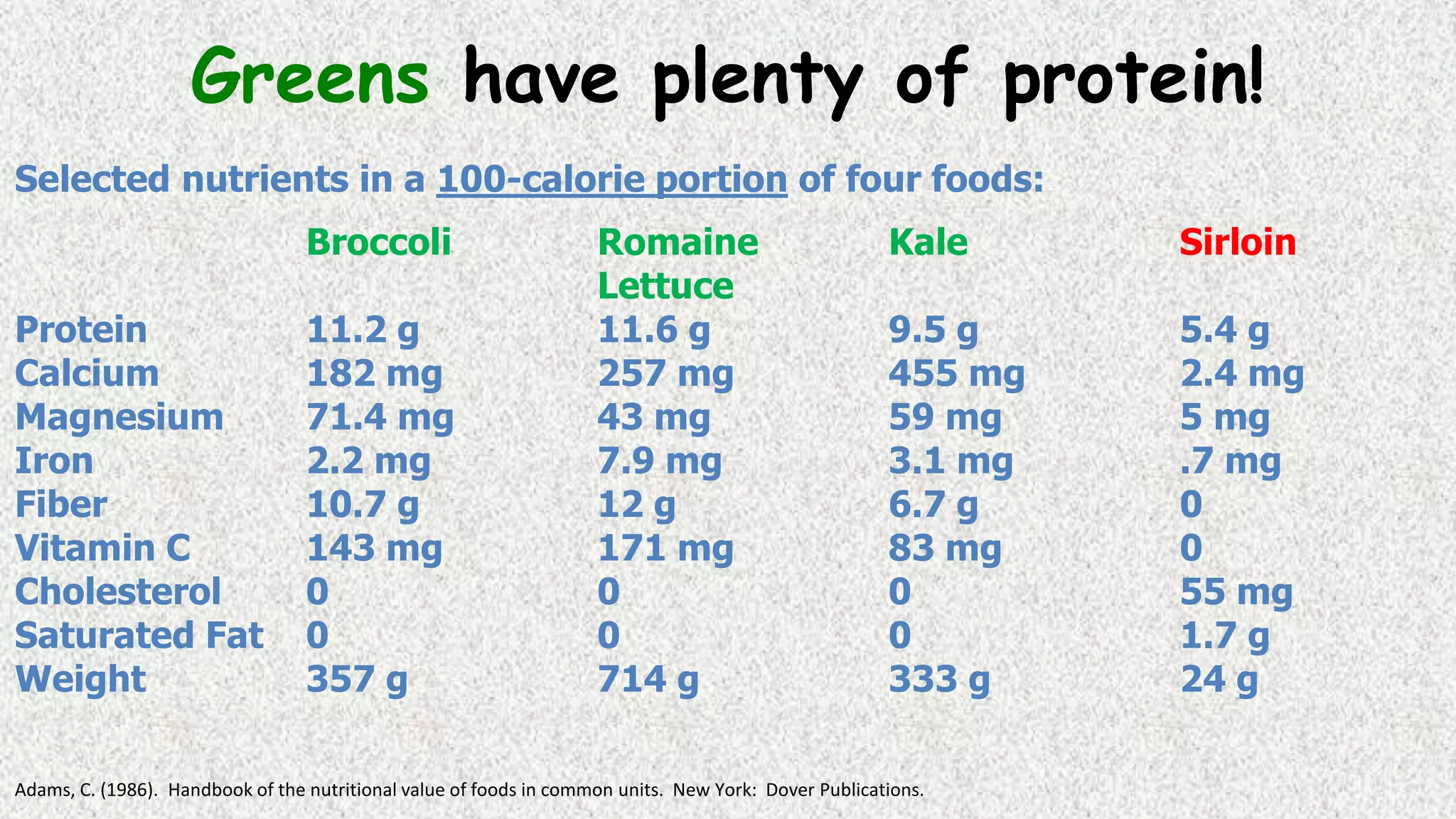
Greens have plenty of protein!
Selected nutrients in a 100-calorie portion of four foods:
Broccoli
Protein
Calcium
Magnesium
Iron
Fiber
Vitamin C
Cholesterol
Saturated Fat
Weight

11.2 g
182 mg
71.4 mg
2.2 mg
10.7 g
143 mg
0
0
357 g

Romaine
Lettuce
11.6 g
257 mg
43 mg
7.9 mg
12 g
171 mg
0
0
714 g

Kale

Sirloin

9.5 g
455 mg
59 mg
3.1 mg
6.7 g
83 mg
0
0
333 g

5.4 g
2.4 mg
5 mg
.7 mg
0
0
55 mg
1.7 g
24 g

Adams, C. (1986). Handbook of the nutritional value of foods in common units. New York: Dover Publications.
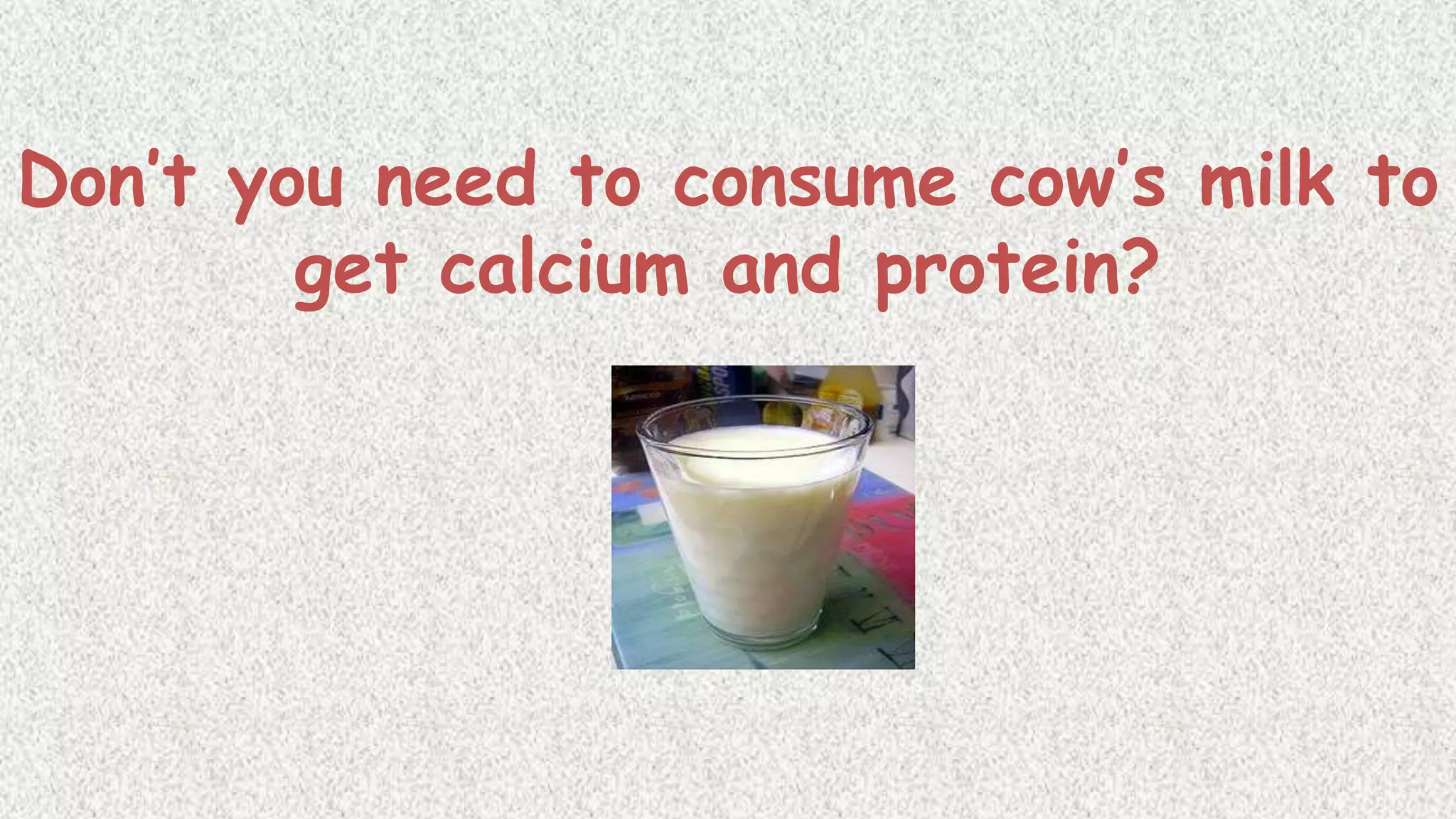
Don’t you need to consume cow’s milk to
get calcium and protein?
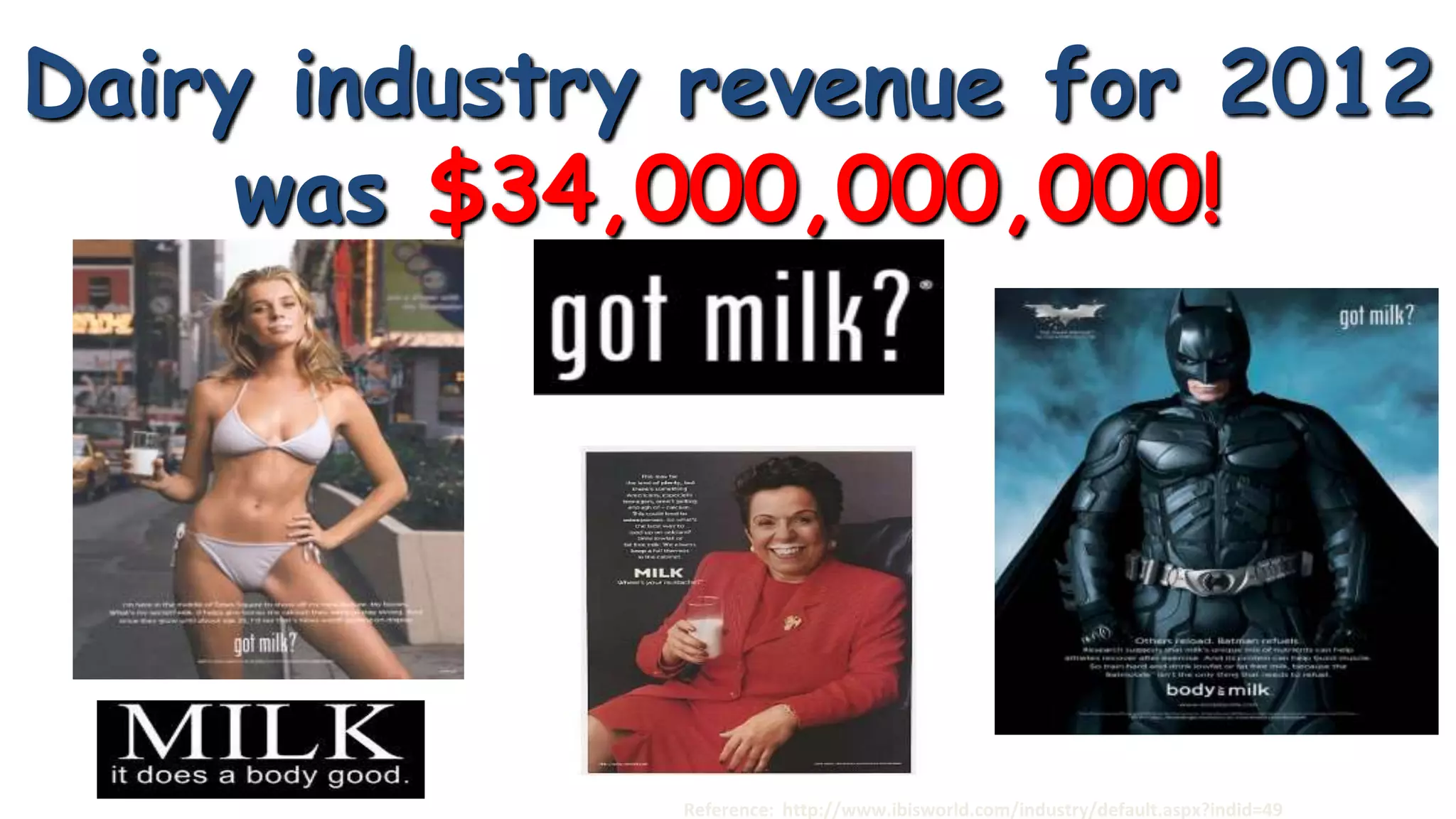
Dairy industry revenue for 2012
was $34,000,000,000!

Reference: http://www.ibisworld.com/industry/default.aspx?indid=49
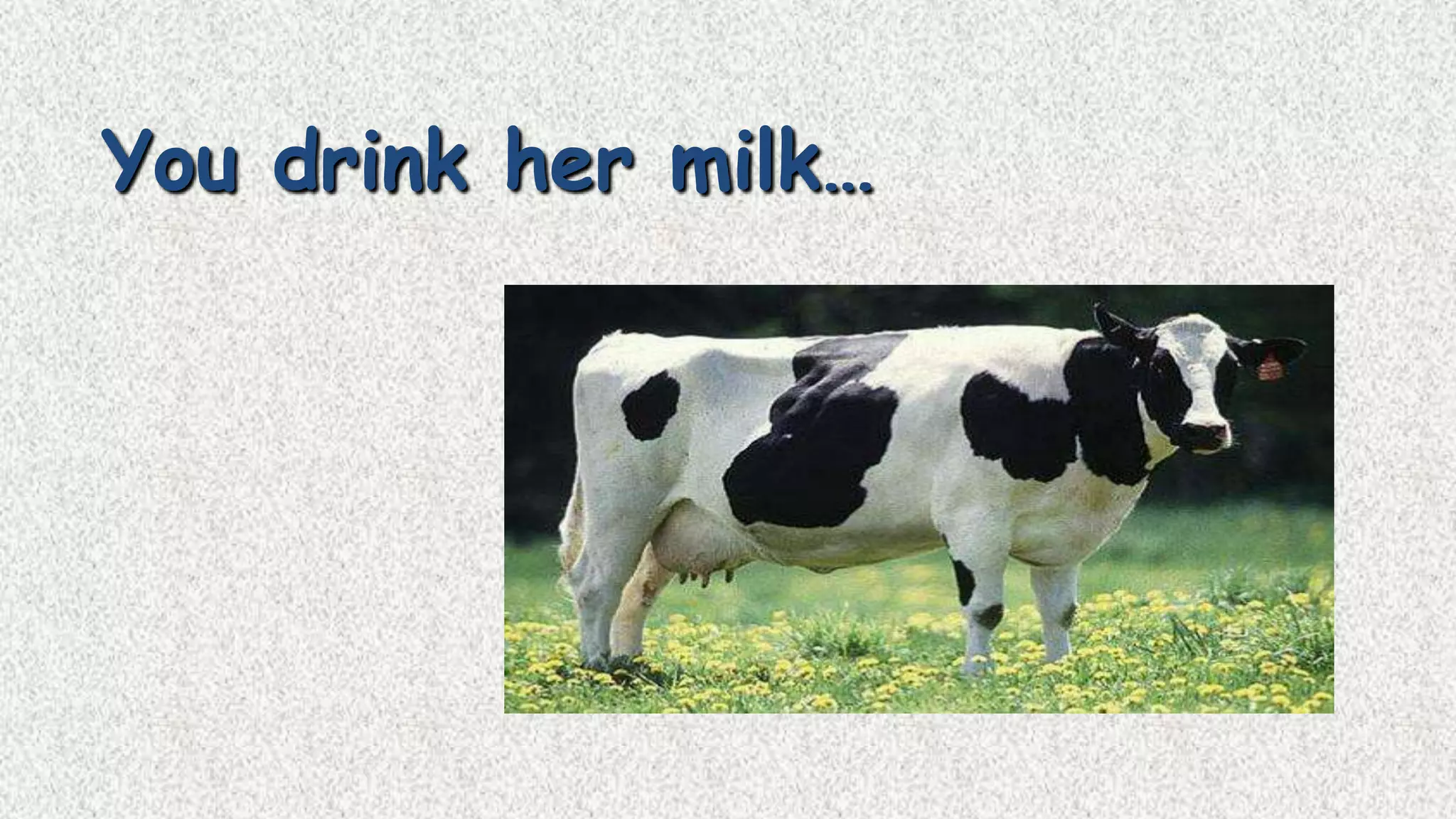
You drink her milk…
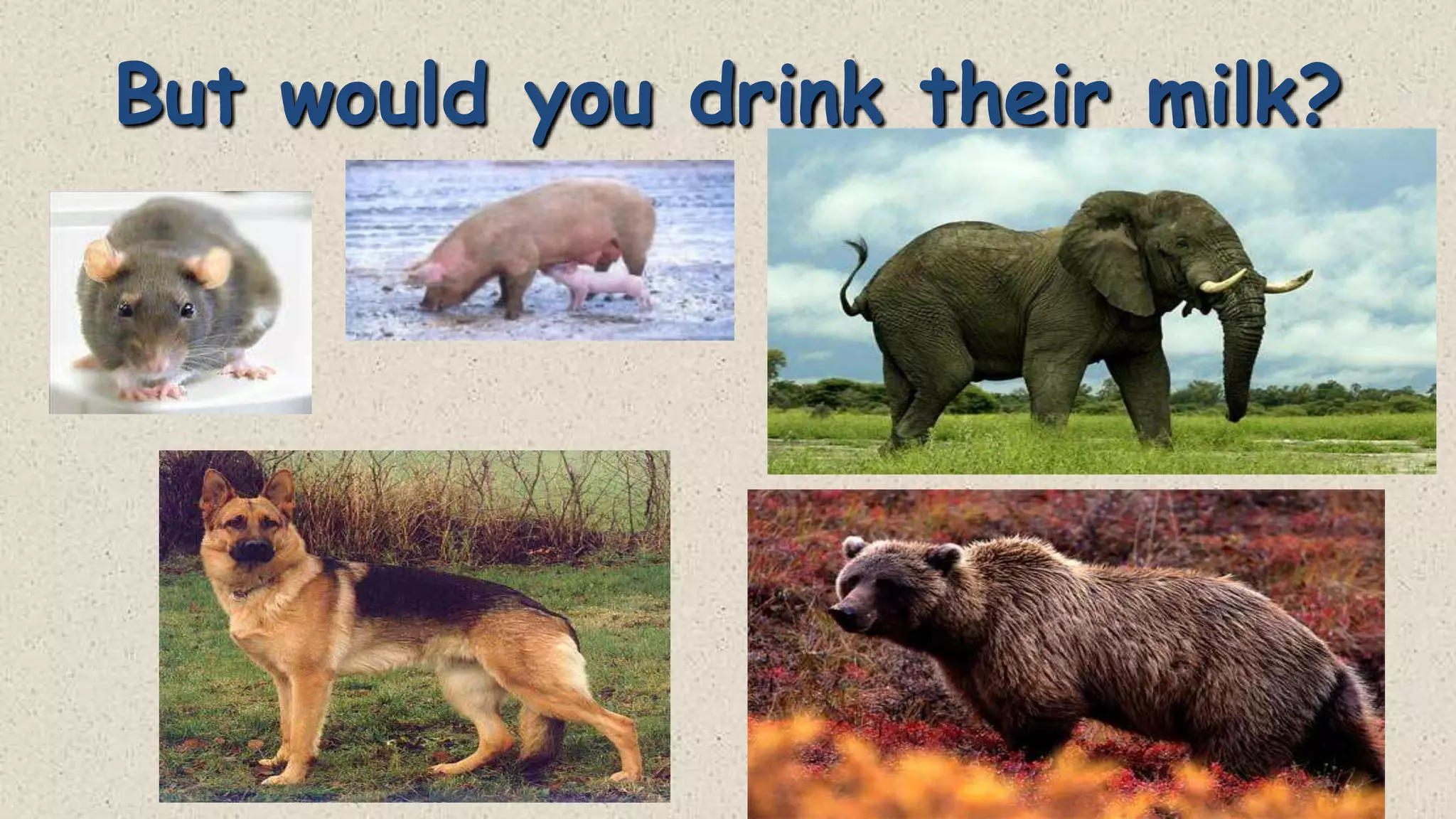
But would you drink their milk?
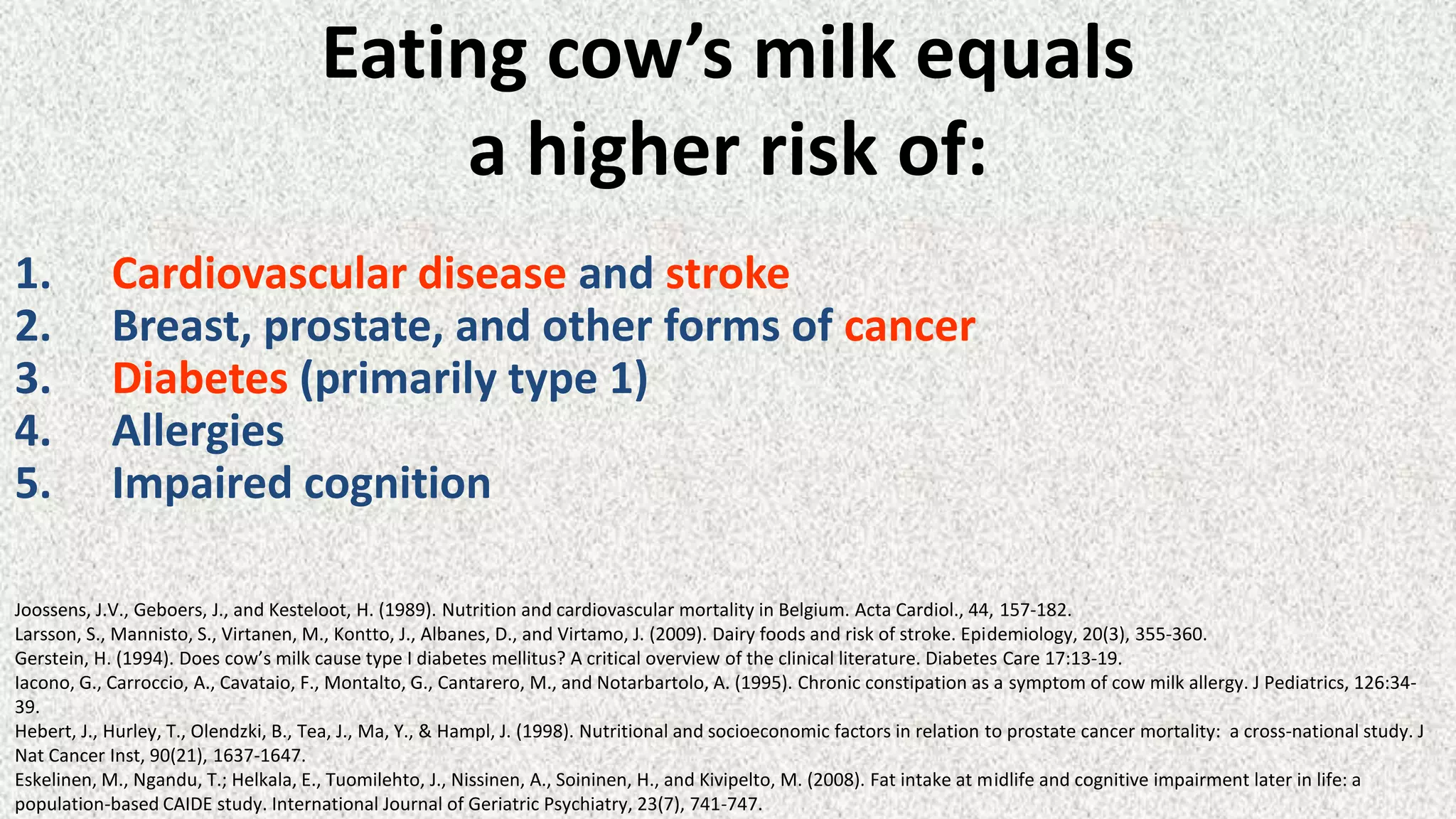
Eating cow’s milk equals
a higher risk of:
1.
2.
3.
4.
5.

Cardiovascular disease and stroke
Breast, prostate, and other forms of cancer
Diabetes (primarily type 1)
Allergies
Impaired cognition

Joossens, J.V., Geboers, J., and Kesteloot, H. (1989). Nutrition and cardiovascular mortality in Belgium. Acta Cardiol., 44, 157-182.
Larsson, S., Mannisto, S., Virtanen, M., Kontto, J., Albanes, D., and Virtamo, J. (2009). Dairy foods and risk of stroke. Epidemiology, 20(3), 355-360.
Gerstein, H. (1994). Does cow’s milk cause type I diabetes mellitus? A critical overview of the clinical literature. Diabetes Care 17:13-19.
Iacono, G., Carroccio, A., Cavataio, F., Montalto, G., Cantarero, M., and Notarbartolo, A. (1995). Chronic constipation as a symptom of cow milk allergy. J Pediatrics, 126:3439.
Hebert, J., Hurley, T., Olendzki, B., Tea, J., Ma, Y., & Hampl, J. (1998). Nutritional and socioeconomic factors in relation to prostate cancer mortality: a cross-national study. J
Nat Cancer Inst, 90(21), 1637-1647.
Eskelinen, M., Ngandu, T.; Helkala, E., Tuomilehto, J., Nissinen, A., Soininen, H., and Kivipelto, M. (2008). Fat intake at midlife and cognitive impairment later in life: a
population-based CAIDE study. International Journal of Geriatric Psychiatry, 23(7), 741-747.
Yuck!
Got Milk???
Got?:
1.
2.
3.
4.

Brucellosis and listeria: highly contagious bacteria
Bovine leukemia
Bovine immunodeficiency virus
Mycobacterium paratuberculosis: causes Johne's disease, which is
related to Chrone’s disease
5. Camplyobacter
6. Dioxins and other chlorinated pesticides and herbicides
7. Pus, blood, urine, and feces…
Buy a blender if you do not already
have one and make smoothies…
My Smoothie Recipe
1. 1 cup of water or rice, soy, almond, or hazelnut fluid if you prefer a liquid with a
taste
2. A couple of servings of some fresh uncooked leafy green (collards, kale, red kale,
chard, bok choi, mustard, dandelion, spinach, Romaine lettuce, etc.)
3. Any combination of about 2 cups of fruit (apple, pear, banana, cherry, blueberry,
blackberry strawberry, raspberry, peach, mango, pineapple, apricot, asai, or anything
to your taste); definitely use some frozen fruit to give it the refreshing consistency
4. A couple of ounces or handfuls of some combination of various raw nuts or seeds
(flax, pumpkin, Brazil nut, pecan, walnut, cacao, chia seed, etc.)
5. A shiitake mushroom
6. A handful of cauliflower, broccoli, or other Brassica plants
7. ¼ of a teaspoon of dulse or kelp
8. ¼ of a teaspoon of turmeric
9. ¼ of a teaspoon of fenugreek
10. A handful of broccoli, sunflower, or other sprouts
11. 1 ounce of camu, maca, and/or pomegranate powder
This goes in the blender and makes about 1.25 liters of a smoothie. I constantly
rotate the foods that I use, so I get a good mix of nutrients. Besides always tasting
good, they also always taste differently each time depending on the mixture of the
ingredients. I imagine it will take you a few times to get the consistency the way you
want it. I do not think you will be disappointed once you do. All you need is a good
blender and you are on your way. Remember to use some frozen fruit to give it that
“smoothie” consistency.
What about exercise?
An objective of Healthy People 2020 is that adults exercise for at least 30
minutes of moderate physical activity for most, if not all, days of the week.
A physically active lifestyle has been associated with health benefits that
include improved control of hypertension, diabetes, obesity, hyperlipidemia,
and reduced overall morbidity and mortality.
Typically, 25% of Americans did not participate in any leisure time physical
activities in the previous month.
Blair, S., Kampert, J., Kohl, H., et al. (1996). Influences of cardiorespiratory fitness and other precursors on cardiovascular disease and all-cause mortality in men and women.
JAMA, 276, 205-2010.
Helmrich, S., Ragland, D., Leung, R., and Paffenbarger, R., (1991). Physical activity and reduced occurrence of non-insulin-dependent diabetes mellitus. N Engl J Med, 325,
:147-52.
United States Department of Health and Human Services. (1996). Physical Activity and Health: A Report of the Surgeon General. Atlanta, GA: United States Department of
Health and Human Services, Centers for Disease Control and Prevention, National Center for Chronic Disease Prevention and Health Promotion. Report No.: 017-023-001965.
Dipietro, L., Dziura, J., and Blair, S. (2004). Estimated change in physical activity levels (PAL) and prediction of 5-yr weight change in middle-aged men: The aerobics center
longitudinal study. Int J Obes and Related Met Dis, 28, 1541-1547.
Weight Control
1 pound (2.2 kg) of fat = 3,500 calories.
After age 25, people typically gain a pound (2.2
kg) of weight per year.
We also lose about .25 (.5 kg) to .5 pounds (1.1
kg) per year of lean body tissue, mostly from
muscle and bone.
The loss of lean tissue is closely associated with
reductions in physical activity.
The net result is 45 pounds (20.5 kg) of extra
body fat by the age of 55 years.
Exercise Will...
1. Be the primary method to burn calories, maintain a
healthy energy balance, and lose weight.
2. Strengthen the myocardium (heart muscle) to
maintain a normal pressure.
3. Increase the capacity of your lungs, i.e., your
ventilation rate.
4. Raise HDL cholesterol and lower LDL and total
cholesterol.
Exercise Will...
5. Improve your mood, thus making you feel good
about yourself.
6. Decrease your risk or symptoms of depression and
anxiety.
7. Enhance your sleeping patterns.
8. Relieve stress at least partially through the release of
endorphins.
9. Increase efficiency of joint action and protection from
injury.
Exercise Will...
10. Increase your proportion of fat free mass.
11. Increase your muscle mass (hypertrophy).
12. Increase the strength of your muscles and
connective tissues.
13.Improve your capacity to perform activities.
14. Increase your bone mineral content.
15. Assist in digestion and elimination.
Exercise Recommendations
The WHO recommends that people engage in at least 30
minutes of physical activity almost every day to prevent the
occurrence of chronic disease.
1. Activities that are liked should be picked to increase
adherence.
2. Exercising all muscles is very important.
3. Choose moderate kinds of activity, like brisk walking.
4. Work up to the goals slowly without experience in a
regular exercise program.
Exercise Recommendations

(American College of Sports Medicine)
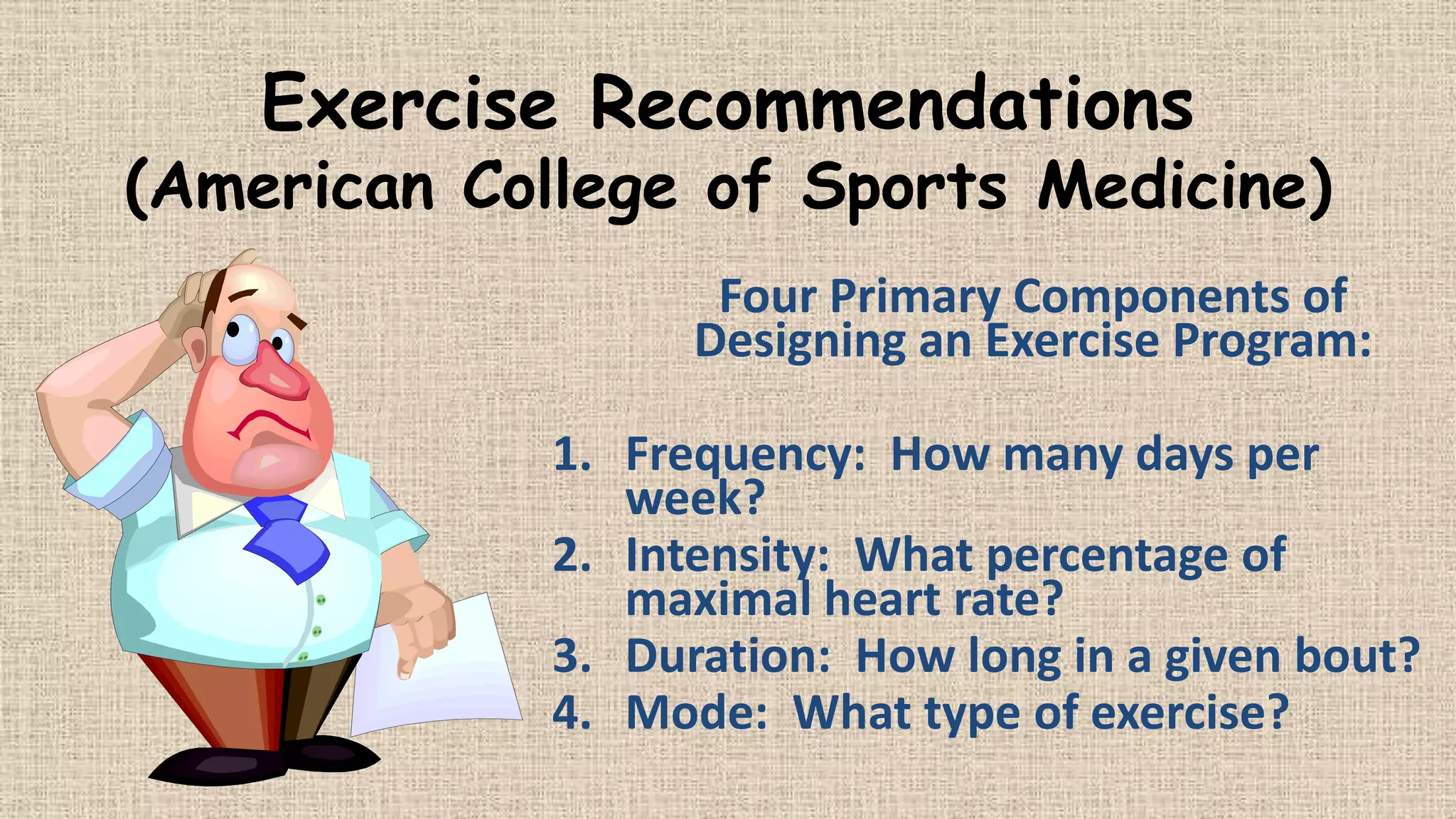
Four Primary Components of
Designing an Exercise Program:
1. Frequency: How many days per
week?
2. Intensity: What percentage of
maximal heart rate?
3. Duration: How long in a given bout?
4. Mode: What type of exercise?
Exercise Recommendations
ACSM and AHA recommend:
1. Moderate-intensity aerobic physical activity for a minimum of 30 minutes five
days/week or vigorous intensity aerobic activity for a minimum of 20 minutes three
days/week.
2. 8-10 strength-training exercises be performed on two or more nonconsecutive
days/week using the major muscle groups. To maximize strength development,
perform 10-15 repetitions for each exercise in a progressive manner.
3. Activities that maintain or increase flexibility on at least two days/week for at
least 10 minutes/day.
4. To reduce risk of injury from falls, community-dwelling older adults with
substantial risk of falls (e.g., with frequent falls or mobility problems) should
perform exercises that maintain or improve balance.
Haskell, W., et al. (2007). Physical Activity and Public Health Updated Recommendation for Adults From the American College of Sports Medicine and the American Heart
Association. Circulation., 116, 1081-1093.
Exercise Recommendations
Other Considerations:
1. Hydration is important to maintain homeostasis
and recovery.
2. Pre- and post-exercise supplementation with
carbohydrates and protein maximize recovery.
The Physical Activity Bottom Line
A consistent and intense exercise program will
help build and maintain muscle and some level of
cardiovascular fitness.
A combination of weight training, cardiovascular
conditioning, and stretching are components of a
complete exercise program.
Intensity and Consistency are the 2 primary keys
to any training program!
Optimizing Your Health Through Proper Nutrition & Exercise

Optimizing Your Health Through Proper Nutrition & Exercise

  • 1.
    Optimizing Your Healththrough Proper Nutrition and Exercise John E. Lewis, Ph.D. Associate Professor University of Miami Miller School of Medicine Department of Psychiatry & Behavioral Sciences 1120 NW 14th Street Suite #1474 (D28) Phone: 305-243-6227 Fax: 305-243-1619 E-mail: jelewis@miami.edu
  • 2.
    What are wedoing? We have the following ongoing studies: 1. 2. 3. 4. Aerobic and strengthening exercise training and nutrition education on metabolic syndrome variables in HIV Vitamin D on nutrient status, QOL, and bone mineral density in the elderly A broad-spectrum nutrient supplement on oxidative stress, inflammation, immune functioning, and telomeres and telomerase in healthy adults Magnesium sulfate infusion in treatment-resistant depression
  • 3.
    What are wedoing? 5. Low-level class IV laser therapy on peripheral neuropathy in type 2 diabetes 6. A polysaccharide (rice bran and Shiitake mushroom) on immunological functioning and metabolic syndrome in HIV 7. Assessment of HbA1c and blood pressure with bioelectrical impedance in healthy adults and in persons with type 2 diabetes 8. Hydroxy beta-methylbutyrate on re-hospitalization in MI, heart failure, COPD, and pneumonia
  • 17.
    Why do wehave large numbers (epidemics!) of people with: • • • • • • • • Obesity Cardiovascular disease Type 2 diabetes Cancer Osteoporosis Arthritis Mental health disorders like depression Chronic pain
  • 18.
    Trends in Prevalenceof Obesity United States, 1960-2004 35% Percent BMI > 30 30% 1960-62 1971-74 1976-80 1988-94 2003-04 25% 20% 15% 10% 5% 0% Men Women Ogden, C., Carroll, M., Curtin, L., McDowell, M., Tabak, C., and Flegal, K. (2006). Prevalence of overweight and obesity in the United States, 1999-2004. JAMA, 295, 15491555.
  • 21.
    Obesity in thefuture...
  • 22.
    What causes chronicdisease and excess fat? 1. Physical inactivity 2. Poor nutrition U.S. Department of Health and Human Services and U.S. Department of Agriculture. (2005). Dietary Guidelines for Americans, 2005. 6th ed. Washington, DC: U.S. Government Printing Office.
  • 24.
    So what canyou do to prevent chronic disease and optimize your health? The answer lies in a very simple approach to your dietary and physical activity behaviors.
  • 25.
    For your nutrition,remember a few very simple maxims... 1. Eat foods as close to the way they appear in their natural state (i.e., either in the ground or on a tree). 2. Eat a predominantly whole-food, plant-based diet. 3. If you follow the first two maxims, then do NOT count calories. It’s a waste of time.
  • 26.
    Greens have plentyof protein! Selected nutrients in a 100-calorie portion of four foods: Broccoli Protein Calcium Magnesium Iron Fiber Vitamin C Cholesterol Saturated Fat Weight 11.2 g 182 mg 71.4 mg 2.2 mg 10.7 g 143 mg 0 0 357 g Romaine Lettuce 11.6 g 257 mg 43 mg 7.9 mg 12 g 171 mg 0 0 714 g Kale Sirloin 9.5 g 455 mg 59 mg 3.1 mg 6.7 g 83 mg 0 0 333 g 5.4 g 2.4 mg 5 mg .7 mg 0 0 55 mg 1.7 g 24 g Adams, C. (1986). Handbook of the nutritional value of foods in common units. New York: Dover Publications.
  • 27.
    Don’t you needto consume cow’s milk to get calcium and protein?
  • 28.
    Dairy industry revenuefor 2012 was $34,000,000,000! Reference: http://www.ibisworld.com/industry/default.aspx?indid=49
  • 29.
  • 30.
    But would youdrink their milk?
  • 31.
    Eating cow’s milkequals a higher risk of: 1. 2. 3. 4. 5. Cardiovascular disease and stroke Breast, prostate, and other forms of cancer Diabetes (primarily type 1) Allergies Impaired cognition Joossens, J.V., Geboers, J., and Kesteloot, H. (1989). Nutrition and cardiovascular mortality in Belgium. Acta Cardiol., 44, 157-182. Larsson, S., Mannisto, S., Virtanen, M., Kontto, J., Albanes, D., and Virtamo, J. (2009). Dairy foods and risk of stroke. Epidemiology, 20(3), 355-360. Gerstein, H. (1994). Does cow’s milk cause type I diabetes mellitus? A critical overview of the clinical literature. Diabetes Care 17:13-19. Iacono, G., Carroccio, A., Cavataio, F., Montalto, G., Cantarero, M., and Notarbartolo, A. (1995). Chronic constipation as a symptom of cow milk allergy. J Pediatrics, 126:3439. Hebert, J., Hurley, T., Olendzki, B., Tea, J., Ma, Y., & Hampl, J. (1998). Nutritional and socioeconomic factors in relation to prostate cancer mortality: a cross-national study. J Nat Cancer Inst, 90(21), 1637-1647. Eskelinen, M., Ngandu, T.; Helkala, E., Tuomilehto, J., Nissinen, A., Soininen, H., and Kivipelto, M. (2008). Fat intake at midlife and cognitive impairment later in life: a population-based CAIDE study. International Journal of Geriatric Psychiatry, 23(7), 741-747.
  • 32.
    Yuck! Got Milk??? Got?: 1. 2. 3. 4. Brucellosis andlisteria: highly contagious bacteria Bovine leukemia Bovine immunodeficiency virus Mycobacterium paratuberculosis: causes Johne's disease, which is related to Chrone’s disease 5. Camplyobacter 6. Dioxins and other chlorinated pesticides and herbicides 7. Pus, blood, urine, and feces…
  • 33.
    Buy a blenderif you do not already have one and make smoothies… My Smoothie Recipe 1. 1 cup of water or rice, soy, almond, or hazelnut fluid if you prefer a liquid with a taste 2. A couple of servings of some fresh uncooked leafy green (collards, kale, red kale, chard, bok choi, mustard, dandelion, spinach, Romaine lettuce, etc.) 3. Any combination of about 2 cups of fruit (apple, pear, banana, cherry, blueberry, blackberry strawberry, raspberry, peach, mango, pineapple, apricot, asai, or anything to your taste); definitely use some frozen fruit to give it the refreshing consistency 4. A couple of ounces or handfuls of some combination of various raw nuts or seeds (flax, pumpkin, Brazil nut, pecan, walnut, cacao, chia seed, etc.) 5. A shiitake mushroom
  • 34.
    6. A handfulof cauliflower, broccoli, or other Brassica plants 7. ¼ of a teaspoon of dulse or kelp 8. ¼ of a teaspoon of turmeric 9. ¼ of a teaspoon of fenugreek 10. A handful of broccoli, sunflower, or other sprouts 11. 1 ounce of camu, maca, and/or pomegranate powder This goes in the blender and makes about 1.25 liters of a smoothie. I constantly rotate the foods that I use, so I get a good mix of nutrients. Besides always tasting good, they also always taste differently each time depending on the mixture of the ingredients. I imagine it will take you a few times to get the consistency the way you want it. I do not think you will be disappointed once you do. All you need is a good blender and you are on your way. Remember to use some frozen fruit to give it that “smoothie” consistency.
  • 35.
    What about exercise? Anobjective of Healthy People 2020 is that adults exercise for at least 30 minutes of moderate physical activity for most, if not all, days of the week. A physically active lifestyle has been associated with health benefits that include improved control of hypertension, diabetes, obesity, hyperlipidemia, and reduced overall morbidity and mortality. Typically, 25% of Americans did not participate in any leisure time physical activities in the previous month. Blair, S., Kampert, J., Kohl, H., et al. (1996). Influences of cardiorespiratory fitness and other precursors on cardiovascular disease and all-cause mortality in men and women. JAMA, 276, 205-2010. Helmrich, S., Ragland, D., Leung, R., and Paffenbarger, R., (1991). Physical activity and reduced occurrence of non-insulin-dependent diabetes mellitus. N Engl J Med, 325, :147-52. United States Department of Health and Human Services. (1996). Physical Activity and Health: A Report of the Surgeon General. Atlanta, GA: United States Department of Health and Human Services, Centers for Disease Control and Prevention, National Center for Chronic Disease Prevention and Health Promotion. Report No.: 017-023-001965. Dipietro, L., Dziura, J., and Blair, S. (2004). Estimated change in physical activity levels (PAL) and prediction of 5-yr weight change in middle-aged men: The aerobics center longitudinal study. Int J Obes and Related Met Dis, 28, 1541-1547.
  • 36.
    Weight Control 1 pound(2.2 kg) of fat = 3,500 calories. After age 25, people typically gain a pound (2.2 kg) of weight per year. We also lose about .25 (.5 kg) to .5 pounds (1.1 kg) per year of lean body tissue, mostly from muscle and bone. The loss of lean tissue is closely associated with reductions in physical activity. The net result is 45 pounds (20.5 kg) of extra body fat by the age of 55 years.
  • 37.
    Exercise Will... 1. Bethe primary method to burn calories, maintain a healthy energy balance, and lose weight. 2. Strengthen the myocardium (heart muscle) to maintain a normal pressure. 3. Increase the capacity of your lungs, i.e., your ventilation rate. 4. Raise HDL cholesterol and lower LDL and total cholesterol.
  • 38.
    Exercise Will... 5. Improveyour mood, thus making you feel good about yourself. 6. Decrease your risk or symptoms of depression and anxiety. 7. Enhance your sleeping patterns. 8. Relieve stress at least partially through the release of endorphins. 9. Increase efficiency of joint action and protection from injury.
  • 39.
    Exercise Will... 10. Increaseyour proportion of fat free mass. 11. Increase your muscle mass (hypertrophy). 12. Increase the strength of your muscles and connective tissues. 13.Improve your capacity to perform activities. 14. Increase your bone mineral content. 15. Assist in digestion and elimination.
  • 40.
    Exercise Recommendations The WHOrecommends that people engage in at least 30 minutes of physical activity almost every day to prevent the occurrence of chronic disease. 1. Activities that are liked should be picked to increase adherence. 2. Exercising all muscles is very important. 3. Choose moderate kinds of activity, like brisk walking. 4. Work up to the goals slowly without experience in a regular exercise program.
  • 41.
    Exercise Recommendations (American Collegeof Sports Medicine) Four Primary Components of Designing an Exercise Program: 1. Frequency: How many days per week? 2. Intensity: What percentage of maximal heart rate? 3. Duration: How long in a given bout? 4. Mode: What type of exercise?
  • 42.
    Exercise Recommendations ACSM andAHA recommend: 1. Moderate-intensity aerobic physical activity for a minimum of 30 minutes five days/week or vigorous intensity aerobic activity for a minimum of 20 minutes three days/week. 2. 8-10 strength-training exercises be performed on two or more nonconsecutive days/week using the major muscle groups. To maximize strength development, perform 10-15 repetitions for each exercise in a progressive manner. 3. Activities that maintain or increase flexibility on at least two days/week for at least 10 minutes/day. 4. To reduce risk of injury from falls, community-dwelling older adults with substantial risk of falls (e.g., with frequent falls or mobility problems) should perform exercises that maintain or improve balance. Haskell, W., et al. (2007). Physical Activity and Public Health Updated Recommendation for Adults From the American College of Sports Medicine and the American Heart Association. Circulation., 116, 1081-1093.
  • 43.
    Exercise Recommendations Other Considerations: 1.Hydration is important to maintain homeostasis and recovery. 2. Pre- and post-exercise supplementation with carbohydrates and protein maximize recovery.
  • 44.
    The Physical ActivityBottom Line A consistent and intense exercise program will help build and maintain muscle and some level of cardiovascular fitness. A combination of weight training, cardiovascular conditioning, and stretching are components of a complete exercise program. Intensity and Consistency are the 2 primary keys to any training program!