Openvpn Building And Integrating Virtual Private Networks Markus Feilner
Openvpn Building And Integrating Virtual Private Networks Markus Feilner
Openvpn Building And Integrating Virtual Private Networks Markus Feilner
Openvpn Building And Integrating Virtual Private Networks Markus Feilner
Openvpn Building And Integrating Virtual Private Networks Markus Feilner
1.
Openvpn Building AndIntegrating Virtual Private
Networks Markus Feilner download
https://ebookbell.com/product/openvpn-building-and-integrating-
virtual-private-networks-markus-feilner-921368
Explore and download more ebooks at ebookbell.com
2.
Here are somerecommended products that we believe you will be
interested in. You can click the link to download.
Mastering Openvpn Master Building And Integrating Secure Private
Networks Using Openvpn Eric F Crist
https://ebookbell.com/product/mastering-openvpn-master-building-and-
integrating-secure-private-networks-using-openvpn-eric-f-
crist-50195242
Openvpn Cookbook Second Edition 2nd Revised Edition Keijser
https://ebookbell.com/product/openvpn-cookbook-second-edition-2nd-
revised-edition-keijser-50195128
Openvpn 2 Cookbook Jan Just Keijser
https://ebookbell.com/product/openvpn-2-cookbook-jan-just-
keijser-2118390
Beginning Openvpn 209 Norbert Graf
https://ebookbell.com/product/beginning-openvpn-209-norbert-
graf-2313848
3.
Troubleshooting Openvpn 1stEdition Eric F Crist
https://ebookbell.com/product/troubleshooting-openvpn-1st-edition-
eric-f-crist-6823330
Mastering Openvpn 1st Edition Eric F Crist Jan Just Keijser
https://ebookbell.com/product/mastering-openvpn-1st-edition-eric-f-
crist-jan-just-keijser-48647812
5.
OpenVPN
Building and IntegratingVirtual Private Networks
Learn how to build secure VPNs using this powerful
Open Source application
Markus Feilner
BIRMINGHAM - MUMBAI
Credits
Author
Markus Feilner
Reviewers
Arne Bäumler
NorbertGraf
Markus Heller
Technical Editor
Jimmy Karumalil
Editorial Manager
Dipali Chittar
Development Editor
Louay Fatoohi
Indexer
Ashutosh Pande
Proofreader
Chris Smith
Production Coordinator
Manjiri Nadkarni
Cover Designer
Helen Wood
8.
About the Author
MarkusFeilner is a Linux author, trainer, and consultant from Regensburg, Germany,
and has been working with open-source software since the mid 1990s. His first contact
with UNIX was a SUN cluster and SPARC workstations at Regensburg University
(during his studies of geography). Since the year 2000, he has published several
documents used in Linux training all over Germany. In 2001, he founded his own Linux
consulting and training company, Feilner IT (http://www.feilner-it.net).
Furthermore, he is an author, currently working as a trainer, consultant, and systems
engineer at Millenux, Munich, where he focuses on groupware, collaboration, and
virtualization with Linux-based systems and networks.
He is interested in anything about geography, traveling, photography, philosophy
(especially that of open-source software), global politics, and literature, but always has
too little time for these hobbies.
I'd like to thank all the people from the OpenVPN project and mailing list, all developers
from all related projects (you are doing a great job, thank you!), and especially James
Yonan for his contribution, everyone at Packt (especially Louay and Jimmy), Martin Kluge
for BSD and networking know-how, Daniel Falkner for Mac screenshots, Sebastian
Steinhauer for help on OpenWRT and embedded Linux, Ralf Hildebrandt for help on
scripting OpenVPN, Sylvia Eisenreich for help in language matters, and everyone whom I
might have forgotten now. A very big thank-you goes to my reviewers Arne, Norbert, and
Markus—without your help this would not have been possible. Thank you Arne, for
spending so much time in research!
For Agnes.
9.
About the Reviewers
ArneBäumler studies information technologies at the University of Applied Sciences in
Regensburg, Germany. He is interested in IT-security and network technologies. During his first
practical semester at Feilner-IT, he was concerned with research, programming, testing, and
rolling out Linux solutions.
Norbert Graf is a professional IT specialist in Munich with many years of experience in
network security and groupware (both on Windows and Linux). His special fields of interest
include Linux Firewalls, Windows-Linux cooperation for groupware, and Samba.
Markus Heller has many years of industrial working experience in open source, security, and
network engineering. As an author and reviewer he has contributed to many publications and
articles. He regularly teaches classes on scripting languages and computational linguistics at
Munich University, where he is working on his doctorate.
10.
Table of Contents
Preface1
Chapter 1: VPN—Virtual Private Network 5
Branches Connected by Dedicated Lines 5
Broadband Internet Access and VPNs 6
How Does a VPN Work? 7
What are VPNs Used For? 9
Networking Concepts—Protocols and Layers 10
Tunneling and Overhead 11
VPN Concepts—Overview 13
A Proposed Standard for Tunneling 13
Protocols Implemented on OSI Layer 2 13
Protocols Implemented on OSI Layer 3 14
Protocols Implemented on OSI Layer 4 15
OpenVPN—An SSL/TLS-Based Solution 15
Summary 15
Chapter 2: VPN Security 17
VPN Security 17
Privacy—Encrypting the Traffic 18
Symmetric Encryption and Pre-Shared Keys 18
Reliability and Authentication 19
The Problem of Complexity in Classic VPNs 19
Asymmetric Encryption with SSL/TLS 20
SSL/TLS Security 20
Understanding SSL/TLS Certificates 21
Trusted Certificates 21
Self-Signed Certificates 23
SSL/TLS Certificates and VPNs 25
Summary 25
11.
Table of Contents
Chapter3: OpenVPN 27
Advantages of OpenVPN 27
History of OpenVPN 28
OpenVPN Version 1 29
OpenVPN Version 2 31
Networking with OpenVPN 32
OpenVPN and Firewalls 33
Configuring OpenVPN 34
Problems with OpenVPN 35
OpenVPN Compared to IPsec VPN 35
Sources for Help and Documentation 36
The Project Community 36
Documentation in the Software Packages 37
Summary 37
Chapter 4: Installing OpenVPN 39
Prerequisites 39
Obtaining the Software 40
Installing OpenVPN on Windows 41
Downloading and Starting Installation 41
Selecting Components and Location 42
Finishing Installation 44
Testing the Installation—A First Look at the Panel Applet 45
Installing OpenVPN on Mac OS X (Tunnelblick) 46
Testing the Installation—The Tunnelblick Panel Applet 47
Installing OpenVPN on SuSE Linux 48
Using YaST to Install Software 49
Installing OpenVPN on Redhat Fedora Using yum 52
Installing OpenVPN on RPM-Based Systems 55
Using wget to Download OpenVPN RPMs 55
Testing Installation and Installing with rpm 56
Installing OpenVPN and the LZO Library with wget and RPM 56
Using rpm to Obtain Information on the Installed OpenVPN Version 57
Installing OpenVPN on Debian 58
Installing Debian Packages 60
Using Aptitude to Search and Install Packages 62
OpenVPN—The Files Installed on Debian 64
Installing OpenVPN on FreeBSD 64
ii
12.
Table of Contents
Installinga Newer Version of OpenVPN on FreeBSD—The Port System 66
Installing the Port System with sysinstall 66
Downloading and Installing a BSD Port 68
Troubleshooting—Advanced Installation Methods 69
Installing OpenVPN from Source Code 69
Building Your Own RPM File from the OpenVPN Source Code 71
Building and Distributing Your Own DEB Packages 72
Enabling Linux Kernel Support for TUN/TAP Devices 72
Using Menuconfig to Enable TUN/TAP Support 73
Internet Links, Installation Guidelines, and Help 75
Summary 76
Chapter 5: Configuring an OpenVPN Server—The First Tunnel 77
OpenVPN on Microsoft Windows 77
Generating a Static OpenVPN Key 78
Creating a Sample Connection 80
Adapting the Sample Configuration File Provided by OpenVPN 81
Starting and Testing the Tunnel 83
A Brief Look at Windows OpenVPN Network Interfaces 84
Connecting Windows and Linux 86
File Exchange between Windows and Linux 86
Installing WinSCP 87
Transferring the Key File from Windows to Linux with WinSCP 89
The Second Pitfall—Carriage Return/End of Line 90
Configuring the Linux System 91
Testing the Tunnel 93
A Look at the Linux Network Interfaces 93
Running OpenVPN Automatically 94
OpenVPN as Server on Windows 94
OpenVPN as Server on Linux 95
Runlevels and init Scripts on Linux 96
Using runlevel and init to Change and Check Runlevels 97
The System Control for Runlevels 97
Managing init Scripts 98
Using Webmin to Manage init Scripts 99
Using SuSE's YaST Module System Services (Runlevel) 101
Troubleshooting Firewall Issues 104
Deactivating Windows XP Service Pack 2 Firewall 105
Stopping the SuSE Firewall 106
Summary 108
iii
13.
Table of Contents
Chapter6: Setting Up OpenVPN with X509 Certificates 109
Creating Certificates 109
Certificate Generation on Windows XP with easy-rsa 110
Setting Variables—Editing vars.bat 111
Creating the Diffie-Hellman Key 112
Building the Certificate Authority 113
Generating Server and Client Keys 114
Distributing the Files to the VPN Partners 117
Configuring OpenVPN to Use Certificates 119
Using easy-rsa on Linux 121
Preparing Variables in vars 122
Creating the Diffie-Hellman Key and the Certificate Authority 122
Creating the First Server Certificate/Key Pair 123
Creating Further Certificates and Keys 124
Troubleshooting 124
Summary 125
Chapter 7: The Command openvpn and its Configuration File 127
Syntax of openvpn 127
OpenVPN Command-Line Parameters 128
Using OpenVPN at the Command Line 129
Parameters Used in the Standard Configuration File for a Static Key Client 130
Compressing the Data 130
Controlling and Restarting the Tunnel 132
Debugging Output—Troubleshooting 133
Configuring OpenVPN with Certificates—Simple TLS Mode 134
Overview of OpenVPN Parameters 135
General Tunnel Options 135
Routing 137
Controlling the Tunnel 138
Scripting 139
Logging 140
Specifying a User and Group 141
The Management Interface 141
Proxies 143
Encryption Parameters 143
Testing the Crypto System with --test-crypto 144
iv
14.
Table of Contents
SSLInformation—Command Line 145
Server Mode 147
Server Mode Parameters 148
--client-config Options 150
Client Mode Parameters 151
Push Options 152
Important Windows-Specific Options 153
Summary 154
Chapter 8: Securing OpenVPN Tunnels and Servers 155
Securing and Stabilizing OpenVPN 155
Linux and Firewalls 157
Debian Linux and Webmin with Shorewall 158
Installing Webmin and Shorewall 158
Preparing Webmin and Shorewall for the First Start 160
Starting Webmin 161
Configuring the Shorewall with Webmin 165
Creating Zones 167
Editing Interfaces 168
Default Policies 169
Adding Firewall Rules 171
Troubleshooting Shorewall—Editing the Configuration Files 173
OpenVPN and SuSEfirewall 175
Troubleshooting OpenVPN Routing and Firewalls 179
Configuring a Router without a Firewall 179
iptables—The Standard Linux Firewall Tool 179
Configuring the Windows Firewall for OpenVPN 182
Summary 186
Chapter 9: Advanced Certificate Management 187
Certificate Management and Security 187
Installing xca 187
Using xca 189
Creating a Database 190
Importing a CA Certificate 191
Creating and Signing a New Server/Client Certificate 195
Revoking Certificates with xca 200
Using TinyCA2 to Manage Certificates 202
Importing Our CA 202
Using TinyCA2 for CA Administration 203
v
15.
Table of Contents
CreatingNew Certificates and Keys 204
Exporting Keys and Certificates with TinyCA2 206
Revoking Certificates with TinyCA2 207
Summary 208
Chapter 10: Advanced OpenVPN Configuration 209
Tunneling a Proxy Server and Protecting the Proxy 209
Scripting OpenVPN—An Overview 211
Using Authentication Methods 212
Using a Client Configuration Directory with Per-Client Configurations 214
Individual Firewall Rules for Connecting Clients 216
Distributed Compilation through VPN Tunnels with distcc 218
Ethernet Bridging with OpenVPN 219
Automatic Installation for Windows Clients 222
Summary 226
Chapter 11: Troubleshooting and Monitoring 227
Testing the Network Connectivity 227
Checking Interfaces, Routing, and Connectivity on the VPN Servers 229
Debugging with tcpdump and IPTraf 232
Using OpenVPN Protocol and Status Files for Debugging 234
Scanning Servers with Nmap 236
Monitoring Tools 237
ntop 237
Munin 238
Hints to Other Tools 239
Summary 239
Appendix A: Internet Resources 241
VPN Basics 241
OpenVPN Resources 242
Configuration 245
Scripts and More 247
Network Tools 247
Howtos 248
Openvpn GUIs 249
Index 251
vi
16.
Preface
OpenVPN is anoutstanding piece of software that was invented by James Yonan in the year 2001
and has steadily been improved since then. No other VPN solution offers a comparable mixture of
enterprise-level security, usability, and feature richness. We have been working with OpenVPN
for many years now, and it has always proven to be the best solution.
This book is intended to introduce OpenVPN Software to network specialists and VPN newbies
alike. OpenVPN works where most other solutions fail and exists on almost any platform; thus it
is an ideal solution for problematic setups and an easy approach for the inexperienced.
On the other hand, the complexity of classic VPN solutions, especially IPsec, gives the impression
that VPN technology in general is difficult and a topic only for very experienced (network and
security) specialists. OpenVPN proves that this can be different, and this book is aimed to
document that.
I want to provide both a concise description of OpenVPN's features and an easy-to-understand
introduction for the inexperienced. Though there may be many other possible ways to success in
the scenarios described, the ones presented have been tested in many setups and have been
selected for simplicity reasons.
What This Book Covers
This book provides in-depth information on OpenVPN. After three introductory chapters about
VPNs, security, and OpenVPN, some chapters focus on basic OpenVPN issues like installation
and configuration on various platforms. Then a block of chapters dealing with advanced
configurations and security follows, and the book closes with a chapter on troubleshooting and an
appendix full of Internet links.
Chapter 1: VPN—Virtual Private Network gives a brief introduction to Virtual Private Networks
and discusses in brief networking concepts.
Chapter 2: VPN Security introduces basic security concepts necessary to understand VPNs—
OpenVPN in particular. We will have a look at encryption matters, symmetric and asymmetric
keying, and certificates.
Chapter 3: OpenVPN discusses OpenVPN, its development, features, resources, and advantages
and disadvantages compared to other VPN solutions, especially IPsec.
Chapter 4: Installing OpenVPN covers installing OpenVPN on Windows, Mac, Linux, and
FreeBSD. It covers the installation on Linux from the source code and RPM packages. Installation
on SuSE and Debian is also covered in detail.
17.
Preface
2
Chapter 5: ConfiguringOpenVPN—The First Tunnel is where we will set up our first VPN tunnel
based on a pre-shared encryption key. This chapter also covers tunnels and file exchange between
Linux and Windows.
Chapter 6: Setting Up OpenVPN with X509 Certificates explains how to use OpenVPN's easy-rsa
tool to create and manage certificates for secure VPN servers.
Chapter 7: The Command openvpn and its Configuration File covers the syntax and options of
OpenVPN in detail, including many examples.
Chapter 8: Securing OpenVPN Tunnels and Servers introduces safe and secure configurations and
explains how to set up basic firewalls for a VPN Server, using iptables, Shorewall, Webmin, and
both the SuSE and the Windows firewall systems.
Chapter 9: Advanced Certificate Management, describes two very useful tools to manage
certificates and revocation lists: xca for Windows and TinyCA for Linux. This chapter also
explains installation and use of these tools.
Chapter 10: Advanced OpenVPN Configuration focuses on advanced OpenVPN configurations,
including tunneling through a proxy server, pushing routing commands to clients, pushing and
setting the default route through a tunnel, distributed compilation through VPN tunnels with
distcc, OpenVPN scripting, and much else.
Chapter 11: Troubleshooting and Monitoring is what you should refer if you need help when
something does not work. Here standard networking tools are covered that can be used for
scanning and testing the connectivity of a VPN server.
Appendix A: Internet Resources: Though the Internet changes rapidly, many of the links provided
have proven very helpful to me during the writing of this book.
What You Need for This Book
For learning VPN technologies, it may be helpful to have at least two or four PCs. Virtualization
tools like XEN or VMware are very helpful here; especially if you want to test with different
operating systems and switch between varying configurations easily. However, one PC is
completely enough to follow the course of this book.
Two separate networks (connected by the Internet) can provide a useful setup if you want to test
firewall and advanced OpenVPN setup.
Conventions
In this book, you will find a number of styles of text that distinguish between different kinds of
information. Here are some examples of these styles, and an explanation of their meaning.
There are three styles for code. Code words in text are shown as follows: "We can include other
contexts through the use of the include directive."
18.
Preface
A block ofcode will be set as follows:
root=/usr/share/webmin
mimetypes=/etc/mime.types
port=10000
host=debian03.feilner-it.home
addtype_cgi=internal/cgi
realm=Webmin Server
logfile=/var/log/webmin/miniserv.log
pidfile=/var/run/webmin.pid
logtime=168
ssl=1
When we wish to draw your attention to a particular part of a code block, the relevant lines or
items will be made bold:
root=/usr/share/webmin
mimetypes=/etc/mime.types
port=10000
host=debian03.feilner-it.home
addtype_cgi=internal/cgi
realm=Webmin Server
logfile=/var/log/webmin/miniserv.log
pidfile=/var/run/webmin.pid
logtime=168
ssl=1
Any command-line input and output is written as follows:
cd "C:Program Files OpenVPNeasy-rsa"
New terms and important words are introduced in a bold-type font. Words that you see on the
screen, in menus or dialog boxes for example, appear in our text like this: "clicking the Next
button moves you to the next screen".
Warnings or important notes appear in a box like this.
Tips and tricks appear like this.
Reader Feedback
Feedback from our readers is always welcome. Let us know what you think about this book, what
you liked or may have disliked. Reader feedback is important for us to develop titles that you
really get the most out of.
To send us general feedback, simply drop an email to feedback@packtpub.com, making sure to
mention the book title in the subject of your message.
If there is a book that you need and would like to see us publish, please send us a note in the
SUGGEST A TITLE form on www.packtpub.com or email suggest@packtpub.com.
3
19.
Preface
4
If there isa topic that you have expertise in and you are interested in either writing or contributing
to a book, see our author guide on www.packtpub.com/authors.
Customer Support
Now that you are the proud owner of a Packt book, we have a number of things to help you to get
the most from your purchase.
Errata
Although we have taken every care to ensure the accuracy of our contents, mistakes do happen. If
you find a mistake in one of our books—maybe a mistake in text or code—we would be grateful if
you would report this to us. By doing this you can save other readers from frustration, and help to
improve subsequent versions of this book. If you find any errata, report them by visiting
http://www.packtpub.com/support, selecting your book, clicking on the Submit Errata link, and
entering the details of your errata. Once your errata have been verified, your submission will be
accepted and the errata added to the list of existing errata. The existing errata can be viewed by
selecting your title from http://www.packtpub.com/support.
Questions
You can contact us at questions@packtpub.com if you are having a problem with some aspect of
the book, and we will do our best to address it.
20.
1
VPN—Virtual Private Network
Thischapter will start with networking solutions used in the past for connecting several branches
of a company. Technological advances like broadband Internet access brought about new
possibilities and new concepts for this issue, one of them being the Virtual Private Network
(VPN). In this chapter, you will learn what the term VPN means, how it evolved during the last
decade, why it is necessary to modern enterprises, and how typical VPNs work. Basic networking
concepts are necessary to understand the variety of VPN solutions discussed in this chapter.
Branches Connected by Dedicated Lines
In former times, information exchange between branches of a company was mainly done by mail,
telephone, and later by fax. But today there are four main challenges for modern companies:
• The general acceleration of business processes and the rising need for fast, flexible
information exchange between all branches of a company has made "old-fashioned"
mail and even fax services appear too slow for modern requirements.
• Technologies like Groupware, Customer Relationship Management (CRM), and
Enterprise Resource Planning (ERP) are used to ensure productive teamwork and
every employee is expected to cooperate.
• Almost every enterprise has several branches in different locations and often field
and home workers. All of these must be enabled to participate in the internal
information exchange without delays.
• All computer networks have to fulfill security standards to high levels to ensure data
integrity, authenticity, and stability.
These four factors have led to the need of sophisticated networking solutions between a company's
offices all over the world. With computer networks connecting all desktops within a single
location, the need for connections between the sites has become more and more urgent.
In the very beginning, you could only buy dedicated lines between your sites and these lines were
expensive, and thus only large companies could afford to connect their branches to enable world-
wide teamwork. To reach this goal, fast and expensive connections had to be installed in every
site, costing much more than normal enterprise Internet access.
21.
VPN—Virtual Private Network
Theconcept behind this network design was based on a real network between the branches of the
company. A provider was needed to connect every location, and a real cable connection between
all branches was established. Like the telephone network, a single line connecting two partners
was used for communication.
Security for this line was achieved by providing a dedicated network—every connection between
branches had to be installed with a leased line. For a company with four branches (A, B, C, and
D), six dedicated lines would then become necessary:
6
Furthermore, Remote Access Servers (RAS) were used for field or home workers who would
only connect temporarily to the company's network. These people had to use special dial-in
connections (with a modem or an ISDN line), and the company acted like an Internet provider. For
every remote worker a dial-in account had to be configured and field workers could only connect
over this line. The telephone company provided one dedicated line for every dial-up, and the
central branch had to make sure that enough telephone lines were always available.
By protecting the cables and the dial-in server, a real private network was installed at very high
costs. Privacy within the company's network spanning multiple branches was achieved by securing
the lines and providing services only to hard-wired connection points. Almost all security and
availability tasks were handed over to the service provider at very high costs. But by connecting
sites directly, a higher data transfer speed could be achieved than with "normal" Internet
connections at that time.
Until the middle of the 1990s, expensive dedicated lines and dial-in access servers were used to
ensure team work between different branches and field workers of large companies.
Broadband Internet Access and VPNs
In mid 1990s, the rise of the Internet and the increase of speed for cheap Internet connections
paved the way for new technologies. Many developers, administrators, and, last but not the least,
managers had discovered that there might be better solutions than spending several hundreds of
dollars, if not thousands of dollars, on dedicated and dial-up access lines.
22.
Chapter 1
The ideawas to use the Internet for communication between branches and at the same time ensure
safety and secrecy of the data transferred. In short: providing secure connections between
enterprise branches via low-cost lines using the Internet. This is a very basic description of what
VPNs are all about.
A VPN is:
• Virtual, because there is no real direct network connection between the two (or
more) communication partners, but only a virtual connection provided by VPN
Software, realized normally over public Internet connections.
• Private, because only the members of the company connected by the VPN Software
are allowed to read the data transferred.
With a VPN, your staff in Sydney can work with the London office as if both were in the same
location. The VPN Software provides a virtual network between those sites by using a low-cost
Internet connection. This network is only virtual because no real, dedicated network connection to
the partner is established.
A VPN can also be described as a set of logical connections secured by special software that
establishes privacy by safeguarding the connection endpoints. Today the Internet is the network
medium used, and privacy is achieved by modern cryptographic methods.
How Does a VPN Work?
Let's use an example to explain how VPNs work. The Virtual Entity Networks Inc. (VEN Inc.)
has two branches, London and Sydney. If the Australian branch in Sydney decides to contract a
supplier, then the London office might need to know that immediately. The main part of the IT
infrastructure is set up in London. In Sydney there are twenty people whose work depends on the
availability of the data hosted on London servers.
7
23.
VPN—Virtual Private Network
Bothsites are equipped with a permanent Internet line. An Internet gateway router is set up to
provide Internet access for the staff. This router is configured to protect the local network of the
site from unauthorized access from the other side, which is the "evil" Internet. Such a router set up
to block special traffic can be called a firewall and must be found in every branch that is supposed
to take part in the VPN.
The VPN Software must be installed on this firewall (or a device or server protected by it). Many
modern firewall appliances from manufacturers like Cisco or BinTec include this feature, and
there is VPN Software for all hardware and software platforms.
In the next step, the VPN Software has to be configured to establish the connection to the other
side: e.g. the London VPN server has to accept connections from the Sydney server, and the
Sydney server must connect to London (or vice versa).
If this step is successfully completed, the company has a working Virtual Network. The two
branches are connected via the Internet and can work together like in a real network. Here, we
have a VPN without privacy, because any Internet router between London and Sydney can read
the data exchanged. A competitor gaining control over an Internet router could read all relevant
business data going through the virtual network.
So how do we make this Virtual Network private? The solution is encryption. The VPN traffic
between two branches is locked with special keys, and only computers or persons owning this key
can open this lock and look at the data sent.
8
24.
Chapter 1
All datasent from Sydney to London or from London to Sydney must be encrypted before and
decrypted after transmission. The encryption safeguards the data in the connection like the walls
of a tunnel protect the train from the mountain around it. This explains why Virtual Private
Networks are often simply known as tunnels or VPN tunnels, and the technology is often called
tunneling—even if there is no quantum mechanics or other magic involved.
The exact method of encryption and providing the keys to all parties involved makes one of the
main distinguishing factors between different VPN solutions.
A VPN connection normally is built between two Internet access routers equipped with a firewall
and VPN software. The software must be set up to connect to the VPN partner, the firewall must
be set up to allow access, and the data exchanged between VPN partners must be secured (by
encryption). The encryption key must be provided to all VPN partners, so that the data exchanged
can only be read by authorized VPN partners.
What are VPNs Used For?
In the earlier examples, we have discussed several possible scenarios for the use of VPN
technology. But one typical VPN solution must be added here: More and more enterprises offer
their customers or business partners a protected access to relevant data for their business relations,
like ordering formulas or stocking data. Thus, we have three typical scenarios for VPN solutions
in modern enterprises:
• An intranet spanning over several locations of a company
• A dial-up access for home or field workers with changing IPs
• An extranet for customers or business partners
Each of these typical scenarios requires special security considerations and setups. The external
home workers will need different access to servers in the company than the customers and
business partners. In fact, access for business partners and customers must be restricted severely.
Now that we have seen how a VPN can securely connect a company in different ways, we will
have a closer look at the way VPNs work. To understand the functionality, some basic network
concepts need to be understood.
All data exchange in computer networks is based on protocols. Protocols are like languages or
rituals that must be used between communication partners in networks. Without the correct use of
the correct protocol, communication fails.
9
25.
VPN—Virtual Private Network
10
NetworkingConcepts—Protocols and Layers
There is a huge number of protocols involved in any action you take when you access the Internet or
a PC in your local network. Your Network Interface Card (NIC) will communicate with a hub, a
switch, or a router; your application will communicate with its pendant or a server on the other PC,
and many more protocol-based communication procedures are necessary to exchange data.
Because of this the Open Systems Interconnection (OSI) specification was created. Every
protocol used in today's networks can be classified by this scheme.
The OSI specification defines seven numbered layers of data exchange, which start at Layer 1 (the
physical layer) of the underlying network media (electrical, optical, or radio signals) and span up
to Layer 7 (the application layer), where applications on PCs communicate with each other.
The layers of the OSI model are:
1. Physical Layer: Sending and receiving through the hardware.
2. Data Link Layer: Direct communication between network devices within the
same medium.
3. Network Layer: Routing, addressing, error handling, etc.
4. Transport Layer: End-to-end error recovery and flow control.
5. Session Layer: Establishing connections and sessions between applications.
6. Presentation Layer: Translating between application data formats and network formats.
7. Application Layer: Application-specific protocols.
This set of layers is hierarchical and every layer is serving the layer above and the layer below. If
the protocols of the physical layer could communicate successfully, then the control is handed to
the next layer, the Data Link Layer. Only if all layers, 1 through 6, can communicate successfully,
can data exchange between applications (on Layer 7) be achieved.
In the Internet, however, a slightly different approach is used.
The Internet is mainly based on the Internet Protocol (IP).
The layers of the IP model are:
1. Link Layer: A concatenation of OSI Layers 1 and 2 (Physical and Data Link Layers).
2. Network Layer: Comprises the Network Layer of the OSI model.
3. Transport Layer: Comprises protocols like Transmission Control Protocol (TCP)
and User Datagram Protocol (UDP), which are the basis for protocols of the
Application Layer.
4. Application Layer: Concatenation of OSI Layers 5 through 7 (Session, Presentation, and
Application Layers). The protocols in the Transport Layer are the basis for protocols of
the Application Layer (Layer 5 through Layer 7) like HTTP, FTP, or others.
A network packet consists of two parts: header and data. The header is a sort of label containing
metadata on sender, recipient, and administrative information for the transfer. On the networking
level of an Ethernet network, these packets are called frames. In the context of the Internet
Protocol these packets are called datagrams, Internet datagrams, IP datagrams, or simply packets.
26.
Chapter 1
So whatdo VPNs do? VPN Software takes IP packets or Ethernet frames and wraps them into
another packet. This may sound complicated, but it is a very simple trick, as the following
examples will show:
Example 1: Sending a (not really) anonymous parcel
You want to send a parcel to a friend who lives in a community with strange people, whom you don't
trust. Your parcel has the address label with sender and recipient data (like an Internet packet). If you
do not want the commune to know that you sent your friend a parcel, but at the same time you want
your friend to realize this before he opens it, what would you do? Just wrap the whole parcel in
another packet with a different address label (e.g. without your sender information) and no one in the
commune will know that this parcel is from you. But your friend will unpack the first layer and see a
parcel still unpacked, and with an address label from you.
Example 2: Sending a locked parcel
OK, now let's distrust the commune still more. Somebody might want to open the parcel in order
to find out what's inside. To prevent this, you will use a locked case. There are only two keys to
the lock, one for you and one for your friend. Only you and your friend can unlock the case and
look inside the packet.
VPN Software uses a combination of the earlier two examples:
• Whole Network packets (frames, datagrams) consisting of header and data are
wrapped into new packets.
• All data including metadata like recipient and sender are encrypted.
• The new packets are labeled with new headers containing meta-information about
the VPN and are addressed to the VPN partner.
All VPN Software systems differ only in the special way of wrapping and locking the data.
Protocols define the method of data exchange in computer networks. The OSI model
classifies protocols in seven layers spanning from network layers to application layers. IP
Packets consist of headers with meta-information and data. VPNs wrap and encrypt whole
network packets in new network packets, adding new headers including address data.
Tunneling and Overhead
We have learned already that VPN technology often is called tunneling, because the data in a
VPN connection is protected from the Internet as the walls of the a road or rail tunnel protect
the traffic in the tunnel from the masses of stone of the mountain above. Let's now have a closer
look at how VPN Software does this:
11
27.
VPN—Virtual Private Network
TheVPN software in the locations A and B encrypts (lock) and decrypts (unlock) the data and
sends it through the tunnel. Like cars or trains in a tunnel, the data cannot go anywhere else but the
other tunnel endpoint.
The following are put together and wrapped into one new package:
• Tunnel information (like the address of the other endpoint)
• Encryption data and methods
• The original IP packet (or network frame)
The new package is then sent to the other tunnel endpoint. The payload of this package now holds
the complete IP packet (or network frame), but in encrypted form and thus not readable for anyone
not possessing the right key. The new header of the packet simply contains the addresses of sender
and recipient and other metadata necessary for and provided by the VPN software used.
Perhaps you have noticed that the amount of data sent grows during the process of "wrapping".
Depending on the VPN software used, this so called overhead can become a very important factor.
The overhead is the difference between net data sent to the tunnel software and gross data sent
through the tunnel by the VPN software. If a file of 1 MB is sent from user A to user B, and this file
causes 1.5 MB traffic in the tunnel, then the overhead would be 50%, a very high level. (Please note
that every protocol used causes overhead, so not all of that 50% might be the fault of the VPN
solution.) The overhead caused by the VPN Software depends on the amount of organizational data
and the encryption used. Whereas the first depends only on the VPN Software used, the latter is
simply a matter of choice between security and speed. In other words, the better the encryption you
use, the more overhead you will produce. Speed versus security is your choice.
12
28.
Chapter 1
VPN Concepts—Overview
Duringthe last ten years, many different VPN concepts have evolved. You may have noticed that I
always added "network frames" in brackets when I spoke of tunneling IP packets. This became
necessary, because in principle, tunneling can be done on almost all layers of the OSI model.
A Proposed Standard for Tunneling
The General Routing Encapsulation (GRE) provides a standard for tunneling data, which was
defined in 1994 in Request for Comments (RFCs) 1701 and 1702. Perhaps, because this
definition is not a protocol definition, but more or less a standard proposal on how to tunnel data,
this implementation has found its way into many devices and become the basis for other protocols.
The concept of GRE is pretty simple. A protocol header and a delivery header are added to the
original packet and its payload is encapsulated in the new packet. No encryption is done. The
advantage of this model are almost obvious—the simplicity offers many possibilities, the
transparency enables administrators and routers to look inside the packets and pass decisions
based on the type of payload sent. By doing so, special applications can be privileged.
There are many implementations for GRE tunneling software under Linux; only kernel support is
necessary, which is fulfilled by most modern distributions.
Protocols Implemented on OSI Layer 2
Encapsulating packages on the OSI Layer 2 has a significant advantage: the tunnel is able to
transfer non-IP protocols. IP is a standard used widely in the Internet and in Ethernet networks.
However, there are different standards too. Netware Systems, for example, uses the Internetwork
Packet Exchange (IPX) protocol to communicate. VPN technologies residing in Layer 2 can
theoretically tunnel any kind of packet. In most cases, a virtual Point-to-Point Protocol (PPP)
device is established which is used to connect to the other tunnel endpoint. (A PPP device is
normally used for modem or DSL connections.)
Four well-known Layer 2 VPN technologies, which are defined by RFCs, use encryption methods
and provide user authentication:
• The Point to Point Tunneling Protocol (PPTP), which was developed with the help
of Microsoft, is an expansion of the PPP and is integrated in all newer Microsoft
Operating Systems. PPTP uses GRE for encapsulation and can tunnel IP, IPX, and
other packages over the Internet. The main disadvantage is the restriction that there
can only be one tunnel at a time between communication partners.
• The Layer 2 Forwarding (L2F) was developed almost at the same time by
companies like Cisco and others and offers more possibilities than PPTP, especially
regarding tunneling of network frames and multiple simultaneous tunnels.
• The Layer 2 Tunneling Protocol (L2TP) is accepted as an industry standard and is
being used widely by Cisco and other manufacturers. Its success is based on the fact
that it combines the advantages of L2F and PPTP without suffering from their
13
29.
VPN—Virtual Private Network
14
disadvantages.Even though it provides no own security mechanisms, it can be combined
with technologies offering such mechanisms like IPsec (see the section Protocols
Implemented on OSI Layer 3).
• The Layer 2 Security Protocol (L2Sec) was developed to provide a solution to the
security flaws of IPsec. Even though its overhead is rather big, the security
mechanisms used are secure, because mainly SSL/TLS is used.
Other distinguishing factors between the mentioned systems and protocols are:
• Availability of authentication mechanisms
• Support for advanced networking features like Network Address Translation (NAT)
• Dynamic allocation of IP addresses for tunnel partners in dial-up mode
• Support for Public Key Infrastructures (PKI)
These features will be discussed in later chapters.
Protocols Implemented on OSI Layer 3
IPsec is probably the most wide-spread tunneling technology. In fact, it is rather a set of protocols,
standards, and mechanisms than a single technology. The wide range of definitions, specifications,
and protocols are already the main disadvantages about IPsec. It is a complex technology with
many different implementations and many security loopholes. IPsec was a compromise accepted
by a commission and therefore is something like a least common denominator agreed upon. This
means that IPsec can be used in many different setups and environments, ensuring compatibility,
but almost no aspect of it offers the best possible solution.
IPsec was developed as an Internet Security Standard on Layer 3, and has been standardized by
the Internet Engineering Task Force (IETF) since 1995. IPsec can be used to encapsulate any
traffic of application layers, but no traffic of lower network layers. Neither network frames, IPX
packets, nor broadcast messages can be transferred, and network address translation is only
possible with restrictions.
Nevertheless, IPsec can use a variety of encryption mechanisms, authentication protocols, and
other security associations. IPsec software exists for almost every platform, and compatibility with
the implementation of other manufacturers is secured in most cases even though there are
significant problems resulting from proprietary extensions.
The main advantage of IPsec is the fact that it is being used everywhere. An administrator can
choose from an abundant number of hardware devices and software implementations to provide
his or her networks with a secure tunnel.
Basically there are two relevant methods that IPsec uses:
• Tunnel Mode: The tunnel mode works like the examples listed above; the whole IP
packets are encapsulated in a new packet and sent to the other tunnel endpoint, where the
VPN software unpacks them and forwards them to the recipient. In this way the IP
addresses of sender and recipient, and all other metadata are protected as well.
30.
Chapter 1
Transport Mode:In transport mode, only the payload of the data section is encrypted
and encapsulated. By doing so, the overhead is significantly smaller than in tunnel mode,
but an attacker can easily read the metadata and find out who is communicating with
whom. However, the data is encrypted and therefore protected, which makes IPsec a real
"private" VPN solution.
•
IPsec's security model is probably the most complex of all existing VPN solutions and will be
discussed in brief in the next chapter.
Protocols Implemented on OSI Layer 4
It is also possible to establish VPN tunnels only on the application layer. Secure Sockets Layer
(SSL) and Transport Layer Security TLS
( ) solutions follow this approach. The user can access
the VPN network of a company through a browser connection between his or her client and the
VPN server in the enterprise. A connection is simply started by logging into an HTTPS-secured
website with a browser. Meanwhile, there are several promising products available, like SSL-
Explorer from http://3sp.com/showSslExplorer.do, and products like these offer great
flexibility combined with strong security and easy setup. Using the secure connection the browser
offers, users can connect network drives and access services in the remote network. Security is
achieved by encrypting traffic using SSL/TLS mechanisms, which have proven to be very reliable
and are permanently improved and tested.
OpenVPN—An SSL/TLS-Based Solution
OpenVPN is a newer and an outstanding VPN solution. It implements Layer 2 or Layer 3
connections, uses the industry standard SSL/TLS for encryption, and combines almost all features
of the mentioned VPN solutions. Its main disadvantage is the fact that there are still few hardware
manufacturers integrating it in their solutions.
Summary
In this chapter, you have learned about techniques that have been and are used in companies that
have computer networks spanning over several branches. You have learned network basics like
protocols, networking layers, the OSI reference model, and which VPN solutions work on which
layer. You have read what tunneling is, how it works, and how different VPN solutions implement it.
15
32.
2
VPN Security
In thischapter, we will discuss goals and techniques concerning VPN security. These two terms
are linked together very closely. Without security, a VPN is not private anymore.
Therefore, we will first have a look at basic security issues and guiding measures to be taken in a
company. Information on symmetric and asymmetric keying methods, key exchange techniques,
and the problem of security versus simplicity pave the way for SSL/TLS security and a closer look
at SSL certificates. After having read this chapter, you will be prepared to understand the
underlying security concerns of OpenVPN (and any other VPN solution).
VPN Security
IT security and hence also VPN security is best described by three goals that have to be attained:
• Privacy (Confidentiality): The data transferred should only be available to
the authorized.
• Reliability (Integrity): The data transferred must not be changed between sender
and receiver.
• Availability: The data transferred must be available when needed.
All of these goals have to be achieved by using reliable software, hardware, Internet service
providers, and security policies. A security policy defines responsibilities, standard procedures, and
disaster management and recovery scenarios to be prepared for the worst. Understanding maximum
damage and the costs of the worst possible catastrophe can give an idea of how much effort has to be
spent in security issues. Security policies should also define organizational questions like:
• Who has the key to the server room when the administrator is on holiday?
• Who is allowed to bring a private laptop?
• How are the cables protected?
• How is a wireless LAN (WLAN) protected?
However, discussing all these questions would go far beyond the scope of this book. There are a
number of excellent documents online where you can read more about basic security issues that
should also be discussed in your company. I only want to mention two of them here: the IT
33.
VPN Security
Baseline Protectionas published by the German BSI and the IT-Sec Handbook containing concise
security hints and are often quoted as the reference material for all security issues in modern
enterprises. You can find them here:
http://www.bsi.bund.de/english/gshb/index.htm
http://www.cccure.org/Documents/HISM/ewtoc.html
VPN security itself is achieved by protecting the traffic with modern, strong encryption methods,
secure authentication techniques, and firewalls controlling the traffic into and from the tunnels.
And simply encrypting the traffic is not enough; there are huge differences in security depending
on the methods used. The following sections will deal with issues concerning confidentiality and
integrity, whereas the approach to ensure availability is discussed in the next chapter.
Privacy—Encrypting the Traffic
Often passwords or encryption keys are used to encrypt data. If both sides use the same key to
encrypt and decrypt data, this is called symmetric encryption. The encryption key has to be put
on all machines that are supposed to take part in the VPN connection.
Symmetric Encryption and Pre-Shared Keys
Anybody who has this key can decrypt the traffic. If an attacker gets hold of this key, he or she can
decrypt all traffic and compromise all systems taking part in the VPN, until all systems are
supplied with another key. Furthermore, such a static, pre-shared key can be guessed, deciphered,
or hacked by brute-force attacks. It is merely a matter of time for an attacker to find out the key
and to read, or even worse, change the data.
Therefore, VPN software like IPsec changes keys in defined intervals. Every key is only valid for
a certain period of time, called key lifetime. A good combination of key lifetime and key length
ensures that an attacker cannot decrypt the key while it is valid. If the VPN Software is changing
keys, then the attacker must be quick, or the acquired key is worthless.
18
34.
Chapter 2
Nevertheless, ifthe VPN software is permanently changing keys, a method of key exchange between
the communication partners has to be used so that both sides use the same encryption key at the same
time. This key exchange has to be secured again, following the same principles mentioned earlier.
During the last decade many key exchange methods have been invented, some very sophisticated,
and lots of them have proven insecure in the meantime. Basically, this key exchange adds a layer of
complexity to the VPN software, which is prone to failure or being compromised.
IPsec, the most frequently used VPN technology brings its own protocol for exchanging the
encryption keys. This protocol is called Internet Key Exchange (IKE) Protocol and has been
under development since the mid-nineties and is still not finished. Many discussions about the
security of this protocol can be found on the Internet and even though IKE seems to have some
security issues, it is used (with IPsec) in many companies.
Reliability and Authentication
man-in-the-middle
Another danger are so-called attacks, also know as eavesdropping. In this
scenario, a hacker intercepts all data traffic between sender and receiver, copies it and forwards it to
its true destination. Neither sender nor receiver would notice that the data is being intercepted. The
man-in-the-middle can store, copy, analyze, and perhaps even modify the captured traffic. This is
possible if the attacker can intercept and decrypt the keys while they are being used for encryption.
The Problem of Complexity in Classic VPNs
With classical VPNs that use symmetric keying, there are several layers of authentication,
exchange of encryption keys, and encryption/decryption. The following are the first three steps of
VPNs with symmetric encryption:
1. The partners have to authenticate each other.
2. They have to agree on the encryption methods.
3. Then they have to agree on the key exchange methods used.
19
35.
VPN Security
This iswhy VPN technology is often known as complex and difficult. The last paragraphs have
described more or less the basic way in which many modern VPN solutions work. In a nutshell,
the different approaches to keying, key exchange, and authentication of VPN partners make the
main part of the differences between the VPN Solutions.
Asymmetric Encryption with SSL/TLS
SSL/TLS uses one of the best encryption technologies called asymmetric encryption to ensure
the identity of the VPN partner. Both encryption partners own two keys each: one public and the
other, private. The public key is handed over to the communication partners, who encrypt the data
with it. Because of the selected mathematical algorithm used to create the public/private key pair,
only the recipient's private key can decrypt data encoded by his public key.
The private keys have to be kept secret and the public keys have to be exchanged.
In the example above, a text message is encrypted in Sydney with the public key of London. The
scrambled code is sent to London, where it can be deciphered using London's private key. This
can be done vice versa for data from London to Sydney, which is encrypted by the Sydney public
key in London and can only be decrypted by the Sydney private key in Sydney.
A similar procedure can also be used for authentication purposes: London sends a large random
number to Sydney, where this number is encoded with the private key and sent back. In London,
the Sydney public key can decode the number. If the numbers sent and decrypted match, then the
sender must be the holder of the Sydney private key. This is called digital signature.
SSL/TLS Security
The SSL/TLS library can be used for authentication and encryption purposes. This library is part
of the OpenSSL Software that is installed on any modern operating system. If available,
SSL/TLS certificate-based authentication and encryption should always be first choice for any
tunnel you create.
20
36.
Chapter 2
SSL, alsoknown as TLS, is a protocol originally designed by Netscape Communications
Corporation to ensure easy-to-use data integrity and authenticity for the fast growing Internet in the
1990s. Everybody using a modern browser can participate in encrypted communication. SSL/TLS is
an outstanding technology that is being used all over the Web for banking, e-commerce, or any other
application where privacy and security are needed. It is being steadily controlled, debugged, tested,
and improved by both open source and proprietary developers and many corporations.
As SSL/TLS resides beneath application protocols, it can be used for almost any application.
Every surfer has noticed URLs beginning with https:// instead of http://, which signifies an
encrypted connection. Point your browser to a website encrypted with https://, like
https://packtpub.com.
Whenever you point your browser to such a page for the first time, you have to validate an SSL
certificate. Usually, your browser does this for you when the certificate is trustworthy. The
screenshot above shows Mozilla's pop-up window, which you receive when there are errors in
validating the certificate. Usually, this is just one of these OK buttons most people press during
surfing without further attention.
Understanding SSL/TLS Certificates
By accepting a certificate (pressing OK), the browser is told to trust the issuer (the website that
provided the certificate) and you agree to use this certificate for encryption of the communication
with this server. When you're using Mozilla, Firefox, or Konqueror, you are prompted if you want
to accept the certificate. Click on the button View Certificate, and you will see a screen like that
shown in screenshot overleaf in the section on Trusted Certificates.
Trusted Certificates
In the following screenshot, you can see the information contained in the SSL certificate. The
information in the fields Issued To and Issued By is probably the most important. If you find a
trustworthy organization here, it should be safe to trust this certificate. Trustworthy means one
of several organizations who sign certificates, thereby guaranteeing the identity of the owner of
the certificate.
21
37.
VPN Security
With asigned certificate the owner of the certificate can prove that he or she is who he or she
claims to be, to anybody who trusts the certificate authority.
Every TLS-enabled browser contains a list of trustworthy organizations that are entitled to sign
certificates and the keys necessary to confirm this.
Click the button and have another look at the first window—
Close Security Error. It is in fact a
warning. The certificate was originally issued for www.packtpub.com and not for packtpub.com,
from where it was received, and the Mozilla SSL client simply warns about this fact.
www.packtpub.com is a subdomain of packtpub.com, so this difference should not be crucial.
However, if you receive a warning that the certificate for domain A was originally issued for
domain B, you should become suspicious.
22
38.
Chapter 2
This so-calledthird-party-authentication scheme is pretty common today. The ID cards and passports
we use today work the same way—the government of the state you live in guarantees that you are who
you claim to be. This information is only valid for a certain time and could be traced back to the issuer.
Almost every other person, company, or organization relies on this information. These principles are
also implemented in many modern authentication mechanisms like Kerberos or SSL/TLS.
Self-Signed Certificates
It is also possible to use certificates that are not signed by authorities mentioned above, but by a
local Certificate Authority (CA).
In real life, if a good friend introduces us to a reliable friend of his, we tend to trust him too
simply because of the recommendation. But we would not trust somebody we do not know. If
you point Mozilla to a site with a certificate that is signed only by a local CA, you will receive
the following warning:
This warning means: "Watch out, I do not know the issuer of this certificate, nor do I know
someone who guarantees the identity of the issuer."
Every SSL/TLS client gives you a warning when a client wants to establish an encrypted
connection with an unsigned private certificate. Mozilla opens the Window Website Certified by
an Unknown Authority.
23
39.
VPN Security
Click onthe button to view the details of a self-signed certificate in Mozilla:
Examine Certificate
In this screenshot you see a certificate that was built to secure the Webmin administration
interface on a local system. Mozilla reports: Could not verify this certificate because the issuer is
not trusted. Where does this certificate come from?
The solution is simple: The OpenSSL software package, which contains the encryption
software, also provides programs to create certificates and to sign them. Such certificates are
called self-signed certificates, and can only be considered trustworthy when the issuer or the
CA is known to and trusted by the client. Later in this book, you will learn how to create, sign,
and manage such certificates.
Self-signed certificates are often used for testing purposes or in local networks because registering
(signing) certificates at certificate authorities is expensive and not necessary in many scenarios.
However, the security policy of a company should contain definitions about the use of signed and
unsigned certificates on servers.
24
40.
Chapter 2
SSL/TLS Certificatesand VPNs
SSL/TLS certificates work exactly the same way with VPNs—a certificate authority is defined or
created and all valid certificates issued by this authority are accepted for the VPN. Every client
must have a valid certificate issued by this CA and is therefore allowed to establish a connection
to the VPN.
A Certificate Revocation List CRL
( ) can be used to revoke certificates that belong to clients that
must not be allowed to connect to the VPN any longer. This can be done without configuration on
any client, simply by creating an appropriate revocation list on the server. This is very useful when
a laptop is stolen or compromised.
An organization using a pre-shared key must put this key on every system that connects to the
VPN server. The key must be changed on all systems if one single system or key is lost. But if you
are using certificates with revocation lists, you only have to put the certificate of the stolen laptop
on the server's CRL. When this client tries to connect to the server, access will be denied. There is
no need for interaction on with any client.
Connections are refused if:
• No certificate is presented
• A certificate from a wrong CA is presented
• A revoked certificate is presented
Such certificates can be used for many purposes. HTTPS and OpenVPN are only two applications of
an abundant variety of possibilities. Other VPN Systems (like IPsec), web servers, mail servers, and
almost every other server application can use these certificates to authenticate clients. If you have
understood and applied this technology correctly, you have achieved a very high degree of security.
Summary
In this chapter, you have learned basic security concepts necessary for VPN technologies. There are
several websites with excellent material on IT security issues. You have received an overview of
basic security and encryption issues and know why complexity is always an enemy of security. With
symmetric keying, both encryption partners use the same key, but when asymmetric keying is used,
the encryption key is different from the one used for decrypting the data. The SSL/TLS library uses
asymmetric keying and provides certificates used by millions of websites. The certificates can be
signed by official authorities like our passports or ID cards, or self-signed by a local authority. This
is called third-party authentication because a certificate signed by third party is trusted.
25
42.
3
OpenVPN
In this chapterwe will discuss the nature of OpenVPN. We will start with its features and its
release history, followed by its basic networking concepts, and a first brief look at the
configuration. At the end of this chapter, OpenVPN is compared to IPsec, the quasi-standard in
VPN technology.
Advantages of OpenVPN
With OpenVPN, a new generation VPN entered the scene. While other VPN solutions often use
proprietary or non-standard mechanisms, OpenVPN has a modular concept both for underlying
security and networking. OpenVPN uses the secure, stable, and lauded SSL/TLS mechanisms for
authentication and encryption, and does not suffer from the complexity that characterizes other
VPN implementations like market leader IPsec. At the same time, it offers possibilities that go
beyond every other VPN implementation's scope:
• Layer 2 and Layer 3 VPN: OpenVPN offers two basic modes, which run either as
Layer 2 or Layer 3 VPN. Thus OpenVPN tunnels can also transport Ethernet Frames,
IPX packets, and Windows Network Browsing packets (NETBIOS), all of which are
problems in most other VPN solutions.
• Protecting field workers with the internal firewall: A field worker connected to
the central branch of his or her company with a VPN tunnel can change the network
setup on his or her laptop, so that all of his or her network traffic is sent through the
tunnel. Once OpenVPN has established a tunnel, the central firewall in the
company's central branch can protect the laptop, even though it is not a local
machine. Only one network port must be opened to the local (e.g. customers')
network by the field worker. The employee is protected by the central firewall
whenever he or she is connected to the VPN.
• OpenVPN connections can be tunneled through almost every firewall: If you
have Internet access and if you can access HTTPS websites, OpenVPN tunnels
should work.
• Proxy support and configurations: OpenVPN has proxy support and can be
configured to run as a TCP or UDP service, and as server or client. As a server,
OpenVPN simply waits until a client requests a connection, whereas as a client, it
tries to establish a connection according to its configuration.
43.
OpenVPN
28
• Only onePort in the firewall must be opened to allow incoming connections:
Since OpenVPN 2.0, the special server mode allows multiple incoming connections
on the same TCP or UDP port, while still using different configurations for every
single connection.
• Virtual Interfaces allow very specific networking and firewall rules: All rules,
restrictions, forwarding mechanisms, and concepts like NAT can be used with
OpenVPN tunnels.
• High flexibility with extensive scripting possibilities: OpenVPN offers numerous
points during connection set up to start individual scripts. These scripts can be used
for a great variety of purposes from authentication to failover and more.
• Transparent, high-performance support for dynamic IPs: By using OpenVPN,
there is no need anymore to use static IPs on either side of the tunnel. Both tunnel
endpoints can have cheap DSL access with dynamic IPs and the users will rarely
notice a change of IP on either side. Both Windows Terminal server sessions and
Secure Shell (SSH) sessions will only seem to hang for some seconds, but will not
terminate and will carry on with the action requested after a short pause.
• No problems with NAT: Both OpenVPN server and clients can be within a network
using only private IP addresses. Every firewall can be used to send the tunnel traffic
to the other tunnel endpoint.
• Simple Installation on any platform: Both installation and use are incredibly
simple. Especially, if you have tried to set up IPsec connections with different
implementations, you will find OpenVPN appealing.
• Modular Design: The modular design with a high degree of simplicity both in
security and networking is outstanding. No other VPN solution can offer the same
range of possibilities at this level of security.
History of OpenVPN
According to an interview on http://linuxsecurity.com published in 2003, James Yonan was
traveling in Central Asia in days prior to 9/11, 2001 and connecting to his office over Asian or
Russian Internet Providers.
The fact that these connections were established over servers in countries with very doubtable
security situations made him more and more aware of and concerned about security issues. His
research brought the insight that there were two main streams in VPN technology, one promoting
security and the other, usability. None of the solutions available at that time offered an ideal blend of
both objectives. IPsec and all of its implementations were difficult to set up, but offered acceptable
security. But its complex structure made it vulnerable to attacks, bugs, and security flaws. Therefore,
the networking approach Yonan found in some of the usability camp's solutions seemed to make
more sense to him, leading him to a modular networking model using the TUN/TAP virtual
networking devices provided by the Linux kernel.
44.
Chapter 3
"After somestudy of the open source VPN field, my conclusion was that the "usability
first" camp had the right ideas about networking and inter-network tunneling, and the
SSH, SSL/TLS, and IPSec camps had the appropriate level of seriousness toward the deep
crypto issues. This was the basic conceptual starting point for my work on OpenVPN."
James Yonan in a linuxsecurity.com interview, November 10, 2003.
(http://www.linuxsecurity.com/content/view/117363/49/)
Choosing the TUN/TAP devices as networking model immediately offered flexibility that other
VPN solutions could not offer. While other SSL/TLS-based VPN solutions needed a browser to
establish connections, OpenVPN would prepare almost real (but still virtual) network devices, on
which almost all networking activities can be done.
Yonan then chose the name OpenVPN with respect to the libraries and programs of the OpenSSL
project and because of the clear message this is open source and free software.
OpenVPN Version 1
OpenVPN entered the scene of VPN solutions only on May 13, 2001 with an initial release that
could barely tunnel IP packets over UDP and only encrypt with Blowfish cipher and SHA HMAC
signatures (rather secure encryption and signing methods). This version was already numbered
0.90—which seems ambitious, since only one version (0.91) followed in 2001, offering extended
encryption support. For SSL/TLS support, users would have to wait almost one year after the first
release. Version 1.0 was released in March 2002 and provided SSL/TLS-based authentication and
key exchange. This version was also the first to contain documentation in form of a manpage.
Then, OpenVPN development picked up speed. Only five days later, version 1.0.2 was released,
which was the first version with adaptations for Redhat Package Manager (RPM)-based
systems. From this version on, releases were published almost regularly every four to eight weeks.
The following table gives an overview of the releases and lists the dates and versions when certain
selected features were added to the 1.x version of OpenVPN. More details can be found in the
Changelog sections of the OpenVPN website at http://openvpn.net/changelog.html and
release notes at http://openvpn.net/relnotes.html.
29
45.
OpenVPN
30
Date Version Importantfeatures/changes
2001-5-13 0.90 The initial release, with only a few functions like IP over UDP, and only one
encryption mechanism
2001-12-26 0.91 More encryption mechanisms added
2002-3-23 1.0 TLS-based authentication and key exchange added
First manual page
2002-3-28 1.0.2 Bugfixes and improvements, especially for rpm-based systems like Redhat
2002-4-9 1.1.0 Extended support for TLS/SSL
Traffic shaping added
First OpenBSD port
Extended replay protection makes OpenVPN more secure
Further improvement of Documentation (manpage)
2002-4-22 1.1.1 Options for automatic configuration of a OpenVPN network
Inactivity control features
2002-5-22 1.2.0 Configuration file support added
SSL/TLS as background process—longer keys are possible
Various ports added/improved (Solaris, OpenBSD, Mac OSX, x64)
Website improved, including "howto"
Installation without automake possible
2002-6-12 1.2.1 Binary RPM files for installation on Redhat-based systems provided
Intensive improvements on signal handling and key management on restart
Support for dynamical changes in incoming packages (like dynamic IPs)
Added support for identity downgrade after installation—OpenVPN can be run
as non-privileged user
2002-7-10 1.3.0
2002-7-10 1.3.1
"Housekeeping Releases": Bugfixes, minor improvements, and new features;
works now with OpenSSL 0.9.7 Beta 2
2002-10-23 1.3.2 NetBSD port
Support for inetd/xinetd instantiation under Linux
Simple building of SSL/TLS certificates added (easy-rsa script)
Support for IPv6 over TUN added
2003-5-07 1.4.0 Improvement of replay protection (security)
Numerous bugfixes, improvements, and additions
2003-5-15 1.4.1 Improved support for kernel 2.4
2003-7-15 1.4.2 First beginnings of Windows port (but still missing Windows kernel driver)
Gentoo init script
2003-8-4 1.4.3 Bugfix release
46.
Chapter 3
Date VersionImportant features/changes
2003-11-20 1.5.0
(and 14
beta
versions
before
that)
Certificate revocation lists
TCP support
Port to Windows 2000 and XP, including Win32 installer
Increased sanity checks in configuration parameters
Proxy support added
Extended routing functions (like redirect gateway)
Improved TLS support, extended key and cipher features
2004-5-9 1.6.0
(including
4 release
candidates
and 7 beta
versions)
SOCKS proxy support
Various improvements on Windows networking behavior—Dynamic Host
Configuration Protocol DHCP
( )
Various bugfixes
OpenVPN Version 2
Parallel to the improvement and development of OpenVPN version 1, the test bed for OpenVPN
version 2 was made in November 2003, and in February 2004, version 2.0-test3 initially prepared
the goal of a multi-client server for OpenVPN. This multi-client server is one of the most
outstanding features of OpenVPN today; several clients can connect to the VPN server on the
same port. On February 22, 2004, the two development branches 1.6-beta7 and 2.0-test3 were
merged and further development was continued in version 2's branch.
There were fewer than 29 versions labeled as "test" versions, 20 beta versions, and 21 release
candidates, until on April 17, 2005, OpenVPN version 2.0 could be released. This was only
possible because of the great number of developers contributing to the project, fixing bugs, and
improving performance and stability permanently.
The following list will give a brief overview of the new features added to OpenVPN version 2:
• Multi-client support: OpenVPN offers a special connection mode, where TLS-
authenticated clients (that are not blacklisted on the CRL) are provided in DHCP-
style with IPs and networking (tunnel) data. This way, several tunnels (up to 128)
can communicate over the same TCP or UDP port. Obviously, a mode control switch
for activating server mode became necessary.
• Push/pull options: The Network setup of clients can be controlled by the server.
After successful setup of a tunnel, the server can tell the client (both Windows and
Linux) to use a different network setup instantaneously.
• A management interface (Telnet) is added.
• The Windows driver and software have been improved widely.
31
47.
OpenVPN
Networking with OpenVPN
Themodular structure of OpenVPN can not only be found in its security model, but also in the
networking scheme. James Yonan chose the Universal TUN/TAP driver for the networking layer
of OpenVPN.
The TUN/TAP driver is an open-source project that is included in all modern Linux/UNIX
distributions as well as Windows and Mac OS X. Like SSL/TLS it is used in many projects, and
therefore it is steadily being improved and new features are being added. Using the TUN/TAP
devices takes away a lot of complexity from OpenVPN's structure. Its simple structure brings
increased security compared to other VPN solutions. Complexity is always the main enemy of
security. For example, IPsec has a complex structure with complex modifications in the kernel and
the IP stack, thereby creating many possible security loopholes.
The Universal TUN/TAP driver was developed to provide Linux kernel support for tunneling IP
traffic. It is a virtual network interface, which appears as authentic to all applications and users;
only the name tunX or tapX distinguishes it from other devices. Every application that is capable
of using a network interface can use the tunnel interface. Every technology you are running in
your network can be run on a TUN or TAP interface too.
This driver is one of the main factors that make OpenVPN so easy to understand, easy to
configure, and at the same time so secure.
The following figure depicts OpenVPN using standard interfaces:
A TUN device can be used like a virtual point-to-point interface, like a modem or DSL link. This
is called routed mode, because routes are set up to the VPN partner.
A TAP device, however, can be used like a virtual Ethernet adapter. This enables the daemon
listening on the interface to capture Ethernet frames, which is not possible with TUN devices. This
mode is called bridging mode because the networks are connected as if over a hardware bridge.
Applications can read/write to this interface; software (the tunnel driver) will take all data and use
the cryptographic libraries of SSL/TLS to encrypt them. The data is packaged and sent to the other
end of the tunnel. This packaging is done with standardized UDP or optional TCP packets. UDP
should be first choice, but TCP can be helpful in some cases. You are almost completely free to
choose the configuration parameters like protocol or port numbers, as long as both tunnel ends
agree on the same figures.
32
48.
Chapter 3
OpenVPN listenson TUN/TAP devices, takes the traffic, encrypts it, and sends it to the
other VPN partner, where another OpenVPN process receives the data, decrypts it, and
hands it over to the virtual network device, where the application might already be
waiting for the data.
As far as I know, there is no other VPN Software that enables VPN partners to transmit. This
concept offers overwhelming possibilities:
• Broadcasts needed for browsing Windows networks or for LAN Games
• Non-IP packets like IPX and almost anything possible in your LAN sent over the
VPN to the other side
And since OpenVPN uses standard network packets, NAT is no problem either. A host in the local
net in Sydney with a local IP can start a tunnel to another host in the local net in London; which
also is equipped with a local IP only.
But there's more. Because the network interface is standardized Linux network interface (either
TUN or TAP), anything possible on an Ethernet NIC can be done on VPN Tunnels:
• Firewalls can restrict and control the traffic.
• Traffic shaping is not only possible, but it is also a feature that OpenVPN brings with it.
Also, if you want to use DSL lines with frequent reconnects and dynamically assigned IPs,
OpenVPN will be your first choice. The reconnect is much faster than that of any other VPN
software we have tested; a Windows terminal server or SSH session does not terminate while one
of the VPN partners changes its IP; the session just freezes for some seconds and then you can
continue. Can your VPN accomplish that?
OpenVPN and Firewalls
OpenVPN works perfectly with firewalls. There are a few VPN solutions that can claim to have a
similar firewall support, but none can offer the same level of security.
What is a firewall? There is a famous and simple definition: A firewall is a router that does not
route. If you consider this not very helpful, here is a more refined definition:
A firewall is a router that routes only selected Internet data. Firewall rules define how to handle
specific data and traffic.
Firewalls can be devices or software on PCs, servers, or on other devices. A firewall takes care of
the data received and has a closer look on it. Modern firewalls are so-called packet filtering, stateful
inspection firewalls. Depending on the OSI layer it is operating in, the firewall can pass decisions
based on the data found in the headers of the packets or application data. Packet filtering firewalls
usually operate by reading the IP data header; stateful inspection is a mechanism to remember
connection states. In this way, internal networks can be protected from external networks, and while
Internet connections initiated from the inside can be allowed, all unwanted, unauthorized connections
from outside can be rejected. At the same time, incoming data requested by a member of the local net
is passed through (because the firewall remembers the state of the request).
33
49.
OpenVPN
34
Under Linux, mostfirewalls are based on the program iptables. This is a user-space interface to the
Linux kernel's netfilter firewall functionality, and offers everything modern firewalls should.
Probably the best way to protect your LAN is by writing a set of iptables rules with a shell script.
However, the usability of such a script is not perfect. Most administrators want a Graphical User
Interface (GUI) for firewall control, and all hardware firewalls offer this. An outstanding project
for this purpose and Linux (iptables) firewalls is the Shorewall (Shoreline Firewall) project. It
integrates into the Webmin suite—a web-based front end to administer Linux systems from a
browser. The Shorewall project has written a guideline about integration of OpenVPN tunnels into
Shorewall and more at http://www.shorewall.net/OPENVPN.html.
IPCop is a promising standalone, easy-to-configure Linux firewall system also equipped with a
professional GUI. Standardized installation, simple structures, and modular add-ons make this a
fast-growing project. Several companies are developing hardware devices based on IPCop, and the
open-source project Zerina deals with the integration of OpenVPN: http://home.arcor.de/
u.altinkaynak/openvpn.html.
Configuring OpenVPN
Up to now you have seen that OpenVPN has a secure and easy-to-use security approach and
a flexible networking model. Consequently, a very simple configuration syntax and good
documentation characterize OpenVPN's user interface. Configuration is done by editing a simple
text file; the syntax is the same on every operation system. Here is an example of a simple
configuration file with 13 lines:
remote feilner-it.dynalias.net
float
dev tun
tun-mtu 1500
ifconfig 10.79.10.1 10.79.10.2
secret my_secret_key.txt
port 5050
route 10.94.0.0 255.255.0.0 10.79.10.2
comp-lzo
keepalive 120 600
resolv-retry 86400
route-up "/sbin/firewall restart"
log-append /var/log/openvpn/ultrino.log
A command-line interface allows you to start temporary tunnels at your will, which is very useful
when you're testing setups. The same parameters as in the configuration file are added to the
command line, and the tunnels are started.
In the so-called server mode, OpenVPN can push various configuration data to the clients through
the tunnel. Multiple tunnels can be run on one singular port, either UDP or TCP. OpenVPN can be
tunneled through firewalls and proxies, if they allow HTTPS connections, and the server can tell
the client to use the tunnel as default route to the Internet.
This offers a huge variety of possibilities; you can have your field workers open only one port to
whatever network they are connected to. This is the port OpenVPN uses to connect to your
company's VPN server. Once connected, all Internet traffic from this laptop is routed via the
network of the company the VPN tunnel is connected to. In this way your company's firewall can
also protect the road warriors. A road warrior is a member of a company (or a company's network)
50.
Chapter 3
who isworking outside of the company's walls and connects to the network frequently via
different connections. A typical road warrior may be a salesman or saleswoman with his or her
laptop, who needs to access the company's resources from his or her customer's network.
Problems with OpenVPN
OpenVPN has a few weaknesses:
• It is not IPsec compatible, and IPsec is the standard VPN solution. Lots of devices
like Cisco or Bintec routers use IPsec and can connect to applications of other
manufacturers or software IPsec clients. At least they should be able to, because in
practice many manufacturers tend to develop their own proprietary extensions to IPsec,
which make their implementations practically incompatible with other IPsec devices.
• There are only a few people who know how to use OpenVPN, especially in difficult
scenarios (though such are rare). So if you read on you can acquire a precious qualification.
• There is no working GUI for administration (but there are some promising projects).
• Today, you can only connect to other computers. But this is changing; there are some
companies working on devices with integrated OpenVPN clients.
As you can see, the main weaknesses of OpenVPN are incompatibility to IPsec and lack of public
knowledge about its features and hardware manufacturers. The first will probably never change,
because the architectures differ too much, but the latter is already changing.
OpenVPN Compared to IPsec VPN
Even though IPsec is the de facto standard, there are many arguments for using OpenVPN. If you
want to convince your management about why your branches should be connected through
OpenVPN instead of IPsec VPN, the following table can help your argument (points preceded by
"+" are advantages and points preceded by "-" are disadvantages):
IPsec VPN OpenVPN
+ The standard VPN technology - Still rather unknown, not compatible with IPsec
+ Hardware platforms (devices, appliances) - Only on computers, but on all operating systems.
Exception are devices, where embedded UNIXs are
running like OpenWrt and similar
+ Well-known technology - New technology; still growing and rising
+ Many GUIs for administration - No professional GUI; however, there are some
interesting and promising projects
- Complex modification of IP stack + Simple technology
- Critical modification of kernel necessary + Standardized network interfaces and packets
- Administrator privileges are necessary + OpenVPN Software can run in user space, and can
be chroot-ed
- Different IPsec implementations of different
manufacturers can be incompatible
+ Standardized encryption technologies
35
51.
OpenVPN
36
IPsec VPN OpenVPN
-Complex configuration, complex technology + Easy, well-structured, modular technology,
easy configuration
- Steep learning curve for newbies + Easy to learn, fast success for newbies
- Several ports and protocols in firewall necessary + Only one port in firewall necessary
- Problems with dynamic addresses on both sides + DynDNS works flawlessly, faster reconnects
- Security problems with IPsec technologies +SSL/TLS as industry-standard cryptographic layer
+ Traffic shaping
+ Speed (up to 20 Mbps on a 1Ghz machine)
+ Compatibility with firewalls and proxies
+ No problems with NAT (both sides can be in
NATed networks)
+ Possibilities for road warriors
Probably the best argument is that you can use both VPN solutions in parallel, at least if you're
using Linux or a Linux-based application. Due to the different approaches to networking, there are
no conflicts between the two systems.
Sources for Help and Documentation
If you want to learn more about OpenVPN (I bet you will), there are numerous resources in the
Internet. Websites, mailing lists, forums, and private pages of OpenVPN fans can be found in
abundance. Google finds more than three million hits for "open vpn". This list of course cannot be
complete, but here you will find links to websites that were helpful to me when I started using
OpenVPN and where I still look for help today.
The Project Community
OpenVPN project has its own website, including downloads of new versions and updates,
documentation, howtos, mailing lists, and links to various VPN-related pages. A project page can
hardly be better than that of OpenVPN. You'll find it at http://openvpn.net/.
The most important source of help is the mailing lists: http://openvpn.net/mail.html.
Since we are using SSL/TLS for encryption purposes, you certainly want to understand this
toolkit. The SSL/TLS Cryptographic libraries website provides detailed documentation and
mailing lists, which can be found at http://www.openssl.org/.
The website of the TLS Charter by the TLS Working Group provides a list with many related
RFCs and Internet drafts you might consider helpful: http://www.ietf.org/html.charters/
tls-charter.html.
52.
Chapter 3
The UniversalTUN/TAP driver can be downloaded from the following page:
http://vtun.sourceforge.net/tun/. Nevertheless, this should not be necessary, since every
modern distribution (and kernel) should have this feature built-in. But the FAQ of this project may
be helpful for various questions.
Documentation in the Software Packages
If you install OpenVPN from the binary packages for your distribution, you will have the standard
documentation in the following directories:
Distribution Path to Documentation
Debian /usr/share/doc/openvpn
SuSE /usr/share/doc/packages/openvpn
Redhat /usr/share/doc/openvpn-2.0
Windows only online Documentation
Other distributions may have different locations; check your package management system for
details. RPM-based systems give a list of all files belonging to a specific package when you type
"rpm -ql openvpn" as super user. Debian-based systems (like Ubuntu) should give the same
information when root enters "dpkg -L openvpn". Simply replace openvpn with the name of the
package you installed.
The source code package (tarball) contains several READMEs and documentation files. Just
browse through the directories where you extracted OpenVPN to. And if you're interested, have a
look in some of the source code files; the developer comments can be a great help to understand
the depths of the software!
Summary
OpenVPN offers great possibilities; especially the networking concept allows very transparent
setups with firewalls or in road warrior configurations. James Yonan, the founder has made very
good decisions when trusting the TUN/TAP network drivers and the SSL/TLS libraries. OpenVPN
was first published in 2001; version 2 came out in 2005 and offers much more advanced features
than the versions before. Multi-client support, the Windows version, and the push/pull options are
only some of its features. OpenVPN is easy to configure and has only a few weaknesses, the most
serious of which is its incompatibility to IPsec by design. But to name this a weakness is a tough
verdict, if it is compared to IPsec as done in this chapter. IPsec still is the standard, but OpenVPN
has much more features at a much better security level.
37
such as areused in Germany; for neither house nor cellar will
preserve it: Clusius saw it flowering by house-sides in Spain and
Portugal, and says, that the inhabitants there use the seeds for
making their rosaries."
Mr. Aiton enumerates four varieties of it, viz. rubra, lutea, coccinea,
and patens.
"Being a native of the warmest parts of America, it requires to be
placed in a moderate stove in winter, where they always flower in
that season, at which time they make a fine appearance, and in the
summer place them abroad in a sheltered situation with other tender
exotic plants, where they generally flower again, and produce ripe
seeds annually." Mill. Dict.
"These plants will continue many years with proper management,
but as young plants always flower better than the old root, so it is
scarce worth while to continue them after they have borne good
seeds, which should be sown on a hot-bed in the spring." Mill. Dict.
56.
[455]
Aloe Retusa. CushionAloe.
Class and Order.
Hexandria Monogynia.
Generic Character.
Cor. erecta, ore patulo fundo nectarifero. Filam.
receptaculo inserta.
Specific Character and Synonyms.
ALOE retusa acaulis foliis quinquefariis deltoideis. Thunb.
Aloe, n. 15. Ait. Kew. 471.
ALOE retusa floribus sessilibus triquetris bilabiatis labio
inferiore revoluto. Linn. Sp. Pl. 459.
ALOE africana brevissimo crassissimoque folio, flore
viridi. Comm. hort. 2. p. 11. t. 6. Till. pis. 6. t. 5.
57.
No
455.
Though the flowersof this Aloe have little to recommend them,
there is much to admire in the form and structure of its leaves; and
this pleasing circumstance attends it, it is perfectly distinct from all
the other species: when first introduced, it was no doubt an object
of great admiration; Fairchild, the celebrated Gardener of Hoxton,
who preceded Miller, had it engraved, with several other succulents,
on a plate which is prefixed to Dr. Blair's Botanic Essays, and which
he described to the Doctor, betwixt whom and Mr. Fairchild there
appears to have subsisted a great degree of intimacy: the Essays
were printed in 1720.
This species is a native of the Cape, and flowers in June, but not
regularly so, increases very fast by offsets: Mr. Aiton makes it as he
does all the Aloes indiscriminately, Dry Stove Plants, but it may be
kept in a good green-house, taking care to place it in the driest and
most airy part, and to guard it at all times from much wet, but more
especially in the winter season.
59.
[456]
Diosma Serratifolia. Serratedor Saw-
Leaved Diosma.
Class and Order.
Pentandria Monogynia.
Generic Character.
Cor. 5-petala. Nectaria 5 supra germen. Caps. 3. s. 5.
coalitæ. Sem. calyptrata.
Specific Character.
DIOSMA serratifolia follis lanceolatis glanduloso-
serrulatis, pedunculis axillaribus oppositis
subunifloris.
60.
No
456.
It was inthe green-house of Mr. Whitley, Nurseryman at Old
Brampton, that we first saw this plant in flower, on the 25th of
March 1799; previous to this period it had flowered in the Royal
Garden at Kew, and specimens of it had been deposited in the
Herbarium of Sir Joseph Banks, under the name of Diosma serratifolia.
It forms a neat pretty shrub, which is rendered more desirable by its
early flowering; its blossoms are pure white, set off by Antheræ of a
lively purple colour; the whole plant has a strong scent very like that
of Pennyroyal, but more powerful.
This shrub is one of the many which have been raised within these
few years from Botany-Bay seeds, is a greenhouse plant, of easy
culture, blows freely, and is readily increased by cuttings.
Descr. Twigs somewhat angular, reddish purple; Leaves opposite,
narrow, on very short footstalks, spreading, slightly truncated at the
extremity, finely toothed, a transparent gland in the angle of each
61.
tooth, beset onboth sides with numerous glands, which project and
give to the upper surface a manifest roughness; Flowers from the
alæ of the leaves, opposite, on peduncles about one-third of an inch
long, usually supporting one, sometimes two flowers; Calyx
composed of five leaves which are tinged with red and permanent;
Corolla five petals, white, ovato-lanceolate; Stamina filaments five,
white, hairy, at first upright, afterwards bending back betwixt the
petals; Antheræ before they open purple; Pollen yellow; Nectaries of
two kinds, five white, springing up between each filament, and
which may perhaps be considered as so many imperfect stamina,
they are broader, much smoother, and about one-third of the length
of the filaments, terminating in a transparent gland instead of an
anthera; five green, forming a kind of calyx to the germen, from the
top of which they spring, they consist of five roundish, fleshy,
spreading, green leaves, edged with hairs; besides these, there is a
glandular ring at the base of the germen; Style white, tapering, very
hairy; Stigma simple; Flowers usually dropping off without ripening
the seeds.
62.
[457]
Aloe Plicatilis. FanAloe.
Class and Order.
Hexandria Monogynia.
Generic Character.
Cor. erecta, ore patulo, fundo nectarifero. Filam.
receptaculo inserta.
Specific Character and Synonyms.
ALOE plicatilis subacaulis, foliis linguæformibus lævibus
distichis, floribus racemosis pendulis cylindricis. Ait.
Kew. v. 1. p. 470.
ALOE disticha var. ε. Linn. Sp. Pl. ed. 3. p. 459.
ALOE plicatilis foliis ensiformibus inermis ancipitibus,
floribus laxe spicatis, caule fruticoso. Mill. Dict. ed.
6. 4to.
ALOE africana arborescens montana non spinosa, folio
longissimo plicatili, flore rubro. Comm. Hort. 2. p.
5. t. 3.
63.
No
457.
"The Fan Aloegrows to the height of six or seven feet, with a strong
stem, towards the upper part of which are produced two, three, or
four heads, composed of long, compressed, pliable leaves, of a sea-
green colour, and ending obtusely; these are placed in a double row,
lying over each other, with their edges the same way; the flowers
are produced in short loose spikes, are of a red colour, and appear at
different times of the year." Mill. Dict.
Linnæus originally made this plant a variety of his Aloe disticha, the
leaves in their mode of growth are indeed truly distichous, few
plants afford a better example of such, but they differ materially
from those of the real disticha both in form and colour: Mr. Miller,
with great propriety, made a distinct species of it, by the name of
plicatilis, or Fan Aloe, which Mr. Aiton has continued; and by the
name of Fan Aloe it is very generally known: we may remark,
however, that though this term may be justified by the form into
64.
which the leavesexpand, the folium plicatile of Linnæus is a very
different kind of a leaf.
Both the foliage and flowers of this plant are very handsome, in the
course of many years it grows to a great size; in the Chelsea Garden
there are some fine plants of it, which grew there in the time of
Miller, by whom it was cultivated in 1731.
It is native of Africa, requires the same treatment as the other Aloes,
and is propagated by dividing and planting its heads.
65.
[458]
Aristea Cyanea. Grass-LeavedAristea.
Class and Order.
Triandria Monogynia.
Generic Character.
Petala 6. Stylus declinatus. Stigma infundibuliforme
hians. Caps. infera polysperma.
Specific Character and Synonyms.
ARISTEA cyanea. Ait. Kew. v. 1. p. 67.
IXIA africana floribus capitatis, spathis laceris. Linn. Sp.
Pl. ed. 3. p. 51.
MORÆA africana floribus capitatis spathis laceris. Murr.
Syst. Vegetab. ed. 14. p. 93.
IXIA foliis ad radicem nervosis gramineis, floribus ac
fructu convolutis. Burm. Afric. 191. t. 70. f. 2.
BERMUDIANA capensis, capitulis lanuginosis. Pet. sicc.
242.
GRAMEN eriophorum africanum flore lanato. Pluk. Mant.
98.
66.
No
458.
It will beseen, on consulting the synonyms, that this native of the
Cape, though introduced to the Kew Garden by Mr. Masson in 1774,
was long before known to a considerable number of Botanists, and it
is curious to see the different opinions which they entertained of it;
we abide by that of Mr. Aiton, who has called it Aristea, from the
bearded appearance, we apprehend, of the Spathæ.
It is a small fibrous-rooted plant, rarely exceeding when in bloom the
height of six or eight inches, and would be too insignificant for a
green-house collection, were not its flowers of a very brilliant blue
colour; indeed Miller, who appears evidently to have cultivated it,
says, the flowers make little appearance, and so the plant is only
kept for the sake of variety. Dict. 4to. ed. 6. Ixia africana.
Mr. Aiton tells us, that it flowers from April to June, yet Mr. Andrews,
intent on giving to Messrs. Lee and Kennedy the credit of flowering it
first, disregards this information, and is pleased to conjecture that
the plant never flowered at Kew, because Mr. Aiton, as he alleges,
67.
has not givento it any specific character; not aware that, as a new
genus, its parts of fructification are described at the end of the Hort.
Kew. and that no specific character is ever given to a plant, where
there is only one of a genus, and that for the most obvious reason.
The Aristea is a plant easily propagated by parting its roots, as well
as by seeds, will succeed in a small pot, and though a green-house
plant, will not be hurt by the moderate heat of the stove, but flower
the better for it.
The blossoms do not expand fully unless the sun shines hot on
them.
68.
[459]
Convolvulus Cneorum. Silvery-Leaved
Bind-Weed.
Classand Order.
Pentandria Monogynia.
Generic Character.
Cor. campanulata, plicata. Stigmata 2. Caps. 2-locularis
loculis dispermis.
Specific Character and Synonyms.
CONVOLVULUS Cneorum foliis lanceolatis tomentosis,
floribus umbellatis, calycibus hirsutis, caule erecto.
Linn. Syst. Veg. 203. Ait. Kew. vol. 1. p. 213.
CONVOLVULUS argenteus umbellatus erectus. Tournef.
Inst. 84.
CONVOLVULUS major erectus creticus argenteus. Moris.
Hist. 2. p. 11 s. 1. t. 3. f. 1.
CONVOLVULUS saxatilis erectus villosus perennis. Barr.
rar. 4. t. 470. Bocc. Mus. 2. p. 79. t. 70.
CNEORUM album folio argenteo molli. Bauh. Pin. 463.
69.
No
459.
The Convolvulus Cneorumis a native of Spain and the Levant, was
cultivated in the Botanic Garden at Chelsea in 1739, and flowers
from May to September. Ait. Kew.
In size, habit, &c. this species has some affinity to the Convolvulis
linearis, figured pl. 289, but differs from it, and other species usually
cultivated with us, in the silky appearance of its foliage, which it is
not in the artist's power to imitate, and for the beauty of which,
more than that of its flowers, it is very generally kept in collections
of green-house plants; its blossoms are nearly white and rarely or
never productive of seeds in this country, hence it is increased by
cuttings.
It is a hardy green-house plant, requiring a dry rather than a moist
regimen.
70.
[460]
Maurandya Semperflorens. Climbing
Maurandya,or Bastard Foxglove.
Class and Order.
Didynamia Angiospermia.
Generic Character.
Caps. bilocularis, truncata, bisulca, apice inæqualiter
dehiscens. Cor. ringens, tubulosa campanulata,
ventricosa, bisulcato-plicata.
Specific Character and Synonyms.
MAURANDYA semperflorens caule fruticoso scandente,
foliis hastatis nervosis. C. G. Orteg. Nov. Pol. Dec.
2. p. 21.
USTERIA. Cavanill. Icon. vol. 2. p. 5. num. 126. t. 116.
71.
No
460.
The plant whoseelegant form is here so happily delineated by the
masterly pencil of Mr. Edwards, according to Dr. Ortega, is an
inhabitant of Mexico, where its seeds originally were collected by Dr.
Martin Sesse, and sent to the royal garden at Madrid, in which the
plant produced flowers and seeds in abundance; from thence seeds
were obtained by the Marchioness of Bute, about the year 1786, who
most kindly communicated them to different persons in the
neighbourhood of London, and among others to my most generous
benefactor, James Vere, Esq. in whose collection at his villa,
Kensington-Gore, by the careful management of his Gardener,
William Anderson, it was first brought to flower in this country, anno
1797.
Mons. Cavanille, who resides at Madrid, where he seizes every
opportunity of publishing whatever new plants appear there, has
figured and described the present one, under the name of Usteria,
not aware that Wildenou had previously bestowed that name on a
72.
different plant; forthis and other reasons[1], Dr. Ortega, in a new
work of his above referred to, has changed the term Usteria to that
of Maurandya; and, though we cannot cordially coincide with the
Doctor in the propriety either of his generic or trivial name, we have
adopted them.
This climber rises with a shrubby stalk to the height of many feet, is
very prolific in branches, and produces flowers abundantly from July
to September, which are succeeded by ripe seed-vessels and seeds.
—As the plant is easily propagated by cuttings, as well as by seeds,
it will soon become common to our greenhouses, though it is rather
better suited to the conservatory; if its blossoms, which have a great
affinity to those of the Foxglove, had more colour in them, the plant
would be more desirable: at some future period such may probably
be obtained from seeds.
[1] Observ. Quandoquidem Usteriæ nomen huic Generi à clar.
Cavanilles, qui primus id descripsit, impositum permanere non
potest ut pote antea ab illust. Wildenou alii Generi inditum;
propterea illud D. Catharinæ Pancratiæ Maurandy, lectissimæ
feminæ, D. Augustini Juan, Reg. Botanic. Horti Carthaginensis
Professoris uxori, et Botanicorum laborum sociæ, nuncupandum
duxi; oblataque opportunitate usus plantam denuo recognovi, et
tum Characterem genericum, tum etiam descriptionem specificam
ad incudem revocans reformavi.
73.
[461]
Jasminum Fruticans. YellowJasmine.
Class and Order.
Diandria Monogynia.
Generic Character.
Cor. 5-fida. Bacca dicocca. Sem. arillata. Antheræ intra
tubum.
Specific Character and Synonyms.
JASMINUM fruticans foliis alternis ternatis simplicibusque
ramis angulatis. Linn. Syst. Vegetab. ed. 14. Murr.
p. 56.
JASMINUM fruticans foliis alternis ternatis foliolis
obovatis cuneiformibusque obtusis ramis angulatis
laciniis calycinis subulatis. Ait. Kew. v. 1. p. 9.
JASMINUM luteum, vulgo dictum bacciferum. Bauh. Pin.
298.
POLEMONIUM sieu Trifolium fruticans. Shrubby Trefoil.
Ger. Herb. p. 1129. f.
74.
No
461.
The Yellow Jasmineis often planted against walls, pales, &c. as the
branches are weak and slender and it will grow to be ten or twelve
feet high if thus supported; it may however be planted in shrubbery
quarters, to which it is better suited than the White Jasmine. The
young shoots are of a fine strong green colour, angular, and a little
hairy. The leaves are trifoliate, though sometimes they grow singly.
They are placed alternately on the branches, are of a thick
consistence, smooth, and of a fine deep green colour. These leaves
in well-sheltered places remain until the spring before they fall off,
so that this plant may not improperly be planted among the
Evergreens, especially as the young shoots are always of a strong
green. The flowers are yellow, and do not possess the fragrance of
the common Jasmine. They are produced chiefly in June, and the
blow is soon over. They are succeeded by berries, which when ripe
are black, whence its name of Berry-bearing Jasmine. Although this
shrub possesses a certain stiffness, which gives it somewhat the
appearance of an artificial flower, yet the fine yellow colour of its
75.
blossoms contrasts sowell with the rich green of the foliage, that in
the flower-pot or bouquet it never fails to have a conspicuous and
pleasing effect.
Is a native of the South of Europe and the Levant, was cultivated by
Mr. John Gerard, in 1597, and flowers from May to October. Ait. Kew.
Is easily propagated by suckers or layers; as the flowers have no
scent, is not so much cultivated as formerly. Miller's Dict.
76.
[462]
Anthemis Pyrethrum. Pellitoryof Spain.
Class and Order.
Syngenesia Polygamia Superflua.
Generic Character.
Recept. paleaceum. Pappus nullus. Cal. hemisphæricus,
subæqualis. Flosculi radii plures quam 5.
Specific Character and Synonyms.
ANTHEMIS Pyrethrum caulibus simplicibus unifloris
decumbentibus foliis pinnato multifidis. Linn. Syst.
Veget. ed. 14. Murr. p. 776. Woodville's Medical
Botany, p. 286.
CHAMÆMELUM specioso flore, radice longa fervida.
Shaw. Afr. 138.
PYRETHRUM flore bellidis. Bauh. Pin. 148.
77.
No
462.
The Pellitory ofSpain is more celebrated as an useful than an
ornamental plant, the root which is of a very hot and biting nature
being a common application for the cure of the tooth-ach; but,
divested of its utility as a medicinal plant, it merits a place in
collections on account of the beauty both of its foliage and flowers,
the latter are more handsome when in bud than when fully
expanded, the underside of the florets being of a fine purple colour,
the upper pure white; it is moreover a very rare plant in this country,
notwithstanding it was cultivated here so long since as 1570:
Parkinson evidently grew it, as he observes that the roots of the
cultivated plant, were much larger than those of the wild one; he
tells us also, that it was too tender to endure our winters: to the
latter cause, as well as to the difficulty of propagating it, for it does
not ripen its seeds in this country, we may attribute its present
scarcity: Mr. Miller raised this plant in 1732, in a very curious way,
from seeds picked out from among raisins.
78.
In its placeof growth it is not confined to Spain, but is found in the
Levant, Syria, Arabia, and elsewhere; flowers with us from May to
July, and may be increased by cuttings of the roots, a mode of
propagating by which we sometimes happily succeed with rare and
valuable plants when all others fail.
It is a plant not very nice as to the quality of the soil in which it
grows, but must have a warm dry situation, will succeed very well in
a pot, or it may be planted in the open border; but especial care
must be taken to secure it against frost in the winter.
79.
[463]
Epidendrum Ciliare. FringedEpidendrum.
Class and Order.
Gynandria Diandria.
Generic Character.
Cor. 6-petala. Nectarium turbinatum, obliquum reflexum.
Caps. infera 1-locularis, 3-valvis, fenestrata.
Specific Character and Synonyms.
EPIDENDRUM ciliare foliis oblongis aveniis, nectarii labio
tripartito ciliato: intermedia lineari, cauli bifolio.
Linn. Syst. Vegetab. ed. 14. Murr. p. 818. Jacq.
Amer. pict. p. 110. t. 209.
80.
No
463.
Of this parasiticaltribe the number of species described in the third
edition of the Sp. Pl. Linn. 1764, amounts to thirty; in Gmelin's
thirteenth edition of the Syst. Nat. Linn. 1791, no less than seventy-
five are enumerated, which is a vast accession in so short a period;
most of these are natives of hot climates, and on that account
require a stove heat in this country; from their nature also they
require a situation not to be exactly imitated, they are therefore to
be regarded as plants very difficult of culture, and we are not to be
surprised that three species only are enumerated in the Hort. Kew.—
but, since the publication of that work, many others have been
added to the royal collection, and this among the rest.
The rare and singular species here represented, a native of the
warmer parts of America, and the West-Indies, flowered with Mr.
Whitley, Nurseryman, Old-Brompton, in Feb. 1799, and at irregular
periods before that time; he informs me that it is not constant as to
the time of its blowing, and that though the plant flowers with him,
81.
it never assumesa fine healthy green appearance, he propagates it
by dividing its limbs or branches, which often put forth small roots;
the plant grows in a pot, in a mixture of loam and peat or bog-earth,
and is kept constantly plunged in the tan-pit of the stove.
82.
[464]
Sisyrinchium Gramineum. Grass-Leaved
Sisyrinchium.
Classand Order.
Gynandria Triandria.
Generic Character.
Spatha 2-phylla. Petala 6-plana. Caps. 3-locularis infera
3-valvis.
Specific Character and Synonyms.
SISYRINCHIUM gramineum caule ancipiti lato,
germinibus glabris.
SISYRINCHIUM angustifolium foliis lineari-gladiolatis,
pedunculis longioribus. Mill. Dict.
SISYRINCHIUM cæruleum parvum, gladiato caule,
virginianum. Pluk. alm. 348. t. 61. f. 1.
BERMUDIANA graminea, flore minore cæruleo. Dill. Elth.
49. t. 41. f. 49.
GLADIOLUS cæruleus hexapetalus caule etiam gladiato.
Banist. virg. 1926.
83.
Welcome to ourwebsite – the perfect destination for book lovers and
knowledge seekers. We believe that every book holds a new world,
offering opportunities for learning, discovery, and personal growth.
That’s why we are dedicated to bringing you a diverse collection of
books, ranging from classic literature and specialized publications to
self-development guides and children's books.
More than just a book-buying platform, we strive to be a bridge
connecting you with timeless cultural and intellectual values. With an
elegant, user-friendly interface and a smart search system, you can
quickly find the books that best suit your interests. Additionally,
our special promotions and home delivery services help you save time
and fully enjoy the joy of reading.
Join us on a journey of knowledge exploration, passion nurturing, and
personal growth every day!
ebookbell.com







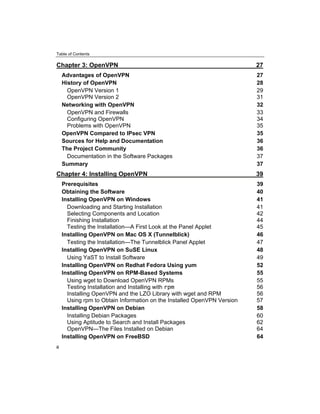
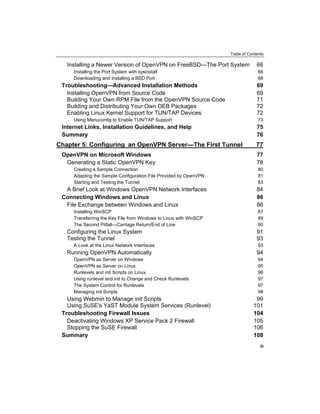
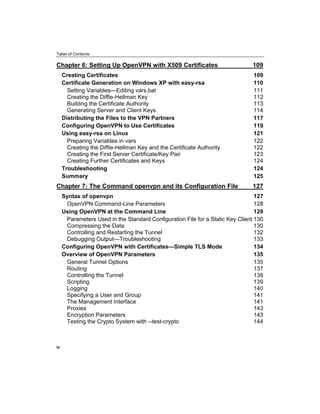
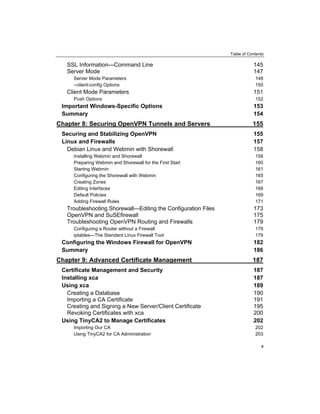

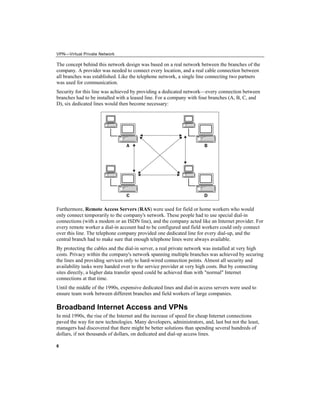
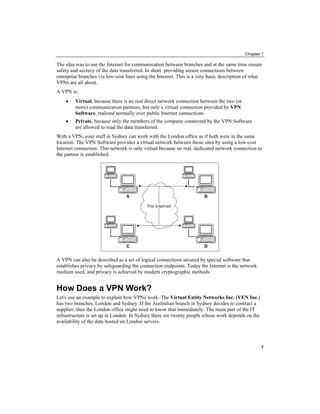
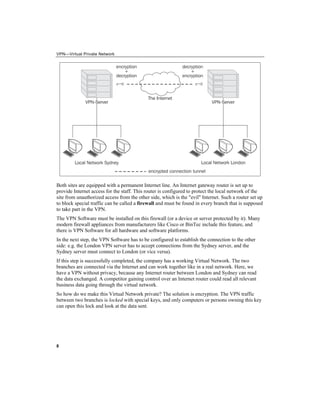
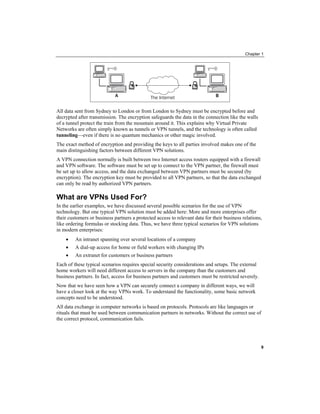
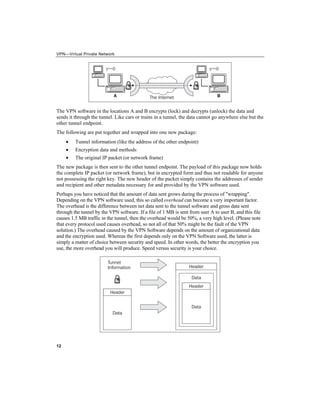

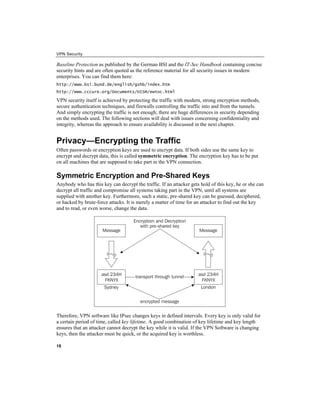
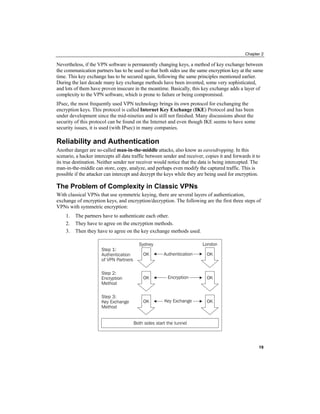
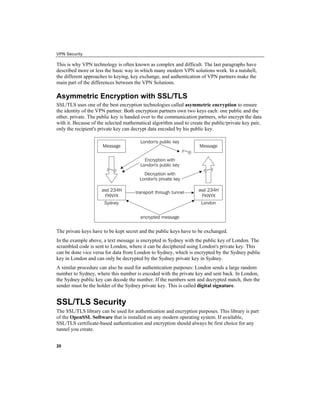
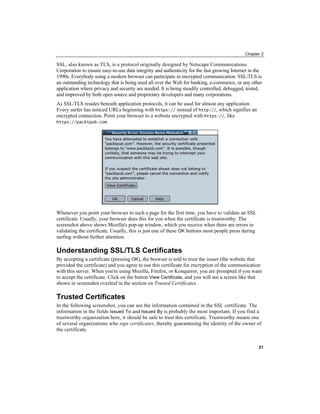
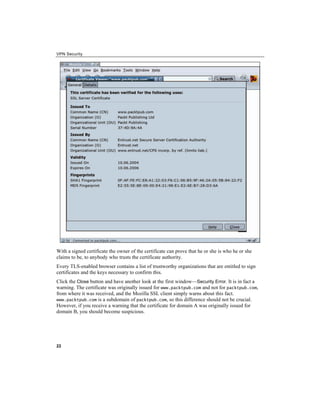
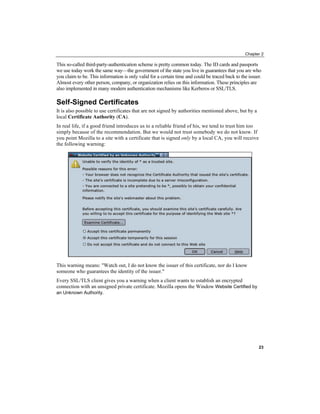
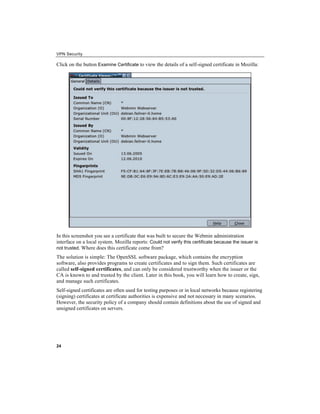

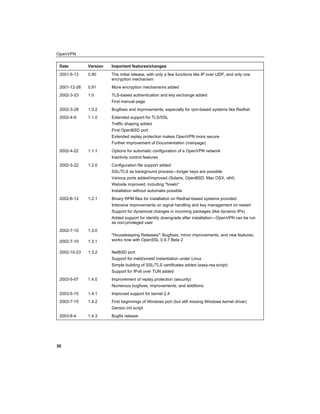
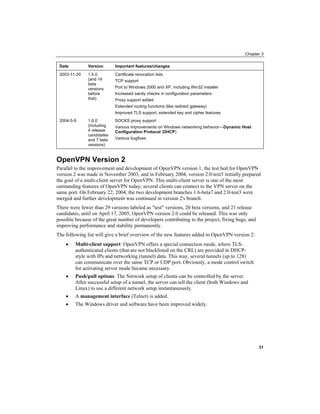
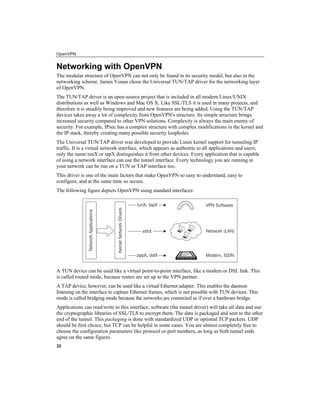
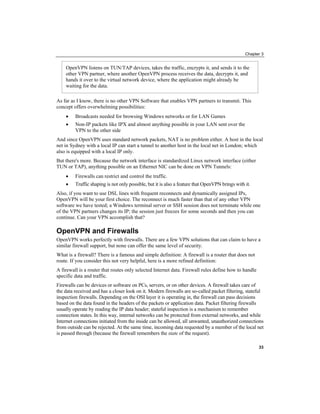
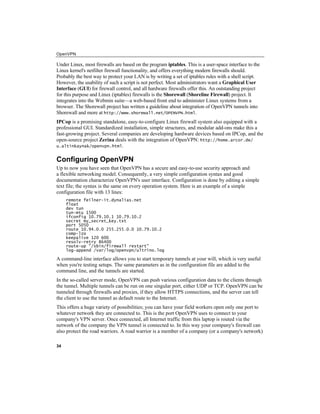
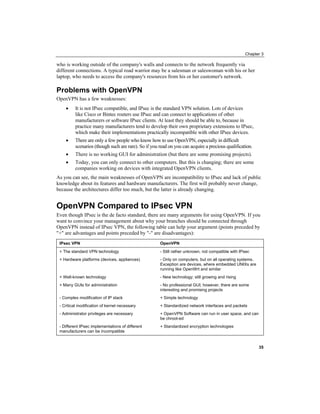
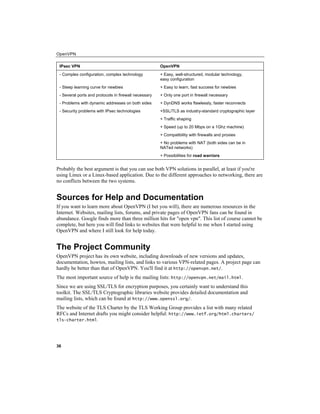



![[455]
Aloe Retusa. Cushion Aloe.
Class and Order.
Hexandria Monogynia.
Generic Character.
Cor. erecta, ore patulo fundo nectarifero. Filam.
receptaculo inserta.
Specific Character and Synonyms.
ALOE retusa acaulis foliis quinquefariis deltoideis. Thunb.
Aloe, n. 15. Ait. Kew. 471.
ALOE retusa floribus sessilibus triquetris bilabiatis labio
inferiore revoluto. Linn. Sp. Pl. 459.
ALOE africana brevissimo crassissimoque folio, flore
viridi. Comm. hort. 2. p. 11. t. 6. Till. pis. 6. t. 5.](https://image.slidesharecdn.com/460684-250519234056-9e07c359/85/Openvpn-Building-And-Integrating-Virtual-Private-Networks-Markus-Feilner-56-320.jpg)

![[456]
Diosma Serratifolia. Serrated or Saw-
Leaved Diosma.
Class and Order.
Pentandria Monogynia.
Generic Character.
Cor. 5-petala. Nectaria 5 supra germen. Caps. 3. s. 5.
coalitæ. Sem. calyptrata.
Specific Character.
DIOSMA serratifolia follis lanceolatis glanduloso-
serrulatis, pedunculis axillaribus oppositis
subunifloris.](https://image.slidesharecdn.com/460684-250519234056-9e07c359/85/Openvpn-Building-And-Integrating-Virtual-Private-Networks-Markus-Feilner-59-320.jpg)

![[457]
Aloe Plicatilis. Fan Aloe.
Class and Order.
Hexandria Monogynia.
Generic Character.
Cor. erecta, ore patulo, fundo nectarifero. Filam.
receptaculo inserta.
Specific Character and Synonyms.
ALOE plicatilis subacaulis, foliis linguæformibus lævibus
distichis, floribus racemosis pendulis cylindricis. Ait.
Kew. v. 1. p. 470.
ALOE disticha var. ε. Linn. Sp. Pl. ed. 3. p. 459.
ALOE plicatilis foliis ensiformibus inermis ancipitibus,
floribus laxe spicatis, caule fruticoso. Mill. Dict. ed.
6. 4to.
ALOE africana arborescens montana non spinosa, folio
longissimo plicatili, flore rubro. Comm. Hort. 2. p.
5. t. 3.](https://image.slidesharecdn.com/460684-250519234056-9e07c359/85/Openvpn-Building-And-Integrating-Virtual-Private-Networks-Markus-Feilner-62-320.jpg)


![[458]
Aristea Cyanea. Grass-Leaved Aristea.
Class and Order.
Triandria Monogynia.
Generic Character.
Petala 6. Stylus declinatus. Stigma infundibuliforme
hians. Caps. infera polysperma.
Specific Character and Synonyms.
ARISTEA cyanea. Ait. Kew. v. 1. p. 67.
IXIA africana floribus capitatis, spathis laceris. Linn. Sp.
Pl. ed. 3. p. 51.
MORÆA africana floribus capitatis spathis laceris. Murr.
Syst. Vegetab. ed. 14. p. 93.
IXIA foliis ad radicem nervosis gramineis, floribus ac
fructu convolutis. Burm. Afric. 191. t. 70. f. 2.
BERMUDIANA capensis, capitulis lanuginosis. Pet. sicc.
242.
GRAMEN eriophorum africanum flore lanato. Pluk. Mant.
98.](https://image.slidesharecdn.com/460684-250519234056-9e07c359/85/Openvpn-Building-And-Integrating-Virtual-Private-Networks-Markus-Feilner-65-320.jpg)


![[459]
Convolvulus Cneorum. Silvery-Leaved
Bind-Weed.
Class and Order.
Pentandria Monogynia.
Generic Character.
Cor. campanulata, plicata. Stigmata 2. Caps. 2-locularis
loculis dispermis.
Specific Character and Synonyms.
CONVOLVULUS Cneorum foliis lanceolatis tomentosis,
floribus umbellatis, calycibus hirsutis, caule erecto.
Linn. Syst. Veg. 203. Ait. Kew. vol. 1. p. 213.
CONVOLVULUS argenteus umbellatus erectus. Tournef.
Inst. 84.
CONVOLVULUS major erectus creticus argenteus. Moris.
Hist. 2. p. 11 s. 1. t. 3. f. 1.
CONVOLVULUS saxatilis erectus villosus perennis. Barr.
rar. 4. t. 470. Bocc. Mus. 2. p. 79. t. 70.
CNEORUM album folio argenteo molli. Bauh. Pin. 463.](https://image.slidesharecdn.com/460684-250519234056-9e07c359/85/Openvpn-Building-And-Integrating-Virtual-Private-Networks-Markus-Feilner-68-320.jpg)

![[460]
Maurandya Semperflorens. Climbing
Maurandya, or Bastard Foxglove.
Class and Order.
Didynamia Angiospermia.
Generic Character.
Caps. bilocularis, truncata, bisulca, apice inæqualiter
dehiscens. Cor. ringens, tubulosa campanulata,
ventricosa, bisulcato-plicata.
Specific Character and Synonyms.
MAURANDYA semperflorens caule fruticoso scandente,
foliis hastatis nervosis. C. G. Orteg. Nov. Pol. Dec.
2. p. 21.
USTERIA. Cavanill. Icon. vol. 2. p. 5. num. 126. t. 116.](https://image.slidesharecdn.com/460684-250519234056-9e07c359/85/Openvpn-Building-And-Integrating-Virtual-Private-Networks-Markus-Feilner-70-320.jpg)

![different plant; for this and other reasons[1], Dr. Ortega, in a new
work of his above referred to, has changed the term Usteria to that
of Maurandya; and, though we cannot cordially coincide with the
Doctor in the propriety either of his generic or trivial name, we have
adopted them.
This climber rises with a shrubby stalk to the height of many feet, is
very prolific in branches, and produces flowers abundantly from July
to September, which are succeeded by ripe seed-vessels and seeds.
—As the plant is easily propagated by cuttings, as well as by seeds,
it will soon become common to our greenhouses, though it is rather
better suited to the conservatory; if its blossoms, which have a great
affinity to those of the Foxglove, had more colour in them, the plant
would be more desirable: at some future period such may probably
be obtained from seeds.
[1] Observ. Quandoquidem Usteriæ nomen huic Generi à clar.
Cavanilles, qui primus id descripsit, impositum permanere non
potest ut pote antea ab illust. Wildenou alii Generi inditum;
propterea illud D. Catharinæ Pancratiæ Maurandy, lectissimæ
feminæ, D. Augustini Juan, Reg. Botanic. Horti Carthaginensis
Professoris uxori, et Botanicorum laborum sociæ, nuncupandum
duxi; oblataque opportunitate usus plantam denuo recognovi, et
tum Characterem genericum, tum etiam descriptionem specificam
ad incudem revocans reformavi.](https://image.slidesharecdn.com/460684-250519234056-9e07c359/85/Openvpn-Building-And-Integrating-Virtual-Private-Networks-Markus-Feilner-72-320.jpg)
![[461]
Jasminum Fruticans. Yellow Jasmine.
Class and Order.
Diandria Monogynia.
Generic Character.
Cor. 5-fida. Bacca dicocca. Sem. arillata. Antheræ intra
tubum.
Specific Character and Synonyms.
JASMINUM fruticans foliis alternis ternatis simplicibusque
ramis angulatis. Linn. Syst. Vegetab. ed. 14. Murr.
p. 56.
JASMINUM fruticans foliis alternis ternatis foliolis
obovatis cuneiformibusque obtusis ramis angulatis
laciniis calycinis subulatis. Ait. Kew. v. 1. p. 9.
JASMINUM luteum, vulgo dictum bacciferum. Bauh. Pin.
298.
POLEMONIUM sieu Trifolium fruticans. Shrubby Trefoil.
Ger. Herb. p. 1129. f.](https://image.slidesharecdn.com/460684-250519234056-9e07c359/85/Openvpn-Building-And-Integrating-Virtual-Private-Networks-Markus-Feilner-73-320.jpg)


![[462]
Anthemis Pyrethrum. Pellitory of Spain.
Class and Order.
Syngenesia Polygamia Superflua.
Generic Character.
Recept. paleaceum. Pappus nullus. Cal. hemisphæricus,
subæqualis. Flosculi radii plures quam 5.
Specific Character and Synonyms.
ANTHEMIS Pyrethrum caulibus simplicibus unifloris
decumbentibus foliis pinnato multifidis. Linn. Syst.
Veget. ed. 14. Murr. p. 776. Woodville's Medical
Botany, p. 286.
CHAMÆMELUM specioso flore, radice longa fervida.
Shaw. Afr. 138.
PYRETHRUM flore bellidis. Bauh. Pin. 148.](https://image.slidesharecdn.com/460684-250519234056-9e07c359/85/Openvpn-Building-And-Integrating-Virtual-Private-Networks-Markus-Feilner-76-320.jpg)


![[463]
Epidendrum Ciliare. Fringed Epidendrum.
Class and Order.
Gynandria Diandria.
Generic Character.
Cor. 6-petala. Nectarium turbinatum, obliquum reflexum.
Caps. infera 1-locularis, 3-valvis, fenestrata.
Specific Character and Synonyms.
EPIDENDRUM ciliare foliis oblongis aveniis, nectarii labio
tripartito ciliato: intermedia lineari, cauli bifolio.
Linn. Syst. Vegetab. ed. 14. Murr. p. 818. Jacq.
Amer. pict. p. 110. t. 209.](https://image.slidesharecdn.com/460684-250519234056-9e07c359/85/Openvpn-Building-And-Integrating-Virtual-Private-Networks-Markus-Feilner-79-320.jpg)

![[464]
Sisyrinchium Gramineum. Grass-Leaved
Sisyrinchium.
Class and Order.
Gynandria Triandria.
Generic Character.
Spatha 2-phylla. Petala 6-plana. Caps. 3-locularis infera
3-valvis.
Specific Character and Synonyms.
SISYRINCHIUM gramineum caule ancipiti lato,
germinibus glabris.
SISYRINCHIUM angustifolium foliis lineari-gladiolatis,
pedunculis longioribus. Mill. Dict.
SISYRINCHIUM cæruleum parvum, gladiato caule,
virginianum. Pluk. alm. 348. t. 61. f. 1.
BERMUDIANA graminea, flore minore cæruleo. Dill. Elth.
49. t. 41. f. 49.
GLADIOLUS cæruleus hexapetalus caule etiam gladiato.
Banist. virg. 1926.](https://image.slidesharecdn.com/460684-250519234056-9e07c359/85/Openvpn-Building-And-Integrating-Virtual-Private-Networks-Markus-Feilner-82-320.jpg)