Download to read offline


![Where Digital Humanities meet
Open Access publishing
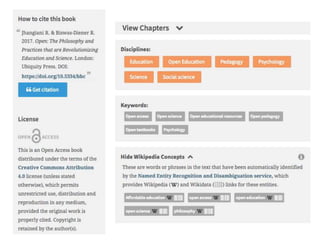
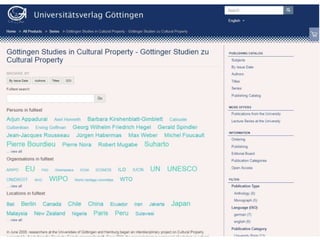
• An API for automated indexing
• NER(D) stands for: Named Entity
Recognition (and Disambiguation)
• “Named entities” refers to the
classes to which belong words or
group of words: Organization,
names, dates, locations, events,
etc.
• The NER adds corresponding tags
in an annotated text: James [name]
went to London [location]
• The disambiguation can also
identify the exact reference against
Wikipedia: “German army” in WW1
vs in WW2](https://image.slidesharecdn.com/hirmeos-berlin21012019-190121083910/85/Open-Scholarly-monographs-from-technology-to-usage-10-320.jpg)

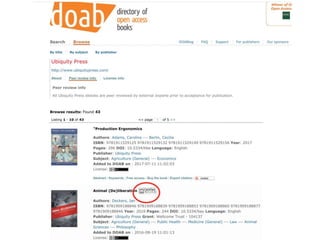
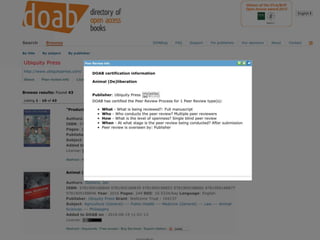
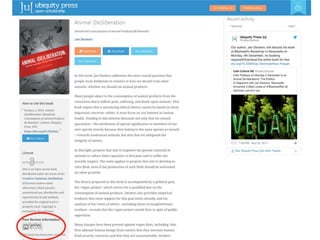
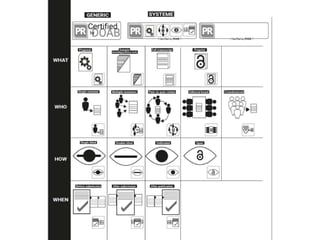

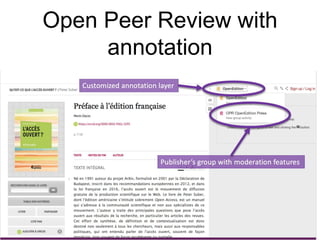







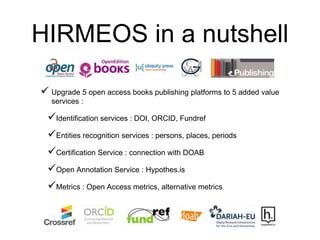
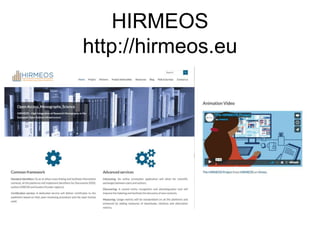
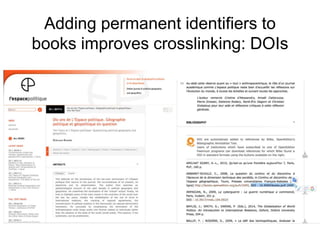
The document outlines the HIRMEOS project, which aims to enhance open access book publishing through added services such as DOI identification, entity recognition, and open annotation. It emphasizes the importance of permanent identifiers for improving attribution and recognition, as well as the development of an API for automated indexing and named entity recognition. The conclusion advocates for the book as a vital intellectual resource that should be freely accessible and integrated into the digital landscape.


