Mahmoud Abdelaziz
https://eg.linkedin.com/in/mahmoudabdelaziz8
ONLINE MARKETING PLAN
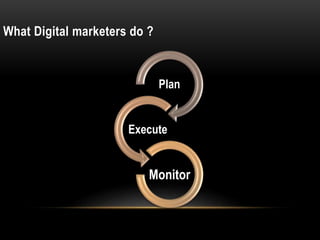
What Digital marketers do ?
Plan
Execute
Monitor
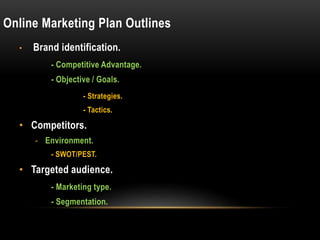
Online Marketing Plan Outlines
• Brand identification.
- Competitive Advantage.
- Objective / Goals.
- Strategies.
- Tactics.
• Competitors.
- Environment.
- SWOT/PEST.
• Targeted audience.
- Marketing type.
- Segmentation.
• Communication.
- Channels.
- Styles.
• Campaigns.
- Platforms.
- Ideas.
- Budget.
• Staffing / The Team.
-Tasks.
-Requirements.
• Scheduling.
- Editorial schedule.
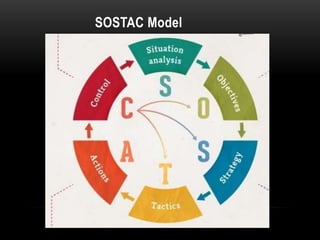
SOSTAC Model
Situation analysis (where are we now?)
• 1. Your Performance.
• 2. Your Advantage.
• 3. Your Customers.
• 4. Your Competitors.
• 5. Your Market.
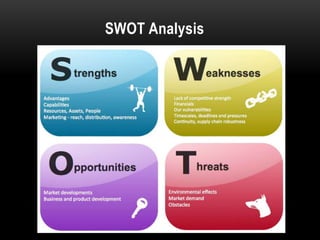
SWOT Analysis
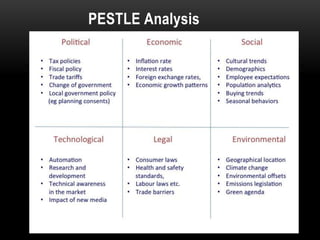
PESTLE Analysis
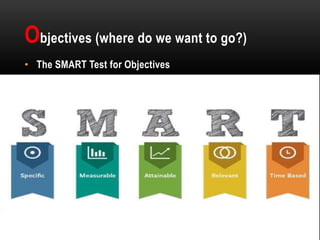
Objectives (where do we want to go?)
• The SMART Test for Objectives
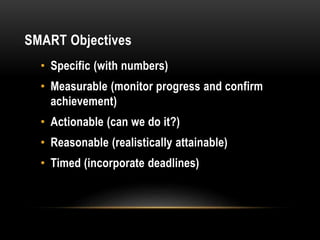
SMART Objectives
• Specific (with numbers)
• Measurable (monitor progress and confirm
achievement)
• Actionable (can we do it?)
• Reasonable (realistically attainable)
• Timed (incorporate deadlines)
Strategy (how do we get there?)
• Segmentation – How do we want to divide up the market(s)?
• Targeting – Which segments of the market do we wish to
focus upon?
• Positioning – How do we want to be perceived in each
different target segment?
Tactics (the details of your strategy)
• Which Communication Tools are we going to use?
• How are we going to use them?
• What message(s) do we wish to communicate?
• Are we being consistent across different tools and messages?
• Do we have the necessary resources/budgets?
Action (the daily and weekly activities)
• Who is going to do what?
• When are they going to do it?
• Editorial schedule.
Control (what you need to watch and when)
TRACK OF PROGRESS
• Do action performance measurements relate to objectives?
• Responsibility for measurement?
• Frequency of measurement?
• Resources for measurement?
• Review of measurements?
Online marketing plan

Online marketing plan

  • 1.
  • 2.
    What Digital marketersdo ? Plan Execute Monitor
  • 3.
    Online Marketing PlanOutlines • Brand identification. - Competitive Advantage. - Objective / Goals. - Strategies. - Tactics. • Competitors. - Environment. - SWOT/PEST. • Targeted audience. - Marketing type. - Segmentation.
  • 4.
    • Communication. - Channels. -Styles. • Campaigns. - Platforms. - Ideas. - Budget. • Staffing / The Team. -Tasks. -Requirements. • Scheduling. - Editorial schedule.
  • 5.
  • 6.
    Situation analysis (whereare we now?) • 1. Your Performance. • 2. Your Advantage. • 3. Your Customers. • 4. Your Competitors. • 5. Your Market.
  • 7.
  • 8.
  • 9.
    Objectives (where dowe want to go?) • The SMART Test for Objectives
  • 10.
    SMART Objectives • Specific(with numbers) • Measurable (monitor progress and confirm achievement) • Actionable (can we do it?) • Reasonable (realistically attainable) • Timed (incorporate deadlines)
  • 11.
    Strategy (how dowe get there?) • Segmentation – How do we want to divide up the market(s)? • Targeting – Which segments of the market do we wish to focus upon? • Positioning – How do we want to be perceived in each different target segment?
  • 12.
    Tactics (the detailsof your strategy) • Which Communication Tools are we going to use? • How are we going to use them? • What message(s) do we wish to communicate? • Are we being consistent across different tools and messages? • Do we have the necessary resources/budgets?
  • 13.
    Action (the dailyand weekly activities) • Who is going to do what? • When are they going to do it? • Editorial schedule.
  • 14.
    Control (what youneed to watch and when) TRACK OF PROGRESS • Do action performance measurements relate to objectives? • Responsibility for measurement? • Frequency of measurement? • Resources for measurement? • Review of measurements?