Presenter: Dr Preetham
Moderator: Dr Narayanappa
The Myth

“You are talking of obesity,
  while malnutrition is
      everywhere”
Reality: The Double Jeopardy
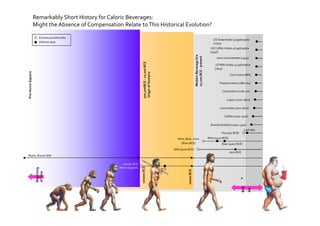
Remarkably Short History for Caloric Beverages:
                   Might the Absence of Compensation Relate to This Historical Evolution?

                        Earliest possible date
                                                                                                                                                             US Soda Intake 52/gal/capita
                        Definite date                                                                                                                        (2004)
                                                                                                                                                           US Coffee Intake 46 gal/capita
                                                                                                                                                          (1946)


                                                                                                                                  Modern Beverage Era
                                                                                                                                  10,000 BCE - present
                                                                                                                                                               Juice Concentrates (1945)


                                                                     200,000BCE - 10,000 BCE
                                                                                                                                                               US Milk Intake 45 gal/capita
                                                                                                                                                              (1945)
Pre-Homo Sapiens


                                                                     Origin of Humans
                                                                                                                                                                           Coca Cola (1886)

                                                                                                                                                                  Pasteurization (1860-64)

                                                                                                                                                                   Carbonation (1760-70)

                                                                                                                                                                       Liquor (1700-1800)

                                                                                                                                                                  Lemonade (1500-1600)

                                                                                                                                                                     Coffee (1300-1500)

                                                                                                                                                           Brandy Distilled (1000-1500)
                                                                                                                                                                                        (206 AD)
                                                                                                                                                                   Tea (500 BCE)
                                                                                                              Wine, Beer, Juice                          Wine (5400 BCE)
                                                                                                                (8000 BCE)                                         Beer (4000 BCE)
                                                                                                            Milk (9000 BCE)
                                                                                                                                                                           2000 BCE
Water, Breast Milk

                                                      200000 BCE
                                                                   200000 BCE


                                                    Homo Sapiens
                    Beginning


                                                                                               100000 BCE


                                                                                                                      10000 BCE
                    of Time


                                                                                                                                                                                   0


                                                                                                                                                                                      BCE
                                                                                                                                                                                            AD
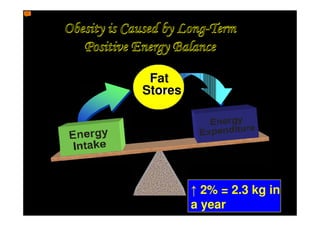
Obesity is a major paediatric public health
problem across the world, associated with risk
of complications in childhood and increased
morbidity and mortality throughout adult life.
Fat
Stores


         ↑ 2% = 2.3 kg in
         a year
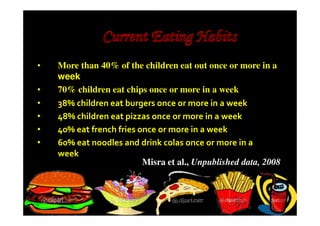
•   More than 40% of the children eat out once or more in a
    week
•   70% children eat chips once or more in a week
•   38% children eat burgers once or more in a week
•   48% children eat pizzas once or more in a week
•   40% eat french fries once or more in a week
•   60% eat noodles and drink colas once or more in a
    week
                          Misra et al., Unpublished data, 2008
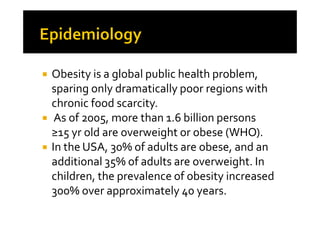
Obesity is a global public health problem,
sparing only dramatically poor regions with
chronic food scarcity.
 As of 2005, more than 1.6 billion persons
≥15 yr old are overweight or obese (WHO).
In the USA, 30% of adults are obese, and an
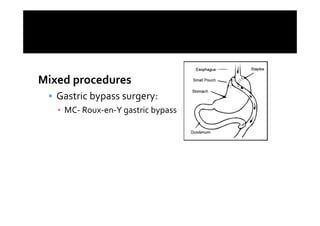
additional 35% of adults are overweight. In
children, the prevalence of obesity increased
300% over approximately 40 years.
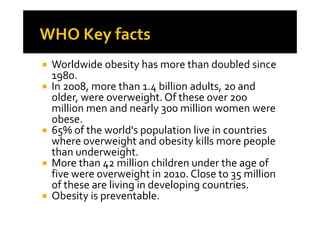
Worldwide obesity has more than doubled since
1980.
In 2008, more than 1.4 billion adults, 20 and
older, were overweight. Of these over 200
million men and nearly 300 million women were
obese.
65% of the world's population live in countries
where overweight and obesity kills more people
than underweight.
More than 42 million children under the age of
five were overweight in 2010. Close to 35 million
of these are living in developing countries.
Obesity is preventable.
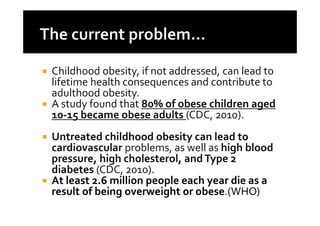
Childhood obesity, if not addressed, can lead to
lifetime health consequences and contribute to
adulthood obesity.
A study found that 80% of obese children aged
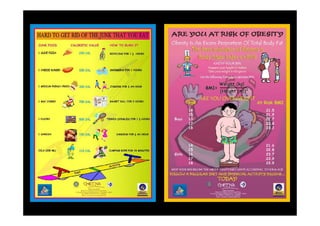
10-15 became obese adults (CDC, 2010).
Untreated childhood obesity can lead to
cardiovascular problems, as well as high blood
pressure, high cholesterol, and Type 2
diabetes (CDC, 2010).
At least 2.6 million people each year die as a
result of being overweight or obese.(WHO)
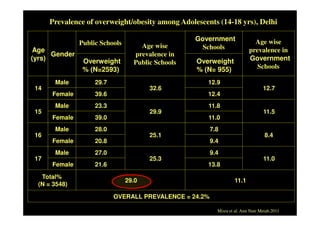
Prevalence of overweight/obesity among Adolescents (14-18 yrs), Delhi

                                                   Government               Age wise
               Public Schools       Age wise
 Age                                                Schools               prevalence in
      Gender                      prevalence in
(yrs)           Overweight                         Overweight             Government
                                  Public Schools
                % (N=2593)                         % (N= 955)                Schools

       Male         29.7                              12.9
 14                                    32.6                                      12.7
      Female        39.6                              12.4
       Male         23.3                              11.8
 15                                    29.9                                      11.5
      Female        39.0                              11.0
       Male         28.0                                7.8
 16                                    25.1                                       8.4
      Female        20.8                                9.4
       Male         27.0                                9.4
 17                                    25.3                                      11.0
      Female        21.6                              13.8

   Total%
                                29.0                              11.1
  (N = 3548)

                           OVERALL PREVALENCE = 24.2%

                                                          Misra et al. Ann Nutr Metab.2011
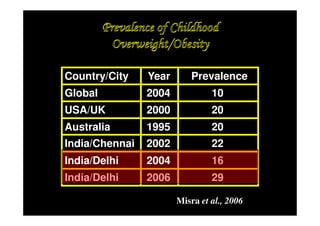
Country/City    Year       Prevalence
Global          2004            10
USA/UK          2000            20
Australia       1995            20
India/Chennai   2002            22
India/Delhi     2004            16
India/Delhi     2006            29

                       Misra et al., 2006
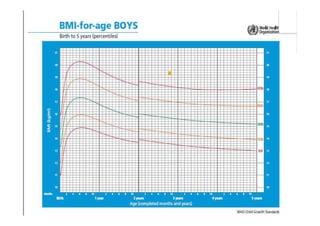
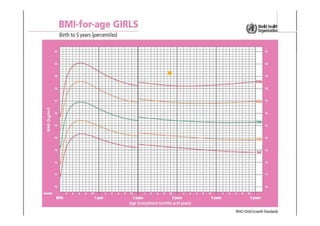
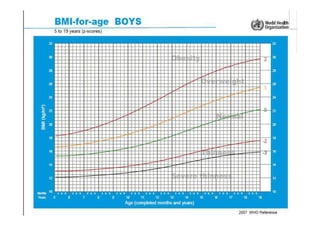
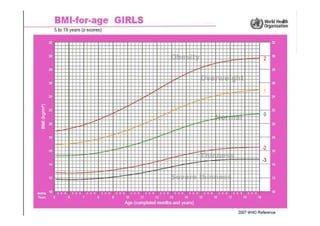
What is cut off value for
      OBESITY?
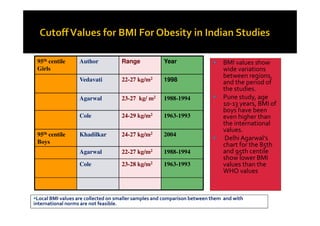
95th centile      Author           Range             Year                    BMI values show
 Girls                                                                        wide variations
                                                                              between regions,
                   Vedavati         22-27 kg/m2       1998                    and the period of
                                                                              the studies.
                   Agarwal          23-27 kg/ m2      1988-1994               Pune study, age
                                                                              10-13 years, BMI of
                                                                              boys have been
                   Cole             24-29 kg/m2       1963-1993               even higher than
                                                                              the international
                                                                              values.
 95th centile      Khadilkar        24-27 kg/m2       2004
                                                                               Delhi Agarwal’s
 Boys                                                                         chart for the 85th
                   Agarwal          22-27 kg/m2       1988-1994               and 95th centile
                                                                              show lower BMI
                   Cole             23-28 kg/m2       1963-1993               values than the
                                                                              WHO values


 Local BMI values are collected on smaller samples and comparison between them and with
international norms are not feasible.
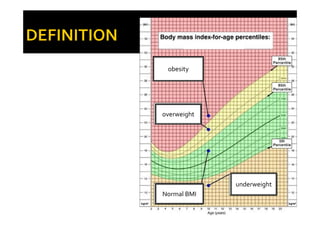
obesity


overweight


             underweight
Normal BMI
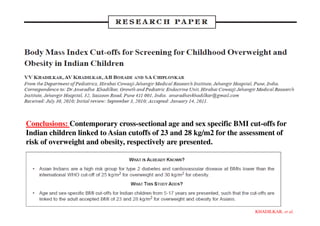
Conclusions: Contemporary cross-sectional age and sex specific BMI cut-offs for
Indian children linked to Asian cutoffs of 23 and 28 kg/m2 for the assessment of
risk of overweight and obesity, respectively are presented.


                                                                      KHADILKAR, et al.
The National Health and Nutrition
Examination Survey (NHANES) IV, 1999-
2002, found 31% of children older than 2 yr to
be overweight or obese, and 16% of children
and adolescents 6-19 years were in the obese
range.
Children's risk varies by socioeconomic
status, race, maternal education level, and
gender
Across all racial groups, higher maternal
education confers protection against
childhood obesity.
A study conducted in mysore in 2009 shows
the prevalence of obesity and overweight
were 3.4%, 8.5% respectively. The prevalence
of obesity was maximum in the age group of
5-7 years and in those from private schools.
A study conducted in 2011 representing
upper, middle and lower socioeconomic
groups and the children aged 6-15 years of
age were interviewed. The prevalence of
obesity was 3.0% for boys and 5.3% for girls.
The prevalence of obesity (7.5%) and
overweight (21.9%) were highest among high
income group and lowest (1.5% and 2.5%)
among low income group.
Environmental changes
Genetic changes
Endocrine and neurological changes
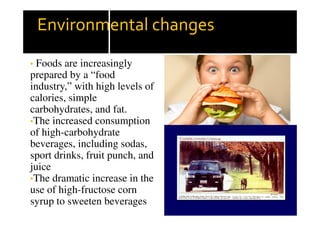
Environmental changes
• Foods are increasingly
prepared by a “food
industry,” with high levels of
calories, simple
carbohydrates, and fat.
•The increased consumption
of high-carbohydrate
beverages, including sodas,
sport drinks, fruit punch, and
juice
•The dramatic increase in the
use of high-fructose corn
syrup to sweeten beverages
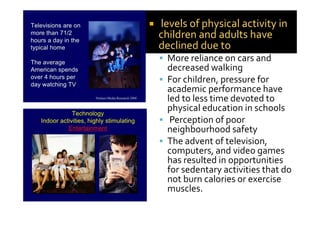
levels of physical activity in
children and adults have
declined due to
  More reliance on cars and
  decreased walking
  For children, pressure for
  academic performance have
  led to less time devoted to
  physical education in schools
   Perception of poor
  neighbourhood safety
  The advent of television,
  computers, and video games
  has resulted in opportunities
  for sedentary activities that do
  not burn calories or exercise
  muscles.
Increased time at work, increased time
watching television, and a generally faster
pace of life has lead to decreased sleep which
increases risk for weight gain and obesity.
Rare single-gene disorders resulting in
human obesity are known,
 FTO (fat mass and obesity)
 INSIG2 (insulin-induced gene 2) mutations
 Leptin deficiency and
 Pro-opiomelanocortin deficiency.
 MC4R gene(most commonly known genetic
 defect predisposing people to obesity)
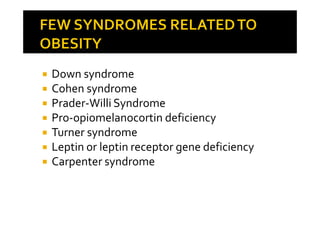
Down syndrome
Cohen syndrome
Prader-Willi Syndrome
Pro-opiomelanocortin deficiency
Turner syndrome
Leptin or leptin receptor gene deficiency
Carpenter syndrome
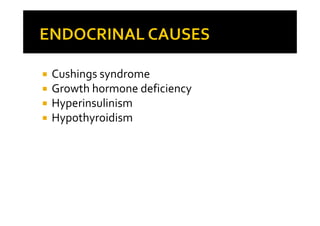
Cushings syndrome
Growth hormone deficiency
Hyperinsulinism
Hypothyroidism
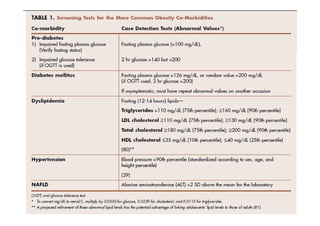
Complications of paediatric obesity occur during
childhood and adolescence and persist into
adulthood
 More immediate co morbidities include type 2
diabetes, hypertension, hyperlipidemia, and non
alcoholic fatty liver disease
Insulin resistance increases with increasing
adiposity and independently affects lipid
metabolism and cardiovascular health.
Non alcoholic fatty liver disease occurs in 10-25%
of obese adolescents and can progress to
cirrhosis.
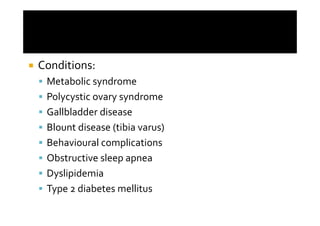
Conditions:
 Metabolic syndrome
 Polycystic ovary syndrome
 Gallbladder disease
 Blount disease (tibia varus)
 Behavioural complications
 Obstructive sleep apnea
 Dyslipidemia
 Type 2 diabetes mellitus
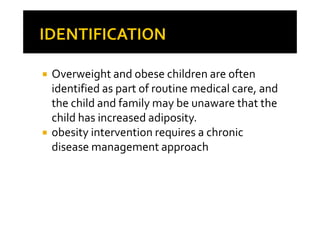
Overweight and obese children are often
identified as part of routine medical care, and
the child and family may be unaware that the
child has increased adiposity.
obesity intervention requires a chronic
disease management approach
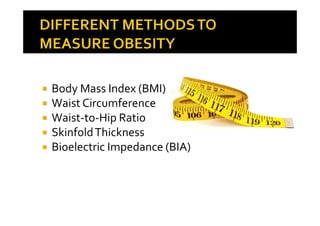
Body Mass Index (BMI)
Waist Circumference
Waist-to-Hip Ratio
Skinfold Thickness
Bioelectric Impedance (BIA)
Underwater Weighing (Densitometry)
Air-Displacement Plethysmography
Dilution Method (Hydrometry)
Dual Energy X-ray Absorptiometry (DEXA)
Computerized Tomography (CT) and
Magnetic Resonance Imaging (MRI)
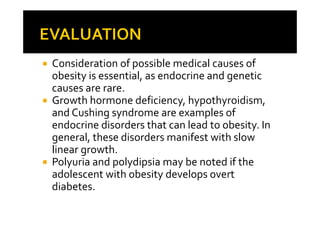
Consideration of possible medical causes of
obesity is essential, as endocrine and genetic
causes are rare.
Growth hormone deficiency, hypothyroidism,
and Cushing syndrome are examples of
endocrine disorders that can lead to obesity. In
general, these disorders manifest with slow
linear growth.
Polyuria and polydipsia may be noted if the
adolescent with obesity develops overt
diabetes.
Children who consume excessive amounts of
calories tend to experience accelerated linear
growth.
Genetic disorders associated with obesity can
have coexisting dysmorphic features, cognitive
impairment, vision and hearing abnormalities,
or short stature.
Children with congenital disorders such as
myelodysplasia or muscular dystrophy, lower
levels of physical activity can lead to secondary
obesity
A history of damage to the central nervous
system (CNS) (eg, infection, trauma,
hemorrhage, radiation therapy, seizures)
suggests hypothalamic obesity with or without
pituitary growth hormone deficiency or pituitary
hypothyroidism. A history of morning
headaches, vomiting, visual disturbances, and
excessive urination or drinking also suggests that
the obesity may be caused by a tumor or mass in
the hypothalamus.
The appearance of signs of sexual development at
an early age suggests that the weight gain is
caused by precocious puberty . However,
excessive facial hair, acne, and irregular periods in
a teenage girl suggest that the weight gain may
be caused by cortisol excess or polycystic ovary
syndrome (PCOS).
 Hip or knee pain can be caused by secondary
orthopedic problems, including Blount disease
and slipped capital femoral epiphysis
Acanthosis nigricans can suggest insulin
resistance and type 2 diabetes
The objective of interventions in overweight
and obese children and adolescents is the
prevention or amelioration of obesity-related
co-morbidities
e.g. glucose intolerance and T2DM, metabolic
syndrome, dyslipidemia, and hypertension.
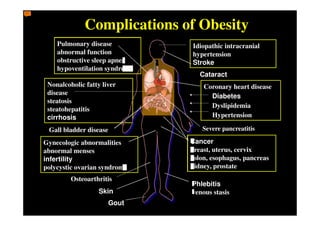
Complications of Obesity
    Pulmonary disease          Idiopathic intracranial
    abnormal function          hypertension
    obstructive sleep apnea    Stroke
    hypoventilation syndrome
                                  Cataract
 Nonalcoholic fatty liver          Coronary heart disease
 disease
                                     Diabetes
 steatosis
                                     Dyslipidemia
 steatohepatitis
 cirrhosis                           Hypertension

 Gall bladder disease              Severe pancreatitis

Gynecologic abnormalities      Cancer
abnormal menses                breast, uterus, cervix
infertility                    colon, esophagus, pancreas
polycystic ovarian syndrome    kidney, prostate
         Osteoarthritis
                               Phlebitis
                   Skin        venous stasis
                        Gout
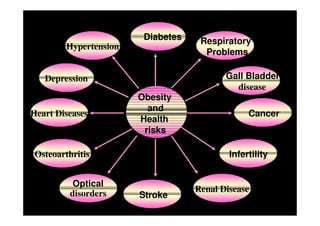
Diabetes    Respiratory
         Hypertension
                                      Problems

   Depression                              Gall Bladder
                                             disease
                        Obesity
                          and
Heart Diseases                                   Cancer
                        Health
                         risks

 Osteoarthritis                             Infertility


           Optical
          disorders                 Renal Disease
                        Stroke
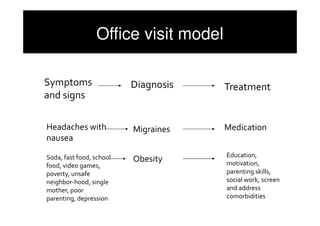
Office visit model

Symptoms                  Diagnosis   Treatment
and signs

Headaches with            Migraines   Medication
nausea

Soda, fast food, school               Education,
                          Obesity     motivation,
food, video games,
poverty, unsafe                       parenting skills,
neighbor-hood, single                 social work, screen
mother, poor                          and address
parenting, depression                 comorbidities
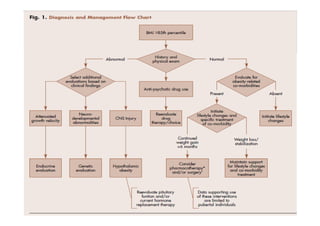
1.   Lifestyle recommendations:
     Dietary,
     Physical activity, and
     Behavioural.
Avoiding the consumption of calorie-dense,
nutrient-poor foods (e.g. sweetened beverages,
sports drinks, fruit drinks and juices, most “fast
food,” and calorie-dense snacks)
Increasing the intake of dietary fiber, fruits, and
vegetables.
Eating timely, regular meals, particularly
breakfast, and avoiding constant “grazing”
during the day.
Eat a diet with balanced macronutrients (age-
appropriate amounts of carbohydrate, protein, &
fat)
Decrease in time spent in sedentary activities,
such as
 watching television(No TV before age 2 years; 2
 hours maximum screen time per day after age 2
 years),
 playing video games, or
 using computers for recreation.
Promote moderate to vigorous physical
activity for at least 60 minutes per day.
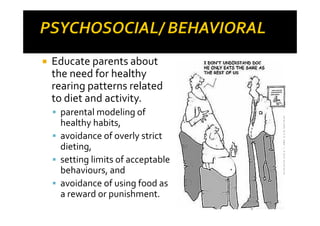
Educate parents about
the need for healthy
rearing patterns related
to diet and activity.
 parental modeling of
 healthy habits,
 avoidance of overly strict
 dieting,
 setting limits of acceptable
 behaviours, and
 avoidance of using food as
 a reward or punishment.
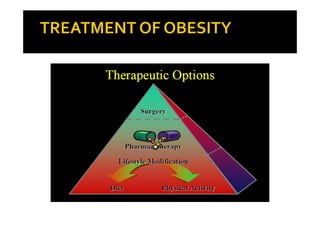
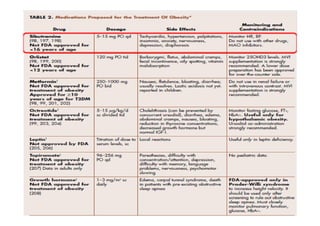
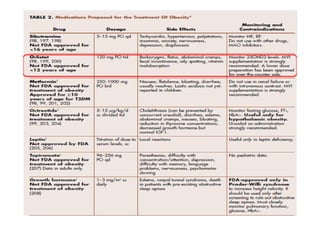
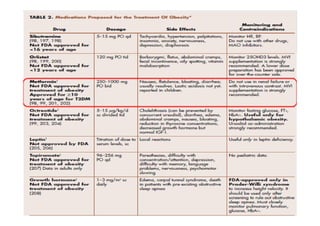
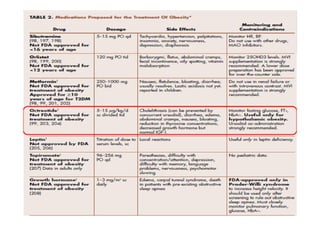
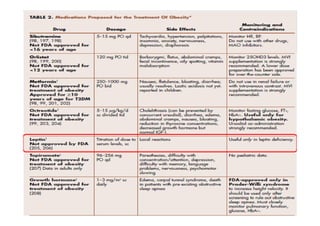
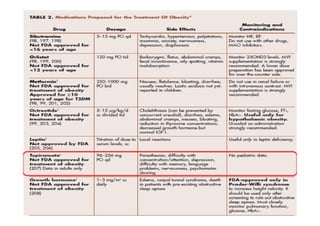
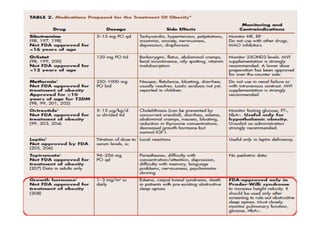
Pharmacotherapy (in combination
with lifestyle modification) be
considered if a formal program of
intensive lifestyle modification has
failed to limit weight gain or to
mollify comorbidities in obese
children.
Overweight children should not be
treated with pharmaco
therapeutic agents unless
significant, severe co-morbidities
persist despite intensive lifestyle
modification.
Bariatric surgery be considered only under the
following conditions:
 The child has attained Tanner 4 or 5 pubertal
 development and final or near-final adult height.
 The child has a BMI greater than 40 kg/m or has BMI
                                          2


 above 35 kg/m and significant, severe co morbidities.
               2
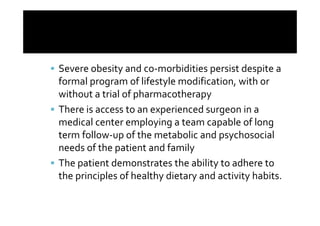
Severe obesity and co-morbidities persist despite a
formal program of lifestyle modification, with or
without a trial of pharmacotherapy
There is access to an experienced surgeon in a
medical center employing a team capable of long
term follow-up of the metabolic and psychosocial
needs of the patient and family
The patient demonstrates the ability to adhere to
the principles of healthy dietary and activity habits.
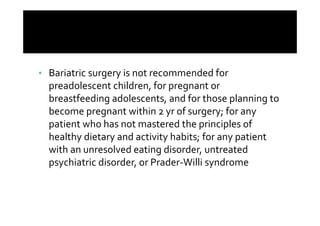
• Bariatric surgery is not recommended for
  preadolescent children, for pregnant or
  breastfeeding adolescents, and for those planning to
  become pregnant within 2 yr of surgery; for any
  patient who has not mastered the principles of
  healthy dietary and activity habits; for any patient
  with an unresolved eating disorder, untreated
  psychiatric disorder, or Prader-Willi syndrome
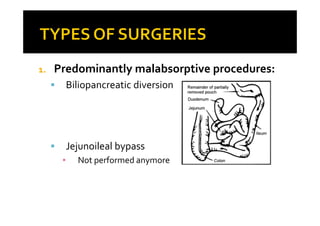
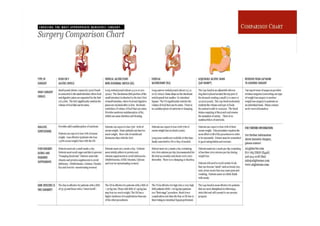
1.   Predominantly malabsorptive procedures:
          Biliopancreatic diversion


          Jejunoileal bypass
      ▪     Not performed anymore
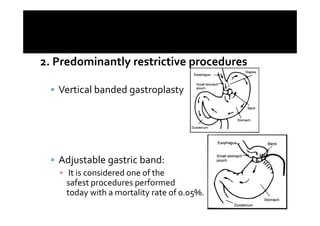
2. Predominantly restrictive procedures

   Vertical banded gastroplasty


   Adjustable gastric band:
   ▪ It is considered one of the
     safest procedures performed
     today with a mortality rate of 0.05%.
Sleeve gastrectomy
▪ procedure in which the stomach is reduced to
  about 15% of its original size.
▪ The procedure permanently reduces the size of
  the stomach. The procedure is performed
  laparoscopically and is not reversible.
Mixed procedures
   Gastric bypass surgery:
   ▪ MC- Roux-en-Y gastric bypass
PREGNANCY
 Normalize body mass index before pregnancy.
 Do not smoke.
 Maintain moderate exercise as tolerated.
 In gestational diabetics, provide meticulous glucose
 control.
POSTPARTUM AND INFANCY
 Breast-feeding is preferred for a minimum of 3 mo.
 Postpone the introduction of solid foods and sweet
 liquids.
FAMILIES
 Eat meals as a family in a fixed place and time.
 Do not skip meals, especially breakfast.
 No television during meals.
 Use small plates, and keep serving dishes away from the
 table.
 Avoid unnecessary sweet or fatty foods and soft drinks.
 Remove televisions from children's bedrooms.
 restrict times for television viewing and video games.
SCHOOLS
 Eliminate fundraisers with candy and cookie sales.
 Review the contents of vending machines and replace
 with healthier choices.
 Educate teachers, especially physical education and
 science faculty, about basic nutrition and the benefits of
 physical activity.
 Educate children from preschool through high school on
 appropriate diet and lifestyle.
 Mandate minimum standards for physical education,
 including 30-45 min of strenuous exercise 2-3 times
 weekly.
 Encourage “the walking schoolbus”: Groups of children
 walking to school with an adult.
COMMUNITIES:
 Increase family-friendly exercise and play facilities
 for children of all ages.
 Discourage the use of elevators and moving
 walkways.
 Provide information on how to shop and prepare
 healthier versions of culture-specific foods.
INDUSTRY:
 Mandate age-appropriate nutrition labeling for
 products aimed at children (e.g., red light/green
 light foods, with portion sizes).
 Encourage marketing of interactive video games
 in which children must exercise in order to play.
 Use celebrity advertising directed at children for
 healthful foods to promote breakfast and regular
 meals.
GOVERNMENT AND REGULATORY AGENCIES:
 Classify obesity as a legitimate disease.
 Provide financial incentives to industry to develop more
 healthful products and to educate the consumer on product
 content.
 Provide financial incentives to schools that initiate
 innovative physical activity and nutrition programs.
 Allow tax deductions for the cost of weight loss and exercise
 programs.
 Provide urban planners with funding to establish bicycle,
 jogging, and walking paths.
 Ban advertising of fast foods directed at preschool children,
 and restrict advertising to school-aged children.
Health and Nutrition Education Initiatives
     by Diabetes Foundation (India)
Diabetes Foundation (India) has pioneered in
    launching Health and Nutrition Education
 initiatives, the first of their kinds in the whole of
South Asia to spread the awareness of Obesity and
      Diabetes prevention amongst the youth
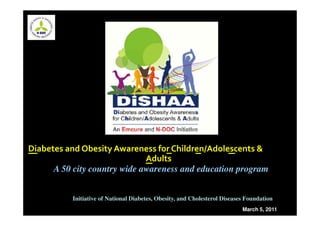
Diabetes and Obesity Awareness for Children/Adolescents &
                              Adults
      A 50 city country wide awareness and education program


           Initiative of National Diabetes, Obesity, and Cholesterol Diseases Foundation
                                                                            March 5, 2011
Objectives

                         Overall Aim:


To create mass awareness about diabetes
and obesity among children and adults
and to thus act as change agents for better
lifestyles and prevention of diabetes


   Initiative of National Diabetes, Obesity, and Cholesterol Diseases Foundation
                     & Emcure Pharmaceutical (India) Pvt. Ltd
                                                                    March 5, 2011
Objectives
  Specific Objectives
• To enhance awareness among school children, and
   adults about diabetes and obesity through
   – Lectures on “Diabetes: Causes, Consequences, Prevention
     & Care”
   – School Health Camps
   – Public Awareness Campaign:
      • Public Health Lectures on “Diabetes: Causes, Consequences,
        Prevention and Care”
      • Diabetes Health Camps
      • Walk for Awareness about Diabetes Prevention on November
        14, 2011 – World Diabetes Day
      • Distribution of printed education material to children and
        adults
      • Message dissemination through media
       Initiative of National Diabetes, Obesity, and Cholesterol Diseases Foundation
                         & Emcure Pharmaceutical (India) Pvt. Ltd
                                                                        March 5, 2011
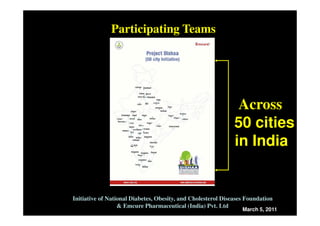
Participating Teams


                                                               Across
                                                              50 cities
                                                              in India


Initiative of National Diabetes, Obesity, and Cholesterol Diseases Foundation
                  & Emcure Pharmaceutical (India) Pvt. Ltd
                                                                 March 5, 2011
Initiatives being implemented in
     various cities of India
 New Delhi    Dehradun
 Mumbai       Allahabad
 Jaipur       Bangalore
 Agra         Pantnagar
 Chandigarh   Pune
 Vadodara     Lucknow
 Noida        Bhubaneshwar
“MARG” (The Path)
      Medical education for children/
  Adolescents for Realistic prevention of
obesity and diabetes and for healthy aGing

                   A Project of
            Diabetes Foundation (India)
       Funded by: World Diabetes Foundation
                   (Denmark)
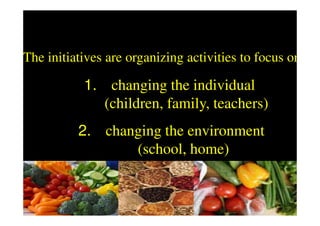
The initiatives are organizing activities to focus on:

           1. changing the individual
              (children, family, teachers)
          2. changing the environment
                 (school, home)
Information and Educational Material for
     Children, Parents and Teachers
“TEACHER””
Trends in Childhood Nutrition and
    Lifestyle Factors in India
     A 6 City Countrywide Project of
       Diabetes Foundation (India)
“CHETNA”
 Children’s Health Education Through
Nutrition and Health Awareness Program


                   A Project of
            Diabetes Foundation (India)
     Funded by: Rotary Club South East (Delhi)
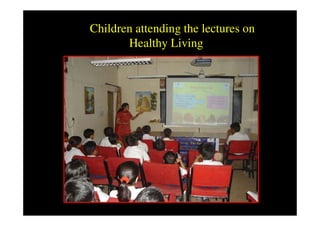
Children attending the lectures on
       Healthy Living
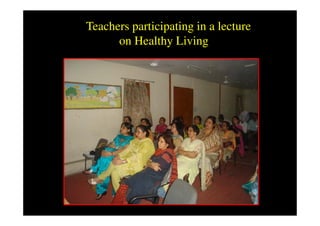
Teachers participating in a lecture
      on Healthy Living
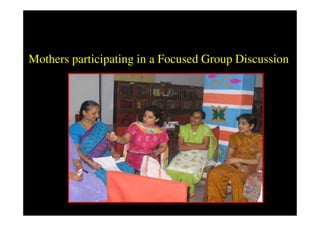
Mothers participating in a Focused Group Discussion
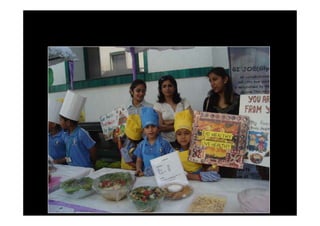
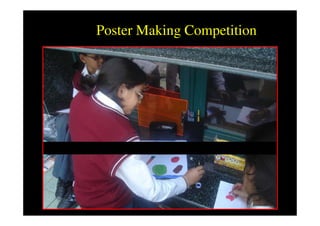
Poster Making Competition
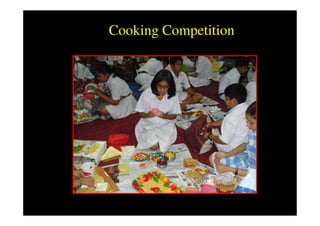
Cooking Competition
Skit Competition
Extempore Competition
Quiz Competition
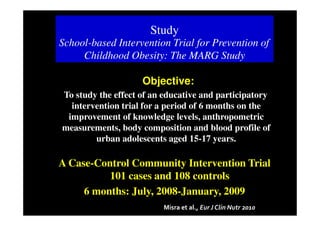
Study
School-based Intervention Trial for Prevention of
     Childhood Obesity: The MARG Study

                    Objective:
To study the effect of an educative and participatory
  intervention trial for a period of 6 months on the
 improvement of knowledge levels, anthropometric
measurements, body composition and blood profile of
        urban adolescents aged 15-17 years.

A Case-Control Community Intervention Trial
          101 cases and 108 controls
     6 months: July, 2008-January, 2009
                         Misra et al., Eur J Clin Nutr 2010
Key Activities:
           Intervention Trial (6 months):
                Case Control Design

1. Intensive intervention vs. usual intervention
2. Improvements in the following aspects:
      a.   Knowledge levels
      b.   Dietary habits
      c.   Anthropometric measurements
      d.   Body fat composition
      e.   Glycemic indicators
      f.   Insulin levels, CRP levels
      g.   Lipid profile
Phase 2:
                       Interventions
   Weekly individual counseling of children
   Lectures
   Activities: Skits, quiz competition, extempore, focused group
    discussions
   Replacing unhealthy food in canteen with healthy alternatives
   Health camp for parents and teachers
   Recipe demonstration for healthy Tiffin
   Skit demonstration by the intervention group in morning
    assembly on important days like the World Food Day
   Quiz competition in class
   Paragraph writing on topics like: Ways in which you can
    prevent yourself from diabetes and heart disease in the next 5-8
    years, healthy alternatives to junk food, planning a day’s diet for
    themselves, planning their own tiffins for a week
   Checking tiffins of younger classes in their school by the
    intervention group
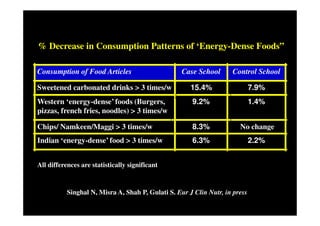
% Decrease in Consumption Patterns of ‘Energy-Dense Foods”

Consumption of Food Articles                       Case School      Control School

Sweetened carbonated drinks > 3 times/w               15.4%                  7.9%
Western ‘energy-dense’ foods (Burgers,                9.2%                   1.4%
pizzas, french fries, noodles) > 3 times/w

Chips/ Namkeen/Maggi > 3 times/w                      8.3%             No change
Indian ‘energy-dense’ food > 3 times/w                6.3%                   2.2%


All differences are statistically significant


           Singhal N, Misra A, Shah P, Gulati S. Eur J Clin Nutr, in press
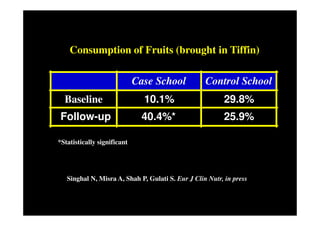
Consumption of Fruits (brought in Tiffin)

                             Case School           Control School
  Baseline                     10.1%                     29.8%
 Follow-up                    40.4%*                     25.9%

*Statistically significant


   Singhal N, Misra A, Shah P, Gulati S. Eur J Clin Nutr, in press
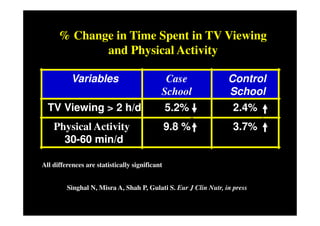
% Change in Time Spent in TV Viewing
             and Physical Activity

           Variables                         Case                Control
                                            School               School
  TV Viewing > 2 h/d                            5.2%               2.4%
    Physical Activity                           9.8 %              3.7%
      30-60 min/d

All differences are statistically significant


         Singhal N, Misra A, Shah P, Gulati S. Eur J Clin Nutr, in press
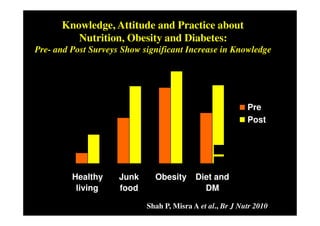
Knowledge, Attitude and Practice about
           Nutrition, Obesity and Diabetes:
Pre- and Post Surveys Show significant Increase in Knowledge
   80
   70
   60
   50
                                                           Pre
   40
                                                           Post
   30
   20
   10
    0
          Healthy    Junk     Obesity      Diet and
           living    food                    DM

                            Shah P, Misra A et al., Br J Nutr 2010
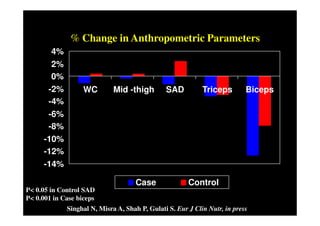
% Change in Anthropometric Parameters
       4%
       2%
       0%
      -2%          WC        Mid -thigh        SAD          Triceps        Biceps
      -4%
      -6%
      -8%
     -10%
     -12%
     -14%

                                    Case               Control
P< 0.05 in Control SAD
P< 0.001 in Case biceps
             Singhal N, Misra A, Shah P, Gulati S. Eur J Clin Nutr, in press
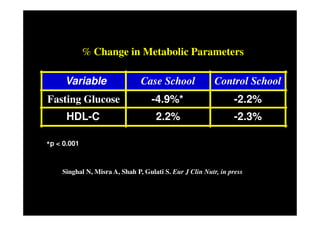
% Change in Metabolic Parameters

     Variable                  Case School               Control School
Fasting Glucose                    -4.9%*                      -2.2%
      HDL-C                         2.2%                       -2.3%

*p < 0.001


    Singhal N, Misra A, Shah P, Gulati S. Eur J Clin Nutr, in press
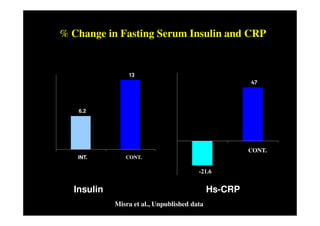
% Change in Fasting Serum Insulin and CRP


                13
                                                      47


   6.2


                                                      CONT.
   INT.        CONT.

                                        -21.6


  Insulin                                    Hs-CRP
            Misra et al., Unpublished data
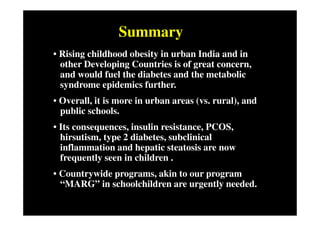
Summary
• Rising childhood obesity in urban India and in
  other Developing Countries is of great concern,
  and would fuel the diabetes and the metabolic
  syndrome epidemics further.
• Overall, it is more in urban areas (vs. rural), and
  public schools.
• Its consequences, insulin resistance, PCOS,
  hirsutism, type 2 diabetes, subclinical
  inflammation and hepatic steatosis are now
  frequently seen in children .
• Countrywide programs, akin to our program
  “MARG” in schoolchildren are urgently needed.
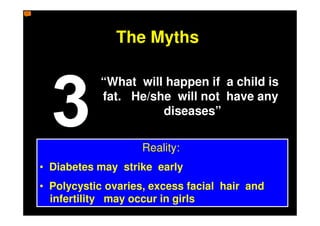
The Myths

           “What will happen if a child is
           fat. He/she will not have any
                     diseases”

                    Reality:
• Diabetes may strike early
• Polycystic ovaries, excess facial hair and
  infertility may occur in girls
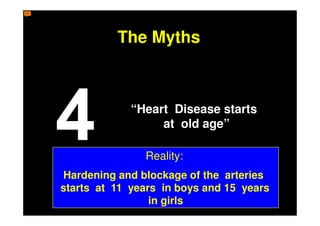
The Myths


             “Heart Disease starts
                  at old age”

               Reality:
Hardening and blockage of the arteries
starts at 11 years in boys and 15 years
                 in girls
The Myths


                 “A fat child is
               otherwise healthy”


                 Reality:
28% of urban children have syndrome X, one
 step away from diabetes and 2 steps away
             from heart disease
The Myths

                 “A child does not
                 develop high blood
                  pressure or high
                    cholesterol”

                   Reality:
Many children will have high blood pressure and
             low good cholesterol
The Myths

                 “A child should enjoy,
               and eat and relax. Such
               time will not come again
                          later”

                   Reality:
Parents do not realize, but children are eating
            junk food all the time.
The Myths

                “All children are doing
                  required physical
                        activity”

                   Reality:
 Time on TV, internet and studies leaves little
time for play. Even in pd assigned for physical
       activity, many do not participate
The Myths

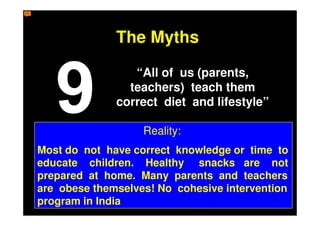
                 “All of us (parents,
                teachers) teach them
              correct diet and lifestyle”

                   Reality:
Most do not have correct knowledge or time to
educate children. Healthy snacks are not
prepared at home. Many parents and teachers
are obese themselves! No cohesive intervention
program in India
The Myths

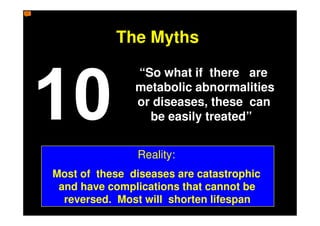
               “So what if there are
               metabolic abnormalities
               or diseases, these can
                 be easily treated”


               Reality:
Most of these diseases are catastrophic
 and have complications that cannot be
  reversed. Most will shorten lifespan
THANK YOU FOR PATIENT HEARING ☺

Obesity in paediatrics

  • 1.
  • 2.
    The Myth “You aretalking of obesity, while malnutrition is everywhere”
  • 3.
  • 4.
    Remarkably Short Historyfor Caloric Beverages: Might the Absence of Compensation Relate to This Historical Evolution? Earliest possible date US Soda Intake 52/gal/capita Definite date (2004) US Coffee Intake 46 gal/capita (1946) Modern Beverage Era 10,000 BCE - present Juice Concentrates (1945) 200,000BCE - 10,000 BCE US Milk Intake 45 gal/capita (1945) Pre-Homo Sapiens Origin of Humans Coca Cola (1886) Pasteurization (1860-64) Carbonation (1760-70) Liquor (1700-1800) Lemonade (1500-1600) Coffee (1300-1500) Brandy Distilled (1000-1500) (206 AD) Tea (500 BCE) Wine, Beer, Juice Wine (5400 BCE) (8000 BCE) Beer (4000 BCE) Milk (9000 BCE) 2000 BCE Water, Breast Milk 200000 BCE 200000 BCE Homo Sapiens Beginning 100000 BCE 10000 BCE of Time 0 BCE AD
  • 5.
    Obesity is amajor paediatric public health problem across the world, associated with risk of complications in childhood and increased morbidity and mortality throughout adult life.
  • 6.
    Fat Stores ↑ 2% = 2.3 kg in a year
  • 7.
    More than 40% of the children eat out once or more in a week • 70% children eat chips once or more in a week • 38% children eat burgers once or more in a week • 48% children eat pizzas once or more in a week • 40% eat french fries once or more in a week • 60% eat noodles and drink colas once or more in a week Misra et al., Unpublished data, 2008
  • 8.
    Obesity is aglobal public health problem, sparing only dramatically poor regions with chronic food scarcity. As of 2005, more than 1.6 billion persons ≥15 yr old are overweight or obese (WHO). In the USA, 30% of adults are obese, and an additional 35% of adults are overweight. In children, the prevalence of obesity increased 300% over approximately 40 years.
  • 9.
    Worldwide obesity hasmore than doubled since 1980. In 2008, more than 1.4 billion adults, 20 and older, were overweight. Of these over 200 million men and nearly 300 million women were obese. 65% of the world's population live in countries where overweight and obesity kills more people than underweight. More than 42 million children under the age of five were overweight in 2010. Close to 35 million of these are living in developing countries. Obesity is preventable.
  • 10.
    Childhood obesity, ifnot addressed, can lead to lifetime health consequences and contribute to adulthood obesity. A study found that 80% of obese children aged 10-15 became obese adults (CDC, 2010). Untreated childhood obesity can lead to cardiovascular problems, as well as high blood pressure, high cholesterol, and Type 2 diabetes (CDC, 2010). At least 2.6 million people each year die as a result of being overweight or obese.(WHO)
  • 11.
    Prevalence of overweight/obesityamong Adolescents (14-18 yrs), Delhi Government Age wise Public Schools Age wise Age Schools prevalence in Gender prevalence in (yrs) Overweight Overweight Government Public Schools % (N=2593) % (N= 955) Schools Male 29.7 12.9 14 32.6 12.7 Female 39.6 12.4 Male 23.3 11.8 15 29.9 11.5 Female 39.0 11.0 Male 28.0 7.8 16 25.1 8.4 Female 20.8 9.4 Male 27.0 9.4 17 25.3 11.0 Female 21.6 13.8 Total% 29.0 11.1 (N = 3548) OVERALL PREVALENCE = 24.2% Misra et al. Ann Nutr Metab.2011
  • 12.
    Country/City Year Prevalence Global 2004 10 USA/UK 2000 20 Australia 1995 20 India/Chennai 2002 22 India/Delhi 2004 16 India/Delhi 2006 29 Misra et al., 2006
  • 13.
    What is cutoff value for OBESITY?
  • 14.
    95th centile Author Range Year BMI values show Girls wide variations between regions, Vedavati 22-27 kg/m2 1998 and the period of the studies. Agarwal 23-27 kg/ m2 1988-1994 Pune study, age 10-13 years, BMI of boys have been Cole 24-29 kg/m2 1963-1993 even higher than the international values. 95th centile Khadilkar 24-27 kg/m2 2004 Delhi Agarwal’s Boys chart for the 85th Agarwal 22-27 kg/m2 1988-1994 and 95th centile show lower BMI Cole 23-28 kg/m2 1963-1993 values than the WHO values Local BMI values are collected on smaller samples and comparison between them and with international norms are not feasible.
  • 15.
    obesity overweight underweight Normal BMI
  • 16.
    Conclusions: Contemporary cross-sectionalage and sex specific BMI cut-offs for Indian children linked to Asian cutoffs of 23 and 28 kg/m2 for the assessment of risk of overweight and obesity, respectively are presented. KHADILKAR, et al.
  • 22.
    The National Healthand Nutrition Examination Survey (NHANES) IV, 1999- 2002, found 31% of children older than 2 yr to be overweight or obese, and 16% of children and adolescents 6-19 years were in the obese range. Children's risk varies by socioeconomic status, race, maternal education level, and gender Across all racial groups, higher maternal education confers protection against childhood obesity.
  • 23.
    A study conductedin mysore in 2009 shows the prevalence of obesity and overweight were 3.4%, 8.5% respectively. The prevalence of obesity was maximum in the age group of 5-7 years and in those from private schools.
  • 24.
    A study conductedin 2011 representing upper, middle and lower socioeconomic groups and the children aged 6-15 years of age were interviewed. The prevalence of obesity was 3.0% for boys and 5.3% for girls. The prevalence of obesity (7.5%) and overweight (21.9%) were highest among high income group and lowest (1.5% and 2.5%) among low income group.
  • 25.
  • 26.
    Environmental changes • Foodsare increasingly prepared by a “food industry,” with high levels of calories, simple carbohydrates, and fat. •The increased consumption of high-carbohydrate beverages, including sodas, sport drinks, fruit punch, and juice •The dramatic increase in the use of high-fructose corn syrup to sweeten beverages
  • 27.
    levels of physicalactivity in children and adults have declined due to More reliance on cars and decreased walking For children, pressure for academic performance have led to less time devoted to physical education in schools Perception of poor neighbourhood safety The advent of television, computers, and video games has resulted in opportunities for sedentary activities that do not burn calories or exercise muscles.
  • 28.
    Increased time atwork, increased time watching television, and a generally faster pace of life has lead to decreased sleep which increases risk for weight gain and obesity.
  • 29.
    Rare single-gene disordersresulting in human obesity are known, FTO (fat mass and obesity) INSIG2 (insulin-induced gene 2) mutations Leptin deficiency and Pro-opiomelanocortin deficiency. MC4R gene(most commonly known genetic defect predisposing people to obesity)
  • 30.
    Down syndrome Cohen syndrome Prader-WilliSyndrome Pro-opiomelanocortin deficiency Turner syndrome Leptin or leptin receptor gene deficiency Carpenter syndrome
  • 32.
    Cushings syndrome Growth hormonedeficiency Hyperinsulinism Hypothyroidism
  • 33.
    Complications of paediatricobesity occur during childhood and adolescence and persist into adulthood More immediate co morbidities include type 2 diabetes, hypertension, hyperlipidemia, and non alcoholic fatty liver disease Insulin resistance increases with increasing adiposity and independently affects lipid metabolism and cardiovascular health. Non alcoholic fatty liver disease occurs in 10-25% of obese adolescents and can progress to cirrhosis.
  • 34.
    Conditions: Metabolic syndrome Polycystic ovary syndrome Gallbladder disease Blount disease (tibia varus) Behavioural complications Obstructive sleep apnea Dyslipidemia Type 2 diabetes mellitus
  • 36.
    Overweight and obesechildren are often identified as part of routine medical care, and the child and family may be unaware that the child has increased adiposity. obesity intervention requires a chronic disease management approach
  • 37.
    Body Mass Index(BMI) Waist Circumference Waist-to-Hip Ratio Skinfold Thickness Bioelectric Impedance (BIA)
  • 38.
    Underwater Weighing (Densitometry) Air-DisplacementPlethysmography Dilution Method (Hydrometry) Dual Energy X-ray Absorptiometry (DEXA) Computerized Tomography (CT) and Magnetic Resonance Imaging (MRI)
  • 39.
    Consideration of possiblemedical causes of obesity is essential, as endocrine and genetic causes are rare. Growth hormone deficiency, hypothyroidism, and Cushing syndrome are examples of endocrine disorders that can lead to obesity. In general, these disorders manifest with slow linear growth. Polyuria and polydipsia may be noted if the adolescent with obesity develops overt diabetes.
  • 40.
    Children who consumeexcessive amounts of calories tend to experience accelerated linear growth. Genetic disorders associated with obesity can have coexisting dysmorphic features, cognitive impairment, vision and hearing abnormalities, or short stature. Children with congenital disorders such as myelodysplasia or muscular dystrophy, lower levels of physical activity can lead to secondary obesity
  • 41.
    A history ofdamage to the central nervous system (CNS) (eg, infection, trauma, hemorrhage, radiation therapy, seizures) suggests hypothalamic obesity with or without pituitary growth hormone deficiency or pituitary hypothyroidism. A history of morning headaches, vomiting, visual disturbances, and excessive urination or drinking also suggests that the obesity may be caused by a tumor or mass in the hypothalamus.
  • 42.
    The appearance ofsigns of sexual development at an early age suggests that the weight gain is caused by precocious puberty . However, excessive facial hair, acne, and irregular periods in a teenage girl suggest that the weight gain may be caused by cortisol excess or polycystic ovary syndrome (PCOS). Hip or knee pain can be caused by secondary orthopedic problems, including Blount disease and slipped capital femoral epiphysis Acanthosis nigricans can suggest insulin resistance and type 2 diabetes
  • 43.
    The objective ofinterventions in overweight and obese children and adolescents is the prevention or amelioration of obesity-related co-morbidities e.g. glucose intolerance and T2DM, metabolic syndrome, dyslipidemia, and hypertension.
  • 45.
    Complications of Obesity Pulmonary disease Idiopathic intracranial abnormal function hypertension obstructive sleep apnea Stroke hypoventilation syndrome Cataract Nonalcoholic fatty liver Coronary heart disease disease Diabetes steatosis Dyslipidemia steatohepatitis cirrhosis Hypertension Gall bladder disease Severe pancreatitis Gynecologic abnormalities Cancer abnormal menses breast, uterus, cervix infertility colon, esophagus, pancreas polycystic ovarian syndrome kidney, prostate Osteoarthritis Phlebitis Skin venous stasis Gout
  • 46.
    Diabetes Respiratory Hypertension Problems Depression Gall Bladder disease Obesity and Heart Diseases Cancer Health risks Osteoarthritis Infertility Optical disorders Renal Disease Stroke
  • 47.
    Office visit model Symptoms Diagnosis Treatment and signs Headaches with Migraines Medication nausea Soda, fast food, school Education, Obesity motivation, food, video games, poverty, unsafe parenting skills, neighbor-hood, single social work, screen mother, poor and address parenting, depression comorbidities
  • 50.
    1. Lifestyle recommendations: Dietary, Physical activity, and Behavioural.
  • 51.
    Avoiding the consumptionof calorie-dense, nutrient-poor foods (e.g. sweetened beverages, sports drinks, fruit drinks and juices, most “fast food,” and calorie-dense snacks) Increasing the intake of dietary fiber, fruits, and vegetables. Eating timely, regular meals, particularly breakfast, and avoiding constant “grazing” during the day. Eat a diet with balanced macronutrients (age- appropriate amounts of carbohydrate, protein, & fat)
  • 53.
    Decrease in timespent in sedentary activities, such as watching television(No TV before age 2 years; 2 hours maximum screen time per day after age 2 years), playing video games, or using computers for recreation. Promote moderate to vigorous physical activity for at least 60 minutes per day.
  • 54.
    Educate parents about theneed for healthy rearing patterns related to diet and activity. parental modeling of healthy habits, avoidance of overly strict dieting, setting limits of acceptable behaviours, and avoidance of using food as a reward or punishment.
  • 55.
    Pharmacotherapy (in combination withlifestyle modification) be considered if a formal program of intensive lifestyle modification has failed to limit weight gain or to mollify comorbidities in obese children. Overweight children should not be treated with pharmaco therapeutic agents unless significant, severe co-morbidities persist despite intensive lifestyle modification.
  • 63.
    Bariatric surgery beconsidered only under the following conditions: The child has attained Tanner 4 or 5 pubertal development and final or near-final adult height. The child has a BMI greater than 40 kg/m or has BMI 2 above 35 kg/m and significant, severe co morbidities. 2
  • 64.
    Severe obesity andco-morbidities persist despite a formal program of lifestyle modification, with or without a trial of pharmacotherapy There is access to an experienced surgeon in a medical center employing a team capable of long term follow-up of the metabolic and psychosocial needs of the patient and family The patient demonstrates the ability to adhere to the principles of healthy dietary and activity habits.
  • 65.
    • Bariatric surgeryis not recommended for preadolescent children, for pregnant or breastfeeding adolescents, and for those planning to become pregnant within 2 yr of surgery; for any patient who has not mastered the principles of healthy dietary and activity habits; for any patient with an unresolved eating disorder, untreated psychiatric disorder, or Prader-Willi syndrome
  • 66.
    1. Predominantly malabsorptive procedures: Biliopancreatic diversion Jejunoileal bypass ▪ Not performed anymore
  • 67.
    2. Predominantly restrictiveprocedures Vertical banded gastroplasty Adjustable gastric band: ▪ It is considered one of the safest procedures performed today with a mortality rate of 0.05%.
  • 68.
    Sleeve gastrectomy ▪ procedurein which the stomach is reduced to about 15% of its original size. ▪ The procedure permanently reduces the size of the stomach. The procedure is performed laparoscopically and is not reversible.
  • 69.
    Mixed procedures Gastric bypass surgery: ▪ MC- Roux-en-Y gastric bypass
  • 71.
    PREGNANCY Normalize bodymass index before pregnancy. Do not smoke. Maintain moderate exercise as tolerated. In gestational diabetics, provide meticulous glucose control. POSTPARTUM AND INFANCY Breast-feeding is preferred for a minimum of 3 mo. Postpone the introduction of solid foods and sweet liquids.
  • 72.
    FAMILIES Eat mealsas a family in a fixed place and time. Do not skip meals, especially breakfast. No television during meals. Use small plates, and keep serving dishes away from the table. Avoid unnecessary sweet or fatty foods and soft drinks. Remove televisions from children's bedrooms. restrict times for television viewing and video games.
  • 73.
    SCHOOLS Eliminate fundraiserswith candy and cookie sales. Review the contents of vending machines and replace with healthier choices. Educate teachers, especially physical education and science faculty, about basic nutrition and the benefits of physical activity. Educate children from preschool through high school on appropriate diet and lifestyle. Mandate minimum standards for physical education, including 30-45 min of strenuous exercise 2-3 times weekly. Encourage “the walking schoolbus”: Groups of children walking to school with an adult.
  • 74.
    COMMUNITIES: Increase family-friendlyexercise and play facilities for children of all ages. Discourage the use of elevators and moving walkways. Provide information on how to shop and prepare healthier versions of culture-specific foods.
  • 75.
    INDUSTRY: Mandate age-appropriatenutrition labeling for products aimed at children (e.g., red light/green light foods, with portion sizes). Encourage marketing of interactive video games in which children must exercise in order to play. Use celebrity advertising directed at children for healthful foods to promote breakfast and regular meals.
  • 76.
    GOVERNMENT AND REGULATORYAGENCIES: Classify obesity as a legitimate disease. Provide financial incentives to industry to develop more healthful products and to educate the consumer on product content. Provide financial incentives to schools that initiate innovative physical activity and nutrition programs. Allow tax deductions for the cost of weight loss and exercise programs. Provide urban planners with funding to establish bicycle, jogging, and walking paths. Ban advertising of fast foods directed at preschool children, and restrict advertising to school-aged children.

  • 77.
    Health and NutritionEducation Initiatives by Diabetes Foundation (India)
  • 78.
    Diabetes Foundation (India)has pioneered in launching Health and Nutrition Education initiatives, the first of their kinds in the whole of South Asia to spread the awareness of Obesity and Diabetes prevention amongst the youth
  • 79.
    Diabetes and ObesityAwareness for Children/Adolescents & Adults A 50 city country wide awareness and education program Initiative of National Diabetes, Obesity, and Cholesterol Diseases Foundation March 5, 2011
  • 80.
    Objectives Overall Aim: To create mass awareness about diabetes and obesity among children and adults and to thus act as change agents for better lifestyles and prevention of diabetes Initiative of National Diabetes, Obesity, and Cholesterol Diseases Foundation & Emcure Pharmaceutical (India) Pvt. Ltd March 5, 2011
  • 81.
    Objectives SpecificObjectives • To enhance awareness among school children, and adults about diabetes and obesity through – Lectures on “Diabetes: Causes, Consequences, Prevention & Care” – School Health Camps – Public Awareness Campaign: • Public Health Lectures on “Diabetes: Causes, Consequences, Prevention and Care” • Diabetes Health Camps • Walk for Awareness about Diabetes Prevention on November 14, 2011 – World Diabetes Day • Distribution of printed education material to children and adults • Message dissemination through media Initiative of National Diabetes, Obesity, and Cholesterol Diseases Foundation & Emcure Pharmaceutical (India) Pvt. Ltd March 5, 2011
  • 82.
    Participating Teams Across 50 cities in India Initiative of National Diabetes, Obesity, and Cholesterol Diseases Foundation & Emcure Pharmaceutical (India) Pvt. Ltd March 5, 2011
  • 83.
    Initiatives being implementedin various cities of India New Delhi Dehradun Mumbai Allahabad Jaipur Bangalore Agra Pantnagar Chandigarh Pune Vadodara Lucknow Noida Bhubaneshwar
  • 84.
    “MARG” (The Path) Medical education for children/ Adolescents for Realistic prevention of obesity and diabetes and for healthy aGing A Project of Diabetes Foundation (India) Funded by: World Diabetes Foundation (Denmark)
  • 85.
    The initiatives areorganizing activities to focus on: 1. changing the individual (children, family, teachers) 2. changing the environment (school, home)
  • 86.
    Information and EducationalMaterial for Children, Parents and Teachers
  • 88.
    “TEACHER”” Trends in ChildhoodNutrition and Lifestyle Factors in India A 6 City Countrywide Project of Diabetes Foundation (India)
  • 90.
    “CHETNA” Children’s HealthEducation Through Nutrition and Health Awareness Program A Project of Diabetes Foundation (India) Funded by: Rotary Club South East (Delhi)
  • 92.
    Children attending thelectures on Healthy Living
  • 93.
    Teachers participating ina lecture on Healthy Living
  • 94.
    Mothers participating ina Focused Group Discussion
  • 95.
  • 96.
  • 97.
  • 98.
  • 99.
  • 100.
  • 102.
    Study School-based Intervention Trialfor Prevention of Childhood Obesity: The MARG Study Objective: To study the effect of an educative and participatory intervention trial for a period of 6 months on the improvement of knowledge levels, anthropometric measurements, body composition and blood profile of urban adolescents aged 15-17 years. A Case-Control Community Intervention Trial 101 cases and 108 controls 6 months: July, 2008-January, 2009 Misra et al., Eur J Clin Nutr 2010
  • 103.
    Key Activities: Intervention Trial (6 months): Case Control Design 1. Intensive intervention vs. usual intervention 2. Improvements in the following aspects: a. Knowledge levels b. Dietary habits c. Anthropometric measurements d. Body fat composition e. Glycemic indicators f. Insulin levels, CRP levels g. Lipid profile
  • 104.
    Phase 2: Interventions  Weekly individual counseling of children  Lectures  Activities: Skits, quiz competition, extempore, focused group discussions  Replacing unhealthy food in canteen with healthy alternatives  Health camp for parents and teachers  Recipe demonstration for healthy Tiffin  Skit demonstration by the intervention group in morning assembly on important days like the World Food Day  Quiz competition in class  Paragraph writing on topics like: Ways in which you can prevent yourself from diabetes and heart disease in the next 5-8 years, healthy alternatives to junk food, planning a day’s diet for themselves, planning their own tiffins for a week  Checking tiffins of younger classes in their school by the intervention group
  • 105.
    % Decrease inConsumption Patterns of ‘Energy-Dense Foods” Consumption of Food Articles Case School Control School Sweetened carbonated drinks > 3 times/w 15.4% 7.9% Western ‘energy-dense’ foods (Burgers, 9.2% 1.4% pizzas, french fries, noodles) > 3 times/w Chips/ Namkeen/Maggi > 3 times/w 8.3% No change Indian ‘energy-dense’ food > 3 times/w 6.3% 2.2% All differences are statistically significant Singhal N, Misra A, Shah P, Gulati S. Eur J Clin Nutr, in press
  • 106.
    Consumption of Fruits(brought in Tiffin) Case School Control School Baseline 10.1% 29.8% Follow-up 40.4%* 25.9% *Statistically significant Singhal N, Misra A, Shah P, Gulati S. Eur J Clin Nutr, in press
  • 107.
    % Change inTime Spent in TV Viewing and Physical Activity Variables Case Control School School TV Viewing > 2 h/d 5.2% 2.4% Physical Activity 9.8 % 3.7% 30-60 min/d All differences are statistically significant Singhal N, Misra A, Shah P, Gulati S. Eur J Clin Nutr, in press
  • 108.
    Knowledge, Attitude andPractice about Nutrition, Obesity and Diabetes: Pre- and Post Surveys Show significant Increase in Knowledge 80 70 60 50 Pre 40 Post 30 20 10 0 Healthy Junk Obesity Diet and living food DM Shah P, Misra A et al., Br J Nutr 2010
  • 109.
    % Change inAnthropometric Parameters 4% 2% 0% -2% WC Mid -thigh SAD Triceps Biceps -4% -6% -8% -10% -12% -14% Case Control P< 0.05 in Control SAD P< 0.001 in Case biceps Singhal N, Misra A, Shah P, Gulati S. Eur J Clin Nutr, in press
  • 110.
    % Change inMetabolic Parameters Variable Case School Control School Fasting Glucose -4.9%* -2.2% HDL-C 2.2% -2.3% *p < 0.001 Singhal N, Misra A, Shah P, Gulati S. Eur J Clin Nutr, in press
  • 111.
    % Change inFasting Serum Insulin and CRP 13 47 6.2 CONT. INT. CONT. -21.6 Insulin Hs-CRP Misra et al., Unpublished data
  • 112.
    Summary • Rising childhoodobesity in urban India and in other Developing Countries is of great concern, and would fuel the diabetes and the metabolic syndrome epidemics further. • Overall, it is more in urban areas (vs. rural), and public schools. • Its consequences, insulin resistance, PCOS, hirsutism, type 2 diabetes, subclinical inflammation and hepatic steatosis are now frequently seen in children . • Countrywide programs, akin to our program “MARG” in schoolchildren are urgently needed.
  • 113.
    The Myths “What will happen if a child is fat. He/she will not have any diseases” Reality: • Diabetes may strike early • Polycystic ovaries, excess facial hair and infertility may occur in girls
  • 114.
    The Myths “Heart Disease starts at old age” Reality: Hardening and blockage of the arteries starts at 11 years in boys and 15 years in girls
  • 115.
    The Myths “A fat child is otherwise healthy” Reality: 28% of urban children have syndrome X, one step away from diabetes and 2 steps away from heart disease
  • 116.
    The Myths “A child does not develop high blood pressure or high cholesterol” Reality: Many children will have high blood pressure and low good cholesterol
  • 117.
    The Myths “A child should enjoy, and eat and relax. Such time will not come again later” Reality: Parents do not realize, but children are eating junk food all the time.
  • 118.
    The Myths “All children are doing required physical activity” Reality: Time on TV, internet and studies leaves little time for play. Even in pd assigned for physical activity, many do not participate
  • 119.
    The Myths “All of us (parents, teachers) teach them correct diet and lifestyle” Reality: Most do not have correct knowledge or time to educate children. Healthy snacks are not prepared at home. Many parents and teachers are obese themselves! No cohesive intervention program in India
  • 120.
    The Myths “So what if there are metabolic abnormalities or diseases, these can be easily treated” Reality: Most of these diseases are catastrophic and have complications that cannot be reversed. Most will shorten lifespan
  • 122.
    THANK YOU FORPATIENT HEARING ☺