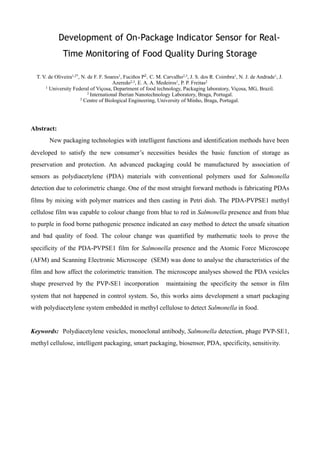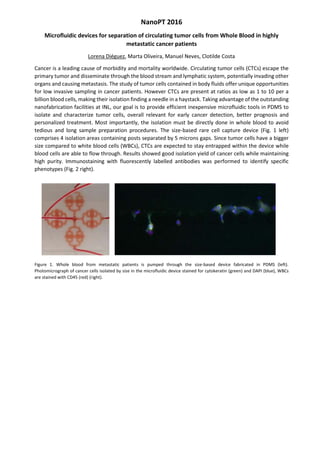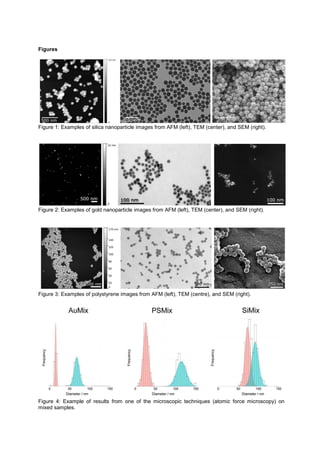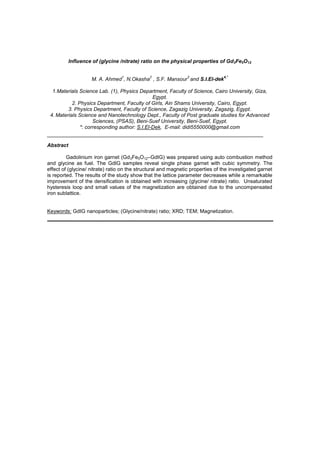











Main Organisers
nanotechnology platform
Index
Foreword / Organizers Page 5
Sponsors / Committees Page 7
Exhibitors Page 8
Speakers Page 13
Abstracts Page 18
Posters List Page 122
FEI.com | Explore. Discover. Resolve.
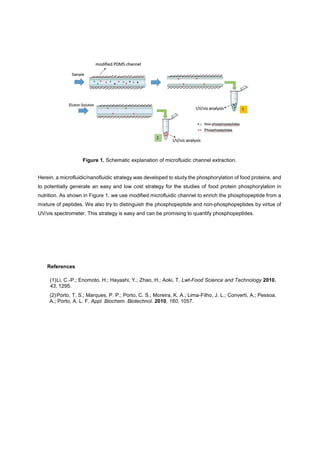
Sample: Thermally aged stainless steel. (Left) Helios PFIB, slice thickness 46.6 μm. (Right) Ga PFIB, slice thickness 7.6 μm.
Helios PFIB DualBeam
Large 3D volumes with unprecedented surface resolution
The Helios PFIB DualBeam provides serial sectioning volumes of 97 x 79 x 47 um after cropping,
compared to typical volumes of 19 x 18 x 8 um for Ga FIB. And Helios is optimized for large cross-sections
and high-throughput processing—20 to 100 times faster than traditional FIB—without causing the
mechanical damage typical during polishing.
Obtaining larger, high-resolution volumes faster enables:
• Better statistical accuracy when processing data
• Imaging and analysis of large-grained materials/metals in 3D
• Biopsies or chunking of large regions of interest for further investigation with other techniques while
keeping the bulk sample intact
10 μm
n a n o P T 2 0 1 6 B r a g a ( P o r t u g a l ) | 5
Foreword
On behalf of the Steering, Programme and
Organizing Committees we take great pleasure in
welcoming you to Braga (Portugal) for the nanoPT
International Conference (nanoPT2016), hosted at
INL.
The growing participation in the event (more
than 200 attendees), now in its fourth edition,
confirms the consolidation of nanoPT in the
scientific panorama.
The aim of nanoPT is to bring together the
Portuguese and International Community
(students, researchers, engineers and stakeholders
from academia, national laboratories, industry and
other organisations) to discuss the latest
developments and innovations in the fields of
Nanotechnology and Nanoscience.
nanoPT Conference offers a multitude of
renowned international keynote speakers, invited
and contributed talks, posters and a commercial
exhibition as well as an innovation activity
fostering entrepreneurship and start-up activities.
We are indebted to the following sponsors for
their financial support: International Iberian
Nanotechnology Laboratory (INL), FEI and
Spinograph.
We would also like to thank the following
companies for their participation: Raith GmbH,
PANalytical, micro resist technology GmbH,
SOQUÍMICA/FRITSCH, ScienTec Ibérica, Paralab,
Scienta Omicron, HORIBA Scientific and Dias de
Sousa.
In addition, thanks must be given to the staff
of all the organising institutions whose hard work
has helped planning this conference.
We would like to thank all participants,
speakers, sponsors and exhibitors that joined us
this year.
Hope to see you again in the next edition of
nanoPT (2017).
Organizers
INL - International Iberian
Nanotechnology Laboratory
Av Mestre José Veiga, s/n
4715-330 Braga - Portugal
office@inl.int
www.inl.int
CUTTING EDGE RESEARCH
FOR THE BENEFIT OF SOCIETY
DEPLOYMENT & ARTICULATION
OF NANOTECHNOLOGY
STRATEGIC RESEARCH
Food & Environment
Health
Energy
Nanoelectronics
YOUR WORLDWIDE
SCIENCE & INNOVATION PARTNER
n a n o P T 2 0 1 6 B r a g a ( P o r t u g a l ) | 7
Sponsors
Committees
S t e e r i n g C o m m i t t e e
Antonio Correia Phantoms Foundation (Spain)
Braz Costa CeNTI (Portugal)
António M. Cunha Minho University (Portugal)
Lars Montelius INL (Portugal)
P r o g r a m m e C o m m i t t e e
Higino Correia Minho University (Portugal)
Yolanda De Miguel Tecnalia (Spain)
Joaquín Fernández-Rossier INL (Portugal)
Paulo Freitas INL (Portugal)
João Gomes CeNTI (Portugal)
Rodrigo Martins Universidade Nova (Portugal)
Jose Fernando Mendes Aveiro University (Portugal)
Lars Montelius INL (Portugal)
Rui Reis Minho University (Portugal)
Jose Rivas Santiago de Compostela University (Spain)
Stephan Roche ICN2 (Spain)
Carla Silva CeNTI (Portugal)
Vasco Teixeira University of Minho (Portugal)
O r g a n i z i n g C o m m i t t e e
Andrea Carneiro CeNTI (Portugal)
Viviana Estêvão Phantoms Foundation (Spain)
Paula Galvão INL (Portugal)
Conchi Narros Phantoms Foundation (Spain)
Cristina Padilha INL (Portugal)
Ana Ribeiro CeNTI (Portugal)
Jose Luis Roldán Phantoms Foundation (Spain)
8 | n a n o P T 2 0 1 6 B r a g a ( P o r t u g a l )
Exhibitors
P A N a l y t i c a l
Materials you use every day… PANalytical’s mission is to enable people to get valuable insight
into their materials and processes. Our customers can be found in virtually every industry
segment, from building materials to pharmaceuticals and from metals and mining to
nanomaterials. The combination of our software and instrumentation, based on X-ray diffraction
(XRD), X-ray fluorescence (XRF) and near-infrared (NIR) spectroscopy as well as pulsed fast
thermal neutron activation (PFTNA), provides our customers with highly reliable and robust
elemental and structural information on their materials and is applied in scientific research and
industrial process and quality control.
PANalytical employs over 1,000 people worldwide. The worldwide sales and service network
ensures unrivalled levels of customer support.
The company is certified in accordance with ISO 9001 and ISO 14001. PANalytical is part of
Spectris plc, the productivity-enhancing instrumentation and controls company
www.panalytical.com
Luis.Vital@panalytical.com
n a n o P T 2 0 1 6 B r a g a ( P o r t u g a l ) | 9
R a i t h
Raith offers innovative solutions for sub-10nm focused ion beam (FIB) nanofabrication, SEM-
based electron beam lithography (EBL), large area SEM image capture, gas-assisted
nanolithography, in situ nanomanipluation and nanoprofilometry. Raith’s proprietary FIB
technology offers a wide range of ion species and elevates FIB based nanofabrication to a new
level with highest selectivity and unsurpassed stability for automated wafer-scale patterning.
www.raith.com
sales@raith.com
m i c r o r e s i s t t e c h n o l o g y G m b H , B e r l i n
For 23 years, our company has been developing, manufacturing and selling innovative
photoresists, special polymers and ancillary materials for micro- and nanolithography. Due to
our highly specialized products we are a trusted supplier of global high-tech markets such as
semiconductor industry, MEMS, optoelectronics, nanotechnology and other emerging
technologies. Our distinctive competency is to offer our clients and partners tailor-made
products and technological services and solutions. Furthermore, micro resist technology has
become an esteemed partner for the international research community by developing novel
photoresists and materials for latest lithography developments such as laser-direct writing, NIL
or ink jet printing.
www.microresist.com
info@microresist.de
D i a s d e S o u s a
Dias de Sousa was founded in 1983 and become along 33 years the most important Portuguese
distributor in the area of analytical and scientific instrumentation (sales, applications & services).
We are a company certified according to the latest standards of ISO 9001.
Our mission is be a serious partner, providing genuine solutions in our area in order to ensure full
satisfaction of our customers' needs.
ds@dias-de-sousa.pt
www.dias-de-sousa.pt/sa
10 | n a n o P T 2 0 1 6 B r a g a ( P o r t u g a l )
P a r a l a b
PARALAB was founded in 1992 with its primary goal set on the distribution of scientific
equipment for laboratory and industry, for measurement and control in the world of
characterization of materials.
Today, Paralab is the reference company in this sector, additionally developing unique expertise
in the area of design and development of projects.
Paralab outstands by:
− Offering the most complete range of laboratory equipment in Portugal;
− Investing heavily in the best after-sales service, supported by a large team of
professionals with deep knowledge of all analytical techniques we distribute;
− Follow-up with customers from pre-sales to the final installation and operation of the
equipment, providing global and integrated solutions.
Our main strength is the technical and scientific background of our human resources. The team
includes graduates and post-graduates in Chemical Engineering, Chemistry, Pharmaceutical
Sciences and Electronic Engineering. This team, allows Paralab to successfully deal with all the
projects in which is involved, and at the same time provide unequal customer training and after
sales support.
www.paralab.pt
info@paralab.pt
S c i e n t a O m i c r o n
Scienta Omicron, brings together the two leading innovators in Surface Science – the former
VG Scienta and Omicron NanoTechnology.
We provide customized solutions and advanced technologies for fundamental research in
surface science and nanotechnology in the fields of
− scanning probe microscopy
− electron spectroscopy,
− thin film deposition and
− tailored system and instrumentation solutions
These capabilities are available in customized solutions from one source with worldwide sales
and service groups. We work with leading researchers around the world and our products are
known for their outstanding performance. Scienta Omicron is part of the Scienta Scientific
Group. For more information please visit www.scientaomicron.com.
www.ScientaOmicron.com
info@ScientaOmicron.com
n a n o P T 2 0 1 6 B r a g a ( P o r t u g a l ) | 11
S O Q U I M I C A
Since 1929, SOQUIMICA commercializes high quality laboratory equipment and provides highly
specialized services to its customers.
We offer our clients the expertise of a qualified and experienced team, which enables support for
the development of tailor-made solutions.
The equipment we sell and the services we provide allow our customers to enjoy the best
solutions for various Applications (Chemical analyzes, Gas and liquid chromatography,
Spectroscopy, Genomics, Life sciences, Laboratory Weighing, Industrial Weighing, Preparation of
samples) and Industries (Environment, Forensics and Toxicology, Energy & Chemicals, Food
Industry and Agriculture, Pharmaceuticals and Biotechnology Industry, Textile Industry,
Inspection of products and materials testing, Clinical research, Refinery & Petrochemicals).
www.soquimica.pt
H O R I B A S c i e n t i f i c
HORIBA Scientific, part of HORIBA Group, provides an extensive array of instruments and
solutions for applications across a broad range of scientific R&D and QC measurements. HORIBA
Scientific is a world leader in elemental analysis, fluorescence, forensics, GD-OES, ICP, particle
characterization, Raman, spectroscopic ellipsometry, sulphur-in-oil, water quality and XRF. Our
instruments are found in universities and industries around the world. Proven quality and trusted
performance have established widespread confidence in the HORIBA Brand.
HORIBA provides service, such as nano-level micro-area analysis to support a wide range of
research activities, from leading-edge scientific research to RD in a variety of industries.
www.horiba.com
12 | n a n o P T 2 0 1 6 B r a g a ( P o r t u g a l )
S c i e n T e c
ScienTec, specialized in the distribution of rigorously selected scientific equipments (AFM
microscope, Vacuum technology, NanoIndentation systems, Profilometers), has for mission to
serve and assist French, Iberian and Nordic markets.
With more than 15 years experience in Nanotechnology, our sales engineers will help you to
define the right tool and configuration, our application group will teach and help you run the
machines and our after sales team will preventively maintain or repair your systems.
By characterization at ScienTec we mean:
− Atomic Fore Microscopy from CSInstruments
− Vacuum Technology from PREVAC
− NanoIndentation from Nanomechanics
− SNOM and AFM+RAMAN from Nanonics
− Digital Holography Microscopy from Lyncée Tec
− Mechanical Profilometry from KLA Tencor
− Optical profilometry
− Thin Film thickness from Filmetrics
− Accesories and SPM consumables with AppNano
www.scientec.fr
info@scientec.fr
A d v e r t i s i n g
n a n o P T 2 0 1 6 B r a g a ( P o r t u g a l ) | 13
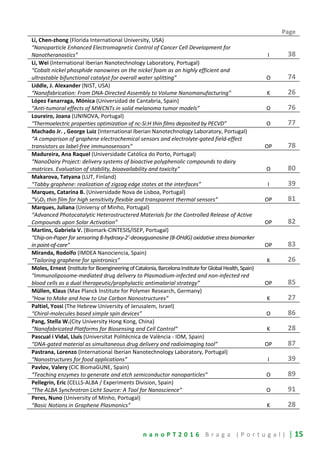
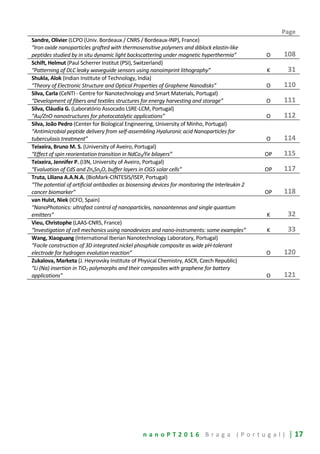
Alphabetical order index
K: Keynote Speakers
I: Invited Speakers
O: Orals (Plenary Session)
OP: Orals (Parallel Sessions)
Speakers
Page
Albuquerque, João (ICETA/UCIBIO/REQUIMTE/FFUP, Portugal)
“Multifunctional Solid Lipid Nanoparticles: a targeted approach for Rheumatoid Arthritis
with theranostic applications” OP 43
Amorim, Bruno (University of Minho, Portugal)
“Vertical current in graphene - insulator/semiconductor - graphene structures” OP 44
Ashokkumar, Anumol (International Iberian Nanotechnology Laboratory, Portugal)
“Advanced Electron Microscopy Study of GdX3@WS2 Nanotubes” O 45
Bjöörn, Patrik (Insplorion AB, Sweden)
“Plasmonic Sensing Technology for Nanomaterial Studies” O 46
Caldeira, F. Jorge (CiiEM ISCSEM, Portugal)
“Inhibitors Design for matrix metalloproteinase’s A molecular view for Dental Restoration” O 47
Capasso, Federico (Harvard Paulson School, USA)
“Metasurfaces: New Frontiers in Structured light and Surface Waves” K 19
Cardoso, Ana R. (BioMark/CINTESIS-ISEP, Portugal)
“Immune response for Malaria detected by novel and a simple biosensing approach” OP 49
Carneiro, Liliana (BioMark/CINTESIS/ISEP, Portugal)
“Functionalization of Single-Walled Carbon Nanohorns for Biosensor Applications” OP 50
Castellanos-Gomez, Andres (IMDEA, Spain)
“2D Semiconductors for Optoelectronics Applications” K 19
Castro, Eduardo (IST, Portugal)
“Phases with non-trivial topology in graphene and transition metal dichalcogenides” I 35
Chen, Yong (Ecole Normale Supérieure, France & Kyoto University, Japan)
“Nanobioengineering of cellular microenvironment: From culture dish to culture patch” K 20
Chiorcea-Paquim, Ana-Maria (University of Coimbra, Portugal)
“Quadruplex formation between a triazole-acridine conjugate and guanine-containing
repeat DNA sequences. Atomic force microscopy and voltammetric characterisation” O 51
Choi, Choon-Gi (Electronics and Telecommunications Research Institute (ETRI), Korea)
“Extraordinary optical properties of visible and terahertz metamaterials” I 36
Costa, Pedro M. F. J. (King Abdullah University of Science and Technology, Saudi Arabia)
“Quantifying impurities in Nanocarbons using ICP-OES” O 53
Costa Lima, Sofia A. (UCIBIO-REQUIMTE, University of Porto, Portugal)
“Nanostructured Lipid Carriers: a new approach for Psoriasis topical therapy” O 54
Cunha, Eunice (University of Minho, Portugal)
“Non-covalent exfoliation of graphite in aqueous suspension for nanocomposite production
with waterborne polyurethane” OP 55
De Beule, Pieter A. A (International Iberian Nanotechnology Laboratory, Portugal)
“Novel imaging devices for optical and mechanical characterization of supported lipid
bilayers at the nanoscale” O 57
Despont, Michel (CSEM SA, Switzerland)
“MEMS are a watch´s best friend” K 20
Falko, Vladimir (National Graphene Institute, the University of Manchester, UK)
“Bright, dark and semi-dark trions in two-dimensional transition metal dichalcogenides” K 22
14 | n a n o P T 2 0 1 6 B r a g a ( P o r t u g a l )
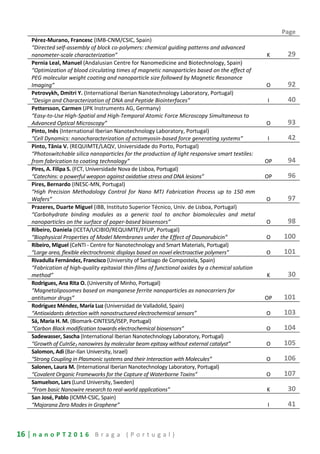
Page
Ferreira, Ricardo (International Iberian Nanotechnology Laboratory, Portugal)
“Magnetoresistive Sensors aiming room temperature detection of biomagnetic fields” I 37
Ferreira, Nádia S. (BioMark-CINTESIS/ISEP, Portugal)
“Carbon Black modification for polymer anchoring targeting fuel cell powered biosensors” OP 58
Gallo, Juan (International Iberian Nanotechnology Laboratory, Portugal)
“Tuning the relaxation rates of dual mode T1/T2 nanoparticle contrast agents: a study into
the ideal system” O 59
García-Martínez, Noel A. (International Iberian Nanotechnology Laboratory, Portugal)
“Hyperfine interaction in hydrogenated graphene” OP 60
Garcia-Martin, Jose Miguel (IMM / CNM - CSIC, Spain)
“Nanostructured biocompatible coatings to prevent implant infections” O 61
Gerber, Christoph (Basel University, Switzerland)
“Pushing the boundaries in personalized healthcare with AFM technology” K 22
Gimzewski, Jim (California Nanosystems Institute and UCLA, USA)
“Development of a "Brain-like" Computation system using Atomic Switch Networks” K 23
Goldblum, Amiram (The Hebrew University of Jerusalem, Israel)
“Computational Discovery of Liposomal Drugs: From in silico predictions to in vivo validation” O 62
Gomes, João (CeNTI, Portugal)
“Development of fully bioresponsive printed sensors: exploring the electronic tongue
concept for specific analytes” O 63
Grützner, Gabi (micro resist technology GmbH, Germany)
“Material Innovations Enabling Advanced Nanofabrication for Lab to Fab Application” K 23
Guan, Nan (Institut d´Electronique Fondamentale,Université Paris-Saclay, France)
“Flexible White Light-Emitting Diodes Based on Vertical Nitride Nanowires and micro-size
phosphors” OP 64
Guldris, Noelia (International Iberian Nanotechnology Laboratory, Portugal)
“Ultrasmall Doped Iron Oxide Nanoparticles as Dual T1-T2 Contrast Agents for MRI” OP 66
Hora, Carolina (Biomark-CINTESIS/ISEP, Portugal)
“Development of an autonomous electrical biosensing device for a colon-rectal cancer
protein marker” OP 67
Ibarlucea, Bergoi (TU Dresden/Institute for Material Science, Germany)
“Honeycomb-nanowire field-effect transistors for bacterial activity determination in non-
diluted growth media” O 68
Karasulu, Bora (Eindhoven University of Technology (TU/e), The Netherlands)
“Atomic-Scale Simulations of High-κ Dielectrics Deposition on Graphene” O 69
Kavan, Ladislav (J. Heyrovsky Institute of Physical Chemistry, Czech Republic)
“Advanced Nanocarbons (Graphene, Nanodiamond and Beyond) as the Electrode
Materials in Dye-Sensitized Solar Cells” O 70
Korgel, Brian A. (UT Austin, USA)
“Silicon and Germanium Nanowires for Lithium and Sodium Ion Batteries” K 24
Lado, Jose L. (International Iberian Nanotechnology Laboratory, Portugal)
“Large scale calculations of electronic structure of 2D Crystals” OP 72
Laurell, Thomas (Lund University, Sweden)
“Acoustic seed-trapping enables rapid enrichment and purification of nanovesicles
involved extracellular signalling” K 25
Lemma, Enrico Domenico (Istituto Italiano di Tecnologia & Università del Salento, Italy)
“Static and Dynamic Mechanical Characterization of Two-photon Lithography
Photoresists” OP 73
n a n o P T 2 0 1 6 B r a g a ( P o r t u g a l ) | 15
Page
Li, Chen-zhong (Florida International University, USA)
“Nanoparticle Enhanced Electromagnetic Control of Cancer Cell Development for
Nanotheranostics” I 38
Li, Wei (International Iberian Nanotechnology Laboratory, Portugal)
“Cobalt nickel phosphide nanowires on the nickel foam as an highly efficient and
ultrastable bifunctional catalyst for overall water splitting” O 74
Liddle, J. Alexander (NIST, USA)
“Nanofabrication: From DNA-Directed Assembly to Volume Nanomanufacturing” K 26
López Fanarraga, Mónica (Universidad de Cantabria, Spain)
“Anti-tumoral effects of MWCNTs in solid melanoma tumor models” O 76
Loureiro, Joana (UNINOVA, Portugal)
“Thermoelectric properties optimization of nc-Si:H thin films deposited by PECVD” O 77
Machado Jr. , George Luiz (International Iberian Nanotechnology Laboratory, Portugal)
“A comparison of graphene electrochemical sensors and electrolyte-gated field-effect
transistors as label-free immunosensors” OP 78
Madureira, Ana Raquel (Universidade Católica do Porto, Portugal)
“NanoDairy Project: delivery systems of bioactive polyphenolic compounds to dairy
matrices. Evaluation of stability, bioavailability and toxicity” O 80
Makarova, Tatyana (LUT, Finland)
“Tabby graphene: realization of zigzag edge states at the interfaces” I 39
Marques, Catarina B. (Universidade Nova de Lisboa, Portugal)
“V2O5 thin film for high sensitivity flexible and transparent thermal sensors” OP 81
Marques, Juliana (Universy of Minho, Portugal)
“Advanced Photocatalytic Heterostructered Materials for the Controlled Release of Active
Compounds upon Solar Activation” OP 82
Martins, Gabriela V. (Biomark-CINTESIS/ISEP, Portugal)
“Chip-on-Paper for sensoring 8-hydroxy-2'-deoxyguanosine (8-OHdG) oxidative stress biomarker
in point-of-care” OP 83
Miranda, Rodolfo (IMDEA Nanociencia, Spain)
“Tailoring graphene for spintronics” K 26
Moles, Ernest (InstituteforBioengineeringofCatalonia,BarcelonaInstituteforGlobalHealth,Spain)
“Immunoliposome-mediated drug delivery to Plasmodium-infected and non-infected red
blood cells as a dual therapeutic/prophylactic antimalarial strategy” OP 85
Müllen, Klaus (Max Planck Institute for Polymer Research, Germany)
“How to Make and how to Use Carbon Nanostructures” K 27
Paltiel, Yossi (The Hebrew University of Jerusalem, Israel)
“Chiral-molecules based simple spin devices” O 86
Pang, Stella W.(City University Hong Kong, China)
“Nanofabricated Platforms for Biosensing and Cell Control” K 28
Pascual i Vidal, Lluís (Universitat Politécnica de València - IDM, Spain)
“DNA-gated material as simultaneous drug delivery and radioimaging tool” OP 87
Pastrana, Lorenzo (International Iberian Nanotechnology Laboratory, Portugal)
“Nanostructures for food applications” I 39
Pavlov, Valery (CIC BiomaGUNE, Spain)
“Teaching enzymes to generate and etch semiconductor nanoparticles” O 89
Pellegrin, Eric (CELLS-ALBA / Experiments Division, Spain)
“The ALBA Synchrotron Licht Source: A Tool for Nanoscience” O 91
Peres, Nuno (University of Minho, Portugal)
“Basic Notions in Graphene Plasmonics” K 28
16 | n a n o P T 2 0 1 6 B r a g a ( P o r t u g a l )
Page
Pérez-Murano, Francesc (IMB-CNM/CSIC, Spain)
“Directed self-assembly of block co-polymers: chemical guiding patterns and advanced
nanometer-scale characterization” K 29
Pernia Leal, Manuel (Andalusian Centre for Nanomedicine and Biotechnology, Spain)
“Optimization of blood circulating times of magnetic nanoparticles based on the effect of
PEG molecular weight coating and nanoparticle size followed by Magnetic Resonance
Imaging” O 92
Petrovykh, Dmitri Y. (International Iberian Nanotechnology Laboratory, Portugal)
“Design and Characterization of DNA and Peptide Biointerfaces” I 40
Pettersson, Carmen (JPK Instruments AG, Germany)
“Easy-to-Use High-Spatial and High-Temporal Atomic Force Microscopy Simultaneous to
Advanced Optical Microscopy” O 93
Pinto, Inês (International Iberian Nanotechnology Laboratory, Portugal)
“Cell Dynamics: nanocharacterization of actomyosin-based force generating systems” I 42
Pinto, Tânia V. (REQUIMTE/LAQV, Universidade do Porto, Portugal)
“Photoswitchable silica nanoparticles for the production of light responsive smart textiles:
from fabrication to coating technology” OP 94
Pires, A. Filipa S. (FCT, Universidade Nova de Lisboa, Portugal)
“Catechins: a powerful weapon against oxidative stress and DNA lesions” OP 96
Pires, Bernardo (INESC-MN, Portugal)
“High Precision Methodology Control for Nano MTJ Fabrication Process up to 150 mm
Wafers” O 97
Prazeres, Duarte Miguel (iBB, Instituto Superior Técnico, Univ. de Lisboa, Portugal)
“Carbohydrate binding modules as a generic tool to anchor biomolecules and metal
nanoparticles on the surface of paper-based biosensors” O 98
Ribeiro, Daniela (ICETA/UCIBIO/REQUIMTE/FFUP, Portugal)
“Biophysical Properties of Model Membranes under the Effect of Daunorubicin” O 100
Ribeiro, Miguel (CeNTI - Centre for Nanotechnology and Smart Materials, Portugal)
“Large area, flexible electrochromic displays based on novel electroactive polymers” O 101
Rivadulla Fernández, Francisco (University of Santiago de Compostela, Spain)
“Fabrication of high-quality epitaxial thin-films of functional oxides by a chemical solution
method” K 30
Rodrigues, Ana Rita O. (University of Minho, Portugal)
“Magnetoliposomes based on manganese ferrite nanoparticles as nanocarriers for
antitumor drugs” OP 101
Rodríguez Méndez, María Luz (Universidad de Valladolid, Spain)
“Antioxidants detection with nanostructured electrochemical sensors” O 103
Sá, Maria H. M. (Biomark-CINTESIS/ISEP, Portugal)
“Carbon Black modification towards electrochemical biosensors” O 104
Sadewasser, Sascha (International Iberian Nanotechnology Laboratory, Portugal)
“Growth of CuInSe2 nanowires by molecular beam epitaxy without external catalyst” O 105
Salomon, Adi (Bar-Ilan University, Israel)
“Strong Coupling in Plasmonic systems and their Interaction with Molecules” O 106
Salonen, Laura M. (International Iberian Nanotechnology Laboratory, Portugal)
“Covalent Organic Frameworks for the Capture of Waterborne Toxins” O 107
Samuelson, Lars (Lund University, Sweden)
“From basic Nanowire research to real-world applications” K 30
San José, Pablo (ICMM-CSIC, Spain)
“Majorana Zero Modes in Graphene” I 41
n a n o P T 2 0 1 6 B r a g a ( P o r t u g a l ) | 17
Page
Sandre, Olivier (LCPO (Univ. Bordeaux / CNRS / Bordeaux-INP), France)
“Iron oxide nanoparticles grafted with thermosensitive polymers and diblock elastin-like
peptides studied by in situ dynamic light backscattering under magnetic hyperthermia” O 108
Schift, Helmut (Paul Scherrer Institut (PSI), Switzerland)
“Patterning of DLC leaky waveguide sensors using nanoimprint lithography” K 31
Shukla, Alok (Indian Institute of Technology, India)
“Theory of Electronic Structure and Optical Properties of Graphene Nanodisks” O 110
Silva, Carla (CeNTI - Centre for Nanotechnology and Smart Materials, Portugal)
“Development of fibers and textiles structures for energy harvesting and storage” O 111
Silva, Cláudia G. (Laboratório Assocado LSRE-LCM, Portugal)
“Au/ZnO nanostructures for photocatalytic applications” O 112
Silva, João Pedro (Center for Biological Engineering, University of Minho, Portugal)
“Antimicrobial peptide delivery from self-assembling Hyaluronic acid Nanoparticles for
tuberculosis treatment” O 114
Teixeira, Bruno M. S. (University of Aveiro, Portugal)
“Effect of spin reorientation transition in NdCo5/Fe bilayers” OP 115
Teixeira, Jennifer P. (I3N, University of Aveiro, Portugal)
“Evaluation of CdS and ZnxSnyOz buffer layers in CIGS solar cells” OP 117
Truta, Liliana A.A.N.A. (BioMark-CINTESIS/ISEP, Portugal)
“The potential of artificial antibodies as biosensing devices for monitoring the Interleukin 2
cancer biomarker” OP 118
van Hulst, Niek (ICFO, Spain)
“NanoPhotonics: ultrafast control of nanoparticles, nanoantennas and single quantum
emitters” K 32
Vieu, Christophe (LAAS-CNRS, France)
“Investigation of cell mechanics using nanodevices and nano-instruments: some examples” K 33
Wang, Xiaoguang (International Iberian Nanotechnology Laboratory, Portugal)
“Facile construction of 3D integrated nickel phosphide composite as wide pH-tolerant
electrode for hydrogen evolution reaction” O 120
Zukalova, Marketa (J. Heyrovsky Institute of Physical Chemistry, ASCR, Czech Republic)
“Li (Na) insertion in TiO2 polymorphs and their composites with graphene for battery
applications” O 121
Abstracts
n a n o P T 2 0 1 6 B r a g a ( P o r t u g a l ) | 19
FedericoCapasso
School of Engineering and Applied Sciences
Harvard University, Cambridge, UK
capasso@seas.harvard.edu
M e t a s u r f a c e s : N e w F r o n t i e r s
i n S t r u c t u r e d l i g h t a n d S u r f a c e
W a v e s
Patterning surfaces with subwavelength
spaced metallo-dielectric features (metasurfaces)
allows one to locally control the amplitude, phase
and polarization of the scattered light, allowing
one to generate complex wavefronts such as
optical vortices of different topological charge and
dislocated wavefronts [1,2]. Recent results on
achromatic metasurfaces will be presented
including lenses and collimators. Metasurfaces
have also become a powerful tool to shape surface
plasmon polaritons (SPPs) and more generally
surface waves. I will present new experiments on
imaging SPP that have revealed the formation of
Cherenkov SPP wakes and demonstrated
polarization sensitive light couplers that control
the directionality of SPP and lenses which
demultiplex focused SPP beams depending on
their wavelength and polarization.
R e f e r e n c e s
[1] N. Yu and F. Capasso Nature Materials 13, 139
(2014)
[2] P. Genevet and F. Capasso Reports on
Progress in Physics 78, 24401 (2015)
Andres Castellanos-Gomez
2D Materials & Devices group. IMDEA Nanoscience.
Madrid, Spain
andres.castellanos@imdea.org
2 D S e m i c o n d u c t o r s f o r
O p t o e l e c t r o n i c s A p p l i c a t i o n s
In this talk I will review the recent progress on
the application of atomically thin crystals different
than graphene on optoelectronic devices. The
current research of 2D semiconducting materials
has already demonstrated the potential of this
family of materials in optoelectronic applications
[1-4]. Nonetheless, it has been almost limited to
the study of molybdenum- and tungsten- based
dichalcogenides (a very small fraction of the 2D
semiconductors family). Single layer molybdenum
and tungsten chalcogenides present large direct
bandgaps (~1.8 eV). Alternative 2D semiconducting
materials with smaller direct bandgap would be
excellent complements to the molybdenum and
tungsten chalcogenides as they could be used for
photodetection applications in the near infrared.
Furthermore, for applications requiring a large
optical absorption it would be desirable to find a
family of semiconducting layered materials with
direct bandgap even in their multilayer form.
Here I will summarize the recent results on the
exploration of novel 2D semiconducting materials
for optoelectronic applications: black phosphorus
[5-7], TiS3 [8, 9]. Recent efforts towards tuning the
optoelectronic properties of 2D semiconductors by
strain engineering will be also discussed [10, 11].
R e f e r e n c e s
[1] Yin Z. et al, Single-layer MoS2 phototransistors,
ACS Nano (2011)
[2] Lopez-Sanchez, O., et al., Ultrasensitive
photodetectors based on monolayer MoS2,
Nature Nanotech. (2013)
[3] Buscema M., et al., Large and tunable photo-
thermoelectric effect in single-layer MoS2,
Nano Letters (2013)
[4] Groenendijk D.J., et al., Photovoltaic and
photothermoelectric effect in a doubly-gated
WSe2 device, Nano Letters (2014)
[5] Castellanos-Gomez, A., et al., Isolation and
Characterization of few-layer black
phosphorus. 2D Materials (2014)
[6] Buscema M., et al., Fast and broadband
photoresponse of few-layer black phosphorus
field-effect transistors. Nano Letters (2014)
[7] Buscema M., et al., Photovoltaic effect in few-
layer black phosphorus PN junctions defined
by local electrostatic gating. Nature
Communications (2014).
K E Y N O T E c o n t r i b u t i o n s
20 | n a n o P T 2 0 1 6 B r a g a ( P o r t u g a l )
[8] Island J.O., et al., Ultrahigh photoresponse of
atomically thin TiS3 nanoribbon transistors.
Adv. Opt. Mater. (2014)
[9] Island J.O., et al., TiS3 transistors with tailored
morphology and electrical properties. Adv.
Mater. (2015)
[10] Castellanos-Gomez, A., et al., Local strain
engineering in atomically thin MoS2. Nano
Letters (2013)
[11] Quereda, J., et al., Quantum confinement in
black phosphorus through strain-engineered
rippling. arXiv:1509.01182 (2015)
F i g u r e s
Yong Chen
Department of Chemistry, Ecole Normale Supérieure (ENS),
Paris, France
Institute for Integrated Cell-Material Sciences (iCeMS),
Kyoto University, Japan
Centre for Quantitative Biology (CQB), Peking University,
China
yong.chen@ens.fr
N a n o b i o e n g i n e e r i n g o f c e l l u l a r
m i c r o e n v i r o n m e n t : F r o m
c u l t u r e d i s h t o c u l t u r e p a t c h
Nature does nothing uselessly (Aristotle:
I.1253a8). This point of view is particularly helpful
when we develop new tools and methods for cell
biology and biomedical studies. By mimicking the
in vivo cellular microenvironment and tissue
organization, we designed a new patch form
device for off-ground culture and differentiation of
pluripotent stem cells which showed numerous
advantages over conventional culture dish
methods. We will illustrate the high application
potential of such a culture patch method in
regenerative medicine, drug screening and cancer
diagnosis. We will also discuss, among many
others, issues related to the organs on a chip and
body on a chip, taking into account the advantage
of the human induced pluripotent stem cells and
the culture patch methods as well as the
tremendous needs of such an approach in coming
years.
M. Despont
Department of Chemistry, Ecole Normale Supérieure (ENS),
CSEM SA, Neuchâtel, Switzerland
mdespont@csem.ch
M E M S a r e a w a t c h ´ s b e s t
f r i e n d
Besides the breakthrough of MEMS devices in
automotive and consumer markets during the last
decade (pressure sensors, accelerometers,
gyroscopes,..), micro-machining allowed to
develop innovative devices in niche markets like
for example the watch industry. Swiss watch
makers quickly understood the advantages like the
manufacturing accuracy and design freedom
offered by the combination of the micro-
machining techniques and the mechanical
properties of materials like for example silicon.
The mechanical properties of Si make it a
material of choice to realize a spring. It has a high
Young modulus, a low CTE and is a-magnetic. Deep
reactive ion etching (DRIE) was the key enabling
technology that allowed the realization of silicon
watch parts.
One of the first components developed for
watches is the silicon hairspring. This part can be
n a n o P T 2 0 1 6 B r a g a ( P o r t u g a l ) | 21
considered as the hearth of the watch.
Conventional hairsprings are fabricated from a roll-
laminated wire wound in the form of a spiral. Only
a few companies in the world master this
technique. There are extremely stringent
requirements on the alloy used to shape the spring
in order to get a good thermal compensation.
Proper oxidation of the silicon springs allows
getting a fully thermally compensated spring with
properties exceeding the performance of
conventional hairsprings. This material is called the
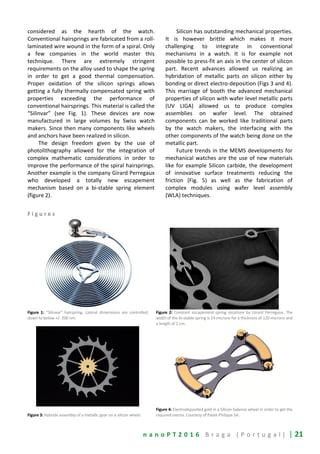
“Silinvar” (see Fig. 1). These devices are now
manufactured in large volumes by Swiss watch
makers. Since then many components like wheels
and anchors have been realized in silicon.
The design freedom given by the use of
photolithography allowed for the integration of
complex mathematic considerations in order to
improve the performance of the spiral hairsprings.
Another example is the company Girard Perregaux
who developed a totally new escapement
mechanism based on a bi-stable spring element
(figure 2).
Silicon has outstanding mechanical properties.
It is however brittle which makes it more
challenging to integrate in conventional
mechanisms in a watch. It is for example not
possible to press-fit an axis in the center of silicon
part. Recent advances allowed us realizing an
hybridation of metallic parts on silicon either by
bonding or direct electro-deposition (Figs 3 and 4).
This marriage of booth the advanced mechanical
properties of silicon with wafer level metallic parts
(UV LIGA) allowed us to produce complex
assemblies on wafer level. The obtained
components can be worked like traditional parts
by the watch makers, the interfacing with the
other components of the watch being done on the
metallic part.
Future trends in the MEMS developments for
mechanical watches are the use of new materials
like for example Silicon carbide, the development
of innovative surface treatments reducing the
friction (Fig. 5) as well as the fabrication of
complex modules using wafer level assembly
(WLA) techniques.
F i g u r e s
Figure 1: “Silinvar” hairspring. Lateral dimensions are controlled
down to below +/- 200 nm.
Figure 2: Constant escapement spring structure by Girard Perregaux. The
width of the bi-stable spring is 14 microns for a thickness of 120 microns and
a length of 2 cm.
Figure 3: Hybride assembly of a metallic gear on a silicon wheel.
Figure 4: Electrodeposited gold in a Silicon balance wheel in order to get the
required inertia. Courtesy of Patek Philippe SA.
22 | n a n o P T 2 0 1 6 B r a g a ( P o r t u g a l )
Vladimir Falko
National Graphene Institute, The University of Manchester,
Manchester, UK
Vladimir.Falko@manchester.ac.uk
B r i g h t , d a r k a n d s e m i - d a r k
t r i o n s i n t w o - d i m e n s i o n a l
t r a n s i t i o n m e t a l
d i c h a l c o g e n i d e s
We analyse dark and bright states of charged
and neutral excitons in two-dimensional (2D)
metal dichalcogenides (TMDC) MoX2 and WX2 (X =
S, Se) and analyse their appearance in the optical
spectra affected by the inverted sign of spin-orbit
splitting of conduction band states in MoX2 and
WX2. We use diffusion Monte Carlo approach to
evaluate the trion binding energy and we
determine interpolation formulae for the exciton
and trion binding energies to describe their
dependence on the 2D lattice screening
parameter, the electron/hole band masses, and
electron-hole exchange. Finally, we analyse the
speed of energy relaxation of photoexcited carriers
in TMDCs.
Christoph Gerber
Swiss Nanoscience Institute SNI, Institute of Physics Univ.
of Basel, Basel, Switzerland
christoph.gerber@unibas.ch
P u s h i n g t h e b o u n d a r i e s i n
p e r s o n a l i z e d h e a l t h c a r e w i t h
A F M t e c h n o l o g y
There are more than 200 different types of
cancers, but they all have the same cause: a random
change, or mutation, in a cell's genetic code that
trigger cells in the body to grow and divide
uncontrollably So far some of these mutations are
known and targeted therapies or drugs have been
developed for cancer treatments that made the
difference in survival for many people.
However since the sequencing of the entire
human genome it turns out that we know now what
we are made of but we still don't know to a large
extent how we work that is that epigenetical
changes can eventually alter cancerogenesis and
produce different mutations which means that the
therapy stops working. Including immunotherapie
eliminating cancer by stimulating the immune
system treating the malignant tumors as an
infection and thereby keeping the system from
being 'switched off' could be a powerful
combination in future cancer therapies.
However fast new diagnostic tools are therefore
required. Recently Atomic Force Microscopy (AFM)
technologies have come of age in various biological
applications. Moreover these developments has
started to enter the clinic. From this toolkit we use a
micro-fabricated silicon cantilevers array platform as
a novel biochemical highly sensitive sensor that
offers a label-free approach for point of care fast
diagnostics where ligand-receptor binding
interactions occurring on the sensor generating
nanomechanical signals like bending or a change in
mass which is optically detected in-situ. It enables
the detection of multiple unlabelled biomolecules
simultaneously down to picomolar concentrations
within minutes in differential measurements
including reference cantilevers on an array of eight
sensors. The sequence-specific detection of
unlabelled DNA in specific gene fragments within a
complete genome is shown. In particular the
expression of the inducible gene interferon- a within
total RNA fragments and unspecific back ground.
This gives rise that the method allows monitoring
gene regulation, an intrinsic step in shining light on
disease progression on a genetic level.
Moreover two types of cancer have been
investigated on a genetic level: malignant melanoma
BRAF, the deadliest form of skin cancer as well as
invasive ductal carcinoma HER2 the most common
Breast cancer can be detected with this technology
on a single point mutation without amplification and
labeling in the background of the total RNA.
n a n o P T 2 0 1 6 B r a g a ( P o r t u g a l ) | 23
James K. Gimzewski
Department of Chemistry and Biochemistry, University of
California, Los Angeles, USA
WPI Center for Materials Nanoarchitectonics (MANA),
National Institute for Materials Science (NIMS), Japan;
California Nanosystems Institute, University of California,
Los Angeles, USA
gimzewski@cnsi.ucla.edu
D e v e l o p m e n t o f a " B r a i n - l i k e "
C o m p u t a t i o n s y s t e m u s i n g
A t o m i c S w i t c h N e t w o r k s
The self-organization of dynamical structures in
complex natural systems is associated with an
intrinsic capacity for computation. Based on new
approaches for neuromorphic engineering, we
discuss the construction of purpose-built dynamical
systems based on atomic switch networks (ASN).
These systems consist of highly interconnected,
physically recurrent networks of inorganic synapses
(atomic switches). By combining the advantages of
controlled design with those of self-organization, the
functional topology of ASNs has been shown to
produce emergent system-wide dynamics and a
diverse set of complex behaviors with striking
similarity to those observed in many natural systems
including biological neural networks and assemblies.
Numerical modeling and experimental investigations
of their operational characteristics and intrinsic
dynamical properties have facilitated progress
toward implementation in neuromorphic reservoir
computing. We discuss the utility of ASNs as a
uniquely scalable physical platform capable of
exploring the dynamical interface of complexity,
neuroscience, and engineering.
R e f e r e n c e s
[1] A.Z. Stieg, A.V. Avizienis, H.O. Sillin, C. Martin-
Olmos, M. Aono and J.K Gimzewski. Advanced
Materials 24(2), 286-293 (2012)
[2] H.O. Sillin,H-. H. Hsieh, R. Aguilera, A.V.
Avizienis, M. Aono, A.Z. Stieg and J.K.
Gimzewski, Nanotechnology 38(24), 384004
(2013).
[3] A.V. Avizienis, H.O. Sillin, C. Martin-Olmos, M.
Aono, A.Z. Stieg and J.K Gimzewski. PLoS ONE
7(8): e42772 (2012).
[4] A.Z. Stieg, A.V. Avizienis, H.O. Sillin, H-.H. Shieh,
C. Martin-Olmos, R. Aguilera, E.J. Sandouk, M.
Aono and J.K. Gimzewski. In: Memristor
Networks, Eds. Adamatzky & Chua, Springer-
Verlag (2014).
[5] E.C. Demis, R. Aguilera, H.O Sillin, K.
Scharnhorst, E.J Sandouk1, M. Aono3, A.Z Stieg
& J.K Gimzewski, Nanotechnology, 26 (10)
204003 (2015)
[6] V. Vesna, A.Z. Stieg in Handbook of Science and
Technology Convergence, Eds, W. Bainbridge,
M.C Roco, Springer (2016)
Gabi Grützner
micro resist technology GmbH, Germany
g.gruetzner@microresist.de
M a t e r i a l I n n o v a t i o n s E n a b l i n g
A d v a n c e d N a n o f a b r i c a t i o n f o r
L a b t o F a b A p p l i c a t i o n
For more than 20 years, micro resist technology
GmbH (mrt) has been developing and providing
innovative photoresists, special polymers and
ancillary materials for a variety of micro- and
nanolithography applications. Due to these highly
specialized products, mrt is a trusted supplier of
global high-tech markets such as semiconductor
industry, MEMS, optoelectronics, nanotechnology
and other emerging technologies.
Beside photoresists for UV / DUV-applications
and e-beam lithography mrt has focused on the
development and fabrication of resist materials for
the next generation of lithography applications.
Beside improved versions of positive and negative
tone photoresists the innovation for nanofabrication
is mainly set on nanoimprinting materials and hybrid
polymer materials.
A broad material portfolio for nanoimprint
lithography has been developed including resists for
24 | n a n o P T 2 0 1 6 B r a g a ( P o r t u g a l )
thermal NIL (T-NIL), in which a thermoplastic
polymer is used, and photo-NIL, in which a liquid
photo-curable formulation is applied. Furthermore,
suitable materials with low viscosity and the fast
photo-curing reaction enable continuous roll-to-roll
NIL processes. The NIL resists are mostly applied as
etch mask for pattern transfer into various
substrates, like Si, SiO2, Al or sapphire. Furthermore,
bilayer approaches for the realization of very high
aspect ratios have been developed.
In addition, mrt offers a broad portfolio of UV-
curable hybrid polymer products for micro- and
nano-optical applications. Their excellent optical
transparency and high thermal stability makes them
perfectly suitable for the production of polymer-
based optical components and waveguides by
means of various micro- and nanofabrication
techniques. Main fields of application are micro
lenses, diffractive optical elements (DOE), gratings,
and single-mode or multi-mode waveguides.
New developments in NIL- and hybrid polymers
will be demonstrated, discussed, and application
results will be given representing different lab and
fab manufacturing schemes.
F i g u r e s
Figure 1: Resist pattern generated by photo-NIL. Figure 2: Microlens array made from OrmoComp®by Ink Jet Printing
Brian A. Korgel
1
, Xiaotang Lu
1
, Aaron
Chockla
1
, Taizhi Jiang1
, Emily Adkins1
,
Chongmin Wang
2
, Meng Gu
2
1
Department of Chemical Engineering, Texas Materials
Institute, Center for Nano- and Molecular Science and
Technology, The University of Texas at Austin, Austin, USA
2
Environmental Molecular Sciences Laboratory, Pacific
Northwestern National Laboratory, Richland, USA
korgel@che.utexas.edu
S i l i c o n a n d G e r m a n i u m
N a n o w i r e s f o r L i t h i u m a n d
S o d i u m I o n B a t t e r i e s
Silicon (Si) and Germanium (Ge) have both been
explored as high storage capacity negative
electrodes (or anodes) in lithium ion batteries as a
replacement for graphite. Si has very high lithium
storage capacity (of about an order of magnitude
greater than graphite); however, Si-based electrodes
usually require the addition of carbon because of
the low electrical conductivity of Si. We have
recently shown that carbon addition can be
minimized by using Si nanowires with a thin layer of
carbon coating [1,2], or completely avoided using Si
nanowires containing high concentrations of tin (Sn,
8-10 mol%) [3]. The Sn-containing Si nanowires can
be cycled in LIBs with very high capacity
(~1,000 mA h g
-1
for more than 100 cycles at a
current density of 2.8 A g
-1
(1 C). Capacities
exceeding graphite (of 373 mA h g
-1
) could be
reached at rates as high as 2 C. Ge nanowire LIB
electrodes have lower charge capacity (1,624
mA h g
-1
) than Si, but perform better than Si at high
cycle rates (without the addition of carbon). One
approach that we have been exploring for achieving
high capacity and high rate capability in batteries is
to combine Si and Ge nanowires into one electrode.
Using this approach, a capacity of 900 mA h g
-1
could
be obtained at extremely fast delithiation rates of
n a n o P T 2 0 1 6 B r a g a ( P o r t u g a l ) | 25
20 C (37.16 A g
-1
). Using in situ TEM, we have been
studying the lithiation/delithiation mechanisms of Si
and Ge nanowires and observe that fast rates lead
to pore formation in both Si and Ge, which should
be considered when designing electrolytes and
electrode formulations [4]. We have also been
studying nanowire materials for energy storage
concepts beyond the lithium ion battery that use
alternatives like Na, Ca or Mg. We have found that
Ge nanowires are a very good electrode material for
Na-ion batteries (NIBs). Crystalline Ge does not
sodiate; however, a pretreatment process of
lithiation to amorphize the nanowires then leads to
very efficient sodiation. We have performed in situ
TEM studies of the sodiation and desodiation of Ge
nanowires and find that sodiation rates are actually
quite fast, similar to the typical rates observed for
lithiation of Ge nanowires. The current state-of-the-
art of Si and Ge nanowire materials for LIB and NIBs
will be discussed.
R e f e r e n c e s
[1] A. M. Chockla, J. T. Harris, V. A. Akhavan, T. D.
Bogart, V. C. Holmberg, C. Steinhagen, C. B.
Mullins, K. J. Stevenson, B. A. Korgel, J. Am.
Chem. Soc. 133 (2011) 20914.
[2] T. D. Bogart, D. Oka, X. Lu, M. Gu, C. Wang, B. A.
Korgel, ACS Nano 8 (2014) 915.
[3] T. D. Bogart, X. Lu, M. Gu, C. Wang, B. A. Korgel,
RSC Adv. 4 (2014) 42022.
[4] X. Lu, T. D. Bogart, M. Gu, C. Wang, B. A. Korgel,
J. Phys. Chem. C 119 (2015) 21889.
F i g u r e s
Figure 1: TEM images of an Si nanowire after several
lithiation/delithiation cycles. The nanowire shrinks in diameter and
develops pores after each delithiation event. Relithiation causes the
nanowire to swell and the pores are filled in.
Thomas Laurell
Dept. Biomedical Engineering, Lund University, Lund,
Sweden
thomas.laurell@bme.lth.se
A c o u s t i c s e e d - t r a p p i n g
e n a b l e s r a p i d e n r i c h m e n t a n d
p u r i f i c a t i o n o f n a n o v e s i c l e s
i n v o l v e d e x t r a c e l l u l a r
s i g n a l l i n g
Extracellular vesicles (EV) encompass several
different cell-derived nanometer scale vesicles,
which all play important roles in intercellular
communication, e.g. through membrane integrated
proteins that target cells and trigger intracellular
signalling pathways or fuses with the target cell
delivering gene-regulating components such as
mRNA or microRNA (miRNA). Exosomes are small
intraluminal vesicles (50-100 nm) secreted via so
called multivesicular endosomes and are recognized
as an important mode of cell-independent
communication and immune system regulation.
Exosomes are present in all biofluids and contain a
wide range of proteins and RNAs that reflect their
tissue of origin. Microvesicles (microparticles) are
larger in size, 100-1000 nm, and are disseminated
from cells by budding from the plasma membrane
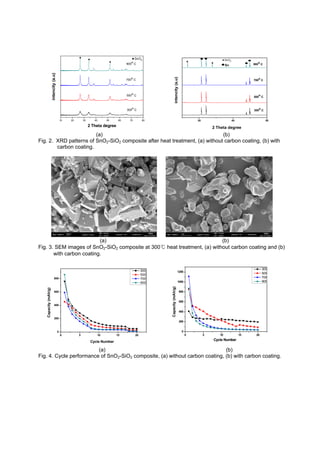
into the extracellular space, having similar function
in extracellular communication.
The study of extra cellular vesicles involves
extensive ultracentrifugation protocols to isolate
exosomes and microvesicles. In order for
ultracentrifugation to be functional, sufficient
material must be available to allow the formation of
a visible pellet after the centrifugation. This usually
requires several 2-5 mL of biofluid and is a major
bottle neck in advancing research in this area due to
the limited access to such large sample volumes.
Our group has recently reported that bacteria
as well as nanoparticles (110 nm) can be enriched by
means of capillary based acoustic trapping
configured in the so called seed-trapping mode.
Acoustic seed-trapping utilises inter particle forces,
occurring as ultrasound waves are scattered
between two particles. By seeding the acoustic trap
26 | n a n o P T 2 0 1 6 B r a g a ( P o r t u g a l )
with larger particles (≈10 um) that can easily be
retained against flow by the primary acoustic
radiation force, when exciting a capillary with a local
ultrasonic vibration, nanometer sized particles in a
sample that is exposed to the larger seed particles in
the acoustic trap will be attracted to the seed
particles, aggregate and be retained against flow.
This mechanism enables rapid enrichment of
nanometersized solid particles as well as biological
nanoparticles, i.e. bacteria, exosomes and
microvesicles. The basics of acoustic trapping will be
discussed and the application of acoustic seed-
trapping to realise a rapid microfluidic system for
detection of bacteria in blood will be described and
the first tests of this in a clinical setting on 57 patient
samples will be discussed. The seed-trapping
platform has also been investigated for the
enrichment and enumeration of platelet derived
microvesicles in blood plasma from patients with
myocardial infarction, demonstrating analogous
data to what was obtained by ultracentrifugation
based sample preparation. Initial data on exosome
and micro vesicle enrichment from cell cultures,
cerebrospinal fluid and blood plasma will also be
presented, showing our first data on protein content
in these vesicles using LC MS/MS analysis and
detection of short RNA and microRNA by qRT-PCR.
The development of acoustic seed-trapping for
nanoparticle preparation now opens up a Holy Grail
for biomarker research and diagnostics in small
sample volumes (50-200 uL) which are not
accessible for ultra centrifugation and hence
extensive studies of extracellular vesicles in
cryopreserved biobank samples based on large
population-based cohorts may now be possible.
J. Alexander Liddle
Center for Nanoscale Science and Technology, National
Institute of Standards and Technology, Gaithersburg,
Maryland, USA
james.liddle@nist.gov
N a n o f a b r i c a t i o n : F r o m D N A -
D i r e c t e d A s s e m b l y t o V o l u m e
N a n o m a n u f a c t u r i n g
The term “nanofabrication” encompasses the
myriad of techniques that can be used to make
nanostructures, but only a small subset can make
the transition to economic viability that defines
“nanomanufacturing”. I will discuss some of the
process-related criteria, such as speed, yield,
precision, defectivity, and flexibility, as well as
economic criteria, such as market size and cost
margin, which must be considered when
determining whether or not a fabrication process
might be suited to manufacturing. I will illustrate
these concepts through examples taken from the
semiconductor industry and our own work on DNA-
directed assembly [1 – 4].
R e f e r e n c e s
[1] S. H. Ko, et al., Adv. Func. Mater., 22 1015
(2012)
[2] S. H. Ko, et al., Angew. Chemie, 52, 1193 (2013)
[3] K. Du, et al., Chem. Commun., 49, 907 (2013)
[4] S. H. Ko, et al., Soft Matter, 10, 7370 (2014)
R. Miranda
Instituto Madrileño de Estudios Avanzados en Nanociencia
(IMDEA-Nanociencia), Madrid, Spain
Dep. Física de la Materia Condensada, Universidad
Autónoma de Madrid, Madrid, Spain.
rodolfo.miranda@imdea.org
T a i l o r i n g G r a p h e n e f o r
S p i n t r o n i c s
The development of graphene spintronic
devices requires that, in addition to its capability to
passively transmit spins over long distances, new
magnetic functionalities are incorporated to
graphene. By growing epitaxially graphene on single
crystal metal surfaces under UHV conditions [1] and
either adsorbing molecules on it or intercalating
heavy atoms below it, long range magnetic order or
giant spin-orbit coupling, respectively, can be added
to graphene.
n a n o P T 2 0 1 6 B r a g a ( P o r t u g a l ) | 27
i) Achieving long range magnetic order by a
monolayer of electron acceptor molecules adsorbed
on graphene /Ru(0001). Epitaxial graphene is
spontaneously nanostructured forming an
hexagonal array of 100 pm high nanodomes with a
periodicity of 3 nm [2]. Cryogenic Scanning
Tunnelling Microscopy (STM) and Spectroscopy and
DFT simulations show that TCNQ molecules
deposited on gr/Ru(0001) acquire charge from the
(doped) substrate and develop a sizeable magnetic
moment revealed by a prominent Kondo resonance.
The molecular monolayer self-assembled on
graphene develops spatially-extended spin-split
electronic bands. The predicted spin alignment in
the ground state is visualized by spin-polarized STM
at 4.6 K [3]. The system shows promising
perspectives to become an effective graphene-
based spin filter device.
ii) Introducing a giant spin-orbit interaction on
graphene/Ir(111) by intercalation of Pb. The
intercalation of an ordered array of Pb atoms below
graphene results in a series of sharp pseudo-Landau
levels in the differential conductance revealed by
STS at 4.6 K. The vicinity of Pb enhances by four
orders of magnitude the, usually negligible, spin-
orbit interaction of graphene. The spatial variation
of the spin-orbit coupling creates a pseudo-magnetic
field that originates the observed pseudo-Landau
levels [4]. This may allow the processing and
controlled manipulation of spins in graphene.
R e f e r e n c e s
[1] A.L. Vázquez de Parga et al, Phys. Rev. Lett. 100,
056807 (2008)
[2] B. Borca et al, Phys. Rev. Lett. 105, 036804
(2010)
[3] M. Garnica et al, Nature Physics 9, 368 (2013)
[4] F. Calleja et al, Nature Physics 11, 43 (2015)
F i g u r e s
Figure 1: Differential conductance for Pb-intercalated graphene.
Klaus Müllen
MaxPlanckInstituteforPolymerResearch,Mainz,Germany
muellen@mpip-mainz.mpg.de
H o w t o M a k e a n d h o w t o U s e
C a r b o n N a n o s t r u c t u r e s
Graphene is praised as multifunctional wonder
material and rich playground for physics. Above all,
it is a two-dimensional polymer and thus a true
challenge for materials synthesis. Herein I present,
both, “bottom-up” precision synthesis and “top-
down” fabrication protocols toward graphene. The
resulting materials properties cover an enormous
breadth ranging from batteries, supercapacitors,
oxygen reduction catalysts, photodetectors and
sensors to semiconductors. Another question is
whether graphene holds promise for robust
technologies. An attempt will be made at providing
answers.
R e f e r e n c e s
Nature 2010, 466, 470; Nature Chem. 2011, 3, 61;
Nature Nanotech. 2011, 6, 226; Nature Chem. 2012,
4, 699; Angew. Chem. Int. Ed. 2012, 51, 7640;
Nature Commun. 2013, DOI: 10.1038/ncomms3646;
Nature Commun. 2013, DOI: 10.1038/ncomms3487;
Adv. Polym. Sci. 2013, 262, 61; Angew. Chem. Int.
Ed. 2014, 53, 1570; J. Am. Chem. Soc. 2014, 136,
6083; Angew. Chem. Int. Ed. 2014, 53, 1538; Nature
Nanotech. 2014, 9, 182; Nature Nanotech. 2014, 9,
131; Nature Chem. 2014, 6, 126; Nature Commun.
2014, DOI:10.1038/ncomms5973; Nature Nanotech.
2014, 9, 896; Nature Commun. 2014,
DOI:10.1038/ncomms5253; Adv. Mater. 2015, 27,
669; ACS Nano 2015, 9, 1360; Angew. Chem. Int. Ed.
2015, 54, 2927; J. Am. Chem. Soc. 2015, 137, 6097;
Nature Commun. 2015, DOI: 10.1038/ncomms8992;
Nature Commun. 2015, DOI: 10.1038/ncomms8655.
28 | n a n o P T 2 0 1 6 B r a g a ( P o r t u g a l )
Stella W. Pang
DepartmentofElectronicEngineering,CenterforBiosystems,
Neuroscience,andNanotechnology,CityUniversityofHong
Kong,Kowloon,HongKong
pang@cityu.edu.hk
N a n o f a b r i c a t e d P l a t f o r m s f o r
B i o s e n s i n g a n d C e l l C o n t r o l
Biosensing using neural probes and cell
migration control using patterned topography will
be reviewed. Neural probes are used in vivo to study
neural activities of the central nervous system and
retinal responses. We have developed low
impedance neural probes with integrated
temperature sensors to monitor neural activities in
the brain and retina. By controlling the dimension,
distribution, and morphology of the electrode sites
on the probes, neural signals with high signal to
noise ratio were obtained. Improved neural activity
detection was achieved by lowering the electrode
impedance using plasma treatment of the electrode
surface. Position of the implanted neural probes
could be monitored using the integrated
temperature sensors. These temperature sensors
were useful to detect the temperature rise during
neural stimulation at different current levels.
Controlling cell movement and cell screening
are crucial for biosystems. Cell switches based on
patterned topography with different bending angles,
segment lengths, and pattern densities have been
designed to control unidirectional cell migration
with better than 85% probability of passing the
switches. To improve the unidirectional passing
probability, sealed channels with guidance
topography, a height of 15 μm, and a width of 10
μm were used to confine the cells and move them
through the channels in the designated direction
without external force, chemical gradient, or fluidic
flow. This will be the basis for “smart” platform,
which is capable of sorting adherent cells to the
predesigned locations.
Natural killer (NK) cells serve an important role
in immune system by recognizing and killing
potentially malign cells without antigen
sensitization, and could be important in cancer
therapy. We have designed and fabricated microwell
arrays with microchannel connections to study the
interaction dynamics of NK-92MI cells with MCF7
breast cancer cells using time-lapse imaging. NK cell
cytotoxicity was found to be stronger in larger
microwells with shorter triggering time of first target
lysis. Microchannel connection between adjacent
microwell of the same size increased the overall
target death ratio by >10%, while connection
between microwells of different sizes led to
significantly increased target death ratio and
delayed first target lysis in smaller microwells. Our
findings reveal unique cell interaction dynamics such
as initiation and stimulation of NK cell cytotoxicity in
a confined microenvironment.
N. M. R. Peres
UniversityofMinho,DepartmentandCenterofPhysics,
Braga,Portugal
peres@fisica.uminho.pt
B a s i c N o t i o n s i n G r a p h e n e
P l a s m o n i c s
In this talk we discuss basic notions of graphene
plasmonics in the mid- and far-infrared spectral
regions. We first compare some elementary
properties of metal plasmonics versus graphene
plasmonics in those spectral regions. We then move
to the physics of surface plasmon-polaritons in a
continuous graphene sheet. It follows a discussion of
the methods for exciting SPP's in graphene.
Subsequently, the properties of a periodic micro-
ribbons grid and its potential application in
biosensing is discussed. The case of graphene nano-
structures is also briefly considered. The coupling of
SPP's to phonons is analysed.
R e f e r e n c e s
[1] P. A. D. Gonçalves and N. M. R. Peres, An
Introduction to Graphene Plasmonics, (World
Scientific, 2016)
n a n o P T 2 0 1 6 B r a g a ( P o r t u g a l ) | 29
F i g u r e s
Figure 1: Spectrum of surface phonon-plasmon-polaritons of
graphene on SiO2
Francesc Pérez-Murano
MicroelectronicsInstituteofBarcelona(IMB-CNM,CSIC)
Bellaterra,Spain
Francesc.Perez@csic.es
D i r e c t e d s e l f - a s s e m b l y o f
b l o c k c o - p o l y m e r s : c h e m i c a l
g u i d i n g p a t t e r n s a n d a d v a n c e d
n a n o m e t e r - s c a l e
c h a r a c t e r i z a t i o n
Directed self-assembly (DSA) of block co-
polymers allows the generation of high-resolution
patterns at wafer scale level [1]. The characteristic
feature size of the final pattern is dictated by the
molecular weight of the block co-polymer, while its
orientation is prompted by the predefinition of
guiding patterns on the surface. DSA is considered
by the semiconductor industry as one of the best
candidates as lithography method for the next
technological nodes, as it combines high resolution
(< 10 nm half pitch) and high throughput, together
with more simplicity and lower cost in comparison
with extreme UV optical lithography.
In chemical epitaxy DSA, the guiding patterns
that fix the orientation and position of the block co-
polymer self-assembled features are defined as
areas of the surface of varied chemical strength
(affinity) with the blocks forming the co-polymer. In
the first part of the talk, we will show different
examples of creating high resolution chemical
guiding patterns for chemical epitaxy DSA:
functionalization by selective oxygen plasma
exposure [2], direct chemical modification by atomic
force nanolithography [3]; and electron beam
exposure [4]. By properly tuning of the interface
energies, it is possible to generate patterns of dense
arrays of line/spaces using wide guiding stripes,
relaxing the requirements of the lithography
method for the guiding pattern generation.
In addition, we will show our recent advances in
the characterization of thin polymer layers of self-
assembled block co-polymers by Atomic Force
Microscopy (AFM). There is an increasing need for
new metrology approaches when the critical
dimension of the patterns approaches or it is below
10 nm. We use peak force tapping to probe the
nanomechanical properties of the block co-
polymers, including the change in elasticity of the
block copolymer phases, allowing to determine the
optimal conditions for their imaging [5].
The work has been developed in the framework
of several EU-funded collaborative projects: SNM
FP7-ICT-2011-8-318804 , CoLiSa FP7-ICT-2011-8-
318804, PLACYD (FP7-ICT-2011-8-318804 and PCIN-
2013-033 MINECO.
R e f e r e n c e s
[1] R. Ruiz et al. Density multiplication and improved
lithography by directed block copolymer
assembly. Science 321 (2008) 936-939
[2] L. Oria et al. Polystyrene as a Brush Layer for
Directed Self-Assembly of Block Co-Polymers.
Microelectron.Eng. 110 (2013) 234-240
[3] M. Fernández-Regúlez et al. Sub-10 Nm
Resistless Nanolithography for Directed Self-
Assembly of Block Copolymers.
Appl.Matter.Interfaces 6 (2014) 21596-21602
[4] L. Evangelio et al. Creation of guiding patterns
for directed self-assembly of block copolymers
by resistless direct e-beam exposure. J.
Micro/Nanolith. MEMS MOEMS. 14 (2015)
033511
30 | n a n o P T 2 0 1 6 B r a g a ( P o r t u g a l )
[5] M. Lorenzoni et al. Nanomechanical Properties
of Solvent Cast PS and PMMA Polymer Blends
and Block Co-Polymers. J. Micro/Nanolith.
MEMS MOEMS. 14 (2015) 033509
Francisco Rivadulla
CIQUS-CentrodeInvestigaciónenQuímicaBiológicay
MaterialesMoleculares,UniversidaddeSantiagode
Compostela,SantiagodeCompostela,Spain
f.rivadulla@usc.es
F a b r i c a t i o n o f h i g h - q u a l i t y
e p i t a x i a l t h i n - f i l m s o f
f u n c t i o n a l o x i d e s b y a
c h e m i c a l s o l u t i o n m e t h o d
In this talk I will review our most important
results about the physical properties of high-quality
epitaxial oxide thin-films prepared by a chemical
solution method.
In the first part of the talk I will describe our
efforts for identifying the most relevant chemical
aspects of the synthesis, and the strategies we
followed for optimizing them.
After that, I will discuss several examples to
demonstrate that an excellent control over the
thickness, chemical, structural, electronic and
magnetic homogeneity can be achieved on
multicationic oxides, over areas of several cm
2
by
this simple method.
I will show that epitaxial oxide-heterostructures
can be also prepared in this way, which constitutes
an important step forward in the competitiveness of
the chemical solution methods, compared with
traditional physical deposition techniques.
Finally, I will describe our attempts to combine
this chemical solution technique with physical
deposition methods (in this case MBE) for the
synthesis of complex heterostructures on Silicon.
Particularly, I will show how a large piezoelectric
response can be obtained in relatively thick layers of
BaTiO3, deposited over porous chemically-
synthesized layers of LSMO, on STO/Si.
R e f e r e n c e s
[1] Quanxi Jia et al. Nature Materials 3, 529 - 532
(2004)
[2] F. Rivadulla et al. Chem. Mat. 25, 55 (2013)
[3] Lucas et al. ACS Appl. Mat. Interf. 6, 21279
(2014)
[4] J. M. Vila-Fungueiriño et al.Chem. Mater. 26,
1480 (2014).
[5] J. M. Vila-Fungueiriño et al., ACS Appl. Mat.
Interf. (2015)
[6] B. Rivas-Murias et al. Scientific Reports 5,
11889 (2015)
[7] J. M. Vila-Fungueiriño et al. Frontiers in physics.
3, 38 (2015)
Lars Samuelson
LundUniversity,NanoLund/SolidStatePhysics,Lund,Sweden
lars.samuelson@ftf.lth.se
F r o m b a s i c N a n o w i r e r e s e a r c h
t o r e a l - w o r l d a p p l i c a t i o n s
Semiconductor nanowires are ‘needle’-like
structures with unique materials, electronic and
optical properties that renders them promising for
next-generation applications in fields like
opto/electronics, energy systems and life sciences.
An intensive and world-wide research effort in the
field of nanowires was launched in the late 1990s,
about ten years after the pioneering work by Dr.
Hiruma at Hitachi, Japan. In my research group we
spent the first five years on fundamental studies of
the materials growth and the materials physics of
nanowires, especially heterostructure systems [1],
while in parallel also developing novel methods that
combined top-down patterning with bottom-up self-
assembly, to enable the reproducible fabrication of
perfectly ordered nanowire arrays [2], [3].
From around 2005 it became evident that this
blue-sky materials research [4], [5] offered
significant advantages and opportunities for various
applications, primarily in enabling high-speed [6]
and optoelectronics devices by monolithic
integration of III-V nanowires with silicon [7]. We
have also explored ways in which these
nanostructures can be used for energy scavenging
[8] and in applications that enable energy
conservation [9].
n a n o P T 2 0 1 6 B r a g a ( P o r t u g a l ) | 31
In this talk I will also present my perspective of
broader materials research considerations related to
semiconductor nanowires, what the state-of-the-art
is, what the key challenges are and focus particularly
on the opportunities that these nanostructures
present in terms of realizing the next-generation of
high-performance optoelectronics devices such as
solar cells and light-emitting diodes, at a low cost
and with low materials consumption [10].
R e f e r e n c e s
[1] M.T. Björk et al., “One-dimensional steeple-chase
for electrons…”, Nano Lett 2 (2002) 87.
[2] T. Mårtensson et al., “Fabrication of individually
seeded NW…”, Nanotechn. 14 (2003) 1255.
[3] T. Mårtensson et al., “Nanowire arrays defined by
nanoimprint litho..”, Nano Lett 4 (2004) 699.
[4] A.I. Persson et al., “Solid-phase diffusion
mechanisms for…”, Nature Materials 3 (2004)
677.
[5] K.A. Dick et al., “Synthesis of branched
‘nanotrees’ by…”, Nature Materials 3 (2004) 380.
[6] C. Thelander et al., “Nanowire-based one-dim.
electronics”, Materials Today 9 (2006) 28.
[7] T. Mårtensson et al., “Epitaxial III-V nanowires on
silicon”, Nano Lett 4 (2004) 1987
[8] J. Wallentin et al., “InP nanowire array solar cells
achieving 13.8%...”, Science 339 (2013) 1057.
[9] B. Monemar et al., “NW-based visible LEDs..”,
Semicond. & Semimet Acad. Press/Elsevier
(2015).
[10] M. Heurlin et al., “Continuous gas-phase
synthesis of nanowires…”, Nature 492 (2012) 90.
H. Schift, D. Virganavicius, V.J. Cadarso
PaulScherrerInstitut(PSI),LaboratoryforMicro-and
Nanotechnology,VilligenPSI,Switzerland
helmut.schift@psi.ch
P a t t e r n i n g o f D L C l e a k y
w a v e g u i d e s e n s o r s u s i n g
n a n o i m p r i n t l i t h o g r a p h y
Patterning of materials such as diamond is of
interest for a number of application, such as stamps
in NIL or hard X-rays optics, due to their unique
properties (i.e. high hardness, chemical inertness).
Particularly diamond-like carbon (DLC) films have
become attractive because of their cost-efficient
fabrication and room temperature deposition.
During the growth of the DLC film it is possible to
dope it with nanometer scale clusters of metals (i.e.
silver, copper, etc.). This is an additional advantage
since it further broadens their application spectrum
[1]. In this work we present a method capable of
pattern DLC films in a straightforward way by using
thermal nanoimprint lithography (T-NIL) and a
simplified process for pattern transfer using hard
masks [2].
We used the SiPol resist (micro resist
technology GmbH), a thermoplastic resist with a
10% content of covalently bonded silicon that makes
it highly resistant to oxygen plasma [3]. Initially Sipol
was developed to be used in bilayer system with an
organic transfer layer like (UL1) (Fig. a, b, e). Here,
SiPol is used directly on DLC (c+d). An “incomplete
filling” strategy was employed by using stamps with
250 nm deep patterns. T-NIL was optimized at low
temperature (90°C) to avoid other issues such as
lack of adhesion, capillary effects or dewetting. This
allowed “zero” residual layer imprint and etching
the DLC films (f).
We develop periodic structures based on DLC
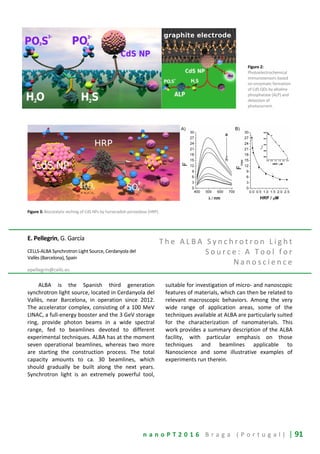
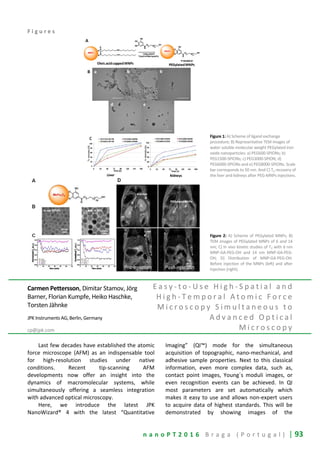
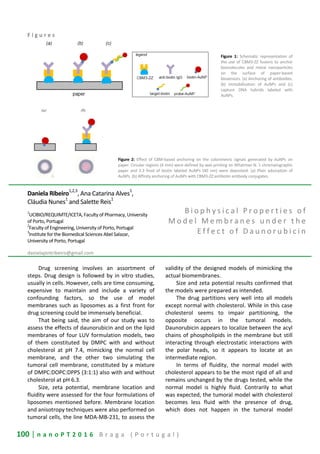
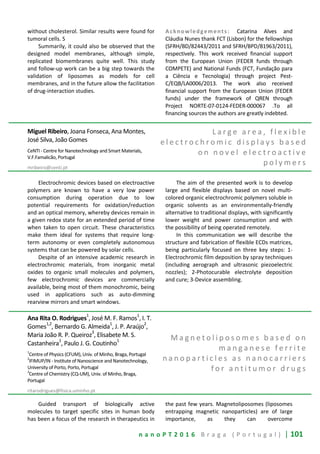
which enables to manufacture leaky waveguide
sensors. As a result, it is possible to obtain a sensor
based on a grating structure that is highly sensitive
to the change of the refractive index of surrounding
media.
R e f e r e n c e s
[1] T. Tamulevičius, A. Tamulevičiene, D.
Virganavičius et al., Nucl. Instrum. Meth. B 341
(2014) 1-6.
[2] H. Schift, J. Vac. Sci. Technol. B 26(2), (2008)
458-480.
[3] M. Messerschmidt et al., Microelectron. Eng. 98
(2012) 107-111.
32 | n a n o P T 2 0 1 6 B r a g a ( P o r t u g a l )
F i g u r e s
Niek F. van Hulst
ICFO–theInstituteofPhotonicSciences,theBarcelonaInst.
ofScience&Technology,Barcelona,Spain
ICREA–InstitucióCatalanadeRecercaiEstudisAvançats,
Barcelona,Spain
Niek.vanHulst@ICFO.eu
N a n o P h o t o n i c s : U l t r a f a s t
C o n t r o l o f N a n o p a r t i c l e s ,
N a n o a n t e n n a s a n d S i n g l e
Q u a n t u m E m i t t e r s
In my group, we aim to squeeze light down to
the smallest nanoscale and fastest femtosecond
scale; with these nano-femto-tools we can talk to
individual molecules, Q-dots, proteins & plasmonic
antennas. Here I will focus on the concepts to
control interactions with quantum emitters both in
space and time, specifically using optical
nanoantennas and phase shaped fs pulses.
For spatial control, single photon emitters are
brought in the near field of optical resonant
antennas for nanoscale excitation and enhancement
of the emission into multipolar radiation patterns,
with full command of symmetry, multipole parity,
rates and polarization. With state-of-the-art antenna
fabrication the excitation can be confined to 10 nm
scale, while the emission can be enhanced up to
1000 times, reaching towards strong coupling in the
weak cavity limit.
For temporal control, phase shaped fs pulses
are exploited to drive single quantum systems and
resonant antennas to dynamically control both their
fs response and nanoscale fields. As examples we
tackle vibrational response and Rabi-oscillations in
individual molecules at ambient conditions; and
closed loop control of two-photon excitation of
single quantum dots.
Finally, as an application of the spatio-temporal
control, I will address the role of quantum effects in
photosynthesis. Surprisingly within individual
antenna complexes (LH2) of a purple bacterium it is
observed that ultrafast quantum coherent energy
transfer occurs under physiological conditions.
Quantum coherences between electronically
coupled energy eigen-states persist at least 400 fs,
and distinct, time-varying energy transfer pathways
can be identified in each complex. Interestingly the
single molecule approach allows tracking coherent
phase jumps between different pathways, which
suggest that long-lived quantum coherence renders
energy transfer robust in the presence of disorder.
In conclusion I hope to apprise the NanoPT2016
audience as to the potential of nano-femto tools
This work is supported by ERC-Advanced Grant
247330; FP7-NanoVista 288263; Marie-Curie
International COFUND Fellowships; MICINN Grants
CSD2007-046 NanoLight, FIS2009-08203; MINECO
Grant FIS2012-35527; Catalan AGAUR 2014
SGR01540; Severo Ochoa grant SEV2015-0522;
Fundació CELLEX Barcelona.
R e f e r e n c e s
[1] Lukasz Piatkowski, Esther Gellings, Niek van
Hulst, Nature Commun. 7 (2016).
[2] K.J.Tielrooij, L.Piatkowski, M.Massicotte,
A.Woessner, Q.Ma, Y.Lee, C.N.Lau, P.Jarillo-
Herrero, N.F. van Hulst, F.H.L.Koppens, Nature
NanoTechnology 10 (5), 437-443 (2015)
[3] Emilie Wientjes, Jan Renger, Alberto G. Curto,
Richard Cogdell, Niek F. van Hulst, Nature
Commun. 5: 4236 (2014)
e)
f)
n a n o P T 2 0 1 6 B r a g a ( P o r t u g a l ) | 33
[4] Anshuman Singh, Gaëtan Calbris, Niek F. van
Hulst. NanoLett. 14, 4715-4723 (2014)
[5] Nicolò Accanto, Lukasz Piatkowski, Jan Renger,
Niek F. van Hulst, NanoLett. 14, 4078-4082
(2014)
[6] Nicolò Accanto, Jana B Nieder, Lukasz
Piatkowski, Marta Castro, Francesco Pastorelli,
Daan Brinks, Niek F van Hulst, Light: Science &
Applications 3, e143 (2014)
[7] Ion Hancu, Alberto Curto, Marta Castro-López,
Martin Kuttge, Niek F. van Hulst, NanoLett. 14,
166-171 (2014)
[8] Richard Hildner, Daan Brinks, Jana B Nieder,
Richard Cogdell, Niek F. van Hulst, Science 340,
1448-1451 (2013)
[9] Daan Brinks, Marta Castro-Lopez, Richard
Hildner, Niek F. van Hulst, PNAS 110, 18386–
18390 (2013)
[10] Alberto Curto, Tim Taminiau, G. Volpe, M.
Kreuzer, Romain Quidant, Niek F. van Hulst,
Nature Commun. 4: 1750 (2013)
[11] Lukas Novotny and Niek F. van Hulst, Nature
Photonics. 5, 83-90 (2011)
F i g u r e s
Figure 1: Nano-femto-
photonics, combining
optical nanoantennas
with phase controlled
femtosecond pulses
C. Vieu
CNRS,LAAS,7avenueducolonelRoche,Toulouse,France,
UnivdeToulouse,INSA,LAAS,Toulouse,France
cvieu@laas.fr
I n v e s t i g a t i o n o f c e l l
m e c h a n i c s u s i n g N a n o d e v i c e s
a n d N a n o - i n s t r u m e n t s : s o m e
e x a m p l e s
It is now well established that to perform their
various functions, cells undergo a large range of
intra and extracellular events, which involve
mechanical phenomena at both the micro and
nanoscale. Cells are able to sense forces and
stiffness (mechanosensing) and to transduce them
into a cascade of biochemical signals leading to a
context specific cell response (mechanotransduction).
At the core of the mechanical activity of cells are the
components of their cytoskeleton acting as
contractile cables actuated by proteic nanomotors.
The nanoscale is thus the appropriate one for
investigating the organisation of the active
mechanical components and also for the
measurement of the exerted forces at a subcellular
level. On the other hand the microscale is adapted
for upscaling these investigations to cell aggregates
and tissues. The nanomechanics of cells is today a
flourishing domain of activity in which new methods
derived from micro/nanotechnologies have been
developed for shedding some light and quantitative
values in the mechanosensing properties of cells.
This fundamental activity in cell biology meets some
medical perspectives as mechanical properties of
cancer cells and tumours turned out to differ
significantly from normal cells or tissues.
After a short presentation of the biological
knowledge related to cell mechanics, I will present
some elegant methods coming form the micro/nano
community that starts to become standard
methods. In particular at the nanoscale, the use of
Atomic Force Microscopy (AFM) to sense the rigidity
of cells [1] or to measure the force exerted by living
cells [2] will be exemplified through the investigation
of human macrophages. At the microscale, I will
show how the forces generated by adherent cells
can be investigated using flexible micrometric pillars
of polydimethylsiloxane (PDMS) and how this
method can be upscaled to measure the forces
generated by growing aggregates of cells in the
context of tumor growth and metastasis nucleation
[3].
R e f e r e n c e s
[1] Dynamics of podosome stiffness revealed by
atomic force microscopy, A. Labernadie, C.
Thibault, C. Vieu, I. Maridonneau-Parini, GM
Charrière, Proceedings of the National
Academic of Sciences 107 (49), 21016-21021
(2010)
[2] Protusion force Microscopy reveals oscillatory
force generation and mechanosensing activity
34 | n a n o P T 2 0 1 6 B r a g a ( P o r t u g a l )
of human macrophage podosomes, A.
Labernadie, A. Bouissou, P. Delobelle, S. Balor,
R. Voituriez, A. Proag, I ; Fourquaux, C. Thibault,
C. Vieu, R. Poincloux, GM Charrière and I.
Maridonneau-Parini, Nat. Comm. (5) 2014
[3] Microdevice arrays of high aspect ratio
polydimethylsiloxane pillars for the
investigation of multicellular tumour spheroid
mechanical properties, L. Aoun, P. Weiss, B ;
Ducommun, V. Lobjois and C. Vieu, Lab on Chip
14(3) 2344-2353 (2014)
F i g u r e s
c)
Figure 1: a,b) AFM images of the adhesive structures of living human macrophages (podosomes) and extraction of the quantitative measurment of
the time oscillating force of an individual podosome. c) A Micro-device of high aspect ratio PDMS pillars for sensing the force of a growing tumoral
spheroid
30 nm
0 nm
0 s 36 s 72 s
108 s 144 s 180 s
ba c
e
Height(nm)
d
0 50 100 150 200 250 300
0
20
40
60
80
100
120
Force(nN)
Time (s)
n a n o P T 2 0 1 6 B r a g a ( P o r t u g a l ) | 35
EduardoV.Castro1,2
,JoãoH.Braz1
,AiresFerreira3
,
MaríaP.López-Sancho4
andMaríaA.H.
Vozmediano
4
1
CeFEMA, Instituto Superior Técnico, Universidade de
Lisboa, Lisboa, Portugal
2
Beijing Computational Science Research Center, Beijing,
China
3
Department of Physics, University of York, UK
4
Instituto de Ciencia de Materiales de Madrid, CSIC,
Madrid, Spain
eduardo.castro@tecnico.ulisboa.pt
P h a s e s w i t h n o n - t r i v i a l
t o p o l o g y i n g r a p h e n e a n d
t r a n s i t i o n m e t a l
d i c h a l c o g e n i d e s
Topological phases of matter are new
quantum states which do not fit into Landau's
paradigm of spontaneous symmetry breaking. A
topological insulator may have exactly the same
symmetries of a non-topological insulator or
semiconductor, yet we cannot adiabatically
transform one into the other. While both have a
finite energy gap in the bulk, only the topological
insulator is metallic at the edge/surface due to the
presence of a protected edge/surface states.
Two dimensional materials have many
attributes, but experimental evidence for
topological phases has not been reported yet.
Curiously enough, one of the first proposals for a
two-dimensional topological insulator was made
for graphene. The key ingredient is the intrinsic
spin-orbit coupling which, unfortunately, is
extremely low in graphene, making this phase
undetectable. It has been suggested that randomly
depositing certain heavy adatoms can amplify the
effect by many orders, and that a dilute
concentration should be enough to open a
detectable topological gap. Here we analyze this
problem taken into account the random position
of the adatoms, which makes the problem
intrinsically disordered, using a realistic adatom
parametrization. We show that: (i) for the widely
used model where adatoms locally enhance
graphene's intrinsic spin-orbit interaction, and
additionally induce a local shift of the chemical
potential, a low adatom density (coverage <<1% )
makes the system topologically non-trivial; (ii) for a
realistic model where, apart from intrinsic spin
orbit, extra terms are also induced, the critical
adatom density is larger by at least one order of
magnitude (coverage >>1%). Using realistic
parameter values we show that recent
experiments are still deep in the topologically
trivial side of the transition.
Fortunately, nature provides other two-
dimensional materials where the subject of
topology is pertinent. In particular, transition
metal dichalcogenides are semiconducting
materials which, contrary to graphene, have non-
negligible spin-orbit coupling. Even though the
system is topologically trivial, the sizable spin-orbit
coupling induces an appreciable spin-splitting of
the valence band, where a finite anomalous spin-
valley-Hall response develops due to the non-
trivial topology of the Fermi surface. Taking into
account the moderate to high local electron-
electron interactions due to the presence of
transition metal atoms, we show that the system is
unstable to an itinerant ferromagnetic phase
where all charge carriers are spin and valley
polarized. The spontaneous breaking of time
reversal symmetry originates an anomalous charge
Hall response which should be detected
experimentally.
I N V I T E D c o n t r i b u t i o n s
36 | n a n o P T 2 0 1 6 B r a g a ( P o r t u g a l )
Choon-Gi Choi, Yoonsik Yi, Chi-Young Hwang
Creative Research Center for Graphene Electronics,
Electronics and Telecommunications Research Institute
(ETRI), Daejeon, Korea
cgchoi@etri.re.kr
E x t r a o r d i n a r y o p t i c a l
p r o p e r t i e s o f v i s i b l e a n d
t e r a h e r t z m e t a m a t e r i a l s
Metamaterials and metasurfaces are
artificially fabricated materials and surfaces with
periodic wavelength structures that exhibit exotic
properties such as negative refraction, superlens
imaging, invisibility cloaking, extraordinary
transmission and near-perfect absorption.
In this work, we report a flexible and
freestanding fishnet structured negative refractive
index media working at visible wavelength. The
metamaterial has basically a multilayer fishnet
structure with circular hole instead of the
rectangular one to reduce the pitch size of the
metamaterial. The metamaterial shows negative
refractive index in optical regime between 570nm
and 615nm.
In addition, we introduce a flexible multi-
layered THz metamaterial designed by using the
Babinet’s principle with functionality of narrow
band-pass filter. The metamaterial give us
systematic ways to design frequency selective
surfaces (FSSs) working on the intended frequency
and band (width). It shows an extraordinary
transmission at the THz working frequency due to
the strong coupling of the two layers of
metamaterial complementary to each other
Finally, we propose a design of metamaterial
absorber structures and its numerical analysis for
the use of reflection type spatial light modulation
in the visible regime. Since the size of each
metamaterial element is subwavelength scale,
neighboring metamaterial elements of the same
type can be grouped into a single pixel of a
hologram or a spatial light modulator. The
modification of the structure allows the control of
each pixel's reflectivity from near-zero to a pre-
designed level. Each metamaterial hologram pixel
consists of 20×20 absorbers of the same structure
(pixel size of 4×4μm
2
, 500×500 pixels).
F i g u r e s
Figure 1: (a) Negative index media flexible metamaterial. The lengths of a unit cell
along the incident electric field (l1) and magnetic field (l1) are set to 160nm and 224
respectively, the thicknesses of both metal (t) and polyimide layer (s) are 50 nm, and
the hole diameter (d) is 100nm. (b) Top-view of the SEM image of the fabricated
metamaterial. (c) The image the metamaterial on the flexible substrate.
Figure 2: Thin square-fishnet-square flexible terahertz
metamaterial. Unit cell period is 40 um and gap is 5 um.
Figure 3: Simulations for metamaterial hologram generation and reconstruction.
Accommodation effect can be observed from the reconstruction results (d:
reconstruction distance)
n a n o P T 2 0 1 6 B r a g a ( P o r t u g a l ) | 37
R. Ferreira, E. Paz, J. Crocco and P. P. Freitas
INL – International Iberian Nanotechnology Laboratory,
Portugal
ricardo.ferreira@inl.int
M a g n e t o r e s i s t i v e S e n s o r s
a i m i n g r o o m t e m p e r a t u r e
d e t e c t i o n o f b i o m a g n e t i c
f i e l d s
Magnetoresistive devices and magnetic
nanostructures are key building blocks in a large
number of commercial electronic products across
a wide range of applications [1-4] covering
industrial positioning sensors, automotive sensors,
hard disk drive read heads and embedded
memories.
This presentation will focus on the key
developments carried out at INL during the last 4
years concerning the development of state-of-the-
art magnetoresistive devices using
CoFeB/MgO/CoFeB Magnetic Tunnel Junctions.
Key challenges include the development of a high
yield process able to provide sensors with well
controlled dispersion of key specifications and
linear transfer curves [5,6].
Despite the large sensitivities of MgO based
sensors, the detection of low frequency weak
magnetic fields at room temperature remains
challenging due to the large 1/f noise noise
present in the devices. This capability is required
to address applications such as Magneto-
Cardiography (MCG), a non-invasive and non-
contact technique used to monitor the transient
activity of the human heart which generates
magnetic fields in the range of 1pT-100pT at
frequencies in the range of 1Hz. MCG is currently
performed with SQUID magnetometers requiring
cryogenic setups and with limited spatial
resolution.
The solution developed at INL to address MCG
applications with MTJ sensors is described,
including the device stack, geometry and
acquisition setup used to minimize the 1/f noise in
MTJ sensors down to levels of 30pT/Hz @ 4 Hz.
The current low frequency detection limits [7-10]
are already small enough to pick up the magnetic
field of the heart but still require an improvement
of about one order of magnitude in order to
resolve the field in the time domain.
R e f e r e n c e s
[1] "2-axis Magnetometers Based on Full Wheatstone
Bridges Incorporating Magnetic Tunnel Junctions
Connected in Series”, R. Ferreira, E. Paz, P. P.
Freitas, J. Ribeiro, J. Germano and L. Sousa, IEEE
Trans. Magn., 48(11), p 4107 (2012)
[2] "Electrical Characterization of a Magnetic Tunnel
Junction Current Sensor for Industrial
Applications”, J. Sanchez, D. Ramirez, S. Ravelo, A.
Lopes, S. Cardoso, R. Ferreira and P. P. Freitas, IEEE
Trans. Magn., 48(11), p2823 (2012)
[3] "Improved Magnetic Tunnel Junctions Design for
the Detection of Superficial Defects by Eddy
Currents Testing", F. A. Cardoso, L. S. Rosado, F.
Franco, R. Ferreira, E. Paz, S. Cardoso, P. M. Ramos,
M. Piedade and P. P. Freitas, IEEE Trans. Magn.,
50(11), p6201304, (2014)
[4] "Integration of TMR Sensors in Silicon
Microneedles for Magnetic Measurements of
Neurons", J. Amaral, V. Pinto, T. Costa, J. Gaspar, R.
Ferreira, E. Paz, S. Cardoso and P. P. Freitas, IEEE
Trans. Magn., 49(7), p3512-3515, (2013)
[5] "Large Area and Low Aspect Ratio Linear Magnetic
Tunnel Junctions with a Soft-Pinned Sensing Layer”,
R. Ferreira, E. Paz, P. P. Freitas, J. Wang and S. Xue,
IEEE Trans. Magn., vol 48, issue 11, p 3719 (2012)
[6] "Linearization of Magnetic Sensors with a Weakly
Pinned Free Layer MTJ Stack Using a Three-Step
Annealing Process”, R. Ferreira, E. Paz and P. P.
Freitas, in press (2016)
[7] "Strategies for pTesla Field Detection Using
Magnetoresistive Sensors With a Soft Pinned
Sensing Layer", J. Valadeiro, J. Amaral, D. C. Leitao,
R. Ferreira, S. Cardoso and P. P. Freitas, IEEE Trans.
Magn., 51(1), p4400204, (2015)
[8] "Magnetic tunnel junction sensors with pTesla
sensitivity", S. Cardoso, D. C. Leitao, L. Gameiro, F.
Cardoso, R. Ferreira, E. Paz and P. P. Freitas,
Microsyst. Technol., 20, p793-802, (2014)
[9] "Room temperature direct detection of low
frequency magnetic fields in the 100 pT/Hz(0.5)
range using large arrays of magnetic tunnel
junctions", E. Paz, S. Serrano-Guisan, R. Ferreira
and P. P. Freitas, J. App. Phys., 115(17), p17E501,
(2014)
[10] "Magnetic tunnel junction sensors with pTesla
sensitivity for biomedical imaging", S. Cardoso, L.
Gameiro, D. C. Leitao, F. Cardoso, R. Ferreira, E.
Paz, P. P. Freitas, U. Schmid, J. Aldavero and M.
LeesterSchaedel, Smart Sensors, Actuators, and
Mems, 8763, (2013)
38 | n a n o P T 2 0 1 6 B r a g a ( P o r t u g a l )
Chen-zhong Li1,2
, Evangelia Hondroulis2
,
Ming Hong
1
, Xia Li
1
1
College of Chemistry and Chemical Engineering, Liaocheng
University, Shandong, China
2
Nanobioengineering/Bioelectronics lab, Department of
Biomedical Engineering, Florida International University,
Florida, USA
licz@fiu.edu
N a n o p a r t i c l e E n h a n c e d
E l e c t r o m a g n e t i c C o n t r o l o f
C a n c e r C e l l D e v e l o p m e n t f o r
N a n o t h e r a n o s t i c s
Nanomaterials are being considered in the
development of new drugs and new therapies and
have been used in tissue engineering and medical
imaging, leading to improved diagnostics and new
therapeutic treatments. Nanotheranostics is
referred to as a treatment strategy that integrates
nanotechnology and therapeutics to diagnostics,
aiming to monitor the response to treatment, which
would be a key part of personalized medicine and
require considerable advances in predictive
medicine. A major limitation in the current
treatments such as chemotherapy, radio therapy for
cancer is the negative side effects that occur.
Recently non-invasive therapy including electrical
therapy and magnetic therapy recently has made
significant progress based on the deep
understanding of biophysical and bioelectrical
properties of biomolecules and the development of
nanotechnology and fabrication technology.
Recently we demonstrated a whole cell-based
array-formatted electrical impedance sensing
system to monitor the effects of external alternating
electric fields on the behavior of ovarian cancer cells
HTB-77™ (SKOV3) compared to normal human
umbilical vascular endothelial cells CRL-1730™
(HUVEC). The biosensor employed will measure in
real-time the electrode surface impedance changes
[2] produced by growing cell monolayers over the
electrodes and detecting any changes in resistance
associated with changes in the cell layer after
electric field exposure [3]. A significant effect on
slowing down proliferation rate was observed in the
cancer cells through the lower resistance curves of
the electrical impedance sensing system in real-time
as the external field was applied compared to a
control with no applied field. Upon further
investigation of this technique, our group has found
that the therapeutic effects of the electric therapy
technique can be significantly increased by
functionalizing the surface of cancer cell membranes
with gold nanoparticles, this is specifically true for
breast cancer tissue [2]. The binding of charged
nanoparticles to the cell surface plasma membrane
will change the zeta potential value of the cells, a
feature of the cell that has been used in cell biology
to study cell adhesion, activation, and agglutination
based on cell-surface-charge properties. We
determined that an enhanced electric field strength
can be induced via the application of nanoparticles,
consequently leading to the killing of the cancerous
cells limited effects on non-cancerous cells. This
discovery will be helpful for developing an electronic
therapeutic platform for non-invasive cancer
treatment without limited harmful side effects.
R e f e r e n c e s
[1] E. Hondroulis, S. J. Melnick, X. Zhang, Z-Z. Wu,
C.-Z. Li, Electrical Field Manipulation of Cancer
Cell Behavior Monitored by Whole Cell
Biosensing Device, Biomedical Microdevices,
2013. 15(4), 657-663.
[2] E. Hondroulis, C.Z Li. Whole cell impedance
biosensoring devices. Methods Mol. Biol.
2012;926:177-87
[3] E. Hondroulis, C. Chen, C. Zhang, K. Ino, T.
Matsue, C.-Z. Li, “Immuno Nanoparticles
Integrated Electrical Control of Targeted Cancer
Cell Development Using Whole Cell
Bioelectronic Device”, Theranostics, 2014;
4(9):919-930.
n a n o P T 2 0 1 6 B r a g a ( P o r t u g a l ) | 39
Tatiana Makarova
Lappeenranta University of Technology, Lappeenranta,
Finland
Tatyana.Makarova@lut.fi
T a b b y g r a p h e n e : r e a l i z a t i o n o f
z i g z a g e d g e s t a t e s a t t h e
i n t e r f a c e s
Tabby is a pattern of kitty's coat featuring
distinctive stripes, dots, or swirling patterns. Ideally,
the stripes are non-broken lines; evenly spaced.
Decoration of the graphene basal plane with the
stripes of attached atoms along the zigzag
crystallographic directions creates the edge states at
the sp
2
/sp
3
interfaces.
“Zigzag" is a magic word in the graphene world:
it is expected that zigzag edges qualitatively change
the electronic properties, including spin magnetism.
Theories predict an extended spin polarization along
the graphene edges in the ground state, with
opposite spin directions at opposite edges.
We have recently synthesized a novel graphene
derivative decorated by monoatomic fluorine chains
running in the crystallographic directions and
measured strong one-dimensional magnetism in this
two- dimensional material [1].
Tabbies have been realized on bilayer graphenes
where the bipartite lattice creates a discriminating
mechanism leading to the formation of regular
stripy patterns whereas crossing and branching are
suppressed.
R e f e r e n c e s
[1] Makarova, T. L. et al., Scientific Reports 5,
13382 (2015).
Lorenzo Pastrana
INL – International Iberian Nanotechnology Laboratory,
Portugal
lorenzo.pastrana@inl.int
N a n o s t r u c t u r e s f o r f o o d
a p p l i c a t i o n s
There are three primary structures at nanoscale
suitable to be used in foods, namely:
nanoparticles/nanocapsules, nanolaminates and
nanofibres /nanotubes. All these structures can be
obtained using food grade biopolymers such as
carbohydrates, lipids or proteins. As the
consequence of their properties, each structure can
be used for different applications. Thus,
nanoparticles/nanocapsules are useful for controlled
delivery of bioactive and functional compounds or
to protect against degradation during processing or
storage of labile food components. The main
application for nanolaminates is to develop edible
coatings for active packaging of fresh and perishable
foods. Finally, nanofibres and self-assembling
nanotubes can be used for nanoencapsulation but
also to modify or create new macroscopic
rheological properties. Several examples of these
applications will be discussed: On demand and
smart delivery of encapsulated antimicrobials on
temperature and pH sensitive pNIPA nanohydrogels
will be showed [1]. In the same way, casein
nanocapsules are suitable for calcium and iron
fortification of biscuits without modification of their
organoleptic properties. Nanoemulsions of candelilla
wax incorporating a polyphenol extract can be used
to obtain an edible nanocoating able to prevent
apple spoilage and extend their shelf life [2]. Finally,
self-assembling nanotubes can be used to
encapsulate caffeine and also to modify the
rheological properties of α-lactoglobulin solutions
[3].
R e f e r e n c e s
[1] Clara Fuciños, Miguel Cerqueira, Maria J. Costa,
António Vicente, María Luisa Rúa, Lorenzo M.
Pastrana. (2015) Functional Characterisation
and Antimicrobial Efficiency Assessment of
Smart Nanohydrogels Containing Natamycin
Incorporated into Polysaccharide-Based Films.
Food and Bioprocess Technology 8: 1430-1441.
[2] Miguel A. De León-Zapata, Lorenzo Pastrana-
Castro, María Luisa Rua-Rodríguez, Olga
Berenice Alvarez-Pérez, Raul Rodríguez-Herrera,
Cristóbal N. Aguilar. (2015) Experimental
40 | n a n o P T 2 0 1 6 B r a g a ( P o r t u g a l )
protocol for the recovery and evaluation of
bioactive compounds of tarbush against
postharvest fruit fungi. Food Chemistry. In Press
[3] Oscar Leandro Ramos, Ricardo N. Pereira, Artur
Martins, Rui Rodrigues, Clara Fuciños, José A
Teixeira, António Vicente, Lorenzo Pastrana, F.
Xavier Malcata (2015) Design of Whey Protein
Nanostructures for Incorporation and Release
of Nutraceutical Compounds in Food. Critical
reviews in food science and nutrition. In press
DOI: 10.1080/10408398.2014.993749
Dmitri Y. Petrovykh
INL – International Iberian Nanotechnology Laboratory,
Portugal
dmitri.petrovykh@inl.int
D e s i g n a n d C h a r a c t e r i z a t i o n o f
D N A a n d P e p t i d e B i o i n t e r f a c e s
Molecular biointerfaces are formed when
biomolecules, including DNA, peptides, and
proteins, interact with inorganic or synthetic
surfaces. Such biointerfaces are intrinsically
interesting and versatile systems in terms of their
properties as well as underlying physics, chemistry,
and biology. They guide the formation of
biomaterials, underpin functions of biomedical
devices, and provide a way to exploit the assembly
and recognition of biomolecules for self-assembly
and self-organization of nanostructures in
bionanotechnology.
The first critical step toward rational design of
molecular biointerfaces is understanding the
interactions between biomolecules and solid
surfaces. Physics and chemistry provide the tools for
quantitative analysis of biointerfaces, which typically
contain too few molecules for detection by the
standard bioanalytical methods. Physics also
suggests a reductionist approach for elucidating the
properties of biointerfaces, whereby the initial focus
is placed on investigating simple model systems that
can be unambiguously analyzed and controlled.
Subsequent model systems are designed to have
systematically increasing chemical, physical, and
structural complexity. Such systematic model
studies are used to infer the basic principles that
govern the structure and function of molecules at
biointerfaces. Finally, those general principles are
translated into rational design rules for new
platforms that can be used in both research and
applications.
This interdisciplinary approach has been
successfully implemented for DNA biointerfaces by
adapting complementary optical and electron
spectroscopies for analyzing DNA immobilized on
surfaces. In particular, model DNA sequences of
uniform composition, i.e., homo-oligonucleotides,
are amendable for spectroscopic analyses [1-3].
Investigations of homo-oligonucleotides deposited
on gold provided the basic information for rational
design of more complex model and realistic systems.
For example, quantitative analysis of DNA-surface
interactions led to the discovery of an intrinsically
high affinity of adenine nucleotides for gold [4]. This
discovery provided rational design rules for creating
unique DNA brushes, for which grafting density and
conformation can be independently and
deterministically controlled [5]. These DNA brushes
with novel properties, in turn, opened possibilities
both for further progress in understanding DNA-
surface interactions and for creating prototypical
functional elements for bionanotechnology [6, 7]. A
similar general approach is now being implemented
for elucidating and exploiting unique properties of
peptides at molecular biointerfaces [8-10].
R e f e r e n c e s
[1] D. Y. Petrovykh, H. Kimura-Suda, L. J. Whitman,
M. J. Tarlov, J. Am. Chem. Soc. 125 (2003) 5219
[2] D. Y. Petrovykh, H. Kimura-Suda, M. J. Tarlov, L.
J. Whitman, Langmuir 20 (2004) 429
[3] D. Y. Petrovykh, V. Pérez-Dieste, A. Opdahl, H.
Kimura-Suda, J. M. Sullivan, M. J. Tarlov, F. J.
Himpsel, L. J. Whitman, J. Am. Chem. Soc. 128
(2006) 2
[4] H. Kimura-Suda, D. Y. Petrovykh, M. J. Tarlov, L.
J. Whitman, J. Am. Chem. Soc. 125 (2003) 9014
[5] A. Opdahl, D. Y. Petrovykh, H. Kimura-Suda, M.
J. Tarlov, L. J. Whitman, Proc. Natl. Acad. Sci.
USA 104 (2007) 9
[6] S. M. Schreiner, D. F. Shudy, A. L. Hatch, A.
Opdahl, L. J. Whitman, D. Y. Petrovykh, Anal.
Chem. 82 (2010) 2803
n a n o P T 2 0 1 6 B r a g a ( P o r t u g a l ) | 41
[7] S. M. Schreiner, A. L. Hatch, D. F. Shudy, D. R.
Howard, C. Howell, J. Zhao, P. Koelsch, M.
Zharnikov, D. Y. Petrovykh, A. Opdahl, Anal.
Chem. 83 (2011) 4288
[8] K. P. Fears, D. Y. Petrovykh, T. D. Clark,
Biointerphases 8 (2013) 20
[9] K. P. Fears, T. D. Clark, D. Y. Petrovykh, J. Am.
Chem. Soc. 135 (2013) 15040
[10] K. P. Fears, D. Y. Petrovykh, S. J. Photiadis, T. D.
Clark, Langmuir 29 (2013) 10095
P. San-Jose1
, J. L. Lado1
, R. Aguado2
, F.
Guinea
3,4
, J. Fernández-Rossier
2,5
1
Instituto de Ciencia de Materiales de Madrid, ICMM-CSIC,
Madrid, Spain
2
International Iberian Nanotechnology Laboratory (INL),
Braga, Portugal
3
Instituto Madrileño de Estudios Avanzados en
Nanociencia (IMDEA-Nanociencia), Madrid, Spain
4
Dept. of Physics and Astronomy, Univ. of Manchester,
Manchester, UK
5
Dept. de Física Aplicada, Univ. de Alicante, Alicante, Spain
pablo.sanjose@csic.es
M a j o r a n a Z e r o M o d e s i n
G r a p h e n e
A clear demonstration of topological
superconductivity (TS) and Majorana zero modes
remains one of the major pending goal in the field of
topological materials. One common strategy to
generate TS is through the coupling of an s-wave
superconductor to a helical half-metallic system.
Numerous proposals for the latter have been put
forward in the literature, most of them based on
semiconductors or topological insulators with strong
spin-orbit coupling. Here we demonstrate an
alternative approach for the creation of TS in
graphene/superconductor junctions without the
need of spin-orbit coupling. Our prediction stems
from the helicity of graphene's zero Landau level
edge states in the presence of interactions, and on
the possibility, experimentally demonstrated, to
tune their magnetic properties with in-plane
magnetic fields. We show how canted
antiferromagnetic ordering in the graphene bulk
close to neutrality induces TS along the junction, and
gives rise to isolated, topologically protected
Majorana bound states at either end. We also
discuss possible strategies to detect their presence
in graphene Josephson junctions through
Fraunhofer pattern anomalies and Andreev
spectroscopy. The latter in particular exhibits strong
unambiguous signatures of the presence of the
Majorana states in the form of universal zero bias
anomalies. Remarkable progress has recently been
reported in the fabrication of the proposed type of
junctions, which offers a promising outlook for
Majorana physics in graphene systems.
F i g u r e s
Figure 1: Sketch of the proposed device hosting Majoranas,
in yellow. The corresponding dI/dV from the red probe as a
function of bias and magnetic flux is shown in the backdrop
42 | n a n o P T 2 0 1 6 B r a g a ( P o r t u g a l )
Inês Mendes Pinto
INL – International Iberian Nanotechnology Laboratory,
Portugal
ines.m.pinto@inl.int
C e l l D y n a m i c s : a c t o m y o s i n -
b a s e d f o r c e g e n e r a t i n g
s y s t e m s
Epithelial cells represent 60% of the cells that
form the human body and where more than 90% of
all cancers derived. Epithelial homeostasis depends
on the assembly and dynamics of an actomyosin-
based cytoskeleton that provides architectural
support and mechanical flexibility in epithelial cell
morphology, proliferation and motility. Recent
studies have shown that hyperactivation of
actomyosin-based systems leads to severe changes
in epithelial cell and tissue morphology, resulting in
abnormal proliferation and malignant
transformation. This process is accompanied by a
high degree of cell invasiveness in a process
commonly known as metastasis. There is an
emergent interest to understand the mechanics of
actomyosin cytoskeleton and its implication in
cancer. However, the karyotypic plasticity and rapid
evolvability of cancer cells prevented the
development of an unifying approach explaining the
mechanics of cell proliferation. Our laboratory
combines quantitative cell imaging analysis, genetic
engineering, cell biology, nanoscale reconstituted
systems and computational approaches to
ultimately develop a biomechanical model
describing force generation in actomyosin-based
systems responsible for cell dynamics.
R e f e r e n c e s
[1] Rubinstein, B., Pinto, Inês M. (2015). Epithelia
migration: a spatiotemporal interplay between
contraction and adhesion. Cell Adhesion and
Migration.
[2] Pinto, Inês M., Rubinstein, B., Li, R. (2013). Force
to divide: structural and mechanical
requirements for actomyosin contraction. Cell
press, Biophysical Journal.
n a n o P T 2 0 1 6 B r a g a ( P o r t u g a l ) | 43
JoãoAlbuquerque,CatarinaCostaMoura,Bruno
Sarmento,SaletteReis
REQUIMTE, Departamento de Ciências Químicas,
Faculdade de Farmácia, Universidade do Porto, Porto,
Portugal
joao.albuquerque.costa@gmail.com
M u l t i f u n c t i o n a l S o l i d L i p i d
N a n o p a r t i c l e s : a t a r g e t e d
a p p r o a c h f o r R h e u m a t o i d
A r t h r i t i s w i t h t h e r a n o s t i c
a p p l i c a t i o n s
Rheumatoid Arthritis (RA) is the most common
autoimmune disease related to the joints and one
of the most severe. Despite the intensive
investigation, RA inflammatory process remains
unknown and finding effective and long lasting
therapies that specifically target RA is a challenging
task. In RA the pro-inflammatory macrophages
persist in the inflammation site and frequently
overexpress cytokines and other biomolecule
factors that amplify even more the inflammatory
process. However, during RA, the macrophages
also overexpress the CD64 surface marker that
drives the search for new specific RA therapies.
This work proposed an innovative approach
for RA therapy, taking advantage of the new
emerging field of nanomedicine and the tools that
it offers for targeted therapies. This study aimed to
develop a targeted theranostic system for
intravenous administration, using Solid Lipid
Nanoparticles (SLN), a biocompatible and
biodegradable colloidal delivery system, widely
researched for medical applications, to function as
a drug delivery system. The SLNs were
encapsulated with methotrexate (MTX) and
superparamagnetic iron oxide nanoparticles
(SPIONs), to be used as therapeutic and imaging
agents, respectively. The SLNs were also surface-
functionalized with an anti-CD64 antibody that
specifically targets RA-infected macrophages.
A total of eight different cetyl palmitate and
stearic acid SLN formulations were produced using
an organic solvent-free emulsification-sonication
method that combined high shear homogenization
and ultra-sonication in order to compare the
influence of each component present (MTX,
SPIONs and anti-CD64) on NP characteristics.
Particle size was assessed by dynamic light
scattering and surface charge (zeta potential) mas
measured by phase analysis light scattering. All the
formulations presented sizes below 210 nm and
zeta values lower than -16 mV, indicating suitable
characteristics as nanosystems for intravenous
administration. It is important to note that the
antibody conjugation caused an increase in zeta
potentiall, as expected. The stability of these
formulations was also proven up to one month for
the non-conjugated formulations. Nanoparticle
morphology was analyzed by transmission electron
microscopy (TEM). TEM photographs indicated
that the SPIONs were encapsulated inside the SLN
matrix. FT-IR was used to confirm the presence of
MTX in the SLNs as well as the successful
conjugation of the antibody to the SLN. MTX
association efficiency was determined by UV/Vis
spectrophotometry, rendering values non-lower
than 98% for both MTX-loaded SLNs and MTX- and
SPIONs-loaded SLNs.
In vitro studies were performed with THP-1
cells and enabled to assess the cytotoxicity of the
developed formulations. MTT and LDH assays
demonstrated that the formulations were
biocompatible and presented low cytotoxicity a
concentrations lower than 500 μg/mL, but there
were no significant changes when comparing the
different formulations at the same concentrations
unexpectedly.
This study could provide an effective and
viable approach for future theranostic strategies. It
was proven that the proposed NP were not
cytotoxic, that both a therapeutic and imaging
agent could be co-encapsulated and the SLN
functionalized for a potential future application
such as anti-body specific targeting. The proposed
formulations are, therefore, promising candidates
for future theranostic applications [1].
R e f e r e n c e s
[1] Albuquerque, J., C. Moura, B. Sarmento, and S.
Reis, Solid Lipid Nanoparticles: A Potential
Multifunctional Approach towards Rheumatoid
Arthritis Theranostics. Molecules, 2015. 20(6):
p. 11103.
O R A L c o n t r i b u t i o n s
44 | n a n o P T 2 0 1 6 B r a g a ( P o r t u g a l )
F i g u r e s
Figure 1: Schematic representation of the
proposed theranostic strategy for the
treatment of RA.
Bruno Amorim, N. M. R. Peres and R. M.
Ribeiro
Department of Physics and Centre of Physics, University of
Minho, Braga, Portugal
amorim.bac@gmail.com
V e r t i c a l c u r r e n t i n g r a p h e n e
– i n s u l a t o r / s e m i c o n d u c t o r –
g r a p h e n e s t r u c t u r e s
Two dimensional (2D) materials have emerged
in the last decade [1] as a new route to engineer
material properties, with an unmatched degree of
tunability. Van der Waals (vdW) hybrid structures,
formed by stacking different layers of 2D crystals on
top of each other, are one of the most recent
developments in the field of 2D materials [2]. Of
particular relevance are the graphene –
insulator/semiconductor – graphene structures,
with hexagonal boron nitride/transition metal
dichalcogenide playing the role of the
insulator/semiconductor spacer. These structures
have already been shown to operator both as a
transistor (where the vertical current flowing
between the two graphene layers is controlled by a
gate voltage) [3] and as a photodetector [4].
Due to the atomically sharp nature of the
interfaces between different layers in vdW
structures, crystal momentum is conserved (modulo
any combination of reciprocal lattice vectors). This
fact, together with energy conservation, severely
restricts the states which are coupled between
different layers. As such, lattice alignment between
different layers plays a fundamental role in the
operation characteristics of graphene –
insulator/semiconductor – graphene devices. In
particular, lattice misalignment between the
graphene layers has been shown to give origin to,
and control, the occurrence of negative differential
conductivity (NDC) [5,6].
In this work we perform a detailed study of
the current characteristics of a graphene –
insulator/semiconductor – graphene device as a
function of the rotation angle between the
insulator/semiconducting spacer and the graphene
layers. We find out, that when this angle is very
small, additional peaks in the current as a function
of bias voltage appear, with several bias voltage
windows displaying NDC. We also study the effect
of disorder and phonons, which can transfer
additional momentum to the tunneling electrons,
in the vertical current between two graphene
layers in graphene – insulator/semiconductor –
graphene structures.
R e f e r e n c e s
[1] Novoselov, K. S. et al, PNAS, 102, (2005) 10451 -
10453
[2] Novoselov, K. S., Castro Neto, A. H., Physica
Scripta 2012 (2012) 014006
[3] Britnell, L. et al, Science, 335 (2012) 947 - 950
[4] Britnell, L.; et al; Science 340 (2013) 1311-1341
[5] Mishchenko, A., et al, Nature Nanotechonology
9 (2014) 808 - 813
[6] Brey, L., Phys. Rev. Applied 2 (2014), 014003
n a n o P T 2 0 1 6 B r a g a ( P o r t u g a l ) | 45
F i g u r e s
Figure 1: (A) Schematic representation of a graphene – insulator/semiconductor – graphene device, indicating how the gate and bias voltages are
applied. (B) I-V curve for a graphene – boron nitride – graphene device for a gate voltage of 40 V, with fixed angle between the top and bottom
graphene layers (2
o
) and for two different rotation angles between the bottom graphene layer and the boron nitride spacer (1
o
and 5
o
). While for
the larger rotation angle, only two peaks appear in the I-V curve, for the smaller angle additional peaks appear. This are related to the transference
of momentum by the boron nitride lattice.
AnumolAshokkumar,FrancisLeonardDeepak
International Iberian Nanotechnology Laboratory (INL),
Braga, Portugal
leonard.francis@inl.int
A d v a n c e d E l e c t r o n
M i c r o s c o p y S t u d y o f
G d X 3 @ W S 2 N a n o t u b e s
Nanotubes including those of carbon, BN and
WS2 are widely investigated as templates for
nanomaterial synthesis as well as for filling of
foreign atoms or compounds to obtain hetero-
structures with improved functionalities like
quantum confinement in semiconductors and
reduced dimensionality [1]. The well-defined
cavities result in the formation of size and shape
confined structures including nanotubes,
nanorods/wires or atom chains [2]. Solution
synthesis, electrochemical methods, vapor phase
filling and capillary filling are mainly employed to
obtain filled nanotubes. The morphology and
concentration of the filling varies with the
synthesis conditions. Many of these materials are
being widely studied for biomedical applications.
For example, Gd
3+
@ultra-short carbon nanotubes
are studied as MRI contrast agent and CNT
functionalized with Eu complexes for its
luminescent properties [3]. In this work, capillary
filling is employed for the synthesis of GdX3 (X – I,
Cl, Br) filled WS2 nanotubes. The precise
determination of the structure and composition is
essential for its further application. In the present
study, the morphology, structure and chemical
composition of the synthesized GdX3@WS2
nanotubes is investigated using aberration
corrected scanning/transmission electron
microscopy and spectroscopy (Energy Dispersive X-
ray Spectroscopy and Electron Energy Loss
Spectroscopy). The three-dimensional morphology
is investigated using STEM tomography. EDS
tomography- a novel and less explored technique
of tomography, is employed in the present study
to map the three dimensional chemical
composition [4]. In order to reduce the beam
induced damage effects on the specimen,
tomography experiments were carried out at 80 kV
in the present case.
R e f e r e n c e s
[1] Ronen Kreizman, Andrey N. Enyashin, Francis
Leonard Deepak, Ana Albu-Yaron, Ronit
Popovitz-Biro, Gotthard Seifert, and Reshef
Tenne, Adv. Funct. Mater., 20 (2010) 2459–
2468
[2] Elok Fidiani, Pedro M. F. J. Costa, Anja U. B.
Wolter, Diana Maier, Bernd Buechner, and Silke
Hampel, J. Phys. Chem. C, 117 (2013)
16725−16733
46 | n a n o P T 2 0 1 6 B r a g a ( P o r t u g a l )
[3] Riccardo Maregaa and Davide Bonifazi, New J.
Chem., 38 (2014) 22--27
[4] Georg Haberfehlner, Angelina Orthacker,
Mihaela Albu, Jiehua Li and Gerald Kothleitner,
Nanoscale, 6 (2014) 14563–14569
F i g u r e s
Figure 1: HAADF-STEM image, elemental maps and EDS spectrum of GdI3 filled WS2 nanotube
Patrik Bjöörn
1
, Olof Andersson
1
, Jenny
Andersson1
, Patrik Dahlqvist1
, Christoph
Langhammer
2
1
Insplorion AB, Gothenburg, Sweden
2
Chalmers University of Technology, Department of
Applied Physics, Gothenburg, Sweden
patrik.bjoorn@insplorion.com
P l a s m o n i c S e n s i n g
T e c h n o l o g y f o r
N a n o m a t e r i a l S t u d i e s
Nanoplasmonic sensing (NPS) is an optical
technology that can be used to detect minute
changes in effective refractive index in the vicinity
of a sensor substrate. In NPS, the substrate
consists of a close-range ordered array of gold
nanodisks on a glass support. A thin dielectric film
(typically 10 nm Si3N4, SiO2, TiO2, or Al2O3) is used
as protective and/or functional layer to protect the
gold nanodisks and as substrate material for the
sample to be studied. With this approach, virtually
any material that can be deposited as a thin or
thick film on a substrate can be studied. Examples
of sample preparation techniques include; spin-
coating, screen printing, dip-coating, and
sputtering. During a measurement, changes in the
refractive index are monitored in situ, with a time
resolution of 1-10 Hz. NPS substrates can
withstand harsh conditions, thus in situ
measurements can be performed at temperatures
up to 600
o
C in both liquid and gas ambient and at
atmospheric pressure. This makes the technology
very useful in general material studies where
processes on/within the sample material can be
monitored.
Specifically, in this contribution we will show
how the extreme surface sensitivity and the small
probe depth (sensing volume extends a few tens of
nanometers from the gold nanodisks) can be used
to scrutinize processes on and within a sample
material.
For example, the extremely small probe depth
can be used to monitor diffusion in micro- and
mesoporous materials. In one study, NPS was used
to determine the diffusion coefficient of organic
molecules in a thick (>5 µm) mesoporous TiO2 film
[1]. In a similar configuration, the adsorption of
CO2 in a microporous polymer film was studied,
and the equilibrium adsorption constant as well as
the enthalpy of adsorption was determined [2].
n a n o P T 2 0 1 6 B r a g a ( P o r t u g a l ) | 47
Also, the kinetics of formation of surface
supported thin soft matter films can be studied.
Specifically, NPS has been used to monitor the
adsorption of lipid vesicles and the formation of
supported lipid bilayers as well as the dependence
on surface energy of those processes [3].
We will also demonstrate how NPS can be
used to characterize intrinsic material properties
such as the glass transition temperature of
polymer films [4].
R e f e r e n c e s
[1] V. Gusak, L. Heiniger, V. P. Zhdanov, M. Gratzel,
B. Kasemo and C. Langhammer, Energy Environ.
Sci., 2013, DOI: 10.1039/C3EE42352B
[2] Ferry A. A. Nugroho, Chao Xu, Niklas Hedin, and
Christoph Langhammer, Anal. Chem., 2015,
DOI: 10.1021/acs.analchem.5b03108
[3] Goh Haw Zan, Joshua A. Jackman, Seong-Oh
Kim, and Nam-Joon Cho, Small 2014, DOI:
10.1002/smll.201400518
[4] Ferry A. A. Nugroho, Camilla Lindqvist, Amaia
Diaz de Zerio Mendaza, Christian Müller,
Christoph Langhammer. Submitted
Helena Loronha2
, Sara Guedes1
, Fabiana
Vicente
1
, Claudia Branco
1
, Krasimira
Petrova1
, Ana Azul1
, Mario Polido1
, Jorge
Caldeira1,2
1
Centro de investigação interdiciplinar Egas
Moniz ISCSEM, Caparica-Portugal
2
UCIBIO and RequiMte Faculdade de Ciências e
Tecnologia, Universidade Nova de Lisboa,
Caparica, Portugal
jcaldeira@egasmoniz.edu.pt
I n h i b i t o r s D e s i g n f o r m a t r i x
m e t a l l o p r o t e i n a s e ’ s
A m o l e c u l a r v i e w f o r D e n t a l
R e s t o r a t i o n
Adhesive resins are the most common human-
synthetic material interface. Its widespread
applications enables the reproduction of esthetics
and mechanical resistance of native tooth as well
as it repair from dental caries. This disease that
affects 90% of the entire world’s population and
causes many other co-morbidities. Clinical
application of restorative materials has
encountered limitations due to the complexity and
dynamics of tooth-resin interface. In the
restoration process the adhesive resin is attached
to collagen fibers that are exposed after acid
etching of the hydroxyapatite surface [1]. Dental
adhesives contain resin monomers that bond to
dentin and enamel [2]. During the following years
after restoration, pulp pressure infuses liquid in
the dentinal channels defining an intricate frontier
of wettability. In the long term this interface allows
free acid monomers to dissolve hydroxyapatite [3],
and activates matrix metalloproteinases (MMPs)
that degrade collagen fibers [4], inducing failure of
the restoration. The presence of endogenous
MMPs have been identified has a main cause for
restoration failure. Furthermore different family
types MMP in the human body are important for a
number of diseases and particular important for
cancer therapy. The search for new types of
selective inhibitors towards different MMP is
crucial for widespread medical applications.
In this project we aim to create a molecular
tailored inhibitors collagen fibers by matrix
metaloproteinases that can be directly applied to
adhesive interface that can prevent tooth.
The global work plan include
1.Computational studies to define the most
promising candidates for synthesis
2.Organic chemistry synthesis of novel compounds
3.Biochemical and atomic force microscopy testing
of the compounds towards different MMPs
4.Tensile resistance of the hybrid tooth resin and
their fracture analysis by ultra microscopy
5.Cell toxicity evaluation of the synthesized
compounds
6.Pre-clinical trials
48 | n a n o P T 2 0 1 6 B r a g a ( P o r t u g a l )
This proposal focus on the two initials steps of
the global work plan which are central to the
overall success of this project.
The computational studies include the design of
molecules capable:
− Affinity docking towards specific MMP active site
− Prediction of chemical properties (solubility and
partition coefficient)
− Study of the permeability of blood brain barrier
(crucial for toxicity)
− The design of new molecules is guided by the
following principles:
− High affinity toward MMP active site;
− Differential specificity for different MMPs
enzymes types.
− Co-polymerizable with the monomers present in
commercial restoration resins.
In the framework of the global work plan the
original ideas are proposed
The original idea of this proposal relay in a novel
design and synthesis of inhibitors for MMPs.
In silico studies aim to determine the most
promising molecules capable of preserving
collagen fibers against degradative action of
metalloproteinases present in the tooth or other
human tissues.
Affinity docking towards MMP active site
enables to predict the inhibitory effect and
establish a rational strategy for further
developments. Since these studies was done in
parallel regarding the affinity toward different
MMP’s types valuable information regarding
potential selectivity to different MMPS is
extracted. This is particularly important in the
context of more general applications (cancer
therapy) since they can inhibit a specific MMP
present in a particular tissues.
Complementary the prediction of chemical
properties (solubility and partition coefficient) and
other properties was obtained to filter the initial
several hundreds of possible molecules to a subset
of dozens of synthesizable molecules in the
laboratory.
The chosen strategy based on previous
experience is based on central moiety with a two
hydroxyl groups that are stepwise substituted with
two side groups to yield the final molecule.
Since one the side groups can have a vinyl
sunstituint this enable the iinhitor molecule to be
co polimerizable with the current dental resins.
The copolymerization of the inhibitor with the
resin is a strategy than limits its potetential toxity
since inibithos will be in direct contact with the
human tissue but simultaneously covalently
attached to the resin restricting dramatically their
contact and diffusion with the biological tissues.
This approach creates a resin with covalently
attached inhibitors
Furthermore taking advantage of the
possibility of synthesizing bi vinyl inhibitors and
the presence of a tunnel at some MMP active site
it is possible do design photo cyclized MMP –
Inhibitor complex, that can be light activated and
be eventually important in anti cancer therapy
since it inhibitory properties can be locally
(tissue/organ) triggered by light.
Production of in situ, light activated, irreversible
MMP-inhibitor complex
R e f e r e n c e s
[1] A. I. M. M. Teresa Barros*, Krasimira T. Petrova,
and J. C. S. Mara D. Saavedra, Cent. Eur. J.
Chem., 2011, 9 557-566.
[2] K. T. Petrova, T. M. Potewar, O. S. Ascenso and M.
T. Barros,Carbohydr Polym, 2014,110, 38-46.
[3] A. Cid, A. Picado, J. B. Correia, R. Chaves, H.
Silva, J. Caldeira, A. P. de Matos and M. S. Diniz,
J Hazard Mater, 2015, 284, 27-34.
[4] M. S. da Silva, E. R. Vão, M. Temtem, L. Mafra, J.
Caldeira, A. Aguiar-Ricardo and T. Casimiro,
Biosens Bioelectron, 2010, 25, 1742-1747.
n a n o P T 2 0 1 6 B r a g a ( P o r t u g a l ) | 49
Ana R. Cardoso1
, Gustavo Cabral-Miranda2
,
Arturo Reyes-Sandoval2
, Martin F
Bachmann
2
, M.Goreti F. Sales
1
1
BioMark/CINTESIS-ISEP, School of Engineering,
Polytechnique School of Porto, Portugal
2
Jenner Institute, University of Oxford, Oxford, UK
ana.r.cardoso90@gmail.com
goreti.sales@gmail.com
I m m u n e r e s p o n s e f o r
M a l a r i a d e t e c t e d b y n o v e l
a n d a s i m p l e b i o s e n s i n g
a p p r o a c h
Malaria is caused by parasites from genus
Plasmodium. Many Plasmodium species exist that
may infect mammals. A total of five parasite
species have been recognized to cause Malaria in
humans. From these, Plasmodium falciparum and
Plasmodium vivax are major threats. Plasmodium
falciparum is highly prevalent in the African
continent, while Plasmodium vivax displays wider
distribution, predominating in many countries
outside Africa[1].
The number of Malaria episodes worldwide is
alarming [1,2,3,4]. The most recent WHO
estimates (released in September 2015) indicate
the occurrence of 214 million cases of malaria in
2015, leading to 438 000 deaths worldwide [1].
Malaria parasites are transmitted through vectors,
mostly female Anopheles mosquitoes. The bites of
30 species of these mosquitoes are effective ways
of transmission.
The intensity of Malaria transmission is
directly related to several factors, such as the
parasite (species), the vector (species, lifespan and
preferred target for biting), or the environment
(climate, related to the number and survival of
mosquitoes). The immune response of the human
host is also a major factor for a successful
transmission. In general, a partial immunity may
arise within time, reducing the risk of having a
severe malaria infection but never ensuring a full
immune protection. This is why young children are
a group at major risk in Africa, compared to areas
of less transmission and low immunity, where all
age groups are at risk. And this is why strong
efforts are being made for the production of
effective vaccines [5].
The symptoms of Malaria are non-specific and
related to acute febrile illness. The first symptoms
include fever, chills, headache and vomiting, and
may not be directly correlated to a Malaria
infection, mostly because these symptoms arise
more than 7 days after the mosquito bite. In
addition, these symptoms may be linked to other
diseases, such influenza fever, gastroenteritis,
typhoid or other viral conditions. Still, if improperly
treated within two days from such unspecific
symptoms, the disease may progress to severe
illness and death. An efficient program against
Malaria should aim at an integrated vector
management and vaccine development [5,6], in
conjunction with early and accurate diagnosis.
Among the methods available for malaria
diagnosis, the most historically used is the clinical
diagnosis, which is ineffective due to the presence
unspecific symptoms. Laboratorial methods
include microscopic examination of blood samples
or polymerase chain reaction (PCR) evaluation for
specific oligonucleotide monitoring. Both involve
rather sophisticated equipment, unavailable in
endemic areas. Serological tests can also be used
to detect antibodies against malaria parasites. This
can be done either using indirect
immunofluorescence (IFA) or enzyme-linked
immunosorbent assay (ELISA). However, these
tests also require PCR experiments and are
therefore coupled to the same drawbacks.
Today, biosensors have met the needs of
point-of-care detection, showing several
advantageous features compared to conventional
methods. These include low cost, portability, good
sensitivity/selectivity features, simplicity of use
and ability for detection in real time [7].
In this work, a new biosensor is presented for
the point-of-care detection of the immune
response of each individual against Plasmodium
Vivax. The simple approach described at NanoPT
has yield sensitive responses and is effective when
applied to serum samples.
R e f e r e n c e s
[1] WHO,
http://www.who.int/mediacentre/factsheets/fs094/en/,
assessed byDec2015.
[2] P. Garner, H. Gelband, P. Graves, K. Jones, H.
MacLehose, P. Olliaro, Systematic Reviews in
Malaria: Global Policies Need Global Reviews,
50 | n a n o P T 2 0 1 6 B r a g a ( P o r t u g a l )
Infectious Disease Clinics of North America, 23
(2009) 387-404.
[3] S. Mandal, Epidemiological aspects of vivax and
falciparum malaria: global spectrum, Asian
Pacific Journal of Tropical Disease, 4,
Supplement 1 (2014) S13-S26.
[4] Gething, P.W., et al., A long neglected world
malaria map: Plasmodium vivax endemicity in
2010. PLoS Negl Trop Dis, 2012. 6(9): p. e1814.
[5] A. Reyes-Sandoval, M.F. Bachmann.
Plasmodium vivax malaria vaccines: why are we
where we are? Human Vaccines &
Immunotherapeutics,12 (2013) 2558-2565.
[6] A. Reyes-Sandoval, M. F. Bachmann,
Plasmodium vivax malaria vaccines, Human
Vaccines & Immunotherapeutics, 9 (2013) 2558-
2565.
[7] Cabral-Miranda, G.; Yamashiro-Kanashiro, E. H.
G.; Gidlund, M.; Sales, MGF. Specific label-free
and real-time detection of oxidized low density
lipoprotein (oxLDL) using an immunosensor
with three monoclonal antibodies. Journal of
Materials Chemistry B, 2014, 2, 477–484.
Liliana P.T. Carneiro, M. Goreti F. Sales, Lúcia
Brandão
BioMark/CINTESIS, ISEP, Porto, Portugal
lilianacarneiro13@gmail.com
F u n c t i o n a l i z a t i o n o f S i n g l e -
W a l l e d C a r b o n N a n o h o r n s
f o r B i o s e n s o r A p p l i c a t i o n s
Single Walled Nanohorns (SWNHs) are a class
of carbon nanomaterials derived from Single
Walled Nanotubes (SWNTs), which consist of
tubes, closed by a cone at one extremity, of about
2-5 nm diameter and 30 to 50 nm long. They can
associate to each other to form round-shaped
aggregates of about 100 nm of diameter,
depending on the synthetic process and conditions
(Figure 1) [1]. SWNHs are good candidates for
usage in fuel cell electrodes because of their high
surface area and electrical conductivity [2].
In this work, SWNHs are used as promising
electrocatalytic supports for a direct methanol fuel
cell (DMFC) that shall function as an innovative
and autonomous biosensor for early detection of
prostate cancer. In this approach, a biommimetic
bioreceptor element is hosted synergistically into a
DMFC, in order to provide a simple and electrically
independent biosensor. Surface modified SWNHs
are used herein as suitable electrocatalytic
supports for anchoring later a molecular imprinting
polymer (MIP) for detection of a prostate cancer
biomarker.
SWNHs are synthesized by using an electric arc
discharge in air [3]. Solubilization and/or
dispersion of SWNHs in water are necessary to
enhance their compatibility with other materials
and facilitate their manipulation. For this purpose,
SWNHs are oxidized using two different
approaches: (1) treatment with O2 (g) at high
temperatures; (2) treatment with an oxyacid
(HNO3), in aqueous medium. The metal catalysts Pt
and Ru are then deposited onto the surface of the
oxidized SWNHs, by a chemical reduction method.
The original and modified SWNHs are
characterized by FTIR-ATR, Raman Spectroscopy,
TG analysis and TEM. The characterization
techniques evidenced the occurrence of chemical
modifications on the surface of the SWNHs
without altering their intrinsic structure. The
effects of SWNH oxidation on MIP grafting are also
addressed.
A c k n o w l e d g m e n t s : The project leading
to this work (Symbiotic) has received funding from
the European Union’s Horizon 2020 research and
innovation program under grant agreement No
665046.
R e f e r e n c e s
[1] S. Iijima, M. Yudasaka, R. Yamada, S. Bandow, K.
Suenaga, F. Kokai, K. Takahashi, Chemical
Physics Letters, 309 (1999) 165–170
[2] L. Brandão, M. Boaventura, C. Passadeira, D.
Mirabile-Gattia, R. Marazzi, M. Vittori-Antisari,
A. Mendes, Journal of Nanoscience and
Nanotechnology, 11 (2011) 9016-9024
[3] L. Brandão, D.M. Gattia, R. Marazzi, M. V.
Antisary, S. Licoccia, A. Epifranio, E. Traversa, A.
Mendes, Materials Science Forum, 1106 (2010)
638-642
n a n o P T 2 0 1 6 B r a g a ( P o r t u g a l ) | 51
F i g u r e s
Figure 1: Structure of non-modified SWNHs and respective SEM and TEM images
Ana-Maria Chiorcea-Paquim
1
, Ana Dora
Rodrigues Pontinha
1
, Ramon Eritja2
,
Stephen Neidle
3
, Ana Maria Oliveira-Brett
1
1
DepartmentofChemistry,Univ.ofCoimbra,Portugal
2
Institute for Research in Biomedicine, IQAC-CSIC, CIBER-
BBN Networking Centre on Bioengineering, Biomaterials
and Nanomedicine, Barcelona, Spain
3
UCL School of Pharmacy, University College London, UK
anachior@ipn.pt
Q u a d r u p l e x f o r m a t i o n
b e t w e e n a t r i a z o l e - a c r i d i n e
c o n j u g a t e a n d g u a n i n e -
c o n t a i n i n g r e p e a t D N A
s e q u e n c e s . A t o m i c f o r c e
m i c r o s c o p y a n d
v o l t a m m e t r i c
c h a r a c t e r i s a t i o n
The telomeres are responsible for the
protection of the chromosomes ends, being
involved in more than 80% of all cancers. One of
the key steps in human carcinogenesis is the
activation of the telomeres maintenance system
that allows the continued proliferation of cancer
cells. G-quadruplexes (GQs) are four-stranded
higher-order structures formed by folding of a
single (intra-molecular) or by the intermolecular
association of two, three or four separate guanine
rich DNA strands, stabilised by the presence of
monovalent cations, notably sodium and
potassium. The occurrence of GQ sequences in
telomeres, promoter regions and other genomic
locations was determined by the direct
visualisation of GQ formation in cell nuclei, in the
cytoplasm and at telomeres, which revealed the
crucial role of these structures as targets for
anticancer drugs.
A large number of potent GQ-binding ligands
which stabilize or promote GQ formation have
been described in the literature. The GQ ligands in
telomeres prevent GQ from unwinding and
opening the telomeric ends to telomerase, thus
indirectly targeting the telomerase enzyme
complex and inhibiting its catalytic activity.
Acridines are heterocyclic compounds some of
which have been used as chemotherapeutic agents
in human cancer. A number of acridine derivatives
have been specifically synthesized with the
purpose of increasing binding affinity and
selectivity for human telomeric DNA GQs. In
52 | n a n o P T 2 0 1 6 B r a g a ( P o r t u g a l )
particular the GQ-targeting acridine derivatives
BRACO-19 and RHPS4 have been important tools
for studying the antitumor activity of this general
class of agents. However, they are relatively non
GQ-selective, having also significant binding
affinity for duplex DNA. More recently, a series of
triazole-linked acridine ligands, e.g. GL15, with
enhanced selectivity for human telomeric GQs
binding versus duplex DNA binding have been
designed, synthetized and evaluated.
The Tetrahymena telomeric repeat sequence
d(TG4T) forms parallel-stranded tetra-molecular
GQs in the presence of Na
+
and K
+
ions [1] and is
considered to be a simple model for biologically
relevant GQs. It has also provided high resolution
structural data on drug-DNA interactions.
Synthetic polynucleotides poly(dG) and poly(G) [2]
are also widely used as models to determine the
interaction of drugs with G-rich segments of DNA.
In this context, the interactions of the short-length
sequence d(TG4T) and long poly(G) sequence with
the triazole-acridine conjugate GL15, were
investigated at the single-molecule level, using a
novel approach, based on the combination of two
powerful analytical techniques, atomic force
microscopy (AFM) and voltammetry [3].
The interaction of GL15 with d(TG4T) and
poly(G) was evaluated based on changes in
structure and redox behaviour, enhanced by the
presence of Na
+
or K
+
ions . GL15 interacted with
both sequences, in a time dependent manner and
GQ formation was detected. AFM showed the
adsorption of GQs as small d(TG4T) and poly(G)
spherical aggregates and large GQ-based poly(G)
assemblies, and voltammetry showed the decrease
and disappearance of GL15 and guanine oxidation
peak currents, and appearance of the G-
quadruplex oxidation peak (Fig. 1).
The GL15 molecule strongly stabilized and
accelerated GQ formation in both Na
+
and K
+
ion-
containing solution, although only K
+
promoted the
formation of perfectly aligned tetra-molecular
GQs. The small-molecule complex with the d(TG4T)
GQ is discrete and approximately globular,
whereas the GQ complex with poly(G) is formed at
a number of points along the length of the
polynucleotide, analogous to beads on a string. An
excellent correlation was observed between the
d(TG4T) and poly(G) structural changes and redox
behaviour, before and after interaction with GL15,
and was directly influenced by the presence of
monovalent Na
+
or K
+
ions in solution.
R e f e r e n c e s
[1] A. D. R. Pontinha, A. M. Chiorcea Paquim, R.
Eritja, A. M. Oliveira Brett, Anal. Chem. 86
(2014) 5851.
[2] A. M. Chiorcea Paquim, A. D. R. Pontinha, A. M.
Oliveira Brett, Electrochem. Commun. 45
(2014), 71.
[3] A. M. Chiorcea Paquim, A. D. R. Pontinha, R.
Eritja, G. Lucarelli, S. Sparapani, S. Neidle, A. M.
Oliveira Brett, Anal. Chem. 87 (2015) 6141.
F i g u r e s
Figure 1: GL15–d(TG4T) after different incubation times in the
presence of K+
ions:(A, B) AFM images and cross-section profiles
through the white dotted lines and (C) differential pulse
voltammograms baseline corrected.
n a n o P T 2 0 1 6 B r a g a ( P o r t u g a l ) | 53
Pedro M. F. J. Costa, Filipa R. F.
Simoes, B. H. Warsama, T. F. Yapici,
Shashikant P. Patole
Physical Science and Engineering Division, King Abdullah
University of Science and Technology,
Thuwal, Saudi Arabia
pedro.dacosta@kaust.edu.sa
Q u a n t i f y i n g i m p u r i t i e s i n
N a n o c a r b o n s u s i n g I C P - O E S
Nanocarbons belong to a class of materials that
include the well-known graphene, carbon nanotube
and fullerene structures. Much of the interest
surrounding Nanocarbons relate to their physical
properties some of which are unique (e.g.
superlative charge carrier mobility in graphene or
unidirectional ballistic transport in nanotubes).
However, during the synthesis and/or processing of
these materials, it is often the case that non-C
impurities are introduced in sample batches. These
may be hard to quantify and remove, particularly
when in vestigial concentrations (Fig. 1). For a
number of technological applications, the presence
of contaminants, even at trace levels, will adulterate
or eliminate the intrinsic properties of Nanocarbons.
Such is the case of devices that rely on the response
of a discrete carbon nanostructure (e.g. atom-
discriminating resonators, sensors to identify and
count biomolecules, etc.).
Developing Metrology and Standardization
methods and materials for Nanocarbons is critical to
implement accurate quality control at research and
industrial production facilities. In view of this, there
has been considerable effort to develop Certified
Reference Materials (CRM) for Nanocarbons and
methods to analyze these. After two decades of
intensive work, the first CRMs for Nanocarbons
were recently announced by NIST [1], in the US, and
NRC [2], in Canada. The availability of these
standards opens up a window to routinely and
precisely quantify the elemental concentration of
elemental impurities in sample batches of
Nanocarbons.
Amongst the most reliable, low cost and popular
analytical methods to characterize metal impurities in
Nanocarbons samples is inductively coupled plasma
(ICP) methods. Besides providing vestigial
quantification levels (down to ppb) for samples of
tenths of mg, the ICP (associated either to optical
emission spectrometry, OES, or mass spectrometry,
MS) is a staple in laboratories worldwide, academia
and industry alike. We have been using the
aforementioned CRMs to validate our ICP-OES
analyses of Nanocarbons that were either produced
in-house or purchased [3]. In the process, new
methods for the preparation of ICP-OES analytes are
being investigated [4, 5]. Effectively, this is the major
roadblock (possibly, the sole) on the way to realize the
universal application of ICP-OES as a gold standard
analytical tool for chemical quantification of
Nanocarbons. In this communication, we will present
a novel method of preparing aqueous solutions for
ICP-OES that is capable of disintegrating all types of
Nanocarbons tested.
F i g u r e s
Figure 1: Nanoparticles or atoms may show up in different
locations of Nanocarbon samples. Examples include inside
fullerene cages, in-between graphene layers or within the
interstitial voids of nanotube bundles. While shallow
impurities can generally be removed, deep ones are much
harder to discard.
54 | n a n o P T 2 0 1 6 B r a g a ( P o r t u g a l )
R e f e r e n c e s
[1] SRM-2483, Certificate of analysis, National
Institute of Standards and Technology, United
States of America (November 2011).
[2] SWCNT-1, Certificate of Analysis, National
Research Council, Canada (June 2013).
[3] FRF Simoes, NM Batra, BH Warsama, DH Anjum,
TF Yapici, SP Patole, PMFJ Costa, (unpublished).
[4] SP Patole, F Simoes, TF Yapici, BH Warsama, DH
Anjum, PMFJ Costa, Talanta, 148 (2016) 94.
[5] PMFJ Costa, SP Patole, TF Yapici, USPTO
62/127307, 3 March 2015.
Sofia A. Costa Lima
1
, Mara
Ferreira1
, Elisabete Silva1,2
, Luíse
Lopes1
, Luísa Barreiros1
, Marcela A.
Segundo
1
, Salette Reis
1
1
UCIBIO-REQUIMTE, Department of Chemistry,
Faculty of Pharmacy, University of Porto, Portugal
2
Department of Biomedical Sciences and Medicine,
University of Algarve, Faro, Portugal
slima@ff.up.pt
N a n o s t r u c t u r e d L i p i d
C a r r i e r s : a n e w a p p r o a c h
f o r P s o r i a s i s t o p i c a l
t h e r a p y
Psoriasis is a common chronic, autoimmune and
systemic inflammatory disease of the skin and joints
and occurs in 2–3% of the world population. It is
affected by genetic and environmental factors and is
associated with co-morbidities as loss of quality of
life, cardiovascular disease, among others [1–3].
Current therapeutic strategies for the treatment
of psoriasis generally employ oral and parenteral
administration routes for methotrexate (MTX) as it
inhibits epidermal cell proliferation and has anti-
inflammatory action at low doses [4]. It should be
noted that there is a large number of adverse effects
(such as liver toxicity, gastrointestinal side-effects,
including nausea, vomiting, diarrhea and stomatitis)
associated to systemic administration of MTX.
In the scope of the psoriasis therapy, nano-
dermatology and the development of nanoparticles
for dermatological applications is without a doubt
an area of increasing magnitude and interest. Drug
carriers can provide a sustained drug release over a
prolonged period of time, and shields it from
degradation. Hence, therapeutic effect can be
maximized and toxicological concerns related to
drug overdose and clearance can be minimized.
Additionally, patient compliance is higher, as these
therapeutical strategies enable a reduction in the
frequency of drug administration.
The aim of the present work was to develop
and assess the potential of nanostructured lipid
carriers (NLCs) loaded with MTX as a new approach
for topical therapy of psoriasis. MTX-loaded NLCs
were optimized using a factorial design approach.
Preliminary screening drug/lipid solubility, allowed
us to select Witepsol E85 as the solid lipid and
Miglyol1 812 as liquid lipid for the NLC loaded with
MTX. Then, a 3-level, 3-factor Box-Behnken design
was conducted and validated by ANOVA analysis;
the correspondence between the predicted values
and those measured experimentally confirmed the
robustness of the design. Properties of optimized
MTX-loaded NLCs such as morphology, size, zeta
potential, entrapment efficiency, storage stability, in
vitro drug release and cytotoxicity were
investigated. NLCs loaded with MTX exhibited
spherical shape (mean diameter of 252 nm), a
polydispersity of 0.06, zeta potential of -14 mV and
an entrapment efficiency of 87%. In vitro release
studies revealed a fast initial release followed by a
prolonged release of MTX from the NLC up to 24 h.
The release kinetics of the optimized NLC best fitted
the Peppas–Korsmeyer model for physiological and
inflammatory environments and the Hixson–Crowell
model for skin simulated conditions.
No toxicity was observed in fibroblasts and
human keratinocytes cell lines. Cellular uptake of
NLCs by keratinocytes was time and energy
dependent. Endocytosis’ process was mediated by
clathrin and macropinocytosis. Upon internalization,
10% of the NLCs are discharge by exocytosis and/or
trancytosis mechanisms, which demonstrate the
good viability of the carrier for skin drug delivery
(major percentage of the drug remains within the
cell). In vitro skin penetration study demonstrated
that MTX-loaded NLCs had higher skin penetration
when compared to free MTX, suggesting a
significant role of drug-nanocarriers on topical
n a n o P T 2 0 1 6 B r a g a ( P o r t u g a l ) | 55
administration. MTX-loaded NLC provided drug
fluxes of 1.8 mg/cm
2
/h, higher (P < 0.001) than with
the free drug (control, 0.7 mg/cm
2
/h).
The results reveal the potential of NLCs for the
delivery of MTX to topical therapy of psoriasis.
A c k n o w l e d g m e n t s : This work received
financial support from the European Union (FEDER
funds through COMPETE) and National Funds (FCT)
through project UID/Multi/04378/2013. The authors
would like to acknowledge Excella for kindly provide
the MTX. L. Barreiros thanks FCT and POPH for her
grant SFRH/BPD/89668/2012.
R e f e r e n c e s
[1] G. K. Perera, P. Di Meglio, and F. O. Nestle,
“Annu. Rev. Pathol. 7 (2012), 385–422
[2] M. a Lowes, M. Suárez-Fariñas, and J. G. Krueger,
Annu. Rev. Immunol. 32 (2014), 227–55
[3] J. Berth-Jones, Medicine (Baltimore) 41 (2013),
334–340
[4] S. Shen, T. O’Brien, L.M. Yap, H.M. Prince, C.J.
McCormack, Australas. J. Dermatol. 53 (2012),
1–18
F i g u r e s
Figure 1: Transmission electron microscopy images of NLCs (A) and
MTX-loaded NLCs (B). Amplification of 80,000 x.
Eunice Cunha
1
, M. Conceição
Paiva1
, M. Fernanda Proença2
,
Fernando Duarte1
1
Instituto de Polímeros e Compósitos/I3N,
Universidade do Minho, Guimarães, Portugal
2
Centro de Química, Universidade do Minho, Braga,
Portugal
eunice.cunha@dep.uminho.pt
N o n - c o v a l e n t e x f o l i a t i o n o f
g r a p h i t e i n a q u e o u s
s u s p e n s i o n f o r
n a n o c o m p o s i t e p r o d u c t i o n
w i t h w a t e r b o r n e
p o l y u r e t h a n e
Graphene has emerged as a new class of
nanomaterials, since its isolation by mechanical
exfoliation of graphite in 2004 [1]. The excellent
electronic, mechanical, thermal and optical
properties of graphene [2] have reveled potential
applications in various fields including in the
polymer nanomaterials science [3]. As so, graphene
has been considered as an ideal reinforcing agent
for high strength polymer nanocomposites. One of
most used method to produce graphene in large
scale is through oxidation of graphite followed by
exfoliation and reduction of the oxidation products.
However, this method leads to the production of
graphene with structural defects which strongly
affect the excellent initial properties of this material
[4]. Recently, the production of graphene based on
graphite exfoliation through non-covalent
interactions between graphene/pyrene derivatives
was reported [5]. This approach may be used for the
exfoliation and stabilization of graphene in water,
leading to the production of few- and single- layer
graphene without damaging its structure. The
suspension of graphene in water allows its easy
mixture with polymers that form stable suspensions,
or are soluble in water.
Polyurethane presents excelent physical
properties, namely high tensile strength, abrasion
and tear resistance, and the use of WPU in surface
coatings is an environmentally friendly process,
avoiding the emission of volatile organic compounds
(VOCs). The development and application of WPU
has been increasing, especially in the field of coating
56 | n a n o P T 2 0 1 6 B r a g a ( P o r t u g a l )
industry where the reduction of VOCs is critical. The
potential applications of waterborne polyurethane/
graphene thin films in antistatic coatings,
electromagnetic shielding and corrosion-resistant
coatings have also been reported [6-10].
The present work reports the preparation of
stable aqueous suspensions of few-layer graphene,
or highly exfoliated graphite, using solutions of
pyrene derivatives at low concentration, and the
production of thin films of WPU/ few-layer graphene
at low loading level (from 0,025% to 0,5% wt). The
aqueous suspensions of few-layer graphene were
analyzed by UV-Visible spectroscopy. The
graphene/exfoliated graphite-based materials were
deposited on surfaces and analyzed by Raman
spectroscopy, to characterize the effectiveness of
the exfoliation of pristine graphite. The
nanoparticles were observed by scanning
transmission microscopy. The mechanical properties
of the thin films were measured by tensile testing
showing an increase up to 39% of the Young´s
modulus. Figure 1a presents the Raman spectra of
graphite and few-layer graphene obtained by
exfoliation with a pyrene derivative (Py-XGnP),
illustrating a downshift of the 2D band at 2669 cm
-1
(633nm laser), that indicates that the exfoliation
occurred. Figure 1b shows the Young´s modulus of
the WPU film and WPU nanocomposites reinforced
with graphene.
A c k n o w l e d g e m e n t : The authors
acknowledge FCT, project PEst-C/CTM/LA0025/2011
and PhD grant SFRH/BD/87214/2012.
R e f e r e n c e s
[1] K. Novoselov, A. Geim, S. Morozov, D. Jiang, Y.
Zhang, S. Dubonos, I. Grigorieva and A. Firsov,
Science, 306 (2004) 666-669.
[2] A. Geim and K. Novoselov, Nature Materials, 6
(2007) 183-191.
[3] V. Singh, D. Joung, L. Zhai, S. Das, S. Khondaker
and S. Seal, Progress in Materials Science, 56
(2011) 1178–1271.
[4] F. Bonaccorso, A. Lombardo, T. Hasan, Z. Sun, L.
Colombo, and A. Ferrari, Materials today, 15
(2012) 564-589.
[5] D. Parviz, S. Das, H. Ahmed, F. Irin, S.
Bhattacharia, and M. Green, ACS Nano, 6 (2012)
8857–8867.
[6] B. Ramezanzadeh, E. Ghasemi, M. Mahdavian, E.
Changizi, M. Moghadam, Carbon, 93 (2015) 555-
573.
[7] X. Luo, P. Zhang, J. Ren, R. Liu, J. Feng, B. Ge,
Applied Polymer Science, 132 (2015) 42005 (8pp).
[8] J. Ding, Y. Fan, C. Zhao, Y. Liu, C. Yu, N. Yuan,
Journal of Composite Materials, 46 (2011) 747-
752.
[9] S. Hsiao, C. Ma, H. Tien, W. Liao, Y. Wang, S. Li, C.
Yang, S. Lin, R. Yang, ACS Applied Materials and
Interfaces, 7 (2015) 2817-2826.
[10] T. Gupta, B. Singh, R. Tripathi, S. Dhakate, V.
Singh, O. Panwar, R. Mathur, RSC Advances, 5
(2015) 16921-16930.
F i g u r e s
a) b)
Figure 1: a) Raman spectra of pristine graphite (XGnP) and exfoliated graphite using pyrene derivative (Py-XGnP); b) Mechanical properties of
PU/XGnP thin films.
1000 1500 2000 2500 3000
Intensity(a.u.)
Raman Shift (cm
-1
)
PU
0,025%
0,05%
0,1%
0,5%
400
500
600
700
800
Young'sModulus(MPa)
n a n o P T 2 0 1 6 B r a g a ( P o r t u g a l ) | 57
Pieter A. A. De Beule1
, Marco Martins2
and Adelaide Miranda1
1
Applied Nano-Optics Laboratory, International Iberian
Nanotechnology Laboratory, Braga, Portugal
2
Nano-ICs Group, International Iberian Nanotechnology
Laboratory, Braga, Portugal
pieter.de-beule@inl.int
N o v e l I m a g i n g D e v i c e s f o r
O p t i c a l a n d M e c h a n i c a l
C h a r a c t e r i z a t i o n o f
S u p p o r t e d L i p i d B i l a y e r s a t
t h e N a n o s c a l e
We present an overview of two scientific
instrumentation developments introduced by the
Applied Nano-Optics Laboratory of the International
Iberian Nanotechnology Laboratory for the
advancement of supported lipid bilayer
investigations at the nanoscale.
First, we introduce the concept of thin film
optical anisotropy imaging as determined by
spectroscopic imaging ellipsometry[1]. Following
theoretical considerations derived from an optical
biaxial thin film model for a supported lipid bilayer
on silicon in an aqueous environment, we obtain
optimal angle of incidence and wavelength
parameter settings for extracting thin film
anisotropy. Subsequently, we detail two
experimental set-ups for spectroscopic imaging
ellipsometry and compare their respective
performance for spatially resolved thin film
anisotropy measurements. It is demonstrated that
sample illumination light power at the sample plane
is critical to improve accuracy of thin film anisotropy
determination at the solid-liquid interface.
Our second instrumentation development for
the analysis of lipid structures is placed within the
realm of combined microscopy [2]. Namely, we
present a new type of combined microscopy based
on Quantitative Imaging Atomic Force Microscopy
(QI
TM
-AFM), a type of force-volume imaging at high
speeds in liquid media, and differential spinning disk
(DSD) fluorescence optical sectioning microscopy. In
particular, we discuss two types of system specific
noise affecting AFM cantilever motion induced by
the mechanical motion of the spinning disk and
fluorescence excitation light respectively. Solutions
to reduce the contribution of these noise sources
are detailed. We conclude by demonstrating our
new combined microscopy platform for the analysis
of supported lipid bilayers labelled with a
carbocyanine dye on mica (Figure 1) and by
discussing how this new microscopy platform can
provide new capabilities in the study of live cell
signaling mechanisms.
R e f e r e n c e s
[1] P. De Beule and A. Miranda, “Anisotropy Imaging
of Supported Lipid Bilayers via Spectroscopic
Imaging Ellipsometry,” in Optics in the Life
Sciences, OSA Technical Digest (online) (Optical
Society of America, 2015), paper JT3A.42.
[2] A. Miranda, M. Martins, and P. A. A. De Beule,
“Simultaneous differential spinning disk
fluorescence optical sectioning microscopy and
nanomechanical mapping atomic force
microscopy,” Review of Scientific Instruments,
86, 9 (2015) 093705.
F i g u r e s
Figure 1: DOPC/DOPS lipid structure labelled with DiI. The green
background image represents an optically sectioned fluorescence
intensity registered with an adhesion image derived from the
analysis of pixel resolved force-curves. Example force curves of the
mica background (top) and the DOPC/DOPS lipid structure (bottom)
are shown, whereby the red and blue curve represent extend and
retraction force curves respectively.
58 | n a n o P T 2 0 1 6 B r a g a ( P o r t u g a l )
Nádia S. Ferreira, Lúcia Brandão and M.
Goreti F. Sales
BioMark/CINTESIS, ISEP, Porto, Portugal
nadiaferreira.91@gmail.com
C a r b o n B l a c k m o d i f i c a t i o n
f o r p o l y m e r a n c h o r i n g
t a r g e t i n g f u e l c e l l p o w e r e d
b i o s e n s o r s
This work focuses on the modification of a fuel
cell catalyst and its application in the development
of a novel biosensing concept, making use of Direct
Methanol Fuel Cell (DMFCs and targeting an
autonomous, low cost, and disposable device for the
detection of a cancer biomarker. In this, a
molecularly imprinted polymer (MIP) is linked to the
catalyst element of the fuel cell (PtRu/carbon black)
and acts as the bioreceptor element. The imprinted
polymer film is generated on the carbon black
material with absorbed target protein (Figure 1).
The first approach of this work concerns the
modification of the fuel cell catalyst material so that
the target protein and polymers can be attached to
a carbon black surface (Figure 2). Carbon black is
composed of graphene layers, assembled in
randomly oriented graphite crystallites that are
spaced apart by amorphous carbon [1]. The catalyst
is a composite of Pt/Ru. Overall, the carbon black
surface must be modified without affecting the
catalytic activity of the metallic nanoparticles.
As main target of such modification, the
introduction of carboxylic groups on the carbon
black surface is intended [2]. These groups are used
later to anchor the monomers used in the formation
of the MIP film.
There are several described ways to oxidize
carbon black. In this work, a reflux in a mixture of
H2SO4 and HNO3 is used, as described in [3]. The
treated carbon black is analyzed by Thermal
Gravimetric Analysis (TGA), RAMAN and FTIR
spectroscopy, and also by electrochemical assays to
determine the efficiency of carbon black
modification.
The most recent results regarding the influence
of carbon black modification on the polymer
anchoring are presented herein. A redox free radical
polymerization of target monomers is used for
anchoring the thin layer of polymer around the
carbon black particles.
A c k n o w l e d g m e n t s : The project leading to
this work (Symbiotic) has received funding from the
European Union’s Horizon 2020 research and
innovation program under grant agreement No
665046.
R e f e r e n c e s
[1] J. Donnet, R. P. Bansal and M. Wang, Carbon
black: Science and Technology, Second Edition
(1993), 91-92.
[2] Y. Shao, G. Yin, J. Zhang, Y. Gao, Electrochimica
Acta 51 (2006), 5853-5857.
[3] L. Brandão, M. Boaventura, C. Passeira, D. M.
Gattia, R. Marazzi, M. V. Antisari, A. Mendes,
Journal of Nanoscience and Nanotechnology, 11
(2011), 9016-9024.
F i g u r e s
Figure 1: Development of the
molecularly-imprinted materials using
carbon black as support.
Figure 2: Carbon Black structure (adapted
from:
www.carbonblack.jp/en/cb/tokusei.html
and
http://bekbiochar.pbworks.com/f/12766
65510/Black-Carbon-Structures.jpg).
n a n o P T 2 0 1 6 B r a g a ( P o r t u g a l ) | 59
Juan Gallo1,2,3
, Natasha A. Keasberry1
,
Manuel Bañobre-López2
, Christopher Wood1
,
Graeme. J. Stasiuk
1,4
, Nicholas. J. Long
1,3
1
Department of Chemistry, Imperial College London, UK
2
International Iberian Nanotechnology Laboratory (INL),
Braga, Portugal
3
Comprehensive Cancer Imaging Centre, Department of
Surgery & Cancer, Imperial College London, London, UK
4
School of Biological, Biomedical and Environmental
Sciences, University of Hull, UK
juan.gallo@inl.int
T u n i n g t h e r e l a x a t i o n r a t e s
o f d u a l m o d e T 1 / T 2
n a n o p a r t i c l e c o n t r a s t
a g e n t s : a s t u d y i n t o t h e
i d e a l s y s t e m
Magnetic resonance imaging (MRI) is an excellent
imaging modality [1]. However, the low sensitivity of
the technique poses a challenge to achieving an
accurate image of function at the molecular level. To
overcome this, contrast agents are used; typically
gadolinium based agents for T1 weighted imaging, or
iron oxide based agents for T2 imaging. Traditionally,
only one imaging mode is used per diagnosis
although several physiological situations are known
to interfere with the signal induced by the contrast
agents in each individual imaging mode acquisition.
Recently, the combination of both T1 and T2 imaging
capabilities into a single platform has emerged as a
tool to reduce uncertainties in MR image analysis
[2]. To date, contradicting reports on the effect on
the contrast of the coupling of a T1 and T2 agent
have hampered the application of these specialised
probes [3]. Herein, we present a systematic
experimental study on a range of gadolinium-
labelled magnetite nanoparticles envisioned to bring
some light into the mechanism of interaction
between T1 and T2 components, and advance
towards the design of efficient (dual) T1 and T2 MRI
probes. Unexpected behaviours observed in some of
the constructs will be discussed. In this study, we
demonstrate that the relaxivity of such multimodal
probes can be rationally tuned to obtain unmatched
potentials in MR imaging, exemplified by
preparation of the magnetite-based nanoparticle
with the highest T2 relaxivity described to date.
R e f e r e n c e s
[1] a) R. Weissleder, Science, 2006, 312, 1168–
1171.b) D. E. Sosnovik and R. Weissleder, Curr.
Opin. Biotech., 2007, 18, 4–10
[2] Z. Zhou, D. Huang, J. Bao, Q. Chen, G. Liu, Z.
Chen, X. Chen and J. Gao, Adv. Mater., 2012, 24,
6223–8.
[3] a) G. H. Im, S. M. Kim, D.-G. Lee, W. J. Lee, J. H.
Lee and I. S. Lee, Biomaterials, 2013, 34, 2069–
76. b) J. Kim, C. Lee and S. Lee, Bull. Korean
Chem. Soc, 2009, 30, 6–9. c) H. Yang, Y. Zhuang,
Y. Sun, A. Dai, X. Shi, D. Wu, F. Li, H. Hu and S.
Yang, Biomaterials, 2011, 32, 4584–4593. d) K.
H. Bae, Y. B. Kim, Y. Lee, J. Hwang, H. Park and T.
G. Park, Bioconjugate Chem., 2010, 21, 505–12.
e) J.-S. Choi, J.-H. Lee, T.-H. Shin, H.-T. Song, E. Y.
Kim and J. Cheon, J. Am. Chem. Soc., 2010, 132,
11015–7. f) C.-C. Huang, C.-Y. Tsai, H.-S. Sheu,
K.-Y. Chuang, C.-H. Su, U.-S. Jeng, F.-Y. Cheng,
C.-H. Su, H.-Y. Lei and C.-S. Yeh, ACS Nano, 2011,
5, 3905–16.
F i g u r e s
60 | n a n o P T 2 0 1 6 B r a g a ( P o r t u g a l )
N. A. García-Martínez1
, M. Melle-
Franco2
, J. Fernandez-Rossier1
1
International Iberian Nanotechnology Laboratory , Braga,
Portugal
2
Centro ALGORITMI, Universidade do Minho, Braga,
Portugal
noel.garcia@inl.int
H y p e r f i n e i n t e r a c t i o n i n
h y d r o g e n a t e d g r a p h e n e
We study the hyperfine interaction of Hydrogen
chemisorbed in graphene nanostructures with a gap
in their spectrum, such as islands and ribbons.
Chemisorption of Hydrogen on graphene results
in a bound in-gap state that hosts a single electron
localized mainly in the first neighbours around the
adatom [1]. Using both density functional theory and
a four-orbital tight-binding model we study the
hyperfine interaction between the hydrogen nuclear
spin and the conduction electrons in graphene.
We find that the strength of the hyperfine
interaction decreases for larger nanostructures as the
energy gap gets is smaller. We then compare the
results of the hyperfine interaction for large
nanostructures, obtaining very similar results. The
magnitude of the hyperfine interaction is about 150
MHz, in line with that of Si:P [2,3].
We acknowledge financial support by Marie-
Curie-ITN 607904-SPINOGRAPH.
R e f e r e n c e s
[1] D. Soriano, et al. Phys. Rev. B 81, 165409 (2010)
[2] Rachpon Kalra,et al. Phys. Rev. X 4, 021044 (2014)
[3] Juha T. Muhonen, et al. Nature Nanotechnology
9, 986–991 (2014)
F i g u r e s
n a n o P T 2 0 1 6 B r a g a ( P o r t u g a l ) | 61
J.M. Garcia-Martin1
, I. Izquierdo-Barba2,3
, D.
Arcos2,3
, R. Alvarez4
, A. Palmero4
, J. Esteban5
,
C. Perez-Jorge
5
, M. Vallet-Regi
2,3
1
IMM-Instituto de Microelectronica de Madrid (CNM-CSIC),
Madrid, Spain
2
Dpto. Quimica Inorganica y Bioinorganica. UCM. Instituto
de Investigacion Sanitaria Hospital 12 de Octubre i+12,
Madrid, Spain
3
CIBER de Bioingenieria, Biomateriales y Nanomedicina
(CIBER-BBN), Spain
4
Instituto de Ciencia de Materiales de Sevilla (CSIC-US),
Seville,Spain
5
Department of Clinical Microbiology. IIS-Fundacion
Jimenez Diaz, UAM,Spain
josemiguel.garcia.martin@csic.es
N a n o s t r u c t u r e d
b i o c o m p a t i b l e c o a t i n g s t o
p r e v e n t i m p l a n t i n f e c t i o n s
In this talk, I will review our recent results
obtained within the Nanoimplant project, which
won in 2014 the IDEA² Madrid Award of the Madrid-
MIT M+Vision Consortium, a partnership of the
regional government of Madrid and the
Massachusetts Institute of Technology (MIT) that
fosters innovation in biomedical technologies. The
Nanoimplant project is focused on developing a
biocompatible and bacteria-inhibiting orthopedic
implant using nanostructured coatings (see Fig.),
and it is now being funded during one year by the
Domingo Martinez Foundation.
Bacterial colonization and biofilm formation on
orthopedic implants is one of the worst possible
scenarios in orthopedic surgery, in terms of both
patient prognosis and healthcare costs [1]. Tailoring
the surface of these orthopedic implants to actively
promote bone bonding, while avoiding bacterial
colonization, represents an interesting challenge to
reach better clinical outcomes [2]. Currently, it has
been demonstrated a strong dependence of
structural features in the nano-scale with
antibacterial effects. Several naturally existing
surfaces such as plant leaves and insect wings are
capable of maintaining a contaminant-free status
despite the innate abundance of contaminants in
their surrounding environments [3]. These
properties are related to the presence of a periodic
topography of hexagonal arrays of nanopillar on
their surfaces. By mimicking the nature, and to
translate this effect to orthopedic metallic
biomaterials, a Ti6Al4V alloy of medical grade has
been coated with Ti nanostructures employing the
glancing angle deposition technique by magnetron
sputtering [4,5]. The resulting surfaces have a high
density of nanocolumnar structures based on Ti,
providing high roughness and a notable decrease of
wettability. These nanostructured coatings exhibit a
selective behavior towards osteoblast and bacteria
proliferation [5]. While these nanotextured surfaces
strongly impair bacteria adhesion and inhibit biofilm
formation, the osteoblasts exhibit almost identical
behavior than that obtained onto the initial Ti6Al4V
substrates. This selective behavior is discussed on
the basis of a “lotus leaf effect” induced by the
nanostructured surface and the different size of
osteoblasts and bacteria. The obtained results
provide new perspectives for manufacturing metal-
based implants to prevent infections.
R e f e r e n c e s
[1] Arcos D, Boccaccini AR, Bohner M, Diez-Perez A,
Epple M, et al. Opinion paper. Acta Biomater
(2014),
http://dx.doi.org/10.1016/j.actbio.2014.01.004
[2] Campoccia D, Montanaro L, Arciola CR,
Biomaterials 34 (2013) 8533.
[3] E.P. Ivanova, J. Hasan, H.K. Webb , V. K. Truong,
et al., Small 8 (2012) 2489.
[4] J.M. Garcia-Martin et al., Appl. Phys. Lett. 97
(2010) 173103.
http://dx.doi.org/10.1063/1.3506502
[5] R. Alvarez, J.M. Garcia-Martin et al.,
Nanotechnology 24 (2013) 045604.
http://dx.doi.org/10.1088/0957-
4484/24/4/045604
[6] I. Izquierdo-Barba, J. M. García-Martín et al.,
Acta Biomater. 15 (2015) 20.
http://dx.doi.org/10.1016/j.actbio.2014.12.023
62 | n a n o P T 2 0 1 6 B r a g a ( P o r t u g a l )
F i g u r e s
Figure 1: Summary of the strategy followed in the Nanoimplant project
Amiram Goldblum1
, Ahuva Cerna2
,
Alexander Tropsha
3
, Yechezkel
Barenholz2
1
Molecular Modeling and Drug Design Laboratory, The
Institute for Drug Research, The Hebrew University of
Jerusalem, Israel
2
Lab of Membrane and Liposome Research, Department
of Biochemistry, IMRIC, The Hebrew University of
Jerusalem, Israel
3
The Laboratory for Molecular Modeling, UNC Eshelman
School of Pharmacy, University of North Carolina at Chapel
Hill, USA
amiram@vms.huji.ac.il
C o m p u t a t i o n a l D i s c o v e r y o f
L i p o s o m a l D r u g s : F r o m i n
s i l i c o p r e d i c t i o n s t o i n v i v o
v a l i d a t i o n
The FDA approval of the first nano-drug Doxil®
[1] encouraged the development of new nano-
liposomal drugs. These benefit from the enhanced
permeability and retention effect leading to a
better biodistribution for treating cancers,
neurodegenerative, inflammatory, and infectious
diseases. The use of nano-liposomes requires
reaching high drug concentration per liposome
(described as high drug-to-lipid mole ratio). The
interplay between liposome membrane
composition, drug physico-chemical properties and
liposome medium will determine drug-to-lipid
mole ratio and loading stability.
We propose to use computational modeling to
predict whether drug candidates can achieve these
objectives. We developed models with Iterative
Stochastic Elimination (ISE) [2] and k-Nearest
Neighbors (kNN) [3] approaches to predict
liposomal drug loading efficiency (high vs. low).
Both chemical and formulation descriptors were
employed and the resulting statistically validated
models [4] were used for virtual screening of the
Comprehensive Medicinal Chemistry (CMC)
database. The included figure compares the
predicted ISE index and kNN category score for all
compounds in the CMC database. Hits identified by
both models as positives are found in the upper
right quadrant. Negative hits are found in the
lower left quadrant. Three drugs were selected for
our own experiments and experimental data for
ten additional molecules were taken from the
literature. Results showed that the prediction
accuracy of the models was 92% [5]. Red squares
are molecules tested in this study and green
squares are molecules found in the literature.
n a n o P T 2 0 1 6 B r a g a ( P o r t u g a l ) | 63
With additional ISE modeling of the loading
stability, we found 133 new candidate molecules
for the development of novel liposomal drugs. One
of these mupirocin, when further tested as Nano-
mupiricin in a necrotizing fasciitis mice model
showed significant superiority over non liposomal
mupirocin.
R e f e r e n c e s
[1] Barenholz Y, J. Control. Release, 160 (2012) 117-
134
[2] Stern N and Goldblum A. Isr. J. Chem., 54 (2014)
1338-1357
[3] Tropsha A. and Golbraikh A. Curr. Pharm.
Design, 13 (2007) 3494-505
[4] Cern A, Golbraikh A, Sedykh A, Tropsha A,
Barenholz Y, Goldblum A, . J. Control. Release,
160 (2012) 147-157
[5] Cern A, Barenholz Y, Tropsha A, Goldblum A, J.
Control. Release, 173 (2014) 125-131
[6] Cern A, Nativ-Roth E, Goldblum A, Barenholz Y,
J. Pharm. Sci., 103 (2014) 2131-2138
F i g u r e s
Hugo Cruz1
, André Pinto2
, António
California
2
, Luiz Pereira
1,3
and João Gomes
2
1
University of Aveiro, Department of Physics Campus de
Santiago, Aveiro, Portugal
2
CENTI – Centre for Nanotechnology and Smart Materials
Famalicão, Portugal
3
I3N – Institute for Nanostructures, Nanomodeling and
Nanofabrication, Aveiro, Portugal
jgomes@centi.pt
D e v e l o p m e n t o f f u l l y
b i o r e s p o n s i v e p r i n t e d
s e n s o r s : e x p l o r i n g t h e
e l e c t r o n i c t o n g u e c o n c e p t
f o r s p e c i f i c a n a l y t e s
In healthcare systems there are different
procedures in order to detect some irregular
parameters for the patients, thereby allowing the
detection and early treatments of certain diseases or
medical conditions. Self-diagnostic systems are being
increasingly implemented, in order to increase the
responsiveness of health services, but also to allow a
more comfortable and confidential care service for all
patients. Furthermore, the development of new
devices and sensors able to provide a real-time
answer to this problem are an increasing concern for
different stakeholders in the health services.
The development of organic electronics and
consequently the development of sensors based in
organic polymers, raised the interest of the scientific
community, which, motivated by these
multifunctional and low cost materials started to
develop bioresponsive sensors for different
applications, including the medical field, and for
detection of different analytes.
This work is focused in the development of
printed and organic bioresponsive sensors based on
the electrical response of a conductive polymer,
PEDOT:PSS. A pre-industrial approach was
considered, using printing technologies such as
screen printing and roll-to-roll (R2R) slot die, in order
to develop and manufacture the printed sensors at a
low cost, taking them closer to the market.
The developed and tested sensors are composed
by carbon microelectrodes, with different
geometrical parameters, processed by screen
printing, and coated with PEDOT:PSS organic film by
R2R slot die technique. After the fabrication process,
the sensors were characterized morphologically, by
optical microscopy, atomic force microscopy and
profilometry analysis. The printed bioresponsive
sensors were also tested for their electrical behavior
when exposed to different analytes, with focus on
two gynecological pathologies analytes.
64 | n a n o P T 2 0 1 6 B r a g a ( P o r t u g a l )
Nan Guan1
, Xing Dai1
, Agnes Messanvi1,2
,
Hezhi Zhang1
, Christophe Durand2
, JoëL
Eymery
2
, FrançOis H. Julien
1
and Maria
Tchernycheva
1
1
Institut d’Electronique Fondamentale, UMR 8622 CNRS,
Université Paris-Saclay, Orsay, France
2
CEA/CNRS/Université Grenoble Alpes, CEA, INAC, SP2M,
Grenoble, France
nan.guan@u-psud.fr
F l e x i b l e W h i t e L i g h t -
E m i t t i n g D i o d e s B a s e d o n
V e r t i c a l N i t r i d e N a n o w i r e s
a n d m i c r o - s i z e p h o s p h o r s
White light emitting diodes (LEDs) have
received huge worldwide attention in recent years,
motivated by their significant role in reducing
global energy consumption and practical solid-
state lighting (SSL) applications. In addition,
flexible light sources are required for a number of
applications (e.g. curved surface displays).
Nowadays, the key technology for flexible emitters
is dominated by white phosphor-converted organic
LEDs (OLEDs) [1], [2] and white OLEDs (WOLEDs)
by mixing of different colored emitters [3]. Thanks
to the efforts of the past decades, WOLEDs have
been commercialized thanks to their low cost,
compatibility with various flexible substrates and
relative ease of processing. However, they still
suffer from poor time stability and from a rather
low luminance especially for the blue component
of the color mixture. On the contrary, nitride
semiconductors have excellent performance in the
blue spectral range in terms of luminance and
external quantum efficiency and have a lifetime of
more than 100,000 h. Recently, we have
demonstrated blue flexible LEDs based on vertical
nitride nanowires (NWs) encapsulated in flexible
polymer [4]. Here we report the flexible white
phosphor-converted LEDs based on core/shell
InGaN/GaN NW blue LEDs grown by MOCVD,
which combine the high flexibility of polymers with
the high efficiency of the nitride NWs and micro-
phosphors.
InGaN/GaN p-n junction core-shell NWs grown
by MOCVD on c-sapphire substrate [5] are used for
device fabrication as a blue light source
(wavelength ~440 nm). A highly n-doped GaN
segment (~9 μm) is grown followed by a non-
intentionally doped GaN segment (~24 μm), which
is surrounded by 7 periods of radial 5 nm/10 nm
InGaN/GaN quantum wells (QWs) and is covered
with a p-doped 120 nm thick GaN shell. The
diameter of the core/shell region varies from 700
nm to 2 μm. Figure 1 shows a scanning electron
microscopy (SEM) image of as-grown NWs. Figure
3 illustrates the fabrication steps of flexible white
LEDs. First, Ni/Au (3nm/3nm) is sputtered on the
InGaN/GaN shell with the protection of lower n+-
GaN part by photo-resist. After the lift-off of
photo-resist, Ni/Au is annealed at 400 °C under
oxygen. PDMS doped with YAG:Ce phosphor
(radium ~2-3 μm) is spin-coated on the NW array
to fill the space between the NWs. The PDMS/NW
composite film (~30 μm) is peeled off and the shell
side of NWs is attached to an arbitrary host
substrate. Then Ti/Al/Ti/Au metallization is applied
to n+-GaN side. The membrane is again removed
from the substrate and attached to a metal foil
which plays a role of an external flexible contact
connecting n+-GaN side. Silver NWs are spin-
coated to connect the p-InGaN/GaN side of NWs.
Finally, the LED surface is capped with PDMS
mixed with YAG:Ce phosphor.
The current density-voltage (J-V) curve of the
flexible white LED is shown in Figure 2. The J-V
curve shows rectifying diode-like behavior with the
threshold voltage around 3 V, above which the
current increases exponentially with the bias
voltage. Electroluminescence (EL) spectra have
been measured at room temperature. The EL
spectra at different injection currents shown in the
inset of Figure 2 present a broad wavelength
distribution from 400 nm to 700 nm covering
almost the entire visible spectrum range. Figure 4
shows the photographs of the emitting flexible
white LEDs in a flat state and with the bending
radii of 5 mm and -5 mm. No significant change of
the current or of the EL spectrum has been
observed when bending. After several bending
cycles, no appreciable change appeared in J-V or EL
characteristics compared with the original LED
performance.
n a n o P T 2 0 1 6 B r a g a ( P o r t u g a l ) | 65
R e f e r e n c e s
[1] M. A. Baldo et al., Nature, vol. 395 (1998) pp.
151–154.
[2] S. Reineke et al., Nature, vol. 459 (2009) pp.
234–238.
[3] J. Kido, M. Kimura, and K. Nagai, Science, vol.
267 (1995) pp. 1332–1334.
[4] X.Dai, A. Messanvi, H. Zhang,C. Durand,
J.Eymery, C. Bougerol, F. H. Julien, and M.
Tchernycheva, Nano Letters, vol .10 (2015),
pp. 6958–6964.
[5] R. Koester, J.-S. Hwang, D. Salomon, X. Chen,
C. Bougerol, J.-P. Barnes, D. L. S. Dang, L.
Rigutti, A. de Luna Bugallo, G.Jacopin, M.
Tchernycheva, C. Durand, J. Eymery, Nano
Letters, vol. 11 (2011), pp. 4839-4845.
F i g u r e s
Figure 1: SEM image of a core/shell InGaN/GaN NW array together with a
zoomed-in image of an individual NW in which the artificially colored region
corresponds to the active core/shell region of the NW.
Figure 2: J-V curve of a flexible white LED (normalized to
the device total surface). Inset shows the EL spectra at
room temperature under biases from 4 V to 5.5 V.
Figure 3: Fabrication process flow of flexible white LEDs based on free-standing polymer-embedded NWs.
Figure 4: Morphological characteristics of flexible LEDs emitting white light with bending radii of (a) infinity (b) 5 mm (c) -5 mm.
66 | n a n o P T 2 0 1 6 B r a g a ( P o r t u g a l )
Noelia Guldris1,2
, Bárbara Argibay3
, Yury V.
Kolen’ko1
, Enrique Carbó-Argibay1
, Francisco
Campos
3
, Laura M. Salonen
1
, Manuel Bañobre-
López
1
, José Castillo
3
, and José Rivas
1,2
1
INL - International Iberian Nanotechnology Laboratory,
Braga, Portugal
2
Department of Neurology, Clinical Neurosciences
Research Laboratory, Health Research Institute of Santiago
de Compostela (IDIS), University Clinical Hospital, Santiago
de Compostela, Spain
3
Department of Applied Physics, Technological Research
Institute, Nanotechnology and Magnetism Lab, University
of Santiago de Compostela, Spain
noelia.guldris@inl.int
U l t r a s m a l l D o p e d I r o n O x i d e
N a n o p a r t i c l e s a s D u a l T 1 - T 2
C o n t r a s t A g e n t s f o r M R I
Ultrasmall superparamagnetic iron oxide
nanoparticles, with a mean hydrodynamic
diameter below 50 nm, possess characteristics
such as biocompatibility, long plasma half-life, and
interesting magnetic properties, which make them
suitable for a wide range of biomedical
applications in both therapy and diagnosis.
Magnetic resonance imaging (MRI) is one of the
most used techniques in the medical field for the
diagnosis of diverse diseases due to its high spatial
resolution, rapid acquisition times, and the
absence of exposure to ionizing radiation.
However, contrast agents (CAs) are frequently
needed to distinguish between adjacent tissues,
for example to better visualize tumor morphology
or coronary angiography. Commonly, CAs are
helpful for the enhancement of either T1 or T2, e.g.
gadolinium chelates work as T1 and iron oxide
nanoparticles as T2 CAs. However, bimodal T1-T2
CAs would help to distinguish interferences, such
as hemorrhagic regions, bond calcification, metal
deposits, and susceptibility artifacts, leading to a
more accurate and early diagnosis. Additionally,
bimodal behavior of a single CA platform within
the same technique would simplify the acquisition
due to identical penetration depths and time scale
in both imaging modes.
We report on the synthesis of ultrasmall
water-dispersed superparamagnetic iron oxide
nanoparticles with manganese as main doping ion
for T1-T2 enhancement in MRI. The nanoparticles
were produced by a hydrothermal method in
gram-scale quantities. A purification protocol was
developed to ensure narrow size distribution and
high colloidal stability, avoiding the use of organic
solvents and phase-transfer procedures. This
procedure was also found to dramatically modify
the performance of the nanoparticles in terms of
MRI properties and colloidal stability in biological
medium.
F i g u r e s
Figure 1: Nanoparticles incubated with rat mesenchymal stem cells after 16 h (left). Phantom images at 3 T with varying Fe concentration (right).
n a n o P T 2 0 1 6 B r a g a ( P o r t u g a l ) | 67
Carolina Hora, Lúcia Brandão and
M. Goreti F. Sales
BioMark-CINTESIS/ISEP, School of Engineering, Polytechnic
Institute of Porto, Porto, Portugal
cshom@isep.ipp.pt
D e v e l o p m e n t o f a n
a u t o n o m o u s e l e c t r i c a l
b i o s e n s i n g d e v i c e f o r a
c o l o n - r e c t a l c a n c e r p r o t e i n
m a r k e r
Dye-sensitized solar cells (DSSCs) are
electrochemical devices capable of transforming
photo-energy into electricity. It consists of a
porous nanocrystalline semiconductor, titanium
dioxide (TiO2), film with dye adsorbed in the
surface acting as photoanode, a counter electrode
(CE) coated with a catalytic material (platinum)
and an iodide/triiodide redox couple-based
electrolyte connecting both electrodes that are
linked through an external circuit. When the DSSC
is illuminated, the sensitizer adsorbs photons and
the photoexcited dye injects an electron in the
TiO2 conduction band leaving the sensitizer
oxidized; the electron travels through the
semiconductor, external circuit and reaches the
cathode where it reduces the electrolyte. In turn,
the redox couple at the electrolyte regenerates the
sensitizer, completing the circuit (Figure 1).
The DSSC developed herein is to act as an
autonomous transducer of an electrochemical
biosensor by modifying the counter-electrode with
a biorecognition element. Biosensors have two
components: a biorecognition element
(bioreceptor) and a transducer. When the
bioreceptor interacts with the target analyte, this
interaction is monitored by the transducer and it
changes the energy required to oxidation and that
change correlates with the analyte concentration.
The TiO2 was deposited in the transparent
conductive oxide (TCO) coated glass by doctor
blade technique, imprinting a circular area of
0.2 cm
2
. It was annealed at 450
o
C for 30 min in a
furnace and immersed in different dye solutions.
The cathode was made by spin-coating a platinum
salt, which was after modified by surface
imprinting to build a molecularly imprinted
polymer (MIP) for carcinoembryonic antigen (CEA)
on the CE. A monolayer of the template protein
was adsorbed on the Pt/FTO surface and surface
imprinting was performed by electro-polymerizing
phenol red at 0.8 V vs Ag/AgCl. Different electro-
polymerization times were tested to control film
thickness in order to prevent overlay the template
protein and sterically hinder its removal for
creating the negative imprinted sites. Film
thicknesses were controlled by the charge passed
through the electrode. The template protein was
removed from the imprinted sites by potential
sweep in acidic medium.
Charge transfer resistance increased with CEA
concentration between the limits defined by the
charge transfer resistance, before and after
template removal. After a concentration of
2.5ng/mL, the biosensor started to saturate,
possibly indicating that nearly 100 % of the created
cavities available for rebinding were occupied
(Figure 2). The linear EIS response showed that the
biosensor responded from concentrations as low
as 0.05 ng/mL, up to 2.5 ng/mL (slope= 0.21). After
this concentration, the biosensor started to
saturate and the sensitivity decreased by a factor
of ~3 (slope= 0.08). The concentration limit for the
presence of a colon-rectal cancer is 2.5 ng/mL for
non-smokers and 5.0 ng/mL for smokers,
indicating that the biosensor showed a good
response in the concentration range of interest.
Acknowledgments: The authors acknowledge
the financial support of European Research Council
though ERC-2012-StG-311086 GA no. 311086 (MGF
Sales).
F i g u r e s
Figure 1: Schematic representation of a DSSC
68 | n a n o P T 2 0 1 6 B r a g a ( P o r t u g a l )
Figure 2: Nyquist plots of the EIS
experiments performed on the Pt/FTO
MIP modified surface using iodide in PBS
as electrolyte during calibration of the
CEA biosensor. Left: lower CEA
concentration range; Right: higher CEA
concentration range
Bergoi Ibarlucea1
, Taiuk Rim2
, Larysa Baraban1
,
Chang-Ki Baek
2
, Gianaurelio Cuniberti
1
1
Institute of Materials Science and Max Bergmann Center
of Biomaterials, Center for Advancing Electronics Dresden
(CfAED), Technische Universität Dresden, Dresden,
Germany
2
Department of Electrical Engineering, Pohang University of
Science and Technology, Pohang, Korea
bcanton@nano.tu-dresden.de
H o n e y c o m b - n a n o w i r e f i e l d -
e f f e c t t r a n s i s t o r s f o r
b a c t e r i a l a c t i v i t y
d e t e r m i n a t i o n i n n o n - d i l u t e d
g r o w t h m e d i a
The spread of antibiotic resistant bacteria is a
threat for the effective prevention and treatment
of infections, requiring immediate action in their
detection and monitoring of their response against
antibiotics and new drugs. The effect of antibiotics
is measured by monitoring cell growth [1].
However, the absence of detectable growth does
not necessarily mean cell death. It has been
proposed that in adversity periods bacteria can
adopt the viable but nonculturable phenotype
(VBNC), conserving metabolic function but
becoming unculturable [2,3]. pH measurements
give complementary information here, indeed,
cells are known to change pH as consequence of
metabolism [4,5]. A miniaturized sensor capable of
detecting this process would allow to minimize the
needed culture volume, allowing at the same time
parallelization and online measurements. Optical
detection of pH changes due to cell metabolism
has already been demonstrated [6], however,
label-free methods would be preferable for
simplification. In this context, ion-sensitive field-
effect transistors have shown to be an important
option to consider [7–9]. Generally, low
concentration media have been used for this.
Thus, development of a label-free sensor that
monitors pH in standard microbiology
environments is needed. In this work, we used
highly sensitivite and reproducible honeycomb
nanowire-based field-effect transistors (HC FET),
fabricated in silicon following a top-down
approach by electron beam lithography [10]
(Figure 1a) to determine the metabolism of
Escherichia coli (E. coli) in M9 and Luria Bertani
(LB) media.
When a bacterial culture (10
8
cells/ml) was
measured through time with the FET (Figure 1b),
the pH changes affected the local carrier
concentration of the semiconductor channel,
bringing observable current changes at a gate
voltage of 0.2 V. This was confirmed by
measurements with a pH meter, as well as the
growth of the microorganism population by optical
density measurements at 600 nm with a
spectrophotometer. After the addition of fresh
medium during the exponential growth,
supplemented with 0.1 mg/ml kanamycin, its
effects on the three measurement techniques
were observed. Kanamycin affects the function of
the ribosomes, bringing a production of misread
proteins [11], meaning that bacteria do not
instantaneously die, as observed in the
continuation of the growth for the first hour after
antibiotic addition. During the next hours, the
growth was strongly slowed down, reaching a
saturation. On the contrary, the pH change, as well
as the current from FET, did not stop, indicating
n a n o P T 2 0 1 6 B r a g a ( P o r t u g a l ) | 69
that even if there was no observable growth, the
bacteria were still metabolically active.
The used HC FET demonstrated to be
successful in the label-free monitoring of bacterial
metabolic activity using standard non-diluted
culture media, M9 and LB, both of them frequently
used in microbiology. The information provided
followed the same trend observed using a pH
meter but needing 500-fold lower volume.
Additionally, this information is complementary to
optical density measurements, which give
information about population rather than insights
on metabolism.
R e f e r e n c e s
[1] I. Wiegand, K. Hilpert, R. E. W. Hancock, Nat.
Protoc. 3 (2008) 163.
[2] I. Barcina, I. Arana, Rev. Environ. Sci.
Bio/Technology 8 (2009) 245
[3] L. Li, N. Mendis, H. Trigui, J. D. Oliver, S. P. Faucher,
Front. Microbiol. 5 (2014) 1
[4] M. Solé, N. Rius, J. G. Lorén, Int. Microbiol. 3 (2000)
39.
[5] G. Sezonov, D. Joseleau-Petit, R. D’Ari, J. Bacteriol.
189 (2007) 8746.
[6] X. Muñoz-Berbel, R. Rodríguez-Rodríguez, N.
Vigués, S. Demming, J. Mas, S. Büttgenbach, E.
Verpoorte, P. Ortiz, A. Llobera, Lab Chip 13 (2013)
4239
[7] M.L. Pourciel-Gouzy, S. Assié-Souleille, L. Mazenq,
J. Launay, P. Temple-Boyer, Sensors Actuators, B
Chem. 134 (2008) 339
[8] K. Matsuura, Y. Asano, A. Yamada, K. Naruse,
Sensors (Switzerland) 13 (2013) 2484
[9] M. a. Brown, L. Barker, L. Semprini, E. D. Minot,
Environ. Sci. Technol. Lett. (2015),
150303111921006
[10] T. Rim, K. Kim, S. Kim, C.-K. Baek, M. Meyyappan,
Y.-H. Jeong, J.-S. Lee, IEEE Electron Device Lett. 34
(2013) 1059
[11] N. Tanaka, H. Masukawa, H. Umezawa, Biochem.
Biophys. Res. Commun. 26 (1967) 544
F i g u r e s
Figure 1: (a) Scanning electron microscopy of the honeycomb
nanowires. (b) Triple parallel measurement of E. coli activity in M9
medium with kanamycin addition during exponential growth. Optical
density confirms bacterial growth during initial hours and its stop after
antibiotic addition. Monitoring of metabolic activity with HC FET and
pH meter have coinciding trend. As they grow, there is a change in
medium pH, which does not stop after antibiotic addition.
Bora Karasulu, Wilhelmus M. M. Kessels and
Ageeth A. Bol
Eindhoven University of Technology, Department of
Applied Physics, Eindhoven, The Netherlands
b.karasulu@tue.nl
A t o m i c - S c a l e S i m u l a t i o n s o f
H i g h - κ D i e l e c t r i c s
D e p o s i t i o n o n G r a p h e n e
Graphene-based transistors (GFETs) have the
potential to enable the transparent, flexible, cost-
efficient and high-performance electronic devices
of the future [1]. For building GFETs, integration of
graphene with ultra-thin layers of high-κ dielectrics
(metal oxides) is essential [2]. To this end, atomic
layer deposition (ALD) is the method of choice due
to its unique control over film thickness,
uniformity and chemical content, high film quality
and conformality without requiring high
operational temperatures [3,4].However, the
deposition of dielectrics on graphene using ALD (or
any other technique) poses a genuine challenge
due to its chemical inertness. Graphene needs to
be activated for surface reactions, but this
activation may also degrade its outstanding
electronic and mechanical properties.
To tackle this issue, we performed an
elaborate modelling study using ab initio density
functional theory (DFT) with a plane-wave basis, so
as to design superior ALD strategies that would
enable pinhole-free, closed thin-film formation on
70 | n a n o P T 2 0 1 6 B r a g a ( P o r t u g a l )
graphene without compromising its excellent
properties. Strong binding of the precursor on
graphene, through either physisorption or
chemisorption, is the key for a proper ALD
nucleation (see Figure 1). In this respect, this talk
will address the binding affinities of a
comprehensive list of ALD precursors (e.g. TMA for
Al2O3, etc.) for pristine graphene and its derivatives
with functional groups (e.g. graphene oxide, etc.)
or defects (e.g. grain boundaries). Our results show
that specific ligand types, especially aromatic ones,
facilitate precursor binding; in view of them, we
propose novel ALD precursors with improved
affinity for pristine graphene. Besides, we will also
discuss how a graphene support (e.g. copper,
graphite, etc.) affects the binding of ALD
precursors. In particular, our results show that
Cu(111) -a substrate commonly used for growing
graphene- can significantly assist the precursor
binding on graphene and its derivatives (see Figure
1).
R e f e r e n c e s
[1] Ferrari, A. C. et al. Nanoscale 2014, 7 (11),
4598–4810.
[2] Morozov, S. V. et al. Phys. Rev. Lett. 2008, 100
(1), 11–14.
[3] George, S. M. Chem. Rev. 2010, 110 (1), 111–
131.
[4] Knoops, H. C. M. et al. In Handbook of Crystal
Growth: Thin Films and Epitaxy; Thomas F.
Kuech, Ed.; Elsevier B.V.: Oxford, U.K., 2014;
Vol. 3, pp 1101–1134.
F i g u r e s
Figure 1: Adsorption of a trimethylaliminum (TMA) precursor for Al2O3 ALD on graphene placed on a Cu(111) substrate.
Ladislav Kavan
J. Heyrovský Institute of Physical Chemistry, v.v.i., Academy
of Sciences of the Czech Republic, Prague , Czech Republic
kavan@jh-inst.cas.cz
A d v a n c e d N a n o c a r b o n s
( G r a p h e n e , N a n o d i a m o n d
a n d B e y o n d ) a s t h e
E l e c t r o d e M a t e r i a l s i n D y e -
S e n s i t i z e d S o l a r C e l l s
The dye sensitized solar cell (DSC) also called
the Graetzel cell [1] is an efficient, low-cost
photovoltaic device achieving competitive
parameters on the lab-scale, but its wide-scale
commercialization still requires improvements.
The cathode (counterelectrode) in DSC is usually a
platinized F-doped SnO2 (FTO) which, however,
contributes by about >20-60% to the cost of the
DSC-module. The search for cheaper cathode
materials points at nanocarbons and graphene-
based materials [2,3]. Graphene, graphene oxide
(GO) and reduced graphene oxide find applications
in solar cells as (i) active light-absorbing
component, (ii) current collector, (iii) photoanode
additive or (iv) catalytic counter electrode [3,4].
Graphene nanoplatelets (GNP) in the form of
optically transparent films on FTO are useful
counterelectrode material to replace Pt [4,5]. They
exhibit good electrocatalytic activity towards I-
based mediators particularly in ionic liquid
medium. The triiodide/iodide couple can be also
interchanged with Co(III/II)-based redox mediators
[6,7]. The obvious motivation consists in enhancing
the voltage of DSC, as well as in the decrease of
the electrolyte optical absorbance to visible light
[8].
n a n o P T 2 0 1 6 B r a g a ( P o r t u g a l ) | 71
GNP exhibits high electrocatalytic activity for
Co(III/II) based mediators [9,10], sometimes even
outperforming the activity of Pt [10]. The exchange
current densities scaled linearly with the electrode
optical absorbance, and they were by 1-2 orders of
magnitude larger than those for the I-based
systems. Dye-sensitized solar cells achieved energy
conversion efficiencies between 8 to 10 % for both
GNP and Pt-based cathodes. However, the cell
with GNP cathode is superior to that with Pt
cathode particularly in fill factors and in the
efficiency at higher illumination intensities.
Graphene oxide showed almost no activity as DSC
cathode, resembling the properties of basal plane
pyrolytic graphite. However, the activity of GO
improved dramatically upon reduction with
hydrazine and/or heat treatment. The reduced
GO/GNP composite films are favored by excellent
adhesion to FTO and by higher stability against
aging [11]. The state-of-art champion device with
13% efficiency used Co(bipy)3 redox mediator and
FTO-supported graphene nanoplatelets as the
cathode catalyst [12]. Recently, the efficiency was
boosted over 14% in a DSC device, using FTO-gold
supported graphene nanoplatelets cathode and
acetonitrile solution of Co(phen)3
3+/2+
redox
mediator [13].
To avoid expensive FTO in the cathode, an
alternative material, which also works well with
the I3
-
/I
-
redox mediator, is the woven fabric
consisting of transparent PEN fibers in warp and
electrochemically platinized tungsten wires in weft
[14]. (Patented by Sefar AG: Peter Chabrecek et al.,
European Patent Specification EP 2 347 449 B1,
published 25.03.2015.) This electrode outperforms
the platinized FTO in serial ohmic resistance, Rs
(1.5 vs. 8.2 Ωcm
2
), charge-transfer resistance for
triiodide reduction (0.59 Ωcm
2
vs. 0.76 Ωcm
2
) and
offers comparable or better optical transparency in
the visible and particularly in the near-IR spectral
region (≈80%). The Pt-W/PEN cathode exhibits
good stability during electrochemical load with the
maximum (diffusion-limited) current both in
cathodic and anodic directions, and during long
term (≈months) storage at open circuit. The
practical dye-sensitized solar cells with either Pt-
W/PEN or Pt-FTO cathodes show similar
performance, confirming that the former is a
promising alternative for replacement of
conductive glass in the DSC cathodes.
Spectral sensitization of diamond surface by
organic dyes has been pioneered in 2008 by Zhong
et al. [15] who anchored covalently dicyanovinyl-
bithiophene and C60¬-bithophene through Suzuki
coupling to H-terminated BDD. They observed
photocurrents of ca. 120 nA/cm
2
under white light
illumination (150 W halogen lamp) in aqueous
electrolyte solution with dimethylviologen acting
as the electron carrier. Later on, photocurrents of
ca. 4-6 µA/cm
2
were observed in similar systems
under 1 sun illumination. [16] Sensitization of BDD
by manganese phtalocyanine [17,18] and
Ru(SCN)2(pbca)2 (pbca = 2,2’-bipyridine, 4,4’-
dicarboxylate) (commonly coded N3 dye) [19]
provided rather low photocurrents, typically of the
order of 1-10 nA/cm
2
under ca. 1 sun illumination.
Yeap et al. [20] modified the diamond surface with
thiophene derivatives through a combination of
diazonium electrografting and Suzuki cross-
coupling and observed photocurrents of ca. 150
nA/cm
2
under white light illumination (15 mW/cm
2
intensity). Krysova et al. [21] reported on non-
covalent anchoring of 4-(bis-{4-[5-(2,2-dicyano-
vinyl)-thiophene-2-yl]-phenyl}-amino)-benzoic acid
(coded P1) dye. In a two-step procedure,
polyethyleneimine (PEI) was adsorbed on H-
terminated BDD, and subsequently modified with
P1. This dye is known to be successful for the
sensitization of p-NiO. [22,23] Interestingly, the
same P1 dye is applicable also for the sensitization
of n-TiO2 [23] which is reminiscent of the activity of
N3 dye in both systems. [19] The P1-sensitized
diamond electrode exhibited stable cathodic
photocurrents under visible light illumination in
aqueous electrolyte solution with
dimethylviologen electron mediator. [21] The
found photocurrents were about 100-150 nA/cm
2
at the white light intensity of 18 mW/cm
2
. In spite
of the simplicity of the surface sensitization
protocol, the photoelectrochemical performance
was similar or better compared to that of other
sensitized diamond electrodes which were
reported in previous studies. [15-21]
To enhance the roughness factor of the
photocathode, a diamond foam was used instead
of compact dense diamond films made by the
standard chemical-vapor deposition (CVD). [24]
The former was prepared via silica templating
route and chemically modified with two donor-
acceptor type molecular dyes. They were
covalently anchored to the diamond surface
through a phenyl linker. Chemical modification of
the diamond surface was performed through a
combination of diazonium electrografting and
Suzuki cross-coupling reactions. Cathodic
photocurrents under solar light illumination are
72 | n a n o P T 2 0 1 6 B r a g a ( P o r t u g a l )
about 3-times larger on foam electrodes compared
to those on flat diamond. Illumination of the
sensitized foam electrodes with chopped light at 1
sun intensity causes an increase of the cathodic
photocurrent density to ca. 15-22 μA/cm
2
.
Photocurrent densities scale linearly with light
intensity (between 0.1 a 1 sun), and they represent
the largest values reported so far for dye-
sensitized diamond electrodes.
Acknowledgement: This work was supported
by the Czech National Foundation, contract No. 13-
07724S.
R e f e r e n c e s
[1] A. Hagfeldt, G. Boschloo, L. Sun et al., Chem. Rev., 110
(2010) 6595.
[2] L. Kavan, J.-H. Yum, M. Grätzel, Electrochim. Acta, 128
(2014) 349.
[3] L. Kavan, Top. Curr. Chem., 348 (2014) 53.
[4] S. Ahmad, E. Guillen, L. Kavan et al., Energy Environ.
Sci., 6 (2013) 3439.
[5] L. Kavan, J.-H. Yum, M. Grätzel, ACS Nano, 5 (2011)
165.
[6] A. Yella, H. W. Lee, H. N. Tsao et al., Science, 334 (2011)
629.
[7] J.-H. Yum, E. Baranoff, F. Kessler et al., Nature Comm.,
3 (2012) 631.
[8] H. N. Tsao, C. Yi, T. Moehl et al., ChemSusChem, 4
(2011) 591.
[9] L. Kavan, J.-H. Yum, M. K. Nazeeruddin et al., ACS Nano,
5 (2011) 9171.
[10] L. Kavan, J.-H. Yum, M. Grätzel, Nano Lett., 11 (2011)
5501.
[11] L. Kavan, J.-H. Yum, M. Grätzel, ACS Appl. Mater.
Interfaces, 4 (2012) 6999.
[12] S. Mathew, A. Yella, P. Gao et al., Nature Chem., 6
(2014) 242.
[13] K. Kakiage, Y. Aoyama, T. Yano et al., Chem. Commun.,
51 (2015) 15894.
[14] L. Kavan, P. Liska, S. M. Zakeeruddin et al., ACS Appl.
Mater. Interfaces, 6 (2014) 22343.
[15] Y. L. Zhong, K. P. Loh, A. Midya et al., Chem. Mater., 20
(2008) 3137.
[16] Y. L. Zhong, A. Midya, Z. Ng et al., J. Am. Chem. Soc.,
130 (2008) 17218.
[17] C. Petkov, U. Glebe, E. Petkov et al., Phys. Stat. Sol. A,
210 (2013) 2048.
[18] J. Bechter, C. Pietzka, C. Petkov et al., Phys. Stat. Sol.
(a), 211 (2014) 2333.
[19] W. S. Yeap, X. Liu, D. Bevk et al., ACS Appl. Mat.
Interfaces, 6 (2014) 10322.
[20] W. S. Yeap, D. Bevk, X. Liu et al., RSC Adv., 4 (2014)
42044.
[21] H. Krysova, Z. Vlckova-Zivcova, J. Barton et al., Phys.
Chem. Chem. Phys., 17 (2015) 1165.
[22] P. Qin, H. Zhu, T. Edvinsson et al., J. Am. Chem. Soc.,
130 (2008) 8570.
[23] P. Qin, J. Wiberg, E. A. Gibson et al., J. Phys. Chem. C,
114 (2010) 4738.
[24] H. Krysova, L. Kavan, Z. Vlckova-Zivcova et al., RSC Adv.,
5 (2015) 81069.
J. L. Lado and J. Fernandez-Rossier
International Iberian Nanotechnology Laboratory, Braga
(Portugal)
jose.luis.lado@gmail.com
L a r g e s c a l e c a l c u l a t i o n s o f
e l e c t r o n i c s t r u c t u r e o f 2 D
C r y s t a l s
Numerical studies of electronic properties
often have to trade off accuracy by computation
time. Thus, density functional theory (DFT)
methods are known to deal accurately with ground
state properties of many materials, but become
impractical, or even impossible, when it comes to
describe nanostructures with thousands of atoms.
In those instances, it becomes convenient to use
tightbinding models, but these are some times
inaccurate, or worse, unavailable.
Here we try to go around this tradeoff building
tightbinding models derived from DFT calculations
using the well known Wannierization method [1].
We apply this approach to a variety of 2D crystals,
such as MoS2, black phosphorous and graphene,
and we use it to calculate Landau Levels and edge
states in a stripe geometry. Combined with Kernel
Polynomial method [2], this approach permits to
calculate the energy levels of 2D flakes of up to
10000 atoms in a conventional laptop, starting
from accurate DFT Hamiltonians. Both the
potential and the shortcomings of this approach
will be discussed during the talk.
R e f e r e n c e s
[1] Nicola Marzari, Arash A. Mostofi, Jonathan R.
Yates, Ivo Souza, and David Vanderbilt, Rev.
Mod. Phys. 84, 1419 (2012)
[2] Alexander Weiße, Gerhard Wellein, Andreas
Alvermann, and Holger Fehske, Rev. Mod.
Phys. 78, 275 (2006)
n a n o P T 2 0 1 6 B r a g a ( P o r t u g a l ) | 73
F i g u r e s
Figure 1: Example of the multiscale approach described above, applied to the chalcogenide MoS2 whose structure is shown in (a). First, ab-initio
electronic structure calculations are performed, then Wannierization is carried out, yielding a real space tight binding Hamiltonian. A comparison of
the band structure for a 2x2 supercell of MoS2 is shown in (b), proving an excellent agreement between the DFT and Wannier band structures. The
tight binding Hamiltonian will allow to calculate conventional electronic properties of the system, analyzing the effect of disorder or studying
Quantum Hall effect. In particular, we show in (c) the Berry curvature in the 2d Brillouin zone, were it can be observed that a large anomalous
velocity arises in the folded K and K' valleys.
Enrico Domenico Lemma1,2
, Francesco Rizzi1
,
Leonardo Sileo
1
,Barbara Spagnolo
1,2
,
Tommaso Dattoma
1
, Antonio Qualtieri
1
,
Massimo De Vittorio1,2
and Ferruccio Pisanello1
1
Center for Biomolecular Nanotechnologies, Istituto
Italiano di Tecnologia, Arnesano, Italy
2
Dipartimento di Ingegneria dell’Innovazione, Università
del Salento, Lecce, Italy
enrico.lemma@iit.it
S t a t i c a n d D y n a m i c
M e c h a n i c a l C h a r a c t e r i z a t i o n
o f T w o - p h o t o n L i t h o g r a p h y
P h o t o r e s i s t s
Two-photon lithography (2PL) – a direct laser
writing approach for realizing three-dimensional
(3D) microstructures - has shown great potential for
the fabrication of complex elements for a number of
applications, ranging from microelectromechanical
systems (MEMS) [1] to tissue engineering [2]. In
particular, the biocompatibility of the photosensitive
materials and the high resolution of the technique
(<100nm) allow to conceive new and
unconventional passive and active mechanical
elements, whose structural properties are applied to
novel drug-delivery strategies or cell
mechanotransduction studies [3,4]. However, for
2PL-realized devices to reach their full potential, a
thorough characterization of the mechanical
properties of 2-photon polymerized materials is
necessary in order to achieve a proper structural
design and to better interpret experimental
observations. This is of particular importance for
newly-developed materials, which are rapidly
diffusing among research facilities [5]. However, to
the best of our knowledge, no viable and complete
techniques have been presented for estimating the
mechanical properties of photoresists for 2PL, and
only data referring to very specific structures are
available [6,7].
In this work we coupled static and dynamic
mechanical characterization to carry out a
comprehensive and nondestructive mechanical study
of 2PL-written structures made of widely diffused
polymers in MEMS technology. Micro-bending tests
(static) and laser Doppler vibrometry (dynamic) were
used to quantitatively estimate the elastic modulus
(E), Poisson’s ratio (ν) and density (ρ).
The proposed method flows as follows: micro-
bending tests were performed to evaluate E and to
estimate ν, while laser-Doppler vibrometry (LDV)
was exploited for measuring the mechanical
resonant modes of suspended membranes of drum-
like structures. The resulting outcomes were then
used to estimate ρ through finite elements (FEM)
simulations. Experiments were conducted on five
different photoresists: IP-L 780, IP-Dip and IP-G 780
from Nanoscribe GmbH, Ormocomp® (MicroResist
GmbH) and SU8 2100 (MicroChem).
Micro-bending tests were made on pillar
structures (12 x 12 x 120μm) realized on a glass
substrate at different laser beam powers. Structures
underwent bending at their free standing end by
means of a piezoelectric sensor/actuator while
recording the force needed to impose the known
displacement. The measurements resulted in force
74 | n a n o P T 2 0 1 6 B r a g a ( P o r t u g a l )
vs displacement curves, showing a linear trend for
small displacements, followed by a nonlinear range.
This suggests that the investigated materials do not
have a perfectly linear elastic behavior, represented
by the linear region of the force vs displacement
curves, but they present a degree of hyperelasticity.
From continuum mechanics beam deflection theory,
which correlates the displacements imposed on the
structures with the forces acting on them [8], it was
possible to calculate E. For all investigated materials
the value of E increases as a function of the laser
power. This let us suggest that increasing photon
density in 2PL fabrication probably increases the
degree of crosslinking, thus affecting the stiffness of
the polymerized structure.
In order to obtain an estimation of ν, the elastic
behaviour of the tested materials was assessed from
the stress vs strain curve of each resist at each used
laser power, which was obtained directly from each
force vs displacement curve. The resulting increasing
slope, which reflects the two-region behaviour of
the force vs displacement curves, let us interpret the
hyperelasticity (elastic nonlinearity) as an evidence
of a rubbery response for all the resists. For this
reason the value of Poisson’s ratio generally referred
to rubbers (ν=0.49) [8] was considered as a reliable
estimation of ν for all the investigated materials.
For dynamic tests, drum-like structures were
used since round, axisymmetric and strongly
substrate-bonded membranes can display normal
modes easily detectable by LDV. Displacements of
the membrane (on the order of a few picometers)
were induced by the vibrations of a piezoelectric
substrate and were detected by sensing the Doppler
wavelength shift of a 633nm laser beam reflected
from the membrane. The frequency (f) of the first
resonant mode of such structures was thus
individuated. FEM simulations were then run using
the previously evaluated E and ν, and for each
material the ρ value in the simulation model was
tuned to match the simulated frequency of the first
resonant mode with the experimental frequency f
from LDV. Obtained density values are in the range
of usual low-crosslinked polymers, in agreement
with the general values predictable from the
monomers standard molar volumes [9].
The presented method describes a valid
procedure for direct noninvasive measurements of
mechanical properties of 2PL resists, through the
conjunction of micro-bending tests realized at the
microscale, the innovative LDV tool and FEM
analysis. Results obtained not only account for
reliability and multivalence of the method but also
provide useful, wide-interest data for engineering
2PL micromechanical elements.
References
[1] C.Accoto et al., J. of Microelectromechanical
Systems (2014), 99
[2] M.T.Raimondi et al., J.Appl.Biomater. Biomech.
10 (2012), 1:55-65
[3] B. Spagnolo et al., Scientific Reports (2015),
5:10531
[4] S.Tottori et al., Adv. Mater. 24 (2012), 6:811-
816
[5] J.Xing, M.Zheng, X.Duan, Chem. Soc. Rev.
(2015), Advance article
[6] H.B. Sun, K.Takada, S.Kawata, Applied Physics
Letters 79 (2001), 19:3173-3175
[7] T. Baldacchini et al., Journal of Applied Physics
95 (2004), 11:6072-6076
[8] J.Gere, B.Goodno, Mechanics of Materials
(Cengage Learning, Boston, 2012)
[9] D.W. van Kreleven, K. te Nijenhuis, Properties of
polymers (Elsevier, Amsterdam, 2009)
Wei Li, Xiaoguang Wang, Dehua Xiong and
Lifeng Liu*
International Iberian Nanotechnology Laboratory (INL),
Braga, Portugal
lifeng.liu@inl.int
C o b a l t n i c k e l p h o s p h i d e
n a n o w i r e s o n t h e n i c k e l
f o a m a s a n h i g h l y e f f i c i e n t
a n d u l t r a s t a b l e b i f u n c t i o n a l
c a t a l y s t f o r o v e r a l l w a t e r
s p l i t t i n g
Electrochemical water splitting into hydrogen
and oxygen is a promising method for renewable
energy storage [1]. The development of
ultrastable, efficient and low-cost bifunctional
electrocatalysts that are active for both the
hydrogen evolution and oxygen evolution
reactions remains a huge challenge [2],[3]. Herein,
cobalt nickel phosphide nanowires integrated
n a n o P T 2 0 1 6 B r a g a ( P o r t u g a l ) | 75
nickel foam is presented as an efficient, robust and
cost-effective bifunctional electrocatalyst for full
water splitting into hydrogen and oxygen. The
cobalt nickel phosphide nanowires-nickel foam (Ni
foam@Co-Ni-P NWs) composite electrode was
fabricated by hydrothermal synthesis of cobalt
precursor nanowires on the Ni foam, followed by a
facile one-step phosphorization treatment in red
phosphorous vapor at 500 °C. The Ni foam@Co-Ni-
P NWs material was thoroughly characterized by
transmission electron microscopy (TEM), scanning
electron microscopy (SEM), X-ray diffraction (XRD),
X-ray photoelectron spectroscopy (XPS) and
energy dispersive X-ray spectrometer (EDX)
mapping as well as various electrochemical
techniques. The asfabricated Ni foam@Co-Ni-P
NWs electrode exhibited remarkable
electrocatalytic performance towards hydrogen
evolution reaction (HER) in both acidic and basic
solutions. It also showed superior catalytic
performance towards oxygen evolution reaction
(OER) in the basic solution. A full alkaline
electrolyzer was set up with two identical Ni
foam@Co-Ni-P NWs electrodes for overall water
splitting. The energy efficiency of the electrolyzer
was as high as 91% at 10 mA cm
-2
, and remained
75% and 67% at a high current density of 100
mA cm
-2
and 200 mA cm
-2
. More importantly, the
electrolyzer displayed extremely stable
performance, which could run at 100 mA cm
-2
for
over 2 months under a stable potential of 1.96 V.
Due to its low cost, high efficiency and extremely
high stability, the cobalt nickel phosphide
nanowires-nickel foam composite electrode is a
promising candidate for practical overall water
splitting.
R e f e r e n c e s
[1] Yang Yang, Huilong Fei, Gedeng Ruan and
James M. Tour, Adv. Mater., 27 (2015) 3175–
3180.
[2] Nan Jiang, Bo You, Meili Sheng and Yujie Sun,
Angew.Chem. Int. Ed., 54 (2015) 6251 –6254.
[3] Qian Liu, Jingqi Tian, Wei Cui, Ping Jiang,
Ningyan Cheng, Abdullah M. Asiri and Xuping
Sun, Angew. Chem. Int. Ed. 53 (2014) 6710 –
6714.
F i g u r e s
Figure 1: SEM images (a-b) and EDX mapping (c-f) of
cobalt nickel phosphide nanowires on the nickel
foam and (g) chronopotentiostatic curve of the Ni
foam@Co-Ni-P NWs electrodes recorded at 100 mA
cm-2
to show their ultrastable durability. Inset of (g)
is a photo of the electrolyzer composed of two
identical Ni foam@Co-Ni-P NWs electrodes.
76 | n a n o P T 2 0 1 6 B r a g a ( P o r t u g a l )
M.L. Fanarraga, L. García-Hevia, E. González-
Lavado, N. Iturrioz, C. Pesquera, F. Fernández,
I. Casafont, A. García-Castaño, R. Valiente, J.
González, J.C. Villegas
Grupo de Nanomedicina, University of Cantabria-IDIVAL,
Santander, Spain
fanarrag@unican.es
A n t i - t u m o r a l e f f e c t s o f
M W C N T s i n s o l i d m e l a n o m a
t u m o r m o d e l s
Multi-walled carbon nanotubes (MWCNTs) have
been shown to penetrate tissues [1] and translocate
across cellular membranes [2,3]. In vitro,
intracellular MWCNTs interfere with the cellular
cytoskeleton [4–6] producing severe biomechanical
alterations leading to anti-proliferative [2], anti-
migratory [7] and finally, cytotoxicity [8] in cultured
cancer cells. From the cellular biology point of view,
these effects resemble those of traditional
microtubule-binding agents such as taxol® [9,10].
Here we evaluate the anti-tumoral effects of
serum dispersed MWCNTs on actual solid melanoma
tumours in a murine model. Using different
approaches, our results show how MWCNTs have
the intrinsic ability to trigger a highly significant anti-
tumoral effect in solid tumor models. Our results
also suggest that the interaction of MWCNTs with
the microtubule cytoskeleton can boost the
response to traditional microtubule-binding
chemotherapies, hampering the drug resistance
mechanisms in cancer cells. Understanding and
improving the biocompatibility of MWCNTs can
serve to develop new anticancer therapies to be
used as broad-spectrum cytotoxic nanomedicines
against cancer in the nearest future.
R e f e r e n c e s
[1] Degim I T, Burgess D J and Papadimitrakopoulos F
2010 Carbon nanotubes for transdermal drug
delivery. J. Microencapsul. 27 669–81
[2] Kostarelos K, Lacerda L, Pastorin G, Wu W,
Wieckowski S, Luangsivilay J, Godefroy S,
Pantarotto D, Briand J-P, Muller S, Prato M and
Bianco A 2007 Cellular uptake of functionalized
carbon nanotubes is independent of functional
group and cell type. Nat. Nanotechnol. 2 108–13
[3] Lacerda L, Russier J, Pastorin G, Herrero M A,
Venturelli E, Dumortier H, Al-Jamal K T, Prato M,
Kostarelos K and Bianco A 2012 Translocation
mechanisms of chemically functionalised carbon
nanotubes across plasma membranes
Biomaterials 33 3334–43
[4] García-Hevia L, Fernández F, Grávalos C, García A,
Villegas J C and Fanarraga M L 2014 Nanotube
interactions with microtubules: implications for
cancer medicine Nanomedicine 9 1581–8
[5] Snyder-Talkington B N, Schwegler-Berry D,
Castranova V, Qian Y and Guo N L 2013 Multi-
walled carbon nanotubes induce human
microvascular endothelial cellular effects in an
alveolar-capillary co-culture with small airway
epithelial cells. Part. Fibre Toxicol. 10 35
[6] Zhang Y, Wang B, Meng X, Sun G and Gao C 2011
Influences of acid-treated multiwalled carbon
nanotubes on fibroblasts: Proliferation, adhesion,
migration, and wound healing Ann. Biomed. Eng.
39 414–26
[7] García-hevia L, Valiente R, Fernández-Luna J L,
Flahaut E, Rodríguez-Fernández L, Villegas J C,
González J and Fanarraga M L 2015 Inhibition of
Cancer Cell Migration by Multiwalled Carbon
Nanotubes Adv. Healthc. Mater. 4 1640–4.
[8] García-Hevia L, Valiente R, González J, Terán H,
Fernández-Luna J L, Villegas J C and Fanarraga M L
2015 Anti-Cancer Cytotoxic Effects of Multiwalled
Carbon Nanotubes. Curr. Pharm. Des. 21 1920–9
[9] Amos L a. and Löwe J 1999 How Taxol® stabilises
microtubule structure Chem. Biol. 6 65–9
[10] Liebmann J E, Cook J a, Lipschultz C, Teague D,
Fisher J and Mitchell J B 1993 Cytotoxic studies of
paclitaxel (Taxol) in human tumour cell lines. Br. J.
Cancer 68 1104–9
F i g u r e s
Figure 1: Statistical analysis of the antineoplastic effect of MWCNTs.
Average tumoral mass weights (in mg) in melanomas control
(untreated, pink) and treated with MWCNTs (green) (t = 5.38; n = 77;
confidence level >99.9%).
n a n o P T 2 0 1 6 B r a g a ( P o r t u g a l ) | 77
Joana Loureiro1
, Marisa Ferreira1
, Tiago
Mateus1
, Sergej Filonovich1
, J. Figueira1
, C.
Marques1
, Brian F. Donovan2
, Patrick E.
Hopkins
2
and Isabel Ferreira1
1
i3N/CENIMAT, Department of Materials Science, Faculty
of Science and Technology, Universidade NOVA de Lisboa,
Caparica, Portugal
2
Department of Mechanical and Aerospace Engineering,
University of Virginia, Virginia, USA
joa.loureiro@gmail.com
T h e r m o e l e c t r i c p r o p e r t i e s
o p t i m i z a t i o n o f n c - S i : H t h i n
f i l m s d e p o s i t e d b y P E C V D
The search for materials with suitable
thermoelectric (TE) properties that are
environmentally friendly and abundant led us to
investigate p- and n-type hydrogenated
nanocrystalline silicon (nc-Si:H) thin films,
produced by plasma-enhanced chemical vapor
deposition, which is a low-cost and well-
established process in the thin film solar cell
industry. In this work, the deposition conditions (rf
power density, substrate temperature and
pressure) and post deposition annealing step were
optimized in order to improve the TE properties.
The deposition process optimization led to
Seebeck coefficient and Power Factor values of
512 μV/K and 3.6×10
-5
W/m.K
2
, for p-type, and -
188 μV/K and 2.2×10
-4
W/m.K
2
, for n-type thin
films1. Keeping the optimized deposition process
but adding a post-deposition annealing step in
vacuum, it was possible to further improve the TE
properties of the films, with higher impact on the
p-type nc-Si:H, reaching a power factor of 4×10
-4
W/m.K
2
(for an annealing temperature of 400ºC)
while the n-type films slightly improved to 10
-3
W/m.K
2
(for an annealing temperature of 250
o
C).
Optimized Seebeck coefficient values of 460 µV/K
and -320 µV/K were achieved for p- and n-type
films, respectively, with crystalline size in the range
of 10nm, leading to remarkable low thermal
conductivity values (<10 W m
-1
K
-1
) at room
temperature.
R e f e r e n c e s
[1] Loureiro, Joana, et al., Applied Physics A 120.4
(2015): 1497-1502.
F i g u r e s
Figure 1: PF dependence on the power density (a) and annealing temperature (b). Data are depicted with triangles for n-type films and squares for
p-type. The stars on figure a) correspond to the optimized process, having a slight increase in Dh. On figure b) it becomes clear that the PF of a p-n
pair can be optimized at 250
o
C.
78 | n a n o P T 2 0 1 6 B r a g a ( P o r t u g a l )
G. Machado Jr.1
, S. Teixeira1,3
, N. Vieira1,4
, M.F.
Cerqueira2
, J. Borme1
, P. Alpuim1,2
1
INL – International Iberian Nanotechnology Laboratory,
Braga, Portugal
2
CFUM – Centre of Physics, University of Minho, Braga,
Portugal
3
College of Engineering, Swansea University, Swansea, UK
4
IFSC – Physics Institute of São Carlos, University of São
Paulo, São Carlos-SP, Brazil
jerome.borme@inl.int
A c o m p a r i s o n o f g r a p h e n e
e l e c t r o c h e m i c a l s e n s o r s a n d
e l e c t r o l y t e - g a t e d f i e l d -
e f f e c t t r a n s i s t o r s a s l a b e l -
f r e e i m m u n o s e n s o r s
Since the discovery of graphene its
extraordinary properties allowed to foresee many
promising applications [1]. Graphene high sensitivity
to the charges in its immediate environment,
combined with its high chemical stability in contact
with chemical solutions, makes graphene a potential
choice as an alternative to existing biosensing
technologies [2]. Screen-printed graphene
electrodes available commercially are widely used to
benchmark graphene sensor properties against
other technologies [3]. However, screen-printed
multilayered graphene lack the electronic quality of
single-layer (SLG) chemical vapor deposited (CVD)
graphene. In this work, after optimization of CVD
conditions for SLG growth on 25 μm copper foils,
electrochemical sensors and electrolyte-gated field-
effect transistors were fabricated on 200 mm
oxidized silicon wafers and tested as label-free
immunosensors.
The graphene electrochemical sensor (GES) was
fabricated by introducing a polyaniline (PANI)
conductive layer, via in-situ electropolymerization of
aniline, onto a gold electrode covered by transferred
CVD graphene. The PANI-coated graphene acts as
the working electrode of a three terminal
electrochemical sensor. The working electrode is
functionalized with an antibody, by means of a
simple process that enabled orientated antibody
binding to the PANI layer. The antibody was
attached to PANI following activation of the –COOH
group at the Fc terminal. Functionalization of the
electrode was analyzed and optimized using
Electrochemical Impedance Spectroscopy (EIS) and
Cyclic Voltammetry (CV). Chemical modification of
the surface was characterized using Fourier
Transformed Infrared Spectroscopy (FT-IR), and
Confocal Raman Spectroscopy.
For the electrolyte-gated graphene field-effect
transistors (EGFETs) a design was applied where the
conventional wire used for the gate electrode is
replaced by an integrated gate coplanar to the
source and drain (Figure 1). For both GES and EGFET
devices the contacts were processed using standard
UV-optical lithography and clean-room processes. In
this scheme, graphene transfer is postponed as
much as possible, to avoid incompatibility with clean
room processes used for patterning the other layers,
while allowing for a single patterning step of
graphene.
Previous results obtained in the group with a
screen-printed graphene electrode show that
impedance increases linearly with increasing the
human chorionic gonadotropin (hCG) protein
concentrations in the range from 0.1 to 25 ng/mL.
The detection limit was 0.016 ng/mL [4]. These
results will be transferred to the new graphene
devices aiming at a higher sensitivity enabled by the
use of SLG.
Graphene EGFETs with symmetric branches of
the transfer curve (Figure 2a) and high carrier
mobility (μh ≈ μe ≈ 1850 cm
2
V
-1
s
-1
) were obtained
after fabrication at the wafer scale (Figure 2b). The
EGFETs were used as immunoassays for serpin
detection. The graphene channel was functionalized
using a linker (PBSE, Pyrenebutyric acid N-hydroxy-
succinimide ester) followed by immobilization of
anti-serpin antibody and subsequent detection of
different serpin concentrations (Figure 3). The
sensor signal is based on the linear part of the
transfer curve of the transistor (either the electron
or the hole branch). Figure 3 shows the shift in the
transfer curve of the EGFET as the serpin
concentration increases in the range from 0.01
ng/mL to 10 ng/mL. The sensor signal could be
either the channel resistance for a fixed value of
gate voltage or the gate voltage necessary to
maintain a fixed source-drain current.
The graphene EGFETs will be studied for the
hCG detection and the results will be compared
with those obtained with the GES.
n a n o P T 2 0 1 6 B r a g a ( P o r t u g a l ) | 79
R e f e r e n c e s
[1] K. S. Novoselov, A. K. Geim, S. V. Morozov, D.
Jiang, Y. Zhang, S. V. Dubonos, I. V. Grigorieva
and A. A. Firsov Science 306 666-9 (2004).
[2] S. Wu, Q. He, C. Tan, Y. Wang and H. Zhang,
Small 9 1160-72 (2013).
[3] M.A. Alonso-Lomillo, C. Yardimci, O.
Domínguez-Renedo, M.J. Arcos-Martíneza,
Analytica Chimica Acta 633 51-6 (2009).
[4] S. Teixeira, N. S. Ferreira, R. S. Conlan, O. J.
Guy and M. G. F. Sales, Electroanalysis 26,
2591-8 (2014).
F i g u r e s
Figure 1: Graphene electrolyte-gated planar field-effect transistor with
integrated gate. The pads for the source, drain
(a) (b)
Figure 2: (a) Transistor transfer curves of 17 graphene EGFETs fabricated on a 200 mm wafer with W/L = 3 (blue dotted lines), 6 (red dashed lines)
and 12 (black solid lines). (b) 200 mm wafer patterned with 280 transistors.
Figure 3: Graphene anti-serpin functionalized EGFET transfer curves for
different serpin concentrations
-0.4 -0.2 0.0 0.2 0.4 0.6 0.8 1.0 1.2 1.4 1.6
0.0
5.0x10⁻⁴
1.0x10⁻³
1.5x10⁻³
2.0x10⁻³
2.5x10⁻³
3.0x10⁻³
3.5x10⁻³
W/L=12
W/L=6
W/L=3
Conductance(S)
Gate Voltage, VG
(V)
80 | n a n o P T 2 0 1 6 B r a g a ( P o r t u g a l )
Ana Raquel Madureira1
, Débora Campos1
,
Vincenza Ferraro1
, Sara Nunes2
, Flávio Reis2
,
Bruno Sarmento
3,4
, Ana Maria Gomes
1
, Maria
Manuela Pintado
1
1
CBQF – Centro de Biotecnologia e Química Fina – Laboratório
Associado, Escola Superior de Biotecnologia, Universidade
Católica Portuguesa/Porto, Porto, Portugal
2
IBILI – Laboratory of Pharmacology and Experimental
Therapeutics, Institute for Biomedical Imaging and Life Sciences,
Faculty of Medicine, Sub-Unit 1 (Pólo III), University of Coimbra,
Coimbra, Portugal
3
I3S -- Instituto de Investigação e Inovação em Saúde,
Universidade do Porto, Portugal and INEB – Instituto de
Engenharia Biomédica, Universidade do Porto, Portugal
4
CESPU, Instituto de Investigação e Formação Avançada em
Ciências e Tecnologias da Saúde, Gandra-PRD, Portugal
rmadureira@porto.ucp.pt
N a n o D a i r y P r o j e c t : d e l i v e r y
s y s t e m s o f b i o a c t i v e
p o l y p h e n o l i c c o m p o u n d s t o
d a i r y m a t r i c e s . E v a l u a t i o n o f
s t a b i l i t y , b i o a v a i l a b i l i t y a n d
t o x i c i t y
Formulation of new functional foods and
ingredients has shown a considerable increase
during the last two decades. The incorporation of
phenolic compounds from fruit pulps and herbal
extracts are being studied specially in dairy
products, taking advantage of their richness in
antioxidant properties, as other health benefits.
Nevertheless, evidence exists on the occurrence of
interactions between phenolic compounds and
dairy proteins, which decrease the bioaccessibility
and bioavailability of phenolic compounds and
consequent biological activity. In addition, during
storage and digestion of food products, the
phenolic compounds can undergo degradation,
leading to a decrease of bioactivity. Thus, the
NANODAIRY project was thought to find an
alternative for the incorporation of phenolic
compounds in dairy matrices, by the formulation
of phenolic compounds loaded nanoparticles (NP).
As models, rosmarinic acid (RA) and rich RA rich
herbal extracts – sage and savoury were chosen,
owing to the several biological properties
attributed to these ones. The first approach was to
confirm the occurrence of interactions between
phenolic compounds and dairy proteins analysed
using spectrophotometry and other analytical
techniques. Then, two types of NP were produced,
solid lipid nanoparticles (SLN) and polymeric NP.
Results from SLN studies and performance of the
procedures described below will be presented.
Solid lipid nanoparticles were produced using two
types of waxes viz. witepsol and carnauba using
hot homogenization and ultrasonication method.
Characterization of the physical properties,
thermal, chemical, morphological and antioxidant
activities were performed. The lyophilisation
process, the stability along storage time, as well
the interfacial properties of the SLN were
evaluated. Digestion simulation of the loaded SLN
was performed, and the physical properties and
release of phenolic compounds during the
digestion stages were followed. Additionally, the
impact of the SLN on the gut microbiota and on
their metabolism were evaluated using human
faeces and assessing fermentation processes. To
achieve SLN toxicity, the cytotoxic, genotoxic and
mutagenicity effects in blood cells were evaluated.
Finally, in vivo studies were performed in Wistar
rats, performing two different studies: acute and
chronic administration of SLN, during 14 d and 6
wks. Body and tissue weights evolution,
hematological and biochemical data, including
glucose and lipid profile, renal and liver function
markers, concentrations of RA and metabolites in
serum, faeces, urine and selected tissues (heart,
liver, kidney, stomach, adipose tissue, spleen,
small intestine and cecum), as well as deposition of
SLN on those tissues were followed. Quantification
of gut microbiota groups in faeces, as well
production of short chain fatty acids (SCFA) and
quantification of fatty acids in faeces was also
made. The incorporation of SLN in dairy matrices
such as milk and yogurt was made, and the
matrices were characterized in terms of the effects
on lactic acid bacteria viability, pH, production of
organic acids and textural properties.
n a n o P T 2 0 1 6 B r a g a ( P o r t u g a l ) | 81
F i g u r e s
Figure 1: Description of some of the events that occur during digestion process of SLN.
C. Bianchi Marques, J. Figueira, I. Ropio, S.
Oliveira, J. Loureiro, and I. Ferreira*
CENIMAT, Departamento de Ciência dos Materiais,
Faculdade de Ciências e Tecnologia da Universidade NOVA
de Lisboa, Portugal
imf@fct.unl.pt
V 2 O 5 t h i n f i l m f o r h i g h
s e n s i t i v i t y f l e x i b l e a n d
t r a n s p a r e n t t h e r m a l s e n s o r s
Transparent and flexible temperature sensors
are key elements for a wide range of applications.
This work reports the Seebeck coefficient
optimization of V2O5 to achieve high temperature
sensitivity keeping the transmittance in the visible
range above 60% in flexible polyamide substrates.
Film thickness has a major role on the Seebeck
coefficient, the maximum S of 630μV/
o
C was
obtained for a 75nm thick film annealed at 573K
during 3h.
Thermal detection methods are needed in
microfluidic systems to detect temperature
changes caused by endothermic or exothermic
reactions. The traditional macro temperatures
sensors are unsuitable for detecting the
temperature change in microchannels or
microvolume reagents. Benyamin Davaji and
Chung Hoon Lee recently proposed a paper-based
calorimetric detection [1]. Micro-scale gradient
sensor to measure the heat flux through a surface
has been proposed by B. A. Jasperson et al. [2]
based on Cu substrates, Cr, Ni and polyimide. I.F.
Yu et al. [3] prepared micro heater and micro-
thermal sensor for heating and temperature
control of a microfluidic chip to rapid diagnosis of
cancer mestastatic. A side wall thermoucouple was
produced inside and on top surface of microfluidic
channel, Takahiho Yamagushi et al. [4] being
claimed as main advantage of this thermoucouple
the possibility to measure the temperature of the
flow in microchannels while its visualization on
microscope is allowed.
Most of the thermal sensors for microfluidic
applications have in common the need of several
microfabrication processing and each sensor is
utilized only for the corresponding chip.
The sensitivity is the crucial parameter for a
thermoelectric temperature sensor (TTS). The
simpler and direct way to create a sensor device
with high sensitivity (excellent performance as
sensor) is to prepare a material with high Seebeck
coefficient. A common TTS is the thermocouple. A
thermocouple is a junction formed from two
dissimilar metals. One is the reference
temperature and the other is the temperature to
be measured. A temperature difference will cause
a voltage to be developed that is temperature
dependent based on Seebeck effect.
The sensor studied in this work has same
operating principle, but a great advantage, uses
harmless and nature abundant materials, with the
novelty of being transparent and flexible-
82 | n a n o P T 2 0 1 6 B r a g a ( P o r t u g a l )
transparent thermoelectric temperature sensor
(T3S). This sensor will cover a wide range of
applications such as a simple transparent
thermometer that can be placed on the top of the
fluid channels in micro-fluidic chips, or any other
surface that needs a transparent thermometer, as
well as other possible skin sensitive applications.
R e f e r e n c e s
[1] Benyamin Davaji and Chung Hoon Lee,
Biosensors and Bioelectronics 59 (2014), 120-
-126.
[2] B. A. Jasperson et al., J. Micromech. Microeng,
24 (2014) 125018.
[3] I.F. Yu et al., Lab. Chip, 14, (2014) 3621.
[4] Takahiho Yamagushi et al., Japanese Journal of
Applied Physics 54, (2015) 030219.
F i g u r e s
Figure 1: Seebeck Coefficient and conductivity as a function of V2O5 thickness (a) and transmittance spectra for a V2O5 sample on corning glass (b).
J. Marques1
, F.C. Correia1
,P. Parpot2
and C.J.
Tavares
1*
1
Centre of Physics, Univ. of Minho, Guimarães, Portugal
2
Centre of Chemistry Univ. of Minho, Guimarães, Portugal
ctavares@fisica.uminho.pt
A d v a n c e d P h o t o c a t a l y t i c
H e t e r o s t r u c t e r e d M a t e r i a l s
f o r t h e C o n t r o l l e d R e l e a s e
o f A c t i v e C o m p o u n d s u p o n
S o l a r A c t i v a t i o n
This work focus on the study of nitrogen-
doped TiO2 nanoparticles successfully synthesized
using a hydrothermal treatment at lower
temperature [1-2] and its application as
photocatalysts for the controlled release of active
compounds with repellent properties from within
polymeric microcapsules upon solar activation. The
controlled release process is promoted upon solar
radiation absorption by the action of reactive
oxygen and hydroxyl species produced during both
reduction and oxidative processes, as a result from
the light-activated electronic transitions from the
photocatalyst valence band to the conduction
band. The polymeric microcapsules were
synthesized via interfacial polymerization from the
condensation reaction of an isocyanate and a
polyol to form a polymer film at the interface of
these monomers [3]. The resulting microcapsules
have sizes ranging from 20-200 µm. A mosquito
repellent oil was used as the core and also as the
volatile agent to be released. The qualitative and
quantitative analysis of the released active
compound has been performed by gas
chromatography coupled with mass spectrometry
and high-performance liquid chromatography.
In vitro assays were carried out in insectaries
at the Portuguese Institute of Hygiene and Tropical
Medicine (IHMT), to test the efficiency and
robustness of this novel photocatalytic
microcapsule system to the prevention of
mosquito-transmitted diseases.
The effect of pH on the synthesis of nitrogen-
doped TiO2 nanoparticles was investigated in order
to study the influence on the optical properties,
crystallinity, domain size and surface area of
nanoparticles.
n a n o P T 2 0 1 6 B r a g a ( P o r t u g a l ) | 83
R e f e r e n c e s
[1] J. Marques, L.F. Oliveira, R.T. Pinto, P.J.G.
Coutinho, P. Parpot, J.R.Góis, J.F.J Coelho, F.D.
Magalhães, C.J. Tavares, International Journal
of Photoenergy (2013) 9 pages.
[2] C.J. Tavares, F.J.S. Pina, International Patent,
WO 2011/012935 A2, International Patent
(PTC), World Intellectual Property
Organization, PCT/IB2009/055716, publishing
date: February 2, 2011.
[3] N. Tsuda, T. Ohtsubo, M. Fuji, Advanced
Powder Technology 23 (2012) 724-730.
F i g u r e s
Figure 1: Scanning electron microscopy micrographs of polymeric
microcapsules loaded with a mosquito repellent oil functionalized with
TiO2 nanoparticles onto its surface.
Figure 2: X-Ray diffraction patterns of nitrogen-doped TiO2
nanoparticles synthesized by a modified sol-gel method using a low
temperature hydrothermal treatment.
Gabriela V. Martins
1,2
, Elvira Fortunato
2
,
Helena R. Fernandes3
, M. Goreti F. Sales1
1
BioMark Sensor Research/CINTESIS – ISEP, Porto, Portugal
2
Cenimat/i3N – FCT/UNL, Lisboa, Portugal
3
Laboratório de Metabolismo e Regeneração Óssea,
FMDUP, Porto, Portugal
gfdvm@isep.ipp.pt
C h i p - o n - P a p e r f o r s e n s o r i n g
8 - h y d r o x y - 2 ' -
d e o x y g u a n o s i n e ( 8 - O H d G )
o x i d a t i v e s t r e s s b i o m a r k e r
i n p o i n t - o f - c a r e
Early detection of cancer pathologies have
been acknowledged has a fundamental tool to
improve diagnosis and, subsequently, to increase
survival rates concerning this disease. Under this
scope, this work presents a label-free approach for
the detection of 8-hydroxy-2'-deoxyguanosine (8-
OHdG), which is an oxidative stress biomarker that
in high concentrations in urine and serum can act
as an indicator of cancer disease at an early stage.
In the last years, diverse studies have highlighted
the role of 8-OHdG has a potential biomarker for
carcinogenesis, degenerative diseases and aging
[1].
In this work, a carbon-based sensor assembled
on paper surface, previously hydrophobized, has
been designed for the determination of 8-OHdG
(Figure1). The electrochemical behaviour of 8-
OHdG was assessed by means of Differential Pulse
Voltammetry (DPV), suggesting that this carbon-
film enhances the electron transfer of 8-OHdG and
then significantly enhances the oxidation peak
current of 8-OHdG. All experiments were
performed by using the carbon-based sensor as
the working electrode, a Platinum (Pt) auxiliary
electrode and an Ag/AgCl wire as reference
electrode. Thermogravimetric Analysis (TGA),
Raman and FTIR spectroscopies were employed to
characterize the carbon surface of the sensor
device.
Several experimental parameters, such as,
potential of pre-accumulation, scan rate and
accumulation time have been carefully optimized
20 30 40 50 60
0
20
40
60
80
100
data
Rietveld simul.
Spacegroup: I41/amdS
Cell Volume (Å^3): 136.4
Crystallite Size (nm): 13.2
Lattice parameters
a (Å): 3.7921
c (Å): 9.4913
Intensity(arb.units)
2θ (º)
84 | n a n o P T 2 0 1 6 B r a g a ( P o r t u g a l )
and the electrochemical performance of the
designed sensor was investigated by DPV. It was
also found that cleaning treatments to the carbon
surface could improve the electrochemical
performance of the constructed sensor. Moreover,
the influence of the supporting electrolyte and
respective pH on the oxidation peak current of 8-
OHdG was also investigated. This biosensor can be
quickly and easily regenerated by performing
voltammetric cycles in buffer solution, removing
any memory effect and enabling continuous real-
time detection of multiple samples. In parallel, the
effect of some nano-based materials (carbon
nanotubes, platinum nanoparticles, PEDOT) on the
sensor surface was studied, aiming to enhance the
electrocatalytic activity of the substrate. The
developed electrochemical biosensor showed high
sensitivity towards 8-OHdG over the concentration
range [50 - 1000] ng/ml (Figure 2). Preliminary
results showed the development of a direct and
simple sensor with good reproducibility, stability
and selectivity. Overall, this label-free biosensor
constitutes a promising low-cost tool to be
implemented as an easy-to-use protocol for
sensitive detection of 8-OHdG in biological
samples, along with an excellent capacity of
regeneration.
Acknowledgements: European Research
Council is acknowledged for funding this work
through the Starting Grant 3P’s (GA 311086,
MGFS). Gabriela V. Martins acknowledges FCT the
PhD Grant ref. SFRH/BD/94159/2013.
R e f e r e n c e s
[1] Athanasios Valavanidis, Thomais Vlachogianni,
Constantinos Fiotakis, Journal of
Environmental Science and Health, Part C:
Environmental Carcinogenesis and
Ecotoxicology Reviews, 27 (2009) 120-139.
R e f e r e n c e s
Figure 1: Schematic representation of the assembly of the carbon-based sensor for 8-OHdG detection.
Figure 2: Successive differential pulse
voltammograms in PBS pH 7.4 for
different concentrations of 8-OHdG.
n a n o P T 2 0 1 6 B r a g a ( P o r t u g a l ) | 85
Ernest Moles1,2,3
, Patricia Urbán1,2,3
, María
Belén Jiménez-Díaz4
, Sara Viera-Morilla4
, Iñigo
Angulo-Barturen
4
, Maria Antònia Busquets
3,5
,
Xavier Fernàndez-Busquets
1,2,3
1
Nanomalaria Group, Institute for Bioengineering of
Catalonia (IBEC), Barcelona, Spain
2
Barcelona Institute for Global Health (ISGlobal, Hospital
Clínic-Universitat de Barcelona), Barcelona, Spain
3
Nanoscience and Nanotechnology Institute (IN2UB),
University of Barcelona, Barcelona, Spain
4
Tres Cantos Medicines Development Campus,
GlaxoSmithKline, Tres Cantos, Spain
5
Departament de Fisicoquímica, Facultat de Farmàcia,
University of Barcelona, Barcelona, Spain
emoles@ibecbarcelona.eu
I m m u n o l i p o s o m e - m e d i a t e d
d r u g d e l i v e r y t o
P l a s m o d i u m - i n f e c t e d a n d
n o n - i n f e c t e d r e d b l o o d c e l l s
a s a d u a l
t h e r a p e u t i c / p r o p h y l a c t i c
a n t i m a l a r i a l s t r a t e g y
Bearing in mind the absence of an effective
vaccine against malaria and its severe clinical
manifestations causing nearly half a million deaths
every year, this disease represents nowadays a
major threat to life. Besides, the basic rationale
followed by currently marketed antimalarial
approaches is based on the administration of drugs
on their own, promoting the emergence of drug-
resistant parasites owing to the limitation in
delivering drug payloads into the parasitized
erythrocyte high enough to kill the intracellular
pathogen while minimizing the risk of causing toxic
side effects to the patient. Such dichotomy has
been successfully addressed through the specific
delivery of immunoliposome (iLP)-encapsulated
antimalarials to Plasmodium falciparum-infected
red blood cells (pRBCs). Unfortunately, this
strategy has not progressed towards clinical
applications, whereas in vitro assays rarely reach
drug efficacy improvements above 10-fold [1].
Here we show that encapsulation efficiencies
reaching >96% can be achieved for the weakly
basic drugs chloroquine (CQ) and primaquine using
the pH gradient active loading method [2,3] in
liposomes composed of neutral charged, saturated
phospholipids. Targeting antibodies are best
conjugated through their primary amino groups,
adjusting chemical crosslinker concentration to
retain significant antigen recognition. Antigens
from non-parasitized RBCs have also been
considered as targets for the intracellular delivery
of drugs not affecting the erythrocytic metabolism
[4]. Using this strategy, we have obtained
unprecedented nanocarrier targeting to early
intraerythrocytic stages of the malaria parasite for
which there is a lack of specific extracellular
molecular tags. Polyethylene glycol-coated
liposomes conjugated with monoclonal antibodies
specific for the erythrocyte surface protein
glycophorin A (anti-GPA iLP) were capable of
targeting 100% RBCs and pRBCs at the low
concentration of 0.5 μM total lipid in the culture
(Figure 1), with >95% of added iLPs retained into
the cells (Figure 2). When exposed for only 15 min
to P. falciparum in vitro cultures synchronized at
early stages, free CQ had no significant effect over
parasite viability up to 200 nM drug, whereas iLP-
encapsulated 50 nM CQ completely arrested its
growth. Furthermore, when assayed in vivo in P.
falciparum-infected humanized mice, anti-GPA iLPs
cleared the pathogen below detectable levels at a
CQ dose of 0.5 mg/kg (Figure 3). In comparison,
free CQ administered at 1.75 mg/kg was, at most,
40-fold less efficient. Our data suggest that this
significant improvement in drug antimalarial
efficacy is in part due to a prophylactic effect of CQ
found by the pathogen in its host cell right at the
very moment of invasion.
Acknowledgment: This work was supported
by grants BIO2014-52872-R from the Ministerio de
Economía y Competitividad, Spain, which included
FEDER funds, and 2014-SGR-938 from the
Generalitat de Catalunya, Spain.
R e f e r e n c e s
[1] Urbán, P., Estelrich, J., Adeva, A., Cortés, A.,
Fernàndez-Busquets, X., Nanoscale research
letters, 6 (2011) p.620.
[2] Qiu, L., Jing, N., Jin, Y., International Journal of
Pharmaceutics, 1-2 (2008) pp.56–63.
86 | n a n o P T 2 0 1 6 B r a g a ( P o r t u g a l )
[3] Stensrud, G., Sande, S.A., Kristensen, S.,
Smistad, G., International Journal of
Pharmaceutics, 2 (2000), pp.213–228.
[4] Chandra, S., Agrawal, A.K. & Gupta, C.M.,
Journal of Biosciences, 3 (1991) pp.137–144.
F i g u r e s
Figure 1: Confocal fluorescence microscopy
assay of live P. falciparum cultures showing the
fraction of cells targeted by small amounts of
monoclonal anti-GPA iLPs (LP-PEG-Mal-NH2-MAb
model). Liposomes contained 0.5% of the
rhodamine-labeled lipid DOPE-Rho in their
formulation, and the samples were incubated for
30 min under orbital stirring before microscopic
examination.
Figure 2: RBC targeting analysis after 30 min
incubation with anti-GPA iLPs loaded with 30
mM pyranine and prepared through different
antibody conjugation methods. (A) Flow
cytometry results showing the fraction of RBCs
positive for pyranine signal. (B) Determination by
pyranine fluorescence quantification in the
culture supernatant of the iLP fraction bound to
cells. All samples were prepared with a
polyclonal antibody except LP-PEG-Mal-NH2-
MAb-10× (primary amines conjugation, 10×
crosslinker/antibody amount), where a
monoclonal antibody was used
Figure 3: 4-day test in female immunodeficient
mice engrafted with human RBCs (humanized
mice) and infected i.v. with P. falciparum. The
animals were treated with the indicated drug
preparations at days 3 to 6 after infection. The
anti-GPA-iLP+CQ sample contained 48 mmol
CQ/mol lipid, whose administered dose
corresponded to ca. 100 iLPs/erythrocyte,
assuming 1 × 10
10
human RBCs in the mouse
blood circulation.
Yossi Paltiel
Applied Physics Department Chair The Rachel and Selim
Benin School of Computer Science and Engineering Center
for Nanoscience and Nanotechnology The Hebrew
University, Jerusalem, Israel
paltiel@mail.huji.ac.il
C h i r a l - m o l e c u l e s b a s e d
s i m p l e s p i n d e v i c e s
With the increasing demand for
miniaturization, nano-structures are likely to
become the primary components of future
integrated circuits. Different approaches are being
pursued towards achieving efficient electronics,
among which are spin electronics devices
(spintronics). In principle, the application of
spintronics should result in reducing the power
consumption of electronic devices. A new,
promising, effective approach for spintronics has
emerged using spin selectivity in electron
transport through chiral molecules, termed Chiral-
Induced Spin Selectivity (CISS). Studying the CISS
effect it was found that chiral molecules, and
especially helical ones, can serve as very efficient
spin filters [1,2,3,].
n a n o P T 2 0 1 6 B r a g a ( P o r t u g a l ) | 87
Recently, by utilizing this effect we demonstrated a
magnet less spin based magnetic memory [4]. The
presented technology has the potential to
overcome the limitations of other magnetic-based
memory technologies to allow fabricating
inexpensive, high-density universal and embedded
memory-on-chip devices. Another option is to
achieve local spin-based magnetization generated
optically at ambient temperatures [5], as well as
local charge separation using a light induced
configuration [6].
R e f e r e n c e s
[1] B. Göhler,V. Hamelbeck, T.Z. Markus, M.
Kettner, G.F. Hanne, Z. Vager, R. Naaman, H.
Zacharias, “Spin Selectivity in Electron
Transmission Through Self-Assembled
Monolayers of dsDNA” Science 331, 894-897
(2011).
[2] Z. Xie, T. Z. Markus, S. R. Cohen, Z. Vager, R.
Gutierrez, R. Naaman, “Spin specific electron
conduction through DNA oligomers” Nano
Letters, 11, 4652–4655 (2011).
[3] R. Naaman, D. H. Waldeck “The Chiral Induced
Spin Selectivity Effect” J. Phys. Chem. Lett.
(feature) 3, 2178−2187 (2012).
[4] O. Ben Dor, S. Yochelis, S. P. Mathew, R.
Naaman, and Y. Paltiel “A chiral-based
magnetic memory device without a
permanent magnet” Nature Communications
4, 2256 Highlighted in Nature
Nanotechnology: "A memory device with a
twist” 7.8.2013
www.natureasia.com/en/research/highlight/8613
[5] O. Ben Dor, N. Morali, S. Yochelis and Y. Paltiel
“Local Light-Induced Magnetization Using
Nanodots and Chiral Molecules” Nano Letters 14
6042 (2014). 6 N. Peer, I. Dujovne, S. Yochelis,
and Y. Paltiel “Nanoscale Charge Separation Using
Chiral Molecules” ACS Photonics, DOI:
10.1021/acsphotonics.5b00343 (2015).
F i g u r e s
L. Pascual
1,2,3
, C. Cerqueira-Coutinho
4
, M.
Souza Albernaz
5
, S. Missailidis6
, E. Soares
Bernardes7
, F. Sancenón1,2,3
, R. Martínez-
Máñez1,2,3
, R. Santos-Oliveira
5
1
Centro de Reconocimiento Molecular y Desarrollo
Tecnológico (IDM), Unidad Mixta Universidad Politécnica
de Valencia-Universidad de Valencia, Spain
2
Departamento de Química, Universidad Politécnica de
Valencia, Valencia, Spain
3
CIBER de Bioingeniería, Biomateriales y Nanomedicina
(CIBER-BBN), Spain
4
Federal University of Rio de Janeiro, Faculty of Phamacy,
Rio de Janeiro, Brazil
5
Zona Oeste State University, Laboratory of Radiopharmacy
and Nanoradiopharmaceuticals, Rio de Janeiro, Brazil
6
OswaldoCruzFoundation,Biomanguinhos,RiodeJaneiro,Brazil
7
Univ.deSãoPaulo,FaculdadedeMedicina,SãoPaulo,Brazil
llpasvi@upv.es
D N A - g a t e d m a t e r i a l a s
s i m u l t a n e o u s d r u g d e l i v e r y
a n d r a d i o i m a g i n g t o o l
Development of nanobiomaterials for medical
and biomedical applications has been increased
day by day during the last decades. Most of the
nanobiomaterials prepared used mesoporous silica
nanoparticles (MSN) as inorganic scaffolds in which
certain species could be entrapped in the inner of
the pores and certain biomolecules (molecular
gates) could be grafted into the external surface in
order trigger cargo release. Particularly molecular
gate-like systems have excelled due to its capacity
88 | n a n o P T 2 0 1 6 B r a g a ( P o r t u g a l )
to prevent uncontrolled leakage of drugs before
the application of the required stimulus for its
action [1]. Commonly these MSNs equipped with
molecular gates were applied as drug delivery [2]
and diagnostic systems [3]. Irruption of DNA
nanotechnology in development of these materials
promises a huge range of new possible
applications [4]. At this respect, the use of
aptamers [5] highlighted because of its unique
benefits as other targeting agents making them
solid alternatives to antibodies and peptides in
diagnostic assays. Combination of MSNs and
aptamers have been successful for developing
several recognition systems [6] and even they
were applied for resonance imaging [7]. But, as far
we known, the application of these systems for
radioimaging diagnostic have not been explored.
Combination of drug delivery systems with
radiolabeling emerged as a powerful tool to
develop nano-radiopharmaceuticals for
theranostic (therapy + diagnostic) systems.
In this preliminary study we explored the
application of MSNs functionalized an antiMUC1
aptamer (responsive to the tumor marker mucine
1 glycoprotein) [8] as a nano-radiopharmaceutical
for breast cancer imaging. MSNs were first loaded
with safranin O (a fluorogenic dye employed as
model drug) and functionalized onto the external
surface with (3-aminopropyl)triethoxysilane.
Finally antiMUC1 aptamer was immobilized
electrostatically over the surface blocking the dye
leakage from the pores. Characterization of the
nanobiomaterial successfully confirmed the typical
structural properties preserving its on-command
drug delivery capability. For explore the nano-
radiopharmeceutical applications nanobiomaterial
was successfully labelled with 99mTc (over 98% of
labelling). The behavior of the mesoporous silica
self-decorated with antiMUC1 aptamer in induced
mice with breast cancer showed excellent results
(high migration to tumor) as can be seen from
planar imaging results (see Fig.1). Moreover
biodistribution studies clearly confirmed also this
uptake as can be seen on Fig.2.
R e f e r e n c e s
[1] Descalzo, A. B.; Martinez-Manez, R.; Sancenon, R.;
Hoffmann, K.; Rurack, K., Angew. Chem. Int. Ed., 45
(2006) 5924–5948.
[2] Zhang, Q.; Wang, X.; Li, P.-Z.; Kim Truc, N.; Wang, X.-J.;
Luo, Z.; Zhang, H.; Tan, N. S.; Zhao Y., Adv. Funct. Mater.,
24 (2014) 2450–2461.
[3] Agostini, A.; Mondragon, L.; Bernardos, A.; Martinez-
Manez, R.; Marcos, M. D.; Sancenon, F.; Soto, J.; Costero,
A.; Manguan-Garcia, C.; Perona, R.; et al., Angew. Chem.
Int. Ed., 51 (2012) 10556–10560.
[4] a) Climent, E.; Mondragon, L.; Martinez-Manez, R.;
Sancenon, F.; Dolores Marcos, M.; Ramon Murguia, J.;
Amoros, P.; Rurack, K.; Perez-Paya, E. Angew. Chem. Int.
Ed., 52 (2013) 8938–8942. b) Pascual, L.; Baroja, I.; Aznar,
E.; Sancenón, F.; Marcos, M. D.; Murguía, J. R.; Amorós,
P.; Rurack, K.; Martínez-Máñez, R. Chem. Commun.,
51(2015) 1414–1416. c) Zhang, Z. X.; Balogh, D.; Wang, F.
A.; Sung, S. Y.; Nechushtai, R.; Willner I., ACS Nano,
7(2013) 8455–8468.
[5] Bacher, J. M.; Ellington, A. D., Drug Discov. Today, 3
(1998) 265–273.
[6] a) Oroval, M.; Climent, E.; Coll, C.; Eritja, R.; Avino, A.;
Dolores Marcos, M.; Sancenon, F.; Martinez-Manez, R.;
Amoros, P., Chem. Commun., 49 (2013) 5480–5482. b)
Hernandez, F. J.; Hernandez, L. I.; Pinto, A.; Schafer, T.;
Ozalp V. C., Chem. Commun., 49 (2013) 1285–1287.
[7] Li, Z. H.; Liu, Z.; Yin, M. L.; Yang, X. J.; Yuan, Q. H.; Ren, J.
S.; Qu, X. G., Biomacromol., 13 (2012) 4257–4263.
[8] Borbas K. E., Ferreira C.S.M., Perkins A., Bruce J.I.,
Missailidis S., Bioconjug. Chem., 18 (2007) 1205–1212.
F i g u r e s
Figure 1: a) Planar imaging of
inducted mouse with breast
cancer after injection of loaded
mesoporous silica capped with
aptamer anti-MUC1. b)
Bioluminescence images from
nude mice on day 21 after intra-
ventricular injection with 2x10
6
Breast Cancer cells revealing
tumoral lesions. c) Inverse Planar
imaging of inducted mouse with
breast cancer after injection of
loaded mesoporous silica capped
with aptamer anti-MUC1.
n a n o P T 2 0 1 6 B r a g a ( P o r t u g a l ) | 89
Figure 2: Biodistribution profile of S1-MUC1 in breast tumor
inducted mouse expressed as percentage of radiation per gram
of tissue
Valery Pavlov, Ruta Grinyte, Javier Barroso,
Laura Saa
CIC BiomaGUNE, San Sebastian, Spain
vpavlov@cicbiomagune.es
T e a c h i n g e n z y m e s t o
g e n e r a t e a n d e t c h
s e m i c o n d u c t o r n a n o p a r t i c l e s
The traditional fluorogenic enzymatic assays
broadly employed in bioanalysis are based on the
biocatalytic cleavage of bonds between
presynthesized organic fluorescent molecules or
fluorescent semiconductor nanoparticles (SNPs),
so called quantum dots (QDs) and quenching
moieties [1]. Usually, they suffer from insufficient
quenching of fluorophores by quenchers and
nonspecific adsorption on surfaces resulting in
high background signals [2]. We pioneered
enzymatic assays in which formation of CdS QDs in
situ is modulated by biocatalytic processes. The
first group of assays employs enzymatic production
of S
2-
ions leading to formation of CdS QDs in the
presence of Cd
2+
ions (Cd
2+
+ S
2-
= CdS) [3]. The
second group of QDs-generating fluorogenic
enzymatic assays developed by us relies on
modulating the growth of CdS QDs with the
products of biocatalytic transformation [4].
Enzymatically generated CdS QDs show
homogeneous size distribution with the medium
diameter of 2 nm [3,4]. The size of the resulting
SNPs is controlled by the nature of capping agents
such as citrate, orthophosphate, L-cystein,
glutathione, etc. The advantages of biocatalytic
modulation of QDs over employment of traditional
organic chromogenic and fluorogenic enzymatic
substrates, include lower background signals,
higher quantum yield, reduced photo-bleaching
and lower costs.
We demonstrated the use of the peroxidase-
mimicking DNAzyme (peroxidase-DNAzyme) as
general and inexpensive platform for development
of fluorogenic assays that do not require organic
fluorophores [5]. The system is based on the
affinity interaction between the peroxidase-
DNAzyme bearing molecular beacon and the
analyte (DNA or low-molecular weight molecule),
which changes the folding of the hairpin structure
and consequently the activity of peroxidase-
DNAzyme. Hence, in the presence of the analyte
the peroxidase-DNAzyme structure is disrupted
and does not catalyze the aerobic oxidation of L-
cysteine to cystine. Thus, L-cystein is not removed
from the system and the fluorescence of the assay
increases due to the in situ formation of
fluorescent CdS QDs. The capability of the system
as a platform for fluorogenic assays was
demonstrated through designing model geno- and
aptasensor for the detection of a tumor marker
DNA (Figure 1) and a low-molecular weight
analyte, adenosine 5´triphosphate (ATP),
respectively.
We developed an innovative
photoelectrochemical process (PEC) based on
graphite electrode modified with electroactive
polyvinylpyridine bearing osmium complex (Os–
PVP). The system relies on the in situ enzymatic
generation of CdS QDs. Alkaline phosphatase (ALP)
catalyzes the hydrolysis of sodium thiophosphate
(TP) to hydrogen sulfide (H2S), which in the
presence of Cd
2+
ions yields CdS SNPs. Irradiation
of SNPs with the standard laboratory UV-
illuminator (wavelength of 365 nm) results in
photooxidation of 1-thioglycerol (TG) mediated by
Os–PVP complex on the surface of graphite
90 | n a n o P T 2 0 1 6 B r a g a ( P o r t u g a l )
electrode at applied potential of 0.31 V vs.Ag/AgCl.
(Figure 2) A novel immunoassay based on specific
enzyme linked immunosorbent assay (ELISA)
combined with the PEC methodology was
developed. Having selected the affinity interaction
between bovine serum albumin (BSA) with anti-
BSA antibody (AB) as amodel system, we built the
PEC immunoassay for AB. The new assay displays a
linear range upto 20 ng mL
-1
and a detection limit
of 2 ng mL
-1
(S/N = 3) which is lower 5 times that of
the traditional chromogenic ELISA test employing
p-nitro-phenylphosphate.
We observed for the first time enzymatic
etching of CdS QDs. Fluorescence of
semiconductor CdS QDs is modulated irreversibly
by the enzymatic reaction catalyzed by horseradish
peroxidase (HRP). We detected blue-shifts of
corresponding fluorescence peak for CdS QDs and
decrease in the intensity of the fluorescence
signal. During the study of this phenomenon it was
found out that CdS QDs are enzymatically oxidized
by hydrogen peroxide resulting in formation of
sulfate ions and etching of the initial SNPs
(confirmed by electron microscopy) according to
Figure 3. Formation of sulfate ions was confirmed
by two independent analytical methods. This
oxidation reaction occurs also when CdS QDs are
adsorbed on the surface of polyvinyl chloride
microspheres. This study indicates that CdS QDs
act as a substrate for HRP. In order to characterize
etching of QDs different techniques were
employed e.g. fluorescence technique,
transmission electron microscopy and wide field
fluorescence microscopy. In order to validate our
assay we applied it to detection of hydrogen
peroxide in tap and rain water.
It should be noted that the novelty of the
reported sensing strategy lies on the use of
inexpensive compounds for the development of
fluorimetric bioanalytical systems. In comparison
with other reported fluorogenic assays based on
pre-synthesized QDs modified with recognition
elements, our assays require neither any synthetic
procedures for chemical modification of QDs nor
any organic fluorogenic enzymatic substrates.
R e f e r e n c e s
[1] I. L. Medintz, T. Pons, S. A. Trammell, A. F.
Grimes, D. S. English, J. B. Blanco-Canosa, P. E.
Dawson, Hedi Mattoussi, J. Am. Chem. Soc.,
130, (2008), 16745; K. Boeneman, B. C. Mei, A.
M. Dennis, G. Bao, J. R. Deschamps, H.
Mattoussi, I. L. Medintz, J. Am. Chem. Soc.,
131, (2009), 3828.
[2] R. Freeman, I. Willner , Nano Lett., 9, (2009),
322.
[3] L. Saa and V. Pavlov, Small, 8, (2012) 3449; L.
Saa, J. Mato V. Pavlov, Anal. Chem., 84, (2012),
8961.
[4] G. Garai-Ibabe, M. Möller, V. Pavlov, Anal.
Chem., 84, (2012), 8033; N. Malashikhina, G.
Garai-Ibabe, V. Pavlov, Anal. Chem., 85,
(2013), 6866.
[5] G. Garai-Ibabe, L. Saa, V. Pavlov, Anal. Chem.,
86, (2014), 10059.
[6] J. Barroso, L. Saa, R. Grinyte, V. Pavlov,
Biosens. Bioelectron., 77, (2016), 323.
[7] R. Grinyte, L. Saa, G. Garai-Ibabe, V. Pavlov,
Chem. Commun., (2015) DOI:
10.1039/C5CC05613F
F i g u r e s
Figure 1: DNA detection through peroxidase-DNAzyme modulated growth of CdS QDs in situ.
n a n o P T 2 0 1 6 B r a g a ( P o r t u g a l ) | 91
Figure 2:
Photoelectrochemical
immunosensors based
on enzymatic formation
of CdS QDs by alkaline
phosphatase (ALP) and
detection of
photocurrent.
Figure 3: Biocatalytic etching of CdS NPs by horseradish peroxidase (HRP).
E. Pellegrin, G. García
CELLS-ALBA Synchrotron Light Source, Cerdanyola del
Vallès (Barcelona), Spain
epellegrin@cells.es
T h e A L B A S y n c h r o t r o n L i g h t
S o u r c e : A T o o l f o r
N a n o s c i e n c e
ALBA is the Spanish third generation
synchrotron light source, located in Cerdanyola del
Vallès, near Barcelona, in operation since 2012.
The accelerator complex, consisting of a 100 MeV
LINAC, a full-energy booster and the 3 GeV storage
ring, provide photon beams in a wide spectral
range, fed to beamlines devoted to different
experimental techniques. ALBA has at the moment
seven operational beamlines, whereas two more
are starting the construction process. The total
capacity amounts to ca. 30 beamlines, which
should gradually be built along the next years.
Synchrotron light is an extremely powerful tool,
suitable for investigation of micro- and nanoscopic
features of materials, which can then be related to
relevant macroscopic behaviors. Among the very
wide range of application areas, some of the
techniques available at ALBA are particularly suited
for the characterization of nanomaterials. This
work provides a summary description of the ALBA
facility, with particular emphasis on those
techniques and beamlines applicable to
Nanoscience and some illustrative examples of
experiments run therein.
92 | n a n o P T 2 0 1 6 B r a g a ( P o r t u g a l )
Manuel Pernia Leal1,2
, Carmen Muñoz-
Hernández1
, Sara Rivera-Fernández3
, Jaime M.
Franco
4
, David Pozo
4
, Jesús M. de la Fuente
3,5
,
Catherine C. Berry
2
b and María Luisa García-
Martín1
1
BIONAND, Andalusian Centre for Nanomedicine and
Biotechnology, BIONAND (Junta de Andalucía-Universidad
de Málaga), Málaga, Spain
2
Centre for Cell Engineering, Glasgow University, U.K
3
Institute of Nanoscience of Aragon, University of Zaragoza,
Zaragoza, Spain
4
CABIMER, Andalusian Center for Molecular Biology and
Regenerative Medicine, Seville, Spain
5
Institute of Materials Science of Aragon, CSIC, University of
Zaragoza, Spain
mpernia@bionand.es
O p t i m i z a t i o n o f b l o o d
c i r c u l a t i n g t i m e s o f
m a g n e t i c n a n o p a r t i c l e s
b a s e d o n t h e e f f e c t o f P E G
m o l e c u l a r w e i g h t c o a t i n g
a n d n a n o p a r t i c l e s i z e
f o l l o w e d b y M a g n e t i c
R e s o n a n c e I m a g i n g
Magnetic Resonance based Molecular Imaging
has emerged as a very promising technique for early
detection and treatment monitoring of a wide
variety of diseases, among them, cancer,
neurodegenerative disorders, stroke, etc. The
limited sensitivity and specificity of conventional
MRI are being overcome by the development of
novel contrast agents, most of them based on
nanotechnology approaches, with improved
magnetic and biological properties. In this work, we
report a facile and robust ligand-exchange method
to synthesize magnetic nanoparticles based on iron
oxide and manganese ferrite nanoparticles as MRI
contrast agents with long circulation times. The
selection of the right molecular weight PEG coating
on the nanoparticles and the nanoparticle size are
crucial points in the design that will determine the
fate of the magnetic nanoparticles. Therefore,
PEGylated small magnetic nanoparticles (PEG-
MNPs), using PEG MWs ranging from 600 to 8000,
were synthesized, resulting in highly stable and
water-soluble nanoparticles. Semi-quantitative and
quantitative MRI studies allowed us to track the
pharmacokinetics and biodistribution of
intravenously injected PEG-MNPs (HD < 50 nm) in
vivo up to one week. Results show that high MW
PEGs (6000-8000) lead to nanoparticle aggregation
and low MW PEGs (≤1500) are not able to stabilize
the 6 nm iron oxide nanoparticles in physiological
medium or confer stealth properties, thus leading to
rapid recognition by the RES. In contrast, PEG3000-
MNPs show excellent in vivo behavior, they do not
aggregate and exhibit better stealth properties,
giving rise to slower liver uptake and longer
circulation times. Moreover, we synthesize
manganese ferrite nanoparticles between 6 and 14
nm covered by a 3kDa polyethylene glycol (PEG)
shell that leads to a great stability and confer the
best stealth properties. These PEGylated MNPs have
shown different relaxivities r1 and r2 depending on
their nanoparticle core size, for instance the 6 nm
PEGylated MNP has a r1 value of 13.3 mM
-1
s
-1
and a
r2 value of 65 mM
-1
s
-1
with a low ratio r2/r1 of 4.9,
resulting in a good dual T1 and T2 contrast agent at
clinical magnetic field. On the other hand, the 14 nm
PEGylated MNP is an excellent T2 contrast agent at
high magnetic field, with a r2 value of 335.6 mM
-1
s
-1
.
The polymer core shell of the PEGylated MNPs
minimizes their cytotoxicity, and permits long blood
circulation times (24 h). This combination of cellular
compatibility, excellent T2 and T1 values at low fields,
together with long circulation times and moderate
liver uptake, make these nanomaterials very
promising contrast agents for molecular imaging.
R e f e r e n c e s
[1] Pernia Leal, M., Muñoz-Hernandez, C., Berry,
C. C. and Garcia-Martin, M. L. In Vivo
Pharmacokinetics of T2 Contrast Agents based
on Iron Oxide Nanoparticles: Optimization of
Blood Circulation times. RSC Advances 2015, 5,
76883.
[2] Pernia Leal, M., Rivera-Fernandez, S., Franco,
J. M., Pozo, D., de La Fuente, J. M. and Garcia-
Martin, M. L. Long-circulating PEGylated
manganese ferrite nanoparticles for MRI-
based molecular imaging. Nanoscale 2015, 7,
2050-2059
n a n o P T 2 0 1 6 B r a g a ( P o r t u g a l ) | 93
F i g u r e s
Figure 1: A) Scheme of ligand exchange
procedure; B) Representative TEM images of
water soluble molecular weight PEGylated iron
oxide nanoparticles: a) PEG600-SPIONs; b)
PEG1500-SPIONs; c) PEG3000-SPION; d)
PEG6000-SPIONs and e) PEG8000-SPIONs. Scale
bar corresponds to 50 nm. And C) T2 recovery of
the liver and kidneys after PEG-MNPs injections.
Figure 2: A) Scheme of PEGylated MNPs; B)
TEM images of PEGylated MNPs of 6 and 14
nm; C) In vivo kinetic studies of T2 with 6 nm
MNP-GA-PEG-OH and 14 nm MNP-GA-PEG-
OH; D) Distribution of MNP-GA-PEG-OH.
Before injection of the MNPs (left) and after
injection (right).
Carmen Pettersson, Dimitar Stamov, Jörg
Barner, Florian Kumpfe, Heiko Haschke,
Torsten Jähnke
JPK Instruments AG, Berlin, Germany
cp@jpk.com
E a s y - t o - U s e H i g h - S p a t i a l a n d
H i g h - T e m p o r a l A t o m i c F o r c e
M i c r o s c o p y S i m u l t a n e o u s t o
A d v a n c e d O p t i c a l
M i c r o s c o p y
Last few decades have established the atomic
force microscope (AFM) as an indispensable tool
for high-resolution studies under native
conditions. Recent tip-scanning AFM
developments now offer an insight into the
dynamics of macromolecular systems, while
simultaneously offering a seamless integration
with advanced optical microscopy.
Here, we introduce the latest JPK
NanoWizard® 4 with the latest “Quantitative
Imaging” (QI™) mode for the simultaneous
acquisition of topographic, nano-mechanical, and
adhesive sample properties. Next to this classical
information, even more complex data, such as,
contact point images, Young´s moduli images, or
even recognition events can be achieved. In QI
most parameters are set automatically which
makes it easy to use and allows non-expert users
to acquire data of highest standards. This will be
demonstrated by showing images of the
94 | n a n o P T 2 0 1 6 B r a g a ( P o r t u g a l )
membrane protein bacteriorhodopsin (BR) in
buffered solution. Further research towards
automated AFM has been put into the feature
“Experiment Control” which gives the opportunity
to control all main parameters of the AFM
remotely conveniently on any device, such as, a
tablet, PC or mobile phone without interfering
with the setup.
Additionally, we show the capability of
combining AFM with super-resolution techniques.
Firstly, we demonstrate the relation of
cytoskeleton distribution and mechanical
properties of HeLa cells. Alexa647 labeled
microtubules are imaged with dSTORM, while the
cell surface and mechanical information are
measured in parallel by AFM. Secondly, we show
AFM QI elastic moduli data of individual living
fibroblast cells and actin super-resolution STED
images of the same cell acquired in one
experiment. For this research, the JPK
NanoWizard® 4 AFM has been integrated into the
Abberior easy3D STED microscope.
In another study, we monitor and modify the
kinetics of collagen type I fibrillogenesis. It can be
shown that fast AFM imaging can be successfully
applied to understand the real-time kinetics of
collagen type I formation. By further modifying the
used buffer compositions, pH value and potassium
ion content, we demonstrate that we can alter the
kinetics of the fibrillar nanomatrix formation and
successfully study it with high spatial and temporal
resolution. In addition, the dynamics of a calcite
crystal surface at the atomic scale will be
demonstrated.
Tânia V. Pinto1
, P. Costa1
, C. M. Sousa2
, C. A. D.
Sousa
1
, A. Monteiro
3
, C. Pereira
1
,1 O. S. G. P.
Soares4
, C. J. S. M. Silva3
, M. F. R. Pereira4
, P. J.
Coelho2
, C. Freire1
1
REQUIMTE/LAQV, Departamento de Química e
Bioquímica, Faculdade de Ciências, Universidade do Porto,
Porto, Portugal
2
Departamento de Química e CQ-VR, Universidade de Trás-
os-Montes e Alto Douro, Vila Real, Portugal
3
CeNTI, Centro de Nanotecnologia e Materiais Técnicos,
Funcionais e Inteligentes, Vila Nova de Famalicão, Portugal
4
Laboratório de Catálise e Materiais (LCM), Laboratório
Associado LSRE-LCM, Departamento de Engenharia
Química, Faculdade de Engenharia, Universidade do Porto,
Porto, Portugal
tania_v_pinto@hotmail.com
P h o t o s w i t c h a b l e s i l i c a
n a n o p a r t i c l e s f o r t h e
p r o d u c t i o n o f l i g h t
r e s p o n s i v e s m a r t t e x t i l e s :
f r o m f a b r i c a t i o n t o c o a t i n g
t e c h n o l o g y
The design of high-performance
multifunctional textiles has been one of the
greatest challenges for Textile Industry, motivated
by consumers and markets demand for fabrics
with enhanced properties such as
(super)hydrophobicity, antimicrobial and fire
retardancy [1]. Photochromic textiles emerged as a
new niche market for the production of smart
clothing due to their switchable sensing properties
and protection against the harmful effects of UV
radiation; furthermore, they confer fancy color
effects to fashion and interior design decoration
[2–4]. Organic (or inorganic) photochromic dyes
are potential scaffolds to produce smart textiles
due to their switchable color
generation/disappearance in response to solar
light. Concerning organic photo-active species, the
most commonly reported are spiro-based
compounds – spiropyrans, spirooxazines and
naphthopyrans – because of their excellent
photoswitching capability and fatigue resistance
[5,6]. However, the incorporation of photochromic
dyes onto textiles has not been translated into
significant commercial success, mainly assigned to
technical limitations (dye degradation with high
temperatures and low dye uptake) and to their
lower performance upon immobilization [2–4,7,8].
Nevertheless, the immobilization of photochromic
dyes onto inorganic matrices constitutes a
promising route for the design of photochromic
textiles with efficient color switching, high comfort
and dye stability [4]. Moreover, SNPs have been
n a n o P T 2 0 1 6 B r a g a ( P o r t u g a l ) | 95
successfully applied to textiles to provide novel
functionalities, while preserving the pristine textile
properties (appearance, touch and washing
fastness) [2,9]. Although silica embedded with
photochromic dyes has been used to produce
functional hard surfaces (e.g. glass and plastic
films), its use in textiles has been less explored [4].
To the best of our knowledge, no work concerning
the textiles functionalization with photochromic
silica particles with nano dimensions (<100 nm)
has been published.
The purpose of this work was the fabrication
of a novel generation of light responsive textiles
with enhanced photochromic properties. To
achieve that goal, naphthopyrans were firstly
incorporated onto SNPs (~15 nm particle size) and
then the resulting photochromic nanomaterials
were incorporated onto cotton fabrics by
advanced screen-printing processes. All
nanomaterials were characterized in terms of
morphology, structure and chemical composition
by transmission electron microscopy with energy-
dispersive X-ray spectroscopy (TEM-EDS),
elemental analysis (EA), thermogravimetric
analysis (TG), Fourier transform infrared
spectroscopy (FTIR) and solid-state
29
Si and
13
C
nuclear magnetic resonance (NMR). The
characterization techniques confirmed the
successful immobilization of the photo-active
naphthopyran molecules onto the SNPs surface
and the preservation of their structure. The
photochromic properties in the solid-state were
evaluated by UV-Vis spectroscopy and colorimetry
before and after UV exposure (λ = 365 nm). All
hybrid nanomaterials revealed excellent photo-
switching behavior, showing fast
coloration/decoloration kinetics (coloring in 1 min
and bleaching in less than 2 min), good optical
density (∆OD ~ 1) and good color difference values
(∆E ~ 55); moreover, they presented promising
resistance to photodegradation upon prolonged
exposure to UV light (1 h). In the case of the
functional textiles, FTIR-ATR and TG analyses
proved the incorporation of the hybrid
nanomaterials on the screen-printed textiles.
Additionally, the resulting functional fabrics
showed notable photochromic behavior (Figure 1),
with a fast color change upon UV/visible light
irradiation (within seconds) and good reversibility
(a few minutes) for more than 12 UV/Dark cycles
without loss of their photochromic performance;
furthermore, the textiles showed high resistance
to photodegradation upon prolonged exposure to
UV light (1 h).
Acknowledgments: The work was funded by
Fundação para a Ciência e a Tecnologia (FCT)/MEC
under FEDER under Program PT2020 (projects
UID/QUI/50020/2013 and UID/EQU/50020/2013)
and through project ref. PTDC/CTM-
POL/0813/2012 in the framework of Program
COMPETE. T. V. Pinto (SFRH/BD/89076/2012), P.
Costa (grant under PTDC/CTM-POL/0813/2012
project), C. M. Sousa (SFRH/BD/75930/2011), C. A.
D. Sousa (SFRH/BPD/80100/2011) and O. S. G. P.
Soares (SFRH/BPD/97689/2013) thank FCT for
their grants.
R e f e r e n c e s
[1] S.L.P. Tang, G.K. Stylios, Int J Cloth Sci Tech. 18
(2006) 108–128..
[2] T. Lin, X. Wang, Int J Nanotechnol. 6 (2009)
579–598.
[3] M. Aldib, R.M. Christie, Color Technol. 129
(2013) 131–143.
[4] T. Cheng, T. Lin, R. Brady, X. Wang, Fiber
Polym. 9 (2008) 301–306.
[5] R. Pardo, M. Zayat, D. Levy, Chem Soc Rev. 40
(2011) 672−687.
[6] R. Klajn, Chem. Soc. Rev. 43 (2014) 148–84.
[7] N. Malic, J. a. Campbell, A.S. Ali, C.L. Francis, R.
a. Evans, J Polym Sci Pol Chem. 49 (2011) 476–
486.
[8] A.F. Little, R.M. Christie, Color Technol. 127
(2011) 275–281.
[9] T. Cheng, T. Lin, R. Brady, X. Wang, Fiber
Polym. 9 (2008) 521–526.
F i g u r e s
Figure 1: Schematic representation and photographs of photochromic
textiles prepared by screen-printing using SNPs functionalized with
organic compounds.
96 | n a n o P T 2 0 1 6 B r a g a ( P o r t u g a l )
Filipa Pires and M. Raposo
CEFITEC, Departamento de Física, Faculdade de Ciências e
Tecnologias, FCT, Universidade Nova de Lisboa, Caparica,
Portugal
af.pires@campus.fct.unl.pt mfr@fct.unl.pt
C a t e c h i n s : a p o w e r f u l w e a p o n
a g a i n s t o x i d a t i v e s t r e s s a n d
D N A l e s i o n s
The number of cancer cases has increased at a
terrifying rate worldwide due to exposure to
harmful mutagenic agents such as radiation,
tobacco, among others that causes mutations at a
DNA level. A health policy based on a balanced
diet involving healthy and plant-based foods seems
to ameliorate and be effective against cancer.
Catechins are the main plant-phenolic
component present on one of the most consumed
beverage in the world after water: the tea [1]. The
catechins intake through green tea ingestion can
alleviate or repair the DNA damage via antioxidant
mechanisms or by modulating the intracellular
redox environment. These dietary-derived
antioxidants molecules exert a chemopreventive
role during disease progression, offering a great
potential to be used in new cancer fighting
strategies [2-4].
One of the goals of our study is to reveal all
the physical processes underlying the action mode
of catechins in order to understand how these
compounds interact with DNA and affect the
biological environment and thus develop or
improve the current drug delivery systems. Our
previous work showed that is a pre-requisite have
a stable delivery system which provides sufficient
time to repair the DNA-damage induced by UV,
avoiding in this way the cell collapse [5, 6].
Thin films of catechin molecules encapsulated
in liposomes (DPPG) were prepared and exposed
to ultra-violet radiation in conditions near of cell
medium to assess the radiation-induced changes in
catechins and DNA. Additional radiation studies
will be carried out in order to evaluate the
photosensitizing properties and the efficacy of
these molecules to modulate DNA-damage
mechanisms.
R e f e r e n c e s
[1] Ross, J.A. & Kasum, C.M. Dietary flavonoids:
bioavailability, metabolic effects, and safety.
Annual review of Nutrition 22, 19-34 (2002).
[2] Ershov, D. et al. Investigation of the
radioprotective properties of some tea
polyphenols. Structural Chemistry 22, 475-482
(2011).
[3] Nikjoo, H., O'Neill, P., Terrissol, M. &
Goodhead, D. Modelling of radiation-induced
DNA damage: the early physical and chemical
event. International journal of radiation
biology 66, 453-457 (1994).
[4] Ho, C.K., Choi, S.w., Siu, P.M. & Benzie, I.F.
Effects of single dose and regular intake of
green tea (Camellia sinensis) on DNA damage,
DNA repair, and heme oxygenase-1 expression
in a randomized controlled human
supplementation study. Molecular nutrition &
food research 58, 1379-1383 (2014).
[5] Gomes, P.J. et al. Energy Thresholds of DNA
Damage Induced by UV Radiation: An XPS
Study. The Journal of Physical Chemistry B
119, 5404-5411 (2015).
[6] Gomes, P.J., da Silva, A.M.G., Ribeiro, P.A.,
Oliveira, O.N. & Raposo, M. Radiation damage
on Langmuir monolayers of the anionic 1.2-
dipalmitoyl-sn-glycero-3-[phospho-rac-(1-
glycerol)](sodium salt)(DPPG) phospholipid at
the air–DNA solution interface. Materials
Science and Engineering: C 58, 576-579 (2016).
F i g u r e s
Figure 1: Infrared spectra of DPPG cast films prepared from DPPG
aqueous solutions without and with UV irradiation. To visualize the
damage induced in DPPG by exposure to radiation, the difference
between the spectra was also added. The vertical arrows indicate the
wavenumber of bands that disappear upon irradiation.
n a n o P T 2 0 1 6 B r a g a ( P o r t u g a l ) | 97
Table 1: Characteristic infrared absorptions in DPPG cast films
Bernardo Pires, A. Moskaltsova, D.C. Leitão
and S. Cardoso
INESC-Microsystems and Nanotechnologies (MN) and IN,
Lisbon, Portugal
Department of Physics, Instituto Superior Técnico,
Universidade Lisboa, Lisbon, Portugal
bernardojpires@tecnico.ulisboa.com
H i g h P r e c i s i o n M e t h o d o l o g y
C o n t r o l f o r N a n o M T J
F a b r i c a t i o n P r o c e s s u p t o
1 5 0 m m W a f e r s
Spintronic devices have received a great
attention in the past decades, and provided
considerable applications in industry and
electronic information. Among them, one
highlights the spin transfer torque magnetic
random access memory (STT-MRAM), pointed as
the next generation of non-volatile memory with
commercialized products entering the market very
soon, and the already mature HDD read heads
already in sub 100 nm range. Still, current
demands concerning stacking density, devices size
and performance, continuously push the limits of
standard nanofabrication techniques.
The basic building blocks of both structures is
the magnetic tunnel junction (MTJ), which is a
highly scalable technology. Scaling-down the MTJ
critical features down to 30 nm and simultaneously
integrate them on larger area wafers with highly
controlled and standardized process, providing a
very high yield of working devices, is a main
challenge for magnetic storage industries
nowadays. INESC-MN has already demonstrated
successful patterning of nanoscale MTJs down to
100 nm based on a lift-off process with yield of
88% [1]. However, this progress was limited to 25
mm substrates. A more promising route towards
sub 100 nm was also explored using chemical
mechanical polishing (CMP). A 30 nm full MTJ
device was demonstrated, although the process
showed significant challenges in controlling the
CMP end point reflecting dramatically in the final
yield of working devices [2].
This work, relies on a distinct method for
fabrication of sub 100 nm MTJ devices, targeting
large yield in 150 mm substrates. Nano-MTJs were
fabricated using combination of optical lithography
(OL), ion milling and electron beam lithography
(EBL). Then, to achieve functional and operational
devices, the critical steps are the nanopillars
definition and the definition (and opening) of
electrical vias to pillars after passivation (300 nm
SiO2 film). The nanopillars (circles of 30 to 100nm
diameter) are defined by EBL using a Raith-150
System and negative resist [3] followed by two-
step ion milling etching, while the vias (500 nm
size) are defined by EBL using a positive resist
(PMMA) followed by Reactive Ion Etching (RIE)
(see Figure 1).
Final yield of working devices depends on a
large number of factors, such as resist and SiO2
thickness and uniformity, exposure resolution and
alignments, or RIE end-point and RIE uniformity. At
this point, we focus on EBL. We have
systematically studied the misalignment between
consecutive write field (WF) exposures, stage
movement drift and misalignment between BE,
nanopillars and vias, critical for the success of the
fabrication process on 150 mm wafers. Customized
test structures were designed for automatic
quantification of local deviations. Analyses were
performed using SEM images, image process and
data analysis programs (see Figure 2). Our results
provided deviations between WF (of 500 µm)
exposures up to 530 nm in the horizontal direction,
and a maximum of 700 nm in the vertical direction.
98 | n a n o P T 2 0 1 6 B r a g a ( P o r t u g a l )
We also demonstrate highly uniform (better than
+-1%) negative EBL resist coating up to 80 nm thick
(see Figure 3) which provides the minimum
resolution of our EBL system [2].Gathering all
these factors, we can set a maximum value
tolerance (~250 nm) for the misalignment of the
mix & match exposure between BE, nanopillars
and vias using a WF=500 µm for single isolated
devices. This conditions are crucial in expediting a
large yield MTJ nanofabrication process run for
150 mm wafers towards commercialization of
nanodevices.
R e f e r e n c e s
[1] D.Leitão, E. Paz, A. Silva et al., IEEE
Transactions on Magnetics 50, No. 11 (2014)
[2] R. Macedo, J. Borme, R. Ferreira et al., Journal of
nanoscience and nanotechnology 10, 2010, 1-7
[3] D. Leitão, R. Macedo, A. Silva et al.,
Proceedings of the IEEE Conference on
Nanotechnology, 2012
F i g u r e s
Figure 1: Illustration of the nano fabrication process from bottom electrode definition until metallization of top electrode (a)-(d), highlighting the
critical steps of nanopillars definition (b) and definition and opening of electrical vias to pillars after passivation (c) . Top: 3D model of the fabrication
process. Bottom: Section of the MTJ device during fabrication process.
Figure 2: Statistical analysis of horizontal misalignment
between consecutive write-fields exposures in a 20 x 20 mm2
map on 150 mm wafer. The inset shows: a) SEM image of
misaligned exposed structures and b) design of test structures
for automaticquantification of local deviations
Figure 3: Left: 3D negative EBL resist profile thickness along a 150 mm wafer
measured by ellipsometry; Right: Uniformity thickness profile of negative EBL resist
D. M. F. Prazeres, A. M. M. Rosa, J. R. C.
Trabuco, A. R.M. Almeida
iBB - Institute for Bioengineering and Biosciences,
Department of Bioengineering, Instituto Superior Técnico,
Universidade de Lisboa, Lisboa, Portugal
miguelprazeres@tecnico.ulisboa.pt
C a r b o h y d r a t e b i n d i n g
m o d u l e s a s a g e n e r i c t o o l t o
a n c h o r b i o m o l e c u l e s a n d
m e t a l n a n o p a r t i c l e s o n t h e
s u r f a c e o f p a p e r - b a s e d
b i o s e n s o r s
There is a global demand for affordable,
sensitive, selective and rapid analytical platforms
usable in low-tech contexts to perform health
diagnostics, environmental monitoring and food
quality testing. Paper-based analytical devices have
emerged as one of such platforms, with the
additional advantages of being biodegradable, easy-
to-use and portable [1]. Paper can be modified and
adapted to perform biological assays by adding
appropriate biorecognition and reporting agents (e.g.
antibodies, enzymes, oligonucleotides and DNA
aptamers) to the test areas [2]. Additionally, paper
n a n o P T 2 0 1 6 B r a g a ( P o r t u g a l ) | 99
surfaces can be modified with metal nanoparticles
(e.g. Au, Ag, and Cu, among others) to introduce
optical and electronic properties better suited for
biosensing applications [3,4]. One of the keys for the
success of these paper surfaces is the ability to
master the immobilization of biomolecules and metal
nanoparticles, while adequately preserving
functionality and stability.
Covalent attachment to the cellulose fibers is not
a strict requirement for the incorporation of either
biomolecules or metal nanoparticles into paper. In
fact, dry paper itself is able to sorb aqueous solutions
in such a way that the non-volatile components of
the solutions are left in the paper structure after
drying. However, impregnation without attachment
may not be a robust strategy to immobilize
biomolecules or metal nanoparticles because
subsequent exposure to aqueous solutions (e.g.
washing buffers or biological samples) is likely to
leach these components. Furthermore, it is difficult
to control the orientation of biomolecules in the
paper structure, especially in the case of antibodies,
with recognition sites taking different positions in
space after random immobilization, resulting in
hindered interactions with their binding target [5].
We have developed an immobilization platform
that uses specialized proteins named Carbohydrate
Binding Modules (CBMs) that have a natural affinity
to cellulose, to anchor biomolecules and metal
nanoparticles on paper surfaces as an alternative to
conventional methods like covalent binding and
physical adsorption. The strategy relies on the fusion
of biosensing molecules (e.g. affinity handles,
enzymes, oligonucleotides) with CBMs and on their
subsequent immobilization on paper via affinity
interactions.
In this communication, specific applications are
presented that rely on CBM3-ZZ, a fusion protein that
combines the cellulose-binding properties of CBM3a
from Clostridium thermocellum with the antibody-
binding properties of a double Z-domain from the
staphylococcal protein A [5]. Using these fusion
proteins, properly oriented antibodies could be
anchored on paper surfaces (Fig. 1a). By further
exploring the recognition ability of these antibodies,
we were able to immobilize 40 nm gold nanoparticles
(AuNPs, Fig. 1b) and capture DNA hybrids labeled
with AuNPs (Fig. 1c) on the surface of
chromatographic paper (Whatman N. 1). Our results
have shown that colorimetric signals could be
generated that differed substantially from the ones
presented when AuNPs or DNA hybrids labeled with
AuNPs were simply deposited on paper, without the
assistance of CBM3–ZZ fusions (Fig. 2). A SEM
analysis revealed that the difference in the
colorimetric signals could be attributed to the fact
that AuNP homogenously distribute in the paper
matrix when immobilized via CBM-3-ZZ fusions,
whereas they tend to aggregate when they are
simply deposited over paper. By plasmon resonance
effect these differences in AuNP aggregation then
generated the observed color differences (Fig. 2).
As a proof-of-concept, a strategy for the
detection of nucleic acids from Trypanosoma brucei,
the causative agent of sleeping sickness was
developed. In order to confine fluids to specific
regions of paper, a wax printing methodology was
used to print hydrophobic barriers that delineate
circular reaction areas. We then combined the
CBM3-ZZ–based anchoring of antibodies with DNA
probes specific for T. brucei conjugated with gold
nanoparticles. The methodology involved i) the pre-
conjugation of CBM3-ZZ with an anti-biotin antibody,
ii) the deposition of the CBM3-ZZ:antibiotin antibody
conjugate on paper, iii) the pre-hybridization of biotin
labeled target with AuNP labeled probes off-paper
and application on the bioactive circular region of
paper and iv) the visual detection of colored signals.
Our results showed that colorimetric readouts in the
form of red spots were generated only when DNA
strands complementary to the probe were tested.
In summary, we have developed a bioaffinity
based platform for the immobilization of
biomolecules and metal nanoparticles on paper that
is compatible with biosensing applications.
Furthermore, we demonstrated that the
methodology enhances plasmon resonance effects
induced by AuNPs on paper surfaces, making it
possible to perform simple molecular and
immunological diagnostics tests.
References
[1] D. M. Cate, J. Adkins, J. Mettakoonpitak, C. S.
Henry, Analytical Chemistry, 87 (2015) 19-41.
[2] R. Pelton, Trends Analytical Chemistry 28 (2009)
925–942.
[3] R. J. B. Pinto, M. C. Neves, C. P. Neto, T.
Trindade, in Nano Composites: New Trends and
Developments, F. Ebrahimi (ed.), Intech, Rijeka,
Chap. 4 (2012) pp. 73-96.
[4] Y. H. Ngo, D. Li, G. P. Simon, G. Garnier,
Langmuir, 28 (2012) 8782-8790.
[5] A. M. M. Rosa, F. Louro, S. M. Martins, J. Inácio,
A. M. Azevedo, D. M. F. Prazeres, Analytical
Chemistry 86 (2014) 4340–4347.
100 | n a n o P T 2 0 1 6 B r a g a ( P o r t u g a l )
F i g u r e s
Figure 1: Schematic representation of
the use of CBM3-ZZ fusions to anchor
biomolecules and metal nanoparticles
on the surface of paper-based
biosensors. (a) Anchoring of antibodies,
(b) immobilization of AuNPs and (c)
capture DNA hybrids labeled with
AuNPs.
Figure 2: Effect of CBM-based anchoring on the colorimetric signals generated by AuNPs on
paper. Circular regions (4 mm) were defined by wax printing on Whatman N. 1 chromatographic
paper and 2.3 fmol of biotin labeled AuNPs (40 nm) were deposited. (a) Plain adsorption of
AuNPs. (b) Affinity anchoring of AuNPs with CBM3-ZZ:antibotin antibody conjugates.
Daniela Ribeiro1,2,3
, Ana Catarina Alves1
,
Cláudia Nunes
1
and Salette Reis1
1
UCIBIO/REQUIMTE/ICETA, Faculty of Pharmacy, University
of Porto, Portugal
2
Faculty of Engineering, University of Porto, Portugal
3
Institute for the Biomedical Sciences Abel Salazar,
University of Porto, Portugal
danielapintribeiro@gmail.com
B i o p h y s i c a l P r o p e r t i e s o f
M o d e l M e m b r a n e s u n d e r t h e
E f f e c t o f D a u n o r u b i c i n
Drug screening involves an assortment of
steps. Drug design is followed by in vitro studies,
usually in cells. However, cells are time consuming,
expensive to maintain and include a variety of
confounding factors, so the use of model
membranes such as liposomes as a first front for
drug screening could be immensely beneficial.
That being said, the aim of our study was to
assess the effects of daunorubicin and on the lipid
membranes of four LUV formulation models, two
of them constituted by DMPC with and without
cholesterol at pH 7.4, mimicking the normal cell
membrane, and the other two simulating the
tumoral cell membrane, constituted by a mixture
of DMPC:DOPC:DPPS (3:1:1) also with and without
cholesterol at pH 6.3.
Size, zeta potential, membrane location and
fluidity were assessed for the four formulations of
liposomes mentioned before. Membrane location
and anisotropy techniques were also performed on
tumoral cells, the line MDA-MB-231, to assess the
validity of the designed models of mimicking the
actual biomembranes.
Size and zeta potential results confirmed that
the models were prepared as intended.
The drug partitions very well into all models
except normal with cholesterol. While in this case
cholesterol seems to impair partitioning, the
opposite occurs in the tumoral models.
Daunorubicin appears to localize between the acyl
chains of phospholipids in the membrane but still
interacting through electrostatic interactions with
the polar heads, so it appears to locate at an
intermediate region.
In terms of fluidity, the normal model with
cholesterol appears to be the most rigid of all and
remains unchanged by the drugs tested, while the
normal model is highly fluid. Contrarily to what
was expected, the tumoral model with cholesterol
becomes less fluid with the presence of drug,
which does not happen in the tumoral model
n a n o P T 2 0 1 6 B r a g a ( P o r t u g a l ) | 101
without cholesterol. Similar results were found for
tumoral cells. S
Summarily, it could also be observed that the
designed model membranes, although simple,
replicated biomembranes quite well. This study
and follow-up work can be a big step towards the
validation of liposomes as models for cell
membranes, and in the future allow the facilitation
of drug-interaction studies.
Acknowledgements: Catarina Alves and
Cláudia Nunes thank FCT (Lisbon) for the fellowships
(SFRH/BD/82443/2011 and SFRH/BPD/81963/2011),
respectively. This work received financial support
from the European Union (FEDER funds through
COMPETE) and National Funds (FCT, Fundação para
a Ciência e Tecnologia) through project Pest-
C/EQB/LA0006/2013. The work also received
financial support from the European Union (FEDER
funds) under the framework of QREN through
Project NORTE-07-0124-FEDER-000067 .To all
financing sources the authors are greatly indebted.
Miguel Ribeiro, Joana Fonseca, Ana Montes,
José Silva, João Gomes
CeNTI - Centre for Nanotechnology and Smart Materials,
V.F.Famalicão, Portugal
mribeiro@centi.pt
L a r g e a r e a , f l e x i b l e
e l e c t r o c h r o m i c d i s p l a y s b a s e d
o n n o v e l e l e c t r o a c t i v e
p o l y m e r s
Electrochromic devices based on electroactive
polymers are known to have a very low power
consumption during operation due to low
potential requirements for oxidation/reduction
and an optical memory, whereby devices remain in
a given redox state for an extended period of time
when taken to open circuit. These characteristics
make them ideal for systems that require long-
term autonomy or even completely autonomous
systems that can be powered by solar cells.
Despite of an intensive academic research in
electrochromic materials, from inorganic metal
oxides to organic small molecules and polymers,
few electrochromic devices are commercially
available, being most of them monochromic, being
used in applications such as auto-dimming
rearview mirrors and smart windows.
The aim of the presented work is to develop
large and flexible displays based on novel multi-
colored organic electrochromic polymers soluble in
organic solvents as an environmentally-friendly
alternative to traditional displays, with significantly
lower weight and power consumption and with
the possibility of being operated remotely.
In this communication we will describe the
structure and fabrication of flexible ECDs matrices,
being particularly focused on three key steps: 1-
Electrochromic film deposition by spray techniques
(including aerograph and ultrasonic piezoelectric
nozzles); 2-Photocurable electrolyte deposition
and cure; 3-Device assembling.
Ana Rita O. Rodrigues1
, José M. F. Ramos1
, I. T.
Gomes1,2
, Bernardo G. Almeida1
, J. P. Araújo2
,
Maria João R. P. Queiroz3
, Elisabete M. S.
Castanheira
1
, Paulo J. G. Coutinho
1
1
Centre of Physics (CFUM), Univ. of Minho, Braga, Portugal
2
IFIMUP/IN - Institute of Nanoscience and Nanotechnology,
University of Porto, Porto, Portugal
3
Centre of Chemistry (CQ-UM), Univ. of Minho, Braga,
Portugal
ritarodrigues@fisica.uminho.pt
M a g n e t o l i p o s o m e s b a s e d o n
m a n g a n e s e f e r r i t e
n a n o p a r t i c l e s a s n a n o c a r r i e r s
f o r a n t i t u m o r d r u g s
Guided transport of biologically active
molecules to target specific sites in human body
has been a focus of the research in therapeutics in
the past few years. Magnetoliposomes (liposomes
entrapping magnetic nanoparticles) are of large
importance, as they can overcome
102 | n a n o P T 2 0 1 6 B r a g a ( P o r t u g a l )
pharmacokinetics problems of the encapsulated
drugs and can be guided and localized to the
therapeutic sites of interest by external magnetic
field gradients [1,2]. The use of magneto-sensitive
liposomes as nanocarriers allows a safer use of
powerful anticancer drugs in therapy with lower
drug dosage and a more efficient treatment, not
only in cancer but also in other diseases.
In this work, manganese ferrite (MnFe2O4)
nanoparticles with superparamagnetic behaviour
at room temperature and size distribution of
26 ± 5 nm, were obtained by coprecipitation
method. Structural and magnetic properties of the
nanoparticles (NPs) were evaluated by XRD, HR-
TEM and SQUID. The synthesized NPs were either
entrapped in liposomes, originating aqueous
magnetoliposomes (AMLs), or covered with a lipid
bilayer, forming solid magnetoliposomes (SMLs),
the latter prepared by a new method, recently
developed for magnetoliposomes based on nickel
ferrite NPs [3]. The resulting liposomes exhibit
sizes below 150 nm (Fig. 1), suitable for biomedical
applications.
Membrane fusion between both types of
magnetoliposomes and GUVs (giant unilamellar
vesicles), used as models of cell membranes, was
confirmed by FRET (Förster Resonance Energy
Transfer) assays [3-5]. For that purpose, the
labeled lipid NBD-C12-HPC and the hydrophobic
probe Nile Red (or the labeled lipid Rhodamine B-
DOPE) were both incorporated in the lipid bilayer
of magnetoliposomes, the NBD moiety acting as
the energy donor and the dye Nile Red (or
Rhodamine B) as the energy acceptor (Fig. 2). After
interaction with GUVs, an increase in the NBD
(donor) emission band and a decrease of acceptor
fluorescence is observed (Fig. 2A), confirming
membrane fusion (Fig. 2B) [5].
A new potential antitumor drug, a
thienopyridine derivative (Fig. 3), was successfully
incorporated in the lipid bilayer of both types of
magnetoliposomes. This thienopyridine derivative
presents very low growth inhibitory concentration
values (GI50), between 3.5 and 6.9 µM, when
tested in vitro against several human tumor cell
lines, namely MCF-7 (breast adenocarcinoma),
A375-C5 (melanoma) and NCI-H460 (non-small cell
lung cancer) and was the most active of a series of
analogues [6]. Moreover, this compound has
shown a very low affinity for the multidrug
resistance protein MDR1 [7], being suitable as an
anticancer agent.
These results point to a promising application
of magnetoliposomes in oncological therapy,
simultaneously as hyperthermia agents and as
nanocarriers for antitumor drugs, taking also
advantage of magnetic directioning.
R e f e r e n c e s
[1] A. S. Lubbe, C. Bergemann, J. Brock, D. G.
McClure, J. Magn. Magn. Mat. 194 (1999) 149-
155.
[2] S. Dandamudi, R. B. Campbell, Biomaterials 28
(2007) 4673-4683.
[3] A. R. O. Rodrigues, I. T. Gomes, B. G. Almeida, J. P.
Araújo, E. M. S. Castanheira, P. J. G. Coutinho,
Phys. Chem. Chem. Phys. 17 (2015) 18011-18021.
[4] A. R. O. Rodrigues, I. T. Gomes, B. G. Almeida, J. P.
Araújo, E. M. S. Castanheira, P. J. G. Coutinho,
Mat. Chem. Phys. 148 (2014) 978-987.
[5] A. R. O. Rodrigues, J. M. F. Ramos, I. T. Gomes, B.
G. Almeida, J. P. Araújo, M.-J. R. P. Queiroz, E. M.
S. Castanheira, P. J. G. Coutinho, submitted to
publication.
[6] M.-J. R. P. Queiroz, R. C. Calhelha, L. Vale-Silva, E.
Pinto, M. S.-J. Nascimento, Eur. J. Med. Chem. 45
(2010) 5732-5738.
[7] C. N. C. Costa, A. C. L. Hortelão, J. M. F. Ramos, A.
D. S. Oliveira, R. C. Calhelha, M.-J. R. P. Queiroz, P.
J. G. Coutinho, E. M. S. Castanheira, Photochem.
Photobiol. Sci. 13 (2014) 1730-1740.
F i g u r e s
Figure 1: TEM image
of solid
magnetoliposomes
(SMLs) containing
MnFe2O4 NPs.
n a n o P T 2 0 1 6 B r a g a ( P o r t u g a l ) | 103
Figure 2: A. Fluorescence spectra (λexc=400 nm) of AMLs containing both NBD-C12-HPC and
Nile Red, before and after interaction with GUVs. Inset: Spectral overlap between the
fluorescence emission of the donor (NBD-C12-HPC) and the absorption of the acceptor (Nile
Red). B. Schematic representation of membrane fusion between AMLs and GUVs.
Figure 3: Structure of the antitumor
thienopyridine derivative.
M.L. Rodriguez-Mendez1
, C. Garcia-
Hernandez1
, C. Medina-Plaza1
, C. Garcia-
Cabezon
2
,D. Paniagua1
, S. Rodriguez1
, F.
Pedrosa2
, J.A. de Saja3
1
Department of Inorganic Chemistry, Engineers School,
Universidad de Valladolid, Valladolid, Spain
2
Department of Materials Science, Engineers School,
Universidad de Valladolid, Valladolid, Spain
3
Department of Condensed Matter Physics, Faculty of
Sciences, Universidad de Valladolid, Valladolid, Spain
mluz@eii.uva.es
A n t i o x i d a n t s d e t e c t i o n w i t h
n a n o s t r u c t u r e d
e l e c t r o c h e m i c a l s e n s o r s
The use of quick, reliable and cheap sensors
for the detection of chemical compounds
represents an important need in the food industry.
Antioxidants are among the analytes that must be
monitored and measured in order to guarantee
the quality of final products. In particular, phenolic
and polyphenolic compounds are interesting
antioxidants because they inhibit or delay the
oxidation processes by blocking the initiation or of
oxidizing chain reactions.
Previous works have demonstrated that
voltammetric electrodes chemically modified with
electrocatalytic materials can be used to detect
such compounds in musts and wines [1].
Electrodes chemically modified can be an
advantage because the electrocatalytic activity of a
variety of modifiers (carbon nanotubes,
nanoparticles, porphyrins, phthalocyanines, etc)
can reduce the oxidation potential while increasing
the intensity of the response. In turn, electrodes
can be prepared using a variety of techniques from
simple Carbon Paste Electrodes (CPE) or Screen
Printed Electrodes (SPE) to extremely sophisticated
nanostructured sensors prepared using the
Langmuir-Blodgett (LB) or the electrostatic Layer-
by-Layer (LbL) techniques.
Nanostructured sensors have the advantage of
the enhanced number of active sites producing an
increase in the intensity. Moreover, the control of
molecular architectures afforded by these
techniques can led to the development of a variety
of devices where synergy is achieved by combining
distinct materials, including organic-inorganic
hybrids [2].
For instance, combinations of phthalocyanines
with nanoparticles or carbon nanotubes in LB films
have been developed and their structures have
been analyzed. The films have been used as
voltammetric sensors for the detection of
compounds of interest in the food industry (i.e.
citric acid) (Figure 1). The combination of
phthalocyanines with carbon nanotubes (CNT)
produced a clear increase in the intensity of the
responses due to the synergy promoted by the pi-
pi stacking between both components.
Similarly, gold nanoparticles in LB films
produced an increase in the sensitivity towards
phenols and detection limits of 10
-7
mol.L
-1
were
attained. Similar detection limits could be obtained
104 | n a n o P T 2 0 1 6 B r a g a ( P o r t u g a l )
by combining phthalocyanines with silver
nanoparticles in LbL films.
Finally, voltammetric biosensors have also
been prepared using the LB technique (Figure 2).
LB films combining phthalocyanines and
amphiphilic molecules provided biomimetic
environments where enzymes could preserve their
functionality. The role of the molecular
interactions in the electrocatalytic properties in
biomimetic systems has been studied by
combining enzymes with different electron
mediators and the existence of synergistic effects
has been evidenced. Detection limits as low as 10
-8
mol.L
-1
towards phenols can be attained for the
detection of phenols.
It has been demonstrated that the arrays
formed by voltammetric electrodes (voltammetric
electronic tongue) modified with phthalocyanines
are able to discriminate complex liquids. Arrays of
sensors based on MPcs have been successfully
used to discriminate wines of different qualities,
grape variety or wines prepared using different
techniques or aged in different types of oak barrels
[3]. The capability of discrimination is due to the
sensibility of phthalocyanine sensors towards
redox (i.e. polyphenols) and acids present in wines.
Their electrocatalytic properties play also an
important role in the discrimination capabilities of
the array.
Acknowledgements: The authors are grateful
to FEDER and to the Spanish Ministry of Science-
CICYT (Grant AGL2012-33535), Junta de Castilla y
León (VA-032U13) and FPI-UVa for the financial
support.
R e f e r e n c e s
[1] Rodriguez-Mendez, M.L., Medina, C., De Saja,
J.A., Apetrei, C., Muñoz, R. Eds. Lvova, L.,
Kirsanov, D., Di Natale, C., Legin, A. Pan
Stanford Publisheing, Chapter 4 (2012) 70-109.
[2] Pavinatto, F.J., Fernandes, E.G.R., Alessio, P.,
Constantino, C.J.L., De Saja, J.A., Zucolotto, V.,
Apetrei, C., Oliveira O.N.Jr., Rodriguez, M.L. J.
Mat. Chem. 21 (2011) 4995-5003.
[3] Prieto,N., Gay, M., Vidal, S., Aagaard, O., De
Saja, J.A., Rodriguez-Méndez M.L. Food Chem.
129 (2011) 589-594.
F i g u r e s
Figure 1: LB film based sensors exposed to 0.1 M citric acid. (Blue)
Lutetium bisphthalocyanine films, (red) Lutetium bisphthalocyanine +
CNT films.
Figure 2: Voltammetric biosensor formed by an amphiphile, a
phthalocyanine and an enzyme (tyrosinase).
M. H. M. Sá, M. Goreti F. Sales and Lúcia
Brandão
BioMark/CINTESIS, ISEP, Porto, Portugal
mhmsa@isep.ipp.pt
C a r b o n B l a c k m o d i f i c a t i o n
t o w a r d s e l e c t r o c h e m i c a l
b i o s e n s o r s
The development of innovative electrical
biosensors for early detection of cancer powered by
a passive direct methanol fuel cell (DMFC) is the
core of the work presented. In fact, the current state
of the art of electrical detection methodologies
underpin the progressive drive towards
miniaturised, sensitive and portable biomarker
detection protocols [1], which in our case was
synergistically associated with the molecular
imprinting strategy of the biomarkers [2].
Having as target a protein biomarker of the
rectal colon cancer, carcinoembryonic antigen
(CEA) will be recognized by a proper molecularly
imprinted polymer (MIPs) matrix, assembled inside
n a n o P T 2 0 1 6 B r a g a ( P o r t u g a l ) | 105
the DMFC. The process of molecular imprinting
involves the formation of recognition cavities by
connecting different polymeric building blocks
under the guidance of a molecular template (or
print molecule) (Figure 1).
Besides the optimization of the
polymer/protein matrix, the proper modification
of electrocatalysts within the DMFC is also
considered. For this purpose, Carbon Black is being
modified with pyrenes, namely 1-Pyrenemethyl
methacrylate (PyMMA) or 1-Pyrenebutyric acid
(PyBA) (Figure 2), and the resulting modification
followed by thermogravimetric analysis and
different spectroscopic techniques, like FTIR,
Raman and UV-Vis.
This approach has been applied with success to the
dispersion of carbon nanotubes [3], showing that
non-covalent interactions (π - π stacking) is
attractive in terms of the stability and
homogeneity of the functionalization. This surface
functionalization is expected to anchor the MIP
formation and compared in terms of the
effectiveness of polymer binding and performance
of the DMFC.
In a first approach, the MIP material is
prepared by free radical co-polymerization of vinyl
based monomers and crosslinkers in a buffered
aqueous medium. Morphological observations and
detailed experimental characterization reveals that
CB surface modifications occurred.
Acknowledgments: The authors acknowledge
funding from European Union’s Horizon 2020
research and innovation program through H2020-
FET-Open-Symbiotic, GA 665046.
R e f e r e n c e s
[1] X. Luo and J. Davis, Chem. Soc. Rev., 42 (2013)
5944.
[2] L. Ye and K. Mosbach, Chem. Mater., 20 (2008)
859.
[3] T. Fujigaya and N. Nakashima, Sci. Technol.
Adv. Mater., 16 (2015) 024802.
F i g u r e s
Figure 1: Schematic presentation of the molecular imprinting
approach at the carbon black surface.
Figure 2: Molecular structure of a) 1-Pyrenemethyl methacrylate (PyMMA) and
b) 1-Pyrenebutyric acid (PyBA).
H. Limborço
1,2
, P.M.P. Salomé
1
, D.G. Stroppa
1
,
R. R-Andrade1,2
, N. Nicoara1,3
, K. Abderrafi1,3
,
J.P. Teixeira
4
, J.P. Leitão
4
, J.C. Gonzalez
2
and
S. Sadewasser1
1
International Iberian Nanotechnology Laboratory, Braga,
Portugal
2
Departamento de Física, Universidade Federal de Minas
Gerais, Belo Horizonte, Minas Gerais, Brazil
3
IMM-Instituto de Microelectrónica de Madrid (CNM-CSIC),
Tres Cantos, Madrid, Spain
4
Departamento de Física and I3N, Universidade de Aveiro,
Aveiro, Portugal
sascha.sadewasser@inl.int
G r o w t h o f C u I n S e 2 n a n o w i r e s
b y m o l e c u l a r b e a m e p i t a x y
w i t h o u t e x t e r n a l c a t a l y s t
Chalcopyrite materials of the composition
Cu(In,Ga)Se2 (CIGSe) represent the light absorbing
layer in the thin-film solar cell technology with the
currently highest power conversion efficiency
(21.7% [1]), outperforming multi-crystalline Si solar
cells. The most efficient CIGSe material is grown in
a three-stage coevaporation process [2]. On the
other hand, the use of semiconductor
106 | n a n o P T 2 0 1 6 B r a g a ( P o r t u g a l )
nanostructures has received significant attention
in the quest to enhance power conversion
efficiencies of solar cells by quantum effects
and/or light management structures [3].
We report the growth of CuInSe2 nanowires
using a molecular beam epitaxy system where the
elemental constituents Cu, In, and Se are
evaporated from elemental sources at low
evaporation rates of ~0.5 nm/min. The growth of
the wires occurs on top of an underlying CuInSe2
polycrystalline layer that initially forms on the
Si(100) substrate, where the native oxide has not
been removed intentionally. Reference samples,
where the native oxide was removed chemically
prior to the CuInSe2 growth and where the same
growth process is performed, do not exhibit the
presence of the nanowires. The structure and
composition of single wires were analyzed by
transmission electron microscopy (TEM) using
selective area electron diffraction (SAED) and
energy dispersive x-ray spectroscopy (EDX). The
structure of the nanowires is identified as
tetragonal, the same structure observed for
polycrystalline thin-film material. High resolution
(HR) TEM analysis indicates a high crystalline
quality of the nanowires. X-ray diffraction (XRD)
identifies the polycrystalline layer as CuInSe2 and
photoluminescence at low temperature revealed
an emission in the range ~0.8-1.0 eV
demonstrating strong optical activity of the
samples. The visible and near-infrared spectral
part of the optical reflectivity of samples with a
high density of nanowires is reduced compared to
reference samples without nanowires, making the
realized nanowire structures interesting for solar
energy harvesting. A series of growth experiments
with a variation of the growth parameters was
carried out to identify a growth model for the
CuInSe2 nanowires. Based on the observed relation
between nanowire density and growth
parameters, we propose the formation of liquid In-
Se droplets on the polycrystalline CuInSe2 base
layer as a seed for the nanowire growth.
Acknowledgements: We acknowledge financial
support from the Fundação CAPES (Brazil) through the
CAPES-INL collaboration project (04/14), from the
Ministerio de Economía y Competitividad (Mineco,
Spain) through the collaboration project IMM-CSIC
with INL (AIC-B-2011-0806), and from the projects
RECI/FIS-NAN/0183/2012 (COMPETE: FCOMP-01-
0124-FEDER-027494) and UID/CTM/50025/2013 from
the Fundação para a Ciência e a Tecnologia (Portugal).
P.M.P.S. acknowledges financial support from EU
through the FP7 Marie Curie IEF 2012 Action No.
327367.
R e f e r e n c e s
[1] Ph. Jackson, D. Hariskos, R. Wuerz, O. Kiowski,
A. Bauer, T. Magorian Friedlmeier, and M.
Powalla, physica status solidi (RRL) 9, 28 (2015).
[2] A. Chirila et al., Nature Mater. 10, 857 (2011).
[3] A. Polman and H.A. Atwater, Nature Mater.
11, 174 (2012).
Adi Salomon
Bar Ilan University, Ramat-Gan, Isarel
Adi.salomon@biu.ac.il
S t r o n g C o u p l i n g i n P l a s m o n i c
s y s t e m s a n d t h e i r I n t e r a c t i o n
w i t h M o l e c u l e s
We study the optical properties of molecules
deposited metallic nanostructures with respect to
the free molecules. We show theoretically and
experimentally that molecular excited states can
be strongly coupled to plasmonic modes. Upon
coupling new hybrid states are form, the lower and
the higher polariton. These modes have the
characteristic of both molecular and plasmonic
states. As the coupling strength grows, a new
mode emerges, which is attributed to long-range
molecular interactions mediated by the plasmonic
field. The new, molecular-like mode repels the
polariton states, and leads to an opening of energy
gaps. By tuning the plasmonic modes to be on/off
resonance with respect to molecular system
excited state, one can shift these hybrid modes
and by that modify the photo-physical and even
the chemical properties of these molecules, and
form a new kind of tunable hybrid materials.
In the same aspect, we study and demonstrate
the strong coupling between plasmonic modes of
metallic nanocavities (holes). The geometric
parameters of the cavity, the distance between
them and density of electrons participating in the
modes are all determine the nature of
hybridization. We study by cathodeluminescence
n a n o P T 2 0 1 6 B r a g a ( P o r t u g a l ) | 107
together with linear and nonlinear optical
measurements the nature of coupling in
nanocavities milled either in aluminum or in silver
and discuss their application for hybrid materials
and catalysis. We further use such strong coupling
to strongly enhance the nonlinear responses of the
metallic surface and to tune actively the
electromagnetic field at the sub-micron scale.
R e f e r e n c e s
[1] A. Salomon, R. J. Gordon, Y. Prior, T.
Seideman, and M. Sukharev, Phys. Rev. Lett.,
vol. 109, no. 7, p. 73002, 2012.
[2] A. Salomon, S. Wang, J. A. Hutchison, C. Genet,
and T. W. Ebbesen, ChemPhysChem, vol. 14,
no. 9, pp. 1882–1886, 2013.
[3] A. Salomon, M. Zielinski, R. Kolkowski, J. Zyss,
and Y. Prior, J. Phys. Chem. C, vol. 117, no. 43,
pp. 22377–22382, 2013.
[4] A. Salomon, Y. Prior, M. Fedoruk, J. Feldmann,
R. Kolkowski, and J. Zyss, J. Opt., vol. 16, no.
11, p. 114012, 2014.
[5] M. Sukharev, T. Seideman, R. J. Gordon, A.
Salomon, and Y. Prior, ACS Nano., vol. 8, no. 1,
pp. 807–817, 2014.
[6] A. Salomon, C. Genet, and T. W. Ebbesen, vol.
48, no. 46, pp. 8748–8751, 2009.
F i g u r e s
Figure 1: Images of
Cathtodoluminescence of
metallic nano cavities at
400nm±20nm. (a) SEM image
of the studied plasmonic
structure, the triangular hole
side length is about 200nm
and the distance between
them is about 400nm. The CL
revealed the nature of
coupling and the difference
between (b) silver and
aluminum (c).
Figure 2: Simulations of a similar system. (a)
Transmission spectra for the series of Ag slit arrays
covered by a 10 nm thin film of molecular layer with a
density of 3x 10
25
m
3
. An additional mode is clearly seen
at about 2.64 eV. (b) Anti-crossing behavior of the
hybrid system with RS value of 0.15 eV. The peak
position of the additional mode barely changes with
detuning of SPP mode. (ref[5])
Laura M. Salonen, Marisa P. Sárria, Carlos
Rodríguez-Abreu, Begoña Espiña
International Iberian Nanotechnology Laboratory, Braga,
Portugal
laura.salonen@inl.int
C o v a l e n t O r g a n i c F r a m e w o r k s
f o r t h e C a p t u r e o f W a t e r b o r n e
T o x i n s
Nanoporous 2D covalent organic frameworks
(COFs) are crystalline materials formed by the self-
assembly of organic building blocks, driven by
aromatic stacking interactions in the third
dimension. Due to their structural tunability, large
specific surface area, and low density, COFs show
great promise for a wide variety of applications,
such as catalysis, gas storage, adsorption, and
optoelectronics.
The presence of biotoxins in food and water is
a general threat to human health that causes
yearly many diseases and even mortalities
108 | n a n o P T 2 0 1 6 B r a g a ( P o r t u g a l )
worldwide. Therefore, to prevent and remediate
the negative impact of toxic outbreaks, it is
important to establish efficient strategies and find
new materials for biotoxin separation and water
detoxification. COFs are interesting candidates for
waterborne biotoxin encapsulation due to their
tunable and uniform pore size and shape, which
would allow for a more selective toxin capture in
comparison to the commonly used macroporous
resins.
We have prepared different COFs and
evaluated their ability to adsorb marine toxin
okadaic acid. Absorption capacity, desorption, and
absorption kinetics were studied. A water-stable
COF derivative was found to capture the toxin
efficiently in both ultrapure water as well as
synthetic seawater, showing the potential of these
materials for water monitoring and detoxification
applications.
F i g u r e s
Olivier Sandre, Gauvin Hemery, Elisabeth
Garanger, Sarah R. MacEwan, Annie Brûlet,
Laure Bataille, Ashutosh Chilkoti, Sébastien
Lecommandoux, Andrew D. Wong, Elizabeth
R. Gillies, Boris Pedrono, Thomas Bayle, David
Jacob
LCPO Univ. Bordeaux / CNRS / Bordeaux-INP, ENSCBP 16
Pessac, France
olivier.sandre@enscbp.fr
I r o n o x i d e n a n o p a r t i c l e s
g r a f t e d w i t h t h e r m o s e n s i t i v e
p o l y m e r s a n d d i b l o c k e l a s t i n -
l i k e p e p t i d e s s t u d i e d b y i n
s i t u d y n a m i c l i g h t
b a c k s c a t t e r i n g u n d e r m a g n e t i c
h y p e r t h e r m i a
Magnetic hyperthermia is envisioned to
become in a near future a well-recognized
therapeutic method by oncologists to fight against
certain incurable cancers such as glioblastoma [1].
On the other hand, local thermometry is emerging
as intensive research area fostered by
fundamental questions on how nanoparticles
convert (electro)magnetic radiations into heat at
the nano-scale and dissipate it into their
surrounding medium, potentially in living tissues.
Hyperthermia can involve plasmonic absorption
(visible or near-infrared) by noble metal NPs,
magnetic induction in the MHz or the GHz
bandwidths, focused ultrasound (FUS) and other
approaches. Recently several studies highlighted
the possible high discrepancy between the local
temperature in the direct vicinity of nanoparticles
(within nm) and the macroscopic bulk solvent
temperature. Thermal gradients of several tens of
°C are authorized by the classical Fourier / Kelvin
model of heat transfer as transient states at the
timescale of picoseconds [2]. However, recent
puzzling results also suggest that stationary
gradients could be maintained between the
surface of nanoparticles and the bulk. Chemical
reactions occurring normally at high temperatures
(homolithic bond cleavage [3], retro Diels-Alder
reaction [4], Fischer-Tropsch reaction catalysis [5],
gene expression in vitro [6, 7]…) were observed
even in the absence of a macroscopic temperature
increase. Cellular toxicity under radiofrequency
magnetic field was thus more likely ascribed to
reactive oxygen species production, a
phenomenon sometimes referred to as “cold
hyperthermia” [8].
The grafting of polymer chains at the surface
of the NPs aids in the comprehension of this
phenomenon, by measuring a macroscopic
n a n o P T 2 0 1 6 B r a g a ( P o r t u g a l ) | 109
property of the NP suspension (e.g. fluorescence)
and comparing it to a calibration curve built up by
macroscopic heating. The nanometer dimensions
of polymers with a thermo-cleavable bond and a
fluorescent probe enables estimating temperature
locally, i.e. in the near vicinity of the surface of the
NPs [3]. Another approach consists in grafting onto
iron oxide NPs polymer chains which are
thermosensitive, i.e. which exhibit a transition
between swollen and dehydrated states, as
already shown with commercial synthetic
polymers called Jeffamine™ [9].
In this presentation, I will present a novel
dynamic backscattered light intensity setup
combined with MH (Figure 1) enabling to follow
the hydrodynamic diameter variation of
thermosensitive magnetic nanoparticles in situ
while applying a radiofrequency magnetic field
[10]. A fiber-based backscattering setup enabled
positioning of the DLS remote-head as close as
possible to the coil of a magnetic heating inductor
to afford probing of the backscattered light
intensity, hydrodynamic diameter, and
temperature. This approach provides a promising
platform for estimating the response of magnetic
NPs to application of a radiofrequency magnetic
field or for understanding the behavior of other
types of thermogenic NPs. Superparamagnetic iron
oxide NPs were prepared by the coprecipitation of
ferrous and ferric salts and functionalized with
aminosilanes, then azides, using a sol-gel route
followed by a dehydrative coupling reaction.
Thermosensitive poly[2-(dimethylamino)ethyl
methacrylate] (PDMAEMA) with an alkyne end-
group was synthesized by controlled radical
polymerization and was grafted using a copper
assisted azide-alkyne cycloaddition reaction.
Measurement of the colloidal properties by
dynamic light scattering (DLS) indicated that the
PDMAEMA-grafted iron oxide NPs exhibited
changes in their Zeta potential and hydrodynamic
diameter as a function of pH and temperature due
to the grafted PDMAEMA chains. These changes
were accompanied by changes in the proton spin
relaxivities of the NPs, suggesting application as
thermosensitive contrast agents for magnetic
resonance imaging (MRI) [9].
With the aim of improving this approach and
applying it in cellular environments, we develop
another biocompatible and biomimicking coating
based on recombinant proteins of the VPGXG
pentapeptide sequence of elastin, a natural
protein of the extracellular matrix that exhibits
thermosensivitity (X being any amino acid but
proline). More precisely we designed diblock ELP
proteins with a thermosensitive block (sketched in
dark blue on Figure 2) that undergoes a swelling-
deswelling transition at a critical temperature, and
a hydrophilic block (light blue) proving steric
repulsion. In a precedent work, we showed that
diblock ELPs form well defined nanoparticles
above their transition temperature, with a
compaction of their core when temperature
increases [11]. Here we report their grafting onto
iron oxide nanoparticles synthesized by a polyol
route, resulting into magnetic thermosensitive
nanoparticles with high magnetic heating
efficiency, significant temperature-size response
and improved colloidal stability in biological
buffers (e.g. phosphate buffer saline).
Although the size variation still correlates with
the variation of macroscopic temperature (Figure
2) rather than at the nanoscale, this experimental
approach improve the understanding of magnetic
heating by iron oxide NPs in more complex
environments like in intra-cellular compartments.
R e f e r e n c e s
[1] E. A. Périgo, G. Hemery, O. Sandre, D. Ortega,
E. Garaio, F. Plazaola, and F. J. Teran, Applied
Physics Reviews, 2015. DOI:
10.1063/1.4935688
[2] J. Soussi, S. Volz, B. Palpant and Y. Chalopin,
Applied Physics Letters 106 (2015), 093113.
[3] A. Riedinger, P. Guardia, A. Curcio, M. A.
Garcia, R. Cingolani, L. Manna and T.
Pellegrino, Nano Letters 13 (2013), 2399-2406.
[4] T. T. T. N'Guyen, H. T. T. Duong, J. Basuki, V.
Montembault, S. Pascual, C. Guibert, J.
Fresnais, C. Boyer, M. R. Whittaker, T. P. Davis
and L. Fontaine, Angewandte Chemie
International Edition 52 (2014), 14152-14156.
[5] A. Meffre, B. Mehdaoui, V. Connord, J. Carrey,
P. F. Fazzini, S. Lachaize, M. Respaud and B.
Chaudret, Nano Letters 15 (2015), 3241-3248.
[6] J. T. Dias, M. Moros, P. del Pino, S. Rivera, V.
Grazú and J. M. de la Fuente, Angewandte
Chemie International Edition 52 (2013),
11526-11529.
[7] M. Moros, A. Ambrosone, G. Stepien, F.
Fabozzi, V. Marchesano, A. Castaldi, A. Tino,
and J. M. de la Fuente and C. Tortiglione,
Nanomedicine, 10 (2015) 2167-2183.
110 | n a n o P T 2 0 1 6 B r a g a ( P o r t u g a l )
[8] V. Connord , P. Clerc, N. Hallali, D. El Hajj Diab,
Daniel Fourmy, V. Gigoux, and J. Carrey,
Nanoscale 11 (2015), 2437-2445.
[9] A. Hannecart, D. Stanicki, L. Vander Elst, R. N.
Muller, S. Lecommandoux, J. Thevenot, C.
Bonduelle, A. Trotier, P. Massot, S. Miraux, O.
Sandre and S. Laurent, Nanoscale 7 (2015),
3754-3767.
[10] G. Hemery, E. Garanger, S. Lecommandoux, A.
D. Wong, E. R. Gillies, B. Pedrono, T. Bayle, D.
Jacob, and O. Sandre, Journal of Physics D:
Applied Physics, 48 (2015), 494001.
[11] E. Garanger, S. R. MacEwan, O. Sandre, A.
Brûlet, L. Bataille, A. Chilkoti, and S.
Lecommandoux, Macromolecules, 48 (2015),
6617-662750.
F i g u r e s
Figure 1: Setup for simultaneous application of magnetic hyperthermia
(MH) and dynamic light scattering (DLS) measurement.
Figure 2: Sketch of iron oxide nanoparticles coated with
thermosensitive diblock elastin-like peptides (ELP) and corresponding
DLS curve under MFH.
Alok Shukla
Department of Physics, Indian Institute of Technology
Bombay, Mumbai, India
shukla@phy.iitb.ac.in
T h e o r y o f E l e c t r o n i c S t r u c t u r e
a n d O p t i c a l P r o p e r t i e s o f
G r a p h e n e N a n o d i s k s
Graphene is a material with fascinating
transport properties, but with a limited scope for
opto-electronic applications because of its gapless
nature. One way to overcome this hurdle is to
work with nanostructures of graphene such as
graphene nanoribbons or graphene nanodisks
many of which are gapped because of their
reduced dimensions, and resultant quantum
confinement. However, in order to realize the full
potential of graphene nanostructures in opto-
electronic applications, it is essential to obtain a
deep understanding of their electronic structure
and optical properties. In this talk we will discuss
the theory of electronic structure and optical
properties of graphene nanodisks, within a Pariser-
Parr-Pople (PPP) model Hamiltonian based
correlated electron approach, developed recently
in our group. We will present results of theoretical
calculations of the optical absorption spectra of
graphene nanodisks of different shapes and sizes.
In addition to the linear optical absorption spectra,
results on the nonlinear optical process of two-
photon absorption will also be presented. Large-
scale multi-configuration interaction methodology
employed in this work ensures that our
calculations include electron correlation effects to
a high order.
R e f e r e n c e s
[1] P. Sony and A. Shukla, Comp. Phys. Comm.
181, 821 (2010).
[2] G. Kondayya and A. Shukla, Phys. Rev. B 83,
075413 (2011).
[3] G. Kondayya and A. Shukla, Phys. Rev. B 84,
075442 (2011).
n a n o P T 2 0 1 6 B r a g a ( P o r t u g a l ) | 111
[4] G. Kondayya and A. Shukla, Comp. Phys.
Comm. 183, 677 (2012).
[5] “A Pariser-Parr-Pople Model Hamiltonian
based approach to the electronic structure
and optical properties of graphene
nanostructures," K. Gundra and A. Shukla,
invited chapter, pages 199-227, in Topological
Modeling of Nanostructures and Extended
Systems, A. R. Ashrafi et al. (eds.), Carbon
Materials: Chemistry and Physics Volume 7, F.
Cataldo and P. Milani (Series Eds), Springer
Science (2013)
[6] K. Aryanpour, A. Shukla, and S. Mazumdar, J.
Chem. Phys. 140, 104301 (2014)
[7] T. Basak, H. Chakraborty, and A. Shukla, Phys.
Rev. B 92, 205404 (2015).
[8] T. Basak and A. Shukla, arXiv:1511.03094.
Carla Silva, António Marques*, Joana Fonseca,
André Pinto, Miguel Ribeiro, José Gonçalves,
Nelson Durães, Nelson Cardoso, João Gomes
CeNTI - Centre for Nanotechnology and Smart Materials,
V.F.Famalicão, Portugal
* amarques@centi.pt
D e v e l o p m e n t o f f i b e r s a n d
t e x t i l e s s t r u c t u r e s f o r e n e r g y
h a r v e s t i n g a n d s t o r a g e
Energy harvesting for autonomous energy
generation is one of the main objectives for many
researchers as the need for off grid energy
generation devices increases. Also, the storage of
the generated energy has been addressed in the last
years, with the aim of producing thin, lightweight
and easily integrated battery/supercapacitor.
Solar cells for electricity generation using
photoelectric materials have been a reality for
many years. The more efficient and durable solar
cells are bulky, rigid and present many limitations
regarding their integration in flexible structures.
Other PV technologies are available to produce
light and flexible solar cells but so far the
cost/efficiency/durability is still an issue to be
tackled.
One way to develop structures that collect and
store sun energy is to design and develop these
features directly integrated on a complex flexible
fibrous matrix and yarn. This approach provides
added functionalities in a textile format, with
benefits of reduced weight, an unobtrusive
appearance, flexibility, conformability, easier
storage and transportation than existing systems.
This development provides a wide range of new
application and design opportunities in smart
clothing (e.g. biomedical diagnostics and
monitoring, sensing and display), telecoms (e.g.
power for mobile devices), transport and safety
(e.g. integrated power in inflatable rafts, safety
clothing), disaster relief (e.g. smart energy
generating tents, rescue gear) and leisure wear
(e.g. sports goods incorporating sensors).
Currently the different fibers and structures
are being optimized. The development of these
fibers requires not only the materials development
but also the development of the structure of the
fibers and the coating techniques. Experimental
results regarding the optimization of the fibers
structure, the mechanical and electrical
characterization of the fibers and the performance
of the fibers will be presented.
112 | n a n o P T 2 0 1 6 B r a g a ( P o r t u g a l )
Cláudia G. Silva1
, Maria J. Sampaio1
, João W.L.
Oliveira2
, Sónia A.C. Carabineiro1
, Daniel L.
Baptista
2
, Adrián M.T. Silva
1
, Joaquim L. Faria
1
1
LCM – Laboratory of Catalysis and Materials, Associate
Laboratory LSRE-LCM, Faculty of Engineering, University of
Porto, Porto, Portugal
2
Instituto de Física, Universidade Federal do Rio Grande do
Sul, Porto Alegre, Brazil
cgsilva@fe.up.pt
A u / Z n O n a n o s t r u c t u r e s f o r
p h o t o c a t a l y t i c a p p l i c a t i o n s
Heterogeneous photocatalytic processes,
based on the use of semiconductor nanoparticles
as photocatalysts, have been gaining increasing
commercial interest worldwide mostly in the fields
of environmental cleanup (water/air
purification/disinfection), construction and
architecture (self-cleaning surfaces), energy
generation (photovoltaics and H2 production) and
synthesis of high added-value compounds such as
fuels and fine chemicals. These processes have
salient advantages, such as the possibility of being
conducted at ambient conditions of pressure and
temperature, with the additional benefit of being
driven by sunlight, an inexhaustible and clean
energy source.
The wide spread use of titanium dioxide (TiO2)
in conjunction with other specialty materials, such
as paints, sunscreens and food colouring, led to
massive consumption of this commodity and
triggered the interest on alternative materials
capable of efficiencies similar, or even higher, than
TiO2 for specific applications.
Zinc oxide (ZnO) with a bandgap similar to that
of TiO2, has been investigated as a potential
alternative in photocatalytic applications specially
because its great morphological versatility and
lower cost [5]. Depending on the synthesis method
and preparation conditions, ZnO materials showing
different shapes at the micro- and nanoscale can
be obtained, such as nanospheres, nanowires,
nanotubes, nanorings and nanotetrapods.
However, its similarity to TiO2 is
simultaneously, its major drawback, namely with
its 3.2 eV bandgap mostly absorbs UV light, which
accounts for only 5% of the total solar spectrum
reaching Earth’s surface. Numerous attempts have
been made to improve the inherently low
efficiency of ZnO (and TiO2) in harvesting sunlight
by shifting the spectral response into the visible
and/or by retarding the recombination of electrons
and holes. The major practices involve catalyst
modification by metal and non-metal doping,
metal loading, dye photosensitization, mixing with
other semiconductors, and addition of inert
supports or carbon materials [1].
One promising strategy to enhance the
photocatalytic activity of semiconductor materials
is the introduction of noble metal nanoparticles
such as Au, Ag or Pt onto their surfaces. The first
report on the positive effect of adding metal
nanoparticles to semiconductor photocatalysts
dates back to the 70s, with the pioneering work of
Fujishima and Honda on the photoelectrochemical
generation of hydrogen by using a Pt/TiO2
electrode [2]. Since then, many studies have
focused on the role of metal nanoparticles as co-
catalysts in semiconductor-based photocatalysts. A
variety of explanations have been advanced for
rationalizing the observed improvement in
photoefficiency, including: i) increased absorption
due to surface plasmons and light-trapping effects;
ii) improved charge separation as a result of
localized electromagnetic field; iii) promotion of
electron transfer to adsorbed species; or iv)
electron storage effects that can drive the Fermi
level to more negative potentials. Moreover,
different effects are observed depending on the
type of metal nanoparticles, their sizes and shapes.
Metal nanoparticles of silver and gold exhibit
surface plasmons in the visible spectral range and
can absorb visible light via surface plasmon
resonance, i.e., through collective oscillations of
the conduction band electrons in the metal
particles driven by the electromagnetic field of
incident light. The plasmonic effect is often
presented as the main contribution for the
enhanced photoactivity of Au-loaded metal oxides
upon visible light excitation. However, it has been
found that photocharging effects, which would
arise from storage of electrons within the metal
core, may also play a role. Moreover, the optical
properties of Au nanoparticles are influenced by
n a n o P T 2 0 1 6 B r a g a ( P o r t u g a l ) | 113
many factors, namely the dielectric constants of
both the metal and the surrounding material, the
particle size, the particle shape of the metal and
the surrounding environment.
Several authors have reported on the positive
effect of loading Au onto ZnO materials in
photocatalytic applications, mostly dealing with
water decolourization, but also with organic
synthesis and hydrogen production.
In this work, gold was loaded with minute
amounts of Au nanoparticles (< 1 wt.%) by a
double impregnation method on several ZnO
samples with different micro/nanoscale
morphologies (Figure 1): “needle”-like structures
(ZnO-n), rods (ZnO-r), “flower”-like ZnO (ZnO-f)
and spheroidal/needle structures (ZnO-t).
Materials were characterized by spectroscopic,
microscopic and N2 adsorption techniques, and
tested for two distinct applications: solar
photocatalytic oxidation of phenol in aqueous
solutions and photocatalytic production of H2 from
ethanol.
Results indicate that the photoefficiency of
the Au/ZnO materials depend on the ZnO
morphology, gold nanoparticle dimensions and
shapes. Also, Au/ZnO photoexcitation mechanisms
vary depending on the wavelength of irradiation
and also on the intrinsic properties of the catalyst,
namely ZnO radiation absorption and gold
nanoparticle size.
Acknowledgements: This work was co-
financed by FCT and FEDER under Programme
PT2020 (Project UID/EQU/50020/2013). MJS
gratefully acknowledges her Ph.D. scholarship
(SFRH/BD/79878/2011) from FCT. CGS, SACC and
AMTS acknowledge the FCT Investigator
Programme (IF/00514/2014, IF/1381/2013 and
IF/01501/2013, respectively) with financing from
the European Social Fund and the Human Potential
Operational Programme. This work was partially
supported by Brazilian agencies CNPq and CAPES.
DLB and JWLO thank DIMAT/NULAM for the use of
Electron Microscopy facilities at INMETRO, Brazil.
R e f e r e n c e s
[1] C.G. Silva, M.J. Sampaio, R.R.N. Marques, L.A.
Ferreira, P.B. Tavares, A.M.T. Silva, J.L. Faria,
Applied Catalysis B: Environmental, 178 (2015)
82.
[2] A. Fujishima, K. Honda, Nature 238 (1972) 37.
[3] C.G. Silva, M.J. Sampaio, S.A.C. Carabineiro,
J.W.L. Oliveira, D.L. Baptista, R. Bacsa, B.F.
Machado, P. Serp, J.L. Figueiredo, A.M.T. Silva,
J.L. Faria, Journal of Catalysis, 316 (2014) 182.
[4] M.J. Sampaio, J.W.L. Oliveira, C.I.L. Sombrio, D.L.
Baptista, S.R. Teixeira, S.A.C. Carabineiro, C.G.
Silva, J.L. Faria, Applied Catalysis A: General, in
press, doi: 10.1016/j.apcata.2015.10.013.
F i g u r e s
Figure 1: SEM micrographs of ZnO-n (a), ZnO-r (b), ZnO-f (c) and ZnO-t (d); STEM and HRTEM micrographs of Au/ZnO-t (e and f, respectively).
114 | n a n o P T 2 0 1 6 B r a g a ( P o r t u g a l )
J. P. Silva1
, C. Gonçalves2
, J. Sousa2
, C. Costa1
,
R. Gomes2
, A. G. Castro2
, J. M. Pedrosa2
, R. A.
Appelberg
3
, F. M. Gama
1
1
CEB - Centre for Biological Engineering, University of
Minho, Braga, Portugal
2
Life and Health Sciences Research Institute (ICVS), School
of Health Sciences, University of Minho, Braga, Portugal;
ICVS/3B's-PT Government Associate Laboratory,
Guimarães,Portugal
3
Department of Immunophysiology, University of Porto,
Porto, Portugal
jpsilva@deb.uminho.pt
A n t i m i c r o b i a l p e p t i d e d e l i v e r y
f r o m s e l f - a s s e m b l i n g
H y a l u r o n i c a c i d N a n o p a r t i c l e s
f o r t u b e r c u l o s i s t r e a t m e n t
Tuberculosis (TB), a disease caused by the
highly virulent human pathogen M. tuberculosis,
has recently joined HIV as the deadliest infectious
diseases. In 2014, more than 9 million people
worldwide were diagnosed with TB, 1.5 million of
which died from the disease. Bacille Calmette
Guérin (BCG) vaccine fails to prevent adult TB and
current treatments rely on longlasting, multiple
antibiotic therapies that often result in treatment
failure and in the current emergence of Multi-Drug
Resistant (MDR) strains. Treatment costs can reach
very high amounts (especially for MDR-TB) and the
low patient compliance to the treatment regimen
become crucial drawbacks to the therapy. For
these reasons, new developments in TB therapy
have become imperative.
In this context, AntiMicrobial Peptides (AMPs),
commonly defined as small, cationic and
amphipathic peptides that play a key role in the
innate immune system, arise as promising
candidates for TB treatment. The involvement of
the only known human cathelicidin (a family of
AMPs), LL37, in the intracellular killing of
mycobacteria has been reported. Moreover,
several analogues of LL37, including the more
cationic and hydrophobic 18-mer LLKKK18 have
been engineered to boost the therapeutic
potential of LL37 [1]. Indeed, we recently showed
the ability of this peptide to reduce the
mycobacterial load of the opportunistic strain M.
avium in axenic cultures [2].
We developed a new approach for TB
treatment, based on the intra-tracheal
administration of LLKKK18 loaded into self-
assembling Hyaluronic Acid (HA) nanoparticles
(NPs), previously developed at our lab [3]. These
NPs may facilitate AMP targeting to activated
macrophages since these express the CD44
receptor, which binds HA, thus enhancing its
internalization.
This loaded peptide was internalized by bone
marrow-derived macrophages, as indicated by
labeling the peptide with a fluorescent tag, and it
effectively co-localized with mycobacteria
(demonstrated by confocal microscopy) within
infected macrophages. This resulted in a significant
reduction of the mycobacterial load in
macrophages infected with either the
opportunistic M. avium strain 2447 or the human
pathogen M. tuberculosis H37Rv. More
remarkable, the LLKKK18-loaded HA nanoparticles
significantly reduced the infection levels of both
M. avium and M. tuberculosis (Fig. 1) in infected
mice after just a 5-administration regimen carried
out over a period of 10 days. Nevertheless, further
studies are currently being held to increase the
peptide’s effect.
Overall, we have developed a promising new
approach towards anti-tuberculosis therapy, based
on the high potential of LLKKK18 to fight
mycobacteria. Additionally, the use of an AMP
involves a much lower risk of acquired resistance
by mycobacteria, while being comparatively
cheaper and not requiring long-lasting treatments,
as mandatory for MDR-TB.
R e f e r e n c e s
[1] Ciornei CD, Sigurdardottir T, Schmidtchen A,
Bodelsson M. Antimicrob. Agents Chemother.
49 (2005) 2845-2850.
[2] Santos JC, Silva-Gomes S, Silva JP, Gama FM,
Rosa G, Gallo RL, Appelberg R. Immunity,
Inflammation and Disease 2 (2014) 1-12.
[3] Pedrosa SS, Goncalves C, David L, Gama M.
Macromol Biosci 14 (2014) 1556-68.
n a n o P T 2 0 1 6 B r a g a ( P o r t u g a l ) | 115
F i g u r e s
Figure 1: In vivo killing of M. tuberculosis induced by LLKKK18 (AMP)-
loaded HA nanoparticles. C57BL/6 mice were infected with M.
tuberculosis via the pulmonary route. After 3 months, five doses of the
treatments were administered intra-tracheally every other day. Data
represents the mean ± SD for at least 6 mice per group. *** p < 0.001,
compared to control. # p < 0.05, compared to HA.
B.M.S. Teixeira1
, A.A. Timopheev2
, M. Seifert3
,
R. Schmidt
3
, M.R. Soares
4
, V. Neu
3
and N.A.
Sobolev1,5
1
Physics Department and I3N, Univ. of Aveiro, Portugal
2
SPINTEC, CEA, Grenoble, France
3
Institute for Metallic Materials, IFW Dresden, Germany
4
Central Analysis Laboratory and CICECO, University of
Aveiro, Portugal
5
National University of Science and Technology “MISiS”,
Moscow, Russia
bmsteixeira@ua.pt
E f f e c t o f s p i n r e o r i e n t a t i o n
t r a n s i t i o n i n N d C o 5 / F e
b i l a y e r s
Exchange-coupled hard / soft magnetic phases
are candidates for permanent magnets with
enhanced energy densities [1]. As a suitable hard
phase, various ferromagnetic rare-earth / transition-
metal alloys like SmCo5 and NdCo5 offer high
magnetocrystalline anisotropy together with decent
saturation magnetization [2]. Besides, NdCo5
(including thin films [3]) exhibits a temperature
driven spin reorientation transition (SRT), in which
the magnetization easy direction rotates from the
hexagonal c-axis (T>T2) to the basal plane (T<T1).
In this work, a NdCo5 (37 nm) / Fe (22 nm)
bilayer has been grown by pulsed laser deposition
on Cr-buffered MgO (110) substrate (Fig. 1) and
investigated by vibrating sample magnetometry
(VSM) and ferromagnetic resonance (FMR,
measured at ~9.4 GHz). At 350 K (Fig. 2a) the c-axis
is the magnetization easy axis. With the
temperature decreasing to 290 K (Fig. 2b), hysteresis
appears both along the a- and c-axes, as a
consequence of the magnetization easy-direction
rotation away from the c- to the a-axis. Below 255 K
(Fig. 2c) the rotation is complete. Remanence values
(Fig. 2d) also indicate T1≅255 K and T2≅350 K. The
Fe layer’s influence is seen by the rounding of
hysteresis loops vertices and by the S-shape of the
hard-axis curves. Fitting a macrospin model to the
results, we estimated a coupling energy of 1.4
erg·cm
-2
at 350 K and effective coupling fields, Hex,
on each layer, of a few hundred Oe.
FMR modes were simulated for uncoupled and
coupled layers (Fig. 3a). The FMR response of two
ferromagnetically coupled FM layers is described by
two normal modes: the acoustic-mode, A-M, of
lower-frequency and in-phase precession of the
moments in each layer; and the optical-mode, O-M,
of a higher frequency and out-of-phase precession.
In case of the strong coupling, A-M gives the
information about averaged magnetic parameters of
the bilayer, while O-M allows one to estimate the
interlayer coupling strength [4]. In our case,
however, the layers are quite thick, which results in
weak effective coupling fields in both layers, and the
resonance response in each layer is not modified
strongly by the existing coupling. Thus, we can
identify the FMR signals in the sample as those
originating mainly from the individual responses of
the Fe and NdCo5 layers. In NdCo5, the high internal
anisotropy dominates over Hex, so that the high-
frequency FMR peak resembles that of a single
NdCo5 layer. Moreover, in most cases the precession
frequency is much higher than the working
frequency of the spectrometer, i.e. the FMR signal is
unobservable. At the same time, the Fe layer is
116 | n a n o P T 2 0 1 6 B r a g a ( P o r t u g a l )
magnetically soft, its FMR frequency is much lower
and more easily detectable. The Fe moment’s
precession in the exchange field of NdCo5 layer gives
rise to partial transfer of magnetic anisotropy from
the latter, similarly to the exchange bias effect. The
anisotropy transferred from the NdCo5 to the Fe
layer is measurable, allowing one to follow the SRT
in NdCo5 by tracking the Fe FMR peak field variation
with temperature, which constitutes the novelty of
this work.
The Fe FMR peak field variation with
temperature (Fig. 3c,d) depends on the applied field
direction. With decreasing temperature, the FMR
signal undergoes a shift to higher fields for H ∥ c,
while for H ∥ a the peak goes deeper into negative
values below 350 K. This temperature dependence is
qualitatively the same as that we measured and
simulated (Fig. 3b) for a single NdCo5 layer. It also
agrees with the SRT temperature range as
determined by VSM. This is an indirect observation
of SRT through the Fe signal, as a result of the
interaction between the layers. Through the
magnetic coupling between the Fe and NdCo5 layers,
the anisotropic behaviour of the latter is transferred
to the former, thus allowing a control of the
anisotropy direction in Fe, which may find use in
novel magnetic devices.
The work has been supported by FCT of
Portugal through the projects and grants
BI/UI96/7195/2015 and UID/CTM/50025/2013,
RECI/FIS-NAN/0183/2012 (FCOMP-01-0124-FEDER-
027494), as well as by NUST „MISiS” through grant
no. K3-2015-003.
R e f e r e n c e s
[1] E.E. Fullerton, J.S. Jiang, S.D. Bader, IEEE Trans.
Magn., 200 (1999) 392.
[2] A. Ermolenko, IEEE Trans. Magn., MAG-12
(1976) 992.
[3] M. Seifert et al, New J. Phys., 15 (2013) 013019.
[4] A. Layadi, J. Appl. Phys., 83 (1998) 3738-3743.
F i g u r e s
Figure 1: Sketch of the texture relation NdCo5 film - MgO (110)
substrate.
Figure 2: (a-c) Hysteresis measured along NdCo5’s c- (solid line) and a-
axis (dashed line) at different temperatures. The SRT is observed in: (a)
easy c-axis regime; (b) easy-cone (biaxial) regime and (c) easy-plane
(easy a-axis) regime. (d) Remanence values taken from hysteresis loops
were used to estimate the SRT temperatures as 255 K and 350 K.
Figure 3: (a) Simulated FMR modes for uncoupled (solid line) and coupled (dashed line) NdCo5/Fe bilayers. Horizontal dashed line is the microwave
frequency (9.37 GHz). (b) Simulated peak position with varying temperature for a single NdCo5 layer with H ∥ a (open squares) and H ∥ c (solid
circles); (c-d) FMR signal of Fe with H ∥ a (b) and H ∥ c (c), showing the same qualitative temperature dependence as that of a NdCo5 single layer.
n a n o P T 2 0 1 6 B r a g a ( P o r t u g a l ) | 117
J. P. Teixeira1
, P.M.P Salomé2
, Jan Keller3
,
R-Ribeiro Andrade2,4
, N. Nicoara2
,
D. G. Stroppa
2
, M. Edoff
3
, T. Törndahl
3
,
S. Sadewasser
2
, J.P. Leitão
1
1
I3N and Department of Physics, University of Aveiro,
Aveiro, Portugal
2
International Iberian Nanotechnology Laboratory, Braga,
Portugal
3
Ångström Laboratory, Solid State Electronics, Ångström
Solar Center, Uppsala University, Uppsala, Sweden
4
Departamento de Física, Instituto de Ciências Exatas, Univ.
Federal de Minas Gerais, Belo Horizonte, MG, Brasil
jenniferpassos@ua.pt
E v a l u a t i o n o f C d S a n d Z n x S n y O z
b u f f e r l a y e r s i n C I G S s o l a r
c e l l s
Thin film solar cells based on Cu(In,Ga)Se2
(CIGS) have recently achieved a power conversion
efficiency of 21.7% [1], being this value
comparable with the record of multicrystalline Si
based solar cells [2]. The record cells are fabricated
using a CdS buffer layer, however there are many
advantages in replacing the CdS for other material.
The ideal buffer layer should have the same
electrical properties as CdS, but a higher bandgap
energy, contain only non-toxic elements and allow
the deposition by a vacuum compatible technique
[3]. Buffer layers thinner than the current
thickness of 70 nm of the CdS layer are also
wanted since then, these layers would be
effectively more transparent. In this work we focus
on a 20-30 nm alternative buffer material ZnxSnyOz
(ZnSnO) and the comparison of its properties and
electrical performance with traditional CdS.
The two buffer layers and resulting devices are
analyzed using several techniques: glow discharge
optical emission spectroscopy (GDOES), x-ray
fluorescence (XRF), current-voltage (J-V) under
illumination, Kelvin Probe Force Microscopy
(KPFM), surface photovoltage (SPV), capacitance-
voltage (C-V), transmission electron microscopy
(TEM) and photoluminescence (PL). In this talk, we
will focus on the electronic levels’ structure in both
samples as investigated by PL. Normalized spectra
of CdS and ZnSnO samples measured at 10 K and
with an excitation power of ~3.6 mW, are
presented in Fig. 1. Both samples show a broad
band emission centered at ~1.09 eV, being the one
from the CdS sample slightly blueshifted with
regards to the emission from the ZnSnO sample.
Both emissions reveal some asymmetry, and
higher on the CdS sample. Frequently this
asymmetry is more pronounced as the
compensation ratio increases [5-7]. Thus, the
results showing a higher asymmetry suggest a
higher density of ionized defects for the CdS
sample, than for the ZnSnO sample. In order to
fully understand the differences between the two
emissions, we also performed excitation power
dependence measurements. The results show a
blueshift of 13.5 meV/decade and 10.5
meV/decade for the CdS and the ZnSnO samples,
respectively (Fig. 2). Such high blueshift values are
typical of highly doped and compensated
semiconductors and can be explained by the
electrostatic fluctuating potentials model [5, 8].
The higher blueshift as well as the higher
asymmetry of the emission for the CdS sample,
suggests a stronger influence of the fluctuating
potentials in that sample as a consequence of a
larger density of ionized defects for the CdS
sample. The results from PL suggest a better
surface passivation of defects at the interface
CIGS/buffer in the ZnSnO sample in comparison
with the CdS one. Such interpretation is also
validated by the higher ideality factor and the
higher saturation current (J0) of the CdS device
compared with the ZnSnO one. Additionally, TEM
analysis showed for localized areas of the
interface, a diffusion of Cd into the CIGS layer and
an out-diffusion of Cu into the CdS layer, which
contribute to a higher density of defects near the
interface CIGS/CdS in comparison with the
CIGS/ZnSnO interface.
We confirmed that the alternative buffer
layers ZnSnO can provide devices with
performances very close to CdS, 14.9% and 14.6%,
respectively, and the general trend that Cd-free
buffer layers usually provide solar cells with higher
values of short circuit current (Jsc) and with lower
118 | n a n o P T 2 0 1 6 B r a g a ( P o r t u g a l )
values of open circuit voltage(Voc) and fill factor
(FF). The overall PL results show a strong influence
of fluctuating potentials in both samples, being
higher for the CdS sample. The conjugation of the
PL results with the other measurements, namely C-
V, J-V, and TEM, suggest a better surface
passivation of defects at the interface CIGS/ZnSnO
in comparison with the CIGS/CdS one. This work
shows that by replacing the CdS layer with the
ZnSnO, we create an interface with better
properties. However, there are limitations to the
Voc and FF of the ZnSnO devices that need to be
further investigated.
R e f e r e n c e s
[1] Manz AG press release, September 23, 2014.
[2] M. A. Green, K. Emery, Y. Hishikawa, W. Warta
and E. D. Dunlop, Prog. Photovoltaics, 23
(2015) 1.
[3] N. Naghavi, D. Abou-Ras, N. Allsop, N. Barreau,
S. Bücheler, A. Ennaoui, C.-H. Fischer, C.
Guillen, D. Hariskos, J. Herrero, R. Klenk, K.
Kushiya, D. Lincot, R. Menner,T. Nakada, C.
Platzer-Björkman, S. Spiering, A.N. Tiwari and
T. Törndahl, Progress in Photovoltaics:
Research and Applications, 18 (2010) 411.
[4] J. Lindahl, U. Zimmermann, P. Szaniawski, T.
Törndahl, A. Hultqvist, P. Salomé, C. Platzer-
Björkman, and M. Edoff, IEEE JOURNAL OF
PHOTOVOLTAICS, 3 (2013.) 3.
[5] P. W. Yu, Journal of Applied Physics, 48 (1977)
5043.
[6] P. W. Yu,Journal of Applied Physics,47 (1976)677.
[7] J. P. Teixeira, R. A. Sousa, M. G. Sousa, A. F. da
Cunha, P. A. Fernandes, P. M. P. Salomé, J. P.
Leitão, Physical Review B, 90 (2014) 235202.
[8] J.P. Teixeira, R.A. Sousa, M.G.Sousa, A.F. da
Cunha, P.A. Fernandes, P. M.P. Salomé, J.C.
González, J.P. Leitão, Applied Physics Letters,
105, (2014) 163901.
F i g u r e s
0.95 1 1.05 1.1 1.15 1.2
0.0
0.2
0.4
0.6
0.8
1.0 CdS
ZnSnO
PLIntensity(arb.units)
Energy (eV)
Figure 1: Normalized PL spectra of CdS and ZnSnO samples measured
at 5 K and with an excitation power of ~3.6 mW.
0 2 4 6 8 10 12 14 16 18 20
1.060
1.065
1.070
1.075
1.080
1.085
1.090
1.095
1.100
CdS
ZnSnO
PeakEnergy(eV)
Power (mW)
Figure 2: Dependence on the excitation power of the peak energy of
the broad and asymmetric bands for CdS and ZnSnO samples.
Liliana A.A.N.A. Truta and M. Goreti F. Sales
BioMark-CINTESIS/ISEP/School of Engineering, Polytechnic
Institute of Porto, Portugal
lilianatruta@gmail.com
T h e p o t e n t i a l o f a r t i f i c i a l
a n t i b o d i e s a s b i o s e n s i n g
d e v i c e s f o r m o n i t o r i n g t h e
I n t e r l e u k i n 2 c a n c e r b i o m a r k e r
Cancer is among the major causes of death
throughout the world. This disease is commonly
known as the transformation from normal cells
into abnormal cells that divide without control and
can invade nearby tissues of the human body.
Tumor markers are biomolecules, usually proteins,
that are produced by the body in response to
cancer growth, and that may be detected in
biological samples, like blood, urine and tissues.
Interleukine 2 (IL-2) is a glycoprotein with
numerous functions, the most important one
being the stimulation of antigen-activated T cell
proliferation [1]. It promotes the growth and
activity of these cells, and consequently, affects
the development of inflammatory processes from
n a n o P T 2 0 1 6 B r a g a ( P o r t u g a l ) | 119
the immune system. The discovery of novel non-
invasive biomarkers, such as IL-2, and its fast
determination at low cost is presently required, to
enable its use over wide screening programs and
applications in point-of-care context.
As an original approach, the current work
proposes a novel artificial antibody for IL-2
detection based on molecular imprinted polymer
(MIP) technology. The electrical biosensor was
tailored on top of a disposable conductive glass
covered by fluorine doped tin oxide (FTO),
previously modified with the electrodeposition of
platinum particles, using a conventional
electrochemical cell of three electrodes, following
a bottom-up approach. The several stages of this
process included the biochemical modification of
the platinum particles and the assembly of a MIP
or non-imprinted polymer (NIP) layer, which were
characterized by electrochemical impedance
spectroscopy (EIS) and cyclic voltammetry (CV)
(Figure 1). The analytical performance of the
devices provided sensitive readings of IL-2 from
concentrations below 0.0010 up to 10 µg/mL. The
surface morphology of these sensory materials
was characterized by Scanning Electron
Microscopy (SEM) (Figure 2), and compared with
regard to their chemical modifications.
In conclusion, the devices developed are a
promising tool for monitoring the IL-2 in point-of-
care applications, due to their simplicity of
manufacture, low-cost, good sensitivity and
selectivity.
Acknowledgements: European Research
Council is acknowledged for funding this work
through the Starting Grant 3P’s (GA 311086,
MGFS).
R e f e r e n c e s
[1] Owens, O.J., Taggart, C., Wilson, R., Walker,
J.J., McKillop, J.H., Kennedy, J.H., British
Journal of Cancer 68 (1993) 364-367.
F i g u r e s
Figure 1: Schematic design of the sensor synthesis for IL-2 detection: (A) electrodeposition of the platinum particles on top of FTO surface; (B)
incubation of aniline and IL-2; (C) electropolymerization of 4-aminothiophenol; (D) removal of protein with proteinase K; and (E) rebinding of IL-2
biomarker.
Figure 2: SEM characterization: (A) Platinum particles electrodeposited on top of FTO glass; (B) MIP material; and (C) NIP materials.
120 | n a n o P T 2 0 1 6 B r a g a ( P o r t u g a l )
Xiaoguang Wang, Wei Li, Dehua Xiong and
Lifeng Liu*
International Iberian Nanotechnology Laboratory (INL),
Braga, Portugal
lifeng.liu@inl.int
F a c i l e c o n s t r u c t i o n o f 3 D
i n t e g r a t e d n i c k e l p h o s p h i d e
c o m p o s i t e a s w i d e p H - t o l e r a n t
e l e c t r o d e f o r h y d r o g e n
e v o l u t i o n r e a c t i o n
Hydrogen, H2, has been proposed to be a clean
and carbon-neutral fuel to replace the fossil fuels.
Compared with steam reforming of natural gas,
water electrolysis represents a much cleaner and
more sustainable approach to H2 generation, but is
underdeveloped. Platinum (Pt) has so far been the
most efficient and commonly used electrocatalysts
for hydrogen evolution reaction (HER). But it is not
practical and economically viable to use Pt on a
large scale because of its high cost and scarcity in
the earth crust. To deploy electrolyzers widely and
to make the electrolyzed H2 fuel economically
competitive, it is important to develop
inexpensive, earth-abundant electrocatalysts to
promote the HER. Transition metal carbides,
sulfides, selenides, and nitrides have triggered a
worldwide investigation on their electrocatalytic
performance towards HER, due to their unique
electronic configuration similar to that of Pt near
the Fermi level [1,2]. Very recently, transition
metal phosphides (TMPs), such as Ni2P [3], Ni5P4
[4], CoP [5], FeP [6], Fe2P [7], MoP [8], Cu3P [9],
etc, have emerged as a new class of catalysts
which have shown sufficiently high electrocatalytic
activity and excellent stability toward the HER in
acidic electrolytes.
Here, we report a facile route to construct
integrated 3D nickel phosphide composite
electrodes using gas-solid reaction between
phosphorous vapor and nickel deposit. This
contributes to the architecture of nanostructured
nickel phosphide uniformly supported onto a 3D
conductive network electrode. In acid solution
(pH=0), to afford a cathodic current density of 10,
20, 100 mA cm
-2
overpotentials as small as 98, 116
and 162 mV are needed, respectively, for this
novel 3D nickel phosphide composite electrode. In
alkaline solution (pH=14), to afford a cathodic
current density of 10, 20, 100 mA cm
-2
only
overpotentials of 117, 150 and 250 mV are
required. In addition, the integrated electrode also
exhibits excellent long-term stability and
durability, retaining its microstructure even after
extended electrocatalytic tests. Therefore, this
integrated 3D nickel phosphide composite
electrode will find promising prospects in actual
large scale application for electrochemical
hydrogen production.
R e f e r e n c e s
[1] X. X. Zou, Y. Zhang, Chem. Soc. Rev., 44 (2015)
5148-5180.
[2] C. G. Morales-Guio, L. A. Stern, X. L. Hu, Chem.
Soc. Rev., 43 (2014) 6555-6569.
[3] X. G. Wang, Y. V. Kolen’ko, L. F. Liu, Chem.
Commun., 51 (2015) 6738-6741.
[4] X. G. Wang, Y. V. Kolen’ko, X. Q. Bao, K. Kovnir,
L. F. Liu, Angew. Chem. Int. Ed., 54 (2015)
8188-8192.
[5] E. J. Popczun, C. G. Read, C. W. Roske, N. S.
Lewis, R. E. Schaak, Angew. Chem. Int. Ed., 126
(2014) 5531-5534.
[6] P. Jiang, Q. Liu, Y. H. Liang, J. Q. Tian, A. M.
Asiri, X. P. Sun, Angew. Chem. Int. Ed., 53
(2014) 1-6.
[7] Z. P. Huang, C. C. Lv, Z. Z. Chen, Z. B. Chen, F.
Tian, C. Zhang, Nano Energy, 12 (2015) 666-
674.
[8] P. Xiao, M. A. Sk, L. Thia, X. M. Ge, R. J. Lim, J.
Y. Wang, K. H. Lim, X. Wang, Energy Environ.
Sci., 7 (2014) 2624-2629.
[9] J. Q. Tian, Q. Liu, N. Y. Cheng, A. M. Asiri, X. P.
Sun, Angew. Chem. Int. Ed., 53 (2014) 9577-
9581.
n a n o P T 2 0 1 6 B r a g a ( P o r t u g a l ) | 121
M. Zukalova, B. Pitna Laskova and L. Kavan
J. Heyrovský Institute of Physical Chemistry, v.v.i., AS CR,
Prague, Czech Republic
marketa.zukalova@jh-inst.cas.cz
L i ( N a ) i n s e r t i o n i n T i O 2
p o l y m o r p h s a n d t h e i r
c o m p o s i t e s w i t h g r a p h e n e f o r
b a t t e r y a p p l i c a t i o n s
Both TiO2 polymorphs (anatase and TiO2 (B))
and TiO2 based ternary oxides are attractive
candidates for anodes in rechargeable Li-ion
batteries, due to their low cost, non-toxicity, cycling
stability at high charging rate and reasonable
capacity [1, 2]. Li4Ti5O12 (spinel, LTO) has attracted
attention as a promising candidate for Li-ion battery
anode material due to its excellent Li-ion
insertion/extraction reversibility with zero structural
change [3]. Due to limited size of reserves and
higher cost to obtain Li, Na-based compounds have
made a comeback and several reports on Na storage
in LTO and TiO2 have been published recently as
well[4]. The reversible reaction, Li4Ti5O12 + 3Li
+
+ 3e
–
= Li7Ti5O12, takes place at a relatively high potential
of 1.55 V vs. Li
+
/Li, hence one can avoid the dendrite
problem, differently from carbon-based materials,
though at the expense of the lower working
potential difference in resultant batteries. This
character of LTO should also prevent the Na-
dendrite deposition, and LTO should be a promising
candidate of a negative electrode material for Na-
ion batteries. However, there are still issues to be
addressed; poor electrical conductivity and sluggish
Li/Na ion diffusion resulting in poor rate capability.
Efforts to improve the rate capability of TiO2 and
LTO include a synthesis of nanosized particles to
shorten the Li+/Na+ diffusion path and coating with
conductive species. The maximal Li-insertion
coefficient x (in LixTiO2) is usually close to 0.5 for
anatase, but larger reversible capacities, x = 0.8
were also reported in certain anatase
nanostructures[2]. Similar or even larger insertion
coefficients were obtained for TiO2 (B). An opened
channel structure of this metastable monoclinic
modification of titanium dioxide is particularly
suitable for Na storage.
Graphene has superior electronic conductivity
and is an ideal conductive additive for hybrid
nanostructured electrodes. Electrochemical tests
reveal that the presence of reduced graphene oxide
can increase the capacity and cycling stability of LTO
anodes, especially at higher C rate[5].
In our work we carried out systematical
screening of morphology-dependent and particle
size-dependent electrochemical performance of
different TiO2 polymorphs, LTO and their composites
with graphene prepared by both dry and wet
coating with graphene oxide during cyclic
voltammetry of Li insertion and
chronopotentiometry. The LTO-graphene composite
containing 5% of graphene made by wet coating
exhibited improved specific capacity of 169mAh/g as
compared to that of pure LTO (143 mAh/g). Li
insertion in TiO2(B) was considerably facilitated by
reduced graphene oxide coating (Figure 1). The
specific capacity calculated from cathodic branch of
cyclic voltammogram increased from 105 mAh/g
(TiO2(B)) to 188mAh/g for TiO2(B) composite with
graphene. In addition to this an influence of coating
procedure on properties of final composite was
studied as well. Electrochemical behavior of
composites made by wet coating was superior to dry
coated or non-coated TiO2 and LTO.
This work was supported by the Grant Agency
of the Czech Republic (contract No. 15-06511S).
R e f e r e n c e s
[1] B. Laskova, O. Frank, M. Zukalova, M. Bousa, M.
Dracinsky, L. Kavan, Chemistry of Materials, 25
(2013) 3710-3717.
[2] B. Laskova, M. Zukalova, A. Zukal, M. Bousa, L. Kavan,
Journal of Power Sources, 246 (2014) 103-109.
[3] L. Kavan, J. Prochazka, T.M. Spitler, M. Kalbac, M.T.
Zukalova, T. Drezen, M. Gratzel, Journal of the
Electrochemical Society, 150 (2003) A1000-A1007.
[4] M. Kitta, K. Kuratani, M. Tabuchi, N. Takeichi, T.
Akita, T. Kiyobayashi, M. Kohyama, Electrochimica
Acta, 148 (2014) 175-179.
[5] J. Zhang, Y. Cai, J. Wu, J. Yao, Electrochimica Acta,
165 (2015) 422-429.
F i g u r e s
Figure 1: Cyclic voltmmograms of Li insertion into TiO2(B) and TiO2(B)-
graphene composite. Scan rate: 01mV/s, electrolyte: M LiPF6 in
EC/DMC (1:1).
Posters List
OnlyPosterssubmittedby
registeredparticipantsare
listedbelow(02/02/2016)
Posterslist
alphabeticalorder
authorscountrytopicpostertitle
Águas,Hugo
PortugalOptics/Photonics/Plasmonics
HighlyefficientnanoplasmonicSERSoncardboardpackaging
substrates
AndreiaAraújo,CarlosCaro,ManuelJ.
Mendes,DanielaNunes,ElviraFortunato,
RicardoFrancoandRodrigoMartins
Águas,Hugo
PortugalOptics/Photonics/Plasmonics
Influenceofthesubstrateonthemorphologyofself-assembled
Agnanoparticlesbyrapidthermalannealing
AndreiaAraújo,ManuelJ.Mendes,Tiago
Mateus,AntónioVicente,DanielaNunes,
TomasCalmeiro,ElviraFortunatoand
RodrigoMartins
Almeida,Diogo
PortugalNanomaterials
Optimizationofthefunctionalizationprocessofsilica
nanocontainersusedasanti-corrosioncoatingpigments
J.Carneiro,I.Sousa,J.TedimandM.G.S.
Ferreira
Álvarez-Bautista,Arturo
PortugalNanobio/NanoMedicine
Stimuli-ResponsiveNanohydrogelsforDrugDeliveryinanti-cancer
therapiesM.E.Blanco,I.KatimeandC.M.MDuarte
Barroso,MariaFátima
PortugalNanomaterials
Differentnanostructuredplatformsfortheelectrochemical
genosensorsdevelopment:transgenicdetectionN.de-los-Santos-ÁlvarezandCristina
Delerue-Matos
Batra,Nitn
SaudiArabiaGraphene/Nanotubes
Astudyoftheexpansionmechanismofexpandablegraphiteusing
electronmicroscopyShashikantPatoleandPedroM.F.J.Costa
Bi,Hongyan
PortugalNanoChemistry
AMicrofluidicStrategyforPhosphorylatedExtractionMonitored
byUV/VisSpectroscopySusanaCardosoandPauloFreitas
authorscountrytopicpostertitle
BlancoTrillo,JoséManuel
PortugalNanomaterials
SynthesisofSilverSub-nanometricQuantumClustersby
ElectrochemicalMethodsandStudyoftheirBiomedicalProperties
JavierCalvo,EreaBorrajoAlonso,Fernando
Domínguez,M.ArturoLópezQuintelaand
JoséRivas
Botequim,David
PortugalNanobio/NanoMedicine
Functionalizedgoldnanoparticlesforplasmonicbiosensingof
nucleicacids
AgnieszkaJóskowiak,SofiaMartins,Duarte
M.F.Prazeres,SílviaM.B.CostaandPedro
M.R.Paulo
Carvalho,PatríciaM.
PortugalNanobio/NanoMedicine
Maximizingbiomoleculessignaldetectionforstudyofsingle
protein-ligandinteractionevents
GabrielaGuerra,AnaS.Martins,Sónia
Gonçalves,TiagoF.Outeiro,HugoVicente
Miranda,NunoC.SantosandIvoC.Martins
Chícharo,Alexandre
PortugalNanobio/NanoMedicine
Flowcytometerwithmagneticdetectionforautomatedcancer
cellquantificationMarcoMartins,SusanaCardoso,Lorena
Diéguez,BegoñaEspiñaandPauloFreitas
Chorilli,Marlus
BrazilNanobio/NanoMedicine
Invitrodrugreleasestudyofanovelhexagonalliquidcrystalline
nanosystemFrancescaVictorelliandGiovanaCalixto
Costa,Diogo
PortugalOther
Pathwaytowardshighpowerandlowcriticalcurrentdensityspin-
transferoscillatorsusingMgObarrierswithintermediate
thicknesses
S.Serrano-Guisan,B.Lacoste,T.Böhnert,M.
Tarequzzaman,E.Paz,J.Borme,J.Ventura,
R.FerreiraandP.P.Freitas
Costa,Margaret
PortugalOther
MicromachiningofAFMCantileversforScanning
MagnetoresistanceMicroscopyApplications
J.Gaspar,R.Ferreira,M.Martins,S.Cardoso
andP.P.Freitas
Curto,JoanaM.R.
PortugalModelingatthenanoscale
Thechallengeofusing3DComputationalSimulationtodevelop
3DDrugDeliverySystemsmadefromnanoPolymericPorous
Materials
N.V.D.F.Martins,J.S.Ferreira,P.E.M.
Videira,E.L.T.Conceição,A.T.G.Portugal,R.
M.S.SimõesandM.J.SantosSilva
DeBarrosBouchet,MariaIsabel
FranceNanomaterials
NanocrystallineDiamondforUltralowFrictioninthepresenceof
H/OH-containingmoleculesC.Matta,B.VacherandJ.M.Martin
authorscountrytopicpostertitle
deOliveira,TailaV.
BrazilNanobio/NanoMedicine
DevelopmentofOn-PackageIndicatorSensorforReal-Time
MonitoringofFoodQualityDuringStorage
N.deF.F.Soares,FuciñosP.,C.M.Carvalho,
J.S.dosR.Coimbra,N.J.deAndrade,J.
Azeredo,E.A.A.MedeirosandP.P.Freitas
Dias,Rosana
PortugalOtherAlNLayersforBistableEnergyHarvestingMicrodevicesH.Fonseca,M.Costa,L.A.RochaandJ.
Gaspar
Diéguez,Lorena
PortugalNanobio/NanoMedicine
Microfluidicdevicesforseparationofcirculatingtumorcellsfrom
WholeBloodinhighlymetastaticcancerpatientsMartaOliveira,ManuelNevesandClotilde
Costa
Eaton,Peter
PortugalNanoinstrumentation
AnExperimentalComparisonofCommonMethodstoMeasure
DimensionsofSyntheticNanoparticles
PedroQuaresma,CristinaSoares,CristinaS.
Neves,MiguelPeixotodeAlmeida,Eulália
PereiraandPaulWest
El-dek,SamaaI.
EgyptNanomaterials
Influenceof(glycine/nitrate)ratioonthephysicalpropertiesof
Gd3Fe5O12M.A.Ahmed,N.OkashaandS.F.Mansour
Enea,Maria
PortugalNanobio/NanoMedicine
Synthesis,characterization,biodistributionandtoxicological
evaluationofstar-shapedgoldnanoparticles.Influenceofsize,
shapeandcappingagent
JoanaCosta,DianaDiasdaSilva,Eulália
Pereira,HelenaCarmoandMariade
LourdesBastos
Farghali,AhmedA.
EgyptNanomaterials
HydrothermallysynthesizedTiO2nanotubesandnanosheetsfor
photocatalyticdegradationofcoloryellowsunsetA.H.ZakiaandM.H.Khedr
Fernandes,Elisabete
PortugalNanobio/NanoMedicine
Developmentofamultiplexedsystemforischemicstrokeusinga
magnetoresistive(MR)biochipplatform
V.Martins,D.Y.Petrovykh,T.Dias,J.
Germano,T.Sobrino,J.Castillo,J.Rivas,S.
CardosoandP.P.Freitas
Filik,Hayati
TurkeyGraphene/Nanotubes
ElectrochemicalDeterminationofVitaminB-12inFoodand
PharmaceuticalSamplesbyPoly(PBHQ)/MWCNTs/GCEandSevdaAydar
authorscountrytopicpostertitle
Fonseca,Helder
PortugalOtherFlexibleMagnetoresistiveDeviceswithHigh-PerformanceSensorsE.Paz,R.Ferreira,S.Cardoso,J.Gasparand
P.P.Freitas
Franco,Ricardo
PortugalOptics/Photonics/Plasmonics
Paper-basedNanostructuredPlasmonicSurfacesforultra-
sensitivedetectionoftraceanalytesbySurfaceEnhancedRaman
Spectroscopy
MariaJoãoOliveira,PedroQuaresma,
EuláliaPereira,ElviraFortunato,Rodrigo
MartinsandHugoÁguas
Frasco,ManuelaF.
PortugalNanobio/NanoMedicine
Molecularlyimprintedstimuli-responsivepolymernanoparticles
usingmagneticallyrecoverabletemplatesAnaM.PilotoandM.GoretiF.Sales
Fuciños,Pablo
PortugalNanobio/NanoMedicine
Poly(N-isopropylacrylamide)-graftedmembranesas
bacteriophagesmart-deliverysystemsforfood-packaging
applications
CarlaCarvalho,LorenaDiéguez,Lorenzo
PastranaandJoanaAzeredo
García-Díaz,Irene
SpainNanomaterials
Carbon-basednanomaterialsforgold(III)recovery:kineticsand
loadinginvestigationsF.A.López,O.RodríguezandF.J.Alguacil
García-Hernández,Celia
SpainNanomaterials
Polypyrrol/AuNPcompositesdepositedbydifferent
electrochemicalmethods.Sensingpropertiestowardscatechol
C.Garcia-Cabezon,C.Medina-Plaza,F.
Martin-Pedrosa,Y.Blanco,J.A.deSajaand
M.L.Rodriguez-Mendez
Gaspar,João
PortugalOptics/Photonics/PlasmonicsNanofabricationofsiliconnitridephotoniccrystalsmembranesP.T.Valentim,J.P.Vasco,H.Fonseca,J.
Borme,P.-L.Assis,W.N.Rodrigues,A.A.
QuivyandP.S.SGuimarães
Gaspar,João
PortugalOther
Large-StrokeMEMSElectrostaticCombDriveActuatorsfor
MagneticFieldModulators
I.R.B.Ribeiro,R.A.Dias,L.A.RochaandH.
Fonseca
Gomes,AnaM.
PortugalOther
PlasticAntibodymaterialforGlutamicAcidbasedonmolecularly
imprintedpolymer:ApplicationofpotentiometrictransductionAnaP.M.TavaresandM.GoretiF.Sales
Gomes,Filipa
PortugalGraphene/NanotubesNitricOxideReductasestabilizationusingcarbonnanotubesC.M.Cordas,L.Maia,I.Moura,C.Delerue-
Matos,J.J.G.MouraandS.Morais
authorscountrytopicpostertitle
Gomes,HelenaI.A.S.
PortugalOther
Naturalmaterialsmodifiedandappliedtothedetectionofdrugs
intheaquaticenvironment:quantificationofoxytetracyclineM.GoretiandF.Sales
Kim,GeonHwee
KoreaNanomaterialsFabricationofStructuralColorwithHierarchicalZnOStructureTaechangAnandGeunbaeLim
Kim,Kwang-Bum
KoreaGraphene/Nanotubes
Graphene-basedNanomaterialsforHighRateEnergyStorage
DevicesHyunKyungKimandMyoungSeongKim
Kundu,Paromita
GermanyNanobio/NanoMedicine
PromotingandDirectingOutgrowthofPrimaryNeuronswithAu-
SiO2Nanohybrid
AndreeaNae,ElmarNeumann,DirkMayerand
AndreasOffenhaeusser
Lu,Changyong
SpainNanomaterials
Fe3O4@SiO2coreshellnanoparticlesandFe3O4/CNTs
nanocompositespreparationandmorphologycontrolSusagnaRicart,GerardTobiasandJosepRos
Marín,ZenydiaR.
SpainNanoChemistry
Photocatalytictransformationofpostharvestfungicidesforcitrus
inaqueoussolutionusingnanostructuredphotocatalysts
RitaR.N.Marques,ClaudiaG.Silva,JoaquimL.
Faria,MarcosFernández,M.I.Fernández,J.A.
SantaballaandMoisésCanleL.
Marouf,Sara
ArgeliaNanomaterials
Acomparativeinvestigationofstructuralandmorphological
propertiesofZnOnanoparticlessynthesizedbythehomogeneous
depositionprecipitationandsolgelmethods
AbdelkrimBeniaiche,MichelMoliereand
NouredineFenineche
Martinez,NicolasF.
SpainNanoinstrumentation
HD-KFMandResiscopeAtomicForceMicrocopycharacterization
ofbidimensionalmaterialsandsolarcells.LouisPacheco
Menshawy,Samh
FranceNanomaterials
Resonantexpulsionofamagneticvortexbyspintransfer:towards
anewtypeofRFdetector
A.S.Jenkins,K.J.Merazzo,L.Vila,R.Ferreira,
M.-C.Cyrille,U.Ebels,V.Cros,P.Bortolottiand
J.Kermorvant
Na,Byung-Ki
KoreaNanomaterials
Theeffectofcarbon-coatingonSnO2-SiO2anodematerialfor
Lithium-ionBatterySang-BaekKim
Nasirpour,Maryam
PortugalNanobio/NanoMedicine
Synthesisandcharacterizationofsilvernanoparticles:atoxicity
andmetabolomicsapproachinskincellsLolaDuarte,RicardoPintoandHelenaOliveira
authorscountrytopicpostertitle
Nieder,JanaB.
PortugalNanobio/NanoMedicine
BiophysicalCharacterizationofDrugLipidInteractionsforthe
DesignofSmartDrugDeliverySystems
AnaM.Cavalho,RasaOzolina,VâniaVilas-
Boas,MeganEisele,M.E.C.D.RealOliveiraand
MarleneLucio
Nunes,Daniela
PortugalNanomaterials
ChargingeffectsandsurfacepotentialvariationsofCu-based
nanowires
T.R.Calmeiro,S.Nandy,J.V.Pinto,A.Pimentel,
P.Barquinha,P.A.Carvalho,E.Fortunatoand
R.Martins
Nuñez,NuriaO.
SpainNanomaterials
OneStepSynthesisandPolyacrylicAcidFunctionalizationof
MultifunctionalEu-dopedNaGdF4NanoparticleswithSelected
SizeforOpticalandMRIImaging
MaríaGarcía,JorgeGarcía-Sevillano,Sara
Rivera-Fernández,JesúsMdelaFuenteand
ManuelOcaña
Paiva,AnaMafalda
PortugalNanobio/NanoMedicine
Fromthenanotothemicrorange:particlesizemethod
developmentS.Silva,S.S.PintoandC.Cacela
Paiva,MariadaConceição
PortugalNanomaterials
Dispersionandre-agglomerationphenomenaofpolymer-
functionalizedgraphitenanoflakesuponmelt-mixing
R.M.Santos,C.Vilaverde,E.CunhaandJ.A.
Covas
Pastrana,Lorenzo
PortugalNanobio/NanoMedicine
FunctionalCharacterizationof-LactalbuminNanotubesto
TransportFoodAdditives
ClaraFuciños,PabloFuciños,MartínMíguez,
MaríaL.RúaandAntónioA.Vicente
Pedrosa,Pedro
PortugalNanobio/NanoMedicine
Gold-nanoparticlesforMDR1silencinginDOXtreatedColon
CancerCells
AlexandraFernandesandPedroViana
Baptista
PeixotodeAlmeida,Miguel
PortugalNanobio/NanoMedicine
ImmobilizationofGoldNanoparticlesandTrametesVersicolor
LaccaseNanobioconjugatesonMembranesfortheDevelopment
ofBiosensors
MartaBelda,EmmaCalle,PeterEatonand
EuláliaPereira
Pires,LilianaR.
PortugalNanobio/NanoMedicineFabricationofbiodegradablemicroneedlesforpeptidedeliveryRizwanGill,HélderFonseca,RosanaDias,
PauloFreitasandJoãoGaspar
Plácido,Alexandra
PortugalNanomaterials
Layer-by-LayerFilmsContainingPeptidesoftheCry1Ab16Toxin
fromBacillusthuringiensisforNanodevicesDevelopment
E.AirtondeOliveiraFarias,M.M.Marani,A.
G.Vasconcelos,A.C.Mafud,Y.P.
Mascarenhas,C.Eiras,J.RobertoS.A.Leite
andC.Delerue-Matos
authorscountrytopicpostertitle
Silva,BrunoF.B.
PortugalNanoinstrumentation
Microfluidicswithin-situSAXS:frommanipulationofsoft
materialstothestudyofout-of-equilibriumphenomena
MiguelZepeda-Rosales,YouliLi,UlfOlsson
andCyrusR.Safinya
Smalenskaite,Aurelija
LithuaniaOther
ReconstructionpeculiarityinCO-precipitatedMg/AlandMg/Al/Ce
layereddoublehydroxidesA.N.Salak,M.G.S.FerreiraandA.Kareiva
Sokol,Denis
LithuaniaOther
Bismuthsubstitutionformagnesiumandaluminiumeffectsin
Mg/Al/Bilayereddoublehydroxide
AndreiN.Salak,MarioG.S.Ferreiraand
AivarasKareiva
Tarequzzaman,Mohammad
PortugalNanomaterials
CriticalCurrent(Ic)CalculationforSHNODevicesusingthe
experimentallySH)inTa/CoFeBbilayer
M.Decker,J.D.Costa,B.Lacoste,T.
Boehnert,E.Paz,C.H.Back,R.Ferreiraand
P.P.Freitas
Teixeira,JoseMiguel
SpainNanomaterials
Diametermodulatedmagneticnanowiresbycombinedstrategies
ofelectrochemicalanodizationandatomiclayerdepositionF.Lu,V.Vega,B.HernandoandV.M.Prida
Tsotsalas,Manuel
GermanyNanoChemistry
Freestandingconjugatedmicroporouspolymernanomembranes
forgasseparation
P.Lindemann,S.Shishatskiy,V.Abetz,P.
Krolla-Sidenstein,A.Beyer,A.Gölzhäuser,V.
Mugnaini,H.Gliemann,S.BraseandC.Woll
Vieira,DanielE.L.
PortugalNanomaterialsLayeredDoubleHydroxides:towardsanewtypeofNano-Magnets
AndreiN.SalakandMárioG.S.Ferreira
Vilas-Boas,Vânia
PortugalNanobio/NanoMedicineTargetingleukaemiacellswithfunctionalizediron-oxideparticlesB.Espiña,D.Y.Petrovykh,V.C.Martinsand
F.Carvalho
Villaescusa,Isabel
SpainNanoChemistry
Greensynthesisofcoppernanoparticlesbasedongrapestalk
wasteandspentcoffeeasreducingagentsN.Gerits,F.Torre,J.PochandN.Fiol
Highly efficient nanoplasmonic SERS on cardboard packaging substrates
Andreia Araújo1*
, Carlos Caro2
, Manuel J Mendes1
, Daniela Nunes1
, Elvira Fortunato1
, Ricardo
Franco2
, Hugo Águas1*
and Rodrigo Martins1*
1 i3N/CENIMAT, Department of Materials Science, Faculty of Science and Technology, Universidade
NOVA de Lisboa and CEMOP/UNINOVA, Campus de Caparica, 2829-516 Caparica, Portugal
2 REQUIMTE/CQFB, Departamento de Química, Faculdade de Ciências e Tecnologia, Universidade
NOVA de Lisboa, 2829-516 Caparica, Portugal
*andreiajoiaraujo@hotmail.com, hma@fct.unl.pt, rm@uninova.pt
Abstract This work reports on highly efficient surface enhanced Raman spectroscopy (SERS)
constructed on low-cost, fully recyclable and highly reproducible cardboard plates, which are commonly
used as disposable packaging material. The active optical component is based on plasmonic silver
nanoparticle structures separated from the metal surface of the cardboard by a nanoscale dielectric
gap. The SERS response of the silver (Ag) nanoparticles of various shapes and sizes were
systematically investigated, and a Raman enhancement factor higher than 106 (Figure 1) for rhodamine
6G detection was achieved [1]. The spectral matching of the plasmonic resonance for maximum Raman
enhancement (Figure 2) with the optimal local electric field enhancement produced by 60 nm-sized Ag
NPs predicted by the electromagnetic simulations (Figure 3) reinforces the outstanding results
achieved. Furthermore, the nanoplasmonic SERS substrate exhibited high reproducibility and stability.
The SERS signals showed that the intensity variation was less than 5%, and the SERS performance
could be maintained for up to at least 6 months.
References
[1] Andreia Araújo, Carlos Caro, Manuel J Mendes, Daniela Nunes, Elvira Fortunato, Ricardo Franco,
Hugo Águas and Rodrigo Martins, Highly efficient nanoplasmonic SERS on cardboard packaging
substrates, Nanotechnology 25 (2014) 415202.
Figure 1 Scheme array of nanoplasmonic carton SERS substrate in the presence of R6G. (A) UV-Vis-NIR
adsorption spectra of laminated carton substrates with increases of NPs sizes, together with the real images of the
substrates. (B) SEM image showing the uniformly dense surface of the carton substrate with Ag NPs that
correspond to ones at the 6 nm Ag film structure, in which the majority of the nanoparticles have sizes around 60
nm. (C) SERS spectra of the carton substrates as a function of mass thicknesses, 2 nm (b), 4 nm (c), 6nm (d) and
8nm (e). Reference in (a).
Figure 2 Absorptance spectra of SERS substrates with 4 nm (A), 6 nm (B), and 8 nm (C) mass thickness, after
max) for maximum SERS intensity.
Figure 3 Solid line Maximum scattered electric field (ES) intensity, in units of the incident electric field (E0)
intensity, produced at the LSPR of a Ag nanosphere, as a function of the particle diameter (D). The sphere is
illuminated by a planar wave with wavevector K0 and is immersed in an uniform medium with an effective refractive
index between that of alumina (Al2O3) and air. Dashed line Integral of |ES
2|/E0
2| along the solid line on the surface
of the sphere, in the E0, K0 plane.
Influence of the substrate on the morphology of self-assembled Ag nanoparticles by rapid
thermal annealing
Andreia Araújo,* Manuel J. Mendes, Tiago Mateus, António Vicente, Daniela Nunes, Tomas Calmeiro,
Elvira Fortunato, Hugo Águas* and Rodrigo Martins*
i3N/CENIMAT, Department of Materials Science, Faculty of Science and Technology, Universidade
NOVA de Lisboa and CEMOP/UNINOVA, Campus de Caparica, 2829-516 Caparica, Portugal
*andreiajoiaraujo@hotmail.com, hma@fct.unl.pt, rm@uninova.pt
Abstract There has been an increased interest in the scattering properties of plasmonic metal
nanoparticles to enhance light trapping in opto-electronic devices, such as thin film solar cells. In most
cases the nanoparticles are self-assembled over a transparent conductive oxide (TCO) layer of the cells
structure. However, until now, little is known about the influence of the substrate (typically glass + TCO)
properties on the morphology of the nanoparticles formed. As such, this work presents a complete
morphological and optical study of a series of silver nanoparticle structures fabricated on distinct oxides
relevant for solar cells application. The results of such comparative study reveal that the TCO
conductivity and its surface roughness are key factors that control the morphology of the
nanostructures. Therefore, the tuning of such properties allowed the production of remarkably uniform
silver nanoparticles with the required sizes (100-300 nm) for efficient light scattering (Figure 1). In
addition, a novel and fast method of fabricating highly reproducible plasmonic surfaces is explored,
employing a rapid thermal annealing process.
Figure 1. Morphology of self-assembled Ag MNPs formed from 6 nm of Ag at 500 °C on AZO substrate. (a) Cross
section SEM tilted by 90°, showing close-up images of the Ag nanoparticles and the equilibrium contact angle. (b)
Histogram of the height distribution measured by AFM analysis. (c) AFM height profile of an Ag MNP across the
Optimization of the functionalization process of silica
nanocontainers used as anti-corrosion coating pigments
D. Almeida1, J. Carneiro1, I. Sousa 1, J. Tedim1, M.G.S. Ferreira1
1
Departamento de Engenharia de Materiais e Cerâmica, CICECO, Universidade de Aveiro,
3810-193 Aveiro, Portugal
The application of protective coatings loaded with corrosion inhibitors confers active
corrosion protection to metallic substrates in addition to coating barrier properties.
However, the direct addition of inhibitors can create some problems associated with the
loss of corrosion inhibitor efficiency and decrease of coating barrier properties due to
detrimental interactions between the coating matrix and the inhibitor. [1]
A possible solution to overcome this limitation is through encapsulation of corrosion
inhibitors in nanocontainers, which limits the coating/inhibitor interaction. Nevertheless,
the addition of nanocontainers may affect the coating barrier properties due to
agglomeration issues thereby limiting the coating performance. The improvement of
coating/particle interaction can be achieved by surface modification, tuning the
nanocontainer surface chemistry, to improve compatibility ultimately resulting in no
change of the coating barrier properties. [2]
The aim of this work is to optimize the surface functionalization process of inhibitor (2-
mercaptobenzatiazole)-loaded silica nanocontainers with -aminopropyltriethoxy silane
(APS). To tailor the functionalization process, temperature, reaction time and silica/silane
ratio, will be adjusted to achieve minimal inhibitor loss during functionalization and
compatibility with the selected coating.
The functionalized nanocontainers were characterized by physicochemical and
spectroscopic techniques. Then, they were included in a coating formulation that was
applied on AA2024 and the corrosion performance tested by electrochemical techniques.
References
[1]
Nanoscale, vol. 4, no. 4, pp. 1287 98, Feb. 2012.
[2] -silane modification of silica
J. Coatings Technol. Res., vol. 11, no. 4, pp. 651 660, 2014.
Stimuli-Responsive Nanohydrogels for Drug Delivery in anti-cancer therapies
A. Álvarez-Bautista
a,b
, M.E. Blanco
c
, I. Katime
c
, C.M.M Duarte
a,b
.
a
Instituto de Tecnologia Química e Biológica (ITQB), Universidade Nova de Lisboa, Avenida da
Republica, 2780-157 Oeiras, Portugal
b
Instituto de Biologia Experimental e Tecnológica (iBET), Avenida da República, Quinta-do-Marquês,
Estação Agronómica Nacional, Apartado 12, 2781-901 Oeiras, Portugal
c
Science and Technology Faculty, University of the Basque Country (UPV/EHU), Bilbao, Basque
Country, Spain
arturo.alvarez@ibet.pt
Abstract
The studied drug nanocarriers were synthesized by inverse microemulsion polymerization [1,2]. These
nanohydrogels were developed to respond to certain external stimuli such as pH and temperature,
using N isopropylacrilamide as a base monomer and 1 vinyl imidazole as ionizable co monomer. The
pH sensitivity was measured by following the increase or decrease of swelling in nanoparticles by
changing the pH of the medium. Nanoparticles were properly characterized by Fourier Transform
Infrared Spectroscopy (FTIR), differential scanning calorimetry (DSC), Nuclear Magnetic Resonance
(NMR) and Transmission electron microscopy (TEM). Glass transition temperature increased with vinyl
imidazole content. Nanoparticles with average diameter of 68 nm were obtained. Particle size
decreases with increasing pH due to the presence of ionizable groups in the structure. After
characterization, nanohydrogels were functionalized with folic acid taking advantage that the folate
receptor is overexpressed in different types of cancer cells. [2,3]. The nanoparticles were loaded with
different antineoplasic drugs. The amount of loaded and released drugs thorough the nanoparticles was
measured by UV Vis spectroscopy and UHPLC. Finally cellular viability and internationalization studies
were done obtaining promising results.
References
[1] Álvarez Bautista A., Katime I., Mendizábal E., Guerrero Ramírez L. G., Ochoa Gómez J. R, Adv.
Mat. Lett., 4(2) (2013) 115 120.
[2] Álvarez Bautista A, Mendizábal E, Duarte CMM, Katime I. 9:4 (2015)
[2] Aronov, O.; Horowitz, A.T.; Gabizon, A.; Gibson, D.. Bioconjug. Chem. 14 (2003), 563 574
[3] Shmeeda, H.; Mak, L.; Tzemach, D.; Astrahan, P.; Tarshish, M.; Gabizon, A. Mol. Cancer Ther., 5
(2006) 818 824.
DIFFERENT NANOSTRUCTURED PLATFORMS FOR THE ELECTROCHEMICAL GENOSENSORS
DEVELOPMENT: TRANSGENIC DETECTION
M. Fátima Barroso1
, N. de-los-Santos-Álvarez2, Cristina Delerue-Matos1
1REQUIMTE/LAQV, Instituto Superior de Engenharia do Porto, Instituto Politécnico do Porto, Porto,
Portugal
2Dpto. Química Física y Analítica, Universidad de Oviedo, Av. Julián Clavería 8, 33006 Oviedo, Spain
mfsba@isep.ipp.pt
The use of nanostructured materials has been intensely increased since these nanomaterials constitute
new platforms for biomolecular sensing that provide improved sensitivity and amenability to
miniaturization [1].
Genosensors are DNA biosensors in which the recognized event consists of the hybridization reaction
between complementary DNA strands. The biological recognition elements in genosensors are DNA
sequences acting as capture probes, complementary to the DNA sequence of interest (target). DNA is
especially suited to get selective devices because of the high specificity of the base-pairing interaction
between complementary sequences, even in the presence of mismatches [2].
The design of electrochemical genosensors involves several stages: i) immobilization of a DNA probe
onto a platform; ii) hybridization with a complementary DNA target; iii) labelling and electrochemical
measurement.
In what concerns the first stage, the DNA probe immobilization plays a major importance on the
performance of the electrochemical genosensors.. Gold and carbon surfaces have been used for these
purposeS. However, in order to increase the sensitivity and the surface area, some nanomaterials or
nanostructured electrodes can also be used.
In this case, the use of nanostructured platforms [1] will be compared with the conventional electrodes
(gold and carbon electrodes) regarding the usability, price, limits of detection, precision and dynamic
range.
References
[1] M. F. Barroso, M. Freitas, M. B. P. P. Oliveira, N. de-los-Santos-Álvarez, M. J. Lobo-Castañón, C.
Delerue-Matos, Talanta, 134 (2015) 158-164.
[2] C. L. Manzanares-Palenzuela, B. Martín-Fernández, M. Sánchez-Paniagua López, B. López-Ruiz,
Trends in Analytical Chemistry 66 (2015) 19-31.
Acknowledgements
This work was financial supported by the Marie Curie Actions, International Research Staff Exchange
Scheme FP7-PEOPLE-2013-IRSES (612545), and by the European Union (FEDER funds through
COMPETE) and National Funds (FCT-Fundação para a Ciência e a Tecnologia) through
UID/QUI/50006/2013 and through grants no. PEst-C/EQB/LA0006/2013 and FCOMP-01-0124-FEDER-
037285. The authors also acknowledge Operation NORTE-07-0124-FEDER-000067
NANOCHEMISTRY. Fátima Barroso is grateful to FCT by the grant SFRH/BPD/78845/2011,
respectively financed by POPH QREN Tipologia 4.1 Formação Avançada, subsidized by Fundo Social
Europeu and Ministério da Ciência, Tecnologia e Ensino Superior.
A study of the expansion mechanism of expandable graphite using electron microscopy
Nitin M. Batra, Shashikant Patole and Pedro M. F. J. Costa
King Abdullah University of Science and Technology, Thuwal, 23955-6900, Saudi Arabia.
nitinkumar.batra@kaust.edu.sa
Abstract: Expanded graphite (EG) is a common type of graphite intercalated compound. Under the
influence of thermal agitation, the EG expands rapidly along its c-axis. Various synthesis approaches
have been explored to obtain graphene from EG1-3. Mass production of high quality graphene is feasible
using rapid thermal expansion followed by mechanical sheer exfoliation4. However, the expansion
mechanism of EG is not clear. It is believed that the intercalated compounds, upon thermal agitation,
exert a force exceeding the van der Waal interlayer binding energy resulting in the expansion process.
Here we used in-situ electron microscopy techniques to study the expansion mechanism of EG. Scanning
(SEM) and transmission electron microscopy (TEM), electron energy loss spectroscopy (EELS) and
energy dispersive spectroscopy (EDX) techniques were employed.
It is observed that the sample preparation method is vitally important for the expansion: samples
dispersed in ethanol using ultrasonication do not yield the expansion whereas non-sonicated samples do.
Our preliminary results show that most of the solid intercalated compound (SIC) lies between and on the
surface of the randomly oriented multi-layer graphene (MLG) structures, as shown in figure 1 a). The
sonicated sample forms high quality MLG in a single step. In this, most of the SIC is detached as the
initial TEM analysis showed the resultant MLG is free from the intercalated compound. The in-situ TEM
heating of the On the other hand, non-sonicated samples
expand rapidly to form the commonly known worm-like structure, figure 1 b). The high energy electron
beam exposure (80 kV, 120 kV, 200 kV and 300 kV) of the EG edges show variable degree of expansion
depending on the dose rate and primary beam energy. At higher energy of electron beam irradiation, the
separation of graphene layers is dominated by the defects formation, as shown in figure 1 c) and d).
While at lower kV the damage free expansion was observed.
References:
1. Li, J.; Shi, H.; Li, N.; Li, M.; Li, J., Ultrason Sonochem, 17 (2010), 745.
2. Liu, C.; Hu, G.; Gao, H., The Journal of Supercritical Fluids, 63 (2012), 99.
3. Zhu, L.; Zhao, X.; Li, Y.; Yu, X.; Li, C.; Zhang, Q., Materials Chemistry and Physics, 137 (2013),
984.
4. Patole, S.; Costa, P., US patent (under preparation).
Figures:
Figure 1. a) SEM and TEM images of non-sonicated EG showing SIC, b) expanded EG by rapid heating
at 450oC, c) and d) TEM images of the edge of fresh and expanded (by electron beam exposure) EG
respectively, insets are respective FFT images.
A Microfluidic Strategy for Phosphorylated Extraction
Monitored by UV/Vis Spectroscopy
Hongyan Bi1,*, Susana Cardoso2, Paulo Freitas1
1
International Iberian Nanotechnology Laboratory (INL), Av. Mestre José Veiga, 4715-330 Braga, Portugal
2
INESC Microsistemas e Nanotecnologias (INESC MN), Rua Alves Redol, 9-1, 1000-029 Lisbon, Portugal
* Correspondence should be addressed to Dr. Hongyan Bi
Tel: + 351 253 140 112; Fax: +351 253 140 119
E-mail: hongyan.bi@inl.int
Abstract
Protein is one of the fundamental constituents in a lot of food. Phosphorylation can help to improve the
functional properties of food proteins,1 to endow the proteins with physiological functions, to enhance their
stability and to adjust their solubility in water or oil. As an example, it was found that native milk
phosphopeptides may impact dental health.2 In food engineering, factitious phosphorylation of proteins has
been developed for various purpose. A problem is that the phosphorylated protein can be present in very
low concentration compared with the non-phosphorylated counterpart, which complicates the detection of
phosphorylated analysis of proteins. The extraction or enrichment of phosphorylated peptides could assist
to solve this issue. The phosphorylation studies of proteins usually involve the utilization of mass
spectrometry that needs certain investment of instrumentation and experienced workers to interpret the
data. UV/vis spectroscopy is alternatively a super simple technique relied on relatively low cost of
instrument, and can provide quick analysis.
Microfluidics is a multidisciplinary field emerged in the beginning of 1980s. Thanks to the reduced
consumption of reagents in microfluidics based chips, microfluidic platforms are highly promising to be used
as very effective tools. Microfluidic device but also holds the great advantages of being portable, and easy
to automate.
Figure 1. Schematic explanation of microfluidic channel extraction.
Herein, a microfluidic/nanofluidic strategy was developed to study the phosphorylation of food proteins, and
to potentially generate an easy and low cost strategy for the studies of food protein phosphorylation in
nutrition. As shown in Figure 1, we use modified microfluidic channel to enrich the phosphopeptide from a
mixture of peptides. We also try to distinguish the phosphopeptide and non-phosphopeptides by virtue of
UV/vis spectrometer. This strategy is easy and can be promising to quantify phosphopeptides.
References
(1)Li, C.-P.; Enomoto, H.; Hayashi, Y.; Zhao, H.; Aoki, T. Lwt-Food Science and Technology 2010,
43, 1295.
(2)Porto, T. S.; Marques, P. P.; Porto, C. S.; Moreira, K. A.; Lima-Filho, J. L.; Converti, A.; Pessoa,
A.; Porto, A. L. F. Appl. Biochem. Biotechnol. 2010, 160, 1057.
Synthesis of Silver Sub-nanometric Quantum Clusters by
Electrochemical Methods and Study of their Biomedical Properties.
José M. Blancoa, Javier Calvod, Erea Borrajo Alonsoc, Fernando Domínguezc, M. Arturo López Quintelab,
and José Rivasa,b
aInternational Iberian Nanotechnology Laboratory, 4715-330 Braga-Portugal
bLaboratorio de Magnetismo y Nanotecnología, Instituto de Investigaciones Tecnológicas, Universidad de
Santiago de Compostela, E-15782, Santiago de Compostela, Spain
cInstituto de Investigación Sanitaria de Santiago de Compostela (IDIS), 15706 Santiago de Compostela,
Spain
dNanogap, 15895 Milladoiro, A Coruña, Spain
Abstract:
Metal (0) Clusters (also known Atomic Quantum Clusters AQCs) are considered a new state of matter that
fill in the gap between the atomic range and the nanoscale. They are stable species formed by a smaller
-200) with sizes below 1-2nm and represent one of the most promising areas
of scientific and technological -area1 , displaying totally new and fascinating
different properties from bulk or micro/nanoparticles, such as cluster photoluminescence2, magnetism3,
enhanced catalytic activity4, dichroism5 etc.. The reason of these new properties is the small size of AQCs,
which is located in the scale range where quantum confinement effects govern the material properties,
causing a discretization of energy levels and the loss of metallicity. Because of this, AQCs are characterized
by a finite bandgap6 (Eg) at the Fermi level or alternatively localized states (HOMO-LUMO gap) that lead to
a semiconductor-like behaviour, with increasing Eg as the cluster´s size decreases. There are many
reported soft chemical methods for the synthesis of large AQCs ( ~2-20 to 100-200 atoms) based on the
use of strong ligands (like thiols, phosphines, dendrimers, etc.) as capping and protecting agents, that
control the AQC´s growth and stability. However, such methods cannot be used to isolate smaller AQCs (2
to ~10-20 atoms). The key factor to synthesize such small AQCs is the kinetic control of the reaction.
Electrochemical methods are specially adapted for such purpose because they allow stablishing a good
control of the process through the modulation of the current intensity. For example, on base of this approach
it was possible to synthesize Au2, Au3 nanoclusters using PVP (Polyvinylpyrrolidone) as protecting agent7.
However, the presence of these capping agents on the surface of the cluster can inhibit the physicochemical
properties of AQCs (like catalytic activity, biomedical, etc..). Based on a bottom-up electrochemical
synthesis of nanoparticles8 we have developed an easy and versatile method to synthesize small water-
dispersible silver nanoclusters below 10 atoms in the absence of any type of surfactant or stabilizing agent
and study their catalytic and biomedical properties. In this work, a summary of these results will be
presented with special emphasis of their biological activities9
.
1 Bittner, A.M., Surface Science Reports 61, (2001), 383.
2 Schaeffer, N.; Tan, B.; Dickinson, C.; Rosseinsky, M. J.; Laromaine, A.; McComb, D. W.; Stevens, M. M.; Wang, Y.;
Petit, L.; Barentin, C.; Spiller, D.G.; Cooper, A. I.; Levy, R., Chem. Commun., (2008), 3986.
3 Moro, R.; Yin, S.; Xu, X.; de Heer, W. A., Phys Rev Lett., 93 (2004), 086803.
4
Corma, A.; Concepción, P.; Boronat, M.; Sabater, M.J.; Navas ,J.; Yacaman, M.J.; Larios, E.; Posadas, A.; López
Quintela, M.A.; Buceta, D.; Mendoza, E.; Guilera, G. and Mayoral, A., Nature Chemistry, 5 (2013), 775-781.
5
Schaaff, T.G.; Whetten, R.L., J. Phys. Chem. B 104 (2000), 2630.
6
Von Issendorff, B. et al., Annu. Rev. Phys. Chem. 56 (2005), 549.
7
Santiago Gonzalez, B.; Rodriguez, M. J.; Blanco, C.; Rivas, J.; López-Quintela, M. A.; Martinho, J. M. G., Nano Lett.
10 (2010), 4217.
8 Manfred, T. Reetz; Wolfgang Helbig., J. Am. Chem. Soc., 116 (16) (1994), 7401 7402.
9 Neissa, J.; Pérez-Arnaiz, C.; Porto, V.; Busto, N.; Borrajo, E.; Leal, J.N.; López-Quintela.; García, B. and
Domínguez, F., Chemical Science (20015).
Fig.1: Representative scheme of the electrochemical cell used for the synthesis of clusters.
Acknowledgement: this work is supported by POCTEP (Operational Programme for Cross-border Cooperation Spain-
Portugal), co-financed by the ERDF (European Regional Development Fund) under grant InveNNta Project.
Functionalized gold nanoparticles for plasmonic biosensing of nucleic acids
David Botequim
1
, Agnieszka Jóskowiak
1
, Sofia Martins
2
, Duarte M. F. Prazeres
2
, Sílvia M. B. Costa
1
,
and Pedro M. R. Paulo
1
1
Centro de Química Estrutural, Instituto Superior Técnico, Universidade de Lisboa, Av. Rovisco Pais 1,
1049-001 Lisboa, Portugal
2
iBB - Institute for Bioengineering and Biosciences, Department of Bioengineering, Instituto Superior
Técnico, Universidade de Lisboa, Av. Rovisco Pais, 1049-001 Lisboa, Portugal
pedro.m.paulo@tecnico.ulisboa.pt
Biosensor devices are essential for application in clinical diagnosis. Among the several possible targets
for biosensing, there is a particular interest in proteins and nucleic acids because some diseases may
be diagnosed from the presence of these biomarkers in blood, urine or body tissues [1].
Nanotechnology plays an increasingly important role in the development of biosensors. For instance,
plasmonic metal nanomaterials are interesting platforms for label-free detection, multiplexing and
miniaturization.
Here, we report the preparation of dimers of spherical gold nanoparticles with high purity using DNA
hybridization for particle assembly. Through this approach, it is shown that it is possible to control the
interparticle gaps for distances below 20 nm [2, 3]. Such narrow gaps are on the resolution limit of
lithography techniques, but are accessible to self-assembly bottom-up approaches, as shown here. The
narrow gap widths allow for large nearfields in the interparticle region, which provide hot-spots with
enhanced plasmonic biosensing.
Furthermore, the use of metal nanostructures as optical antennas to couple more efficiently light in and
from fluorescent dyes [4, 5] provides a way to increase the response signal from biosensors based on
fluorescence signaling. In this sense, plasmonic gold nanorods functionalized with molecular beacons
will be developed for sensing of specific disease markers, e.g. nucleic acids. The enhanced
fluorescence signaling effect is sought here to improve biosensor responses toward its application as a
diagnostic tool.
Acknowledgements: Authors gratefully acknowledge financial support from Fundação para a Ciência e
a Tecnologia, FCT (Pest-OE/QUI/UI0100/2013/2014 and PTDC/CTM-NAN/2700/2012). David Botequim
thanks the BIOTECnico PhD Program and FCT for PD/BD/113630/2015 grant.
References
[1] H. K. Hunta, A. M. Armani, Label-free biological and chemical sensors. Nanoscale 2010, 2, 1544-
1559.
[2] M. P. Busson, B. Rolly, B. Stout, N. Bonod, E. Larquet, A. Polman, S. Bidault, Optical and topological
characterization of gold nanoparticle dimers linked by a single DNA double strand. Nano Lett. 2011, 11,
5060–5065.
[3] X. Lan , Z. Chen , B.-J. Liu , B. Ren , J. Henzie , Q. Wang, DNA-directed gold nanodimers with
tunable sizes and interparticle distances and their surface plasmonic properties. Small 2013, 9, 2308–
2315.
[4] V. Giannini, A. I. Fernández-domínguez, S. C. Heck, S. A. Maier, Plasmonic nanoantennas:
fundamentals and their use in controlling the radiative properties of nanoemitters. Chem. Rev. 2011,
111, 3888–3912.
[5] l. Novotny, N. van Hulst, Antennas for light. Nature Photon. 2011, 8, 83-90.
Figures
Figure caption: Gold nanoparticle dimers obtained from the assembly of 20 nm particles using a
thiolated DNA with 60 base pairs.
Maximizing biomolecules signal detection for study of single protein-ligand interaction
events
Patrícia M. Carvalho, Gabriela Guerra, Ana S. Martins, Sónia Gonçalves, Tiago F. Outeiro,
Hugo Vicente Miranda, Nuno C. Santos, Ivo C. Martins
Instituto de Medicina Molecular, Faculdade de Medicina, Universidade de Lisboa
Av. Prof. Egas Moniz 1649-028, Lisbon, Portugal
pcarvalho@medicina.ulisboa.pt
Abstract
Amyloid fibrils are formed via the amyloidogenesis process, by which peptides or proteins
monomers spontaneously self-associate into highly ordered aggregates with quasi-crystalline
structures [1-7]. Mature amyloid fibrils, often associated with human neurodegenerative
pathologies such as , are in most cases relatively
innocuous, as shown by us [1-5]. In fact, amyloid fibrils even have physiological roles, including
in humans (reviewed in [5-7]). Toxicity is mostly due to precursor aggregates, oligomers and
protofibrils [1-3]. Importantly, the likelihood of amyloidogenesis can be predicted from the amino
acid sequence [4]. The fibrils rich in -sheet architecture provides them high stability and
mechanical strength, allowing chemical reactions to occur in their vicinity without affecting them
[5-7]. Given this low toxicity, ordered and stable structure, which can be predicted and
manipulated to produce diverse topographies, amyloid fibrils have been suggested as potential
novel biomaterials for nanotechnology and nanomedicine, namely as bioactive gels and in
biosensing [5-7].
References
[1] International Patent Office, Patent Nr WO/2008/028939A1
[2] Martins IC et al. EMBO J, 27 (2008) 224-233
[3] Kuperstein I et al., EMBO J, 29 (2010) 3408-3420
[4] Maurer-Stroh et al., Nat Methods, 7 (2010) 237-242
[5] Hauser CAE et al., Chem Soc Rev, 43 (2014) 5326-5345
[6] Cherny I et al., Angew Chem Int Ed Engl, 47 (2008) 4062-4092
[7] Gazit E, Nanomed (Lond), 9 (2014) 2433-2436
Flow cytometer with magnetic detection for automated cancer cell quantification
Alexandre Chícharo
1,2
, Marco Martins
1
, Susana Cardoso
2,3
,Lorena Diéguez
1
, Begoña Espiña
1
, Paulo
Freitas
1,2,3
1
International Iberian Nanotechnology Laboratory, Braga, Portugal
2
Instituto Superior Técnico, University of Lisbon, Lisbon, Portugal
3
INESC-MN, Lisbon, Portugal
alexandre.chicharo@inl.int
Abstract
Flow cytometry is a compelling single-cell characterization tool used in a wide spread of applications,
from biomedical research to clinical diagnostics. Flow cytometers analyze a continuous narrow stream
of cells based of the labeling with fluorescent dyes. In specific cases, the sample of cells requires
extensive purification steps in order to deliver improved detection of fluorescent labelled cells in a
complex sample background. Recently, these bulk equipment are being miniaturized offering a point-of-
care diagnostic devices [1] able to reduce size, costs and offering cell detection in different types of
samples, such as whole blood.
Aligned with this goal, we present a miniaturized cytometer that integrates magnetoresistive sensors
(MRs), a microfluidic channel for sample delivery over the sensors, and, magnetic labels that present a
stable and specific signal, unaffected by different sample background. The system is being optimized for
the quantification of circulating tumour cells (CTCs) of advanced cancer patient blood samples.
Although particularly rare, CTCs are suspected to play a crucial role in metastatic carcinomas.
The Lab-on-a-chip system (Fig.1) is able to detect and distinguish small events such as of single
magnetic beads [2] and magnetically labeled single cells [3]. Colorectal adenocarcinoma cells (SW480)
were chosen as cell model, presenting a similar morphology to CTCs and expression of EpCAM
receptors. First, adequate functionalization tests of 1µm-superparamagnetic beads were performed
using control antibodies and tested for adequate amount of antibodies on their surface. Then, we label
SW480 cells with the anti-EpCAM functionalized magnetic beads (Fig.2.e) and determine the best
, ensuring a
high signal. Finally, we demonstrate the system capability for the quantification of cancer cells, which
indicates that it can be suitable to perform detection of CTCs in a patient sample.
References
[1] Costa C, Abal M, López-López R, Muinelo-Romay L., Sensors (Basel). MDPI 14 (2014) 4856 75.
[2] Vila A, Martins VC, Chicharo A, et al., IEEE Transactions on Magnetics 50 (2014) 1-4.
[3] Loureiro J, Andrade PZ, Cardoso S, da Silva CL, Cabral JM, Freitas PP., Lab on a Chip 11 (2011)
2255-61.
Figures
Figure 1: a) Acquisition and amplifier setup. b) Microchip biosensor. c) Hydrodynamic focusing of cell
sample by two parallel sheaths flow. d) Sample focused over SV sensors spaced by 150µm. e)
Characteristic bipolar peak of the detected signal by a magnetic labeled cell. Inset: Magnetic labeled
SW480 cell.
In vitro drug release study of a novel hexagonal liquid crystalline nanosystem
Marlus Chorilli, Francesca Victorelli, Giovana Calixto
School of Pharmaceutical Sciences, UNESP Sao Paulo State University, Campus Araraquara,
Department of Drugs and Medicines, Rodovia Araraquara-Jaú Km 01, Araraquara, Sao Paulo, Brazil,
chorilli@fcfar.unesp.br
Abstract
Liquid crystalline systems can be considered ordered micelles with the molecular arrangement
structurally similar to a solid crystal, but with the fluidity of a liquid. Thus, these structures make SLC
useful as drug delivery systems because they can control release of drugs. Furthermore, these
structures exhibit a broad potential for solubilization of hydrophilic and/or lipophilic compounds, because
they are alternated by hydrophobic and hydrophilic regions. Hence, it becomes possible to incorporate
the cationic polymers such as chitosan (CS) and polyethyleneimine (PEI) to try to increase the affinity of
SLC by the biological surface [1]. CS is a cationic polymer with high hydrophilicity which gives excellent
bioadhesive properties [2]. PEI is also a cationic polymer with low toxicity and promotes cellular uptake
of drugs, since these polymers have the ability to interact by attractive forces, with the extracellular
membrane proteins, which have a negative charge [3]. Therefore, the aim was to study the drug release
profile from a liquid crystalline system consisting of oleic acid (OA) as the oil phase, polyoxpropylene-
(5) -polyoxyethylene- (20) -cetyl alcohol (PRO) as surfactant and QS and PEI dispersion as aqueous
phase, using metronidazole as a model drug. Firstly, a ternary phase diagram was developed at 25.5 °
C mixing manually fifty-four different proportions (0 to 100% (w/w)) of each phase. After, a small amount
of all the formulations was placed on the glass slide covered with cover slip to verify isotropy and
anisotropy by polarized light microscopy (PLM). Following the analysis of the phase diagram of Figure
1, the formulation F was selected for in vitro drug release study because F showed a hexagonal liquid
crystalline structure with 20% oil phase, 40% surfactant and 40% aqueous phase. In vitro release of
MTZ from F was determined using paratus (Hanson Research Corporation, Chatsworth,
CA). Synthetic cellulose acetate membrane (molar mass cut-off 12 14 kDa) with an area of 1.77 cm
2
was previously treated with Milli-Q water (Milliporeˇ , Bedford, MA) for 5 min. The samples with about
300 mg of F containing 0.5% MTZ were placed on the membrane surface at the donor compartment.
The latter compartment was filled with 7mL of receptor solution phosphate buffer (pH 7.4). The receptor
solution was constantly stirred at 300 rpm and maintained at 32.0±0.5 ºC in sink conditions. The release
samples (2 mL) were collected automatically after 5, 30, 60, 120, 240, 480, 720 minutes using a
Micropipette system (Hanson 0700-1251) and replaced by same amount of fresh dissolution medium. At
the end of the experiment, the amount of MTZ released from F at each time was analyzed by
spectrophotometer at 320 nm (HP 8453 Agilent, London, UK). The results are expressed as average of
six measurements and the error is reported as standard deviation (SD). Observing the diagram, it is
noted that, at concentrations below 40% surfactant, there was a phase separation region with a small
region emulsion from 10 to 30% surfactant and from 10 to 60% oil phase. From 40% to 50% surfactant,
from 30% to 50% water and less than 40% oil, was obtained a CL region. Data were analyzed and it
was found that from 40% concentration of surfactant, with the addition of water in the system, there is a
change in the type of aggregate formed, from an emulsion region to a liquid-crystalline region. In
microscopic analysis it was found that the formulations showed hexagonal liquid crystalline phases in
the structure, as evidenced by the presence of striae, shown in Figure 2. It was observed that the
system starts to be structured in the range of 40% of surfactant, where the formulations have become
more structured by the presence of stretch marks. Therefore, it is concluded that it is possible to obtain
different LC mesophases using dispersions of chitosan and polyethyleneimine as the aqueous phase to
be used as drug delivery system. Release data illustrated in Figure 3 show that aqueous solution of
0.5% metronidazole was increased until 12 h and then reached a plateau. Already the formulation F
with 0.5% released 31% of metronidazole suggesting that the developed SLC can control the release of
metronidazole. Therefpre, this SLC can be exploited as a platform to drug delivery systems.
References
[1] SALMAZI, Rafael et al. A curcumin-loaded liquid crystal precursor mucoadhesive system for the
treatment of vaginal candidiasis. International journal of nanomedicine, v. 10, p. 4815, 2015.
[2] JERE, D. et al. Chitosan-graft-polyethylenimine for Akt1 siRNA delivery to lung cancer cells.
Pharmaceutical Nanotechnology, v. 378, p. 194-200, 2009.
[3] GÜNTHER, M. et al. Polyethylenimines for RNAi-mediates gene targeting in vivo and siRNA delivery
to the lung. Eur J Pharm Sci, v.77, p. 438-449, 2011
Figures
OLEIC ACID
0 10 20 30 40 50 60 70 80 90 100
PRO
0
10
20
30
40
50
60
70
80
90
100
PEIDISPERSION
+CSDISPERSION
0
10
20
30
40
50
60
70
80
90
100
Phase separation
Emulsion
Dark field + striae
Striae
Dark field
Figure 1. Ternary phase diagram of PRO, oleic acid, and chitosan and PEI dispersion F is the circulated
point.
Figure 2. Photomicrographs of the F.
Figure 3. The in vitro release profiles of MTZ from formulation (F)and aqueous solution. The values
represent the mean±SD of six replicates
Pathway towards high power and low critical current density spin-transfer
oscillators using MgO barriers with intermediate thicknesses
J.D. Costa1,2
, S. Serrano-Guisan1, B. Lacoste1, T. Böhnert1, M. Tarequzzaman1, E. Paz1, J. Borme1, J.
Ventura2, R. Ferreira1 & P.P. Freitas1
1) International Iberian Nanotechnology Laboratory (INL), Av. Mestre José Veiga s/n, 4715-330 Braga, Portugal
2) IN-IFIMUP, Rua do Campo Alegre, 687 4169-007 Porto, Portugal
diogo.costa@visitor.inl.int
The term spintronics refers to phenomena in which it is the spin and not the charge of the electron that
plays the most significant role in electronic components. In particular, magnetic tunnel junctions (MTJs)
are spintronic structures constituted by two ferromagnetic layers separated by a nanometric insulating
barrier. Fully crystalline CoFeB(001)/MgO/CoFeB(001) MTJs depict giant tunnel magnetoresistance
(TMR) of up to 600%. Such giant TMR effect arises from the conservation of the coherence of the
electron wave function during tunneling across crystalline MgO and from the smaller decay rate of the
spin up states in the barrier when compared to that of spin down states (spin filtering effect).
Current research is focusing on the recently discovered possibility to effectively and selectively
manipulate the magnetization of nano-magnets using local spin polarized electrical currents (spin
transfer torque; STT). The nanofabrication of MTJs in conjugation with high TMR and low resistance ×
area (RA) product allowed the development of novel devices that explore the STT mechanism. STT
controlled magnetic random access memories and Spin Transfer Torque Nano-Oscillators (STNOs) are
the best positioned technologies to reach real world commercialization. STNOs take advantage of the
STT effect to achieve RF emission from persistent magnetic precession driven by DC currents.
However, requirements such as large output powers (Pout ~ 1 µW) and narrow linewidths (
were not achieved so far. Several types of STNOs have been proposed (vortex, homogeneous, point
contact, spin hall) and among these homogeneous nano-oscillators are interesting due to the
simultaneous combination of large power and high frequency. However, the largest measured Pout (280
nW) in homogeneous oscillators was obtained in structures taking profit of perpendicular magnetic
anisotropy [1] which results in a decrease of frequency (<1 GHz). In this work we present an alternate
route to obtain large output power in homogeneous oscillators without the constraints introduced by the
perpendicular magnetic anisotropy.
Here, an MTJ stack incorporating an MgO wedge (RA ranging from below 1 to ~ 4 2 over a 200
mm wafer) was deposited with the purpose of clarifying the tradeoffs between endurance to large
currents and reliability in ultra-thin and thin MgO barriers. Circular devices with diameters of 200 nm
were then fabricated. Upon nanofabrication the static electrical properties of the nano-pillars were
measured and TMR ratios up to 100% achieved. The dynamic properties of representative devices were
then studied by measuring the RF emission and extracting key figures of merit (output power, line width,
frequency, etc.) as a function of biasing conditions (field and voltage/current) for MTJs in different
positions along the MgO wedge covering different ranges of RA values.
Besides oscillations in the low RxA region (~ 2), which is usually the target in MTJ based
STNO applications, large and good quality oscillations were also obtained in devices with intermediate
MgO. A output power of the order of 200 nW for 11 2 with a reasonable linewidth (~100 MHz) could
be achieved. Furthermore, it was verified that there is an optimal region (between 7.5 12.5 2)
where the highest Pout can be obtained. These results were corroborated using macrospin simulations.
The existence of this optimal intermediate RA region that maximizes Pout is a valuable asset to the
development of STNOs. The maximization of the output power in conjugation with a low emission
linewidth might soon launch STNOs into the market.
[1] Z. Zeng, P. K. Amiri, I. N. Krivorotov, H. Zhao, G. Finocchio, J.-P. Wang, J. a Katine, Y. Huai, J.
-power coherent microwave emission from
magnetic tunnel junction nano-oscillators with perpendicular ani ACS Nano, vol. 6, no.
7, pp. 6115 21, Jul. 2012.
Micromachining of AFM Cantilevers for Scanning Magnetoresistance Microscopy Applications
M. Costa
a,b
, J. Gaspar
a
, R. Ferreira
a
, M. Martins
a
, S. Cardoso
b, c
, and P. P. Freitas
a, c
a
International Iberian Nanotechnology Laboratory, Braga, 4715-330, Portugal
b
Physics Department, Instituto Superior Técnico (IST), Lisbon, 1049-001, Portugal
c
INESC-MN/Institute for Nanosciences and Nanotechnologies, Lisbon, 1000-029, Portugal
margaret.costa@inl.int
Various techniques of scanning magnetoresistance microscopy (SMRM) have been previously
developed to enable the simultaneous imaging of surface topography and stray magnetic field
distributions in order to overcome limitations of magnetic force microscopy (MFM) technique. GMR
read-heads [1], micro-hall devices [2] and TMR sensors integrated on piezoeletric stage [3] have been
used but lack of acceptable spatial resolution for imaging. To overcome this, magnetoresistive sensors
are here integrated into standard atomic force microscopy (AFM) cantilevers and used to
simultaneously map both topography and magnetic fields.
This novel device consists of a 400-µm-long, 60-µm-wide, 25-µm-thick tipless cantilever with 2 spin
valve (SV) sensors at its end that can be used individually or in differential mode, as illustrated in Fig. 1.
The cantilever chip is mounted with the sensor pads wirebonded to a support PCB for connection to
electronic instrumentation and readout. The fabrication process depicted in Fig. 2 consists of defining
SV sensors by optical lithography and reactive ion etching followed by a lift-off technique to pattern
metal contacts on top of a silicon-on-insulator substrate. The sensors are 25-µm-long and 2.5-µm-wide
and are passivated by physical vapor deposition of 250 nm of aluminum oxide (Al2O3). The cantilevers
are micromachined by deep reactive ion etching and the handle is machined. The process is concluded
by an HF vapor release step. Figure 3 shows an SEM graph of a fabricated cantilever with a close-up of
the magnetic sensors.
The finished set of devices has been characterized electrically and mechanically. Measured values for
the cantilevers stiffness, k, and resonance frequency, fres, are 620 N/m and 250 kHz, respectively. In
terms of magnetic response, the SV sensors with a resistance, R
magnetoresistance ratio, MR, and sensitivity, dV/dH, of 3.8 % and 61.33 µV/Oe, respectively, for a bias
current, ibias, of 1 mA. For magnetic imaging measurements, the SV devices are connected in a quarter-
bridge configuration, whose offset-free output is then amplified and measured. The quarter-bridge
incorporating the SV sensor is then calibrated under a known uniform magnetic field being therefore
possible to accurately quantify the magnitude of the stray fields of a given sample averaged over the
sensor area.
The enhanced capability of the fabricated devices is illustrated in Figure 4, with a 100x100 µm
2
scan
over a region with 1x20µm
2
patterned CoFe structures. The cantilever deflection map containing the
topographic information is show in Fig. 4.c and the magnetic information, synchronously obtained from
the integrated sensor output, is given in Fig. 4.d. By comparing the two, one can notice the match
between the magnetic and the topographic information, apart from a shift in the patterns fingerprint as a
result of the offset between contact point and position of the sensor in the cantilever.
This work demonstrates the capability of the fabricated cantilever to be used for SMRM purposes.
Besides topographic data, the SV sensor detects magnetic fields with a sensitivity of 61.33 µV/Oe and
spatial resolution better than 1 µm.
[1] L. Chang et al., IEEE TRANSACTIONS ON MAGNETICS, VOL. 47, p2548 2011.
[2] M. Chan, et al., IEEE TRANSACTIONS ON MAGNETICS, VOL. 45, p4816 2009.
[3] G. Boero et al., SENSORS and ACTUATORS:A VOL 106, p314 2003.
Figure 1. Top view of cantilever geometry Figure 2. Microfabrication process schematics
Figure 3. SEM graph of fabricated cantilever
with integrated SV sensors
Figure 4. Topography and magnetic imaging
data from a scan over patterned CoFe features
The challenge of using 3D Computational Simulation to develop 3D Drug Delivery Systems
made from nano Polymeric Porous Materials
Joana M.R. Curto
1
*, N.V.D.F. Martins
1
, J. S. Ferreira
1
, P.E.M. Videira
1
, E.L.T. Conceição
2,3
, A.T.G.
Portugal
3
, R. M.S. Simões
1
, M. J. Santos Silva
1
1
FibEnTec, Fiber Materials and Environmental Technologies Research Unit, University of Beira Interior
2
SABIC Technology Center, Riyadh, Saudi Arabia,
3
Research Center for Chemical Process Engineering and Forest Products, Chemistry Engineering,
Department, University of Coimbra, Portugal.
*
Dep. Química, Ávila e Bolâma n.º 54, 6200-001, Covilhã, Portugal.
jmrc@ubi.pt
Abstract The development of effective drug delivery systems (DDS) is a long process where every
stage of the development is important. We propose the use of a 3D computational simulator to develop
3D nano structures where porosity and thickness are characterized in three dimensions
[1]
.The use of
3D is increasingly important to the development of new nano systems
[2]
. This is particularly important for
the development of properties that are only fully accessed with the 3D structure of the material, like for
example to study the interaction of the porous structures with liquid droplets
[3]
, for applications were the
therapeutic molecule is a liquid. In the development of DDS, the 3D porosity is also relevant to optimize
the therapeutic molecule retention, transport and release. The 3D characterization
the scientific community since scanning electron microscope (SEM) images are two dimensional. To
solve this difficulty we present an innovative methodology that uses our own computational simulator to
produce 3D structures departing from 2D SEM data. The 3D computational simulator, that has been
programed using Matlab
®
, has been validated for nano and micro structures
[4]
.
Several porous structures of Polyvinyl Alcohol (PVA) and Polyamide have been produced by
electrospinning and characterized using SEM. The structures were analysed using 2D images of the xy
cut, and 2D images of the thickness, in the z or out of plane direction . The 2D pore dimensions were
quantified using SEM images both manually, with the vector placement method, and using an image
analysis software, Esprit 1.9 from Bruker
®
. Using the 2D SEM data from both cuts as Inputs, the 3D
computational simulator was used to obtain the 3D structure, and 3D porosity was calculates and saved
for each voxel in a Matlab
®
matrix file. To optimize the DDS porosity and thickness, one thousand
structures have been simulated changing input parameters. This design of computer experiments was
done using a space filling design, the Latin hypercube sampling design
[5]
. The computational simulation
data has been organized using regression/decision trees with one thousand simulated structures where
input parameters, like fiber width and fiber flexibility, were changed according to the computational plan
of experiments. The regression/decision trees obtained proved that the fiber flexibility is the property
that most influences both the porosity and the thickness of the 3D structures.The 3D computational
simulator proved to be a very useful tool to predict 3D structures and relevant properties, saving time
and resources in the development of improved drug delivery systems.
Ackowledgements we thank FCT for financial support of FibEnTec, Fiber Materials and Environmental
Technologies Research Unit (Refª UID/Multi/00195/2013).
References
[1] CURTO, J.M.R., VIDEIRA, P.E.M., CONCEIÇÃO, E.L.T., PORTUGAL, A.T.G., SIMÕES,
R.M.S. and SILVA, M.J.S., 2015, Optimization of polymeric nanomaterials for biomedicine
applications using computational simulation. 3
rd
Imaginenano: Nanospain BioMed, Bilbao,
Spain. 2015. P. 6.
[2] FITZGERALD, K.,
2015a, Life in 3D is Never Flat: 3D Models to Optimise Drug Delivery. Journal of controlled
release฀ . 2015. Vol. 215, p. 39 54.
DOI 10.1016/j.jconrel.2015.07.020.
[3] CURTO, J.M.R., MENDES, A.O., CONCEIÇÃO, E.L.T., PORTUGAL, A.T.G., FIADEIRO, P.T.,
RAMOS, A.M.M., SIMÕES, R.M.S. and SILVA, M.J.S., 2015, Development of an Innovative 3D
Simulator for Structured Polymeric Fibrous Materials and Liquid Droplets. Mechanical and
Materials Engineering of Modern Structure and Component Design. 1. Springer International
Publishing. p. 301 321. ISBN 978-3-319-19442-4. .
[4] CURTO, J.M.R., CONCEIÇÃO, E.L.T., PORTUGAL, A.T.G. and SIMÕES, R.M.S., 2011, Three
dimensional modelling of fibrous materials and experimental validation. Materialwissenschaft
und Werkstofftechnik. 2011. Vol. 42, no. 5, p. 370 374. DOI 10.1002/mawe.201100790.
[5] SANTNER, T.J., WILLIAMS, B.J., NOTZ, W.I., The design and analysis of computer
experiments, Springer series in statistics, Springer-Verlag, New York, USA, 2003.
Figures:
MATERIAL POLYAMIDE-6
POLYMER
POLYVINYL ALCOHOL
POLYMER
MONOMER
CHEMISTRY
structure
Fiber segment
DIMENSIONS
XY-CUT
Porous structure
DIMENSIONS
XY CUT
Thickness
Z CUT
Figure 1. SEM images of Polyamida-6 and Polyvinyl alcohol polymeric porous structures obtained using electrospinning.
Figure 2. 3D Computational simulation of the porous structure obtained using the developed
Matlab
®
Simulator. A) XY cut of the porous material created using the computational simulator.
B) Z cut with a fiber segment being positioned in the structure during its formation. The fiber
segment is bending in the Z direction and its final position depends on the fiber flexibility and
on the position of other fibers already in the 3D volume; C) Fiber segment position in the 3D
porous material volume.
Nanocrystalline Diamond for Ultralow Friction in the presence of
H/OH-containing molecules
*M.I. De Barros Bouchet, C. Matta, B. Vacher and J.M. Martin
Laboratory of Tribology and System Dynamics, Ecole Centrale de Lyon, 69134 Ecully, France.
maria-isabel.de-barros@ec-lyon.fr
Abstract
Superhard and ultra-smooth carbon films, like NanoCrystalline Diamond (NCD) and tetrahedral
amorphous carbon (ta-C), are among the most promising coating materials due to their excellent
resistance to abrasion associated with ultralow friction in various environments. When they are
lubricated with environmental friendly molecules, they provide more sustainable solutions compared to
today’s existing coatings and traditional lubricants. Indeed, previous studies have demonstrated that
superlubricity could be reached with OH-containing organic compounds as lubricants
1
such as polyols,
fatty acids, esters and water. This amazing friction behaviour is commonly associated with changes of
the hybridization of carbon atoms from sp
3
to sp
2
states
2
and with the saturation of dangling bonds
generated during sliding at the exposed surface by hydrogen and oxygen from the environment.
3
Recently, based on combined gas phase lubrication (GPL) and first-principles analyses, friction results
with NCD coatings lubricated by H2 or H2O have confirmed the major role of dangling-bond passivation
by H and/or OH species to generate low and ultralow friction in the presence of water and H2.
4
Nevertheless, strong structural transformations of the bulk of the diamond coating under friction cannot
be excluded. Previous studies using Energy Filtered TEM (EFTEM) coupled with electron energy loss
spectroscopy (EELS) have evidenced major structural changes for hard amorphous ta-C films,
consisting in a clear carbon hybridization change from sp
3
to sp
2
, after ultralow friction in the presence
of glycerol. The low-density sp
2
-carbon rich amorphous phase is a manifestation of a tribochemically
transformed phase of matter that is found at the sliding interface in many triboystems.
Ultralow friction of NCD coatings using GPL
For this study, a fairly good quality NCD coating was selected combining high sp3 content of about 94%
and very low surface roughness of 35 nm in RMS. Indeed, the 33 eV maximum energy of the plasmon
peak recorded on this NCD coating indicates a high sp
3
/sp
2
ratio close to pure diamond [Fig. 1]. The
presence of a 5-15 nm thick sp2 rich layer at the top surface of the NCD pristine coating was clearly
revealed by energy-filtered imaging recorded at 6 eV energy-loss. This energy corresponds to the
transition π/π! in graphitic carbon [see inset in Fig. 1].
Fig. 1: Comparison between the EELS spectra of the NCD coating, graphite HOPG and pure diamond. An energy-
filtered TEM image at 6 eV is shown in the figure.
Friction experiments were performed in gas phase environment using a dedicated environmental
controlled analytical tribometer. The diamond-on-diamond friction experiments were carried out with a
reciprocating pin-on-flat tribometer located in an UHV chamber in the presence of 1 mbar of pure
glycerol or water vapors. The contact pressure was about 300 MPa and the sliding speed was fixed at
0.001 m/s. The friction coefficient of NCD/NCD friction pair under UHV suddenly increases to high
value, of about 0.7, after a transient period corresponding to a few sliding cycles. This low friction
regime is thought to correspond to the removal of hydrogen from the carbon surface [Fig. 2]. The high
friction regime is qualitatively explained by the breaking and formation of C-C bonds between the two
surfaces containing dangling bonds. In comparison, the introduction of 1 mbar of glycerol or water
drastically decreases friction from 0.25 in the first 100 cycles until a low 0.05 level.
0 100 200 300 400 500
Glycerol
H2O
UHV
0
0.1
0.2
0.3
0.4
0.5
0.6
0.7
0.8
Frictioncoefficient
Number of cycles
Fig. 2: Friction coefficient vs. the number of passes for NCD/NCD friction pairs at 25°C in UHV, in 1 mbar of
glycerol vapor and 1 mbar of H2O vapor.
Experimental evidence of tribo-induced rehybridization in NCD by FIB/EFTEM analysis
The structural modification at the surface and in the bulk of NCD coating after low friction experiment
was investigated by EFTEM. The image recorded at 6 eV energy-loss presented in figure 3 can be
compared with the image performed on the pristine NCD coating [Fig. 1]. It can be seen that the
thickness of the sp
2
-rich carbon layer at the top surface has increased from 10-15 nm to about 40 nm
after the test. To go further in the characterization of the modified top layer, HRTEM images were
performed. They showed some residual grains with a size below 5 nm embedded inside the amorphous
sp
2
-rich matrix suggesting an attrition mechanism on the NCD during loading by pressure and shear.
Fig. 3: EFTEM image recorded at 6 eV on the rubbed NCD coating inside the friction track.
Conclusion
The GPL experiments combined with EFTEM characterizations provide valuable insights into the
mechanisms underlying the tribofilm formation between two lubricated NCD coatings. According to
EFTEM analysis that followed the ultralow friction experiments, the tribofilm on NCD consists of an a-C
layer containing embedded diamonds nanograins with less than 5 nm in diameter.
5
References
[1] Kano M. et al.,.Tribol Lett, 18 (2005) 245-51.
[2] Gardos M. et al., J Mater Res, 5 (1990) 2599-2609.
[3] Kim HI. et al., Tribol. Lett. 21 (2006) 51-56.
[4] De Barros Bouchet MI et al., J Phys Chem C, 116 (2012) 6966-72.
[5] De Barros Bouchet MI et al., Carbon Journal, 87 (2015) 317-329.
Development of On-Package Indicator Sensor for Real-
Time Monitoring of Food Quality During Storage
T. V. de Oliveira1,2*, N. de F. F. Soares1, Fuciños P2, C. M. Carvalho2,3, J. S. dos R. Coimbra1, N. J. de Andrade1, J.
Azeredo2,3, E. A. A. Medeiros1, P. P. Freitas2
1 University Federal of Viçosa, Department of food technology, Packaging laboratory, Viçosa, MG, Brazil.
2 International Iberian Nanotechnology Laboratory, Braga, Portugal.
3 Centre of Biological Engineering, University of Minho, Braga, Portugal.
Abstract:
New packaging technologies with intelligent functions and identification methods have been
developed to satisfy the new consumer’s necessities besides the basic function of storage as
preservation and protection. An advanced packaging could be manufactured by association of
sensors as polydiacetylene (PDA) materials with conventional polymers used for Salmonella
detection due to colorimetric change. One of the most straight forward methods is fabricating PDAs
films by mixing with polymer matrices and then casting in Petri dish. The PDA-PVPSE1 methyl
cellulose film was capable to colour change from blue to red in Salmonella presence and from blue
to purple in food borne pathogenic presence indicated an easy method to detect the unsafe situation
and bad quality of food. The colour change was quantified by mathematic tools to prove the
specificity of the PDA-PVPSE1 film for Salmonella presence and the Atomic Force Microscope
(AFM) and Scanning Electronic Microscope (SEM) was done to analyse the characteristics of the
film and how affect the colorimetric transition. The microscope analyses showed the PDA vesicles
shape preserved by the PVP-SE1 incorporation maintaining the specificity the sensor in film
system that not happened in control system. So, this works aims development a smart packaging
with polydiacetylene system embedded in methyl cellulose to detect Salmonella in food.
Keywords: Polydiacetylene vesicles, monoclonal antibody, Salmonella detection, phage PVP-SE1,
methyl cellulose, intelligent packaging, smart packaging, biosensor, PDA, specificity, sensitivity.
AlN Layers for Bistable Energy Harvesting Microdevices
R. A. Dias a, H. Fonseca a, M. Costa a, L. A. Rocha b and J. Gaspar a
a INL International Iberian Nanotechnology Laboratory, Braga, 4715-330, Portugal
b CMEMS, University of Minho, Guimaraes, 4800-058, Portugal
Rosana.Dias@inl.int
Abstract
This work focuses on two points: 1- presenting a novel concept for piezoelectric energy harvesting using
AlN-based buckled microdevices and 2- characterizing these sputtered AlN layers, the selected material
for this application due to process integration reasons.
Bistable piezoelectric energy harvester principle
The proposed energy harvester approach relies on a buckled microstructure comprising a proof-mass
suspended on axially prestressed beams. The level of prestress necessary to induce buckling is achieved
by suitable stacks of compressive/tensile layers deposited on the suspensions/springs. A film of charge-
generating AlN is incorporated in the stack, between metal electrode layers, being axially compressed or
stretched when the structure moves from one stable buckled position to the opposite one. For harvesting
energy from such a device, the AlN layer must be located off the neutral axis of the membrane. This bi-
stability feature can generate high displacement amplitudes even for small applied forces. Macro-scale
implementations of buckling for energy harvesting have been reported [1], but not at micro-scale. The use
of buckled structures not only yields high displacements but also enables such displacements in a much
broader frequency range than the near-resonance operating devices. Prior to fabricating the bi-stable
microstructures, the chosen piezoelectrically active material, AlN, must be comprehensively characterized
(electrical, mechanical, thin-film and piezoelectrically).
AlN material characterization
Structure - The AlN c-axis orientation and grain of the AlN-film are visible on SEM pictures, Fig.1, although
some voids and misaligned crystallites are also observable. Grain and orientation have also been
confirmed by AFM and x-ray diffraction analysis (AlN(002) peak at 36º), cf. Fig. 2. Electrical - Impedance
and IV curves measurements have been performed on several sized devices, with leak resistance values
-nm-thick-AlN devices of different areas indicate a
dielectric relative permittivity of 15 above the bulk reported values of 10.5-11 [2], which can be explained
by migration of the top metal into the AlN layer. The dissipation factor found, 2% at 10 kHz, is below the
values reported in literature (0.1-0.5% at 1kHz [2]), indicating a large equivalent series resistance
(possibly due to the use of doped Si as bottom electrode). A dielectric breakdown field around 0.4MV/cm
has been observed, for current densities between 0.01 and 1A/cm2. The I-V curves fit well to Poole-
Frenkel type conduction. Mechanical - A mean residual stress of +436MPa, Fig.3, has been retrieved
resonance frequency fres measurements of AlN microbridges, Fig. 4, (344GPa reported for bulk AlN [3]).
Piezoelectric - Different size cantilevers have been fabricated from 25-µm-device SOI wafers using a 3-
mask process: one for patterning of the metal/AlN/metal stack on the frontside, another for the DRIE of
the device layer, and another for the backside trench DRIE, Figs. 5 and 6. Selected S1 and S2 structures
(capacitances of 0.7nF and 0.3nF) have been piezoelectrically characterized. Frequency sweeps from
1kHz to 10kHz with 50mV actuation reveal fres-values of 7.69kHz for S1 and 7.52kHz for S2. In the direct
mode (voltage generated by mechanically actuating the beam), frequencies up to 1 kHz have been tested.
The voltage output has shown to be linear with displacement. S1 presents a sensitivity of 0.25µV/µm/Hz
in the direct mode, Fig.7, and 0.28µm/V@fres in the inverse piezoelectric mode, whereas 0.28µV/µm/Hz
and 16nm/V@fres have been obtained for S2.
References
[1] F. Cottone Cottone, L. Gammaitoni, H. Vocca, M Ferrari and V. Ferrari, Smart Materials and Structures,
vol. 21 (2012) p. 035021.
[2] S. Marauska, V. Hrkac, T. Dankwort, R. Jahns, H.J. Quenzer, R. Knöchel, L. Kienle and B. Wagner,
Microsystem Technologies., vol. 18, no. 6 (2012) pp. 787 795.
[3] James F. Shackelford and W. Alexander, CRC Materials Science and Engineering Handbook, Third
Edition. 2001.
Fig.1. Cross section SEM of the AlN layer. Fig.2. X-ray diffraction of the AlN film.
Fig.3. Residual stress distribution on wafer. Fig.4. Resonance frequency vs. length measurements
(inset: SEM of microbridges).
Fig. 5.Microfabrication process. Fig. 6. Picture of fabricated structures.
Fig.7. Direct piezoelectric mode characterization results of S1: voltage vs. displacement and sensitivity.
0
5000
10000
15000
20000
25000
30000
30 40 50 60
Intensity
Angle (deg)
10
1
10
2
10
3
10
2
10
3
10
4
R2
=0.99788
Beam length [ m]
f
res
[kHz]
Measured data
Best stress/modulus fit
0
50
100
150
200
0 2000 4000
Outputvoltage[V]
Displacement [nm]
35 Hz
75 Hz
100 Hz
300 Hz
530 Hz
750 Hz
1 kHz
0
0.1
0.2
0.3
0.4
0 500 1000 1500
Outputvoltagesensitivity
[V/nm]
Frequency [Hz]
NanoPT 2016
Microfluidic devices for separation of circulating tumor cells from Whole Blood in highly
metastatic cancer patients
Lorena Diéguez, Marta Oliveira, Manuel Neves, Clotilde Costa
Cancer is a leading cause of morbidity and mortality worldwide. Circulating tumor cells (CTCs) escape the
primary tumor and disseminate through the blood stream and lymphatic system, potentially invading other
organs and causing metastasis. The study of tumor cells contained in body fluids offer unique opportunities
for low invasive sampling in cancer patients. However CTCs are present at ratios as low as 1 to 10 per a
billion blood cells, making their isolation finding a needle in a haystack. Taking advantage of the outstanding
nanofabrication facilities at INL, our goal is to provide efficient inexpensive microfluidic tools in PDMS to
isolate and characterize tumor cells, overall relevant for early cancer detection, better prognosis and
personalized treatment. Most importantly, the isolation must be directly done in whole blood to avoid
tedious and long sample preparation procedures. The size-based rare cell capture device (Fig. 1 left)
comprises 4 isolation areas containing posts separated by 5 microns gaps. Since tumor cells have a bigger
size compared to white blood cells (WBCs), CTCs are expected to stay entrapped within the device while
blood cells are able to flow through. Results showed good isolation yield of cancer cells while maintaining
high purity. Immunostaining with fluorescently labelled antibodies was performed to identify specific
phenotypes (Fig. 2 right).
Figure 1. Whole blood from metastatic patients is pumped through the size-based device fabricated in PDMS (left).
Photomicrograph of cancer cells isolated by size in the microfluidic device stained for cytokeratin (green) and DAPI (blue), WBCs
are stained with CD45 (red) (right).
An Experimental Comparison of Common Methods to Measure Dimensions of Synthetic
Nanoparticles
Peter Eaton
1
, Pedro Quaresma
1
, Cristina Soares
1
, Cristina S. Neves
1
, Miguel Peixoto de Almeida
1
,
Eulália Pereira
1
, Paul West
2
1 UCIBIO, REQUIMTE, Departamento de Química e Bioquímica, Faculdade de Ciências, Universidade
do Porto, 4169-007 Porto, Portugal
2 AFMWorkshop Inc, 1434 E 33rd St., Signal Hill, CA 90755, USA
peter.eaton@fc.up.pt
Abstract Synthetic nanoparticles are being studied for potential use in many applications in diverse
fields, such as medical diagnostics, therapy, structural materials, labeling, etc. Certainly, the main
impetus for this research is the fact that nanoparticles exhibit properties that are very different to the
constituent bulk material. The dimensions of synthetic nanoparticles must be determined with sub-
nanometer accuracy in order to understand their preparation and the structure-property relationship.
A variety of methods have been applied to the determination of such dimensions during the past few
decades of nanotechnology research [1, 2]. These include microscopic techniques, which include direct
imaging of the dry particles, and more indirect methods such as light scattering, which measures the
speed at which the particles move in solution, methods based on sedimentation rate, chromatographic
methods, Coulter counting, which is based on movement of a particle in an electric field, and
crystallographic methods [3].
Nevertheless a direct experimental comparison of the applicability of various methods to a variety of
commonly studied nanoparticle types and mixtures thereof is lacking.
In the work described in this paper, we sought to assess the suitability of a number of very commonly
applied methods to the characterization of the dimensions of several common types of nanoparticle.
Concretely, the characterization methods we tested were dynamic light scattering (DLS), and the
microscopic techniques transmission electron microscopy, atomic force microscopy, and scanning
electron microscopy. While all of the microscopic techniques are capable of imaging and measuring
dried samples of nanoparticles of a variety of materials, they work in different ways, have different
methods of contrast formation, and cannot all achieve the sample maximum resolution. For more details
of these techniques and their applicability in nanoscience, the following references are recommended
[4, 5, 6].
These methods are perhaps the most commonly used methods for characterization in use at this time.
We tested them with only spherical particles, but for each nanoparticle material tested, we produced
and tested two different sizes, and we tested if the techniques could distinguish these two size
populations in mixed samples. The nominal sizes ranged from around 15 nanometers to almost 100 nm.
We tested three different materials, gold, polystyrene, and silica, and compare the results from each
method on each sample.
Overall, we saw that all three microscopic methods were able to characterize all the samples studied,
although with varying degrees of accuracy. The mixed samples, in particular, presented challenges for
some methods. The information available from DLS is useful in assessing the in-solution behavior of the
nanoparticle samples. On the other hand, this technique gives accurate dimensions only for samples
with low polydispersity. We were able to draw conclusions regarding the most appropriate method to
use based on the type of information required, and the type of sample studied.
References
[1] Hassellov, M., et al., Ecotoxicology, 17 (2008).
[2] Tiede, K., et al., Food Addit Contam Part A Chem Anal Control Expo Risk Assess, 25 (2008).
[3] Brar, S.K. and M. Verma, TrAC Trends in Analytical Chemistry, 30 (2011).
[4] Smith, D.J., Characterisation of Nanomaterials Using Transmission Electron Microscopy, in
Nanocharacterisation, A.I. Kirkland and J.L. Hutchison, Editors. 2007, The Royal Society of Chemistry.
[5] Eaton, P. and West, P., Atomic Force Microscopy, OUP (2010) 256 pp.
[6] Zhou, W., et al., Fundamentals of Scanning Electron Microscopy (SEM), in Scanning Microscopy for
Nanotechnology: Techniques and Applications, W. Zhou and Z.L. Wang, Editors. 2006, Springer.
Figures
Figure 1: Examples of silica nanoparticle images from AFM (left), TEM (center), and SEM (right).
Figure 2: Examples of gold nanoparticle images from AFM (left), TEM (center), and SEM (right).
Figure 3: Examples of polystyrene images from AFM (left), TEM (centre), and SEM (right).
Figure 4: Example of results from one of the microscopic techniques (atomic force microscopy) on
mixed samples.
Influence of (glycine /nitrate) ratio on the physical properties of Gd3Fe5O12
M. A. Ahmed
1
, N.Okasha
2
, S.F. Mansour
3
and S.I.El-dek
4,*
1.Materials Science Lab. (1), Physics Department, Faculty of Science, Cairo University, Giza,
Egypt.
2. Physics Department, Faculty of Girls, Ain Shams University, Cairo, Egypt.
3. Physics Department, Faculty of Science, Zagazig University, Zagazig, Egypt.
4. Materials Science and Nanotechnology Dept., Faculty of Post graduate studies for Advanced
Sciences, (PSAS), Beni-Suef University, Beni-Suef, Egypt.
*: corresponding author: S.I.El-Dek, E-mail: didi5550000@gmail.com
Abstract
Gadolinium iron garnet (Gd3Fe5O12 GdIG) was prepared using auto combustion method
and glycine as fuel. The GdIG samples reveal single phase garnet with cubic symmetry. The
effect of (glycine/ nitrate) ratio on the structural and magnetic properties of the investigated garnet
is reported. The results of the study show that the lattice parameter decreases while a remarkable
improvement of the densification is obtained with increasing (glycine/ nitrate) ratio. Unsaturated
hysteresis loop and small values of the magnetization are obtained due to the uncompensated
iron sublattice.
Keywords: GdIG nanoparticles; (Glycine/nitrate) ratio; XRD; TEM; Magnetization.
Synthesis, characterization, biodistribution and toxicological evaluation of star-shaped gold
nanoparticles. Influence of size, shape, and capping agent.
Maria Enea, Joana Costa, Diana Dias da Silva, Eulália Pereira, Helena Carmo and Maria de Lourdes
Bastos.
UCIBIO/REQUIMTE, Laboratory of Toxicology, Department of Biological Sciences,
Faculty of Pharmacy of the University of Porto, Rua de Jorge Viterbo Ferreira 228, 4050-313 Porto,
Portugal.
eneavmaria@gmail.com
The unique properties of gold nanoparticles (AuNPs), such as their multifunctionality potential (ranging
from clinical diagnostics to therapeutics), make them highly attractive [1].
The current work aimed at i) synthesizing and characterizing AuNPs of different shape (stars vs
spheres), size and surface characteristics, and further ii) assessing the in vivo distribution of the novel
synthesized agents, and iii) assessing the influence of size, shape and coating agent on the in vitro
toxicological effects.
By using different methodologies based upon seed-mediated growth synthesis, spherical and star-
shaped AuNPs were synthesized and coated with 11-mercaptoundecanoic acid (MUA) or with sodium
citrate. Transmission electron microscopy (TEM), dynamic light scattering (DLS), and UV-Vis
spectrophotometry were employed for the characterization of the AuNPs. The gold concentration of the
samples was obtained by graphite furnace atomic absorption spectrometry (GFAAS) and the
concentration of nanospheres was determined using the UV-Vis spectrum, based on the mathematical
equation of Haiss et al. [2]. The effect of the shape on the AuNPs biodistribution was evaluated on
Wistar rats. A dose of 0.6 mg Au/ kg of MUA-coated gold nanostars (54 nm of diameter) or of citrate-
coated gold nanospheres (58 nm of diameter) was given per os and the quantification of gold was
determined on different organs and biological fluids was assessed 24h later. Also, the toxicity of the
AuNPs was evaluated in vitro using HepaRG cells (non-differentiated and differentiated for 15 days with
2% dimethyl sulfoxide), Caco-2 cells and primary rat hepatocytes. The performance of two distinct
viability assays, namely (3-(4,5-dimethylthiazol-2-yl)-2,5-diphenyltetrazolium bromide) tetrazolium (MTT)
reduction and neutral red (NR) incorporation assays, was assessed after 4 and 24 hour incubations. In
the case of Caco-2 cells, one additional assay, i.e. the lactate dehydrogenase (LDH) release assay, was
also performed. Six concentrations of each treatment (1 M, 5 M, 10 M, 20 M, 40 M, and 60 M)
were tested. Solvent (2.2 mM sodium citrate and 33 M MUA), negative (cell culture media) and positive
(1% triton-X100) controls were also included in each experiment.
Three batches of MUA-capped gold nanostars ranging from 54 nm to 72 nm of diameter and three
batches of citrate-capped gold nanospheres (diameter from 15 nm to 67 nm) were produced. For the
sake of comparison MUA-capped gold nanospheres of 15 nm were also synthesized. Preliminary in vivo
data demonstrated that for both types of gold nanoparticles, low levels of AuNPs were detected in the
biological samples (in the majority of organs analyzed the data was below the limit of the quantification
of the method). In what concerns the toxicity of the synthesized AuNPs, our results indicated detrimental
effects on all the tested cellular models, at the highest concentrations. The toxicity profiles of the tested
AuNPs were not the same for all cell lines but in all cases a concentration-dependent relationship was
established. Caco-2 enterocytes proved to be the most resistant model, while the rat primary and
HepaRG hepatocytes were the most sensitive, suggesting that metabolism is not involved in the
observed toxicity. Regarding the shape, nanospheres showed higher toxicity, when compared with the
stars. The star-shapped NPs with higher diameter displayed greater injuriousness than smaller NPs in
HepaRG non-differentiated and in primary rat hepatocytes. In what concerns the coating agent, neither
MUA or sodium citrate seem to affect the toxicological profile of gold NPs.
In respect to their toxicity, these preliminary results suggest that our novel gold nanomaterials have high
potential to be considered promising candidates for industry, but further investigations are required,
particularly aiming at elucidating the oral biodistribution profile, when different doses of the AuNPs are
administered.
References
[1] Ashraf S, Pelaz B, Del Pino P, Carril M, Escudero A, Parak WJ, Soliman MG, Zhang Q, Carrillo-
Carrion C. Top Curr Chem, 370 (2016) 169-202.
[2] Haiss W, Thanh NTK, Aveyard J, Fernig DG. Anal Chem, 79 (2007) 4215–21.
Figures
Centrifugation UV/Vis
Concentration determined by
the method of Haiss et al.,
2007
!
+ 400 L 50mM HAuCl4
+ 563.48 L Seed solution
+ 336.52 L Milli-Q® H2O
+ 450 L 0.1 M ascorbic acid
+ 900 L 0.002M silver nitrate
Ajust pH to ≈ 7
+300 L 10mM MUA
Centrifugation
Nucleation
Milli-Q® H2O
15 mL 1% citrato de sódio
+ 69.2 L 1.44 M HAuCl4
Growth
Gold nanostars – Method of nucleation and growth
•  Seed-mediated growth method
Milli-Q® H2O
Seed solution
Gold nanospheres – Method of sodium citrate reduction
•  Seed-mediated growth method adapted from Turkevich method
2.2 mM sodium
citrate
1 mL 25mM HAuCl4
1 mL 25mM
HAuCl4
DILUTION
55 mL previous
suspension
+ 53 mL Milli-Q® H2O
2 mL 60 mM sodium
Citrate + 1 mL 25 mM HAuCl4
≈ 70 nm
≈ 60 nm
≈ 15 nm
346 L HAuCl4
Milli-Q® H2O
10 mL sodium citrate
DILUTION
55 mL previous
suspension
+ 53 mL miliQ H2O
1 mL 25mM HAuCl4 1 mL 25mM HAuCl4
1 mL 25mM
HAuCl4
2 mL 60 mM sodium
Citrate + 1 mL 25 mM HAuCl4
Figure 1. Synthesis of gold nanoparticles. Figure 2. Synthesis of gold nanoparticles.
•  Treatment of cells with 0.5 mg/mL MTT
•  30 minutes of incubation at 37 ºC
•  Solubilisation of the formazan crystals formed with DMSO
•  Measurement of absorbance at 550 nm
•  Treatment of cells with 50 g/mL Neutral Red (NR) solution
•  30 minutes of incubation at 37 ºC
•  Solubilisation of the incorporated dye with lysis solution
•  Measurement of absorbance at 540 nm
•  50 L of supernatant (5x diluted) of each well
•  Addition of 40 L 0.05 M KH2PO4 buffer solution
•  Addition of 200 L 0.15 mg/mL β-NADH
•  Addition of 25 L 22.7 mM sodium pyruvate
•  Measurement of NADH oxidation to NAD+ at 540 nm (kinetic reaction)
MTT reduction
assay
Neutral Red
Incorporation
assay
LDH leakage
assay !
Viability of Caco-2 cells
MTT
NR
4 hour incubation 24 hour incubation
LDH
AuPs biodistribution profile
Per os administration
Figure 3. In vitro assessment of cytotoxicity. Figure 4. Experimental results of toxicological and biodistribution assays.
Hydrothermally synthesized TiO2 nanotubes and nanosheets for photocatalytic
degradation of color yellow sunset
A.A. Farghali a,b
, A.H. Zakia
, M.H. Khedra,b
aMaterials science and nanotechnology Dept, Faculty of postgraduate studies for advanced science, Beni Suef
University
b Chemistry Dept., Faculty of science, Beni Suef University
TiO2 nanotubes and nanosheets were synthesized from
commercially available spherical TiO2 nanoparticles by
hydrothermal method. All samples were characterized by XRD and
TEM. Colour yellow sunset ( E110) was used to test the
photocatalytic activity of the prepared samples, it was found that all
morphologies (spherical particles, nanotubes and nanosheets) were
able to decompose E110 completely, where the TiO2 nanotubes
showed the highest photocatalytic activity. It was found also that the
photodeposition of Ag particles on TiO2 particles decreased the time
required for complete degradation of E110.
Key words: TiO2, nanotubes, nanosheets, Photodegradation, photocatalysis, E110,
food dyes
Development of a multiplexed system for ischemic stroke using a magnetoresistive (MR) biochip
platform
E. Fernandes*1, V. Martins2, D.Y. Petrovykh 1, T. Dias2, J. Germano2, T. Sobrino3, J. Castillo3, J. Rivas1,
S. Cardoso2, P.P. Freitas1,2
1INL International Iberian Nanotechnology Laboratory, Portugal;
2INESC-MN Instituto de Engenharia de Sistemas e Computadores-Microsistemas e Nanotecnologias
and IN-Institute of Nanoscience and Nanotechnology, Portugal;
3Clinical Neurosciences Research Laboratory, Neurovascular Area, Department of Neurology, Hospital
Clínico Universitario, IDIS, University of Santiago de Compostela, Spain
elisabete.fernandes@inl.int
Abstract
Modern development of diagnostic/prognostic devices for complex diseases is centered on systems
based on the detection of multiple biomarkers to provide actionable information for stratification of
patients and personalized medicine. For example, for ischemic stroke patients, the elevated levels of
several biomarkers in blood have been shown to accurately predict a high risk of developing negative
side effects associated with thrombolytic therapy [1,2]. Detecting these biomarkers, however, is a
challenge that requires addressing assay parameters such as dynamic range, cross-reactivity, and
effects of the complex biological matrix. In this work, we developed a detection system based on
multiple immunoassays by combining a recognition/labelling step (in solution) with a detection step
using a magnetoresistive (MR) biochip platform (on chip) [3,4]. The work started with two predominant
stroke biomarkers present in serum, cellular fibronectin (cFN) and matrix metallopeptidase 9 (MMP9),
and will be extended eventually to six targets. Calibration experiments for cFN and MMP9 in sequential
and multiplex formats were performed to address the parameters described above.
The experiments involved assays using single or multiple biomarkers. Here, targets were initially
captured/concentrated in solution onto 250-nm magnetic nanoparticles (MNPs) functionalized with the
respective biotinylated polyclonal antibodies. The sample was then passed using a microfluidic system
over an array of 30 spin-valve sensors that are functionalized with monoclonal antibodies: this
arrangement of a sandwich assay allows us to decrease false positives by performing the most
selective capture on the chip. Moreover, the efficiency of this capture step was enhanced by bringing
the MNPs in contact with the sensor sites using the magnetic particle attraction (magnetic focusing)
functionality of this platform. Our biochip showed sensitivity for clinically relevant low concentrations of
MMP9 and cFN down to 1 ng/mL and 4 µg/mL, respectively. In the multiplex assay format, and using
higher analyte concentrations, we were able to differentiate each target and to compare those
concentrations to the respective values in single-target measurements (calibration curves).
References
[1] M. Rodríguez-Yáñez, T. Sobrino, S. Arias, F. Vázquez-Herrero, D. Brea, M. Blanco, R. Leira, M.
Castellanos, J. Serena, J. Vivancos, A. Dávalos, and J. Castillo. Stroke, 42 (2011) 2813 2818.
2011.
[2] M. Castellanos, T. Sobrino, M. Millán, M. García, J. Arenillas, F. Nombela, D. Brea, N. Perez De
La Ossa, J. Serena, J. Vivancos, J. Castillo, and A. Dávalos. Stroke, 38 (2007) 1855 1859.
[3] J. Germano, V. C. Martins, F. a. Cardoso, T. M. Almeida, L. Sousa, P. P. Freitas, and M. S.
Piedade. Sensors, 9 (2009) 4119 4137.
[4] V. C. Martins, F. a. Cardoso, J. Germano, S. Cardoso, L. Sousa, M. Piedade, P. P. Freitas, and
L. P. Fonseca. Biosensors and Bioelectronics, 24 (2009) 2690 2695.
Electrochemical Determination of Vitamin B-12 in Food and
Pharmaceutical Samples by Poly (PBHQ)/MWCNTs/GCE
Hayati Filik, Asiye Aslıhan Avan, Sevda Aydar
Istanbul University, Faculty of Engineering, Department of Chemistry, 34320 Avcılar, Istanbul, Turkey
E-mail: filik@istanbul.edu.tr
Water-soluble vitamin B-12 (or vitamin B12 and vitamin B12) exists in several patterns, called
cobalamins; cyanocobalamin (CN-CbA[Co(III)]) is the main one used in vitamin supplements and
pharmaceuticals. VB-12 is inherently found in animal foods. In the cobalamin molecules, cobalt
normally exists in the Co (III) state. However, under different pH values, the cobalt center is reduced
to Co(II) or even Co(I) state, which are usually denoted as reduced (VB-12r) and super-reduced (VB-
12s), respectively. One of the most effective antioxidants in food and medicine is VB-12, the only
naturally gifted biomolecule with a carbon–metal bond. The daily intake of VB-12 is as low as 1 to 2 µg
when compared to supplements. Hence, the deficiency may be at the nanogram to picogram level,
which is a challenging task to analyze.
This study focused on the development of poly(2,2
´
-(1,4-phenylenedivinylene) bis-8-
hydroxyquinaldine)/multi-walled carbon nanotube hybrid film modified GCE for the electrochemical
monitoring of VB-12. The obtained poly (PBHQ) /MWCNTs hybrid film has significantly altered film
morphologies and improved electrochemical properties. Estimation of VB-12 in pharmaceutical
supplements was assessed sensitively by using poly (PBHQ) /MWCNTs modified glassy carbon
electrode.
Poly(2,2
´
-(1,4-phenylenedivinylene) bis-8-hydroxyquinaldine)/multi-walled carbon nanotubes modified
glassy carbon electrode (poly (PBHQ)/MWCNTs/GCE) was developed and applied for the
electrochemical estimation of vitamin B-12 (VB-12). Compared to multi-walled carbon nanotubes
modified glassy carbon electrode, well-defined redox peaks were observed in phosphate buffer
solution at pH 2.5. In contrast with the ill-defined redox peaks observed with unmodified glassy carbon
electrode surfaces. The poly(2,2
´
-(1,4-phenylenedivinylene) bis-8-hydroxyquinaldine based electrode
displayed a good linear range of 0.1 µM to 10 µM VB-12 with a low detection limit of 0.03 µM. To
further study the practical applicability of the proposed sensing procedure, the estimation of real
samples was employed with satisfactory consequences. In addition, multiwalled carbon nanotubes
(MWCNTs) were used as sorbent for solid phase extraction (SPE) of vitamin B-12 from cereal food
samples. Solid phase extraction parameters, such as the amount of MWCNTs, sample volume, pH,
and type and amount of the eluent were optimized.
Flexible Magnetoresistive Devices with High-Performance Sensors
H. Fonseca
a
, E. Paz
a
, R. Ferreira
a
, S. Cardoso
b
, J. Gaspar
a
, and P. P. Freitas
a,b
a
International Iberian Nanotechnology Laboratory, Braga, 4715-330, Portugal
b
INESC-MN/Institute for Nanosciences and Nanotechnologies, Lisbon, 1000-029, Portugal
helder.fonseca@inl.int
This work reports on the integration for the first time of magnetic tunnel junction (MTJ) sensing devices
with magnetoresistance responses above 150% on flexible substrates, as opposed to previous attempts
in which figures below 53% have been obtained [1]-[3]. These are able to bend and conform to non-
planar geometries, non-conformal and hard-to-reach regions of space for magnetic sensors processed
in conventional rigid substrates, paving the way for new spintronic applications. Their fabrication
process is based on polyimide (PI) materials due to their flexibility, thermal stability, chemical
resistance, high mechanical modulus, and biocompatibility. Magnetoresistive performance is
characterized in terms of controlled mechanical load conditions.
The fabrication summarized in Fig. 1 begins with the definition of the MTJ sensors on a PI layer atop
SiO2/Si. The MTJ stack is patterned by photolithography/ion milling and annealed to obtain magnetic
sensors as detailed elsewhere for rigid substrates [4]. The subsequent step is another PI coating acting
as encapsulation. The PI layers are patterned to define the shape of the flexible device and probes are
finally detached from the rigid substrate by means of HF vapor that selectively removes the underlying
sacrificial layer. The overall flexible probe thickness is slightly larger than 20 µm. Layouts of devices
fabricated using such technology are shown in Figs. (2) and (3), corresponding to long magnetic
sensing stripes and neural insertion probes, respectively. The stripes consist of ca. 50-mm-long, 4.5-
mm-wide structures with MTJ arrays located at their centers, each MTJ connected in a 4-wire
configuration, and are used to analyze magnetoresistive performance as a function of mechanical
loading. As for the neural insertion/magnetic recording probes, Fig. (3), they consist of ca. 30-mm-long
devices with an opening of 90 µm at one end, compatible with surgery tools used for brain insertion.
Devices comprising square-shaped impedance electrodes with 30 µm and MTJ sensors with pillars
ranging from 4 to 20 µm have been processed, Figs. (4) and (5).
The effect of mechanical load through bending on MTJ sensors processed on the long stripes has been
characterized using the double 4 point bending bridge (4PBB) setup depicted in Figs. (6) and (7). It
consists of a system of automated stages that displaces inner pins with respect to outer ones in which
the structure is accommodated and therefore bends with a well-known, controlled radius of curvature
[5]. This configuration allows for inducing compressive/tensile stresses by simply moving the inner pins
to the left/right by a given displacement d. A Cu-wire coil, whose axis is centered and solidary to the
inner pins, is placed above the bended structure for generating fields, Hz, parallel to the sensing
direction of the loaded sensors. Sensors are located within the inner pins region and deviate from the
coil axis by less than 1 mm for the range of displacements used in this study, -5 mm < d < 5 mm. The
measured field / current calibration curves of the coil shown in Figs. (8) and (9) show that Hz at the
sensors position, z = 0, is uniform within the 1-mm-deviation from the coil axis. Transfer curves of
sensors resistance are recorded as a function of magnetic field for sequences of radius of curvature
imposed to the sensor.
Figure (10) shows the transfer curve of a sensor with area (pillar dimension), A, of 8x8 µm
2
in a
released, unloaded probe with resistance, Rmin, magnetoresistance ratio, MR, and sensitivity, dV/dH, of
145 W, 171% and 250 µV/Oe, respectively, in agreement with literature for rigid substrates [4]. The
resistance of sensors with different dimensions follows the expected 1/A dependence, Fig. (11.a), and
an average MR of 166 % is obtained for MTJ devices with areas of up to almost 300 µm
2
. The
sequence of optical graphs in Fig. (12) shows the mechanical test evolution for displacement values
from -5 mm to 5 mm corresponding to curvature radii, , between ca. 5 mm and (non-deformed state)
for compression and tension. As it can be observed from Fig. (13.a), there is a relative variation in MR
as bending increases, i.e. for smaller , by about 1% for radii down to 5 mm. A similar but more
pronounced effect is observed in terms of sensitivity, Fig. (13.b), which relatively increases/decreases
by about 7.5% as the radius of curvature decreases from the non-deflected state down to 5 mm for
positive/negative displacements.
[1] Melzer et al., Nano Lett., vol. 11, no. 6, p. 2522 (2011).
[2] Y. Chen et al., Advanced Materials, vol. 20, no. 17, p. 3224 (2008).
[3] C. Barraud et al., Appl. Phys. Lett., vol. 96, no. 7, p. 072502 (2010).
[4] R. Ferreira et al., IEEE Trans. Magn., vol 48, no. 11, p. 3719 (2012).
[5] P. Alpuim et al., J. Appl. Phys., vol. 109, no. 12, p. 123717 (2011).
Figure (1) Fabrication process flow of MTJ sensors encapsulated by PI layers. (2)-(3) Layouts of
flexible bending test stripes and neural insertion probes with magnetic sensors, respectively,
and (4)-(5) optical graphs of fabricated devices. (6)-(7) 4PBB setup used to characterize
sensors magnetoresistance response as a function of bending and (8)-(9) field generated by
coil used in apparatus. (10) Representative output vs. applied magnetic field of a 8x8 µm2
pillar
with no applied mechanical stress and (11) sensors resistance and magnetoresistance
distribution as a function of device area. (12) Optical graphs of mechanical loading sequence
and (13) relative variations of magnetoresistance and sensitivity dependence on radius of
curvature imposed to devices.
Paper-based Nanostructured Plasmonic Surfaces for ultra-sensitive detection of trace analytes
by Surface Enhanced Raman Spectroscopy
Ricardo Franco
1
, Maria João Oliveira
1,2
, Pedro Quaresma
3
, Eulália Pereira
3
, Elvira Fortunato
2
, Rodrigo
Martins
2
, Hugo Águas
2
1 - REQUIMTE-UCIBIO, Departamento de Química, Faculdade de Ciências e Tecnologia, Universidade
Nova de Lisboa, 2829-516 Caparica, Portugal; 2 - CENIMAT-I3N, Departamento de Ciência dos
Materiais, Faculdade de Ciências e Tecnologia, Universidade Nova de Lisboa, 2829-516 Caparica,
Portugal; 3 - REQUIMTE-UCIBIO, Departamento de Química e Bioquímica, Faculdade de Ciências,
Universidade do Porto, 4169-007 Porto, Portugal ricardo.franco@fct.unl.pt
Abstract
Surface Enhanced Raman Spectroscopy (SERS) is a highly sensitive analytical technique, based on
light dispersion by analytes in the vicinity of plasmonic nanostructures. In fact, the Raman signal can be
amplified by several orders of magnitude, when molecules are adsorbed at the surface of metal
nanoparticles (NPs), with coinage metals (gold or silver) providing the highest enhancements. Hot-
spots, where the enhancement factor (EF) is higher, occur mainly between NPs with a distance < 10 nm
or at sharp edges of non-spherical NPs such as star shaped NPs [1]. For analytical applications in
portable sensors, substrates that are easy to produce and disposable are highly desirable, such as
paper-based materials [2]. In this work, SERS substrates were produced by simple deposition of
solutions containing spherical silver nanoparticles (AgNPs) or star-shaped silver nanoparticles (AgNSs),
on two different types of paper. Both nanoparticles were synthesized by well-known and highly
reproducible chemical methods [3]. Paper used was either with high porosity (Whatman filter paper no.
1) or with low porosity (office paper). The porosity of the paper was a determinant factor for the type of
distribution observed for the NPs along the structure of the paper (Figure 1). The paper substrates were
tested for SERS activity using rhodamine-6G - a model dye for SERS – and a 633 nm laser. Both
papers treated with NPs showed no paper-derived fluorescence, a general problem reported for Raman
measurements, especially in office paper-based substrates, and that we were able to eliminate using
deposition of known amounts of NPs from solution. With these easy to produce plasmonic surfaces, a
limit of detection for R6G as low as 10
-9
M could be achieved for the office paper substrate with
deposition of AgNS. This same substrate allowed an analytical EF of 10
6
, a result in the same order of
magnitude as the EF obtained for paper surfaces screen printed with AgNP, a much more laborious and
expensive production process [4]. The paper-based plasmonic surfaces revealed to be stable for at
least 5 weeks, always with good reproducibility, and also when different AgNSs synthesis batches were
tested. Studies are underway with these promising paper-based substrates to further improve the
obtained EF as well as expanding the work to relevant analytical molecules such as pesticides and food
toxins.
References
[1] Schlucker, S. Angew Chem Int Ed Engl, 53(19) (2014) 4756.
[2] Araújo, A. et al. Nanotechnology, 25(41) (2014) 415202.
[3] Garcia-Leis A. et al. J. Phys. Chem. C, 117(15) (2013) 7791.
[4] Lu-Lu, Q. et al. Anal. Chem. Acta, 792 (2013) 86.
Figure 1 – Top: SEM images of the same amount of AgNSs deposited from solution on Whatman no.1
filter paper (A), or on office paper (B). It is noticeable for office paper, that AgNSs accumulate at the
surface of the paper. Bottom: SEM-EDS images with red coloring for Ag, along the cross section of the
paper. Silver atoms can be detected along the whole thickness of the Whatman no.1 filter paper (C),
although somehow more concentrated at its surface. Conversely, Ag is observed nearly only at the
surface of office paper (D).
Molecularly imprinted stimuli-responsive polymer nanoparticles using magnetically recoverable
templates
Manuela F. Frasco, Ana M. Piloto, M. Goreti F. Sales
BioMark-CINTESIS/ISEP, School of Engineering of the Polytechnic Institute of Porto, Portugal
mffrasco@gmail.com
Abstract
Molecularly imprinted polymers (MIPs) have long been recognized as a promising biomimetic
technology with successful application in sensors, diagnostic assays, drug delivery and affinity
separations. Due to the high affinity of the imprinted cavities for the template, one of the critical steps in
the synthesis of MIPs concerns template removal. The relevance of an adequate template removal
ensuring the desired MIPs performance has triggered new rational approaches.
In this work, a method for template immobilization on magnetic particles with subsequent
molecular imprinting of stimuli-responsive polymers is proposed. The advantages sought include
controlled orientation of the immobilized template, high efficient imprinting of readily accessible surface
imprinted sites, and complete removal of the template avoiding harsh conditions with improved
rebinding kinetics. These properties contribute to achieve better reproducibility towards the envisioned
scale-up of MIPs production.
The functional monomer mixture (e.g., methacrylic acid, N-isopropylacrylamide and/or N-tert-
butylacrylamide) and cross-linker (e.g., bis-acrylamide) composition was selected and the
polymerization parameters were optimized in order to determine the optimum conditions for the
synthesis of MIP nanoparticles. The thermoresponsive MIPs, containing high affinity and selective
cavities for the target protein, undergo a reversible volume change of the polymeric network in response
to temperature. The temperature variation and the following application of an external magnetic field
allow the designed MIP nanoparticles to be easily released (Figure 1). Bovine serum albumin is used,
among other proteins, as template compound to demonstrate the proof-of-principle.
Combining template immobilization on magnetic particles with stimuli-responsive polymers is
advantageous to directly obtain template-free ‘smart’ MIP nanoparticles, which can be further
functionalized or tuned to respond towards additional external stimuli like pH and incident light,
expanding the potential biomedical applications.
Acknowledgements
The authors acknowledge the financial support of European Research Council through the Starting
Grant, ERC-StG-3P’s/2012, GA 311086 (to MGF Sales).
Figures
Figure 1: Schematic illustration of the synthesis of thermoresponsive MIP nanoparticles.
Protein template
anchored on
magnetic particles
Imprinting of high
affinity cavities
Magnetic template removal
from the thermoresponsive
polymer
MIPs for
biomedical
applications
ǻT
External
magnetic
field
Polymerization
mixture ǻT
Poly(N-isopropylacrylamide)-grafted membranes as bacteriophage smart-delivery systems for
food-packaging applications
Pablo Fuciños
1
, Carla Carvalho
1,2
, Lorena Diéguez
1
, Lorenzo Pastrana
1
, Joana Azeredo
2
1
INL - International Iberian Nanotechnology Laboratory, Braga, Portugal
2
Centre of Biological Engineering, University of Minho, Braga, Portugal
pablo.fucinos@inl.int
Abstract
Concern about microbial food-borne diseases is growing worldwide. Each year, in the European Union
alone, Campylobacter bacteria, the most frequent food-borne pathogen, causes more than 236,000
human cases [1]. Bacteriophages (phages), viruses that specifically infect and kill bacteria, may provide
a natural, specific, effective, and non-toxic tool to reduce food-borne bacteria [2]. Phages that predate
food-borne Campylobacter strains were isolated, and preliminary results indicate that phages may be a
suitable alternative to classic antimicrobials [3]. However, inconsistencies on the effectiveness of phage
treatments were also reported, mainly related to the phage resistance in the environment, and the
appropriate dosage and correct moment of administration [3,4]. Environmentally-sensitive controlled
release systems may be used in smart packaging applications to increase the effectiveness of
bacteriophage treatments, protecting the phages until the release is required (e.g. under environmental
temperature promoting microbial growth). In this work, smart thermoresponsive membranes were tested
for the controlled release of Campylobacter bacteriophages. Poly(N-isopropylacrylamide) (PNIPAM)
gates were prepared onto 0.2 µm MWCO polycarbonate membranes using a plasma-graft pore-filling
polymerization method [5]. The transfer of Campylobacter bacteriophages across the PNIPAM-grafted
membranes was assayed at two different temperatures (4ºC and 37ºC), below and above the PNIPAM
lower critical solution temperature (LCST). The obtained results showed that bacteriophage diffusion
trough the PNIPAM gates was strongly dependent on the environmental temperature, allowing the use
of these membranes for bacteriophage smart delivery applications.
Acknowledgements
This work was supported by a Marie Curie COFUND Action (Project No: 600375. NanoTRAINforGrowth
- INL Fellowship programme in nanotechnologies for biomedical, environment and food applications)
References
[1]. EFSA (European Food Safety Authority) and ECDC (European Centre for Disease Prevention and
Control), The European Union summary report on trends and sources of zoonoses, zoonotic
agents and food-borne outbreaks in 2014, EFSA Journal, 13 (2015) 4329.
[2]. J. Mahony, O. McAuliffe, R.P. Ross, D. van Sinderen, Bacteriophages as biocontrol agents of food
pathogens, Curr. Opin. Biotechnol., 22 (2011) 157 163.
[3]. C.M. Carvalho, B.W. Gannon, D.E. Halfhide, S.B. Santos, C.M. Hayes, J.M. Roe, et al., The in vivo
efficacy of two administration routes of a phage cocktail to reduce numbers of Campylobacter
coli and Campylobacter jejuni in chickens, BMC Microbiol., 10 (2010) 232.
[4]. Scientific Opinion of the Panel on Biological Hazards on a request from European Commission,
The use and mode of action of bacteriophages in food production, EFSA Journal, 1076 (2009),
1-26.
[5]. Chu, L.-Y., Niitsuma, T., Yamaguchi, T. and Nakao, S.-i., Thermoresponsive transport through
porous membranes with grafted PNIPAM gates. AIChE J., 49 (2003) 896-909.
CARBON-BASED NANOMATERIALS FOR GOLD (III) RECOVERY: KINETICS AND LOADING
INVESTIGATIONS
I. García-Díaz, F.A. López, O. Rodríguez, F.J. Alguacil
National Center for Metallurgical Research, Avda. Gregorio del Amo, 8, 28040, Madrid, Spain
irenegd@cenim.csic.es
Abstract
Currently, the development of different smart technology to recover or eliminate strategic or toxic metals
from liquid effluent is constant. Among the different process developed to the treatment of liquid
effluents bearing these types of metallic elements, include chemical or electrochemical precipitation,
membrane based technology, ion exchange and adsorption [1,2].
Adsorption is a high efficiency, cost-effectiveness and easily handling method to recover pollutants or
strategic metals [3,4]. Nowadays a research challenge is the development of new adsorbents. Among
nanomaterials, carbon nanomaterials have adequate properties to be used as metal adsorbent [5,6].
On the other hand gold is one of the most precious elements in the world. The price in 2015 of this
strategic metal is about 1.376 $/kg [7]. Besides its uses in jewellery it is highly used in different
industries, so it is important the gold recovery from liquid effluents generated from these various
industries. The adsorption method is a way to treat these types of effluents, characterized for their low
gold concentration.
The aim of this research was to optimize various operational parameters, and thus obtain efficient
carbon nanotubes processing for gold (III)-bearing effluents.
The adsorption of gold (III) by carbon nanofibers (CNF), carbon multiwalled (MWCN) and carbon
multiwalled with carboxyl group (MWCN_ox) systems were investigated. The experimental parameters
which may influence gold adsorption were investigated, i.e. stirring speed of the aqueous solutions,
adsorbent dosage, acid concentration, temperature etc.
Figure 1 shows the effect of the acid concentration on the Au(III) adsorption to the three adsorbent. It
can be seen that the adsorption Au(III) decreases with the increase of HCl concentration. Probably it is
due the existence of other gold species, such as HAuCl4, at the higher hydrochloric solution against the
presence of the predominant AuCl4
-
species in the more dilute HCl solutions which are more adsorbable
than the gold-acid form.
SEM studies of gold loaded carbon nanomaterials show dark particles on the surface, Figure 2. The
EDS analysis of the dark particles show
metallic gold. Probably this reduction occurs on the carbon surface, related with the metal reduction [8].
The isotherm and kinetic studies of the carbon nanomaterial-Au(III) system show a different behavior in
function of the carbon nanomaterial used as adsorbent. The experimental data obtained using the
MWCNT and CNF fit better to a pseudo second order equation and an isotherm Freundlich model.
The three carbon nanomaterials, appeared to be a promising material for the recovery of Au(III) from
this type of acid solutions in the optimal experimental for each one of them condition, Table1.
Table 1.- Adsorption of gold on the optimal conditions by carbon nanomaterials (mmol Au/g
nanomaterials)
Optimal condition CNF MWCNT MWCNT_ox
0.005 Au g/l; 0.1 M HCl; 20ºC; 2000
rpm, 0.006 g solid
0.34
0.005 Au g/l; 0.1 M HCl; 20ºC; 1000
rpm; 0.005 g solid
0.15
0.005 Au g/l; 0.1 M HCl; 20ºC; 1500
rpm; 0.006 g solid
0.23
0 10 20 30 40 50 60
0
1
2
3
4
5
qt
(mg/g)
t (min)
0.1 M HCl
1.0 M HCl
10.0 M HCl
0 10 20 30 40 50 60
0
1
2
3
4
5
qt
(mg/g)
t (min)
0.1 M HCl
1.0 M HCl
10.0 M HCl
0 10 20 30 40 50 60
0
5
10
15
20
qt
(mg/g)
t (min)
0.1 M HCl
1.0 M HCl
10.0 M HCl
References
[1] Alguacil F.J., López F.A., García-Díaz I., Rodríguez O., Chemical Engineering and Processing:
Process intensification, (2015) in press.
[2] Alguacil F.J., García-Díaz I., López F.A., Journal of Industrial and Engineering Chemistry, 19[4]
(2015) 1086-1091.
[3] Cho D.-W, Jun W., Sigdel A., Kwan O-H., Lee S.-H., Kabra A.-N., Jeon B.-H., Geosystem
Engineering 16[3] (2013) 200-208.
[4] Alguacil F.J., López F.A., García-Díaz I., Desalination and Water treatment (2015) 1-13
[5] Alguacil, F.J., Cerpa, A., Lado, I., López, F.A. Rev. Metal. 50(3), (2014) e025. doi:
http://dx.doi.org/10.3989/revmetalm.025.
[6] N.M. Mubarak, J.N., Sahu, E.C. Agdullah, N.S. Jayakumar, Separation and Purification Reviewer, 43
(2014) 311-338.
[7] http://www.metalprices.com
[8] Pang S.-K., Yung K.-C. Chemical Engineering Science, 107 (2014) 58-65
Acknowledgements
To the CSIC Agency (Spain) for support. Thanks to the Grupo Antolín Carbon for supplying carbon nanofibers. Dra. I. García-Díaz
expresses her gratitude to the Ministry of Economy and Competitiveness for their Postdoctoral Junior Grants (Ref. FPDI-2013-
16391) contracts co-financed by the European Social Fund.
Figure 1.- Influence of the HCl concentration in the adsorption of Au(III).
a) CNF: 0.025 g, aqueous phase- 0.005 g/l Au(III), T=20ºC, stirring speed: 2000 rpm. b) MWCNT: 0.1 g aqueous
phase- 0.005 g/L Au(III), T= 20ºC, stirring speed: 1000 rpm. c) MWCNT_ox: 0.1 g, aqueous phase- 0.005 g/L
Au(III), T= 20ºC, stirring speed 1000 rpm.
Figure 2.- TEM micrographs CNF loaded with Au and the elemental composition analysis of Au loaded
in the CNF, dark particles.
a) b)
c)
Polypyrrol/AuNP composites deposited by different electrochemical methods. Sensing
properties towards catechol
C. Garcia-Hernandez
1
, C. Garcia-Cabezon
2
, C. Medina-Plaza
1
, F. Martin-Pedrosa
2
, Y. Blanco
2
, J.A. de
Saja
3
, M.L. Rodriguez-Mendez
1
.
1
Department of Inorganic Chemistry, Engineers School, Universidad de Valladolid, 47011 Valladolid,
Spain. E-mail: mluz@eii.uva.es.
2
Department of Materials Science, Engineers School, Universidad de Valladolid, 47011 Valladolid,
Spain.
3
Department of Condensed Matter Physics, Faculty of Sciences, Universidad de Valladolid, 47011
Valladolid, Spain.
Abstract
Polypyrrole (Ppy) is one of the most extensively studied conducting polymers due to its good electrical
conductivity and redox properties [1]. Ppy films can be easily generated by electropolymerization as a
strong adherent layer using different electrochemical techniques [2]. Electrodes chemically modified
with Ppy have a good electrocatalytic activity. The structure and sensing properties of the Ppy films are
considerably influenced by the electrochemical method used for the polymerization (potentiostatic,
galvanostatic or potentiodynamic), by the electrochemical conditions (voltage, intensity, scan rate, etc.),
and by the other experimental conditions such as the nature and concentration of the doping agent or
the nature of the substrate [3].
Recently, composite nanomaterials based on conducting polymers and metal nanoparticles (NPs) have
been developed. Gold nanoparticles (AuNPs) have attracted considerable interest because of their
unique optical, electronic and catalytic properties [4]. Conducting PPy/AuNP composites exhibit
improved physical and chemical properties over their single-component counterparts and are the focus
of intensive research. Ppy/AuNP composites can be prepared by chemical and electrochemical
polymerization. Electrochemical methods provide a better control of the structure and properties of the
composite by controlling the electrochemical conditions during film generation [5]. It could be expected
that the electrocatalytic and the sensing properties of the Ppy/AuNPs films directly depend on the
polymerization conditions.
One of the fields where electrochemical sensors are having an important success is in the detection of
phenolic compounds, which are strong antioxidant reagents present in foods, with beneficial effects on
human health [6]. As phenols are electroactive compounds, they can be detected by amperometric or
voltammetric techniques using a great variety of electrodes. Ppy/AuNPs composites could be good
candidates as electrocatalytic materials for the detection of phenols.
The objective of this work was to develop new voltammetric sensors based on electrodeposited
Ppy/AuNPs for the detection of catechol (an antioxidant of interest in the food industry) and to evaluate
the influence of the electrodeposition method in their performance. For this purpose Ppy/AuNP films
doped with 1-decanesulfonic acid (DSA) were deposited using different methods. The first approach
consisted on the electrodeposition of the Ppy/AuNPs films from a solution containing the monomer and
the trichloroauric acid (cogeneration method). The second approach consisted of the electrodeposition
of the Ppy/AuNPs composited from a solution containing the monomer and gold nanoparticles
previously formed (trapping method). In both methods, electrodeposition was carried out by
chronoamperometry (CA) and by chronopotentiometry (CP). Particular attention was paid to the study of
the influence of the substrate used for the electrodeposition that was carried out onto classical platinum
electrodes and on stainless steel substrates. This aspect could play a crucial role not only in the
structure, properties and performance of the sensor but also in the final price.
Using CA, the polymerization charge was strongly dependent on the presence of AuNPs and the mass
deposited in the absence of AuNPs was higher than the mass deposited in the presence of gold. The
charge calculated for films obtained by cogeneration was superior than by trapping. That is, the amount
of polymer deposited followed the same trend whatever CP or CA were used. This result also points to
the role of AuNPs in the nucleation of Ppy, difficulting the oxidation of the monomers.
Scanning electron microscopy (SEM) demonstrated that in all cases gold nanoparticles of similar size
(30-40 nm) were uniformly dispersed in the Ppy matrix. The amount of AuNPs incorporated in the Ppy
films was higher when electropolymerization was carried out by CP. Besides, cogeneration method
allowed for the incorporation of a higher number of AuNPs than trapping (Figure 1).
Electrochemical Impedance Spectroscopy (EIS) experiments demonstrated that the insertion of AuNPs
modified the electrical behavior and increased the conductivity. The cogeneration method combined
with chronopotentiometry seemed to be the most suitable electrodeposition technique to prepare
electrochemical sensors.experiments demonstrated that the insertion of AuNPs increased the
conductivity. The electrocatalytic and sensing properties towards catechol of Ppy/AuNP electrodes were
analyzed. Catechol produced the expected well-shaped redox pair generated by the two-electron
oxidation/reduction of the orto-dihydroquinone to benzoquinone. The reversibility of the peaks was
improved with the incorporation of the AuNPs and the intensity of the peaks increased with the
concentration of AuNPs. These effects were stronger in films deposited by CP than in films deposited by
CA, due to the higher concentration of nanoparticles. In contrast, the method to insert the nanoparticles
(trapping or cogeneration) only produced small changes in the intensities and positions of the peaks,
probably due to the minimal differences in the AuNPs concentration. The electrocatalytic effect was
stronger in films deposited on platinum than in SS. The limits of detection (LOD) were in the range from
10 to 10 mol/L (Figure 2). LODs attained using films deposited on platinum were lower due to a
synergy between AuNPs and platinum that facilitates the electron transfer, improving the electrocatalytic
properties. Such synergistic effects are not so pronounced on stainless steel, but acceptable LODs are
attained with lower price sensors.
References
[1] Ramanavicius, A.; Ramanaviciene, A; Malinauskas, A. Electrochim. Acta, 51 (2006) 6025.
[2] Li, C.M.; Sun, C.Q.; Chen, W.; Pan, L. Surf. Coat. Tech. 198 (2005) 474.
[3] Chillawar, R.R.; Tadi, K.K.; Motghare, R.V. J. Anal. Chem. 70 (2015) 399.
[4] Yoon, H. Nanomaterials 3 (2013) 524.
[5] Rapecki, T.; Donten, M.; Stojek, Z. Electrochem. Commun. 12 (2010) 624.
[6] Hurtado E.; Gomez, M.; Carrasco, A.; Fernandez, A. J. Pharm. Biomed. Anal. 53 (2010) 1130.
Acknowledgements
The authors are grateful to FEDER and to the Spanish Ministry of Science-CICYT (Grant AGL2012-
33535), Junta de Castilla y León (VA-032U13) and FPI-UVa for the financial support.
Figures
Figure 1. SEM images of Ppy/AuNP films deposited on stainless steel by (left) Cogeneration-CP
and (right) Cogeneration-CA.
Figure 2. Voltammograms registered using electrodes deposited by CP on stainless steel
immersed in 1·10
-5
to 1·10
-3
mol/L solutions of catechol: (left) Ppy-CP and (right) Ppy/AuNP-
Trapping-CP.
Nanofabrication of silicon nitride photonic crystals membranes
Valentim, P. T.,1, 2, 3 Vasco, J. P.,2, 3 Fonseca, H.,1 Borme, J.,1 Assis, P.-L.,2, 3 Rodrigues, W. N.,2,
3 Quivy, A. A.,3, 4 Guimarães, P. S. S.,2, 3 Gaspar, J.1
1
INL- International Iberian Nanotechnology Laboratory, Braga, Portugal
2
Departamento de Física, Universidade Federal de Minas Gerais, Belo Horizonte, MG, Brazil
3
DISSE-INCT de Nanodispositivos Semicondutores, Brazil 4Instituto de Física da Universidade de São
Paulo, CP 66318, 05314-970 São Paulo, SP, Brazil
joao.gaspar@inl.int
We report on the nanofabrication of silicon nitride (SiNx) L3 photonic crystals nanocavities with high
geometrical quality. Lately, these kind of devices have attracted much attention due to their capability
for confining, guiding and modifying the light transportation within the matter. These can also interact
with novel materials such as transition metal dichalcogenides (TMDC) and antibodies within the visible
range of the electromagnetic spectrum [1]. The aim of this work is to develop an efficient fabrication
process and study the emission properties of such cavities both with photoluminescence and reflectivity
experiments at room temperature. Theoretical calculations were carried out using guided mode
expansion approach to help us establish the optimal geometrical parameters of our structures, such as
lattice parameter (a), radius (r) and thickness (t), which in our case, were chosen to be a = 270 nm, r =
83.7 nm and t = 270 nm, respectively. Taking into account the refractive index for SiNx (n = 2.01), the
theoretical fundamental L3 photonic mode is expected to be around 672 nm and has a theoretical
quality factor (Q) of 4300. Figure 1 bellow shows the schematics of our structure.
It is known from literature that fabrication imperfections are the major causes for cavities low quality
factors [2]. To overcome these challenges, we have developed a method for producing high quality
factor cavities using MEMS/NEMS fabrication based technologies. Firstly, using a plasma enhanced
chemical vapor deposition (PECVD) system, we deposit a 270-nm-thick layer of SiNx on the front side
of a 725 µm-thick double side polished (DSP) silicon wafer. A 3500-nm-thick layer of silicon dioxide
(SiO2) is then deposited on the backside. The photonic crystal cavity (PHC) pattern is produced on the
front side of the wafer by the means of a negative tone resist E-beam lithography, development and
deposition 25 nm-thick layer of Al followed by lift-off in a Microstrip solution at 60°C under ultrasonic
agitation. By the end of this step we have fabricated a metallic aluminum hard mask that will be used to
transfer the PHC pattern into the SiNx layer. After that, the sample is etched in a fluorine based reactive
ion etch (RIE) process to remove only the areas on the SiNx layer that are not protected by the Al mask.
Then, on the back side of the wafer, a conventional optical lithography is combined with a RIE plasma to
make small apertures on the SiO2 layer that will serve as a hard mask for deep reactive ion etch (DRIE)
of silicon. During this process most of Si is removed, leaving just a 100 µm-thick layer left. The last step
is an anisotropic Tetramethylammonium hydroxide (TMAH) wet etch. Along this part, the last 100 µm of
Si are slowly etched, in a rate of 45 µm/h, enabling the gentle releasing of the patterned SiNx
suspended membranes. The outcome are free-standing silicon nitride layers exhibiting very good holes
circularity and very straight side walls, both desirable features of high quality structures necessary to
study cavity quantum electrodynamic (cQED) phenomena.
We are currently implementing a cross-polarization measurement system that will allow us to perform
microphotoluminescence and reflectivity (transmission) experiments at room temperature on the
samples. The first objective is to study how the quality factor of these cavities changes with respect to
the lattice parameter, hole size and membrane thickness. Afterwards, we intend to investigate the
coupling behavior between the cavity mode and external light sources, as well as, the coupling between
two photonic cavities containing external light emitters.
[1] Gan, X. et al., App. Phys. Letters 103, 181119 (2013);
[2] Lim, K-m., et al. Microelectronic Engineering 88, 994-998 (2011).
Large-Stroke MEMS Electrostatic Comb Drive Actuators for Magnetic Field Modulators
I. R. B. Ribeiro
a b d
, R. A. Dias
d
, L. A. Rocha
c d
, H. Fonseca
d
, J. Gaspar
d
a
Universidade Federal de Viçosa, Viçosa,36570-900, Brazil
b
Instituto Federal de Educação, Ciência e Tecnologia do Espírito Santo, Alegre, 29500-000, Brazil
c
Universidade do Minho, Braga, 4710-057, Portugal
d
International Iberian Nanotechnology Laboratory, Braga, 4715-330, Portugal
joao.gaspar@inl.int
MEMS electrostatic comb drive actuators represent a very useful class of MEMS devices that include
gyroscopes, accelerometers, micro-positioners and oscillators [1]. An actuator capable of static
displacements greater than 245 µm has been recently reported, known as the clamped paired double
parallelogram (C-DP-DP) [2]. The purpose of this work is to fabricate a device capable of inducing such
large displacements in AC at a convenient location where a magnetic flux guide can be integrated, for a
magnetic field modulation application, coupled to a magnetic sensor that in turn senses a modulated,
amplified field. For this, we take advantage of the principle described in [2], where the geometry is
rearranged for accommodating further magnetic components and not only its DC but also dynamic
behaviours are both characterized for the first time.
Based on the geometry and dimensions featured in [2], the layout has been changed by removing the
fingers of the central part of combs and introducing a long piston with a horizontal support (Figs. 1 and
2). The fabrication process consists of micromachining the actuator on SOI (silicon on insulator) wafers
with 25 µm device layer thickness, buried oxide of 2 µm, and silicon handle wafer of 625 µm. A metal
layer is first deposited by sputtering and then patterned for defining contacts/pads. It follows the
lithography and deep reactive ion etching (DRIE) for micromachining anchors, springs, suspended
structures and proof mass. The structure is finally released by HF (hydrofluoric acid) vapor etch, which
selectively removes the underneath oxide layer.
Microstructures have been fabricated with several geometric variations (namely number of comb drive
fingers and dimensions, suspended springs/flexures and piston size). The results presented refer to the
structure shown in figure 1, given that the behavior of other structures is similar. A DC potential
difference is first applied between the combs using probes and the displacement is monitored from
image acquisition and analysis using a microsystem analyzer MSA-500 from Polytec, as shown in the
Figs. 3 and 4. From these figures, one can observe the elastic deformation of the spring, as well as the
large displacement of the “hammer”-shaped piston. Figure 5 presents a plot of the measured
displacement versus actuation voltage, where ca. 175 µm are obtained for an actuation DC voltage of
160 V.
The dynamic behavior of the devices has been studied both theoretically and experimentally. In the
theoretical analysis, one has used the MEMS module of the commercial FEM software COMSOL, from
which only the first and second mode shapes correspond to translational vibrations. The experimental
measurements have been performed by stroboscopic video microscopy using the MSA 500 to obtain
accurate amplitude and phase information of in-plane resonances. Figure 6 shows the results of one
measurement with VDC = 75 V and VAC = 5 V. This first mode shape appears at approximately 420 Hz,
with a vibration amplitude of ca. 60 µm. The difference between the simulated and experimental values
has been found to be below 1.35%.
Modifications to the reference geometry and its manufacturing process have been accomplished
successfully. Current work is on integrating this geometry with magnetic flux guides and sensors to
obtain on-chip amplification and modulation the low-DC magnetic fields.
[1] M. Imboden et al., J. Microelectromech. Syst. 23 (2014) 1063-1072.
[2] M. Olftania et.al, J. of Microelectromech. Syst. 22 (2013) 483-494.
Figure 1. SEM image of modified C-DP-DP. Figure 2. Close up image of C-DP-DP device.
Figure 3. Optical graph of sample with no
applied voltage.
Figure 4. Optical graph of sample actuated
with VDC = 100V.
0 30 60 90 120 150 180
0
50
100
150
200
K = 6.94e-3
m/V2
Displacement(µm)
Voltage (V)
0 300 600 900 1200 1500
0
20
40
60
0 300 600 900 1200 1500
-200
-150
-100
-50
0
Mag.Displ.(mPhase(deg.)
Frequency (Hz)
Figure 5. Displacement versus voltage. Figure 6. Magnitude displacement versus
frequency and phase versus frequency.
V-
V+
V-
V+
480 µm 480 µm
1 mm 200 µm
Plastic Antibody material for Glutamic Acid based on molecularly imprinted polymer:
Application of potentiometric transduction.
Ana M. Gomes, Ana P. M. Tavares, M. Goreti F. Sales
Biomark- CINESI/ISEP, School of Engineering, Polytechnic Institute of Porto,
Rua Dr. António Bernardino de Almeida, 431, 4200-072 Porto, Porto, Portugal
anamarga1988@gmail.com
Abstract
Glutamic acid is a nonessential amino acid and a very important neurotransmitter in the
central nervous system. From a metabolic point of view, glutamic acid is converted into
glutamine by glutamine synthetase. But glutamine is not synthesized in neoplastic cells because
glutamine synthetase has a lower activity. Thus, an antagonist of this enzyme interferes with the
metabolism of glutamine and can be considered an anti-cancer agent. Glutamic acid is
therefore used as a conjugate of anticancer drugs since it causes an increase in drug efficiency
while this decrease toxicity.
Glutamic acid is also very important in memory retention and has a great utility in lowering
blood pressure. In contrast, the increase of the concentration of glutamic acid may be
associated with diseases such alzheimer and amyotrophic lateral sclerosis. It is therefore
important to develop a biosensor for glutamic acid based on molecularly imprinted polymer and
using small, portable and low cost devices that may be employed for routine application in
Point-of-care.
This work presents for this purpose the use of a molecular imprinting approach in a bulk
polymerization format to design a new sensory material for glutamic acid. This was done by
combining acrylamide and bis-acrylamide with glutamic acid, having potentiometry as
transduction mode. To verify that the obtained potentiometric response was related the target
molecule, a non-imprinted material acting as control was prepared in parallel. The presence of
glutamic acid in the polymeric matrix was confirmed by performing qualitative studies based in
Fourier Transform Spectroscopy (FTIR), Scanning Electron Microscope (SEM) coupled to
Spectroscopy X-ray Dispersive Energy (EDS).
The developed materials were applied in the preparation of various selective membranes.
These membranes were evaluated by recording calibration curves under different pHs and
comparing the results. The results in pH 5 showed the best features, associated to a membrane
containing an additive, p-tetra-octylphenol, of the sensor material.
The electrodes were successfully tested in biological material, urine, displaying a reasonable
sensitivity (± 18,32 mV/decade) and a wide range of linear response (1,6x10
-6
to 1,48x10
-3
moles/L) in a background of blank urine (Figure 1). The selectivity against individual interfering
species was also tested. In general, the electrodes displayed food selectivity features. Overall,
the results obtained pointed out the possibility of a successful application in real urine samples.
Figure 1 Synthesis of plastic antibody and calibration in real sample.
Acknowledgement: The European Research Council is acknowledged, through ERC-StG-
2012- GA 311086 (given MGF Sales).
polymerization
extraction
glutamic acid
acrylamide
bis-acrylamide
water
APS
TEMED
heating
rebinding
nitrogenUS
-6.5 -5.5 -4.5 -3.5 -2.5
Log [GLU,mol/L]
Calibration in Urine
MIP pTop
NIP
Ctr pTop
Nitric Oxide Reductase stabilization using carbon nanotubes
F. Gomes
a,b,*
, C. M. Cordas
b
, L. Maia
b
, I. Moura
b
, C. Delerue-Matos
a
, J. J. G. Moura
b
, S. Morais
a
a
LAQV, REQUIMTE, Instituto Superior de Engenharia do Instituto Politécnico do Porto, Rua Dr. António
Bernardino de Almeida, 4200-072 Porto, Portugal.
b
UCIBIO, REQUIMTE, Departamento de Química, Faculdade de Ciências e Tecnologia, Universidade
Nova de Lisboa, Campus de Caparica, 2829-516 Caparica, Portugal.
* filog@isep.ipp.pt
Abstract
Nitric Oxide Reductase (NOR) is a membrane enzyme containing a heme c (NorC) and two b-type
hemes plus a non-heme iron (NorB) isolated from the denitrifying organism Pseudomonas nautica. This
enzyme is involved in the denitrification mechanism, where it catalyzes the nitric oxide radical (•
NO)
reduction to nitrous oxide (N2O): 2•
NO + 2e− + 2H
+
→ N2O + H2O [1].
In addition, as expected from its structural similarity to cytochrome oxidases, NOR is also able to reduce
O2 to H2O: O2 + 4H
+
+ 4e
–
→ 2H2O [1].
An important condition to develop enzymatic sensors is to succeed in the stabilization of the enzymes
on solid supports. There are many approaches for enzyme immobilization onto electrode surfaces such
as covalent attachment, entrapment in polymers, simple physical adsorption and cross-linking. The
main objectives are to optimize the immobilization procedure, however the efficiency of the enzyme and
its stability must be preserved. Moreover, many anchorage sites are required to obtain high enzymatic
catalytic currents, due to the higher size of enzymes when compared to chemical catalysts. To reach
these goals, 3D structures are preferred, and carbon nanotubes (CNT)-based electrodes are very
popular [2].
CNTs are unique structures with remarkable applications in several domains, being interesting in the
stabilization of enzymes on graphite electrodes [3-4]. A promising application of CNTs is their use in
electronic nanodevices and chemical sensors. Such potential applications are due to the ability of CNTs
to promote the electron-transfer reactions of several biomolecules, its excellent biocompatibility and
high reactivity [5]. However, an important limitation for developing such CNTs-based sensors is its very
poor solubility (or insolubility) in several solvents. So, the challenge of solubilizing CNTs has been
addressed through their covalent modification or non-covalent functionalization [6]. Biopolymers,
surfactants and polyelectrolytes have been successfully used as dispersing agents to increase the
solubility of CNTs through non-covalent interactions. A great number of organic solvents have been
described for the best dispersion of CNTs like N,N-dimethylformamide (DMF) [6]. Additionally, chitosan
that has been widely used to improve CNTs dispersion in electrochemical electrodes, is a cheap
renewable resource and presents good biocompatibility [7]. Nafion can also be used as solubilizing
agent for CNTs [8]. In this work we report attempts to develop a NOR-based electrochemical biosensor
device with the incorporation of CNTs-DMF, CNTs-Nafion and CNTs-Chitosan-Glutaraldehyde on the
surface of pyrolytic graphite to improve the electrochemical response and enzyme stability. The
construction of the electrode was characterized by cyclic voltammetry and electrochemical impedance
spectroscopy.
References
[1] AG Duarte, CM Cordas, JJG Moura and I Moura, Biochimica et Biophysica Acta, 1837 (2014) 375–384.
[2] JT Cang-Rong and G Pastorin, Nanotechnology, 25 (2009) 1-20.
[3] VN Popov, Materials Science and Engineering R, 43 (2004) 61–102.
[4] KE Geckeler and T Premkumar, Nanoscale Research Letters, 6 (2011) 136.
[5] PJ Britto, KSV Santhanam and PM Ajayan, Bioelectrochemistry and Bioenergetics, 41 (1996) 121–125.
[6] MM Rahman, H Younes, N Subramanian and AA Ghaferi, Journal of Nanomaterials, 2014 (2014) 1-11.
[7] T Rungrotmongkol, U Arsawang, C Iamsamai, A Vongachariya, ST Dubas, U Ruktanonchai, A Soottitantawat, S
Hannongbua, Chemical Physics Letters, 507 (2011) 134–137.
[8] J Wang, M Musameh and Y Lin, Journal of the American Chemical Society, 125 (2003) 2408–2409.
!
Acknowledgements!
F. Gomes is supported by Fundação para Ciência e Tecnologia (SFRH/BD/52502/2014).
Natural materials modified and applied to the detection of drugs in the aquatic environment:
quantification of oxytetracycline
Helena I.A.S. Gomes, M. Goreti F. Sales
BioMark-CINTESIS/ISEP, School of Engineering, Polytechnic Institute of Porto, Porto, Portugal
helenaasgomes@gmail.com
Abstract
Water is a renewable but finite resource. By 2030, global demands of water will exceed more than 40%
of the existing resources and more than a third of the world's population will have to deal with water
shortages [1]. Efforts are currently being made throughout Europe towards a reduced and efficient water
use and prevention of any further deterioration of the quality of water [1], [2], [3]. The wide use of
antibiotics in aquaculture has led to the emergence of resistant microbial species [4]. It should be
avoided or minimized. This minimization requires a rigorous control of the amount of drug applied, which
can only be done by means of a simple, inexpensive and on-site analytical process.
For this purpose, the present work describes a novel sensor system made with new chemically modified
supporting materials: paper and eggshell. The modification of such materials aimed to develop an
analytical procedure that is similar to pH monitoring by universal pH paper. It consisted in binding a
metal that could lead to colour development in the presence of a target antibiotic. The cellulose paper
was modified by self-assembling monolayer technique and the eggshell modified by improving the
porosity of the eggshell and subsequent metal adsorption. In both cases, the materials gained a typical
colour after contacting with the antibiotic, being such colour intensity correlated with the antibiotic
concentration. As proof of concept, these approaches were applied to oxytetracycline (OXY), one of the
antibiotics commonly used in aquaculture.
All chemical modifications made on paper and eggshell supports were followed and evaluated by
Raman spectroscopy and FTIR, and further optimized to provide an intense colour change against the
concentration of antibiotic (optimization of complexing reactions between the metal and the antibiotic).
The resulting colour changes were evaluated by visual comparison and/or mathematical manipulation of
the colour coordinates of the pictures collected by a digital camera. For example, in Cu paper material,
the colour gradient was more intense, and observed for lower concentrations of OXY, enabling the
production of quantitative data for OXY concentrations higher 5.0×10⁻⁷ mol/L (equivalent to 30.3ng/mL).
The linear trends found for the paper sensors corresponded to the concentration ranges 5.0×10⁻⁷ to
5.0×10⁻³ for Cu sensor and 5.0×10⁻⁴ to 1.0×10⁻² mol/L for Fe sensor (Figure 1).
In general, this work provided a simple method for screening and discriminating tetracycline drugs, in
aquaculture. This is a promising tool for local, quick and cheap monitoring of antibiotic drugs. The
sensory materials prepared were also characterized with regard to their analytical features, namely the
identification of the colour coordinates providing a linear correlation to concentration, the linear
concentration range and the cross-response against other antibiotics. These materials were also
applied to the analysis of spiked environmental water.
In addition, this work provided a simple way for modifying natural supports and sensitizing these to
tetracycline drugs, more specifically OXY. This was a promising process for local, quick and cheap
monitoring of antibiotic drugs. The results pointed out that this novel device may turn out an alternative
approach to current techniques described in the literature. Overall, the sensory material proposed are
inexpensive; allow quick, low-cost, simple, equipment-free and environmental friendly determinations;
thereby being suitable for field applications.
References
[1] EEA, 2010. The European Environment State and Outlook 2010: Synthesis. European
Environment Agency, Copenhagen
[2] European Commission, 2010. Directive 2000/60/CE of October 23th. Off. J. Eur. Comm., L327/1.
[3] Directive 2006/7/EC of the European Parliament and of the Council of 15 February 2006, Concerning
the management of bathing water quality and repealing Directive 76/160/EEC, Official Journal of the
European Communities, L64, 2006, pp. 37 51.
y = -0.0734x + 2.1944
R² = 0.9656
2.2
2.3
2.4
2.5
2.6
2.7
-9.0 -7.0 -5.0 -3.0 -1.0Log(2×Hue+Lightness)
Log(OXY, mol/L)
y = -0.1586x + 1.7506
R² = 0.9986
2.0
2.1
2.2
2.3
2.4
-9.0 -7.0 -5.0 -3.0 -1.0
Log(2×Hue+Lightness)
Log(OXY, mol/L)
[4] Helena I.A.S. Gomes, M. Goreti F. Sales, Biosensors and Bioelectronics, 65, (2015), page 1.
Figures
Figure 1 Linear regression to sensor paper: Iron (A) and Copper (B).
A B
Fabrication of Structural Color with Hierarchical ZnO Structure
Geon Hwee Kim1
, Taechang An2
*, and Geunbae Lim1
*
1. Department of Mechanical Engineering, Pohang University of Science and Technology,
77 Cheongam-Ro, Nam-Gu, Pohang, Gyungbuk 790-784, Republic of Korea
2. Department of Mechanical Design Engineering, Andong National University,
Andong, Gyungbuk, 760-749, Republic of Korea
*Author to whom correspondence should be addressed;
limmems@postech.ac.kr, tcmerias@andong.ac.kr
Abstract
Structural colored surface exhibits various colors due to diffraction of light and interference effects. One
of the structural colored surface in the nature is Morpho r caused by chitin structure
[1]. We fabricated structural colored surface with hierarchical structure of ZnO. Our method can control
structural color by controlling oxidation time. By using masking method, we controlled oxidation time in
one wafer and achieved gradation pattern. This means that we can fabricate the structural colored
surface of any color we purpose.
References
[1] Osamu Sato et al, Accounts of chemical research, 42 (2009) 1-10.
Figures
Figure 1. SEM image of ZnO hierarchical structure.
Figure 2. Gradation patterns of ZnO structural color.
Graphene-based Nanocomposites for High Rate Electrochemical Energy Storage Devices
Kwang-Bum Kim, Hyun Kyung Kim, and Myoung Seong Kim
Department of Material Science and Engineering, Yonsei University,
134 Shinchon-dong, Seodaemoon-gu, 120-749, Seoul, Republic of Korea
* kbkim@yonsei.ac.kr
Abstract
Graphene, a one-atom-thick, two-dimensional (2D) sp2 carbon structure, has attracted considerable
interest as a next-generation electrode material. This can be attributed to a number of interesting
properties of graphene, such as its good mechanical/chemical stability, high electrical/thermal
conductivity, and a large surface area due to its high surface-to-volume ratio. The combination of these
unique physical and chemical properties means that graphene has significant potential to act as either
an electrochemically active material in itself or as a conductive carbon template suitable for use in
electrochemical capacitor applications.[1-3] At the same time, metal oxide/graphene nanocomposites
are also of considerable interest for electrochemical energy storage applications owing to their
outstanding properties. These excellent properties of metal oxide/graphene nanocomposites are due
synergistic combination of graphene with metal oxide on the nanometer scale.[4-7] In this study, we
report on the synthesis and electrochemical characterization of graphene-based electrode materials for
energy storage applications.
References
[1] S.H Park, S.B Yoon, H.K Kim, J.T Han, H.W Park, J Han, S.M Yun, K.C Roh, and K.B Kim, Sci. Rep.,
2014, 4, 6118
[2] S.H. Park, H.K. Kim, S.B. Yoon, C.W. Lee, D.J. Ahn, S.I. Lee, K.C. Roh and K.B. Kim, Chem. Mater.,
2015, 27 (2), pp 457–465
[3] H.C Youn, S.M. Bak, M.S. Kim, C. Jaye, D.A. Fischer, C.W. Lee, X.Q. Yang, K.C Roh, and K.B. Kim,
ChemSusChem 2015 8(11) 1875 DOI: 10.1002/cssc.201500122
[4] H.C Youn, S.H Park, H.K Kim, H.S Park, K.C Roh, and K.B. Kim, ACS Nano 2014, 8, 2279
[5] C.W. Lee, S.B. Yoon, H.K. Kim, H.C. Youn, J. Han, K.C. Roh and and K.B. Kim, J. Mater. Chem. A,
2015, 3, 2314-2322
[6] H.K .Kim, S.H. Park, S.B. Yoon, C.W. Lee, J.H. Jeong, K.C. Roh, and K.B. Kim, Chem. Mater., 2014,
26 (16), pp 4838–4843
[7] M.S. Kim, K.C. Roh and K.B. Kim, J. Mater. Chem. A, 2014, 2, 10607-10613
Promoting and Directing Outgrowth of Primary Neurons with Au-SiO2 Nanohybrid
Paromita Kundu, 1,2 Andreea Nae, 1,2 Elmar Neumann1,2Dirk Mayer1,2 and Andreas
Offenhaeusser1,2
1Institute of Bioelectronics (PGI-8), Forschungszentrum Jülich, D 52425 Jülich, Germany
2JARA Fundamentals of Future Information Technology, Germany, Jülich, Germany
Contact: paro.124@gmail.com
Gold nanoparticles finds application in catalysis, sensors and biotechnology. Moreover, Au
nanohybrids, particularly based on SiO2 support, with a wide variety of composition and morphology, have
been studied extensively. Their biocompatibility makes them more appealing in applications like
biosensing, bioimaging, drug delivery, therapeutics and cell engineering. Recently, protein modified silica
particles were studied and a positive influence of the > 200 nm size silica spheres on neuron vitality was
reported in literature [1]. An additional interest in SiO2 spheres is to use them as a three dimensional (3D)
platform to understand the neural networking in 3D [2]. In both cases a surface modification with suitable
ligands or proteins/biomolecules are necessary to promote cell adhesion and growth or cellular uptake to
bring them in application. Other than the chemical nature, neuronal cell attachment, neurites growth and
directionality are strongly affected and influenced by the topography of the (nano)substrates as this can
also control the development of focal adhesions
leading edge (i.e. filopodia, lamellipodia). Here, we demonstrate that the ~ 500 nm SiO2 spheres
decorated with 5-10 nm sized Au nanoparticles [3] facilitates suitable ligands attachment as well as
induces nanotopography with increased surface area than flat SiO2 substrate. This promotes neuronal
adhesion, viability and directionality. We also explored the substrates with Au-SiO2 nanospheres pattern
which are fabricated by dip-coating, enabling axonal guidance which forms the basis of underlying neural
networking mechanism in brain. Fluorescence microscopy (with live-dead staining) and electron
microscopy (with low beam energy) form the primary tools of characterization for materials
microsctructure and to understand the cell growth mechanism and directional influence of the
nanostructures on the neurites. Results shows that cell attachment depends on the surface nature and
non-specific to the nanostructures, however, the neurite growth and directionality can be dictated by
topography and the chemical nature/surface modification of the nanostructures. We also present an
understanding of the nature of interaction of the neurons with the nanospheres developed by studying the
interface using SEM-FIB. It shows a strong interaction between the cellular matrix and the hybrid particles
with engulfment of the spheres in several instances. This was interesting to observe and provides insight
on the Au-SiO2 hybrid spheres as potential candidates for other biomedical applications like drug delivery.
References
[1] Kyungtae Kang, Sung-Eun Choi, Hee Su Jang, Woo Kyung Cho, Yoonkey Nam,
Insung S. Choi and Jin Seok Lee, Angew. Chem. Int. Ed., 51 (2012), 2855
[2] Sophie Pautot, Claire Wyart and Ehud Y Isacoffi, Nature Methods, 5 (2008), 735
[3] Paromita Kundu, Hamed Heidari, Sara Bals, N. Ravishankar, and Gustaaf Van Tendeloo, Angew.
Chem. Int. Ed., 53 (2014), 3970
Fe3O4@SiO2 core shell nanoparticles and Fe3O4/CNTs nanocomposites preparation and
morphology control
Changyong Lu
1
, Susagna Ricart
2
, Gerard Tobias
2
, Josep Ros
1
1
Departament de Química Universitat Autònoma de Barcelona, Edifici C Facultat de Ciències
08193 - Cerdanyola del Vallès, Barcelona, Spain
2
Institute of Materials Science of Barcelona (ICMAB), Campus de la UAB, Bellaterra, Barcelona, Spain
E-mail: lu.changyong@e-campus.uab.cat
Abstract
In the biotechnology research, the nontoxic silica provides Fe3O4 nanoparticles, which has potential
application in bio-imaging and drug delivery, water solubility as well as good biocompatibility
[1]
. The
Fe3O4@SiO2 core/shell nanoparticles are promising candidates in the application in biotechnology,
magnetic resonance imaging and separation.
With a novel combination of the easily controlled reverse microemulsion process and fast microwave
synthesis, Fe3O4@SiO2 nanoparticles with very well defined core-shell structures and very thin SiO2
layer were obtain in a quite short time (Figure. 1 a). The nanoparticles were well dispersed in ethanol
without aggregation. In this way the reaction time decreased from 24h (traditional microemulsion
method) to 5min. Changing reaction parameters the morphology of nanoparticles can be controlled.
Functional CNTs with magnetic nanoparticles could combine the features of magnetic nanoparticles and
CNTs, which results in novel physical and chemical properties and therefor promising applications for
example in microelectronic devices and biomedical
[2]
. CNTs were first impregnated by the iron
precursor, and then a controlled microwave irradiation process or normal heating method was applied to
synthesize magnetite nanoparticles inside the CNTs. TEM analyses of CNTs/Fe3O4 nanocomposites,
indicate that the CNTs were fully loaded by Fe3O4 nanoparticles (Figure. 1 b) and the nanocomposites
could be able to be separated by magnet (Figure. 1 b insert).
The synthesized composites could be further decorated by silica forming a protection layer on the
surface. After the acid treatment, the magnetic nanoparticles still remain inside the carbon nanotubes
(Figure. 2) indicating a potential application of this kind of materials in a corrosive environment. These
loaded nanotubes can be further functionalized with the appropriate bioactive molecules to be used in
drug delivery, bio-imaging and targeted therapy etc.
References
[1] Stutz Christian, Bilecka Idalia, Thunemann Andreas F., Niederberger Markus, Borner Hans G.,
Chemical Communications, 48(57) ( 2012), 7176-7178.
[2] Liu X. J., Marangon I., Melinte G., Wilhelm C., Menard-Moyon C., Pichon, B. P., Ersen O., Aubertin
K., Baaziz W., Pham-Huu C., Begin-Colin S., Bianco A., Gazeau F., Begin D., ACS Nano 8(11) (2014),
11290-11304.
Acknowledgements: We acknowledge the financial support from EU (Eurotapes, FP7/2007-2013
NMP3-LA2012-280432); Generalitat de Catalunya (Pla de Recerca 2009-SGR-770 and XaRMAE). Also,
we acknowledge the pre-doctoral fellowship of the China Scholarship Council , the Universitat
Autònoma de Barcelona and the Iinstitute of Materials Science of Barcelona (ICMAB).
Figures
Figure. 1, a) Fe3O4@SiO2 nanopartciles, b) Fe3O4/CNTs nanocomposties
a b
Figure. 2, Fe3O4/CNTs@SiO2 nanocomposties (a) and after the acid treatment (b).
a b
Photocatalytic transformation of postharvest fungicides for citrus in aqueous solution
using nanostructured photocatalysts
Zenydia R. Marín1,2
, Rita R.N. Marques1, Claudia G. Silva1, Joaquim L. Faria1, Marcos
Fernández3, M.I. Fernández,2 J.A. Santaballa,2 Moisés Canle L2.
zenydia.marin@udc.es
1LCM – – Laboratory of Catalysis and Materials – Associate Laboratory LSRE-LCM,
Departamento de Engenharia Química, Faculdade de Engenharia, Universidade do Porto, Rua
Dr. Roberto Frias s/n, 4200-465 Porto, Portugal.
2 Chemical Reactivity & Photoreactivity Group, Dept. of Physical Chemistry & Chemical
Engineering, Faculty of Sciences & CICA, University of A Coruña, E-15071 A Coruña, Spain.
3 Institute of Catalysis and Petrochemistry. CSIC. c/ Marie-Curie, 2. E-29049 Madrid, Spain.
Imazalil (IMZ), Thiabendazole (TBZ) and ortho-Phenyl phenol (OPP) are postharvest fungicides,
commonly applied to citrus as a cocktail. The extensive use of these and other fungicides has
helped improve the amount and quality of citrus available for their increasing global demand.
However, only a small amount of these compounds fulfil their objective, the rest being
incorporated into environment, mainly through soil and water, where they become a risk for living
organisms [1]. Moreover, postharvest fungicides are normally eliminated by washing, the
generated residues going directly to sewage. It has been proved that these fungicides resist
conventional water treatments [2-4], thus entering the category of persistent organic pollutants
(POPs). Therefore, it has become urgent to design alternative treatment methods to eliminate
and / or reduce POPs such as IMZ, TBZ, OPP and their degradation products. Heterogeneous
photocatalysis has shown to be very efficient for the elimination / abatement of fungicides [5],[6].
In this work we have studied the direct phototransformation of IMZ, TBZ and OPP and also the
photocatalytic transformation of IMZ and OPP with different nanostructured photocatalysts, both
in suspension and as films. TBZ did not show adsorption onto the photocatalysts surface, and
therefore it was not possible to study its photocatalysis.
Intermediate and final photoproducts were identified and appropriate phototransformation
mechanisms were proposed in each case.
N
N CH2
CH
Cl
Cl
OCH2CH CH2
IMZ
Cl Cl
OH
N
N
Cl
Cl
O
NH2
+ ...
h
photocatalyst
+
N
N
H
N
S
h
N
N
H
N
S
OH
N
N
H
+ + ...
nm
TBZ
OH
O
O
OH
OH
+ ...h
photocatalyst
OPP
+
Acknowledgements.
This work was supported at UDC through project ACI2010-1093 (Ministerio de Ciencia e
Innovación) and by UDC’s own research funding. At UPorto it was supported by project PEst-
C/EQB/LA0020/2013, financed by FEDER through COMPETE – Programa Operacional Factores
de Competitividade, and FCT – Fundação para a Ciência e a Tecnologia, and co-financed by
QREN, ON2 and FEDER (Project NORTE-07-0124-FEDER-0000015).
ZRM acknowledges financial support for her predoctoral stay at UPorto through the INDITEX-
UDC 2014 pre-doctoral stays call.
References.
[1] Pimentel, D. and L. Levitan. BioScience, 36 2 (1986) 86-91.
[2] Sánchez Pérez, J.A., et al. Water Research 51 (2014) 55-63.
[3] Santiago, D.E., et al. Applied Catalysis B: Environmental, 138-139 (2013) 391-400.
[4] Barco-Bonilla, N., et al. Environmental Science: Processes & Impacts, 15 12 (2013) 2194-
2203.
[5] Devipriya, S. and S. Yesodharan. Solar Energy Materials and Solar Cells, 86 3 (2005)
309-348.
[6] Santiago, D.E., et al. Applied Catalysis, A: General, 498 (2015) 1-9.
A COMPARATIVE INVESTIGATION OF STRUCTURAL AND MORPHOLOGICAL PROPERTIES OF
ZnO NANOPARTICLES SYNTHESIZED BY THE HOMOGENEOUS DEPOSITION PRECIPITATION
AND SOL GEL METHODS
Sara MAROUF1
, Abdelkrim BENIAICHE1
, Michel MOLIERE2
, Nouredine FENINECHE2
1
Précision, Université Ferhat Abbas-Sétif 1, 19000 Algeria.
2
Laboratoire d'Etudes et de Recherches sur les Matériaux, les Procédés et les Surfaces, Institut de
recherche sur les transports, l'énergie et la société, Université de Technologie de Belfort-Montbéliard,
France
Email: maroufsara@univ-setif.dz
Abstract:
Nanostructured semiconductor oxides are of great interest thanks to their smart optical and electronic
properties [1]. Therefore the integration of semiconductor nanostructures in advanced devices is one
of the major focuses of contemporary nanotechnology. Among various nanomaterials, ZnO
nanoparticles are very promising due to their unique electrical, optoelectronic and luminescent
properties that, together with their low cost and ease of preparation, make them potentially useful in a
wide range of applications from nanostructured photonic systems (such as solar cells or light emitting
diodes) and piezoelectric devices, to chemical and biological sensors [2,3].
Controlled synthesis of semiconductor nanostructures is of great importance as their properties can be
tailored by shape and size and novel applications can be investigated depending on their structural
properties [4]. In addition the preparation of ZnO via wet chemical routes provides a valuable option for
large-scale production of this material and is promising for synthesizing high purity single phase ZnO
at relatively low temperatures [5].
The present study is devoted to the synthesis of zinc oxide nanoparticles by two main wet chemical
approaches, namely sol-gel and homogeneous deposition precipitation. The effects of synthesis
parameters on the resulting products were investigated.
References
[1] Kodihalli G. Chandrappa, Thimmappa V. Venkatesha, Nano-Micro Lett. 4(1), 14-24 (2012).
[2] Ana M. Peiró, Punniamoorthy
D. C. Bradley, Jenny Nelson, James R. Durrant, J. Mater. Chem., 2006, 16, 2088 2096.
[3] Chunlei Wang, Qiuyu Li, Baodong Mao, Enbo Wang, Chungui Tian, Materials Letters 62 (2008)
1339 1341.
[4] Rizwan Wahab, S.G. Ansari, Y.S. Kim, H.K. Seo, G.S. Kim, Gilson Khang, Hyung-Shik Shin, Mater.
Res. Bull. 42 (2007) 1640 1648
[5] Changle Wu, XueliangQiao, Jianguo Chen, Hongshui Wang, Fatang Tan, Shitao Li, Materials
Letters 60 (2006) 1828 1832
Acknowledgements
The authors gratefully acknowledge the financial support provided by the IRTES-LERMPS of UTBM
university of France and the IOMP institute of the UFAS university of Algeria.
HD-KFM and Resiscope Atomic Force Microcopy characterization of bidimensional materials
and solar cells.
Nicolas F. Martinez
1
, Louis Pacheco
2
1
ScienTec Iberica, Rufino Sanchez 83, Las Rozas, España
2
Concept Scientific Instruments, 17 Rue des Andes, Les Ulis, France
f.martinez@scientec.es
Abstract
Over the past 30 years, Atomic Force Microscopy has evolved from a microscope to measure just the surface
topography to a wide variety of measurement modes that provides a way to characterize other atomic interactions
or physical properties like magnetic field, electric field, nanoscale dissipation processes, thermal conductivity,
electrical conductivity, resistance, surface potential, piezoresponse, Young modulu
nanocharacterization with AFM has emerged as a powerful tool to map electrical properties at the nanoscale, like
surface potential (work function) and conductivity. However, traditional setups in AFM make difficult to obtain
accurate and repeteable results over several types of samples.
In this article we will show the capabilities of two new developed AFM modes: High Definition Kelvin Force
Microscopy (HD-KFM) and (Soft)Resiscope that overcome the intrinsic difficulties of electrical
nanocharacterization with AFM. This two techniques have been applied on a wide variety of substrates:
bidimensional materials, like graphene, organic solar cells and nanoparticles providing high stability, sensitivity
and lateral resolution.
References
1.G. Binnig, C.F. Quate, Ch. Gerber, Phys. Rev. Lett. 56, 930 (1986).
2.Houzé F, Meyer R, Schneegans O, Boyer L.. Appl Phys Lett. 1996;69:1975.
3.D.W. Abraham, C. Williams, J. Slinkman, H.K. Wickramasinghe, J. Vac. Sci. Technol. B 9,703 (1991)
4.T.R. Albrecht, P. Gr¨utter, D. Horne, D. Rugar, J. Appl. Phys. 69, 668 (1991).
5. H.-J. Butt, M. Jaschke, Nanotechnology 6, 1 (1995).
6. J. Colchero, A. Gil, A.M. Bar´o, Phys. Rev. B 64, 245403 (2001)
Figures
a) HD-KFM image on Graphene b) ResiScope image on SRAM memory
Resonant expulsion of a magnetic vortex by spin transfer: towards
a new type of RF detector
S. Menshawy
1,2,*
, A.S. Jenkins
2
, K.J. Merazzo
3,4
, L. Vila
3,5
, R. Ferreira
6
, M.-C. Cyrille
3,4
, U. Ebels
3
,
V. Cros
2
, P. Bortolotti
2
, J. Kermorvant
1
1
Thales Communications & Security
2
Unité Mixte de Physique CNRS Thales, Univ. Paris-Sud, Université Paris-Saclay, Palaiseau, France
3
Univ. Grenoble Alpes, CEA, CNRS, SPINTEC, F-38000 Grenoble, France
4
Univ. Grenoble Alpes, CEA-LETI MINATEC, F-38000 Grenoble, France
5
Univ. Grenoble Alpes, CEA, INAC, NM, F-38000 Grenoble, France
6
International Iberian Nanotechnology Laboratory (INL), 4715-31 Braga, Portugal
samh.menshawy@thalesgroup.com
Many studies on spin transfer effects have led to considerable progress in the field of spintronics,
including opportunities for new features to radiofrequency devices (rf), such as generating an RF
signal associated to the magnetization dynamics excited by spin transfer. These devices, called spin
transfer nano-oscillators (STNOs) are based on the excitation of precession modes in frequency
ranges from less than 100 MHz up to tens of GHz [1]. Among the different configurations studied, the
precession of a vortex core maintained by spin transfer is of particular interest because, in addition to
being a model for identifying the origin of spin transfer torques [2], those STNOs with vortices have
excellent signal characteristics, i.e, large output power and small linewidth [3,4].
One potential new feature of STNO is the radio frequency detection. Indeed, when a RF current is
injected into the sample, the magnetization dynamic induced by torques associated with the rf current
generates a rectification voltage called spin diode effect which is related to the mixture of the variation
of the resistance and the oscillations of the applied rf power. Such effect was observed in the
ferromagnetic resonance modes in uniform magnetic tunnel junctions [5] with a higher sensitivity to the
existing semiconductor based detectors, i.e., Schottky diodes [6,7].
In this study we focus on systems having a magnetic vortex which allows the detection of rf signals in
a frequency range between 100 MHz and 1 GHz. Our experimental study focuses on magnetic tunnel
junctions with a magnetic vortex in the free layer of NiFe. We were able to identify two regimes of
vortex dynamics depending on the rf current amplitude. At low Irf (typically less than 1 mA), the mode
of the gyrotropic vortex core is excited resonantly by rf torques. This vortex motion is converted by
spin-diode effect to a voltage (see Fig. 1a). The amplitude of the radius oscillations (and thus the
detected voltage) can be compared quantitatively to analytical predictions and micromagnetic
simulations [8]. At stronger current, and in presence of a dc current (to partially compensate the
damping), a new phenomenon is observed: the resonant expulsion of the vortex core. Indeed, in this
case, the radius of the vortex core excitation becomes larger than the tunnel junction radius and thus
the system enters from a vortex configuration to a substantially uniform configuration when the
frequency of the rf current injected approaches the frequency of the vortex core resonance mode (see
Fig. 1b). This phenomenon is accompanied by a sudden and significant change in resistance (and
therefore the voltage) of the device. When the rf frequency is sufficiently far from the vortex core
resonance, the free layer return to it vortex configuration. This effect offers an interesting alternative to
the spin diode effect for detecting rf signals because the sensitivities are potentially much higher and
moreover it allows to consider the development of real time thresholds detectors [9]. We studied how
the expulsion frequency of the vortex core varies as function of magnetic field (from -8000 to 8000
Oe), the applied DC current (0 to 10 mA) and the geometry of STNO (diameter between 100 and 500
nm). In addition, we also considered the development of radio frequency spectrum occupancy detector
by connecting in parallel multiple STNOs having different diameters and therefore different
frequencies, in order to cover the desired frequency band. This study is also based on micromagnetic
simulations and in particular the use of a specific solver mode to accurately predict the vortex
resonances frequencies in the studied experimental system but also in more complex systems.
On Fig. 2 we present the detected voltage as a function of the rf source frequency when three STNO’s
are connected in parallel, showing three vortex core expulsions, one for each device. The respective
amplitudes of the three signals are different because the three studied STNOs have quite different
TMR signals. Furthermore, the bandwidth of the rf signal detected depends on the characteristics of
each oscillator. A better understanding of the physical mechanisms associated to the vortex core
expulsion together with a more systematic analysis of several STNOs should allow us to further
control this characteristic of the detector. The sensitivities obtained are in the order of 15-20 V / mW.
In summary, the expulsion of the vortex core in STNOs is an approach that offers better voltage
characteristics than the rectification effect, which make it very promising for the instantaneous rf
detection. The following of the study aims at better understanding the vortex core expulsion, in order
to achieve an advanced integrated rf detector prototype covering a frequency range from 100 MHz to
1 GHz.
[1] S. Kiselev et al., Nature 425, 380 (2003), V. S. Pribiag et al., Nature Phys. 498, 3 (2007)
[2] A. Dussaux et al., Phys. Rev. B 86, 014402 (2012)
[3] A. Dussaux et al., Nature Commun. 1, 8 (2010)
[4] E. Grimaldi et al., Phys. Rev. B 89, 104404 (2014)
[5] A. A. Tulapurkar et al., Nature 438, 339 (2005)
[6] S. Miwa et al., Nature Mat., 13, 50 (2014)
[7] X. Cheng et al., Appl. Phys. Lett 103, 082402 (2013)
[8] A.S. Jenkins et al., Appl. Phys. Lett 105, 172403 (2014)
[9] A.S. Jenkins et al., Nature Nanotech, doi :10.1038/nnano.2015.295(2016)
Figure 1. a) Rectification effect detected for a STNO with one vortex, of diameter D = 400 nm
at IDC = 0 mA, PRF = -4 dBm and H = -1700 Oe b) Vortex core expulsion detected for a STNO of
diameter D = 500 nm at IDC = 6 mA, PRF = -4 dBm and H = -2000 Oe
Figure 2. Three vortex core expulsions for three STNOs with one vortex, of diameter D = 500
nm (red), 400 nm (green) and 300 nm (blue).
The effect of carbon-coating on SnO2-SiO2 anode material for Lithium-ion Battery
Byung-Ki Na, Sang-Baek Kim
Deaprtment of Chemical Engineering, Chungbuk National University,
Chungdae-ro 1, Seowon-ku, Cheongju, Chungbuk 362-763, Korea
nabk@chungbuk.ac.kr
Abstract
Tin-based lithium storage compounds are most noted for their reasonably low potentials for Li+
insertion and high storage capacities. Such material deficiency is due to the large specific volume
changes during Li+
insertion and extraction reactions, which causes electrode disintegration. Crystalline
SnO2 and amorphous SiO2 were reported to work as high capacity anode material. Amorphous SiO2
works to promote the amorphitization of SnO2.
Starting materials were Tin(II) chloride dihydrate (SnCl2 2H2O, 97%), tetra ethyl ortho silicate (TEOS,
(C2H5O)4Si, 99.9%), ethanol (C2H5OH, 99.9%), and Distillated water. SnCl2 2H2O and EtOH were mixed
for 30 minutes. Then, TEOS and water were added into solution. Sol was changed to gel within 3~5
minutes.
The surface electrical conductivity of the composite is improved significantly due to carbon coating.
It’s enhanced electrochemical performance and exhibited higher capacity and power and cycle
performance.
Fig. 1 shows the charge-discharge curves of SnO2-SiO2. As the cycle time increases, the discharge
capacity decreases. Fig. 2 shows the XRD patterns of SnO2-SiO2 composite after heat treatment. Sn
peaks appear with the carbon coating. Fig. 3 shows the SEM images of SnO2-SiO2 composite at 300
heat treatment. After carbon coating, the edge of the particle looks round-shaped. Fig. 4 shows the
cycle performance of SnO2-SiO2 composite. After the carbon coating, the cycle performance is
improved.
SnO2-SiO2 composite was quickly made by sol-gel process with TEOS and SnCl2·2H2O. We can find
the existence of SnO2 by x-ray diffraction data and its crystallinity was increased by increment of heat
treatment temperature. Every cells show irreversible capacity after first discharge. And we confirmed
that SiO2 matrix helps to disperse SnO2 particles. Carbon-coated SnO2-SiO2 showed improved
discharge capacity and cycle performance.
References
[1] H. Uchiyama, E. Hosono, I. Honma, H. Zhou and H. Imai, "A nanoscale meshed electrode of single-
crystalline SnO for lithium-ion rechargeable batteries", Electrochemistry Communications, 10, (2008)
52-55.
[2] H. Huang, E. M. Kelder, L. Chen and J. Schoonman, "Electrochemical characteristics of Sn1-xSixO2
as anode for lithium-ion batteries", J. Power Sources, 81-82, (1999) 362-367.
[3] J. Read, D. Foster, J. Wolfenstine and W. Behl, "SnO2-carbon composites for lithium-ion battery
anodes", J. Power Sources, 96, (2001) 277-281.
Figures
0 50 100 150 200 250 300 350
0.0
0.5
1.0
15
0 100 200 300 400 500 600 700 800
0.0
0.5
1.0
(a) (b)
Fig. 1. Charge-discharge curves of SnO2-SiO2 composite heatreated at 300 , (a) without carbon
coating, (b) with carbon coating.
10 20 30 40 50 60 70 80
intencity(a.u)
2 Theta degree
900
o
C
700
o
C
500
o
C
300
o
C
30 40 50
Sn
300
o
C
500
o
C
700
o
C
900
o
C
2 Theta degree
intencity(a.u)
(a) (b)
Fig. 2. XRD patterns of SnO2-SiO2 composite after heat treatment, (a) without carbon coating, (b) with
carbon coating.
(a) (b)
Fig. 3. SEM images of SnO2-SiO2 composite at 300 heat treatment, (a) without carbon coating and (b)
with carbon coating.
0 5 10 15 20
0
200
400
600
800
Capacity(mAh/g)
Cycle Number
300
500
700
900
0 5 10 15 20
0
200
400
600
800
1000
1200
Capacity(mAh/g)
Cycle Number
300
500
700
900
(a) (b)
Fig. 4. Cycle performance of SnO2-SiO2 composite, (a) without carbon coating, (b) with carbon coating.
SYNTHESIS AND CHARACTERIZATION OF SILVER NANOPARTICLES: A TOXICITY AND
METABOLOMICS APPROACH IN SKIN CELLS
Maryam Nasirpour, Iola Duarte, Ricardo Pinto, Helena Oliveira
CICECO Instituto de Materiais de Aveiro, CESAM Centro de Estudos do Ambiente e do Mar
Universidade de Aveiro, Campus Universitário de Santiago, Aveiro, Portugal (3810-193)
mnasirpour@ua.pt
Abstract Silver nanoparticles (AgNPs) present a wide range of applications due to their inherent
physiochemical properties and biological activities. Moreover, green synthesis of metal nanoparticles is
being studied as a reliable and promising alternative to minimize the use of harmful substances usually
used in conventional synthesis [1]. Here, AgNPs were synthesized using Eucalyptus globulus bark
extract (GS) and characterized using UV-Visible spectroscopy, dynamic light scattering (DLS), and
scanning transmission electron microscopy (SEM). The silver concentration of the aqueous solutions of
NPs was also assessed by ICP-OES analysis. The toxicity of the particles on the human keratinocyte
cell line, HaCaT, was evaluated using MTT, a conventional viability assay and cell cycle analysis was
performed using flow cytometry. Finally, cellular metabolomics profiling was evaluated using NMR
spectroscopy and multivariate analysis.
Characterization results showed that AgNPs were indeed formed; presenting diameters of
approximately 30 to 70 nm, and a wide size distribution for the GS route. Dispersion of particles in cell
culture media promoted a slight agglomeration, while aging of particles at room temperature did not
have an effect on their final size. Nevertheless, this aging time resulted in the formation of a small
amount of needle-like nanostructures. MTT results indicated an IC50 value of approximately 15 ug/mL
of silver for the GS AgNPs. These also induced slower proliferation at the low concentration and
extensive cell death at the high concentration, with cell cycle analysis showing arrest at the G2 phase.
The coating from the GS did not induced any toxicity at the concentrations tested, and the interference
of AgNPs with the MTT assay was found to be negligible. Metabolomics using 1H NMR revealed that
sub-toxic concentrations also caused significant alterations in energy metabolism, membrane
modifications, and antioxidant protection in a dose and particle dependent manner. More specifically,
GSH levels saw an increase, whereas amino acids, creatine compounds, and choline compounds all
saw decreases.
References
[1] Sanchez-Mendieta, V., Vilchis-Nestor, A.R., Nanotechnology and Nanomaterials, Noble Metals,
(2012), 291-408.
[2] Santos, S.A., Pinto, R.J., Rocha, S.M., Marques, P.A., Pascoal Neto, C., Silvestre, A.J., Freire, C.S.,
ChemSusChem, 7 (2014), 2704-2711.
[3] Oliveira, H., Monteiro, C., Pinho, F., Ferreira de Oliveira, J.M.P., Santos. C., Mutation Research,
775-776 (2014), 38-47.
[4] Duarte, I.F., Marques, J, Ladeirinha, A.F., Rocha, C.M., Lamego, I., Calheiros, R., Silva, T.M.,
Marques, M.P.M., Melo, J.B., Carreira, I.M., Gil, A.M., Analytical Chemistry, 81 (2009) 5023-5032
Figures
Biophysical Characterization of Drug–Lipid Interactions for the
Design of Smart Drug Delivery Systems
Jana B. Nieder
1
, Ana M. Cavalho
1,2
, Rasa Ozolina
1,2
, Vânia Vilas-Boas
1
, Megan Eisele
1,2
, M.E.C.D.
Real Oliveira2
, Marlene Lucio
2
1
INL - International Iberian Nanotechnology Laboratory, Braga, Portugal;
2
CFUM, Centre of Physics of University of Minho, Braga, Portugal;
jana.nieder@inl.int
Advanced optical spectroscopies and imaging technology are valuable tools when studying new
pharmaceutical compounds and nanodrug delivery systems.
Besides established biophysical profiling techniques to determine the pharmacokinetic of drugs;
fluorescence based quenching assays allow a nanoscale localization of the anticancer drugs within the
100 nm diameter liposomal formulations.
In addition to the determination of the partition coefficients, characterization of viscosity effects of the
drugs on the specific lipid compositions, we use fluorescence (lifetime) spectroscopy to obtain
nanoscale information of drug binding inside of innovative lipid based nano drug delivery systems, using
molecular markers that are anchored at different depths within the lipid bilayer to sense the localization
of the drug via a fluorescence quenching effect. To follow the internalization of liposomes into cancer
cells we perform confocal fluorescence imaging of cancer cells exposed to liposomal formulations and
compare with solubilized anticancer drugs alone.
Charging effects and surface potential variations of Cu-based nanowires
D. Nunes1,*
, T.R. Calmeiro1
, S. Nandy1
, J.V. Pinto1
, A. Pimentel1
, P. Barquinha1
, P.A.
Carvalho2,3
, E. Fortunato1
and R. Martins1,*
1
i3N/CENIMAT, Department of Materials Science, Faculty of Science and Technology,
Universidade NOVA de Lisboa, Campus de Caparica, 2829-516 Caparica, Portugal
2
SINTEF Materials and Chemistry, PB 124 Blindern, NO-0314 Oslo, Norway
3
CeFEMA, Instituto Superior Técnico, Universidade de Lisboa, 1049-001 Lisboa, Portugal
*daniela.gomes@fct.unl.pt and rm@uninova.pt
Abstract
Copper-based nanowires have attracted a growing interest in advanced materials and
nanotechnology research [1-3] owing to the high electrical conductivity of copper [4] and the p-type
semiconductor behavior of both cuprous oxide (Cu2O) [1, 5-8] and cupric oxide (CuO) [9, 10], which
present energy band gaps of, respectively, 2.17 eV [1] and 1.4 eV [11]. These materials are interesting
for a plethora of nano-optoelectronic applications [12-14], ranging from solar cells [15] to gas sensors
[9]. The present work reports charging effects and surface potential variations in pure copper, cuprous
oxide and cupric oxide nanowires observed by electrostatic force microscopy (EFM) and Kelvin probe
force microscopy (KPFM). The copper nanowires were produced by wet synthesis, oxidation into Cu2O
nanowires was achieved through microwave irradiation and CuO nanowires were obtained via furnace
annealing in atmospheric conditions. Structural characterization of the nanowires was carried out by X-
ray diffraction, scanning electron microscopy, transmission electron microscopy (Figure 1) and energy
dispersive X-ray spectroscopy. During the EFM experiments the electrostatic field of the positive probe
charged negatively the Cu-based nanowires, which in turn polarized the SiO2 dielectric substrate. Both
the probe/nanowire capacitance as well as the substrate polarization increased with the applied bias.
Cu2O and CuO nanowires behaved distinctively during the EFM measurements in accordance to their
band gap energies. The work functions (WF) of the Cu-based nanowires, obtained by KPFM
measurements (contact potential difference (CPD) profiles), yielded WFCuO > WFCu > WFCu2O (Figure 2).
References
[1] D. Nunes, A. Pimentel, P. Barquinha, P.A. Carvalho, E. Fortunato, R. Martins, Journal of Materials
Chemistry C, 2 (2014) 6097-6103.
[2] H. Guo, N. Lin, Y. Chen, Z. Wang, Q. Xie, T. Zheng, N. Gao, S. Li, J. Kang, D. Cai, D.-L. Peng, Sci.
Rep., 3 (2013).
[3] A.R. Rathmell, S.M. Bergin, Y.-L. Hua, Z.-Y. Li, B.J. Wiley, Advanced Materials, 22 (2010) 3558-
3563.
[4] M. Mohl, P. Pusztai, A. Kukovecz, Z. Konya, J. Kukkola, K. Kordas, R. Vajtai, P.M. Ajayan, Langmuir,
26 (2010) 16496-16502.
[5] L. Xiong, S. Huang, X. Yang, M. Qiu, Z. Chen, Y. Yu, Electrochimica Acta, 56 (2011) 2735-2739.
[6] V. Figueiredo, E. Elangovan, G. Gonçalves, P. Barquinha, L. Pereira, N. Franco, E. Alves, R.
Martins, E. Fortunato, Applied Surface Science, 254 (2008) 3949-3954.
[7] V. Figueiredo, E. Elangovan, G. Gonçalves, N. Franco, E. Alves, S.H.K. Park, R. Martins, E.
Fortunato, physica status solidi (a), 206 (2009) 2143-2148.
[8] Z. Zhang, R. Dua, L. Zhang, H. Zhu, H. Zhang, P. Wang, ACS Nano, 7 (2013) 1709-1717.
[9] N.D. Hoa, N. Van Quy, H. Jung, D. Kim, H. Kim, S.-K. Hong, Sensors and Actuators B: Chemical,
146 (2010) 266-272.
[10] X. Zhang, G. Wang, W. Zhang, N. Hu, H. Wu, B. Fang, The Journal of Physical Chemistry C, 112
(2008) 8856-8862.
[11] J.T. Chen, F. Zhang, J. Wang, G.A. Zhang, B.B. Miao, X.Y. Fan, D. Yan, P.X. Yan, Journal of
Alloys and Compounds, 454 (2008) 268-273.
[12] L. Liao, B. Yan, Y.F. Hao, G.Z. Xing, J.P. Liu, B.C. Zhao, Z.X. Shen, T. Wu, L. Wang, J.T.L. Thong,
C.M. Li, W. Huang, T. Yu, Applied Physics Letters, 94 (2009) -.
[13] X. Duan, C. Niu, V. Sahi, J. Chen, J.W. Parce, S. Empedocles, J.L. Goldman, Nature, 425 (2003)
274-278.
[14] G. Larrieu, X.L. Han, Vertical nanowire array-based field effect transistors for ultimate scaling,
Nanoscale, 5 (2013) 2437-2441.
[15] S. Anandan, X. Wen, S. Yang, Materials Chemistry and Physics, 93 (2005) 35-40.
Figures
Figure 1. SEM and TEM images of nanowires (a and d) Cu, (b and e) Cu2O produced by microwave
irradiation, and (c and f) CuO nanowires oxidized by furnace annealing in air.
Figure 2. Surface potential images of a Cu (a), Cu2O (b) and CuO (c) nanowires obtained from KPFM
measurements. Topography images of each nanowire are presented as insets. The CPD profiles from
images (a) to (c) are presented from (d) to (e).
One Step Synthesis and Polyacrylic Acid Functionalization of Multifunctional Eu-doped NaGdF4
Nanoparticles with Selected Size for Optical and MRI Imaging.
Nuria O. Nuñez
*[a]
, María García
[a]
, Jorge García-Sevillano
[b]
, Sara Rivera-Fernández
[c]
, Jesús M de la
Fuente
[c], [d], [e]
and Manuel Ocaña
[a]
[a]
Instituto de Ciencia de Materiales de Sevilla, CSIC, Américo Vespucio 49, 41092, Isla de la Cartuja,
Sevilla, Spain
[b]
Dpto. Física de Materiales, C-04, Universidad Autónoma de Madrid, Spain
[c]
Instituto de Nanociencia de Aragon, Universidad de Zaragoza, Mariano Esquillor s/n, Zaragoza,
50018, Zaragoza, Spain
[d]
Fundación ARAID, Zaragoza, Spain
[e]
Institute of Nano Biomedicine and Engineering, Key Laboratory for Thin Film and Microfabrication
Technology of the Ministry of Education, Research Institute of Translation Medicine, Shanghai Jiao
Tong University, Dongchuan Road 800, 200240 Shanghai, People’s Republic of China.
E-mail: nurianu@icmse.csic.es
Abstract
Nowadays, much attention is been paid in the biomedical field to the development of multifunctional
nanoparticles suitable for both, optical and magnetic resonance (MRI) imaging applications
[1-5]
because
they combine the high sensitivity of optical imaging for in vitro applications with the excellent spatial
resolution and depth for in vivo application associated to the MRI imaging.
[6-8]
In this work, we have
developed a simple method for the synthesis of uniform Eu-doped NaGdF4 nanospheres with optimised
luminescent properties and their functionalization with carboxylate (one-pot procedure) groups provided
by polyacrylic acid polymer (PAA).
[9]
The size of the nanospheres could be altered in the 60-95 nm
range by adjusting the amount of polyacrylic acid added. The luminescent and magnetic relaxivity
properties of the functionalized nanoparticles along with their negligible cytotoxicity and high colloidal
stability in 2-morpholinoethanesulfonic acid solutions, make them potential candidates for
biotechnological applications as “in vitro” optical biolabels and for application as MRI contrast agent
(Figure 1).
References
[1] G. Tian, Z. Gu, X. Liu, L. Zhou, W. Yin, L. Yan, S. Jin, W. Ren, G. Xing, S. Li and Y. Zhao, J. Phys.
Chem. C, 115 (2011) 23790.
[2] J. W. Mulder, A. W. Griffioen, G. J. Strijkers, D. P. Cormode, K. Nicolay and Z. A. Fayad,
Nanomedicine, 2 (2007) 307.
[3] J. Ryu, H. Y. Park, K. Kim, H. Kim, J. H. Yoo, M. Kang, K. Im, R. Grailhe and R. Song, J. Phys.
Chem.C,114 (2010) 21077.
[4] M. He, P. Huang, C. Zhang, H. Hu, C. Bao, G. Gao, R. He and D. Cui, Adv. Funct. Mater., 21 (2011)
4470.
[5] L. Zhou, Z. Gu, X. Liu, W. Yin, G. Tian, L. Yan, S. Jin, W. Ren, G. Xing, W. Li, X. Chang, Z. Hu and
Y. Zhao, J. Mater. Chem., 22 (2012) 966.
[6] G. K. Das, B. C. Heng, S. C. Ng, T. White, J. S Loo, L. D’Silva, P. Padmanabhan, K. K Bhakoo, S.
T. Selvan and T. Y. Tan, Langmuir, 26 (2010) 8959.
[7] X. Yu, Y. Shan, G. Li and K. Chen, J. Mater. Chem., 21 (2011) 8104.
[8] N. J. J. Johnson, W. Oakden, G. J. Stanisz, R. S. Prosser and F. C. J. M. van Veggel, Chem.
Mater., 23 (2011) 3714.
[9] N. Nuñez, J. M. de la Fuente, S. Rivera and M. Ocaña, Dalton Transactions, 42 (2013) 10725.
Figures
Figure 1. Morphology, luminescence and relaxivity (r1 and r2) values of europium-doped NaGdF4
nanoparticles functionalized with PAA.
From the nano to the micro range: particle size method development
A. M. Paiva, S. Silva, S. S. Pinto, C. Cacela
Hovione FarmaCiencia SA. Sete Casas 2674-506, Loures. Portugal.
mgpaiva@hovione.com
Particle size (PS) is one of the most important quality attributes to monitor during process development
and production in the pharmaceutical industry [1]. Some of the processes being developed at Hovione
are multi-step procedures with different particle size ranges. With the purpose of controlling this critical
quality attribute (CQA), accurate and precise methods need to be developed for the different stages of
the processes. The work herein presented describes the development of two methods that were needed
to characterize and monitor both nano and micro particles of a given manufacturing process.
Two different PS methods were developed in order to support two manufacturing steps: a Laser
Diffraction method (LD) for the micro PS range control and a Dynamic Laser Diffraction (DLS) method
for the nano PS range assessment. In order to support method development, particles were further
characterized by optical microscopy.
For the LD method, a Mastersizer 2000 (Malvern Instruments Ltd) equipped with a Hydro 2000S
dispersion unit was used. The development included the selection of an adequate dispersant and the
determination of the optimal preparation conditions to obtain a stable suspension composed only of
primary particles. A repeatable and accurate LD method was successfully developed (Figure 1), which
median particle size of 37 µm.
This method proved to be accurate in a range between 5 and 40 µm (Table 1).
The DLS method was developed using a Zetasizer Nano Range equipment (Malvern Instruments Ltd).
A single method was developed for the characterization of the Active Pharmaceutical Ingredient (API)
suspension and for the The optimal API concentration was found by
successive dilutions in water with the aim of having a stable nanoparticle suspension, enabling an
accurate light scattering. The method developed allowed the characterization of the nanoparticles of the
API suspension (around 35 nm) and of the suspension (35-90 nm) (Figure 2).
Table 1. Particle size (micro and nanoparticles) data regarding several process steps and batches
Product
API suspension
(nm)
Intermediate 1
(µm)
Intermediate
2 (nm)
Drug Product
reference values (nm)
Batches
1
34
33 40 34
2 33 37 33
3 38 42 33
4 7 40 33
5 6 41 34
6 6 45 33
7 6 37 33
Two successful PS methods were developed and applied to the characterization of a new product in a
range between 35 nm to 40 µm. These methods were crucial to support the new manufacturing
process. As shown above in Table 1, a good correlation between the initial PS of the API suspension
and the PS of the final drug product was attained.
A)
Particle Size Distribution
0.01 0.1 1 10 100 1000 3000
Particle Size (µm)
0
0.5
1
1.5
2
2.5
3
3.5
4
4.5
5
5.5
6
6.5
7
7.5
8
8.5
9
9.5
10
10.5
11
11.5
12
12.5
13
13.5
14
14.5
Volume(%)
B)
Figure 1. A) Particle size distribution overlay curves obtained during LD method repeatability
assessment. B) Microscopy image of the
Figure 2. Particle size distribution curve obtained during DLS method assessment .
Moreover, the DLS method also enabled the prediction of the PS after the downstream processing. As
this is a multi-step process, the fact that the PS can be predicted earlier on, prevents possible issues
that might occur in the downstream processing due to unsuitable properties of the particles.
References
[1] Ana F.T. Silva et al., European Journal of Pharmaceutics and Biopharmaceutics, 85 (2013)
1006.
Dispersion and re-agglomeration phenomena of polymer-
functionalized graphite nanoflakes upon melt-mixing
M. C. Paiva, R. M. Santos, C. Vilaverde, E. Cunha and J. A. Covas
Institute for Polymers and Composites/I3N, University of Minho, Campus de Azurém, 4800-058
Guimarães, Portugal
mcpaiva@dep.uminho.pt
Abstract
Graphite nanoflake (GnF) powders are provided in the form of agglomerates of nanoflakes, stabilized by
Van der Waals interactions. The production of composites with relevant properties (mechanical, electrical,
thermo-electrical, barrier, etc.) requires that these agglomerates are well dispersed in the polymer melt,
and that they remain so during cooling to the solid state, as well as during re-melting, as frequently required
to obtain the final part. It is known that the nanoparticle surface chemistry and interaction with the polymer
matrix affects the dispersion in the polymer melt and the composite final properties. However, the overall
process is influenced by the processing parameters, particle surface chemistry and chemical nature of the
polymer matrix, and thus controversial conclusions are often reported in the literature.
In this work [1] GnF were chemically functionalized with pyrrolidine groups via 1,3 dipolar cycloaddition,
and then grafted with polypropylene-graft-maleic anhydride (PP-g-MA). The functionalization was
characterized by thermogravimetric analysis and X-ray photoelectron spectroscopy. The kinetics of
dispersion in polypropylene (PP) was studied using a prototype small-scale mixer that generates a strong
extensional flow under controlled conditions, and compared with the behavior of as-received GnF. The
prototype mixer, depicted in Figure 1, permits sample collection along its axis, thus allowing monitoring the
evolution of dispersion along the process. PP nanocomposites with 2 and 10 wt. % of as-received and PP-
grafted GnF were prepared under identical conditions. The progression of nanoparticle dispersion along
the mixer was analyzed by monitoring the nanoparticle agglomerate size at the micron level by optical and
scanning electron microscopies. The effect of nanoparticle dispersion on the polymer morphology was
studied by differential scanning calorimetry and X-ray diffraction. The electrical conductivity of the
composites was measured. GnF re-agglomeration effects upon melt relaxation were analyzed.
It was observed that, regardless of filler loading, there is a significant decrease of the agglomerate size
along the prototype length, showing that extensional flow efficiently induces the dispersion of graphite
nanoflakes. When the polymer melt is allowed to relax, a prominent increase of agglomerate area is
observed, suggesting that re-agglomeration took place. The morphology and/or cohesion of these re-
formed agglomerates seem to be different from that of the initial agglomerates fed into the dispersion
equipment, affecting its subsequent dispersion rate in a second mixing process. Surface modification of
GnF with polymer enhances the stability of dispersion and delays re-agglomeration.
References
[1] R. M. Santos, C. Vilaverde, E. Cunha, M. C. Paiva and J. A. Covas, Soft Matter, accepted for publication,
doi:10.1039/C5SM01366F.
Figure 1. Schematic representation of the prototype small-scale mixer used to prepare PP
nanocomposites with as-received and chemically modified GnF.
Figure 2. Evolution of the agglomerate area ratio along the extensional mixer for PP nanocomposites with
a) 2 and b) 10 wt. % of as-received GnP and chemically modified fGnP-PP, respectively
Functional Characterization of α-Lactalbumin Nanotubes to Transport Food Additives
Clara Fuciños
1,2
, Pablo Fuciños
3
, Martín Míguez
1
, María L. Rúa
1
, António A. Vicente
2
, Lorenzo
Pastrana
3
1
Biotechnology Group, Department of Analytical Chemistry and Food Science, University of Vigo, As
Lagoas s/n, 32004 Ourense, Spain
2
Centre of Biological Engineering, University of Minho, Campus de Gualtar s/n, 4710-057 Braga,
Portugal
3
The International Iberian Nanotechnology Laboratory (INL), Avenida Mestre José Veiga s/n, 4715-330
Braga, Portugal
lorenzo.pastrana@inl.int
Abstract
Partial hydrolysis of α-lactalbumin (α-LA) induced by a serine endoprotease from Bacillus licheniformis
(BLP) results in the formation of nanotubes in the presence of a divalent ion, which promotes salt-bridge
formation between two deionized carboxylic groups [1]. Because of their GRAS status, protein
nanotubes will be useful for food applications, such as thickener agents or vehicle for controlled release
of bioactive molecules [2]. Despite of that, to our knowledge, only a paper describing the application of
BSA nanotubes to incorporate curcumin as bioactive compound has been published [3].
Functional characterization of α-LA nanotubes was evaluated in this work by determining their ability to
encapsulate and retain caffeine under different chemical conditions that could compromise the stability
of the nanotubes. Caffeine (MW: 194.19 g mol
-1
), used as active component of energy drinks, yields at
high concentrations a disgusting bitterness that has to be masked by adding sugars and flavors. To
avoid this inconvenient, this study proposes the encapsulation of caffeine into α-LA nanotubes previous
to the addition to the food product. As it would be desirable that caffeine remained protected into the
nanotubes during the food production and conservation, nanotubes' stability and caffeine release from
them was tested in usual environmental conditions that might occur for these food products.
For that purpose, temperatures from refrigeration to pasteurization (8-80 ºC) were evaluated, combined
with pH values from 2-8, the presence of chelating agents (EDTA, usually added as antioxidant agent at
maximum concentrations of 75 g mL
-1
), and the presence of salt (NaCl, usually added as preservative
and flavoring at concentrations around 1000 g mL
-1
). Caffeine-loaded nanotubes were prepared at
1.5/20 caffeine/α-LA (w/w) ratio, which was previously proven as highly effective for caffeine
encapsulation. %EE (encapsulation efficiency) was near 100% and %LC (loading capacity) was around 10%.
A 2
4
full-factorial design (Box, Hunter, and Hunter 2
K-p
type) was used to analyzed if the four variables
above exposed (T, pH, EDTA, NaCl) had significant effect on nanotube disassembly and caffeine
release. For each experiment of the design, caffeine release kinetics from nanotubes were performed.
The maximum percentage of caffeine released from α-LA nanotubes (%Caffree max) ranged from ∼ 40% to
100%. TEM micrographs and RP-HPLC chromatograms showed high correlation with the %Caffree max-
values. Thus, those conditions in which caffeine release was higher are corresponding to nanotubes
more degraded. Conversely, those conditions in which the release was lower are corresponding to
intact nanotubes or less degraded (Figure 1).
After neglecting the insignificant terms (p > 0.10), the fitted equation which describes the %Caffree max
released from nanotubes is the following:
! "#$%&’’() *+ , -./01 2 3/-4 5 33/46 2 3/.. 78 5 93:/0; 2 3/.. 7<= 5 ;/-: 2 3/.. 78 7<= 5
9-/31 2 3/.. 78 7>?8@ 5 90/-4 2 3/.. 7<= 7>?8@ 5 -/10 2 3/.. 78 7<= 7>?8@
(1)
The model obtained was statistically significant (α = 0.10), and the lack of fit was not significant. The
high r
2
value (r
2
= 0.8327 and r
2
adjusted = 0.7555) indicated good correlation between the adjusted and
predicted values, which supports the statistical validity and significance of the equation obtained.
The effect of T and pH on %Caffree max was significant (p < 0.05) and NaCl did not have any significant (p
> 0.05) effect on %Caffree max. The interaction of EDTA with T and pH had significant effect on %Caffree
max (p < 0.05). In absence of EDTA (Figure 2A) the effect of T on %Caffree max was intense, appearing
more free caffeine with increasing temperatures. Free caffeine also increased by reducing pH but the
effect was less intense than that observed with T. By introducing EDTA (Figure 2B and 2C) in the
release solution the effect of pH was increased at low T, and %Caffree max was clearly higher at low pH.
At high T the effect of the other parameters disappeared, probably because nanotubes' stability was too
low and additional effects could be neglected.
Within the domain evaluated, the minimum %Caffree max was ∼ 43.65 (i.e. ∼ 56.35% remained retained)
and occurred at 8 ºC, pH 7.5 and 75 g mL
-1
of EDTA. Therefore, those conditions that will help to
maintain caffeine encapsulated into α-LA nanotubes, during food processing and storing until their
consumption, are refrigeration temperatures at neutral or alkaline conditions. In acidic conditions the
absence of chelating agents would be preferable.
References
[1] Graveland-Bikker, J. F., Ipsen, R., Otte, J., & De Kruif, C. G., Langmuir, 20:16 (2004), 6841.
[2] Ipsen, R., & Otte, J., Biotechnology Advances, 25:6 (2007), 602.
[3] Sadeghi, R., Kalbasi, A., Emam-jomeh, Z., Razavi, S. H., Kokini, J., & Moosavi-Movahedi, A. A.,
Journal of Nanoparticle Research, 15:11 (2013), 1931.
[4] Gunasekaran, S., Ko, S., & Xiao, L., Journal of Food Engineering, 83:1 (2007), 31.
Figures
A
Low Caffeine Release High Caffeine Release
B C D
0 20 40 60
0
200
400
600
800
1000
Time (min)
mAU
0 20 40 60
0
200
400
600
800
1000
Time (min)
mAU
A
B
C
D
Low Caffeine Release High Caffeine Release
Figure 1. Transmission electron micrographs (TEM) and chromatograms of samples with α-LA
nanotubes subjected to different environmental conditions that may occur in food products: A) 8 ºC, pH
7.5, 0 g mL
-1
EDTA, 1000 g mL
-1
NaCl; B) 8 ºC, pH 7.5, 75 g mL
-1
EDTA, 0 g mL
-1
NaCl; C) 8 ºC,
pH 2, 75 g mL
-1
EDTA, 1000 g mL
-1
NaCl; D) 80 ºC, pH 2, 0 g mL
-1
EDTA, 1000 g mL
-1
NaCl. Scale
bar of the images is 200 nm.
Figure 2. Response surfaces corresponding to the combined effect of temperature (T) and pH and
EDTA on the maximum percentage of free caffeine released from nanotubes (%Caffree max) at A) 0 g
mL
-1
, B) 37.5 g mL
-1
, and C) 75 g mL
-1
of EDTA, according to Equation 1.
Gold-nanoparticles for MDR1 silencing in DOX treated Colon Cancer Cells
Pedro Pedrosa, Alexandra Fernandes & Pedro Viana Baptista
UCIBIO, DCV, Faculdade de Ciências e Tecnologia, Universidade NOVA de Lisboa,
Portugal
pm.pedrosa@campus.fct.unl.pt
Abstract
Many cancers develop resistance to chemotherapeutic agents, which become a major obstacle to
effective chemotherapy. Multidrug resistance (MDR) mechanisms may rely on the up-regulation of
membrane ATP-dependent efflux pumps that excrete drugs to the extracellular medium, decreasing
their intracellular concentration [1]. One of most studied examples is P-glycoprotein (MDR1) whose
overexpression is described in many cancers, including colorectal and hepatocellular carcinomas,
leukemia and lymphoma, where it confers cross-resistance to a variety of cytotoxic agents [1].
Targeting MDR mechanisms with iRNA capable to successfully silence gene expression, sensitizes
tumor cells to cytotoxic drugs. iRNA requires effective vectors for the silencing moieties (e.g. siRNA,
hairpin ssDNA) that can sustain degradation in circulation and deliver them intracellularly with minimal
toxicity on target cells [2,3].
Previously we reported that gold nanoparticles (AuNPs) functionalized with hairpin antisense ssDNA
oligonucleotides have equivalent silencing capacity and cellular toxicity than lipofectamine vectorized
siRNA [4,5]. In this work we used AuNPs functionalized with hairpin antisense oligonucleotides directed
at silencing MDR1 to increase sensitisation of colorectal carcinoma (HCT116) cells to doxorubicin. We
believe such systems will pave the way for combinatory strategies to overcome MDR in the clinics.
References
[1] Holohan, C., et al., Nat Rev Cancer, 10 (2013) 714-26.
[2] Wu, Y., et al., Colloids Surf B Biointerfaces, 138 (2016) 60-9.
[3] Nourbakhsh M et al., Iran J Basic Med Sci., 18 (2015) 385-92.
[4] Conde, J., et al., Biomaterials, 34 (2013) 2516-23.
[5] Conde, J., et al., Nanotoxicology, 5 (2014) 521-32.
Immobilization of Gold Nanoparticles and Trametes Versicolor Laccase Nanobioconjugates on
Membranes for the Development of Biosensors
Miguel Peixoto de Almeida, Marta Belda, Emma Calle, Eulália Pereira
UCIBIO/REQUIMTE, Departamento de Química e Bioquímica, Faculdade de Ciências, Universidade do
Porto, 4169-007 Porto, Portugal
mpda@fc.up.pt
The use of enzymes in environment-related processes, can be split in two main fields. The first is
(bio)remediation, where enzymes have the primary role and actively degrade hazardous compounds in
less or non-toxic products. The second is (bio)sensing, which is fundamental to determine when, where
and in what extension actions should be taken. The incorporation of enzymes in sensors are an excellent
way to assess the presence of one or more dangerous compounds and determine their concentration. [1]
The enhancement of this type of sensors can result in lowering the detection and quantification levels,
which, for example, results in earlier detection in a scenery of crescent contamination.
Gold nanoparticles (AuNPs) are today widely used in many areas, and the environment is no
exception. [2] The incorporation of this nanomaterial in biosensors can significantly improve the signal,
either by increasing the electric conduction between the enzyme active center and the electrode due to
the improvement in the direct electron transfer (DET) phenomena, which is highly relevant in the case of
electrochemical biosensors [3], or by increasing the activity of the enzyme itself, as has been proven in
some cases, with the formation of bionanoconjugates (BNCs) [4].
For purposes of recycling/reutilization or use in flow processes, there is a great interest in
immobilizing the enzymes and the AuNPs or the assembled BNCs. If the synthesis of AuNPs is well
established and easy to preform and, in the other hand, the enzymes commonly used in these biosensors
are relatively cheap and easy to obtain, it should not be the immobilization process to add high complexity
or costs to the process. So, in this work we tried to assemble bionanoconjugates directly in cellulose-
based and other materials representing different structures and surface chemistries: five common
membrane materials like hydrophilic mixed cellulose esters (HMCE), polytetrafluoroethylene (PTFE),
hydrophilic polyvinylidene fluoride (HPVDF), regenerated cellulose (RC), nitrocellulose (NC) and two
more simple options: filter paper (FP) and copy paper (CP).
Three of these seven materials were chosen for the BNCs assembling, schematized in figure 1,
being these three the ones with higher 15 nm AuNPs loading (HMCE, NC and FP, respectively A, E and
F in figure 2). The other main element of the BNCs is laccase from Trametes versicolor (LTv), an enzyme
from the class of the phenol oxidases, capable of many applications, namely the sensing of hazardous
compounds like bisphenol A, aminophenols and others [5].
The set of obtained data from activity tests shows that there is an increase of activity in the
presence of gold nanoparticles in the supporting material. This observation can be justified by small
changes in the enzyme conformation due to electrostatic interactions between the nanoparticles and the
protein, as suggested before in our group for other phenol oxidase (mushroom tyrosinase) [4]. Since the
support is enriched with AuNPs, as can be seen in SEM images in figure 3 together with the strong red
coloration shown in figure 1, although it is not enough to transform these non-conductive materials in good
conductors, is certainly a step in that direction, which can facilitate electrochemical applications. The
enzymatic activity enhancement was verified for all the three cellulose-based materials tested, however
HMCE and NC offer better resistance to manipulation than FP. In the other hand, FP is a very cheap
product when compared to HMCE and NC and yet relatively well controlled in its composition and purity.
This work can be interpreted as a promising first step towards cheap and disposable nanobiosensors.
References
[1] Rao MA, Scelza R, Acevedo F, Diez MC, Gianfreda L, Chemosphere, 107 (2014) 145-162
[2] Peixoto de Almeida M, Pereira E, Baptista P, Gomes I, Figueiredo S, Soares L, Franco R, Gold
Nanoparticles in Analytical Chemistry, 66 (2014) 529-567
[3] Christenson A, Dimcheva N, Elena, Ferapontova EE, Gorton L, Ruzgas T, Stoica L, Shleev S,
Yaropolov AI, Haltrich D, Thorneley RNF, Aust SD, Electroanalysis, 16 (2004) 1074-1092
[4] Cortez J, Vorobieva E, Gralheira D, Osório I, Soares L, Vale N, Pereira E, Gomes P, Franco R, Journal
of Nanoparticle Research, 13 (2011) 1101-1113
[5] Fernández-Fernández M, Sanromán MA, Moldes D, Biotechnology Advances, 31 (2013) 1808-1825
Acknowledgements
The authors are grateful to Fundação para a Ciência e a Tecnologia (FCT) and Fundo Europeu de
Desenvolvimento Regional (FEDER), in the context of the COMPETE program, for financial support
through project UID/MULTI/04378/2013, project PTDC/CTM-NAN/2912/2014, and fellowship
SFRH/BD/95983/2013 (for MPA).
Figures
Figure 1. Schematic representation of bionanoconjugates assembling on supporting materials.
A B C D E F G
Figure 2. Pictures of seven nanoparticle-enriched supporting materials. A – hydrophilic mixed cellulose
esters, B – polytetrafluoroethylene, C – hydrophilic polyvinylidene fluoride, D – regenerated cellulose, E
– nitrocellulose, F – filter paper, G – copy paper.
A B C
Figure 3. Back-scattering SEM images (50000x magnification) of the three selected nanoparticle-enriched
supporting materials. A – hydrophilic mixed cellulose esters, B – nitrocellulose, C – filter paper.
Fabrication of biodegradable microneedles for peptide delivery
Liliana R Pires, Rizwan Gill, Hélder Fonseca, Rosana Dias, Paulo Freitas, João Gaspar
INL International Iberian Nanotechnology Laboratory, Av Mestre Veiga, Braga, Portugal
liliana.pires@inl.int
Abstract (Arial 10)
Microneedles have been extensively investigated in the recent years as mean to mediate the delivery of
drugs and/or peptides to the epidermal and/or intradermal space, overcoming the skin stratum corneum
barrier. These devices hold the potential of allowing self-administration and painless application.
Microneedles can be designed to dissolve in the skin, assuring biodegradability and safe disposal
without biohazardous waste [1]. Particularly in the field of vaccination, the intradermal administration of
antigens through the application of microneedle devices showed improved efficiency comparing to
conventional injection procedures, being currently under clinical trials [2]. In this study we aim at
designing and fabricating fully biodegradable polymeric microneedles that allow the sustained release of
biologically active peptides to the intradermal space.
The approach used is to prepare a Si needle that acts as the master for a mold fabricated afterwards.
Silicon microneedle masters were firstly prepared using a sequential isotropic-anisotropic-isotropic deep
reactive ion etching (DRIE) process, previously developed for sub-5-µm needles [3] and extended here
to structures in the range of 100-500 µm. A silicon wafer (700-750 µm thick) with silicon dioxide mask
was patterned using lithography. Microneedle shape was determined by DRIE. Wafers were diced into 2
x 2 cm pieces and characterized by scanning electron microscopy (SEM). Poly(dimethylsiloxane)
(PDMS) molds were prepared as previously described [4] after silanization of the silicon masters to
facilitate removal of the molded materials. To obtain the polymeric microneedles mixtures of poly(vinyl
acetate) (PVA) and poly(vinyl pyrrolidone) (PVP) were poured onto the prepared PDMS molds. Vacuum
was applied to fill the molds and subsequently the solution was allowed to dry (24hrs). Solid
microneedle patches were peeled off from the molds and analyzed by optical microscopy. Different
PVA/PVP ratios were tested in order to optimize microneedle degradability, drug release and ability to
pierce the skin.
Silicon needles were obtained by microfabrication techniques (Figure 1 A). Results show PDMS molds
replicating the silicon master shape (Figure 1 B). Polymeric microneedles were successfully prepared
showing around 400 µm height and 200 µm width (Figure 1 C). An aspect considered
suitable for microneedle perforation of the skin. The preparation of sharper needles is currently being
pursued.
References
[1] Lee JW, Park J-H,Prausnitz MR. Biomaterials, 29 (2008) 2113.
[2] Koutsonanos DG, Vassilieva EV, Stavropoulou A, Zarnitsyn VG, Esser ES, Taherbhai MT, Prausnitz
MR, Compans RW,Skountzou I. Scientific Reports, 2 (2012) 357.
[3] Held J, Gaspar J, Ruther P, Hagner M, Cismak A, Heilmann A, and Paul O, Journal Micromechanics
Microengineering, 20 (2010) 025024.
[4] Dieguez L; Winter MA; Pocock KJ; Bremmell KE, Thierry B. The Analyst 140 (2015) 3565.
Figures
Layer-by-Layer Films Containing Peptides of the Cry1Ab16 Toxin from Bacillus thuringiensis for
Nanodevices Development
Alexandra Plácido1
, Emanuel Airton de Oliveira Farias2, Mariela M. Marani3, Andreanne G.
Vasconcelos2, Ana C. Mafud4, Yvonne P. Mascarenhas4, Carla Eiras2,5, José Roberto S. A. Leite2,
Cristina Delerue-Matos1
1REQUIMTE/LAQV, Instituto Superior de Engenharia do Porto, Instituto Politécnico do Porto, Rua Dr.
António Bernardino de Almeida, 431, 4200-072, Porto, Portugal; 2Núcleo de Pesquisa em
Biodiversidade e Biotecnologia, BIOTEC, Universidade Federal do Piauí, UFPI, 64202020, Parnaíba,
Piauí, Brazil; 3IPEEC-CENPAT-CONICET
t, Argentina; 4Instituto de Física de
São Carlos, Universidade de São Paulo, USP, 13566-590, São Carlos, SP, Brazil; 5Laboratório de
Materiais Avançados, LIMAV, Engenharia de Materiais, Centro de Tecnologia, CT, Universidade
Federal do Piauí, UFPI, 64049550, Teresina, Piauí, Brazil.
E-mail: alexandra.placido@gmail.com
Abstract
Among thin film production techniques, layer-by-layer (LbL) self-assembly stands out because of its
versatility, which has enabled applications in the fields of biomaterials, biosensors, drug/gene delivery,
tissue engineering, implantable materials, diagnostics, electronics, energy, and optics [1]. Peptides are
potential candidates to meet the needs of the modern world in relation to diagnosis, disease monitoring,
quality control in industry, and more recently, detection of genetically modified organisms (GMOs) and
food safety through the development of biosensors [2]. Cry1Ab16 is a toxin of crystalline insecticidal
proteins that has been widely used in GMOs to gain resistance to pests. For the first time, in this study,
peptides derived from the immunogenic Cry1Ab16 toxin were immobilized as LbL films. Given the
concern about food and environmental safety, a peptide with immunogenic potential, PcL342-354C, was
selected for characterization of its electrochemical, optical, and morphological properties. The results
obtained by cyclic voltammetry (CV) showed that the peptide have an irreversible oxidation process in
electrolyte of 0.1 mol L-1 potassium phosphate buffer (PBS) at pH 7.2. It was also observed that the
electrochemical response of the peptide is governed mainly by charge transfer. In an attempt to
maximize the electrochemical signal of peptide, it was intercalated with natural (agar, alginate and
chitosan) or synthetic polymers (polyethylenimine (PEI) and Poly(sodium 4-styrenesulfonate) (PSS)).
The presence of synthetic polymers on the film increased the electrochemical signal of PcL342-354C up
to 100 times. Images by Atomic Force Microscopy showed that the immobilized PcL342-354C formed
self-assembled nanofibers with diameters ranging from 100 to 200 nm on the polymeric film (Fig. 1). By
UV-Visible spectroscopy (UV-Vis) it was observed that the ITO/PEI/PSS/PcL342-354C film grows
linearly up to the fifth layer, thereafter tending to saturation. X-ray diffraction confirmed the presence on
the films of crystalline ITO and amorphous polypeptide phases. In general, the ITO/PEI/PSS/PcL342-
354C film characterization proved that this system is an excellent candidate for applications in
electrochemical sensors and other biotechnological applications for GMOs and environmental
indicators.
References
[1] M.F. Zampa, I.M. Araújo, V. Costa, C.H.N. Costa, J.R. Santos, V. Zucolotto, C. Eiras, J.R.S. Leite,
Leishmanicidal activity and immobilization of dermaseptin 01 antimicrobial peptides in ultrathin films for
nanomedicine applications, Nanomedicine, 5 (2009) 352-358.
[2] A. Plácido, J.S. Amaral, J. Costa, T.J.R. Fernandes, M.B.P.P. Oliveira, C. Delerue-Matos, I. Mafra,
Novel Strategies for Genetically Modified Organism Detection, in: E.I. Academic Press (Ed.) Genetically
Modified Organisms in Food Production - Safety, Regulation and Public Health, Waltham, MA, USA,
2016, pp. 119-131.
Acknowledgments
This work was partially supported by grants from the Brazilian funding agencies (Fundacao de Amparo
a Pesquisa do Piaui) FAPEPI, (Comissão de Aperfeiçoamento de Pessoal do Nível Superior)) CAPES,
and (Conselho Nacional de Desenvolvimento Científico e Tecnológico) CNPq. In addition, financial
support was received from CONICET and ANPCyT.
hrough grant number PEst-C/EQB/LA0006/2011. Alexandra Plácido is
gratefully to FCT by her grant SFRH/BD/97995/2013, financed by POPH QREN Tipologia 4.1
Formação Avançada, subsidized by Fundo Social Europeu and Ministério da Ciência, Tecnologia e
Ensino Superior. ACM is indebted to FAPESP (Grant 2014/02282-6). YPM is grateful to CNPq (Grant
302674/2010-1).
Figure 1: Morphological Studies of Layer-by-Layer Films. Dynamic-mode Atomic Force Microscopy
images of glass surfaces covered with (A) ITO, LbL films of (B) ITO/PEI, (C) ITO/PEI/PSS, (D)
ITO/PEI/PSS/Peptide, (E) ITO/PEI/(PSS/Peptide)2, and (F) ITO/PEI/(PSS/Peptide)5. All images are 4×4
µm in x and y.
ITO/PEI/(PSS/Cry Protein toxin-derived Peptide)n
ITO ITO/PEI ITO/PEI/PSS
BA C
ED F
Microfluidics with in-situ SAXS: from manipulation of soft materials to the study of out-of-
equilibrium phenomena
Bruno F. B. Silva
1
, Miguel Zepeda-Rosales
2
, Youli Li
2
, Ulf Olsson
3
and Cyrus R. Safinya
4
1
International Iberian Nanotechnology Laboratory, 4715-330 Braga, Portugal;
2
Materials Research
Laboratory, University of California, Santa Barbara, CA 93106, USA;
3
Division of Physical Chemistry ,
Centre for Chemistry and Chemical Engineering, Lund University, P.O. Box 124, SE-221 00 Lund,
Sweden;
4
Department of Materials, Department of Physics, and Molecular, Cellular & Developmental
Biology Department, University of California, Santa Barbara, CA 93106, USA
bruno.silva@inl.int
Abstract
Soft materials encompass a wide variety of nano- and meso-structured materials, and by definition are
deformable by thermal stresses and fluctuations. These materials are ubiquitous in biology (e.g. in the
membranes and cytoskeleton of cells) and technological applications (e.g. in drug delivery formulations
and liquid crystal displays). Nevertheless, despite their equilibrium properties having been the subject of
considerable attention, much remains unknown about their out-of-equilibrium behavior and dynamics. In
this talk, I will show how microfluidic chips (devices that involve precise control and manipulation of
fluids under sub-millimeter confinement), can be used to manipulate soft materials at the nano-scale.
This allows us to study fundamental out-of-equilibrium processes (e.g. coupling of structure and flow,
dissipation), as well as control and build complex out-of-equilibrium structures of technological interest.
In a first example, we use this manipulation ability to create well-defined flowing interfaces to
study the interplay between shear-flow forces and the structure of liquid crystals and surfactant
monolayers [1]. By use of a microfocused x-ray beam applied in-situ on the microfluidic device we are
able to determine the orientation field of the liquid crystal molecules, and how this orientation is
influenced by the flow conditions and chemical nature of the interfaces. In a second example, I will show
how microfluidics with in-situ SAXS can be used to study the kinetic evolution of phase transitions, more
specifically, the lamellar-to-microemulsion transition in surfactant-oil-water systems (Fig. 1).
References
[1] B.F.B. Silva, M.Z. Rosales, N. Venkateswaran, B.J. Fletcher, L.G. Carter, T. Matsui, T.M. Weiss, J.
Han, Y. Li, U. Olsson, C.R. Safinya, Langmuir, 31 (2015) 4361-4371
Figure 1: Schematic of the described experiment. The lamellar phase is flowed in the middle
microchannel (100x100 µm cross section), and mixed with either water or pentanol, flowing from the
side channels. The three flow rates and their ratios determine the final composition of the system
(chosen to match the microemulsion regions of the phase diagram) and the observation time.
RECONSTRUCTION PECULIARITY IN CO-PRECIPITATED Mg/Al AND
Mg/Al/Ce LAYERED DOUBLE HYDROXIDES
A. Smalenskaite1
, A. N. Salak2
, M. G. S. Ferreira2
, A. Kareiva1
1Department of Inorganic Chemistry, Vilnius University, Naugarduko 24, LT-03225 Vilnius, Lithuania
2Department of Materials and Ceramic Engineering/CICECO, University of Aveiro, 3810-193 Aveiro, Portugal
E-mail: aurelija.smalenskaite@gmail.com
Abstract
The layered double hydroxides (LDHs) are anionic compounds made up of positively charged brucite-like
layers with an interlayer gallery containing charge compensating anions and water molecules. The metal
cations occupy the centers of shared octahedral whose vertices contain hydroxide ions that connect to form
infinite two-dimensional sheets [1].
mixed metal oxides (MMO) [2], which have high adsorption capacity. Their high adsorption capacity and high
anion exchange capacity are comparable to those of anion exchange resins. This facilitates LDH application
as adsorption materials, catalyst precursors and catalyst supports [3]. MMO are able to recover the original
layered structure, a propert If MMO are put into aqueous solution, in the
presence of anions, the layered structure is recovered with anions incorporated in the interlayer. A more
irregular structure of agglomerated flake-like platelets has been observed after reconstruction [5] ( Figure 1).
Figure 1. Schematic representation of flake-like LDH formation process
Cerium based inhibitor creates a passive insoluble oxide layer that stops the oxygen diffusion from the
aggressive environment to the surface [6]. In this study, the intercalation of cerium in the Mg/Al layered
double hydroxide was investigated, for the first time to our knowledge. The simple co-precipitation method
was used for the fabrication of Mg/Al and Mg/Al/Ce specimens. LDH samples were synthesized by adding a
mixture of Mg(NO3)2
.6 H2O and Al(NO3)3
.9 H2O with molar ratio (3:1) drop by drop to the solution of
NaHCO3 and NaOH (1:2) under vigorous stirring. The pH of the solution was kept between 7 and 9 during
the synthesis. The formation of the MMO was achieved by heating The
MMO powders were
oxide in 40 mL of water). Synthesis of Mg/Al/Ce compounds were performed in the same way as Mg/Al LDH,
but the pH of the solution during the synthesis was 10. The effect of Ce3+ ion concentration on phase
structure of Mg3Al1-xCex system was studied. The Ce3+ concentration in crystal lattice was changed from 0.05
to 2 mol%. The influence of Ce3+ ions content and synthesis conditions on phase composition, crystal size
and morphology of Mg3Al1-xCex will be discussed. All synthesized samples were analysed and characterized
using X-ray diffraction (XRD) analysis, scanning electron microscopy (SEM) coupled with energy-dispersive
X-ray spectroscopy (EDX).
References
[1] X. Bi, H. Zhang, L. Dou. Pharmaceutics 6 (2014) 298-332.
[2] J. S. Valente, M. S. Cantu, M. Lima, F. Figueras. Chem. Mater. 21 (2009) 5809 5818.
[3] J. T. Feng, Y. J. Lin, D. G. Evans, X. Duan, D. Q. Li. J. Catal. 266 (2009) 351 358.
[4] V. Rives. Eds. Layered Double Hydroxides: Present and Future; Nova Science Publishers, Inc.New York,
(2001).
[5] F. Winter, X. Xia, B. P. C. Hereijgers, J. H. Bitter, A. J. van Dillen, M. Muhler, K. P. J. de Jong, J. Phys.
Chem. B 110 (2006) 9211 9218.
[6] M. L. Zheludkevich, R. Serra, M. F. Montemor, K. A. Yasakau, I. M. Miranda Salvado, M. G. S. Ferreira.
Electrochim. Acta 51 (2005) 208-217.
Acknowledgements
-Curie grant agreement No
645660.
Bismuth substitution for magnesium and aluminium effects in Mg/Al/Bi layered double
hydroxide.
Denis Sokol1,
*, Andrei N. Salak2
, Mario G. S. Ferreira2
, Aivaras Kareiva1
1
Department of Inorganic Chemistry, Vilnius University, Naugarduko 24, LT-03225 Vilnius, Lithuania
2
Department of Materials and Ceramic Engineering/CICECO, University of Aveiro, 3810-193 Aveiro,
Portugal
*E-mail: denis.sokol@chf.vu.lt
Layered double hydroxides (LDHs), hydrotalcite-type compounds (HTC) or two-dimensional (2D)
anionic clays are the commonly used names to describe a class of layered materials based on the
brucite (Mg(OH)2) crystal structure and having a general chemical formula of [M
II
1-x M
III
x(OH)2]
x+
(A
m-
)x/m 2O. The structure of LDHs is comprised of positively charged metal hydroxide layers [M
II
1-x
MIII
x(OH)2]x+
and negatively charged anions (Am-
)x/m in the interlayer space. The molecules of H2O are
usually present in the interlayer space [1, 2].
As shown in Figure 1, LDHs are composed of brucite-like layers in which a fraction of the divalent metal
cations M2+
(e.g., Mg2+
, Fe2+
, Co2+
, Cu2+
, Ni2+
, or Zn2+
) coordinated octahedrally by hydroxyl groups
have been replaced isomorphously by the trivalent metal cations M3+
(e.g., Al3+
, Cr3+
,Ga3+
, In3+
, Mn3+
or
Fe3+
), giving positively charged layers [3].
In the last decades, layered double hydroxides where magnesium or aluminium cations have been
replaced by same charge and similar ionic radii possessing metal ions have been synthesized and
investigated. However, the publications about LDHs with bismuth containing layered double hydroxide
are not found.
In this study, the Mg/Al/Bi HTC type compounds with different magnesium and aluminium substitution
level by bismuth were synthesized via novel alkoxy-free sol-gel and co-precipitation (low super
saturation) methods. Their mixed metal oxides (MMO) were obtained after thermal treatment of Mg/Al/Bi
layered double hydroxides, those MMO where reconstructed in water back to the layered structure. By
tuning the ratio of Mg:Al:Bi, the solvent composition, reaction and treatment temperature, the bismuth
substituted Mg/Al/Bi LDH and appropriate MMO were successfully synthesized. The influence of
bismuth substitution level, bismuth ionic radii, temperature and reconstruction pH on the phase
composition of final product is discussed. All synthesized samples by two synthetic techniques were
analyzed and characterized using X-ray diffraction (XRD) analysis, scanning electron microscopy (SEM)
coupled with energy-dispersive X-ray spectroscopy (EDX) and thermogravimetric (TG) analysis.
References
[1] F. Cavani, F. Trifiro, A. Vaccari, Catalysis Today, 11 (1991) 173-301.
[2] K.-H. Goh, Z. Dong, Water research 42 (2008) 1343-1368.
[3] G. Fan, F. Li, D.G. Evans, X. Duan, Chem. Soc. Rev, 43 (2014) 7040-7066.
Acknowledgements
This work was supported by project TUMOCS. This project has received funding from the European
-Curie grant
agreement No 645660.
Figures
Figure 1. A schematic representation of LDH structure.
Critical Current (Ic) Calculation for SHNO Devices using the experimentally
measured Spin hall angle ( SH) in Ta/CoFeB bilayer
M. Tarequzzaman1, 2
, M. Decker3
, J. D. Costa1
, B. Lacoste1
, T. Boehnert1
, E. Paz1
, C. H. Back3
,
R. Ferreira1
and P. P. Freitas1, 2
1International Iberian Nanotechnology Laboratory (INL), Ave. Mestre Jose Veiga, 4715-330, Braga,
Portugal
2Physics Department, Instituto Superior Tecnico (IST) - Technical University of Lisbon, 1000-029,
Lisbon, Portugal
3Institut für Experimentelle Physik, Universität Regensburg, D-93040 Regensburg, Germany
*tareq.zaman@inl.int
Spin transfer torque nano-oscillator (STNOs) driven by Spin hall effect (SHE) known as spin hall
nano-oscillators (SHNOs), opens up a new era of spin based electronic devices. SHNOs have several
advantages over conventional STNOs. In particular, pure spin current can be used to oscillate the
free layer (magnetic layer) rather than using dc current through the devices that can destroy the thin
barrier used in the devices.[1, 2] SHE occurs when an un-polarized current flows in a strong spin orbit
coupling matierials (non-magnetic), up and down spin are scattered in opposite directions thus
generating a pure spin current transverse to the applied current. The amplitude of spin current density
(Js SH = ) ( ), where Je is current
density applied to the strong spin orbit coupling materials. However, SHNO devices are to be
functional, we need to achieve two important parameter, high current density (1E11 A/m2) in the Ta
layer without destroying the MgO barriers and spin hall angle.[3]
In this work, two sets of X Ta / 3.0 CoFeB (thickness in nanometer) bilayer has been deposited
changing the thickness of Ta layer (X= 10 nm and 30 nm) using a Singulus TIMARIS PVD system.
Three different (2 µm, 4 µm and 6 µm) stripes has been patterned using direct laser lithography (DWL)
and followed by ion beam etching. The Room temperature time-resolved magneto-optical Kerr effect
(TR-MOKE) measurement setup has been used for the modulation of damping measurement. From
the measurement analysis of the FMR linewidth vs. the applied charge current, we have calculated
the spin Hall a SH). An analysis of spin hall angle has been shown in See Fig.1. From the and
analysis and solving the theoretical model, we calculated the applied current needed in Tantalum
layer in order to oscillate the free layer of magnetic tunnel junction (MTJ) based spin hall nano-
oscillator devices. (See table.1)
Reference:
[1] V. E. Demidov, H. Ulrichs, S. V. Gurevich, S. O. Demokritov, S. S. Tiberkevich, A. N. Slavin, A.
Zholud and S. Urazhdin, Nature Communication, 5:3179, 2014,
[2] L. Liu, C. F. Pai, D. C. Ralph, and R. A. Buhrman, PRL, 186602 (2012), 109.
[3] L. Liu, T. Moriyama, D. C. Ralph, and R. A. Buhrman, PRL, 036601 (2011), 106.
Equation: = [( ) µ0* Ms* t * (Hc + Meff)] / ( ),
Critical Current in Ta layer to oscillate free layer (mA) Ic = Area of the Ta layer *
Spin
hall
angle
SH=
Js/Je
Ta
thickn
ess
(nm)
Widt
h
(µm)
Area
(cm2
)
Nano-
pillar
dimen
sion
(nm2
)
NP Area
(cm2
)
Critical
current to
oscillate
free layer
(STT)(amp)
Current
density to
Oscillate
free layer
(amp/cm2
)
JcSH
=Jc(ST
T)x 0.5
(Spin
polarizati
SH
Critical
Current in
Ta layer
(mA)
0.03 30 1.0 3.00E-10 50*50 2.5E-11 1.29E-04 5.16E+06 8.60E+07 25.80
0.03 30 1.0 3.00E-10 50*150 7.5E-11 3.87E-04 5.16E+06 8.60E+07 25.80
0.03 30 1.0 3.00E-10 75*150 1.125E-10 5.81E-04 5.16E+06 8.60E+07 25.80
-15 -10 -5 0 5 10 15
2.7
2.8
2.9
3.0
3.1
3.2
3.3
3.4
3.5
Applied Current (mA)
Linewidth(mT)
Table1: Calculation of critical current to oscillate free layer.
Fig.1: The linewidth of the FMR measurement for different applied currents,
with the external field in two different direction.
Diameter modulated magnetic nanowires by combined strategies of electrochemical anodization
and atomic layer deposition
J. M. Teixeira1
, F. Lu1, V. Vega1, B, Hernando1, V.M. Prida1
1Departamento de Física, Universidad de Oviedo, Calvo Sotelo s/n, 33007-Oviedo, Asturias, Spain
mesquitajose@uniovi.es
Abstract (Arial 10)
One dimensional (1-D) nanostructures such as nanowires, nanotubes and nanorods are the smallest
dimensional structures that can be used for both efficient magneto-transport of electrons and optical
excitation, because of their high surface-to-volume ratio and tunable electron transport properties due to
quantum confinement effect. These two factors make them critical to the functional properties exhibited
by these 1-D systems and their potential for integration in high-density nanoscale devices including
sensors, opto-electronics and magnetics [1].
Since its discovery in the past nineties [2], highly hexagonally self-ordered nanoporous alumina
membranes have been employed as patterned templates for the electroplating growth of metallic and
magnetic nanowire arrays [3]. On the other hand, the thin film technique of atomic layer deposition
(ALD) possesses the unique ability of coating the surfaces of complex substrates conformally,
particularly highly porous ones [4].
More recently, it has overcome a huge scientific interest on the development and fabrication of metallic
and magnetic nanowires and nanotubes exhibiting either geometrical or compositional modulations
along their length [5-12]. These kind of advanced modulated nanostructures can exhibit novel
interesting phenomena, because these modulations can act as pinning centers of the magnetic domain
walls [8], which convert them in outstanding candidates for spintronic applications and magnetic data
storage devices like memories .
Here we report on a novel approach to the template-assisted synthesis of diameter modulated magnetic
nanowire arrays, by electrodeposition growth inside the well-ordered and geometrically tuneable
designed nanopores of alumina templates. In a first process, the diameter modulated nanopores of the
alumina templates are produced by employing a combined strategy of electrochemical anodization
together with atomic layer deposition techniques. This combined procedure allows for the successive
functionalization of well-ordered nanopores, firstly synthesized through mild anodization process, by thin
layers of SiO2 conformal coatings, in order to increase the resistance of the nanopores to the acidic
media and thus enabling selective chemical etching to achieve the tailoring of several diameter
modulations along the length of each nanopore. The so obtained peculiar porous structure is then
replicated by means of potentiostatic electrodeposition growth of nickel nanowires inside the
geometrically modulated nanopores of the alumina template, leading to well ordered and geometrically
modulated Ni nanowire arrays, as it can be seen in Figure 1. The structure, morphology and
composition of the nanowires is analyzed by SEM, TEM, EDX and SAED, while the effect of the
diameter modulation of the nanowires on their magnetic properties is studied by the VSM hysteresis
loops measured at room temperature and under a maximum field of 3 T applied along the parallel and
perpendicular directions respect to the nanowires axis. The magnetic behavior of the diameter
modulated Ni nanowire arrays will be compared with the one of homogeneous Ni nanowires.
References
[1] A. K. Wanekaya, W. Chen, N. V. Myung, A. Mulchandani, Electroanalysis 18 (2006) 533.
[2] H. Masuda, K. Fukuda, Science 268 (1995) 1466.
[3] K. Nielsch, F. Müller, A.P. Li, U. Gösele, Advanced Materials 12 (2000) 582.
[4] Y. Wu, L. Assaud, C. Kryschi, B. Capon, C. Detavernier, L. Santinaccic, J. Bachmann, J. Mater.
Chem. A 3 (2015) 5971.
[5]Z. Fan, R. Kapadia, P. W. Leu, X. Zhang, Y.-L. Chueh, K. Takei, K. Yu, A. Jamshidi, A. A. Rathore, D.
J. Ruebusch, M. Wu, A. Javey, Nano Lett. 10 (2010) 3823.
[6] Lee, K. Schwirn, M. Steinhart, E. Pipel, R. Scholz, U. Gösele, Nature Nanotechnology 3 (2008) 234.
[7] K. Pitzschel, J. M. Montero-Moreno, J. Escrig, O. Albrecht, K. Nielsch, J. Bachmann, ACS Nano 3
(2009) 3463.
[8] K. Pitzschel, J. Bachmann, S. Martens, J.M. Montero-Moreno, J. Kimling, G. Meier, J. Escrig, K.
Nielsch, D. Görlitz, Journal of Applied Physics 109 (2011) 033907.
[9] V. M Prida, J. García, L. Iglesias, V. Vega, D. Görlitz, K. Nielsch, E. D. Barriga-Castro, R. Mendoza-
Reséndez, A. Ponce, C. Luna, Nanoscale Research Letters 8 (2013) 263.
[10] M. Shaker-Salem, P. Sergelius, R. M. Corona, J. Escrig, D. Görlitz, K. Nielsch, Nanoscale 5 (2013)
3941.
[11] I. Minguez-Bacho, S. Rodríguez-López, M. Vázquez, M. Hernández-Vélez, K. Nielsch,
Nanotechnology 25 (2014) 145301.
[12] O Iglesias-Freire, C. Bran, E. Berganza, I. Mínguez-Bacho, C. Magén, M. Vázquez, A. Asenjo,
Nanotechnology 26 (2015) 395702.
Figures
SiO2
(a) (b) (c)
Figure 1: a) Scanning electron micrograph of free-standing diameter modulated Ni nanowires
after being released from the alumina template by selective chemical etching; b) magnification of
an isolated Ni nanowire displaying its dimensions in both zones around the modulation of the
diameter; c) enlargement of the selected area marked in red in b), near the border of the
nanowire showing the thickness of the SiO2 layer deposited by ALD covering the Ni nanowire
surface.
TOPIC: Nanomaterials ORAL
Freestanding conjugated microporous polymer nanomembranes for gas separation
Manuel Tsotsalas, Peter Lindemann,1 Sergey Shishatskiy,2 Volker Abetz,2,3 Peter Krolla-Sidenstein,1
André Beyer,4 Armin Gölzhäuser,4 Veronica Mugnaini,1 H. Gliemann,1 S. Brase,5,6 and C. Woll,1
1
Institute of Functional Interfaces (IFG), Karlsruhe Institute of Technology (KIT), Hermann-von-
Helmholtz-Platz 1, 76344 Eggenstein-Leopoldshafen, Germany;
2
Institute of Polymer Research, Helmholtz-Zentrum Geesthacht, 21502 Geesthacht, Germany;
3
Institute of Physical Chemistry, University of Hamburg, 20148 Hamburg, Germany
4
Faculty of Physics, Bielefeld University, 33615 Bielefeld, Germany;
5
Institute for Organic Chemistry (IOC), Karlsruhe Institute of Technology (KIT), Fritz-Haber-Weg 6,
76131 Karlsruhe, Germany;
6
Institute of Toxicology and Genetics (ITG), Karlsruhe Institute of Technology (KIT), Hermann-von-
Helmholtz-Platz 1, 76344 Eggenstein-Leopoldshafen, Germany.
manuel.tsotsalas@kit.edu
Abstract
Conjugated microporous polymers (CMPs) are materials of exceptionally low densities, yet high thermal
and chemical stability, which are particularly appealing for applications in catalysis, gas storage,
separation and sensing as well as applications in biology and medicine.[1] Porosity in this class of
materials is obtained by preventing efficient packing of rigid, sterically demanding building blocks.
Among the large variety of CMP applications, two-dimensional nanomembranes with a thickness below
10 nm exhibiting tunable pore sizes that can act as molecular sieves have a particularly large potential,
since they are predicted to be ideal separation membranes with many advantages over bulk
membranes.[2] However, the inert nature of CMP materials causes severe, intrinsic challenges in their
processing to yield large scale membranes. Indeed, CMPs are, in contrast to most polymers, not soluble
in organic solvents and as a result, common processing techniques to fabricate polymer films from a
solution such as spin coating, cannot be applied. Here we present the synthesis of CMP coatings with
tunable composition and thickness using rigid building blocks grown in a layer-by-layer fashion. A
crucial element of our strategy has been the use of sacrificial substrates in order to obtain free-standing
CMP membranes (see Figure 1 for a scanning electron microscope image (SEM) of a CMP membrane).
The approach described here allows fabrication of POP membranes with thicknesses as low as few
nanometers. In addition we will show that the POP membranes can be applied as highly selective gas
separation membranes [3] and their surface can be functionalized post-synthetically.[4]
References
[1] (a) J.-X. Jiang et al. Top. Curr. Chem. 2010, 293, 1; (b) R. Dawson et al. Progress in Polym. Sci.
2012, 37, 530; (c) J. R. Holst et al. Macromolecules 2010, 43, 8531.
[2] N. McKeown et al. Macromolecules 2010, 43, 5163.
[3] P. Lindemann, M. Tsotsalas, S. Shishatskiy, V. Abetz, P. Krolla-Sidenstein, C. Azucena, L.
Monnereau, A. Beyer, A. Gölzhäuser, H. Gliemann, S. Bräse, C. Wöll. Chem Mater 2014, 26, 7189.
[4] P. Lindemann, A. Schade, Laure Monnereau, W. Feng, K. Batra, H. Gliemann, P. A. Levkin, S.
Bräse, C. Wöll, M. Tsotsalas (submitted)
Figures
Figure 1. SEM image of a freestanding MOP Nanomembranes via layer-by-layer synthesis on sacrificial
substrates.
Layered Double Hydroxides: towards a new type of Nano-Magnets
Daniel E.L. Vieira, Andrei N. Salak, Mário G.S. Ferreira
Department of Materials and Ceramic Engineering, CICECO- Aveiro Institute of Materials,
University of Aveiro, 3810-193 Aveiro, Portugal
Danielevieira@ua.pt
Abstract
Most of the materials that combine magnetic, ferroelectric and ferroelastic properties are
composed of three-dimensional chains of oxygen octahedra. Usually, these octahedra are corner-
linked; however, there are solids that have edge-linked or face-linked configurations.
Layered double hydroxides (LDHs) are materials whose crystalline structure is built up from
linked oxygen octahedra containing metal cations [1]. The general formula of the most common LDHs
can be represented as [M2+
1-xM3+
x(OH)2]x+(Az-)x/z·nH2O where n is an amount of crystal water per formula
unit. LDHs are composed of positively charged parallel hydroxide layers and change-compensating
anions Az- intercalated into interlayer space. The interlayer distance can vary over a wide range
depending on nature and orientation of the intercalated anions as well as on amount of crystal water.
The use of LDHs with different cationic and anionic content for various applications has been
reported [2]. In particular, LDH materials containing magnetic transition metals (Fe, Ni, among others)
can be potentially used as sustainable and recycled catalysts, adsorbents and ion exchangers. It has
recently been shown that same specific distortions that modify magnetic order could appear in a
framework of the face-linked octahedra [3]. This can be considered as a theoretical basis to discover
new magnetic systems including those based on LDHs.
Magnetic properties of some LDHs containing Co2+, Ni2+, Fe3+ were studied [4,5]. It was
demonstrated that the onset temperature for spontaneous magnetization (2-15 K) depends on the
interlayer distance. However, no long-range magnetic ordering was revealed and those LDHs were
considered as spin glasses. It should be noticed that no attempt to order paramagnetic cations in
oxygen octahedral layers has been made.
It has been shown that the presence of paramagnetic atoms in LDH structure allows an alignment
of the anisotropic particles in external magnetic field even at ambient temperature. A successful
magnetic-field-assisted assembly of Co-Fe LDH films has been reported [6].
Here we present the preliminary results on preparation of 2D nano-magnets via combination of
three approaches: formation of long-range ordering of paramagnetic cations in an LDH layer, creation of
a magnetic order across the layer through paramagnetic anionic complexes, and arrangement of the
flake-shaped LDH particles in an external magnetic field. LDHs with Cu2+ and Co2+ as bivalent cations
and with Fe3+, Al3+ and Mn3+ as trivalent cations were prepared. The main method used to prepare
these LDHs was co-precipitation. In the cases when this route was inefficient, LDHs were formed
through sol-gel followed by rehydration of the previously calcined material in an appropriate solution (so
called reconstruction).
Chemical composition, crystal structure and microstructure of the obtained LDH nanoparticles
were characterized using x-ray diffraction and scanning electron microscopy. The magnetic properties
were measured using a superconducting quantum interference device (SQUID) magnetometer.
The financial support of FCT-Portugal through project PTDC/CTM-NAN/2418/2014
NANOCONCOR is gratefully acknowledged. This work was also supported by project TUMOCS. This
-Curie grant agreement No 645660.
References
[1] X. Duan, D.G. Evans, Layered double hydroxides, series Structure & Bonding, Springer-Verlag,
Berlin Heidelberg 119 (2006) 234 p.
[2 12 (2002) 3191.
[3] K.I. Kugel, D.I. Khomskii, A.O. Sboychakov, S.V. Streltsov, Phys. Rev. B 91 (2015) 155125.
[4] M. Intissar, R. Segni, C. Payen, J.P. Besse, F. Leroux, J. Solid State Chem. 167 (2002) 508.
[5] E. Coronado, J.R. Galan-Mascaros, C. Marti-Gastaldo, A. Ribera, E. Palacios, M. Castro, R. Burriel,
Inorg. Chem. 47 (2008) 9103.
[6] M. Shao, M. Wei, D.G. Evans, X. Duan, Chem. Commun. 47 (2011) 3171.
Targeting leukaemia cells with functionalized iron-oxide particles
V. Vilas-Boas
1,2
, B. Espiña
2
, D.Y. Petrovykh
2
, V. C. Martins
2
, F. Carvalho
1
1
UCIBIO-REQUIMTE, Laboratory of Toxicology, Faculty of Pharmacy, University of Porto,
Rua de Jorge Viterbo Ferreira, 228, 4050–313 Porto, Portugal
2
International Iberian Nanotechnology Laboratory, 4715-330 Braga, Portugal
vania.vilasboas@visitor.inl.int
Functionalization of nanoparticles with specific biomarkers, such as peptides or antibodies,
has been extensively studied as a means to preferentially target cancer cells, improving
cancer diagnosis and minimizing side effects of cancer treatment. In this work we
functionalized magnetic particles with an antibody capable of targeting leukaemia cells and
tracked both the functionalization and the recognition efficiencies.
Commercial iron-oxide nanoparticles with protein A (MNP-PA) at the surface were incubated
with a monoclonal antibody (mAb) with known strong affinity for PA (mouse IgG2a) in a
nominal ratio of 1 mAb to 1 PA. The effectiveness of MNP-PA-mAb interaction was studied
using different techniques, including SDS-PAGE gel electrophoresis. Jurkat cells (in vitro
model of leukaemia cells) were incubated with the functionalized particles for 1h and then
analysed by flow cytometry and laser scanning confocal microscopy.
The SDS-PAGE gel electrophoresis suggested an effective interaction between the mAb and
the MNP-PA. The obtained functionalized particles recognized Jurkat cells, as observed by
the confocal microscopy imaging. Flow cytometry data also support these findings, as clear
differences were detected in the light scattering properties between cells with and without
functionalized particles.
In conclusion, we could successfully functionalize magnetic particles with a target mAb to
detect and bind to leukaemia cells. Further studies are to be performed to assess the
possibility of developing a targeted anti-cancer treatment, for example, using magnetic
hyperthermia.
Green synthesis of copper nanoparticles based on grape stalk waste
and spent coffee as reducing agents
N. Gerits
1
, F. Torre
2
, J. Poch
3
, N. Fiol
2
, I. Villaescusa
2
1
Groep Management & Technologie, Campus Diepenbeek, UC Leuven-Limburg,
Agoralaan gebouw B, bus 3 • 3590 Diepenbeek , Belgium
2
Chemical Engineering Department, Escola Politècnica Superior, Universitat de Girona, Mª
Aurèlia Capmany, 61, 17071 Girona, Spain
3
Applied Informatics and Mathematics Department, Escola Politècnica Superior, Universitat
de Girona, Mª Aurèlia Capmany, 61, 17071 Girona , Spain
isabel.villaescusa@udg.edu
Copper plays a significant role in the electronics industry. This element has an excellent
electrical conductivity, good compatibility with other materials, catalytic behaviour and its prize
is relatively low. In recent years, the production of copper and copper oxide nanoparticles
has attracted scientist attention because they exhibit physical properties that are useful for a
wide range of applications in diverse fields, including, microelectronics, catalysis,
antimicrobial products, etc.
Chemical synthesis of copper nanoparticles has been carried out using a variety of reducing
systems that includes NaBH4, Cu, Ni, Co complexes and macrocyclic ligands. Taking into
account that the solvents and the reducing agents used for nanoparticles production are toxic,
in recent years great efforts have been made to find more sustainable methods and less toxic
reagents to carry out nanoparticles synthesis. It has been reported that plants possess
components that can act as reducing agent and stabilizers for nanoparticles production.
Noble metals nanoparticles with high reduction potentials have been successfully synthesized
by using different plants extracts. Nevertheless, the ”green” synthesis of nanoparticles of
metals with lower reduction potentials still presents a high challenge for scientists in the
coming years.
The aim of the present work is to investigate the usefulness of grape stalk waste [1] and spent
coffee [2] for the green synthesis of copper nanoparticles. The analysis of the composition of
these two wastes showed that they possess reducing agents like polyphenolic compounds
and sugars.
The extract containing the reducing agents was obtained by putting into contact the wastes at
a given particle size with Milli-Q water. The effect of temperature (20-100
o
C) and contact time
(0-120 minutes) on polyphenolic compounds and reducing sugars content were the variables
studied. Statistical analysis put into evidence that temperature has a positive effect only on
the polyphenols extraction and contact time on the content of both reducing agents.
Copper nanoparticles were obtained by putting into contact the extracts with a solution of
copper(II)sulphate. The variables studied were temperature, contact time and agitation. The
instrumental analytical techniques used to follow the formation and the detection of copper
nanoparticles were UV/Vis and Scanning Electron Microscopy (SEM) coupled with Energy
Dispersive X-ray (EDX). Results of these analyses showed: (i) A hinted peak between 400-
600 nm in the UV/Vis spectra that could be compatible with the presence of copper
nanoparticles in all solutions in which grape stalk extract acted as reducing agent. This peak
was not observed in the case of nanoparticles based on spent coffee (ii) Most of the
nanoparticles were aggregations as observed by (SEM) (iii) Copper could not be detected in
isolated nanoparticles by (EDX) coupled with SEM.
References
[1] D. Pujol, C. Liu, N. Fiol, M. À. Olivella, J. Gominho, I. Villaescusa, and H. Pereira, Ind.
Crops Prod., vol. 50 (2013), 494–500.
[2] D. Pujol, C. Liu, J. Gominho, M. À. Olivella, N. Fiol, I. Villaescusa, and H. Pereira, Ind.
Crops Prod., vol. 50 (2013), 423–429.
Cover image: Microlens array made from OrmoComp® by Ink Jet Printing
Credit: Gabi Grützner (micro resist technology GmbH, Germany)
Edited by
Phantoms Foundation
Alfonso Gomez 17
28037 Madrid - Spain
info@phantomsnet.net
www.phantomsnet.net
Phantoms Foundation
Alfonso Gomez 17
28037 Madrid - Spain
info@phantomsnet.net
www.phantomsnet.net
Edited by
www.nanopt.org

NanoPt2016 Conference Book

  • 1.
  • 2.
  • 3.
    Index Foreword / OrganizersPage 5 Sponsors / Committees Page 7 Exhibitors Page 8 Speakers Page 13 Abstracts Page 18 Posters List Page 122
  • 4.
    FEI.com | Explore. Discover. Resolve. Sample:Thermally aged stainless steel. (Left) Helios PFIB, slice thickness 46.6 μm. (Right) Ga PFIB, slice thickness 7.6 μm. Helios PFIB DualBeam Large 3D volumes with unprecedented surface resolution The Helios PFIB DualBeam provides serial sectioning volumes of 97 x 79 x 47 um after cropping, compared to typical volumes of 19 x 18 x 8 um for Ga FIB. And Helios is optimized for large cross-sections and high-throughput processing—20 to 100 times faster than traditional FIB—without causing the mechanical damage typical during polishing. Obtaining larger, high-resolution volumes faster enables: • Better statistical accuracy when processing data • Imaging and analysis of large-grained materials/metals in 3D • Biopsies or chunking of large regions of interest for further investigation with other techniques while keeping the bulk sample intact 10 μm
  • 5.
    n a no P T 2 0 1 6 B r a g a ( P o r t u g a l ) | 5 Foreword On behalf of the Steering, Programme and Organizing Committees we take great pleasure in welcoming you to Braga (Portugal) for the nanoPT International Conference (nanoPT2016), hosted at INL. The growing participation in the event (more than 200 attendees), now in its fourth edition, confirms the consolidation of nanoPT in the scientific panorama. The aim of nanoPT is to bring together the Portuguese and International Community (students, researchers, engineers and stakeholders from academia, national laboratories, industry and other organisations) to discuss the latest developments and innovations in the fields of Nanotechnology and Nanoscience. nanoPT Conference offers a multitude of renowned international keynote speakers, invited and contributed talks, posters and a commercial exhibition as well as an innovation activity fostering entrepreneurship and start-up activities. We are indebted to the following sponsors for their financial support: International Iberian Nanotechnology Laboratory (INL), FEI and Spinograph. We would also like to thank the following companies for their participation: Raith GmbH, PANalytical, micro resist technology GmbH, SOQUÍMICA/FRITSCH, ScienTec Ibérica, Paralab, Scienta Omicron, HORIBA Scientific and Dias de Sousa. In addition, thanks must be given to the staff of all the organising institutions whose hard work has helped planning this conference. We would like to thank all participants, speakers, sponsors and exhibitors that joined us this year. Hope to see you again in the next edition of nanoPT (2017). Organizers
  • 6.
    INL - InternationalIberian Nanotechnology Laboratory Av Mestre José Veiga, s/n 4715-330 Braga - Portugal office@inl.int www.inl.int CUTTING EDGE RESEARCH FOR THE BENEFIT OF SOCIETY DEPLOYMENT & ARTICULATION OF NANOTECHNOLOGY STRATEGIC RESEARCH Food & Environment Health Energy Nanoelectronics YOUR WORLDWIDE SCIENCE & INNOVATION PARTNER
  • 7.
    n a no P T 2 0 1 6 B r a g a ( P o r t u g a l ) | 7 Sponsors Committees S t e e r i n g C o m m i t t e e Antonio Correia Phantoms Foundation (Spain) Braz Costa CeNTI (Portugal) António M. Cunha Minho University (Portugal) Lars Montelius INL (Portugal) P r o g r a m m e C o m m i t t e e Higino Correia Minho University (Portugal) Yolanda De Miguel Tecnalia (Spain) Joaquín Fernández-Rossier INL (Portugal) Paulo Freitas INL (Portugal) João Gomes CeNTI (Portugal) Rodrigo Martins Universidade Nova (Portugal) Jose Fernando Mendes Aveiro University (Portugal) Lars Montelius INL (Portugal) Rui Reis Minho University (Portugal) Jose Rivas Santiago de Compostela University (Spain) Stephan Roche ICN2 (Spain) Carla Silva CeNTI (Portugal) Vasco Teixeira University of Minho (Portugal) O r g a n i z i n g C o m m i t t e e Andrea Carneiro CeNTI (Portugal) Viviana Estêvão Phantoms Foundation (Spain) Paula Galvão INL (Portugal) Conchi Narros Phantoms Foundation (Spain) Cristina Padilha INL (Portugal) Ana Ribeiro CeNTI (Portugal) Jose Luis Roldán Phantoms Foundation (Spain)
  • 8.
    8 | na n o P T 2 0 1 6 B r a g a ( P o r t u g a l ) Exhibitors P A N a l y t i c a l Materials you use every day… PANalytical’s mission is to enable people to get valuable insight into their materials and processes. Our customers can be found in virtually every industry segment, from building materials to pharmaceuticals and from metals and mining to nanomaterials. The combination of our software and instrumentation, based on X-ray diffraction (XRD), X-ray fluorescence (XRF) and near-infrared (NIR) spectroscopy as well as pulsed fast thermal neutron activation (PFTNA), provides our customers with highly reliable and robust elemental and structural information on their materials and is applied in scientific research and industrial process and quality control. PANalytical employs over 1,000 people worldwide. The worldwide sales and service network ensures unrivalled levels of customer support. The company is certified in accordance with ISO 9001 and ISO 14001. PANalytical is part of Spectris plc, the productivity-enhancing instrumentation and controls company www.panalytical.com Luis.Vital@panalytical.com
  • 9.
    n a no P T 2 0 1 6 B r a g a ( P o r t u g a l ) | 9 R a i t h Raith offers innovative solutions for sub-10nm focused ion beam (FIB) nanofabrication, SEM- based electron beam lithography (EBL), large area SEM image capture, gas-assisted nanolithography, in situ nanomanipluation and nanoprofilometry. Raith’s proprietary FIB technology offers a wide range of ion species and elevates FIB based nanofabrication to a new level with highest selectivity and unsurpassed stability for automated wafer-scale patterning. www.raith.com sales@raith.com m i c r o r e s i s t t e c h n o l o g y G m b H , B e r l i n For 23 years, our company has been developing, manufacturing and selling innovative photoresists, special polymers and ancillary materials for micro- and nanolithography. Due to our highly specialized products we are a trusted supplier of global high-tech markets such as semiconductor industry, MEMS, optoelectronics, nanotechnology and other emerging technologies. Our distinctive competency is to offer our clients and partners tailor-made products and technological services and solutions. Furthermore, micro resist technology has become an esteemed partner for the international research community by developing novel photoresists and materials for latest lithography developments such as laser-direct writing, NIL or ink jet printing. www.microresist.com info@microresist.de D i a s d e S o u s a Dias de Sousa was founded in 1983 and become along 33 years the most important Portuguese distributor in the area of analytical and scientific instrumentation (sales, applications & services). We are a company certified according to the latest standards of ISO 9001. Our mission is be a serious partner, providing genuine solutions in our area in order to ensure full satisfaction of our customers' needs. ds@dias-de-sousa.pt www.dias-de-sousa.pt/sa
  • 10.
    10 | na n o P T 2 0 1 6 B r a g a ( P o r t u g a l ) P a r a l a b PARALAB was founded in 1992 with its primary goal set on the distribution of scientific equipment for laboratory and industry, for measurement and control in the world of characterization of materials. Today, Paralab is the reference company in this sector, additionally developing unique expertise in the area of design and development of projects. Paralab outstands by: − Offering the most complete range of laboratory equipment in Portugal; − Investing heavily in the best after-sales service, supported by a large team of professionals with deep knowledge of all analytical techniques we distribute; − Follow-up with customers from pre-sales to the final installation and operation of the equipment, providing global and integrated solutions. Our main strength is the technical and scientific background of our human resources. The team includes graduates and post-graduates in Chemical Engineering, Chemistry, Pharmaceutical Sciences and Electronic Engineering. This team, allows Paralab to successfully deal with all the projects in which is involved, and at the same time provide unequal customer training and after sales support. www.paralab.pt info@paralab.pt S c i e n t a O m i c r o n Scienta Omicron, brings together the two leading innovators in Surface Science – the former VG Scienta and Omicron NanoTechnology. We provide customized solutions and advanced technologies for fundamental research in surface science and nanotechnology in the fields of − scanning probe microscopy − electron spectroscopy, − thin film deposition and − tailored system and instrumentation solutions These capabilities are available in customized solutions from one source with worldwide sales and service groups. We work with leading researchers around the world and our products are known for their outstanding performance. Scienta Omicron is part of the Scienta Scientific Group. For more information please visit www.scientaomicron.com. www.ScientaOmicron.com info@ScientaOmicron.com
  • 11.
    n a no P T 2 0 1 6 B r a g a ( P o r t u g a l ) | 11 S O Q U I M I C A Since 1929, SOQUIMICA commercializes high quality laboratory equipment and provides highly specialized services to its customers. We offer our clients the expertise of a qualified and experienced team, which enables support for the development of tailor-made solutions. The equipment we sell and the services we provide allow our customers to enjoy the best solutions for various Applications (Chemical analyzes, Gas and liquid chromatography, Spectroscopy, Genomics, Life sciences, Laboratory Weighing, Industrial Weighing, Preparation of samples) and Industries (Environment, Forensics and Toxicology, Energy & Chemicals, Food Industry and Agriculture, Pharmaceuticals and Biotechnology Industry, Textile Industry, Inspection of products and materials testing, Clinical research, Refinery & Petrochemicals). www.soquimica.pt H O R I B A S c i e n t i f i c HORIBA Scientific, part of HORIBA Group, provides an extensive array of instruments and solutions for applications across a broad range of scientific R&D and QC measurements. HORIBA Scientific is a world leader in elemental analysis, fluorescence, forensics, GD-OES, ICP, particle characterization, Raman, spectroscopic ellipsometry, sulphur-in-oil, water quality and XRF. Our instruments are found in universities and industries around the world. Proven quality and trusted performance have established widespread confidence in the HORIBA Brand. HORIBA provides service, such as nano-level micro-area analysis to support a wide range of research activities, from leading-edge scientific research to RD in a variety of industries. www.horiba.com
  • 12.
    12 | na n o P T 2 0 1 6 B r a g a ( P o r t u g a l ) S c i e n T e c ScienTec, specialized in the distribution of rigorously selected scientific equipments (AFM microscope, Vacuum technology, NanoIndentation systems, Profilometers), has for mission to serve and assist French, Iberian and Nordic markets. With more than 15 years experience in Nanotechnology, our sales engineers will help you to define the right tool and configuration, our application group will teach and help you run the machines and our after sales team will preventively maintain or repair your systems. By characterization at ScienTec we mean: − Atomic Fore Microscopy from CSInstruments − Vacuum Technology from PREVAC − NanoIndentation from Nanomechanics − SNOM and AFM+RAMAN from Nanonics − Digital Holography Microscopy from Lyncée Tec − Mechanical Profilometry from KLA Tencor − Optical profilometry − Thin Film thickness from Filmetrics − Accesories and SPM consumables with AppNano www.scientec.fr info@scientec.fr A d v e r t i s i n g
  • 13.
    n a no P T 2 0 1 6 B r a g a ( P o r t u g a l ) | 13 Alphabetical order index K: Keynote Speakers I: Invited Speakers O: Orals (Plenary Session) OP: Orals (Parallel Sessions) Speakers Page Albuquerque, João (ICETA/UCIBIO/REQUIMTE/FFUP, Portugal) “Multifunctional Solid Lipid Nanoparticles: a targeted approach for Rheumatoid Arthritis with theranostic applications” OP 43 Amorim, Bruno (University of Minho, Portugal) “Vertical current in graphene - insulator/semiconductor - graphene structures” OP 44 Ashokkumar, Anumol (International Iberian Nanotechnology Laboratory, Portugal) “Advanced Electron Microscopy Study of GdX3@WS2 Nanotubes” O 45 Bjöörn, Patrik (Insplorion AB, Sweden) “Plasmonic Sensing Technology for Nanomaterial Studies” O 46 Caldeira, F. Jorge (CiiEM ISCSEM, Portugal) “Inhibitors Design for matrix metalloproteinase’s A molecular view for Dental Restoration” O 47 Capasso, Federico (Harvard Paulson School, USA) “Metasurfaces: New Frontiers in Structured light and Surface Waves” K 19 Cardoso, Ana R. (BioMark/CINTESIS-ISEP, Portugal) “Immune response for Malaria detected by novel and a simple biosensing approach” OP 49 Carneiro, Liliana (BioMark/CINTESIS/ISEP, Portugal) “Functionalization of Single-Walled Carbon Nanohorns for Biosensor Applications” OP 50 Castellanos-Gomez, Andres (IMDEA, Spain) “2D Semiconductors for Optoelectronics Applications” K 19 Castro, Eduardo (IST, Portugal) “Phases with non-trivial topology in graphene and transition metal dichalcogenides” I 35 Chen, Yong (Ecole Normale Supérieure, France & Kyoto University, Japan) “Nanobioengineering of cellular microenvironment: From culture dish to culture patch” K 20 Chiorcea-Paquim, Ana-Maria (University of Coimbra, Portugal) “Quadruplex formation between a triazole-acridine conjugate and guanine-containing repeat DNA sequences. Atomic force microscopy and voltammetric characterisation” O 51 Choi, Choon-Gi (Electronics and Telecommunications Research Institute (ETRI), Korea) “Extraordinary optical properties of visible and terahertz metamaterials” I 36 Costa, Pedro M. F. J. (King Abdullah University of Science and Technology, Saudi Arabia) “Quantifying impurities in Nanocarbons using ICP-OES” O 53 Costa Lima, Sofia A. (UCIBIO-REQUIMTE, University of Porto, Portugal) “Nanostructured Lipid Carriers: a new approach for Psoriasis topical therapy” O 54 Cunha, Eunice (University of Minho, Portugal) “Non-covalent exfoliation of graphite in aqueous suspension for nanocomposite production with waterborne polyurethane” OP 55 De Beule, Pieter A. A (International Iberian Nanotechnology Laboratory, Portugal) “Novel imaging devices for optical and mechanical characterization of supported lipid bilayers at the nanoscale” O 57 Despont, Michel (CSEM SA, Switzerland) “MEMS are a watch´s best friend” K 20 Falko, Vladimir (National Graphene Institute, the University of Manchester, UK) “Bright, dark and semi-dark trions in two-dimensional transition metal dichalcogenides” K 22
  • 14.
    14 | na n o P T 2 0 1 6 B r a g a ( P o r t u g a l ) Page Ferreira, Ricardo (International Iberian Nanotechnology Laboratory, Portugal) “Magnetoresistive Sensors aiming room temperature detection of biomagnetic fields” I 37 Ferreira, Nádia S. (BioMark-CINTESIS/ISEP, Portugal) “Carbon Black modification for polymer anchoring targeting fuel cell powered biosensors” OP 58 Gallo, Juan (International Iberian Nanotechnology Laboratory, Portugal) “Tuning the relaxation rates of dual mode T1/T2 nanoparticle contrast agents: a study into the ideal system” O 59 García-Martínez, Noel A. (International Iberian Nanotechnology Laboratory, Portugal) “Hyperfine interaction in hydrogenated graphene” OP 60 Garcia-Martin, Jose Miguel (IMM / CNM - CSIC, Spain) “Nanostructured biocompatible coatings to prevent implant infections” O 61 Gerber, Christoph (Basel University, Switzerland) “Pushing the boundaries in personalized healthcare with AFM technology” K 22 Gimzewski, Jim (California Nanosystems Institute and UCLA, USA) “Development of a "Brain-like" Computation system using Atomic Switch Networks” K 23 Goldblum, Amiram (The Hebrew University of Jerusalem, Israel) “Computational Discovery of Liposomal Drugs: From in silico predictions to in vivo validation” O 62 Gomes, João (CeNTI, Portugal) “Development of fully bioresponsive printed sensors: exploring the electronic tongue concept for specific analytes” O 63 Grützner, Gabi (micro resist technology GmbH, Germany) “Material Innovations Enabling Advanced Nanofabrication for Lab to Fab Application” K 23 Guan, Nan (Institut d´Electronique Fondamentale,Université Paris-Saclay, France) “Flexible White Light-Emitting Diodes Based on Vertical Nitride Nanowires and micro-size phosphors” OP 64 Guldris, Noelia (International Iberian Nanotechnology Laboratory, Portugal) “Ultrasmall Doped Iron Oxide Nanoparticles as Dual T1-T2 Contrast Agents for MRI” OP 66 Hora, Carolina (Biomark-CINTESIS/ISEP, Portugal) “Development of an autonomous electrical biosensing device for a colon-rectal cancer protein marker” OP 67 Ibarlucea, Bergoi (TU Dresden/Institute for Material Science, Germany) “Honeycomb-nanowire field-effect transistors for bacterial activity determination in non- diluted growth media” O 68 Karasulu, Bora (Eindhoven University of Technology (TU/e), The Netherlands) “Atomic-Scale Simulations of High-κ Dielectrics Deposition on Graphene” O 69 Kavan, Ladislav (J. Heyrovsky Institute of Physical Chemistry, Czech Republic) “Advanced Nanocarbons (Graphene, Nanodiamond and Beyond) as the Electrode Materials in Dye-Sensitized Solar Cells” O 70 Korgel, Brian A. (UT Austin, USA) “Silicon and Germanium Nanowires for Lithium and Sodium Ion Batteries” K 24 Lado, Jose L. (International Iberian Nanotechnology Laboratory, Portugal) “Large scale calculations of electronic structure of 2D Crystals” OP 72 Laurell, Thomas (Lund University, Sweden) “Acoustic seed-trapping enables rapid enrichment and purification of nanovesicles involved extracellular signalling” K 25 Lemma, Enrico Domenico (Istituto Italiano di Tecnologia & Università del Salento, Italy) “Static and Dynamic Mechanical Characterization of Two-photon Lithography Photoresists” OP 73
  • 15.
    n a no P T 2 0 1 6 B r a g a ( P o r t u g a l ) | 15 Page Li, Chen-zhong (Florida International University, USA) “Nanoparticle Enhanced Electromagnetic Control of Cancer Cell Development for Nanotheranostics” I 38 Li, Wei (International Iberian Nanotechnology Laboratory, Portugal) “Cobalt nickel phosphide nanowires on the nickel foam as an highly efficient and ultrastable bifunctional catalyst for overall water splitting” O 74 Liddle, J. Alexander (NIST, USA) “Nanofabrication: From DNA-Directed Assembly to Volume Nanomanufacturing” K 26 López Fanarraga, Mónica (Universidad de Cantabria, Spain) “Anti-tumoral effects of MWCNTs in solid melanoma tumor models” O 76 Loureiro, Joana (UNINOVA, Portugal) “Thermoelectric properties optimization of nc-Si:H thin films deposited by PECVD” O 77 Machado Jr. , George Luiz (International Iberian Nanotechnology Laboratory, Portugal) “A comparison of graphene electrochemical sensors and electrolyte-gated field-effect transistors as label-free immunosensors” OP 78 Madureira, Ana Raquel (Universidade Católica do Porto, Portugal) “NanoDairy Project: delivery systems of bioactive polyphenolic compounds to dairy matrices. Evaluation of stability, bioavailability and toxicity” O 80 Makarova, Tatyana (LUT, Finland) “Tabby graphene: realization of zigzag edge states at the interfaces” I 39 Marques, Catarina B. (Universidade Nova de Lisboa, Portugal) “V2O5 thin film for high sensitivity flexible and transparent thermal sensors” OP 81 Marques, Juliana (Universy of Minho, Portugal) “Advanced Photocatalytic Heterostructered Materials for the Controlled Release of Active Compounds upon Solar Activation” OP 82 Martins, Gabriela V. (Biomark-CINTESIS/ISEP, Portugal) “Chip-on-Paper for sensoring 8-hydroxy-2'-deoxyguanosine (8-OHdG) oxidative stress biomarker in point-of-care” OP 83 Miranda, Rodolfo (IMDEA Nanociencia, Spain) “Tailoring graphene for spintronics” K 26 Moles, Ernest (InstituteforBioengineeringofCatalonia,BarcelonaInstituteforGlobalHealth,Spain) “Immunoliposome-mediated drug delivery to Plasmodium-infected and non-infected red blood cells as a dual therapeutic/prophylactic antimalarial strategy” OP 85 Müllen, Klaus (Max Planck Institute for Polymer Research, Germany) “How to Make and how to Use Carbon Nanostructures” K 27 Paltiel, Yossi (The Hebrew University of Jerusalem, Israel) “Chiral-molecules based simple spin devices” O 86 Pang, Stella W.(City University Hong Kong, China) “Nanofabricated Platforms for Biosensing and Cell Control” K 28 Pascual i Vidal, Lluís (Universitat Politécnica de València - IDM, Spain) “DNA-gated material as simultaneous drug delivery and radioimaging tool” OP 87 Pastrana, Lorenzo (International Iberian Nanotechnology Laboratory, Portugal) “Nanostructures for food applications” I 39 Pavlov, Valery (CIC BiomaGUNE, Spain) “Teaching enzymes to generate and etch semiconductor nanoparticles” O 89 Pellegrin, Eric (CELLS-ALBA / Experiments Division, Spain) “The ALBA Synchrotron Licht Source: A Tool for Nanoscience” O 91 Peres, Nuno (University of Minho, Portugal) “Basic Notions in Graphene Plasmonics” K 28
  • 16.
    16 | na n o P T 2 0 1 6 B r a g a ( P o r t u g a l ) Page Pérez-Murano, Francesc (IMB-CNM/CSIC, Spain) “Directed self-assembly of block co-polymers: chemical guiding patterns and advanced nanometer-scale characterization” K 29 Pernia Leal, Manuel (Andalusian Centre for Nanomedicine and Biotechnology, Spain) “Optimization of blood circulating times of magnetic nanoparticles based on the effect of PEG molecular weight coating and nanoparticle size followed by Magnetic Resonance Imaging” O 92 Petrovykh, Dmitri Y. (International Iberian Nanotechnology Laboratory, Portugal) “Design and Characterization of DNA and Peptide Biointerfaces” I 40 Pettersson, Carmen (JPK Instruments AG, Germany) “Easy-to-Use High-Spatial and High-Temporal Atomic Force Microscopy Simultaneous to Advanced Optical Microscopy” O 93 Pinto, Inês (International Iberian Nanotechnology Laboratory, Portugal) “Cell Dynamics: nanocharacterization of actomyosin-based force generating systems” I 42 Pinto, Tânia V. (REQUIMTE/LAQV, Universidade do Porto, Portugal) “Photoswitchable silica nanoparticles for the production of light responsive smart textiles: from fabrication to coating technology” OP 94 Pires, A. Filipa S. (FCT, Universidade Nova de Lisboa, Portugal) “Catechins: a powerful weapon against oxidative stress and DNA lesions” OP 96 Pires, Bernardo (INESC-MN, Portugal) “High Precision Methodology Control for Nano MTJ Fabrication Process up to 150 mm Wafers” O 97 Prazeres, Duarte Miguel (iBB, Instituto Superior Técnico, Univ. de Lisboa, Portugal) “Carbohydrate binding modules as a generic tool to anchor biomolecules and metal nanoparticles on the surface of paper-based biosensors” O 98 Ribeiro, Daniela (ICETA/UCIBIO/REQUIMTE/FFUP, Portugal) “Biophysical Properties of Model Membranes under the Effect of Daunorubicin” O 100 Ribeiro, Miguel (CeNTI - Centre for Nanotechnology and Smart Materials, Portugal) “Large area, flexible electrochromic displays based on novel electroactive polymers” O 101 Rivadulla Fernández, Francisco (University of Santiago de Compostela, Spain) “Fabrication of high-quality epitaxial thin-films of functional oxides by a chemical solution method” K 30 Rodrigues, Ana Rita O. (University of Minho, Portugal) “Magnetoliposomes based on manganese ferrite nanoparticles as nanocarriers for antitumor drugs” OP 101 Rodríguez Méndez, María Luz (Universidad de Valladolid, Spain) “Antioxidants detection with nanostructured electrochemical sensors” O 103 Sá, Maria H. M. (Biomark-CINTESIS/ISEP, Portugal) “Carbon Black modification towards electrochemical biosensors” O 104 Sadewasser, Sascha (International Iberian Nanotechnology Laboratory, Portugal) “Growth of CuInSe2 nanowires by molecular beam epitaxy without external catalyst” O 105 Salomon, Adi (Bar-Ilan University, Israel) “Strong Coupling in Plasmonic systems and their Interaction with Molecules” O 106 Salonen, Laura M. (International Iberian Nanotechnology Laboratory, Portugal) “Covalent Organic Frameworks for the Capture of Waterborne Toxins” O 107 Samuelson, Lars (Lund University, Sweden) “From basic Nanowire research to real-world applications” K 30 San José, Pablo (ICMM-CSIC, Spain) “Majorana Zero Modes in Graphene” I 41
  • 17.
    n a no P T 2 0 1 6 B r a g a ( P o r t u g a l ) | 17 Page Sandre, Olivier (LCPO (Univ. Bordeaux / CNRS / Bordeaux-INP), France) “Iron oxide nanoparticles grafted with thermosensitive polymers and diblock elastin-like peptides studied by in situ dynamic light backscattering under magnetic hyperthermia” O 108 Schift, Helmut (Paul Scherrer Institut (PSI), Switzerland) “Patterning of DLC leaky waveguide sensors using nanoimprint lithography” K 31 Shukla, Alok (Indian Institute of Technology, India) “Theory of Electronic Structure and Optical Properties of Graphene Nanodisks” O 110 Silva, Carla (CeNTI - Centre for Nanotechnology and Smart Materials, Portugal) “Development of fibers and textiles structures for energy harvesting and storage” O 111 Silva, Cláudia G. (Laboratório Assocado LSRE-LCM, Portugal) “Au/ZnO nanostructures for photocatalytic applications” O 112 Silva, João Pedro (Center for Biological Engineering, University of Minho, Portugal) “Antimicrobial peptide delivery from self-assembling Hyaluronic acid Nanoparticles for tuberculosis treatment” O 114 Teixeira, Bruno M. S. (University of Aveiro, Portugal) “Effect of spin reorientation transition in NdCo5/Fe bilayers” OP 115 Teixeira, Jennifer P. (I3N, University of Aveiro, Portugal) “Evaluation of CdS and ZnxSnyOz buffer layers in CIGS solar cells” OP 117 Truta, Liliana A.A.N.A. (BioMark-CINTESIS/ISEP, Portugal) “The potential of artificial antibodies as biosensing devices for monitoring the Interleukin 2 cancer biomarker” OP 118 van Hulst, Niek (ICFO, Spain) “NanoPhotonics: ultrafast control of nanoparticles, nanoantennas and single quantum emitters” K 32 Vieu, Christophe (LAAS-CNRS, France) “Investigation of cell mechanics using nanodevices and nano-instruments: some examples” K 33 Wang, Xiaoguang (International Iberian Nanotechnology Laboratory, Portugal) “Facile construction of 3D integrated nickel phosphide composite as wide pH-tolerant electrode for hydrogen evolution reaction” O 120 Zukalova, Marketa (J. Heyrovsky Institute of Physical Chemistry, ASCR, Czech Republic) “Li (Na) insertion in TiO2 polymorphs and their composites with graphene for battery applications” O 121
  • 18.
  • 19.
    n a no P T 2 0 1 6 B r a g a ( P o r t u g a l ) | 19 FedericoCapasso School of Engineering and Applied Sciences Harvard University, Cambridge, UK capasso@seas.harvard.edu M e t a s u r f a c e s : N e w F r o n t i e r s i n S t r u c t u r e d l i g h t a n d S u r f a c e W a v e s Patterning surfaces with subwavelength spaced metallo-dielectric features (metasurfaces) allows one to locally control the amplitude, phase and polarization of the scattered light, allowing one to generate complex wavefronts such as optical vortices of different topological charge and dislocated wavefronts [1,2]. Recent results on achromatic metasurfaces will be presented including lenses and collimators. Metasurfaces have also become a powerful tool to shape surface plasmon polaritons (SPPs) and more generally surface waves. I will present new experiments on imaging SPP that have revealed the formation of Cherenkov SPP wakes and demonstrated polarization sensitive light couplers that control the directionality of SPP and lenses which demultiplex focused SPP beams depending on their wavelength and polarization. R e f e r e n c e s [1] N. Yu and F. Capasso Nature Materials 13, 139 (2014) [2] P. Genevet and F. Capasso Reports on Progress in Physics 78, 24401 (2015) Andres Castellanos-Gomez 2D Materials & Devices group. IMDEA Nanoscience. Madrid, Spain andres.castellanos@imdea.org 2 D S e m i c o n d u c t o r s f o r O p t o e l e c t r o n i c s A p p l i c a t i o n s In this talk I will review the recent progress on the application of atomically thin crystals different than graphene on optoelectronic devices. The current research of 2D semiconducting materials has already demonstrated the potential of this family of materials in optoelectronic applications [1-4]. Nonetheless, it has been almost limited to the study of molybdenum- and tungsten- based dichalcogenides (a very small fraction of the 2D semiconductors family). Single layer molybdenum and tungsten chalcogenides present large direct bandgaps (~1.8 eV). Alternative 2D semiconducting materials with smaller direct bandgap would be excellent complements to the molybdenum and tungsten chalcogenides as they could be used for photodetection applications in the near infrared. Furthermore, for applications requiring a large optical absorption it would be desirable to find a family of semiconducting layered materials with direct bandgap even in their multilayer form. Here I will summarize the recent results on the exploration of novel 2D semiconducting materials for optoelectronic applications: black phosphorus [5-7], TiS3 [8, 9]. Recent efforts towards tuning the optoelectronic properties of 2D semiconductors by strain engineering will be also discussed [10, 11]. R e f e r e n c e s [1] Yin Z. et al, Single-layer MoS2 phototransistors, ACS Nano (2011) [2] Lopez-Sanchez, O., et al., Ultrasensitive photodetectors based on monolayer MoS2, Nature Nanotech. (2013) [3] Buscema M., et al., Large and tunable photo- thermoelectric effect in single-layer MoS2, Nano Letters (2013) [4] Groenendijk D.J., et al., Photovoltaic and photothermoelectric effect in a doubly-gated WSe2 device, Nano Letters (2014) [5] Castellanos-Gomez, A., et al., Isolation and Characterization of few-layer black phosphorus. 2D Materials (2014) [6] Buscema M., et al., Fast and broadband photoresponse of few-layer black phosphorus field-effect transistors. Nano Letters (2014) [7] Buscema M., et al., Photovoltaic effect in few- layer black phosphorus PN junctions defined by local electrostatic gating. Nature Communications (2014). K E Y N O T E c o n t r i b u t i o n s
  • 20.
    20 | na n o P T 2 0 1 6 B r a g a ( P o r t u g a l ) [8] Island J.O., et al., Ultrahigh photoresponse of atomically thin TiS3 nanoribbon transistors. Adv. Opt. Mater. (2014) [9] Island J.O., et al., TiS3 transistors with tailored morphology and electrical properties. Adv. Mater. (2015) [10] Castellanos-Gomez, A., et al., Local strain engineering in atomically thin MoS2. Nano Letters (2013) [11] Quereda, J., et al., Quantum confinement in black phosphorus through strain-engineered rippling. arXiv:1509.01182 (2015) F i g u r e s Yong Chen Department of Chemistry, Ecole Normale Supérieure (ENS), Paris, France Institute for Integrated Cell-Material Sciences (iCeMS), Kyoto University, Japan Centre for Quantitative Biology (CQB), Peking University, China yong.chen@ens.fr N a n o b i o e n g i n e e r i n g o f c e l l u l a r m i c r o e n v i r o n m e n t : F r o m c u l t u r e d i s h t o c u l t u r e p a t c h Nature does nothing uselessly (Aristotle: I.1253a8). This point of view is particularly helpful when we develop new tools and methods for cell biology and biomedical studies. By mimicking the in vivo cellular microenvironment and tissue organization, we designed a new patch form device for off-ground culture and differentiation of pluripotent stem cells which showed numerous advantages over conventional culture dish methods. We will illustrate the high application potential of such a culture patch method in regenerative medicine, drug screening and cancer diagnosis. We will also discuss, among many others, issues related to the organs on a chip and body on a chip, taking into account the advantage of the human induced pluripotent stem cells and the culture patch methods as well as the tremendous needs of such an approach in coming years. M. Despont Department of Chemistry, Ecole Normale Supérieure (ENS), CSEM SA, Neuchâtel, Switzerland mdespont@csem.ch M E M S a r e a w a t c h ´ s b e s t f r i e n d Besides the breakthrough of MEMS devices in automotive and consumer markets during the last decade (pressure sensors, accelerometers, gyroscopes,..), micro-machining allowed to develop innovative devices in niche markets like for example the watch industry. Swiss watch makers quickly understood the advantages like the manufacturing accuracy and design freedom offered by the combination of the micro- machining techniques and the mechanical properties of materials like for example silicon. The mechanical properties of Si make it a material of choice to realize a spring. It has a high Young modulus, a low CTE and is a-magnetic. Deep reactive ion etching (DRIE) was the key enabling technology that allowed the realization of silicon watch parts. One of the first components developed for watches is the silicon hairspring. This part can be
  • 21.
    n a no P T 2 0 1 6 B r a g a ( P o r t u g a l ) | 21 considered as the hearth of the watch. Conventional hairsprings are fabricated from a roll- laminated wire wound in the form of a spiral. Only a few companies in the world master this technique. There are extremely stringent requirements on the alloy used to shape the spring in order to get a good thermal compensation. Proper oxidation of the silicon springs allows getting a fully thermally compensated spring with properties exceeding the performance of conventional hairsprings. This material is called the “Silinvar” (see Fig. 1). These devices are now manufactured in large volumes by Swiss watch makers. Since then many components like wheels and anchors have been realized in silicon. The design freedom given by the use of photolithography allowed for the integration of complex mathematic considerations in order to improve the performance of the spiral hairsprings. Another example is the company Girard Perregaux who developed a totally new escapement mechanism based on a bi-stable spring element (figure 2). Silicon has outstanding mechanical properties. It is however brittle which makes it more challenging to integrate in conventional mechanisms in a watch. It is for example not possible to press-fit an axis in the center of silicon part. Recent advances allowed us realizing an hybridation of metallic parts on silicon either by bonding or direct electro-deposition (Figs 3 and 4). This marriage of booth the advanced mechanical properties of silicon with wafer level metallic parts (UV LIGA) allowed us to produce complex assemblies on wafer level. The obtained components can be worked like traditional parts by the watch makers, the interfacing with the other components of the watch being done on the metallic part. Future trends in the MEMS developments for mechanical watches are the use of new materials like for example Silicon carbide, the development of innovative surface treatments reducing the friction (Fig. 5) as well as the fabrication of complex modules using wafer level assembly (WLA) techniques. F i g u r e s Figure 1: “Silinvar” hairspring. Lateral dimensions are controlled down to below +/- 200 nm. Figure 2: Constant escapement spring structure by Girard Perregaux. The width of the bi-stable spring is 14 microns for a thickness of 120 microns and a length of 2 cm. Figure 3: Hybride assembly of a metallic gear on a silicon wheel. Figure 4: Electrodeposited gold in a Silicon balance wheel in order to get the required inertia. Courtesy of Patek Philippe SA.
  • 22.
    22 | na n o P T 2 0 1 6 B r a g a ( P o r t u g a l ) Vladimir Falko National Graphene Institute, The University of Manchester, Manchester, UK Vladimir.Falko@manchester.ac.uk B r i g h t , d a r k a n d s e m i - d a r k t r i o n s i n t w o - d i m e n s i o n a l t r a n s i t i o n m e t a l d i c h a l c o g e n i d e s We analyse dark and bright states of charged and neutral excitons in two-dimensional (2D) metal dichalcogenides (TMDC) MoX2 and WX2 (X = S, Se) and analyse their appearance in the optical spectra affected by the inverted sign of spin-orbit splitting of conduction band states in MoX2 and WX2. We use diffusion Monte Carlo approach to evaluate the trion binding energy and we determine interpolation formulae for the exciton and trion binding energies to describe their dependence on the 2D lattice screening parameter, the electron/hole band masses, and electron-hole exchange. Finally, we analyse the speed of energy relaxation of photoexcited carriers in TMDCs. Christoph Gerber Swiss Nanoscience Institute SNI, Institute of Physics Univ. of Basel, Basel, Switzerland christoph.gerber@unibas.ch P u s h i n g t h e b o u n d a r i e s i n p e r s o n a l i z e d h e a l t h c a r e w i t h A F M t e c h n o l o g y There are more than 200 different types of cancers, but they all have the same cause: a random change, or mutation, in a cell's genetic code that trigger cells in the body to grow and divide uncontrollably So far some of these mutations are known and targeted therapies or drugs have been developed for cancer treatments that made the difference in survival for many people. However since the sequencing of the entire human genome it turns out that we know now what we are made of but we still don't know to a large extent how we work that is that epigenetical changes can eventually alter cancerogenesis and produce different mutations which means that the therapy stops working. Including immunotherapie eliminating cancer by stimulating the immune system treating the malignant tumors as an infection and thereby keeping the system from being 'switched off' could be a powerful combination in future cancer therapies. However fast new diagnostic tools are therefore required. Recently Atomic Force Microscopy (AFM) technologies have come of age in various biological applications. Moreover these developments has started to enter the clinic. From this toolkit we use a micro-fabricated silicon cantilevers array platform as a novel biochemical highly sensitive sensor that offers a label-free approach for point of care fast diagnostics where ligand-receptor binding interactions occurring on the sensor generating nanomechanical signals like bending or a change in mass which is optically detected in-situ. It enables the detection of multiple unlabelled biomolecules simultaneously down to picomolar concentrations within minutes in differential measurements including reference cantilevers on an array of eight sensors. The sequence-specific detection of unlabelled DNA in specific gene fragments within a complete genome is shown. In particular the expression of the inducible gene interferon- a within total RNA fragments and unspecific back ground. This gives rise that the method allows monitoring gene regulation, an intrinsic step in shining light on disease progression on a genetic level. Moreover two types of cancer have been investigated on a genetic level: malignant melanoma BRAF, the deadliest form of skin cancer as well as invasive ductal carcinoma HER2 the most common Breast cancer can be detected with this technology on a single point mutation without amplification and labeling in the background of the total RNA.
  • 23.
    n a no P T 2 0 1 6 B r a g a ( P o r t u g a l ) | 23 James K. Gimzewski Department of Chemistry and Biochemistry, University of California, Los Angeles, USA WPI Center for Materials Nanoarchitectonics (MANA), National Institute for Materials Science (NIMS), Japan; California Nanosystems Institute, University of California, Los Angeles, USA gimzewski@cnsi.ucla.edu D e v e l o p m e n t o f a " B r a i n - l i k e " C o m p u t a t i o n s y s t e m u s i n g A t o m i c S w i t c h N e t w o r k s The self-organization of dynamical structures in complex natural systems is associated with an intrinsic capacity for computation. Based on new approaches for neuromorphic engineering, we discuss the construction of purpose-built dynamical systems based on atomic switch networks (ASN). These systems consist of highly interconnected, physically recurrent networks of inorganic synapses (atomic switches). By combining the advantages of controlled design with those of self-organization, the functional topology of ASNs has been shown to produce emergent system-wide dynamics and a diverse set of complex behaviors with striking similarity to those observed in many natural systems including biological neural networks and assemblies. Numerical modeling and experimental investigations of their operational characteristics and intrinsic dynamical properties have facilitated progress toward implementation in neuromorphic reservoir computing. We discuss the utility of ASNs as a uniquely scalable physical platform capable of exploring the dynamical interface of complexity, neuroscience, and engineering. R e f e r e n c e s [1] A.Z. Stieg, A.V. Avizienis, H.O. Sillin, C. Martin- Olmos, M. Aono and J.K Gimzewski. Advanced Materials 24(2), 286-293 (2012) [2] H.O. Sillin,H-. H. Hsieh, R. Aguilera, A.V. Avizienis, M. Aono, A.Z. Stieg and J.K. Gimzewski, Nanotechnology 38(24), 384004 (2013). [3] A.V. Avizienis, H.O. Sillin, C. Martin-Olmos, M. Aono, A.Z. Stieg and J.K Gimzewski. PLoS ONE 7(8): e42772 (2012). [4] A.Z. Stieg, A.V. Avizienis, H.O. Sillin, H-.H. Shieh, C. Martin-Olmos, R. Aguilera, E.J. Sandouk, M. Aono and J.K. Gimzewski. In: Memristor Networks, Eds. Adamatzky & Chua, Springer- Verlag (2014). [5] E.C. Demis, R. Aguilera, H.O Sillin, K. Scharnhorst, E.J Sandouk1, M. Aono3, A.Z Stieg & J.K Gimzewski, Nanotechnology, 26 (10) 204003 (2015) [6] V. Vesna, A.Z. Stieg in Handbook of Science and Technology Convergence, Eds, W. Bainbridge, M.C Roco, Springer (2016) Gabi Grützner micro resist technology GmbH, Germany g.gruetzner@microresist.de M a t e r i a l I n n o v a t i o n s E n a b l i n g A d v a n c e d N a n o f a b r i c a t i o n f o r L a b t o F a b A p p l i c a t i o n For more than 20 years, micro resist technology GmbH (mrt) has been developing and providing innovative photoresists, special polymers and ancillary materials for a variety of micro- and nanolithography applications. Due to these highly specialized products, mrt is a trusted supplier of global high-tech markets such as semiconductor industry, MEMS, optoelectronics, nanotechnology and other emerging technologies. Beside photoresists for UV / DUV-applications and e-beam lithography mrt has focused on the development and fabrication of resist materials for the next generation of lithography applications. Beside improved versions of positive and negative tone photoresists the innovation for nanofabrication is mainly set on nanoimprinting materials and hybrid polymer materials. A broad material portfolio for nanoimprint lithography has been developed including resists for
  • 24.
    24 | na n o P T 2 0 1 6 B r a g a ( P o r t u g a l ) thermal NIL (T-NIL), in which a thermoplastic polymer is used, and photo-NIL, in which a liquid photo-curable formulation is applied. Furthermore, suitable materials with low viscosity and the fast photo-curing reaction enable continuous roll-to-roll NIL processes. The NIL resists are mostly applied as etch mask for pattern transfer into various substrates, like Si, SiO2, Al or sapphire. Furthermore, bilayer approaches for the realization of very high aspect ratios have been developed. In addition, mrt offers a broad portfolio of UV- curable hybrid polymer products for micro- and nano-optical applications. Their excellent optical transparency and high thermal stability makes them perfectly suitable for the production of polymer- based optical components and waveguides by means of various micro- and nanofabrication techniques. Main fields of application are micro lenses, diffractive optical elements (DOE), gratings, and single-mode or multi-mode waveguides. New developments in NIL- and hybrid polymers will be demonstrated, discussed, and application results will be given representing different lab and fab manufacturing schemes. F i g u r e s Figure 1: Resist pattern generated by photo-NIL. Figure 2: Microlens array made from OrmoComp®by Ink Jet Printing Brian A. Korgel 1 , Xiaotang Lu 1 , Aaron Chockla 1 , Taizhi Jiang1 , Emily Adkins1 , Chongmin Wang 2 , Meng Gu 2 1 Department of Chemical Engineering, Texas Materials Institute, Center for Nano- and Molecular Science and Technology, The University of Texas at Austin, Austin, USA 2 Environmental Molecular Sciences Laboratory, Pacific Northwestern National Laboratory, Richland, USA korgel@che.utexas.edu S i l i c o n a n d G e r m a n i u m N a n o w i r e s f o r L i t h i u m a n d S o d i u m I o n B a t t e r i e s Silicon (Si) and Germanium (Ge) have both been explored as high storage capacity negative electrodes (or anodes) in lithium ion batteries as a replacement for graphite. Si has very high lithium storage capacity (of about an order of magnitude greater than graphite); however, Si-based electrodes usually require the addition of carbon because of the low electrical conductivity of Si. We have recently shown that carbon addition can be minimized by using Si nanowires with a thin layer of carbon coating [1,2], or completely avoided using Si nanowires containing high concentrations of tin (Sn, 8-10 mol%) [3]. The Sn-containing Si nanowires can be cycled in LIBs with very high capacity (~1,000 mA h g -1 for more than 100 cycles at a current density of 2.8 A g -1 (1 C). Capacities exceeding graphite (of 373 mA h g -1 ) could be reached at rates as high as 2 C. Ge nanowire LIB electrodes have lower charge capacity (1,624 mA h g -1 ) than Si, but perform better than Si at high cycle rates (without the addition of carbon). One approach that we have been exploring for achieving high capacity and high rate capability in batteries is to combine Si and Ge nanowires into one electrode. Using this approach, a capacity of 900 mA h g -1 could be obtained at extremely fast delithiation rates of
  • 25.
    n a no P T 2 0 1 6 B r a g a ( P o r t u g a l ) | 25 20 C (37.16 A g -1 ). Using in situ TEM, we have been studying the lithiation/delithiation mechanisms of Si and Ge nanowires and observe that fast rates lead to pore formation in both Si and Ge, which should be considered when designing electrolytes and electrode formulations [4]. We have also been studying nanowire materials for energy storage concepts beyond the lithium ion battery that use alternatives like Na, Ca or Mg. We have found that Ge nanowires are a very good electrode material for Na-ion batteries (NIBs). Crystalline Ge does not sodiate; however, a pretreatment process of lithiation to amorphize the nanowires then leads to very efficient sodiation. We have performed in situ TEM studies of the sodiation and desodiation of Ge nanowires and find that sodiation rates are actually quite fast, similar to the typical rates observed for lithiation of Ge nanowires. The current state-of-the- art of Si and Ge nanowire materials for LIB and NIBs will be discussed. R e f e r e n c e s [1] A. M. Chockla, J. T. Harris, V. A. Akhavan, T. D. Bogart, V. C. Holmberg, C. Steinhagen, C. B. Mullins, K. J. Stevenson, B. A. Korgel, J. Am. Chem. Soc. 133 (2011) 20914. [2] T. D. Bogart, D. Oka, X. Lu, M. Gu, C. Wang, B. A. Korgel, ACS Nano 8 (2014) 915. [3] T. D. Bogart, X. Lu, M. Gu, C. Wang, B. A. Korgel, RSC Adv. 4 (2014) 42022. [4] X. Lu, T. D. Bogart, M. Gu, C. Wang, B. A. Korgel, J. Phys. Chem. C 119 (2015) 21889. F i g u r e s Figure 1: TEM images of an Si nanowire after several lithiation/delithiation cycles. The nanowire shrinks in diameter and develops pores after each delithiation event. Relithiation causes the nanowire to swell and the pores are filled in. Thomas Laurell Dept. Biomedical Engineering, Lund University, Lund, Sweden thomas.laurell@bme.lth.se A c o u s t i c s e e d - t r a p p i n g e n a b l e s r a p i d e n r i c h m e n t a n d p u r i f i c a t i o n o f n a n o v e s i c l e s i n v o l v e d e x t r a c e l l u l a r s i g n a l l i n g Extracellular vesicles (EV) encompass several different cell-derived nanometer scale vesicles, which all play important roles in intercellular communication, e.g. through membrane integrated proteins that target cells and trigger intracellular signalling pathways or fuses with the target cell delivering gene-regulating components such as mRNA or microRNA (miRNA). Exosomes are small intraluminal vesicles (50-100 nm) secreted via so called multivesicular endosomes and are recognized as an important mode of cell-independent communication and immune system regulation. Exosomes are present in all biofluids and contain a wide range of proteins and RNAs that reflect their tissue of origin. Microvesicles (microparticles) are larger in size, 100-1000 nm, and are disseminated from cells by budding from the plasma membrane into the extracellular space, having similar function in extracellular communication. The study of extra cellular vesicles involves extensive ultracentrifugation protocols to isolate exosomes and microvesicles. In order for ultracentrifugation to be functional, sufficient material must be available to allow the formation of a visible pellet after the centrifugation. This usually requires several 2-5 mL of biofluid and is a major bottle neck in advancing research in this area due to the limited access to such large sample volumes. Our group has recently reported that bacteria as well as nanoparticles (110 nm) can be enriched by means of capillary based acoustic trapping configured in the so called seed-trapping mode. Acoustic seed-trapping utilises inter particle forces, occurring as ultrasound waves are scattered between two particles. By seeding the acoustic trap
  • 26.
    26 | na n o P T 2 0 1 6 B r a g a ( P o r t u g a l ) with larger particles (≈10 um) that can easily be retained against flow by the primary acoustic radiation force, when exciting a capillary with a local ultrasonic vibration, nanometer sized particles in a sample that is exposed to the larger seed particles in the acoustic trap will be attracted to the seed particles, aggregate and be retained against flow. This mechanism enables rapid enrichment of nanometersized solid particles as well as biological nanoparticles, i.e. bacteria, exosomes and microvesicles. The basics of acoustic trapping will be discussed and the application of acoustic seed- trapping to realise a rapid microfluidic system for detection of bacteria in blood will be described and the first tests of this in a clinical setting on 57 patient samples will be discussed. The seed-trapping platform has also been investigated for the enrichment and enumeration of platelet derived microvesicles in blood plasma from patients with myocardial infarction, demonstrating analogous data to what was obtained by ultracentrifugation based sample preparation. Initial data on exosome and micro vesicle enrichment from cell cultures, cerebrospinal fluid and blood plasma will also be presented, showing our first data on protein content in these vesicles using LC MS/MS analysis and detection of short RNA and microRNA by qRT-PCR. The development of acoustic seed-trapping for nanoparticle preparation now opens up a Holy Grail for biomarker research and diagnostics in small sample volumes (50-200 uL) which are not accessible for ultra centrifugation and hence extensive studies of extracellular vesicles in cryopreserved biobank samples based on large population-based cohorts may now be possible. J. Alexander Liddle Center for Nanoscale Science and Technology, National Institute of Standards and Technology, Gaithersburg, Maryland, USA james.liddle@nist.gov N a n o f a b r i c a t i o n : F r o m D N A - D i r e c t e d A s s e m b l y t o V o l u m e N a n o m a n u f a c t u r i n g The term “nanofabrication” encompasses the myriad of techniques that can be used to make nanostructures, but only a small subset can make the transition to economic viability that defines “nanomanufacturing”. I will discuss some of the process-related criteria, such as speed, yield, precision, defectivity, and flexibility, as well as economic criteria, such as market size and cost margin, which must be considered when determining whether or not a fabrication process might be suited to manufacturing. I will illustrate these concepts through examples taken from the semiconductor industry and our own work on DNA- directed assembly [1 – 4]. R e f e r e n c e s [1] S. H. Ko, et al., Adv. Func. Mater., 22 1015 (2012) [2] S. H. Ko, et al., Angew. Chemie, 52, 1193 (2013) [3] K. Du, et al., Chem. Commun., 49, 907 (2013) [4] S. H. Ko, et al., Soft Matter, 10, 7370 (2014) R. Miranda Instituto Madrileño de Estudios Avanzados en Nanociencia (IMDEA-Nanociencia), Madrid, Spain Dep. Física de la Materia Condensada, Universidad Autónoma de Madrid, Madrid, Spain. rodolfo.miranda@imdea.org T a i l o r i n g G r a p h e n e f o r S p i n t r o n i c s The development of graphene spintronic devices requires that, in addition to its capability to passively transmit spins over long distances, new magnetic functionalities are incorporated to graphene. By growing epitaxially graphene on single crystal metal surfaces under UHV conditions [1] and either adsorbing molecules on it or intercalating heavy atoms below it, long range magnetic order or giant spin-orbit coupling, respectively, can be added to graphene.
  • 27.
    n a no P T 2 0 1 6 B r a g a ( P o r t u g a l ) | 27 i) Achieving long range magnetic order by a monolayer of electron acceptor molecules adsorbed on graphene /Ru(0001). Epitaxial graphene is spontaneously nanostructured forming an hexagonal array of 100 pm high nanodomes with a periodicity of 3 nm [2]. Cryogenic Scanning Tunnelling Microscopy (STM) and Spectroscopy and DFT simulations show that TCNQ molecules deposited on gr/Ru(0001) acquire charge from the (doped) substrate and develop a sizeable magnetic moment revealed by a prominent Kondo resonance. The molecular monolayer self-assembled on graphene develops spatially-extended spin-split electronic bands. The predicted spin alignment in the ground state is visualized by spin-polarized STM at 4.6 K [3]. The system shows promising perspectives to become an effective graphene- based spin filter device. ii) Introducing a giant spin-orbit interaction on graphene/Ir(111) by intercalation of Pb. The intercalation of an ordered array of Pb atoms below graphene results in a series of sharp pseudo-Landau levels in the differential conductance revealed by STS at 4.6 K. The vicinity of Pb enhances by four orders of magnitude the, usually negligible, spin- orbit interaction of graphene. The spatial variation of the spin-orbit coupling creates a pseudo-magnetic field that originates the observed pseudo-Landau levels [4]. This may allow the processing and controlled manipulation of spins in graphene. R e f e r e n c e s [1] A.L. Vázquez de Parga et al, Phys. Rev. Lett. 100, 056807 (2008) [2] B. Borca et al, Phys. Rev. Lett. 105, 036804 (2010) [3] M. Garnica et al, Nature Physics 9, 368 (2013) [4] F. Calleja et al, Nature Physics 11, 43 (2015) F i g u r e s Figure 1: Differential conductance for Pb-intercalated graphene. Klaus Müllen MaxPlanckInstituteforPolymerResearch,Mainz,Germany muellen@mpip-mainz.mpg.de H o w t o M a k e a n d h o w t o U s e C a r b o n N a n o s t r u c t u r e s Graphene is praised as multifunctional wonder material and rich playground for physics. Above all, it is a two-dimensional polymer and thus a true challenge for materials synthesis. Herein I present, both, “bottom-up” precision synthesis and “top- down” fabrication protocols toward graphene. The resulting materials properties cover an enormous breadth ranging from batteries, supercapacitors, oxygen reduction catalysts, photodetectors and sensors to semiconductors. Another question is whether graphene holds promise for robust technologies. An attempt will be made at providing answers. R e f e r e n c e s Nature 2010, 466, 470; Nature Chem. 2011, 3, 61; Nature Nanotech. 2011, 6, 226; Nature Chem. 2012, 4, 699; Angew. Chem. Int. Ed. 2012, 51, 7640; Nature Commun. 2013, DOI: 10.1038/ncomms3646; Nature Commun. 2013, DOI: 10.1038/ncomms3487; Adv. Polym. Sci. 2013, 262, 61; Angew. Chem. Int. Ed. 2014, 53, 1570; J. Am. Chem. Soc. 2014, 136, 6083; Angew. Chem. Int. Ed. 2014, 53, 1538; Nature Nanotech. 2014, 9, 182; Nature Nanotech. 2014, 9, 131; Nature Chem. 2014, 6, 126; Nature Commun. 2014, DOI:10.1038/ncomms5973; Nature Nanotech. 2014, 9, 896; Nature Commun. 2014, DOI:10.1038/ncomms5253; Adv. Mater. 2015, 27, 669; ACS Nano 2015, 9, 1360; Angew. Chem. Int. Ed. 2015, 54, 2927; J. Am. Chem. Soc. 2015, 137, 6097; Nature Commun. 2015, DOI: 10.1038/ncomms8992; Nature Commun. 2015, DOI: 10.1038/ncomms8655.
  • 28.
    28 | na n o P T 2 0 1 6 B r a g a ( P o r t u g a l ) Stella W. Pang DepartmentofElectronicEngineering,CenterforBiosystems, Neuroscience,andNanotechnology,CityUniversityofHong Kong,Kowloon,HongKong pang@cityu.edu.hk N a n o f a b r i c a t e d P l a t f o r m s f o r B i o s e n s i n g a n d C e l l C o n t r o l Biosensing using neural probes and cell migration control using patterned topography will be reviewed. Neural probes are used in vivo to study neural activities of the central nervous system and retinal responses. We have developed low impedance neural probes with integrated temperature sensors to monitor neural activities in the brain and retina. By controlling the dimension, distribution, and morphology of the electrode sites on the probes, neural signals with high signal to noise ratio were obtained. Improved neural activity detection was achieved by lowering the electrode impedance using plasma treatment of the electrode surface. Position of the implanted neural probes could be monitored using the integrated temperature sensors. These temperature sensors were useful to detect the temperature rise during neural stimulation at different current levels. Controlling cell movement and cell screening are crucial for biosystems. Cell switches based on patterned topography with different bending angles, segment lengths, and pattern densities have been designed to control unidirectional cell migration with better than 85% probability of passing the switches. To improve the unidirectional passing probability, sealed channels with guidance topography, a height of 15 μm, and a width of 10 μm were used to confine the cells and move them through the channels in the designated direction without external force, chemical gradient, or fluidic flow. This will be the basis for “smart” platform, which is capable of sorting adherent cells to the predesigned locations. Natural killer (NK) cells serve an important role in immune system by recognizing and killing potentially malign cells without antigen sensitization, and could be important in cancer therapy. We have designed and fabricated microwell arrays with microchannel connections to study the interaction dynamics of NK-92MI cells with MCF7 breast cancer cells using time-lapse imaging. NK cell cytotoxicity was found to be stronger in larger microwells with shorter triggering time of first target lysis. Microchannel connection between adjacent microwell of the same size increased the overall target death ratio by >10%, while connection between microwells of different sizes led to significantly increased target death ratio and delayed first target lysis in smaller microwells. Our findings reveal unique cell interaction dynamics such as initiation and stimulation of NK cell cytotoxicity in a confined microenvironment. N. M. R. Peres UniversityofMinho,DepartmentandCenterofPhysics, Braga,Portugal peres@fisica.uminho.pt B a s i c N o t i o n s i n G r a p h e n e P l a s m o n i c s In this talk we discuss basic notions of graphene plasmonics in the mid- and far-infrared spectral regions. We first compare some elementary properties of metal plasmonics versus graphene plasmonics in those spectral regions. We then move to the physics of surface plasmon-polaritons in a continuous graphene sheet. It follows a discussion of the methods for exciting SPP's in graphene. Subsequently, the properties of a periodic micro- ribbons grid and its potential application in biosensing is discussed. The case of graphene nano- structures is also briefly considered. The coupling of SPP's to phonons is analysed. R e f e r e n c e s [1] P. A. D. Gonçalves and N. M. R. Peres, An Introduction to Graphene Plasmonics, (World Scientific, 2016)
  • 29.
    n a no P T 2 0 1 6 B r a g a ( P o r t u g a l ) | 29 F i g u r e s Figure 1: Spectrum of surface phonon-plasmon-polaritons of graphene on SiO2 Francesc Pérez-Murano MicroelectronicsInstituteofBarcelona(IMB-CNM,CSIC) Bellaterra,Spain Francesc.Perez@csic.es D i r e c t e d s e l f - a s s e m b l y o f b l o c k c o - p o l y m e r s : c h e m i c a l g u i d i n g p a t t e r n s a n d a d v a n c e d n a n o m e t e r - s c a l e c h a r a c t e r i z a t i o n Directed self-assembly (DSA) of block co- polymers allows the generation of high-resolution patterns at wafer scale level [1]. The characteristic feature size of the final pattern is dictated by the molecular weight of the block co-polymer, while its orientation is prompted by the predefinition of guiding patterns on the surface. DSA is considered by the semiconductor industry as one of the best candidates as lithography method for the next technological nodes, as it combines high resolution (< 10 nm half pitch) and high throughput, together with more simplicity and lower cost in comparison with extreme UV optical lithography. In chemical epitaxy DSA, the guiding patterns that fix the orientation and position of the block co- polymer self-assembled features are defined as areas of the surface of varied chemical strength (affinity) with the blocks forming the co-polymer. In the first part of the talk, we will show different examples of creating high resolution chemical guiding patterns for chemical epitaxy DSA: functionalization by selective oxygen plasma exposure [2], direct chemical modification by atomic force nanolithography [3]; and electron beam exposure [4]. By properly tuning of the interface energies, it is possible to generate patterns of dense arrays of line/spaces using wide guiding stripes, relaxing the requirements of the lithography method for the guiding pattern generation. In addition, we will show our recent advances in the characterization of thin polymer layers of self- assembled block co-polymers by Atomic Force Microscopy (AFM). There is an increasing need for new metrology approaches when the critical dimension of the patterns approaches or it is below 10 nm. We use peak force tapping to probe the nanomechanical properties of the block co- polymers, including the change in elasticity of the block copolymer phases, allowing to determine the optimal conditions for their imaging [5]. The work has been developed in the framework of several EU-funded collaborative projects: SNM FP7-ICT-2011-8-318804 , CoLiSa FP7-ICT-2011-8- 318804, PLACYD (FP7-ICT-2011-8-318804 and PCIN- 2013-033 MINECO. R e f e r e n c e s [1] R. Ruiz et al. Density multiplication and improved lithography by directed block copolymer assembly. Science 321 (2008) 936-939 [2] L. Oria et al. Polystyrene as a Brush Layer for Directed Self-Assembly of Block Co-Polymers. Microelectron.Eng. 110 (2013) 234-240 [3] M. Fernández-Regúlez et al. Sub-10 Nm Resistless Nanolithography for Directed Self- Assembly of Block Copolymers. Appl.Matter.Interfaces 6 (2014) 21596-21602 [4] L. Evangelio et al. Creation of guiding patterns for directed self-assembly of block copolymers by resistless direct e-beam exposure. J. Micro/Nanolith. MEMS MOEMS. 14 (2015) 033511
  • 30.
    30 | na n o P T 2 0 1 6 B r a g a ( P o r t u g a l ) [5] M. Lorenzoni et al. Nanomechanical Properties of Solvent Cast PS and PMMA Polymer Blends and Block Co-Polymers. J. Micro/Nanolith. MEMS MOEMS. 14 (2015) 033509 Francisco Rivadulla CIQUS-CentrodeInvestigaciónenQuímicaBiológicay MaterialesMoleculares,UniversidaddeSantiagode Compostela,SantiagodeCompostela,Spain f.rivadulla@usc.es F a b r i c a t i o n o f h i g h - q u a l i t y e p i t a x i a l t h i n - f i l m s o f f u n c t i o n a l o x i d e s b y a c h e m i c a l s o l u t i o n m e t h o d In this talk I will review our most important results about the physical properties of high-quality epitaxial oxide thin-films prepared by a chemical solution method. In the first part of the talk I will describe our efforts for identifying the most relevant chemical aspects of the synthesis, and the strategies we followed for optimizing them. After that, I will discuss several examples to demonstrate that an excellent control over the thickness, chemical, structural, electronic and magnetic homogeneity can be achieved on multicationic oxides, over areas of several cm 2 by this simple method. I will show that epitaxial oxide-heterostructures can be also prepared in this way, which constitutes an important step forward in the competitiveness of the chemical solution methods, compared with traditional physical deposition techniques. Finally, I will describe our attempts to combine this chemical solution technique with physical deposition methods (in this case MBE) for the synthesis of complex heterostructures on Silicon. Particularly, I will show how a large piezoelectric response can be obtained in relatively thick layers of BaTiO3, deposited over porous chemically- synthesized layers of LSMO, on STO/Si. R e f e r e n c e s [1] Quanxi Jia et al. Nature Materials 3, 529 - 532 (2004) [2] F. Rivadulla et al. Chem. Mat. 25, 55 (2013) [3] Lucas et al. ACS Appl. Mat. Interf. 6, 21279 (2014) [4] J. M. Vila-Fungueiriño et al.Chem. Mater. 26, 1480 (2014). [5] J. M. Vila-Fungueiriño et al., ACS Appl. Mat. Interf. (2015) [6] B. Rivas-Murias et al. Scientific Reports 5, 11889 (2015) [7] J. M. Vila-Fungueiriño et al. Frontiers in physics. 3, 38 (2015) Lars Samuelson LundUniversity,NanoLund/SolidStatePhysics,Lund,Sweden lars.samuelson@ftf.lth.se F r o m b a s i c N a n o w i r e r e s e a r c h t o r e a l - w o r l d a p p l i c a t i o n s Semiconductor nanowires are ‘needle’-like structures with unique materials, electronic and optical properties that renders them promising for next-generation applications in fields like opto/electronics, energy systems and life sciences. An intensive and world-wide research effort in the field of nanowires was launched in the late 1990s, about ten years after the pioneering work by Dr. Hiruma at Hitachi, Japan. In my research group we spent the first five years on fundamental studies of the materials growth and the materials physics of nanowires, especially heterostructure systems [1], while in parallel also developing novel methods that combined top-down patterning with bottom-up self- assembly, to enable the reproducible fabrication of perfectly ordered nanowire arrays [2], [3]. From around 2005 it became evident that this blue-sky materials research [4], [5] offered significant advantages and opportunities for various applications, primarily in enabling high-speed [6] and optoelectronics devices by monolithic integration of III-V nanowires with silicon [7]. We have also explored ways in which these nanostructures can be used for energy scavenging [8] and in applications that enable energy conservation [9].
  • 31.
    n a no P T 2 0 1 6 B r a g a ( P o r t u g a l ) | 31 In this talk I will also present my perspective of broader materials research considerations related to semiconductor nanowires, what the state-of-the-art is, what the key challenges are and focus particularly on the opportunities that these nanostructures present in terms of realizing the next-generation of high-performance optoelectronics devices such as solar cells and light-emitting diodes, at a low cost and with low materials consumption [10]. R e f e r e n c e s [1] M.T. Björk et al., “One-dimensional steeple-chase for electrons…”, Nano Lett 2 (2002) 87. [2] T. Mårtensson et al., “Fabrication of individually seeded NW…”, Nanotechn. 14 (2003) 1255. [3] T. Mårtensson et al., “Nanowire arrays defined by nanoimprint litho..”, Nano Lett 4 (2004) 699. [4] A.I. Persson et al., “Solid-phase diffusion mechanisms for…”, Nature Materials 3 (2004) 677. [5] K.A. Dick et al., “Synthesis of branched ‘nanotrees’ by…”, Nature Materials 3 (2004) 380. [6] C. Thelander et al., “Nanowire-based one-dim. electronics”, Materials Today 9 (2006) 28. [7] T. Mårtensson et al., “Epitaxial III-V nanowires on silicon”, Nano Lett 4 (2004) 1987 [8] J. Wallentin et al., “InP nanowire array solar cells achieving 13.8%...”, Science 339 (2013) 1057. [9] B. Monemar et al., “NW-based visible LEDs..”, Semicond. & Semimet Acad. Press/Elsevier (2015). [10] M. Heurlin et al., “Continuous gas-phase synthesis of nanowires…”, Nature 492 (2012) 90. H. Schift, D. Virganavicius, V.J. Cadarso PaulScherrerInstitut(PSI),LaboratoryforMicro-and Nanotechnology,VilligenPSI,Switzerland helmut.schift@psi.ch P a t t e r n i n g o f D L C l e a k y w a v e g u i d e s e n s o r s u s i n g n a n o i m p r i n t l i t h o g r a p h y Patterning of materials such as diamond is of interest for a number of application, such as stamps in NIL or hard X-rays optics, due to their unique properties (i.e. high hardness, chemical inertness). Particularly diamond-like carbon (DLC) films have become attractive because of their cost-efficient fabrication and room temperature deposition. During the growth of the DLC film it is possible to dope it with nanometer scale clusters of metals (i.e. silver, copper, etc.). This is an additional advantage since it further broadens their application spectrum [1]. In this work we present a method capable of pattern DLC films in a straightforward way by using thermal nanoimprint lithography (T-NIL) and a simplified process for pattern transfer using hard masks [2]. We used the SiPol resist (micro resist technology GmbH), a thermoplastic resist with a 10% content of covalently bonded silicon that makes it highly resistant to oxygen plasma [3]. Initially Sipol was developed to be used in bilayer system with an organic transfer layer like (UL1) (Fig. a, b, e). Here, SiPol is used directly on DLC (c+d). An “incomplete filling” strategy was employed by using stamps with 250 nm deep patterns. T-NIL was optimized at low temperature (90°C) to avoid other issues such as lack of adhesion, capillary effects or dewetting. This allowed “zero” residual layer imprint and etching the DLC films (f). We develop periodic structures based on DLC which enables to manufacture leaky waveguide sensors. As a result, it is possible to obtain a sensor based on a grating structure that is highly sensitive to the change of the refractive index of surrounding media. R e f e r e n c e s [1] T. Tamulevičius, A. Tamulevičiene, D. Virganavičius et al., Nucl. Instrum. Meth. B 341 (2014) 1-6. [2] H. Schift, J. Vac. Sci. Technol. B 26(2), (2008) 458-480. [3] M. Messerschmidt et al., Microelectron. Eng. 98 (2012) 107-111.
  • 32.
    32 | na n o P T 2 0 1 6 B r a g a ( P o r t u g a l ) F i g u r e s Niek F. van Hulst ICFO–theInstituteofPhotonicSciences,theBarcelonaInst. ofScience&Technology,Barcelona,Spain ICREA–InstitucióCatalanadeRecercaiEstudisAvançats, Barcelona,Spain Niek.vanHulst@ICFO.eu N a n o P h o t o n i c s : U l t r a f a s t C o n t r o l o f N a n o p a r t i c l e s , N a n o a n t e n n a s a n d S i n g l e Q u a n t u m E m i t t e r s In my group, we aim to squeeze light down to the smallest nanoscale and fastest femtosecond scale; with these nano-femto-tools we can talk to individual molecules, Q-dots, proteins & plasmonic antennas. Here I will focus on the concepts to control interactions with quantum emitters both in space and time, specifically using optical nanoantennas and phase shaped fs pulses. For spatial control, single photon emitters are brought in the near field of optical resonant antennas for nanoscale excitation and enhancement of the emission into multipolar radiation patterns, with full command of symmetry, multipole parity, rates and polarization. With state-of-the-art antenna fabrication the excitation can be confined to 10 nm scale, while the emission can be enhanced up to 1000 times, reaching towards strong coupling in the weak cavity limit. For temporal control, phase shaped fs pulses are exploited to drive single quantum systems and resonant antennas to dynamically control both their fs response and nanoscale fields. As examples we tackle vibrational response and Rabi-oscillations in individual molecules at ambient conditions; and closed loop control of two-photon excitation of single quantum dots. Finally, as an application of the spatio-temporal control, I will address the role of quantum effects in photosynthesis. Surprisingly within individual antenna complexes (LH2) of a purple bacterium it is observed that ultrafast quantum coherent energy transfer occurs under physiological conditions. Quantum coherences between electronically coupled energy eigen-states persist at least 400 fs, and distinct, time-varying energy transfer pathways can be identified in each complex. Interestingly the single molecule approach allows tracking coherent phase jumps between different pathways, which suggest that long-lived quantum coherence renders energy transfer robust in the presence of disorder. In conclusion I hope to apprise the NanoPT2016 audience as to the potential of nano-femto tools This work is supported by ERC-Advanced Grant 247330; FP7-NanoVista 288263; Marie-Curie International COFUND Fellowships; MICINN Grants CSD2007-046 NanoLight, FIS2009-08203; MINECO Grant FIS2012-35527; Catalan AGAUR 2014 SGR01540; Severo Ochoa grant SEV2015-0522; Fundació CELLEX Barcelona. R e f e r e n c e s [1] Lukasz Piatkowski, Esther Gellings, Niek van Hulst, Nature Commun. 7 (2016). [2] K.J.Tielrooij, L.Piatkowski, M.Massicotte, A.Woessner, Q.Ma, Y.Lee, C.N.Lau, P.Jarillo- Herrero, N.F. van Hulst, F.H.L.Koppens, Nature NanoTechnology 10 (5), 437-443 (2015) [3] Emilie Wientjes, Jan Renger, Alberto G. Curto, Richard Cogdell, Niek F. van Hulst, Nature Commun. 5: 4236 (2014) e) f)
  • 33.
    n a no P T 2 0 1 6 B r a g a ( P o r t u g a l ) | 33 [4] Anshuman Singh, Gaëtan Calbris, Niek F. van Hulst. NanoLett. 14, 4715-4723 (2014) [5] Nicolò Accanto, Lukasz Piatkowski, Jan Renger, Niek F. van Hulst, NanoLett. 14, 4078-4082 (2014) [6] Nicolò Accanto, Jana B Nieder, Lukasz Piatkowski, Marta Castro, Francesco Pastorelli, Daan Brinks, Niek F van Hulst, Light: Science & Applications 3, e143 (2014) [7] Ion Hancu, Alberto Curto, Marta Castro-López, Martin Kuttge, Niek F. van Hulst, NanoLett. 14, 166-171 (2014) [8] Richard Hildner, Daan Brinks, Jana B Nieder, Richard Cogdell, Niek F. van Hulst, Science 340, 1448-1451 (2013) [9] Daan Brinks, Marta Castro-Lopez, Richard Hildner, Niek F. van Hulst, PNAS 110, 18386– 18390 (2013) [10] Alberto Curto, Tim Taminiau, G. Volpe, M. Kreuzer, Romain Quidant, Niek F. van Hulst, Nature Commun. 4: 1750 (2013) [11] Lukas Novotny and Niek F. van Hulst, Nature Photonics. 5, 83-90 (2011) F i g u r e s Figure 1: Nano-femto- photonics, combining optical nanoantennas with phase controlled femtosecond pulses C. Vieu CNRS,LAAS,7avenueducolonelRoche,Toulouse,France, UnivdeToulouse,INSA,LAAS,Toulouse,France cvieu@laas.fr I n v e s t i g a t i o n o f c e l l m e c h a n i c s u s i n g N a n o d e v i c e s a n d N a n o - i n s t r u m e n t s : s o m e e x a m p l e s It is now well established that to perform their various functions, cells undergo a large range of intra and extracellular events, which involve mechanical phenomena at both the micro and nanoscale. Cells are able to sense forces and stiffness (mechanosensing) and to transduce them into a cascade of biochemical signals leading to a context specific cell response (mechanotransduction). At the core of the mechanical activity of cells are the components of their cytoskeleton acting as contractile cables actuated by proteic nanomotors. The nanoscale is thus the appropriate one for investigating the organisation of the active mechanical components and also for the measurement of the exerted forces at a subcellular level. On the other hand the microscale is adapted for upscaling these investigations to cell aggregates and tissues. The nanomechanics of cells is today a flourishing domain of activity in which new methods derived from micro/nanotechnologies have been developed for shedding some light and quantitative values in the mechanosensing properties of cells. This fundamental activity in cell biology meets some medical perspectives as mechanical properties of cancer cells and tumours turned out to differ significantly from normal cells or tissues. After a short presentation of the biological knowledge related to cell mechanics, I will present some elegant methods coming form the micro/nano community that starts to become standard methods. In particular at the nanoscale, the use of Atomic Force Microscopy (AFM) to sense the rigidity of cells [1] or to measure the force exerted by living cells [2] will be exemplified through the investigation of human macrophages. At the microscale, I will show how the forces generated by adherent cells can be investigated using flexible micrometric pillars of polydimethylsiloxane (PDMS) and how this method can be upscaled to measure the forces generated by growing aggregates of cells in the context of tumor growth and metastasis nucleation [3]. R e f e r e n c e s [1] Dynamics of podosome stiffness revealed by atomic force microscopy, A. Labernadie, C. Thibault, C. Vieu, I. Maridonneau-Parini, GM Charrière, Proceedings of the National Academic of Sciences 107 (49), 21016-21021 (2010) [2] Protusion force Microscopy reveals oscillatory force generation and mechanosensing activity
  • 34.
    34 | na n o P T 2 0 1 6 B r a g a ( P o r t u g a l ) of human macrophage podosomes, A. Labernadie, A. Bouissou, P. Delobelle, S. Balor, R. Voituriez, A. Proag, I ; Fourquaux, C. Thibault, C. Vieu, R. Poincloux, GM Charrière and I. Maridonneau-Parini, Nat. Comm. (5) 2014 [3] Microdevice arrays of high aspect ratio polydimethylsiloxane pillars for the investigation of multicellular tumour spheroid mechanical properties, L. Aoun, P. Weiss, B ; Ducommun, V. Lobjois and C. Vieu, Lab on Chip 14(3) 2344-2353 (2014) F i g u r e s c) Figure 1: a,b) AFM images of the adhesive structures of living human macrophages (podosomes) and extraction of the quantitative measurment of the time oscillating force of an individual podosome. c) A Micro-device of high aspect ratio PDMS pillars for sensing the force of a growing tumoral spheroid 30 nm 0 nm 0 s 36 s 72 s 108 s 144 s 180 s ba c e Height(nm) d 0 50 100 150 200 250 300 0 20 40 60 80 100 120 Force(nN) Time (s)
  • 35.
    n a no P T 2 0 1 6 B r a g a ( P o r t u g a l ) | 35 EduardoV.Castro1,2 ,JoãoH.Braz1 ,AiresFerreira3 , MaríaP.López-Sancho4 andMaríaA.H. Vozmediano 4 1 CeFEMA, Instituto Superior Técnico, Universidade de Lisboa, Lisboa, Portugal 2 Beijing Computational Science Research Center, Beijing, China 3 Department of Physics, University of York, UK 4 Instituto de Ciencia de Materiales de Madrid, CSIC, Madrid, Spain eduardo.castro@tecnico.ulisboa.pt P h a s e s w i t h n o n - t r i v i a l t o p o l o g y i n g r a p h e n e a n d t r a n s i t i o n m e t a l d i c h a l c o g e n i d e s Topological phases of matter are new quantum states which do not fit into Landau's paradigm of spontaneous symmetry breaking. A topological insulator may have exactly the same symmetries of a non-topological insulator or semiconductor, yet we cannot adiabatically transform one into the other. While both have a finite energy gap in the bulk, only the topological insulator is metallic at the edge/surface due to the presence of a protected edge/surface states. Two dimensional materials have many attributes, but experimental evidence for topological phases has not been reported yet. Curiously enough, one of the first proposals for a two-dimensional topological insulator was made for graphene. The key ingredient is the intrinsic spin-orbit coupling which, unfortunately, is extremely low in graphene, making this phase undetectable. It has been suggested that randomly depositing certain heavy adatoms can amplify the effect by many orders, and that a dilute concentration should be enough to open a detectable topological gap. Here we analyze this problem taken into account the random position of the adatoms, which makes the problem intrinsically disordered, using a realistic adatom parametrization. We show that: (i) for the widely used model where adatoms locally enhance graphene's intrinsic spin-orbit interaction, and additionally induce a local shift of the chemical potential, a low adatom density (coverage <<1% ) makes the system topologically non-trivial; (ii) for a realistic model where, apart from intrinsic spin orbit, extra terms are also induced, the critical adatom density is larger by at least one order of magnitude (coverage >>1%). Using realistic parameter values we show that recent experiments are still deep in the topologically trivial side of the transition. Fortunately, nature provides other two- dimensional materials where the subject of topology is pertinent. In particular, transition metal dichalcogenides are semiconducting materials which, contrary to graphene, have non- negligible spin-orbit coupling. Even though the system is topologically trivial, the sizable spin-orbit coupling induces an appreciable spin-splitting of the valence band, where a finite anomalous spin- valley-Hall response develops due to the non- trivial topology of the Fermi surface. Taking into account the moderate to high local electron- electron interactions due to the presence of transition metal atoms, we show that the system is unstable to an itinerant ferromagnetic phase where all charge carriers are spin and valley polarized. The spontaneous breaking of time reversal symmetry originates an anomalous charge Hall response which should be detected experimentally. I N V I T E D c o n t r i b u t i o n s
  • 36.
    36 | na n o P T 2 0 1 6 B r a g a ( P o r t u g a l ) Choon-Gi Choi, Yoonsik Yi, Chi-Young Hwang Creative Research Center for Graphene Electronics, Electronics and Telecommunications Research Institute (ETRI), Daejeon, Korea cgchoi@etri.re.kr E x t r a o r d i n a r y o p t i c a l p r o p e r t i e s o f v i s i b l e a n d t e r a h e r t z m e t a m a t e r i a l s Metamaterials and metasurfaces are artificially fabricated materials and surfaces with periodic wavelength structures that exhibit exotic properties such as negative refraction, superlens imaging, invisibility cloaking, extraordinary transmission and near-perfect absorption. In this work, we report a flexible and freestanding fishnet structured negative refractive index media working at visible wavelength. The metamaterial has basically a multilayer fishnet structure with circular hole instead of the rectangular one to reduce the pitch size of the metamaterial. The metamaterial shows negative refractive index in optical regime between 570nm and 615nm. In addition, we introduce a flexible multi- layered THz metamaterial designed by using the Babinet’s principle with functionality of narrow band-pass filter. The metamaterial give us systematic ways to design frequency selective surfaces (FSSs) working on the intended frequency and band (width). It shows an extraordinary transmission at the THz working frequency due to the strong coupling of the two layers of metamaterial complementary to each other Finally, we propose a design of metamaterial absorber structures and its numerical analysis for the use of reflection type spatial light modulation in the visible regime. Since the size of each metamaterial element is subwavelength scale, neighboring metamaterial elements of the same type can be grouped into a single pixel of a hologram or a spatial light modulator. The modification of the structure allows the control of each pixel's reflectivity from near-zero to a pre- designed level. Each metamaterial hologram pixel consists of 20×20 absorbers of the same structure (pixel size of 4×4μm 2 , 500×500 pixels). F i g u r e s Figure 1: (a) Negative index media flexible metamaterial. The lengths of a unit cell along the incident electric field (l1) and magnetic field (l1) are set to 160nm and 224 respectively, the thicknesses of both metal (t) and polyimide layer (s) are 50 nm, and the hole diameter (d) is 100nm. (b) Top-view of the SEM image of the fabricated metamaterial. (c) The image the metamaterial on the flexible substrate. Figure 2: Thin square-fishnet-square flexible terahertz metamaterial. Unit cell period is 40 um and gap is 5 um. Figure 3: Simulations for metamaterial hologram generation and reconstruction. Accommodation effect can be observed from the reconstruction results (d: reconstruction distance)
  • 37.
    n a no P T 2 0 1 6 B r a g a ( P o r t u g a l ) | 37 R. Ferreira, E. Paz, J. Crocco and P. P. Freitas INL – International Iberian Nanotechnology Laboratory, Portugal ricardo.ferreira@inl.int M a g n e t o r e s i s t i v e S e n s o r s a i m i n g r o o m t e m p e r a t u r e d e t e c t i o n o f b i o m a g n e t i c f i e l d s Magnetoresistive devices and magnetic nanostructures are key building blocks in a large number of commercial electronic products across a wide range of applications [1-4] covering industrial positioning sensors, automotive sensors, hard disk drive read heads and embedded memories. This presentation will focus on the key developments carried out at INL during the last 4 years concerning the development of state-of-the- art magnetoresistive devices using CoFeB/MgO/CoFeB Magnetic Tunnel Junctions. Key challenges include the development of a high yield process able to provide sensors with well controlled dispersion of key specifications and linear transfer curves [5,6]. Despite the large sensitivities of MgO based sensors, the detection of low frequency weak magnetic fields at room temperature remains challenging due to the large 1/f noise noise present in the devices. This capability is required to address applications such as Magneto- Cardiography (MCG), a non-invasive and non- contact technique used to monitor the transient activity of the human heart which generates magnetic fields in the range of 1pT-100pT at frequencies in the range of 1Hz. MCG is currently performed with SQUID magnetometers requiring cryogenic setups and with limited spatial resolution. The solution developed at INL to address MCG applications with MTJ sensors is described, including the device stack, geometry and acquisition setup used to minimize the 1/f noise in MTJ sensors down to levels of 30pT/Hz @ 4 Hz. The current low frequency detection limits [7-10] are already small enough to pick up the magnetic field of the heart but still require an improvement of about one order of magnitude in order to resolve the field in the time domain. R e f e r e n c e s [1] "2-axis Magnetometers Based on Full Wheatstone Bridges Incorporating Magnetic Tunnel Junctions Connected in Series”, R. Ferreira, E. Paz, P. P. Freitas, J. Ribeiro, J. Germano and L. Sousa, IEEE Trans. Magn., 48(11), p 4107 (2012) [2] "Electrical Characterization of a Magnetic Tunnel Junction Current Sensor for Industrial Applications”, J. Sanchez, D. Ramirez, S. Ravelo, A. Lopes, S. Cardoso, R. Ferreira and P. P. Freitas, IEEE Trans. Magn., 48(11), p2823 (2012) [3] "Improved Magnetic Tunnel Junctions Design for the Detection of Superficial Defects by Eddy Currents Testing", F. A. Cardoso, L. S. Rosado, F. Franco, R. Ferreira, E. Paz, S. Cardoso, P. M. Ramos, M. Piedade and P. P. Freitas, IEEE Trans. Magn., 50(11), p6201304, (2014) [4] "Integration of TMR Sensors in Silicon Microneedles for Magnetic Measurements of Neurons", J. Amaral, V. Pinto, T. Costa, J. Gaspar, R. Ferreira, E. Paz, S. Cardoso and P. P. Freitas, IEEE Trans. Magn., 49(7), p3512-3515, (2013) [5] "Large Area and Low Aspect Ratio Linear Magnetic Tunnel Junctions with a Soft-Pinned Sensing Layer”, R. Ferreira, E. Paz, P. P. Freitas, J. Wang and S. Xue, IEEE Trans. Magn., vol 48, issue 11, p 3719 (2012) [6] "Linearization of Magnetic Sensors with a Weakly Pinned Free Layer MTJ Stack Using a Three-Step Annealing Process”, R. Ferreira, E. Paz and P. P. Freitas, in press (2016) [7] "Strategies for pTesla Field Detection Using Magnetoresistive Sensors With a Soft Pinned Sensing Layer", J. Valadeiro, J. Amaral, D. C. Leitao, R. Ferreira, S. Cardoso and P. P. Freitas, IEEE Trans. Magn., 51(1), p4400204, (2015) [8] "Magnetic tunnel junction sensors with pTesla sensitivity", S. Cardoso, D. C. Leitao, L. Gameiro, F. Cardoso, R. Ferreira, E. Paz and P. P. Freitas, Microsyst. Technol., 20, p793-802, (2014) [9] "Room temperature direct detection of low frequency magnetic fields in the 100 pT/Hz(0.5) range using large arrays of magnetic tunnel junctions", E. Paz, S. Serrano-Guisan, R. Ferreira and P. P. Freitas, J. App. Phys., 115(17), p17E501, (2014) [10] "Magnetic tunnel junction sensors with pTesla sensitivity for biomedical imaging", S. Cardoso, L. Gameiro, D. C. Leitao, F. Cardoso, R. Ferreira, E. Paz, P. P. Freitas, U. Schmid, J. Aldavero and M. LeesterSchaedel, Smart Sensors, Actuators, and Mems, 8763, (2013)
  • 38.
    38 | na n o P T 2 0 1 6 B r a g a ( P o r t u g a l ) Chen-zhong Li1,2 , Evangelia Hondroulis2 , Ming Hong 1 , Xia Li 1 1 College of Chemistry and Chemical Engineering, Liaocheng University, Shandong, China 2 Nanobioengineering/Bioelectronics lab, Department of Biomedical Engineering, Florida International University, Florida, USA licz@fiu.edu N a n o p a r t i c l e E n h a n c e d E l e c t r o m a g n e t i c C o n t r o l o f C a n c e r C e l l D e v e l o p m e n t f o r N a n o t h e r a n o s t i c s Nanomaterials are being considered in the development of new drugs and new therapies and have been used in tissue engineering and medical imaging, leading to improved diagnostics and new therapeutic treatments. Nanotheranostics is referred to as a treatment strategy that integrates nanotechnology and therapeutics to diagnostics, aiming to monitor the response to treatment, which would be a key part of personalized medicine and require considerable advances in predictive medicine. A major limitation in the current treatments such as chemotherapy, radio therapy for cancer is the negative side effects that occur. Recently non-invasive therapy including electrical therapy and magnetic therapy recently has made significant progress based on the deep understanding of biophysical and bioelectrical properties of biomolecules and the development of nanotechnology and fabrication technology. Recently we demonstrated a whole cell-based array-formatted electrical impedance sensing system to monitor the effects of external alternating electric fields on the behavior of ovarian cancer cells HTB-77™ (SKOV3) compared to normal human umbilical vascular endothelial cells CRL-1730™ (HUVEC). The biosensor employed will measure in real-time the electrode surface impedance changes [2] produced by growing cell monolayers over the electrodes and detecting any changes in resistance associated with changes in the cell layer after electric field exposure [3]. A significant effect on slowing down proliferation rate was observed in the cancer cells through the lower resistance curves of the electrical impedance sensing system in real-time as the external field was applied compared to a control with no applied field. Upon further investigation of this technique, our group has found that the therapeutic effects of the electric therapy technique can be significantly increased by functionalizing the surface of cancer cell membranes with gold nanoparticles, this is specifically true for breast cancer tissue [2]. The binding of charged nanoparticles to the cell surface plasma membrane will change the zeta potential value of the cells, a feature of the cell that has been used in cell biology to study cell adhesion, activation, and agglutination based on cell-surface-charge properties. We determined that an enhanced electric field strength can be induced via the application of nanoparticles, consequently leading to the killing of the cancerous cells limited effects on non-cancerous cells. This discovery will be helpful for developing an electronic therapeutic platform for non-invasive cancer treatment without limited harmful side effects. R e f e r e n c e s [1] E. Hondroulis, S. J. Melnick, X. Zhang, Z-Z. Wu, C.-Z. Li, Electrical Field Manipulation of Cancer Cell Behavior Monitored by Whole Cell Biosensing Device, Biomedical Microdevices, 2013. 15(4), 657-663. [2] E. Hondroulis, C.Z Li. Whole cell impedance biosensoring devices. Methods Mol. Biol. 2012;926:177-87 [3] E. Hondroulis, C. Chen, C. Zhang, K. Ino, T. Matsue, C.-Z. Li, “Immuno Nanoparticles Integrated Electrical Control of Targeted Cancer Cell Development Using Whole Cell Bioelectronic Device”, Theranostics, 2014; 4(9):919-930.
  • 39.
    n a no P T 2 0 1 6 B r a g a ( P o r t u g a l ) | 39 Tatiana Makarova Lappeenranta University of Technology, Lappeenranta, Finland Tatyana.Makarova@lut.fi T a b b y g r a p h e n e : r e a l i z a t i o n o f z i g z a g e d g e s t a t e s a t t h e i n t e r f a c e s Tabby is a pattern of kitty's coat featuring distinctive stripes, dots, or swirling patterns. Ideally, the stripes are non-broken lines; evenly spaced. Decoration of the graphene basal plane with the stripes of attached atoms along the zigzag crystallographic directions creates the edge states at the sp 2 /sp 3 interfaces. “Zigzag" is a magic word in the graphene world: it is expected that zigzag edges qualitatively change the electronic properties, including spin magnetism. Theories predict an extended spin polarization along the graphene edges in the ground state, with opposite spin directions at opposite edges. We have recently synthesized a novel graphene derivative decorated by monoatomic fluorine chains running in the crystallographic directions and measured strong one-dimensional magnetism in this two- dimensional material [1]. Tabbies have been realized on bilayer graphenes where the bipartite lattice creates a discriminating mechanism leading to the formation of regular stripy patterns whereas crossing and branching are suppressed. R e f e r e n c e s [1] Makarova, T. L. et al., Scientific Reports 5, 13382 (2015). Lorenzo Pastrana INL – International Iberian Nanotechnology Laboratory, Portugal lorenzo.pastrana@inl.int N a n o s t r u c t u r e s f o r f o o d a p p l i c a t i o n s There are three primary structures at nanoscale suitable to be used in foods, namely: nanoparticles/nanocapsules, nanolaminates and nanofibres /nanotubes. All these structures can be obtained using food grade biopolymers such as carbohydrates, lipids or proteins. As the consequence of their properties, each structure can be used for different applications. Thus, nanoparticles/nanocapsules are useful for controlled delivery of bioactive and functional compounds or to protect against degradation during processing or storage of labile food components. The main application for nanolaminates is to develop edible coatings for active packaging of fresh and perishable foods. Finally, nanofibres and self-assembling nanotubes can be used for nanoencapsulation but also to modify or create new macroscopic rheological properties. Several examples of these applications will be discussed: On demand and smart delivery of encapsulated antimicrobials on temperature and pH sensitive pNIPA nanohydrogels will be showed [1]. In the same way, casein nanocapsules are suitable for calcium and iron fortification of biscuits without modification of their organoleptic properties. Nanoemulsions of candelilla wax incorporating a polyphenol extract can be used to obtain an edible nanocoating able to prevent apple spoilage and extend their shelf life [2]. Finally, self-assembling nanotubes can be used to encapsulate caffeine and also to modify the rheological properties of α-lactoglobulin solutions [3]. R e f e r e n c e s [1] Clara Fuciños, Miguel Cerqueira, Maria J. Costa, António Vicente, María Luisa Rúa, Lorenzo M. Pastrana. (2015) Functional Characterisation and Antimicrobial Efficiency Assessment of Smart Nanohydrogels Containing Natamycin Incorporated into Polysaccharide-Based Films. Food and Bioprocess Technology 8: 1430-1441. [2] Miguel A. De León-Zapata, Lorenzo Pastrana- Castro, María Luisa Rua-Rodríguez, Olga Berenice Alvarez-Pérez, Raul Rodríguez-Herrera, Cristóbal N. Aguilar. (2015) Experimental
  • 40.
    40 | na n o P T 2 0 1 6 B r a g a ( P o r t u g a l ) protocol for the recovery and evaluation of bioactive compounds of tarbush against postharvest fruit fungi. Food Chemistry. In Press [3] Oscar Leandro Ramos, Ricardo N. Pereira, Artur Martins, Rui Rodrigues, Clara Fuciños, José A Teixeira, António Vicente, Lorenzo Pastrana, F. Xavier Malcata (2015) Design of Whey Protein Nanostructures for Incorporation and Release of Nutraceutical Compounds in Food. Critical reviews in food science and nutrition. In press DOI: 10.1080/10408398.2014.993749 Dmitri Y. Petrovykh INL – International Iberian Nanotechnology Laboratory, Portugal dmitri.petrovykh@inl.int D e s i g n a n d C h a r a c t e r i z a t i o n o f D N A a n d P e p t i d e B i o i n t e r f a c e s Molecular biointerfaces are formed when biomolecules, including DNA, peptides, and proteins, interact with inorganic or synthetic surfaces. Such biointerfaces are intrinsically interesting and versatile systems in terms of their properties as well as underlying physics, chemistry, and biology. They guide the formation of biomaterials, underpin functions of biomedical devices, and provide a way to exploit the assembly and recognition of biomolecules for self-assembly and self-organization of nanostructures in bionanotechnology. The first critical step toward rational design of molecular biointerfaces is understanding the interactions between biomolecules and solid surfaces. Physics and chemistry provide the tools for quantitative analysis of biointerfaces, which typically contain too few molecules for detection by the standard bioanalytical methods. Physics also suggests a reductionist approach for elucidating the properties of biointerfaces, whereby the initial focus is placed on investigating simple model systems that can be unambiguously analyzed and controlled. Subsequent model systems are designed to have systematically increasing chemical, physical, and structural complexity. Such systematic model studies are used to infer the basic principles that govern the structure and function of molecules at biointerfaces. Finally, those general principles are translated into rational design rules for new platforms that can be used in both research and applications. This interdisciplinary approach has been successfully implemented for DNA biointerfaces by adapting complementary optical and electron spectroscopies for analyzing DNA immobilized on surfaces. In particular, model DNA sequences of uniform composition, i.e., homo-oligonucleotides, are amendable for spectroscopic analyses [1-3]. Investigations of homo-oligonucleotides deposited on gold provided the basic information for rational design of more complex model and realistic systems. For example, quantitative analysis of DNA-surface interactions led to the discovery of an intrinsically high affinity of adenine nucleotides for gold [4]. This discovery provided rational design rules for creating unique DNA brushes, for which grafting density and conformation can be independently and deterministically controlled [5]. These DNA brushes with novel properties, in turn, opened possibilities both for further progress in understanding DNA- surface interactions and for creating prototypical functional elements for bionanotechnology [6, 7]. A similar general approach is now being implemented for elucidating and exploiting unique properties of peptides at molecular biointerfaces [8-10]. R e f e r e n c e s [1] D. Y. Petrovykh, H. Kimura-Suda, L. J. Whitman, M. J. Tarlov, J. Am. Chem. Soc. 125 (2003) 5219 [2] D. Y. Petrovykh, H. Kimura-Suda, M. J. Tarlov, L. J. Whitman, Langmuir 20 (2004) 429 [3] D. Y. Petrovykh, V. Pérez-Dieste, A. Opdahl, H. Kimura-Suda, J. M. Sullivan, M. J. Tarlov, F. J. Himpsel, L. J. Whitman, J. Am. Chem. Soc. 128 (2006) 2 [4] H. Kimura-Suda, D. Y. Petrovykh, M. J. Tarlov, L. J. Whitman, J. Am. Chem. Soc. 125 (2003) 9014 [5] A. Opdahl, D. Y. Petrovykh, H. Kimura-Suda, M. J. Tarlov, L. J. Whitman, Proc. Natl. Acad. Sci. USA 104 (2007) 9 [6] S. M. Schreiner, D. F. Shudy, A. L. Hatch, A. Opdahl, L. J. Whitman, D. Y. Petrovykh, Anal. Chem. 82 (2010) 2803
  • 41.
    n a no P T 2 0 1 6 B r a g a ( P o r t u g a l ) | 41 [7] S. M. Schreiner, A. L. Hatch, D. F. Shudy, D. R. Howard, C. Howell, J. Zhao, P. Koelsch, M. Zharnikov, D. Y. Petrovykh, A. Opdahl, Anal. Chem. 83 (2011) 4288 [8] K. P. Fears, D. Y. Petrovykh, T. D. Clark, Biointerphases 8 (2013) 20 [9] K. P. Fears, T. D. Clark, D. Y. Petrovykh, J. Am. Chem. Soc. 135 (2013) 15040 [10] K. P. Fears, D. Y. Petrovykh, S. J. Photiadis, T. D. Clark, Langmuir 29 (2013) 10095 P. San-Jose1 , J. L. Lado1 , R. Aguado2 , F. Guinea 3,4 , J. Fernández-Rossier 2,5 1 Instituto de Ciencia de Materiales de Madrid, ICMM-CSIC, Madrid, Spain 2 International Iberian Nanotechnology Laboratory (INL), Braga, Portugal 3 Instituto Madrileño de Estudios Avanzados en Nanociencia (IMDEA-Nanociencia), Madrid, Spain 4 Dept. of Physics and Astronomy, Univ. of Manchester, Manchester, UK 5 Dept. de Física Aplicada, Univ. de Alicante, Alicante, Spain pablo.sanjose@csic.es M a j o r a n a Z e r o M o d e s i n G r a p h e n e A clear demonstration of topological superconductivity (TS) and Majorana zero modes remains one of the major pending goal in the field of topological materials. One common strategy to generate TS is through the coupling of an s-wave superconductor to a helical half-metallic system. Numerous proposals for the latter have been put forward in the literature, most of them based on semiconductors or topological insulators with strong spin-orbit coupling. Here we demonstrate an alternative approach for the creation of TS in graphene/superconductor junctions without the need of spin-orbit coupling. Our prediction stems from the helicity of graphene's zero Landau level edge states in the presence of interactions, and on the possibility, experimentally demonstrated, to tune their magnetic properties with in-plane magnetic fields. We show how canted antiferromagnetic ordering in the graphene bulk close to neutrality induces TS along the junction, and gives rise to isolated, topologically protected Majorana bound states at either end. We also discuss possible strategies to detect their presence in graphene Josephson junctions through Fraunhofer pattern anomalies and Andreev spectroscopy. The latter in particular exhibits strong unambiguous signatures of the presence of the Majorana states in the form of universal zero bias anomalies. Remarkable progress has recently been reported in the fabrication of the proposed type of junctions, which offers a promising outlook for Majorana physics in graphene systems. F i g u r e s Figure 1: Sketch of the proposed device hosting Majoranas, in yellow. The corresponding dI/dV from the red probe as a function of bias and magnetic flux is shown in the backdrop
  • 42.
    42 | na n o P T 2 0 1 6 B r a g a ( P o r t u g a l ) Inês Mendes Pinto INL – International Iberian Nanotechnology Laboratory, Portugal ines.m.pinto@inl.int C e l l D y n a m i c s : a c t o m y o s i n - b a s e d f o r c e g e n e r a t i n g s y s t e m s Epithelial cells represent 60% of the cells that form the human body and where more than 90% of all cancers derived. Epithelial homeostasis depends on the assembly and dynamics of an actomyosin- based cytoskeleton that provides architectural support and mechanical flexibility in epithelial cell morphology, proliferation and motility. Recent studies have shown that hyperactivation of actomyosin-based systems leads to severe changes in epithelial cell and tissue morphology, resulting in abnormal proliferation and malignant transformation. This process is accompanied by a high degree of cell invasiveness in a process commonly known as metastasis. There is an emergent interest to understand the mechanics of actomyosin cytoskeleton and its implication in cancer. However, the karyotypic plasticity and rapid evolvability of cancer cells prevented the development of an unifying approach explaining the mechanics of cell proliferation. Our laboratory combines quantitative cell imaging analysis, genetic engineering, cell biology, nanoscale reconstituted systems and computational approaches to ultimately develop a biomechanical model describing force generation in actomyosin-based systems responsible for cell dynamics. R e f e r e n c e s [1] Rubinstein, B., Pinto, Inês M. (2015). Epithelia migration: a spatiotemporal interplay between contraction and adhesion. Cell Adhesion and Migration. [2] Pinto, Inês M., Rubinstein, B., Li, R. (2013). Force to divide: structural and mechanical requirements for actomyosin contraction. Cell press, Biophysical Journal.
  • 43.
    n a no P T 2 0 1 6 B r a g a ( P o r t u g a l ) | 43 JoãoAlbuquerque,CatarinaCostaMoura,Bruno Sarmento,SaletteReis REQUIMTE, Departamento de Ciências Químicas, Faculdade de Farmácia, Universidade do Porto, Porto, Portugal joao.albuquerque.costa@gmail.com M u l t i f u n c t i o n a l S o l i d L i p i d N a n o p a r t i c l e s : a t a r g e t e d a p p r o a c h f o r R h e u m a t o i d A r t h r i t i s w i t h t h e r a n o s t i c a p p l i c a t i o n s Rheumatoid Arthritis (RA) is the most common autoimmune disease related to the joints and one of the most severe. Despite the intensive investigation, RA inflammatory process remains unknown and finding effective and long lasting therapies that specifically target RA is a challenging task. In RA the pro-inflammatory macrophages persist in the inflammation site and frequently overexpress cytokines and other biomolecule factors that amplify even more the inflammatory process. However, during RA, the macrophages also overexpress the CD64 surface marker that drives the search for new specific RA therapies. This work proposed an innovative approach for RA therapy, taking advantage of the new emerging field of nanomedicine and the tools that it offers for targeted therapies. This study aimed to develop a targeted theranostic system for intravenous administration, using Solid Lipid Nanoparticles (SLN), a biocompatible and biodegradable colloidal delivery system, widely researched for medical applications, to function as a drug delivery system. The SLNs were encapsulated with methotrexate (MTX) and superparamagnetic iron oxide nanoparticles (SPIONs), to be used as therapeutic and imaging agents, respectively. The SLNs were also surface- functionalized with an anti-CD64 antibody that specifically targets RA-infected macrophages. A total of eight different cetyl palmitate and stearic acid SLN formulations were produced using an organic solvent-free emulsification-sonication method that combined high shear homogenization and ultra-sonication in order to compare the influence of each component present (MTX, SPIONs and anti-CD64) on NP characteristics. Particle size was assessed by dynamic light scattering and surface charge (zeta potential) mas measured by phase analysis light scattering. All the formulations presented sizes below 210 nm and zeta values lower than -16 mV, indicating suitable characteristics as nanosystems for intravenous administration. It is important to note that the antibody conjugation caused an increase in zeta potentiall, as expected. The stability of these formulations was also proven up to one month for the non-conjugated formulations. Nanoparticle morphology was analyzed by transmission electron microscopy (TEM). TEM photographs indicated that the SPIONs were encapsulated inside the SLN matrix. FT-IR was used to confirm the presence of MTX in the SLNs as well as the successful conjugation of the antibody to the SLN. MTX association efficiency was determined by UV/Vis spectrophotometry, rendering values non-lower than 98% for both MTX-loaded SLNs and MTX- and SPIONs-loaded SLNs. In vitro studies were performed with THP-1 cells and enabled to assess the cytotoxicity of the developed formulations. MTT and LDH assays demonstrated that the formulations were biocompatible and presented low cytotoxicity a concentrations lower than 500 μg/mL, but there were no significant changes when comparing the different formulations at the same concentrations unexpectedly. This study could provide an effective and viable approach for future theranostic strategies. It was proven that the proposed NP were not cytotoxic, that both a therapeutic and imaging agent could be co-encapsulated and the SLN functionalized for a potential future application such as anti-body specific targeting. The proposed formulations are, therefore, promising candidates for future theranostic applications [1]. R e f e r e n c e s [1] Albuquerque, J., C. Moura, B. Sarmento, and S. Reis, Solid Lipid Nanoparticles: A Potential Multifunctional Approach towards Rheumatoid Arthritis Theranostics. Molecules, 2015. 20(6): p. 11103. O R A L c o n t r i b u t i o n s
  • 44.
    44 | na n o P T 2 0 1 6 B r a g a ( P o r t u g a l ) F i g u r e s Figure 1: Schematic representation of the proposed theranostic strategy for the treatment of RA. Bruno Amorim, N. M. R. Peres and R. M. Ribeiro Department of Physics and Centre of Physics, University of Minho, Braga, Portugal amorim.bac@gmail.com V e r t i c a l c u r r e n t i n g r a p h e n e – i n s u l a t o r / s e m i c o n d u c t o r – g r a p h e n e s t r u c t u r e s Two dimensional (2D) materials have emerged in the last decade [1] as a new route to engineer material properties, with an unmatched degree of tunability. Van der Waals (vdW) hybrid structures, formed by stacking different layers of 2D crystals on top of each other, are one of the most recent developments in the field of 2D materials [2]. Of particular relevance are the graphene – insulator/semiconductor – graphene structures, with hexagonal boron nitride/transition metal dichalcogenide playing the role of the insulator/semiconductor spacer. These structures have already been shown to operator both as a transistor (where the vertical current flowing between the two graphene layers is controlled by a gate voltage) [3] and as a photodetector [4]. Due to the atomically sharp nature of the interfaces between different layers in vdW structures, crystal momentum is conserved (modulo any combination of reciprocal lattice vectors). This fact, together with energy conservation, severely restricts the states which are coupled between different layers. As such, lattice alignment between different layers plays a fundamental role in the operation characteristics of graphene – insulator/semiconductor – graphene devices. In particular, lattice misalignment between the graphene layers has been shown to give origin to, and control, the occurrence of negative differential conductivity (NDC) [5,6]. In this work we perform a detailed study of the current characteristics of a graphene – insulator/semiconductor – graphene device as a function of the rotation angle between the insulator/semiconducting spacer and the graphene layers. We find out, that when this angle is very small, additional peaks in the current as a function of bias voltage appear, with several bias voltage windows displaying NDC. We also study the effect of disorder and phonons, which can transfer additional momentum to the tunneling electrons, in the vertical current between two graphene layers in graphene – insulator/semiconductor – graphene structures. R e f e r e n c e s [1] Novoselov, K. S. et al, PNAS, 102, (2005) 10451 - 10453 [2] Novoselov, K. S., Castro Neto, A. H., Physica Scripta 2012 (2012) 014006 [3] Britnell, L. et al, Science, 335 (2012) 947 - 950 [4] Britnell, L.; et al; Science 340 (2013) 1311-1341 [5] Mishchenko, A., et al, Nature Nanotechonology 9 (2014) 808 - 813 [6] Brey, L., Phys. Rev. Applied 2 (2014), 014003
  • 45.
    n a no P T 2 0 1 6 B r a g a ( P o r t u g a l ) | 45 F i g u r e s Figure 1: (A) Schematic representation of a graphene – insulator/semiconductor – graphene device, indicating how the gate and bias voltages are applied. (B) I-V curve for a graphene – boron nitride – graphene device for a gate voltage of 40 V, with fixed angle between the top and bottom graphene layers (2 o ) and for two different rotation angles between the bottom graphene layer and the boron nitride spacer (1 o and 5 o ). While for the larger rotation angle, only two peaks appear in the I-V curve, for the smaller angle additional peaks appear. This are related to the transference of momentum by the boron nitride lattice. AnumolAshokkumar,FrancisLeonardDeepak International Iberian Nanotechnology Laboratory (INL), Braga, Portugal leonard.francis@inl.int A d v a n c e d E l e c t r o n M i c r o s c o p y S t u d y o f G d X 3 @ W S 2 N a n o t u b e s Nanotubes including those of carbon, BN and WS2 are widely investigated as templates for nanomaterial synthesis as well as for filling of foreign atoms or compounds to obtain hetero- structures with improved functionalities like quantum confinement in semiconductors and reduced dimensionality [1]. The well-defined cavities result in the formation of size and shape confined structures including nanotubes, nanorods/wires or atom chains [2]. Solution synthesis, electrochemical methods, vapor phase filling and capillary filling are mainly employed to obtain filled nanotubes. The morphology and concentration of the filling varies with the synthesis conditions. Many of these materials are being widely studied for biomedical applications. For example, Gd 3+ @ultra-short carbon nanotubes are studied as MRI contrast agent and CNT functionalized with Eu complexes for its luminescent properties [3]. In this work, capillary filling is employed for the synthesis of GdX3 (X – I, Cl, Br) filled WS2 nanotubes. The precise determination of the structure and composition is essential for its further application. In the present study, the morphology, structure and chemical composition of the synthesized GdX3@WS2 nanotubes is investigated using aberration corrected scanning/transmission electron microscopy and spectroscopy (Energy Dispersive X- ray Spectroscopy and Electron Energy Loss Spectroscopy). The three-dimensional morphology is investigated using STEM tomography. EDS tomography- a novel and less explored technique of tomography, is employed in the present study to map the three dimensional chemical composition [4]. In order to reduce the beam induced damage effects on the specimen, tomography experiments were carried out at 80 kV in the present case. R e f e r e n c e s [1] Ronen Kreizman, Andrey N. Enyashin, Francis Leonard Deepak, Ana Albu-Yaron, Ronit Popovitz-Biro, Gotthard Seifert, and Reshef Tenne, Adv. Funct. Mater., 20 (2010) 2459– 2468 [2] Elok Fidiani, Pedro M. F. J. Costa, Anja U. B. Wolter, Diana Maier, Bernd Buechner, and Silke Hampel, J. Phys. Chem. C, 117 (2013) 16725−16733
  • 46.
    46 | na n o P T 2 0 1 6 B r a g a ( P o r t u g a l ) [3] Riccardo Maregaa and Davide Bonifazi, New J. Chem., 38 (2014) 22--27 [4] Georg Haberfehlner, Angelina Orthacker, Mihaela Albu, Jiehua Li and Gerald Kothleitner, Nanoscale, 6 (2014) 14563–14569 F i g u r e s Figure 1: HAADF-STEM image, elemental maps and EDS spectrum of GdI3 filled WS2 nanotube Patrik Bjöörn 1 , Olof Andersson 1 , Jenny Andersson1 , Patrik Dahlqvist1 , Christoph Langhammer 2 1 Insplorion AB, Gothenburg, Sweden 2 Chalmers University of Technology, Department of Applied Physics, Gothenburg, Sweden patrik.bjoorn@insplorion.com P l a s m o n i c S e n s i n g T e c h n o l o g y f o r N a n o m a t e r i a l S t u d i e s Nanoplasmonic sensing (NPS) is an optical technology that can be used to detect minute changes in effective refractive index in the vicinity of a sensor substrate. In NPS, the substrate consists of a close-range ordered array of gold nanodisks on a glass support. A thin dielectric film (typically 10 nm Si3N4, SiO2, TiO2, or Al2O3) is used as protective and/or functional layer to protect the gold nanodisks and as substrate material for the sample to be studied. With this approach, virtually any material that can be deposited as a thin or thick film on a substrate can be studied. Examples of sample preparation techniques include; spin- coating, screen printing, dip-coating, and sputtering. During a measurement, changes in the refractive index are monitored in situ, with a time resolution of 1-10 Hz. NPS substrates can withstand harsh conditions, thus in situ measurements can be performed at temperatures up to 600 o C in both liquid and gas ambient and at atmospheric pressure. This makes the technology very useful in general material studies where processes on/within the sample material can be monitored. Specifically, in this contribution we will show how the extreme surface sensitivity and the small probe depth (sensing volume extends a few tens of nanometers from the gold nanodisks) can be used to scrutinize processes on and within a sample material. For example, the extremely small probe depth can be used to monitor diffusion in micro- and mesoporous materials. In one study, NPS was used to determine the diffusion coefficient of organic molecules in a thick (>5 µm) mesoporous TiO2 film [1]. In a similar configuration, the adsorption of CO2 in a microporous polymer film was studied, and the equilibrium adsorption constant as well as the enthalpy of adsorption was determined [2].
  • 47.
    n a no P T 2 0 1 6 B r a g a ( P o r t u g a l ) | 47 Also, the kinetics of formation of surface supported thin soft matter films can be studied. Specifically, NPS has been used to monitor the adsorption of lipid vesicles and the formation of supported lipid bilayers as well as the dependence on surface energy of those processes [3]. We will also demonstrate how NPS can be used to characterize intrinsic material properties such as the glass transition temperature of polymer films [4]. R e f e r e n c e s [1] V. Gusak, L. Heiniger, V. P. Zhdanov, M. Gratzel, B. Kasemo and C. Langhammer, Energy Environ. Sci., 2013, DOI: 10.1039/C3EE42352B [2] Ferry A. A. Nugroho, Chao Xu, Niklas Hedin, and Christoph Langhammer, Anal. Chem., 2015, DOI: 10.1021/acs.analchem.5b03108 [3] Goh Haw Zan, Joshua A. Jackman, Seong-Oh Kim, and Nam-Joon Cho, Small 2014, DOI: 10.1002/smll.201400518 [4] Ferry A. A. Nugroho, Camilla Lindqvist, Amaia Diaz de Zerio Mendaza, Christian Müller, Christoph Langhammer. Submitted Helena Loronha2 , Sara Guedes1 , Fabiana Vicente 1 , Claudia Branco 1 , Krasimira Petrova1 , Ana Azul1 , Mario Polido1 , Jorge Caldeira1,2 1 Centro de investigação interdiciplinar Egas Moniz ISCSEM, Caparica-Portugal 2 UCIBIO and RequiMte Faculdade de Ciências e Tecnologia, Universidade Nova de Lisboa, Caparica, Portugal jcaldeira@egasmoniz.edu.pt I n h i b i t o r s D e s i g n f o r m a t r i x m e t a l l o p r o t e i n a s e ’ s A m o l e c u l a r v i e w f o r D e n t a l R e s t o r a t i o n Adhesive resins are the most common human- synthetic material interface. Its widespread applications enables the reproduction of esthetics and mechanical resistance of native tooth as well as it repair from dental caries. This disease that affects 90% of the entire world’s population and causes many other co-morbidities. Clinical application of restorative materials has encountered limitations due to the complexity and dynamics of tooth-resin interface. In the restoration process the adhesive resin is attached to collagen fibers that are exposed after acid etching of the hydroxyapatite surface [1]. Dental adhesives contain resin monomers that bond to dentin and enamel [2]. During the following years after restoration, pulp pressure infuses liquid in the dentinal channels defining an intricate frontier of wettability. In the long term this interface allows free acid monomers to dissolve hydroxyapatite [3], and activates matrix metalloproteinases (MMPs) that degrade collagen fibers [4], inducing failure of the restoration. The presence of endogenous MMPs have been identified has a main cause for restoration failure. Furthermore different family types MMP in the human body are important for a number of diseases and particular important for cancer therapy. The search for new types of selective inhibitors towards different MMP is crucial for widespread medical applications. In this project we aim to create a molecular tailored inhibitors collagen fibers by matrix metaloproteinases that can be directly applied to adhesive interface that can prevent tooth. The global work plan include 1.Computational studies to define the most promising candidates for synthesis 2.Organic chemistry synthesis of novel compounds 3.Biochemical and atomic force microscopy testing of the compounds towards different MMPs 4.Tensile resistance of the hybrid tooth resin and their fracture analysis by ultra microscopy 5.Cell toxicity evaluation of the synthesized compounds 6.Pre-clinical trials
  • 48.
    48 | na n o P T 2 0 1 6 B r a g a ( P o r t u g a l ) This proposal focus on the two initials steps of the global work plan which are central to the overall success of this project. The computational studies include the design of molecules capable: − Affinity docking towards specific MMP active site − Prediction of chemical properties (solubility and partition coefficient) − Study of the permeability of blood brain barrier (crucial for toxicity) − The design of new molecules is guided by the following principles: − High affinity toward MMP active site; − Differential specificity for different MMPs enzymes types. − Co-polymerizable with the monomers present in commercial restoration resins. In the framework of the global work plan the original ideas are proposed The original idea of this proposal relay in a novel design and synthesis of inhibitors for MMPs. In silico studies aim to determine the most promising molecules capable of preserving collagen fibers against degradative action of metalloproteinases present in the tooth or other human tissues. Affinity docking towards MMP active site enables to predict the inhibitory effect and establish a rational strategy for further developments. Since these studies was done in parallel regarding the affinity toward different MMP’s types valuable information regarding potential selectivity to different MMPS is extracted. This is particularly important in the context of more general applications (cancer therapy) since they can inhibit a specific MMP present in a particular tissues. Complementary the prediction of chemical properties (solubility and partition coefficient) and other properties was obtained to filter the initial several hundreds of possible molecules to a subset of dozens of synthesizable molecules in the laboratory. The chosen strategy based on previous experience is based on central moiety with a two hydroxyl groups that are stepwise substituted with two side groups to yield the final molecule. Since one the side groups can have a vinyl sunstituint this enable the iinhitor molecule to be co polimerizable with the current dental resins. The copolymerization of the inhibitor with the resin is a strategy than limits its potetential toxity since inibithos will be in direct contact with the human tissue but simultaneously covalently attached to the resin restricting dramatically their contact and diffusion with the biological tissues. This approach creates a resin with covalently attached inhibitors Furthermore taking advantage of the possibility of synthesizing bi vinyl inhibitors and the presence of a tunnel at some MMP active site it is possible do design photo cyclized MMP – Inhibitor complex, that can be light activated and be eventually important in anti cancer therapy since it inhibitory properties can be locally (tissue/organ) triggered by light. Production of in situ, light activated, irreversible MMP-inhibitor complex R e f e r e n c e s [1] A. I. M. M. Teresa Barros*, Krasimira T. Petrova, and J. C. S. Mara D. Saavedra, Cent. Eur. J. Chem., 2011, 9 557-566. [2] K. T. Petrova, T. M. Potewar, O. S. Ascenso and M. T. Barros,Carbohydr Polym, 2014,110, 38-46. [3] A. Cid, A. Picado, J. B. Correia, R. Chaves, H. Silva, J. Caldeira, A. P. de Matos and M. S. Diniz, J Hazard Mater, 2015, 284, 27-34. [4] M. S. da Silva, E. R. Vão, M. Temtem, L. Mafra, J. Caldeira, A. Aguiar-Ricardo and T. Casimiro, Biosens Bioelectron, 2010, 25, 1742-1747.
  • 49.
    n a no P T 2 0 1 6 B r a g a ( P o r t u g a l ) | 49 Ana R. Cardoso1 , Gustavo Cabral-Miranda2 , Arturo Reyes-Sandoval2 , Martin F Bachmann 2 , M.Goreti F. Sales 1 1 BioMark/CINTESIS-ISEP, School of Engineering, Polytechnique School of Porto, Portugal 2 Jenner Institute, University of Oxford, Oxford, UK ana.r.cardoso90@gmail.com goreti.sales@gmail.com I m m u n e r e s p o n s e f o r M a l a r i a d e t e c t e d b y n o v e l a n d a s i m p l e b i o s e n s i n g a p p r o a c h Malaria is caused by parasites from genus Plasmodium. Many Plasmodium species exist that may infect mammals. A total of five parasite species have been recognized to cause Malaria in humans. From these, Plasmodium falciparum and Plasmodium vivax are major threats. Plasmodium falciparum is highly prevalent in the African continent, while Plasmodium vivax displays wider distribution, predominating in many countries outside Africa[1]. The number of Malaria episodes worldwide is alarming [1,2,3,4]. The most recent WHO estimates (released in September 2015) indicate the occurrence of 214 million cases of malaria in 2015, leading to 438 000 deaths worldwide [1]. Malaria parasites are transmitted through vectors, mostly female Anopheles mosquitoes. The bites of 30 species of these mosquitoes are effective ways of transmission. The intensity of Malaria transmission is directly related to several factors, such as the parasite (species), the vector (species, lifespan and preferred target for biting), or the environment (climate, related to the number and survival of mosquitoes). The immune response of the human host is also a major factor for a successful transmission. In general, a partial immunity may arise within time, reducing the risk of having a severe malaria infection but never ensuring a full immune protection. This is why young children are a group at major risk in Africa, compared to areas of less transmission and low immunity, where all age groups are at risk. And this is why strong efforts are being made for the production of effective vaccines [5]. The symptoms of Malaria are non-specific and related to acute febrile illness. The first symptoms include fever, chills, headache and vomiting, and may not be directly correlated to a Malaria infection, mostly because these symptoms arise more than 7 days after the mosquito bite. In addition, these symptoms may be linked to other diseases, such influenza fever, gastroenteritis, typhoid or other viral conditions. Still, if improperly treated within two days from such unspecific symptoms, the disease may progress to severe illness and death. An efficient program against Malaria should aim at an integrated vector management and vaccine development [5,6], in conjunction with early and accurate diagnosis. Among the methods available for malaria diagnosis, the most historically used is the clinical diagnosis, which is ineffective due to the presence unspecific symptoms. Laboratorial methods include microscopic examination of blood samples or polymerase chain reaction (PCR) evaluation for specific oligonucleotide monitoring. Both involve rather sophisticated equipment, unavailable in endemic areas. Serological tests can also be used to detect antibodies against malaria parasites. This can be done either using indirect immunofluorescence (IFA) or enzyme-linked immunosorbent assay (ELISA). However, these tests also require PCR experiments and are therefore coupled to the same drawbacks. Today, biosensors have met the needs of point-of-care detection, showing several advantageous features compared to conventional methods. These include low cost, portability, good sensitivity/selectivity features, simplicity of use and ability for detection in real time [7]. In this work, a new biosensor is presented for the point-of-care detection of the immune response of each individual against Plasmodium Vivax. The simple approach described at NanoPT has yield sensitive responses and is effective when applied to serum samples. R e f e r e n c e s [1] WHO, http://www.who.int/mediacentre/factsheets/fs094/en/, assessed byDec2015. [2] P. Garner, H. Gelband, P. Graves, K. Jones, H. MacLehose, P. Olliaro, Systematic Reviews in Malaria: Global Policies Need Global Reviews,
  • 50.
    50 | na n o P T 2 0 1 6 B r a g a ( P o r t u g a l ) Infectious Disease Clinics of North America, 23 (2009) 387-404. [3] S. Mandal, Epidemiological aspects of vivax and falciparum malaria: global spectrum, Asian Pacific Journal of Tropical Disease, 4, Supplement 1 (2014) S13-S26. [4] Gething, P.W., et al., A long neglected world malaria map: Plasmodium vivax endemicity in 2010. PLoS Negl Trop Dis, 2012. 6(9): p. e1814. [5] A. Reyes-Sandoval, M.F. Bachmann. Plasmodium vivax malaria vaccines: why are we where we are? Human Vaccines & Immunotherapeutics,12 (2013) 2558-2565. [6] A. Reyes-Sandoval, M. F. Bachmann, Plasmodium vivax malaria vaccines, Human Vaccines & Immunotherapeutics, 9 (2013) 2558- 2565. [7] Cabral-Miranda, G.; Yamashiro-Kanashiro, E. H. G.; Gidlund, M.; Sales, MGF. Specific label-free and real-time detection of oxidized low density lipoprotein (oxLDL) using an immunosensor with three monoclonal antibodies. Journal of Materials Chemistry B, 2014, 2, 477–484. Liliana P.T. Carneiro, M. Goreti F. Sales, Lúcia Brandão BioMark/CINTESIS, ISEP, Porto, Portugal lilianacarneiro13@gmail.com F u n c t i o n a l i z a t i o n o f S i n g l e - W a l l e d C a r b o n N a n o h o r n s f o r B i o s e n s o r A p p l i c a t i o n s Single Walled Nanohorns (SWNHs) are a class of carbon nanomaterials derived from Single Walled Nanotubes (SWNTs), which consist of tubes, closed by a cone at one extremity, of about 2-5 nm diameter and 30 to 50 nm long. They can associate to each other to form round-shaped aggregates of about 100 nm of diameter, depending on the synthetic process and conditions (Figure 1) [1]. SWNHs are good candidates for usage in fuel cell electrodes because of their high surface area and electrical conductivity [2]. In this work, SWNHs are used as promising electrocatalytic supports for a direct methanol fuel cell (DMFC) that shall function as an innovative and autonomous biosensor for early detection of prostate cancer. In this approach, a biommimetic bioreceptor element is hosted synergistically into a DMFC, in order to provide a simple and electrically independent biosensor. Surface modified SWNHs are used herein as suitable electrocatalytic supports for anchoring later a molecular imprinting polymer (MIP) for detection of a prostate cancer biomarker. SWNHs are synthesized by using an electric arc discharge in air [3]. Solubilization and/or dispersion of SWNHs in water are necessary to enhance their compatibility with other materials and facilitate their manipulation. For this purpose, SWNHs are oxidized using two different approaches: (1) treatment with O2 (g) at high temperatures; (2) treatment with an oxyacid (HNO3), in aqueous medium. The metal catalysts Pt and Ru are then deposited onto the surface of the oxidized SWNHs, by a chemical reduction method. The original and modified SWNHs are characterized by FTIR-ATR, Raman Spectroscopy, TG analysis and TEM. The characterization techniques evidenced the occurrence of chemical modifications on the surface of the SWNHs without altering their intrinsic structure. The effects of SWNH oxidation on MIP grafting are also addressed. A c k n o w l e d g m e n t s : The project leading to this work (Symbiotic) has received funding from the European Union’s Horizon 2020 research and innovation program under grant agreement No 665046. R e f e r e n c e s [1] S. Iijima, M. Yudasaka, R. Yamada, S. Bandow, K. Suenaga, F. Kokai, K. Takahashi, Chemical Physics Letters, 309 (1999) 165–170 [2] L. Brandão, M. Boaventura, C. Passadeira, D. Mirabile-Gattia, R. Marazzi, M. Vittori-Antisari, A. Mendes, Journal of Nanoscience and Nanotechnology, 11 (2011) 9016-9024 [3] L. Brandão, D.M. Gattia, R. Marazzi, M. V. Antisary, S. Licoccia, A. Epifranio, E. Traversa, A. Mendes, Materials Science Forum, 1106 (2010) 638-642
  • 51.
    n a no P T 2 0 1 6 B r a g a ( P o r t u g a l ) | 51 F i g u r e s Figure 1: Structure of non-modified SWNHs and respective SEM and TEM images Ana-Maria Chiorcea-Paquim 1 , Ana Dora Rodrigues Pontinha 1 , Ramon Eritja2 , Stephen Neidle 3 , Ana Maria Oliveira-Brett 1 1 DepartmentofChemistry,Univ.ofCoimbra,Portugal 2 Institute for Research in Biomedicine, IQAC-CSIC, CIBER- BBN Networking Centre on Bioengineering, Biomaterials and Nanomedicine, Barcelona, Spain 3 UCL School of Pharmacy, University College London, UK anachior@ipn.pt Q u a d r u p l e x f o r m a t i o n b e t w e e n a t r i a z o l e - a c r i d i n e c o n j u g a t e a n d g u a n i n e - c o n t a i n i n g r e p e a t D N A s e q u e n c e s . A t o m i c f o r c e m i c r o s c o p y a n d v o l t a m m e t r i c c h a r a c t e r i s a t i o n The telomeres are responsible for the protection of the chromosomes ends, being involved in more than 80% of all cancers. One of the key steps in human carcinogenesis is the activation of the telomeres maintenance system that allows the continued proliferation of cancer cells. G-quadruplexes (GQs) are four-stranded higher-order structures formed by folding of a single (intra-molecular) or by the intermolecular association of two, three or four separate guanine rich DNA strands, stabilised by the presence of monovalent cations, notably sodium and potassium. The occurrence of GQ sequences in telomeres, promoter regions and other genomic locations was determined by the direct visualisation of GQ formation in cell nuclei, in the cytoplasm and at telomeres, which revealed the crucial role of these structures as targets for anticancer drugs. A large number of potent GQ-binding ligands which stabilize or promote GQ formation have been described in the literature. The GQ ligands in telomeres prevent GQ from unwinding and opening the telomeric ends to telomerase, thus indirectly targeting the telomerase enzyme complex and inhibiting its catalytic activity. Acridines are heterocyclic compounds some of which have been used as chemotherapeutic agents in human cancer. A number of acridine derivatives have been specifically synthesized with the purpose of increasing binding affinity and selectivity for human telomeric DNA GQs. In
  • 52.
    52 | na n o P T 2 0 1 6 B r a g a ( P o r t u g a l ) particular the GQ-targeting acridine derivatives BRACO-19 and RHPS4 have been important tools for studying the antitumor activity of this general class of agents. However, they are relatively non GQ-selective, having also significant binding affinity for duplex DNA. More recently, a series of triazole-linked acridine ligands, e.g. GL15, with enhanced selectivity for human telomeric GQs binding versus duplex DNA binding have been designed, synthetized and evaluated. The Tetrahymena telomeric repeat sequence d(TG4T) forms parallel-stranded tetra-molecular GQs in the presence of Na + and K + ions [1] and is considered to be a simple model for biologically relevant GQs. It has also provided high resolution structural data on drug-DNA interactions. Synthetic polynucleotides poly(dG) and poly(G) [2] are also widely used as models to determine the interaction of drugs with G-rich segments of DNA. In this context, the interactions of the short-length sequence d(TG4T) and long poly(G) sequence with the triazole-acridine conjugate GL15, were investigated at the single-molecule level, using a novel approach, based on the combination of two powerful analytical techniques, atomic force microscopy (AFM) and voltammetry [3]. The interaction of GL15 with d(TG4T) and poly(G) was evaluated based on changes in structure and redox behaviour, enhanced by the presence of Na + or K + ions . GL15 interacted with both sequences, in a time dependent manner and GQ formation was detected. AFM showed the adsorption of GQs as small d(TG4T) and poly(G) spherical aggregates and large GQ-based poly(G) assemblies, and voltammetry showed the decrease and disappearance of GL15 and guanine oxidation peak currents, and appearance of the G- quadruplex oxidation peak (Fig. 1). The GL15 molecule strongly stabilized and accelerated GQ formation in both Na + and K + ion- containing solution, although only K + promoted the formation of perfectly aligned tetra-molecular GQs. The small-molecule complex with the d(TG4T) GQ is discrete and approximately globular, whereas the GQ complex with poly(G) is formed at a number of points along the length of the polynucleotide, analogous to beads on a string. An excellent correlation was observed between the d(TG4T) and poly(G) structural changes and redox behaviour, before and after interaction with GL15, and was directly influenced by the presence of monovalent Na + or K + ions in solution. R e f e r e n c e s [1] A. D. R. Pontinha, A. M. Chiorcea Paquim, R. Eritja, A. M. Oliveira Brett, Anal. Chem. 86 (2014) 5851. [2] A. M. Chiorcea Paquim, A. D. R. Pontinha, A. M. Oliveira Brett, Electrochem. Commun. 45 (2014), 71. [3] A. M. Chiorcea Paquim, A. D. R. Pontinha, R. Eritja, G. Lucarelli, S. Sparapani, S. Neidle, A. M. Oliveira Brett, Anal. Chem. 87 (2015) 6141. F i g u r e s Figure 1: GL15–d(TG4T) after different incubation times in the presence of K+ ions:(A, B) AFM images and cross-section profiles through the white dotted lines and (C) differential pulse voltammograms baseline corrected.
  • 53.
    n a no P T 2 0 1 6 B r a g a ( P o r t u g a l ) | 53 Pedro M. F. J. Costa, Filipa R. F. Simoes, B. H. Warsama, T. F. Yapici, Shashikant P. Patole Physical Science and Engineering Division, King Abdullah University of Science and Technology, Thuwal, Saudi Arabia pedro.dacosta@kaust.edu.sa Q u a n t i f y i n g i m p u r i t i e s i n N a n o c a r b o n s u s i n g I C P - O E S Nanocarbons belong to a class of materials that include the well-known graphene, carbon nanotube and fullerene structures. Much of the interest surrounding Nanocarbons relate to their physical properties some of which are unique (e.g. superlative charge carrier mobility in graphene or unidirectional ballistic transport in nanotubes). However, during the synthesis and/or processing of these materials, it is often the case that non-C impurities are introduced in sample batches. These may be hard to quantify and remove, particularly when in vestigial concentrations (Fig. 1). For a number of technological applications, the presence of contaminants, even at trace levels, will adulterate or eliminate the intrinsic properties of Nanocarbons. Such is the case of devices that rely on the response of a discrete carbon nanostructure (e.g. atom- discriminating resonators, sensors to identify and count biomolecules, etc.). Developing Metrology and Standardization methods and materials for Nanocarbons is critical to implement accurate quality control at research and industrial production facilities. In view of this, there has been considerable effort to develop Certified Reference Materials (CRM) for Nanocarbons and methods to analyze these. After two decades of intensive work, the first CRMs for Nanocarbons were recently announced by NIST [1], in the US, and NRC [2], in Canada. The availability of these standards opens up a window to routinely and precisely quantify the elemental concentration of elemental impurities in sample batches of Nanocarbons. Amongst the most reliable, low cost and popular analytical methods to characterize metal impurities in Nanocarbons samples is inductively coupled plasma (ICP) methods. Besides providing vestigial quantification levels (down to ppb) for samples of tenths of mg, the ICP (associated either to optical emission spectrometry, OES, or mass spectrometry, MS) is a staple in laboratories worldwide, academia and industry alike. We have been using the aforementioned CRMs to validate our ICP-OES analyses of Nanocarbons that were either produced in-house or purchased [3]. In the process, new methods for the preparation of ICP-OES analytes are being investigated [4, 5]. Effectively, this is the major roadblock (possibly, the sole) on the way to realize the universal application of ICP-OES as a gold standard analytical tool for chemical quantification of Nanocarbons. In this communication, we will present a novel method of preparing aqueous solutions for ICP-OES that is capable of disintegrating all types of Nanocarbons tested. F i g u r e s Figure 1: Nanoparticles or atoms may show up in different locations of Nanocarbon samples. Examples include inside fullerene cages, in-between graphene layers or within the interstitial voids of nanotube bundles. While shallow impurities can generally be removed, deep ones are much harder to discard.
  • 54.
    54 | na n o P T 2 0 1 6 B r a g a ( P o r t u g a l ) R e f e r e n c e s [1] SRM-2483, Certificate of analysis, National Institute of Standards and Technology, United States of America (November 2011). [2] SWCNT-1, Certificate of Analysis, National Research Council, Canada (June 2013). [3] FRF Simoes, NM Batra, BH Warsama, DH Anjum, TF Yapici, SP Patole, PMFJ Costa, (unpublished). [4] SP Patole, F Simoes, TF Yapici, BH Warsama, DH Anjum, PMFJ Costa, Talanta, 148 (2016) 94. [5] PMFJ Costa, SP Patole, TF Yapici, USPTO 62/127307, 3 March 2015. Sofia A. Costa Lima 1 , Mara Ferreira1 , Elisabete Silva1,2 , Luíse Lopes1 , Luísa Barreiros1 , Marcela A. Segundo 1 , Salette Reis 1 1 UCIBIO-REQUIMTE, Department of Chemistry, Faculty of Pharmacy, University of Porto, Portugal 2 Department of Biomedical Sciences and Medicine, University of Algarve, Faro, Portugal slima@ff.up.pt N a n o s t r u c t u r e d L i p i d C a r r i e r s : a n e w a p p r o a c h f o r P s o r i a s i s t o p i c a l t h e r a p y Psoriasis is a common chronic, autoimmune and systemic inflammatory disease of the skin and joints and occurs in 2–3% of the world population. It is affected by genetic and environmental factors and is associated with co-morbidities as loss of quality of life, cardiovascular disease, among others [1–3]. Current therapeutic strategies for the treatment of psoriasis generally employ oral and parenteral administration routes for methotrexate (MTX) as it inhibits epidermal cell proliferation and has anti- inflammatory action at low doses [4]. It should be noted that there is a large number of adverse effects (such as liver toxicity, gastrointestinal side-effects, including nausea, vomiting, diarrhea and stomatitis) associated to systemic administration of MTX. In the scope of the psoriasis therapy, nano- dermatology and the development of nanoparticles for dermatological applications is without a doubt an area of increasing magnitude and interest. Drug carriers can provide a sustained drug release over a prolonged period of time, and shields it from degradation. Hence, therapeutic effect can be maximized and toxicological concerns related to drug overdose and clearance can be minimized. Additionally, patient compliance is higher, as these therapeutical strategies enable a reduction in the frequency of drug administration. The aim of the present work was to develop and assess the potential of nanostructured lipid carriers (NLCs) loaded with MTX as a new approach for topical therapy of psoriasis. MTX-loaded NLCs were optimized using a factorial design approach. Preliminary screening drug/lipid solubility, allowed us to select Witepsol E85 as the solid lipid and Miglyol1 812 as liquid lipid for the NLC loaded with MTX. Then, a 3-level, 3-factor Box-Behnken design was conducted and validated by ANOVA analysis; the correspondence between the predicted values and those measured experimentally confirmed the robustness of the design. Properties of optimized MTX-loaded NLCs such as morphology, size, zeta potential, entrapment efficiency, storage stability, in vitro drug release and cytotoxicity were investigated. NLCs loaded with MTX exhibited spherical shape (mean diameter of 252 nm), a polydispersity of 0.06, zeta potential of -14 mV and an entrapment efficiency of 87%. In vitro release studies revealed a fast initial release followed by a prolonged release of MTX from the NLC up to 24 h. The release kinetics of the optimized NLC best fitted the Peppas–Korsmeyer model for physiological and inflammatory environments and the Hixson–Crowell model for skin simulated conditions. No toxicity was observed in fibroblasts and human keratinocytes cell lines. Cellular uptake of NLCs by keratinocytes was time and energy dependent. Endocytosis’ process was mediated by clathrin and macropinocytosis. Upon internalization, 10% of the NLCs are discharge by exocytosis and/or trancytosis mechanisms, which demonstrate the good viability of the carrier for skin drug delivery (major percentage of the drug remains within the cell). In vitro skin penetration study demonstrated that MTX-loaded NLCs had higher skin penetration when compared to free MTX, suggesting a significant role of drug-nanocarriers on topical
  • 55.
    n a no P T 2 0 1 6 B r a g a ( P o r t u g a l ) | 55 administration. MTX-loaded NLC provided drug fluxes of 1.8 mg/cm 2 /h, higher (P < 0.001) than with the free drug (control, 0.7 mg/cm 2 /h). The results reveal the potential of NLCs for the delivery of MTX to topical therapy of psoriasis. A c k n o w l e d g m e n t s : This work received financial support from the European Union (FEDER funds through COMPETE) and National Funds (FCT) through project UID/Multi/04378/2013. The authors would like to acknowledge Excella for kindly provide the MTX. L. Barreiros thanks FCT and POPH for her grant SFRH/BPD/89668/2012. R e f e r e n c e s [1] G. K. Perera, P. Di Meglio, and F. O. Nestle, “Annu. Rev. Pathol. 7 (2012), 385–422 [2] M. a Lowes, M. Suárez-Fariñas, and J. G. Krueger, Annu. Rev. Immunol. 32 (2014), 227–55 [3] J. Berth-Jones, Medicine (Baltimore) 41 (2013), 334–340 [4] S. Shen, T. O’Brien, L.M. Yap, H.M. Prince, C.J. McCormack, Australas. J. Dermatol. 53 (2012), 1–18 F i g u r e s Figure 1: Transmission electron microscopy images of NLCs (A) and MTX-loaded NLCs (B). Amplification of 80,000 x. Eunice Cunha 1 , M. Conceição Paiva1 , M. Fernanda Proença2 , Fernando Duarte1 1 Instituto de Polímeros e Compósitos/I3N, Universidade do Minho, Guimarães, Portugal 2 Centro de Química, Universidade do Minho, Braga, Portugal eunice.cunha@dep.uminho.pt N o n - c o v a l e n t e x f o l i a t i o n o f g r a p h i t e i n a q u e o u s s u s p e n s i o n f o r n a n o c o m p o s i t e p r o d u c t i o n w i t h w a t e r b o r n e p o l y u r e t h a n e Graphene has emerged as a new class of nanomaterials, since its isolation by mechanical exfoliation of graphite in 2004 [1]. The excellent electronic, mechanical, thermal and optical properties of graphene [2] have reveled potential applications in various fields including in the polymer nanomaterials science [3]. As so, graphene has been considered as an ideal reinforcing agent for high strength polymer nanocomposites. One of most used method to produce graphene in large scale is through oxidation of graphite followed by exfoliation and reduction of the oxidation products. However, this method leads to the production of graphene with structural defects which strongly affect the excellent initial properties of this material [4]. Recently, the production of graphene based on graphite exfoliation through non-covalent interactions between graphene/pyrene derivatives was reported [5]. This approach may be used for the exfoliation and stabilization of graphene in water, leading to the production of few- and single- layer graphene without damaging its structure. The suspension of graphene in water allows its easy mixture with polymers that form stable suspensions, or are soluble in water. Polyurethane presents excelent physical properties, namely high tensile strength, abrasion and tear resistance, and the use of WPU in surface coatings is an environmentally friendly process, avoiding the emission of volatile organic compounds (VOCs). The development and application of WPU has been increasing, especially in the field of coating
  • 56.
    56 | na n o P T 2 0 1 6 B r a g a ( P o r t u g a l ) industry where the reduction of VOCs is critical. The potential applications of waterborne polyurethane/ graphene thin films in antistatic coatings, electromagnetic shielding and corrosion-resistant coatings have also been reported [6-10]. The present work reports the preparation of stable aqueous suspensions of few-layer graphene, or highly exfoliated graphite, using solutions of pyrene derivatives at low concentration, and the production of thin films of WPU/ few-layer graphene at low loading level (from 0,025% to 0,5% wt). The aqueous suspensions of few-layer graphene were analyzed by UV-Visible spectroscopy. The graphene/exfoliated graphite-based materials were deposited on surfaces and analyzed by Raman spectroscopy, to characterize the effectiveness of the exfoliation of pristine graphite. The nanoparticles were observed by scanning transmission microscopy. The mechanical properties of the thin films were measured by tensile testing showing an increase up to 39% of the Young´s modulus. Figure 1a presents the Raman spectra of graphite and few-layer graphene obtained by exfoliation with a pyrene derivative (Py-XGnP), illustrating a downshift of the 2D band at 2669 cm -1 (633nm laser), that indicates that the exfoliation occurred. Figure 1b shows the Young´s modulus of the WPU film and WPU nanocomposites reinforced with graphene. A c k n o w l e d g e m e n t : The authors acknowledge FCT, project PEst-C/CTM/LA0025/2011 and PhD grant SFRH/BD/87214/2012. R e f e r e n c e s [1] K. Novoselov, A. Geim, S. Morozov, D. Jiang, Y. Zhang, S. Dubonos, I. Grigorieva and A. Firsov, Science, 306 (2004) 666-669. [2] A. Geim and K. Novoselov, Nature Materials, 6 (2007) 183-191. [3] V. Singh, D. Joung, L. Zhai, S. Das, S. Khondaker and S. Seal, Progress in Materials Science, 56 (2011) 1178–1271. [4] F. Bonaccorso, A. Lombardo, T. Hasan, Z. Sun, L. Colombo, and A. Ferrari, Materials today, 15 (2012) 564-589. [5] D. Parviz, S. Das, H. Ahmed, F. Irin, S. Bhattacharia, and M. Green, ACS Nano, 6 (2012) 8857–8867. [6] B. Ramezanzadeh, E. Ghasemi, M. Mahdavian, E. Changizi, M. Moghadam, Carbon, 93 (2015) 555- 573. [7] X. Luo, P. Zhang, J. Ren, R. Liu, J. Feng, B. Ge, Applied Polymer Science, 132 (2015) 42005 (8pp). [8] J. Ding, Y. Fan, C. Zhao, Y. Liu, C. Yu, N. Yuan, Journal of Composite Materials, 46 (2011) 747- 752. [9] S. Hsiao, C. Ma, H. Tien, W. Liao, Y. Wang, S. Li, C. Yang, S. Lin, R. Yang, ACS Applied Materials and Interfaces, 7 (2015) 2817-2826. [10] T. Gupta, B. Singh, R. Tripathi, S. Dhakate, V. Singh, O. Panwar, R. Mathur, RSC Advances, 5 (2015) 16921-16930. F i g u r e s a) b) Figure 1: a) Raman spectra of pristine graphite (XGnP) and exfoliated graphite using pyrene derivative (Py-XGnP); b) Mechanical properties of PU/XGnP thin films. 1000 1500 2000 2500 3000 Intensity(a.u.) Raman Shift (cm -1 ) PU 0,025% 0,05% 0,1% 0,5% 400 500 600 700 800 Young'sModulus(MPa)
  • 57.
    n a no P T 2 0 1 6 B r a g a ( P o r t u g a l ) | 57 Pieter A. A. De Beule1 , Marco Martins2 and Adelaide Miranda1 1 Applied Nano-Optics Laboratory, International Iberian Nanotechnology Laboratory, Braga, Portugal 2 Nano-ICs Group, International Iberian Nanotechnology Laboratory, Braga, Portugal pieter.de-beule@inl.int N o v e l I m a g i n g D e v i c e s f o r O p t i c a l a n d M e c h a n i c a l C h a r a c t e r i z a t i o n o f S u p p o r t e d L i p i d B i l a y e r s a t t h e N a n o s c a l e We present an overview of two scientific instrumentation developments introduced by the Applied Nano-Optics Laboratory of the International Iberian Nanotechnology Laboratory for the advancement of supported lipid bilayer investigations at the nanoscale. First, we introduce the concept of thin film optical anisotropy imaging as determined by spectroscopic imaging ellipsometry[1]. Following theoretical considerations derived from an optical biaxial thin film model for a supported lipid bilayer on silicon in an aqueous environment, we obtain optimal angle of incidence and wavelength parameter settings for extracting thin film anisotropy. Subsequently, we detail two experimental set-ups for spectroscopic imaging ellipsometry and compare their respective performance for spatially resolved thin film anisotropy measurements. It is demonstrated that sample illumination light power at the sample plane is critical to improve accuracy of thin film anisotropy determination at the solid-liquid interface. Our second instrumentation development for the analysis of lipid structures is placed within the realm of combined microscopy [2]. Namely, we present a new type of combined microscopy based on Quantitative Imaging Atomic Force Microscopy (QI TM -AFM), a type of force-volume imaging at high speeds in liquid media, and differential spinning disk (DSD) fluorescence optical sectioning microscopy. In particular, we discuss two types of system specific noise affecting AFM cantilever motion induced by the mechanical motion of the spinning disk and fluorescence excitation light respectively. Solutions to reduce the contribution of these noise sources are detailed. We conclude by demonstrating our new combined microscopy platform for the analysis of supported lipid bilayers labelled with a carbocyanine dye on mica (Figure 1) and by discussing how this new microscopy platform can provide new capabilities in the study of live cell signaling mechanisms. R e f e r e n c e s [1] P. De Beule and A. Miranda, “Anisotropy Imaging of Supported Lipid Bilayers via Spectroscopic Imaging Ellipsometry,” in Optics in the Life Sciences, OSA Technical Digest (online) (Optical Society of America, 2015), paper JT3A.42. [2] A. Miranda, M. Martins, and P. A. A. De Beule, “Simultaneous differential spinning disk fluorescence optical sectioning microscopy and nanomechanical mapping atomic force microscopy,” Review of Scientific Instruments, 86, 9 (2015) 093705. F i g u r e s Figure 1: DOPC/DOPS lipid structure labelled with DiI. The green background image represents an optically sectioned fluorescence intensity registered with an adhesion image derived from the analysis of pixel resolved force-curves. Example force curves of the mica background (top) and the DOPC/DOPS lipid structure (bottom) are shown, whereby the red and blue curve represent extend and retraction force curves respectively.
  • 58.
    58 | na n o P T 2 0 1 6 B r a g a ( P o r t u g a l ) Nádia S. Ferreira, Lúcia Brandão and M. Goreti F. Sales BioMark/CINTESIS, ISEP, Porto, Portugal nadiaferreira.91@gmail.com C a r b o n B l a c k m o d i f i c a t i o n f o r p o l y m e r a n c h o r i n g t a r g e t i n g f u e l c e l l p o w e r e d b i o s e n s o r s This work focuses on the modification of a fuel cell catalyst and its application in the development of a novel biosensing concept, making use of Direct Methanol Fuel Cell (DMFCs and targeting an autonomous, low cost, and disposable device for the detection of a cancer biomarker. In this, a molecularly imprinted polymer (MIP) is linked to the catalyst element of the fuel cell (PtRu/carbon black) and acts as the bioreceptor element. The imprinted polymer film is generated on the carbon black material with absorbed target protein (Figure 1). The first approach of this work concerns the modification of the fuel cell catalyst material so that the target protein and polymers can be attached to a carbon black surface (Figure 2). Carbon black is composed of graphene layers, assembled in randomly oriented graphite crystallites that are spaced apart by amorphous carbon [1]. The catalyst is a composite of Pt/Ru. Overall, the carbon black surface must be modified without affecting the catalytic activity of the metallic nanoparticles. As main target of such modification, the introduction of carboxylic groups on the carbon black surface is intended [2]. These groups are used later to anchor the monomers used in the formation of the MIP film. There are several described ways to oxidize carbon black. In this work, a reflux in a mixture of H2SO4 and HNO3 is used, as described in [3]. The treated carbon black is analyzed by Thermal Gravimetric Analysis (TGA), RAMAN and FTIR spectroscopy, and also by electrochemical assays to determine the efficiency of carbon black modification. The most recent results regarding the influence of carbon black modification on the polymer anchoring are presented herein. A redox free radical polymerization of target monomers is used for anchoring the thin layer of polymer around the carbon black particles. A c k n o w l e d g m e n t s : The project leading to this work (Symbiotic) has received funding from the European Union’s Horizon 2020 research and innovation program under grant agreement No 665046. R e f e r e n c e s [1] J. Donnet, R. P. Bansal and M. Wang, Carbon black: Science and Technology, Second Edition (1993), 91-92. [2] Y. Shao, G. Yin, J. Zhang, Y. Gao, Electrochimica Acta 51 (2006), 5853-5857. [3] L. Brandão, M. Boaventura, C. Passeira, D. M. Gattia, R. Marazzi, M. V. Antisari, A. Mendes, Journal of Nanoscience and Nanotechnology, 11 (2011), 9016-9024. F i g u r e s Figure 1: Development of the molecularly-imprinted materials using carbon black as support. Figure 2: Carbon Black structure (adapted from: www.carbonblack.jp/en/cb/tokusei.html and http://bekbiochar.pbworks.com/f/12766 65510/Black-Carbon-Structures.jpg).
  • 59.
    n a no P T 2 0 1 6 B r a g a ( P o r t u g a l ) | 59 Juan Gallo1,2,3 , Natasha A. Keasberry1 , Manuel Bañobre-López2 , Christopher Wood1 , Graeme. J. Stasiuk 1,4 , Nicholas. J. Long 1,3 1 Department of Chemistry, Imperial College London, UK 2 International Iberian Nanotechnology Laboratory (INL), Braga, Portugal 3 Comprehensive Cancer Imaging Centre, Department of Surgery & Cancer, Imperial College London, London, UK 4 School of Biological, Biomedical and Environmental Sciences, University of Hull, UK juan.gallo@inl.int T u n i n g t h e r e l a x a t i o n r a t e s o f d u a l m o d e T 1 / T 2 n a n o p a r t i c l e c o n t r a s t a g e n t s : a s t u d y i n t o t h e i d e a l s y s t e m Magnetic resonance imaging (MRI) is an excellent imaging modality [1]. However, the low sensitivity of the technique poses a challenge to achieving an accurate image of function at the molecular level. To overcome this, contrast agents are used; typically gadolinium based agents for T1 weighted imaging, or iron oxide based agents for T2 imaging. Traditionally, only one imaging mode is used per diagnosis although several physiological situations are known to interfere with the signal induced by the contrast agents in each individual imaging mode acquisition. Recently, the combination of both T1 and T2 imaging capabilities into a single platform has emerged as a tool to reduce uncertainties in MR image analysis [2]. To date, contradicting reports on the effect on the contrast of the coupling of a T1 and T2 agent have hampered the application of these specialised probes [3]. Herein, we present a systematic experimental study on a range of gadolinium- labelled magnetite nanoparticles envisioned to bring some light into the mechanism of interaction between T1 and T2 components, and advance towards the design of efficient (dual) T1 and T2 MRI probes. Unexpected behaviours observed in some of the constructs will be discussed. In this study, we demonstrate that the relaxivity of such multimodal probes can be rationally tuned to obtain unmatched potentials in MR imaging, exemplified by preparation of the magnetite-based nanoparticle with the highest T2 relaxivity described to date. R e f e r e n c e s [1] a) R. Weissleder, Science, 2006, 312, 1168– 1171.b) D. E. Sosnovik and R. Weissleder, Curr. Opin. Biotech., 2007, 18, 4–10 [2] Z. Zhou, D. Huang, J. Bao, Q. Chen, G. Liu, Z. Chen, X. Chen and J. Gao, Adv. Mater., 2012, 24, 6223–8. [3] a) G. H. Im, S. M. Kim, D.-G. Lee, W. J. Lee, J. H. Lee and I. S. Lee, Biomaterials, 2013, 34, 2069– 76. b) J. Kim, C. Lee and S. Lee, Bull. Korean Chem. Soc, 2009, 30, 6–9. c) H. Yang, Y. Zhuang, Y. Sun, A. Dai, X. Shi, D. Wu, F. Li, H. Hu and S. Yang, Biomaterials, 2011, 32, 4584–4593. d) K. H. Bae, Y. B. Kim, Y. Lee, J. Hwang, H. Park and T. G. Park, Bioconjugate Chem., 2010, 21, 505–12. e) J.-S. Choi, J.-H. Lee, T.-H. Shin, H.-T. Song, E. Y. Kim and J. Cheon, J. Am. Chem. Soc., 2010, 132, 11015–7. f) C.-C. Huang, C.-Y. Tsai, H.-S. Sheu, K.-Y. Chuang, C.-H. Su, U.-S. Jeng, F.-Y. Cheng, C.-H. Su, H.-Y. Lei and C.-S. Yeh, ACS Nano, 2011, 5, 3905–16. F i g u r e s
  • 60.
    60 | na n o P T 2 0 1 6 B r a g a ( P o r t u g a l ) N. A. García-Martínez1 , M. Melle- Franco2 , J. Fernandez-Rossier1 1 International Iberian Nanotechnology Laboratory , Braga, Portugal 2 Centro ALGORITMI, Universidade do Minho, Braga, Portugal noel.garcia@inl.int H y p e r f i n e i n t e r a c t i o n i n h y d r o g e n a t e d g r a p h e n e We study the hyperfine interaction of Hydrogen chemisorbed in graphene nanostructures with a gap in their spectrum, such as islands and ribbons. Chemisorption of Hydrogen on graphene results in a bound in-gap state that hosts a single electron localized mainly in the first neighbours around the adatom [1]. Using both density functional theory and a four-orbital tight-binding model we study the hyperfine interaction between the hydrogen nuclear spin and the conduction electrons in graphene. We find that the strength of the hyperfine interaction decreases for larger nanostructures as the energy gap gets is smaller. We then compare the results of the hyperfine interaction for large nanostructures, obtaining very similar results. The magnitude of the hyperfine interaction is about 150 MHz, in line with that of Si:P [2,3]. We acknowledge financial support by Marie- Curie-ITN 607904-SPINOGRAPH. R e f e r e n c e s [1] D. Soriano, et al. Phys. Rev. B 81, 165409 (2010) [2] Rachpon Kalra,et al. Phys. Rev. X 4, 021044 (2014) [3] Juha T. Muhonen, et al. Nature Nanotechnology 9, 986–991 (2014) F i g u r e s
  • 61.
    n a no P T 2 0 1 6 B r a g a ( P o r t u g a l ) | 61 J.M. Garcia-Martin1 , I. Izquierdo-Barba2,3 , D. Arcos2,3 , R. Alvarez4 , A. Palmero4 , J. Esteban5 , C. Perez-Jorge 5 , M. Vallet-Regi 2,3 1 IMM-Instituto de Microelectronica de Madrid (CNM-CSIC), Madrid, Spain 2 Dpto. Quimica Inorganica y Bioinorganica. UCM. Instituto de Investigacion Sanitaria Hospital 12 de Octubre i+12, Madrid, Spain 3 CIBER de Bioingenieria, Biomateriales y Nanomedicina (CIBER-BBN), Spain 4 Instituto de Ciencia de Materiales de Sevilla (CSIC-US), Seville,Spain 5 Department of Clinical Microbiology. IIS-Fundacion Jimenez Diaz, UAM,Spain josemiguel.garcia.martin@csic.es N a n o s t r u c t u r e d b i o c o m p a t i b l e c o a t i n g s t o p r e v e n t i m p l a n t i n f e c t i o n s In this talk, I will review our recent results obtained within the Nanoimplant project, which won in 2014 the IDEA² Madrid Award of the Madrid- MIT M+Vision Consortium, a partnership of the regional government of Madrid and the Massachusetts Institute of Technology (MIT) that fosters innovation in biomedical technologies. The Nanoimplant project is focused on developing a biocompatible and bacteria-inhibiting orthopedic implant using nanostructured coatings (see Fig.), and it is now being funded during one year by the Domingo Martinez Foundation. Bacterial colonization and biofilm formation on orthopedic implants is one of the worst possible scenarios in orthopedic surgery, in terms of both patient prognosis and healthcare costs [1]. Tailoring the surface of these orthopedic implants to actively promote bone bonding, while avoiding bacterial colonization, represents an interesting challenge to reach better clinical outcomes [2]. Currently, it has been demonstrated a strong dependence of structural features in the nano-scale with antibacterial effects. Several naturally existing surfaces such as plant leaves and insect wings are capable of maintaining a contaminant-free status despite the innate abundance of contaminants in their surrounding environments [3]. These properties are related to the presence of a periodic topography of hexagonal arrays of nanopillar on their surfaces. By mimicking the nature, and to translate this effect to orthopedic metallic biomaterials, a Ti6Al4V alloy of medical grade has been coated with Ti nanostructures employing the glancing angle deposition technique by magnetron sputtering [4,5]. The resulting surfaces have a high density of nanocolumnar structures based on Ti, providing high roughness and a notable decrease of wettability. These nanostructured coatings exhibit a selective behavior towards osteoblast and bacteria proliferation [5]. While these nanotextured surfaces strongly impair bacteria adhesion and inhibit biofilm formation, the osteoblasts exhibit almost identical behavior than that obtained onto the initial Ti6Al4V substrates. This selective behavior is discussed on the basis of a “lotus leaf effect” induced by the nanostructured surface and the different size of osteoblasts and bacteria. The obtained results provide new perspectives for manufacturing metal- based implants to prevent infections. R e f e r e n c e s [1] Arcos D, Boccaccini AR, Bohner M, Diez-Perez A, Epple M, et al. Opinion paper. Acta Biomater (2014), http://dx.doi.org/10.1016/j.actbio.2014.01.004 [2] Campoccia D, Montanaro L, Arciola CR, Biomaterials 34 (2013) 8533. [3] E.P. Ivanova, J. Hasan, H.K. Webb , V. K. Truong, et al., Small 8 (2012) 2489. [4] J.M. Garcia-Martin et al., Appl. Phys. Lett. 97 (2010) 173103. http://dx.doi.org/10.1063/1.3506502 [5] R. Alvarez, J.M. Garcia-Martin et al., Nanotechnology 24 (2013) 045604. http://dx.doi.org/10.1088/0957- 4484/24/4/045604 [6] I. Izquierdo-Barba, J. M. García-Martín et al., Acta Biomater. 15 (2015) 20. http://dx.doi.org/10.1016/j.actbio.2014.12.023
  • 62.
    62 | na n o P T 2 0 1 6 B r a g a ( P o r t u g a l ) F i g u r e s Figure 1: Summary of the strategy followed in the Nanoimplant project Amiram Goldblum1 , Ahuva Cerna2 , Alexander Tropsha 3 , Yechezkel Barenholz2 1 Molecular Modeling and Drug Design Laboratory, The Institute for Drug Research, The Hebrew University of Jerusalem, Israel 2 Lab of Membrane and Liposome Research, Department of Biochemistry, IMRIC, The Hebrew University of Jerusalem, Israel 3 The Laboratory for Molecular Modeling, UNC Eshelman School of Pharmacy, University of North Carolina at Chapel Hill, USA amiram@vms.huji.ac.il C o m p u t a t i o n a l D i s c o v e r y o f L i p o s o m a l D r u g s : F r o m i n s i l i c o p r e d i c t i o n s t o i n v i v o v a l i d a t i o n The FDA approval of the first nano-drug Doxil® [1] encouraged the development of new nano- liposomal drugs. These benefit from the enhanced permeability and retention effect leading to a better biodistribution for treating cancers, neurodegenerative, inflammatory, and infectious diseases. The use of nano-liposomes requires reaching high drug concentration per liposome (described as high drug-to-lipid mole ratio). The interplay between liposome membrane composition, drug physico-chemical properties and liposome medium will determine drug-to-lipid mole ratio and loading stability. We propose to use computational modeling to predict whether drug candidates can achieve these objectives. We developed models with Iterative Stochastic Elimination (ISE) [2] and k-Nearest Neighbors (kNN) [3] approaches to predict liposomal drug loading efficiency (high vs. low). Both chemical and formulation descriptors were employed and the resulting statistically validated models [4] were used for virtual screening of the Comprehensive Medicinal Chemistry (CMC) database. The included figure compares the predicted ISE index and kNN category score for all compounds in the CMC database. Hits identified by both models as positives are found in the upper right quadrant. Negative hits are found in the lower left quadrant. Three drugs were selected for our own experiments and experimental data for ten additional molecules were taken from the literature. Results showed that the prediction accuracy of the models was 92% [5]. Red squares are molecules tested in this study and green squares are molecules found in the literature.
  • 63.
    n a no P T 2 0 1 6 B r a g a ( P o r t u g a l ) | 63 With additional ISE modeling of the loading stability, we found 133 new candidate molecules for the development of novel liposomal drugs. One of these mupirocin, when further tested as Nano- mupiricin in a necrotizing fasciitis mice model showed significant superiority over non liposomal mupirocin. R e f e r e n c e s [1] Barenholz Y, J. Control. Release, 160 (2012) 117- 134 [2] Stern N and Goldblum A. Isr. J. Chem., 54 (2014) 1338-1357 [3] Tropsha A. and Golbraikh A. Curr. Pharm. Design, 13 (2007) 3494-505 [4] Cern A, Golbraikh A, Sedykh A, Tropsha A, Barenholz Y, Goldblum A, . J. Control. Release, 160 (2012) 147-157 [5] Cern A, Barenholz Y, Tropsha A, Goldblum A, J. Control. Release, 173 (2014) 125-131 [6] Cern A, Nativ-Roth E, Goldblum A, Barenholz Y, J. Pharm. Sci., 103 (2014) 2131-2138 F i g u r e s Hugo Cruz1 , André Pinto2 , António California 2 , Luiz Pereira 1,3 and João Gomes 2 1 University of Aveiro, Department of Physics Campus de Santiago, Aveiro, Portugal 2 CENTI – Centre for Nanotechnology and Smart Materials Famalicão, Portugal 3 I3N – Institute for Nanostructures, Nanomodeling and Nanofabrication, Aveiro, Portugal jgomes@centi.pt D e v e l o p m e n t o f f u l l y b i o r e s p o n s i v e p r i n t e d s e n s o r s : e x p l o r i n g t h e e l e c t r o n i c t o n g u e c o n c e p t f o r s p e c i f i c a n a l y t e s In healthcare systems there are different procedures in order to detect some irregular parameters for the patients, thereby allowing the detection and early treatments of certain diseases or medical conditions. Self-diagnostic systems are being increasingly implemented, in order to increase the responsiveness of health services, but also to allow a more comfortable and confidential care service for all patients. Furthermore, the development of new devices and sensors able to provide a real-time answer to this problem are an increasing concern for different stakeholders in the health services. The development of organic electronics and consequently the development of sensors based in organic polymers, raised the interest of the scientific community, which, motivated by these multifunctional and low cost materials started to develop bioresponsive sensors for different applications, including the medical field, and for detection of different analytes. This work is focused in the development of printed and organic bioresponsive sensors based on the electrical response of a conductive polymer, PEDOT:PSS. A pre-industrial approach was considered, using printing technologies such as screen printing and roll-to-roll (R2R) slot die, in order to develop and manufacture the printed sensors at a low cost, taking them closer to the market. The developed and tested sensors are composed by carbon microelectrodes, with different geometrical parameters, processed by screen printing, and coated with PEDOT:PSS organic film by R2R slot die technique. After the fabrication process, the sensors were characterized morphologically, by optical microscopy, atomic force microscopy and profilometry analysis. The printed bioresponsive sensors were also tested for their electrical behavior when exposed to different analytes, with focus on two gynecological pathologies analytes.
  • 64.
    64 | na n o P T 2 0 1 6 B r a g a ( P o r t u g a l ) Nan Guan1 , Xing Dai1 , Agnes Messanvi1,2 , Hezhi Zhang1 , Christophe Durand2 , JoëL Eymery 2 , FrançOis H. Julien 1 and Maria Tchernycheva 1 1 Institut d’Electronique Fondamentale, UMR 8622 CNRS, Université Paris-Saclay, Orsay, France 2 CEA/CNRS/Université Grenoble Alpes, CEA, INAC, SP2M, Grenoble, France nan.guan@u-psud.fr F l e x i b l e W h i t e L i g h t - E m i t t i n g D i o d e s B a s e d o n V e r t i c a l N i t r i d e N a n o w i r e s a n d m i c r o - s i z e p h o s p h o r s White light emitting diodes (LEDs) have received huge worldwide attention in recent years, motivated by their significant role in reducing global energy consumption and practical solid- state lighting (SSL) applications. In addition, flexible light sources are required for a number of applications (e.g. curved surface displays). Nowadays, the key technology for flexible emitters is dominated by white phosphor-converted organic LEDs (OLEDs) [1], [2] and white OLEDs (WOLEDs) by mixing of different colored emitters [3]. Thanks to the efforts of the past decades, WOLEDs have been commercialized thanks to their low cost, compatibility with various flexible substrates and relative ease of processing. However, they still suffer from poor time stability and from a rather low luminance especially for the blue component of the color mixture. On the contrary, nitride semiconductors have excellent performance in the blue spectral range in terms of luminance and external quantum efficiency and have a lifetime of more than 100,000 h. Recently, we have demonstrated blue flexible LEDs based on vertical nitride nanowires (NWs) encapsulated in flexible polymer [4]. Here we report the flexible white phosphor-converted LEDs based on core/shell InGaN/GaN NW blue LEDs grown by MOCVD, which combine the high flexibility of polymers with the high efficiency of the nitride NWs and micro- phosphors. InGaN/GaN p-n junction core-shell NWs grown by MOCVD on c-sapphire substrate [5] are used for device fabrication as a blue light source (wavelength ~440 nm). A highly n-doped GaN segment (~9 μm) is grown followed by a non- intentionally doped GaN segment (~24 μm), which is surrounded by 7 periods of radial 5 nm/10 nm InGaN/GaN quantum wells (QWs) and is covered with a p-doped 120 nm thick GaN shell. The diameter of the core/shell region varies from 700 nm to 2 μm. Figure 1 shows a scanning electron microscopy (SEM) image of as-grown NWs. Figure 3 illustrates the fabrication steps of flexible white LEDs. First, Ni/Au (3nm/3nm) is sputtered on the InGaN/GaN shell with the protection of lower n+- GaN part by photo-resist. After the lift-off of photo-resist, Ni/Au is annealed at 400 °C under oxygen. PDMS doped with YAG:Ce phosphor (radium ~2-3 μm) is spin-coated on the NW array to fill the space between the NWs. The PDMS/NW composite film (~30 μm) is peeled off and the shell side of NWs is attached to an arbitrary host substrate. Then Ti/Al/Ti/Au metallization is applied to n+-GaN side. The membrane is again removed from the substrate and attached to a metal foil which plays a role of an external flexible contact connecting n+-GaN side. Silver NWs are spin- coated to connect the p-InGaN/GaN side of NWs. Finally, the LED surface is capped with PDMS mixed with YAG:Ce phosphor. The current density-voltage (J-V) curve of the flexible white LED is shown in Figure 2. The J-V curve shows rectifying diode-like behavior with the threshold voltage around 3 V, above which the current increases exponentially with the bias voltage. Electroluminescence (EL) spectra have been measured at room temperature. The EL spectra at different injection currents shown in the inset of Figure 2 present a broad wavelength distribution from 400 nm to 700 nm covering almost the entire visible spectrum range. Figure 4 shows the photographs of the emitting flexible white LEDs in a flat state and with the bending radii of 5 mm and -5 mm. No significant change of the current or of the EL spectrum has been observed when bending. After several bending cycles, no appreciable change appeared in J-V or EL characteristics compared with the original LED performance.
  • 65.
    n a no P T 2 0 1 6 B r a g a ( P o r t u g a l ) | 65 R e f e r e n c e s [1] M. A. Baldo et al., Nature, vol. 395 (1998) pp. 151–154. [2] S. Reineke et al., Nature, vol. 459 (2009) pp. 234–238. [3] J. Kido, M. Kimura, and K. Nagai, Science, vol. 267 (1995) pp. 1332–1334. [4] X.Dai, A. Messanvi, H. Zhang,C. Durand, J.Eymery, C. Bougerol, F. H. Julien, and M. Tchernycheva, Nano Letters, vol .10 (2015), pp. 6958–6964. [5] R. Koester, J.-S. Hwang, D. Salomon, X. Chen, C. Bougerol, J.-P. Barnes, D. L. S. Dang, L. Rigutti, A. de Luna Bugallo, G.Jacopin, M. Tchernycheva, C. Durand, J. Eymery, Nano Letters, vol. 11 (2011), pp. 4839-4845. F i g u r e s Figure 1: SEM image of a core/shell InGaN/GaN NW array together with a zoomed-in image of an individual NW in which the artificially colored region corresponds to the active core/shell region of the NW. Figure 2: J-V curve of a flexible white LED (normalized to the device total surface). Inset shows the EL spectra at room temperature under biases from 4 V to 5.5 V. Figure 3: Fabrication process flow of flexible white LEDs based on free-standing polymer-embedded NWs. Figure 4: Morphological characteristics of flexible LEDs emitting white light with bending radii of (a) infinity (b) 5 mm (c) -5 mm.
  • 66.
    66 | na n o P T 2 0 1 6 B r a g a ( P o r t u g a l ) Noelia Guldris1,2 , Bárbara Argibay3 , Yury V. Kolen’ko1 , Enrique Carbó-Argibay1 , Francisco Campos 3 , Laura M. Salonen 1 , Manuel Bañobre- López 1 , José Castillo 3 , and José Rivas 1,2 1 INL - International Iberian Nanotechnology Laboratory, Braga, Portugal 2 Department of Neurology, Clinical Neurosciences Research Laboratory, Health Research Institute of Santiago de Compostela (IDIS), University Clinical Hospital, Santiago de Compostela, Spain 3 Department of Applied Physics, Technological Research Institute, Nanotechnology and Magnetism Lab, University of Santiago de Compostela, Spain noelia.guldris@inl.int U l t r a s m a l l D o p e d I r o n O x i d e N a n o p a r t i c l e s a s D u a l T 1 - T 2 C o n t r a s t A g e n t s f o r M R I Ultrasmall superparamagnetic iron oxide nanoparticles, with a mean hydrodynamic diameter below 50 nm, possess characteristics such as biocompatibility, long plasma half-life, and interesting magnetic properties, which make them suitable for a wide range of biomedical applications in both therapy and diagnosis. Magnetic resonance imaging (MRI) is one of the most used techniques in the medical field for the diagnosis of diverse diseases due to its high spatial resolution, rapid acquisition times, and the absence of exposure to ionizing radiation. However, contrast agents (CAs) are frequently needed to distinguish between adjacent tissues, for example to better visualize tumor morphology or coronary angiography. Commonly, CAs are helpful for the enhancement of either T1 or T2, e.g. gadolinium chelates work as T1 and iron oxide nanoparticles as T2 CAs. However, bimodal T1-T2 CAs would help to distinguish interferences, such as hemorrhagic regions, bond calcification, metal deposits, and susceptibility artifacts, leading to a more accurate and early diagnosis. Additionally, bimodal behavior of a single CA platform within the same technique would simplify the acquisition due to identical penetration depths and time scale in both imaging modes. We report on the synthesis of ultrasmall water-dispersed superparamagnetic iron oxide nanoparticles with manganese as main doping ion for T1-T2 enhancement in MRI. The nanoparticles were produced by a hydrothermal method in gram-scale quantities. A purification protocol was developed to ensure narrow size distribution and high colloidal stability, avoiding the use of organic solvents and phase-transfer procedures. This procedure was also found to dramatically modify the performance of the nanoparticles in terms of MRI properties and colloidal stability in biological medium. F i g u r e s Figure 1: Nanoparticles incubated with rat mesenchymal stem cells after 16 h (left). Phantom images at 3 T with varying Fe concentration (right).
  • 67.
    n a no P T 2 0 1 6 B r a g a ( P o r t u g a l ) | 67 Carolina Hora, Lúcia Brandão and M. Goreti F. Sales BioMark-CINTESIS/ISEP, School of Engineering, Polytechnic Institute of Porto, Porto, Portugal cshom@isep.ipp.pt D e v e l o p m e n t o f a n a u t o n o m o u s e l e c t r i c a l b i o s e n s i n g d e v i c e f o r a c o l o n - r e c t a l c a n c e r p r o t e i n m a r k e r Dye-sensitized solar cells (DSSCs) are electrochemical devices capable of transforming photo-energy into electricity. It consists of a porous nanocrystalline semiconductor, titanium dioxide (TiO2), film with dye adsorbed in the surface acting as photoanode, a counter electrode (CE) coated with a catalytic material (platinum) and an iodide/triiodide redox couple-based electrolyte connecting both electrodes that are linked through an external circuit. When the DSSC is illuminated, the sensitizer adsorbs photons and the photoexcited dye injects an electron in the TiO2 conduction band leaving the sensitizer oxidized; the electron travels through the semiconductor, external circuit and reaches the cathode where it reduces the electrolyte. In turn, the redox couple at the electrolyte regenerates the sensitizer, completing the circuit (Figure 1). The DSSC developed herein is to act as an autonomous transducer of an electrochemical biosensor by modifying the counter-electrode with a biorecognition element. Biosensors have two components: a biorecognition element (bioreceptor) and a transducer. When the bioreceptor interacts with the target analyte, this interaction is monitored by the transducer and it changes the energy required to oxidation and that change correlates with the analyte concentration. The TiO2 was deposited in the transparent conductive oxide (TCO) coated glass by doctor blade technique, imprinting a circular area of 0.2 cm 2 . It was annealed at 450 o C for 30 min in a furnace and immersed in different dye solutions. The cathode was made by spin-coating a platinum salt, which was after modified by surface imprinting to build a molecularly imprinted polymer (MIP) for carcinoembryonic antigen (CEA) on the CE. A monolayer of the template protein was adsorbed on the Pt/FTO surface and surface imprinting was performed by electro-polymerizing phenol red at 0.8 V vs Ag/AgCl. Different electro- polymerization times were tested to control film thickness in order to prevent overlay the template protein and sterically hinder its removal for creating the negative imprinted sites. Film thicknesses were controlled by the charge passed through the electrode. The template protein was removed from the imprinted sites by potential sweep in acidic medium. Charge transfer resistance increased with CEA concentration between the limits defined by the charge transfer resistance, before and after template removal. After a concentration of 2.5ng/mL, the biosensor started to saturate, possibly indicating that nearly 100 % of the created cavities available for rebinding were occupied (Figure 2). The linear EIS response showed that the biosensor responded from concentrations as low as 0.05 ng/mL, up to 2.5 ng/mL (slope= 0.21). After this concentration, the biosensor started to saturate and the sensitivity decreased by a factor of ~3 (slope= 0.08). The concentration limit for the presence of a colon-rectal cancer is 2.5 ng/mL for non-smokers and 5.0 ng/mL for smokers, indicating that the biosensor showed a good response in the concentration range of interest. Acknowledgments: The authors acknowledge the financial support of European Research Council though ERC-2012-StG-311086 GA no. 311086 (MGF Sales). F i g u r e s Figure 1: Schematic representation of a DSSC
  • 68.
    68 | na n o P T 2 0 1 6 B r a g a ( P o r t u g a l ) Figure 2: Nyquist plots of the EIS experiments performed on the Pt/FTO MIP modified surface using iodide in PBS as electrolyte during calibration of the CEA biosensor. Left: lower CEA concentration range; Right: higher CEA concentration range Bergoi Ibarlucea1 , Taiuk Rim2 , Larysa Baraban1 , Chang-Ki Baek 2 , Gianaurelio Cuniberti 1 1 Institute of Materials Science and Max Bergmann Center of Biomaterials, Center for Advancing Electronics Dresden (CfAED), Technische Universität Dresden, Dresden, Germany 2 Department of Electrical Engineering, Pohang University of Science and Technology, Pohang, Korea bcanton@nano.tu-dresden.de H o n e y c o m b - n a n o w i r e f i e l d - e f f e c t t r a n s i s t o r s f o r b a c t e r i a l a c t i v i t y d e t e r m i n a t i o n i n n o n - d i l u t e d g r o w t h m e d i a The spread of antibiotic resistant bacteria is a threat for the effective prevention and treatment of infections, requiring immediate action in their detection and monitoring of their response against antibiotics and new drugs. The effect of antibiotics is measured by monitoring cell growth [1]. However, the absence of detectable growth does not necessarily mean cell death. It has been proposed that in adversity periods bacteria can adopt the viable but nonculturable phenotype (VBNC), conserving metabolic function but becoming unculturable [2,3]. pH measurements give complementary information here, indeed, cells are known to change pH as consequence of metabolism [4,5]. A miniaturized sensor capable of detecting this process would allow to minimize the needed culture volume, allowing at the same time parallelization and online measurements. Optical detection of pH changes due to cell metabolism has already been demonstrated [6], however, label-free methods would be preferable for simplification. In this context, ion-sensitive field- effect transistors have shown to be an important option to consider [7–9]. Generally, low concentration media have been used for this. Thus, development of a label-free sensor that monitors pH in standard microbiology environments is needed. In this work, we used highly sensitivite and reproducible honeycomb nanowire-based field-effect transistors (HC FET), fabricated in silicon following a top-down approach by electron beam lithography [10] (Figure 1a) to determine the metabolism of Escherichia coli (E. coli) in M9 and Luria Bertani (LB) media. When a bacterial culture (10 8 cells/ml) was measured through time with the FET (Figure 1b), the pH changes affected the local carrier concentration of the semiconductor channel, bringing observable current changes at a gate voltage of 0.2 V. This was confirmed by measurements with a pH meter, as well as the growth of the microorganism population by optical density measurements at 600 nm with a spectrophotometer. After the addition of fresh medium during the exponential growth, supplemented with 0.1 mg/ml kanamycin, its effects on the three measurement techniques were observed. Kanamycin affects the function of the ribosomes, bringing a production of misread proteins [11], meaning that bacteria do not instantaneously die, as observed in the continuation of the growth for the first hour after antibiotic addition. During the next hours, the growth was strongly slowed down, reaching a saturation. On the contrary, the pH change, as well as the current from FET, did not stop, indicating
  • 69.
    n a no P T 2 0 1 6 B r a g a ( P o r t u g a l ) | 69 that even if there was no observable growth, the bacteria were still metabolically active. The used HC FET demonstrated to be successful in the label-free monitoring of bacterial metabolic activity using standard non-diluted culture media, M9 and LB, both of them frequently used in microbiology. The information provided followed the same trend observed using a pH meter but needing 500-fold lower volume. Additionally, this information is complementary to optical density measurements, which give information about population rather than insights on metabolism. R e f e r e n c e s [1] I. Wiegand, K. Hilpert, R. E. W. Hancock, Nat. Protoc. 3 (2008) 163. [2] I. Barcina, I. Arana, Rev. Environ. Sci. Bio/Technology 8 (2009) 245 [3] L. Li, N. Mendis, H. Trigui, J. D. Oliver, S. P. Faucher, Front. Microbiol. 5 (2014) 1 [4] M. Solé, N. Rius, J. G. Lorén, Int. Microbiol. 3 (2000) 39. [5] G. Sezonov, D. Joseleau-Petit, R. D’Ari, J. Bacteriol. 189 (2007) 8746. [6] X. Muñoz-Berbel, R. Rodríguez-Rodríguez, N. Vigués, S. Demming, J. Mas, S. Büttgenbach, E. Verpoorte, P. Ortiz, A. Llobera, Lab Chip 13 (2013) 4239 [7] M.L. Pourciel-Gouzy, S. Assié-Souleille, L. Mazenq, J. Launay, P. Temple-Boyer, Sensors Actuators, B Chem. 134 (2008) 339 [8] K. Matsuura, Y. Asano, A. Yamada, K. Naruse, Sensors (Switzerland) 13 (2013) 2484 [9] M. a. Brown, L. Barker, L. Semprini, E. D. Minot, Environ. Sci. Technol. Lett. (2015), 150303111921006 [10] T. Rim, K. Kim, S. Kim, C.-K. Baek, M. Meyyappan, Y.-H. Jeong, J.-S. Lee, IEEE Electron Device Lett. 34 (2013) 1059 [11] N. Tanaka, H. Masukawa, H. Umezawa, Biochem. Biophys. Res. Commun. 26 (1967) 544 F i g u r e s Figure 1: (a) Scanning electron microscopy of the honeycomb nanowires. (b) Triple parallel measurement of E. coli activity in M9 medium with kanamycin addition during exponential growth. Optical density confirms bacterial growth during initial hours and its stop after antibiotic addition. Monitoring of metabolic activity with HC FET and pH meter have coinciding trend. As they grow, there is a change in medium pH, which does not stop after antibiotic addition. Bora Karasulu, Wilhelmus M. M. Kessels and Ageeth A. Bol Eindhoven University of Technology, Department of Applied Physics, Eindhoven, The Netherlands b.karasulu@tue.nl A t o m i c - S c a l e S i m u l a t i o n s o f H i g h - κ D i e l e c t r i c s D e p o s i t i o n o n G r a p h e n e Graphene-based transistors (GFETs) have the potential to enable the transparent, flexible, cost- efficient and high-performance electronic devices of the future [1]. For building GFETs, integration of graphene with ultra-thin layers of high-κ dielectrics (metal oxides) is essential [2]. To this end, atomic layer deposition (ALD) is the method of choice due to its unique control over film thickness, uniformity and chemical content, high film quality and conformality without requiring high operational temperatures [3,4].However, the deposition of dielectrics on graphene using ALD (or any other technique) poses a genuine challenge due to its chemical inertness. Graphene needs to be activated for surface reactions, but this activation may also degrade its outstanding electronic and mechanical properties. To tackle this issue, we performed an elaborate modelling study using ab initio density functional theory (DFT) with a plane-wave basis, so as to design superior ALD strategies that would enable pinhole-free, closed thin-film formation on
  • 70.
    70 | na n o P T 2 0 1 6 B r a g a ( P o r t u g a l ) graphene without compromising its excellent properties. Strong binding of the precursor on graphene, through either physisorption or chemisorption, is the key for a proper ALD nucleation (see Figure 1). In this respect, this talk will address the binding affinities of a comprehensive list of ALD precursors (e.g. TMA for Al2O3, etc.) for pristine graphene and its derivatives with functional groups (e.g. graphene oxide, etc.) or defects (e.g. grain boundaries). Our results show that specific ligand types, especially aromatic ones, facilitate precursor binding; in view of them, we propose novel ALD precursors with improved affinity for pristine graphene. Besides, we will also discuss how a graphene support (e.g. copper, graphite, etc.) affects the binding of ALD precursors. In particular, our results show that Cu(111) -a substrate commonly used for growing graphene- can significantly assist the precursor binding on graphene and its derivatives (see Figure 1). R e f e r e n c e s [1] Ferrari, A. C. et al. Nanoscale 2014, 7 (11), 4598–4810. [2] Morozov, S. V. et al. Phys. Rev. Lett. 2008, 100 (1), 11–14. [3] George, S. M. Chem. Rev. 2010, 110 (1), 111– 131. [4] Knoops, H. C. M. et al. In Handbook of Crystal Growth: Thin Films and Epitaxy; Thomas F. Kuech, Ed.; Elsevier B.V.: Oxford, U.K., 2014; Vol. 3, pp 1101–1134. F i g u r e s Figure 1: Adsorption of a trimethylaliminum (TMA) precursor for Al2O3 ALD on graphene placed on a Cu(111) substrate. Ladislav Kavan J. Heyrovský Institute of Physical Chemistry, v.v.i., Academy of Sciences of the Czech Republic, Prague , Czech Republic kavan@jh-inst.cas.cz A d v a n c e d N a n o c a r b o n s ( G r a p h e n e , N a n o d i a m o n d a n d B e y o n d ) a s t h e E l e c t r o d e M a t e r i a l s i n D y e - S e n s i t i z e d S o l a r C e l l s The dye sensitized solar cell (DSC) also called the Graetzel cell [1] is an efficient, low-cost photovoltaic device achieving competitive parameters on the lab-scale, but its wide-scale commercialization still requires improvements. The cathode (counterelectrode) in DSC is usually a platinized F-doped SnO2 (FTO) which, however, contributes by about >20-60% to the cost of the DSC-module. The search for cheaper cathode materials points at nanocarbons and graphene- based materials [2,3]. Graphene, graphene oxide (GO) and reduced graphene oxide find applications in solar cells as (i) active light-absorbing component, (ii) current collector, (iii) photoanode additive or (iv) catalytic counter electrode [3,4]. Graphene nanoplatelets (GNP) in the form of optically transparent films on FTO are useful counterelectrode material to replace Pt [4,5]. They exhibit good electrocatalytic activity towards I- based mediators particularly in ionic liquid medium. The triiodide/iodide couple can be also interchanged with Co(III/II)-based redox mediators [6,7]. The obvious motivation consists in enhancing the voltage of DSC, as well as in the decrease of the electrolyte optical absorbance to visible light [8].
  • 71.
    n a no P T 2 0 1 6 B r a g a ( P o r t u g a l ) | 71 GNP exhibits high electrocatalytic activity for Co(III/II) based mediators [9,10], sometimes even outperforming the activity of Pt [10]. The exchange current densities scaled linearly with the electrode optical absorbance, and they were by 1-2 orders of magnitude larger than those for the I-based systems. Dye-sensitized solar cells achieved energy conversion efficiencies between 8 to 10 % for both GNP and Pt-based cathodes. However, the cell with GNP cathode is superior to that with Pt cathode particularly in fill factors and in the efficiency at higher illumination intensities. Graphene oxide showed almost no activity as DSC cathode, resembling the properties of basal plane pyrolytic graphite. However, the activity of GO improved dramatically upon reduction with hydrazine and/or heat treatment. The reduced GO/GNP composite films are favored by excellent adhesion to FTO and by higher stability against aging [11]. The state-of-art champion device with 13% efficiency used Co(bipy)3 redox mediator and FTO-supported graphene nanoplatelets as the cathode catalyst [12]. Recently, the efficiency was boosted over 14% in a DSC device, using FTO-gold supported graphene nanoplatelets cathode and acetonitrile solution of Co(phen)3 3+/2+ redox mediator [13]. To avoid expensive FTO in the cathode, an alternative material, which also works well with the I3 - /I - redox mediator, is the woven fabric consisting of transparent PEN fibers in warp and electrochemically platinized tungsten wires in weft [14]. (Patented by Sefar AG: Peter Chabrecek et al., European Patent Specification EP 2 347 449 B1, published 25.03.2015.) This electrode outperforms the platinized FTO in serial ohmic resistance, Rs (1.5 vs. 8.2 Ωcm 2 ), charge-transfer resistance for triiodide reduction (0.59 Ωcm 2 vs. 0.76 Ωcm 2 ) and offers comparable or better optical transparency in the visible and particularly in the near-IR spectral region (≈80%). The Pt-W/PEN cathode exhibits good stability during electrochemical load with the maximum (diffusion-limited) current both in cathodic and anodic directions, and during long term (≈months) storage at open circuit. The practical dye-sensitized solar cells with either Pt- W/PEN or Pt-FTO cathodes show similar performance, confirming that the former is a promising alternative for replacement of conductive glass in the DSC cathodes. Spectral sensitization of diamond surface by organic dyes has been pioneered in 2008 by Zhong et al. [15] who anchored covalently dicyanovinyl- bithiophene and C60¬-bithophene through Suzuki coupling to H-terminated BDD. They observed photocurrents of ca. 120 nA/cm 2 under white light illumination (150 W halogen lamp) in aqueous electrolyte solution with dimethylviologen acting as the electron carrier. Later on, photocurrents of ca. 4-6 µA/cm 2 were observed in similar systems under 1 sun illumination. [16] Sensitization of BDD by manganese phtalocyanine [17,18] and Ru(SCN)2(pbca)2 (pbca = 2,2’-bipyridine, 4,4’- dicarboxylate) (commonly coded N3 dye) [19] provided rather low photocurrents, typically of the order of 1-10 nA/cm 2 under ca. 1 sun illumination. Yeap et al. [20] modified the diamond surface with thiophene derivatives through a combination of diazonium electrografting and Suzuki cross- coupling and observed photocurrents of ca. 150 nA/cm 2 under white light illumination (15 mW/cm 2 intensity). Krysova et al. [21] reported on non- covalent anchoring of 4-(bis-{4-[5-(2,2-dicyano- vinyl)-thiophene-2-yl]-phenyl}-amino)-benzoic acid (coded P1) dye. In a two-step procedure, polyethyleneimine (PEI) was adsorbed on H- terminated BDD, and subsequently modified with P1. This dye is known to be successful for the sensitization of p-NiO. [22,23] Interestingly, the same P1 dye is applicable also for the sensitization of n-TiO2 [23] which is reminiscent of the activity of N3 dye in both systems. [19] The P1-sensitized diamond electrode exhibited stable cathodic photocurrents under visible light illumination in aqueous electrolyte solution with dimethylviologen electron mediator. [21] The found photocurrents were about 100-150 nA/cm 2 at the white light intensity of 18 mW/cm 2 . In spite of the simplicity of the surface sensitization protocol, the photoelectrochemical performance was similar or better compared to that of other sensitized diamond electrodes which were reported in previous studies. [15-21] To enhance the roughness factor of the photocathode, a diamond foam was used instead of compact dense diamond films made by the standard chemical-vapor deposition (CVD). [24] The former was prepared via silica templating route and chemically modified with two donor- acceptor type molecular dyes. They were covalently anchored to the diamond surface through a phenyl linker. Chemical modification of the diamond surface was performed through a combination of diazonium electrografting and Suzuki cross-coupling reactions. Cathodic photocurrents under solar light illumination are
  • 72.
    72 | na n o P T 2 0 1 6 B r a g a ( P o r t u g a l ) about 3-times larger on foam electrodes compared to those on flat diamond. Illumination of the sensitized foam electrodes with chopped light at 1 sun intensity causes an increase of the cathodic photocurrent density to ca. 15-22 μA/cm 2 . Photocurrent densities scale linearly with light intensity (between 0.1 a 1 sun), and they represent the largest values reported so far for dye- sensitized diamond electrodes. Acknowledgement: This work was supported by the Czech National Foundation, contract No. 13- 07724S. R e f e r e n c e s [1] A. Hagfeldt, G. Boschloo, L. Sun et al., Chem. Rev., 110 (2010) 6595. [2] L. Kavan, J.-H. Yum, M. Grätzel, Electrochim. Acta, 128 (2014) 349. [3] L. Kavan, Top. Curr. Chem., 348 (2014) 53. [4] S. Ahmad, E. Guillen, L. Kavan et al., Energy Environ. Sci., 6 (2013) 3439. [5] L. Kavan, J.-H. Yum, M. Grätzel, ACS Nano, 5 (2011) 165. [6] A. Yella, H. W. Lee, H. N. Tsao et al., Science, 334 (2011) 629. [7] J.-H. Yum, E. Baranoff, F. Kessler et al., Nature Comm., 3 (2012) 631. [8] H. N. Tsao, C. Yi, T. Moehl et al., ChemSusChem, 4 (2011) 591. [9] L. Kavan, J.-H. Yum, M. K. Nazeeruddin et al., ACS Nano, 5 (2011) 9171. [10] L. Kavan, J.-H. Yum, M. Grätzel, Nano Lett., 11 (2011) 5501. [11] L. Kavan, J.-H. Yum, M. Grätzel, ACS Appl. Mater. Interfaces, 4 (2012) 6999. [12] S. Mathew, A. Yella, P. Gao et al., Nature Chem., 6 (2014) 242. [13] K. Kakiage, Y. Aoyama, T. Yano et al., Chem. Commun., 51 (2015) 15894. [14] L. Kavan, P. Liska, S. M. Zakeeruddin et al., ACS Appl. Mater. Interfaces, 6 (2014) 22343. [15] Y. L. Zhong, K. P. Loh, A. Midya et al., Chem. Mater., 20 (2008) 3137. [16] Y. L. Zhong, A. Midya, Z. Ng et al., J. Am. Chem. Soc., 130 (2008) 17218. [17] C. Petkov, U. Glebe, E. Petkov et al., Phys. Stat. Sol. A, 210 (2013) 2048. [18] J. Bechter, C. Pietzka, C. Petkov et al., Phys. Stat. Sol. (a), 211 (2014) 2333. [19] W. S. Yeap, X. Liu, D. Bevk et al., ACS Appl. Mat. Interfaces, 6 (2014) 10322. [20] W. S. Yeap, D. Bevk, X. Liu et al., RSC Adv., 4 (2014) 42044. [21] H. Krysova, Z. Vlckova-Zivcova, J. Barton et al., Phys. Chem. Chem. Phys., 17 (2015) 1165. [22] P. Qin, H. Zhu, T. Edvinsson et al., J. Am. Chem. Soc., 130 (2008) 8570. [23] P. Qin, J. Wiberg, E. A. Gibson et al., J. Phys. Chem. C, 114 (2010) 4738. [24] H. Krysova, L. Kavan, Z. Vlckova-Zivcova et al., RSC Adv., 5 (2015) 81069. J. L. Lado and J. Fernandez-Rossier International Iberian Nanotechnology Laboratory, Braga (Portugal) jose.luis.lado@gmail.com L a r g e s c a l e c a l c u l a t i o n s o f e l e c t r o n i c s t r u c t u r e o f 2 D C r y s t a l s Numerical studies of electronic properties often have to trade off accuracy by computation time. Thus, density functional theory (DFT) methods are known to deal accurately with ground state properties of many materials, but become impractical, or even impossible, when it comes to describe nanostructures with thousands of atoms. In those instances, it becomes convenient to use tightbinding models, but these are some times inaccurate, or worse, unavailable. Here we try to go around this tradeoff building tightbinding models derived from DFT calculations using the well known Wannierization method [1]. We apply this approach to a variety of 2D crystals, such as MoS2, black phosphorous and graphene, and we use it to calculate Landau Levels and edge states in a stripe geometry. Combined with Kernel Polynomial method [2], this approach permits to calculate the energy levels of 2D flakes of up to 10000 atoms in a conventional laptop, starting from accurate DFT Hamiltonians. Both the potential and the shortcomings of this approach will be discussed during the talk. R e f e r e n c e s [1] Nicola Marzari, Arash A. Mostofi, Jonathan R. Yates, Ivo Souza, and David Vanderbilt, Rev. Mod. Phys. 84, 1419 (2012) [2] Alexander Weiße, Gerhard Wellein, Andreas Alvermann, and Holger Fehske, Rev. Mod. Phys. 78, 275 (2006)
  • 73.
    n a no P T 2 0 1 6 B r a g a ( P o r t u g a l ) | 73 F i g u r e s Figure 1: Example of the multiscale approach described above, applied to the chalcogenide MoS2 whose structure is shown in (a). First, ab-initio electronic structure calculations are performed, then Wannierization is carried out, yielding a real space tight binding Hamiltonian. A comparison of the band structure for a 2x2 supercell of MoS2 is shown in (b), proving an excellent agreement between the DFT and Wannier band structures. The tight binding Hamiltonian will allow to calculate conventional electronic properties of the system, analyzing the effect of disorder or studying Quantum Hall effect. In particular, we show in (c) the Berry curvature in the 2d Brillouin zone, were it can be observed that a large anomalous velocity arises in the folded K and K' valleys. Enrico Domenico Lemma1,2 , Francesco Rizzi1 , Leonardo Sileo 1 ,Barbara Spagnolo 1,2 , Tommaso Dattoma 1 , Antonio Qualtieri 1 , Massimo De Vittorio1,2 and Ferruccio Pisanello1 1 Center for Biomolecular Nanotechnologies, Istituto Italiano di Tecnologia, Arnesano, Italy 2 Dipartimento di Ingegneria dell’Innovazione, Università del Salento, Lecce, Italy enrico.lemma@iit.it S t a t i c a n d D y n a m i c M e c h a n i c a l C h a r a c t e r i z a t i o n o f T w o - p h o t o n L i t h o g r a p h y P h o t o r e s i s t s Two-photon lithography (2PL) – a direct laser writing approach for realizing three-dimensional (3D) microstructures - has shown great potential for the fabrication of complex elements for a number of applications, ranging from microelectromechanical systems (MEMS) [1] to tissue engineering [2]. In particular, the biocompatibility of the photosensitive materials and the high resolution of the technique (<100nm) allow to conceive new and unconventional passive and active mechanical elements, whose structural properties are applied to novel drug-delivery strategies or cell mechanotransduction studies [3,4]. However, for 2PL-realized devices to reach their full potential, a thorough characterization of the mechanical properties of 2-photon polymerized materials is necessary in order to achieve a proper structural design and to better interpret experimental observations. This is of particular importance for newly-developed materials, which are rapidly diffusing among research facilities [5]. However, to the best of our knowledge, no viable and complete techniques have been presented for estimating the mechanical properties of photoresists for 2PL, and only data referring to very specific structures are available [6,7]. In this work we coupled static and dynamic mechanical characterization to carry out a comprehensive and nondestructive mechanical study of 2PL-written structures made of widely diffused polymers in MEMS technology. Micro-bending tests (static) and laser Doppler vibrometry (dynamic) were used to quantitatively estimate the elastic modulus (E), Poisson’s ratio (ν) and density (ρ). The proposed method flows as follows: micro- bending tests were performed to evaluate E and to estimate ν, while laser-Doppler vibrometry (LDV) was exploited for measuring the mechanical resonant modes of suspended membranes of drum- like structures. The resulting outcomes were then used to estimate ρ through finite elements (FEM) simulations. Experiments were conducted on five different photoresists: IP-L 780, IP-Dip and IP-G 780 from Nanoscribe GmbH, Ormocomp® (MicroResist GmbH) and SU8 2100 (MicroChem). Micro-bending tests were made on pillar structures (12 x 12 x 120μm) realized on a glass substrate at different laser beam powers. Structures underwent bending at their free standing end by means of a piezoelectric sensor/actuator while recording the force needed to impose the known displacement. The measurements resulted in force
  • 74.
    74 | na n o P T 2 0 1 6 B r a g a ( P o r t u g a l ) vs displacement curves, showing a linear trend for small displacements, followed by a nonlinear range. This suggests that the investigated materials do not have a perfectly linear elastic behavior, represented by the linear region of the force vs displacement curves, but they present a degree of hyperelasticity. From continuum mechanics beam deflection theory, which correlates the displacements imposed on the structures with the forces acting on them [8], it was possible to calculate E. For all investigated materials the value of E increases as a function of the laser power. This let us suggest that increasing photon density in 2PL fabrication probably increases the degree of crosslinking, thus affecting the stiffness of the polymerized structure. In order to obtain an estimation of ν, the elastic behaviour of the tested materials was assessed from the stress vs strain curve of each resist at each used laser power, which was obtained directly from each force vs displacement curve. The resulting increasing slope, which reflects the two-region behaviour of the force vs displacement curves, let us interpret the hyperelasticity (elastic nonlinearity) as an evidence of a rubbery response for all the resists. For this reason the value of Poisson’s ratio generally referred to rubbers (ν=0.49) [8] was considered as a reliable estimation of ν for all the investigated materials. For dynamic tests, drum-like structures were used since round, axisymmetric and strongly substrate-bonded membranes can display normal modes easily detectable by LDV. Displacements of the membrane (on the order of a few picometers) were induced by the vibrations of a piezoelectric substrate and were detected by sensing the Doppler wavelength shift of a 633nm laser beam reflected from the membrane. The frequency (f) of the first resonant mode of such structures was thus individuated. FEM simulations were then run using the previously evaluated E and ν, and for each material the ρ value in the simulation model was tuned to match the simulated frequency of the first resonant mode with the experimental frequency f from LDV. Obtained density values are in the range of usual low-crosslinked polymers, in agreement with the general values predictable from the monomers standard molar volumes [9]. The presented method describes a valid procedure for direct noninvasive measurements of mechanical properties of 2PL resists, through the conjunction of micro-bending tests realized at the microscale, the innovative LDV tool and FEM analysis. Results obtained not only account for reliability and multivalence of the method but also provide useful, wide-interest data for engineering 2PL micromechanical elements. References [1] C.Accoto et al., J. of Microelectromechanical Systems (2014), 99 [2] M.T.Raimondi et al., J.Appl.Biomater. Biomech. 10 (2012), 1:55-65 [3] B. Spagnolo et al., Scientific Reports (2015), 5:10531 [4] S.Tottori et al., Adv. Mater. 24 (2012), 6:811- 816 [5] J.Xing, M.Zheng, X.Duan, Chem. Soc. Rev. (2015), Advance article [6] H.B. Sun, K.Takada, S.Kawata, Applied Physics Letters 79 (2001), 19:3173-3175 [7] T. Baldacchini et al., Journal of Applied Physics 95 (2004), 11:6072-6076 [8] J.Gere, B.Goodno, Mechanics of Materials (Cengage Learning, Boston, 2012) [9] D.W. van Kreleven, K. te Nijenhuis, Properties of polymers (Elsevier, Amsterdam, 2009) Wei Li, Xiaoguang Wang, Dehua Xiong and Lifeng Liu* International Iberian Nanotechnology Laboratory (INL), Braga, Portugal lifeng.liu@inl.int C o b a l t n i c k e l p h o s p h i d e n a n o w i r e s o n t h e n i c k e l f o a m a s a n h i g h l y e f f i c i e n t a n d u l t r a s t a b l e b i f u n c t i o n a l c a t a l y s t f o r o v e r a l l w a t e r s p l i t t i n g Electrochemical water splitting into hydrogen and oxygen is a promising method for renewable energy storage [1]. The development of ultrastable, efficient and low-cost bifunctional electrocatalysts that are active for both the hydrogen evolution and oxygen evolution reactions remains a huge challenge [2],[3]. Herein, cobalt nickel phosphide nanowires integrated
  • 75.
    n a no P T 2 0 1 6 B r a g a ( P o r t u g a l ) | 75 nickel foam is presented as an efficient, robust and cost-effective bifunctional electrocatalyst for full water splitting into hydrogen and oxygen. The cobalt nickel phosphide nanowires-nickel foam (Ni foam@Co-Ni-P NWs) composite electrode was fabricated by hydrothermal synthesis of cobalt precursor nanowires on the Ni foam, followed by a facile one-step phosphorization treatment in red phosphorous vapor at 500 °C. The Ni foam@Co-Ni- P NWs material was thoroughly characterized by transmission electron microscopy (TEM), scanning electron microscopy (SEM), X-ray diffraction (XRD), X-ray photoelectron spectroscopy (XPS) and energy dispersive X-ray spectrometer (EDX) mapping as well as various electrochemical techniques. The asfabricated Ni foam@Co-Ni-P NWs electrode exhibited remarkable electrocatalytic performance towards hydrogen evolution reaction (HER) in both acidic and basic solutions. It also showed superior catalytic performance towards oxygen evolution reaction (OER) in the basic solution. A full alkaline electrolyzer was set up with two identical Ni foam@Co-Ni-P NWs electrodes for overall water splitting. The energy efficiency of the electrolyzer was as high as 91% at 10 mA cm -2 , and remained 75% and 67% at a high current density of 100 mA cm -2 and 200 mA cm -2 . More importantly, the electrolyzer displayed extremely stable performance, which could run at 100 mA cm -2 for over 2 months under a stable potential of 1.96 V. Due to its low cost, high efficiency and extremely high stability, the cobalt nickel phosphide nanowires-nickel foam composite electrode is a promising candidate for practical overall water splitting. R e f e r e n c e s [1] Yang Yang, Huilong Fei, Gedeng Ruan and James M. Tour, Adv. Mater., 27 (2015) 3175– 3180. [2] Nan Jiang, Bo You, Meili Sheng and Yujie Sun, Angew.Chem. Int. Ed., 54 (2015) 6251 –6254. [3] Qian Liu, Jingqi Tian, Wei Cui, Ping Jiang, Ningyan Cheng, Abdullah M. Asiri and Xuping Sun, Angew. Chem. Int. Ed. 53 (2014) 6710 – 6714. F i g u r e s Figure 1: SEM images (a-b) and EDX mapping (c-f) of cobalt nickel phosphide nanowires on the nickel foam and (g) chronopotentiostatic curve of the Ni foam@Co-Ni-P NWs electrodes recorded at 100 mA cm-2 to show their ultrastable durability. Inset of (g) is a photo of the electrolyzer composed of two identical Ni foam@Co-Ni-P NWs electrodes.
  • 76.
    76 | na n o P T 2 0 1 6 B r a g a ( P o r t u g a l ) M.L. Fanarraga, L. García-Hevia, E. González- Lavado, N. Iturrioz, C. Pesquera, F. Fernández, I. Casafont, A. García-Castaño, R. Valiente, J. González, J.C. Villegas Grupo de Nanomedicina, University of Cantabria-IDIVAL, Santander, Spain fanarrag@unican.es A n t i - t u m o r a l e f f e c t s o f M W C N T s i n s o l i d m e l a n o m a t u m o r m o d e l s Multi-walled carbon nanotubes (MWCNTs) have been shown to penetrate tissues [1] and translocate across cellular membranes [2,3]. In vitro, intracellular MWCNTs interfere with the cellular cytoskeleton [4–6] producing severe biomechanical alterations leading to anti-proliferative [2], anti- migratory [7] and finally, cytotoxicity [8] in cultured cancer cells. From the cellular biology point of view, these effects resemble those of traditional microtubule-binding agents such as taxol® [9,10]. Here we evaluate the anti-tumoral effects of serum dispersed MWCNTs on actual solid melanoma tumours in a murine model. Using different approaches, our results show how MWCNTs have the intrinsic ability to trigger a highly significant anti- tumoral effect in solid tumor models. Our results also suggest that the interaction of MWCNTs with the microtubule cytoskeleton can boost the response to traditional microtubule-binding chemotherapies, hampering the drug resistance mechanisms in cancer cells. Understanding and improving the biocompatibility of MWCNTs can serve to develop new anticancer therapies to be used as broad-spectrum cytotoxic nanomedicines against cancer in the nearest future. R e f e r e n c e s [1] Degim I T, Burgess D J and Papadimitrakopoulos F 2010 Carbon nanotubes for transdermal drug delivery. J. Microencapsul. 27 669–81 [2] Kostarelos K, Lacerda L, Pastorin G, Wu W, Wieckowski S, Luangsivilay J, Godefroy S, Pantarotto D, Briand J-P, Muller S, Prato M and Bianco A 2007 Cellular uptake of functionalized carbon nanotubes is independent of functional group and cell type. Nat. Nanotechnol. 2 108–13 [3] Lacerda L, Russier J, Pastorin G, Herrero M A, Venturelli E, Dumortier H, Al-Jamal K T, Prato M, Kostarelos K and Bianco A 2012 Translocation mechanisms of chemically functionalised carbon nanotubes across plasma membranes Biomaterials 33 3334–43 [4] García-Hevia L, Fernández F, Grávalos C, García A, Villegas J C and Fanarraga M L 2014 Nanotube interactions with microtubules: implications for cancer medicine Nanomedicine 9 1581–8 [5] Snyder-Talkington B N, Schwegler-Berry D, Castranova V, Qian Y and Guo N L 2013 Multi- walled carbon nanotubes induce human microvascular endothelial cellular effects in an alveolar-capillary co-culture with small airway epithelial cells. Part. Fibre Toxicol. 10 35 [6] Zhang Y, Wang B, Meng X, Sun G and Gao C 2011 Influences of acid-treated multiwalled carbon nanotubes on fibroblasts: Proliferation, adhesion, migration, and wound healing Ann. Biomed. Eng. 39 414–26 [7] García-hevia L, Valiente R, Fernández-Luna J L, Flahaut E, Rodríguez-Fernández L, Villegas J C, González J and Fanarraga M L 2015 Inhibition of Cancer Cell Migration by Multiwalled Carbon Nanotubes Adv. Healthc. Mater. 4 1640–4. [8] García-Hevia L, Valiente R, González J, Terán H, Fernández-Luna J L, Villegas J C and Fanarraga M L 2015 Anti-Cancer Cytotoxic Effects of Multiwalled Carbon Nanotubes. Curr. Pharm. Des. 21 1920–9 [9] Amos L a. and Löwe J 1999 How Taxol® stabilises microtubule structure Chem. Biol. 6 65–9 [10] Liebmann J E, Cook J a, Lipschultz C, Teague D, Fisher J and Mitchell J B 1993 Cytotoxic studies of paclitaxel (Taxol) in human tumour cell lines. Br. J. Cancer 68 1104–9 F i g u r e s Figure 1: Statistical analysis of the antineoplastic effect of MWCNTs. Average tumoral mass weights (in mg) in melanomas control (untreated, pink) and treated with MWCNTs (green) (t = 5.38; n = 77; confidence level >99.9%).
  • 77.
    n a no P T 2 0 1 6 B r a g a ( P o r t u g a l ) | 77 Joana Loureiro1 , Marisa Ferreira1 , Tiago Mateus1 , Sergej Filonovich1 , J. Figueira1 , C. Marques1 , Brian F. Donovan2 , Patrick E. Hopkins 2 and Isabel Ferreira1 1 i3N/CENIMAT, Department of Materials Science, Faculty of Science and Technology, Universidade NOVA de Lisboa, Caparica, Portugal 2 Department of Mechanical and Aerospace Engineering, University of Virginia, Virginia, USA joa.loureiro@gmail.com T h e r m o e l e c t r i c p r o p e r t i e s o p t i m i z a t i o n o f n c - S i : H t h i n f i l m s d e p o s i t e d b y P E C V D The search for materials with suitable thermoelectric (TE) properties that are environmentally friendly and abundant led us to investigate p- and n-type hydrogenated nanocrystalline silicon (nc-Si:H) thin films, produced by plasma-enhanced chemical vapor deposition, which is a low-cost and well- established process in the thin film solar cell industry. In this work, the deposition conditions (rf power density, substrate temperature and pressure) and post deposition annealing step were optimized in order to improve the TE properties. The deposition process optimization led to Seebeck coefficient and Power Factor values of 512 μV/K and 3.6×10 -5 W/m.K 2 , for p-type, and - 188 μV/K and 2.2×10 -4 W/m.K 2 , for n-type thin films1. Keeping the optimized deposition process but adding a post-deposition annealing step in vacuum, it was possible to further improve the TE properties of the films, with higher impact on the p-type nc-Si:H, reaching a power factor of 4×10 -4 W/m.K 2 (for an annealing temperature of 400ºC) while the n-type films slightly improved to 10 -3 W/m.K 2 (for an annealing temperature of 250 o C). Optimized Seebeck coefficient values of 460 µV/K and -320 µV/K were achieved for p- and n-type films, respectively, with crystalline size in the range of 10nm, leading to remarkable low thermal conductivity values (<10 W m -1 K -1 ) at room temperature. R e f e r e n c e s [1] Loureiro, Joana, et al., Applied Physics A 120.4 (2015): 1497-1502. F i g u r e s Figure 1: PF dependence on the power density (a) and annealing temperature (b). Data are depicted with triangles for n-type films and squares for p-type. The stars on figure a) correspond to the optimized process, having a slight increase in Dh. On figure b) it becomes clear that the PF of a p-n pair can be optimized at 250 o C.
  • 78.
    78 | na n o P T 2 0 1 6 B r a g a ( P o r t u g a l ) G. Machado Jr.1 , S. Teixeira1,3 , N. Vieira1,4 , M.F. Cerqueira2 , J. Borme1 , P. Alpuim1,2 1 INL – International Iberian Nanotechnology Laboratory, Braga, Portugal 2 CFUM – Centre of Physics, University of Minho, Braga, Portugal 3 College of Engineering, Swansea University, Swansea, UK 4 IFSC – Physics Institute of São Carlos, University of São Paulo, São Carlos-SP, Brazil jerome.borme@inl.int A c o m p a r i s o n o f g r a p h e n e e l e c t r o c h e m i c a l s e n s o r s a n d e l e c t r o l y t e - g a t e d f i e l d - e f f e c t t r a n s i s t o r s a s l a b e l - f r e e i m m u n o s e n s o r s Since the discovery of graphene its extraordinary properties allowed to foresee many promising applications [1]. Graphene high sensitivity to the charges in its immediate environment, combined with its high chemical stability in contact with chemical solutions, makes graphene a potential choice as an alternative to existing biosensing technologies [2]. Screen-printed graphene electrodes available commercially are widely used to benchmark graphene sensor properties against other technologies [3]. However, screen-printed multilayered graphene lack the electronic quality of single-layer (SLG) chemical vapor deposited (CVD) graphene. In this work, after optimization of CVD conditions for SLG growth on 25 μm copper foils, electrochemical sensors and electrolyte-gated field- effect transistors were fabricated on 200 mm oxidized silicon wafers and tested as label-free immunosensors. The graphene electrochemical sensor (GES) was fabricated by introducing a polyaniline (PANI) conductive layer, via in-situ electropolymerization of aniline, onto a gold electrode covered by transferred CVD graphene. The PANI-coated graphene acts as the working electrode of a three terminal electrochemical sensor. The working electrode is functionalized with an antibody, by means of a simple process that enabled orientated antibody binding to the PANI layer. The antibody was attached to PANI following activation of the –COOH group at the Fc terminal. Functionalization of the electrode was analyzed and optimized using Electrochemical Impedance Spectroscopy (EIS) and Cyclic Voltammetry (CV). Chemical modification of the surface was characterized using Fourier Transformed Infrared Spectroscopy (FT-IR), and Confocal Raman Spectroscopy. For the electrolyte-gated graphene field-effect transistors (EGFETs) a design was applied where the conventional wire used for the gate electrode is replaced by an integrated gate coplanar to the source and drain (Figure 1). For both GES and EGFET devices the contacts were processed using standard UV-optical lithography and clean-room processes. In this scheme, graphene transfer is postponed as much as possible, to avoid incompatibility with clean room processes used for patterning the other layers, while allowing for a single patterning step of graphene. Previous results obtained in the group with a screen-printed graphene electrode show that impedance increases linearly with increasing the human chorionic gonadotropin (hCG) protein concentrations in the range from 0.1 to 25 ng/mL. The detection limit was 0.016 ng/mL [4]. These results will be transferred to the new graphene devices aiming at a higher sensitivity enabled by the use of SLG. Graphene EGFETs with symmetric branches of the transfer curve (Figure 2a) and high carrier mobility (μh ≈ μe ≈ 1850 cm 2 V -1 s -1 ) were obtained after fabrication at the wafer scale (Figure 2b). The EGFETs were used as immunoassays for serpin detection. The graphene channel was functionalized using a linker (PBSE, Pyrenebutyric acid N-hydroxy- succinimide ester) followed by immobilization of anti-serpin antibody and subsequent detection of different serpin concentrations (Figure 3). The sensor signal is based on the linear part of the transfer curve of the transistor (either the electron or the hole branch). Figure 3 shows the shift in the transfer curve of the EGFET as the serpin concentration increases in the range from 0.01 ng/mL to 10 ng/mL. The sensor signal could be either the channel resistance for a fixed value of gate voltage or the gate voltage necessary to maintain a fixed source-drain current. The graphene EGFETs will be studied for the hCG detection and the results will be compared with those obtained with the GES.
  • 79.
    n a no P T 2 0 1 6 B r a g a ( P o r t u g a l ) | 79 R e f e r e n c e s [1] K. S. Novoselov, A. K. Geim, S. V. Morozov, D. Jiang, Y. Zhang, S. V. Dubonos, I. V. Grigorieva and A. A. Firsov Science 306 666-9 (2004). [2] S. Wu, Q. He, C. Tan, Y. Wang and H. Zhang, Small 9 1160-72 (2013). [3] M.A. Alonso-Lomillo, C. Yardimci, O. Domínguez-Renedo, M.J. Arcos-Martíneza, Analytica Chimica Acta 633 51-6 (2009). [4] S. Teixeira, N. S. Ferreira, R. S. Conlan, O. J. Guy and M. G. F. Sales, Electroanalysis 26, 2591-8 (2014). F i g u r e s Figure 1: Graphene electrolyte-gated planar field-effect transistor with integrated gate. The pads for the source, drain (a) (b) Figure 2: (a) Transistor transfer curves of 17 graphene EGFETs fabricated on a 200 mm wafer with W/L = 3 (blue dotted lines), 6 (red dashed lines) and 12 (black solid lines). (b) 200 mm wafer patterned with 280 transistors. Figure 3: Graphene anti-serpin functionalized EGFET transfer curves for different serpin concentrations -0.4 -0.2 0.0 0.2 0.4 0.6 0.8 1.0 1.2 1.4 1.6 0.0 5.0x10⁻⁴ 1.0x10⁻³ 1.5x10⁻³ 2.0x10⁻³ 2.5x10⁻³ 3.0x10⁻³ 3.5x10⁻³ W/L=12 W/L=6 W/L=3 Conductance(S) Gate Voltage, VG (V)
  • 80.
    80 | na n o P T 2 0 1 6 B r a g a ( P o r t u g a l ) Ana Raquel Madureira1 , Débora Campos1 , Vincenza Ferraro1 , Sara Nunes2 , Flávio Reis2 , Bruno Sarmento 3,4 , Ana Maria Gomes 1 , Maria Manuela Pintado 1 1 CBQF – Centro de Biotecnologia e Química Fina – Laboratório Associado, Escola Superior de Biotecnologia, Universidade Católica Portuguesa/Porto, Porto, Portugal 2 IBILI – Laboratory of Pharmacology and Experimental Therapeutics, Institute for Biomedical Imaging and Life Sciences, Faculty of Medicine, Sub-Unit 1 (Pólo III), University of Coimbra, Coimbra, Portugal 3 I3S -- Instituto de Investigação e Inovação em Saúde, Universidade do Porto, Portugal and INEB – Instituto de Engenharia Biomédica, Universidade do Porto, Portugal 4 CESPU, Instituto de Investigação e Formação Avançada em Ciências e Tecnologias da Saúde, Gandra-PRD, Portugal rmadureira@porto.ucp.pt N a n o D a i r y P r o j e c t : d e l i v e r y s y s t e m s o f b i o a c t i v e p o l y p h e n o l i c c o m p o u n d s t o d a i r y m a t r i c e s . E v a l u a t i o n o f s t a b i l i t y , b i o a v a i l a b i l i t y a n d t o x i c i t y Formulation of new functional foods and ingredients has shown a considerable increase during the last two decades. The incorporation of phenolic compounds from fruit pulps and herbal extracts are being studied specially in dairy products, taking advantage of their richness in antioxidant properties, as other health benefits. Nevertheless, evidence exists on the occurrence of interactions between phenolic compounds and dairy proteins, which decrease the bioaccessibility and bioavailability of phenolic compounds and consequent biological activity. In addition, during storage and digestion of food products, the phenolic compounds can undergo degradation, leading to a decrease of bioactivity. Thus, the NANODAIRY project was thought to find an alternative for the incorporation of phenolic compounds in dairy matrices, by the formulation of phenolic compounds loaded nanoparticles (NP). As models, rosmarinic acid (RA) and rich RA rich herbal extracts – sage and savoury were chosen, owing to the several biological properties attributed to these ones. The first approach was to confirm the occurrence of interactions between phenolic compounds and dairy proteins analysed using spectrophotometry and other analytical techniques. Then, two types of NP were produced, solid lipid nanoparticles (SLN) and polymeric NP. Results from SLN studies and performance of the procedures described below will be presented. Solid lipid nanoparticles were produced using two types of waxes viz. witepsol and carnauba using hot homogenization and ultrasonication method. Characterization of the physical properties, thermal, chemical, morphological and antioxidant activities were performed. The lyophilisation process, the stability along storage time, as well the interfacial properties of the SLN were evaluated. Digestion simulation of the loaded SLN was performed, and the physical properties and release of phenolic compounds during the digestion stages were followed. Additionally, the impact of the SLN on the gut microbiota and on their metabolism were evaluated using human faeces and assessing fermentation processes. To achieve SLN toxicity, the cytotoxic, genotoxic and mutagenicity effects in blood cells were evaluated. Finally, in vivo studies were performed in Wistar rats, performing two different studies: acute and chronic administration of SLN, during 14 d and 6 wks. Body and tissue weights evolution, hematological and biochemical data, including glucose and lipid profile, renal and liver function markers, concentrations of RA and metabolites in serum, faeces, urine and selected tissues (heart, liver, kidney, stomach, adipose tissue, spleen, small intestine and cecum), as well as deposition of SLN on those tissues were followed. Quantification of gut microbiota groups in faeces, as well production of short chain fatty acids (SCFA) and quantification of fatty acids in faeces was also made. The incorporation of SLN in dairy matrices such as milk and yogurt was made, and the matrices were characterized in terms of the effects on lactic acid bacteria viability, pH, production of organic acids and textural properties.
  • 81.
    n a no P T 2 0 1 6 B r a g a ( P o r t u g a l ) | 81 F i g u r e s Figure 1: Description of some of the events that occur during digestion process of SLN. C. Bianchi Marques, J. Figueira, I. Ropio, S. Oliveira, J. Loureiro, and I. Ferreira* CENIMAT, Departamento de Ciência dos Materiais, Faculdade de Ciências e Tecnologia da Universidade NOVA de Lisboa, Portugal imf@fct.unl.pt V 2 O 5 t h i n f i l m f o r h i g h s e n s i t i v i t y f l e x i b l e a n d t r a n s p a r e n t t h e r m a l s e n s o r s Transparent and flexible temperature sensors are key elements for a wide range of applications. This work reports the Seebeck coefficient optimization of V2O5 to achieve high temperature sensitivity keeping the transmittance in the visible range above 60% in flexible polyamide substrates. Film thickness has a major role on the Seebeck coefficient, the maximum S of 630μV/ o C was obtained for a 75nm thick film annealed at 573K during 3h. Thermal detection methods are needed in microfluidic systems to detect temperature changes caused by endothermic or exothermic reactions. The traditional macro temperatures sensors are unsuitable for detecting the temperature change in microchannels or microvolume reagents. Benyamin Davaji and Chung Hoon Lee recently proposed a paper-based calorimetric detection [1]. Micro-scale gradient sensor to measure the heat flux through a surface has been proposed by B. A. Jasperson et al. [2] based on Cu substrates, Cr, Ni and polyimide. I.F. Yu et al. [3] prepared micro heater and micro- thermal sensor for heating and temperature control of a microfluidic chip to rapid diagnosis of cancer mestastatic. A side wall thermoucouple was produced inside and on top surface of microfluidic channel, Takahiho Yamagushi et al. [4] being claimed as main advantage of this thermoucouple the possibility to measure the temperature of the flow in microchannels while its visualization on microscope is allowed. Most of the thermal sensors for microfluidic applications have in common the need of several microfabrication processing and each sensor is utilized only for the corresponding chip. The sensitivity is the crucial parameter for a thermoelectric temperature sensor (TTS). The simpler and direct way to create a sensor device with high sensitivity (excellent performance as sensor) is to prepare a material with high Seebeck coefficient. A common TTS is the thermocouple. A thermocouple is a junction formed from two dissimilar metals. One is the reference temperature and the other is the temperature to be measured. A temperature difference will cause a voltage to be developed that is temperature dependent based on Seebeck effect. The sensor studied in this work has same operating principle, but a great advantage, uses harmless and nature abundant materials, with the novelty of being transparent and flexible-
  • 82.
    82 | na n o P T 2 0 1 6 B r a g a ( P o r t u g a l ) transparent thermoelectric temperature sensor (T3S). This sensor will cover a wide range of applications such as a simple transparent thermometer that can be placed on the top of the fluid channels in micro-fluidic chips, or any other surface that needs a transparent thermometer, as well as other possible skin sensitive applications. R e f e r e n c e s [1] Benyamin Davaji and Chung Hoon Lee, Biosensors and Bioelectronics 59 (2014), 120- -126. [2] B. A. Jasperson et al., J. Micromech. Microeng, 24 (2014) 125018. [3] I.F. Yu et al., Lab. Chip, 14, (2014) 3621. [4] Takahiho Yamagushi et al., Japanese Journal of Applied Physics 54, (2015) 030219. F i g u r e s Figure 1: Seebeck Coefficient and conductivity as a function of V2O5 thickness (a) and transmittance spectra for a V2O5 sample on corning glass (b). J. Marques1 , F.C. Correia1 ,P. Parpot2 and C.J. Tavares 1* 1 Centre of Physics, Univ. of Minho, Guimarães, Portugal 2 Centre of Chemistry Univ. of Minho, Guimarães, Portugal ctavares@fisica.uminho.pt A d v a n c e d P h o t o c a t a l y t i c H e t e r o s t r u c t e r e d M a t e r i a l s f o r t h e C o n t r o l l e d R e l e a s e o f A c t i v e C o m p o u n d s u p o n S o l a r A c t i v a t i o n This work focus on the study of nitrogen- doped TiO2 nanoparticles successfully synthesized using a hydrothermal treatment at lower temperature [1-2] and its application as photocatalysts for the controlled release of active compounds with repellent properties from within polymeric microcapsules upon solar activation. The controlled release process is promoted upon solar radiation absorption by the action of reactive oxygen and hydroxyl species produced during both reduction and oxidative processes, as a result from the light-activated electronic transitions from the photocatalyst valence band to the conduction band. The polymeric microcapsules were synthesized via interfacial polymerization from the condensation reaction of an isocyanate and a polyol to form a polymer film at the interface of these monomers [3]. The resulting microcapsules have sizes ranging from 20-200 µm. A mosquito repellent oil was used as the core and also as the volatile agent to be released. The qualitative and quantitative analysis of the released active compound has been performed by gas chromatography coupled with mass spectrometry and high-performance liquid chromatography. In vitro assays were carried out in insectaries at the Portuguese Institute of Hygiene and Tropical Medicine (IHMT), to test the efficiency and robustness of this novel photocatalytic microcapsule system to the prevention of mosquito-transmitted diseases. The effect of pH on the synthesis of nitrogen- doped TiO2 nanoparticles was investigated in order to study the influence on the optical properties, crystallinity, domain size and surface area of nanoparticles.
  • 83.
    n a no P T 2 0 1 6 B r a g a ( P o r t u g a l ) | 83 R e f e r e n c e s [1] J. Marques, L.F. Oliveira, R.T. Pinto, P.J.G. Coutinho, P. Parpot, J.R.Góis, J.F.J Coelho, F.D. Magalhães, C.J. Tavares, International Journal of Photoenergy (2013) 9 pages. [2] C.J. Tavares, F.J.S. Pina, International Patent, WO 2011/012935 A2, International Patent (PTC), World Intellectual Property Organization, PCT/IB2009/055716, publishing date: February 2, 2011. [3] N. Tsuda, T. Ohtsubo, M. Fuji, Advanced Powder Technology 23 (2012) 724-730. F i g u r e s Figure 1: Scanning electron microscopy micrographs of polymeric microcapsules loaded with a mosquito repellent oil functionalized with TiO2 nanoparticles onto its surface. Figure 2: X-Ray diffraction patterns of nitrogen-doped TiO2 nanoparticles synthesized by a modified sol-gel method using a low temperature hydrothermal treatment. Gabriela V. Martins 1,2 , Elvira Fortunato 2 , Helena R. Fernandes3 , M. Goreti F. Sales1 1 BioMark Sensor Research/CINTESIS – ISEP, Porto, Portugal 2 Cenimat/i3N – FCT/UNL, Lisboa, Portugal 3 Laboratório de Metabolismo e Regeneração Óssea, FMDUP, Porto, Portugal gfdvm@isep.ipp.pt C h i p - o n - P a p e r f o r s e n s o r i n g 8 - h y d r o x y - 2 ' - d e o x y g u a n o s i n e ( 8 - O H d G ) o x i d a t i v e s t r e s s b i o m a r k e r i n p o i n t - o f - c a r e Early detection of cancer pathologies have been acknowledged has a fundamental tool to improve diagnosis and, subsequently, to increase survival rates concerning this disease. Under this scope, this work presents a label-free approach for the detection of 8-hydroxy-2'-deoxyguanosine (8- OHdG), which is an oxidative stress biomarker that in high concentrations in urine and serum can act as an indicator of cancer disease at an early stage. In the last years, diverse studies have highlighted the role of 8-OHdG has a potential biomarker for carcinogenesis, degenerative diseases and aging [1]. In this work, a carbon-based sensor assembled on paper surface, previously hydrophobized, has been designed for the determination of 8-OHdG (Figure1). The electrochemical behaviour of 8- OHdG was assessed by means of Differential Pulse Voltammetry (DPV), suggesting that this carbon- film enhances the electron transfer of 8-OHdG and then significantly enhances the oxidation peak current of 8-OHdG. All experiments were performed by using the carbon-based sensor as the working electrode, a Platinum (Pt) auxiliary electrode and an Ag/AgCl wire as reference electrode. Thermogravimetric Analysis (TGA), Raman and FTIR spectroscopies were employed to characterize the carbon surface of the sensor device. Several experimental parameters, such as, potential of pre-accumulation, scan rate and accumulation time have been carefully optimized 20 30 40 50 60 0 20 40 60 80 100 data Rietveld simul. Spacegroup: I41/amdS Cell Volume (Å^3): 136.4 Crystallite Size (nm): 13.2 Lattice parameters a (Å): 3.7921 c (Å): 9.4913 Intensity(arb.units) 2θ (º)
  • 84.
    84 | na n o P T 2 0 1 6 B r a g a ( P o r t u g a l ) and the electrochemical performance of the designed sensor was investigated by DPV. It was also found that cleaning treatments to the carbon surface could improve the electrochemical performance of the constructed sensor. Moreover, the influence of the supporting electrolyte and respective pH on the oxidation peak current of 8- OHdG was also investigated. This biosensor can be quickly and easily regenerated by performing voltammetric cycles in buffer solution, removing any memory effect and enabling continuous real- time detection of multiple samples. In parallel, the effect of some nano-based materials (carbon nanotubes, platinum nanoparticles, PEDOT) on the sensor surface was studied, aiming to enhance the electrocatalytic activity of the substrate. The developed electrochemical biosensor showed high sensitivity towards 8-OHdG over the concentration range [50 - 1000] ng/ml (Figure 2). Preliminary results showed the development of a direct and simple sensor with good reproducibility, stability and selectivity. Overall, this label-free biosensor constitutes a promising low-cost tool to be implemented as an easy-to-use protocol for sensitive detection of 8-OHdG in biological samples, along with an excellent capacity of regeneration. Acknowledgements: European Research Council is acknowledged for funding this work through the Starting Grant 3P’s (GA 311086, MGFS). Gabriela V. Martins acknowledges FCT the PhD Grant ref. SFRH/BD/94159/2013. R e f e r e n c e s [1] Athanasios Valavanidis, Thomais Vlachogianni, Constantinos Fiotakis, Journal of Environmental Science and Health, Part C: Environmental Carcinogenesis and Ecotoxicology Reviews, 27 (2009) 120-139. R e f e r e n c e s Figure 1: Schematic representation of the assembly of the carbon-based sensor for 8-OHdG detection. Figure 2: Successive differential pulse voltammograms in PBS pH 7.4 for different concentrations of 8-OHdG.
  • 85.
    n a no P T 2 0 1 6 B r a g a ( P o r t u g a l ) | 85 Ernest Moles1,2,3 , Patricia Urbán1,2,3 , María Belén Jiménez-Díaz4 , Sara Viera-Morilla4 , Iñigo Angulo-Barturen 4 , Maria Antònia Busquets 3,5 , Xavier Fernàndez-Busquets 1,2,3 1 Nanomalaria Group, Institute for Bioengineering of Catalonia (IBEC), Barcelona, Spain 2 Barcelona Institute for Global Health (ISGlobal, Hospital Clínic-Universitat de Barcelona), Barcelona, Spain 3 Nanoscience and Nanotechnology Institute (IN2UB), University of Barcelona, Barcelona, Spain 4 Tres Cantos Medicines Development Campus, GlaxoSmithKline, Tres Cantos, Spain 5 Departament de Fisicoquímica, Facultat de Farmàcia, University of Barcelona, Barcelona, Spain emoles@ibecbarcelona.eu I m m u n o l i p o s o m e - m e d i a t e d d r u g d e l i v e r y t o P l a s m o d i u m - i n f e c t e d a n d n o n - i n f e c t e d r e d b l o o d c e l l s a s a d u a l t h e r a p e u t i c / p r o p h y l a c t i c a n t i m a l a r i a l s t r a t e g y Bearing in mind the absence of an effective vaccine against malaria and its severe clinical manifestations causing nearly half a million deaths every year, this disease represents nowadays a major threat to life. Besides, the basic rationale followed by currently marketed antimalarial approaches is based on the administration of drugs on their own, promoting the emergence of drug- resistant parasites owing to the limitation in delivering drug payloads into the parasitized erythrocyte high enough to kill the intracellular pathogen while minimizing the risk of causing toxic side effects to the patient. Such dichotomy has been successfully addressed through the specific delivery of immunoliposome (iLP)-encapsulated antimalarials to Plasmodium falciparum-infected red blood cells (pRBCs). Unfortunately, this strategy has not progressed towards clinical applications, whereas in vitro assays rarely reach drug efficacy improvements above 10-fold [1]. Here we show that encapsulation efficiencies reaching >96% can be achieved for the weakly basic drugs chloroquine (CQ) and primaquine using the pH gradient active loading method [2,3] in liposomes composed of neutral charged, saturated phospholipids. Targeting antibodies are best conjugated through their primary amino groups, adjusting chemical crosslinker concentration to retain significant antigen recognition. Antigens from non-parasitized RBCs have also been considered as targets for the intracellular delivery of drugs not affecting the erythrocytic metabolism [4]. Using this strategy, we have obtained unprecedented nanocarrier targeting to early intraerythrocytic stages of the malaria parasite for which there is a lack of specific extracellular molecular tags. Polyethylene glycol-coated liposomes conjugated with monoclonal antibodies specific for the erythrocyte surface protein glycophorin A (anti-GPA iLP) were capable of targeting 100% RBCs and pRBCs at the low concentration of 0.5 μM total lipid in the culture (Figure 1), with >95% of added iLPs retained into the cells (Figure 2). When exposed for only 15 min to P. falciparum in vitro cultures synchronized at early stages, free CQ had no significant effect over parasite viability up to 200 nM drug, whereas iLP- encapsulated 50 nM CQ completely arrested its growth. Furthermore, when assayed in vivo in P. falciparum-infected humanized mice, anti-GPA iLPs cleared the pathogen below detectable levels at a CQ dose of 0.5 mg/kg (Figure 3). In comparison, free CQ administered at 1.75 mg/kg was, at most, 40-fold less efficient. Our data suggest that this significant improvement in drug antimalarial efficacy is in part due to a prophylactic effect of CQ found by the pathogen in its host cell right at the very moment of invasion. Acknowledgment: This work was supported by grants BIO2014-52872-R from the Ministerio de Economía y Competitividad, Spain, which included FEDER funds, and 2014-SGR-938 from the Generalitat de Catalunya, Spain. R e f e r e n c e s [1] Urbán, P., Estelrich, J., Adeva, A., Cortés, A., Fernàndez-Busquets, X., Nanoscale research letters, 6 (2011) p.620. [2] Qiu, L., Jing, N., Jin, Y., International Journal of Pharmaceutics, 1-2 (2008) pp.56–63.
  • 86.
    86 | na n o P T 2 0 1 6 B r a g a ( P o r t u g a l ) [3] Stensrud, G., Sande, S.A., Kristensen, S., Smistad, G., International Journal of Pharmaceutics, 2 (2000), pp.213–228. [4] Chandra, S., Agrawal, A.K. & Gupta, C.M., Journal of Biosciences, 3 (1991) pp.137–144. F i g u r e s Figure 1: Confocal fluorescence microscopy assay of live P. falciparum cultures showing the fraction of cells targeted by small amounts of monoclonal anti-GPA iLPs (LP-PEG-Mal-NH2-MAb model). Liposomes contained 0.5% of the rhodamine-labeled lipid DOPE-Rho in their formulation, and the samples were incubated for 30 min under orbital stirring before microscopic examination. Figure 2: RBC targeting analysis after 30 min incubation with anti-GPA iLPs loaded with 30 mM pyranine and prepared through different antibody conjugation methods. (A) Flow cytometry results showing the fraction of RBCs positive for pyranine signal. (B) Determination by pyranine fluorescence quantification in the culture supernatant of the iLP fraction bound to cells. All samples were prepared with a polyclonal antibody except LP-PEG-Mal-NH2- MAb-10× (primary amines conjugation, 10× crosslinker/antibody amount), where a monoclonal antibody was used Figure 3: 4-day test in female immunodeficient mice engrafted with human RBCs (humanized mice) and infected i.v. with P. falciparum. The animals were treated with the indicated drug preparations at days 3 to 6 after infection. The anti-GPA-iLP+CQ sample contained 48 mmol CQ/mol lipid, whose administered dose corresponded to ca. 100 iLPs/erythrocyte, assuming 1 × 10 10 human RBCs in the mouse blood circulation. Yossi Paltiel Applied Physics Department Chair The Rachel and Selim Benin School of Computer Science and Engineering Center for Nanoscience and Nanotechnology The Hebrew University, Jerusalem, Israel paltiel@mail.huji.ac.il C h i r a l - m o l e c u l e s b a s e d s i m p l e s p i n d e v i c e s With the increasing demand for miniaturization, nano-structures are likely to become the primary components of future integrated circuits. Different approaches are being pursued towards achieving efficient electronics, among which are spin electronics devices (spintronics). In principle, the application of spintronics should result in reducing the power consumption of electronic devices. A new, promising, effective approach for spintronics has emerged using spin selectivity in electron transport through chiral molecules, termed Chiral- Induced Spin Selectivity (CISS). Studying the CISS effect it was found that chiral molecules, and especially helical ones, can serve as very efficient spin filters [1,2,3,].
  • 87.
    n a no P T 2 0 1 6 B r a g a ( P o r t u g a l ) | 87 Recently, by utilizing this effect we demonstrated a magnet less spin based magnetic memory [4]. The presented technology has the potential to overcome the limitations of other magnetic-based memory technologies to allow fabricating inexpensive, high-density universal and embedded memory-on-chip devices. Another option is to achieve local spin-based magnetization generated optically at ambient temperatures [5], as well as local charge separation using a light induced configuration [6]. R e f e r e n c e s [1] B. Göhler,V. Hamelbeck, T.Z. Markus, M. Kettner, G.F. Hanne, Z. Vager, R. Naaman, H. Zacharias, “Spin Selectivity in Electron Transmission Through Self-Assembled Monolayers of dsDNA” Science 331, 894-897 (2011). [2] Z. Xie, T. Z. Markus, S. R. Cohen, Z. Vager, R. Gutierrez, R. Naaman, “Spin specific electron conduction through DNA oligomers” Nano Letters, 11, 4652–4655 (2011). [3] R. Naaman, D. H. Waldeck “The Chiral Induced Spin Selectivity Effect” J. Phys. Chem. Lett. (feature) 3, 2178−2187 (2012). [4] O. Ben Dor, S. Yochelis, S. P. Mathew, R. Naaman, and Y. Paltiel “A chiral-based magnetic memory device without a permanent magnet” Nature Communications 4, 2256 Highlighted in Nature Nanotechnology: "A memory device with a twist” 7.8.2013 www.natureasia.com/en/research/highlight/8613 [5] O. Ben Dor, N. Morali, S. Yochelis and Y. Paltiel “Local Light-Induced Magnetization Using Nanodots and Chiral Molecules” Nano Letters 14 6042 (2014). 6 N. Peer, I. Dujovne, S. Yochelis, and Y. Paltiel “Nanoscale Charge Separation Using Chiral Molecules” ACS Photonics, DOI: 10.1021/acsphotonics.5b00343 (2015). F i g u r e s L. Pascual 1,2,3 , C. Cerqueira-Coutinho 4 , M. Souza Albernaz 5 , S. Missailidis6 , E. Soares Bernardes7 , F. Sancenón1,2,3 , R. Martínez- Máñez1,2,3 , R. Santos-Oliveira 5 1 Centro de Reconocimiento Molecular y Desarrollo Tecnológico (IDM), Unidad Mixta Universidad Politécnica de Valencia-Universidad de Valencia, Spain 2 Departamento de Química, Universidad Politécnica de Valencia, Valencia, Spain 3 CIBER de Bioingeniería, Biomateriales y Nanomedicina (CIBER-BBN), Spain 4 Federal University of Rio de Janeiro, Faculty of Phamacy, Rio de Janeiro, Brazil 5 Zona Oeste State University, Laboratory of Radiopharmacy and Nanoradiopharmaceuticals, Rio de Janeiro, Brazil 6 OswaldoCruzFoundation,Biomanguinhos,RiodeJaneiro,Brazil 7 Univ.deSãoPaulo,FaculdadedeMedicina,SãoPaulo,Brazil llpasvi@upv.es D N A - g a t e d m a t e r i a l a s s i m u l t a n e o u s d r u g d e l i v e r y a n d r a d i o i m a g i n g t o o l Development of nanobiomaterials for medical and biomedical applications has been increased day by day during the last decades. Most of the nanobiomaterials prepared used mesoporous silica nanoparticles (MSN) as inorganic scaffolds in which certain species could be entrapped in the inner of the pores and certain biomolecules (molecular gates) could be grafted into the external surface in order trigger cargo release. Particularly molecular gate-like systems have excelled due to its capacity
  • 88.
    88 | na n o P T 2 0 1 6 B r a g a ( P o r t u g a l ) to prevent uncontrolled leakage of drugs before the application of the required stimulus for its action [1]. Commonly these MSNs equipped with molecular gates were applied as drug delivery [2] and diagnostic systems [3]. Irruption of DNA nanotechnology in development of these materials promises a huge range of new possible applications [4]. At this respect, the use of aptamers [5] highlighted because of its unique benefits as other targeting agents making them solid alternatives to antibodies and peptides in diagnostic assays. Combination of MSNs and aptamers have been successful for developing several recognition systems [6] and even they were applied for resonance imaging [7]. But, as far we known, the application of these systems for radioimaging diagnostic have not been explored. Combination of drug delivery systems with radiolabeling emerged as a powerful tool to develop nano-radiopharmaceuticals for theranostic (therapy + diagnostic) systems. In this preliminary study we explored the application of MSNs functionalized an antiMUC1 aptamer (responsive to the tumor marker mucine 1 glycoprotein) [8] as a nano-radiopharmaceutical for breast cancer imaging. MSNs were first loaded with safranin O (a fluorogenic dye employed as model drug) and functionalized onto the external surface with (3-aminopropyl)triethoxysilane. Finally antiMUC1 aptamer was immobilized electrostatically over the surface blocking the dye leakage from the pores. Characterization of the nanobiomaterial successfully confirmed the typical structural properties preserving its on-command drug delivery capability. For explore the nano- radiopharmeceutical applications nanobiomaterial was successfully labelled with 99mTc (over 98% of labelling). The behavior of the mesoporous silica self-decorated with antiMUC1 aptamer in induced mice with breast cancer showed excellent results (high migration to tumor) as can be seen from planar imaging results (see Fig.1). Moreover biodistribution studies clearly confirmed also this uptake as can be seen on Fig.2. R e f e r e n c e s [1] Descalzo, A. B.; Martinez-Manez, R.; Sancenon, R.; Hoffmann, K.; Rurack, K., Angew. Chem. Int. Ed., 45 (2006) 5924–5948. [2] Zhang, Q.; Wang, X.; Li, P.-Z.; Kim Truc, N.; Wang, X.-J.; Luo, Z.; Zhang, H.; Tan, N. S.; Zhao Y., Adv. Funct. Mater., 24 (2014) 2450–2461. [3] Agostini, A.; Mondragon, L.; Bernardos, A.; Martinez- Manez, R.; Marcos, M. D.; Sancenon, F.; Soto, J.; Costero, A.; Manguan-Garcia, C.; Perona, R.; et al., Angew. Chem. Int. Ed., 51 (2012) 10556–10560. [4] a) Climent, E.; Mondragon, L.; Martinez-Manez, R.; Sancenon, F.; Dolores Marcos, M.; Ramon Murguia, J.; Amoros, P.; Rurack, K.; Perez-Paya, E. Angew. Chem. Int. Ed., 52 (2013) 8938–8942. b) Pascual, L.; Baroja, I.; Aznar, E.; Sancenón, F.; Marcos, M. D.; Murguía, J. R.; Amorós, P.; Rurack, K.; Martínez-Máñez, R. Chem. Commun., 51(2015) 1414–1416. c) Zhang, Z. X.; Balogh, D.; Wang, F. A.; Sung, S. Y.; Nechushtai, R.; Willner I., ACS Nano, 7(2013) 8455–8468. [5] Bacher, J. M.; Ellington, A. D., Drug Discov. Today, 3 (1998) 265–273. [6] a) Oroval, M.; Climent, E.; Coll, C.; Eritja, R.; Avino, A.; Dolores Marcos, M.; Sancenon, F.; Martinez-Manez, R.; Amoros, P., Chem. Commun., 49 (2013) 5480–5482. b) Hernandez, F. J.; Hernandez, L. I.; Pinto, A.; Schafer, T.; Ozalp V. C., Chem. Commun., 49 (2013) 1285–1287. [7] Li, Z. H.; Liu, Z.; Yin, M. L.; Yang, X. J.; Yuan, Q. H.; Ren, J. S.; Qu, X. G., Biomacromol., 13 (2012) 4257–4263. [8] Borbas K. E., Ferreira C.S.M., Perkins A., Bruce J.I., Missailidis S., Bioconjug. Chem., 18 (2007) 1205–1212. F i g u r e s Figure 1: a) Planar imaging of inducted mouse with breast cancer after injection of loaded mesoporous silica capped with aptamer anti-MUC1. b) Bioluminescence images from nude mice on day 21 after intra- ventricular injection with 2x10 6 Breast Cancer cells revealing tumoral lesions. c) Inverse Planar imaging of inducted mouse with breast cancer after injection of loaded mesoporous silica capped with aptamer anti-MUC1.
  • 89.
    n a no P T 2 0 1 6 B r a g a ( P o r t u g a l ) | 89 Figure 2: Biodistribution profile of S1-MUC1 in breast tumor inducted mouse expressed as percentage of radiation per gram of tissue Valery Pavlov, Ruta Grinyte, Javier Barroso, Laura Saa CIC BiomaGUNE, San Sebastian, Spain vpavlov@cicbiomagune.es T e a c h i n g e n z y m e s t o g e n e r a t e a n d e t c h s e m i c o n d u c t o r n a n o p a r t i c l e s The traditional fluorogenic enzymatic assays broadly employed in bioanalysis are based on the biocatalytic cleavage of bonds between presynthesized organic fluorescent molecules or fluorescent semiconductor nanoparticles (SNPs), so called quantum dots (QDs) and quenching moieties [1]. Usually, they suffer from insufficient quenching of fluorophores by quenchers and nonspecific adsorption on surfaces resulting in high background signals [2]. We pioneered enzymatic assays in which formation of CdS QDs in situ is modulated by biocatalytic processes. The first group of assays employs enzymatic production of S 2- ions leading to formation of CdS QDs in the presence of Cd 2+ ions (Cd 2+ + S 2- = CdS) [3]. The second group of QDs-generating fluorogenic enzymatic assays developed by us relies on modulating the growth of CdS QDs with the products of biocatalytic transformation [4]. Enzymatically generated CdS QDs show homogeneous size distribution with the medium diameter of 2 nm [3,4]. The size of the resulting SNPs is controlled by the nature of capping agents such as citrate, orthophosphate, L-cystein, glutathione, etc. The advantages of biocatalytic modulation of QDs over employment of traditional organic chromogenic and fluorogenic enzymatic substrates, include lower background signals, higher quantum yield, reduced photo-bleaching and lower costs. We demonstrated the use of the peroxidase- mimicking DNAzyme (peroxidase-DNAzyme) as general and inexpensive platform for development of fluorogenic assays that do not require organic fluorophores [5]. The system is based on the affinity interaction between the peroxidase- DNAzyme bearing molecular beacon and the analyte (DNA or low-molecular weight molecule), which changes the folding of the hairpin structure and consequently the activity of peroxidase- DNAzyme. Hence, in the presence of the analyte the peroxidase-DNAzyme structure is disrupted and does not catalyze the aerobic oxidation of L- cysteine to cystine. Thus, L-cystein is not removed from the system and the fluorescence of the assay increases due to the in situ formation of fluorescent CdS QDs. The capability of the system as a platform for fluorogenic assays was demonstrated through designing model geno- and aptasensor for the detection of a tumor marker DNA (Figure 1) and a low-molecular weight analyte, adenosine 5´triphosphate (ATP), respectively. We developed an innovative photoelectrochemical process (PEC) based on graphite electrode modified with electroactive polyvinylpyridine bearing osmium complex (Os– PVP). The system relies on the in situ enzymatic generation of CdS QDs. Alkaline phosphatase (ALP) catalyzes the hydrolysis of sodium thiophosphate (TP) to hydrogen sulfide (H2S), which in the presence of Cd 2+ ions yields CdS SNPs. Irradiation of SNPs with the standard laboratory UV- illuminator (wavelength of 365 nm) results in photooxidation of 1-thioglycerol (TG) mediated by Os–PVP complex on the surface of graphite
  • 90.
    90 | na n o P T 2 0 1 6 B r a g a ( P o r t u g a l ) electrode at applied potential of 0.31 V vs.Ag/AgCl. (Figure 2) A novel immunoassay based on specific enzyme linked immunosorbent assay (ELISA) combined with the PEC methodology was developed. Having selected the affinity interaction between bovine serum albumin (BSA) with anti- BSA antibody (AB) as amodel system, we built the PEC immunoassay for AB. The new assay displays a linear range upto 20 ng mL -1 and a detection limit of 2 ng mL -1 (S/N = 3) which is lower 5 times that of the traditional chromogenic ELISA test employing p-nitro-phenylphosphate. We observed for the first time enzymatic etching of CdS QDs. Fluorescence of semiconductor CdS QDs is modulated irreversibly by the enzymatic reaction catalyzed by horseradish peroxidase (HRP). We detected blue-shifts of corresponding fluorescence peak for CdS QDs and decrease in the intensity of the fluorescence signal. During the study of this phenomenon it was found out that CdS QDs are enzymatically oxidized by hydrogen peroxide resulting in formation of sulfate ions and etching of the initial SNPs (confirmed by electron microscopy) according to Figure 3. Formation of sulfate ions was confirmed by two independent analytical methods. This oxidation reaction occurs also when CdS QDs are adsorbed on the surface of polyvinyl chloride microspheres. This study indicates that CdS QDs act as a substrate for HRP. In order to characterize etching of QDs different techniques were employed e.g. fluorescence technique, transmission electron microscopy and wide field fluorescence microscopy. In order to validate our assay we applied it to detection of hydrogen peroxide in tap and rain water. It should be noted that the novelty of the reported sensing strategy lies on the use of inexpensive compounds for the development of fluorimetric bioanalytical systems. In comparison with other reported fluorogenic assays based on pre-synthesized QDs modified with recognition elements, our assays require neither any synthetic procedures for chemical modification of QDs nor any organic fluorogenic enzymatic substrates. R e f e r e n c e s [1] I. L. Medintz, T. Pons, S. A. Trammell, A. F. Grimes, D. S. English, J. B. Blanco-Canosa, P. E. Dawson, Hedi Mattoussi, J. Am. Chem. Soc., 130, (2008), 16745; K. Boeneman, B. C. Mei, A. M. Dennis, G. Bao, J. R. Deschamps, H. Mattoussi, I. L. Medintz, J. Am. Chem. Soc., 131, (2009), 3828. [2] R. Freeman, I. Willner , Nano Lett., 9, (2009), 322. [3] L. Saa and V. Pavlov, Small, 8, (2012) 3449; L. Saa, J. Mato V. Pavlov, Anal. Chem., 84, (2012), 8961. [4] G. Garai-Ibabe, M. Möller, V. Pavlov, Anal. Chem., 84, (2012), 8033; N. Malashikhina, G. Garai-Ibabe, V. Pavlov, Anal. Chem., 85, (2013), 6866. [5] G. Garai-Ibabe, L. Saa, V. Pavlov, Anal. Chem., 86, (2014), 10059. [6] J. Barroso, L. Saa, R. Grinyte, V. Pavlov, Biosens. Bioelectron., 77, (2016), 323. [7] R. Grinyte, L. Saa, G. Garai-Ibabe, V. Pavlov, Chem. Commun., (2015) DOI: 10.1039/C5CC05613F F i g u r e s Figure 1: DNA detection through peroxidase-DNAzyme modulated growth of CdS QDs in situ.
  • 91.
    n a no P T 2 0 1 6 B r a g a ( P o r t u g a l ) | 91 Figure 2: Photoelectrochemical immunosensors based on enzymatic formation of CdS QDs by alkaline phosphatase (ALP) and detection of photocurrent. Figure 3: Biocatalytic etching of CdS NPs by horseradish peroxidase (HRP). E. Pellegrin, G. García CELLS-ALBA Synchrotron Light Source, Cerdanyola del Vallès (Barcelona), Spain epellegrin@cells.es T h e A L B A S y n c h r o t r o n L i g h t S o u r c e : A T o o l f o r N a n o s c i e n c e ALBA is the Spanish third generation synchrotron light source, located in Cerdanyola del Vallès, near Barcelona, in operation since 2012. The accelerator complex, consisting of a 100 MeV LINAC, a full-energy booster and the 3 GeV storage ring, provide photon beams in a wide spectral range, fed to beamlines devoted to different experimental techniques. ALBA has at the moment seven operational beamlines, whereas two more are starting the construction process. The total capacity amounts to ca. 30 beamlines, which should gradually be built along the next years. Synchrotron light is an extremely powerful tool, suitable for investigation of micro- and nanoscopic features of materials, which can then be related to relevant macroscopic behaviors. Among the very wide range of application areas, some of the techniques available at ALBA are particularly suited for the characterization of nanomaterials. This work provides a summary description of the ALBA facility, with particular emphasis on those techniques and beamlines applicable to Nanoscience and some illustrative examples of experiments run therein.
  • 92.
    92 | na n o P T 2 0 1 6 B r a g a ( P o r t u g a l ) Manuel Pernia Leal1,2 , Carmen Muñoz- Hernández1 , Sara Rivera-Fernández3 , Jaime M. Franco 4 , David Pozo 4 , Jesús M. de la Fuente 3,5 , Catherine C. Berry 2 b and María Luisa García- Martín1 1 BIONAND, Andalusian Centre for Nanomedicine and Biotechnology, BIONAND (Junta de Andalucía-Universidad de Málaga), Málaga, Spain 2 Centre for Cell Engineering, Glasgow University, U.K 3 Institute of Nanoscience of Aragon, University of Zaragoza, Zaragoza, Spain 4 CABIMER, Andalusian Center for Molecular Biology and Regenerative Medicine, Seville, Spain 5 Institute of Materials Science of Aragon, CSIC, University of Zaragoza, Spain mpernia@bionand.es O p t i m i z a t i o n o f b l o o d c i r c u l a t i n g t i m e s o f m a g n e t i c n a n o p a r t i c l e s b a s e d o n t h e e f f e c t o f P E G m o l e c u l a r w e i g h t c o a t i n g a n d n a n o p a r t i c l e s i z e f o l l o w e d b y M a g n e t i c R e s o n a n c e I m a g i n g Magnetic Resonance based Molecular Imaging has emerged as a very promising technique for early detection and treatment monitoring of a wide variety of diseases, among them, cancer, neurodegenerative disorders, stroke, etc. The limited sensitivity and specificity of conventional MRI are being overcome by the development of novel contrast agents, most of them based on nanotechnology approaches, with improved magnetic and biological properties. In this work, we report a facile and robust ligand-exchange method to synthesize magnetic nanoparticles based on iron oxide and manganese ferrite nanoparticles as MRI contrast agents with long circulation times. The selection of the right molecular weight PEG coating on the nanoparticles and the nanoparticle size are crucial points in the design that will determine the fate of the magnetic nanoparticles. Therefore, PEGylated small magnetic nanoparticles (PEG- MNPs), using PEG MWs ranging from 600 to 8000, were synthesized, resulting in highly stable and water-soluble nanoparticles. Semi-quantitative and quantitative MRI studies allowed us to track the pharmacokinetics and biodistribution of intravenously injected PEG-MNPs (HD < 50 nm) in vivo up to one week. Results show that high MW PEGs (6000-8000) lead to nanoparticle aggregation and low MW PEGs (≤1500) are not able to stabilize the 6 nm iron oxide nanoparticles in physiological medium or confer stealth properties, thus leading to rapid recognition by the RES. In contrast, PEG3000- MNPs show excellent in vivo behavior, they do not aggregate and exhibit better stealth properties, giving rise to slower liver uptake and longer circulation times. Moreover, we synthesize manganese ferrite nanoparticles between 6 and 14 nm covered by a 3kDa polyethylene glycol (PEG) shell that leads to a great stability and confer the best stealth properties. These PEGylated MNPs have shown different relaxivities r1 and r2 depending on their nanoparticle core size, for instance the 6 nm PEGylated MNP has a r1 value of 13.3 mM -1 s -1 and a r2 value of 65 mM -1 s -1 with a low ratio r2/r1 of 4.9, resulting in a good dual T1 and T2 contrast agent at clinical magnetic field. On the other hand, the 14 nm PEGylated MNP is an excellent T2 contrast agent at high magnetic field, with a r2 value of 335.6 mM -1 s -1 . The polymer core shell of the PEGylated MNPs minimizes their cytotoxicity, and permits long blood circulation times (24 h). This combination of cellular compatibility, excellent T2 and T1 values at low fields, together with long circulation times and moderate liver uptake, make these nanomaterials very promising contrast agents for molecular imaging. R e f e r e n c e s [1] Pernia Leal, M., Muñoz-Hernandez, C., Berry, C. C. and Garcia-Martin, M. L. In Vivo Pharmacokinetics of T2 Contrast Agents based on Iron Oxide Nanoparticles: Optimization of Blood Circulation times. RSC Advances 2015, 5, 76883. [2] Pernia Leal, M., Rivera-Fernandez, S., Franco, J. M., Pozo, D., de La Fuente, J. M. and Garcia- Martin, M. L. Long-circulating PEGylated manganese ferrite nanoparticles for MRI- based molecular imaging. Nanoscale 2015, 7, 2050-2059
  • 93.
    n a no P T 2 0 1 6 B r a g a ( P o r t u g a l ) | 93 F i g u r e s Figure 1: A) Scheme of ligand exchange procedure; B) Representative TEM images of water soluble molecular weight PEGylated iron oxide nanoparticles: a) PEG600-SPIONs; b) PEG1500-SPIONs; c) PEG3000-SPION; d) PEG6000-SPIONs and e) PEG8000-SPIONs. Scale bar corresponds to 50 nm. And C) T2 recovery of the liver and kidneys after PEG-MNPs injections. Figure 2: A) Scheme of PEGylated MNPs; B) TEM images of PEGylated MNPs of 6 and 14 nm; C) In vivo kinetic studies of T2 with 6 nm MNP-GA-PEG-OH and 14 nm MNP-GA-PEG- OH; D) Distribution of MNP-GA-PEG-OH. Before injection of the MNPs (left) and after injection (right). Carmen Pettersson, Dimitar Stamov, Jörg Barner, Florian Kumpfe, Heiko Haschke, Torsten Jähnke JPK Instruments AG, Berlin, Germany cp@jpk.com E a s y - t o - U s e H i g h - S p a t i a l a n d H i g h - T e m p o r a l A t o m i c F o r c e M i c r o s c o p y S i m u l t a n e o u s t o A d v a n c e d O p t i c a l M i c r o s c o p y Last few decades have established the atomic force microscope (AFM) as an indispensable tool for high-resolution studies under native conditions. Recent tip-scanning AFM developments now offer an insight into the dynamics of macromolecular systems, while simultaneously offering a seamless integration with advanced optical microscopy. Here, we introduce the latest JPK NanoWizard® 4 with the latest “Quantitative Imaging” (QI™) mode for the simultaneous acquisition of topographic, nano-mechanical, and adhesive sample properties. Next to this classical information, even more complex data, such as, contact point images, Young´s moduli images, or even recognition events can be achieved. In QI most parameters are set automatically which makes it easy to use and allows non-expert users to acquire data of highest standards. This will be demonstrated by showing images of the
  • 94.
    94 | na n o P T 2 0 1 6 B r a g a ( P o r t u g a l ) membrane protein bacteriorhodopsin (BR) in buffered solution. Further research towards automated AFM has been put into the feature “Experiment Control” which gives the opportunity to control all main parameters of the AFM remotely conveniently on any device, such as, a tablet, PC or mobile phone without interfering with the setup. Additionally, we show the capability of combining AFM with super-resolution techniques. Firstly, we demonstrate the relation of cytoskeleton distribution and mechanical properties of HeLa cells. Alexa647 labeled microtubules are imaged with dSTORM, while the cell surface and mechanical information are measured in parallel by AFM. Secondly, we show AFM QI elastic moduli data of individual living fibroblast cells and actin super-resolution STED images of the same cell acquired in one experiment. For this research, the JPK NanoWizard® 4 AFM has been integrated into the Abberior easy3D STED microscope. In another study, we monitor and modify the kinetics of collagen type I fibrillogenesis. It can be shown that fast AFM imaging can be successfully applied to understand the real-time kinetics of collagen type I formation. By further modifying the used buffer compositions, pH value and potassium ion content, we demonstrate that we can alter the kinetics of the fibrillar nanomatrix formation and successfully study it with high spatial and temporal resolution. In addition, the dynamics of a calcite crystal surface at the atomic scale will be demonstrated. Tânia V. Pinto1 , P. Costa1 , C. M. Sousa2 , C. A. D. Sousa 1 , A. Monteiro 3 , C. Pereira 1 ,1 O. S. G. P. Soares4 , C. J. S. M. Silva3 , M. F. R. Pereira4 , P. J. Coelho2 , C. Freire1 1 REQUIMTE/LAQV, Departamento de Química e Bioquímica, Faculdade de Ciências, Universidade do Porto, Porto, Portugal 2 Departamento de Química e CQ-VR, Universidade de Trás- os-Montes e Alto Douro, Vila Real, Portugal 3 CeNTI, Centro de Nanotecnologia e Materiais Técnicos, Funcionais e Inteligentes, Vila Nova de Famalicão, Portugal 4 Laboratório de Catálise e Materiais (LCM), Laboratório Associado LSRE-LCM, Departamento de Engenharia Química, Faculdade de Engenharia, Universidade do Porto, Porto, Portugal tania_v_pinto@hotmail.com P h o t o s w i t c h a b l e s i l i c a n a n o p a r t i c l e s f o r t h e p r o d u c t i o n o f l i g h t r e s p o n s i v e s m a r t t e x t i l e s : f r o m f a b r i c a t i o n t o c o a t i n g t e c h n o l o g y The design of high-performance multifunctional textiles has been one of the greatest challenges for Textile Industry, motivated by consumers and markets demand for fabrics with enhanced properties such as (super)hydrophobicity, antimicrobial and fire retardancy [1]. Photochromic textiles emerged as a new niche market for the production of smart clothing due to their switchable sensing properties and protection against the harmful effects of UV radiation; furthermore, they confer fancy color effects to fashion and interior design decoration [2–4]. Organic (or inorganic) photochromic dyes are potential scaffolds to produce smart textiles due to their switchable color generation/disappearance in response to solar light. Concerning organic photo-active species, the most commonly reported are spiro-based compounds – spiropyrans, spirooxazines and naphthopyrans – because of their excellent photoswitching capability and fatigue resistance [5,6]. However, the incorporation of photochromic dyes onto textiles has not been translated into significant commercial success, mainly assigned to technical limitations (dye degradation with high temperatures and low dye uptake) and to their lower performance upon immobilization [2–4,7,8]. Nevertheless, the immobilization of photochromic dyes onto inorganic matrices constitutes a promising route for the design of photochromic textiles with efficient color switching, high comfort and dye stability [4]. Moreover, SNPs have been
  • 95.
    n a no P T 2 0 1 6 B r a g a ( P o r t u g a l ) | 95 successfully applied to textiles to provide novel functionalities, while preserving the pristine textile properties (appearance, touch and washing fastness) [2,9]. Although silica embedded with photochromic dyes has been used to produce functional hard surfaces (e.g. glass and plastic films), its use in textiles has been less explored [4]. To the best of our knowledge, no work concerning the textiles functionalization with photochromic silica particles with nano dimensions (<100 nm) has been published. The purpose of this work was the fabrication of a novel generation of light responsive textiles with enhanced photochromic properties. To achieve that goal, naphthopyrans were firstly incorporated onto SNPs (~15 nm particle size) and then the resulting photochromic nanomaterials were incorporated onto cotton fabrics by advanced screen-printing processes. All nanomaterials were characterized in terms of morphology, structure and chemical composition by transmission electron microscopy with energy- dispersive X-ray spectroscopy (TEM-EDS), elemental analysis (EA), thermogravimetric analysis (TG), Fourier transform infrared spectroscopy (FTIR) and solid-state 29 Si and 13 C nuclear magnetic resonance (NMR). The characterization techniques confirmed the successful immobilization of the photo-active naphthopyran molecules onto the SNPs surface and the preservation of their structure. The photochromic properties in the solid-state were evaluated by UV-Vis spectroscopy and colorimetry before and after UV exposure (λ = 365 nm). All hybrid nanomaterials revealed excellent photo- switching behavior, showing fast coloration/decoloration kinetics (coloring in 1 min and bleaching in less than 2 min), good optical density (∆OD ~ 1) and good color difference values (∆E ~ 55); moreover, they presented promising resistance to photodegradation upon prolonged exposure to UV light (1 h). In the case of the functional textiles, FTIR-ATR and TG analyses proved the incorporation of the hybrid nanomaterials on the screen-printed textiles. Additionally, the resulting functional fabrics showed notable photochromic behavior (Figure 1), with a fast color change upon UV/visible light irradiation (within seconds) and good reversibility (a few minutes) for more than 12 UV/Dark cycles without loss of their photochromic performance; furthermore, the textiles showed high resistance to photodegradation upon prolonged exposure to UV light (1 h). Acknowledgments: The work was funded by Fundação para a Ciência e a Tecnologia (FCT)/MEC under FEDER under Program PT2020 (projects UID/QUI/50020/2013 and UID/EQU/50020/2013) and through project ref. PTDC/CTM- POL/0813/2012 in the framework of Program COMPETE. T. V. Pinto (SFRH/BD/89076/2012), P. Costa (grant under PTDC/CTM-POL/0813/2012 project), C. M. Sousa (SFRH/BD/75930/2011), C. A. D. Sousa (SFRH/BPD/80100/2011) and O. S. G. P. Soares (SFRH/BPD/97689/2013) thank FCT for their grants. R e f e r e n c e s [1] S.L.P. Tang, G.K. Stylios, Int J Cloth Sci Tech. 18 (2006) 108–128.. [2] T. Lin, X. Wang, Int J Nanotechnol. 6 (2009) 579–598. [3] M. Aldib, R.M. Christie, Color Technol. 129 (2013) 131–143. [4] T. Cheng, T. Lin, R. Brady, X. Wang, Fiber Polym. 9 (2008) 301–306. [5] R. Pardo, M. Zayat, D. Levy, Chem Soc Rev. 40 (2011) 672−687. [6] R. Klajn, Chem. Soc. Rev. 43 (2014) 148–84. [7] N. Malic, J. a. Campbell, A.S. Ali, C.L. Francis, R. a. Evans, J Polym Sci Pol Chem. 49 (2011) 476– 486. [8] A.F. Little, R.M. Christie, Color Technol. 127 (2011) 275–281. [9] T. Cheng, T. Lin, R. Brady, X. Wang, Fiber Polym. 9 (2008) 521–526. F i g u r e s Figure 1: Schematic representation and photographs of photochromic textiles prepared by screen-printing using SNPs functionalized with organic compounds.
  • 96.
    96 | na n o P T 2 0 1 6 B r a g a ( P o r t u g a l ) Filipa Pires and M. Raposo CEFITEC, Departamento de Física, Faculdade de Ciências e Tecnologias, FCT, Universidade Nova de Lisboa, Caparica, Portugal af.pires@campus.fct.unl.pt mfr@fct.unl.pt C a t e c h i n s : a p o w e r f u l w e a p o n a g a i n s t o x i d a t i v e s t r e s s a n d D N A l e s i o n s The number of cancer cases has increased at a terrifying rate worldwide due to exposure to harmful mutagenic agents such as radiation, tobacco, among others that causes mutations at a DNA level. A health policy based on a balanced diet involving healthy and plant-based foods seems to ameliorate and be effective against cancer. Catechins are the main plant-phenolic component present on one of the most consumed beverage in the world after water: the tea [1]. The catechins intake through green tea ingestion can alleviate or repair the DNA damage via antioxidant mechanisms or by modulating the intracellular redox environment. These dietary-derived antioxidants molecules exert a chemopreventive role during disease progression, offering a great potential to be used in new cancer fighting strategies [2-4]. One of the goals of our study is to reveal all the physical processes underlying the action mode of catechins in order to understand how these compounds interact with DNA and affect the biological environment and thus develop or improve the current drug delivery systems. Our previous work showed that is a pre-requisite have a stable delivery system which provides sufficient time to repair the DNA-damage induced by UV, avoiding in this way the cell collapse [5, 6]. Thin films of catechin molecules encapsulated in liposomes (DPPG) were prepared and exposed to ultra-violet radiation in conditions near of cell medium to assess the radiation-induced changes in catechins and DNA. Additional radiation studies will be carried out in order to evaluate the photosensitizing properties and the efficacy of these molecules to modulate DNA-damage mechanisms. R e f e r e n c e s [1] Ross, J.A. & Kasum, C.M. Dietary flavonoids: bioavailability, metabolic effects, and safety. Annual review of Nutrition 22, 19-34 (2002). [2] Ershov, D. et al. Investigation of the radioprotective properties of some tea polyphenols. Structural Chemistry 22, 475-482 (2011). [3] Nikjoo, H., O'Neill, P., Terrissol, M. & Goodhead, D. Modelling of radiation-induced DNA damage: the early physical and chemical event. International journal of radiation biology 66, 453-457 (1994). [4] Ho, C.K., Choi, S.w., Siu, P.M. & Benzie, I.F. Effects of single dose and regular intake of green tea (Camellia sinensis) on DNA damage, DNA repair, and heme oxygenase-1 expression in a randomized controlled human supplementation study. Molecular nutrition & food research 58, 1379-1383 (2014). [5] Gomes, P.J. et al. Energy Thresholds of DNA Damage Induced by UV Radiation: An XPS Study. The Journal of Physical Chemistry B 119, 5404-5411 (2015). [6] Gomes, P.J., da Silva, A.M.G., Ribeiro, P.A., Oliveira, O.N. & Raposo, M. Radiation damage on Langmuir monolayers of the anionic 1.2- dipalmitoyl-sn-glycero-3-[phospho-rac-(1- glycerol)](sodium salt)(DPPG) phospholipid at the air–DNA solution interface. Materials Science and Engineering: C 58, 576-579 (2016). F i g u r e s Figure 1: Infrared spectra of DPPG cast films prepared from DPPG aqueous solutions without and with UV irradiation. To visualize the damage induced in DPPG by exposure to radiation, the difference between the spectra was also added. The vertical arrows indicate the wavenumber of bands that disappear upon irradiation.
  • 97.
    n a no P T 2 0 1 6 B r a g a ( P o r t u g a l ) | 97 Table 1: Characteristic infrared absorptions in DPPG cast films Bernardo Pires, A. Moskaltsova, D.C. Leitão and S. Cardoso INESC-Microsystems and Nanotechnologies (MN) and IN, Lisbon, Portugal Department of Physics, Instituto Superior Técnico, Universidade Lisboa, Lisbon, Portugal bernardojpires@tecnico.ulisboa.com H i g h P r e c i s i o n M e t h o d o l o g y C o n t r o l f o r N a n o M T J F a b r i c a t i o n P r o c e s s u p t o 1 5 0 m m W a f e r s Spintronic devices have received a great attention in the past decades, and provided considerable applications in industry and electronic information. Among them, one highlights the spin transfer torque magnetic random access memory (STT-MRAM), pointed as the next generation of non-volatile memory with commercialized products entering the market very soon, and the already mature HDD read heads already in sub 100 nm range. Still, current demands concerning stacking density, devices size and performance, continuously push the limits of standard nanofabrication techniques. The basic building blocks of both structures is the magnetic tunnel junction (MTJ), which is a highly scalable technology. Scaling-down the MTJ critical features down to 30 nm and simultaneously integrate them on larger area wafers with highly controlled and standardized process, providing a very high yield of working devices, is a main challenge for magnetic storage industries nowadays. INESC-MN has already demonstrated successful patterning of nanoscale MTJs down to 100 nm based on a lift-off process with yield of 88% [1]. However, this progress was limited to 25 mm substrates. A more promising route towards sub 100 nm was also explored using chemical mechanical polishing (CMP). A 30 nm full MTJ device was demonstrated, although the process showed significant challenges in controlling the CMP end point reflecting dramatically in the final yield of working devices [2]. This work, relies on a distinct method for fabrication of sub 100 nm MTJ devices, targeting large yield in 150 mm substrates. Nano-MTJs were fabricated using combination of optical lithography (OL), ion milling and electron beam lithography (EBL). Then, to achieve functional and operational devices, the critical steps are the nanopillars definition and the definition (and opening) of electrical vias to pillars after passivation (300 nm SiO2 film). The nanopillars (circles of 30 to 100nm diameter) are defined by EBL using a Raith-150 System and negative resist [3] followed by two- step ion milling etching, while the vias (500 nm size) are defined by EBL using a positive resist (PMMA) followed by Reactive Ion Etching (RIE) (see Figure 1). Final yield of working devices depends on a large number of factors, such as resist and SiO2 thickness and uniformity, exposure resolution and alignments, or RIE end-point and RIE uniformity. At this point, we focus on EBL. We have systematically studied the misalignment between consecutive write field (WF) exposures, stage movement drift and misalignment between BE, nanopillars and vias, critical for the success of the fabrication process on 150 mm wafers. Customized test structures were designed for automatic quantification of local deviations. Analyses were performed using SEM images, image process and data analysis programs (see Figure 2). Our results provided deviations between WF (of 500 µm) exposures up to 530 nm in the horizontal direction, and a maximum of 700 nm in the vertical direction.
  • 98.
    98 | na n o P T 2 0 1 6 B r a g a ( P o r t u g a l ) We also demonstrate highly uniform (better than +-1%) negative EBL resist coating up to 80 nm thick (see Figure 3) which provides the minimum resolution of our EBL system [2].Gathering all these factors, we can set a maximum value tolerance (~250 nm) for the misalignment of the mix & match exposure between BE, nanopillars and vias using a WF=500 µm for single isolated devices. This conditions are crucial in expediting a large yield MTJ nanofabrication process run for 150 mm wafers towards commercialization of nanodevices. R e f e r e n c e s [1] D.Leitão, E. Paz, A. Silva et al., IEEE Transactions on Magnetics 50, No. 11 (2014) [2] R. Macedo, J. Borme, R. Ferreira et al., Journal of nanoscience and nanotechnology 10, 2010, 1-7 [3] D. Leitão, R. Macedo, A. Silva et al., Proceedings of the IEEE Conference on Nanotechnology, 2012 F i g u r e s Figure 1: Illustration of the nano fabrication process from bottom electrode definition until metallization of top electrode (a)-(d), highlighting the critical steps of nanopillars definition (b) and definition and opening of electrical vias to pillars after passivation (c) . Top: 3D model of the fabrication process. Bottom: Section of the MTJ device during fabrication process. Figure 2: Statistical analysis of horizontal misalignment between consecutive write-fields exposures in a 20 x 20 mm2 map on 150 mm wafer. The inset shows: a) SEM image of misaligned exposed structures and b) design of test structures for automaticquantification of local deviations Figure 3: Left: 3D negative EBL resist profile thickness along a 150 mm wafer measured by ellipsometry; Right: Uniformity thickness profile of negative EBL resist D. M. F. Prazeres, A. M. M. Rosa, J. R. C. Trabuco, A. R.M. Almeida iBB - Institute for Bioengineering and Biosciences, Department of Bioengineering, Instituto Superior Técnico, Universidade de Lisboa, Lisboa, Portugal miguelprazeres@tecnico.ulisboa.pt C a r b o h y d r a t e b i n d i n g m o d u l e s a s a g e n e r i c t o o l t o a n c h o r b i o m o l e c u l e s a n d m e t a l n a n o p a r t i c l e s o n t h e s u r f a c e o f p a p e r - b a s e d b i o s e n s o r s There is a global demand for affordable, sensitive, selective and rapid analytical platforms usable in low-tech contexts to perform health diagnostics, environmental monitoring and food quality testing. Paper-based analytical devices have emerged as one of such platforms, with the additional advantages of being biodegradable, easy- to-use and portable [1]. Paper can be modified and adapted to perform biological assays by adding appropriate biorecognition and reporting agents (e.g. antibodies, enzymes, oligonucleotides and DNA aptamers) to the test areas [2]. Additionally, paper
  • 99.
    n a no P T 2 0 1 6 B r a g a ( P o r t u g a l ) | 99 surfaces can be modified with metal nanoparticles (e.g. Au, Ag, and Cu, among others) to introduce optical and electronic properties better suited for biosensing applications [3,4]. One of the keys for the success of these paper surfaces is the ability to master the immobilization of biomolecules and metal nanoparticles, while adequately preserving functionality and stability. Covalent attachment to the cellulose fibers is not a strict requirement for the incorporation of either biomolecules or metal nanoparticles into paper. In fact, dry paper itself is able to sorb aqueous solutions in such a way that the non-volatile components of the solutions are left in the paper structure after drying. However, impregnation without attachment may not be a robust strategy to immobilize biomolecules or metal nanoparticles because subsequent exposure to aqueous solutions (e.g. washing buffers or biological samples) is likely to leach these components. Furthermore, it is difficult to control the orientation of biomolecules in the paper structure, especially in the case of antibodies, with recognition sites taking different positions in space after random immobilization, resulting in hindered interactions with their binding target [5]. We have developed an immobilization platform that uses specialized proteins named Carbohydrate Binding Modules (CBMs) that have a natural affinity to cellulose, to anchor biomolecules and metal nanoparticles on paper surfaces as an alternative to conventional methods like covalent binding and physical adsorption. The strategy relies on the fusion of biosensing molecules (e.g. affinity handles, enzymes, oligonucleotides) with CBMs and on their subsequent immobilization on paper via affinity interactions. In this communication, specific applications are presented that rely on CBM3-ZZ, a fusion protein that combines the cellulose-binding properties of CBM3a from Clostridium thermocellum with the antibody- binding properties of a double Z-domain from the staphylococcal protein A [5]. Using these fusion proteins, properly oriented antibodies could be anchored on paper surfaces (Fig. 1a). By further exploring the recognition ability of these antibodies, we were able to immobilize 40 nm gold nanoparticles (AuNPs, Fig. 1b) and capture DNA hybrids labeled with AuNPs (Fig. 1c) on the surface of chromatographic paper (Whatman N. 1). Our results have shown that colorimetric signals could be generated that differed substantially from the ones presented when AuNPs or DNA hybrids labeled with AuNPs were simply deposited on paper, without the assistance of CBM3–ZZ fusions (Fig. 2). A SEM analysis revealed that the difference in the colorimetric signals could be attributed to the fact that AuNP homogenously distribute in the paper matrix when immobilized via CBM-3-ZZ fusions, whereas they tend to aggregate when they are simply deposited over paper. By plasmon resonance effect these differences in AuNP aggregation then generated the observed color differences (Fig. 2). As a proof-of-concept, a strategy for the detection of nucleic acids from Trypanosoma brucei, the causative agent of sleeping sickness was developed. In order to confine fluids to specific regions of paper, a wax printing methodology was used to print hydrophobic barriers that delineate circular reaction areas. We then combined the CBM3-ZZ–based anchoring of antibodies with DNA probes specific for T. brucei conjugated with gold nanoparticles. The methodology involved i) the pre- conjugation of CBM3-ZZ with an anti-biotin antibody, ii) the deposition of the CBM3-ZZ:antibiotin antibody conjugate on paper, iii) the pre-hybridization of biotin labeled target with AuNP labeled probes off-paper and application on the bioactive circular region of paper and iv) the visual detection of colored signals. Our results showed that colorimetric readouts in the form of red spots were generated only when DNA strands complementary to the probe were tested. In summary, we have developed a bioaffinity based platform for the immobilization of biomolecules and metal nanoparticles on paper that is compatible with biosensing applications. Furthermore, we demonstrated that the methodology enhances plasmon resonance effects induced by AuNPs on paper surfaces, making it possible to perform simple molecular and immunological diagnostics tests. References [1] D. M. Cate, J. Adkins, J. Mettakoonpitak, C. S. Henry, Analytical Chemistry, 87 (2015) 19-41. [2] R. Pelton, Trends Analytical Chemistry 28 (2009) 925–942. [3] R. J. B. Pinto, M. C. Neves, C. P. Neto, T. Trindade, in Nano Composites: New Trends and Developments, F. Ebrahimi (ed.), Intech, Rijeka, Chap. 4 (2012) pp. 73-96. [4] Y. H. Ngo, D. Li, G. P. Simon, G. Garnier, Langmuir, 28 (2012) 8782-8790. [5] A. M. M. Rosa, F. Louro, S. M. Martins, J. Inácio, A. M. Azevedo, D. M. F. Prazeres, Analytical Chemistry 86 (2014) 4340–4347.
  • 100.
    100 | na n o P T 2 0 1 6 B r a g a ( P o r t u g a l ) F i g u r e s Figure 1: Schematic representation of the use of CBM3-ZZ fusions to anchor biomolecules and metal nanoparticles on the surface of paper-based biosensors. (a) Anchoring of antibodies, (b) immobilization of AuNPs and (c) capture DNA hybrids labeled with AuNPs. Figure 2: Effect of CBM-based anchoring on the colorimetric signals generated by AuNPs on paper. Circular regions (4 mm) were defined by wax printing on Whatman N. 1 chromatographic paper and 2.3 fmol of biotin labeled AuNPs (40 nm) were deposited. (a) Plain adsorption of AuNPs. (b) Affinity anchoring of AuNPs with CBM3-ZZ:antibotin antibody conjugates. Daniela Ribeiro1,2,3 , Ana Catarina Alves1 , Cláudia Nunes 1 and Salette Reis1 1 UCIBIO/REQUIMTE/ICETA, Faculty of Pharmacy, University of Porto, Portugal 2 Faculty of Engineering, University of Porto, Portugal 3 Institute for the Biomedical Sciences Abel Salazar, University of Porto, Portugal danielapintribeiro@gmail.com B i o p h y s i c a l P r o p e r t i e s o f M o d e l M e m b r a n e s u n d e r t h e E f f e c t o f D a u n o r u b i c i n Drug screening involves an assortment of steps. Drug design is followed by in vitro studies, usually in cells. However, cells are time consuming, expensive to maintain and include a variety of confounding factors, so the use of model membranes such as liposomes as a first front for drug screening could be immensely beneficial. That being said, the aim of our study was to assess the effects of daunorubicin and on the lipid membranes of four LUV formulation models, two of them constituted by DMPC with and without cholesterol at pH 7.4, mimicking the normal cell membrane, and the other two simulating the tumoral cell membrane, constituted by a mixture of DMPC:DOPC:DPPS (3:1:1) also with and without cholesterol at pH 6.3. Size, zeta potential, membrane location and fluidity were assessed for the four formulations of liposomes mentioned before. Membrane location and anisotropy techniques were also performed on tumoral cells, the line MDA-MB-231, to assess the validity of the designed models of mimicking the actual biomembranes. Size and zeta potential results confirmed that the models were prepared as intended. The drug partitions very well into all models except normal with cholesterol. While in this case cholesterol seems to impair partitioning, the opposite occurs in the tumoral models. Daunorubicin appears to localize between the acyl chains of phospholipids in the membrane but still interacting through electrostatic interactions with the polar heads, so it appears to locate at an intermediate region. In terms of fluidity, the normal model with cholesterol appears to be the most rigid of all and remains unchanged by the drugs tested, while the normal model is highly fluid. Contrarily to what was expected, the tumoral model with cholesterol becomes less fluid with the presence of drug, which does not happen in the tumoral model
  • 101.
    n a no P T 2 0 1 6 B r a g a ( P o r t u g a l ) | 101 without cholesterol. Similar results were found for tumoral cells. S Summarily, it could also be observed that the designed model membranes, although simple, replicated biomembranes quite well. This study and follow-up work can be a big step towards the validation of liposomes as models for cell membranes, and in the future allow the facilitation of drug-interaction studies. Acknowledgements: Catarina Alves and Cláudia Nunes thank FCT (Lisbon) for the fellowships (SFRH/BD/82443/2011 and SFRH/BPD/81963/2011), respectively. This work received financial support from the European Union (FEDER funds through COMPETE) and National Funds (FCT, Fundação para a Ciência e Tecnologia) through project Pest- C/EQB/LA0006/2013. The work also received financial support from the European Union (FEDER funds) under the framework of QREN through Project NORTE-07-0124-FEDER-000067 .To all financing sources the authors are greatly indebted. Miguel Ribeiro, Joana Fonseca, Ana Montes, José Silva, João Gomes CeNTI - Centre for Nanotechnology and Smart Materials, V.F.Famalicão, Portugal mribeiro@centi.pt L a r g e a r e a , f l e x i b l e e l e c t r o c h r o m i c d i s p l a y s b a s e d o n n o v e l e l e c t r o a c t i v e p o l y m e r s Electrochromic devices based on electroactive polymers are known to have a very low power consumption during operation due to low potential requirements for oxidation/reduction and an optical memory, whereby devices remain in a given redox state for an extended period of time when taken to open circuit. These characteristics make them ideal for systems that require long- term autonomy or even completely autonomous systems that can be powered by solar cells. Despite of an intensive academic research in electrochromic materials, from inorganic metal oxides to organic small molecules and polymers, few electrochromic devices are commercially available, being most of them monochromic, being used in applications such as auto-dimming rearview mirrors and smart windows. The aim of the presented work is to develop large and flexible displays based on novel multi- colored organic electrochromic polymers soluble in organic solvents as an environmentally-friendly alternative to traditional displays, with significantly lower weight and power consumption and with the possibility of being operated remotely. In this communication we will describe the structure and fabrication of flexible ECDs matrices, being particularly focused on three key steps: 1- Electrochromic film deposition by spray techniques (including aerograph and ultrasonic piezoelectric nozzles); 2-Photocurable electrolyte deposition and cure; 3-Device assembling. Ana Rita O. Rodrigues1 , José M. F. Ramos1 , I. T. Gomes1,2 , Bernardo G. Almeida1 , J. P. Araújo2 , Maria João R. P. Queiroz3 , Elisabete M. S. Castanheira 1 , Paulo J. G. Coutinho 1 1 Centre of Physics (CFUM), Univ. of Minho, Braga, Portugal 2 IFIMUP/IN - Institute of Nanoscience and Nanotechnology, University of Porto, Porto, Portugal 3 Centre of Chemistry (CQ-UM), Univ. of Minho, Braga, Portugal ritarodrigues@fisica.uminho.pt M a g n e t o l i p o s o m e s b a s e d o n m a n g a n e s e f e r r i t e n a n o p a r t i c l e s a s n a n o c a r r i e r s f o r a n t i t u m o r d r u g s Guided transport of biologically active molecules to target specific sites in human body has been a focus of the research in therapeutics in the past few years. Magnetoliposomes (liposomes entrapping magnetic nanoparticles) are of large importance, as they can overcome
  • 102.
    102 | na n o P T 2 0 1 6 B r a g a ( P o r t u g a l ) pharmacokinetics problems of the encapsulated drugs and can be guided and localized to the therapeutic sites of interest by external magnetic field gradients [1,2]. The use of magneto-sensitive liposomes as nanocarriers allows a safer use of powerful anticancer drugs in therapy with lower drug dosage and a more efficient treatment, not only in cancer but also in other diseases. In this work, manganese ferrite (MnFe2O4) nanoparticles with superparamagnetic behaviour at room temperature and size distribution of 26 ± 5 nm, were obtained by coprecipitation method. Structural and magnetic properties of the nanoparticles (NPs) were evaluated by XRD, HR- TEM and SQUID. The synthesized NPs were either entrapped in liposomes, originating aqueous magnetoliposomes (AMLs), or covered with a lipid bilayer, forming solid magnetoliposomes (SMLs), the latter prepared by a new method, recently developed for magnetoliposomes based on nickel ferrite NPs [3]. The resulting liposomes exhibit sizes below 150 nm (Fig. 1), suitable for biomedical applications. Membrane fusion between both types of magnetoliposomes and GUVs (giant unilamellar vesicles), used as models of cell membranes, was confirmed by FRET (Förster Resonance Energy Transfer) assays [3-5]. For that purpose, the labeled lipid NBD-C12-HPC and the hydrophobic probe Nile Red (or the labeled lipid Rhodamine B- DOPE) were both incorporated in the lipid bilayer of magnetoliposomes, the NBD moiety acting as the energy donor and the dye Nile Red (or Rhodamine B) as the energy acceptor (Fig. 2). After interaction with GUVs, an increase in the NBD (donor) emission band and a decrease of acceptor fluorescence is observed (Fig. 2A), confirming membrane fusion (Fig. 2B) [5]. A new potential antitumor drug, a thienopyridine derivative (Fig. 3), was successfully incorporated in the lipid bilayer of both types of magnetoliposomes. This thienopyridine derivative presents very low growth inhibitory concentration values (GI50), between 3.5 and 6.9 µM, when tested in vitro against several human tumor cell lines, namely MCF-7 (breast adenocarcinoma), A375-C5 (melanoma) and NCI-H460 (non-small cell lung cancer) and was the most active of a series of analogues [6]. Moreover, this compound has shown a very low affinity for the multidrug resistance protein MDR1 [7], being suitable as an anticancer agent. These results point to a promising application of magnetoliposomes in oncological therapy, simultaneously as hyperthermia agents and as nanocarriers for antitumor drugs, taking also advantage of magnetic directioning. R e f e r e n c e s [1] A. S. Lubbe, C. Bergemann, J. Brock, D. G. McClure, J. Magn. Magn. Mat. 194 (1999) 149- 155. [2] S. Dandamudi, R. B. Campbell, Biomaterials 28 (2007) 4673-4683. [3] A. R. O. Rodrigues, I. T. Gomes, B. G. Almeida, J. P. Araújo, E. M. S. Castanheira, P. J. G. Coutinho, Phys. Chem. Chem. Phys. 17 (2015) 18011-18021. [4] A. R. O. Rodrigues, I. T. Gomes, B. G. Almeida, J. P. Araújo, E. M. S. Castanheira, P. J. G. Coutinho, Mat. Chem. Phys. 148 (2014) 978-987. [5] A. R. O. Rodrigues, J. M. F. Ramos, I. T. Gomes, B. G. Almeida, J. P. Araújo, M.-J. R. P. Queiroz, E. M. S. Castanheira, P. J. G. Coutinho, submitted to publication. [6] M.-J. R. P. Queiroz, R. C. Calhelha, L. Vale-Silva, E. Pinto, M. S.-J. Nascimento, Eur. J. Med. Chem. 45 (2010) 5732-5738. [7] C. N. C. Costa, A. C. L. Hortelão, J. M. F. Ramos, A. D. S. Oliveira, R. C. Calhelha, M.-J. R. P. Queiroz, P. J. G. Coutinho, E. M. S. Castanheira, Photochem. Photobiol. Sci. 13 (2014) 1730-1740. F i g u r e s Figure 1: TEM image of solid magnetoliposomes (SMLs) containing MnFe2O4 NPs.
  • 103.
    n a no P T 2 0 1 6 B r a g a ( P o r t u g a l ) | 103 Figure 2: A. Fluorescence spectra (λexc=400 nm) of AMLs containing both NBD-C12-HPC and Nile Red, before and after interaction with GUVs. Inset: Spectral overlap between the fluorescence emission of the donor (NBD-C12-HPC) and the absorption of the acceptor (Nile Red). B. Schematic representation of membrane fusion between AMLs and GUVs. Figure 3: Structure of the antitumor thienopyridine derivative. M.L. Rodriguez-Mendez1 , C. Garcia- Hernandez1 , C. Medina-Plaza1 , C. Garcia- Cabezon 2 ,D. Paniagua1 , S. Rodriguez1 , F. Pedrosa2 , J.A. de Saja3 1 Department of Inorganic Chemistry, Engineers School, Universidad de Valladolid, Valladolid, Spain 2 Department of Materials Science, Engineers School, Universidad de Valladolid, Valladolid, Spain 3 Department of Condensed Matter Physics, Faculty of Sciences, Universidad de Valladolid, Valladolid, Spain mluz@eii.uva.es A n t i o x i d a n t s d e t e c t i o n w i t h n a n o s t r u c t u r e d e l e c t r o c h e m i c a l s e n s o r s The use of quick, reliable and cheap sensors for the detection of chemical compounds represents an important need in the food industry. Antioxidants are among the analytes that must be monitored and measured in order to guarantee the quality of final products. In particular, phenolic and polyphenolic compounds are interesting antioxidants because they inhibit or delay the oxidation processes by blocking the initiation or of oxidizing chain reactions. Previous works have demonstrated that voltammetric electrodes chemically modified with electrocatalytic materials can be used to detect such compounds in musts and wines [1]. Electrodes chemically modified can be an advantage because the electrocatalytic activity of a variety of modifiers (carbon nanotubes, nanoparticles, porphyrins, phthalocyanines, etc) can reduce the oxidation potential while increasing the intensity of the response. In turn, electrodes can be prepared using a variety of techniques from simple Carbon Paste Electrodes (CPE) or Screen Printed Electrodes (SPE) to extremely sophisticated nanostructured sensors prepared using the Langmuir-Blodgett (LB) or the electrostatic Layer- by-Layer (LbL) techniques. Nanostructured sensors have the advantage of the enhanced number of active sites producing an increase in the intensity. Moreover, the control of molecular architectures afforded by these techniques can led to the development of a variety of devices where synergy is achieved by combining distinct materials, including organic-inorganic hybrids [2]. For instance, combinations of phthalocyanines with nanoparticles or carbon nanotubes in LB films have been developed and their structures have been analyzed. The films have been used as voltammetric sensors for the detection of compounds of interest in the food industry (i.e. citric acid) (Figure 1). The combination of phthalocyanines with carbon nanotubes (CNT) produced a clear increase in the intensity of the responses due to the synergy promoted by the pi- pi stacking between both components. Similarly, gold nanoparticles in LB films produced an increase in the sensitivity towards phenols and detection limits of 10 -7 mol.L -1 were attained. Similar detection limits could be obtained
  • 104.
    104 | na n o P T 2 0 1 6 B r a g a ( P o r t u g a l ) by combining phthalocyanines with silver nanoparticles in LbL films. Finally, voltammetric biosensors have also been prepared using the LB technique (Figure 2). LB films combining phthalocyanines and amphiphilic molecules provided biomimetic environments where enzymes could preserve their functionality. The role of the molecular interactions in the electrocatalytic properties in biomimetic systems has been studied by combining enzymes with different electron mediators and the existence of synergistic effects has been evidenced. Detection limits as low as 10 -8 mol.L -1 towards phenols can be attained for the detection of phenols. It has been demonstrated that the arrays formed by voltammetric electrodes (voltammetric electronic tongue) modified with phthalocyanines are able to discriminate complex liquids. Arrays of sensors based on MPcs have been successfully used to discriminate wines of different qualities, grape variety or wines prepared using different techniques or aged in different types of oak barrels [3]. The capability of discrimination is due to the sensibility of phthalocyanine sensors towards redox (i.e. polyphenols) and acids present in wines. Their electrocatalytic properties play also an important role in the discrimination capabilities of the array. Acknowledgements: The authors are grateful to FEDER and to the Spanish Ministry of Science- CICYT (Grant AGL2012-33535), Junta de Castilla y León (VA-032U13) and FPI-UVa for the financial support. R e f e r e n c e s [1] Rodriguez-Mendez, M.L., Medina, C., De Saja, J.A., Apetrei, C., Muñoz, R. Eds. Lvova, L., Kirsanov, D., Di Natale, C., Legin, A. Pan Stanford Publisheing, Chapter 4 (2012) 70-109. [2] Pavinatto, F.J., Fernandes, E.G.R., Alessio, P., Constantino, C.J.L., De Saja, J.A., Zucolotto, V., Apetrei, C., Oliveira O.N.Jr., Rodriguez, M.L. J. Mat. Chem. 21 (2011) 4995-5003. [3] Prieto,N., Gay, M., Vidal, S., Aagaard, O., De Saja, J.A., Rodriguez-Méndez M.L. Food Chem. 129 (2011) 589-594. F i g u r e s Figure 1: LB film based sensors exposed to 0.1 M citric acid. (Blue) Lutetium bisphthalocyanine films, (red) Lutetium bisphthalocyanine + CNT films. Figure 2: Voltammetric biosensor formed by an amphiphile, a phthalocyanine and an enzyme (tyrosinase). M. H. M. Sá, M. Goreti F. Sales and Lúcia Brandão BioMark/CINTESIS, ISEP, Porto, Portugal mhmsa@isep.ipp.pt C a r b o n B l a c k m o d i f i c a t i o n t o w a r d s e l e c t r o c h e m i c a l b i o s e n s o r s The development of innovative electrical biosensors for early detection of cancer powered by a passive direct methanol fuel cell (DMFC) is the core of the work presented. In fact, the current state of the art of electrical detection methodologies underpin the progressive drive towards miniaturised, sensitive and portable biomarker detection protocols [1], which in our case was synergistically associated with the molecular imprinting strategy of the biomarkers [2]. Having as target a protein biomarker of the rectal colon cancer, carcinoembryonic antigen (CEA) will be recognized by a proper molecularly imprinted polymer (MIPs) matrix, assembled inside
  • 105.
    n a no P T 2 0 1 6 B r a g a ( P o r t u g a l ) | 105 the DMFC. The process of molecular imprinting involves the formation of recognition cavities by connecting different polymeric building blocks under the guidance of a molecular template (or print molecule) (Figure 1). Besides the optimization of the polymer/protein matrix, the proper modification of electrocatalysts within the DMFC is also considered. For this purpose, Carbon Black is being modified with pyrenes, namely 1-Pyrenemethyl methacrylate (PyMMA) or 1-Pyrenebutyric acid (PyBA) (Figure 2), and the resulting modification followed by thermogravimetric analysis and different spectroscopic techniques, like FTIR, Raman and UV-Vis. This approach has been applied with success to the dispersion of carbon nanotubes [3], showing that non-covalent interactions (π - π stacking) is attractive in terms of the stability and homogeneity of the functionalization. This surface functionalization is expected to anchor the MIP formation and compared in terms of the effectiveness of polymer binding and performance of the DMFC. In a first approach, the MIP material is prepared by free radical co-polymerization of vinyl based monomers and crosslinkers in a buffered aqueous medium. Morphological observations and detailed experimental characterization reveals that CB surface modifications occurred. Acknowledgments: The authors acknowledge funding from European Union’s Horizon 2020 research and innovation program through H2020- FET-Open-Symbiotic, GA 665046. R e f e r e n c e s [1] X. Luo and J. Davis, Chem. Soc. Rev., 42 (2013) 5944. [2] L. Ye and K. Mosbach, Chem. Mater., 20 (2008) 859. [3] T. Fujigaya and N. Nakashima, Sci. Technol. Adv. Mater., 16 (2015) 024802. F i g u r e s Figure 1: Schematic presentation of the molecular imprinting approach at the carbon black surface. Figure 2: Molecular structure of a) 1-Pyrenemethyl methacrylate (PyMMA) and b) 1-Pyrenebutyric acid (PyBA). H. Limborço 1,2 , P.M.P. Salomé 1 , D.G. Stroppa 1 , R. R-Andrade1,2 , N. Nicoara1,3 , K. Abderrafi1,3 , J.P. Teixeira 4 , J.P. Leitão 4 , J.C. Gonzalez 2 and S. Sadewasser1 1 International Iberian Nanotechnology Laboratory, Braga, Portugal 2 Departamento de Física, Universidade Federal de Minas Gerais, Belo Horizonte, Minas Gerais, Brazil 3 IMM-Instituto de Microelectrónica de Madrid (CNM-CSIC), Tres Cantos, Madrid, Spain 4 Departamento de Física and I3N, Universidade de Aveiro, Aveiro, Portugal sascha.sadewasser@inl.int G r o w t h o f C u I n S e 2 n a n o w i r e s b y m o l e c u l a r b e a m e p i t a x y w i t h o u t e x t e r n a l c a t a l y s t Chalcopyrite materials of the composition Cu(In,Ga)Se2 (CIGSe) represent the light absorbing layer in the thin-film solar cell technology with the currently highest power conversion efficiency (21.7% [1]), outperforming multi-crystalline Si solar cells. The most efficient CIGSe material is grown in a three-stage coevaporation process [2]. On the other hand, the use of semiconductor
  • 106.
    106 | na n o P T 2 0 1 6 B r a g a ( P o r t u g a l ) nanostructures has received significant attention in the quest to enhance power conversion efficiencies of solar cells by quantum effects and/or light management structures [3]. We report the growth of CuInSe2 nanowires using a molecular beam epitaxy system where the elemental constituents Cu, In, and Se are evaporated from elemental sources at low evaporation rates of ~0.5 nm/min. The growth of the wires occurs on top of an underlying CuInSe2 polycrystalline layer that initially forms on the Si(100) substrate, where the native oxide has not been removed intentionally. Reference samples, where the native oxide was removed chemically prior to the CuInSe2 growth and where the same growth process is performed, do not exhibit the presence of the nanowires. The structure and composition of single wires were analyzed by transmission electron microscopy (TEM) using selective area electron diffraction (SAED) and energy dispersive x-ray spectroscopy (EDX). The structure of the nanowires is identified as tetragonal, the same structure observed for polycrystalline thin-film material. High resolution (HR) TEM analysis indicates a high crystalline quality of the nanowires. X-ray diffraction (XRD) identifies the polycrystalline layer as CuInSe2 and photoluminescence at low temperature revealed an emission in the range ~0.8-1.0 eV demonstrating strong optical activity of the samples. The visible and near-infrared spectral part of the optical reflectivity of samples with a high density of nanowires is reduced compared to reference samples without nanowires, making the realized nanowire structures interesting for solar energy harvesting. A series of growth experiments with a variation of the growth parameters was carried out to identify a growth model for the CuInSe2 nanowires. Based on the observed relation between nanowire density and growth parameters, we propose the formation of liquid In- Se droplets on the polycrystalline CuInSe2 base layer as a seed for the nanowire growth. Acknowledgements: We acknowledge financial support from the Fundação CAPES (Brazil) through the CAPES-INL collaboration project (04/14), from the Ministerio de Economía y Competitividad (Mineco, Spain) through the collaboration project IMM-CSIC with INL (AIC-B-2011-0806), and from the projects RECI/FIS-NAN/0183/2012 (COMPETE: FCOMP-01- 0124-FEDER-027494) and UID/CTM/50025/2013 from the Fundação para a Ciência e a Tecnologia (Portugal). P.M.P.S. acknowledges financial support from EU through the FP7 Marie Curie IEF 2012 Action No. 327367. R e f e r e n c e s [1] Ph. Jackson, D. Hariskos, R. Wuerz, O. Kiowski, A. Bauer, T. Magorian Friedlmeier, and M. Powalla, physica status solidi (RRL) 9, 28 (2015). [2] A. Chirila et al., Nature Mater. 10, 857 (2011). [3] A. Polman and H.A. Atwater, Nature Mater. 11, 174 (2012). Adi Salomon Bar Ilan University, Ramat-Gan, Isarel Adi.salomon@biu.ac.il S t r o n g C o u p l i n g i n P l a s m o n i c s y s t e m s a n d t h e i r I n t e r a c t i o n w i t h M o l e c u l e s We study the optical properties of molecules deposited metallic nanostructures with respect to the free molecules. We show theoretically and experimentally that molecular excited states can be strongly coupled to plasmonic modes. Upon coupling new hybrid states are form, the lower and the higher polariton. These modes have the characteristic of both molecular and plasmonic states. As the coupling strength grows, a new mode emerges, which is attributed to long-range molecular interactions mediated by the plasmonic field. The new, molecular-like mode repels the polariton states, and leads to an opening of energy gaps. By tuning the plasmonic modes to be on/off resonance with respect to molecular system excited state, one can shift these hybrid modes and by that modify the photo-physical and even the chemical properties of these molecules, and form a new kind of tunable hybrid materials. In the same aspect, we study and demonstrate the strong coupling between plasmonic modes of metallic nanocavities (holes). The geometric parameters of the cavity, the distance between them and density of electrons participating in the modes are all determine the nature of hybridization. We study by cathodeluminescence
  • 107.
    n a no P T 2 0 1 6 B r a g a ( P o r t u g a l ) | 107 together with linear and nonlinear optical measurements the nature of coupling in nanocavities milled either in aluminum or in silver and discuss their application for hybrid materials and catalysis. We further use such strong coupling to strongly enhance the nonlinear responses of the metallic surface and to tune actively the electromagnetic field at the sub-micron scale. R e f e r e n c e s [1] A. Salomon, R. J. Gordon, Y. Prior, T. Seideman, and M. Sukharev, Phys. Rev. Lett., vol. 109, no. 7, p. 73002, 2012. [2] A. Salomon, S. Wang, J. A. Hutchison, C. Genet, and T. W. Ebbesen, ChemPhysChem, vol. 14, no. 9, pp. 1882–1886, 2013. [3] A. Salomon, M. Zielinski, R. Kolkowski, J. Zyss, and Y. Prior, J. Phys. Chem. C, vol. 117, no. 43, pp. 22377–22382, 2013. [4] A. Salomon, Y. Prior, M. Fedoruk, J. Feldmann, R. Kolkowski, and J. Zyss, J. Opt., vol. 16, no. 11, p. 114012, 2014. [5] M. Sukharev, T. Seideman, R. J. Gordon, A. Salomon, and Y. Prior, ACS Nano., vol. 8, no. 1, pp. 807–817, 2014. [6] A. Salomon, C. Genet, and T. W. Ebbesen, vol. 48, no. 46, pp. 8748–8751, 2009. F i g u r e s Figure 1: Images of Cathtodoluminescence of metallic nano cavities at 400nm±20nm. (a) SEM image of the studied plasmonic structure, the triangular hole side length is about 200nm and the distance between them is about 400nm. The CL revealed the nature of coupling and the difference between (b) silver and aluminum (c). Figure 2: Simulations of a similar system. (a) Transmission spectra for the series of Ag slit arrays covered by a 10 nm thin film of molecular layer with a density of 3x 10 25 m 3 . An additional mode is clearly seen at about 2.64 eV. (b) Anti-crossing behavior of the hybrid system with RS value of 0.15 eV. The peak position of the additional mode barely changes with detuning of SPP mode. (ref[5]) Laura M. Salonen, Marisa P. Sárria, Carlos Rodríguez-Abreu, Begoña Espiña International Iberian Nanotechnology Laboratory, Braga, Portugal laura.salonen@inl.int C o v a l e n t O r g a n i c F r a m e w o r k s f o r t h e C a p t u r e o f W a t e r b o r n e T o x i n s Nanoporous 2D covalent organic frameworks (COFs) are crystalline materials formed by the self- assembly of organic building blocks, driven by aromatic stacking interactions in the third dimension. Due to their structural tunability, large specific surface area, and low density, COFs show great promise for a wide variety of applications, such as catalysis, gas storage, adsorption, and optoelectronics. The presence of biotoxins in food and water is a general threat to human health that causes yearly many diseases and even mortalities
  • 108.
    108 | na n o P T 2 0 1 6 B r a g a ( P o r t u g a l ) worldwide. Therefore, to prevent and remediate the negative impact of toxic outbreaks, it is important to establish efficient strategies and find new materials for biotoxin separation and water detoxification. COFs are interesting candidates for waterborne biotoxin encapsulation due to their tunable and uniform pore size and shape, which would allow for a more selective toxin capture in comparison to the commonly used macroporous resins. We have prepared different COFs and evaluated their ability to adsorb marine toxin okadaic acid. Absorption capacity, desorption, and absorption kinetics were studied. A water-stable COF derivative was found to capture the toxin efficiently in both ultrapure water as well as synthetic seawater, showing the potential of these materials for water monitoring and detoxification applications. F i g u r e s Olivier Sandre, Gauvin Hemery, Elisabeth Garanger, Sarah R. MacEwan, Annie Brûlet, Laure Bataille, Ashutosh Chilkoti, Sébastien Lecommandoux, Andrew D. Wong, Elizabeth R. Gillies, Boris Pedrono, Thomas Bayle, David Jacob LCPO Univ. Bordeaux / CNRS / Bordeaux-INP, ENSCBP 16 Pessac, France olivier.sandre@enscbp.fr I r o n o x i d e n a n o p a r t i c l e s g r a f t e d w i t h t h e r m o s e n s i t i v e p o l y m e r s a n d d i b l o c k e l a s t i n - l i k e p e p t i d e s s t u d i e d b y i n s i t u d y n a m i c l i g h t b a c k s c a t t e r i n g u n d e r m a g n e t i c h y p e r t h e r m i a Magnetic hyperthermia is envisioned to become in a near future a well-recognized therapeutic method by oncologists to fight against certain incurable cancers such as glioblastoma [1]. On the other hand, local thermometry is emerging as intensive research area fostered by fundamental questions on how nanoparticles convert (electro)magnetic radiations into heat at the nano-scale and dissipate it into their surrounding medium, potentially in living tissues. Hyperthermia can involve plasmonic absorption (visible or near-infrared) by noble metal NPs, magnetic induction in the MHz or the GHz bandwidths, focused ultrasound (FUS) and other approaches. Recently several studies highlighted the possible high discrepancy between the local temperature in the direct vicinity of nanoparticles (within nm) and the macroscopic bulk solvent temperature. Thermal gradients of several tens of °C are authorized by the classical Fourier / Kelvin model of heat transfer as transient states at the timescale of picoseconds [2]. However, recent puzzling results also suggest that stationary gradients could be maintained between the surface of nanoparticles and the bulk. Chemical reactions occurring normally at high temperatures (homolithic bond cleavage [3], retro Diels-Alder reaction [4], Fischer-Tropsch reaction catalysis [5], gene expression in vitro [6, 7]…) were observed even in the absence of a macroscopic temperature increase. Cellular toxicity under radiofrequency magnetic field was thus more likely ascribed to reactive oxygen species production, a phenomenon sometimes referred to as “cold hyperthermia” [8]. The grafting of polymer chains at the surface of the NPs aids in the comprehension of this phenomenon, by measuring a macroscopic
  • 109.
    n a no P T 2 0 1 6 B r a g a ( P o r t u g a l ) | 109 property of the NP suspension (e.g. fluorescence) and comparing it to a calibration curve built up by macroscopic heating. The nanometer dimensions of polymers with a thermo-cleavable bond and a fluorescent probe enables estimating temperature locally, i.e. in the near vicinity of the surface of the NPs [3]. Another approach consists in grafting onto iron oxide NPs polymer chains which are thermosensitive, i.e. which exhibit a transition between swollen and dehydrated states, as already shown with commercial synthetic polymers called Jeffamine™ [9]. In this presentation, I will present a novel dynamic backscattered light intensity setup combined with MH (Figure 1) enabling to follow the hydrodynamic diameter variation of thermosensitive magnetic nanoparticles in situ while applying a radiofrequency magnetic field [10]. A fiber-based backscattering setup enabled positioning of the DLS remote-head as close as possible to the coil of a magnetic heating inductor to afford probing of the backscattered light intensity, hydrodynamic diameter, and temperature. This approach provides a promising platform for estimating the response of magnetic NPs to application of a radiofrequency magnetic field or for understanding the behavior of other types of thermogenic NPs. Superparamagnetic iron oxide NPs were prepared by the coprecipitation of ferrous and ferric salts and functionalized with aminosilanes, then azides, using a sol-gel route followed by a dehydrative coupling reaction. Thermosensitive poly[2-(dimethylamino)ethyl methacrylate] (PDMAEMA) with an alkyne end- group was synthesized by controlled radical polymerization and was grafted using a copper assisted azide-alkyne cycloaddition reaction. Measurement of the colloidal properties by dynamic light scattering (DLS) indicated that the PDMAEMA-grafted iron oxide NPs exhibited changes in their Zeta potential and hydrodynamic diameter as a function of pH and temperature due to the grafted PDMAEMA chains. These changes were accompanied by changes in the proton spin relaxivities of the NPs, suggesting application as thermosensitive contrast agents for magnetic resonance imaging (MRI) [9]. With the aim of improving this approach and applying it in cellular environments, we develop another biocompatible and biomimicking coating based on recombinant proteins of the VPGXG pentapeptide sequence of elastin, a natural protein of the extracellular matrix that exhibits thermosensivitity (X being any amino acid but proline). More precisely we designed diblock ELP proteins with a thermosensitive block (sketched in dark blue on Figure 2) that undergoes a swelling- deswelling transition at a critical temperature, and a hydrophilic block (light blue) proving steric repulsion. In a precedent work, we showed that diblock ELPs form well defined nanoparticles above their transition temperature, with a compaction of their core when temperature increases [11]. Here we report their grafting onto iron oxide nanoparticles synthesized by a polyol route, resulting into magnetic thermosensitive nanoparticles with high magnetic heating efficiency, significant temperature-size response and improved colloidal stability in biological buffers (e.g. phosphate buffer saline). Although the size variation still correlates with the variation of macroscopic temperature (Figure 2) rather than at the nanoscale, this experimental approach improve the understanding of magnetic heating by iron oxide NPs in more complex environments like in intra-cellular compartments. R e f e r e n c e s [1] E. A. Périgo, G. Hemery, O. Sandre, D. Ortega, E. Garaio, F. Plazaola, and F. J. Teran, Applied Physics Reviews, 2015. DOI: 10.1063/1.4935688 [2] J. Soussi, S. Volz, B. Palpant and Y. Chalopin, Applied Physics Letters 106 (2015), 093113. [3] A. Riedinger, P. Guardia, A. Curcio, M. A. Garcia, R. Cingolani, L. Manna and T. Pellegrino, Nano Letters 13 (2013), 2399-2406. [4] T. T. T. N'Guyen, H. T. T. Duong, J. Basuki, V. Montembault, S. Pascual, C. Guibert, J. Fresnais, C. Boyer, M. R. Whittaker, T. P. Davis and L. Fontaine, Angewandte Chemie International Edition 52 (2014), 14152-14156. [5] A. Meffre, B. Mehdaoui, V. Connord, J. Carrey, P. F. Fazzini, S. Lachaize, M. Respaud and B. Chaudret, Nano Letters 15 (2015), 3241-3248. [6] J. T. Dias, M. Moros, P. del Pino, S. Rivera, V. Grazú and J. M. de la Fuente, Angewandte Chemie International Edition 52 (2013), 11526-11529. [7] M. Moros, A. Ambrosone, G. Stepien, F. Fabozzi, V. Marchesano, A. Castaldi, A. Tino, and J. M. de la Fuente and C. Tortiglione, Nanomedicine, 10 (2015) 2167-2183.
  • 110.
    110 | na n o P T 2 0 1 6 B r a g a ( P o r t u g a l ) [8] V. Connord , P. Clerc, N. Hallali, D. El Hajj Diab, Daniel Fourmy, V. Gigoux, and J. Carrey, Nanoscale 11 (2015), 2437-2445. [9] A. Hannecart, D. Stanicki, L. Vander Elst, R. N. Muller, S. Lecommandoux, J. Thevenot, C. Bonduelle, A. Trotier, P. Massot, S. Miraux, O. Sandre and S. Laurent, Nanoscale 7 (2015), 3754-3767. [10] G. Hemery, E. Garanger, S. Lecommandoux, A. D. Wong, E. R. Gillies, B. Pedrono, T. Bayle, D. Jacob, and O. Sandre, Journal of Physics D: Applied Physics, 48 (2015), 494001. [11] E. Garanger, S. R. MacEwan, O. Sandre, A. Brûlet, L. Bataille, A. Chilkoti, and S. Lecommandoux, Macromolecules, 48 (2015), 6617-662750. F i g u r e s Figure 1: Setup for simultaneous application of magnetic hyperthermia (MH) and dynamic light scattering (DLS) measurement. Figure 2: Sketch of iron oxide nanoparticles coated with thermosensitive diblock elastin-like peptides (ELP) and corresponding DLS curve under MFH. Alok Shukla Department of Physics, Indian Institute of Technology Bombay, Mumbai, India shukla@phy.iitb.ac.in T h e o r y o f E l e c t r o n i c S t r u c t u r e a n d O p t i c a l P r o p e r t i e s o f G r a p h e n e N a n o d i s k s Graphene is a material with fascinating transport properties, but with a limited scope for opto-electronic applications because of its gapless nature. One way to overcome this hurdle is to work with nanostructures of graphene such as graphene nanoribbons or graphene nanodisks many of which are gapped because of their reduced dimensions, and resultant quantum confinement. However, in order to realize the full potential of graphene nanostructures in opto- electronic applications, it is essential to obtain a deep understanding of their electronic structure and optical properties. In this talk we will discuss the theory of electronic structure and optical properties of graphene nanodisks, within a Pariser- Parr-Pople (PPP) model Hamiltonian based correlated electron approach, developed recently in our group. We will present results of theoretical calculations of the optical absorption spectra of graphene nanodisks of different shapes and sizes. In addition to the linear optical absorption spectra, results on the nonlinear optical process of two- photon absorption will also be presented. Large- scale multi-configuration interaction methodology employed in this work ensures that our calculations include electron correlation effects to a high order. R e f e r e n c e s [1] P. Sony and A. Shukla, Comp. Phys. Comm. 181, 821 (2010). [2] G. Kondayya and A. Shukla, Phys. Rev. B 83, 075413 (2011). [3] G. Kondayya and A. Shukla, Phys. Rev. B 84, 075442 (2011).
  • 111.
    n a no P T 2 0 1 6 B r a g a ( P o r t u g a l ) | 111 [4] G. Kondayya and A. Shukla, Comp. Phys. Comm. 183, 677 (2012). [5] “A Pariser-Parr-Pople Model Hamiltonian based approach to the electronic structure and optical properties of graphene nanostructures," K. Gundra and A. Shukla, invited chapter, pages 199-227, in Topological Modeling of Nanostructures and Extended Systems, A. R. Ashrafi et al. (eds.), Carbon Materials: Chemistry and Physics Volume 7, F. Cataldo and P. Milani (Series Eds), Springer Science (2013) [6] K. Aryanpour, A. Shukla, and S. Mazumdar, J. Chem. Phys. 140, 104301 (2014) [7] T. Basak, H. Chakraborty, and A. Shukla, Phys. Rev. B 92, 205404 (2015). [8] T. Basak and A. Shukla, arXiv:1511.03094. Carla Silva, António Marques*, Joana Fonseca, André Pinto, Miguel Ribeiro, José Gonçalves, Nelson Durães, Nelson Cardoso, João Gomes CeNTI - Centre for Nanotechnology and Smart Materials, V.F.Famalicão, Portugal * amarques@centi.pt D e v e l o p m e n t o f f i b e r s a n d t e x t i l e s s t r u c t u r e s f o r e n e r g y h a r v e s t i n g a n d s t o r a g e Energy harvesting for autonomous energy generation is one of the main objectives for many researchers as the need for off grid energy generation devices increases. Also, the storage of the generated energy has been addressed in the last years, with the aim of producing thin, lightweight and easily integrated battery/supercapacitor. Solar cells for electricity generation using photoelectric materials have been a reality for many years. The more efficient and durable solar cells are bulky, rigid and present many limitations regarding their integration in flexible structures. Other PV technologies are available to produce light and flexible solar cells but so far the cost/efficiency/durability is still an issue to be tackled. One way to develop structures that collect and store sun energy is to design and develop these features directly integrated on a complex flexible fibrous matrix and yarn. This approach provides added functionalities in a textile format, with benefits of reduced weight, an unobtrusive appearance, flexibility, conformability, easier storage and transportation than existing systems. This development provides a wide range of new application and design opportunities in smart clothing (e.g. biomedical diagnostics and monitoring, sensing and display), telecoms (e.g. power for mobile devices), transport and safety (e.g. integrated power in inflatable rafts, safety clothing), disaster relief (e.g. smart energy generating tents, rescue gear) and leisure wear (e.g. sports goods incorporating sensors). Currently the different fibers and structures are being optimized. The development of these fibers requires not only the materials development but also the development of the structure of the fibers and the coating techniques. Experimental results regarding the optimization of the fibers structure, the mechanical and electrical characterization of the fibers and the performance of the fibers will be presented.
  • 112.
    112 | na n o P T 2 0 1 6 B r a g a ( P o r t u g a l ) Cláudia G. Silva1 , Maria J. Sampaio1 , João W.L. Oliveira2 , Sónia A.C. Carabineiro1 , Daniel L. Baptista 2 , Adrián M.T. Silva 1 , Joaquim L. Faria 1 1 LCM – Laboratory of Catalysis and Materials, Associate Laboratory LSRE-LCM, Faculty of Engineering, University of Porto, Porto, Portugal 2 Instituto de Física, Universidade Federal do Rio Grande do Sul, Porto Alegre, Brazil cgsilva@fe.up.pt A u / Z n O n a n o s t r u c t u r e s f o r p h o t o c a t a l y t i c a p p l i c a t i o n s Heterogeneous photocatalytic processes, based on the use of semiconductor nanoparticles as photocatalysts, have been gaining increasing commercial interest worldwide mostly in the fields of environmental cleanup (water/air purification/disinfection), construction and architecture (self-cleaning surfaces), energy generation (photovoltaics and H2 production) and synthesis of high added-value compounds such as fuels and fine chemicals. These processes have salient advantages, such as the possibility of being conducted at ambient conditions of pressure and temperature, with the additional benefit of being driven by sunlight, an inexhaustible and clean energy source. The wide spread use of titanium dioxide (TiO2) in conjunction with other specialty materials, such as paints, sunscreens and food colouring, led to massive consumption of this commodity and triggered the interest on alternative materials capable of efficiencies similar, or even higher, than TiO2 for specific applications. Zinc oxide (ZnO) with a bandgap similar to that of TiO2, has been investigated as a potential alternative in photocatalytic applications specially because its great morphological versatility and lower cost [5]. Depending on the synthesis method and preparation conditions, ZnO materials showing different shapes at the micro- and nanoscale can be obtained, such as nanospheres, nanowires, nanotubes, nanorings and nanotetrapods. However, its similarity to TiO2 is simultaneously, its major drawback, namely with its 3.2 eV bandgap mostly absorbs UV light, which accounts for only 5% of the total solar spectrum reaching Earth’s surface. Numerous attempts have been made to improve the inherently low efficiency of ZnO (and TiO2) in harvesting sunlight by shifting the spectral response into the visible and/or by retarding the recombination of electrons and holes. The major practices involve catalyst modification by metal and non-metal doping, metal loading, dye photosensitization, mixing with other semiconductors, and addition of inert supports or carbon materials [1]. One promising strategy to enhance the photocatalytic activity of semiconductor materials is the introduction of noble metal nanoparticles such as Au, Ag or Pt onto their surfaces. The first report on the positive effect of adding metal nanoparticles to semiconductor photocatalysts dates back to the 70s, with the pioneering work of Fujishima and Honda on the photoelectrochemical generation of hydrogen by using a Pt/TiO2 electrode [2]. Since then, many studies have focused on the role of metal nanoparticles as co- catalysts in semiconductor-based photocatalysts. A variety of explanations have been advanced for rationalizing the observed improvement in photoefficiency, including: i) increased absorption due to surface plasmons and light-trapping effects; ii) improved charge separation as a result of localized electromagnetic field; iii) promotion of electron transfer to adsorbed species; or iv) electron storage effects that can drive the Fermi level to more negative potentials. Moreover, different effects are observed depending on the type of metal nanoparticles, their sizes and shapes. Metal nanoparticles of silver and gold exhibit surface plasmons in the visible spectral range and can absorb visible light via surface plasmon resonance, i.e., through collective oscillations of the conduction band electrons in the metal particles driven by the electromagnetic field of incident light. The plasmonic effect is often presented as the main contribution for the enhanced photoactivity of Au-loaded metal oxides upon visible light excitation. However, it has been found that photocharging effects, which would arise from storage of electrons within the metal core, may also play a role. Moreover, the optical properties of Au nanoparticles are influenced by
  • 113.
    n a no P T 2 0 1 6 B r a g a ( P o r t u g a l ) | 113 many factors, namely the dielectric constants of both the metal and the surrounding material, the particle size, the particle shape of the metal and the surrounding environment. Several authors have reported on the positive effect of loading Au onto ZnO materials in photocatalytic applications, mostly dealing with water decolourization, but also with organic synthesis and hydrogen production. In this work, gold was loaded with minute amounts of Au nanoparticles (< 1 wt.%) by a double impregnation method on several ZnO samples with different micro/nanoscale morphologies (Figure 1): “needle”-like structures (ZnO-n), rods (ZnO-r), “flower”-like ZnO (ZnO-f) and spheroidal/needle structures (ZnO-t). Materials were characterized by spectroscopic, microscopic and N2 adsorption techniques, and tested for two distinct applications: solar photocatalytic oxidation of phenol in aqueous solutions and photocatalytic production of H2 from ethanol. Results indicate that the photoefficiency of the Au/ZnO materials depend on the ZnO morphology, gold nanoparticle dimensions and shapes. Also, Au/ZnO photoexcitation mechanisms vary depending on the wavelength of irradiation and also on the intrinsic properties of the catalyst, namely ZnO radiation absorption and gold nanoparticle size. Acknowledgements: This work was co- financed by FCT and FEDER under Programme PT2020 (Project UID/EQU/50020/2013). MJS gratefully acknowledges her Ph.D. scholarship (SFRH/BD/79878/2011) from FCT. CGS, SACC and AMTS acknowledge the FCT Investigator Programme (IF/00514/2014, IF/1381/2013 and IF/01501/2013, respectively) with financing from the European Social Fund and the Human Potential Operational Programme. This work was partially supported by Brazilian agencies CNPq and CAPES. DLB and JWLO thank DIMAT/NULAM for the use of Electron Microscopy facilities at INMETRO, Brazil. R e f e r e n c e s [1] C.G. Silva, M.J. Sampaio, R.R.N. Marques, L.A. Ferreira, P.B. Tavares, A.M.T. Silva, J.L. Faria, Applied Catalysis B: Environmental, 178 (2015) 82. [2] A. Fujishima, K. Honda, Nature 238 (1972) 37. [3] C.G. Silva, M.J. Sampaio, S.A.C. Carabineiro, J.W.L. Oliveira, D.L. Baptista, R. Bacsa, B.F. Machado, P. Serp, J.L. Figueiredo, A.M.T. Silva, J.L. Faria, Journal of Catalysis, 316 (2014) 182. [4] M.J. Sampaio, J.W.L. Oliveira, C.I.L. Sombrio, D.L. Baptista, S.R. Teixeira, S.A.C. Carabineiro, C.G. Silva, J.L. Faria, Applied Catalysis A: General, in press, doi: 10.1016/j.apcata.2015.10.013. F i g u r e s Figure 1: SEM micrographs of ZnO-n (a), ZnO-r (b), ZnO-f (c) and ZnO-t (d); STEM and HRTEM micrographs of Au/ZnO-t (e and f, respectively).
  • 114.
    114 | na n o P T 2 0 1 6 B r a g a ( P o r t u g a l ) J. P. Silva1 , C. Gonçalves2 , J. Sousa2 , C. Costa1 , R. Gomes2 , A. G. Castro2 , J. M. Pedrosa2 , R. A. Appelberg 3 , F. M. Gama 1 1 CEB - Centre for Biological Engineering, University of Minho, Braga, Portugal 2 Life and Health Sciences Research Institute (ICVS), School of Health Sciences, University of Minho, Braga, Portugal; ICVS/3B's-PT Government Associate Laboratory, Guimarães,Portugal 3 Department of Immunophysiology, University of Porto, Porto, Portugal jpsilva@deb.uminho.pt A n t i m i c r o b i a l p e p t i d e d e l i v e r y f r o m s e l f - a s s e m b l i n g H y a l u r o n i c a c i d N a n o p a r t i c l e s f o r t u b e r c u l o s i s t r e a t m e n t Tuberculosis (TB), a disease caused by the highly virulent human pathogen M. tuberculosis, has recently joined HIV as the deadliest infectious diseases. In 2014, more than 9 million people worldwide were diagnosed with TB, 1.5 million of which died from the disease. Bacille Calmette Guérin (BCG) vaccine fails to prevent adult TB and current treatments rely on longlasting, multiple antibiotic therapies that often result in treatment failure and in the current emergence of Multi-Drug Resistant (MDR) strains. Treatment costs can reach very high amounts (especially for MDR-TB) and the low patient compliance to the treatment regimen become crucial drawbacks to the therapy. For these reasons, new developments in TB therapy have become imperative. In this context, AntiMicrobial Peptides (AMPs), commonly defined as small, cationic and amphipathic peptides that play a key role in the innate immune system, arise as promising candidates for TB treatment. The involvement of the only known human cathelicidin (a family of AMPs), LL37, in the intracellular killing of mycobacteria has been reported. Moreover, several analogues of LL37, including the more cationic and hydrophobic 18-mer LLKKK18 have been engineered to boost the therapeutic potential of LL37 [1]. Indeed, we recently showed the ability of this peptide to reduce the mycobacterial load of the opportunistic strain M. avium in axenic cultures [2]. We developed a new approach for TB treatment, based on the intra-tracheal administration of LLKKK18 loaded into self- assembling Hyaluronic Acid (HA) nanoparticles (NPs), previously developed at our lab [3]. These NPs may facilitate AMP targeting to activated macrophages since these express the CD44 receptor, which binds HA, thus enhancing its internalization. This loaded peptide was internalized by bone marrow-derived macrophages, as indicated by labeling the peptide with a fluorescent tag, and it effectively co-localized with mycobacteria (demonstrated by confocal microscopy) within infected macrophages. This resulted in a significant reduction of the mycobacterial load in macrophages infected with either the opportunistic M. avium strain 2447 or the human pathogen M. tuberculosis H37Rv. More remarkable, the LLKKK18-loaded HA nanoparticles significantly reduced the infection levels of both M. avium and M. tuberculosis (Fig. 1) in infected mice after just a 5-administration regimen carried out over a period of 10 days. Nevertheless, further studies are currently being held to increase the peptide’s effect. Overall, we have developed a promising new approach towards anti-tuberculosis therapy, based on the high potential of LLKKK18 to fight mycobacteria. Additionally, the use of an AMP involves a much lower risk of acquired resistance by mycobacteria, while being comparatively cheaper and not requiring long-lasting treatments, as mandatory for MDR-TB. R e f e r e n c e s [1] Ciornei CD, Sigurdardottir T, Schmidtchen A, Bodelsson M. Antimicrob. Agents Chemother. 49 (2005) 2845-2850. [2] Santos JC, Silva-Gomes S, Silva JP, Gama FM, Rosa G, Gallo RL, Appelberg R. Immunity, Inflammation and Disease 2 (2014) 1-12. [3] Pedrosa SS, Goncalves C, David L, Gama M. Macromol Biosci 14 (2014) 1556-68.
  • 115.
    n a no P T 2 0 1 6 B r a g a ( P o r t u g a l ) | 115 F i g u r e s Figure 1: In vivo killing of M. tuberculosis induced by LLKKK18 (AMP)- loaded HA nanoparticles. C57BL/6 mice were infected with M. tuberculosis via the pulmonary route. After 3 months, five doses of the treatments were administered intra-tracheally every other day. Data represents the mean ± SD for at least 6 mice per group. *** p < 0.001, compared to control. # p < 0.05, compared to HA. B.M.S. Teixeira1 , A.A. Timopheev2 , M. Seifert3 , R. Schmidt 3 , M.R. Soares 4 , V. Neu 3 and N.A. Sobolev1,5 1 Physics Department and I3N, Univ. of Aveiro, Portugal 2 SPINTEC, CEA, Grenoble, France 3 Institute for Metallic Materials, IFW Dresden, Germany 4 Central Analysis Laboratory and CICECO, University of Aveiro, Portugal 5 National University of Science and Technology “MISiS”, Moscow, Russia bmsteixeira@ua.pt E f f e c t o f s p i n r e o r i e n t a t i o n t r a n s i t i o n i n N d C o 5 / F e b i l a y e r s Exchange-coupled hard / soft magnetic phases are candidates for permanent magnets with enhanced energy densities [1]. As a suitable hard phase, various ferromagnetic rare-earth / transition- metal alloys like SmCo5 and NdCo5 offer high magnetocrystalline anisotropy together with decent saturation magnetization [2]. Besides, NdCo5 (including thin films [3]) exhibits a temperature driven spin reorientation transition (SRT), in which the magnetization easy direction rotates from the hexagonal c-axis (T>T2) to the basal plane (T<T1). In this work, a NdCo5 (37 nm) / Fe (22 nm) bilayer has been grown by pulsed laser deposition on Cr-buffered MgO (110) substrate (Fig. 1) and investigated by vibrating sample magnetometry (VSM) and ferromagnetic resonance (FMR, measured at ~9.4 GHz). At 350 K (Fig. 2a) the c-axis is the magnetization easy axis. With the temperature decreasing to 290 K (Fig. 2b), hysteresis appears both along the a- and c-axes, as a consequence of the magnetization easy-direction rotation away from the c- to the a-axis. Below 255 K (Fig. 2c) the rotation is complete. Remanence values (Fig. 2d) also indicate T1≅255 K and T2≅350 K. The Fe layer’s influence is seen by the rounding of hysteresis loops vertices and by the S-shape of the hard-axis curves. Fitting a macrospin model to the results, we estimated a coupling energy of 1.4 erg·cm -2 at 350 K and effective coupling fields, Hex, on each layer, of a few hundred Oe. FMR modes were simulated for uncoupled and coupled layers (Fig. 3a). The FMR response of two ferromagnetically coupled FM layers is described by two normal modes: the acoustic-mode, A-M, of lower-frequency and in-phase precession of the moments in each layer; and the optical-mode, O-M, of a higher frequency and out-of-phase precession. In case of the strong coupling, A-M gives the information about averaged magnetic parameters of the bilayer, while O-M allows one to estimate the interlayer coupling strength [4]. In our case, however, the layers are quite thick, which results in weak effective coupling fields in both layers, and the resonance response in each layer is not modified strongly by the existing coupling. Thus, we can identify the FMR signals in the sample as those originating mainly from the individual responses of the Fe and NdCo5 layers. In NdCo5, the high internal anisotropy dominates over Hex, so that the high- frequency FMR peak resembles that of a single NdCo5 layer. Moreover, in most cases the precession frequency is much higher than the working frequency of the spectrometer, i.e. the FMR signal is unobservable. At the same time, the Fe layer is
  • 116.
    116 | na n o P T 2 0 1 6 B r a g a ( P o r t u g a l ) magnetically soft, its FMR frequency is much lower and more easily detectable. The Fe moment’s precession in the exchange field of NdCo5 layer gives rise to partial transfer of magnetic anisotropy from the latter, similarly to the exchange bias effect. The anisotropy transferred from the NdCo5 to the Fe layer is measurable, allowing one to follow the SRT in NdCo5 by tracking the Fe FMR peak field variation with temperature, which constitutes the novelty of this work. The Fe FMR peak field variation with temperature (Fig. 3c,d) depends on the applied field direction. With decreasing temperature, the FMR signal undergoes a shift to higher fields for H ∥ c, while for H ∥ a the peak goes deeper into negative values below 350 K. This temperature dependence is qualitatively the same as that we measured and simulated (Fig. 3b) for a single NdCo5 layer. It also agrees with the SRT temperature range as determined by VSM. This is an indirect observation of SRT through the Fe signal, as a result of the interaction between the layers. Through the magnetic coupling between the Fe and NdCo5 layers, the anisotropic behaviour of the latter is transferred to the former, thus allowing a control of the anisotropy direction in Fe, which may find use in novel magnetic devices. The work has been supported by FCT of Portugal through the projects and grants BI/UI96/7195/2015 and UID/CTM/50025/2013, RECI/FIS-NAN/0183/2012 (FCOMP-01-0124-FEDER- 027494), as well as by NUST „MISiS” through grant no. K3-2015-003. R e f e r e n c e s [1] E.E. Fullerton, J.S. Jiang, S.D. Bader, IEEE Trans. Magn., 200 (1999) 392. [2] A. Ermolenko, IEEE Trans. Magn., MAG-12 (1976) 992. [3] M. Seifert et al, New J. Phys., 15 (2013) 013019. [4] A. Layadi, J. Appl. Phys., 83 (1998) 3738-3743. F i g u r e s Figure 1: Sketch of the texture relation NdCo5 film - MgO (110) substrate. Figure 2: (a-c) Hysteresis measured along NdCo5’s c- (solid line) and a- axis (dashed line) at different temperatures. The SRT is observed in: (a) easy c-axis regime; (b) easy-cone (biaxial) regime and (c) easy-plane (easy a-axis) regime. (d) Remanence values taken from hysteresis loops were used to estimate the SRT temperatures as 255 K and 350 K. Figure 3: (a) Simulated FMR modes for uncoupled (solid line) and coupled (dashed line) NdCo5/Fe bilayers. Horizontal dashed line is the microwave frequency (9.37 GHz). (b) Simulated peak position with varying temperature for a single NdCo5 layer with H ∥ a (open squares) and H ∥ c (solid circles); (c-d) FMR signal of Fe with H ∥ a (b) and H ∥ c (c), showing the same qualitative temperature dependence as that of a NdCo5 single layer.
  • 117.
    n a no P T 2 0 1 6 B r a g a ( P o r t u g a l ) | 117 J. P. Teixeira1 , P.M.P Salomé2 , Jan Keller3 , R-Ribeiro Andrade2,4 , N. Nicoara2 , D. G. Stroppa 2 , M. Edoff 3 , T. Törndahl 3 , S. Sadewasser 2 , J.P. Leitão 1 1 I3N and Department of Physics, University of Aveiro, Aveiro, Portugal 2 International Iberian Nanotechnology Laboratory, Braga, Portugal 3 Ångström Laboratory, Solid State Electronics, Ångström Solar Center, Uppsala University, Uppsala, Sweden 4 Departamento de Física, Instituto de Ciências Exatas, Univ. Federal de Minas Gerais, Belo Horizonte, MG, Brasil jenniferpassos@ua.pt E v a l u a t i o n o f C d S a n d Z n x S n y O z b u f f e r l a y e r s i n C I G S s o l a r c e l l s Thin film solar cells based on Cu(In,Ga)Se2 (CIGS) have recently achieved a power conversion efficiency of 21.7% [1], being this value comparable with the record of multicrystalline Si based solar cells [2]. The record cells are fabricated using a CdS buffer layer, however there are many advantages in replacing the CdS for other material. The ideal buffer layer should have the same electrical properties as CdS, but a higher bandgap energy, contain only non-toxic elements and allow the deposition by a vacuum compatible technique [3]. Buffer layers thinner than the current thickness of 70 nm of the CdS layer are also wanted since then, these layers would be effectively more transparent. In this work we focus on a 20-30 nm alternative buffer material ZnxSnyOz (ZnSnO) and the comparison of its properties and electrical performance with traditional CdS. The two buffer layers and resulting devices are analyzed using several techniques: glow discharge optical emission spectroscopy (GDOES), x-ray fluorescence (XRF), current-voltage (J-V) under illumination, Kelvin Probe Force Microscopy (KPFM), surface photovoltage (SPV), capacitance- voltage (C-V), transmission electron microscopy (TEM) and photoluminescence (PL). In this talk, we will focus on the electronic levels’ structure in both samples as investigated by PL. Normalized spectra of CdS and ZnSnO samples measured at 10 K and with an excitation power of ~3.6 mW, are presented in Fig. 1. Both samples show a broad band emission centered at ~1.09 eV, being the one from the CdS sample slightly blueshifted with regards to the emission from the ZnSnO sample. Both emissions reveal some asymmetry, and higher on the CdS sample. Frequently this asymmetry is more pronounced as the compensation ratio increases [5-7]. Thus, the results showing a higher asymmetry suggest a higher density of ionized defects for the CdS sample, than for the ZnSnO sample. In order to fully understand the differences between the two emissions, we also performed excitation power dependence measurements. The results show a blueshift of 13.5 meV/decade and 10.5 meV/decade for the CdS and the ZnSnO samples, respectively (Fig. 2). Such high blueshift values are typical of highly doped and compensated semiconductors and can be explained by the electrostatic fluctuating potentials model [5, 8]. The higher blueshift as well as the higher asymmetry of the emission for the CdS sample, suggests a stronger influence of the fluctuating potentials in that sample as a consequence of a larger density of ionized defects for the CdS sample. The results from PL suggest a better surface passivation of defects at the interface CIGS/buffer in the ZnSnO sample in comparison with the CdS one. Such interpretation is also validated by the higher ideality factor and the higher saturation current (J0) of the CdS device compared with the ZnSnO one. Additionally, TEM analysis showed for localized areas of the interface, a diffusion of Cd into the CIGS layer and an out-diffusion of Cu into the CdS layer, which contribute to a higher density of defects near the interface CIGS/CdS in comparison with the CIGS/ZnSnO interface. We confirmed that the alternative buffer layers ZnSnO can provide devices with performances very close to CdS, 14.9% and 14.6%, respectively, and the general trend that Cd-free buffer layers usually provide solar cells with higher values of short circuit current (Jsc) and with lower
  • 118.
    118 | na n o P T 2 0 1 6 B r a g a ( P o r t u g a l ) values of open circuit voltage(Voc) and fill factor (FF). The overall PL results show a strong influence of fluctuating potentials in both samples, being higher for the CdS sample. The conjugation of the PL results with the other measurements, namely C- V, J-V, and TEM, suggest a better surface passivation of defects at the interface CIGS/ZnSnO in comparison with the CIGS/CdS one. This work shows that by replacing the CdS layer with the ZnSnO, we create an interface with better properties. However, there are limitations to the Voc and FF of the ZnSnO devices that need to be further investigated. R e f e r e n c e s [1] Manz AG press release, September 23, 2014. [2] M. A. Green, K. Emery, Y. Hishikawa, W. Warta and E. D. Dunlop, Prog. Photovoltaics, 23 (2015) 1. [3] N. Naghavi, D. Abou-Ras, N. Allsop, N. Barreau, S. Bücheler, A. Ennaoui, C.-H. Fischer, C. Guillen, D. Hariskos, J. Herrero, R. Klenk, K. Kushiya, D. Lincot, R. Menner,T. Nakada, C. Platzer-Björkman, S. Spiering, A.N. Tiwari and T. Törndahl, Progress in Photovoltaics: Research and Applications, 18 (2010) 411. [4] J. Lindahl, U. Zimmermann, P. Szaniawski, T. Törndahl, A. Hultqvist, P. Salomé, C. Platzer- Björkman, and M. Edoff, IEEE JOURNAL OF PHOTOVOLTAICS, 3 (2013.) 3. [5] P. W. Yu, Journal of Applied Physics, 48 (1977) 5043. [6] P. W. Yu,Journal of Applied Physics,47 (1976)677. [7] J. P. Teixeira, R. A. Sousa, M. G. Sousa, A. F. da Cunha, P. A. Fernandes, P. M. P. Salomé, J. P. Leitão, Physical Review B, 90 (2014) 235202. [8] J.P. Teixeira, R.A. Sousa, M.G.Sousa, A.F. da Cunha, P.A. Fernandes, P. M.P. Salomé, J.C. González, J.P. Leitão, Applied Physics Letters, 105, (2014) 163901. F i g u r e s 0.95 1 1.05 1.1 1.15 1.2 0.0 0.2 0.4 0.6 0.8 1.0 CdS ZnSnO PLIntensity(arb.units) Energy (eV) Figure 1: Normalized PL spectra of CdS and ZnSnO samples measured at 5 K and with an excitation power of ~3.6 mW. 0 2 4 6 8 10 12 14 16 18 20 1.060 1.065 1.070 1.075 1.080 1.085 1.090 1.095 1.100 CdS ZnSnO PeakEnergy(eV) Power (mW) Figure 2: Dependence on the excitation power of the peak energy of the broad and asymmetric bands for CdS and ZnSnO samples. Liliana A.A.N.A. Truta and M. Goreti F. Sales BioMark-CINTESIS/ISEP/School of Engineering, Polytechnic Institute of Porto, Portugal lilianatruta@gmail.com T h e p o t e n t i a l o f a r t i f i c i a l a n t i b o d i e s a s b i o s e n s i n g d e v i c e s f o r m o n i t o r i n g t h e I n t e r l e u k i n 2 c a n c e r b i o m a r k e r Cancer is among the major causes of death throughout the world. This disease is commonly known as the transformation from normal cells into abnormal cells that divide without control and can invade nearby tissues of the human body. Tumor markers are biomolecules, usually proteins, that are produced by the body in response to cancer growth, and that may be detected in biological samples, like blood, urine and tissues. Interleukine 2 (IL-2) is a glycoprotein with numerous functions, the most important one being the stimulation of antigen-activated T cell proliferation [1]. It promotes the growth and activity of these cells, and consequently, affects the development of inflammatory processes from
  • 119.
    n a no P T 2 0 1 6 B r a g a ( P o r t u g a l ) | 119 the immune system. The discovery of novel non- invasive biomarkers, such as IL-2, and its fast determination at low cost is presently required, to enable its use over wide screening programs and applications in point-of-care context. As an original approach, the current work proposes a novel artificial antibody for IL-2 detection based on molecular imprinted polymer (MIP) technology. The electrical biosensor was tailored on top of a disposable conductive glass covered by fluorine doped tin oxide (FTO), previously modified with the electrodeposition of platinum particles, using a conventional electrochemical cell of three electrodes, following a bottom-up approach. The several stages of this process included the biochemical modification of the platinum particles and the assembly of a MIP or non-imprinted polymer (NIP) layer, which were characterized by electrochemical impedance spectroscopy (EIS) and cyclic voltammetry (CV) (Figure 1). The analytical performance of the devices provided sensitive readings of IL-2 from concentrations below 0.0010 up to 10 µg/mL. The surface morphology of these sensory materials was characterized by Scanning Electron Microscopy (SEM) (Figure 2), and compared with regard to their chemical modifications. In conclusion, the devices developed are a promising tool for monitoring the IL-2 in point-of- care applications, due to their simplicity of manufacture, low-cost, good sensitivity and selectivity. Acknowledgements: European Research Council is acknowledged for funding this work through the Starting Grant 3P’s (GA 311086, MGFS). R e f e r e n c e s [1] Owens, O.J., Taggart, C., Wilson, R., Walker, J.J., McKillop, J.H., Kennedy, J.H., British Journal of Cancer 68 (1993) 364-367. F i g u r e s Figure 1: Schematic design of the sensor synthesis for IL-2 detection: (A) electrodeposition of the platinum particles on top of FTO surface; (B) incubation of aniline and IL-2; (C) electropolymerization of 4-aminothiophenol; (D) removal of protein with proteinase K; and (E) rebinding of IL-2 biomarker. Figure 2: SEM characterization: (A) Platinum particles electrodeposited on top of FTO glass; (B) MIP material; and (C) NIP materials.
  • 120.
    120 | na n o P T 2 0 1 6 B r a g a ( P o r t u g a l ) Xiaoguang Wang, Wei Li, Dehua Xiong and Lifeng Liu* International Iberian Nanotechnology Laboratory (INL), Braga, Portugal lifeng.liu@inl.int F a c i l e c o n s t r u c t i o n o f 3 D i n t e g r a t e d n i c k e l p h o s p h i d e c o m p o s i t e a s w i d e p H - t o l e r a n t e l e c t r o d e f o r h y d r o g e n e v o l u t i o n r e a c t i o n Hydrogen, H2, has been proposed to be a clean and carbon-neutral fuel to replace the fossil fuels. Compared with steam reforming of natural gas, water electrolysis represents a much cleaner and more sustainable approach to H2 generation, but is underdeveloped. Platinum (Pt) has so far been the most efficient and commonly used electrocatalysts for hydrogen evolution reaction (HER). But it is not practical and economically viable to use Pt on a large scale because of its high cost and scarcity in the earth crust. To deploy electrolyzers widely and to make the electrolyzed H2 fuel economically competitive, it is important to develop inexpensive, earth-abundant electrocatalysts to promote the HER. Transition metal carbides, sulfides, selenides, and nitrides have triggered a worldwide investigation on their electrocatalytic performance towards HER, due to their unique electronic configuration similar to that of Pt near the Fermi level [1,2]. Very recently, transition metal phosphides (TMPs), such as Ni2P [3], Ni5P4 [4], CoP [5], FeP [6], Fe2P [7], MoP [8], Cu3P [9], etc, have emerged as a new class of catalysts which have shown sufficiently high electrocatalytic activity and excellent stability toward the HER in acidic electrolytes. Here, we report a facile route to construct integrated 3D nickel phosphide composite electrodes using gas-solid reaction between phosphorous vapor and nickel deposit. This contributes to the architecture of nanostructured nickel phosphide uniformly supported onto a 3D conductive network electrode. In acid solution (pH=0), to afford a cathodic current density of 10, 20, 100 mA cm -2 overpotentials as small as 98, 116 and 162 mV are needed, respectively, for this novel 3D nickel phosphide composite electrode. In alkaline solution (pH=14), to afford a cathodic current density of 10, 20, 100 mA cm -2 only overpotentials of 117, 150 and 250 mV are required. In addition, the integrated electrode also exhibits excellent long-term stability and durability, retaining its microstructure even after extended electrocatalytic tests. Therefore, this integrated 3D nickel phosphide composite electrode will find promising prospects in actual large scale application for electrochemical hydrogen production. R e f e r e n c e s [1] X. X. Zou, Y. Zhang, Chem. Soc. Rev., 44 (2015) 5148-5180. [2] C. G. Morales-Guio, L. A. Stern, X. L. Hu, Chem. Soc. Rev., 43 (2014) 6555-6569. [3] X. G. Wang, Y. V. Kolen’ko, L. F. Liu, Chem. Commun., 51 (2015) 6738-6741. [4] X. G. Wang, Y. V. Kolen’ko, X. Q. Bao, K. Kovnir, L. F. Liu, Angew. Chem. Int. Ed., 54 (2015) 8188-8192. [5] E. J. Popczun, C. G. Read, C. W. Roske, N. S. Lewis, R. E. Schaak, Angew. Chem. Int. Ed., 126 (2014) 5531-5534. [6] P. Jiang, Q. Liu, Y. H. Liang, J. Q. Tian, A. M. Asiri, X. P. Sun, Angew. Chem. Int. Ed., 53 (2014) 1-6. [7] Z. P. Huang, C. C. Lv, Z. Z. Chen, Z. B. Chen, F. Tian, C. Zhang, Nano Energy, 12 (2015) 666- 674. [8] P. Xiao, M. A. Sk, L. Thia, X. M. Ge, R. J. Lim, J. Y. Wang, K. H. Lim, X. Wang, Energy Environ. Sci., 7 (2014) 2624-2629. [9] J. Q. Tian, Q. Liu, N. Y. Cheng, A. M. Asiri, X. P. Sun, Angew. Chem. Int. Ed., 53 (2014) 9577- 9581.
  • 121.
    n a no P T 2 0 1 6 B r a g a ( P o r t u g a l ) | 121 M. Zukalova, B. Pitna Laskova and L. Kavan J. Heyrovský Institute of Physical Chemistry, v.v.i., AS CR, Prague, Czech Republic marketa.zukalova@jh-inst.cas.cz L i ( N a ) i n s e r t i o n i n T i O 2 p o l y m o r p h s a n d t h e i r c o m p o s i t e s w i t h g r a p h e n e f o r b a t t e r y a p p l i c a t i o n s Both TiO2 polymorphs (anatase and TiO2 (B)) and TiO2 based ternary oxides are attractive candidates for anodes in rechargeable Li-ion batteries, due to their low cost, non-toxicity, cycling stability at high charging rate and reasonable capacity [1, 2]. Li4Ti5O12 (spinel, LTO) has attracted attention as a promising candidate for Li-ion battery anode material due to its excellent Li-ion insertion/extraction reversibility with zero structural change [3]. Due to limited size of reserves and higher cost to obtain Li, Na-based compounds have made a comeback and several reports on Na storage in LTO and TiO2 have been published recently as well[4]. The reversible reaction, Li4Ti5O12 + 3Li + + 3e – = Li7Ti5O12, takes place at a relatively high potential of 1.55 V vs. Li + /Li, hence one can avoid the dendrite problem, differently from carbon-based materials, though at the expense of the lower working potential difference in resultant batteries. This character of LTO should also prevent the Na- dendrite deposition, and LTO should be a promising candidate of a negative electrode material for Na- ion batteries. However, there are still issues to be addressed; poor electrical conductivity and sluggish Li/Na ion diffusion resulting in poor rate capability. Efforts to improve the rate capability of TiO2 and LTO include a synthesis of nanosized particles to shorten the Li+/Na+ diffusion path and coating with conductive species. The maximal Li-insertion coefficient x (in LixTiO2) is usually close to 0.5 for anatase, but larger reversible capacities, x = 0.8 were also reported in certain anatase nanostructures[2]. Similar or even larger insertion coefficients were obtained for TiO2 (B). An opened channel structure of this metastable monoclinic modification of titanium dioxide is particularly suitable for Na storage. Graphene has superior electronic conductivity and is an ideal conductive additive for hybrid nanostructured electrodes. Electrochemical tests reveal that the presence of reduced graphene oxide can increase the capacity and cycling stability of LTO anodes, especially at higher C rate[5]. In our work we carried out systematical screening of morphology-dependent and particle size-dependent electrochemical performance of different TiO2 polymorphs, LTO and their composites with graphene prepared by both dry and wet coating with graphene oxide during cyclic voltammetry of Li insertion and chronopotentiometry. The LTO-graphene composite containing 5% of graphene made by wet coating exhibited improved specific capacity of 169mAh/g as compared to that of pure LTO (143 mAh/g). Li insertion in TiO2(B) was considerably facilitated by reduced graphene oxide coating (Figure 1). The specific capacity calculated from cathodic branch of cyclic voltammogram increased from 105 mAh/g (TiO2(B)) to 188mAh/g for TiO2(B) composite with graphene. In addition to this an influence of coating procedure on properties of final composite was studied as well. Electrochemical behavior of composites made by wet coating was superior to dry coated or non-coated TiO2 and LTO. This work was supported by the Grant Agency of the Czech Republic (contract No. 15-06511S). R e f e r e n c e s [1] B. Laskova, O. Frank, M. Zukalova, M. Bousa, M. Dracinsky, L. Kavan, Chemistry of Materials, 25 (2013) 3710-3717. [2] B. Laskova, M. Zukalova, A. Zukal, M. Bousa, L. Kavan, Journal of Power Sources, 246 (2014) 103-109. [3] L. Kavan, J. Prochazka, T.M. Spitler, M. Kalbac, M.T. Zukalova, T. Drezen, M. Gratzel, Journal of the Electrochemical Society, 150 (2003) A1000-A1007. [4] M. Kitta, K. Kuratani, M. Tabuchi, N. Takeichi, T. Akita, T. Kiyobayashi, M. Kohyama, Electrochimica Acta, 148 (2014) 175-179. [5] J. Zhang, Y. Cai, J. Wu, J. Yao, Electrochimica Acta, 165 (2015) 422-429. F i g u r e s Figure 1: Cyclic voltmmograms of Li insertion into TiO2(B) and TiO2(B)- graphene composite. Scan rate: 01mV/s, electrolyte: M LiPF6 in EC/DMC (1:1).
  • 122.
  • 123.
    OnlyPosterssubmittedby registeredparticipantsare listedbelow(02/02/2016) Posterslist alphabeticalorder authorscountrytopicpostertitle Águas,Hugo PortugalOptics/Photonics/Plasmonics HighlyefficientnanoplasmonicSERSoncardboardpackaging substrates AndreiaAraújo,CarlosCaro,ManuelJ. Mendes,DanielaNunes,ElviraFortunato, RicardoFrancoandRodrigoMartins Águas,Hugo PortugalOptics/Photonics/Plasmonics Influenceofthesubstrateonthemorphologyofself-assembled Agnanoparticlesbyrapidthermalannealing AndreiaAraújo,ManuelJ.Mendes,Tiago Mateus,AntónioVicente,DanielaNunes, TomasCalmeiro,ElviraFortunatoand RodrigoMartins Almeida,Diogo PortugalNanomaterials Optimizationofthefunctionalizationprocessofsilica nanocontainersusedasanti-corrosioncoatingpigments J.Carneiro,I.Sousa,J.TedimandM.G.S. Ferreira Álvarez-Bautista,Arturo PortugalNanobio/NanoMedicine Stimuli-ResponsiveNanohydrogelsforDrugDeliveryinanti-cancer therapiesM.E.Blanco,I.KatimeandC.M.MDuarte Barroso,MariaFátima PortugalNanomaterials Differentnanostructuredplatformsfortheelectrochemical genosensorsdevelopment:transgenicdetectionN.de-los-Santos-ÁlvarezandCristina Delerue-Matos Batra,Nitn SaudiArabiaGraphene/Nanotubes Astudyoftheexpansionmechanismofexpandablegraphiteusing electronmicroscopyShashikantPatoleandPedroM.F.J.Costa Bi,Hongyan PortugalNanoChemistry AMicrofluidicStrategyforPhosphorylatedExtractionMonitored byUV/VisSpectroscopySusanaCardosoandPauloFreitas
  • 124.
    authorscountrytopicpostertitle BlancoTrillo,JoséManuel PortugalNanomaterials SynthesisofSilverSub-nanometricQuantumClustersby ElectrochemicalMethodsandStudyoftheirBiomedicalProperties JavierCalvo,EreaBorrajoAlonso,Fernando Domínguez,M.ArturoLópezQuintelaand JoséRivas Botequim,David PortugalNanobio/NanoMedicine Functionalizedgoldnanoparticlesforplasmonicbiosensingof nucleicacids AgnieszkaJóskowiak,SofiaMartins,Duarte M.F.Prazeres,SílviaM.B.CostaandPedro M.R.Paulo Carvalho,PatríciaM. PortugalNanobio/NanoMedicine Maximizingbiomoleculessignaldetectionforstudyofsingle protein-ligandinteractionevents GabrielaGuerra,AnaS.Martins,Sónia Gonçalves,TiagoF.Outeiro,HugoVicente Miranda,NunoC.SantosandIvoC.Martins Chícharo,Alexandre PortugalNanobio/NanoMedicine Flowcytometerwithmagneticdetectionforautomatedcancer cellquantificationMarcoMartins,SusanaCardoso,Lorena Diéguez,BegoñaEspiñaandPauloFreitas Chorilli,Marlus BrazilNanobio/NanoMedicine Invitrodrugreleasestudyofanovelhexagonalliquidcrystalline nanosystemFrancescaVictorelliandGiovanaCalixto Costa,Diogo PortugalOther Pathwaytowardshighpowerandlowcriticalcurrentdensityspin- transferoscillatorsusingMgObarrierswithintermediate thicknesses S.Serrano-Guisan,B.Lacoste,T.Böhnert,M. Tarequzzaman,E.Paz,J.Borme,J.Ventura, R.FerreiraandP.P.Freitas Costa,Margaret PortugalOther MicromachiningofAFMCantileversforScanning MagnetoresistanceMicroscopyApplications J.Gaspar,R.Ferreira,M.Martins,S.Cardoso andP.P.Freitas Curto,JoanaM.R. PortugalModelingatthenanoscale Thechallengeofusing3DComputationalSimulationtodevelop 3DDrugDeliverySystemsmadefromnanoPolymericPorous Materials N.V.D.F.Martins,J.S.Ferreira,P.E.M. Videira,E.L.T.Conceição,A.T.G.Portugal,R. M.S.SimõesandM.J.SantosSilva DeBarrosBouchet,MariaIsabel FranceNanomaterials NanocrystallineDiamondforUltralowFrictioninthepresenceof H/OH-containingmoleculesC.Matta,B.VacherandJ.M.Martin
  • 125.
    authorscountrytopicpostertitle deOliveira,TailaV. BrazilNanobio/NanoMedicine DevelopmentofOn-PackageIndicatorSensorforReal-Time MonitoringofFoodQualityDuringStorage N.deF.F.Soares,FuciñosP.,C.M.Carvalho, J.S.dosR.Coimbra,N.J.deAndrade,J. Azeredo,E.A.A.MedeirosandP.P.Freitas Dias,Rosana PortugalOtherAlNLayersforBistableEnergyHarvestingMicrodevicesH.Fonseca,M.Costa,L.A.RochaandJ. Gaspar Diéguez,Lorena PortugalNanobio/NanoMedicine Microfluidicdevicesforseparationofcirculatingtumorcellsfrom WholeBloodinhighlymetastaticcancerpatientsMartaOliveira,ManuelNevesandClotilde Costa Eaton,Peter PortugalNanoinstrumentation AnExperimentalComparisonofCommonMethodstoMeasure DimensionsofSyntheticNanoparticles PedroQuaresma,CristinaSoares,CristinaS. Neves,MiguelPeixotodeAlmeida,Eulália PereiraandPaulWest El-dek,SamaaI. EgyptNanomaterials Influenceof(glycine/nitrate)ratioonthephysicalpropertiesof Gd3Fe5O12M.A.Ahmed,N.OkashaandS.F.Mansour Enea,Maria PortugalNanobio/NanoMedicine Synthesis,characterization,biodistributionandtoxicological evaluationofstar-shapedgoldnanoparticles.Influenceofsize, shapeandcappingagent JoanaCosta,DianaDiasdaSilva,Eulália Pereira,HelenaCarmoandMariade LourdesBastos Farghali,AhmedA. EgyptNanomaterials HydrothermallysynthesizedTiO2nanotubesandnanosheetsfor photocatalyticdegradationofcoloryellowsunsetA.H.ZakiaandM.H.Khedr Fernandes,Elisabete PortugalNanobio/NanoMedicine Developmentofamultiplexedsystemforischemicstrokeusinga magnetoresistive(MR)biochipplatform V.Martins,D.Y.Petrovykh,T.Dias,J. Germano,T.Sobrino,J.Castillo,J.Rivas,S. CardosoandP.P.Freitas Filik,Hayati TurkeyGraphene/Nanotubes ElectrochemicalDeterminationofVitaminB-12inFoodand PharmaceuticalSamplesbyPoly(PBHQ)/MWCNTs/GCEandSevdaAydar
  • 126.
    authorscountrytopicpostertitle Fonseca,Helder PortugalOtherFlexibleMagnetoresistiveDeviceswithHigh-PerformanceSensorsE.Paz,R.Ferreira,S.Cardoso,J.Gasparand P.P.Freitas Franco,Ricardo PortugalOptics/Photonics/Plasmonics Paper-basedNanostructuredPlasmonicSurfacesforultra- sensitivedetectionoftraceanalytesbySurfaceEnhancedRaman Spectroscopy MariaJoãoOliveira,PedroQuaresma, EuláliaPereira,ElviraFortunato,Rodrigo MartinsandHugoÁguas Frasco,ManuelaF. PortugalNanobio/NanoMedicine Molecularlyimprintedstimuli-responsivepolymernanoparticles usingmagneticallyrecoverabletemplatesAnaM.PilotoandM.GoretiF.Sales Fuciños,Pablo PortugalNanobio/NanoMedicine Poly(N-isopropylacrylamide)-graftedmembranesas bacteriophagesmart-deliverysystemsforfood-packaging applications CarlaCarvalho,LorenaDiéguez,Lorenzo PastranaandJoanaAzeredo García-Díaz,Irene SpainNanomaterials Carbon-basednanomaterialsforgold(III)recovery:kineticsand loadinginvestigationsF.A.López,O.RodríguezandF.J.Alguacil García-Hernández,Celia SpainNanomaterials Polypyrrol/AuNPcompositesdepositedbydifferent electrochemicalmethods.Sensingpropertiestowardscatechol C.Garcia-Cabezon,C.Medina-Plaza,F. Martin-Pedrosa,Y.Blanco,J.A.deSajaand M.L.Rodriguez-Mendez Gaspar,João PortugalOptics/Photonics/PlasmonicsNanofabricationofsiliconnitridephotoniccrystalsmembranesP.T.Valentim,J.P.Vasco,H.Fonseca,J. Borme,P.-L.Assis,W.N.Rodrigues,A.A. QuivyandP.S.SGuimarães Gaspar,João PortugalOther Large-StrokeMEMSElectrostaticCombDriveActuatorsfor MagneticFieldModulators I.R.B.Ribeiro,R.A.Dias,L.A.RochaandH. Fonseca Gomes,AnaM. PortugalOther PlasticAntibodymaterialforGlutamicAcidbasedonmolecularly imprintedpolymer:ApplicationofpotentiometrictransductionAnaP.M.TavaresandM.GoretiF.Sales Gomes,Filipa PortugalGraphene/NanotubesNitricOxideReductasestabilizationusingcarbonnanotubesC.M.Cordas,L.Maia,I.Moura,C.Delerue- Matos,J.J.G.MouraandS.Morais
  • 127.
    authorscountrytopicpostertitle Gomes,HelenaI.A.S. PortugalOther Naturalmaterialsmodifiedandappliedtothedetectionofdrugs intheaquaticenvironment:quantificationofoxytetracyclineM.GoretiandF.Sales Kim,GeonHwee KoreaNanomaterialsFabricationofStructuralColorwithHierarchicalZnOStructureTaechangAnandGeunbaeLim Kim,Kwang-Bum KoreaGraphene/Nanotubes Graphene-basedNanomaterialsforHighRateEnergyStorage DevicesHyunKyungKimandMyoungSeongKim Kundu,Paromita GermanyNanobio/NanoMedicine PromotingandDirectingOutgrowthofPrimaryNeuronswithAu- SiO2Nanohybrid AndreeaNae,ElmarNeumann,DirkMayerand AndreasOffenhaeusser Lu,Changyong SpainNanomaterials Fe3O4@SiO2coreshellnanoparticlesandFe3O4/CNTs nanocompositespreparationandmorphologycontrolSusagnaRicart,GerardTobiasandJosepRos Marín,ZenydiaR. SpainNanoChemistry Photocatalytictransformationofpostharvestfungicidesforcitrus inaqueoussolutionusingnanostructuredphotocatalysts RitaR.N.Marques,ClaudiaG.Silva,JoaquimL. Faria,MarcosFernández,M.I.Fernández,J.A. SantaballaandMoisésCanleL. Marouf,Sara ArgeliaNanomaterials Acomparativeinvestigationofstructuralandmorphological propertiesofZnOnanoparticlessynthesizedbythehomogeneous depositionprecipitationandsolgelmethods AbdelkrimBeniaiche,MichelMoliereand NouredineFenineche Martinez,NicolasF. SpainNanoinstrumentation HD-KFMandResiscopeAtomicForceMicrocopycharacterization ofbidimensionalmaterialsandsolarcells.LouisPacheco Menshawy,Samh FranceNanomaterials Resonantexpulsionofamagneticvortexbyspintransfer:towards anewtypeofRFdetector A.S.Jenkins,K.J.Merazzo,L.Vila,R.Ferreira, M.-C.Cyrille,U.Ebels,V.Cros,P.Bortolottiand J.Kermorvant Na,Byung-Ki KoreaNanomaterials Theeffectofcarbon-coatingonSnO2-SiO2anodematerialfor Lithium-ionBatterySang-BaekKim Nasirpour,Maryam PortugalNanobio/NanoMedicine Synthesisandcharacterizationofsilvernanoparticles:atoxicity andmetabolomicsapproachinskincellsLolaDuarte,RicardoPintoandHelenaOliveira
  • 128.
    authorscountrytopicpostertitle Nieder,JanaB. PortugalNanobio/NanoMedicine BiophysicalCharacterizationofDrugLipidInteractionsforthe DesignofSmartDrugDeliverySystems AnaM.Cavalho,RasaOzolina,VâniaVilas- Boas,MeganEisele,M.E.C.D.RealOliveiraand MarleneLucio Nunes,Daniela PortugalNanomaterials ChargingeffectsandsurfacepotentialvariationsofCu-based nanowires T.R.Calmeiro,S.Nandy,J.V.Pinto,A.Pimentel, P.Barquinha,P.A.Carvalho,E.Fortunatoand R.Martins Nuñez,NuriaO. SpainNanomaterials OneStepSynthesisandPolyacrylicAcidFunctionalizationof MultifunctionalEu-dopedNaGdF4NanoparticleswithSelected SizeforOpticalandMRIImaging MaríaGarcía,JorgeGarcía-Sevillano,Sara Rivera-Fernández,JesúsMdelaFuenteand ManuelOcaña Paiva,AnaMafalda PortugalNanobio/NanoMedicine Fromthenanotothemicrorange:particlesizemethod developmentS.Silva,S.S.PintoandC.Cacela Paiva,MariadaConceição PortugalNanomaterials Dispersionandre-agglomerationphenomenaofpolymer- functionalizedgraphitenanoflakesuponmelt-mixing R.M.Santos,C.Vilaverde,E.CunhaandJ.A. Covas Pastrana,Lorenzo PortugalNanobio/NanoMedicine FunctionalCharacterizationof-LactalbuminNanotubesto TransportFoodAdditives ClaraFuciños,PabloFuciños,MartínMíguez, MaríaL.RúaandAntónioA.Vicente Pedrosa,Pedro PortugalNanobio/NanoMedicine Gold-nanoparticlesforMDR1silencinginDOXtreatedColon CancerCells AlexandraFernandesandPedroViana Baptista PeixotodeAlmeida,Miguel PortugalNanobio/NanoMedicine ImmobilizationofGoldNanoparticlesandTrametesVersicolor LaccaseNanobioconjugatesonMembranesfortheDevelopment ofBiosensors MartaBelda,EmmaCalle,PeterEatonand EuláliaPereira Pires,LilianaR. PortugalNanobio/NanoMedicineFabricationofbiodegradablemicroneedlesforpeptidedeliveryRizwanGill,HélderFonseca,RosanaDias, PauloFreitasandJoãoGaspar Plácido,Alexandra PortugalNanomaterials Layer-by-LayerFilmsContainingPeptidesoftheCry1Ab16Toxin fromBacillusthuringiensisforNanodevicesDevelopment E.AirtondeOliveiraFarias,M.M.Marani,A. G.Vasconcelos,A.C.Mafud,Y.P. Mascarenhas,C.Eiras,J.RobertoS.A.Leite andC.Delerue-Matos
  • 129.
    authorscountrytopicpostertitle Silva,BrunoF.B. PortugalNanoinstrumentation Microfluidicswithin-situSAXS:frommanipulationofsoft materialstothestudyofout-of-equilibriumphenomena MiguelZepeda-Rosales,YouliLi,UlfOlsson andCyrusR.Safinya Smalenskaite,Aurelija LithuaniaOther ReconstructionpeculiarityinCO-precipitatedMg/AlandMg/Al/Ce layereddoublehydroxidesA.N.Salak,M.G.S.FerreiraandA.Kareiva Sokol,Denis LithuaniaOther Bismuthsubstitutionformagnesiumandaluminiumeffectsin Mg/Al/Bilayereddoublehydroxide AndreiN.Salak,MarioG.S.Ferreiraand AivarasKareiva Tarequzzaman,Mohammad PortugalNanomaterials CriticalCurrent(Ic)CalculationforSHNODevicesusingthe experimentallySH)inTa/CoFeBbilayer M.Decker,J.D.Costa,B.Lacoste,T. Boehnert,E.Paz,C.H.Back,R.Ferreiraand P.P.Freitas Teixeira,JoseMiguel SpainNanomaterials Diametermodulatedmagneticnanowiresbycombinedstrategies ofelectrochemicalanodizationandatomiclayerdepositionF.Lu,V.Vega,B.HernandoandV.M.Prida Tsotsalas,Manuel GermanyNanoChemistry Freestandingconjugatedmicroporouspolymernanomembranes forgasseparation P.Lindemann,S.Shishatskiy,V.Abetz,P. Krolla-Sidenstein,A.Beyer,A.Gölzhäuser,V. Mugnaini,H.Gliemann,S.BraseandC.Woll Vieira,DanielE.L. PortugalNanomaterialsLayeredDoubleHydroxides:towardsanewtypeofNano-Magnets AndreiN.SalakandMárioG.S.Ferreira Vilas-Boas,Vânia PortugalNanobio/NanoMedicineTargetingleukaemiacellswithfunctionalizediron-oxideparticlesB.Espiña,D.Y.Petrovykh,V.C.Martinsand F.Carvalho Villaescusa,Isabel SpainNanoChemistry Greensynthesisofcoppernanoparticlesbasedongrapestalk wasteandspentcoffeeasreducingagentsN.Gerits,F.Torre,J.PochandN.Fiol
  • 130.
    Highly efficient nanoplasmonicSERS on cardboard packaging substrates Andreia Araújo1* , Carlos Caro2 , Manuel J Mendes1 , Daniela Nunes1 , Elvira Fortunato1 , Ricardo Franco2 , Hugo Águas1* and Rodrigo Martins1* 1 i3N/CENIMAT, Department of Materials Science, Faculty of Science and Technology, Universidade NOVA de Lisboa and CEMOP/UNINOVA, Campus de Caparica, 2829-516 Caparica, Portugal 2 REQUIMTE/CQFB, Departamento de Química, Faculdade de Ciências e Tecnologia, Universidade NOVA de Lisboa, 2829-516 Caparica, Portugal *andreiajoiaraujo@hotmail.com, hma@fct.unl.pt, rm@uninova.pt Abstract This work reports on highly efficient surface enhanced Raman spectroscopy (SERS) constructed on low-cost, fully recyclable and highly reproducible cardboard plates, which are commonly used as disposable packaging material. The active optical component is based on plasmonic silver nanoparticle structures separated from the metal surface of the cardboard by a nanoscale dielectric gap. The SERS response of the silver (Ag) nanoparticles of various shapes and sizes were systematically investigated, and a Raman enhancement factor higher than 106 (Figure 1) for rhodamine 6G detection was achieved [1]. The spectral matching of the plasmonic resonance for maximum Raman enhancement (Figure 2) with the optimal local electric field enhancement produced by 60 nm-sized Ag NPs predicted by the electromagnetic simulations (Figure 3) reinforces the outstanding results achieved. Furthermore, the nanoplasmonic SERS substrate exhibited high reproducibility and stability. The SERS signals showed that the intensity variation was less than 5%, and the SERS performance could be maintained for up to at least 6 months. References [1] Andreia Araújo, Carlos Caro, Manuel J Mendes, Daniela Nunes, Elvira Fortunato, Ricardo Franco, Hugo Águas and Rodrigo Martins, Highly efficient nanoplasmonic SERS on cardboard packaging substrates, Nanotechnology 25 (2014) 415202. Figure 1 Scheme array of nanoplasmonic carton SERS substrate in the presence of R6G. (A) UV-Vis-NIR adsorption spectra of laminated carton substrates with increases of NPs sizes, together with the real images of the substrates. (B) SEM image showing the uniformly dense surface of the carton substrate with Ag NPs that correspond to ones at the 6 nm Ag film structure, in which the majority of the nanoparticles have sizes around 60 nm. (C) SERS spectra of the carton substrates as a function of mass thicknesses, 2 nm (b), 4 nm (c), 6nm (d) and 8nm (e). Reference in (a).
  • 131.
    Figure 2 Absorptancespectra of SERS substrates with 4 nm (A), 6 nm (B), and 8 nm (C) mass thickness, after max) for maximum SERS intensity. Figure 3 Solid line Maximum scattered electric field (ES) intensity, in units of the incident electric field (E0) intensity, produced at the LSPR of a Ag nanosphere, as a function of the particle diameter (D). The sphere is illuminated by a planar wave with wavevector K0 and is immersed in an uniform medium with an effective refractive index between that of alumina (Al2O3) and air. Dashed line Integral of |ES 2|/E0 2| along the solid line on the surface of the sphere, in the E0, K0 plane.
  • 132.
    Influence of thesubstrate on the morphology of self-assembled Ag nanoparticles by rapid thermal annealing Andreia Araújo,* Manuel J. Mendes, Tiago Mateus, António Vicente, Daniela Nunes, Tomas Calmeiro, Elvira Fortunato, Hugo Águas* and Rodrigo Martins* i3N/CENIMAT, Department of Materials Science, Faculty of Science and Technology, Universidade NOVA de Lisboa and CEMOP/UNINOVA, Campus de Caparica, 2829-516 Caparica, Portugal *andreiajoiaraujo@hotmail.com, hma@fct.unl.pt, rm@uninova.pt Abstract There has been an increased interest in the scattering properties of plasmonic metal nanoparticles to enhance light trapping in opto-electronic devices, such as thin film solar cells. In most cases the nanoparticles are self-assembled over a transparent conductive oxide (TCO) layer of the cells structure. However, until now, little is known about the influence of the substrate (typically glass + TCO) properties on the morphology of the nanoparticles formed. As such, this work presents a complete morphological and optical study of a series of silver nanoparticle structures fabricated on distinct oxides relevant for solar cells application. The results of such comparative study reveal that the TCO conductivity and its surface roughness are key factors that control the morphology of the nanostructures. Therefore, the tuning of such properties allowed the production of remarkably uniform silver nanoparticles with the required sizes (100-300 nm) for efficient light scattering (Figure 1). In addition, a novel and fast method of fabricating highly reproducible plasmonic surfaces is explored, employing a rapid thermal annealing process. Figure 1. Morphology of self-assembled Ag MNPs formed from 6 nm of Ag at 500 °C on AZO substrate. (a) Cross section SEM tilted by 90°, showing close-up images of the Ag nanoparticles and the equilibrium contact angle. (b) Histogram of the height distribution measured by AFM analysis. (c) AFM height profile of an Ag MNP across the
  • 133.
    Optimization of thefunctionalization process of silica nanocontainers used as anti-corrosion coating pigments D. Almeida1, J. Carneiro1, I. Sousa 1, J. Tedim1, M.G.S. Ferreira1 1 Departamento de Engenharia de Materiais e Cerâmica, CICECO, Universidade de Aveiro, 3810-193 Aveiro, Portugal The application of protective coatings loaded with corrosion inhibitors confers active corrosion protection to metallic substrates in addition to coating barrier properties. However, the direct addition of inhibitors can create some problems associated with the loss of corrosion inhibitor efficiency and decrease of coating barrier properties due to detrimental interactions between the coating matrix and the inhibitor. [1] A possible solution to overcome this limitation is through encapsulation of corrosion inhibitors in nanocontainers, which limits the coating/inhibitor interaction. Nevertheless, the addition of nanocontainers may affect the coating barrier properties due to agglomeration issues thereby limiting the coating performance. The improvement of coating/particle interaction can be achieved by surface modification, tuning the nanocontainer surface chemistry, to improve compatibility ultimately resulting in no change of the coating barrier properties. [2] The aim of this work is to optimize the surface functionalization process of inhibitor (2- mercaptobenzatiazole)-loaded silica nanocontainers with -aminopropyltriethoxy silane (APS). To tailor the functionalization process, temperature, reaction time and silica/silane ratio, will be adjusted to achieve minimal inhibitor loss during functionalization and compatibility with the selected coating. The functionalized nanocontainers were characterized by physicochemical and spectroscopic techniques. Then, they were included in a coating formulation that was applied on AA2024 and the corrosion performance tested by electrochemical techniques. References [1] Nanoscale, vol. 4, no. 4, pp. 1287 98, Feb. 2012. [2] -silane modification of silica J. Coatings Technol. Res., vol. 11, no. 4, pp. 651 660, 2014.
  • 134.
    Stimuli-Responsive Nanohydrogels forDrug Delivery in anti-cancer therapies A. Álvarez-Bautista a,b , M.E. Blanco c , I. Katime c , C.M.M Duarte a,b . a Instituto de Tecnologia Química e Biológica (ITQB), Universidade Nova de Lisboa, Avenida da Republica, 2780-157 Oeiras, Portugal b Instituto de Biologia Experimental e Tecnológica (iBET), Avenida da República, Quinta-do-Marquês, Estação Agronómica Nacional, Apartado 12, 2781-901 Oeiras, Portugal c Science and Technology Faculty, University of the Basque Country (UPV/EHU), Bilbao, Basque Country, Spain arturo.alvarez@ibet.pt Abstract The studied drug nanocarriers were synthesized by inverse microemulsion polymerization [1,2]. These nanohydrogels were developed to respond to certain external stimuli such as pH and temperature, using N isopropylacrilamide as a base monomer and 1 vinyl imidazole as ionizable co monomer. The pH sensitivity was measured by following the increase or decrease of swelling in nanoparticles by changing the pH of the medium. Nanoparticles were properly characterized by Fourier Transform Infrared Spectroscopy (FTIR), differential scanning calorimetry (DSC), Nuclear Magnetic Resonance (NMR) and Transmission electron microscopy (TEM). Glass transition temperature increased with vinyl imidazole content. Nanoparticles with average diameter of 68 nm were obtained. Particle size decreases with increasing pH due to the presence of ionizable groups in the structure. After characterization, nanohydrogels were functionalized with folic acid taking advantage that the folate receptor is overexpressed in different types of cancer cells. [2,3]. The nanoparticles were loaded with different antineoplasic drugs. The amount of loaded and released drugs thorough the nanoparticles was measured by UV Vis spectroscopy and UHPLC. Finally cellular viability and internationalization studies were done obtaining promising results. References [1] Álvarez Bautista A., Katime I., Mendizábal E., Guerrero Ramírez L. G., Ochoa Gómez J. R, Adv. Mat. Lett., 4(2) (2013) 115 120. [2] Álvarez Bautista A, Mendizábal E, Duarte CMM, Katime I. 9:4 (2015) [2] Aronov, O.; Horowitz, A.T.; Gabizon, A.; Gibson, D.. Bioconjug. Chem. 14 (2003), 563 574 [3] Shmeeda, H.; Mak, L.; Tzemach, D.; Astrahan, P.; Tarshish, M.; Gabizon, A. Mol. Cancer Ther., 5 (2006) 818 824.
  • 135.
    DIFFERENT NANOSTRUCTURED PLATFORMSFOR THE ELECTROCHEMICAL GENOSENSORS DEVELOPMENT: TRANSGENIC DETECTION M. Fátima Barroso1 , N. de-los-Santos-Álvarez2, Cristina Delerue-Matos1 1REQUIMTE/LAQV, Instituto Superior de Engenharia do Porto, Instituto Politécnico do Porto, Porto, Portugal 2Dpto. Química Física y Analítica, Universidad de Oviedo, Av. Julián Clavería 8, 33006 Oviedo, Spain mfsba@isep.ipp.pt The use of nanostructured materials has been intensely increased since these nanomaterials constitute new platforms for biomolecular sensing that provide improved sensitivity and amenability to miniaturization [1]. Genosensors are DNA biosensors in which the recognized event consists of the hybridization reaction between complementary DNA strands. The biological recognition elements in genosensors are DNA sequences acting as capture probes, complementary to the DNA sequence of interest (target). DNA is especially suited to get selective devices because of the high specificity of the base-pairing interaction between complementary sequences, even in the presence of mismatches [2]. The design of electrochemical genosensors involves several stages: i) immobilization of a DNA probe onto a platform; ii) hybridization with a complementary DNA target; iii) labelling and electrochemical measurement. In what concerns the first stage, the DNA probe immobilization plays a major importance on the performance of the electrochemical genosensors.. Gold and carbon surfaces have been used for these purposeS. However, in order to increase the sensitivity and the surface area, some nanomaterials or nanostructured electrodes can also be used. In this case, the use of nanostructured platforms [1] will be compared with the conventional electrodes (gold and carbon electrodes) regarding the usability, price, limits of detection, precision and dynamic range. References [1] M. F. Barroso, M. Freitas, M. B. P. P. Oliveira, N. de-los-Santos-Álvarez, M. J. Lobo-Castañón, C. Delerue-Matos, Talanta, 134 (2015) 158-164. [2] C. L. Manzanares-Palenzuela, B. Martín-Fernández, M. Sánchez-Paniagua López, B. López-Ruiz, Trends in Analytical Chemistry 66 (2015) 19-31. Acknowledgements This work was financial supported by the Marie Curie Actions, International Research Staff Exchange Scheme FP7-PEOPLE-2013-IRSES (612545), and by the European Union (FEDER funds through COMPETE) and National Funds (FCT-Fundação para a Ciência e a Tecnologia) through UID/QUI/50006/2013 and through grants no. PEst-C/EQB/LA0006/2013 and FCOMP-01-0124-FEDER- 037285. The authors also acknowledge Operation NORTE-07-0124-FEDER-000067 NANOCHEMISTRY. Fátima Barroso is grateful to FCT by the grant SFRH/BPD/78845/2011, respectively financed by POPH QREN Tipologia 4.1 Formação Avançada, subsidized by Fundo Social Europeu and Ministério da Ciência, Tecnologia e Ensino Superior.
  • 136.
    A study ofthe expansion mechanism of expandable graphite using electron microscopy Nitin M. Batra, Shashikant Patole and Pedro M. F. J. Costa King Abdullah University of Science and Technology, Thuwal, 23955-6900, Saudi Arabia. nitinkumar.batra@kaust.edu.sa Abstract: Expanded graphite (EG) is a common type of graphite intercalated compound. Under the influence of thermal agitation, the EG expands rapidly along its c-axis. Various synthesis approaches have been explored to obtain graphene from EG1-3. Mass production of high quality graphene is feasible using rapid thermal expansion followed by mechanical sheer exfoliation4. However, the expansion mechanism of EG is not clear. It is believed that the intercalated compounds, upon thermal agitation, exert a force exceeding the van der Waal interlayer binding energy resulting in the expansion process. Here we used in-situ electron microscopy techniques to study the expansion mechanism of EG. Scanning (SEM) and transmission electron microscopy (TEM), electron energy loss spectroscopy (EELS) and energy dispersive spectroscopy (EDX) techniques were employed. It is observed that the sample preparation method is vitally important for the expansion: samples dispersed in ethanol using ultrasonication do not yield the expansion whereas non-sonicated samples do. Our preliminary results show that most of the solid intercalated compound (SIC) lies between and on the surface of the randomly oriented multi-layer graphene (MLG) structures, as shown in figure 1 a). The sonicated sample forms high quality MLG in a single step. In this, most of the SIC is detached as the initial TEM analysis showed the resultant MLG is free from the intercalated compound. The in-situ TEM heating of the On the other hand, non-sonicated samples expand rapidly to form the commonly known worm-like structure, figure 1 b). The high energy electron beam exposure (80 kV, 120 kV, 200 kV and 300 kV) of the EG edges show variable degree of expansion depending on the dose rate and primary beam energy. At higher energy of electron beam irradiation, the separation of graphene layers is dominated by the defects formation, as shown in figure 1 c) and d). While at lower kV the damage free expansion was observed. References: 1. Li, J.; Shi, H.; Li, N.; Li, M.; Li, J., Ultrason Sonochem, 17 (2010), 745. 2. Liu, C.; Hu, G.; Gao, H., The Journal of Supercritical Fluids, 63 (2012), 99. 3. Zhu, L.; Zhao, X.; Li, Y.; Yu, X.; Li, C.; Zhang, Q., Materials Chemistry and Physics, 137 (2013), 984. 4. Patole, S.; Costa, P., US patent (under preparation). Figures: Figure 1. a) SEM and TEM images of non-sonicated EG showing SIC, b) expanded EG by rapid heating at 450oC, c) and d) TEM images of the edge of fresh and expanded (by electron beam exposure) EG respectively, insets are respective FFT images.
  • 137.
    A Microfluidic Strategyfor Phosphorylated Extraction Monitored by UV/Vis Spectroscopy Hongyan Bi1,*, Susana Cardoso2, Paulo Freitas1 1 International Iberian Nanotechnology Laboratory (INL), Av. Mestre José Veiga, 4715-330 Braga, Portugal 2 INESC Microsistemas e Nanotecnologias (INESC MN), Rua Alves Redol, 9-1, 1000-029 Lisbon, Portugal * Correspondence should be addressed to Dr. Hongyan Bi Tel: + 351 253 140 112; Fax: +351 253 140 119 E-mail: hongyan.bi@inl.int Abstract Protein is one of the fundamental constituents in a lot of food. Phosphorylation can help to improve the functional properties of food proteins,1 to endow the proteins with physiological functions, to enhance their stability and to adjust their solubility in water or oil. As an example, it was found that native milk phosphopeptides may impact dental health.2 In food engineering, factitious phosphorylation of proteins has been developed for various purpose. A problem is that the phosphorylated protein can be present in very low concentration compared with the non-phosphorylated counterpart, which complicates the detection of phosphorylated analysis of proteins. The extraction or enrichment of phosphorylated peptides could assist to solve this issue. The phosphorylation studies of proteins usually involve the utilization of mass spectrometry that needs certain investment of instrumentation and experienced workers to interpret the data. UV/vis spectroscopy is alternatively a super simple technique relied on relatively low cost of instrument, and can provide quick analysis. Microfluidics is a multidisciplinary field emerged in the beginning of 1980s. Thanks to the reduced consumption of reagents in microfluidics based chips, microfluidic platforms are highly promising to be used as very effective tools. Microfluidic device but also holds the great advantages of being portable, and easy to automate.
  • 138.
    Figure 1. Schematicexplanation of microfluidic channel extraction. Herein, a microfluidic/nanofluidic strategy was developed to study the phosphorylation of food proteins, and to potentially generate an easy and low cost strategy for the studies of food protein phosphorylation in nutrition. As shown in Figure 1, we use modified microfluidic channel to enrich the phosphopeptide from a mixture of peptides. We also try to distinguish the phosphopeptide and non-phosphopeptides by virtue of UV/vis spectrometer. This strategy is easy and can be promising to quantify phosphopeptides. References (1)Li, C.-P.; Enomoto, H.; Hayashi, Y.; Zhao, H.; Aoki, T. Lwt-Food Science and Technology 2010, 43, 1295. (2)Porto, T. S.; Marques, P. P.; Porto, C. S.; Moreira, K. A.; Lima-Filho, J. L.; Converti, A.; Pessoa, A.; Porto, A. L. F. Appl. Biochem. Biotechnol. 2010, 160, 1057.
  • 139.
    Synthesis of SilverSub-nanometric Quantum Clusters by Electrochemical Methods and Study of their Biomedical Properties. José M. Blancoa, Javier Calvod, Erea Borrajo Alonsoc, Fernando Domínguezc, M. Arturo López Quintelab, and José Rivasa,b aInternational Iberian Nanotechnology Laboratory, 4715-330 Braga-Portugal bLaboratorio de Magnetismo y Nanotecnología, Instituto de Investigaciones Tecnológicas, Universidad de Santiago de Compostela, E-15782, Santiago de Compostela, Spain cInstituto de Investigación Sanitaria de Santiago de Compostela (IDIS), 15706 Santiago de Compostela, Spain dNanogap, 15895 Milladoiro, A Coruña, Spain Abstract: Metal (0) Clusters (also known Atomic Quantum Clusters AQCs) are considered a new state of matter that fill in the gap between the atomic range and the nanoscale. They are stable species formed by a smaller -200) with sizes below 1-2nm and represent one of the most promising areas of scientific and technological -area1 , displaying totally new and fascinating different properties from bulk or micro/nanoparticles, such as cluster photoluminescence2, magnetism3, enhanced catalytic activity4, dichroism5 etc.. The reason of these new properties is the small size of AQCs, which is located in the scale range where quantum confinement effects govern the material properties, causing a discretization of energy levels and the loss of metallicity. Because of this, AQCs are characterized by a finite bandgap6 (Eg) at the Fermi level or alternatively localized states (HOMO-LUMO gap) that lead to a semiconductor-like behaviour, with increasing Eg as the cluster´s size decreases. There are many reported soft chemical methods for the synthesis of large AQCs ( ~2-20 to 100-200 atoms) based on the use of strong ligands (like thiols, phosphines, dendrimers, etc.) as capping and protecting agents, that control the AQC´s growth and stability. However, such methods cannot be used to isolate smaller AQCs (2 to ~10-20 atoms). The key factor to synthesize such small AQCs is the kinetic control of the reaction. Electrochemical methods are specially adapted for such purpose because they allow stablishing a good control of the process through the modulation of the current intensity. For example, on base of this approach it was possible to synthesize Au2, Au3 nanoclusters using PVP (Polyvinylpyrrolidone) as protecting agent7. However, the presence of these capping agents on the surface of the cluster can inhibit the physicochemical properties of AQCs (like catalytic activity, biomedical, etc..). Based on a bottom-up electrochemical synthesis of nanoparticles8 we have developed an easy and versatile method to synthesize small water- dispersible silver nanoclusters below 10 atoms in the absence of any type of surfactant or stabilizing agent and study their catalytic and biomedical properties. In this work, a summary of these results will be presented with special emphasis of their biological activities9 . 1 Bittner, A.M., Surface Science Reports 61, (2001), 383. 2 Schaeffer, N.; Tan, B.; Dickinson, C.; Rosseinsky, M. J.; Laromaine, A.; McComb, D. W.; Stevens, M. M.; Wang, Y.; Petit, L.; Barentin, C.; Spiller, D.G.; Cooper, A. I.; Levy, R., Chem. Commun., (2008), 3986. 3 Moro, R.; Yin, S.; Xu, X.; de Heer, W. A., Phys Rev Lett., 93 (2004), 086803. 4 Corma, A.; Concepción, P.; Boronat, M.; Sabater, M.J.; Navas ,J.; Yacaman, M.J.; Larios, E.; Posadas, A.; López Quintela, M.A.; Buceta, D.; Mendoza, E.; Guilera, G. and Mayoral, A., Nature Chemistry, 5 (2013), 775-781. 5 Schaaff, T.G.; Whetten, R.L., J. Phys. Chem. B 104 (2000), 2630. 6 Von Issendorff, B. et al., Annu. Rev. Phys. Chem. 56 (2005), 549. 7 Santiago Gonzalez, B.; Rodriguez, M. J.; Blanco, C.; Rivas, J.; López-Quintela, M. A.; Martinho, J. M. G., Nano Lett. 10 (2010), 4217. 8 Manfred, T. Reetz; Wolfgang Helbig., J. Am. Chem. Soc., 116 (16) (1994), 7401 7402. 9 Neissa, J.; Pérez-Arnaiz, C.; Porto, V.; Busto, N.; Borrajo, E.; Leal, J.N.; López-Quintela.; García, B. and Domínguez, F., Chemical Science (20015).
  • 140.
    Fig.1: Representative schemeof the electrochemical cell used for the synthesis of clusters. Acknowledgement: this work is supported by POCTEP (Operational Programme for Cross-border Cooperation Spain- Portugal), co-financed by the ERDF (European Regional Development Fund) under grant InveNNta Project.
  • 141.
    Functionalized gold nanoparticlesfor plasmonic biosensing of nucleic acids David Botequim 1 , Agnieszka Jóskowiak 1 , Sofia Martins 2 , Duarte M. F. Prazeres 2 , Sílvia M. B. Costa 1 , and Pedro M. R. Paulo 1 1 Centro de Química Estrutural, Instituto Superior Técnico, Universidade de Lisboa, Av. Rovisco Pais 1, 1049-001 Lisboa, Portugal 2 iBB - Institute for Bioengineering and Biosciences, Department of Bioengineering, Instituto Superior Técnico, Universidade de Lisboa, Av. Rovisco Pais, 1049-001 Lisboa, Portugal pedro.m.paulo@tecnico.ulisboa.pt Biosensor devices are essential for application in clinical diagnosis. Among the several possible targets for biosensing, there is a particular interest in proteins and nucleic acids because some diseases may be diagnosed from the presence of these biomarkers in blood, urine or body tissues [1]. Nanotechnology plays an increasingly important role in the development of biosensors. For instance, plasmonic metal nanomaterials are interesting platforms for label-free detection, multiplexing and miniaturization. Here, we report the preparation of dimers of spherical gold nanoparticles with high purity using DNA hybridization for particle assembly. Through this approach, it is shown that it is possible to control the interparticle gaps for distances below 20 nm [2, 3]. Such narrow gaps are on the resolution limit of lithography techniques, but are accessible to self-assembly bottom-up approaches, as shown here. The narrow gap widths allow for large nearfields in the interparticle region, which provide hot-spots with enhanced plasmonic biosensing. Furthermore, the use of metal nanostructures as optical antennas to couple more efficiently light in and from fluorescent dyes [4, 5] provides a way to increase the response signal from biosensors based on fluorescence signaling. In this sense, plasmonic gold nanorods functionalized with molecular beacons will be developed for sensing of specific disease markers, e.g. nucleic acids. The enhanced fluorescence signaling effect is sought here to improve biosensor responses toward its application as a diagnostic tool. Acknowledgements: Authors gratefully acknowledge financial support from Fundação para a Ciência e a Tecnologia, FCT (Pest-OE/QUI/UI0100/2013/2014 and PTDC/CTM-NAN/2700/2012). David Botequim thanks the BIOTECnico PhD Program and FCT for PD/BD/113630/2015 grant. References [1] H. K. Hunta, A. M. Armani, Label-free biological and chemical sensors. Nanoscale 2010, 2, 1544- 1559. [2] M. P. Busson, B. Rolly, B. Stout, N. Bonod, E. Larquet, A. Polman, S. Bidault, Optical and topological characterization of gold nanoparticle dimers linked by a single DNA double strand. Nano Lett. 2011, 11, 5060–5065. [3] X. Lan , Z. Chen , B.-J. Liu , B. Ren , J. Henzie , Q. Wang, DNA-directed gold nanodimers with tunable sizes and interparticle distances and their surface plasmonic properties. Small 2013, 9, 2308– 2315. [4] V. Giannini, A. I. Fernández-domínguez, S. C. Heck, S. A. Maier, Plasmonic nanoantennas: fundamentals and their use in controlling the radiative properties of nanoemitters. Chem. Rev. 2011, 111, 3888–3912. [5] l. Novotny, N. van Hulst, Antennas for light. Nature Photon. 2011, 8, 83-90.
  • 142.
    Figures Figure caption: Goldnanoparticle dimers obtained from the assembly of 20 nm particles using a thiolated DNA with 60 base pairs.
  • 143.
    Maximizing biomolecules signaldetection for study of single protein-ligand interaction events Patrícia M. Carvalho, Gabriela Guerra, Ana S. Martins, Sónia Gonçalves, Tiago F. Outeiro, Hugo Vicente Miranda, Nuno C. Santos, Ivo C. Martins Instituto de Medicina Molecular, Faculdade de Medicina, Universidade de Lisboa Av. Prof. Egas Moniz 1649-028, Lisbon, Portugal pcarvalho@medicina.ulisboa.pt Abstract Amyloid fibrils are formed via the amyloidogenesis process, by which peptides or proteins monomers spontaneously self-associate into highly ordered aggregates with quasi-crystalline structures [1-7]. Mature amyloid fibrils, often associated with human neurodegenerative pathologies such as , are in most cases relatively innocuous, as shown by us [1-5]. In fact, amyloid fibrils even have physiological roles, including in humans (reviewed in [5-7]). Toxicity is mostly due to precursor aggregates, oligomers and protofibrils [1-3]. Importantly, the likelihood of amyloidogenesis can be predicted from the amino acid sequence [4]. The fibrils rich in -sheet architecture provides them high stability and mechanical strength, allowing chemical reactions to occur in their vicinity without affecting them [5-7]. Given this low toxicity, ordered and stable structure, which can be predicted and manipulated to produce diverse topographies, amyloid fibrils have been suggested as potential novel biomaterials for nanotechnology and nanomedicine, namely as bioactive gels and in biosensing [5-7]. References [1] International Patent Office, Patent Nr WO/2008/028939A1 [2] Martins IC et al. EMBO J, 27 (2008) 224-233 [3] Kuperstein I et al., EMBO J, 29 (2010) 3408-3420 [4] Maurer-Stroh et al., Nat Methods, 7 (2010) 237-242 [5] Hauser CAE et al., Chem Soc Rev, 43 (2014) 5326-5345 [6] Cherny I et al., Angew Chem Int Ed Engl, 47 (2008) 4062-4092 [7] Gazit E, Nanomed (Lond), 9 (2014) 2433-2436
  • 144.
    Flow cytometer withmagnetic detection for automated cancer cell quantification Alexandre Chícharo 1,2 , Marco Martins 1 , Susana Cardoso 2,3 ,Lorena Diéguez 1 , Begoña Espiña 1 , Paulo Freitas 1,2,3 1 International Iberian Nanotechnology Laboratory, Braga, Portugal 2 Instituto Superior Técnico, University of Lisbon, Lisbon, Portugal 3 INESC-MN, Lisbon, Portugal alexandre.chicharo@inl.int Abstract Flow cytometry is a compelling single-cell characterization tool used in a wide spread of applications, from biomedical research to clinical diagnostics. Flow cytometers analyze a continuous narrow stream of cells based of the labeling with fluorescent dyes. In specific cases, the sample of cells requires extensive purification steps in order to deliver improved detection of fluorescent labelled cells in a complex sample background. Recently, these bulk equipment are being miniaturized offering a point-of- care diagnostic devices [1] able to reduce size, costs and offering cell detection in different types of samples, such as whole blood. Aligned with this goal, we present a miniaturized cytometer that integrates magnetoresistive sensors (MRs), a microfluidic channel for sample delivery over the sensors, and, magnetic labels that present a stable and specific signal, unaffected by different sample background. The system is being optimized for the quantification of circulating tumour cells (CTCs) of advanced cancer patient blood samples. Although particularly rare, CTCs are suspected to play a crucial role in metastatic carcinomas. The Lab-on-a-chip system (Fig.1) is able to detect and distinguish small events such as of single magnetic beads [2] and magnetically labeled single cells [3]. Colorectal adenocarcinoma cells (SW480) were chosen as cell model, presenting a similar morphology to CTCs and expression of EpCAM receptors. First, adequate functionalization tests of 1µm-superparamagnetic beads were performed using control antibodies and tested for adequate amount of antibodies on their surface. Then, we label SW480 cells with the anti-EpCAM functionalized magnetic beads (Fig.2.e) and determine the best , ensuring a high signal. Finally, we demonstrate the system capability for the quantification of cancer cells, which indicates that it can be suitable to perform detection of CTCs in a patient sample. References [1] Costa C, Abal M, López-López R, Muinelo-Romay L., Sensors (Basel). MDPI 14 (2014) 4856 75. [2] Vila A, Martins VC, Chicharo A, et al., IEEE Transactions on Magnetics 50 (2014) 1-4. [3] Loureiro J, Andrade PZ, Cardoso S, da Silva CL, Cabral JM, Freitas PP., Lab on a Chip 11 (2011) 2255-61. Figures Figure 1: a) Acquisition and amplifier setup. b) Microchip biosensor. c) Hydrodynamic focusing of cell sample by two parallel sheaths flow. d) Sample focused over SV sensors spaced by 150µm. e) Characteristic bipolar peak of the detected signal by a magnetic labeled cell. Inset: Magnetic labeled SW480 cell.
  • 145.
    In vitro drugrelease study of a novel hexagonal liquid crystalline nanosystem Marlus Chorilli, Francesca Victorelli, Giovana Calixto School of Pharmaceutical Sciences, UNESP Sao Paulo State University, Campus Araraquara, Department of Drugs and Medicines, Rodovia Araraquara-Jaú Km 01, Araraquara, Sao Paulo, Brazil, chorilli@fcfar.unesp.br Abstract Liquid crystalline systems can be considered ordered micelles with the molecular arrangement structurally similar to a solid crystal, but with the fluidity of a liquid. Thus, these structures make SLC useful as drug delivery systems because they can control release of drugs. Furthermore, these structures exhibit a broad potential for solubilization of hydrophilic and/or lipophilic compounds, because they are alternated by hydrophobic and hydrophilic regions. Hence, it becomes possible to incorporate the cationic polymers such as chitosan (CS) and polyethyleneimine (PEI) to try to increase the affinity of SLC by the biological surface [1]. CS is a cationic polymer with high hydrophilicity which gives excellent bioadhesive properties [2]. PEI is also a cationic polymer with low toxicity and promotes cellular uptake of drugs, since these polymers have the ability to interact by attractive forces, with the extracellular membrane proteins, which have a negative charge [3]. Therefore, the aim was to study the drug release profile from a liquid crystalline system consisting of oleic acid (OA) as the oil phase, polyoxpropylene- (5) -polyoxyethylene- (20) -cetyl alcohol (PRO) as surfactant and QS and PEI dispersion as aqueous phase, using metronidazole as a model drug. Firstly, a ternary phase diagram was developed at 25.5 ° C mixing manually fifty-four different proportions (0 to 100% (w/w)) of each phase. After, a small amount of all the formulations was placed on the glass slide covered with cover slip to verify isotropy and anisotropy by polarized light microscopy (PLM). Following the analysis of the phase diagram of Figure 1, the formulation F was selected for in vitro drug release study because F showed a hexagonal liquid crystalline structure with 20% oil phase, 40% surfactant and 40% aqueous phase. In vitro release of MTZ from F was determined using paratus (Hanson Research Corporation, Chatsworth, CA). Synthetic cellulose acetate membrane (molar mass cut-off 12 14 kDa) with an area of 1.77 cm 2 was previously treated with Milli-Q water (Milliporeˇ , Bedford, MA) for 5 min. The samples with about 300 mg of F containing 0.5% MTZ were placed on the membrane surface at the donor compartment. The latter compartment was filled with 7mL of receptor solution phosphate buffer (pH 7.4). The receptor solution was constantly stirred at 300 rpm and maintained at 32.0±0.5 ºC in sink conditions. The release samples (2 mL) were collected automatically after 5, 30, 60, 120, 240, 480, 720 minutes using a Micropipette system (Hanson 0700-1251) and replaced by same amount of fresh dissolution medium. At the end of the experiment, the amount of MTZ released from F at each time was analyzed by spectrophotometer at 320 nm (HP 8453 Agilent, London, UK). The results are expressed as average of six measurements and the error is reported as standard deviation (SD). Observing the diagram, it is noted that, at concentrations below 40% surfactant, there was a phase separation region with a small region emulsion from 10 to 30% surfactant and from 10 to 60% oil phase. From 40% to 50% surfactant, from 30% to 50% water and less than 40% oil, was obtained a CL region. Data were analyzed and it was found that from 40% concentration of surfactant, with the addition of water in the system, there is a change in the type of aggregate formed, from an emulsion region to a liquid-crystalline region. In microscopic analysis it was found that the formulations showed hexagonal liquid crystalline phases in the structure, as evidenced by the presence of striae, shown in Figure 2. It was observed that the system starts to be structured in the range of 40% of surfactant, where the formulations have become more structured by the presence of stretch marks. Therefore, it is concluded that it is possible to obtain different LC mesophases using dispersions of chitosan and polyethyleneimine as the aqueous phase to be used as drug delivery system. Release data illustrated in Figure 3 show that aqueous solution of 0.5% metronidazole was increased until 12 h and then reached a plateau. Already the formulation F with 0.5% released 31% of metronidazole suggesting that the developed SLC can control the release of metronidazole. Therefpre, this SLC can be exploited as a platform to drug delivery systems. References [1] SALMAZI, Rafael et al. A curcumin-loaded liquid crystal precursor mucoadhesive system for the treatment of vaginal candidiasis. International journal of nanomedicine, v. 10, p. 4815, 2015. [2] JERE, D. et al. Chitosan-graft-polyethylenimine for Akt1 siRNA delivery to lung cancer cells. Pharmaceutical Nanotechnology, v. 378, p. 194-200, 2009.
  • 146.
    [3] GÜNTHER, M.et al. Polyethylenimines for RNAi-mediates gene targeting in vivo and siRNA delivery to the lung. Eur J Pharm Sci, v.77, p. 438-449, 2011 Figures OLEIC ACID 0 10 20 30 40 50 60 70 80 90 100 PRO 0 10 20 30 40 50 60 70 80 90 100 PEIDISPERSION +CSDISPERSION 0 10 20 30 40 50 60 70 80 90 100 Phase separation Emulsion Dark field + striae Striae Dark field Figure 1. Ternary phase diagram of PRO, oleic acid, and chitosan and PEI dispersion F is the circulated point. Figure 2. Photomicrographs of the F. Figure 3. The in vitro release profiles of MTZ from formulation (F)and aqueous solution. The values represent the mean±SD of six replicates
  • 147.
    Pathway towards highpower and low critical current density spin-transfer oscillators using MgO barriers with intermediate thicknesses J.D. Costa1,2 , S. Serrano-Guisan1, B. Lacoste1, T. Böhnert1, M. Tarequzzaman1, E. Paz1, J. Borme1, J. Ventura2, R. Ferreira1 & P.P. Freitas1 1) International Iberian Nanotechnology Laboratory (INL), Av. Mestre José Veiga s/n, 4715-330 Braga, Portugal 2) IN-IFIMUP, Rua do Campo Alegre, 687 4169-007 Porto, Portugal diogo.costa@visitor.inl.int The term spintronics refers to phenomena in which it is the spin and not the charge of the electron that plays the most significant role in electronic components. In particular, magnetic tunnel junctions (MTJs) are spintronic structures constituted by two ferromagnetic layers separated by a nanometric insulating barrier. Fully crystalline CoFeB(001)/MgO/CoFeB(001) MTJs depict giant tunnel magnetoresistance (TMR) of up to 600%. Such giant TMR effect arises from the conservation of the coherence of the electron wave function during tunneling across crystalline MgO and from the smaller decay rate of the spin up states in the barrier when compared to that of spin down states (spin filtering effect). Current research is focusing on the recently discovered possibility to effectively and selectively manipulate the magnetization of nano-magnets using local spin polarized electrical currents (spin transfer torque; STT). The nanofabrication of MTJs in conjugation with high TMR and low resistance × area (RA) product allowed the development of novel devices that explore the STT mechanism. STT controlled magnetic random access memories and Spin Transfer Torque Nano-Oscillators (STNOs) are the best positioned technologies to reach real world commercialization. STNOs take advantage of the STT effect to achieve RF emission from persistent magnetic precession driven by DC currents. However, requirements such as large output powers (Pout ~ 1 µW) and narrow linewidths ( were not achieved so far. Several types of STNOs have been proposed (vortex, homogeneous, point contact, spin hall) and among these homogeneous nano-oscillators are interesting due to the simultaneous combination of large power and high frequency. However, the largest measured Pout (280 nW) in homogeneous oscillators was obtained in structures taking profit of perpendicular magnetic anisotropy [1] which results in a decrease of frequency (<1 GHz). In this work we present an alternate route to obtain large output power in homogeneous oscillators without the constraints introduced by the perpendicular magnetic anisotropy. Here, an MTJ stack incorporating an MgO wedge (RA ranging from below 1 to ~ 4 2 over a 200 mm wafer) was deposited with the purpose of clarifying the tradeoffs between endurance to large currents and reliability in ultra-thin and thin MgO barriers. Circular devices with diameters of 200 nm were then fabricated. Upon nanofabrication the static electrical properties of the nano-pillars were measured and TMR ratios up to 100% achieved. The dynamic properties of representative devices were then studied by measuring the RF emission and extracting key figures of merit (output power, line width, frequency, etc.) as a function of biasing conditions (field and voltage/current) for MTJs in different positions along the MgO wedge covering different ranges of RA values. Besides oscillations in the low RxA region (~ 2), which is usually the target in MTJ based STNO applications, large and good quality oscillations were also obtained in devices with intermediate MgO. A output power of the order of 200 nW for 11 2 with a reasonable linewidth (~100 MHz) could be achieved. Furthermore, it was verified that there is an optimal region (between 7.5 12.5 2) where the highest Pout can be obtained. These results were corroborated using macrospin simulations. The existence of this optimal intermediate RA region that maximizes Pout is a valuable asset to the development of STNOs. The maximization of the output power in conjugation with a low emission linewidth might soon launch STNOs into the market. [1] Z. Zeng, P. K. Amiri, I. N. Krivorotov, H. Zhao, G. Finocchio, J.-P. Wang, J. a Katine, Y. Huai, J. -power coherent microwave emission from magnetic tunnel junction nano-oscillators with perpendicular ani ACS Nano, vol. 6, no. 7, pp. 6115 21, Jul. 2012.
  • 148.
    Micromachining of AFMCantilevers for Scanning Magnetoresistance Microscopy Applications M. Costa a,b , J. Gaspar a , R. Ferreira a , M. Martins a , S. Cardoso b, c , and P. P. Freitas a, c a International Iberian Nanotechnology Laboratory, Braga, 4715-330, Portugal b Physics Department, Instituto Superior Técnico (IST), Lisbon, 1049-001, Portugal c INESC-MN/Institute for Nanosciences and Nanotechnologies, Lisbon, 1000-029, Portugal margaret.costa@inl.int Various techniques of scanning magnetoresistance microscopy (SMRM) have been previously developed to enable the simultaneous imaging of surface topography and stray magnetic field distributions in order to overcome limitations of magnetic force microscopy (MFM) technique. GMR read-heads [1], micro-hall devices [2] and TMR sensors integrated on piezoeletric stage [3] have been used but lack of acceptable spatial resolution for imaging. To overcome this, magnetoresistive sensors are here integrated into standard atomic force microscopy (AFM) cantilevers and used to simultaneously map both topography and magnetic fields. This novel device consists of a 400-µm-long, 60-µm-wide, 25-µm-thick tipless cantilever with 2 spin valve (SV) sensors at its end that can be used individually or in differential mode, as illustrated in Fig. 1. The cantilever chip is mounted with the sensor pads wirebonded to a support PCB for connection to electronic instrumentation and readout. The fabrication process depicted in Fig. 2 consists of defining SV sensors by optical lithography and reactive ion etching followed by a lift-off technique to pattern metal contacts on top of a silicon-on-insulator substrate. The sensors are 25-µm-long and 2.5-µm-wide and are passivated by physical vapor deposition of 250 nm of aluminum oxide (Al2O3). The cantilevers are micromachined by deep reactive ion etching and the handle is machined. The process is concluded by an HF vapor release step. Figure 3 shows an SEM graph of a fabricated cantilever with a close-up of the magnetic sensors. The finished set of devices has been characterized electrically and mechanically. Measured values for the cantilevers stiffness, k, and resonance frequency, fres, are 620 N/m and 250 kHz, respectively. In terms of magnetic response, the SV sensors with a resistance, R magnetoresistance ratio, MR, and sensitivity, dV/dH, of 3.8 % and 61.33 µV/Oe, respectively, for a bias current, ibias, of 1 mA. For magnetic imaging measurements, the SV devices are connected in a quarter- bridge configuration, whose offset-free output is then amplified and measured. The quarter-bridge incorporating the SV sensor is then calibrated under a known uniform magnetic field being therefore possible to accurately quantify the magnitude of the stray fields of a given sample averaged over the sensor area. The enhanced capability of the fabricated devices is illustrated in Figure 4, with a 100x100 µm 2 scan over a region with 1x20µm 2 patterned CoFe structures. The cantilever deflection map containing the topographic information is show in Fig. 4.c and the magnetic information, synchronously obtained from the integrated sensor output, is given in Fig. 4.d. By comparing the two, one can notice the match between the magnetic and the topographic information, apart from a shift in the patterns fingerprint as a result of the offset between contact point and position of the sensor in the cantilever. This work demonstrates the capability of the fabricated cantilever to be used for SMRM purposes. Besides topographic data, the SV sensor detects magnetic fields with a sensitivity of 61.33 µV/Oe and spatial resolution better than 1 µm. [1] L. Chang et al., IEEE TRANSACTIONS ON MAGNETICS, VOL. 47, p2548 2011. [2] M. Chan, et al., IEEE TRANSACTIONS ON MAGNETICS, VOL. 45, p4816 2009. [3] G. Boero et al., SENSORS and ACTUATORS:A VOL 106, p314 2003.
  • 149.
    Figure 1. Topview of cantilever geometry Figure 2. Microfabrication process schematics Figure 3. SEM graph of fabricated cantilever with integrated SV sensors Figure 4. Topography and magnetic imaging data from a scan over patterned CoFe features
  • 150.
    The challenge ofusing 3D Computational Simulation to develop 3D Drug Delivery Systems made from nano Polymeric Porous Materials Joana M.R. Curto 1 *, N.V.D.F. Martins 1 , J. S. Ferreira 1 , P.E.M. Videira 1 , E.L.T. Conceição 2,3 , A.T.G. Portugal 3 , R. M.S. Simões 1 , M. J. Santos Silva 1 1 FibEnTec, Fiber Materials and Environmental Technologies Research Unit, University of Beira Interior 2 SABIC Technology Center, Riyadh, Saudi Arabia, 3 Research Center for Chemical Process Engineering and Forest Products, Chemistry Engineering, Department, University of Coimbra, Portugal. * Dep. Química, Ávila e Bolâma n.º 54, 6200-001, Covilhã, Portugal. jmrc@ubi.pt Abstract The development of effective drug delivery systems (DDS) is a long process where every stage of the development is important. We propose the use of a 3D computational simulator to develop 3D nano structures where porosity and thickness are characterized in three dimensions [1] .The use of 3D is increasingly important to the development of new nano systems [2] . This is particularly important for the development of properties that are only fully accessed with the 3D structure of the material, like for example to study the interaction of the porous structures with liquid droplets [3] , for applications were the therapeutic molecule is a liquid. In the development of DDS, the 3D porosity is also relevant to optimize the therapeutic molecule retention, transport and release. The 3D characterization the scientific community since scanning electron microscope (SEM) images are two dimensional. To solve this difficulty we present an innovative methodology that uses our own computational simulator to produce 3D structures departing from 2D SEM data. The 3D computational simulator, that has been programed using Matlab ® , has been validated for nano and micro structures [4] . Several porous structures of Polyvinyl Alcohol (PVA) and Polyamide have been produced by electrospinning and characterized using SEM. The structures were analysed using 2D images of the xy cut, and 2D images of the thickness, in the z or out of plane direction . The 2D pore dimensions were quantified using SEM images both manually, with the vector placement method, and using an image analysis software, Esprit 1.9 from Bruker ® . Using the 2D SEM data from both cuts as Inputs, the 3D computational simulator was used to obtain the 3D structure, and 3D porosity was calculates and saved for each voxel in a Matlab ® matrix file. To optimize the DDS porosity and thickness, one thousand structures have been simulated changing input parameters. This design of computer experiments was done using a space filling design, the Latin hypercube sampling design [5] . The computational simulation data has been organized using regression/decision trees with one thousand simulated structures where input parameters, like fiber width and fiber flexibility, were changed according to the computational plan of experiments. The regression/decision trees obtained proved that the fiber flexibility is the property that most influences both the porosity and the thickness of the 3D structures.The 3D computational simulator proved to be a very useful tool to predict 3D structures and relevant properties, saving time and resources in the development of improved drug delivery systems. Ackowledgements we thank FCT for financial support of FibEnTec, Fiber Materials and Environmental Technologies Research Unit (Refª UID/Multi/00195/2013). References [1] CURTO, J.M.R., VIDEIRA, P.E.M., CONCEIÇÃO, E.L.T., PORTUGAL, A.T.G., SIMÕES, R.M.S. and SILVA, M.J.S., 2015, Optimization of polymeric nanomaterials for biomedicine applications using computational simulation. 3 rd Imaginenano: Nanospain BioMed, Bilbao, Spain. 2015. P. 6. [2] FITZGERALD, K., 2015a, Life in 3D is Never Flat: 3D Models to Optimise Drug Delivery. Journal of controlled release฀ . 2015. Vol. 215, p. 39 54. DOI 10.1016/j.jconrel.2015.07.020. [3] CURTO, J.M.R., MENDES, A.O., CONCEIÇÃO, E.L.T., PORTUGAL, A.T.G., FIADEIRO, P.T., RAMOS, A.M.M., SIMÕES, R.M.S. and SILVA, M.J.S., 2015, Development of an Innovative 3D Simulator for Structured Polymeric Fibrous Materials and Liquid Droplets. Mechanical and Materials Engineering of Modern Structure and Component Design. 1. Springer International Publishing. p. 301 321. ISBN 978-3-319-19442-4. .
  • 151.
    [4] CURTO, J.M.R.,CONCEIÇÃO, E.L.T., PORTUGAL, A.T.G. and SIMÕES, R.M.S., 2011, Three dimensional modelling of fibrous materials and experimental validation. Materialwissenschaft und Werkstofftechnik. 2011. Vol. 42, no. 5, p. 370 374. DOI 10.1002/mawe.201100790. [5] SANTNER, T.J., WILLIAMS, B.J., NOTZ, W.I., The design and analysis of computer experiments, Springer series in statistics, Springer-Verlag, New York, USA, 2003. Figures: MATERIAL POLYAMIDE-6 POLYMER POLYVINYL ALCOHOL POLYMER MONOMER CHEMISTRY structure Fiber segment DIMENSIONS XY-CUT Porous structure DIMENSIONS XY CUT Thickness Z CUT Figure 1. SEM images of Polyamida-6 and Polyvinyl alcohol polymeric porous structures obtained using electrospinning. Figure 2. 3D Computational simulation of the porous structure obtained using the developed Matlab ® Simulator. A) XY cut of the porous material created using the computational simulator. B) Z cut with a fiber segment being positioned in the structure during its formation. The fiber segment is bending in the Z direction and its final position depends on the fiber flexibility and on the position of other fibers already in the 3D volume; C) Fiber segment position in the 3D porous material volume.
  • 152.
    Nanocrystalline Diamond forUltralow Friction in the presence of H/OH-containing molecules *M.I. De Barros Bouchet, C. Matta, B. Vacher and J.M. Martin Laboratory of Tribology and System Dynamics, Ecole Centrale de Lyon, 69134 Ecully, France. maria-isabel.de-barros@ec-lyon.fr Abstract Superhard and ultra-smooth carbon films, like NanoCrystalline Diamond (NCD) and tetrahedral amorphous carbon (ta-C), are among the most promising coating materials due to their excellent resistance to abrasion associated with ultralow friction in various environments. When they are lubricated with environmental friendly molecules, they provide more sustainable solutions compared to today’s existing coatings and traditional lubricants. Indeed, previous studies have demonstrated that superlubricity could be reached with OH-containing organic compounds as lubricants 1 such as polyols, fatty acids, esters and water. This amazing friction behaviour is commonly associated with changes of the hybridization of carbon atoms from sp 3 to sp 2 states 2 and with the saturation of dangling bonds generated during sliding at the exposed surface by hydrogen and oxygen from the environment. 3 Recently, based on combined gas phase lubrication (GPL) and first-principles analyses, friction results with NCD coatings lubricated by H2 or H2O have confirmed the major role of dangling-bond passivation by H and/or OH species to generate low and ultralow friction in the presence of water and H2. 4 Nevertheless, strong structural transformations of the bulk of the diamond coating under friction cannot be excluded. Previous studies using Energy Filtered TEM (EFTEM) coupled with electron energy loss spectroscopy (EELS) have evidenced major structural changes for hard amorphous ta-C films, consisting in a clear carbon hybridization change from sp 3 to sp 2 , after ultralow friction in the presence of glycerol. The low-density sp 2 -carbon rich amorphous phase is a manifestation of a tribochemically transformed phase of matter that is found at the sliding interface in many triboystems. Ultralow friction of NCD coatings using GPL For this study, a fairly good quality NCD coating was selected combining high sp3 content of about 94% and very low surface roughness of 35 nm in RMS. Indeed, the 33 eV maximum energy of the plasmon peak recorded on this NCD coating indicates a high sp 3 /sp 2 ratio close to pure diamond [Fig. 1]. The presence of a 5-15 nm thick sp2 rich layer at the top surface of the NCD pristine coating was clearly revealed by energy-filtered imaging recorded at 6 eV energy-loss. This energy corresponds to the transition π/π! in graphitic carbon [see inset in Fig. 1]. Fig. 1: Comparison between the EELS spectra of the NCD coating, graphite HOPG and pure diamond. An energy- filtered TEM image at 6 eV is shown in the figure. Friction experiments were performed in gas phase environment using a dedicated environmental controlled analytical tribometer. The diamond-on-diamond friction experiments were carried out with a
  • 153.
    reciprocating pin-on-flat tribometerlocated in an UHV chamber in the presence of 1 mbar of pure glycerol or water vapors. The contact pressure was about 300 MPa and the sliding speed was fixed at 0.001 m/s. The friction coefficient of NCD/NCD friction pair under UHV suddenly increases to high value, of about 0.7, after a transient period corresponding to a few sliding cycles. This low friction regime is thought to correspond to the removal of hydrogen from the carbon surface [Fig. 2]. The high friction regime is qualitatively explained by the breaking and formation of C-C bonds between the two surfaces containing dangling bonds. In comparison, the introduction of 1 mbar of glycerol or water drastically decreases friction from 0.25 in the first 100 cycles until a low 0.05 level. 0 100 200 300 400 500 Glycerol H2O UHV 0 0.1 0.2 0.3 0.4 0.5 0.6 0.7 0.8 Frictioncoefficient Number of cycles Fig. 2: Friction coefficient vs. the number of passes for NCD/NCD friction pairs at 25°C in UHV, in 1 mbar of glycerol vapor and 1 mbar of H2O vapor. Experimental evidence of tribo-induced rehybridization in NCD by FIB/EFTEM analysis The structural modification at the surface and in the bulk of NCD coating after low friction experiment was investigated by EFTEM. The image recorded at 6 eV energy-loss presented in figure 3 can be compared with the image performed on the pristine NCD coating [Fig. 1]. It can be seen that the thickness of the sp 2 -rich carbon layer at the top surface has increased from 10-15 nm to about 40 nm after the test. To go further in the characterization of the modified top layer, HRTEM images were performed. They showed some residual grains with a size below 5 nm embedded inside the amorphous sp 2 -rich matrix suggesting an attrition mechanism on the NCD during loading by pressure and shear. Fig. 3: EFTEM image recorded at 6 eV on the rubbed NCD coating inside the friction track. Conclusion The GPL experiments combined with EFTEM characterizations provide valuable insights into the mechanisms underlying the tribofilm formation between two lubricated NCD coatings. According to EFTEM analysis that followed the ultralow friction experiments, the tribofilm on NCD consists of an a-C layer containing embedded diamonds nanograins with less than 5 nm in diameter. 5 References [1] Kano M. et al.,.Tribol Lett, 18 (2005) 245-51. [2] Gardos M. et al., J Mater Res, 5 (1990) 2599-2609. [3] Kim HI. et al., Tribol. Lett. 21 (2006) 51-56. [4] De Barros Bouchet MI et al., J Phys Chem C, 116 (2012) 6966-72. [5] De Barros Bouchet MI et al., Carbon Journal, 87 (2015) 317-329.
  • 154.
    Development of On-PackageIndicator Sensor for Real- Time Monitoring of Food Quality During Storage T. V. de Oliveira1,2*, N. de F. F. Soares1, Fuciños P2, C. M. Carvalho2,3, J. S. dos R. Coimbra1, N. J. de Andrade1, J. Azeredo2,3, E. A. A. Medeiros1, P. P. Freitas2 1 University Federal of Viçosa, Department of food technology, Packaging laboratory, Viçosa, MG, Brazil. 2 International Iberian Nanotechnology Laboratory, Braga, Portugal. 3 Centre of Biological Engineering, University of Minho, Braga, Portugal. Abstract: New packaging technologies with intelligent functions and identification methods have been developed to satisfy the new consumer’s necessities besides the basic function of storage as preservation and protection. An advanced packaging could be manufactured by association of sensors as polydiacetylene (PDA) materials with conventional polymers used for Salmonella detection due to colorimetric change. One of the most straight forward methods is fabricating PDAs films by mixing with polymer matrices and then casting in Petri dish. The PDA-PVPSE1 methyl cellulose film was capable to colour change from blue to red in Salmonella presence and from blue to purple in food borne pathogenic presence indicated an easy method to detect the unsafe situation and bad quality of food. The colour change was quantified by mathematic tools to prove the specificity of the PDA-PVPSE1 film for Salmonella presence and the Atomic Force Microscope (AFM) and Scanning Electronic Microscope (SEM) was done to analyse the characteristics of the film and how affect the colorimetric transition. The microscope analyses showed the PDA vesicles shape preserved by the PVP-SE1 incorporation maintaining the specificity the sensor in film system that not happened in control system. So, this works aims development a smart packaging with polydiacetylene system embedded in methyl cellulose to detect Salmonella in food. Keywords: Polydiacetylene vesicles, monoclonal antibody, Salmonella detection, phage PVP-SE1, methyl cellulose, intelligent packaging, smart packaging, biosensor, PDA, specificity, sensitivity.
  • 155.
    AlN Layers forBistable Energy Harvesting Microdevices R. A. Dias a, H. Fonseca a, M. Costa a, L. A. Rocha b and J. Gaspar a a INL International Iberian Nanotechnology Laboratory, Braga, 4715-330, Portugal b CMEMS, University of Minho, Guimaraes, 4800-058, Portugal Rosana.Dias@inl.int Abstract This work focuses on two points: 1- presenting a novel concept for piezoelectric energy harvesting using AlN-based buckled microdevices and 2- characterizing these sputtered AlN layers, the selected material for this application due to process integration reasons. Bistable piezoelectric energy harvester principle The proposed energy harvester approach relies on a buckled microstructure comprising a proof-mass suspended on axially prestressed beams. The level of prestress necessary to induce buckling is achieved by suitable stacks of compressive/tensile layers deposited on the suspensions/springs. A film of charge- generating AlN is incorporated in the stack, between metal electrode layers, being axially compressed or stretched when the structure moves from one stable buckled position to the opposite one. For harvesting energy from such a device, the AlN layer must be located off the neutral axis of the membrane. This bi- stability feature can generate high displacement amplitudes even for small applied forces. Macro-scale implementations of buckling for energy harvesting have been reported [1], but not at micro-scale. The use of buckled structures not only yields high displacements but also enables such displacements in a much broader frequency range than the near-resonance operating devices. Prior to fabricating the bi-stable microstructures, the chosen piezoelectrically active material, AlN, must be comprehensively characterized (electrical, mechanical, thin-film and piezoelectrically). AlN material characterization Structure - The AlN c-axis orientation and grain of the AlN-film are visible on SEM pictures, Fig.1, although some voids and misaligned crystallites are also observable. Grain and orientation have also been confirmed by AFM and x-ray diffraction analysis (AlN(002) peak at 36º), cf. Fig. 2. Electrical - Impedance and IV curves measurements have been performed on several sized devices, with leak resistance values -nm-thick-AlN devices of different areas indicate a dielectric relative permittivity of 15 above the bulk reported values of 10.5-11 [2], which can be explained by migration of the top metal into the AlN layer. The dissipation factor found, 2% at 10 kHz, is below the values reported in literature (0.1-0.5% at 1kHz [2]), indicating a large equivalent series resistance (possibly due to the use of doped Si as bottom electrode). A dielectric breakdown field around 0.4MV/cm has been observed, for current densities between 0.01 and 1A/cm2. The I-V curves fit well to Poole- Frenkel type conduction. Mechanical - A mean residual stress of +436MPa, Fig.3, has been retrieved resonance frequency fres measurements of AlN microbridges, Fig. 4, (344GPa reported for bulk AlN [3]). Piezoelectric - Different size cantilevers have been fabricated from 25-µm-device SOI wafers using a 3- mask process: one for patterning of the metal/AlN/metal stack on the frontside, another for the DRIE of the device layer, and another for the backside trench DRIE, Figs. 5 and 6. Selected S1 and S2 structures (capacitances of 0.7nF and 0.3nF) have been piezoelectrically characterized. Frequency sweeps from 1kHz to 10kHz with 50mV actuation reveal fres-values of 7.69kHz for S1 and 7.52kHz for S2. In the direct mode (voltage generated by mechanically actuating the beam), frequencies up to 1 kHz have been tested. The voltage output has shown to be linear with displacement. S1 presents a sensitivity of 0.25µV/µm/Hz in the direct mode, Fig.7, and 0.28µm/V@fres in the inverse piezoelectric mode, whereas 0.28µV/µm/Hz and 16nm/V@fres have been obtained for S2. References [1] F. Cottone Cottone, L. Gammaitoni, H. Vocca, M Ferrari and V. Ferrari, Smart Materials and Structures, vol. 21 (2012) p. 035021. [2] S. Marauska, V. Hrkac, T. Dankwort, R. Jahns, H.J. Quenzer, R. Knöchel, L. Kienle and B. Wagner, Microsystem Technologies., vol. 18, no. 6 (2012) pp. 787 795. [3] James F. Shackelford and W. Alexander, CRC Materials Science and Engineering Handbook, Third Edition. 2001.
  • 156.
    Fig.1. Cross sectionSEM of the AlN layer. Fig.2. X-ray diffraction of the AlN film. Fig.3. Residual stress distribution on wafer. Fig.4. Resonance frequency vs. length measurements (inset: SEM of microbridges). Fig. 5.Microfabrication process. Fig. 6. Picture of fabricated structures. Fig.7. Direct piezoelectric mode characterization results of S1: voltage vs. displacement and sensitivity. 0 5000 10000 15000 20000 25000 30000 30 40 50 60 Intensity Angle (deg) 10 1 10 2 10 3 10 2 10 3 10 4 R2 =0.99788 Beam length [ m] f res [kHz] Measured data Best stress/modulus fit 0 50 100 150 200 0 2000 4000 Outputvoltage[V] Displacement [nm] 35 Hz 75 Hz 100 Hz 300 Hz 530 Hz 750 Hz 1 kHz 0 0.1 0.2 0.3 0.4 0 500 1000 1500 Outputvoltagesensitivity [V/nm] Frequency [Hz]
  • 157.
    NanoPT 2016 Microfluidic devicesfor separation of circulating tumor cells from Whole Blood in highly metastatic cancer patients Lorena Diéguez, Marta Oliveira, Manuel Neves, Clotilde Costa Cancer is a leading cause of morbidity and mortality worldwide. Circulating tumor cells (CTCs) escape the primary tumor and disseminate through the blood stream and lymphatic system, potentially invading other organs and causing metastasis. The study of tumor cells contained in body fluids offer unique opportunities for low invasive sampling in cancer patients. However CTCs are present at ratios as low as 1 to 10 per a billion blood cells, making their isolation finding a needle in a haystack. Taking advantage of the outstanding nanofabrication facilities at INL, our goal is to provide efficient inexpensive microfluidic tools in PDMS to isolate and characterize tumor cells, overall relevant for early cancer detection, better prognosis and personalized treatment. Most importantly, the isolation must be directly done in whole blood to avoid tedious and long sample preparation procedures. The size-based rare cell capture device (Fig. 1 left) comprises 4 isolation areas containing posts separated by 5 microns gaps. Since tumor cells have a bigger size compared to white blood cells (WBCs), CTCs are expected to stay entrapped within the device while blood cells are able to flow through. Results showed good isolation yield of cancer cells while maintaining high purity. Immunostaining with fluorescently labelled antibodies was performed to identify specific phenotypes (Fig. 2 right). Figure 1. Whole blood from metastatic patients is pumped through the size-based device fabricated in PDMS (left). Photomicrograph of cancer cells isolated by size in the microfluidic device stained for cytokeratin (green) and DAPI (blue), WBCs are stained with CD45 (red) (right).
  • 158.
    An Experimental Comparisonof Common Methods to Measure Dimensions of Synthetic Nanoparticles Peter Eaton 1 , Pedro Quaresma 1 , Cristina Soares 1 , Cristina S. Neves 1 , Miguel Peixoto de Almeida 1 , Eulália Pereira 1 , Paul West 2 1 UCIBIO, REQUIMTE, Departamento de Química e Bioquímica, Faculdade de Ciências, Universidade do Porto, 4169-007 Porto, Portugal 2 AFMWorkshop Inc, 1434 E 33rd St., Signal Hill, CA 90755, USA peter.eaton@fc.up.pt Abstract Synthetic nanoparticles are being studied for potential use in many applications in diverse fields, such as medical diagnostics, therapy, structural materials, labeling, etc. Certainly, the main impetus for this research is the fact that nanoparticles exhibit properties that are very different to the constituent bulk material. The dimensions of synthetic nanoparticles must be determined with sub- nanometer accuracy in order to understand their preparation and the structure-property relationship. A variety of methods have been applied to the determination of such dimensions during the past few decades of nanotechnology research [1, 2]. These include microscopic techniques, which include direct imaging of the dry particles, and more indirect methods such as light scattering, which measures the speed at which the particles move in solution, methods based on sedimentation rate, chromatographic methods, Coulter counting, which is based on movement of a particle in an electric field, and crystallographic methods [3]. Nevertheless a direct experimental comparison of the applicability of various methods to a variety of commonly studied nanoparticle types and mixtures thereof is lacking. In the work described in this paper, we sought to assess the suitability of a number of very commonly applied methods to the characterization of the dimensions of several common types of nanoparticle. Concretely, the characterization methods we tested were dynamic light scattering (DLS), and the microscopic techniques transmission electron microscopy, atomic force microscopy, and scanning electron microscopy. While all of the microscopic techniques are capable of imaging and measuring dried samples of nanoparticles of a variety of materials, they work in different ways, have different methods of contrast formation, and cannot all achieve the sample maximum resolution. For more details of these techniques and their applicability in nanoscience, the following references are recommended [4, 5, 6]. These methods are perhaps the most commonly used methods for characterization in use at this time. We tested them with only spherical particles, but for each nanoparticle material tested, we produced and tested two different sizes, and we tested if the techniques could distinguish these two size populations in mixed samples. The nominal sizes ranged from around 15 nanometers to almost 100 nm. We tested three different materials, gold, polystyrene, and silica, and compare the results from each method on each sample. Overall, we saw that all three microscopic methods were able to characterize all the samples studied, although with varying degrees of accuracy. The mixed samples, in particular, presented challenges for some methods. The information available from DLS is useful in assessing the in-solution behavior of the nanoparticle samples. On the other hand, this technique gives accurate dimensions only for samples with low polydispersity. We were able to draw conclusions regarding the most appropriate method to use based on the type of information required, and the type of sample studied. References [1] Hassellov, M., et al., Ecotoxicology, 17 (2008). [2] Tiede, K., et al., Food Addit Contam Part A Chem Anal Control Expo Risk Assess, 25 (2008). [3] Brar, S.K. and M. Verma, TrAC Trends in Analytical Chemistry, 30 (2011). [4] Smith, D.J., Characterisation of Nanomaterials Using Transmission Electron Microscopy, in Nanocharacterisation, A.I. Kirkland and J.L. Hutchison, Editors. 2007, The Royal Society of Chemistry. [5] Eaton, P. and West, P., Atomic Force Microscopy, OUP (2010) 256 pp. [6] Zhou, W., et al., Fundamentals of Scanning Electron Microscopy (SEM), in Scanning Microscopy for Nanotechnology: Techniques and Applications, W. Zhou and Z.L. Wang, Editors. 2006, Springer.
  • 159.
    Figures Figure 1: Examplesof silica nanoparticle images from AFM (left), TEM (center), and SEM (right). Figure 2: Examples of gold nanoparticle images from AFM (left), TEM (center), and SEM (right). Figure 3: Examples of polystyrene images from AFM (left), TEM (centre), and SEM (right). Figure 4: Example of results from one of the microscopic techniques (atomic force microscopy) on mixed samples.
  • 160.
    Influence of (glycine/nitrate) ratio on the physical properties of Gd3Fe5O12 M. A. Ahmed 1 , N.Okasha 2 , S.F. Mansour 3 and S.I.El-dek 4,* 1.Materials Science Lab. (1), Physics Department, Faculty of Science, Cairo University, Giza, Egypt. 2. Physics Department, Faculty of Girls, Ain Shams University, Cairo, Egypt. 3. Physics Department, Faculty of Science, Zagazig University, Zagazig, Egypt. 4. Materials Science and Nanotechnology Dept., Faculty of Post graduate studies for Advanced Sciences, (PSAS), Beni-Suef University, Beni-Suef, Egypt. *: corresponding author: S.I.El-Dek, E-mail: didi5550000@gmail.com Abstract Gadolinium iron garnet (Gd3Fe5O12 GdIG) was prepared using auto combustion method and glycine as fuel. The GdIG samples reveal single phase garnet with cubic symmetry. The effect of (glycine/ nitrate) ratio on the structural and magnetic properties of the investigated garnet is reported. The results of the study show that the lattice parameter decreases while a remarkable improvement of the densification is obtained with increasing (glycine/ nitrate) ratio. Unsaturated hysteresis loop and small values of the magnetization are obtained due to the uncompensated iron sublattice. Keywords: GdIG nanoparticles; (Glycine/nitrate) ratio; XRD; TEM; Magnetization.
  • 161.
    Synthesis, characterization, biodistributionand toxicological evaluation of star-shaped gold nanoparticles. Influence of size, shape, and capping agent. Maria Enea, Joana Costa, Diana Dias da Silva, Eulália Pereira, Helena Carmo and Maria de Lourdes Bastos. UCIBIO/REQUIMTE, Laboratory of Toxicology, Department of Biological Sciences, Faculty of Pharmacy of the University of Porto, Rua de Jorge Viterbo Ferreira 228, 4050-313 Porto, Portugal. eneavmaria@gmail.com The unique properties of gold nanoparticles (AuNPs), such as their multifunctionality potential (ranging from clinical diagnostics to therapeutics), make them highly attractive [1]. The current work aimed at i) synthesizing and characterizing AuNPs of different shape (stars vs spheres), size and surface characteristics, and further ii) assessing the in vivo distribution of the novel synthesized agents, and iii) assessing the influence of size, shape and coating agent on the in vitro toxicological effects. By using different methodologies based upon seed-mediated growth synthesis, spherical and star- shaped AuNPs were synthesized and coated with 11-mercaptoundecanoic acid (MUA) or with sodium citrate. Transmission electron microscopy (TEM), dynamic light scattering (DLS), and UV-Vis spectrophotometry were employed for the characterization of the AuNPs. The gold concentration of the samples was obtained by graphite furnace atomic absorption spectrometry (GFAAS) and the concentration of nanospheres was determined using the UV-Vis spectrum, based on the mathematical equation of Haiss et al. [2]. The effect of the shape on the AuNPs biodistribution was evaluated on Wistar rats. A dose of 0.6 mg Au/ kg of MUA-coated gold nanostars (54 nm of diameter) or of citrate- coated gold nanospheres (58 nm of diameter) was given per os and the quantification of gold was determined on different organs and biological fluids was assessed 24h later. Also, the toxicity of the AuNPs was evaluated in vitro using HepaRG cells (non-differentiated and differentiated for 15 days with 2% dimethyl sulfoxide), Caco-2 cells and primary rat hepatocytes. The performance of two distinct viability assays, namely (3-(4,5-dimethylthiazol-2-yl)-2,5-diphenyltetrazolium bromide) tetrazolium (MTT) reduction and neutral red (NR) incorporation assays, was assessed after 4 and 24 hour incubations. In the case of Caco-2 cells, one additional assay, i.e. the lactate dehydrogenase (LDH) release assay, was also performed. Six concentrations of each treatment (1 M, 5 M, 10 M, 20 M, 40 M, and 60 M) were tested. Solvent (2.2 mM sodium citrate and 33 M MUA), negative (cell culture media) and positive (1% triton-X100) controls were also included in each experiment. Three batches of MUA-capped gold nanostars ranging from 54 nm to 72 nm of diameter and three batches of citrate-capped gold nanospheres (diameter from 15 nm to 67 nm) were produced. For the sake of comparison MUA-capped gold nanospheres of 15 nm were also synthesized. Preliminary in vivo data demonstrated that for both types of gold nanoparticles, low levels of AuNPs were detected in the biological samples (in the majority of organs analyzed the data was below the limit of the quantification of the method). In what concerns the toxicity of the synthesized AuNPs, our results indicated detrimental effects on all the tested cellular models, at the highest concentrations. The toxicity profiles of the tested AuNPs were not the same for all cell lines but in all cases a concentration-dependent relationship was established. Caco-2 enterocytes proved to be the most resistant model, while the rat primary and HepaRG hepatocytes were the most sensitive, suggesting that metabolism is not involved in the observed toxicity. Regarding the shape, nanospheres showed higher toxicity, when compared with the stars. The star-shapped NPs with higher diameter displayed greater injuriousness than smaller NPs in HepaRG non-differentiated and in primary rat hepatocytes. In what concerns the coating agent, neither MUA or sodium citrate seem to affect the toxicological profile of gold NPs. In respect to their toxicity, these preliminary results suggest that our novel gold nanomaterials have high potential to be considered promising candidates for industry, but further investigations are required,
  • 162.
    particularly aiming atelucidating the oral biodistribution profile, when different doses of the AuNPs are administered. References [1] Ashraf S, Pelaz B, Del Pino P, Carril M, Escudero A, Parak WJ, Soliman MG, Zhang Q, Carrillo- Carrion C. Top Curr Chem, 370 (2016) 169-202. [2] Haiss W, Thanh NTK, Aveyard J, Fernig DG. Anal Chem, 79 (2007) 4215–21. Figures Centrifugation UV/Vis Concentration determined by the method of Haiss et al., 2007 ! + 400 L 50mM HAuCl4 + 563.48 L Seed solution + 336.52 L Milli-Q® H2O + 450 L 0.1 M ascorbic acid + 900 L 0.002M silver nitrate Ajust pH to ≈ 7 +300 L 10mM MUA Centrifugation Nucleation Milli-Q® H2O 15 mL 1% citrato de sódio + 69.2 L 1.44 M HAuCl4 Growth Gold nanostars – Method of nucleation and growth •  Seed-mediated growth method Milli-Q® H2O Seed solution Gold nanospheres – Method of sodium citrate reduction •  Seed-mediated growth method adapted from Turkevich method 2.2 mM sodium citrate 1 mL 25mM HAuCl4 1 mL 25mM HAuCl4 DILUTION 55 mL previous suspension + 53 mL Milli-Q® H2O 2 mL 60 mM sodium Citrate + 1 mL 25 mM HAuCl4 ≈ 70 nm ≈ 60 nm ≈ 15 nm 346 L HAuCl4 Milli-Q® H2O 10 mL sodium citrate DILUTION 55 mL previous suspension + 53 mL miliQ H2O 1 mL 25mM HAuCl4 1 mL 25mM HAuCl4 1 mL 25mM HAuCl4 2 mL 60 mM sodium Citrate + 1 mL 25 mM HAuCl4 Figure 1. Synthesis of gold nanoparticles. Figure 2. Synthesis of gold nanoparticles. •  Treatment of cells with 0.5 mg/mL MTT •  30 minutes of incubation at 37 ºC •  Solubilisation of the formazan crystals formed with DMSO •  Measurement of absorbance at 550 nm •  Treatment of cells with 50 g/mL Neutral Red (NR) solution •  30 minutes of incubation at 37 ºC •  Solubilisation of the incorporated dye with lysis solution •  Measurement of absorbance at 540 nm •  50 L of supernatant (5x diluted) of each well •  Addition of 40 L 0.05 M KH2PO4 buffer solution •  Addition of 200 L 0.15 mg/mL β-NADH •  Addition of 25 L 22.7 mM sodium pyruvate •  Measurement of NADH oxidation to NAD+ at 540 nm (kinetic reaction) MTT reduction assay Neutral Red Incorporation assay LDH leakage assay ! Viability of Caco-2 cells MTT NR 4 hour incubation 24 hour incubation LDH AuPs biodistribution profile Per os administration Figure 3. In vitro assessment of cytotoxicity. Figure 4. Experimental results of toxicological and biodistribution assays.
  • 163.
    Hydrothermally synthesized TiO2nanotubes and nanosheets for photocatalytic degradation of color yellow sunset A.A. Farghali a,b , A.H. Zakia , M.H. Khedra,b aMaterials science and nanotechnology Dept, Faculty of postgraduate studies for advanced science, Beni Suef University b Chemistry Dept., Faculty of science, Beni Suef University TiO2 nanotubes and nanosheets were synthesized from commercially available spherical TiO2 nanoparticles by hydrothermal method. All samples were characterized by XRD and TEM. Colour yellow sunset ( E110) was used to test the photocatalytic activity of the prepared samples, it was found that all morphologies (spherical particles, nanotubes and nanosheets) were able to decompose E110 completely, where the TiO2 nanotubes showed the highest photocatalytic activity. It was found also that the photodeposition of Ag particles on TiO2 particles decreased the time required for complete degradation of E110. Key words: TiO2, nanotubes, nanosheets, Photodegradation, photocatalysis, E110, food dyes
  • 164.
    Development of amultiplexed system for ischemic stroke using a magnetoresistive (MR) biochip platform E. Fernandes*1, V. Martins2, D.Y. Petrovykh 1, T. Dias2, J. Germano2, T. Sobrino3, J. Castillo3, J. Rivas1, S. Cardoso2, P.P. Freitas1,2 1INL International Iberian Nanotechnology Laboratory, Portugal; 2INESC-MN Instituto de Engenharia de Sistemas e Computadores-Microsistemas e Nanotecnologias and IN-Institute of Nanoscience and Nanotechnology, Portugal; 3Clinical Neurosciences Research Laboratory, Neurovascular Area, Department of Neurology, Hospital Clínico Universitario, IDIS, University of Santiago de Compostela, Spain elisabete.fernandes@inl.int Abstract Modern development of diagnostic/prognostic devices for complex diseases is centered on systems based on the detection of multiple biomarkers to provide actionable information for stratification of patients and personalized medicine. For example, for ischemic stroke patients, the elevated levels of several biomarkers in blood have been shown to accurately predict a high risk of developing negative side effects associated with thrombolytic therapy [1,2]. Detecting these biomarkers, however, is a challenge that requires addressing assay parameters such as dynamic range, cross-reactivity, and effects of the complex biological matrix. In this work, we developed a detection system based on multiple immunoassays by combining a recognition/labelling step (in solution) with a detection step using a magnetoresistive (MR) biochip platform (on chip) [3,4]. The work started with two predominant stroke biomarkers present in serum, cellular fibronectin (cFN) and matrix metallopeptidase 9 (MMP9), and will be extended eventually to six targets. Calibration experiments for cFN and MMP9 in sequential and multiplex formats were performed to address the parameters described above. The experiments involved assays using single or multiple biomarkers. Here, targets were initially captured/concentrated in solution onto 250-nm magnetic nanoparticles (MNPs) functionalized with the respective biotinylated polyclonal antibodies. The sample was then passed using a microfluidic system over an array of 30 spin-valve sensors that are functionalized with monoclonal antibodies: this arrangement of a sandwich assay allows us to decrease false positives by performing the most selective capture on the chip. Moreover, the efficiency of this capture step was enhanced by bringing the MNPs in contact with the sensor sites using the magnetic particle attraction (magnetic focusing) functionality of this platform. Our biochip showed sensitivity for clinically relevant low concentrations of MMP9 and cFN down to 1 ng/mL and 4 µg/mL, respectively. In the multiplex assay format, and using higher analyte concentrations, we were able to differentiate each target and to compare those concentrations to the respective values in single-target measurements (calibration curves). References [1] M. Rodríguez-Yáñez, T. Sobrino, S. Arias, F. Vázquez-Herrero, D. Brea, M. Blanco, R. Leira, M. Castellanos, J. Serena, J. Vivancos, A. Dávalos, and J. Castillo. Stroke, 42 (2011) 2813 2818. 2011. [2] M. Castellanos, T. Sobrino, M. Millán, M. García, J. Arenillas, F. Nombela, D. Brea, N. Perez De La Ossa, J. Serena, J. Vivancos, J. Castillo, and A. Dávalos. Stroke, 38 (2007) 1855 1859. [3] J. Germano, V. C. Martins, F. a. Cardoso, T. M. Almeida, L. Sousa, P. P. Freitas, and M. S. Piedade. Sensors, 9 (2009) 4119 4137. [4] V. C. Martins, F. a. Cardoso, J. Germano, S. Cardoso, L. Sousa, M. Piedade, P. P. Freitas, and L. P. Fonseca. Biosensors and Bioelectronics, 24 (2009) 2690 2695.
  • 165.
    Electrochemical Determination ofVitamin B-12 in Food and Pharmaceutical Samples by Poly (PBHQ)/MWCNTs/GCE Hayati Filik, Asiye Aslıhan Avan, Sevda Aydar Istanbul University, Faculty of Engineering, Department of Chemistry, 34320 Avcılar, Istanbul, Turkey E-mail: filik@istanbul.edu.tr Water-soluble vitamin B-12 (or vitamin B12 and vitamin B12) exists in several patterns, called cobalamins; cyanocobalamin (CN-CbA[Co(III)]) is the main one used in vitamin supplements and pharmaceuticals. VB-12 is inherently found in animal foods. In the cobalamin molecules, cobalt normally exists in the Co (III) state. However, under different pH values, the cobalt center is reduced to Co(II) or even Co(I) state, which are usually denoted as reduced (VB-12r) and super-reduced (VB- 12s), respectively. One of the most effective antioxidants in food and medicine is VB-12, the only naturally gifted biomolecule with a carbon–metal bond. The daily intake of VB-12 is as low as 1 to 2 µg when compared to supplements. Hence, the deficiency may be at the nanogram to picogram level, which is a challenging task to analyze. This study focused on the development of poly(2,2 ´ -(1,4-phenylenedivinylene) bis-8- hydroxyquinaldine)/multi-walled carbon nanotube hybrid film modified GCE for the electrochemical monitoring of VB-12. The obtained poly (PBHQ) /MWCNTs hybrid film has significantly altered film morphologies and improved electrochemical properties. Estimation of VB-12 in pharmaceutical supplements was assessed sensitively by using poly (PBHQ) /MWCNTs modified glassy carbon electrode. Poly(2,2 ´ -(1,4-phenylenedivinylene) bis-8-hydroxyquinaldine)/multi-walled carbon nanotubes modified glassy carbon electrode (poly (PBHQ)/MWCNTs/GCE) was developed and applied for the electrochemical estimation of vitamin B-12 (VB-12). Compared to multi-walled carbon nanotubes modified glassy carbon electrode, well-defined redox peaks were observed in phosphate buffer solution at pH 2.5. In contrast with the ill-defined redox peaks observed with unmodified glassy carbon electrode surfaces. The poly(2,2 ´ -(1,4-phenylenedivinylene) bis-8-hydroxyquinaldine based electrode displayed a good linear range of 0.1 µM to 10 µM VB-12 with a low detection limit of 0.03 µM. To further study the practical applicability of the proposed sensing procedure, the estimation of real samples was employed with satisfactory consequences. In addition, multiwalled carbon nanotubes (MWCNTs) were used as sorbent for solid phase extraction (SPE) of vitamin B-12 from cereal food samples. Solid phase extraction parameters, such as the amount of MWCNTs, sample volume, pH, and type and amount of the eluent were optimized.
  • 166.
    Flexible Magnetoresistive Deviceswith High-Performance Sensors H. Fonseca a , E. Paz a , R. Ferreira a , S. Cardoso b , J. Gaspar a , and P. P. Freitas a,b a International Iberian Nanotechnology Laboratory, Braga, 4715-330, Portugal b INESC-MN/Institute for Nanosciences and Nanotechnologies, Lisbon, 1000-029, Portugal helder.fonseca@inl.int This work reports on the integration for the first time of magnetic tunnel junction (MTJ) sensing devices with magnetoresistance responses above 150% on flexible substrates, as opposed to previous attempts in which figures below 53% have been obtained [1]-[3]. These are able to bend and conform to non- planar geometries, non-conformal and hard-to-reach regions of space for magnetic sensors processed in conventional rigid substrates, paving the way for new spintronic applications. Their fabrication process is based on polyimide (PI) materials due to their flexibility, thermal stability, chemical resistance, high mechanical modulus, and biocompatibility. Magnetoresistive performance is characterized in terms of controlled mechanical load conditions. The fabrication summarized in Fig. 1 begins with the definition of the MTJ sensors on a PI layer atop SiO2/Si. The MTJ stack is patterned by photolithography/ion milling and annealed to obtain magnetic sensors as detailed elsewhere for rigid substrates [4]. The subsequent step is another PI coating acting as encapsulation. The PI layers are patterned to define the shape of the flexible device and probes are finally detached from the rigid substrate by means of HF vapor that selectively removes the underlying sacrificial layer. The overall flexible probe thickness is slightly larger than 20 µm. Layouts of devices fabricated using such technology are shown in Figs. (2) and (3), corresponding to long magnetic sensing stripes and neural insertion probes, respectively. The stripes consist of ca. 50-mm-long, 4.5- mm-wide structures with MTJ arrays located at their centers, each MTJ connected in a 4-wire configuration, and are used to analyze magnetoresistive performance as a function of mechanical loading. As for the neural insertion/magnetic recording probes, Fig. (3), they consist of ca. 30-mm-long devices with an opening of 90 µm at one end, compatible with surgery tools used for brain insertion. Devices comprising square-shaped impedance electrodes with 30 µm and MTJ sensors with pillars ranging from 4 to 20 µm have been processed, Figs. (4) and (5). The effect of mechanical load through bending on MTJ sensors processed on the long stripes has been characterized using the double 4 point bending bridge (4PBB) setup depicted in Figs. (6) and (7). It consists of a system of automated stages that displaces inner pins with respect to outer ones in which the structure is accommodated and therefore bends with a well-known, controlled radius of curvature [5]. This configuration allows for inducing compressive/tensile stresses by simply moving the inner pins to the left/right by a given displacement d. A Cu-wire coil, whose axis is centered and solidary to the inner pins, is placed above the bended structure for generating fields, Hz, parallel to the sensing direction of the loaded sensors. Sensors are located within the inner pins region and deviate from the coil axis by less than 1 mm for the range of displacements used in this study, -5 mm < d < 5 mm. The measured field / current calibration curves of the coil shown in Figs. (8) and (9) show that Hz at the sensors position, z = 0, is uniform within the 1-mm-deviation from the coil axis. Transfer curves of sensors resistance are recorded as a function of magnetic field for sequences of radius of curvature imposed to the sensor. Figure (10) shows the transfer curve of a sensor with area (pillar dimension), A, of 8x8 µm 2 in a released, unloaded probe with resistance, Rmin, magnetoresistance ratio, MR, and sensitivity, dV/dH, of 145 W, 171% and 250 µV/Oe, respectively, in agreement with literature for rigid substrates [4]. The resistance of sensors with different dimensions follows the expected 1/A dependence, Fig. (11.a), and an average MR of 166 % is obtained for MTJ devices with areas of up to almost 300 µm 2 . The sequence of optical graphs in Fig. (12) shows the mechanical test evolution for displacement values from -5 mm to 5 mm corresponding to curvature radii, , between ca. 5 mm and (non-deformed state) for compression and tension. As it can be observed from Fig. (13.a), there is a relative variation in MR as bending increases, i.e. for smaller , by about 1% for radii down to 5 mm. A similar but more pronounced effect is observed in terms of sensitivity, Fig. (13.b), which relatively increases/decreases by about 7.5% as the radius of curvature decreases from the non-deflected state down to 5 mm for positive/negative displacements.
  • 167.
    [1] Melzer etal., Nano Lett., vol. 11, no. 6, p. 2522 (2011). [2] Y. Chen et al., Advanced Materials, vol. 20, no. 17, p. 3224 (2008). [3] C. Barraud et al., Appl. Phys. Lett., vol. 96, no. 7, p. 072502 (2010). [4] R. Ferreira et al., IEEE Trans. Magn., vol 48, no. 11, p. 3719 (2012). [5] P. Alpuim et al., J. Appl. Phys., vol. 109, no. 12, p. 123717 (2011). Figure (1) Fabrication process flow of MTJ sensors encapsulated by PI layers. (2)-(3) Layouts of flexible bending test stripes and neural insertion probes with magnetic sensors, respectively, and (4)-(5) optical graphs of fabricated devices. (6)-(7) 4PBB setup used to characterize sensors magnetoresistance response as a function of bending and (8)-(9) field generated by coil used in apparatus. (10) Representative output vs. applied magnetic field of a 8x8 µm2 pillar with no applied mechanical stress and (11) sensors resistance and magnetoresistance distribution as a function of device area. (12) Optical graphs of mechanical loading sequence and (13) relative variations of magnetoresistance and sensitivity dependence on radius of curvature imposed to devices.
  • 168.
    Paper-based Nanostructured PlasmonicSurfaces for ultra-sensitive detection of trace analytes by Surface Enhanced Raman Spectroscopy Ricardo Franco 1 , Maria João Oliveira 1,2 , Pedro Quaresma 3 , Eulália Pereira 3 , Elvira Fortunato 2 , Rodrigo Martins 2 , Hugo Águas 2 1 - REQUIMTE-UCIBIO, Departamento de Química, Faculdade de Ciências e Tecnologia, Universidade Nova de Lisboa, 2829-516 Caparica, Portugal; 2 - CENIMAT-I3N, Departamento de Ciência dos Materiais, Faculdade de Ciências e Tecnologia, Universidade Nova de Lisboa, 2829-516 Caparica, Portugal; 3 - REQUIMTE-UCIBIO, Departamento de Química e Bioquímica, Faculdade de Ciências, Universidade do Porto, 4169-007 Porto, Portugal ricardo.franco@fct.unl.pt Abstract Surface Enhanced Raman Spectroscopy (SERS) is a highly sensitive analytical technique, based on light dispersion by analytes in the vicinity of plasmonic nanostructures. In fact, the Raman signal can be amplified by several orders of magnitude, when molecules are adsorbed at the surface of metal nanoparticles (NPs), with coinage metals (gold or silver) providing the highest enhancements. Hot- spots, where the enhancement factor (EF) is higher, occur mainly between NPs with a distance < 10 nm or at sharp edges of non-spherical NPs such as star shaped NPs [1]. For analytical applications in portable sensors, substrates that are easy to produce and disposable are highly desirable, such as paper-based materials [2]. In this work, SERS substrates were produced by simple deposition of solutions containing spherical silver nanoparticles (AgNPs) or star-shaped silver nanoparticles (AgNSs), on two different types of paper. Both nanoparticles were synthesized by well-known and highly reproducible chemical methods [3]. Paper used was either with high porosity (Whatman filter paper no. 1) or with low porosity (office paper). The porosity of the paper was a determinant factor for the type of distribution observed for the NPs along the structure of the paper (Figure 1). The paper substrates were tested for SERS activity using rhodamine-6G - a model dye for SERS – and a 633 nm laser. Both papers treated with NPs showed no paper-derived fluorescence, a general problem reported for Raman measurements, especially in office paper-based substrates, and that we were able to eliminate using deposition of known amounts of NPs from solution. With these easy to produce plasmonic surfaces, a limit of detection for R6G as low as 10 -9 M could be achieved for the office paper substrate with deposition of AgNS. This same substrate allowed an analytical EF of 10 6 , a result in the same order of magnitude as the EF obtained for paper surfaces screen printed with AgNP, a much more laborious and expensive production process [4]. The paper-based plasmonic surfaces revealed to be stable for at least 5 weeks, always with good reproducibility, and also when different AgNSs synthesis batches were tested. Studies are underway with these promising paper-based substrates to further improve the obtained EF as well as expanding the work to relevant analytical molecules such as pesticides and food toxins. References [1] Schlucker, S. Angew Chem Int Ed Engl, 53(19) (2014) 4756. [2] Araújo, A. et al. Nanotechnology, 25(41) (2014) 415202. [3] Garcia-Leis A. et al. J. Phys. Chem. C, 117(15) (2013) 7791. [4] Lu-Lu, Q. et al. Anal. Chem. Acta, 792 (2013) 86.
  • 169.
    Figure 1 –Top: SEM images of the same amount of AgNSs deposited from solution on Whatman no.1 filter paper (A), or on office paper (B). It is noticeable for office paper, that AgNSs accumulate at the surface of the paper. Bottom: SEM-EDS images with red coloring for Ag, along the cross section of the paper. Silver atoms can be detected along the whole thickness of the Whatman no.1 filter paper (C), although somehow more concentrated at its surface. Conversely, Ag is observed nearly only at the surface of office paper (D).
  • 170.
    Molecularly imprinted stimuli-responsivepolymer nanoparticles using magnetically recoverable templates Manuela F. Frasco, Ana M. Piloto, M. Goreti F. Sales BioMark-CINTESIS/ISEP, School of Engineering of the Polytechnic Institute of Porto, Portugal mffrasco@gmail.com Abstract Molecularly imprinted polymers (MIPs) have long been recognized as a promising biomimetic technology with successful application in sensors, diagnostic assays, drug delivery and affinity separations. Due to the high affinity of the imprinted cavities for the template, one of the critical steps in the synthesis of MIPs concerns template removal. The relevance of an adequate template removal ensuring the desired MIPs performance has triggered new rational approaches. In this work, a method for template immobilization on magnetic particles with subsequent molecular imprinting of stimuli-responsive polymers is proposed. The advantages sought include controlled orientation of the immobilized template, high efficient imprinting of readily accessible surface imprinted sites, and complete removal of the template avoiding harsh conditions with improved rebinding kinetics. These properties contribute to achieve better reproducibility towards the envisioned scale-up of MIPs production. The functional monomer mixture (e.g., methacrylic acid, N-isopropylacrylamide and/or N-tert- butylacrylamide) and cross-linker (e.g., bis-acrylamide) composition was selected and the polymerization parameters were optimized in order to determine the optimum conditions for the synthesis of MIP nanoparticles. The thermoresponsive MIPs, containing high affinity and selective cavities for the target protein, undergo a reversible volume change of the polymeric network in response to temperature. The temperature variation and the following application of an external magnetic field allow the designed MIP nanoparticles to be easily released (Figure 1). Bovine serum albumin is used, among other proteins, as template compound to demonstrate the proof-of-principle. Combining template immobilization on magnetic particles with stimuli-responsive polymers is advantageous to directly obtain template-free ‘smart’ MIP nanoparticles, which can be further functionalized or tuned to respond towards additional external stimuli like pH and incident light, expanding the potential biomedical applications.
  • 171.
    Acknowledgements The authors acknowledgethe financial support of European Research Council through the Starting Grant, ERC-StG-3P’s/2012, GA 311086 (to MGF Sales). Figures Figure 1: Schematic illustration of the synthesis of thermoresponsive MIP nanoparticles. Protein template anchored on magnetic particles Imprinting of high affinity cavities Magnetic template removal from the thermoresponsive polymer MIPs for biomedical applications ǻT External magnetic field Polymerization mixture ǻT
  • 172.
    Poly(N-isopropylacrylamide)-grafted membranes asbacteriophage smart-delivery systems for food-packaging applications Pablo Fuciños 1 , Carla Carvalho 1,2 , Lorena Diéguez 1 , Lorenzo Pastrana 1 , Joana Azeredo 2 1 INL - International Iberian Nanotechnology Laboratory, Braga, Portugal 2 Centre of Biological Engineering, University of Minho, Braga, Portugal pablo.fucinos@inl.int Abstract Concern about microbial food-borne diseases is growing worldwide. Each year, in the European Union alone, Campylobacter bacteria, the most frequent food-borne pathogen, causes more than 236,000 human cases [1]. Bacteriophages (phages), viruses that specifically infect and kill bacteria, may provide a natural, specific, effective, and non-toxic tool to reduce food-borne bacteria [2]. Phages that predate food-borne Campylobacter strains were isolated, and preliminary results indicate that phages may be a suitable alternative to classic antimicrobials [3]. However, inconsistencies on the effectiveness of phage treatments were also reported, mainly related to the phage resistance in the environment, and the appropriate dosage and correct moment of administration [3,4]. Environmentally-sensitive controlled release systems may be used in smart packaging applications to increase the effectiveness of bacteriophage treatments, protecting the phages until the release is required (e.g. under environmental temperature promoting microbial growth). In this work, smart thermoresponsive membranes were tested for the controlled release of Campylobacter bacteriophages. Poly(N-isopropylacrylamide) (PNIPAM) gates were prepared onto 0.2 µm MWCO polycarbonate membranes using a plasma-graft pore-filling polymerization method [5]. The transfer of Campylobacter bacteriophages across the PNIPAM-grafted membranes was assayed at two different temperatures (4ºC and 37ºC), below and above the PNIPAM lower critical solution temperature (LCST). The obtained results showed that bacteriophage diffusion trough the PNIPAM gates was strongly dependent on the environmental temperature, allowing the use of these membranes for bacteriophage smart delivery applications. Acknowledgements This work was supported by a Marie Curie COFUND Action (Project No: 600375. NanoTRAINforGrowth - INL Fellowship programme in nanotechnologies for biomedical, environment and food applications) References [1]. EFSA (European Food Safety Authority) and ECDC (European Centre for Disease Prevention and Control), The European Union summary report on trends and sources of zoonoses, zoonotic agents and food-borne outbreaks in 2014, EFSA Journal, 13 (2015) 4329. [2]. J. Mahony, O. McAuliffe, R.P. Ross, D. van Sinderen, Bacteriophages as biocontrol agents of food pathogens, Curr. Opin. Biotechnol., 22 (2011) 157 163. [3]. C.M. Carvalho, B.W. Gannon, D.E. Halfhide, S.B. Santos, C.M. Hayes, J.M. Roe, et al., The in vivo efficacy of two administration routes of a phage cocktail to reduce numbers of Campylobacter coli and Campylobacter jejuni in chickens, BMC Microbiol., 10 (2010) 232. [4]. Scientific Opinion of the Panel on Biological Hazards on a request from European Commission, The use and mode of action of bacteriophages in food production, EFSA Journal, 1076 (2009), 1-26. [5]. Chu, L.-Y., Niitsuma, T., Yamaguchi, T. and Nakao, S.-i., Thermoresponsive transport through porous membranes with grafted PNIPAM gates. AIChE J., 49 (2003) 896-909.
  • 173.
    CARBON-BASED NANOMATERIALS FORGOLD (III) RECOVERY: KINETICS AND LOADING INVESTIGATIONS I. García-Díaz, F.A. López, O. Rodríguez, F.J. Alguacil National Center for Metallurgical Research, Avda. Gregorio del Amo, 8, 28040, Madrid, Spain irenegd@cenim.csic.es Abstract Currently, the development of different smart technology to recover or eliminate strategic or toxic metals from liquid effluent is constant. Among the different process developed to the treatment of liquid effluents bearing these types of metallic elements, include chemical or electrochemical precipitation, membrane based technology, ion exchange and adsorption [1,2]. Adsorption is a high efficiency, cost-effectiveness and easily handling method to recover pollutants or strategic metals [3,4]. Nowadays a research challenge is the development of new adsorbents. Among nanomaterials, carbon nanomaterials have adequate properties to be used as metal adsorbent [5,6]. On the other hand gold is one of the most precious elements in the world. The price in 2015 of this strategic metal is about 1.376 $/kg [7]. Besides its uses in jewellery it is highly used in different industries, so it is important the gold recovery from liquid effluents generated from these various industries. The adsorption method is a way to treat these types of effluents, characterized for their low gold concentration. The aim of this research was to optimize various operational parameters, and thus obtain efficient carbon nanotubes processing for gold (III)-bearing effluents. The adsorption of gold (III) by carbon nanofibers (CNF), carbon multiwalled (MWCN) and carbon multiwalled with carboxyl group (MWCN_ox) systems were investigated. The experimental parameters which may influence gold adsorption were investigated, i.e. stirring speed of the aqueous solutions, adsorbent dosage, acid concentration, temperature etc. Figure 1 shows the effect of the acid concentration on the Au(III) adsorption to the three adsorbent. It can be seen that the adsorption Au(III) decreases with the increase of HCl concentration. Probably it is due the existence of other gold species, such as HAuCl4, at the higher hydrochloric solution against the presence of the predominant AuCl4 - species in the more dilute HCl solutions which are more adsorbable than the gold-acid form. SEM studies of gold loaded carbon nanomaterials show dark particles on the surface, Figure 2. The EDS analysis of the dark particles show metallic gold. Probably this reduction occurs on the carbon surface, related with the metal reduction [8]. The isotherm and kinetic studies of the carbon nanomaterial-Au(III) system show a different behavior in function of the carbon nanomaterial used as adsorbent. The experimental data obtained using the MWCNT and CNF fit better to a pseudo second order equation and an isotherm Freundlich model. The three carbon nanomaterials, appeared to be a promising material for the recovery of Au(III) from this type of acid solutions in the optimal experimental for each one of them condition, Table1. Table 1.- Adsorption of gold on the optimal conditions by carbon nanomaterials (mmol Au/g nanomaterials) Optimal condition CNF MWCNT MWCNT_ox 0.005 Au g/l; 0.1 M HCl; 20ºC; 2000 rpm, 0.006 g solid 0.34 0.005 Au g/l; 0.1 M HCl; 20ºC; 1000 rpm; 0.005 g solid 0.15 0.005 Au g/l; 0.1 M HCl; 20ºC; 1500 rpm; 0.006 g solid 0.23
  • 174.
    0 10 2030 40 50 60 0 1 2 3 4 5 qt (mg/g) t (min) 0.1 M HCl 1.0 M HCl 10.0 M HCl 0 10 20 30 40 50 60 0 1 2 3 4 5 qt (mg/g) t (min) 0.1 M HCl 1.0 M HCl 10.0 M HCl 0 10 20 30 40 50 60 0 5 10 15 20 qt (mg/g) t (min) 0.1 M HCl 1.0 M HCl 10.0 M HCl References [1] Alguacil F.J., López F.A., García-Díaz I., Rodríguez O., Chemical Engineering and Processing: Process intensification, (2015) in press. [2] Alguacil F.J., García-Díaz I., López F.A., Journal of Industrial and Engineering Chemistry, 19[4] (2015) 1086-1091. [3] Cho D.-W, Jun W., Sigdel A., Kwan O-H., Lee S.-H., Kabra A.-N., Jeon B.-H., Geosystem Engineering 16[3] (2013) 200-208. [4] Alguacil F.J., López F.A., García-Díaz I., Desalination and Water treatment (2015) 1-13 [5] Alguacil, F.J., Cerpa, A., Lado, I., López, F.A. Rev. Metal. 50(3), (2014) e025. doi: http://dx.doi.org/10.3989/revmetalm.025. [6] N.M. Mubarak, J.N., Sahu, E.C. Agdullah, N.S. Jayakumar, Separation and Purification Reviewer, 43 (2014) 311-338. [7] http://www.metalprices.com [8] Pang S.-K., Yung K.-C. Chemical Engineering Science, 107 (2014) 58-65 Acknowledgements To the CSIC Agency (Spain) for support. Thanks to the Grupo Antolín Carbon for supplying carbon nanofibers. Dra. I. García-Díaz expresses her gratitude to the Ministry of Economy and Competitiveness for their Postdoctoral Junior Grants (Ref. FPDI-2013- 16391) contracts co-financed by the European Social Fund. Figure 1.- Influence of the HCl concentration in the adsorption of Au(III). a) CNF: 0.025 g, aqueous phase- 0.005 g/l Au(III), T=20ºC, stirring speed: 2000 rpm. b) MWCNT: 0.1 g aqueous phase- 0.005 g/L Au(III), T= 20ºC, stirring speed: 1000 rpm. c) MWCNT_ox: 0.1 g, aqueous phase- 0.005 g/L Au(III), T= 20ºC, stirring speed 1000 rpm. Figure 2.- TEM micrographs CNF loaded with Au and the elemental composition analysis of Au loaded in the CNF, dark particles. a) b) c)
  • 175.
    Polypyrrol/AuNP composites depositedby different electrochemical methods. Sensing properties towards catechol C. Garcia-Hernandez 1 , C. Garcia-Cabezon 2 , C. Medina-Plaza 1 , F. Martin-Pedrosa 2 , Y. Blanco 2 , J.A. de Saja 3 , M.L. Rodriguez-Mendez 1 . 1 Department of Inorganic Chemistry, Engineers School, Universidad de Valladolid, 47011 Valladolid, Spain. E-mail: mluz@eii.uva.es. 2 Department of Materials Science, Engineers School, Universidad de Valladolid, 47011 Valladolid, Spain. 3 Department of Condensed Matter Physics, Faculty of Sciences, Universidad de Valladolid, 47011 Valladolid, Spain. Abstract Polypyrrole (Ppy) is one of the most extensively studied conducting polymers due to its good electrical conductivity and redox properties [1]. Ppy films can be easily generated by electropolymerization as a strong adherent layer using different electrochemical techniques [2]. Electrodes chemically modified with Ppy have a good electrocatalytic activity. The structure and sensing properties of the Ppy films are considerably influenced by the electrochemical method used for the polymerization (potentiostatic, galvanostatic or potentiodynamic), by the electrochemical conditions (voltage, intensity, scan rate, etc.), and by the other experimental conditions such as the nature and concentration of the doping agent or the nature of the substrate [3]. Recently, composite nanomaterials based on conducting polymers and metal nanoparticles (NPs) have been developed. Gold nanoparticles (AuNPs) have attracted considerable interest because of their unique optical, electronic and catalytic properties [4]. Conducting PPy/AuNP composites exhibit improved physical and chemical properties over their single-component counterparts and are the focus of intensive research. Ppy/AuNP composites can be prepared by chemical and electrochemical polymerization. Electrochemical methods provide a better control of the structure and properties of the composite by controlling the electrochemical conditions during film generation [5]. It could be expected that the electrocatalytic and the sensing properties of the Ppy/AuNPs films directly depend on the polymerization conditions. One of the fields where electrochemical sensors are having an important success is in the detection of phenolic compounds, which are strong antioxidant reagents present in foods, with beneficial effects on human health [6]. As phenols are electroactive compounds, they can be detected by amperometric or voltammetric techniques using a great variety of electrodes. Ppy/AuNPs composites could be good candidates as electrocatalytic materials for the detection of phenols. The objective of this work was to develop new voltammetric sensors based on electrodeposited Ppy/AuNPs for the detection of catechol (an antioxidant of interest in the food industry) and to evaluate the influence of the electrodeposition method in their performance. For this purpose Ppy/AuNP films doped with 1-decanesulfonic acid (DSA) were deposited using different methods. The first approach consisted on the electrodeposition of the Ppy/AuNPs films from a solution containing the monomer and the trichloroauric acid (cogeneration method). The second approach consisted of the electrodeposition of the Ppy/AuNPs composited from a solution containing the monomer and gold nanoparticles previously formed (trapping method). In both methods, electrodeposition was carried out by chronoamperometry (CA) and by chronopotentiometry (CP). Particular attention was paid to the study of the influence of the substrate used for the electrodeposition that was carried out onto classical platinum electrodes and on stainless steel substrates. This aspect could play a crucial role not only in the structure, properties and performance of the sensor but also in the final price. Using CA, the polymerization charge was strongly dependent on the presence of AuNPs and the mass deposited in the absence of AuNPs was higher than the mass deposited in the presence of gold. The charge calculated for films obtained by cogeneration was superior than by trapping. That is, the amount of polymer deposited followed the same trend whatever CP or CA were used. This result also points to the role of AuNPs in the nucleation of Ppy, difficulting the oxidation of the monomers. Scanning electron microscopy (SEM) demonstrated that in all cases gold nanoparticles of similar size (30-40 nm) were uniformly dispersed in the Ppy matrix. The amount of AuNPs incorporated in the Ppy films was higher when electropolymerization was carried out by CP. Besides, cogeneration method allowed for the incorporation of a higher number of AuNPs than trapping (Figure 1). Electrochemical Impedance Spectroscopy (EIS) experiments demonstrated that the insertion of AuNPs modified the electrical behavior and increased the conductivity. The cogeneration method combined with chronopotentiometry seemed to be the most suitable electrodeposition technique to prepare electrochemical sensors.experiments demonstrated that the insertion of AuNPs increased the conductivity. The electrocatalytic and sensing properties towards catechol of Ppy/AuNP electrodes were
  • 176.
    analyzed. Catechol producedthe expected well-shaped redox pair generated by the two-electron oxidation/reduction of the orto-dihydroquinone to benzoquinone. The reversibility of the peaks was improved with the incorporation of the AuNPs and the intensity of the peaks increased with the concentration of AuNPs. These effects were stronger in films deposited by CP than in films deposited by CA, due to the higher concentration of nanoparticles. In contrast, the method to insert the nanoparticles (trapping or cogeneration) only produced small changes in the intensities and positions of the peaks, probably due to the minimal differences in the AuNPs concentration. The electrocatalytic effect was stronger in films deposited on platinum than in SS. The limits of detection (LOD) were in the range from 10 to 10 mol/L (Figure 2). LODs attained using films deposited on platinum were lower due to a synergy between AuNPs and platinum that facilitates the electron transfer, improving the electrocatalytic properties. Such synergistic effects are not so pronounced on stainless steel, but acceptable LODs are attained with lower price sensors. References [1] Ramanavicius, A.; Ramanaviciene, A; Malinauskas, A. Electrochim. Acta, 51 (2006) 6025. [2] Li, C.M.; Sun, C.Q.; Chen, W.; Pan, L. Surf. Coat. Tech. 198 (2005) 474. [3] Chillawar, R.R.; Tadi, K.K.; Motghare, R.V. J. Anal. Chem. 70 (2015) 399. [4] Yoon, H. Nanomaterials 3 (2013) 524. [5] Rapecki, T.; Donten, M.; Stojek, Z. Electrochem. Commun. 12 (2010) 624. [6] Hurtado E.; Gomez, M.; Carrasco, A.; Fernandez, A. J. Pharm. Biomed. Anal. 53 (2010) 1130. Acknowledgements The authors are grateful to FEDER and to the Spanish Ministry of Science-CICYT (Grant AGL2012- 33535), Junta de Castilla y León (VA-032U13) and FPI-UVa for the financial support. Figures Figure 1. SEM images of Ppy/AuNP films deposited on stainless steel by (left) Cogeneration-CP and (right) Cogeneration-CA. Figure 2. Voltammograms registered using electrodes deposited by CP on stainless steel immersed in 1·10 -5 to 1·10 -3 mol/L solutions of catechol: (left) Ppy-CP and (right) Ppy/AuNP- Trapping-CP.
  • 177.
    Nanofabrication of siliconnitride photonic crystals membranes Valentim, P. T.,1, 2, 3 Vasco, J. P.,2, 3 Fonseca, H.,1 Borme, J.,1 Assis, P.-L.,2, 3 Rodrigues, W. N.,2, 3 Quivy, A. A.,3, 4 Guimarães, P. S. S.,2, 3 Gaspar, J.1 1 INL- International Iberian Nanotechnology Laboratory, Braga, Portugal 2 Departamento de Física, Universidade Federal de Minas Gerais, Belo Horizonte, MG, Brazil 3 DISSE-INCT de Nanodispositivos Semicondutores, Brazil 4Instituto de Física da Universidade de São Paulo, CP 66318, 05314-970 São Paulo, SP, Brazil joao.gaspar@inl.int We report on the nanofabrication of silicon nitride (SiNx) L3 photonic crystals nanocavities with high geometrical quality. Lately, these kind of devices have attracted much attention due to their capability for confining, guiding and modifying the light transportation within the matter. These can also interact with novel materials such as transition metal dichalcogenides (TMDC) and antibodies within the visible range of the electromagnetic spectrum [1]. The aim of this work is to develop an efficient fabrication process and study the emission properties of such cavities both with photoluminescence and reflectivity experiments at room temperature. Theoretical calculations were carried out using guided mode expansion approach to help us establish the optimal geometrical parameters of our structures, such as lattice parameter (a), radius (r) and thickness (t), which in our case, were chosen to be a = 270 nm, r = 83.7 nm and t = 270 nm, respectively. Taking into account the refractive index for SiNx (n = 2.01), the theoretical fundamental L3 photonic mode is expected to be around 672 nm and has a theoretical quality factor (Q) of 4300. Figure 1 bellow shows the schematics of our structure. It is known from literature that fabrication imperfections are the major causes for cavities low quality factors [2]. To overcome these challenges, we have developed a method for producing high quality factor cavities using MEMS/NEMS fabrication based technologies. Firstly, using a plasma enhanced chemical vapor deposition (PECVD) system, we deposit a 270-nm-thick layer of SiNx on the front side of a 725 µm-thick double side polished (DSP) silicon wafer. A 3500-nm-thick layer of silicon dioxide (SiO2) is then deposited on the backside. The photonic crystal cavity (PHC) pattern is produced on the front side of the wafer by the means of a negative tone resist E-beam lithography, development and deposition 25 nm-thick layer of Al followed by lift-off in a Microstrip solution at 60°C under ultrasonic agitation. By the end of this step we have fabricated a metallic aluminum hard mask that will be used to transfer the PHC pattern into the SiNx layer. After that, the sample is etched in a fluorine based reactive ion etch (RIE) process to remove only the areas on the SiNx layer that are not protected by the Al mask. Then, on the back side of the wafer, a conventional optical lithography is combined with a RIE plasma to make small apertures on the SiO2 layer that will serve as a hard mask for deep reactive ion etch (DRIE) of silicon. During this process most of Si is removed, leaving just a 100 µm-thick layer left. The last step is an anisotropic Tetramethylammonium hydroxide (TMAH) wet etch. Along this part, the last 100 µm of Si are slowly etched, in a rate of 45 µm/h, enabling the gentle releasing of the patterned SiNx suspended membranes. The outcome are free-standing silicon nitride layers exhibiting very good holes circularity and very straight side walls, both desirable features of high quality structures necessary to study cavity quantum electrodynamic (cQED) phenomena. We are currently implementing a cross-polarization measurement system that will allow us to perform microphotoluminescence and reflectivity (transmission) experiments at room temperature on the samples. The first objective is to study how the quality factor of these cavities changes with respect to the lattice parameter, hole size and membrane thickness. Afterwards, we intend to investigate the coupling behavior between the cavity mode and external light sources, as well as, the coupling between two photonic cavities containing external light emitters.
  • 178.
    [1] Gan, X.et al., App. Phys. Letters 103, 181119 (2013); [2] Lim, K-m., et al. Microelectronic Engineering 88, 994-998 (2011).
  • 179.
    Large-Stroke MEMS ElectrostaticComb Drive Actuators for Magnetic Field Modulators I. R. B. Ribeiro a b d , R. A. Dias d , L. A. Rocha c d , H. Fonseca d , J. Gaspar d a Universidade Federal de Viçosa, Viçosa,36570-900, Brazil b Instituto Federal de Educação, Ciência e Tecnologia do Espírito Santo, Alegre, 29500-000, Brazil c Universidade do Minho, Braga, 4710-057, Portugal d International Iberian Nanotechnology Laboratory, Braga, 4715-330, Portugal joao.gaspar@inl.int MEMS electrostatic comb drive actuators represent a very useful class of MEMS devices that include gyroscopes, accelerometers, micro-positioners and oscillators [1]. An actuator capable of static displacements greater than 245 µm has been recently reported, known as the clamped paired double parallelogram (C-DP-DP) [2]. The purpose of this work is to fabricate a device capable of inducing such large displacements in AC at a convenient location where a magnetic flux guide can be integrated, for a magnetic field modulation application, coupled to a magnetic sensor that in turn senses a modulated, amplified field. For this, we take advantage of the principle described in [2], where the geometry is rearranged for accommodating further magnetic components and not only its DC but also dynamic behaviours are both characterized for the first time. Based on the geometry and dimensions featured in [2], the layout has been changed by removing the fingers of the central part of combs and introducing a long piston with a horizontal support (Figs. 1 and 2). The fabrication process consists of micromachining the actuator on SOI (silicon on insulator) wafers with 25 µm device layer thickness, buried oxide of 2 µm, and silicon handle wafer of 625 µm. A metal layer is first deposited by sputtering and then patterned for defining contacts/pads. It follows the lithography and deep reactive ion etching (DRIE) for micromachining anchors, springs, suspended structures and proof mass. The structure is finally released by HF (hydrofluoric acid) vapor etch, which selectively removes the underneath oxide layer. Microstructures have been fabricated with several geometric variations (namely number of comb drive fingers and dimensions, suspended springs/flexures and piston size). The results presented refer to the structure shown in figure 1, given that the behavior of other structures is similar. A DC potential difference is first applied between the combs using probes and the displacement is monitored from image acquisition and analysis using a microsystem analyzer MSA-500 from Polytec, as shown in the Figs. 3 and 4. From these figures, one can observe the elastic deformation of the spring, as well as the large displacement of the “hammer”-shaped piston. Figure 5 presents a plot of the measured displacement versus actuation voltage, where ca. 175 µm are obtained for an actuation DC voltage of 160 V. The dynamic behavior of the devices has been studied both theoretically and experimentally. In the theoretical analysis, one has used the MEMS module of the commercial FEM software COMSOL, from which only the first and second mode shapes correspond to translational vibrations. The experimental measurements have been performed by stroboscopic video microscopy using the MSA 500 to obtain accurate amplitude and phase information of in-plane resonances. Figure 6 shows the results of one measurement with VDC = 75 V and VAC = 5 V. This first mode shape appears at approximately 420 Hz, with a vibration amplitude of ca. 60 µm. The difference between the simulated and experimental values has been found to be below 1.35%. Modifications to the reference geometry and its manufacturing process have been accomplished successfully. Current work is on integrating this geometry with magnetic flux guides and sensors to obtain on-chip amplification and modulation the low-DC magnetic fields. [1] M. Imboden et al., J. Microelectromech. Syst. 23 (2014) 1063-1072. [2] M. Olftania et.al, J. of Microelectromech. Syst. 22 (2013) 483-494.
  • 180.
    Figure 1. SEMimage of modified C-DP-DP. Figure 2. Close up image of C-DP-DP device. Figure 3. Optical graph of sample with no applied voltage. Figure 4. Optical graph of sample actuated with VDC = 100V. 0 30 60 90 120 150 180 0 50 100 150 200 K = 6.94e-3 m/V2 Displacement(µm) Voltage (V) 0 300 600 900 1200 1500 0 20 40 60 0 300 600 900 1200 1500 -200 -150 -100 -50 0 Mag.Displ.(mPhase(deg.) Frequency (Hz) Figure 5. Displacement versus voltage. Figure 6. Magnitude displacement versus frequency and phase versus frequency. V- V+ V- V+ 480 µm 480 µm 1 mm 200 µm
  • 181.
    Plastic Antibody materialfor Glutamic Acid based on molecularly imprinted polymer: Application of potentiometric transduction. Ana M. Gomes, Ana P. M. Tavares, M. Goreti F. Sales Biomark- CINESI/ISEP, School of Engineering, Polytechnic Institute of Porto, Rua Dr. António Bernardino de Almeida, 431, 4200-072 Porto, Porto, Portugal anamarga1988@gmail.com Abstract Glutamic acid is a nonessential amino acid and a very important neurotransmitter in the central nervous system. From a metabolic point of view, glutamic acid is converted into glutamine by glutamine synthetase. But glutamine is not synthesized in neoplastic cells because glutamine synthetase has a lower activity. Thus, an antagonist of this enzyme interferes with the metabolism of glutamine and can be considered an anti-cancer agent. Glutamic acid is therefore used as a conjugate of anticancer drugs since it causes an increase in drug efficiency while this decrease toxicity. Glutamic acid is also very important in memory retention and has a great utility in lowering blood pressure. In contrast, the increase of the concentration of glutamic acid may be associated with diseases such alzheimer and amyotrophic lateral sclerosis. It is therefore important to develop a biosensor for glutamic acid based on molecularly imprinted polymer and using small, portable and low cost devices that may be employed for routine application in Point-of-care. This work presents for this purpose the use of a molecular imprinting approach in a bulk polymerization format to design a new sensory material for glutamic acid. This was done by combining acrylamide and bis-acrylamide with glutamic acid, having potentiometry as transduction mode. To verify that the obtained potentiometric response was related the target molecule, a non-imprinted material acting as control was prepared in parallel. The presence of glutamic acid in the polymeric matrix was confirmed by performing qualitative studies based in Fourier Transform Spectroscopy (FTIR), Scanning Electron Microscope (SEM) coupled to Spectroscopy X-ray Dispersive Energy (EDS). The developed materials were applied in the preparation of various selective membranes. These membranes were evaluated by recording calibration curves under different pHs and comparing the results. The results in pH 5 showed the best features, associated to a membrane containing an additive, p-tetra-octylphenol, of the sensor material. The electrodes were successfully tested in biological material, urine, displaying a reasonable sensitivity (± 18,32 mV/decade) and a wide range of linear response (1,6x10 -6 to 1,48x10 -3 moles/L) in a background of blank urine (Figure 1). The selectivity against individual interfering species was also tested. In general, the electrodes displayed food selectivity features. Overall, the results obtained pointed out the possibility of a successful application in real urine samples.
  • 182.
    Figure 1 Synthesisof plastic antibody and calibration in real sample. Acknowledgement: The European Research Council is acknowledged, through ERC-StG- 2012- GA 311086 (given MGF Sales). polymerization extraction glutamic acid acrylamide bis-acrylamide water APS TEMED heating rebinding nitrogenUS -6.5 -5.5 -4.5 -3.5 -2.5 Log [GLU,mol/L] Calibration in Urine MIP pTop NIP Ctr pTop
  • 183.
    Nitric Oxide Reductasestabilization using carbon nanotubes F. Gomes a,b,* , C. M. Cordas b , L. Maia b , I. Moura b , C. Delerue-Matos a , J. J. G. Moura b , S. Morais a a LAQV, REQUIMTE, Instituto Superior de Engenharia do Instituto Politécnico do Porto, Rua Dr. António Bernardino de Almeida, 4200-072 Porto, Portugal. b UCIBIO, REQUIMTE, Departamento de Química, Faculdade de Ciências e Tecnologia, Universidade Nova de Lisboa, Campus de Caparica, 2829-516 Caparica, Portugal. * filog@isep.ipp.pt Abstract Nitric Oxide Reductase (NOR) is a membrane enzyme containing a heme c (NorC) and two b-type hemes plus a non-heme iron (NorB) isolated from the denitrifying organism Pseudomonas nautica. This enzyme is involved in the denitrification mechanism, where it catalyzes the nitric oxide radical (• NO) reduction to nitrous oxide (N2O): 2• NO + 2e− + 2H + → N2O + H2O [1]. In addition, as expected from its structural similarity to cytochrome oxidases, NOR is also able to reduce O2 to H2O: O2 + 4H + + 4e – → 2H2O [1]. An important condition to develop enzymatic sensors is to succeed in the stabilization of the enzymes on solid supports. There are many approaches for enzyme immobilization onto electrode surfaces such as covalent attachment, entrapment in polymers, simple physical adsorption and cross-linking. The main objectives are to optimize the immobilization procedure, however the efficiency of the enzyme and its stability must be preserved. Moreover, many anchorage sites are required to obtain high enzymatic catalytic currents, due to the higher size of enzymes when compared to chemical catalysts. To reach these goals, 3D structures are preferred, and carbon nanotubes (CNT)-based electrodes are very popular [2]. CNTs are unique structures with remarkable applications in several domains, being interesting in the stabilization of enzymes on graphite electrodes [3-4]. A promising application of CNTs is their use in electronic nanodevices and chemical sensors. Such potential applications are due to the ability of CNTs to promote the electron-transfer reactions of several biomolecules, its excellent biocompatibility and high reactivity [5]. However, an important limitation for developing such CNTs-based sensors is its very poor solubility (or insolubility) in several solvents. So, the challenge of solubilizing CNTs has been addressed through their covalent modification or non-covalent functionalization [6]. Biopolymers, surfactants and polyelectrolytes have been successfully used as dispersing agents to increase the solubility of CNTs through non-covalent interactions. A great number of organic solvents have been described for the best dispersion of CNTs like N,N-dimethylformamide (DMF) [6]. Additionally, chitosan that has been widely used to improve CNTs dispersion in electrochemical electrodes, is a cheap renewable resource and presents good biocompatibility [7]. Nafion can also be used as solubilizing agent for CNTs [8]. In this work we report attempts to develop a NOR-based electrochemical biosensor device with the incorporation of CNTs-DMF, CNTs-Nafion and CNTs-Chitosan-Glutaraldehyde on the surface of pyrolytic graphite to improve the electrochemical response and enzyme stability. The construction of the electrode was characterized by cyclic voltammetry and electrochemical impedance spectroscopy. References [1] AG Duarte, CM Cordas, JJG Moura and I Moura, Biochimica et Biophysica Acta, 1837 (2014) 375–384. [2] JT Cang-Rong and G Pastorin, Nanotechnology, 25 (2009) 1-20. [3] VN Popov, Materials Science and Engineering R, 43 (2004) 61–102. [4] KE Geckeler and T Premkumar, Nanoscale Research Letters, 6 (2011) 136. [5] PJ Britto, KSV Santhanam and PM Ajayan, Bioelectrochemistry and Bioenergetics, 41 (1996) 121–125. [6] MM Rahman, H Younes, N Subramanian and AA Ghaferi, Journal of Nanomaterials, 2014 (2014) 1-11. [7] T Rungrotmongkol, U Arsawang, C Iamsamai, A Vongachariya, ST Dubas, U Ruktanonchai, A Soottitantawat, S Hannongbua, Chemical Physics Letters, 507 (2011) 134–137. [8] J Wang, M Musameh and Y Lin, Journal of the American Chemical Society, 125 (2003) 2408–2409. ! Acknowledgements! F. Gomes is supported by Fundação para Ciência e Tecnologia (SFRH/BD/52502/2014).
  • 184.
    Natural materials modifiedand applied to the detection of drugs in the aquatic environment: quantification of oxytetracycline Helena I.A.S. Gomes, M. Goreti F. Sales BioMark-CINTESIS/ISEP, School of Engineering, Polytechnic Institute of Porto, Porto, Portugal helenaasgomes@gmail.com Abstract Water is a renewable but finite resource. By 2030, global demands of water will exceed more than 40% of the existing resources and more than a third of the world's population will have to deal with water shortages [1]. Efforts are currently being made throughout Europe towards a reduced and efficient water use and prevention of any further deterioration of the quality of water [1], [2], [3]. The wide use of antibiotics in aquaculture has led to the emergence of resistant microbial species [4]. It should be avoided or minimized. This minimization requires a rigorous control of the amount of drug applied, which can only be done by means of a simple, inexpensive and on-site analytical process. For this purpose, the present work describes a novel sensor system made with new chemically modified supporting materials: paper and eggshell. The modification of such materials aimed to develop an analytical procedure that is similar to pH monitoring by universal pH paper. It consisted in binding a metal that could lead to colour development in the presence of a target antibiotic. The cellulose paper was modified by self-assembling monolayer technique and the eggshell modified by improving the porosity of the eggshell and subsequent metal adsorption. In both cases, the materials gained a typical colour after contacting with the antibiotic, being such colour intensity correlated with the antibiotic concentration. As proof of concept, these approaches were applied to oxytetracycline (OXY), one of the antibiotics commonly used in aquaculture. All chemical modifications made on paper and eggshell supports were followed and evaluated by Raman spectroscopy and FTIR, and further optimized to provide an intense colour change against the concentration of antibiotic (optimization of complexing reactions between the metal and the antibiotic). The resulting colour changes were evaluated by visual comparison and/or mathematical manipulation of the colour coordinates of the pictures collected by a digital camera. For example, in Cu paper material, the colour gradient was more intense, and observed for lower concentrations of OXY, enabling the production of quantitative data for OXY concentrations higher 5.0×10⁻⁷ mol/L (equivalent to 30.3ng/mL). The linear trends found for the paper sensors corresponded to the concentration ranges 5.0×10⁻⁷ to 5.0×10⁻³ for Cu sensor and 5.0×10⁻⁴ to 1.0×10⁻² mol/L for Fe sensor (Figure 1). In general, this work provided a simple method for screening and discriminating tetracycline drugs, in aquaculture. This is a promising tool for local, quick and cheap monitoring of antibiotic drugs. The sensory materials prepared were also characterized with regard to their analytical features, namely the identification of the colour coordinates providing a linear correlation to concentration, the linear concentration range and the cross-response against other antibiotics. These materials were also applied to the analysis of spiked environmental water. In addition, this work provided a simple way for modifying natural supports and sensitizing these to tetracycline drugs, more specifically OXY. This was a promising process for local, quick and cheap monitoring of antibiotic drugs. The results pointed out that this novel device may turn out an alternative approach to current techniques described in the literature. Overall, the sensory material proposed are inexpensive; allow quick, low-cost, simple, equipment-free and environmental friendly determinations; thereby being suitable for field applications. References [1] EEA, 2010. The European Environment State and Outlook 2010: Synthesis. European Environment Agency, Copenhagen [2] European Commission, 2010. Directive 2000/60/CE of October 23th. Off. J. Eur. Comm., L327/1. [3] Directive 2006/7/EC of the European Parliament and of the Council of 15 February 2006, Concerning the management of bathing water quality and repealing Directive 76/160/EEC, Official Journal of the European Communities, L64, 2006, pp. 37 51.
  • 185.
    y = -0.0734x+ 2.1944 R² = 0.9656 2.2 2.3 2.4 2.5 2.6 2.7 -9.0 -7.0 -5.0 -3.0 -1.0Log(2×Hue+Lightness) Log(OXY, mol/L) y = -0.1586x + 1.7506 R² = 0.9986 2.0 2.1 2.2 2.3 2.4 -9.0 -7.0 -5.0 -3.0 -1.0 Log(2×Hue+Lightness) Log(OXY, mol/L) [4] Helena I.A.S. Gomes, M. Goreti F. Sales, Biosensors and Bioelectronics, 65, (2015), page 1. Figures Figure 1 Linear regression to sensor paper: Iron (A) and Copper (B). A B
  • 186.
    Fabrication of StructuralColor with Hierarchical ZnO Structure Geon Hwee Kim1 , Taechang An2 *, and Geunbae Lim1 * 1. Department of Mechanical Engineering, Pohang University of Science and Technology, 77 Cheongam-Ro, Nam-Gu, Pohang, Gyungbuk 790-784, Republic of Korea 2. Department of Mechanical Design Engineering, Andong National University, Andong, Gyungbuk, 760-749, Republic of Korea *Author to whom correspondence should be addressed; limmems@postech.ac.kr, tcmerias@andong.ac.kr Abstract Structural colored surface exhibits various colors due to diffraction of light and interference effects. One of the structural colored surface in the nature is Morpho r caused by chitin structure [1]. We fabricated structural colored surface with hierarchical structure of ZnO. Our method can control structural color by controlling oxidation time. By using masking method, we controlled oxidation time in one wafer and achieved gradation pattern. This means that we can fabricate the structural colored surface of any color we purpose. References [1] Osamu Sato et al, Accounts of chemical research, 42 (2009) 1-10. Figures Figure 1. SEM image of ZnO hierarchical structure. Figure 2. Gradation patterns of ZnO structural color.
  • 187.
    Graphene-based Nanocomposites forHigh Rate Electrochemical Energy Storage Devices Kwang-Bum Kim, Hyun Kyung Kim, and Myoung Seong Kim Department of Material Science and Engineering, Yonsei University, 134 Shinchon-dong, Seodaemoon-gu, 120-749, Seoul, Republic of Korea * kbkim@yonsei.ac.kr Abstract Graphene, a one-atom-thick, two-dimensional (2D) sp2 carbon structure, has attracted considerable interest as a next-generation electrode material. This can be attributed to a number of interesting properties of graphene, such as its good mechanical/chemical stability, high electrical/thermal conductivity, and a large surface area due to its high surface-to-volume ratio. The combination of these unique physical and chemical properties means that graphene has significant potential to act as either an electrochemically active material in itself or as a conductive carbon template suitable for use in electrochemical capacitor applications.[1-3] At the same time, metal oxide/graphene nanocomposites are also of considerable interest for electrochemical energy storage applications owing to their outstanding properties. These excellent properties of metal oxide/graphene nanocomposites are due synergistic combination of graphene with metal oxide on the nanometer scale.[4-7] In this study, we report on the synthesis and electrochemical characterization of graphene-based electrode materials for energy storage applications. References [1] S.H Park, S.B Yoon, H.K Kim, J.T Han, H.W Park, J Han, S.M Yun, K.C Roh, and K.B Kim, Sci. Rep., 2014, 4, 6118 [2] S.H. Park, H.K. Kim, S.B. Yoon, C.W. Lee, D.J. Ahn, S.I. Lee, K.C. Roh and K.B. Kim, Chem. Mater., 2015, 27 (2), pp 457–465 [3] H.C Youn, S.M. Bak, M.S. Kim, C. Jaye, D.A. Fischer, C.W. Lee, X.Q. Yang, K.C Roh, and K.B. Kim, ChemSusChem 2015 8(11) 1875 DOI: 10.1002/cssc.201500122 [4] H.C Youn, S.H Park, H.K Kim, H.S Park, K.C Roh, and K.B. Kim, ACS Nano 2014, 8, 2279 [5] C.W. Lee, S.B. Yoon, H.K. Kim, H.C. Youn, J. Han, K.C. Roh and and K.B. Kim, J. Mater. Chem. A, 2015, 3, 2314-2322 [6] H.K .Kim, S.H. Park, S.B. Yoon, C.W. Lee, J.H. Jeong, K.C. Roh, and K.B. Kim, Chem. Mater., 2014, 26 (16), pp 4838–4843 [7] M.S. Kim, K.C. Roh and K.B. Kim, J. Mater. Chem. A, 2014, 2, 10607-10613
  • 188.
    Promoting and DirectingOutgrowth of Primary Neurons with Au-SiO2 Nanohybrid Paromita Kundu, 1,2 Andreea Nae, 1,2 Elmar Neumann1,2Dirk Mayer1,2 and Andreas Offenhaeusser1,2 1Institute of Bioelectronics (PGI-8), Forschungszentrum Jülich, D 52425 Jülich, Germany 2JARA Fundamentals of Future Information Technology, Germany, Jülich, Germany Contact: paro.124@gmail.com Gold nanoparticles finds application in catalysis, sensors and biotechnology. Moreover, Au nanohybrids, particularly based on SiO2 support, with a wide variety of composition and morphology, have been studied extensively. Their biocompatibility makes them more appealing in applications like biosensing, bioimaging, drug delivery, therapeutics and cell engineering. Recently, protein modified silica particles were studied and a positive influence of the > 200 nm size silica spheres on neuron vitality was reported in literature [1]. An additional interest in SiO2 spheres is to use them as a three dimensional (3D) platform to understand the neural networking in 3D [2]. In both cases a surface modification with suitable ligands or proteins/biomolecules are necessary to promote cell adhesion and growth or cellular uptake to bring them in application. Other than the chemical nature, neuronal cell attachment, neurites growth and directionality are strongly affected and influenced by the topography of the (nano)substrates as this can also control the development of focal adhesions leading edge (i.e. filopodia, lamellipodia). Here, we demonstrate that the ~ 500 nm SiO2 spheres decorated with 5-10 nm sized Au nanoparticles [3] facilitates suitable ligands attachment as well as induces nanotopography with increased surface area than flat SiO2 substrate. This promotes neuronal adhesion, viability and directionality. We also explored the substrates with Au-SiO2 nanospheres pattern which are fabricated by dip-coating, enabling axonal guidance which forms the basis of underlying neural networking mechanism in brain. Fluorescence microscopy (with live-dead staining) and electron microscopy (with low beam energy) form the primary tools of characterization for materials microsctructure and to understand the cell growth mechanism and directional influence of the nanostructures on the neurites. Results shows that cell attachment depends on the surface nature and non-specific to the nanostructures, however, the neurite growth and directionality can be dictated by topography and the chemical nature/surface modification of the nanostructures. We also present an understanding of the nature of interaction of the neurons with the nanospheres developed by studying the interface using SEM-FIB. It shows a strong interaction between the cellular matrix and the hybrid particles with engulfment of the spheres in several instances. This was interesting to observe and provides insight on the Au-SiO2 hybrid spheres as potential candidates for other biomedical applications like drug delivery. References [1] Kyungtae Kang, Sung-Eun Choi, Hee Su Jang, Woo Kyung Cho, Yoonkey Nam, Insung S. Choi and Jin Seok Lee, Angew. Chem. Int. Ed., 51 (2012), 2855
  • 189.
    [2] Sophie Pautot,Claire Wyart and Ehud Y Isacoffi, Nature Methods, 5 (2008), 735 [3] Paromita Kundu, Hamed Heidari, Sara Bals, N. Ravishankar, and Gustaaf Van Tendeloo, Angew. Chem. Int. Ed., 53 (2014), 3970
  • 190.
    Fe3O4@SiO2 core shellnanoparticles and Fe3O4/CNTs nanocomposites preparation and morphology control Changyong Lu 1 , Susagna Ricart 2 , Gerard Tobias 2 , Josep Ros 1 1 Departament de Química Universitat Autònoma de Barcelona, Edifici C Facultat de Ciències 08193 - Cerdanyola del Vallès, Barcelona, Spain 2 Institute of Materials Science of Barcelona (ICMAB), Campus de la UAB, Bellaterra, Barcelona, Spain E-mail: lu.changyong@e-campus.uab.cat Abstract In the biotechnology research, the nontoxic silica provides Fe3O4 nanoparticles, which has potential application in bio-imaging and drug delivery, water solubility as well as good biocompatibility [1] . The Fe3O4@SiO2 core/shell nanoparticles are promising candidates in the application in biotechnology, magnetic resonance imaging and separation. With a novel combination of the easily controlled reverse microemulsion process and fast microwave synthesis, Fe3O4@SiO2 nanoparticles with very well defined core-shell structures and very thin SiO2 layer were obtain in a quite short time (Figure. 1 a). The nanoparticles were well dispersed in ethanol without aggregation. In this way the reaction time decreased from 24h (traditional microemulsion method) to 5min. Changing reaction parameters the morphology of nanoparticles can be controlled. Functional CNTs with magnetic nanoparticles could combine the features of magnetic nanoparticles and CNTs, which results in novel physical and chemical properties and therefor promising applications for example in microelectronic devices and biomedical [2] . CNTs were first impregnated by the iron precursor, and then a controlled microwave irradiation process or normal heating method was applied to synthesize magnetite nanoparticles inside the CNTs. TEM analyses of CNTs/Fe3O4 nanocomposites, indicate that the CNTs were fully loaded by Fe3O4 nanoparticles (Figure. 1 b) and the nanocomposites could be able to be separated by magnet (Figure. 1 b insert). The synthesized composites could be further decorated by silica forming a protection layer on the surface. After the acid treatment, the magnetic nanoparticles still remain inside the carbon nanotubes (Figure. 2) indicating a potential application of this kind of materials in a corrosive environment. These loaded nanotubes can be further functionalized with the appropriate bioactive molecules to be used in drug delivery, bio-imaging and targeted therapy etc. References [1] Stutz Christian, Bilecka Idalia, Thunemann Andreas F., Niederberger Markus, Borner Hans G., Chemical Communications, 48(57) ( 2012), 7176-7178. [2] Liu X. J., Marangon I., Melinte G., Wilhelm C., Menard-Moyon C., Pichon, B. P., Ersen O., Aubertin K., Baaziz W., Pham-Huu C., Begin-Colin S., Bianco A., Gazeau F., Begin D., ACS Nano 8(11) (2014), 11290-11304. Acknowledgements: We acknowledge the financial support from EU (Eurotapes, FP7/2007-2013 NMP3-LA2012-280432); Generalitat de Catalunya (Pla de Recerca 2009-SGR-770 and XaRMAE). Also, we acknowledge the pre-doctoral fellowship of the China Scholarship Council , the Universitat Autònoma de Barcelona and the Iinstitute of Materials Science of Barcelona (ICMAB). Figures Figure. 1, a) Fe3O4@SiO2 nanopartciles, b) Fe3O4/CNTs nanocomposties a b
  • 191.
    Figure. 2, Fe3O4/CNTs@SiO2nanocomposties (a) and after the acid treatment (b). a b
  • 192.
    Photocatalytic transformation ofpostharvest fungicides for citrus in aqueous solution using nanostructured photocatalysts Zenydia R. Marín1,2 , Rita R.N. Marques1, Claudia G. Silva1, Joaquim L. Faria1, Marcos Fernández3, M.I. Fernández,2 J.A. Santaballa,2 Moisés Canle L2. zenydia.marin@udc.es 1LCM – – Laboratory of Catalysis and Materials – Associate Laboratory LSRE-LCM, Departamento de Engenharia Química, Faculdade de Engenharia, Universidade do Porto, Rua Dr. Roberto Frias s/n, 4200-465 Porto, Portugal. 2 Chemical Reactivity & Photoreactivity Group, Dept. of Physical Chemistry & Chemical Engineering, Faculty of Sciences & CICA, University of A Coruña, E-15071 A Coruña, Spain. 3 Institute of Catalysis and Petrochemistry. CSIC. c/ Marie-Curie, 2. E-29049 Madrid, Spain. Imazalil (IMZ), Thiabendazole (TBZ) and ortho-Phenyl phenol (OPP) are postharvest fungicides, commonly applied to citrus as a cocktail. The extensive use of these and other fungicides has helped improve the amount and quality of citrus available for their increasing global demand. However, only a small amount of these compounds fulfil their objective, the rest being incorporated into environment, mainly through soil and water, where they become a risk for living organisms [1]. Moreover, postharvest fungicides are normally eliminated by washing, the generated residues going directly to sewage. It has been proved that these fungicides resist conventional water treatments [2-4], thus entering the category of persistent organic pollutants (POPs). Therefore, it has become urgent to design alternative treatment methods to eliminate and / or reduce POPs such as IMZ, TBZ, OPP and their degradation products. Heterogeneous photocatalysis has shown to be very efficient for the elimination / abatement of fungicides [5],[6]. In this work we have studied the direct phototransformation of IMZ, TBZ and OPP and also the photocatalytic transformation of IMZ and OPP with different nanostructured photocatalysts, both in suspension and as films. TBZ did not show adsorption onto the photocatalysts surface, and therefore it was not possible to study its photocatalysis. Intermediate and final photoproducts were identified and appropriate phototransformation mechanisms were proposed in each case. N N CH2 CH Cl Cl OCH2CH CH2 IMZ Cl Cl OH N N Cl Cl O NH2 + ... h photocatalyst + N N H N S h N N H N S OH N N H + + ... nm TBZ
  • 193.
    OH O O OH OH + ...h photocatalyst OPP + Acknowledgements. This workwas supported at UDC through project ACI2010-1093 (Ministerio de Ciencia e Innovación) and by UDC’s own research funding. At UPorto it was supported by project PEst- C/EQB/LA0020/2013, financed by FEDER through COMPETE – Programa Operacional Factores de Competitividade, and FCT – Fundação para a Ciência e a Tecnologia, and co-financed by QREN, ON2 and FEDER (Project NORTE-07-0124-FEDER-0000015). ZRM acknowledges financial support for her predoctoral stay at UPorto through the INDITEX- UDC 2014 pre-doctoral stays call. References. [1] Pimentel, D. and L. Levitan. BioScience, 36 2 (1986) 86-91. [2] Sánchez Pérez, J.A., et al. Water Research 51 (2014) 55-63. [3] Santiago, D.E., et al. Applied Catalysis B: Environmental, 138-139 (2013) 391-400. [4] Barco-Bonilla, N., et al. Environmental Science: Processes & Impacts, 15 12 (2013) 2194- 2203. [5] Devipriya, S. and S. Yesodharan. Solar Energy Materials and Solar Cells, 86 3 (2005) 309-348. [6] Santiago, D.E., et al. Applied Catalysis, A: General, 498 (2015) 1-9.
  • 194.
    A COMPARATIVE INVESTIGATIONOF STRUCTURAL AND MORPHOLOGICAL PROPERTIES OF ZnO NANOPARTICLES SYNTHESIZED BY THE HOMOGENEOUS DEPOSITION PRECIPITATION AND SOL GEL METHODS Sara MAROUF1 , Abdelkrim BENIAICHE1 , Michel MOLIERE2 , Nouredine FENINECHE2 1 Précision, Université Ferhat Abbas-Sétif 1, 19000 Algeria. 2 Laboratoire d'Etudes et de Recherches sur les Matériaux, les Procédés et les Surfaces, Institut de recherche sur les transports, l'énergie et la société, Université de Technologie de Belfort-Montbéliard, France Email: maroufsara@univ-setif.dz Abstract: Nanostructured semiconductor oxides are of great interest thanks to their smart optical and electronic properties [1]. Therefore the integration of semiconductor nanostructures in advanced devices is one of the major focuses of contemporary nanotechnology. Among various nanomaterials, ZnO nanoparticles are very promising due to their unique electrical, optoelectronic and luminescent properties that, together with their low cost and ease of preparation, make them potentially useful in a wide range of applications from nanostructured photonic systems (such as solar cells or light emitting diodes) and piezoelectric devices, to chemical and biological sensors [2,3]. Controlled synthesis of semiconductor nanostructures is of great importance as their properties can be tailored by shape and size and novel applications can be investigated depending on their structural properties [4]. In addition the preparation of ZnO via wet chemical routes provides a valuable option for large-scale production of this material and is promising for synthesizing high purity single phase ZnO at relatively low temperatures [5]. The present study is devoted to the synthesis of zinc oxide nanoparticles by two main wet chemical approaches, namely sol-gel and homogeneous deposition precipitation. The effects of synthesis parameters on the resulting products were investigated. References [1] Kodihalli G. Chandrappa, Thimmappa V. Venkatesha, Nano-Micro Lett. 4(1), 14-24 (2012). [2] Ana M. Peiró, Punniamoorthy D. C. Bradley, Jenny Nelson, James R. Durrant, J. Mater. Chem., 2006, 16, 2088 2096. [3] Chunlei Wang, Qiuyu Li, Baodong Mao, Enbo Wang, Chungui Tian, Materials Letters 62 (2008) 1339 1341. [4] Rizwan Wahab, S.G. Ansari, Y.S. Kim, H.K. Seo, G.S. Kim, Gilson Khang, Hyung-Shik Shin, Mater. Res. Bull. 42 (2007) 1640 1648 [5] Changle Wu, XueliangQiao, Jianguo Chen, Hongshui Wang, Fatang Tan, Shitao Li, Materials Letters 60 (2006) 1828 1832 Acknowledgements
  • 195.
    The authors gratefullyacknowledge the financial support provided by the IRTES-LERMPS of UTBM university of France and the IOMP institute of the UFAS university of Algeria.
  • 196.
    HD-KFM and ResiscopeAtomic Force Microcopy characterization of bidimensional materials and solar cells. Nicolas F. Martinez 1 , Louis Pacheco 2 1 ScienTec Iberica, Rufino Sanchez 83, Las Rozas, España 2 Concept Scientific Instruments, 17 Rue des Andes, Les Ulis, France f.martinez@scientec.es Abstract Over the past 30 years, Atomic Force Microscopy has evolved from a microscope to measure just the surface topography to a wide variety of measurement modes that provides a way to characterize other atomic interactions or physical properties like magnetic field, electric field, nanoscale dissipation processes, thermal conductivity, electrical conductivity, resistance, surface potential, piezoresponse, Young modulu nanocharacterization with AFM has emerged as a powerful tool to map electrical properties at the nanoscale, like surface potential (work function) and conductivity. However, traditional setups in AFM make difficult to obtain accurate and repeteable results over several types of samples. In this article we will show the capabilities of two new developed AFM modes: High Definition Kelvin Force Microscopy (HD-KFM) and (Soft)Resiscope that overcome the intrinsic difficulties of electrical nanocharacterization with AFM. This two techniques have been applied on a wide variety of substrates: bidimensional materials, like graphene, organic solar cells and nanoparticles providing high stability, sensitivity and lateral resolution. References 1.G. Binnig, C.F. Quate, Ch. Gerber, Phys. Rev. Lett. 56, 930 (1986). 2.Houzé F, Meyer R, Schneegans O, Boyer L.. Appl Phys Lett. 1996;69:1975. 3.D.W. Abraham, C. Williams, J. Slinkman, H.K. Wickramasinghe, J. Vac. Sci. Technol. B 9,703 (1991) 4.T.R. Albrecht, P. Gr¨utter, D. Horne, D. Rugar, J. Appl. Phys. 69, 668 (1991). 5. H.-J. Butt, M. Jaschke, Nanotechnology 6, 1 (1995). 6. J. Colchero, A. Gil, A.M. Bar´o, Phys. Rev. B 64, 245403 (2001) Figures a) HD-KFM image on Graphene b) ResiScope image on SRAM memory
  • 197.
    Resonant expulsion ofa magnetic vortex by spin transfer: towards a new type of RF detector S. Menshawy 1,2,* , A.S. Jenkins 2 , K.J. Merazzo 3,4 , L. Vila 3,5 , R. Ferreira 6 , M.-C. Cyrille 3,4 , U. Ebels 3 , V. Cros 2 , P. Bortolotti 2 , J. Kermorvant 1 1 Thales Communications & Security 2 Unité Mixte de Physique CNRS Thales, Univ. Paris-Sud, Université Paris-Saclay, Palaiseau, France 3 Univ. Grenoble Alpes, CEA, CNRS, SPINTEC, F-38000 Grenoble, France 4 Univ. Grenoble Alpes, CEA-LETI MINATEC, F-38000 Grenoble, France 5 Univ. Grenoble Alpes, CEA, INAC, NM, F-38000 Grenoble, France 6 International Iberian Nanotechnology Laboratory (INL), 4715-31 Braga, Portugal samh.menshawy@thalesgroup.com Many studies on spin transfer effects have led to considerable progress in the field of spintronics, including opportunities for new features to radiofrequency devices (rf), such as generating an RF signal associated to the magnetization dynamics excited by spin transfer. These devices, called spin transfer nano-oscillators (STNOs) are based on the excitation of precession modes in frequency ranges from less than 100 MHz up to tens of GHz [1]. Among the different configurations studied, the precession of a vortex core maintained by spin transfer is of particular interest because, in addition to being a model for identifying the origin of spin transfer torques [2], those STNOs with vortices have excellent signal characteristics, i.e, large output power and small linewidth [3,4]. One potential new feature of STNO is the radio frequency detection. Indeed, when a RF current is injected into the sample, the magnetization dynamic induced by torques associated with the rf current generates a rectification voltage called spin diode effect which is related to the mixture of the variation of the resistance and the oscillations of the applied rf power. Such effect was observed in the ferromagnetic resonance modes in uniform magnetic tunnel junctions [5] with a higher sensitivity to the existing semiconductor based detectors, i.e., Schottky diodes [6,7]. In this study we focus on systems having a magnetic vortex which allows the detection of rf signals in a frequency range between 100 MHz and 1 GHz. Our experimental study focuses on magnetic tunnel junctions with a magnetic vortex in the free layer of NiFe. We were able to identify two regimes of vortex dynamics depending on the rf current amplitude. At low Irf (typically less than 1 mA), the mode of the gyrotropic vortex core is excited resonantly by rf torques. This vortex motion is converted by spin-diode effect to a voltage (see Fig. 1a). The amplitude of the radius oscillations (and thus the detected voltage) can be compared quantitatively to analytical predictions and micromagnetic simulations [8]. At stronger current, and in presence of a dc current (to partially compensate the damping), a new phenomenon is observed: the resonant expulsion of the vortex core. Indeed, in this case, the radius of the vortex core excitation becomes larger than the tunnel junction radius and thus the system enters from a vortex configuration to a substantially uniform configuration when the frequency of the rf current injected approaches the frequency of the vortex core resonance mode (see Fig. 1b). This phenomenon is accompanied by a sudden and significant change in resistance (and therefore the voltage) of the device. When the rf frequency is sufficiently far from the vortex core resonance, the free layer return to it vortex configuration. This effect offers an interesting alternative to the spin diode effect for detecting rf signals because the sensitivities are potentially much higher and moreover it allows to consider the development of real time thresholds detectors [9]. We studied how the expulsion frequency of the vortex core varies as function of magnetic field (from -8000 to 8000 Oe), the applied DC current (0 to 10 mA) and the geometry of STNO (diameter between 100 and 500 nm). In addition, we also considered the development of radio frequency spectrum occupancy detector by connecting in parallel multiple STNOs having different diameters and therefore different frequencies, in order to cover the desired frequency band. This study is also based on micromagnetic simulations and in particular the use of a specific solver mode to accurately predict the vortex resonances frequencies in the studied experimental system but also in more complex systems. On Fig. 2 we present the detected voltage as a function of the rf source frequency when three STNO’s are connected in parallel, showing three vortex core expulsions, one for each device. The respective amplitudes of the three signals are different because the three studied STNOs have quite different TMR signals. Furthermore, the bandwidth of the rf signal detected depends on the characteristics of each oscillator. A better understanding of the physical mechanisms associated to the vortex core expulsion together with a more systematic analysis of several STNOs should allow us to further
  • 198.
    control this characteristicof the detector. The sensitivities obtained are in the order of 15-20 V / mW. In summary, the expulsion of the vortex core in STNOs is an approach that offers better voltage characteristics than the rectification effect, which make it very promising for the instantaneous rf detection. The following of the study aims at better understanding the vortex core expulsion, in order to achieve an advanced integrated rf detector prototype covering a frequency range from 100 MHz to 1 GHz. [1] S. Kiselev et al., Nature 425, 380 (2003), V. S. Pribiag et al., Nature Phys. 498, 3 (2007) [2] A. Dussaux et al., Phys. Rev. B 86, 014402 (2012) [3] A. Dussaux et al., Nature Commun. 1, 8 (2010) [4] E. Grimaldi et al., Phys. Rev. B 89, 104404 (2014) [5] A. A. Tulapurkar et al., Nature 438, 339 (2005) [6] S. Miwa et al., Nature Mat., 13, 50 (2014) [7] X. Cheng et al., Appl. Phys. Lett 103, 082402 (2013) [8] A.S. Jenkins et al., Appl. Phys. Lett 105, 172403 (2014) [9] A.S. Jenkins et al., Nature Nanotech, doi :10.1038/nnano.2015.295(2016) Figure 1. a) Rectification effect detected for a STNO with one vortex, of diameter D = 400 nm at IDC = 0 mA, PRF = -4 dBm and H = -1700 Oe b) Vortex core expulsion detected for a STNO of diameter D = 500 nm at IDC = 6 mA, PRF = -4 dBm and H = -2000 Oe Figure 2. Three vortex core expulsions for three STNOs with one vortex, of diameter D = 500 nm (red), 400 nm (green) and 300 nm (blue).
  • 199.
    The effect ofcarbon-coating on SnO2-SiO2 anode material for Lithium-ion Battery Byung-Ki Na, Sang-Baek Kim Deaprtment of Chemical Engineering, Chungbuk National University, Chungdae-ro 1, Seowon-ku, Cheongju, Chungbuk 362-763, Korea nabk@chungbuk.ac.kr Abstract Tin-based lithium storage compounds are most noted for their reasonably low potentials for Li+ insertion and high storage capacities. Such material deficiency is due to the large specific volume changes during Li+ insertion and extraction reactions, which causes electrode disintegration. Crystalline SnO2 and amorphous SiO2 were reported to work as high capacity anode material. Amorphous SiO2 works to promote the amorphitization of SnO2. Starting materials were Tin(II) chloride dihydrate (SnCl2 2H2O, 97%), tetra ethyl ortho silicate (TEOS, (C2H5O)4Si, 99.9%), ethanol (C2H5OH, 99.9%), and Distillated water. SnCl2 2H2O and EtOH were mixed for 30 minutes. Then, TEOS and water were added into solution. Sol was changed to gel within 3~5 minutes. The surface electrical conductivity of the composite is improved significantly due to carbon coating. It’s enhanced electrochemical performance and exhibited higher capacity and power and cycle performance. Fig. 1 shows the charge-discharge curves of SnO2-SiO2. As the cycle time increases, the discharge capacity decreases. Fig. 2 shows the XRD patterns of SnO2-SiO2 composite after heat treatment. Sn peaks appear with the carbon coating. Fig. 3 shows the SEM images of SnO2-SiO2 composite at 300 heat treatment. After carbon coating, the edge of the particle looks round-shaped. Fig. 4 shows the cycle performance of SnO2-SiO2 composite. After the carbon coating, the cycle performance is improved. SnO2-SiO2 composite was quickly made by sol-gel process with TEOS and SnCl2·2H2O. We can find the existence of SnO2 by x-ray diffraction data and its crystallinity was increased by increment of heat treatment temperature. Every cells show irreversible capacity after first discharge. And we confirmed that SiO2 matrix helps to disperse SnO2 particles. Carbon-coated SnO2-SiO2 showed improved discharge capacity and cycle performance. References [1] H. Uchiyama, E. Hosono, I. Honma, H. Zhou and H. Imai, "A nanoscale meshed electrode of single- crystalline SnO for lithium-ion rechargeable batteries", Electrochemistry Communications, 10, (2008) 52-55. [2] H. Huang, E. M. Kelder, L. Chen and J. Schoonman, "Electrochemical characteristics of Sn1-xSixO2 as anode for lithium-ion batteries", J. Power Sources, 81-82, (1999) 362-367. [3] J. Read, D. Foster, J. Wolfenstine and W. Behl, "SnO2-carbon composites for lithium-ion battery anodes", J. Power Sources, 96, (2001) 277-281. Figures 0 50 100 150 200 250 300 350 0.0 0.5 1.0 15 0 100 200 300 400 500 600 700 800 0.0 0.5 1.0 (a) (b) Fig. 1. Charge-discharge curves of SnO2-SiO2 composite heatreated at 300 , (a) without carbon coating, (b) with carbon coating.
  • 200.
    10 20 3040 50 60 70 80 intencity(a.u) 2 Theta degree 900 o C 700 o C 500 o C 300 o C 30 40 50 Sn 300 o C 500 o C 700 o C 900 o C 2 Theta degree intencity(a.u) (a) (b) Fig. 2. XRD patterns of SnO2-SiO2 composite after heat treatment, (a) without carbon coating, (b) with carbon coating. (a) (b) Fig. 3. SEM images of SnO2-SiO2 composite at 300 heat treatment, (a) without carbon coating and (b) with carbon coating. 0 5 10 15 20 0 200 400 600 800 Capacity(mAh/g) Cycle Number 300 500 700 900 0 5 10 15 20 0 200 400 600 800 1000 1200 Capacity(mAh/g) Cycle Number 300 500 700 900 (a) (b) Fig. 4. Cycle performance of SnO2-SiO2 composite, (a) without carbon coating, (b) with carbon coating.
  • 201.
    SYNTHESIS AND CHARACTERIZATIONOF SILVER NANOPARTICLES: A TOXICITY AND METABOLOMICS APPROACH IN SKIN CELLS Maryam Nasirpour, Iola Duarte, Ricardo Pinto, Helena Oliveira CICECO Instituto de Materiais de Aveiro, CESAM Centro de Estudos do Ambiente e do Mar Universidade de Aveiro, Campus Universitário de Santiago, Aveiro, Portugal (3810-193) mnasirpour@ua.pt Abstract Silver nanoparticles (AgNPs) present a wide range of applications due to their inherent physiochemical properties and biological activities. Moreover, green synthesis of metal nanoparticles is being studied as a reliable and promising alternative to minimize the use of harmful substances usually used in conventional synthesis [1]. Here, AgNPs were synthesized using Eucalyptus globulus bark extract (GS) and characterized using UV-Visible spectroscopy, dynamic light scattering (DLS), and scanning transmission electron microscopy (SEM). The silver concentration of the aqueous solutions of NPs was also assessed by ICP-OES analysis. The toxicity of the particles on the human keratinocyte cell line, HaCaT, was evaluated using MTT, a conventional viability assay and cell cycle analysis was performed using flow cytometry. Finally, cellular metabolomics profiling was evaluated using NMR spectroscopy and multivariate analysis. Characterization results showed that AgNPs were indeed formed; presenting diameters of approximately 30 to 70 nm, and a wide size distribution for the GS route. Dispersion of particles in cell culture media promoted a slight agglomeration, while aging of particles at room temperature did not have an effect on their final size. Nevertheless, this aging time resulted in the formation of a small amount of needle-like nanostructures. MTT results indicated an IC50 value of approximately 15 ug/mL of silver for the GS AgNPs. These also induced slower proliferation at the low concentration and extensive cell death at the high concentration, with cell cycle analysis showing arrest at the G2 phase. The coating from the GS did not induced any toxicity at the concentrations tested, and the interference of AgNPs with the MTT assay was found to be negligible. Metabolomics using 1H NMR revealed that sub-toxic concentrations also caused significant alterations in energy metabolism, membrane modifications, and antioxidant protection in a dose and particle dependent manner. More specifically, GSH levels saw an increase, whereas amino acids, creatine compounds, and choline compounds all saw decreases. References [1] Sanchez-Mendieta, V., Vilchis-Nestor, A.R., Nanotechnology and Nanomaterials, Noble Metals, (2012), 291-408. [2] Santos, S.A., Pinto, R.J., Rocha, S.M., Marques, P.A., Pascoal Neto, C., Silvestre, A.J., Freire, C.S., ChemSusChem, 7 (2014), 2704-2711. [3] Oliveira, H., Monteiro, C., Pinho, F., Ferreira de Oliveira, J.M.P., Santos. C., Mutation Research, 775-776 (2014), 38-47. [4] Duarte, I.F., Marques, J, Ladeirinha, A.F., Rocha, C.M., Lamego, I., Calheiros, R., Silva, T.M., Marques, M.P.M., Melo, J.B., Carreira, I.M., Gil, A.M., Analytical Chemistry, 81 (2009) 5023-5032 Figures
  • 203.
    Biophysical Characterization ofDrug–Lipid Interactions for the Design of Smart Drug Delivery Systems Jana B. Nieder 1 , Ana M. Cavalho 1,2 , Rasa Ozolina 1,2 , Vânia Vilas-Boas 1 , Megan Eisele 1,2 , M.E.C.D. Real Oliveira2 , Marlene Lucio 2 1 INL - International Iberian Nanotechnology Laboratory, Braga, Portugal; 2 CFUM, Centre of Physics of University of Minho, Braga, Portugal; jana.nieder@inl.int Advanced optical spectroscopies and imaging technology are valuable tools when studying new pharmaceutical compounds and nanodrug delivery systems. Besides established biophysical profiling techniques to determine the pharmacokinetic of drugs; fluorescence based quenching assays allow a nanoscale localization of the anticancer drugs within the 100 nm diameter liposomal formulations. In addition to the determination of the partition coefficients, characterization of viscosity effects of the drugs on the specific lipid compositions, we use fluorescence (lifetime) spectroscopy to obtain nanoscale information of drug binding inside of innovative lipid based nano drug delivery systems, using molecular markers that are anchored at different depths within the lipid bilayer to sense the localization of the drug via a fluorescence quenching effect. To follow the internalization of liposomes into cancer cells we perform confocal fluorescence imaging of cancer cells exposed to liposomal formulations and compare with solubilized anticancer drugs alone.
  • 204.
    Charging effects andsurface potential variations of Cu-based nanowires D. Nunes1,* , T.R. Calmeiro1 , S. Nandy1 , J.V. Pinto1 , A. Pimentel1 , P. Barquinha1 , P.A. Carvalho2,3 , E. Fortunato1 and R. Martins1,* 1 i3N/CENIMAT, Department of Materials Science, Faculty of Science and Technology, Universidade NOVA de Lisboa, Campus de Caparica, 2829-516 Caparica, Portugal 2 SINTEF Materials and Chemistry, PB 124 Blindern, NO-0314 Oslo, Norway 3 CeFEMA, Instituto Superior Técnico, Universidade de Lisboa, 1049-001 Lisboa, Portugal *daniela.gomes@fct.unl.pt and rm@uninova.pt Abstract Copper-based nanowires have attracted a growing interest in advanced materials and nanotechnology research [1-3] owing to the high electrical conductivity of copper [4] and the p-type semiconductor behavior of both cuprous oxide (Cu2O) [1, 5-8] and cupric oxide (CuO) [9, 10], which present energy band gaps of, respectively, 2.17 eV [1] and 1.4 eV [11]. These materials are interesting for a plethora of nano-optoelectronic applications [12-14], ranging from solar cells [15] to gas sensors [9]. The present work reports charging effects and surface potential variations in pure copper, cuprous oxide and cupric oxide nanowires observed by electrostatic force microscopy (EFM) and Kelvin probe force microscopy (KPFM). The copper nanowires were produced by wet synthesis, oxidation into Cu2O nanowires was achieved through microwave irradiation and CuO nanowires were obtained via furnace annealing in atmospheric conditions. Structural characterization of the nanowires was carried out by X- ray diffraction, scanning electron microscopy, transmission electron microscopy (Figure 1) and energy dispersive X-ray spectroscopy. During the EFM experiments the electrostatic field of the positive probe charged negatively the Cu-based nanowires, which in turn polarized the SiO2 dielectric substrate. Both the probe/nanowire capacitance as well as the substrate polarization increased with the applied bias. Cu2O and CuO nanowires behaved distinctively during the EFM measurements in accordance to their band gap energies. The work functions (WF) of the Cu-based nanowires, obtained by KPFM measurements (contact potential difference (CPD) profiles), yielded WFCuO > WFCu > WFCu2O (Figure 2). References [1] D. Nunes, A. Pimentel, P. Barquinha, P.A. Carvalho, E. Fortunato, R. Martins, Journal of Materials Chemistry C, 2 (2014) 6097-6103. [2] H. Guo, N. Lin, Y. Chen, Z. Wang, Q. Xie, T. Zheng, N. Gao, S. Li, J. Kang, D. Cai, D.-L. Peng, Sci. Rep., 3 (2013). [3] A.R. Rathmell, S.M. Bergin, Y.-L. Hua, Z.-Y. Li, B.J. Wiley, Advanced Materials, 22 (2010) 3558- 3563. [4] M. Mohl, P. Pusztai, A. Kukovecz, Z. Konya, J. Kukkola, K. Kordas, R. Vajtai, P.M. Ajayan, Langmuir, 26 (2010) 16496-16502. [5] L. Xiong, S. Huang, X. Yang, M. Qiu, Z. Chen, Y. Yu, Electrochimica Acta, 56 (2011) 2735-2739. [6] V. Figueiredo, E. Elangovan, G. Gonçalves, P. Barquinha, L. Pereira, N. Franco, E. Alves, R. Martins, E. Fortunato, Applied Surface Science, 254 (2008) 3949-3954. [7] V. Figueiredo, E. Elangovan, G. Gonçalves, N. Franco, E. Alves, S.H.K. Park, R. Martins, E. Fortunato, physica status solidi (a), 206 (2009) 2143-2148. [8] Z. Zhang, R. Dua, L. Zhang, H. Zhu, H. Zhang, P. Wang, ACS Nano, 7 (2013) 1709-1717.
  • 205.
    [9] N.D. Hoa,N. Van Quy, H. Jung, D. Kim, H. Kim, S.-K. Hong, Sensors and Actuators B: Chemical, 146 (2010) 266-272. [10] X. Zhang, G. Wang, W. Zhang, N. Hu, H. Wu, B. Fang, The Journal of Physical Chemistry C, 112 (2008) 8856-8862. [11] J.T. Chen, F. Zhang, J. Wang, G.A. Zhang, B.B. Miao, X.Y. Fan, D. Yan, P.X. Yan, Journal of Alloys and Compounds, 454 (2008) 268-273. [12] L. Liao, B. Yan, Y.F. Hao, G.Z. Xing, J.P. Liu, B.C. Zhao, Z.X. Shen, T. Wu, L. Wang, J.T.L. Thong, C.M. Li, W. Huang, T. Yu, Applied Physics Letters, 94 (2009) -. [13] X. Duan, C. Niu, V. Sahi, J. Chen, J.W. Parce, S. Empedocles, J.L. Goldman, Nature, 425 (2003) 274-278. [14] G. Larrieu, X.L. Han, Vertical nanowire array-based field effect transistors for ultimate scaling, Nanoscale, 5 (2013) 2437-2441. [15] S. Anandan, X. Wen, S. Yang, Materials Chemistry and Physics, 93 (2005) 35-40. Figures Figure 1. SEM and TEM images of nanowires (a and d) Cu, (b and e) Cu2O produced by microwave irradiation, and (c and f) CuO nanowires oxidized by furnace annealing in air. Figure 2. Surface potential images of a Cu (a), Cu2O (b) and CuO (c) nanowires obtained from KPFM measurements. Topography images of each nanowire are presented as insets. The CPD profiles from images (a) to (c) are presented from (d) to (e).
  • 206.
    One Step Synthesisand Polyacrylic Acid Functionalization of Multifunctional Eu-doped NaGdF4 Nanoparticles with Selected Size for Optical and MRI Imaging. Nuria O. Nuñez *[a] , María García [a] , Jorge García-Sevillano [b] , Sara Rivera-Fernández [c] , Jesús M de la Fuente [c], [d], [e] and Manuel Ocaña [a] [a] Instituto de Ciencia de Materiales de Sevilla, CSIC, Américo Vespucio 49, 41092, Isla de la Cartuja, Sevilla, Spain [b] Dpto. Física de Materiales, C-04, Universidad Autónoma de Madrid, Spain [c] Instituto de Nanociencia de Aragon, Universidad de Zaragoza, Mariano Esquillor s/n, Zaragoza, 50018, Zaragoza, Spain [d] Fundación ARAID, Zaragoza, Spain [e] Institute of Nano Biomedicine and Engineering, Key Laboratory for Thin Film and Microfabrication Technology of the Ministry of Education, Research Institute of Translation Medicine, Shanghai Jiao Tong University, Dongchuan Road 800, 200240 Shanghai, People’s Republic of China. E-mail: nurianu@icmse.csic.es Abstract Nowadays, much attention is been paid in the biomedical field to the development of multifunctional nanoparticles suitable for both, optical and magnetic resonance (MRI) imaging applications [1-5] because they combine the high sensitivity of optical imaging for in vitro applications with the excellent spatial resolution and depth for in vivo application associated to the MRI imaging. [6-8] In this work, we have developed a simple method for the synthesis of uniform Eu-doped NaGdF4 nanospheres with optimised luminescent properties and their functionalization with carboxylate (one-pot procedure) groups provided by polyacrylic acid polymer (PAA). [9] The size of the nanospheres could be altered in the 60-95 nm range by adjusting the amount of polyacrylic acid added. The luminescent and magnetic relaxivity properties of the functionalized nanoparticles along with their negligible cytotoxicity and high colloidal stability in 2-morpholinoethanesulfonic acid solutions, make them potential candidates for biotechnological applications as “in vitro” optical biolabels and for application as MRI contrast agent (Figure 1). References [1] G. Tian, Z. Gu, X. Liu, L. Zhou, W. Yin, L. Yan, S. Jin, W. Ren, G. Xing, S. Li and Y. Zhao, J. Phys. Chem. C, 115 (2011) 23790. [2] J. W. Mulder, A. W. Griffioen, G. J. Strijkers, D. P. Cormode, K. Nicolay and Z. A. Fayad, Nanomedicine, 2 (2007) 307. [3] J. Ryu, H. Y. Park, K. Kim, H. Kim, J. H. Yoo, M. Kang, K. Im, R. Grailhe and R. Song, J. Phys. Chem.C,114 (2010) 21077. [4] M. He, P. Huang, C. Zhang, H. Hu, C. Bao, G. Gao, R. He and D. Cui, Adv. Funct. Mater., 21 (2011) 4470. [5] L. Zhou, Z. Gu, X. Liu, W. Yin, G. Tian, L. Yan, S. Jin, W. Ren, G. Xing, W. Li, X. Chang, Z. Hu and Y. Zhao, J. Mater. Chem., 22 (2012) 966. [6] G. K. Das, B. C. Heng, S. C. Ng, T. White, J. S Loo, L. D’Silva, P. Padmanabhan, K. K Bhakoo, S. T. Selvan and T. Y. Tan, Langmuir, 26 (2010) 8959. [7] X. Yu, Y. Shan, G. Li and K. Chen, J. Mater. Chem., 21 (2011) 8104. [8] N. J. J. Johnson, W. Oakden, G. J. Stanisz, R. S. Prosser and F. C. J. M. van Veggel, Chem. Mater., 23 (2011) 3714. [9] N. Nuñez, J. M. de la Fuente, S. Rivera and M. Ocaña, Dalton Transactions, 42 (2013) 10725.
  • 207.
    Figures Figure 1. Morphology,luminescence and relaxivity (r1 and r2) values of europium-doped NaGdF4 nanoparticles functionalized with PAA.
  • 208.
    From the nanoto the micro range: particle size method development A. M. Paiva, S. Silva, S. S. Pinto, C. Cacela Hovione FarmaCiencia SA. Sete Casas 2674-506, Loures. Portugal. mgpaiva@hovione.com Particle size (PS) is one of the most important quality attributes to monitor during process development and production in the pharmaceutical industry [1]. Some of the processes being developed at Hovione are multi-step procedures with different particle size ranges. With the purpose of controlling this critical quality attribute (CQA), accurate and precise methods need to be developed for the different stages of the processes. The work herein presented describes the development of two methods that were needed to characterize and monitor both nano and micro particles of a given manufacturing process. Two different PS methods were developed in order to support two manufacturing steps: a Laser Diffraction method (LD) for the micro PS range control and a Dynamic Laser Diffraction (DLS) method for the nano PS range assessment. In order to support method development, particles were further characterized by optical microscopy. For the LD method, a Mastersizer 2000 (Malvern Instruments Ltd) equipped with a Hydro 2000S dispersion unit was used. The development included the selection of an adequate dispersant and the determination of the optimal preparation conditions to obtain a stable suspension composed only of primary particles. A repeatable and accurate LD method was successfully developed (Figure 1), which median particle size of 37 µm. This method proved to be accurate in a range between 5 and 40 µm (Table 1). The DLS method was developed using a Zetasizer Nano Range equipment (Malvern Instruments Ltd). A single method was developed for the characterization of the Active Pharmaceutical Ingredient (API) suspension and for the The optimal API concentration was found by successive dilutions in water with the aim of having a stable nanoparticle suspension, enabling an accurate light scattering. The method developed allowed the characterization of the nanoparticles of the API suspension (around 35 nm) and of the suspension (35-90 nm) (Figure 2). Table 1. Particle size (micro and nanoparticles) data regarding several process steps and batches Product API suspension (nm) Intermediate 1 (µm) Intermediate 2 (nm) Drug Product reference values (nm) Batches 1 34 33 40 34 2 33 37 33 3 38 42 33 4 7 40 33 5 6 41 34 6 6 45 33 7 6 37 33
  • 209.
    Two successful PSmethods were developed and applied to the characterization of a new product in a range between 35 nm to 40 µm. These methods were crucial to support the new manufacturing process. As shown above in Table 1, a good correlation between the initial PS of the API suspension and the PS of the final drug product was attained. A) Particle Size Distribution 0.01 0.1 1 10 100 1000 3000 Particle Size (µm) 0 0.5 1 1.5 2 2.5 3 3.5 4 4.5 5 5.5 6 6.5 7 7.5 8 8.5 9 9.5 10 10.5 11 11.5 12 12.5 13 13.5 14 14.5 Volume(%) B) Figure 1. A) Particle size distribution overlay curves obtained during LD method repeatability assessment. B) Microscopy image of the Figure 2. Particle size distribution curve obtained during DLS method assessment . Moreover, the DLS method also enabled the prediction of the PS after the downstream processing. As this is a multi-step process, the fact that the PS can be predicted earlier on, prevents possible issues that might occur in the downstream processing due to unsuitable properties of the particles. References [1] Ana F.T. Silva et al., European Journal of Pharmaceutics and Biopharmaceutics, 85 (2013) 1006.
  • 210.
    Dispersion and re-agglomerationphenomena of polymer- functionalized graphite nanoflakes upon melt-mixing M. C. Paiva, R. M. Santos, C. Vilaverde, E. Cunha and J. A. Covas Institute for Polymers and Composites/I3N, University of Minho, Campus de Azurém, 4800-058 Guimarães, Portugal mcpaiva@dep.uminho.pt Abstract Graphite nanoflake (GnF) powders are provided in the form of agglomerates of nanoflakes, stabilized by Van der Waals interactions. The production of composites with relevant properties (mechanical, electrical, thermo-electrical, barrier, etc.) requires that these agglomerates are well dispersed in the polymer melt, and that they remain so during cooling to the solid state, as well as during re-melting, as frequently required to obtain the final part. It is known that the nanoparticle surface chemistry and interaction with the polymer matrix affects the dispersion in the polymer melt and the composite final properties. However, the overall process is influenced by the processing parameters, particle surface chemistry and chemical nature of the polymer matrix, and thus controversial conclusions are often reported in the literature. In this work [1] GnF were chemically functionalized with pyrrolidine groups via 1,3 dipolar cycloaddition, and then grafted with polypropylene-graft-maleic anhydride (PP-g-MA). The functionalization was characterized by thermogravimetric analysis and X-ray photoelectron spectroscopy. The kinetics of dispersion in polypropylene (PP) was studied using a prototype small-scale mixer that generates a strong extensional flow under controlled conditions, and compared with the behavior of as-received GnF. The prototype mixer, depicted in Figure 1, permits sample collection along its axis, thus allowing monitoring the evolution of dispersion along the process. PP nanocomposites with 2 and 10 wt. % of as-received and PP- grafted GnF were prepared under identical conditions. The progression of nanoparticle dispersion along the mixer was analyzed by monitoring the nanoparticle agglomerate size at the micron level by optical and scanning electron microscopies. The effect of nanoparticle dispersion on the polymer morphology was studied by differential scanning calorimetry and X-ray diffraction. The electrical conductivity of the composites was measured. GnF re-agglomeration effects upon melt relaxation were analyzed. It was observed that, regardless of filler loading, there is a significant decrease of the agglomerate size along the prototype length, showing that extensional flow efficiently induces the dispersion of graphite nanoflakes. When the polymer melt is allowed to relax, a prominent increase of agglomerate area is observed, suggesting that re-agglomeration took place. The morphology and/or cohesion of these re- formed agglomerates seem to be different from that of the initial agglomerates fed into the dispersion equipment, affecting its subsequent dispersion rate in a second mixing process. Surface modification of GnF with polymer enhances the stability of dispersion and delays re-agglomeration. References [1] R. M. Santos, C. Vilaverde, E. Cunha, M. C. Paiva and J. A. Covas, Soft Matter, accepted for publication, doi:10.1039/C5SM01366F.
  • 211.
    Figure 1. Schematicrepresentation of the prototype small-scale mixer used to prepare PP nanocomposites with as-received and chemically modified GnF. Figure 2. Evolution of the agglomerate area ratio along the extensional mixer for PP nanocomposites with a) 2 and b) 10 wt. % of as-received GnP and chemically modified fGnP-PP, respectively
  • 212.
    Functional Characterization ofα-Lactalbumin Nanotubes to Transport Food Additives Clara Fuciños 1,2 , Pablo Fuciños 3 , Martín Míguez 1 , María L. Rúa 1 , António A. Vicente 2 , Lorenzo Pastrana 3 1 Biotechnology Group, Department of Analytical Chemistry and Food Science, University of Vigo, As Lagoas s/n, 32004 Ourense, Spain 2 Centre of Biological Engineering, University of Minho, Campus de Gualtar s/n, 4710-057 Braga, Portugal 3 The International Iberian Nanotechnology Laboratory (INL), Avenida Mestre José Veiga s/n, 4715-330 Braga, Portugal lorenzo.pastrana@inl.int Abstract Partial hydrolysis of α-lactalbumin (α-LA) induced by a serine endoprotease from Bacillus licheniformis (BLP) results in the formation of nanotubes in the presence of a divalent ion, which promotes salt-bridge formation between two deionized carboxylic groups [1]. Because of their GRAS status, protein nanotubes will be useful for food applications, such as thickener agents or vehicle for controlled release of bioactive molecules [2]. Despite of that, to our knowledge, only a paper describing the application of BSA nanotubes to incorporate curcumin as bioactive compound has been published [3]. Functional characterization of α-LA nanotubes was evaluated in this work by determining their ability to encapsulate and retain caffeine under different chemical conditions that could compromise the stability of the nanotubes. Caffeine (MW: 194.19 g mol -1 ), used as active component of energy drinks, yields at high concentrations a disgusting bitterness that has to be masked by adding sugars and flavors. To avoid this inconvenient, this study proposes the encapsulation of caffeine into α-LA nanotubes previous to the addition to the food product. As it would be desirable that caffeine remained protected into the nanotubes during the food production and conservation, nanotubes' stability and caffeine release from them was tested in usual environmental conditions that might occur for these food products. For that purpose, temperatures from refrigeration to pasteurization (8-80 ºC) were evaluated, combined with pH values from 2-8, the presence of chelating agents (EDTA, usually added as antioxidant agent at maximum concentrations of 75 g mL -1 ), and the presence of salt (NaCl, usually added as preservative and flavoring at concentrations around 1000 g mL -1 ). Caffeine-loaded nanotubes were prepared at 1.5/20 caffeine/α-LA (w/w) ratio, which was previously proven as highly effective for caffeine encapsulation. %EE (encapsulation efficiency) was near 100% and %LC (loading capacity) was around 10%. A 2 4 full-factorial design (Box, Hunter, and Hunter 2 K-p type) was used to analyzed if the four variables above exposed (T, pH, EDTA, NaCl) had significant effect on nanotube disassembly and caffeine release. For each experiment of the design, caffeine release kinetics from nanotubes were performed. The maximum percentage of caffeine released from α-LA nanotubes (%Caffree max) ranged from ∼ 40% to 100%. TEM micrographs and RP-HPLC chromatograms showed high correlation with the %Caffree max- values. Thus, those conditions in which caffeine release was higher are corresponding to nanotubes more degraded. Conversely, those conditions in which the release was lower are corresponding to intact nanotubes or less degraded (Figure 1). After neglecting the insignificant terms (p > 0.10), the fitted equation which describes the %Caffree max released from nanotubes is the following: ! "#$%&’’() *+ , -./01 2 3/-4 5 33/46 2 3/.. 78 5 93:/0; 2 3/.. 7<= 5 ;/-: 2 3/.. 78 7<= 5 9-/31 2 3/.. 78 7>?8@ 5 90/-4 2 3/.. 7<= 7>?8@ 5 -/10 2 3/.. 78 7<= 7>?8@ (1) The model obtained was statistically significant (α = 0.10), and the lack of fit was not significant. The high r 2 value (r 2 = 0.8327 and r 2 adjusted = 0.7555) indicated good correlation between the adjusted and predicted values, which supports the statistical validity and significance of the equation obtained. The effect of T and pH on %Caffree max was significant (p < 0.05) and NaCl did not have any significant (p > 0.05) effect on %Caffree max. The interaction of EDTA with T and pH had significant effect on %Caffree max (p < 0.05). In absence of EDTA (Figure 2A) the effect of T on %Caffree max was intense, appearing more free caffeine with increasing temperatures. Free caffeine also increased by reducing pH but the effect was less intense than that observed with T. By introducing EDTA (Figure 2B and 2C) in the release solution the effect of pH was increased at low T, and %Caffree max was clearly higher at low pH.
  • 213.
    At high Tthe effect of the other parameters disappeared, probably because nanotubes' stability was too low and additional effects could be neglected. Within the domain evaluated, the minimum %Caffree max was ∼ 43.65 (i.e. ∼ 56.35% remained retained) and occurred at 8 ºC, pH 7.5 and 75 g mL -1 of EDTA. Therefore, those conditions that will help to maintain caffeine encapsulated into α-LA nanotubes, during food processing and storing until their consumption, are refrigeration temperatures at neutral or alkaline conditions. In acidic conditions the absence of chelating agents would be preferable. References [1] Graveland-Bikker, J. F., Ipsen, R., Otte, J., & De Kruif, C. G., Langmuir, 20:16 (2004), 6841. [2] Ipsen, R., & Otte, J., Biotechnology Advances, 25:6 (2007), 602. [3] Sadeghi, R., Kalbasi, A., Emam-jomeh, Z., Razavi, S. H., Kokini, J., & Moosavi-Movahedi, A. A., Journal of Nanoparticle Research, 15:11 (2013), 1931. [4] Gunasekaran, S., Ko, S., & Xiao, L., Journal of Food Engineering, 83:1 (2007), 31. Figures A Low Caffeine Release High Caffeine Release B C D 0 20 40 60 0 200 400 600 800 1000 Time (min) mAU 0 20 40 60 0 200 400 600 800 1000 Time (min) mAU A B C D Low Caffeine Release High Caffeine Release Figure 1. Transmission electron micrographs (TEM) and chromatograms of samples with α-LA nanotubes subjected to different environmental conditions that may occur in food products: A) 8 ºC, pH 7.5, 0 g mL -1 EDTA, 1000 g mL -1 NaCl; B) 8 ºC, pH 7.5, 75 g mL -1 EDTA, 0 g mL -1 NaCl; C) 8 ºC, pH 2, 75 g mL -1 EDTA, 1000 g mL -1 NaCl; D) 80 ºC, pH 2, 0 g mL -1 EDTA, 1000 g mL -1 NaCl. Scale bar of the images is 200 nm. Figure 2. Response surfaces corresponding to the combined effect of temperature (T) and pH and EDTA on the maximum percentage of free caffeine released from nanotubes (%Caffree max) at A) 0 g mL -1 , B) 37.5 g mL -1 , and C) 75 g mL -1 of EDTA, according to Equation 1.
  • 214.
    Gold-nanoparticles for MDR1silencing in DOX treated Colon Cancer Cells Pedro Pedrosa, Alexandra Fernandes & Pedro Viana Baptista UCIBIO, DCV, Faculdade de Ciências e Tecnologia, Universidade NOVA de Lisboa, Portugal pm.pedrosa@campus.fct.unl.pt Abstract Many cancers develop resistance to chemotherapeutic agents, which become a major obstacle to effective chemotherapy. Multidrug resistance (MDR) mechanisms may rely on the up-regulation of membrane ATP-dependent efflux pumps that excrete drugs to the extracellular medium, decreasing their intracellular concentration [1]. One of most studied examples is P-glycoprotein (MDR1) whose overexpression is described in many cancers, including colorectal and hepatocellular carcinomas, leukemia and lymphoma, where it confers cross-resistance to a variety of cytotoxic agents [1]. Targeting MDR mechanisms with iRNA capable to successfully silence gene expression, sensitizes tumor cells to cytotoxic drugs. iRNA requires effective vectors for the silencing moieties (e.g. siRNA, hairpin ssDNA) that can sustain degradation in circulation and deliver them intracellularly with minimal toxicity on target cells [2,3]. Previously we reported that gold nanoparticles (AuNPs) functionalized with hairpin antisense ssDNA oligonucleotides have equivalent silencing capacity and cellular toxicity than lipofectamine vectorized siRNA [4,5]. In this work we used AuNPs functionalized with hairpin antisense oligonucleotides directed at silencing MDR1 to increase sensitisation of colorectal carcinoma (HCT116) cells to doxorubicin. We believe such systems will pave the way for combinatory strategies to overcome MDR in the clinics. References [1] Holohan, C., et al., Nat Rev Cancer, 10 (2013) 714-26. [2] Wu, Y., et al., Colloids Surf B Biointerfaces, 138 (2016) 60-9. [3] Nourbakhsh M et al., Iran J Basic Med Sci., 18 (2015) 385-92. [4] Conde, J., et al., Biomaterials, 34 (2013) 2516-23. [5] Conde, J., et al., Nanotoxicology, 5 (2014) 521-32.
  • 215.
    Immobilization of GoldNanoparticles and Trametes Versicolor Laccase Nanobioconjugates on Membranes for the Development of Biosensors Miguel Peixoto de Almeida, Marta Belda, Emma Calle, Eulália Pereira UCIBIO/REQUIMTE, Departamento de Química e Bioquímica, Faculdade de Ciências, Universidade do Porto, 4169-007 Porto, Portugal mpda@fc.up.pt The use of enzymes in environment-related processes, can be split in two main fields. The first is (bio)remediation, where enzymes have the primary role and actively degrade hazardous compounds in less or non-toxic products. The second is (bio)sensing, which is fundamental to determine when, where and in what extension actions should be taken. The incorporation of enzymes in sensors are an excellent way to assess the presence of one or more dangerous compounds and determine their concentration. [1] The enhancement of this type of sensors can result in lowering the detection and quantification levels, which, for example, results in earlier detection in a scenery of crescent contamination. Gold nanoparticles (AuNPs) are today widely used in many areas, and the environment is no exception. [2] The incorporation of this nanomaterial in biosensors can significantly improve the signal, either by increasing the electric conduction between the enzyme active center and the electrode due to the improvement in the direct electron transfer (DET) phenomena, which is highly relevant in the case of electrochemical biosensors [3], or by increasing the activity of the enzyme itself, as has been proven in some cases, with the formation of bionanoconjugates (BNCs) [4]. For purposes of recycling/reutilization or use in flow processes, there is a great interest in immobilizing the enzymes and the AuNPs or the assembled BNCs. If the synthesis of AuNPs is well established and easy to preform and, in the other hand, the enzymes commonly used in these biosensors are relatively cheap and easy to obtain, it should not be the immobilization process to add high complexity or costs to the process. So, in this work we tried to assemble bionanoconjugates directly in cellulose- based and other materials representing different structures and surface chemistries: five common membrane materials like hydrophilic mixed cellulose esters (HMCE), polytetrafluoroethylene (PTFE), hydrophilic polyvinylidene fluoride (HPVDF), regenerated cellulose (RC), nitrocellulose (NC) and two more simple options: filter paper (FP) and copy paper (CP). Three of these seven materials were chosen for the BNCs assembling, schematized in figure 1, being these three the ones with higher 15 nm AuNPs loading (HMCE, NC and FP, respectively A, E and F in figure 2). The other main element of the BNCs is laccase from Trametes versicolor (LTv), an enzyme from the class of the phenol oxidases, capable of many applications, namely the sensing of hazardous compounds like bisphenol A, aminophenols and others [5]. The set of obtained data from activity tests shows that there is an increase of activity in the presence of gold nanoparticles in the supporting material. This observation can be justified by small changes in the enzyme conformation due to electrostatic interactions between the nanoparticles and the protein, as suggested before in our group for other phenol oxidase (mushroom tyrosinase) [4]. Since the support is enriched with AuNPs, as can be seen in SEM images in figure 3 together with the strong red coloration shown in figure 1, although it is not enough to transform these non-conductive materials in good conductors, is certainly a step in that direction, which can facilitate electrochemical applications. The enzymatic activity enhancement was verified for all the three cellulose-based materials tested, however HMCE and NC offer better resistance to manipulation than FP. In the other hand, FP is a very cheap product when compared to HMCE and NC and yet relatively well controlled in its composition and purity. This work can be interpreted as a promising first step towards cheap and disposable nanobiosensors. References [1] Rao MA, Scelza R, Acevedo F, Diez MC, Gianfreda L, Chemosphere, 107 (2014) 145-162 [2] Peixoto de Almeida M, Pereira E, Baptista P, Gomes I, Figueiredo S, Soares L, Franco R, Gold Nanoparticles in Analytical Chemistry, 66 (2014) 529-567
  • 216.
    [3] Christenson A,Dimcheva N, Elena, Ferapontova EE, Gorton L, Ruzgas T, Stoica L, Shleev S, Yaropolov AI, Haltrich D, Thorneley RNF, Aust SD, Electroanalysis, 16 (2004) 1074-1092 [4] Cortez J, Vorobieva E, Gralheira D, Osório I, Soares L, Vale N, Pereira E, Gomes P, Franco R, Journal of Nanoparticle Research, 13 (2011) 1101-1113 [5] Fernández-Fernández M, Sanromán MA, Moldes D, Biotechnology Advances, 31 (2013) 1808-1825 Acknowledgements The authors are grateful to Fundação para a Ciência e a Tecnologia (FCT) and Fundo Europeu de Desenvolvimento Regional (FEDER), in the context of the COMPETE program, for financial support through project UID/MULTI/04378/2013, project PTDC/CTM-NAN/2912/2014, and fellowship SFRH/BD/95983/2013 (for MPA). Figures Figure 1. Schematic representation of bionanoconjugates assembling on supporting materials. A B C D E F G Figure 2. Pictures of seven nanoparticle-enriched supporting materials. A – hydrophilic mixed cellulose esters, B – polytetrafluoroethylene, C – hydrophilic polyvinylidene fluoride, D – regenerated cellulose, E – nitrocellulose, F – filter paper, G – copy paper. A B C Figure 3. Back-scattering SEM images (50000x magnification) of the three selected nanoparticle-enriched supporting materials. A – hydrophilic mixed cellulose esters, B – nitrocellulose, C – filter paper.
  • 217.
    Fabrication of biodegradablemicroneedles for peptide delivery Liliana R Pires, Rizwan Gill, Hélder Fonseca, Rosana Dias, Paulo Freitas, João Gaspar INL International Iberian Nanotechnology Laboratory, Av Mestre Veiga, Braga, Portugal liliana.pires@inl.int Abstract (Arial 10) Microneedles have been extensively investigated in the recent years as mean to mediate the delivery of drugs and/or peptides to the epidermal and/or intradermal space, overcoming the skin stratum corneum barrier. These devices hold the potential of allowing self-administration and painless application. Microneedles can be designed to dissolve in the skin, assuring biodegradability and safe disposal without biohazardous waste [1]. Particularly in the field of vaccination, the intradermal administration of antigens through the application of microneedle devices showed improved efficiency comparing to conventional injection procedures, being currently under clinical trials [2]. In this study we aim at designing and fabricating fully biodegradable polymeric microneedles that allow the sustained release of biologically active peptides to the intradermal space. The approach used is to prepare a Si needle that acts as the master for a mold fabricated afterwards. Silicon microneedle masters were firstly prepared using a sequential isotropic-anisotropic-isotropic deep reactive ion etching (DRIE) process, previously developed for sub-5-µm needles [3] and extended here to structures in the range of 100-500 µm. A silicon wafer (700-750 µm thick) with silicon dioxide mask was patterned using lithography. Microneedle shape was determined by DRIE. Wafers were diced into 2 x 2 cm pieces and characterized by scanning electron microscopy (SEM). Poly(dimethylsiloxane) (PDMS) molds were prepared as previously described [4] after silanization of the silicon masters to facilitate removal of the molded materials. To obtain the polymeric microneedles mixtures of poly(vinyl acetate) (PVA) and poly(vinyl pyrrolidone) (PVP) were poured onto the prepared PDMS molds. Vacuum was applied to fill the molds and subsequently the solution was allowed to dry (24hrs). Solid microneedle patches were peeled off from the molds and analyzed by optical microscopy. Different PVA/PVP ratios were tested in order to optimize microneedle degradability, drug release and ability to pierce the skin. Silicon needles were obtained by microfabrication techniques (Figure 1 A). Results show PDMS molds replicating the silicon master shape (Figure 1 B). Polymeric microneedles were successfully prepared showing around 400 µm height and 200 µm width (Figure 1 C). An aspect considered suitable for microneedle perforation of the skin. The preparation of sharper needles is currently being pursued. References [1] Lee JW, Park J-H,Prausnitz MR. Biomaterials, 29 (2008) 2113. [2] Koutsonanos DG, Vassilieva EV, Stavropoulou A, Zarnitsyn VG, Esser ES, Taherbhai MT, Prausnitz MR, Compans RW,Skountzou I. Scientific Reports, 2 (2012) 357. [3] Held J, Gaspar J, Ruther P, Hagner M, Cismak A, Heilmann A, and Paul O, Journal Micromechanics Microengineering, 20 (2010) 025024. [4] Dieguez L; Winter MA; Pocock KJ; Bremmell KE, Thierry B. The Analyst 140 (2015) 3565. Figures
  • 219.
    Layer-by-Layer Films ContainingPeptides of the Cry1Ab16 Toxin from Bacillus thuringiensis for Nanodevices Development Alexandra Plácido1 , Emanuel Airton de Oliveira Farias2, Mariela M. Marani3, Andreanne G. Vasconcelos2, Ana C. Mafud4, Yvonne P. Mascarenhas4, Carla Eiras2,5, José Roberto S. A. Leite2, Cristina Delerue-Matos1 1REQUIMTE/LAQV, Instituto Superior de Engenharia do Porto, Instituto Politécnico do Porto, Rua Dr. António Bernardino de Almeida, 431, 4200-072, Porto, Portugal; 2Núcleo de Pesquisa em Biodiversidade e Biotecnologia, BIOTEC, Universidade Federal do Piauí, UFPI, 64202020, Parnaíba, Piauí, Brazil; 3IPEEC-CENPAT-CONICET t, Argentina; 4Instituto de Física de São Carlos, Universidade de São Paulo, USP, 13566-590, São Carlos, SP, Brazil; 5Laboratório de Materiais Avançados, LIMAV, Engenharia de Materiais, Centro de Tecnologia, CT, Universidade Federal do Piauí, UFPI, 64049550, Teresina, Piauí, Brazil. E-mail: alexandra.placido@gmail.com Abstract Among thin film production techniques, layer-by-layer (LbL) self-assembly stands out because of its versatility, which has enabled applications in the fields of biomaterials, biosensors, drug/gene delivery, tissue engineering, implantable materials, diagnostics, electronics, energy, and optics [1]. Peptides are potential candidates to meet the needs of the modern world in relation to diagnosis, disease monitoring, quality control in industry, and more recently, detection of genetically modified organisms (GMOs) and food safety through the development of biosensors [2]. Cry1Ab16 is a toxin of crystalline insecticidal proteins that has been widely used in GMOs to gain resistance to pests. For the first time, in this study, peptides derived from the immunogenic Cry1Ab16 toxin were immobilized as LbL films. Given the concern about food and environmental safety, a peptide with immunogenic potential, PcL342-354C, was selected for characterization of its electrochemical, optical, and morphological properties. The results obtained by cyclic voltammetry (CV) showed that the peptide have an irreversible oxidation process in electrolyte of 0.1 mol L-1 potassium phosphate buffer (PBS) at pH 7.2. It was also observed that the electrochemical response of the peptide is governed mainly by charge transfer. In an attempt to maximize the electrochemical signal of peptide, it was intercalated with natural (agar, alginate and chitosan) or synthetic polymers (polyethylenimine (PEI) and Poly(sodium 4-styrenesulfonate) (PSS)). The presence of synthetic polymers on the film increased the electrochemical signal of PcL342-354C up to 100 times. Images by Atomic Force Microscopy showed that the immobilized PcL342-354C formed self-assembled nanofibers with diameters ranging from 100 to 200 nm on the polymeric film (Fig. 1). By UV-Visible spectroscopy (UV-Vis) it was observed that the ITO/PEI/PSS/PcL342-354C film grows linearly up to the fifth layer, thereafter tending to saturation. X-ray diffraction confirmed the presence on the films of crystalline ITO and amorphous polypeptide phases. In general, the ITO/PEI/PSS/PcL342- 354C film characterization proved that this system is an excellent candidate for applications in electrochemical sensors and other biotechnological applications for GMOs and environmental indicators. References [1] M.F. Zampa, I.M. Araújo, V. Costa, C.H.N. Costa, J.R. Santos, V. Zucolotto, C. Eiras, J.R.S. Leite, Leishmanicidal activity and immobilization of dermaseptin 01 antimicrobial peptides in ultrathin films for nanomedicine applications, Nanomedicine, 5 (2009) 352-358. [2] A. Plácido, J.S. Amaral, J. Costa, T.J.R. Fernandes, M.B.P.P. Oliveira, C. Delerue-Matos, I. Mafra, Novel Strategies for Genetically Modified Organism Detection, in: E.I. Academic Press (Ed.) Genetically Modified Organisms in Food Production - Safety, Regulation and Public Health, Waltham, MA, USA, 2016, pp. 119-131. Acknowledgments This work was partially supported by grants from the Brazilian funding agencies (Fundacao de Amparo a Pesquisa do Piaui) FAPEPI, (Comissão de Aperfeiçoamento de Pessoal do Nível Superior)) CAPES, and (Conselho Nacional de Desenvolvimento Científico e Tecnológico) CNPq. In addition, financial support was received from CONICET and ANPCyT. hrough grant number PEst-C/EQB/LA0006/2011. Alexandra Plácido is gratefully to FCT by her grant SFRH/BD/97995/2013, financed by POPH QREN Tipologia 4.1
  • 220.
    Formação Avançada, subsidizedby Fundo Social Europeu and Ministério da Ciência, Tecnologia e Ensino Superior. ACM is indebted to FAPESP (Grant 2014/02282-6). YPM is grateful to CNPq (Grant 302674/2010-1). Figure 1: Morphological Studies of Layer-by-Layer Films. Dynamic-mode Atomic Force Microscopy images of glass surfaces covered with (A) ITO, LbL films of (B) ITO/PEI, (C) ITO/PEI/PSS, (D) ITO/PEI/PSS/Peptide, (E) ITO/PEI/(PSS/Peptide)2, and (F) ITO/PEI/(PSS/Peptide)5. All images are 4×4 µm in x and y. ITO/PEI/(PSS/Cry Protein toxin-derived Peptide)n ITO ITO/PEI ITO/PEI/PSS BA C ED F
  • 221.
    Microfluidics with in-situSAXS: from manipulation of soft materials to the study of out-of- equilibrium phenomena Bruno F. B. Silva 1 , Miguel Zepeda-Rosales 2 , Youli Li 2 , Ulf Olsson 3 and Cyrus R. Safinya 4 1 International Iberian Nanotechnology Laboratory, 4715-330 Braga, Portugal; 2 Materials Research Laboratory, University of California, Santa Barbara, CA 93106, USA; 3 Division of Physical Chemistry , Centre for Chemistry and Chemical Engineering, Lund University, P.O. Box 124, SE-221 00 Lund, Sweden; 4 Department of Materials, Department of Physics, and Molecular, Cellular & Developmental Biology Department, University of California, Santa Barbara, CA 93106, USA bruno.silva@inl.int Abstract Soft materials encompass a wide variety of nano- and meso-structured materials, and by definition are deformable by thermal stresses and fluctuations. These materials are ubiquitous in biology (e.g. in the membranes and cytoskeleton of cells) and technological applications (e.g. in drug delivery formulations and liquid crystal displays). Nevertheless, despite their equilibrium properties having been the subject of considerable attention, much remains unknown about their out-of-equilibrium behavior and dynamics. In this talk, I will show how microfluidic chips (devices that involve precise control and manipulation of fluids under sub-millimeter confinement), can be used to manipulate soft materials at the nano-scale. This allows us to study fundamental out-of-equilibrium processes (e.g. coupling of structure and flow, dissipation), as well as control and build complex out-of-equilibrium structures of technological interest. In a first example, we use this manipulation ability to create well-defined flowing interfaces to study the interplay between shear-flow forces and the structure of liquid crystals and surfactant monolayers [1]. By use of a microfocused x-ray beam applied in-situ on the microfluidic device we are able to determine the orientation field of the liquid crystal molecules, and how this orientation is influenced by the flow conditions and chemical nature of the interfaces. In a second example, I will show how microfluidics with in-situ SAXS can be used to study the kinetic evolution of phase transitions, more specifically, the lamellar-to-microemulsion transition in surfactant-oil-water systems (Fig. 1). References [1] B.F.B. Silva, M.Z. Rosales, N. Venkateswaran, B.J. Fletcher, L.G. Carter, T. Matsui, T.M. Weiss, J. Han, Y. Li, U. Olsson, C.R. Safinya, Langmuir, 31 (2015) 4361-4371 Figure 1: Schematic of the described experiment. The lamellar phase is flowed in the middle microchannel (100x100 µm cross section), and mixed with either water or pentanol, flowing from the side channels. The three flow rates and their ratios determine the final composition of the system (chosen to match the microemulsion regions of the phase diagram) and the observation time.
  • 222.
    RECONSTRUCTION PECULIARITY INCO-PRECIPITATED Mg/Al AND Mg/Al/Ce LAYERED DOUBLE HYDROXIDES A. Smalenskaite1 , A. N. Salak2 , M. G. S. Ferreira2 , A. Kareiva1 1Department of Inorganic Chemistry, Vilnius University, Naugarduko 24, LT-03225 Vilnius, Lithuania 2Department of Materials and Ceramic Engineering/CICECO, University of Aveiro, 3810-193 Aveiro, Portugal E-mail: aurelija.smalenskaite@gmail.com Abstract The layered double hydroxides (LDHs) are anionic compounds made up of positively charged brucite-like layers with an interlayer gallery containing charge compensating anions and water molecules. The metal cations occupy the centers of shared octahedral whose vertices contain hydroxide ions that connect to form infinite two-dimensional sheets [1]. mixed metal oxides (MMO) [2], which have high adsorption capacity. Their high adsorption capacity and high anion exchange capacity are comparable to those of anion exchange resins. This facilitates LDH application as adsorption materials, catalyst precursors and catalyst supports [3]. MMO are able to recover the original layered structure, a propert If MMO are put into aqueous solution, in the presence of anions, the layered structure is recovered with anions incorporated in the interlayer. A more irregular structure of agglomerated flake-like platelets has been observed after reconstruction [5] ( Figure 1). Figure 1. Schematic representation of flake-like LDH formation process Cerium based inhibitor creates a passive insoluble oxide layer that stops the oxygen diffusion from the aggressive environment to the surface [6]. In this study, the intercalation of cerium in the Mg/Al layered double hydroxide was investigated, for the first time to our knowledge. The simple co-precipitation method was used for the fabrication of Mg/Al and Mg/Al/Ce specimens. LDH samples were synthesized by adding a mixture of Mg(NO3)2 .6 H2O and Al(NO3)3 .9 H2O with molar ratio (3:1) drop by drop to the solution of NaHCO3 and NaOH (1:2) under vigorous stirring. The pH of the solution was kept between 7 and 9 during the synthesis. The formation of the MMO was achieved by heating The MMO powders were oxide in 40 mL of water). Synthesis of Mg/Al/Ce compounds were performed in the same way as Mg/Al LDH, but the pH of the solution during the synthesis was 10. The effect of Ce3+ ion concentration on phase structure of Mg3Al1-xCex system was studied. The Ce3+ concentration in crystal lattice was changed from 0.05 to 2 mol%. The influence of Ce3+ ions content and synthesis conditions on phase composition, crystal size and morphology of Mg3Al1-xCex will be discussed. All synthesized samples were analysed and characterized using X-ray diffraction (XRD) analysis, scanning electron microscopy (SEM) coupled with energy-dispersive X-ray spectroscopy (EDX).
  • 223.
    References [1] X. Bi,H. Zhang, L. Dou. Pharmaceutics 6 (2014) 298-332. [2] J. S. Valente, M. S. Cantu, M. Lima, F. Figueras. Chem. Mater. 21 (2009) 5809 5818. [3] J. T. Feng, Y. J. Lin, D. G. Evans, X. Duan, D. Q. Li. J. Catal. 266 (2009) 351 358. [4] V. Rives. Eds. Layered Double Hydroxides: Present and Future; Nova Science Publishers, Inc.New York, (2001). [5] F. Winter, X. Xia, B. P. C. Hereijgers, J. H. Bitter, A. J. van Dillen, M. Muhler, K. P. J. de Jong, J. Phys. Chem. B 110 (2006) 9211 9218. [6] M. L. Zheludkevich, R. Serra, M. F. Montemor, K. A. Yasakau, I. M. Miranda Salvado, M. G. S. Ferreira. Electrochim. Acta 51 (2005) 208-217. Acknowledgements -Curie grant agreement No 645660.
  • 224.
    Bismuth substitution formagnesium and aluminium effects in Mg/Al/Bi layered double hydroxide. Denis Sokol1, *, Andrei N. Salak2 , Mario G. S. Ferreira2 , Aivaras Kareiva1 1 Department of Inorganic Chemistry, Vilnius University, Naugarduko 24, LT-03225 Vilnius, Lithuania 2 Department of Materials and Ceramic Engineering/CICECO, University of Aveiro, 3810-193 Aveiro, Portugal *E-mail: denis.sokol@chf.vu.lt Layered double hydroxides (LDHs), hydrotalcite-type compounds (HTC) or two-dimensional (2D) anionic clays are the commonly used names to describe a class of layered materials based on the brucite (Mg(OH)2) crystal structure and having a general chemical formula of [M II 1-x M III x(OH)2] x+ (A m- )x/m 2O. The structure of LDHs is comprised of positively charged metal hydroxide layers [M II 1-x MIII x(OH)2]x+ and negatively charged anions (Am- )x/m in the interlayer space. The molecules of H2O are usually present in the interlayer space [1, 2]. As shown in Figure 1, LDHs are composed of brucite-like layers in which a fraction of the divalent metal cations M2+ (e.g., Mg2+ , Fe2+ , Co2+ , Cu2+ , Ni2+ , or Zn2+ ) coordinated octahedrally by hydroxyl groups have been replaced isomorphously by the trivalent metal cations M3+ (e.g., Al3+ , Cr3+ ,Ga3+ , In3+ , Mn3+ or Fe3+ ), giving positively charged layers [3]. In the last decades, layered double hydroxides where magnesium or aluminium cations have been replaced by same charge and similar ionic radii possessing metal ions have been synthesized and investigated. However, the publications about LDHs with bismuth containing layered double hydroxide are not found. In this study, the Mg/Al/Bi HTC type compounds with different magnesium and aluminium substitution level by bismuth were synthesized via novel alkoxy-free sol-gel and co-precipitation (low super saturation) methods. Their mixed metal oxides (MMO) were obtained after thermal treatment of Mg/Al/Bi layered double hydroxides, those MMO where reconstructed in water back to the layered structure. By tuning the ratio of Mg:Al:Bi, the solvent composition, reaction and treatment temperature, the bismuth substituted Mg/Al/Bi LDH and appropriate MMO were successfully synthesized. The influence of bismuth substitution level, bismuth ionic radii, temperature and reconstruction pH on the phase composition of final product is discussed. All synthesized samples by two synthetic techniques were analyzed and characterized using X-ray diffraction (XRD) analysis, scanning electron microscopy (SEM) coupled with energy-dispersive X-ray spectroscopy (EDX) and thermogravimetric (TG) analysis. References [1] F. Cavani, F. Trifiro, A. Vaccari, Catalysis Today, 11 (1991) 173-301. [2] K.-H. Goh, Z. Dong, Water research 42 (2008) 1343-1368. [3] G. Fan, F. Li, D.G. Evans, X. Duan, Chem. Soc. Rev, 43 (2014) 7040-7066. Acknowledgements This work was supported by project TUMOCS. This project has received funding from the European -Curie grant agreement No 645660.
  • 225.
    Figures Figure 1. Aschematic representation of LDH structure.
  • 226.
    Critical Current (Ic)Calculation for SHNO Devices using the experimentally measured Spin hall angle ( SH) in Ta/CoFeB bilayer M. Tarequzzaman1, 2 , M. Decker3 , J. D. Costa1 , B. Lacoste1 , T. Boehnert1 , E. Paz1 , C. H. Back3 , R. Ferreira1 and P. P. Freitas1, 2 1International Iberian Nanotechnology Laboratory (INL), Ave. Mestre Jose Veiga, 4715-330, Braga, Portugal 2Physics Department, Instituto Superior Tecnico (IST) - Technical University of Lisbon, 1000-029, Lisbon, Portugal 3Institut für Experimentelle Physik, Universität Regensburg, D-93040 Regensburg, Germany *tareq.zaman@inl.int Spin transfer torque nano-oscillator (STNOs) driven by Spin hall effect (SHE) known as spin hall nano-oscillators (SHNOs), opens up a new era of spin based electronic devices. SHNOs have several advantages over conventional STNOs. In particular, pure spin current can be used to oscillate the free layer (magnetic layer) rather than using dc current through the devices that can destroy the thin barrier used in the devices.[1, 2] SHE occurs when an un-polarized current flows in a strong spin orbit coupling matierials (non-magnetic), up and down spin are scattered in opposite directions thus generating a pure spin current transverse to the applied current. The amplitude of spin current density (Js SH = ) ( ), where Je is current density applied to the strong spin orbit coupling materials. However, SHNO devices are to be functional, we need to achieve two important parameter, high current density (1E11 A/m2) in the Ta layer without destroying the MgO barriers and spin hall angle.[3] In this work, two sets of X Ta / 3.0 CoFeB (thickness in nanometer) bilayer has been deposited changing the thickness of Ta layer (X= 10 nm and 30 nm) using a Singulus TIMARIS PVD system. Three different (2 µm, 4 µm and 6 µm) stripes has been patterned using direct laser lithography (DWL) and followed by ion beam etching. The Room temperature time-resolved magneto-optical Kerr effect (TR-MOKE) measurement setup has been used for the modulation of damping measurement. From the measurement analysis of the FMR linewidth vs. the applied charge current, we have calculated the spin Hall a SH). An analysis of spin hall angle has been shown in See Fig.1. From the and analysis and solving the theoretical model, we calculated the applied current needed in Tantalum layer in order to oscillate the free layer of magnetic tunnel junction (MTJ) based spin hall nano- oscillator devices. (See table.1) Reference: [1] V. E. Demidov, H. Ulrichs, S. V. Gurevich, S. O. Demokritov, S. S. Tiberkevich, A. N. Slavin, A. Zholud and S. Urazhdin, Nature Communication, 5:3179, 2014, [2] L. Liu, C. F. Pai, D. C. Ralph, and R. A. Buhrman, PRL, 186602 (2012), 109. [3] L. Liu, T. Moriyama, D. C. Ralph, and R. A. Buhrman, PRL, 036601 (2011), 106.
  • 227.
    Equation: = [() µ0* Ms* t * (Hc + Meff)] / ( ), Critical Current in Ta layer to oscillate free layer (mA) Ic = Area of the Ta layer * Spin hall angle SH= Js/Je Ta thickn ess (nm) Widt h (µm) Area (cm2 ) Nano- pillar dimen sion (nm2 ) NP Area (cm2 ) Critical current to oscillate free layer (STT)(amp) Current density to Oscillate free layer (amp/cm2 ) JcSH =Jc(ST T)x 0.5 (Spin polarizati SH Critical Current in Ta layer (mA) 0.03 30 1.0 3.00E-10 50*50 2.5E-11 1.29E-04 5.16E+06 8.60E+07 25.80 0.03 30 1.0 3.00E-10 50*150 7.5E-11 3.87E-04 5.16E+06 8.60E+07 25.80 0.03 30 1.0 3.00E-10 75*150 1.125E-10 5.81E-04 5.16E+06 8.60E+07 25.80 -15 -10 -5 0 5 10 15 2.7 2.8 2.9 3.0 3.1 3.2 3.3 3.4 3.5 Applied Current (mA) Linewidth(mT) Table1: Calculation of critical current to oscillate free layer. Fig.1: The linewidth of the FMR measurement for different applied currents, with the external field in two different direction.
  • 228.
    Diameter modulated magneticnanowires by combined strategies of electrochemical anodization and atomic layer deposition J. M. Teixeira1 , F. Lu1, V. Vega1, B, Hernando1, V.M. Prida1 1Departamento de Física, Universidad de Oviedo, Calvo Sotelo s/n, 33007-Oviedo, Asturias, Spain mesquitajose@uniovi.es Abstract (Arial 10) One dimensional (1-D) nanostructures such as nanowires, nanotubes and nanorods are the smallest dimensional structures that can be used for both efficient magneto-transport of electrons and optical excitation, because of their high surface-to-volume ratio and tunable electron transport properties due to quantum confinement effect. These two factors make them critical to the functional properties exhibited by these 1-D systems and their potential for integration in high-density nanoscale devices including sensors, opto-electronics and magnetics [1]. Since its discovery in the past nineties [2], highly hexagonally self-ordered nanoporous alumina membranes have been employed as patterned templates for the electroplating growth of metallic and magnetic nanowire arrays [3]. On the other hand, the thin film technique of atomic layer deposition (ALD) possesses the unique ability of coating the surfaces of complex substrates conformally, particularly highly porous ones [4]. More recently, it has overcome a huge scientific interest on the development and fabrication of metallic and magnetic nanowires and nanotubes exhibiting either geometrical or compositional modulations along their length [5-12]. These kind of advanced modulated nanostructures can exhibit novel interesting phenomena, because these modulations can act as pinning centers of the magnetic domain walls [8], which convert them in outstanding candidates for spintronic applications and magnetic data storage devices like memories . Here we report on a novel approach to the template-assisted synthesis of diameter modulated magnetic nanowire arrays, by electrodeposition growth inside the well-ordered and geometrically tuneable designed nanopores of alumina templates. In a first process, the diameter modulated nanopores of the alumina templates are produced by employing a combined strategy of electrochemical anodization together with atomic layer deposition techniques. This combined procedure allows for the successive functionalization of well-ordered nanopores, firstly synthesized through mild anodization process, by thin layers of SiO2 conformal coatings, in order to increase the resistance of the nanopores to the acidic media and thus enabling selective chemical etching to achieve the tailoring of several diameter modulations along the length of each nanopore. The so obtained peculiar porous structure is then replicated by means of potentiostatic electrodeposition growth of nickel nanowires inside the geometrically modulated nanopores of the alumina template, leading to well ordered and geometrically modulated Ni nanowire arrays, as it can be seen in Figure 1. The structure, morphology and composition of the nanowires is analyzed by SEM, TEM, EDX and SAED, while the effect of the diameter modulation of the nanowires on their magnetic properties is studied by the VSM hysteresis loops measured at room temperature and under a maximum field of 3 T applied along the parallel and perpendicular directions respect to the nanowires axis. The magnetic behavior of the diameter modulated Ni nanowire arrays will be compared with the one of homogeneous Ni nanowires. References [1] A. K. Wanekaya, W. Chen, N. V. Myung, A. Mulchandani, Electroanalysis 18 (2006) 533. [2] H. Masuda, K. Fukuda, Science 268 (1995) 1466. [3] K. Nielsch, F. Müller, A.P. Li, U. Gösele, Advanced Materials 12 (2000) 582. [4] Y. Wu, L. Assaud, C. Kryschi, B. Capon, C. Detavernier, L. Santinaccic, J. Bachmann, J. Mater. Chem. A 3 (2015) 5971. [5]Z. Fan, R. Kapadia, P. W. Leu, X. Zhang, Y.-L. Chueh, K. Takei, K. Yu, A. Jamshidi, A. A. Rathore, D. J. Ruebusch, M. Wu, A. Javey, Nano Lett. 10 (2010) 3823. [6] Lee, K. Schwirn, M. Steinhart, E. Pipel, R. Scholz, U. Gösele, Nature Nanotechnology 3 (2008) 234. [7] K. Pitzschel, J. M. Montero-Moreno, J. Escrig, O. Albrecht, K. Nielsch, J. Bachmann, ACS Nano 3 (2009) 3463. [8] K. Pitzschel, J. Bachmann, S. Martens, J.M. Montero-Moreno, J. Kimling, G. Meier, J. Escrig, K. Nielsch, D. Görlitz, Journal of Applied Physics 109 (2011) 033907.
  • 229.
    [9] V. MPrida, J. García, L. Iglesias, V. Vega, D. Görlitz, K. Nielsch, E. D. Barriga-Castro, R. Mendoza- Reséndez, A. Ponce, C. Luna, Nanoscale Research Letters 8 (2013) 263. [10] M. Shaker-Salem, P. Sergelius, R. M. Corona, J. Escrig, D. Görlitz, K. Nielsch, Nanoscale 5 (2013) 3941. [11] I. Minguez-Bacho, S. Rodríguez-López, M. Vázquez, M. Hernández-Vélez, K. Nielsch, Nanotechnology 25 (2014) 145301. [12] O Iglesias-Freire, C. Bran, E. Berganza, I. Mínguez-Bacho, C. Magén, M. Vázquez, A. Asenjo, Nanotechnology 26 (2015) 395702. Figures SiO2 (a) (b) (c) Figure 1: a) Scanning electron micrograph of free-standing diameter modulated Ni nanowires after being released from the alumina template by selective chemical etching; b) magnification of an isolated Ni nanowire displaying its dimensions in both zones around the modulation of the diameter; c) enlargement of the selected area marked in red in b), near the border of the nanowire showing the thickness of the SiO2 layer deposited by ALD covering the Ni nanowire surface. TOPIC: Nanomaterials ORAL
  • 230.
    Freestanding conjugated microporouspolymer nanomembranes for gas separation Manuel Tsotsalas, Peter Lindemann,1 Sergey Shishatskiy,2 Volker Abetz,2,3 Peter Krolla-Sidenstein,1 André Beyer,4 Armin Gölzhäuser,4 Veronica Mugnaini,1 H. Gliemann,1 S. Brase,5,6 and C. Woll,1 1 Institute of Functional Interfaces (IFG), Karlsruhe Institute of Technology (KIT), Hermann-von- Helmholtz-Platz 1, 76344 Eggenstein-Leopoldshafen, Germany; 2 Institute of Polymer Research, Helmholtz-Zentrum Geesthacht, 21502 Geesthacht, Germany; 3 Institute of Physical Chemistry, University of Hamburg, 20148 Hamburg, Germany 4 Faculty of Physics, Bielefeld University, 33615 Bielefeld, Germany; 5 Institute for Organic Chemistry (IOC), Karlsruhe Institute of Technology (KIT), Fritz-Haber-Weg 6, 76131 Karlsruhe, Germany; 6 Institute of Toxicology and Genetics (ITG), Karlsruhe Institute of Technology (KIT), Hermann-von- Helmholtz-Platz 1, 76344 Eggenstein-Leopoldshafen, Germany. manuel.tsotsalas@kit.edu Abstract Conjugated microporous polymers (CMPs) are materials of exceptionally low densities, yet high thermal and chemical stability, which are particularly appealing for applications in catalysis, gas storage, separation and sensing as well as applications in biology and medicine.[1] Porosity in this class of materials is obtained by preventing efficient packing of rigid, sterically demanding building blocks. Among the large variety of CMP applications, two-dimensional nanomembranes with a thickness below 10 nm exhibiting tunable pore sizes that can act as molecular sieves have a particularly large potential, since they are predicted to be ideal separation membranes with many advantages over bulk membranes.[2] However, the inert nature of CMP materials causes severe, intrinsic challenges in their processing to yield large scale membranes. Indeed, CMPs are, in contrast to most polymers, not soluble in organic solvents and as a result, common processing techniques to fabricate polymer films from a solution such as spin coating, cannot be applied. Here we present the synthesis of CMP coatings with tunable composition and thickness using rigid building blocks grown in a layer-by-layer fashion. A crucial element of our strategy has been the use of sacrificial substrates in order to obtain free-standing CMP membranes (see Figure 1 for a scanning electron microscope image (SEM) of a CMP membrane). The approach described here allows fabrication of POP membranes with thicknesses as low as few nanometers. In addition we will show that the POP membranes can be applied as highly selective gas separation membranes [3] and their surface can be functionalized post-synthetically.[4] References [1] (a) J.-X. Jiang et al. Top. Curr. Chem. 2010, 293, 1; (b) R. Dawson et al. Progress in Polym. Sci. 2012, 37, 530; (c) J. R. Holst et al. Macromolecules 2010, 43, 8531. [2] N. McKeown et al. Macromolecules 2010, 43, 5163. [3] P. Lindemann, M. Tsotsalas, S. Shishatskiy, V. Abetz, P. Krolla-Sidenstein, C. Azucena, L. Monnereau, A. Beyer, A. Gölzhäuser, H. Gliemann, S. Bräse, C. Wöll. Chem Mater 2014, 26, 7189. [4] P. Lindemann, A. Schade, Laure Monnereau, W. Feng, K. Batra, H. Gliemann, P. A. Levkin, S. Bräse, C. Wöll, M. Tsotsalas (submitted) Figures Figure 1. SEM image of a freestanding MOP Nanomembranes via layer-by-layer synthesis on sacrificial substrates.
  • 231.
    Layered Double Hydroxides:towards a new type of Nano-Magnets Daniel E.L. Vieira, Andrei N. Salak, Mário G.S. Ferreira Department of Materials and Ceramic Engineering, CICECO- Aveiro Institute of Materials, University of Aveiro, 3810-193 Aveiro, Portugal Danielevieira@ua.pt Abstract Most of the materials that combine magnetic, ferroelectric and ferroelastic properties are composed of three-dimensional chains of oxygen octahedra. Usually, these octahedra are corner- linked; however, there are solids that have edge-linked or face-linked configurations. Layered double hydroxides (LDHs) are materials whose crystalline structure is built up from linked oxygen octahedra containing metal cations [1]. The general formula of the most common LDHs can be represented as [M2+ 1-xM3+ x(OH)2]x+(Az-)x/z·nH2O where n is an amount of crystal water per formula unit. LDHs are composed of positively charged parallel hydroxide layers and change-compensating anions Az- intercalated into interlayer space. The interlayer distance can vary over a wide range depending on nature and orientation of the intercalated anions as well as on amount of crystal water. The use of LDHs with different cationic and anionic content for various applications has been reported [2]. In particular, LDH materials containing magnetic transition metals (Fe, Ni, among others) can be potentially used as sustainable and recycled catalysts, adsorbents and ion exchangers. It has recently been shown that same specific distortions that modify magnetic order could appear in a framework of the face-linked octahedra [3]. This can be considered as a theoretical basis to discover new magnetic systems including those based on LDHs. Magnetic properties of some LDHs containing Co2+, Ni2+, Fe3+ were studied [4,5]. It was demonstrated that the onset temperature for spontaneous magnetization (2-15 K) depends on the interlayer distance. However, no long-range magnetic ordering was revealed and those LDHs were considered as spin glasses. It should be noticed that no attempt to order paramagnetic cations in oxygen octahedral layers has been made. It has been shown that the presence of paramagnetic atoms in LDH structure allows an alignment of the anisotropic particles in external magnetic field even at ambient temperature. A successful magnetic-field-assisted assembly of Co-Fe LDH films has been reported [6]. Here we present the preliminary results on preparation of 2D nano-magnets via combination of three approaches: formation of long-range ordering of paramagnetic cations in an LDH layer, creation of a magnetic order across the layer through paramagnetic anionic complexes, and arrangement of the flake-shaped LDH particles in an external magnetic field. LDHs with Cu2+ and Co2+ as bivalent cations and with Fe3+, Al3+ and Mn3+ as trivalent cations were prepared. The main method used to prepare these LDHs was co-precipitation. In the cases when this route was inefficient, LDHs were formed through sol-gel followed by rehydration of the previously calcined material in an appropriate solution (so called reconstruction). Chemical composition, crystal structure and microstructure of the obtained LDH nanoparticles were characterized using x-ray diffraction and scanning electron microscopy. The magnetic properties were measured using a superconducting quantum interference device (SQUID) magnetometer. The financial support of FCT-Portugal through project PTDC/CTM-NAN/2418/2014 NANOCONCOR is gratefully acknowledged. This work was also supported by project TUMOCS. This -Curie grant agreement No 645660. References [1] X. Duan, D.G. Evans, Layered double hydroxides, series Structure & Bonding, Springer-Verlag, Berlin Heidelberg 119 (2006) 234 p. [2 12 (2002) 3191. [3] K.I. Kugel, D.I. Khomskii, A.O. Sboychakov, S.V. Streltsov, Phys. Rev. B 91 (2015) 155125. [4] M. Intissar, R. Segni, C. Payen, J.P. Besse, F. Leroux, J. Solid State Chem. 167 (2002) 508. [5] E. Coronado, J.R. Galan-Mascaros, C. Marti-Gastaldo, A. Ribera, E. Palacios, M. Castro, R. Burriel, Inorg. Chem. 47 (2008) 9103. [6] M. Shao, M. Wei, D.G. Evans, X. Duan, Chem. Commun. 47 (2011) 3171.
  • 232.
    Targeting leukaemia cellswith functionalized iron-oxide particles V. Vilas-Boas 1,2 , B. Espiña 2 , D.Y. Petrovykh 2 , V. C. Martins 2 , F. Carvalho 1 1 UCIBIO-REQUIMTE, Laboratory of Toxicology, Faculty of Pharmacy, University of Porto, Rua de Jorge Viterbo Ferreira, 228, 4050–313 Porto, Portugal 2 International Iberian Nanotechnology Laboratory, 4715-330 Braga, Portugal vania.vilasboas@visitor.inl.int Functionalization of nanoparticles with specific biomarkers, such as peptides or antibodies, has been extensively studied as a means to preferentially target cancer cells, improving cancer diagnosis and minimizing side effects of cancer treatment. In this work we functionalized magnetic particles with an antibody capable of targeting leukaemia cells and tracked both the functionalization and the recognition efficiencies. Commercial iron-oxide nanoparticles with protein A (MNP-PA) at the surface were incubated with a monoclonal antibody (mAb) with known strong affinity for PA (mouse IgG2a) in a nominal ratio of 1 mAb to 1 PA. The effectiveness of MNP-PA-mAb interaction was studied using different techniques, including SDS-PAGE gel electrophoresis. Jurkat cells (in vitro model of leukaemia cells) were incubated with the functionalized particles for 1h and then analysed by flow cytometry and laser scanning confocal microscopy. The SDS-PAGE gel electrophoresis suggested an effective interaction between the mAb and the MNP-PA. The obtained functionalized particles recognized Jurkat cells, as observed by the confocal microscopy imaging. Flow cytometry data also support these findings, as clear differences were detected in the light scattering properties between cells with and without functionalized particles. In conclusion, we could successfully functionalize magnetic particles with a target mAb to detect and bind to leukaemia cells. Further studies are to be performed to assess the possibility of developing a targeted anti-cancer treatment, for example, using magnetic hyperthermia.
  • 233.
    Green synthesis ofcopper nanoparticles based on grape stalk waste and spent coffee as reducing agents N. Gerits 1 , F. Torre 2 , J. Poch 3 , N. Fiol 2 , I. Villaescusa 2 1 Groep Management & Technologie, Campus Diepenbeek, UC Leuven-Limburg, Agoralaan gebouw B, bus 3 • 3590 Diepenbeek , Belgium 2 Chemical Engineering Department, Escola Politècnica Superior, Universitat de Girona, Mª Aurèlia Capmany, 61, 17071 Girona, Spain 3 Applied Informatics and Mathematics Department, Escola Politècnica Superior, Universitat de Girona, Mª Aurèlia Capmany, 61, 17071 Girona , Spain isabel.villaescusa@udg.edu Copper plays a significant role in the electronics industry. This element has an excellent electrical conductivity, good compatibility with other materials, catalytic behaviour and its prize is relatively low. In recent years, the production of copper and copper oxide nanoparticles has attracted scientist attention because they exhibit physical properties that are useful for a wide range of applications in diverse fields, including, microelectronics, catalysis, antimicrobial products, etc. Chemical synthesis of copper nanoparticles has been carried out using a variety of reducing systems that includes NaBH4, Cu, Ni, Co complexes and macrocyclic ligands. Taking into account that the solvents and the reducing agents used for nanoparticles production are toxic, in recent years great efforts have been made to find more sustainable methods and less toxic reagents to carry out nanoparticles synthesis. It has been reported that plants possess components that can act as reducing agent and stabilizers for nanoparticles production. Noble metals nanoparticles with high reduction potentials have been successfully synthesized by using different plants extracts. Nevertheless, the ”green” synthesis of nanoparticles of metals with lower reduction potentials still presents a high challenge for scientists in the coming years. The aim of the present work is to investigate the usefulness of grape stalk waste [1] and spent coffee [2] for the green synthesis of copper nanoparticles. The analysis of the composition of these two wastes showed that they possess reducing agents like polyphenolic compounds and sugars. The extract containing the reducing agents was obtained by putting into contact the wastes at a given particle size with Milli-Q water. The effect of temperature (20-100 o C) and contact time (0-120 minutes) on polyphenolic compounds and reducing sugars content were the variables studied. Statistical analysis put into evidence that temperature has a positive effect only on the polyphenols extraction and contact time on the content of both reducing agents. Copper nanoparticles were obtained by putting into contact the extracts with a solution of copper(II)sulphate. The variables studied were temperature, contact time and agitation. The instrumental analytical techniques used to follow the formation and the detection of copper nanoparticles were UV/Vis and Scanning Electron Microscopy (SEM) coupled with Energy Dispersive X-ray (EDX). Results of these analyses showed: (i) A hinted peak between 400- 600 nm in the UV/Vis spectra that could be compatible with the presence of copper nanoparticles in all solutions in which grape stalk extract acted as reducing agent. This peak
  • 234.
    was not observedin the case of nanoparticles based on spent coffee (ii) Most of the nanoparticles were aggregations as observed by (SEM) (iii) Copper could not be detected in isolated nanoparticles by (EDX) coupled with SEM. References [1] D. Pujol, C. Liu, N. Fiol, M. À. Olivella, J. Gominho, I. Villaescusa, and H. Pereira, Ind. Crops Prod., vol. 50 (2013), 494–500. [2] D. Pujol, C. Liu, J. Gominho, M. À. Olivella, N. Fiol, I. Villaescusa, and H. Pereira, Ind. Crops Prod., vol. 50 (2013), 423–429.
  • 235.
    Cover image: Microlensarray made from OrmoComp® by Ink Jet Printing Credit: Gabi Grützner (micro resist technology GmbH, Germany) Edited by Phantoms Foundation Alfonso Gomez 17 28037 Madrid - Spain info@phantomsnet.net www.phantomsnet.net
  • 236.
    Phantoms Foundation Alfonso Gomez17 28037 Madrid - Spain info@phantomsnet.net www.phantomsnet.net Edited by www.nanopt.org