Articles
www.thelancet.com Published online May 2, 2014 http://dx.doi.org/10.1016/S0140-6736(14)60497-9 1
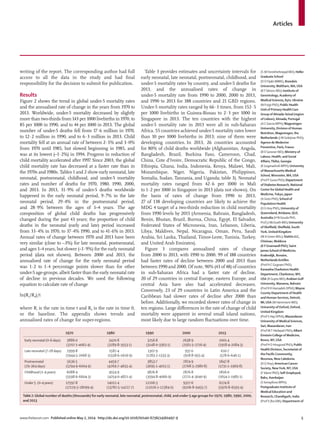
Global, regional, and national levels of neonatal, infant, and
under-5 mortality during 1990–2013: a systematic analysis
for the Global Burden of Disease Study 2013
Published Online
May 2, 2014
http://dx.doi.org/10.1016/
S0140-6736(14)60497-9
*Corresponding author
†Authors listed alphabetically
‡Joint senior authors
Institute for Health Metrics and
Evaluation, University of
Washington, Seattle,WA, USA
(HWang PhD, C A Liddell BE,
M M Coates AB, M D Mooney BS,
C E Levitz BA,A E Schumacher BS,
H Apfel BA, M Iannarone MA,
B Phillips BA, KT Lofgren MPH,
L Sandar BS,T Achoki PhD,
Prof L Dandona PhD,
M H Forouzanfar PhD,
S S Lim PhD, A H Mokdad PhD,
M Naghavi PhD, M Ng PhD,
TVos PhD,
Prof C J L Murray DPhil); Faculty
of Health Sciences, Hatter
Institute for Cardiovascular
Research in Africa
(Prof K Sliwa PhD), University of
HaidongWang*,ChelseaALiddell,MatthewMCoates,MeghanDMooney,CarlyE Levitz, Austin E Schumacher, HenryApfel, Marissa Iannarone, Bryan Phillips,
KatherineT Lofgren, Logan Sandar, Rob E Dorrington, Ivo Rakovac,Troy A Jacobs, Xiaofeng Liang, Maigeng Zhou, Jun Zhu,GonghuanYang,YanpingWang, ShiweiLiu,YichongLi,
AyseAbbasogluOzgoren†,SemawFeredeAbera†,IbrahimAbubakar†,Tom Achoki†, AdemolaAdelekan†, ZanfinaAdemi†, Zewdie Aderaw Alemu†, Peter J Allen†,
MohammadAbdulAzizAlMazroa†,ElenaAlvarez†,AdansiAAmankwaa†, AzmerawTAmare†,Walid Ammar†, PalwashaAnwari†, Solveig ArgeseanuCunningham†,
MajedMasoudAsad†,RezaAssadi†,AmitavaBanerjee†, SanjayBasu†,Neeraj Bedi†,TolesaBekele†, Michelle LBell†, ZulfiqarBhutta†, Jed Blore†, Berrak BoraBasara†,
SoufianeBoufous†,NicholasBreitborde†,NigelGBruce†,LinhNgocBui†,Jonathan RCarapetis†, RosarioCárdenas†, DavidOCarpenter†,ValeriaCaso†, Ruben EstanislaoCastro†,
FerránCatalá-Lopéz†,AlanurCavlin†,XuanChe†,PeggyPei-ChiaChiang†,RajivChowdhury†,CostasAChristophi†,Ting-WuChuang†, MassimoCirillo†, Iuri daCosta Leite†,
KarenJCourville†,LalitDandona†,RakhiDandona†,AdrianDavis†,Anand Dayama†, Kebede Deribe†, Samath DDharmaratne†, MukeshKDherani†,UğurDilmen†,EricLDing†,
KarenM Edmond†,SergeiPetrovichErmakov†,FarshadFarzadfar†,Seyed-Mohammad Fereshtehnejad†, DanielObadare Fijabi†, NataliyaFoigt†, Mohammad H Forouzanfar†,
AnaCGarcia†,JohannaMGeleijnse†,BradfordDGessner†,KetevanGoginashvili†, PhilimonGona†, AtsushiGoto†, Hebe NGouda†, MarkAGreen†,KarenFernGreenwell†,
HarishChanderGugnani†,RahulGupta†,RandahRibhiHamadeh†,Mouhanad Hammami†, HildaLHarb†, Simon Hay†, MohammadTHedayati†, H Dean Hosgood†,
DamianGHoy†,BulatTIdrisov†,FarhadIslami†,SamayaIsmayilova†,Vivekanand Jha†,Guohong Jiang†, Jost B Jonas†, Knud Juel†, Edmond Kato Kabagambe†, Dhruv S Kazi†,
Andre PascalKengne†,MaiaKereselidze†,YousefSalehKhader†,ShamsEldin Ali Hassan Khalifa†,Young-HoKhang†, Daniel Kim†,Yohannes Kinfu†, Jonas MKinge†,
YoshihiroKokubo†,SoewartaKosen†,BarthelemyKuateDefo†,GAnilKumar†, KaushalendraKumar†, Ravi B Kumar†,Taavi Lai†,QingLan†, Anders Larsson†, Jong-TaeLee†,
MallLeinsalu†,StephenSLim†,StevenELipshultz†,GiancarloLogroscino†, PauloA Lotufo†, Raimundas Lunevicius†, Ronan Anthony Lyons†, Stefan Ma†, Abbas Ali Mahdi†,
MelvinBarrientosMarzan†,MohammadTaufiqMashal†,TasaraTMazorodze†, John J McGrath†, Ziad A Memish†,WalterMendoza†,George A Mensah†, Atte Meretoja†,
TedR Miller†,EdwardJMills†,KarzanAbdulmuhsinMohammad†,AliHMokdad†, LorenzoMonasta†, MarcellaMontico†, Ami R Moore†,JoannaMoschandreas†,
WilliamTMsemburi†,UlrichOMueller†,MagdalenaMMuszynska†,Mohsen Naghavi†, Kovin SNaidoo†, KMVenkat Narayan†,ChakibNejjari†, Marie Ng†,
Jean de Dieu Ngirabega†, Mark J Nieuwenhuijsen†, Luke Nyakarahuka†,TakayoshiOhkubo†, Saad BOmer†, Angel J PaterninaCaicedo†,Victoria Pillay-vanWyk†, Dan Pope†,
DorairajPrabhakaran†,SajjadURRahman†,SaleemMRana†,RobertQuentinReilly†,DavidRojas-Rueda†,LucaRonfani†,LesleyRushton†, MohammadYahya Saeedi†,
Joshua Salomon†,Uchechukwu Sampson†, Itamar S Santos†, Monika Sawhney†, JürgenC Schmidt†, Marina Shakh-Nazarova†, Jun She†, SaraSheikhbahaei†, KenjiShibuya†,
HwashinHyunShin†,KawkabShishani†,IvyShiue†,IngaDoraSigfusdottir†, JasvinderA Singh†,Vegard Skirbekk†, Karen Sliwa†, Sergey S Soshnikov†, Luciano A Sposato†,
VasilikiKalliopiStathopoulou†,KonstantinosStroumpoulis†,KarenMTabb†, RobertoTchioTalongwa†,CarolinaMariaTeixeira†,Abdullah SuliemanTerkawi†, Alan JThomson†,
Andrew LThorne-Lyman†, HideakiToyoshima†, ZacharieTsala Dimbuene†, ParfaitUwaliraye†, Selen BegümUzun†,Tommi JVasankari†, Ana Maria NogalesVasconcelos†,
VasiliyVictorovichVlassov†, Stein EmilVollset†,TheoVos†, StephenWaller†, XiaWan†, ScottWeichenthal†, ElisabeteWeiderpass†,RobertGWeintraub†,RonnyWesterman†,
JamesDWilkinson†,HywelCWilliams†,YangCYang†,GokalpKadriYentur†, PaulYip†, NaohiroYonemoto†, MustafaYounis†,ChuanhuaYu†, KimYun Jin†,
Maysaa El Sayed Zaki†, Shankuan Zhu†, Alan D Lopez‡,Christopher J L Murray‡
Summary
Background Remarkable financial and political efforts have been focused on the reduction of child mortality during
the past few decades. Timely measurements of levels and trends in under-5 mortality are important to assess progress
towards the Millennium Development Goal 4 (MDG 4) target of reduction of child mortality by two thirds
from 1990 to 2015, and to identify models of success.
Methods We generated updated estimates of child mortality in early neonatal (age 0–6 days), late neonatal (7–28 days),
postneonatal (29–364 days), childhood (1–4 years), and under-5 (0–4 years) age groups for 188 countries
from 1970 to 2013, with more than 29000 survey, census, vital registration, and sample registration datapoints. We
used Gaussian process regression with adjustments for bias and non-sampling error to synthesise the data for
under-5 mortality for each country, and a separate model to estimate mortality for more detailed age groups. We used
explanatory mixed effects regression models to assess the association between under-5 mortality and income per
person, maternal education, HIV child death rates, secular shifts, and other factors. To quantify the contribution of
these different factors and birth numbers to the change in numbers of deaths in under-5 age groups from 1990 to
2013, we used Shapley decomposition. We used estimated rates of change between 2000 and 2013 to construct under-5
mortality rate scenarios out to 2030.
Findings We estimated that 6·3 million (95% UI 6·0–6·6) children under-5 died in 2013, a 64% reduction
from 17·6 million (17·1–18·1) in 1970. In 2013, child mortality rates ranged from 152·5 per 1000 livebirths
(130·6–177·4) in Guinea-Bissau to 2·3 (1·8–2·9) per 1000 in Singapore. The annualised rates of change
from 1990 to 2013 ranged from –6·8% to 0·1%. 99 of 188 countries, including 43 of 48 countries in sub-Saharan
Africa, had faster decreases in child mortality during 2000–13 than during 1990–2000. In 2013, neonatal deaths
accounted for 41·6% of under-5 deaths compared with 37·4% in 1990. Compared with 1990, in 2013, rising numbers
Articles
2 www.thelancet.com Published online May 2, 2014 http://dx.doi.org/10.1016/S0140-6736(14)60497-9
CapeTown, CapeTown,
South Africa
(Prof R E Dorrington MPhil);
WHO RegionalOffice for
Europe, Copenhagen, Denmark
(I Rakovac PhD); MCH Division,
USAID – Global Health Bureau,
HIDN,Washington, DC, USA
(T A Jacobs MD); National
Center forChronic and Non-
Communicable Disease Control
and Prevention,ChineseCenter
for Disease Control and
Prevention, Beijing,China
(X Liang MPH, Prof M Zhou PhD,
S Liu PhD,Y Li MS); National
Office for Maternal and Child’s
Health Surveillance,Chengdu,
China (Prof J Zhu MD,
ProfYWang BS);Tianjin Centers
for Disease Control and
Prevention,Tianjin,China
(Prof G Jiang MD); Peking Union
Medical College, Beijing, China
(Prof GYang MD); Hacettepe
University Institute of
Population Studies,
Ankara,Turkey
(A Abbasoglu Ozgoren MSc,
A Cavlin PhD); Mekelle
University,Tigray, Ethiopia
(S F Abera MSc); University
College London, London,
United Kingdom
(Prof I Abubakar PhD); Ministry
of Health, Gaborone, Botswana
(T Achoki MD); Public Health
Promotion Alliance, Osogpb,
Nigeria (A Adelekan PhD);
General Practice and Primary
Health Care Academic Centre
(P P-C Chiang PhD), University
of Melbourne, Melbourne,VIC,
Australia
(Z Ademi MPharm, J Blore PhD,
A Meretoja PhD,
R GWeintraub MB,
Prof A D Lopez PhD); Debre
Markos Univerity, Debre
Markos, Ethiopia (Z A Alemu
MPH); Ministry of Health,
Belmopan,Cayo, Belize (P J
Allen DDS); Saudi Ministry of
Health, Riyadh, Kingdom of
Saudi Arabia (M A AlMazroa MD,
Prof Z A Memish MD,
MY Saeedi PhD);Government,
Madrid, Spain (E Alvarez PhD);
Albany State University,
Albany, GA, USA
(Prof A A Amankwaa PhD);
Department of Epidemiology,
University ofGroningen,
Groningen, Netherlands
(AT Amare MPH); Ministry of
Public Health, Beirut, Lebanon
(ProfW Ammar PhD,
H L Harb MPH); UNFPA, Kabul,
Afghanistan (P Anwari MSc);
School of Medicine
(A Dayama MD), Emory
of births, especially in sub-Saharan Africa, led to 1·4 million more child deaths, and rising income per person and
maternal education led to 0·9 million and 2·2 million fewer deaths, respectively. Changes in secular trends led
to 4·2 million fewer deaths. Unexplained factors accounted for only –1% of the change in child deaths. In 30 developing
countries, decreases since 2000 have been faster than predicted attributable to income, education, and secular shift
alone.
Interpretation Only 27 developing countries are expected to achieve MDG 4. Decreases since 2000 in under-5 mortality
rates are accelerating in many developing countries, especially in sub-Saharan Africa. The Millennium Declaration
and increased development assistance for health might have been a factor in faster decreases in some developing
countries. Without further accelerated progress, many countries in west and central Africa will still have high levels
of under-5 mortality in 2030.
Funding Bill & Melinda Gates Foundation, US Agency for International Development.
Introduction
During the past few decades, substantial political, donor,
and country focus has been placed on the reduction of
child mortality. The Millennium Development Goal 4
(MDG 4) target of reduction of child mortality by two
thirds from 1990 to 2015 has captured the attention of
high-level leaders.1–5
The UN Commission for
Accountability for Women’s and Children’s Health is a
further reminder of intensified interest, along with
numerous initiatives from donor organisations.4,6,7
Global
interest in child mortality reduction is not new; the child
survival revolution,8
Jim Grant’s pioneering work at
UNICEF on child interventions,9
and the Health for All
by the Year 2000 campaign10
are examples of the
worldwide focus on improvement of child survival that
began more than three decades ago. Key actors such as
the governments of the USA, Ethiopia, and India,
together with UNICEF, are arguing for a continued
post-2015 focus on further reductions in child mortality
to eliminate all child deaths from preventable causes by
2035.1
This global goal is mainly motivated, not only by
the huge disparities between and within nations in child
mortality, but also by compelling evidence that child
mortality can be reduced even in low-resource settings.11,12
Child mortality worldwide is decreasing and has been
in many countries for many decades.1,13–20
The decreases
achieved in high-income, middle-income, and low-
income countries surely count among the more important
achievements for humanity in the past 60 years.21–27
Four
types of interconnected explanations have been suggested
for the sustained but heterogeneous decrease in child
mortality. Demographers and other social scientists have
identified long-term associations between child mortality
and maternal education, income per person, and
technology change.28–32
Health-system researchers have
explained why some health systems are able to achieve
faster rates of decrease or lower levels of child mortality at
similar amounts of income and health expenditure than
are others.33
More recently, detailed analyses by the
Countdown to 2015 and other groups have sought to
explain levels and trends in child mortality through the
coverage of a short list of proven technologies.5,34
Political
scientists have called attention to the potential role of
global collective action, such as the Millennium
Declaration itself, as a key contributor to social
phenomenon and health development.35,36
All of these
explanations have merit; understanding the balance and
interconnection between them might provide important
insights for future global and national action to accelerate
decreases in child mortality.
Timely, local, and valid assessments of trends in child
mortality along with the associated drivers of these
trends can provide an important input to national,
regional, and global debates on next steps. Although the
long-term trend in child mortality has been downward,
important heterogeneity exists across countries and age
groups. Understanding this heterogeneity can help to
catalyse and optimise a process of shared learning from
success stories and to identify crucial areas that need
more attention.
Here, we aimed to use data from the Global Burden of
Diseases, Injuries, and Risk Factors Study 2013
(GBD 2013) to assess levels and trends of child mortality,
and to explore key factors associated with progress. We
aimed to use the GBD 2013 data to report three
interrelated themes: estimate the levels and trends in
early neonatal (age 0–6 days), late neonatal (7–28 days),
postneonatal (29–364 days), childhood (1–4 years), and
under-5 (0–4 years) mortality from 1990 to 2013,
for 188 countries (with one additional country comparing
to GBD 201037
because we included Sudan and South
Sudan in this analysis) with the most up-to-date data and
methods; explore the contribution of broad drivers of
child mortality during the past few decades and whether
accelerated reductions have been beyond what might
have been expected after 2000; and forecast child
mortality to 2030 to identify populations that are likely to
be the main challenges to further global progress with
child survival strategies in the mid-term.
Methods
Estimation of child, infant, and neonatal mortality by
country during 1990–2013
We used the broad data analysis strategy from the Global
Burden of Diseases, Injuries, and Risk Factors Study 2010
(GBD 2010) to measure national trends in child mortality.
Articles
www.thelancet.com Published online May 2, 2014 http://dx.doi.org/10.1016/S0140-6736(14)60497-9 3
University, Atlanta, GA, USA
(S Argeseanu Cunningham PhD,
Prof K MV Narayan MD,
S B Omer MBBS); Ministry of
Health, Amman, Jordan
(M M Asad PhD); Mashhad
University of Medical Sciences,
Mashhad, Khorasan, Iran
(R Assadi MD); University of
Birmingham, Birmingham,
West Midlands, United
Kingdom (A Banerjee MA);
Stanford University, Stanford,
CA, USA (S Basu PhD); College
of Public Health andTropical
Medicine, Jazan, Saudi Arabia
(Prof N Bedi MD); Madawalabu
University, Bale Goba, Oromia,
Ethiopia (T Bekele MPH);Yale
University, New Haven, CT,
USA (Prof M L Bell PhD); Aga
Khan University Medical
Center, Karachi, Pakistan
(Prof Z Bhutta PhD); Ministry of
Health, General Directorate of
Health Research, Ankara,
Turkey (B Bora Basara PhD,
Prof U Dilmen MD, S B Uzun BA,
G KYentur MSc);Transport and
Road Safety (TARS) Research,
University of New SouthWales,
Sydney, NSW, Australia
(S Boufous PhD); University of
Arizona,Tucson, AZ, USA
(Prof N Breitborde PhD);
University of Liverpool,
Merseyside, United Kingdom
(Prof N G Bruce PhD,
M K Dherani PhD, D Pope PhD);
Hanoi School of Public Health,
Hanoi,Vietnam (L N Bui MIPH);
Telethon Institute for Child
Health Research, Subiaco,WA,
Australia
(Prof J R Carapetis PhD);
Universidad Autonoma
Metropolitana, Mexico, DF,
Mexico (Prof R Cárdenas ScD);
University at Albany,
Rensselaer, NY, USA
(D O Carpenter MD); Stroke
Unit, University of Perugia,
Perugia, Italy (V Caso PhD);
Universidad Diego Portales,
Santiago, Chile
(Prof R E Castro PhD); Division
of Pharmacology and
Pharmacovigilance, Spanish
Medicines and Healthcare
Products Agency (AEMPS),
Ministry of Health, Madrid,
Spain (F Catalá-Lopéz PhD);
Center forTranslation Research
and Implementation Science
(CTRIS), National Heart, Lung,
and Blood Institute
(G A Mensah MD), National
Cancer Institute
(Prof Q Lan PhD), National
Institutes of Health, Bethesda,
MD, USA (X Che PhD);
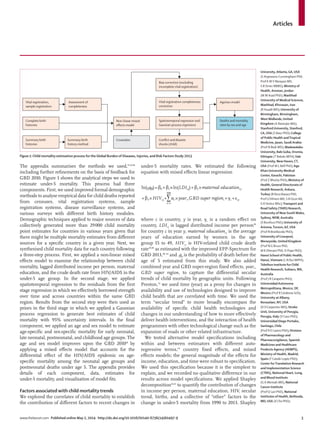
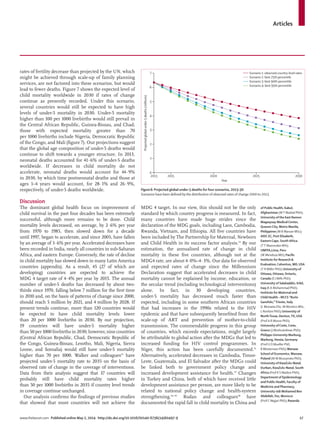
The appendix summarises the methods we used,13,14,18
including further refinements on the basis of feedback for
GBD 2010. Figure 1 shows the analytical steps we used to
estimate under-5 mortality. This process had three
components. First, we used improved formal demographic
methods to analyse empirical data for child deaths reported
from censuses, vital registration systems, sample
registration systems, disease surveillance systems, and
various surveys with different birth history modules.
Demographic techniques applied to major sources of data
collectively generated more than 29000 child mortality
point estimates for countries in various years given that
there might be multiple mortality estimates from different
sources for a specific country in a given year. Next, we
synthesised child mortality data for each country following
a three-step process. First, we applied a non-linear mixed
effects model to examine the relationship between child
mortality, lagged distributed income per person, maternal
education, and the crude death rate from HIV/AIDS in the
under-5 age group. In the second stage, we applied
spatiotemporal regression to the residuals from the first
stage regression in which we effectively borrowed strength
over time and across countries within the same GBD
region. Results from the second step were then used as
priors in the third stage in which we applied a Gaussian
process regression to generate best estimates of child
mortality with 95% uncertainty intervals. In the final
component, we applied an age and sex model to estimate
age-specific and sex-specific mortality for early neonatal,
late neonatal, postneonatal, and childhood age groups. The
age and sex model improves upon the GBD 201018
by
applying a mixed effects model that accounts for the
differential effect of the HIV/AIDS epidemic on age-
specific mortality among the neonatal age groups and
postneonatal deaths under age 5. The appendix provides
details of each component, data, estimates for
under-5 mortality, and visualisation of model fits.
Factors associated with child mortality trends
We explored the correlates of child mortality to establish
the contribution of different factors to recent changes in
under-5 mortality rates. We estimated the following
equation with mixed effects linear regression
where c is country, y is year, γc is a random effect on
country, LDIcy is lagged distributed income per person38
for country c in year y, maternal educationcy is the average
years of education earned by women in the age
group 15 to 49, HIVcy is HIV-related child crude death
rate39,40
as estimated with the improved EPP-Spectrum for
GBD 2013,40–42
and 5q0 is the probability of death before the
age of 5 estimated from this study. We also added
combined year and GBD super-region fixed effects, year_
GBD super region, to capture the differential secular
trends of child mortality by geographic units. Following
Preston,32
we used time (year) as a proxy for changes in
availability and use of technologies designed to improve
child health that are correlated with time. We used the
term “secular trend” to more broadly encompass the
availability of specific child health technologies and
changes in our understanding of how to more effectively
deliver health interventions, and the interaction of health
programmes with other technological change such as the
expansion of roads or other related infrastructure.
We tested alternative model specifications including
within and between estimators with different auto-
regressive terms,43
country fixed effects, and mixed
effects models; the general magnitude of the effects for
income, education, and time were robust to specification.
We used this specification because it is the simplest to
explain, and we recorded no qualitative difference in our
results across model specifications. We applied Shapley
decomposition44,45
to quantify the contribution of changes
in income per person, maternal education, HIV, secular
trend, births, and a collective of “other” factors to the
change in under-5 mortality from 1990 to 2013. Shapley
Vital registration,
sample registration
Assessment of
completeness
Complete birth
histories
Summary birth
histories
Summary birth
history method
Non-linear mixed
effects model
Covariates
Age/sex model
Deaths and mortality
rates by sex and age
Bias correction (excluding
incomplete vital registration)
Vital registration completeness
correction
Spatiotemporal regression and
Gaussian process regression
Conflict and disaster
shocks (child)
Figure 1: Child mortality estimation process for the Global Burden of Diseases, Injuries, and Risk Factors Study 2013
ln(₅q₀)=β0 +β1 ×ln(LDIcy)+β2 ×maternal educationcy
+β3 ×HIVcy+∑αs ×year_GBD super regions +γc +εcy
308
s=1
Articles
4 www.thelancet.com Published online May 2, 2014 http://dx.doi.org/10.1016/S0140-6736(14)60497-9
University of Cambridge,
Cambridge, United Kingdom
(R Chowdhury MD); Cyprus
University ofTechnology,
Limassol, Cyprus
(C A Christophi PhD);Taipei
Medical University,Taipei,
Taiwan (ProfT-W Chuang PhD);
University of Salerno,
Baronissi, SA, Italy
(Prof M Cirillo MD); National
School of Public Health (ENSP/
Fiocruz), Rio De Janeiro, Brazil
(I da Costa Leite PhD); Hospital
Dr. Gustavo N. Collado, Chitre,
Herrera, Panama
(K J Courville MD); Public Health
Foundation of India, New
Delhi, India (Prof L Dandona,
R Dandona PhD, G A Kumar PhD,
R B Kumar MD); Public Health
England, London, United
Kingdom (Prof A Davis PhD,
J C Schmidt MSc); Addis Ababa
University, Addis Ababa,
Ethiopia (K Deribe MPH);
University of Peradeniya,
Peradeniya, Sri Lanka
(S D Dharmaratne MD); Harvard
School of Public Health,
Harvard University, Boston,
MA, USA (E L Ding ScD,
Prof J Salomon PhD); University
ofWestern Australia, Perth,
WA, Australia
(Prof K M Edmond PhD);The
Institute of Social and
Economic Studies of
Population at the Russian
Academy of Sciences, Moscow,
Russia (Prof S P Ermakov DSc);
Non-Communicable Diseases
Research Center, Endocrine and
Metabolic Research Institute,
Tehran University of Medical
Sciences,Tehran, Iran
(F Farzadfar MD,
S Sheikhbahaei MD);
Department of Medical
Epidemiology and Biostatistics
(Prof EWeiderpass PhD),
Karolinska Institutet,
Stockholm, Sweden
decomposition is a method with a game theory
foundation that allows for decomposition of changes in a
variable because of different contributory factors.
Specifically, to assess the effect of these six factors on
changes in under-5 deaths from 1990 to 2013, we
constructed 64 scenarios in which all six factors took on
values from either 1990 or 2013 in each specific scenario.
To compute the effect of any one factor, we
assessed 32 pairs of scenarios in which all five remaining
factors had the same values. For each pair, we then
calculated the change in under-5 deaths, for which only
the factor of interest changed value, and used this as a
measure of the contribution of this specific factor to the
change in under-5 deaths. The average of the changes in
all 32 pairs of scenarios was the contribution of one
factor. We repeated the same process for all six factors.
We used the above equation to predict annualised rates
of change for each country from 2000 to 2013 with
recorded changes in income per person and maternal
education and counterfactual levels of HIV in the
absence of intervention. We generated counterfactual
HIV death rates with the improved EPP-Spectrum
models for GBD 201339,40
by setting prevention of mother-
to-child transmission, co-trimoxazole prophylaxis, and
antiretroviral therapy (ART) to zero for all years. These
predicted rates provided an estimate of the effect of
changes in income per person, education, and the long-
term secular trend by GBD super-region on the basis of a
comparison with observed rates of change.
Scenarios for under-5 mortality in 2030
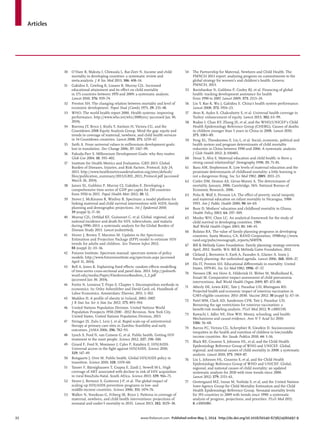
Wedevelopedfourscenariostopredicttheunder-5mortality
rate in 2030 on the basis of the distribution of observed
annualised rates of change from 2000 to 2013. Scenario one
used the observed rate of change from 2000 to 2013 for
each country to project to 2030. We assumed child mortality
rates in any country with an increase in mortality in this
time stayed at a constant level during the projection period.
In scenario two, we applied the best 75th percentile rate of
change in all countries from 2000 to 2013. In scenario
three, all countries had a rate of change corresponding to
the best 90th percentile, and in scenario four, to the
best 95th percentile rate of change. We used observed rates
of change for all-cause mortality by detailed age groups
(early neonatal, late neonatal, postneonatal, and childhood
deaths at age 1–4 years) to generate scenarios for the age
composition of under-5 deaths. Our predictions of the
number of deaths were based on these predicted rates and
UN Population Division fertility forecasts.46
We then
rescaled predicted age-specific and sex-specific mortality to
match the predicted all-cause under-5 mortality rate
in 2030. For analyses, we used Stata (version 13.1), R
(versions 2.15.2, 3.0.1, and 3.0.2), and Python (version 2.7.3).
Role of the funding source
The funders of the study had no role in study design,
data collection, data analysis, data interpretation, or
1970 1980 1990 2000 2013
Early neonatal
(0–6 days)
31·4
(30·0–32·8)
26·7
(25·7–27·7)
22·6
(21·8–23·3)
19·8
(19·2–20·4)
14·0
(13·5–14·6)
Late neonatal
(7–28 days)
16·8
(16·3–17·4)
12·8
(12·6–13·1)
9·3
(9·1–9·5)
7·2
(7·1–7·4)
4·4
(4·1–4·6)
Postneonatal
(29–364 days)
48·1
(45·1–51·4)
36·5
(34·9–38·2)
27·6
(26·4–28·8)
22·2
(21·3–23·0)
13·2
(12·4–14·1)
Child
(1–4 years)
54·1
(49·8–58·7)
38·7
(36·2–41·3)
27·9
(26·1–29·6)
22·1
(20·9–23·3)
13·1
(12·0–14·3)
Under 5
(0–4 years)
142·6
(138·5–146·9)
110·0
(108·1–111·7)
84·6
(83·3–85·9)
69·4
(68·5–70·4)
44·0
(41·9–46·3)
Table 1: Global mortality rate (deaths per 1000 livebirths) for early neonatal, late neonatal,
postneonatal, child, and under-5 age groups for 1970, 1980, 1990, 2000, and 2013
1970 1975 1980 1985 1990 1995 2000 2005 2010 2013
0
20
40
60
80
100
120
140
Globalunder-5mortalityrate(deathsper1000livebirths)
Year
A
1970 1975 1980 1985 1990 1995 2000 2005 2010 2013
–4·0
–2·0
–3·5
–3·0
–2·5
–1·5
Annualisedrateofchange(%)
Year
B
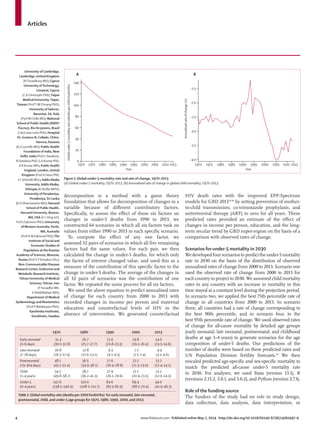
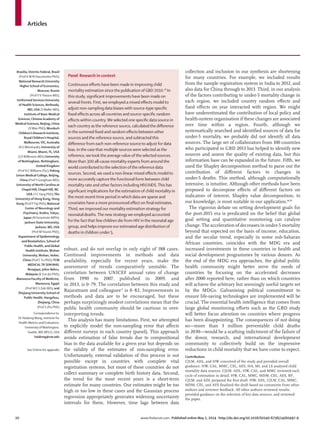
Figure 2: Global under-5 mortality rate and rate of change, 1970–2013
(A) Global under-5 mortality, 1970–2013. (B) Annualised rate of change in global child mortality, 1970–2013.
Articles
www.thelancet.com Published online May 2, 2014 http://dx.doi.org/10.1016/S0140-6736(14)60497-9 5
(S-M Fereshtehnejad MD); Heller
Graduate School
(DO Fijabi MBBS), Brandeis
University,Waltham, MA,USA
(BT Idrisov MD); Institute of
Gerontology,Academy of
Medical Sciences, Kyiv,Ukraine
(N Foigt PhD); Public Health
Unit of Primary HealthCare
Group ofAlmada-Seixal (region
of Lisbon),Almada, Portugal
(ACGarcia MPH);Wageningen
University, Division of Human
Nutrition,Wageningen,the
Netherlands (J MGeleijnse PhD);
Agence de Medecine
Preventive, Paris, France
(B DGessner MD); Ministry of
Labour, Health, and Social
Affairs,Tbilisi,Georgia
(KGoginashvili MPH);University
of Massachusetts Medical
School,Worcester, MA,USA
(Prof PGona PhD); Department
of Diabetes Research, National
Center forGlobal Health and
Medicine,Tokyo, Japan
(AGoto PhD); School of
Population Health
(DG Hoy PhD),University of
Queensland, Brisbane,QLD,
Australia (H NGouda PhD,
Prof J J McGrath MD);University
of Sheffield, Sheffield, South
York,United Kingdom
(MAGreen MSc); Stattis LLC,
Chisinau, Moldova
(K FGreenwell PhD); Saint
James School of Medicine,
Kralendijk, Bonaire,
NetherlandsAntilles
(Prof HCGugnani PhD);
KanawhaCharleston Health
Department,Charleston,WV,
USA (RGupta MD);ArabianGulf
University, Manama, Bahrain
(Prof R R Hamadeh DPhil);Wayne
County Department of Health
and Human Services, Detroit,
MI,USA (M Hammami MD);
University ofOxford,Oxford,
United Kingdom
(Prof S Hay DPhil); Mazandaran
University of Medical Sciences,
Sari, Mazandaran, Iran
(Prof MT Hedayati PhD);Albert
EinsteinCollege of Medicine,
Bronx, NY,USA
(Prof H D Hosgood PhD); Public
Health Division, Secretariat of
the PacificCommunity,
Noumea, NewCaledonia
(DG Hoy);AmericanCancer
Society, NewYork, NY,USA
(F Islami PhD); Self-Employed,
Baku,Azerbaijan
(S Ismayilova MPH);
Postgraduate Institute of
Medical Education and
Research, Chandigarh, India
(ProfV Jha DM); Department of
writing of the report. The corresponding author had full
access to all the data in the study and had final
responsibility for the decision to submit for publication.
Results
Figure 2 shows the trend in global under-5 mortality rates
and the annualised rate of change in the years from 1970 to
2013. Worldwide, under-5 mortality decreased by slightly
more than two-thirds from 143 per 1000 livebirths in 1970, to
85 per 1000 in 1990, and to 44 per 1000 in 2013. The global
number of under-5 deaths fell from 17·6 million in 1970,
to 12·2 million in 1990, and to 6·3 million in 2013. Child
mortality fell at an annual rate of between 2·5% and 3·0%
from 1970 until 1985, but slowed beginning in 1985, and
was at its lowest (–1·2%) in 1994. Progress in reduction of
child mortality accelerated after 1997. Since 2003, the global
child mortality rate has decreased at a faster rate than in
the 1970s and 1980s. Tables 1 and 2 show early neonatal, late
neonatal, postneonatal, childhood, and under-5 mortality
rates and number of deaths for 1970, 1980, 1990, 2000,
and 2013. In 2013, 31·9% of under-5 deaths worldwide
happened in the early neonatal period, 9·7% in the late
neonatal period, 29·4% in the postneonatal period,
and 28·9% between the ages of 1–4 years. The age
composition of global child deaths has progressively
changed during the past 43 years; the proportion of child
deaths in the neonatal (early and late) period increased
from 33·4% in 1970, to 37·4% 1990, and to 41·6% in 2013.
Annual rates of change between 1970 and 2013 have been
very similar (close to –3%) for late neonatal, postneonatal,
and ages 1–4 years, but slower (–1·9%) for the early neonatal
period (data not shown). Between 2000 and 2013, the
annualised rate of change for the early neonatal period
was 1·2 to 1·4 percentage points slower than for other
under-5 age-groups, albeit faster than the early neonatal rate
of decline in previous decades. We used the following
equation to calculate rate of change
ln(Rt/R0)/t
where Rt is the rate in time t and R0 is the rate in time 0,
or the baseline. The appendix shows trends and
annualised rates of change for super-regions.
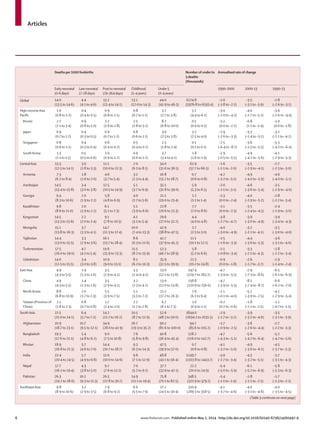
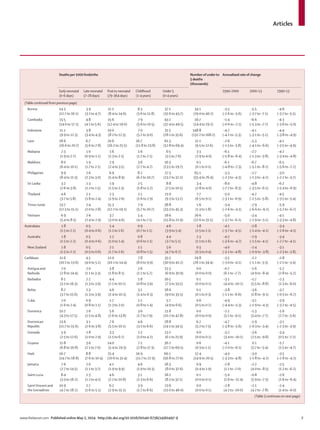
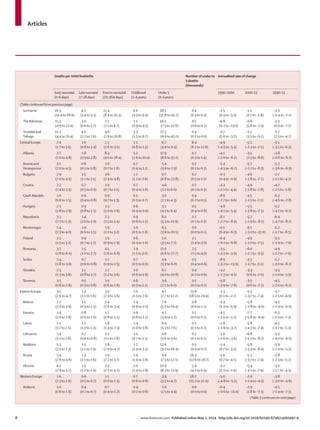
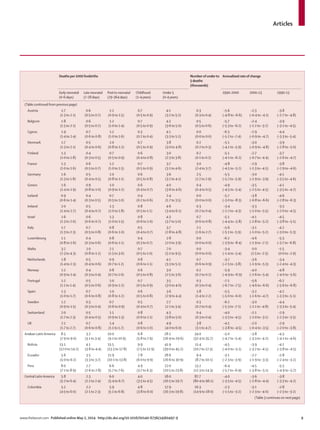
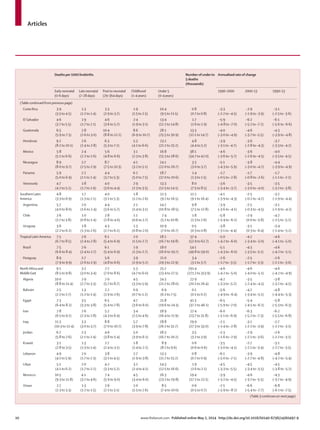
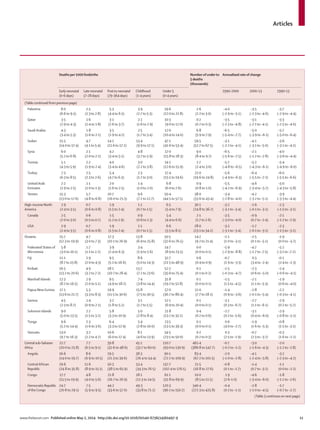
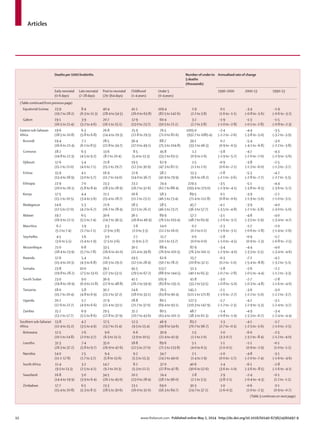
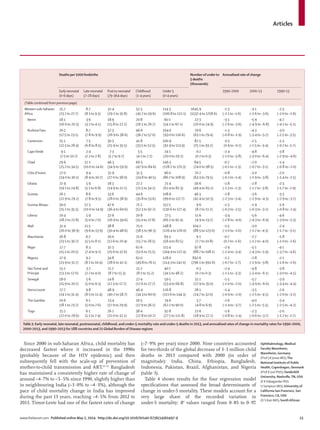
Table 3 provides estimates and uncertainty intervals for
early neonatal, late neonatal, postneonatal, childhood, and
under-5 mortality rates by country, and under-5 deaths for
2013, and the annualised rates of change in
under-5 mortality rate from 1990 to 2000, 2000 to 2013,
and 1990 to 2013 for 188 countries and 21 GBD regions.
Under-5 mortality rates ranged by 66·3 times, from 152·5
per 1000 livebirths in Guinea-Bissau to 2·3 per 1000 in
Singapore in 2013. The ten countries with the highest
under-5 mortality rate in 2013 were all in sub-Saharan
Africa. 55 countries achieved under-5 mortality rates lower
than 10 per 1000 livebirths in 2013; nine of them were
developing countries. In 2013, 26 countries accounted
for 80% of child deaths worldwide (Afghanistan, Angola,
Bangladesh, Brazil, Burkina Faso, Cameroon, Chad,
China, Cote d’Ivoire, Democratic Republic of the Congo,
Ethiopia, Ghana, India, Indonesia, Kenya, Malawi, Mali,
Mozambique, Niger, Nigeria, Pakistan, Philippines,
Somalia, Sudan, Tanzania, and Uganda; table 3). Neonatal
mortality rates ranged from 42·6 per 1000 in Mali
to 1·2 per 1000 in Singapore in 2013 (data not shown). On
the basis of rates of change from 1990 to 2013,
27 of 138 developing countries are likely to achieve the
MDG 4 target of a two-thirds reduction in child mortality
from 1990 levels by 2015 (Armenia, Bahrain, Bangladesh,
Benin, Bhutan, Brazil, Burma, China, Egypt, El Salvador,
Federated States of Micronesia, Iran, Lebanon, Liberia,
Libya, Maldives, Nepal, Nicaragua, Oman, Peru, Saudi
Arabia, Sri Lanka, Thailand, Timor-Leste, Tunisia, Turkey,
and United Arab Emirates).
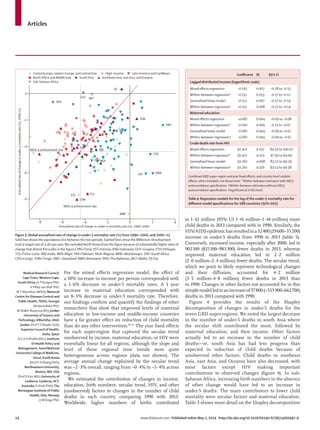
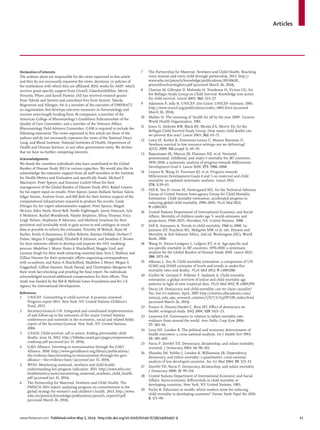
Figure 3 compares annualised rates of change
from 2000 to 2013, with 1990 to 2000. 99 of 188 countries
had faster rates of decline between 2000 and 2013 than
between 1990 and 2000. Of note, 90% (43 of 48) of countries
in sub-Saharan Africa had a faster rate of decline.
20 of 29 countries in central Europe, eastern Europe, and
central Asia have also had accelerated decreases.
Conversely, 23 of 29 countries in Latin America and the
Caribbean had slower rates of decline after 2000 than
before. Additionally, we recorded slower rates of change in
ten regions. Large differences in the rate of change of child
mortality were apparent in several small island nations,
most likely due to large random fluctuations over time.
1970 1980 1990 2000 2013
Early neonatal (0–6 days) 3886·0
(3707·1–4062·4)
3420·8
(3289·8–3553·1)
3256·8
(3148·0–3363·1)
2638·9
(2561·5–2716·4)
2001·4
(1918·4–2084·3)
Late neonatal (7–28 days) 1999·8
(1944·5–2068·3)
1587·4
(1558·6–1616·9)
1307·9
(1283·2–1333·3)
937·0
(918·8–955·4)
610·7
(578·6–646·1)
Postneonatal
(29–364 days)
5636·5
(5294·9–6004·9)
4459·7
(4269·7–4655·4)
3853·7
(3695·1–4015·1)
2874·9
(2768·3–2980·8)
1847·8
(1731·1–1969·8)
Childhood (1–4 years) 6088·4
(5598·6–6604·3)
4554·9
(4254·0–4871·4)
3826·8
(3594·8–4066·9)
2876·8
(2721·4–3040·9)
1816·0
(1654·1–1985·1)
Under 5 (0–4 years) 17597·8
(17119·3–18099·4)
14012·4
(13782·5–14227·7)
12206·3
(12026·1–12384·0)
9327·6
(9206·8–9455·7)
6274·8
(5976·8–6593·4)
Table 2: Global number of deaths (thousands) for early neonatal, late neonatal, postneonatal, child, and under-5 age groups for 1970, 1980, 1990, 2000,
and 2013
Articles
6 www.thelancet.com Published online May 2, 2014 http://dx.doi.org/10.1016/S0140-6736(14)60497-9
Deaths per 1000 livebirths Number ofunderto
5 deaths
(thousands)
Annualised rate of change
Early neonatal
(0–6days)
Late neonatal
(7–28days)
Postto neonatal
(29–364days)
Childhood
(1–4years)
Under 5
(0–4years)
1990–2000 2000–13 1990–13
Global 14·0
(13·5 to 14·6)
4·4
(4·1 to 4·6)
13·2
(12·4 to 14·1)
13·1
(12·0 to 14·3)
44·0
(41·9 to 46·3)
6274·8
(5976·8 to 6593·4)
–2·0
(–1·8 to –2·1)
–3·5
(–3·1 to –3·9)
–2·8
(–2·6 to –3·1)
High–incomeAsia
Pacific
1·0
(0·8 to 1·2)
0·4
(0·4 to 0·5)
0·9
(0·8 to 1·1)
0·8
(0·7 to 1·1)
3·2
(2·7 to 3·8)
5·1
(4·4 to 6·1)
–3·0
(–2·0 to –4·2)
–4·0
(–2·7 to –5·2)
–3·6
(–2·6 to –4·4)
Brunei 2·7
(2·1 to 3·4)
0·9
(0·8 to 1·0)
2·2
(1·6 to 2·8)
2·5
(1·8 to 3·2)
8·2
(6·8 to 10·0)
0·1
(0·0 to 0·1)
–1·2
(0·0 to –2·2)
–0·8
(1·1 to –2·4)
–1·0
(0·0 to –1·8)
Japan 0·9
(0·7 to 1·2)
0·4
(0·3 to 0·5)
0·9
(0·7 to 1·2)
0·8
(0·6 to 1·1)
3·0
(2·3 to 3·8)
3·2
(2·5 to 4·0)
–2·9
(–2·6 to –3·3)
–3·3
(–1·4 to –5·1)
–3·2
(–2·1 to –4·2)
Singapore 0·8
(0·6 to 1·1)
0·4
(0·3 to 0·4)
0·6
(0·4 to 0·7)
0·5
(0·4 to 0·7)
2·3
(1·8 to 2·9)
0·1
(0·1 to 0·1)
–7·5
(–6·4 to –8·7)
–3·6
(–1·5 to –5·5)
–5·3
(–4·2 to –6·4)
South Korea 1·3
(1·1 to 1·5)
0·5
(0·5 to 0·6)
1·0
(0·9 to 1·2)
0·9
(0·6 to 1·2)
3·7
(3·4 to 4·1)
1·8
(1·6 to 1·9)
–2·9
(–0·5 to –5·5)
–4·9
(–4·2 to –5·6)
–4·1
(–2·9 to –5·3)
CentralAsia 13·3
(12·5 to 14·1)
3·0
(2·8 to 3·3)
11·1
(10·0 to 12·3)
7·0
(6·1 to 8·1)
34·0
(31·6 to 36·5)
61·9
(57·7 to 66·5)
–1·6
(–1·1 to –2·0)
–3·5
(–2·9 to –4·1)
–2·7
(–2·3 to –3·0)
Armenia 7·3
(6·2 to 8·4)
1·8
(1·6 to 2·0)
4·6
(3·7 to 5·4)
3·2
(2·3 to 4·4)
16·8
(15·2 to 18·7)
0·7
(0·6 to 0·8)
–4·2
(–3·2 to –5·1)
–4·9
(–4·0 to –5·9)
–4·6
(–4·0 to –5·1)
Azerbaijan 14·5
(13·4 to 15·8)
3·4
(3·0 to 3·8)
12·5
(10·5 to 14·9)
5·1
(3·7 to 6·9)
35·1
(31·8 to 39·0)
5·9
(5·3 to 6·5)
–2·0
(–1·1 to –3·1)
–4·6
(–3·6 to –5·4)
–3·5
(–2·9 to –4·0)
Georgia 9·4
(8·3 to 10·6)
2·0
(1·9 to 2·2)
5·8
(4·8 to 6·9)
4·0
(2·7 to 5·6)
21·1
(19·0 to 23·4)
1·2
(1·1 to 1·4)
–1·3
(0·0 to –2·4)
–4·0
(–2·9 to –5·2)
–2·8
(–2·2 to –3·4)
Kazakhstan 9·8
(8·6 to 11·0)
2·0
(1·9 to 2·2)
6·1
(5·1 to 7·3)
5·1
(3·9 to 6·6)
22·8
(20·6 to 25·3)
7·7
(7·0 to 8·6)
–1·1
(0·0 to –2·3)
–3·5
(–2·4 to –4·5)
–2·4
(–1·9 to –3·0)
Kyrgyzstan 14·5
(13·3 to 15·6)
2·2
(2·0 to 2·4)
9·1
(7·8 to 10·5)
4·1
(3·1 to 5·4)
29·6
(27·0 to 32·2)
4·4
(4·0 to 4·8)
–3·8
(–2·7 to –4·7)
–3·9
(–3·0 to –4·9)
–3·9
(–3·4 to –4·3)
Mongolia 15·1
(13·8 to 16·3)
3·7
(3·3 to 4·1)
14·7
(12·3 to 17·4)
10·0
(7·4 to 13·3)
42·9
(38·8 to 47·5)
2·7
(2·5 to 3·0)
–4·0
(–3·0 to –4·9)
–3·2
(–2·1 to –4·1)
–3·5
(–3·0 to –4·0)
Tajikistan 14·4
(13·0 to 15·5)
3·3
(2·9 to 3·6)
16·1
(13·7 to 18·4)
8·6
(6·3 to 11·6)
41·7
(37·9 to 45·2)
11·1
(10·1 to 12·1)
–2·5
(–1·6 to –3·3)
–4·4
(–3·6 to –5·3)
–3·6
(–3·1 to –4·0)
Turkmenistan 17·5
(16·0 to 19·0)
4·7
(4·1 to 5·4)
19·6
(15·9 to 23·3)
11·5
(8·2 to 15·9)
52·3
(46·7 to 58·9)
5·8
(5·2 to 6·6)
–2·1
(–0·8 to –3·4)
–3·3
(–2·1 to –4·3)
–2·8
(–2·2 to –3·4)
Uzbekistan 14·0
(12·5 to 15·5)
3·4
(3·0 to 3·8)
10·9
(9·0 to 13·1)
8·1
(6·2 to 10·3)
35·9
(32·5 to 39·9)
22·3
(20·2 to 24·8)
–0·9
(0·0 to –1·8)
–2·6
(–1·7 to –3·7)
–1·9
(–1·4 to –2·4)
EastAsia 4·9
(4·3 to 5·5)
1·4
(1·3 to 1·6)
3·5
(2·9 to 4·1)
3·3
(2·4 to 4·2)
13·0
(12·1 to 13·8)
247·4
(229·7 to 265·2)
–4·7
(–3·9 to –5·5)
–7·9
(–7·3 to –8·6)
–6·5
(–6·1 to –6·9)
China 4·9
(4·3 to 5·5)
1·4
(1·3 to 1·6)
3·5
(2·9 to 4·1)
3·2
(2·3 to 4·2)
13·0
(12·0 to 13·8)
238·8
(220·9 to 256·0)
–4·7
(–3·9 to –5·5)
–8·1
(–7·4 to –8·7)
–6·6
(–6·2 to –7·0)
North Korea 8·8
(6·8 to 10·9)
2·0
(1·7 to 2·3)
5·5
(3·9 to 7·5)
5·1
(3·5 to 7·2)
21·2
(17·2 to 26·3)
7·6
(6·1 to 9·4)
–2·1
(–0·1 to –4·0)
–5·7
(–3·9 to –7·5)
–4·1
(–2·9 to –5·4)
Taiwan (Province of
China)
2·1
(1·8 to 2·3)
0·8
(0·7 to 0·8)
1·7
(1·4 to 2·0)
2·2
(1·7 to 2·8)
6·7
(6·1 to 7·3)
1·0
(0·9 to 1·1)
–0·2
(0·2 to –0·6)
–1·8
(–1·1 to –2·5)
–1·1
(–0·7 to –1·5)
SouthAsia 22·5
(21·0 to 24·1)
6·4
(5·7 to 7·2)
14·2
(12·7 to 16·2)
10·5
(8·7 to 12·9)
52·6
(48·3 to 50·0)
1844·0
(1694·2 to 2031·5)
–2·9
(–2·7 to –3·2)
–3·9
(–3·2 to –4·6)
–3·5
(–3·1 to –3·9)
Afghanistan 20·9
(18·7 to 23·1)
10·7
(9·5 to 12·1)
34·9
(28·0 to 41·9)
26·7
(19·3 to 35·2)
90·2
(81·6 to 100·0)
94·7
(85·6 to 105·2)
–1·7
(–0·9 to –2·5)
–3·6
(–2·6 to –4·4)
–2·7
(–2·2 to –3·3)
Bangladesh 19·3
(17·6 to 21·1)
5·4
(4·8 to 6·2)
9·0
(7·5 to 10·8)
7·6
(5·8 to 9·8)
40·8
(36·9 to 45·4)
128·2
(116·0 to 142·7)
–4·7
(–4·3 to –5·1)
–5·6
(–4·7 to –6·4)
–5·2
(–4·7 to –5·6)
Bhutan 18·9
(16·8 to 21·3)
5·7
(4·6 to 7·0)
14·4
(10·7 to 18·7)
9·3
(6·3 to 14·3)
47·5
(39·9 to 57·0)
0·7
(0·6 to 0·8)
–4·1
(–3·2 to –5·0)
–4·9
(–3·6 to –6·1)
–4·5
(–3·7 to –5·3)
India 22·4
(20·4 to 24·5)
5·7
(4·9 to 6·8)
12·0
(10·0 to 14·6)
9·6
(7·1 to 12·9)
48·8
(43·1 to 56·4)
1249·7
(1103·8 to 1443·7)
–3·0
(–2·7 to –3·4)
–4·3
(–3·2 to –5·1)
–3·7
(–3·1 to –4·3)
Nepal 17·7
(16·1 to 19·4)
4·3
(3·8 to 5·0)
9·2
(7·6 to 11·2)
7·0
(5·2 to 9·1)
37·7
(33·9 to 42·1)
22·2
(20·0 to 24·9)
–5·4
(–5·0 to –5·9)
–6·1
(–5·2 to –6·9)
–5·8
(–5·3 to –6·3)
Pakistan 26·3
(24·2 to 28·6)
10·2
(9·3 to 11·3)
26·5
(22·8 to 30·7)
14·9
(11·1 to 19·4)
75·8
(70·1 to 82·5)
348·5
(321·9 to 379·2)
–1·4
(–1·1 to –1·9)
–1·8
(–1·1 to –2·5)
–1·7
(–1·3 to –2·1)
SoutheastAsia 9·8
(8·9 to 10·6)
3·2
(2·9 to 3·5)
7·9
(6·8 to 9·2)
6·6
(5·5 to 7·9)
27·2
(24·5 to 30·4)
320·9
(289·3 to 358·5)
–4·1
(–3·7 to –4·6)
–4·0
(–3·1 to –4·8)
–4·0
(–3·5 to –4·5)
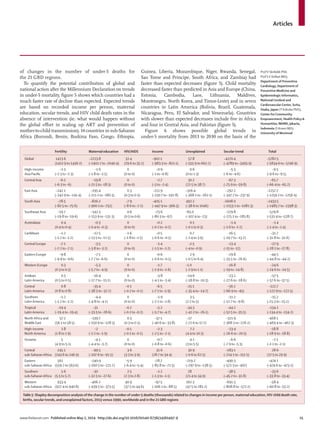
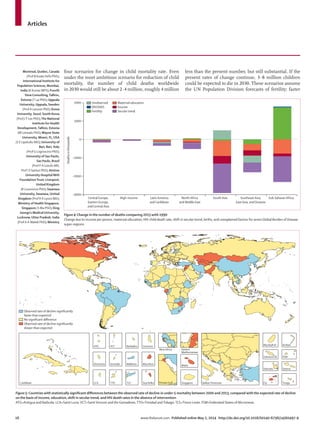
(Table 3 continueson next page)
Articles
www.thelancet.com Published online May 2, 2014 http://dx.doi.org/10.1016/S0140-6736(14)60497-9 7
Deaths per 1000 livebirths Number ofunderto
5 deaths
(thousands)
Annualised rate of change
Early neonatal
(0–6days)
Late neonatal
(7–28days)
Postto neonatal
(29–364days)
Childhood
(1–4years)
Under 5
(0–4years)
1990–2000 2000–13 1990–13
(Table continued from previous page)
Burma 14·3
(12·7 to 16·1)
3·9
(3·2 to 4·7)
11·1
(8·4 to 14·6)
8·3
(5·6 to 11·8)
37·1
(31·6 to 43·7)
34·1
(29·0 to 40·2)
–3·5
(–1·6 to –5·6)
–5·5
(–3·7 to –7·1)
–4·6
(–3·7 to –5·5)
Cambodia 15·5
(14·0 to 17·1)
4·8
(4·1 to 5·6)
15·6
(12·4 to 19·0)
7·9
(5·6 to 10·5)
43·2
(37·4 to 49·5)
16·7
(14·4 to 19·2)
–1·4
(–0·6 to –2·1)
–6·6
(–5·3 to –7·7)
–4·3
(–3·6 to –5·0)
Indonesia 11·1
(9·9 to 12·3)
3·8
(3·4 to 4·3)
10·0
(8·2 to 12·3)
7·0
(5·2 to 9·0)
31·5
(28·1 to 35·6)
148·8
(132·2 to 168·2)
–4·7
(–4·1 to –5·3)
–4·1
(–3·1 to –5·1)
–4·4
(–3·8 to –4·9)
Laos 18·6
(16·6 to 20·7)
6·7
(5·6 to 7·8)
20·6
(16·2 to 25·5)
16·7
(11·8 to 23·8)
61·3
(52·8 to 69·4)
11·1
(9·5 to 12·6)
–2·6
(–1·5 to –3·8)
–5·3
(–4·1 to –6·6)
–4·1
(–3·5 to –4·9)
Malaysia 2·3
(1·9 to 2·7)
1·0
(0·9 to 1·1)
1·6
(1·3 to 2·1)
1·6
(1·2 to 2·1)
6·5
(5·5 to 7·6)
3·3
(2·9 to 4·0)
–6·1
(–5·8 to –6·4)
–2·7
(–1·3 to –3·8)
–4·2
(–3·4 to –4·8)
Maldives 8·0
(6·4 to 10·1)
1·9
(1·7 to 2·1)
2·9
(2·4 to 3·5)
3·6
(2·7 to 4·7)
16·3
(13·5 to 19·7)
0·1
(0·1 to 0·1)
–6·1
(–4·8 to –7·3)
–6·7
(–5·1 to –8·2)
–6·5
(–5·6 to –7·2)
Philippines 9·9
(8·4 to 11·3)
2·6
(2·3 to 3·0)
6·9
(5·4 to 8·9)
8·2
(6·2 to 10·7)
27·3
(23·2 to 32·2)
65·1
(55·4 to 76·9)
–3·3
(–2·3 to –4·3)
–2·7
(–1·3 to –4·2)
–3·0
(–2·2 to –3·7)
Sri Lanka 3·2
(2·6 to 3·8)
1·3
(1·2 to 1·5)
1·9
(1·5 to 2·3)
2·5
(1·8 to 3·2)
8·8
(7·5 to 10·5)
3·4
(2·8 to 4·0)
–8·0
(–7·7 to –8·3)
–4·8
(–3·5 to –6·1)
–6·2
(–5·4 to –6·9)
Thailand 4·6
(3·7 to 5·8)
2·1
(1·8 to 2·4)
2·3
(1·9 to 2·6)
2·1
(1·6 to 2·9)
11·0
(9·3 to 13·2)
7·7
(6·5 to 9·2)
–5·0
(–3·1 to –6·9)
–4·2
(–2·5 to –5·8)
–4·5
(–3·5 to –5·4)
Timor–Leste 13·7
(12·3 to 15·1)
2·4
(2·0 to 2·8)
15·3
(12·2 to 19·1)
7·9
(5·7 to 10·7)
38·8
(33·3 to 45·3)
1·6
(1·3 to 1·8)
–3·4
(–2·6 to –4·1)
–7·9
(–6·6 to –9·2)
–5·9
(–5·2 to –6·7)
Vietnam 6·9
(5·4 to 8·5)
2·6
(2·4 to 2·9)
3·7
(3·0 to 4·6)
5·4
(4·1 to 7·1)
18·6
(15·8 to 21·9)
26·6
(22·6 to 31·5)
–5·0
(–3·7 to –6·2)
–3·4
(–1·9 to –5·1)
–4·1
(–3·3 to –4·8)
Australasia 1·8
(1·5 to 2·2)
0·5
(0·4 to 0·6)
1·4
(1·1 to 1·6)
0·9
(0·7 to 1·1)
4·6
(3·9 to 5·4)
1·8
(1·5 to 2·1)
–4·1
(–3·7 to –4·5)
–2·8
(–1·4 to –4·1)
–3·4
(–2·6 to –4·1)
Australia 1·8
(1·5 to 2·2)
0·5
(0·4 to 0·6)
1·2
(1·0 to 1·4)
0·8
(0·6 to 1·1)
4·4
(3·7 to 5·1)
1·3
(1·1 to 1·6)
–4·2
(–3·6 to –4·7)
–2·9
(–1·5 to –4·1)
–3·4
(–2·7 to –4·1)
New Zealand 1·8
(1·5 to 2·2)
0·5
(0·5 to 0·6)
2·1
(1·7 to 2·6)
1·1
(0·8 to 1·5)
5·6
(4·7 to 6·7)
0·3
(0·3 to 0·4)
–4·0
(–3·1 to –4·8)
–2·4
(–0·9 to –3·8)
–3·1
(–2·3 to –3·8)
Caribbean 11·6
(10·1 to 13·6)
4·5
(4·0 to 5·2)
12·0
(10·1 to 14·4)
7·8
(6·0 to 9·9)
35·5
(30·9 to 41·2)
29·8
(26·1 to 34·4)
–3·5
(–3·0 to –4·1)
–2·2
(–1·1 to –3·3)
–2·8
(–2·1 to –3·4)
Antigua and
Barbuda
7·0
(2·8 to 14·4)
2·0
(1·1 to 3·3)
3·8
(1·8 to 8·1)
2·6
(1·1 to 5·7)
15·3
(6·9 to 30·9)
0·0
(0·0 to 0·0)
–0·7
(6·1 to –7·7)
–1·6
(4·9 to –8·4)
–1·2
(2·8 to –5·2)
Barbados 8·1
(3·1 to 16·3)
2·2
(1·3 to 3·9)
4·4
(2·1 to 10·1)
1·8
(0·8 to 3·9)
16·5
(7·3 to 33·5)
0·1
(0·0 to 0·1)
–3·1
(4·4 to –10·2)
–1·7
(5·5 to –8·8)
–2·3
(1·3 to –6·0)
Belize 8·7
(3·7 to 15·6)
2·3
(1·3 to 3·9)
4·6
(2·4 to 10·3)
3·1
(1·4 to 6·3)
18·6
(9·0 to 35·5)
0·1
(0·1 to 0·3)
–3·8
(–1·1 to –6·6)
–3·6
(1·8 to –9·1)
–3·7
(–0·5 to –6·7)
Cuba 2·0
(1·6 to 2·4)
0·9
(0·8 to 1·1)
1·7
(1·3 to 2·0)
1·1
(0·8 to 1·4)
5·7
(4·9 to 6·6)
0·6
(0·5 to 0·7)
–4·9
(–4·4 to –5·3)
–3·1
(–1·9 to –4·3)
–3·9
(–3·2 to –4·5)
Dominica 10·2
(4·3 to 17·5)
2·6
(1·5 to 4·8)
5·6
(2·6 to 13·8)
3·6
(1·7 to 7·9)
21·8
(10·2 to 42·8)
0·0
(0·0 to 0·0)
–2·1
(5·1 to –9·1)
–1·3
(5·4 to –7·7)
–1·6
(2·7 to –5·6)
Dominican
Republic
13·6
(11·7 to 15·6)
3·1
(2·6 to 3·8)
7·6
(5·5 to 10·1)
4·6
(3·1 to 6·6)
28·8
(24·1 to 34·5)
6·2
(5·2 to 7·5)
–4·7
(–3·8 to –5·6)
–1·9
(–0·3 to –3·4)
–3·1
(–2·3 to –3·9)
Grenada 5·9
(2·5 to 12·6)
1·8
(1·0 to 2·9)
3·3
(1·5 to 6·7)
2·2
(1·0 to 4·2)
13·2
(6·1 to 25·9)
0·0
(0·0 to 0·1)
–3·2
(3·4 to –10·1)
–3·6
(2·5 to –9·8)
–3·4
(0·5 to –7·2)
Guyana 11·8
(6·8 to 16·8)
3·6
(2·1 to 7·0)
14·0
(5·4 to 29·3)
7·2
(2·8 to 17·3)
36·2
(17·2 to 69·5)
0·6
(0·3 to 1·1)
–4·1
(–2·0 to –6·1)
0·1
(5·7 to –5·4)
–1·7
(1·5 to –4·7)
Haiti 16·7
(14·7 to 18·8)
8·8
(7·6 to 10·4)
25·4
(20·6 to 31·4)
16·9
(11·7 to 22·9)
66·1
(56·8 to 77·6)
17·4
(14·9 to 20·5)
–4·0
(–3·3 to –4·8)
–3·0
(–1·8 to –4·2)
–3·5
(–2·8 to –4·2)
Jamaica 7·6
(2·7 to 14·5)
2·0
(1·1 to 3·7)
4·1
(1·9 to 9·9)
4·6
(1·9 to 10·3)
18·3
(8·0 to 37·6)
0·9
(0·4 to 1·9)
–2·8
(1·1 to –7·0)
–2·2
(4·0 to –8·5)
–2·5
(1·2 to –6·2)
Saint Lucia 8·4
(3·3 to 16·2)
2·3
(1·2 to 4·1)
4·6
(2·2 to 10·8)
3·1
(1·3 to 6·6)
18·2
(8·1 to 37·1)
0·1
(0·0 to 0·1)
–5·0
(1·6 to –11·4)
–0·8
(5·9 to –7·3)
–2·6
(1·6 to –6·4)
SaintVincent and
the Grenadines
10·9
(4·7 to 18·2)
2·7
(1·6 to 5·1)
6·2
(2·9 to 15·1)
3·9
(1·7 to 8·6)
23·6
(11·0 to 46·0)
0·0
(0·0 to 0·1)
–2·8
(4·2 to –10·0)
–2·1
(4·2 to –7·8)
–2·4
(1·4 to –6·0)
(Table 3 continueson next page)
Articles
8 www.thelancet.com Published online May 2, 2014 http://dx.doi.org/10.1016/S0140-6736(14)60497-9
Deaths per 1000 livebirths Number ofunderto
5 deaths
(thousands)
Annualised rate of change
Early neonatal
(0–6days)
Late neonatal
(7–28days)
Postto neonatal
(29–364days)
Childhood
(1–4years)
Under 5
(0–4years)
1990–2000 2000–13 1990–13
(Table continued from previous page)
Suriname 16·5
(14·4 to 18·6)
4·2
(3·4 to 5·1)
11·4
(8·4 to 15·3)
6·6
(4·3 to 9·4)
38·1
(31·8 to 45·7)
0·4
(0·3 to 0·4)
–1·5
(0·3 to –3·3)
–1·1
(0·7 to –2·8)
–1·3
(–0·4 to –2·2)
The Bahamas 11·3
(4·9 to 22·4)
1·0
(0·6 to 1·7)
2·1
(1·1 to 4·7)
2·1
(0·9 to 4·5)
16·5
(7·5 to 32·6)
0·1
(0·0 to 0·2)
–6·8
(0·2 to –13·0)
–0·6
(5·8 to –7·4)
–3·3
(0·9 to –7·2)
Trinidad and
Tobago
11·2
(4·4 to 20·4)
4·0
(2·2 to 7·6)
4·0
(1·9 to 10·8)
3·3
(1·5 to 6·7)
22·3
(9·9 to 45·0)
0·4
(0·2 to 0·9)
0·7
(5·0 to –3·7)
–2·7
(3·5 to –9·2)
–1·2
(2·3 to –4·7)
Central Europe 2·4
(1·7 to 3·5)
1·0
(0·8 to 1·4)
2·2
(1·6 to 3·1)
1·1
(0·8 to 1·5)
6·7
(4·9 to 9·4)
8·4
(6·1 to 11·8)
–4·9
(–4·5 to –5·4)
–5·1
(–2·4 to –7·5)
–5·1
(–3·5 to –6·3)
Albania 2·7
(1·0 to 4·8)
1·8
(0·9 to 2·8)
8·3
(4·0 to 18·4)
5·2
(2·6 to 10·4)
17·9
(8·6 to 35·1)
0·7
(0·3 to 1·4)
–4·1
(–2·0 to –6·2)
–3·5
(2·3 to –8·6)
–3·8
(–0·6 to –6·7)
Bosnia and
Herzegovina
3·1
(2·0 to 4·5)
0·6
(0·5 to 0·8)
1·0
(0·7 to 1·6)
0·7
(0·4 to 1·1)
5·4
(3·6 to 7·9)
0·2
(0·1 to 0·3)
–5·4
(–4·5 to –6·2)
–5·2
(–2·2 to –8·3)
–5·3
(–3·6 to –6·9)
Bulgaria 2·9
(2·0 to 4·5)
1·5
(1·1 to 2·1)
3·6
(2·4 to 4·8)
1·7
(1·1 to 2·6)
9·7
(6·8 to 13·8)
0·7
(0·5 to 1·0)
–0·3
(0·4 to –0·9)
–4·6
(–1·8 to –7·2)
–2·7
(–1·1 to –4·2)
Croatia 2·2
(1·4 to 3·3)
0·7
(0·5 to 0·9)
1·0
(0·7 to 1·5)
0·7
(0·4 to 1·0)
4·6
(3·1 to 6·6)
0·2
(0·1 to 0·3)
–3·3
(–2·1 to –4·4)
–4·9
(–1·8 to –7·8)
–4·2
(–2·5 to –5·8)
Czech Republic 1·0
(0·6 to 1·5)
0·6
(0·4 to 0·8)
0·9
(0·7 to 1·3)
0·5
(0·3 to 0·7)
3·0
(2·1 to 4·3)
0·4
(0·2 to 0·5)
–8·6
(–7·7 to –9·6)
–4·5
(–1·5 to –7·1)
–6·3
(–4·6 to –7·8)
Hungary 2·3
(1·8 to 2·9)
0·9
(0·8 to 1·1)
1·3
(1·0 to 1·6)
0·6
(0·4 to 0·9)
5·1
(4·1 to 6·4)
0·5
(0·4 to 0·6)
–4·8
(–4·1 to –5·4)
–5·5
(–3·8 to –7·3)
–5·2
(–4·1 to –6·1)
Macedonia 3·3
(2·2 to 5·3)
1·4
(1·0 to 1·9)
2·3
(1·5 to 3·4)
0·9
(0·6 to 1·5)
8·0
(5·3 to 11·9)
0·2
(0·1 to 0·3)
–8·1
(–7·2 to –8·9)
–5·2
(–1·9 to –8·2)
–6·4
(–4·7 to –8·2)
Montenegro 2·4
(1·3 to 4·0)
1·0
(0·6 to 1·5)
1·9
(1·1 to 3·2)
1·0
(0·5 to 1·8)
6·3
(3·6 to 10·5)
0·0
(0·0 to 0·1)
–0·1
(6·4 to –6·3)
–9·1
(–5·0 to –13·0)
–5·2
(–1·7 to –8·5)
Poland 2·2
(1·5 to 3·2)
0·9
(0·7 to 1·2)
1·3
(0·9 to 1·9)
0·6
(0·4 to 1·0)
5·0
(3·5 to 7·2)
2·1
(1·4 to 3·0)
–6·4
(–6·1 to –6·8)
–4·9
(–2·0 to –7·5)
–5·5
(–3·9 to –7·0)
Romania 3·2
(1·8 to 6·0)
1·5
(1·0 to 2·2)
4·5
(2·6 to 6·8)
1·9
(1·1 to 3·0)
11·0
(6·6 to 17·7)
2·5
(1·5 to 4·0)
–3·5
(–3·3 to –3·9)
–6·0
(–2·2 to –9·5)
–4·9
(–2·7 to –7·0)
Serbia 2·4
(1·8 to 3·0)
0·7
(0·6 to 0·8)
1·2
(0·9 to 1·5)
0·7
(0·5 to 0·9)
4·9
(3·9 to 6·0)
0·5
(0·4 to 0·6)
–8·9
(–3·2 to –13·9)
–3·3
(–1·7 to –5·1)
–5·7
(–3·0 to –8·2)
Slovakia 2·3
(1·3 to 3·8)
1·1
(0·8 to 1·7)
2·2
(1·2 to 3·6)
1·0
(0·6 to 1·8)
6·7
(4·0 to 10·8)
0·4
(0·2 to 0·6)
–3·2
(–2·3 to –4·1)
–3·4
(0·6 to –7·0)
–3·3
(–1·0 to –5·3)
Slovenia 1·5
(0·8 to 2·6)
0·5
(0·3 to 0·8)
1·0
(0·6 to 1·6)
0·6
(0·3 to 1·1)
3·6
(2·1 to 6·0)
0·1
(0·0 to 0·1)
–5·8
(–3·9 to –7·8)
–3·5
(0·6 to –7·2)
–4·5
(–2·0 to –6·7)
Eastern Europe 3·5
(2·6 to 4·7)
1·3
(1·1 to 1·6)
3·0
(2·3 to 3·6)
2·0
(1·5 to 2·6)
9·7
(7·7 to 12·2)
23·6
(18·5 to 29·4)
–1·3
(0·1 to –2·7)
–5·5
(–3·7 to –7·4)
–3·7
(–2·5 to –4·9)
Belarus 2·7
(2·0 to 3·9)
1·1
(0·9 to 1·5)
2·4
(1·6 to 3·4)
1·4
(0·9 to 2·0)
7·6
(5·5 to 10·4)
0·8
(0·6 to 1·1)
–2·3
(1·3 to –5·9)
–5·8
(–2·8 to –9·0)
–4·3
(–2·4 to –6·0)
Estonia 1·4
(1·0 to 1·8)
0·8
(0·6 to 1·0)
1·1
(0·8 to 1·5)
0·9
(0·6 to 1·2)
4·2
(3·4 to 5·2)
0·1
(0·0 to 0·1)
–4·5
(–3·5 to –5·7)
–7·7
(–5·8 to –9·4)
–6·3
(–5·3 to –7·3)
Latvia 2·1
(1·7 to 2·5)
1·1
(1·0 to 1·3)
1·8
(1·4 to 2·3)
1·4
(1·0 to 1·8)
6·4
(5·3 to 7·6)
0·1
(0·1 to 0·2)
–2·8
(–1·9 to –3·7)
–5·8
(–4·3 to –7·4)
–4·5
(–3·7 to –5·3)
Lithuania 1·4
(1·1 to 1·8)
0·7
(0·6 to 0·8)
1·5
(1·1 to 1·8)
1·0
(0·7 to 1·3)
4·6
(3·6 to 5·6)
0·2
(0·1 to 0·2)
–2·6
(–1·6 to –3·6)
–6·8
(–5·2 to –8·7)
–5·0
(–4·0 to –6·0)
Moldova 5·3
(3·5 to 7·3)
1·5
(1·1 to 1·9)
3·8
(2·9 to 4·7)
2·2
(1·4 to 3·3)
12·6
(9·2 to 16·4)
0·5
(0·4 to 0·7)
–1·4
(0·7 to –3·5)
–5·8
(–3·3 to –8·4)
–3·9
(–2·4 to –5·3)
Russia 3·4
(2·6 to 4·6)
1·3
(1·1 to 1·6)
2·9
(2·2 to 3·7)
2·0
(1·4 to 2·8)
9·6
(7·5 to 12·1)
16·3
(12·6 to 20·7)
–1·6
(0·7 to –4·1)
–5·5
(–3·7 to –7·4)
–3·8
(–2·3 to –5·2)
Ukraine 4·1
(2·9 to 5·7)
1·5
(1·2 to 1·9)
3·3
(2·5 to 4·2)
2·0
(1·4 to 2·8)
10·9
(8·3 to 13·9)
5·4
(4·1 to 6·9)
0·2
(2·3 to –1·9)
–5·4
(–3·1 to –7·9)
–3·0
(–1·7 to –4·3)
Western Europe 1·6
(1·3 to 2·0)
0·6
(0·5 to 0·7)
1·1
(0·9 to 1·3)
0·7
(0·6 to 0·8)
3·9
(3·3 to 4·7)
18·2
(15·2 to 21·9)
–5·0
(–4·8 to –5·2)
–2·9
(–1·4 to –4·3)
–3·8
(–3·0 to –4·6)
Andorra 1·0
(0·6 to 1·8)
0·4
(0·2 to 0·7)
0·7
(0·4 to 1·2)
0·4
(0·2 to 0·8)
2·6
(1·5 to 4·4)
0·0
(0·0 to 0·0)
–6·4
(–0·6 to –11·4)
–2·9
(1·8 to –7·3)
–4·5
(–1·4 to –7·3)
(Table 3 continueson next page)
Articles
www.thelancet.com Published online May 2, 2014 http://dx.doi.org/10.1016/S0140-6736(14)60497-9 9
Deaths per 1000 livebirths Number ofunderto
5 deaths
(thousands)
Annualised rate of change
Early neonatal
(0–6days)
Late neonatal
(7–28days)
Postto neonatal
(29–364days)
Childhood
(1–4years)
Under 5
(0–4years)
1990–2000 2000–13 1990–13
(Table continued from previous page)
Austria 1·7
(1·3 to 2·1)
0·6
(0·5 to 0·7)
1·2
(0·9 to 1·5)
0·7
(0·5 to 0·9)
4·1
(3·2 to 5·2)
0·3
(0·3 to 0·4)
–5·6
(–4·8 to –6·6)
–2·3
(–0·4 to –4·1)
–3·8
(–2·7 to –4·8)
Belgium 1·8
(1·5 to 2·1)
0·6
(0·5 to 0·7)
1·2
(1·0 to 1·4)
0·7
(0·5 to 0·9)
4·2
(3·6 to 5·0)
0·5
(0·5 to 0·6)
–5·7
(–5·3 to –6·2)
–2·4
(–1·2 to –3·7)
–3·9
(–3·1 to –4·5)
Cyprus 1·9
(1·4 to 2·4)
0·7
(0·6 to 0·8)
1·2
(1·0 to 1·6)
0·3
(0·2 to 0·4)
4·1
(3·3 to 5·1)
0·0
(0·0 to 0·0)
–6·3
(–5·2 to –7·4)
–2·9
(–0·9 to –4·7)
–4·4
(–3·3 to –5·4)
Denmark 1·7
(1·3 to 2·1)
0·5
(0·4 to 0·6)
1·0
(0·8 to 1·2)
0·7
(0·5 to 0·9)
3·8
(3·0 to 4·8)
0·2
(0·2 to 0·3)
–5·1
(–4·1 to –5·9)
–3·0
(–0·9 to –4·8)
–3·9
(–2·8 to –5·0)
Finland 1·3
(1·0 to 1·8)
0·4
(0·3 to 0·5)
0·7
(0·5 to 0·9)
0·6
(0·4 to 0·8)
3·0
(2·3 to 3·8)
0·2
(0·1 to 0·2)
–5·1
(–4·1 to –6·2)
–2·7
(–0·7 to –4·4)
–3·7
(–2·6 to –4·7)
France 1·3
(1·0 to 1·6)
0·6
(0·5 to 0·7)
1·2
(1·0 to 1·5)
0·7
(0·5 to 0·9)
3·7
(3·1 to 4·6)
3·0
(2·4 to 3·7)
–4·8
(–4·5 to –5·2)
–2·9
(–1·3 to –4·5)
–3·8
(–2·9 to –4·6)
Germany 1·6
(1·3 to 1·8)
0·5
(0·4 to 0·5)
1·0
(0·8 to 1·1)
0·6
(0·5 to 0·8)
3·6
(3·2 to 4·1)
2·5
(2·2 to 2·9)
–5·5
(–5·2 to –5·9)
–3·0
(–1·9 to –3·9)
–4·1
(–3·5 to –4·6)
Greece 1·6
(1·4 to 1·9)
0·9
(0·8 to 1·0)
1·0
(0·9 to 1·2)
0·6
(0·4 to 0·7)
4·0
(3·6 to 4·6)
0·4
(0·4 to 0·5)
–4·9
(–4·5 to –5·4)
–3·5
(–2·5 to –4·5)
–4·1
(–3·5 to –4·7)
Iceland 0·9
(0·6 to 1·4)
0·4
(0·3 to 0·5)
0·7
(0·5 to 1·0)
0·4
(0·2 to 0·6)
2·4
(1·7 to 3·5)
0·0
(0·0 to 0·0)
–5·7
(–3·0 to –8·3)
–3·8
(–0·8 to –6·6)
–4·6
(–2·8 to –6·3)
Ireland 2·0
(1·4 to 2·7)
0·5
(0·4 to 0·7)
1·3
(1·0 to 1·8)
0·8
(0·5 to 1·1)
4·6
(3·4 to 6·1)
0·3
(0·2 to 0·4)
–3·4
(–2·2 to –4·3)
–3·3
(–1·0 to –5·5)
–3·3
(–2·0 to –4·5)
Israel 1·6
(1·3 to 2·0)
0·6
(0·6 to 0·7)
1·3
(1·0 to 1·5)
0·8
(0·6 to 1·0)
4·3
(3·7 to 5·0)
0·7
(0·6 to 0·8)
–5·1
(–4·4 to –5·8)
–4·1
(–2·8 to –5·2)
–4·5
(–3·8 to –5·1)
Italy 1·7
(1·3 to 2·3)
0·7
(0·5 to 0·8)
0·8
(0·6 to 1·0)
0·5
(0·4 to 0·7)
3·7
(2·8 to 4·8)
2·1
(1·6 to 2·7)
–5·6
(–5·1 to –5·9)
–3·1
(–1·0 to –5·2)
–4·2
(–3·0 to –5·3)
Luxembourg 1·1
(0·8 to 1·6)
0·4
(0·3 to 0·6)
0·8
(0·6 to 1·1)
0·4
(0·3 to 0·7)
2·8
(2·0 to 3·9)
0·0
(0·0 to 0·0)
–6·2
(–3·9 to –8·4)
–4·6
(–1·9 to –7·2)
–5·3
(–3·7 to –6·8)
Malta 3·2
(2·3 to 4·3)
1·0
(0·8 to 1·2)
2·1
(1·5 to 3·0)
0·7
(0·5 to 1·0)
7·0
(5·1 to 9·5)
0·0
(0·0 to 0·0)
–3·4
(–1·4 to –5·4)
0·0
(2·5 to –2·5)
–1·5
(0·0 to –2·9)
Netherlands 1·8
(1·4 to 2·3)
0·5
(0·4 to 0·6)
0·9
(0·7 to 1·2)
0·8
(0·6 to 1·1)
4·1
(3·3 to 5·1)
0·7
(0·6 to 0·9)
–3·2
(–2·5 to –3·8)
–3·6
(–1·9 to –5·3)
–3·4
(–2·4 to –4·3)
Norway 1·2
(0·9 to 1·4)
0·4
(0·3 to 0·4)
0·8
(0·7 to 1·0)
0·6
(0·5 to 0·8)
3·0
(2·5 to 3·6)
0·2
(0·2 to 0·2)
–5·9
(–4·9 to –6·9)
–4·0
(–2·6 to –5·4)
–4·8
(–4·0 to –5·6)
Portugal 1·2
(1·1 to 1·4)
0·5
(0·5 to 0·6)
1·0
(0·9 to 1·2)
0·7
(0·5 to 0·9)
3·5
(3·0 to 4·0)
0·3
(0·3 to 0·4)
–7·1
(–6·7 to –7·5)
–5·6
(–4·6 to –6·6)
–6·2
(–5·6 to –6·8)
Spain 1·3
(1·0 to 1·7)
0·7
(0·6 to 0·8)
1·0
(0·8 to 1·2)
0·6
(0·5 to 0·8)
3·6
(2·9 to 4·4)
1·8
(1·4 to 2·2)
–5·5
(–5·0 to –6·0)
–3·2
(–1·6 to –4·7)
–4·2
(–3·3 to –5·1)
Sweden 1·2
(0·9 to 1·5)
0·3
(0·3 to 0·4)
0·7
(0·6 to 0·9)
0·5
(0·4 to 0·7)
2·7
(2·1 to 3·4)
0·3
(0·2 to 0·4)
–6·2
(–5·3 to –7·1)
–3·0
(–1·1 to –4·8)
–4·4
(–3·3 to –5·4)
Switzerland 2·0
(1·7 to 2·3)
0·5
(0·4 to 0·5)
1·1
(0·9 to 1·3)
0·8
(0·6 to 1·1)
4·3
(3·8 to 5·0)
0·4
(0·3 to 0·4)
–4·0
(–3·5 to –4·5)
–2·1
(–1·0 to –3·1)
–2·9
(–2·3 to –3·5)
UK 2·1
(1·7 to 2·7)
0·7
(0·6 to 0·8)
1·4
(1·1 to 1·7)
0·8
(0·6 to 1·0)
4·9
(4·0 to 6·0)
3·8
(3·1 to 4·7)
–4·1
(–3·8 to –4·5)
–2·0
(–0·4 to –3·5)
–2·9
(–2·0 to –3·8)
Andean LatinAmerica 8·5
(7·9 to 9·0)
3·2
(3·1 to 3·4)
10·0
(9·1 to 10·9)
6·8
(5·8 to 7·9)
28·2
(26·9 to 29·6)
34·0
(32·4 to 35·7)
–5·0
(–4·7 to –5·4)
–3·8
(–3·3 to –4·2)
–4·3
(–4·1 to –4·6)
Bolivia 13·1
(12·0 to 14·2)
4·1
(3·8 to 4·4)
15·5
(13·3 to 17·8)
9·9
(7·5 to 12·9)
41·9
(39·0 to 45·2)
11·4
(10·7 to 12·3)
–4·5
(–4·0 to –5·1)
–3·9
(–3·2 to –4·5)
–4·2
(–3·8 to –4·5)
Ecuador 5·6
(5·0 to 6·2)
3·5
(3·3 to 3·7)
11·9
(10·1 to 13·8)
7·8
(6·0 to 9·9)
28·6
(26·6 to 30·9)
9·4
(8·7 to 10·1)
–3·1
(–2·3 to –3·9)
–2·7
(–1·9 to –3·3)
–2·8
(–2·4 to –3·2)
Peru 8·0
(7·1 to 8·9)
2·7
(2·6 to 2·8)
6·6
(5·7 to 7·6)
4·9
(3·7 to 6·3)
22·0
(20·5 to 23·8)
13·2
(12·3 to 14·3)
–6·4
(–5·7 to –6·9)
–4·5
(–3·8 to –5·1)
–5·3
(–4·9 to –5·7)
Central LatinAmerica 5·8
(5·2 to 6·4)
2·3
(2·2 to 2·4)
6·0
(5·4 to 6·7)
4·0
(3·5 to 4·5)
18·0
(16·5 to 19·7)
87·7
(80·4 to 96·1)
–4·0
(–3·5 to –4·5)
–3·6
(–2·8 to –4·4)
–3·8
(–3·3 to –4·2)
Colombia 5·2
(4·5 to 6·0)
2·2
(2·1 to 2·3)
5·9
(5·1 to 6·8)
4·8
(3·8 to 6·0)
17·9
(16·3 to 19·8)
16·3
(14·9 to 18·0)
–2·3
(–1·5 to –3·2)
–3·1
(–2·3 to –4·0)
–2·8
(–2·3 to –3·2)
(Table 3 continueson next page)
Articles
10 www.thelancet.com Published online May 2, 2014 http://dx.doi.org/10.1016/S0140-6736(14)60497-9
Deaths per 1000 livebirths Number ofunderto
5 deaths
(thousands)
Annualised rate of change
Early neonatal
(0–6days)
Late neonatal
(7–28days)
Postto neonatal
(29–364days)
Childhood
(1–4years)
Under 5
(0–4years)
1990–2000 2000–13 1990–13
(Table continued from previous page)
Costa Rica 3·9
(3·5 to 4·5)
1·3
(1·2 to 1·4)
3·3
(2·9 to 3·7)
1·9
(1·5 to 2·5)
10·4
(9·5 to 11·5)
0·8
(0·7 to 0·8)
–3·3
(–2·2 to –4·5)
–2·9
(–1·9 to –3·9)
–3·1
(–2·5 to –3·6)
El Salvador 4·6
(3·7 to 5·5)
1·9
(1·7 to 2·1)
4·6
(3·6 to 5·7)
2·4
(1·9 to 3·1)
13·4
(12·2 to 14·8)
1·7
(1·6 to 1·9)
–5·9
(–4·8 to –7·0)
–6·2
(–5·2 to –7·2)
–6·1
(–5·6 to –6·6)
Guatemala 6·5
(5·9 to 7·3)
2·8
(2·6 to 3·0)
10·4
(8·8 to 12·2)
8·6
(6·9 to 10·7)
28·1
(25·5 to 30·9)
13·3
(12·1 to 14·7)
–4·0
(–3·0 to –4·9)
–4·6
(–3·7 to –5·5)
–4·3
(–3·9 to –4·8)
Honduras 9·2
(8·2 to 10·1)
2·6
(2·4 to 2·8)
6·3
(5·3 to 7·2)
5·3
(4·1 to 6·6)
23·1
(21·2 to 25·2)
4·8
(4·4 to 5·2)
–3·9
(–3·1 to –4·7)
–3·6
(–2·8 to –4·3)
–3·7
(–3·3 to –4·2)
Mexico 5·8
(5·1 to 6·6)
2·4
(2·2 to 2·6)
5·6
(4·8 to 6·6)
3·1
(2·3 to 3·8)
16·8
(15·3 to 18·6)
38·1
(34·7 to 42·0)
–4·6
(–3·6 to –5·7)
–3·6
(–2·6 to –4·5)
–4·0
(–3·5 to –4·5)
Nicaragua 8·9
(8·0 to 9·7)
2·7
(2·5 to 2·9)
8·7
(7·5 to 10·3)
4·1
(3·2 to 5·1)
24·1
(22·0 to 26·7)
3·3
(3·0 to 3·7)
–5·1
(–4·3 to –5·9)
–3·8
(–3·0 to –4·7)
–4·4
(–3·9 to –4·9)
Panama 5·9
(5·0 to 6·9)
2·2
(2·1 to 2·4)
4·4
(3·7 to 5·3)
6·2
(5·0 to 7·5)
18·7
(17·0 to 20·6)
1·4
(1·3 to 1·5)
–1·7
(–0·5 to –2·8)
–1·7
(–0·8 to –2·6)
–1·7
(–1·1 to –2·2)
Venezuela 4·7
(4·2 to 5·2)
1·8
(1·7 to 1·9)
4·0
(3·6 to 4·4)
2·9
(2·3 to 3·5)
13·3
(12·5 to 14·1)
8·0
(7·5 to 8·5)
–3·6
(–3·4 to –3·7)
–3·5
(–3·0 to –4·0)
–3·5
(–3·2 to –3·8)
Southern Latin
America
4·8
(3·3 to 6·9)
1·7
(1·3 to 2·1)
4·0
(3·1 to 5·3)
1·8
(1·2 to 2·6)
12·3
(9·2 to 16·5)
12·2
(9·1 to 16·4)
–4·1
(–3·9 to –4·3)
–2·5
(–0·2 to –4·7)
–3·2
(–1·9 to –4·4)
Argentina 5·7
(4·0 to 8·0)
2·0
(1·6 to 2·4)
4·4
(3·6 to 5·7)
2·1
(1·4 to 3·1)
14·2
(10·8 to 18·5)
9·8
(7·5 to 12·8)
–3·9
(–3·6 to –4·1)
–2·5
(–0·3 to –4·5)
–3·1
(–1·9 to –4·2)
Chile 2·6
(1·7 to 3·8)
1·0
(0·8 to 1·4)
2·8
(1·8 to 4·0)
1·1
(0·6 to 1·7)
7·4
(5·1 to 10·8)
1·8
(1·3 to 2·6)
–5·8
(–5·4 to –6·2)
–2·9
(0·0 to –5·8)
–4·2
(–2·5 to –5·7)
Uruguay 3·6
(2·2 to 6·2)
1·8
(1·3 to 2·6)
4·3
(2·7 to 6·2)
1·3
(0·8 to 2·0)
10·9
(7·0 to 16·7)
0·5
(0·3 to 0·8)
–3·8
(–3·1 to –4·4)
–3·1
(0·3 to –6·4)
–3·4
(–1·4 to –5·2)
Tropical LatinAmerica 7·5
(6·7 to 8·5)
2·6
(2·4 to 2·8)
6·1
(5·4 to 6·9)
2·0
(1·5 to 2·7)
18·1
(16·7 to 19·8)
57·4
(52·9 to 62·7)
–5·0
(–4·2 to –6·0)
–4·2
(–3·4 to –5·0)
–4·6
(–4·1 to –5·0)
Brazil 7·5
(6·6 to 8·4)
2·6
(2·4 to 2·7)
6·1
(5·4 to 6·9)
1·9
(1·3 to 2·7)
18·0
(16·6 to 19·7)
54·1
(49·8 to 59·0)
–5·1
(–4·3 to –6·0)
–4·3
(–3·5 to –5·1)
–4·6
(–4·2 to –5·1)
Paraguay 8·9
(7·9 to 9·9)
2·7
(2·6 to 2·9)
5·6
(4·8 to 6·6)
3·9
(2·9 to 5·2)
21·0
(19·3 to 22·9)
3·4
(3·1 to 3·7)
–2·6
(–1·7 to –3·5)
–2·5
(–1·7 to –3·3)
–2·6
(–2·1 to –3·0)
NorthAfrica and
Middle East
9·1
(8·5 to 9·8)
3·2
(3·0 to 3·4)
7·7
(7·0 to 8·6)
5·3
(4·7 to 6·0)
25·2
(23·4 to 27·1)
291·4
(271·2 to 313·9)
–4·6
(–4·2 to –5·0)
–4·6
(–4·0 to –5·1)
–4·6
(–4·2 to –4·9)
Algeria 10·0
(8·8 to 11·4)
2·9
(2·7 to 3·3)
7·0
(5·7 to 8·7)
4·5
(3·3 to 5·9)
24·3
(21·2 to 28·0)
22·9
(20·1 to 26·4)
–4·2
(–3·3 to –5·2)
–3·5
(–2·4 to –4·5)
–3·8
(–3·2 to –4·5)
Bahrain 2·5
(2·2 to 2·7)
1·3
(1·2 to 1·4)
2·2
(1·9 to 2·6)
0·9
(0·7 to 1·2)
6·9
(6·2 to 7·5)
0·1
(0·1 to 0·2)
–5·6
(–4·9 to –6·4)
–4·2
(–3·4 to –5·1)
–4·8
(–4·4 to –5·3)
Egypt 7·3
(6·4 to 8·2)
3·5
(3·3 to 3·8)
6·5
(5·4 to 7·8)
4·7
(3·6 to 6·0)
21·8
(19·6 to 24·3)
41·3
(37·2 to 46·1)
–6·5
(–5·9 to –7·0)
–5·4
(–4·5 to –6·2)
–5·8
(–5·3 to –6·3)
Iran 7·8
(6·5 to 9·2)
2·6
(2·3 to 2·8)
5·2
(4·3 to 6·4)
3·4
(2·5 to 4·6)
18·9
(16·4 to 21·9)
27·4
(23·7 to 31·8)
–6·0
(–5·1 to –6·9)
–6·3
(–5·2 to –7·3)
–6·2
(–5·5 to –6·8)
Iraq 11·3
(10·3 to 12·4)
3·3
(3·0 to 3·7)
8·8
(7·0 to 10·7)
5·7
(3·9 to 7·8)
28·8
(26·2 to 31·7)
29·9
(27·3 to 33·0)
–2·1
(–1·4 to –2·8)
–3·1
(–2·2 to –3·9)
–2·7
(–2·2 to –3·1)
Jordan 6·7
(5·8 to 7·6)
2·3
(2·1 to 2·4)
4·6
(3·8 to 5·4)
5·0
(3·9 to 6·1)
18·3
(16·7 to 20·2)
3·5
(3·2 to 3·9)
–2·3
(–1·6 to –2·9)
–2·9
(–2·1 to –3·6)
–2·6
(–2·2 to –3·1)
Kuwait 3·1
(2·8 to 3·5)
1·3
(1·3 to 1·4)
2·7
(2·4 to 3·1)
1·8
(1·4 to 2·2)
8·9
(8·2 to 9·6)
0·6
(0·6 to 0·6)
–3·5
(–3·0 to –4·1)
–2·7
(–2·1 to –3·4)
–3·1
(–2·7 to –3·5)
Lebanon 4·9
(4·1 to 5·9)
2·0
(1·7 to 2·3)
3·8
(3·1 to 4·5)
2·7
(1·9 to 3·8)
13·3
(11·7 to 15·2)
0·8
(0·7 to 0·9)
–6·1
(–5·0 to –7·1)
–3·9
(–2·7 to –4·8)
–4·8
(–4·2 to –5·4)
Libya 5·1
(4·1 to 6·2)
2·0
(1·7 to 2·2)
4·2
(3·3 to 5·2)
3·2
(2·4 to 4·1)
14·3
(12·5 to 16·6)
1·9
(1·6 to 2·1)
–4·5
(–3·3 to –5·5)
–4·5
(–3·4 to –5·5)
–4·5
(–3·8 to –5·2)
Morocco 10·5
(9·3 to 11·8)
4·1
(3·7 to 4·6)
7·4
(5·9 to 9·0)
4·5
(3·4 to 6·0)
26·3
(23·2 to 29·8)
19·4
(17·2 to 22·1)
–3·9
(–3·2 to –4·5)
–4·6
(–3·7 to –5·5)
–4·3
(–3·7 to –4·9)
Oman 2·7
(2·3 to 3·3)
1·3
(1·2 to 1·5)
2·6
(2·1 to 3·1)
2·0
(1·5 to 2·6)
8·5
(7·4 to 10·0)
0·6
(0·5 to 0·7)
–7·1
(–5·9 to –8·2)
–6·6
(–5·4 to –7·7)
–6·8
(–6·1 to –7·5)
(Table 3 continueson next page)
Articles
www.thelancet.com Published online May 2, 2014 http://dx.doi.org/10.1016/S0140-6736(14)60497-9 11
Deaths per 1000 livebirths Number ofunderto
5 deaths
(thousands)
Annualised rate of change
Early neonatal
(0–6days)
Late neonatal
(7–28days)
Postto neonatal
(29–364days)
Childhood
(1–4years)
Under 5
(0–4years)
1990–2000 2000–13 1990–13
(Table continued from previous page)
Palestine 8·0
(6·6 to 9·5)
2·5
(2·3 to 2·8)
5·3
(4·4 to 6·5)
3·9
(2·7 to 5·3)
19·6
(17·0 to 22·8)
2·6
(2·2 to 3·0)
–4·0
(–2·9 to –5·1)
–3·5
(–2·3 to –4·6)
–3·7
(–2·9 to –4·4)
Qatar 3·5
(2·9 to 4·3)
1·6
(1·4 to 1·8)
3·1
(2·6 to 3·7)
2·2
(1·6 to 2·9)
10·3
(9·0 to 12·0)
0·2
(0·2 to 0·3)
–3·5
(–2·3 to –4·8)
–3·1
(–2·1 to –4·1)
–3·3
(–2·5 to –4·0)
Saudi Arabia 4·3
(3·4 to 5·3)
1·8
(1·6 to 2·1)
3·5
(2·9 to 4·2)
2·5
(1·7 to 3·4)
12·0
(10·4 to 14·0)
6·8
(5·9 to 7·9)
–6·5
(–5·4 to –7·7)
–5·0
(–3·9 to –6·1)
–5·7
(–5·0 to –6·4)
Sudan 15·5
(14·0 to 17·4)
4·7
(4·1 to 5·4)
14·2
(11·6 to 17·2)
13·4
(9·9 to 17·1)
47·1
(41·6 to 53·4)
59·5
(52·7 to 67·5)
–3·1
(–2·2 to –4·1)
–4·1
(–3·1 to –5·0)
–3·6
(–3·1 to –4·2)
Syria 6·0
(5·2 to 6·8)
2·1
(2·0 to 2·2)
4·2
(3·4 to 5·1)
4·8
(3·7 to 5·9)
17·0
(15·8 to 18·3)
9·0
(8·4 to 9·7)
–6·5
(–5·6 to –7·5)
–2·1
(–1·2 to –2·8)
–4·0
(–3·6 to –4·4)
Tunisia 5·1
(4·3 to 5·9)
2·2
(1·9 to 2·4)
4·0
(3·4 to 4·6)
3·0
(2·2 to 3·8)
14·1
(12·6 to 15·9)
2·7
(2·4 to 3·0)
–5·7
(–4·8 to –6·5)
–5·2
(–4·3 to –6·1)
–5·4
(–4·9 to –6·0)
Turkey 7·3
(6·3 to 8·5)
2·5
(2·3 to 2·6)
5·4
(4·7 to 6·3)
2·3
(1·7 to 3·0)
17·4
(15·5 to 19·6)
22·0
(19·6 to 24·8)
–5·6
(–4·9 to –6·3)
–6·4
(–5·5 to –7·2)
–6·0
(–5·5 to –6·6)
United Arab
Emirates
2·2
(1·9 to 2·5)
1·1
(1·0 to 1·3)
2·0
(1·6 to 2·5)
1·4
(1·0 to 2·0)
6·8
(6·0 to 7·6)
0·9
(0·8 to 1·0)
–5·5
(–4·2 to –6·9)
–4·6
(–3·4 to –5·7)
–5·0
(–4·3 to –5·8)
Yemen 15·3
(13·0 to 17·6)
5·7
(4·8 to 6·8)
20·7
(16·0 to 25·3)
9·6
(7·2 to 12·7)
50·4
(44·5 to 57·5)
38·0
(33·6 to 43·4)
–3·4
(–2·8 to –4·0)
–4·2
(–3·2 to –5·1)
–3·9
(–3·3 to –4·4)
High-income North
America
2·9
(2·4 to 3·5)
0·7
(0·6 to 0·8)
1·9
(1·5 to 2·4)
1·1
(0·7 to 1·5)
6·5
(5·4 to 7·9)
30·1
(24·8 to 36·7)
–3·2
(–3·1 to –3·4)
–1·6
(–0·1 to –3·1)
–2·3
(–1·5 to –3·1)
Canada 2·5
(2·0 to 3·0)
0·6
(0·5 to 0·7)
1·5
(1·2 to 1·9)
0·9
(0·6 to 1·3)
5·4
(4·4 to 6·6)
2·1
(1·7 to 2·6)
–3·5
(–3·0 to –4·0)
–0·9
(0·7 to –2·4)
–2·1
(–1·2 to –2·9)
USA 2·9
(2·4 to 3·5)
0·7
(0·6 to 0·8)
1·9
(1·5 to 2·4)
1·1
(0·7 to 1·5)
6·6
(5·5 to 8·1)
28·0
(23·1 to 34·2)
–3·2
(–3·1 to –3·4)
–1·7
(–0·1 to –3·1)
–2·3
(–1·5 to –3·2)
Oceania 15·7
(12·3 to 19·9)
4·7
(3·0 to 7·3)
17·3
(10·1 to 26·9)
13·8
(6·9 to 25·8)
50·5
(32·6 to 76·5)
14·2
(9·2 to 21·4)
–1·1
(1·0 to –3·1)
–2·5
(0·1 to –5·1)
–1·9
(0·0 to –3·7)
Federated States of
Micronesia
5·8
(3·0 to 10·1)
1·7
(1·1 to 2·2)
3·9
(2·4 to 6·3)
3·4
(1·9 to 5·6)
14·7
(8·9 to 23·5)
0·0
(0·0 to 0·1)
–5·9
(–2·9 to –8·8)
–4·7
(–1·7 to –7·5)
–5·2
(–3·1 to –7·2)
Fiji 12·1
(8·7 to 15·8)
2·9
(2·0 to 4·3)
9·5
(5·1 to 16·6)
8·6
(5·0 to 14·3)
32·7
(21·5 to 48·9)
0·6
(0·4 to 0·9)
–0·7
(1·9 to –3·3)
0·3
(3·4 to –2·4)
–0·1
(2·4 to –2·3)
Kiribati 16·5
(13·2 to 20·6)
4·9
(3·2 to 7·2)
18·1
(10·7 to 28·4)
13·7
(7·2 to 23·6)
52·2
(35·6 to 75·4)
0·1
(0·1 to 0·2)
–2·5
(–0·3 to –4·7)
–2·3
(0·6 to –5·0)
–2·4
(–0·6 to –4·1)
Marshall Islands 12·3
(8·2 to 16·5)
2·9
(2·0 to 5·1)
9·5
(4·9 to 18·2)
7·4
(3·8 to 14·4)
31·8
(19·2 to 51·8)
0·1
(0·0 to 0·1)
–1·5
(1·5 to –4·5)
–2·1
(1·1 to –5·3)
–1·9
(0·6 to –4·0)
Papua New Guinea 17·1
(13·6 to 21·7)
5·3
(3·3 to 8·3)
19·9
(11·5 to 30·6)
15·8
(7·5 to 30·5)
57·0
(36·7 to 86·4)
12·0
(7·7 to 18·1)
–1·4
(0·9 to –3·6)
–2·8
(–0·1 to –5·4)
–2·2
(–0·3 to –4·1)
Samoa 4·5
(2·3 to 8·7)
1·4
(0·9 to 2·1)
3·2
(1·8 to 5·2)
3·1
(1·7 to 5·5)
12·1
(6·9 to 20·4)
0·1
(0·0 to 0·1)
–3·1
(0·3 to –6·7)
–2·7
(1·1 to –6·1)
–2·9
(0·2 to –5·7)
Solomon Islands 9·0
(5·0 to 13·5)
2·2
(1·5 to 3·2)
5·8
(3·3 to 10·9)
5·0
(2·8 to 8·4)
21·8
(13·2 to 35·1)
0·4
(0·2 to 0·6)
–2·7
(0·2 to –5·6)
–3·1
(0·4 to –6·0)
–2·9
(–0·8 to –5·1)
Tonga 9·6
(5·2 to 14·4)
2·3
(1·6 to 3·6)
6·4
(3·3 to 12·9)
5·4
(2·8 to 10·0)
23·5
(13·5 to 39·3)
0·1
(0·0 to 0·1)
0·6
(4·0 to –2·7)
–1·9
(1·6 to –5·3)
–0·8
(1·5 to –3·1)
Vanuatu 13·0
(9·7 to 16·3)
3·2
(2·2 to 4·7)
10·6
(6·0 to 17·4)
8·1
(4·6 to 13·9)
34·5
(23·5 to 50·0)
0·2
(0·2 to 0·3)
0·3
(2·5 to –1·9)
–0·7
(2·3 to –3·7)
–0·3
(1·6 to –2·2)
Central sub–Saharan
Africa
22·7
(20·0 to 25·8)
7·7
(6·5 to 9·1)
39·8
(32·6 to 48·6)
45·1
(33·7 to 60·0)
110·7
(93·0 to 130·9)
461·4
(386·8 to 547·7)
–0·7
(–0·2 to –1·2)
–3·0
(–1·6 to –4·3)
–2·0
(–1·2 to –2·8)
Angola 16·6
(14·0 to 19·7)
8·6
(6·9 to 10·5)
29·5
(21·3 to 39·6)
38·3
(26·4 to 54·4)
90·1
(72·2 to 109·9)
83·4
(67·2 to 101·5)
–2·0
(–1·0 to –2·8)
–4·1
(–2·4 to –5·8)
–3·2
(–2·3 to –4·2)
Central African
Republic
29·6
(24·8 to 35·8)
11·6
(8·9 to 15·1)
50·3
(38·5 to 65·9)
53·4
(34·3 to 76·5)
137·7
(107·4 to 176·5)
21·5
(16·8 to 27·6)
–0·8
(0·1 to –1·7)
–1·4
(0·7 to –3·2)
–1·1
(0·0 to –2·2)
Congo 17·7
(15·5 to 19·9)
4·8
(4·0 to 5·6)
21·8
(16·7 to 26·9)
18·1
(12·3 to 24·5)
61·1
(51·8 to 69·9)
10·0
(8·5 to 11·5)
1·9
(2·6–1·0)
–4·6
(–3·4 to –6·0)
–1·8
(–1·2 to –2·6)
DemocraticRepublic
oftheCongo
24·7
(20·8 to 29·1)
7·5
(5·9 to 9·5)
44·2
(33·6 to 57·0)
49·3
(33·8 to 71·2)
120·3
(96·1 to 150·2)
340·4
(272·3 to 425·8)
–0·4
(0·2 to –1·1)
–2·8
(–1·0 to –4·5)
–1·7
(–0·7 to –2·7)
(Table 3 continueson next page)
Articles
12 www.thelancet.com Published online May 2, 2014 http://dx.doi.org/10.1016/S0140-6736(14)60497-9
Deaths per 1000 livebirths Number ofunderto
5 deaths
(thousands)
Annualised rate of change
Early neonatal
(0–6days)
Late neonatal
(7–28days)
Postto neonatal
(29–364days)
Childhood
(1–4years)
Under 5
(0–4years)
1990–2000 2000–13 1990–13
(Table continued from previous page)
Equatorial Guinea 23·9
(19·7 to 28·2)
8·4
(6·3 to 11·3)
40·4
(28·4 to 54·5)
41·1
(26·0 to 63·8)
109·4
(82·5 to 142·6)
2·9
(2·2 to 3·8)
0·1
(1·6 to –1·1)
–3·4
(–0·8 to –5·6)
–1·9
(–0·6 to –3·2)
Gabon 19·1
(16·5 to 21·4)
3·9
(3·2 to 4·6)
20·7
(16·1 to 25·1)
17·9
(13·0 to 23·7)
60·4
(50·5 to 71·2)
3·2
(2·7 to 3·8)
–1·9
(–1·0 to –2·8)
–1·3
(–0·1 to –2·8)
–1·5
(–0·8 to –2·3)
Eastern sub-Saharan
Africa
19·6
(18·5 to 20·8)
6·3
(5·8 to 6·8)
26·8
(24·4 to 29·3)
25·9
(22·8 to 29·5)
76·5
(71·0 to 82·6)
1005·0
(932·7 to 1085·4)
–2·4
(–2·2 to –2·6)
–4·4
(–3·8 to –5·0)
–3·5
(–3·2 to –3·9)
Burundi 19·4
(16·6 to 22·4)
7·2
(6·1 to 8·5)
28·5
(22·8 to 34·7)
36·4
(27·0 to 49·1)
88·7
(75·3 to 104·8)
39·1
(33·2 to 46·3)
0·2
(0·9 to –0·5)
–5·4
(–4·1 to –6·8)
–3·0
(–2·2 to –3·8)
Comoros 18·2
(14·8 to 22·3)
6·3
(4·5 to 9·2)
13·6
(8·7 to 20·4)
8·5
(5·4 to 13·3)
45·8
(33·2 to 63·1)
1·2
(0·9 to 1·6)
–3·8
(–1·9 to –5·7)
–4·7
(–2·0 to –7·0)
–4·3
(–2·9 to –5·6)
Djibouti 17·6
(15·1 to 21·0)
5·4
(4·0 to 7·1)
21·8
(15·1 to 29·7)
19·5
(12·3 to 30·9)
62·9
(47·3 to 82·1)
1·5
(1·1 to 2·0)
–0·9
(0·6 to –2·1)
–3·8
(–1·3 to –6·0)
–2·5
(–1·3 to –3·7)
Eritrea 15·9
(13·4 to 18·9)
4·1
(3·0 to 5·7)
16·9
(11·7 to 24·0)
22·6
(14·0 to 36·7)
58·2
(41·9 to 79·9)
13·3
(9·6 to 18·2)
–2·8
(–2·1 to –3·6)
–5·3
(–2·8 to –7·7)
–4·2
(–2·7 to –5·5)
Ethiopia 22·9
(20·0 to 26·1)
7·0
(5·8 to 8·4)
23·3
(18·3 to 28·9)
23·2
(16·7 to 32·6)
74·4
(62·7 to 88·4)
229·3
(193·4 to 273·0)
–3·5
(–2·9 to –4·1)
–5·1
(–3·8 to –6·5)
–4·4
(–3·6 to –5·2)
Kenya 17·5
(15·1 to 20·5)
4·4
(3·4 to 5·6)
21·1
(15·4 to 28·7)
16·6
(11·2 to 23·2)
58·3
(46·5 to 73·4)
89·5
(71·4 to 112·8)
0·1
(0·8 to –0·6)
–3·9
(–1·9 to –5·6)
–2·2
(–1·0 to –3·1)
Madagascar 14·6
(12·5 to 17·0)
5·3
(4·2 to 6·7)
21·6
(16·2 to 28·4)
18·3
(12·5 to 26·2)
58·5
(46·5 to 73·7)
45·7
(36·3 to 57·7)
–4·1
(–3·5 to –4·8)
–3·9
(–2·1 to –5·8)
–4·0
(–3·0 to –5·0)
Malawi 19·7
(16·9 to 22·1)
6·5
(5·5 to 7·4)
30·6
(24·7 to 36·5)
36·1
(26·8 to 46·9)
89·9
(76·5 to 103·4)
57·2
(48·7 to 65·9)
–3·1
(–2·6 to –3·7)
–4·8
(–3·5 to –5·9)
–4·0
(–3·4 to –4·7)
Mauritius 6·2
(5·2 to 7·4)
1·9
(1·7 to 2·1)
3·3
(2·9 to 3·8)
2·6
(2·0 to 3·3)
14·0
(12·2 to 16·0)
0·2
(0·2 to 0·2)
–2·3
(–1·6 to –3·1)
–1·7
(–0·6 to –2·8)
–2·0
(–1·4 to –2·6)
Seychelles 4·5
(3·6 to 5·5)
1·6
(1·4 to 1·9)
3·0
(2·5 to 3·6)
2·7
(1·9 to 3·7)
11·7
(10·1 to 13·7)
0·0
(0·0 to 0·0)
–2·8
(–1·0 to –4·5)
–0·9
(0·9 to –2·3)
–1·7
(–0·8 to –2·5)
Mozambique 21·0
(18·4 to 23·9)
6·8
(5·7 to 7·8)
33·5
(26·6 to 41·0)
30·1
(21·4 to 39·8)
88·4
(76·9 to 101·5)
87·9
(76·3 to 101·1)
–3·4
(–2·9 to –4·0)
–4·4
(–3·3 to –5·5)
–4·0
(–3·4 to –4·6)
Rwanda 17·6
(15·4 to 20·3)
5·4
(4·3 to 6·8)
21·6
(16·3 to 29·2)
19·5
(12·5 to 28·4)
62·6
(50·7 to 78·2)
25·7
(20·8 to 32·1)
–0·3
(0·2 to –1·0)
–7·2
(–5·4 to –8·8)
–4·2
(–3·2 to –5·1)
Somalia 23·8
(19·8 to 28·2)
10·0
(7·5 to 13·0)
39·2
(27·3 to 53·1)
45·5
(29·5 to 67·2)
113·7
(88·9 to 144·5)
51·3
(40·1 to 65·3)
–1·8
(–0·7 to –2·8)
–2·6
(–0·5 to –4·4)
–2·2
(–1·2 to –3·3)
South Sudan 23·0
(19·8 to 26·9)
9·0
(6·9 to 11·8)
36·9
(27·6 to 48·8)
41·1
(26·2 to 59·9)
105·9
(83·8 to 135·1)
41·8
(33·2 to 53·5)
–3·0
(–0·8 to –5·0)
–2·7
(–0·3 to –4·8)
–2·8
(–1·6 to –4·0)
Tanzania 18·0
(15·7 to 20·4)
5·8
(4·8 to 6·9)
30·2
(23·2 to 37·2)
24·6
(18·0 to 33·1)
76·5
(63·8 to 90·4)
145·2
(121·1 to 171·8)
–2·1
(–1·6 to –2·7)
–3·6
(–2·2 to –5·0)
–3·0
(–2·2 to –3·7)
Uganda 20·2
(17·6 to 22·7)
5·7
(4·9 to 6·6)
27·9
(22·4 to 33·1)
28·8
(21·7 to 37·0)
80·1
(69·4 to 93·1)
127·3
(110·3 to 147·9)
–1·7
(–1·2 to –2·3)
–4·2
(–2·9 to –5·3)
–3·1
(–2·4 to –3·7)
Zambia 15·2
(13·2 to 17·7)
6·9
(5·5 to 8·6)
29·5
(22·8 to 37·9)
31·2
(20·7 to 43·6)
80·5
(63·4 to 101·2)
48·7
(38·3 to 61·3)
–1·4
(–0·8 to –1·9)
–4·9
(–3·3 to –6·7)
–3·4
(–2·4 to –4·4)
Southern sub–Saharan
Africa
13·8
(12·4 to 15·2)
4·2
(3·5 to 4·9)
17·5
(13·7 to 21·4)
12·3
(9·5 to 15·4)
46·9
(39·8 to 54·6)
83·2
(70·7 to 96·7)
1·3
(2·7 to –0·3)
–4·1
(–2·5 to –5·6)
–1·7
(–1·0 to –2·5)
Botswana 12·5
(10·1 to 14·8)
2·6
(2·0 to 3·7)
9·6
(6·3 to 15·1)
6·6
(3·9 to 10·5)
30·9
(22·4 to 41·9)
1·5
(1·1 to 2·0)
2·0
(3·3–0·7)
–6·0
(–3·1 to –8·4)
–2·5
(–1·2 to –4·0)
Lesotho 31·3
(26·3 to 37·2)
7·4
(5·8 to 9·7)
35·0
(26·9 to 47·6)
18·8
(12·5 to 27·0)
89·6
(71·3 to 113·8)
5·1
(4·0 to 6·5)
1·1
(2·0–0·1)
–1·1
(0·9 to –2·9)
–0·1
(1·0 to –1·2)
Namibia 14·0
(11·2-17·8)
2·5
(1·7 to 3·7)
9·4
(5·8 to 15·6)
9·2
(5·5 to 15·3)
34·7
(24·2 to 49·0)
2·1
(1·4 to 2·9)
–1·0
(0·0 to –1·7)
–4·8
(–2·0 to –7·4)
–3·1
(–1·6 to –4·6)
South Africa 11·4
(9·5 to 13·3)
3·2
(2·5 to 4·2)
14·7
(9·2 to 20·3)
8·2
(5·3 to 12·2)
37·0
(27·8 to 47·8)
40·6
(30·6 to 52·6)
1·4
(3·6 to –1·0)
–6·1
(–3·6 to –8·5)
–2·8
(–1·6 to –4·1)
Swaziland 16·8
(14·4 to 19·9)
5·0
(3·9 to 6·4)
34·5
(26·1 to 45·0)
20·1
(13·0 to 28·4)
74·4
(58·1 to 96·0)
2·8
(2·1 to 3·5)
2·9
(3·8–2·1)
–2·4
(–0·4 to –4·3)
–0·1
(1·2 to –1·2)
Zimbabwe 17·7
(15·4 to 20·8)
6·5
(5·3 to 8·1)
23·3
(18·5 to 30·6)
23·1
(16·0 to 31·0)
69·0
(56·3 to 84·7)
30·3
(24·7 to 37·2)
1·0
(1·6–0·3)
–0·6
(1·0 to –2·3)
0·1
(0·9 to –0·7)
(Table 3 continueson next page)
Articles
www.thelancet.com Published online May 2, 2014 http://dx.doi.org/10.1016/S0140-6736(14)60497-9 13
Since 2000 in sub-Saharan Africa, child mortality has
decreased fastest where it increased in the 1990s
(probably because of the HIV epidemic) and then
subsequently fell with the scale-up of prevention of
mother-to-child transmission and ART.47–52
Bangladesh
has maintained a consistently higher rate of change of
around –4·7% to –5·5% since 1990, slightly higher than
in neighbouring India (–3·0% to –4·3%), although the
pace of child mortality change in India has improved
during the past 13 years, reaching –4·5% from 2012 to
2013. Timor-Leste had one of the fastest rates of change
(–7·9% per year) since 2000. Nine countries accounted
for two-thirds of the global decrease of 3·1 million child
deaths in 2013 compared with 2000 (in order of
magnitude): India, China, Ethiopia, Bangladesh,
Indonesia, Pakistan, Brazil, Afghanistan, and Nigeria
(table 3).
Table 4 shows results for the four regression model
specifications that assessed the broad determinants of
change in under-5 mortality. These models account for a
very large share of the recorded variation in
under-5 mortality; R2
values ranged from 0·85 to 0·97.
Deaths per 1000 livebirths Number ofunderto
5 deaths
(thousands)
Annualised rate of change
Early neonatal
(0–6days)
Late neonatal
(7–28days)
Postto neonatal
(29–364days)
Childhood
(1–4years)
Under 5
(0–4years)
1990–2000 2000–13 1990–13
(Table continued from previous page)
Western sub–Saharan
Africa
25·7
(23·7 to 27·7)
8·7
(8·1 to 9·3)
32·4
(29·2 to 35·8)
52·3
(45·7 to 59·6)
114·3
(106·8 to 122·1)
1645·9
(1537·4 to 1758·6)
–1·3
(–1·1 to –1·6)
–3·1
(–2·6 to –3·6)
–2·3
(–2·0 to –2·6)
Benin 18·1
(16·0 to 20·3)
3·6
(3·2 to 4·1)
18·9
(15·8 to 22·2)
20·8
(16·1 to 26·7)
60·1
(54·1 to 67·1)
22·3
(20·0 to 24·9)
–3·1
(–2·6 to –3·6)
–5·9
(–4·9 to –6·8)
–4·7
(–4·1 to –5·1)
Burkina Faso 20·2
(17·5 to 23·1)
8·7
(7·8 to 9·9)
32·3
(26·9 to 38·6)
46·6
(36·7 to 57·0)
104·0
(93·0 to 116·6)
70·6
(63·1 to 79·4)
–1·3
(–0·8 to –1·9)
–4·3
(–3·4 to –5·2)
–3·0
(–2·5 to –3·5)
Cameroon 25·1
(22·5 to 28·4)
7·5
(6·8 to 8·5)
30·3
(25·9 to 35·5)
41·8
(33·5 to 52·5)
100·9
(91·9 to 113·9)
82·5
(75·1 to 93·2)
0·3
(0·9 to –0·2)
–2·5
(–1·5 to –3·4)
–1·3
(–0·7 to –1·7)
CapeVerde 9·1
(7·5 to 10·7)
2·4
(2·2 to 2·8)
7·3
(5·7 to 9·7)
5·5
(4·1 to 7·2)
24·1
(20·0 to 29·2)
0·2
(0·2 to 0·3)
–2·4
(–1·0 to –3·8)
–4·8
(–3·0 to –6·4)
–3·8
(–2·9 to –4·6)
Chad 29·6
(25·2 to 34·5)
12·1
(10·0 to 14·6)
46·3
(34·9 to 59·9)
66·5
(47·9 to 84·6)
146·5
(128·2 to 170·3)
84·5
(74·0 to 98·5)
–0·7
(–0·1 to –1·3)
–2·0
(–0·7 to –3·1)
–1·4
(–0·8 to –2·0)
Côte d’Ivoire 27·0
(24·0 to 30·1)
9·4
(8·4 to 10·7)
31·9
(27·0 to 38·0)
31·3
(24·8 to 40·5)
96·0
(86·7 to 108·9)
70·2
(63·3 to 79·5)
–0·8
(–0·2 to –1·4)
–3·0
(–1·9 to –3·8)
–2·0
(–1·4 to –2·5)
Ghana 21·9
(19·1 to 24·8)
5·9
(5·1 to 6·8)
18·3
(14·9 to 22·1)
27·2
(21·5 to 34·2)
71·4
(62·4 to 82·3)
56·6
(49·4 to 65·2)
–1·8
(–1·3 to –2·3)
–2·8
(–1·7 to –3·8)
–2·3
(–1·7 to –2·9)
Guinea 26·1
(22·9 to 29·2)
8·6
(7·8 to 9·5)
33·6
(28·0 to 38·9)
44·6
(35·8 to 53·6)
108·6
(99·6 to 117·7)
46·3
(42·4 to 50·3)
–2·8
(–2·3 to –3·4)
–3·6
(–2·9 to –4·3)
–3·3
(–2·9 to –3·7)
Guinea–Bissau 30·0
(25·2 to 35·5)
12·3
(10·0 to 14·9)
47·6
(36·4 to 60·6)
71·2
(52·3 to 92·2)
152·5
(130·6 to 177·4)
9·6
(8·2 to 11·2)
–1·3
(–0·3 to –2·5)
–1·9
(–0·3 to –3·2)
–1·6
(–0·8 to –2·4)
Liberia 20·4
(18·2 to 22·8)
5·9
(5·0 to 7·0)
32·6
(26·9 to 39·6)
20·8
(15·0 to 27·8)
77·5
(66·2 to 91·4)
11·6
(9·9 to 13·7)
–3·4
(–2·8 to –4·0)
–5·6
(–4·3 to –6·9)
–4·6
(–3·9 to –5·3)
Mali 31·4
(26·0 to 36·9)
11·5
(9·6 to 13·9)
38·8
(30·4 to 48·6)
75·0
(58·5 to 96·3)
148·8
(126·4 to 176·0)
104·2
(88·5 to 123·0)
–1·5
(–1·0 to –2·0)
–3·0
(–1·7 to –4·3)
–2·4
(–1·7 to –3·1)
Mauritania 26·8
(23·5 to 30·7)
6·7
(5·5 to 8·1)
16·0
(12·6 to 20·4)
21·6
(15·7 to 28·5)
69·3
(58·4 to 82·5)
9·1
(7·7 to 10·8)
–0·7
(0·2 to –1·6)
–2·7
(–1·2 to –4·0)
–1·8
(–1·0 to –2·6)
Niger 17·7
(15·1 to 20·5)
8·3
(7·4 to 9·2)
31·3
(25·6 to 37·6)
62·6
(51·6 to 75·5)
115·4
(104·9 to 127·4)
97·8
(88·7 to 108·1)
–2·9
(–2·4 to –3·4)
–5·1
(–4·3 to –5·9)
–4·1
(–3·7 to –4·6)
Nigeria 27·9
(23·9 to 31·7)
9·2
(8·1 to 10·4)
34·8
(28·6 to 41·1)
62·0
(49·8 to 76·1)
128·0
(114·3 to 142·0)
892·6
(796·1 to 991·6)
–1·2
(–0·7 to –1·7)
–2·8
(–1·9 to –3·8)
–2·1
(–1·6 to –2·6)
SãoTomé and
Príncipe
15·2
(13·3 to 17·0)
3·2
(2·7 to 4·0)
11·7
(8·7 to 15·3)
11·2
(8·1 to 15·2)
40·7
(34·5 to 48·2)
0·3
(0·2 to 0·3)
–2·4
(–1·5 to –3·3)
–4·8
(–3·4 to –6·1)
–3·8
(–3·0 to –4·5)
Senegal 18·0
(15·9 to 20·1)
5·6
(5·0 to 6·3)
14·8
(12·3 to 17·7)
22·4
(17·6 to 27·7)
59·5
(53·4 to 66·8)
31·1
(27·9 to 35·0)
–1·5
(–1·0 to –2·0)
–5·7
(–4·9 to –6·6)
–3·9
(–3·4 to –4·4)
Sierra Leone 27·7
(24·1 to 31·4)
9·8
(8·5 to 11·4)
48·9
(40·2 to 58·7)
46·4
(34·3 to 60·0)
126·8
(111·6 to 144·3)
28·1
(24·7 to 32·0)
–1·4
(–0·9 to –2·0)
–3·5
(–2·5 to –4·5)
–2·6
(–2·0 to –3·2)
The Gambia 20·6
(18·1 to 23·7)
6·1
(5·0 to 7·6)
23·4
(17·9 to 29·9)
26·5
(17·9 to 36·1)
74·6
(62·2 to 90·0)
5·7
(4·8 to 6·9)
–2·6
(–1·4 to –3·7)
–4·0
(–2·5 to –5·5)
–3·4
(–2·5 to –4·2)
Togo 25·2
(22·0 to 28·6)
6·1
(5·1 to 7·4)
26·2
(21·0 to 32·1)
38·4
(27·8 to 50·2)
92·8
(77·5 to 111·8)
22·6
(18·9 to 27·2)
–1·6
(–0·8 to –2·4)
–2·3
(–0·6 to –3·7)
–2·0
(–1·2 to –2·7)
Table 3: Early neonatal, late neonatal, postneonatal, childhood, and under–5 mortality rate and under–5 deaths in 2013, and annualised rates of change in mortality rates for 1990–2000,
2000–2013, and 1990–2013 for 188 countries and 21 Global Burden of Disease regions
Ophthalmology, Medical
Faculty Mannheim,
Mannheim, Germany
(Prof J B Jonas MD);The
National Institute of Public
Health, Copenhagen, Denmark
(Prof K Juel PhD); Vanderbilt
University, Nashville,TN, USA
(E K Kabagambe PhD,
U Sampson MD); University of
California San Francisco, San
Francisco, CA, USA
(D S Kazi MD); South African
Articles
14 www.thelancet.com Published online May 2, 2014 http://dx.doi.org/10.1016/S0140-6736(14)60497-9
Medical Research Council,
CapeTown, Western Cape,
South Africa (A P Kengne PhD,
V Pillay-van Wyk PhD,
WT Msemburi MPhil); National
Centre for Diseases Control and
Public Health,Tbilisi, Georgia
(M Kereselidze PhD,
M Shakh-Nazarova MS); Jordan
University of Science and
Technology, AlRamtha, Irbid,
Jordan (ProfY S Khader ScD);
Supreme Council of Health,
Doha, Qatar
(S E A H Khalifa MSc); Institute
of Health Policy and
Management, Seoul National
University College of Medicine,
Seoul, South Korea
(ProfY-H Khang PhD);
Northeastern University,
Boston, MA, USA
(Prof D Kim MD); University of
Canberra, Canberra, ACT,
Australia (Y Kinfu PhD);The
Norwegian Institute of Public
Health, Oslo, Norway
(J M Kinge PhD,
For the mixed effects regression model, the effect of
a 10% increase in income per person corresponded with
a 1·6% decrease in under-5 mortality rates. A 1 year
increase in maternal education corresponded with
an 8·5% decrease in under-5 mortality rate. Therefore,
our findings confirm and quantify the findings of other
researchers that show that improved levels of maternal
education in low-income and middle-income countries
have a far greater effect on reduction of child mortality
than do any other intervention.28–32
The year fixed effects
for each super-region that captured the secular trend
unobserved by income, maternal education, or HIV were
essentially linear for all regions, although the slope and
level of these regional time trends were quite
heterogeneous across regions (data not shown). The
average annual change explained by the secular trend
was –2·3% overall, ranging from –0·4% to –5·4% across
regions.
We estimated the contribution of changes in income,
education, birth numbers, secular trend, HIV, and other
(unobserved) factors to changes in the number of child
deaths in each country, comparing 1990 with 2013.
Worldwide, higher numbers of births contributed
to 1·42 million (95% UI 1·41 million–1·44 million) more
child deaths in 2013 compared with in 1990. Similarly, the
HIV/AIDSepidemichasresultedina32400(29600–35200)
increase in under-5 deaths from 1990 to 2013 (table 5).
Conversely, increased income, especially after 2000, led to
902100 (821100–983300) fewer deaths in 2013, whereas
improved maternal education led to 2·2 million
(2·0 million–2·4 million) fewer deaths. The secular trend,
which we posit to likely represent technological changes
and their diffusion, accounted for 4·2 million
(3·5 million–4·8 million) fewer deaths in 2013 than
in 1990. Changes in other factors not accounted for in this
simplemodelledtoanincreaseof57800(–555900–662700)
deaths in 2013 compared with 1990.
Figure 4 provides the results of the Shapley
decomposition of changes in under-5 deaths for the
seven GBD super-regions. We noted the largest decrease
in the number of under-5 deaths in south Asia where
the secular shift contributed the most, followed by
maternal education, and then income. Other factors
actually led to an increase in the number of child
deaths—ie, south Asia has had less progress than
expected in reduction of child deaths because of
unobserved other factors. Child deaths in southeast
Asia, east Asia, and Oceania have also decreased, with
most factors except HIV making important
contributions to observed changes (figure 4). In sub-
Saharan Africa, increasing birth numbers in the absence
of other change would have led to an increase in
under-5 deaths. The main contributors to lower child
mortality were secular factors and maternal education.
Table 5 shows more detail on the Shapley decomposition
Coefficient SE 95% CI
Lagged distributed income (logarithmic scale)
Mixed effects regression –0·16‡ 0·007 –0·18 to –0·15
Within–between regression* –0·15‡ 0·013 –0·17 to –0·12
Generalised linear model –0·15‡ 0·007 –0·17 to –0·14
Within–between regression† –0·15‡ 0·008 –0·17 to –0·14
Maternal education
Mixed effects regression –0·08‡ 0·004 –0·09 to –0·08
Within–between regression* –0·09‡ 0·009 –0·11 to –0·07
Generalised linear model –0·08‡ 0·004 –0·09 to –0·07
Within–between regression† –0·08‡ 0·004 –0·09 to –0·07
Crude death rate from HIV
Mixed effects regression 92·42‡ 4·137 84·31 to 100·52
Within–between regression* 56·42‡ 4·323 47·95 to 64·90
Generalised linear model 91·26‡ 4·098 83·22 to 99·29
Within–between regression† 91·26‡ 4·156 83·13 to 99·38
Combined GBD super–region and year fixed effects, and country level random
effects, when included, not shown here. *Within–between estimator with AR(1)
autocorrelation specification. †Within–between estimator without AR(1)
autocorrelation specification. ‡Significant at 0·001 level.
Table 4: Regression models for the log of the under–5 mortality rate for
different model specifications for 188 countries 1970–2013
–8
–8 –6 –4 –2
Annualised rate of change in under-5 mortality rate (%), 1990–2000
0 2 4
–6
–4
–2
0
Annualisedrateofchangeinunder-5mortalityrate(%),2000–13
MDG 4 achievement rate
Central Europe, eastern Europe, and central Asia High−income Latin America and Caribbean
North Africa and Middle East South Asia Southeast Asia, east Asia, and Oceania
Sub-Saharan Africa
BHS
BWA
CHN
COG
EST
ETH
FJI
GUY
IDN
IND
MLT
MNE
NER
NGA
PAK
SWZ
TLS
TON
ZAF
Figure 3: Global annualised rate of change in under-5 mortality rate (%) from 1990−2000, and 2000−13
Solid line shows the equivalence line between the two periods. Dashed lines show the Millenium Development
Goal 4 target rate of 4·4% peryear.We excluded North Korea from the figure because of substantially higher rates of
change that distort the scales in the figure.CHN=China. EST=Estonia. IDN=Indonesia. GUY=Guyana. ETH=Ethiopia.
TLS=Timor-Leste. IND=India. NER=Niger. PAK=Pakistan. NGA=Nigeria. MNE=Montenegro. ZAF=South Africa.
COG=Congo.TON=Tonga. SWZ =Swaziland. BWA=Botswana. BHS=The Bahamas. MLT=Malta. FJI=Fiji.
Articles
www.thelancet.com Published online May 2, 2014 http://dx.doi.org/10.1016/S0140-6736(14)60497-9 15
ProfV Skirbekk PhD,
Prof S EVollset MD);
Department of Preventive
Cardiology, Department of
Preventive Medicine and
Epidemiologic Informatics,
National Cerebral and
Cardiovascular Center, Suita,
Osaka, Japan (Y Kokubo PhD);
Center for Community
Empowerment, Health Policy &
Humanities, NIHRD, Jakarta,
Indonesia (S Kosen MD);
University of Montreal
of changes in the number of under-5 deaths for
the 21 GBD regions.
To quantify the potential contribution of global and
national action after the Millennium Declaration on trends
in under-5 mortality, figure 5 shows which countries had a
much faster rate of decline than expected. Expected trends
are based on recorded income per person, maternal
education, secular trends, and HIV child death rates in the
absence of intervention (ie, what would happen without
the global effort in scaling up ART and prevention of
mother-to-child transmission). 14 countries in sub-Saharan
Africa (Burundi, Benin, Burkina Faso, Congo, Ethiopia,
Guinea, Liberia, Mozambique, Niger, Rwanda, Senegal,
Sao Tome and Principe, South Africa, and Zambia) had
faster than expected decreases (figure 5). Child mortality
decreased faster than predicted in Asia and Europe (China,
Estonia, Cambodia, Laos, Lithuania, Maldives,
Montenegro, North Korea, and Timor-Leste) and in seven
countries in Latin America (Bolivia, Brazil, Guatemala,
Nicaragua, Peru, El Salvador, and Venezuela). Countries
with slower than expected decreases include five in Africa
and four in Central Asia, and Pakistan (figure 5).
Figure 6 shows possible global trends in
under-5 mortality from 2013 to 2030 on the basis of the
Fertility Maternal education HIV/AIDS Income Unexplained Secular trend Total
Global 1423·6
(1412·9 to 1436·2)
–2223·8
(–2402·7 to –2040·4)
32·4
(29·6 to 35·2)
–902·1
(–983·3 to –821·1)
57·8
(–555·9 to 662·7)
–4170·4
(–4789 to –3495·9)
–5782·5
(–5834·6 to –5746·9)
High–income
Asia Pacific
–2·3
(–2·3 to –2·3)
–1·6
(–1·8 to –1·5)
0
(0 to 0)
–0·9
(–1 to –0·8)
0·6
(0 to 1·3)
–5·3
(–6 to –4·6)
–9·5
(–9·6 to –9·5)
Central Asia –6·2
(–6·3 to –6)
–19·8
(–21·5 to –18·3)
0
(0 to 0)
–2·7
(–3 to –2·4)
30·2
(22·5 to 38·7)
–67·3
(–75·9 to –59·8)
–65·7
(–66·4 to –65·2)
East Asia –242·1
(–242·9 to –241·4)
–195·4
(–211·1 to –180·3)
0·3
(0·3 to 0·3)
–211·9
(–230·7 to –192·8)
–316·4
(–368·1 to –262·1)
–292·2
(–347·7 to –237·9)
–1257·7
(–1259·2 to –1256·4)
South Asia –78·5
(–82·5 to –75·6)
–826·2
(–900·1 to –752)
–7·9
(–8·6 to –7·2)
–405·1
(–447·9 to –366·3)
492·2
(–38·6 to 1046)
–1608.0
(–2153·1 to –1081·3)
–2433·5
(–2485·7 to –2398·3)
Southeast Asia –19·7
(–19·8 to –19·6)
–142·3
(–153·9 to –131·3)
0·6
(0·5 to 0·6)
–73·6
(–80·3 to –67)
–65.0
(–107·4 to –23)
–229·8
(–275·1 to –185·8)
–529·8
(–531·4 to –528·7)
Australasia 0·4
(0·4 to 0·4)
–0·3
(–0·4 to –0·3)
0
(0 to 0)
–0·2
(–0·2 to –0·2)
0·1
(–0·1 to 0·3)
–1·4
(–1·6 to –1·2)
–1·4
(–1·4 to –1·4)
Caribbean –1·2
(–1·2 to –1·2)
–12·5
(–13·5 to –11·5)
–1·6
(–1·8 to –1·5)
–0·5
(–0·6 to –0·5)
0·7
(–2·4 to 3·9)
–16·5
(–19·7 to –13·2)
–31·7
(–31·8 to –31·6)
Central Europe –7·1
(–7·2 to –7·1)
–3·5
(–3·8 to –3·2)
0
(0 to 0)
–1·4
(–1·5 to –1·2)
–2·5
(–4 to –0·9)
–13·4
(–15 to –12)
–27·9
(–28·1 to –27·8)
Eastern Europe –9·8
(–9·9to –9·6)
–7·1
(–7·7 to –6·6)
0
(0 to 0)
–0·6
(–0·6 to –0·5)
2·9
(–0·5 to 6·4)
–29·8
(–33·5 to –26·6)
–44·5
(–44·8 to –44·2)
Western Europe 0·3
(0·3 to 0·3)
–5·3
(–5·7 to –4·9)
0
(0 to 0)
–1·7
(–1·9 to –1·6)
–1.0
(–2·9 to 1·1)
–16·8
(–19 to –14·8)
–24·6
(–24·6 to –24·5)
Andean
Latin America
0·5
(0·5 to 0·5)
–16·4
(–17·7 to –15·1)
0
(0 to 0)
–3·8
(–4·1 to –3·4)
–14·6
(–18·8 to –10·3)
–23·2
(–27·6 to –18·6)
–57·5
(–57·6 to –57·5)
Central
Latin America
0·8
(0·8 to 0·8)
–35·4
(–38·3 to –32·7)
–0·1
(–0·2 to –0·1)
–6·5
(–7·1 to –5·9)
–25·1
(–35·4 to –14·7)
–56·2
(–66·9 to –45)
–122·7
(–122·9 to –122·5)
Southern
Latin America
–1·2
(–1·2 to –1·2)
–4·4
(–4·8 to –4·1)
0
(0 to 0)
–1·9
(–2·1 to –1·8)
3·5
(2·2 to 5)
–11·2
(–12·7 to –9·8)
–15·2
(–15·3 to –15·1)
Tropical
Latin America
–19·4
(–19·4 to –19·4)
–31
(–33·5 to –28·6)
–0·2
(–0·2 to –0·2)
–5·2
(–5·7 to –4·7)
–34·3
(–42·2 to –26·1)
–44·2
(–52·5 to –35·5)
–134·2
(–134·4 to –134·2)
North Africa and
Middle East
57·2
(56·1 to 58·5)
–139·7
(–150·9 to –128·3)
0·3
(0·3 to 0·3)
–37·1
(–40·6 to –33·8)
–27
(–72·6 to 17·7)
–321·9
(–368·3 to –276·2)
–468·1
(–469·4 to –467·3)
High-income
North America
1·8
(1·8 to 1·9)
–2
(–2·2 to –1·9)
–0·1
(–0·1 to –0·1)
–2·3
(–2·5 to –2·1)
7·2
(4·4 to 10·3)
–23·4
(–26·6 to –20·5)
–18·8
(–18·9 to –18·8)
Oceania 5
(4·9 to 5·1)
–4·1
(–4·4 to –3·7)
0
(0 to 0)
–0·7
(–0·8 to –0·6)
4·2
(3 to 5·5)
–6·6
(–7·9 to –5·3)
–2·1
(–2·1 to –2·1)
Central
sub–Saharan Africa
245·1
(243·6 to 246·9)
–99·5
(–107·6 to –91·5)
3·6
(3·3 to 3·9)
31·6
(28·7 to 34·4)
30·9
(–0·6 to 62·5)
–183·1
(–214·1 to –151·5)
28·6
(27·5 to 29·9)
Eastern
sub–Saharan Africa
561
(559·2 to 563·6)
–240·9
(–260·5 to –221·7)
–5·9
(–6·4 to –5·4)
–78·7
(–85·8 to –71·5)
–219·2
(–297·9 to –138·5)
–490·3
(–571·3 to –407)
–474·1
(–474·6 to –473·2)
Southern
sub–Saharan Africa
5·6
(5·5 to 5·7)
–30
(–32·5 to –27·6)
2·5
(2·3 to 2·8)
–1·2
(–1·3 to –1·1)
28
(21·4 to 34·9)
–38·5
(–45·2 to –31·8)
–33·6
(–33·8 to –33·4)
Western
sub–Saharan Africa
933·4
(927·4 to 940·8)
–406·2
(–439·5 to –373·5)
40·9
(37·5 to 44·6)
–97·5
(–106·1 to –88·5)
162·3
(47·5 to 281·2)
–691·3
(–808·8 to –572·2)
–58·4
(–60·8 to –55·2)
Table 5: Shapley decomposition analysis of the change in the number of under-5 deaths (thousands) related to changes in income per person, maternal education, HIV child death rate,
births, secular trends, and unexplained factors, 2013 versus 1990, worldwide and in the 21 GBD regions
Articles
16 www.thelancet.com Published online May 2, 2014 http://dx.doi.org/10.1016/S0140-6736(14)60497-9
four scenarios for change in child mortality rate. Even
under the most ambitious scenario for reduction of child
mortality, the number of child deaths worldwide
in 2030 would still be about 2·4 million, roughly 4 million
less than the present number, but still substantial. If the
present rates of change continue, 3·8 million children
could be expected to die in 2030. These scenarios assume
the UN Population Division forecasts of fertility; faster
Figure 5: Countries with statistically significant differences between the observed rate of decline in under-5 mortality between 2000 and 2013, compared with the expected rate of decline
on the basis of income, education, shift in secular trend, and HIV death rates in the absence of intervention
ATG=Antigua and Barbuda. LCA=Saint Lucia.VCT=SaintVincent and the Grenadines.TTO=Trinidad andTobago.TLS=Timor-Leste. FSM=Federated States of Micronesia.
Persian GulfCaribbean LCA
Dominica
ATG
TTO
Grenada
VCT
TLS
Maldives
Barbados
Seychelles
Mauritius
Comoros
West Africa Eastern
Mediterranean
Malta
Singapore Balkan Peninsula Tonga
Samoa
FSM
Fiji
Solomon Isl
Marshall Isl
Vanuatu
Kiribati
Observed rate of decline significantly
faster than expected
No significant difference
Observed rate of decline significantly
slower than expected
Montreal, Quebec, Canada
(Prof B Kuate Defo PhD);
International Institute for
Population Sciences, Mumbai,
India (K Kumar MPS); Fourth
View Consulting,Tallinn,
Estonia (T Lai PhD); Uppsala
University, Uppsala, Sweden
(Prof A Larsson PhD); Korea
University, Seoul, South Korea
(Prof J-T Lee PhD);The National
Institute for Health
Development,Tallinn, Estonia
(M Leinsalu PhD);Wayne State
University, Miami, FL, USA
(S E Lipshultz MD); University of
Bari, Bari, Italy
(Prof G Logroscino PhD);
University of Sao Paulo,
Sao Paulo, Brazil
(Prof P A Lotufo MD,
Prof I S Santos PhD); Aintree
University Hospital NHS
FoundationTrust, Liverpool,
United Kingdom
(R Lunevicius PhD); Swansea
University, Swansea, United
Kingdom (Prof R A Lyons MD);
Ministry of Health Singapore,
Singapore (S Ma PhD); King
George’s Medical University,
Lucknow, Uttar Pradesh, India
(Prof A A Mahdi PhD); Ministry
Figure 4: Change in the number of deaths comparing 2013 with 1990
Change due to income per person, maternal education, HIV child death rate, shift in secular trend, births, and unexplained factors for seven Global Burden of Disease
super-regions.
Central Europe,
Eastern Europe,
and Central Asia
High-income Latin America
and Caribbean
North Africa
and Middle East
South Asia Southeast Asia,
East Asia, and Oceania
Sub-Saharan Africa
–3000
–2000
–1000
0
1000
2000
Deathsinthousands
Unobserved
HIV/AIDS
Fertility
Maternal education
Income
Secular trend
Articles
www.thelancet.com Published online May 2, 2014 http://dx.doi.org/10.1016/S0140-6736(14)60497-9 17
of Public Health, Kabul,
Afghanistan (MT Mashal PhD);
University of the East Ramon
Magsaysay Medical Center,
Quezon City, Metro Manila,
Philippines (M B Marzan MSc);
AIDC EC, Port Elizabeth,
Eastern Cape, South Africa
(TT Mazorodze MA);
UNFPA,Lima, Peru
(W Mendoza MD); Pacific
Institute for Research &
Evaluation, Calverton, MD, USA
(T R Miller PhD); University of
Ottawa, Ottawa, Ontario,
Canada (E J Mills PhD);
University of Salahaddin, Erbil,
Iraq (K A Mohammad PhD);
Institute for Maternal and
Child Health – IRCCS “Burlo
Garofolo,”Trieste, Italy
(L Monasta DSc, M Montico MSc,
L Ronfani PhD); University of
NorthTexas, Denton,TX, USA
(Prof A R Moore PhD);
University of Crete, Crete,
Greece (J Moshcandreas PhD);
Philipps-University Marburg,
Marburg, Hessia, Germany
(Prof U O Mueller PhD,
RWesterman PhD);Warsaw
School of Economics,Warsaw,
Poland (M M Muszynska PhD);
University of KwaZulu-Natal,
Durban, KwaZulu-Natal, South
Africa (Prof K S Naidoo PhD);
Department of Epidemiology
and Public Health, Faculty of
Medicine and Pharmacy,
University sidi Mohamed Ben
Abdellah, Fez, Morocco
(Prof C Nejjari PhD); Rwanda
rates of fertility decrease than projected by the UN, which
might be achieved through scale-up of family planning
services, are not factored into these scenarios, but would
lead to fewer deaths. Figure 7 shows the expected level of
child mortality worldwide in 2030 if rates of change
continue as presently recorded. Under this scenario,
several countries would still be expected to have high
levels of under-5 mortality in 2030. Under-5 mortality
higher than 100 per 1000 livebirths would still prevail in
the Central African Republic, Guinea-Bissau, and Chad;
those with expected mortality greater than 70
per 1000 livebirths include Nigeria, Democratic Republic
of the Congo, and Mali (figure 7). Our projections suggest
that the global age composition of under-5 deaths would
continue to shift towards a younger structure. In 2013,
neonatal deaths accounted for 41·6% of under-5 deaths
worldwide. If decreases in child mortality do not
accelerate, neonatal deaths would account for 44·9%
in 2030, by which time postneonatal deaths and those at
ages 1–4 years would account, for 28·1% and 26·9%,
respectively, of under-5 deaths worldwide.
Discussion
The dominant global health focus on improvement of
child survival in the past four decades has been extremely
successful, although more remains to be done. Child
mortality levels decreased, on average, by 2·6% per year
from 1970 to 1985, then slowed down for a decade
until 1997, began to accelerate, and since 2005, have fallen
by an average of 3·6% per year. Accelerated decreases have
been recorded in India, nearly all countries in sub-Saharan
Africa, and eastern Europe. Conversely, the rate of decline
in child mortality has slowed down in many Latin America
countries (appendix). As a result, 45 (27 of which are
developing) countries are expected to achieve the
MDG 4 target rate of 4·4% per year by 2015. The annual
number of under-5 deaths has decreased by about two-
thirds since 1970, falling below 7 million for the first time
in 2010 and, on the basis of patterns of change since 2000,
should reach 5 million by 2021, and 4 million by 2028. If
present trends continue, more than 120 countries would
be expected to have child mortality levels lower
than 20 per 1000 livebirths in 2030. By our projection,
19 countries will have under-5 mortality higher
than 50 per 1000 livebirths in 2030; however, nine countries
(Central African Republic, Chad, Democratic Republic of
the Congo, Guinea-Bissau, Lesotho, Mali, Nigeria, Sierra
Leone, and Somalia) would still have under-5 mortality
higher than 70 per 1000. Walker and colleagues53
have
projected under-5 mortality rate to 2035 on the basis of
observed rate of change in the coverage of interventions.
Data from their analysis suggest that 37 countries will
probably still have child mortality rates higher
than 50 per 1000 livebirths in 2035 if country level trends
in coverage continue unchanged.
Our analysis confirms the findings of previous studies
that showed that most countries will not achieve the
MDG 4 target. In our view, this should not be the only
standard by which country progress is measured. In fact,
many countries have made huge strides since the
declaration of the MDG goals, including Laos, Cambodia,
Rwanda, Vietnam, and Ethiopia. All five countries have
been included by The Partnership for Maternal, Newborn
and Child Health in its success factor analysis.54
By our
estimation, the annualised rate of change in child
mortality in these five countries, although not at the
MDG4 rate, are about 4·0%–4·3%. Our data for observed
and expected rates of change since the Millennium
Declaration suggest that accelerated decreases in child
mortality cannot be explained by income, education, or
the secular trend (including technological interventions)
alone. In fact, in 30 developing countries,
under-5 mortality has decreased much faster than
expected, including in some southern African countries
that had increases in the 1990s related to the HIV
epidemic and that have subsequently benefited from the
scale-up of ART and prevention of mother-to-child
transmission. The commendable progress in this group
of countries, which exceeds expectations, might largely
be attributable to global action after the MDGs that led to
increased funding for HIV control programmes. In
Niger, this action has been carefully documented.31
Alternatively, accelerated decreases in Cambodia, Timor-
Leste, Guatemala, and El Salvador after the MDGs could
be linked both to government policy change and
increased development assistance for health.55
Changes
in Turkey and China, both of which have received little
development assistance per person, are more likely to be
related to national policy change and health-system
strengthening.56–59
Rudan and colleagues58
have
documented the rapid fall in child mortality in China and
Figure 6: Projected global under-5 deaths for four scenarios, 2013–30
Scenarios have been defined by the distribution of observed rates of change 2000 to 2013.
2013 2015 2020 2025 2030
0
1
2
3
4
5
6
7
Projectedglobalunder-5deaths(millions)
Year
Scenario 1: observed country-level rates
Scenario 2: best 75th percentile
Scenario 3: best 90th percentile
Scenario 4: best 95th percentile
Articles
18 www.thelancet.com Published online May 2, 2014 http://dx.doi.org/10.1016/S0140-6736(14)60497-9
findings of analyses by Feng and colleagues59
have shown
the important role that socioeconomic and health system
determinants have had in the reduction of child mortality
in China.
The reasons underlying these faster than expected
decreases in child mortality are undoubtedly
multifactorial and complex, and deserve further study,
but prominent among them is surely the introduction of
national policies that promote development and
increased access to essential child-care services among
the worst off and increased investments in health and
related sectors. The MDG declaration and subsequent
political momentum might have affected the health-
investment landscape, stimulating a more effective and
comprehensive response by bilateral donors, the Global
Alliance for Vaccines and Immunisation (GAVI), the US
President’s Emergency Plan for AIDS Relief (PEPFAR),
The Global Fund to Fight AIDS, Tuberculosis and
Malaria (GFATM), the World Bank, and other
development partners to ensure the more widespread
dissemination of new technologies and the remarkable
progress against HIV. The attention that has been paid
to achievement of the MDGs more broadly, and not
merely those directly concerned with health, has
undoubtedly helped with progress in reduction of child
mortality by improvement of broader development
indicators such as education, income, and the
environment, all of which are likely to lead to improved
child survival. By contrast, 17 countries had rates of
change in under-5 mortality much slower than expected.
A more detailed case study analysis of these countries
compared with those with faster than expected decreases
could provide further insights into bottlenecks and
circumstances that hinder progress.
Our analysis of long-term trends in child mortality
provides some insight into the comparative contribution
of different factors. Worldwide, income growth
between 1990 and 2013 accounted for about 15·6% (95%
UI 14·2–16·9) of the change in the number of child
deaths. Although correlated (correlation coefficient 0·72)
with income, maternal education had a much larger
effect on decreases in child mortality (38·5% [35·5–41·2])
than did income, a finding that is consistent with
previous research, but provides a quantitative assessment
of just how important mothers’ education is in the
reduction of child mortality.31,60–65
These findings reinforce
the continued importance of investments in primary and
secondary schooling for girls in particular. Continued
high total fertility rates, especially in western sub-
Saharan Africa, have led to increased numbers of births,
which, all other things being equal, has led to
nearly 1 million more child deaths in 2013 than in 1990.
Therefore, the renewed focus on contraceptive
programmes for low-income countries66–68
is very timely
Persian GulfCaribbean LCA
Dominica
ATG
TTO
Grenada
VCT
TLS
Maldives
Barbados
Seychelles
Mauritius
Comoros
West Africa Eastern
Mediterranean
Malta
Singapore Balkan Peninsula Tonga
Samoa
FSM
Fiji
Solomon Isl
Marshall Isl
Vanuatu
Kiribati
0–2
3–4
5–9
10–15
15–20
20–30
30–50
50–70
70–100
100–120
Under-5 mortality rate
(deaths per 1000)
Figure 7: Projected under-5 mortality rate in 2030, on the basis of the observed rate of change for each country, 2000–13
ATG=Antigua and Barbuda. LCA=Saint Lucia.VCT=SaintVincent and the Grenadines.TTO=Trinidad andTobago.TLS=Timor-Leste. FSM=Federated States of Micronesia.
Biomedical Center, Kigali,
Rwanda (J d D Ngirabega PhD);
Centre of Research in
Environmental Epidemiology
(CREAL), Barcelona, Spain
(N J Nieuwenhuijsen PhD,
D Rojas-Rueda PhD); Makerere
University, Kampala, Uganda
(L Nyakarahuka MPH);Teikyo
University School of Medicine,
Tokyo, Japan
(ProfT Ohkubo MD);
Universidad de Cartagena,
Cartagena, Bolivar, Colombia
(A J Paternina Caicedo MSc);
Centre for Chronic Disease
Control, New Delhi, Delhi, India
(Prof D Prabhakaran MD);
Hamad Medical Corporation,
Doha, Qatar
(S U R Rahman FCPS);
Department of Public Health,
University of the Punjab,
Lahore, Punjab, Pakistan
(S M Rana PhD); Private
Consultant, Cairns, QLD,
Australia (R Q Reilly MPH);
Imperial College London,
London, United Kingdom
(L Rushton PhD); Marshall
University, Huntington,WV,
USA (M Sawhney PhD);
Zhongshan Hospital, Fudan,
University, Shanghai, China
Articles
www.thelancet.com Published online May 2, 2014 http://dx.doi.org/10.1016/S0140-6736(14)60497-9 19
and a crucial component of national strategies to help
countries to reduce the number of child deaths.
In a series of analyses spanning four decades, Preston
and others32,69
have noted an upward shift of the
association between life expectancy, income, and
education—ie, the same level of income and education
today is associated with much lower levels of age-specific
mortality and higher life expectancy than before.
Investigators attribute this shift associated with time to
the advancement of technology and the diffusion of such
advancement; technology is defined in this case very
broadly to encompass both new methods but also new
ways in which societies are organised to deliver
programmes and interventions. We find the same major
shift in the association in our analysis of child mortality.
The way that the secular trend is estimated would also
capture systematic improvements in the average
efficiency of societies’ ability to convert improvements in
income and education into child mortality reductions,
such as improved efficiency of production. Overall, the
secular trend accounts for the largest share (72·1% 95%
UI 60·8–82·1]) of the change in child deaths
from 1990 with 2013. New drugs, vaccines, diagnostics,
procedures, and public health campaigns are part of this
shift. In the past 23 years, this shift included innovations
such as insecticide-treated bednets, technologies to
prevent mother-to-child transmission of HIV, ART,
rotavirus vaccine,70,71
pneumococcal72
and other vaccines,
and many other life-saving technologies. The dominant
role of new technologies and more efficient ways of
diffusing them in poor countries emphasises the
importance of continued innovation in drugs, vaccines,
public health programmes, and the delivery of health
care for continued declines in under-5 mortality. Our
assessment of the comparative role of health technologies
in bringing about the massive decreases in child
mortality in the past few decades provides indirect
evidence for donors, researchers, and countries alike of
the crucial effect that these investments have had.
The variation in child mortality around the income and
education curve at a given moment in time has been
interpreted as variation in country performance in the
production of better child health,31,73,74
a component of
which might be related to health systems. In our study,
we controlled for time invariant differences between
countries that might be related to the environment or
other fixed attributes. We noted unobserved factors
beyond income, maternal education, time, HIV, birth
and time-invariant country factors accounted for only
about –1·0% (95% UI –9·5 to 11·5) of the global change
in under-5 mortality between 1990 and 2013. Although
other factors quantitatively have a much greater role in
reductions in child deaths since 1990 than do the
unobserved factors, understanding the local policy
factors associated with this unobserved change could
provide important insights and opportunities for shared
learning. Nevertheless, the fact that our model can
explain 96·7% of the observed variation in
under-5 mortality rates provides strong evidence to
support the continued investment in the main
determinants of lower child mortality, namely maternal
education, income growth, and the development and
application of new technologies.
Although substantial progress has been made in
reduction of child mortality worldwide, our scenario
analysis of projected under-5 mortality in 2030 provides a
sobering reminder of the magnitude of the task ahead.
Even if present, rapid decreases in mortality in low-
income countries of sub-Saharan Africa persist, along
with decreases recorded elsewhere, almost 3·8 million
children will still die before their fifth birthday in 2030,
unless the speed of decrease can be accelerated. Progress
is being hindered partly by fertility patterns in which the
fraction of births worldwide is likely to increasingly shift
towards sub-Saharan Africa where mortality rates are
highest. This shift in the distribution of births means that
global progress in reducing child mortality, even if every
country maintains the same rate of decline, will slow. The
countries that will have the highest rates of child mortality
in 2030, on the basis of present trends are concentrated in
west and central Africa. Ambitious goals to reduce
under-5 mortality to 20 per 1000 livebirths as proposed by
the USA, Ethiopia, and India will need to strategically
focus on countries in these regions.1
Anticipation of the
pace of these decreases suggests that donors might want
to prioritise funding for some countries on the basis of
their probable future under-5 mortality. Conversely, the
pace of child mortality decrease in some countries (eg,
India) is accelerating, such that by 2030, according to our
base scenario, India will have an under-5 mortality rate
lower than 25 per 1000 livebirths.
During the past 6 years, many studies have been done
of country levels and trends in child mortality.1,13,14,75–83
Worldwide, the UN and the GBD estimates of the
number of child deaths have largely converged. The
appendix shows estimates from UNICEF and
independent academic studies, including the
GBD 2010 and this analysis. In their latest iteration, the
UN Inter-agency Group for Child Mortality Estimation
(IGME)84
changed their methods, which resulted in
increased mortality estimates for 1990, which has
substantially changed some of the estimates of
annualised rates of decrease. The UN has estimated
that high-income countries such as Spain are under-
reporting child deaths, although no direct evidence of
under-reporting exists. Overall, the association between
their estimates of the annualised rate of change
from 1990 to 2007, published in 2012, and 2013,
is 0·93.83,85
Likewise, the GBD effort has changed some
methods such that the association of the annualised
rate of change for the same period is 0·87 between
GBD iterations. However, the uncertainty intervals on
annualised rates of change between 2000 and 2010,
generated as part of the GBD collaboration seem to be
(J She PhD); University of
Tokyo,Tokyo, Japan
(K Shibuya PhD); Health Canada,
Ottawa, Ontario, Canada
(H H Shin PhD,
SWeichenthal PhD);
Washington State University,
Spokane,WA, USA
(K Shishani PhD); Heriot-Watt
University, Edinburgh,
Scotland, United Kingdom
(I Shiue PhD); Reykjavik
University, Reykjavik, Iceland
(I D Sigfusdottir PhD);
University of Alabama at
Birmingham, Birmingham, AL,
USA (J A Singh MD); Federal
Research Institute for Health
Organization and Informatics
of Ministry of Health of the
Russian Federation, Moscow,
Russia (S S Soshnikov PhD);
Department of Clinical
Neurological Sciences,Western
University, London, Ontario,
Canada (L A Sposato MD);
Centre Hospitalier Nord Deux-
Sevres, Bressuire, France
(V K Stathopoulou MD);
KEELPNO (Center for Disease
Control, Greece, dispatched to
“Alexandra” General Hospital
of Athens), Athens, Greece
(K Stroumpoulis PhD);
University of Illinois,
Champaign, IL, USA
(K MTabb PhD); Ministry of
Health,Yaounde, Centre,
Cameroon (RTTalongwa MD);
ARS Norte, Porto, Portugal
(C MTeixeira MD); Department
of Anesthesiology, University
ofVirginia, Charlottesville,VA,
USA, and Department of
Anesthesiology, King Fahad
Medical City, Riyadh, Saudi
Arabia (A STerkawi MD);
Adaptive Knowledge
Management,Victoria, BC,
Canada (A JThomson PhD);
Columbia University andThe
Earth Institute, NewYork, NY,
USA (A LThorne-Lyman ScD);
Health Care Center of Anjo
Kosei Hospital, Anjo City, Aichi
Prefecture, Japan
(HToyoshima MD);
Department of Population
Sciences and Development,
Faculty of Economics and
Management, University of
Kinshasa, Kinshasa, Democratic
Republic of the Congo
(ZTsala Dimbuene PhD);
Ministry of Health, Rwanda,
Kigali City, Rwanda
(P Uwaliraye MD); UKK Institute
for Health Promotion Research,
Tampere, Finland
(ProfT JVasankari PhD);
Universidade de Brasilia,
Articles
20 www.thelancet.com Published online May 2, 2014 http://dx.doi.org/10.1016/S0140-6736(14)60497-9
Brasilia, Distrito Federal, Brazil
(Prof A M NVasconcelos PhD);
National Research University
Higher School of Economics,
Moscow, Russia
(ProfVVVlassov MD);
Uniformed Services University
of Health Sciences, Bethesda,
MD, USA (SWaller MD);
Institute of Basic Medical
Sciences, Chinese Academy of
Medical Sciences, Beijing, China
(XWan PhD); Murdoch
Children’s Research Institute,
Royal Children’s Hospital,
Melbourne,VIC, Australia
(R GWeintraub); University of
Miami, Miami, FL, USA
(J DWilkinson MD); University
of Nottingham, Nottingham,
United Kingdom
(Prof H CWilliams DSc); Peking
Union Medical College, Beijing,
China (ProfY Gonghuan MD);
University of North Carolina at
Chapel Hill, Chapel Hill, NC.
USA (Y CYang PhD);The
University of Hong Kong, Hong
Kong (Prof PYip PhD); National
Center of Neurology and
Psychiatry, Kodira,Tokyo,
Japan (NYonemoto MPH);
Jackson State University,
Jackson, MS, USA
(Prof MYounis PhD);
Department of Epidemiology
and Biostatistics, School of
Public Health, and Global
Health Institute,Wuhan
University,Wuhan, Hubei,
China (Prof CYu PhD);TCM
MEDICALTK SDN BHD,
Nusajaya, Johor Bahru,
Malaysia (KYun Jin PhD);
Mansoura Faculty of Medicine,
Mansoura, Egypt
(Prof M E S Zaki MD); and
Zhejiang University School of
Public Health, Hangzhou,
Zhejiang, China
(Prof S Zhu PhD)
Correspondence to:
Dr HaidongWang, Institute for
Health Metrics and Evaluation,
University ofWashington,
Seattle,WA 98121, USA
haidong@uw.edu
See Online for appendix
robust, and do not overlap in only eight of 188 cases.
Continued improvements in methods and data
availability, especially for recent years, make the
assessment of trends comparatively unstable. The
correlation between UNICEF annual rates of change
from 1990 to 2007, published in 2009, and
in 2013, is 0·79. The correlation between this study and
Rajaratnam and colleagues13
is 0·82. Improvements in
methods and data are to be encouraged, but these
perhaps surprisingly modest correlations mean that the
public health community should be cautious in over-
interpreting trends.
This analysis has many limitations. First, we attempted
to explicitly model the non-sampling error that affects
different surveys in each country (panel). This approach
avoids estimation of false trends due to compositional
bias in the data available for a given year but depends on
the validity of the estimates of non-sampling error.
Unfortunately, external validation of this process is not
possible except in countries with complete vital
registration systems, but most of these countries do not
collect summary or complete birth history data. Second,
the trend for the most recent years is a short-term
estimate for many countries. Our estimates might be too
high or too low in these cases and the Gaussian process
regression appropriately generates widening uncertainty
intervals for them. However, time lags between data
collection and inclusion in our synthesis are shortening
for many countries. For example, we included results
from the sample registration system in India to 2012, and
also data for China through to 2013. Third, in our analysis
of the factors contributing to under-5 mortality change in
each region, we included country random effects and
fixed effects on year interacted with region. We might
have underestimated the contribution of local policy and
health-system organisation if these changes are associated
over time within a region. Fourth, although we
systematically searched and identified sources of data for
under-5 mortality, we probably did not identify all data
sources. The large set of collaborators from 100 countries
who participated in GBD 2013 has helped to identify new
sources and assess the quality of existing data, but this
information base can be expanded in the future. Fifth, we
used the Shapley decomposition method to parse out the
contribution of different factors to changes in
under-5 deaths. This method, although computationally
intensive, is intuitive. Although other methods have been
proposed to decompose effects of different factors on
indicators of interest, Shapley value decomposition, to
our knowledge, is most suitable in our application.86,87
The vigorous debate on setting development goals for
the post-2015 era is predicated on the belief that global
goal setting and quantitative monitoring can catalyse
change. The acceleration of decreases in under-5 mortality
beyond that expected on the basis of income, education,
and the secular trend, especially in some sub-Saharan
African countries, coincides with the MDG era and
increased investments in these countries in health and
social development programmes by various donors. As
the end of the MDG era approaches, the global public
health community might better serve the needs of
countries by focusing on the accelerated decreases
after 2000 reported here, rather than on which countries
will achieve the arbitrary but seemingly useful targets set
by the MDGs. Galvanising political commitment to
ensure life-saving technologies are implemented will be
crucial. The essential health intelligence that comes from
large global monitoring efforts such as the GBD study
will better focus attention on countries where progress
has been disappointing. The consequences of not doing
so—more than 3 million preventable child deaths
in 2030—would be a scathing indictment of the failure of
the donor, research, and international development
community to collectively build on the impressive
reductions in child mortality that we have come to expect.
Contributors
CJLM, ADL, and HW conceived of the study and provided overall
guidance. HW, CAL, MMC, CEL, AES, HA, MI, and LS analysed child
mortality data sources. CJLM, ADL, HW, CAL, and MMC reviewed each
cycle of estimation in detail. HW, CAL, MMC, MDM, CEL, AES, BP,
CJLM, and ADL prepared the first draft. HW, ADL, CJLM, CAL, MMC,
MDM, CEL, and AES finalised the draft based on comments from other
authors and reviewer feedback. All other authors reviewed results,
provided guidance on the selection of key data sources, and reviewed
the paper.
Panel: Research in context
Continuous efforts have been made in improving child
mortality estimation since the publication of GBD 2010.18
In
this study, significant improvements have been made on
several fronts. First, we employed a mixed effects model to
adjust non-sampling data biases with source-type specific
fixed effects across all countries and source-specific random
effects within country.We selected one specific data source in
each country as the reference source, calculated the difference
in the summed fixed and random effects between other
sources and the reference source, and subtracted this
difference from each non-reference source to adjust for data
bias. In the case that multiple sources were selected as the
reference, we took the average value of the selected sources.
More than 300 all-cause mortality experts from around the
world contributed to the selection of the reference data
sources. Second, we used a non-linear mixed effects model to
more accurately capture the functional form between child
mortality rate and other factors including HIV/AIDS.This has
significant implications for the estimation of child mortality in
the most recent time period in which data are sparse and
covariates have a more pronounced effect on final estimates.
Third, we improved our mortality estimation strategy for
neonatal deaths.The new strategy we employed accounted
for the fact that few children die from HIV in the neonatal age
group, and helps improve our estimated age distribution of
deaths in children under 5.
Articles
www.thelancet.com Published online May 2, 2014 http://dx.doi.org/10.1016/S0140-6736(14)60497-9 21
Declaration of interests
The authors alone are responsible for the views expressed in this article
and they do not necessarily represent the views, decisions, or policies of
the institutions with which they are affiliated. BDG works for AMP, which
receives grant specific support from Crusell, GlaxoSmithKline, Merck,
Novartis, Pfizer, and Sanofi Pasteur. JAS has received research grants
from Takeda and Savient and consultant fees from Savient, Takeda,
Regeneron and Allergan. He is a member of the executive of OMERACT,
an organisation that develops outcome measures in rheumatology and
receives arms-length funding from 36 companies; a member of the
American College of Rheumatology’s Guidelines Subcommittee of the
Quality of Care Committee; and a member of the Veterans Affairs
Rheumatology Field Advisory Committee. GAM is required to include the
following statement: The views expressed in this article are those of the
authors and do not necessarily represent the views of the National Heart,
Lung, and Blood Institute, National Institutes of Health, Department of
Health and Human Services, or any other government entity. We declare
that we have no further competing interests.
Acknowledgments
We thank the countless individuals who have contributed to the Global
Burden of Disease Study 2013 in various capacities. We would also like to
acknowledge the extensive support from all staff members at the Institute
for Health Metrics and Evaluation and specifically thank: Michael F
MacIntyre, Peter Speyer, and Summer Lockett Ohno for their
management of the Global Burden of Disease Study 2013; Rafael Lozano
for his expert input on results; Peter Speyer, James Bullard, Serkan Yalcin,
Edgar Sioson, Andrew Ernst, and Bill Britt for their tireless support of the
computational infrastructure required to produce the results; Linda
Ettinger for her expert administrative support; Peter Speyer, Abigail
McLain, Eden Stork, Brent Bell, Noelle Nightingale, Jamie Hancock, Lyla
E Medeiros, Rachel Woodbrook, Natalie Stephens, Elissa Thomas, Erica
Leigh Nelson, Stephanie R Atkinson, and Matthew Israelson for their
persistent and invaluable work to gain access to and catalogue as much
data as possible to inform the estimates; Timothy M Wolock, Ryan M
Barber, Emily A Dansereau, D Allen Roberts, Katrina Ortblad, Herbert C
Duber, Megan S Coggeshall, Elizabeth K Johnson, and Jonathan C Brown
for their extensive efforts to develop and improve the HIV modeling
process; Madeline L Moyer, Katya A Shackelford, Maggie Lind, and
Lavanya Singh for their work extracting essential data; Erin C Mullany and
Gillian Hansen for their systematic efforts organising correspondence
with co-authors; and Katya A Shackelford, Madeline L Moyer, Megan S
Coggeshall, Gillian Hansen, Farah Daoud, and Christopher Margono for
their work fact-checking and proofing the final report. No individuals
acknowledged received additional compensation for their efforts. This
study was funded by the Bill & Melinda Gates Foundation and the US
Agency for International Development.
References
1 UNICEF. Committing to child survival: A promise renewed.
Progress report 2013. New York, NY: United Nations Children’s
Fund, 2013.
2 Secretary-General UN. Integrated and coordinated implementation
of and follow-up to the outcomes of the major United Nations
conferences and summits in the economic, social and related fields:
report of the Secretary-General. New York, NY: United Nations,
2004.
3 USAID. Child survival: call to action. Ending preventable child
deaths. June 14, 2012. http://5thbday.usaid.gov/pages/responsesub/
roadmap.pdf (accessed Jan 31, 2014).
4 GAVI Alliance. Investing in immunisation through the GAVI
Alliance. 2010. http://www.gavialliance.org/library/publications/
the-evidence-base/investing-in-immunisation-through-the-gavi-
alliance----the-evidence-base/ (accessed Jan 31, 2014).
5 WHO. Monitoring maternal, newborn and child health:
understanding key progress indicators. 2011. http://www.who.int/
healthmetrics/news/monitoring_maternal_newborn_child_health.
pdf (accessed Jan 31, 2014).
6 The Partnership for Maternal, Newborn and Child Health. The
PMNCH 2013 report: analysing progress on commitments to the
global strategy for women’s and children’s health. 2013. http://www.
who.int/pmnch/knowledge/publications/pmnch_report13.pdf
(accessed March 26, 2014).
7 The Partnership for Maternal, Newborn and Child Health. Reaching
every woman and every child through partnership. 2013. http://
www.who.int/pmnch/knowledge/publications/20130620_
pmnchbrochurehighres.pdf (accessed March 26, 2014).
8 Claeson M, Gillespie D, Mshinda H, Troedsson H, Victora CG, for
the Bellagio Study Group on Child Survival. Knowledge into action
for child survival. Lancet 2003; 362: 323–27.
9 Adamson P, Jolly R, UNICEF. Jim Grant: UNICEF visionary. 2001.
http://www.unicef.org/publications/index_4402.html (accessed
March 26, 2014).
10 Mahler H. The meaning of ‘health for all by the year 2000’. Geneva:
World Health Organization, 1981.
11 Jones G, Steketee RW, Black RE, Bhutta ZA, Morris SS, for the
Bellagio Child Survival Study Group. How many child deaths can
we prevent this year? Lancet 2003; 362: 65–71.
12 Lawn JE, Kerber K, Enweronu-Laryea C, Massee Bateman O.
Newborn survival in low resource settings--are we delivering?
BJOG 2009; 116 (suppl 1): 49–59.
13 Rajaratnam JK, Marcus JR, Flaxman AD, et al. Neonatal,
postneonatal, childhood, and under-5 mortality for 187 countries,
1970–2010: a systematic analysis of progress towards Millennium
Development Goal 4. Lancet 2010; 375: 1988–2008.
14 Lozano R, Wang H, Foreman KJ, et al. Progress towards
Millennium Development Goals 4 and 5 on maternal and child
mortality: an updated systematic analysis. Lancet 2011;
378: 1139–65.
15 Hill K, You D, Inoue M, Oestergaard MZ, for the Technical Advisory
Group of United Nations Inter-agency Group for Child Mortality
Estimation. Child mortality estimation: accelerated progress in
reducing global child mortality, 1990–2010. PLoS Med 2012;
9: e1001303.
16 United Nations Department of International Economic and Social
Affairs. Mortality of children under age 5: world estimates and
projections, 1950–2025. Herndon, VA: United Nations, 1988.
17 Hill K, Amouzou A. Trends in child mortality, 1960 to 2000. In:
Jamison DT, Feachem RG, Makgoba MW, et al, eds. Disease and
Mortality in Sub-Saharan Africa, 2nd ed. Washington (DC); World
Bank, 2006.
18 Wang H, Dwyer-Lindgren L, Lofgren KT, et al. Age-specific and
sex-specific mortality in 187 countries, 1970-2010: a systematic
analysis for the Global Burden of Disease Study 2010. Lancet 2012;
380: 2071–94.
19 Alkema L, You D. Child mortality estimation: a comparison of UN
IGME and IHME estimates of levels and trends in under-five
mortality rates and deaths. PLoS Med 2012; 9: e1001288.
20 Guillot M, Gerland P, Pelletier F, Saabneh A. Child mortality
estimation: a global overview of infant and child mortality age
patterns in light of new empirical data. PLoS Med 2012; 9: e1001299.
21 Doces JA. Democracy and child mortality: can we claim causality?
Yes, but it’s indirect. April, 2007. http://citation.allacademic.com/
meta/p_mla_apa_research_citation/1/9/7/3/2/p197328_index.html
(accessed March 26, 2014).
22 Franco A, Alvarez-Dardet C, Ruiz MT. Effect of democracy on
health: ecological study. BMJ 2004; 329: 1421–23.
23 Lazarova EA. Governance in relation to infant mortality rate:
evidence from around the world. Ann Public Coop Econ 2006;
77: 385–94.
24 Lena HF, London B. The political and economic determinants of
health outcomes: a cross-national analysis. Int J Health Serv 1993;
23: 585–602.
25 Navia P, Zweifel TD. Democracy, dictatorship, and infant mortality
revisited. J Democracy 2003; 14: 90–103.
26 Shandra JM, Nobles J, London B, Williamson JB. Dependency,
democracy, and infant mortality: a quantitative, cross-national
analysis of less developed countries. Soc Sci Med 2004; 59: 321–33.
27 Zweifel TD, Navia P. Democracy, dictatorship, and infant mortality.
J Democracy 2000; 11: 99–114.
28 United Nations Department of International Economic and Social
Affairs. Socio-economic differentials in child mortality in
developing countries. New York, NY: United Nations, 1985.
29 Fuchs R. Education or wealth: which matters more for reducing
child mortality in developing countries? Vienna Yearb Popul Res 2010;
8: 175–99.
Articles
22 www.thelancet.com Published online May 2, 2014 http://dx.doi.org/10.1016/S0140-6736(14)60497-9
30 O’Hare B, Makuta I, Chiwaula L, Bar-Zeev N. Income and child
mortality in developing countries: a systematic review and
meta-analysis. J R Soc Med 2013; 106: 408–14.
31 Gakidou E, Cowling K, Lozano R, Murray CJL. Increased
educational attainment and its effect on child mortality
in 175 countries between 1970 and 2009: a systematic analysis.
Lancet 2010; 376: 959–74.
32 Preston SH. The changing relation between mortality and level of
economic development. Popul Stud (Camb) 1975; 29: 231–48.
33 WHO. The world health report 2000. Health systems: improving
performance. http://www.who.int/whr/2000/en/ (accessed Jan 30,
2014).
34 Boerma JT, Bryce J, Kinfu Y, Axelson H, Victora CG, and the
Countdown 2008 Equity Analysis Group. Mind the gap: equity and
trends in coverage of maternal, newborn, and child health services
in 54 Countdown countries. Lancet 2008; 371: 1259–67.
35 Saith A. From universal values to millennium development goals:
lost in translation. Dev Change 2006; 37: 1167–99.
36 Fukuda-Parr S. Millennium Development Goals: why they matter.
Glob Gov 2004; 10: 395–402.
37 Institute for Health Metrics and Evaluation. GBD 2013: Global
Burden of Diseases, Injuries, and Risk Factors. Protocol. July 24,
2013. http://www.healthmetricsandevaluation.org/sites/default/
files/publication_summary/2013/GBD_2013_Protocol.pdf (accessed
March 26, 2014).
38 James SL, Gubbins P, Murray CJ, Gakidou E. Developing a
comprehensive time series of GDP per capita for 210 countries
from 1950 to 2015. Popul Health Metr 2012; 10: 12.
39 Stover J, McKinnon R, Winfrey B. Spectrum: a model platform for
linking maternal and child survival interventions with AIDS, family
planning and demographic projections. Int J Epidemiol 2010;
39 (suppl 1): i7–10.
40 Murray CJL, Ortblad KF, Guinovart C, et al. Global, regional, and
national incidence and death for HIV, tuberculosis, and malaria
during 1990–2013: a systematic analysis for the Global Burden of
Disease Study 2013. Lancet (submitted).
41 Stover J, Brown T, Marston M. Updates to the Spectrum/
Estimation and Projection Package (EPP) model to estimate HIV
trends for adults and children. Sex Transm Infect 2012;
88 (suppl 2): i11–16.
42 Futures Institute. Spectrum manual: spectrum system of policy
models. http://www.futuresinstitute.org/spectrum.aspx (accessed
April 31, 2014).
43 Bell A, Jones K. Explaining fixed effects: random effects modelling
of time-series cross-sectional and panel data. 2013. http://polmeth.
wustl.edu/media/Paper/FixedversusRandom_1_2.pdf
(accessed Jan 30, 2014).
44 Fortin N, Lemieux T, Firpo S. Chapter 1: Decomposition methods in
economics. In: Orley Ashenfelter and David Card, ed. Handbook of
Labor Economics. Amsterdam: Elsevier, 2011. 1–102.
45 Madden D. A profile of obesity in Ireland, 2002–2007.
J R Stat Soc Ser A Stat Soc 2012; 175: 893–914.
46 United Nations Population Division. United Nations World
Population Prospects 1950-2100 - 2012 Revision. New York City,
United States, United Nations Population Division, 2013.
47 Stringer JS, Zulu I, Levy J, et al. Rapid scale-up of antiretroviral
therapy at primary care sites in Zambia: feasibility and early
outcomes. JAMA 2006; 296: 782–93.
48 Lynch S, Ford N, van Cutsem G, et al. Public health. Getting HIV
treatment to the most people. Science 2012; 337: 298–300.
49 Girard F, Ford N, Montaner J, Cahn P, Katabira E. HIV/AIDS.
Universal access in the fight against HIV/AIDS. Science 2010;
329: 147–49.
50 Bongaarts J, Over M. Public health. Global HIV/AIDS policy in
transition. Science 2010; 328: 1359–60.
51 Tanser F, Bärnighausen T, Grapsa E, Zaidi J, Newell M-L. High
coverage of ART associated with decline in risk of HIV acquisition
in rural KwaZulu-Natal, South Africa. Science 2013; 339: 966–71.
52 Stover J, Bertozzi S, Gutierrez J-P, et al. The global impact of
scaling up HIV/AIDS prevention programs in low- and
middle-income countries. Science 2006; 311: 1474–76.
53 Walker N, Yenokyan G, Friberg IK, Bryce J. Patterns in coverage of
maternal, newborn, and child health interventions: projections of
neonatal and under-5 mortality to 2035. Lancet 2013; 382: 1029–38.
54 The Partnership for Maternal, Newborn and Child Health. The
PMNCH 2013 report: analysing progress on commitments to the
global strategy for women’s and children’s health. Geneva:
PMNCH, 2013.
55 Ravishankar N, Gubbins P, Cooley RJ, et al. Financing of global
health: tracking development assistance for health
from 1990 to 2007. Lancet 2009; 373: 2113–24.
56 Liu Y, Rao K, Wu J, Gakidou E. China’s health system performance.
Lancet 2008; 372: 1914–23.
57 Atun R, Aydın S, Chakraborty S, et al. Universal health coverage in
Turkey: enhancement of equity. Lancet 2013; 382: 65–99.
58 Rudan I, Chan KY, Zhang JS, et al, and the WHO/UNICEF’s Child
Health Epidemiology Reference Group (CHERG). Causes of deaths
in children younger than 5 years in China in 2008. Lancet 2010;
375: 1083–89.
59 Feng XL, Theodoratou E, Liu L, et al. Social, economic, political and
health system and program determinants of child mortality
reduction in China between 1990 and 2006: A systematic analysis.
J Glob Health 2012; 2: 010405.
60 Desai S, Alva S. Maternal education and child health: is there a
strong causal relationship? Demography 1998; 35: 71–81.
61 Basu AM, Stephenson R. Low levels of maternal education and the
proximate determinants of childhood mortality: a little learning is
not a dangerous thing. Soc Sci Med 1982; 2005: 2011–23.
62 Cutler DM, Deaton AS, Lleras-Muney A. The determinants of
mortality. January, 2006. Cambridge, MA: National Bureau of
Economic Research, 2006.
63 Peña R, Wall S, Persson LA. The effect of poverty, social inequity,
and maternal education on infant mortality in Nicaragua, 1988-
1993. Am J Public Health 2000; 90: 64–69.
64 Buor D. Mothers’ education and childhood mortality in Ghana.
Health Policy 2003; 64: 297–309.
65 Mosley WH, Chen LC. An analytical framework for the study of
child survival in developing countries. 1984.
Bull World Health Organ 2003; 81: 140–45.
66 Bulatao RA. The value of family planning programs in developing
countries. Santa Monica, CA, RAND Corporation, 1998http://www.
rand.org/pubs/monograph_reports/MR978.
67 Bill & Melinda Gates Foundation. Family planning: strategy overview.
April, 2012. Seattle, WA: Bill & Melinda Gates Foundation, 2012.
68 Cleland J, Bernstein S, Ezeh A, Faundes A, Glasier A, Innis J.
Family planning: the unfinished agenda. Lancet 2006; 368: 1810–27.
69 Elo IT, Preston SH. Educational differentials in mortality: United
States, 1979-85. Soc Sci Med 1982; 1996: 47–57.
70 Niessen LW, ten Hove A, Hilderink H, Weber M, Mulholland K,
Ezzati M. Comparative impact assessment of child pneumonia
interventions. Bull World Health Organ 2009; 87: 472–80.
71 Atherly DE, Lewis KDC, Tate J, Parashar UD, Rheingans RD.
Projected health and economic impact of rotavirus vaccination in
GAVI-eligible countries: 2011–2030. Vaccine 2012; 30 (suppl 1): A7–14.
72 Patel MM, Clark AD, Sanderson CFB, Tate J, Parashar UD.
Removing the age restrictions for rotavirus vaccination: a
benefit-risk modeling analysis. PLoS Med 2012; 9: e1001330.
73 Kawachi I, Adler NE, Dow WH. Money, schooling, and health:
Mechanisms and causal evidence. Ann N Y Acad Sci 2010;
1186: 56–68.
74 Barros FC, Victora CG, Scherpbier R, Gwatkin D. Socioeconomic
inequities in the health and nutrition of children in low/middle
income countries. Rev Saude Publica 2010; 44: 1–16.
75 Black RE, Cousens S, Johnson HL, et al, and the Child Health
Epidemiology Reference Group of WHO and UNICEF. Global,
regional, and national causes of child mortality in 2008: a systematic
analysis. Lancet 2010; 375: 1969–87.
76 Liu L, Johnson HL, Cousens S, et al, and the Child Health
Epidemiology Reference Group of WHO and UNICEF. Global,
regional, and national causes of child mortality: an updated
systematic analysis for 2010 with time trends since 2000.
Lancet 2012; 379: 2151–61.
77 Oestergaard MZ, Inoue M, Yoshida S, et al, and the United Nations
Inter-Agency Group for Child Mortality Estimation and the Child
Health Epidemiology Reference Group. Neonatal mortality levels
for 193 countries in 2009 with trends since 1990: a systematic
analysis of progress, projections, and priorities. PLoS Med 2011;
8: e1001080.
Articles
www.thelancet.com Published online May 2, 2014 http://dx.doi.org/10.1016/S0140-6736(14)60497-9 23
78 UNICEF. The state of the world’s children 2007. Women and
children: the double dividend of gender equality. New York, NY:
United Nations Children’s Fund, 2007.
79 UNICEF. The state of the world’s children 2009. Maternal and
newborn health. New York, NY: United Nations Children’s Fund,
2009.
80 Murray CJ, Laakso T, Shibuya K, Hill K, Lopez AD. Can we achieve
Millennium Development Goal 4? New analysis of country trends
and forecasts of under-5 mortality to 2015. Lancet 2007;
370: 1040–54.
81 UNICEF. Levels and trends in child mortality report 2010.
Estimates developed by the UN Inter-agency Group for Child
Mortality Estimation. New York, NY: United Nations Children’s
Fund, 2010.
82 UNICEF. Levels and trends in child mortality report 2011. Estimates
developed by the UN Inter-agency Group for Child Mortality
Estimation. New York, NY: United Nations Children’s Fund, 2011.
83 UNICEF. Levels and trends in child mortality report 2012.
Estimates developed by the UN Inter-agency Group for Child
Mortality Estimation. New York, NY: United Nations Children’s
Fund, 2012.
84 Alkema L, New JR. Global estimation of child mortality using a
Bayesian B-spline bias-reduction method. Sept 6, 2013. http://arxiv.
org/abs/1309.1602 (accessed Jan 31, 2014).
85 UNICEF. Levels and trends in child mortality report 2013.
Estimates developed by the UN Inter-agency Group for Child
Mortality Estimation. New York, NY: United Nations Children’s
Fund, 2013.
86 Dacuycuy L, Dacuycuy C. Decomposing temporal changes in
covariate contributions to wage inequality. Appl Econ Lett 2012;
19: 1279–83.
87 Horiuchi S, Wilmoth JR, Pletcher SD. A decomposition method
based on a model of continuous change. Demography 2008;
45: 785–801.

Mortalidad infantil 1990 2013

  • 1.
    Articles www.thelancet.com Published onlineMay 2, 2014 http://dx.doi.org/10.1016/S0140-6736(14)60497-9 1 Global, regional, and national levels of neonatal, infant, and under-5 mortality during 1990–2013: a systematic analysis for the Global Burden of Disease Study 2013 Published Online May 2, 2014 http://dx.doi.org/10.1016/ S0140-6736(14)60497-9 *Corresponding author †Authors listed alphabetically ‡Joint senior authors Institute for Health Metrics and Evaluation, University of Washington, Seattle,WA, USA (HWang PhD, C A Liddell BE, M M Coates AB, M D Mooney BS, C E Levitz BA,A E Schumacher BS, H Apfel BA, M Iannarone MA, B Phillips BA, KT Lofgren MPH, L Sandar BS,T Achoki PhD, Prof L Dandona PhD, M H Forouzanfar PhD, S S Lim PhD, A H Mokdad PhD, M Naghavi PhD, M Ng PhD, TVos PhD, Prof C J L Murray DPhil); Faculty of Health Sciences, Hatter Institute for Cardiovascular Research in Africa (Prof K Sliwa PhD), University of HaidongWang*,ChelseaALiddell,MatthewMCoates,MeghanDMooney,CarlyE Levitz, Austin E Schumacher, HenryApfel, Marissa Iannarone, Bryan Phillips, KatherineT Lofgren, Logan Sandar, Rob E Dorrington, Ivo Rakovac,Troy A Jacobs, Xiaofeng Liang, Maigeng Zhou, Jun Zhu,GonghuanYang,YanpingWang, ShiweiLiu,YichongLi, AyseAbbasogluOzgoren†,SemawFeredeAbera†,IbrahimAbubakar†,Tom Achoki†, AdemolaAdelekan†, ZanfinaAdemi†, Zewdie Aderaw Alemu†, Peter J Allen†, MohammadAbdulAzizAlMazroa†,ElenaAlvarez†,AdansiAAmankwaa†, AzmerawTAmare†,Walid Ammar†, PalwashaAnwari†, Solveig ArgeseanuCunningham†, MajedMasoudAsad†,RezaAssadi†,AmitavaBanerjee†, SanjayBasu†,Neeraj Bedi†,TolesaBekele†, Michelle LBell†, ZulfiqarBhutta†, Jed Blore†, Berrak BoraBasara†, SoufianeBoufous†,NicholasBreitborde†,NigelGBruce†,LinhNgocBui†,Jonathan RCarapetis†, RosarioCárdenas†, DavidOCarpenter†,ValeriaCaso†, Ruben EstanislaoCastro†, FerránCatalá-Lopéz†,AlanurCavlin†,XuanChe†,PeggyPei-ChiaChiang†,RajivChowdhury†,CostasAChristophi†,Ting-WuChuang†, MassimoCirillo†, Iuri daCosta Leite†, KarenJCourville†,LalitDandona†,RakhiDandona†,AdrianDavis†,Anand Dayama†, Kebede Deribe†, Samath DDharmaratne†, MukeshKDherani†,UğurDilmen†,EricLDing†, KarenM Edmond†,SergeiPetrovichErmakov†,FarshadFarzadfar†,Seyed-Mohammad Fereshtehnejad†, DanielObadare Fijabi†, NataliyaFoigt†, Mohammad H Forouzanfar†, AnaCGarcia†,JohannaMGeleijnse†,BradfordDGessner†,KetevanGoginashvili†, PhilimonGona†, AtsushiGoto†, Hebe NGouda†, MarkAGreen†,KarenFernGreenwell†, HarishChanderGugnani†,RahulGupta†,RandahRibhiHamadeh†,Mouhanad Hammami†, HildaLHarb†, Simon Hay†, MohammadTHedayati†, H Dean Hosgood†, DamianGHoy†,BulatTIdrisov†,FarhadIslami†,SamayaIsmayilova†,Vivekanand Jha†,Guohong Jiang†, Jost B Jonas†, Knud Juel†, Edmond Kato Kabagambe†, Dhruv S Kazi†, Andre PascalKengne†,MaiaKereselidze†,YousefSalehKhader†,ShamsEldin Ali Hassan Khalifa†,Young-HoKhang†, Daniel Kim†,Yohannes Kinfu†, Jonas MKinge†, YoshihiroKokubo†,SoewartaKosen†,BarthelemyKuateDefo†,GAnilKumar†, KaushalendraKumar†, Ravi B Kumar†,Taavi Lai†,QingLan†, Anders Larsson†, Jong-TaeLee†, MallLeinsalu†,StephenSLim†,StevenELipshultz†,GiancarloLogroscino†, PauloA Lotufo†, Raimundas Lunevicius†, Ronan Anthony Lyons†, Stefan Ma†, Abbas Ali Mahdi†, MelvinBarrientosMarzan†,MohammadTaufiqMashal†,TasaraTMazorodze†, John J McGrath†, Ziad A Memish†,WalterMendoza†,George A Mensah†, Atte Meretoja†, TedR Miller†,EdwardJMills†,KarzanAbdulmuhsinMohammad†,AliHMokdad†, LorenzoMonasta†, MarcellaMontico†, Ami R Moore†,JoannaMoschandreas†, WilliamTMsemburi†,UlrichOMueller†,MagdalenaMMuszynska†,Mohsen Naghavi†, Kovin SNaidoo†, KMVenkat Narayan†,ChakibNejjari†, Marie Ng†, Jean de Dieu Ngirabega†, Mark J Nieuwenhuijsen†, Luke Nyakarahuka†,TakayoshiOhkubo†, Saad BOmer†, Angel J PaterninaCaicedo†,Victoria Pillay-vanWyk†, Dan Pope†, DorairajPrabhakaran†,SajjadURRahman†,SaleemMRana†,RobertQuentinReilly†,DavidRojas-Rueda†,LucaRonfani†,LesleyRushton†, MohammadYahya Saeedi†, Joshua Salomon†,Uchechukwu Sampson†, Itamar S Santos†, Monika Sawhney†, JürgenC Schmidt†, Marina Shakh-Nazarova†, Jun She†, SaraSheikhbahaei†, KenjiShibuya†, HwashinHyunShin†,KawkabShishani†,IvyShiue†,IngaDoraSigfusdottir†, JasvinderA Singh†,Vegard Skirbekk†, Karen Sliwa†, Sergey S Soshnikov†, Luciano A Sposato†, VasilikiKalliopiStathopoulou†,KonstantinosStroumpoulis†,KarenMTabb†, RobertoTchioTalongwa†,CarolinaMariaTeixeira†,Abdullah SuliemanTerkawi†, Alan JThomson†, Andrew LThorne-Lyman†, HideakiToyoshima†, ZacharieTsala Dimbuene†, ParfaitUwaliraye†, Selen BegümUzun†,Tommi JVasankari†, Ana Maria NogalesVasconcelos†, VasiliyVictorovichVlassov†, Stein EmilVollset†,TheoVos†, StephenWaller†, XiaWan†, ScottWeichenthal†, ElisabeteWeiderpass†,RobertGWeintraub†,RonnyWesterman†, JamesDWilkinson†,HywelCWilliams†,YangCYang†,GokalpKadriYentur†, PaulYip†, NaohiroYonemoto†, MustafaYounis†,ChuanhuaYu†, KimYun Jin†, Maysaa El Sayed Zaki†, Shankuan Zhu†, Alan D Lopez‡,Christopher J L Murray‡ Summary Background Remarkable financial and political efforts have been focused on the reduction of child mortality during the past few decades. Timely measurements of levels and trends in under-5 mortality are important to assess progress towards the Millennium Development Goal 4 (MDG 4) target of reduction of child mortality by two thirds from 1990 to 2015, and to identify models of success. Methods We generated updated estimates of child mortality in early neonatal (age 0–6 days), late neonatal (7–28 days), postneonatal (29–364 days), childhood (1–4 years), and under-5 (0–4 years) age groups for 188 countries from 1970 to 2013, with more than 29000 survey, census, vital registration, and sample registration datapoints. We used Gaussian process regression with adjustments for bias and non-sampling error to synthesise the data for under-5 mortality for each country, and a separate model to estimate mortality for more detailed age groups. We used explanatory mixed effects regression models to assess the association between under-5 mortality and income per person, maternal education, HIV child death rates, secular shifts, and other factors. To quantify the contribution of these different factors and birth numbers to the change in numbers of deaths in under-5 age groups from 1990 to 2013, we used Shapley decomposition. We used estimated rates of change between 2000 and 2013 to construct under-5 mortality rate scenarios out to 2030. Findings We estimated that 6·3 million (95% UI 6·0–6·6) children under-5 died in 2013, a 64% reduction from 17·6 million (17·1–18·1) in 1970. In 2013, child mortality rates ranged from 152·5 per 1000 livebirths (130·6–177·4) in Guinea-Bissau to 2·3 (1·8–2·9) per 1000 in Singapore. The annualised rates of change from 1990 to 2013 ranged from –6·8% to 0·1%. 99 of 188 countries, including 43 of 48 countries in sub-Saharan Africa, had faster decreases in child mortality during 2000–13 than during 1990–2000. In 2013, neonatal deaths accounted for 41·6% of under-5 deaths compared with 37·4% in 1990. Compared with 1990, in 2013, rising numbers
  • 2.
    Articles 2 www.thelancet.com Publishedonline May 2, 2014 http://dx.doi.org/10.1016/S0140-6736(14)60497-9 CapeTown, CapeTown, South Africa (Prof R E Dorrington MPhil); WHO RegionalOffice for Europe, Copenhagen, Denmark (I Rakovac PhD); MCH Division, USAID – Global Health Bureau, HIDN,Washington, DC, USA (T A Jacobs MD); National Center forChronic and Non- Communicable Disease Control and Prevention,ChineseCenter for Disease Control and Prevention, Beijing,China (X Liang MPH, Prof M Zhou PhD, S Liu PhD,Y Li MS); National Office for Maternal and Child’s Health Surveillance,Chengdu, China (Prof J Zhu MD, ProfYWang BS);Tianjin Centers for Disease Control and Prevention,Tianjin,China (Prof G Jiang MD); Peking Union Medical College, Beijing, China (Prof GYang MD); Hacettepe University Institute of Population Studies, Ankara,Turkey (A Abbasoglu Ozgoren MSc, A Cavlin PhD); Mekelle University,Tigray, Ethiopia (S F Abera MSc); University College London, London, United Kingdom (Prof I Abubakar PhD); Ministry of Health, Gaborone, Botswana (T Achoki MD); Public Health Promotion Alliance, Osogpb, Nigeria (A Adelekan PhD); General Practice and Primary Health Care Academic Centre (P P-C Chiang PhD), University of Melbourne, Melbourne,VIC, Australia (Z Ademi MPharm, J Blore PhD, A Meretoja PhD, R GWeintraub MB, Prof A D Lopez PhD); Debre Markos Univerity, Debre Markos, Ethiopia (Z A Alemu MPH); Ministry of Health, Belmopan,Cayo, Belize (P J Allen DDS); Saudi Ministry of Health, Riyadh, Kingdom of Saudi Arabia (M A AlMazroa MD, Prof Z A Memish MD, MY Saeedi PhD);Government, Madrid, Spain (E Alvarez PhD); Albany State University, Albany, GA, USA (Prof A A Amankwaa PhD); Department of Epidemiology, University ofGroningen, Groningen, Netherlands (AT Amare MPH); Ministry of Public Health, Beirut, Lebanon (ProfW Ammar PhD, H L Harb MPH); UNFPA, Kabul, Afghanistan (P Anwari MSc); School of Medicine (A Dayama MD), Emory of births, especially in sub-Saharan Africa, led to 1·4 million more child deaths, and rising income per person and maternal education led to 0·9 million and 2·2 million fewer deaths, respectively. Changes in secular trends led to 4·2 million fewer deaths. Unexplained factors accounted for only –1% of the change in child deaths. In 30 developing countries, decreases since 2000 have been faster than predicted attributable to income, education, and secular shift alone. Interpretation Only 27 developing countries are expected to achieve MDG 4. Decreases since 2000 in under-5 mortality rates are accelerating in many developing countries, especially in sub-Saharan Africa. The Millennium Declaration and increased development assistance for health might have been a factor in faster decreases in some developing countries. Without further accelerated progress, many countries in west and central Africa will still have high levels of under-5 mortality in 2030. Funding Bill & Melinda Gates Foundation, US Agency for International Development. Introduction During the past few decades, substantial political, donor, and country focus has been placed on the reduction of child mortality. The Millennium Development Goal 4 (MDG 4) target of reduction of child mortality by two thirds from 1990 to 2015 has captured the attention of high-level leaders.1–5 The UN Commission for Accountability for Women’s and Children’s Health is a further reminder of intensified interest, along with numerous initiatives from donor organisations.4,6,7 Global interest in child mortality reduction is not new; the child survival revolution,8 Jim Grant’s pioneering work at UNICEF on child interventions,9 and the Health for All by the Year 2000 campaign10 are examples of the worldwide focus on improvement of child survival that began more than three decades ago. Key actors such as the governments of the USA, Ethiopia, and India, together with UNICEF, are arguing for a continued post-2015 focus on further reductions in child mortality to eliminate all child deaths from preventable causes by 2035.1 This global goal is mainly motivated, not only by the huge disparities between and within nations in child mortality, but also by compelling evidence that child mortality can be reduced even in low-resource settings.11,12 Child mortality worldwide is decreasing and has been in many countries for many decades.1,13–20 The decreases achieved in high-income, middle-income, and low- income countries surely count among the more important achievements for humanity in the past 60 years.21–27 Four types of interconnected explanations have been suggested for the sustained but heterogeneous decrease in child mortality. Demographers and other social scientists have identified long-term associations between child mortality and maternal education, income per person, and technology change.28–32 Health-system researchers have explained why some health systems are able to achieve faster rates of decrease or lower levels of child mortality at similar amounts of income and health expenditure than are others.33 More recently, detailed analyses by the Countdown to 2015 and other groups have sought to explain levels and trends in child mortality through the coverage of a short list of proven technologies.5,34 Political scientists have called attention to the potential role of global collective action, such as the Millennium Declaration itself, as a key contributor to social phenomenon and health development.35,36 All of these explanations have merit; understanding the balance and interconnection between them might provide important insights for future global and national action to accelerate decreases in child mortality. Timely, local, and valid assessments of trends in child mortality along with the associated drivers of these trends can provide an important input to national, regional, and global debates on next steps. Although the long-term trend in child mortality has been downward, important heterogeneity exists across countries and age groups. Understanding this heterogeneity can help to catalyse and optimise a process of shared learning from success stories and to identify crucial areas that need more attention. Here, we aimed to use data from the Global Burden of Diseases, Injuries, and Risk Factors Study 2013 (GBD 2013) to assess levels and trends of child mortality, and to explore key factors associated with progress. We aimed to use the GBD 2013 data to report three interrelated themes: estimate the levels and trends in early neonatal (age 0–6 days), late neonatal (7–28 days), postneonatal (29–364 days), childhood (1–4 years), and under-5 (0–4 years) mortality from 1990 to 2013, for 188 countries (with one additional country comparing to GBD 201037 because we included Sudan and South Sudan in this analysis) with the most up-to-date data and methods; explore the contribution of broad drivers of child mortality during the past few decades and whether accelerated reductions have been beyond what might have been expected after 2000; and forecast child mortality to 2030 to identify populations that are likely to be the main challenges to further global progress with child survival strategies in the mid-term. Methods Estimation of child, infant, and neonatal mortality by country during 1990–2013 We used the broad data analysis strategy from the Global Burden of Diseases, Injuries, and Risk Factors Study 2010 (GBD 2010) to measure national trends in child mortality.
  • 3.
    Articles www.thelancet.com Published onlineMay 2, 2014 http://dx.doi.org/10.1016/S0140-6736(14)60497-9 3 University, Atlanta, GA, USA (S Argeseanu Cunningham PhD, Prof K MV Narayan MD, S B Omer MBBS); Ministry of Health, Amman, Jordan (M M Asad PhD); Mashhad University of Medical Sciences, Mashhad, Khorasan, Iran (R Assadi MD); University of Birmingham, Birmingham, West Midlands, United Kingdom (A Banerjee MA); Stanford University, Stanford, CA, USA (S Basu PhD); College of Public Health andTropical Medicine, Jazan, Saudi Arabia (Prof N Bedi MD); Madawalabu University, Bale Goba, Oromia, Ethiopia (T Bekele MPH);Yale University, New Haven, CT, USA (Prof M L Bell PhD); Aga Khan University Medical Center, Karachi, Pakistan (Prof Z Bhutta PhD); Ministry of Health, General Directorate of Health Research, Ankara, Turkey (B Bora Basara PhD, Prof U Dilmen MD, S B Uzun BA, G KYentur MSc);Transport and Road Safety (TARS) Research, University of New SouthWales, Sydney, NSW, Australia (S Boufous PhD); University of Arizona,Tucson, AZ, USA (Prof N Breitborde PhD); University of Liverpool, Merseyside, United Kingdom (Prof N G Bruce PhD, M K Dherani PhD, D Pope PhD); Hanoi School of Public Health, Hanoi,Vietnam (L N Bui MIPH); Telethon Institute for Child Health Research, Subiaco,WA, Australia (Prof J R Carapetis PhD); Universidad Autonoma Metropolitana, Mexico, DF, Mexico (Prof R Cárdenas ScD); University at Albany, Rensselaer, NY, USA (D O Carpenter MD); Stroke Unit, University of Perugia, Perugia, Italy (V Caso PhD); Universidad Diego Portales, Santiago, Chile (Prof R E Castro PhD); Division of Pharmacology and Pharmacovigilance, Spanish Medicines and Healthcare Products Agency (AEMPS), Ministry of Health, Madrid, Spain (F Catalá-Lopéz PhD); Center forTranslation Research and Implementation Science (CTRIS), National Heart, Lung, and Blood Institute (G A Mensah MD), National Cancer Institute (Prof Q Lan PhD), National Institutes of Health, Bethesda, MD, USA (X Che PhD); The appendix summarises the methods we used,13,14,18 including further refinements on the basis of feedback for GBD 2010. Figure 1 shows the analytical steps we used to estimate under-5 mortality. This process had three components. First, we used improved formal demographic methods to analyse empirical data for child deaths reported from censuses, vital registration systems, sample registration systems, disease surveillance systems, and various surveys with different birth history modules. Demographic techniques applied to major sources of data collectively generated more than 29000 child mortality point estimates for countries in various years given that there might be multiple mortality estimates from different sources for a specific country in a given year. Next, we synthesised child mortality data for each country following a three-step process. First, we applied a non-linear mixed effects model to examine the relationship between child mortality, lagged distributed income per person, maternal education, and the crude death rate from HIV/AIDS in the under-5 age group. In the second stage, we applied spatiotemporal regression to the residuals from the first stage regression in which we effectively borrowed strength over time and across countries within the same GBD region. Results from the second step were then used as priors in the third stage in which we applied a Gaussian process regression to generate best estimates of child mortality with 95% uncertainty intervals. In the final component, we applied an age and sex model to estimate age-specific and sex-specific mortality for early neonatal, late neonatal, postneonatal, and childhood age groups. The age and sex model improves upon the GBD 201018 by applying a mixed effects model that accounts for the differential effect of the HIV/AIDS epidemic on age- specific mortality among the neonatal age groups and postneonatal deaths under age 5. The appendix provides details of each component, data, estimates for under-5 mortality, and visualisation of model fits. Factors associated with child mortality trends We explored the correlates of child mortality to establish the contribution of different factors to recent changes in under-5 mortality rates. We estimated the following equation with mixed effects linear regression where c is country, y is year, γc is a random effect on country, LDIcy is lagged distributed income per person38 for country c in year y, maternal educationcy is the average years of education earned by women in the age group 15 to 49, HIVcy is HIV-related child crude death rate39,40 as estimated with the improved EPP-Spectrum for GBD 2013,40–42 and 5q0 is the probability of death before the age of 5 estimated from this study. We also added combined year and GBD super-region fixed effects, year_ GBD super region, to capture the differential secular trends of child mortality by geographic units. Following Preston,32 we used time (year) as a proxy for changes in availability and use of technologies designed to improve child health that are correlated with time. We used the term “secular trend” to more broadly encompass the availability of specific child health technologies and changes in our understanding of how to more effectively deliver health interventions, and the interaction of health programmes with other technological change such as the expansion of roads or other related infrastructure. We tested alternative model specifications including within and between estimators with different auto- regressive terms,43 country fixed effects, and mixed effects models; the general magnitude of the effects for income, education, and time were robust to specification. We used this specification because it is the simplest to explain, and we recorded no qualitative difference in our results across model specifications. We applied Shapley decomposition44,45 to quantify the contribution of changes in income per person, maternal education, HIV, secular trend, births, and a collective of “other” factors to the change in under-5 mortality from 1990 to 2013. Shapley Vital registration, sample registration Assessment of completeness Complete birth histories Summary birth histories Summary birth history method Non-linear mixed effects model Covariates Age/sex model Deaths and mortality rates by sex and age Bias correction (excluding incomplete vital registration) Vital registration completeness correction Spatiotemporal regression and Gaussian process regression Conflict and disaster shocks (child) Figure 1: Child mortality estimation process for the Global Burden of Diseases, Injuries, and Risk Factors Study 2013 ln(₅q₀)=β0 +β1 ×ln(LDIcy)+β2 ×maternal educationcy +β3 ×HIVcy+∑αs ×year_GBD super regions +γc +εcy 308 s=1
  • 4.
    Articles 4 www.thelancet.com Publishedonline May 2, 2014 http://dx.doi.org/10.1016/S0140-6736(14)60497-9 University of Cambridge, Cambridge, United Kingdom (R Chowdhury MD); Cyprus University ofTechnology, Limassol, Cyprus (C A Christophi PhD);Taipei Medical University,Taipei, Taiwan (ProfT-W Chuang PhD); University of Salerno, Baronissi, SA, Italy (Prof M Cirillo MD); National School of Public Health (ENSP/ Fiocruz), Rio De Janeiro, Brazil (I da Costa Leite PhD); Hospital Dr. Gustavo N. Collado, Chitre, Herrera, Panama (K J Courville MD); Public Health Foundation of India, New Delhi, India (Prof L Dandona, R Dandona PhD, G A Kumar PhD, R B Kumar MD); Public Health England, London, United Kingdom (Prof A Davis PhD, J C Schmidt MSc); Addis Ababa University, Addis Ababa, Ethiopia (K Deribe MPH); University of Peradeniya, Peradeniya, Sri Lanka (S D Dharmaratne MD); Harvard School of Public Health, Harvard University, Boston, MA, USA (E L Ding ScD, Prof J Salomon PhD); University ofWestern Australia, Perth, WA, Australia (Prof K M Edmond PhD);The Institute of Social and Economic Studies of Population at the Russian Academy of Sciences, Moscow, Russia (Prof S P Ermakov DSc); Non-Communicable Diseases Research Center, Endocrine and Metabolic Research Institute, Tehran University of Medical Sciences,Tehran, Iran (F Farzadfar MD, S Sheikhbahaei MD); Department of Medical Epidemiology and Biostatistics (Prof EWeiderpass PhD), Karolinska Institutet, Stockholm, Sweden decomposition is a method with a game theory foundation that allows for decomposition of changes in a variable because of different contributory factors. Specifically, to assess the effect of these six factors on changes in under-5 deaths from 1990 to 2013, we constructed 64 scenarios in which all six factors took on values from either 1990 or 2013 in each specific scenario. To compute the effect of any one factor, we assessed 32 pairs of scenarios in which all five remaining factors had the same values. For each pair, we then calculated the change in under-5 deaths, for which only the factor of interest changed value, and used this as a measure of the contribution of this specific factor to the change in under-5 deaths. The average of the changes in all 32 pairs of scenarios was the contribution of one factor. We repeated the same process for all six factors. We used the above equation to predict annualised rates of change for each country from 2000 to 2013 with recorded changes in income per person and maternal education and counterfactual levels of HIV in the absence of intervention. We generated counterfactual HIV death rates with the improved EPP-Spectrum models for GBD 201339,40 by setting prevention of mother- to-child transmission, co-trimoxazole prophylaxis, and antiretroviral therapy (ART) to zero for all years. These predicted rates provided an estimate of the effect of changes in income per person, education, and the long- term secular trend by GBD super-region on the basis of a comparison with observed rates of change. Scenarios for under-5 mortality in 2030 Wedevelopedfourscenariostopredicttheunder-5mortality rate in 2030 on the basis of the distribution of observed annualised rates of change from 2000 to 2013. Scenario one used the observed rate of change from 2000 to 2013 for each country to project to 2030. We assumed child mortality rates in any country with an increase in mortality in this time stayed at a constant level during the projection period. In scenario two, we applied the best 75th percentile rate of change in all countries from 2000 to 2013. In scenario three, all countries had a rate of change corresponding to the best 90th percentile, and in scenario four, to the best 95th percentile rate of change. We used observed rates of change for all-cause mortality by detailed age groups (early neonatal, late neonatal, postneonatal, and childhood deaths at age 1–4 years) to generate scenarios for the age composition of under-5 deaths. Our predictions of the number of deaths were based on these predicted rates and UN Population Division fertility forecasts.46 We then rescaled predicted age-specific and sex-specific mortality to match the predicted all-cause under-5 mortality rate in 2030. For analyses, we used Stata (version 13.1), R (versions 2.15.2, 3.0.1, and 3.0.2), and Python (version 2.7.3). Role of the funding source The funders of the study had no role in study design, data collection, data analysis, data interpretation, or 1970 1980 1990 2000 2013 Early neonatal (0–6 days) 31·4 (30·0–32·8) 26·7 (25·7–27·7) 22·6 (21·8–23·3) 19·8 (19·2–20·4) 14·0 (13·5–14·6) Late neonatal (7–28 days) 16·8 (16·3–17·4) 12·8 (12·6–13·1) 9·3 (9·1–9·5) 7·2 (7·1–7·4) 4·4 (4·1–4·6) Postneonatal (29–364 days) 48·1 (45·1–51·4) 36·5 (34·9–38·2) 27·6 (26·4–28·8) 22·2 (21·3–23·0) 13·2 (12·4–14·1) Child (1–4 years) 54·1 (49·8–58·7) 38·7 (36·2–41·3) 27·9 (26·1–29·6) 22·1 (20·9–23·3) 13·1 (12·0–14·3) Under 5 (0–4 years) 142·6 (138·5–146·9) 110·0 (108·1–111·7) 84·6 (83·3–85·9) 69·4 (68·5–70·4) 44·0 (41·9–46·3) Table 1: Global mortality rate (deaths per 1000 livebirths) for early neonatal, late neonatal, postneonatal, child, and under-5 age groups for 1970, 1980, 1990, 2000, and 2013 1970 1975 1980 1985 1990 1995 2000 2005 2010 2013 0 20 40 60 80 100 120 140 Globalunder-5mortalityrate(deathsper1000livebirths) Year A 1970 1975 1980 1985 1990 1995 2000 2005 2010 2013 –4·0 –2·0 –3·5 –3·0 –2·5 –1·5 Annualisedrateofchange(%) Year B Figure 2: Global under-5 mortality rate and rate of change, 1970–2013 (A) Global under-5 mortality, 1970–2013. (B) Annualised rate of change in global child mortality, 1970–2013.
  • 5.
    Articles www.thelancet.com Published onlineMay 2, 2014 http://dx.doi.org/10.1016/S0140-6736(14)60497-9 5 (S-M Fereshtehnejad MD); Heller Graduate School (DO Fijabi MBBS), Brandeis University,Waltham, MA,USA (BT Idrisov MD); Institute of Gerontology,Academy of Medical Sciences, Kyiv,Ukraine (N Foigt PhD); Public Health Unit of Primary HealthCare Group ofAlmada-Seixal (region of Lisbon),Almada, Portugal (ACGarcia MPH);Wageningen University, Division of Human Nutrition,Wageningen,the Netherlands (J MGeleijnse PhD); Agence de Medecine Preventive, Paris, France (B DGessner MD); Ministry of Labour, Health, and Social Affairs,Tbilisi,Georgia (KGoginashvili MPH);University of Massachusetts Medical School,Worcester, MA,USA (Prof PGona PhD); Department of Diabetes Research, National Center forGlobal Health and Medicine,Tokyo, Japan (AGoto PhD); School of Population Health (DG Hoy PhD),University of Queensland, Brisbane,QLD, Australia (H NGouda PhD, Prof J J McGrath MD);University of Sheffield, Sheffield, South York,United Kingdom (MAGreen MSc); Stattis LLC, Chisinau, Moldova (K FGreenwell PhD); Saint James School of Medicine, Kralendijk, Bonaire, NetherlandsAntilles (Prof HCGugnani PhD); KanawhaCharleston Health Department,Charleston,WV, USA (RGupta MD);ArabianGulf University, Manama, Bahrain (Prof R R Hamadeh DPhil);Wayne County Department of Health and Human Services, Detroit, MI,USA (M Hammami MD); University ofOxford,Oxford, United Kingdom (Prof S Hay DPhil); Mazandaran University of Medical Sciences, Sari, Mazandaran, Iran (Prof MT Hedayati PhD);Albert EinsteinCollege of Medicine, Bronx, NY,USA (Prof H D Hosgood PhD); Public Health Division, Secretariat of the PacificCommunity, Noumea, NewCaledonia (DG Hoy);AmericanCancer Society, NewYork, NY,USA (F Islami PhD); Self-Employed, Baku,Azerbaijan (S Ismayilova MPH); Postgraduate Institute of Medical Education and Research, Chandigarh, India (ProfV Jha DM); Department of writing of the report. The corresponding author had full access to all the data in the study and had final responsibility for the decision to submit for publication. Results Figure 2 shows the trend in global under-5 mortality rates and the annualised rate of change in the years from 1970 to 2013. Worldwide, under-5 mortality decreased by slightly more than two-thirds from 143 per 1000 livebirths in 1970, to 85 per 1000 in 1990, and to 44 per 1000 in 2013. The global number of under-5 deaths fell from 17·6 million in 1970, to 12·2 million in 1990, and to 6·3 million in 2013. Child mortality fell at an annual rate of between 2·5% and 3·0% from 1970 until 1985, but slowed beginning in 1985, and was at its lowest (–1·2%) in 1994. Progress in reduction of child mortality accelerated after 1997. Since 2003, the global child mortality rate has decreased at a faster rate than in the 1970s and 1980s. Tables 1 and 2 show early neonatal, late neonatal, postneonatal, childhood, and under-5 mortality rates and number of deaths for 1970, 1980, 1990, 2000, and 2013. In 2013, 31·9% of under-5 deaths worldwide happened in the early neonatal period, 9·7% in the late neonatal period, 29·4% in the postneonatal period, and 28·9% between the ages of 1–4 years. The age composition of global child deaths has progressively changed during the past 43 years; the proportion of child deaths in the neonatal (early and late) period increased from 33·4% in 1970, to 37·4% 1990, and to 41·6% in 2013. Annual rates of change between 1970 and 2013 have been very similar (close to –3%) for late neonatal, postneonatal, and ages 1–4 years, but slower (–1·9%) for the early neonatal period (data not shown). Between 2000 and 2013, the annualised rate of change for the early neonatal period was 1·2 to 1·4 percentage points slower than for other under-5 age-groups, albeit faster than the early neonatal rate of decline in previous decades. We used the following equation to calculate rate of change ln(Rt/R0)/t where Rt is the rate in time t and R0 is the rate in time 0, or the baseline. The appendix shows trends and annualised rates of change for super-regions. Table 3 provides estimates and uncertainty intervals for early neonatal, late neonatal, postneonatal, childhood, and under-5 mortality rates by country, and under-5 deaths for 2013, and the annualised rates of change in under-5 mortality rate from 1990 to 2000, 2000 to 2013, and 1990 to 2013 for 188 countries and 21 GBD regions. Under-5 mortality rates ranged by 66·3 times, from 152·5 per 1000 livebirths in Guinea-Bissau to 2·3 per 1000 in Singapore in 2013. The ten countries with the highest under-5 mortality rate in 2013 were all in sub-Saharan Africa. 55 countries achieved under-5 mortality rates lower than 10 per 1000 livebirths in 2013; nine of them were developing countries. In 2013, 26 countries accounted for 80% of child deaths worldwide (Afghanistan, Angola, Bangladesh, Brazil, Burkina Faso, Cameroon, Chad, China, Cote d’Ivoire, Democratic Republic of the Congo, Ethiopia, Ghana, India, Indonesia, Kenya, Malawi, Mali, Mozambique, Niger, Nigeria, Pakistan, Philippines, Somalia, Sudan, Tanzania, and Uganda; table 3). Neonatal mortality rates ranged from 42·6 per 1000 in Mali to 1·2 per 1000 in Singapore in 2013 (data not shown). On the basis of rates of change from 1990 to 2013, 27 of 138 developing countries are likely to achieve the MDG 4 target of a two-thirds reduction in child mortality from 1990 levels by 2015 (Armenia, Bahrain, Bangladesh, Benin, Bhutan, Brazil, Burma, China, Egypt, El Salvador, Federated States of Micronesia, Iran, Lebanon, Liberia, Libya, Maldives, Nepal, Nicaragua, Oman, Peru, Saudi Arabia, Sri Lanka, Thailand, Timor-Leste, Tunisia, Turkey, and United Arab Emirates). Figure 3 compares annualised rates of change from 2000 to 2013, with 1990 to 2000. 99 of 188 countries had faster rates of decline between 2000 and 2013 than between 1990 and 2000. Of note, 90% (43 of 48) of countries in sub-Saharan Africa had a faster rate of decline. 20 of 29 countries in central Europe, eastern Europe, and central Asia have also had accelerated decreases. Conversely, 23 of 29 countries in Latin America and the Caribbean had slower rates of decline after 2000 than before. Additionally, we recorded slower rates of change in ten regions. Large differences in the rate of change of child mortality were apparent in several small island nations, most likely due to large random fluctuations over time. 1970 1980 1990 2000 2013 Early neonatal (0–6 days) 3886·0 (3707·1–4062·4) 3420·8 (3289·8–3553·1) 3256·8 (3148·0–3363·1) 2638·9 (2561·5–2716·4) 2001·4 (1918·4–2084·3) Late neonatal (7–28 days) 1999·8 (1944·5–2068·3) 1587·4 (1558·6–1616·9) 1307·9 (1283·2–1333·3) 937·0 (918·8–955·4) 610·7 (578·6–646·1) Postneonatal (29–364 days) 5636·5 (5294·9–6004·9) 4459·7 (4269·7–4655·4) 3853·7 (3695·1–4015·1) 2874·9 (2768·3–2980·8) 1847·8 (1731·1–1969·8) Childhood (1–4 years) 6088·4 (5598·6–6604·3) 4554·9 (4254·0–4871·4) 3826·8 (3594·8–4066·9) 2876·8 (2721·4–3040·9) 1816·0 (1654·1–1985·1) Under 5 (0–4 years) 17597·8 (17119·3–18099·4) 14012·4 (13782·5–14227·7) 12206·3 (12026·1–12384·0) 9327·6 (9206·8–9455·7) 6274·8 (5976·8–6593·4) Table 2: Global number of deaths (thousands) for early neonatal, late neonatal, postneonatal, child, and under-5 age groups for 1970, 1980, 1990, 2000, and 2013
  • 6.
    Articles 6 www.thelancet.com Publishedonline May 2, 2014 http://dx.doi.org/10.1016/S0140-6736(14)60497-9 Deaths per 1000 livebirths Number ofunderto 5 deaths (thousands) Annualised rate of change Early neonatal (0–6days) Late neonatal (7–28days) Postto neonatal (29–364days) Childhood (1–4years) Under 5 (0–4years) 1990–2000 2000–13 1990–13 Global 14·0 (13·5 to 14·6) 4·4 (4·1 to 4·6) 13·2 (12·4 to 14·1) 13·1 (12·0 to 14·3) 44·0 (41·9 to 46·3) 6274·8 (5976·8 to 6593·4) –2·0 (–1·8 to –2·1) –3·5 (–3·1 to –3·9) –2·8 (–2·6 to –3·1) High–incomeAsia Pacific 1·0 (0·8 to 1·2) 0·4 (0·4 to 0·5) 0·9 (0·8 to 1·1) 0·8 (0·7 to 1·1) 3·2 (2·7 to 3·8) 5·1 (4·4 to 6·1) –3·0 (–2·0 to –4·2) –4·0 (–2·7 to –5·2) –3·6 (–2·6 to –4·4) Brunei 2·7 (2·1 to 3·4) 0·9 (0·8 to 1·0) 2·2 (1·6 to 2·8) 2·5 (1·8 to 3·2) 8·2 (6·8 to 10·0) 0·1 (0·0 to 0·1) –1·2 (0·0 to –2·2) –0·8 (1·1 to –2·4) –1·0 (0·0 to –1·8) Japan 0·9 (0·7 to 1·2) 0·4 (0·3 to 0·5) 0·9 (0·7 to 1·2) 0·8 (0·6 to 1·1) 3·0 (2·3 to 3·8) 3·2 (2·5 to 4·0) –2·9 (–2·6 to –3·3) –3·3 (–1·4 to –5·1) –3·2 (–2·1 to –4·2) Singapore 0·8 (0·6 to 1·1) 0·4 (0·3 to 0·4) 0·6 (0·4 to 0·7) 0·5 (0·4 to 0·7) 2·3 (1·8 to 2·9) 0·1 (0·1 to 0·1) –7·5 (–6·4 to –8·7) –3·6 (–1·5 to –5·5) –5·3 (–4·2 to –6·4) South Korea 1·3 (1·1 to 1·5) 0·5 (0·5 to 0·6) 1·0 (0·9 to 1·2) 0·9 (0·6 to 1·2) 3·7 (3·4 to 4·1) 1·8 (1·6 to 1·9) –2·9 (–0·5 to –5·5) –4·9 (–4·2 to –5·6) –4·1 (–2·9 to –5·3) CentralAsia 13·3 (12·5 to 14·1) 3·0 (2·8 to 3·3) 11·1 (10·0 to 12·3) 7·0 (6·1 to 8·1) 34·0 (31·6 to 36·5) 61·9 (57·7 to 66·5) –1·6 (–1·1 to –2·0) –3·5 (–2·9 to –4·1) –2·7 (–2·3 to –3·0) Armenia 7·3 (6·2 to 8·4) 1·8 (1·6 to 2·0) 4·6 (3·7 to 5·4) 3·2 (2·3 to 4·4) 16·8 (15·2 to 18·7) 0·7 (0·6 to 0·8) –4·2 (–3·2 to –5·1) –4·9 (–4·0 to –5·9) –4·6 (–4·0 to –5·1) Azerbaijan 14·5 (13·4 to 15·8) 3·4 (3·0 to 3·8) 12·5 (10·5 to 14·9) 5·1 (3·7 to 6·9) 35·1 (31·8 to 39·0) 5·9 (5·3 to 6·5) –2·0 (–1·1 to –3·1) –4·6 (–3·6 to –5·4) –3·5 (–2·9 to –4·0) Georgia 9·4 (8·3 to 10·6) 2·0 (1·9 to 2·2) 5·8 (4·8 to 6·9) 4·0 (2·7 to 5·6) 21·1 (19·0 to 23·4) 1·2 (1·1 to 1·4) –1·3 (0·0 to –2·4) –4·0 (–2·9 to –5·2) –2·8 (–2·2 to –3·4) Kazakhstan 9·8 (8·6 to 11·0) 2·0 (1·9 to 2·2) 6·1 (5·1 to 7·3) 5·1 (3·9 to 6·6) 22·8 (20·6 to 25·3) 7·7 (7·0 to 8·6) –1·1 (0·0 to –2·3) –3·5 (–2·4 to –4·5) –2·4 (–1·9 to –3·0) Kyrgyzstan 14·5 (13·3 to 15·6) 2·2 (2·0 to 2·4) 9·1 (7·8 to 10·5) 4·1 (3·1 to 5·4) 29·6 (27·0 to 32·2) 4·4 (4·0 to 4·8) –3·8 (–2·7 to –4·7) –3·9 (–3·0 to –4·9) –3·9 (–3·4 to –4·3) Mongolia 15·1 (13·8 to 16·3) 3·7 (3·3 to 4·1) 14·7 (12·3 to 17·4) 10·0 (7·4 to 13·3) 42·9 (38·8 to 47·5) 2·7 (2·5 to 3·0) –4·0 (–3·0 to –4·9) –3·2 (–2·1 to –4·1) –3·5 (–3·0 to –4·0) Tajikistan 14·4 (13·0 to 15·5) 3·3 (2·9 to 3·6) 16·1 (13·7 to 18·4) 8·6 (6·3 to 11·6) 41·7 (37·9 to 45·2) 11·1 (10·1 to 12·1) –2·5 (–1·6 to –3·3) –4·4 (–3·6 to –5·3) –3·6 (–3·1 to –4·0) Turkmenistan 17·5 (16·0 to 19·0) 4·7 (4·1 to 5·4) 19·6 (15·9 to 23·3) 11·5 (8·2 to 15·9) 52·3 (46·7 to 58·9) 5·8 (5·2 to 6·6) –2·1 (–0·8 to –3·4) –3·3 (–2·1 to –4·3) –2·8 (–2·2 to –3·4) Uzbekistan 14·0 (12·5 to 15·5) 3·4 (3·0 to 3·8) 10·9 (9·0 to 13·1) 8·1 (6·2 to 10·3) 35·9 (32·5 to 39·9) 22·3 (20·2 to 24·8) –0·9 (0·0 to –1·8) –2·6 (–1·7 to –3·7) –1·9 (–1·4 to –2·4) EastAsia 4·9 (4·3 to 5·5) 1·4 (1·3 to 1·6) 3·5 (2·9 to 4·1) 3·3 (2·4 to 4·2) 13·0 (12·1 to 13·8) 247·4 (229·7 to 265·2) –4·7 (–3·9 to –5·5) –7·9 (–7·3 to –8·6) –6·5 (–6·1 to –6·9) China 4·9 (4·3 to 5·5) 1·4 (1·3 to 1·6) 3·5 (2·9 to 4·1) 3·2 (2·3 to 4·2) 13·0 (12·0 to 13·8) 238·8 (220·9 to 256·0) –4·7 (–3·9 to –5·5) –8·1 (–7·4 to –8·7) –6·6 (–6·2 to –7·0) North Korea 8·8 (6·8 to 10·9) 2·0 (1·7 to 2·3) 5·5 (3·9 to 7·5) 5·1 (3·5 to 7·2) 21·2 (17·2 to 26·3) 7·6 (6·1 to 9·4) –2·1 (–0·1 to –4·0) –5·7 (–3·9 to –7·5) –4·1 (–2·9 to –5·4) Taiwan (Province of China) 2·1 (1·8 to 2·3) 0·8 (0·7 to 0·8) 1·7 (1·4 to 2·0) 2·2 (1·7 to 2·8) 6·7 (6·1 to 7·3) 1·0 (0·9 to 1·1) –0·2 (0·2 to –0·6) –1·8 (–1·1 to –2·5) –1·1 (–0·7 to –1·5) SouthAsia 22·5 (21·0 to 24·1) 6·4 (5·7 to 7·2) 14·2 (12·7 to 16·2) 10·5 (8·7 to 12·9) 52·6 (48·3 to 50·0) 1844·0 (1694·2 to 2031·5) –2·9 (–2·7 to –3·2) –3·9 (–3·2 to –4·6) –3·5 (–3·1 to –3·9) Afghanistan 20·9 (18·7 to 23·1) 10·7 (9·5 to 12·1) 34·9 (28·0 to 41·9) 26·7 (19·3 to 35·2) 90·2 (81·6 to 100·0) 94·7 (85·6 to 105·2) –1·7 (–0·9 to –2·5) –3·6 (–2·6 to –4·4) –2·7 (–2·2 to –3·3) Bangladesh 19·3 (17·6 to 21·1) 5·4 (4·8 to 6·2) 9·0 (7·5 to 10·8) 7·6 (5·8 to 9·8) 40·8 (36·9 to 45·4) 128·2 (116·0 to 142·7) –4·7 (–4·3 to –5·1) –5·6 (–4·7 to –6·4) –5·2 (–4·7 to –5·6) Bhutan 18·9 (16·8 to 21·3) 5·7 (4·6 to 7·0) 14·4 (10·7 to 18·7) 9·3 (6·3 to 14·3) 47·5 (39·9 to 57·0) 0·7 (0·6 to 0·8) –4·1 (–3·2 to –5·0) –4·9 (–3·6 to –6·1) –4·5 (–3·7 to –5·3) India 22·4 (20·4 to 24·5) 5·7 (4·9 to 6·8) 12·0 (10·0 to 14·6) 9·6 (7·1 to 12·9) 48·8 (43·1 to 56·4) 1249·7 (1103·8 to 1443·7) –3·0 (–2·7 to –3·4) –4·3 (–3·2 to –5·1) –3·7 (–3·1 to –4·3) Nepal 17·7 (16·1 to 19·4) 4·3 (3·8 to 5·0) 9·2 (7·6 to 11·2) 7·0 (5·2 to 9·1) 37·7 (33·9 to 42·1) 22·2 (20·0 to 24·9) –5·4 (–5·0 to –5·9) –6·1 (–5·2 to –6·9) –5·8 (–5·3 to –6·3) Pakistan 26·3 (24·2 to 28·6) 10·2 (9·3 to 11·3) 26·5 (22·8 to 30·7) 14·9 (11·1 to 19·4) 75·8 (70·1 to 82·5) 348·5 (321·9 to 379·2) –1·4 (–1·1 to –1·9) –1·8 (–1·1 to –2·5) –1·7 (–1·3 to –2·1) SoutheastAsia 9·8 (8·9 to 10·6) 3·2 (2·9 to 3·5) 7·9 (6·8 to 9·2) 6·6 (5·5 to 7·9) 27·2 (24·5 to 30·4) 320·9 (289·3 to 358·5) –4·1 (–3·7 to –4·6) –4·0 (–3·1 to –4·8) –4·0 (–3·5 to –4·5) (Table 3 continueson next page)
  • 7.
    Articles www.thelancet.com Published onlineMay 2, 2014 http://dx.doi.org/10.1016/S0140-6736(14)60497-9 7 Deaths per 1000 livebirths Number ofunderto 5 deaths (thousands) Annualised rate of change Early neonatal (0–6days) Late neonatal (7–28days) Postto neonatal (29–364days) Childhood (1–4years) Under 5 (0–4years) 1990–2000 2000–13 1990–13 (Table continued from previous page) Burma 14·3 (12·7 to 16·1) 3·9 (3·2 to 4·7) 11·1 (8·4 to 14·6) 8·3 (5·6 to 11·8) 37·1 (31·6 to 43·7) 34·1 (29·0 to 40·2) –3·5 (–1·6 to –5·6) –5·5 (–3·7 to –7·1) –4·6 (–3·7 to –5·5) Cambodia 15·5 (14·0 to 17·1) 4·8 (4·1 to 5·6) 15·6 (12·4 to 19·0) 7·9 (5·6 to 10·5) 43·2 (37·4 to 49·5) 16·7 (14·4 to 19·2) –1·4 (–0·6 to –2·1) –6·6 (–5·3 to –7·7) –4·3 (–3·6 to –5·0) Indonesia 11·1 (9·9 to 12·3) 3·8 (3·4 to 4·3) 10·0 (8·2 to 12·3) 7·0 (5·2 to 9·0) 31·5 (28·1 to 35·6) 148·8 (132·2 to 168·2) –4·7 (–4·1 to –5·3) –4·1 (–3·1 to –5·1) –4·4 (–3·8 to –4·9) Laos 18·6 (16·6 to 20·7) 6·7 (5·6 to 7·8) 20·6 (16·2 to 25·5) 16·7 (11·8 to 23·8) 61·3 (52·8 to 69·4) 11·1 (9·5 to 12·6) –2·6 (–1·5 to –3·8) –5·3 (–4·1 to –6·6) –4·1 (–3·5 to –4·9) Malaysia 2·3 (1·9 to 2·7) 1·0 (0·9 to 1·1) 1·6 (1·3 to 2·1) 1·6 (1·2 to 2·1) 6·5 (5·5 to 7·6) 3·3 (2·9 to 4·0) –6·1 (–5·8 to –6·4) –2·7 (–1·3 to –3·8) –4·2 (–3·4 to –4·8) Maldives 8·0 (6·4 to 10·1) 1·9 (1·7 to 2·1) 2·9 (2·4 to 3·5) 3·6 (2·7 to 4·7) 16·3 (13·5 to 19·7) 0·1 (0·1 to 0·1) –6·1 (–4·8 to –7·3) –6·7 (–5·1 to –8·2) –6·5 (–5·6 to –7·2) Philippines 9·9 (8·4 to 11·3) 2·6 (2·3 to 3·0) 6·9 (5·4 to 8·9) 8·2 (6·2 to 10·7) 27·3 (23·2 to 32·2) 65·1 (55·4 to 76·9) –3·3 (–2·3 to –4·3) –2·7 (–1·3 to –4·2) –3·0 (–2·2 to –3·7) Sri Lanka 3·2 (2·6 to 3·8) 1·3 (1·2 to 1·5) 1·9 (1·5 to 2·3) 2·5 (1·8 to 3·2) 8·8 (7·5 to 10·5) 3·4 (2·8 to 4·0) –8·0 (–7·7 to –8·3) –4·8 (–3·5 to –6·1) –6·2 (–5·4 to –6·9) Thailand 4·6 (3·7 to 5·8) 2·1 (1·8 to 2·4) 2·3 (1·9 to 2·6) 2·1 (1·6 to 2·9) 11·0 (9·3 to 13·2) 7·7 (6·5 to 9·2) –5·0 (–3·1 to –6·9) –4·2 (–2·5 to –5·8) –4·5 (–3·5 to –5·4) Timor–Leste 13·7 (12·3 to 15·1) 2·4 (2·0 to 2·8) 15·3 (12·2 to 19·1) 7·9 (5·7 to 10·7) 38·8 (33·3 to 45·3) 1·6 (1·3 to 1·8) –3·4 (–2·6 to –4·1) –7·9 (–6·6 to –9·2) –5·9 (–5·2 to –6·7) Vietnam 6·9 (5·4 to 8·5) 2·6 (2·4 to 2·9) 3·7 (3·0 to 4·6) 5·4 (4·1 to 7·1) 18·6 (15·8 to 21·9) 26·6 (22·6 to 31·5) –5·0 (–3·7 to –6·2) –3·4 (–1·9 to –5·1) –4·1 (–3·3 to –4·8) Australasia 1·8 (1·5 to 2·2) 0·5 (0·4 to 0·6) 1·4 (1·1 to 1·6) 0·9 (0·7 to 1·1) 4·6 (3·9 to 5·4) 1·8 (1·5 to 2·1) –4·1 (–3·7 to –4·5) –2·8 (–1·4 to –4·1) –3·4 (–2·6 to –4·1) Australia 1·8 (1·5 to 2·2) 0·5 (0·4 to 0·6) 1·2 (1·0 to 1·4) 0·8 (0·6 to 1·1) 4·4 (3·7 to 5·1) 1·3 (1·1 to 1·6) –4·2 (–3·6 to –4·7) –2·9 (–1·5 to –4·1) –3·4 (–2·7 to –4·1) New Zealand 1·8 (1·5 to 2·2) 0·5 (0·5 to 0·6) 2·1 (1·7 to 2·6) 1·1 (0·8 to 1·5) 5·6 (4·7 to 6·7) 0·3 (0·3 to 0·4) –4·0 (–3·1 to –4·8) –2·4 (–0·9 to –3·8) –3·1 (–2·3 to –3·8) Caribbean 11·6 (10·1 to 13·6) 4·5 (4·0 to 5·2) 12·0 (10·1 to 14·4) 7·8 (6·0 to 9·9) 35·5 (30·9 to 41·2) 29·8 (26·1 to 34·4) –3·5 (–3·0 to –4·1) –2·2 (–1·1 to –3·3) –2·8 (–2·1 to –3·4) Antigua and Barbuda 7·0 (2·8 to 14·4) 2·0 (1·1 to 3·3) 3·8 (1·8 to 8·1) 2·6 (1·1 to 5·7) 15·3 (6·9 to 30·9) 0·0 (0·0 to 0·0) –0·7 (6·1 to –7·7) –1·6 (4·9 to –8·4) –1·2 (2·8 to –5·2) Barbados 8·1 (3·1 to 16·3) 2·2 (1·3 to 3·9) 4·4 (2·1 to 10·1) 1·8 (0·8 to 3·9) 16·5 (7·3 to 33·5) 0·1 (0·0 to 0·1) –3·1 (4·4 to –10·2) –1·7 (5·5 to –8·8) –2·3 (1·3 to –6·0) Belize 8·7 (3·7 to 15·6) 2·3 (1·3 to 3·9) 4·6 (2·4 to 10·3) 3·1 (1·4 to 6·3) 18·6 (9·0 to 35·5) 0·1 (0·1 to 0·3) –3·8 (–1·1 to –6·6) –3·6 (1·8 to –9·1) –3·7 (–0·5 to –6·7) Cuba 2·0 (1·6 to 2·4) 0·9 (0·8 to 1·1) 1·7 (1·3 to 2·0) 1·1 (0·8 to 1·4) 5·7 (4·9 to 6·6) 0·6 (0·5 to 0·7) –4·9 (–4·4 to –5·3) –3·1 (–1·9 to –4·3) –3·9 (–3·2 to –4·5) Dominica 10·2 (4·3 to 17·5) 2·6 (1·5 to 4·8) 5·6 (2·6 to 13·8) 3·6 (1·7 to 7·9) 21·8 (10·2 to 42·8) 0·0 (0·0 to 0·0) –2·1 (5·1 to –9·1) –1·3 (5·4 to –7·7) –1·6 (2·7 to –5·6) Dominican Republic 13·6 (11·7 to 15·6) 3·1 (2·6 to 3·8) 7·6 (5·5 to 10·1) 4·6 (3·1 to 6·6) 28·8 (24·1 to 34·5) 6·2 (5·2 to 7·5) –4·7 (–3·8 to –5·6) –1·9 (–0·3 to –3·4) –3·1 (–2·3 to –3·9) Grenada 5·9 (2·5 to 12·6) 1·8 (1·0 to 2·9) 3·3 (1·5 to 6·7) 2·2 (1·0 to 4·2) 13·2 (6·1 to 25·9) 0·0 (0·0 to 0·1) –3·2 (3·4 to –10·1) –3·6 (2·5 to –9·8) –3·4 (0·5 to –7·2) Guyana 11·8 (6·8 to 16·8) 3·6 (2·1 to 7·0) 14·0 (5·4 to 29·3) 7·2 (2·8 to 17·3) 36·2 (17·2 to 69·5) 0·6 (0·3 to 1·1) –4·1 (–2·0 to –6·1) 0·1 (5·7 to –5·4) –1·7 (1·5 to –4·7) Haiti 16·7 (14·7 to 18·8) 8·8 (7·6 to 10·4) 25·4 (20·6 to 31·4) 16·9 (11·7 to 22·9) 66·1 (56·8 to 77·6) 17·4 (14·9 to 20·5) –4·0 (–3·3 to –4·8) –3·0 (–1·8 to –4·2) –3·5 (–2·8 to –4·2) Jamaica 7·6 (2·7 to 14·5) 2·0 (1·1 to 3·7) 4·1 (1·9 to 9·9) 4·6 (1·9 to 10·3) 18·3 (8·0 to 37·6) 0·9 (0·4 to 1·9) –2·8 (1·1 to –7·0) –2·2 (4·0 to –8·5) –2·5 (1·2 to –6·2) Saint Lucia 8·4 (3·3 to 16·2) 2·3 (1·2 to 4·1) 4·6 (2·2 to 10·8) 3·1 (1·3 to 6·6) 18·2 (8·1 to 37·1) 0·1 (0·0 to 0·1) –5·0 (1·6 to –11·4) –0·8 (5·9 to –7·3) –2·6 (1·6 to –6·4) SaintVincent and the Grenadines 10·9 (4·7 to 18·2) 2·7 (1·6 to 5·1) 6·2 (2·9 to 15·1) 3·9 (1·7 to 8·6) 23·6 (11·0 to 46·0) 0·0 (0·0 to 0·1) –2·8 (4·2 to –10·0) –2·1 (4·2 to –7·8) –2·4 (1·4 to –6·0) (Table 3 continueson next page)
  • 8.
    Articles 8 www.thelancet.com Publishedonline May 2, 2014 http://dx.doi.org/10.1016/S0140-6736(14)60497-9 Deaths per 1000 livebirths Number ofunderto 5 deaths (thousands) Annualised rate of change Early neonatal (0–6days) Late neonatal (7–28days) Postto neonatal (29–364days) Childhood (1–4years) Under 5 (0–4years) 1990–2000 2000–13 1990–13 (Table continued from previous page) Suriname 16·5 (14·4 to 18·6) 4·2 (3·4 to 5·1) 11·4 (8·4 to 15·3) 6·6 (4·3 to 9·4) 38·1 (31·8 to 45·7) 0·4 (0·3 to 0·4) –1·5 (0·3 to –3·3) –1·1 (0·7 to –2·8) –1·3 (–0·4 to –2·2) The Bahamas 11·3 (4·9 to 22·4) 1·0 (0·6 to 1·7) 2·1 (1·1 to 4·7) 2·1 (0·9 to 4·5) 16·5 (7·5 to 32·6) 0·1 (0·0 to 0·2) –6·8 (0·2 to –13·0) –0·6 (5·8 to –7·4) –3·3 (0·9 to –7·2) Trinidad and Tobago 11·2 (4·4 to 20·4) 4·0 (2·2 to 7·6) 4·0 (1·9 to 10·8) 3·3 (1·5 to 6·7) 22·3 (9·9 to 45·0) 0·4 (0·2 to 0·9) 0·7 (5·0 to –3·7) –2·7 (3·5 to –9·2) –1·2 (2·3 to –4·7) Central Europe 2·4 (1·7 to 3·5) 1·0 (0·8 to 1·4) 2·2 (1·6 to 3·1) 1·1 (0·8 to 1·5) 6·7 (4·9 to 9·4) 8·4 (6·1 to 11·8) –4·9 (–4·5 to –5·4) –5·1 (–2·4 to –7·5) –5·1 (–3·5 to –6·3) Albania 2·7 (1·0 to 4·8) 1·8 (0·9 to 2·8) 8·3 (4·0 to 18·4) 5·2 (2·6 to 10·4) 17·9 (8·6 to 35·1) 0·7 (0·3 to 1·4) –4·1 (–2·0 to –6·2) –3·5 (2·3 to –8·6) –3·8 (–0·6 to –6·7) Bosnia and Herzegovina 3·1 (2·0 to 4·5) 0·6 (0·5 to 0·8) 1·0 (0·7 to 1·6) 0·7 (0·4 to 1·1) 5·4 (3·6 to 7·9) 0·2 (0·1 to 0·3) –5·4 (–4·5 to –6·2) –5·2 (–2·2 to –8·3) –5·3 (–3·6 to –6·9) Bulgaria 2·9 (2·0 to 4·5) 1·5 (1·1 to 2·1) 3·6 (2·4 to 4·8) 1·7 (1·1 to 2·6) 9·7 (6·8 to 13·8) 0·7 (0·5 to 1·0) –0·3 (0·4 to –0·9) –4·6 (–1·8 to –7·2) –2·7 (–1·1 to –4·2) Croatia 2·2 (1·4 to 3·3) 0·7 (0·5 to 0·9) 1·0 (0·7 to 1·5) 0·7 (0·4 to 1·0) 4·6 (3·1 to 6·6) 0·2 (0·1 to 0·3) –3·3 (–2·1 to –4·4) –4·9 (–1·8 to –7·8) –4·2 (–2·5 to –5·8) Czech Republic 1·0 (0·6 to 1·5) 0·6 (0·4 to 0·8) 0·9 (0·7 to 1·3) 0·5 (0·3 to 0·7) 3·0 (2·1 to 4·3) 0·4 (0·2 to 0·5) –8·6 (–7·7 to –9·6) –4·5 (–1·5 to –7·1) –6·3 (–4·6 to –7·8) Hungary 2·3 (1·8 to 2·9) 0·9 (0·8 to 1·1) 1·3 (1·0 to 1·6) 0·6 (0·4 to 0·9) 5·1 (4·1 to 6·4) 0·5 (0·4 to 0·6) –4·8 (–4·1 to –5·4) –5·5 (–3·8 to –7·3) –5·2 (–4·1 to –6·1) Macedonia 3·3 (2·2 to 5·3) 1·4 (1·0 to 1·9) 2·3 (1·5 to 3·4) 0·9 (0·6 to 1·5) 8·0 (5·3 to 11·9) 0·2 (0·1 to 0·3) –8·1 (–7·2 to –8·9) –5·2 (–1·9 to –8·2) –6·4 (–4·7 to –8·2) Montenegro 2·4 (1·3 to 4·0) 1·0 (0·6 to 1·5) 1·9 (1·1 to 3·2) 1·0 (0·5 to 1·8) 6·3 (3·6 to 10·5) 0·0 (0·0 to 0·1) –0·1 (6·4 to –6·3) –9·1 (–5·0 to –13·0) –5·2 (–1·7 to –8·5) Poland 2·2 (1·5 to 3·2) 0·9 (0·7 to 1·2) 1·3 (0·9 to 1·9) 0·6 (0·4 to 1·0) 5·0 (3·5 to 7·2) 2·1 (1·4 to 3·0) –6·4 (–6·1 to –6·8) –4·9 (–2·0 to –7·5) –5·5 (–3·9 to –7·0) Romania 3·2 (1·8 to 6·0) 1·5 (1·0 to 2·2) 4·5 (2·6 to 6·8) 1·9 (1·1 to 3·0) 11·0 (6·6 to 17·7) 2·5 (1·5 to 4·0) –3·5 (–3·3 to –3·9) –6·0 (–2·2 to –9·5) –4·9 (–2·7 to –7·0) Serbia 2·4 (1·8 to 3·0) 0·7 (0·6 to 0·8) 1·2 (0·9 to 1·5) 0·7 (0·5 to 0·9) 4·9 (3·9 to 6·0) 0·5 (0·4 to 0·6) –8·9 (–3·2 to –13·9) –3·3 (–1·7 to –5·1) –5·7 (–3·0 to –8·2) Slovakia 2·3 (1·3 to 3·8) 1·1 (0·8 to 1·7) 2·2 (1·2 to 3·6) 1·0 (0·6 to 1·8) 6·7 (4·0 to 10·8) 0·4 (0·2 to 0·6) –3·2 (–2·3 to –4·1) –3·4 (0·6 to –7·0) –3·3 (–1·0 to –5·3) Slovenia 1·5 (0·8 to 2·6) 0·5 (0·3 to 0·8) 1·0 (0·6 to 1·6) 0·6 (0·3 to 1·1) 3·6 (2·1 to 6·0) 0·1 (0·0 to 0·1) –5·8 (–3·9 to –7·8) –3·5 (0·6 to –7·2) –4·5 (–2·0 to –6·7) Eastern Europe 3·5 (2·6 to 4·7) 1·3 (1·1 to 1·6) 3·0 (2·3 to 3·6) 2·0 (1·5 to 2·6) 9·7 (7·7 to 12·2) 23·6 (18·5 to 29·4) –1·3 (0·1 to –2·7) –5·5 (–3·7 to –7·4) –3·7 (–2·5 to –4·9) Belarus 2·7 (2·0 to 3·9) 1·1 (0·9 to 1·5) 2·4 (1·6 to 3·4) 1·4 (0·9 to 2·0) 7·6 (5·5 to 10·4) 0·8 (0·6 to 1·1) –2·3 (1·3 to –5·9) –5·8 (–2·8 to –9·0) –4·3 (–2·4 to –6·0) Estonia 1·4 (1·0 to 1·8) 0·8 (0·6 to 1·0) 1·1 (0·8 to 1·5) 0·9 (0·6 to 1·2) 4·2 (3·4 to 5·2) 0·1 (0·0 to 0·1) –4·5 (–3·5 to –5·7) –7·7 (–5·8 to –9·4) –6·3 (–5·3 to –7·3) Latvia 2·1 (1·7 to 2·5) 1·1 (1·0 to 1·3) 1·8 (1·4 to 2·3) 1·4 (1·0 to 1·8) 6·4 (5·3 to 7·6) 0·1 (0·1 to 0·2) –2·8 (–1·9 to –3·7) –5·8 (–4·3 to –7·4) –4·5 (–3·7 to –5·3) Lithuania 1·4 (1·1 to 1·8) 0·7 (0·6 to 0·8) 1·5 (1·1 to 1·8) 1·0 (0·7 to 1·3) 4·6 (3·6 to 5·6) 0·2 (0·1 to 0·2) –2·6 (–1·6 to –3·6) –6·8 (–5·2 to –8·7) –5·0 (–4·0 to –6·0) Moldova 5·3 (3·5 to 7·3) 1·5 (1·1 to 1·9) 3·8 (2·9 to 4·7) 2·2 (1·4 to 3·3) 12·6 (9·2 to 16·4) 0·5 (0·4 to 0·7) –1·4 (0·7 to –3·5) –5·8 (–3·3 to –8·4) –3·9 (–2·4 to –5·3) Russia 3·4 (2·6 to 4·6) 1·3 (1·1 to 1·6) 2·9 (2·2 to 3·7) 2·0 (1·4 to 2·8) 9·6 (7·5 to 12·1) 16·3 (12·6 to 20·7) –1·6 (0·7 to –4·1) –5·5 (–3·7 to –7·4) –3·8 (–2·3 to –5·2) Ukraine 4·1 (2·9 to 5·7) 1·5 (1·2 to 1·9) 3·3 (2·5 to 4·2) 2·0 (1·4 to 2·8) 10·9 (8·3 to 13·9) 5·4 (4·1 to 6·9) 0·2 (2·3 to –1·9) –5·4 (–3·1 to –7·9) –3·0 (–1·7 to –4·3) Western Europe 1·6 (1·3 to 2·0) 0·6 (0·5 to 0·7) 1·1 (0·9 to 1·3) 0·7 (0·6 to 0·8) 3·9 (3·3 to 4·7) 18·2 (15·2 to 21·9) –5·0 (–4·8 to –5·2) –2·9 (–1·4 to –4·3) –3·8 (–3·0 to –4·6) Andorra 1·0 (0·6 to 1·8) 0·4 (0·2 to 0·7) 0·7 (0·4 to 1·2) 0·4 (0·2 to 0·8) 2·6 (1·5 to 4·4) 0·0 (0·0 to 0·0) –6·4 (–0·6 to –11·4) –2·9 (1·8 to –7·3) –4·5 (–1·4 to –7·3) (Table 3 continueson next page)
  • 9.
    Articles www.thelancet.com Published onlineMay 2, 2014 http://dx.doi.org/10.1016/S0140-6736(14)60497-9 9 Deaths per 1000 livebirths Number ofunderto 5 deaths (thousands) Annualised rate of change Early neonatal (0–6days) Late neonatal (7–28days) Postto neonatal (29–364days) Childhood (1–4years) Under 5 (0–4years) 1990–2000 2000–13 1990–13 (Table continued from previous page) Austria 1·7 (1·3 to 2·1) 0·6 (0·5 to 0·7) 1·2 (0·9 to 1·5) 0·7 (0·5 to 0·9) 4·1 (3·2 to 5·2) 0·3 (0·3 to 0·4) –5·6 (–4·8 to –6·6) –2·3 (–0·4 to –4·1) –3·8 (–2·7 to –4·8) Belgium 1·8 (1·5 to 2·1) 0·6 (0·5 to 0·7) 1·2 (1·0 to 1·4) 0·7 (0·5 to 0·9) 4·2 (3·6 to 5·0) 0·5 (0·5 to 0·6) –5·7 (–5·3 to –6·2) –2·4 (–1·2 to –3·7) –3·9 (–3·1 to –4·5) Cyprus 1·9 (1·4 to 2·4) 0·7 (0·6 to 0·8) 1·2 (1·0 to 1·6) 0·3 (0·2 to 0·4) 4·1 (3·3 to 5·1) 0·0 (0·0 to 0·0) –6·3 (–5·2 to –7·4) –2·9 (–0·9 to –4·7) –4·4 (–3·3 to –5·4) Denmark 1·7 (1·3 to 2·1) 0·5 (0·4 to 0·6) 1·0 (0·8 to 1·2) 0·7 (0·5 to 0·9) 3·8 (3·0 to 4·8) 0·2 (0·2 to 0·3) –5·1 (–4·1 to –5·9) –3·0 (–0·9 to –4·8) –3·9 (–2·8 to –5·0) Finland 1·3 (1·0 to 1·8) 0·4 (0·3 to 0·5) 0·7 (0·5 to 0·9) 0·6 (0·4 to 0·8) 3·0 (2·3 to 3·8) 0·2 (0·1 to 0·2) –5·1 (–4·1 to –6·2) –2·7 (–0·7 to –4·4) –3·7 (–2·6 to –4·7) France 1·3 (1·0 to 1·6) 0·6 (0·5 to 0·7) 1·2 (1·0 to 1·5) 0·7 (0·5 to 0·9) 3·7 (3·1 to 4·6) 3·0 (2·4 to 3·7) –4·8 (–4·5 to –5·2) –2·9 (–1·3 to –4·5) –3·8 (–2·9 to –4·6) Germany 1·6 (1·3 to 1·8) 0·5 (0·4 to 0·5) 1·0 (0·8 to 1·1) 0·6 (0·5 to 0·8) 3·6 (3·2 to 4·1) 2·5 (2·2 to 2·9) –5·5 (–5·2 to –5·9) –3·0 (–1·9 to –3·9) –4·1 (–3·5 to –4·6) Greece 1·6 (1·4 to 1·9) 0·9 (0·8 to 1·0) 1·0 (0·9 to 1·2) 0·6 (0·4 to 0·7) 4·0 (3·6 to 4·6) 0·4 (0·4 to 0·5) –4·9 (–4·5 to –5·4) –3·5 (–2·5 to –4·5) –4·1 (–3·5 to –4·7) Iceland 0·9 (0·6 to 1·4) 0·4 (0·3 to 0·5) 0·7 (0·5 to 1·0) 0·4 (0·2 to 0·6) 2·4 (1·7 to 3·5) 0·0 (0·0 to 0·0) –5·7 (–3·0 to –8·3) –3·8 (–0·8 to –6·6) –4·6 (–2·8 to –6·3) Ireland 2·0 (1·4 to 2·7) 0·5 (0·4 to 0·7) 1·3 (1·0 to 1·8) 0·8 (0·5 to 1·1) 4·6 (3·4 to 6·1) 0·3 (0·2 to 0·4) –3·4 (–2·2 to –4·3) –3·3 (–1·0 to –5·5) –3·3 (–2·0 to –4·5) Israel 1·6 (1·3 to 2·0) 0·6 (0·6 to 0·7) 1·3 (1·0 to 1·5) 0·8 (0·6 to 1·0) 4·3 (3·7 to 5·0) 0·7 (0·6 to 0·8) –5·1 (–4·4 to –5·8) –4·1 (–2·8 to –5·2) –4·5 (–3·8 to –5·1) Italy 1·7 (1·3 to 2·3) 0·7 (0·5 to 0·8) 0·8 (0·6 to 1·0) 0·5 (0·4 to 0·7) 3·7 (2·8 to 4·8) 2·1 (1·6 to 2·7) –5·6 (–5·1 to –5·9) –3·1 (–1·0 to –5·2) –4·2 (–3·0 to –5·3) Luxembourg 1·1 (0·8 to 1·6) 0·4 (0·3 to 0·6) 0·8 (0·6 to 1·1) 0·4 (0·3 to 0·7) 2·8 (2·0 to 3·9) 0·0 (0·0 to 0·0) –6·2 (–3·9 to –8·4) –4·6 (–1·9 to –7·2) –5·3 (–3·7 to –6·8) Malta 3·2 (2·3 to 4·3) 1·0 (0·8 to 1·2) 2·1 (1·5 to 3·0) 0·7 (0·5 to 1·0) 7·0 (5·1 to 9·5) 0·0 (0·0 to 0·0) –3·4 (–1·4 to –5·4) 0·0 (2·5 to –2·5) –1·5 (0·0 to –2·9) Netherlands 1·8 (1·4 to 2·3) 0·5 (0·4 to 0·6) 0·9 (0·7 to 1·2) 0·8 (0·6 to 1·1) 4·1 (3·3 to 5·1) 0·7 (0·6 to 0·9) –3·2 (–2·5 to –3·8) –3·6 (–1·9 to –5·3) –3·4 (–2·4 to –4·3) Norway 1·2 (0·9 to 1·4) 0·4 (0·3 to 0·4) 0·8 (0·7 to 1·0) 0·6 (0·5 to 0·8) 3·0 (2·5 to 3·6) 0·2 (0·2 to 0·2) –5·9 (–4·9 to –6·9) –4·0 (–2·6 to –5·4) –4·8 (–4·0 to –5·6) Portugal 1·2 (1·1 to 1·4) 0·5 (0·5 to 0·6) 1·0 (0·9 to 1·2) 0·7 (0·5 to 0·9) 3·5 (3·0 to 4·0) 0·3 (0·3 to 0·4) –7·1 (–6·7 to –7·5) –5·6 (–4·6 to –6·6) –6·2 (–5·6 to –6·8) Spain 1·3 (1·0 to 1·7) 0·7 (0·6 to 0·8) 1·0 (0·8 to 1·2) 0·6 (0·5 to 0·8) 3·6 (2·9 to 4·4) 1·8 (1·4 to 2·2) –5·5 (–5·0 to –6·0) –3·2 (–1·6 to –4·7) –4·2 (–3·3 to –5·1) Sweden 1·2 (0·9 to 1·5) 0·3 (0·3 to 0·4) 0·7 (0·6 to 0·9) 0·5 (0·4 to 0·7) 2·7 (2·1 to 3·4) 0·3 (0·2 to 0·4) –6·2 (–5·3 to –7·1) –3·0 (–1·1 to –4·8) –4·4 (–3·3 to –5·4) Switzerland 2·0 (1·7 to 2·3) 0·5 (0·4 to 0·5) 1·1 (0·9 to 1·3) 0·8 (0·6 to 1·1) 4·3 (3·8 to 5·0) 0·4 (0·3 to 0·4) –4·0 (–3·5 to –4·5) –2·1 (–1·0 to –3·1) –2·9 (–2·3 to –3·5) UK 2·1 (1·7 to 2·7) 0·7 (0·6 to 0·8) 1·4 (1·1 to 1·7) 0·8 (0·6 to 1·0) 4·9 (4·0 to 6·0) 3·8 (3·1 to 4·7) –4·1 (–3·8 to –4·5) –2·0 (–0·4 to –3·5) –2·9 (–2·0 to –3·8) Andean LatinAmerica 8·5 (7·9 to 9·0) 3·2 (3·1 to 3·4) 10·0 (9·1 to 10·9) 6·8 (5·8 to 7·9) 28·2 (26·9 to 29·6) 34·0 (32·4 to 35·7) –5·0 (–4·7 to –5·4) –3·8 (–3·3 to –4·2) –4·3 (–4·1 to –4·6) Bolivia 13·1 (12·0 to 14·2) 4·1 (3·8 to 4·4) 15·5 (13·3 to 17·8) 9·9 (7·5 to 12·9) 41·9 (39·0 to 45·2) 11·4 (10·7 to 12·3) –4·5 (–4·0 to –5·1) –3·9 (–3·2 to –4·5) –4·2 (–3·8 to –4·5) Ecuador 5·6 (5·0 to 6·2) 3·5 (3·3 to 3·7) 11·9 (10·1 to 13·8) 7·8 (6·0 to 9·9) 28·6 (26·6 to 30·9) 9·4 (8·7 to 10·1) –3·1 (–2·3 to –3·9) –2·7 (–1·9 to –3·3) –2·8 (–2·4 to –3·2) Peru 8·0 (7·1 to 8·9) 2·7 (2·6 to 2·8) 6·6 (5·7 to 7·6) 4·9 (3·7 to 6·3) 22·0 (20·5 to 23·8) 13·2 (12·3 to 14·3) –6·4 (–5·7 to –6·9) –4·5 (–3·8 to –5·1) –5·3 (–4·9 to –5·7) Central LatinAmerica 5·8 (5·2 to 6·4) 2·3 (2·2 to 2·4) 6·0 (5·4 to 6·7) 4·0 (3·5 to 4·5) 18·0 (16·5 to 19·7) 87·7 (80·4 to 96·1) –4·0 (–3·5 to –4·5) –3·6 (–2·8 to –4·4) –3·8 (–3·3 to –4·2) Colombia 5·2 (4·5 to 6·0) 2·2 (2·1 to 2·3) 5·9 (5·1 to 6·8) 4·8 (3·8 to 6·0) 17·9 (16·3 to 19·8) 16·3 (14·9 to 18·0) –2·3 (–1·5 to –3·2) –3·1 (–2·3 to –4·0) –2·8 (–2·3 to –3·2) (Table 3 continueson next page)
  • 10.
    Articles 10 www.thelancet.com Publishedonline May 2, 2014 http://dx.doi.org/10.1016/S0140-6736(14)60497-9 Deaths per 1000 livebirths Number ofunderto 5 deaths (thousands) Annualised rate of change Early neonatal (0–6days) Late neonatal (7–28days) Postto neonatal (29–364days) Childhood (1–4years) Under 5 (0–4years) 1990–2000 2000–13 1990–13 (Table continued from previous page) Costa Rica 3·9 (3·5 to 4·5) 1·3 (1·2 to 1·4) 3·3 (2·9 to 3·7) 1·9 (1·5 to 2·5) 10·4 (9·5 to 11·5) 0·8 (0·7 to 0·8) –3·3 (–2·2 to –4·5) –2·9 (–1·9 to –3·9) –3·1 (–2·5 to –3·6) El Salvador 4·6 (3·7 to 5·5) 1·9 (1·7 to 2·1) 4·6 (3·6 to 5·7) 2·4 (1·9 to 3·1) 13·4 (12·2 to 14·8) 1·7 (1·6 to 1·9) –5·9 (–4·8 to –7·0) –6·2 (–5·2 to –7·2) –6·1 (–5·6 to –6·6) Guatemala 6·5 (5·9 to 7·3) 2·8 (2·6 to 3·0) 10·4 (8·8 to 12·2) 8·6 (6·9 to 10·7) 28·1 (25·5 to 30·9) 13·3 (12·1 to 14·7) –4·0 (–3·0 to –4·9) –4·6 (–3·7 to –5·5) –4·3 (–3·9 to –4·8) Honduras 9·2 (8·2 to 10·1) 2·6 (2·4 to 2·8) 6·3 (5·3 to 7·2) 5·3 (4·1 to 6·6) 23·1 (21·2 to 25·2) 4·8 (4·4 to 5·2) –3·9 (–3·1 to –4·7) –3·6 (–2·8 to –4·3) –3·7 (–3·3 to –4·2) Mexico 5·8 (5·1 to 6·6) 2·4 (2·2 to 2·6) 5·6 (4·8 to 6·6) 3·1 (2·3 to 3·8) 16·8 (15·3 to 18·6) 38·1 (34·7 to 42·0) –4·6 (–3·6 to –5·7) –3·6 (–2·6 to –4·5) –4·0 (–3·5 to –4·5) Nicaragua 8·9 (8·0 to 9·7) 2·7 (2·5 to 2·9) 8·7 (7·5 to 10·3) 4·1 (3·2 to 5·1) 24·1 (22·0 to 26·7) 3·3 (3·0 to 3·7) –5·1 (–4·3 to –5·9) –3·8 (–3·0 to –4·7) –4·4 (–3·9 to –4·9) Panama 5·9 (5·0 to 6·9) 2·2 (2·1 to 2·4) 4·4 (3·7 to 5·3) 6·2 (5·0 to 7·5) 18·7 (17·0 to 20·6) 1·4 (1·3 to 1·5) –1·7 (–0·5 to –2·8) –1·7 (–0·8 to –2·6) –1·7 (–1·1 to –2·2) Venezuela 4·7 (4·2 to 5·2) 1·8 (1·7 to 1·9) 4·0 (3·6 to 4·4) 2·9 (2·3 to 3·5) 13·3 (12·5 to 14·1) 8·0 (7·5 to 8·5) –3·6 (–3·4 to –3·7) –3·5 (–3·0 to –4·0) –3·5 (–3·2 to –3·8) Southern Latin America 4·8 (3·3 to 6·9) 1·7 (1·3 to 2·1) 4·0 (3·1 to 5·3) 1·8 (1·2 to 2·6) 12·3 (9·2 to 16·5) 12·2 (9·1 to 16·4) –4·1 (–3·9 to –4·3) –2·5 (–0·2 to –4·7) –3·2 (–1·9 to –4·4) Argentina 5·7 (4·0 to 8·0) 2·0 (1·6 to 2·4) 4·4 (3·6 to 5·7) 2·1 (1·4 to 3·1) 14·2 (10·8 to 18·5) 9·8 (7·5 to 12·8) –3·9 (–3·6 to –4·1) –2·5 (–0·3 to –4·5) –3·1 (–1·9 to –4·2) Chile 2·6 (1·7 to 3·8) 1·0 (0·8 to 1·4) 2·8 (1·8 to 4·0) 1·1 (0·6 to 1·7) 7·4 (5·1 to 10·8) 1·8 (1·3 to 2·6) –5·8 (–5·4 to –6·2) –2·9 (0·0 to –5·8) –4·2 (–2·5 to –5·7) Uruguay 3·6 (2·2 to 6·2) 1·8 (1·3 to 2·6) 4·3 (2·7 to 6·2) 1·3 (0·8 to 2·0) 10·9 (7·0 to 16·7) 0·5 (0·3 to 0·8) –3·8 (–3·1 to –4·4) –3·1 (0·3 to –6·4) –3·4 (–1·4 to –5·2) Tropical LatinAmerica 7·5 (6·7 to 8·5) 2·6 (2·4 to 2·8) 6·1 (5·4 to 6·9) 2·0 (1·5 to 2·7) 18·1 (16·7 to 19·8) 57·4 (52·9 to 62·7) –5·0 (–4·2 to –6·0) –4·2 (–3·4 to –5·0) –4·6 (–4·1 to –5·0) Brazil 7·5 (6·6 to 8·4) 2·6 (2·4 to 2·7) 6·1 (5·4 to 6·9) 1·9 (1·3 to 2·7) 18·0 (16·6 to 19·7) 54·1 (49·8 to 59·0) –5·1 (–4·3 to –6·0) –4·3 (–3·5 to –5·1) –4·6 (–4·2 to –5·1) Paraguay 8·9 (7·9 to 9·9) 2·7 (2·6 to 2·9) 5·6 (4·8 to 6·6) 3·9 (2·9 to 5·2) 21·0 (19·3 to 22·9) 3·4 (3·1 to 3·7) –2·6 (–1·7 to –3·5) –2·5 (–1·7 to –3·3) –2·6 (–2·1 to –3·0) NorthAfrica and Middle East 9·1 (8·5 to 9·8) 3·2 (3·0 to 3·4) 7·7 (7·0 to 8·6) 5·3 (4·7 to 6·0) 25·2 (23·4 to 27·1) 291·4 (271·2 to 313·9) –4·6 (–4·2 to –5·0) –4·6 (–4·0 to –5·1) –4·6 (–4·2 to –4·9) Algeria 10·0 (8·8 to 11·4) 2·9 (2·7 to 3·3) 7·0 (5·7 to 8·7) 4·5 (3·3 to 5·9) 24·3 (21·2 to 28·0) 22·9 (20·1 to 26·4) –4·2 (–3·3 to –5·2) –3·5 (–2·4 to –4·5) –3·8 (–3·2 to –4·5) Bahrain 2·5 (2·2 to 2·7) 1·3 (1·2 to 1·4) 2·2 (1·9 to 2·6) 0·9 (0·7 to 1·2) 6·9 (6·2 to 7·5) 0·1 (0·1 to 0·2) –5·6 (–4·9 to –6·4) –4·2 (–3·4 to –5·1) –4·8 (–4·4 to –5·3) Egypt 7·3 (6·4 to 8·2) 3·5 (3·3 to 3·8) 6·5 (5·4 to 7·8) 4·7 (3·6 to 6·0) 21·8 (19·6 to 24·3) 41·3 (37·2 to 46·1) –6·5 (–5·9 to –7·0) –5·4 (–4·5 to –6·2) –5·8 (–5·3 to –6·3) Iran 7·8 (6·5 to 9·2) 2·6 (2·3 to 2·8) 5·2 (4·3 to 6·4) 3·4 (2·5 to 4·6) 18·9 (16·4 to 21·9) 27·4 (23·7 to 31·8) –6·0 (–5·1 to –6·9) –6·3 (–5·2 to –7·3) –6·2 (–5·5 to –6·8) Iraq 11·3 (10·3 to 12·4) 3·3 (3·0 to 3·7) 8·8 (7·0 to 10·7) 5·7 (3·9 to 7·8) 28·8 (26·2 to 31·7) 29·9 (27·3 to 33·0) –2·1 (–1·4 to –2·8) –3·1 (–2·2 to –3·9) –2·7 (–2·2 to –3·1) Jordan 6·7 (5·8 to 7·6) 2·3 (2·1 to 2·4) 4·6 (3·8 to 5·4) 5·0 (3·9 to 6·1) 18·3 (16·7 to 20·2) 3·5 (3·2 to 3·9) –2·3 (–1·6 to –2·9) –2·9 (–2·1 to –3·6) –2·6 (–2·2 to –3·1) Kuwait 3·1 (2·8 to 3·5) 1·3 (1·3 to 1·4) 2·7 (2·4 to 3·1) 1·8 (1·4 to 2·2) 8·9 (8·2 to 9·6) 0·6 (0·6 to 0·6) –3·5 (–3·0 to –4·1) –2·7 (–2·1 to –3·4) –3·1 (–2·7 to –3·5) Lebanon 4·9 (4·1 to 5·9) 2·0 (1·7 to 2·3) 3·8 (3·1 to 4·5) 2·7 (1·9 to 3·8) 13·3 (11·7 to 15·2) 0·8 (0·7 to 0·9) –6·1 (–5·0 to –7·1) –3·9 (–2·7 to –4·8) –4·8 (–4·2 to –5·4) Libya 5·1 (4·1 to 6·2) 2·0 (1·7 to 2·2) 4·2 (3·3 to 5·2) 3·2 (2·4 to 4·1) 14·3 (12·5 to 16·6) 1·9 (1·6 to 2·1) –4·5 (–3·3 to –5·5) –4·5 (–3·4 to –5·5) –4·5 (–3·8 to –5·2) Morocco 10·5 (9·3 to 11·8) 4·1 (3·7 to 4·6) 7·4 (5·9 to 9·0) 4·5 (3·4 to 6·0) 26·3 (23·2 to 29·8) 19·4 (17·2 to 22·1) –3·9 (–3·2 to –4·5) –4·6 (–3·7 to –5·5) –4·3 (–3·7 to –4·9) Oman 2·7 (2·3 to 3·3) 1·3 (1·2 to 1·5) 2·6 (2·1 to 3·1) 2·0 (1·5 to 2·6) 8·5 (7·4 to 10·0) 0·6 (0·5 to 0·7) –7·1 (–5·9 to –8·2) –6·6 (–5·4 to –7·7) –6·8 (–6·1 to –7·5) (Table 3 continueson next page)
  • 11.
    Articles www.thelancet.com Published onlineMay 2, 2014 http://dx.doi.org/10.1016/S0140-6736(14)60497-9 11 Deaths per 1000 livebirths Number ofunderto 5 deaths (thousands) Annualised rate of change Early neonatal (0–6days) Late neonatal (7–28days) Postto neonatal (29–364days) Childhood (1–4years) Under 5 (0–4years) 1990–2000 2000–13 1990–13 (Table continued from previous page) Palestine 8·0 (6·6 to 9·5) 2·5 (2·3 to 2·8) 5·3 (4·4 to 6·5) 3·9 (2·7 to 5·3) 19·6 (17·0 to 22·8) 2·6 (2·2 to 3·0) –4·0 (–2·9 to –5·1) –3·5 (–2·3 to –4·6) –3·7 (–2·9 to –4·4) Qatar 3·5 (2·9 to 4·3) 1·6 (1·4 to 1·8) 3·1 (2·6 to 3·7) 2·2 (1·6 to 2·9) 10·3 (9·0 to 12·0) 0·2 (0·2 to 0·3) –3·5 (–2·3 to –4·8) –3·1 (–2·1 to –4·1) –3·3 (–2·5 to –4·0) Saudi Arabia 4·3 (3·4 to 5·3) 1·8 (1·6 to 2·1) 3·5 (2·9 to 4·2) 2·5 (1·7 to 3·4) 12·0 (10·4 to 14·0) 6·8 (5·9 to 7·9) –6·5 (–5·4 to –7·7) –5·0 (–3·9 to –6·1) –5·7 (–5·0 to –6·4) Sudan 15·5 (14·0 to 17·4) 4·7 (4·1 to 5·4) 14·2 (11·6 to 17·2) 13·4 (9·9 to 17·1) 47·1 (41·6 to 53·4) 59·5 (52·7 to 67·5) –3·1 (–2·2 to –4·1) –4·1 (–3·1 to –5·0) –3·6 (–3·1 to –4·2) Syria 6·0 (5·2 to 6·8) 2·1 (2·0 to 2·2) 4·2 (3·4 to 5·1) 4·8 (3·7 to 5·9) 17·0 (15·8 to 18·3) 9·0 (8·4 to 9·7) –6·5 (–5·6 to –7·5) –2·1 (–1·2 to –2·8) –4·0 (–3·6 to –4·4) Tunisia 5·1 (4·3 to 5·9) 2·2 (1·9 to 2·4) 4·0 (3·4 to 4·6) 3·0 (2·2 to 3·8) 14·1 (12·6 to 15·9) 2·7 (2·4 to 3·0) –5·7 (–4·8 to –6·5) –5·2 (–4·3 to –6·1) –5·4 (–4·9 to –6·0) Turkey 7·3 (6·3 to 8·5) 2·5 (2·3 to 2·6) 5·4 (4·7 to 6·3) 2·3 (1·7 to 3·0) 17·4 (15·5 to 19·6) 22·0 (19·6 to 24·8) –5·6 (–4·9 to –6·3) –6·4 (–5·5 to –7·2) –6·0 (–5·5 to –6·6) United Arab Emirates 2·2 (1·9 to 2·5) 1·1 (1·0 to 1·3) 2·0 (1·6 to 2·5) 1·4 (1·0 to 2·0) 6·8 (6·0 to 7·6) 0·9 (0·8 to 1·0) –5·5 (–4·2 to –6·9) –4·6 (–3·4 to –5·7) –5·0 (–4·3 to –5·8) Yemen 15·3 (13·0 to 17·6) 5·7 (4·8 to 6·8) 20·7 (16·0 to 25·3) 9·6 (7·2 to 12·7) 50·4 (44·5 to 57·5) 38·0 (33·6 to 43·4) –3·4 (–2·8 to –4·0) –4·2 (–3·2 to –5·1) –3·9 (–3·3 to –4·4) High-income North America 2·9 (2·4 to 3·5) 0·7 (0·6 to 0·8) 1·9 (1·5 to 2·4) 1·1 (0·7 to 1·5) 6·5 (5·4 to 7·9) 30·1 (24·8 to 36·7) –3·2 (–3·1 to –3·4) –1·6 (–0·1 to –3·1) –2·3 (–1·5 to –3·1) Canada 2·5 (2·0 to 3·0) 0·6 (0·5 to 0·7) 1·5 (1·2 to 1·9) 0·9 (0·6 to 1·3) 5·4 (4·4 to 6·6) 2·1 (1·7 to 2·6) –3·5 (–3·0 to –4·0) –0·9 (0·7 to –2·4) –2·1 (–1·2 to –2·9) USA 2·9 (2·4 to 3·5) 0·7 (0·6 to 0·8) 1·9 (1·5 to 2·4) 1·1 (0·7 to 1·5) 6·6 (5·5 to 8·1) 28·0 (23·1 to 34·2) –3·2 (–3·1 to –3·4) –1·7 (–0·1 to –3·1) –2·3 (–1·5 to –3·2) Oceania 15·7 (12·3 to 19·9) 4·7 (3·0 to 7·3) 17·3 (10·1 to 26·9) 13·8 (6·9 to 25·8) 50·5 (32·6 to 76·5) 14·2 (9·2 to 21·4) –1·1 (1·0 to –3·1) –2·5 (0·1 to –5·1) –1·9 (0·0 to –3·7) Federated States of Micronesia 5·8 (3·0 to 10·1) 1·7 (1·1 to 2·2) 3·9 (2·4 to 6·3) 3·4 (1·9 to 5·6) 14·7 (8·9 to 23·5) 0·0 (0·0 to 0·1) –5·9 (–2·9 to –8·8) –4·7 (–1·7 to –7·5) –5·2 (–3·1 to –7·2) Fiji 12·1 (8·7 to 15·8) 2·9 (2·0 to 4·3) 9·5 (5·1 to 16·6) 8·6 (5·0 to 14·3) 32·7 (21·5 to 48·9) 0·6 (0·4 to 0·9) –0·7 (1·9 to –3·3) 0·3 (3·4 to –2·4) –0·1 (2·4 to –2·3) Kiribati 16·5 (13·2 to 20·6) 4·9 (3·2 to 7·2) 18·1 (10·7 to 28·4) 13·7 (7·2 to 23·6) 52·2 (35·6 to 75·4) 0·1 (0·1 to 0·2) –2·5 (–0·3 to –4·7) –2·3 (0·6 to –5·0) –2·4 (–0·6 to –4·1) Marshall Islands 12·3 (8·2 to 16·5) 2·9 (2·0 to 5·1) 9·5 (4·9 to 18·2) 7·4 (3·8 to 14·4) 31·8 (19·2 to 51·8) 0·1 (0·0 to 0·1) –1·5 (1·5 to –4·5) –2·1 (1·1 to –5·3) –1·9 (0·6 to –4·0) Papua New Guinea 17·1 (13·6 to 21·7) 5·3 (3·3 to 8·3) 19·9 (11·5 to 30·6) 15·8 (7·5 to 30·5) 57·0 (36·7 to 86·4) 12·0 (7·7 to 18·1) –1·4 (0·9 to –3·6) –2·8 (–0·1 to –5·4) –2·2 (–0·3 to –4·1) Samoa 4·5 (2·3 to 8·7) 1·4 (0·9 to 2·1) 3·2 (1·8 to 5·2) 3·1 (1·7 to 5·5) 12·1 (6·9 to 20·4) 0·1 (0·0 to 0·1) –3·1 (0·3 to –6·7) –2·7 (1·1 to –6·1) –2·9 (0·2 to –5·7) Solomon Islands 9·0 (5·0 to 13·5) 2·2 (1·5 to 3·2) 5·8 (3·3 to 10·9) 5·0 (2·8 to 8·4) 21·8 (13·2 to 35·1) 0·4 (0·2 to 0·6) –2·7 (0·2 to –5·6) –3·1 (0·4 to –6·0) –2·9 (–0·8 to –5·1) Tonga 9·6 (5·2 to 14·4) 2·3 (1·6 to 3·6) 6·4 (3·3 to 12·9) 5·4 (2·8 to 10·0) 23·5 (13·5 to 39·3) 0·1 (0·0 to 0·1) 0·6 (4·0 to –2·7) –1·9 (1·6 to –5·3) –0·8 (1·5 to –3·1) Vanuatu 13·0 (9·7 to 16·3) 3·2 (2·2 to 4·7) 10·6 (6·0 to 17·4) 8·1 (4·6 to 13·9) 34·5 (23·5 to 50·0) 0·2 (0·2 to 0·3) 0·3 (2·5 to –1·9) –0·7 (2·3 to –3·7) –0·3 (1·6 to –2·2) Central sub–Saharan Africa 22·7 (20·0 to 25·8) 7·7 (6·5 to 9·1) 39·8 (32·6 to 48·6) 45·1 (33·7 to 60·0) 110·7 (93·0 to 130·9) 461·4 (386·8 to 547·7) –0·7 (–0·2 to –1·2) –3·0 (–1·6 to –4·3) –2·0 (–1·2 to –2·8) Angola 16·6 (14·0 to 19·7) 8·6 (6·9 to 10·5) 29·5 (21·3 to 39·6) 38·3 (26·4 to 54·4) 90·1 (72·2 to 109·9) 83·4 (67·2 to 101·5) –2·0 (–1·0 to –2·8) –4·1 (–2·4 to –5·8) –3·2 (–2·3 to –4·2) Central African Republic 29·6 (24·8 to 35·8) 11·6 (8·9 to 15·1) 50·3 (38·5 to 65·9) 53·4 (34·3 to 76·5) 137·7 (107·4 to 176·5) 21·5 (16·8 to 27·6) –0·8 (0·1 to –1·7) –1·4 (0·7 to –3·2) –1·1 (0·0 to –2·2) Congo 17·7 (15·5 to 19·9) 4·8 (4·0 to 5·6) 21·8 (16·7 to 26·9) 18·1 (12·3 to 24·5) 61·1 (51·8 to 69·9) 10·0 (8·5 to 11·5) 1·9 (2·6–1·0) –4·6 (–3·4 to –6·0) –1·8 (–1·2 to –2·6) DemocraticRepublic oftheCongo 24·7 (20·8 to 29·1) 7·5 (5·9 to 9·5) 44·2 (33·6 to 57·0) 49·3 (33·8 to 71·2) 120·3 (96·1 to 150·2) 340·4 (272·3 to 425·8) –0·4 (0·2 to –1·1) –2·8 (–1·0 to –4·5) –1·7 (–0·7 to –2·7) (Table 3 continueson next page)
  • 12.
    Articles 12 www.thelancet.com Publishedonline May 2, 2014 http://dx.doi.org/10.1016/S0140-6736(14)60497-9 Deaths per 1000 livebirths Number ofunderto 5 deaths (thousands) Annualised rate of change Early neonatal (0–6days) Late neonatal (7–28days) Postto neonatal (29–364days) Childhood (1–4years) Under 5 (0–4years) 1990–2000 2000–13 1990–13 (Table continued from previous page) Equatorial Guinea 23·9 (19·7 to 28·2) 8·4 (6·3 to 11·3) 40·4 (28·4 to 54·5) 41·1 (26·0 to 63·8) 109·4 (82·5 to 142·6) 2·9 (2·2 to 3·8) 0·1 (1·6 to –1·1) –3·4 (–0·8 to –5·6) –1·9 (–0·6 to –3·2) Gabon 19·1 (16·5 to 21·4) 3·9 (3·2 to 4·6) 20·7 (16·1 to 25·1) 17·9 (13·0 to 23·7) 60·4 (50·5 to 71·2) 3·2 (2·7 to 3·8) –1·9 (–1·0 to –2·8) –1·3 (–0·1 to –2·8) –1·5 (–0·8 to –2·3) Eastern sub-Saharan Africa 19·6 (18·5 to 20·8) 6·3 (5·8 to 6·8) 26·8 (24·4 to 29·3) 25·9 (22·8 to 29·5) 76·5 (71·0 to 82·6) 1005·0 (932·7 to 1085·4) –2·4 (–2·2 to –2·6) –4·4 (–3·8 to –5·0) –3·5 (–3·2 to –3·9) Burundi 19·4 (16·6 to 22·4) 7·2 (6·1 to 8·5) 28·5 (22·8 to 34·7) 36·4 (27·0 to 49·1) 88·7 (75·3 to 104·8) 39·1 (33·2 to 46·3) 0·2 (0·9 to –0·5) –5·4 (–4·1 to –6·8) –3·0 (–2·2 to –3·8) Comoros 18·2 (14·8 to 22·3) 6·3 (4·5 to 9·2) 13·6 (8·7 to 20·4) 8·5 (5·4 to 13·3) 45·8 (33·2 to 63·1) 1·2 (0·9 to 1·6) –3·8 (–1·9 to –5·7) –4·7 (–2·0 to –7·0) –4·3 (–2·9 to –5·6) Djibouti 17·6 (15·1 to 21·0) 5·4 (4·0 to 7·1) 21·8 (15·1 to 29·7) 19·5 (12·3 to 30·9) 62·9 (47·3 to 82·1) 1·5 (1·1 to 2·0) –0·9 (0·6 to –2·1) –3·8 (–1·3 to –6·0) –2·5 (–1·3 to –3·7) Eritrea 15·9 (13·4 to 18·9) 4·1 (3·0 to 5·7) 16·9 (11·7 to 24·0) 22·6 (14·0 to 36·7) 58·2 (41·9 to 79·9) 13·3 (9·6 to 18·2) –2·8 (–2·1 to –3·6) –5·3 (–2·8 to –7·7) –4·2 (–2·7 to –5·5) Ethiopia 22·9 (20·0 to 26·1) 7·0 (5·8 to 8·4) 23·3 (18·3 to 28·9) 23·2 (16·7 to 32·6) 74·4 (62·7 to 88·4) 229·3 (193·4 to 273·0) –3·5 (–2·9 to –4·1) –5·1 (–3·8 to –6·5) –4·4 (–3·6 to –5·2) Kenya 17·5 (15·1 to 20·5) 4·4 (3·4 to 5·6) 21·1 (15·4 to 28·7) 16·6 (11·2 to 23·2) 58·3 (46·5 to 73·4) 89·5 (71·4 to 112·8) 0·1 (0·8 to –0·6) –3·9 (–1·9 to –5·6) –2·2 (–1·0 to –3·1) Madagascar 14·6 (12·5 to 17·0) 5·3 (4·2 to 6·7) 21·6 (16·2 to 28·4) 18·3 (12·5 to 26·2) 58·5 (46·5 to 73·7) 45·7 (36·3 to 57·7) –4·1 (–3·5 to –4·8) –3·9 (–2·1 to –5·8) –4·0 (–3·0 to –5·0) Malawi 19·7 (16·9 to 22·1) 6·5 (5·5 to 7·4) 30·6 (24·7 to 36·5) 36·1 (26·8 to 46·9) 89·9 (76·5 to 103·4) 57·2 (48·7 to 65·9) –3·1 (–2·6 to –3·7) –4·8 (–3·5 to –5·9) –4·0 (–3·4 to –4·7) Mauritius 6·2 (5·2 to 7·4) 1·9 (1·7 to 2·1) 3·3 (2·9 to 3·8) 2·6 (2·0 to 3·3) 14·0 (12·2 to 16·0) 0·2 (0·2 to 0·2) –2·3 (–1·6 to –3·1) –1·7 (–0·6 to –2·8) –2·0 (–1·4 to –2·6) Seychelles 4·5 (3·6 to 5·5) 1·6 (1·4 to 1·9) 3·0 (2·5 to 3·6) 2·7 (1·9 to 3·7) 11·7 (10·1 to 13·7) 0·0 (0·0 to 0·0) –2·8 (–1·0 to –4·5) –0·9 (0·9 to –2·3) –1·7 (–0·8 to –2·5) Mozambique 21·0 (18·4 to 23·9) 6·8 (5·7 to 7·8) 33·5 (26·6 to 41·0) 30·1 (21·4 to 39·8) 88·4 (76·9 to 101·5) 87·9 (76·3 to 101·1) –3·4 (–2·9 to –4·0) –4·4 (–3·3 to –5·5) –4·0 (–3·4 to –4·6) Rwanda 17·6 (15·4 to 20·3) 5·4 (4·3 to 6·8) 21·6 (16·3 to 29·2) 19·5 (12·5 to 28·4) 62·6 (50·7 to 78·2) 25·7 (20·8 to 32·1) –0·3 (0·2 to –1·0) –7·2 (–5·4 to –8·8) –4·2 (–3·2 to –5·1) Somalia 23·8 (19·8 to 28·2) 10·0 (7·5 to 13·0) 39·2 (27·3 to 53·1) 45·5 (29·5 to 67·2) 113·7 (88·9 to 144·5) 51·3 (40·1 to 65·3) –1·8 (–0·7 to –2·8) –2·6 (–0·5 to –4·4) –2·2 (–1·2 to –3·3) South Sudan 23·0 (19·8 to 26·9) 9·0 (6·9 to 11·8) 36·9 (27·6 to 48·8) 41·1 (26·2 to 59·9) 105·9 (83·8 to 135·1) 41·8 (33·2 to 53·5) –3·0 (–0·8 to –5·0) –2·7 (–0·3 to –4·8) –2·8 (–1·6 to –4·0) Tanzania 18·0 (15·7 to 20·4) 5·8 (4·8 to 6·9) 30·2 (23·2 to 37·2) 24·6 (18·0 to 33·1) 76·5 (63·8 to 90·4) 145·2 (121·1 to 171·8) –2·1 (–1·6 to –2·7) –3·6 (–2·2 to –5·0) –3·0 (–2·2 to –3·7) Uganda 20·2 (17·6 to 22·7) 5·7 (4·9 to 6·6) 27·9 (22·4 to 33·1) 28·8 (21·7 to 37·0) 80·1 (69·4 to 93·1) 127·3 (110·3 to 147·9) –1·7 (–1·2 to –2·3) –4·2 (–2·9 to –5·3) –3·1 (–2·4 to –3·7) Zambia 15·2 (13·2 to 17·7) 6·9 (5·5 to 8·6) 29·5 (22·8 to 37·9) 31·2 (20·7 to 43·6) 80·5 (63·4 to 101·2) 48·7 (38·3 to 61·3) –1·4 (–0·8 to –1·9) –4·9 (–3·3 to –6·7) –3·4 (–2·4 to –4·4) Southern sub–Saharan Africa 13·8 (12·4 to 15·2) 4·2 (3·5 to 4·9) 17·5 (13·7 to 21·4) 12·3 (9·5 to 15·4) 46·9 (39·8 to 54·6) 83·2 (70·7 to 96·7) 1·3 (2·7 to –0·3) –4·1 (–2·5 to –5·6) –1·7 (–1·0 to –2·5) Botswana 12·5 (10·1 to 14·8) 2·6 (2·0 to 3·7) 9·6 (6·3 to 15·1) 6·6 (3·9 to 10·5) 30·9 (22·4 to 41·9) 1·5 (1·1 to 2·0) 2·0 (3·3–0·7) –6·0 (–3·1 to –8·4) –2·5 (–1·2 to –4·0) Lesotho 31·3 (26·3 to 37·2) 7·4 (5·8 to 9·7) 35·0 (26·9 to 47·6) 18·8 (12·5 to 27·0) 89·6 (71·3 to 113·8) 5·1 (4·0 to 6·5) 1·1 (2·0–0·1) –1·1 (0·9 to –2·9) –0·1 (1·0 to –1·2) Namibia 14·0 (11·2-17·8) 2·5 (1·7 to 3·7) 9·4 (5·8 to 15·6) 9·2 (5·5 to 15·3) 34·7 (24·2 to 49·0) 2·1 (1·4 to 2·9) –1·0 (0·0 to –1·7) –4·8 (–2·0 to –7·4) –3·1 (–1·6 to –4·6) South Africa 11·4 (9·5 to 13·3) 3·2 (2·5 to 4·2) 14·7 (9·2 to 20·3) 8·2 (5·3 to 12·2) 37·0 (27·8 to 47·8) 40·6 (30·6 to 52·6) 1·4 (3·6 to –1·0) –6·1 (–3·6 to –8·5) –2·8 (–1·6 to –4·1) Swaziland 16·8 (14·4 to 19·9) 5·0 (3·9 to 6·4) 34·5 (26·1 to 45·0) 20·1 (13·0 to 28·4) 74·4 (58·1 to 96·0) 2·8 (2·1 to 3·5) 2·9 (3·8–2·1) –2·4 (–0·4 to –4·3) –0·1 (1·2 to –1·2) Zimbabwe 17·7 (15·4 to 20·8) 6·5 (5·3 to 8·1) 23·3 (18·5 to 30·6) 23·1 (16·0 to 31·0) 69·0 (56·3 to 84·7) 30·3 (24·7 to 37·2) 1·0 (1·6–0·3) –0·6 (1·0 to –2·3) 0·1 (0·9 to –0·7) (Table 3 continueson next page)
  • 13.
    Articles www.thelancet.com Published onlineMay 2, 2014 http://dx.doi.org/10.1016/S0140-6736(14)60497-9 13 Since 2000 in sub-Saharan Africa, child mortality has decreased fastest where it increased in the 1990s (probably because of the HIV epidemic) and then subsequently fell with the scale-up of prevention of mother-to-child transmission and ART.47–52 Bangladesh has maintained a consistently higher rate of change of around –4·7% to –5·5% since 1990, slightly higher than in neighbouring India (–3·0% to –4·3%), although the pace of child mortality change in India has improved during the past 13 years, reaching –4·5% from 2012 to 2013. Timor-Leste had one of the fastest rates of change (–7·9% per year) since 2000. Nine countries accounted for two-thirds of the global decrease of 3·1 million child deaths in 2013 compared with 2000 (in order of magnitude): India, China, Ethiopia, Bangladesh, Indonesia, Pakistan, Brazil, Afghanistan, and Nigeria (table 3). Table 4 shows results for the four regression model specifications that assessed the broad determinants of change in under-5 mortality. These models account for a very large share of the recorded variation in under-5 mortality; R2 values ranged from 0·85 to 0·97. Deaths per 1000 livebirths Number ofunderto 5 deaths (thousands) Annualised rate of change Early neonatal (0–6days) Late neonatal (7–28days) Postto neonatal (29–364days) Childhood (1–4years) Under 5 (0–4years) 1990–2000 2000–13 1990–13 (Table continued from previous page) Western sub–Saharan Africa 25·7 (23·7 to 27·7) 8·7 (8·1 to 9·3) 32·4 (29·2 to 35·8) 52·3 (45·7 to 59·6) 114·3 (106·8 to 122·1) 1645·9 (1537·4 to 1758·6) –1·3 (–1·1 to –1·6) –3·1 (–2·6 to –3·6) –2·3 (–2·0 to –2·6) Benin 18·1 (16·0 to 20·3) 3·6 (3·2 to 4·1) 18·9 (15·8 to 22·2) 20·8 (16·1 to 26·7) 60·1 (54·1 to 67·1) 22·3 (20·0 to 24·9) –3·1 (–2·6 to –3·6) –5·9 (–4·9 to –6·8) –4·7 (–4·1 to –5·1) Burkina Faso 20·2 (17·5 to 23·1) 8·7 (7·8 to 9·9) 32·3 (26·9 to 38·6) 46·6 (36·7 to 57·0) 104·0 (93·0 to 116·6) 70·6 (63·1 to 79·4) –1·3 (–0·8 to –1·9) –4·3 (–3·4 to –5·2) –3·0 (–2·5 to –3·5) Cameroon 25·1 (22·5 to 28·4) 7·5 (6·8 to 8·5) 30·3 (25·9 to 35·5) 41·8 (33·5 to 52·5) 100·9 (91·9 to 113·9) 82·5 (75·1 to 93·2) 0·3 (0·9 to –0·2) –2·5 (–1·5 to –3·4) –1·3 (–0·7 to –1·7) CapeVerde 9·1 (7·5 to 10·7) 2·4 (2·2 to 2·8) 7·3 (5·7 to 9·7) 5·5 (4·1 to 7·2) 24·1 (20·0 to 29·2) 0·2 (0·2 to 0·3) –2·4 (–1·0 to –3·8) –4·8 (–3·0 to –6·4) –3·8 (–2·9 to –4·6) Chad 29·6 (25·2 to 34·5) 12·1 (10·0 to 14·6) 46·3 (34·9 to 59·9) 66·5 (47·9 to 84·6) 146·5 (128·2 to 170·3) 84·5 (74·0 to 98·5) –0·7 (–0·1 to –1·3) –2·0 (–0·7 to –3·1) –1·4 (–0·8 to –2·0) Côte d’Ivoire 27·0 (24·0 to 30·1) 9·4 (8·4 to 10·7) 31·9 (27·0 to 38·0) 31·3 (24·8 to 40·5) 96·0 (86·7 to 108·9) 70·2 (63·3 to 79·5) –0·8 (–0·2 to –1·4) –3·0 (–1·9 to –3·8) –2·0 (–1·4 to –2·5) Ghana 21·9 (19·1 to 24·8) 5·9 (5·1 to 6·8) 18·3 (14·9 to 22·1) 27·2 (21·5 to 34·2) 71·4 (62·4 to 82·3) 56·6 (49·4 to 65·2) –1·8 (–1·3 to –2·3) –2·8 (–1·7 to –3·8) –2·3 (–1·7 to –2·9) Guinea 26·1 (22·9 to 29·2) 8·6 (7·8 to 9·5) 33·6 (28·0 to 38·9) 44·6 (35·8 to 53·6) 108·6 (99·6 to 117·7) 46·3 (42·4 to 50·3) –2·8 (–2·3 to –3·4) –3·6 (–2·9 to –4·3) –3·3 (–2·9 to –3·7) Guinea–Bissau 30·0 (25·2 to 35·5) 12·3 (10·0 to 14·9) 47·6 (36·4 to 60·6) 71·2 (52·3 to 92·2) 152·5 (130·6 to 177·4) 9·6 (8·2 to 11·2) –1·3 (–0·3 to –2·5) –1·9 (–0·3 to –3·2) –1·6 (–0·8 to –2·4) Liberia 20·4 (18·2 to 22·8) 5·9 (5·0 to 7·0) 32·6 (26·9 to 39·6) 20·8 (15·0 to 27·8) 77·5 (66·2 to 91·4) 11·6 (9·9 to 13·7) –3·4 (–2·8 to –4·0) –5·6 (–4·3 to –6·9) –4·6 (–3·9 to –5·3) Mali 31·4 (26·0 to 36·9) 11·5 (9·6 to 13·9) 38·8 (30·4 to 48·6) 75·0 (58·5 to 96·3) 148·8 (126·4 to 176·0) 104·2 (88·5 to 123·0) –1·5 (–1·0 to –2·0) –3·0 (–1·7 to –4·3) –2·4 (–1·7 to –3·1) Mauritania 26·8 (23·5 to 30·7) 6·7 (5·5 to 8·1) 16·0 (12·6 to 20·4) 21·6 (15·7 to 28·5) 69·3 (58·4 to 82·5) 9·1 (7·7 to 10·8) –0·7 (0·2 to –1·6) –2·7 (–1·2 to –4·0) –1·8 (–1·0 to –2·6) Niger 17·7 (15·1 to 20·5) 8·3 (7·4 to 9·2) 31·3 (25·6 to 37·6) 62·6 (51·6 to 75·5) 115·4 (104·9 to 127·4) 97·8 (88·7 to 108·1) –2·9 (–2·4 to –3·4) –5·1 (–4·3 to –5·9) –4·1 (–3·7 to –4·6) Nigeria 27·9 (23·9 to 31·7) 9·2 (8·1 to 10·4) 34·8 (28·6 to 41·1) 62·0 (49·8 to 76·1) 128·0 (114·3 to 142·0) 892·6 (796·1 to 991·6) –1·2 (–0·7 to –1·7) –2·8 (–1·9 to –3·8) –2·1 (–1·6 to –2·6) SãoTomé and Príncipe 15·2 (13·3 to 17·0) 3·2 (2·7 to 4·0) 11·7 (8·7 to 15·3) 11·2 (8·1 to 15·2) 40·7 (34·5 to 48·2) 0·3 (0·2 to 0·3) –2·4 (–1·5 to –3·3) –4·8 (–3·4 to –6·1) –3·8 (–3·0 to –4·5) Senegal 18·0 (15·9 to 20·1) 5·6 (5·0 to 6·3) 14·8 (12·3 to 17·7) 22·4 (17·6 to 27·7) 59·5 (53·4 to 66·8) 31·1 (27·9 to 35·0) –1·5 (–1·0 to –2·0) –5·7 (–4·9 to –6·6) –3·9 (–3·4 to –4·4) Sierra Leone 27·7 (24·1 to 31·4) 9·8 (8·5 to 11·4) 48·9 (40·2 to 58·7) 46·4 (34·3 to 60·0) 126·8 (111·6 to 144·3) 28·1 (24·7 to 32·0) –1·4 (–0·9 to –2·0) –3·5 (–2·5 to –4·5) –2·6 (–2·0 to –3·2) The Gambia 20·6 (18·1 to 23·7) 6·1 (5·0 to 7·6) 23·4 (17·9 to 29·9) 26·5 (17·9 to 36·1) 74·6 (62·2 to 90·0) 5·7 (4·8 to 6·9) –2·6 (–1·4 to –3·7) –4·0 (–2·5 to –5·5) –3·4 (–2·5 to –4·2) Togo 25·2 (22·0 to 28·6) 6·1 (5·1 to 7·4) 26·2 (21·0 to 32·1) 38·4 (27·8 to 50·2) 92·8 (77·5 to 111·8) 22·6 (18·9 to 27·2) –1·6 (–0·8 to –2·4) –2·3 (–0·6 to –3·7) –2·0 (–1·2 to –2·7) Table 3: Early neonatal, late neonatal, postneonatal, childhood, and under–5 mortality rate and under–5 deaths in 2013, and annualised rates of change in mortality rates for 1990–2000, 2000–2013, and 1990–2013 for 188 countries and 21 Global Burden of Disease regions Ophthalmology, Medical Faculty Mannheim, Mannheim, Germany (Prof J B Jonas MD);The National Institute of Public Health, Copenhagen, Denmark (Prof K Juel PhD); Vanderbilt University, Nashville,TN, USA (E K Kabagambe PhD, U Sampson MD); University of California San Francisco, San Francisco, CA, USA (D S Kazi MD); South African
  • 14.
    Articles 14 www.thelancet.com Publishedonline May 2, 2014 http://dx.doi.org/10.1016/S0140-6736(14)60497-9 Medical Research Council, CapeTown, Western Cape, South Africa (A P Kengne PhD, V Pillay-van Wyk PhD, WT Msemburi MPhil); National Centre for Diseases Control and Public Health,Tbilisi, Georgia (M Kereselidze PhD, M Shakh-Nazarova MS); Jordan University of Science and Technology, AlRamtha, Irbid, Jordan (ProfY S Khader ScD); Supreme Council of Health, Doha, Qatar (S E A H Khalifa MSc); Institute of Health Policy and Management, Seoul National University College of Medicine, Seoul, South Korea (ProfY-H Khang PhD); Northeastern University, Boston, MA, USA (Prof D Kim MD); University of Canberra, Canberra, ACT, Australia (Y Kinfu PhD);The Norwegian Institute of Public Health, Oslo, Norway (J M Kinge PhD, For the mixed effects regression model, the effect of a 10% increase in income per person corresponded with a 1·6% decrease in under-5 mortality rates. A 1 year increase in maternal education corresponded with an 8·5% decrease in under-5 mortality rate. Therefore, our findings confirm and quantify the findings of other researchers that show that improved levels of maternal education in low-income and middle-income countries have a far greater effect on reduction of child mortality than do any other intervention.28–32 The year fixed effects for each super-region that captured the secular trend unobserved by income, maternal education, or HIV were essentially linear for all regions, although the slope and level of these regional time trends were quite heterogeneous across regions (data not shown). The average annual change explained by the secular trend was –2·3% overall, ranging from –0·4% to –5·4% across regions. We estimated the contribution of changes in income, education, birth numbers, secular trend, HIV, and other (unobserved) factors to changes in the number of child deaths in each country, comparing 1990 with 2013. Worldwide, higher numbers of births contributed to 1·42 million (95% UI 1·41 million–1·44 million) more child deaths in 2013 compared with in 1990. Similarly, the HIV/AIDSepidemichasresultedina32400(29600–35200) increase in under-5 deaths from 1990 to 2013 (table 5). Conversely, increased income, especially after 2000, led to 902100 (821100–983300) fewer deaths in 2013, whereas improved maternal education led to 2·2 million (2·0 million–2·4 million) fewer deaths. The secular trend, which we posit to likely represent technological changes and their diffusion, accounted for 4·2 million (3·5 million–4·8 million) fewer deaths in 2013 than in 1990. Changes in other factors not accounted for in this simplemodelledtoanincreaseof57800(–555900–662700) deaths in 2013 compared with 1990. Figure 4 provides the results of the Shapley decomposition of changes in under-5 deaths for the seven GBD super-regions. We noted the largest decrease in the number of under-5 deaths in south Asia where the secular shift contributed the most, followed by maternal education, and then income. Other factors actually led to an increase in the number of child deaths—ie, south Asia has had less progress than expected in reduction of child deaths because of unobserved other factors. Child deaths in southeast Asia, east Asia, and Oceania have also decreased, with most factors except HIV making important contributions to observed changes (figure 4). In sub- Saharan Africa, increasing birth numbers in the absence of other change would have led to an increase in under-5 deaths. The main contributors to lower child mortality were secular factors and maternal education. Table 5 shows more detail on the Shapley decomposition Coefficient SE 95% CI Lagged distributed income (logarithmic scale) Mixed effects regression –0·16‡ 0·007 –0·18 to –0·15 Within–between regression* –0·15‡ 0·013 –0·17 to –0·12 Generalised linear model –0·15‡ 0·007 –0·17 to –0·14 Within–between regression† –0·15‡ 0·008 –0·17 to –0·14 Maternal education Mixed effects regression –0·08‡ 0·004 –0·09 to –0·08 Within–between regression* –0·09‡ 0·009 –0·11 to –0·07 Generalised linear model –0·08‡ 0·004 –0·09 to –0·07 Within–between regression† –0·08‡ 0·004 –0·09 to –0·07 Crude death rate from HIV Mixed effects regression 92·42‡ 4·137 84·31 to 100·52 Within–between regression* 56·42‡ 4·323 47·95 to 64·90 Generalised linear model 91·26‡ 4·098 83·22 to 99·29 Within–between regression† 91·26‡ 4·156 83·13 to 99·38 Combined GBD super–region and year fixed effects, and country level random effects, when included, not shown here. *Within–between estimator with AR(1) autocorrelation specification. †Within–between estimator without AR(1) autocorrelation specification. ‡Significant at 0·001 level. Table 4: Regression models for the log of the under–5 mortality rate for different model specifications for 188 countries 1970–2013 –8 –8 –6 –4 –2 Annualised rate of change in under-5 mortality rate (%), 1990–2000 0 2 4 –6 –4 –2 0 Annualisedrateofchangeinunder-5mortalityrate(%),2000–13 MDG 4 achievement rate MDG 4 achievement rate Central Europe, eastern Europe, and central Asia High−income Latin America and Caribbean North Africa and Middle East South Asia Southeast Asia, east Asia, and Oceania Sub-Saharan Africa BHS BWA CHN COG EST ETH FJI GUY IDN IND MLT MNE NER NGA PAK SWZ TLS TON ZAF Figure 3: Global annualised rate of change in under-5 mortality rate (%) from 1990−2000, and 2000−13 Solid line shows the equivalence line between the two periods. Dashed lines show the Millenium Development Goal 4 target rate of 4·4% peryear.We excluded North Korea from the figure because of substantially higher rates of change that distort the scales in the figure.CHN=China. EST=Estonia. IDN=Indonesia. GUY=Guyana. ETH=Ethiopia. TLS=Timor-Leste. IND=India. NER=Niger. PAK=Pakistan. NGA=Nigeria. MNE=Montenegro. ZAF=South Africa. COG=Congo.TON=Tonga. SWZ =Swaziland. BWA=Botswana. BHS=The Bahamas. MLT=Malta. FJI=Fiji.
  • 15.
    Articles www.thelancet.com Published onlineMay 2, 2014 http://dx.doi.org/10.1016/S0140-6736(14)60497-9 15 ProfV Skirbekk PhD, Prof S EVollset MD); Department of Preventive Cardiology, Department of Preventive Medicine and Epidemiologic Informatics, National Cerebral and Cardiovascular Center, Suita, Osaka, Japan (Y Kokubo PhD); Center for Community Empowerment, Health Policy & Humanities, NIHRD, Jakarta, Indonesia (S Kosen MD); University of Montreal of changes in the number of under-5 deaths for the 21 GBD regions. To quantify the potential contribution of global and national action after the Millennium Declaration on trends in under-5 mortality, figure 5 shows which countries had a much faster rate of decline than expected. Expected trends are based on recorded income per person, maternal education, secular trends, and HIV child death rates in the absence of intervention (ie, what would happen without the global effort in scaling up ART and prevention of mother-to-child transmission). 14 countries in sub-Saharan Africa (Burundi, Benin, Burkina Faso, Congo, Ethiopia, Guinea, Liberia, Mozambique, Niger, Rwanda, Senegal, Sao Tome and Principe, South Africa, and Zambia) had faster than expected decreases (figure 5). Child mortality decreased faster than predicted in Asia and Europe (China, Estonia, Cambodia, Laos, Lithuania, Maldives, Montenegro, North Korea, and Timor-Leste) and in seven countries in Latin America (Bolivia, Brazil, Guatemala, Nicaragua, Peru, El Salvador, and Venezuela). Countries with slower than expected decreases include five in Africa and four in Central Asia, and Pakistan (figure 5). Figure 6 shows possible global trends in under-5 mortality from 2013 to 2030 on the basis of the Fertility Maternal education HIV/AIDS Income Unexplained Secular trend Total Global 1423·6 (1412·9 to 1436·2) –2223·8 (–2402·7 to –2040·4) 32·4 (29·6 to 35·2) –902·1 (–983·3 to –821·1) 57·8 (–555·9 to 662·7) –4170·4 (–4789 to –3495·9) –5782·5 (–5834·6 to –5746·9) High–income Asia Pacific –2·3 (–2·3 to –2·3) –1·6 (–1·8 to –1·5) 0 (0 to 0) –0·9 (–1 to –0·8) 0·6 (0 to 1·3) –5·3 (–6 to –4·6) –9·5 (–9·6 to –9·5) Central Asia –6·2 (–6·3 to –6) –19·8 (–21·5 to –18·3) 0 (0 to 0) –2·7 (–3 to –2·4) 30·2 (22·5 to 38·7) –67·3 (–75·9 to –59·8) –65·7 (–66·4 to –65·2) East Asia –242·1 (–242·9 to –241·4) –195·4 (–211·1 to –180·3) 0·3 (0·3 to 0·3) –211·9 (–230·7 to –192·8) –316·4 (–368·1 to –262·1) –292·2 (–347·7 to –237·9) –1257·7 (–1259·2 to –1256·4) South Asia –78·5 (–82·5 to –75·6) –826·2 (–900·1 to –752) –7·9 (–8·6 to –7·2) –405·1 (–447·9 to –366·3) 492·2 (–38·6 to 1046) –1608.0 (–2153·1 to –1081·3) –2433·5 (–2485·7 to –2398·3) Southeast Asia –19·7 (–19·8 to –19·6) –142·3 (–153·9 to –131·3) 0·6 (0·5 to 0·6) –73·6 (–80·3 to –67) –65.0 (–107·4 to –23) –229·8 (–275·1 to –185·8) –529·8 (–531·4 to –528·7) Australasia 0·4 (0·4 to 0·4) –0·3 (–0·4 to –0·3) 0 (0 to 0) –0·2 (–0·2 to –0·2) 0·1 (–0·1 to 0·3) –1·4 (–1·6 to –1·2) –1·4 (–1·4 to –1·4) Caribbean –1·2 (–1·2 to –1·2) –12·5 (–13·5 to –11·5) –1·6 (–1·8 to –1·5) –0·5 (–0·6 to –0·5) 0·7 (–2·4 to 3·9) –16·5 (–19·7 to –13·2) –31·7 (–31·8 to –31·6) Central Europe –7·1 (–7·2 to –7·1) –3·5 (–3·8 to –3·2) 0 (0 to 0) –1·4 (–1·5 to –1·2) –2·5 (–4 to –0·9) –13·4 (–15 to –12) –27·9 (–28·1 to –27·8) Eastern Europe –9·8 (–9·9to –9·6) –7·1 (–7·7 to –6·6) 0 (0 to 0) –0·6 (–0·6 to –0·5) 2·9 (–0·5 to 6·4) –29·8 (–33·5 to –26·6) –44·5 (–44·8 to –44·2) Western Europe 0·3 (0·3 to 0·3) –5·3 (–5·7 to –4·9) 0 (0 to 0) –1·7 (–1·9 to –1·6) –1.0 (–2·9 to 1·1) –16·8 (–19 to –14·8) –24·6 (–24·6 to –24·5) Andean Latin America 0·5 (0·5 to 0·5) –16·4 (–17·7 to –15·1) 0 (0 to 0) –3·8 (–4·1 to –3·4) –14·6 (–18·8 to –10·3) –23·2 (–27·6 to –18·6) –57·5 (–57·6 to –57·5) Central Latin America 0·8 (0·8 to 0·8) –35·4 (–38·3 to –32·7) –0·1 (–0·2 to –0·1) –6·5 (–7·1 to –5·9) –25·1 (–35·4 to –14·7) –56·2 (–66·9 to –45) –122·7 (–122·9 to –122·5) Southern Latin America –1·2 (–1·2 to –1·2) –4·4 (–4·8 to –4·1) 0 (0 to 0) –1·9 (–2·1 to –1·8) 3·5 (2·2 to 5) –11·2 (–12·7 to –9·8) –15·2 (–15·3 to –15·1) Tropical Latin America –19·4 (–19·4 to –19·4) –31 (–33·5 to –28·6) –0·2 (–0·2 to –0·2) –5·2 (–5·7 to –4·7) –34·3 (–42·2 to –26·1) –44·2 (–52·5 to –35·5) –134·2 (–134·4 to –134·2) North Africa and Middle East 57·2 (56·1 to 58·5) –139·7 (–150·9 to –128·3) 0·3 (0·3 to 0·3) –37·1 (–40·6 to –33·8) –27 (–72·6 to 17·7) –321·9 (–368·3 to –276·2) –468·1 (–469·4 to –467·3) High-income North America 1·8 (1·8 to 1·9) –2 (–2·2 to –1·9) –0·1 (–0·1 to –0·1) –2·3 (–2·5 to –2·1) 7·2 (4·4 to 10·3) –23·4 (–26·6 to –20·5) –18·8 (–18·9 to –18·8) Oceania 5 (4·9 to 5·1) –4·1 (–4·4 to –3·7) 0 (0 to 0) –0·7 (–0·8 to –0·6) 4·2 (3 to 5·5) –6·6 (–7·9 to –5·3) –2·1 (–2·1 to –2·1) Central sub–Saharan Africa 245·1 (243·6 to 246·9) –99·5 (–107·6 to –91·5) 3·6 (3·3 to 3·9) 31·6 (28·7 to 34·4) 30·9 (–0·6 to 62·5) –183·1 (–214·1 to –151·5) 28·6 (27·5 to 29·9) Eastern sub–Saharan Africa 561 (559·2 to 563·6) –240·9 (–260·5 to –221·7) –5·9 (–6·4 to –5·4) –78·7 (–85·8 to –71·5) –219·2 (–297·9 to –138·5) –490·3 (–571·3 to –407) –474·1 (–474·6 to –473·2) Southern sub–Saharan Africa 5·6 (5·5 to 5·7) –30 (–32·5 to –27·6) 2·5 (2·3 to 2·8) –1·2 (–1·3 to –1·1) 28 (21·4 to 34·9) –38·5 (–45·2 to –31·8) –33·6 (–33·8 to –33·4) Western sub–Saharan Africa 933·4 (927·4 to 940·8) –406·2 (–439·5 to –373·5) 40·9 (37·5 to 44·6) –97·5 (–106·1 to –88·5) 162·3 (47·5 to 281·2) –691·3 (–808·8 to –572·2) –58·4 (–60·8 to –55·2) Table 5: Shapley decomposition analysis of the change in the number of under-5 deaths (thousands) related to changes in income per person, maternal education, HIV child death rate, births, secular trends, and unexplained factors, 2013 versus 1990, worldwide and in the 21 GBD regions
  • 16.
    Articles 16 www.thelancet.com Publishedonline May 2, 2014 http://dx.doi.org/10.1016/S0140-6736(14)60497-9 four scenarios for change in child mortality rate. Even under the most ambitious scenario for reduction of child mortality, the number of child deaths worldwide in 2030 would still be about 2·4 million, roughly 4 million less than the present number, but still substantial. If the present rates of change continue, 3·8 million children could be expected to die in 2030. These scenarios assume the UN Population Division forecasts of fertility; faster Figure 5: Countries with statistically significant differences between the observed rate of decline in under-5 mortality between 2000 and 2013, compared with the expected rate of decline on the basis of income, education, shift in secular trend, and HIV death rates in the absence of intervention ATG=Antigua and Barbuda. LCA=Saint Lucia.VCT=SaintVincent and the Grenadines.TTO=Trinidad andTobago.TLS=Timor-Leste. FSM=Federated States of Micronesia. Persian GulfCaribbean LCA Dominica ATG TTO Grenada VCT TLS Maldives Barbados Seychelles Mauritius Comoros West Africa Eastern Mediterranean Malta Singapore Balkan Peninsula Tonga Samoa FSM Fiji Solomon Isl Marshall Isl Vanuatu Kiribati Observed rate of decline significantly faster than expected No significant difference Observed rate of decline significantly slower than expected Montreal, Quebec, Canada (Prof B Kuate Defo PhD); International Institute for Population Sciences, Mumbai, India (K Kumar MPS); Fourth View Consulting,Tallinn, Estonia (T Lai PhD); Uppsala University, Uppsala, Sweden (Prof A Larsson PhD); Korea University, Seoul, South Korea (Prof J-T Lee PhD);The National Institute for Health Development,Tallinn, Estonia (M Leinsalu PhD);Wayne State University, Miami, FL, USA (S E Lipshultz MD); University of Bari, Bari, Italy (Prof G Logroscino PhD); University of Sao Paulo, Sao Paulo, Brazil (Prof P A Lotufo MD, Prof I S Santos PhD); Aintree University Hospital NHS FoundationTrust, Liverpool, United Kingdom (R Lunevicius PhD); Swansea University, Swansea, United Kingdom (Prof R A Lyons MD); Ministry of Health Singapore, Singapore (S Ma PhD); King George’s Medical University, Lucknow, Uttar Pradesh, India (Prof A A Mahdi PhD); Ministry Figure 4: Change in the number of deaths comparing 2013 with 1990 Change due to income per person, maternal education, HIV child death rate, shift in secular trend, births, and unexplained factors for seven Global Burden of Disease super-regions. Central Europe, Eastern Europe, and Central Asia High-income Latin America and Caribbean North Africa and Middle East South Asia Southeast Asia, East Asia, and Oceania Sub-Saharan Africa –3000 –2000 –1000 0 1000 2000 Deathsinthousands Unobserved HIV/AIDS Fertility Maternal education Income Secular trend
  • 17.
    Articles www.thelancet.com Published onlineMay 2, 2014 http://dx.doi.org/10.1016/S0140-6736(14)60497-9 17 of Public Health, Kabul, Afghanistan (MT Mashal PhD); University of the East Ramon Magsaysay Medical Center, Quezon City, Metro Manila, Philippines (M B Marzan MSc); AIDC EC, Port Elizabeth, Eastern Cape, South Africa (TT Mazorodze MA); UNFPA,Lima, Peru (W Mendoza MD); Pacific Institute for Research & Evaluation, Calverton, MD, USA (T R Miller PhD); University of Ottawa, Ottawa, Ontario, Canada (E J Mills PhD); University of Salahaddin, Erbil, Iraq (K A Mohammad PhD); Institute for Maternal and Child Health – IRCCS “Burlo Garofolo,”Trieste, Italy (L Monasta DSc, M Montico MSc, L Ronfani PhD); University of NorthTexas, Denton,TX, USA (Prof A R Moore PhD); University of Crete, Crete, Greece (J Moshcandreas PhD); Philipps-University Marburg, Marburg, Hessia, Germany (Prof U O Mueller PhD, RWesterman PhD);Warsaw School of Economics,Warsaw, Poland (M M Muszynska PhD); University of KwaZulu-Natal, Durban, KwaZulu-Natal, South Africa (Prof K S Naidoo PhD); Department of Epidemiology and Public Health, Faculty of Medicine and Pharmacy, University sidi Mohamed Ben Abdellah, Fez, Morocco (Prof C Nejjari PhD); Rwanda rates of fertility decrease than projected by the UN, which might be achieved through scale-up of family planning services, are not factored into these scenarios, but would lead to fewer deaths. Figure 7 shows the expected level of child mortality worldwide in 2030 if rates of change continue as presently recorded. Under this scenario, several countries would still be expected to have high levels of under-5 mortality in 2030. Under-5 mortality higher than 100 per 1000 livebirths would still prevail in the Central African Republic, Guinea-Bissau, and Chad; those with expected mortality greater than 70 per 1000 livebirths include Nigeria, Democratic Republic of the Congo, and Mali (figure 7). Our projections suggest that the global age composition of under-5 deaths would continue to shift towards a younger structure. In 2013, neonatal deaths accounted for 41·6% of under-5 deaths worldwide. If decreases in child mortality do not accelerate, neonatal deaths would account for 44·9% in 2030, by which time postneonatal deaths and those at ages 1–4 years would account, for 28·1% and 26·9%, respectively, of under-5 deaths worldwide. Discussion The dominant global health focus on improvement of child survival in the past four decades has been extremely successful, although more remains to be done. Child mortality levels decreased, on average, by 2·6% per year from 1970 to 1985, then slowed down for a decade until 1997, began to accelerate, and since 2005, have fallen by an average of 3·6% per year. Accelerated decreases have been recorded in India, nearly all countries in sub-Saharan Africa, and eastern Europe. Conversely, the rate of decline in child mortality has slowed down in many Latin America countries (appendix). As a result, 45 (27 of which are developing) countries are expected to achieve the MDG 4 target rate of 4·4% per year by 2015. The annual number of under-5 deaths has decreased by about two- thirds since 1970, falling below 7 million for the first time in 2010 and, on the basis of patterns of change since 2000, should reach 5 million by 2021, and 4 million by 2028. If present trends continue, more than 120 countries would be expected to have child mortality levels lower than 20 per 1000 livebirths in 2030. By our projection, 19 countries will have under-5 mortality higher than 50 per 1000 livebirths in 2030; however, nine countries (Central African Republic, Chad, Democratic Republic of the Congo, Guinea-Bissau, Lesotho, Mali, Nigeria, Sierra Leone, and Somalia) would still have under-5 mortality higher than 70 per 1000. Walker and colleagues53 have projected under-5 mortality rate to 2035 on the basis of observed rate of change in the coverage of interventions. Data from their analysis suggest that 37 countries will probably still have child mortality rates higher than 50 per 1000 livebirths in 2035 if country level trends in coverage continue unchanged. Our analysis confirms the findings of previous studies that showed that most countries will not achieve the MDG 4 target. In our view, this should not be the only standard by which country progress is measured. In fact, many countries have made huge strides since the declaration of the MDG goals, including Laos, Cambodia, Rwanda, Vietnam, and Ethiopia. All five countries have been included by The Partnership for Maternal, Newborn and Child Health in its success factor analysis.54 By our estimation, the annualised rate of change in child mortality in these five countries, although not at the MDG4 rate, are about 4·0%–4·3%. Our data for observed and expected rates of change since the Millennium Declaration suggest that accelerated decreases in child mortality cannot be explained by income, education, or the secular trend (including technological interventions) alone. In fact, in 30 developing countries, under-5 mortality has decreased much faster than expected, including in some southern African countries that had increases in the 1990s related to the HIV epidemic and that have subsequently benefited from the scale-up of ART and prevention of mother-to-child transmission. The commendable progress in this group of countries, which exceeds expectations, might largely be attributable to global action after the MDGs that led to increased funding for HIV control programmes. In Niger, this action has been carefully documented.31 Alternatively, accelerated decreases in Cambodia, Timor- Leste, Guatemala, and El Salvador after the MDGs could be linked both to government policy change and increased development assistance for health.55 Changes in Turkey and China, both of which have received little development assistance per person, are more likely to be related to national policy change and health-system strengthening.56–59 Rudan and colleagues58 have documented the rapid fall in child mortality in China and Figure 6: Projected global under-5 deaths for four scenarios, 2013–30 Scenarios have been defined by the distribution of observed rates of change 2000 to 2013. 2013 2015 2020 2025 2030 0 1 2 3 4 5 6 7 Projectedglobalunder-5deaths(millions) Year Scenario 1: observed country-level rates Scenario 2: best 75th percentile Scenario 3: best 90th percentile Scenario 4: best 95th percentile
  • 18.
    Articles 18 www.thelancet.com Publishedonline May 2, 2014 http://dx.doi.org/10.1016/S0140-6736(14)60497-9 findings of analyses by Feng and colleagues59 have shown the important role that socioeconomic and health system determinants have had in the reduction of child mortality in China. The reasons underlying these faster than expected decreases in child mortality are undoubtedly multifactorial and complex, and deserve further study, but prominent among them is surely the introduction of national policies that promote development and increased access to essential child-care services among the worst off and increased investments in health and related sectors. The MDG declaration and subsequent political momentum might have affected the health- investment landscape, stimulating a more effective and comprehensive response by bilateral donors, the Global Alliance for Vaccines and Immunisation (GAVI), the US President’s Emergency Plan for AIDS Relief (PEPFAR), The Global Fund to Fight AIDS, Tuberculosis and Malaria (GFATM), the World Bank, and other development partners to ensure the more widespread dissemination of new technologies and the remarkable progress against HIV. The attention that has been paid to achievement of the MDGs more broadly, and not merely those directly concerned with health, has undoubtedly helped with progress in reduction of child mortality by improvement of broader development indicators such as education, income, and the environment, all of which are likely to lead to improved child survival. By contrast, 17 countries had rates of change in under-5 mortality much slower than expected. A more detailed case study analysis of these countries compared with those with faster than expected decreases could provide further insights into bottlenecks and circumstances that hinder progress. Our analysis of long-term trends in child mortality provides some insight into the comparative contribution of different factors. Worldwide, income growth between 1990 and 2013 accounted for about 15·6% (95% UI 14·2–16·9) of the change in the number of child deaths. Although correlated (correlation coefficient 0·72) with income, maternal education had a much larger effect on decreases in child mortality (38·5% [35·5–41·2]) than did income, a finding that is consistent with previous research, but provides a quantitative assessment of just how important mothers’ education is in the reduction of child mortality.31,60–65 These findings reinforce the continued importance of investments in primary and secondary schooling for girls in particular. Continued high total fertility rates, especially in western sub- Saharan Africa, have led to increased numbers of births, which, all other things being equal, has led to nearly 1 million more child deaths in 2013 than in 1990. Therefore, the renewed focus on contraceptive programmes for low-income countries66–68 is very timely Persian GulfCaribbean LCA Dominica ATG TTO Grenada VCT TLS Maldives Barbados Seychelles Mauritius Comoros West Africa Eastern Mediterranean Malta Singapore Balkan Peninsula Tonga Samoa FSM Fiji Solomon Isl Marshall Isl Vanuatu Kiribati 0–2 3–4 5–9 10–15 15–20 20–30 30–50 50–70 70–100 100–120 Under-5 mortality rate (deaths per 1000) Figure 7: Projected under-5 mortality rate in 2030, on the basis of the observed rate of change for each country, 2000–13 ATG=Antigua and Barbuda. LCA=Saint Lucia.VCT=SaintVincent and the Grenadines.TTO=Trinidad andTobago.TLS=Timor-Leste. FSM=Federated States of Micronesia. Biomedical Center, Kigali, Rwanda (J d D Ngirabega PhD); Centre of Research in Environmental Epidemiology (CREAL), Barcelona, Spain (N J Nieuwenhuijsen PhD, D Rojas-Rueda PhD); Makerere University, Kampala, Uganda (L Nyakarahuka MPH);Teikyo University School of Medicine, Tokyo, Japan (ProfT Ohkubo MD); Universidad de Cartagena, Cartagena, Bolivar, Colombia (A J Paternina Caicedo MSc); Centre for Chronic Disease Control, New Delhi, Delhi, India (Prof D Prabhakaran MD); Hamad Medical Corporation, Doha, Qatar (S U R Rahman FCPS); Department of Public Health, University of the Punjab, Lahore, Punjab, Pakistan (S M Rana PhD); Private Consultant, Cairns, QLD, Australia (R Q Reilly MPH); Imperial College London, London, United Kingdom (L Rushton PhD); Marshall University, Huntington,WV, USA (M Sawhney PhD); Zhongshan Hospital, Fudan, University, Shanghai, China
  • 19.
    Articles www.thelancet.com Published onlineMay 2, 2014 http://dx.doi.org/10.1016/S0140-6736(14)60497-9 19 and a crucial component of national strategies to help countries to reduce the number of child deaths. In a series of analyses spanning four decades, Preston and others32,69 have noted an upward shift of the association between life expectancy, income, and education—ie, the same level of income and education today is associated with much lower levels of age-specific mortality and higher life expectancy than before. Investigators attribute this shift associated with time to the advancement of technology and the diffusion of such advancement; technology is defined in this case very broadly to encompass both new methods but also new ways in which societies are organised to deliver programmes and interventions. We find the same major shift in the association in our analysis of child mortality. The way that the secular trend is estimated would also capture systematic improvements in the average efficiency of societies’ ability to convert improvements in income and education into child mortality reductions, such as improved efficiency of production. Overall, the secular trend accounts for the largest share (72·1% 95% UI 60·8–82·1]) of the change in child deaths from 1990 with 2013. New drugs, vaccines, diagnostics, procedures, and public health campaigns are part of this shift. In the past 23 years, this shift included innovations such as insecticide-treated bednets, technologies to prevent mother-to-child transmission of HIV, ART, rotavirus vaccine,70,71 pneumococcal72 and other vaccines, and many other life-saving technologies. The dominant role of new technologies and more efficient ways of diffusing them in poor countries emphasises the importance of continued innovation in drugs, vaccines, public health programmes, and the delivery of health care for continued declines in under-5 mortality. Our assessment of the comparative role of health technologies in bringing about the massive decreases in child mortality in the past few decades provides indirect evidence for donors, researchers, and countries alike of the crucial effect that these investments have had. The variation in child mortality around the income and education curve at a given moment in time has been interpreted as variation in country performance in the production of better child health,31,73,74 a component of which might be related to health systems. In our study, we controlled for time invariant differences between countries that might be related to the environment or other fixed attributes. We noted unobserved factors beyond income, maternal education, time, HIV, birth and time-invariant country factors accounted for only about –1·0% (95% UI –9·5 to 11·5) of the global change in under-5 mortality between 1990 and 2013. Although other factors quantitatively have a much greater role in reductions in child deaths since 1990 than do the unobserved factors, understanding the local policy factors associated with this unobserved change could provide important insights and opportunities for shared learning. Nevertheless, the fact that our model can explain 96·7% of the observed variation in under-5 mortality rates provides strong evidence to support the continued investment in the main determinants of lower child mortality, namely maternal education, income growth, and the development and application of new technologies. Although substantial progress has been made in reduction of child mortality worldwide, our scenario analysis of projected under-5 mortality in 2030 provides a sobering reminder of the magnitude of the task ahead. Even if present, rapid decreases in mortality in low- income countries of sub-Saharan Africa persist, along with decreases recorded elsewhere, almost 3·8 million children will still die before their fifth birthday in 2030, unless the speed of decrease can be accelerated. Progress is being hindered partly by fertility patterns in which the fraction of births worldwide is likely to increasingly shift towards sub-Saharan Africa where mortality rates are highest. This shift in the distribution of births means that global progress in reducing child mortality, even if every country maintains the same rate of decline, will slow. The countries that will have the highest rates of child mortality in 2030, on the basis of present trends are concentrated in west and central Africa. Ambitious goals to reduce under-5 mortality to 20 per 1000 livebirths as proposed by the USA, Ethiopia, and India will need to strategically focus on countries in these regions.1 Anticipation of the pace of these decreases suggests that donors might want to prioritise funding for some countries on the basis of their probable future under-5 mortality. Conversely, the pace of child mortality decrease in some countries (eg, India) is accelerating, such that by 2030, according to our base scenario, India will have an under-5 mortality rate lower than 25 per 1000 livebirths. During the past 6 years, many studies have been done of country levels and trends in child mortality.1,13,14,75–83 Worldwide, the UN and the GBD estimates of the number of child deaths have largely converged. The appendix shows estimates from UNICEF and independent academic studies, including the GBD 2010 and this analysis. In their latest iteration, the UN Inter-agency Group for Child Mortality Estimation (IGME)84 changed their methods, which resulted in increased mortality estimates for 1990, which has substantially changed some of the estimates of annualised rates of decrease. The UN has estimated that high-income countries such as Spain are under- reporting child deaths, although no direct evidence of under-reporting exists. Overall, the association between their estimates of the annualised rate of change from 1990 to 2007, published in 2012, and 2013, is 0·93.83,85 Likewise, the GBD effort has changed some methods such that the association of the annualised rate of change for the same period is 0·87 between GBD iterations. However, the uncertainty intervals on annualised rates of change between 2000 and 2010, generated as part of the GBD collaboration seem to be (J She PhD); University of Tokyo,Tokyo, Japan (K Shibuya PhD); Health Canada, Ottawa, Ontario, Canada (H H Shin PhD, SWeichenthal PhD); Washington State University, Spokane,WA, USA (K Shishani PhD); Heriot-Watt University, Edinburgh, Scotland, United Kingdom (I Shiue PhD); Reykjavik University, Reykjavik, Iceland (I D Sigfusdottir PhD); University of Alabama at Birmingham, Birmingham, AL, USA (J A Singh MD); Federal Research Institute for Health Organization and Informatics of Ministry of Health of the Russian Federation, Moscow, Russia (S S Soshnikov PhD); Department of Clinical Neurological Sciences,Western University, London, Ontario, Canada (L A Sposato MD); Centre Hospitalier Nord Deux- Sevres, Bressuire, France (V K Stathopoulou MD); KEELPNO (Center for Disease Control, Greece, dispatched to “Alexandra” General Hospital of Athens), Athens, Greece (K Stroumpoulis PhD); University of Illinois, Champaign, IL, USA (K MTabb PhD); Ministry of Health,Yaounde, Centre, Cameroon (RTTalongwa MD); ARS Norte, Porto, Portugal (C MTeixeira MD); Department of Anesthesiology, University ofVirginia, Charlottesville,VA, USA, and Department of Anesthesiology, King Fahad Medical City, Riyadh, Saudi Arabia (A STerkawi MD); Adaptive Knowledge Management,Victoria, BC, Canada (A JThomson PhD); Columbia University andThe Earth Institute, NewYork, NY, USA (A LThorne-Lyman ScD); Health Care Center of Anjo Kosei Hospital, Anjo City, Aichi Prefecture, Japan (HToyoshima MD); Department of Population Sciences and Development, Faculty of Economics and Management, University of Kinshasa, Kinshasa, Democratic Republic of the Congo (ZTsala Dimbuene PhD); Ministry of Health, Rwanda, Kigali City, Rwanda (P Uwaliraye MD); UKK Institute for Health Promotion Research, Tampere, Finland (ProfT JVasankari PhD); Universidade de Brasilia,
  • 20.
    Articles 20 www.thelancet.com Publishedonline May 2, 2014 http://dx.doi.org/10.1016/S0140-6736(14)60497-9 Brasilia, Distrito Federal, Brazil (Prof A M NVasconcelos PhD); National Research University Higher School of Economics, Moscow, Russia (ProfVVVlassov MD); Uniformed Services University of Health Sciences, Bethesda, MD, USA (SWaller MD); Institute of Basic Medical Sciences, Chinese Academy of Medical Sciences, Beijing, China (XWan PhD); Murdoch Children’s Research Institute, Royal Children’s Hospital, Melbourne,VIC, Australia (R GWeintraub); University of Miami, Miami, FL, USA (J DWilkinson MD); University of Nottingham, Nottingham, United Kingdom (Prof H CWilliams DSc); Peking Union Medical College, Beijing, China (ProfY Gonghuan MD); University of North Carolina at Chapel Hill, Chapel Hill, NC. USA (Y CYang PhD);The University of Hong Kong, Hong Kong (Prof PYip PhD); National Center of Neurology and Psychiatry, Kodira,Tokyo, Japan (NYonemoto MPH); Jackson State University, Jackson, MS, USA (Prof MYounis PhD); Department of Epidemiology and Biostatistics, School of Public Health, and Global Health Institute,Wuhan University,Wuhan, Hubei, China (Prof CYu PhD);TCM MEDICALTK SDN BHD, Nusajaya, Johor Bahru, Malaysia (KYun Jin PhD); Mansoura Faculty of Medicine, Mansoura, Egypt (Prof M E S Zaki MD); and Zhejiang University School of Public Health, Hangzhou, Zhejiang, China (Prof S Zhu PhD) Correspondence to: Dr HaidongWang, Institute for Health Metrics and Evaluation, University ofWashington, Seattle,WA 98121, USA haidong@uw.edu See Online for appendix robust, and do not overlap in only eight of 188 cases. Continued improvements in methods and data availability, especially for recent years, make the assessment of trends comparatively unstable. The correlation between UNICEF annual rates of change from 1990 to 2007, published in 2009, and in 2013, is 0·79. The correlation between this study and Rajaratnam and colleagues13 is 0·82. Improvements in methods and data are to be encouraged, but these perhaps surprisingly modest correlations mean that the public health community should be cautious in over- interpreting trends. This analysis has many limitations. First, we attempted to explicitly model the non-sampling error that affects different surveys in each country (panel). This approach avoids estimation of false trends due to compositional bias in the data available for a given year but depends on the validity of the estimates of non-sampling error. Unfortunately, external validation of this process is not possible except in countries with complete vital registration systems, but most of these countries do not collect summary or complete birth history data. Second, the trend for the most recent years is a short-term estimate for many countries. Our estimates might be too high or too low in these cases and the Gaussian process regression appropriately generates widening uncertainty intervals for them. However, time lags between data collection and inclusion in our synthesis are shortening for many countries. For example, we included results from the sample registration system in India to 2012, and also data for China through to 2013. Third, in our analysis of the factors contributing to under-5 mortality change in each region, we included country random effects and fixed effects on year interacted with region. We might have underestimated the contribution of local policy and health-system organisation if these changes are associated over time within a region. Fourth, although we systematically searched and identified sources of data for under-5 mortality, we probably did not identify all data sources. The large set of collaborators from 100 countries who participated in GBD 2013 has helped to identify new sources and assess the quality of existing data, but this information base can be expanded in the future. Fifth, we used the Shapley decomposition method to parse out the contribution of different factors to changes in under-5 deaths. This method, although computationally intensive, is intuitive. Although other methods have been proposed to decompose effects of different factors on indicators of interest, Shapley value decomposition, to our knowledge, is most suitable in our application.86,87 The vigorous debate on setting development goals for the post-2015 era is predicated on the belief that global goal setting and quantitative monitoring can catalyse change. The acceleration of decreases in under-5 mortality beyond that expected on the basis of income, education, and the secular trend, especially in some sub-Saharan African countries, coincides with the MDG era and increased investments in these countries in health and social development programmes by various donors. As the end of the MDG era approaches, the global public health community might better serve the needs of countries by focusing on the accelerated decreases after 2000 reported here, rather than on which countries will achieve the arbitrary but seemingly useful targets set by the MDGs. Galvanising political commitment to ensure life-saving technologies are implemented will be crucial. The essential health intelligence that comes from large global monitoring efforts such as the GBD study will better focus attention on countries where progress has been disappointing. The consequences of not doing so—more than 3 million preventable child deaths in 2030—would be a scathing indictment of the failure of the donor, research, and international development community to collectively build on the impressive reductions in child mortality that we have come to expect. Contributors CJLM, ADL, and HW conceived of the study and provided overall guidance. HW, CAL, MMC, CEL, AES, HA, MI, and LS analysed child mortality data sources. CJLM, ADL, HW, CAL, and MMC reviewed each cycle of estimation in detail. HW, CAL, MMC, MDM, CEL, AES, BP, CJLM, and ADL prepared the first draft. HW, ADL, CJLM, CAL, MMC, MDM, CEL, and AES finalised the draft based on comments from other authors and reviewer feedback. All other authors reviewed results, provided guidance on the selection of key data sources, and reviewed the paper. Panel: Research in context Continuous efforts have been made in improving child mortality estimation since the publication of GBD 2010.18 In this study, significant improvements have been made on several fronts. First, we employed a mixed effects model to adjust non-sampling data biases with source-type specific fixed effects across all countries and source-specific random effects within country.We selected one specific data source in each country as the reference source, calculated the difference in the summed fixed and random effects between other sources and the reference source, and subtracted this difference from each non-reference source to adjust for data bias. In the case that multiple sources were selected as the reference, we took the average value of the selected sources. More than 300 all-cause mortality experts from around the world contributed to the selection of the reference data sources. Second, we used a non-linear mixed effects model to more accurately capture the functional form between child mortality rate and other factors including HIV/AIDS.This has significant implications for the estimation of child mortality in the most recent time period in which data are sparse and covariates have a more pronounced effect on final estimates. Third, we improved our mortality estimation strategy for neonatal deaths.The new strategy we employed accounted for the fact that few children die from HIV in the neonatal age group, and helps improve our estimated age distribution of deaths in children under 5.
  • 21.
    Articles www.thelancet.com Published onlineMay 2, 2014 http://dx.doi.org/10.1016/S0140-6736(14)60497-9 21 Declaration of interests The authors alone are responsible for the views expressed in this article and they do not necessarily represent the views, decisions, or policies of the institutions with which they are affiliated. BDG works for AMP, which receives grant specific support from Crusell, GlaxoSmithKline, Merck, Novartis, Pfizer, and Sanofi Pasteur. JAS has received research grants from Takeda and Savient and consultant fees from Savient, Takeda, Regeneron and Allergan. He is a member of the executive of OMERACT, an organisation that develops outcome measures in rheumatology and receives arms-length funding from 36 companies; a member of the American College of Rheumatology’s Guidelines Subcommittee of the Quality of Care Committee; and a member of the Veterans Affairs Rheumatology Field Advisory Committee. GAM is required to include the following statement: The views expressed in this article are those of the authors and do not necessarily represent the views of the National Heart, Lung, and Blood Institute, National Institutes of Health, Department of Health and Human Services, or any other government entity. We declare that we have no further competing interests. Acknowledgments We thank the countless individuals who have contributed to the Global Burden of Disease Study 2013 in various capacities. We would also like to acknowledge the extensive support from all staff members at the Institute for Health Metrics and Evaluation and specifically thank: Michael F MacIntyre, Peter Speyer, and Summer Lockett Ohno for their management of the Global Burden of Disease Study 2013; Rafael Lozano for his expert input on results; Peter Speyer, James Bullard, Serkan Yalcin, Edgar Sioson, Andrew Ernst, and Bill Britt for their tireless support of the computational infrastructure required to produce the results; Linda Ettinger for her expert administrative support; Peter Speyer, Abigail McLain, Eden Stork, Brent Bell, Noelle Nightingale, Jamie Hancock, Lyla E Medeiros, Rachel Woodbrook, Natalie Stephens, Elissa Thomas, Erica Leigh Nelson, Stephanie R Atkinson, and Matthew Israelson for their persistent and invaluable work to gain access to and catalogue as much data as possible to inform the estimates; Timothy M Wolock, Ryan M Barber, Emily A Dansereau, D Allen Roberts, Katrina Ortblad, Herbert C Duber, Megan S Coggeshall, Elizabeth K Johnson, and Jonathan C Brown for their extensive efforts to develop and improve the HIV modeling process; Madeline L Moyer, Katya A Shackelford, Maggie Lind, and Lavanya Singh for their work extracting essential data; Erin C Mullany and Gillian Hansen for their systematic efforts organising correspondence with co-authors; and Katya A Shackelford, Madeline L Moyer, Megan S Coggeshall, Gillian Hansen, Farah Daoud, and Christopher Margono for their work fact-checking and proofing the final report. No individuals acknowledged received additional compensation for their efforts. This study was funded by the Bill & Melinda Gates Foundation and the US Agency for International Development. References 1 UNICEF. Committing to child survival: A promise renewed. Progress report 2013. New York, NY: United Nations Children’s Fund, 2013. 2 Secretary-General UN. Integrated and coordinated implementation of and follow-up to the outcomes of the major United Nations conferences and summits in the economic, social and related fields: report of the Secretary-General. New York, NY: United Nations, 2004. 3 USAID. Child survival: call to action. Ending preventable child deaths. June 14, 2012. http://5thbday.usaid.gov/pages/responsesub/ roadmap.pdf (accessed Jan 31, 2014). 4 GAVI Alliance. Investing in immunisation through the GAVI Alliance. 2010. http://www.gavialliance.org/library/publications/ the-evidence-base/investing-in-immunisation-through-the-gavi- alliance----the-evidence-base/ (accessed Jan 31, 2014). 5 WHO. Monitoring maternal, newborn and child health: understanding key progress indicators. 2011. http://www.who.int/ healthmetrics/news/monitoring_maternal_newborn_child_health. pdf (accessed Jan 31, 2014). 6 The Partnership for Maternal, Newborn and Child Health. The PMNCH 2013 report: analysing progress on commitments to the global strategy for women’s and children’s health. 2013. http://www. who.int/pmnch/knowledge/publications/pmnch_report13.pdf (accessed March 26, 2014). 7 The Partnership for Maternal, Newborn and Child Health. Reaching every woman and every child through partnership. 2013. http:// www.who.int/pmnch/knowledge/publications/20130620_ pmnchbrochurehighres.pdf (accessed March 26, 2014). 8 Claeson M, Gillespie D, Mshinda H, Troedsson H, Victora CG, for the Bellagio Study Group on Child Survival. Knowledge into action for child survival. Lancet 2003; 362: 323–27. 9 Adamson P, Jolly R, UNICEF. Jim Grant: UNICEF visionary. 2001. http://www.unicef.org/publications/index_4402.html (accessed March 26, 2014). 10 Mahler H. The meaning of ‘health for all by the year 2000’. Geneva: World Health Organization, 1981. 11 Jones G, Steketee RW, Black RE, Bhutta ZA, Morris SS, for the Bellagio Child Survival Study Group. How many child deaths can we prevent this year? Lancet 2003; 362: 65–71. 12 Lawn JE, Kerber K, Enweronu-Laryea C, Massee Bateman O. Newborn survival in low resource settings--are we delivering? BJOG 2009; 116 (suppl 1): 49–59. 13 Rajaratnam JK, Marcus JR, Flaxman AD, et al. Neonatal, postneonatal, childhood, and under-5 mortality for 187 countries, 1970–2010: a systematic analysis of progress towards Millennium Development Goal 4. Lancet 2010; 375: 1988–2008. 14 Lozano R, Wang H, Foreman KJ, et al. Progress towards Millennium Development Goals 4 and 5 on maternal and child mortality: an updated systematic analysis. Lancet 2011; 378: 1139–65. 15 Hill K, You D, Inoue M, Oestergaard MZ, for the Technical Advisory Group of United Nations Inter-agency Group for Child Mortality Estimation. Child mortality estimation: accelerated progress in reducing global child mortality, 1990–2010. PLoS Med 2012; 9: e1001303. 16 United Nations Department of International Economic and Social Affairs. Mortality of children under age 5: world estimates and projections, 1950–2025. Herndon, VA: United Nations, 1988. 17 Hill K, Amouzou A. Trends in child mortality, 1960 to 2000. In: Jamison DT, Feachem RG, Makgoba MW, et al, eds. Disease and Mortality in Sub-Saharan Africa, 2nd ed. Washington (DC); World Bank, 2006. 18 Wang H, Dwyer-Lindgren L, Lofgren KT, et al. Age-specific and sex-specific mortality in 187 countries, 1970-2010: a systematic analysis for the Global Burden of Disease Study 2010. Lancet 2012; 380: 2071–94. 19 Alkema L, You D. Child mortality estimation: a comparison of UN IGME and IHME estimates of levels and trends in under-five mortality rates and deaths. PLoS Med 2012; 9: e1001288. 20 Guillot M, Gerland P, Pelletier F, Saabneh A. Child mortality estimation: a global overview of infant and child mortality age patterns in light of new empirical data. PLoS Med 2012; 9: e1001299. 21 Doces JA. Democracy and child mortality: can we claim causality? Yes, but it’s indirect. April, 2007. http://citation.allacademic.com/ meta/p_mla_apa_research_citation/1/9/7/3/2/p197328_index.html (accessed March 26, 2014). 22 Franco A, Alvarez-Dardet C, Ruiz MT. Effect of democracy on health: ecological study. BMJ 2004; 329: 1421–23. 23 Lazarova EA. Governance in relation to infant mortality rate: evidence from around the world. Ann Public Coop Econ 2006; 77: 385–94. 24 Lena HF, London B. The political and economic determinants of health outcomes: a cross-national analysis. Int J Health Serv 1993; 23: 585–602. 25 Navia P, Zweifel TD. Democracy, dictatorship, and infant mortality revisited. J Democracy 2003; 14: 90–103. 26 Shandra JM, Nobles J, London B, Williamson JB. Dependency, democracy, and infant mortality: a quantitative, cross-national analysis of less developed countries. Soc Sci Med 2004; 59: 321–33. 27 Zweifel TD, Navia P. Democracy, dictatorship, and infant mortality. J Democracy 2000; 11: 99–114. 28 United Nations Department of International Economic and Social Affairs. Socio-economic differentials in child mortality in developing countries. New York, NY: United Nations, 1985. 29 Fuchs R. Education or wealth: which matters more for reducing child mortality in developing countries? Vienna Yearb Popul Res 2010; 8: 175–99.
  • 22.
    Articles 22 www.thelancet.com Publishedonline May 2, 2014 http://dx.doi.org/10.1016/S0140-6736(14)60497-9 30 O’Hare B, Makuta I, Chiwaula L, Bar-Zeev N. Income and child mortality in developing countries: a systematic review and meta-analysis. J R Soc Med 2013; 106: 408–14. 31 Gakidou E, Cowling K, Lozano R, Murray CJL. Increased educational attainment and its effect on child mortality in 175 countries between 1970 and 2009: a systematic analysis. Lancet 2010; 376: 959–74. 32 Preston SH. The changing relation between mortality and level of economic development. Popul Stud (Camb) 1975; 29: 231–48. 33 WHO. The world health report 2000. Health systems: improving performance. http://www.who.int/whr/2000/en/ (accessed Jan 30, 2014). 34 Boerma JT, Bryce J, Kinfu Y, Axelson H, Victora CG, and the Countdown 2008 Equity Analysis Group. Mind the gap: equity and trends in coverage of maternal, newborn, and child health services in 54 Countdown countries. Lancet 2008; 371: 1259–67. 35 Saith A. From universal values to millennium development goals: lost in translation. Dev Change 2006; 37: 1167–99. 36 Fukuda-Parr S. Millennium Development Goals: why they matter. Glob Gov 2004; 10: 395–402. 37 Institute for Health Metrics and Evaluation. GBD 2013: Global Burden of Diseases, Injuries, and Risk Factors. Protocol. July 24, 2013. http://www.healthmetricsandevaluation.org/sites/default/ files/publication_summary/2013/GBD_2013_Protocol.pdf (accessed March 26, 2014). 38 James SL, Gubbins P, Murray CJ, Gakidou E. Developing a comprehensive time series of GDP per capita for 210 countries from 1950 to 2015. Popul Health Metr 2012; 10: 12. 39 Stover J, McKinnon R, Winfrey B. Spectrum: a model platform for linking maternal and child survival interventions with AIDS, family planning and demographic projections. Int J Epidemiol 2010; 39 (suppl 1): i7–10. 40 Murray CJL, Ortblad KF, Guinovart C, et al. Global, regional, and national incidence and death for HIV, tuberculosis, and malaria during 1990–2013: a systematic analysis for the Global Burden of Disease Study 2013. Lancet (submitted). 41 Stover J, Brown T, Marston M. Updates to the Spectrum/ Estimation and Projection Package (EPP) model to estimate HIV trends for adults and children. Sex Transm Infect 2012; 88 (suppl 2): i11–16. 42 Futures Institute. Spectrum manual: spectrum system of policy models. http://www.futuresinstitute.org/spectrum.aspx (accessed April 31, 2014). 43 Bell A, Jones K. Explaining fixed effects: random effects modelling of time-series cross-sectional and panel data. 2013. http://polmeth. wustl.edu/media/Paper/FixedversusRandom_1_2.pdf (accessed Jan 30, 2014). 44 Fortin N, Lemieux T, Firpo S. Chapter 1: Decomposition methods in economics. In: Orley Ashenfelter and David Card, ed. Handbook of Labor Economics. Amsterdam: Elsevier, 2011. 1–102. 45 Madden D. A profile of obesity in Ireland, 2002–2007. J R Stat Soc Ser A Stat Soc 2012; 175: 893–914. 46 United Nations Population Division. United Nations World Population Prospects 1950-2100 - 2012 Revision. New York City, United States, United Nations Population Division, 2013. 47 Stringer JS, Zulu I, Levy J, et al. Rapid scale-up of antiretroviral therapy at primary care sites in Zambia: feasibility and early outcomes. JAMA 2006; 296: 782–93. 48 Lynch S, Ford N, van Cutsem G, et al. Public health. Getting HIV treatment to the most people. Science 2012; 337: 298–300. 49 Girard F, Ford N, Montaner J, Cahn P, Katabira E. HIV/AIDS. Universal access in the fight against HIV/AIDS. Science 2010; 329: 147–49. 50 Bongaarts J, Over M. Public health. Global HIV/AIDS policy in transition. Science 2010; 328: 1359–60. 51 Tanser F, Bärnighausen T, Grapsa E, Zaidi J, Newell M-L. High coverage of ART associated with decline in risk of HIV acquisition in rural KwaZulu-Natal, South Africa. Science 2013; 339: 966–71. 52 Stover J, Bertozzi S, Gutierrez J-P, et al. The global impact of scaling up HIV/AIDS prevention programs in low- and middle-income countries. Science 2006; 311: 1474–76. 53 Walker N, Yenokyan G, Friberg IK, Bryce J. Patterns in coverage of maternal, newborn, and child health interventions: projections of neonatal and under-5 mortality to 2035. Lancet 2013; 382: 1029–38. 54 The Partnership for Maternal, Newborn and Child Health. The PMNCH 2013 report: analysing progress on commitments to the global strategy for women’s and children’s health. Geneva: PMNCH, 2013. 55 Ravishankar N, Gubbins P, Cooley RJ, et al. Financing of global health: tracking development assistance for health from 1990 to 2007. Lancet 2009; 373: 2113–24. 56 Liu Y, Rao K, Wu J, Gakidou E. China’s health system performance. Lancet 2008; 372: 1914–23. 57 Atun R, Aydın S, Chakraborty S, et al. Universal health coverage in Turkey: enhancement of equity. Lancet 2013; 382: 65–99. 58 Rudan I, Chan KY, Zhang JS, et al, and the WHO/UNICEF’s Child Health Epidemiology Reference Group (CHERG). Causes of deaths in children younger than 5 years in China in 2008. Lancet 2010; 375: 1083–89. 59 Feng XL, Theodoratou E, Liu L, et al. Social, economic, political and health system and program determinants of child mortality reduction in China between 1990 and 2006: A systematic analysis. J Glob Health 2012; 2: 010405. 60 Desai S, Alva S. Maternal education and child health: is there a strong causal relationship? Demography 1998; 35: 71–81. 61 Basu AM, Stephenson R. Low levels of maternal education and the proximate determinants of childhood mortality: a little learning is not a dangerous thing. Soc Sci Med 1982; 2005: 2011–23. 62 Cutler DM, Deaton AS, Lleras-Muney A. The determinants of mortality. January, 2006. Cambridge, MA: National Bureau of Economic Research, 2006. 63 Peña R, Wall S, Persson LA. The effect of poverty, social inequity, and maternal education on infant mortality in Nicaragua, 1988- 1993. Am J Public Health 2000; 90: 64–69. 64 Buor D. Mothers’ education and childhood mortality in Ghana. Health Policy 2003; 64: 297–309. 65 Mosley WH, Chen LC. An analytical framework for the study of child survival in developing countries. 1984. Bull World Health Organ 2003; 81: 140–45. 66 Bulatao RA. The value of family planning programs in developing countries. Santa Monica, CA, RAND Corporation, 1998http://www. rand.org/pubs/monograph_reports/MR978. 67 Bill & Melinda Gates Foundation. Family planning: strategy overview. April, 2012. Seattle, WA: Bill & Melinda Gates Foundation, 2012. 68 Cleland J, Bernstein S, Ezeh A, Faundes A, Glasier A, Innis J. Family planning: the unfinished agenda. Lancet 2006; 368: 1810–27. 69 Elo IT, Preston SH. Educational differentials in mortality: United States, 1979-85. Soc Sci Med 1982; 1996: 47–57. 70 Niessen LW, ten Hove A, Hilderink H, Weber M, Mulholland K, Ezzati M. Comparative impact assessment of child pneumonia interventions. Bull World Health Organ 2009; 87: 472–80. 71 Atherly DE, Lewis KDC, Tate J, Parashar UD, Rheingans RD. Projected health and economic impact of rotavirus vaccination in GAVI-eligible countries: 2011–2030. Vaccine 2012; 30 (suppl 1): A7–14. 72 Patel MM, Clark AD, Sanderson CFB, Tate J, Parashar UD. Removing the age restrictions for rotavirus vaccination: a benefit-risk modeling analysis. PLoS Med 2012; 9: e1001330. 73 Kawachi I, Adler NE, Dow WH. Money, schooling, and health: Mechanisms and causal evidence. Ann N Y Acad Sci 2010; 1186: 56–68. 74 Barros FC, Victora CG, Scherpbier R, Gwatkin D. Socioeconomic inequities in the health and nutrition of children in low/middle income countries. Rev Saude Publica 2010; 44: 1–16. 75 Black RE, Cousens S, Johnson HL, et al, and the Child Health Epidemiology Reference Group of WHO and UNICEF. Global, regional, and national causes of child mortality in 2008: a systematic analysis. Lancet 2010; 375: 1969–87. 76 Liu L, Johnson HL, Cousens S, et al, and the Child Health Epidemiology Reference Group of WHO and UNICEF. Global, regional, and national causes of child mortality: an updated systematic analysis for 2010 with time trends since 2000. Lancet 2012; 379: 2151–61. 77 Oestergaard MZ, Inoue M, Yoshida S, et al, and the United Nations Inter-Agency Group for Child Mortality Estimation and the Child Health Epidemiology Reference Group. Neonatal mortality levels for 193 countries in 2009 with trends since 1990: a systematic analysis of progress, projections, and priorities. PLoS Med 2011; 8: e1001080.
  • 23.
    Articles www.thelancet.com Published onlineMay 2, 2014 http://dx.doi.org/10.1016/S0140-6736(14)60497-9 23 78 UNICEF. The state of the world’s children 2007. Women and children: the double dividend of gender equality. New York, NY: United Nations Children’s Fund, 2007. 79 UNICEF. The state of the world’s children 2009. Maternal and newborn health. New York, NY: United Nations Children’s Fund, 2009. 80 Murray CJ, Laakso T, Shibuya K, Hill K, Lopez AD. Can we achieve Millennium Development Goal 4? New analysis of country trends and forecasts of under-5 mortality to 2015. Lancet 2007; 370: 1040–54. 81 UNICEF. Levels and trends in child mortality report 2010. Estimates developed by the UN Inter-agency Group for Child Mortality Estimation. New York, NY: United Nations Children’s Fund, 2010. 82 UNICEF. Levels and trends in child mortality report 2011. Estimates developed by the UN Inter-agency Group for Child Mortality Estimation. New York, NY: United Nations Children’s Fund, 2011. 83 UNICEF. Levels and trends in child mortality report 2012. Estimates developed by the UN Inter-agency Group for Child Mortality Estimation. New York, NY: United Nations Children’s Fund, 2012. 84 Alkema L, New JR. Global estimation of child mortality using a Bayesian B-spline bias-reduction method. Sept 6, 2013. http://arxiv. org/abs/1309.1602 (accessed Jan 31, 2014). 85 UNICEF. Levels and trends in child mortality report 2013. Estimates developed by the UN Inter-agency Group for Child Mortality Estimation. New York, NY: United Nations Children’s Fund, 2013. 86 Dacuycuy L, Dacuycuy C. Decomposing temporal changes in covariate contributions to wage inequality. Appl Econ Lett 2012; 19: 1279–83. 87 Horiuchi S, Wilmoth JR, Pletcher SD. A decomposition method based on a model of continuous change. Demography 2008; 45: 785–801.