PRESENTS Mold What you should know.
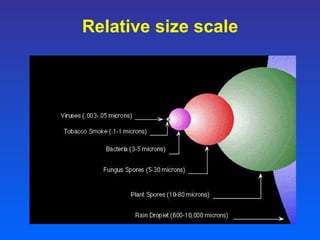
What is mold? Mold is considered a sub-group of the Fungi Kingdom Mold are asexual fungi Present on clothing, carpet, air we breathe, everywhere Types Include: Aspergillus, Penicillium, Botrytis, Stachybotrys, Fusarium, etc. Produce spores that are extremely small and can be airborne
Relative size scale
MOLD FACTS WATER IS THE PROBLEM, MOLD IS THE SYMPTOM  YOU CAN'T GET RID OF MOLD RARE OCCURRENCES OF A MOLD SPORE MAY NOT BE SIGNIFICANT
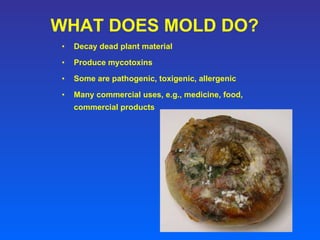
WHAT DOES MOLD DO? Decay dead plant material Produce mycotoxins Some are pathogenic, toxigenic, allergenic  Many commercial uses, e.g., medicine, food, commercial products
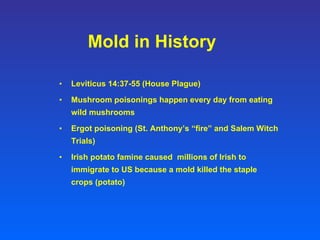
Mold in History Leviticus 14:37-55 (House Plague) Mushroom poisonings happen every day from eating wild mushrooms Ergot poisoning (St. Anthony’s “fire” and Salem Witch Trials) Irish potato famine caused  millions of Irish to immigrate to US because a mold killed the staple crops (potato)
Can grow at temperatures as low as -70° C and over 50° C Most thrive at between 18 - 32° C Need moisture, food source, and amiable temperature What Does Mold Need to Grow? Mold
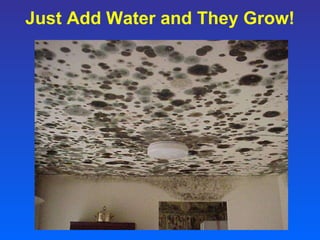
Just Add Water and They Grow!
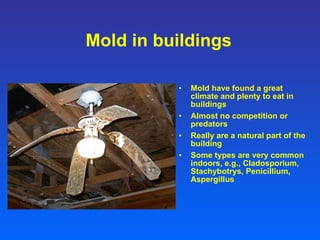
Mold in buildings Mold have found a great climate and plenty to eat in buildings Almost no competition or predators Really are a natural part of the building Some types are very common indoors, e.g., Cladosporium, Stachybotrys, Penicillium, Aspergillus
 
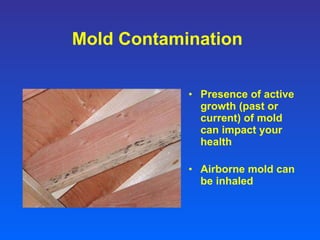
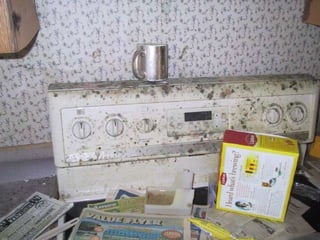
Mold Contamination Presence of active growth (past or current) of mold can impact your health Airborne mold can be inhaled
 
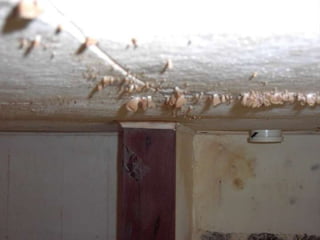
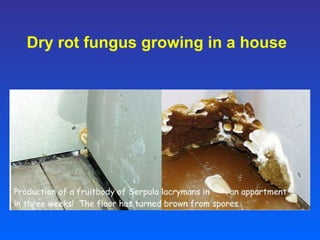
Dry rot fungus growing in a house
Mold Exposure   Breathing in spores from the air Skin contact from handling an item that has mold growing on it Eating without washing your hands after handling moldy objects
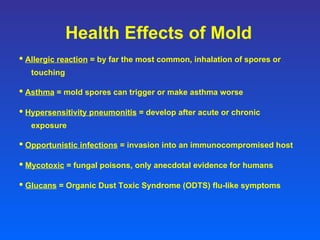
Health Effects of Mold •   Allergic reaction  = by far the most common, inhalation of spores or touching •   Asthma  = mold spores can trigger or make asthma worse  •   Hypersensitivity pneumonitis  = develop after acute or chronic exposure •   Opportunistic infections  = invasion into an immunocompromised host •   Mycotoxic  = fungal poisons, only anecdotal evidence for humans •   Glucans  = Organic Dust Toxic Syndrome (ODTS) flu-like symptoms
"Red Flags“ Reasons for Testing Question #1:  Have you had a recent water incursion? Visible mold: velvety, slimy, white, black, green, pink, smelly Up to 50% of all homes have been water compromised Discoloration, high RH (above 60%) Construction defects, HVAC and plumbing problems, improper venting or grading Human sensitivity: itchy eyes, burning sensation on skin, musty odor, change in breathing pattern reported by occupant or you during inspection
Why Sample? Answer the question,”Do I have mold growing in my home?” Are people being exposed higher amounts of mold than what is in the background? Solve building defects (e.g., dryrot, warping, etc.)
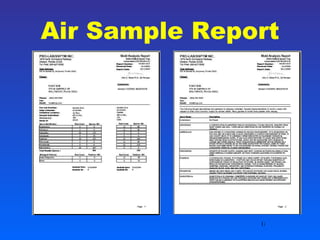
Air Sample Report
Where is mold found? Food  Clothing  Inside HVAC systems and duct work Front and back side of drywall  Basements, Kitchens, Washer / Dryer area and bathrooms
"Sick Buildings" Buildings don't get sick, people do One building can't contaminate another one "Sick" buildings can't be cured Key to fungal growth in buildings is excess moisture
Frequently asked questions. What kind of mold do I have and is it toxic? How did the mold get in my house? How can I tell if there is mold in my house? How can I stop mold from growing in my house? How is mold tested for and measured? How can we clean up the mold? How can we prevent it from returning? What are the risks?
THE “SO WHAT” Water is the problem, mold is the symptom Consider hidden water damage Check for visible water damage Test when “Red Flags” are present
Real Estate Deals Do Not Need To Be Broken! Testing is the first step Bring your home back to pre-loss conditions   If there is mold growth in the home you must have a professional remediation company clean up the mold and fix the water problem.
Questions ?

Mold Presentation

  • 1.
    PRESENTS Mold Whatyou should know.
  • 2.
    What is mold?Mold is considered a sub-group of the Fungi Kingdom Mold are asexual fungi Present on clothing, carpet, air we breathe, everywhere Types Include: Aspergillus, Penicillium, Botrytis, Stachybotrys, Fusarium, etc. Produce spores that are extremely small and can be airborne
  • 3.
  • 4.
    MOLD FACTS WATERIS THE PROBLEM, MOLD IS THE SYMPTOM YOU CAN'T GET RID OF MOLD RARE OCCURRENCES OF A MOLD SPORE MAY NOT BE SIGNIFICANT
  • 5.
    WHAT DOES MOLDDO? Decay dead plant material Produce mycotoxins Some are pathogenic, toxigenic, allergenic Many commercial uses, e.g., medicine, food, commercial products
  • 6.
    Mold in HistoryLeviticus 14:37-55 (House Plague) Mushroom poisonings happen every day from eating wild mushrooms Ergot poisoning (St. Anthony’s “fire” and Salem Witch Trials) Irish potato famine caused millions of Irish to immigrate to US because a mold killed the staple crops (potato)
  • 7.
    Can grow attemperatures as low as -70° C and over 50° C Most thrive at between 18 - 32° C Need moisture, food source, and amiable temperature What Does Mold Need to Grow? Mold
  • 8.
    Just Add Waterand They Grow!
  • 9.
    Mold in buildingsMold have found a great climate and plenty to eat in buildings Almost no competition or predators Really are a natural part of the building Some types are very common indoors, e.g., Cladosporium, Stachybotrys, Penicillium, Aspergillus
  • 10.
  • 11.
    Mold Contamination Presenceof active growth (past or current) of mold can impact your health Airborne mold can be inhaled
  • 12.
  • 13.
    Dry rot fungusgrowing in a house
  • 14.
    Mold Exposure Breathing in spores from the air Skin contact from handling an item that has mold growing on it Eating without washing your hands after handling moldy objects
  • 15.
    Health Effects ofMold • Allergic reaction = by far the most common, inhalation of spores or touching • Asthma = mold spores can trigger or make asthma worse • Hypersensitivity pneumonitis = develop after acute or chronic exposure • Opportunistic infections = invasion into an immunocompromised host • Mycotoxic = fungal poisons, only anecdotal evidence for humans • Glucans = Organic Dust Toxic Syndrome (ODTS) flu-like symptoms
  • 16.
    "Red Flags“ Reasonsfor Testing Question #1: Have you had a recent water incursion? Visible mold: velvety, slimy, white, black, green, pink, smelly Up to 50% of all homes have been water compromised Discoloration, high RH (above 60%) Construction defects, HVAC and plumbing problems, improper venting or grading Human sensitivity: itchy eyes, burning sensation on skin, musty odor, change in breathing pattern reported by occupant or you during inspection
  • 17.
    Why Sample? Answerthe question,”Do I have mold growing in my home?” Are people being exposed higher amounts of mold than what is in the background? Solve building defects (e.g., dryrot, warping, etc.)
  • 18.
  • 19.
    Where is moldfound? Food Clothing Inside HVAC systems and duct work Front and back side of drywall Basements, Kitchens, Washer / Dryer area and bathrooms
  • 20.
    "Sick Buildings" Buildingsdon't get sick, people do One building can't contaminate another one "Sick" buildings can't be cured Key to fungal growth in buildings is excess moisture
  • 21.
    Frequently asked questions.What kind of mold do I have and is it toxic? How did the mold get in my house? How can I tell if there is mold in my house? How can I stop mold from growing in my house? How is mold tested for and measured? How can we clean up the mold? How can we prevent it from returning? What are the risks?
  • 22.
    THE “SO WHAT”Water is the problem, mold is the symptom Consider hidden water damage Check for visible water damage Test when “Red Flags” are present
  • 23.
    Real Estate DealsDo Not Need To Be Broken! Testing is the first step Bring your home back to pre-loss conditions If there is mold growth in the home you must have a professional remediation company clean up the mold and fix the water problem.
  • 24.