Mobile Brain Bank
Links Global Potential
@ the 5th annual Front End of Innovation Europe, Berlin, March 2, 2011


   Petra Söderling,
   Founder and Chairman
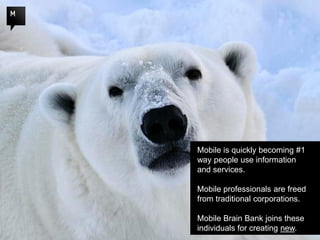
Mobile is quickly becoming #1
way people use information
and services.

Mobile professionals are freed
from traditional corporations.

Mobile Brain Bank joins these
individuals for creating new.
We are
•   A global network of mobile minds
•   A group of entrepreneurs unleashed
•   A talent pool
•   A think tank
•   A recruitment opportunity
•   A channel for sharing
Who we are


Constantly evolving!
How we work

•   Independent & non-profit
•   ER Clinics
•   TalentBank
•   BrainStorm
•   ThinkTank
How we work


Constantly evolving!
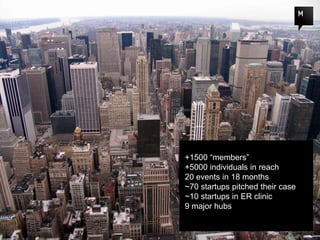
+1500 “members”
+5000 individuals in reach
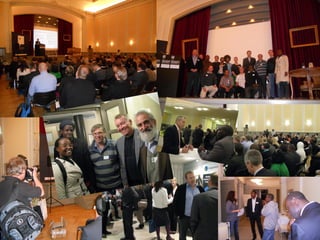
20 events in 18 months
~70 startups pitched their case
~10 startups in ER clinic
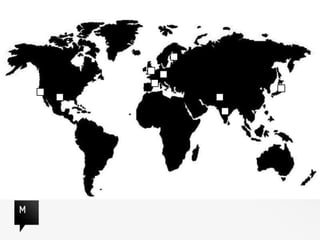
9 major hubs
What difference do we make
1.   New startups are born
2.   Tech startups find complementing skills
3.   Existing startups grow to hire
4.   Existing startups grow international
What difference do we make


Constantly evolving!
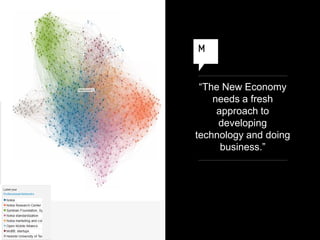
“The New Economy
    needs a fresh
     approach to
     developing
technology and doing
      business.”
Out of the Old Economy


1970s            1980s,             2000
                 1990s


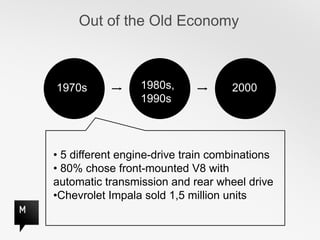
• 5 different engine-drive train combinations
• 80% chose front-mounted V8 with
automatic transmission and rear wheel drive
•Chevrolet Impala sold 1,5 million units
Out of the Old Economy


1970s             1980s,            2000
                  1990s


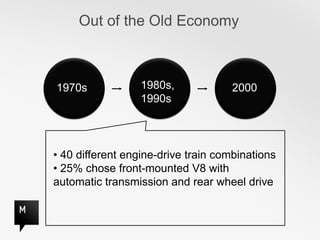
• 40 different engine-drive train combinations
• 25% chose front-mounted V8 with
automatic transmission and rear wheel drive
Out of the Old Economy


1970s            1980s,            2000s
                 1990s


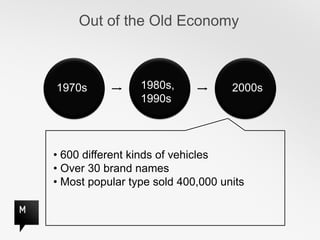
• 600 different kinds of vehicles
• Over 30 brand names
• Most popular type sold 400,000 units
Out of the old Economy
•   1970 US car manufactuers offered 5 engine-drivetrain
    combinations => 80% chose front-mounted V8 with
    automatic transmission and rear wheel drive (Chevrolet
    Impala sold 1,5M units)
•   Over next 25 years engine-drivetrain combinations went up
    to over 40 => 25% chose front-mounted V8 with automatic
    transmission and rear wheel drive
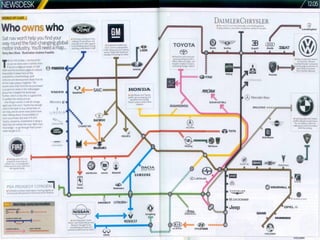
•   By 2000 US consumers were able to choose from 600
    different kinds of vehicles, carrying over 30 brand names,
    and largest selling car (Ford Taurus, Honda Accord, Toyota
    Camry) only sold 400,000 units
Out of the Old Economy


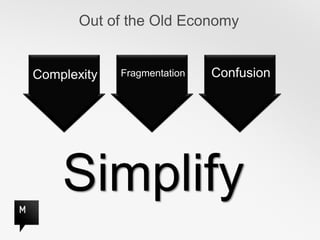
Complexity   Fragmentation   Confusion


    Simplify
Out of the Old Economy
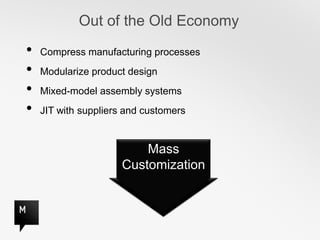
•   Compress manufacturing processes
•   Modularize product design
•   Mixed-model assembly systems
•   JIT with suppliers and customers


                          Mass
                      Customization
Out of the Old Economy

•       But hey... Now everyone’s doing the same thing, so we
        need to


        Speed up
    •    Introduce CAD, CAE, Robotic Assembly etc.
Out of the Old Economy

•       OK... But now everyone’s fast so we need to focus on


                Quality
    •    Enter TQM, DFM, QFD, QPD, CIM
Out of the Old Economy
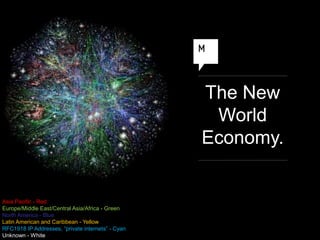
The New
                                                    World
                                                   Economy.


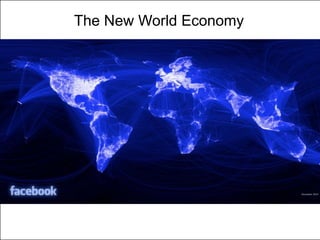
Asia Pacific - Red
Europe/Middle East/Central Asia/Africa - Green
North America - Blue
Latin American and Caribbean - Yellow
RFC1918 IP Addresses, “private internets” - Cyan
Unknown - White
The New World Economy

• Globalization
    • Changes in Soviet Union, East Europe, China
    • Advances in ICT
    • Outsourcing to new types of partnerships, India, Africa
• Information Technology
    • Information sensitive operations
• Front loaded cost structure
    • Costs in developing new product and associated
      production and delivery system
    • Cost of incremental units is minimal
The New World Economy
•   Network Economies > Scale Economies
The New World Economy
•   Speed to market accelerate low cost, network effect, and
    cost of customer switching to competitor
The New World Economy


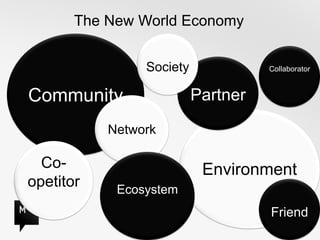
                Society             Collaborator


Community                 Partner
           Network

  Co-                      Environment
opetitor    Ecosystem
                                    Friend
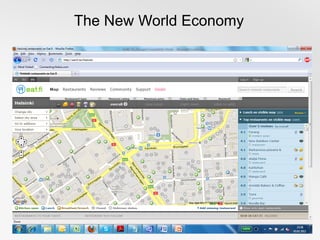
The New World Economy
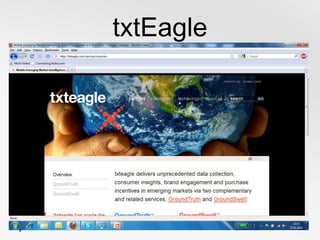
txtEagle
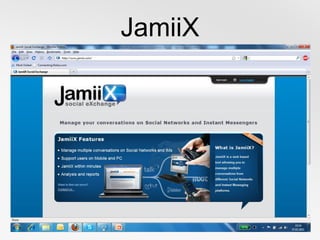
JamiiX
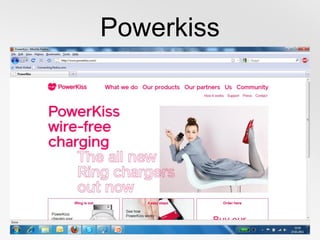
Powerkiss
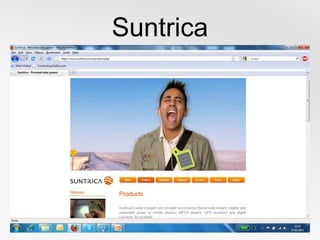
Suntrica
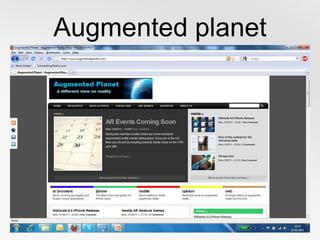
Augmented planet
1 Million $100 Business Startup
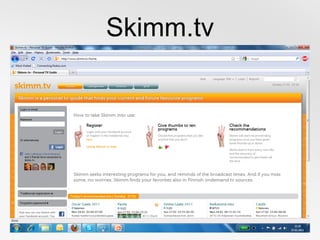
Skimm.tv
eyeSight
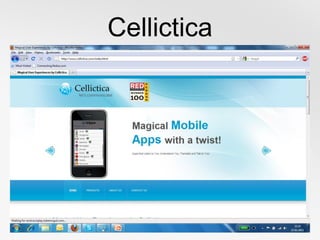
Cellictica
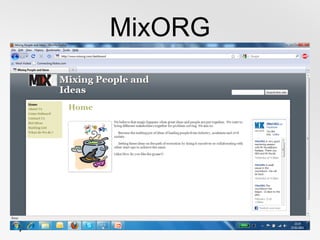
MixORG
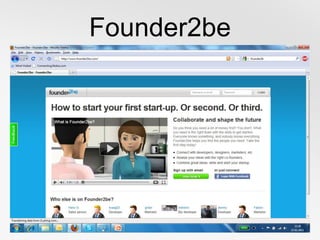
Founder2be
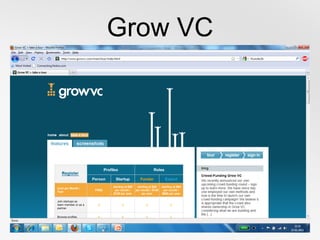
Grow VC
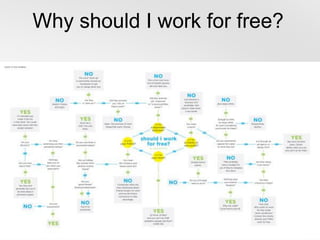
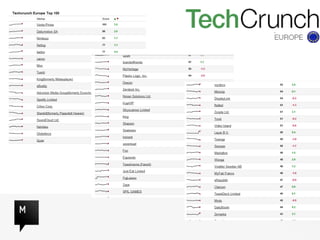
Why should I work for free?
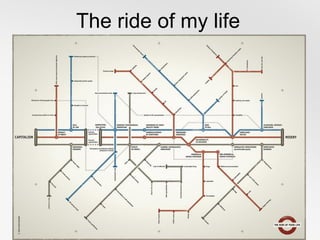
The ride of my life
We are looking for
  new people.
We are looking for
 new startups.
We are looking for
   new ideas.
Thank you!


All copyrights and trademarks in the presentation are the property of their respective owners. Sources Google and Bing.

Mobile Brain Bank links global potential

  • 2.
    Mobile Brain Bank LinksGlobal Potential @ the 5th annual Front End of Innovation Europe, Berlin, March 2, 2011 Petra Söderling, Founder and Chairman
  • 3.
    Mobile is quicklybecoming #1 way people use information and services. Mobile professionals are freed from traditional corporations. Mobile Brain Bank joins these individuals for creating new.
  • 4.
    We are • A global network of mobile minds • A group of entrepreneurs unleashed • A talent pool • A think tank • A recruitment opportunity • A channel for sharing
  • 5.
  • 6.
    How we work • Independent & non-profit • ER Clinics • TalentBank • BrainStorm • ThinkTank
  • 9.
  • 10.
    +1500 “members” +5000 individualsin reach 20 events in 18 months ~70 startups pitched their case ~10 startups in ER clinic 9 major hubs
  • 12.
    What difference dowe make 1. New startups are born 2. Tech startups find complementing skills 3. Existing startups grow to hire 4. Existing startups grow international
  • 13.
    What difference dowe make Constantly evolving!
  • 14.
    “The New Economy needs a fresh approach to developing technology and doing business.”
  • 15.
    Out of theOld Economy 1970s 1980s, 2000 1990s • 5 different engine-drive train combinations • 80% chose front-mounted V8 with automatic transmission and rear wheel drive •Chevrolet Impala sold 1,5 million units
  • 16.
    Out of theOld Economy 1970s 1980s, 2000 1990s • 40 different engine-drive train combinations • 25% chose front-mounted V8 with automatic transmission and rear wheel drive
  • 17.
    Out of theOld Economy 1970s 1980s, 2000s 1990s • 600 different kinds of vehicles • Over 30 brand names • Most popular type sold 400,000 units
  • 18.
    Out of theold Economy • 1970 US car manufactuers offered 5 engine-drivetrain combinations => 80% chose front-mounted V8 with automatic transmission and rear wheel drive (Chevrolet Impala sold 1,5M units) • Over next 25 years engine-drivetrain combinations went up to over 40 => 25% chose front-mounted V8 with automatic transmission and rear wheel drive • By 2000 US consumers were able to choose from 600 different kinds of vehicles, carrying over 30 brand names, and largest selling car (Ford Taurus, Honda Accord, Toyota Camry) only sold 400,000 units
  • 19.
    Out of theOld Economy Complexity Fragmentation Confusion Simplify
  • 20.
    Out of theOld Economy • Compress manufacturing processes • Modularize product design • Mixed-model assembly systems • JIT with suppliers and customers Mass Customization
  • 21.
    Out of theOld Economy • But hey... Now everyone’s doing the same thing, so we need to Speed up • Introduce CAD, CAE, Robotic Assembly etc.
  • 22.
    Out of theOld Economy
  • 23.
    Out of theOld Economy
  • 24.
    Out of theOld Economy • OK... But now everyone’s fast so we need to focus on Quality • Enter TQM, DFM, QFD, QPD, CIM
  • 25.
    Out of theOld Economy
  • 26.
    Out of theOld Economy
  • 27.
    The New World Economy. Asia Pacific - Red Europe/Middle East/Central Asia/Africa - Green North America - Blue Latin American and Caribbean - Yellow RFC1918 IP Addresses, “private internets” - Cyan Unknown - White
  • 28.
    The New WorldEconomy • Globalization • Changes in Soviet Union, East Europe, China • Advances in ICT • Outsourcing to new types of partnerships, India, Africa • Information Technology • Information sensitive operations • Front loaded cost structure • Costs in developing new product and associated production and delivery system • Cost of incremental units is minimal
  • 29.
    The New WorldEconomy • Network Economies > Scale Economies
  • 30.
    The New WorldEconomy • Speed to market accelerate low cost, network effect, and cost of customer switching to competitor
  • 31.
    The New WorldEconomy Society Collaborator Community Partner Network Co- Environment opetitor Ecosystem Friend
  • 35.
  • 36.
  • 37.
  • 39.
  • 40.
  • 41.
  • 42.
  • 43.
  • 44.
    1 Million $100Business Startup
  • 45.
  • 46.
  • 47.
  • 48.
  • 49.
  • 50.
  • 51.
    Why should Iwork for free?
  • 52.
    Why should Iwork for free?
  • 53.
    Why should Iwork for free?
  • 55.
    The ride ofmy life
  • 56.
    We are lookingfor new people. We are looking for new startups. We are looking for new ideas.
  • 57.
    Thank you! All copyrightsand trademarks in the presentation are the property of their respective owners. Sources Google and Bing.