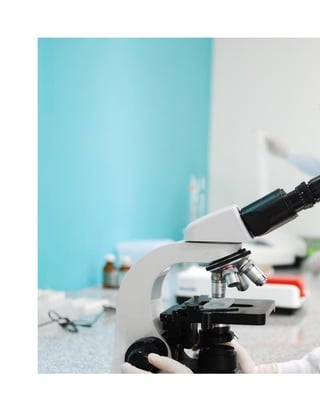
Microscopy in Forensic Science: A Powerful Tool for Investigation
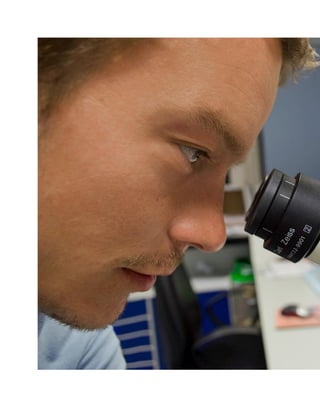
Microscopy, the science of examining small objects and structures through
magnification, is crucial in forensic science. By employing various microscopes,
forensic scientists can uncover critical clues that can help solve crimes.
Types of Microscopes Used in Forensic Science
Stereo Microscope:
Provides a three-dimensional view of objects.
Used for examining larger objects like insects, fibers, and tool marks.
Offers low to moderate magnification.
Compound Microscope:
They are used for analysing microscopic details of hairs, fibers, and biological
materials.
Offers high magnification and resolution.
Comparison Microscope:
A specialized microscope that allows simultaneous viewing of two specimens side-by-
side.
They are used for comparing bullet markings, tool marks, and hair samples.
Essential for identifying matches between evidence and reference samples.
Scanning Electron Microscope (SEM):
Produces high-resolution images of surfaces.
Used for examining the surface structure of materials like paint chips, gunshot residue,
and soil particles.
Provides detailed information about the composition and morphology of samples.
Polarizing Light Microscope (PLM):
Uses polarized light to examine materials that exhibit optical properties.
Used for analysing minerals, fibers, and other materials with birefringence.
Helps identify the type and origin of materials.
Applications of Microscopy in Forensic Science
Trace Evidence Analysis:
Hairs and Fibers: Microscopic examination can reveal characteristics such as colour,
diameter, scale pattern, and cross-sectional shape.
Soil and Dust: Microscopic examination can identify minerals, pollen, and other
particles that may link a suspect to a specific location.
Glass Fragments: Analysis of refractive index, colour, and fracture patterns can help
match glass fragments to a specific source.
Firearm and Tool Mark Examination:
Tool Mark Analysis: Comparison of tool marks on objects can link a tool to a specific
crime scene.
Document Examination:
Ink Analysis: Microscopic examination can reveal the composition and age of ink.
Paper Analysis: Microscopic examination can identify the type of paper, watermarks,
and printing techniques.
Biological Evidence Analysis:
Hair Analysis: Microscopic examination can determine the origin (human or animal)
and provide information about the individual's race, sex, and drug use.
Fiber Analysis: Microscopic examination can identify the type of fiber (natural or
synthetic) and its origin.
By utilizing these powerful tools, forensic scientists can extract valuable information
from even the smallest pieces of evidence, contributing to the accurate and timely
resolution of criminal cases.
Microscopy Forensic Science microscopy principle and application

  • 1.
    Microscopy in ForensicScience: A Powerful Tool for Investigation
  • 3.
    Microscopy, the scienceof examining small objects and structures through magnification, is crucial in forensic science. By employing various microscopes, forensic scientists can uncover critical clues that can help solve crimes.
  • 4.
    Types of MicroscopesUsed in Forensic Science
  • 7.
  • 9.
    Provides a three-dimensionalview of objects. Used for examining larger objects like insects, fibers, and tool marks. Offers low to moderate magnification. Compound Microscope: They are used for analysing microscopic details of hairs, fibers, and biological materials. Offers high magnification and resolution. Comparison Microscope: A specialized microscope that allows simultaneous viewing of two specimens side-by- side. They are used for comparing bullet markings, tool marks, and hair samples. Essential for identifying matches between evidence and reference samples. Scanning Electron Microscope (SEM): Produces high-resolution images of surfaces. Used for examining the surface structure of materials like paint chips, gunshot residue, and soil particles. Provides detailed information about the composition and morphology of samples. Polarizing Light Microscope (PLM): Uses polarized light to examine materials that exhibit optical properties. Used for analysing minerals, fibers, and other materials with birefringence. Helps identify the type and origin of materials.
  • 10.
    Applications of Microscopyin Forensic Science Trace Evidence Analysis: Hairs and Fibers: Microscopic examination can reveal characteristics such as colour, diameter, scale pattern, and cross-sectional shape. Soil and Dust: Microscopic examination can identify minerals, pollen, and other particles that may link a suspect to a specific location. Glass Fragments: Analysis of refractive index, colour, and fracture patterns can help match glass fragments to a specific source. Firearm and Tool Mark Examination: Tool Mark Analysis: Comparison of tool marks on objects can link a tool to a specific crime scene. Document Examination: Ink Analysis: Microscopic examination can reveal the composition and age of ink. Paper Analysis: Microscopic examination can identify the type of paper, watermarks, and printing techniques. Biological Evidence Analysis: Hair Analysis: Microscopic examination can determine the origin (human or animal) and provide information about the individual's race, sex, and drug use. Fiber Analysis: Microscopic examination can identify the type of fiber (natural or synthetic) and its origin. By utilizing these powerful tools, forensic scientists can extract valuable information from even the smallest pieces of evidence, contributing to the accurate and timely resolution of criminal cases.