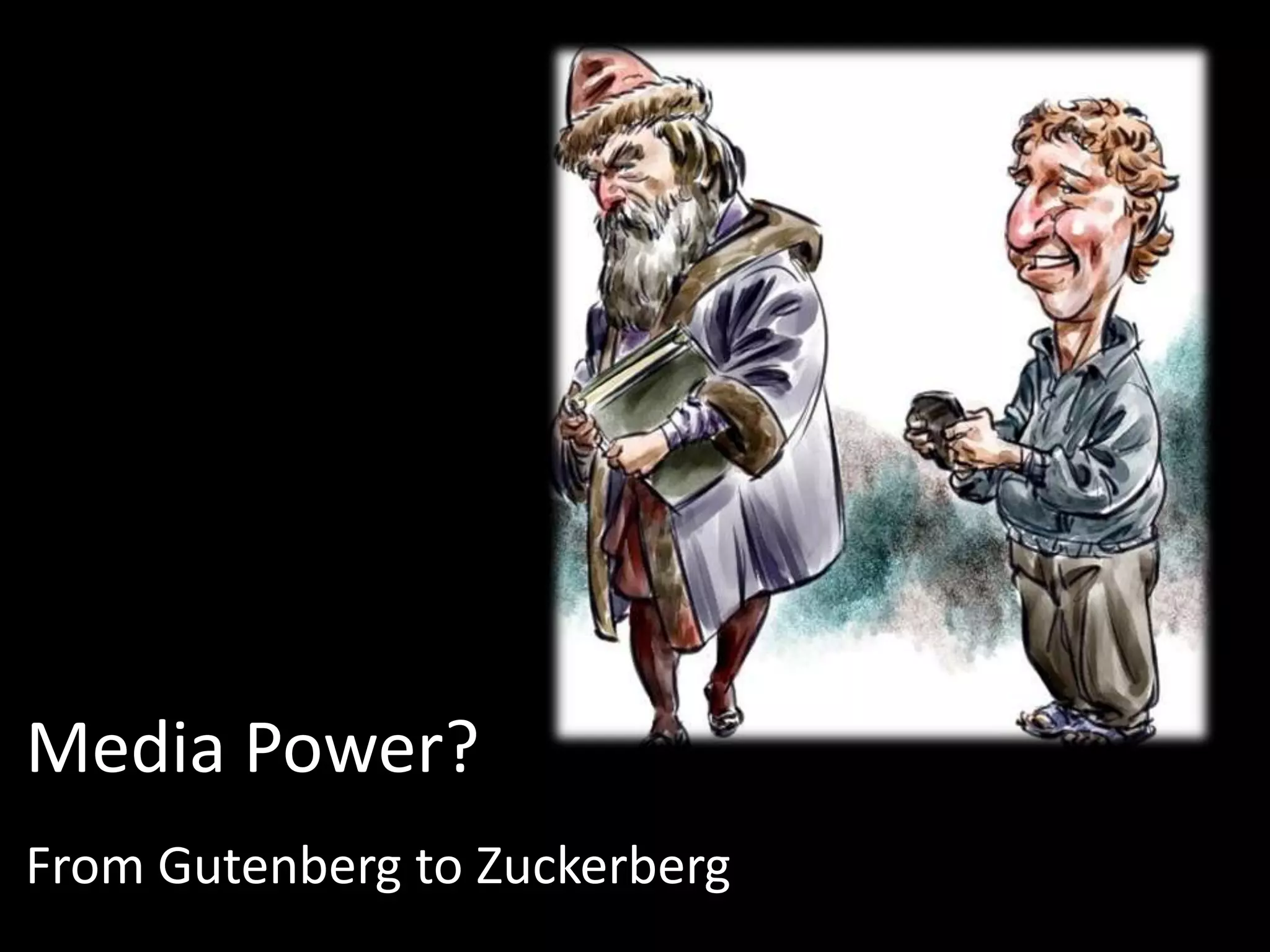
Media Power?
From Gutenberg to Zuckerberg
Power to disrupt…
•   Human behaviour
•   Ideas
•   Economics
•   Businesses
•   Politics
•   Belief systems
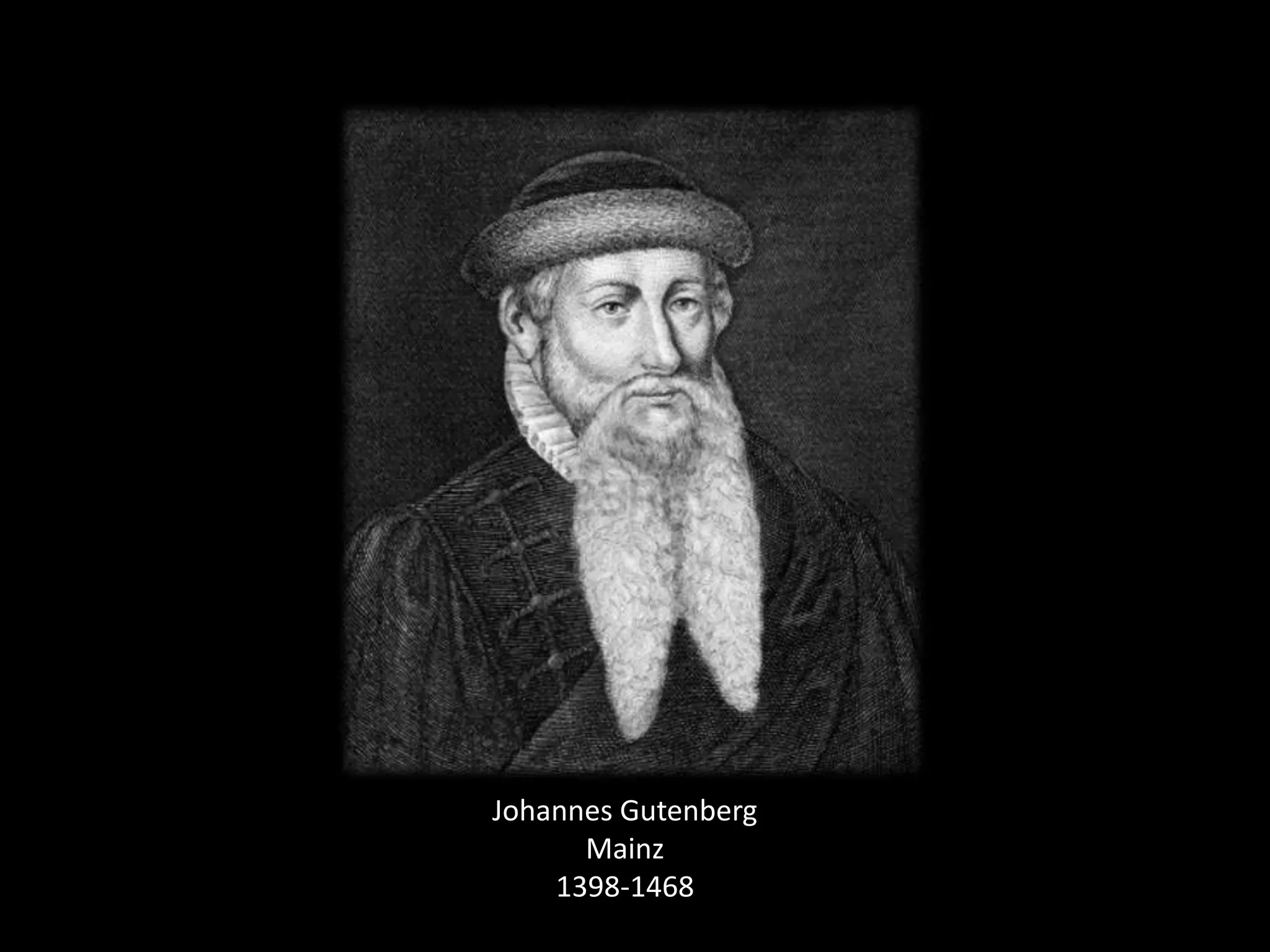
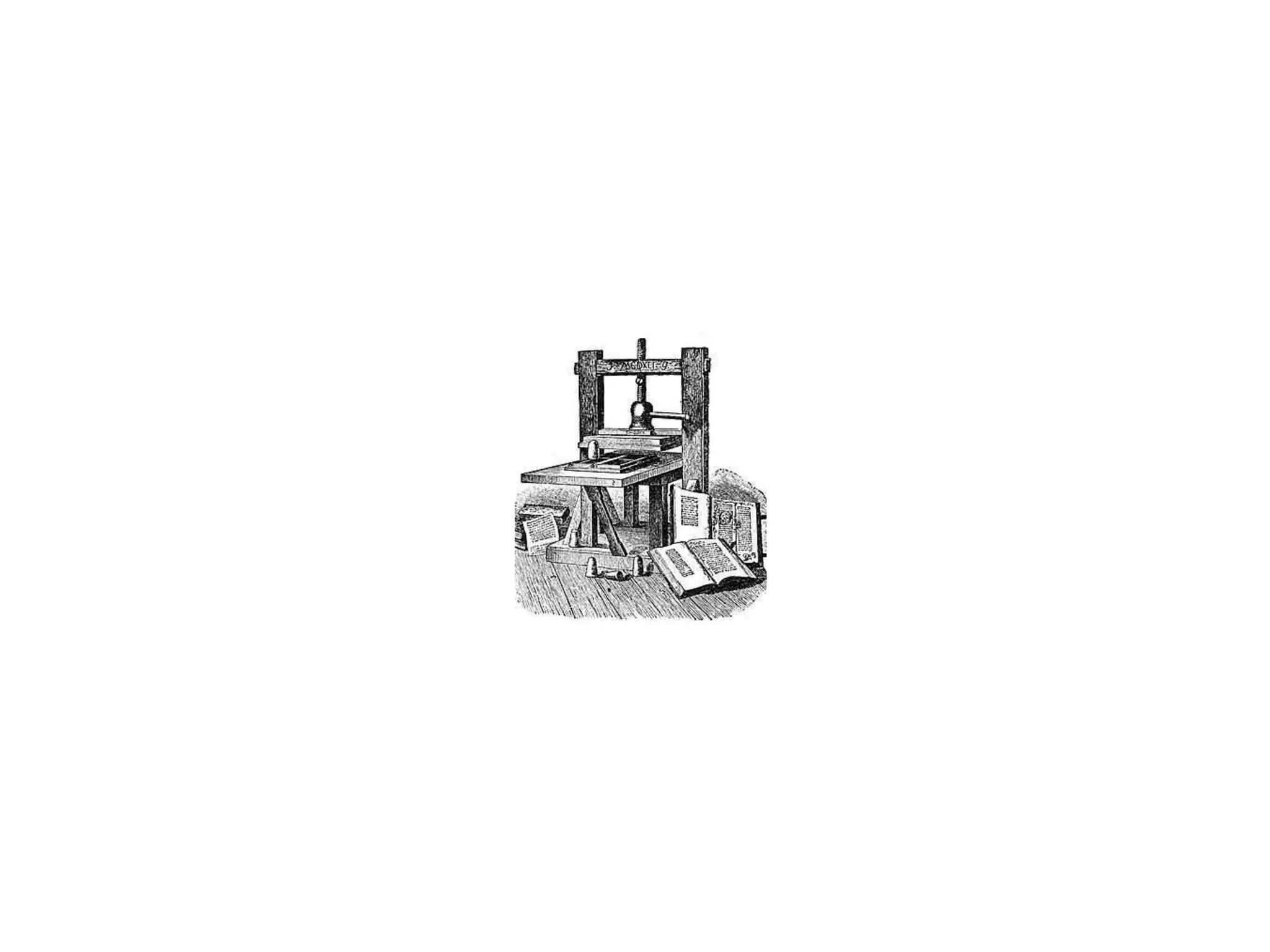
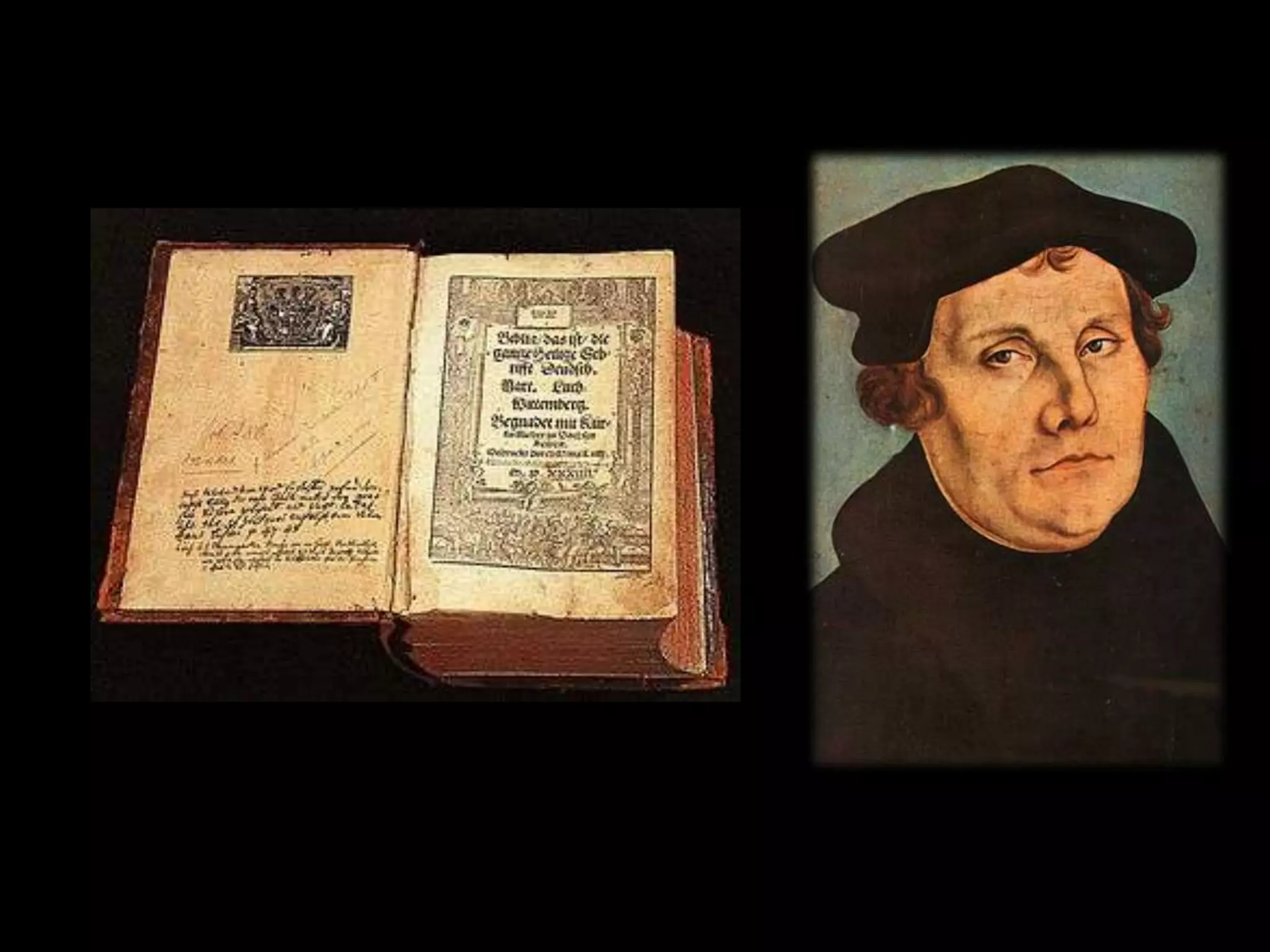
Johannes Gutenberg
      Mainz
    1398-1468
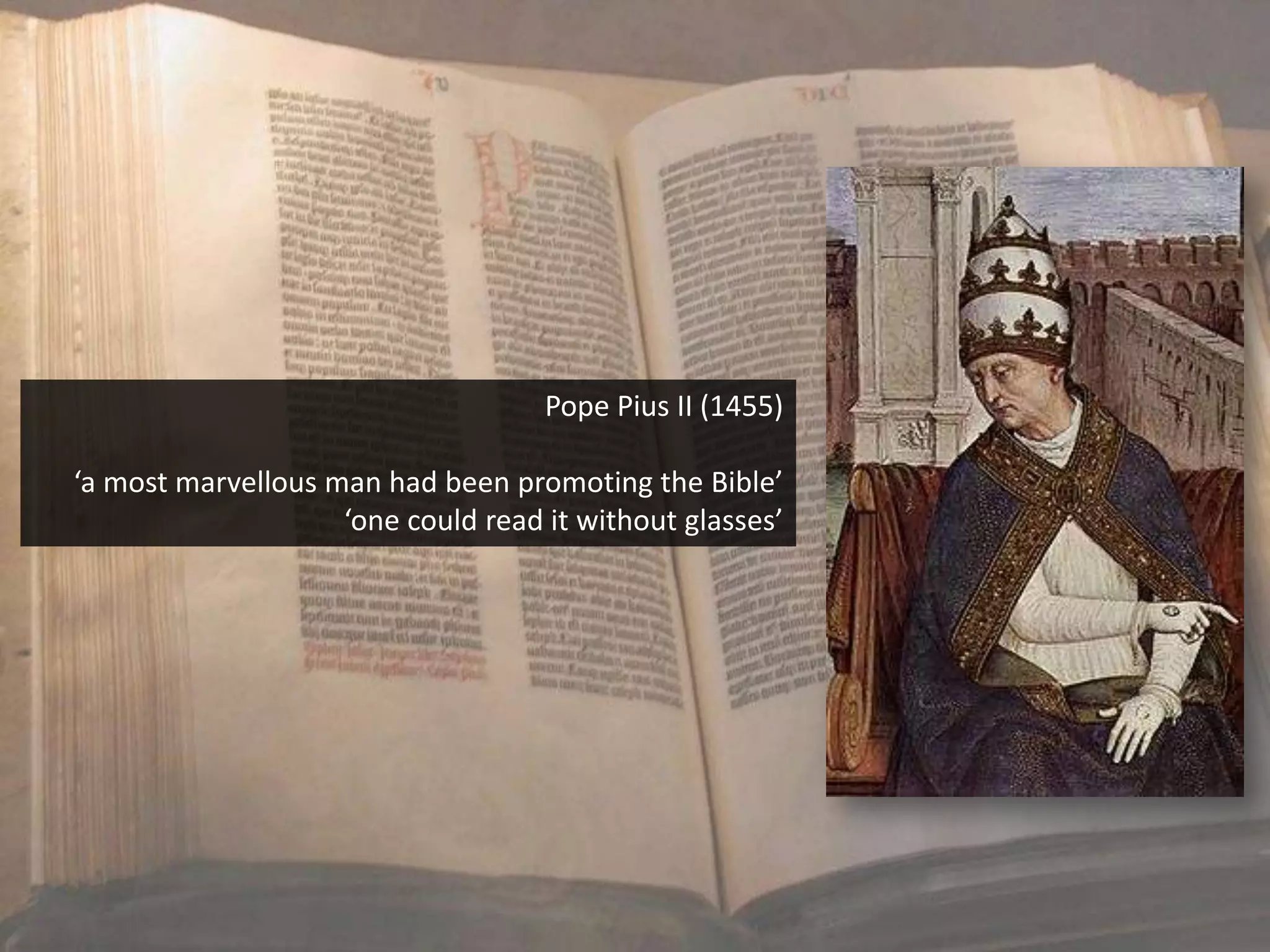
Pope Pius II (1455)

‘a most marvellous man had been promoting the Bible’
                    ‘one could read it without glasses’
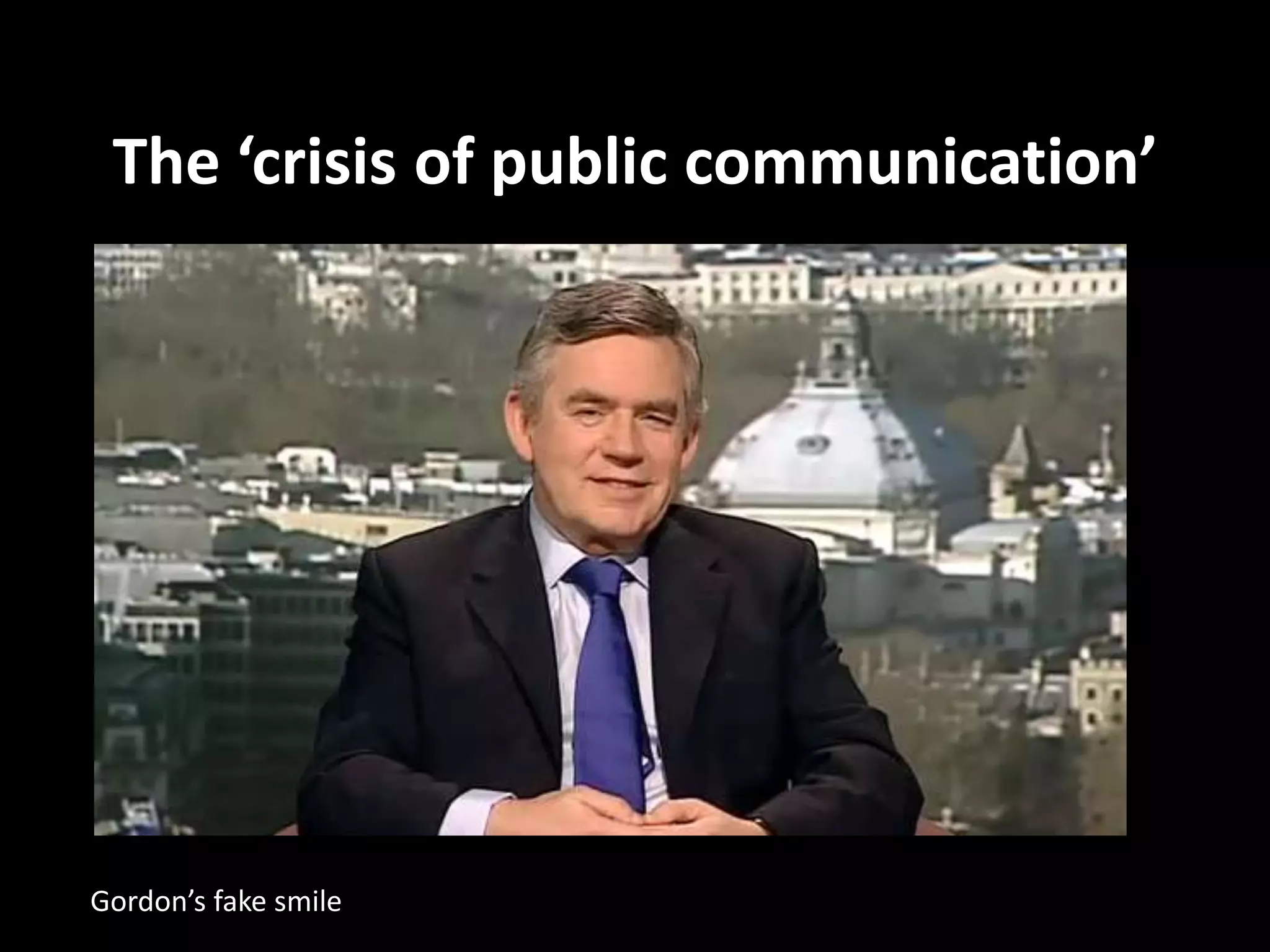
The ‘crisis of public communication’


Gordon’s fake smile
Disruptive by design…
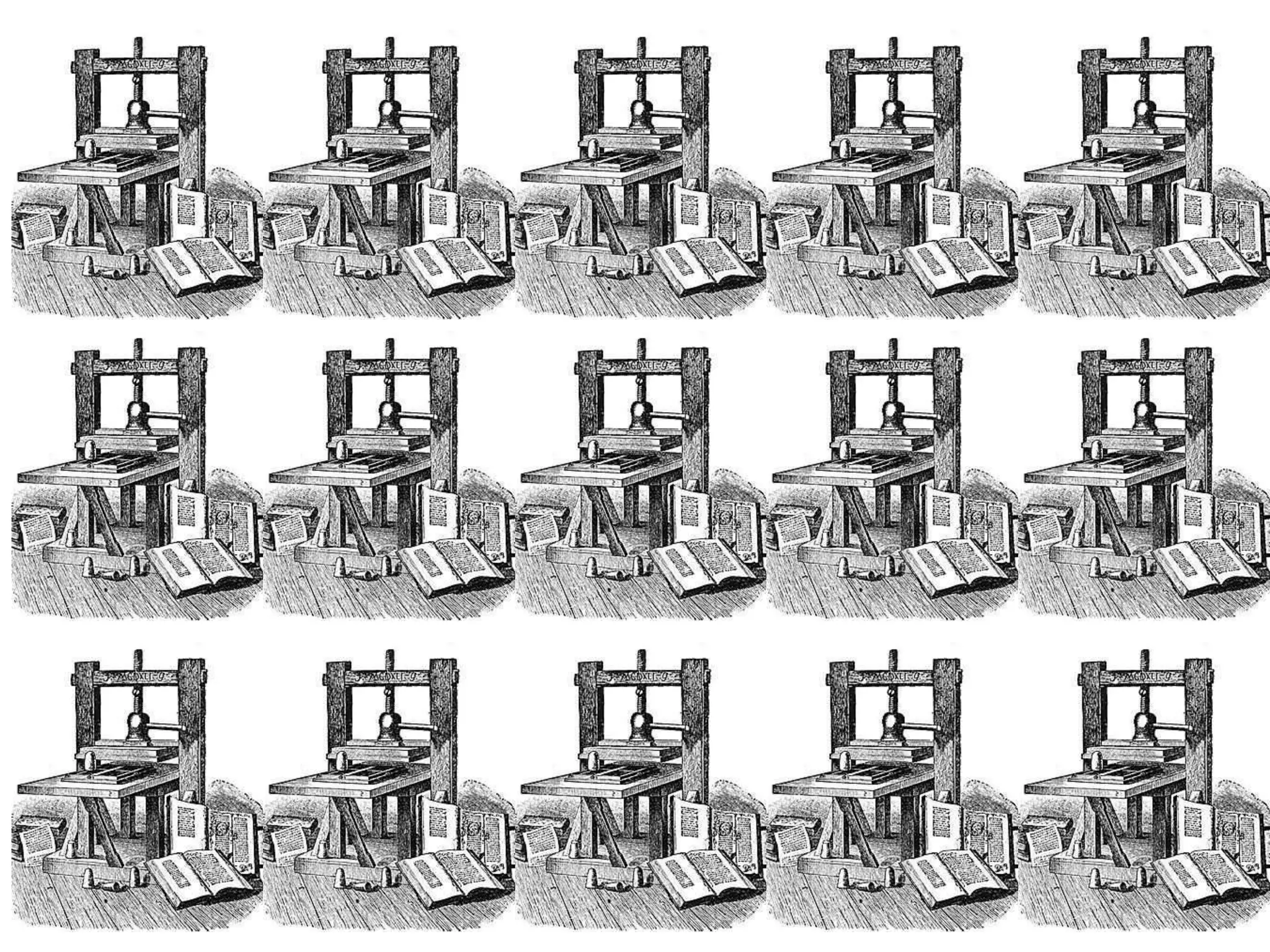
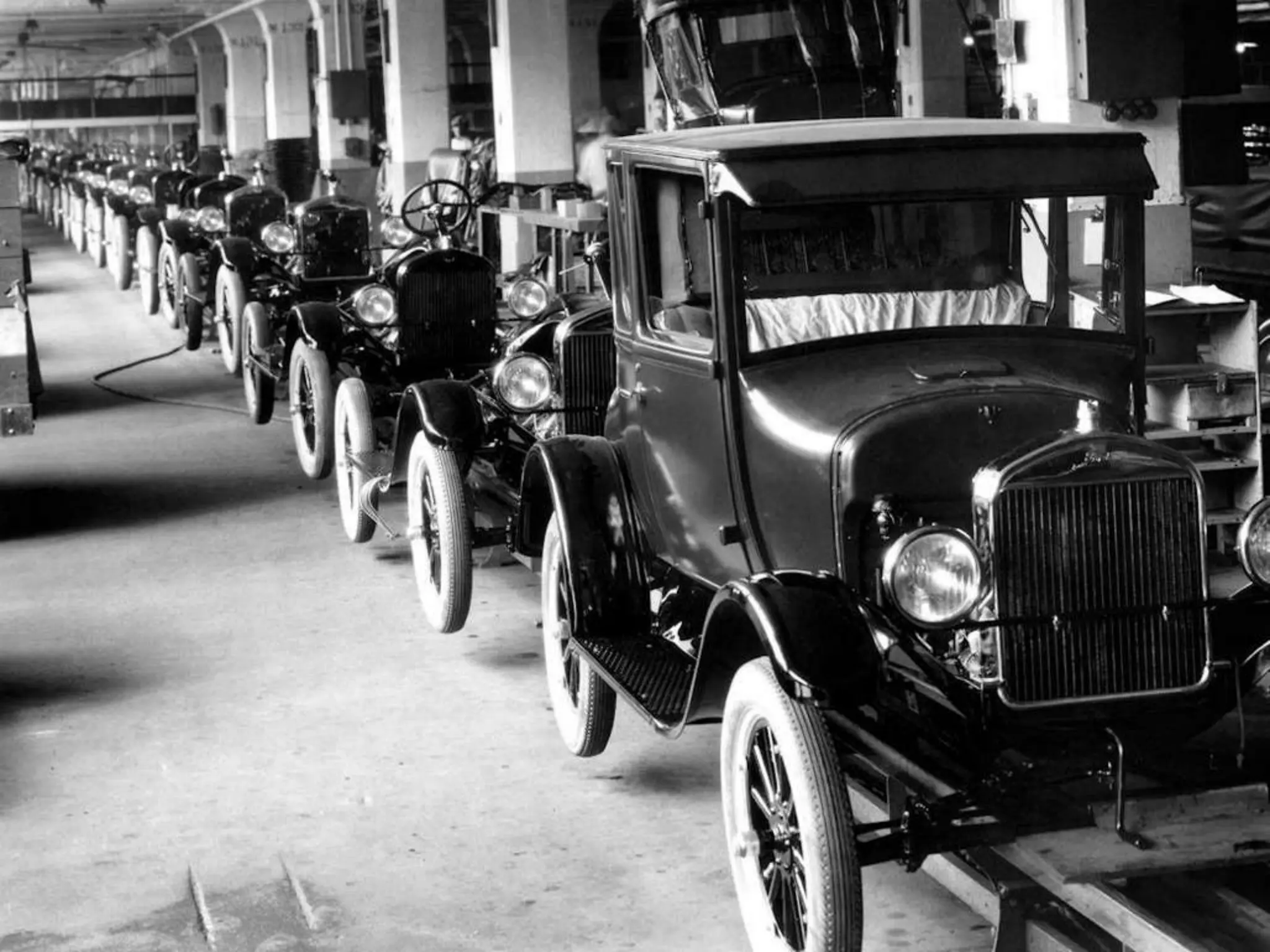
•   Mass production
•   Advertising
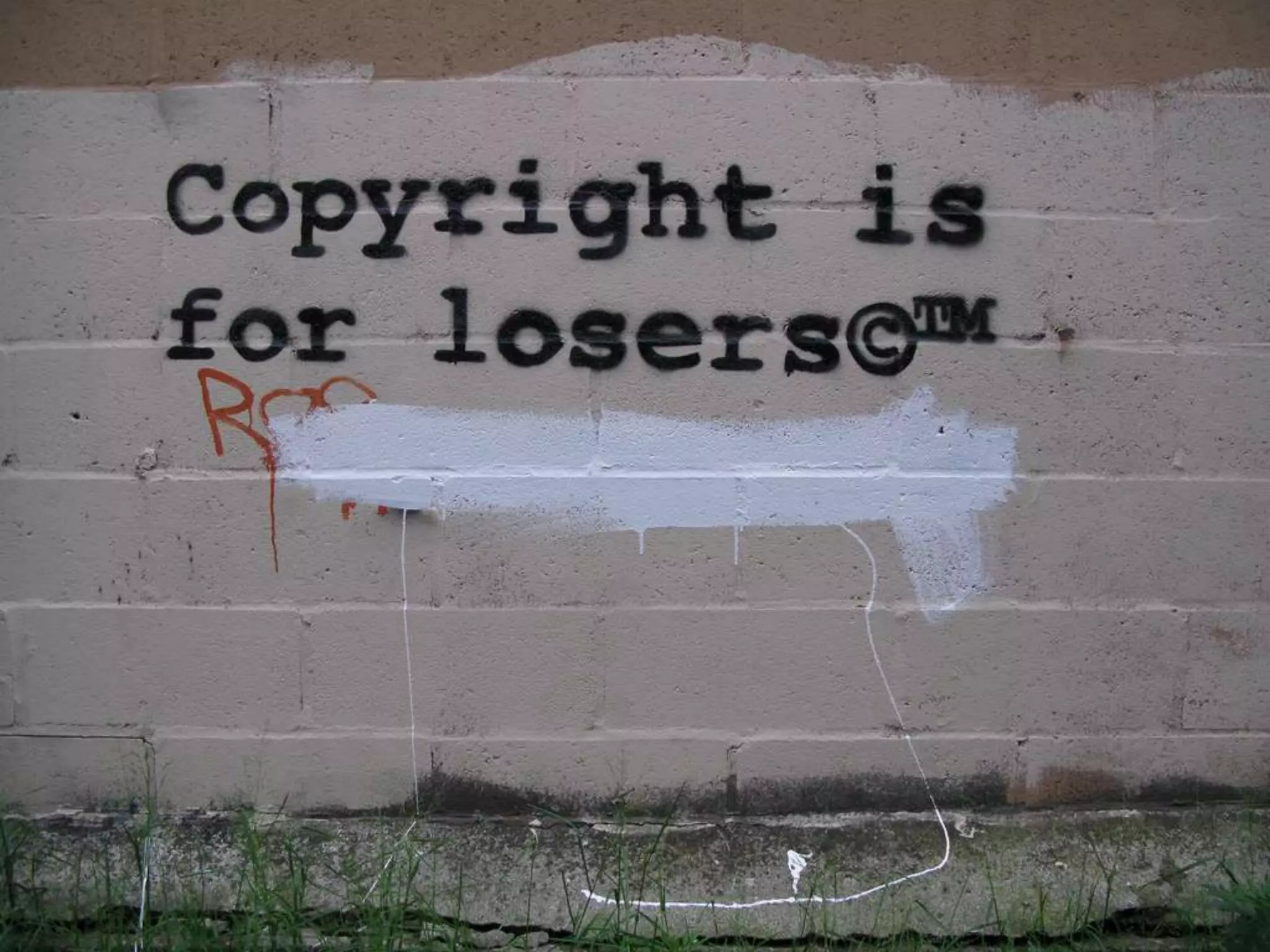
•   Intellectual property
•   Accessibility
•   Religion
•   Scholarship
•   Science
•   Childhood
24
25


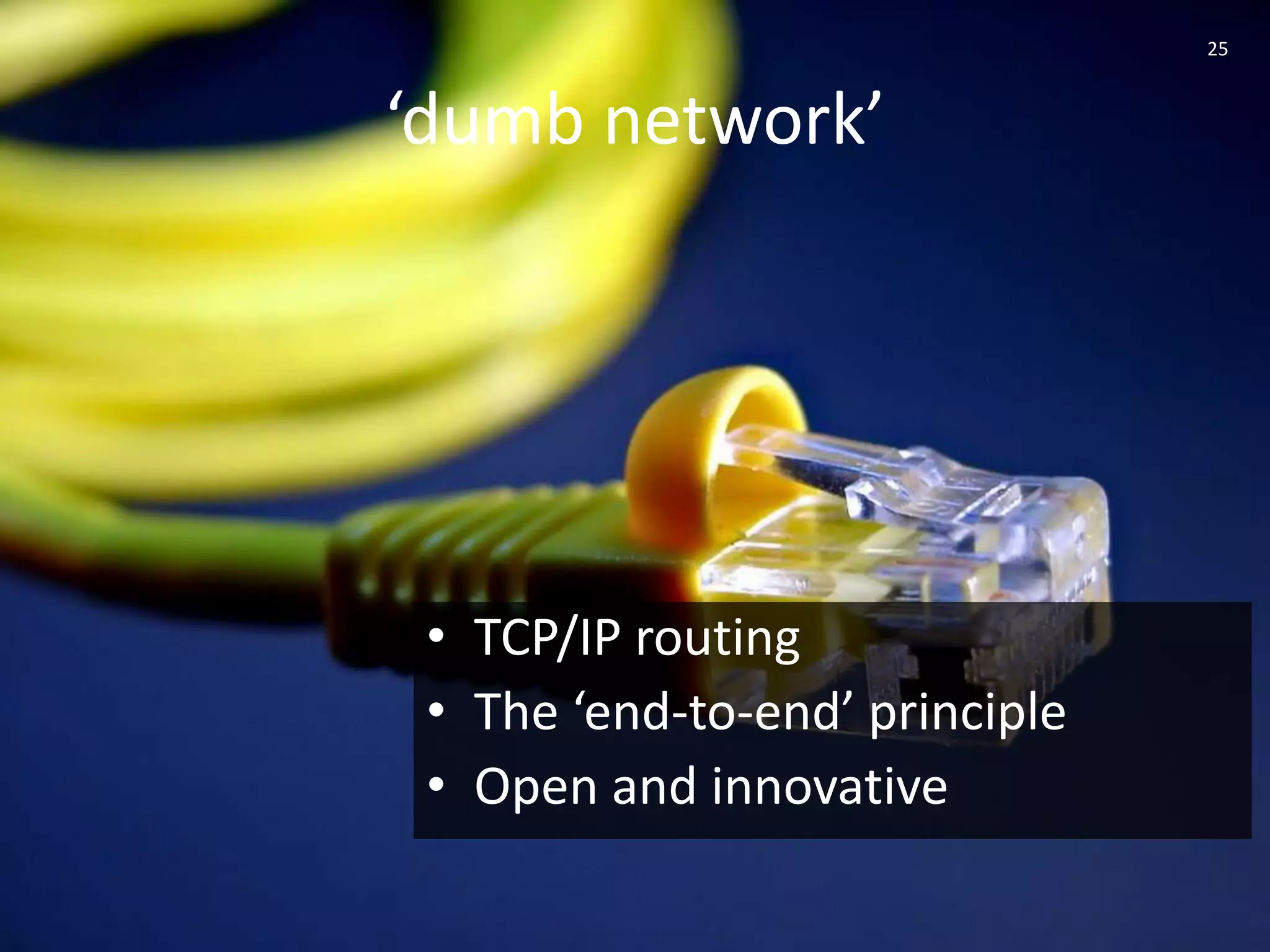
‘dumb network’


 • TCP/IP routing
 • The ‘end-to-end’ principle
 • Open and innovative
26
When something online is free, you’re
not the customer, you’re the product.
From a Google perspective, you're not the
customer. The ad service buyer is the
customer. You're the commodity. By making
you a more attractive commodity, i.e. by
making sure to only serve you an ad if you are
in the target population for it, they are making
the ads pay better for their customers, and
they can reap a large part of the difference to
their competitors, the other ad services
                                  - Liorean, 2004
Perhaps … you're not the customer any
more.You're simply a "resource" to be
managed for profit …
Who is the customer? Not you, whose
life is reduced to someone else's
salable, searchable, investigatable data. The
customer is everyone who wishes to own
a piece of your life.
                       - Claire Woolfe, 1999
Uploaded to Vimeo 20th Feb 2012. Uploaded to YouTube 2 March 2012.
As of 29th March 2012 each site has had 17.7 million and 85.9 million
views respectively
17th March: Jason Russell of Invisible Children is detained by police for
public nudity , making sexual gestures
33


                               Play video
Not all brands benefit from the social strategies of other companies as
Kryptonite found out when their expensive bicycle locks found themselves the
subject of some unwanted attention
Web video (powered by Google for free!) has given any one of the us the
chance to be famous by giving us the power to get our messages across.
72+ hours of video uploaded every minute!

  3 hours of video every minute from mobile
  devices

  < TINY tiny      tiny   % of videos have 1 million+ views


Web video (powered by Google for free!) has given any one of the us the
chance to be famous by giving us the power to get our messages across. But
how can we be successful against such odds? What are the key factors in
securing success in a crowded space?
getting noticed
Play video
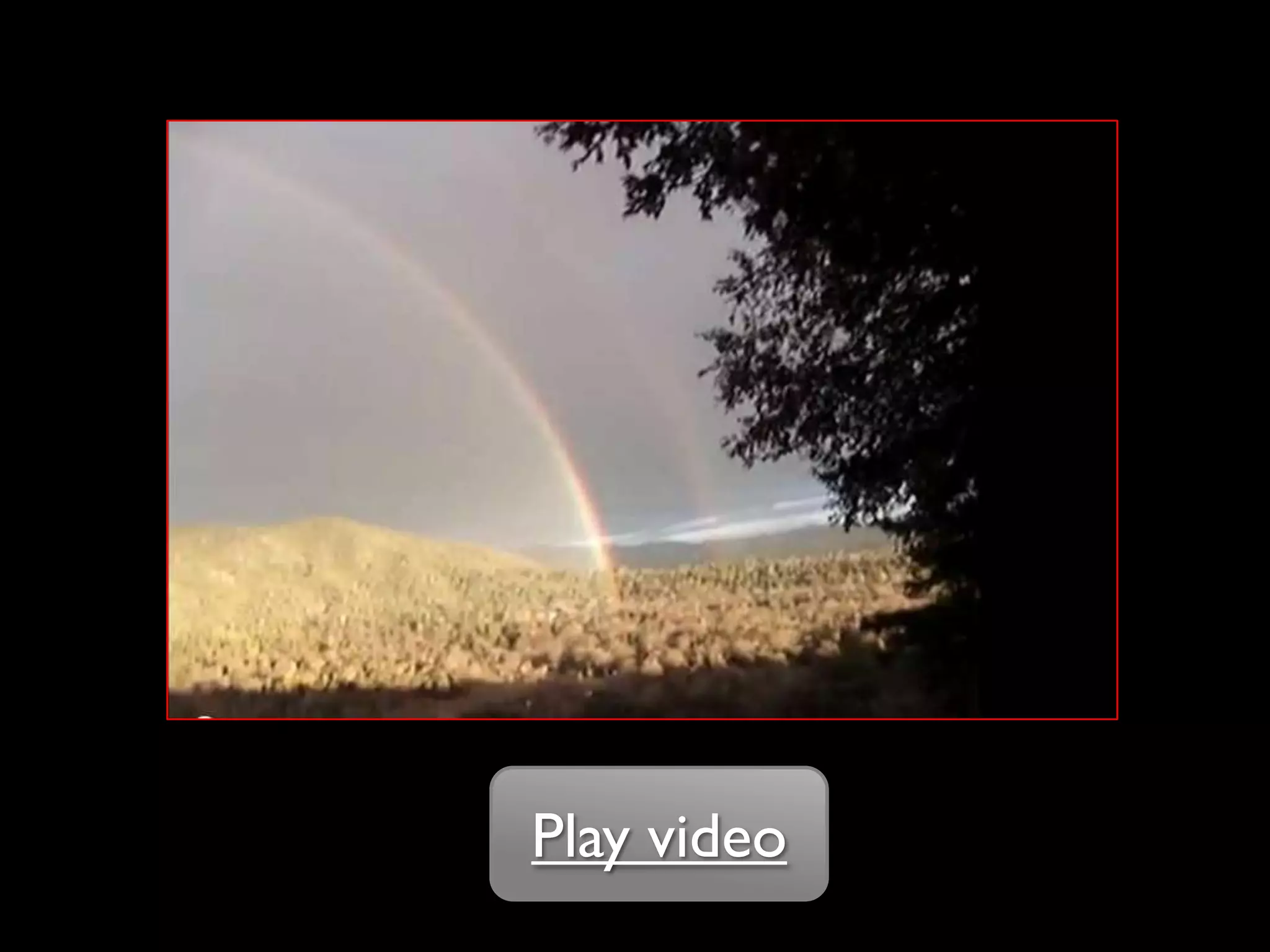
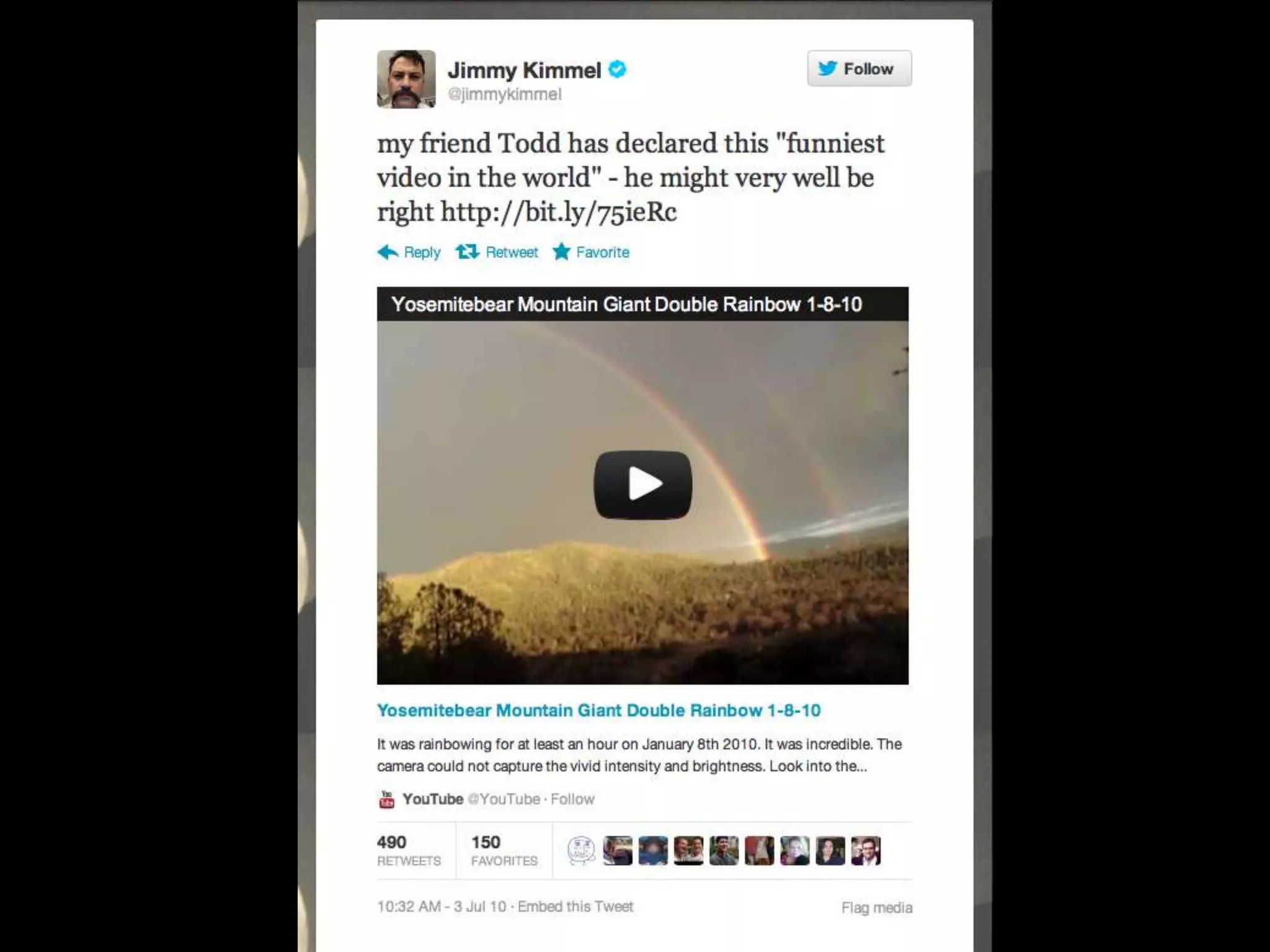
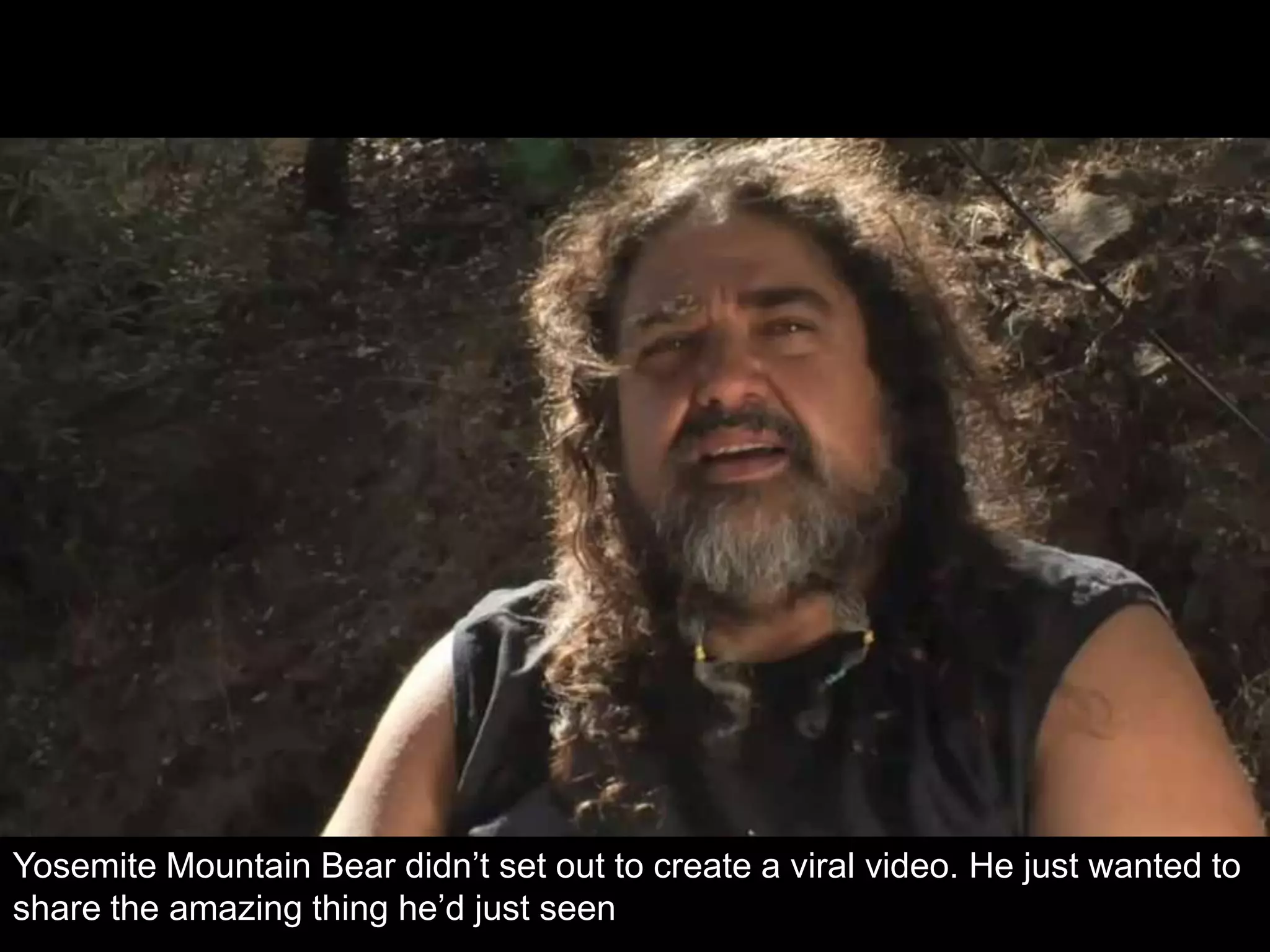
Yosemite Mountain Bear didn’t set out to create a viral video. He just wanted to
share the amazing thing he’d just seen
tastemakers
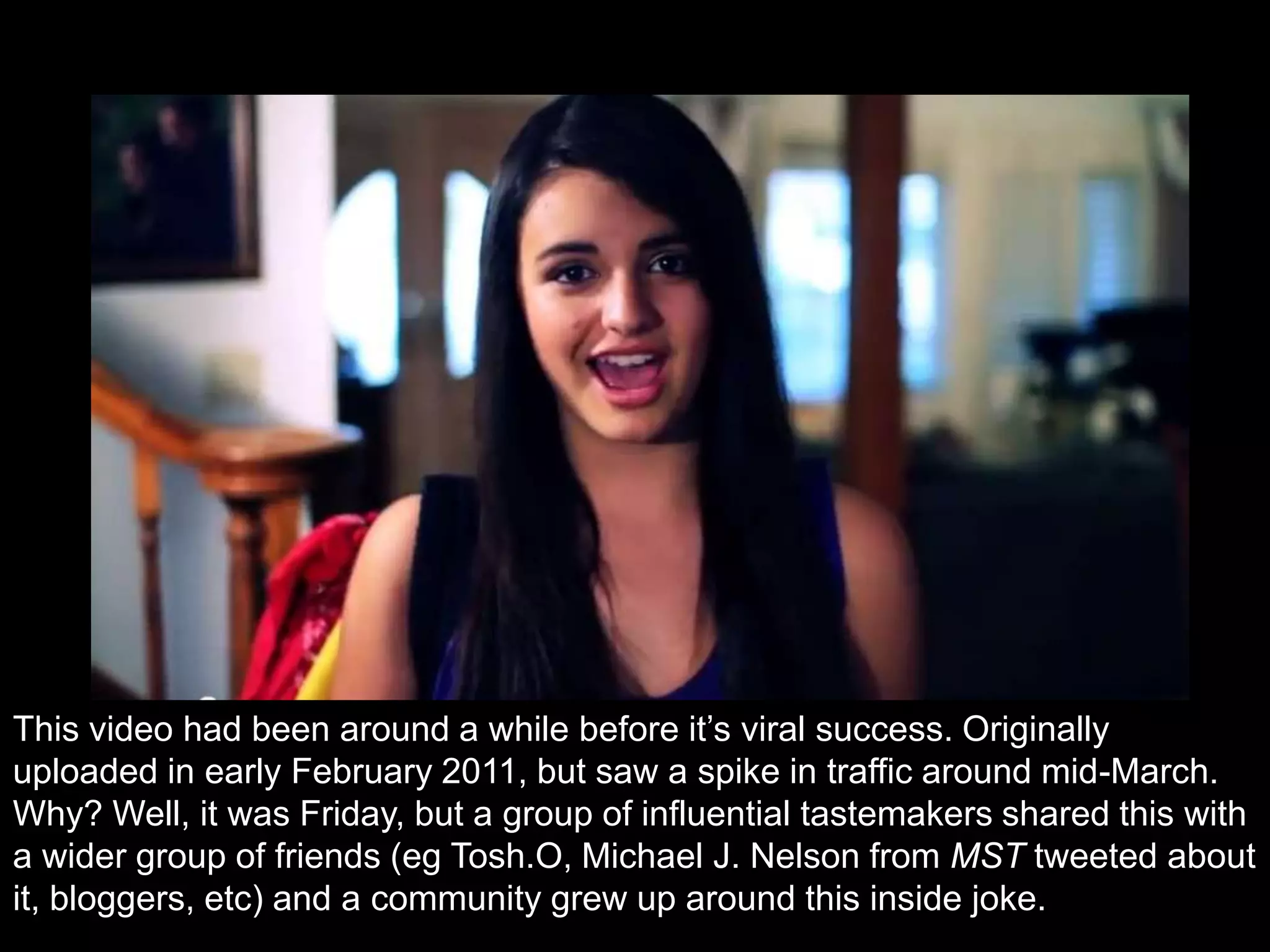
This video had been around a while before it’s viral success. Originally
uploaded in early February 2011, but saw a spike in traffic around mid-March.
Why? Well, it was Friday, but a group of influential tastemakers shared this with
a wider group of friends (eg Tosh.O, Michael J. Nelson from MST tweeted about
it, bloggers, etc) and a community grew up around this inside joke.
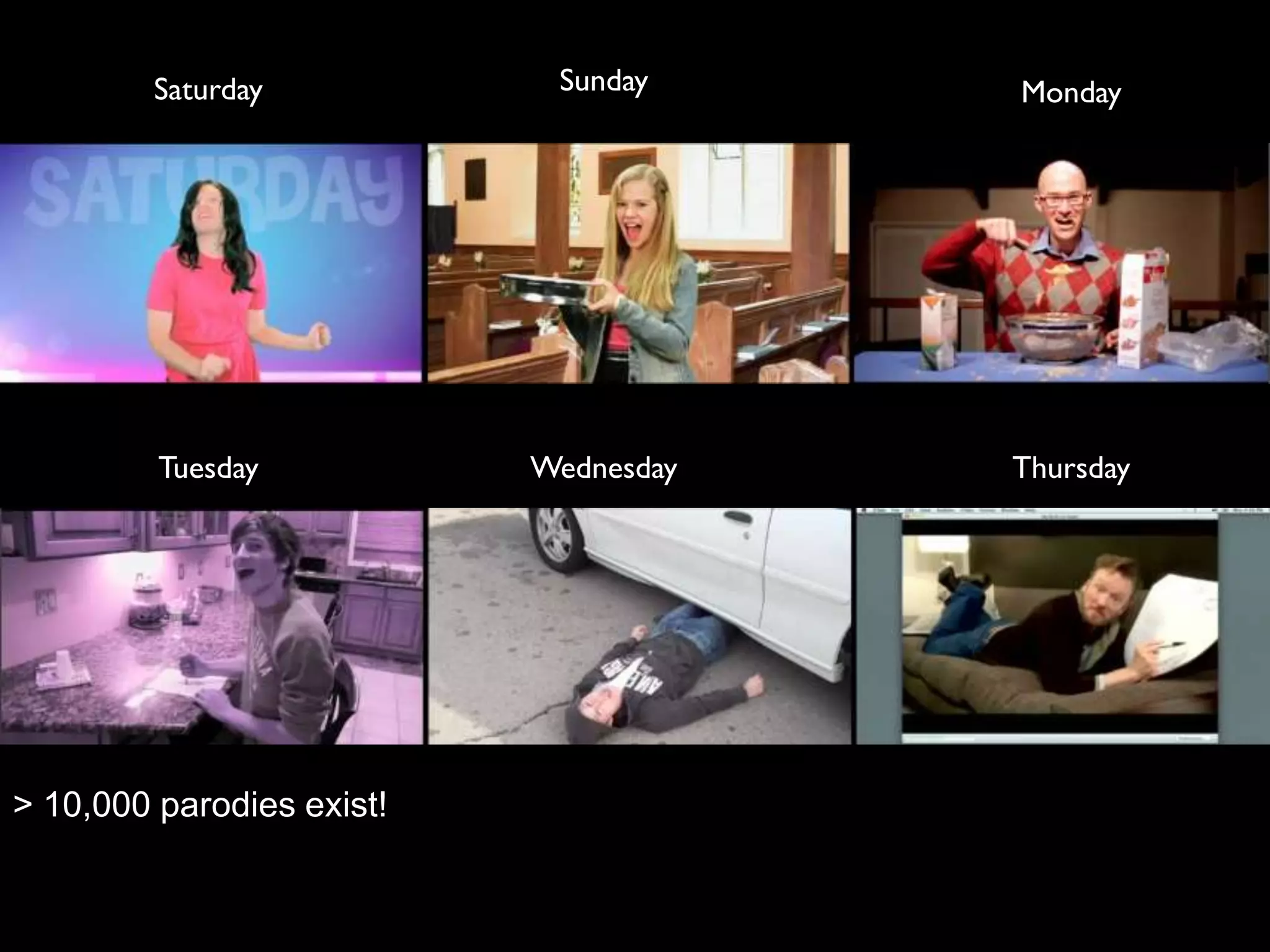
Saturday           Sunday     Monday


         Tuesday           Wednesday   Thursday


> 10,000 parodies exist!
participation
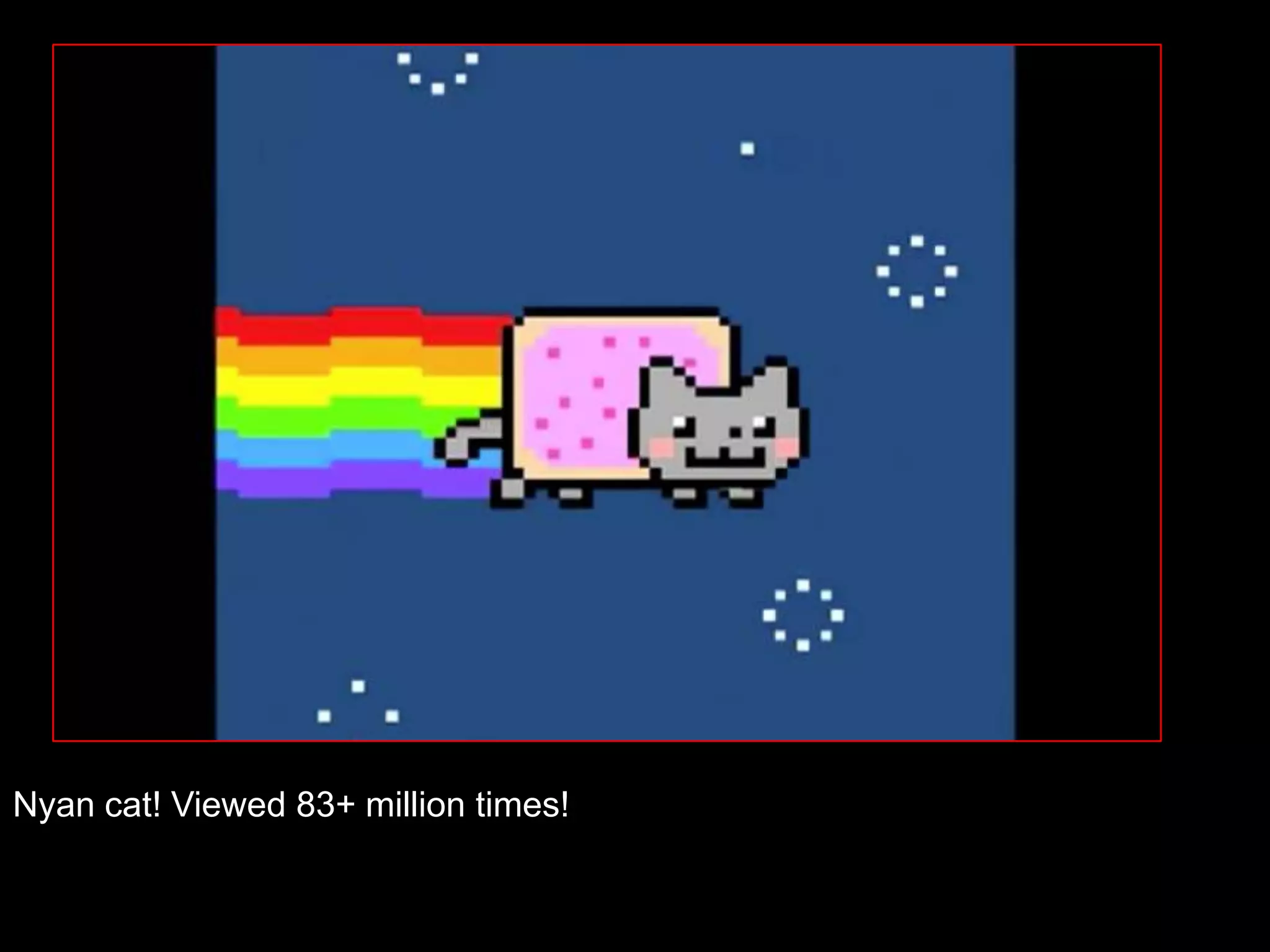
Nyan cat! Viewed 83+ million times!
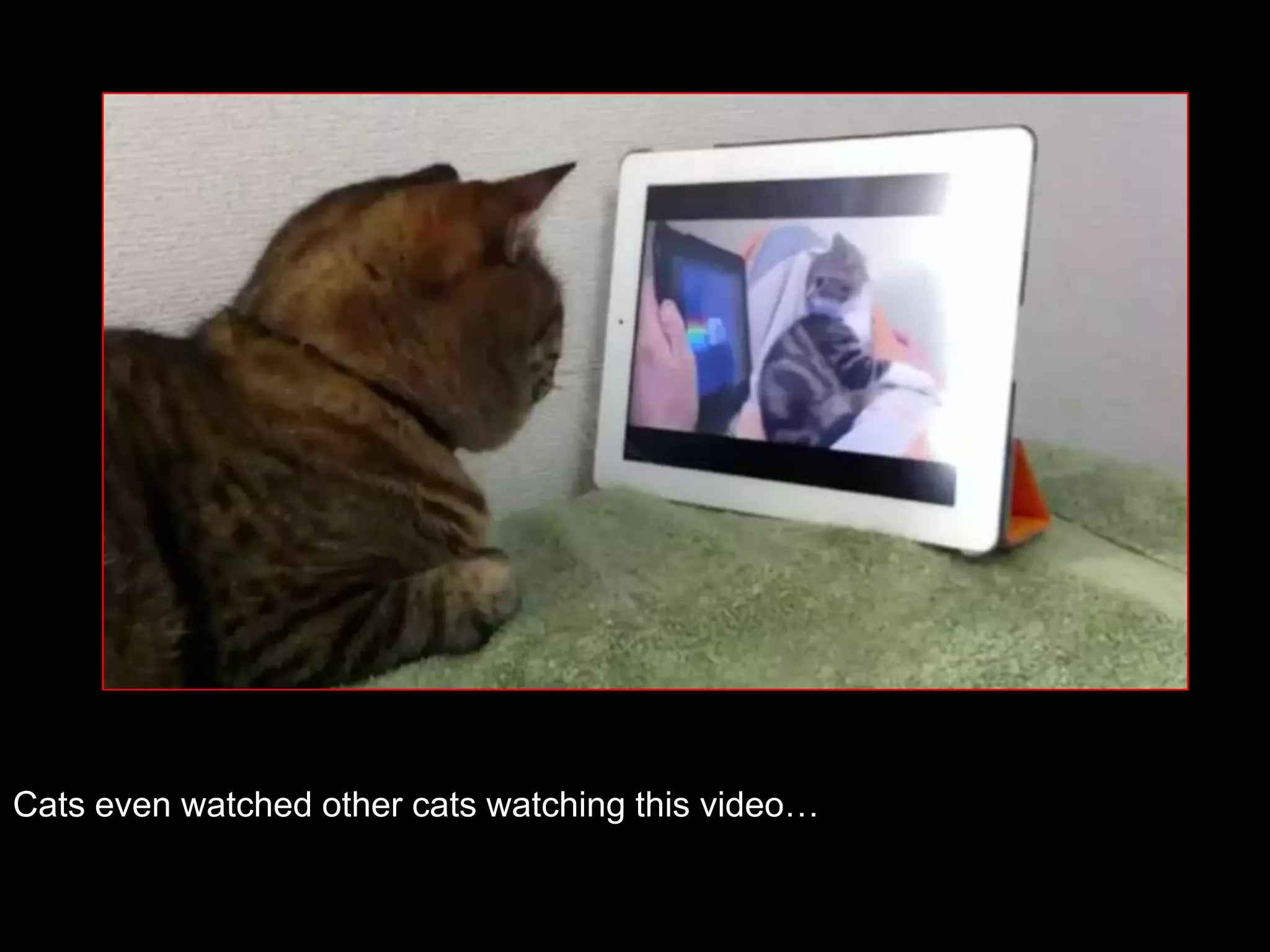
Even cats watched this video…
Cats even watched other cats watching this video…
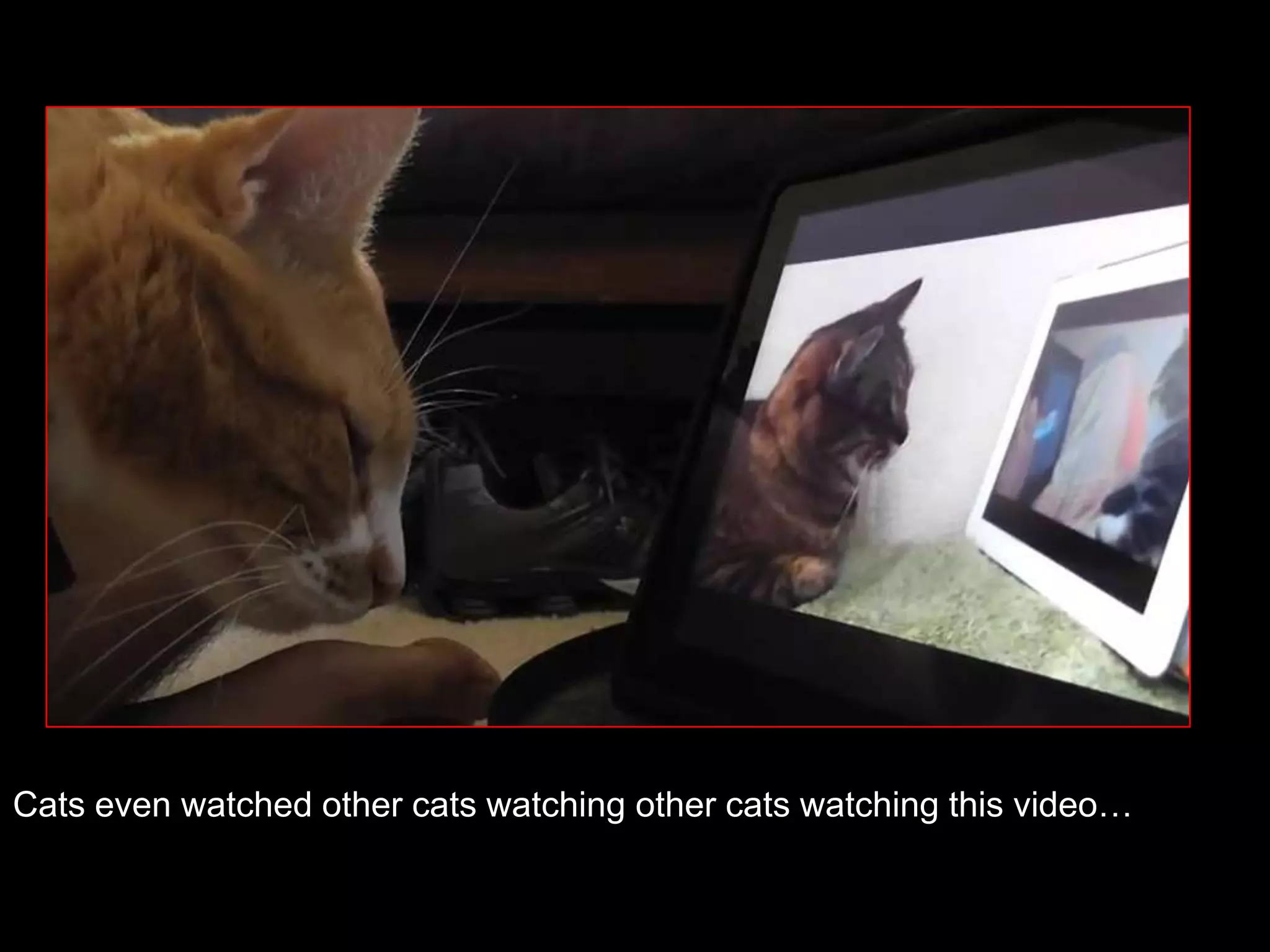
Cats even watched other cats watching other cats watching this video…
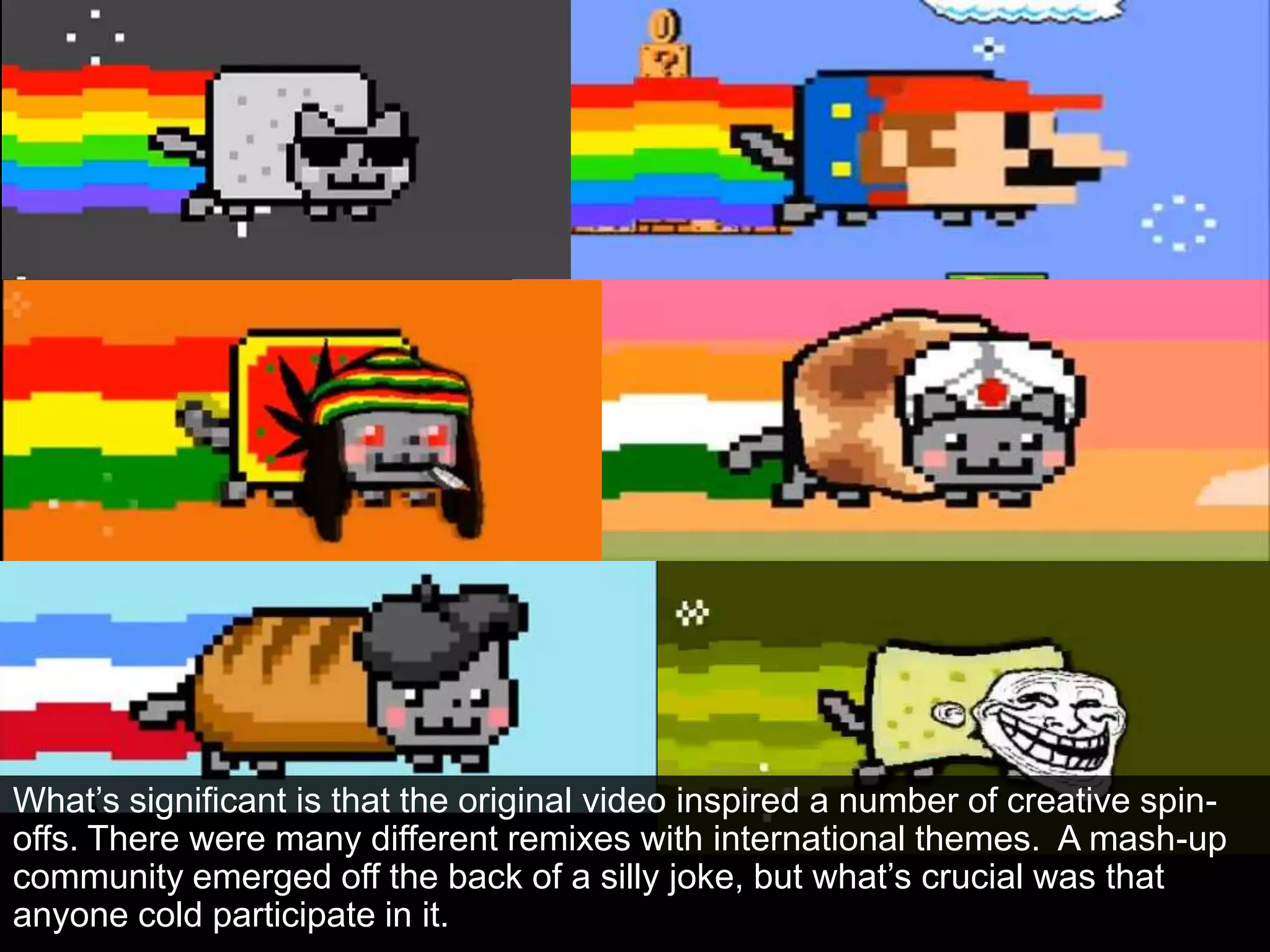
What’s significant is that the original video inspired a number of creative spin-
offs. There were many different remixes with international themes. A mash-up
community emerged off the back of a silly joke, but what’s crucial was that
anyone cold participate in it.
randomness
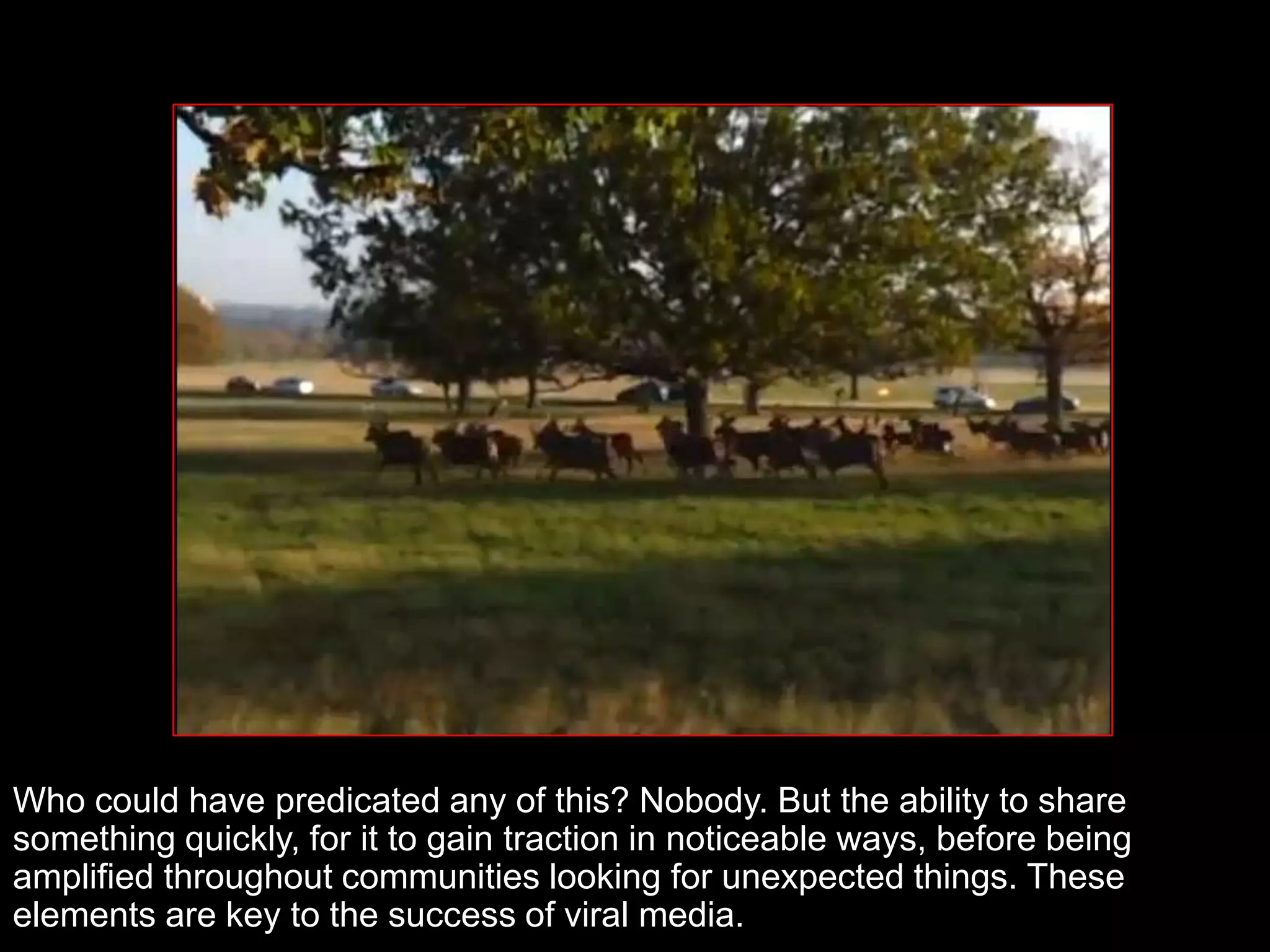
Who could have predicated any of this? Nobody. But the ability to share
something quickly, for it to gain traction in noticeable ways, before being
amplified throughout communities looking for unexpected things. These
elements are key to the success of viral media.
52


                                   Social


One of the key aspects of features of viral success stories is the emphasis
being placed on their social dimensions. By enabling products to be easily
shared, embedded or passed on, they take advantage of the human drive for
sociability.
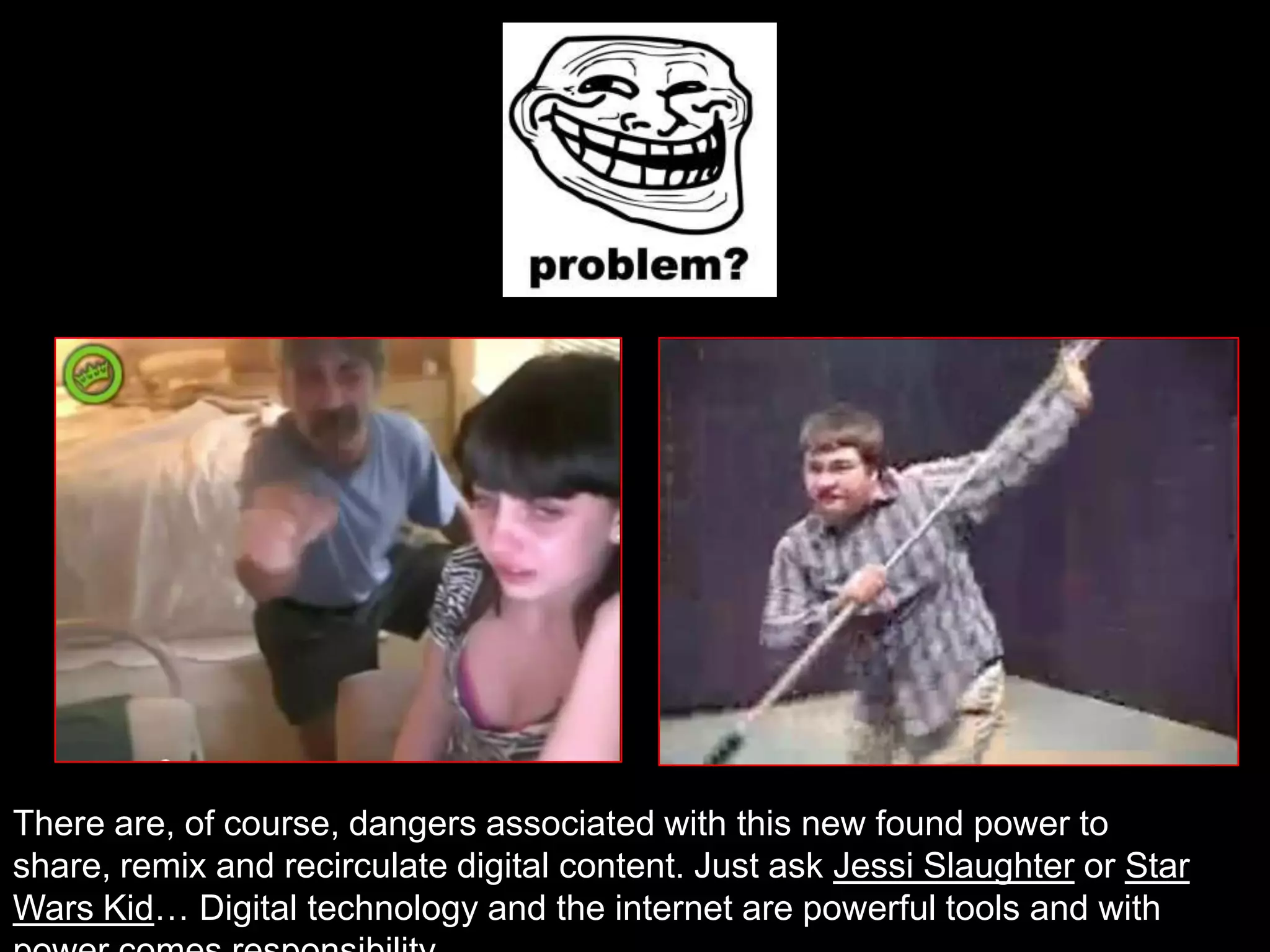
There are, of course, dangers associated with this new found power to
share, remix and recirculate digital content. Just ask Jessi Slaughter or Star
Wars Kid… Digital technology and the internet are powerful tools and with
54

Media power

  • 1.
  • 2.
    Power to disrupt… • Human behaviour • Ideas • Economics • Businesses • Politics • Belief systems
  • 4.
    Johannes Gutenberg Mainz 1398-1468
  • 7.
    Pope Pius II(1455) ‘a most marvellous man had been promoting the Bible’ ‘one could read it without glasses’
  • 21.
    The ‘crisis ofpublic communication’ Gordon’s fake smile
  • 23.
    Disruptive by design… • Mass production • Advertising • Intellectual property • Accessibility • Religion • Scholarship • Science • Childhood
  • 24.
  • 25.
    25 ‘dumb network’ •TCP/IP routing • The ‘end-to-end’ principle • Open and innovative
  • 26.
  • 28.
    When something onlineis free, you’re not the customer, you’re the product.
  • 29.
    From a Googleperspective, you're not the customer. The ad service buyer is the customer. You're the commodity. By making you a more attractive commodity, i.e. by making sure to only serve you an ad if you are in the target population for it, they are making the ads pay better for their customers, and they can reap a large part of the difference to their competitors, the other ad services - Liorean, 2004
  • 30.
    Perhaps … you'renot the customer any more.You're simply a "resource" to be managed for profit … Who is the customer? Not you, whose life is reduced to someone else's salable, searchable, investigatable data. The customer is everyone who wishes to own a piece of your life. - Claire Woolfe, 1999
  • 31.
    Uploaded to Vimeo20th Feb 2012. Uploaded to YouTube 2 March 2012. As of 29th March 2012 each site has had 17.7 million and 85.9 million views respectively
  • 32.
    17th March: JasonRussell of Invisible Children is detained by police for public nudity , making sexual gestures
  • 33.
    33 Play video Not all brands benefit from the social strategies of other companies as Kryptonite found out when their expensive bicycle locks found themselves the subject of some unwanted attention
  • 34.
    Web video (poweredby Google for free!) has given any one of the us the chance to be famous by giving us the power to get our messages across.
  • 35.
    72+ hours ofvideo uploaded every minute! 3 hours of video every minute from mobile devices < TINY tiny tiny % of videos have 1 million+ views Web video (powered by Google for free!) has given any one of the us the chance to be famous by giving us the power to get our messages across. But how can we be successful against such odds? What are the key factors in securing success in a crowded space?
  • 36.
  • 37.
  • 38.
    Yosemite Mountain Beardidn’t set out to create a viral video. He just wanted to share the amazing thing he’d just seen
  • 40.
  • 42.
    This video hadbeen around a while before it’s viral success. Originally uploaded in early February 2011, but saw a spike in traffic around mid-March. Why? Well, it was Friday, but a group of influential tastemakers shared this with a wider group of friends (eg Tosh.O, Michael J. Nelson from MST tweeted about it, bloggers, etc) and a community grew up around this inside joke.
  • 43.
    Saturday Sunday Monday Tuesday Wednesday Thursday > 10,000 parodies exist!
  • 44.
  • 45.
    Nyan cat! Viewed83+ million times!
  • 46.
    Even cats watchedthis video…
  • 47.
    Cats even watchedother cats watching this video…
  • 48.
    Cats even watchedother cats watching other cats watching this video…
  • 49.
    What’s significant isthat the original video inspired a number of creative spin- offs. There were many different remixes with international themes. A mash-up community emerged off the back of a silly joke, but what’s crucial was that anyone cold participate in it.
  • 50.
  • 51.
    Who could havepredicated any of this? Nobody. But the ability to share something quickly, for it to gain traction in noticeable ways, before being amplified throughout communities looking for unexpected things. These elements are key to the success of viral media.
  • 52.
    52 Social One of the key aspects of features of viral success stories is the emphasis being placed on their social dimensions. By enabling products to be easily shared, embedded or passed on, they take advantage of the human drive for sociability.
  • 53.
    There are, ofcourse, dangers associated with this new found power to share, remix and recirculate digital content. Just ask Jessi Slaughter or Star Wars Kid… Digital technology and the internet are powerful tools and with
  • 54.

Editor's Notes

  • #5 Know very little about him. Came form a prosperous family, probably apprenticed as a goldsmith.His family decamped from Mainz suddenly in 1411 and he ended up in Strasbourg in the early 1430s
  • #6 By 1450 Gutenberg came up with a way of making metallic type pieces (from an alloy of tin, lead and antinomy)He produced inks based on oil rather than waterInvented a method for casting the type in a hand mouldBuilt a press (based on ancient wine-press) that could reliably print inked type onto a sheet of paperOh, and he had to procure funding for his research which resulted in him not owning his own inventionsWhat he needed now was a product to print…… Something which would demonstrate the efficacy of his new technology but for which there was also a market
  • #7 The Gutenberg Bible
  • #8 The Gutenberg Bible
  • #9 1455
  • #10 1471 = 15 in existence
  • #11 1480 – at least 87By 1500 around 15,000 new books had been pressedBy 1550 more than 8 million had been printed
  • #12 Legacy – Mass productionPrinting was the precursor to mass production and its associated economies of scale.It created new trades, professions, and occupations which had not existed in the age of scribesIt also threatened the livlihoods of those professions that came before it
  • #13 Advertising – used to be a word of mouth or hand written business. Now: pamphlets, posters, flyers in bulk!
  • #14 Intellectual PropertyThe notion that ideas could be owned took a long time to materialiseIn a scribal age the idea of a single author didn’t make much senseHowever, by the 1700s we start to see the emergence of a system of copyright evolve in which the intellectual labour of a content producer was protected and enshrined in law (or rather, a content printer!)Inventing had been something humans had been doing for a long time, but there had been very little in the way of a reliable of recognizing this (and claiming ownership) until now.
  • #15 AccessibilityIn a pre-Gutenberg age, books were copied by hand making them rare and expensive (some were worth the equivalent to farms or vineyards!)Suddenly they became more affordable and plentiful – something moderately prosperous households could affordThis would go on to have powerful repercussions
  • #16 The ReformationDevastating impact upon Catholic Church – prior to Gutenberg, ordinary people were reliant upon the Catholic Church to access and interpret the BiblePost Gutenberg it was translated into vernacular languages, allowing for more localized interpretationsRevolt: Martin Luther in 1517 – rise of Protestantism
  • #17 Scholarship was transformedNo longer where books full of errors carried over from years of manually scribed copiesNo longer where books carefully annotatedIn the age of reproduction, texts could be easily compared and cross-referenced, allowing for the cumulative development and progress of ideas that marks contemporary scholarly activity
  • #18 ScienceScience today is an elaborate system involving experimentation, intense collaborative activity and incessant publication in journals, books and other outlets.Nothing like it existed before Gutenberg – he was responsible for the growth of knowledge on a progressive and cumulative basis.The printing and dissemination of scientific ideas fed into popular knowledge
  • #19 ChildhoodIn the medieval period children ceased to enjoy childhood by the time they were felt to have entered the ‘age of reason’ – ie the time they were thought to be responsible for themselves (aged 7)Gradually, this was pushed back to the age of 12 after reading competence became the norm, post Gutenberg.It takes a long time to teach children the ability to acquire the communicative competence of an adult
  • #25 Which brings us to the second major communications revoultion