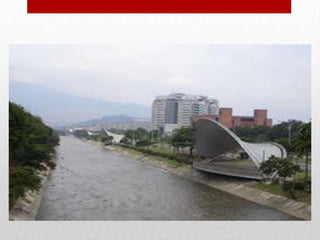
Medellín River Project


MEDELLIN RIVER
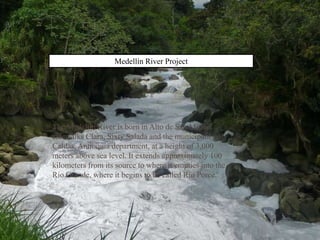
        The Medellin River is born in Alto de San Miguel
        sidewalks Clara, Sixty Salada and the municipality of
        Caldas, Antioquia department, at a height of 3,000
        meters above sea level. It extends approximately 100
        kilometers from its source to where it empties into the
The Medellín River is born in Alto de San Miguel sidewalks Clara, Sixty Salada and
the municipality of Caldas, Antioquia department,called Rio of 3,000 meters above
        Rio Grande, where it begins to be at a height Porce.
sea level. It extends approximately 100 kilometers from its source to where it empties
into the Rio Grande, where it begins to be called Rio Porce.
• The color change in the river sometimes Medellín, is due to the
  dumping of industrial waste water, which may come from
  organic and inorganic substances used in industrial processes
  and, if they are discharged into the river may impair their
  quality, by changing their physicochemical characteristics.

• The Metropolitan Area of the Aburrá Valley, like environmental
  authority, has the authority to regulate this and drastic
  punishment by fines and / or suspensions of activity and
  discharges, those who act against this water resource.


CAUSES OF POLLUTION
• It appeals to those industries that are affecting the quality
  of the Medellin River and its tributaries, to refrain from
  illegal dumping, both on the public sewer system, as on
  surface water sources.


CAUSES OF POLLUTION
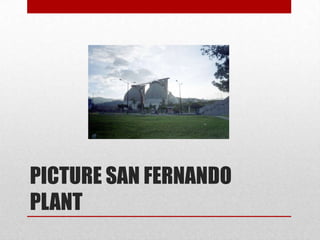
PICTURE SAN FERNANDO
PLANT
• The proposed project involves implementation of
  program works Medellín River Sanitation, including the
  Water Treatment Plant (WWTP) Bello, the Medellín
  River North interceptor and the joints between the
  collectors and the North interceptor. Additionally develop
  an institutional strengthening component that covers the
  following points: i) support for the implementation of
  International Financial Reporting Standards Group
  EEPPM and ii) training in areas related to the provision
  of water and sanitation.


Sanitation Program
• He is 12 years old and although it has not managed to change
  the whole face Medellín River, it has removed odors from
  southern Moravia Aburrá Valley to also have removed 30
  percent of the pollution caused by solid and organic matter .
• San Fernando Plant, operated by EPM, is the guardian of the
  river, trying domestic wastewater and sewage industries
  Itagüí, Envigado, Sabaneta and La Estrella.
• "Through a secondary biological treatment we separate that
  water pollution in order to return to Medellín River with 80
  percent less pollution," explains John Fernando Jaramillo, head
  of the Wastewater Treatment of EPM.


SAN FERNANDO PLANT
• For Secretary of Environment of Medellin, Ana Milena
  Joya, San Fernando Plant, has a very positive
  impact, especially in reducing odors.
• Highlight the plant removes contaminants that end up in
  the river and take all the oxygen decompose water and
  produce odor.
• Diana explains Castro, leader of environmental
  management in the metropolitan area, yes there is a
  substantial improvement in water quality, which is
  reflected in the population has increased and river
  conditions continue to improve.


SAN FERNANADO PLANT
• Eafit University, notes that the San Fernando problem is
  that does not include some variables of
  contamination, however, Ana Cristina
  Restrepo, environmental engineer and teacher at the.
• "When the river is dyed red, the scandal is that the San
  Fernando plant is not good and that it is not, what
  happens is that it is a plant that is made to comply with an
  existing standard that does not include parameters such as
  dumping of color, "he says.


SAN FERNANDO PLANT
PICTURE MEDELLIN RIVER

Medellin river

  • 1.
    Medellín River Project MEDELLINRIVER The Medellin River is born in Alto de San Miguel sidewalks Clara, Sixty Salada and the municipality of Caldas, Antioquia department, at a height of 3,000 meters above sea level. It extends approximately 100 kilometers from its source to where it empties into the The Medellín River is born in Alto de San Miguel sidewalks Clara, Sixty Salada and the municipality of Caldas, Antioquia department,called Rio of 3,000 meters above Rio Grande, where it begins to be at a height Porce. sea level. It extends approximately 100 kilometers from its source to where it empties into the Rio Grande, where it begins to be called Rio Porce.
  • 2.
    • The colorchange in the river sometimes Medellín, is due to the dumping of industrial waste water, which may come from organic and inorganic substances used in industrial processes and, if they are discharged into the river may impair their quality, by changing their physicochemical characteristics. • The Metropolitan Area of the Aburrá Valley, like environmental authority, has the authority to regulate this and drastic punishment by fines and / or suspensions of activity and discharges, those who act against this water resource. CAUSES OF POLLUTION
  • 3.
    • It appealsto those industries that are affecting the quality of the Medellin River and its tributaries, to refrain from illegal dumping, both on the public sewer system, as on surface water sources. CAUSES OF POLLUTION
  • 4.
  • 5.
    • The proposedproject involves implementation of program works Medellín River Sanitation, including the Water Treatment Plant (WWTP) Bello, the Medellín River North interceptor and the joints between the collectors and the North interceptor. Additionally develop an institutional strengthening component that covers the following points: i) support for the implementation of International Financial Reporting Standards Group EEPPM and ii) training in areas related to the provision of water and sanitation. Sanitation Program
  • 6.
    • He is12 years old and although it has not managed to change the whole face Medellín River, it has removed odors from southern Moravia Aburrá Valley to also have removed 30 percent of the pollution caused by solid and organic matter . • San Fernando Plant, operated by EPM, is the guardian of the river, trying domestic wastewater and sewage industries Itagüí, Envigado, Sabaneta and La Estrella. • "Through a secondary biological treatment we separate that water pollution in order to return to Medellín River with 80 percent less pollution," explains John Fernando Jaramillo, head of the Wastewater Treatment of EPM. SAN FERNANDO PLANT
  • 7.
    • For Secretaryof Environment of Medellin, Ana Milena Joya, San Fernando Plant, has a very positive impact, especially in reducing odors. • Highlight the plant removes contaminants that end up in the river and take all the oxygen decompose water and produce odor. • Diana explains Castro, leader of environmental management in the metropolitan area, yes there is a substantial improvement in water quality, which is reflected in the population has increased and river conditions continue to improve. SAN FERNANADO PLANT
  • 8.
    • Eafit University,notes that the San Fernando problem is that does not include some variables of contamination, however, Ana Cristina Restrepo, environmental engineer and teacher at the. • "When the river is dyed red, the scandal is that the San Fernando plant is not good and that it is not, what happens is that it is a plant that is made to comply with an existing standard that does not include parameters such as dumping of color, "he says. SAN FERNANDO PLANT
  • 9.