PURE COMPETITION
• Amarket with many sellers offering identical
products, where no single firm can influence
the price.
5.
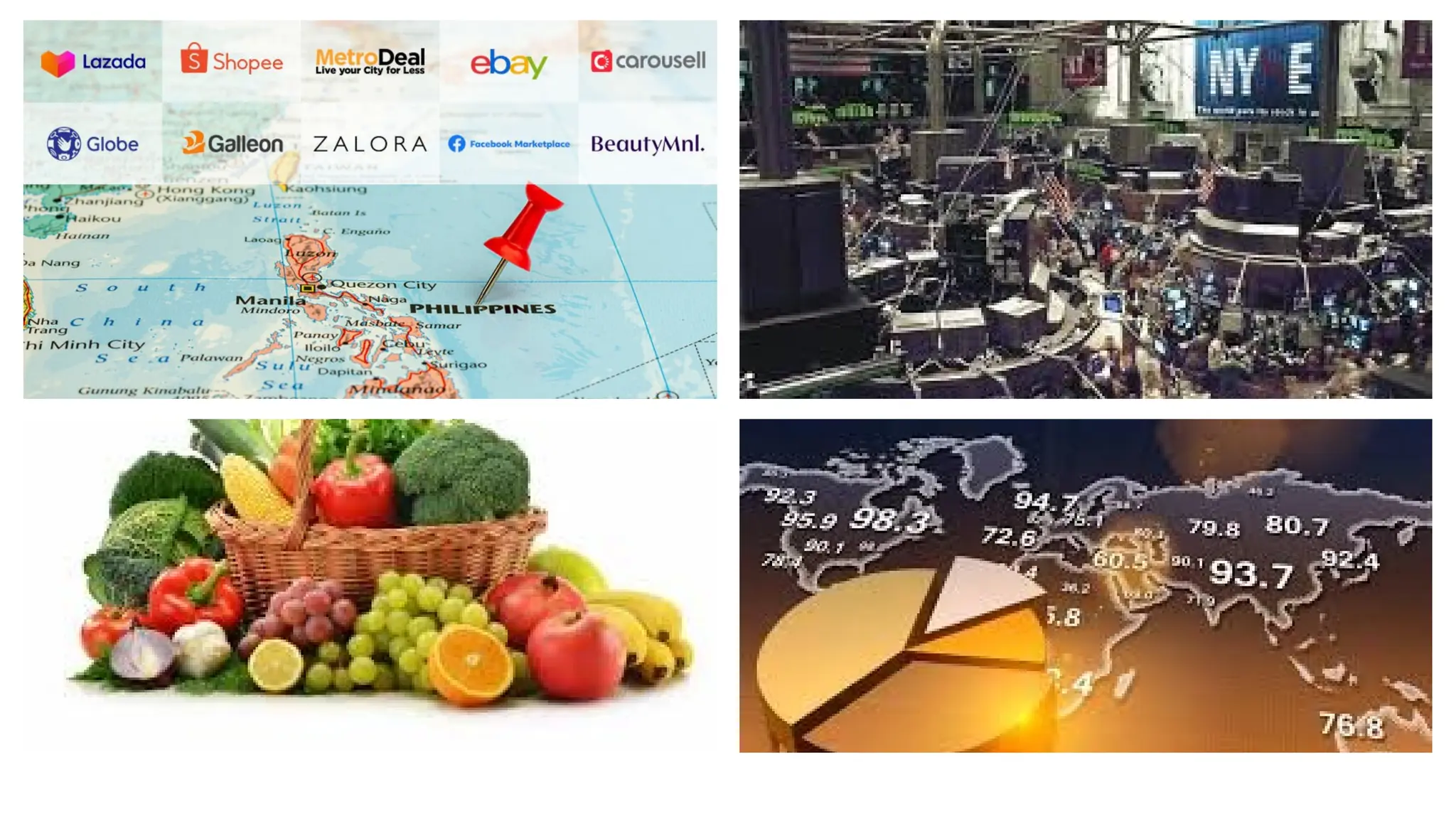
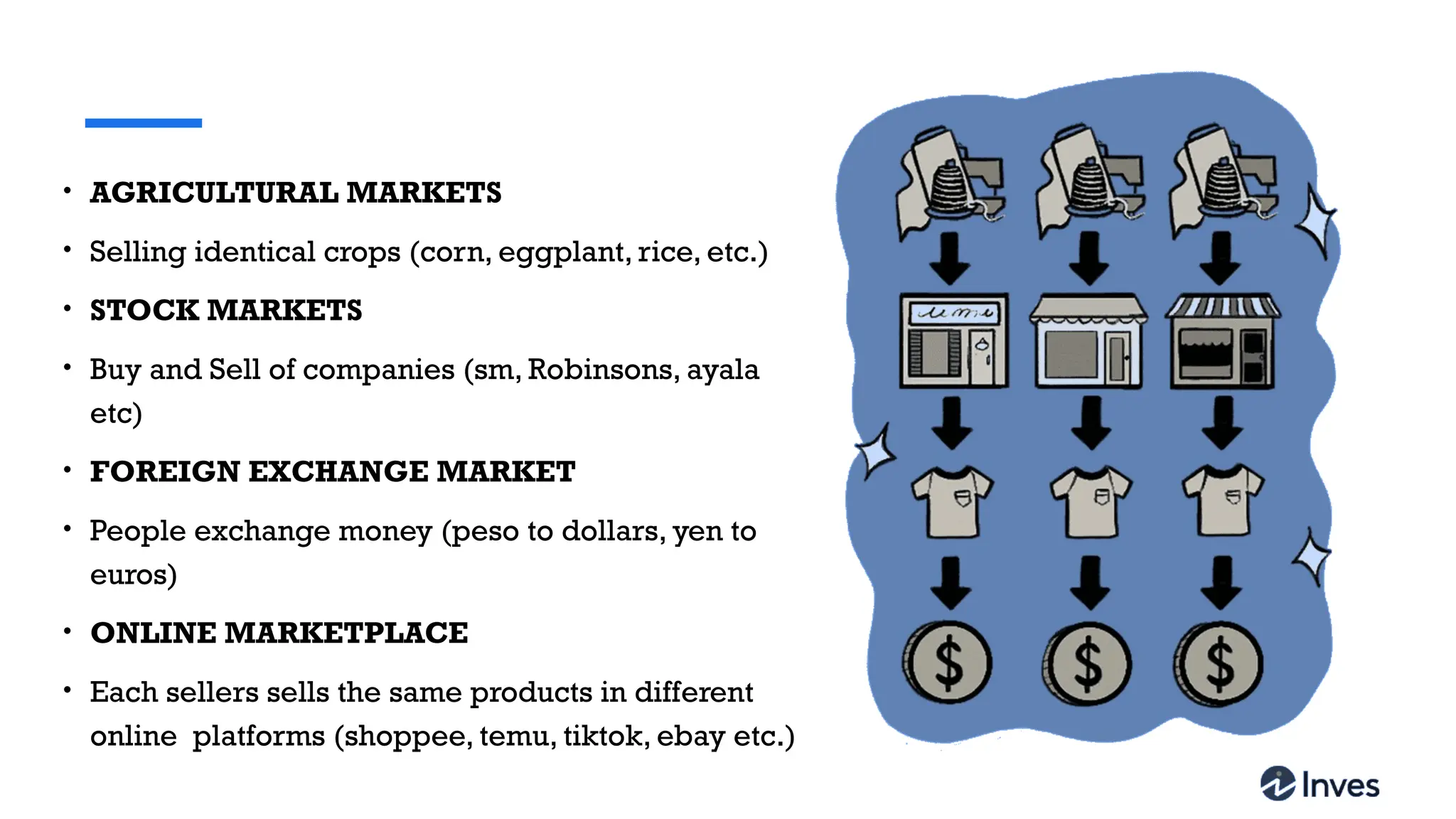
• AGRICULTURAL MARKETS
•Selling identical crops (corn, eggplant, rice, etc.)
• STOCK MARKETS
• Buy and Sell of companies (sm, Robinsons, ayala
etc)
• FOREIGN EXCHANGE MARKET
• People exchange money (peso to dollars, yen to
euros)
• ONLINE MARKETPLACE
• Each sellers sells the same products in different
online platforms (shoppee, temu, tiktok, ebay etc.)
OLIGOPOLY
• A marketdominated by a few large firms,
often interdependent in pricing and output
decisions.
16.
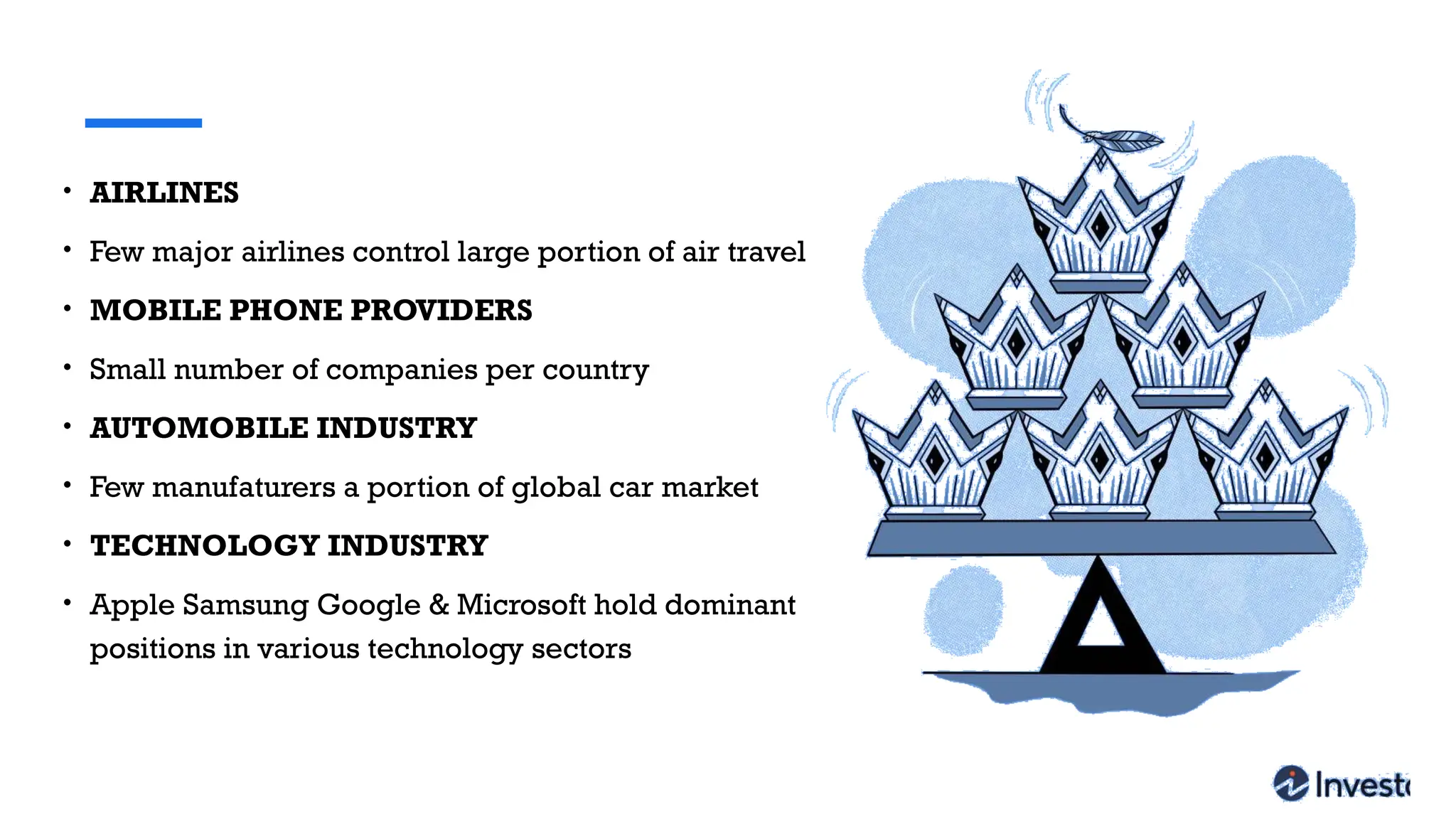
• AIRLINES
• Fewmajor airlines control large portion of air travel
• MOBILE PHONE PROVIDERS
• Small number of companies per country
• AUTOMOBILE INDUSTRY
• Few manufaturers a portion of global car market
• TECHNOLOGY INDUSTRY
• Apple Samsung Google & Microsoft hold dominant
positions in various technology sectors
PURE COMPETITION
• Pricesare dictated by overall market supply and demand.
• Firms produce where Marginal Revenue equals Marginal Cost (MR =
MC).
• In the long run, only normal profits are earned due to free entry and
exit.
• Example: A tomato farmer adjusts output to match prevailing market
prices.
“Bida ang Palengke”
28.
MONOPOLY
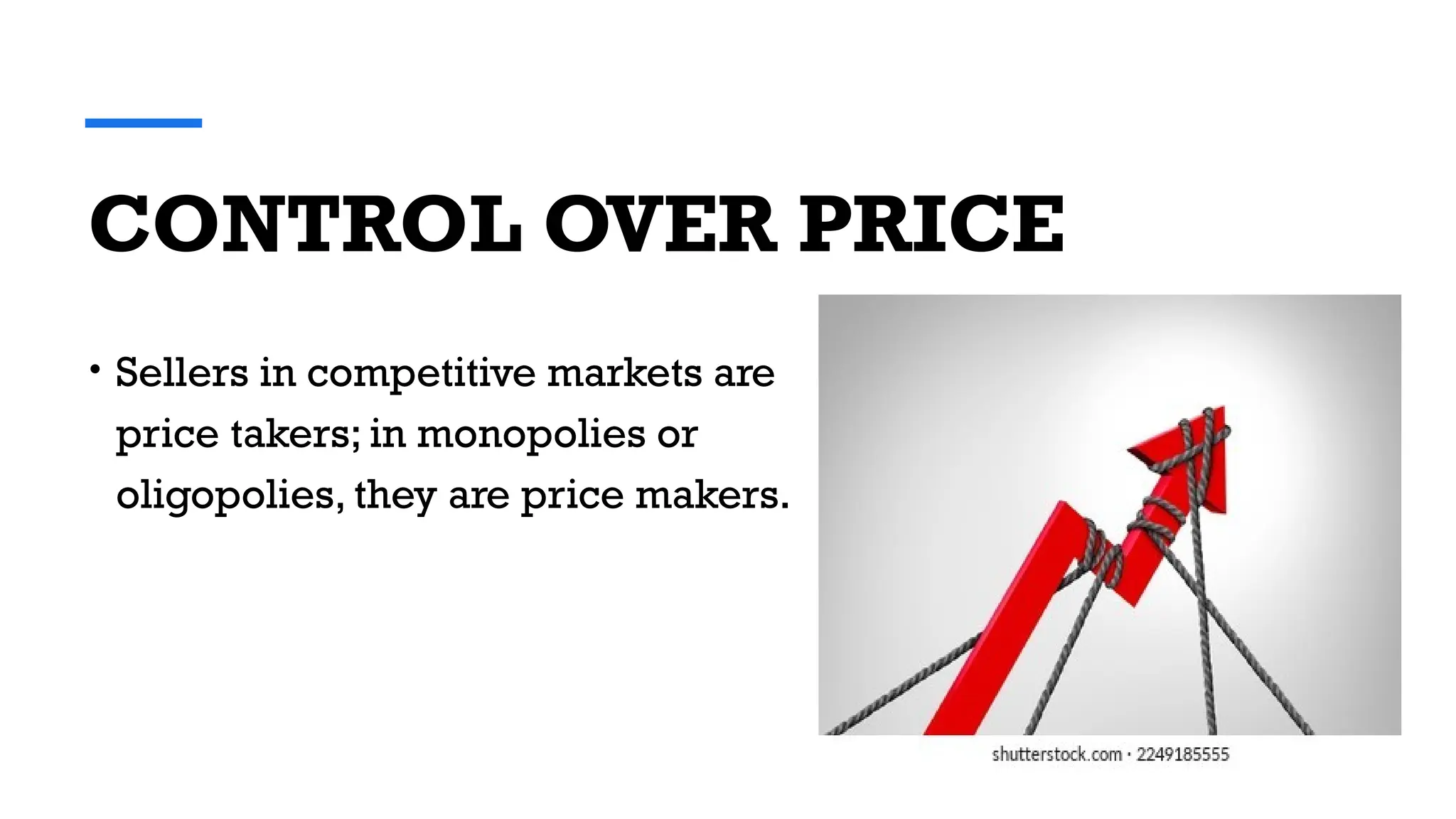
• The firmsets prices based on consumer demand—it is the sole seller.
• Output is produced at MR = MC, but prices exceed marginal cost.
• Can earn sustained supernormal profits due to barriers to entry.
• Example: Meralco adjusts electricity prices based on demand and
cost factors.
“Hari ng Merkado”
29.
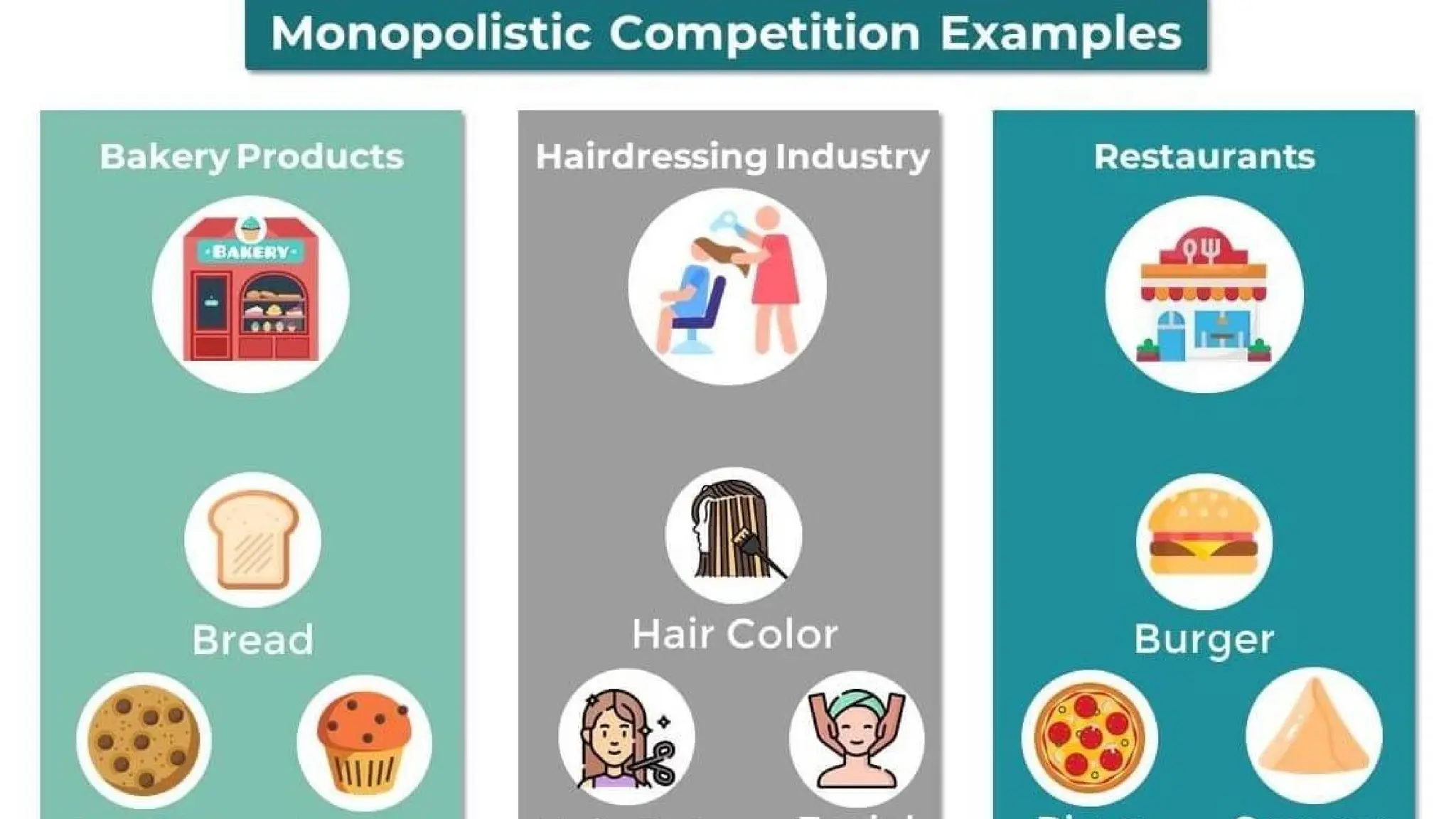
MONOPOLISTIC
• Firms havepricing power because of product differentiation.
• Output is decided where MR = MC, considering branding
and loyalty.
• Long-run profits normalize as new firms enter the market.
• Example: A milk tea shop prices creatively based on its
unique appeal.
“Milk tea Wars!”
30.
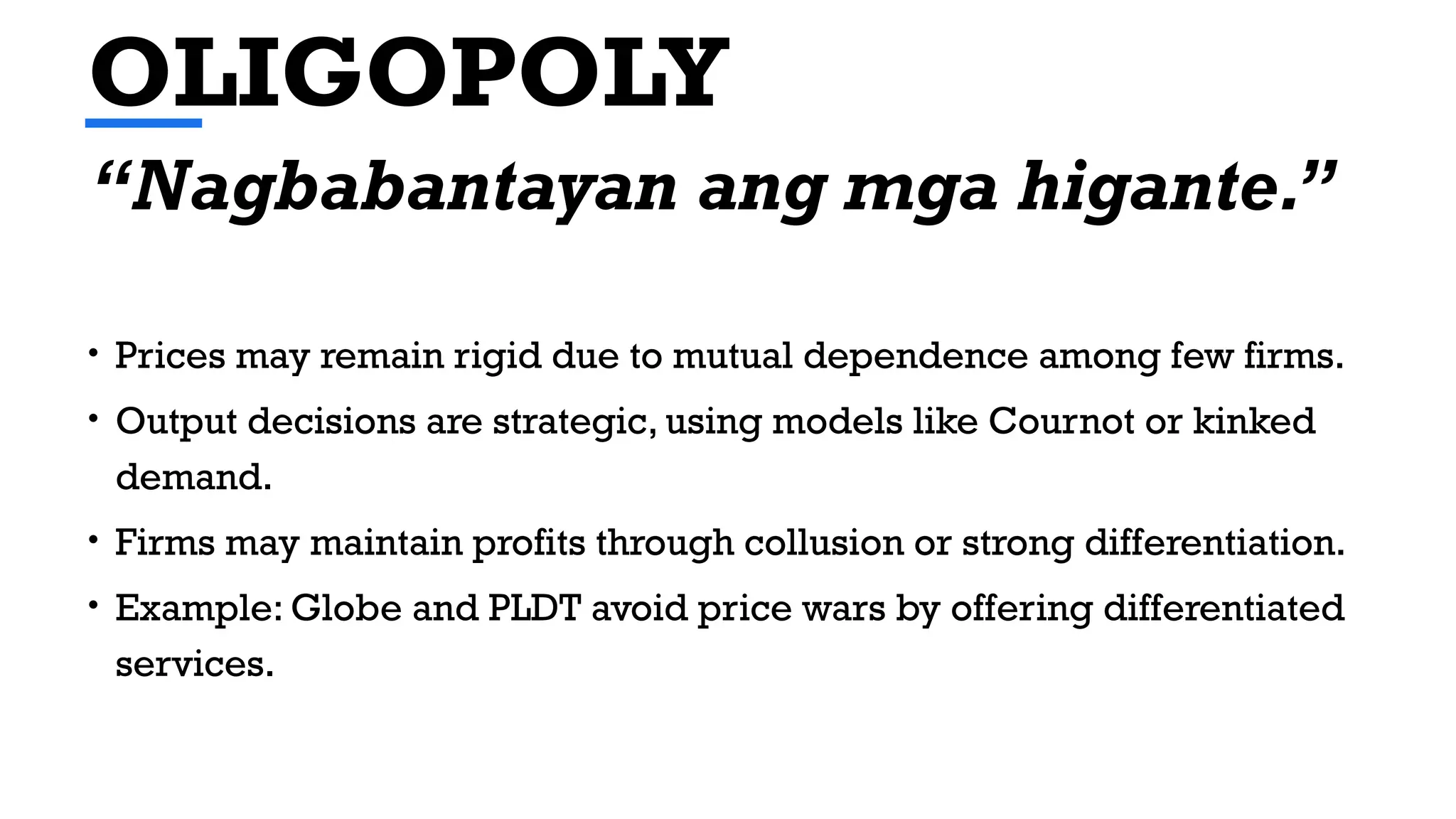
OLIGOPOLY
• Prices mayremain rigid due to mutual dependence among few firms.
• Output decisions are strategic, using models like Cournot or kinked
demand.
• Firms may maintain profits through collusion or strong differentiation.
• Example: Globe and PLDT avoid price wars by offering differentiated
services.
“Nagbabantayan ang mga higante.”
31.
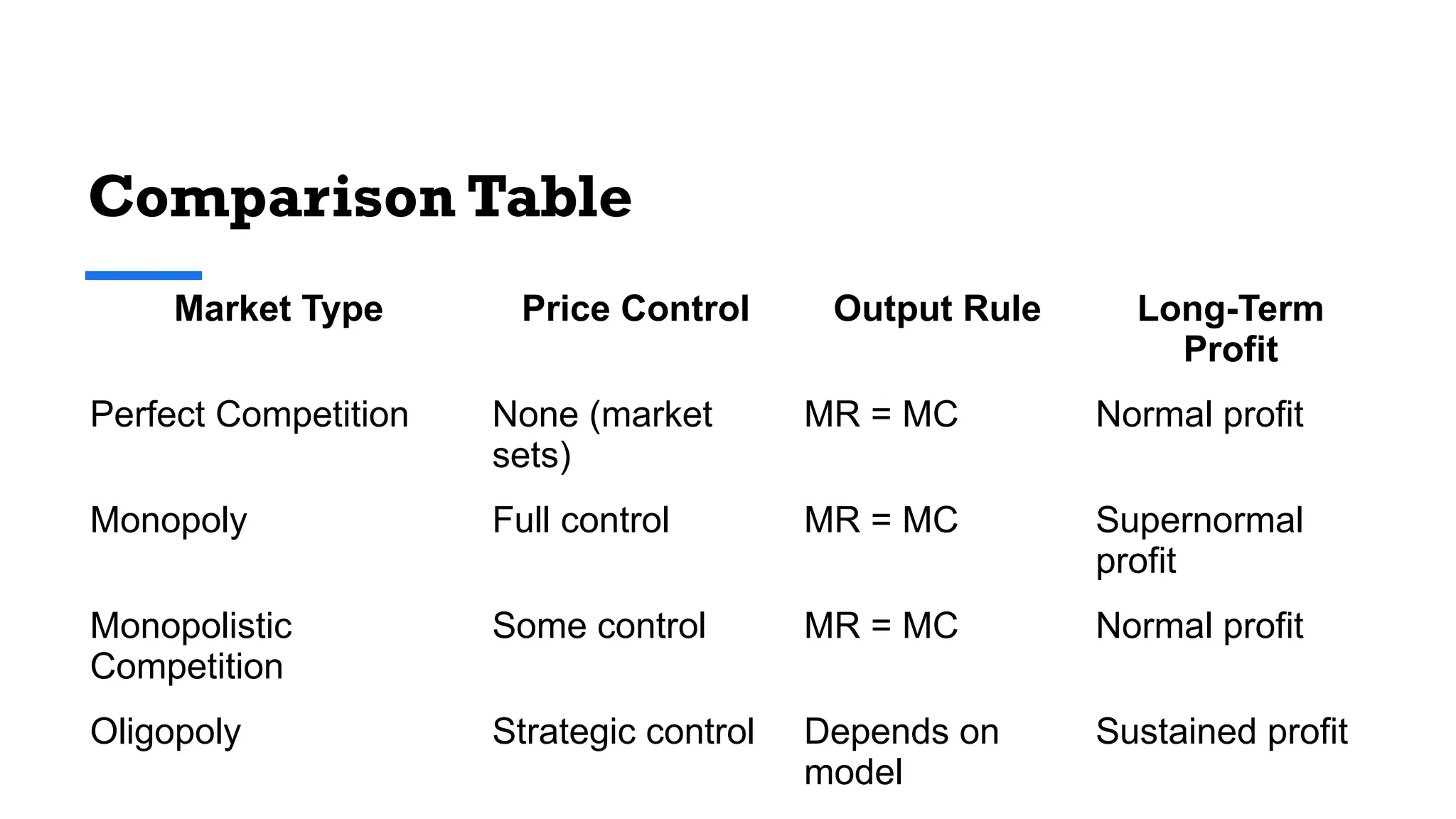
Comparison Table
Market TypePrice Control Output Rule Long-Term
Profit
Perfect Competition None (market
sets)
MR = MC Normal profit
Monopoly Full control MR = MC Supernormal
profit
Monopolistic
Competition
Some control MR = MC Normal profit
Oligopoly Strategic control Depends on
model
Sustained profit
Editor's Notes
#4 Characteristics:
Large number of buyers and sellers
Homogeneous products
Free entry and exit
Perfect information
Firms are price takers
#5 🌾 1. Agricultural Markets
What’s happening?
Lots of farmers grow the same kinds of crops—like rice, corn, or tomatoes.
Why it’s “perfect competition”?
Everyone sells basically the same thing, so buyers just pick the cheapest. No farmer can raise prices much because there’s so much competition.
📈 2. Stock Markets
What’s happening?
People buy and sell shares of companies, like SM or Ayala.
Why it’s “perfect competition”?
There are tons of buyers and sellers, so prices change quickly depending on supply and demand. No single person or group can control it.
💱 3. Foreign Exchange Markets
What’s happening?
People and banks exchange money—like pesos to dollars or yen to euros.
Why it’s “perfect competition”?
Everyone sees the same prices, the currency itself is the same everywhere, and there are lots of participants keeping the rates fair.
🛍️ 4. Online Marketplaces
What’s happening?
Sites like Shopee, Lazada, or eBay let people sell similar things—like phone cases, clothes, or trinkets.
Why it’s “close to perfect competition”?
Buyers can easily compare prices and switch sellers. If one seller prices too high, others will win the sale.
#7 Characteristics:
One firm controls the entire market
High barriers to entry
Price maker
No competition
#8 Characteristics:
Large number of buyers and sellers
Homogeneous products
Free entry and exit
Perfect information
Firms are price takers
#9 Characteristics:
Large number of buyers and sellers
Homogeneous products
Free entry and exit
Perfect information
Firms are price takers
#11 Characteristics:
Many firms
Product differentiation
Some control over price
Low barriers to entry
#12 Characteristics:
Large number of buyers and sellers
Homogeneous products
Free entry and exit
Perfect information
Firms are price takers
#15 Characteristics:
Few sellers
High barriers to entry
Products may be homogeneous or differentiated
Strategic behavior (e.g., price wars, collusion)
The Philippine telecom industry (PLDT, Globe, DITO). These firms influence each other’s pricing and service offerings.
#16 These are great examples of oligopoly, Joey—and let’s unpack each one in simple, relatable terms:
🛫 Airlines
A few big airlines fly most of the major routes. Think PAL, Cebu Pacific, and AirAsia in the Philippines.
You don’t have tons of choices for long-distance flights, and prices often stay close together.
These airlines sometimes match each other’s promos or avoid undercutting each other too much.
📱 Mobile Phone Providers
Only a few telcos provide signal and data—like Globe, Smart, and DITO.
They have lots of customers, high infrastructure costs, and the ability to influence prices and plans.
You’ll notice similarities in their promos or pricing because they watch each other closely.
🚗 Automobile Industry
Globally, companies like Toyota, Ford, and Honda dominate car manufacturing.
Even though there are many brands, the biggest ones control most of the market.
They compete on price, design, and features—but rarely drop prices too low to avoid price wars.
💻 Technology Industry
Tech giants like Apple, Google, and Microsoft dominate computers, phones, and software.
Their products are widely used and hard to avoid—imagine trying to use a computer without Windows or Google!
They innovate a lot, but also keep an eye on each other’s moves to protect market share.
In oligopoly, each big player knows their competitors well and often reacts to what the others do. It’s a game of strategy—not just price, but also branding, innovation, and customer loyalty.
Would you like me to turn this into a classroom activity, infographic guide, or even translate it with a bit of Tagalog flair and Encantadia-style drama? I'm game if you are!
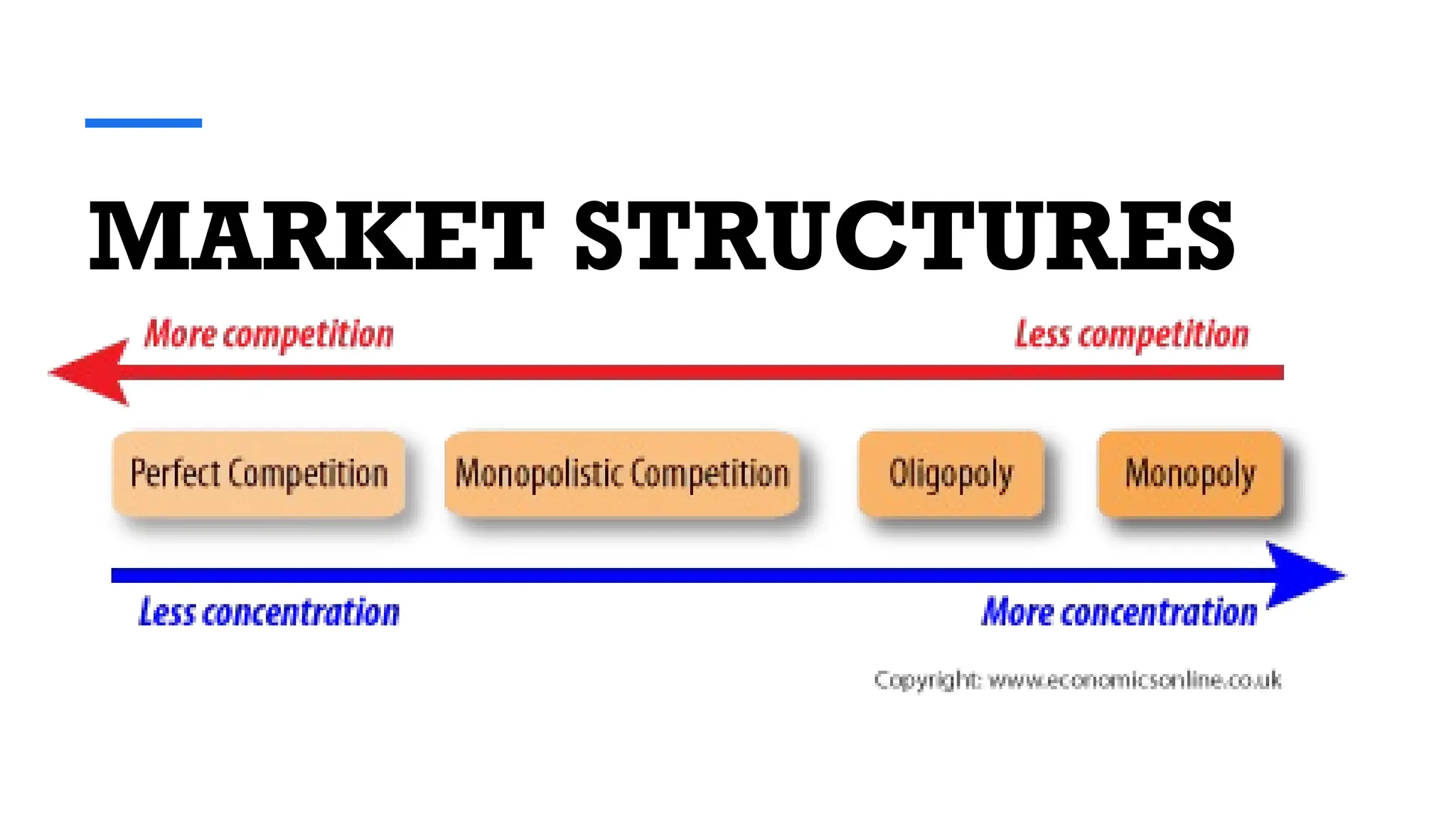
#17 🔴 More Competition ← Left Side
Perfect Competition: Many sellers, identical products, zero pricing power.
Monopolistic Competition: Still many sellers, but products are slightly differentiated (think milk tea shops with different flavors).
🔵 More Concentration → Right Side
Oligopoly: Few big players dominate the market (like telecom companies).
Monopoly: One firm controls everything and can set prices freely (like a sole electricity provider).
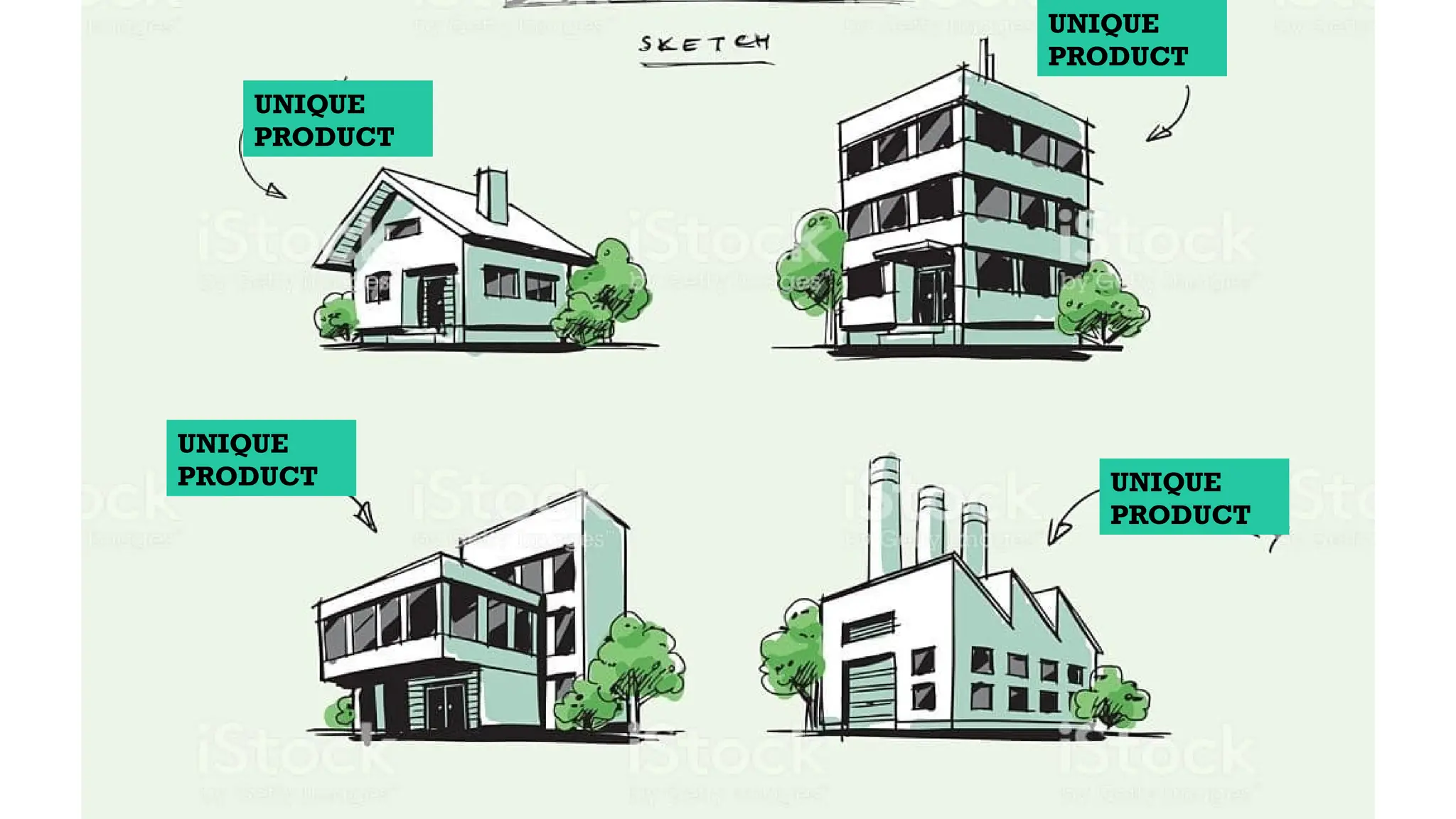
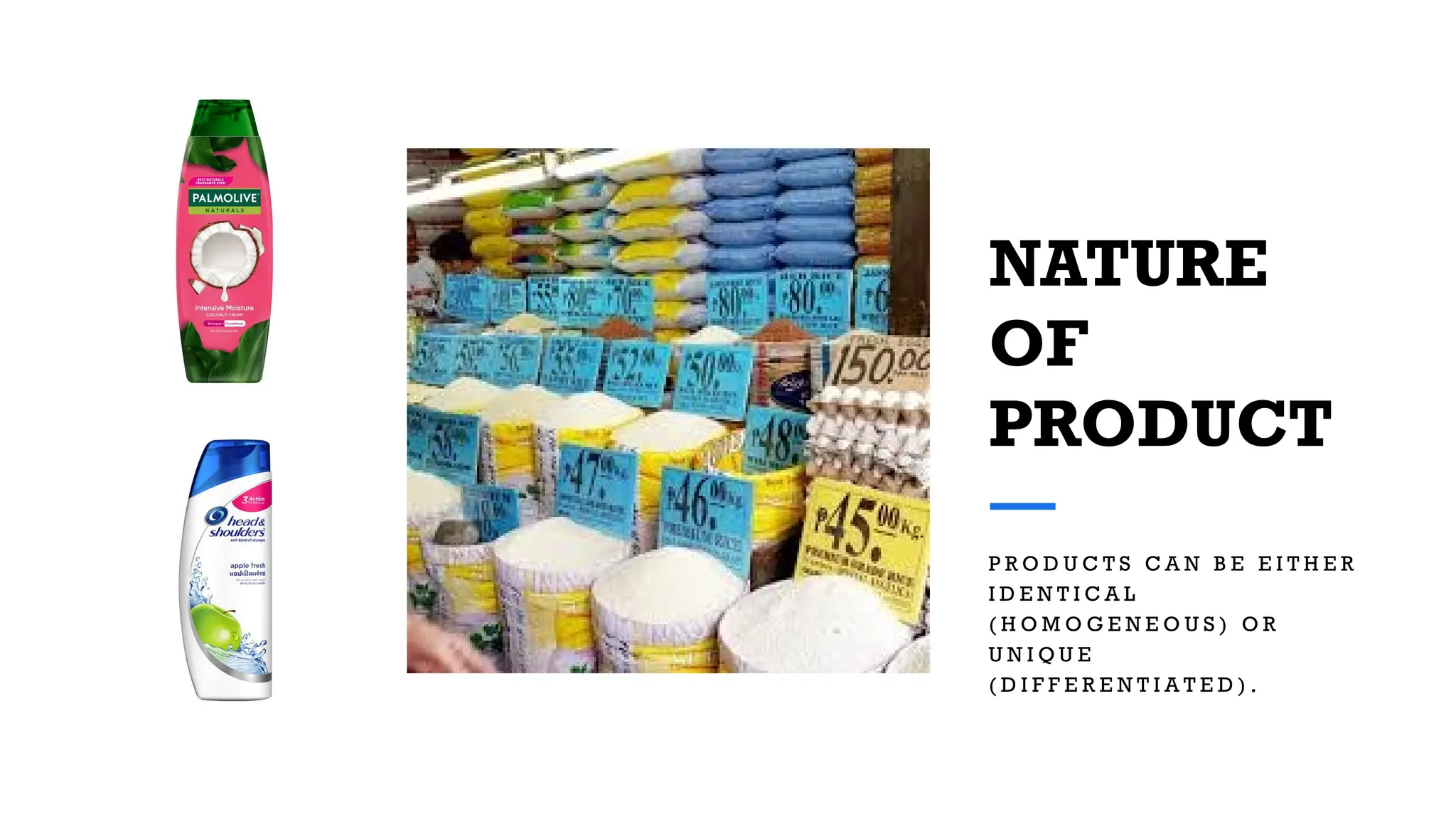
#21 Example: Rice looks and costs about the same; branded shampoo differs in scent, packaging, and benefits.
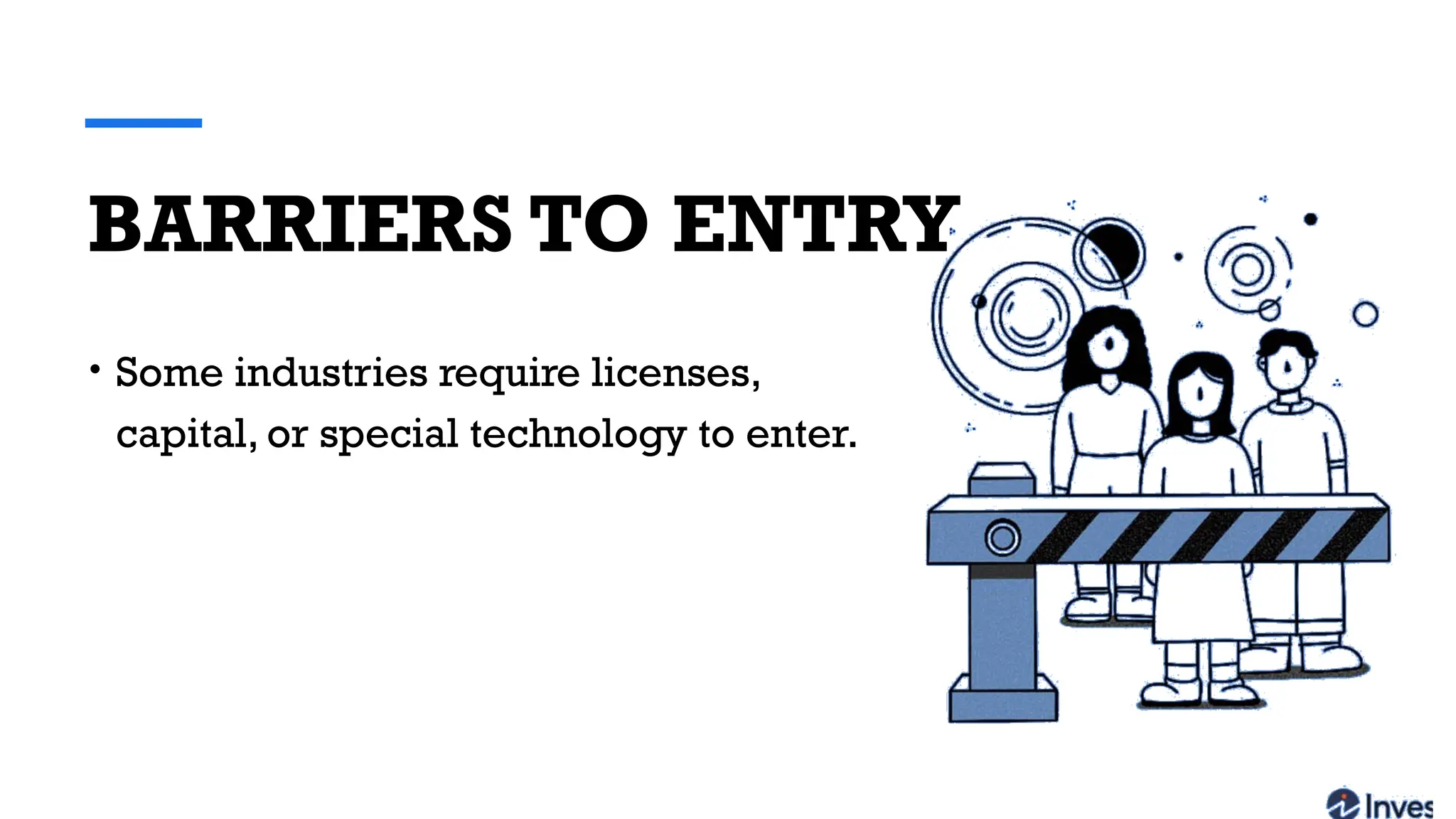
#22 Starting a telecom company requires massive investment and government approval.
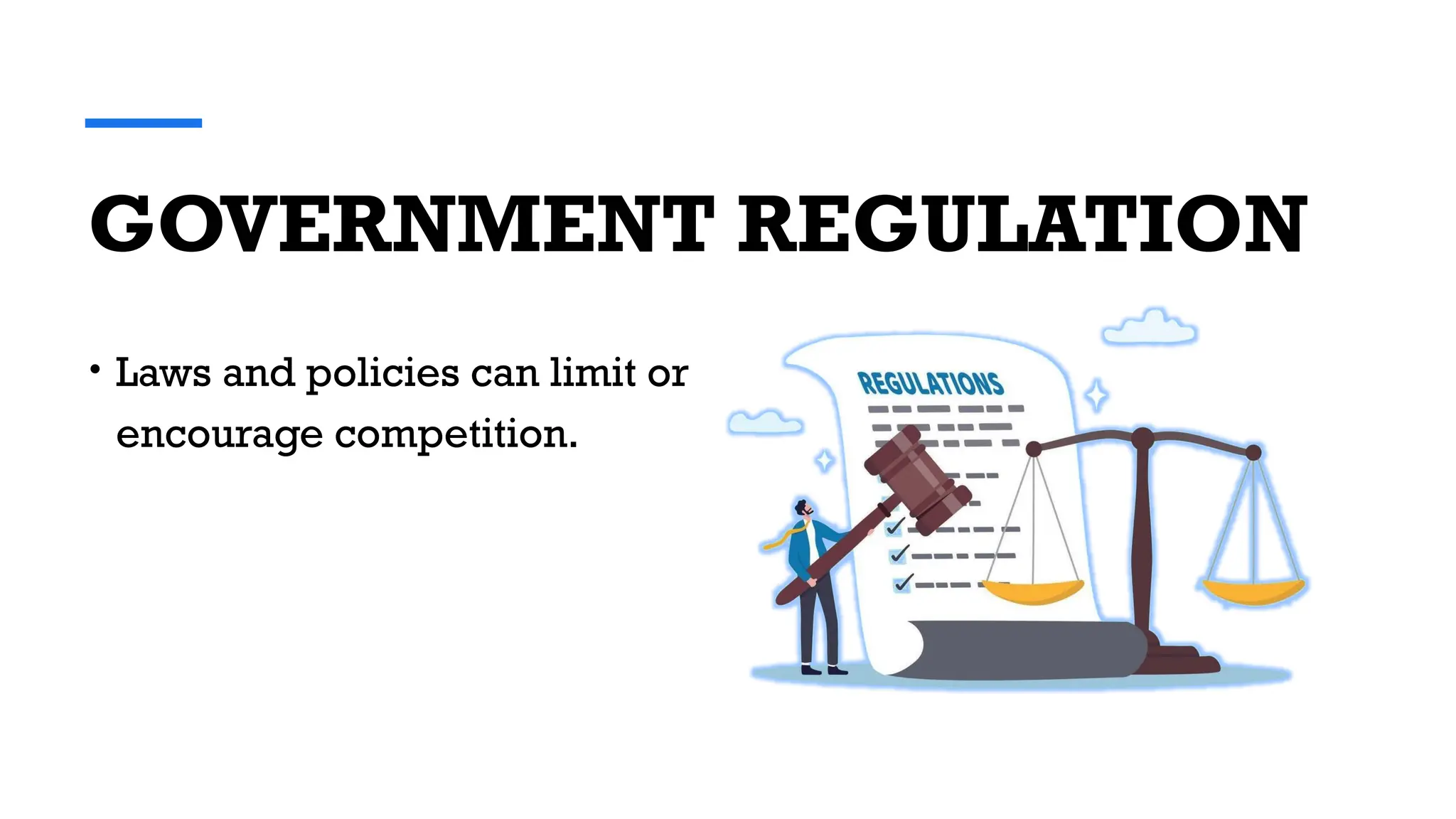
#24 Water services are often operated under government regulation as natural monopolies.
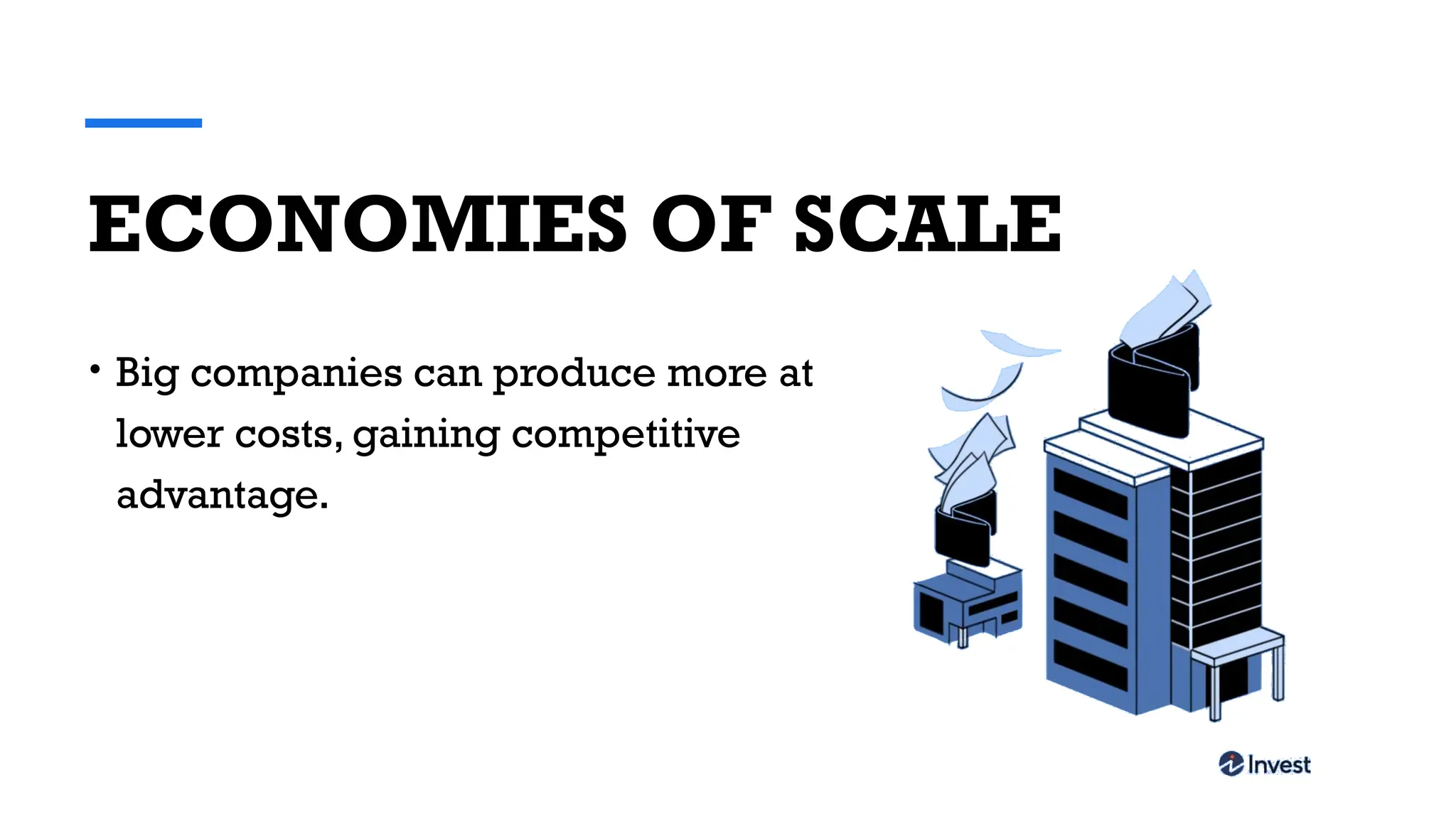
#25 Cement firms dominate due to large-scale production and distribution efficiency.
#27 🟢 Perfect Competition – “Libreng Presyo, Walang Drama”
Explanation Variant: Think “open karaoke night”—everyone sings the same song (product), so there's no reason to tip anyone more.
Slide Line: “Presyo ay itinakda ng merkado; producer ay taga-sunod lamang.”
Filipino Twist: “Gulay sa palengke—bawat tindera ng kalabasa, halos pareho ang benta kasi pareho rin ang kalidad.”
#28 Monopoly – “Isang Susi, Lahat ng Pinto”
Explanation Variant: One seller = one decision-maker. Think “exclusive ticket seller for a concert.”
Slide Line: “Kapag ikaw lang ang may produkto, ikaw rin ang may kapangyarihan sa presyo.”
Classroom Skit Tip: Let someone play “Mang Tubig” who owns all the water in town—set price based on mood or need!
#29 Monopolistic Competition – “Pakulo sa Presyo”
Explanation Variant: Sellers tweak product or brand to control price. Think “halo-halo showdown”—everyone has a secret recipe.
Slide Line: “Sa dami ng pagpipilian, presyong kakaiba para sa panlasang iba.”
Pop Culture Pinch: Reference milk tea shops with K-drama names or “add pearls ₱10” strategies.
#30 Oligopoly – “Kapag Gumalaw Siya, Gagalaw Rin Ako”
Explanation Variant: Few sellers = strategic pricing. Like barkada restaurants near a school—when one offers “₱49 rice meals,” others follow.
Slide Line: “Presyo ay resulta ng obserbahan, hindi padalos-dalos na desisyon.”
Mini-Game Idea: Let students form small groups as competing telcos—simulate promo-setting and price battles!



![Lesson 10--mkt-structures[1]](https://cdn.slidesharecdn.com/ss_thumbnails/lesson-10-mkt-structures1-130409195936-phpapp02-thumbnail.jpg?width=640&height=640&fit=bounds)


