Where To With Caltrain
Governance?
Caltrain Governance Discussion
Lou Thompson
February 11, 2014

Thompson, Galenson and Associates, LLC
14684 Stoneridge Drive
Saratoga, CA 95070-5745

http://www.tgaassoc.com

Tel: (408) 647-2104
Fax: (408) 647-2105
lou.thompson@gmail.com
The Major Points









Caltrain does well operationally, BUT
Major changes coming
Major issues to be resolved
Options for new ownership and
governance structures
Making the decision: benefits, risks
and resources
For the sake of argument: one idea
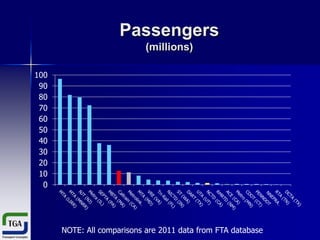
Passengers
(millions)
100
90
80
70
60
50
40
30
20
10
0

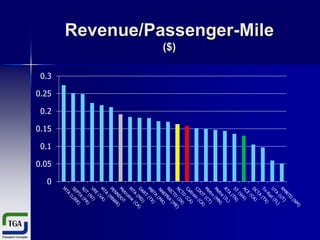
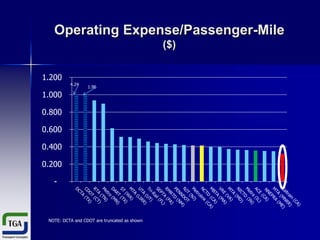
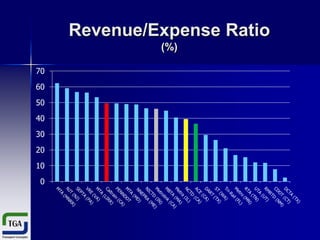
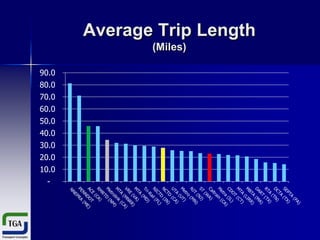
NOTE: All comparisons are 2011 data from FTA database
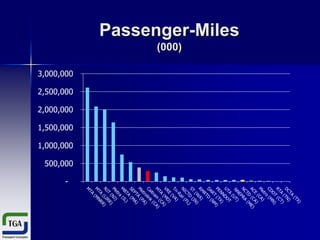
Passenger-Miles
(000)
3,000,000

2,500,000
2,000,000
1,500,000
1,000,000

500,000
-
Revenue/Passenger-Mile
($)
0.3
0.25
0.2
0.15

0.1
0.05
0
Operating Expense/Passenger-Mile
($)
1.200

4.24

1.96

1.000
0.800
0.600
0.400
0.200
-

NOTE: DCTA and CDOT are truncated as shown
Revenue/Expense Ratio
(%)
70
60
50
40
30
20
10
0
Average Trip Length
(Miles)
90.0
80.0
70.0
60.0
50.0
40.0
30.0

20.0
10.0
-
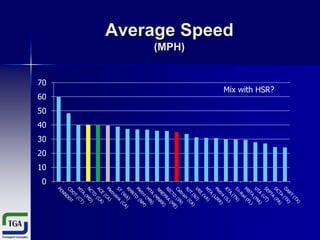
Average Speed
(MPH)
70
60
50

40
30
20
10
0

Mix with HSR?
Passenger-Miles/Vehicle-Mile:
Rough Indicator of Load Factor

80
70
60
50
40
30
20
10
0
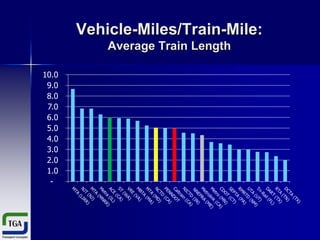
Vehicle-Miles/Train-Mile:
Average Train Length
10.0
9.0
8.0
7.0
6.0
5.0
4.0
3.0
2.0
1.0
-
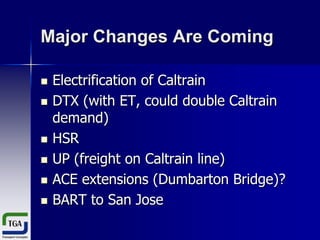
Major Changes Are Coming









Electrification of Caltrain
DTX (with ET, could double Caltrain
demand)
HSR
UP (freight on Caltrain line)
ACE extensions (Dumbarton Bridge)?
BART to San Jose
Major Issues







Money (Caltrain, DTX and HSR)
Joint operations on same lines: who
owns, schedules, dispatches, pays
what to whom, and is liable?
Level boarding and common platform
heights (Transbay Terminal)
Grade crossings must be eliminated
The Options



Structure
Business Models
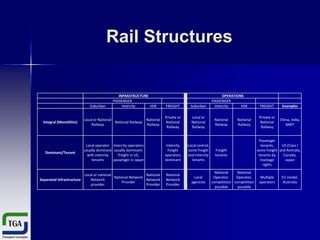
Rail Structures

Suburban

INFRASTRUCTURE
PASSENGER
Intercity
HSR

Integral (Monolithic)

Local or National
National Railway
Railway

Dominant/Tenant

National
Railway

Local operator Intercity operators
usually dominant usually dominant:
with intercity
freight in US,
tenants
passenger in Japan

Local or national
National
National Network
Separated Infrastructure
Network
Network
Provider
provider
Provider

FREIGHT

Suburban

Private or
National
Railway

Local or
National
Railway

Intercity
freight
operators
dominant

Local control,
some freight
and intercity
tenants

National
Network
Provider

Local
agencies

OPERATIONS
PASSENGER
Intercity
HSR

National
Railway

National
Railway

Freight
tenants

National
National
Operator,
Operator,
competition competition
possible
possible

FREIGHT

Examples

Private or
National
Railway

China, India,
BART

Passenger
tenants,
US (Class I
some freight and Amtrak),
tenants by
Canada,
trackage
Japan
rights
Multiple
operators

EU model,
Australia
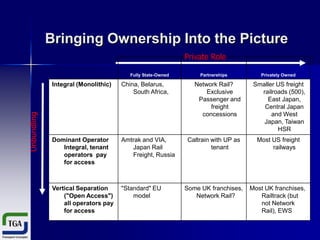
Bringing Ownership Into the Picture
Private Role
Fully State-Owned

Unbundling

Integral (Monolithic)

China, Belarus,
South Africa,

Dominant Operator
Integral, tenant
operators pay
for access

Amtrak and VIA,
Japan Rail
Freight, Russia

Vertical Separation
("Open Access")
all operators pay
for access

"Standard" EU
model

Partnerships

Network Rail?
Exclusive
Passenger and
freight
concessions

Privately Owned

Smaller US freight
railroads (500),
East Japan,
Central Japan
and West
Japan, Taiwan
HSR

Caltrain with UP as
tenant

Most US freight
railways

Some UK franchises,
Network Rail?

Most UK franchises,
Railtrack (but
not Network
Rail), EWS
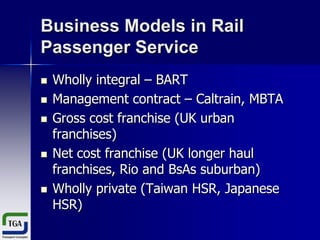
Business Models in Rail
Passenger Service








Wholly integral – BART
Management contract – Caltrain, MBTA
Gross cost franchise (UK urban
franchises)
Net cost franchise (UK longer haul
franchises, Rio and BsAs suburban)
Wholly private (Taiwan HSR, Japanese
HSR)
The U.K. Model?









Network Rail, a “not for profit” corporation owns, improves
and maintains the infrastructure.
Network Rail charges franchises (and freight companies) a
published set of access charges. These charges recover all
maintenance and some of the investment: regulated by ORR
Private companies compete for 5-7 year passenger franchises
awarded by DfT with some role by local authorities.
Competition is usually for minimum support, but can include
payments to government. Freight minimally supported.
Rolling stock leased from leasing companies (ROSCOs)
Services and charges regulated by ORR
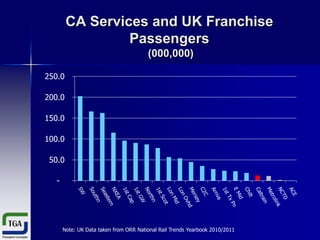
CA Services and UK Franchise
Passengers
(000,000)
250.0
200.0
150.0
100.0
50.0
-

Note: UK Data taken from ORR National Rail Trends Yearbook 2010/2011
CA Services and UK Franchises:
Passenger-Miles (000,000)
3,500.0
3,000.0
2,500.0
2,000.0
1,500.0
1,000.0
500.0
-
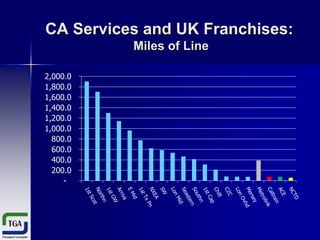
CA Services and UK Franchises:
Miles of Line
2,000.0
1,800.0
1,600.0
1,400.0
1,200.0
1,000.0
800.0
600.0
400.0
200.0
-
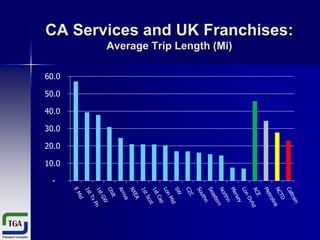
CA Services and UK Franchises:
Average Trip Length (Mi)
60.0
50.0
40.0
30.0
20.0
10.0
-
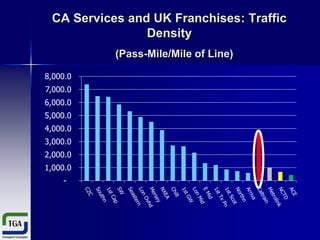
CA Services and UK Franchises: Traffic
Density
(Pass-Mile/Mile of Line)
8,000.0
7,000.0

6,000.0
5,000.0
4,000.0
3,000.0
2,000.0
1,000.0
-
Making the Decision







Public versus market (private) benefit and
cost balance: wholly public leads to BART,
wholly private to Taiwan HSR. Usually the
result is a balance (there is a public role)
Risk allocation (cost, schedule and demand)
Resources (who can pay and under what
conditions). Model has to match the money
No magic solutions
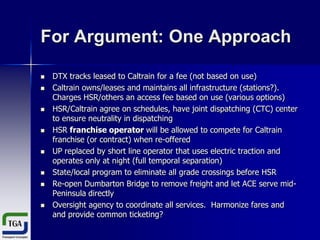
For Argument: One Approach














DTX tracks leased to Caltrain for a fee (not based on use)
Caltrain owns/leases and maintains all infrastructure (stations?).
Charges HSR/others an access fee based on use (various options)
HSR/Caltrain agree on schedules, have joint dispatching (CTC) center
to ensure neutrality in dispatching
HSR franchise operator will be allowed to compete for Caltrain
franchise (or contract) when re-offered
UP replaced by short line operator that uses electric traction and
operates only at night (full temporal separation)
State/local program to eliminate all grade crossings before HSR
Re-open Dumbarton Bridge to remove freight and let ACE serve midPeninsula directly
Oversight agency to coordinate all services. Harmonize fares and
and provide common ticketing?

Lou thompsoncaltraingovernance

  • 1.
    Where To WithCaltrain Governance? Caltrain Governance Discussion Lou Thompson February 11, 2014 Thompson, Galenson and Associates, LLC 14684 Stoneridge Drive Saratoga, CA 95070-5745 http://www.tgaassoc.com Tel: (408) 647-2104 Fax: (408) 647-2105 lou.thompson@gmail.com
  • 2.
    The Major Points       Caltraindoes well operationally, BUT Major changes coming Major issues to be resolved Options for new ownership and governance structures Making the decision: benefits, risks and resources For the sake of argument: one idea
  • 3.
  • 4.
  • 5.
  • 6.
  • 7.
  • 8.
  • 9.
  • 10.
    Passenger-Miles/Vehicle-Mile: Rough Indicator ofLoad Factor 80 70 60 50 40 30 20 10 0
  • 11.
  • 12.
    Major Changes AreComing       Electrification of Caltrain DTX (with ET, could double Caltrain demand) HSR UP (freight on Caltrain line) ACE extensions (Dumbarton Bridge)? BART to San Jose
  • 13.
    Major Issues     Money (Caltrain,DTX and HSR) Joint operations on same lines: who owns, schedules, dispatches, pays what to whom, and is liable? Level boarding and common platform heights (Transbay Terminal) Grade crossings must be eliminated
  • 14.
  • 15.
    Rail Structures Suburban INFRASTRUCTURE PASSENGER Intercity HSR Integral (Monolithic) Localor National National Railway Railway Dominant/Tenant National Railway Local operator Intercity operators usually dominant usually dominant: with intercity freight in US, tenants passenger in Japan Local or national National National Network Separated Infrastructure Network Network Provider provider Provider FREIGHT Suburban Private or National Railway Local or National Railway Intercity freight operators dominant Local control, some freight and intercity tenants National Network Provider Local agencies OPERATIONS PASSENGER Intercity HSR National Railway National Railway Freight tenants National National Operator, Operator, competition competition possible possible FREIGHT Examples Private or National Railway China, India, BART Passenger tenants, US (Class I some freight and Amtrak), tenants by Canada, trackage Japan rights Multiple operators EU model, Australia
  • 16.
    Bringing Ownership Intothe Picture Private Role Fully State-Owned Unbundling Integral (Monolithic) China, Belarus, South Africa, Dominant Operator Integral, tenant operators pay for access Amtrak and VIA, Japan Rail Freight, Russia Vertical Separation ("Open Access") all operators pay for access "Standard" EU model Partnerships Network Rail? Exclusive Passenger and freight concessions Privately Owned Smaller US freight railroads (500), East Japan, Central Japan and West Japan, Taiwan HSR Caltrain with UP as tenant Most US freight railways Some UK franchises, Network Rail? Most UK franchises, Railtrack (but not Network Rail), EWS
  • 17.
    Business Models inRail Passenger Service      Wholly integral – BART Management contract – Caltrain, MBTA Gross cost franchise (UK urban franchises) Net cost franchise (UK longer haul franchises, Rio and BsAs suburban) Wholly private (Taiwan HSR, Japanese HSR)
  • 18.
    The U.K. Model?      NetworkRail, a “not for profit” corporation owns, improves and maintains the infrastructure. Network Rail charges franchises (and freight companies) a published set of access charges. These charges recover all maintenance and some of the investment: regulated by ORR Private companies compete for 5-7 year passenger franchises awarded by DfT with some role by local authorities. Competition is usually for minimum support, but can include payments to government. Freight minimally supported. Rolling stock leased from leasing companies (ROSCOs) Services and charges regulated by ORR
  • 19.
    CA Services andUK Franchise Passengers (000,000) 250.0 200.0 150.0 100.0 50.0 - Note: UK Data taken from ORR National Rail Trends Yearbook 2010/2011
  • 20.
    CA Services andUK Franchises: Passenger-Miles (000,000) 3,500.0 3,000.0 2,500.0 2,000.0 1,500.0 1,000.0 500.0 -
  • 21.
    CA Services andUK Franchises: Miles of Line 2,000.0 1,800.0 1,600.0 1,400.0 1,200.0 1,000.0 800.0 600.0 400.0 200.0 -
  • 22.
    CA Services andUK Franchises: Average Trip Length (Mi) 60.0 50.0 40.0 30.0 20.0 10.0 -
  • 23.
    CA Services andUK Franchises: Traffic Density (Pass-Mile/Mile of Line) 8,000.0 7,000.0 6,000.0 5,000.0 4,000.0 3,000.0 2,000.0 1,000.0 -
  • 24.
    Making the Decision     Publicversus market (private) benefit and cost balance: wholly public leads to BART, wholly private to Taiwan HSR. Usually the result is a balance (there is a public role) Risk allocation (cost, schedule and demand) Resources (who can pay and under what conditions). Model has to match the money No magic solutions
  • 25.
    For Argument: OneApproach         DTX tracks leased to Caltrain for a fee (not based on use) Caltrain owns/leases and maintains all infrastructure (stations?). Charges HSR/others an access fee based on use (various options) HSR/Caltrain agree on schedules, have joint dispatching (CTC) center to ensure neutrality in dispatching HSR franchise operator will be allowed to compete for Caltrain franchise (or contract) when re-offered UP replaced by short line operator that uses electric traction and operates only at night (full temporal separation) State/local program to eliminate all grade crossings before HSR Re-open Dumbarton Bridge to remove freight and let ACE serve midPeninsula directly Oversight agency to coordinate all services. Harmonize fares and and provide common ticketing?