Marc Arriola
Kathleen Quijano
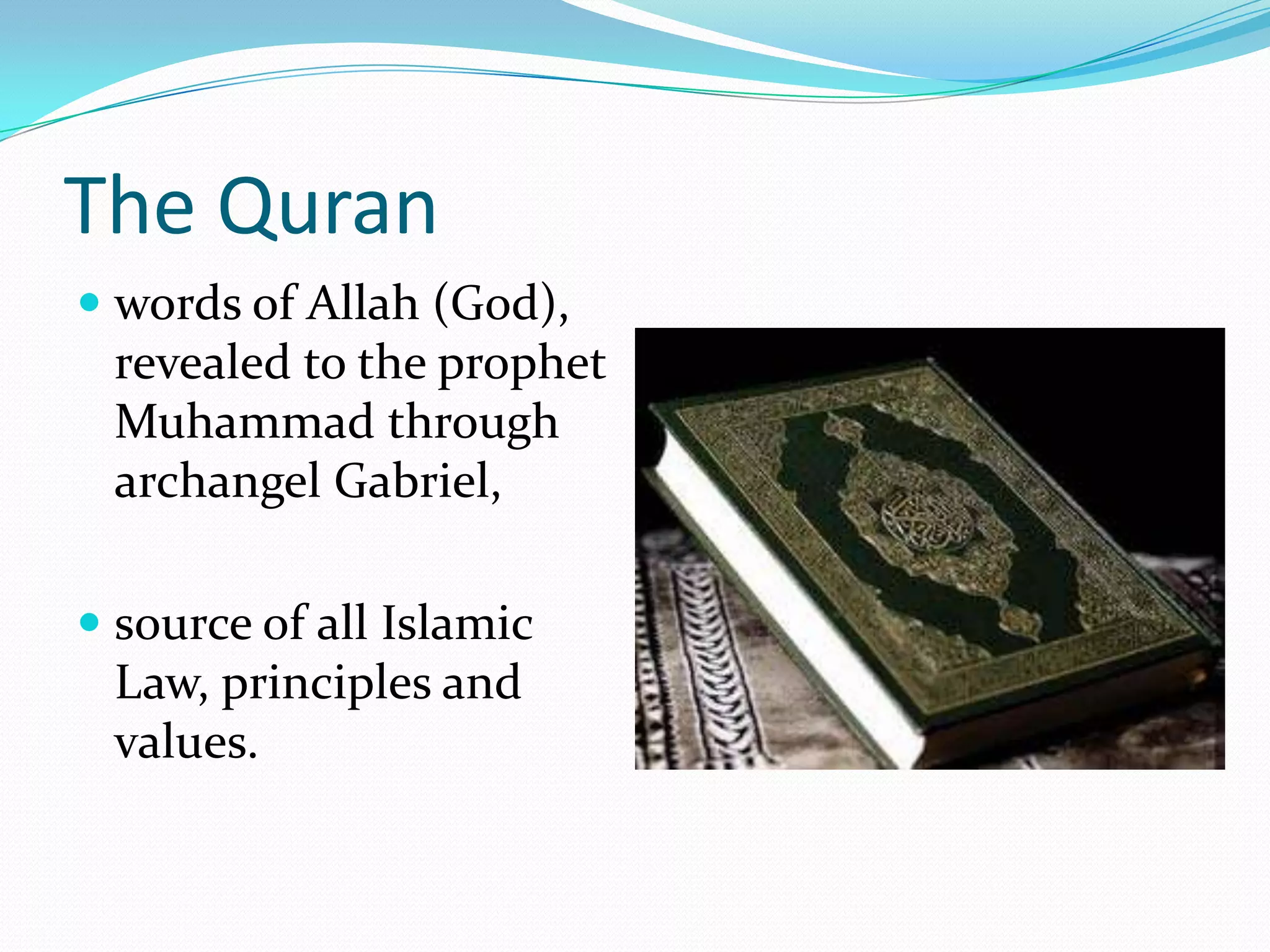
The Quran
 words of Allah (God),
  revealed to the prophet
 Muhammad through
 archangel Gabriel,

 source of all Islamic
  Law, principles and
  values.
Five Pillars of Islam
 Foundation of Muslim life
 Iman - Faith or belief in the Oneness of God and the
    finality of the prophethood of Muhammad;
   Salah - Establishment of the daily prayers;
   Zakah - Concern for and almsgiving to the needy;
   Sawm - Self-purification through fasting;
   Hajj - The pilgrimage to Makkah for those who are
    able.
Life After Death
 a person has four souls that leave the body after death:

 Transcendental

 life-soul associated with blood

 the breath or life essence

 spirit-soul who travels during dreams and causes the
  shadow
• The body goes to
hell, where his
duration of
punishment is
determined by his
misconduct

• all Tausug
eventually reach
heaven.
Supernatural Beliefs
 Their world is full of environmental spirits, inhabiting
  nature especially rocks and trees

 These spirits cause sickness or good fortune, and may be
  the cause of human suffering.

 these spirits are the saytan (evil spirits) and jinn (unseen
  creatures).

 Some saytan have names, like the balbalan (manananggal),
  a flying creature which enjoys the liver of corpses.
The Christian devil
finds its counterpart
in Iblis, who tempts
people into evil.
 Indigenous healing practices are assumed by the
 mangugubat (curer) who has direct access to the spirit
 world.

 Traditional practices which are"medical“ includes the
 sacrifice of a hen near a balete tree. Incantations are
 said and a rooster is set free near the same tree.
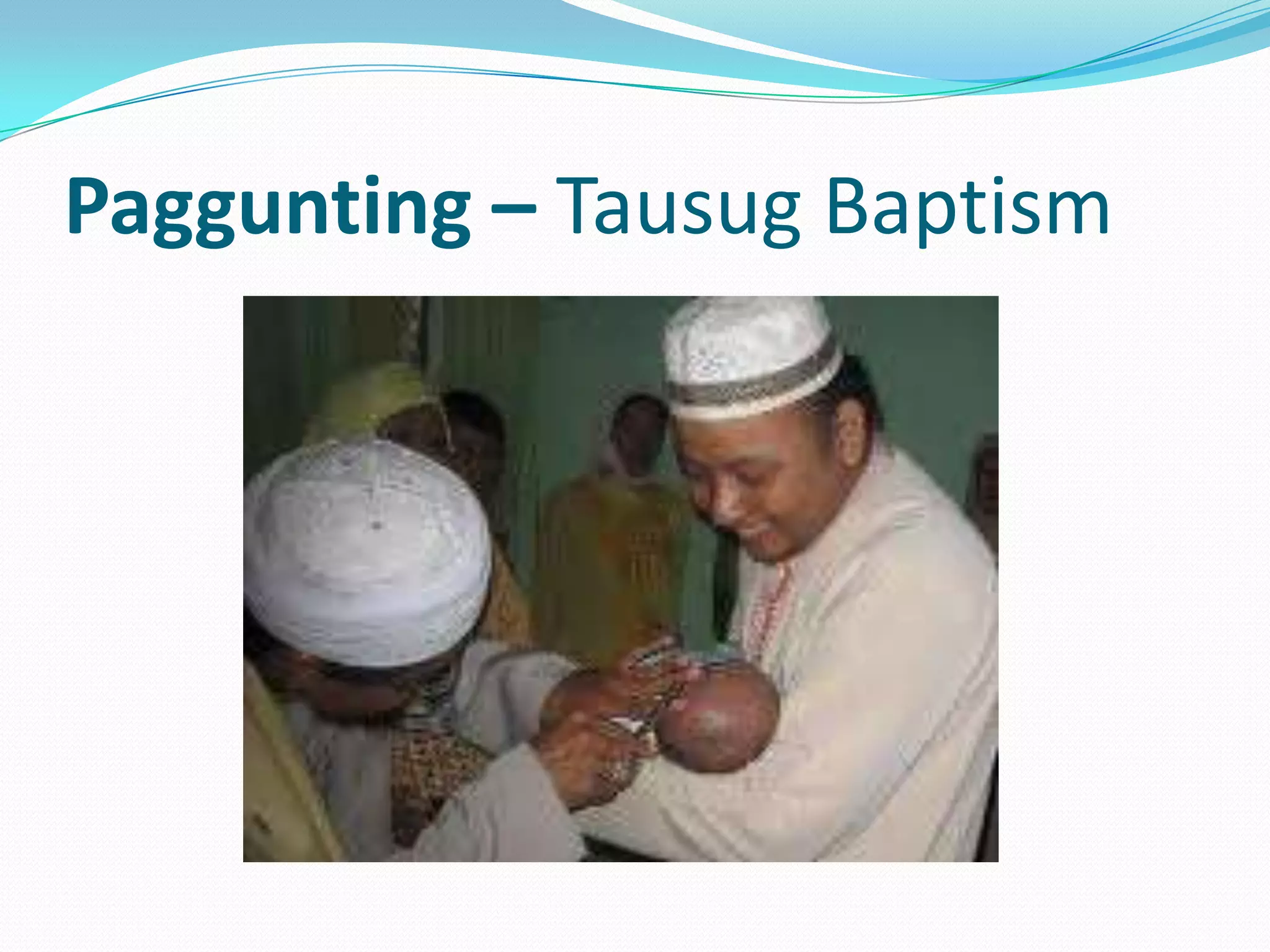
Paggunting – Tausug Baptism
 The child is clothed in the best garments and is
 brought to the group of Imams standing in a circle

 A few strands of hair are dipped in a container of the
 water of butong

 The child’s mouth is smeared with sugar

 Candle is lit at the beginning of the ritual and blown
 off after
Burial
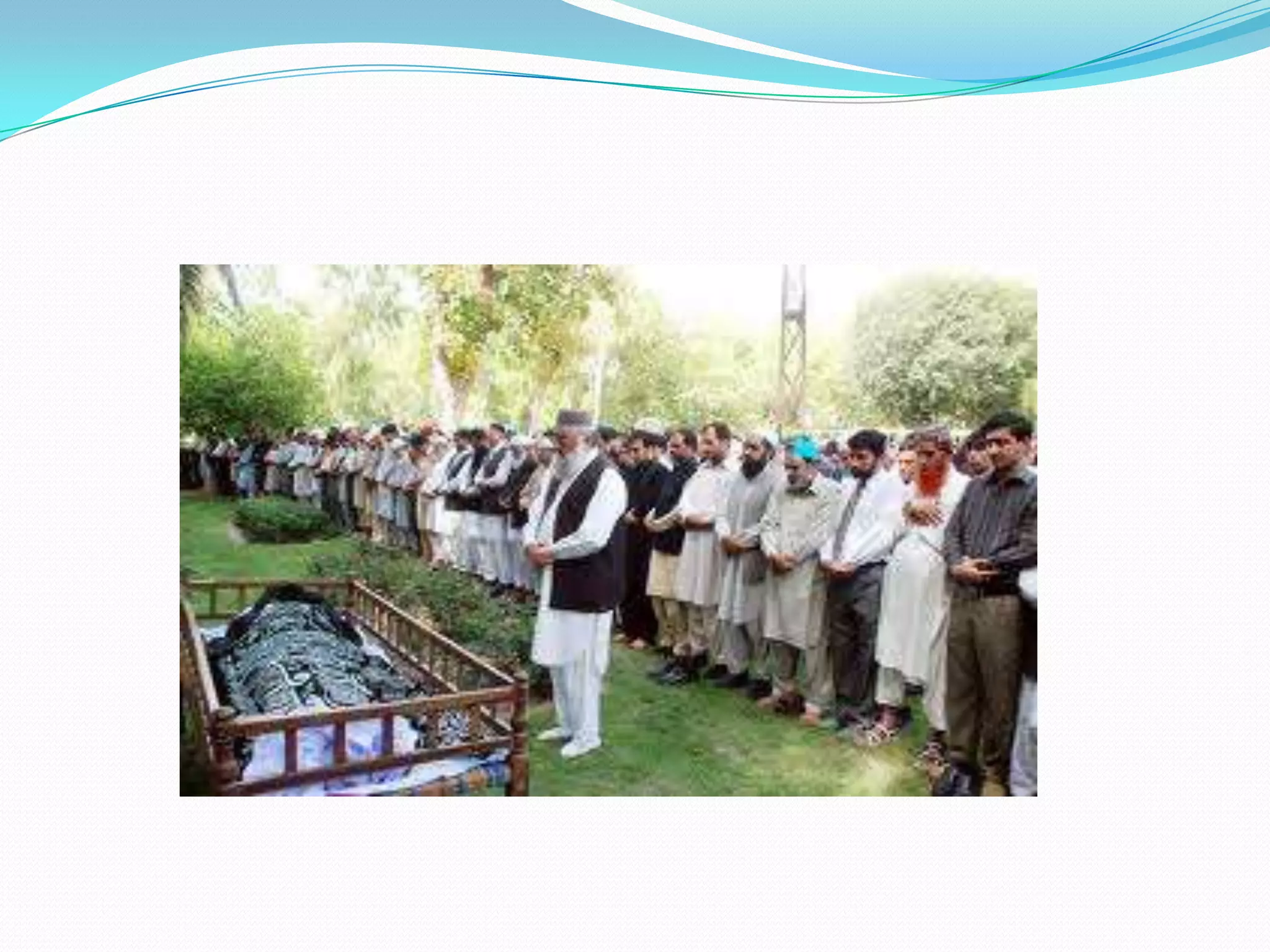
 There are four requirements to be performed on the dead:


 the Sutchihun, to bathe and cleanse the corpse;


 Saputun, wrapping the body in a shroud;


 Sambayanganun, performing the obligatory prayer of the
  dead;

 Hikubul, to bury him
 When the warmth is gone, the corpse is sponged in cold
  water

 The bathing is done by religious persons. It’s done in
  silence

 The water used is fresh and and perfumed with betel nut
  flowers, kamanyan or incense, and sandalwood

 The corpse is then wiped then perfumed and placed in a
  shroud
 shroud is made of 3 pieces of white cloth in accordance
  with the length of the corpse.

 wrapped in a lying position with hands placed over the
  chest, right over left

 Grave is dug in proportion to the length of corpse

 Follows a north-south direction from 6-9 feet deep

 At this depth, a chamber of about two feet wide, which the
  Tausug calls the paliyangan, is dug on its west side
 a religious man would lower himself into such a hallow
  say the tulkin (prayer for the dead)

 It drives evil spirits away and cleanses the final resting
  place of the dead.

 paliyangan is sealed with slabs which the Tausug refer
  to as the ding ding hali, literally meaning “wall of rest.”

 Grave markers for males are round and flat for female
 A newborn infant's hold on life is
thought to be precarious

 children are commonly protected
with amulets (hampan ) and
temporarily secluded immediately
after birth.
 At around 1 or 2 years of age, both boys and girls
  undergo a ritual haircutting and immediately
  afterward are named.

 Most pre-adolescent children attend Quranic school or
  study the Quran with a private tutor

 they demonstrate their skills at recitation in a public
  ceremony called pagtammat.
 Boys are circumcised ( pagislam ) in their early teens


 girls undergo a similar rite ( pagsunnat ), but without
  ceremony and attended only by females, when they
  reach the age of 5 or 6.
Clan Conflicts
 Known as rido in Tagalog and pagbanta in Tausug,

 honor killings.

 Refusal to demand payment of a blood debt from one’s
 enemies opens a Tausug male up to the charge that he
 is without shame (way sipug).

 Shame reflects awareness of the individual as a
 member of a community.
No eating of pork
 Allah advises them not to through the Quran.


 they believe it is dirty because pigs don’t sweat,
  therefore the bacteria remains inside them.

 There are no nutrients in pork therefore they have
  nothing to gain from eating it.
Praying
 Tausugs pray five times a day


 To remember that the Prophet Muhammad was
 perfect and that’s how Tausugs should be

 To remember who created them
Hijab
 Tausug women wear hijab to respect themselves as
  special and valued beings

 To protect themselves from immoral thoughts by
  others

 To be loved for their attitude, personality and
  intelligence, etc.

Lit101 Tausug beliefs and practices

  • 1.
  • 3.
    The Quran  wordsof Allah (God), revealed to the prophet Muhammad through archangel Gabriel,  source of all Islamic Law, principles and values.
  • 4.
    Five Pillars ofIslam  Foundation of Muslim life  Iman - Faith or belief in the Oneness of God and the finality of the prophethood of Muhammad;  Salah - Establishment of the daily prayers;  Zakah - Concern for and almsgiving to the needy;  Sawm - Self-purification through fasting;  Hajj - The pilgrimage to Makkah for those who are able.
  • 5.
    Life After Death a person has four souls that leave the body after death:  Transcendental  life-soul associated with blood  the breath or life essence  spirit-soul who travels during dreams and causes the shadow
  • 6.
    • The bodygoes to hell, where his duration of punishment is determined by his misconduct • all Tausug eventually reach heaven.
  • 7.
    Supernatural Beliefs  Theirworld is full of environmental spirits, inhabiting nature especially rocks and trees  These spirits cause sickness or good fortune, and may be the cause of human suffering.  these spirits are the saytan (evil spirits) and jinn (unseen creatures).  Some saytan have names, like the balbalan (manananggal), a flying creature which enjoys the liver of corpses.
  • 8.
    The Christian devil findsits counterpart in Iblis, who tempts people into evil.
  • 10.
     Indigenous healingpractices are assumed by the mangugubat (curer) who has direct access to the spirit world.  Traditional practices which are"medical“ includes the sacrifice of a hen near a balete tree. Incantations are said and a rooster is set free near the same tree.
  • 11.
  • 12.
     The childis clothed in the best garments and is brought to the group of Imams standing in a circle  A few strands of hair are dipped in a container of the water of butong  The child’s mouth is smeared with sugar  Candle is lit at the beginning of the ritual and blown off after
  • 13.
    Burial  There arefour requirements to be performed on the dead:  the Sutchihun, to bathe and cleanse the corpse;  Saputun, wrapping the body in a shroud;  Sambayanganun, performing the obligatory prayer of the dead;  Hikubul, to bury him
  • 14.
     When thewarmth is gone, the corpse is sponged in cold water  The bathing is done by religious persons. It’s done in silence  The water used is fresh and and perfumed with betel nut flowers, kamanyan or incense, and sandalwood  The corpse is then wiped then perfumed and placed in a shroud
  • 15.
     shroud ismade of 3 pieces of white cloth in accordance with the length of the corpse.  wrapped in a lying position with hands placed over the chest, right over left  Grave is dug in proportion to the length of corpse  Follows a north-south direction from 6-9 feet deep  At this depth, a chamber of about two feet wide, which the Tausug calls the paliyangan, is dug on its west side
  • 16.
     a religiousman would lower himself into such a hallow say the tulkin (prayer for the dead)  It drives evil spirits away and cleanses the final resting place of the dead.  paliyangan is sealed with slabs which the Tausug refer to as the ding ding hali, literally meaning “wall of rest.”  Grave markers for males are round and flat for female
  • 18.
     A newborninfant's hold on life is thought to be precarious  children are commonly protected with amulets (hampan ) and temporarily secluded immediately after birth.
  • 19.
     At around1 or 2 years of age, both boys and girls undergo a ritual haircutting and immediately afterward are named.  Most pre-adolescent children attend Quranic school or study the Quran with a private tutor  they demonstrate their skills at recitation in a public ceremony called pagtammat.
  • 21.
     Boys arecircumcised ( pagislam ) in their early teens  girls undergo a similar rite ( pagsunnat ), but without ceremony and attended only by females, when they reach the age of 5 or 6.
  • 22.
    Clan Conflicts  Knownas rido in Tagalog and pagbanta in Tausug,  honor killings.  Refusal to demand payment of a blood debt from one’s enemies opens a Tausug male up to the charge that he is without shame (way sipug).  Shame reflects awareness of the individual as a member of a community.
  • 23.
    No eating ofpork  Allah advises them not to through the Quran.  they believe it is dirty because pigs don’t sweat, therefore the bacteria remains inside them.  There are no nutrients in pork therefore they have nothing to gain from eating it.
  • 24.
    Praying  Tausugs prayfive times a day  To remember that the Prophet Muhammad was perfect and that’s how Tausugs should be  To remember who created them
  • 25.
    Hijab  Tausug womenwear hijab to respect themselves as special and valued beings  To protect themselves from immoral thoughts by others  To be loved for their attitude, personality and intelligence, etc.