Phil Nicholls
pjn@psydev.com
@psydevuk
Introduction to LIS and CPS
Introduction: Phil Nicholls
• Software Developer since ’95 (mostly
standards)
• “LIS Guy” / Tech Facilitator for IMS Global
• Psydev: consultants specialising in
interoperability standards; has products to
aid LIS adoption
• www.linkedin.com/in/philnicholls
• @psydevuk
What is LIS for?
• Different systems take different views of
the same data.
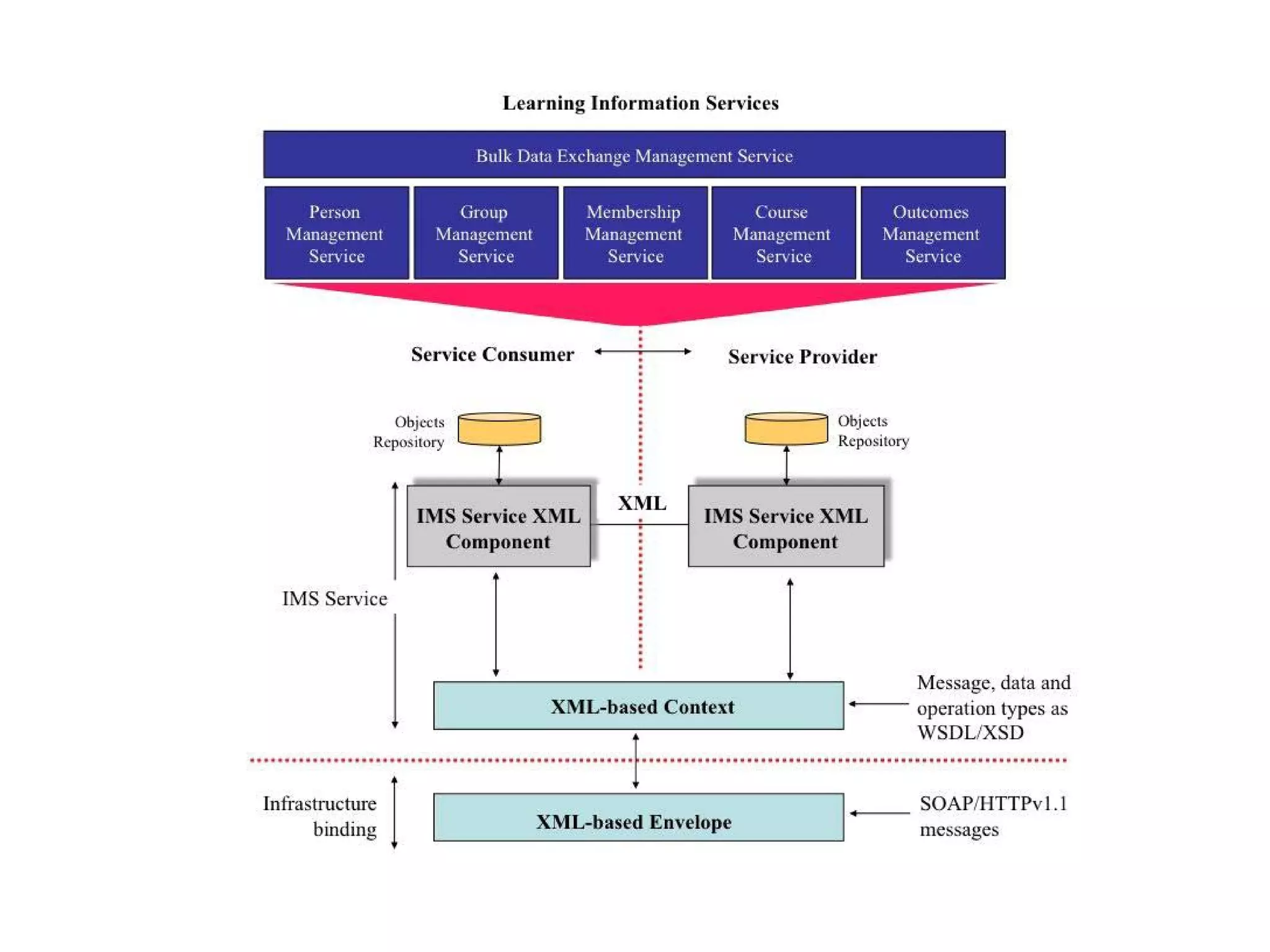
• LIS is a specification that allows systems
to exchange information about people,
courses, groups, memberships and
outcomes in a standard way
• Commonly it is used to integrate Student
Information Systems (SISs) with LMSs…
LIS Scenarios
Why use a standard like LIS?
• Built by a wider community
• Removes need for people to code to many
individual APIs across lots of systems.
• Conformance Test support
• Avoids lots of “pairwise” integrations
• Easier migration path
• Opens opportunities with partners
What is CPS?
• Course Planning and Scheduling
• Timetabling is hard, so specialised
planning systems do it:
– Avoid rooms being too far away
– Common classes between different courses
– People change courses
– Timetabling also for rooms and equipment
What is CPS?
• CPS provides a standard for scheduling
systems to send and receive data about
people and the courses that they wish to
do.
• Scheduling system works out the
timetable…
• … informing the SIS of which classes to
create
How
• CPS uses LIS, with some extensions.
• Bulk Data Exchange for the big data loads
• Updates via the “live” services.
• Approach allows SIS and Scheduling
System to make changes and inform the
other.
LIS - Technical View
• LIS defines services in WSDL, and
implementations use SOAP for the
message transport
• Data Model is therefore bound in XML
• Good tool support for WSDL->Language
• Controlled, extensible vocabularies used
where possible to aid interoperability
• Application space is typically SIS->LMS-
>SIS, in reality much wider.
Conformance
• IMS has software to check conformance
for:
– Sending LIS Live Data (typically SIS)
– Receiving LIS Live Data (typically LMS)
– Sending / Receiving LIS Live Grades (SIS and
LMS)
– Sending / Receiving Bulk Data (SIS and LMS)
– Sending / Receiving CPS Data (SIS and
Timetabling System)
APMG
• Membership of LIS APMG open to IMS
associates and CMs.
– Oversee spec development
– CMs get to vote
– Currently looking at Privacy (via the taskforce)
– Also considering a RESTful binding
Q & A

Workday / IMS Intro to LIS

  • 1.
  • 2.
    Introduction: Phil Nicholls •Software Developer since ’95 (mostly standards) • “LIS Guy” / Tech Facilitator for IMS Global • Psydev: consultants specialising in interoperability standards; has products to aid LIS adoption • www.linkedin.com/in/philnicholls • @psydevuk
  • 3.
    What is LISfor? • Different systems take different views of the same data. • LIS is a specification that allows systems to exchange information about people, courses, groups, memberships and outcomes in a standard way • Commonly it is used to integrate Student Information Systems (SISs) with LMSs…
  • 4.
  • 5.
    Why use astandard like LIS? • Built by a wider community • Removes need for people to code to many individual APIs across lots of systems. • Conformance Test support • Avoids lots of “pairwise” integrations • Easier migration path • Opens opportunities with partners
  • 6.
    What is CPS? •Course Planning and Scheduling • Timetabling is hard, so specialised planning systems do it: – Avoid rooms being too far away – Common classes between different courses – People change courses – Timetabling also for rooms and equipment
  • 7.
    What is CPS? •CPS provides a standard for scheduling systems to send and receive data about people and the courses that they wish to do. • Scheduling system works out the timetable… • … informing the SIS of which classes to create
  • 8.
    How • CPS usesLIS, with some extensions. • Bulk Data Exchange for the big data loads • Updates via the “live” services. • Approach allows SIS and Scheduling System to make changes and inform the other.
  • 9.
    LIS - TechnicalView • LIS defines services in WSDL, and implementations use SOAP for the message transport • Data Model is therefore bound in XML • Good tool support for WSDL->Language • Controlled, extensible vocabularies used where possible to aid interoperability • Application space is typically SIS->LMS- >SIS, in reality much wider.
  • 11.
    Conformance • IMS hassoftware to check conformance for: – Sending LIS Live Data (typically SIS) – Receiving LIS Live Data (typically LMS) – Sending / Receiving LIS Live Grades (SIS and LMS) – Sending / Receiving Bulk Data (SIS and LMS) – Sending / Receiving CPS Data (SIS and Timetabling System)
  • 12.
    APMG • Membership ofLIS APMG open to IMS associates and CMs. – Oversee spec development – CMs get to vote – Currently looking at Privacy (via the taskforce) – Also considering a RESTful binding
  • 13.