Nutrient
Prepared by
Delman younis
General surgeon
Nutrition
• The goal of nutritional support in the surgical
patient is to prevent or reverse the catabolic
effects of disease or injury.
Nutritional Assessment
• A. History: weight loss, chronic illnesses (malignancy), dietary habits,
social habits (predisposing to malnutrition) , and medications (that influence
food intake)
• B. Physical examination: loss of muscle or adipose tissue; temporal
wasting; organ dysfunction; and changes in skin, hair, or neuromuscular
function.
• C. Anthropometric data: weight change, triceps skin fold thickness, and
mid arm circumference
• D. Biochemical data: albumin, pre-albumin, transferrin, total lymphocyte
count, and creatinine excretion.
 Albumin has a half-life of 20 days and therefore reflects an indicator of
long-term nutritional status and is a very important indicator of preoperative
morbidity and mortality.
 Pre-albumin has a half-life of 2 to 3 days and therefore reflects more acute
changes in nutritional status.
• Estimation of Nutritional Requirements
• A . Energy requirements
• l . Energy is needed for metabolic processes, core temperature
maintenance, and tissue repair.
• 2. Energy requirements can be estimated by indirect calorimetry and
urinary nitrogen excretion.
• 3. Basal energy expenditure may be estimated by the Harris-Benedict
equation.
• 4. Fat contains 9 kcal/g, protein 4 kcal/g, carbohydrates 4 kcal/g, and
dextrose 3.4 kcal/g.
• B. Basic caloric need is 25 kcal/kg/day. Most postsurgical patients have an
energy requirement of 30 kcal/kg/day. If the degree of surgical stress
increases secondary to trauma or sepsis, this requirement goes up to 20%
to 40%.
• C. Protein requirements
• l. Proteins are required for wound healing, and the
minimum for a non-stressed person is 1 g/kg/day.
• 2. A non-protein calorie: nitrogen ratio of 150: 1 is
needed to prevent the utilization of protein as a
source of energy.
• 3. In stress, more protein is required, so that a ratio
of 90: 1 to 120: 1 is beneficial.
Nutritional Requirements in Specific Conditions
• A. Renal ailure
• l. results in an impaired ability to clear the byproducts of protein metabolism.
• 2. These patients are given nutrients in a restricted volume with great care not to
overfeed proteins.
• 3. Administration of essential amino acids and high biologic value protein, such
as egg albumin, results in less frequent need for dialysis.
• B. Hepatic failure
• l. Liver damage and portosystemic shunting results in a derangement in the level
of amino acids in the blood, resulting in an increase in the aromatic to branched-
chain amino acids.
• 2. The aromatic amino acids are precursors of false neurotransmitters that
contribute to hepatic encephalopathy.
• 3. Patients with hepatic failure are therefore given diets enriched in branched
chain amino acids and deficient in aromatic amino acids.
• C. Respiratory failure
• l. Carbohydrate metabolism produces more C02 (respiratory quotient
RQ= 1) as compared to fat (RQ = 0. 7) or protein (RQ = 0. 8) .
• 2. Production of higher amounts of C02 results in more need for
ventilatory support.
• 3. It is therefore important to prevent overfeeding patients. The amount
of CHD intake can be reduced, and that of fat may be increased.
However, this must be done cautiously because high-fat diets may
exacerbate lung injury.
• D. Cardiac failure
• l. Fluid overload may exacerbate cardiac failure.
• 2. Concentrated solutions are therefore given to these patients to limit
the amount of fluid administered.
• Enteral Nutrition
• General principles
• l. Nutrition via the enteral route is preferred over the parenteral
route,
• 2. Feeding the GI tract functions to preserve the "gut mucosal
barrier. " This barrier prevents the translocation of bacteria and
bacterial toxins across the gut into the host portal venous
circulation.
• 3. Maintenance of the gut mucosal barrier requires
• (a) normal perfusion,
• (b) an intact epithelium, and
• (c) normal mucosal immune mechanisms.
• 4. Luminal contact of food prevents intestinal mucosal
atrophy and stimulates intestinal production of
immunoglobulin A (IgA).
•
• 5. Surgical patients who are adequately nourished and
have not suffered a major complication can tolerate 1 0
days of partial starvation before any significant protein
catabolism occurs. Therefore, most patients can be
maintained on a 5% dextrose solution before return of
feeding after surgery with no detrimental outcome.
• 6. Initiation of enteral feeding should occur immediately
after adequate resuscitation.
• B. Enteral formulas
• l. Wide arrays of formulas are commercially available.
The choice of an enteral formula is influenced by the
degree of organ dysfunction and nutrient needs.
• 2. Patients who have not been fed for a prolonged
period of time are less likely to tolerate complex
solutions.
• 3. Patients with malnutrition benefit from provision of
dipeptides, tripeptides, and medium-chain triglycerides
because these substances are more easily absorbed.
•
.Major categories of enteral formulas are:
• a. Low-residue isotonic formulas
• (1) formulas for stable patients with an intact GI tract
contain no fiber bulk and so leave minimal residue.
• (2) They provide a caloric density of 1 kcal/mL and a
non-protein calorie: nitrogen ratio of 150: 1.
• b. Isotonic formulas with fiber
• (1) contain fiber, which delays intestinal transit time and
reduces the incidence of diarrhea.
• (2) The fiber stimulates pancreatic lipase activity and is
degraded by gut bacteria into short-chain fatty acids
c. Immune-enhancing formulas
(1) contain special nutrients such as glutamine, arginine, branched-chain
amino acids, omega-3 fatty acids, nucleotides, and beta carotene.
(2) The addition of amino acids generally doubles the amount of protein.
d. Calorie-dense formulas
(l) The formulas provide 1. 5 to 2 kcal/mL and are therefore used in fluid
restricted patients.
(2) They have a higher osmolarity than standard formulas and are therefore
used for intragastric feedings.
e. High-protein formulas
(1) The formulas are used in critically ill patients with high protein
requirements.
(2) They provide non-protein calorie: nitrogen ratios of 80: 1 to 1 20.
f. Elemental formulas
(l) The formulas contain predigested nutrients and are thus easy to absorb.
(2) They are deficient in fat, vitamins, and trace elements that limit their long-term use. Instead,
they are used in patients with malnutrition, gut impairment, and pancreatitis.
g. Renal failure formulas
(l) These formulas contain protein exclusively in the form of essential amino acids and have a high
nonprotein calorie: nitrogen ratio.
(2) They require lower fluid volumes and contain lower concentrations of potassium, magnesium,
and phosphorus.
h. Pulmonary failure formulas
(l) These formulas have a reduced content of carbohydrate and a corresponding increased content
of fat up to 50% of the total calories.
(2) This aims to reduce the amount of C02 produced to decrease the burden of ventilation.
i. Hepatic failure formulas:
These formulas have an increased quantity of branched-chain amino acids and reduced aromatic
amino acids .
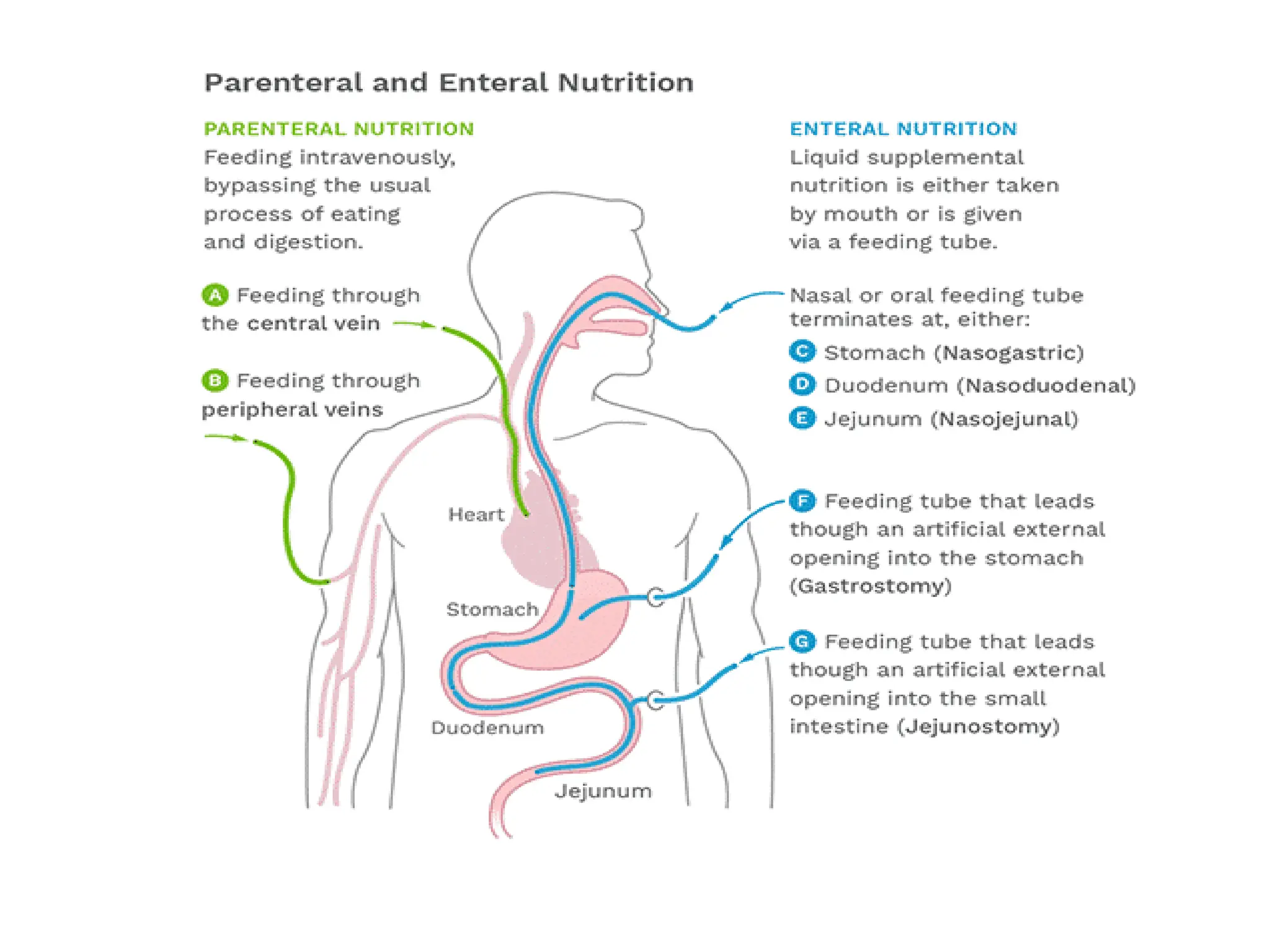
• Access for enteral nutrition
• l. Nasoenteric tubes
• 2. Percutaneous endoscopic gastrostomy (PEG)
• 3. Percutaneous endoscopic gastrostomy-j
ejunostomy (PEG-J) and direct percutaneous
endoscopic jejunostomy (DPEJ)
• 4. Surgical gastrostomy and jejunostomy
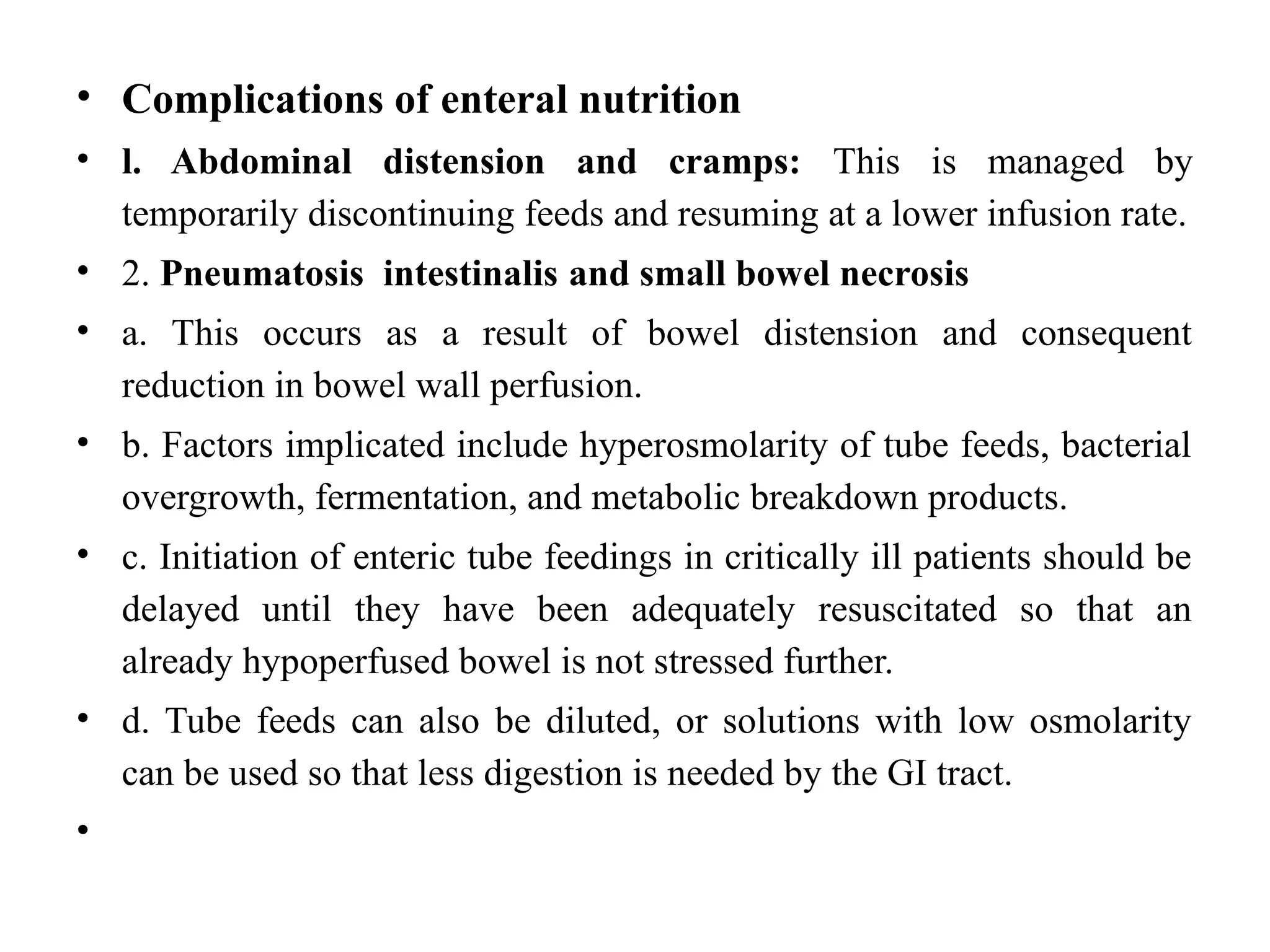
• Complications of enteral nutrition
• l. Abdominal distension and cramps: This is managed by
temporarily discontinuing feeds and resuming at a lower infusion rate.
• 2. Pneumatosis intestinalis and small bowel necrosis
• a. This occurs as a result of bowel distension and consequent
reduction in bowel wall perfusion.
• b. Factors implicated include hyperosmolarity of tube feeds, bacterial
overgrowth, fermentation, and metabolic breakdown products.
• c. Initiation of enteric tube feedings in critically ill patients should be
delayed until they have been adequately resuscitated so that an
already hypoperfused bowel is not stressed further.
• d. Tube feeds can also be diluted, or solutions with low osmolarity
can be used so that less digestion is needed by the GI tract.
•
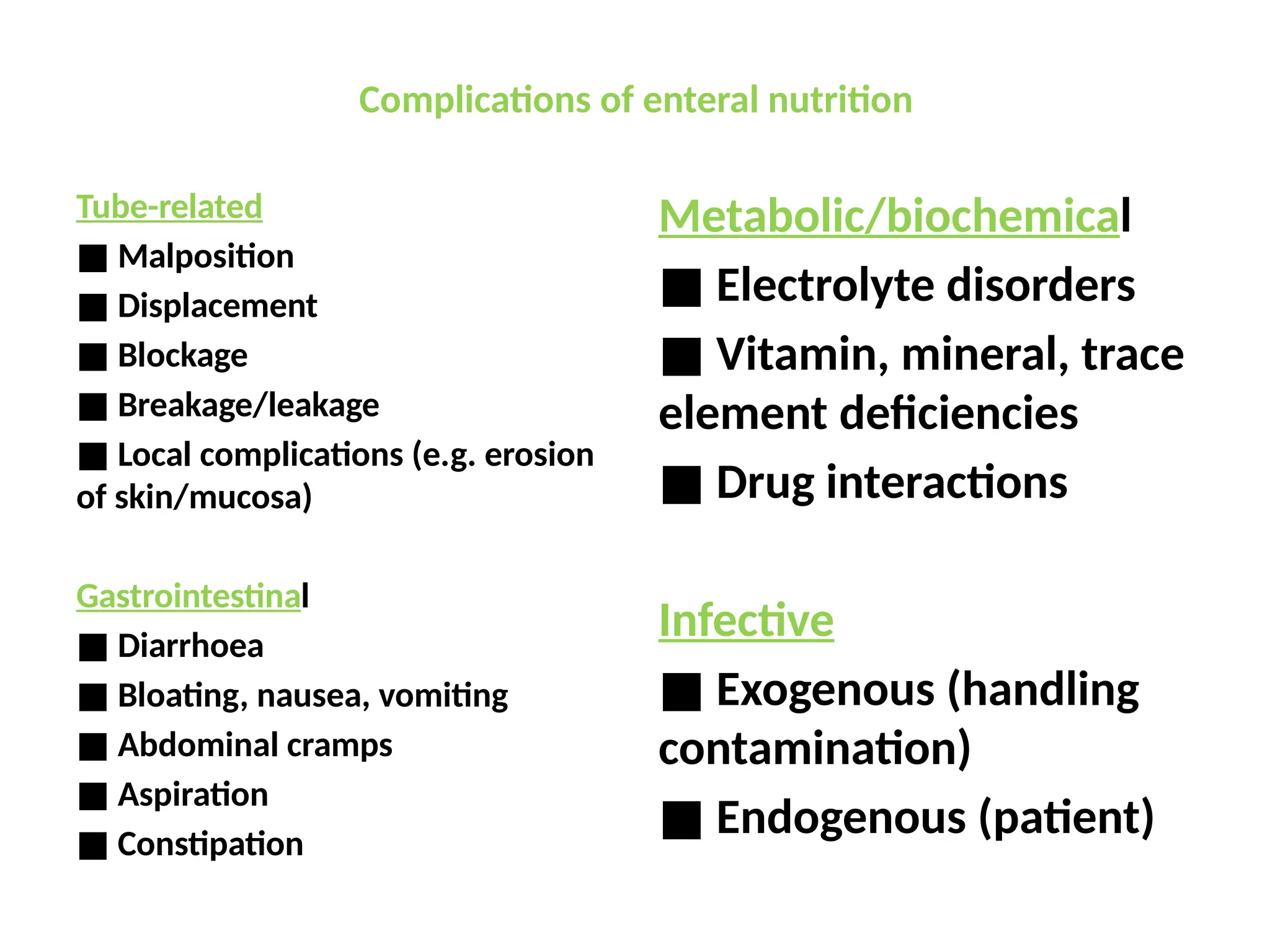
Complications of enteral nutrition
Tube-related
■ Malposition
■ Displacement
■ Blockage
■ Breakage/leakage
■ Local complications (e.g. erosion
of skin/mucosa)
Gastrointestinal
■ Diarrhoea
■ Bloating, nausea, vomiting
■ Abdominal cramps
■ Aspiration
■ Constipation
Metabolic/biochemical
■ Electrolyte disorders
■ Vitamin, mineral, trace
element deficiencies
■ Drug interactions
Infective
■ Exogenous (handling
contamination)
■ Endogenous (patient)
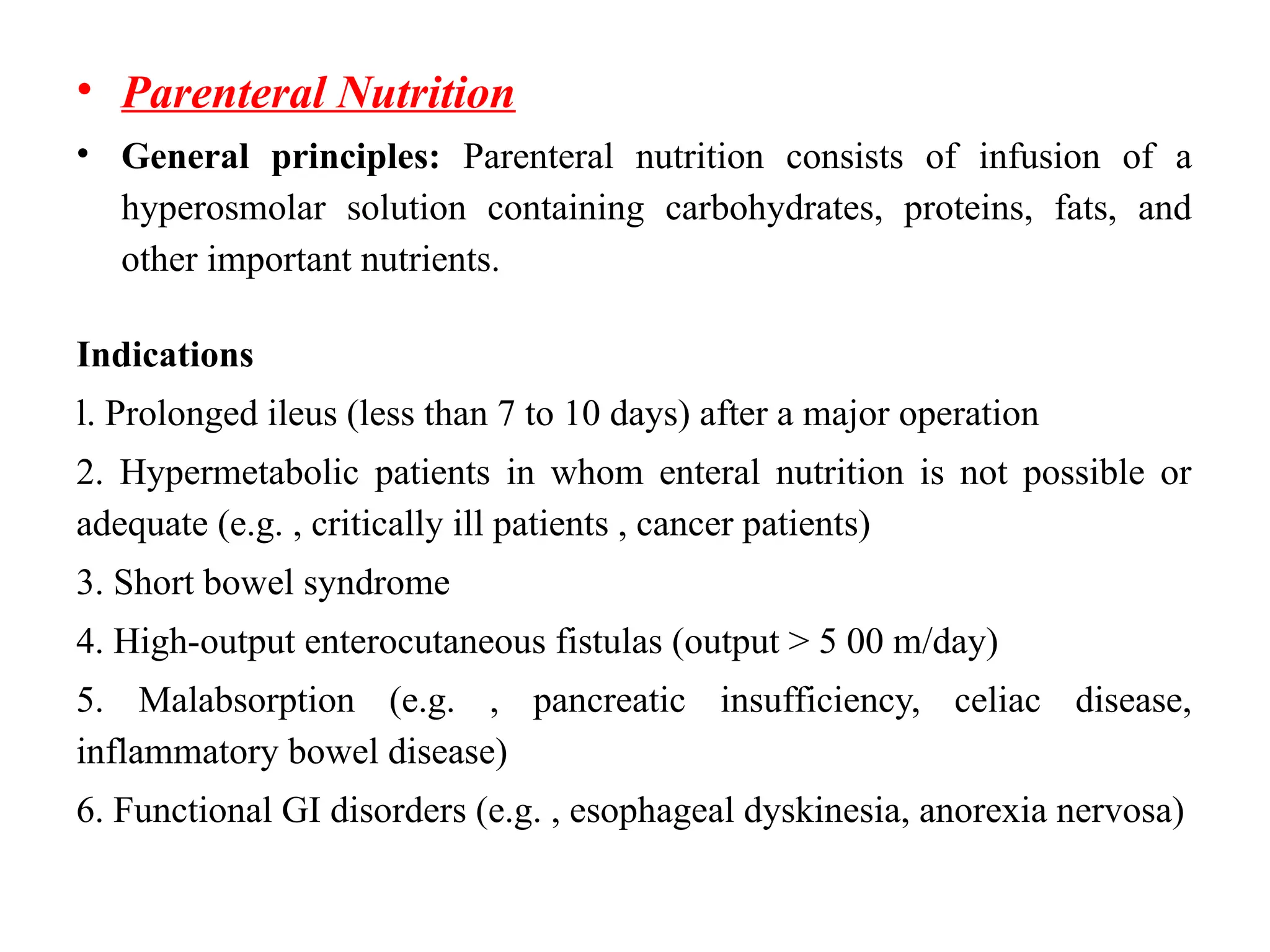
• Parenteral Nutrition
• General principles: Parenteral nutrition consists of infusion of a
hyperosmolar solution containing carbohydrates, proteins, fats, and
other important nutrients.
Indications
l. Prolonged ileus (less than 7 to 10 days) after a major operation
2. Hypermetabolic patients in whom enteral nutrition is not possible or
adequate (e.g. , critically ill patients , cancer patients)
3. Short bowel syndrome
4. High-output enterocutaneous fistulas (output > 5 00 m/day)
5. Malabsorption (e.g. , pancreatic insufficiency, celiac disease,
inflammatory bowel disease)
6. Functional GI disorders (e.g. , esophageal dyskinesia, anorexia nervosa)
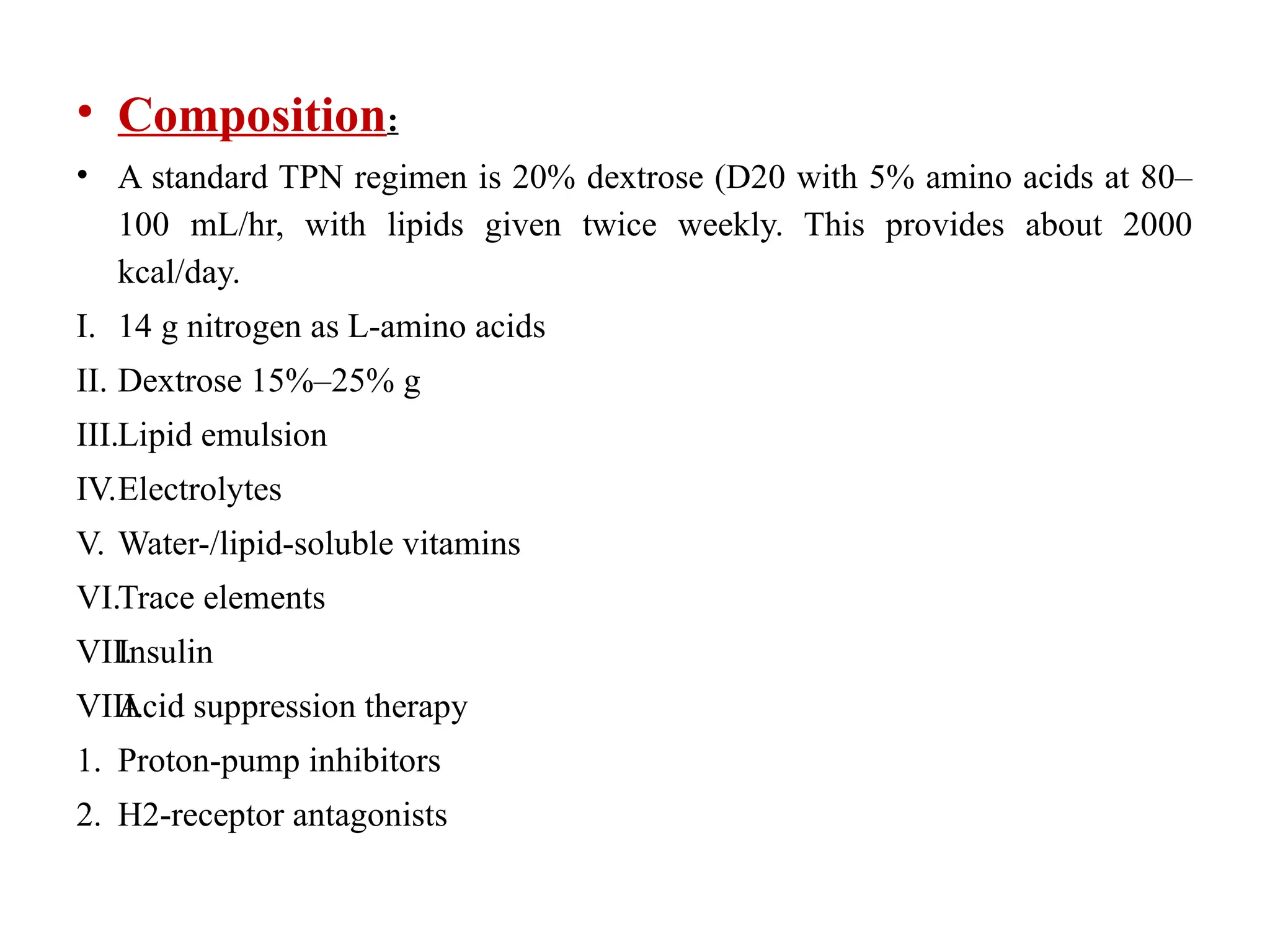
• Composition:
• A standard TPN regimen is 20% dextrose (D20 with 5% amino acids at 80–
100 mL/hr, with lipids given twice weekly. This provides about 2000
kcal/day.
I. 14 g nitrogen as L-amino acids
II. Dextrose 15%–25% g
III.Lipid emulsion
IV.Electrolytes
V. Water-/lipid-soluble vitamins
VI.Trace elements
VII.
Insulin
VIII.
Acid suppression therapy
1. Proton-pump inhibitors
2. H2-receptor antagonists
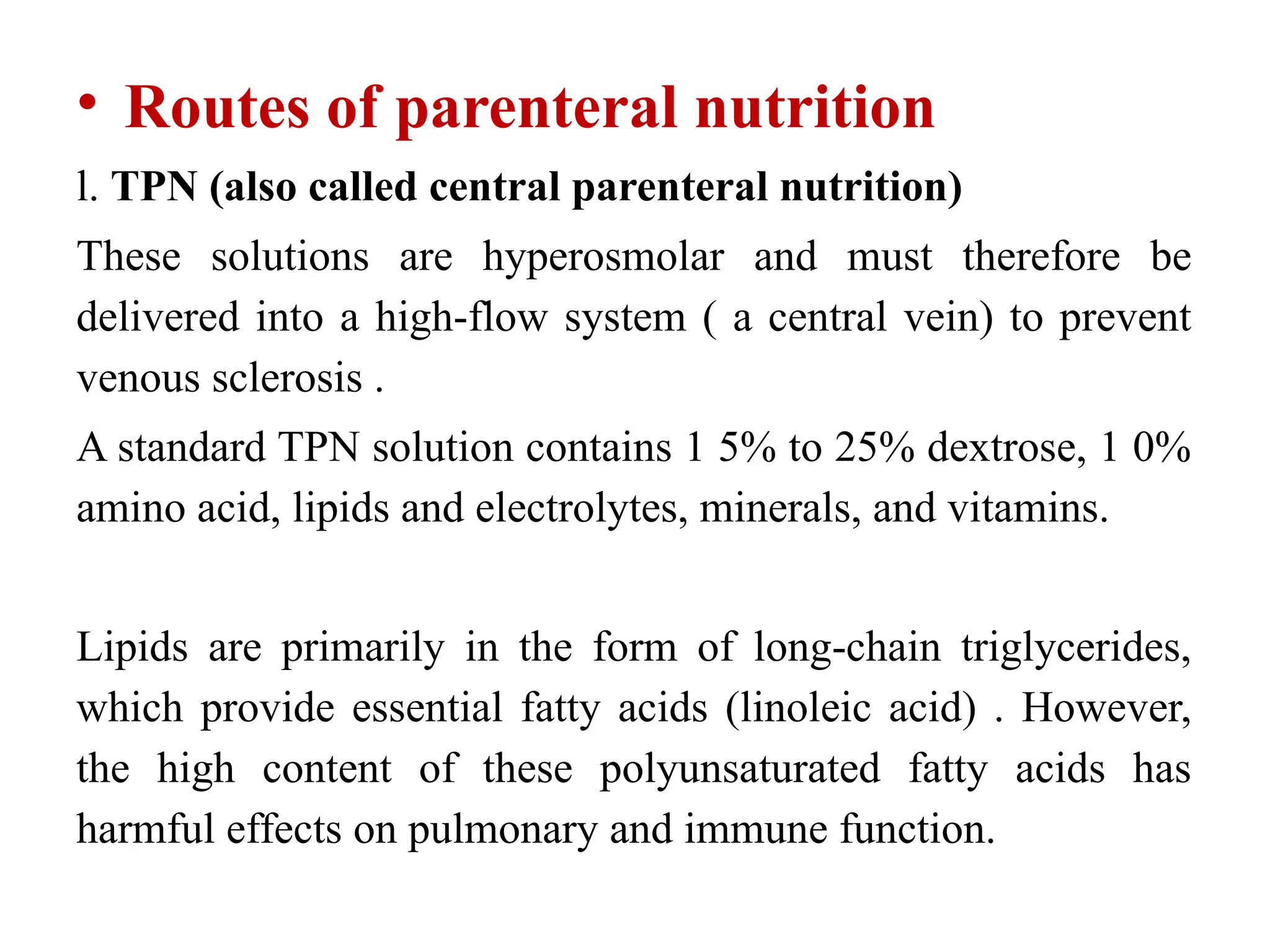
• Routes of parenteral nutrition
l. TPN (also called central parenteral nutrition)
These solutions are hyperosmolar and must therefore be
delivered into a high-flow system ( a central vein) to prevent
venous sclerosis .
A standard TPN solution contains 1 5% to 25% dextrose, 1 0%
amino acid, lipids and electrolytes, minerals, and vitamins.
Lipids are primarily in the form of long-chain triglycerides,
which provide essential fatty acids (linoleic acid) . However,
the high content of these polyunsaturated fatty acids has
harmful effects on pulmonary and immune function.
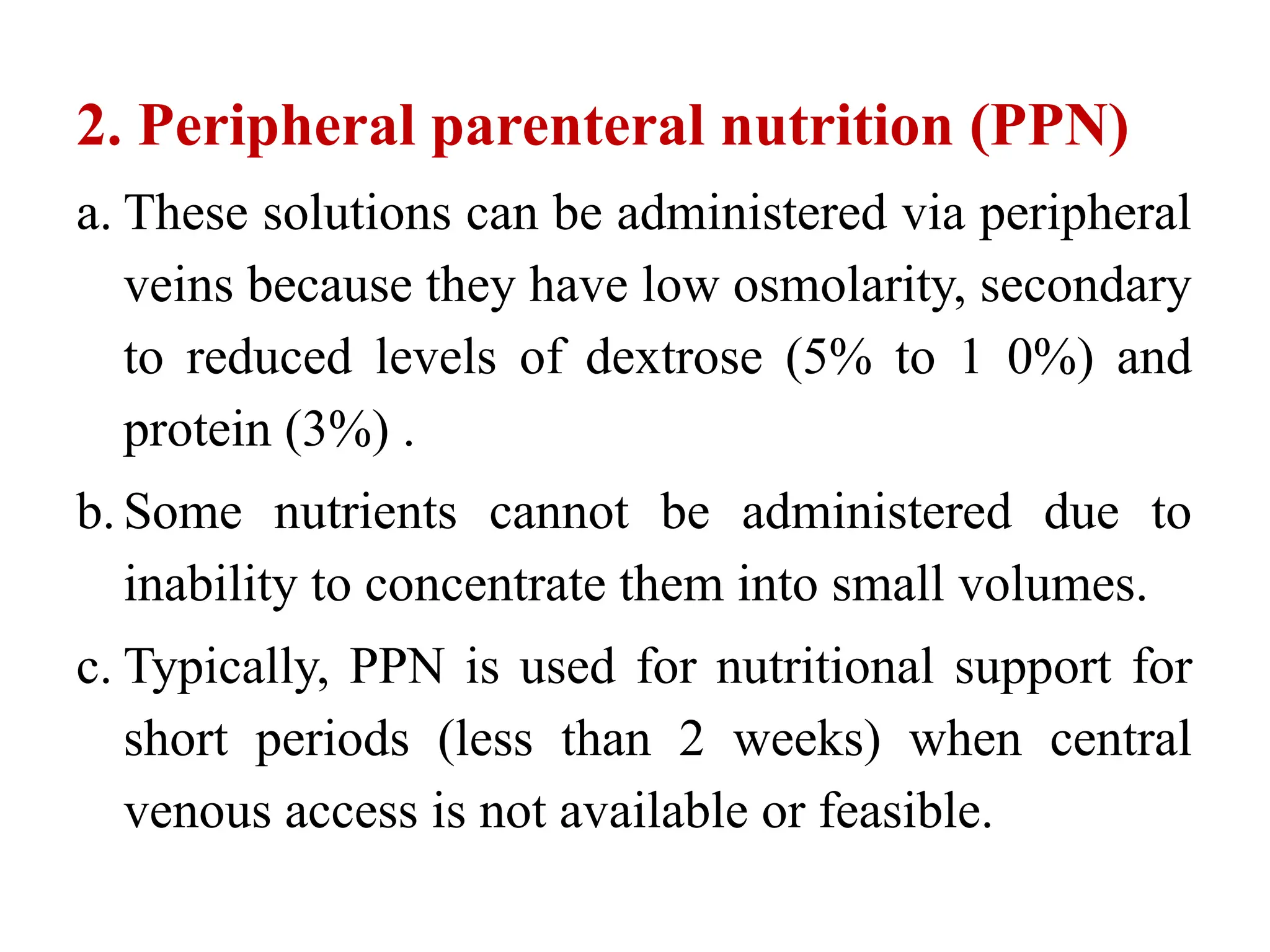
2. Peripheral parenteral nutrition (PPN)
a. These solutions can be administered via peripheral
veins because they have low osmolarity, secondary
to reduced levels of dextrose (5% to 1 0%) and
protein (3%) .
b. Some nutrients cannot be administered due to
inability to concentrate them into small volumes.
c. Typically, PPN is used for nutritional support for
short periods (less than 2 weeks) when central
venous access is not available or feasible.
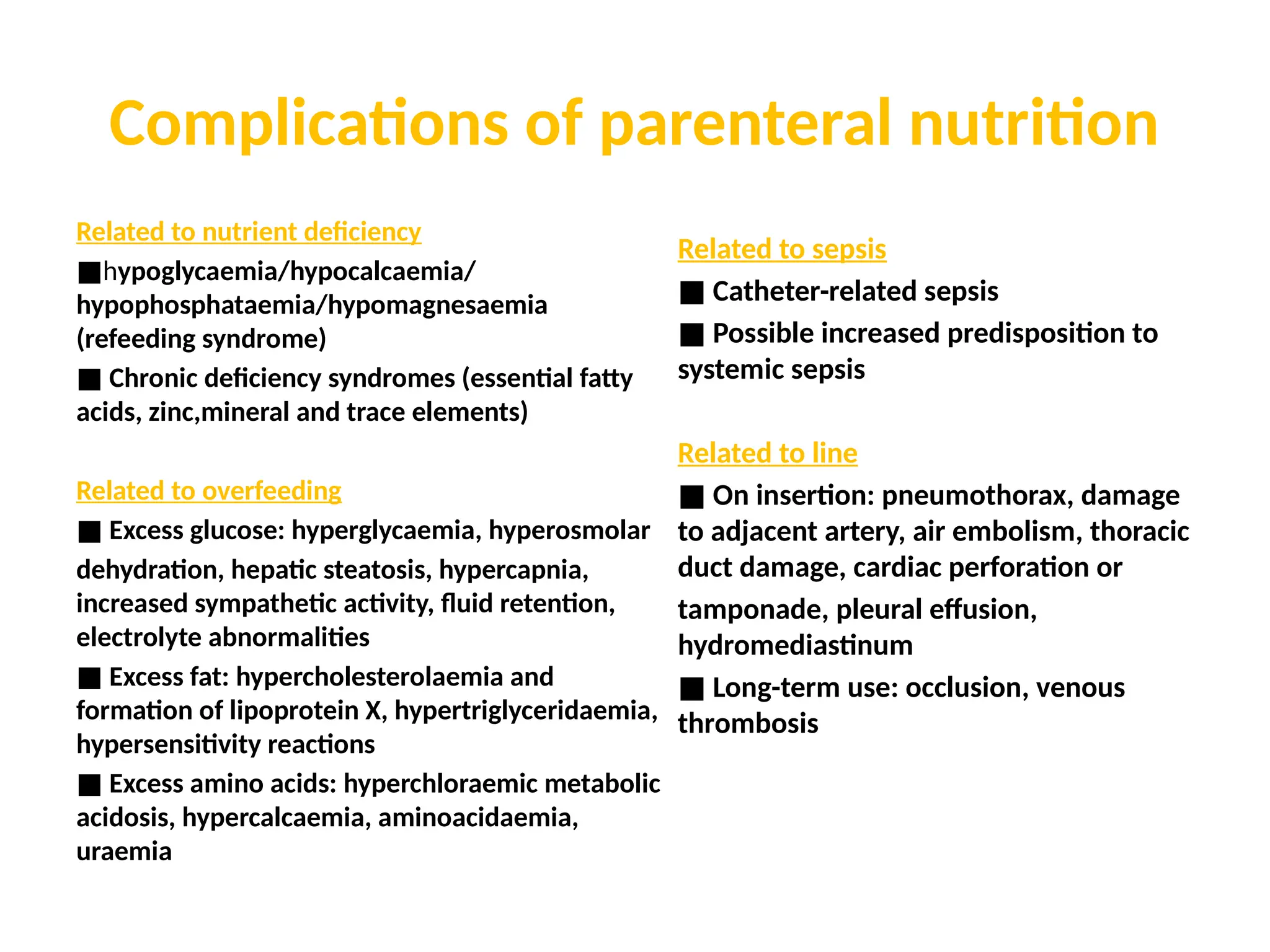
Complications of parenteral nutrition
Related to nutrient deficiency
■hypoglycaemia/hypocalcaemia/
hypophosphataemia/hypomagnesaemia
(refeeding syndrome)
■ Chronic deficiency syndromes (essential fatty
acids, zinc,mineral and trace elements)
Related to overfeeding
■ Excess glucose: hyperglycaemia, hyperosmolar
dehydration, hepatic steatosis, hypercapnia,
increased sympathetic activity, fluid retention,
electrolyte abnormalities
■ Excess fat: hypercholesterolaemia and
formation of lipoprotein X, hypertriglyceridaemia,
hypersensitivity reactions
■ Excess amino acids: hyperchloraemic metabolic
acidosis, hypercalcaemia, aminoacidaemia,
uraemia
Related to sepsis
■ Catheter-related sepsis
■ Possible increased predisposition to
systemic sepsis
Related to line
■ On insertion: pneumothorax, damage
to adjacent artery, air embolism, thoracic
duct damage, cardiac perforation or
tamponade, pleural effusion,
hydromediastinum
■ Long-term use: occlusion, venous
thrombosis

lecture onn. Nutrient.pptx

  • 1.
  • 2.
    Nutrition • The goalof nutritional support in the surgical patient is to prevent or reverse the catabolic effects of disease or injury.
  • 3.
    Nutritional Assessment • A.History: weight loss, chronic illnesses (malignancy), dietary habits, social habits (predisposing to malnutrition) , and medications (that influence food intake) • B. Physical examination: loss of muscle or adipose tissue; temporal wasting; organ dysfunction; and changes in skin, hair, or neuromuscular function. • C. Anthropometric data: weight change, triceps skin fold thickness, and mid arm circumference • D. Biochemical data: albumin, pre-albumin, transferrin, total lymphocyte count, and creatinine excretion.  Albumin has a half-life of 20 days and therefore reflects an indicator of long-term nutritional status and is a very important indicator of preoperative morbidity and mortality.  Pre-albumin has a half-life of 2 to 3 days and therefore reflects more acute changes in nutritional status.
  • 4.
    • Estimation ofNutritional Requirements • A . Energy requirements • l . Energy is needed for metabolic processes, core temperature maintenance, and tissue repair. • 2. Energy requirements can be estimated by indirect calorimetry and urinary nitrogen excretion. • 3. Basal energy expenditure may be estimated by the Harris-Benedict equation. • 4. Fat contains 9 kcal/g, protein 4 kcal/g, carbohydrates 4 kcal/g, and dextrose 3.4 kcal/g. • B. Basic caloric need is 25 kcal/kg/day. Most postsurgical patients have an energy requirement of 30 kcal/kg/day. If the degree of surgical stress increases secondary to trauma or sepsis, this requirement goes up to 20% to 40%.
  • 5.
    • C. Proteinrequirements • l. Proteins are required for wound healing, and the minimum for a non-stressed person is 1 g/kg/day. • 2. A non-protein calorie: nitrogen ratio of 150: 1 is needed to prevent the utilization of protein as a source of energy. • 3. In stress, more protein is required, so that a ratio of 90: 1 to 120: 1 is beneficial.
  • 6.
    Nutritional Requirements inSpecific Conditions • A. Renal ailure • l. results in an impaired ability to clear the byproducts of protein metabolism. • 2. These patients are given nutrients in a restricted volume with great care not to overfeed proteins. • 3. Administration of essential amino acids and high biologic value protein, such as egg albumin, results in less frequent need for dialysis. • B. Hepatic failure • l. Liver damage and portosystemic shunting results in a derangement in the level of amino acids in the blood, resulting in an increase in the aromatic to branched- chain amino acids. • 2. The aromatic amino acids are precursors of false neurotransmitters that contribute to hepatic encephalopathy. • 3. Patients with hepatic failure are therefore given diets enriched in branched chain amino acids and deficient in aromatic amino acids.
  • 7.
    • C. Respiratoryfailure • l. Carbohydrate metabolism produces more C02 (respiratory quotient RQ= 1) as compared to fat (RQ = 0. 7) or protein (RQ = 0. 8) . • 2. Production of higher amounts of C02 results in more need for ventilatory support. • 3. It is therefore important to prevent overfeeding patients. The amount of CHD intake can be reduced, and that of fat may be increased. However, this must be done cautiously because high-fat diets may exacerbate lung injury. • D. Cardiac failure • l. Fluid overload may exacerbate cardiac failure. • 2. Concentrated solutions are therefore given to these patients to limit the amount of fluid administered.
  • 8.
    • Enteral Nutrition •General principles • l. Nutrition via the enteral route is preferred over the parenteral route, • 2. Feeding the GI tract functions to preserve the "gut mucosal barrier. " This barrier prevents the translocation of bacteria and bacterial toxins across the gut into the host portal venous circulation. • 3. Maintenance of the gut mucosal barrier requires • (a) normal perfusion, • (b) an intact epithelium, and • (c) normal mucosal immune mechanisms.
  • 9.
    • 4. Luminalcontact of food prevents intestinal mucosal atrophy and stimulates intestinal production of immunoglobulin A (IgA). • • 5. Surgical patients who are adequately nourished and have not suffered a major complication can tolerate 1 0 days of partial starvation before any significant protein catabolism occurs. Therefore, most patients can be maintained on a 5% dextrose solution before return of feeding after surgery with no detrimental outcome. • 6. Initiation of enteral feeding should occur immediately after adequate resuscitation.
  • 10.
    • B. Enteralformulas • l. Wide arrays of formulas are commercially available. The choice of an enteral formula is influenced by the degree of organ dysfunction and nutrient needs. • 2. Patients who have not been fed for a prolonged period of time are less likely to tolerate complex solutions. • 3. Patients with malnutrition benefit from provision of dipeptides, tripeptides, and medium-chain triglycerides because these substances are more easily absorbed. •
  • 11.
    .Major categories ofenteral formulas are: • a. Low-residue isotonic formulas • (1) formulas for stable patients with an intact GI tract contain no fiber bulk and so leave minimal residue. • (2) They provide a caloric density of 1 kcal/mL and a non-protein calorie: nitrogen ratio of 150: 1. • b. Isotonic formulas with fiber • (1) contain fiber, which delays intestinal transit time and reduces the incidence of diarrhea. • (2) The fiber stimulates pancreatic lipase activity and is degraded by gut bacteria into short-chain fatty acids
  • 12.
    c. Immune-enhancing formulas (1)contain special nutrients such as glutamine, arginine, branched-chain amino acids, omega-3 fatty acids, nucleotides, and beta carotene. (2) The addition of amino acids generally doubles the amount of protein. d. Calorie-dense formulas (l) The formulas provide 1. 5 to 2 kcal/mL and are therefore used in fluid restricted patients. (2) They have a higher osmolarity than standard formulas and are therefore used for intragastric feedings. e. High-protein formulas (1) The formulas are used in critically ill patients with high protein requirements. (2) They provide non-protein calorie: nitrogen ratios of 80: 1 to 1 20.
  • 13.
    f. Elemental formulas (l)The formulas contain predigested nutrients and are thus easy to absorb. (2) They are deficient in fat, vitamins, and trace elements that limit their long-term use. Instead, they are used in patients with malnutrition, gut impairment, and pancreatitis. g. Renal failure formulas (l) These formulas contain protein exclusively in the form of essential amino acids and have a high nonprotein calorie: nitrogen ratio. (2) They require lower fluid volumes and contain lower concentrations of potassium, magnesium, and phosphorus. h. Pulmonary failure formulas (l) These formulas have a reduced content of carbohydrate and a corresponding increased content of fat up to 50% of the total calories. (2) This aims to reduce the amount of C02 produced to decrease the burden of ventilation. i. Hepatic failure formulas: These formulas have an increased quantity of branched-chain amino acids and reduced aromatic amino acids .
  • 14.
    • Access forenteral nutrition • l. Nasoenteric tubes • 2. Percutaneous endoscopic gastrostomy (PEG) • 3. Percutaneous endoscopic gastrostomy-j ejunostomy (PEG-J) and direct percutaneous endoscopic jejunostomy (DPEJ) • 4. Surgical gastrostomy and jejunostomy
  • 16.
    • Complications ofenteral nutrition • l. Abdominal distension and cramps: This is managed by temporarily discontinuing feeds and resuming at a lower infusion rate. • 2. Pneumatosis intestinalis and small bowel necrosis • a. This occurs as a result of bowel distension and consequent reduction in bowel wall perfusion. • b. Factors implicated include hyperosmolarity of tube feeds, bacterial overgrowth, fermentation, and metabolic breakdown products. • c. Initiation of enteric tube feedings in critically ill patients should be delayed until they have been adequately resuscitated so that an already hypoperfused bowel is not stressed further. • d. Tube feeds can also be diluted, or solutions with low osmolarity can be used so that less digestion is needed by the GI tract. •
  • 17.
    Complications of enteralnutrition Tube-related ■ Malposition ■ Displacement ■ Blockage ■ Breakage/leakage ■ Local complications (e.g. erosion of skin/mucosa) Gastrointestinal ■ Diarrhoea ■ Bloating, nausea, vomiting ■ Abdominal cramps ■ Aspiration ■ Constipation Metabolic/biochemical ■ Electrolyte disorders ■ Vitamin, mineral, trace element deficiencies ■ Drug interactions Infective ■ Exogenous (handling contamination) ■ Endogenous (patient)
  • 18.
    • Parenteral Nutrition •General principles: Parenteral nutrition consists of infusion of a hyperosmolar solution containing carbohydrates, proteins, fats, and other important nutrients. Indications l. Prolonged ileus (less than 7 to 10 days) after a major operation 2. Hypermetabolic patients in whom enteral nutrition is not possible or adequate (e.g. , critically ill patients , cancer patients) 3. Short bowel syndrome 4. High-output enterocutaneous fistulas (output > 5 00 m/day) 5. Malabsorption (e.g. , pancreatic insufficiency, celiac disease, inflammatory bowel disease) 6. Functional GI disorders (e.g. , esophageal dyskinesia, anorexia nervosa)
  • 19.
    • Composition: • Astandard TPN regimen is 20% dextrose (D20 with 5% amino acids at 80– 100 mL/hr, with lipids given twice weekly. This provides about 2000 kcal/day. I. 14 g nitrogen as L-amino acids II. Dextrose 15%–25% g III.Lipid emulsion IV.Electrolytes V. Water-/lipid-soluble vitamins VI.Trace elements VII. Insulin VIII. Acid suppression therapy 1. Proton-pump inhibitors 2. H2-receptor antagonists
  • 20.
    • Routes ofparenteral nutrition l. TPN (also called central parenteral nutrition) These solutions are hyperosmolar and must therefore be delivered into a high-flow system ( a central vein) to prevent venous sclerosis . A standard TPN solution contains 1 5% to 25% dextrose, 1 0% amino acid, lipids and electrolytes, minerals, and vitamins. Lipids are primarily in the form of long-chain triglycerides, which provide essential fatty acids (linoleic acid) . However, the high content of these polyunsaturated fatty acids has harmful effects on pulmonary and immune function.
  • 21.
    2. Peripheral parenteralnutrition (PPN) a. These solutions can be administered via peripheral veins because they have low osmolarity, secondary to reduced levels of dextrose (5% to 1 0%) and protein (3%) . b. Some nutrients cannot be administered due to inability to concentrate them into small volumes. c. Typically, PPN is used for nutritional support for short periods (less than 2 weeks) when central venous access is not available or feasible.
  • 22.
    Complications of parenteralnutrition Related to nutrient deficiency ■hypoglycaemia/hypocalcaemia/ hypophosphataemia/hypomagnesaemia (refeeding syndrome) ■ Chronic deficiency syndromes (essential fatty acids, zinc,mineral and trace elements) Related to overfeeding ■ Excess glucose: hyperglycaemia, hyperosmolar dehydration, hepatic steatosis, hypercapnia, increased sympathetic activity, fluid retention, electrolyte abnormalities ■ Excess fat: hypercholesterolaemia and formation of lipoprotein X, hypertriglyceridaemia, hypersensitivity reactions ■ Excess amino acids: hyperchloraemic metabolic acidosis, hypercalcaemia, aminoacidaemia, uraemia Related to sepsis ■ Catheter-related sepsis ■ Possible increased predisposition to systemic sepsis Related to line ■ On insertion: pneumothorax, damage to adjacent artery, air embolism, thoracic duct damage, cardiac perforation or tamponade, pleural effusion, hydromediastinum ■ Long-term use: occlusion, venous thrombosis