Introduction
• Course given in the
preparatory year (Medical
Track).
• Previously this course was
communication skills.
• New course is titled: Labor
Market Skills to cover a
broad range of skills
including but not limited to
communication only.
2
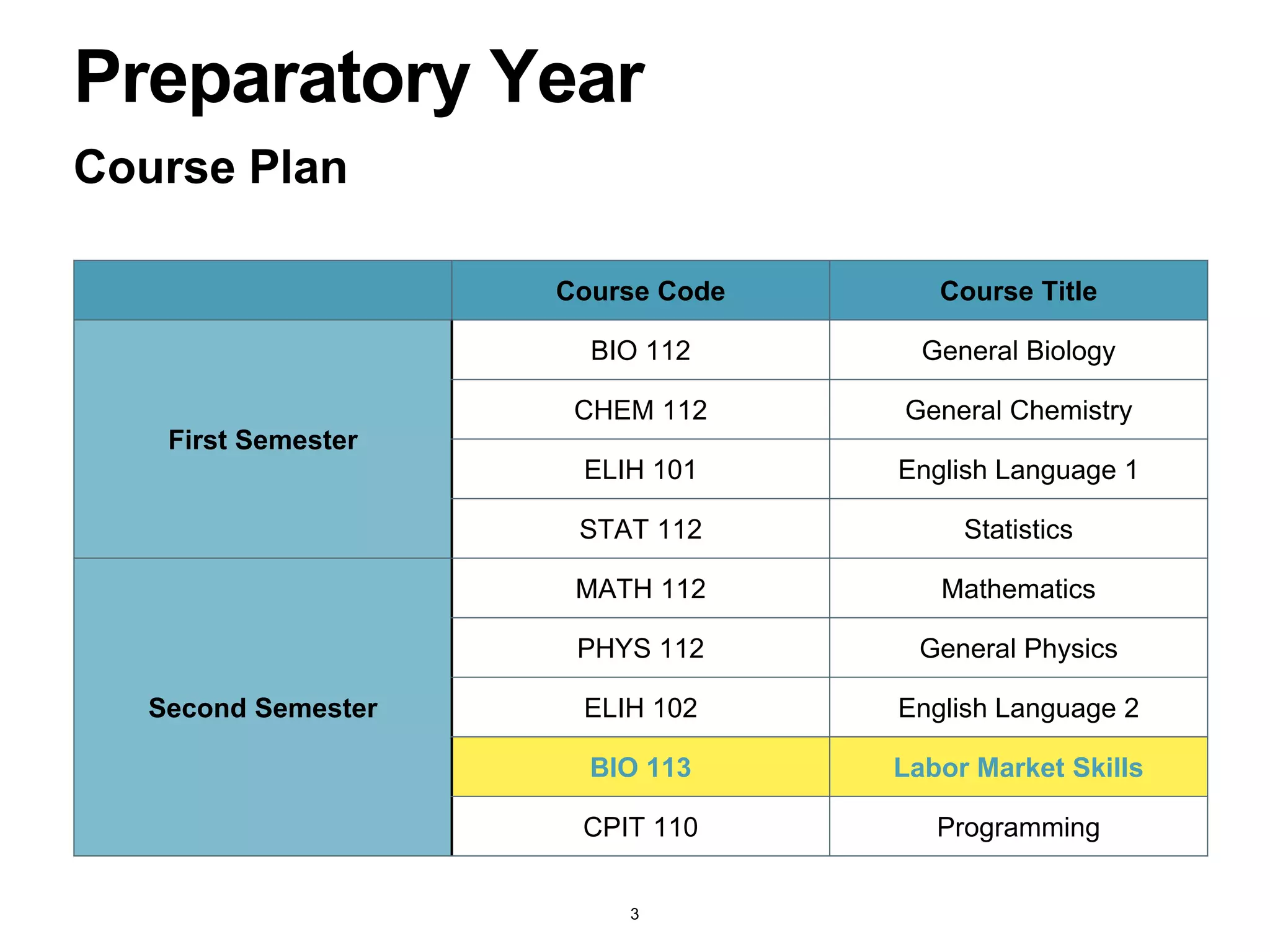
Course Plan
Preparatory Year
Course Code Course Title
First Semester
BIO 112 General Biology
CHEM 112 General Chemistry
ELIH 101 English Language 1
STAT 112 Statistics
Second Semester
MATH 112 Mathematics
PHYS 112 General Physics
ELIH 102 English Language 2
BIO 113 Labor Market Skills
CPIT 110 Programming
3
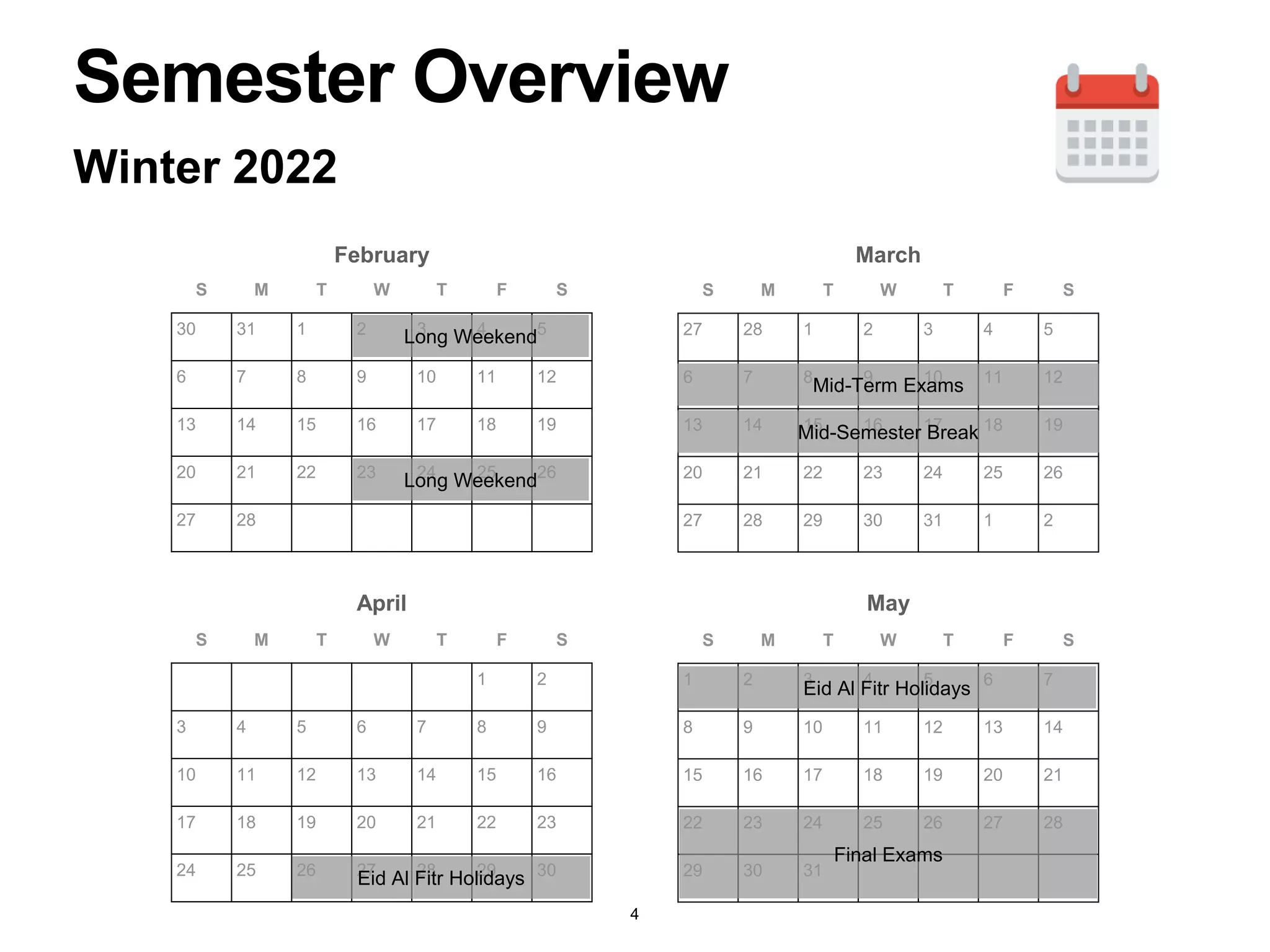
S M T W T F S
30 31 1 2 3 4 5
6 7 8 9 10 11 12
13 14 15 16 17 18 19
20 21 22 23 24 25 26
27 28
Winter 2022
S M T W T F S
27 28 1 2 3 4 5
6 7 8 9 10 11 12
13 14 15 16 17 18 19
20 21 22 23 24 25 26
27 28 29 30 31 1 2
S M T W T F S
1 2
3 4 5 6 7 8 9
10 11 12 13 14 15 16
17 18 19 20 21 22 23
24 25 26 27 28 29 30
S M T W T F S
1 2 3 4 5 6 7
8 9 10 11 12 13 14
15 16 17 18 19 20 21
22 23 24 25 26 27 28
29 30 31
February March
April May
Mid-Term Exams
Semester Overview
Long Weekend
Long Weekend
Mid-Semester Break
Eid Al Fitr Holidays
Final Exams
4
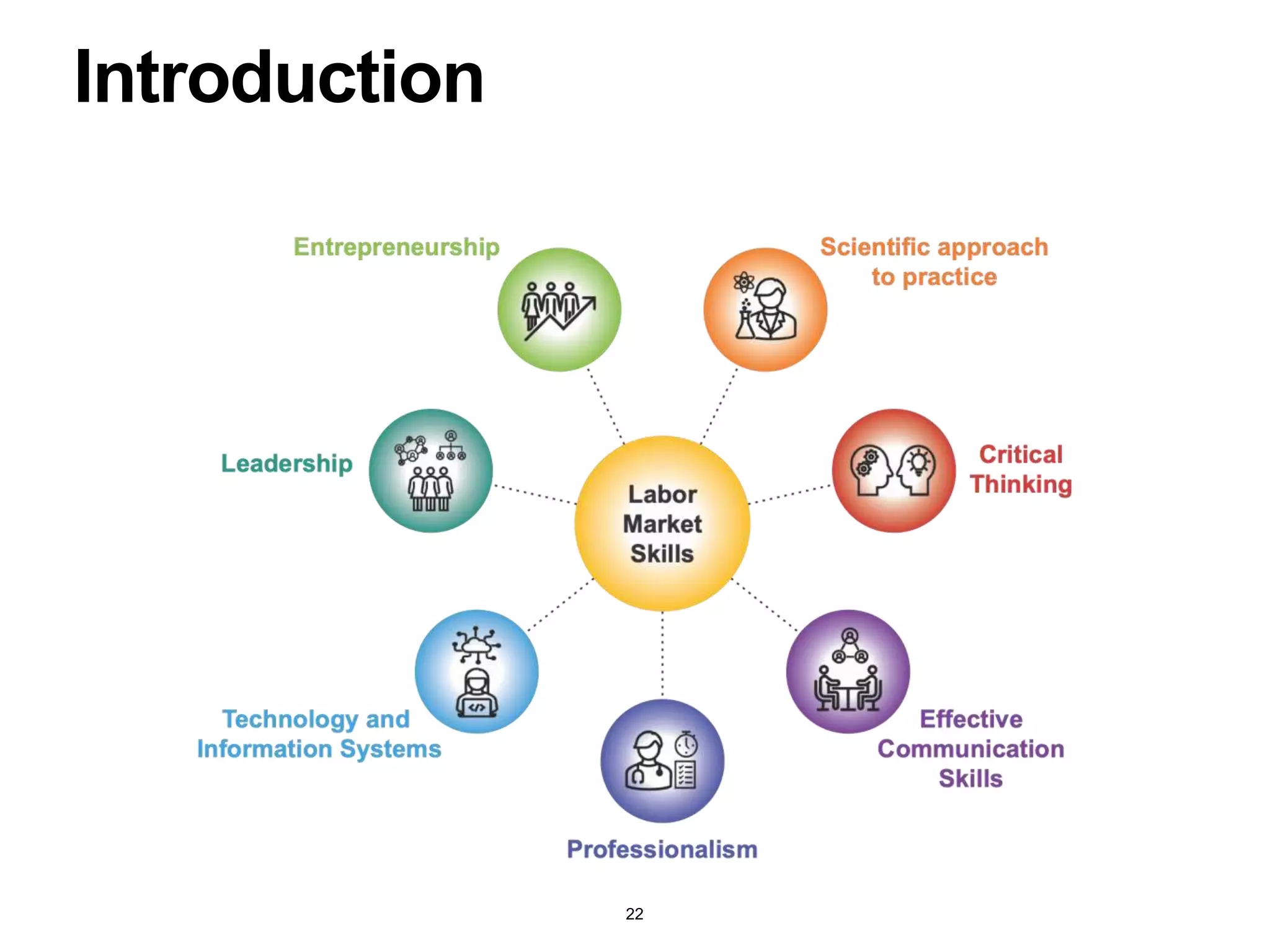
• A qualitative course that aims to provide university students with
the soft skills required for the labor market by achieving the
following competencies:
• Modern technology and the electronic world
• Creative and innovative thinking
• Effective communication in the work environment
• Leadership and entrepreneurship
Course Description
5
• This course aims to prepare university
students for the labor market by
providing them with the tools they need
to achieve practical success and
professional development, as well as
to contribute to the advancement of
development by transforming science
and knowledge into scientific and
practical added skill value to meet
labor market challenges, thereby
contributing to the King Abdulaziz
University graduate characteristics.
Course Goal
6
Course Main Objectives
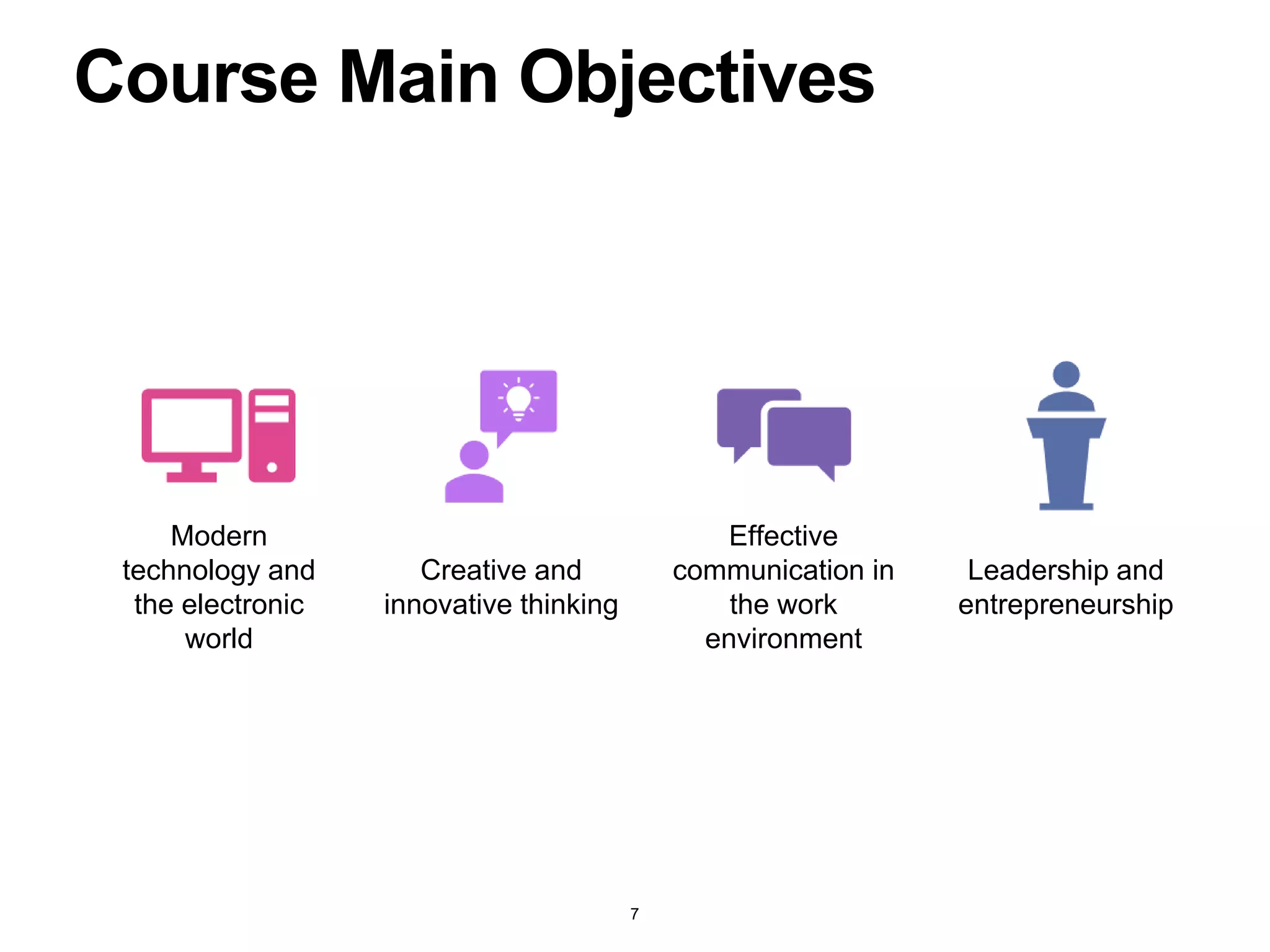
Modern
technology and
the electronic
world
Creative and
innovative thinking
Effective
communication in
the work
environment
Leadership and
entrepreneurship
7
• Employing the latest methods and theories of creativity and
innovation to develop creative thinking and problem-solving skills
• Using the latest methods and applications of effective
communication to refine modern communication skills in the work
environment
• Apply effective leadership concepts and strategies in business
projects
• Using modern technology applications and dealing with big data
Course Main Objectives
8
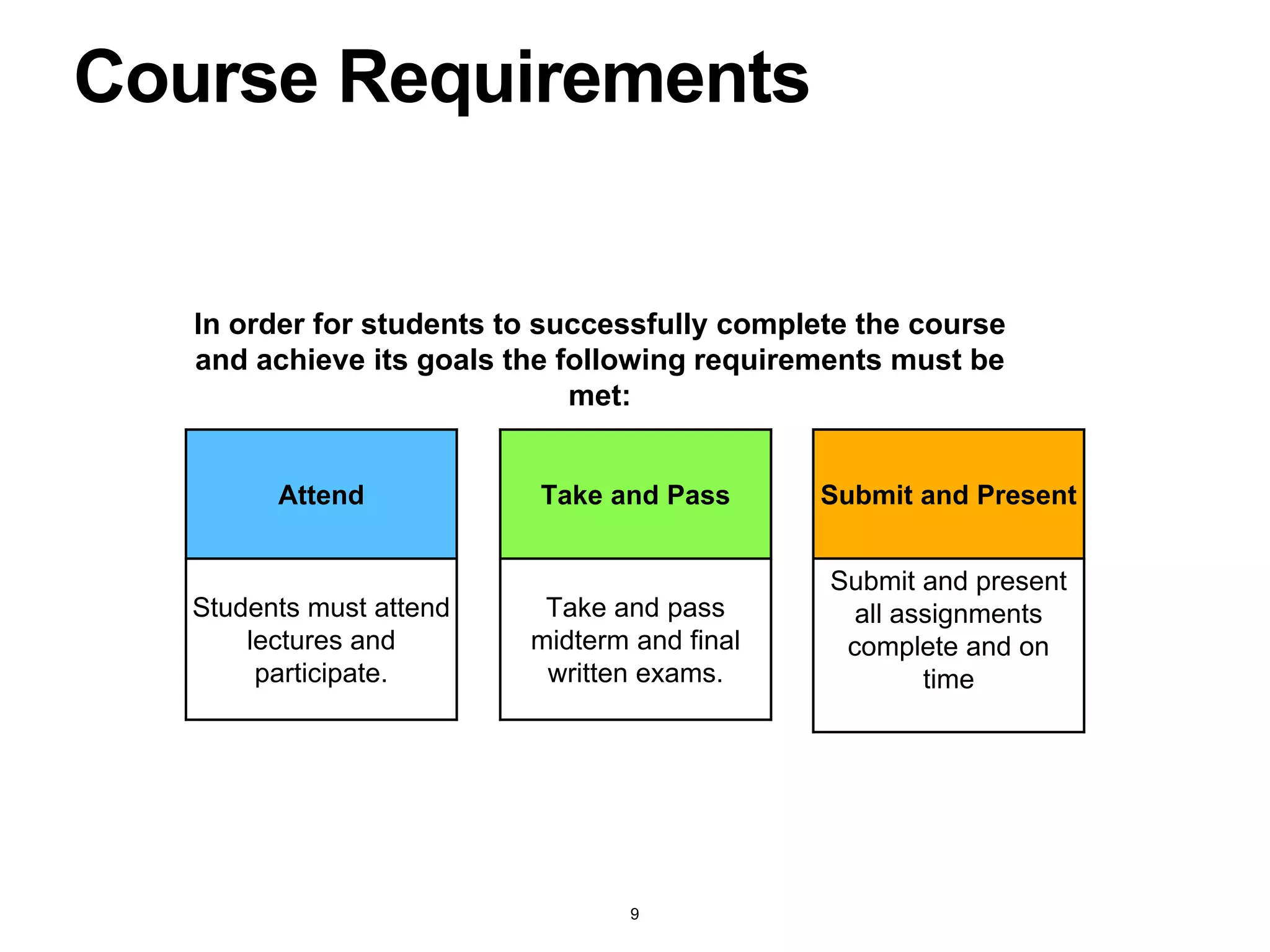
Course Requirements
Attend
Students must attend
lectures and
participate.
Take and Pass
Take and pass
midterm and final
written exams.
Submit and Present
Submit and present
all assignments
complete and on
time
In order for students to successfully complete the course
and achieve its goals the following requirements must be
met:
9
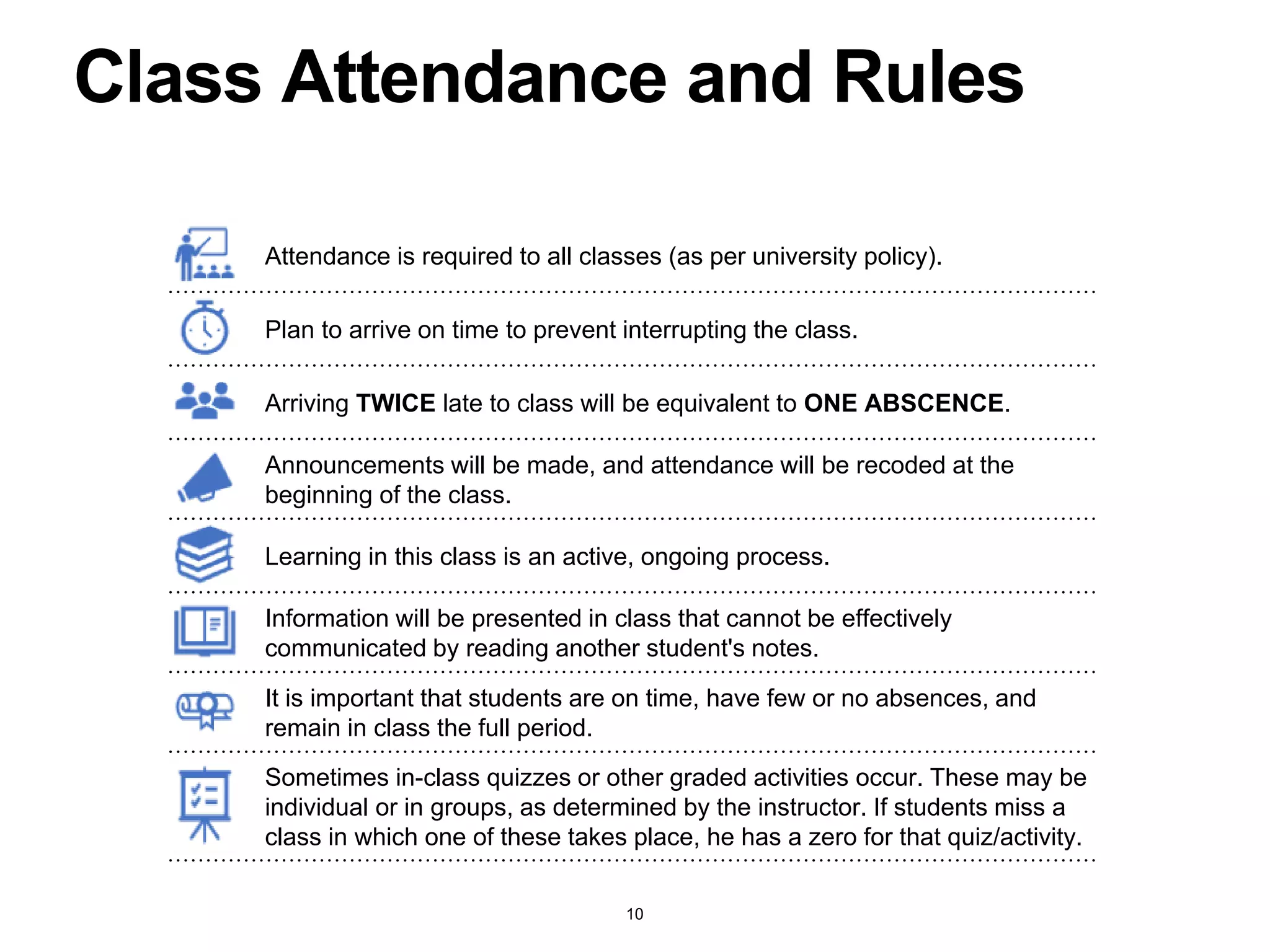
Class Attendance and Rules
Attendance is required to all classes (as per university policy).
Plan to arrive on time to prevent interrupting the class.
Arriving TWICE late to class will be equivalent to ONE ABSCENCE.
Announcements will be made, and attendance will be recoded at the
beginning of the class.
Learning in this class is an active, ongoing process.
Information will be presented in class that cannot be effectively
communicated by reading another student's notes.
It is important that students are on time, have few or no absences, and
remain in class the full period.
Sometimes in-class quizzes or other graded activities occur. These may be
individual or in groups, as determined by the instructor. If students miss a
class in which one of these takes place, he has a zero for that quiz/activity.
10
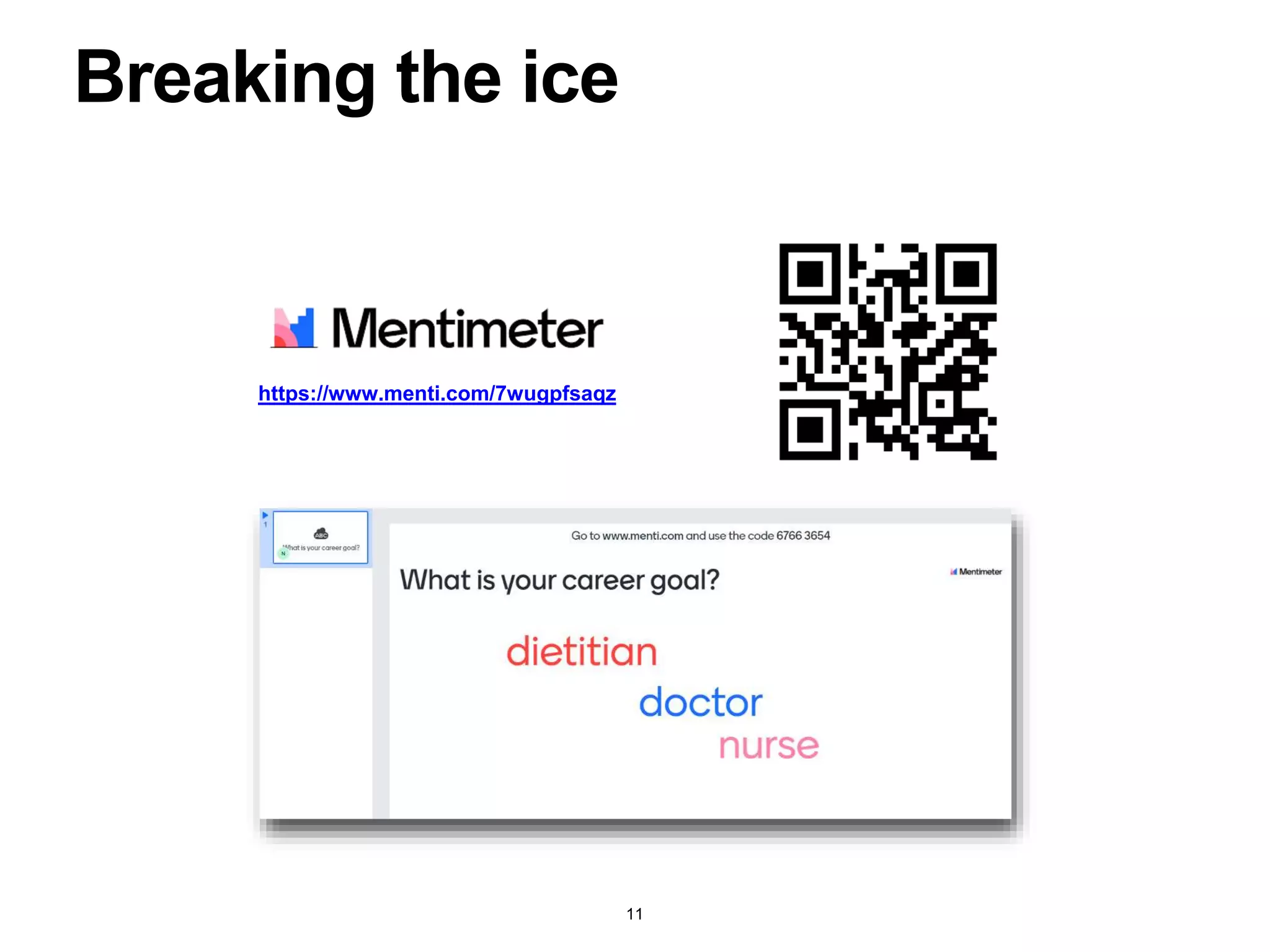
Breaking the ice
https://www.menti.com/7wugpfsaqz
11
Stimulate
What made you choose to do this?
12
Explore
What soft skills do you think are
important in the medical field?
13
Excite
What soft skills do you think are
your strength?
What soft skills do you think you
need to improve?
14
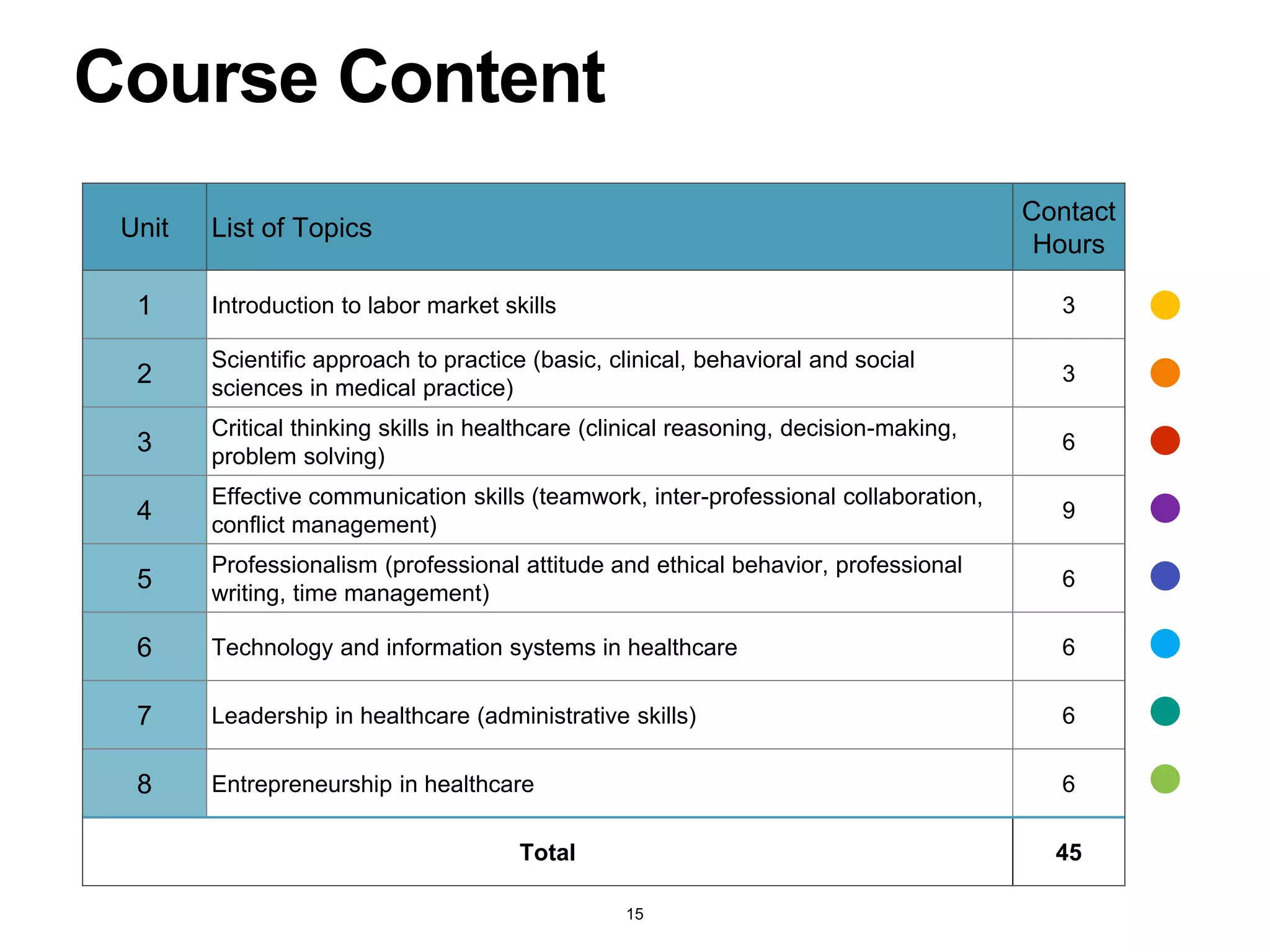
Course Content
Unit List of Topics
Contact
Hours
1 Introduction to labor market skills 3
2
Scientific approach to practice (basic, clinical, behavioral and social
sciences in medical practice)
3
3
Critical thinking skills in healthcare (clinical reasoning, decision-making,
problem solving)
6
4
Effective communication skills (teamwork, inter-professional collaboration,
conflict management)
9
5
Professionalism (professional attitude and ethical behavior, professional
writing, time management)
6
6 Technology and information systems in healthcare 6
7 Leadership in healthcare (administrative skills) 6
8 Entrepreneurship in healthcare 6
Total 45
15
S M T W T F S
30 31 1 2 3 4 5
6 7 8 9 10 11 12
13 14 15 16 17 18 19
20 21 22 23 24 25 26
27 28
Winter 2022
S M T W T F S
27 28 1 2 3 4 5
6 7 8 9 10 11 12
13 14 15 16 17 18 19
20 21 22 23 24 25 26
27 28 29 30 31 1 2
S M T W T F S
1 2
3 4 5 6 7 8 9
10 11 12 13 14 15 16
17 18 19 20 21 22 23
24 25 26 27 28 29 30
S M T W T F S
1 2 3 4 5 6 7
8 9 10 11 12 13 14
15 16 17 18 19 20 21
22 23 24 25 26 27 28
29 30 31
February March
April May
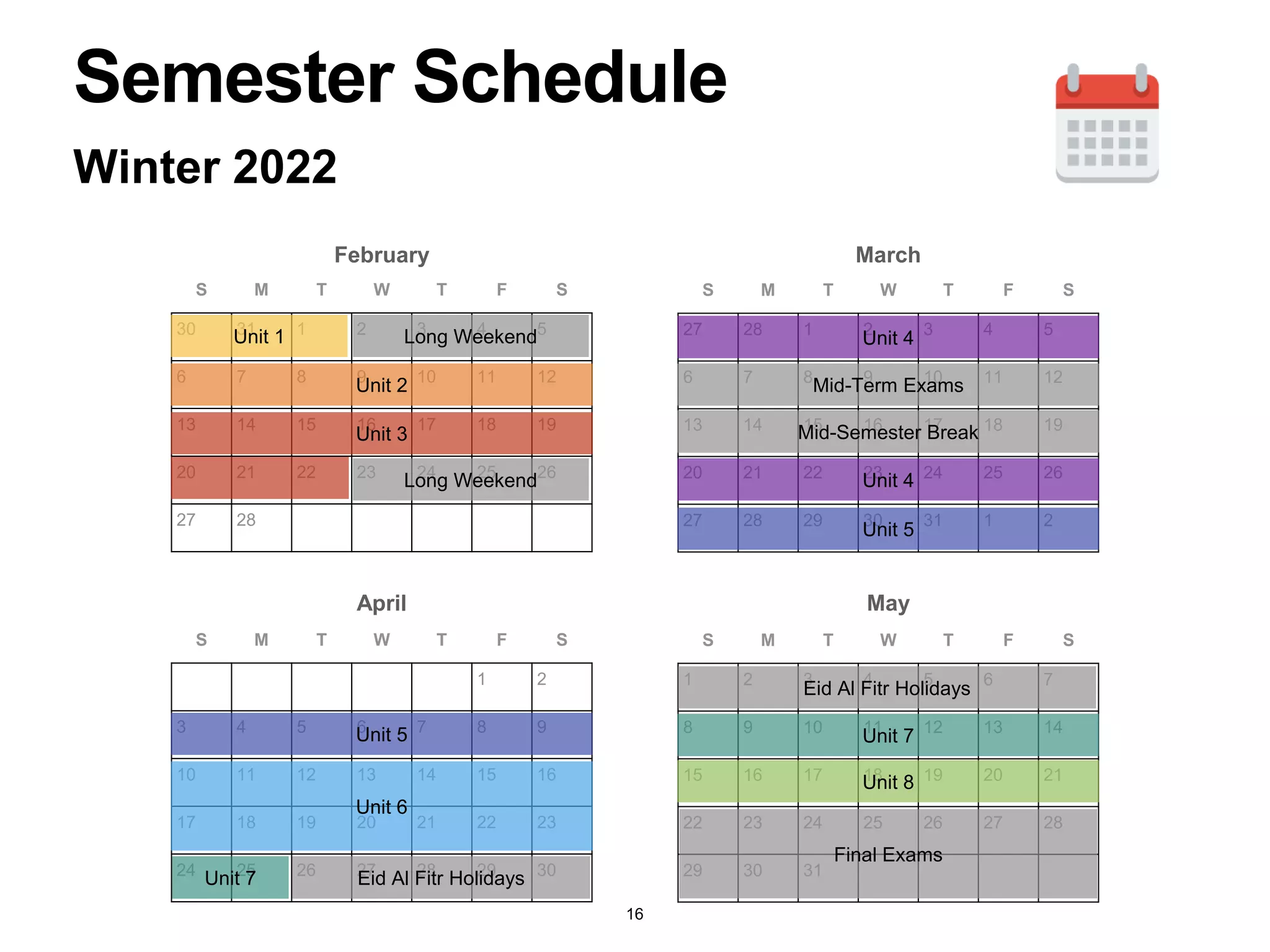
Unit 1
Unit 2
Unit 3
Unit 4
Unit 5
Unit 6
Unit 7
Unit 8
Unit 4
Unit 5 Unit 7
Mid-Term Exams
Semester Schedule
Long Weekend
Long Weekend
Mid-Semester Break
Eid Al Fitr Holidays
Final Exams
16
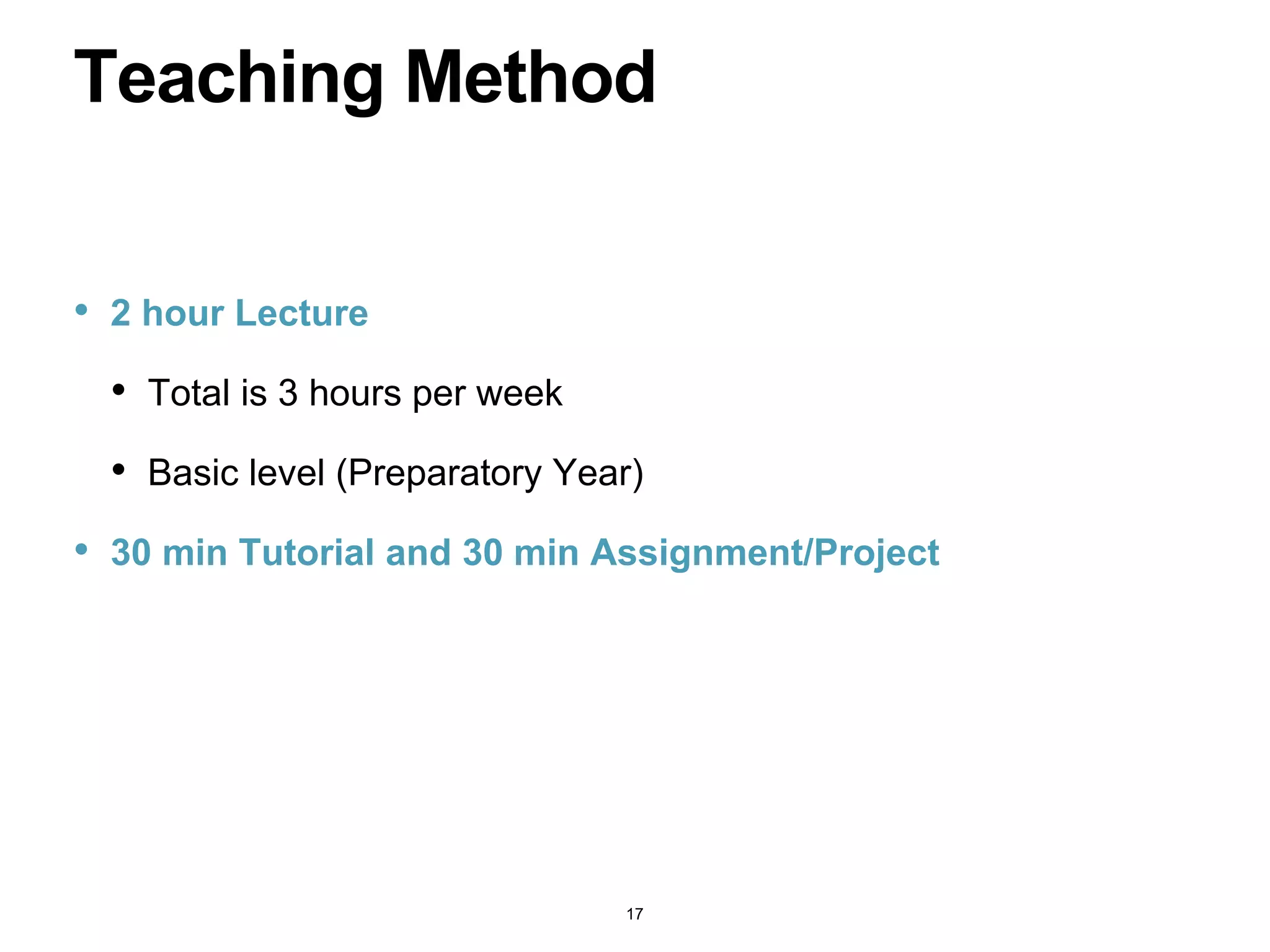
• 2 hour Lecture
• Total is 3 hours per week
• Basic level (Preparatory Year)
• 30 min Tutorial and 30 min Assignment/Project
Teaching Method
17
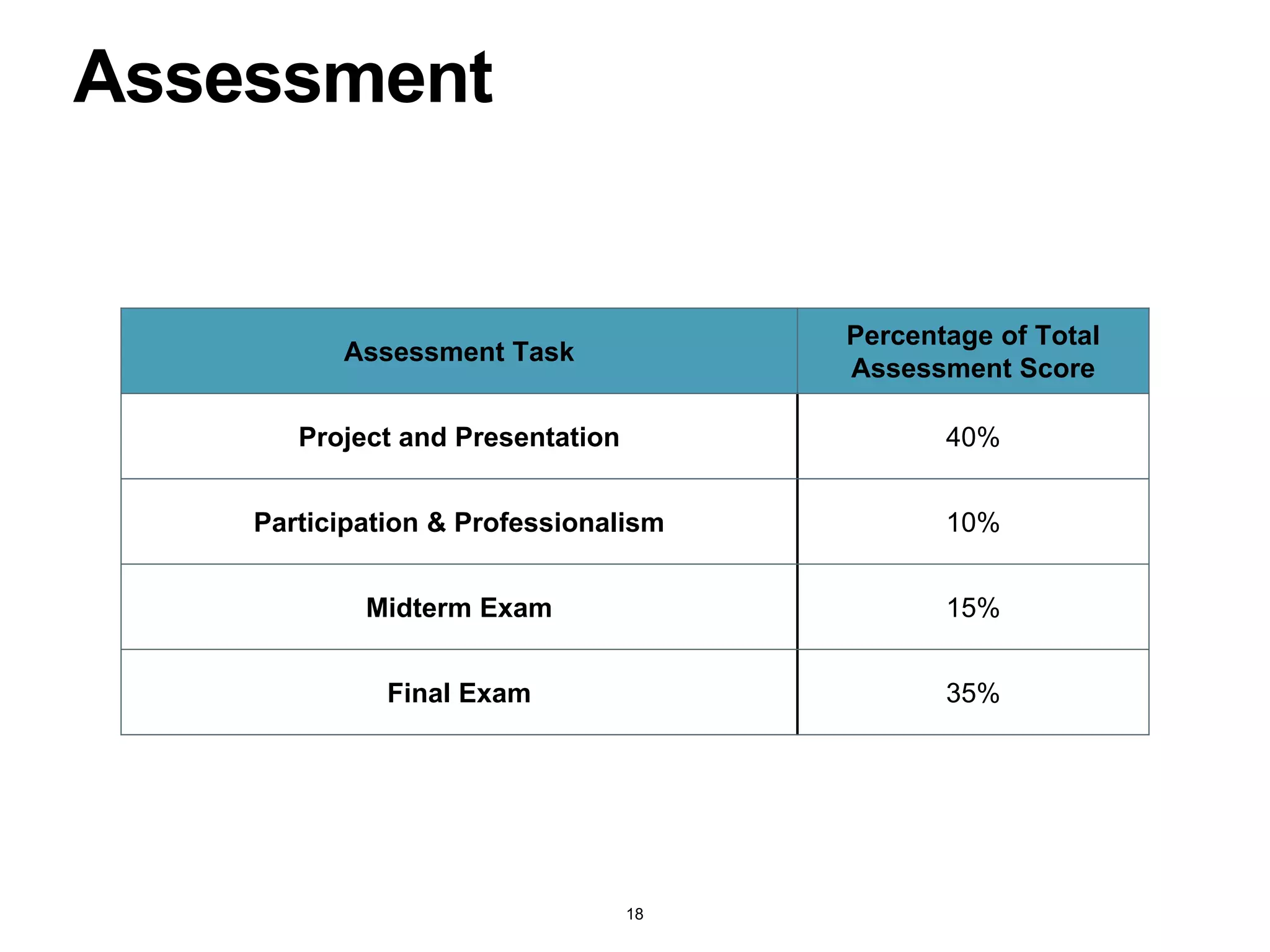
Assessment
Assessment Task
Percentage of Total
Assessment Score
Project and Presentation 40%
Participation & Professionalism 10%
Midterm Exam 15%
Final Exam 35%
18
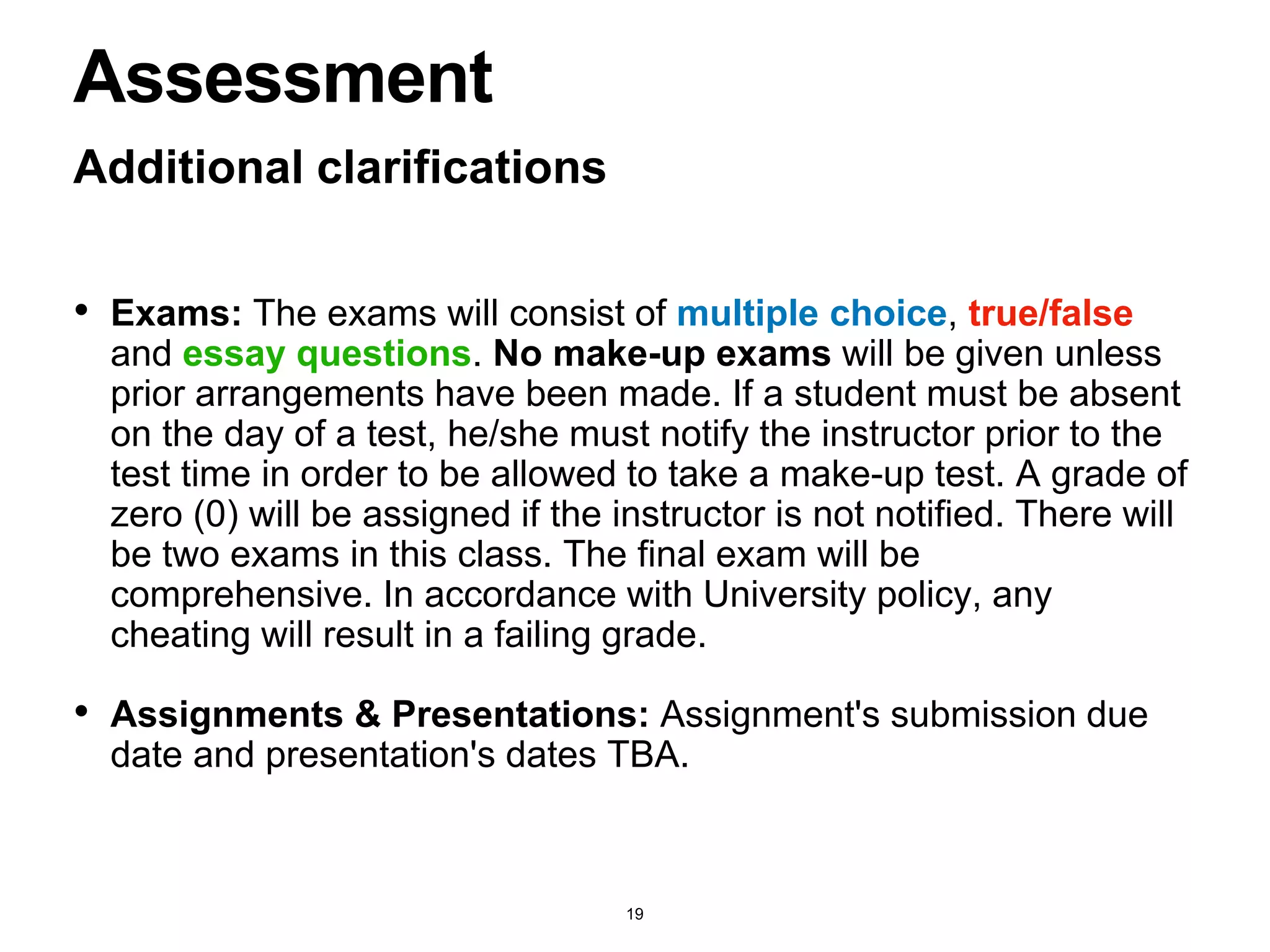
Additional clarifications
Assessment
• Exams: The exams will consist of multiple choice, true/false
and essay questions. No make-up exams will be given unless
prior arrangements have been made. If a student must be absent
on the day of a test, he/she must notify the instructor prior to the
test time in order to be allowed to take a make-up test. A grade of
zero (0) will be assigned if the instructor is not notified. There will
be two exams in this class. The final exam will be
comprehensive. In accordance with University policy, any
cheating will result in a failing grade.
• Assignments & Presentations: Assignment's submission due
date and presentation's dates TBA.
19
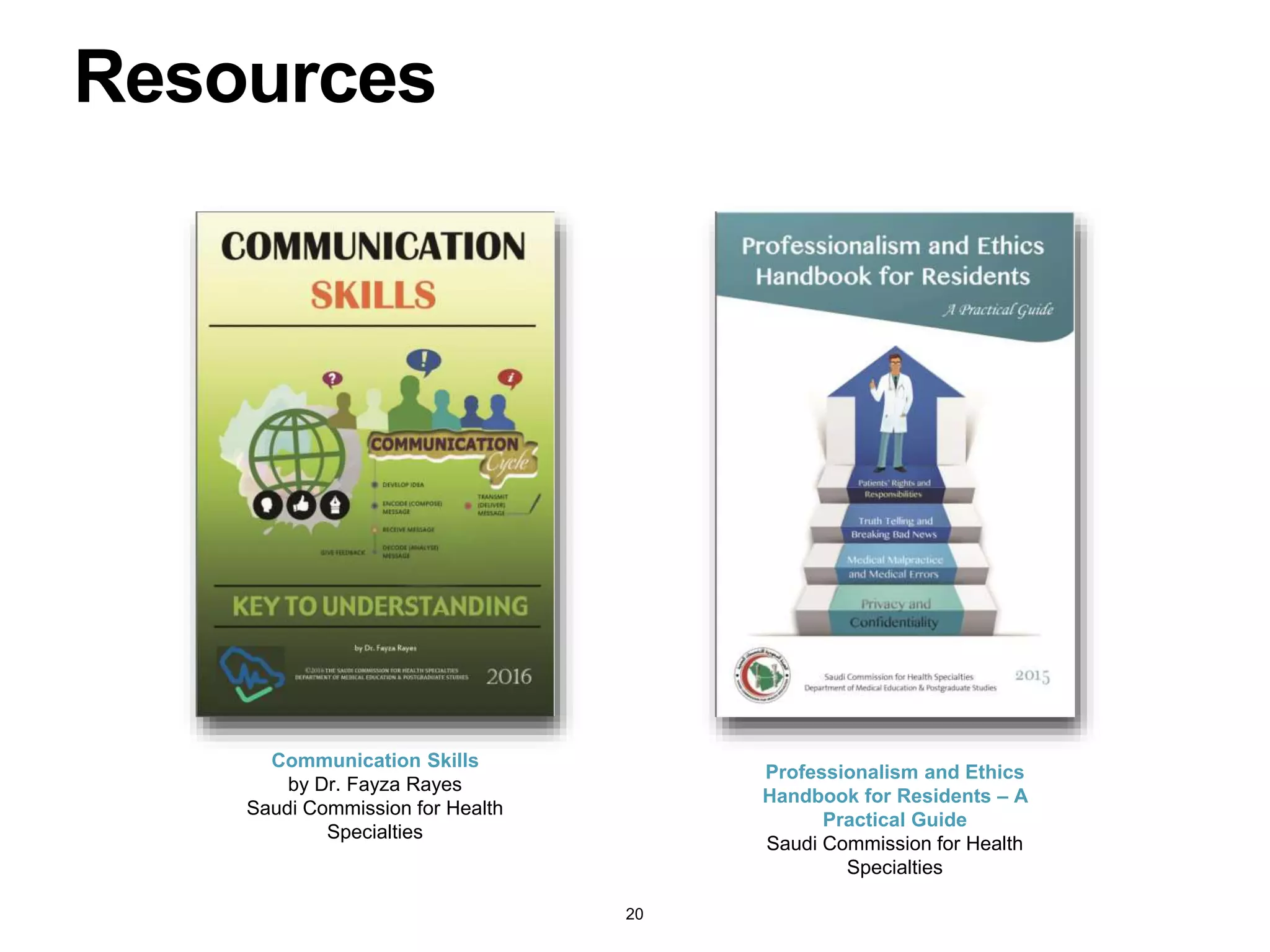
Resources
Communication Skills
by Dr. Fayza Rayes
Saudi Commission for Health
Specialties
Professionalism and Ethics
Handbook for Residents – A
Practical Guide
Saudi Commission for Health
Specialties
20
Unit 1
Introduction to Labor Market Skills
Introduction
22
• Define evidence-based medicine (EBM).
• Explain the reasons for practicing EBM.
• List the steps for practicing EBM.
• Formulate background and foreground questions to
be answered by EBM.
• Detail the levels of scientific evidence in health care.
• Use resources for EBM: pre-appraised evidence
(Up-to-date, DynaMed, etc…) or search engines
(PubMed, Medline, Google, Google Scholar).
• Describe how science and practice of health care is
moving forward from basic research to practice
(translational science).
Learning outcomes
Scientific approach to practice
23
• Recognize the latest methods and
theories of creativity and innovation to
develop creative thinking and problem-
solving skills
• Apply clinical reasoning, decision-
making and problem-solving techniques
Learning outcomes
Critical Thinking
24
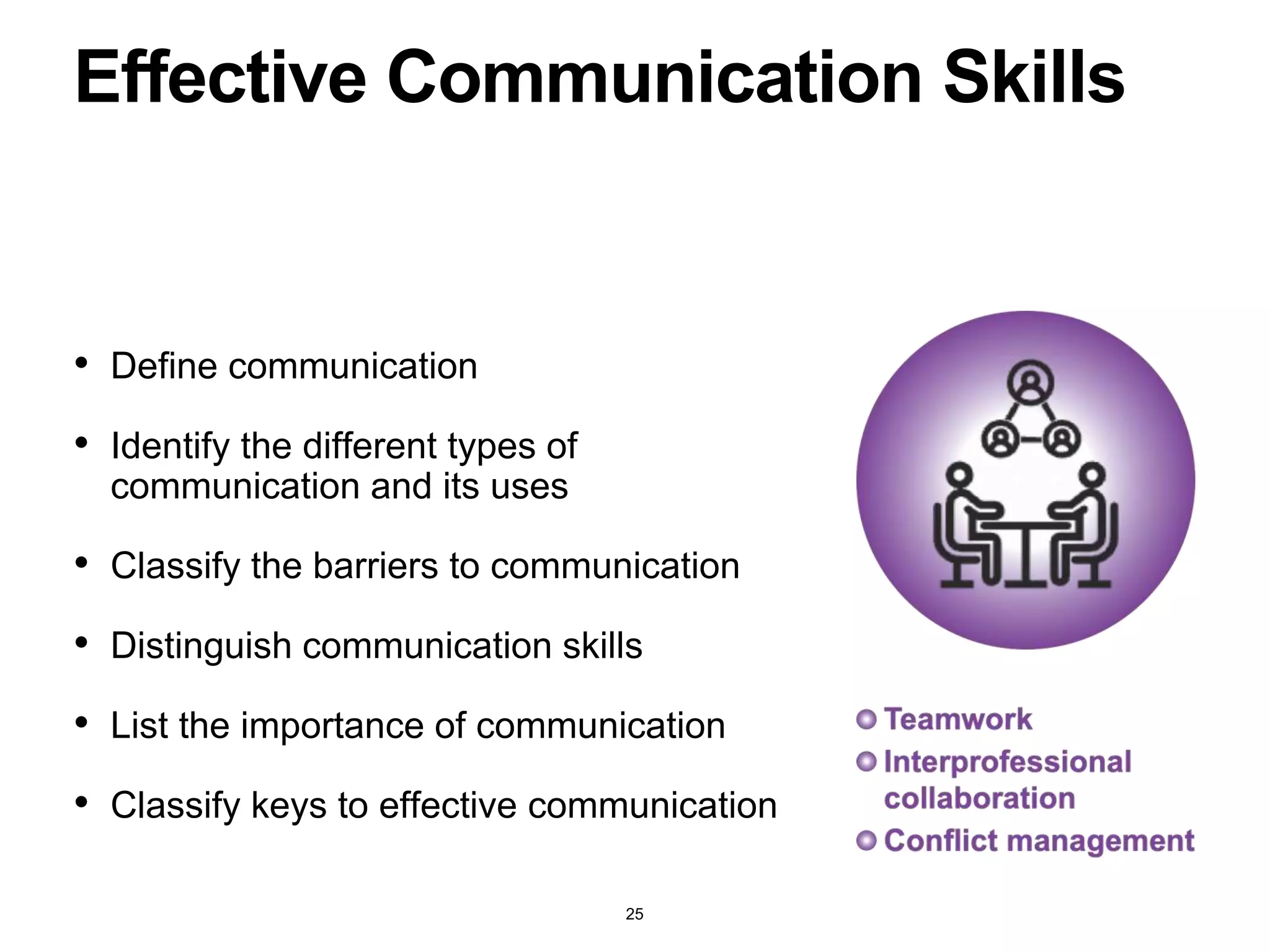
• Define communication
• Identify the different types of
communication and its uses
• Classify the barriers to communication
• Distinguish communication skills
• List the importance of communication
• Classify keys to effective communication
Effective Communication Skills
25
Professionalism
What does medical
professionalism mean?
26
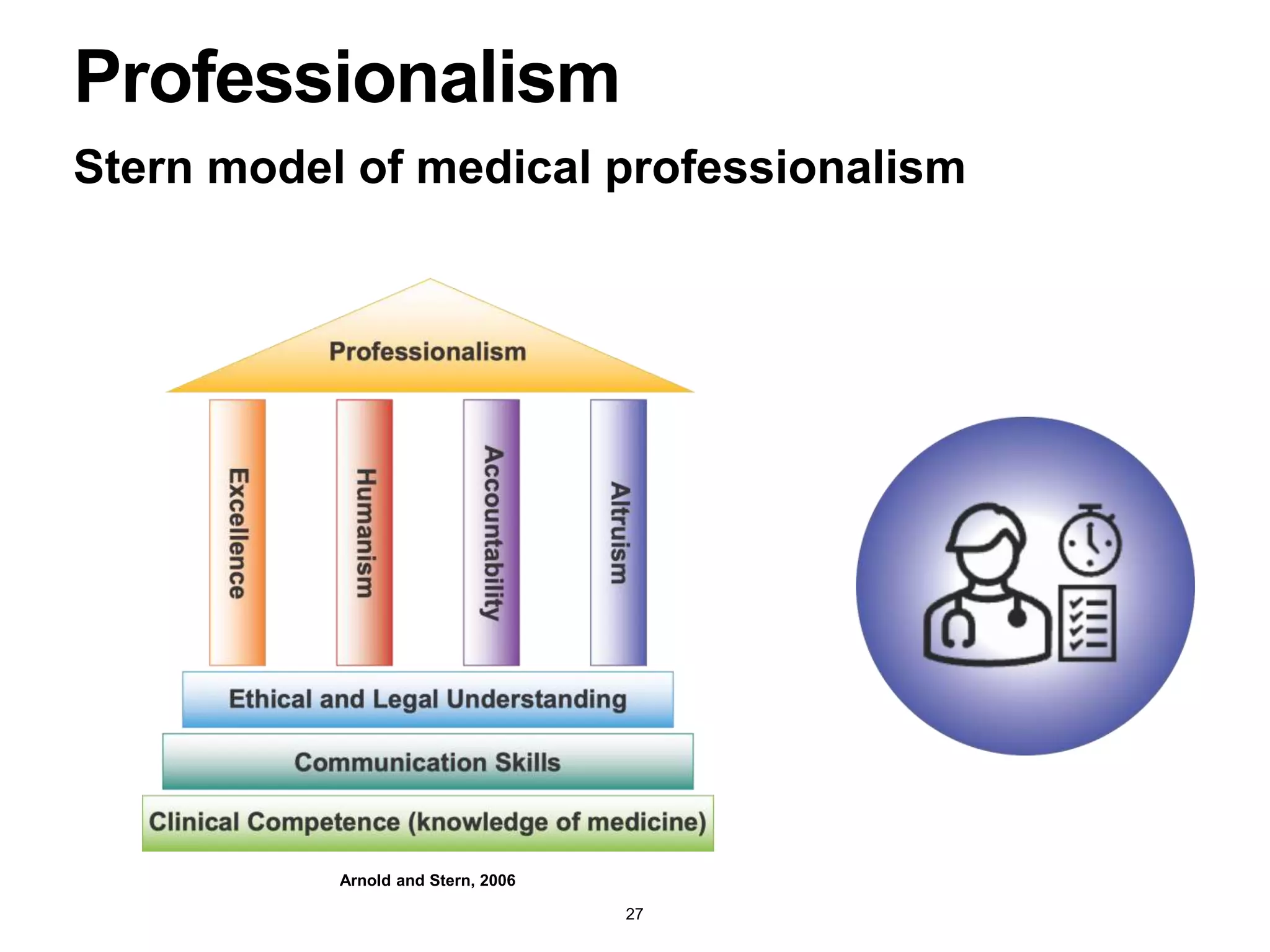
Stern model of medical professionalism
Professionalism
Arnold and Stern, 2006
27
• Explain the characteristics of professional attitude of
medical health practitioner.
• Discuss medical health practitioners’ professional
relationships and duties.
• Identify patients’ rights and responsibilities.
• Apply professional writing skills.
• Apply professional altitude characteristics on the clinical
scenario and cases.
• Demonstrate professional behavior using clinical
scenarios and cases.
• Apply patients’ rights on clinical scenarios.
• Evaluate professional writing examples of emails and
reports.
Professionalism
28
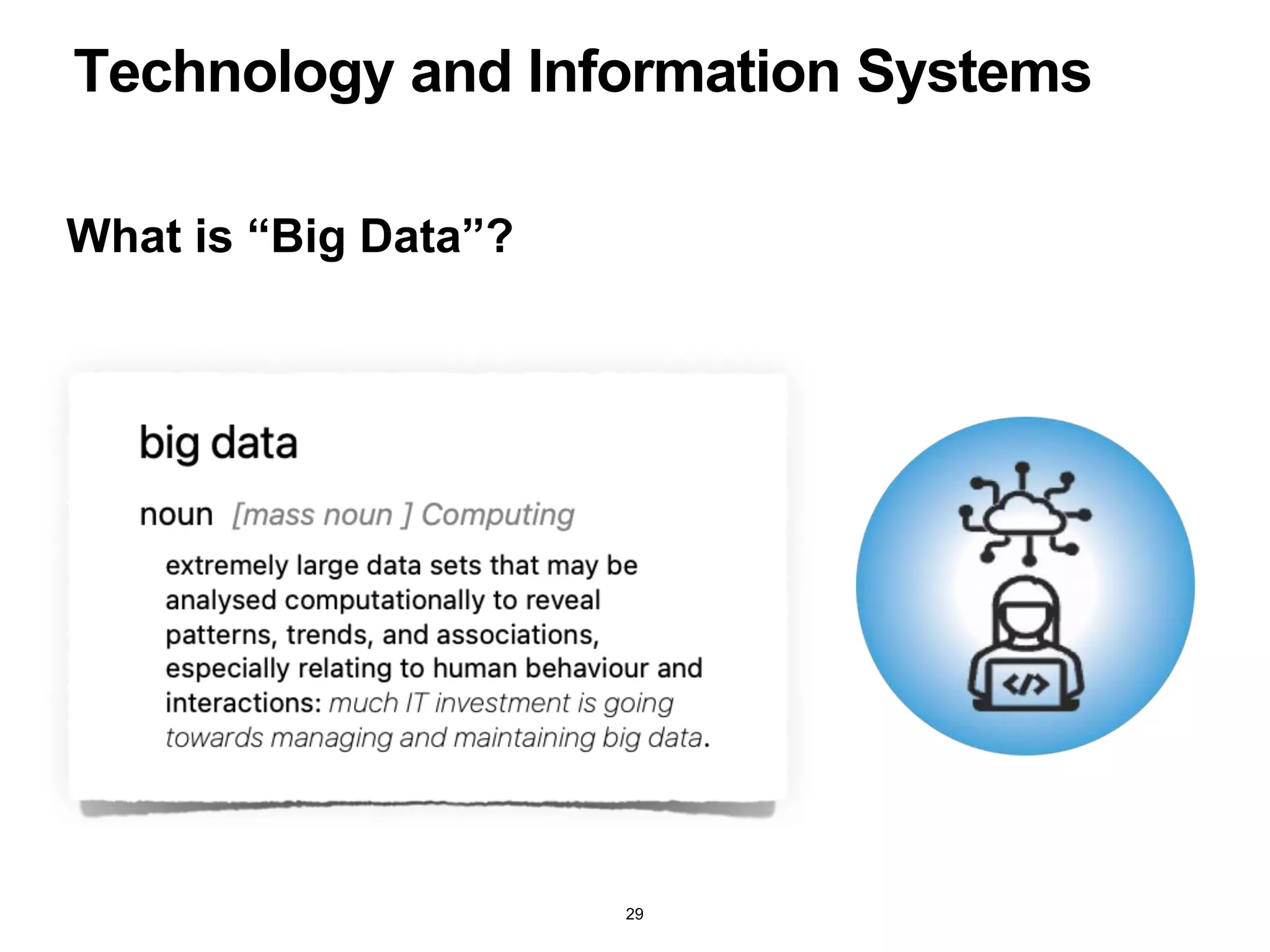
What is “Big Data”?
Technology and Information Systems
29
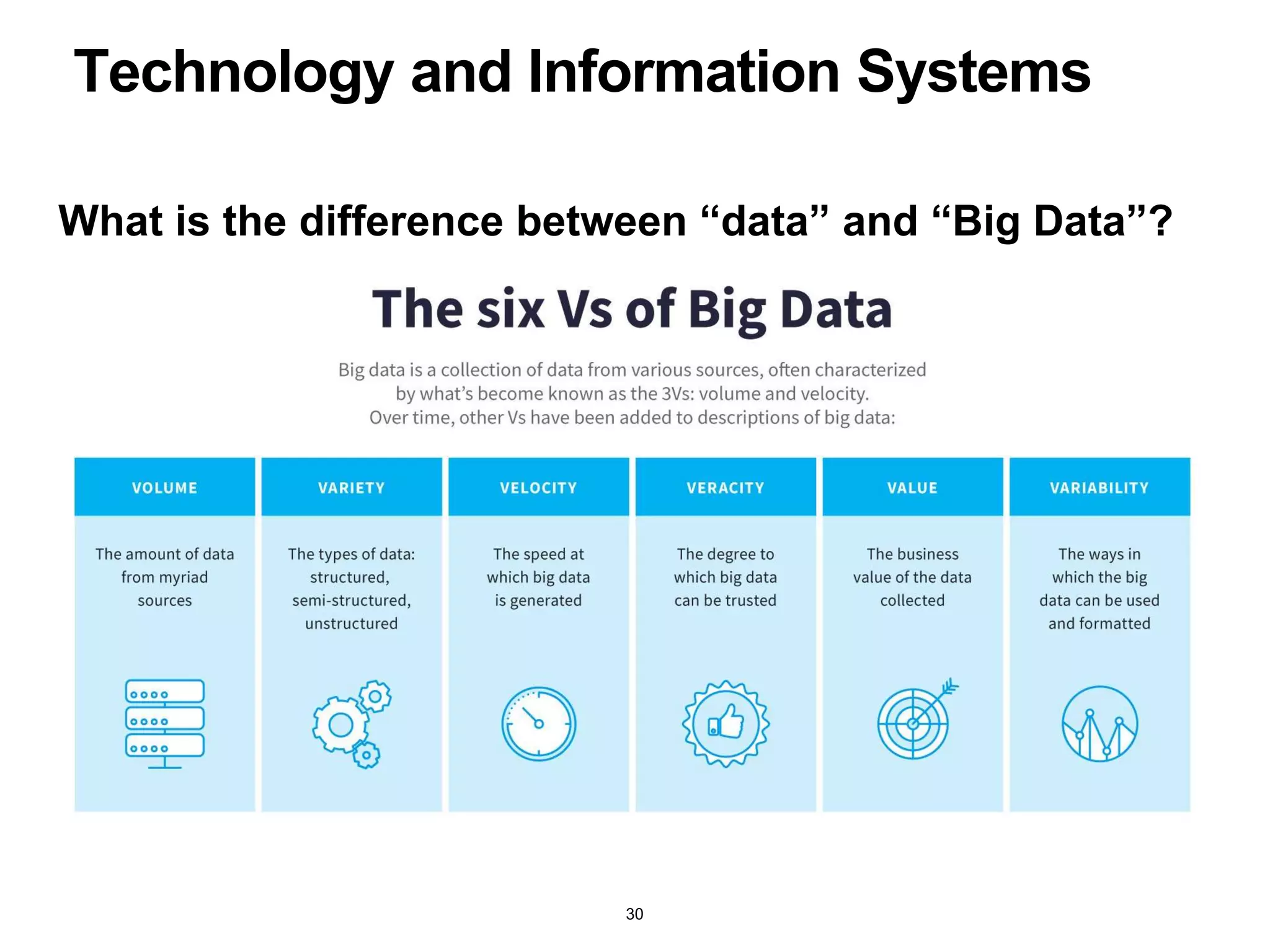
What is the difference between “data” and “Big Data”?
Technology and Information Systems
30
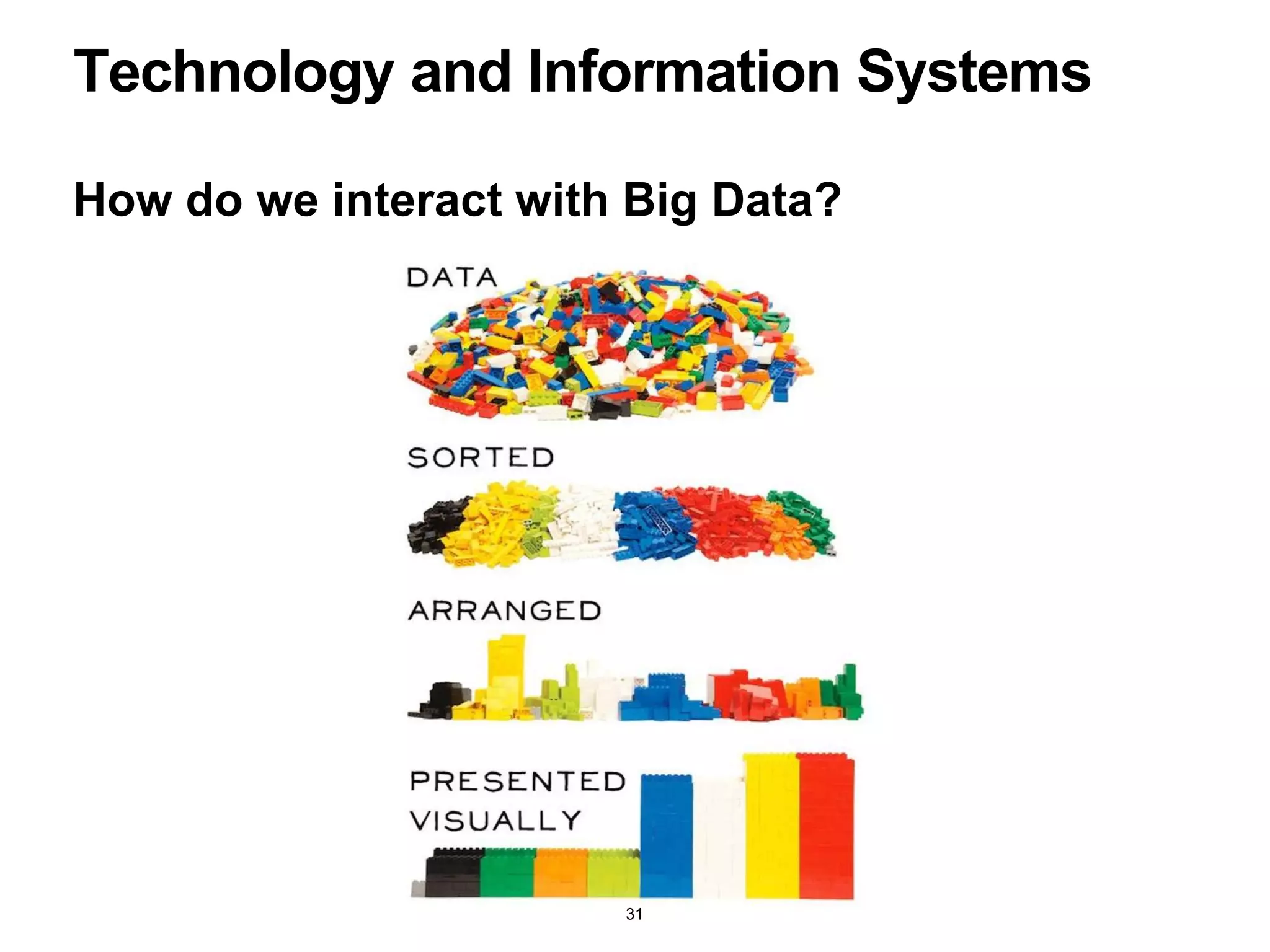
How do we interact with Big Data?
Technology and Information Systems
31
Learning outcomes
Technology and Information Systems
• Define IT and IoT.
• Identify the criteria needed to use IoT in health care.
• Describe how technology, basic science and research
has changed the job market.
• Describe how technology, basic science and research
has changed the job market.
• Define “Big Data” and how it is collected.
• Recognize the advantages and disadvantages of large
data collection.
• Identify the uses of IoT in medical education.
• Describe the uses of IoT in virtual lab and surgical
simulation.
32
What is Leadership ?
Leadership
33
is the ability of an individual or a
group of individuals to influence and
guide followers or other members of
an organization
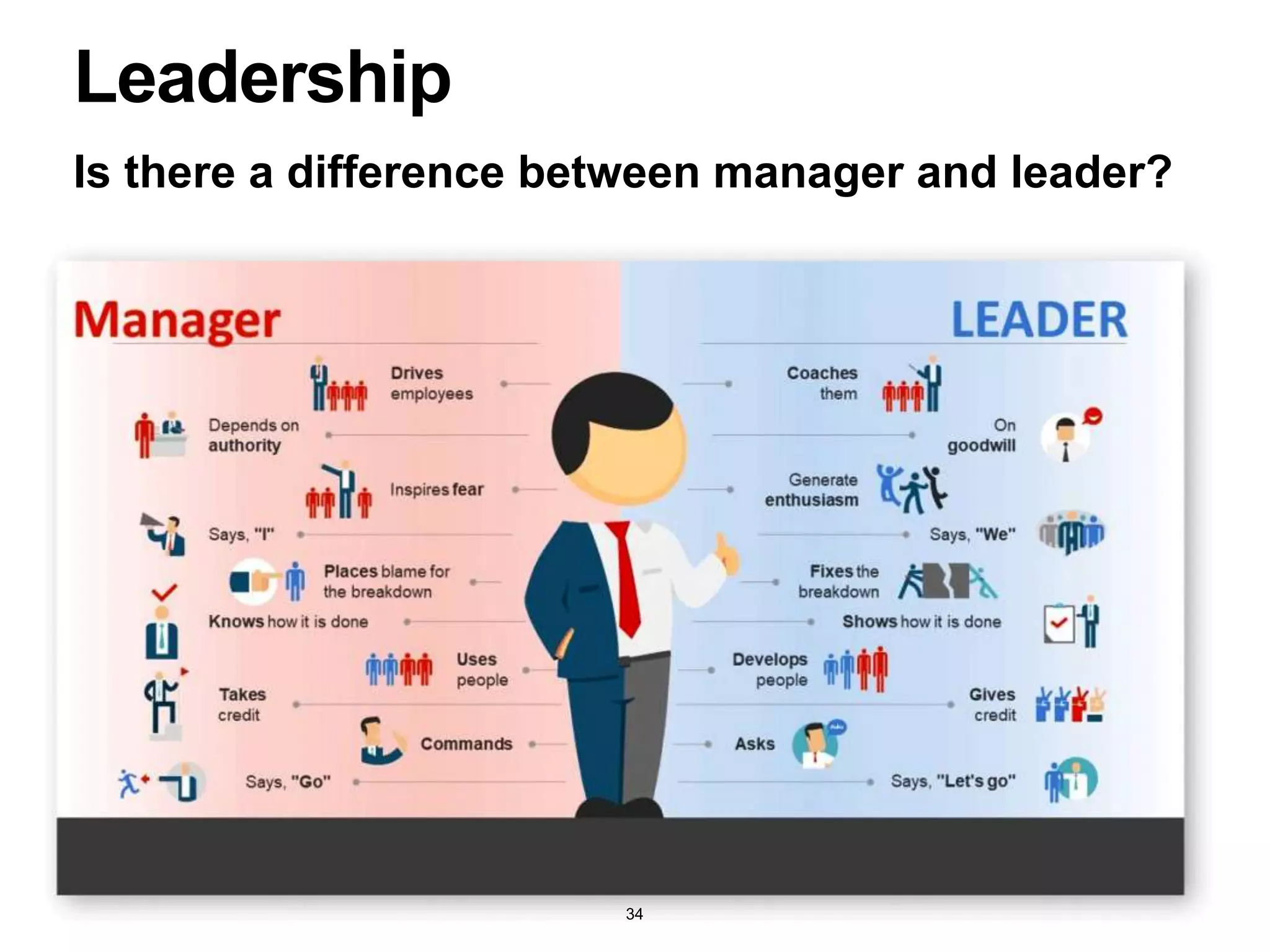
Is there a difference between manager and leader?
Leadership
34
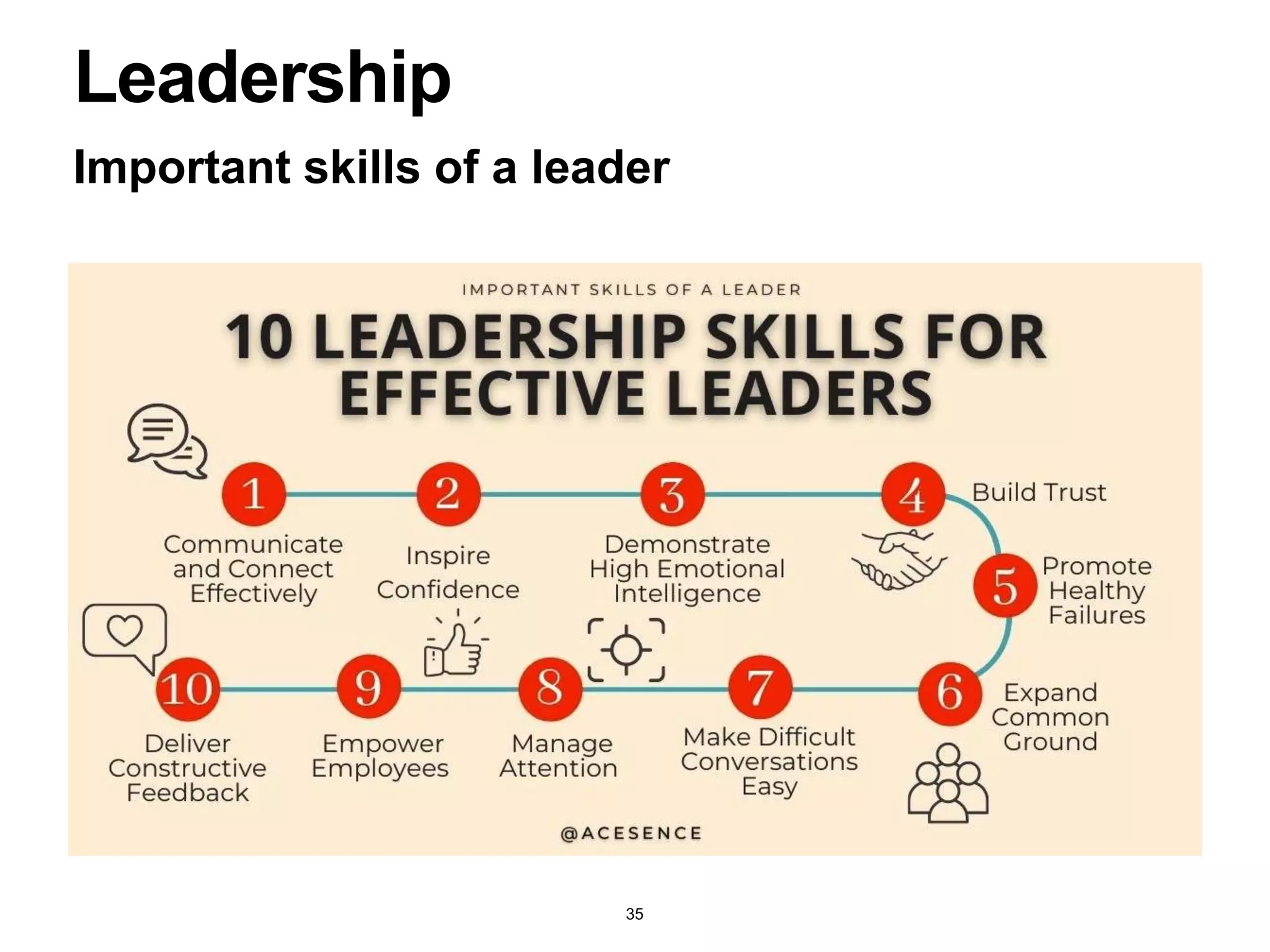
Important skills of a leader
Leadership
35
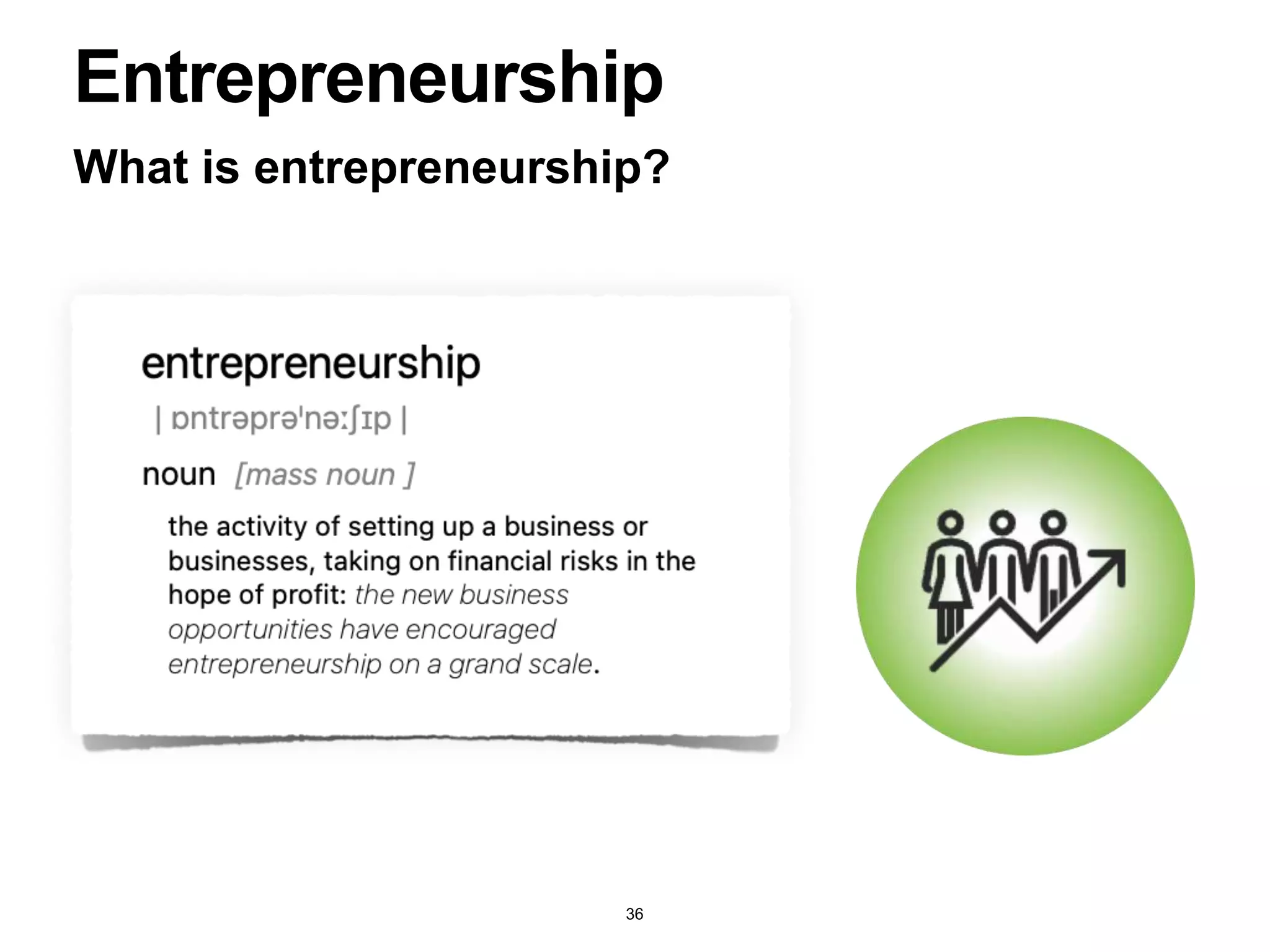
What is entrepreneurship?
Entrepreneurship
36
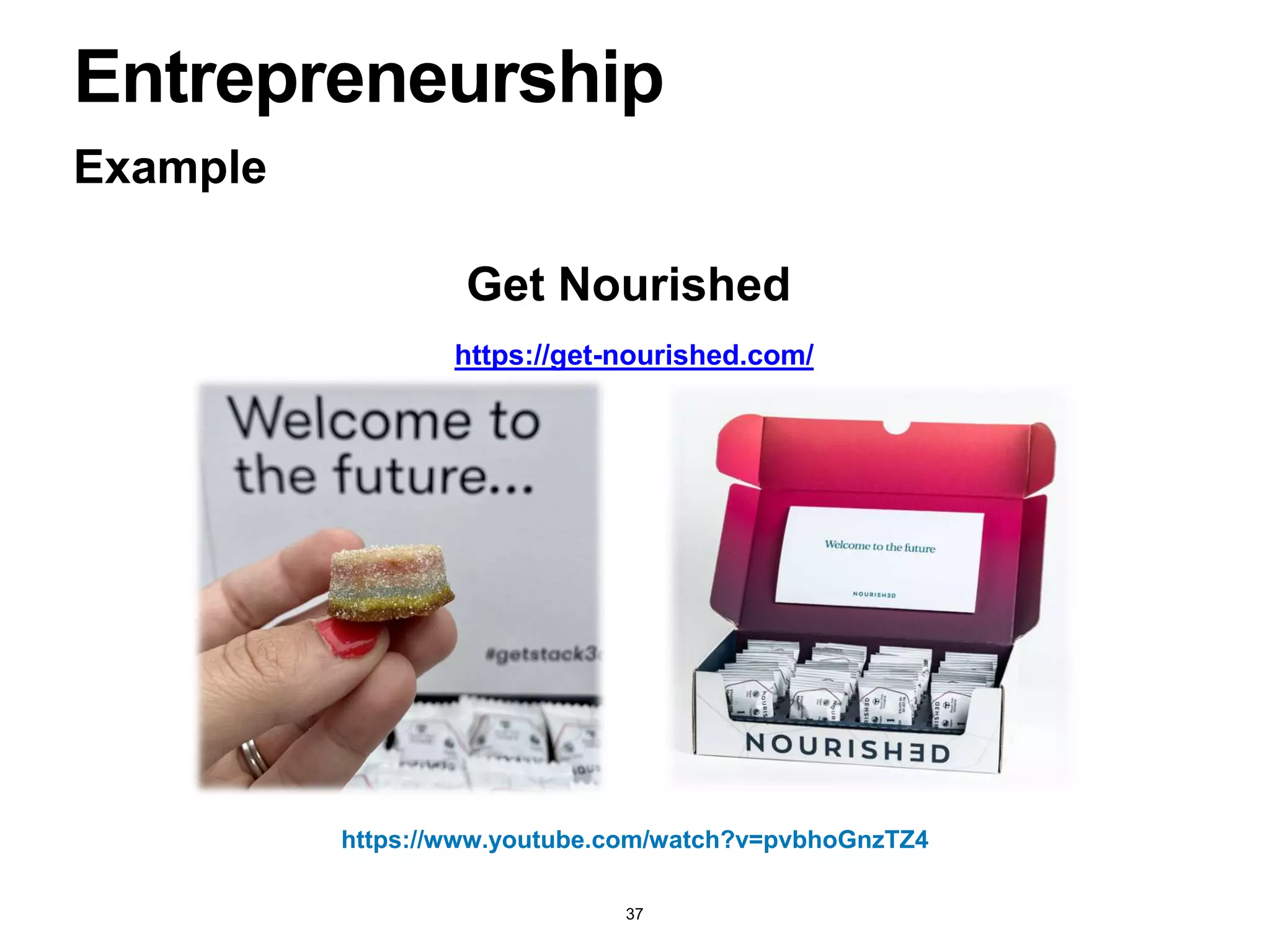
Example
Entrepreneurship
Get Nourished
https://get-nourished.com/
https://www.youtube.com/watch?v=pvbhoGnzTZ4
37
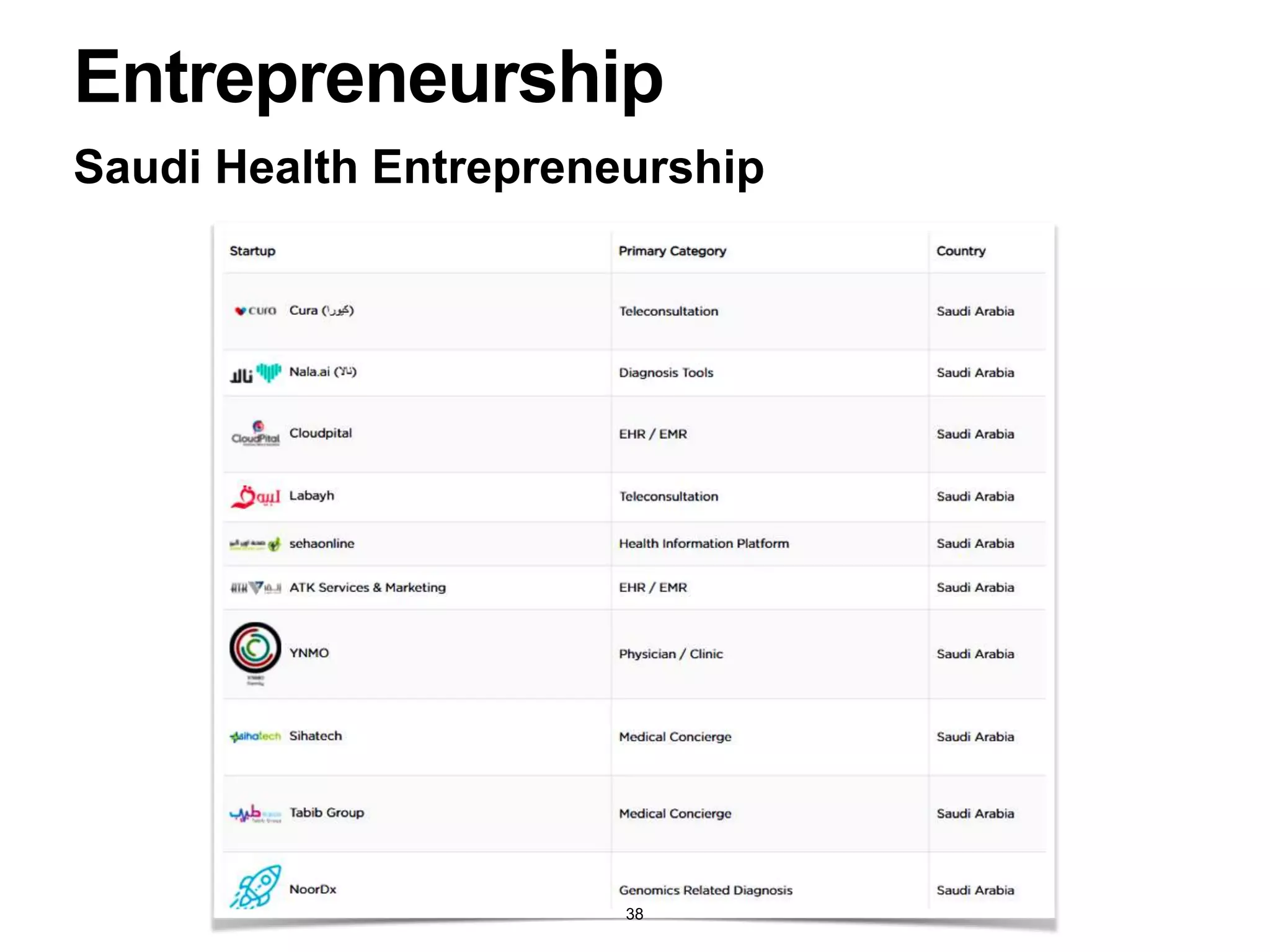
Saudi Health Entrepreneurship
Entrepreneurship
38
Learning outcomes
Entrepreneurship
• Discuss entrepreneurship in healthcare
and entrepreneurial concepts
• Define innovation and identify
opportunities to innovate
• Explain intrapreneurship and business
models
• Explain legal considerations related to
starting a healthcare business
• Identify essential elements of building
and pitching the business plan
39

Lecture 1-Introduction to labour market skills (1).pptx

  • 2.
    Introduction • Course givenin the preparatory year (Medical Track). • Previously this course was communication skills. • New course is titled: Labor Market Skills to cover a broad range of skills including but not limited to communication only. 2
  • 3.
    Course Plan Preparatory Year CourseCode Course Title First Semester BIO 112 General Biology CHEM 112 General Chemistry ELIH 101 English Language 1 STAT 112 Statistics Second Semester MATH 112 Mathematics PHYS 112 General Physics ELIH 102 English Language 2 BIO 113 Labor Market Skills CPIT 110 Programming 3
  • 4.
    S M TW T F S 30 31 1 2 3 4 5 6 7 8 9 10 11 12 13 14 15 16 17 18 19 20 21 22 23 24 25 26 27 28 Winter 2022 S M T W T F S 27 28 1 2 3 4 5 6 7 8 9 10 11 12 13 14 15 16 17 18 19 20 21 22 23 24 25 26 27 28 29 30 31 1 2 S M T W T F S 1 2 3 4 5 6 7 8 9 10 11 12 13 14 15 16 17 18 19 20 21 22 23 24 25 26 27 28 29 30 S M T W T F S 1 2 3 4 5 6 7 8 9 10 11 12 13 14 15 16 17 18 19 20 21 22 23 24 25 26 27 28 29 30 31 February March April May Mid-Term Exams Semester Overview Long Weekend Long Weekend Mid-Semester Break Eid Al Fitr Holidays Eid Al Fitr Holidays Final Exams 4
  • 5.
    • A qualitativecourse that aims to provide university students with the soft skills required for the labor market by achieving the following competencies: • Modern technology and the electronic world • Creative and innovative thinking • Effective communication in the work environment • Leadership and entrepreneurship Course Description 5
  • 6.
    • This courseaims to prepare university students for the labor market by providing them with the tools they need to achieve practical success and professional development, as well as to contribute to the advancement of development by transforming science and knowledge into scientific and practical added skill value to meet labor market challenges, thereby contributing to the King Abdulaziz University graduate characteristics. Course Goal 6
  • 7.
    Course Main Objectives Modern technologyand the electronic world Creative and innovative thinking Effective communication in the work environment Leadership and entrepreneurship 7
  • 8.
    • Employing thelatest methods and theories of creativity and innovation to develop creative thinking and problem-solving skills • Using the latest methods and applications of effective communication to refine modern communication skills in the work environment • Apply effective leadership concepts and strategies in business projects • Using modern technology applications and dealing with big data Course Main Objectives 8
  • 9.
    Course Requirements Attend Students mustattend lectures and participate. Take and Pass Take and pass midterm and final written exams. Submit and Present Submit and present all assignments complete and on time In order for students to successfully complete the course and achieve its goals the following requirements must be met: 9
  • 10.
    Class Attendance andRules Attendance is required to all classes (as per university policy). Plan to arrive on time to prevent interrupting the class. Arriving TWICE late to class will be equivalent to ONE ABSCENCE. Announcements will be made, and attendance will be recoded at the beginning of the class. Learning in this class is an active, ongoing process. Information will be presented in class that cannot be effectively communicated by reading another student's notes. It is important that students are on time, have few or no absences, and remain in class the full period. Sometimes in-class quizzes or other graded activities occur. These may be individual or in groups, as determined by the instructor. If students miss a class in which one of these takes place, he has a zero for that quiz/activity. 10
  • 11.
  • 12.
    Stimulate What made youchoose to do this? 12
  • 13.
    Explore What soft skillsdo you think are important in the medical field? 13
  • 14.
    Excite What soft skillsdo you think are your strength? What soft skills do you think you need to improve? 14
  • 15.
    Course Content Unit Listof Topics Contact Hours 1 Introduction to labor market skills 3 2 Scientific approach to practice (basic, clinical, behavioral and social sciences in medical practice) 3 3 Critical thinking skills in healthcare (clinical reasoning, decision-making, problem solving) 6 4 Effective communication skills (teamwork, inter-professional collaboration, conflict management) 9 5 Professionalism (professional attitude and ethical behavior, professional writing, time management) 6 6 Technology and information systems in healthcare 6 7 Leadership in healthcare (administrative skills) 6 8 Entrepreneurship in healthcare 6 Total 45 15
  • 16.
    S M TW T F S 30 31 1 2 3 4 5 6 7 8 9 10 11 12 13 14 15 16 17 18 19 20 21 22 23 24 25 26 27 28 Winter 2022 S M T W T F S 27 28 1 2 3 4 5 6 7 8 9 10 11 12 13 14 15 16 17 18 19 20 21 22 23 24 25 26 27 28 29 30 31 1 2 S M T W T F S 1 2 3 4 5 6 7 8 9 10 11 12 13 14 15 16 17 18 19 20 21 22 23 24 25 26 27 28 29 30 S M T W T F S 1 2 3 4 5 6 7 8 9 10 11 12 13 14 15 16 17 18 19 20 21 22 23 24 25 26 27 28 29 30 31 February March April May Unit 1 Unit 2 Unit 3 Unit 4 Unit 5 Unit 6 Unit 7 Unit 8 Unit 4 Unit 5 Unit 7 Mid-Term Exams Semester Schedule Long Weekend Long Weekend Mid-Semester Break Eid Al Fitr Holidays Eid Al Fitr Holidays Final Exams 16
  • 17.
    • 2 hourLecture • Total is 3 hours per week • Basic level (Preparatory Year) • 30 min Tutorial and 30 min Assignment/Project Teaching Method 17
  • 18.
    Assessment Assessment Task Percentage ofTotal Assessment Score Project and Presentation 40% Participation & Professionalism 10% Midterm Exam 15% Final Exam 35% 18
  • 19.
    Additional clarifications Assessment • Exams:The exams will consist of multiple choice, true/false and essay questions. No make-up exams will be given unless prior arrangements have been made. If a student must be absent on the day of a test, he/she must notify the instructor prior to the test time in order to be allowed to take a make-up test. A grade of zero (0) will be assigned if the instructor is not notified. There will be two exams in this class. The final exam will be comprehensive. In accordance with University policy, any cheating will result in a failing grade. • Assignments & Presentations: Assignment's submission due date and presentation's dates TBA. 19
  • 20.
    Resources Communication Skills by Dr.Fayza Rayes Saudi Commission for Health Specialties Professionalism and Ethics Handbook for Residents – A Practical Guide Saudi Commission for Health Specialties 20
  • 21.
    Unit 1 Introduction toLabor Market Skills
  • 22.
  • 23.
    • Define evidence-basedmedicine (EBM). • Explain the reasons for practicing EBM. • List the steps for practicing EBM. • Formulate background and foreground questions to be answered by EBM. • Detail the levels of scientific evidence in health care. • Use resources for EBM: pre-appraised evidence (Up-to-date, DynaMed, etc…) or search engines (PubMed, Medline, Google, Google Scholar). • Describe how science and practice of health care is moving forward from basic research to practice (translational science). Learning outcomes Scientific approach to practice 23
  • 24.
    • Recognize thelatest methods and theories of creativity and innovation to develop creative thinking and problem- solving skills • Apply clinical reasoning, decision- making and problem-solving techniques Learning outcomes Critical Thinking 24
  • 25.
    • Define communication •Identify the different types of communication and its uses • Classify the barriers to communication • Distinguish communication skills • List the importance of communication • Classify keys to effective communication Effective Communication Skills 25
  • 26.
  • 27.
    Stern model ofmedical professionalism Professionalism Arnold and Stern, 2006 27
  • 28.
    • Explain thecharacteristics of professional attitude of medical health practitioner. • Discuss medical health practitioners’ professional relationships and duties. • Identify patients’ rights and responsibilities. • Apply professional writing skills. • Apply professional altitude characteristics on the clinical scenario and cases. • Demonstrate professional behavior using clinical scenarios and cases. • Apply patients’ rights on clinical scenarios. • Evaluate professional writing examples of emails and reports. Professionalism 28
  • 29.
    What is “BigData”? Technology and Information Systems 29
  • 30.
    What is thedifference between “data” and “Big Data”? Technology and Information Systems 30
  • 31.
    How do weinteract with Big Data? Technology and Information Systems 31
  • 32.
    Learning outcomes Technology andInformation Systems • Define IT and IoT. • Identify the criteria needed to use IoT in health care. • Describe how technology, basic science and research has changed the job market. • Describe how technology, basic science and research has changed the job market. • Define “Big Data” and how it is collected. • Recognize the advantages and disadvantages of large data collection. • Identify the uses of IoT in medical education. • Describe the uses of IoT in virtual lab and surgical simulation. 32
  • 33.
    What is Leadership? Leadership 33 is the ability of an individual or a group of individuals to influence and guide followers or other members of an organization
  • 34.
    Is there adifference between manager and leader? Leadership 34
  • 35.
    Important skills ofa leader Leadership 35
  • 36.
  • 37.
  • 38.
  • 39.
    Learning outcomes Entrepreneurship • Discussentrepreneurship in healthcare and entrepreneurial concepts • Define innovation and identify opportunities to innovate • Explain intrapreneurship and business models • Explain legal considerations related to starting a healthcare business • Identify essential elements of building and pitching the business plan 39

Editor's Notes

  • #34 Leaders help themselves and others to do the right things. They set direction, build an inspiring vision, and create something new. Leadership is about mapping out where you need to go to "win" as a team or an organization; and it is dynamic, exciting, and inspiring.