LAL MASJID CONFLICT
Introduction
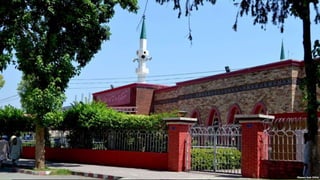
 The Lal Masjid was built in 1965 and is named after its red walls and
interiors.
 Lal masjid issue became a burning issue during 2007, conflict arose,
when capital development authority demolished 7 mosques . The two
brothers took stand against this issue .
 Lal Masjid was in constant conflict with authorities in Islamabad for
18 months prior to the military operation.
 A combination of events such as militants taking hostage the Chinese
health care centre's female workers and militants setting fire to
the Ministry of Environment building, the military responded.
 Military response was to address not just pressure from locals but
also diplomatic pressure from China.
Siege of Lal masjid
 On July 3, 2007, the stand-off between the students barricaded inside the
mosque .
 Reportedly mostly people were killed and few were injured.
 Government authorities paved a way through a delegation led by political
leaders to give them safe passage and offered to leave premises then
agreement was done.
 On 4 July 2007, authorities announced an indefinite curfew in Sector G-6 of
Islamabad, the government offered Rs. 5,000, plus a free education, to
anyone exiting the mosque unarmed.
 Before dawn on 5 July 2007, Following the fourth deadline, Abdul Aziz was
captured trying to escape disguised as a woman wearing a burqa. Following
the capture of this leader, about 800 male students and 400 female students
of Jamia Hafsa surrendered.
Siege of Lal masjid(Cont.)
 The siege continued on 6 July 2007. Negotiation talks continued between the
besieged Lal Masjid administration and government authorities, without
resolution.
 The government decided to delay the assault, hoping for the safe evacuation
of more students from the besieged mosque. President Pervez
Musharraf issued an ultimatum on the evening of 7 July 2007.
 On 9 July 2007, a group representing Pakistani madrasahs, headed by
Maulana Salimullah Khan, called for an immediate cessation of the Lal Masjid
operation.
 Finland also temporarily closed its embassy in Islamabad on 9 July 2007 due
to the deteriorating security situation.
Siege of Lal masjid(Cont.)
 On the morning of 10 July 2007, former Prime Minister Chaudhry
Shujaat Hussain and Federal Religious Affairs Minister Muhammad Ijaz-
ul-haq declared that peace negotiations via loudspeaker and mobile
phone had failed. Within minutes, the Special Service Group were
issued orders to storm the mosque.
 The Associated Press reported: "The siege has given the
neighbourhood the look of a war zone", with troops manning machine
gun behind sandbagged posts and from the top of armoured vehicles.
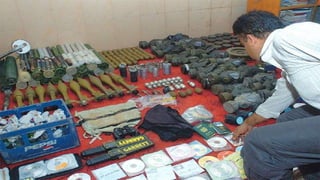
 On 11 July 2007, officials reported that the Lal Masjid complex had
been cleared of militants, and troops were combing the area for
booby traps and explosives. The eight-day Lal Masjid operation was
the longest ever conducted by the Special Service Group.
Conclusion
 If we come to conclude over Lal masjid conflict, it has
contributed to address issue’s where authorities were unable to
implement however the method being adopt to tackle such
conflict was improper and against the law and constitution of
country.
 Hard-line religious leaders always reminded of that day as a
black day in the history of country resulting deaths and
causalities of daughters and sons of nation.

Lal masjid conflict

  • 1.
  • 3.
    Introduction  The LalMasjid was built in 1965 and is named after its red walls and interiors.  Lal masjid issue became a burning issue during 2007, conflict arose, when capital development authority demolished 7 mosques . The two brothers took stand against this issue .  Lal Masjid was in constant conflict with authorities in Islamabad for 18 months prior to the military operation.  A combination of events such as militants taking hostage the Chinese health care centre's female workers and militants setting fire to the Ministry of Environment building, the military responded.  Military response was to address not just pressure from locals but also diplomatic pressure from China.
  • 4.
    Siege of Lalmasjid  On July 3, 2007, the stand-off between the students barricaded inside the mosque .  Reportedly mostly people were killed and few were injured.  Government authorities paved a way through a delegation led by political leaders to give them safe passage and offered to leave premises then agreement was done.  On 4 July 2007, authorities announced an indefinite curfew in Sector G-6 of Islamabad, the government offered Rs. 5,000, plus a free education, to anyone exiting the mosque unarmed.  Before dawn on 5 July 2007, Following the fourth deadline, Abdul Aziz was captured trying to escape disguised as a woman wearing a burqa. Following the capture of this leader, about 800 male students and 400 female students of Jamia Hafsa surrendered.
  • 5.
    Siege of Lalmasjid(Cont.)  The siege continued on 6 July 2007. Negotiation talks continued between the besieged Lal Masjid administration and government authorities, without resolution.  The government decided to delay the assault, hoping for the safe evacuation of more students from the besieged mosque. President Pervez Musharraf issued an ultimatum on the evening of 7 July 2007.  On 9 July 2007, a group representing Pakistani madrasahs, headed by Maulana Salimullah Khan, called for an immediate cessation of the Lal Masjid operation.  Finland also temporarily closed its embassy in Islamabad on 9 July 2007 due to the deteriorating security situation.
  • 6.
    Siege of Lalmasjid(Cont.)  On the morning of 10 July 2007, former Prime Minister Chaudhry Shujaat Hussain and Federal Religious Affairs Minister Muhammad Ijaz- ul-haq declared that peace negotiations via loudspeaker and mobile phone had failed. Within minutes, the Special Service Group were issued orders to storm the mosque.  The Associated Press reported: "The siege has given the neighbourhood the look of a war zone", with troops manning machine gun behind sandbagged posts and from the top of armoured vehicles.  On 11 July 2007, officials reported that the Lal Masjid complex had been cleared of militants, and troops were combing the area for booby traps and explosives. The eight-day Lal Masjid operation was the longest ever conducted by the Special Service Group.
  • 8.
    Conclusion  If wecome to conclude over Lal masjid conflict, it has contributed to address issue’s where authorities were unable to implement however the method being adopt to tackle such conflict was improper and against the law and constitution of country.  Hard-line religious leaders always reminded of that day as a black day in the history of country resulting deaths and causalities of daughters and sons of nation.