พลตรี มารวย ส่งทานินทร์
maruays@hotmail.com
1 ตุลาคม 2567
 Key Theme คือข้อสังเกตที่พบตลอด scorebook ในระดับหลาย ๆ หัวข้อ (Items) ทั้งกระบวนการและ
ผลลัพธ์
 ที่สะท้อนให้เห็นถึงจุดแข็ง โอกาสพัฒนา ที่สาคัญ (ที่มีการระบุด้วย ++ หรือ - - ตอนทา IR, V1, VB,
V2, V3/Forum)
คุณลักษณะของ Key Theme
 เป็นจุดแข็งหรือโอกาสพัฒนา ระดับสูง
 มีนัยสาคัญในแง่ ปัจจัยสาคัญ (key factors) ของผู้สมัคร
 มักจะพบบ่อย มากกว่าหนึ่งหัวข้อ/หมวด (crosscutting) หรือมีนัยสาคัญอย่างยิ่งในหนึ่งหัวข้อ (ความ
คิดเห็นที่เป็นตัวหนา)
 เป็นการแสดงความคิดเห็นใน Consensus Review (CR)
 มีการระบุค่านิยมของ Baldrige ในกรณีที่เป็นจุดแข็ง
 สรุปการตอบสนองของผู้สมัคร ตามที่เกณฑ์ถาม
 เป็นบทสรุปผู้บริหาร
หัวข้อ a. และ b. เกี่ยวข้องกับ กระบวนการ
ใช้การประเมินจาก แนวทาง การนาไปปฏิบัติ การเรียนรู้ และบูรณาการ (approach, deployment,
learning, and integration—ADLI) เป็นจุดเริ่มต้นที่ดี คือ
 มีแนวทางที่ดีและเป็นระบบ (หรือไม่)?
 วิธีการนาไปใช้ทั่วทั้งองค์กร (หรือไม่)?
 การเรียนรู้ขององค์กร เป็นจุดแข็งหรือเป็นโอกาสพัฒนา?
 มีการเชื่อมโยงระหว่างและในกระบวนการหรือไม่? ความสอดคล้องหรือการบูรณาการ ดีหรือไม่?
หัวข้อ c. และ d. เกี่ยวข้องกับ ผลลัพธ์
การประเมิน ระดับ แนวโน้ม การเปรียบเทียบ และบูรณาการ (Levels, Trends, Comparisons, and
Integration — LeTCI) เป็นจุดเริ่มต้นที่ดีคือ
 ผลลัพธ์มีแนวโน้มขึ้ นหรือลง? มีระดับที่ดีหรือดีเยี่ยมยั่งยืนหรือไม่?
 การเปรียบเทียบกับบรรดาคู่แข่งหรือองค์กรอื่น ๆ ที่มีการให้บริการที่คล้ายกันเป็นอย่างไร? มีการ
เปรียบเทียบที่เพียงพอหรือไม่?
 มีการแบ่งกลุ่ม ตามผลิตภัณฑ์และบริการ ลูกค้าตลาด กระบวนการ และแผนปฏิบัติการที่สาคัญ ที่
ระบุไว้ในโครงร่างองค์กรหรือไม่?
 มีการเป็น แบบอย่างที่ดี (role-model) ของกระบวนการหรือผลลัพธ์หรือไม่?
แนวทางการเขียน Key Theme
 เขียนประโยคที่สมบูรณ์แบบที่เป็นไปตามหลักเกณฑ์ ที่เริ่มต้นด้วยข้อสรุปที่เป็ น แก่น (Finding) ของ
ข้อคิดเห็น
 รวมถึงตัวอย่างที่เป็นหลักฐาน เพื่อเพิ่มความคมชัดและเพิ่มคุณค่าให้ผู้สมัคร โดยไม่ เลียนแบบซ้า
(parroting) หลีกเลี่ยงการบอกผู้สมัครสิ่งที่เขารู้อยู่แล้ว (เช่น ข้อมูลจากรูป และขั้นตอนที่อยู่ใน
กระบวนการ)
 อย่าใส่ค่านิยมของ Baldrige ในหัวข้อ b. และ d. (โอกาสพัฒนา) เพราะเราไม่ได้ประเมินกับค่านิยม
หลัก แต่ให้ยึดโยงกับข้อกาหนดของเกณฑ์และแนวทางการให้คะแนน
 A Key Theme is a strength or OFI that
addresses a central requirement of the
Criteria, is common to more than one Item or
Category (crosscutting), is especially
significant in terms of the applicant’s key
factors, and/or addresses a Core Value of the
Criteria.
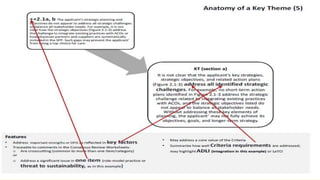
Anatomy of a Key
Theme (1)
 ผู้สมัครแสดงให้เห็นถึงการบริหารจัดการด้วยความจริง และสนับสนุน
วิสัยทัศน์ที่จะเป็นตัวเลือกอันดับแรกสาหรับการดูแล โดยการ
ตรวจสอบประสิทธิภาพการทางานที่มีการกาหนดเกณฑ์การคัดเลือก
ข้อมูล และดัชนีชี้ วัดของ APEX scorecard ข้อมูลสารสนเทศและการ
ปฏิบัติที่ดีที่สุดขององค์กรสามารถเข้าถึงได้ บริการผ่านระบบ
อิเล็กทรอนิกส์ TillingNet Portal ที่สนับสนุนวัฒนธรรมของความ
โปร่งใสและมีความรับผิดชอบ
Features:
• Important ST reflected in
KF
• Crosscutting (1.1, 1.2,
3.1, 4.1, and 4.2)
• Baldrige Values
• ADLI
Key Theme Section a.
Anatomy of a Key
Theme (2)
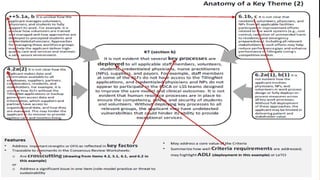
 ไม่ชัดเจนว่ากระบวนการที่สาคัญต่าง ๆ มีการนาไปปฏิบัติกับทุก
สมาชิกของทีมงาน อาสาสมัคร นักเรียน แพทย์ ผู้ปฏิบัติงาน
พยาบาล (NPS) ผู้ส่งมอบ และผู้จ่ายเงิน ยกตัวอย่างเช่น พนักงาน
บางส่วนของ ALFs ไม่สามารถเข้าถึงการใช้งาน TillingNet แพทย์
และ NPS ดูเหมือนจะไม่ได้มีส่วนร่วมในทีม PDCA หรือ LSS ที่
ออกแบบมาเพื่อปรับปรุงรูปแบบการดูแลและผลลัพธ์ทางคลินิก
และไม่ชัดเจนว่ากระบวนการทรัพยากรมนุษย์ทาให้มั่นใจได้ว่า
สนับสนุนสมรรถนะ ความปลอดภัย และการรักษาความปลอดภัย
ของนักเรียนและอาสาสมัคร การที่ไม่ได้นากระบวนการที่สาคัญไป
ปฏิบัติยังกลุ่มที่เกี่ยวข้องทั้งหมด อาจทาให้ผู้สมัครมีช่องโหว่ในการ
ตรวจพบอุปสรรค ของความสามารถในการให้บริการที่โดดเด่น
Key Theme Section b.
Features:
• Important OFI reflected in
KF
• Crosscutting or Sig. issue
(4.2, 5.1, 6.1, and 6.2 )
• ADLI
Anatomy of a Key
Theme (3)
 ผลลัพธ์ที่สาคัญหลายประการ สนับสนุนวิสัยทัศน์ของการเป็น
หนึ่งในด้านบน 10% ของ SNFs และ ALFs ความพึงพอใจของ
ชาวท้องถิ่นดีกว่าด้านบนระดับ 10% ตั้งแต่ปี 2008 สาหรับ
SNFs และตั้งแต่ปี 2010 สาหรับการดูแลช่วยเหลือ ในทานอง
เดียวกันผลลัพธ์ความพึงพอใจของพนักงานโดยรวมดีกว่าระดับ
ช่วงชั้นบนสุด 10% ตั้งแต่ปี 2008 และผลลัพธ์ความผูกพันของ
พนักงานสาหรับแนะนาผู้สมัครให้กับสมาชิกในครอบครัวอยู่ใน
ระดับที่ดีที่สุดในชั้น จุดเน้นขององค์กรเกี่ยวกับความปลอดภัย
ของผู้ป่ วย มีมาตรการที่รายงานต่อสาธารณชนอยู่ในช่วงชั้นบน
10% สาหรับอัตราทักษะของการพยาบาลดูแลแผลกดทับ
Key Theme Section c.
Features:
• Important ST reflected in
KF
• Crosscutting or Sig. issue
(7.1, 7.2, and 7.3)
• LeTCI
Anatomy of a Key
Theme (4)
 ผู้สมัครไม่ได้ทาการแบ่งกลุ่มในผลลัพธ์ที่ระบุไว้ว่ามีความสาคัญ
ตัวอย่างเช่น ผู้สมัครระบุตลาดที่กาลังเติบโตของผู้ป่ วยที่มีภาวะ
สมองเสื่อมและสมองได้รับบาดเจ็บ แต่ไม่ได้นาเสนอความผูกพัน
ของลูกค้าหรือผลลัพธ์ทางการเงินสาหรับกลุ่มเหล่านั้น คุณภาพและ
ความปลอดภัยของผู้ป่ วยมีความสาคัญกับผู้สมัคร แต่ผลลัพธ์ความ
ปลอดภัยของผู้ป่ วย ไม่ได้แบ่งตามการให้บริการตามรัฐหรือตามสิ่ง
อานวยความสะดวก อีกทั้งไม่มีการแบ่งกลุ่มประสิทธิภาพของ
มาตรการต่าง ๆ เช่นการตอบสนองของ Help Desk และระยะเวลา
จาหน่ายผู้ป่ วย การมีผลลัพธ์ที่มีการแบ่งกลุ่มตามสิ่งอานวยความ
สะดวกและการกระจายตัวทางภูมิศาสตร์ ในสภาวะการแข่งขันทาง
การตลาด อาจเพิ่มความสามารถของผู้สมัคร ที่จะรักษาชื่อเสียงของ
ตนสาหรับการให้บริการที่ดีเยี่ยม และการปรับปรุงประสิทธิผลของ
การปฏิบัติการ
Key Theme Section d.
Features:
• Important OFI reflected in
KF
• Crosscutting or Sig. issue
(7.1, 7.2, 7.3, 7.4, and
7.5)
• LeTCI
Anatomy of a Key
Theme (5)
 ไม่เป็นที่ชัดเจนว่า กลยุทธ์ วัตถุประสงค์เชิงกลยุทธ์ และแผนปฏิบัติ
การที่เกี่ยวข้อง ที่สาคัญของผู้สมัคร (รูปที่ 2.1-3) ตอบสนองกับความ
ท้าทายเชิงกลยุทธ์ที่ระบุทั้งหมด ยกตัวอย่างเช่น ไม่พบแผนปฏิบัติการ
ระยะสั้นที่ระบุไว้ในรูปที่ 2.1-3 ที่สนองตอบความท้าทายเชิงกลยุทธ์ที่
เกี่ยวข้องกับการบูรณาการการปฏิบัติที่มีอยู่กับ ACOs และวัตถุประสงค์
เชิงกลยุทธ์ที่ระบุไว้ ไม่สนองตอบความสมดุลของความต้องการของผู้มี
ส่วนได้ส่วนเสียทั้งหมด การไม่ได้รวมองค์ประกอบที่สาคัญเหล่านี้ ใน
การวางแผนกลยุทธ์ อาจจะทาให้ผู้สมัครไม่บรรลุวัตถุประสงค์
เป้าประสงค์ และกลยุทธ์ในระยะยาว
Key Theme Section b.
Features:
• Important OFI reflected in
KF
• NO Crosscutting or Sig.
issue (one item) 2.1(a,b)
• ADLI
3 Steps in KT A Creation
 1. Looking for double plus (++)
 2. Determining People (Cat. 1,3,5) and System (Cat. 2,4,6): according to the highest score Item
 3. Choosing People + System (cross cutting) + Baldridge Values
▪ 3.1 (1+2+4), (1+2+6), (1+4+6) etc.
▪ 3.2 (3+2+4), (3+2+6), (3+6+4) etc.
▪ 3.3 (5+6+4), (5+2+6), (5+2+4) etc.
Cross cutting Items in Key Theme A (Considered for Key Theme (a) when the particular Item has a
very high score)
 The Approaches are integrated with the organizational needs set forth in the Organizational Profile
and other Process Items:
 (Adapted from Scoring Guidelines by Mark L. Blazey)
Cross cutting
• การกากับดูแลองค์กร การประเมินผลการดาเนินการ และการสร้างประโยชน์ให้สังคม governance,
improving the leadership system, and societal contributions [1.2]
• วัตถุประสงค์เชิงกลยุทธ์ที่สาคัญ strategic objectives [2.1b(1)]
• การจัดทาแผนปฏิบัติการ การถ่ายทอดสู่การปฏิบัติ และตัววัดผลการดาเนินการ action plan
development [2.2a(1)], implementation [2.2a(2)], and performance measures [2.2a(5)]
• ความผูกพันของลูกค้า customer engagement [3.2]
• การพัฒนาอาชีพการงานและการวางแผนสืบทอดตาแหน่ง career development and Succession
Planning [5.2c(3)]
• วัตถุประสงค์เชิงกลยุทธ์ที่สาคัญ strategic objectives [2.1b(1)]
• การถ่ายทอดสู่การปฏิบัติ และตัววัดผลการดาเนินการ action plan implementation [2.2a(2)], and
performance measures [2.2a(5)]
• การพัฒนาอาชีพการงาน career development [5.2c(4)]
• การจัดการกระบวนการ process management [6.1b]
• การกากับดูแลองค์กรและการสร้างประโยชน์ให้สังคม governance and societal contributions [1.2]
• การถ่ายทอดสู่การปฏิบัติ และตัววัดผลการดาเนินการ action plan implementation [2.2a(2)], and
performance measures [2.2a(5)]
• การวัด และการวิเคราะห์ผลการดาเนินการ measures and analysis of performance [4.1]
• การจัดการผลการปฏิบัติงาน และการพัฒนาอาชีพการงาน reward and recognition of performance
[5.2c(1)], and leadership and workforce development [5.2c]
• ข้อกาหนดของผลิตภัณฑ์และ/หรือบริการ และการจัดการกระบวนการ work process requirements
[6.1a(1,2)], and process management [6.1b]
• การกากับดูแลองค์กรและการสร้างประโยชน์ให้สังคม governance and societal contributions [1.2a, c]
• วัตถุประสงค์เชิงกลยุทธ์ที่สาคัญ strategic objectives [2.1b(1)]
• การวัด และการวิเคราะห์ผลการดาเนินการ ข้อมูลเชิงเปรียบเทียบ การติดตามข้อมูลสารสนเทศของ
การดาเนินการโดยรวมขององค์กร measures and analysis of performance, including benchmarking
comparison organizations [4.1], data used to track [4.1a(1)] organizational review [4.1b]
• การจัดการผลการปฏิบัติงาน และการพัฒนาอาชีพการงาน organizational performance, the
performance management system [5.2c(1)], and career development [5.2c(4)]
• การจัดการกระบวนการ work process management [6.1b]
• กระบวนการที่ดาเนินการโดยองค์กร วัตถุประสงค์เชิงกลยุทธ์ที่สาคัญ work systems identification
[2.1a(4)], strategic objectives [2.1b(1)]
• การจัดทาแผนปฏิบัติการ การถ่ายทอดสู่การปฏิบัติ และตัววัดผลการดาเนินการ action plan
development [2.2a(1)], implementation [2.2a(2)], and performance measures [2.2a(5)]
• ความพึงพอใจ ความไม่พึงพอใจ และความผูกพันของลูกค้า determining customer satisfaction,
dissatisfaction, and engagement [3.2b]
• การวัด และการวิเคราะห์ผลการดาเนินการ measures and analysis of performance [4.1]
• การจัดการผลการปฏิบัติงาน managing workforce performance [5.2c(1)]
• การจัดการและการปรับปรุงกระบวนการ implementing, managing, and improving work processes to
deliver customer value (6.1)
• กระบวนการที่ดาเนินการโดยองค์กร วัตถุประสงค์เชิงกลยุทธ์ที่สาคัญ work systems selection
[2.1a(4)], strategic objectives [2.1b(1)]
• การจัดทาแผนปฏิบัติการ การถ่ายทอดสู่การปฏิบัติ และตัววัดผลการดาเนินการ action plan
development [2.2a(1)], implementation [2.2a(2)] and performance measures [2.2a(5)]
• การรับฟัง มีปฏิสัมพันธ์ และสังเกตลูกค้า customer requirements, preferences, and changing
expectations [3.1]
• การวัด และการวิเคราะห์ผลการดาเนินการ measures and analysis of performance [4.1]
• การจัดการความรู้ transferring knowledge to customers [4.2b(1)]
• การจัดการกระบวนการ work process design and management to deliver customer value [6.1]
• วัตถุประสงค์เชิงกลยุทธ์ที่สาคัญ strategic objectives [2.1b(1)]
• การจัดทาแผนปฏิบัติการ การถ่ายทอดสู่การปฏิบัติ และตัววัดผลการดาเนินการ action plan
development [2.2a(1)], implementation [2.2a(2)], and performance measures [2.2a(5)]
• การจัดการสารสนเทศและการจัดการความรู้ information and knowledge management [4.2]
• การจัดการผลการปฏิบัติงาน workforce reward and recognition [5.2c(1)]
• การจัดการกระบวนการ work process design, management, and improvement including the use of in-
process measures [6.1]
• วัตถุประสงค์เชิงกลยุทธ์ที่สาคัญ strategic objectives [2.1b(1)]
• การจัดทาแผนปฏิบัติการ การถ่ายทอดสู่การปฏิบัติ และตัววัดผลการดาเนินการ action plan development
[2.2a(1)], implementation [2.2a(2)], and performance measures [2.2a(5)]
• ความคาดหวังของลูกค้า voice-of-the-customer information [3.1]
• การวัด การวิเคราะห์ และการปรับปรุงผลการดาเนินการ measurement, analysis, and knowledge management
[4.1]
• การพัฒนาอาชีพการงาน workforce and leader development [5.2c]
• การจัดการกระบวนการ work process design, management, and improvement including requirements for in-
process measures [6.1]
• ความต่อเนื่องทางธุรกิจและความสามารถในการฟื้ นตัว disaster or emergency contingency plans [6.2c(2)]
• การสร้างประโยชน์ให้สังคม การประพฤติปฏิบัติตามกฎหมาย กฎระเบียบข้อบังคับ และจริยธรรม
societal responsibility, legal and ethical behavior [1.2]
• วัตถุประสงค์เชิงกลยุทธ์ที่สาคัญ strategic objectives [2.1b(1)]
• การจัดทาแผนปฏิบัติการ การถ่ายทอดสู่การปฏิบัติ และตัววัดผลการดาเนินการ action plan
development (2.2a(1)], implementation [2.2a(2)], and performance measures [2.2a(5)]
• การจัดการสารสนเทศและการจัดการความรู้ information and knowledge management [4.2]
• ความผูกพันของบุคลากร workforce engagement [5.2]
• การออกแบบ จัดการ และปรับปรุงผลิตภัณฑ์และ/หรือบริการ work process design, management,
and improvement [6.1]
• การสื่อสารและสร้างการมีส่วนร่วมอย่างเต็มใจกับบุคลากรทั้งหมด senior leadership communication with the workforce
and encouraging high performance [1.1]
• การสร้างประโยชน์ให้สังคม การประพฤติปฏิบัติตามกฎหมาย กฎระเบียบข้อบังคับ และจริยธรรม societal responsibility,
legal and ethical behavior [1.2]
• วัตถุประสงค์เชิงกลยุทธ์ที่สาคัญ strategic objectives [2.1b(1)]
• แผนด้านบุคลากร การจัดทาแผนปฏิบัติการ การถ่ายทอดสู่การปฏิบัติ และตัววัดผลการดาเนินการ human resource plans
[2.2a(4)], action plan development [2.2a(1)], implementation [2.2a(2)], and performance measures [2.2a(5)]
• การจัดการสารสนเทศและการจัดการความรู้ information and knowledge management [4.2]
• ขีดความสามารถและอัตรากาลังบุคลากร สภาพแวดล้อมการทางาน ค่าตอบแทน และสิทธิประโยชน์สาหรับบุคลากร
workforce capability, capacity, structure, policies, services, and benefits [5.1]
• การออกแบบ จัดการ และปรับปรุงผลิตภัณฑ์และ/หรือบริการ work process design, management, and improvement [6.1]
• ผู้นาระดับสูงดาเนินการในการสร้างสภาพแวดล้อมเพื่อทาให้องค์กรประสบความสาเร็จทั้งในปัจจุบันและในอนาคตsenior leadership actively
guiding and enhancing organizational sustainability and encouraging high performance [1.1]
• การสร้างประโยชน์ให้สังคม การประพฤติปฏิบัติตามกฎหมาย กฎระเบียบข้อบังคับ และจริยธรรม societal responsibility, legal and ethical
behavior [1.2]
• วัตถุประสงค์เชิงกลยุทธ์ที่สาคัญ strategic objectives [2.1b(1)]
• การจัดทาแผนปฏิบัติการ การถ่ายทอดสู่การปฏิบัติ และตัววัดผลการดาเนินการ action plan development [2.2a(1)], implementation
[2.2a(2)], and performance measures [2.2a(5)]
• ความพึงพอใจ ความไม่พึงพอใจ และความผูกพันของลูกค้า determining customer satisfaction/dissatisfaction [ 3.2b(1)], and engaging
customers to serve their needs [3.2]
• การวัด การวิเคราะห์ และการปรับปรุงผลการดาเนินการ measurement, analysis, and improvement [4.1]
• การจัดการสารสนเทศและการจัดการความรู้information and knowledge management including preparation for emergencies [4.2]
• ความผูกพันของบุคลากร workforce engagement [5.2]
• สภาพแวดล้อมของบุคลากร workforce environment [5.1]
• การจัดการต้นทุน ความปลอดภัย และความต่อเนื่องของธุรกิจ cost control, ensure the security of data and information, provide a safe
operating environment, and ensure business continuity when faced with disasters or emergencies [6.2]
• ผู้นาระดับสูงดาเนินการในการสร้างสภาพแวดล้อมเพื่อทาให้องค์กรประสบความสาเร็จทั้งในปัจจุบันและในอนาคต
senior leadership actively enhancing organizational sustainability and encouraging high performance [1.1]
• การสร้างประโยชน์ให้สังคม การประพฤติปฏิบัติตามกฎหมาย กฎระเบียบข้อบังคับ และจริยธรรม societal responsibility,
legal, and ethical behavior [1.2]
• วัตถุประสงค์เชิงกลยุทธ์ที่สาคัญ strategic objectives [2.1b(1)]
• การจัดทาแผนปฏิบัติการ การถ่ายทอดสู่การปฏิบัติ และตัววัดผลการดาเนินการ action plan development [2.2a(1)],
implementation [2.2a(2)], and performance measures [2.2a(5)]
• การวัด การวิเคราะห์ และการปรับปรุงผลการดาเนินการ measurement, analysis, and improvement [4.1]
• การจัดการสารสนเทศและการจัดการความรู้ information and knowledge management [4.2]
• ความผูกพันของบุคลากร workforce engagement [5.2]
• สภาพแวดล้อมของบุคลากร workforce environment [5.1]
• การออกแบบ จัดการ และปรับปรุงผลิตภัณฑ์และ/หรือบริการ designing, managing, and improving products and services
and work processes [6.1]
3 Steps in KT B Creation
 1. Looking for double minus (- -)
 2. Gathering scoring evaluation factors (A>L>D>I) from every process Items
 3. Prioritizing examples according from the lowest score Item + so what (from Key Factors)
3 Steps in KT C Creation
 1. Looking for the highest score Items
 2. Ordering 1,2,3… by sequence (7.1>7.2>7.3>7.4>7.5)
 3. Describing LeTCI (from scoring guidelines table) + Baldrige Values (Optional)
3 Steps in KT D Creation
 1. Look for scoring evaluation factors (I,C,T,Le) in every results Item
 2. Priority on I (Important or no segmentation) >C (no or not appropriate comparison) >T (adverse
or unstable trend)> Le (target not met)
 3. Put examples by lowest score Items accordingly + so what (from Key Factors)
 Start by developing one-to-three SVIs at the key process level for each item.
 Here is one way to start an SVI:
▪ a. To understand the key processes involved, review the key inputs to the item (e.g., Criteria
requirements, key factors, and comments).
▪ b. Select one OFI comment, since all must be clarified, and determine to which key process it relates.
Consider in your SVI the process evaluation factors (approach, deployment, learning, and integration
[ADLI]) addressed in the comment.
▪ c. Review other OFIs and strengths to determine if the issues related to that key process can be clarified
and verified through one integrated SVI.
▪ d. When you have addressed all OFIs, check to see if the SVIs also verify first, all bolded (significant)
strengths and then, the remaining strengths. Every comment should be addressed by an SVI. If not, you
may need to craft a separate SVI.
 Integration within an SVI is not the same thing as combining issues.
 It can be tempting to put as many issues as possible into a single SVI. This is not helpful when
those issues are not related to the same key process. This creates a patchwork SVI Worksheet that
will confuse the team and the judges.
 If the issues will not be investigated through the same methods (e.g., talking to the same people,
reviewing the same documents, making the same observations), it is probably not appropriate to
integrate them.
 SVIs may involve elements of the Key Themes. The team leader must ensure that the collective SVIs
verify and clarify the key themes.
 Define the core questions to resolve the SVI.
 Design the questions to elicit information that verifies or clarifies the original comments in the
scorebook.
 Craft these core questions to address the process evaluation factors (ADLI) included in the
comments.
 To strategize how to investigate the core questions. (Teams use this tool in planning and executing
the site visit, but it is not given to the judges.)
 Strategy tools: an interview for the people or group to talk with and the specific questions, list
documents that you want to review and walk-around questions to determine deployment.
 List each document or question separately
 สื่อสารข้อมูลที่พบจากการเยี่ยมองค์กรให้กับคณะกรรมการตัดสินได้รับทราบ
 เพื่อให้ข้อมูลในรายงานป้อนกลับที่ตรงประเด็นกับข้อเท็จจริงมากที่สุด
 ค้นหาสิ่งปฏิบัติที่เป็นเลิศขององค์กร
Verification = extent of deployment (Strength)
Clarification = unclear or not addressed (OFI)
 ทบทวน Key Theme comments จาก Consensus Scorebook
 เน้นจุดสาคัญของข้อกาหนดที่เป็ นทั้งจุดแข็งและโอกาสพัฒนา
 คารายงานที่มีผลต่อคะแนน
 2-4 SVIs ต่อ item
 1 SVI ต่อแผ่น
1. Read comments on assigned category
2. Read consensus scorebook (Key Theme & Item comments)
3. Read criteria requirements
4. Write verify & clarify for ADLI in section Issue (or write verify & clarify for LeTCI in
section Issue)
5. List all comments impacted by finding (in step 2 : Key Theme ) in comment affected
section
6. Write SVI number in Item Reference
 บันทึกบุคคลที่จะถามและคาถามที่จะใช้
 บันทึกว่าจะทบทวนเอกสารใด และข้อมูลข่าวสารใดที่ต้องการ
 บันทึกคาถามที่ใช้ในการเดินสารวจ
 ระบุการประชุม กิจกรรม กระบวนงาน ที่ต้องการสังเกต และต้องการรู้อะไร
 เลือกสถานที่ที่ต้องการเยี่ยม เหตุผลในการเข้าเยี่ยม หรือเพื่อดูการใช้งาน ในกลุ่มพนักงานที่
เฉพาะเจาะจง
Concepts
 1. To clear Key Theme B and D (mainly B)
 2. To clear all OFIs in every Item (clear the It’s not clear…)
 3. To verify Key Theme A and C
 4. To verify all STs in every Item
3 steps to create SVI
 1. Focus on the main issue (specify what you want to know more to confirm your comment either on
strengths or OFIs)
 2. Establish a lot of QUESTIONS (more better than less, and don’t forget to look from other Items
that the issue associated with)
 3. Write down strategy: interview or documents or both (usually it going to be interview personnel in
3 level (Top, Middle, Frontlines) to see Deployment)
 ผู้ตรวจประเมินสามารถทา SVI online แต่ในระบบจะเป็นโปรแกรม Excel (อีกละ !)
 สาหรับผู้ที่ไม่ถนัดทาออนไลน์ ให้ทาเป็นโปรแกรม Word แล้วให้ OTQA monitor ช่วยลงในออนไลน์
 โดยมีข้อมูล (content) ที่ต้องการดังนี้
 1. Item reference (ลาดับใบงาน) เช่น 1.1-1 (หมายถึง Item 1.1 sheet 1) หรือ 1.1-2 (ในกรณีที่
หัวข้อนั้นมี 2 ใบ)
 2. Issue (ประเด็นสาคัญที่ต้องการคาตอบ) เช่น การทบทวนและปรับปรุงกระบวนการนาองค์กร
(เน้นการสื่อสารที่ครอบคลุมทุกผู้มีส่วนได้ส่วนเสีย)
 3. Affect (ผลกระทบกับหัวข้ออื่น) เช่น 1.2ก(2) การประเมินผลการดาเนินการของผู้นาระดับสูง
5.2ค(3) การพัฒนาอาชีพการงานและการวางแผนสืบทอดตาแหน่ง 2.2 การนากลยุทธ์ไปปฏิบัติ
 4. Details Table (รายละเอียดเพื่อลงในตาราง) ดังนี้
 4.1 Issue (ประเด็นที่ต้องการปิด ST or OFI) มีได้หลายประเด็นใน 1 แผ่นนี้ เช่น 1.1ก(1,2) 1.1ข
 4.2 comment (นามาจาก ST or OFI ของ Item เป็นประโยคที่กระชับ) เช่น ก(1) ผู้นาระดับสูง
ดาเนินการในการกาหนดและถ่ายทอดสู่การปฏิบัติในเรื่องพันธกิจ, วิสัยทัศน์ และค่านิยม (ST) แต่
ไม่ชัดเจนเรื่องการทบทวนและปรับปรุง (OFI) ข ผู้นาระดับสูงดาเนินการอย่างไรในการกาหนดและ
ถ่ายทอดสู่การปฏิบัติในเรื่องพันธกิจ, วิสัยทัศน์ และค่านิยม (ST) แต่ไม่ชัดเจนเรื่องการทบทวนและ
ปรับปรุง (OFI)
 4.3 Objective (Verify or Clarify) V or C or V/C
 4.4 interviewees (at least 3 levels to check Deployment) 1. SLT (or Head of Unit) 2. Staff 3.
Workforce
 4.5 Questions (for interview with personnel of each level accordingly)
▪ High level (ask about policy & way to communicate to next level) เช่น มีแนวทางการถ่ายทอด
MVV ใดที่คิดว่าได้ผลที่สุด (D) มีแนวทางในการปรับปรุงให้ดีขึ้ นอย่างไร (L)
▪ Middle level (ask about how to know the policy & way to communicate to lower/upper level) เช่น
ใช้ช่องทางการสื่อสารที่คิดว่าได้ผลที่สุด และนาไปถ่ายทอดต่ออย่างไร (D) คิดว่าควรปรับปรุงการ
สื่อสารในเรื่อง MVV ให้ดีขึ้ นอย่างไร (L) ให้ยกตัวอย่างการนาข้อสะท้อนกลับของบุคลากรไป
ปรับปรุงในเรื่องการสื่อสาร
▪ Employee (ask about how to do the procedure & way to feedback) เช่น ช่องทางการรับรู้เรื่อง
จุดหมายขององค์กร และคิดว่าตนเองมีส่วนทาให้บรรลุจุดหมายนั้นอย่างไร วิธีที่ผู้นาเคยบอก
กล่าวเกี่ยวกับรายละเอียดของจุดหมายนั้นในเรื่องอะไรบ้าง
 Strategy tools
▪ Interviews (Questions to ask) เช่น ทีมนา หัวหน้าหน่วย และตามประเภทของบุคลากร
▪ Documents to review เช่น บันทึกการประชุมทีมนา รายงานผลประกอบการรายปี แผนกลยุทธ์
▪ Walk around questions เช่น เรื่องอบรมที่เป็นการพัฒนางานล่าสุดคือเรื่องอะไร มีส่วนช่วยในการ
สนับสนุนชุมชนอย่างไร มีความภาคภูมิใจที่องค์กรประสบความสาเร็จในเรื่องใด
บทสรุปผู้บริหารและประเด็นการเยี่ยมหน่วยงาน Key Theme & Site Visit Issue.pdf

บทสรุปผู้บริหารและประเด็นการเยี่ยมหน่วยงาน Key Theme & Site Visit Issue.pdf

  • 1.
  • 3.
     Key Themeคือข้อสังเกตที่พบตลอด scorebook ในระดับหลาย ๆ หัวข้อ (Items) ทั้งกระบวนการและ ผลลัพธ์  ที่สะท้อนให้เห็นถึงจุดแข็ง โอกาสพัฒนา ที่สาคัญ (ที่มีการระบุด้วย ++ หรือ - - ตอนทา IR, V1, VB, V2, V3/Forum)
  • 4.
    คุณลักษณะของ Key Theme เป็นจุดแข็งหรือโอกาสพัฒนา ระดับสูง  มีนัยสาคัญในแง่ ปัจจัยสาคัญ (key factors) ของผู้สมัคร  มักจะพบบ่อย มากกว่าหนึ่งหัวข้อ/หมวด (crosscutting) หรือมีนัยสาคัญอย่างยิ่งในหนึ่งหัวข้อ (ความ คิดเห็นที่เป็นตัวหนา)  เป็นการแสดงความคิดเห็นใน Consensus Review (CR)  มีการระบุค่านิยมของ Baldrige ในกรณีที่เป็นจุดแข็ง  สรุปการตอบสนองของผู้สมัคร ตามที่เกณฑ์ถาม  เป็นบทสรุปผู้บริหาร
  • 5.
    หัวข้อ a. และb. เกี่ยวข้องกับ กระบวนการ ใช้การประเมินจาก แนวทาง การนาไปปฏิบัติ การเรียนรู้ และบูรณาการ (approach, deployment, learning, and integration—ADLI) เป็นจุดเริ่มต้นที่ดี คือ  มีแนวทางที่ดีและเป็นระบบ (หรือไม่)?  วิธีการนาไปใช้ทั่วทั้งองค์กร (หรือไม่)?  การเรียนรู้ขององค์กร เป็นจุดแข็งหรือเป็นโอกาสพัฒนา?  มีการเชื่อมโยงระหว่างและในกระบวนการหรือไม่? ความสอดคล้องหรือการบูรณาการ ดีหรือไม่?
  • 6.
    หัวข้อ c. และd. เกี่ยวข้องกับ ผลลัพธ์ การประเมิน ระดับ แนวโน้ม การเปรียบเทียบ และบูรณาการ (Levels, Trends, Comparisons, and Integration — LeTCI) เป็นจุดเริ่มต้นที่ดีคือ  ผลลัพธ์มีแนวโน้มขึ้ นหรือลง? มีระดับที่ดีหรือดีเยี่ยมยั่งยืนหรือไม่?  การเปรียบเทียบกับบรรดาคู่แข่งหรือองค์กรอื่น ๆ ที่มีการให้บริการที่คล้ายกันเป็นอย่างไร? มีการ เปรียบเทียบที่เพียงพอหรือไม่?  มีการแบ่งกลุ่ม ตามผลิตภัณฑ์และบริการ ลูกค้าตลาด กระบวนการ และแผนปฏิบัติการที่สาคัญ ที่ ระบุไว้ในโครงร่างองค์กรหรือไม่?  มีการเป็น แบบอย่างที่ดี (role-model) ของกระบวนการหรือผลลัพธ์หรือไม่?
  • 7.
    แนวทางการเขียน Key Theme เขียนประโยคที่สมบูรณ์แบบที่เป็นไปตามหลักเกณฑ์ ที่เริ่มต้นด้วยข้อสรุปที่เป็ น แก่น (Finding) ของ ข้อคิดเห็น  รวมถึงตัวอย่างที่เป็นหลักฐาน เพื่อเพิ่มความคมชัดและเพิ่มคุณค่าให้ผู้สมัคร โดยไม่ เลียนแบบซ้า (parroting) หลีกเลี่ยงการบอกผู้สมัครสิ่งที่เขารู้อยู่แล้ว (เช่น ข้อมูลจากรูป และขั้นตอนที่อยู่ใน กระบวนการ)  อย่าใส่ค่านิยมของ Baldrige ในหัวข้อ b. และ d. (โอกาสพัฒนา) เพราะเราไม่ได้ประเมินกับค่านิยม หลัก แต่ให้ยึดโยงกับข้อกาหนดของเกณฑ์และแนวทางการให้คะแนน
  • 8.
     A KeyTheme is a strength or OFI that addresses a central requirement of the Criteria, is common to more than one Item or Category (crosscutting), is especially significant in terms of the applicant’s key factors, and/or addresses a Core Value of the Criteria.
  • 10.
    Anatomy of aKey Theme (1)  ผู้สมัครแสดงให้เห็นถึงการบริหารจัดการด้วยความจริง และสนับสนุน วิสัยทัศน์ที่จะเป็นตัวเลือกอันดับแรกสาหรับการดูแล โดยการ ตรวจสอบประสิทธิภาพการทางานที่มีการกาหนดเกณฑ์การคัดเลือก ข้อมูล และดัชนีชี้ วัดของ APEX scorecard ข้อมูลสารสนเทศและการ ปฏิบัติที่ดีที่สุดขององค์กรสามารถเข้าถึงได้ บริการผ่านระบบ อิเล็กทรอนิกส์ TillingNet Portal ที่สนับสนุนวัฒนธรรมของความ โปร่งใสและมีความรับผิดชอบ Features: • Important ST reflected in KF • Crosscutting (1.1, 1.2, 3.1, 4.1, and 4.2) • Baldrige Values • ADLI Key Theme Section a.
  • 12.
    Anatomy of aKey Theme (2)  ไม่ชัดเจนว่ากระบวนการที่สาคัญต่าง ๆ มีการนาไปปฏิบัติกับทุก สมาชิกของทีมงาน อาสาสมัคร นักเรียน แพทย์ ผู้ปฏิบัติงาน พยาบาล (NPS) ผู้ส่งมอบ และผู้จ่ายเงิน ยกตัวอย่างเช่น พนักงาน บางส่วนของ ALFs ไม่สามารถเข้าถึงการใช้งาน TillingNet แพทย์ และ NPS ดูเหมือนจะไม่ได้มีส่วนร่วมในทีม PDCA หรือ LSS ที่ ออกแบบมาเพื่อปรับปรุงรูปแบบการดูแลและผลลัพธ์ทางคลินิก และไม่ชัดเจนว่ากระบวนการทรัพยากรมนุษย์ทาให้มั่นใจได้ว่า สนับสนุนสมรรถนะ ความปลอดภัย และการรักษาความปลอดภัย ของนักเรียนและอาสาสมัคร การที่ไม่ได้นากระบวนการที่สาคัญไป ปฏิบัติยังกลุ่มที่เกี่ยวข้องทั้งหมด อาจทาให้ผู้สมัครมีช่องโหว่ในการ ตรวจพบอุปสรรค ของความสามารถในการให้บริการที่โดดเด่น Key Theme Section b. Features: • Important OFI reflected in KF • Crosscutting or Sig. issue (4.2, 5.1, 6.1, and 6.2 ) • ADLI
  • 14.
    Anatomy of aKey Theme (3)  ผลลัพธ์ที่สาคัญหลายประการ สนับสนุนวิสัยทัศน์ของการเป็น หนึ่งในด้านบน 10% ของ SNFs และ ALFs ความพึงพอใจของ ชาวท้องถิ่นดีกว่าด้านบนระดับ 10% ตั้งแต่ปี 2008 สาหรับ SNFs และตั้งแต่ปี 2010 สาหรับการดูแลช่วยเหลือ ในทานอง เดียวกันผลลัพธ์ความพึงพอใจของพนักงานโดยรวมดีกว่าระดับ ช่วงชั้นบนสุด 10% ตั้งแต่ปี 2008 และผลลัพธ์ความผูกพันของ พนักงานสาหรับแนะนาผู้สมัครให้กับสมาชิกในครอบครัวอยู่ใน ระดับที่ดีที่สุดในชั้น จุดเน้นขององค์กรเกี่ยวกับความปลอดภัย ของผู้ป่ วย มีมาตรการที่รายงานต่อสาธารณชนอยู่ในช่วงชั้นบน 10% สาหรับอัตราทักษะของการพยาบาลดูแลแผลกดทับ Key Theme Section c. Features: • Important ST reflected in KF • Crosscutting or Sig. issue (7.1, 7.2, and 7.3) • LeTCI
  • 16.
    Anatomy of aKey Theme (4)  ผู้สมัครไม่ได้ทาการแบ่งกลุ่มในผลลัพธ์ที่ระบุไว้ว่ามีความสาคัญ ตัวอย่างเช่น ผู้สมัครระบุตลาดที่กาลังเติบโตของผู้ป่ วยที่มีภาวะ สมองเสื่อมและสมองได้รับบาดเจ็บ แต่ไม่ได้นาเสนอความผูกพัน ของลูกค้าหรือผลลัพธ์ทางการเงินสาหรับกลุ่มเหล่านั้น คุณภาพและ ความปลอดภัยของผู้ป่ วยมีความสาคัญกับผู้สมัคร แต่ผลลัพธ์ความ ปลอดภัยของผู้ป่ วย ไม่ได้แบ่งตามการให้บริการตามรัฐหรือตามสิ่ง อานวยความสะดวก อีกทั้งไม่มีการแบ่งกลุ่มประสิทธิภาพของ มาตรการต่าง ๆ เช่นการตอบสนองของ Help Desk และระยะเวลา จาหน่ายผู้ป่ วย การมีผลลัพธ์ที่มีการแบ่งกลุ่มตามสิ่งอานวยความ สะดวกและการกระจายตัวทางภูมิศาสตร์ ในสภาวะการแข่งขันทาง การตลาด อาจเพิ่มความสามารถของผู้สมัคร ที่จะรักษาชื่อเสียงของ ตนสาหรับการให้บริการที่ดีเยี่ยม และการปรับปรุงประสิทธิผลของ การปฏิบัติการ Key Theme Section d. Features: • Important OFI reflected in KF • Crosscutting or Sig. issue (7.1, 7.2, 7.3, 7.4, and 7.5) • LeTCI
  • 18.
    Anatomy of aKey Theme (5)  ไม่เป็นที่ชัดเจนว่า กลยุทธ์ วัตถุประสงค์เชิงกลยุทธ์ และแผนปฏิบัติ การที่เกี่ยวข้อง ที่สาคัญของผู้สมัคร (รูปที่ 2.1-3) ตอบสนองกับความ ท้าทายเชิงกลยุทธ์ที่ระบุทั้งหมด ยกตัวอย่างเช่น ไม่พบแผนปฏิบัติการ ระยะสั้นที่ระบุไว้ในรูปที่ 2.1-3 ที่สนองตอบความท้าทายเชิงกลยุทธ์ที่ เกี่ยวข้องกับการบูรณาการการปฏิบัติที่มีอยู่กับ ACOs และวัตถุประสงค์ เชิงกลยุทธ์ที่ระบุไว้ ไม่สนองตอบความสมดุลของความต้องการของผู้มี ส่วนได้ส่วนเสียทั้งหมด การไม่ได้รวมองค์ประกอบที่สาคัญเหล่านี้ ใน การวางแผนกลยุทธ์ อาจจะทาให้ผู้สมัครไม่บรรลุวัตถุประสงค์ เป้าประสงค์ และกลยุทธ์ในระยะยาว Key Theme Section b. Features: • Important OFI reflected in KF • NO Crosscutting or Sig. issue (one item) 2.1(a,b) • ADLI
  • 19.
    3 Steps inKT A Creation  1. Looking for double plus (++)  2. Determining People (Cat. 1,3,5) and System (Cat. 2,4,6): according to the highest score Item  3. Choosing People + System (cross cutting) + Baldridge Values ▪ 3.1 (1+2+4), (1+2+6), (1+4+6) etc. ▪ 3.2 (3+2+4), (3+2+6), (3+6+4) etc. ▪ 3.3 (5+6+4), (5+2+6), (5+2+4) etc.
  • 20.
    Cross cutting Itemsin Key Theme A (Considered for Key Theme (a) when the particular Item has a very high score)  The Approaches are integrated with the organizational needs set forth in the Organizational Profile and other Process Items:  (Adapted from Scoring Guidelines by Mark L. Blazey)
  • 21.
    Cross cutting • การกากับดูแลองค์กรการประเมินผลการดาเนินการ และการสร้างประโยชน์ให้สังคม governance, improving the leadership system, and societal contributions [1.2] • วัตถุประสงค์เชิงกลยุทธ์ที่สาคัญ strategic objectives [2.1b(1)] • การจัดทาแผนปฏิบัติการ การถ่ายทอดสู่การปฏิบัติ และตัววัดผลการดาเนินการ action plan development [2.2a(1)], implementation [2.2a(2)], and performance measures [2.2a(5)] • ความผูกพันของลูกค้า customer engagement [3.2] • การพัฒนาอาชีพการงานและการวางแผนสืบทอดตาแหน่ง career development and Succession Planning [5.2c(3)]
  • 22.
    • วัตถุประสงค์เชิงกลยุทธ์ที่สาคัญ strategicobjectives [2.1b(1)] • การถ่ายทอดสู่การปฏิบัติ และตัววัดผลการดาเนินการ action plan implementation [2.2a(2)], and performance measures [2.2a(5)] • การพัฒนาอาชีพการงาน career development [5.2c(4)] • การจัดการกระบวนการ process management [6.1b]
  • 23.
    • การกากับดูแลองค์กรและการสร้างประโยชน์ให้สังคม governanceand societal contributions [1.2] • การถ่ายทอดสู่การปฏิบัติ และตัววัดผลการดาเนินการ action plan implementation [2.2a(2)], and performance measures [2.2a(5)] • การวัด และการวิเคราะห์ผลการดาเนินการ measures and analysis of performance [4.1] • การจัดการผลการปฏิบัติงาน และการพัฒนาอาชีพการงาน reward and recognition of performance [5.2c(1)], and leadership and workforce development [5.2c] • ข้อกาหนดของผลิตภัณฑ์และ/หรือบริการ และการจัดการกระบวนการ work process requirements [6.1a(1,2)], and process management [6.1b]
  • 24.
    • การกากับดูแลองค์กรและการสร้างประโยชน์ให้สังคม governanceand societal contributions [1.2a, c] • วัตถุประสงค์เชิงกลยุทธ์ที่สาคัญ strategic objectives [2.1b(1)] • การวัด และการวิเคราะห์ผลการดาเนินการ ข้อมูลเชิงเปรียบเทียบ การติดตามข้อมูลสารสนเทศของ การดาเนินการโดยรวมขององค์กร measures and analysis of performance, including benchmarking comparison organizations [4.1], data used to track [4.1a(1)] organizational review [4.1b] • การจัดการผลการปฏิบัติงาน และการพัฒนาอาชีพการงาน organizational performance, the performance management system [5.2c(1)], and career development [5.2c(4)] • การจัดการกระบวนการ work process management [6.1b]
  • 25.
    • กระบวนการที่ดาเนินการโดยองค์กร วัตถุประสงค์เชิงกลยุทธ์ที่สาคัญwork systems identification [2.1a(4)], strategic objectives [2.1b(1)] • การจัดทาแผนปฏิบัติการ การถ่ายทอดสู่การปฏิบัติ และตัววัดผลการดาเนินการ action plan development [2.2a(1)], implementation [2.2a(2)], and performance measures [2.2a(5)] • ความพึงพอใจ ความไม่พึงพอใจ และความผูกพันของลูกค้า determining customer satisfaction, dissatisfaction, and engagement [3.2b] • การวัด และการวิเคราะห์ผลการดาเนินการ measures and analysis of performance [4.1] • การจัดการผลการปฏิบัติงาน managing workforce performance [5.2c(1)] • การจัดการและการปรับปรุงกระบวนการ implementing, managing, and improving work processes to deliver customer value (6.1)
  • 26.
    • กระบวนการที่ดาเนินการโดยองค์กร วัตถุประสงค์เชิงกลยุทธ์ที่สาคัญwork systems selection [2.1a(4)], strategic objectives [2.1b(1)] • การจัดทาแผนปฏิบัติการ การถ่ายทอดสู่การปฏิบัติ และตัววัดผลการดาเนินการ action plan development [2.2a(1)], implementation [2.2a(2)] and performance measures [2.2a(5)] • การรับฟัง มีปฏิสัมพันธ์ และสังเกตลูกค้า customer requirements, preferences, and changing expectations [3.1] • การวัด และการวิเคราะห์ผลการดาเนินการ measures and analysis of performance [4.1] • การจัดการความรู้ transferring knowledge to customers [4.2b(1)] • การจัดการกระบวนการ work process design and management to deliver customer value [6.1]
  • 27.
    • วัตถุประสงค์เชิงกลยุทธ์ที่สาคัญ strategicobjectives [2.1b(1)] • การจัดทาแผนปฏิบัติการ การถ่ายทอดสู่การปฏิบัติ และตัววัดผลการดาเนินการ action plan development [2.2a(1)], implementation [2.2a(2)], and performance measures [2.2a(5)] • การจัดการสารสนเทศและการจัดการความรู้ information and knowledge management [4.2] • การจัดการผลการปฏิบัติงาน workforce reward and recognition [5.2c(1)] • การจัดการกระบวนการ work process design, management, and improvement including the use of in- process measures [6.1]
  • 28.
    • วัตถุประสงค์เชิงกลยุทธ์ที่สาคัญ strategicobjectives [2.1b(1)] • การจัดทาแผนปฏิบัติการ การถ่ายทอดสู่การปฏิบัติ และตัววัดผลการดาเนินการ action plan development [2.2a(1)], implementation [2.2a(2)], and performance measures [2.2a(5)] • ความคาดหวังของลูกค้า voice-of-the-customer information [3.1] • การวัด การวิเคราะห์ และการปรับปรุงผลการดาเนินการ measurement, analysis, and knowledge management [4.1] • การพัฒนาอาชีพการงาน workforce and leader development [5.2c] • การจัดการกระบวนการ work process design, management, and improvement including requirements for in- process measures [6.1] • ความต่อเนื่องทางธุรกิจและความสามารถในการฟื้ นตัว disaster or emergency contingency plans [6.2c(2)]
  • 29.
    • การสร้างประโยชน์ให้สังคม การประพฤติปฏิบัติตามกฎหมายกฎระเบียบข้อบังคับ และจริยธรรม societal responsibility, legal and ethical behavior [1.2] • วัตถุประสงค์เชิงกลยุทธ์ที่สาคัญ strategic objectives [2.1b(1)] • การจัดทาแผนปฏิบัติการ การถ่ายทอดสู่การปฏิบัติ และตัววัดผลการดาเนินการ action plan development (2.2a(1)], implementation [2.2a(2)], and performance measures [2.2a(5)] • การจัดการสารสนเทศและการจัดการความรู้ information and knowledge management [4.2] • ความผูกพันของบุคลากร workforce engagement [5.2] • การออกแบบ จัดการ และปรับปรุงผลิตภัณฑ์และ/หรือบริการ work process design, management, and improvement [6.1]
  • 30.
    • การสื่อสารและสร้างการมีส่วนร่วมอย่างเต็มใจกับบุคลากรทั้งหมด seniorleadership communication with the workforce and encouraging high performance [1.1] • การสร้างประโยชน์ให้สังคม การประพฤติปฏิบัติตามกฎหมาย กฎระเบียบข้อบังคับ และจริยธรรม societal responsibility, legal and ethical behavior [1.2] • วัตถุประสงค์เชิงกลยุทธ์ที่สาคัญ strategic objectives [2.1b(1)] • แผนด้านบุคลากร การจัดทาแผนปฏิบัติการ การถ่ายทอดสู่การปฏิบัติ และตัววัดผลการดาเนินการ human resource plans [2.2a(4)], action plan development [2.2a(1)], implementation [2.2a(2)], and performance measures [2.2a(5)] • การจัดการสารสนเทศและการจัดการความรู้ information and knowledge management [4.2] • ขีดความสามารถและอัตรากาลังบุคลากร สภาพแวดล้อมการทางาน ค่าตอบแทน และสิทธิประโยชน์สาหรับบุคลากร workforce capability, capacity, structure, policies, services, and benefits [5.1] • การออกแบบ จัดการ และปรับปรุงผลิตภัณฑ์และ/หรือบริการ work process design, management, and improvement [6.1]
  • 31.
    • ผู้นาระดับสูงดาเนินการในการสร้างสภาพแวดล้อมเพื่อทาให้องค์กรประสบความสาเร็จทั้งในปัจจุบันและในอนาคตsenior leadershipactively guiding and enhancing organizational sustainability and encouraging high performance [1.1] • การสร้างประโยชน์ให้สังคม การประพฤติปฏิบัติตามกฎหมาย กฎระเบียบข้อบังคับ และจริยธรรม societal responsibility, legal and ethical behavior [1.2] • วัตถุประสงค์เชิงกลยุทธ์ที่สาคัญ strategic objectives [2.1b(1)] • การจัดทาแผนปฏิบัติการ การถ่ายทอดสู่การปฏิบัติ และตัววัดผลการดาเนินการ action plan development [2.2a(1)], implementation [2.2a(2)], and performance measures [2.2a(5)] • ความพึงพอใจ ความไม่พึงพอใจ และความผูกพันของลูกค้า determining customer satisfaction/dissatisfaction [ 3.2b(1)], and engaging customers to serve their needs [3.2] • การวัด การวิเคราะห์ และการปรับปรุงผลการดาเนินการ measurement, analysis, and improvement [4.1] • การจัดการสารสนเทศและการจัดการความรู้information and knowledge management including preparation for emergencies [4.2] • ความผูกพันของบุคลากร workforce engagement [5.2] • สภาพแวดล้อมของบุคลากร workforce environment [5.1] • การจัดการต้นทุน ความปลอดภัย และความต่อเนื่องของธุรกิจ cost control, ensure the security of data and information, provide a safe operating environment, and ensure business continuity when faced with disasters or emergencies [6.2]
  • 32.
    • ผู้นาระดับสูงดาเนินการในการสร้างสภาพแวดล้อมเพื่อทาให้องค์กรประสบความสาเร็จทั้งในปัจจุบันและในอนาคต senior leadershipactively enhancing organizational sustainability and encouraging high performance [1.1] • การสร้างประโยชน์ให้สังคม การประพฤติปฏิบัติตามกฎหมาย กฎระเบียบข้อบังคับ และจริยธรรม societal responsibility, legal, and ethical behavior [1.2] • วัตถุประสงค์เชิงกลยุทธ์ที่สาคัญ strategic objectives [2.1b(1)] • การจัดทาแผนปฏิบัติการ การถ่ายทอดสู่การปฏิบัติ และตัววัดผลการดาเนินการ action plan development [2.2a(1)], implementation [2.2a(2)], and performance measures [2.2a(5)] • การวัด การวิเคราะห์ และการปรับปรุงผลการดาเนินการ measurement, analysis, and improvement [4.1] • การจัดการสารสนเทศและการจัดการความรู้ information and knowledge management [4.2] • ความผูกพันของบุคลากร workforce engagement [5.2] • สภาพแวดล้อมของบุคลากร workforce environment [5.1] • การออกแบบ จัดการ และปรับปรุงผลิตภัณฑ์และ/หรือบริการ designing, managing, and improving products and services and work processes [6.1]
  • 33.
    3 Steps inKT B Creation  1. Looking for double minus (- -)  2. Gathering scoring evaluation factors (A>L>D>I) from every process Items  3. Prioritizing examples according from the lowest score Item + so what (from Key Factors)
  • 34.
    3 Steps inKT C Creation  1. Looking for the highest score Items  2. Ordering 1,2,3… by sequence (7.1>7.2>7.3>7.4>7.5)  3. Describing LeTCI (from scoring guidelines table) + Baldrige Values (Optional)
  • 35.
    3 Steps inKT D Creation  1. Look for scoring evaluation factors (I,C,T,Le) in every results Item  2. Priority on I (Important or no segmentation) >C (no or not appropriate comparison) >T (adverse or unstable trend)> Le (target not met)  3. Put examples by lowest score Items accordingly + so what (from Key Factors)
  • 37.
     Start bydeveloping one-to-three SVIs at the key process level for each item.  Here is one way to start an SVI: ▪ a. To understand the key processes involved, review the key inputs to the item (e.g., Criteria requirements, key factors, and comments). ▪ b. Select one OFI comment, since all must be clarified, and determine to which key process it relates. Consider in your SVI the process evaluation factors (approach, deployment, learning, and integration [ADLI]) addressed in the comment. ▪ c. Review other OFIs and strengths to determine if the issues related to that key process can be clarified and verified through one integrated SVI. ▪ d. When you have addressed all OFIs, check to see if the SVIs also verify first, all bolded (significant) strengths and then, the remaining strengths. Every comment should be addressed by an SVI. If not, you may need to craft a separate SVI.
  • 38.
     Integration withinan SVI is not the same thing as combining issues.  It can be tempting to put as many issues as possible into a single SVI. This is not helpful when those issues are not related to the same key process. This creates a patchwork SVI Worksheet that will confuse the team and the judges.  If the issues will not be investigated through the same methods (e.g., talking to the same people, reviewing the same documents, making the same observations), it is probably not appropriate to integrate them.
  • 39.
     SVIs mayinvolve elements of the Key Themes. The team leader must ensure that the collective SVIs verify and clarify the key themes.  Define the core questions to resolve the SVI.  Design the questions to elicit information that verifies or clarifies the original comments in the scorebook.  Craft these core questions to address the process evaluation factors (ADLI) included in the comments.
  • 40.
     To strategizehow to investigate the core questions. (Teams use this tool in planning and executing the site visit, but it is not given to the judges.)  Strategy tools: an interview for the people or group to talk with and the specific questions, list documents that you want to review and walk-around questions to determine deployment.  List each document or question separately
  • 41.
  • 43.
     ทบทวน KeyTheme comments จาก Consensus Scorebook  เน้นจุดสาคัญของข้อกาหนดที่เป็ นทั้งจุดแข็งและโอกาสพัฒนา  คารายงานที่มีผลต่อคะแนน  2-4 SVIs ต่อ item  1 SVI ต่อแผ่น
  • 44.
    1. Read commentson assigned category 2. Read consensus scorebook (Key Theme & Item comments) 3. Read criteria requirements 4. Write verify & clarify for ADLI in section Issue (or write verify & clarify for LeTCI in section Issue) 5. List all comments impacted by finding (in step 2 : Key Theme ) in comment affected section 6. Write SVI number in Item Reference
  • 46.
     บันทึกบุคคลที่จะถามและคาถามที่จะใช้  บันทึกว่าจะทบทวนเอกสารใดและข้อมูลข่าวสารใดที่ต้องการ  บันทึกคาถามที่ใช้ในการเดินสารวจ  ระบุการประชุม กิจกรรม กระบวนงาน ที่ต้องการสังเกต และต้องการรู้อะไร  เลือกสถานที่ที่ต้องการเยี่ยม เหตุผลในการเข้าเยี่ยม หรือเพื่อดูการใช้งาน ในกลุ่มพนักงานที่ เฉพาะเจาะจง
  • 50.
    Concepts  1. Toclear Key Theme B and D (mainly B)  2. To clear all OFIs in every Item (clear the It’s not clear…)  3. To verify Key Theme A and C  4. To verify all STs in every Item
  • 51.
    3 steps tocreate SVI  1. Focus on the main issue (specify what you want to know more to confirm your comment either on strengths or OFIs)  2. Establish a lot of QUESTIONS (more better than less, and don’t forget to look from other Items that the issue associated with)  3. Write down strategy: interview or documents or both (usually it going to be interview personnel in 3 level (Top, Middle, Frontlines) to see Deployment)
  • 52.
     ผู้ตรวจประเมินสามารถทา SVIonline แต่ในระบบจะเป็นโปรแกรม Excel (อีกละ !)  สาหรับผู้ที่ไม่ถนัดทาออนไลน์ ให้ทาเป็นโปรแกรม Word แล้วให้ OTQA monitor ช่วยลงในออนไลน์  โดยมีข้อมูล (content) ที่ต้องการดังนี้  1. Item reference (ลาดับใบงาน) เช่น 1.1-1 (หมายถึง Item 1.1 sheet 1) หรือ 1.1-2 (ในกรณีที่ หัวข้อนั้นมี 2 ใบ)  2. Issue (ประเด็นสาคัญที่ต้องการคาตอบ) เช่น การทบทวนและปรับปรุงกระบวนการนาองค์กร (เน้นการสื่อสารที่ครอบคลุมทุกผู้มีส่วนได้ส่วนเสีย)  3. Affect (ผลกระทบกับหัวข้ออื่น) เช่น 1.2ก(2) การประเมินผลการดาเนินการของผู้นาระดับสูง 5.2ค(3) การพัฒนาอาชีพการงานและการวางแผนสืบทอดตาแหน่ง 2.2 การนากลยุทธ์ไปปฏิบัติ  4. Details Table (รายละเอียดเพื่อลงในตาราง) ดังนี้
  • 53.
     4.1 Issue(ประเด็นที่ต้องการปิด ST or OFI) มีได้หลายประเด็นใน 1 แผ่นนี้ เช่น 1.1ก(1,2) 1.1ข  4.2 comment (นามาจาก ST or OFI ของ Item เป็นประโยคที่กระชับ) เช่น ก(1) ผู้นาระดับสูง ดาเนินการในการกาหนดและถ่ายทอดสู่การปฏิบัติในเรื่องพันธกิจ, วิสัยทัศน์ และค่านิยม (ST) แต่ ไม่ชัดเจนเรื่องการทบทวนและปรับปรุง (OFI) ข ผู้นาระดับสูงดาเนินการอย่างไรในการกาหนดและ ถ่ายทอดสู่การปฏิบัติในเรื่องพันธกิจ, วิสัยทัศน์ และค่านิยม (ST) แต่ไม่ชัดเจนเรื่องการทบทวนและ ปรับปรุง (OFI)  4.3 Objective (Verify or Clarify) V or C or V/C  4.4 interviewees (at least 3 levels to check Deployment) 1. SLT (or Head of Unit) 2. Staff 3. Workforce
  • 54.
     4.5 Questions(for interview with personnel of each level accordingly) ▪ High level (ask about policy & way to communicate to next level) เช่น มีแนวทางการถ่ายทอด MVV ใดที่คิดว่าได้ผลที่สุด (D) มีแนวทางในการปรับปรุงให้ดีขึ้ นอย่างไร (L) ▪ Middle level (ask about how to know the policy & way to communicate to lower/upper level) เช่น ใช้ช่องทางการสื่อสารที่คิดว่าได้ผลที่สุด และนาไปถ่ายทอดต่ออย่างไร (D) คิดว่าควรปรับปรุงการ สื่อสารในเรื่อง MVV ให้ดีขึ้ นอย่างไร (L) ให้ยกตัวอย่างการนาข้อสะท้อนกลับของบุคลากรไป ปรับปรุงในเรื่องการสื่อสาร ▪ Employee (ask about how to do the procedure & way to feedback) เช่น ช่องทางการรับรู้เรื่อง จุดหมายขององค์กร และคิดว่าตนเองมีส่วนทาให้บรรลุจุดหมายนั้นอย่างไร วิธีที่ผู้นาเคยบอก กล่าวเกี่ยวกับรายละเอียดของจุดหมายนั้นในเรื่องอะไรบ้าง
  • 55.
     Strategy tools ▪Interviews (Questions to ask) เช่น ทีมนา หัวหน้าหน่วย และตามประเภทของบุคลากร ▪ Documents to review เช่น บันทึกการประชุมทีมนา รายงานผลประกอบการรายปี แผนกลยุทธ์ ▪ Walk around questions เช่น เรื่องอบรมที่เป็นการพัฒนางานล่าสุดคือเรื่องอะไร มีส่วนช่วยในการ สนับสนุนชุมชนอย่างไร มีความภาคภูมิใจที่องค์กรประสบความสาเร็จในเรื่องใด