Jackson County Collaboration in Support of Families Putting the Pieces Together  August 2011
OREGON: Area 98,381 sq. miles		    Population: 3.8 million
JACKSON COUNTY OREGON Area 2,802 sq mi                          Pop 203,206
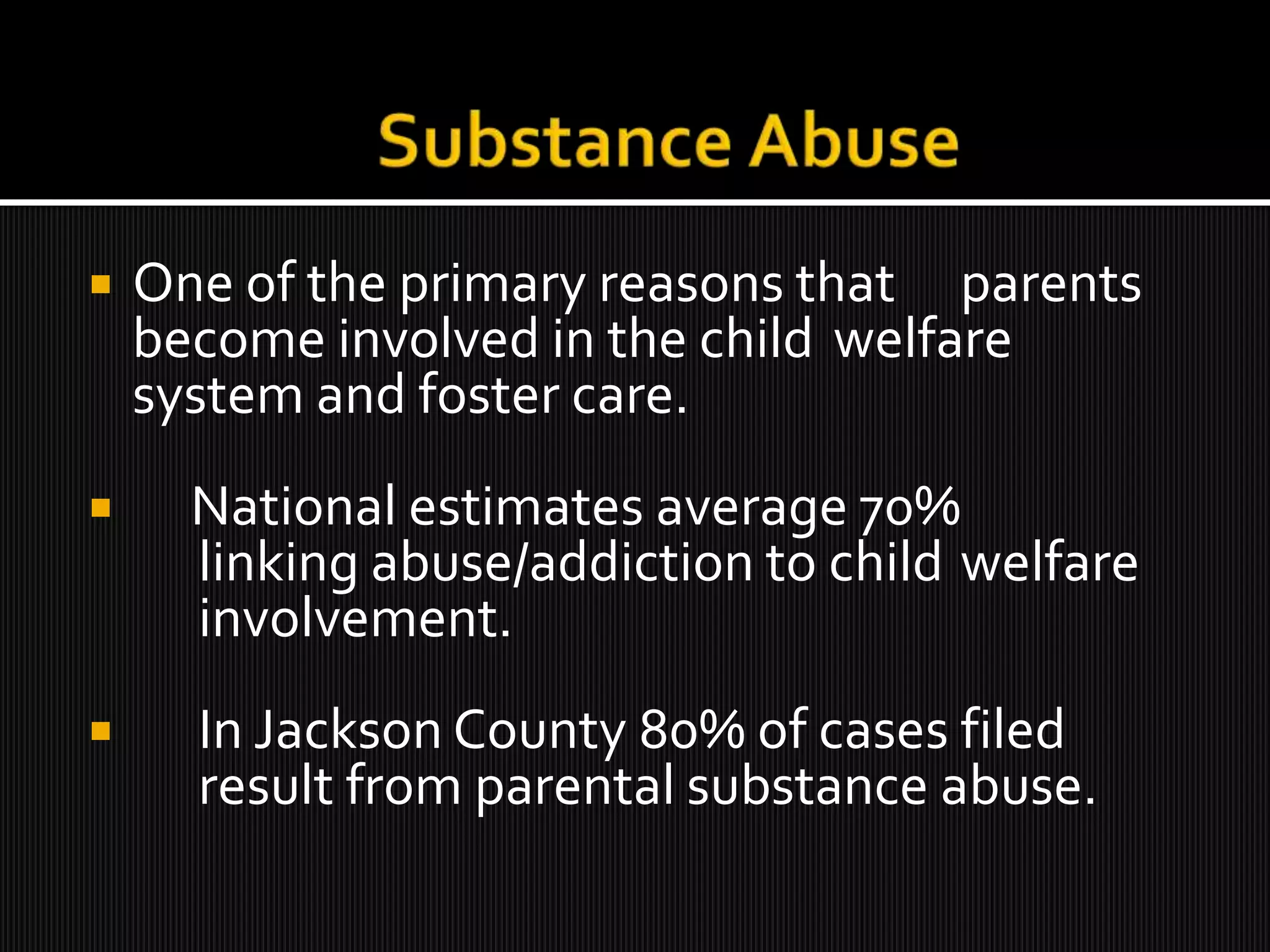
    Substance Abuse  One of the primary reasons that 	parents become involved in the child 	welfare system and foster care.
     National estimates average 70% 	linking abuse/addiction to child 	welfare 	involvement.
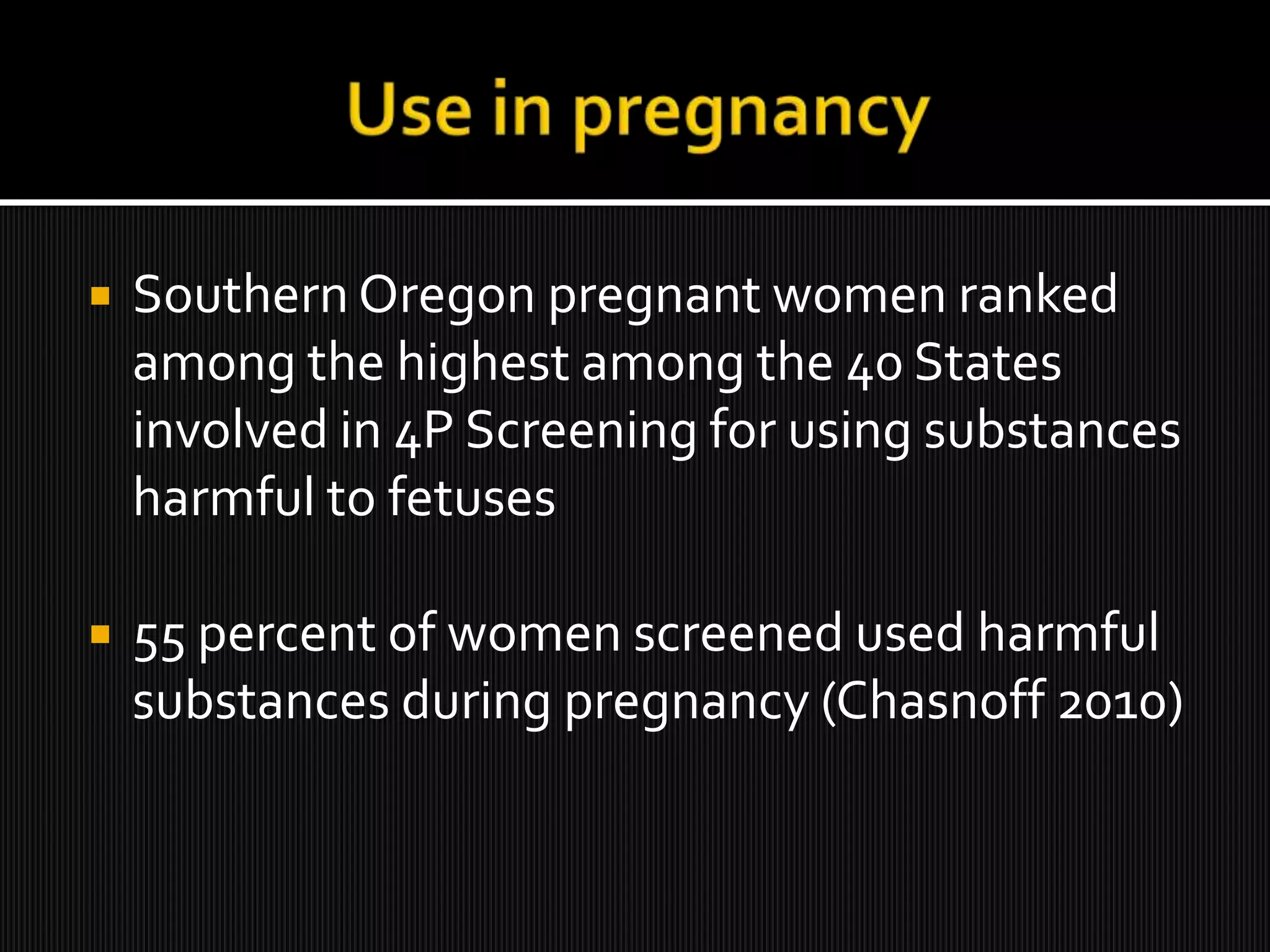
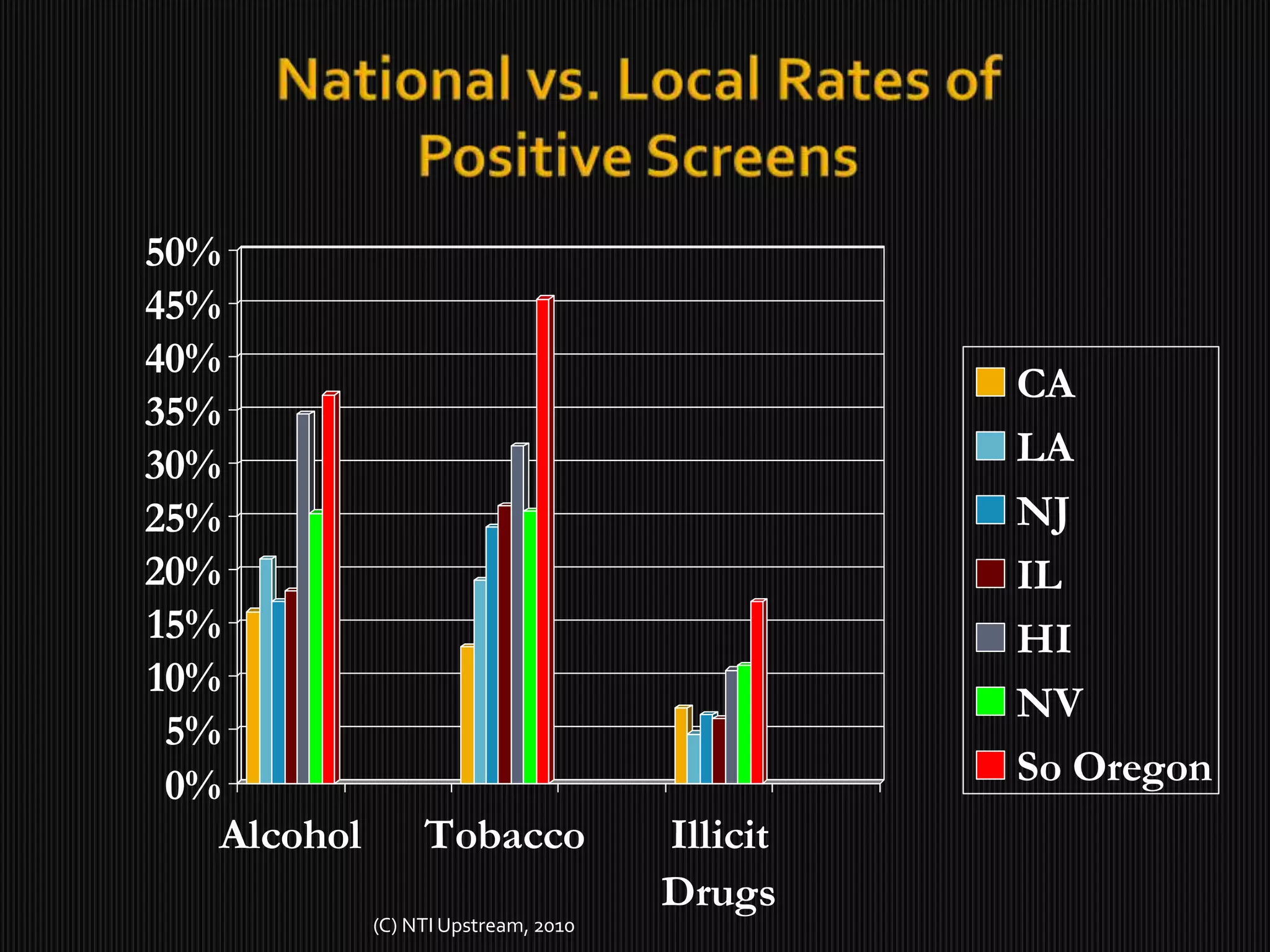
    	In Jackson County 80% of cases filed 	result from parental substance abuse.Use in pregnancySouthern Oregon pregnant women ranked among the highest among the 40 States involved in 4P Screening for using substances harmful to fetuses 55 percent of women screened used harmful substances during pregnancy (Chasnoff 2010)
National vs. Local Rates of Positive Screens(C) NTI Upstream, 2010
Oregon Foster Care Rates Relative to  the Nation
Why keep children with substance abusing parents?Most children will be returnedIf not, moms will likely have another childLittle changes with separation other than degrading the parent/child relationshipGrowing concern about the number of foster care placements with greater understanding of the poor child outcomes results
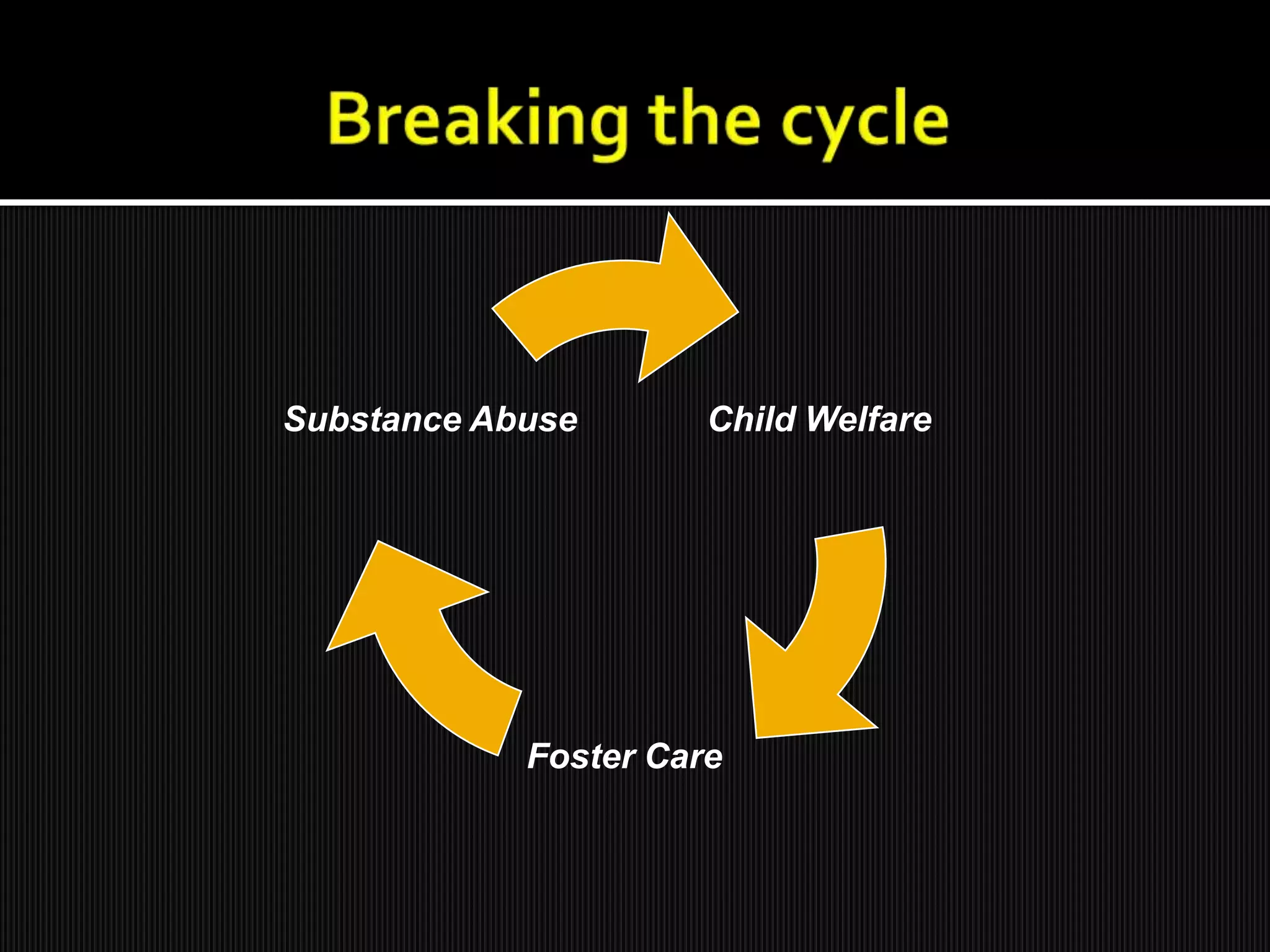
Breaking the cycleChild WelfareSubstance AbuseFoster Care
An Investment In Recovery	Chemical dependency is treatable, but to be successful treatment must: be comprehensive and relevant    be immediate   be of sufficient duration and    support the individual/family through the    	recovery process.
Our  New System of Care is Predicated on the Notion That:Parents who can enter treatment more quickly and who are supported by the court, child welfare and treatment systems during their substance abuse treatment, are more likely to successfully complete treatment and remain with, or be reunified with, their children.  .
Attachment Maintenance of  parent/child attachments are critical for both the positive outcomes it produces and the avoidance of the negative impacts that occur when attachments are disrupted.
By even the most conservative estimates,  $1 invested in treatment returns $5 to $7in savings growing out of reduced drug-related chronic unemployment, crime, child abuse, domestic violence, medical expenses and other costly social problems.Cost Savings of Treatment
A Last ResortClearly, childrens’ best interests lie in the preservation of their attachment ties, and repeated ruptures of such ties constitute a severe trauma (Y. Gauthier et. Al, 2004)Fostering a child is always the last resort decision because of the potential trauma to the child, including infants.A fostered child normally should keep contact with the biological parents to whom he or she should return as soon as possible, except when contraindicated due to serious concerns about the child's safety.
Negative Effects of Foster careHigher rate of PTSD than combat vets
Higher degrees of incarceration
Poverty
Homelessness
Suicide
Drug Abuse
More detrimental than remaining in a troubled home. Separation damages Foster children frequently suffer from developmental delays; severe behavior problems often lead to repeated displacements in addition to the separation from the biological family.
Intergenerational impacts   These  experiences, when carried into adulthood, are expressed in the form of: chronic attachment disorders, 	faulty acceptance of social conventions, diminished capacity for bonding as parents, and repeated cycles that place the next generation of children at risk.
Jackson County Dependency Petitions, 2001-2010
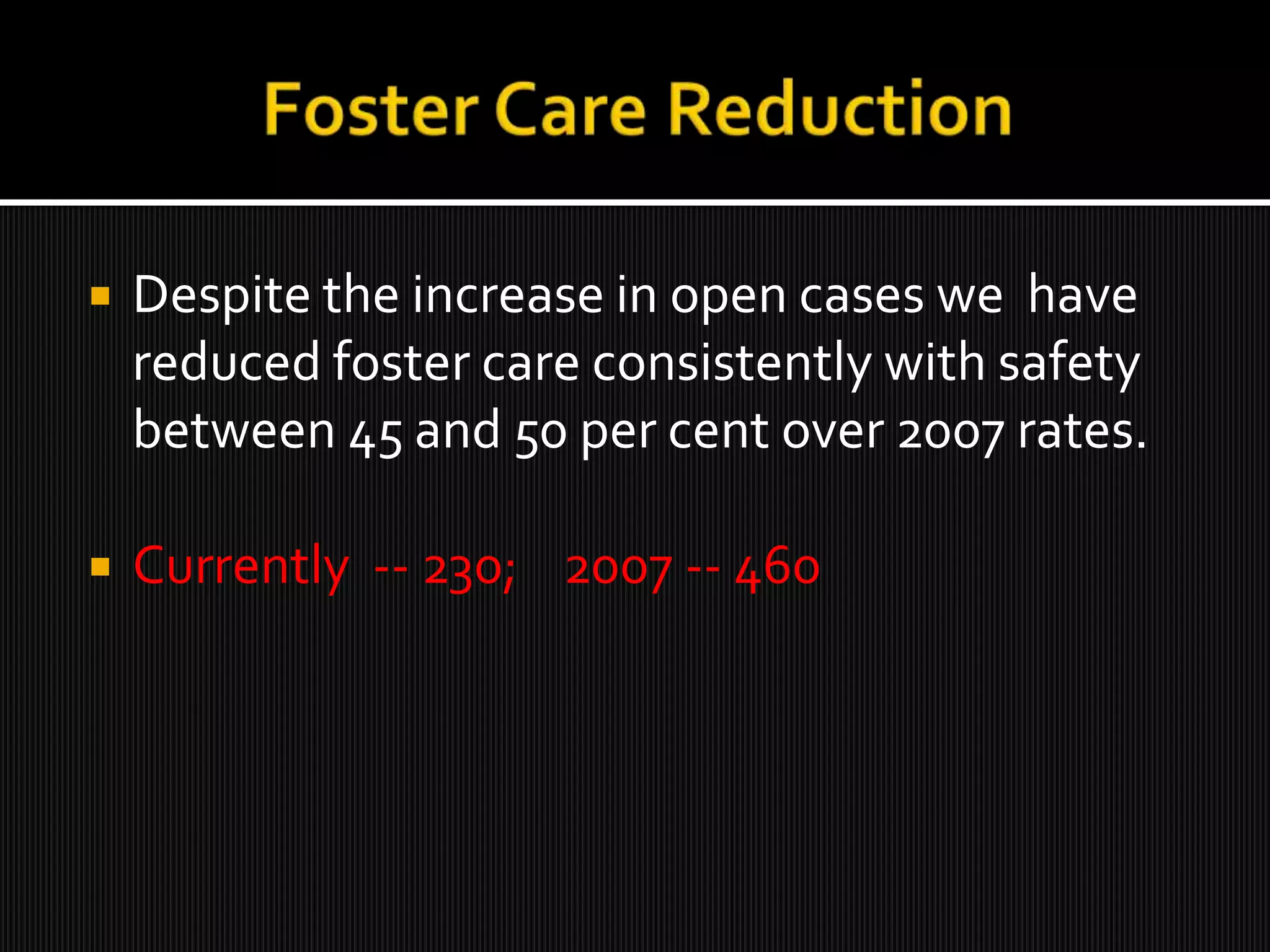
Foster Care ReductionDespite the increase in open cases we  have reduced foster care consistently with safety between 45 and 50 per cent over 2007 rates.Currently  -- 230;    2007 -- 460
Jackson County – Children entering care
How did we do this?LeadershipLegislative interestCollaborationHousing opportunities2 ACF Grants    (housing, dyadic treatment, pairing treatment and child welfare staff on investigations, attendance at shelter hearings, etc.)
LeadershipJackson County had leaders willing to listen     to what we were learning about children and foster care.They then became champions to change the way children are handled in the child welfare system.
Legislative InterestFind a legislative champion and work with her/him in developing a legislative  understanding of the financial and human benefits over time.
Collaboration PartnersOur efforts are conducted inpartnership with:Child Welfare
OCF (Walker)
OnTrack
The Courts (Dependency)
Family Nurturing Center
Foster Parents Assoc.
CASA
Commission on Children and Families
Public Defender and District Attorney
MediaDeliberate and strategic collaboration to:  Achieve what we knew could not be realized in isolation.
This has required not an inward view, which we have all been paid to do – to look at how we survive to reach our goals.  Instead, we have  looked outward and found the power of working together.  Collaboration:  First step Identify the goal as one that all partners are willing to  fight for.
For us, it was to improve permanency outcomes for children.
This led to the development of common outcomes, which we cannot achieve without everyone’s input.  Collaboration:  Second StepForm an Advisory CommitteeMust be composed of top level staff who can make needed system changes and find ways to remove or move around barriers to accomplish outcomes.
Must represent all partners contributing to the outcomes, whether paid for in the grant or not, and with equality.
Cannot overstress the importance of this, because -- Collaboration:  Third StepNeed support at all levels  Managers not only make decisions, but are connected to, and can influence:Community members/agenciesState level administratorsThe legislature
ANDVery importantly, they can disseminate data, which is required to keep local and statewide partners interested and moving the project forward.  Demonstrating progress toward outcomes empirically is the best motivator we know to keep high level management engaged.
Cross PollinationWe all know the power in others carrying your message for you.  This allows us to reach multiple constituent groups at multiple levels.
The Right TimeWe had a very high placement rate.We had a very high substance abuse rate.We had core resources that could be expanded and enriched.The Community Family Court reinforces our efforts.
Confluence of factors, including:Oregon’s Child Safety Model
New leadership in DHS and state Child Welfare Division
Two of Southern Oregon’s legislative delegation were in powerful leadership positions.
We have an supportive Bench and a very effective Community Family Court.
We have an incredible Child Welfare branch.
Award of two federal grants from the Children’s Bureau.RPG and Family ConnectionsPreservation:  The Regional Partnership Grant Reunification:  The Connecting Families  Grant
Two Fundamental GoalsFront-end intervention:  Implement services that will allow our Child Welfare staff and judges to keep children safely together without any period of removal.Family connections:  If children must be removed, keep the biological parents substantively involved in the child’s life while learning to be good parents.
RPG Grant Targets PreservationServices include:Case Management
Mental Health
Child dev. assessments
Bonding and attachment work
Family reunification plan
Reconnecting Families
Visitation Center services
Health screening/monitoring
Center/home-based  child therapeutic interventions
Contingency fundFamily Connections Targets Reunification Services include:Case Management
Mental Health

Jcip without videos

  • 2.
    Jackson County Collaborationin Support of Families Putting the Pieces Together August 2011
  • 3.
    OREGON: Area 98,381sq. miles Population: 3.8 million
  • 4.
    JACKSON COUNTY OREGONArea 2,802 sq mi Pop 203,206
  • 5.
    Substance Abuse One of the primary reasons that parents become involved in the child welfare system and foster care.
  • 6.
    National estimates average 70% linking abuse/addiction to child welfare involvement.
  • 7.
    In Jackson County 80% of cases filed result from parental substance abuse.Use in pregnancySouthern Oregon pregnant women ranked among the highest among the 40 States involved in 4P Screening for using substances harmful to fetuses 55 percent of women screened used harmful substances during pregnancy (Chasnoff 2010)
  • 8.
    National vs. LocalRates of Positive Screens(C) NTI Upstream, 2010
  • 9.
    Oregon Foster CareRates Relative to the Nation
  • 10.
    Why keep childrenwith substance abusing parents?Most children will be returnedIf not, moms will likely have another childLittle changes with separation other than degrading the parent/child relationshipGrowing concern about the number of foster care placements with greater understanding of the poor child outcomes results
  • 11.
    Breaking the cycleChildWelfareSubstance AbuseFoster Care
  • 12.
    An Investment InRecovery Chemical dependency is treatable, but to be successful treatment must: be comprehensive and relevant be immediate be of sufficient duration and support the individual/family through the recovery process.
  • 13.
    Our NewSystem of Care is Predicated on the Notion That:Parents who can enter treatment more quickly and who are supported by the court, child welfare and treatment systems during their substance abuse treatment, are more likely to successfully complete treatment and remain with, or be reunified with, their children. .
  • 14.
    Attachment Maintenance of parent/child attachments are critical for both the positive outcomes it produces and the avoidance of the negative impacts that occur when attachments are disrupted.
  • 15.
    By even themost conservative estimates, $1 invested in treatment returns $5 to $7in savings growing out of reduced drug-related chronic unemployment, crime, child abuse, domestic violence, medical expenses and other costly social problems.Cost Savings of Treatment
  • 16.
    A Last ResortClearly,childrens’ best interests lie in the preservation of their attachment ties, and repeated ruptures of such ties constitute a severe trauma (Y. Gauthier et. Al, 2004)Fostering a child is always the last resort decision because of the potential trauma to the child, including infants.A fostered child normally should keep contact with the biological parents to whom he or she should return as soon as possible, except when contraindicated due to serious concerns about the child's safety.
  • 17.
    Negative Effects ofFoster careHigher rate of PTSD than combat vets
  • 18.
    Higher degrees ofincarceration
  • 19.
  • 20.
  • 21.
  • 22.
  • 23.
    More detrimental thanremaining in a troubled home. Separation damages Foster children frequently suffer from developmental delays; severe behavior problems often lead to repeated displacements in addition to the separation from the biological family.
  • 24.
    Intergenerational impacts These experiences, when carried into adulthood, are expressed in the form of: chronic attachment disorders, faulty acceptance of social conventions, diminished capacity for bonding as parents, and repeated cycles that place the next generation of children at risk.
  • 25.
    Jackson County DependencyPetitions, 2001-2010
  • 26.
    Foster Care ReductionDespitethe increase in open cases we have reduced foster care consistently with safety between 45 and 50 per cent over 2007 rates.Currently -- 230; 2007 -- 460
  • 27.
    Jackson County –Children entering care
  • 28.
    How did wedo this?LeadershipLegislative interestCollaborationHousing opportunities2 ACF Grants (housing, dyadic treatment, pairing treatment and child welfare staff on investigations, attendance at shelter hearings, etc.)
  • 29.
    LeadershipJackson County hadleaders willing to listen to what we were learning about children and foster care.They then became champions to change the way children are handled in the child welfare system.
  • 30.
    Legislative InterestFind alegislative champion and work with her/him in developing a legislative understanding of the financial and human benefits over time.
  • 31.
    Collaboration PartnersOur effortsare conducted inpartnership with:Child Welfare
  • 32.
  • 33.
  • 34.
  • 35.
  • 36.
  • 37.
  • 38.
  • 39.
    Public Defender andDistrict Attorney
  • 40.
    MediaDeliberate and strategiccollaboration to: Achieve what we knew could not be realized in isolation.
  • 41.
    This has requirednot an inward view, which we have all been paid to do – to look at how we survive to reach our goals. Instead, we have looked outward and found the power of working together. Collaboration: First step Identify the goal as one that all partners are willing to fight for.
  • 42.
    For us, itwas to improve permanency outcomes for children.
  • 43.
    This led tothe development of common outcomes, which we cannot achieve without everyone’s input. Collaboration: Second StepForm an Advisory CommitteeMust be composed of top level staff who can make needed system changes and find ways to remove or move around barriers to accomplish outcomes.
  • 44.
    Must represent allpartners contributing to the outcomes, whether paid for in the grant or not, and with equality.
  • 45.
    Cannot overstress theimportance of this, because -- Collaboration: Third StepNeed support at all levels Managers not only make decisions, but are connected to, and can influence:Community members/agenciesState level administratorsThe legislature
  • 46.
    ANDVery importantly, theycan disseminate data, which is required to keep local and statewide partners interested and moving the project forward. Demonstrating progress toward outcomes empirically is the best motivator we know to keep high level management engaged.
  • 47.
    Cross PollinationWe allknow the power in others carrying your message for you. This allows us to reach multiple constituent groups at multiple levels.
  • 48.
    The Right TimeWehad a very high placement rate.We had a very high substance abuse rate.We had core resources that could be expanded and enriched.The Community Family Court reinforces our efforts.
  • 49.
    Confluence of factors,including:Oregon’s Child Safety Model
  • 50.
    New leadership inDHS and state Child Welfare Division
  • 51.
    Two of SouthernOregon’s legislative delegation were in powerful leadership positions.
  • 52.
    We have ansupportive Bench and a very effective Community Family Court.
  • 53.
    We have anincredible Child Welfare branch.
  • 54.
    Award of twofederal grants from the Children’s Bureau.RPG and Family ConnectionsPreservation: The Regional Partnership Grant Reunification: The Connecting Families Grant
  • 55.
    Two Fundamental GoalsFront-endintervention: Implement services that will allow our Child Welfare staff and judges to keep children safely together without any period of removal.Family connections: If children must be removed, keep the biological parents substantively involved in the child’s life while learning to be good parents.
  • 56.
    RPG Grant TargetsPreservationServices include:Case Management
  • 57.
  • 58.
  • 59.
  • 60.
  • 61.
  • 62.
  • 63.
  • 64.
    Center/home-based childtherapeutic interventions
  • 65.
    Contingency fundFamily ConnectionsTargets Reunification Services include:Case Management
  • 66.
  • 67.
  • 68.
  • 69.
  • 70.
  • 71.
  • 72.
  • 73.
    Center/home-based childtherapeutic interventions
  • 74.
    Contingency fundChild WelfareStaffWere committed to family-centric care before the grant. Have embraced Partners in Parenting as a universal model for the practice of foster care for all children.Understand that child outcomes are dramatically improved when families are preserved or reunited as soon as safety concerns permit.
  • 75.
    OCF-Walker Fund PartnershipProvidedfunding for critical core services of:Home Program BedsWhole Family BedsHealthy Babies OutreachFrom which ACF funding was leveraged
  • 76.
    Treatment Provider: OnTrack, Inc.We have long term relationships within these partnershipsHOME and DADS – parent with child residential treatmentWhole FamilyEmergency Housing/Permanent Housing
  • 77.
    Front-end efforts tokeep families togetherTreatment specialists go out with Child Welfare workers.In collaboration, Child Welfare and Treatment staff develop a service plan. Staff attend shelter hearings and ask the judge to support the plan.
  • 78.
    Judicial SupportOur judgeswere an insulated and neutral 3rd party until treatment courts allowed them to step out of the box.
  • 79.
    This paved theway for our permanency efforts. Our judges would not have felt as comfortable participating if treatment courts had not provided an experience wherein their roles were very different from those in traditional courts.
  • 80.
    The treatment courtswere a prerequisite that allowed judges to become team players in this project. Giving judges optionsIn order for our efforts at remaking systems to work, we have to give the judges the service options required to implement new practices under new philosophies. They have to be willing to “force” system change…and are in the position to do it.
  • 81.
    Family Nurturing CenterServicesDevelopmental assessment and child/family based intervention services
  • 82.
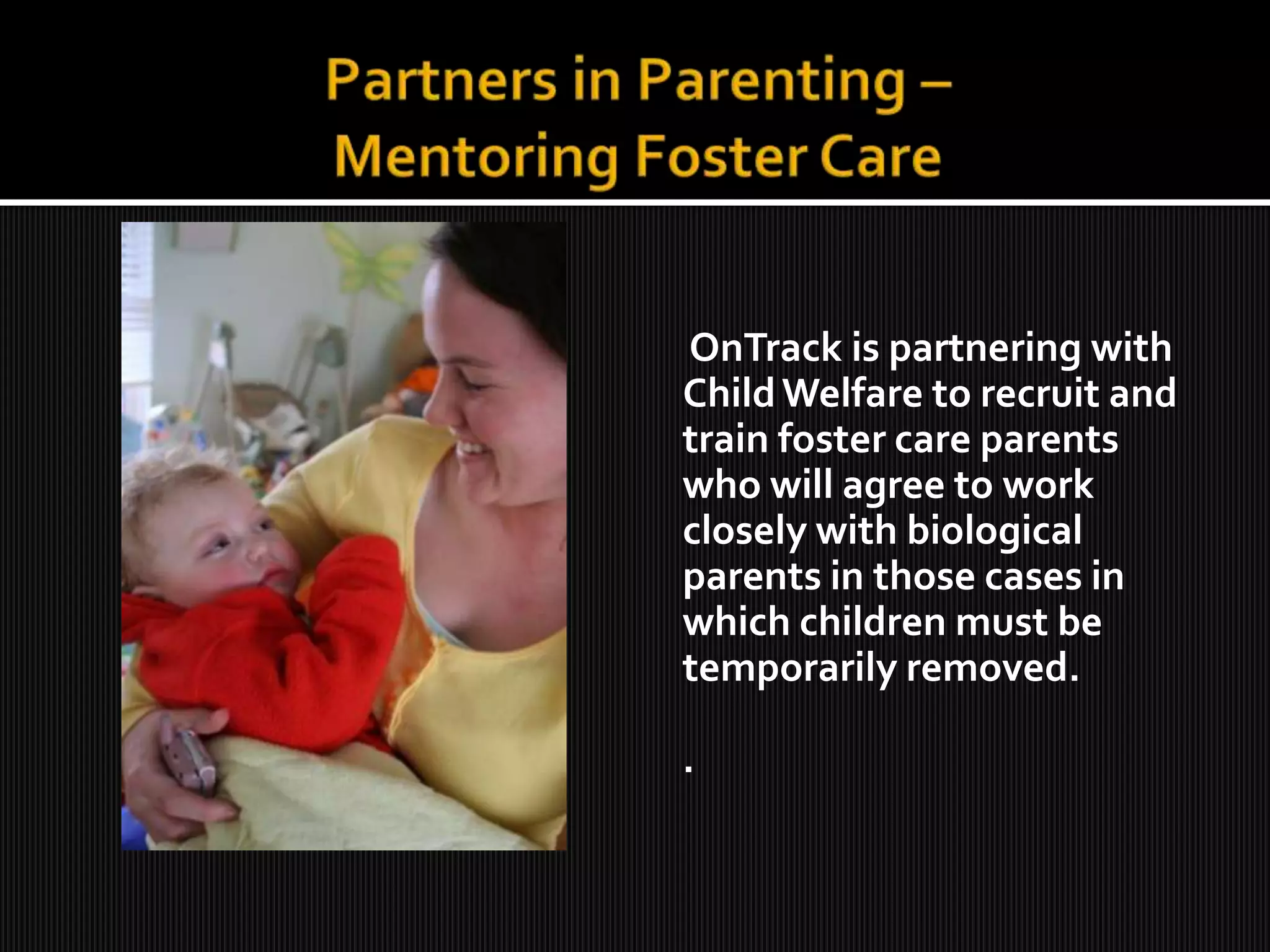
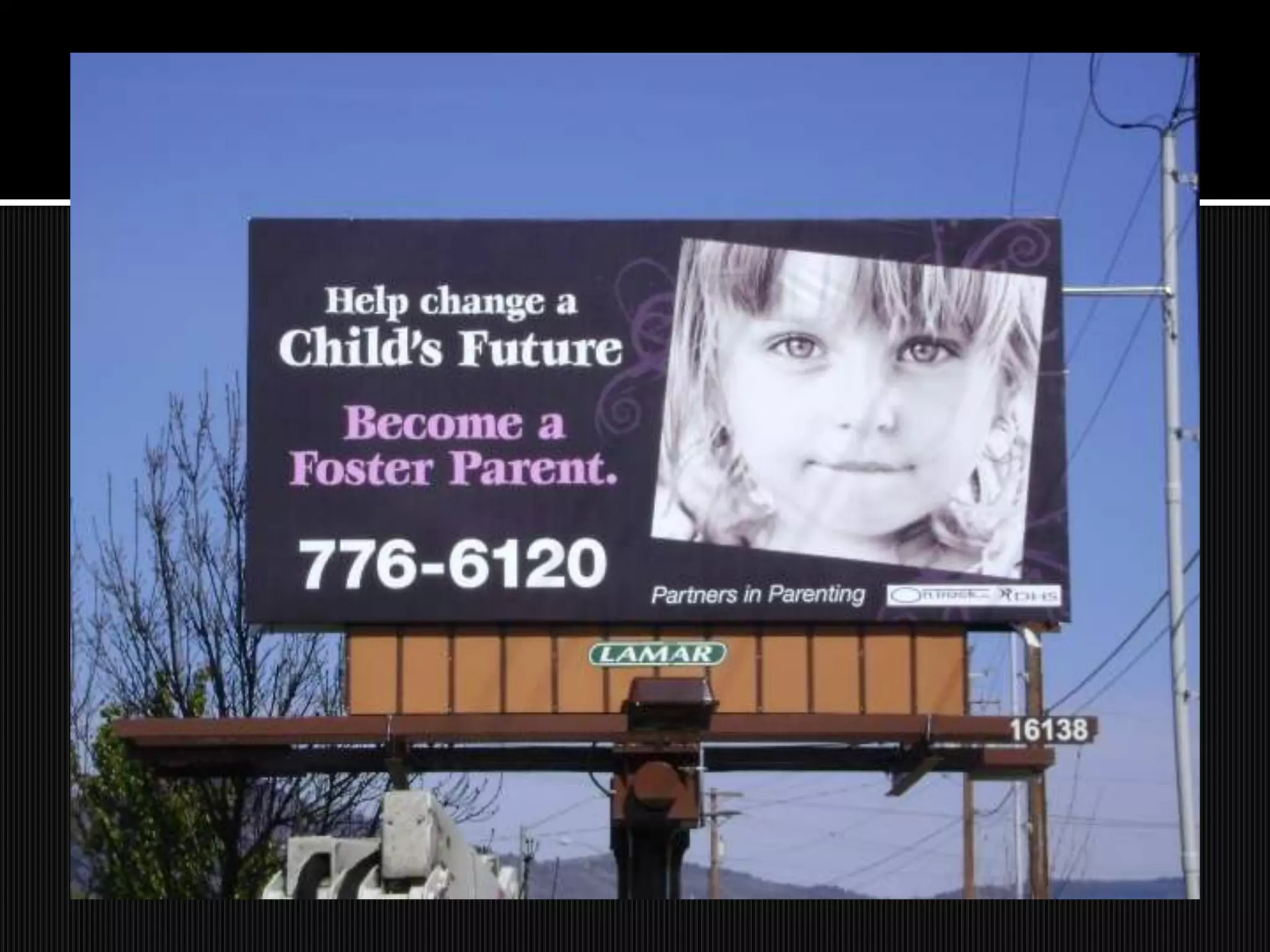
    Partners in Parenting–Mentoring Foster Care OnTrack is partnering with Child Welfare to recruit and train foster care parents who will agree to work closely with biological parents in those cases in which children must be temporarily removed. .
  • 84.
    CASA Provides ongoingsupport to the child and family throughout the process. Reconnecting Families – identifies family members who may be of assistance.
  • 85.
    Public DefenderImmediately recognizedthe value in this process for clients. Helped craft policies and practices that protected clients, while moving system changes forward. Joined the Advisory Committee and remains active.
  • 86.
    District AttorneyWorks onclinical solutions with us in Court.Joined the Advisory Committee and has remained active. Contributes solutions to legal “barriers.”
  • 87.
    MediaKOBI Channel 5started the Southern Oregon Meth Project, which won a national broadcaster’s award for community service. The station has invested extensive resources into creating and broadcasting messages that align with and promote our goals.
  • 88.
    Media also…..KOBI matchedus for every spot we bought to get the message out in general, and to recruit for Partners in Parenting. The station placed spots at the best times possible (i.e., during the Olympics) and committed the best talent to the project.
  • 91.
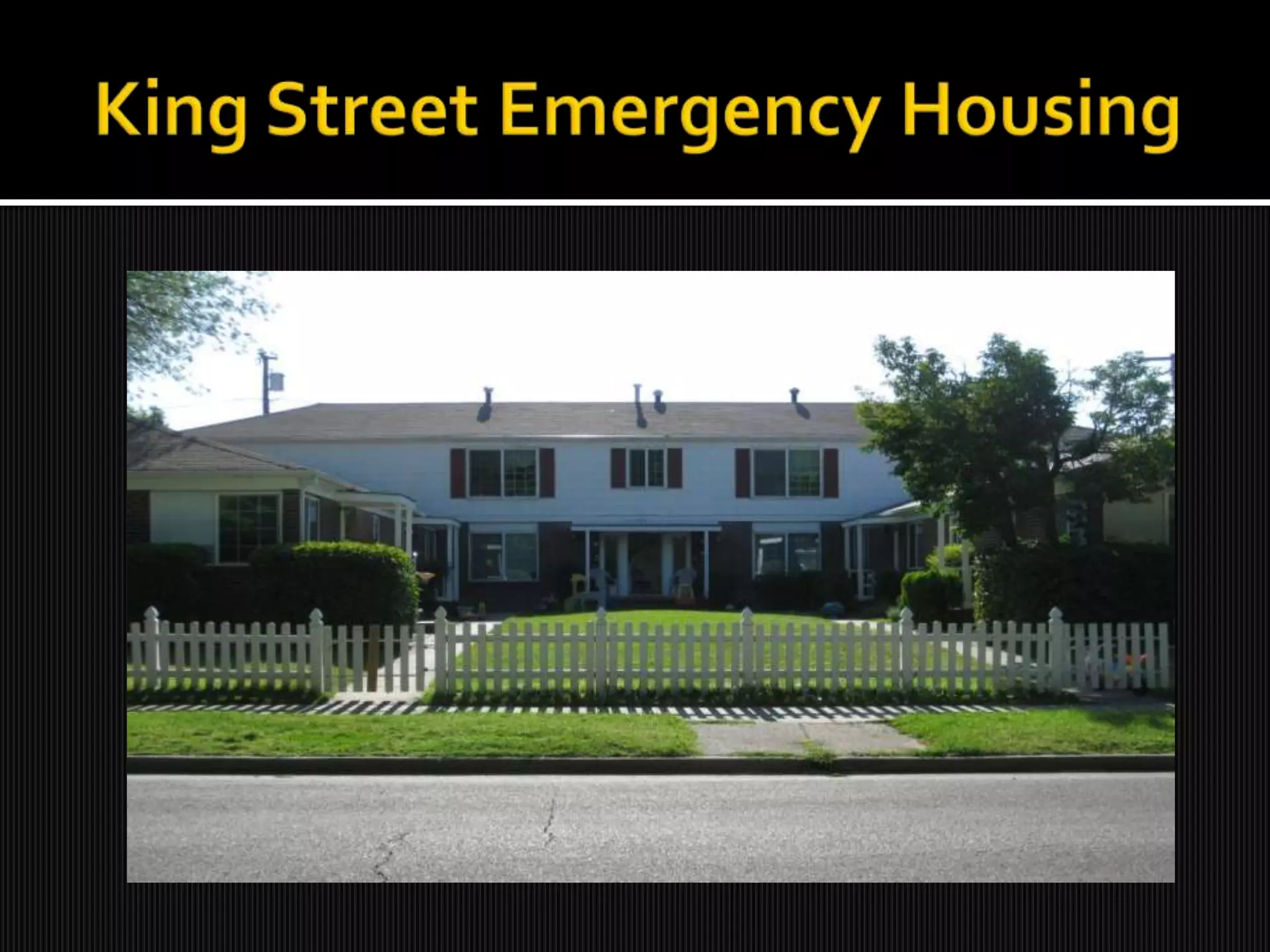
    Housing – Core Realizingthe importance of safe and sober housing, OnTrack has developed:Emergency housing – King Street and 11th Street Apartments
  • 92.
    Transitional housing –Grape Street, Alan’s House/Fairfield Place, Parallel House, West Main Apartments
  • 93.
    Permanent homes –Stevens (50 units) and Sky Vista (63 units)King Street Emergency Housing
  • 94.
  • 95.
  • 96.
  • 97.
  • 98.
    Where do wego from here ? Increase housing unitsIncrease number/ types of families servedTrauma informed system of careFoster care mentors
  • 99.
  • 100.
  • 101.
    LegislationTargets statewide implementationWillrequire federal waiver requestPassed the legislature with two party support and testimony of Child Welfare administrators, judges, foster parents, and participating families
  • 102.
    How do youjudge success?Healthy familiesContinued movement toward family modelsSystem changeReduction in intergenerational transmissionLong term sustainability
  • 103.