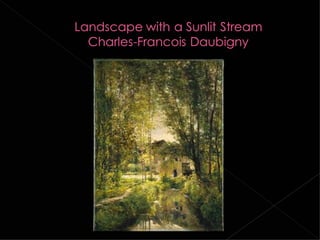
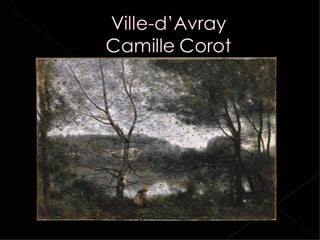
“ About ten minutes after, the driver got down and opened a pair of gates; we passed through, and they clashed to behind us. We now slowly ascended a drive, and came upon the long front of a house;” (99).
 
Soon will be growing Green blades from her mound, And daisies be showing Like stars on the ground, Till she form part of them – Ay – the sweet heart of them, Loved beyond measure With a child’s pleasure All her life’s round.
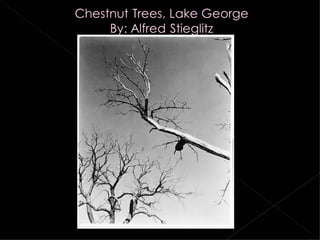
“ Before I left my bed in the morning, little Adele came running in to tell me that the great horse-chestnut at the bottom of the orchard had been struck by lightning in the night, and half of it split away” (276).
 
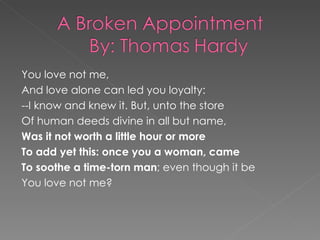
You love not me, And love alone can led you loyalty: --I know and knew it.  But, unto the store Of human deeds divine in all but name, Was it not worth a little hour or more To add yet this: once you a woman, came To soothe a time-torn man; even though it be You love not me?
 
“ As he said this , he released me from his clutch, and only looked at me. The look was far worse to resist than the frantic strain; only an idiot, however, would have succumbed now. I had dared and baffled his fury; I must elude his sorrow: I retired to the door. ‘  You are going, Jane?’ ‘  I am going, sir.’ ‘ You are leaving me?’ ‘ Yes.’ ‘ You will not come? You will not be my comforter, my rescuer? My deep love, my wild woe, my frantic prayer, are all nothing to you? ‘ What unutterable pathos was in his voice! How hard it was to reiterate firmly ‘ I am going.’ ‘  Jane!’ ‘  Mr. Rochester!’ “ Withdraw, then—I consent; but remember, you leave me here in anguish. Go up to your own room; thiink over all I have said, and, Jane, cast a glance on my sufferings—think of me.” (344)
You love not me, And love alone can led you loyalty: --I know and knew it. But, unto the store Of human deeds divine in all but name, Was it not worth a little hour or more To add yet this: once you a woman, came To soothe a time-torn man ; even though it be You love not me?

Jane Eyre

  • 1.
  • 2.
    “ About tenminutes after, the driver got down and opened a pair of gates; we passed through, and they clashed to behind us. We now slowly ascended a drive, and came upon the long front of a house;” (99).
  • 3.
  • 4.
    Soon will begrowing Green blades from her mound, And daisies be showing Like stars on the ground, Till she form part of them – Ay – the sweet heart of them, Loved beyond measure With a child’s pleasure All her life’s round.
  • 5.
    “ Before Ileft my bed in the morning, little Adele came running in to tell me that the great horse-chestnut at the bottom of the orchard had been struck by lightning in the night, and half of it split away” (276).
  • 6.
  • 7.
    You love notme, And love alone can led you loyalty: --I know and knew it. But, unto the store Of human deeds divine in all but name, Was it not worth a little hour or more To add yet this: once you a woman, came To soothe a time-torn man; even though it be You love not me?
  • 8.
  • 9.
    “ As hesaid this , he released me from his clutch, and only looked at me. The look was far worse to resist than the frantic strain; only an idiot, however, would have succumbed now. I had dared and baffled his fury; I must elude his sorrow: I retired to the door. ‘ You are going, Jane?’ ‘ I am going, sir.’ ‘ You are leaving me?’ ‘ Yes.’ ‘ You will not come? You will not be my comforter, my rescuer? My deep love, my wild woe, my frantic prayer, are all nothing to you? ‘ What unutterable pathos was in his voice! How hard it was to reiterate firmly ‘ I am going.’ ‘ Jane!’ ‘ Mr. Rochester!’ “ Withdraw, then—I consent; but remember, you leave me here in anguish. Go up to your own room; thiink over all I have said, and, Jane, cast a glance on my sufferings—think of me.” (344)
  • 10.
    You love notme, And love alone can led you loyalty: --I know and knew it. But, unto the store Of human deeds divine in all but name, Was it not worth a little hour or more To add yet this: once you a woman, came To soothe a time-torn man ; even though it be You love not me?

Editor's Notes

  • #5 This is the last stanza of Rain on a Grave By Thomas Hardy. The previous stanzas describe a very depressing setting and the tone of the poem is very gloomy. Then this last stanza, there is a more optimistic poem. This poem is very similar to Jane’s life because she grows up being beaten and mistreated. This all changes when she moves to Thornfield with Mr. Rochester, where she will eventually find true love. This last stanza shows the optimism that Jane had when going to a new place.
  • #6 Jane finds out that he tree under which Rochester had proposed to her has been struck by lightning and fell down. This give the reader a feeling that other things are soon to go wrong between Rochester and Jane. Although things seem to be fine, it leaves readers wondering what is going to happen next.
  • #7 This picture fits the scene because it is shown in black and white, which gives a depressing look to the whole piece. When the chestnut tree falls in the book, readers may take it as a bad omen, and this piece gives the same feeling of future plans that may fail.
  • #8 Previous to Rochester asking Jane to be his wife, Jane believes that his is going to marry Blanche Ingram. Jane believes that he will marry Blanche because of her social status, even though Blanche is only interested in him because of his wealth. Jane believes that Rochester does not love her, and that he would have no reason because she is not beautiful.
  • #10 This scene occurs after Jane decides that she must leave because she cannot legally be Rochester’s wife. As long as his true wife is alive and mad in the attic, they cannot be married. Jane decides that the best thing for her to do would be to leave, even though it is the hardest thing for her to do. Rochester is upset that she will not stay with him to act as his wife, even though she will not legally be his wife.
  • #11 This part of the poem describes how Rochester is feeling while Jane tells him that he must leave. The tone of these lines show a certain feeling of desperation for the woman to stay. Rochester knew that Jane loved him, but was confused by the fact that she did not want to stay even though his wife by law is a madwoman. Jane responds that she must leave even though she wanted to marry Rochester.