Should you select for DPR in your Jersey herd?
Jacob Leum, Alta Advantage and Jersey Intern 2015
Jersey breeders: Should you select for DPR in your herd?
The sustainability of the Jersey cows is remarkable. In fact large and small herds are adding Jerseys or
even making a complete switch to the little brown cow.
One of the main benefits Jersey owners notice is their remarkable ability to breed back consistently. The
Jersey breed continues to make leaps and bounds in production, but is that creating negative
repercussions on fertility?
Female fertility has not typically been a high priority with Jersey owners, but the fertility trend is headed
in a less favorable direction. Daughter Pregnancy Rate (DPR) is a trait that measures a lactating cow’s
interval between when she calved to when she is successfully bred, and according to VanRaden is
measured “as the percentage of non-pregnant cows that become pregnant during each 21-day period.”
There is also a 99% correlation between pregnancy rate and number of days open. So if a bull had a DPR
PTA of +1.0 the predicted outcome would be 4 fewer days open as compared to herd mates (CDCB).
If we take a look at VICEROY, who has a PTA DPR of +1.0 and find the average preg rate of 100 VICEROY
daughters, they will be one percentage point higher than GIFT, who is 0.0 for DPR. For most dairy
owners a one percent preg rate difference can be a significant opportunity cost to their operation.
Is this important?
Yes this is important, because the trend over time is not headed in the right direction. According to Tara
Bohnert, Alta Jersey Marketing Manager, “DPR is beginning to be an emerging trait for the Jersey
breed.”
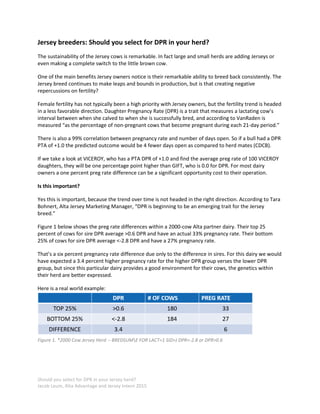
Figure 1 below shows the preg rate differences within a 2000-cow Alta partner dairy. Their top 25
percent of cows for sire DPR average >0.6 DPR and have an actual 33% pregnancy rate. Their bottom
25% of cows for sire DPR average <-2.8 DPR and have a 27% pregnancy rate.
That’s a six percent pregnancy rate difference due only to the difference in sires. For this dairy we would
have expected a 3.4 percent higher pregnancy rate for the higher DPR group verses the lower DPR
group, but since this particular dairy provides a good environment for their cows, the genetics within
their herd are better expressed.
Here is a real world example:
Figure 1. *2000 Cow Jersey Herd -- BREDSUME FOR LACT=1 SID>J DPR<-2.8 or DPR>0.6
Should you select for DPR in your Jersey herd?
Jacob Leum, Alta Advantage and Jersey Intern 2015
Why is this the case?
DPR and Milk Yield have an inverse genetic relationship, which means that more milk equals lower
fertility, and vice versa. This is hard to manage because increased milk is needed to remain competitive,
but it means sacrificing DPR in order to attain the substantial milk yield increases.
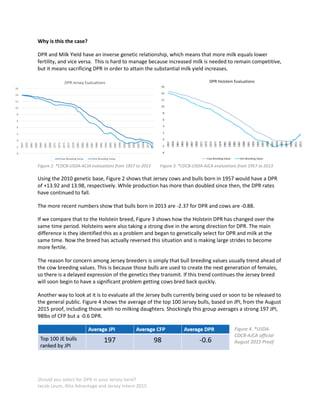
Figure 2. *CDCB-USDA-ACJA evaluations from 1957 to 2013 Figure 3. *CDCB-USDA-AJCA evaluations from 1957 to 2013
Using the 2010 genetic base, Figure 2 shows that Jersey cows and bulls born in 1957 would have a DPR
of +13.92 and 13.98, respectively. While production has more than doubled since then, the DPR rates
have continued to fall.
The more recent numbers show that bulls born in 2013 are -2.37 for DPR and cows are -0.88.
If we compare that to the Holstein breed, Figure 3 shows how the Holstein DPR has changed over the
same time period. Holsteins were also taking a strong dive in the wrong direction for DPR. The main
difference is they identified this as a problem and began to genetically select for DPR and milk at the
same time. Now the breed has actually reversed this situation and is making large strides to become
more fertile.
The reason for concern among Jersey breeders is simply that bull breeding values usually trend ahead of
the cow breeding values. This is because those bulls are used to create the next generation of females,
so there is a delayed expression of the genetics they transmit. If this trend continues the Jersey breed
will soon begin to have a significant problem getting cows bred back quickly.
Another way to look at it is to evaluate all the Jersey bulls currently being used or soon to be released to
the general public. Figure 4 shows the average of the top 100 Jersey bulls, based on JPI, from the August
2015 proof, including those with no milking daughters. Shockingly this group averages a strong 197 JPI,
98lbs of CFP but a -0.6 DPR.
Figure 4. *USDA-
CDCB-AJCA official
August 2015 Proof
Should you select for DPR in your Jersey herd?
Jacob Leum, Alta Advantage and Jersey Intern 2015
So what is the solution to this problem?
US Sales Manager, Nate Zwald comments “each herd needs to create a genetic plan of their own. For
many, JPI represents their goals, for others NM, but for some neither industry index properly weighs all
the traits. Continued selection on JPI will not increase DPR, but a customized genetic plan where DPR is
more heavily weighted will. Placing the proper amount of weight on production, health, and
conformation traits means that each dairy will reach their genetic goals. After all, you get what you
breed for, and if you don’t breed for a more fertile cow, you won’t get it!”
However Zwald cautions that setting minimum thresholds is not the right approach. Too often a
producer will say: ‘don’t give me anything less than 0 on DPR.’
That also isn’t the best approach because setting a hard minimum can eliminate some really great sires
for production or conformation, and the fact is that the difference between -0.1 DPR and +0.1 DPR is
relatively minimal.
Therefore, the proper approach is to weigh the traits to match to what you want to make progress in
within your herd. When you evaluate genetic progress you need to look at the averages of the sires
used for each trait, not the minimums each exceed individually.
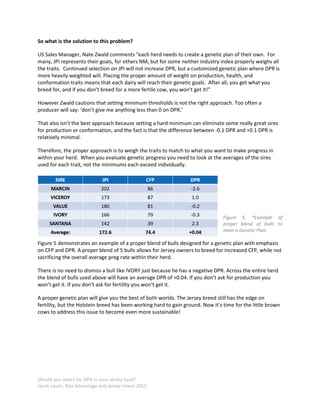
Figure 5. *Example of
proper blend of bulls to
meet a Genetic Plan.
Figure 5 demonstrates an example of a proper blend of bulls designed for a genetic plan with emphasis
on CFP and DPR. A proper blend of 5 bulls allows for Jersey owners to breed for increased CFP, while not
sacrificing the overall average preg rate within their herd.
There is no need to dismiss a bull like IVORY just because he has a negative DPR. Across the entire herd
the blend of bulls used above will have an average DPR of +0.04. If you don’t ask for production you
won’t get it. If you don’t ask for fertility you won’t get it.
A proper genetic plan will give you the best of both worlds. The Jersey breed still has the edge on
fertility, but the Holstein breed has been working hard to gain ground. Now it’s time for the little brown
cows to address this issue to become even more sustainable!

Jacob Leum Jersey DPR Final

  • 1.
    Should you selectfor DPR in your Jersey herd? Jacob Leum, Alta Advantage and Jersey Intern 2015 Jersey breeders: Should you select for DPR in your herd? The sustainability of the Jersey cows is remarkable. In fact large and small herds are adding Jerseys or even making a complete switch to the little brown cow. One of the main benefits Jersey owners notice is their remarkable ability to breed back consistently. The Jersey breed continues to make leaps and bounds in production, but is that creating negative repercussions on fertility? Female fertility has not typically been a high priority with Jersey owners, but the fertility trend is headed in a less favorable direction. Daughter Pregnancy Rate (DPR) is a trait that measures a lactating cow’s interval between when she calved to when she is successfully bred, and according to VanRaden is measured “as the percentage of non-pregnant cows that become pregnant during each 21-day period.” There is also a 99% correlation between pregnancy rate and number of days open. So if a bull had a DPR PTA of +1.0 the predicted outcome would be 4 fewer days open as compared to herd mates (CDCB). If we take a look at VICEROY, who has a PTA DPR of +1.0 and find the average preg rate of 100 VICEROY daughters, they will be one percentage point higher than GIFT, who is 0.0 for DPR. For most dairy owners a one percent preg rate difference can be a significant opportunity cost to their operation. Is this important? Yes this is important, because the trend over time is not headed in the right direction. According to Tara Bohnert, Alta Jersey Marketing Manager, “DPR is beginning to be an emerging trait for the Jersey breed.” Figure 1 below shows the preg rate differences within a 2000-cow Alta partner dairy. Their top 25 percent of cows for sire DPR average >0.6 DPR and have an actual 33% pregnancy rate. Their bottom 25% of cows for sire DPR average <-2.8 DPR and have a 27% pregnancy rate. That’s a six percent pregnancy rate difference due only to the difference in sires. For this dairy we would have expected a 3.4 percent higher pregnancy rate for the higher DPR group verses the lower DPR group, but since this particular dairy provides a good environment for their cows, the genetics within their herd are better expressed. Here is a real world example: Figure 1. *2000 Cow Jersey Herd -- BREDSUME FOR LACT=1 SID>J DPR<-2.8 or DPR>0.6
  • 2.
    Should you selectfor DPR in your Jersey herd? Jacob Leum, Alta Advantage and Jersey Intern 2015 Why is this the case? DPR and Milk Yield have an inverse genetic relationship, which means that more milk equals lower fertility, and vice versa. This is hard to manage because increased milk is needed to remain competitive, but it means sacrificing DPR in order to attain the substantial milk yield increases. Figure 2. *CDCB-USDA-ACJA evaluations from 1957 to 2013 Figure 3. *CDCB-USDA-AJCA evaluations from 1957 to 2013 Using the 2010 genetic base, Figure 2 shows that Jersey cows and bulls born in 1957 would have a DPR of +13.92 and 13.98, respectively. While production has more than doubled since then, the DPR rates have continued to fall. The more recent numbers show that bulls born in 2013 are -2.37 for DPR and cows are -0.88. If we compare that to the Holstein breed, Figure 3 shows how the Holstein DPR has changed over the same time period. Holsteins were also taking a strong dive in the wrong direction for DPR. The main difference is they identified this as a problem and began to genetically select for DPR and milk at the same time. Now the breed has actually reversed this situation and is making large strides to become more fertile. The reason for concern among Jersey breeders is simply that bull breeding values usually trend ahead of the cow breeding values. This is because those bulls are used to create the next generation of females, so there is a delayed expression of the genetics they transmit. If this trend continues the Jersey breed will soon begin to have a significant problem getting cows bred back quickly. Another way to look at it is to evaluate all the Jersey bulls currently being used or soon to be released to the general public. Figure 4 shows the average of the top 100 Jersey bulls, based on JPI, from the August 2015 proof, including those with no milking daughters. Shockingly this group averages a strong 197 JPI, 98lbs of CFP but a -0.6 DPR. Figure 4. *USDA- CDCB-AJCA official August 2015 Proof
  • 3.
    Should you selectfor DPR in your Jersey herd? Jacob Leum, Alta Advantage and Jersey Intern 2015 So what is the solution to this problem? US Sales Manager, Nate Zwald comments “each herd needs to create a genetic plan of their own. For many, JPI represents their goals, for others NM, but for some neither industry index properly weighs all the traits. Continued selection on JPI will not increase DPR, but a customized genetic plan where DPR is more heavily weighted will. Placing the proper amount of weight on production, health, and conformation traits means that each dairy will reach their genetic goals. After all, you get what you breed for, and if you don’t breed for a more fertile cow, you won’t get it!” However Zwald cautions that setting minimum thresholds is not the right approach. Too often a producer will say: ‘don’t give me anything less than 0 on DPR.’ That also isn’t the best approach because setting a hard minimum can eliminate some really great sires for production or conformation, and the fact is that the difference between -0.1 DPR and +0.1 DPR is relatively minimal. Therefore, the proper approach is to weigh the traits to match to what you want to make progress in within your herd. When you evaluate genetic progress you need to look at the averages of the sires used for each trait, not the minimums each exceed individually. Figure 5. *Example of proper blend of bulls to meet a Genetic Plan. Figure 5 demonstrates an example of a proper blend of bulls designed for a genetic plan with emphasis on CFP and DPR. A proper blend of 5 bulls allows for Jersey owners to breed for increased CFP, while not sacrificing the overall average preg rate within their herd. There is no need to dismiss a bull like IVORY just because he has a negative DPR. Across the entire herd the blend of bulls used above will have an average DPR of +0.04. If you don’t ask for production you won’t get it. If you don’t ask for fertility you won’t get it. A proper genetic plan will give you the best of both worlds. The Jersey breed still has the edge on fertility, but the Holstein breed has been working hard to gain ground. Now it’s time for the little brown cows to address this issue to become even more sustainable!