1
Genome sequencing of Mycobacterium abscessus isolates from patients in the United States1
and comparisons to globally diverse clinical strains2
3
Rebecca M. Davidsona
, Nabeeh Hasana, b
, Paul R. Reynoldsc
, Sarah Tottend
, Benjamin Garciaa, b
,4
Adrah Levine
, Preveen Ramamoorthyf
, Leonid Heifetsd
, Charles L. Daleye
, Michael Stronga, b
#5
6
a
Integrated Center for Genes, Environment and Health, National Jewish Health, Denver,7
Colorado, USA; b
Computational Bioscience Program, University of Colorado Denver, School of8
Medicine, Aurora, Colorado, USA; c
Department of Pediatrics, National Jewish Health, Denver,9
Colorado, USA; d
Mycobacteriology and Pharmacokinetics, National Jewish Health, Denver,10
Colorado, USA; e
Division of Mycobacterial and Respiratory Infections, National Jewish Health,11
Denver, Colorado, USA; f
Department of Academic Affairs, National Jewish Health, Denver,12
Colorado, USA13
14
15
Running Title: Mycobacterium abscessus genomics16
17
#Address correspondence to Michael Strong, Ph.D. StrongM@NJHealth.org.18
19
20
21
22
23
JCM Accepts, published online ahead of print on 23 July 2014
J. Clin. Microbiol. doi:10.1128/JCM.01144-14
Copyright © 2014, American Society for Microbiology. All Rights Reserved.
2
Abstract24
Nontuberculous mycobacterial (NTM) infections caused by Mycobacterium abscessus are25
responsible for a range of disease manifestations from pulmonary to skin infections and are26
notoriously difficult to treat due to innate resistance to many antibiotics. Previous population27
studies of clinical M. abscessus utilized multi locus sequence typing or pulsed field gel28
electrophoresis, but high resolution examinations of the genetic diversity at the whole genome29
level has not been well characterized, particularly among clinical isolates derived in the United30
States (US). We performed whole genome sequencing of eleven clinical M. abscessus isolates31
derived from eight US patients with pulmonary NTM infections, compared them to 30 globally32
diverse clinical isolates and investigated intra-patient genomic diversity and evolution.33
Phylogenomic analyses revealed a cluster of closely related US and Western European-derived34
M. abscessus ssp. abscessus isolates that are genetically distinct from other European and all35
Asian isolates. Large-scale variation analyses suggested genome content differences of 0.3 –36
8.3% relative to the reference strain, ATCC 19977T
. Longitudinally sampled isolates showed37
very few single nucleotide polymorphisms and correlated genomic deletion patterns suggesting38
homogenous infection populations. Our study explores the genomic diversity of clinical M.39
abscessus strains from multiple continents, and provides insight into the genome plasticity of an40
opportunistic pathogen.41
3
Introduction42
Nontuberculous mycobacteria (NTM) consist of a diverse group of environmental and43
pathogenic bacteria that are increasing in clinical prevalence in the United States (1) and other44
countries (2, 3). NTM are thought to be primarily acquired from environmental exposure (4) as45
they reside in water, biofilms, and soil environments (5, 6), though a few recent studies provide46
evidence of possible person-to person transmission in individuals with cystic fibrosis (7, 8).47
Mycobacterium abscessus is the second most clinically prevalent NTM species in pulmonary48
NTM infections (1, 9, 10), with Mycobacterium avium complex (MAC) the most prevalent. M.49
abscessus infections are challenging to treat because they are innately resistant to many50
antimicrobials including some that are effective against Mycobacterium tuberculosis and other51
mycobacteria (11-13). Acquired antibiotic resistance has been observed in some M. abscessus52
strains, with mechanisms of resistance ranging from mutational resistance to aminoglycosides53
(14) to mutational (15) and inducible (16) resistance to macrolides.54
The current taxonomy of M. abscessus recognizes two subspecies, M. abscessus ssp.55
abscessus and M. abscessus ssp. bolletii (17), though recent population and comparative56
genomic studies support the three previously recognized subspecies, M. abscessus ssp. abscessus,57
M. abscessus ssp. massiliense and M. abscessus ssp. bolletii (18-21). This delineation is58
important because clinical studies suggest differing treatment outcomes for patients infected with59
M. abscessus ssp. abscessus versus M. abscessus ssp. massiliense (22, 23). The increased60
recognition of M. abscessus as an emerging pathogen has reinforced the need to better61
understand the population structure of clinical M. abscessus at the subspecies and genomic levels.62
Previous population studies of clinical M. abscessus have primarily used multi-locus sequencing63
typing (MLST) or pulsed field gel electrophoresis (PFGE), but these methods have limited64
4
resolution for within-subspecies strain typing. We, therefore, hypothesized that a high-resolution65
analysis of globally diverse clinical M. abscessus isolates could reveal distinct pathogen lineages66
and may uncover genetic components relevant to mycobacterial disease.67
Whole genome sequencing (WGS) and phylogenomics are important methods for68
studying population structure and genome evolution of bacterial pathogens as they enable high69
resolution analysis of genetic variants ranging from single nucleotide polymorphisms (SNPs) to70
large scale deletions. Analogous to MLST, core genome analyses compare genomic positions71
that are shared among all isolates in order to create phylogenies of isolate populations. For72
example, a recent retrospective study of M. abscessus isolates derived from cystic fibrosis (CF)73
patients in the United Kingdom (UK) utilized WGS and core genome analyses to compare74
patient isolates and provide the first suggestive evidence of person to person transmission of M.75
abscessus subsp. massiliense (8). Our subsequent studies using WGS and core genome analysis76
revealed high genetic relatedness between a subgroup of UK CF clinic isolates and M. abscessus77
subsp. massiliense strains from an epidemic of skin infections in Brazil (24) and an M. abscessus78
outbreak in Seattle, Washington (25).79
In addition to phylogenomic comparisons of the core genome, WGS also enables the80
identification of large-scale insertions and deletions, often referred to as the accessory genome.81
These genomic regions can include phage genes and plasmid elements and may represent82
genomic islands acquired through horizontal gene transfer (26). Their loss or gain can be83
attributed to environmental adaptations that can influence antibiotic resistance, virulence or host84
range restriction (26, 27). A recent study of M. abscessus subsp. massiliense isolates, for85
example, found that the absence of a cluster of glycopeptidolipid genes within a 24.8Kb genomic86
deletion conferred a rough versus smooth colony morphology (28). Genome content variation in87
5
lung associated, opportunistic pathogens ranges from 22% in Staphlococcus aureus (29) to 10%88
in Pseudomonas aeruginosa (30), but is currently uncharacterized for M. abscessus clinical89
isolates. Knowledge of genome content variation among M. abscessus isolates could provide90
clues to genetic mechanisms contributing to virulence, antibiotic resistance and transmission, and91
may suggest biomarkers of diagnostic utility.92
Here we report the genome sequences and genomic features of eleven Mycobacterium93
abscessus isolates derived from eight patients with pulmonary NTM disease in the United States94
(US). The sequenced strains were evaluated for in vitro susceptibility to 19 drugs. Using the95
complete genome of the M. abscessus subsp. abscessus type strain ATCC 19977T
as a reference,96
we identified core genome SNPs in the US-derived isolates as well as isolates from the UK,97
France, Brazil, Malaysia, and China, to evaluate the global genetic population structure of98
clinical M. abscessus. In our analysis, we detected large-scale genomic polymorphisms,99
reflecting gene content variation and genome plasticity, among closely and distantly related100
isolates. Lastly, we performed longitudinal genomic comparisons of isolates derived from101
individual patients to examine infection homogeneity and genetic mutations that may arise102
during M. abscessus lung infections.103
104
Methods105
Bacterial DNA Isolation and PCR Genotyping106
M. abscessus isolates were grown in Middlebrook 7H9 liquid media for 5 days, and genomic107
DNA was extracted using standard protocols (31). Gene specific primers were used to amplify a108
partial segment of the RNA polymerase beta subunit (rpoB) gene (32) and the hsp65 gene (19)109
for DNA sequencing using an ABI 3730xL Genetic Analyzer. The erythromycin ribosomal110
6
methylase gene, erm(41) target was amplified using specific primers (16), and gel111
electrophoresis was carried out using the Lonza Flash Gel System to determine the absence or112
presence of a 273 base pair deletion within the erm(41) gene.113
114
In vitro Drug Susceptibility Testing115
National Jewish Health (NJH) isolates were evaluated for drug susceptibility to a panel of 19116
drugs using the microdilution method (33), and results are reported as minimum inhibitory117
concentrations (Table 3). NJH2 & NJH3 were not included in the testing because they did not118
grow out in the testing media.119
120
Genome Re-sequencing121
Approximately 1ug of total genomic DNA was used for library preparation for SOLiD fragment122
sequencing according to the manufacturer’s protocol. Fragments were size selected between 100-123
250bp, and genome sequencing was performed using the SOLiD 5500 (Life Technologies124
Corporation, Carlsbad, CA) platform. 75bp single-end reads were produced, and sequence reads125
were filtered using the default purity filter threshold in the Lifescope Genome Analysis Software126
(Life Technologies Corporation, Carlsbad, CA). Only purity filtered reads were used for127
downstream analyses.128
129
Single Nucleotide Polymorphism Detection and Annotation130
For strains with next generation re-sequencing data, including all NJH isolates and UK isolates131
from Bryant et. al (8) (Table 2), sequence reads were mapped to the M. abscessus reference132
genome sequence (34), that includes a 5,067,172bp chromosome and 23,319bp plasmid, using133
7
the Lifescope Genome Analysis Software (Life Technologies Corporation, Carlsbad, CA) whole134
genome re-sequencing pipeline for SOLiD data or the Bowtie mapping algorithm for Illumina135
data (35). SNP and reference base calls were identified with the pileup program in SAMtools136
version 0.1.7 (36). SNPs were filtered using a custom Perl script and the following parameters:137
SNP quality score > 20, minimum of 10x read depth, >50% of base calls support the variant base,138
and less than 25% of variant calls at the beginning or end of fragment reads.139
For M. abscessus strains with publically available draft genomes (including 6G0728,140
6G0125, 3A0119R, 3A0122R, V06705, M152, M94, M93, 9808, BD, M24, 5S0304, 4S0116S,141
4S0116R, 47J26, CRM0020, M154, CCUG49998T; Table 2), we performed multi-genome142
alignments of each draft genome to the M. abscessus reference genome sequence (34). Whole143
genome alignments and single nucleotide polymorphism (SNP) identification were performed144
with the progressiveMAUVE algorithm in Mauve 2.3.1 (38).145
Genotype matrices for core genome comparisons were created for chromosomal positions146
for which high quality variant and/or reference calls were available for all isolates. Genomic147
positions with ambiguous bases and/or missing data were excluded from the analyses. High148
confidence SNP sites were annotated as genic or intergenic with a SQLite database and custom149
DBI-Perl scripts using the gene annotation provided for the reference genome (34). Genic SNPs150
were further annotated for amino acid level changes using the ANNOVAR software (37).151
152
Phylogenomic analysis153
To elucidate the phylogeny of all 41 isolates, high confidence genotype data at 2,479 core154
genomic positions were concatenated into a FASTA sequence for each strain using a custom Perl155
script. A Neighbor-Joining (NJ) phylogeny was estimated using the observed differences156
8
between each of the concatenated sequences with 1000 bootstrap replicates in SeaView 4.4.2157
(39). To further resolve the clade of 18 US/European isolates, a high-resolution genotype dataset158
of 128,074 core genomic positions was generated and a NJ phylogeny was estimated as159
described above.160
161
Large-Scale Polymorphism Analyses162
For 11 NJH isolates and 9 UK isolates with next generation sequence data, sequence reads were163
mapped to the complete genome of the type strain ATCC 19977T
. Read counts were normalized164
for GC content bias using a modified version of a previous method (40). Sequence coverage165
values were estimated with a custom Perl script that counts all uniquely mapped reads in sliding,166
non-overlapping 1 Kb windows across the entire ATCC 19977T
chromosome (5,068 total167
windows). Read counts for all 18 strains were converted to z-scores, and the genome-wide,168
normalized read counts were clustered by hierarchical clustering using a Pearson correlation169
distance metric and average linkage with the Multiple Experiment Viewer (MeV) Java package170
(41). Pearson correlations of genome-wide deletion patterns of intra-patient isolates were171
performed with the R statistical package (42).172
Putative large-scale deletions were identified as contiguous regions with z-scores less173
than -2.0, that are greater than 30Kb. To determine the sequence homology of six identified174
deletions regions, genomic sequences were extracted from the reference genome with a custom175
Perl script and were queried against the NCBI non-redundant nucleotide (nt) database using the176
blastn algorithm. Blast results were filtered and sequence homology was defined with the177
following criteria; E-value of 0.0, >=70% sequence identity, and >=30% query coverage.178
179
9
Nucleotide Sequence Accession Numbers.180
SRX641283, SRX641284, SRX641291, SRX641292, SRX641293, SRX641294, SRX641295,181
SRX339602, SRX339603182
183
Results and Discussion184
Clinical and Microbiological Attributes of Patients and Isolates185
M. abscessus isolates examined in this study were obtained from sputum or bronchoalveolar186
lavage (BAL) samples from eight patients referred to National Jewish Health (NJH), in Denver,187
Colorado for management of chronic M. abscessus-related pulmonary infections between 2009188
and 2011 (Table 1). All but one patient had a ≥ 2-year history of M. abscessus pulmonary189
infection and all had received prolonged treatment with multiple anti-mycobacterial drugs190
including macrolides and aminoglycosides. Isolates NJH1 to NJH4 were sampled longitudinally191
from the same patient at three time points during a 6-month period; isolates NJH2 and NJH3192
were individual colonies collected at the second time point. All patients’ primary residences were193
in the northern or eastern United States, with the exception of one individual from Puerto Rico194
(isolate NJH7). Patients were primarily female (6/8), greater than 60 years old (7/8), and the195
majority of patients were smear negative (6/7) at the time of sputum collection. Four of the196
patients had adult cystic fibrosis (NJH1, 5, 8, 9) and two were carriers of a CFTR polymorphic197
allele (NJH7, 11).198
All isolates were initially identified to the sub-species level by Sanger sequencing of the199
rpoB and hsp65 genes. Based on sequence homology to type strains, isolates NJH1 to NJH10200
were identified as M. abscessus subsp. abscessus, and isolate NJH11 was identified as M.201
abscessus subsp. massiliense. All isolates were also evaluated for the erm(41) deletion [16]. In202
10
agreement with the rpoB and hsp65 results, isolates NJH1 – NJH10 exhibited a full length203
erm(41) amplicon consistent with M. abscessus ssp. abscessus, while NJH11 showed a smaller,204
deletion-containing amplicon consistent with M. abscessus ssp. massiliense.205
206
Genomic sequencing and Core Genome Relationships Among Diverse Clinical Isolates207
Genomic sequence reads from the pulmonary-derived NJH clinical isolates were mapped to the208
reference genome of the M. abscessus type strain ATCC 19977T
(34) that was initially isolated209
from a knee infection with subcutaneous, abscess-like lesions (43). The NJH isolates were deep210
sequenced at levels of 97 to 214x coverage (Table S1). Sequence reads from only one isolate,211
NJH9, showed substantial read mapping to a mercury resistance plasmid present in the reference212
strain, indicating that this plasmid is not widespread in the isolates studied.213
To investigate the phylogenomic relationships of the NJH M. abscessus isolates,214
compared to globally diverse clinical isolates, we assembled 30 publically available M.215
abscessus genomes from the US, UK, France, China, Malaysia and Brazil for our analysis (Table216
2), including 11 representative M. abscessus isolates from a recent retrospective study of CF217
patients in the UK (8). First, we performed a Neighbor-Joining (NJ) phylogenetic reconstruction218
for 2,479 core genome positions (2,320 genic: 159 intergenic) that are shared across all 41219
isolates (Fig. 1A). The resulting phylogeny supports the three previously recognized M.220
abscessus subspecies as monophyletic, consistent with population studies utilizing MLST221
genotyping (19, 21), and the NJH isolates group into expected clades consistent with subspecies222
identifications based on rpoB, hsp65 and erm(41). Our phylogeny is also consistent with223
previously reported, independent phylogenomic comparisons (8, 20, 24, 25, 44).224
11
Within the M. abscessus ssp. abscessus subspecies included in our analysis, we observed225
two major subclades (Fig. 1A). The basal subclade includes all Asian isolates, one NJH isolate226
(NJH8) and six isolates from three UK-CF patients. This clade is genetically distinct from a227
cluster of 18 isolates exclusively from the US or Europe, which includes the ATCC 19977T
type228
strain (43), nearly all of the NJH isolates, four additional US isolates, one French isolate and four229
isolates from the UK. In this analysis, the 18 clustered isolates are distinguished by only 9 of230
2,479 core genome SNP sites (0.36%). An additional 198 SNP sites discriminate the adjacent231
Puerto Rican isolate (NJH7). These results suggest that among the M. abscessus ssp. abscessus232
strains analyzed, the Asian isolates are divergent from most US isolates, while the UK isolates233
are divided between the two genetic subgroups. Further sampling and future studies are needed234
to validate these regional subgroups.235
The lack of SNP variation in the US/Europe M. abscessus ssp. abscessus cluster is236
intriguing given the temporal and geographical disparities among isolates. To further resolve the237
18 clustered isolates and test for temporal or geographic groupings, a second, high-resolution238
phylogeny was constructed using genotype information at 128,074 core genome nucleotide239
positions (Fig. 1B). A total of 320 SNPs (320/128,074 = 0.25%) were observed in this dataset,240
similar to the proportion of variation observed in the initial phylogeny. The majority of SNP241
variation occurred in the French isolate, V06705, which is the most divergent in the cluster.242
Overall, the branching patterns do not distinguish temporal or geographic groups, suggesting243
independent acquisitions of the isolates. The high genetic relatedness may, therefore, represent a244
dominant clinical M. abscessus ssp. abscessus subgroup, or may reflect similarities in the isolates’245
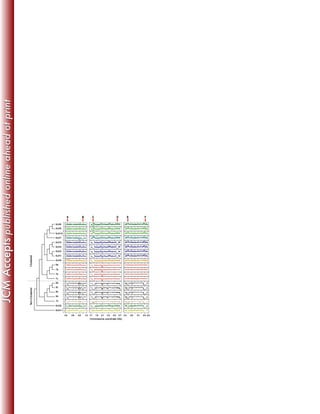
geographic or environmental niches.246
247
12
In vitro Drug Susceptibility Results and Variants Associated with Resistance248
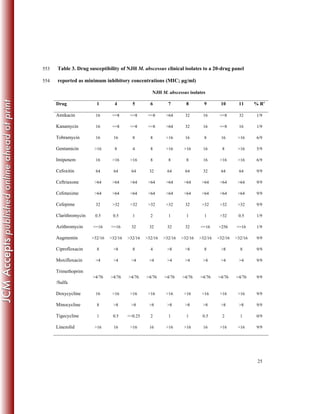
Nine of eleven NJH clinical isolates were evaluated for in vitro drug susceptibility to 19 anti-249
microbial drugs. These drugs span several drug classes, and the results are reported as minimum250
inhibitory concentrations (MIC) (Table 3). Most isolates exhibited resistance to imipenem,251
augmentin, two of four aminoglycosides (tobramycin and gentamicin), four generations of252
cephalosporins, two of three tetracyclines (doxycycline and minocyclin), and two253
flouroquinolones (ciprofloxacin and moxifloxacin), confirming the innate resistance of M.254
abscessus to several drug classes (11, 13). Drugs that showed in vitro activity against the M.255
abscessus strains include the aminoglycosides, amikacin and kanamycin, and the macrolides,256
clarithromycin and azithromycin, which are commonly used to treat pulmonary M. abscessus257
infections (12) as well as the less commonly prescribed, tigecycline.258
Among the NJH isolates tested, only two exhibited different susceptibility phenotypes.259
NJH7 was the only isolate with observed in vitro resistance to amikacin and kanamycin. Based260
on our analysis, this resistance can be explained by the presence of a 16S rRNA mutation,261
previously associated with aminoglycoside resistance in M. abscessus and M. chelonae isolates,262
and corresponding to the A1408G mutation in Escherichia coli (14). NJH10 was the only isolate263
with observed resistance to clarithromycin and azithromycin. This isolate does not have a264
resistance-conferring mutation in the 23S rRNA (15) and may, therefore, contain a novel265
mechanism of resistance.266
267
Large-scale Polymorphic Genomic Regions in M. abscessus Clinical Isolates268
Given the high genetic relatedness in the core genomes of clustered US/European isolates, we269
also investigated large-scale genomic variations among a subset of clustered and non-clustered270
13
isolates. We analyzed sequence coverage in 1kb windows relative to the ATCC 19977T
reference271
genome and identified 1kb windows with substantially low coverage (<2x), indicative of272
deletions or highly divergent regions of the genome. Across the 19 isolates analyzed, we273
observed a range of 0.3 - 8.3% of the reference genome that is not represented in the clinical274
isolates (Table 4). The least divergence was observed among clustered isolates (0.3 – 2.8%) and275
higher divergence was observed among non-clustered isolates (5.9 – 7.1%). As expected, the276
most divergence was observed in the M. abscessus ssp. massiliense isolate (NJH11; 8.3%). This277
diversity is similar to genome content differences observed among clinical M. tuberculosis278
isolates (45) and illustrates the genome plasticity and diversity among US and European M.279
abscessus isolates.280
To test whether the clustered isolates share the same deletions, we performed a cluster281
analysis of genome wide coverage patterns (Fig. 2). The clustering results are similar to the282
initial core genome phylogeny (Fig. 1A), as the US/European clustered isolates group into a283
major clade that is distinct from non-clustered isolates. One exception is the Puerto Rican isolate284
(NJH7) that clusters with the US isolates based on deletion patterns, but is somewhat divergent285
from the US and UK isolates in the core genome phylogeny (Fig. 1A). In contrast to the high-286
resolution phylogeny (Fig. 1B), the US/European clustered isolates group together largely by287
geographic region. This, along with the grouping of NJH7 with other North American isolates,288
suggests that evolution of the accessory genome may be driven by events within local289
microenvironments.290
Further analyses of six large-scale deletions (>30Kb) (Fig. 2, A – F), relative to the291
reference M. abscessus genome, reveal potential mechanisms of accessory genome evolution292
among clinical M. abscessus strains (Table S2). Regions A and F, which are deleted in all non-293
14
clustered isolates, include operons for copper ion and phosphate ion transport, respectively. Both294
genomic regions contain sequences that are homologous to plasmids and transposons, providing295
evidence for recombination or horizontal gene transfer (26). Region C, which is absent in 14 of296
19 isolates, shows sequence homology only to mycobacteriophage, consistent with previous297
annotation as a prophage (34). Two US isolates (NJH7 and NJH10) have excessive sequence298
coverage in this region suggesting multiple genomic copies of prophage sequences. Regions B,299
D and E show no evidence of recombination or homology to phage DNA. Region E, which is300
deleted in non-clustered isolates and M. abscessus subsp. massiliense (NJH11), includes a301
cassette of biphenyl and aromatic hydrocarbon metabolic enzymes, that functionally enable302
degradation of environmental chemicals (46) in some cases. Overall, the results suggest that gene303
content variation in clinical M. abscessus is due, in part, to recombination and/or metabolic304
adaptations.305
306
Genomic Comparisons of Longitudinally Sampled Isolates from Individual Patients307
To evaluate intra-patient strain variation, we compared genomic information derived from three308
sets of isolates from individual patients. From the UK-CF M. abscessus study (8), we studied309
isolates from patients 7 and 9. Isolates 7a, 7b and 7c were collected at a single time point.310
Isolates 9a and 9b were collected at an initial time point during treatment, and 9c and 9d were311
collected one month later. From NJH, four isolates (NJH1–4) were longitudinally isolated from a312
single patient at three time points during a six-month period, including two colonies (NJH2 and313
NJH3) that were collected at the second time point.314
In the previous core genome phylogenies (Fig. 1) with limited numbers of genomic315
positions (2,479bp and 128,074bp), all three sets of isolates showed identical genotypes among316
15
themselves within each set. We therefore performed in depth core genome analyses for each317
patient-isolate group to explore infection homogeneity and the potential for genomic mutations318
during infection and treatment. Using all high quality base calls within each group of patient319
isolates, we found 4 SNPs among the three patient 7 isolates across 4,971,231 genomic positions320
(0.00008%); 12 SNPs among the four patient 9 isolates across 4,503,047 positions (0.0002%);321
and 10 SNPs among the four NJH patient 1 isolates across 4,587,198 positions (0.0002%). In322
contrast to SNPs in the overall phylogeny (Fig. 1A) in which the minority of coding SNPs are323
non-synonymous (20.9%) versus synonymous (79.5%), the majority of SNPs in the longitudinal324
groups are non-synonymous changes (55.6% - 87.5%) suggesting positive selective pressures as325
a possible driving force of genetic mutation. Examples of genes with nonsynonymous SNPs326
observed among NJH1 patient isolates include an amino acid permease family protein327
(MAB_0950c), a probable deoxyribonuclease TatD (MAB_1129), a putative membrane protein328
MmpL (MAB_2303), sulfate adenylate transferase CysD (MAB_4181) and an arsenic-transport329
integral membrane protein ArsC (MAB_4863).330
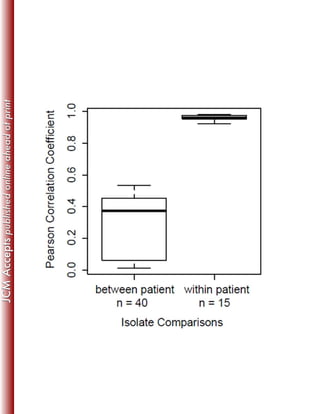
To test for large-scale variation between intra-patient isolates, correlations of genome331
wide sequence coverage patterns were performed for all pair wise combinations of isolates332
within and between each patient group (Fig. 3). Results demonstrate that all within-patient333
isolate pairs are highly correlated compared to between-patient isolates, and we saw no evidence334
of isolate-specific deletions within patients. These data, along with minimal SNP variation,335
suggest homogenous populations in the patients studied, consistent with previous longitudinal336
studies of M. abscessus (8, 47). The high-resolution comparisons enabled by WGS provide337
evidence for genetic mutation and possible adaptation within the host.338
339
16
Conclusions340
Our study examines the genome sequences of eleven clinically relevant M. abscessus isolates341
from eight US patients with persistent pulmonary infections that exhibit in vitro resistance to342
several classes of antimicrobials. Moreover, it provides a comprehensive phylogenomic343
assessment of US M. abscessus isolates compared to globally diverse clinical isolates. Our core344
genome comparisons, across 41 M. abscessus isolates, reveal three genetic subgroups consistent345
with previous subspecies classifications. We observed that most of the NJH isolates (9/11)346
examined belong to a cluster of M. abscessus subsp. abscessus isolates with low core genome347
diversity, that are primarily from US or Western European origin. This cluster is genetically348
distinct from most UK and all Asian isolates examined in the study. Future studies with349
expanded populations of both clinical and environmental isolates could reveal whether this350
cluster represents a clinical subtype of M. abscessus or an ecological subgroup related through a351
shared environmental niche.352
Despite the core genome similarities observed among clustered US/European isolates, we353
found substantial accessory genome variation in the form of multiple large-scale deletions. This354
illustrates the resolving power of WGS in detecting not only SNPs, but also the presence or355
absence of genomic islands, which can confer clinically important traits associated with356
virulence and antibiotic resistance. Overall, we observed genome content variation of 0.3 to357
7.1% within subspecies (M. abscessus subsp. abscessus) and 8.5% between subspecies (subsp.358
abscessus versus subsp. massiliense) including one large deletion that is shared across subspecies359
(Fig. 2; F). Functional annotation analyses of the deletion regions suggest that genome content360
variation in M. abscessus can be attributed to recombination and/or metabolic adaptations.361
17
Analyses of longitudinally collected samples from individual patients show low levels of362
SNP variation and no evidence of large-scale variation, suggesting homogeneous populations in363
the hosts studied. SNPs in the longitudinal studies were enriched for non-synonymous mutations364
compared to the overall background population suggesting that pathogen genome evolution in365
the host may be under positive selection from prolonged exposure to the host immune system,366
antibiotic treatment, or other selective pressures. Further WGS studies will be needed to explore367
long-term in vivo mutation rates in the host and potential implications for antibiotic targets.368
369
Acknowledgements370
This work was supported by the National Jewish Health NTM Center of Excellence, the371
Colorado Bioscience Discovery Program, the Eppley Foundation, the Potts Memorial Foundation,372
the Boettcher Foundation Webb-Waring Biomedical Research Program to MS, and a NIH373
Biomedical Informatics training grant 2T15LM009451-06 to NH and BG.374
375
18
References376
1. Prevots DR, Shaw PA, Strickland D, Jackson LA, Raebel MA, Blosky M, Oca RM, Shea YR,377
Seitz AE, Holland SM, Olivier KN. 2010. Nontuberculous Mycobacterial Lung Disease378
Prevalence at Four Integrated Health Care Delivery Systems. Am J Respir Crit Care Med379
182:970–976.380
2. Moore JE, Kruijshaar ME, Ormerod LP, Drobniewski F, Abubakar I. 2010. Increasing381
reports of non-tuberculous mycobacteria in England, Wales and Northern Ireland, 1995-2006.382
BMC Public Health 10:612.383
3. Marras TK, Chedore P, Ying AM, Jamieson F. 2007. Isolation prevalence of pulmonary non-384
tuberculous mycobacteria in Ontario, 1997 2003. Thorax 62:661-666.385
4. Primm TP, Lucero CA, Falkinham JO, 3rd. 2004. Health impacts of environmental386
mycobacteria. Clin Microbiol Rev 17:98-106.387
5. Falkinham JO, 3rd. 2011. Nontuberculous mycobacteria from household plumbing of patients388
with nontuberculous mycobacteria disease. Emerg Infect Dis 17:419-424.389
6. Feazel LM, Baumgartner LK, Peterson KL, Frank DN, Harris JK, Pace NR. 2009.390
Opportunistic pathogens enriched in showerhead biofilms. Proc Natl Acad Sci U S A 106:16393-391
16399.392
7. Aitken ML, Limaye A, Pottinger P, Whimbey E, Goss CH, Tonelli MR, Cangelosi GA,393
Dirac MA, Olivier KN, Brown-Elliott BA, McNulty S, Wallace RJ, Jr. 2012. Respiratory394
outbreak of Mycobacterium abscessus subspecies massiliense in a lung transplant and cystic395
fibrosis center. Am J Respir Crit Care Med 185:231-232.396
8. Bryant JM, Grogono DM, Greaves D, Foweraker J, Roddick I, Inns T, Reacher M,397
Haworth CS, Curran MD, Harris SR, Peacock SJ, Parkhill J, Floto RA. 2013. Whole-398
genome sequencing to identify transmission of Mycobacterium abscessus between patients with399
cystic fibrosis: a retrospective cohort study. Lancet 381:1551-1560.400
9. Winthrop KL, McNelley E, Kendall B, Marshall-Olson A, Morris C, Cassidy M, Saulson A,401
Hedberg K. 2010. Pulmonary nontuberculous mycobacterial disease prevalence and clinical402
features: an emerging public health disease. Am J Respir Crit Care Med 182:977-982.403
10. Jonsson BE, Gilljam M, Lindblad A, Ridell M, Wold AE, Welinder-Olsson C. 2007.404
Molecular epidemiology of Mycobacterium abscessus, with focus on cystic fibrosis. J Clin405
Microbiol 45:1497-1504.406
11. Griffith DE. 2011. The talking Mycobacterium abscessus blues. Clin Infect Dis 52:572-574.407
12. Jarand J, Levin A, Zhang L, Huitt G, Mitchell JD, Daley CL. 2011. Clinical and408
microbiologic outcomes in patients receiving treatment for Mycobacterium abscessus pulmonary409
disease. Clin Infect Dis 52:565-571.410
13. Nessar R, Cambau E, Reyrat JM, Murray A, Gicquel B. 2012. Mycobacterium abscessus: a411
new antibiotic nightmare. J Antimicrob Chemother 67:810-818.412
14. Prammananan T, Sander P, Brown BA, Frischkorn K, Onyi GO, Zhang Y, Bottger EC,413
Wallace RJ, Jr. 1998. A single 16S ribosomal RNA substitution is responsible for resistance to414
amikacin and other 2-deoxystreptamine aminoglycosides in Mycobacterium abscessus and415
Mycobacterium chelonae. J Infect Dis 177:1573-1581.416
15. Wallace RJ, Jr., Meier A, Brown BA, Zhang Y, Sander P, Onyi GO, Bottger EC. 1996.417
Genetic basis for clarithromycin resistance among isolates of Mycobacterium chelonae and418
Mycobacterium abscessus. Antimicrob Agents Chemother 40:1676-1681.419
16. Nash KA, Brown-Elliott BA, Wallace RJ, Jr. 2009. A novel gene, erm(41), confers inducible420
macrolide resistance to clinical isolates of Mycobacterium abscessus but is absent from421
Mycobacterium chelonae. Antimicrob Agents Chemother 53:1367-1376.422
17. Leao SC, Tortoli E, Euzeby JP, Garcia MJ. 2011. Proposal that Mycobacterium massiliense423
and Mycobacterium bolletii be united and reclassified as Mycobacterium abscessus subsp. bolletii424
19
comb. nov., designation of Mycobacterium abscessus subsp. abscessus subsp. nov. and emended425
description of Mycobacterium abscessus. Int J Syst Evol Microbiol 61:2311-2313.426
18. Macheras E, Roux AL, Bastian S, Leao SC, Palaci M, Sivadon-Tardy V, Gutierrez C,427
Richter E, Rusch-Gerdes S, Pfyffer G, Bodmer T, Cambau E, Gaillard JL, Heym B. 2011.428
Multilocus sequence analysis and rpoB sequencing of Mycobacterium abscessus (sensu lato)429
strains. J Clin Microbiol 49:491-499.430
19. Zelazny AM, Root JM, Shea YR, Colombo RE, Shamputa IC, Stock F, Conlan S, McNulty431
S, Brown-Elliott BA, Wallace RJ, Jr., Olivier KN, Holland SM, Sampaio EP. 2009. Cohort432
study of molecular identification and typing of Mycobacterium abscessus, Mycobacterium433
massiliense, and Mycobacterium bolletii. J Clin Microbiol 47:1985-1995.434
20. Heydari H, Wee WY, Lokanathan N, Hari R, Mohamed Yusoff A, Beh CY, Yazdi AH,435
Wong GJ, Ngeow YF, Choo SW. 2013. MabsBase: A Mycobacterium abscessus Genome and436
Annotation Database. PLoS One 8:e62443.437
21. Cho YJ, Yi H, Chun J, Cho SN, Daley CL, Koh WJ, Jae Shin S. 2013. The Genome Sequence438
of 'Mycobacterium massiliense' Strain CIP 108297 Suggests the Independent Taxonomic Status439
of the Mycobacterium abscessus Complex at the Subspecies Level. PLoS One 8:e81560.440
22. Koh WJ, Jeon K, Lee NY, Kim BJ, Kook YH, Lee SH, Park YK, Kim CK, Shin SJ, Huitt441
GA, Daley CL, Kwon OJ. 2011. Clinical significance of differentiation of Mycobacterium442
massiliense from Mycobacterium abscessus. Am J Respir Crit Care Med 183:405-410.443
23. Harada T, Akiyama Y, Kurashima A, Nagai H, Tsuyuguchi K, Fujii T, Yano S, Shigeto E,444
Kuraoka T, Kajiki A, Kobashi Y, Kokubu F, Sato A, Yoshida S, Iwamoto T, Saito H. 2012.445
Clinical and Microbiological Differences between Mycobacterium abscessus and Mycobacterium446
massiliense Lung Diseases. J Clin Microbiol 50:3556-3561.447
24. Davidson RM, Hasan NA, de Moura VC, Duarte RS, Jackson M, Strong M. 2013.448
Phylogenomics of Brazilian epidemic isolates of Mycobacterium abscessus subsp. bolletii reveals449
relationships of global outbreak strains. Infect Genet Evol 20:292-297.450
25. Tettelin H, Davidson RM, Agrawal S, Aitken ML, Shallom S, Hasan NA, Strong M, de451
Moura VC, De Groote MA, Duarte RS, Hine E, Parankush S, Su Q, Daugherty SC, Fraser452
CM, Brown-Elliott BA, Wallace RJ, Jr., Holland SM, Sampaio EP, Olivier KN, Jackson M,453
Zelazny AM. 2014. High-level relatedness among Mycobacterium abscessus subsp. massiliense454
strains from widely separated outbreaks. Emerg Infect Dis 20:364-371.455
26. Juhas M, van der Meer JR, Gaillard M, Harding RM, Hood DW, Crook DW. 2009.456
Genomic islands: tools of bacterial horizontal gene transfer and evolution. FEMS Microbiol Rev457
33:376-393.458
27. Jackson RW, Vinatzer B, Arnold DL, Dorus S, Murillo J. 2011. The influence of the459
accessory genome on bacterial pathogen evolution. Mob Genet Elements 1:55-65.460
28. Kim BJ, Kim BR, Lee SY, Kook YH. 2013. Rough colony morphology of Mycobacterium461
massiliense Type II genotype is due to the deletion of glycopeptidolipid locus within its genome.462
BMC Genomics 14:890.463
29. Feng Y, Chen CJ, Su LH, Hu S, Yu J, Chiu CH. 2008. Evolution and pathogenesis of464
Staphylococcus aureus: lessons learned from genotyping and comparative genomics. FEMS465
Microbiol Rev 32:23-37.466
30. Mathee K, Narasimhan G, Valdes C, Qiu X, Matewish JM, Koehrsen M, Rokas A, Yandava467
CN, Engels R, Zeng E, Olavarietta R, Doud M, Smith RS, Montgomery P, White JR,468
Godfrey PA, Kodira C, Birren B, Galagan JE, Lory S. 2008. Dynamics of Pseudomonas469
aeruginosa genome evolution. Proc Natl Acad Sci U S A 105:3100-3105.470
31. van Soolingen D, de Haas PE, Kremer K. 2001. Restriction fragment length polymorphism471
typing of mycobacteria. Methods Mol Med 54:165-203.472
32. Adekambi T, Colson P, Drancourt M. 2003. rpoB-based identification of nonpigmented and473
late-pigmenting rapidly growing mycobacteria. J Clin Microbiol 41:5699-5708.474
20
33. CLSI. 2011. Susceptibility Testing of Mycobacteria, Nocardiae, and Other Aerobic475
Actinomycetes; Approved Standard-Second Edition., vol. CLSI document M42-A2. Clinical and476
Laboratory Standards Institute, Wayne, PA.477
34. Ripoll F, Pasek S, Schenowitz C, Dossat C, Barbe V, Rottman M, Macheras E, Heym B,478
Herrmann JL, Daffe M, Brosch R, Risler JL, Gaillard JL. 2009. Non mycobacterial virulence479
genes in the genome of the emerging pathogen Mycobacterium abscessus. PLoS One 4:e5660.480
35. Langmead B, Trapnell C, Pop M, Salzberg SL. 2009. Ultrafast and memory-efficient481
alignment of short DNA sequences to the human genome. Genome Biol 10:R25.482
36. Li H, Handsaker B, Wysoker A, Fennell T, Ruan J, Homer N, Marth G, Abecasis G, Durbin483
R. 2009. The Sequence Alignment/Map format and SAMtools. Bioinformatics 25:2078-2079.484
37. Wang K, Li M, Hakonarson H. 2010. ANNOVAR: functional annotation of genetic variants485
from high-throughput sequencing data. Nucleic Acids Res 38:e164.486
38. Darling AE, Mau B, Perna NT. 2010. progressiveMauve: multiple genome alignment with gene487
gain, loss and rearrangement. PLoS One 5:e11147.488
39. Gouy M, Guindon S, Gascuel O. 2010. SeaView version 4: A multiplatform graphical user489
interface for sequence alignment and phylogenetic tree building. Mol Biol Evol 27:221-224.490
40. Cheung MS, Down TA, Latorre I, Ahringer J. 2011. Systematic bias in high-throughput491
sequencing data and its correction by BEADS. Nucleic Acids Res 39:e103.492
41. Saeed AI, Sharov V, White J, Li J, Liang W, Bhagabati N, Braisted J, Klapa M, Currier T,493
Thiagarajan M, Sturn A, Snuffin M, Rezantsev A, Popov D, Ryltsov A, Kostukovich E,494
Borisovsky I, Liu Z, Vinsavich A, Trush V, Quackenbush J. 2003. TM4: a free, open-source495
system for microarray data management and analysis. Biotechniques 34:374-378.496
42. R Development Core Team. 2011. R: A Language and Environment for Statistical Computing.497
R Foundation for Statistical Computing, Vienna, Austria.498
43. Moore M, Frerichs JB. 1953. An unusual acid-fast infection of the knee with subcutaneous,499
abscess-like lesions of the gluteal region; report of a case with a study of the organism,500
Mycobacterium abscessus, n. sp. J Invest Dermatol 20:133-169.501
44. Choo SW, Wee WY, Ngeow YF, Mitchell W, Tan JL, Wong GJ, Zhao Y, Xiao J. 2014.502
Genomic reconnaissance of clinical isolates of emerging human pathogen Mycobacterium503
abscessus reveals high evolutionary potential. Sci Rep 4:4061.504
45. Tsolaki AG, Hirsh AE, DeRiemer K, Enciso JA, Wong MZ, Hannan M, Goguet de la505
Salmoniere YO, Aman K, Kato-Maeda M, Small PM. 2004. Functional and evolutionary506
genomics of Mycobacterium tuberculosis: insights from genomic deletions in 100 strains. Proc507
Natl Acad Sci U S A 101:4865-4870.508
46. Moody JD, Doerge DR, Freeman JP, Cerniglia CE. 2002. Degradation of biphenyl by509
Mycobacterium sp. strain PYR-1. Appl Microbiol Biotechnol 58:364-369.510
47. Wallace RJ, Jr., Zhang Y, Brown BA, Fraser V, Mazurek GH, Maloney S. 1993. DNA large511
restriction fragment patterns of sporadic and epidemic nosocomial strains of Mycobacterium512
chelonae and Mycobacterium abscessus. J Clin Microbiol 31:2697-2701.513
48. Pang S, Renvoise A, Perret C, Guinier M, Chelghoum N, Brossier F, Capton E, Jarlier V,514
Sougakoff W. 2013. Whole-Genome Sequence of Mycobacterium abscessus Clinical Strain515
V06705. Genome Announc 1.516
49. Ngeow YF, Wong YL, Tan JL, Ong CS, Ng KP, Choo SW. 2012. Genome sequence of517
Mycobacterium abscessus strain M152. J Bacteriol 194:6662.518
50. Choo SW, Wong YL, Leong ML, Heydari H, Ong CS, Ng KP, Ngeow YF. 2012. Analysis of519
the genome of Mycobacterium abscessus strain M94 reveals an uncommon cluster of tRNAs. J520
Bacteriol 194:5724.521
51. Choo SW, Wong YL, Yusoff AM, Leong ML, Wong GJ, Ong CS, Ng KP, Ngeow YF. 2012.522
Genome sequence of the Mycobacterium abscessus strain M93. J Bacteriol 194:3278.523
52. Choi GE, Cho YJ, Koh WJ, Chun J, Cho SN, Shin SJ. 2012. Draft genome sequence of524
Mycobacterium abscessus subsp. bolletii BD(T). J Bacteriol 194:2756-2757.525
21
53. Wong YL, Choo SW, Tan JL, Ong CS, Ng KP, Ngeow YF. 2012. Draft genome sequence of526
Mycobacterium bolletii strain M24, a rapidly growing mycobacterium of contentious taxonomic527
status. J Bacteriol 194:4475.528
54. Chan J, Halachev M, Yates E, Smith G, Pallen M. 2012. Whole-genome sequence of the529
emerging pathogen Mycobacterium abscessus strain 47J26. J Bacteriol 194:549.530
55. Davidson RM, Reynolds PR, Farias-Hesson E, Duarte RS, Jackson M, Strong M. 2013.531
Genome Sequence of an Epidemic Isolate of Mycobacterium abscessus subsp. bolletii from Rio532
de Janeiro, Brazil. Genome Announc 1:e00617-00613.533
56. Tettelin H, Sampaio EP, Daugherty SC, Hine E, Riley DR, Sadzewicz L, Sengamalay N,534
Shefchek K, Su Q, Tallon LJ, Conville P, Olivier KN, Holland SM, Fraser CM, Zelazny AM.535
2012. Genomic insights into the emerging human pathogen Mycobacterium massiliense. J536
Bacteriol 194:5450.537
538
22
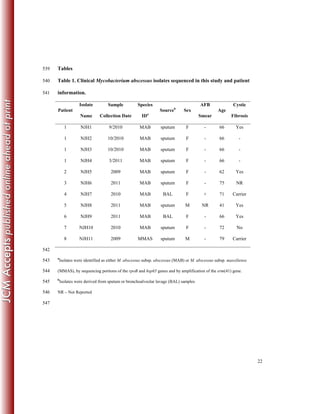
Tables539
Table 1. Clinical Mycobacterium abscessus isolates sequenced in this study and patient540
information.541
Patient
Isolate
Name
Sample
Collection Date
Species
IDa
Sourceb
Sex
AFB
Smear
Age
Cystic
Fibrosis
1 NJH1 9/2010 MAB sputum F - 66 Yes
1 NJH2 10/2010 MAB sputum F - 66 -
1 NJH3 10/2010 MAB sputum F - 66 -
1 NJH4 3/2011 MAB sputum F - 66 -
2 NJH5 2009 MAB sputum F - 62 Yes
3 NJH6 2011 MAB sputum F - 75 NR
4 NJH7 2010 MAB BAL F + 71 Carrier
5 NJH8 2011 MAB sputum M NR 41 Yes
6 NJH9 2011 MAB BAL F - 66 Yes
7 NJH10 2010 MAB sputum F - 72 No
8 NJH11 2009 MMAS sputum M - 79 Carrier
542
a
Isolates were identified as either M. abscessus subsp. abscessus (MAB) or M. abscessus subsp. massiliense543
(MMAS), by sequencing portions of the rpoB and hsp65 genes and by amplification of the erm(41) gene.544
b
Isolates were derived from sputum or bronchoalveolar lavage (BAL) samples545
NR – Not Reported546
547
23
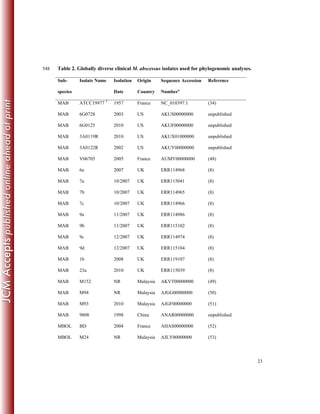
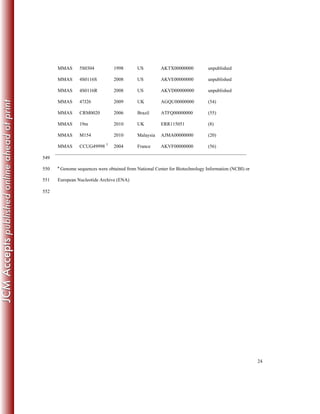
Table 2. Globally diverse clinical M. abscessus isolates used for phylogenomic analyses.548
Sub-
species
Isolate Name Isolation
Date
Origin
Country
Sequence Accession
Numbera
Reference
MAB ATCC19977 T
1957 France NC_010397.1 (34)
MAB 6G0728 2003 US AKUS00000000 unpublished
MAB 6G0125 2010 US AKUF00000000 unpublished
MAB 3A0119R 2010 US AKUX01000000 unpublished
MAB 3A0122R 2002 US AKUY00000000 unpublished
MAB V06705 2005 France AUMY00000000 (48)
MAB 6a 2007 UK ERR114968 (8)
MAB 7a 10/2007 UK ERR115041 (8)
MAB 7b 10/2007 UK ERR114965 (8)
MAB 7c 10/2007 UK ERR114966 (8)
MAB 9a 11/2007 UK ERR114986 (8)
MAB 9b 11/2007 UK ERR115102 (8)
MAB 9c 12/2007 UK ERR114974 (8)
MAB 9d 12/2007 UK ERR115104 (8)
MAB 1b 2008 UK ERR119107 (8)
MAB 23a 2010 UK ERR115039 (8)
MAB M152 NR Malaysia AKVT00000000 (49)
MAB M94 NR Malaysia AJGG00000000 (50)
MAB M93 2010 Malaysia AJGF00000000 (51)
MAB 9808 1998 China ANAR00000000 unpublished
MBOL BD 2004 France AHAS00000000 (52)
MBOL M24 NR Malaysia AJLY00000000 (53)
24
MMAS 5S0304 1998 US AKTX00000000 unpublished
MMAS 4S0116S 2008 US AKVE00000000 unpublished
MMAS 4S0116R 2008 US AKVD00000000 unpublished
MMAS 47J26 2009 UK AGQU00000000 (54)
MMAS CRM0020 2006 Brazil ATFQ00000000 (55)
MMAS 19m 2010 UK ERR115051 (8)
MMAS M154 2010 Malaysia AJMA00000000 (20)
MMAS CCUG49998 T
2004 France AKVF00000000 (56)
549
a
Genome sequences were obtained from National Center for Biotechnology Information (NCBI) or550
European Nucleotide Archive (ENA)551
552
25
Table 3. Drug susceptibility of NJH M. abscessus clinical isolates to a 20-drug panel553
reported as minimum inhibitory concentrations (MIC; μg/ml)554
NJH M. abscessus isolates
Drug 1 4 5 6 7 8 9 10 11 % Ra
Amikacin 16 <=8 <=8 <=8 >64 32 16 <=8 32 1/9
Kanamycin 16 <=8 <=8 <=8 >64 32 16 <=8 16 1/9
Tobramycin 16 16 8 8 >16 16 8 16 >16 6/9
Gentamicin >16 8 4 8 >16 >16 16 8 >16 5/9
Imipenem 16 >16 >16 8 8 8 16 >16 >16 6/9
Cefoxitin 64 64 64 32 64 64 32 64 64 9/9
Ceftriaxone >64 >64 >64 >64 >64 >64 >64 >64 >64 9/9
Cefotaxime >64 >64 >64 >64 >64 >64 >64 >64 >64 9/9
Cefepime 32 >32 >32 >32 >32 32 >32 >32 >32 9/9
Clarithromycin 0.5 0.5 1 2 1 1 1 >32 0.5 1/9
Azithromycin <=16 <=16 32 32 32 32 <=16 >256 <=16 1/9
Augmentin >32/16 >32/16 >32/16 >32/16 >32/16 >32/16 >32/16 >32/16 >32/16 9/9
Ciprofloxacin 8 >8 8 4 >8 >8 8 >8 8 9/9
Moxifloxacin >4 >4 >4 >4 >4 >4 >4 >4 >4 9/9
Trimethoprim
/Sulfa
>4/76 >4/76 >4/76 >4/76 >4/76 >4/76 >4/76 >4/76 >4/76 9/9
Doxycycline 16 >16 >16 >16 >16 >16 >16 >16 >16 9/9
Minocycline 8 >8 >8 >8 >8 >8 >8 >8 >8 9/9
Tigecycline 1 0.5 <=0.25 2 1 1 0.5 2 1 0/9
Linezolid >16 16 >16 16 >16 >16 16 >16 >16 9/9
26
a
Proportion of isolates with resistant (R) phenotypes based on previously defined thresholds of MIC555
values specific to each drug.556
557
27
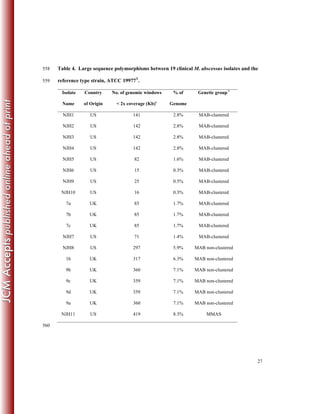
Table 4. Large sequence polymorphisms between 19 clinical M. abscessus isolates and the558
reference type strain, ATCC 19977T
.559
Isolate
Name
Country
of Origin
No. of genomic windows
< 2x coverage (Kb)a
% of
Genome
Genetic group b
NJH1 US 141 2.8% MAB-clustered
NJH2 US 142 2.8% MAB-clustered
NJH3 US 142 2.8% MAB-clustered
NJH4 US 142 2.8% MAB-clustered
NJH5 US 82 1.6% MAB-clustered
NJH6 US 15 0.3% MAB-clustered
NJH9 US 25 0.5% MAB-clustered
NJH10 US 16 0.3% MAB-clustered
7a UK 85 1.7% MAB-clustered
7b UK 85 1.7% MAB-clustered
7c UK 85 1.7% MAB-clustered
NJH7 US 71 1.4% MAB-clustered
NJH8 US 297 5.9% MAB non-clustered
1b UK 317 6.3% MAB non-clustered
9b UK 360 7.1% MAB non-clustered
9c UK 359 7.1% MAB non-clustered
9d UK 359 7.1% MAB non-clustered
9a UK 360 7.1% MAB non-clustered
NJH11 US 419 8.3% MMAS
560
28
a
Genomic windows with significantly low sequence read coverage (less than 2x) compared to the561
reference strain.562
b
The three genetic groups identified in our phylogenomic analysis; clustered M. abscessus ssp. abscessus563
(MAB) isolates, non-clustered MAB isolates and M. abscessus ssp. massiliense (MMAS).564
29
Figure Legends565
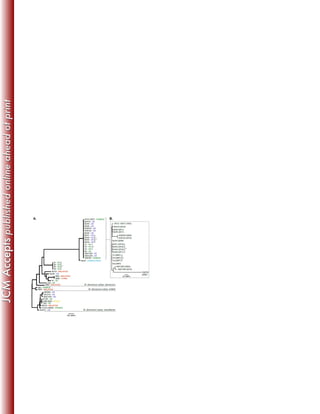
Figure 1. Phylogenomic comparison of the National Jewish Health (NJH) M. abscessus clinical566
isolates from the United States, compared to global strains. A. Genotype data at 2,479 core genome567
positions, relative to the M. abscessus ssp. abscessus ATCC 19977T
reference genome, were used to568
estimate the phylogeny among 41 M. abscessus isolates using the Neighbor Joining algorithm. The569
phylogenomic tree supports previously recognized subspecies as monophyletic groups. Isolates570
highlighted by gray bars and asterisks indicate isolates acquired from the same patients. B. A higher-571
resolution phylogeny of the 18-isolate US/European M. abscessus ssp. abscessus cluster was created572
using genotype information at 128,074 core genome positions. Isolation dates are included. Only 320 of573
128,074 (0.25%) core genome sites vary among these isolates.574
575
Figure 2. Large-scale genomic variation among M. abscessus genomes. Large-scale genomic576
variations, including deletions and duplications, were identified by sequence read mapping and coverage577
assessment along a reference genome. Chromosome coordinates of three regions of the reference genome578
are indicated on the x-axis. Next generation sequence read counts were assessed along non-overlapping579
1Kb sliding windows of the reference genome (5,068 total windows). Contiguous windows with z-scores580
(y-axes) less than -2.0 indicate putative genomic deletions or highly divergent regions, while contiguous581
stretches of high z-scores, greater than 2.0, indicate putative genomic duplications. The dendrogram582
represents the result of average linkage hierarchical clustering of genome wide coverage values, using a583
Pearson correlation metric. Arrows labeled A – F indicate large-scale genomic differences (>30Kb)584
among the clinical M. abscessus isolates.585
586
Figure 3. Correlations of genome wide coverage patterns between 11 M. abscessus isolates collected587
from three patients. Correlations of genome wide sequence coverage patterns were performed for all588
pairwise combinations of 11 isolates (n = 55). Each pair was binned as between patient isolates (n = 40)589
or within patient isolates (n = 15). Isolates obtained from the same patient have much higher correlation590
30
than isolates from different patients, suggesting genetically homogeneous infecting populations in591
individual patients.592
593
J. Clin. Microbiol.-2014-Davidson-JCM.01144-14

J. Clin. Microbiol.-2014-Davidson-JCM.01144-14

  • 1.
    1 Genome sequencing ofMycobacterium abscessus isolates from patients in the United States1 and comparisons to globally diverse clinical strains2 3 Rebecca M. Davidsona , Nabeeh Hasana, b , Paul R. Reynoldsc , Sarah Tottend , Benjamin Garciaa, b ,4 Adrah Levine , Preveen Ramamoorthyf , Leonid Heifetsd , Charles L. Daleye , Michael Stronga, b #5 6 a Integrated Center for Genes, Environment and Health, National Jewish Health, Denver,7 Colorado, USA; b Computational Bioscience Program, University of Colorado Denver, School of8 Medicine, Aurora, Colorado, USA; c Department of Pediatrics, National Jewish Health, Denver,9 Colorado, USA; d Mycobacteriology and Pharmacokinetics, National Jewish Health, Denver,10 Colorado, USA; e Division of Mycobacterial and Respiratory Infections, National Jewish Health,11 Denver, Colorado, USA; f Department of Academic Affairs, National Jewish Health, Denver,12 Colorado, USA13 14 15 Running Title: Mycobacterium abscessus genomics16 17 #Address correspondence to Michael Strong, Ph.D. StrongM@NJHealth.org.18 19 20 21 22 23 JCM Accepts, published online ahead of print on 23 July 2014 J. Clin. Microbiol. doi:10.1128/JCM.01144-14 Copyright © 2014, American Society for Microbiology. All Rights Reserved.
  • 2.
    2 Abstract24 Nontuberculous mycobacterial (NTM)infections caused by Mycobacterium abscessus are25 responsible for a range of disease manifestations from pulmonary to skin infections and are26 notoriously difficult to treat due to innate resistance to many antibiotics. Previous population27 studies of clinical M. abscessus utilized multi locus sequence typing or pulsed field gel28 electrophoresis, but high resolution examinations of the genetic diversity at the whole genome29 level has not been well characterized, particularly among clinical isolates derived in the United30 States (US). We performed whole genome sequencing of eleven clinical M. abscessus isolates31 derived from eight US patients with pulmonary NTM infections, compared them to 30 globally32 diverse clinical isolates and investigated intra-patient genomic diversity and evolution.33 Phylogenomic analyses revealed a cluster of closely related US and Western European-derived34 M. abscessus ssp. abscessus isolates that are genetically distinct from other European and all35 Asian isolates. Large-scale variation analyses suggested genome content differences of 0.3 –36 8.3% relative to the reference strain, ATCC 19977T . Longitudinally sampled isolates showed37 very few single nucleotide polymorphisms and correlated genomic deletion patterns suggesting38 homogenous infection populations. Our study explores the genomic diversity of clinical M.39 abscessus strains from multiple continents, and provides insight into the genome plasticity of an40 opportunistic pathogen.41
  • 3.
    3 Introduction42 Nontuberculous mycobacteria (NTM)consist of a diverse group of environmental and43 pathogenic bacteria that are increasing in clinical prevalence in the United States (1) and other44 countries (2, 3). NTM are thought to be primarily acquired from environmental exposure (4) as45 they reside in water, biofilms, and soil environments (5, 6), though a few recent studies provide46 evidence of possible person-to person transmission in individuals with cystic fibrosis (7, 8).47 Mycobacterium abscessus is the second most clinically prevalent NTM species in pulmonary48 NTM infections (1, 9, 10), with Mycobacterium avium complex (MAC) the most prevalent. M.49 abscessus infections are challenging to treat because they are innately resistant to many50 antimicrobials including some that are effective against Mycobacterium tuberculosis and other51 mycobacteria (11-13). Acquired antibiotic resistance has been observed in some M. abscessus52 strains, with mechanisms of resistance ranging from mutational resistance to aminoglycosides53 (14) to mutational (15) and inducible (16) resistance to macrolides.54 The current taxonomy of M. abscessus recognizes two subspecies, M. abscessus ssp.55 abscessus and M. abscessus ssp. bolletii (17), though recent population and comparative56 genomic studies support the three previously recognized subspecies, M. abscessus ssp. abscessus,57 M. abscessus ssp. massiliense and M. abscessus ssp. bolletii (18-21). This delineation is58 important because clinical studies suggest differing treatment outcomes for patients infected with59 M. abscessus ssp. abscessus versus M. abscessus ssp. massiliense (22, 23). The increased60 recognition of M. abscessus as an emerging pathogen has reinforced the need to better61 understand the population structure of clinical M. abscessus at the subspecies and genomic levels.62 Previous population studies of clinical M. abscessus have primarily used multi-locus sequencing63 typing (MLST) or pulsed field gel electrophoresis (PFGE), but these methods have limited64
  • 4.
    4 resolution for within-subspeciesstrain typing. We, therefore, hypothesized that a high-resolution65 analysis of globally diverse clinical M. abscessus isolates could reveal distinct pathogen lineages66 and may uncover genetic components relevant to mycobacterial disease.67 Whole genome sequencing (WGS) and phylogenomics are important methods for68 studying population structure and genome evolution of bacterial pathogens as they enable high69 resolution analysis of genetic variants ranging from single nucleotide polymorphisms (SNPs) to70 large scale deletions. Analogous to MLST, core genome analyses compare genomic positions71 that are shared among all isolates in order to create phylogenies of isolate populations. For72 example, a recent retrospective study of M. abscessus isolates derived from cystic fibrosis (CF)73 patients in the United Kingdom (UK) utilized WGS and core genome analyses to compare74 patient isolates and provide the first suggestive evidence of person to person transmission of M.75 abscessus subsp. massiliense (8). Our subsequent studies using WGS and core genome analysis76 revealed high genetic relatedness between a subgroup of UK CF clinic isolates and M. abscessus77 subsp. massiliense strains from an epidemic of skin infections in Brazil (24) and an M. abscessus78 outbreak in Seattle, Washington (25).79 In addition to phylogenomic comparisons of the core genome, WGS also enables the80 identification of large-scale insertions and deletions, often referred to as the accessory genome.81 These genomic regions can include phage genes and plasmid elements and may represent82 genomic islands acquired through horizontal gene transfer (26). Their loss or gain can be83 attributed to environmental adaptations that can influence antibiotic resistance, virulence or host84 range restriction (26, 27). A recent study of M. abscessus subsp. massiliense isolates, for85 example, found that the absence of a cluster of glycopeptidolipid genes within a 24.8Kb genomic86 deletion conferred a rough versus smooth colony morphology (28). Genome content variation in87
  • 5.
    5 lung associated, opportunisticpathogens ranges from 22% in Staphlococcus aureus (29) to 10%88 in Pseudomonas aeruginosa (30), but is currently uncharacterized for M. abscessus clinical89 isolates. Knowledge of genome content variation among M. abscessus isolates could provide90 clues to genetic mechanisms contributing to virulence, antibiotic resistance and transmission, and91 may suggest biomarkers of diagnostic utility.92 Here we report the genome sequences and genomic features of eleven Mycobacterium93 abscessus isolates derived from eight patients with pulmonary NTM disease in the United States94 (US). The sequenced strains were evaluated for in vitro susceptibility to 19 drugs. Using the95 complete genome of the M. abscessus subsp. abscessus type strain ATCC 19977T as a reference,96 we identified core genome SNPs in the US-derived isolates as well as isolates from the UK,97 France, Brazil, Malaysia, and China, to evaluate the global genetic population structure of98 clinical M. abscessus. In our analysis, we detected large-scale genomic polymorphisms,99 reflecting gene content variation and genome plasticity, among closely and distantly related100 isolates. Lastly, we performed longitudinal genomic comparisons of isolates derived from101 individual patients to examine infection homogeneity and genetic mutations that may arise102 during M. abscessus lung infections.103 104 Methods105 Bacterial DNA Isolation and PCR Genotyping106 M. abscessus isolates were grown in Middlebrook 7H9 liquid media for 5 days, and genomic107 DNA was extracted using standard protocols (31). Gene specific primers were used to amplify a108 partial segment of the RNA polymerase beta subunit (rpoB) gene (32) and the hsp65 gene (19)109 for DNA sequencing using an ABI 3730xL Genetic Analyzer. The erythromycin ribosomal110
  • 6.
    6 methylase gene, erm(41)target was amplified using specific primers (16), and gel111 electrophoresis was carried out using the Lonza Flash Gel System to determine the absence or112 presence of a 273 base pair deletion within the erm(41) gene.113 114 In vitro Drug Susceptibility Testing115 National Jewish Health (NJH) isolates were evaluated for drug susceptibility to a panel of 19116 drugs using the microdilution method (33), and results are reported as minimum inhibitory117 concentrations (Table 3). NJH2 & NJH3 were not included in the testing because they did not118 grow out in the testing media.119 120 Genome Re-sequencing121 Approximately 1ug of total genomic DNA was used for library preparation for SOLiD fragment122 sequencing according to the manufacturer’s protocol. Fragments were size selected between 100-123 250bp, and genome sequencing was performed using the SOLiD 5500 (Life Technologies124 Corporation, Carlsbad, CA) platform. 75bp single-end reads were produced, and sequence reads125 were filtered using the default purity filter threshold in the Lifescope Genome Analysis Software126 (Life Technologies Corporation, Carlsbad, CA). Only purity filtered reads were used for127 downstream analyses.128 129 Single Nucleotide Polymorphism Detection and Annotation130 For strains with next generation re-sequencing data, including all NJH isolates and UK isolates131 from Bryant et. al (8) (Table 2), sequence reads were mapped to the M. abscessus reference132 genome sequence (34), that includes a 5,067,172bp chromosome and 23,319bp plasmid, using133
  • 7.
    7 the Lifescope GenomeAnalysis Software (Life Technologies Corporation, Carlsbad, CA) whole134 genome re-sequencing pipeline for SOLiD data or the Bowtie mapping algorithm for Illumina135 data (35). SNP and reference base calls were identified with the pileup program in SAMtools136 version 0.1.7 (36). SNPs were filtered using a custom Perl script and the following parameters:137 SNP quality score > 20, minimum of 10x read depth, >50% of base calls support the variant base,138 and less than 25% of variant calls at the beginning or end of fragment reads.139 For M. abscessus strains with publically available draft genomes (including 6G0728,140 6G0125, 3A0119R, 3A0122R, V06705, M152, M94, M93, 9808, BD, M24, 5S0304, 4S0116S,141 4S0116R, 47J26, CRM0020, M154, CCUG49998T; Table 2), we performed multi-genome142 alignments of each draft genome to the M. abscessus reference genome sequence (34). Whole143 genome alignments and single nucleotide polymorphism (SNP) identification were performed144 with the progressiveMAUVE algorithm in Mauve 2.3.1 (38).145 Genotype matrices for core genome comparisons were created for chromosomal positions146 for which high quality variant and/or reference calls were available for all isolates. Genomic147 positions with ambiguous bases and/or missing data were excluded from the analyses. High148 confidence SNP sites were annotated as genic or intergenic with a SQLite database and custom149 DBI-Perl scripts using the gene annotation provided for the reference genome (34). Genic SNPs150 were further annotated for amino acid level changes using the ANNOVAR software (37).151 152 Phylogenomic analysis153 To elucidate the phylogeny of all 41 isolates, high confidence genotype data at 2,479 core154 genomic positions were concatenated into a FASTA sequence for each strain using a custom Perl155 script. A Neighbor-Joining (NJ) phylogeny was estimated using the observed differences156
  • 8.
    8 between each ofthe concatenated sequences with 1000 bootstrap replicates in SeaView 4.4.2157 (39). To further resolve the clade of 18 US/European isolates, a high-resolution genotype dataset158 of 128,074 core genomic positions was generated and a NJ phylogeny was estimated as159 described above.160 161 Large-Scale Polymorphism Analyses162 For 11 NJH isolates and 9 UK isolates with next generation sequence data, sequence reads were163 mapped to the complete genome of the type strain ATCC 19977T . Read counts were normalized164 for GC content bias using a modified version of a previous method (40). Sequence coverage165 values were estimated with a custom Perl script that counts all uniquely mapped reads in sliding,166 non-overlapping 1 Kb windows across the entire ATCC 19977T chromosome (5,068 total167 windows). Read counts for all 18 strains were converted to z-scores, and the genome-wide,168 normalized read counts were clustered by hierarchical clustering using a Pearson correlation169 distance metric and average linkage with the Multiple Experiment Viewer (MeV) Java package170 (41). Pearson correlations of genome-wide deletion patterns of intra-patient isolates were171 performed with the R statistical package (42).172 Putative large-scale deletions were identified as contiguous regions with z-scores less173 than -2.0, that are greater than 30Kb. To determine the sequence homology of six identified174 deletions regions, genomic sequences were extracted from the reference genome with a custom175 Perl script and were queried against the NCBI non-redundant nucleotide (nt) database using the176 blastn algorithm. Blast results were filtered and sequence homology was defined with the177 following criteria; E-value of 0.0, >=70% sequence identity, and >=30% query coverage.178 179
  • 9.
    9 Nucleotide Sequence AccessionNumbers.180 SRX641283, SRX641284, SRX641291, SRX641292, SRX641293, SRX641294, SRX641295,181 SRX339602, SRX339603182 183 Results and Discussion184 Clinical and Microbiological Attributes of Patients and Isolates185 M. abscessus isolates examined in this study were obtained from sputum or bronchoalveolar186 lavage (BAL) samples from eight patients referred to National Jewish Health (NJH), in Denver,187 Colorado for management of chronic M. abscessus-related pulmonary infections between 2009188 and 2011 (Table 1). All but one patient had a ≥ 2-year history of M. abscessus pulmonary189 infection and all had received prolonged treatment with multiple anti-mycobacterial drugs190 including macrolides and aminoglycosides. Isolates NJH1 to NJH4 were sampled longitudinally191 from the same patient at three time points during a 6-month period; isolates NJH2 and NJH3192 were individual colonies collected at the second time point. All patients’ primary residences were193 in the northern or eastern United States, with the exception of one individual from Puerto Rico194 (isolate NJH7). Patients were primarily female (6/8), greater than 60 years old (7/8), and the195 majority of patients were smear negative (6/7) at the time of sputum collection. Four of the196 patients had adult cystic fibrosis (NJH1, 5, 8, 9) and two were carriers of a CFTR polymorphic197 allele (NJH7, 11).198 All isolates were initially identified to the sub-species level by Sanger sequencing of the199 rpoB and hsp65 genes. Based on sequence homology to type strains, isolates NJH1 to NJH10200 were identified as M. abscessus subsp. abscessus, and isolate NJH11 was identified as M.201 abscessus subsp. massiliense. All isolates were also evaluated for the erm(41) deletion [16]. In202
  • 10.
    10 agreement with therpoB and hsp65 results, isolates NJH1 – NJH10 exhibited a full length203 erm(41) amplicon consistent with M. abscessus ssp. abscessus, while NJH11 showed a smaller,204 deletion-containing amplicon consistent with M. abscessus ssp. massiliense.205 206 Genomic sequencing and Core Genome Relationships Among Diverse Clinical Isolates207 Genomic sequence reads from the pulmonary-derived NJH clinical isolates were mapped to the208 reference genome of the M. abscessus type strain ATCC 19977T (34) that was initially isolated209 from a knee infection with subcutaneous, abscess-like lesions (43). The NJH isolates were deep210 sequenced at levels of 97 to 214x coverage (Table S1). Sequence reads from only one isolate,211 NJH9, showed substantial read mapping to a mercury resistance plasmid present in the reference212 strain, indicating that this plasmid is not widespread in the isolates studied.213 To investigate the phylogenomic relationships of the NJH M. abscessus isolates,214 compared to globally diverse clinical isolates, we assembled 30 publically available M.215 abscessus genomes from the US, UK, France, China, Malaysia and Brazil for our analysis (Table216 2), including 11 representative M. abscessus isolates from a recent retrospective study of CF217 patients in the UK (8). First, we performed a Neighbor-Joining (NJ) phylogenetic reconstruction218 for 2,479 core genome positions (2,320 genic: 159 intergenic) that are shared across all 41219 isolates (Fig. 1A). The resulting phylogeny supports the three previously recognized M.220 abscessus subspecies as monophyletic, consistent with population studies utilizing MLST221 genotyping (19, 21), and the NJH isolates group into expected clades consistent with subspecies222 identifications based on rpoB, hsp65 and erm(41). Our phylogeny is also consistent with223 previously reported, independent phylogenomic comparisons (8, 20, 24, 25, 44).224
  • 11.
    11 Within the M.abscessus ssp. abscessus subspecies included in our analysis, we observed225 two major subclades (Fig. 1A). The basal subclade includes all Asian isolates, one NJH isolate226 (NJH8) and six isolates from three UK-CF patients. This clade is genetically distinct from a227 cluster of 18 isolates exclusively from the US or Europe, which includes the ATCC 19977T type228 strain (43), nearly all of the NJH isolates, four additional US isolates, one French isolate and four229 isolates from the UK. In this analysis, the 18 clustered isolates are distinguished by only 9 of230 2,479 core genome SNP sites (0.36%). An additional 198 SNP sites discriminate the adjacent231 Puerto Rican isolate (NJH7). These results suggest that among the M. abscessus ssp. abscessus232 strains analyzed, the Asian isolates are divergent from most US isolates, while the UK isolates233 are divided between the two genetic subgroups. Further sampling and future studies are needed234 to validate these regional subgroups.235 The lack of SNP variation in the US/Europe M. abscessus ssp. abscessus cluster is236 intriguing given the temporal and geographical disparities among isolates. To further resolve the237 18 clustered isolates and test for temporal or geographic groupings, a second, high-resolution238 phylogeny was constructed using genotype information at 128,074 core genome nucleotide239 positions (Fig. 1B). A total of 320 SNPs (320/128,074 = 0.25%) were observed in this dataset,240 similar to the proportion of variation observed in the initial phylogeny. The majority of SNP241 variation occurred in the French isolate, V06705, which is the most divergent in the cluster.242 Overall, the branching patterns do not distinguish temporal or geographic groups, suggesting243 independent acquisitions of the isolates. The high genetic relatedness may, therefore, represent a244 dominant clinical M. abscessus ssp. abscessus subgroup, or may reflect similarities in the isolates’245 geographic or environmental niches.246 247
  • 12.
    12 In vitro DrugSusceptibility Results and Variants Associated with Resistance248 Nine of eleven NJH clinical isolates were evaluated for in vitro drug susceptibility to 19 anti-249 microbial drugs. These drugs span several drug classes, and the results are reported as minimum250 inhibitory concentrations (MIC) (Table 3). Most isolates exhibited resistance to imipenem,251 augmentin, two of four aminoglycosides (tobramycin and gentamicin), four generations of252 cephalosporins, two of three tetracyclines (doxycycline and minocyclin), and two253 flouroquinolones (ciprofloxacin and moxifloxacin), confirming the innate resistance of M.254 abscessus to several drug classes (11, 13). Drugs that showed in vitro activity against the M.255 abscessus strains include the aminoglycosides, amikacin and kanamycin, and the macrolides,256 clarithromycin and azithromycin, which are commonly used to treat pulmonary M. abscessus257 infections (12) as well as the less commonly prescribed, tigecycline.258 Among the NJH isolates tested, only two exhibited different susceptibility phenotypes.259 NJH7 was the only isolate with observed in vitro resistance to amikacin and kanamycin. Based260 on our analysis, this resistance can be explained by the presence of a 16S rRNA mutation,261 previously associated with aminoglycoside resistance in M. abscessus and M. chelonae isolates,262 and corresponding to the A1408G mutation in Escherichia coli (14). NJH10 was the only isolate263 with observed resistance to clarithromycin and azithromycin. This isolate does not have a264 resistance-conferring mutation in the 23S rRNA (15) and may, therefore, contain a novel265 mechanism of resistance.266 267 Large-scale Polymorphic Genomic Regions in M. abscessus Clinical Isolates268 Given the high genetic relatedness in the core genomes of clustered US/European isolates, we269 also investigated large-scale genomic variations among a subset of clustered and non-clustered270
  • 13.
    13 isolates. We analyzedsequence coverage in 1kb windows relative to the ATCC 19977T reference271 genome and identified 1kb windows with substantially low coverage (<2x), indicative of272 deletions or highly divergent regions of the genome. Across the 19 isolates analyzed, we273 observed a range of 0.3 - 8.3% of the reference genome that is not represented in the clinical274 isolates (Table 4). The least divergence was observed among clustered isolates (0.3 – 2.8%) and275 higher divergence was observed among non-clustered isolates (5.9 – 7.1%). As expected, the276 most divergence was observed in the M. abscessus ssp. massiliense isolate (NJH11; 8.3%). This277 diversity is similar to genome content differences observed among clinical M. tuberculosis278 isolates (45) and illustrates the genome plasticity and diversity among US and European M.279 abscessus isolates.280 To test whether the clustered isolates share the same deletions, we performed a cluster281 analysis of genome wide coverage patterns (Fig. 2). The clustering results are similar to the282 initial core genome phylogeny (Fig. 1A), as the US/European clustered isolates group into a283 major clade that is distinct from non-clustered isolates. One exception is the Puerto Rican isolate284 (NJH7) that clusters with the US isolates based on deletion patterns, but is somewhat divergent285 from the US and UK isolates in the core genome phylogeny (Fig. 1A). In contrast to the high-286 resolution phylogeny (Fig. 1B), the US/European clustered isolates group together largely by287 geographic region. This, along with the grouping of NJH7 with other North American isolates,288 suggests that evolution of the accessory genome may be driven by events within local289 microenvironments.290 Further analyses of six large-scale deletions (>30Kb) (Fig. 2, A – F), relative to the291 reference M. abscessus genome, reveal potential mechanisms of accessory genome evolution292 among clinical M. abscessus strains (Table S2). Regions A and F, which are deleted in all non-293
  • 14.
    14 clustered isolates, includeoperons for copper ion and phosphate ion transport, respectively. Both294 genomic regions contain sequences that are homologous to plasmids and transposons, providing295 evidence for recombination or horizontal gene transfer (26). Region C, which is absent in 14 of296 19 isolates, shows sequence homology only to mycobacteriophage, consistent with previous297 annotation as a prophage (34). Two US isolates (NJH7 and NJH10) have excessive sequence298 coverage in this region suggesting multiple genomic copies of prophage sequences. Regions B,299 D and E show no evidence of recombination or homology to phage DNA. Region E, which is300 deleted in non-clustered isolates and M. abscessus subsp. massiliense (NJH11), includes a301 cassette of biphenyl and aromatic hydrocarbon metabolic enzymes, that functionally enable302 degradation of environmental chemicals (46) in some cases. Overall, the results suggest that gene303 content variation in clinical M. abscessus is due, in part, to recombination and/or metabolic304 adaptations.305 306 Genomic Comparisons of Longitudinally Sampled Isolates from Individual Patients307 To evaluate intra-patient strain variation, we compared genomic information derived from three308 sets of isolates from individual patients. From the UK-CF M. abscessus study (8), we studied309 isolates from patients 7 and 9. Isolates 7a, 7b and 7c were collected at a single time point.310 Isolates 9a and 9b were collected at an initial time point during treatment, and 9c and 9d were311 collected one month later. From NJH, four isolates (NJH1–4) were longitudinally isolated from a312 single patient at three time points during a six-month period, including two colonies (NJH2 and313 NJH3) that were collected at the second time point.314 In the previous core genome phylogenies (Fig. 1) with limited numbers of genomic315 positions (2,479bp and 128,074bp), all three sets of isolates showed identical genotypes among316
  • 15.
    15 themselves within eachset. We therefore performed in depth core genome analyses for each317 patient-isolate group to explore infection homogeneity and the potential for genomic mutations318 during infection and treatment. Using all high quality base calls within each group of patient319 isolates, we found 4 SNPs among the three patient 7 isolates across 4,971,231 genomic positions320 (0.00008%); 12 SNPs among the four patient 9 isolates across 4,503,047 positions (0.0002%);321 and 10 SNPs among the four NJH patient 1 isolates across 4,587,198 positions (0.0002%). In322 contrast to SNPs in the overall phylogeny (Fig. 1A) in which the minority of coding SNPs are323 non-synonymous (20.9%) versus synonymous (79.5%), the majority of SNPs in the longitudinal324 groups are non-synonymous changes (55.6% - 87.5%) suggesting positive selective pressures as325 a possible driving force of genetic mutation. Examples of genes with nonsynonymous SNPs326 observed among NJH1 patient isolates include an amino acid permease family protein327 (MAB_0950c), a probable deoxyribonuclease TatD (MAB_1129), a putative membrane protein328 MmpL (MAB_2303), sulfate adenylate transferase CysD (MAB_4181) and an arsenic-transport329 integral membrane protein ArsC (MAB_4863).330 To test for large-scale variation between intra-patient isolates, correlations of genome331 wide sequence coverage patterns were performed for all pair wise combinations of isolates332 within and between each patient group (Fig. 3). Results demonstrate that all within-patient333 isolate pairs are highly correlated compared to between-patient isolates, and we saw no evidence334 of isolate-specific deletions within patients. These data, along with minimal SNP variation,335 suggest homogenous populations in the patients studied, consistent with previous longitudinal336 studies of M. abscessus (8, 47). The high-resolution comparisons enabled by WGS provide337 evidence for genetic mutation and possible adaptation within the host.338 339
  • 16.
    16 Conclusions340 Our study examinesthe genome sequences of eleven clinically relevant M. abscessus isolates341 from eight US patients with persistent pulmonary infections that exhibit in vitro resistance to342 several classes of antimicrobials. Moreover, it provides a comprehensive phylogenomic343 assessment of US M. abscessus isolates compared to globally diverse clinical isolates. Our core344 genome comparisons, across 41 M. abscessus isolates, reveal three genetic subgroups consistent345 with previous subspecies classifications. We observed that most of the NJH isolates (9/11)346 examined belong to a cluster of M. abscessus subsp. abscessus isolates with low core genome347 diversity, that are primarily from US or Western European origin. This cluster is genetically348 distinct from most UK and all Asian isolates examined in the study. Future studies with349 expanded populations of both clinical and environmental isolates could reveal whether this350 cluster represents a clinical subtype of M. abscessus or an ecological subgroup related through a351 shared environmental niche.352 Despite the core genome similarities observed among clustered US/European isolates, we353 found substantial accessory genome variation in the form of multiple large-scale deletions. This354 illustrates the resolving power of WGS in detecting not only SNPs, but also the presence or355 absence of genomic islands, which can confer clinically important traits associated with356 virulence and antibiotic resistance. Overall, we observed genome content variation of 0.3 to357 7.1% within subspecies (M. abscessus subsp. abscessus) and 8.5% between subspecies (subsp.358 abscessus versus subsp. massiliense) including one large deletion that is shared across subspecies359 (Fig. 2; F). Functional annotation analyses of the deletion regions suggest that genome content360 variation in M. abscessus can be attributed to recombination and/or metabolic adaptations.361
  • 17.
    17 Analyses of longitudinallycollected samples from individual patients show low levels of362 SNP variation and no evidence of large-scale variation, suggesting homogeneous populations in363 the hosts studied. SNPs in the longitudinal studies were enriched for non-synonymous mutations364 compared to the overall background population suggesting that pathogen genome evolution in365 the host may be under positive selection from prolonged exposure to the host immune system,366 antibiotic treatment, or other selective pressures. Further WGS studies will be needed to explore367 long-term in vivo mutation rates in the host and potential implications for antibiotic targets.368 369 Acknowledgements370 This work was supported by the National Jewish Health NTM Center of Excellence, the371 Colorado Bioscience Discovery Program, the Eppley Foundation, the Potts Memorial Foundation,372 the Boettcher Foundation Webb-Waring Biomedical Research Program to MS, and a NIH373 Biomedical Informatics training grant 2T15LM009451-06 to NH and BG.374 375
  • 18.
    18 References376 1. Prevots DR,Shaw PA, Strickland D, Jackson LA, Raebel MA, Blosky M, Oca RM, Shea YR,377 Seitz AE, Holland SM, Olivier KN. 2010. Nontuberculous Mycobacterial Lung Disease378 Prevalence at Four Integrated Health Care Delivery Systems. Am J Respir Crit Care Med379 182:970–976.380 2. Moore JE, Kruijshaar ME, Ormerod LP, Drobniewski F, Abubakar I. 2010. Increasing381 reports of non-tuberculous mycobacteria in England, Wales and Northern Ireland, 1995-2006.382 BMC Public Health 10:612.383 3. Marras TK, Chedore P, Ying AM, Jamieson F. 2007. Isolation prevalence of pulmonary non-384 tuberculous mycobacteria in Ontario, 1997 2003. Thorax 62:661-666.385 4. Primm TP, Lucero CA, Falkinham JO, 3rd. 2004. Health impacts of environmental386 mycobacteria. Clin Microbiol Rev 17:98-106.387 5. Falkinham JO, 3rd. 2011. Nontuberculous mycobacteria from household plumbing of patients388 with nontuberculous mycobacteria disease. Emerg Infect Dis 17:419-424.389 6. Feazel LM, Baumgartner LK, Peterson KL, Frank DN, Harris JK, Pace NR. 2009.390 Opportunistic pathogens enriched in showerhead biofilms. Proc Natl Acad Sci U S A 106:16393-391 16399.392 7. Aitken ML, Limaye A, Pottinger P, Whimbey E, Goss CH, Tonelli MR, Cangelosi GA,393 Dirac MA, Olivier KN, Brown-Elliott BA, McNulty S, Wallace RJ, Jr. 2012. Respiratory394 outbreak of Mycobacterium abscessus subspecies massiliense in a lung transplant and cystic395 fibrosis center. Am J Respir Crit Care Med 185:231-232.396 8. Bryant JM, Grogono DM, Greaves D, Foweraker J, Roddick I, Inns T, Reacher M,397 Haworth CS, Curran MD, Harris SR, Peacock SJ, Parkhill J, Floto RA. 2013. Whole-398 genome sequencing to identify transmission of Mycobacterium abscessus between patients with399 cystic fibrosis: a retrospective cohort study. Lancet 381:1551-1560.400 9. Winthrop KL, McNelley E, Kendall B, Marshall-Olson A, Morris C, Cassidy M, Saulson A,401 Hedberg K. 2010. Pulmonary nontuberculous mycobacterial disease prevalence and clinical402 features: an emerging public health disease. Am J Respir Crit Care Med 182:977-982.403 10. Jonsson BE, Gilljam M, Lindblad A, Ridell M, Wold AE, Welinder-Olsson C. 2007.404 Molecular epidemiology of Mycobacterium abscessus, with focus on cystic fibrosis. J Clin405 Microbiol 45:1497-1504.406 11. Griffith DE. 2011. The talking Mycobacterium abscessus blues. Clin Infect Dis 52:572-574.407 12. Jarand J, Levin A, Zhang L, Huitt G, Mitchell JD, Daley CL. 2011. Clinical and408 microbiologic outcomes in patients receiving treatment for Mycobacterium abscessus pulmonary409 disease. Clin Infect Dis 52:565-571.410 13. Nessar R, Cambau E, Reyrat JM, Murray A, Gicquel B. 2012. Mycobacterium abscessus: a411 new antibiotic nightmare. J Antimicrob Chemother 67:810-818.412 14. Prammananan T, Sander P, Brown BA, Frischkorn K, Onyi GO, Zhang Y, Bottger EC,413 Wallace RJ, Jr. 1998. A single 16S ribosomal RNA substitution is responsible for resistance to414 amikacin and other 2-deoxystreptamine aminoglycosides in Mycobacterium abscessus and415 Mycobacterium chelonae. J Infect Dis 177:1573-1581.416 15. Wallace RJ, Jr., Meier A, Brown BA, Zhang Y, Sander P, Onyi GO, Bottger EC. 1996.417 Genetic basis for clarithromycin resistance among isolates of Mycobacterium chelonae and418 Mycobacterium abscessus. Antimicrob Agents Chemother 40:1676-1681.419 16. Nash KA, Brown-Elliott BA, Wallace RJ, Jr. 2009. A novel gene, erm(41), confers inducible420 macrolide resistance to clinical isolates of Mycobacterium abscessus but is absent from421 Mycobacterium chelonae. Antimicrob Agents Chemother 53:1367-1376.422 17. Leao SC, Tortoli E, Euzeby JP, Garcia MJ. 2011. Proposal that Mycobacterium massiliense423 and Mycobacterium bolletii be united and reclassified as Mycobacterium abscessus subsp. bolletii424
  • 19.
    19 comb. nov., designationof Mycobacterium abscessus subsp. abscessus subsp. nov. and emended425 description of Mycobacterium abscessus. Int J Syst Evol Microbiol 61:2311-2313.426 18. Macheras E, Roux AL, Bastian S, Leao SC, Palaci M, Sivadon-Tardy V, Gutierrez C,427 Richter E, Rusch-Gerdes S, Pfyffer G, Bodmer T, Cambau E, Gaillard JL, Heym B. 2011.428 Multilocus sequence analysis and rpoB sequencing of Mycobacterium abscessus (sensu lato)429 strains. J Clin Microbiol 49:491-499.430 19. Zelazny AM, Root JM, Shea YR, Colombo RE, Shamputa IC, Stock F, Conlan S, McNulty431 S, Brown-Elliott BA, Wallace RJ, Jr., Olivier KN, Holland SM, Sampaio EP. 2009. Cohort432 study of molecular identification and typing of Mycobacterium abscessus, Mycobacterium433 massiliense, and Mycobacterium bolletii. J Clin Microbiol 47:1985-1995.434 20. Heydari H, Wee WY, Lokanathan N, Hari R, Mohamed Yusoff A, Beh CY, Yazdi AH,435 Wong GJ, Ngeow YF, Choo SW. 2013. MabsBase: A Mycobacterium abscessus Genome and436 Annotation Database. PLoS One 8:e62443.437 21. Cho YJ, Yi H, Chun J, Cho SN, Daley CL, Koh WJ, Jae Shin S. 2013. The Genome Sequence438 of 'Mycobacterium massiliense' Strain CIP 108297 Suggests the Independent Taxonomic Status439 of the Mycobacterium abscessus Complex at the Subspecies Level. PLoS One 8:e81560.440 22. Koh WJ, Jeon K, Lee NY, Kim BJ, Kook YH, Lee SH, Park YK, Kim CK, Shin SJ, Huitt441 GA, Daley CL, Kwon OJ. 2011. Clinical significance of differentiation of Mycobacterium442 massiliense from Mycobacterium abscessus. Am J Respir Crit Care Med 183:405-410.443 23. Harada T, Akiyama Y, Kurashima A, Nagai H, Tsuyuguchi K, Fujii T, Yano S, Shigeto E,444 Kuraoka T, Kajiki A, Kobashi Y, Kokubu F, Sato A, Yoshida S, Iwamoto T, Saito H. 2012.445 Clinical and Microbiological Differences between Mycobacterium abscessus and Mycobacterium446 massiliense Lung Diseases. J Clin Microbiol 50:3556-3561.447 24. Davidson RM, Hasan NA, de Moura VC, Duarte RS, Jackson M, Strong M. 2013.448 Phylogenomics of Brazilian epidemic isolates of Mycobacterium abscessus subsp. bolletii reveals449 relationships of global outbreak strains. Infect Genet Evol 20:292-297.450 25. Tettelin H, Davidson RM, Agrawal S, Aitken ML, Shallom S, Hasan NA, Strong M, de451 Moura VC, De Groote MA, Duarte RS, Hine E, Parankush S, Su Q, Daugherty SC, Fraser452 CM, Brown-Elliott BA, Wallace RJ, Jr., Holland SM, Sampaio EP, Olivier KN, Jackson M,453 Zelazny AM. 2014. High-level relatedness among Mycobacterium abscessus subsp. massiliense454 strains from widely separated outbreaks. Emerg Infect Dis 20:364-371.455 26. Juhas M, van der Meer JR, Gaillard M, Harding RM, Hood DW, Crook DW. 2009.456 Genomic islands: tools of bacterial horizontal gene transfer and evolution. FEMS Microbiol Rev457 33:376-393.458 27. Jackson RW, Vinatzer B, Arnold DL, Dorus S, Murillo J. 2011. The influence of the459 accessory genome on bacterial pathogen evolution. Mob Genet Elements 1:55-65.460 28. Kim BJ, Kim BR, Lee SY, Kook YH. 2013. Rough colony morphology of Mycobacterium461 massiliense Type II genotype is due to the deletion of glycopeptidolipid locus within its genome.462 BMC Genomics 14:890.463 29. Feng Y, Chen CJ, Su LH, Hu S, Yu J, Chiu CH. 2008. Evolution and pathogenesis of464 Staphylococcus aureus: lessons learned from genotyping and comparative genomics. FEMS465 Microbiol Rev 32:23-37.466 30. Mathee K, Narasimhan G, Valdes C, Qiu X, Matewish JM, Koehrsen M, Rokas A, Yandava467 CN, Engels R, Zeng E, Olavarietta R, Doud M, Smith RS, Montgomery P, White JR,468 Godfrey PA, Kodira C, Birren B, Galagan JE, Lory S. 2008. Dynamics of Pseudomonas469 aeruginosa genome evolution. Proc Natl Acad Sci U S A 105:3100-3105.470 31. van Soolingen D, de Haas PE, Kremer K. 2001. Restriction fragment length polymorphism471 typing of mycobacteria. Methods Mol Med 54:165-203.472 32. Adekambi T, Colson P, Drancourt M. 2003. rpoB-based identification of nonpigmented and473 late-pigmenting rapidly growing mycobacteria. J Clin Microbiol 41:5699-5708.474
  • 20.
    20 33. CLSI. 2011.Susceptibility Testing of Mycobacteria, Nocardiae, and Other Aerobic475 Actinomycetes; Approved Standard-Second Edition., vol. CLSI document M42-A2. Clinical and476 Laboratory Standards Institute, Wayne, PA.477 34. Ripoll F, Pasek S, Schenowitz C, Dossat C, Barbe V, Rottman M, Macheras E, Heym B,478 Herrmann JL, Daffe M, Brosch R, Risler JL, Gaillard JL. 2009. Non mycobacterial virulence479 genes in the genome of the emerging pathogen Mycobacterium abscessus. PLoS One 4:e5660.480 35. Langmead B, Trapnell C, Pop M, Salzberg SL. 2009. Ultrafast and memory-efficient481 alignment of short DNA sequences to the human genome. Genome Biol 10:R25.482 36. Li H, Handsaker B, Wysoker A, Fennell T, Ruan J, Homer N, Marth G, Abecasis G, Durbin483 R. 2009. The Sequence Alignment/Map format and SAMtools. Bioinformatics 25:2078-2079.484 37. Wang K, Li M, Hakonarson H. 2010. ANNOVAR: functional annotation of genetic variants485 from high-throughput sequencing data. Nucleic Acids Res 38:e164.486 38. Darling AE, Mau B, Perna NT. 2010. progressiveMauve: multiple genome alignment with gene487 gain, loss and rearrangement. PLoS One 5:e11147.488 39. Gouy M, Guindon S, Gascuel O. 2010. SeaView version 4: A multiplatform graphical user489 interface for sequence alignment and phylogenetic tree building. Mol Biol Evol 27:221-224.490 40. Cheung MS, Down TA, Latorre I, Ahringer J. 2011. Systematic bias in high-throughput491 sequencing data and its correction by BEADS. Nucleic Acids Res 39:e103.492 41. Saeed AI, Sharov V, White J, Li J, Liang W, Bhagabati N, Braisted J, Klapa M, Currier T,493 Thiagarajan M, Sturn A, Snuffin M, Rezantsev A, Popov D, Ryltsov A, Kostukovich E,494 Borisovsky I, Liu Z, Vinsavich A, Trush V, Quackenbush J. 2003. TM4: a free, open-source495 system for microarray data management and analysis. Biotechniques 34:374-378.496 42. R Development Core Team. 2011. R: A Language and Environment for Statistical Computing.497 R Foundation for Statistical Computing, Vienna, Austria.498 43. Moore M, Frerichs JB. 1953. An unusual acid-fast infection of the knee with subcutaneous,499 abscess-like lesions of the gluteal region; report of a case with a study of the organism,500 Mycobacterium abscessus, n. sp. J Invest Dermatol 20:133-169.501 44. Choo SW, Wee WY, Ngeow YF, Mitchell W, Tan JL, Wong GJ, Zhao Y, Xiao J. 2014.502 Genomic reconnaissance of clinical isolates of emerging human pathogen Mycobacterium503 abscessus reveals high evolutionary potential. Sci Rep 4:4061.504 45. Tsolaki AG, Hirsh AE, DeRiemer K, Enciso JA, Wong MZ, Hannan M, Goguet de la505 Salmoniere YO, Aman K, Kato-Maeda M, Small PM. 2004. Functional and evolutionary506 genomics of Mycobacterium tuberculosis: insights from genomic deletions in 100 strains. Proc507 Natl Acad Sci U S A 101:4865-4870.508 46. Moody JD, Doerge DR, Freeman JP, Cerniglia CE. 2002. Degradation of biphenyl by509 Mycobacterium sp. strain PYR-1. Appl Microbiol Biotechnol 58:364-369.510 47. Wallace RJ, Jr., Zhang Y, Brown BA, Fraser V, Mazurek GH, Maloney S. 1993. DNA large511 restriction fragment patterns of sporadic and epidemic nosocomial strains of Mycobacterium512 chelonae and Mycobacterium abscessus. J Clin Microbiol 31:2697-2701.513 48. Pang S, Renvoise A, Perret C, Guinier M, Chelghoum N, Brossier F, Capton E, Jarlier V,514 Sougakoff W. 2013. Whole-Genome Sequence of Mycobacterium abscessus Clinical Strain515 V06705. Genome Announc 1.516 49. Ngeow YF, Wong YL, Tan JL, Ong CS, Ng KP, Choo SW. 2012. Genome sequence of517 Mycobacterium abscessus strain M152. J Bacteriol 194:6662.518 50. Choo SW, Wong YL, Leong ML, Heydari H, Ong CS, Ng KP, Ngeow YF. 2012. Analysis of519 the genome of Mycobacterium abscessus strain M94 reveals an uncommon cluster of tRNAs. J520 Bacteriol 194:5724.521 51. Choo SW, Wong YL, Yusoff AM, Leong ML, Wong GJ, Ong CS, Ng KP, Ngeow YF. 2012.522 Genome sequence of the Mycobacterium abscessus strain M93. J Bacteriol 194:3278.523 52. Choi GE, Cho YJ, Koh WJ, Chun J, Cho SN, Shin SJ. 2012. Draft genome sequence of524 Mycobacterium abscessus subsp. bolletii BD(T). J Bacteriol 194:2756-2757.525
  • 21.
    21 53. Wong YL,Choo SW, Tan JL, Ong CS, Ng KP, Ngeow YF. 2012. Draft genome sequence of526 Mycobacterium bolletii strain M24, a rapidly growing mycobacterium of contentious taxonomic527 status. J Bacteriol 194:4475.528 54. Chan J, Halachev M, Yates E, Smith G, Pallen M. 2012. Whole-genome sequence of the529 emerging pathogen Mycobacterium abscessus strain 47J26. J Bacteriol 194:549.530 55. Davidson RM, Reynolds PR, Farias-Hesson E, Duarte RS, Jackson M, Strong M. 2013.531 Genome Sequence of an Epidemic Isolate of Mycobacterium abscessus subsp. bolletii from Rio532 de Janeiro, Brazil. Genome Announc 1:e00617-00613.533 56. Tettelin H, Sampaio EP, Daugherty SC, Hine E, Riley DR, Sadzewicz L, Sengamalay N,534 Shefchek K, Su Q, Tallon LJ, Conville P, Olivier KN, Holland SM, Fraser CM, Zelazny AM.535 2012. Genomic insights into the emerging human pathogen Mycobacterium massiliense. J536 Bacteriol 194:5450.537 538
  • 22.
    22 Tables539 Table 1. ClinicalMycobacterium abscessus isolates sequenced in this study and patient540 information.541 Patient Isolate Name Sample Collection Date Species IDa Sourceb Sex AFB Smear Age Cystic Fibrosis 1 NJH1 9/2010 MAB sputum F - 66 Yes 1 NJH2 10/2010 MAB sputum F - 66 - 1 NJH3 10/2010 MAB sputum F - 66 - 1 NJH4 3/2011 MAB sputum F - 66 - 2 NJH5 2009 MAB sputum F - 62 Yes 3 NJH6 2011 MAB sputum F - 75 NR 4 NJH7 2010 MAB BAL F + 71 Carrier 5 NJH8 2011 MAB sputum M NR 41 Yes 6 NJH9 2011 MAB BAL F - 66 Yes 7 NJH10 2010 MAB sputum F - 72 No 8 NJH11 2009 MMAS sputum M - 79 Carrier 542 a Isolates were identified as either M. abscessus subsp. abscessus (MAB) or M. abscessus subsp. massiliense543 (MMAS), by sequencing portions of the rpoB and hsp65 genes and by amplification of the erm(41) gene.544 b Isolates were derived from sputum or bronchoalveolar lavage (BAL) samples545 NR – Not Reported546 547
  • 23.
    23 Table 2. Globallydiverse clinical M. abscessus isolates used for phylogenomic analyses.548 Sub- species Isolate Name Isolation Date Origin Country Sequence Accession Numbera Reference MAB ATCC19977 T 1957 France NC_010397.1 (34) MAB 6G0728 2003 US AKUS00000000 unpublished MAB 6G0125 2010 US AKUF00000000 unpublished MAB 3A0119R 2010 US AKUX01000000 unpublished MAB 3A0122R 2002 US AKUY00000000 unpublished MAB V06705 2005 France AUMY00000000 (48) MAB 6a 2007 UK ERR114968 (8) MAB 7a 10/2007 UK ERR115041 (8) MAB 7b 10/2007 UK ERR114965 (8) MAB 7c 10/2007 UK ERR114966 (8) MAB 9a 11/2007 UK ERR114986 (8) MAB 9b 11/2007 UK ERR115102 (8) MAB 9c 12/2007 UK ERR114974 (8) MAB 9d 12/2007 UK ERR115104 (8) MAB 1b 2008 UK ERR119107 (8) MAB 23a 2010 UK ERR115039 (8) MAB M152 NR Malaysia AKVT00000000 (49) MAB M94 NR Malaysia AJGG00000000 (50) MAB M93 2010 Malaysia AJGF00000000 (51) MAB 9808 1998 China ANAR00000000 unpublished MBOL BD 2004 France AHAS00000000 (52) MBOL M24 NR Malaysia AJLY00000000 (53)
  • 24.
    24 MMAS 5S0304 1998US AKTX00000000 unpublished MMAS 4S0116S 2008 US AKVE00000000 unpublished MMAS 4S0116R 2008 US AKVD00000000 unpublished MMAS 47J26 2009 UK AGQU00000000 (54) MMAS CRM0020 2006 Brazil ATFQ00000000 (55) MMAS 19m 2010 UK ERR115051 (8) MMAS M154 2010 Malaysia AJMA00000000 (20) MMAS CCUG49998 T 2004 France AKVF00000000 (56) 549 a Genome sequences were obtained from National Center for Biotechnology Information (NCBI) or550 European Nucleotide Archive (ENA)551 552
  • 25.
    25 Table 3. Drugsusceptibility of NJH M. abscessus clinical isolates to a 20-drug panel553 reported as minimum inhibitory concentrations (MIC; μg/ml)554 NJH M. abscessus isolates Drug 1 4 5 6 7 8 9 10 11 % Ra Amikacin 16 <=8 <=8 <=8 >64 32 16 <=8 32 1/9 Kanamycin 16 <=8 <=8 <=8 >64 32 16 <=8 16 1/9 Tobramycin 16 16 8 8 >16 16 8 16 >16 6/9 Gentamicin >16 8 4 8 >16 >16 16 8 >16 5/9 Imipenem 16 >16 >16 8 8 8 16 >16 >16 6/9 Cefoxitin 64 64 64 32 64 64 32 64 64 9/9 Ceftriaxone >64 >64 >64 >64 >64 >64 >64 >64 >64 9/9 Cefotaxime >64 >64 >64 >64 >64 >64 >64 >64 >64 9/9 Cefepime 32 >32 >32 >32 >32 32 >32 >32 >32 9/9 Clarithromycin 0.5 0.5 1 2 1 1 1 >32 0.5 1/9 Azithromycin <=16 <=16 32 32 32 32 <=16 >256 <=16 1/9 Augmentin >32/16 >32/16 >32/16 >32/16 >32/16 >32/16 >32/16 >32/16 >32/16 9/9 Ciprofloxacin 8 >8 8 4 >8 >8 8 >8 8 9/9 Moxifloxacin >4 >4 >4 >4 >4 >4 >4 >4 >4 9/9 Trimethoprim /Sulfa >4/76 >4/76 >4/76 >4/76 >4/76 >4/76 >4/76 >4/76 >4/76 9/9 Doxycycline 16 >16 >16 >16 >16 >16 >16 >16 >16 9/9 Minocycline 8 >8 >8 >8 >8 >8 >8 >8 >8 9/9 Tigecycline 1 0.5 <=0.25 2 1 1 0.5 2 1 0/9 Linezolid >16 16 >16 16 >16 >16 16 >16 >16 9/9
  • 26.
    26 a Proportion of isolateswith resistant (R) phenotypes based on previously defined thresholds of MIC555 values specific to each drug.556 557
  • 27.
    27 Table 4. Largesequence polymorphisms between 19 clinical M. abscessus isolates and the558 reference type strain, ATCC 19977T .559 Isolate Name Country of Origin No. of genomic windows < 2x coverage (Kb)a % of Genome Genetic group b NJH1 US 141 2.8% MAB-clustered NJH2 US 142 2.8% MAB-clustered NJH3 US 142 2.8% MAB-clustered NJH4 US 142 2.8% MAB-clustered NJH5 US 82 1.6% MAB-clustered NJH6 US 15 0.3% MAB-clustered NJH9 US 25 0.5% MAB-clustered NJH10 US 16 0.3% MAB-clustered 7a UK 85 1.7% MAB-clustered 7b UK 85 1.7% MAB-clustered 7c UK 85 1.7% MAB-clustered NJH7 US 71 1.4% MAB-clustered NJH8 US 297 5.9% MAB non-clustered 1b UK 317 6.3% MAB non-clustered 9b UK 360 7.1% MAB non-clustered 9c UK 359 7.1% MAB non-clustered 9d UK 359 7.1% MAB non-clustered 9a UK 360 7.1% MAB non-clustered NJH11 US 419 8.3% MMAS 560
  • 28.
    28 a Genomic windows withsignificantly low sequence read coverage (less than 2x) compared to the561 reference strain.562 b The three genetic groups identified in our phylogenomic analysis; clustered M. abscessus ssp. abscessus563 (MAB) isolates, non-clustered MAB isolates and M. abscessus ssp. massiliense (MMAS).564
  • 29.
    29 Figure Legends565 Figure 1.Phylogenomic comparison of the National Jewish Health (NJH) M. abscessus clinical566 isolates from the United States, compared to global strains. A. Genotype data at 2,479 core genome567 positions, relative to the M. abscessus ssp. abscessus ATCC 19977T reference genome, were used to568 estimate the phylogeny among 41 M. abscessus isolates using the Neighbor Joining algorithm. The569 phylogenomic tree supports previously recognized subspecies as monophyletic groups. Isolates570 highlighted by gray bars and asterisks indicate isolates acquired from the same patients. B. A higher-571 resolution phylogeny of the 18-isolate US/European M. abscessus ssp. abscessus cluster was created572 using genotype information at 128,074 core genome positions. Isolation dates are included. Only 320 of573 128,074 (0.25%) core genome sites vary among these isolates.574 575 Figure 2. Large-scale genomic variation among M. abscessus genomes. Large-scale genomic576 variations, including deletions and duplications, were identified by sequence read mapping and coverage577 assessment along a reference genome. Chromosome coordinates of three regions of the reference genome578 are indicated on the x-axis. Next generation sequence read counts were assessed along non-overlapping579 1Kb sliding windows of the reference genome (5,068 total windows). Contiguous windows with z-scores580 (y-axes) less than -2.0 indicate putative genomic deletions or highly divergent regions, while contiguous581 stretches of high z-scores, greater than 2.0, indicate putative genomic duplications. The dendrogram582 represents the result of average linkage hierarchical clustering of genome wide coverage values, using a583 Pearson correlation metric. Arrows labeled A – F indicate large-scale genomic differences (>30Kb)584 among the clinical M. abscessus isolates.585 586 Figure 3. Correlations of genome wide coverage patterns between 11 M. abscessus isolates collected587 from three patients. Correlations of genome wide sequence coverage patterns were performed for all588 pairwise combinations of 11 isolates (n = 55). Each pair was binned as between patient isolates (n = 40)589 or within patient isolates (n = 15). Isolates obtained from the same patient have much higher correlation590
  • 30.
    30 than isolates fromdifferent patients, suggesting genetically homogeneous infecting populations in591 individual patients.592 593