MARKETING MANAGEMENT
PREPARED BY:
DR. KIRAN KUMARI,
ASSISTANT PROFESSOR,
Mody University of Science and Technology,
Laksghmangarh, Sikra Rajasthan
Short History of Marketing
Take a dictionary – WEBSTER’S
If u look at “ Marketing “ in the year 1900’s
1900’s – You will not find – “ Market”
1910’s – Marketing – 100 years old
Much more than selling.
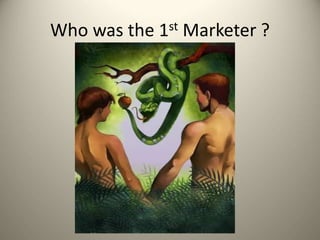
Who was the 1st Marketer ?
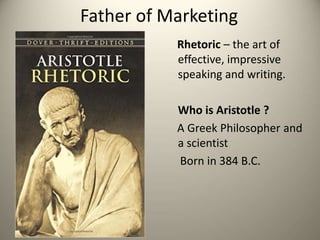
Father of Marketing
Rhetoric – the art of
effective, impressive
speaking and writing.
Who is Aristotle ?
A Greek Philosopher and
a scientist
Born in 384 B.C.
WHY ARISTOTLE ?
He was a Google at that time.
He knows more than anyone in the world.
He read about Science, Economics, Politics,
Rhetoric, Arts and everything.
He was able to convince people across the
globe
Some Antecedents of marketing
 First department store ?
- Mitsui family in 1650 (which is still alive)
 First newspaper ad ?
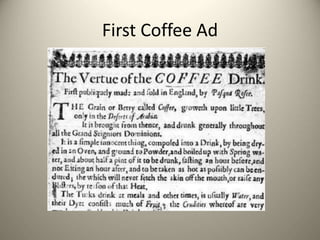
- For Coffee in England in 1652
 First advertising agency ?
- 1869 N.W Ayers and Sons
First Coffee Ad
 First brand name product – Commodity ?
- 1870 Pear’s Soap
 First Packaging
- 1880 Laundry soap in England
 First Marketing Research Department
- 1911 Curtis publishing Co.
Market place - AGORA
In ancient Greece : Central part – Gathering
place
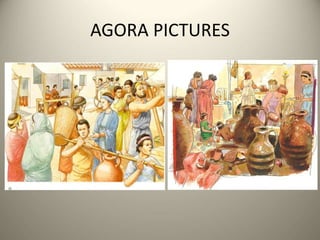
Agora was the center of athletic, artistic,
spiritual and political life of the city.
I would even say the trade was always there.
AGORA PICTURES
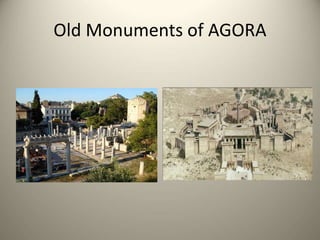
Old Monuments of AGORA
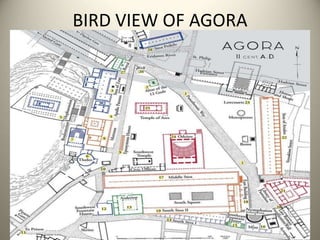
BIRD VIEW OF AGORA
When did Marketing Start ?
“ Markets” and “ Trade” have a long history.
But “ Marketing” did not exist as a term until the
early 1900’s
In the period between 1900-1910, the first
marketing textbooks were published.
Some institutional economists started to teach
“ distribution”, later added “advertising ” and
then “promotion” and “pricing”.
Who wrote the First Marketing
books?
What was their discipline ?
- Sociologist ? , Economist ?
Any guesses……????
Answer : Dissolute Economist.
“ Focused on price”
Who helped develop marketing ?
Early Contributors to Marketing
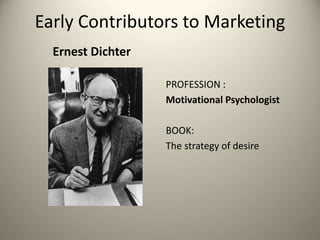
Ernest Dichter
PROFESSION :
Motivational Psychologist
BOOK:
The strategy of desire
Early Contributors to Marketing
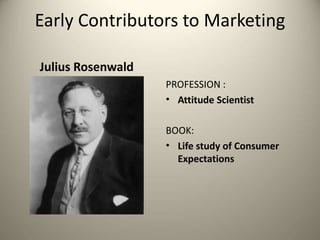
Julius Rosenwald
PROFESSION :
• Attitude Scientist
BOOK:
• Life study of Consumer
Expectations
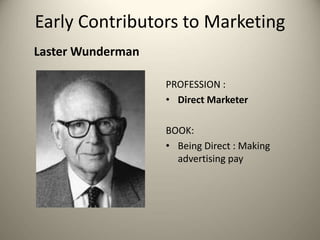
Laster Wunderman
Early Contributors to Marketing
PROFESSION :
• Direct Marketer
BOOK:
• Being Direct : Making
advertising pay
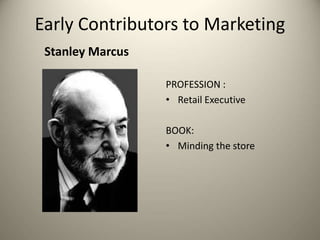
Stanley Marcus
PROFESSION :
• Retail Executive
BOOK:
• Minding the store
Early Contributors to Marketing
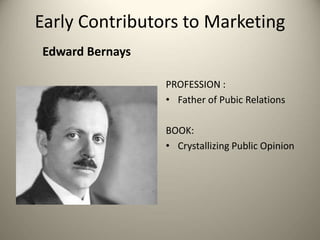
Edward Bernays
Early Contributors to Marketing
PROFESSION :
• Father of Pubic Relations
BOOK:
• Crystallizing Public Opinion
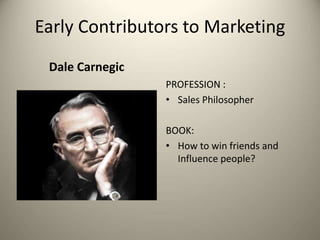
Dale Carnegic
Early Contributors to Marketing
PROFESSION :
• Sales Philosopher
BOOK:
• How to win friends and
Influence people?
How does Marketing Starts?
It starts from sales department.
When did companies start to add marketing
departments?
Conduct consumer research.
Find Loads – Hot leads, Opportunities,
Proposal Quotes, Customers.
Prepare brochures and other promotions.
Job positions in today’s marketing organisation.
• Chief Marketing Officer
• Brand Managers
• Category Managers
• Market segment Managers
• Distribution Channel Managers
• Pricing Managers
• Marketing Communication Managers
• Database Managers
• Direct Marketers
• Internet and Social Media Managers
What is the expected role of CMO?
1. Represent the voice of the customer
2. Monitor the evolving business landscape and
gather customer insights
3. Be the steward of the corporate brand.
4. Upgrade marketing technology and skills in the
company.
5. Bring insight into the corporate portfolio and
synergies .
6. Measure and account for marketing financial.
Marketing Forges Ahead
 Commercial Marketing
 Place Marketing
 Person Marketing
 Social Marketing
 Political Marketing
 Fund raising
CRITICS OF MARKETING
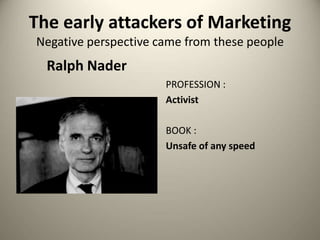
The early attackers of Marketing
Negative perspective came from these people
Ralph Nader
PROFESSION :
Activist
BOOK :
Unsafe of any speed
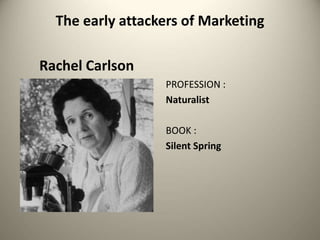
The early attackers of Marketing
Rachel Carlson
PROFESSION :
Naturalist
BOOK :
Silent Spring
The early attackers of Marketing
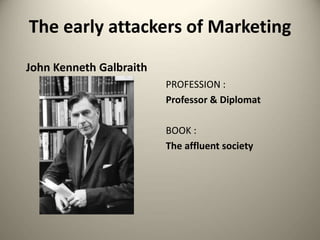
John Kenneth Galbraith
PROFESSION :
Professor & Diplomat
BOOK :
The affluent society
The early attackers of Marketing
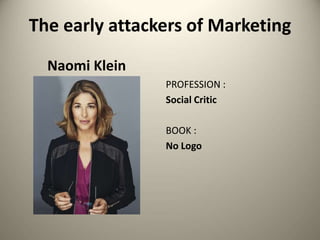
Naomi Klein
PROFESSION :
Social Critic
BOOK :
No Logo
The early attackers of Marketing
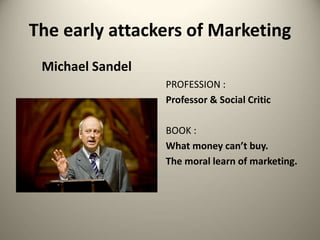
Michael Sandel
PROFESSION :
Professor & Social Critic
BOOK :
What money can’t buy.
The moral learn of marketing.
Remember….
“ If advertisers spent the same amount of money
on improving their products as they do on
advertising they wouldn’t have to advertise
them”.
- Will Rogers
Group of Visionaries
I would like them as “Best Marketers”.
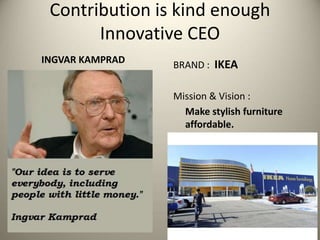
Contribution is kind enough
Innovative CEO
INGVAR KAMPRAD BRAND : IKEA
Mission & Vision :
Make stylish furniture
affordable.
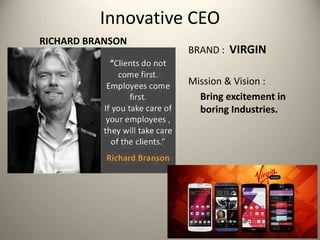
Innovative CEO
RICHARD BRANSON
BRAND : VIRGIN
Mission & Vision :
Bring excitement in
boring Industries.
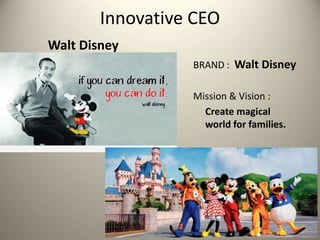
Innovative CEO
Walt Disney
BRAND : Walt Disney
Mission & Vision :
Create magical
world for families.
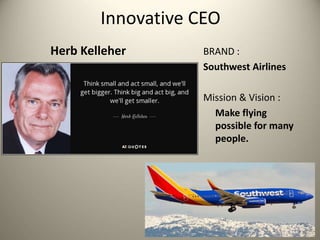
Herb Kelleher
Innovative CEO
BRAND :
Southwest Airlines
Mission & Vision :
Make flying
possible for many
people.
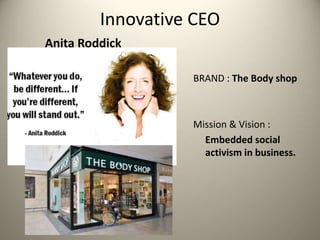
Anita Roddick
Innovative CEO
BRAND : The Body shop
Mission & Vision :
Embedded social
activism in business.
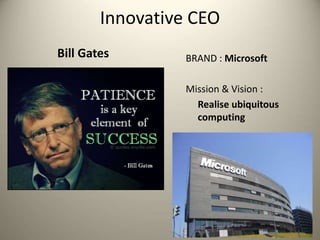
Bill Gates
Innovative CEO
BRAND : Microsoft
Mission & Vision :
Realise ubiquitous
computing
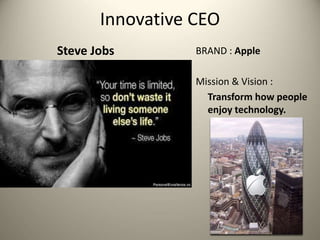
Steve Jobs
Innovative CEO
BRAND : Apple
Mission & Vision :
Transform how people
enjoy technology.
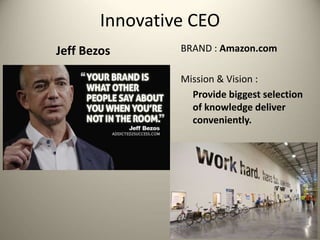
Innovative CEO
Jeff Bezos BRAND : Amazon.com
Mission & Vision :
Provide biggest selection
of knowledge deliver
conveniently.
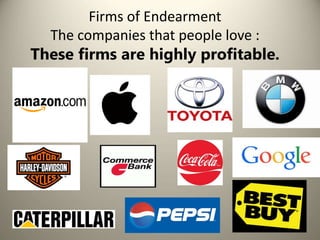
Firms of Endearment
The companies that people love :
These firms are highly profitable.
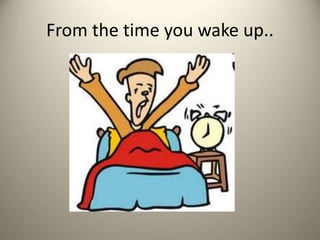
From the time you wake up..
• Turn off that alarm – brush your teeth – take a
shower – have breakfast – get dressed – travel
to work – use the copier – go out for dinner at
____ - fall asleep
• We use more than 250 brands by the
time our day ends !!
Marketing is omnipresent ..!
“The average person in a metro-city is exposed
to over 3,000 advertising messages a day…!!”
...consciously or otherwise.
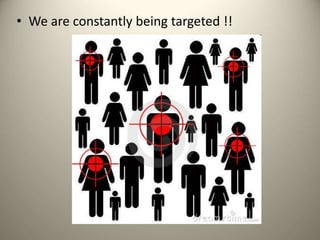
• We are constantly being targeted !!
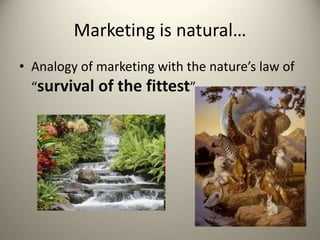
Marketing is natural…
• Analogy of marketing with the nature’s law of
“survival of the fittest”
What Can Be Marketed?
• Goods
• Services
• Experiences
• Events
• Persons
• Places
• Properties
• Organizations
• Information
• Ideas
Let’s define…
‘The right product, in the right
place, at the right time, and at
the right price’
Adcock et al
‘Marketing is the human activity
directed at satisfying human
needs and wants through an
exchange process’
Philip Kotler
Marketing is easy to teach and
understand, but difficult to
practice.
- Philip Kotler
What does the marketing
concerned about…?
Common Sense
Curiosity
Thinking ( Lateral & Very deep)
Who is Responsible for
Marketing?
• Marketing and Customer Satisfaction is
Everyone’s Responsibility
• Marketing should saturate the firm
– Accounting/Finance
– Sales
– Research and Development
54
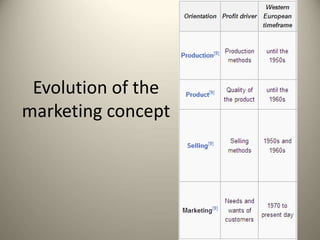
Evolution of the
marketing concept
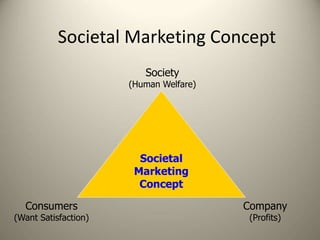
Societal Marketing Concept
Societal
Marketing
Concept
Company
(Profits)
Consumers
(Want Satisfaction)
Society
(Human Welfare)
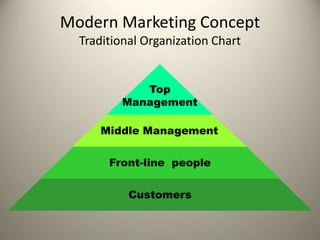
Customers
Front-line people
Middle Management
Top
Management
Modern Marketing Concept
Traditional Organization Chart
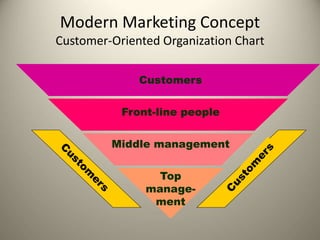
Modern Marketing Concept
Customer-Oriented Organization Chart
Customers
Front-line people
Middle management
Top
manage-
ment
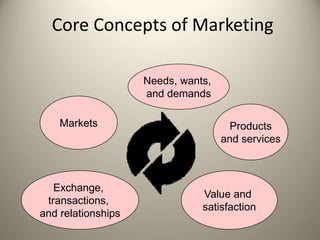
Core Concepts of Marketing
Needs, wants,
and demands
Products
and services
Value and
satisfaction
Exchange,
transactions,
and relationships
Markets
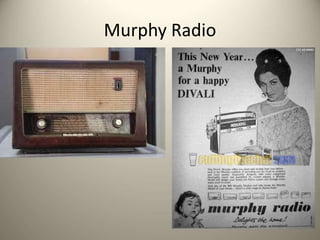
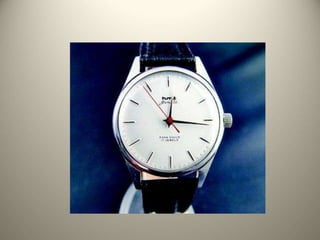
Murphy Radio
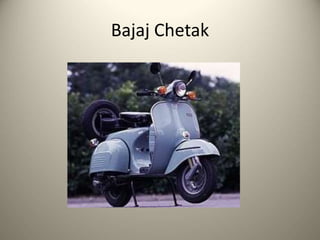
Bajaj Chetak
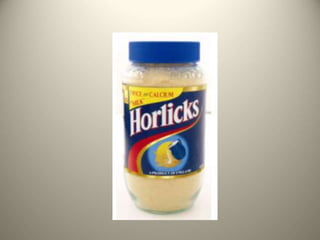
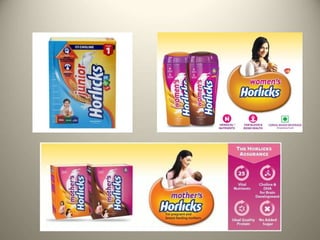
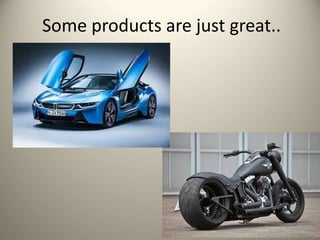
Some products are just great..
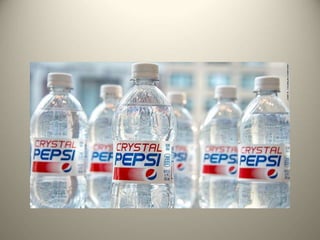
Some Products That Failed..
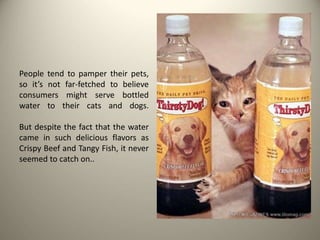
People tend to pamper their pets,
so it’s not far-fetched to believe
consumers might serve bottled
water to their cats and dogs.
But despite the fact that the water
came in such delicious flavors as
Crispy Beef and Tangy Fish, it never
seemed to catch on..
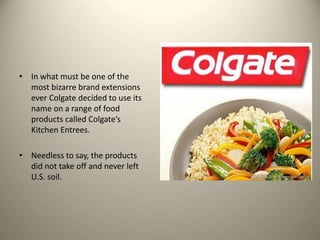
• In what must be one of the
most bizarre brand extensions
ever Colgate decided to use its
name on a range of food
products called Colgate’s
Kitchen Entrees.
• Needless to say, the products
did not take off and never left
U.S. soil.
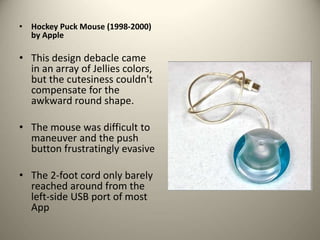
• Hockey Puck Mouse (1998-2000)
by Apple
• This design debacle came
in an array of Jellies colors,
but the cutesiness couldn't
compensate for the
awkward round shape.
• The mouse was difficult to
maneuver and the push
button frustratingly evasive
• The 2-foot cord only barely
reached around from the
left-side USB port of most
App
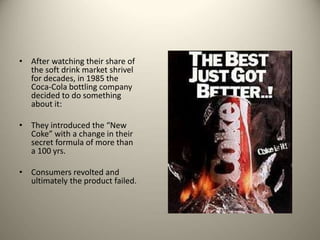
• After watching their share of
the soft drink market shrivel
for decades, in 1985 the
Coca-Cola bottling company
decided to do something
about it:
• They introduced the “New
Coke” with a change in their
secret formula of more than
a 100 yrs.
• Consumers revolted and
ultimately the product failed.
New Product Testing
• It means that before the full-scale
commercialization of new products, launching
them into test markets to test its viability.
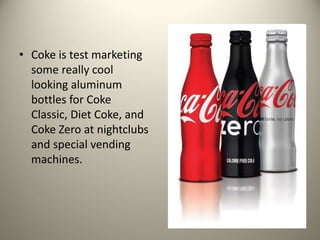
• Coke is test marketing
some really cool
looking aluminum
bottles for Coke
Classic, Diet Coke, and
Coke Zero at nightclubs
and special vending
machines.
STRATEGIC COMPONENTS OF
MARKETING
1) Mission Statement
2) Executive Summary
3) Situation or S.W.O.T. Analysis
4) Marketing Goals / Objectives
5) Market Research / Marketing Strategies
6) Implementation
7) Evaluation and Control
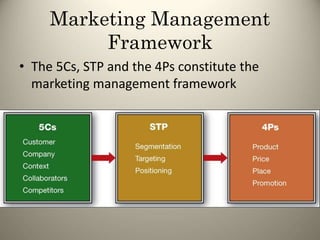
Marketing Management
Framework
• The 5Cs, STP and the 4Ps constitute the
marketing management framework
91
Considerations
• The situation facing the company
changes over time
• Firm must consistently monitor the 5 Cs
• 5 Cs, STP and 4 Ps are interdependent
• Marketers must understand the
interdependencies
92
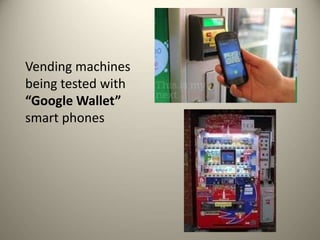
Vending machines
being tested with
“Google Wallet”
smart phones
Marketing Myths
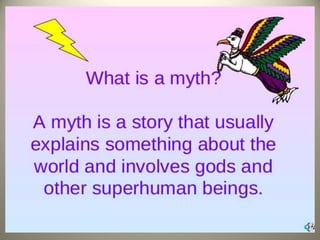
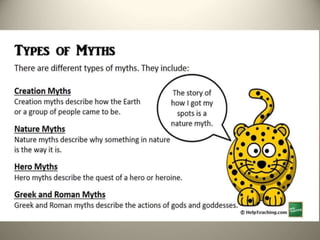
Myths are often stories told by a particular
people such as Indians, Egyptians, Greeks,
Romans, and others. They are especially linked
to religious beliefs and rituals.
Myths, then, are stories about certain
characters -- gods, goddesses, men, women,
and, especially, heroes.
Top 11 Marketing Myths to Avoid
1. 'Marketing Is Strategic‘
Truth: Marketing should be tactical.
2. 'Marketing Drives Sales‘
Truth: Sales should drive marketing.
3. 'Marketing Should Focus on Selling ‘
Truth: Marketing should focus on lead
generation.
4. 'Marketing Creates Brands‘
Truth: Customer experience creates brands.
5. 'Marketing Should Define Future Products‘
Truth: Engineering should define future
products.
102
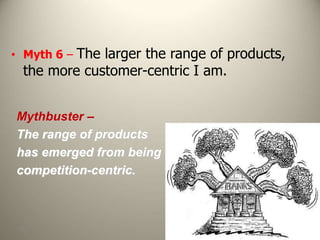
• Myth 6 – The larger the range of products,
the more customer-centric I am.
Mythbuster –
The range of products
has emerged from being
competition-centric.
103
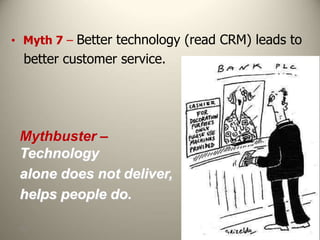
• Myth 7 – Better technology (read CRM) leads to
better customer service.
Mythbuster –
Technology
alone does not deliver,
helps people do.
104
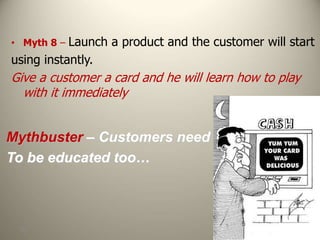
• Myth 8 – Launch a product and the customer will start
using instantly.
Give a customer a card and he will learn how to play
with it immediately
Mythbuster – Customers need
To be educated too…
105
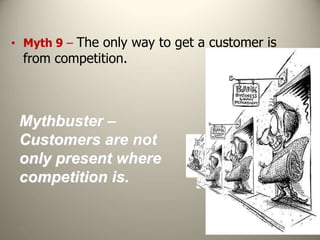
Mythbuster –
Customers are not
only present where
competition is.
• Myth 9 – The only way to get a customer is
from competition.
106
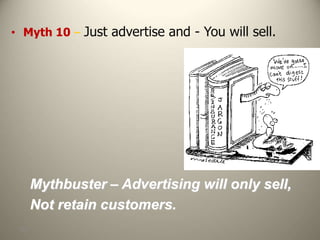
• Myth 10 – Just advertise and - You will sell.
Mythbuster – Advertising will only sell,
Not retain customers.
107
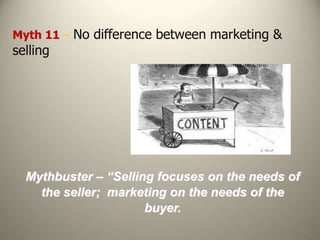
Myth 11 – No difference between marketing &
selling
Mythbuster – “Selling focuses on the needs of
the seller; marketing on the needs of the
buyer.
5 Social Media Myths
Myth #1 Old Media is dead:
Myth #2 Broadcast is dead:
Myth #3 Editorial is dead:
Myth #4 Brand advertising is dead:
Myth # 5 There is a trend towards Social Media:
Marketing Functions
Functions
1. Marketing Research
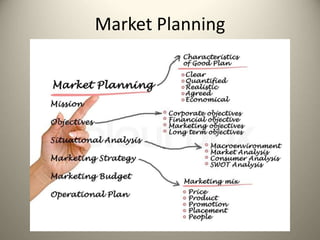
2. Market Planning
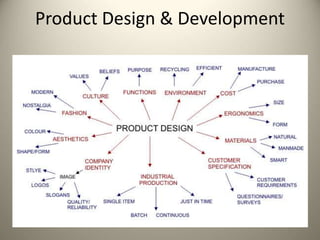
3. Product Design & Development
4. Buying & Assembling
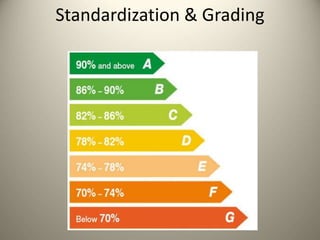
5. Standardization & Grading
6. Packaging & Labeling
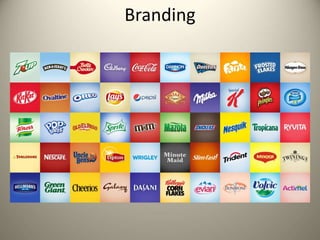
7. Branding
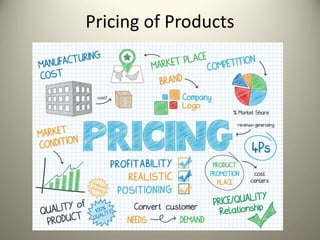
8. Pricing of Products
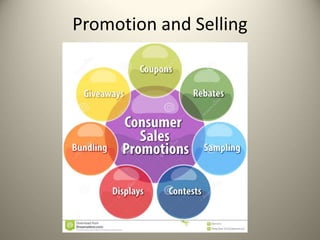
9. Promotion and Selling
10.Storage and Warehousing
Marketing Research
Market Planning
Product Design & Development
Buying & Assembling
Standardization & Grading
Packaging & Labeling
Branding
Pricing of Products
Promotion and Selling
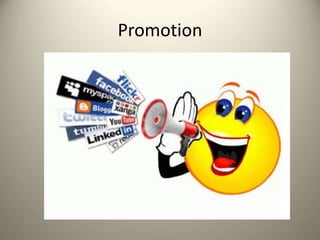
Promotion
Storage and Warehousing
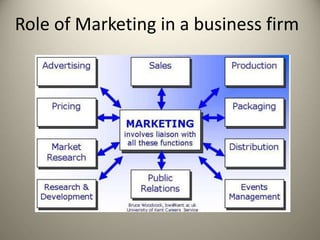
Role of Marketing in a business firm
1. To achieve a competitive advantage
2. Increase Market Share
3. Improve Brand Awareness
4. Profit Maximization :
Role of Marketing in a business firm
OBJECTIVES :
1. To achieve a competitive advantage
Marketing activities such as
decreasing price aim to have customers view
the business more favorably than competitors.
Eg : Mobiles, Television, SimCards, etc., –
Prices are down campaign
Role of Marketing in a business firm
2. Increase Market Share
Sales promotions can often be used as a
way of generating increased sales and
hopefully repeat purchases during the year.
Eg : Biggest Discounts.
( During Festive seasons like Diwali, Christmas,
etc. & Annual Clearance Sale)
Role of Marketing in a business firm
3. Improve Brand Awareness
Saturation TV advertising can be used to
improve potential customers knowledge of
the brand.
Role of Marketing in a business firm
4. Profit Maximization :
The price of the good or service needs to
more than cover costs. Other marketing
strategies such as promotion and quality
customer service are then needed to
maximize sales and profits.
Eg : Using celebrity endorsement to generate
sales and profits.
TYPES OF MARKETS
TYPES OF MARKETS
• Physical Markets
• Non Physical Markets/Virtual markets
• Auction Market
• Market for Intermediate Goods
• Black Market
• Knowledge Market
• Financial Market
• Physical Markets –
Physical market is a set up where
buyers can physically meet the sellers and
purchase the desired merchandise from them
in exchange of money.
Examples: Shopping malls, department stores,
retail stores.
• Non Physical Markets/Virtual markets
–
In such markets, buyers purchase goods
and services through internet. In such a
market the buyers and sellers do not meet or
interact physically, instead the transaction is
done through internet.
Examples- Rediff shopping, eBay, Filpkart,
Alibaba.com, Amazon, etc.
• Auction Market –
In an auction market the seller sells his
goods to one who is the highest bidder.
• Market for Intermediate Goods –
Such markets sell raw materials (goods)
required for the final production of other
goods.
• Black Market –
A black market is a setup where illegal goods
like drugs and weapons are sold.
• Knowledge Market –
Knowledge market is a set up which deals in
the exchange of information and knowledge
based products.
• Financial Market –
Market dealing with the exchange of liquid
assets (money) is called a financial market.
What is called Market Size…?
The market size is directly proportional to two
factors:
• Number of sellers and Buyers
• Total money involved annually
GLOBAL MARKETING
Global marketers consider the world
as their market and different country
markets as components of this world
market.
What is Global Marketing ?
Global marketing is conducted across
countries (not domestic or foreign)
 Global marketing coordinates activities
across different country markets
 Global marketing should be motivated by
individual, organizational, and societal
goals
Why Should Firms Engage in
Global Marketing?
• To Survive and Grow
• To Diversify Product and Market Portfolios
and Improve competitiveness
• To Operate Within a Global Marketplace
• To Capitalize on the Attractiveness of
Additional Country Markets
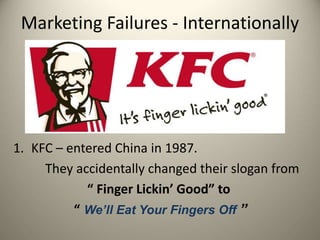
Marketing Failures - Internationally
1. KFC – entered China in 1987.
They accidentally changed their slogan from
“ Finger Lickin’ Good” to
“ We’ll Eat Your Fingers Off ”
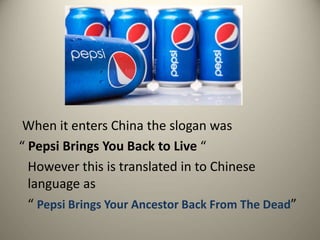
When it enters China the slogan was
“ Pepsi Brings You Back to Live “
However this is translated in to Chinese
language as
“ Pepsi Brings Your Ancestor Back From The Dead”
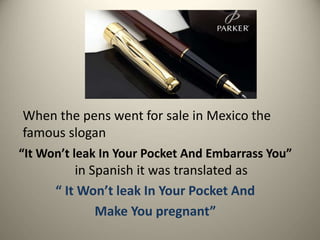
When the pens went for sale in Mexico the
famous slogan
“It Won’t leak In Your Pocket And Embarrass You”
in Spanish it was translated as
“ It Won’t leak In Your Pocket And
Make You pregnant”
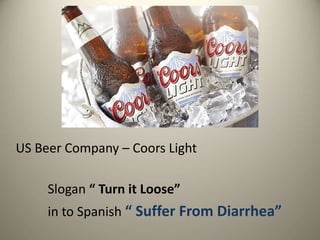
US Beer Company – Coors Light
Slogan “ Turn it Loose”
in to Spanish “ Suffer From Diarrhea”
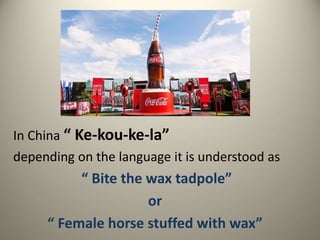
In China “ Ke-kou-ke-la”
depending on the language it is understood as
“ Bite the wax tadpole”
or
“ Female horse stuffed with wax”
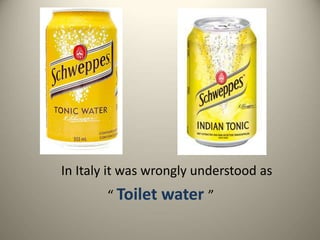
In Italy it was wrongly understood as
“ Toilet water ”
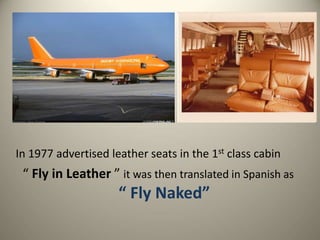
In 1977 advertised leather seats in the 1st class cabin
“ Fly in Leather ” it was then translated in Spanish as
“ Fly Naked”
Entering global markets:
• There are a number of steps that need to be
taken before you decide to enter international
markets.
• Analyze the international marketing
environment.
• A PEST analysis needs to be conducted on the
market you enter, to assess whether it is
worthwhile or not.
Must consider following factor
• Political factors
• Economic factors
• Social factors
• Technological factors
• Culture
• Geographic
• People
• Competitors.
So why go ‘Global’?
• Competition within the national market is
becoming too intense so you decide to push
sales in overseas markets.
• The products within national markets are
reaching the end of the lifecycle so you wish
to push it into national markets.
• Sales and profit are generally declining in
national markets.
• Company wish to become a global player.
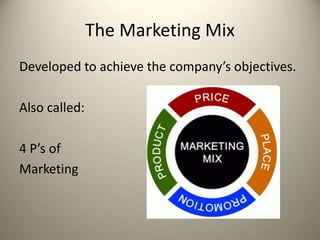
The Marketing Mix
Developed to achieve the company’s objectives.
Also called:
4 P’s of
Marketing
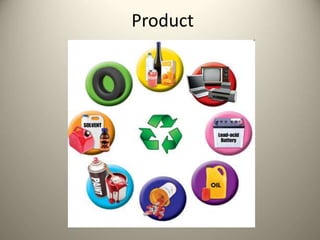
Product
PRICE
Definition:
• In ordinary usage, price is the quantity of
payment or compensation given by one party
to another in return for goods or services.
Objectives of Pricing
• Short-term profit maximization
• Short-term revenue maximization
• Maximize quantity
• Maximize profit margin
• Differentiation
• Survival
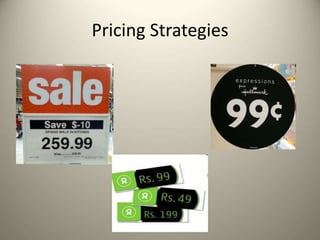
Pricing Strategies
Major Pricing Strategies
1. Price Vs. Non-price competition
2. Market entry strategies
3. Discounts and allowances
4. Geographic pricing strategies
5. Special pricing strategies

Introduction to marketing Management Notes

  • 1.
    MARKETING MANAGEMENT PREPARED BY: DR.KIRAN KUMARI, ASSISTANT PROFESSOR, Mody University of Science and Technology, Laksghmangarh, Sikra Rajasthan
  • 2.
    Short History ofMarketing Take a dictionary – WEBSTER’S If u look at “ Marketing “ in the year 1900’s 1900’s – You will not find – “ Market” 1910’s – Marketing – 100 years old Much more than selling.
  • 3.
    Who was the1st Marketer ?
  • 4.
    Father of Marketing Rhetoric– the art of effective, impressive speaking and writing. Who is Aristotle ? A Greek Philosopher and a scientist Born in 384 B.C.
  • 5.
    WHY ARISTOTLE ? Hewas a Google at that time. He knows more than anyone in the world. He read about Science, Economics, Politics, Rhetoric, Arts and everything. He was able to convince people across the globe
  • 6.
    Some Antecedents ofmarketing  First department store ? - Mitsui family in 1650 (which is still alive)  First newspaper ad ? - For Coffee in England in 1652  First advertising agency ? - 1869 N.W Ayers and Sons
  • 7.
  • 8.
     First brandname product – Commodity ? - 1870 Pear’s Soap  First Packaging - 1880 Laundry soap in England  First Marketing Research Department - 1911 Curtis publishing Co.
  • 9.
    Market place -AGORA In ancient Greece : Central part – Gathering place Agora was the center of athletic, artistic, spiritual and political life of the city. I would even say the trade was always there.
  • 10.
  • 11.
  • 12.
  • 13.
    When did MarketingStart ? “ Markets” and “ Trade” have a long history. But “ Marketing” did not exist as a term until the early 1900’s In the period between 1900-1910, the first marketing textbooks were published. Some institutional economists started to teach “ distribution”, later added “advertising ” and then “promotion” and “pricing”.
  • 14.
    Who wrote theFirst Marketing books? What was their discipline ? - Sociologist ? , Economist ? Any guesses……???? Answer : Dissolute Economist. “ Focused on price”
  • 15.
    Who helped developmarketing ?
  • 16.
    Early Contributors toMarketing Ernest Dichter PROFESSION : Motivational Psychologist BOOK: The strategy of desire
  • 17.
    Early Contributors toMarketing Julius Rosenwald PROFESSION : • Attitude Scientist BOOK: • Life study of Consumer Expectations
  • 18.
    Laster Wunderman Early Contributorsto Marketing PROFESSION : • Direct Marketer BOOK: • Being Direct : Making advertising pay
  • 19.
    Stanley Marcus PROFESSION : •Retail Executive BOOK: • Minding the store Early Contributors to Marketing
  • 20.
    Edward Bernays Early Contributorsto Marketing PROFESSION : • Father of Pubic Relations BOOK: • Crystallizing Public Opinion
  • 21.
    Dale Carnegic Early Contributorsto Marketing PROFESSION : • Sales Philosopher BOOK: • How to win friends and Influence people?
  • 22.
    How does MarketingStarts? It starts from sales department. When did companies start to add marketing departments? Conduct consumer research. Find Loads – Hot leads, Opportunities, Proposal Quotes, Customers. Prepare brochures and other promotions.
  • 23.
    Job positions intoday’s marketing organisation. • Chief Marketing Officer • Brand Managers • Category Managers • Market segment Managers • Distribution Channel Managers • Pricing Managers • Marketing Communication Managers • Database Managers • Direct Marketers • Internet and Social Media Managers
  • 24.
    What is theexpected role of CMO? 1. Represent the voice of the customer 2. Monitor the evolving business landscape and gather customer insights 3. Be the steward of the corporate brand. 4. Upgrade marketing technology and skills in the company. 5. Bring insight into the corporate portfolio and synergies . 6. Measure and account for marketing financial.
  • 25.
    Marketing Forges Ahead Commercial Marketing  Place Marketing  Person Marketing  Social Marketing  Political Marketing  Fund raising
  • 26.
  • 27.
    The early attackersof Marketing Negative perspective came from these people Ralph Nader PROFESSION : Activist BOOK : Unsafe of any speed
  • 28.
    The early attackersof Marketing Rachel Carlson PROFESSION : Naturalist BOOK : Silent Spring
  • 29.
    The early attackersof Marketing John Kenneth Galbraith PROFESSION : Professor & Diplomat BOOK : The affluent society
  • 30.
    The early attackersof Marketing Naomi Klein PROFESSION : Social Critic BOOK : No Logo
  • 31.
    The early attackersof Marketing Michael Sandel PROFESSION : Professor & Social Critic BOOK : What money can’t buy. The moral learn of marketing.
  • 32.
    Remember…. “ If advertisersspent the same amount of money on improving their products as they do on advertising they wouldn’t have to advertise them”. - Will Rogers
  • 33.
    Group of Visionaries Iwould like them as “Best Marketers”.
  • 34.
    Contribution is kindenough Innovative CEO INGVAR KAMPRAD BRAND : IKEA Mission & Vision : Make stylish furniture affordable.
  • 35.
    Innovative CEO RICHARD BRANSON BRAND: VIRGIN Mission & Vision : Bring excitement in boring Industries.
  • 36.
    Innovative CEO Walt Disney BRAND: Walt Disney Mission & Vision : Create magical world for families.
  • 37.
    Herb Kelleher Innovative CEO BRAND: Southwest Airlines Mission & Vision : Make flying possible for many people.
  • 38.
    Anita Roddick Innovative CEO BRAND: The Body shop Mission & Vision : Embedded social activism in business.
  • 39.
    Bill Gates Innovative CEO BRAND: Microsoft Mission & Vision : Realise ubiquitous computing
  • 40.
    Steve Jobs Innovative CEO BRAND: Apple Mission & Vision : Transform how people enjoy technology.
  • 41.
    Innovative CEO Jeff BezosBRAND : Amazon.com Mission & Vision : Provide biggest selection of knowledge deliver conveniently.
  • 42.
    Firms of Endearment Thecompanies that people love : These firms are highly profitable.
  • 43.
    From the timeyou wake up..
  • 44.
    • Turn offthat alarm – brush your teeth – take a shower – have breakfast – get dressed – travel to work – use the copier – go out for dinner at ____ - fall asleep • We use more than 250 brands by the time our day ends !!
  • 45.
    Marketing is omnipresent..! “The average person in a metro-city is exposed to over 3,000 advertising messages a day…!!” ...consciously or otherwise.
  • 46.
    • We areconstantly being targeted !!
  • 47.
    Marketing is natural… •Analogy of marketing with the nature’s law of “survival of the fittest”
  • 48.
    What Can BeMarketed? • Goods • Services • Experiences • Events • Persons • Places • Properties • Organizations • Information • Ideas
  • 49.
  • 50.
    ‘The right product,in the right place, at the right time, and at the right price’ Adcock et al
  • 51.
    ‘Marketing is thehuman activity directed at satisfying human needs and wants through an exchange process’ Philip Kotler
  • 52.
    Marketing is easyto teach and understand, but difficult to practice. - Philip Kotler
  • 53.
    What does themarketing concerned about…? Common Sense Curiosity Thinking ( Lateral & Very deep)
  • 54.
    Who is Responsiblefor Marketing? • Marketing and Customer Satisfaction is Everyone’s Responsibility • Marketing should saturate the firm – Accounting/Finance – Sales – Research and Development 54
  • 55.
  • 56.
  • 57.
    Customers Front-line people Middle Management Top Management ModernMarketing Concept Traditional Organization Chart
  • 58.
    Modern Marketing Concept Customer-OrientedOrganization Chart Customers Front-line people Middle management Top manage- ment
  • 59.
    Core Concepts ofMarketing Needs, wants, and demands Products and services Value and satisfaction Exchange, transactions, and relationships Markets
  • 69.
  • 70.
  • 81.
    Some products arejust great..
  • 83.
  • 84.
    People tend topamper their pets, so it’s not far-fetched to believe consumers might serve bottled water to their cats and dogs. But despite the fact that the water came in such delicious flavors as Crispy Beef and Tangy Fish, it never seemed to catch on..
  • 85.
    • In whatmust be one of the most bizarre brand extensions ever Colgate decided to use its name on a range of food products called Colgate’s Kitchen Entrees. • Needless to say, the products did not take off and never left U.S. soil.
  • 86.
    • Hockey PuckMouse (1998-2000) by Apple • This design debacle came in an array of Jellies colors, but the cutesiness couldn't compensate for the awkward round shape. • The mouse was difficult to maneuver and the push button frustratingly evasive • The 2-foot cord only barely reached around from the left-side USB port of most App
  • 87.
    • After watchingtheir share of the soft drink market shrivel for decades, in 1985 the Coca-Cola bottling company decided to do something about it: • They introduced the “New Coke” with a change in their secret formula of more than a 100 yrs. • Consumers revolted and ultimately the product failed.
  • 88.
    New Product Testing •It means that before the full-scale commercialization of new products, launching them into test markets to test its viability.
  • 89.
    • Coke istest marketing some really cool looking aluminum bottles for Coke Classic, Diet Coke, and Coke Zero at nightclubs and special vending machines.
  • 90.
    STRATEGIC COMPONENTS OF MARKETING 1)Mission Statement 2) Executive Summary 3) Situation or S.W.O.T. Analysis 4) Marketing Goals / Objectives 5) Market Research / Marketing Strategies 6) Implementation 7) Evaluation and Control
  • 91.
    Marketing Management Framework • The5Cs, STP and the 4Ps constitute the marketing management framework 91
  • 92.
    Considerations • The situationfacing the company changes over time • Firm must consistently monitor the 5 Cs • 5 Cs, STP and 4 Ps are interdependent • Marketers must understand the interdependencies 92
  • 93.
    Vending machines being testedwith “Google Wallet” smart phones
  • 94.
  • 98.
    Myths are oftenstories told by a particular people such as Indians, Egyptians, Greeks, Romans, and others. They are especially linked to religious beliefs and rituals. Myths, then, are stories about certain characters -- gods, goddesses, men, women, and, especially, heroes.
  • 100.
    Top 11 MarketingMyths to Avoid 1. 'Marketing Is Strategic‘ Truth: Marketing should be tactical. 2. 'Marketing Drives Sales‘ Truth: Sales should drive marketing. 3. 'Marketing Should Focus on Selling ‘ Truth: Marketing should focus on lead generation.
  • 101.
    4. 'Marketing CreatesBrands‘ Truth: Customer experience creates brands. 5. 'Marketing Should Define Future Products‘ Truth: Engineering should define future products.
  • 102.
    102 • Myth 6– The larger the range of products, the more customer-centric I am. Mythbuster – The range of products has emerged from being competition-centric.
  • 103.
    103 • Myth 7– Better technology (read CRM) leads to better customer service. Mythbuster – Technology alone does not deliver, helps people do.
  • 104.
    104 • Myth 8– Launch a product and the customer will start using instantly. Give a customer a card and he will learn how to play with it immediately Mythbuster – Customers need To be educated too…
  • 105.
    105 Mythbuster – Customers arenot only present where competition is. • Myth 9 – The only way to get a customer is from competition.
  • 106.
    106 • Myth 10– Just advertise and - You will sell. Mythbuster – Advertising will only sell, Not retain customers.
  • 107.
    107 Myth 11 –No difference between marketing & selling Mythbuster – “Selling focuses on the needs of the seller; marketing on the needs of the buyer.
  • 108.
    5 Social MediaMyths Myth #1 Old Media is dead: Myth #2 Broadcast is dead: Myth #3 Editorial is dead: Myth #4 Brand advertising is dead: Myth # 5 There is a trend towards Social Media:
  • 109.
  • 110.
    Functions 1. Marketing Research 2.Market Planning 3. Product Design & Development 4. Buying & Assembling 5. Standardization & Grading 6. Packaging & Labeling 7. Branding 8. Pricing of Products 9. Promotion and Selling 10.Storage and Warehousing
  • 111.
  • 112.
  • 113.
    Product Design &Development
  • 114.
  • 115.
  • 116.
  • 117.
  • 118.
  • 119.
  • 120.
  • 121.
  • 122.
    Role of Marketingin a business firm
  • 123.
    Role of Marketingin a business firm 1. To achieve a competitive advantage 2. Increase Market Share 3. Improve Brand Awareness 4. Profit Maximization :
  • 124.
    Role of Marketingin a business firm OBJECTIVES : 1. To achieve a competitive advantage Marketing activities such as decreasing price aim to have customers view the business more favorably than competitors. Eg : Mobiles, Television, SimCards, etc., – Prices are down campaign
  • 125.
    Role of Marketingin a business firm 2. Increase Market Share Sales promotions can often be used as a way of generating increased sales and hopefully repeat purchases during the year. Eg : Biggest Discounts. ( During Festive seasons like Diwali, Christmas, etc. & Annual Clearance Sale)
  • 126.
    Role of Marketingin a business firm 3. Improve Brand Awareness Saturation TV advertising can be used to improve potential customers knowledge of the brand.
  • 127.
    Role of Marketingin a business firm 4. Profit Maximization : The price of the good or service needs to more than cover costs. Other marketing strategies such as promotion and quality customer service are then needed to maximize sales and profits. Eg : Using celebrity endorsement to generate sales and profits.
  • 128.
  • 129.
    TYPES OF MARKETS •Physical Markets • Non Physical Markets/Virtual markets • Auction Market • Market for Intermediate Goods • Black Market • Knowledge Market • Financial Market
  • 130.
    • Physical Markets– Physical market is a set up where buyers can physically meet the sellers and purchase the desired merchandise from them in exchange of money. Examples: Shopping malls, department stores, retail stores.
  • 131.
    • Non PhysicalMarkets/Virtual markets – In such markets, buyers purchase goods and services through internet. In such a market the buyers and sellers do not meet or interact physically, instead the transaction is done through internet. Examples- Rediff shopping, eBay, Filpkart, Alibaba.com, Amazon, etc.
  • 132.
    • Auction Market– In an auction market the seller sells his goods to one who is the highest bidder. • Market for Intermediate Goods – Such markets sell raw materials (goods) required for the final production of other goods.
  • 133.
    • Black Market– A black market is a setup where illegal goods like drugs and weapons are sold. • Knowledge Market – Knowledge market is a set up which deals in the exchange of information and knowledge based products. • Financial Market – Market dealing with the exchange of liquid assets (money) is called a financial market.
  • 135.
    What is calledMarket Size…? The market size is directly proportional to two factors: • Number of sellers and Buyers • Total money involved annually
  • 136.
    GLOBAL MARKETING Global marketersconsider the world as their market and different country markets as components of this world market.
  • 137.
    What is GlobalMarketing ? Global marketing is conducted across countries (not domestic or foreign)  Global marketing coordinates activities across different country markets  Global marketing should be motivated by individual, organizational, and societal goals
  • 138.
    Why Should FirmsEngage in Global Marketing? • To Survive and Grow • To Diversify Product and Market Portfolios and Improve competitiveness • To Operate Within a Global Marketplace • To Capitalize on the Attractiveness of Additional Country Markets
  • 139.
    Marketing Failures -Internationally 1. KFC – entered China in 1987. They accidentally changed their slogan from “ Finger Lickin’ Good” to “ We’ll Eat Your Fingers Off ”
  • 140.
    When it entersChina the slogan was “ Pepsi Brings You Back to Live “ However this is translated in to Chinese language as “ Pepsi Brings Your Ancestor Back From The Dead”
  • 141.
    When the penswent for sale in Mexico the famous slogan “It Won’t leak In Your Pocket And Embarrass You” in Spanish it was translated as “ It Won’t leak In Your Pocket And Make You pregnant”
  • 142.
    US Beer Company– Coors Light Slogan “ Turn it Loose” in to Spanish “ Suffer From Diarrhea”
  • 143.
    In China “Ke-kou-ke-la” depending on the language it is understood as “ Bite the wax tadpole” or “ Female horse stuffed with wax”
  • 144.
    In Italy itwas wrongly understood as “ Toilet water ”
  • 145.
    In 1977 advertisedleather seats in the 1st class cabin “ Fly in Leather ” it was then translated in Spanish as “ Fly Naked”
  • 148.
    Entering global markets: •There are a number of steps that need to be taken before you decide to enter international markets. • Analyze the international marketing environment. • A PEST analysis needs to be conducted on the market you enter, to assess whether it is worthwhile or not.
  • 149.
    Must consider followingfactor • Political factors • Economic factors • Social factors • Technological factors • Culture • Geographic • People • Competitors.
  • 150.
    So why go‘Global’? • Competition within the national market is becoming too intense so you decide to push sales in overseas markets. • The products within national markets are reaching the end of the lifecycle so you wish to push it into national markets. • Sales and profit are generally declining in national markets. • Company wish to become a global player.
  • 151.
    The Marketing Mix Developedto achieve the company’s objectives. Also called: 4 P’s of Marketing
  • 152.
  • 153.
  • 154.
    Definition: • In ordinaryusage, price is the quantity of payment or compensation given by one party to another in return for goods or services.
  • 155.
    Objectives of Pricing •Short-term profit maximization • Short-term revenue maximization • Maximize quantity • Maximize profit margin • Differentiation • Survival
  • 156.
  • 157.
    Major Pricing Strategies 1.Price Vs. Non-price competition 2. Market entry strategies 3. Discounts and allowances 4. Geographic pricing strategies 5. Special pricing strategies