SCOPE
OF CIVIL
ENGINEERING
1
INTRODUCTION
•
•
• Civil
constru
cting,
infrastr
uctures
Engineerin
g
involves planning
,
designing,
supervisin
g
Civil engineering is the oldest branch of
engineering which is growing right from the stone
age of civilization.
The branch of engineering concerned with the
design
and maintenance of roads, bridges, dams, and
similar structures.
maintainin
g
an
d
2
3
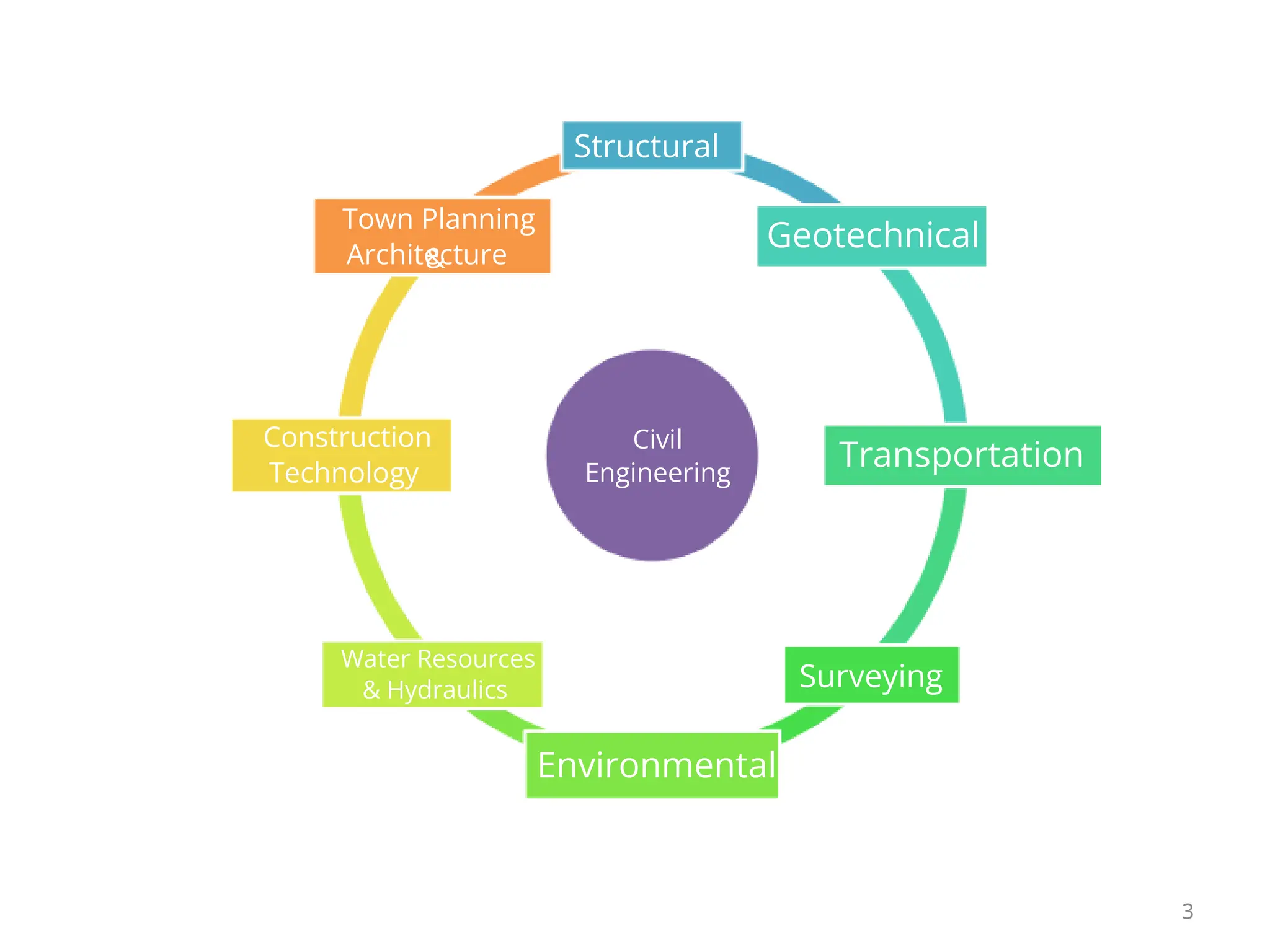
Civil
Engineering
Structural
Surveying
Geotechnical
Transportation
Environmental
Water Resources
& Hydraulics
Construction
Technology
Architecture
Town Planning
&
SURVEYING
•
•
•
and vertical planes.
Also, includes measurements of areas and volumes.
Science and art of determining the relative position of
points on the earth’s surface.
Chain, compass, level, theodolite, etc. are the
instruments used for surveying.
•
• Leveling is the measurement of heights in vertical
plane.
Includes measurements of distances and angles in
horizontal
4
5
2
.
3
.
4
.
5
.
Scope of
Surveying
To establish boundaries of land. To measure
the area and volume of land. To select
suitable site for an engineering project.
To determine the dimension and contour of
any part of the earth’s surface.
1
.
To prepare the plan or
map.
6
STRUCTURAL ENGINEERING
•
•
design of
structures.
These components are subjected to
forces.
•Any structure consists of various elements
direction the nature of the forces acting on
them.
like
foundations, columns, beams, slabs
etc.
Thus it is important to know the magnitude &
The branch which deals with structural analysis
and
•
7
• Structural analysis requires much calculation,
hence
advanced computing software's are used to
carry out structural analysis and design.
•It includes design of reinforced cement concrete
(RCC) and steel
structures.
•Design of Multistoried buildings, towers, retaining
walls, water tanks, bridges requires skills and
knowledge of structural engineering.
8
9
10
slabs, walls,
etc.
the structure for its
lifetime.
Scope of Structural Engineering
1.Creation of structural system according to
needs. 2.Design of nuclear power plants.
3
.
Responsibility about the safety and
serviceability of
4.Designing of various sections like beam,
columns,
11
TRANSPORTATION ENGINEERING
•
•
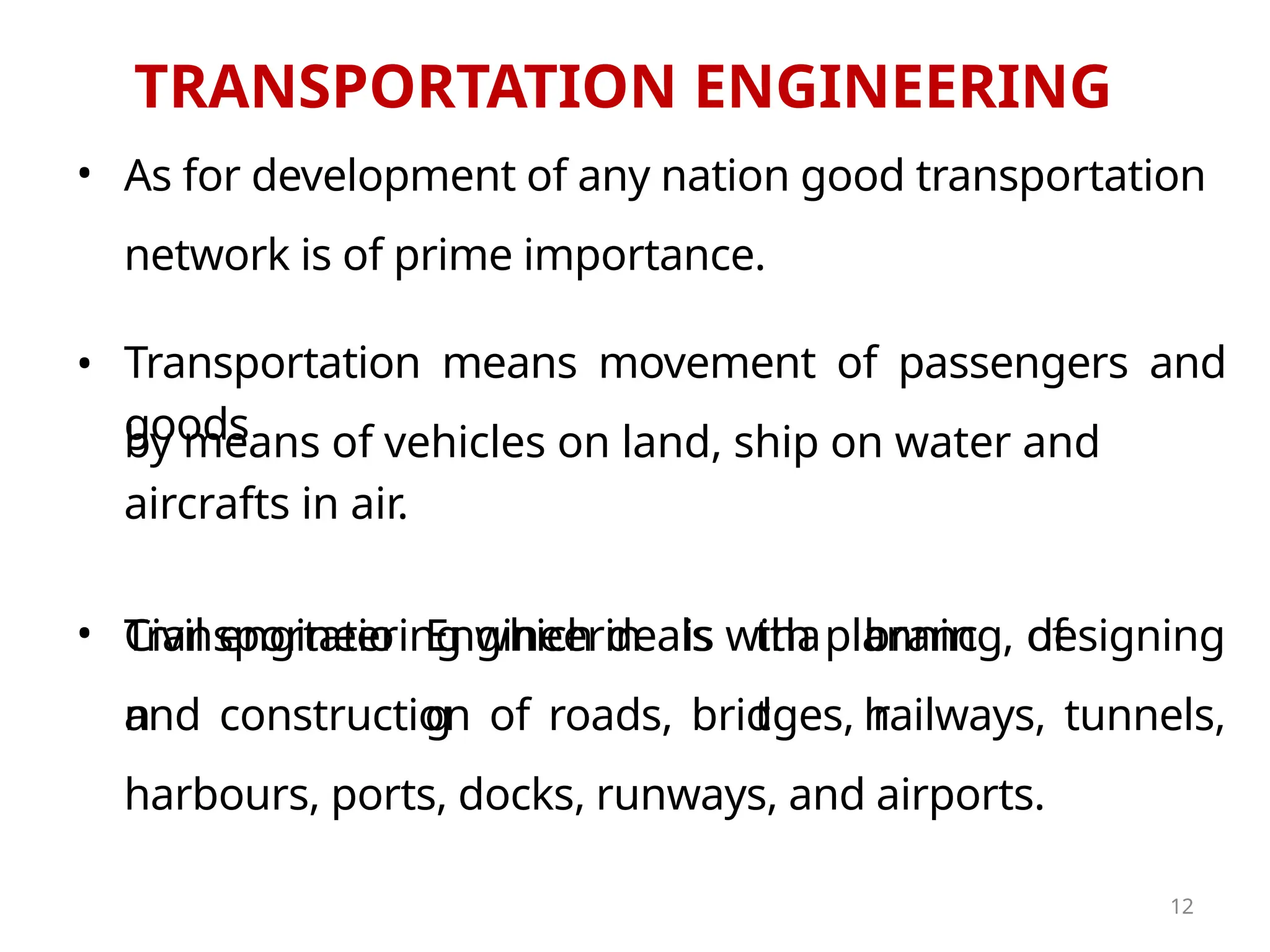
As for development of any nation good transportation
network is of prime importance.
by means of vehicles on land, ship on water and
aircrafts in air.
Transportatio
n
Engineerin
g
is tha
t
branc
h
of
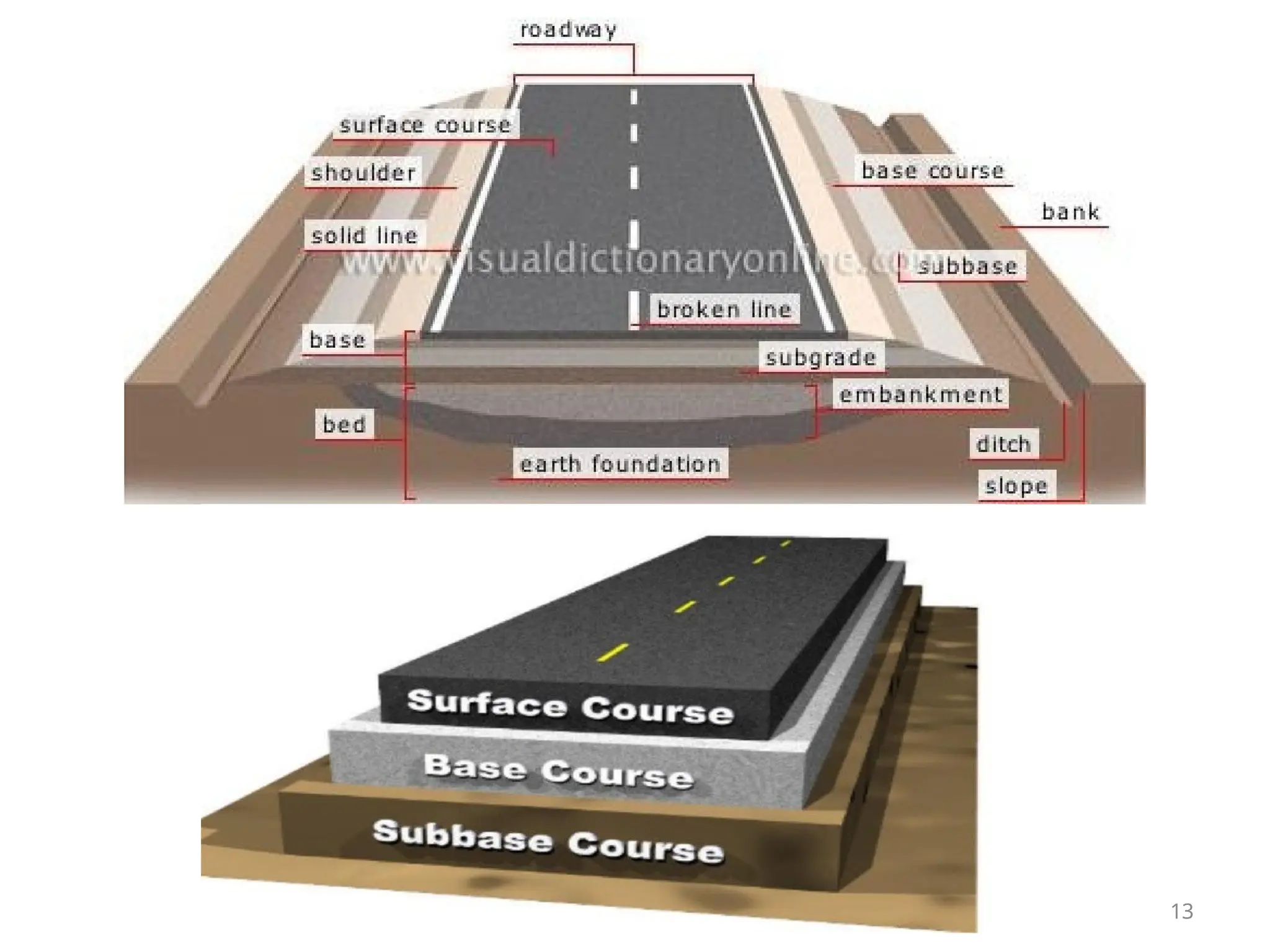
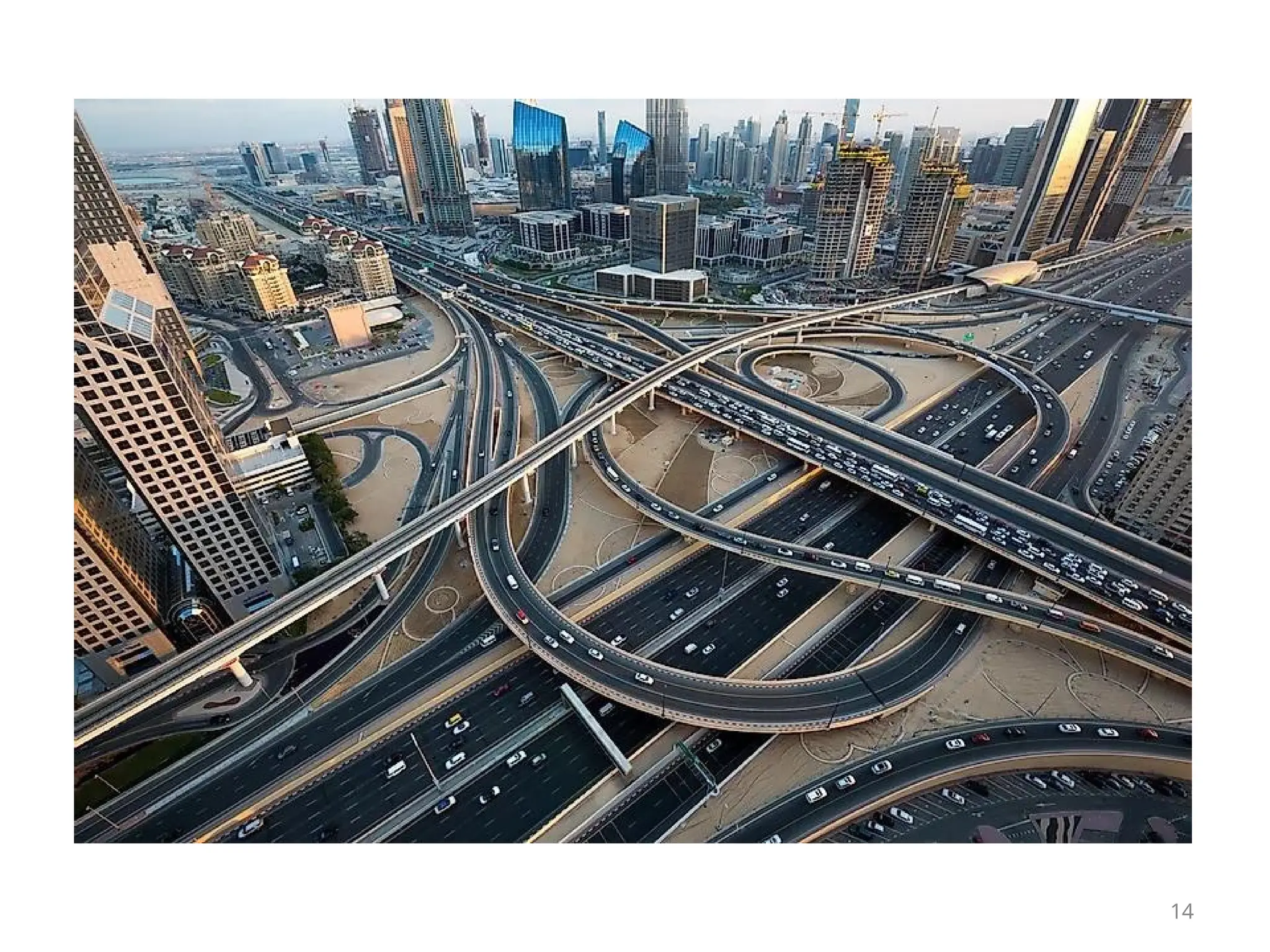
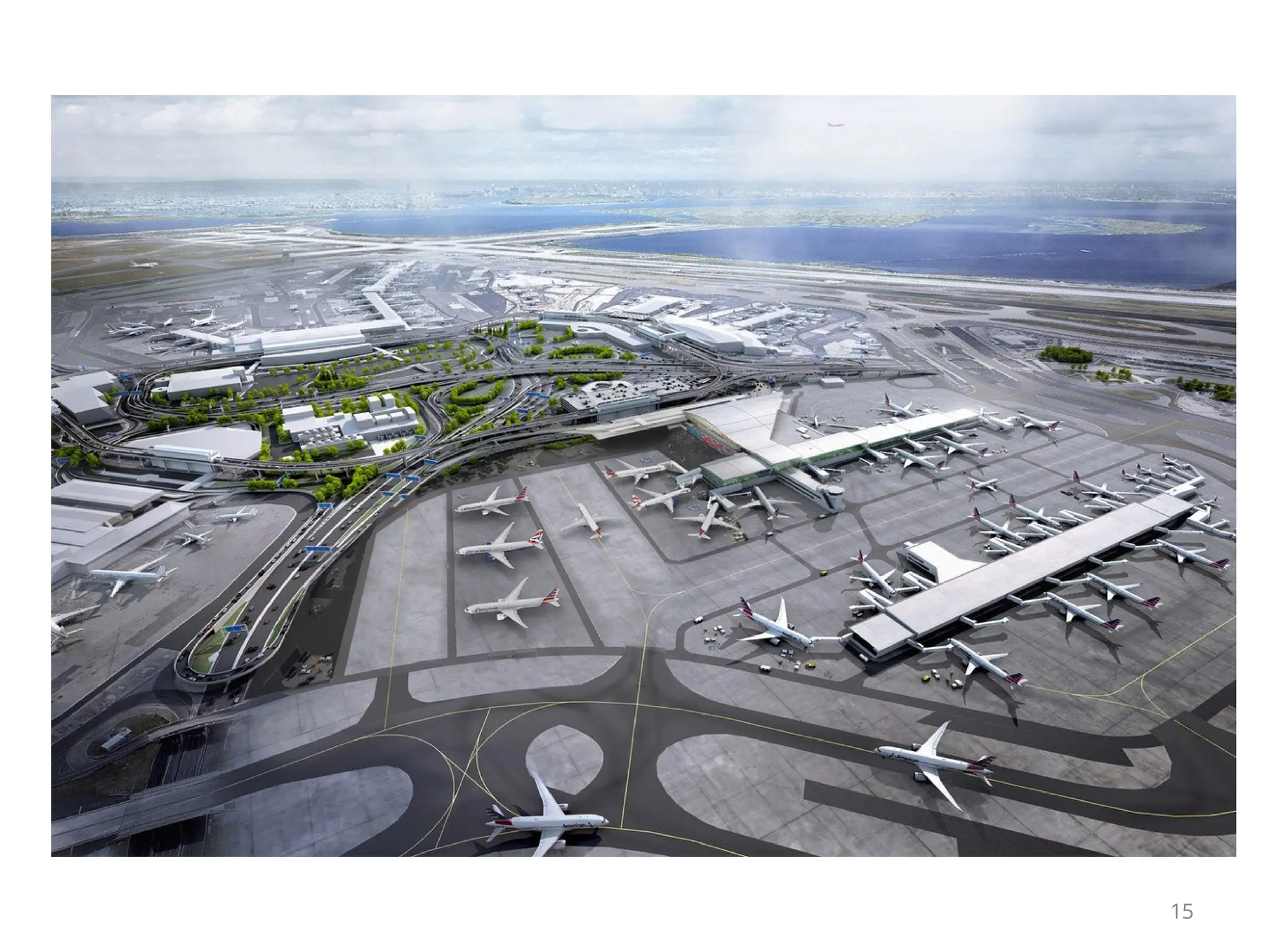
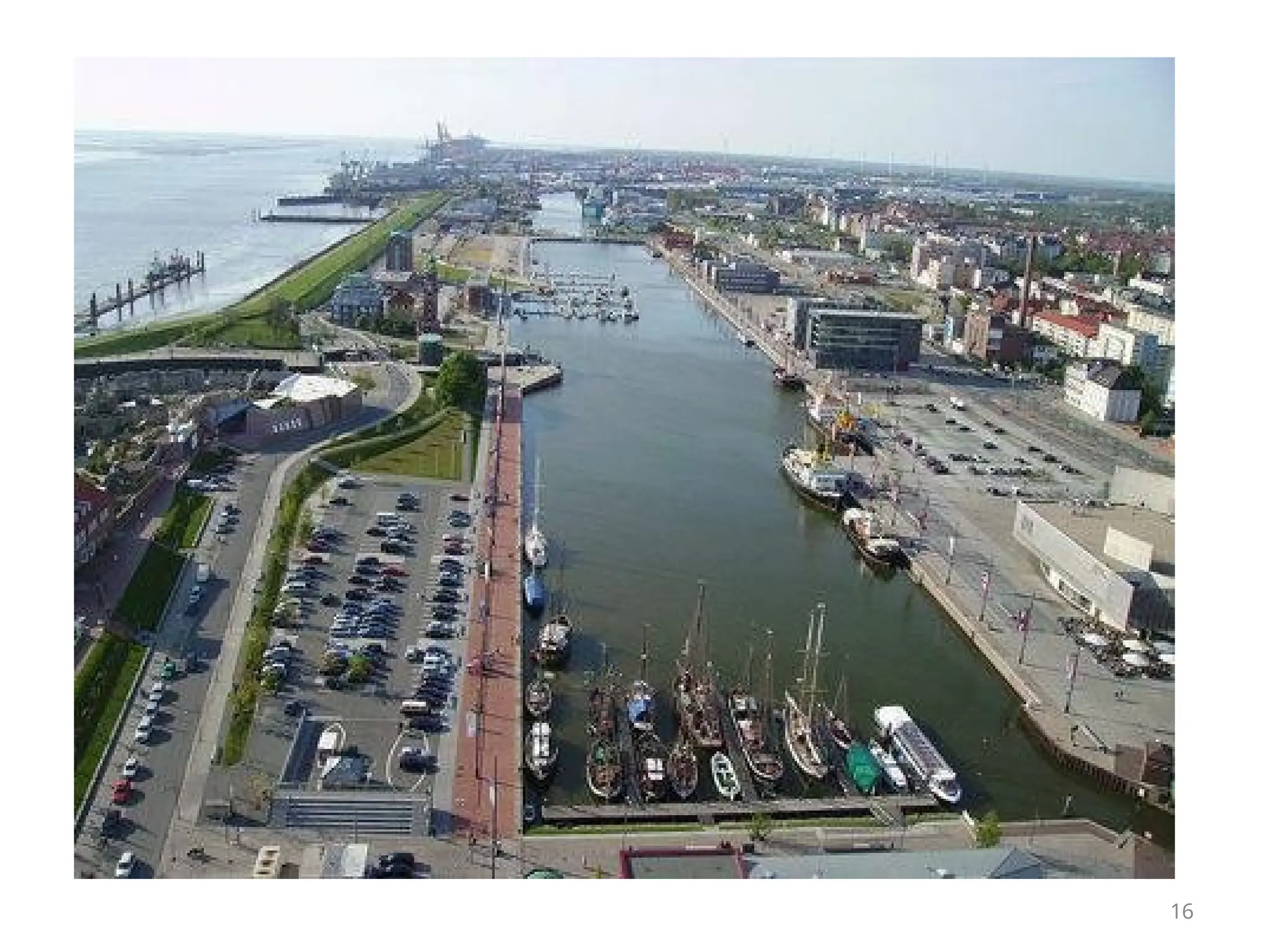
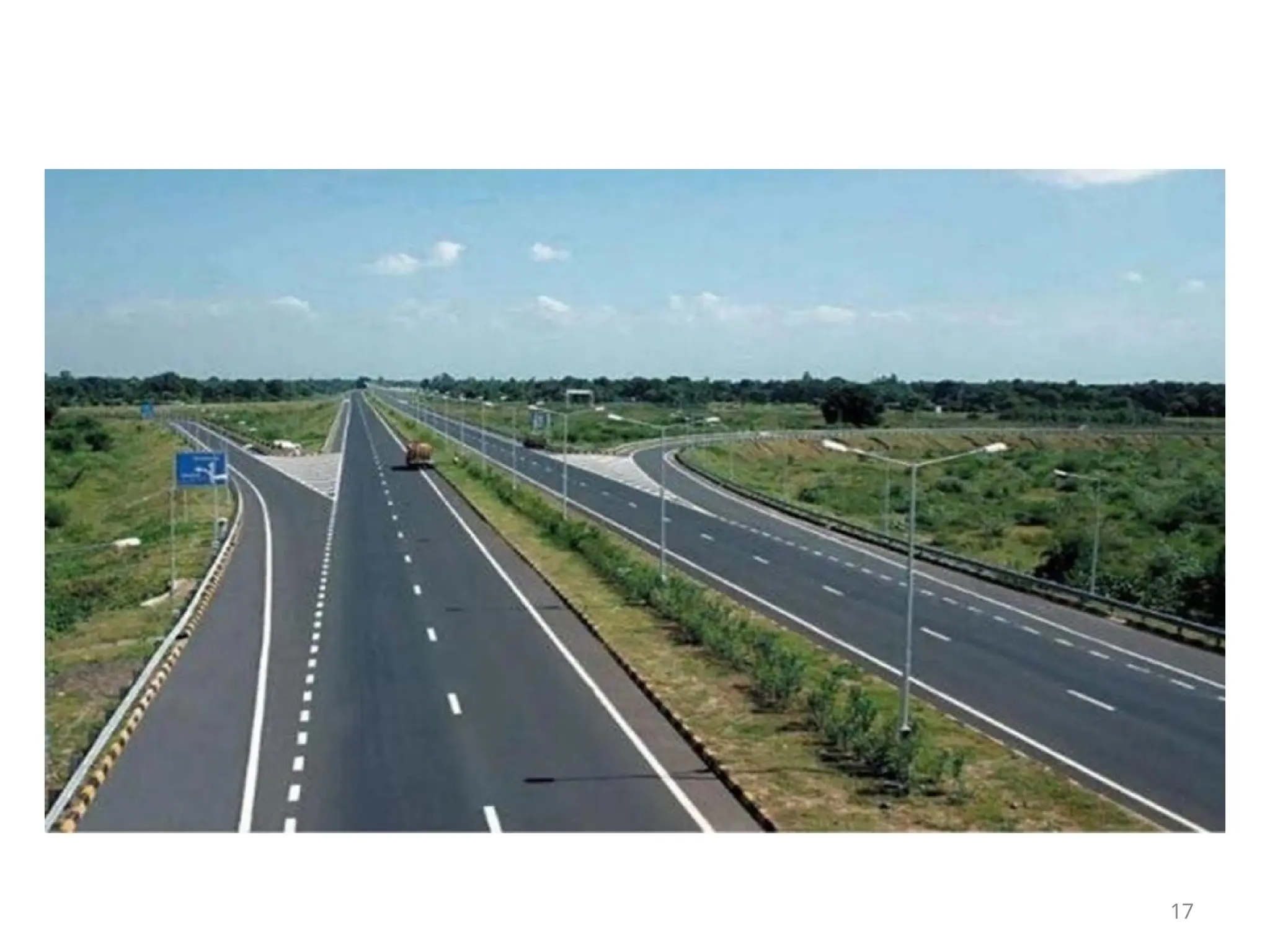
Civil engineering which deals with planning, designing
and construction of roads, bridges, railways, tunnels,
harbours, ports, docks, runways, and airports.
12
• Transportation means movement of passengers and
goods
13
14
15
16
17
system Study of various construction materials
used in construction of roads,.
3.Urbanization and
industrialization.
Scope of Transportation
Engineering
1.Traffic management.
2
.
5
.
4.Accident study
Parking facilities & rapid
transportation.
for safe and comfort transpo
rt
18
WATER RESOURCE ENGINEERING
resources by constructing several hydraulic
structures.
•For agriculture, municipal and power generation
purpose,
water is
needed.
•Water resourc
e
engineerin
g
mean
s
measuremen
ts,
utilization & development of water
resources.
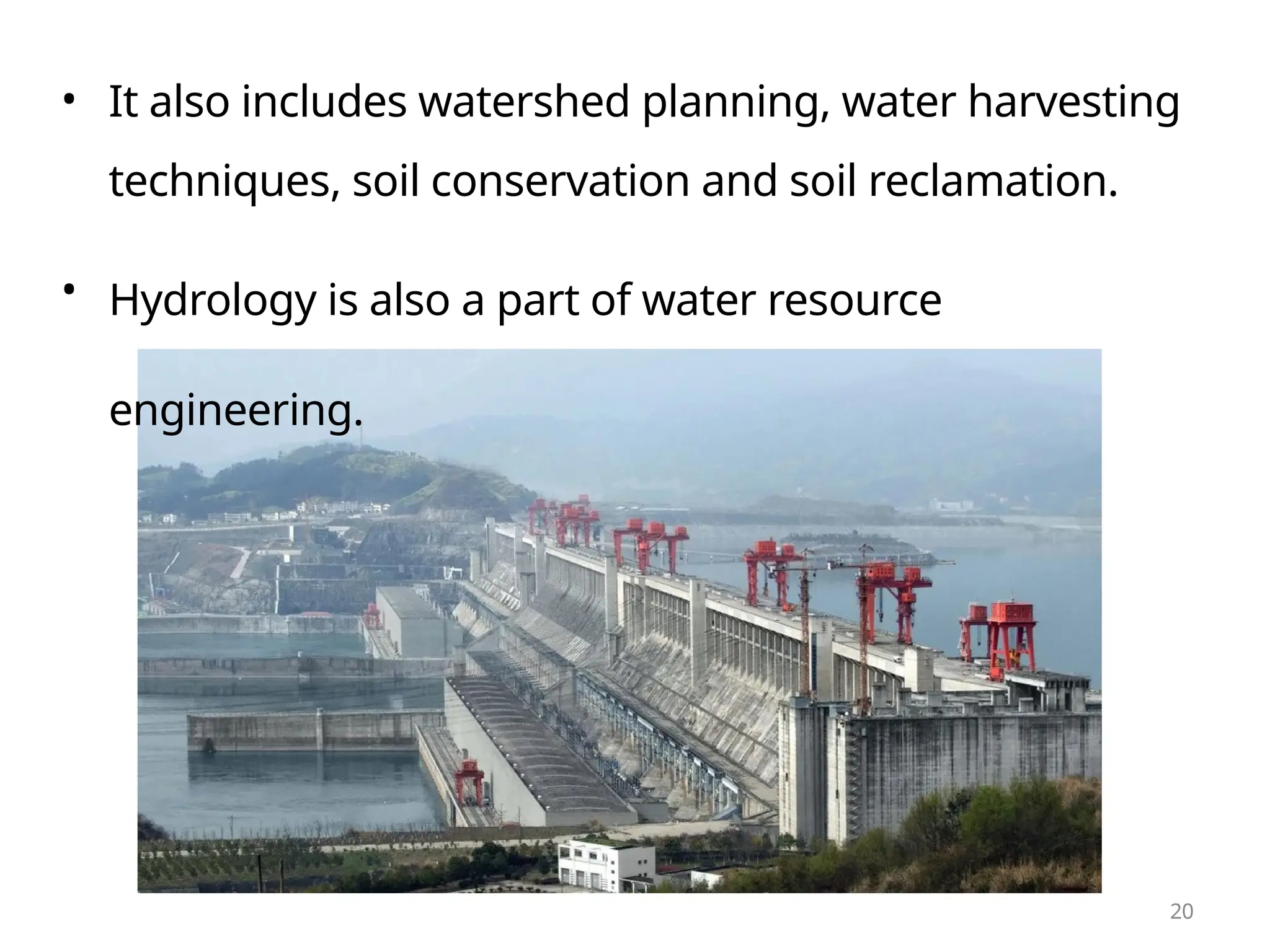
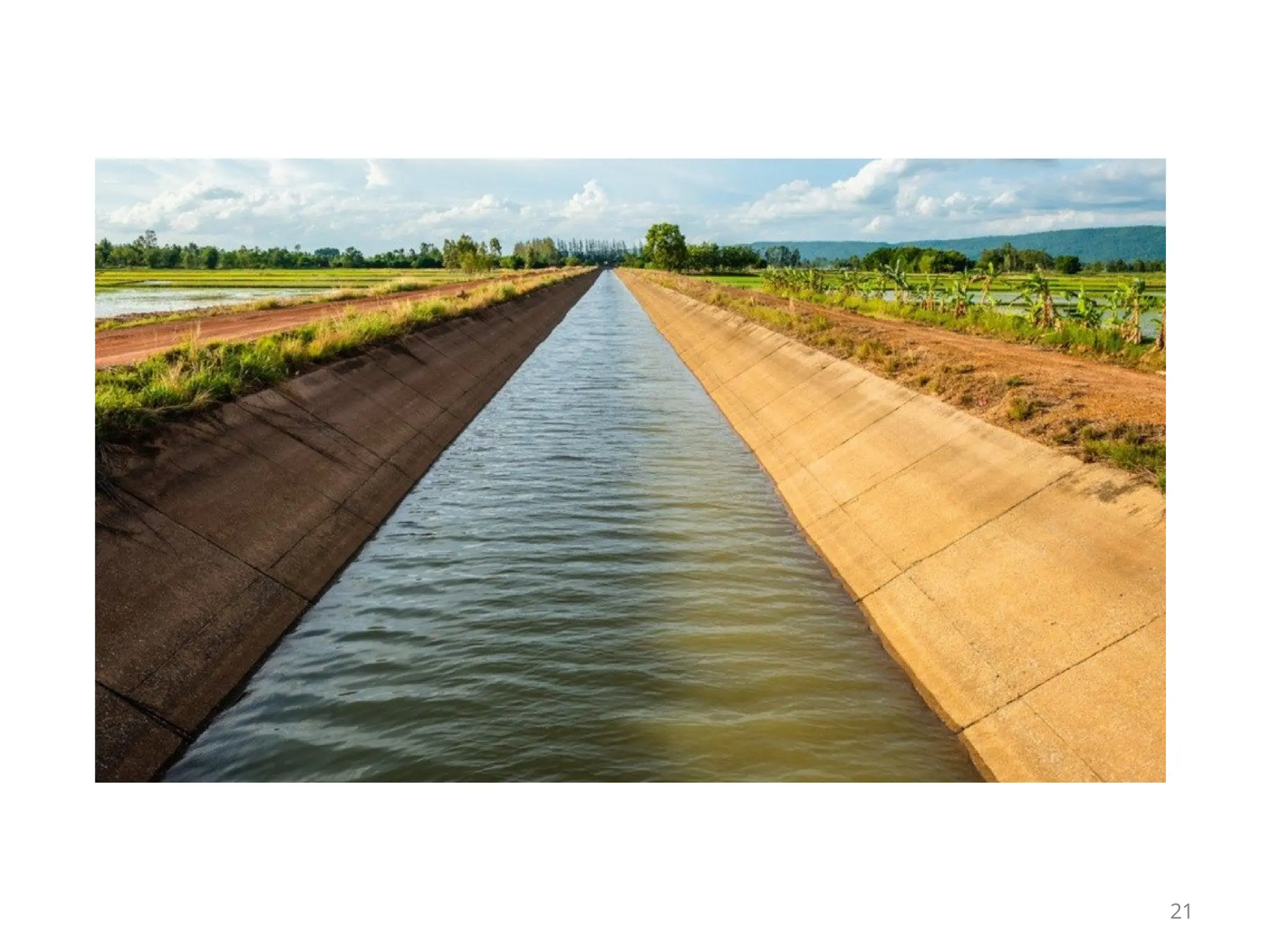
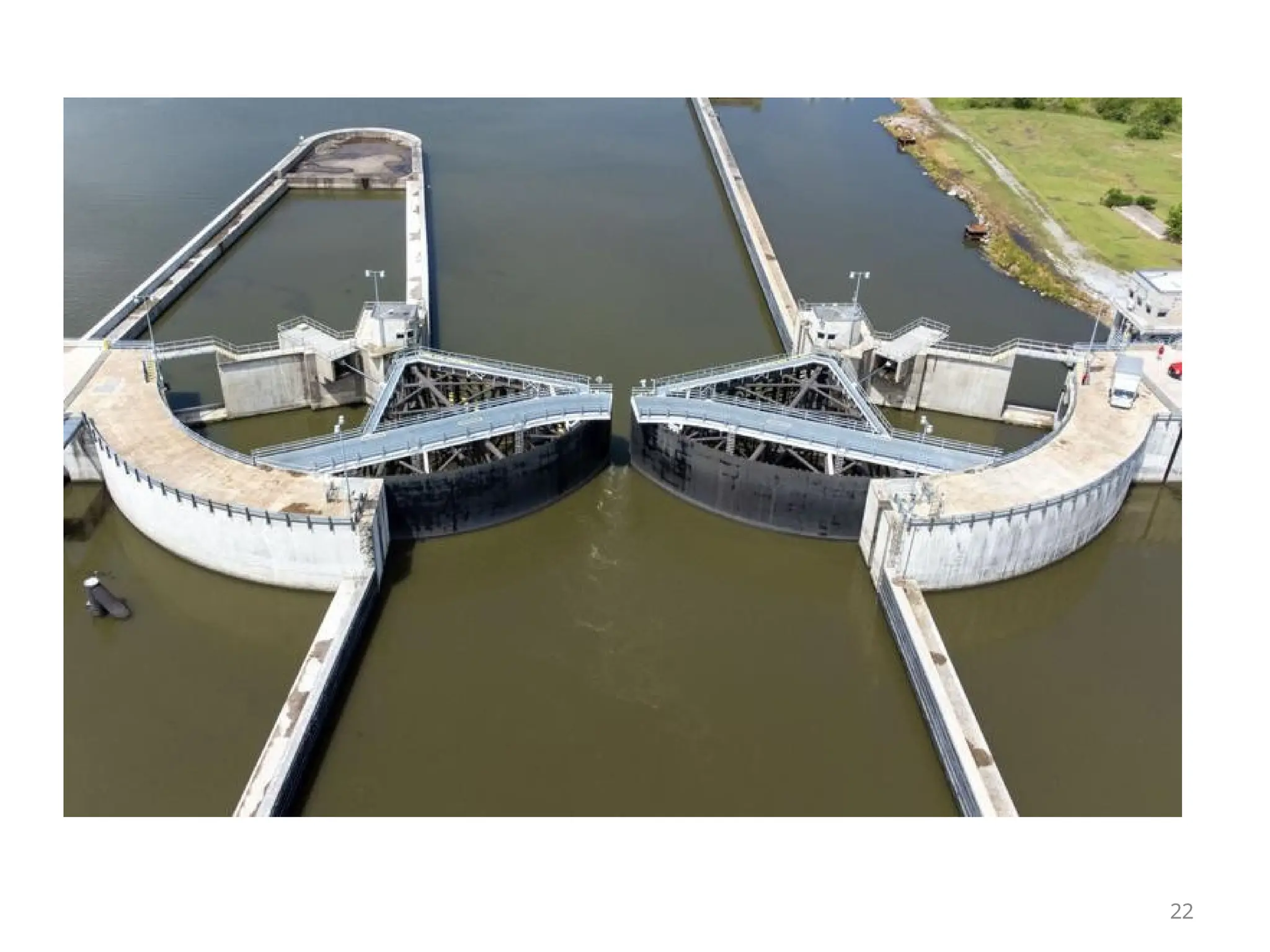
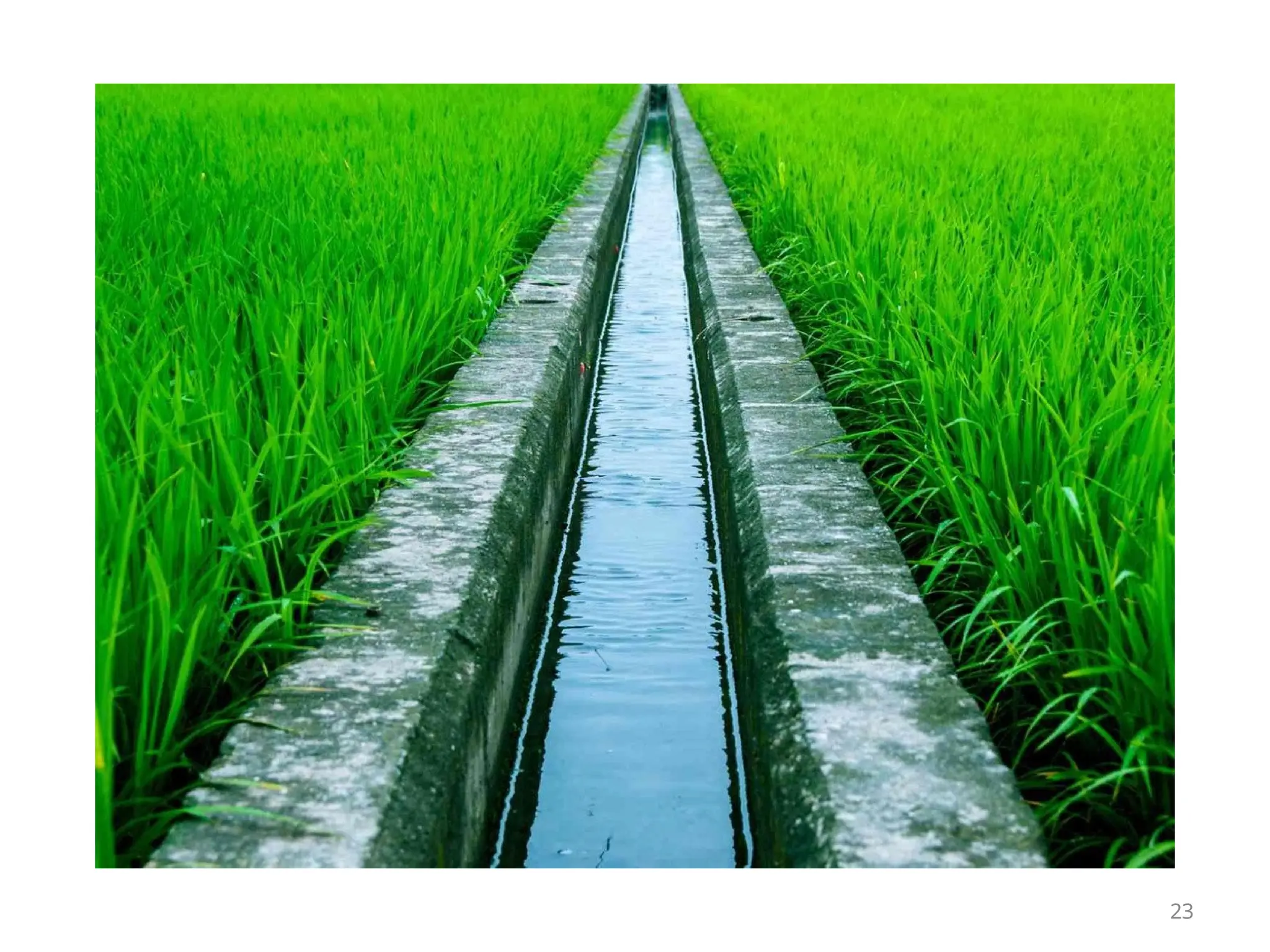
•It mainly includes irrigation engineering, design of
hydraulic structures like dams, canals,
etc.
• It deals with planning designing and developing water
19
•
•
It also includes watershed planning, water harvesting
techniques, soil conservation and soil reclamation.
Hydrology is also a part of water resource
engineering.
20
21
22
23
5
.
3.Aquatic animal management 4.Diversion of
stored water to canal for distribution
Lifting of water by digging
wells
Scope of Water resource
Engineering
1.Flood mitigation
2
.
Irrigation & Hydroelectric
power
6.Ground water storage
improvement
24
ENVIRONMENTAL ENGINEERING
•
•
•
•
Due to large scale industrialization, population growth,
rapid urbanization and several other human activities
environment gets polluted.
Different types of pollutions exists such as water, air,
noise and other pollution.
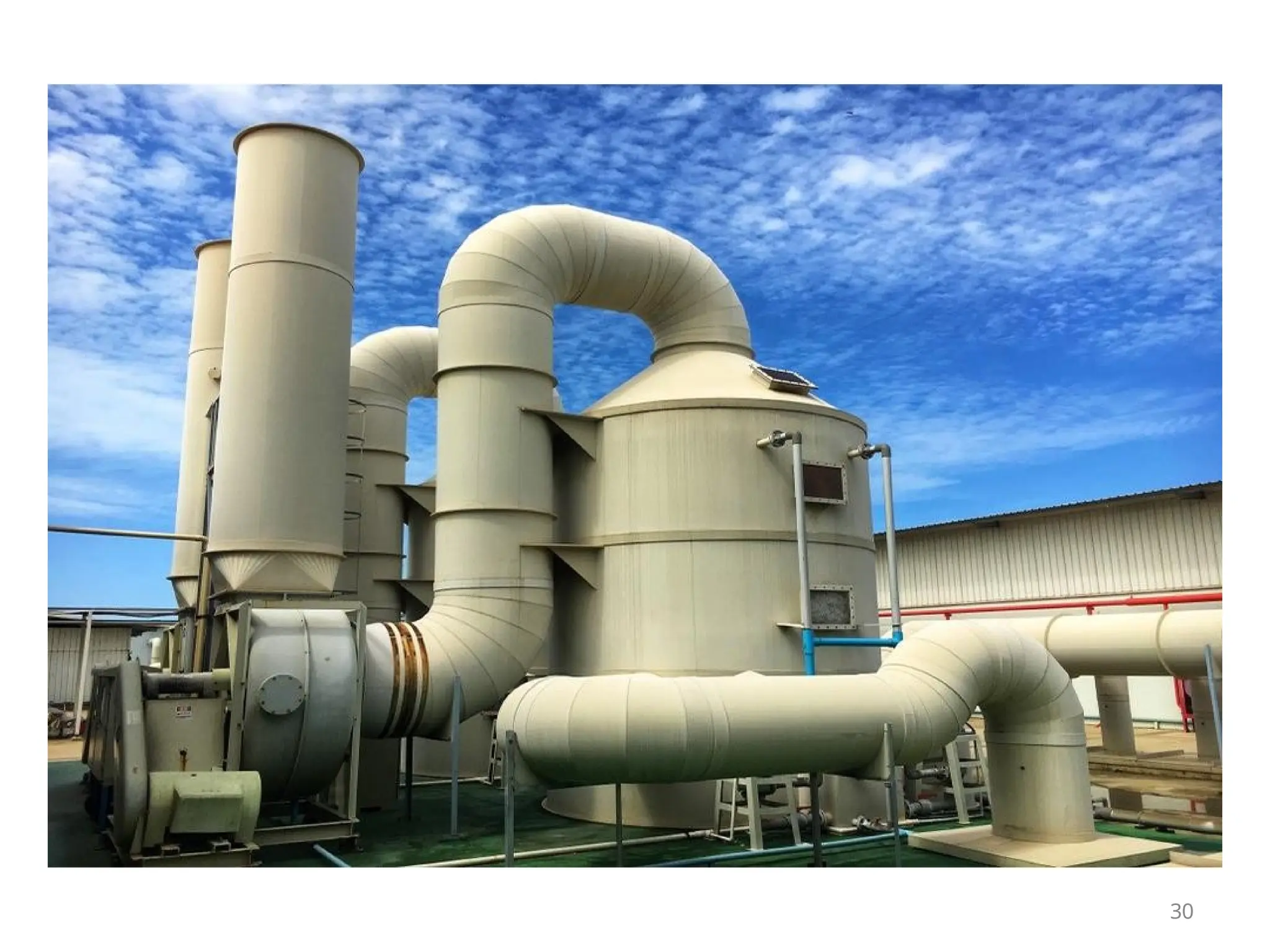
Environmental Engineering deals with pollution
control and public health engineering.
Environmental engineering deals with technologies &
facilities which are engaged in reducing 25
• It includes design, construction and
maintenance of
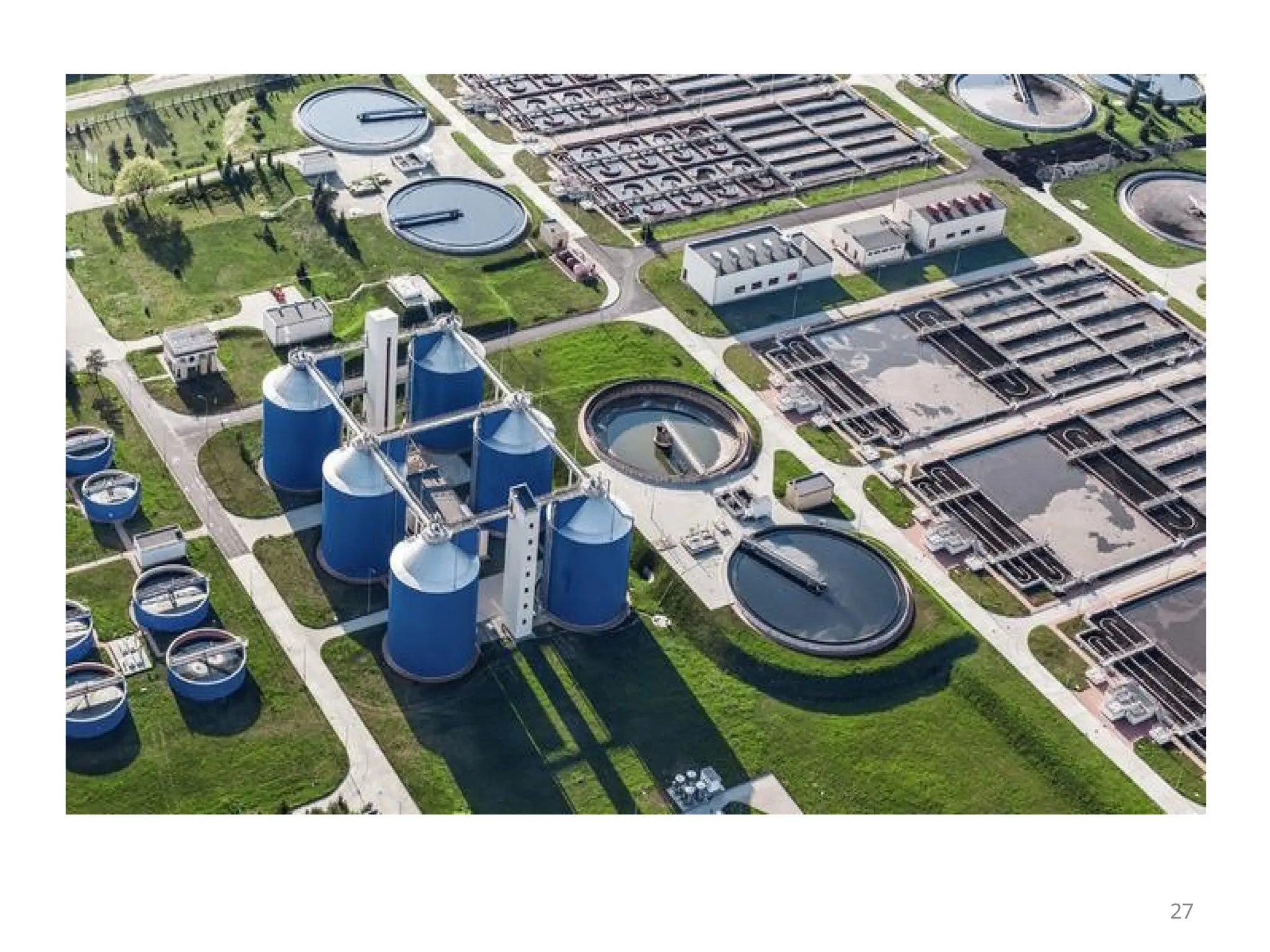
water treatment plant, waste water treatment
plant, water distribution network and sewerage
system,
•Even it also deals with solid waste management
in
towns and
cities.
•Public health engineering includes water
treatment,
water distribution network, & solid
waste
26
27
28
29
30
5
.
3.Waste water
treatment
Solid waste
management
Scope of Environmental Engineering
1.Protection and conservation of
environment.
2.Good water supply
4
.
Pollution
treatment
31
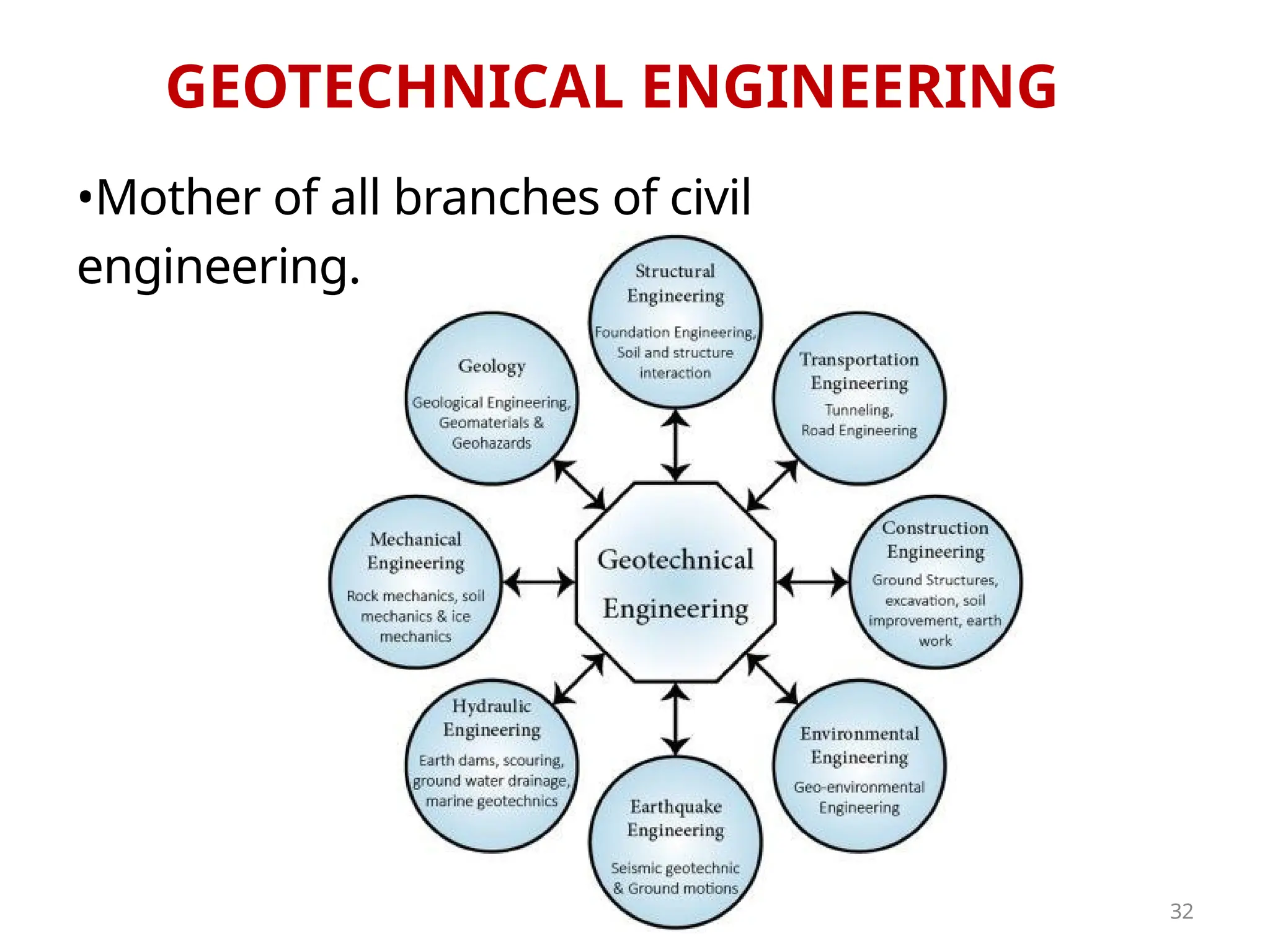
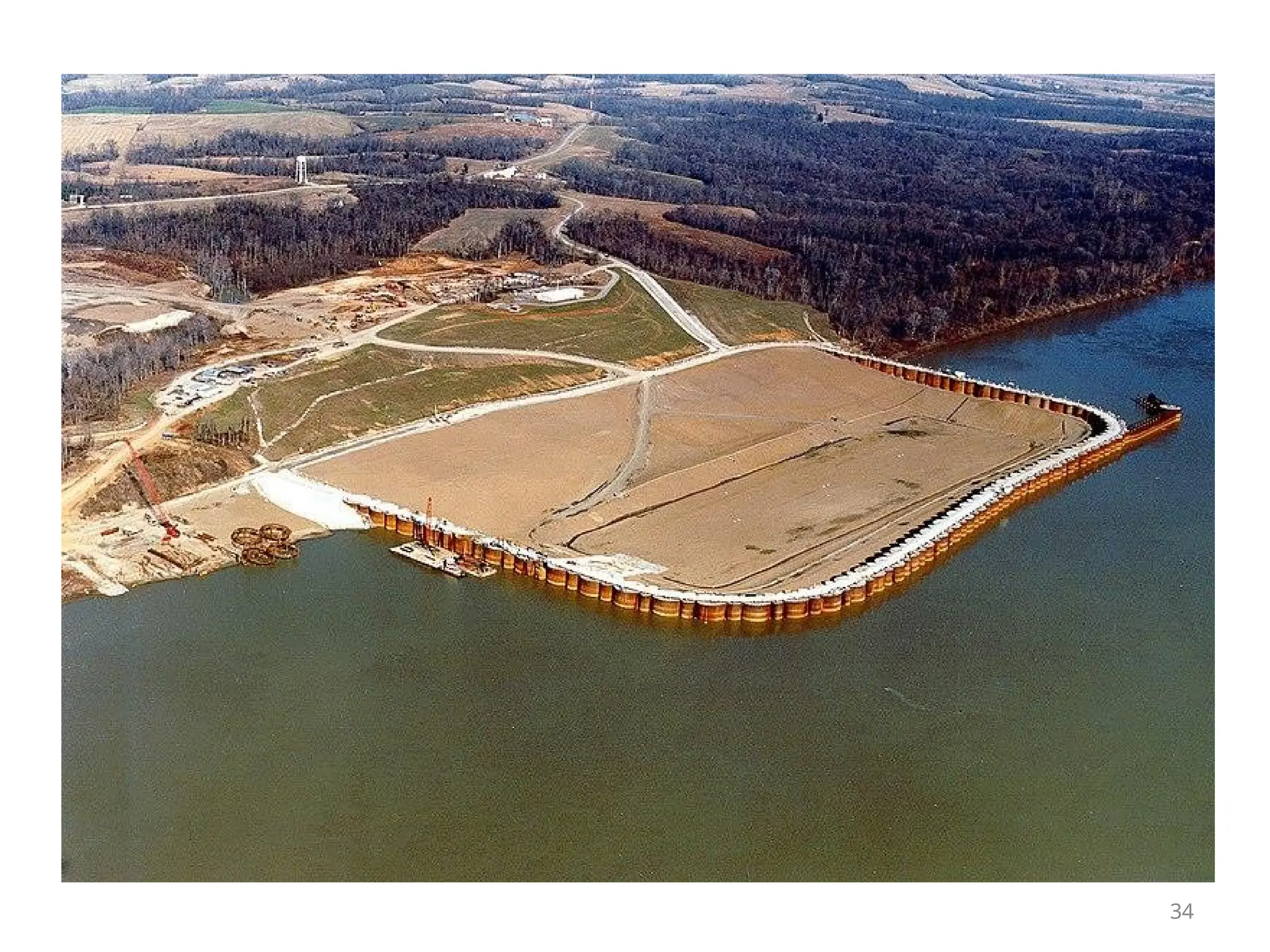
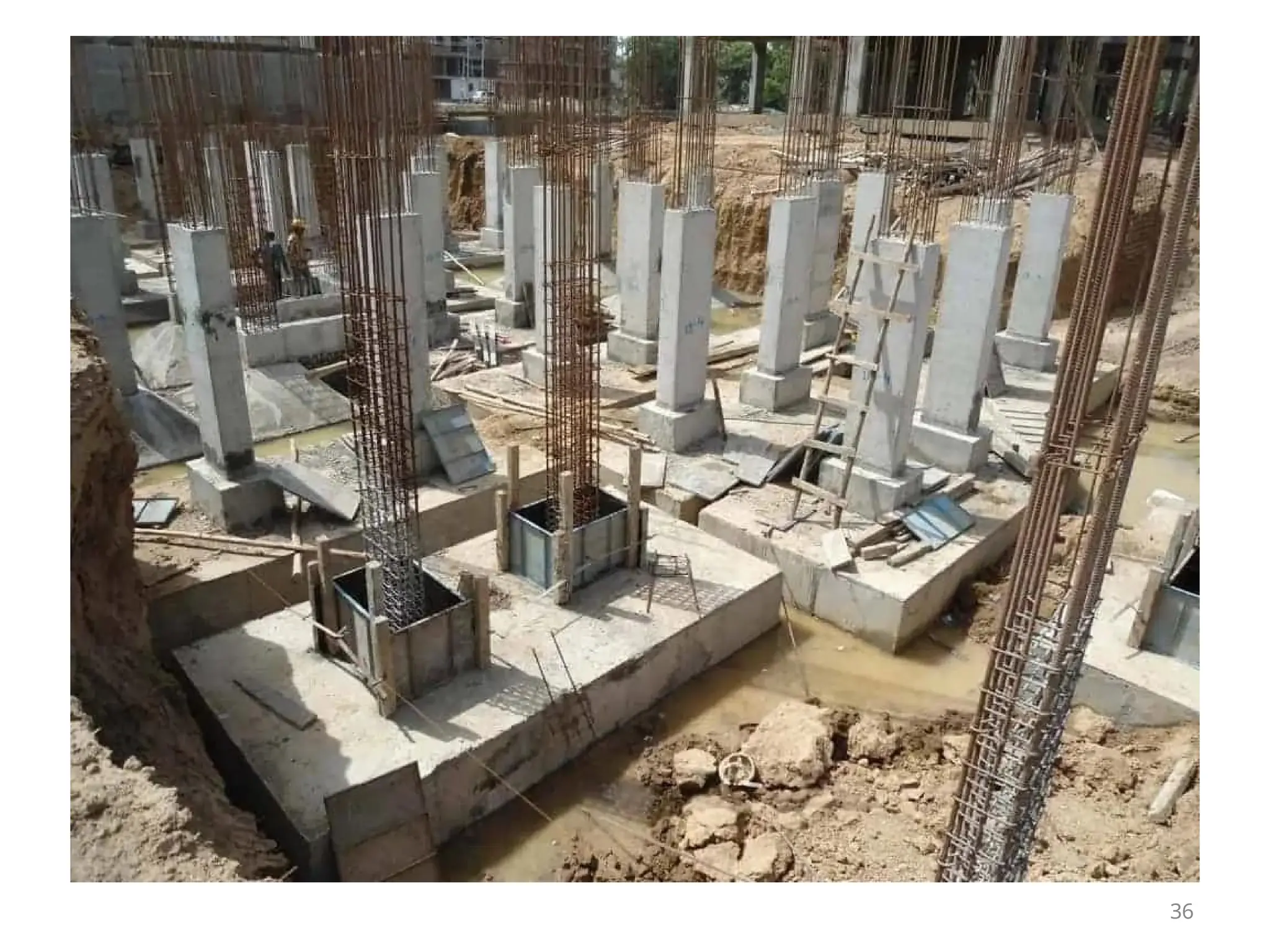
GEOTECHNICAL ENGINEERING
•Mother of all branches of civil
engineering.
32
33
34
35
36
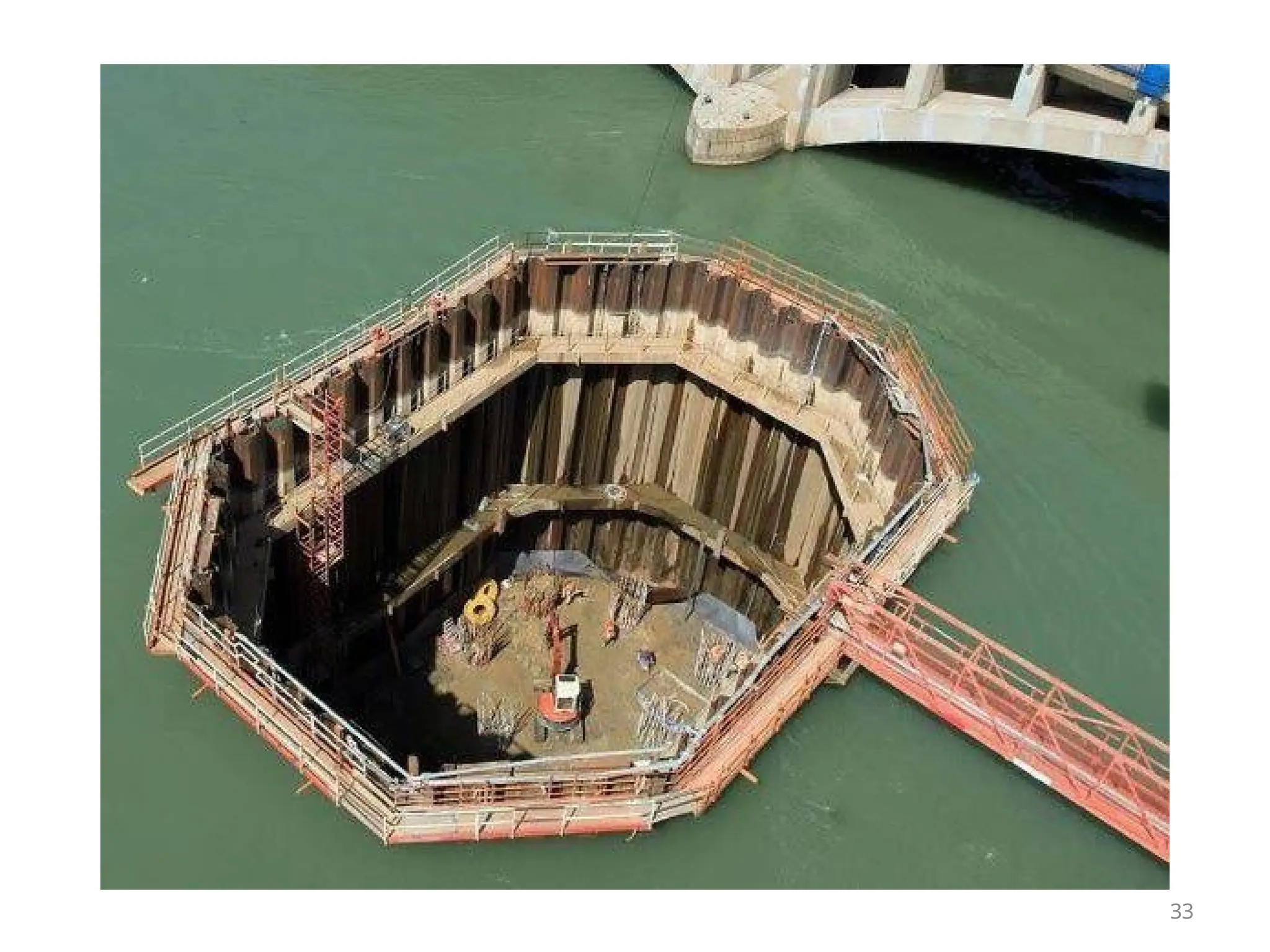
Scope of Geotechnical
Engineering
1
.
Foundation design and
construction
3.Design and construction of tunnels underground
structure and drainages
structures
4.Design of retaining structures
5.Design of earthen dams and
embankment
2.Highway pavement
design
37
CONSTRUCTION TECHNOLOGY
•Engineering structure requires a wide range of
• The activities & materials
materials known as building
materials.
•The choice of materials is wide & open. •Thus it is
important to know the properties &
should be optimally
applications of the different
materials.
utilized so that the construction is completed in
time. 38
39
TOWN PLANNING & ARCHITECTURE
•Town planning means the planned & controlled
growth of the
town.
•Here town is divided into different land use zones
and
building construction is
regulated.
•Areas of town are divided into
residential,
commercial, recreational, and industrial zones,
called
zoning.
40
•
•
•
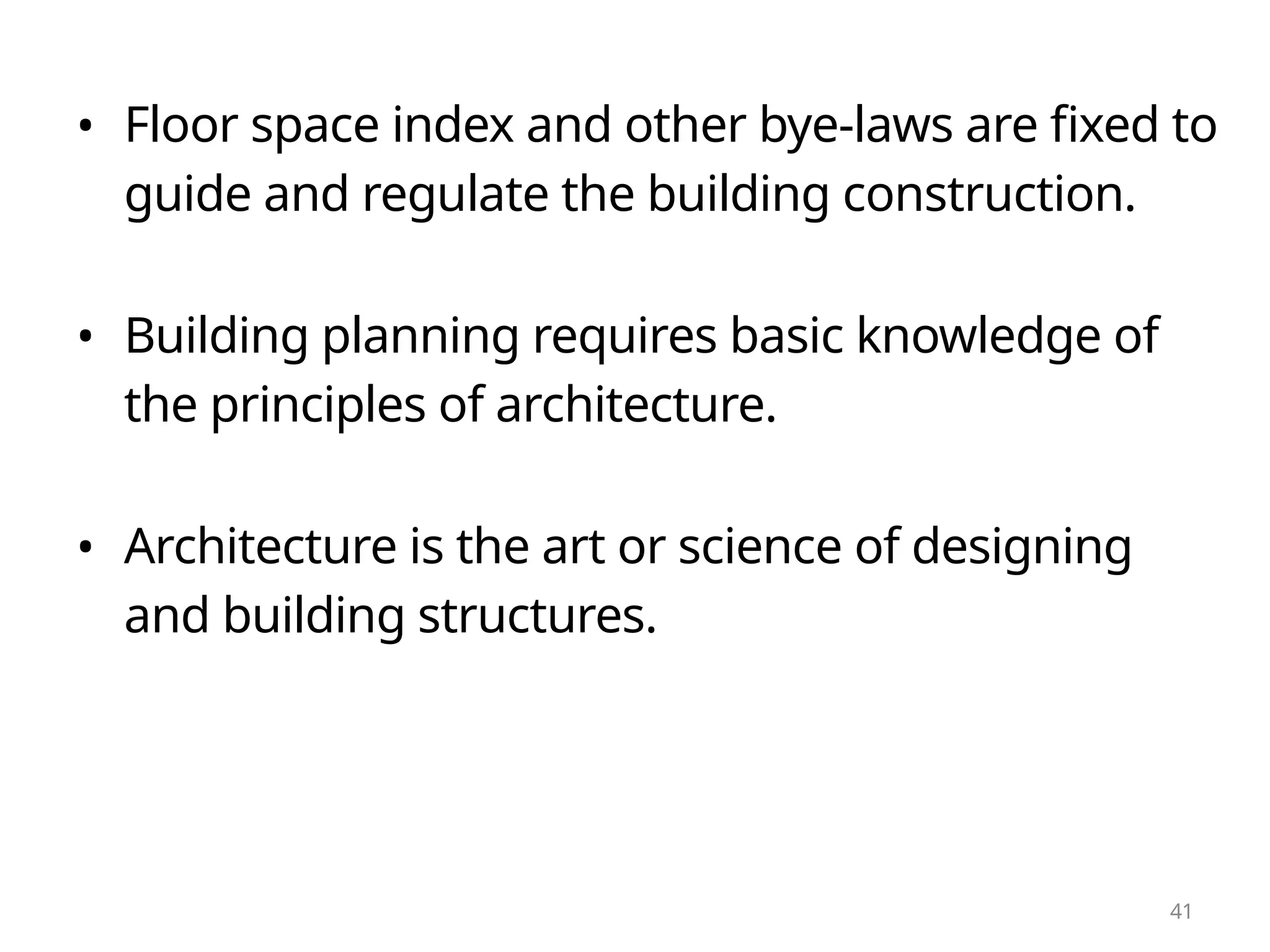
Floor space index and other bye-laws are fixed to
guide and regulate the building construction.
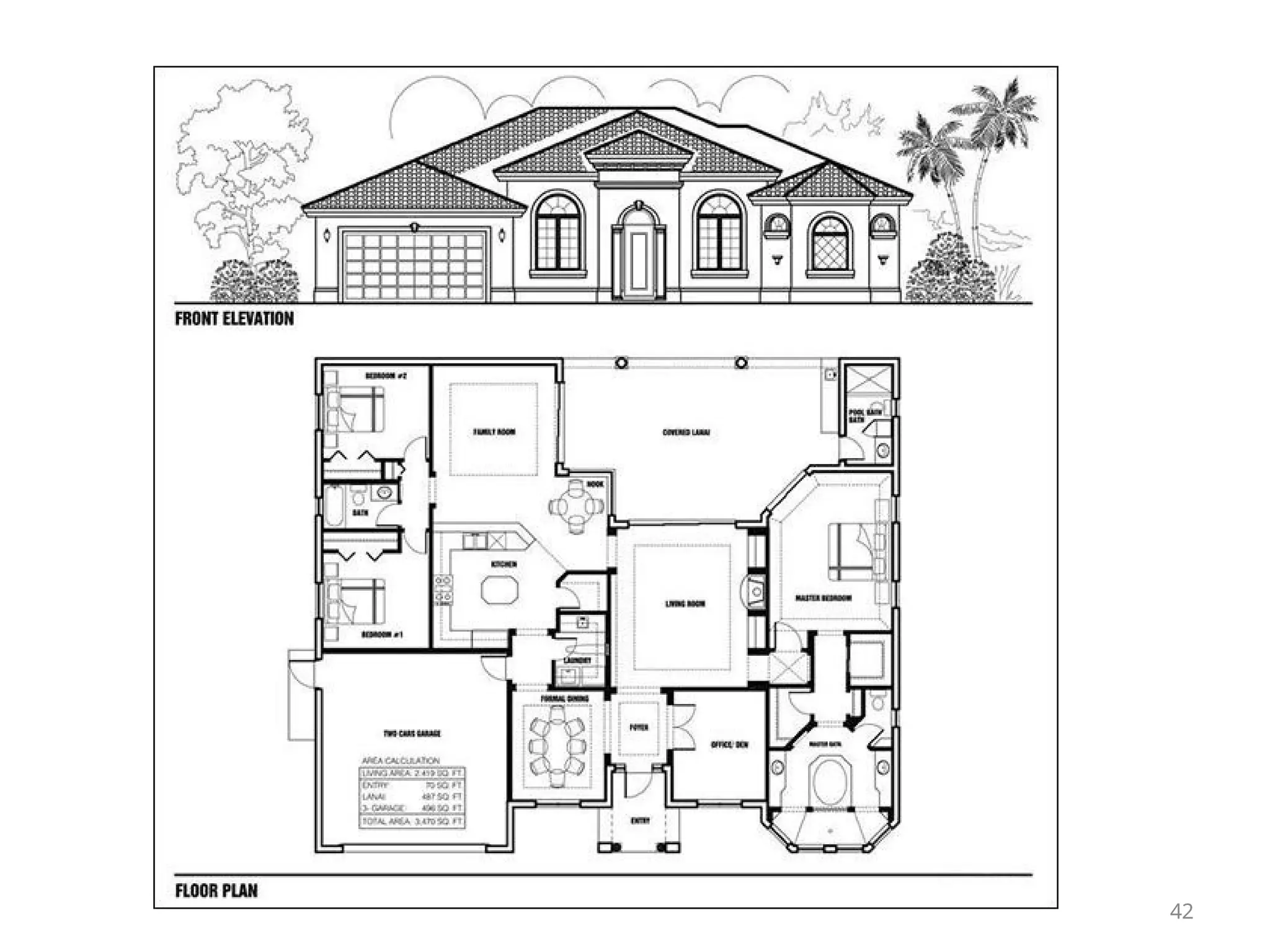
Building planning requires basic knowledge of
the principles of architecture.
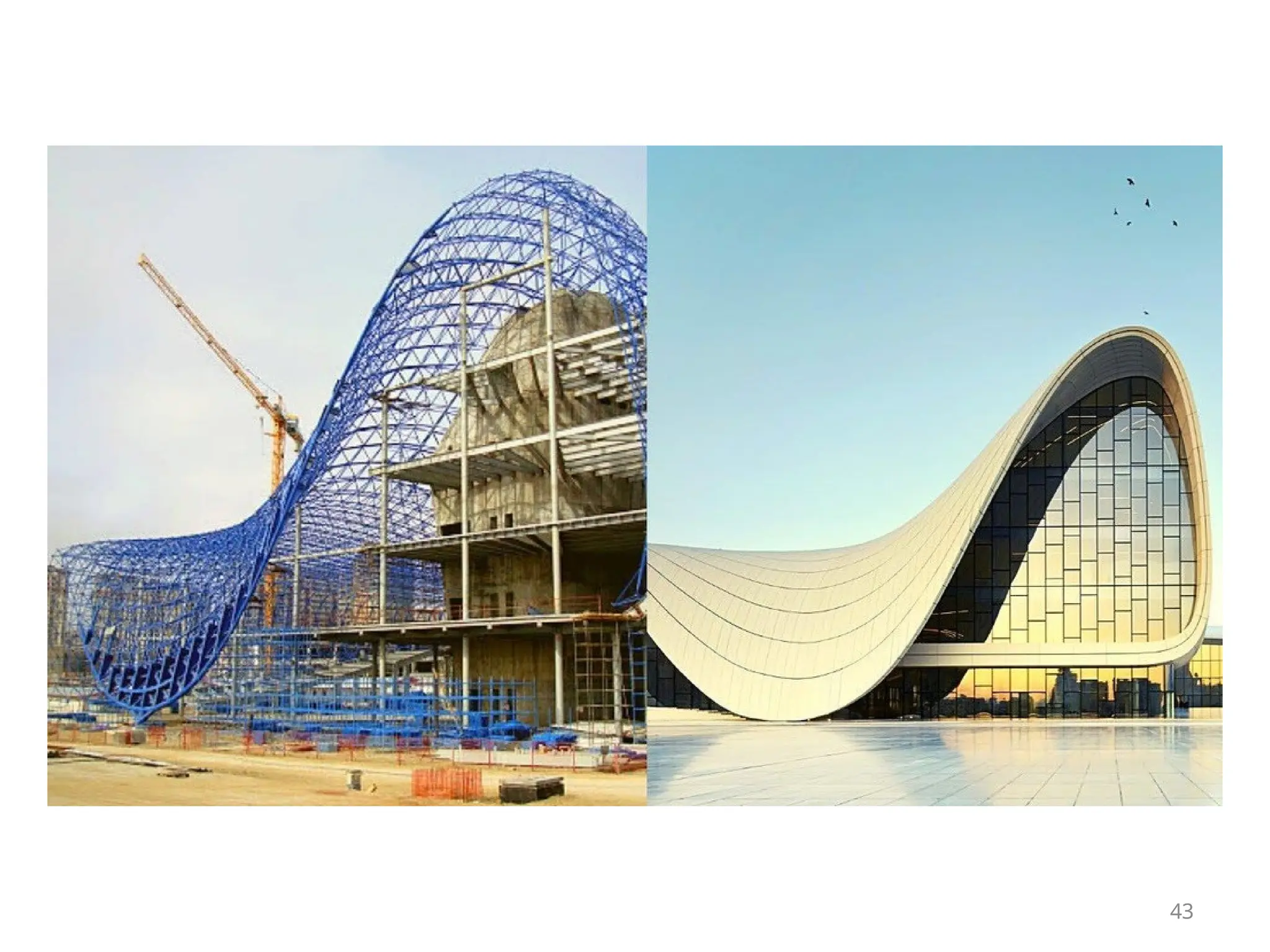
Architecture is the art or science of designing
and building structures.
41
42
43
T

Introduction, Scopes & branches of Civil Engineering

  • 1.
  • 2.
    INTRODUCTION • • • Civil constru cting, infrastr uctures Engineerin g involves planning , designing, supervisin g Civilengineering is the oldest branch of engineering which is growing right from the stone age of civilization. The branch of engineering concerned with the design and maintenance of roads, bridges, dams, and similar structures. maintainin g an d 2
  • 3.
  • 4.
    SURVEYING • • • and vertical planes. Also,includes measurements of areas and volumes. Science and art of determining the relative position of points on the earth’s surface. Chain, compass, level, theodolite, etc. are the instruments used for surveying. • • Leveling is the measurement of heights in vertical plane. Includes measurements of distances and angles in horizontal 4
  • 5.
  • 6.
    2 . 3 . 4 . 5 . Scope of Surveying To establishboundaries of land. To measure the area and volume of land. To select suitable site for an engineering project. To determine the dimension and contour of any part of the earth’s surface. 1 . To prepare the plan or map. 6
  • 7.
    STRUCTURAL ENGINEERING • • design of structures. Thesecomponents are subjected to forces. •Any structure consists of various elements direction the nature of the forces acting on them. like foundations, columns, beams, slabs etc. Thus it is important to know the magnitude & The branch which deals with structural analysis and • 7
  • 8.
    • Structural analysisrequires much calculation, hence advanced computing software's are used to carry out structural analysis and design. •It includes design of reinforced cement concrete (RCC) and steel structures. •Design of Multistoried buildings, towers, retaining walls, water tanks, bridges requires skills and knowledge of structural engineering. 8
  • 9.
  • 10.
  • 11.
    slabs, walls, etc. the structurefor its lifetime. Scope of Structural Engineering 1.Creation of structural system according to needs. 2.Design of nuclear power plants. 3 . Responsibility about the safety and serviceability of 4.Designing of various sections like beam, columns, 11
  • 12.
    TRANSPORTATION ENGINEERING • • As fordevelopment of any nation good transportation network is of prime importance. by means of vehicles on land, ship on water and aircrafts in air. Transportatio n Engineerin g is tha t branc h of Civil engineering which deals with planning, designing and construction of roads, bridges, railways, tunnels, harbours, ports, docks, runways, and airports. 12 • Transportation means movement of passengers and goods
  • 13.
  • 14.
  • 15.
  • 16.
  • 17.
  • 18.
    system Study ofvarious construction materials used in construction of roads,. 3.Urbanization and industrialization. Scope of Transportation Engineering 1.Traffic management. 2 . 5 . 4.Accident study Parking facilities & rapid transportation. for safe and comfort transpo rt 18
  • 19.
    WATER RESOURCE ENGINEERING resourcesby constructing several hydraulic structures. •For agriculture, municipal and power generation purpose, water is needed. •Water resourc e engineerin g mean s measuremen ts, utilization & development of water resources. •It mainly includes irrigation engineering, design of hydraulic structures like dams, canals, etc. • It deals with planning designing and developing water 19
  • 20.
    • • It also includeswatershed planning, water harvesting techniques, soil conservation and soil reclamation. Hydrology is also a part of water resource engineering. 20
  • 21.
  • 22.
  • 23.
  • 24.
    5 . 3.Aquatic animal management4.Diversion of stored water to canal for distribution Lifting of water by digging wells Scope of Water resource Engineering 1.Flood mitigation 2 . Irrigation & Hydroelectric power 6.Ground water storage improvement 24
  • 25.
    ENVIRONMENTAL ENGINEERING • • • • Due tolarge scale industrialization, population growth, rapid urbanization and several other human activities environment gets polluted. Different types of pollutions exists such as water, air, noise and other pollution. Environmental Engineering deals with pollution control and public health engineering. Environmental engineering deals with technologies & facilities which are engaged in reducing 25
  • 26.
    • It includesdesign, construction and maintenance of water treatment plant, waste water treatment plant, water distribution network and sewerage system, •Even it also deals with solid waste management in towns and cities. •Public health engineering includes water treatment, water distribution network, & solid waste 26
  • 27.
  • 28.
  • 29.
  • 30.
  • 31.
    5 . 3.Waste water treatment Solid waste management Scopeof Environmental Engineering 1.Protection and conservation of environment. 2.Good water supply 4 . Pollution treatment 31

  • 32.
    GEOTECHNICAL ENGINEERING •Mother ofall branches of civil engineering. 32
  • 33.
  • 34.
  • 35.
  • 36.
  • 37.
    Scope of Geotechnical Engineering 1 . Foundationdesign and construction 3.Design and construction of tunnels underground structure and drainages structures 4.Design of retaining structures 5.Design of earthen dams and embankment 2.Highway pavement design 37
  • 38.
    CONSTRUCTION TECHNOLOGY •Engineering structurerequires a wide range of • The activities & materials materials known as building materials. •The choice of materials is wide & open. •Thus it is important to know the properties & should be optimally applications of the different materials. utilized so that the construction is completed in time. 38
  • 39.
  • 40.
    TOWN PLANNING &ARCHITECTURE •Town planning means the planned & controlled growth of the town. •Here town is divided into different land use zones and building construction is regulated. •Areas of town are divided into residential, commercial, recreational, and industrial zones, called zoning. 40
  • 41.
    • • • Floor space indexand other bye-laws are fixed to guide and regulate the building construction. Building planning requires basic knowledge of the principles of architecture. Architecture is the art or science of designing and building structures. 41
  • 42.
  • 43.
  • 44.