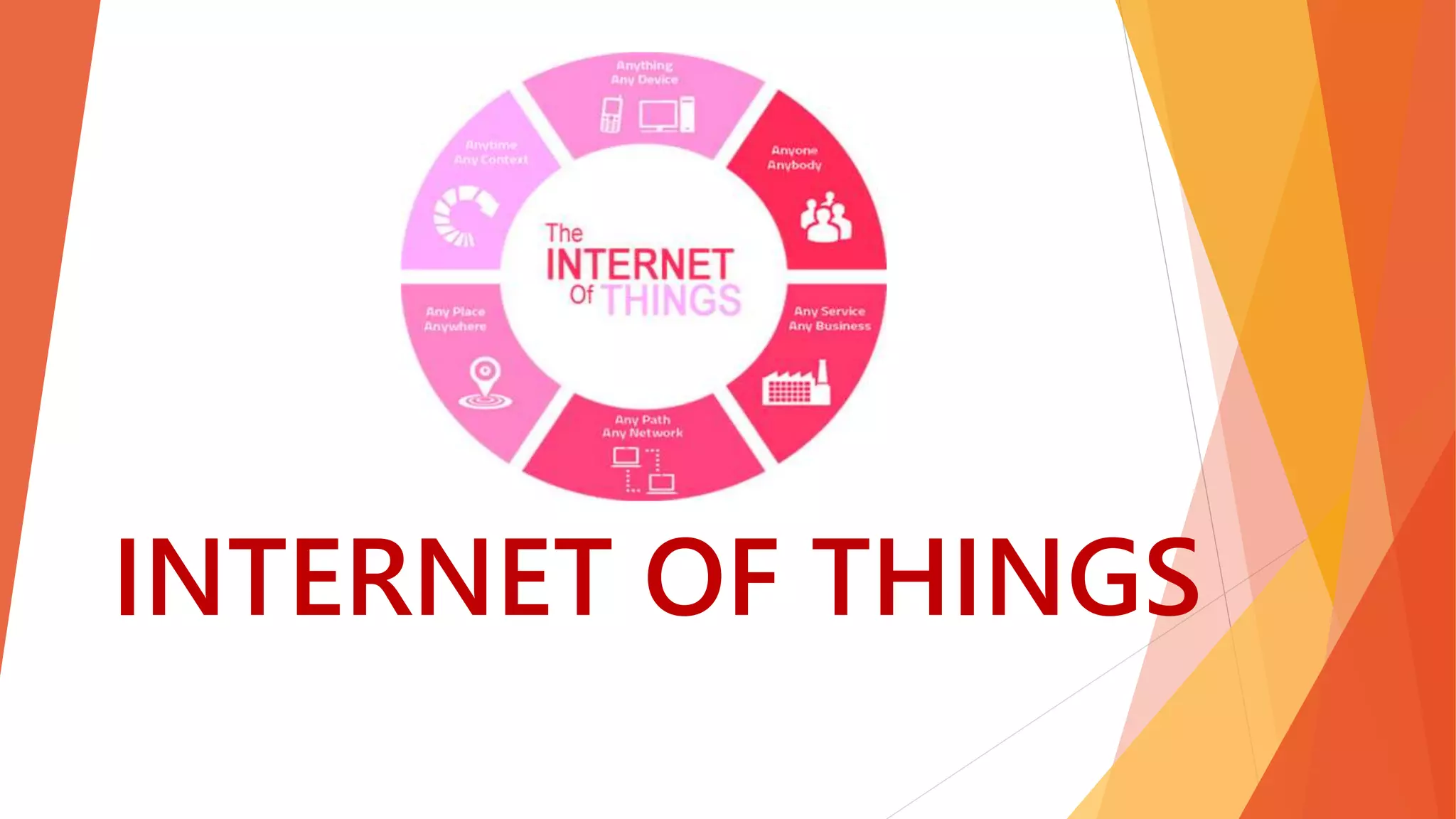
INTERNET OF THINGS
Content
 Introduction
 Need of IoT
 How does is work?
 Skill Requirement
 Products on IoT
 Career in IoT
 How to Approach
 Conclusion
Introduction
 The internet of things (IoT) is the internetworking of physical devices,
vehicles, buildings and other items—embedded with electronics, software,
sensors, actuators, and network connectivity that enable these objects to collect
and exchange data.
 In 2013 the Global Standards Initiative on Internet of Things (IoT-GSI) defined
the IoT as "the infrastructure of the information society.
There is not such a thing like innovation.
Innovation is the key of the real changes that are happening all around
Need of IoT
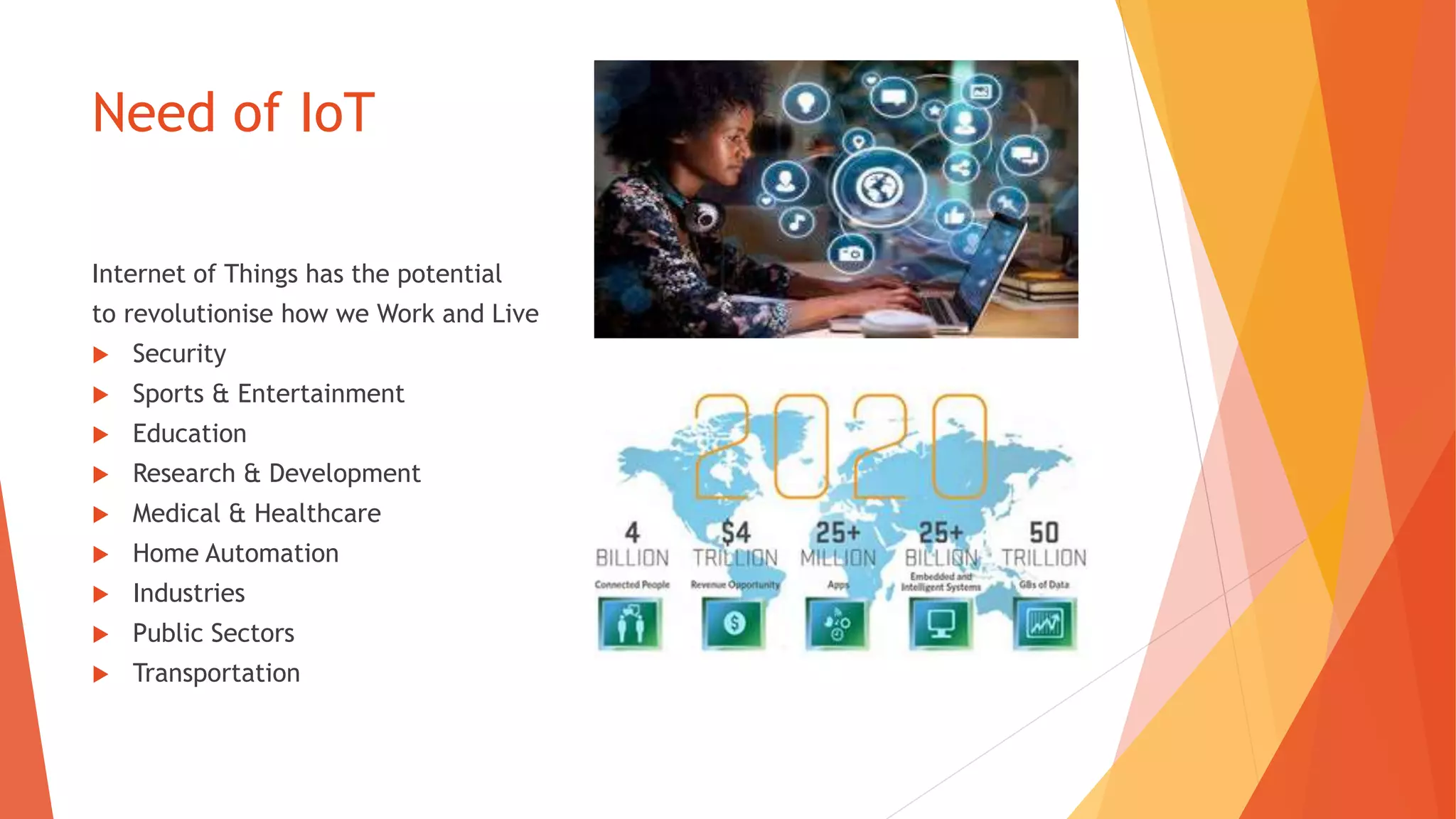
Internet of Things has the potential
to revolutionise how we Work and Live
 Security
 Sports & Entertainment
 Education
 Research & Development
 Medical & Healthcare
 Home Automation
 Industries
 Public Sectors
 Transportation
Skill Required?
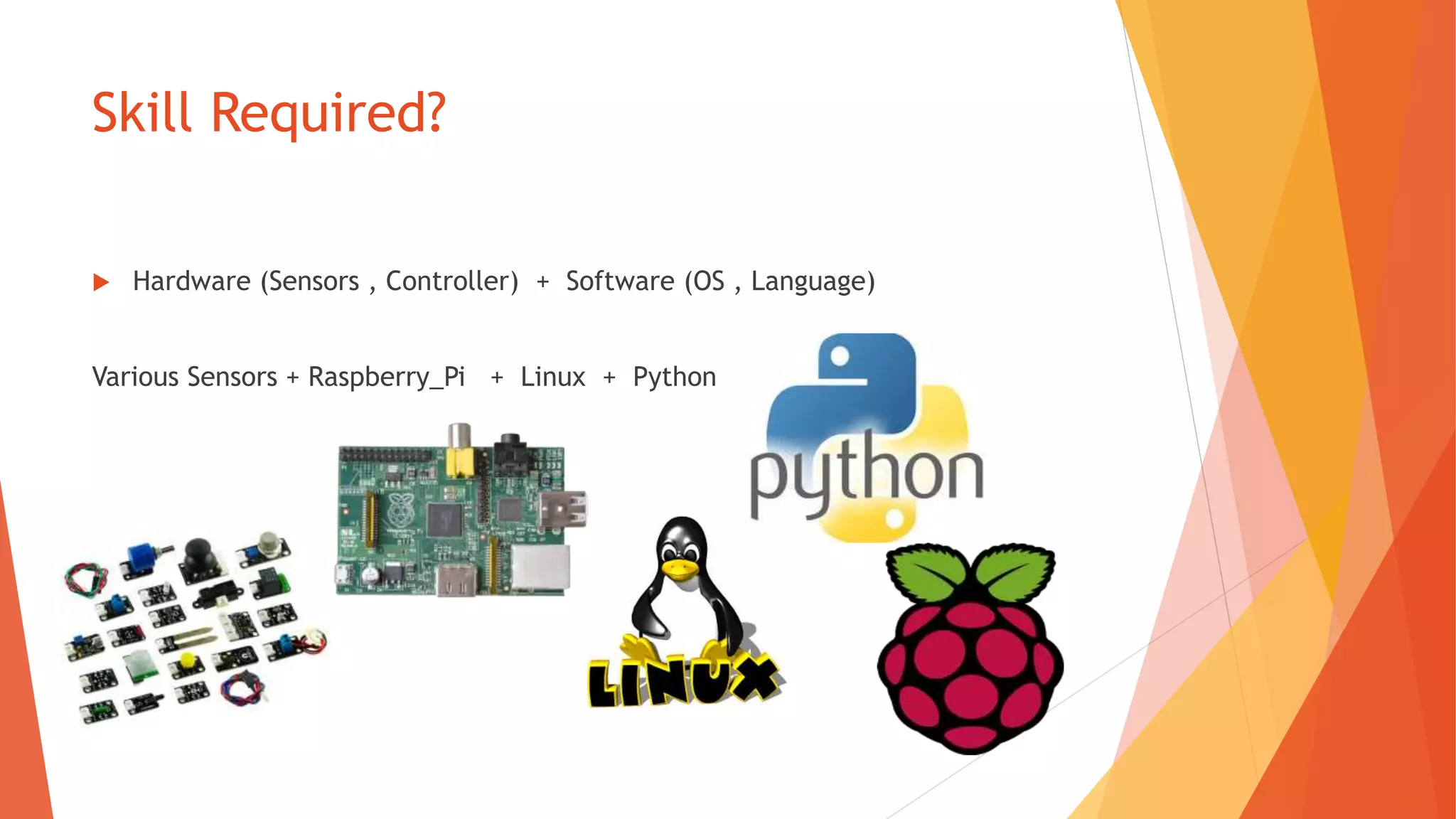
 Hardware (Sensors , Controller) + Software (OS , Language)
Various Sensors + Raspberry_Pi + Linux + Python
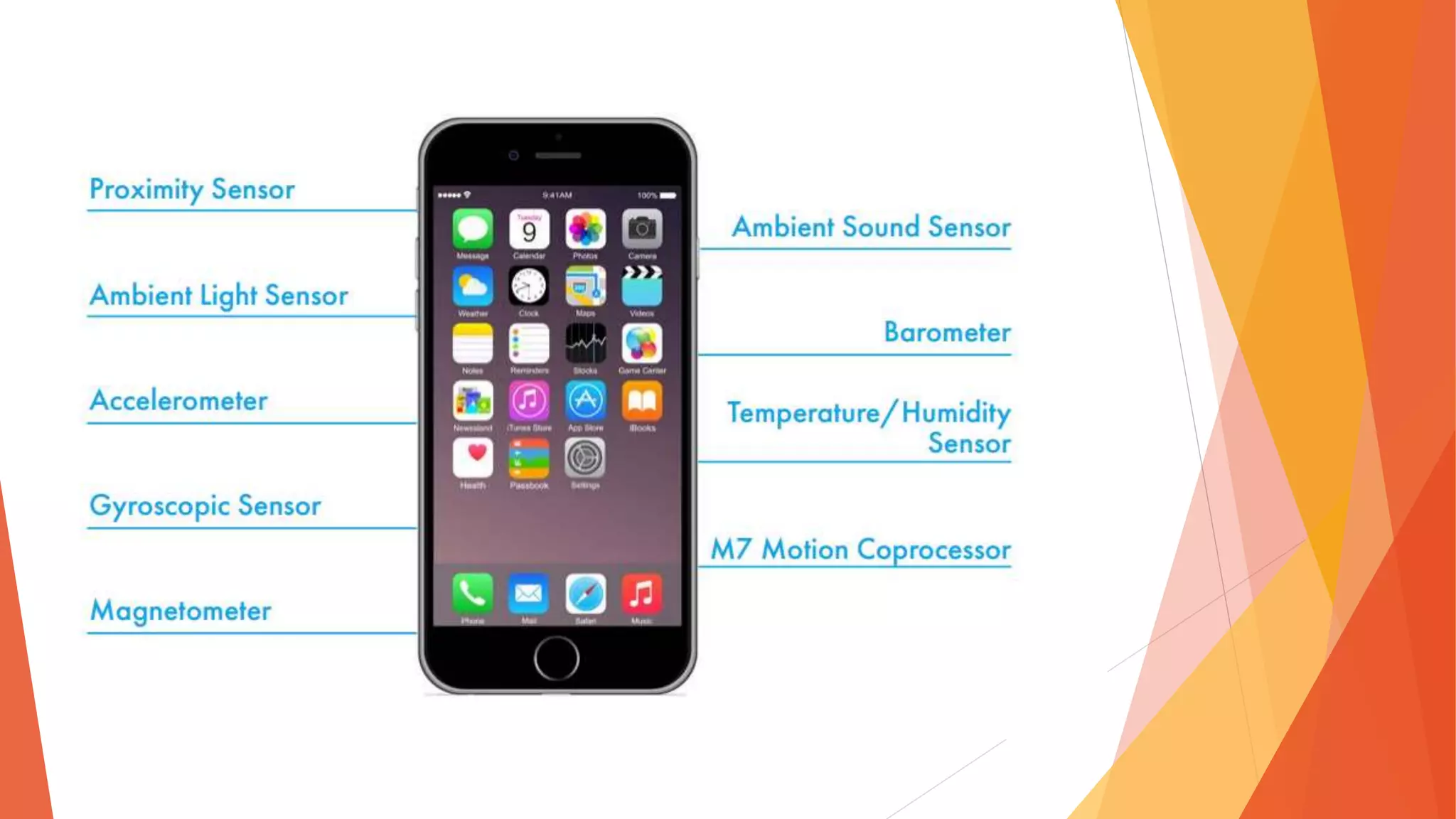
Examples of IoT
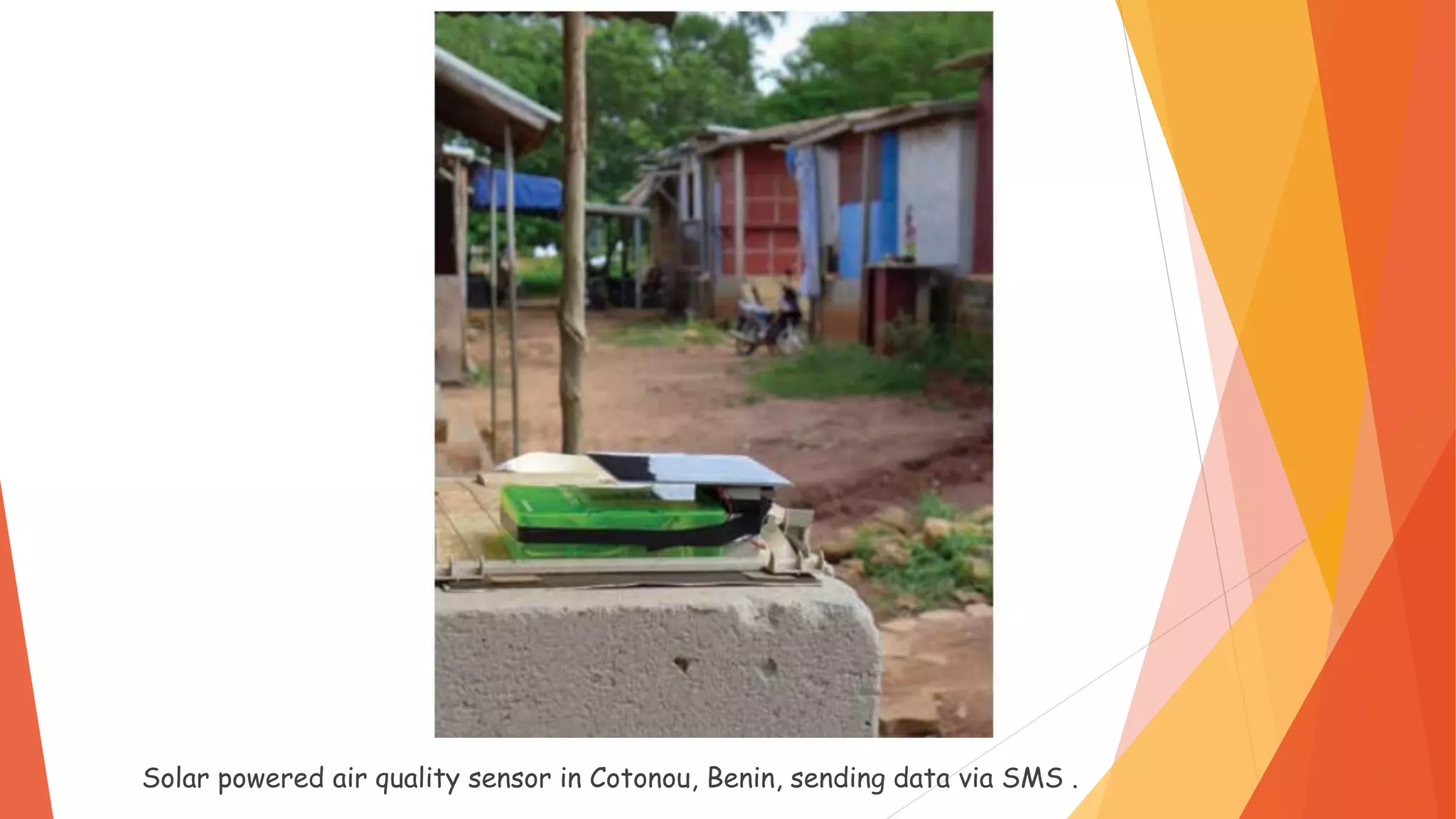
Solar powered air quality sensor in Cotonou, Benin, sending data via SMS .
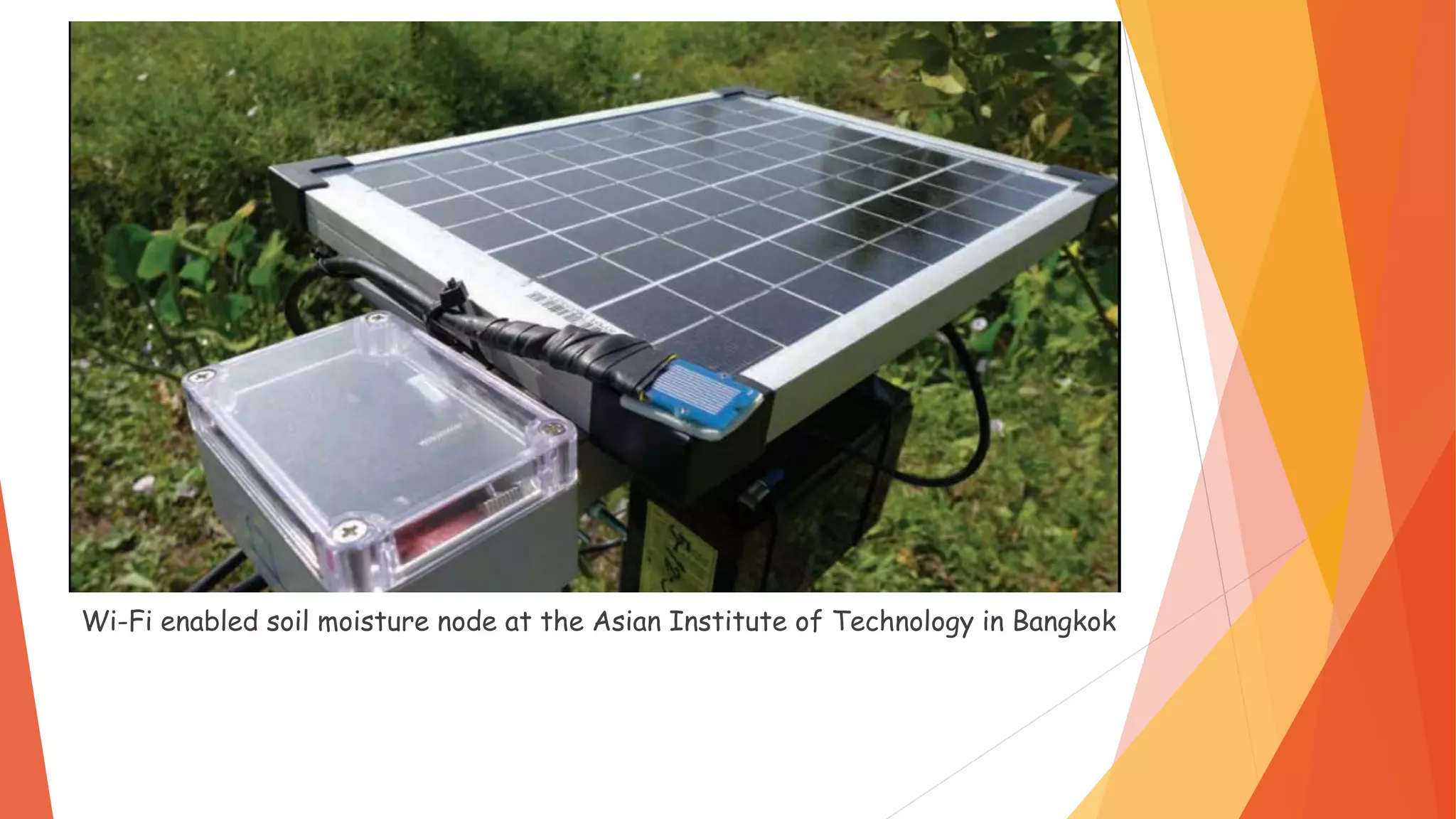
Wi-Fi enabled soil moisture node at the Asian Institute of Technology in Bangkok
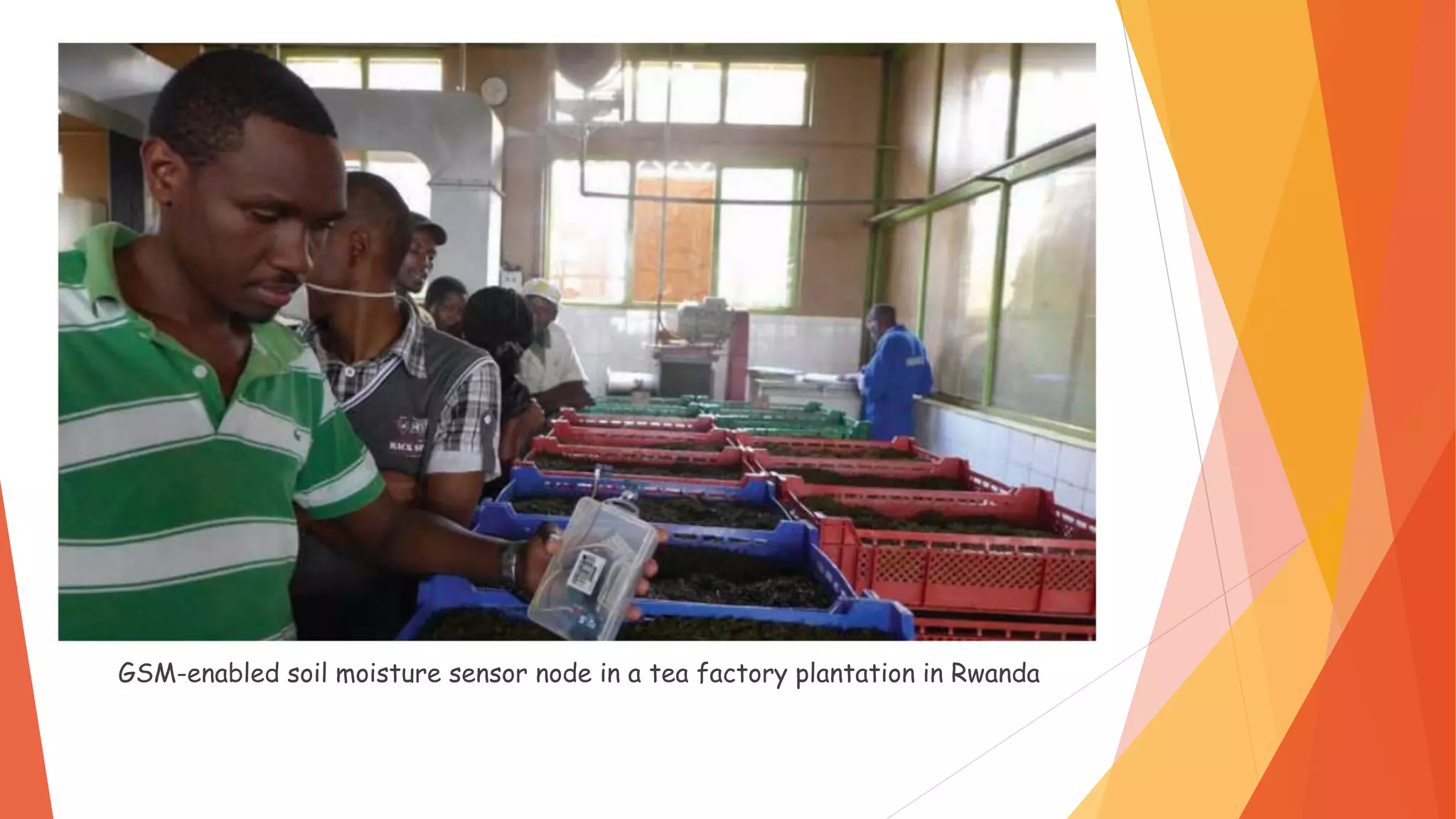
GSM-enabled soil moisture sensor node in a tea factory plantation in Rwanda
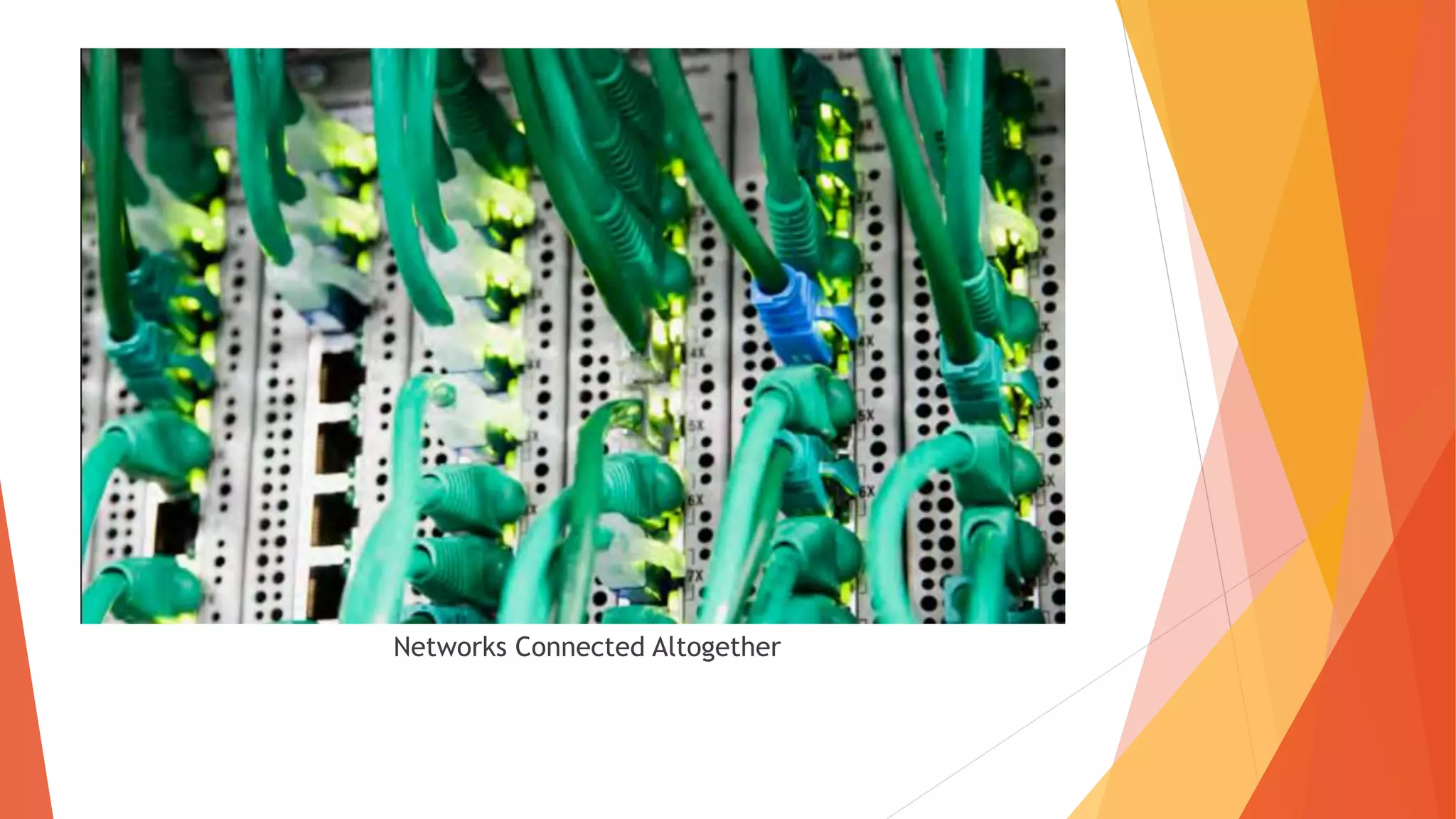
Networks Connected Altogether
Cost Vs. Usability
 For IOT adoption to grow, the cost of components that are needed to support
capabilities such as sensing, tracking and
control mechanisms need to be relatively inexpensive in the coming years.
Privacy and Security
 Invisible and constant data exchange between things and people, and between
things and other things, will take place, unknown to the owners and originators
of such data
 In the retail/consumer example, data collected from users can range from
location data,
user preferences, payment information to security parameters. This data gives
insight into
the lives of the users and hence, appropriate privacy and security mechanisms
have to be in
place to protect the use and dissemination of the data.
Interoperability
 Different industries today use different standards to support their
applications
 With numerous sources of data and heterogeneous devices, the use of
standard interfaces between these diverse entities becomes important
 With convergences brought about by connected machines and smart
mobile devices, there is an increasing demand for network infrastructure
to support these data “hungry” 39 devices with a certain level of
expected QoS
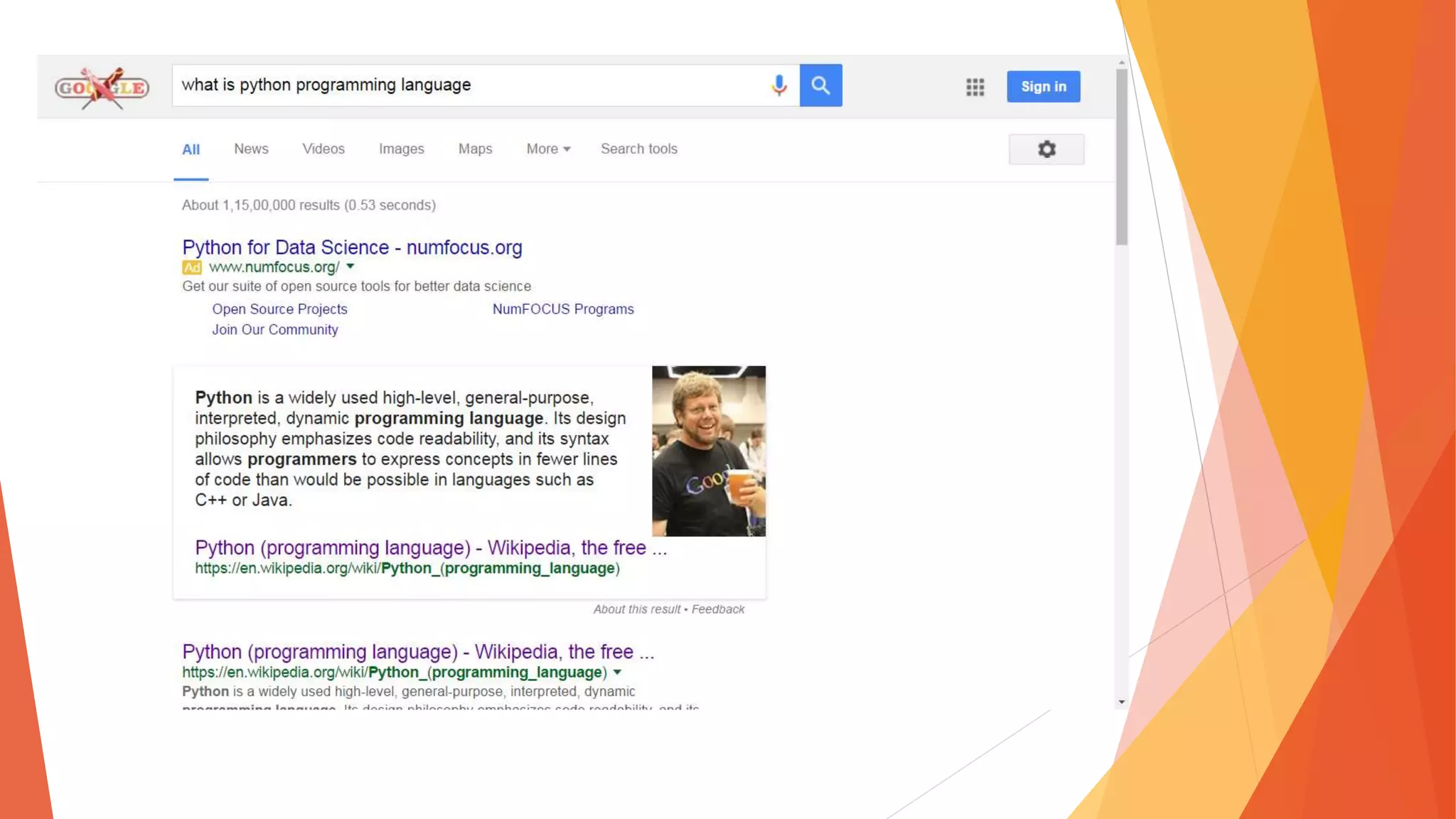
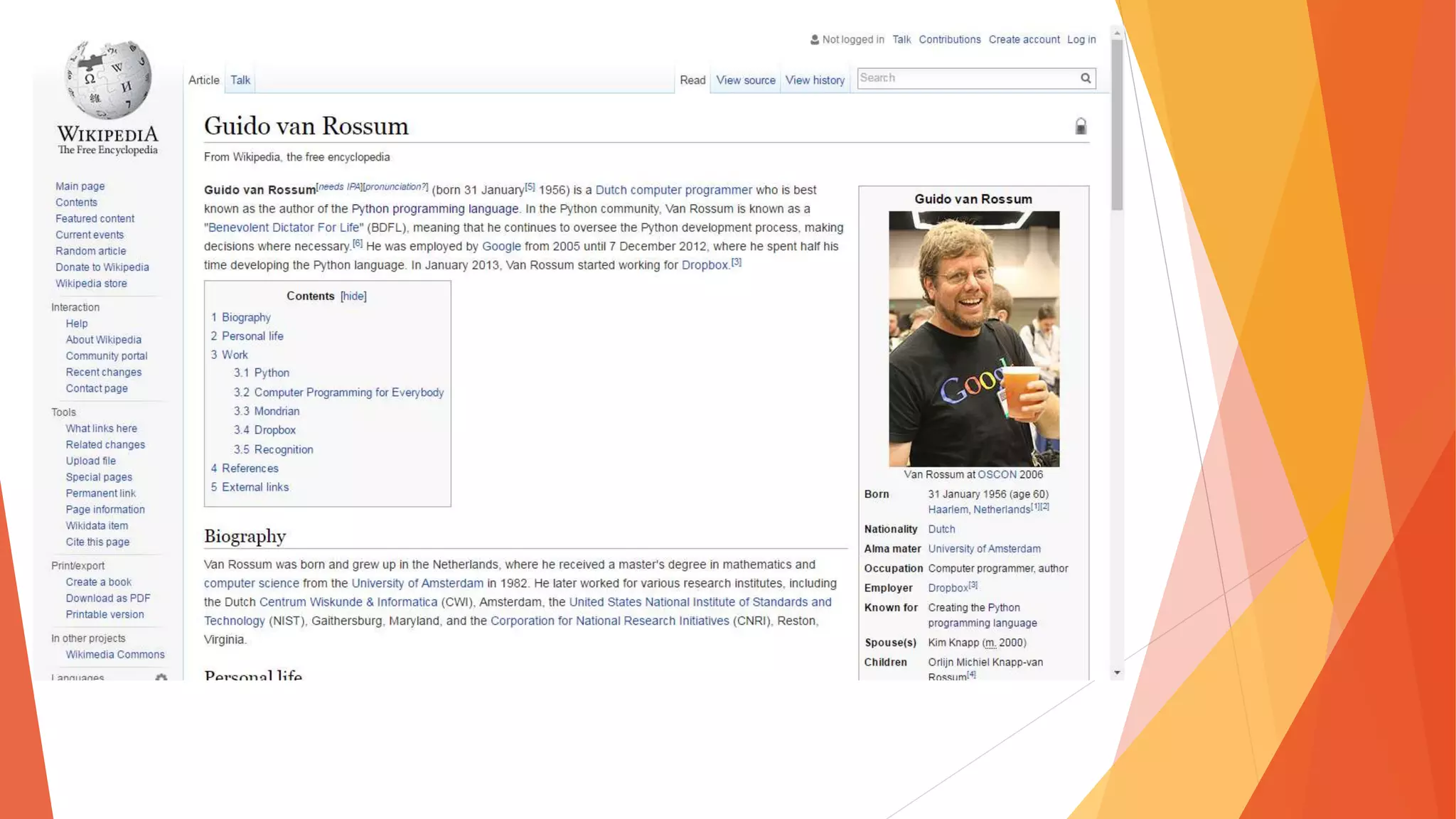
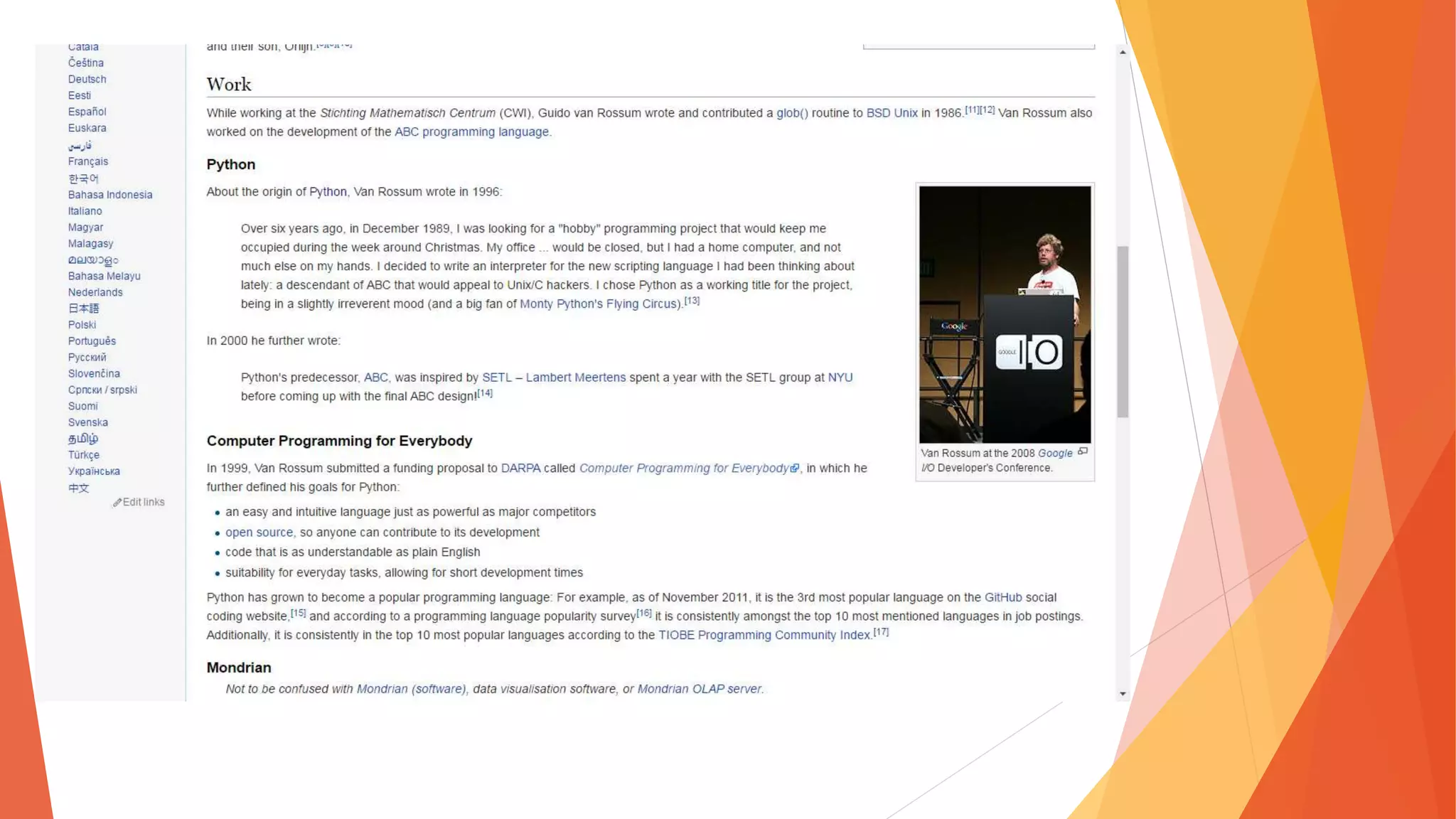
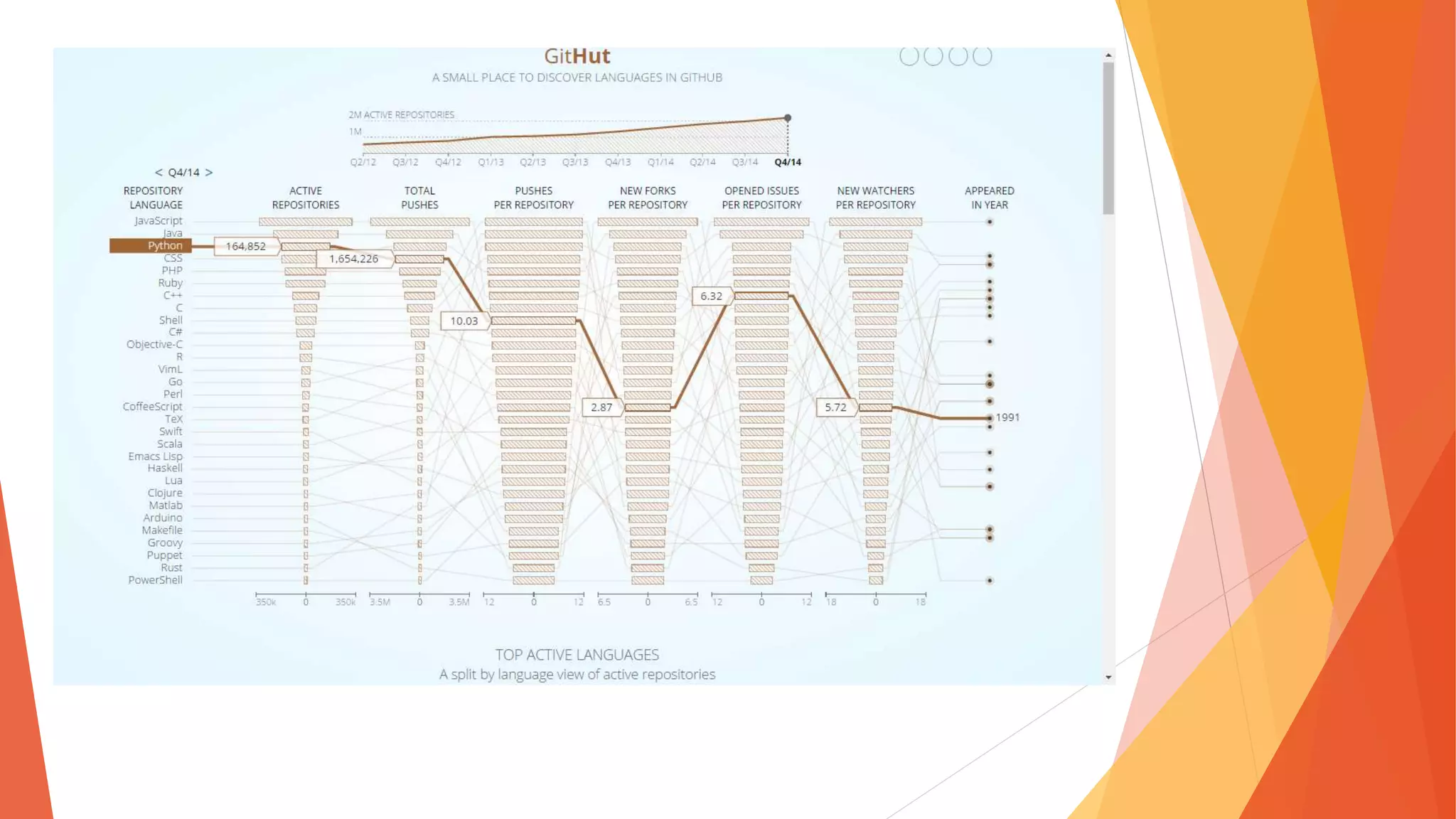
Python
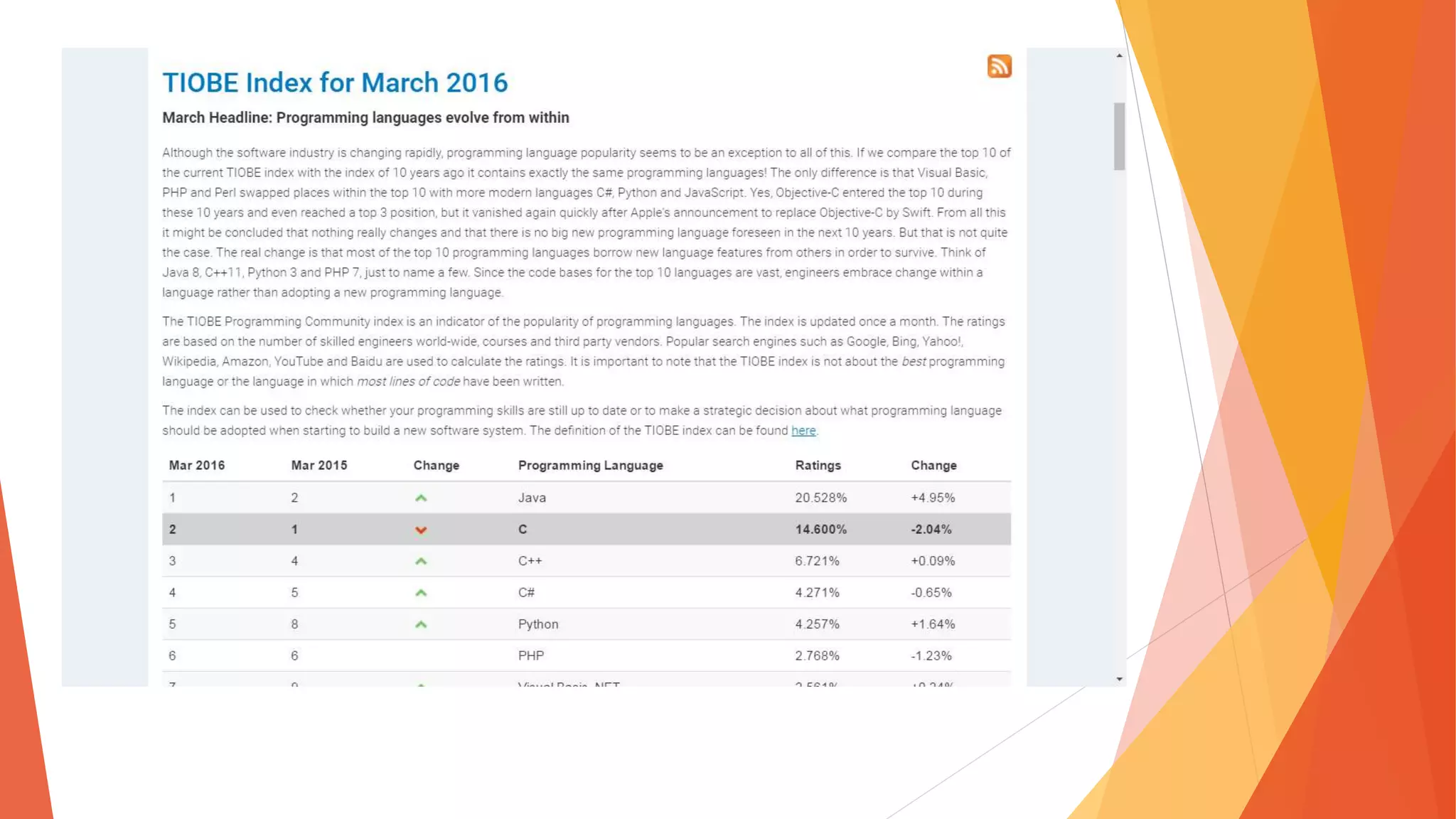
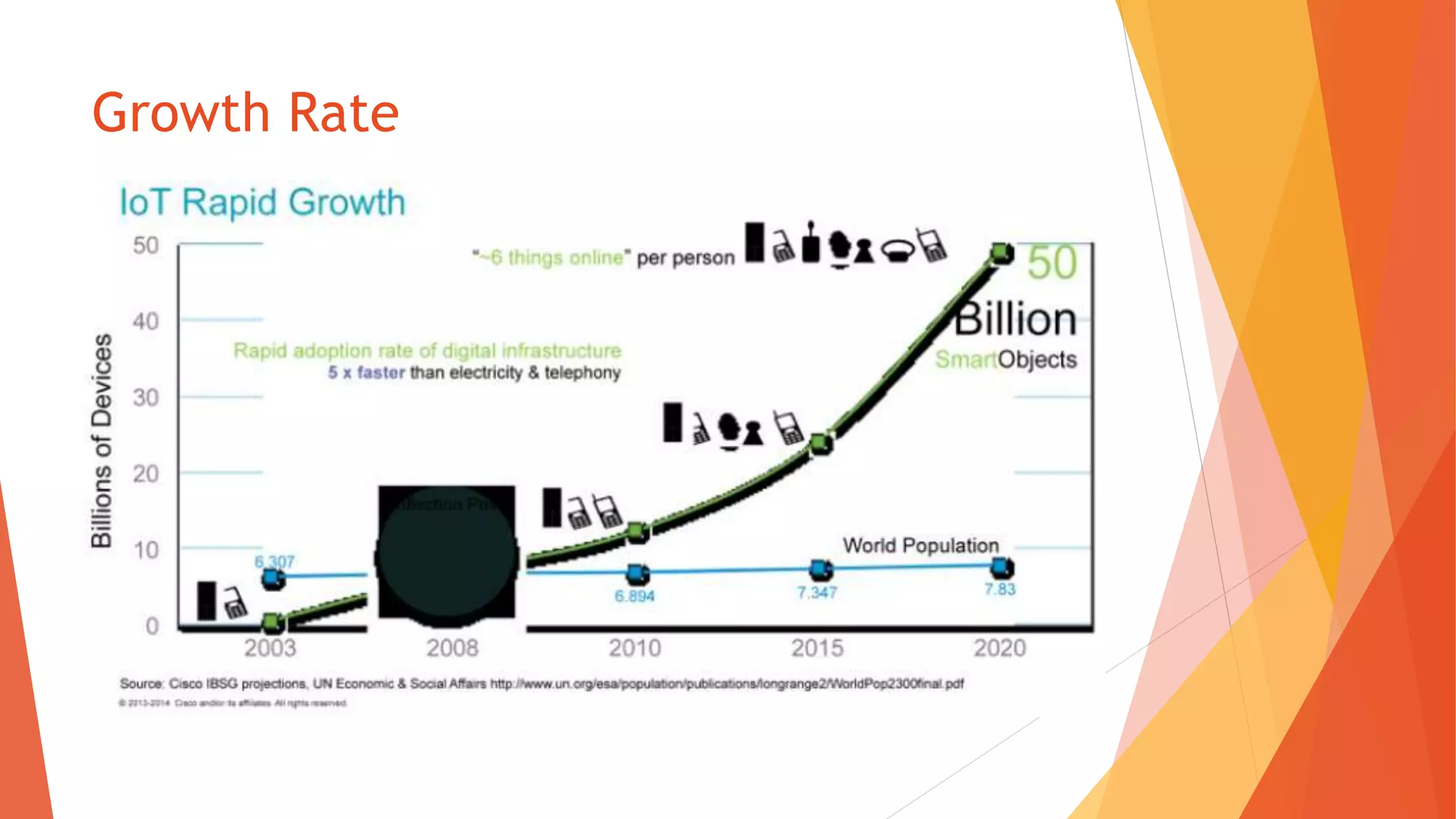
Growth Rate
List of Companies Investing in IoT
 Microsoft
 IBM
 Intel
 Apple
 Dell
 Texas Instruments
 Dallas Semiconductors
 Microchip
 Redhat
 Many Big MNC’s

Internet of Things (IOT)

  • 1.
  • 2.
    Content  Introduction  Needof IoT  How does is work?  Skill Requirement  Products on IoT  Career in IoT  How to Approach  Conclusion
  • 3.
    Introduction  The internetof things (IoT) is the internetworking of physical devices, vehicles, buildings and other items—embedded with electronics, software, sensors, actuators, and network connectivity that enable these objects to collect and exchange data.  In 2013 the Global Standards Initiative on Internet of Things (IoT-GSI) defined the IoT as "the infrastructure of the information society.
  • 4.
    There is notsuch a thing like innovation. Innovation is the key of the real changes that are happening all around
  • 5.
    Need of IoT Internetof Things has the potential to revolutionise how we Work and Live  Security  Sports & Entertainment  Education  Research & Development  Medical & Healthcare  Home Automation  Industries  Public Sectors  Transportation
  • 6.
    Skill Required?  Hardware(Sensors , Controller) + Software (OS , Language) Various Sensors + Raspberry_Pi + Linux + Python
  • 7.
  • 9.
    Solar powered airquality sensor in Cotonou, Benin, sending data via SMS .
  • 10.
    Wi-Fi enabled soilmoisture node at the Asian Institute of Technology in Bangkok
  • 11.
    GSM-enabled soil moisturesensor node in a tea factory plantation in Rwanda
  • 12.
  • 14.
    Cost Vs. Usability For IOT adoption to grow, the cost of components that are needed to support capabilities such as sensing, tracking and control mechanisms need to be relatively inexpensive in the coming years.
  • 15.
    Privacy and Security Invisible and constant data exchange between things and people, and between things and other things, will take place, unknown to the owners and originators of such data  In the retail/consumer example, data collected from users can range from location data, user preferences, payment information to security parameters. This data gives insight into the lives of the users and hence, appropriate privacy and security mechanisms have to be in place to protect the use and dissemination of the data.
  • 16.
    Interoperability  Different industriestoday use different standards to support their applications  With numerous sources of data and heterogeneous devices, the use of standard interfaces between these diverse entities becomes important  With convergences brought about by connected machines and smart mobile devices, there is an increasing demand for network infrastructure to support these data “hungry” 39 devices with a certain level of expected QoS
  • 17.
  • 23.
  • 24.
    List of CompaniesInvesting in IoT  Microsoft  IBM  Intel  Apple  Dell  Texas Instruments  Dallas Semiconductors  Microchip  Redhat  Many Big MNC’s