Interactive Atlas of Human Anatomy v3 0 3rd Edition Frank H. Netter
Interactive Atlas of Human Anatomy v3 0 3rd Edition Frank H. Netter
Interactive Atlas of Human Anatomy v3 0 3rd Edition Frank H. Netter
Interactive Atlas of Human Anatomy v3 0 3rd Edition Frank H. Netter
Interactive Atlas of Human Anatomy v3 0 3rd Edition Frank H. Netter
1.
Interactive Atlas ofHuman Anatomy v3 0 3rd
Edition Frank H. Netter download
https://ebookultra.com/download/interactive-atlas-of-human-
anatomy-v3-0-3rd-edition-frank-h-netter/
Explore and download more ebooks or textbooks
at ebookultra.com
2.
Here are somerecommended products for you. Click the link to
download, or explore more at ebookultra.com
Atlas of Human Anatomy 3rd Edition Frank H. Netter
https://ebookultra.com/download/atlas-of-human-anatomy-3rd-edition-
frank-h-netter/
Netter s Atlas of Surgical Anatomy for CPT Coding 1st
Edition American Medical Association
https://ebookultra.com/download/netter-s-atlas-of-surgical-anatomy-
for-cpt-coding-1st-edition-american-medical-association/
Atlas of Human Anatomy 1st Edition Mark Nielsen
https://ebookultra.com/download/atlas-of-human-anatomy-1st-edition-
mark-nielsen/
Sobotta Atlas of human anatomy Tables of muscles joints
and nerves 1st ed Edition Waschke
https://ebookultra.com/download/sobotta-atlas-of-human-anatomy-tables-
of-muscles-joints-and-nerves-1st-ed-edition-waschke/
3.
Sobotta Atlas ofHuman Anatomy 15th Ed Tables of Muscles
Joints and Nerves 1st Edition Friedrich Paulsen
https://ebookultra.com/download/sobotta-atlas-of-human-anatomy-15th-
ed-tables-of-muscles-joints-and-nerves-1st-edition-friedrich-paulsen/
Atlas of Cardiac Anatomy 1st Edition Shumpei Mori
https://ebookultra.com/download/atlas-of-cardiac-anatomy-1st-edition-
shumpei-mori/
Handbook of Metathesis v3 Polymer Synthesis 2nd Edition
Edition Robert H. Grubbs
https://ebookultra.com/download/handbook-of-metathesis-v3-polymer-
synthesis-2nd-edition-edition-robert-h-grubbs/
Imaging Anatomy of the Human Spine A Comprehensive Atlas
Including Adjacent Structures 1st Edition Scott E. Forseen
https://ebookultra.com/download/imaging-anatomy-of-the-human-spine-a-
comprehensive-atlas-including-adjacent-structures-1st-edition-scott-e-
forseen/
ADAM Student atlas of anatomy 2nd Edition Todd Olson
https://ebookultra.com/download/adam-student-atlas-of-anatomy-2nd-
edition-todd-olson/
5.
Interactive Atlas ofHuman Anatomy v3 0 3rd Edition
Frank H. Netter Digital Instant Download
Author(s): Frank H. Netter
ISBN(s): 9781929007141, 1929007140
Edition: 3
File Details: PDF, 35.61 MB
Year: 2002
Language: english
Region content
[Head andNeck ],[Back and Spinal] , [Thorax] , [Abdomen] ,[Pelvis and Perinium] ,[Upper limb] ,[Lower limb]
Head and Neck [Back to system
]
Bones and Ligaments
Superficial face
Neck
Nasal region
Oral region
Pharynx
Thyroid gland and Larynx
Orbit and contents
Ear
Meninges and Brain
Cranial and cervical nerves
Cerebral vasculature
Back and Spinal[Back to system
]
Bones and ligaments
Spinal cord
Muscles and nerves
Thorax [Back to system
]
Mammary gland
Body wall
Lungs
Heart
Mediastinum
Abdomen[Back to system
]
Body wall
Peritoneal cavity
Viscera(Gut)
Viscera(accessory organs)
Visceral vasculature
Innervation
Kidneys and suprarenal glands
Pelvic and Pernium [Back to system
]
Bones and ligaments
Pelvic floor and contents
Female structures
Male structures
Rectum
Vasculature
Innervation
Upper Limb [Back to system
]
Shoulder and axilla
Arm
Elbow and forearm
Wrist and hand
Neurovasculature
Lower Limb [Back to system
]
Hip and thigh
Knee
Leg
Ankle and foot
Neurovasculature
Bones and
Ligaments[Back to system
]
1A Skull: Anterior View
1B Right Orbit: Frontal and Slightly Lateral View
2A Skull: Lateral View
2B Skull - Infratemporal Fossa Exposed: Lateral View
3A Skull: Midsagittal Section
3B Skull - Nasal Conchae Exposed: Sagittal Section
9.
4A Calvaria: SuperiorView
4B Calvaria: Inferior View
5 Cranial Base: Inferior View
6 Bones of Cranial Base: Superior View
7 Foramina of Cranial Base: Superior View
8A Skull of Newborn: Lateral View
8B Skull of Newborn: Superior View
9A Bony Framework of Head and Neck: Lateral View
9B Bony Framework of Head - Mandible Removed: Lateral View
10A Mandible: Anterolateral Superior View
10B Mandible: Left Posterior View
11A Temporomandibular Joint: Lateral and Medial Views
11B Temporomandibular Joint: Joint Action
12A Cervical Vertebrae: Atlas and Axis
12B Cervical Vertebrae [C1-C4] Assembled: Posterosuperior View
13A Cervical Vertebrae [C4 and C7]: Superior Views
13B Cervical Vertebrae [C2-T1] Assembled: Right Lateral View
13C Cervical Vertebrae [C3-C5] Assembled: Anterior View
14A External Craniocervical Ligaments: Anterior and Posterior Views
14B External Craniocervical Ligaments: Right Lateral View
15A Internal Craniocervical Ligaments
15B Internal Craniocervical Ligaments [Continued]
16A Atlantooccipital Junction
16B Atlantooccipital Junction: McGregor's Line
16C Atlantooccipital Junction: Odontoid Abnormalities
Superficial face[Back to system
]
17A Superficial Arteries and Veins of Face and Scalp
17B Superficial Face: Sources of Arterial Supply
18A Cutaneous Nerves of Head and Neck
18B Dermatomes of Head and Neck
19A Facial Nerve Branches and Parotid Gland in Situ
19B Facial Nerve Branches and Parotid Gland: Sectioned
20A Muscles of Facial Expression: Anterior View
20B Superficial Face: Course of Wrinkle Lines of Skin
21 Muscles of Facial Expression: Lateral View
Neck[Back to system
]
22 Muscles of Neck: Lateral View
23 Muscles of Neck: Anterior View
24A Infrahyoid and Suprahyoid Muscles
24B Infrahyoid and Suprahyoid Muscles and their Action: Schema
25 Scalene and Prevertebral Muscles
26 Superficial Veins and Cutaneous Nerves of Neck
27A Cervical Plexus in Situ
27B Cervical Plexus: Schema
28A Subclavian Artery: Right Anterior Dissection
28B Subclavian Artery: Right Lateral Schematic View
29A Carotid Arteries - Parotid Fossa: Right Lateral Dissection
29B External Carotid Artery and Branches: Schema
30A Fascial Layers of Neck: Cross Section
30B Fascial Layers of Neck: Sagittal Section
Nasal region[Back to system
]
31A External Nose [Skeleton]: Anterolateral and Inferior Views
31B External Nose [Skeleton] in Situ: Lateral View
32A Lateral Nasal Wall
32B Nasal Cavity: Speculum View
32C Lateral Nasal Wall - Nasal Conchae Removed
33A Lateral Nasal Wall - Bony Structure
33B Lateral Nasal Wall - Bony Structure: Nasal Conchae Partly Removed
34A Medial Nasal Wall [Septum]
34B Medial Nasal Wall [Septum]: Bones and Cartilages
35A Maxillary Artery: Orbitomaxillary Distribution
35B Maxillary Artery: Nasopalatine Distribution
36 Arteries of Nasal Cavity: Schematic Hinge
37 Nerves of Nasal Cavity: Schematic Hinge
38A Nerves of Nasal Cavity: Distribution of Olfactory Mucosa
38B Nerves of Nasal Cavity: Lateral Nasal Wall
10.
38C Nerves ofNasal Cavity: Nasal Septum
39 Autonomic Innervation of Nasal Cavity
40 Ophthalmic and Maxillary Nerves
41A Mandibular Nerve [V3]: Lateral View
41B Mandibular Nerve [V3]: Medial View
42A Paranasal Sinuses: Coronal Section
42B Paranasal Sinuses: Horizontal Section
43A Paranasal Sinuses: Sagittal Section
43B Paranasal Sinuses: Lateral Dissection
44A Paranasal Sinuses: At Birth
44B Paranasal Sinuses: Growth throughout Life
Oral region[Back to system
]
45A Inspection of Oral Cavity: Dorsum of Tongue and Palate
45B Inspection of Oral Cavity: Sublingual Region - Anterior Vestibule
45C Inspection of Oral Cavity: Lateral Oral Vestibule
46A Roof of Mouth - Hard and Soft Palates: Anterior View
46B Roof of Mouth - Soft Palate: Posterior View
47A Floor of Mouth - Musculature: Lateral Slightly Inferior View
47B Floor of Mouth - Musculature: Anteroinferior View
47C Floor of Mouth - Musculature: Posterosuperior View
48A Muscles Involved in Mastication: Lateral View
48B Muscles Involved in Mastication - Masseter Removed: Lateral View
49A Muscles Involved in Mastication [Deep]: Lateral View
49B Muscles Involved in Mastication [Deep]: Posterior View
50A Teeth - Deciduous and Permanent: Age of Eruptions
50B Teeth - Upper and Lower Permanent
51A Anatomy of a Tooth
51B Teeth - Left Upper and Left Lower Permanent: Labiobuccal View
52A Tongue: Dorsum
52B Tongue - Schematic Stereogram: Area Indicated on Plate 52A
53A Muscles of Tongue: Sagittal Section
53B Tongue and Related Structures: Sagittal Section
54A Tongue and Mouth: Horizontal Section - Superior View
54B Tongue and Mouth: Frontal Section - Anterior View
55A Salivary Glands: Dissection
55B Salivary Glands: Histology
56A Afferent Innervation of Mouth and Pharynx: Anterior View
56B Afferent Innervation of Mouth and Pharynx: Lateral View
56C Afferent Innervation of Mouth and Pharynx: Dorsum of Tongue
Pharynx[Back to system
]
57 Pharynx: Sagittal Section
58A Fauces: Medial Sagittal View
58B Fauces: Pharyngeal Mucosa Removed
59 Muscles of Pharynx: Sagittal Section
60 Pharynx: Opened Posterior View
61 Muscles of Pharynx: Partially Opened Posterior View
62 Muscles of Pharynx: Lateral View
63 Arteries of Oral and Pharyngeal Regions
64 Veins of Oral and Pharyngeal Regions
65 Nerves of Oral and Pharyneal Regions
66 Lymph Vessels and Nodes of Oral and Pharyngeal Regions
67A Lymphatic Drainage of Pharynx: Posterior View
67B Lymphatic Drainage of Tongue: Lateral View
Thyroid gland and
Larynx[Back to system
]
68A Thyroid Gland: Anterior View
68B Thyroid Gland in Situ: Anterior View
69 Thyroid Gland and Pharynx: Posterior View
70A Parathyroid Glands: Posterior View
11.
70B Parathyroid Glands:Right Lateral View
71A Cartilages of Larynx: Anterior View
71B Cartilages of Larynx: Posterior View
71C Cartilages of Larynx: Anterosuperior View
71D Cartilages of Larynx: Right Lateral View
71E Cartilages of Larynx: Sagittal Section
72A Intrinsic Muscles of Larynx: Posterior View
72B Intrinsic Muscles of Larynx: Right Lateral View
72C Intrinsic Muscles of Larynx: Lateral Dissection
72D Intrinsic Muscles of Larynx: Superior View
73 Action of Intrinsic Muscles of Larynx
74A Nerves of Larynx: Right Lateral Views
74B Nerves of Larynx: Anterior View
75A Inspection of Larynx: Technique
75B Inspection of Larynx: Views during Inspiration and Phonation
Orbit and contents[Back
to system]
76A Eyelids: Anterior View
76B Eyelids and Anterior Orbital Structures: Sagittal Section
76C Eyelids - Dissection: Anterior View
77A Lacrimal Apparatus in Situ
77B Lacrimal Apparatus: Dissection
78A Fascia of Orbit and Eyeball: Horizontal Section
78B Fascia of Orbit and Eyeball: Frontal Section and Entering Structures
79A Extrinsic Eye Muscles: Right Lateral View
79B Extrinsic Eye Muscles: Superior View
79C Extrinsic Eye Muscles - Innervation and Action: Anterior View of Left Eye
80A Arteries and Veins of Orbit and Eyelids: Superior View
80B Arteries and Veins of Orbit and Eyelids: Anterior View
80C Arteries and Veins of Orbit and Eyelids: Lateral View
81A Nerves of Orbit: Superior View
81B Nerves of Orbit - Muscles Partially Cut Away: Superior View
82 Eyeball: Cross Section
83 Anterior and Posterior Chambers of Eye
84A Anterior Chamber Angle of Eye
84B Anterior Chamber Angle of Eye: Gonioscopic Views
85A Lens and Supporting Structures: Section in Frontal Plane
85B Lens and Supporting Structures: Horizontal Section
85C Lens and Supporting Structures: Segment Outlined in Plate 85A
86A Intrinsic Arteries and Veins of Eye: Horizontal Section
86B Intrinsic Arteries and Veins of Eye: Ophthalmoscopic View
Ear[Back to system
]
87 Pathway of Sound Reception
88A External Ear: Right Auricle
88B External Ear: Right Tympanic Membrane
88C Tympanic Cavity: Viewed from External Acoustic Meatus
88D External Ear and Tympanic Cavity: Coronal Oblique Section
88E Tympanic Cavity: Auditory Ossicles
89A Tympanic Cavity - Lateral Wall: Medial View
89B Tympanic Cavity - Medial Wall: Lateral View
90A Right Osseous Labyrinth: Anterolateral View
90B Right Osseous Labyrinth - Dissected: Membranous Labyrinth Removed
90C Right Membranous Labyrinth with Nerves: Posteromedial View
91A Osseous and Membranous Labyrinths: Schema
91B Osseous and Membranous Labyrinths: Section Through Turn of Cochlea
92A Orientation of Labyrinth in Skull: Superior Projection
92B Orientation of Labyrinth in Skull: Lateral Projection
93A Cartilage of Auditory Tube at Base of Skull: Inferior View
93B Auditory Tube - Section through Cartilage: Tube Closed
93C Auditory Tube - Section through Cartilage: Tube Open
Meninges and
12.
Brain[Back to system
]
94AMeninges and Diploic Veins: Coronal Dissection
94B Diploic and Emissary Veins of Skull
95A Meningeal Arteries
95B Meningeal Arteries [Continued]
96A Meninges and Superficial Cerebral Veins: Frontal Section
96B Meninges and Superficial Cerebral Veins: Dura Mater Lifted
97 Venous Sinuses of Dura Mater: Sagittal Section
98A Venous Sinuses of Dura Mater: Cranial Floor - Superior View
98B Cavernous Sinus: Coronal Section
99A Cerebrum: Lateral View
99B Cerebrum - Lobes: Lateral View
99C Cerebrum - Insula [Island of Reil]: Lateral View
100A Cerebrum - Brain in Situ: Sagittal Section - Medial View
100B Cerebrum - Hemisphere with Brainstem Excised: Medial View
101 Cerebrum: Inferior View
102A Ventricles of Brain: Left Lateral Phantom View
102B Ventricles of Brain: Coronal Section - Posterior View
103 Circulation of Cerebrospinal Fluid
104A Basal Ganglia: Horizontal Sections through Cerebrum
104B Basal Ganglia - Schema: Left Lateral View
105A Thalamus
105B Thalamus: Schematic Section
105C Thalamus: Schematic Representation of Thalamus
106A Hippocampus and Fornix: Superior Dissection
106B Hippocampus and Fornix: Schema of Fornix
106C Hippocampus and Fornix: Coronal Section - Posterior View
107A Cerebellum: Superior Surface
107B Cerebellum: Inferior Surface
107C Cerebellum: Section in Plane of Superior Cerebellar Peduncle
108A Brainstem: Posterolateral View
108B Brainstem: Anterioinferior View
109A Fourth Ventricle and Cerebellum: Posterior View
109B Fourth Ventricle and Cerebellum: Median Sagittal Section
Cranial and
cervical nerves[Back to system
]
110 Cranial Nerve Nuclei in Brainstem: Schema - Posterior Phantom View
111 Cranial Nerve Nuclei in Brainstem: Schema - Medial Dissection
112 Cranial Nerves [Motor and Sensory Distribution]: Schema
113A Olfactory Nerve: Schema
113B Olfactory Nerve - Olfactory Bulb Cells: Schema
114A Optic Nerve [Visual Pathway]: Schema
114B Optic Nerve [Visual Pathway] - Structure of Retina: Schema
115 Oculomotor Trochlear and Abducens Nerves: Schema
116 Trigeminal Nerve: Schema
117 Facial Nerve: Schema
118 Vestibulocochlear Nerve: Schema
119 Glossopharyngeal Nerve: Schema
120 Vagus Nerve: Schema
121 Accessory Nerve: Schema
122 Hypoglossal Nerve: Schema
123 Cervical Plexus: Schema
124 Autonomic Nerves in Neck
125 Autonomic Nerves in Head
126 Ciliary Ganglion: Schema
127 Pterygopalatine and Submandibular Ganglia: Schema
128 Otic Ganglion: Schema
129 Taste Pathways: Schema
Cerebral
13.
vasculature[Back to system
]
130Arteries to Brain and Meninges
131 Arteries to Brain: Schema
132A Arteries of Brain: Inferior View
132B Arteries of Brain [Continued]: Inferior View
133A Circle of Willis - Vessels Dissected Out: Inferior View
133B Circle of Willis - Vessels in Situ: Inferior View
134A Arteries of Brain: Frontal View
134B Arteries of Brain: Frontal Section
135A Arteries of Brain: Lateral View
135B Arteries of Brain: Medial View
136 Arteries of Posterior Cranial Fossa
137 Veins of Posterior Cranial Fossa
138A Deep Veins of Brain - Dissection: Superior View
138B Deep Veins of Brain - Dissection: Inferior View
139 Subependymal Veins of Brain
140A Hypothalamus - Principal Nuclei
140B Adenohypophysis and Neurohypophysis
141 Arteries and Veins of Hypothalamus and Hypophysis
Bones and
ligaments[Back to system
]
142 Vertebral Column
143A Thoracic Vertebrae [T6]: Superior View
143B Thoracic Vertebrae [T6]: Lateral View
143C Thoracic Vertebrae [T12]: Lateral View
143D Thoracic Vertebrae [T7-T9] - Assembled: Posterior View
144A Lumbar Vertebrae [L2]: Superior View
144B Lumbar Vertebrae: Intervertebral Disc
144C Lumbar Vertebrae [L3-L4] - Assembled: Posterior View
144D Lumbar Vertebrae [L1-L5] - Assembled: Left Lateral View
145A Sacrum and Coccyx: Pelvic Surface
145B Sacrum and Coccyx: Median Sagittal Section
145C Sacrum: Transverse Section through S1 Foramina
145D Sacrum and Coccyx: Dorsal Surface
146A Vertebral Ligaments of Lumbar Region: Left Lateral View - Partially Sectioned
146B Vertebral Ligaments of Lumbar Region: Anterior Vertebral Segments - Posterior View
146C Vertebral Ligaments of Lumbar Region: Posterior Vertebral Segments - Anterior View
147A Vertebral Ligaments of Lumbosacral Region: Left Lateral View
147B Vertebral Ligaments of Lumbosacral Region: Posterior View
Spinal cord[Back to system
]
148 Spinal Cord in Situ
149A Relation of Spinal Nerve Roots to Vertebrae
149B Relation of Spinal Nerve Roots to Vertebrae: Lateral Protrusion
149C Relation of Spinal Nerve Roots to Vertebrae: Medial Protrusion
150 Dermatomes
151A Spinal Cord Cross Sections
151B Spinal Cord Cross Sections: Fiber Tracts
152 Autonomic Nervous System: General Topography
153 Autonomic Nervous System: Schema
154 Cholinergic and Adrenergic Synapses: Schema
155A Spinal Membranes and Nerve Roots: Posterior View
155B Spinal Membranes and Nerve Roots: Anterior View
156A Spinal Nerve Origin: Section through Thoracic Vertebra
156B Spinal Nerve Origin: Section through Lumbar Vertebra
157 Arteries of Spinal Cord: Schema
158A Arteries of Spinal Cord - Intrinsic Distribution: Thoracic Section
158B Arteries of Spinal Cord - Intrinsic Distribution: Schema
159A Veins of Spinal Cord: Sagittal Section [without Cord]
159B Veins of Spinal Cord: Superior View [without Cord]
159C Veins of Spinal Cord: Superior View [Magnified with Cord]
14.
Muscles and
nerves[Back tosystem
]
160 Muscles of Back: Superficial Layers
161 Muscles of Back: Intermediate Layers
162 Muscles of Back: Deep Layers
163 Nerves of Back
164 Suboccipital Triangle
165 Lumbar Region of Back: Cross Section
166 Typical Thoracic Spinal Nerve
Mammary gland[Back to system
]
167A Mammary Gland: Anterolateral Dissection
167B Mammary Gland: Sagittal Section
168 Arteries of Mammary Gland
169 Lymph Vessels and Nodes of Mammary Gland
Body wall[Back to system
]
170A Bony Framework of Thorax: Anterior View
170B Bony Framework of Thorax: Posterior View
171A Left 1st and 2nd Ribs: Superior Views
171B Sternocostal Articulations: Anterior View
171C Middle Rib: Posterior View
172A Costovertebral Joints: Left Lateral View
172B Costovertebral Joints: Transverse Section - Superior View
172C Costovertebral Joints: Right Posterolateral View
173A Cervical Ribs and Related Anomalies 1
173B Cervical Ribs and Related Anomalies 2
173C Cervical Ribs and Related Anomalies 3
174 Anterior Thoracic Wall
175 Anterior Thoracic Wall [Continued]
176 Anterior Thoracic Wall: Internal View
177A Deep Posterior Thoracic Wall
177B Lateral Thoracic Wall
178 Posterior Thoracic Wall
179 Intercostal Nerves and Arteries
180 Diaphragm: Thoracic Surface
181 Diaphragm: Abdominal Surface
182A Phrenic Nerve in Situ
182B Phrenic Nerve: Schema
183 Muscles of Respiration
Lungs[Back to system
]
184 Topography of Lungs: Anterior View
185 Topography of Lungs: Posterior View
186 Lungs in Situ: Anterior View
187A Right Lung: Medial View
187B Left Lung: Medial View
188A Bronchopulmonary Segments: Anterior View
188B Bronchopulmonary Segments: Posterior View
189A Bronchopulmonary Segments: Lateral Views
189B Bronchopulmonary Segments: Medial Views
190A Trachea and Major Bronchi: Anterior View
190B Trachea: Cross Section
15.
191 Nomenclature ofBronchi: Schema
192 Intrapulmonary Airways: Schema
193 Intrapulmonary Blood Circulation: Schema
194 Pulmonary Arteries and Veins
195 Main Bronchi With Pulmonary Arteries and Veins in Situ
196A Bronchial Arteries
196B Bronchial Arteries: Variations
196C Bronchial Veins
197 Lymph Vessels and Nodes of Lung
198 Autonomic Nerves in Thorax
199 Innervation of Tracheobronchial Tree: Schema
Heart[Back to system
]
200 Heart in Situ
201 Heart: Anterior Exposure
202A Heart - Basal Surface: Posterior View
202B Heart - Diaphragmatic Surface: Posteroinferior View
203A Pericardial Sac - Heart Drawn Out: Left Lateral View
203B Pericardial Sac - Heart Removed: Anterior View
204A Coronary Arteries and Cardiac Veins: Sternocostal Surface
204B Coronary Arteries and Cardiac Veins: Diaphragmatic Surface
205A Coronary Arteries and Cardiac Veins: Variations 1
205B Coronary Arteries and Cardiac Veins: Variations 2
206A Right Coronary Artery: Arteriographic View 1
206B Right Coronary Artery: Arteriographic View 2
207A Left Coronary Artery: Arteriographic View 1
207B Left Coronary Artery: Arteriographic View 2
208A Opened Right Atrium: Right Lateral View
208B Opened Right Ventricle: Anterior View
209A Left Ventricle: Flap Opened in Posterolateral Wall
209B Left Atrium and Ventricle: Sectioned with Mitral Valve Cut Away
210A Valves of Heart in Diastole
210B Valves of Heart in Systole
211A Aortic Valve
211B Tricuspid [Right Atrioventricular] Valve
211C Mitral [Left Atrioventricular] Valve
212 Atria Ventricles and Interventricular Septum
213A Conduction System of Heart: Right Side
213B Conduction System of Heart: Left Side
214 Nerves of Heart
215 Innervation of Heart: Schema
216 Innervation of Blood Vessels: Schema
217A Prenatal Circulation
217B Postnatal Circulation
Mediastinum[Back to system
]
218 Mediastinum: Right Lateral View
219 Mediastinum: Left Lateral View
220 Esophagus in Situ
221A Topography and Constrictions of Esophagus: Schema - Anterior View
221B Topography and Constrictions of Esophagus: Lateral View
222A Musculature of Esophagus 1
222B Musculature of Esophagus 2
223 Pharyngoesophageal Junction
224A Esophagogastric Junction: Coronal Section
224B Esophagogastric Junction: Anterior View
225A Arteries of Esophagus
225B Arteries of Esophagus: Variations
226A Veins of Esophagus
226B Veins of Esophagus: Submucous Venous Plexus
227 Lymph Vessels and Nodes of Esophagus
228A Nerves of Esophagus: Anterior View
228B Nerves of Esophagus: Posterior View
229A Nerves of Esophagus: Variations
229B Intrinsic Nerves of Esophagus: Schema
230 Mediastinum: Cross Section
Body wall[Back to system
]
231 Bony Framework of Abdomen
16.
232 Anterior AbdominalWall: Superficial Dissection
233 Anterior Abdominal Wall: Intermediate Dissection
234 Anterior Abdominal Wall: Deep Dissection
235A Rectus Sheath: Cross Section Above Arcuate Line
235B Rectus Sheath: Cross Section Below Arcuate Line
236 Anterior Abdominal Wall: Internal View
237A Posterolateral Abdominal Wall
237B Posterolateral Abdominal Wall [Continued]
238 Arteries of Anterior Abdominal Wall
239 Veins of Anterior Abdominal Wall
240 Nerves of Anterior Abdominal Wall
241 Thoracoabdominal Nerves
242A Inguinal and Femoral Regions: Subcutaneous Fascia Removed
242B Inguinal and Femoral Regions: Cribriform Fascia Removed
243A Inguinal Region: Dissection - Anterior View
243B Inguinal Region: Dissection - Posterior [Internal] View
244A Femoral Sheath and Inguinal Canal
244B Femoral Sheath and Inguinal Canal [Deep]
245 Inguinal Canal and Spermatic Cord
246 Posterior Abdominal Wall: Internal View
247 Arteries of Posterior Abdominal Wall
248 Veins of Posterior Abdominal Wall
249 Lymph Vessels and Nodes of Posterior Abdominal Wall
250 Nerves of Posterior Abdominal Wall
Peritoneal cavity[Back to system
]
251A Quadrants of Abdomen
251B Regions and Planes of Abdomen
252A Greater Omentum and Abdominal Viscera
252B Greater Omentum and Abdominal Viscera: Omentum Raised
253A Mesenteric Relations of Intestines: Transverse Colon Elevated
253B Mesenteric Relations of Intestines: Suspensory Muscle of Duodenum
254A Mesenteric Relations of Intestines: Small Intestine Removed
254B Mesenteric Relations of Intestines: Sigmoid Colon Reflected
255 Omental Bursa: Stomach Reflected
256 Omental Bursa: Cross Section
257 Peritoneum of Posterior Abdominal Wall
Viscera(Gut) [Back to system
]
258A Stomach in Situ
258B Stomach: Variations in Position and Contour
259A Mucosa of Stomach
259B Mucosa of Stomach: Histology
260A Musculature of Stomach
260B Musculature of Stomach [Continued]
261 Duodenum in Situ
262A Mucosa of Duodenum
262B Musculature of Duodenum: Layers of Wall
263A Mucosa and Musculature of Jejunum
263B Mucosa and Musculature of Ileum
264A Ileocecal Region
264B Ileocecal Region: Retrocecal Recess Exposed
264C Ileocecal Region: Variations in Posterior Peritoneal Attachment
265A Ileocecal Region: Labial Form of Ileocecal Sphincter
265B Ileocecal Region: Papillary Form of Ileocecal Sphincter
265C Ileocecal Region: Schema of Muscle Fibers at Ileocecal Sphincter
266A Vermiform Appendix: Variations in Position
266B Vermiform Appendix: Fixed Retrocecal
266C Vermiform Appendix: Cross Section
267 Mucosa and Musculature of Large Intestine
268A Sigmoid Colon: Variations in Position
268B Sigmoid Colon [Continued]: Variations in Position
Viscera(accessory organs) [Back to system
]
269A Topography of Liver: Anterior and Posterior Views
269B Topography of Liver: Lateral View
270A Surfaces and Bed of Liver: Anterior View
270B Surfaces and Bed of Liver: Visceral Surface
270C Surfaces and Bed of Liver: Posterior View and Bed of Liver
271A Liver in Situ
271B Variations in Form of Liver
272A Liver Segments and Lobules: Parietal Surface
272B Liver Segments and Lobules: Visceral Surface
272C Distribution of Vessels and Ducts of Liver
273A Intrahepatic Vascular and Duct Systems: Schema
273B Normal Lobular Pattern of Liver
274 Liver Structure: Schema
275A Intrahepatic Biliary System: Schema
275B Intrahepatic Biliary System: Histology
276A Gallbladder and Extrahepatic Bile Ducts
276B Gallbladder and Extrahepatic Bile Ducts: Sectioned
277A Variations in Cystic Duct
17.
277B Variations inAccessory [Aberrant] Hepatic Ducts
278A Choledochoduodenal Junction
278B Choledochoduodenal Junction: Dissection
278C Choledochoduodenal Junction: Reconstruction
278D Variations in Union of Bile and Pancreatic Ducts
279A Pancreas in Situ
279B Pancreas: Histology
279C Pancreas
280A Variations in Pancreatic Ducts
280B Variations in Pancreatic Ducts [Continued]
281A Spleen: Visceral and Diaphragmatic Surfaces
281B Spleen: Cross Section
281C Spleen in Situ
Visceral
vasculature[Back to system
]
282 Arteries of Stomach Liver and Spleen
283 Arteries of Stomach Duodenum Pancreas and Spleen
284 Arteries of Liver Pancreas Duodenum and Spleen
285A Arteries of Duodenum and Head of Pancreas: Reflected to Left
285B Arteries of Duodenum and Head of Pancreas: Posterior View
286 Arteries of Small Intestine
287 Arteries of Large Intestine
288A Variations in Celiac Trunk
288B Variations in Celiac Trunk [Continued]
289A Variations in Hepatic Arteries
289B Variations in Hepatic Arteries [Continued]
290A Variations in Cystic Artery 1
290B Variations in Cystic Artery 2
290C Variations in Cystic Artery 3
290D Variations in Cystic Artery 4
290E Variations in Cystic Artery 5
291A Variations in Colic Arteries 1
291B Variations in Colic Arteries 2
291C Variations in Colic Arteries 3
291D Variations in Colic Arteries 4
291E Variations in Colic Arteries 5
291F Variations in Colic Arteries 6
292A Variations in Colic Arteries 7
292B Variations in Colic Arteries 8
292C Variations in Colic Arteries 9
292D Variations in Colic Arteries 10
292E Variations in Colic Arteries 11
292F Variations in Colic Arteries 12
293A Variations in Cecal and Appendicular Arteries 1
293B Variations in Cecal and Appendicular Arteries 2
293C Variations in Cecal and Appendicular Arteries 3
293D Variations in Cecal and Appendicular Arteries 4
293E Variations in Cecal and Appendicular Arteries 5
293F Variations in Cecal and Appendicular Arteries 6
293G Variations in Cecal and Appendicular Arteries 7
293H Variations in Cecal and Appendicular Arteries 8
293I Variations in Cecal and Appendicular Arteries 9
294A Veins of Stomach Duodenum and Pancreas
294B Veins of Stomach Duodenum and Pancreas [Continued]
295A Veins of Small Intestine: Transverse Colon Cut
295B Veins of Small Intestine: Transverse Colon Elevated
296 Veins of Small and Large Intestines
297 Portal Vein Tributaries: Portacaval Anastomoses
298A Typical Arrangement of Portal Vein
298B Variations of Portal Vein
298C Variations of Portal Vein [Continued]
298D Anomalies of Portal Vein
299A Lymph Vessels and Nodes of Stomach
299B Lymph Vessels and Nodes of Stomach: Stomach Reflected
300 Lymph Vessels and Nodes of Small Intestine
301A Lymph Vessels and Nodes of Large Intestine
301B Lymph Vessels and Nodes of Large Intestine [Continued]
302A Lymph Vessels and Nodes of Liver: Histology
302B Lymph Vessels and Nodes of Liver
303A Lymph Vessels and Nodes of Pancreas: Anterior View
303B Lymph Vessels and Nodes of Pancreas: Posterior View
18.
Innervation[Back to system
]
304Autonomic Nerves and Ganglia of Abdomen
305 Nerves of Stomach and Duodenum
306A Nerves of Stomach and Duodenum: View with Stomach Reflected
306B Nerves of Stomach and Duodenum: Hiatal Region
307 Innervation of Stomach and Duodenum: Schema
308 Nerves of Small Intestine
309 Nerves of Large Intestine
310A Innervation of Small and Large Intestines: Left Side of Schema
310B Innervation of Small and Large Intestines: Right Side of Schema
311 Autonomic Reflex Pathways: Schema
312 Intrinsic Autonomic Plexuses of Intestine: Schema
313A Common Areas of Referred Pain in Biliary Disease
313B Innervation of Liver and Biliary Tract: Schema
313C Innervation of Liver: Nerve Fibers around Fine Branch of Hepatic Artery
314A Common Areas of Pancreatic Pain
314B Innervation of Pancreas: Schema
314C Schema of Intrinsic Nerve Supply of Pancreas
Kidneys and
suprarenal glands[Back to
system]
315A Kidneys in Situ: Anterior View
315B Kidneys in Situ: Anterior Relations of Kidneys
316A Kidneys in Situ: Posterior View
316B Kidneys in Situ: Posterior Relations of Kidneys
317A Anterior Surface of Right Kidney
317B Right Kidney Sectioned in Several Planes
317C Suprarenal Gland and Lobulated Kidney of Infant
318 Renal Artery and Vein in Situ
319A Intrarenal Arteries: Frontal Section of Left Kidney - Anterior View
319B Vascular Renal Segments
320A Variations in Renal Artery
320B Variations in Renal Vein
320C Variations in Renal Vein [Continued]
321 Nephron and Collecting Tubule: Schema
322 Blood Vessels in Kidney Parenchyma: Schema
323A Ureters in Male: Anterior View
323B Diagonal Course of Ureter through Bladder Wall
323C Ureters in Female: Superior View
324 Arteries of Ureters and Urinary Bladder
325 Lymph Vessels and Nodes of Kidneys and Urinary Bladder
326 Nerves of Kidneys Ureters and Urinary Bladder
327 Innervation of Kidneys and Upper Ureters: Schema
328A Renal Fascia: Transverse Section through 2nd Lumbar Vertebra
328B Renal Fascia: Sagittal Section through Right Kidney
329A Arteries and Veins of Right Suprarenal Gland in Situ
329B Arteries and Veins of Left Suprarenal Gland in Situ
329C Cross Section through Suprarenal Gland
330A Nerves of Suprarenal Glands: Dissection
330B Nerves of Suprarenal Glands: Schema
331 Abdominal Wall and Viscera: Cross Section at T12
332 Abdominal Wall and Viscera: Cross Section Between L2 and L3
333A Abdominal Wall and Viscera [Above L4]: Midsagittal Section
333B Abdominal Wall and Viscera [Below L4]: Midsagittal Section
Bones and
19.
ligaments[Back to system
]
334ABones and Ligaments of Pelvis: Midsagittal Section
334B Bones and Ligaments of Pelvis: Lateral View
335A Bones and Ligaments of Pelvis: Posterior View
335B Bones and Ligaments of Pelvis: Anterior View
336A Female Pelvis: Measurements - Anterior View
336B Male Pelvis: Measurements - Anterior View
336C Female Pelvis: Measurements - Inferior View
336D Female Pelvis: Measurements - Sagittal Section
Pelvic floor and
contents[Back to system
]
337A Pelvic Diaphragm of Female: Superior View
337B Pelvic Diaphragm of Female: Medial View
338A Pelvic Diaphragm of Female: Inferior View
338B Pelvic Diaphragm of Female: Lateral View
339 Pelvic Diaphragm of Male: Superior View - Viscera Removed
340 Pelvic Diaphragm of Male: Inferior View
341A Pelvic Viscera and Perineum of Female: Midsagittal Section
341B Pelvic Viscera and Perineum of Female: Paramedian Sagittal Section
342A Pelvic Viscera and Perineum of Male: Paramedian Sagittal Section
342B Pelvic Viscera and Perineum of Male: Midsagittal Section
343 Pelvic Contents of Female: Superior View
344 Pelvic Contents of Male: Superior View
345 Endopelvic Fascia and Spaces of Female: Superior View
346A Urinary Bladder - Orientation and Supports: Midsagittal Section
346B Urinary Bladder - Orientation and Supports: Superior View
347A Urinary Bladder of Female: Frontal Section
347B Urinary Bladder of Male: Frontal Section
Female structures[Back to
system]
348A Pelvic Viscera of Female: Superior View - Peritoneum Intact
348B Pelvic Viscera of Female: Superior View - Peritoneum Removed
349 Uterus Vagina and Supporting Structures
350A Uterus and Adnexa: Posterior View
350B Uterus and Adnexa: Frontal Section
351A Uterus: Changes with Age
351B Uterus: Schema of Musculature
352A Uterus: Variations in Position
352B Uterus [Continued]: Variations in Position
353A Infant Ovary and Ripening Follicle: Histology
353B Stages of Ovum and Follicle
354A Perineum and External Genitalia of Female
354B Perineum and External Genitalia of Female [Continued]
355A Perineum of Female: Superficial Dissection
355B Perineum of Female: Midsagittal Section
356A Perineum and Urogenital Diaphragm of Female
356B Perineum and Urogenital Diaphragm of Female: Deep Dissection
357A Urethra of Female: Frontal Section
357B Urethra of Female: Schematic Reconstruction
Male structures[Back to system
]
358A Perineum and External Genitalia of Male: Superficial Dissection
20.
358B Perineum ofMale: Regions [Triangles] and Surface Topography
359A Perineum and External Genitalia of Male: Deep Dissection
359B Section through Body of Penis
360A Penis
360B Penis [Continued]
361A Urogenital Diaphragm of Male: Dissection
361B Urogenital Diaphragm of Male: Deep Dissection
361C Urogenital Diaphragm of Male: Frontal Section - Schema
362A Prostate and Seminal Vesicles: Frontal Section
362B Prostate and Seminal Vesicles: Sagittal Section
362C Prostate and Seminal Vesicles: Posterior View
362D Prostate and Seminal Vesicles: Cross Section through Prostate
363 Urethra: Male
364A Descent of Testis: 8 Weeks
364B Descent of Testis: 11 Weeks
364C Descent of Testis: 4 Lunar Months
364D Descent of Testis: 8 Lunar Months
365A Scrotum and Contents: Anterior View
365B Scrotum and Contents: Lateral View
366A Testis, Epididymis and Ductus Deferens: Frontal Section
366B Testis, Epididymis and Ductus Deferens: Schema
366C Testis Epididymis and Ductus Deferens: Cross Section
Rectum[Back to system
]
367A Rectum of Male in Situ
367B Rectum of Female in Situ
368 Ischiorectal Fossa
369 Rectum and Anal Canal
370A Anorectal Musculature: Anterior View
370B Anorectal Musculature: Frontal Section
371A External Anal Sphincter Muscle of Male: Perineal View
371B External Anal Sphincter Muscle of Female: Perineal View
372A Perineopelvic Spaces: Sagittal Section
372B Perineopelvic Spaces: Perineal View
Vasculature[Back to system
]
373 Arteries of Rectum and Anal Canal
374 Veins of Rectum and Anal Canal
375 Arteries and Veins of Pelvic Organs: Female
376 Arteries and Veins of Testis
377A Arteries and Veins of Pelvis: Female - Sagittal Section
377B Arteries and Veins of Pelvis: Female - Right Paramedian Section
378A Arteries and Veins of Pelvis: Male - Left Paramedian Section
378B Arterial Supply of Prostate
379A Arteries and Veins of Perineum: Female
379B Arteries and Veins of Uterus
380A Arteries and Veins of Perineum: Male
380B Arteries and Veins of Perineum [Continued]: Male
381 Lymph Vessels and Nodes of Pelvis and Genitalia: Female
382 Lymph Vessels and Nodes of Perineum: Female
383A Lymph Vessels and Nodes of Pelvis and Genitalia: Male
383B Lymphatic Drainage from Prostate
Innervation[Back to system
]
384 Nerves of External Genitalia: Male
385 Nerves of Pelvic Viscera: Male
386A Nerves of Perineum: Male - Perineal View
386B Nerves of Perineum: Male - Inferior View
387A Nerves of Pelvic Viscera: Female - Sagittal Section
387B Nerves of Pelvic Viscera: Female - Superior View
388A Nerves of Perineum and External Genitalia: Female
388B Block Anesthesia of Perineal Area: Primarily Pudendal Nerve
389A Neuropathways in Parturition
389B Neuropathways in Parturition: Pelvic Area Enlarged
390 Innervation of Female Reproductive Organs: Schema
391 Innervation of Male Reproductive Organs: Schema
392 Innervation of Urinary Bladder and Lower Ureter: Schema
393A Homologues of External Genitalia: Undifferentiated Stage
393B Homologues of External Genitalia: Fully Developed Male and Female
His troubled person,sitting up, and this affair referr’d
To wish’d commandment of the kings: “Atrides, and the rest
Of our commanders general, vouchsafe me this request
Before your parting: Give in charge the quenching with black wine
Of this heap’s relics, ev’ry brand the yellow fire made shine;
And then let search Patroclus’ bones, distinguishing them well;
As well ye may, they kept the midst, the rest at random fell
About th’ extreme part of the pile; men’s bones and horses’ mixed.
Being found, I’ll find an urn of gold t’ enclose them, and betwixt
The air and them two kels of fat lay on them, and to rest
Commit them, till mine own bones seal our love, my soul deceas’d.
The sepulchre I have not charg’d to make of too much state,
But of a model something mean, that you of younger fate,
When I am gone, may amplify with such a breadth and height
As fits your judgments and our worths.” This charge receiv’d his
weight
In all observance. First they quench’d with sable wine the heap,
As far as it had fed the flame. The ash fell wondrous deep,
In which his consorts, that his life religiously lov’d,
Search’d, weeping, for his bones; which found, they conscionably
prov’d
His will made to Æacides, and what his love did add.
A golden vessel, double fat, contain’d them. All which, clad
In veils of linen, pure and rich, were solemnly convey’d
T’ Achilles’ tent. The platform then about the pile they laid
Of his fit sepulchre, and rais’d a heap of earth, and then
Offer’d departure. But the prince retain’d there still his men,
Employing them to fetch from fleet rich tripods for his games,
Caldrons, horse, mules, broad-headed beeves, bright steel, and
brighter dames,
The best at horse-race he ordain’d a lady for his prize,
Gen’rally praiseful, fair and young, and skill’d in housewif’ries
Of all kinds fitting; and withal a trivet, that inclos’d
Twenty-two measures’ room, with ears. The next prize he propos’d
Was (that which then had high respect) a mare of six years old,
Unhandled, horséd with a mule, and ready to have foal’d.
23.
The third gamewas a caldron, new, fair, bright, and could for size
Contain two measures. For the fourth, two talents’ quantities
Of finest gold. The fifth game was a great new standing bowl,
To set down both ways. These brought in, Achilles then stood up,
And said: “Atrides and my lords, chief horsemen of our host,
These games expect ye. If myself should interpose my most
For our horse-race, I make no doubt that I should take again
These gifts propos’d. Ye all know well, of how divine a strain
My horse are, and how eminent. Of Neptune’s gift they are
To Peleus, and of his to me. Myself then will not share
In gifts giv’n others, nor my steeds breathe any spirit to shake
Their airy pasterns; so they mourn for their kind guider’s sake,
Late lost; that us’d with humorous oil to slick their lofty manes,
Clear water having cleans’d them first; and, his bane being their
banes,
Those lofty manes now strew the earth, their heads held shaken
down.
You then that trust in chariots, and hope with horse to crown
Your conqu’ring temples, gird yourselves; now, fame and prize
stretch for,
All that have spirits.” This fir’d all. The first competitor
Was king Eumelus, whom the art of horsemanship did grace,
Son to Admetus. Next to him rose Diomed to the race,
That under reins rul’d Trojan horse, of late forc’d from the son
Of lord Anchises, himself freed of near confusion
By Phœbus. Next to him set forth the yellow-headed king
Of Lacedæmon, Jove’s high seed; and, in his managing,
Podargus and swift Æthe trod, steeds to the King of men;
Æthe giv’n by Echepolus, the Anchisiaden,
As bribe to free him from the war resolv’d for Ilion;
So Delicacy feasted him, whom Jove bestow’d upon
A mighty wealth; his dwelling was in broad Sicyone.
Old Nestor’s son, Antilochus, was fourth for chivalry
In this contention; his fair horse were of the Pylian breed,
And his old father, coming near, inform’d him, for good speed,
With good race notes, in which himself could good instruction give:
24.
“Antilochus, though youngthou art, yet thy grave virtues live
Belov’d of Neptune and of Jove. Their spirits have taught thee all
The art of horsemanship, for which the less thy merits fall
In need of doctrine. Well thy skill can wield a chariot
In all fit turnings, yet thy horse their slow feet handle not
As fits thy manage, which makes me cast doubts of thy success.
I well know all these are not seen in art of this address
More than thyself; their horses yet superior are to thine
For their parts, thine want speed to make discharge of a design
To please an artist. But go on, show but thy art and heart
At all points, and set them against their horses’ heart and art;
Good judges will not see thee lose. A carpenter’s desert
Stands more in cunning than in pow’r. A pilot doth avert
His vessel from the rock, and wrack, tost with the churlish winds,
By skill, not strength. So sorts it here; one charioteer that finds
Want of another’s pow’r in horse must in his own skill set
An overplus of that to that; and so the proof will get
Skill, that still rests within a man, more grace; than pow’r without.
He that in horse and chariots trusts, is often hurl’d about
This way and that, unhandsomely, all-heaven wide of his end.
He, better skill’d, that rules worse horse, will all observance bend
Right on the scope still of a race, bear near, know ever when to rein,
When give rein, as his foe before, well noted in his vein
Of manage and his steeds’ estate, presents occasion.
I’ll give thee instance now, as plain as if thou saw’st it done:
Here stands a dry stub of some tree, a cubit from the ground;[1]
(Suppose the stub of oak or larch, for either are so sound
That neither rots with wet) two stones, white (mark you), white for
view,
Parted on either side the stub; and these lay where they drew
The way into a strait; the race betwixt both lying clear.
Imagine them some monument of one long since tomb’d there,
Or that they had been lists of race for men of former years,
As now the lists Achilles sets may serve for charioteers
Many years hence. When near to these the race grows, then as right
Drive on them as thy eye can judge; then lay thy bridle’s weight
25.
Most of thyleft side; thy right horse then switching, all thy throat,
Spent in encouragements, give him, and all the rein let float
About his shoulders; thy near horse will yet be he that gave
Thy skill the prize, and him rein so his head may touch the nave
Of thy left wheel; but then take care thou runn’st not on the stone
(With wrack of horse and chariot) which so thou bear’st upon.
Shipwrack within the hav’n avoid, by all means; that will breed
Others delight, and thee a shame. Be wise then, and take heed,
My lov’d son, get but to be first at turning in the course,
He lives not that can cote thee then, not if he back’d the horse
The Gods bred, and Adrastus ow’d; divine Arion’s speed
Could not outpace thee, or the horse Laomedon did breed,
Whose race is famous, and fed here.” Thus sat Neleides,
When all that could be said was said. And then Meriones;[2]
Set fifthly forth his fair-man’d horse. All leap’d to chariot;
And ev’ry man then for the start cast in his proper lot.
Achilles drew; Antilochus the lot set foremost forth;
Eumelus next; Atrides third; Meriones the fourth;
The fifth and last was Diomed, far first in excellence.
All stood in order, and the lists Achilles fix’d far thence
In plain field; and a seat ordain’d fast by, in which he set
Renownéd Phœnix, that in grace of Peleus was so great,
To see the race, and give a truth of all their passages.
All start together, scourg’d, and cried, and gave their business
Study and order. Through the field they held a wingéd pace.
Beneath the bosom of their steeds a dust so dimm’d the race,
It stood above their heads in clouds, or like to storms amaz’d.
Manes flew like ensigns with the wind. The chariots sometime
graz’d,
And sometimes jump’d up to the air; yet still sat fast the men,
Their spirits ev’n panting in their breasts with fervour to obtain.
But when they turn’d to fleet again, then all men’s skills were tried,
Then stretch’d the pasterns of their steeds. Eumelus’ horse in pride
Still bore their sov’reign. After them came Diomed’s coursers close,
Still apt to leap their chariot, and ready to repose
Upon the shoulders of their king their heads; his back ev’n burned
26.
With fire thatfrom their nostrils flew; and then their lord had turn’d
The race for him, or giv’n it doubt, if Phœbus had not smit
The scourge out of his hands, and tears of helpless wrath with it
From forth his eyes, to see his horse for want of scourge made slow,
And th’ others, by Apollo’s help, with much more swiftness go.
Apollo’s spite Pallas discern’d, and flew to Tydeus’ son,
His scourge reach’d, and his horse made fresh. Then took her angry
run
At king Eumelus, brake his gears; his mares on both sides flew,
His draught-tree fell to earth, and him the toss’d-up chariot threw
Down to the earth, his elbows torn, his forehead, all his face
Strook at the centre, his speech lost. And then the turnéd race
Fell to Tydides; before all his conqu’ring horse he drave,
And first he glitter’d in the race; divine Athenia gave
Strength to his horse, and fame to him. Next him drave Sparta’s
king.
Antilochus his father’s horse then urg’d with all his sting
Of scourge and voice: “Run low,” said he, “stretch out your limbs,
and fly;
With Diomed’s horse I bid not strive, nor with himself strive I;
Athenia wings his horse, and him renowns; Atrides’ steeds
Are they ye must not fail but reach; and soon, lest soon succeeds
The blot of all your fames, to yield in swiftness to a mare,
To female Æthe. What’s the cause, ye best that ever were,
That thus ye fail us? Be assur’d, that Nestor’s love ye lose
For ever, if ye fail his son. Through both your both sides goes
His hot steel, if ye suffer me to bring the last prize home.
Haste, overtake them instantly; we needs must overcome.
This harsh way next us, this my mind will take, this I despise
For peril, this I’ll creep through. Hard the way to honour lies,
And that take I, and that shall yield.” His horse by all this knew
He was not pleas’d, and fear’d his voice, and for a while they flew.
But straight more clear appear’d the strait Antilochus foresaw,
It was a gasp the earth gave, forc’d by humours cold and raw,
Pour’d out of Winter’s wat’ry breast, met there, and cleaving deep
All that near passage to the lists. This Nestor’s son would keep,
27.
And left theroadway, being about. Atrides fear’d, and cried:[3]
“Antilochus, thy course is mad; contain thy horse, we ride
A way most dangerous; turn head, betime take larger field,
We shall be splitted.” Nestor’s son with much more scourge impell’d
His horse for this, as if not heard; and got as far before
As any youth can cast a quoit. Atrides would no more;
He back again, for fear himself, his goodly chariot,
And horse together, strew’d the dust, in being so dusty hot
Of thirsted conquest. But he chid, at parting, passing sore:
“Antilochus,” said he, “a worse than thee earth never bore.
Farewell, we never thought thee wise that were wise; but not so
Without oaths shall the wreath, be sure, crown thy mad temples.
Go.”
Yet he bethought him, and went too, thus stirring up his steeds:
“Leave me not last thus, nor stand vex’d. Let these fail in the speeds
Of feet and knees, not you. Shall these, these old jades, past the
flow’r
Of youth that you have, pass you?” This the horse fear’d, and more
pow’r
Put to their knees, straight getting ground. Both flew, and so the
rest.
All came in smokes, like spirits. The Greeks, set, to see who did
best,
Without the race, aloft, now made a new discovery,
Other than that they made at first. Idomenëus’ eye
Distinguish’d all, he knew the voice of Diomed, seeing a horse
Of special mark, of colour bay, and was the first in course,
His forehead putting forth a star, round like the moon, and white.
Up stood the Cretan, utt’ring this: “Is it alone my sight,
Princes and captains, that discerns another lead the race
With other horse than led of late? Eumelus made most pace
With his fleet mares, and he began the flexure as we thought;
Now all the field I search, and find nowhere his view; hath nought
Befall’n amiss to him? Perhaps he hath not with success
Perform’d his flexure; his reins lost, or seat, or with the tress
His chariot fail’d him, and his mares have outray’d with affright.
28.
Stand up, tryyou your eyes, for mine hold with the second sight;
This seems to me th’ Ætolian king, the Tydean Diomed.”
“To you it seems so,” rusticly Ajax Oïleus said,
“Your words are suited to your eyes. Those mares lead still that led,
Eumelus owes them, and he still holds reins and place that did,
Not fall’n as you hop’d. You must prate before us all, though last
In judgment of all. Y’ are too old, your tongue goes still too fast,
You must not talk so. Here are those that better thee, and look
For first place in the censure.” This Idomenëus took
In much disdain, and thus replied: “Thou best in speeches worst,
Barbarous-languag’d, others here might have reprov’d me first,
Not thou, unfitt’st of all. I bold a tripod with thee here,
Or caldron, and our Gen’ral make our equal arbiter,
Those horse are first, that when thou pay’st thou then may’st know.”
This fir’d
Oïliades more, and more than words this quarrel had inspir’d,
Had not Achilles rose, and us’d this pacifying speech:
“No more. Away with words in war. It toucheth both with breach
Of that which fits ye. Your deserts should others reprehend
That give such foul terms. Sit ye still, the men themselves will end
The strife betwixt you instantly, and either’s own load bear
On his own shoulders. Then to both the first horse will appear,
And which is second.” These words us’d, Tydides was at hand,
His horse ran high, glanc’d on the way, and up they toss’d the sand
Thick on their coachman; on their pace their chariot deck’d with gold
Swiftly attended, no wheel seen, nor wheel’s print in the mould.
Impress’d behind them. These horse flew a flight, not ran a race.
Arriv’d, amids the lists they stood, sweat trickling down apace
Their high manes and their prominent breasts; and down jumped
Diomed,
Laid up his scourge aloft the seat, and straight his prize was led
Home to his tent. Rough Sthenelus laid quick hand on the dame,
And handled trivet, and sent both home by his men. Next came
Antilochus, that won with wiles, not swiftness of his horse,
Precedence of the gold-lock’d king, who yet maintained the course
So close, that not the king’s own horse gat more before the wheel
29.
Of his richchariot, that might still the insecution feel
With the extreme hairs of his tail (and that sufficient close
Held to his leader, no great space it let him interpose
Consider’d in so great a field) that Nestor’s wily son
Gat of the king, now at his heels, though at the breach he won
A quoit’s cast of him, which the king again at th’ instant gain’d.
Æthe Agamemnonides, that was so richly man’d,
Gat strength still as she spent; which words her worth had prov’d
with deeds,
Had more ground been allow’d the race; and coted far his steeds,
No question leaving for the prize. And now Meriones
A dart’s cast came behind the king, his horse of speed much less,
Himself less skill’d t’ importune them, and give a chariot wing.
Admetus’ son was last, whose plight Achilles pitying
Thus spake: “Best man comes last; yet right must see his prize not
least,
The second his deserts must bear, and Diomed the best.”
He said, and all allow’d; and sure the mare had been his own,
Had not Antilochus stood forth, and in his answer shown
Good reason for his interest: “Achilles,” he replied,
“I should be angry with you much to see this ratified.
Ought you to take from me my right, because his horse had wrong,
Himself being good? He should have us’d, as good men do, his
tongue
In pray’r to Their pow’rs that bless good, not trusting to his own,
Not to have been in this good last. His chariot overthrown
O’erthrew not me. Who’s last? Who’s first? Men’s goodness without
these
Is not our question. If his good you pity yet, and please
Princely to grace it, your tents hold a goodly deal of gold,
Brass, horse, sheep, women; out of these your bounty may be bold,
To take a much more worthy prize than my poor merit seeks,
And give it here before my face, and all these, that the Greeks
May glorify your lib’ral hands. This prize I will not yield.
Who bears this, whatsoever man, he bears a triéd field.
His hand and mine must change some blows.” Achilles laugh’d, and
30.
said:
“If thy willbe, Antilochus, I’ll see Eumelus paid
Out of my tents. I’ll give him th’ arms, which late I conquer’d in
Asteropæus, forg’d of brass, and wav’d about with tin;
‘Twill be a present worthy him.” This said, Automedon
He sent for them. He went and brought; and to Admetus’ son
Achilles gave them. He, well pleas’d, receiv’d them. Then arose
Wrong’d Menelaus, much incens’d with young Antilochus.
He bent to speak, a herald took his sceptre and gave charge
Of silence to the other Greeks; then did the king enlarge
The spleen he prison’d, utt’ring this: “Antilochus, till now[4]
We grant thee wise, but in this act what wisdom utter’st thou?
Thou hast disgrac’d my virtue, wrong’d my horse, preferring thine
Much their inferiors. But go to, Princes, nor his nor mine
Judge of with favour, him nor me; lest any Grecian use
This scandal: ‘Menelaus won, with Nestor’s son’s abuse,
The prize in question, his horse worst; himself yet wan the best
By pow’r and greatness.’ Yet, because I would not thus contest
To make parts taking, I’ll be judge; and I suppose none here
Will blame my judgment, I’ll do right: Antilochus, come near,
Come, noble gentleman, ’tis your place, swear by th’ earth-circling
God,
(Standing before your chariot and horse, and that self rod
With which you scourg’d them in your hand) if both with will and
wile
You did not cross my chariot.” He thus did reconcile
Grace with his disgrace, and with wit restor’d him to his wit:
“Now crave I patience. O king, whatever was unfit;[5]
Ascribe to much more youth in me than you. You, more in age
And more in excellence, know well, the outrays that engage
All young men’s actions; sharper wits, but duller wisdoms, still
From us flow than from you; for which, curb, with your wisdom, will.
The prize I thought mine, I yield yours, and, if you please, a prize
Of greater value to my tent I’ll send for, and suffice
Your will at full, and instantly; for, in this point of time,
I rather wish to be enjoin’d your favour’s top to climb,
31.
Than to befalling all my time from height of such a grace.[6]
O Jove-lov’d king, and of the Gods receive a curse in place.”
This said, he fetch’d his prize to him; and it rejoic’d him so,
That as corn-ears shine with the dew, yet having time to grow,
When fields set all their bristles up; in such a ruff wert thou.[7]
O Menelaus, answ’ring thus: “Antilochus, I now,
Though I were angry, yield to thee, because I see th’ hadst wit,
When I thought not; thy youth hath got the mast’ry of thy spirit.
And yet, for all this, ’tis more safe not to abuse at all
Great men, than, vent’ring, trust to wit to take up what may fall;
For no man in our host beside had eas’ly calm’d my spleen,
Stirr’d with like tempest. But thyself hast a sustainer been
Of much affliction in my cause; so thy good father too,
And so thy brother; at thy suit, I therefore let all go,
Give thee the game here, though mine own, that all these may
discern
King Menelaus bears a mind at no part proud or stern.”
The king thus calm’d, Antilochus receiv’d, and gave the steed
To lov’d Noemon to lead thence; and then receiv’d beside
The caldron. Next, Meriones, for fourth game, was to have
Two talents’ gold. The fifth, unwon, renown’d Achilles gave
To rev’rend Nestor, being a bowl to set on either end;
Which through the press he carried him: “Receive,” said he, “old
friend,
This gift as fun’ral monument of my dear friend deceas’d,
Whom never you must see again. I make it his bequest
To you as, without any strife, obtaining it from all.
Your shoulders must not undergo the churlish whoorlbat’s fall,
Wrastling is past you, strife in darts, the foot’s celerity;
Harsh age in his years fetters you, and honour sets you free.”
Thus gave he it. He took, and joy’d; but, ere he thank’d, he said:
“Now sure, my honourable son, in all points thou hast play’d
The comely orator; no more must I contend with nerves;
Feet fail, and hands; arms want that strength, that this and that
swing serves
Under your shoulders. Would to heav’n, I were so young chinn’d
32.
now,
And strength threwsuch a many of bones, to celebrate this show,
As when the Epians brought to fire, actively honouring thus,
King Amaryncea’s funerals in fair Buprasius!
His sons put prizes down for him; where not a man match’d me
Of all the Epians, or the sons of great-soul’d Ætolie,
No, nor the Pylians themselves, my countrymen. I beat
Great Clytomedeus, Enops’ son, at buffets. At the feat
Of wrastling, I laid under me one that against me rose,
Ancæus, call’d Pleuronius. I made Iphiclus lose
The foot-game to me. At the spear, I conquer’d Polydore,
And strong Phylëus. Actor’s sons, of all men, only bore
The palm at horse-race, conquering with lashing on more horse,
And envying my victory, because, before their course,
All the best games were gone with me. These men were twins; one
was
A most sure guide, a most sure guide; the other gave the pass
With rod and mettle. This was then. But now young men must wage
These works, and my joints undergo the sad defects of age;
Though then I was another man. At that time I excell’d[8]
Amongst th’ heroes. But forth now; let th’ other rites be held
For thy deceas’d friend; this thy gift in all kind part I take,
And much it joys my heart, that still, for my true kindness’ sake,
You give me mem’ry. You perceive, in what fit grace I stand
Amongst the Grecians; and to theirs you set your graceful hand.
The Gods give ample recompense of grace again to thee,
For this and all thy favours!” Thus, back through the thrust drave he,
When he had stay’d out all the praise of old Neleides.[9]
And now for buffets, that rough game, he order’d passages;
Proposing a laborious mule, of six years old, untam’d,
And fierce in handling, brought, and bound, in that place where they
gam’d;
And, to the conquer’d, a round cup. Both which he thus proclaims:
“Atrides and all friends of Greece, two men, for these two games,
I bid stand forth. Who best can strike, with high contracted fists,
(Apollo giving him the wreath) know all about these lists,
33.
Shall win amule, patient of toil; the vanquish’d, this round cup.”
This utter’d; Panopëus’ son, Epëus, straight stood up,
A tall huge man, that to the nail knew that red sport of hand,
And, seizing the tough mule, thus spake: “Now let some other stand
Forth for the cup; this mule is mine, at cuffs I boast me best.
Is’t not enough I am no soldier? Who is worthiest
At all works? None; not possible. At this yet this I say,
And will perform this: Who stands forth, I’ll burst him, I will bray
His bones as in a mortar. Fetch surgeons enow to take[10]
His corse from under me.” This speech did all men silent make.
At last stood forth Euryalus, a man god-like, and son
To king Mecisteus, the grandchild of honour’d Talaon.
He was so strong that, coming once to Thebes, when Œdipus
Had like rites solemniz’d for him, he went victorious
From all the Thebans. This rare man Tydides would prepare,
Put on his girdle, oxhide cords, fair wrought; and spent much care
That he might conquer, hearten’d him, and taught him tricks. Both
dress’d
Fit for th’ affair, both forth were brought; then breast oppos’d to
breast,
Fists against fists rose, and, they join’d, rattling of jaws was there,
Gnashing of teeth, and heavy blows dash’d blood out ev’rywhere.
At length Epëus spy’d clear way, rush’d in, and such a blow
Drave underneath the other’s ear, that his neat limbs did strow
The knock’d earth, no more legs had he; but as a huge fish laid
Near to the cold-weed-gath’ring shore, is with a north flaw fraid.
Shoots back, and in the black deep hides; so, sent against the
ground,
Was foil’d Euryalus, his strength so bid in more profound
Deeps of Epëus, who took up th’ intranc’d competitor;
About whom rush’d a crowd of friends, that through the clusters
bore
His falt’ring knees, he spitting up thick clods of blood, his head
Totter’d of one side, his sense gone; when, to a by-place led,
Thither they brought him the round cup. Pelides then set forth
Prize for a wrastling; to the best a trivet, that was worth
34.
Twelve oxen, greatand fit for fire; the conquer’d was t’ obtain
A woman excellent in works; her beauty, and her gain,
Priz’d at four oxen. Up he stood, and thus proclaim’d: “Arise,
You wrastlers, that will prove for these.” Out stepp’d the ample size
Of mighty Ajax, huge in strength; to him Laertes’ son,
The crafty one, as huge in sleight. Their ceremony done
Of making ready, forth they stepp’d, catch elbows with strong hands,
And as the beams of some high house crack with a storm, yet stands
The house, being built by well-skill’d men; so crack’d their
backbones, wrinch’d
With horrid twitches; in their sides, arms, shoulders, all bepinch’d,
Ran thick the wales, red with the blood, ready to start out. Both
Long’d for the conquest and the prize; yet show’d no play, being loth
To lose both. Nor could Ithacus stir Ajax; nor could he
Hale down Ulysses, being more strong than with mere strength to be
Hurl’d from all vantage of his sleight. Tir’d then with tugging play,
Great Ajax Telamonius said: “Thou wisest man, or lay
My face up, or let me lay thine; let Jove take care for these.”
This said, he hois’d him up to air; when Laertiades
His wiles forgat not, Ajax’ thigh he strook behind, and flat
He on his back fell; on his breast Ulysses. Wonder’d at
Was this of all; all stood amaz’d. Then the much-suff’ring man,
Divine Ulysses, at next close the Telamonian
A little rais’d from earth, not quite, but with his knee implied
Lock’d legs; and down fell both on earth, close by each other’s side,
Both fil’d with dust; but starting up, the third close they had made,
Had not Achilles’ self stood up, restraining them, and bade:
“No more tug one another thus, nor moil yourselves; receive
Prize equal; conquest crowns ye both; the lists to others leave.”
They heard, and yielded willingly, brush’d off the dust, and on
Put other vests. Pelides then, to those that swiftest run,
Propos’d another prize; a bowl, beyond comparison,
Both for the size and workmanship, past all the bowls of earth.
It held six measures; silver all; but had his special worth
For workmanship, receiving form from those ingenious men
Of Sidon. The Phœnicians made choice, and brought it then
35.
Along the greensea, giving it to Thoas; by degrees
It came t’ Eunæus, Jason’s son, who young Priamides,
Lycaon, of Achilles’ friend bought with it; and this here
Achilles made best game for him, that best his feet could bear.
For second he propos’d an ox, a huge one, and a fat;
And half a talent gold for last. These thus he set them at:
“Rise, you that will assay for these.” Forth stepp’d Oïliades;
Ulysses answer’d; and the third was, one esteem’d past these
For footmanship, Antilochus. All rank’d, Achilles show’d
The race-scope. From the start they glid. Oïliades bestow’d
His feet the swiftest; close to him flew god-like Ithacus.
And as a lady at her loom, being young and beauteous,
Her silk-shuttle close to her breast, with grace that doth inflame,
And her white hand, lifts quick and oft, in drawing from her frame
Her gentle thread, which she unwinds with ever at her breast
Gracing her fair hand; so close still, and with such interest
In all men’s likings, Ithacus unwound, and spent the race
By him before, took out his steps with putting in their place
Promptly and gracefully his own, sprinkled the dust before,
And clouded with his breath his head. So facilie he bore
His royal person, that he strook shouts from the Greeks, with thirst
That he should conquer, though he flew: “Yet come, come, O come
first,”
Ever they cried to him. And this ev’n his wise breast did move
To more desire of victory; it made him pray, and prove,
Minerva’s aid, his fautress still: “O Goddess, hear,” said he,
“And to my feet stoop with thy help, now happy fautress be.”
She was, and light made all his limbs. And now, both near their
crown,
Minerva tripp’d up Ajax’ heels, and headlong he fell down
Amids the ordure of the beasts, there negligently left
Since they were slain there; and by this, Minerva’s friend bereft
Oïliades of that rich bowl, and left his lips, nose, eyes,
Ruthfully smear’d. The fat ox yet he seiz’d for second prize,
Held by the horn, spit out the tail, and thus spake all-besmear’d:
“O villainous chance! This Ithacus so highly is endear’d
36.
To his Minerva,that her hand is ever in his deeds.
She, like his mother, nestles him; for from her it proceeds,
I know, that I am us’d thus.” This all in light laughter cast;
Amongst whom quick Antilochus laugh’d out his coming last
Thus wittily: “Know, all my friends, that all times past, and now,
The Gods most honour most-liv’d men. Oïliades ye know
More old than I, but Ithacus is of the foremost race,
First generation of men. Give the old man his grace,
They count him of the green-hair’d eld; they may; or in his flow’r;
For not our greatest flourisher can equal him in pow’r
Of foot-strife, but Æacides.” Thus sooth’d he Thetis’ son
Who thus accepted it: “Well, youth, your praises shall not run
With unrewarded feet on mine, your half a talent’s prize
I’ll make a whole one. Take you, sir.” He took, and joy’d. Then flies
Another game forth. Thetis’ son set in the lists a lance,
A shield, and helmet, being th’ arms Sarpedon did advance
Against Patroclus, and he pris’d. And thus he nam’d th’ address:
“Stand forth two the most excellent, arm’d, and before all these
Give mutual onset to the touch and wound of either’s flesh.
Who first shall wound, through other’s arms his blood appearing
fresh,
Shall win this sword, silver’d, and hatch’d; the blade is right of
Thrace;
Asteropæus yielded it. These arms shall part their grace
With either’s valour; and the men I’ll liberally feast
At my pavilion.” To this game the first man that address’d
Was Ajax Telamonius; to him king Diomed.
Both, in oppos’d parts of the press, full arm’d, both enteréd
The lists amids the multitude, put looks on so austere,
And join’d so roughly, that amaze surpris’d the Greeks in fear
Of either’s mischief. Thrice they threw their fierce darts, and clos’d
thrice.
Then Ajax strook through Diomed’s shield, but did no prejudice,
His curets saft him. Diomed’s dart still over shoulders flew,
Still mounting with the spirit it bore. And now rough Ajax grew
So violent, that the Greeks cried: “Hold, no more. Let them no more.
37.
Give equal prizeto either.” Yet the sword, propos’d before
For him did best, Achilles gave to Diomed. Then a stone,
In fashion of a sphere, he show’d; of no inventión,
But natural, only melted through with iron. ’Twas the bowl
That king Eetion us’d to hurl; but he bereft of soul
By great Achilles, to the fleet, with store of other prise,
He brought it, and propos’d it now both for the exercise
And prize itself. He stood, and said: “Rise you that will approve
Your arms’ strengths now in this brave strife. His vigour that can
move
This furthest, needs no game but this; for reach he ne’er so far
With large fields of his own in Greece (and so needs for his car,
His plough, or other tools of thrift, much iron) I’ll able this
For five revolvéd years; no need shall use his messages
To any town to furnish him, this only bowl shall yield
Iron enough for all affairs.” This said; to try this field,
First Polypœtes issuéd; next Leontëus; third
Great Ajax; huge Epëus fourth, yet he was first that stirr’d
That mine of iron. Up it went, and up he toss’d it so,
That laughter took up all the field. The next man that did throw
Was Leontëus; Ajax third, who gave it such a hand,
That far past both their marks it flew. But now ’twas to be mann’d
By Polypœtes, and, as far as at an ox that strays
A herdsman can swing out his goad, so far did he outraise
The stone past all men; all the field rose in a shout to see’t;
About him flock’d his friends, and bore the royal game to fleet.
For archery he then set forth ten axes edg’d two ways,
And ten of one edge. On the shore, far-off, he caus’d to raise
A ship-mast; to whose top they tied a fearful dove by th’ foot,
At which all shot, the game put thus; He that the dove could shoot,
Nor touch the string that fasten’d her, the two-edg’d tools should
bear
All to the fleet. Who touch’d the string, and miss’d the dove, should
share
The one-edg’d axes. This propos’d; king Teucer’s force arose,
And with him rose Meriones. And now lots must dispose
38.
Their shooting first;both which let fall into a helm of brass,
First Teucer’s came, and first he shot, and his cross fortune was
To shoot the string, the dove untouch’d; Apollo did envy
His skill, since not to him he vow’d, being God of archery,
A first-fall’n lamb. The bitter shaft yet cut in two the cord,
That down fell, and the dove aloft up to the welkin soar’d.
The Greeks gave shouts. Meriones first made a hearty vow
To sacrifice a first-fall’n lamb to Him that rules the bow,
And then fell to his aim, his shaft being ready nock’d before.
He spy’d her in the clouds that here, there, ev’rywhere, did soar,
Yet at her height he reach’d her side, strook her quite through, and
down
The shaft fell at his feet; the dove the mast again did crown,
There hung the head, and all her plumes were ruffled, she stark
dead,
And there, far off from him, she fell. The people wonderéd,
And stood astonish’d; th’ archer pleas’d. Æacides then shows
A long lance, and a caldron new, engrail’d with twenty hues,
Priz’d at an ox. These games were show’d for men at darts; and
then
Up rose the General of all, up rose the King of men,
Up rose late-crown’d Meriones. Achilles, seeing the King
Do him this grace, prevents more deed, his royal offering
Thus interrupting: “King of men, we well conceive how far
Thy worth superior is to all, how much most singular
Thy pow’r is, and thy skill in darts! Accept then this poor prize
Without contention, and (your will pleas’d with what I advise)
Afford Meriones the lance.” The King was nothing slow
To that fit grace. Achilles then the brass lance did bestow
On good Meriones. The King his present would not save,
But to renown’d Talthybius the goodly caldron gave.
THE END OF THE TWENTY-THIRD BOOK.
[1] A comment might well be bestowed upon this speech of
Nestor.
39.
[2] When all,etc.—Nestor’s aged love of speech was here briefly
noted.
[3] Menelaus in fear to follow Antilochus, who ye may see played
upon him.
[4] Note Menelaus’ ridiculous speech for conclusion of his
character.
[5] Antilochus’s ironical reply.
[6] Ironicè.
[7] This simile likewise is merely ironical.
[8] His desire of praise pants still.
[9] Another note of Nestor’s humour, not so much being to be
plainly observed in all these Iliads as in this book.
[10] Note the sharpness of wit in our Homer; if where you look
not for it you can find it.
40.
THE TWENTY-FOURTH BOOKOF
HOMER’S ILIADS
THE ARGUMENT
Jove, entertaining care of Hector’s corse,
Sends Thetis to her son for his remorse,
And fit dismission of it. Iris then
He sends to Priam; willing him to gain
His son for ransom. He, by Hermes led,
Gets through Achilles’ guards; sleeps deep and dead
Cast on them by his guide; when, with access
And humble suit made to Æacides,
He gains the body; which to Troy he bears,
And buries it with feasts, buried in tears.
ANOTHER ARGUMENT
Omega sings the Exsequies,
And Hector’s redemptory prise.
The games perform’d; the soldiers wholly dispers’d to fleet,
Supper and sleep their only care. Constant Achilles yet
Wept for his friend, nor sleep itself, that all things doth subdue,
Could touch at him; this way and that he turn’d, and did renew
His friend’s dear memory, his grace in managing his strength,
And his strength’s greatness, how life rack’d into their utmost length
Griefs, battles, and the wraths of seas, in their joint sufferance.
41.
Each thought ofwhich turn’d to a tear. Sometimes he would
advance,
In tumbling on the shore, his side; sometimes his face: then turn
Flat on his bosom; start upright. Although he saw the morn
Show sea and shore his ecstasy, he left not, till at last
Rage varied his distraction; horse, chariot, in haste
He call’d for; and, those join’d, the corse was to his chariot tied,
And thrice about the sepulchre he made his fury ride,
Dragging the person. All this past; in his pavilion
Rest seiz’d him, but with Hector’s corse his rage had never done,
Still suff’ring it t’ oppress the dust. Apollo yet, ev’n dead,
Pitied the prince, and would not see inhuman tyranny fed
With more pollution of his limbs; and therefore cover’d round
His person with his golden shield, that rude dogs might not wound
His manly lineaments, which threat Achilles cruelly
Had us’d in fury. But now Heav’n let fall a gen’ral eye
Of pity on him; the blest Gods persuaded Mercury,
Their good observer, to his stealth; and ev’ry Deity
Stood pleas’d with it; Juno except, green Neptune, and the Maid
Grac’d with the blue eyes, all their hearts stood hatefully appaid
Long since, and held it, as at first, to Priam, Ilion,
And all his subjects, for the rape of his licentious son,
Proud Paris, that despis’d these Dames in their divine access
Made to his cottage, and prais’d Her that his sad wantonness
So costly nourish’d. The twelfth morn now shin’d on the delay
Of Hector’s rescue, and then spake the Deity of the Day
Thus to th’ Immortals: “Shameless Gods, authors of ill ye are
To suffer ill. Hath Hector’s life at all times show’d his care
Of all your rights, in burning thighs of beeves and goats to you,
And are your cares no more of him? Vouchsafe ye not ev’n now,
Ev’n dead, to keep him, that his wife, his mother, and his son,
Father, and subjects, may be mov’d to those deeds he hath done,
Seeing you preserve him that serv’d you, and sending to their hands
His person for the rites of fire? Achilles, that withstands
All help to others, you can help; one that hath neither heart
Nor soul within him, that will move or yield to any part
42.
That fits aman, but lion-like, uplandish, and mere wild,
Slave to his pride, and all his nerves being naturally compil’d
Of eminent strength, stalks out and preys upon a silly sheep.
And so fares this man, that fit ruth that now should draw so deep
In all the world being lost in him; and shame, a quality[1]
Of so much weight, that both it helps and hurts excessively
Men in their manners, is not known, nor hath the pow’r to be,
In this man’s being. Other men a greater loss than he
Have undergone, a son, suppose, or brother of one womb;
Yet, after dues of woes and tears, they bury in his tomb
All their deplorings. Fates have giv’n to all that are true men
True manly patience; but this man so soothes his bloody vein
That no blood serves it, he must have divine-soul’d Hector bound
To his proud chariot, and danc’d in a most barbarous round
About his lov’d friend’s sepulchre, when he is slain. ’Tis vile,
And draws no profit after it. But let him now awhile
Mark but our angers; he is spent; let all his strength take heed
It tempts not our wraths; he begets, in this outrageous deed,
The dull earth with his fury’s hate.” White-wristed Juno said,
Being much incens’d, “This doom is one that thou wouldst have
obey’d,
Thou bearer of the silver bow, that we in equal care
And honour should hold Hector’s worth, with him that claims a share
In our deservings. Hector suck’d a mortal woman’s breast,
Æacides a Goddess’s; ourself had interest
Both in his infant nourishment, and bringing up with state,
And to the human Peleüs we gave his bridal mate,
Because he had th’ Immortals’ love. To celebrate the feast
Of their high nuptials, ev’ry God was glad to be a guest;
And thou fedd’st of his father’s cates, touching thy harp in grace
Of that beginning of our friend, whom thy perfidious face,
In his perfection, blusheth not to match with Priam’s son,
O thou that to betray and shame art still companion!”
Jove thus receiv’d her: “Never give these broad terms to a God.
Those two men shall not be compar’d; and yet, of all that trod
The well-pav’d Ilion, none so dear to all the Deities
43.
As Hector was;at least to me, for off’rings most of prize
His hands would never pretermit. Our altars ever stood
Furnish’d with banquets fitting us, odours and ev’ry good
Smok’d in our temples; and for this, foreseeing it, his fate
We mark’d with honour, which must stand. But, to give stealth estate
In his deliv’rance, shun we that; nor must we favour one
To shame another. Privily, with wrong to Thetis’ son,
We must not work out Hector’s right. There is a ransom due,
And open course, by laws of arms; in which must humbly sue
The friends of Hector. Which just mean if any God would stay,
And use the other, ’twould not serve; for Thetis night and day
Is guardian to him. But would one call Iris hither, I
Would give directions that for gifts the Trojan king should buy
His Hector’s body, which the son of Thetis shall resign.”
This said, his will was done; the Dame that doth in vapours shine,
Dewy and thin, footed with storms, jump’d to the sable seas
‘Twixt Samos and sharp Imber’s cliffs; the lake groan’d with the
press
Of her rough feet, and, plummet-like, put in an ox’s horn
That bears death to the raw-fed fish, she div’d, and found forlorn
Thetis lamenting her son’s fate, who was in Troy to have,
Far from his country, his death serv’d. Close to her Iris stood,
And said: “Rise, Thetis, prudent Jove, whose counsels thirst not
blood,
Calls for thee.” Thetis answer’d her with asking: “What’s the cause
The great God calls? My sad pow’rs fear’d to break th’ immortal
laws,
In going fil’d with griefs to heav’n. But He sets snares for none
With colour’d counsels; not a word of him but shall be done.”
She said, and took a sable veil (a blacker never wore
A heav’nly shoulder) and gave way. Swift Iris swum before.
About both roll’d the brackish waves. They took their banks, and
flew
Up to Olympus; where they found Saturnius far-of-view
Spher’d with heav’n’s ever-being States. Minerva rose, and gave
Her place to Thetis near to Jove; and Juno did receive
44.
Welcome to ourwebsite – the ideal destination for book lovers and
knowledge seekers. With a mission to inspire endlessly, we offer a
vast collection of books, ranging from classic literary works to
specialized publications, self-development books, and children's
literature. Each book is a new journey of discovery, expanding
knowledge and enriching the soul of the reade
Our website is not just a platform for buying books, but a bridge
connecting readers to the timeless values of culture and wisdom. With
an elegant, user-friendly interface and an intelligent search system,
we are committed to providing a quick and convenient shopping
experience. Additionally, our special promotions and home delivery
services ensure that you save time and fully enjoy the joy of reading.
Let us accompany you on the journey of exploring knowledge and
personal growth!
ebookultra.com
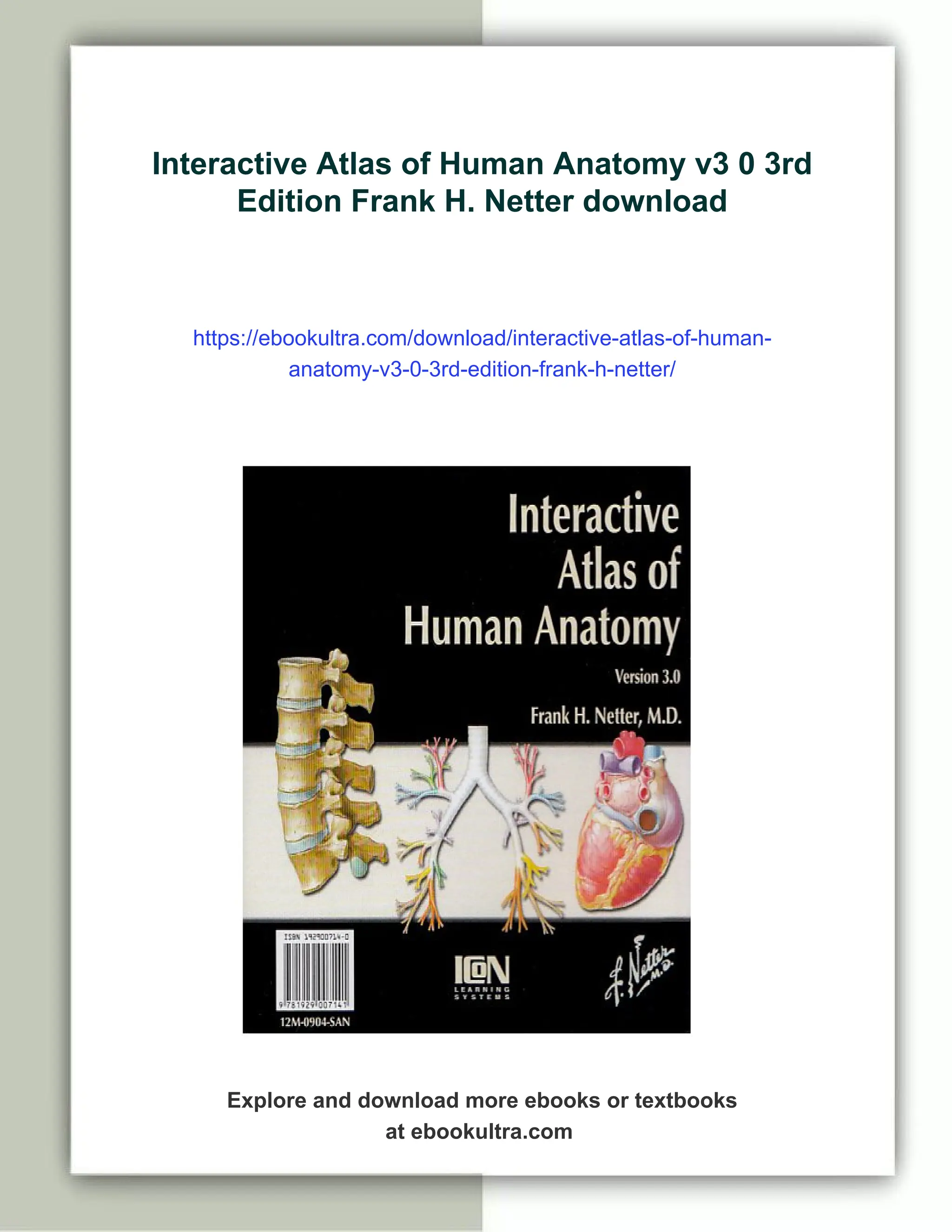

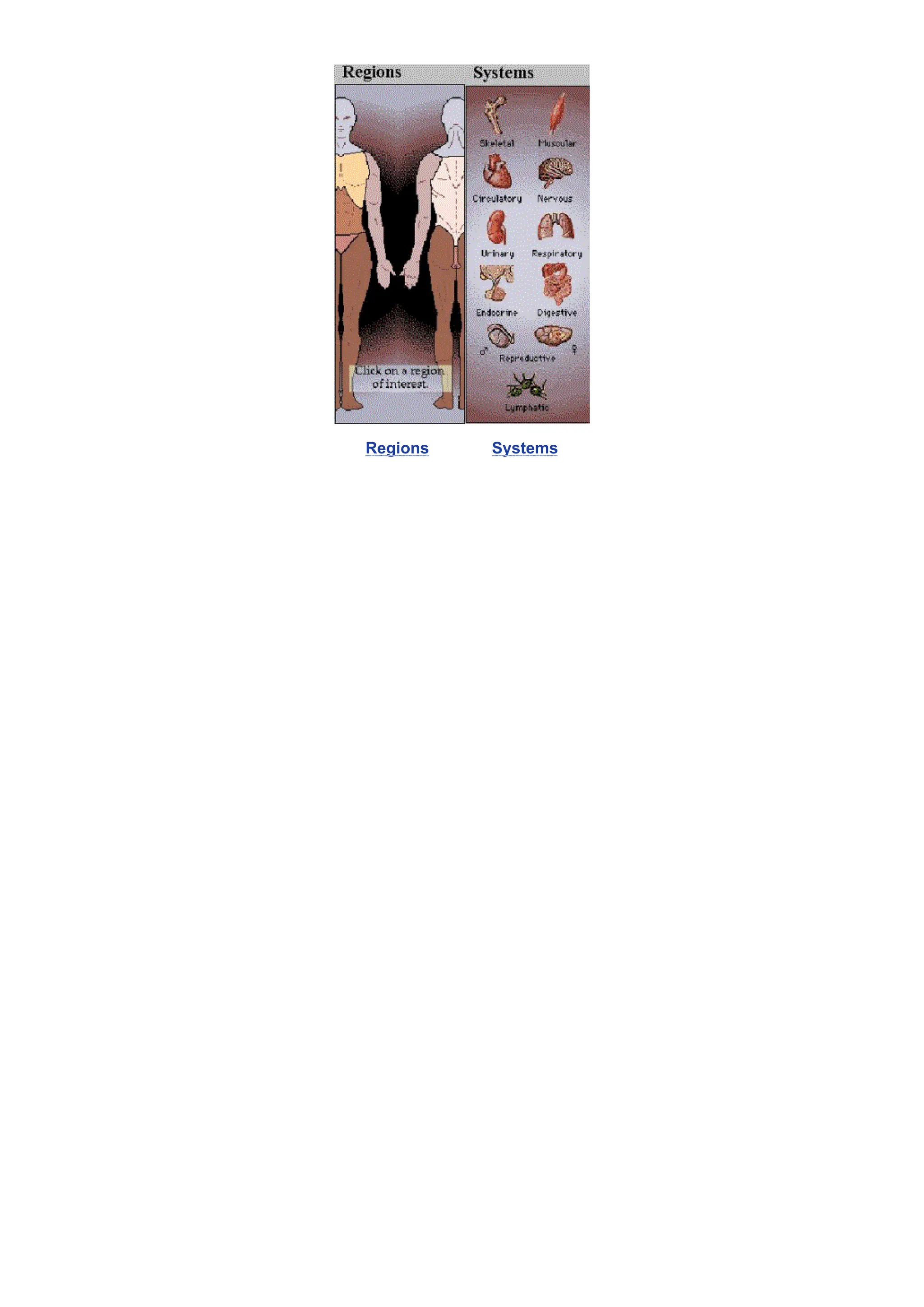
![Region content
[Head and Neck ],[Back and Spinal] , [Thorax] , [Abdomen] ,[Pelvis and Perinium] ,[Upper limb] ,[Lower limb]
Head and Neck [Back to system
]
Bones and Ligaments
Superficial face
Neck
Nasal region
Oral region
Pharynx
Thyroid gland and Larynx
Orbit and contents
Ear
Meninges and Brain
Cranial and cervical nerves
Cerebral vasculature
Back and Spinal[Back to system
]
Bones and ligaments
Spinal cord
Muscles and nerves
Thorax [Back to system
]
Mammary gland
Body wall
Lungs
Heart
Mediastinum
Abdomen[Back to system
]
Body wall
Peritoneal cavity
Viscera(Gut)
Viscera(accessory organs)
Visceral vasculature
Innervation
Kidneys and suprarenal glands
Pelvic and Pernium [Back to system
]
Bones and ligaments
Pelvic floor and contents
Female structures
Male structures
Rectum
Vasculature
Innervation
Upper Limb [Back to system
]
Shoulder and axilla
Arm
Elbow and forearm
Wrist and hand
Neurovasculature
Lower Limb [Back to system
]
Hip and thigh
Knee
Leg
Ankle and foot
Neurovasculature
Bones and
Ligaments[Back to system
]
1A Skull: Anterior View
1B Right Orbit: Frontal and Slightly Lateral View
2A Skull: Lateral View
2B Skull - Infratemporal Fossa Exposed: Lateral View
3A Skull: Midsagittal Section
3B Skull - Nasal Conchae Exposed: Sagittal Section](https://image.slidesharecdn.com/8692-250426073429-6997dab2/75/Interactive-Atlas-of-Human-Anatomy-v3-0-3rd-Edition-Frank-H-Netter-8-2048.jpg)
![4A Calvaria: Superior View
4B Calvaria: Inferior View
5 Cranial Base: Inferior View
6 Bones of Cranial Base: Superior View
7 Foramina of Cranial Base: Superior View
8A Skull of Newborn: Lateral View
8B Skull of Newborn: Superior View
9A Bony Framework of Head and Neck: Lateral View
9B Bony Framework of Head - Mandible Removed: Lateral View
10A Mandible: Anterolateral Superior View
10B Mandible: Left Posterior View
11A Temporomandibular Joint: Lateral and Medial Views
11B Temporomandibular Joint: Joint Action
12A Cervical Vertebrae: Atlas and Axis
12B Cervical Vertebrae [C1-C4] Assembled: Posterosuperior View
13A Cervical Vertebrae [C4 and C7]: Superior Views
13B Cervical Vertebrae [C2-T1] Assembled: Right Lateral View
13C Cervical Vertebrae [C3-C5] Assembled: Anterior View
14A External Craniocervical Ligaments: Anterior and Posterior Views
14B External Craniocervical Ligaments: Right Lateral View
15A Internal Craniocervical Ligaments
15B Internal Craniocervical Ligaments [Continued]
16A Atlantooccipital Junction
16B Atlantooccipital Junction: McGregor's Line
16C Atlantooccipital Junction: Odontoid Abnormalities
Superficial face[Back to system
]
17A Superficial Arteries and Veins of Face and Scalp
17B Superficial Face: Sources of Arterial Supply
18A Cutaneous Nerves of Head and Neck
18B Dermatomes of Head and Neck
19A Facial Nerve Branches and Parotid Gland in Situ
19B Facial Nerve Branches and Parotid Gland: Sectioned
20A Muscles of Facial Expression: Anterior View
20B Superficial Face: Course of Wrinkle Lines of Skin
21 Muscles of Facial Expression: Lateral View
Neck[Back to system
]
22 Muscles of Neck: Lateral View
23 Muscles of Neck: Anterior View
24A Infrahyoid and Suprahyoid Muscles
24B Infrahyoid and Suprahyoid Muscles and their Action: Schema
25 Scalene and Prevertebral Muscles
26 Superficial Veins and Cutaneous Nerves of Neck
27A Cervical Plexus in Situ
27B Cervical Plexus: Schema
28A Subclavian Artery: Right Anterior Dissection
28B Subclavian Artery: Right Lateral Schematic View
29A Carotid Arteries - Parotid Fossa: Right Lateral Dissection
29B External Carotid Artery and Branches: Schema
30A Fascial Layers of Neck: Cross Section
30B Fascial Layers of Neck: Sagittal Section
Nasal region[Back to system
]
31A External Nose [Skeleton]: Anterolateral and Inferior Views
31B External Nose [Skeleton] in Situ: Lateral View
32A Lateral Nasal Wall
32B Nasal Cavity: Speculum View
32C Lateral Nasal Wall - Nasal Conchae Removed
33A Lateral Nasal Wall - Bony Structure
33B Lateral Nasal Wall - Bony Structure: Nasal Conchae Partly Removed
34A Medial Nasal Wall [Septum]
34B Medial Nasal Wall [Septum]: Bones and Cartilages
35A Maxillary Artery: Orbitomaxillary Distribution
35B Maxillary Artery: Nasopalatine Distribution
36 Arteries of Nasal Cavity: Schematic Hinge
37 Nerves of Nasal Cavity: Schematic Hinge
38A Nerves of Nasal Cavity: Distribution of Olfactory Mucosa
38B Nerves of Nasal Cavity: Lateral Nasal Wall](https://image.slidesharecdn.com/8692-250426073429-6997dab2/75/Interactive-Atlas-of-Human-Anatomy-v3-0-3rd-Edition-Frank-H-Netter-9-2048.jpg)
![38C Nerves of Nasal Cavity: Nasal Septum
39 Autonomic Innervation of Nasal Cavity
40 Ophthalmic and Maxillary Nerves
41A Mandibular Nerve [V3]: Lateral View
41B Mandibular Nerve [V3]: Medial View
42A Paranasal Sinuses: Coronal Section
42B Paranasal Sinuses: Horizontal Section
43A Paranasal Sinuses: Sagittal Section
43B Paranasal Sinuses: Lateral Dissection
44A Paranasal Sinuses: At Birth
44B Paranasal Sinuses: Growth throughout Life
Oral region[Back to system
]
45A Inspection of Oral Cavity: Dorsum of Tongue and Palate
45B Inspection of Oral Cavity: Sublingual Region - Anterior Vestibule
45C Inspection of Oral Cavity: Lateral Oral Vestibule
46A Roof of Mouth - Hard and Soft Palates: Anterior View
46B Roof of Mouth - Soft Palate: Posterior View
47A Floor of Mouth - Musculature: Lateral Slightly Inferior View
47B Floor of Mouth - Musculature: Anteroinferior View
47C Floor of Mouth - Musculature: Posterosuperior View
48A Muscles Involved in Mastication: Lateral View
48B Muscles Involved in Mastication - Masseter Removed: Lateral View
49A Muscles Involved in Mastication [Deep]: Lateral View
49B Muscles Involved in Mastication [Deep]: Posterior View
50A Teeth - Deciduous and Permanent: Age of Eruptions
50B Teeth - Upper and Lower Permanent
51A Anatomy of a Tooth
51B Teeth - Left Upper and Left Lower Permanent: Labiobuccal View
52A Tongue: Dorsum
52B Tongue - Schematic Stereogram: Area Indicated on Plate 52A
53A Muscles of Tongue: Sagittal Section
53B Tongue and Related Structures: Sagittal Section
54A Tongue and Mouth: Horizontal Section - Superior View
54B Tongue and Mouth: Frontal Section - Anterior View
55A Salivary Glands: Dissection
55B Salivary Glands: Histology
56A Afferent Innervation of Mouth and Pharynx: Anterior View
56B Afferent Innervation of Mouth and Pharynx: Lateral View
56C Afferent Innervation of Mouth and Pharynx: Dorsum of Tongue
Pharynx[Back to system
]
57 Pharynx: Sagittal Section
58A Fauces: Medial Sagittal View
58B Fauces: Pharyngeal Mucosa Removed
59 Muscles of Pharynx: Sagittal Section
60 Pharynx: Opened Posterior View
61 Muscles of Pharynx: Partially Opened Posterior View
62 Muscles of Pharynx: Lateral View
63 Arteries of Oral and Pharyngeal Regions
64 Veins of Oral and Pharyngeal Regions
65 Nerves of Oral and Pharyneal Regions
66 Lymph Vessels and Nodes of Oral and Pharyngeal Regions
67A Lymphatic Drainage of Pharynx: Posterior View
67B Lymphatic Drainage of Tongue: Lateral View
Thyroid gland and
Larynx[Back to system
]
68A Thyroid Gland: Anterior View
68B Thyroid Gland in Situ: Anterior View
69 Thyroid Gland and Pharynx: Posterior View
70A Parathyroid Glands: Posterior View](https://image.slidesharecdn.com/8692-250426073429-6997dab2/75/Interactive-Atlas-of-Human-Anatomy-v3-0-3rd-Edition-Frank-H-Netter-10-2048.jpg)
![70B Parathyroid Glands: Right Lateral View
71A Cartilages of Larynx: Anterior View
71B Cartilages of Larynx: Posterior View
71C Cartilages of Larynx: Anterosuperior View
71D Cartilages of Larynx: Right Lateral View
71E Cartilages of Larynx: Sagittal Section
72A Intrinsic Muscles of Larynx: Posterior View
72B Intrinsic Muscles of Larynx: Right Lateral View
72C Intrinsic Muscles of Larynx: Lateral Dissection
72D Intrinsic Muscles of Larynx: Superior View
73 Action of Intrinsic Muscles of Larynx
74A Nerves of Larynx: Right Lateral Views
74B Nerves of Larynx: Anterior View
75A Inspection of Larynx: Technique
75B Inspection of Larynx: Views during Inspiration and Phonation
Orbit and contents[Back
to system]
76A Eyelids: Anterior View
76B Eyelids and Anterior Orbital Structures: Sagittal Section
76C Eyelids - Dissection: Anterior View
77A Lacrimal Apparatus in Situ
77B Lacrimal Apparatus: Dissection
78A Fascia of Orbit and Eyeball: Horizontal Section
78B Fascia of Orbit and Eyeball: Frontal Section and Entering Structures
79A Extrinsic Eye Muscles: Right Lateral View
79B Extrinsic Eye Muscles: Superior View
79C Extrinsic Eye Muscles - Innervation and Action: Anterior View of Left Eye
80A Arteries and Veins of Orbit and Eyelids: Superior View
80B Arteries and Veins of Orbit and Eyelids: Anterior View
80C Arteries and Veins of Orbit and Eyelids: Lateral View
81A Nerves of Orbit: Superior View
81B Nerves of Orbit - Muscles Partially Cut Away: Superior View
82 Eyeball: Cross Section
83 Anterior and Posterior Chambers of Eye
84A Anterior Chamber Angle of Eye
84B Anterior Chamber Angle of Eye: Gonioscopic Views
85A Lens and Supporting Structures: Section in Frontal Plane
85B Lens and Supporting Structures: Horizontal Section
85C Lens and Supporting Structures: Segment Outlined in Plate 85A
86A Intrinsic Arteries and Veins of Eye: Horizontal Section
86B Intrinsic Arteries and Veins of Eye: Ophthalmoscopic View
Ear[Back to system
]
87 Pathway of Sound Reception
88A External Ear: Right Auricle
88B External Ear: Right Tympanic Membrane
88C Tympanic Cavity: Viewed from External Acoustic Meatus
88D External Ear and Tympanic Cavity: Coronal Oblique Section
88E Tympanic Cavity: Auditory Ossicles
89A Tympanic Cavity - Lateral Wall: Medial View
89B Tympanic Cavity - Medial Wall: Lateral View
90A Right Osseous Labyrinth: Anterolateral View
90B Right Osseous Labyrinth - Dissected: Membranous Labyrinth Removed
90C Right Membranous Labyrinth with Nerves: Posteromedial View
91A Osseous and Membranous Labyrinths: Schema
91B Osseous and Membranous Labyrinths: Section Through Turn of Cochlea
92A Orientation of Labyrinth in Skull: Superior Projection
92B Orientation of Labyrinth in Skull: Lateral Projection
93A Cartilage of Auditory Tube at Base of Skull: Inferior View
93B Auditory Tube - Section through Cartilage: Tube Closed
93C Auditory Tube - Section through Cartilage: Tube Open
Meninges and](https://image.slidesharecdn.com/8692-250426073429-6997dab2/75/Interactive-Atlas-of-Human-Anatomy-v3-0-3rd-Edition-Frank-H-Netter-11-2048.jpg)
![Brain[Back to system
]
94A Meninges and Diploic Veins: Coronal Dissection
94B Diploic and Emissary Veins of Skull
95A Meningeal Arteries
95B Meningeal Arteries [Continued]
96A Meninges and Superficial Cerebral Veins: Frontal Section
96B Meninges and Superficial Cerebral Veins: Dura Mater Lifted
97 Venous Sinuses of Dura Mater: Sagittal Section
98A Venous Sinuses of Dura Mater: Cranial Floor - Superior View
98B Cavernous Sinus: Coronal Section
99A Cerebrum: Lateral View
99B Cerebrum - Lobes: Lateral View
99C Cerebrum - Insula [Island of Reil]: Lateral View
100A Cerebrum - Brain in Situ: Sagittal Section - Medial View
100B Cerebrum - Hemisphere with Brainstem Excised: Medial View
101 Cerebrum: Inferior View
102A Ventricles of Brain: Left Lateral Phantom View
102B Ventricles of Brain: Coronal Section - Posterior View
103 Circulation of Cerebrospinal Fluid
104A Basal Ganglia: Horizontal Sections through Cerebrum
104B Basal Ganglia - Schema: Left Lateral View
105A Thalamus
105B Thalamus: Schematic Section
105C Thalamus: Schematic Representation of Thalamus
106A Hippocampus and Fornix: Superior Dissection
106B Hippocampus and Fornix: Schema of Fornix
106C Hippocampus and Fornix: Coronal Section - Posterior View
107A Cerebellum: Superior Surface
107B Cerebellum: Inferior Surface
107C Cerebellum: Section in Plane of Superior Cerebellar Peduncle
108A Brainstem: Posterolateral View
108B Brainstem: Anterioinferior View
109A Fourth Ventricle and Cerebellum: Posterior View
109B Fourth Ventricle and Cerebellum: Median Sagittal Section
Cranial and
cervical nerves[Back to system
]
110 Cranial Nerve Nuclei in Brainstem: Schema - Posterior Phantom View
111 Cranial Nerve Nuclei in Brainstem: Schema - Medial Dissection
112 Cranial Nerves [Motor and Sensory Distribution]: Schema
113A Olfactory Nerve: Schema
113B Olfactory Nerve - Olfactory Bulb Cells: Schema
114A Optic Nerve [Visual Pathway]: Schema
114B Optic Nerve [Visual Pathway] - Structure of Retina: Schema
115 Oculomotor Trochlear and Abducens Nerves: Schema
116 Trigeminal Nerve: Schema
117 Facial Nerve: Schema
118 Vestibulocochlear Nerve: Schema
119 Glossopharyngeal Nerve: Schema
120 Vagus Nerve: Schema
121 Accessory Nerve: Schema
122 Hypoglossal Nerve: Schema
123 Cervical Plexus: Schema
124 Autonomic Nerves in Neck
125 Autonomic Nerves in Head
126 Ciliary Ganglion: Schema
127 Pterygopalatine and Submandibular Ganglia: Schema
128 Otic Ganglion: Schema
129 Taste Pathways: Schema
Cerebral](https://image.slidesharecdn.com/8692-250426073429-6997dab2/75/Interactive-Atlas-of-Human-Anatomy-v3-0-3rd-Edition-Frank-H-Netter-12-2048.jpg)
![vasculature[Back to system
]
130 Arteries to Brain and Meninges
131 Arteries to Brain: Schema
132A Arteries of Brain: Inferior View
132B Arteries of Brain [Continued]: Inferior View
133A Circle of Willis - Vessels Dissected Out: Inferior View
133B Circle of Willis - Vessels in Situ: Inferior View
134A Arteries of Brain: Frontal View
134B Arteries of Brain: Frontal Section
135A Arteries of Brain: Lateral View
135B Arteries of Brain: Medial View
136 Arteries of Posterior Cranial Fossa
137 Veins of Posterior Cranial Fossa
138A Deep Veins of Brain - Dissection: Superior View
138B Deep Veins of Brain - Dissection: Inferior View
139 Subependymal Veins of Brain
140A Hypothalamus - Principal Nuclei
140B Adenohypophysis and Neurohypophysis
141 Arteries and Veins of Hypothalamus and Hypophysis
Bones and
ligaments[Back to system
]
142 Vertebral Column
143A Thoracic Vertebrae [T6]: Superior View
143B Thoracic Vertebrae [T6]: Lateral View
143C Thoracic Vertebrae [T12]: Lateral View
143D Thoracic Vertebrae [T7-T9] - Assembled: Posterior View
144A Lumbar Vertebrae [L2]: Superior View
144B Lumbar Vertebrae: Intervertebral Disc
144C Lumbar Vertebrae [L3-L4] - Assembled: Posterior View
144D Lumbar Vertebrae [L1-L5] - Assembled: Left Lateral View
145A Sacrum and Coccyx: Pelvic Surface
145B Sacrum and Coccyx: Median Sagittal Section
145C Sacrum: Transverse Section through S1 Foramina
145D Sacrum and Coccyx: Dorsal Surface
146A Vertebral Ligaments of Lumbar Region: Left Lateral View - Partially Sectioned
146B Vertebral Ligaments of Lumbar Region: Anterior Vertebral Segments - Posterior View
146C Vertebral Ligaments of Lumbar Region: Posterior Vertebral Segments - Anterior View
147A Vertebral Ligaments of Lumbosacral Region: Left Lateral View
147B Vertebral Ligaments of Lumbosacral Region: Posterior View
Spinal cord[Back to system
]
148 Spinal Cord in Situ
149A Relation of Spinal Nerve Roots to Vertebrae
149B Relation of Spinal Nerve Roots to Vertebrae: Lateral Protrusion
149C Relation of Spinal Nerve Roots to Vertebrae: Medial Protrusion
150 Dermatomes
151A Spinal Cord Cross Sections
151B Spinal Cord Cross Sections: Fiber Tracts
152 Autonomic Nervous System: General Topography
153 Autonomic Nervous System: Schema
154 Cholinergic and Adrenergic Synapses: Schema
155A Spinal Membranes and Nerve Roots: Posterior View
155B Spinal Membranes and Nerve Roots: Anterior View
156A Spinal Nerve Origin: Section through Thoracic Vertebra
156B Spinal Nerve Origin: Section through Lumbar Vertebra
157 Arteries of Spinal Cord: Schema
158A Arteries of Spinal Cord - Intrinsic Distribution: Thoracic Section
158B Arteries of Spinal Cord - Intrinsic Distribution: Schema
159A Veins of Spinal Cord: Sagittal Section [without Cord]
159B Veins of Spinal Cord: Superior View [without Cord]
159C Veins of Spinal Cord: Superior View [Magnified with Cord]](https://image.slidesharecdn.com/8692-250426073429-6997dab2/75/Interactive-Atlas-of-Human-Anatomy-v3-0-3rd-Edition-Frank-H-Netter-13-2048.jpg)
![Muscles and
nerves[Back to system
]
160 Muscles of Back: Superficial Layers
161 Muscles of Back: Intermediate Layers
162 Muscles of Back: Deep Layers
163 Nerves of Back
164 Suboccipital Triangle
165 Lumbar Region of Back: Cross Section
166 Typical Thoracic Spinal Nerve
Mammary gland[Back to system
]
167A Mammary Gland: Anterolateral Dissection
167B Mammary Gland: Sagittal Section
168 Arteries of Mammary Gland
169 Lymph Vessels and Nodes of Mammary Gland
Body wall[Back to system
]
170A Bony Framework of Thorax: Anterior View
170B Bony Framework of Thorax: Posterior View
171A Left 1st and 2nd Ribs: Superior Views
171B Sternocostal Articulations: Anterior View
171C Middle Rib: Posterior View
172A Costovertebral Joints: Left Lateral View
172B Costovertebral Joints: Transverse Section - Superior View
172C Costovertebral Joints: Right Posterolateral View
173A Cervical Ribs and Related Anomalies 1
173B Cervical Ribs and Related Anomalies 2
173C Cervical Ribs and Related Anomalies 3
174 Anterior Thoracic Wall
175 Anterior Thoracic Wall [Continued]
176 Anterior Thoracic Wall: Internal View
177A Deep Posterior Thoracic Wall
177B Lateral Thoracic Wall
178 Posterior Thoracic Wall
179 Intercostal Nerves and Arteries
180 Diaphragm: Thoracic Surface
181 Diaphragm: Abdominal Surface
182A Phrenic Nerve in Situ
182B Phrenic Nerve: Schema
183 Muscles of Respiration
Lungs[Back to system
]
184 Topography of Lungs: Anterior View
185 Topography of Lungs: Posterior View
186 Lungs in Situ: Anterior View
187A Right Lung: Medial View
187B Left Lung: Medial View
188A Bronchopulmonary Segments: Anterior View
188B Bronchopulmonary Segments: Posterior View
189A Bronchopulmonary Segments: Lateral Views
189B Bronchopulmonary Segments: Medial Views
190A Trachea and Major Bronchi: Anterior View
190B Trachea: Cross Section](https://image.slidesharecdn.com/8692-250426073429-6997dab2/75/Interactive-Atlas-of-Human-Anatomy-v3-0-3rd-Edition-Frank-H-Netter-14-2048.jpg)
![191 Nomenclature of Bronchi: Schema
192 Intrapulmonary Airways: Schema
193 Intrapulmonary Blood Circulation: Schema
194 Pulmonary Arteries and Veins
195 Main Bronchi With Pulmonary Arteries and Veins in Situ
196A Bronchial Arteries
196B Bronchial Arteries: Variations
196C Bronchial Veins
197 Lymph Vessels and Nodes of Lung
198 Autonomic Nerves in Thorax
199 Innervation of Tracheobronchial Tree: Schema
Heart[Back to system
]
200 Heart in Situ
201 Heart: Anterior Exposure
202A Heart - Basal Surface: Posterior View
202B Heart - Diaphragmatic Surface: Posteroinferior View
203A Pericardial Sac - Heart Drawn Out: Left Lateral View
203B Pericardial Sac - Heart Removed: Anterior View
204A Coronary Arteries and Cardiac Veins: Sternocostal Surface
204B Coronary Arteries and Cardiac Veins: Diaphragmatic Surface
205A Coronary Arteries and Cardiac Veins: Variations 1
205B Coronary Arteries and Cardiac Veins: Variations 2
206A Right Coronary Artery: Arteriographic View 1
206B Right Coronary Artery: Arteriographic View 2
207A Left Coronary Artery: Arteriographic View 1
207B Left Coronary Artery: Arteriographic View 2
208A Opened Right Atrium: Right Lateral View
208B Opened Right Ventricle: Anterior View
209A Left Ventricle: Flap Opened in Posterolateral Wall
209B Left Atrium and Ventricle: Sectioned with Mitral Valve Cut Away
210A Valves of Heart in Diastole
210B Valves of Heart in Systole
211A Aortic Valve
211B Tricuspid [Right Atrioventricular] Valve
211C Mitral [Left Atrioventricular] Valve
212 Atria Ventricles and Interventricular Septum
213A Conduction System of Heart: Right Side
213B Conduction System of Heart: Left Side
214 Nerves of Heart
215 Innervation of Heart: Schema
216 Innervation of Blood Vessels: Schema
217A Prenatal Circulation
217B Postnatal Circulation
Mediastinum[Back to system
]
218 Mediastinum: Right Lateral View
219 Mediastinum: Left Lateral View
220 Esophagus in Situ
221A Topography and Constrictions of Esophagus: Schema - Anterior View
221B Topography and Constrictions of Esophagus: Lateral View
222A Musculature of Esophagus 1
222B Musculature of Esophagus 2
223 Pharyngoesophageal Junction
224A Esophagogastric Junction: Coronal Section
224B Esophagogastric Junction: Anterior View
225A Arteries of Esophagus
225B Arteries of Esophagus: Variations
226A Veins of Esophagus
226B Veins of Esophagus: Submucous Venous Plexus
227 Lymph Vessels and Nodes of Esophagus
228A Nerves of Esophagus: Anterior View
228B Nerves of Esophagus: Posterior View
229A Nerves of Esophagus: Variations
229B Intrinsic Nerves of Esophagus: Schema
230 Mediastinum: Cross Section
Body wall[Back to system
]
231 Bony Framework of Abdomen](https://image.slidesharecdn.com/8692-250426073429-6997dab2/75/Interactive-Atlas-of-Human-Anatomy-v3-0-3rd-Edition-Frank-H-Netter-15-2048.jpg)
![232 Anterior Abdominal Wall: Superficial Dissection
233 Anterior Abdominal Wall: Intermediate Dissection
234 Anterior Abdominal Wall: Deep Dissection
235A Rectus Sheath: Cross Section Above Arcuate Line
235B Rectus Sheath: Cross Section Below Arcuate Line
236 Anterior Abdominal Wall: Internal View
237A Posterolateral Abdominal Wall
237B Posterolateral Abdominal Wall [Continued]
238 Arteries of Anterior Abdominal Wall
239 Veins of Anterior Abdominal Wall
240 Nerves of Anterior Abdominal Wall
241 Thoracoabdominal Nerves
242A Inguinal and Femoral Regions: Subcutaneous Fascia Removed
242B Inguinal and Femoral Regions: Cribriform Fascia Removed
243A Inguinal Region: Dissection - Anterior View
243B Inguinal Region: Dissection - Posterior [Internal] View
244A Femoral Sheath and Inguinal Canal
244B Femoral Sheath and Inguinal Canal [Deep]
245 Inguinal Canal and Spermatic Cord
246 Posterior Abdominal Wall: Internal View
247 Arteries of Posterior Abdominal Wall
248 Veins of Posterior Abdominal Wall
249 Lymph Vessels and Nodes of Posterior Abdominal Wall
250 Nerves of Posterior Abdominal Wall
Peritoneal cavity[Back to system
]
251A Quadrants of Abdomen
251B Regions and Planes of Abdomen
252A Greater Omentum and Abdominal Viscera
252B Greater Omentum and Abdominal Viscera: Omentum Raised
253A Mesenteric Relations of Intestines: Transverse Colon Elevated
253B Mesenteric Relations of Intestines: Suspensory Muscle of Duodenum
254A Mesenteric Relations of Intestines: Small Intestine Removed
254B Mesenteric Relations of Intestines: Sigmoid Colon Reflected
255 Omental Bursa: Stomach Reflected
256 Omental Bursa: Cross Section
257 Peritoneum of Posterior Abdominal Wall
Viscera(Gut) [Back to system
]
258A Stomach in Situ
258B Stomach: Variations in Position and Contour
259A Mucosa of Stomach
259B Mucosa of Stomach: Histology
260A Musculature of Stomach
260B Musculature of Stomach [Continued]
261 Duodenum in Situ
262A Mucosa of Duodenum
262B Musculature of Duodenum: Layers of Wall
263A Mucosa and Musculature of Jejunum
263B Mucosa and Musculature of Ileum
264A Ileocecal Region
264B Ileocecal Region: Retrocecal Recess Exposed
264C Ileocecal Region: Variations in Posterior Peritoneal Attachment
265A Ileocecal Region: Labial Form of Ileocecal Sphincter
265B Ileocecal Region: Papillary Form of Ileocecal Sphincter
265C Ileocecal Region: Schema of Muscle Fibers at Ileocecal Sphincter
266A Vermiform Appendix: Variations in Position
266B Vermiform Appendix: Fixed Retrocecal
266C Vermiform Appendix: Cross Section
267 Mucosa and Musculature of Large Intestine
268A Sigmoid Colon: Variations in Position
268B Sigmoid Colon [Continued]: Variations in Position
Viscera(accessory organs) [Back to system
]
269A Topography of Liver: Anterior and Posterior Views
269B Topography of Liver: Lateral View
270A Surfaces and Bed of Liver: Anterior View
270B Surfaces and Bed of Liver: Visceral Surface
270C Surfaces and Bed of Liver: Posterior View and Bed of Liver
271A Liver in Situ
271B Variations in Form of Liver
272A Liver Segments and Lobules: Parietal Surface
272B Liver Segments and Lobules: Visceral Surface
272C Distribution of Vessels and Ducts of Liver
273A Intrahepatic Vascular and Duct Systems: Schema
273B Normal Lobular Pattern of Liver
274 Liver Structure: Schema
275A Intrahepatic Biliary System: Schema
275B Intrahepatic Biliary System: Histology
276A Gallbladder and Extrahepatic Bile Ducts
276B Gallbladder and Extrahepatic Bile Ducts: Sectioned
277A Variations in Cystic Duct](https://image.slidesharecdn.com/8692-250426073429-6997dab2/75/Interactive-Atlas-of-Human-Anatomy-v3-0-3rd-Edition-Frank-H-Netter-16-2048.jpg)
![277B Variations in Accessory [Aberrant] Hepatic Ducts
278A Choledochoduodenal Junction
278B Choledochoduodenal Junction: Dissection
278C Choledochoduodenal Junction: Reconstruction
278D Variations in Union of Bile and Pancreatic Ducts
279A Pancreas in Situ
279B Pancreas: Histology
279C Pancreas
280A Variations in Pancreatic Ducts
280B Variations in Pancreatic Ducts [Continued]
281A Spleen: Visceral and Diaphragmatic Surfaces
281B Spleen: Cross Section
281C Spleen in Situ
Visceral
vasculature[Back to system
]
282 Arteries of Stomach Liver and Spleen
283 Arteries of Stomach Duodenum Pancreas and Spleen
284 Arteries of Liver Pancreas Duodenum and Spleen
285A Arteries of Duodenum and Head of Pancreas: Reflected to Left
285B Arteries of Duodenum and Head of Pancreas: Posterior View
286 Arteries of Small Intestine
287 Arteries of Large Intestine
288A Variations in Celiac Trunk
288B Variations in Celiac Trunk [Continued]
289A Variations in Hepatic Arteries
289B Variations in Hepatic Arteries [Continued]
290A Variations in Cystic Artery 1
290B Variations in Cystic Artery 2
290C Variations in Cystic Artery 3
290D Variations in Cystic Artery 4
290E Variations in Cystic Artery 5
291A Variations in Colic Arteries 1
291B Variations in Colic Arteries 2
291C Variations in Colic Arteries 3
291D Variations in Colic Arteries 4
291E Variations in Colic Arteries 5
291F Variations in Colic Arteries 6
292A Variations in Colic Arteries 7
292B Variations in Colic Arteries 8
292C Variations in Colic Arteries 9
292D Variations in Colic Arteries 10
292E Variations in Colic Arteries 11
292F Variations in Colic Arteries 12
293A Variations in Cecal and Appendicular Arteries 1
293B Variations in Cecal and Appendicular Arteries 2
293C Variations in Cecal and Appendicular Arteries 3
293D Variations in Cecal and Appendicular Arteries 4
293E Variations in Cecal and Appendicular Arteries 5
293F Variations in Cecal and Appendicular Arteries 6
293G Variations in Cecal and Appendicular Arteries 7
293H Variations in Cecal and Appendicular Arteries 8
293I Variations in Cecal and Appendicular Arteries 9
294A Veins of Stomach Duodenum and Pancreas
294B Veins of Stomach Duodenum and Pancreas [Continued]
295A Veins of Small Intestine: Transverse Colon Cut
295B Veins of Small Intestine: Transverse Colon Elevated
296 Veins of Small and Large Intestines
297 Portal Vein Tributaries: Portacaval Anastomoses
298A Typical Arrangement of Portal Vein
298B Variations of Portal Vein
298C Variations of Portal Vein [Continued]
298D Anomalies of Portal Vein
299A Lymph Vessels and Nodes of Stomach
299B Lymph Vessels and Nodes of Stomach: Stomach Reflected
300 Lymph Vessels and Nodes of Small Intestine
301A Lymph Vessels and Nodes of Large Intestine
301B Lymph Vessels and Nodes of Large Intestine [Continued]
302A Lymph Vessels and Nodes of Liver: Histology
302B Lymph Vessels and Nodes of Liver
303A Lymph Vessels and Nodes of Pancreas: Anterior View
303B Lymph Vessels and Nodes of Pancreas: Posterior View](https://image.slidesharecdn.com/8692-250426073429-6997dab2/75/Interactive-Atlas-of-Human-Anatomy-v3-0-3rd-Edition-Frank-H-Netter-17-2048.jpg)
![Innervation[Back to system
]
304 Autonomic Nerves and Ganglia of Abdomen
305 Nerves of Stomach and Duodenum
306A Nerves of Stomach and Duodenum: View with Stomach Reflected
306B Nerves of Stomach and Duodenum: Hiatal Region
307 Innervation of Stomach and Duodenum: Schema
308 Nerves of Small Intestine
309 Nerves of Large Intestine
310A Innervation of Small and Large Intestines: Left Side of Schema
310B Innervation of Small and Large Intestines: Right Side of Schema
311 Autonomic Reflex Pathways: Schema
312 Intrinsic Autonomic Plexuses of Intestine: Schema
313A Common Areas of Referred Pain in Biliary Disease
313B Innervation of Liver and Biliary Tract: Schema
313C Innervation of Liver: Nerve Fibers around Fine Branch of Hepatic Artery
314A Common Areas of Pancreatic Pain
314B Innervation of Pancreas: Schema
314C Schema of Intrinsic Nerve Supply of Pancreas
Kidneys and
suprarenal glands[Back to
system]
315A Kidneys in Situ: Anterior View
315B Kidneys in Situ: Anterior Relations of Kidneys
316A Kidneys in Situ: Posterior View
316B Kidneys in Situ: Posterior Relations of Kidneys
317A Anterior Surface of Right Kidney
317B Right Kidney Sectioned in Several Planes
317C Suprarenal Gland and Lobulated Kidney of Infant
318 Renal Artery and Vein in Situ
319A Intrarenal Arteries: Frontal Section of Left Kidney - Anterior View
319B Vascular Renal Segments
320A Variations in Renal Artery
320B Variations in Renal Vein
320C Variations in Renal Vein [Continued]
321 Nephron and Collecting Tubule: Schema
322 Blood Vessels in Kidney Parenchyma: Schema
323A Ureters in Male: Anterior View
323B Diagonal Course of Ureter through Bladder Wall
323C Ureters in Female: Superior View
324 Arteries of Ureters and Urinary Bladder
325 Lymph Vessels and Nodes of Kidneys and Urinary Bladder
326 Nerves of Kidneys Ureters and Urinary Bladder
327 Innervation of Kidneys and Upper Ureters: Schema
328A Renal Fascia: Transverse Section through 2nd Lumbar Vertebra
328B Renal Fascia: Sagittal Section through Right Kidney
329A Arteries and Veins of Right Suprarenal Gland in Situ
329B Arteries and Veins of Left Suprarenal Gland in Situ
329C Cross Section through Suprarenal Gland
330A Nerves of Suprarenal Glands: Dissection
330B Nerves of Suprarenal Glands: Schema
331 Abdominal Wall and Viscera: Cross Section at T12
332 Abdominal Wall and Viscera: Cross Section Between L2 and L3
333A Abdominal Wall and Viscera [Above L4]: Midsagittal Section
333B Abdominal Wall and Viscera [Below L4]: Midsagittal Section
Bones and](https://image.slidesharecdn.com/8692-250426073429-6997dab2/75/Interactive-Atlas-of-Human-Anatomy-v3-0-3rd-Edition-Frank-H-Netter-18-2048.jpg)
![ligaments[Back to system
]
334A Bones and Ligaments of Pelvis: Midsagittal Section
334B Bones and Ligaments of Pelvis: Lateral View
335A Bones and Ligaments of Pelvis: Posterior View
335B Bones and Ligaments of Pelvis: Anterior View
336A Female Pelvis: Measurements - Anterior View
336B Male Pelvis: Measurements - Anterior View
336C Female Pelvis: Measurements - Inferior View
336D Female Pelvis: Measurements - Sagittal Section
Pelvic floor and
contents[Back to system
]
337A Pelvic Diaphragm of Female: Superior View
337B Pelvic Diaphragm of Female: Medial View
338A Pelvic Diaphragm of Female: Inferior View
338B Pelvic Diaphragm of Female: Lateral View
339 Pelvic Diaphragm of Male: Superior View - Viscera Removed
340 Pelvic Diaphragm of Male: Inferior View
341A Pelvic Viscera and Perineum of Female: Midsagittal Section
341B Pelvic Viscera and Perineum of Female: Paramedian Sagittal Section
342A Pelvic Viscera and Perineum of Male: Paramedian Sagittal Section
342B Pelvic Viscera and Perineum of Male: Midsagittal Section
343 Pelvic Contents of Female: Superior View
344 Pelvic Contents of Male: Superior View
345 Endopelvic Fascia and Spaces of Female: Superior View
346A Urinary Bladder - Orientation and Supports: Midsagittal Section
346B Urinary Bladder - Orientation and Supports: Superior View
347A Urinary Bladder of Female: Frontal Section
347B Urinary Bladder of Male: Frontal Section
Female structures[Back to
system]
348A Pelvic Viscera of Female: Superior View - Peritoneum Intact
348B Pelvic Viscera of Female: Superior View - Peritoneum Removed
349 Uterus Vagina and Supporting Structures
350A Uterus and Adnexa: Posterior View
350B Uterus and Adnexa: Frontal Section
351A Uterus: Changes with Age
351B Uterus: Schema of Musculature
352A Uterus: Variations in Position
352B Uterus [Continued]: Variations in Position
353A Infant Ovary and Ripening Follicle: Histology
353B Stages of Ovum and Follicle
354A Perineum and External Genitalia of Female
354B Perineum and External Genitalia of Female [Continued]
355A Perineum of Female: Superficial Dissection
355B Perineum of Female: Midsagittal Section
356A Perineum and Urogenital Diaphragm of Female
356B Perineum and Urogenital Diaphragm of Female: Deep Dissection
357A Urethra of Female: Frontal Section
357B Urethra of Female: Schematic Reconstruction
Male structures[Back to system
]
358A Perineum and External Genitalia of Male: Superficial Dissection](https://image.slidesharecdn.com/8692-250426073429-6997dab2/75/Interactive-Atlas-of-Human-Anatomy-v3-0-3rd-Edition-Frank-H-Netter-19-2048.jpg)
![358B Perineum of Male: Regions [Triangles] and Surface Topography
359A Perineum and External Genitalia of Male: Deep Dissection
359B Section through Body of Penis
360A Penis
360B Penis [Continued]
361A Urogenital Diaphragm of Male: Dissection
361B Urogenital Diaphragm of Male: Deep Dissection
361C Urogenital Diaphragm of Male: Frontal Section - Schema
362A Prostate and Seminal Vesicles: Frontal Section
362B Prostate and Seminal Vesicles: Sagittal Section
362C Prostate and Seminal Vesicles: Posterior View
362D Prostate and Seminal Vesicles: Cross Section through Prostate
363 Urethra: Male
364A Descent of Testis: 8 Weeks
364B Descent of Testis: 11 Weeks
364C Descent of Testis: 4 Lunar Months
364D Descent of Testis: 8 Lunar Months
365A Scrotum and Contents: Anterior View
365B Scrotum and Contents: Lateral View
366A Testis, Epididymis and Ductus Deferens: Frontal Section
366B Testis, Epididymis and Ductus Deferens: Schema
366C Testis Epididymis and Ductus Deferens: Cross Section
Rectum[Back to system
]
367A Rectum of Male in Situ
367B Rectum of Female in Situ
368 Ischiorectal Fossa
369 Rectum and Anal Canal
370A Anorectal Musculature: Anterior View
370B Anorectal Musculature: Frontal Section
371A External Anal Sphincter Muscle of Male: Perineal View
371B External Anal Sphincter Muscle of Female: Perineal View
372A Perineopelvic Spaces: Sagittal Section
372B Perineopelvic Spaces: Perineal View
Vasculature[Back to system
]
373 Arteries of Rectum and Anal Canal
374 Veins of Rectum and Anal Canal
375 Arteries and Veins of Pelvic Organs: Female
376 Arteries and Veins of Testis
377A Arteries and Veins of Pelvis: Female - Sagittal Section
377B Arteries and Veins of Pelvis: Female - Right Paramedian Section
378A Arteries and Veins of Pelvis: Male - Left Paramedian Section
378B Arterial Supply of Prostate
379A Arteries and Veins of Perineum: Female
379B Arteries and Veins of Uterus
380A Arteries and Veins of Perineum: Male
380B Arteries and Veins of Perineum [Continued]: Male
381 Lymph Vessels and Nodes of Pelvis and Genitalia: Female
382 Lymph Vessels and Nodes of Perineum: Female
383A Lymph Vessels and Nodes of Pelvis and Genitalia: Male
383B Lymphatic Drainage from Prostate
Innervation[Back to system
]
384 Nerves of External Genitalia: Male
385 Nerves of Pelvic Viscera: Male
386A Nerves of Perineum: Male - Perineal View
386B Nerves of Perineum: Male - Inferior View
387A Nerves of Pelvic Viscera: Female - Sagittal Section
387B Nerves of Pelvic Viscera: Female - Superior View
388A Nerves of Perineum and External Genitalia: Female
388B Block Anesthesia of Perineal Area: Primarily Pudendal Nerve
389A Neuropathways in Parturition
389B Neuropathways in Parturition: Pelvic Area Enlarged
390 Innervation of Female Reproductive Organs: Schema
391 Innervation of Male Reproductive Organs: Schema
392 Innervation of Urinary Bladder and Lower Ureter: Schema
393A Homologues of External Genitalia: Undifferentiated Stage
393B Homologues of External Genitalia: Fully Developed Male and Female](https://image.slidesharecdn.com/8692-250426073429-6997dab2/75/Interactive-Atlas-of-Human-Anatomy-v3-0-3rd-Edition-Frank-H-Netter-20-2048.jpg)

![“Antilochus, though young thou art, yet thy grave virtues live
Belov’d of Neptune and of Jove. Their spirits have taught thee all
The art of horsemanship, for which the less thy merits fall
In need of doctrine. Well thy skill can wield a chariot
In all fit turnings, yet thy horse their slow feet handle not
As fits thy manage, which makes me cast doubts of thy success.
I well know all these are not seen in art of this address
More than thyself; their horses yet superior are to thine
For their parts, thine want speed to make discharge of a design
To please an artist. But go on, show but thy art and heart
At all points, and set them against their horses’ heart and art;
Good judges will not see thee lose. A carpenter’s desert
Stands more in cunning than in pow’r. A pilot doth avert
His vessel from the rock, and wrack, tost with the churlish winds,
By skill, not strength. So sorts it here; one charioteer that finds
Want of another’s pow’r in horse must in his own skill set
An overplus of that to that; and so the proof will get
Skill, that still rests within a man, more grace; than pow’r without.
He that in horse and chariots trusts, is often hurl’d about
This way and that, unhandsomely, all-heaven wide of his end.
He, better skill’d, that rules worse horse, will all observance bend
Right on the scope still of a race, bear near, know ever when to rein,
When give rein, as his foe before, well noted in his vein
Of manage and his steeds’ estate, presents occasion.
I’ll give thee instance now, as plain as if thou saw’st it done:
Here stands a dry stub of some tree, a cubit from the ground;[1]
(Suppose the stub of oak or larch, for either are so sound
That neither rots with wet) two stones, white (mark you), white for
view,
Parted on either side the stub; and these lay where they drew
The way into a strait; the race betwixt both lying clear.
Imagine them some monument of one long since tomb’d there,
Or that they had been lists of race for men of former years,
As now the lists Achilles sets may serve for charioteers
Many years hence. When near to these the race grows, then as right
Drive on them as thy eye can judge; then lay thy bridle’s weight](https://image.slidesharecdn.com/8692-250426073429-6997dab2/75/Interactive-Atlas-of-Human-Anatomy-v3-0-3rd-Edition-Frank-H-Netter-24-2048.jpg)
![Most of thy left side; thy right horse then switching, all thy throat,
Spent in encouragements, give him, and all the rein let float
About his shoulders; thy near horse will yet be he that gave
Thy skill the prize, and him rein so his head may touch the nave
Of thy left wheel; but then take care thou runn’st not on the stone
(With wrack of horse and chariot) which so thou bear’st upon.
Shipwrack within the hav’n avoid, by all means; that will breed
Others delight, and thee a shame. Be wise then, and take heed,
My lov’d son, get but to be first at turning in the course,
He lives not that can cote thee then, not if he back’d the horse
The Gods bred, and Adrastus ow’d; divine Arion’s speed
Could not outpace thee, or the horse Laomedon did breed,
Whose race is famous, and fed here.” Thus sat Neleides,
When all that could be said was said. And then Meriones;[2]
Set fifthly forth his fair-man’d horse. All leap’d to chariot;
And ev’ry man then for the start cast in his proper lot.
Achilles drew; Antilochus the lot set foremost forth;
Eumelus next; Atrides third; Meriones the fourth;
The fifth and last was Diomed, far first in excellence.
All stood in order, and the lists Achilles fix’d far thence
In plain field; and a seat ordain’d fast by, in which he set
Renownéd Phœnix, that in grace of Peleus was so great,
To see the race, and give a truth of all their passages.
All start together, scourg’d, and cried, and gave their business
Study and order. Through the field they held a wingéd pace.
Beneath the bosom of their steeds a dust so dimm’d the race,
It stood above their heads in clouds, or like to storms amaz’d.
Manes flew like ensigns with the wind. The chariots sometime
graz’d,
And sometimes jump’d up to the air; yet still sat fast the men,
Their spirits ev’n panting in their breasts with fervour to obtain.
But when they turn’d to fleet again, then all men’s skills were tried,
Then stretch’d the pasterns of their steeds. Eumelus’ horse in pride
Still bore their sov’reign. After them came Diomed’s coursers close,
Still apt to leap their chariot, and ready to repose
Upon the shoulders of their king their heads; his back ev’n burned](https://image.slidesharecdn.com/8692-250426073429-6997dab2/75/Interactive-Atlas-of-Human-Anatomy-v3-0-3rd-Edition-Frank-H-Netter-25-2048.jpg)
![And left the roadway, being about. Atrides fear’d, and cried:[3]
“Antilochus, thy course is mad; contain thy horse, we ride
A way most dangerous; turn head, betime take larger field,
We shall be splitted.” Nestor’s son with much more scourge impell’d
His horse for this, as if not heard; and got as far before
As any youth can cast a quoit. Atrides would no more;
He back again, for fear himself, his goodly chariot,
And horse together, strew’d the dust, in being so dusty hot
Of thirsted conquest. But he chid, at parting, passing sore:
“Antilochus,” said he, “a worse than thee earth never bore.
Farewell, we never thought thee wise that were wise; but not so
Without oaths shall the wreath, be sure, crown thy mad temples.
Go.”
Yet he bethought him, and went too, thus stirring up his steeds:
“Leave me not last thus, nor stand vex’d. Let these fail in the speeds
Of feet and knees, not you. Shall these, these old jades, past the
flow’r
Of youth that you have, pass you?” This the horse fear’d, and more
pow’r
Put to their knees, straight getting ground. Both flew, and so the
rest.
All came in smokes, like spirits. The Greeks, set, to see who did
best,
Without the race, aloft, now made a new discovery,
Other than that they made at first. Idomenëus’ eye
Distinguish’d all, he knew the voice of Diomed, seeing a horse
Of special mark, of colour bay, and was the first in course,
His forehead putting forth a star, round like the moon, and white.
Up stood the Cretan, utt’ring this: “Is it alone my sight,
Princes and captains, that discerns another lead the race
With other horse than led of late? Eumelus made most pace
With his fleet mares, and he began the flexure as we thought;
Now all the field I search, and find nowhere his view; hath nought
Befall’n amiss to him? Perhaps he hath not with success
Perform’d his flexure; his reins lost, or seat, or with the tress
His chariot fail’d him, and his mares have outray’d with affright.](https://image.slidesharecdn.com/8692-250426073429-6997dab2/75/Interactive-Atlas-of-Human-Anatomy-v3-0-3rd-Edition-Frank-H-Netter-27-2048.jpg)
![said:
“If thy will be, Antilochus, I’ll see Eumelus paid
Out of my tents. I’ll give him th’ arms, which late I conquer’d in
Asteropæus, forg’d of brass, and wav’d about with tin;
‘Twill be a present worthy him.” This said, Automedon
He sent for them. He went and brought; and to Admetus’ son
Achilles gave them. He, well pleas’d, receiv’d them. Then arose
Wrong’d Menelaus, much incens’d with young Antilochus.
He bent to speak, a herald took his sceptre and gave charge
Of silence to the other Greeks; then did the king enlarge
The spleen he prison’d, utt’ring this: “Antilochus, till now[4]
We grant thee wise, but in this act what wisdom utter’st thou?
Thou hast disgrac’d my virtue, wrong’d my horse, preferring thine
Much their inferiors. But go to, Princes, nor his nor mine
Judge of with favour, him nor me; lest any Grecian use
This scandal: ‘Menelaus won, with Nestor’s son’s abuse,
The prize in question, his horse worst; himself yet wan the best
By pow’r and greatness.’ Yet, because I would not thus contest
To make parts taking, I’ll be judge; and I suppose none here
Will blame my judgment, I’ll do right: Antilochus, come near,
Come, noble gentleman, ’tis your place, swear by th’ earth-circling
God,
(Standing before your chariot and horse, and that self rod
With which you scourg’d them in your hand) if both with will and
wile
You did not cross my chariot.” He thus did reconcile
Grace with his disgrace, and with wit restor’d him to his wit:
“Now crave I patience. O king, whatever was unfit;[5]
Ascribe to much more youth in me than you. You, more in age
And more in excellence, know well, the outrays that engage
All young men’s actions; sharper wits, but duller wisdoms, still
From us flow than from you; for which, curb, with your wisdom, will.
The prize I thought mine, I yield yours, and, if you please, a prize
Of greater value to my tent I’ll send for, and suffice
Your will at full, and instantly; for, in this point of time,
I rather wish to be enjoin’d your favour’s top to climb,](https://image.slidesharecdn.com/8692-250426073429-6997dab2/75/Interactive-Atlas-of-Human-Anatomy-v3-0-3rd-Edition-Frank-H-Netter-30-2048.jpg)
![Than to be falling all my time from height of such a grace.[6]
O Jove-lov’d king, and of the Gods receive a curse in place.”
This said, he fetch’d his prize to him; and it rejoic’d him so,
That as corn-ears shine with the dew, yet having time to grow,
When fields set all their bristles up; in such a ruff wert thou.[7]
O Menelaus, answ’ring thus: “Antilochus, I now,
Though I were angry, yield to thee, because I see th’ hadst wit,
When I thought not; thy youth hath got the mast’ry of thy spirit.
And yet, for all this, ’tis more safe not to abuse at all
Great men, than, vent’ring, trust to wit to take up what may fall;
For no man in our host beside had eas’ly calm’d my spleen,
Stirr’d with like tempest. But thyself hast a sustainer been
Of much affliction in my cause; so thy good father too,
And so thy brother; at thy suit, I therefore let all go,
Give thee the game here, though mine own, that all these may
discern
King Menelaus bears a mind at no part proud or stern.”
The king thus calm’d, Antilochus receiv’d, and gave the steed
To lov’d Noemon to lead thence; and then receiv’d beside
The caldron. Next, Meriones, for fourth game, was to have
Two talents’ gold. The fifth, unwon, renown’d Achilles gave
To rev’rend Nestor, being a bowl to set on either end;
Which through the press he carried him: “Receive,” said he, “old
friend,
This gift as fun’ral monument of my dear friend deceas’d,
Whom never you must see again. I make it his bequest
To you as, without any strife, obtaining it from all.
Your shoulders must not undergo the churlish whoorlbat’s fall,
Wrastling is past you, strife in darts, the foot’s celerity;
Harsh age in his years fetters you, and honour sets you free.”
Thus gave he it. He took, and joy’d; but, ere he thank’d, he said:
“Now sure, my honourable son, in all points thou hast play’d
The comely orator; no more must I contend with nerves;
Feet fail, and hands; arms want that strength, that this and that
swing serves
Under your shoulders. Would to heav’n, I were so young chinn’d](https://image.slidesharecdn.com/8692-250426073429-6997dab2/75/Interactive-Atlas-of-Human-Anatomy-v3-0-3rd-Edition-Frank-H-Netter-31-2048.jpg)
![now,
And strength threw such a many of bones, to celebrate this show,
As when the Epians brought to fire, actively honouring thus,
King Amaryncea’s funerals in fair Buprasius!
His sons put prizes down for him; where not a man match’d me
Of all the Epians, or the sons of great-soul’d Ætolie,
No, nor the Pylians themselves, my countrymen. I beat
Great Clytomedeus, Enops’ son, at buffets. At the feat
Of wrastling, I laid under me one that against me rose,
Ancæus, call’d Pleuronius. I made Iphiclus lose
The foot-game to me. At the spear, I conquer’d Polydore,
And strong Phylëus. Actor’s sons, of all men, only bore
The palm at horse-race, conquering with lashing on more horse,
And envying my victory, because, before their course,
All the best games were gone with me. These men were twins; one
was
A most sure guide, a most sure guide; the other gave the pass
With rod and mettle. This was then. But now young men must wage
These works, and my joints undergo the sad defects of age;
Though then I was another man. At that time I excell’d[8]
Amongst th’ heroes. But forth now; let th’ other rites be held
For thy deceas’d friend; this thy gift in all kind part I take,
And much it joys my heart, that still, for my true kindness’ sake,
You give me mem’ry. You perceive, in what fit grace I stand
Amongst the Grecians; and to theirs you set your graceful hand.
The Gods give ample recompense of grace again to thee,
For this and all thy favours!” Thus, back through the thrust drave he,
When he had stay’d out all the praise of old Neleides.[9]
And now for buffets, that rough game, he order’d passages;
Proposing a laborious mule, of six years old, untam’d,
And fierce in handling, brought, and bound, in that place where they
gam’d;
And, to the conquer’d, a round cup. Both which he thus proclaims:
“Atrides and all friends of Greece, two men, for these two games,
I bid stand forth. Who best can strike, with high contracted fists,
(Apollo giving him the wreath) know all about these lists,](https://image.slidesharecdn.com/8692-250426073429-6997dab2/75/Interactive-Atlas-of-Human-Anatomy-v3-0-3rd-Edition-Frank-H-Netter-32-2048.jpg)
![Shall win a mule, patient of toil; the vanquish’d, this round cup.”
This utter’d; Panopëus’ son, Epëus, straight stood up,
A tall huge man, that to the nail knew that red sport of hand,
And, seizing the tough mule, thus spake: “Now let some other stand
Forth for the cup; this mule is mine, at cuffs I boast me best.
Is’t not enough I am no soldier? Who is worthiest
At all works? None; not possible. At this yet this I say,
And will perform this: Who stands forth, I’ll burst him, I will bray
His bones as in a mortar. Fetch surgeons enow to take[10]
His corse from under me.” This speech did all men silent make.
At last stood forth Euryalus, a man god-like, and son
To king Mecisteus, the grandchild of honour’d Talaon.
He was so strong that, coming once to Thebes, when Œdipus
Had like rites solemniz’d for him, he went victorious
From all the Thebans. This rare man Tydides would prepare,
Put on his girdle, oxhide cords, fair wrought; and spent much care
That he might conquer, hearten’d him, and taught him tricks. Both
dress’d
Fit for th’ affair, both forth were brought; then breast oppos’d to
breast,
Fists against fists rose, and, they join’d, rattling of jaws was there,
Gnashing of teeth, and heavy blows dash’d blood out ev’rywhere.
At length Epëus spy’d clear way, rush’d in, and such a blow
Drave underneath the other’s ear, that his neat limbs did strow
The knock’d earth, no more legs had he; but as a huge fish laid
Near to the cold-weed-gath’ring shore, is with a north flaw fraid.
Shoots back, and in the black deep hides; so, sent against the
ground,
Was foil’d Euryalus, his strength so bid in more profound
Deeps of Epëus, who took up th’ intranc’d competitor;
About whom rush’d a crowd of friends, that through the clusters
bore
His falt’ring knees, he spitting up thick clods of blood, his head
Totter’d of one side, his sense gone; when, to a by-place led,
Thither they brought him the round cup. Pelides then set forth
Prize for a wrastling; to the best a trivet, that was worth](https://image.slidesharecdn.com/8692-250426073429-6997dab2/75/Interactive-Atlas-of-Human-Anatomy-v3-0-3rd-Edition-Frank-H-Netter-33-2048.jpg)
![Their shooting first; both which let fall into a helm of brass,
First Teucer’s came, and first he shot, and his cross fortune was
To shoot the string, the dove untouch’d; Apollo did envy
His skill, since not to him he vow’d, being God of archery,
A first-fall’n lamb. The bitter shaft yet cut in two the cord,
That down fell, and the dove aloft up to the welkin soar’d.
The Greeks gave shouts. Meriones first made a hearty vow
To sacrifice a first-fall’n lamb to Him that rules the bow,
And then fell to his aim, his shaft being ready nock’d before.
He spy’d her in the clouds that here, there, ev’rywhere, did soar,
Yet at her height he reach’d her side, strook her quite through, and
down
The shaft fell at his feet; the dove the mast again did crown,
There hung the head, and all her plumes were ruffled, she stark
dead,
And there, far off from him, she fell. The people wonderéd,
And stood astonish’d; th’ archer pleas’d. Æacides then shows
A long lance, and a caldron new, engrail’d with twenty hues,
Priz’d at an ox. These games were show’d for men at darts; and
then
Up rose the General of all, up rose the King of men,
Up rose late-crown’d Meriones. Achilles, seeing the King
Do him this grace, prevents more deed, his royal offering
Thus interrupting: “King of men, we well conceive how far
Thy worth superior is to all, how much most singular
Thy pow’r is, and thy skill in darts! Accept then this poor prize
Without contention, and (your will pleas’d with what I advise)
Afford Meriones the lance.” The King was nothing slow
To that fit grace. Achilles then the brass lance did bestow
On good Meriones. The King his present would not save,
But to renown’d Talthybius the goodly caldron gave.
THE END OF THE TWENTY-THIRD BOOK.
[1] A comment might well be bestowed upon this speech of
Nestor.](https://image.slidesharecdn.com/8692-250426073429-6997dab2/75/Interactive-Atlas-of-Human-Anatomy-v3-0-3rd-Edition-Frank-H-Netter-38-2048.jpg)
![[2] When all, etc.—Nestor’s aged love of speech was here briefly
noted.
[3] Menelaus in fear to follow Antilochus, who ye may see played
upon him.
[4] Note Menelaus’ ridiculous speech for conclusion of his
character.
[5] Antilochus’s ironical reply.
[6] Ironicè.
[7] This simile likewise is merely ironical.
[8] His desire of praise pants still.
[9] Another note of Nestor’s humour, not so much being to be
plainly observed in all these Iliads as in this book.
[10] Note the sharpness of wit in our Homer; if where you look
not for it you can find it.](https://image.slidesharecdn.com/8692-250426073429-6997dab2/75/Interactive-Atlas-of-Human-Anatomy-v3-0-3rd-Edition-Frank-H-Netter-39-2048.jpg)
![That fits a man, but lion-like, uplandish, and mere wild,
Slave to his pride, and all his nerves being naturally compil’d
Of eminent strength, stalks out and preys upon a silly sheep.
And so fares this man, that fit ruth that now should draw so deep
In all the world being lost in him; and shame, a quality[1]
Of so much weight, that both it helps and hurts excessively
Men in their manners, is not known, nor hath the pow’r to be,
In this man’s being. Other men a greater loss than he
Have undergone, a son, suppose, or brother of one womb;
Yet, after dues of woes and tears, they bury in his tomb
All their deplorings. Fates have giv’n to all that are true men
True manly patience; but this man so soothes his bloody vein
That no blood serves it, he must have divine-soul’d Hector bound
To his proud chariot, and danc’d in a most barbarous round
About his lov’d friend’s sepulchre, when he is slain. ’Tis vile,
And draws no profit after it. But let him now awhile
Mark but our angers; he is spent; let all his strength take heed
It tempts not our wraths; he begets, in this outrageous deed,
The dull earth with his fury’s hate.” White-wristed Juno said,
Being much incens’d, “This doom is one that thou wouldst have
obey’d,
Thou bearer of the silver bow, that we in equal care
And honour should hold Hector’s worth, with him that claims a share
In our deservings. Hector suck’d a mortal woman’s breast,
Æacides a Goddess’s; ourself had interest
Both in his infant nourishment, and bringing up with state,
And to the human Peleüs we gave his bridal mate,
Because he had th’ Immortals’ love. To celebrate the feast
Of their high nuptials, ev’ry God was glad to be a guest;
And thou fedd’st of his father’s cates, touching thy harp in grace
Of that beginning of our friend, whom thy perfidious face,
In his perfection, blusheth not to match with Priam’s son,
O thou that to betray and shame art still companion!”
Jove thus receiv’d her: “Never give these broad terms to a God.
Those two men shall not be compar’d; and yet, of all that trod
The well-pav’d Ilion, none so dear to all the Deities](https://image.slidesharecdn.com/8692-250426073429-6997dab2/75/Interactive-Atlas-of-Human-Anatomy-v3-0-3rd-Edition-Frank-H-Netter-42-2048.jpg)