Integrated Coal Gasification Combined
Cycle (IGCC) Power Plants
IGCC: What is it?
• “Integrated coal Gasification Combined Cycle” or
IGCC
• Chemical conversion of coal to synthetic gas for
combustion in a modified gas turbine
• Inherently cleaner process because coal is not
combusted and the relatively small volumes of syngas
are easier to clean up than the much larger volumes
of flue gases at a coal combustion plant.
Steam
Hydrogen
Ammonia
F-T Liquids
Clean Syngas
End
Products
Feeds
Gas
Cleanup
Refinery
Residues
Heavy Oil
Orimulsion
Coal
Petroleum Coke
Oxygen
Electricity
Solid Sulfur
Slag (ash)
Gas & Steam
Turbines
Gasification
Combined Cycle
Power Block
SULFUR
RECOVERY
Marketable
Byproducts:
Alternatives:
Alternatives:
SULFUR
REMOVAL
Coal IGCC Process
Coal IGCC Process1
1
1
Texaco Gasification Power Systems (TGPS)
Natural Gas
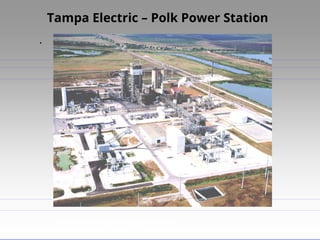
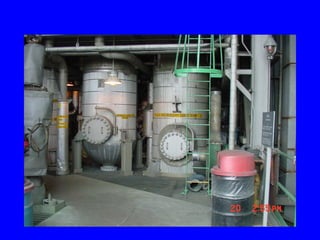
Tampa Electric – Polk Power Station
.
250 MW – operating since 1996
IGCC Environmental Impacts - Air Pollution
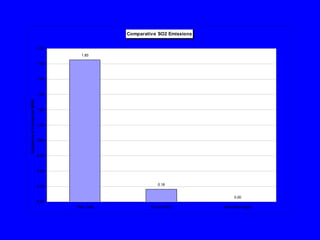
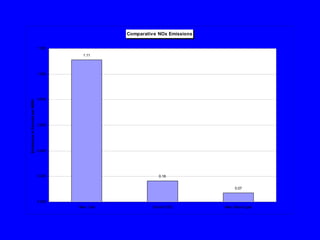
• Commercially available IGCC power plant technologies can have much lower air pollution emissions
than new conventional coal plants.
• Actual air emissions performance will likely depend, at least in in part, on what control technology and
performance levels are required by regulators.
• Mercury capture at IGCC plants is quite feasible and much less costly than at conventional coal plants
and the potential exists to indefinitely sequester mercury captured at IGCC facilities.
• Commercially available IGCC power plant technologies produce substantially smaller volumes (about
one half) of solid wastes than do new conventional coal plants using the same coal
• IGCC solid wastes are less likely to cause environmental damage than fly ash from conventional coal
plants because IGCC ash melts in the gasification process, resulting in an ash much less subject to
leaching pollutants than is conventional coal combustion fly ash.
Comparative SO2 Emissions
1.85
0.16
0.00
0.00
0.20
0.40
0.60
0.80
1.00
1.20
1.40
1.60
1.80
2.00
New Coal Current IGCC New Natural gas
Emissions
in
Pounds
per
MWH
Comparative NOx Emissions
1.11
0.16
0.07
0.000
0.200
0.400
0.600
0.800
1.000
1.200
New Coal Current IGCC New Natural gas
Emissions
in
Pounds
per
MWH
Coal Gasification and Mercury Management
• Proven, low cost mercury controls can remove most of the mercury
from coal “syngas” produced (14 years experience at Eastman
Chemical).
• Mercury is captured in a small volume activated carbon bed (see next
slide). Bed contents are currently managed as hazardous wastes (due
to other toxics captured), but could be sequestered in a long-term
mercury storage facility or the mercury contained could be economically
recycled.
• Thus coal IGCC with a carbon bed plant mercury control is today the
only technology that can convert coal to power and capture nearly
much of the coal mercury in a form and volume suitable for permanent
sequestration.
IGCC Carbon Emissions
• IGCC plants are more efficient in converting coal to electricity than
conventional coal plants and thus produce less CO2 per unit of electricity
generated.
– Near-term IGCC plants would produce about 20% less CO2 - per unit of
electricity produced - as would the “average” existing coal plant.
• The longer term potential could be for IGCC plants to produce about one-
third less CO2 - per unit of electricity produced - as would the “average”
existing coal plant.
• IGCC plants can potentially capture and geologically sequester up to 90%
(or more) of coal fuel carbon content.
Geologic Carbon Sequestration
• CO2 is today mined, transported and injected into the ground in operations to enhance oil field
recovery.
• CO2 is also removed at some production fields along with hydrogen sulfide gas from natural gas prior
to injection of the natural gas into pipelines. The removed CO2 and hydrogen sulfide are then often
injected into geologic formations for permanent disposal.
• These technologies are today in commercial practice and are essentially the same as would be used
to transport and sequester (geologic injection and containment) CO2 captured at an IGCC plant.
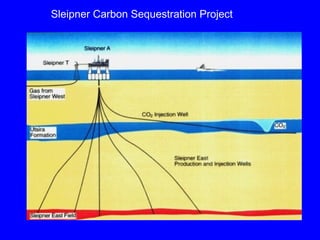
• Statoil’s Sleipner gas field project, off the coast of Norway, is one example of a climate-driven CO2
sequestration project that injects captured CO2 into a saline aquifer.
• Domestic carbon sequestration would likely focus initially on sites where CO2 injection would
enhance oil recovery (as a credit would be earned to reduce costs) or possibly to recover methane
form deep coal beds. Costs of purchasing CO2 for these applications are reported to be about $45/ton
of carbon.
• Longer term sequestration options being explored include binding captured CO2 into a mineral that
would be environmentally stable and that could be readily be disposed.
Sleipner Carbon Sequestration Project
Costs of Carbon Capture and Geologic
Sequestration
• IGCC carbon capture costs are currently estimated by the Electric Power Research Institute
(EPRI) to be about 1.2 to 1.9 cents/kWh for a range of commercially available IGCC technologies.
• Geologic storage costs for captured carbon are likely to vary significantly by power plant location
and type of storage “setting” (storage in deep saline aquifers, active enhanced oil recovery
projects, deep coal beds, etc.).
• Transport of captured carbon and storage at a typical saline aquifer site is estimated by MIT to
add about 0.2 cents/kWh, for total CCS cost of about 1.4 to 2.1 cents/kWh today.
• Recent analysis by Carnegie Mellon University researchers suggests that IGCC “repowerings”
with carbon capture and sequestration could enter mid-western power markets at carbon
allowance prices of $50 - $75/metric ton.
• Commercially available CO2 capture and sequestration technologies have not been optimized for
IGCC power plant carbon capture. Capture costs are projected (by MIT and others) to drop as
commercial applications move forward.
• Carbon capture and sequestration costs will remain uncertain until operational experience
accumulates with commercial-scale IGCC carbon capture and sequestration demonstration
projects.
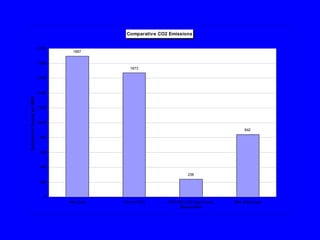
Comparative CO2 Emissions
1897
1673
238
842
0
200
400
600
800
1,000
1,200
1,400
1,600
1,800
2,000
New Coal Current IGCC IGCC With CO2 Capture and
Sequestration
New Natural gas
Emissions
in
Pounds
per
MWH
A Bridge to Hydrogen Fuels
• Movement of IGCC technology into the power market could facilitate use
of coal to produce valuable products beyond electricity -
– FT diesel fuel
– Chemical feed stocks
– Synthestic natural gas
– Hydrogen, or hydrogen-rich liquid fuels for transportation and building energy
• Hydrogen is the ultimate fuel cell fuel (current fuels cells often include
equipment to convert other fuels - natural gas, etc. - to hydrogen).
• IGCC is seen by key experts as being critical to economic deployment of
hydrogen transportation fuels and widespread use of fuel cells.
• Successful deployment of IGCC technology in the power sector may be
critical to the economic viability of other potential coal-derived products.

Integrated Coal Gasification Combined Cycle (IGCC)

  • 1.
    Integrated Coal GasificationCombined Cycle (IGCC) Power Plants
  • 2.
    IGCC: What isit? • “Integrated coal Gasification Combined Cycle” or IGCC • Chemical conversion of coal to synthetic gas for combustion in a modified gas turbine • Inherently cleaner process because coal is not combusted and the relatively small volumes of syngas are easier to clean up than the much larger volumes of flue gases at a coal combustion plant.
  • 3.
    Steam Hydrogen Ammonia F-T Liquids Clean Syngas End Products Feeds Gas Cleanup Refinery Residues HeavyOil Orimulsion Coal Petroleum Coke Oxygen Electricity Solid Sulfur Slag (ash) Gas & Steam Turbines Gasification Combined Cycle Power Block SULFUR RECOVERY Marketable Byproducts: Alternatives: Alternatives: SULFUR REMOVAL Coal IGCC Process Coal IGCC Process1 1 1 Texaco Gasification Power Systems (TGPS) Natural Gas
  • 4.
    Tampa Electric –Polk Power Station . 250 MW – operating since 1996
  • 5.
    IGCC Environmental Impacts- Air Pollution • Commercially available IGCC power plant technologies can have much lower air pollution emissions than new conventional coal plants. • Actual air emissions performance will likely depend, at least in in part, on what control technology and performance levels are required by regulators. • Mercury capture at IGCC plants is quite feasible and much less costly than at conventional coal plants and the potential exists to indefinitely sequester mercury captured at IGCC facilities. • Commercially available IGCC power plant technologies produce substantially smaller volumes (about one half) of solid wastes than do new conventional coal plants using the same coal • IGCC solid wastes are less likely to cause environmental damage than fly ash from conventional coal plants because IGCC ash melts in the gasification process, resulting in an ash much less subject to leaching pollutants than is conventional coal combustion fly ash.
  • 6.
  • 7.
    Comparative NOx Emissions 1.11 0.16 0.07 0.000 0.200 0.400 0.600 0.800 1.000 1.200 NewCoal Current IGCC New Natural gas Emissions in Pounds per MWH
  • 8.
    Coal Gasification andMercury Management • Proven, low cost mercury controls can remove most of the mercury from coal “syngas” produced (14 years experience at Eastman Chemical). • Mercury is captured in a small volume activated carbon bed (see next slide). Bed contents are currently managed as hazardous wastes (due to other toxics captured), but could be sequestered in a long-term mercury storage facility or the mercury contained could be economically recycled. • Thus coal IGCC with a carbon bed plant mercury control is today the only technology that can convert coal to power and capture nearly much of the coal mercury in a form and volume suitable for permanent sequestration.
  • 10.
    IGCC Carbon Emissions •IGCC plants are more efficient in converting coal to electricity than conventional coal plants and thus produce less CO2 per unit of electricity generated. – Near-term IGCC plants would produce about 20% less CO2 - per unit of electricity produced - as would the “average” existing coal plant. • The longer term potential could be for IGCC plants to produce about one- third less CO2 - per unit of electricity produced - as would the “average” existing coal plant. • IGCC plants can potentially capture and geologically sequester up to 90% (or more) of coal fuel carbon content.
  • 11.
    Geologic Carbon Sequestration •CO2 is today mined, transported and injected into the ground in operations to enhance oil field recovery. • CO2 is also removed at some production fields along with hydrogen sulfide gas from natural gas prior to injection of the natural gas into pipelines. The removed CO2 and hydrogen sulfide are then often injected into geologic formations for permanent disposal. • These technologies are today in commercial practice and are essentially the same as would be used to transport and sequester (geologic injection and containment) CO2 captured at an IGCC plant. • Statoil’s Sleipner gas field project, off the coast of Norway, is one example of a climate-driven CO2 sequestration project that injects captured CO2 into a saline aquifer. • Domestic carbon sequestration would likely focus initially on sites where CO2 injection would enhance oil recovery (as a credit would be earned to reduce costs) or possibly to recover methane form deep coal beds. Costs of purchasing CO2 for these applications are reported to be about $45/ton of carbon. • Longer term sequestration options being explored include binding captured CO2 into a mineral that would be environmentally stable and that could be readily be disposed.
  • 12.
  • 13.
    Costs of CarbonCapture and Geologic Sequestration • IGCC carbon capture costs are currently estimated by the Electric Power Research Institute (EPRI) to be about 1.2 to 1.9 cents/kWh for a range of commercially available IGCC technologies. • Geologic storage costs for captured carbon are likely to vary significantly by power plant location and type of storage “setting” (storage in deep saline aquifers, active enhanced oil recovery projects, deep coal beds, etc.). • Transport of captured carbon and storage at a typical saline aquifer site is estimated by MIT to add about 0.2 cents/kWh, for total CCS cost of about 1.4 to 2.1 cents/kWh today. • Recent analysis by Carnegie Mellon University researchers suggests that IGCC “repowerings” with carbon capture and sequestration could enter mid-western power markets at carbon allowance prices of $50 - $75/metric ton. • Commercially available CO2 capture and sequestration technologies have not been optimized for IGCC power plant carbon capture. Capture costs are projected (by MIT and others) to drop as commercial applications move forward. • Carbon capture and sequestration costs will remain uncertain until operational experience accumulates with commercial-scale IGCC carbon capture and sequestration demonstration projects.
  • 14.
    Comparative CO2 Emissions 1897 1673 238 842 0 200 400 600 800 1,000 1,200 1,400 1,600 1,800 2,000 NewCoal Current IGCC IGCC With CO2 Capture and Sequestration New Natural gas Emissions in Pounds per MWH
  • 15.
    A Bridge toHydrogen Fuels • Movement of IGCC technology into the power market could facilitate use of coal to produce valuable products beyond electricity - – FT diesel fuel – Chemical feed stocks – Synthestic natural gas – Hydrogen, or hydrogen-rich liquid fuels for transportation and building energy • Hydrogen is the ultimate fuel cell fuel (current fuels cells often include equipment to convert other fuels - natural gas, etc. - to hydrogen). • IGCC is seen by key experts as being critical to economic deployment of hydrogen transportation fuels and widespread use of fuel cells. • Successful deployment of IGCC technology in the power sector may be critical to the economic viability of other potential coal-derived products.