Current & Emerging Technologies Supporting 
Patient Centered Care 
Wednesday, October 22, 2014 
Disclaimer: Nothing that we are sharing is intended as legally binding or prescriptive advice. This 
presentation is a synthesis of publically available information and best practices.
Person Instead of Patient 
• Patient centered care can only go so far. We 
are now being held responsible for what 
patients do when they leave the clinic and 
become people again. 
• The power of each individual is unleashed to 
be active in managing their health and 
partnering in their health care, enabled by 
information and technology.
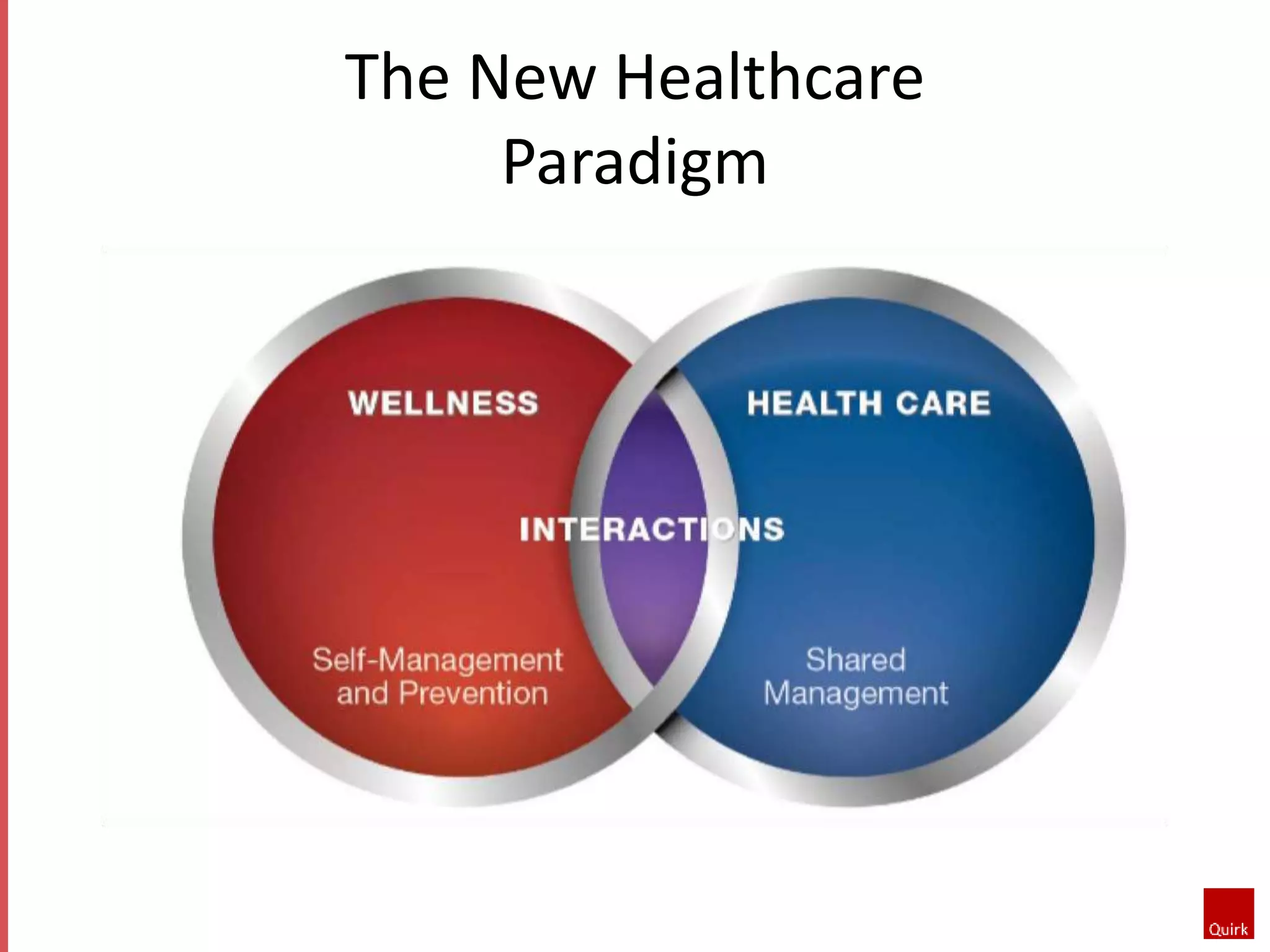
The New Healthcare 
Paradigm
ONC’s Core Values 
• Individual self determination and the public good are both 
optimized. 
• People can decide whether and how much to participate in 
managing their health and health care. 
• People can access wellness and health care services 
enabled by technology that reflects their individual needs, 
values, and choices. 
• Health care is a partnership between the patient, their 
caregivers, the care team, and supporting services. 
• Information is shared as appropriate, between the 
individual and all their care partners to enable informed, 
participatory decision making as desired by the individual.
Why Do We Care? 
• “We will replace once and for all our fee for service 
model with provider-led community wide care that 
can compete on quality, value over volume.” Hillary 
Clinton, HIMSS 2014 
• “Transforming health care to slow the growth of 
spending requires a radical restructuring of how 
health services are paid for. The most powerful way 
to reduce costs (and make room to expand coverage) 
is to shift away from ‘volume based’ reimbursement 
(the more you do, the more money you make) to 
‘value-based’ reimbursement.” Newt Gingrich
Physicians Are Already Paid 
Based On Health of Patients 
• In the Value Based Payment Modifier, we are 
judged on outcomes not just reporting data. 
• These outcomes will be published on the 
Physician Compare website and are already 
published by some Commercial Payers.
LOOK INTO TECHNOLOGY
Healthcare Technology 
• Dan Holleran: Case Study 
– Medtronic Minimed 530G Enlite 
– Medtronic CareLink USB 
• FollowMyHealth Mobile 
• Emerging Technology
Healthcare Technology 
• Wellpoint already provides seniors with 
chronic diseases in-home monitoring 
equipment that alert to issues: 
– Diabetes – Glucometers 
– Hypertension – BP cuffs 
– CHF - Scales
Patient Portals 
• MU2 requirement for interaction with portal 
and message to doctor. 
• Responsibility is put on the provider for 
adoption.
Data Aggregators 
• HIEs consuming data and bringing them to 
payers and ACOs to identify trends. 
• MU2 requirement for creating and sending a 
CDA for transitions of care. 
• MU2 requirement to codify chart with 
SNOMED.
Wellness Technology 
• Fitbit, Nike Fuelband, etc 
• Calorie Counters 
• MyFitnessPal
Nutritional Literacy 
• Calorie counts on menus. 
• Healthy options at chain restaurants. 
• Smoking bans.
REMAINING HURDLES
Separation Between 
Healthcare and Wellness 
• Healthcare 
– Healthcare technology 
– Patient portals 
– Data aggregators to pull together micro and macro 
patient trends 
• Wellness 
– Wellness technology 
– Nutritional literacy
Data Aggregation 
• Integrating HIE and wellness data into clinical 
visit.
Pay for Value 
• Reimbursement model to support care 
coordination and reduced visits.
Closest Solution: Apple 
Health 
• Despite current challenges, Apple Health is a 
strong push into bringing health and wellness 
data into clinic and engaging with patients 
when they become people. 
• Uptake and efficacy remain to be seen.
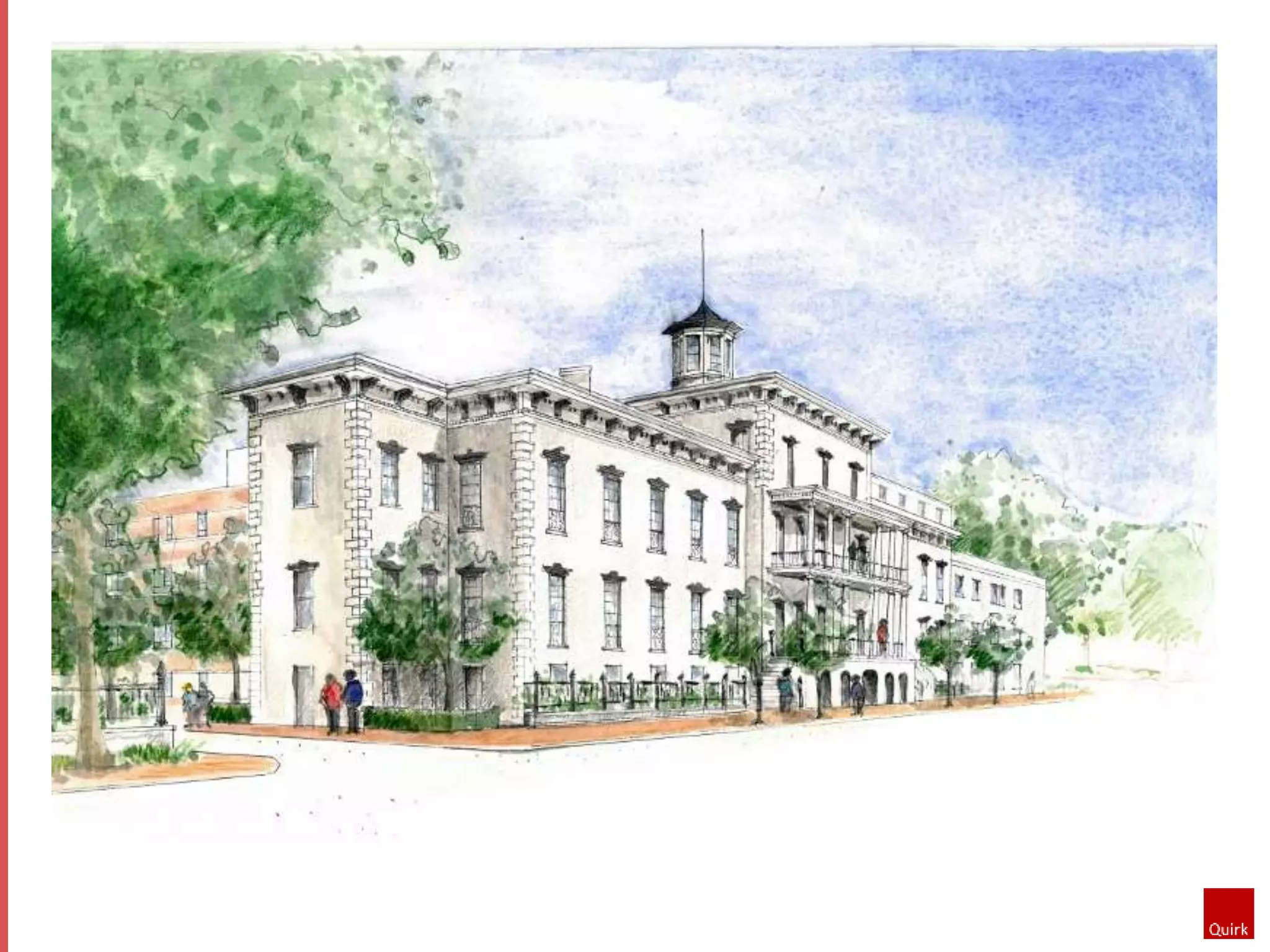
A CASE STUDY: “SAVANNAH 
INNOVATION CENTER”
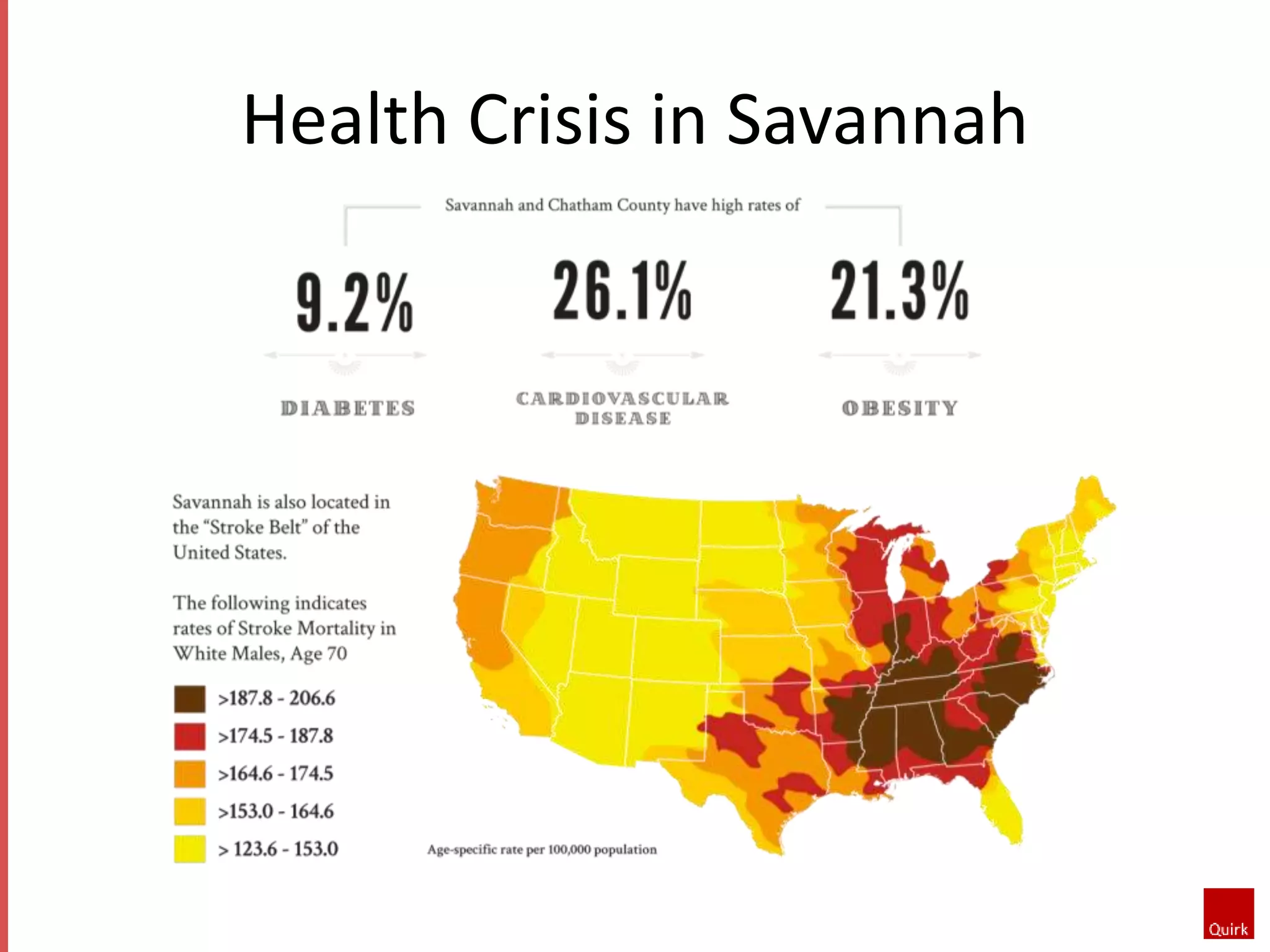
Health Crisis in Savannah
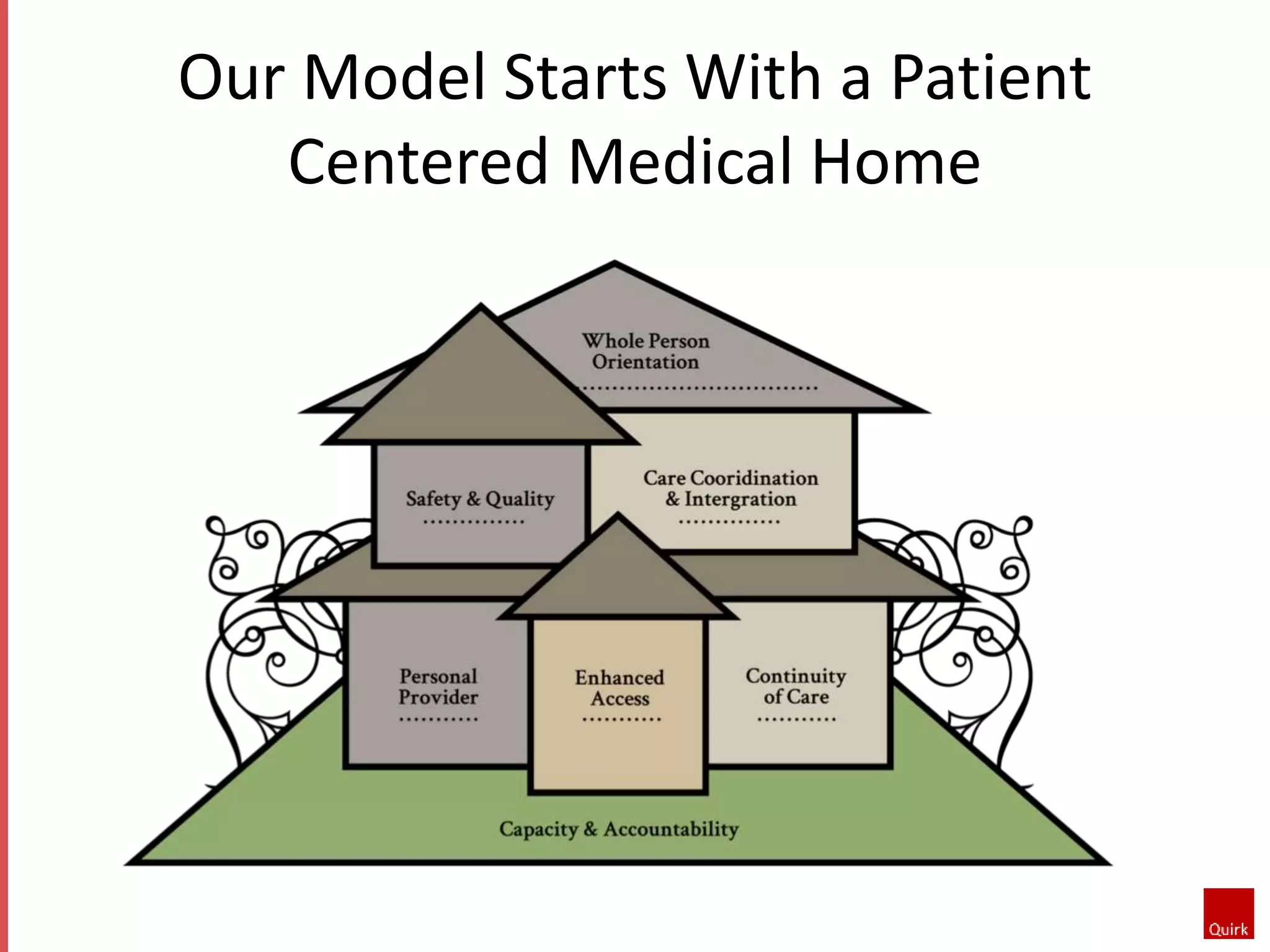
Our Model Starts With a Patient 
Centered Medical Home
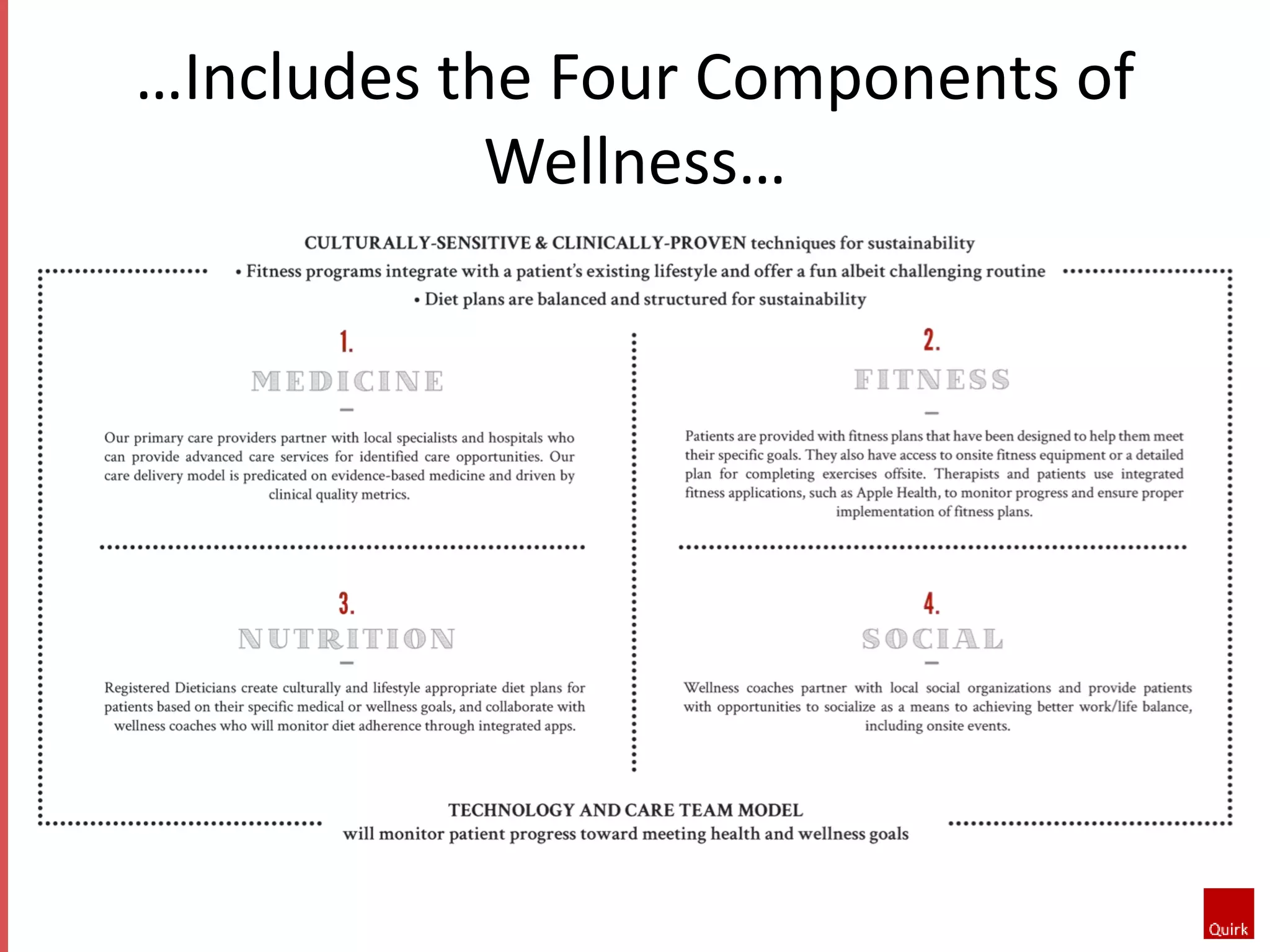
…Includes the Four Components of 
Wellness…
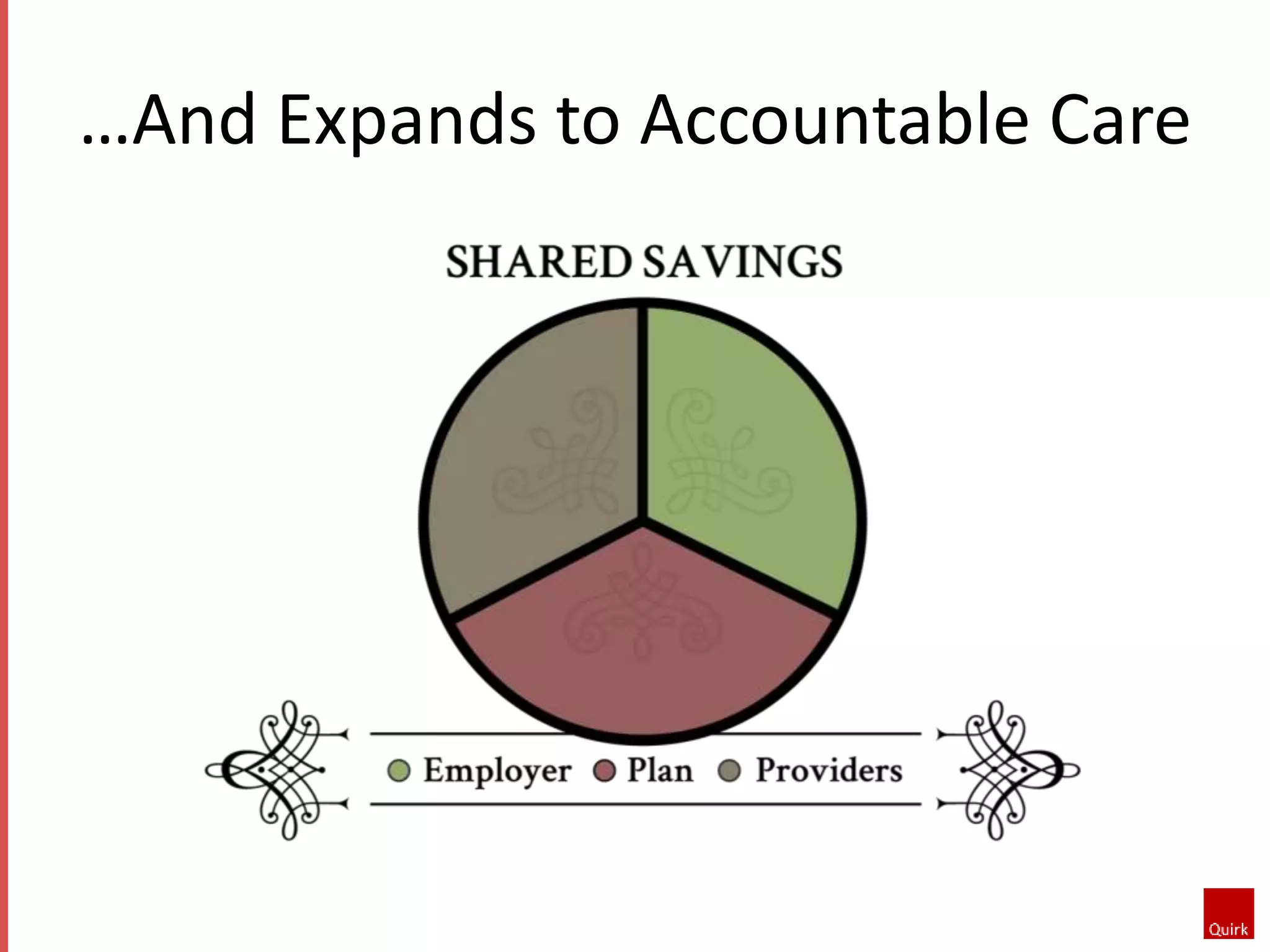
…And Expands to Accountable Care
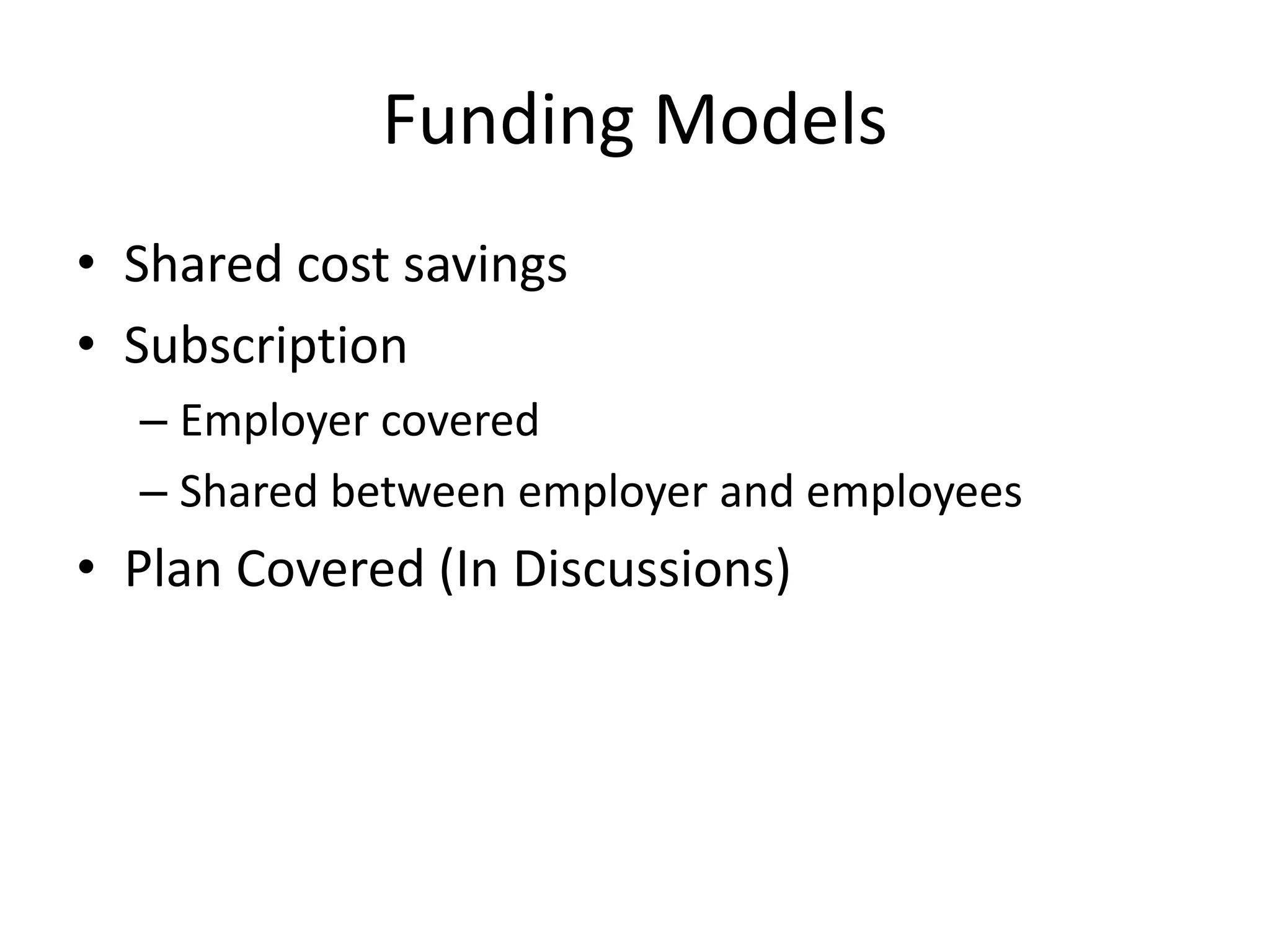
Funding Models 
• Shared cost savings 
• Subscription 
– Employer covered 
– Shared between employer and employees 
• Plan Covered (In Discussions)
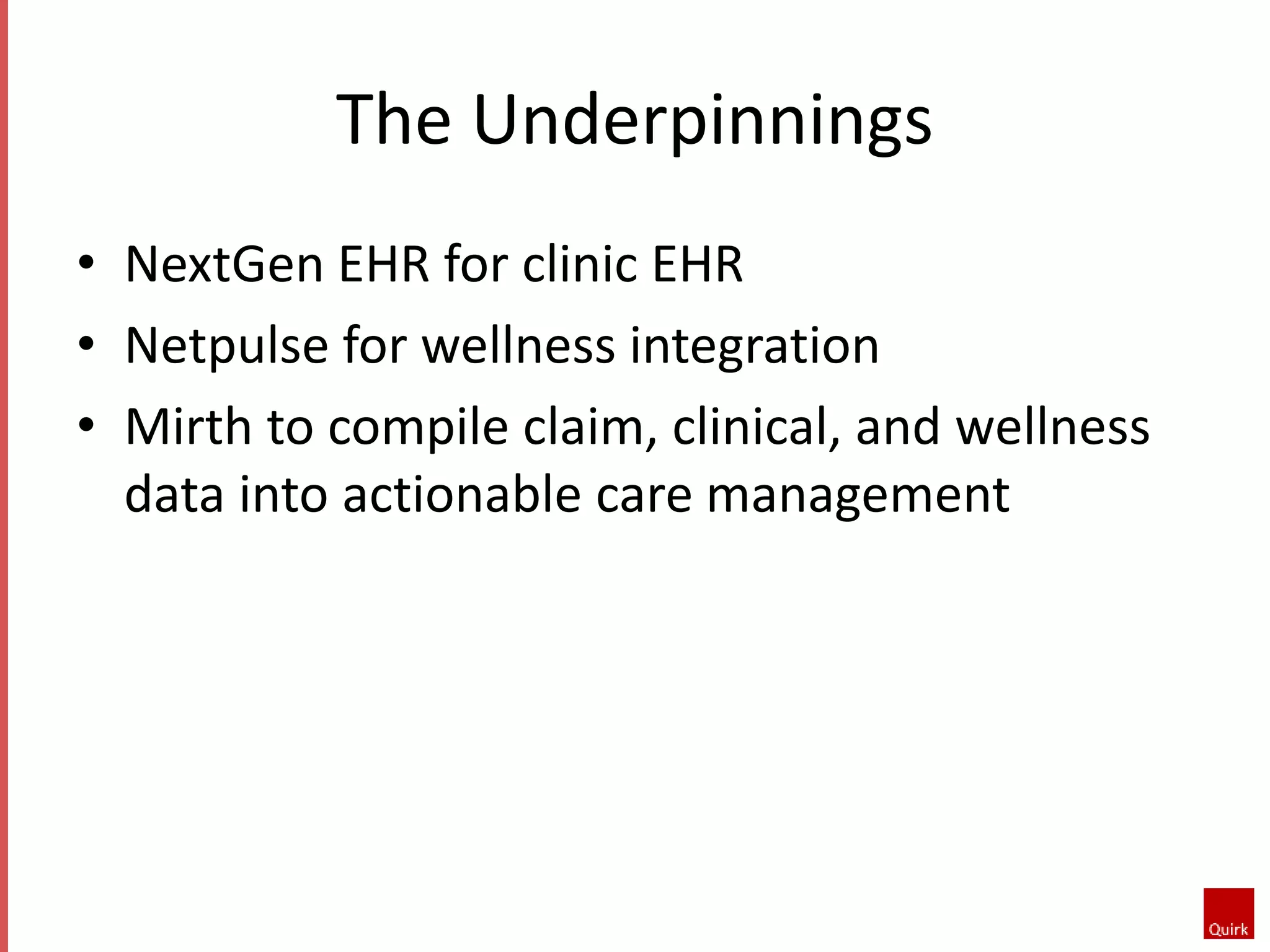
The Underpinnings 
• NextGen EHR for clinic EHR 
• Netpulse for wellness integration 
• Mirth to compile claim, clinical, and wellness 
data into actionable care management
2020: WHERE WE WILL BE
Where ONC Wants Us to Be 
• Self management and prevention – Persons 
are educated and make informed choices. 
• Interactions – Healthcare data flows fluidly to 
persons and vice versa. 
• Shared management – Providers are 
responsible for persons actions outside visit. 
• Cross-cutting – Breaking down the barrier 
between health and wellness.
The Rest of The Story 
• Apple Health will make wellness fashionable. 
• The reimbursement model to support the 
personal technology and fewer visits will come 
from payers and employers. 
• Fee for service will be increasingly replaced by 
pay for value. 
• Physicians who don’t make change will be see 
lower reimbursement or be removed from 
networks.
QUESTIONS?
For More Information: 
• Ben Quirk 
• Quirk Healthcare Solutions 
• info@quirkhealthcare.com

Insights - Current & Emerging Technologies Supporting Patient Centered Care

  • 1.
    Current & EmergingTechnologies Supporting Patient Centered Care Wednesday, October 22, 2014 Disclaimer: Nothing that we are sharing is intended as legally binding or prescriptive advice. This presentation is a synthesis of publically available information and best practices.
  • 2.
    Person Instead ofPatient • Patient centered care can only go so far. We are now being held responsible for what patients do when they leave the clinic and become people again. • The power of each individual is unleashed to be active in managing their health and partnering in their health care, enabled by information and technology.
  • 3.
  • 4.
    ONC’s Core Values • Individual self determination and the public good are both optimized. • People can decide whether and how much to participate in managing their health and health care. • People can access wellness and health care services enabled by technology that reflects their individual needs, values, and choices. • Health care is a partnership between the patient, their caregivers, the care team, and supporting services. • Information is shared as appropriate, between the individual and all their care partners to enable informed, participatory decision making as desired by the individual.
  • 5.
    Why Do WeCare? • “We will replace once and for all our fee for service model with provider-led community wide care that can compete on quality, value over volume.” Hillary Clinton, HIMSS 2014 • “Transforming health care to slow the growth of spending requires a radical restructuring of how health services are paid for. The most powerful way to reduce costs (and make room to expand coverage) is to shift away from ‘volume based’ reimbursement (the more you do, the more money you make) to ‘value-based’ reimbursement.” Newt Gingrich
  • 6.
    Physicians Are AlreadyPaid Based On Health of Patients • In the Value Based Payment Modifier, we are judged on outcomes not just reporting data. • These outcomes will be published on the Physician Compare website and are already published by some Commercial Payers.
  • 7.
  • 8.
    Healthcare Technology •Dan Holleran: Case Study – Medtronic Minimed 530G Enlite – Medtronic CareLink USB • FollowMyHealth Mobile • Emerging Technology
  • 9.
    Healthcare Technology •Wellpoint already provides seniors with chronic diseases in-home monitoring equipment that alert to issues: – Diabetes – Glucometers – Hypertension – BP cuffs – CHF - Scales
  • 10.
    Patient Portals •MU2 requirement for interaction with portal and message to doctor. • Responsibility is put on the provider for adoption.
  • 11.
    Data Aggregators •HIEs consuming data and bringing them to payers and ACOs to identify trends. • MU2 requirement for creating and sending a CDA for transitions of care. • MU2 requirement to codify chart with SNOMED.
  • 12.
    Wellness Technology •Fitbit, Nike Fuelband, etc • Calorie Counters • MyFitnessPal
  • 13.
    Nutritional Literacy •Calorie counts on menus. • Healthy options at chain restaurants. • Smoking bans.
  • 14.
  • 15.
    Separation Between Healthcareand Wellness • Healthcare – Healthcare technology – Patient portals – Data aggregators to pull together micro and macro patient trends • Wellness – Wellness technology – Nutritional literacy
  • 16.
    Data Aggregation •Integrating HIE and wellness data into clinical visit.
  • 17.
    Pay for Value • Reimbursement model to support care coordination and reduced visits.
  • 18.
    Closest Solution: Apple Health • Despite current challenges, Apple Health is a strong push into bringing health and wellness data into clinic and engaging with patients when they become people. • Uptake and efficacy remain to be seen.
  • 19.
    A CASE STUDY:“SAVANNAH INNOVATION CENTER”
  • 22.
  • 23.
    Our Model StartsWith a Patient Centered Medical Home
  • 24.
    …Includes the FourComponents of Wellness…
  • 25.
    …And Expands toAccountable Care
  • 26.
    Funding Models •Shared cost savings • Subscription – Employer covered – Shared between employer and employees • Plan Covered (In Discussions)
  • 27.
    The Underpinnings •NextGen EHR for clinic EHR • Netpulse for wellness integration • Mirth to compile claim, clinical, and wellness data into actionable care management
  • 28.
  • 29.
    Where ONC WantsUs to Be • Self management and prevention – Persons are educated and make informed choices. • Interactions – Healthcare data flows fluidly to persons and vice versa. • Shared management – Providers are responsible for persons actions outside visit. • Cross-cutting – Breaking down the barrier between health and wellness.
  • 30.
    The Rest ofThe Story • Apple Health will make wellness fashionable. • The reimbursement model to support the personal technology and fewer visits will come from payers and employers. • Fee for service will be increasingly replaced by pay for value. • Physicians who don’t make change will be see lower reimbursement or be removed from networks.
  • 31.
  • 32.
    For More Information: • Ben Quirk • Quirk Healthcare Solutions • info@quirkhealthcare.com