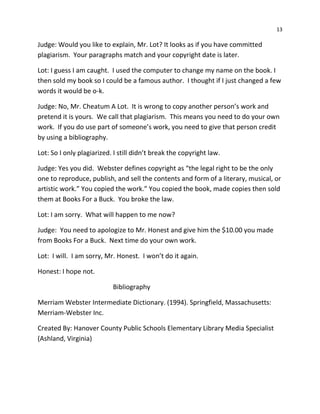
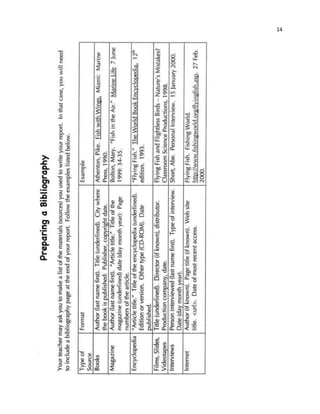
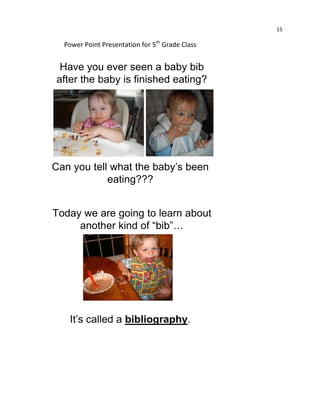
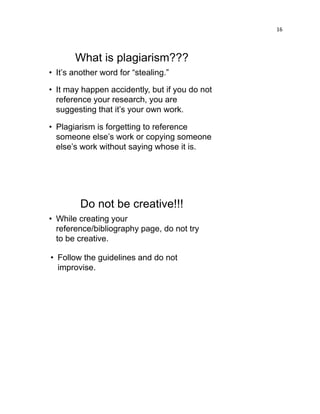
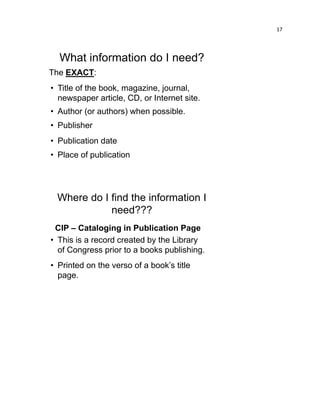
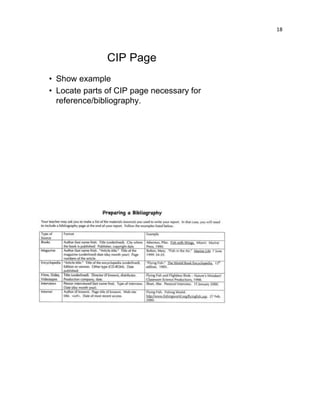
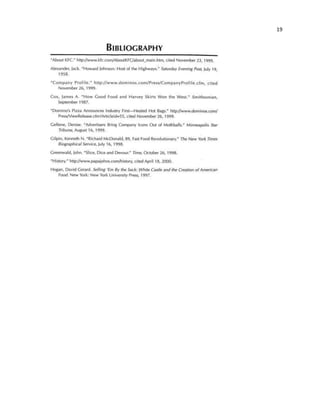
Information Literacy Plan<br />Lee Ann Pittman<br />FRIT 7136<br />Dr. Stephanie Jones<br />Fall 2009<br />Pathfinder URL<br />http://bibliography-copyright.wikispaces.com/<br />Title of the Lesson:Bibliographies and CopyrightGrade Level: 5th GradeCurriculum Area:Language ArtsTime Frame3: 40 minute class periods<br />Overview of Bibliographies and Copyright<br />This unit is designed for a 5th grade class.  The teacher has assigned research topics and the students are prepared to begin the process of locating information.  The research topics focus on animal and plant life in different stages.  The students are required to make an informational book with facts about their specific topic.  <br />After spending some time with the 5th grade teacher, we determined that collaborating on a lesson about bibliographies and copyright would be relevant.  The teacher will continue to work with students and teach them about animal and plant life and the media specialist will help them learn how to cite a source and use their own information.<br />Stage 1- Desired Results<br />Content Standards:<br />Information Literacy Standards for the Lesson:<br /> Indicator 3.1.6: Use information and technology ethically and responsibly.<br />Grade 5 <br />-Demonstrate understanding of plagiarism by paraphrasing information or noting direct quotes.<br />-Understand that authors and illustrators own their writings and art, and it is against the law to copy their work.<br />-Credit all sources properly with title, author, and page number.<br />-Observe Web safety procedures including safeguarding personal information.<br />-Practice responsible use of technology and describe personal consequences of inappropriate use.<br />-Respect privacy of others (email, files, passwords, book checkout, etc.).<br />5th Grade GPS Standards for the Unit:<br />ELA5W3: The student uses research and technology to support writing.  The student <br />Acknowledges information from sources.
Uses organizational features of printed text (i.e., citations, end notes, bibliographic references, appendices) to locate relevant information
Uses various reference materials (i.e., dictionary, thesaurus, encyclopedia, electronic information, almanac, atlas, magazines, and newspapers) as aid to writing.
Uses the features of text (e.g., index, table of contents, guide words, alphabetical/numerical order) to obtain and organize information and thoughts.
Demonstrates basic keyboarding skills and familiarity with computer technology (e.g., software, memory, disk drive, hard drive).
Creates simple documents by using electronic media and employing organizational features (e.g., passwords, entry and pull down menus, word searches, thesaurus, and spell check).
Uses a thesaurus to identify alternative word choices and meanings.Lesson Understandings<br />Students will understand that:<br />-Copyright and the legal issues surrounding this topic.<br />-Locating and understanding the CIP page in a book<br />-The definition of Verso.<br />-Students will understand how to prepare a bibliography.<br />-Students will learn research skills through World Book Online and http://jointhecteam.com<br />Lesson Essential Questions<br />Why is it important to cite your source if information is gathered from books, articles, internet, or any source of media?<br />What is the most accurate way to cite a source?<br />Lesson Knowledge and Skills<br />KnowledgeStudents will know:How to cite a source correctly.The definition and severity of copyright infringement.SkillsStudents will be able to:-Discuss what a bibliography is.-Have and understanding of copyright, plagiarism, CIP page, and Verso.Lesson Materials and Equipment<br />-ELMO projector<br />-Handouts<br />     Copyright Skit<br />      Bibliography Cheat Sheet<br /> -Laptop for Power Point presentation<br />-Smart Board<br />-At least 15 computer stations for students to begin their research<br />Lesson Procedures/Activities<br />(3-day, 40 minute lessons created for 5th grade students at Gum Springs Elementary School by Lee Ann Pittman)<br />Day One:<br />-Copyright Skit (skit performed by 5th grade students) Script attached<br />-Begin with Power point Presentation, discuss all slides and notes <br />-Let’s do an example together.<br /> (Place a novel’s CIP page under the ELMO and locate necessary information.  Create a citation on the dry erase board.  Answer any questions students might have.)<br />-Now it’s your turn!<br />- Each student chooses a novel from his/her desk.<br />- Locate the CIP page.<br />-Using the “Preparing a Bibliography” cheat sheet, create a citation for  <br />that book. (Students should be asked to write a citation on the back of <br />            the cheat sheet.) <br />Answer questions students have as they complete this task.Day 2<br />-Review key topics discussed during day 1.<br />- Bibliography vs. Reference Page<br />- Copyright<br />- Plagiarism<br />- CIP Page<br />- Verso<br />- Students take out their “Preparing a Bibliography” cheat sheets.<br />- Yesterday we practiced citing a source.  What kind of source did we cite? <br />- Today, we will practice citing source in small groups.  The class will break into 7 groups.<br />- Though you will be working in small groups, every person is expected to  <br />write the citations down on the back of the cheat sheets.  You will be <br />           adding to these citations so write small enough so several can fit on a <br />           page.<br /> Encyclopedia 2009 example: Classifying Amphibians, Face to Face with Caterpillars, Why am I a Fish? Classifying Birds, Plant Classification, Why am I a Mammal?  These books were chosen because the fifth grade will be doing research topics in these particular areas.
Now let’s look at our cheat sheet and discuss citing encyclopedia articles.  the dry erase board.)
Small groups are given an encyclopedia and have to cite an article from the one they have been given.  (Locate the article by opening the encyclopedia up anywhere and choose a topic quickly.)Day 3<br />Yesterday we practiced citing a nonfiction book and an encyclopedia article.
Today we are going to look at citing magazine articles and website articles.
 Have the class break out into small groups as assigned.  Remind students that they must have their cheat sheets.
Locate the magazine source on the cheat sheets.  Discuss information needed.
Give each group a magazine- open the magazine to a previously assigned magazine article.  The group will then cite the article.  I will use seven issues of National Geographic Kids.
Discuss magazine citations, do one on the Smart Board with the class.
Locate the website source information on the cheat sheet.  Discuss the information needed.
Emphasize the difference in the “page title” and “web site title.”
Give small groups the article entitled “Florida Panther” taken from the Defenders of Wildlife page.
Students cite the source.
Discuss webpage citation and write on Smart Board.

Information literacy plan1

  • 1.
    Information Literacy Plan<br/>Lee Ann Pittman<br />FRIT 7136<br />Dr. Stephanie Jones<br />Fall 2009<br />Pathfinder URL<br />http://bibliography-copyright.wikispaces.com/<br />Title of the Lesson:Bibliographies and CopyrightGrade Level: 5th GradeCurriculum Area:Language ArtsTime Frame3: 40 minute class periods<br />Overview of Bibliographies and Copyright<br />This unit is designed for a 5th grade class. The teacher has assigned research topics and the students are prepared to begin the process of locating information. The research topics focus on animal and plant life in different stages. The students are required to make an informational book with facts about their specific topic. <br />After spending some time with the 5th grade teacher, we determined that collaborating on a lesson about bibliographies and copyright would be relevant. The teacher will continue to work with students and teach them about animal and plant life and the media specialist will help them learn how to cite a source and use their own information.<br />Stage 1- Desired Results<br />Content Standards:<br />Information Literacy Standards for the Lesson:<br /> Indicator 3.1.6: Use information and technology ethically and responsibly.<br />Grade 5 <br />-Demonstrate understanding of plagiarism by paraphrasing information or noting direct quotes.<br />-Understand that authors and illustrators own their writings and art, and it is against the law to copy their work.<br />-Credit all sources properly with title, author, and page number.<br />-Observe Web safety procedures including safeguarding personal information.<br />-Practice responsible use of technology and describe personal consequences of inappropriate use.<br />-Respect privacy of others (email, files, passwords, book checkout, etc.).<br />5th Grade GPS Standards for the Unit:<br />ELA5W3: The student uses research and technology to support writing. The student <br />Acknowledges information from sources.
  • 2.
    Uses organizational featuresof printed text (i.e., citations, end notes, bibliographic references, appendices) to locate relevant information
  • 3.
    Uses various referencematerials (i.e., dictionary, thesaurus, encyclopedia, electronic information, almanac, atlas, magazines, and newspapers) as aid to writing.
  • 4.
    Uses the featuresof text (e.g., index, table of contents, guide words, alphabetical/numerical order) to obtain and organize information and thoughts.
  • 5.
    Demonstrates basic keyboardingskills and familiarity with computer technology (e.g., software, memory, disk drive, hard drive).
  • 6.
    Creates simple documentsby using electronic media and employing organizational features (e.g., passwords, entry and pull down menus, word searches, thesaurus, and spell check).
  • 7.
    Uses a thesaurusto identify alternative word choices and meanings.Lesson Understandings<br />Students will understand that:<br />-Copyright and the legal issues surrounding this topic.<br />-Locating and understanding the CIP page in a book<br />-The definition of Verso.<br />-Students will understand how to prepare a bibliography.<br />-Students will learn research skills through World Book Online and http://jointhecteam.com<br />Lesson Essential Questions<br />Why is it important to cite your source if information is gathered from books, articles, internet, or any source of media?<br />What is the most accurate way to cite a source?<br />Lesson Knowledge and Skills<br />KnowledgeStudents will know:How to cite a source correctly.The definition and severity of copyright infringement.SkillsStudents will be able to:-Discuss what a bibliography is.-Have and understanding of copyright, plagiarism, CIP page, and Verso.Lesson Materials and Equipment<br />-ELMO projector<br />-Handouts<br /> Copyright Skit<br /> Bibliography Cheat Sheet<br /> -Laptop for Power Point presentation<br />-Smart Board<br />-At least 15 computer stations for students to begin their research<br />Lesson Procedures/Activities<br />(3-day, 40 minute lessons created for 5th grade students at Gum Springs Elementary School by Lee Ann Pittman)<br />Day One:<br />-Copyright Skit (skit performed by 5th grade students) Script attached<br />-Begin with Power point Presentation, discuss all slides and notes <br />-Let’s do an example together.<br /> (Place a novel’s CIP page under the ELMO and locate necessary information. Create a citation on the dry erase board. Answer any questions students might have.)<br />-Now it’s your turn!<br />- Each student chooses a novel from his/her desk.<br />- Locate the CIP page.<br />-Using the “Preparing a Bibliography” cheat sheet, create a citation for <br />that book. (Students should be asked to write a citation on the back of <br /> the cheat sheet.) <br />Answer questions students have as they complete this task.Day 2<br />-Review key topics discussed during day 1.<br />- Bibliography vs. Reference Page<br />- Copyright<br />- Plagiarism<br />- CIP Page<br />- Verso<br />- Students take out their “Preparing a Bibliography” cheat sheets.<br />- Yesterday we practiced citing a source. What kind of source did we cite? <br />- Today, we will practice citing source in small groups. The class will break into 7 groups.<br />- Though you will be working in small groups, every person is expected to <br />write the citations down on the back of the cheat sheets. You will be <br /> adding to these citations so write small enough so several can fit on a <br /> page.<br /> Encyclopedia 2009 example: Classifying Amphibians, Face to Face with Caterpillars, Why am I a Fish? Classifying Birds, Plant Classification, Why am I a Mammal? These books were chosen because the fifth grade will be doing research topics in these particular areas.
  • 8.
    Now let’s lookat our cheat sheet and discuss citing encyclopedia articles. the dry erase board.)
  • 9.
    Small groups aregiven an encyclopedia and have to cite an article from the one they have been given. (Locate the article by opening the encyclopedia up anywhere and choose a topic quickly.)Day 3<br />Yesterday we practiced citing a nonfiction book and an encyclopedia article.
  • 10.
    Today we aregoing to look at citing magazine articles and website articles.
  • 11.
    Have theclass break out into small groups as assigned. Remind students that they must have their cheat sheets.
  • 12.
    Locate the magazinesource on the cheat sheets. Discuss information needed.
  • 13.
    Give each groupa magazine- open the magazine to a previously assigned magazine article. The group will then cite the article. I will use seven issues of National Geographic Kids.
  • 14.
    Discuss magazine citations,do one on the Smart Board with the class.
  • 15.
    Locate the websitesource information on the cheat sheet. Discuss the information needed.
  • 16.
    Emphasize the differencein the “page title” and “web site title.”
  • 17.
    Give small groupsthe article entitled “Florida Panther” taken from the Defenders of Wildlife page.
  • 18.
  • 19.
    Discuss webpage citationand write on Smart Board.