UNDERSTANDING CULTURE
• Definitionof culture (Belief, Values,
Customs.)
• Importance of cultural awareness in
communication.
• Quote: “Isolated cultures stagnate;
cultures that communicate evolve.” -
Thomas Sowell.
4.
CULTURE
1. Beliefs -Definition: Deeply held ideas
about what is true (e.g., religious, moral, or
societal truths).
Example: Belief in individualism (Western
cultures) vs. collectivism (Asian cultures).
5.
CULTURE
2. Values -Definition: Principles considered
important (e.g., respect, equality,
punctuality).
- Example: Time as a strict value in
Germany vs. flexible time perception in
Brazil.
6.
CULTURE
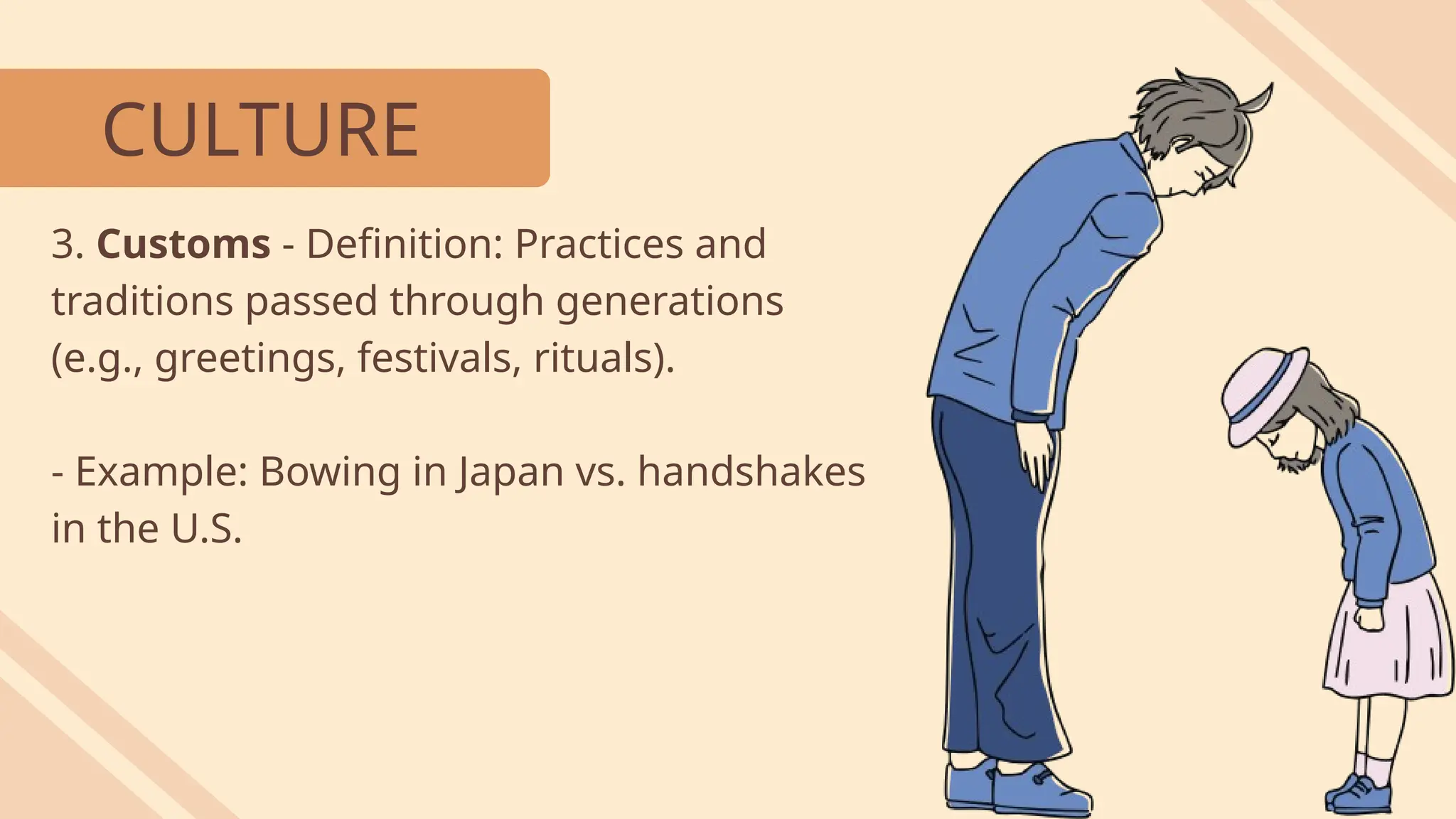
3. Customs -Definition: Practices and
traditions passed through generations
(e.g., greetings, festivals, rituals).
- Example: Bowing in Japan vs. handshakes
in the U.S.
MULTICULTURAL
Multicultural refers toa society that containes several cultural or ethnic groups. People live alongside one
another, but each cultural group does not necessarily have engaging interactions with each other. For
example, in a multicultural neighborhood people may frequent ethnic grocery stores and restaurants
without really interacting with their neighbors from other countries.
9.
Key aspects ofcommunication in multicultural
settings:
• Cultural Awareness
• Intercultural Communication
• High vs. Low Context
Communication
• Verbal and Nonverbal Cues
• Language Differences
• Cultural Sensitivity
10.
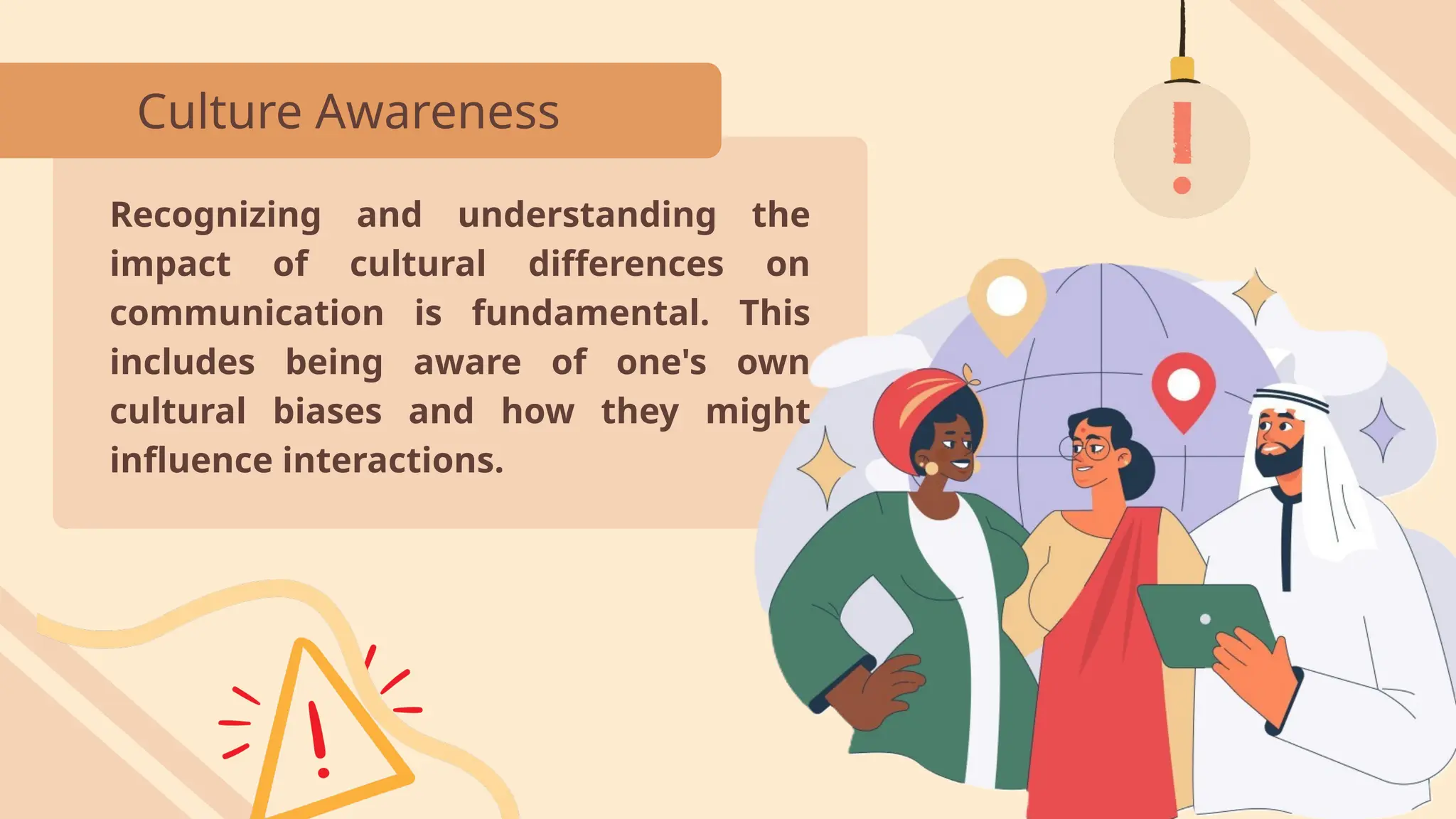
Culture Awareness
Recognizing andunderstanding the
impact of cultural differences on
communication is fundamental. This
includes being aware of one's own
cultural biases and how they might
influence interactions.
11.
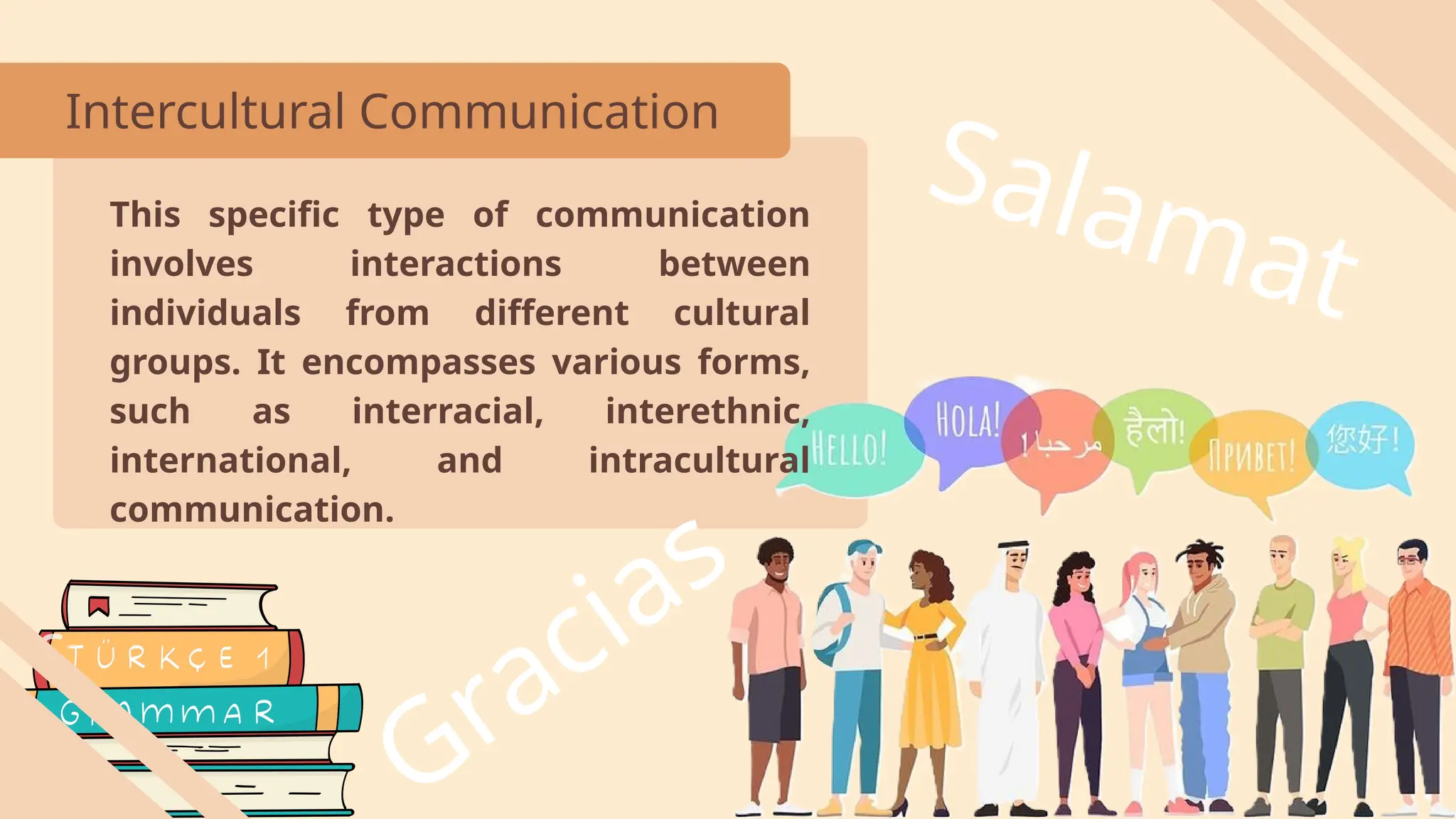
Intercultural Communication
This specifictype of communication
involves interactions between
individuals from different cultural
groups. It encompasses various forms,
such as interracial, interethnic,
international, and intracultural
communication.
Salamat
Gracias
12.
High vs. LowContext Communication
Understanding the difference between
high and low context communication
styles is crucial. High context cultures
rely heavily on implicit communication
and nonverbal cues, while low context
cultures tend to be more direct and
explicit.
13.
Verbal & NonverbalCues
Different cultures have varying
interpretations of verbal and nonverbal
cues, such as gestures, eye contact, and
personal space. Being aware of these
differences can prevent
misinterpretations.
14.
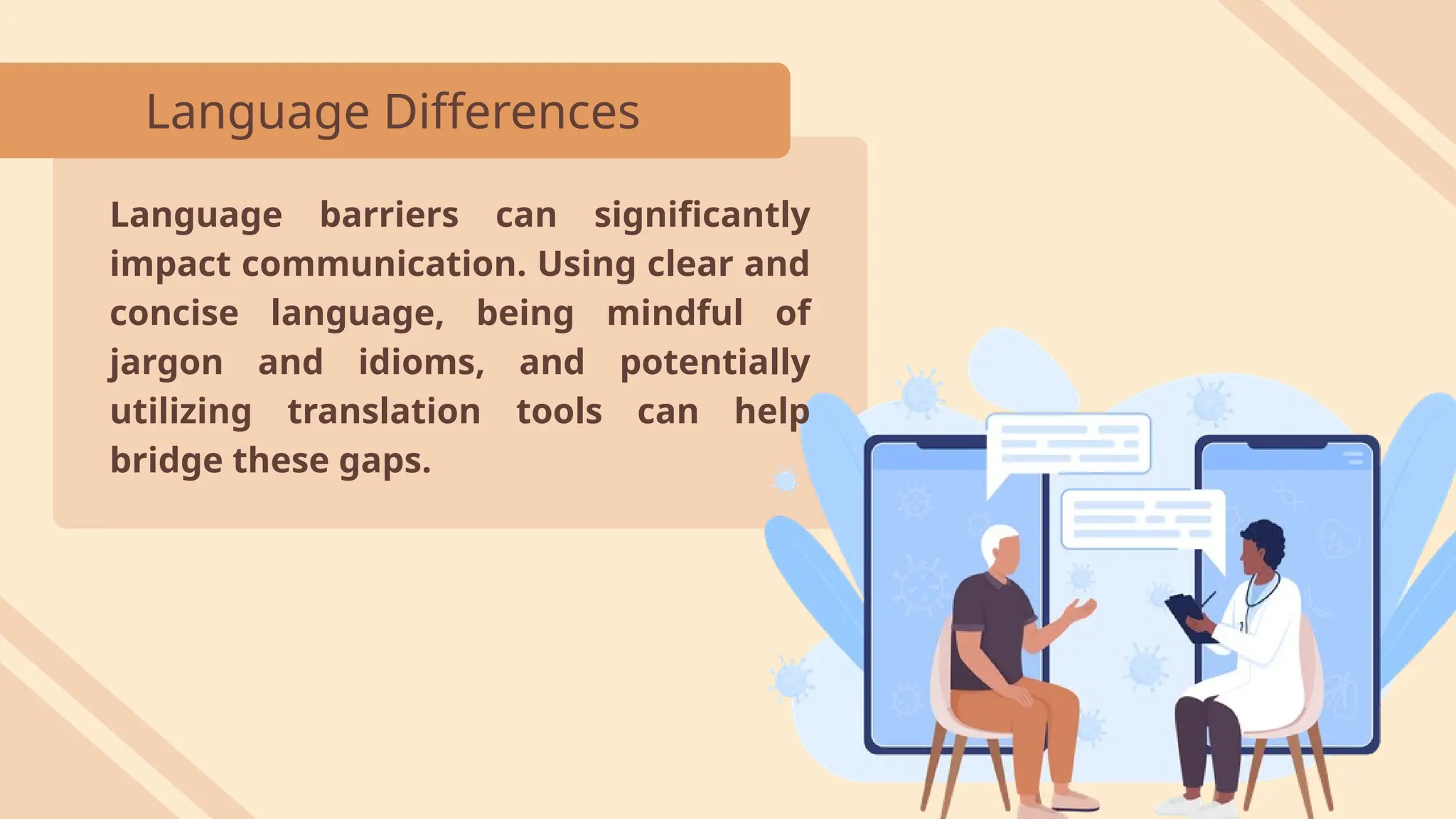
Language Differences
Language barrierscan significantly
impact communication. Using clear and
concise language, being mindful of
jargon and idioms, and potentially
utilizing translation tools can help
bridge these gaps.
15.
Cultural Sensitivity
Developing culturalsensitivity involves
showing respect for other cultures,
being open to learning about different
perspectives, and adapting
communication styles accordingly.
16.
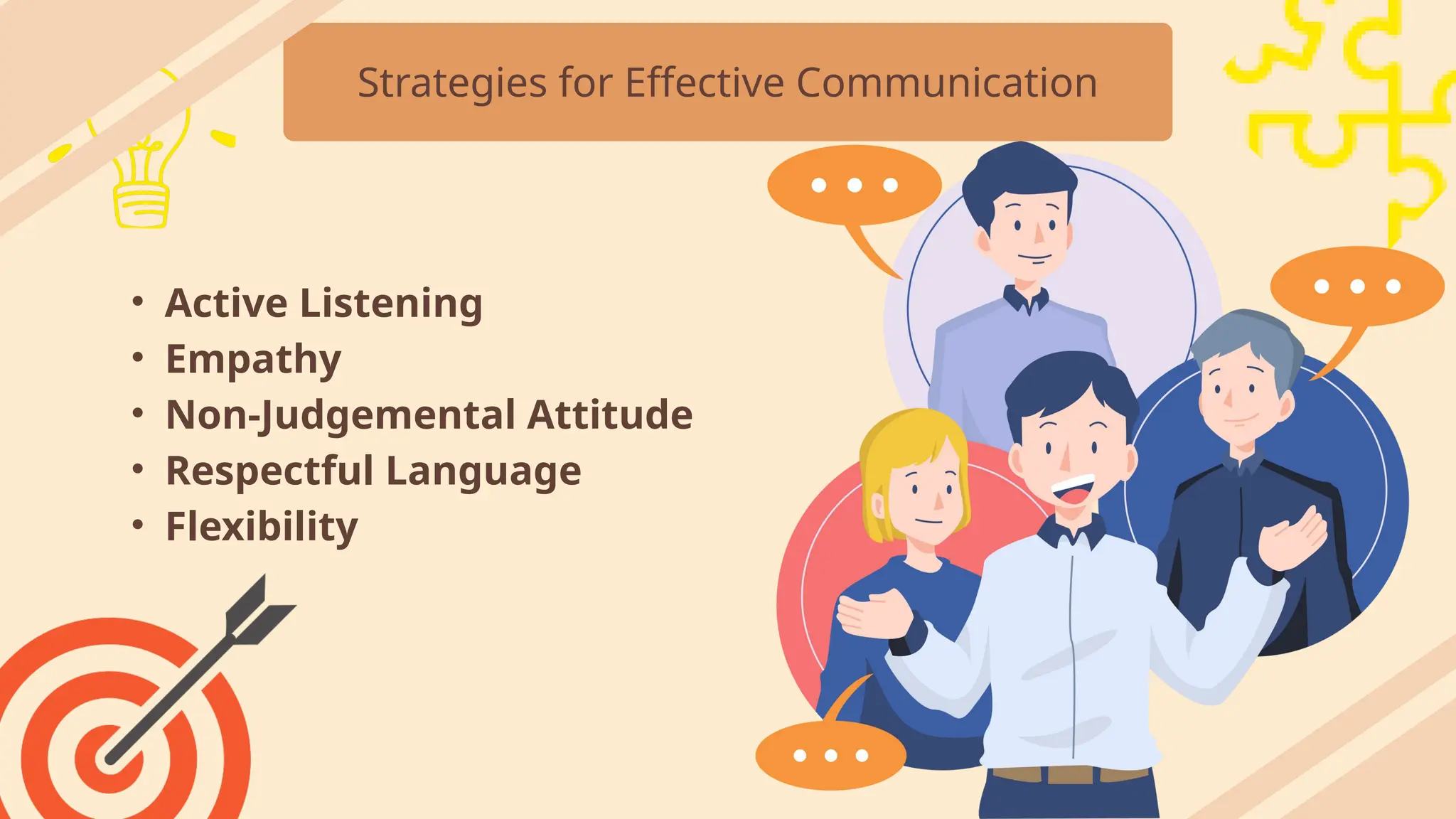
Strategies for EffectiveCommunication
• Active Listening
• Empathy
• Non-Judgemental Attitude
• Respectful Language
• Flexibility
17.
Active Listening
Paying closeattention to what others
are saying, both verbally and
nonverbally, and asking clarifying
questions.












![Chapt_4[1].ppt very interseting and important](https://cdn.slidesharecdn.com/ss_thumbnails/chapt41-251208222956-7cf5e0fa-thumbnail.jpg?width=640&height=640&fit=bounds)


![iStat Menus 7.20 Crack for MacOS 2026 Full Version [Latest] pptx](https://cdn.slidesharecdn.com/ss_thumbnails/softwareoverview-251207191544-22b737dc-thumbnail.jpg?width=640&height=640&fit=bounds)
![Moho Pro 14.4 Crack for MacOS Works Until 2050 [Latest] pptx](https://cdn.slidesharecdn.com/ss_thumbnails/softwareoverview-251207192639-797289c4-thumbnail.jpg?width=640&height=640&fit=bounds)
![Chapter4_Initiation_of_Sediment_Motion_v2[1].pptx](https://cdn.slidesharecdn.com/ss_thumbnails/chapter4initiationofsedimentmotionv21-251208223747-f94ef163-thumbnail.jpg?width=640&height=640&fit=bounds)