Human Rights and Language
         Policy
  Joris de Bres
  Race Relations Commissioner
  Language, Education and Development Conference
  University of Auckland, November 2011
Rights of minorities
“In those states in which
  ethnic, religious or
  linguistic minorities
  exist, persons belonging to
  such minorities shall not
  be denied the right, in
  community with the other
  members of their
  group, to enjoy their own
  culture, to profess and
  practice their own            Covenant on Civil and Political Rights
                                                            Article 27
  religion, or to use their
  own language.”
NZ Bill of Rights Act
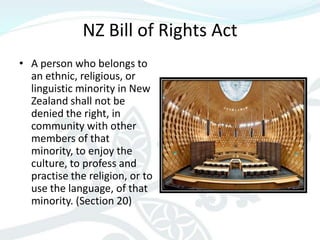
• A person who belongs to
  an ethnic, religious, or
  linguistic minority in New
  Zealand shall not be
  denied the right, in
  community with other
  members of that
  minority, to enjoy the
  culture, to profess and
  practise the religion, or to
  use the language, of that
  minority. (Section 20)
Rights of Indigenous peoples
 Indigenous peoples have
  the right to revitalise, use,
  develop and transmit to
  future generations their
  histories, languages, oral
  traditions, philosophies,
  writing systems and
  literatures, and to
  designate and retain their
  own names for
  communities, places and
  persons. (Article 13)
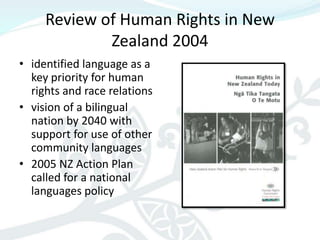
Review of Human Rights in New
             Zealand 2004
• identified language as a
  key priority for human
  rights and race relations
• vision of a bilingual
  nation by 2040 with
  support for use of other
  community languages
• 2005 NZ Action Plan
  called for a national
  languages policy
Human Rights Commission Initiatives
• Language Policy Network
• Monthly newsletter, Te
  Waka Reo
• Annual Language Policy
  Forum
• Annual Review of
  language developments
• Statement on Language
  Policy
• Promotion of Language
  Weeks
• Facebook and YouTube
Statement on Language Policy

• Launched at LED in 2005
• Purpose was to provide
  an elementary framework
  to prioritise, implement
  and monitor language
  policy development in NZ
  pending a more
  substantive strategy
Statement on Language Policy
             Te reo Māori
• New Zealand has a
  particular responsibility
  under the Treaty of
  Waitangi and
  international law to
  protect and promote te
  reo Māori as the
  indigenous language of
  New Zealand.
Statement on Language Policy
       Other indigenous languages
• New Zealand also has a
  special responsibility to
  protect and promote
  other languages that
  are indigenous to the
  New Zealand realm:
  Vagahau Niue, Gagana
  Tokelau, Cook Island
  Māori, and New
  Zealand Sign Language.
Statement on Language Policy
         Other Pacific languages
• New Zealand has a
  regional responsibility
  as a Pacific nation to
  promote and protect
  other Pacific languages,
  particularly where
  significant proportions
  of their communities
  live in New Zealand.
Milestones 2005-2011
•   Mind Your Language project
•   Language Line
•   NZ Sign Language Act
•   New Zealand Curriculum
•   Te Marautanga, Māori Medium Curriculum
•   Guidelines for Māori in English medium schools
•   Language curriculum statements
•   Use of te reo Māori in the public domain
•   Language weeks
•   Establishment of Māori Television
In process
•   Response to Waitangi Tribunal report
•   Response to Māori language review
•   New Māori Language Strategy
•   Kohanga Reo claim
•   Pacific Languages Framework
Obstacles to Progress
• Government’s resistance to cost implications
  of language strategies and action plans
• Education Ministry’s narrow focus on national
  standards of English literacy
• Ministry does not recognise duty in relation to
  endangered Pacific languages
• No home or leadership responsibility for
  language policy in government
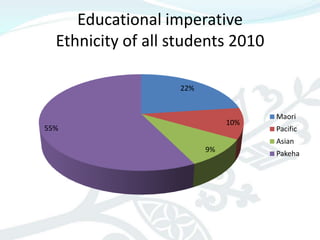
Educational imperative
  Ethnicity of all students 2010

                   22%


                                    Maori
                              10%
55%                                 Pacific
                                    Asian
                         9%
                                    Pakeha
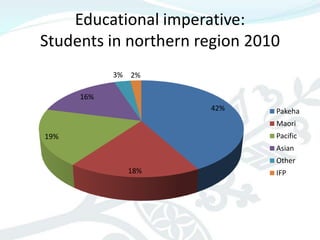
Educational imperative:
Students in northern region 2010
            3% 2%

      16%
                      42%      Pakeha
                               Maori
19%                            Pacific
                               Asian
                               Other
              18%              IFP
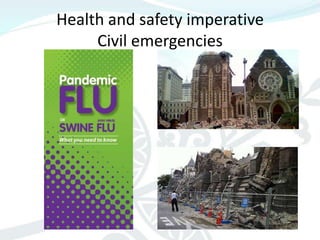
Health and safety imperative
     Civil emergencies
International dimensions
• Māori in Australia
• Islands in the New Zealand realm: Cook
  Islands, Niue, Tokelau
• Samoan Treaty of Friendship
• International human rights
• Trade and international relations
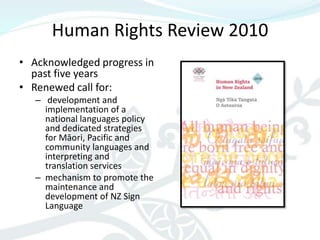
Human Rights Review 2010
• Acknowledged progress in
  past five years
• Renewed call for:
   – development and
     implementation of a
     national languages policy
     and dedicated strategies
     for Māori, Pacific and
     community languages and
     interpreting and
     translation services
   – mechanism to promote the
     maintenance and
     development of NZ Sign
     Language
Immediate priorities
•   New Māori language strategy
•   Pacific languages strategy
•   NZ Sign Language strategy
•   Community languages strategy
•   Revisiting the need for an overall national
    languages policy, framework or strategy
Immediate priorities
• Increasing Ministry of Education commitment
  to language learning and maintenance
• Te reo Māori as a core subject in schools
• Civil emergency preparedness and response
• Encouraging communities to assert their
  human right to language

Human rights and language policy

  • 1.
    Human Rights andLanguage Policy Joris de Bres Race Relations Commissioner Language, Education and Development Conference University of Auckland, November 2011
  • 2.
    Rights of minorities “Inthose states in which ethnic, religious or linguistic minorities exist, persons belonging to such minorities shall not be denied the right, in community with the other members of their group, to enjoy their own culture, to profess and practice their own Covenant on Civil and Political Rights Article 27 religion, or to use their own language.”
  • 3.
    NZ Bill ofRights Act • A person who belongs to an ethnic, religious, or linguistic minority in New Zealand shall not be denied the right, in community with other members of that minority, to enjoy the culture, to profess and practise the religion, or to use the language, of that minority. (Section 20)
  • 4.
    Rights of Indigenouspeoples  Indigenous peoples have the right to revitalise, use, develop and transmit to future generations their histories, languages, oral traditions, philosophies, writing systems and literatures, and to designate and retain their own names for communities, places and persons. (Article 13)
  • 5.
    Review of HumanRights in New Zealand 2004 • identified language as a key priority for human rights and race relations • vision of a bilingual nation by 2040 with support for use of other community languages • 2005 NZ Action Plan called for a national languages policy
  • 6.
    Human Rights CommissionInitiatives • Language Policy Network • Monthly newsletter, Te Waka Reo • Annual Language Policy Forum • Annual Review of language developments • Statement on Language Policy • Promotion of Language Weeks • Facebook and YouTube
  • 7.
    Statement on LanguagePolicy • Launched at LED in 2005 • Purpose was to provide an elementary framework to prioritise, implement and monitor language policy development in NZ pending a more substantive strategy
  • 8.
    Statement on LanguagePolicy Te reo Māori • New Zealand has a particular responsibility under the Treaty of Waitangi and international law to protect and promote te reo Māori as the indigenous language of New Zealand.
  • 9.
    Statement on LanguagePolicy Other indigenous languages • New Zealand also has a special responsibility to protect and promote other languages that are indigenous to the New Zealand realm: Vagahau Niue, Gagana Tokelau, Cook Island Māori, and New Zealand Sign Language.
  • 10.
    Statement on LanguagePolicy Other Pacific languages • New Zealand has a regional responsibility as a Pacific nation to promote and protect other Pacific languages, particularly where significant proportions of their communities live in New Zealand.
  • 11.
    Milestones 2005-2011 • Mind Your Language project • Language Line • NZ Sign Language Act • New Zealand Curriculum • Te Marautanga, Māori Medium Curriculum • Guidelines for Māori in English medium schools • Language curriculum statements • Use of te reo Māori in the public domain • Language weeks • Establishment of Māori Television
  • 12.
    In process • Response to Waitangi Tribunal report • Response to Māori language review • New Māori Language Strategy • Kohanga Reo claim • Pacific Languages Framework
  • 13.
    Obstacles to Progress •Government’s resistance to cost implications of language strategies and action plans • Education Ministry’s narrow focus on national standards of English literacy • Ministry does not recognise duty in relation to endangered Pacific languages • No home or leadership responsibility for language policy in government
  • 14.
    Educational imperative Ethnicity of all students 2010 22% Maori 10% 55% Pacific Asian 9% Pakeha
  • 15.
    Educational imperative: Students innorthern region 2010 3% 2% 16% 42% Pakeha Maori 19% Pacific Asian Other 18% IFP
  • 16.
    Health and safetyimperative Civil emergencies
  • 17.
    International dimensions • Māoriin Australia • Islands in the New Zealand realm: Cook Islands, Niue, Tokelau • Samoan Treaty of Friendship • International human rights • Trade and international relations
  • 18.
    Human Rights Review2010 • Acknowledged progress in past five years • Renewed call for: – development and implementation of a national languages policy and dedicated strategies for Māori, Pacific and community languages and interpreting and translation services – mechanism to promote the maintenance and development of NZ Sign Language
  • 19.
    Immediate priorities • New Māori language strategy • Pacific languages strategy • NZ Sign Language strategy • Community languages strategy • Revisiting the need for an overall national languages policy, framework or strategy
  • 20.
    Immediate priorities • IncreasingMinistry of Education commitment to language learning and maintenance • Te reo Māori as a core subject in schools • Civil emergency preparedness and response • Encouraging communities to assert their human right to language