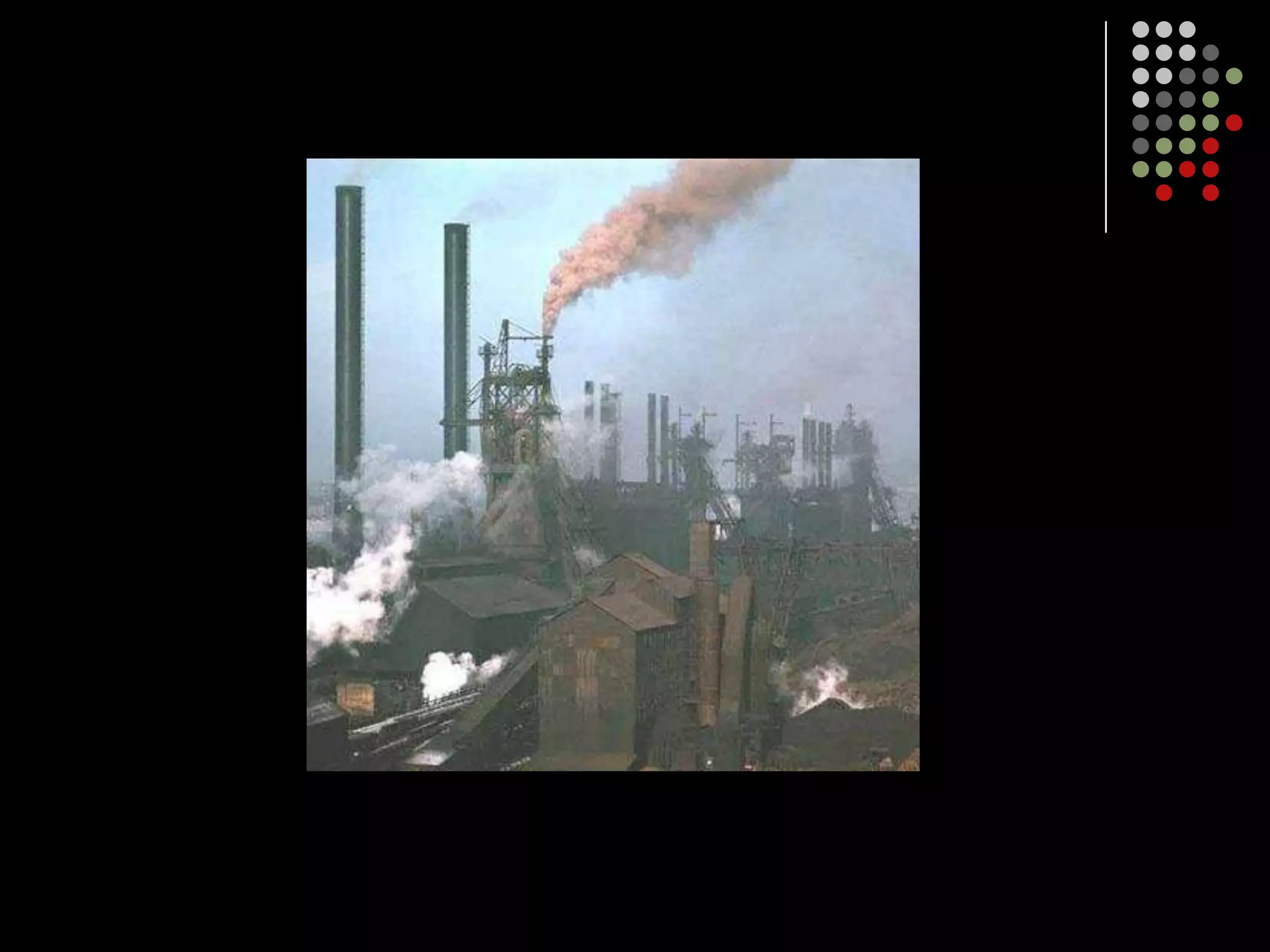
How to stir things up
             for good
Advocacy
“Never doubt that a small group of
  thoughtful, committed citizens can change
  the world. Indeed, it is the only thing that ever
  has.”
                                - Margaret Meade
Advocacy
Charity vs. Justice
Charity and justice are two distinct
 components within social ministry that
 answer the call to new life in the world:
 two ends of a spectrum of living out one’s
 faith. Both encompass compassionate
 caring for the oppressed, the poor and the
 vulnerable. Both define our call to live out
 the Gospel of God’s love and
 reconciliation. Yet they differ in scope, in
 method, in goals.
Charity and justice are two distinct
 components within social ministry that
 answer the call to new life in the world:
 two ends of a spectrum of living out one’s
 faith. Both encompass compassionate
 caring for the oppressed, the poor and the
 vulnerable. Both define our call to live out
 the Gospel of God’s love and
 reconciliation. Yet they differ in scope, in
 method, in goals. Complementary, yes.
 The same, no.
Charity responds to an immediate need.

It provides direct service such as food,
   clothing or shelter. Often a private and
   individual act of caring, it is directed
   toward the effects of social injustice.
Charity responds to an immediate need.

It provides direct service such as food,
   clothing or shelter. Often a private and
   individual act of caring, it is directed
   toward the effects of social injustice.
    - Serving in a soup kitchen
Charity responds to an immediate need.

It provides direct service such as food,
   clothing or shelter. Often a private and
   individual act of caring, it is directed
   toward the effects of social injustice.
    - Serving in a soup kitchen
   - Donating clothes to the Salvation Army
Charity responds to an immediate need.

It provides direct service such as
   food, clothing or shelter. Often a private
   and individual act of caring, it is directed
   toward the effects of social injustice.
    - Serving in a soup kitchen
   - Donating clothes to the Salvation Army
   - Volunteering in the brothels in
      Cambodia
Justice addresses long-term
  conditions, promoting social change in
  institutions, policies and systems. Justice is
  public, political, and oriented to collective
  action for change. It directs us toward the
  causes of social injustice.
Justice addresses long-term conditions,
  promoting social change in institutions,
  policies and systems. Justice is public,
  political, and oriented to collective action for
  change. It directs us toward the causes of
  social injustice.
  - Asking your Member of Congress to vote a
  particular way on a bill
Justice addresses long-term conditions,
  promoting social change in institutions,
  policies and systems. Justice is public,
  political, and oriented to collective action for
  change. It directs us toward the causes of
  social injustice.
  - Asking your Member of Congress to vote a
  particular way on a bill
  - Holding a community meeting to protest a
  local business’ environment practices
Justice addresses long-term
  conditions, promoting social change in
  institutions, policies and systems. Justice is
  public, political, and oriented to collective
  action for change. It directs us toward the
  causes of social injustice.
  - Asking your Member of Congress to vote a
  particular way on a bill
  - Holding a community meeting to protest a
  local business’ environment practices
  - Holding a voter registration drive
To Advocate is to
    stir things up
To Advocate is to
    stir things up
          for good
What is Advocacy?
What is Advocacy?
… an action directed at changing the policies, positions or
 programs of any type of institution.
What is Advocacy?
… an action directed at changing the policies, positions or
 programs of any type of institution.
… is speaking up, drawing a community’s attention to an
 important issue, and directing decision makers toward a
 solution.
What is Advocacy?
… an action directed at changing the policies, positions or
 programs of any type of institution.
… is speaking up, drawing a community’s attention to an
 important issue, and directing decision makers toward a
 solution.
… is putting a problem on the agenda, providing a solution
 to that problem and building support for action on both
 the problem and solution.
What is Advocacy?
… an action directed at changing the policies, positions or
 programs of any type of institution.
… is speaking up, drawing a community’s attention to an
 important issue, and directing decision makers toward a
 solution.
… is putting a problem on the agenda, providing a solution
 to that problem and building support for action on both
 the problem and solution.
… is the process of people participating in decision-making
 processes which affect their lives.
You must be the change you
 want to see in the world.

         - Mahatma Gandhi
In a report from the Congressional
  Management Foundation on October 03,
  2011 --

“Congressional offices are receiving between
  200 to 1,000 percent more constituent
  communications than they were ten years
  ago.
Despite the increase, a survey of congressional
  staff indicates that 90 percent believe
  constituent communications remains a "high
  priority" for the office.”
Members of Congress are listening
 District or DC Office visits

 Email

 Phone calls

 POPVOX
HOW TO BE AN ADVOCATE
STAGE 1
 Identify the Issue
STAGE 1
 Identify the Issue

 Politics = who gets what,
  when & how
STAGE 1
 Identify the Issue
     what is the problem?
     who are the actors/decision makers involved in this
      issue?
     what is the public perception of the problem?
     what are those in opposition saying?
     what has been tried to remedy the issue in the past but
      failed and why?
STAGE 2
 Define the objective
STAGE 2
     what is the goal?
     who are the decision makers?
     how will you define success?
     what is your timeline?
     what outcome is politically,
      economically and socially feasible?
Components of a
Guiding Document
Components of a
Guiding Document
   a concise and persuasive statement that offers
    the goals of the advocacy action – what is to be
    achieved, why, and how
Components of a
Guiding Document
   a concise and persuasive statement that offers
    the goals of the advocacy action – what is to be
    achieved, why, and how
   a statement on why this is an the objective
    achievable
Components of a
Guiding Document
   a concise and persuasive statement that offers
    the goals of the advocacy action – what is to be
    achieved, why, and how
   a statement on why this is an the objective
    achievable
   a show of support for this objective
Components of a
Guiding Document
   a concise and persuasive statement that offers
    the goals of the advocacy action – what is to be
    achieved, why, and how
   a statement on why this is an the objective
    achievable
   a show of support for this objective
   an accounting of sufficient resources (money
    and supporters’ time) to achieve the goal
Components of a
Guiding Document
   a concise and persuasive statement that offers
    the goals of the advocacy action – what is to be
    achieved, why, and how
   a statement on why this is an the objective
    achievable
   a show of support for this objective
   an accounting of sufficient resources (money
    and supporters’ time) to achieve the goal
   a clear and realistic time frame
STAGE 3
 Build support
STAGE 3
    Who are the people who can influence
     the outcome?
    Who are the stakeholders?
    Who are your allies? (including strange
     bedfellows)
    What is role of the press?
STAGE 3

     Define the decision makers for the
      movement.
     Decide clear roles of who will be moving
      the issue ahead.
     Provide mechanisms for leaders to be
      accountable.
STAGE 3
     Build a LIST of those who want to be
      engaged (and keep it updated)
STAGE 3
     Build a LIST of those who want to be
      engaged (and keep it updated)
         Encourage those on the list to invite others in
          their organizations, churches to join as well
         Communicate with them regularly with
          updates to keep up the momentum
STAGE 4
 Engage
STAGE 4
 Engage
 - a public gathering
STAGE 4
 Engage
 - Communicate your
   message
STAGE 4
 Engage through the media
      write a letter to the editor and
       encourage others to do the same
      ask prominent members of your group
       to write an op-ed for publication
STAGE 4
 Engage online
     create a social network presence
         BLOG – free blog sites from Google
         Website – can create for free
         Facebook – create your own group
         Twitter – tweeting for change
STAGE 4
 Engage by keeping informed
     Create a POPVOX account
POPVOX – www.popvox.com
STAGE 4
 Engage
STAGE 4
 Engage
 your Member of Congress
Engaging Congress
Remember –
a survey of congressional staff indicates that
  90 percent believe constituent
  communications remains a "high priority"
  for the office.”
Engaging Congress


The big secret to meeting with your Member of
  Congress, either in Washington DC or in the
  district office is . . . .
Engaging Congress


The big secret to meeting with your Member of
  Congress, either in Washington DC or in the
  district office is . . . .

call the office and make an appointment.
Keys to a successful visit

1. Do your research.
    Know your Member’s position on the issue, including
voting record.
    Spend some time in your preparation with others
thinking about the types of questions that will be asked of
you and preparing answers.
    Be prepared to answer the question: what does it mean
if this decision is made (or not made). Name those who will
be affected.
Keys to a successful visit

2. Practice, Practice, Practice.
   Be able to make your case clearly and quickly using
    your one-pager for talking points and facts. Most
    meetings in Congressional offices last for only 10 – 15
    minutes.
   Be prepared to offer solutions, especially if there are
    ways that you can help if appropriate.
Keys to a successful visit

3. Determine a speaking order.
     Determine the speaking order. Generally, the person
      who has the most knowledge about the subject should
      lead the conversation.
     Make sure that each person has an opportunity to share
      their personal connection to the issue and answer the
      question, “Why is this issue important to me.”
     Before the visit, it is a good idea to talk through the order
      of speaking and each person’s answer to this question.
Keys to a successful visit

4. Have realistic expectations.
     Most likely you will be meeting with a staffer. This
      doesn’t mean that your issue isn’t important. Staffers are
      the work-horses of DC and Members rely on them
      heavily for information on how their constituents feel
      about the issues.
     Don’t expect the Member or Staffer to change their mind
      on the spot because of your visit.
     Be respectful of the time you are allotted for your visit
      and don’t be upset if you are asked to wait for your
      meeting.
Keys to a successful visit

5. Leave behind information.
     Prior to the visit, assemble materials that include a
      summary of the group’s position, including the names
      and contact information of all who visited.
     Include any other press pieces or supporting documents,
      such as media pieces or op-eds from prominent
      individuals, that support your case.
     Can leave a small “token” that complies with House or
      Senate rules for gifts as a visual reminder.
Keys to a successful visit

6. Thank them for the meeting.
     Thank the staffer or Member for their time at the close of
      the meeting.
     Follow up with a note or call after the event.
     If they promised to take further action or provide you with
      more information, you can remind them of that promise at
      that time.
Keys to a successful visit

7. Share the news
     Use the communications networks that you have
      developed to report on the meeting and encourage any
      specific follow up.
Keys to a successful visit

  Only have 5 minutes?
Keys to a successful visit

  Only have 5 minutes?

          A simple call will do.
Keys to a successful visit

  You can reach any Member’s office by
  calling the Capitol Switchboard at


     202-224-3121
  and asking the operator to transfer you
  to that office.
Keys to a successful visit

  When on the call….
  - Identify yourself and give your
  address
  - tell the staffer why you are
  calling and offer your opinion
Questions?
Comments?
Thanks for attending….

Robin Fillmore, PhD
Advocacy Coordinator
CWU and NCC
robinfillmore@churchwomen.org
202-481-6929

How to stir things up for good

  • 1.
    How to stirthings up
  • 2.
    How to stirthings up for good
  • 6.
  • 7.
    “Never doubt thata small group of thoughtful, committed citizens can change the world. Indeed, it is the only thing that ever has.” - Margaret Meade
  • 8.
  • 9.
    Charity and justiceare two distinct components within social ministry that answer the call to new life in the world: two ends of a spectrum of living out one’s faith. Both encompass compassionate caring for the oppressed, the poor and the vulnerable. Both define our call to live out the Gospel of God’s love and reconciliation. Yet they differ in scope, in method, in goals.
  • 10.
    Charity and justiceare two distinct components within social ministry that answer the call to new life in the world: two ends of a spectrum of living out one’s faith. Both encompass compassionate caring for the oppressed, the poor and the vulnerable. Both define our call to live out the Gospel of God’s love and reconciliation. Yet they differ in scope, in method, in goals. Complementary, yes. The same, no.
  • 11.
    Charity responds toan immediate need. It provides direct service such as food, clothing or shelter. Often a private and individual act of caring, it is directed toward the effects of social injustice.
  • 12.
    Charity responds toan immediate need. It provides direct service such as food, clothing or shelter. Often a private and individual act of caring, it is directed toward the effects of social injustice. - Serving in a soup kitchen
  • 13.
    Charity responds toan immediate need. It provides direct service such as food, clothing or shelter. Often a private and individual act of caring, it is directed toward the effects of social injustice. - Serving in a soup kitchen - Donating clothes to the Salvation Army
  • 14.
    Charity responds toan immediate need. It provides direct service such as food, clothing or shelter. Often a private and individual act of caring, it is directed toward the effects of social injustice. - Serving in a soup kitchen - Donating clothes to the Salvation Army - Volunteering in the brothels in Cambodia
  • 15.
    Justice addresses long-term conditions, promoting social change in institutions, policies and systems. Justice is public, political, and oriented to collective action for change. It directs us toward the causes of social injustice.
  • 16.
    Justice addresses long-termconditions, promoting social change in institutions, policies and systems. Justice is public, political, and oriented to collective action for change. It directs us toward the causes of social injustice. - Asking your Member of Congress to vote a particular way on a bill
  • 17.
    Justice addresses long-termconditions, promoting social change in institutions, policies and systems. Justice is public, political, and oriented to collective action for change. It directs us toward the causes of social injustice. - Asking your Member of Congress to vote a particular way on a bill - Holding a community meeting to protest a local business’ environment practices
  • 18.
    Justice addresses long-term conditions, promoting social change in institutions, policies and systems. Justice is public, political, and oriented to collective action for change. It directs us toward the causes of social injustice. - Asking your Member of Congress to vote a particular way on a bill - Holding a community meeting to protest a local business’ environment practices - Holding a voter registration drive
  • 19.
    To Advocate isto stir things up
  • 20.
    To Advocate isto stir things up for good
  • 21.
  • 22.
    What is Advocacy? …an action directed at changing the policies, positions or programs of any type of institution.
  • 23.
    What is Advocacy? …an action directed at changing the policies, positions or programs of any type of institution. … is speaking up, drawing a community’s attention to an important issue, and directing decision makers toward a solution.
  • 24.
    What is Advocacy? …an action directed at changing the policies, positions or programs of any type of institution. … is speaking up, drawing a community’s attention to an important issue, and directing decision makers toward a solution. … is putting a problem on the agenda, providing a solution to that problem and building support for action on both the problem and solution.
  • 25.
    What is Advocacy? …an action directed at changing the policies, positions or programs of any type of institution. … is speaking up, drawing a community’s attention to an important issue, and directing decision makers toward a solution. … is putting a problem on the agenda, providing a solution to that problem and building support for action on both the problem and solution. … is the process of people participating in decision-making processes which affect their lives.
  • 26.
    You must bethe change you want to see in the world. - Mahatma Gandhi
  • 27.
    In a reportfrom the Congressional Management Foundation on October 03, 2011 -- “Congressional offices are receiving between 200 to 1,000 percent more constituent communications than they were ten years ago. Despite the increase, a survey of congressional staff indicates that 90 percent believe constituent communications remains a "high priority" for the office.”
  • 28.
    Members of Congressare listening  District or DC Office visits  Email  Phone calls  POPVOX
  • 29.
    HOW TO BEAN ADVOCATE
  • 30.
  • 31.
    STAGE 1 Identifythe Issue Politics = who gets what, when & how
  • 32.
    STAGE 1 Identifythe Issue  what is the problem?  who are the actors/decision makers involved in this issue?  what is the public perception of the problem?  what are those in opposition saying?  what has been tried to remedy the issue in the past but failed and why?
  • 33.
    STAGE 2 Definethe objective
  • 34.
    STAGE 2  what is the goal?  who are the decision makers?  how will you define success?  what is your timeline?  what outcome is politically, economically and socially feasible?
  • 35.
  • 36.
    Components of a GuidingDocument  a concise and persuasive statement that offers the goals of the advocacy action – what is to be achieved, why, and how
  • 37.
    Components of a GuidingDocument  a concise and persuasive statement that offers the goals of the advocacy action – what is to be achieved, why, and how  a statement on why this is an the objective achievable
  • 38.
    Components of a GuidingDocument  a concise and persuasive statement that offers the goals of the advocacy action – what is to be achieved, why, and how  a statement on why this is an the objective achievable  a show of support for this objective
  • 39.
    Components of a GuidingDocument  a concise and persuasive statement that offers the goals of the advocacy action – what is to be achieved, why, and how  a statement on why this is an the objective achievable  a show of support for this objective  an accounting of sufficient resources (money and supporters’ time) to achieve the goal
  • 40.
    Components of a GuidingDocument  a concise and persuasive statement that offers the goals of the advocacy action – what is to be achieved, why, and how  a statement on why this is an the objective achievable  a show of support for this objective  an accounting of sufficient resources (money and supporters’ time) to achieve the goal  a clear and realistic time frame
  • 41.
  • 42.
    STAGE 3  Who are the people who can influence the outcome?  Who are the stakeholders?  Who are your allies? (including strange bedfellows)  What is role of the press?
  • 43.
    STAGE 3  Define the decision makers for the movement.  Decide clear roles of who will be moving the issue ahead.  Provide mechanisms for leaders to be accountable.
  • 44.
    STAGE 3  Build a LIST of those who want to be engaged (and keep it updated)
  • 45.
    STAGE 3  Build a LIST of those who want to be engaged (and keep it updated)  Encourage those on the list to invite others in their organizations, churches to join as well  Communicate with them regularly with updates to keep up the momentum
  • 46.
  • 47.
    STAGE 4 Engage - a public gathering
  • 48.
    STAGE 4 Engage - Communicate your message
  • 49.
    STAGE 4 Engagethrough the media  write a letter to the editor and encourage others to do the same  ask prominent members of your group to write an op-ed for publication
  • 50.
    STAGE 4 Engageonline  create a social network presence  BLOG – free blog sites from Google  Website – can create for free  Facebook – create your own group  Twitter – tweeting for change
  • 51.
    STAGE 4 Engageby keeping informed  Create a POPVOX account
  • 52.
  • 53.
  • 54.
    STAGE 4 Engage your Member of Congress
  • 55.
    Engaging Congress Remember – asurvey of congressional staff indicates that 90 percent believe constituent communications remains a "high priority" for the office.”
  • 56.
    Engaging Congress The bigsecret to meeting with your Member of Congress, either in Washington DC or in the district office is . . . .
  • 57.
    Engaging Congress The bigsecret to meeting with your Member of Congress, either in Washington DC or in the district office is . . . . call the office and make an appointment.
  • 58.
    Keys to asuccessful visit 1. Do your research.  Know your Member’s position on the issue, including voting record.  Spend some time in your preparation with others thinking about the types of questions that will be asked of you and preparing answers.  Be prepared to answer the question: what does it mean if this decision is made (or not made). Name those who will be affected.
  • 59.
    Keys to asuccessful visit 2. Practice, Practice, Practice.  Be able to make your case clearly and quickly using your one-pager for talking points and facts. Most meetings in Congressional offices last for only 10 – 15 minutes.  Be prepared to offer solutions, especially if there are ways that you can help if appropriate.
  • 60.
    Keys to asuccessful visit 3. Determine a speaking order.  Determine the speaking order. Generally, the person who has the most knowledge about the subject should lead the conversation.  Make sure that each person has an opportunity to share their personal connection to the issue and answer the question, “Why is this issue important to me.”  Before the visit, it is a good idea to talk through the order of speaking and each person’s answer to this question.
  • 61.
    Keys to asuccessful visit 4. Have realistic expectations.  Most likely you will be meeting with a staffer. This doesn’t mean that your issue isn’t important. Staffers are the work-horses of DC and Members rely on them heavily for information on how their constituents feel about the issues.  Don’t expect the Member or Staffer to change their mind on the spot because of your visit.  Be respectful of the time you are allotted for your visit and don’t be upset if you are asked to wait for your meeting.
  • 62.
    Keys to asuccessful visit 5. Leave behind information.  Prior to the visit, assemble materials that include a summary of the group’s position, including the names and contact information of all who visited.  Include any other press pieces or supporting documents, such as media pieces or op-eds from prominent individuals, that support your case.  Can leave a small “token” that complies with House or Senate rules for gifts as a visual reminder.
  • 63.
    Keys to asuccessful visit 6. Thank them for the meeting.  Thank the staffer or Member for their time at the close of the meeting.  Follow up with a note or call after the event.  If they promised to take further action or provide you with more information, you can remind them of that promise at that time.
  • 64.
    Keys to asuccessful visit 7. Share the news  Use the communications networks that you have developed to report on the meeting and encourage any specific follow up.
  • 65.
    Keys to asuccessful visit Only have 5 minutes?
  • 66.
    Keys to asuccessful visit Only have 5 minutes? A simple call will do.
  • 67.
    Keys to asuccessful visit You can reach any Member’s office by calling the Capitol Switchboard at 202-224-3121 and asking the operator to transfer you to that office.
  • 68.
    Keys to asuccessful visit When on the call…. - Identify yourself and give your address - tell the staffer why you are calling and offer your opinion
  • 69.
  • 70.
    Thanks for attending…. RobinFillmore, PhD Advocacy Coordinator CWU and NCC robinfillmore@churchwomen.org 202-481-6929