How A
Career
Assessment
Test
Works
You’re after your dream job but
can’t quite put your finger on what
job that is??
Hey, computers seem intelligent these days.
Maybe they can find it for me?
Great Idea......
How do they do that?
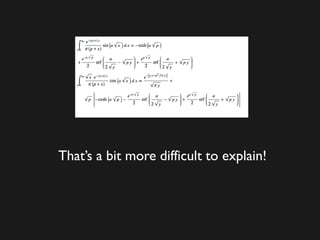
That’s a bit more difficult to explain!
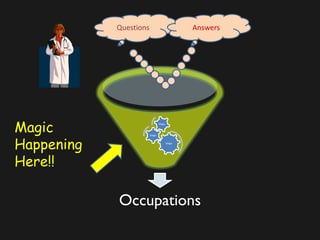
Occupations
Magic
Magic
Magic
Magic
Happening
Here!!
Questions Answers
What is this
magic you speak
of ??
First some background..........
Most of the more popular career
assessment tests are based on
the theory of John Holland who
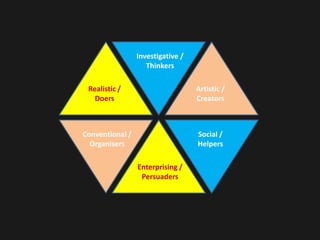
created 6 personality types
Investigative /
Thinkers
Social /
Helpers
Artistic /
Creators
Enterprising /
Persuaders
Conventional /
Organisers
Realistic /
Doers
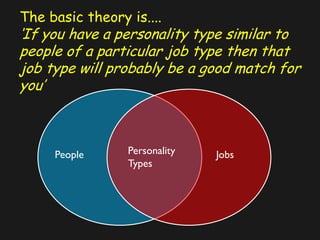
People JobsPersonality
Types
The basic theory is....
‘If you have a personality type similar to
people of a particular job type then that
job type will probably be a good match for
you’
Let’s dive deeper into the most
popular career assessment test
The Strong Interest Inventory (SII)
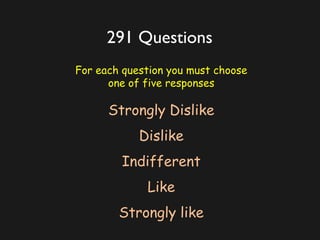
291 Questions
For each question you must choose
one of five responses
Strongly Dislike
Dislike
Indifferent
Like
Strongly like
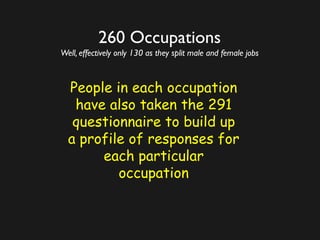
260 Occupations
Well, effectively only 130 as they split male and female jobs
People in each occupation
have also taken the 291
questionnaire to build up
a profile of responses for
each particular
occupation
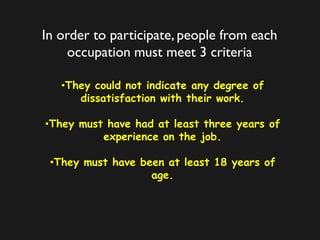
In order to participate, people from each
occupation must meet 3 criteria
•They could not indicate any degree of
dissatisfaction with their work.
•They must have had at least three years of
experience on the job.
•They must have been at least 18 years of
age.
So...
If your answers to the 291
questions are somewhat similar to
those answers from people in a
specific occupation then given that
these people are not dissatisfied
with their occupation and have been
in that occupation for over 3 years
then there is a good chance that
you will also find a decent level of
satisfaction in the same occupation.
Happy with that ??
Errr.....Excuse me please. Just a few questions ?
1. How happy are these people that took the
questionnaire with their occupations?
2. Who are these people that took the questionnaire
for specific occupations?
3. Of all the people that took the questionnaire for
a given occupation, surely they couldn’t have
answered the 291 questions in the same manner?
4. If they didn’t answer the questions in the same
manner then how is ‘an occupation’ defined in
terms of responses to the 291 questions?
1. How happy are these people that took the
questionnaire with their occupations?
No idea. All we know is
that they have been in
their occupation for over
three years and have not
expressed dissatisfaction
with that occupation.
2. Who are these people that took the
questionnaire for specific occupations?
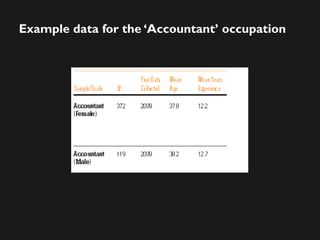
The Strong Interest Inventory Manual
Supplement provides details on the
number of people (who took the
questionnaire) for each occupation, the
year the data was collected, the
average age of those taking the survey
and the average number of years that
people had been in that particular
occupation
Example data for the ‘Accountant’ occupation
3. Of all the people that took the questionnaire
for a given occupation, surely they couldn’t
have answered the 291 questions in the same
manner?
They didn’t. However, what is
interesting is that there are
some definitive patterns of
answers for people in the same
occupation. This brings us to
the 4th question.
4. If they didn’t answer the questions in the
same manner then how is ‘an occupation’
defined in terms of responses to the 291
questions?
Essentially the responses of people in a
specific occupation are compared with
responses from those of a general sample
(called the General Representative Sample
– currently consists of 2250 individuals).
The way in which the responses differ for
those in the specific occupation is deemed
to be characteristic of that occupation
Awesome....
I get it now
I still have one more question though.....
How do you evaluate the
effectiveness of such a career
assessment test ?
Let’s find a bunch of people who took
the test and then chose an occupation
based on that test and find out whether
they are still in that occupation and how
satisfied they are with it?
One Problem.....
That could take years !!
The effectiveness is usually measured by
testing the ability to predict occupations
that people will eventually enter.
Simply put.....
Get people in certain occupations to take
the test and see if their occupation (or one
similar to it) gets the highest score.
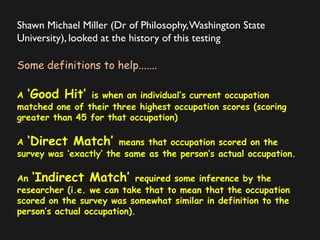
Shawn Michael Miller (Dr of Philosophy,Washington State
University), looked at the history of this testing
A ‘Good Hit’ is when an individual’s current occupation
matched one of their three highest occupation scores (scoring
greater than 45 for that occupation)
A ‘Direct Match’ means that occupation scored on the
survey was ‘exactly’ the same as the person’s actual occupation.
An ‘Indirect Match’ required some inference by the
researcher (i.e. we can take that to mean that the occupation
scored on the survey was somewhat similar in definition to the
person’s actual occupation).
Some definitions to help.......
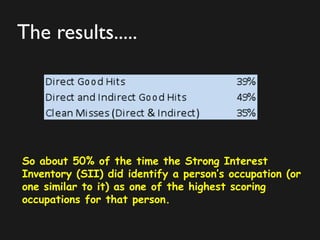
The results.....
So about 50% of the time the Strong Interest
Inventory (SII) did identify a person’s occupation (or
one similar to it) as one of the highest scoring
occupations for that person.
Summary.....
The top Career Assessment Tests have had a
significant amount of time, money and effort poured
into them over the years to make them as useful as
possible.
A career assessment test continues to be a valuable
asset in providing career guidance to individuals, but
it is important to understand exactly what you are
getting.
Iandboreham.com
Solving Daily Life
Thanks for reading!
Read the full article:
iandboreham.com/career-assessment-test/
Connect on Twitter:
@iandboreham

How A Career Assesment Test Works

  • 1.
  • 2.
    You’re after yourdream job but can’t quite put your finger on what job that is?? Hey, computers seem intelligent these days. Maybe they can find it for me?
  • 3.
  • 4.
    That’s a bitmore difficult to explain!
  • 5.
  • 6.
    What is this magicyou speak of ??
  • 7.
    First some background.......... Mostof the more popular career assessment tests are based on the theory of John Holland who created 6 personality types
  • 8.
    Investigative / Thinkers Social / Helpers Artistic/ Creators Enterprising / Persuaders Conventional / Organisers Realistic / Doers
  • 9.
    People JobsPersonality Types The basictheory is.... ‘If you have a personality type similar to people of a particular job type then that job type will probably be a good match for you’
  • 10.
    Let’s dive deeperinto the most popular career assessment test The Strong Interest Inventory (SII)
  • 11.
    291 Questions For eachquestion you must choose one of five responses Strongly Dislike Dislike Indifferent Like Strongly like
  • 12.
    260 Occupations Well, effectivelyonly 130 as they split male and female jobs People in each occupation have also taken the 291 questionnaire to build up a profile of responses for each particular occupation
  • 13.
    In order toparticipate, people from each occupation must meet 3 criteria •They could not indicate any degree of dissatisfaction with their work. •They must have had at least three years of experience on the job. •They must have been at least 18 years of age.
  • 14.
    So... If your answersto the 291 questions are somewhat similar to those answers from people in a specific occupation then given that these people are not dissatisfied with their occupation and have been in that occupation for over 3 years then there is a good chance that you will also find a decent level of satisfaction in the same occupation.
  • 15.
  • 16.
    Errr.....Excuse me please.Just a few questions ? 1. How happy are these people that took the questionnaire with their occupations? 2. Who are these people that took the questionnaire for specific occupations? 3. Of all the people that took the questionnaire for a given occupation, surely they couldn’t have answered the 291 questions in the same manner? 4. If they didn’t answer the questions in the same manner then how is ‘an occupation’ defined in terms of responses to the 291 questions?
  • 17.
    1. How happyare these people that took the questionnaire with their occupations? No idea. All we know is that they have been in their occupation for over three years and have not expressed dissatisfaction with that occupation.
  • 18.
    2. Who arethese people that took the questionnaire for specific occupations? The Strong Interest Inventory Manual Supplement provides details on the number of people (who took the questionnaire) for each occupation, the year the data was collected, the average age of those taking the survey and the average number of years that people had been in that particular occupation
  • 19.
    Example data forthe ‘Accountant’ occupation
  • 20.
    3. Of allthe people that took the questionnaire for a given occupation, surely they couldn’t have answered the 291 questions in the same manner? They didn’t. However, what is interesting is that there are some definitive patterns of answers for people in the same occupation. This brings us to the 4th question.
  • 21.
    4. If theydidn’t answer the questions in the same manner then how is ‘an occupation’ defined in terms of responses to the 291 questions? Essentially the responses of people in a specific occupation are compared with responses from those of a general sample (called the General Representative Sample – currently consists of 2250 individuals). The way in which the responses differ for those in the specific occupation is deemed to be characteristic of that occupation
  • 22.
    Awesome.... I get itnow I still have one more question though.....
  • 23.
    How do youevaluate the effectiveness of such a career assessment test ?
  • 24.
    Let’s find abunch of people who took the test and then chose an occupation based on that test and find out whether they are still in that occupation and how satisfied they are with it?
  • 25.
  • 26.
    The effectiveness isusually measured by testing the ability to predict occupations that people will eventually enter. Simply put..... Get people in certain occupations to take the test and see if their occupation (or one similar to it) gets the highest score.
  • 27.
    Shawn Michael Miller(Dr of Philosophy,Washington State University), looked at the history of this testing A ‘Good Hit’ is when an individual’s current occupation matched one of their three highest occupation scores (scoring greater than 45 for that occupation) A ‘Direct Match’ means that occupation scored on the survey was ‘exactly’ the same as the person’s actual occupation. An ‘Indirect Match’ required some inference by the researcher (i.e. we can take that to mean that the occupation scored on the survey was somewhat similar in definition to the person’s actual occupation). Some definitions to help.......
  • 28.
    The results..... So about50% of the time the Strong Interest Inventory (SII) did identify a person’s occupation (or one similar to it) as one of the highest scoring occupations for that person.
  • 29.
    Summary..... The top CareerAssessment Tests have had a significant amount of time, money and effort poured into them over the years to make them as useful as possible. A career assessment test continues to be a valuable asset in providing career guidance to individuals, but it is important to understand exactly what you are getting.
  • 30.
    Iandboreham.com Solving Daily Life Thanksfor reading! Read the full article: iandboreham.com/career-assessment-test/ Connect on Twitter: @iandboreham